Fixing Eyes on the Unseen – A Hard Gift to Keep

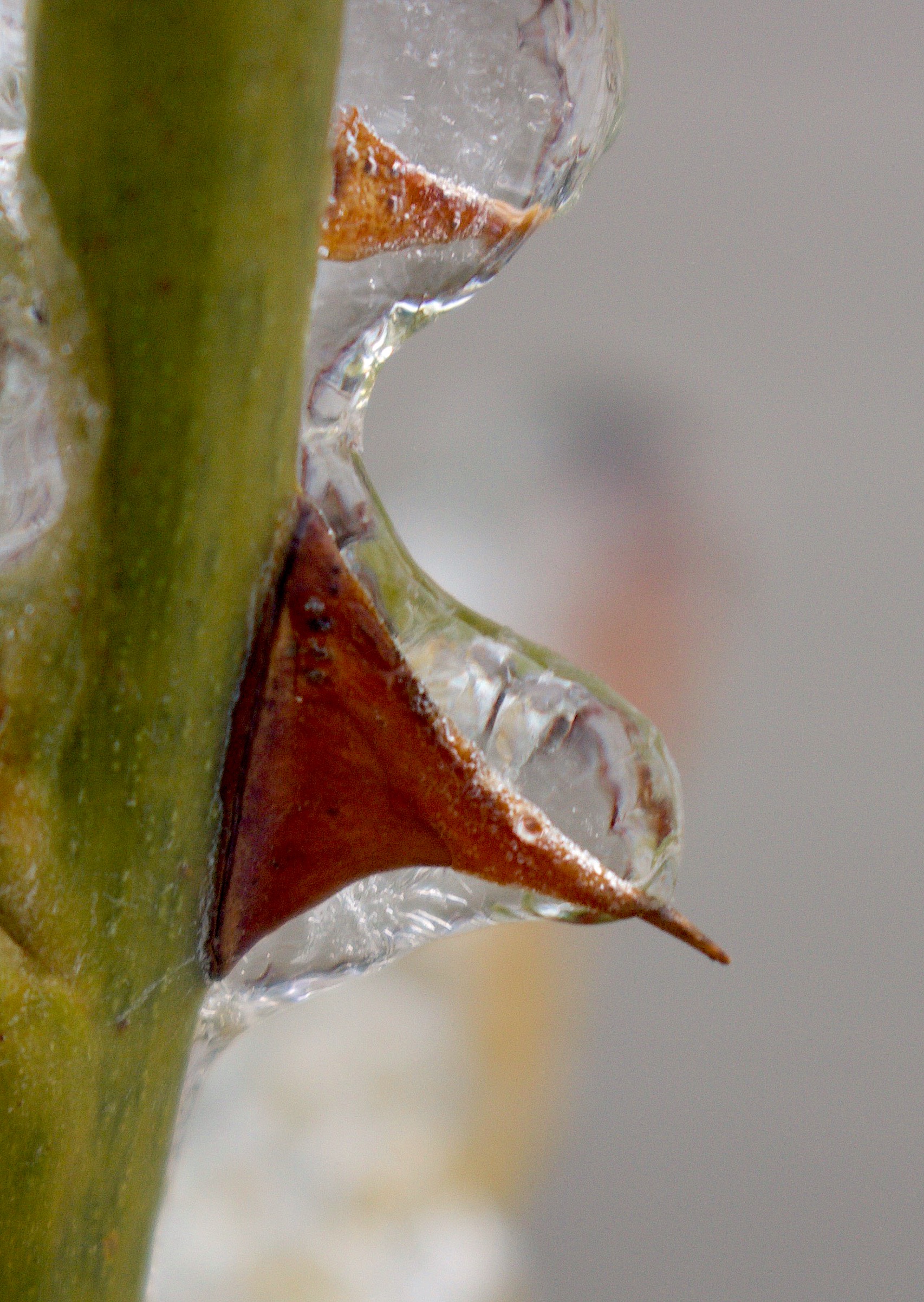
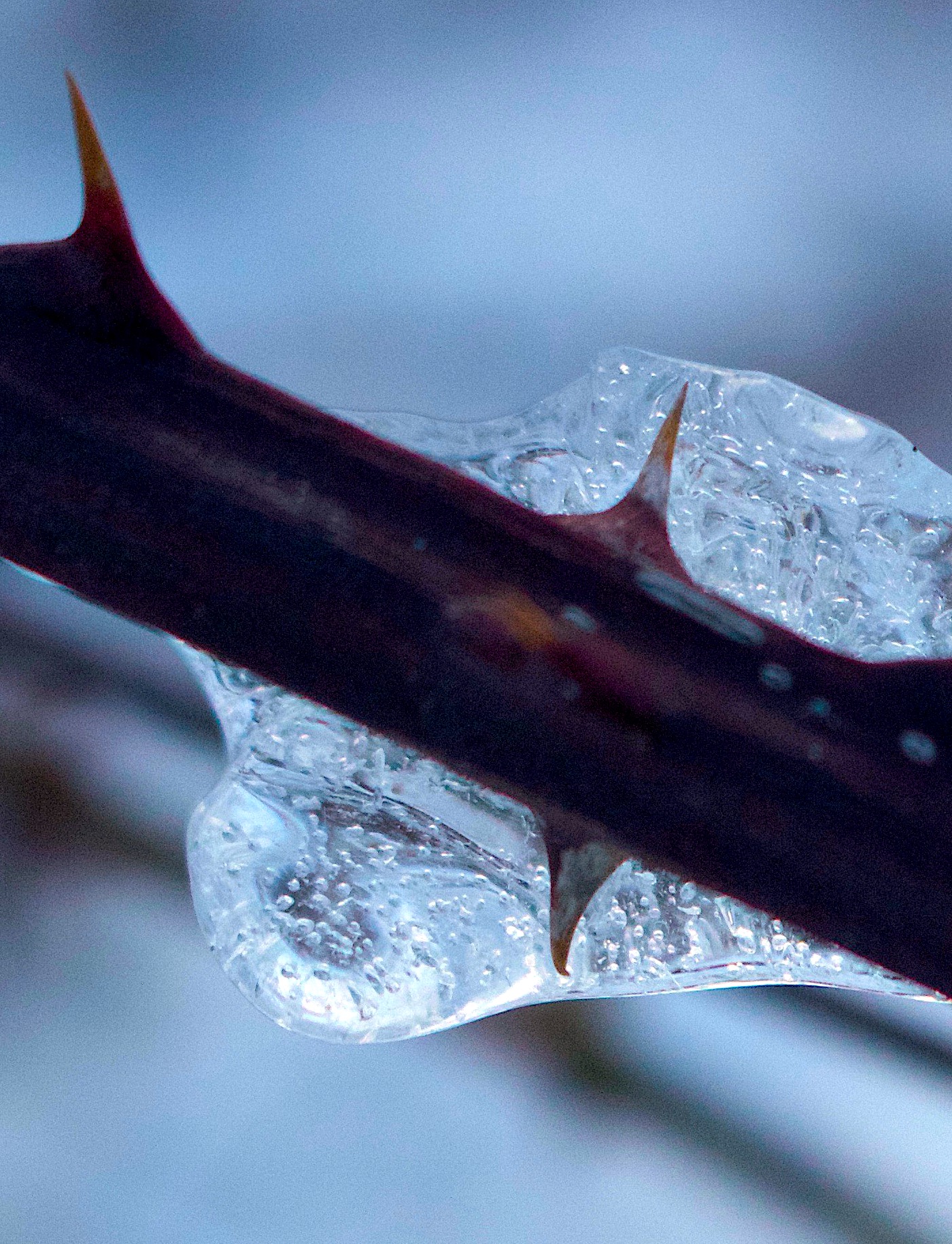
To pull the metal splinter from my palm
my father recited a story in a low voice.
I watched his lovely face and not the blade.
Before the story ended, he’d removed
the iron sliver I thought I’d die from.

I can’t remember the tale,
but hear his voice still, a well
of dark water, a prayer.
And I recall his hands,
two measures of tenderness
he laid against my face,
the flames of discipline
he raised above my head.

Had you entered that afternoon
you would have thought you saw a man
planting something in a boy’s palm,
a silver tear, a tiny flame.
Had you followed that boy
you would have arrived here,
where I bend over my wife’s right hand.

Look how I shave her thumbnail down
so carefully she feels no pain.
Watch as I lift the splinter out.
I was seven when my father
took my hand like this,
and I did not hold that shard
between my fingers and think,
Metal that will bury me,
christen it Little Assassin,
Ore Going Deep for My Heart.

And I did not lift up my wound and cry,
Death visited here!
I did what a child does
when he’s given something to keep.
I kissed my father.
~Li-Young Lee, “The Gift” from Rose

I did, without ever wanting to, remove my child’s splinter, lance a boil, immobilize a broken arm, pull together sliced skin, clean many dirty wounds. It felt like I crossed the line between mommy and doctor.  But someone had to do it, and a four hour wait in the emergency room didn’t seem warranted.

My own children learned to cope with hurt made worse by someone they trusted to be comforter. I dealt with inflicting pain, temporary though it may be, to flesh that arose from my flesh. It hurt as much as if it were my own wound needing cleansing, not theirs.

And so, in the similar way, our wounds are His – He is constantly feeling our pain as He performs healing surgeries in our lives, not because He wants to but because He must, to save us from our own self-destruction. Too often we yell and kick and protest in our distress, making it all that much more difficult for both of us.

If only we can come to acknowledge His intervention is our salvage:
our tears to flow in relief, not anguish,
we cling to His protection rather than pushing Him away,
we kiss Him in gratitude as we are restored again and yet again.

This year’s Lenten theme:
So we fix our eyes not on what is seen, but on what is unseen, since what is seen is temporary, but what is unseen is eternal.
2 Corinthians 4: 18

The Light of a Dawn Rain

All day the stars watch from long ago
my mother said I am going now
when you are alone you will be all right
whether or not you know you will know
look at the old house in the dawn rain
all the flowers are forms of water
the sun reminds them through a white cloud
touches the patchwork spread on the hill
the washed colors of the afterlife
that lived there long before you were born
see how they wake without a question
even though the whole world is burning

~W.S. Merwin “Rain Light”

My childhood fear was that my parents might die young and leave me alone to fend for myself. This fear was certainly fed by nuclear threats, bomb drills at school and the Cuban missile crisis. It felt as though the world was so uncertain that even the most routine day felt fraught with the potential of a tragic ending. As an overly-sensitive eight year old, I struggled to go to school because I was certain I would not see my mother again if bombs dropped and the world ended in fire. That prospect was more terrifying than my own life ending.

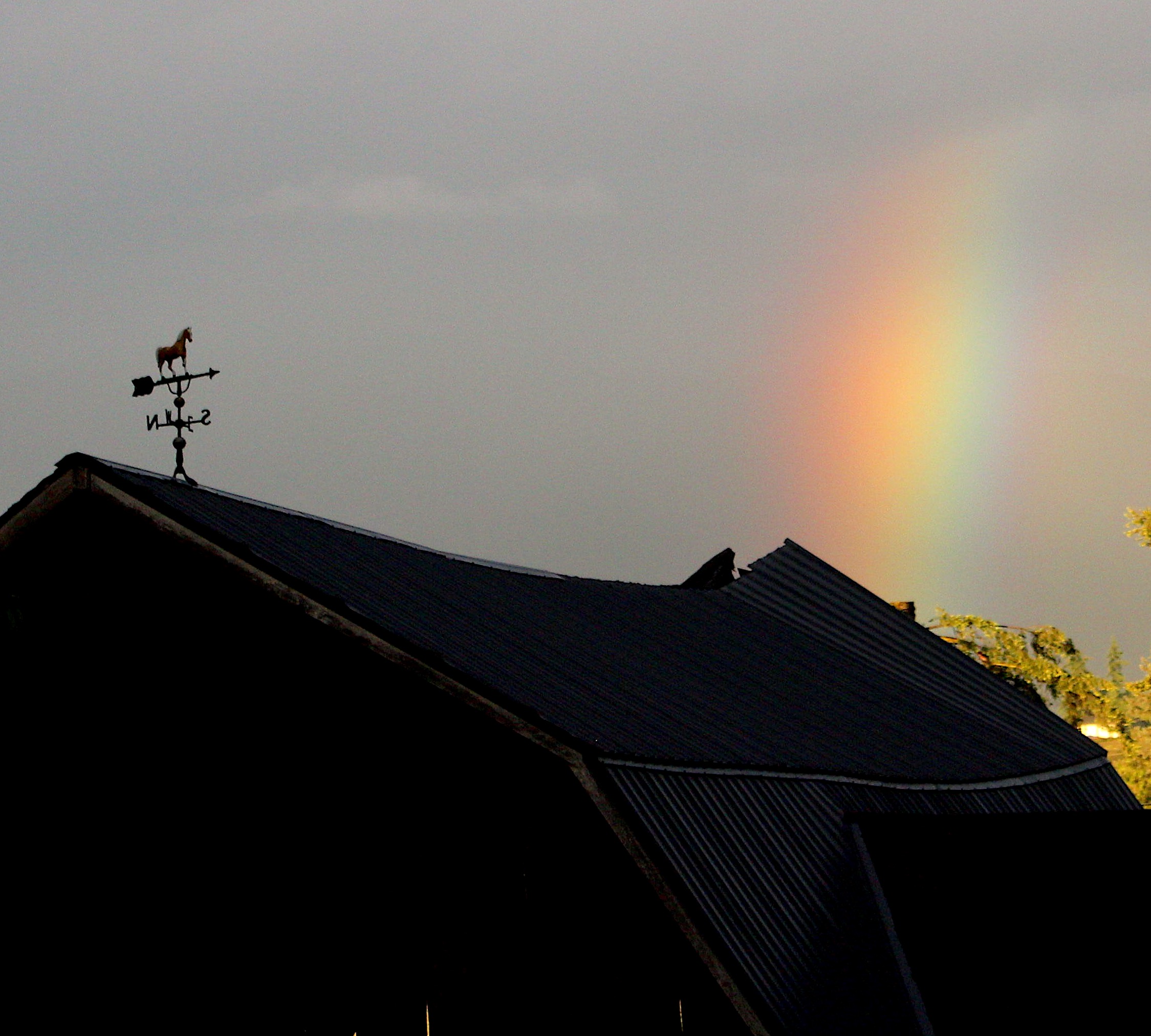
It took time, and my mother’s constant reassurance, for me to settle into the reality that life is an uncertain business. Whether or not I would know what may happen that day, I would know to look for beauty and peace and renewal. Many days started with morning rain, a quiet washing away of the night’s worries and frets.

Decades later, I would be okay when she left, which she did, at dawn. I came to sit beside her for a short time, knowing she was gone, knowing I would be all right, and knowing she had given me the tools to look each uncertain day in the eye and accept it for what it was going to be.

Now, for nearly seventy years, I wake and look out at these uncertain dawns. Even though I do not know what will come next, I have been given the gift of reassurance that I will be all right.

And so will you.

One-Time
Monthly
Yearly

Make a one-time or recurring donation to support daily Barnstorming posts

Make a monthly donation

Make a yearly donation

Choose an amount

¤10.00
¤20.00
¤50.00
¤5.00
¤15.00
¤100.00
¤5.00
¤15.00
¤100.00

Or enter a custom amount

¤

Your contribution is deeply appreciated.

Your contribution is appreciated.

Your contribution is appreciated.

DonateDonate monthlyDonate yearly

Thanks to Blowing Snow

May the wind always be in her hair
May the sky always be wide with hope above her
And may all the hills be an exhilaration
the trials but a trail,
all the stones but stairs to God.

May she be bread and feed many with her life and her laughter
May she be thread and mend brokenness and knit hearts…
~Ann Voskamp from “A Prayer for a Daughter”

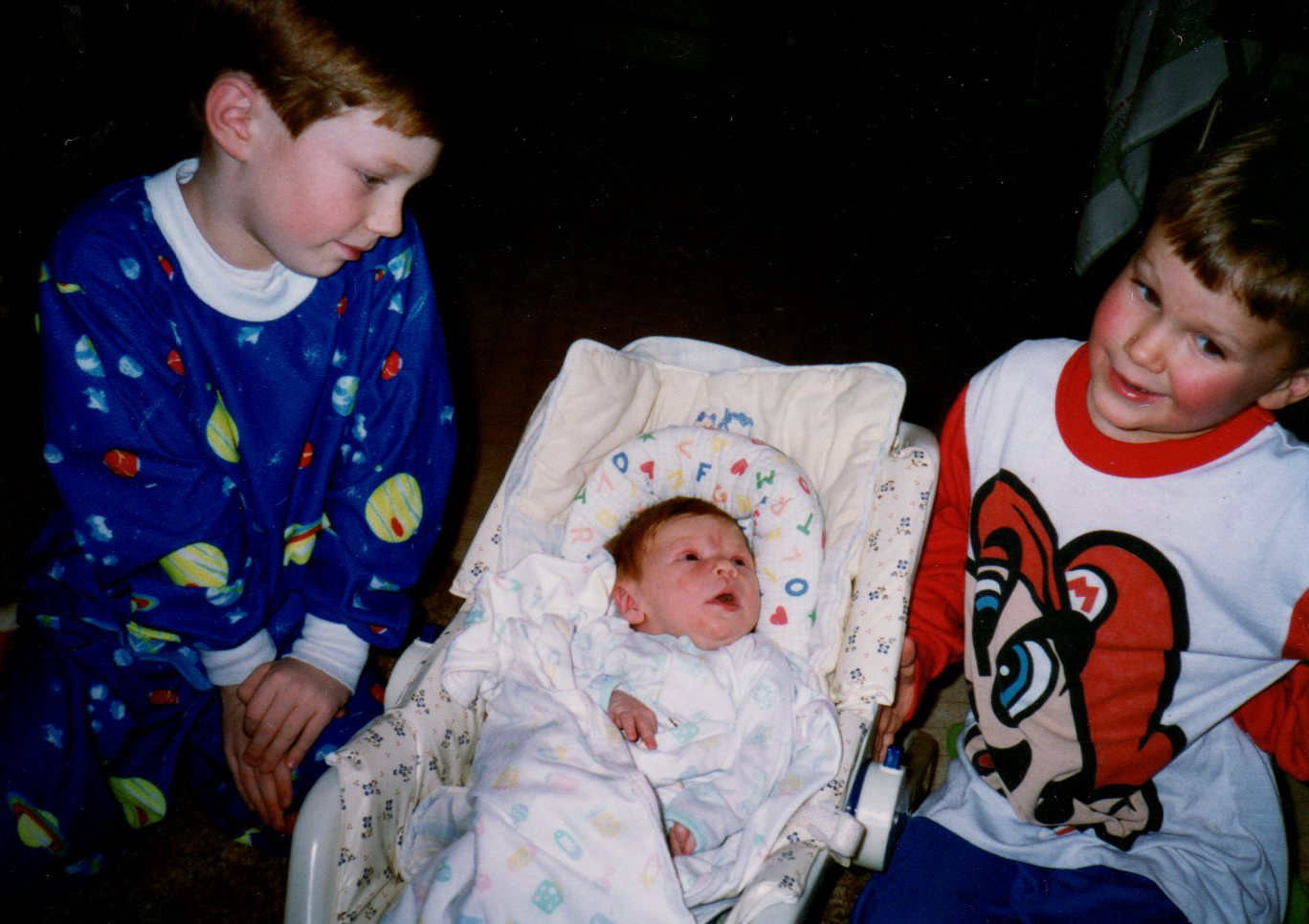
Nate and Ben and brand new baby Lea
Daddy and Lea
Mommy and Lea

“I have noticed,” she said slowly, “that time does not really exist for mothers, with regard to their children. It does not matter greatly how old the child is – in the blink of an eye, the mother can see the child again as she was when she was born, when she learned to walk, as she was at any age — at any time, even when the child is fully grown….”
~Diana Gabaldon from Voyager

Just checking to see if she is real…

Your rolling and stretching had grown quieter that stormy winter night
thirty years ago, but still no labor came as it should.
Already a week overdue post-Christmas,
you clung to amnion and womb, not yet ready.
Then as the wind blew more wicked
and snow flew sideways, landing in piling drifts,
the roads became more impassable, nearly impossible to traverse.

So your dad and I tried,
concerned about your stillness and my advanced age,
worried about being stranded on the farm far from town.
When a neighbor came to stay with your brothers overnight,
we headed down the road
and our car got stuck in a snowpile in the deep darkness,
our tires spinning, whining against the snow.
Another neighbor’s earth mover dug us out to freedom.

You floated silent and still, knowing your time was not yet.

Creeping slowly through the dark night blizzard,
we arrived to the warm glow of the hospital,
your heartbeat checked out steady, all seemed fine.

I slept not at all.

The morning’s sun glistened off sculptured snow as
your heart ominously slowed.
You and I were jostled, turned, oxygenated, but nothing changed.
You beat even more slowly,
threatening to let go your tenuous grip on life.

The nurses’ eyes told me we had trouble.
The doctor, grim faced, announced
delivery must happen quickly,
taking you now, hoping we were not too late.
I was rolled, numbed, stunned,
clasping your father’s hand, closing my eyes,
not wanting to see the bustle around me,
trying not to hear the shouted orders,
the tension in the voices,
the quiet at the moment of opening
when it was unknown what would be found.

And then you cried. A hearty healthy husky cry,
a welcomed song of life uninterrupted.
Perturbed and disturbed from the warmth of womb,
to the cold shock of a bright lit operating room,
your first vocal solo brought applause
from the surrounding audience who admired your purplish pink skin,
your shock of damp red hair, your blue eyes squeezed tight,
then blinking open, wondering and wondrous,
emerging and saved from a storm within and without.

You were brought wrapped for me to see and touch
before you were whisked away to be checked over thoroughly,
your father trailing behind the parade to the nursery.
I closed my eyes, swirling in a brain blizzard of what-ifs.

If no snow storm had come,
you would have fallen asleep forever within my womb,
no longer nurtured by my aging and failing placenta,
cut off from what you needed to stay alive.
There would have been only our soft weeping,
knowing what could have been if we had only known,
if God had provided a sign to go for help.

So you were saved by a providential storm
and dug out from a drift:
I celebrate when I hear your voice singing-
your students love you as their teacher and mentor,
you are a thread born to knit and mend hearts,
all because of a night of blowing snow.

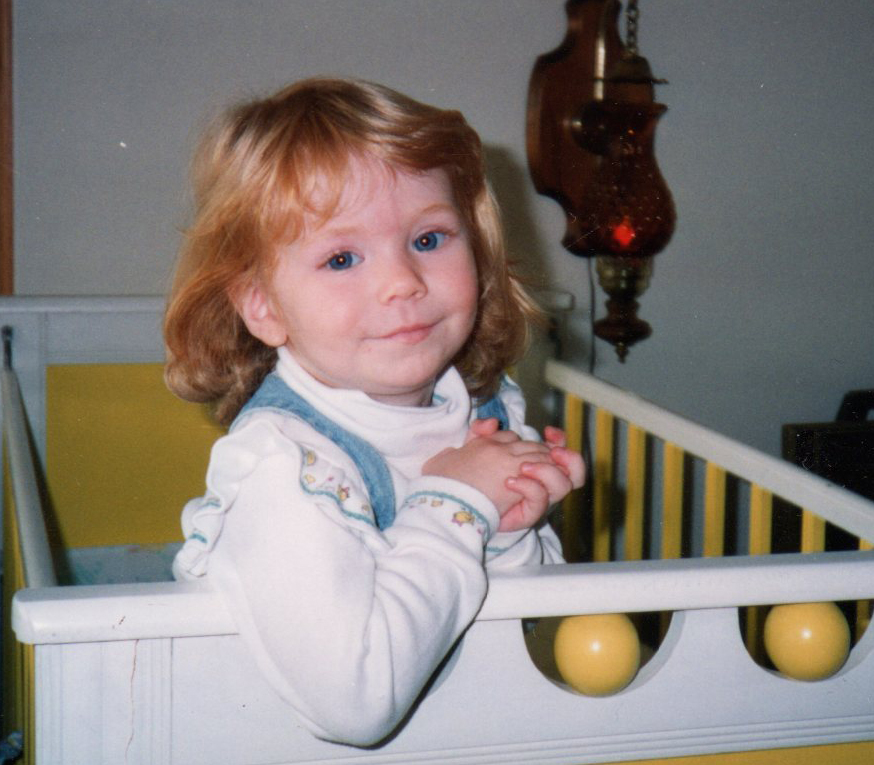
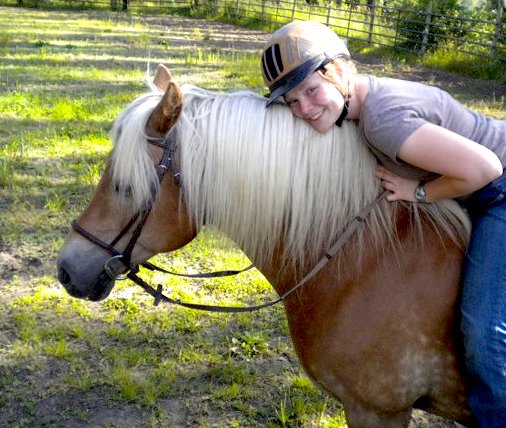
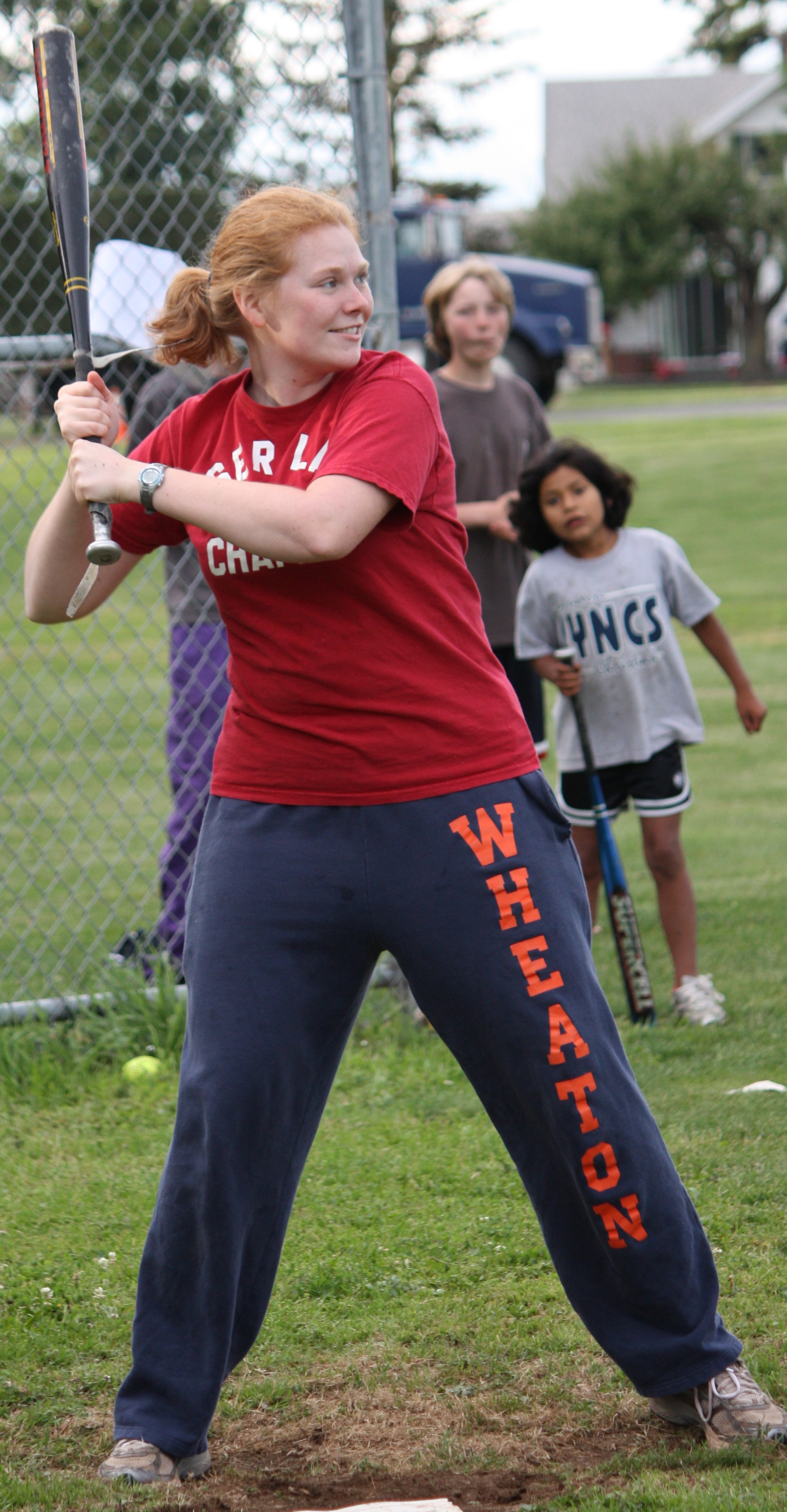
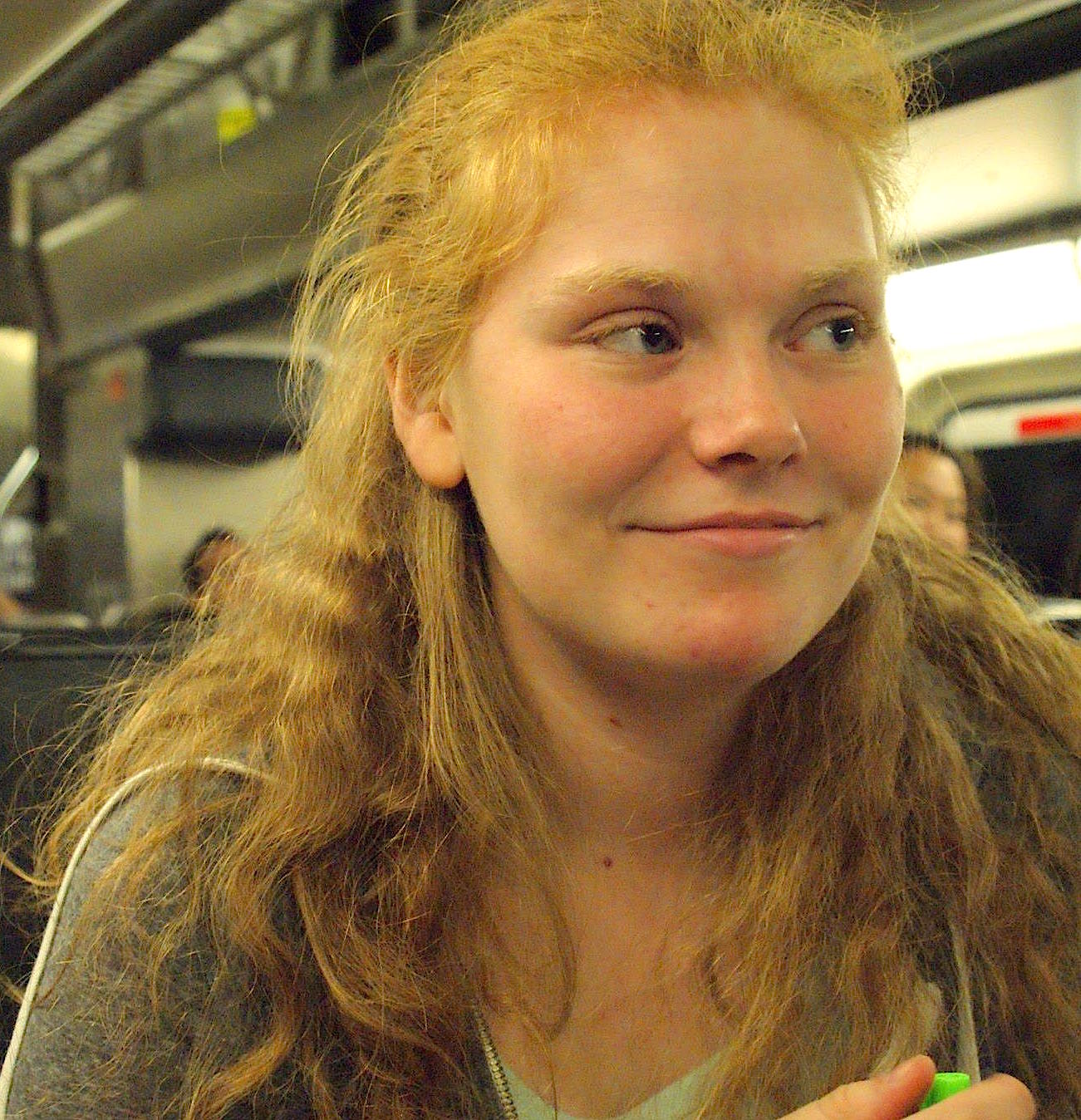
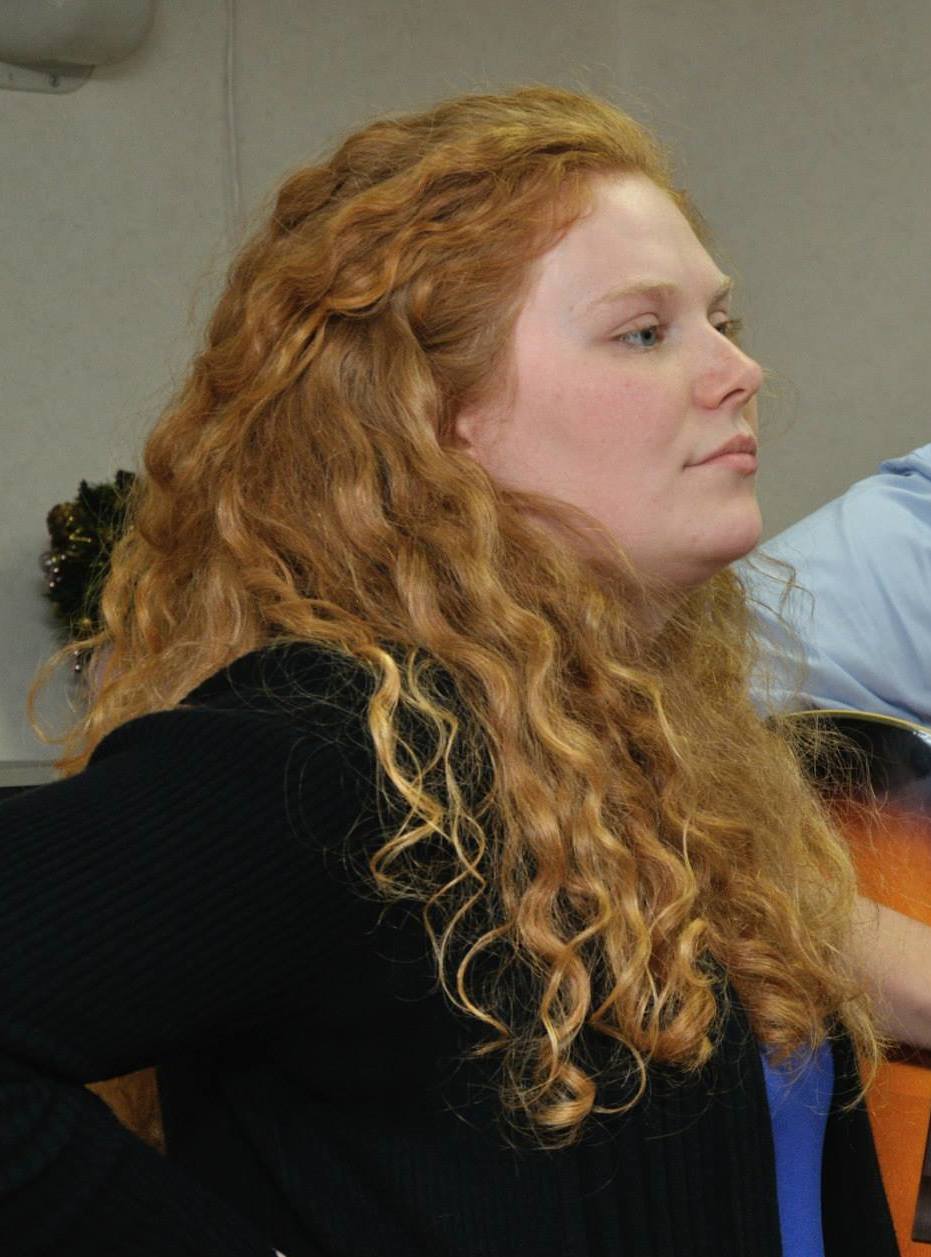
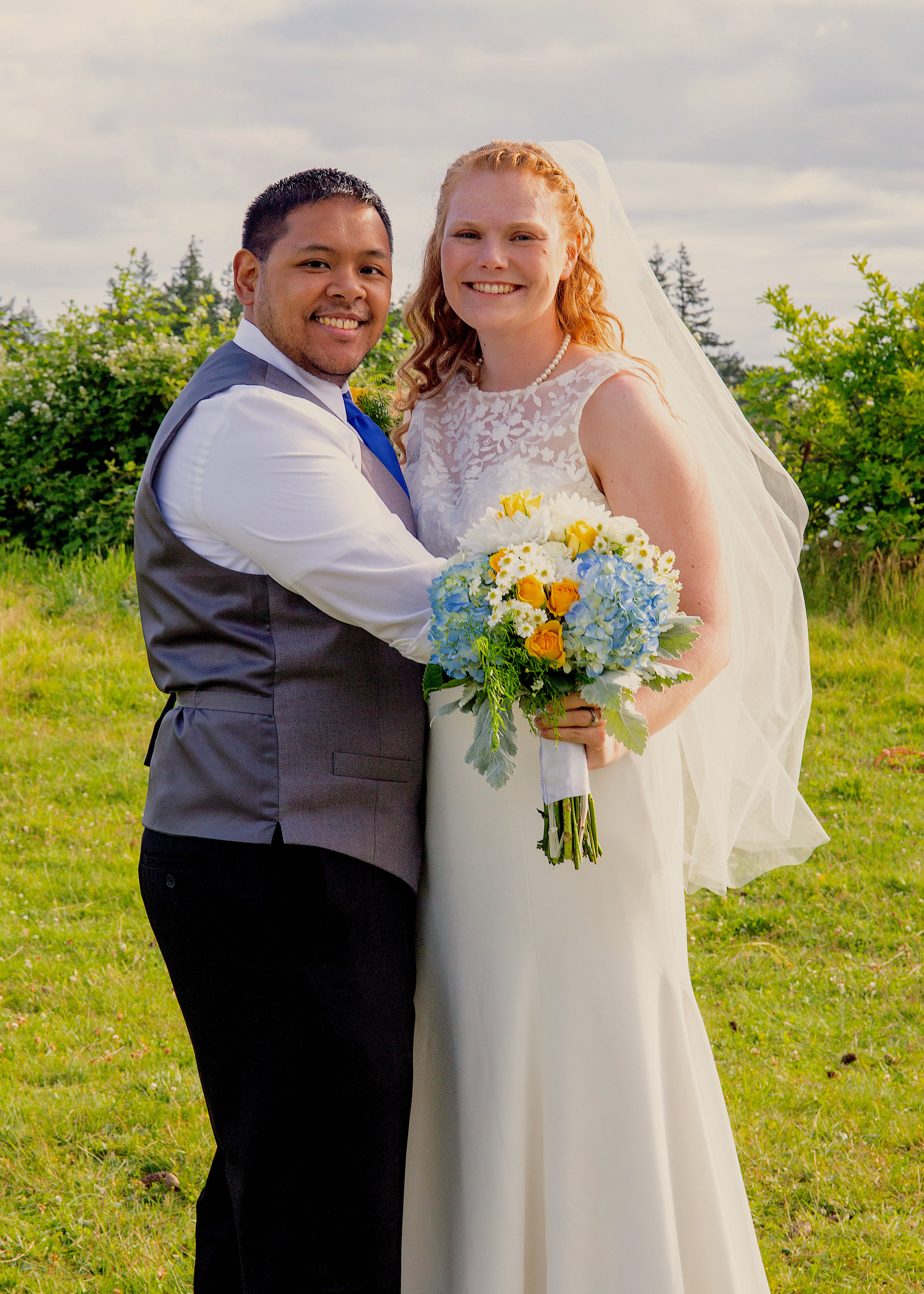
My annual retelling of the most remarkable day of my life thirty years ago today when our daughter Eleanor (“Lea”) Sarah Gibson was born, hale and hearty because the good Lord sent a wind and snow storm to blow us into the hospital in time to save her. She is now married to her true love Brian–another gift sent from the Lord; we know you will be awesome parents when your turn comes!

Driving at Night

I want to be a passenger
in your car again
and shut my eyes
while you sit at the wheel,


awake and assured
in your own private world,
seeing all the lines
on the road ahead,


down a long stretch
of empty highway
without any other
faces in sight.

I want to be a passenger
in your car again
and put my life back
in your hands.
~Michael Miller “December”

Up north, the dashboard lights of the family car
gleam in memory, the radio
plays to itself as I drive
my father plied the highways
while my mother talked, she tried to hide
that low lilt, that Finnish brogue,
in the back seat, my sisters and I
our eyes always tied to the Big Dipper
I watch it still
on summer evenings, as the fireflies stream
above the ditches and moths smack
into the windshield and the wildlife’s
red eyes bore out from the dark forests
we flew by, then scattered like the last bit of star
light years before.
It’s like a different country, the past
we made wishes on unnamed falling stars
that I’ve forgotten, that maybe were granted
because I wished for love.

~Sheila Packa “Driving At Night” from The Mother Tongue

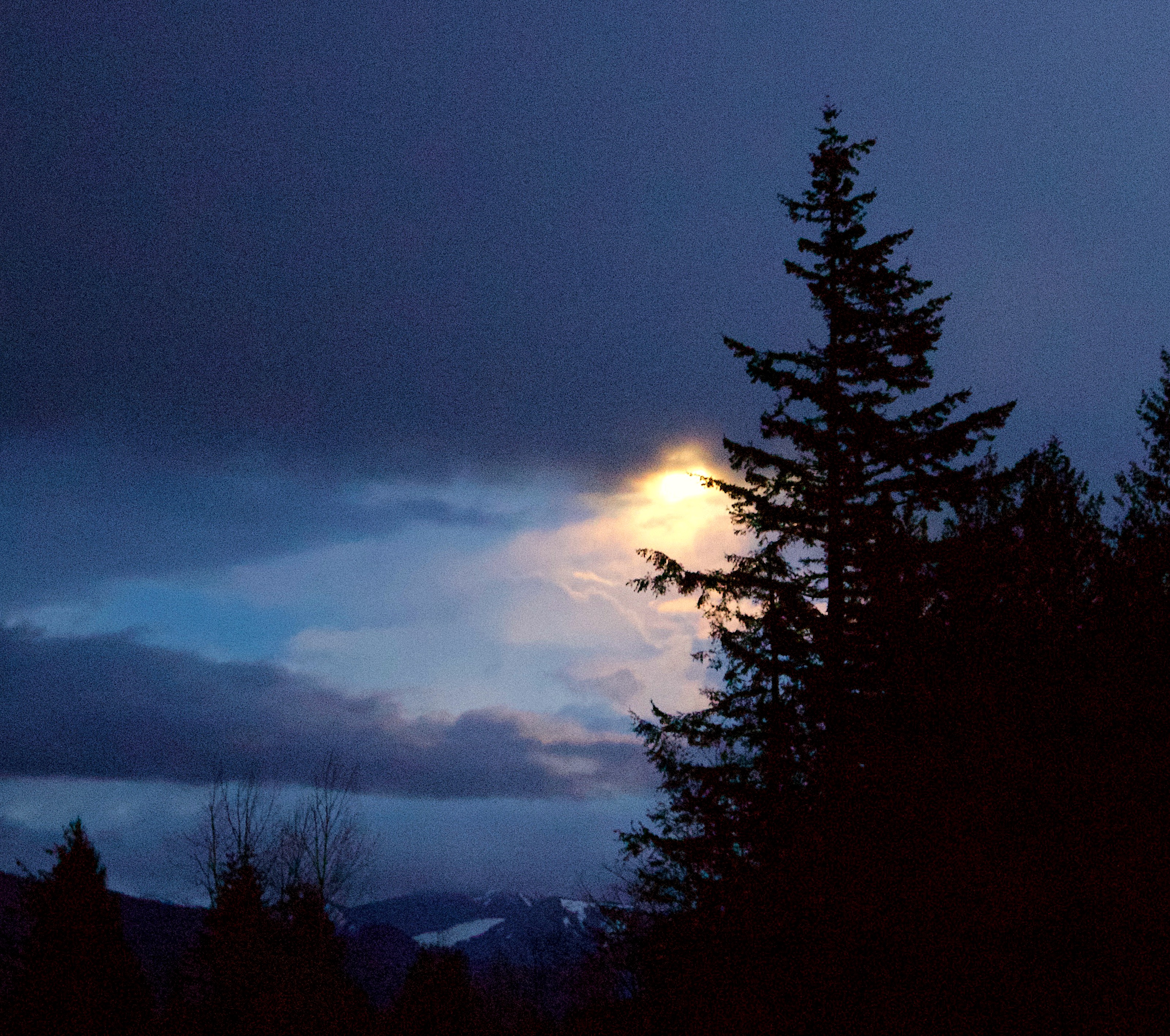
The moon was like a full cup tonight,
too heavy, and sank in the mist
soon after dark, leaving for light

faint stars and the silver leaves
of milkweed beside the road,
gleaming before my car.

Yet I like driving at night
the brown road through the mist

of mountain-dark, among farms
so quiet
, and the roadside willows
opening out where I saw

the cows. Always a shock
to remember them there, those
great breathings close in the dark.

~Hayden Carruth from “The Cows at Night”

Some of my most comfortable childhood memories come from the long ride home in the car at night from holiday gatherings. My father always drove, my mother humming “I See the Moon” in the front passenger seat, and we three kids sat in the back seat, drowsy and full of feasting. The night world hypnotically passed by outside the car window. I wondered whether the rest of the world was as safe and content as I felt at that moment.

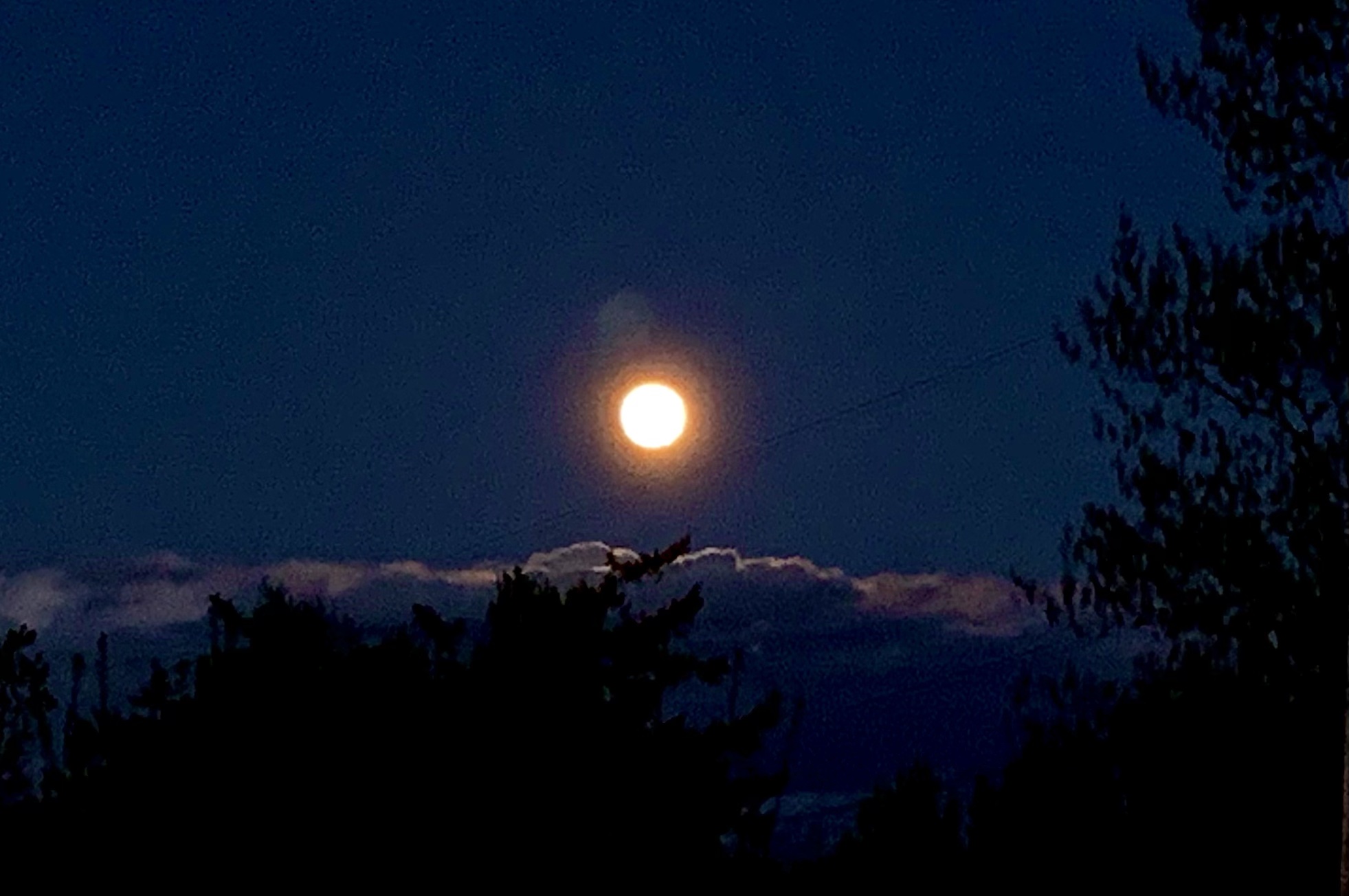
On clear nights, the moon followed us down the highway, shining a light on the road.

Now as a driver at night, transporting grandchildren from a family gathering, I want them to feel the same peaceful contentment that I did as a child. As an older driver, I don’t enjoy driving at night, especially dark rural roads in pouring rain. I understand the enormous responsibility I bear, transporting those whom I dearly love and want to keep safe.

In truth, I long to be a passenger again, with no worries or pressures – just along for the ride, watching the moon and the world drift by, knowing I’m well-cared for.

Despite my fretting about the immense burden I feel to make things right in a troubled world, I do realize:
I am a passenger on a planet that has a driver Who feels great responsibility and care for all He transports through the black night of the universe. He loves me and I can rest content in the knowledge that I am safe in His vigilant hands. I am not the driver – He knows how to safely bring me` home.

I see the moon, it’s shining from far away, Beckoning with ev‘ry beam.
And though all the start above cast down their light, Still the moon is all that I see
And it’s calling out, “Come run a way!
And we’ll sail with the clouds for our sea,
And we’ll travel on through the black of the night, ‘til we float back home on a dream!”
The moon approaches my window pane, stretching itself to the ground.
The moon sings softly and laughs and smiles, and yet never makes a sound!
I see the moon! I see the moon!
Part A
And it’s calling out, “Come run a way!
And we’ll sail with the clouds for our sea,
And we’ll travel on through the black of the night, ‘til we float back home on a dream!”
Part B
I see the moon, it’s shining from far away, Beckoning with ev‘ry beam.
And though all the stars above cast down their light, Still the moon is all that I see
~Douglas Beam

One-Time
Monthly
Yearly

Make a one-time and recurring donation to support daily Barnstorming posts

Make a monthly donation

Make a yearly donation

Choose an amount

¤10.00
¤20.00
¤50.00
¤5.00
¤15.00
¤100.00
¤5.00
¤15.00
¤100.00

Or enter a custom amount

¤

Your contribution is deeply appreciated.

Your contribution is appreciated.

Your contribution is appreciated.

DonateDonate monthlyDonate yearly

Dawn on our Darkness: Split Open to the Light

What next, she wonders,
with the angel disappearing, and her room
suddenly gone dark.

The loneliness of her news
possesses her. She ponders
how to tell her mother.

Still, the secret at her heart burns like
a sun rising. How to hold it in—
that which cannot be contained.

She nestles into herself, half-convinced
it was some kind of good dream,
she its visionary.

But then, part dazzled, part prescient—
she hugs her body, a pod with a seed
that will split her.
~Luci Shaw “Mary Considers Her Situation”

Ere by the spheres time was created thou
Wast in His mind, who is thy Son, and Brother;
Whom thou conceivest, conceived; yea, thou art now
Thy Maker’s maker, and thy Father’s mother,
Thou hast light in dark, and shutt’st in little room
Immensity, cloister’d in thy dear womb.
~John Donne “Annunciation”


For Light to illuminate
where darkness thrives in me,
there must be a wounding,
a splitting open;
a crack exists in everything,
cleaving me so joy can infiltrate and heal
where I hurt the most,
celebrating
as I say yes.

Ring the bells that still can ring
Forget your perfect offering
There is a crack, a crack in everything
That’s how the light gets in.
~Leonard Cohen from “Anthem”

This year’s Advent theme “Dawn on our Darkness” is taken from this 19th century Christmas hymn.

Brightest and best of the sons of the morning,
dawn on our darkness and lend us your aid.
Star of the east, the horizon adorning,
guide where our infant Redeemer is laid.
~Reginald Heber -from “Brightest and Best”

When time sweeps yesterday away,
It leaves behind an empty heart,
Weeping through the night so dark and long.
When words are lost among the tears,
When sadness steals another day,
God hears our cries and turns our sighs into a song.

Sing to the One who mends our broken hearts with music.
Sing to the One who fills our empty hearts with love.
Sing to the One who gives us light to step into the darkest night.
Sing to the God who turns our sighs into a song.

From heaven falls a mercy sweet,
The time for weeping now is gone;
God hears our sighs and gives us His eternal song.

Sing to the One who mends our broken hearts with music.
Sing to the One who fills our empty hearts with love.
Sing to the One who gives us light to step into the darkest night.
Sing to the God who turns our sighs into a song.

Sing to the One who mends our broken hearts with music.
Sing to the One who fills our empty hearts with love.
Sing to the One who gives us light to step into the darkest night.
Sing to the God who turns our sighs into a song.
~Susan Boersma

One-Time
Monthly
Yearly

Make a one-time or recurring donation to support daily Barnstorming posts

Make a monthly donation

Make a yearly donation

Choose an amount

¤10.00
¤20.00
¤50.00
¤5.00
¤15.00
¤100.00
¤5.00
¤15.00
¤100.00

Or enter a custom amount

¤

Your contribution is deeply appreciated.

Your contribution is appreciated.

Your contribution is appreciated.

DonateDonate monthlyDonate yearly

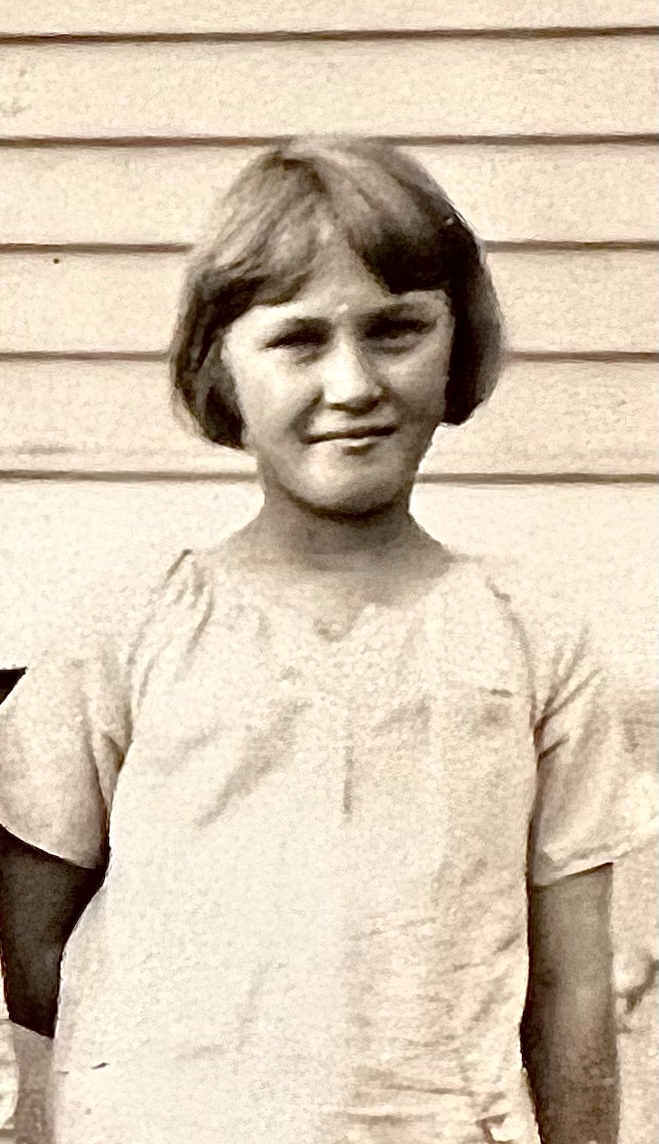
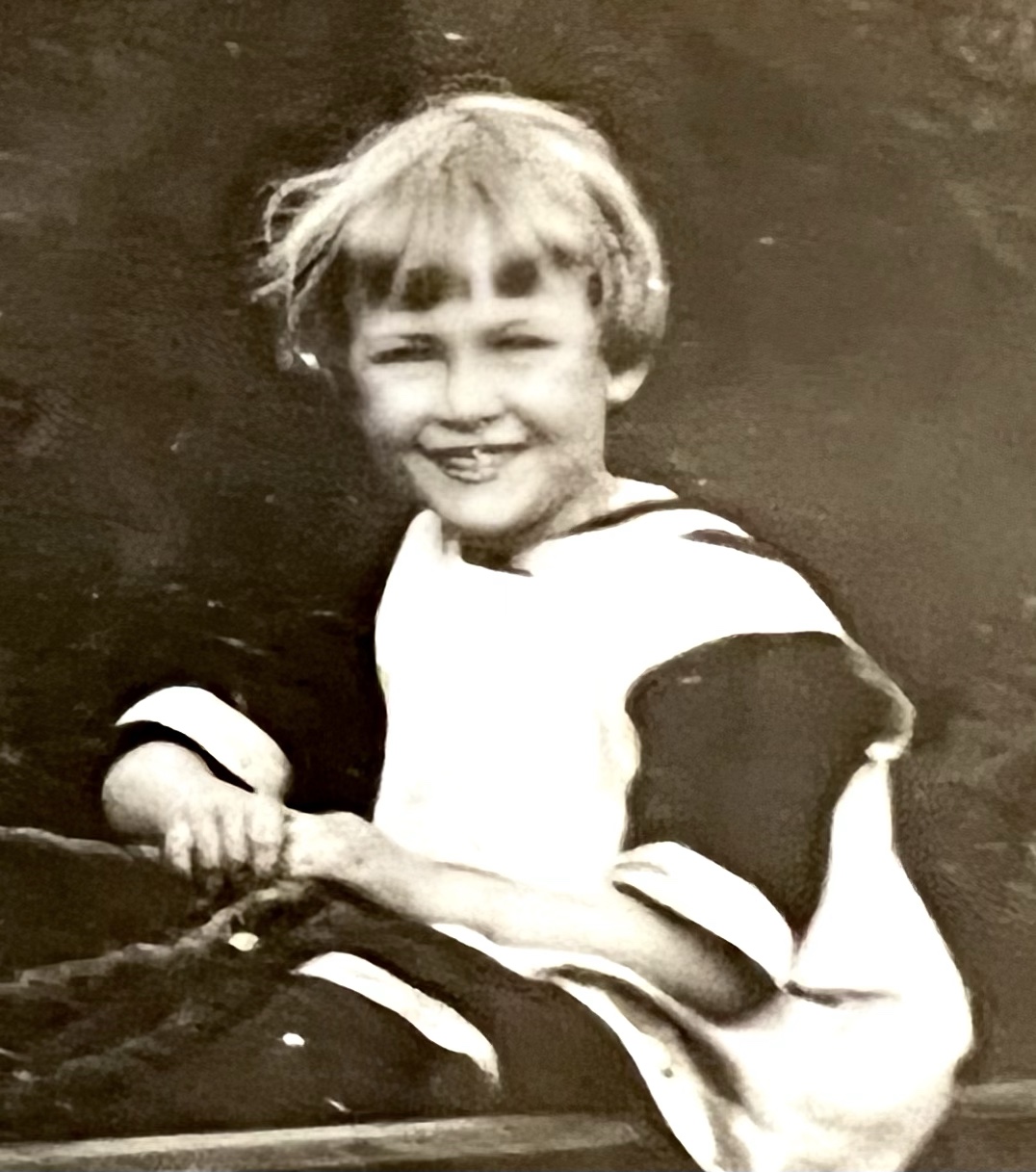
A Girl from Spring Valley

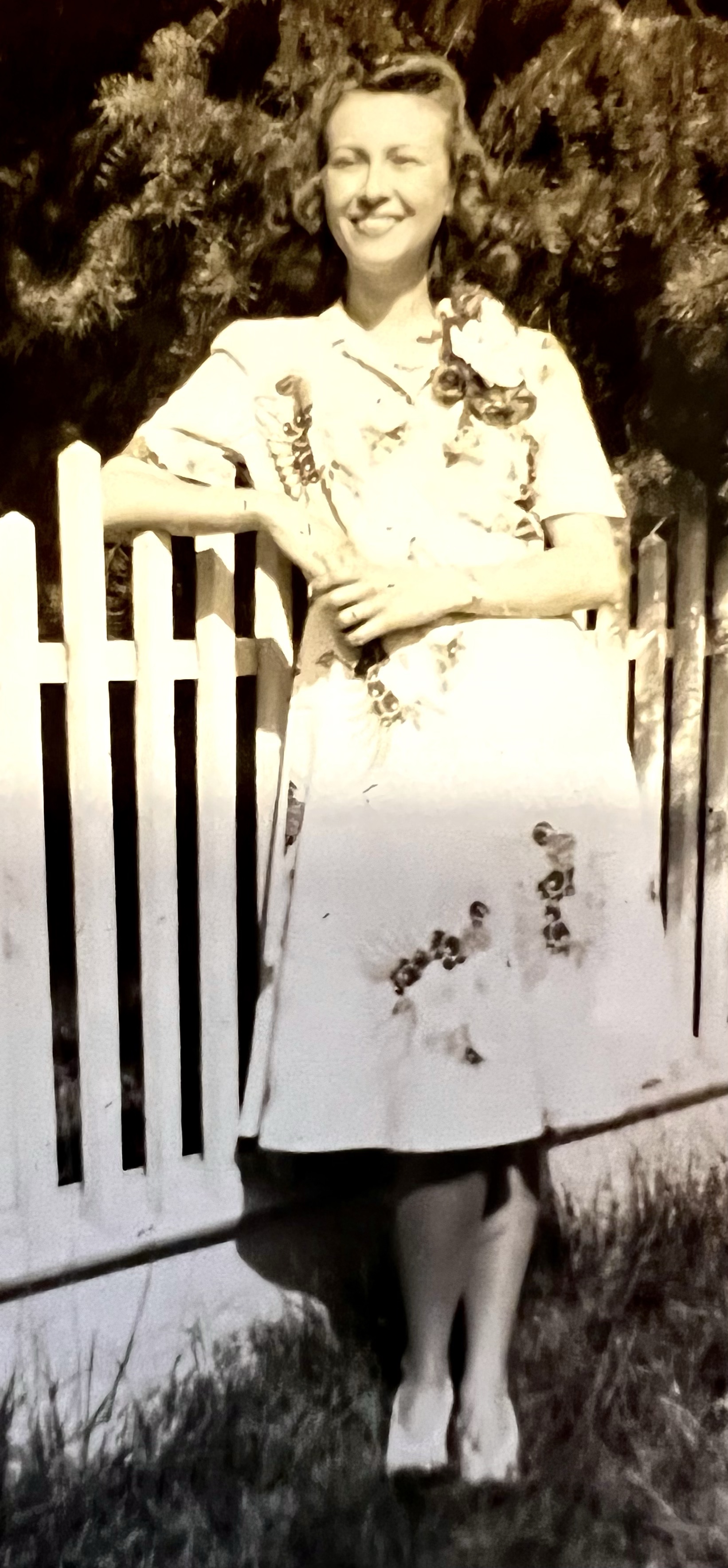
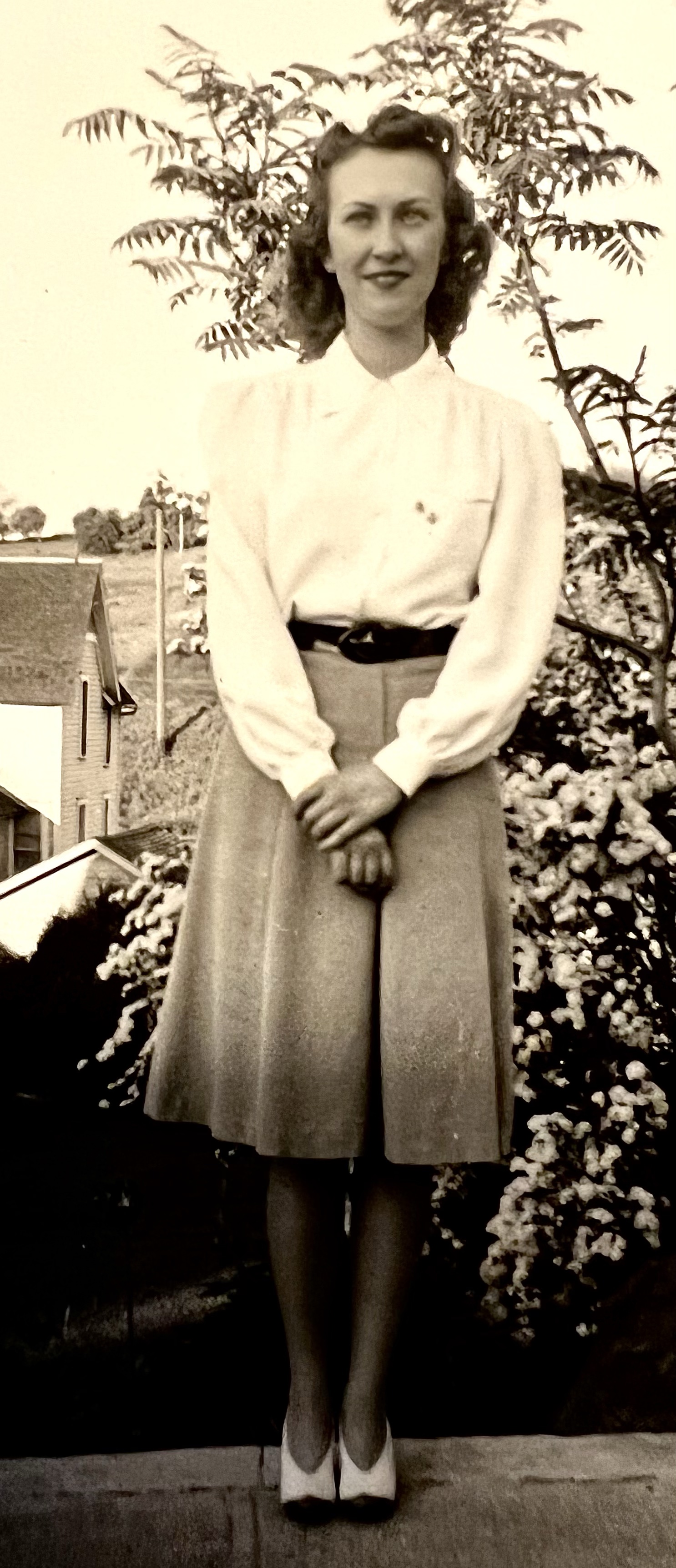
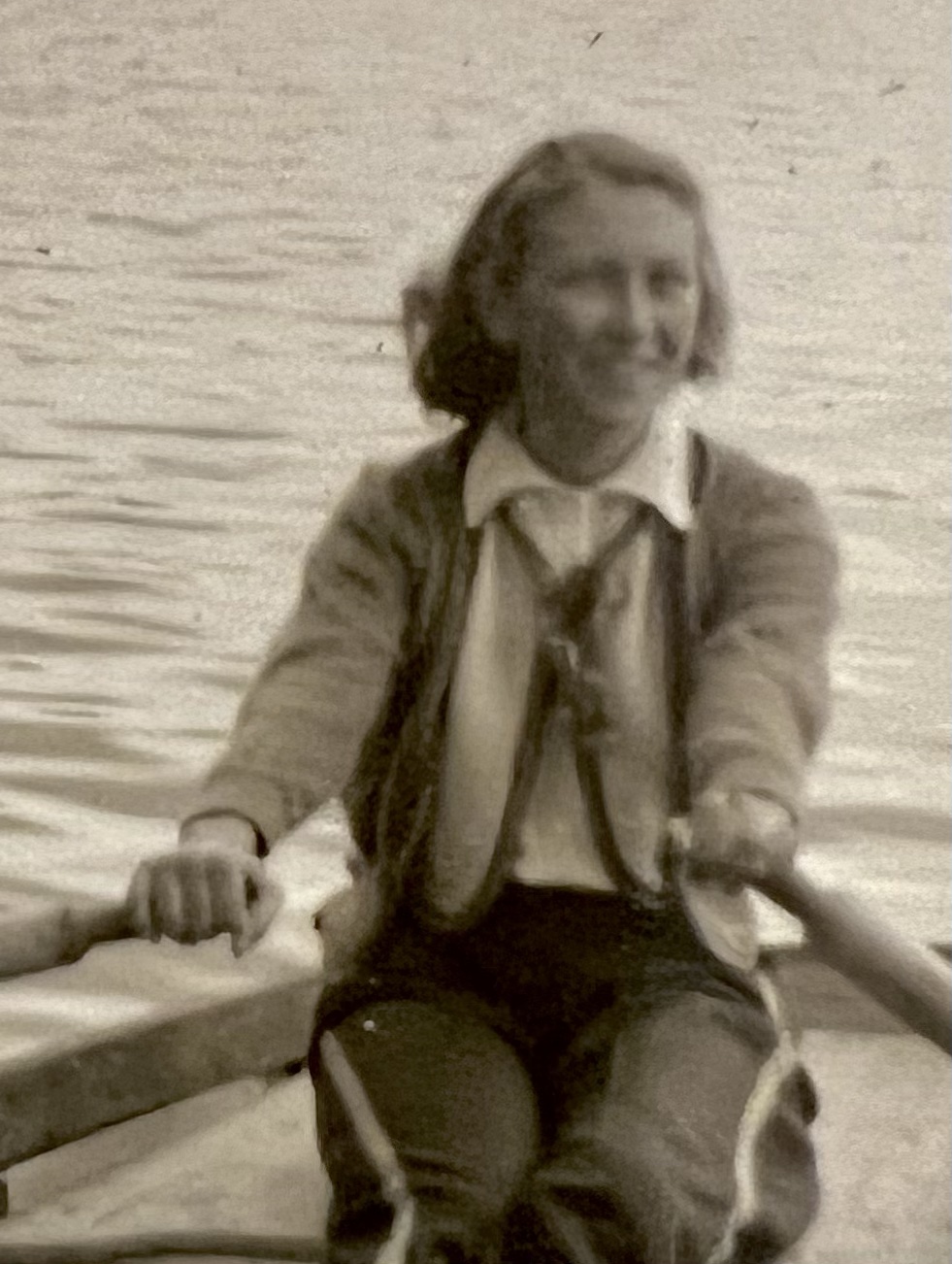
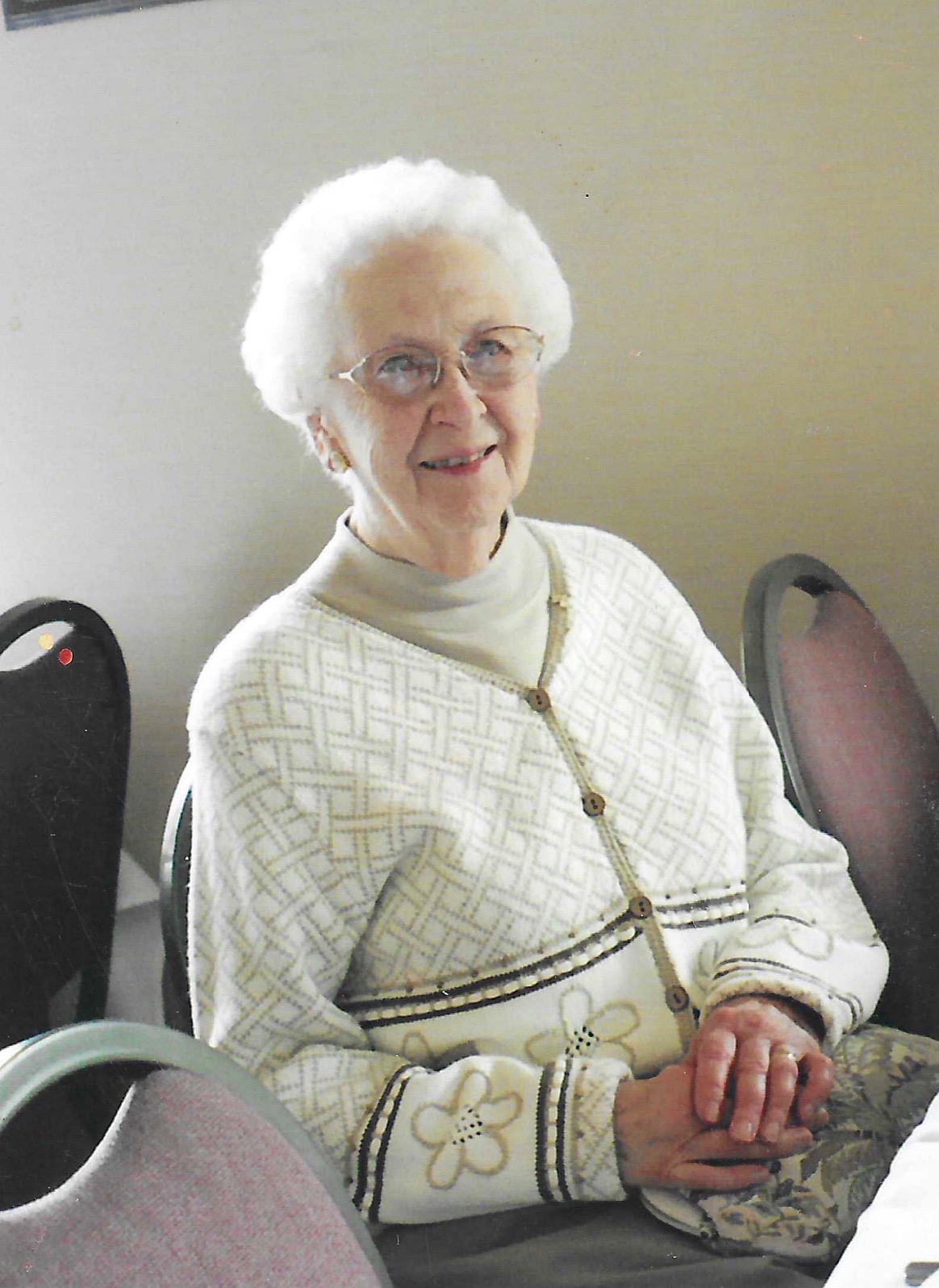
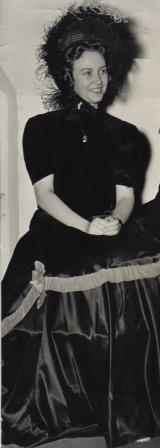
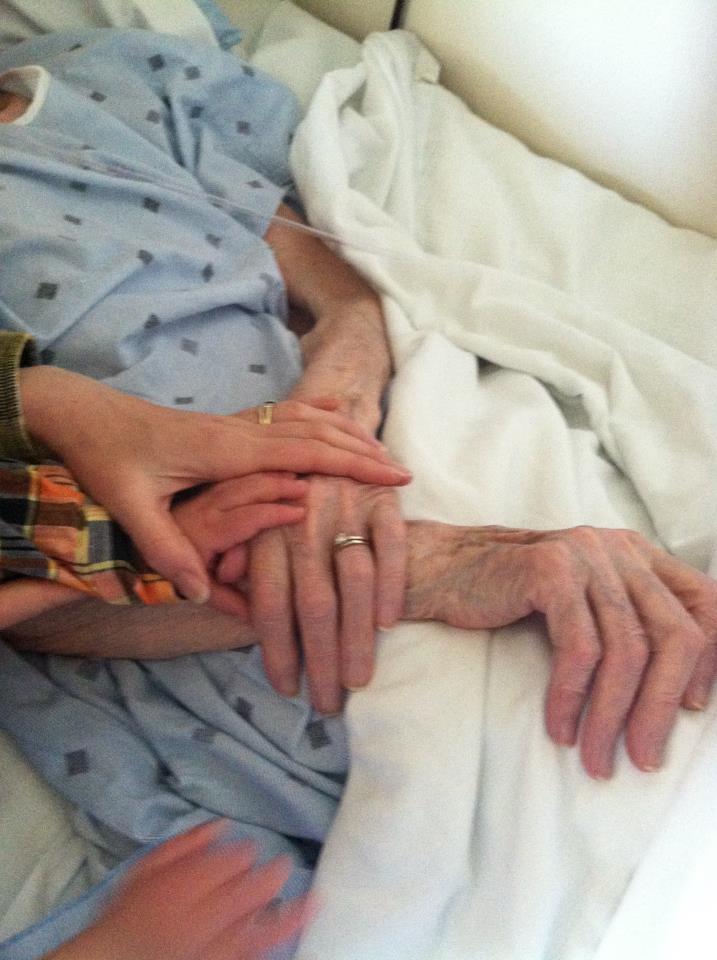
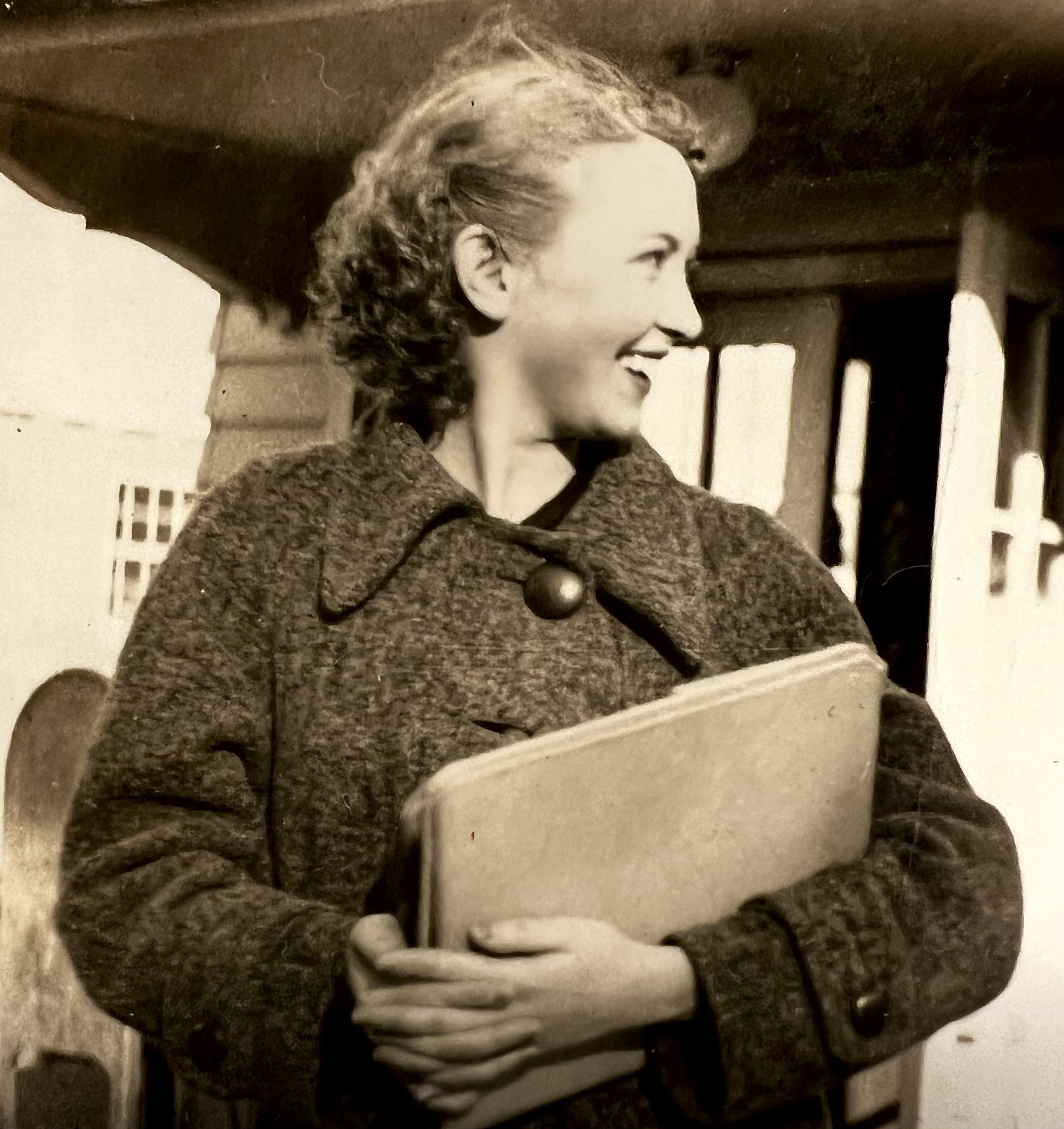
Fourteen years ago today, my mother, Elna Schmitz Polis, returned home for good, gently picked up and carried away by the Lord before dawn. She was just over 88 1/2 years old, and had lived much of her life anticipating her death day with some apprehension, having almost been called home at the age of 13 from a ruptured appendix, before antibiotics were an option. That near-miss seemed to haunt her, filling her with worry that it was a mistake that she survived that episode at all. Yet she thrived despite the anxiety, and ended up, much to her surprise, living a long life full of family and faith.

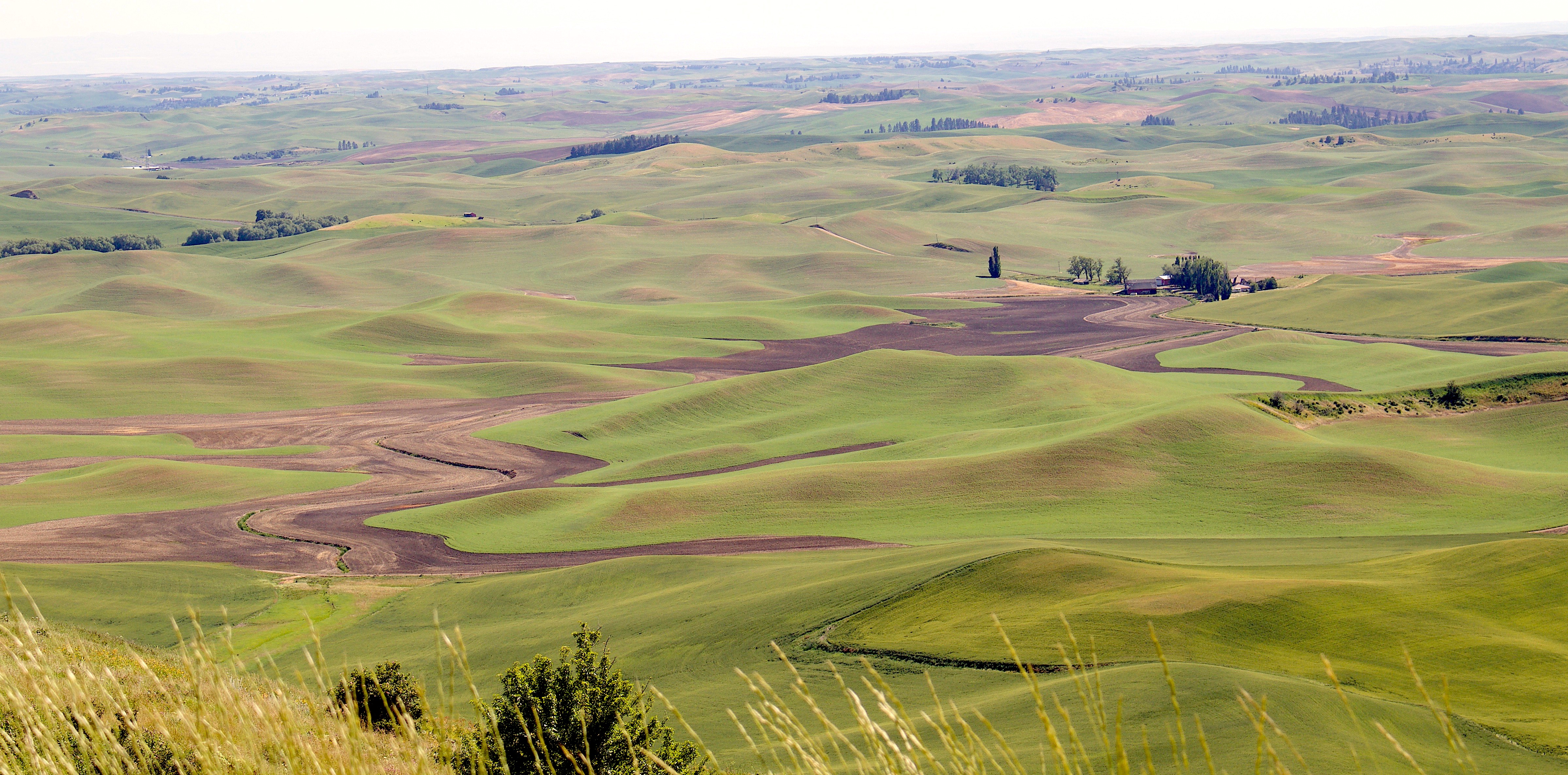
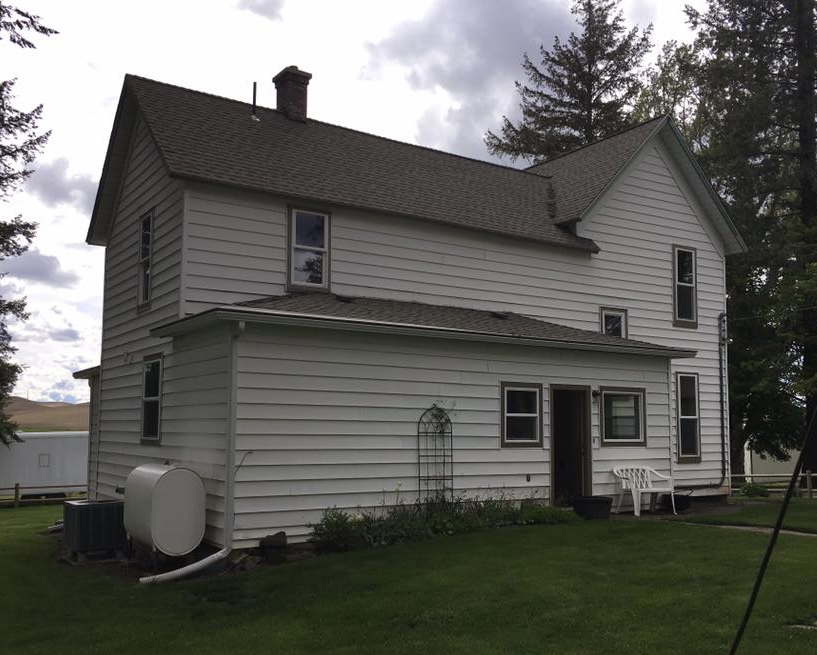
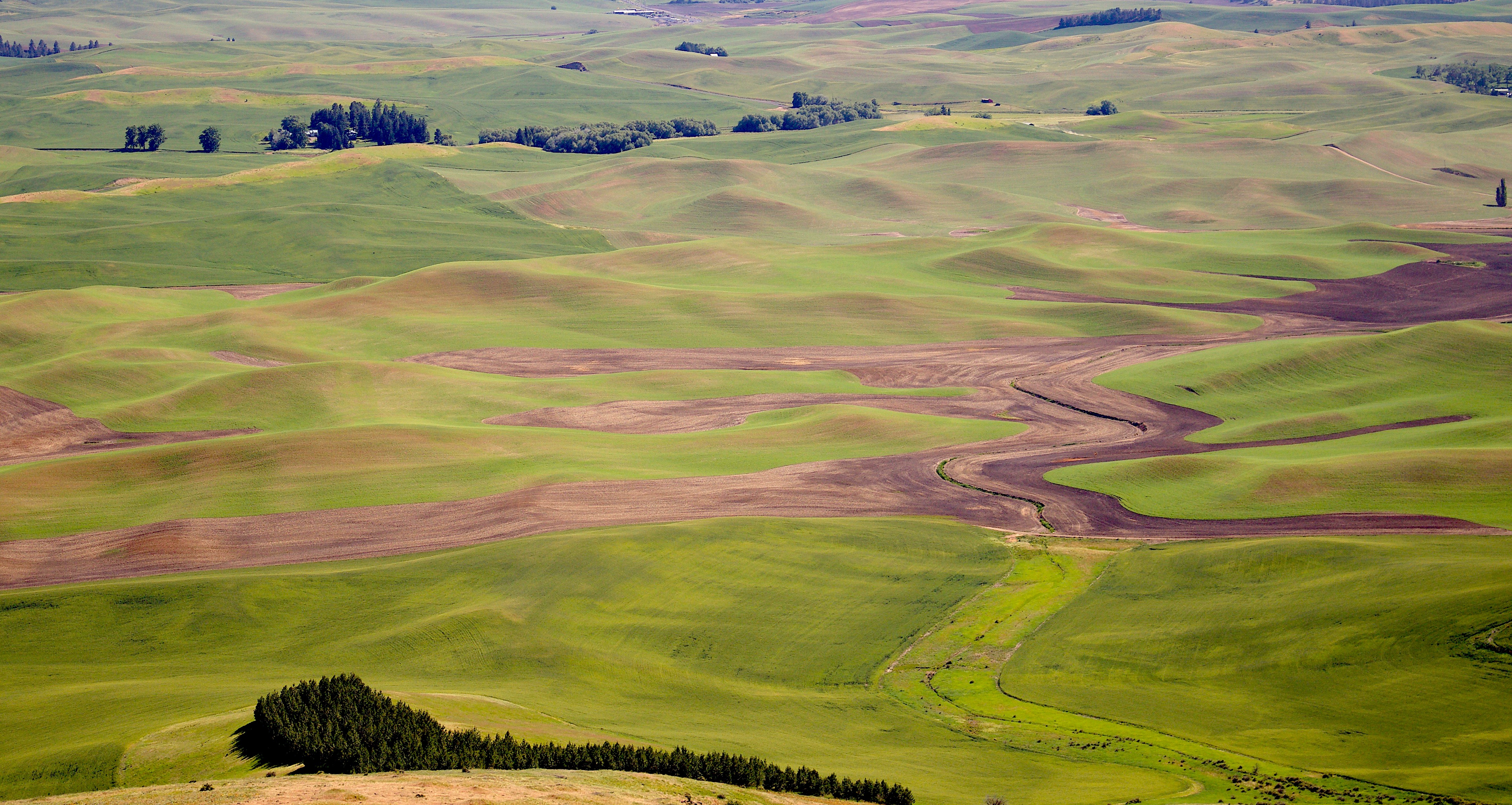
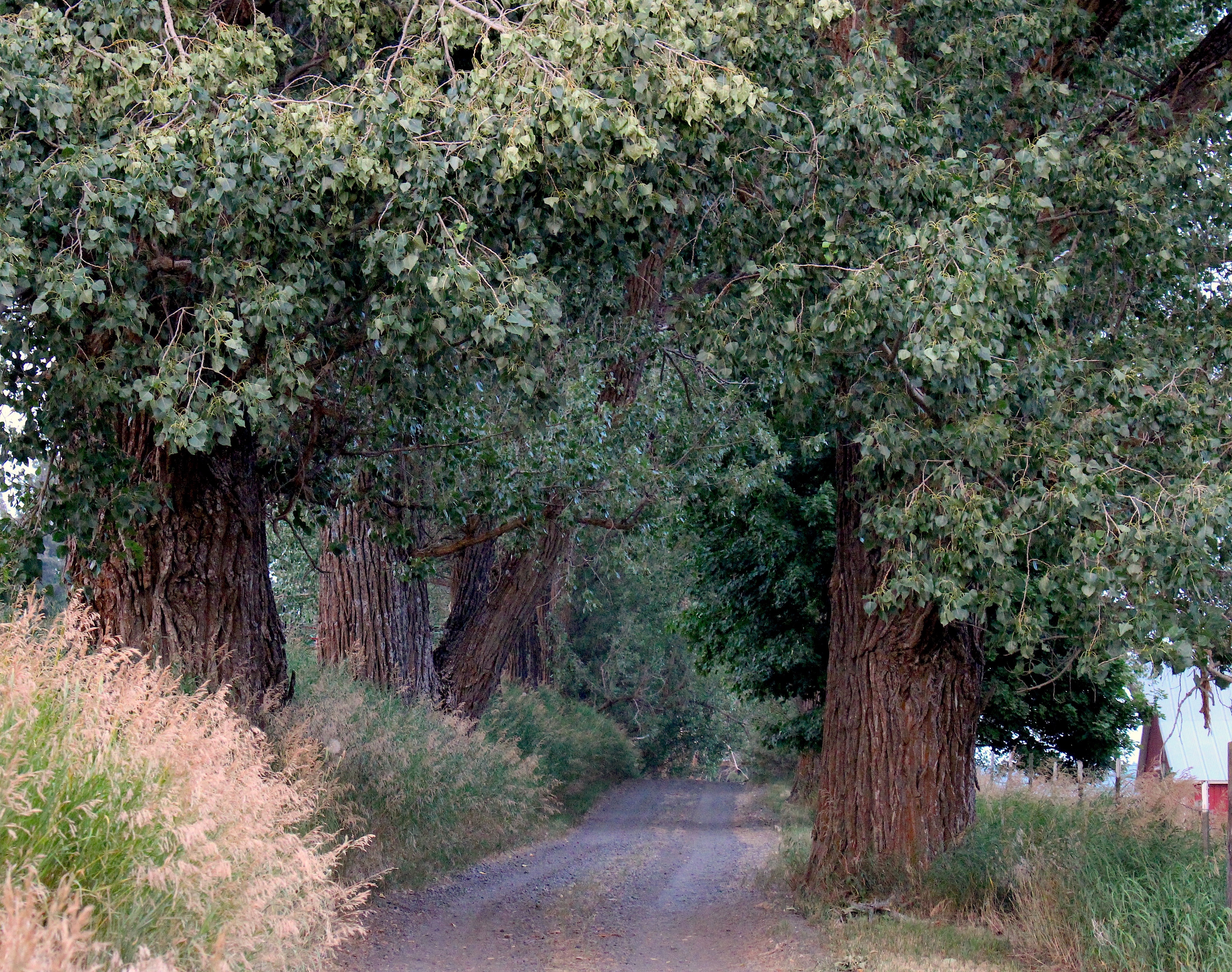
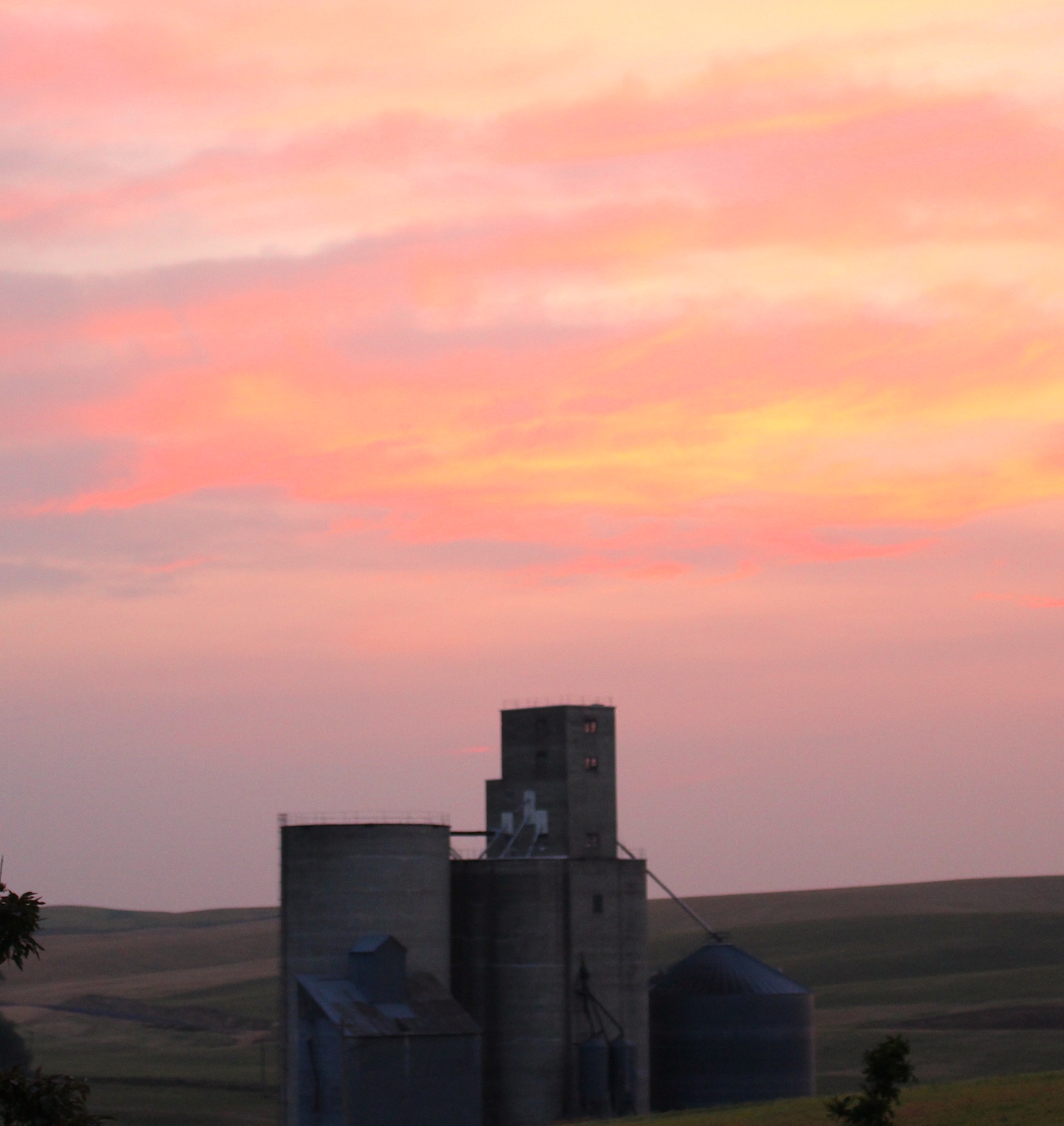
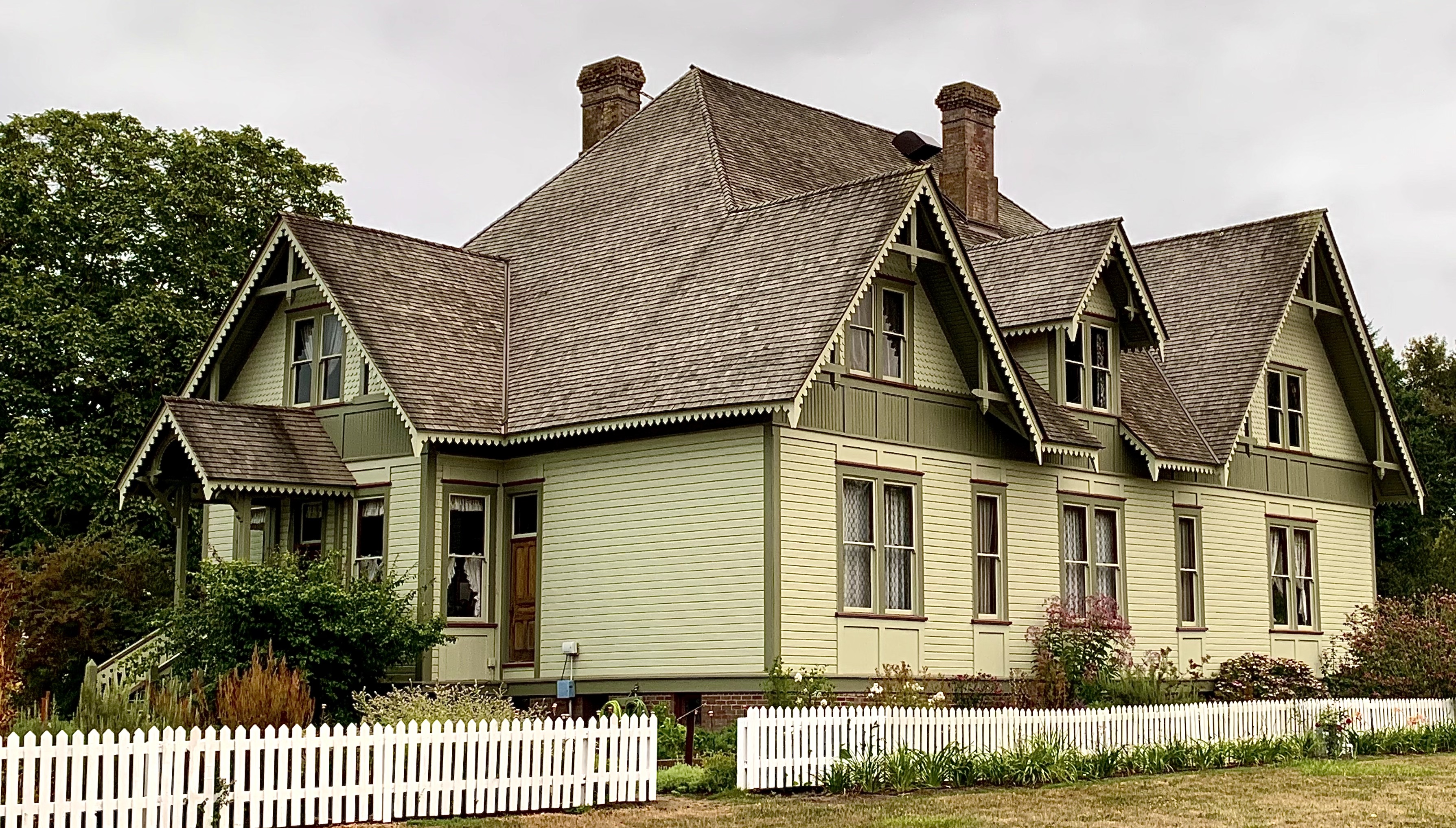
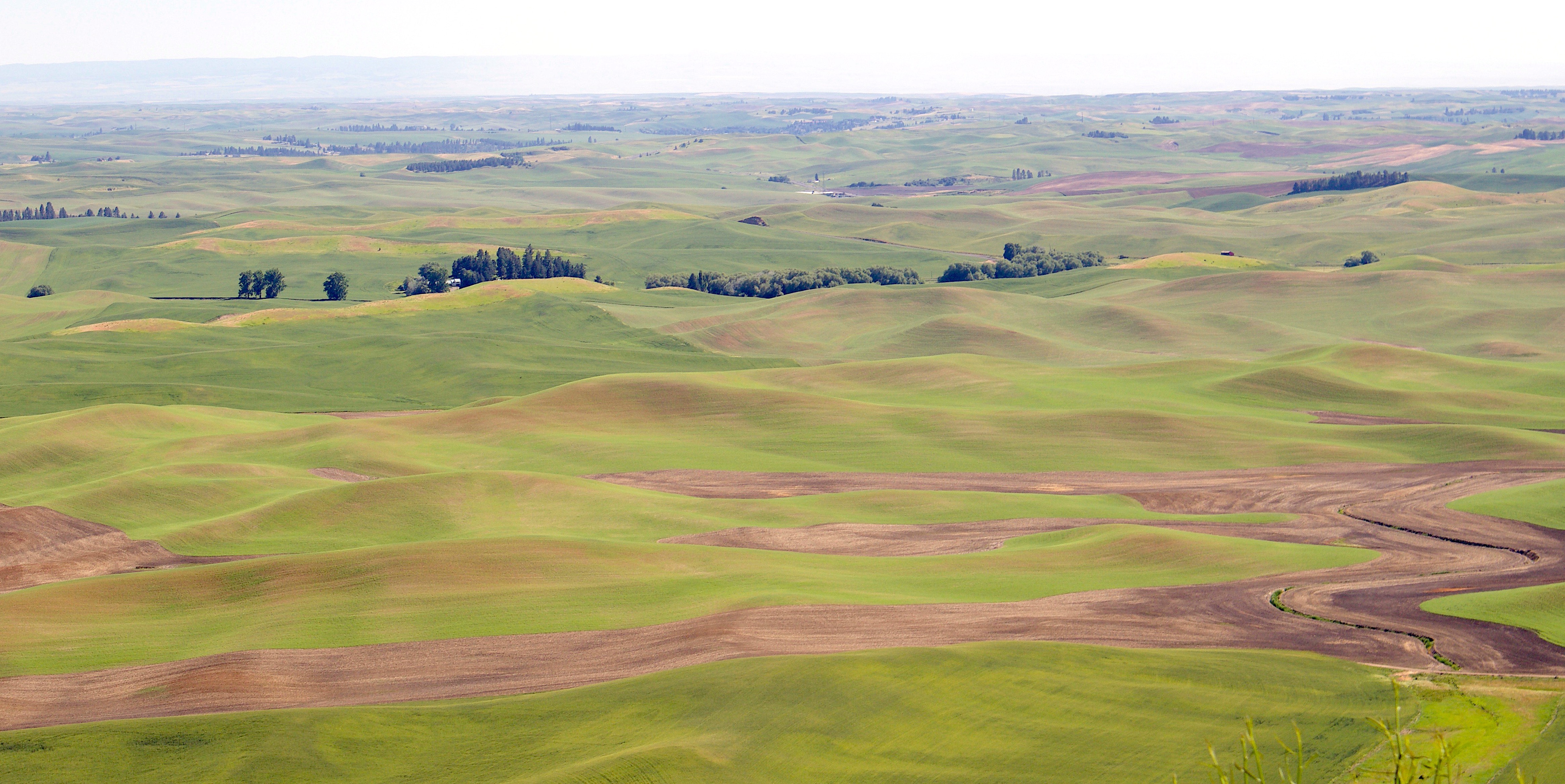
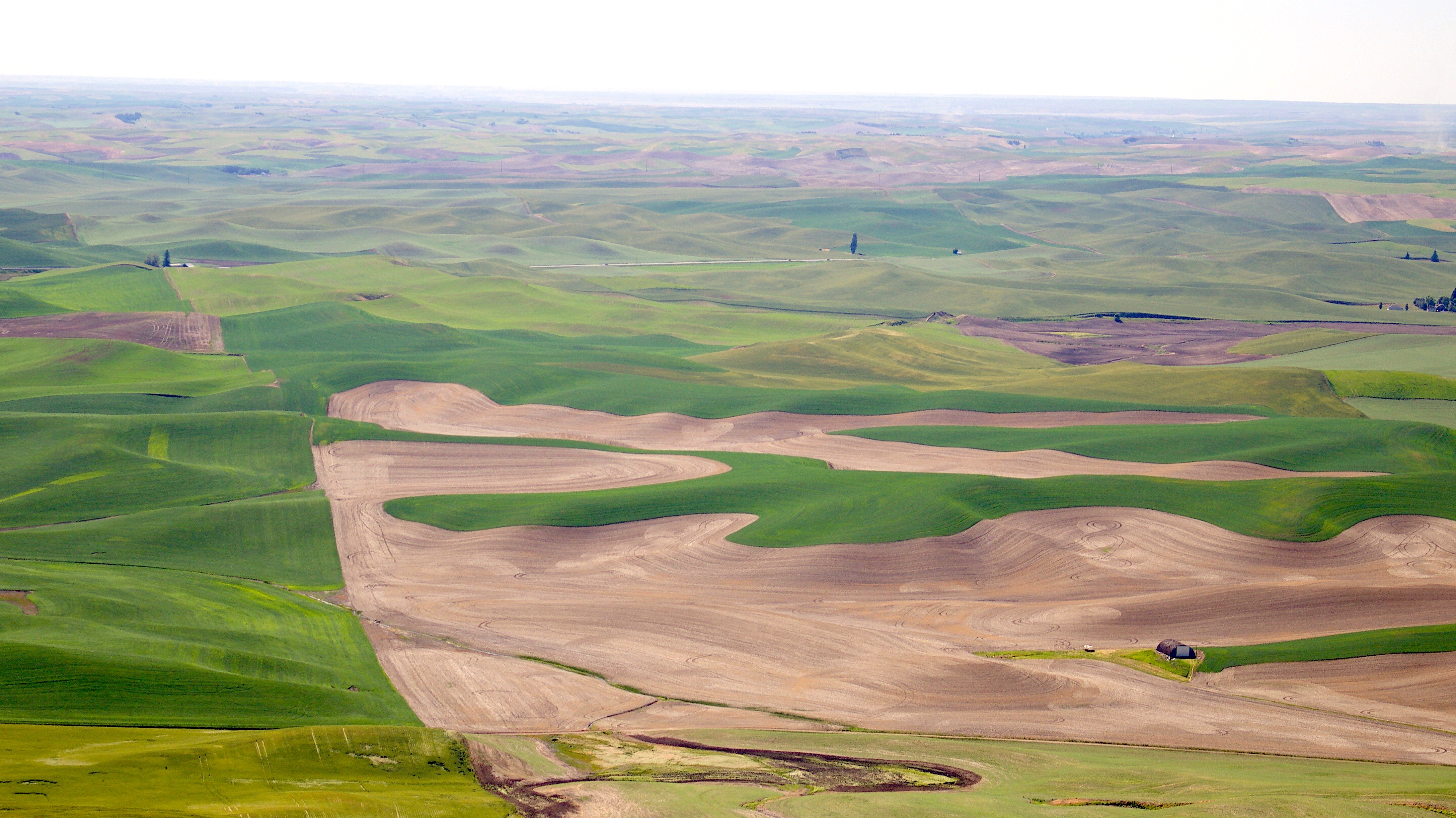
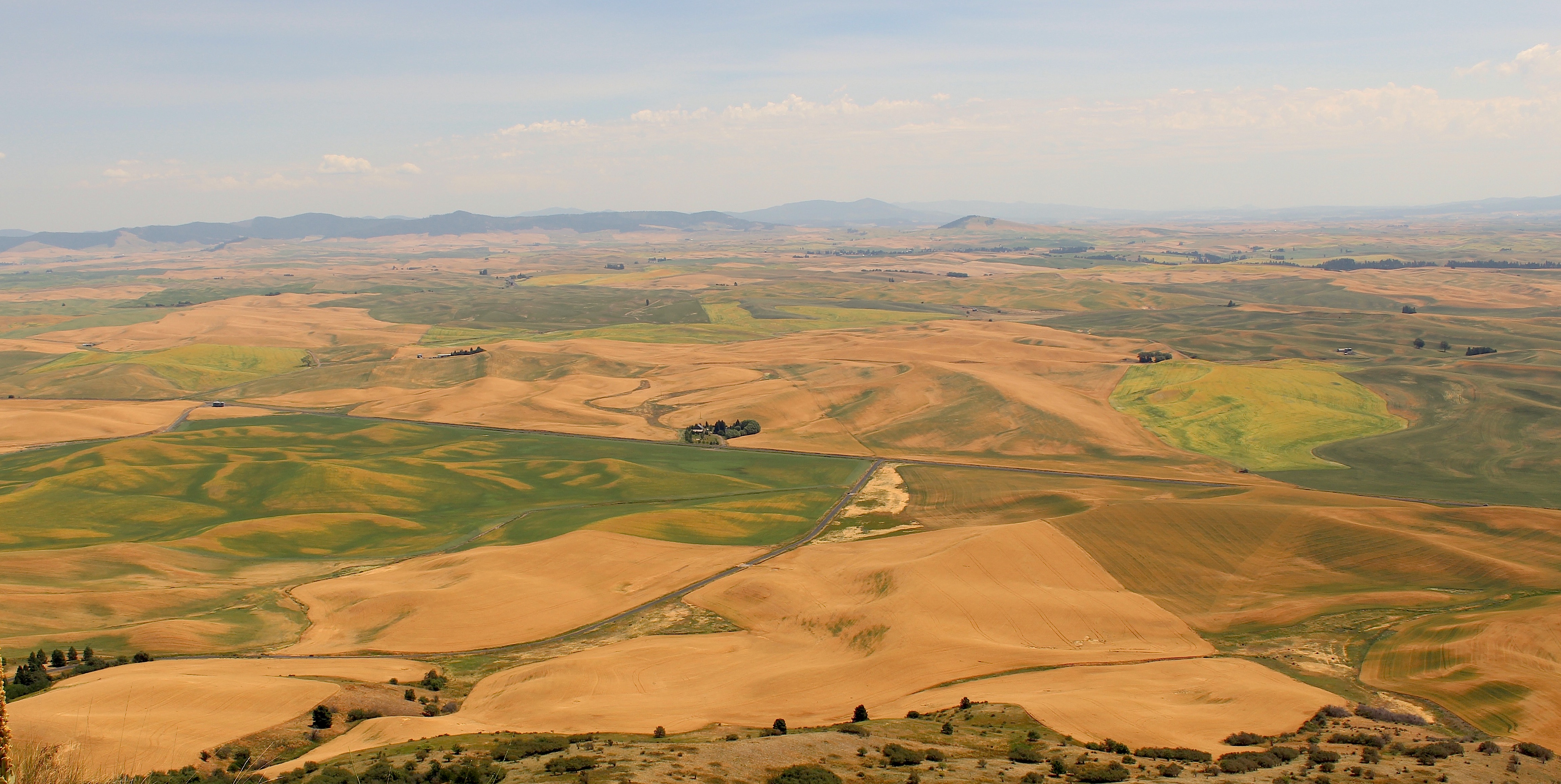
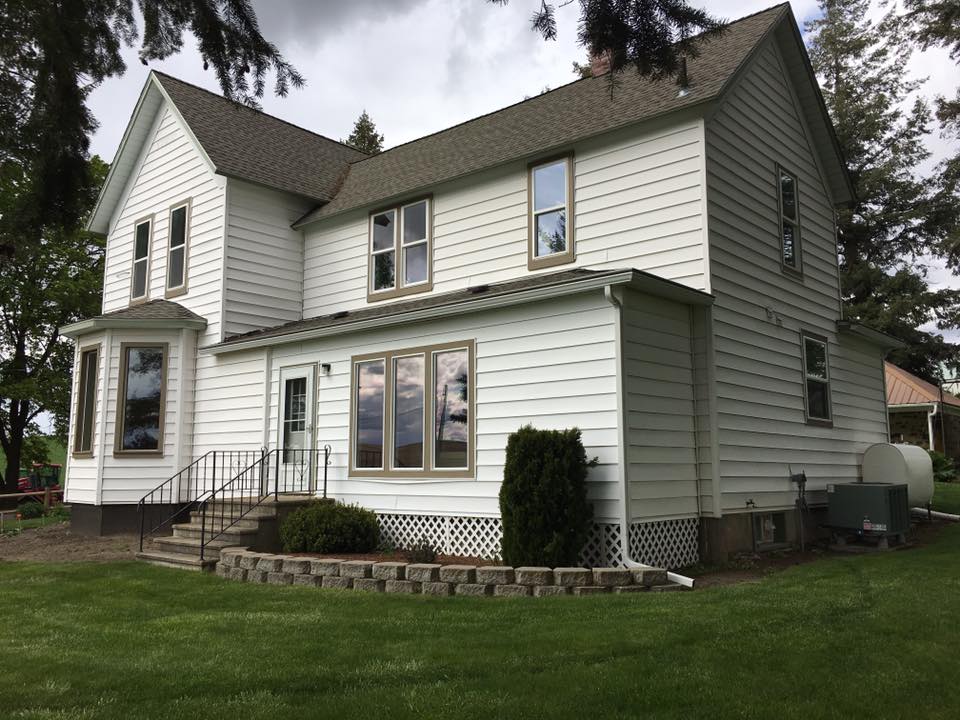
She was born in the isolation of a Palouse wheat and lentil farm in eastern Washington, in a two story white house located down a long lane and nestled in a draw between the undulating hills. Despite having one older brother, it was a lonely childhood which accustomed her to solitude and creative play inside her mind and heart. All her life and especially in her later years, she would prefer the quiet of her own thoughts over the bustle of a room full of activities and conversation.

Her childhood was filled with exploration of the rolling hills, the barns and buildings where her father built and repaired farm equipment, and the chilly cellar where the fresh eggs were stored after she reached under cranky hens to gather them. She sat in the cool breeze of the picketed yard, watching the huge windmill turn and creak next to the house. She helped her weary mother feed farm crews who came for harvest time and then settled in the screened porch listening to the adults talk about lentil prices and bushel production. She woke to the mourning dove call in the mornings and heard the coyote yips and howls at night.

As a young woman, she was ready to leave the farm behind for college, devoting herself to the skills of speech, and the creativity of acting and directing in drama, later teaching rural high school students, including a future Pulitzer Prize winning poet, Carolyn Kizer. She loved words and the power and beauty they wielded.

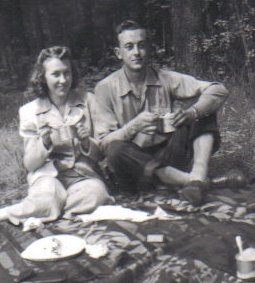
Marrying my father was a brave and impulsive act, traveling by train to the east coast only a week before he shipped out for almost 3 years to the South Pacific to fight as a Marine in WWII. She must have wondered about the man who returned from war changed and undoubtedly scarred in ways she could not see or touch. They worked it out, as rocky as it must have been at times, and in their reconciliation years later after divorce, I could see the devotion and mutual respect of life companions who shared purpose and love.

As a wife and mother, she rediscovered her calling as a steward of the land and a steward of her family, gardening and harvesting fruits, vegetables and children tirelessly. When I think of my mother, I most often think of her tending us children in the middle of the night whenever we were ill; her over-vigilance was undoubtedly due to her worry we might die in childhood as she almost did.

She never did stop worrying during the last few months if her life after a devastating leg fracture. As she became more dependent on others in her physical decline, she tried to give up the control she thought she had to maintain through her “worry energy” and became more accepting about the control the Lord maintains over all we are and will become.

I know from where my shyness comes, my preference for birdsongs rather than radio music, my preference for naps, and my tendency to be serious and straight laced with a twinkle in my eye. This is my German Palouse side–immersing in the quietness of solitude, thrilling to the sight of the spring wheat flowing like a green ocean wave in the breeze and appreciating the warmth of rich soil held in my hands. From that heritage came my mother and it is the legacy she has left with me. I am forever grateful to her for her unconditional love and her willingness to share the warmth of her nest whenever we felt the need to fly back home and shelter, overprotected but safe nonetheless, under her wings.
Everyone in the Wrong Places

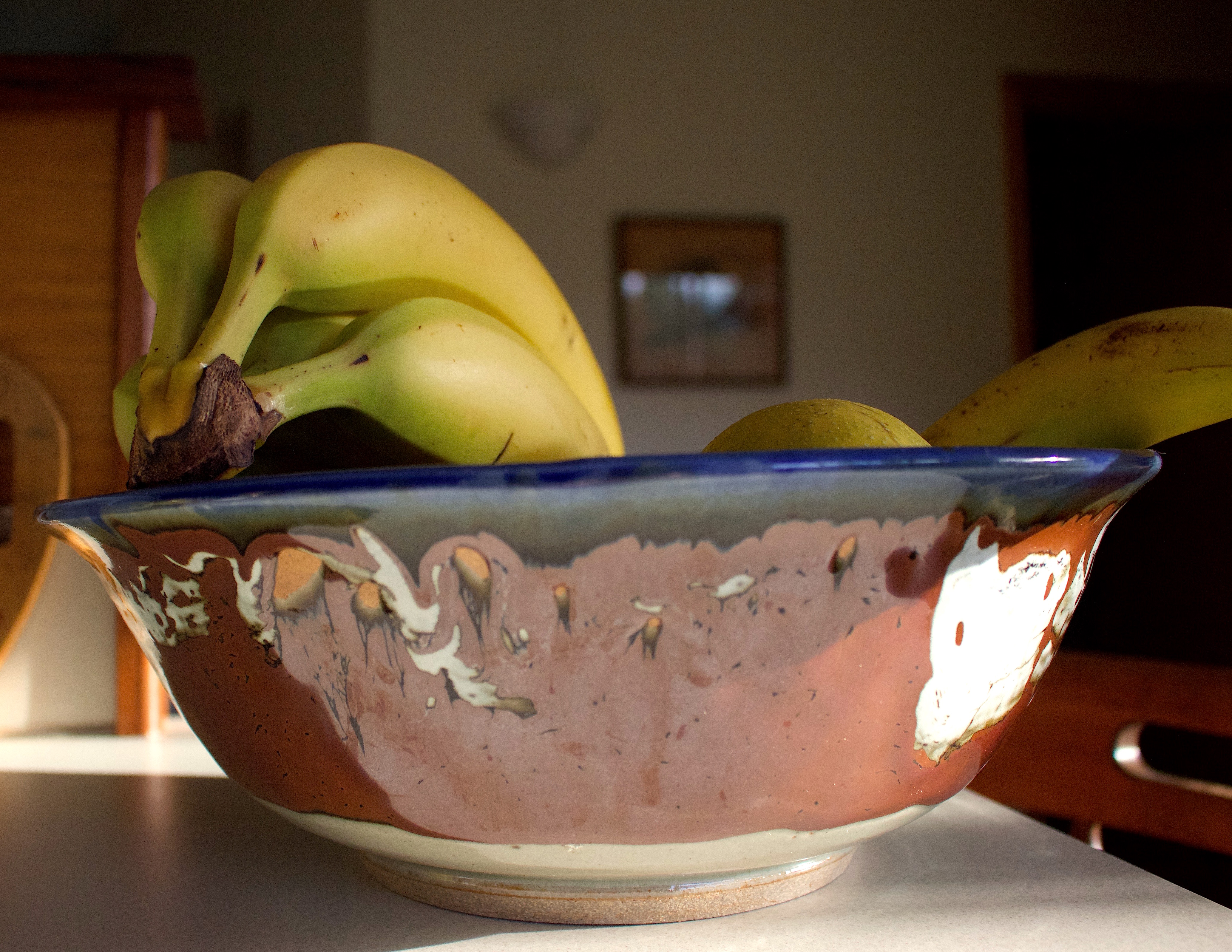
On a table in the living room
there is a gray ceramic bowl that catches
the light each afternoon, contains it.
This is the room we turned into
the room of her dying, the hospital bed
in the center, the medical equipment
against the walls like personnel.
In Maine, once, I rented a house hundreds
of years old. One room had been
the birthing room, I was told, and I sat
in that room writing towards the bright
new world I am always trying
to write into. And while I could stop
there, with those two recognitions
of endings and beginnings, I’m thinking

of yesterday’s afternoon of errands.
My father and mother were in the backseat,
my sister in the passenger seat,
and I driving. It was like decades ago
but everyone in the wrong places,
as though time was simply about
different arrangements of proximity.
Sometimes someone is in front of you.
Or they are beside. At other times
they are behind you, or just elsewhere,
inconsolably, as though time was
about how well or badly you attended
to the bodies around you. First, we went
to the bakery. Then the hardware.
The pharmacy, the grocery. Then the bank.

~Rick Barot “Of Errands”

For a time, my husband and I were the middle of the proverbial family sandwich – the meat and cheese with condiments while our aging parents were one slice of bread and our young children the other slice. It was such a full time of always being needed by someone somewhere somehow in some way that I barely can recall details of what those years were like.

Mothers with daughters sometimes note the irony of being in the throes of menopause while their pre-teen is adjusting to menarche – we pass on the fertility torch.

As I sort through boxes that have been stored away for over a decade from my mother and mother-in-law’s belongings to find things to help our son’s family get settled in their house, I realize that time could be measured in bowls and vases and casserole baking dishes. They are passed to the next generation for another lifetime of use. We start out being fed, then we become the provider, and wind up being fed ourselves in the end.

I want to forestall that time of becoming dependent again as long as possible. For now, I want to hold my grandchildren’s hands as I try to keep them safe in an unpredictable world. Someday, I may need them to help hold my hand once I lack the strength to walk unaided.

Turn turn turn – there is a season. Turn around and everyone has changed places, blessed to still walk alongside one another for as long as possible.

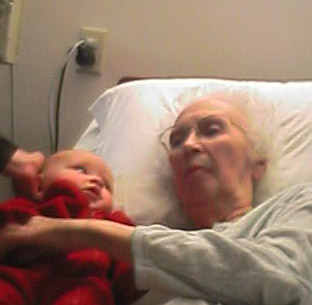
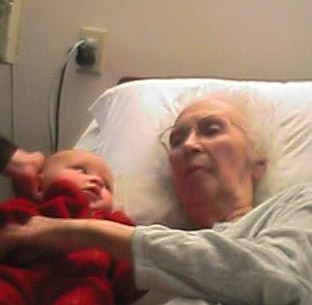
Great Grandma Emma, granddaughter Andrea, great-grandson Zealand, photo by Andrea Nipges

To every thing there is a season, and a time to every purpose under the heaven…
Ecclesiastes 3:1

One-Time
Monthly
Yearly

Make a one-time or recurring donation to support daily Barnstorming posts

Make a monthly donation

Make a yearly donation

Choose an amount

¤10.00
¤20.00
¤50.00
¤5.00
¤15.00
¤100.00
¤5.00
¤15.00
¤100.00

Or enter a custom amount

¤

Your contribution is deeply appreciated.

Your contribution is appreciated.

Your contribution is appreciated.

DonateDonate monthlyDonate yearly
The Sea Inside

The first woman who ever wept
was appalled at what stung
her eyes and ran down her cheeks.
Saltwater. Seawater.
How was it possible?
Hadn’t she and the man
spent many days moving
upland to where the grass
flourished, where the stream
quenched their thirst with sweet water?
How could she have carried these sea drops
as if they were precious seeds;
where could she have stowed them?
She looked at the watchful gazelles
and the heavy-lidded frogs;
she looked at glass-eyed birds
and nervous, black-eyed mice.
None of them wept, not even the fish
that dripped in her hands when she caught them.
Not even the man. Only she
carried the sea inside her body.

~Lisel Mueller “Tears” in Alive Together

From weeping salty seeds or leaking a flood of amnion,
we begin life afloat in our very own sea water pool
and someday depart amid tears of grief flowing over us.

We left behind the sweet waters of the garden
desperate for saline soothing and healing of our wounds.

Destined to bring salt to the rest of the world,
we flavor through our flowing tears, if that’s what it takes.
From the beginning, immersed in salt water,
all our days we seek healing as we weep in joy and sorrow.

That’s what it takes.

One-Time
Monthly
Yearly

Make a one-time or recurring donation to support daily Barnstorming posts

Make a monthly donation

Make a yearly donation

Choose an amount

¤10.00
¤20.00
¤50.00
¤5.00
¤15.00
¤100.00
¤5.00
¤15.00
¤100.00

Or enter a custom amount

¤

Your contribution is deeply appreciated.

Your contribution is appreciated.

Your contribution is appreciated.

DonateDonate monthlyDonate yearly
Never Got Wet

When the doctor suggested surgery
and a brace for all my youngest years,
my parents scrambled to take me
to massage therapy, deep tissue work,
osteopathy, and soon my crooked spine
unspooled a bit, I could breathe again,
and move more in a body unclouded
by pain. My mom would tell me to sing
songs to her the whole forty-five minute
drive to Middle Two Rock Road and forty-
five minutes back from physical therapy.
She’d say, even my voice sounded unfettered
by my spine afterward. So I sang and sang,
because I thought she liked it. I never
asked her what she gave up to drive me,
or how her day was before this chore. Today,
at her age, I was driving myself home from yet
another spine appointment, singing along
to some maudlin but solid song on the radio,
and I saw a mom take her raincoat off
and give it to her young daughter when
a storm took over the afternoon. My god,
I thought, my whole life I’ve been under her
raincoat thinking it was somehow a marvel
that I never got wet.
~Ada Limón “The Raincoat”

When I was 13, I grew too quickly. My spine developed a thoracic scoliosis (curvature) — after inspecting my back as I bent over to touch my toes, my pediatrician referred me to a pediatric orthopedic specialist an hour away from my home town.

The question was whether I would need to have a metal rod surgically placed along my spine to prevent it from more misalignment or whether I would need to wear a back brace like a turtle. The least intervention would be physical therapy to try to keep my back and abdominal muscles as strong as possible to limit the curvature.

Since my father didn’t have much flexibility in his work schedule, my mother had to drive me to the “big city” for my appointments – as a nervous driver, she did it only because she knew it was necessary to get the medical opinion needed. She asked me to read aloud to her from whatever book I was reading at the time – I don’t think she listened closely but I think she knew it would keep me occupied while she navigated traffic.

At first, we went every three months for new xrays. The orthopedist would draw on my bare back and on my spine xrays with a black marker, calculating my curves and angles with his protractor, watching for a trend of worsening as I grew taller. He reassured us that I hadn’t yet reached a critical level of deviation requiring more aggressive treatment.

Eventually my growth rate slowed down and the specialist dismissed me from further visits, wishing me well. He told me I would certainly be somewhat “crooked” for the rest of my life, and it would inevitably worsen in my later years. I continued to visit PT for regular visits; my mom would patiently wait in the car as I sweated my way through the regimen.

The orthopedist was right about the curvature of my aging spine. I am not only a couple inches shorter now, but my rib cage and chest wall is asymmetric affecting my ability to stand up totally straight. Just last week, I had an xray of my collar bones as even those joints have developed wear and tear changes. I consider being crooked a small price to pay for avoiding a serious surgery or a miserable brace as a teenager.

What I didn’t understand at the time was the commitment my mother made to make sure I got the care I needed, even if it meant great inconvenience in her life, even if she was awake at night worried about the outcome of the appointments, even if the financial burden was significant for my family. She, like so many parents with children with significant medical or psychological challenges, gave up her wants and wishes to make sure I received what I needed. As a kid, I just assumed that’s what a mom does. Later, as a mom myself, I realized it is what moms do, but often at significant personal cost. As a physician, I saw many young people whose parents couldn’t make the commitment to see they got the care they needed, and it showed.

I was one blessed by parents who did what their kids needed to thrive.

My mom constantly offered me her raincoat so I wouldn’t get wet. Meanwhile she was being drenched.

Thank you, Mom, for making sure I was covered by your love. I still am.

Original Barnstorming artwork note cards available as a gift to you with a $50 donation to support Barnstorming – information here

The Forgiveness of Sleep

The children have gone to bed.
We are so tired we could fold ourselves neatly
behind our eyes and sleep mid-word, sleep standing
warm among the creatures in the barn, lean together
and sleep, forgetting each other completely in the velvet,
the forgiveness of sleep.

Then the one small cry:
one strike of the match-head of sound:
one child’s voice:
and the hundred names of love are lit
as we rise and walk down the hall.

One hundred nights we wake like this,
wake out of our nowhere
to kneel by small beds in darkness.
One hundred flowers open in our hands,
a name for love written in each one.
~Annie Lighthart, from Iron String

I thought I had forgotten how to wake to the sound of a child’s voice in the night. I thought I wouldn’t remember how to gently open their bedroom door, entering their darkness from my own darkness, discerning what was distressing them, sensing how to soothe them back to slumber, wondering if I might sing or pray the words they needed to hear, bringing a blossoming peace and stillness to their night.

And then our son’s family arrived two months ago from thousands of miles away, to stay until they could settle in their own place, and I remembered my nights were never meant to be mine alone. As a child, I had so many night-wakenings that I’m sure my mother despaired that I would ever sleep through the night. She would come when I called, sitting beside my bed, rubbing my back until I forgot what woke me in the first place. She was patient and caring despite her own weariness, sleep problems and worriedness. She loved me and forgave me for needing her presence in the night, so her nights were never her own.

I too responded with compassion when my own children called out in the night. I woke regularly to phone calls from hospitals and patients during forty years of medical practice and listened and answered questions with grace and understanding. And now, for a time, I’m on call again, remembering the sweetness of being loved when the dark fears of the night need the light and promise of a new day coming, if only just a few hours away.

One-Time
Monthly
Yearly

Make a one-time or recurring donation to support daily Barnstorming posts

Make a monthly donation

Make a yearly donation

Choose an amount

¤5.00
¤10.00
¤20.00
¤5.00
¤15.00
¤100.00
¤5.00
¤15.00
¤100.00

Or enter a custom amount

¤

Your contribution is deeply appreciated.
Your contribution is appreciated.

Your contribution is appreciated.

DonateDonate monthlyDonate yearly