When They Were Young

moonandsisters


conwaychurch1


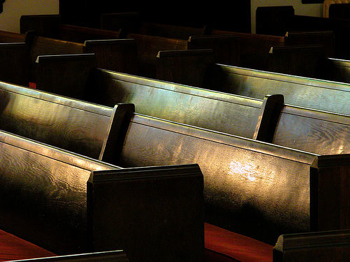
empty-church1


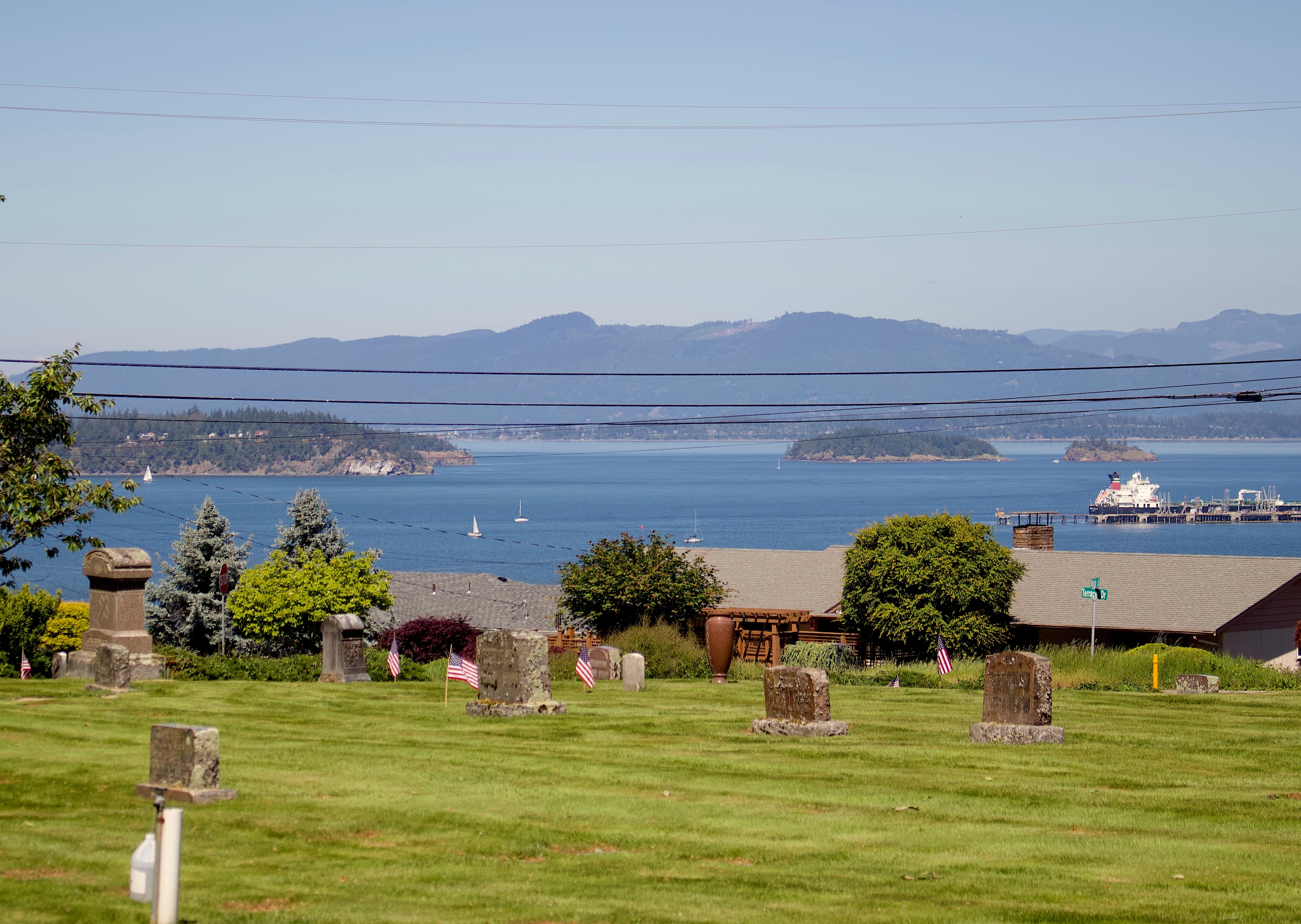
On the green hill with the river beyond it
long ago and my father there
and my grandmother standing in her faded clothes
wrinkled high-laced black shoes in the spring grass
among the few gravestones inside their low fence
by the small white wooden church
the clear panes of its windows
letting the scene through from the windows
on the other side of the empty room
and a view of the trees over there
my grandmother hardly turned her head
staring like a cloud at the empty air
not looking at the green glass gravestone
with the name on it of the man to whom
she had been married and who had been
my father’s father she went on saying nothing
her eyes wandering above the trees
that hid the river from where we were
a place where she had stood with him one time
when they were young and the bell kept ringing
~W.S. Merwin “Windnoon” from The Moon Before Morning


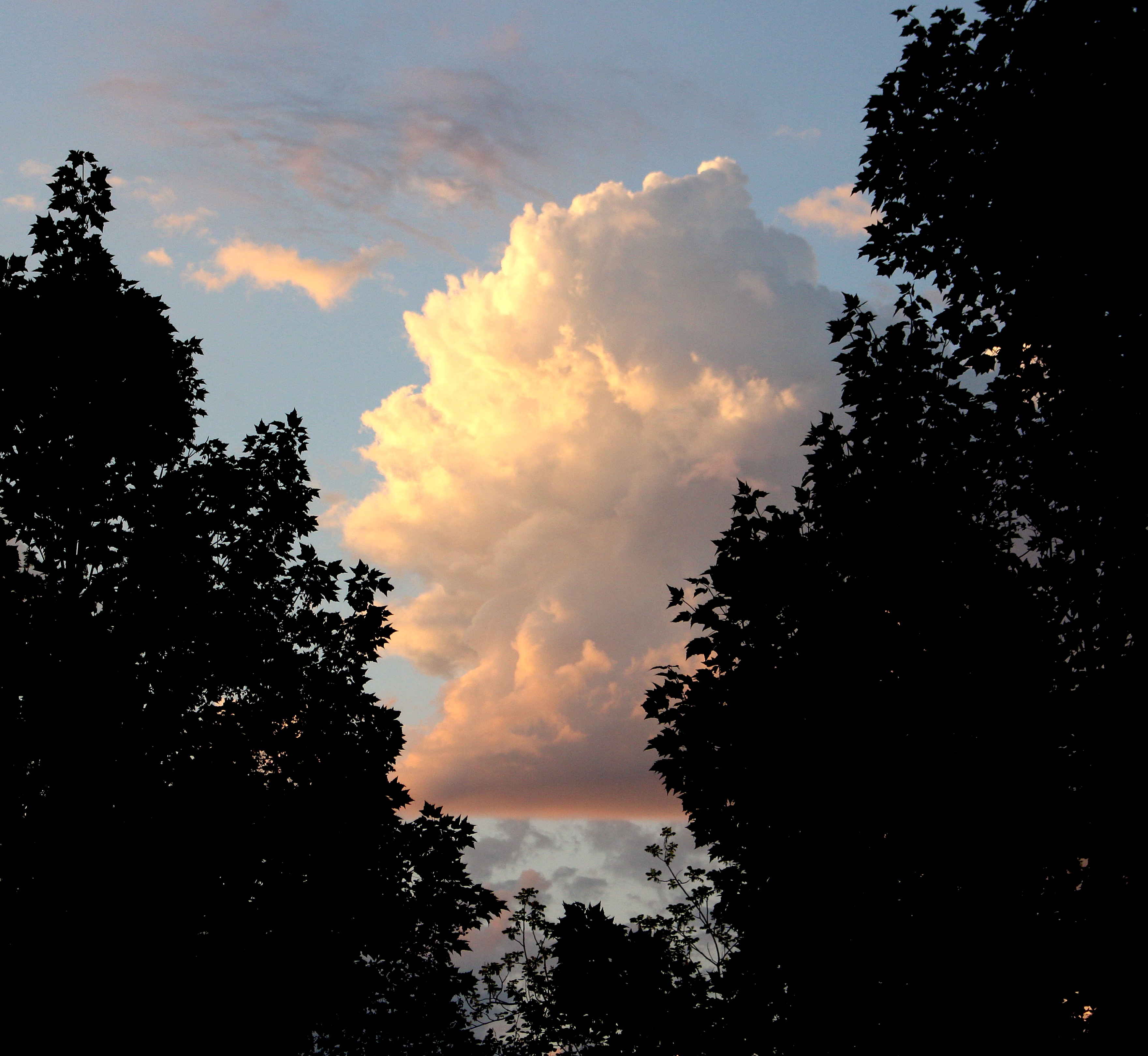
peekaboocloud


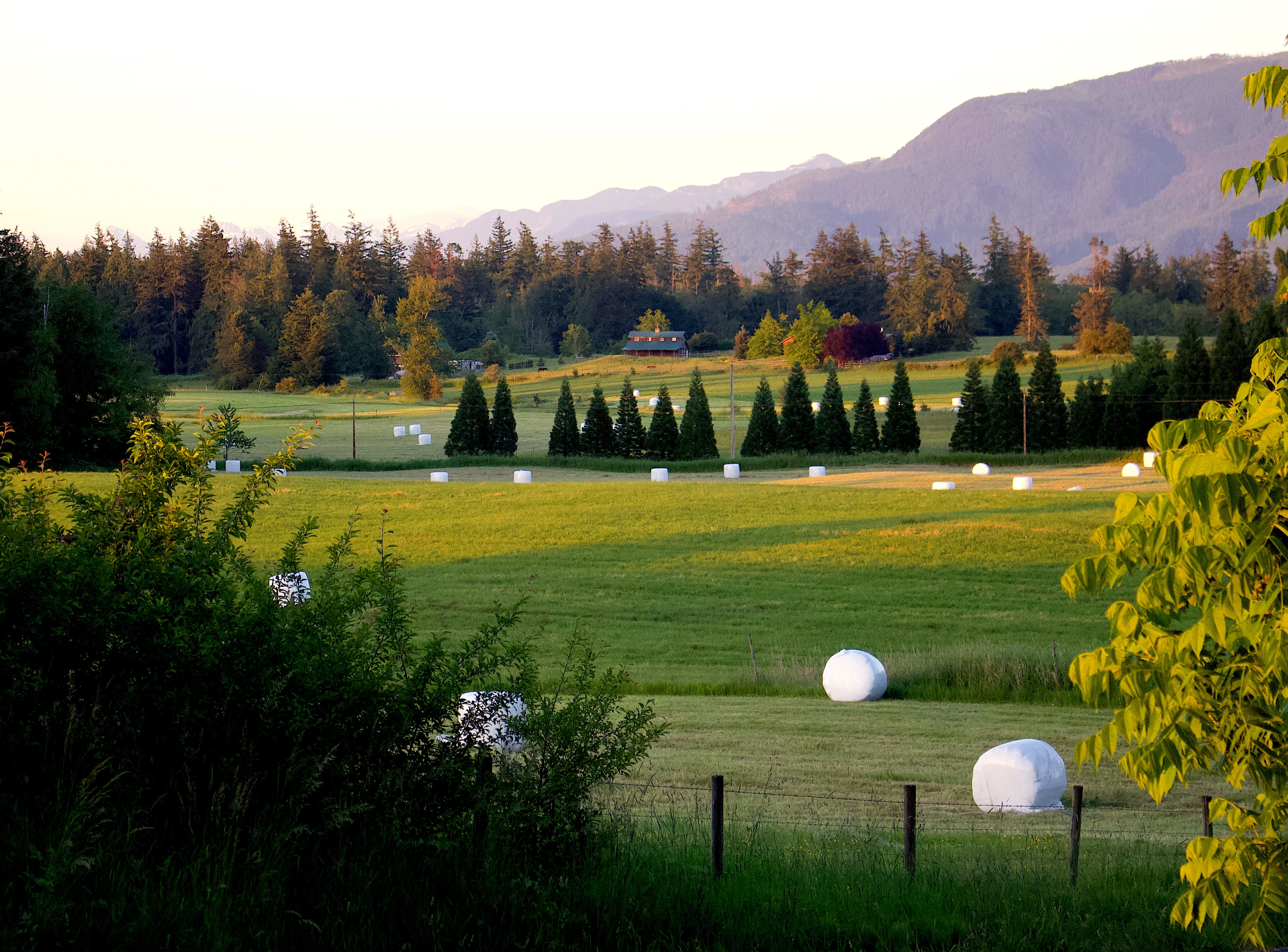
perfectday


Visiting the graves of those who lived and loved for decades,
now mere dust lying side by side,
their spirits risen and flown~
we realize we were young once and now
feel the weight of change and passage of the years
despite our effort to grab and hold them still.

The bells of time keep ringing in our memories.


marshmallowmay3


evening5718


stock-footage-church-bells-ringing-on-a-summer-day

Partly Cloudy with Sun Breaks

danfield
danbarn
When it snows, he stands
at the back door or wanders
around the house to each
window in turn and
watches the weather
like a lover. O farm boy,
I waited years
for you to look at me
that way. Now we’re old
enough to stop waiting
for random looks or touches
or words, so I find myself
watching you watching
the weather, and we wait
together to discover
whatever the sky might bring.
~Patricia Traxler “Weather Man”
danfield2
My farm boy does still look at me that way,
wondering if today will bring
frost,
a wind storm,
maybe fog or mist,
a scorcher,
or a deluge.
I reassure him as best I can,
because he knows me so well
in our many years together:
today, like most other days
will be partly cloudy with showers
and occasional sun breaks.
danpnp
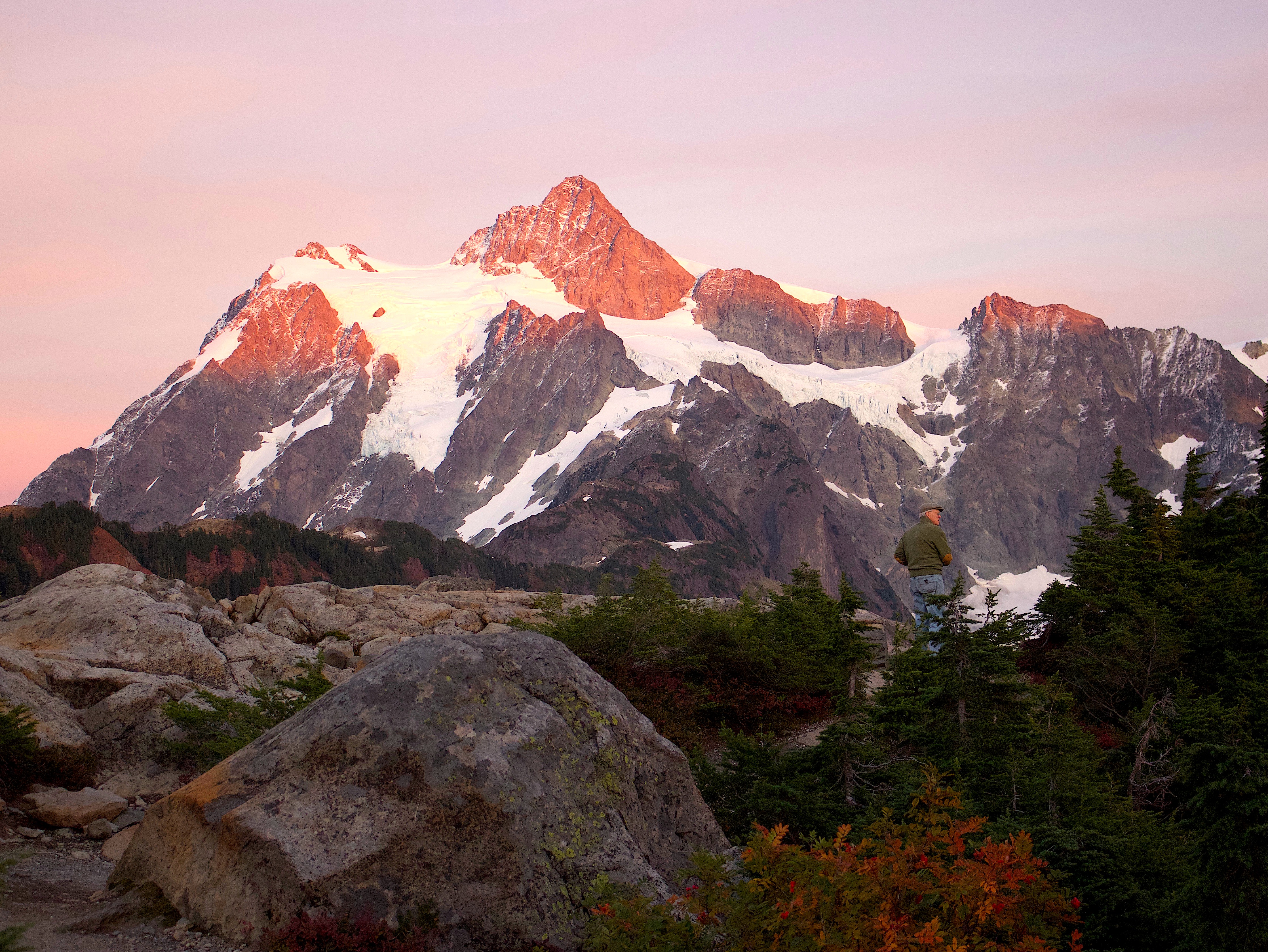
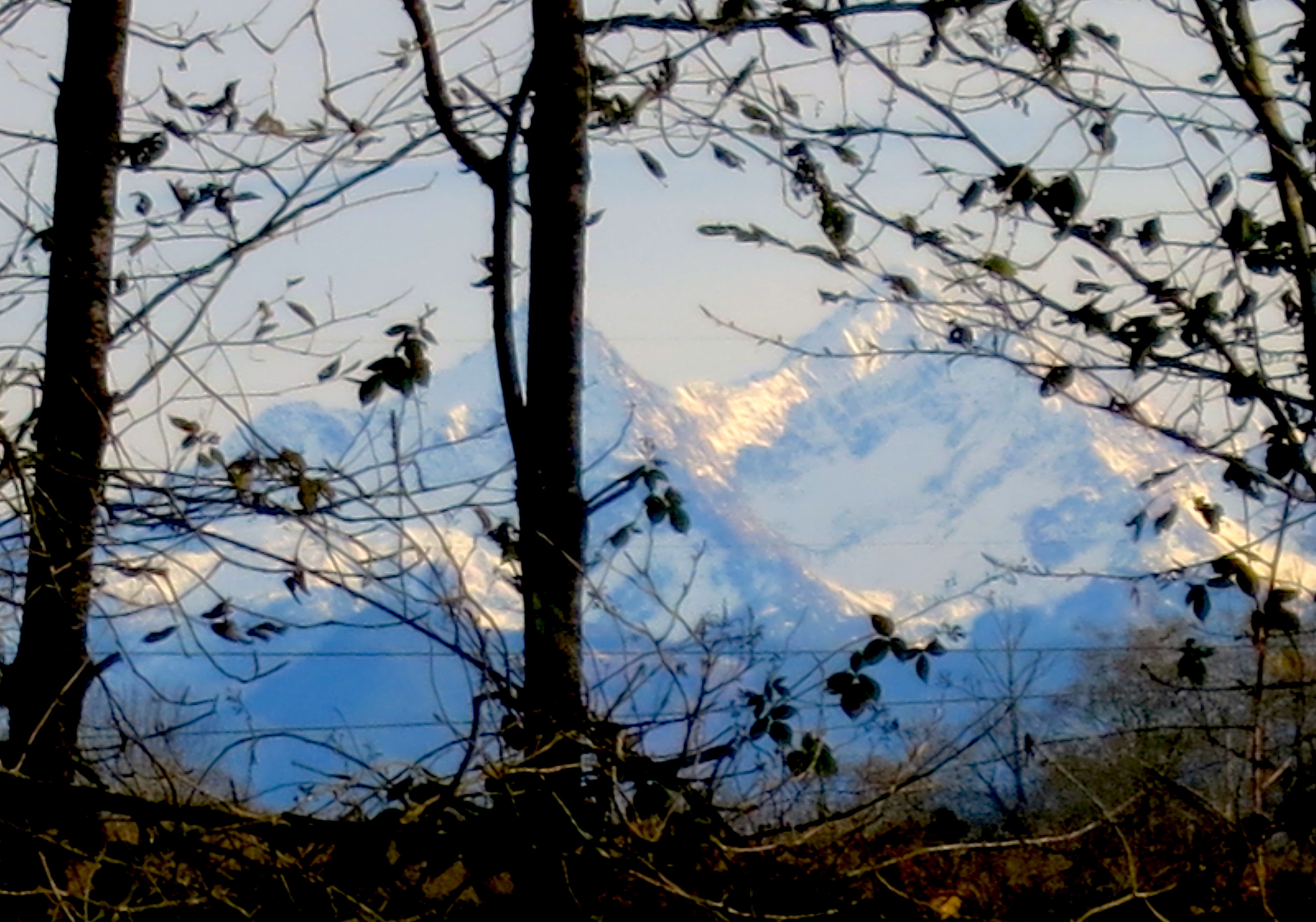
shuksan104172
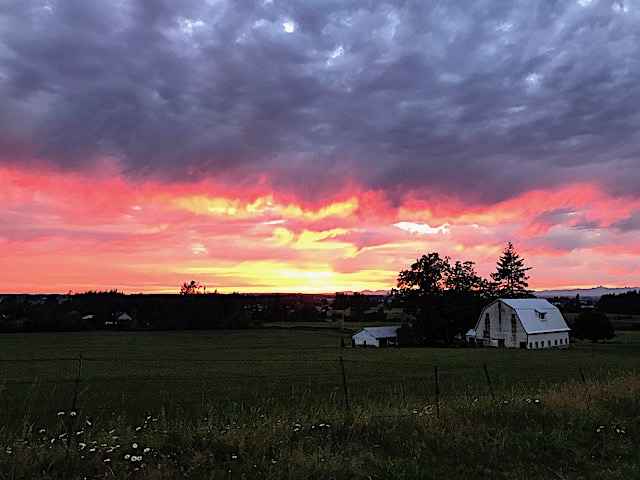
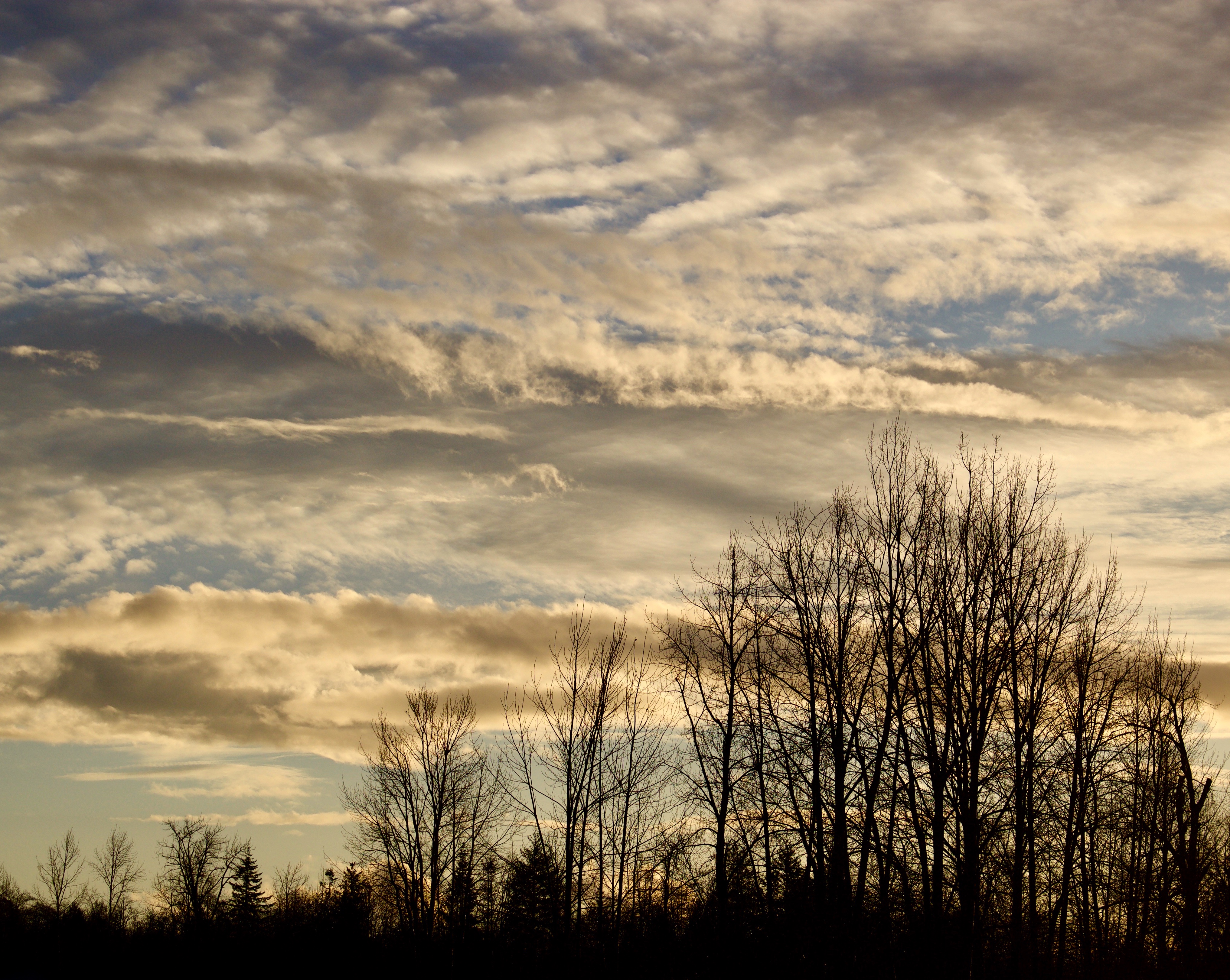
sunsetdan

The Jeweled Prize

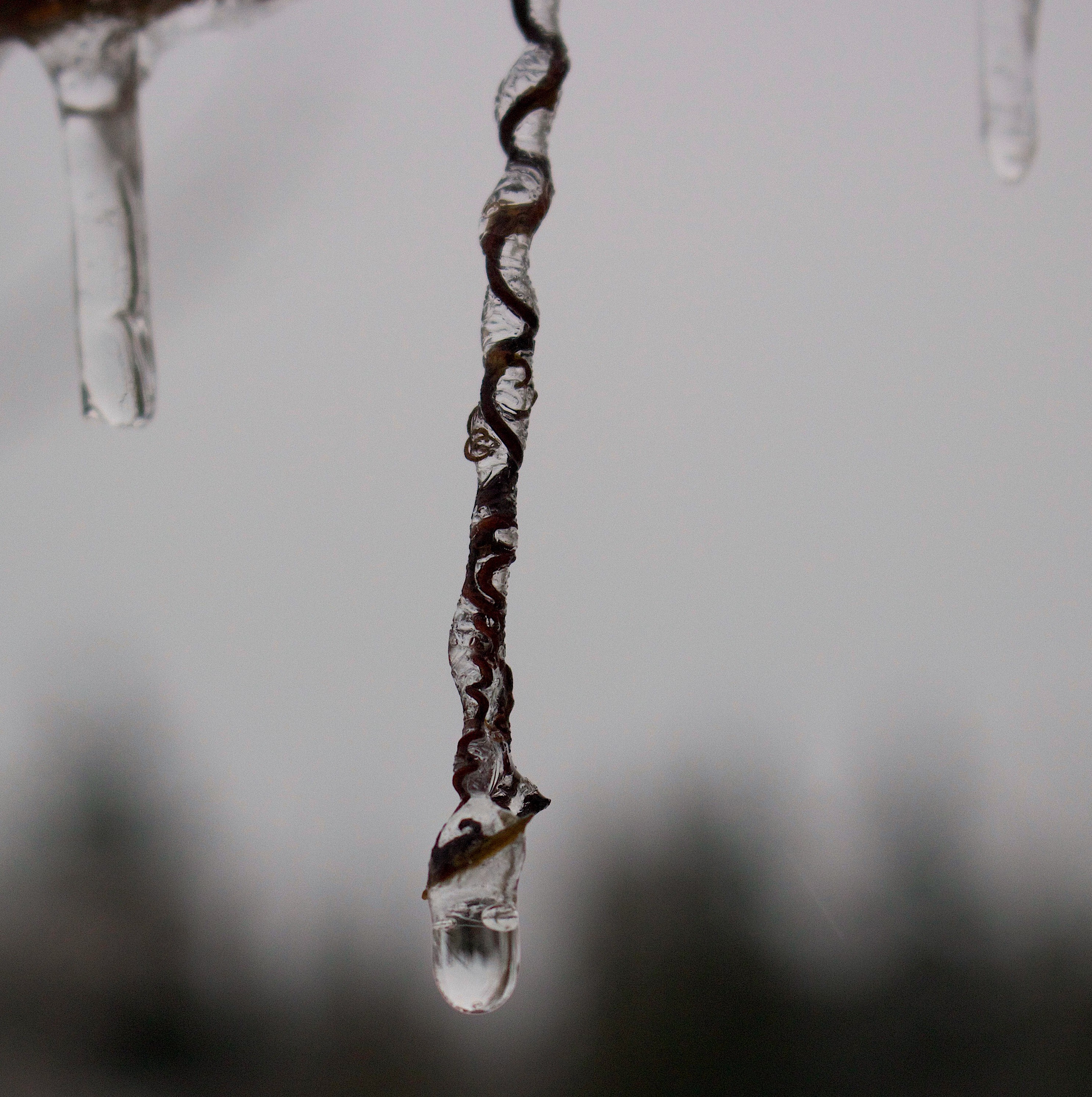
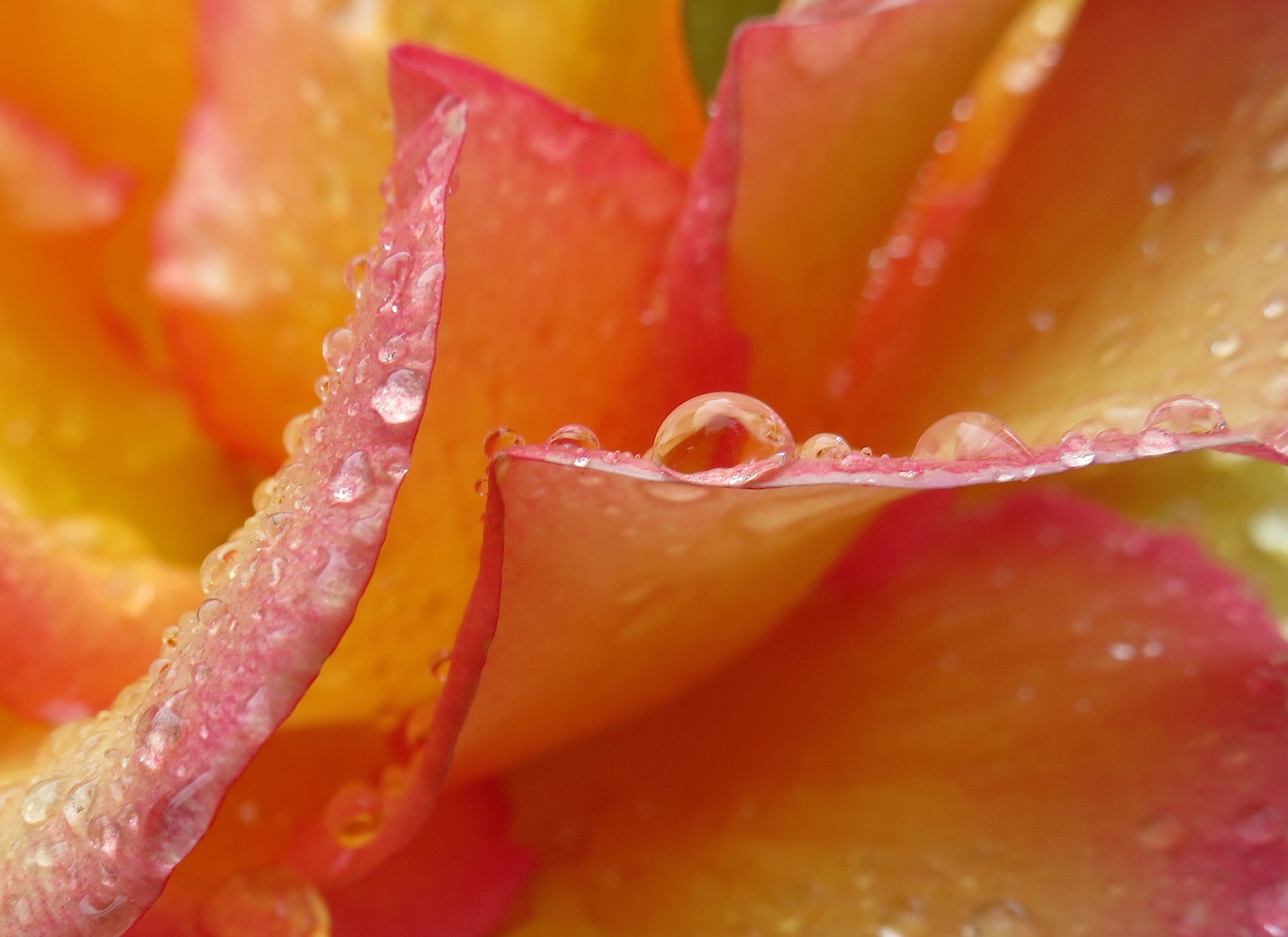
drip


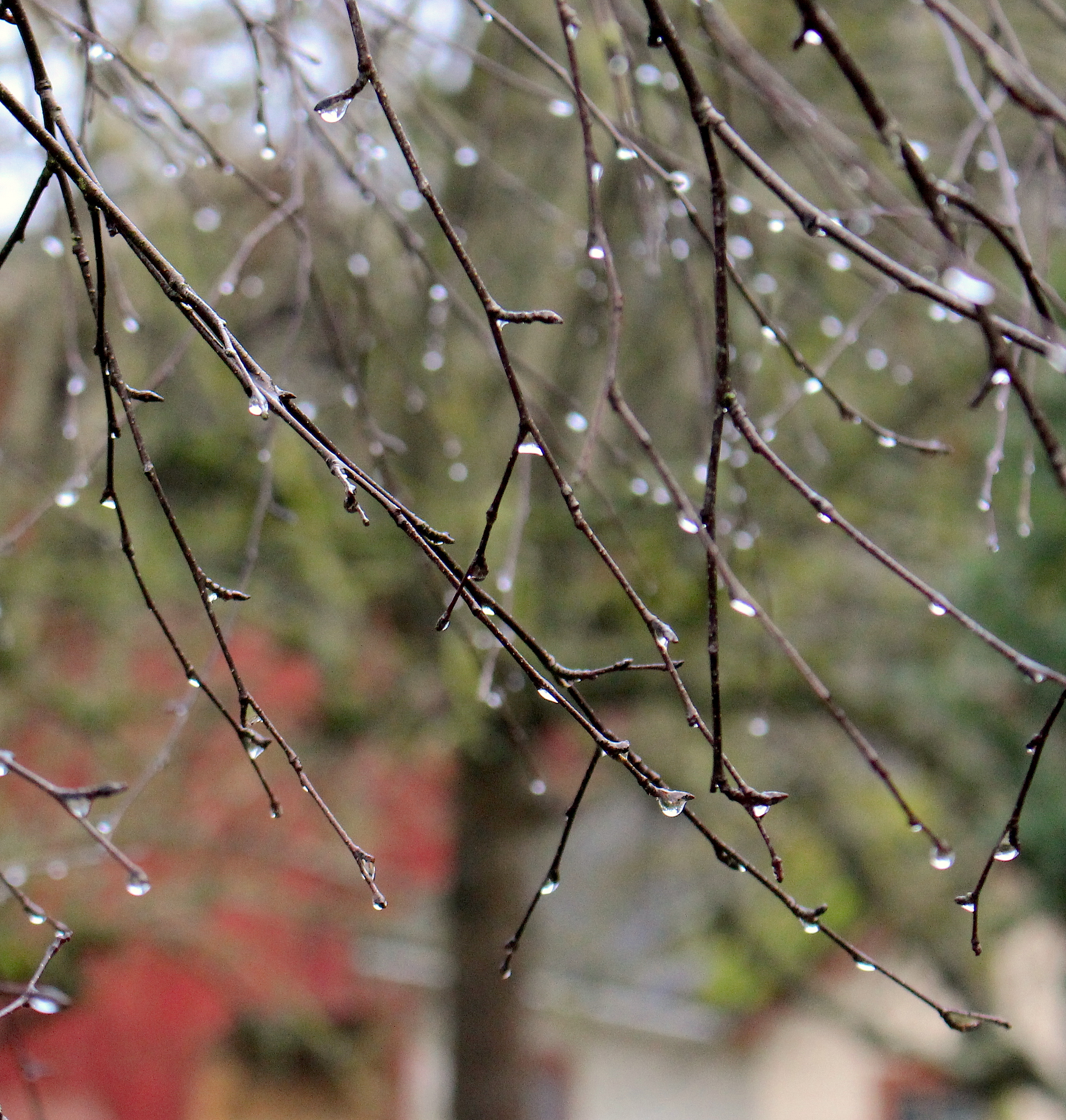
rainjewels2


But we are older,
I to love
                 and you to be loved,
                                        we have,
no matter how,
                 by our wills survived
                                        to keep
the jewelled prize
                   always at our finger tips.
We will it so
                  and so it is
                                       past all accident.
~William Carlos Williams, excerpts from “The Ivy Crown”
written at age 72, published in Journey to Love


fogdrops2


How can we, at our late middle age,
who have treated love as no accident,
look into a well
of such depth and richness~
how can we tell the young
to will their love to survive –
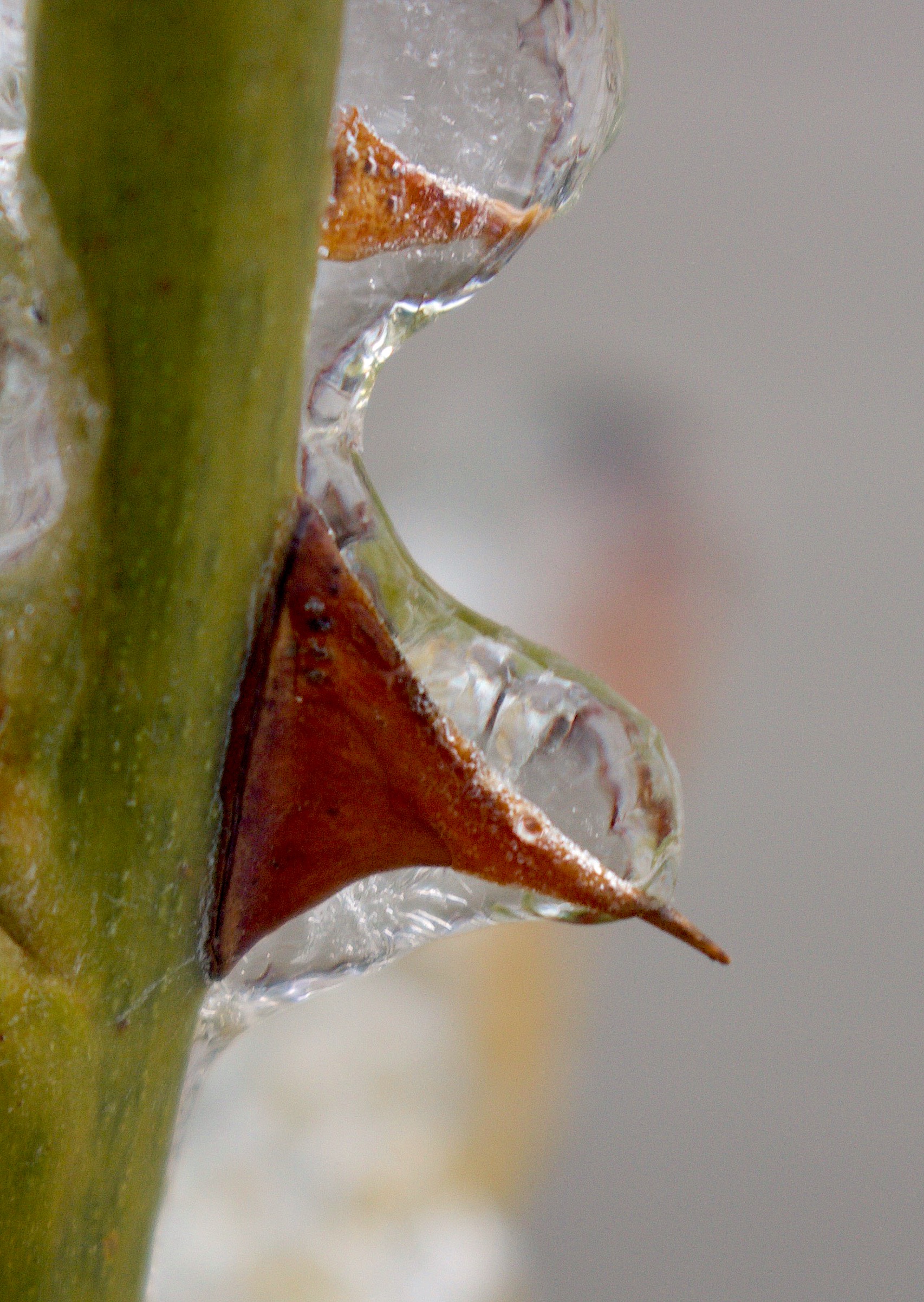
to strive through thorns and briars,
though tears wept and flesh torn,
to cherish the prize
of rose and ivy crown.

It is all that matters,
this crown of love
we have willed and worn together
through the years:

I love you or I do not live at all.
I to love and you to be loved.


silverthawthorn


weepingrose


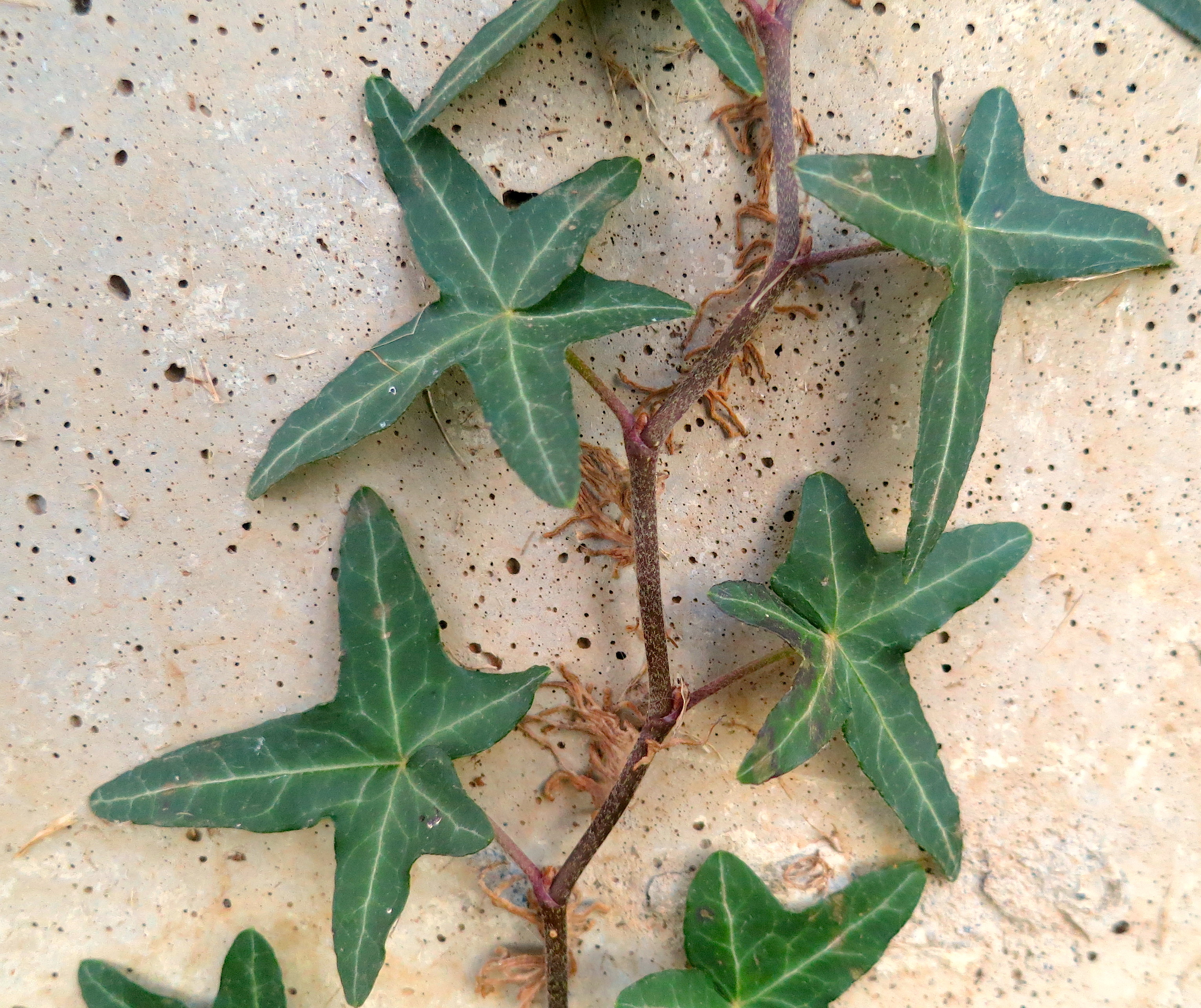
ivycling


A World of Wet and Weeping

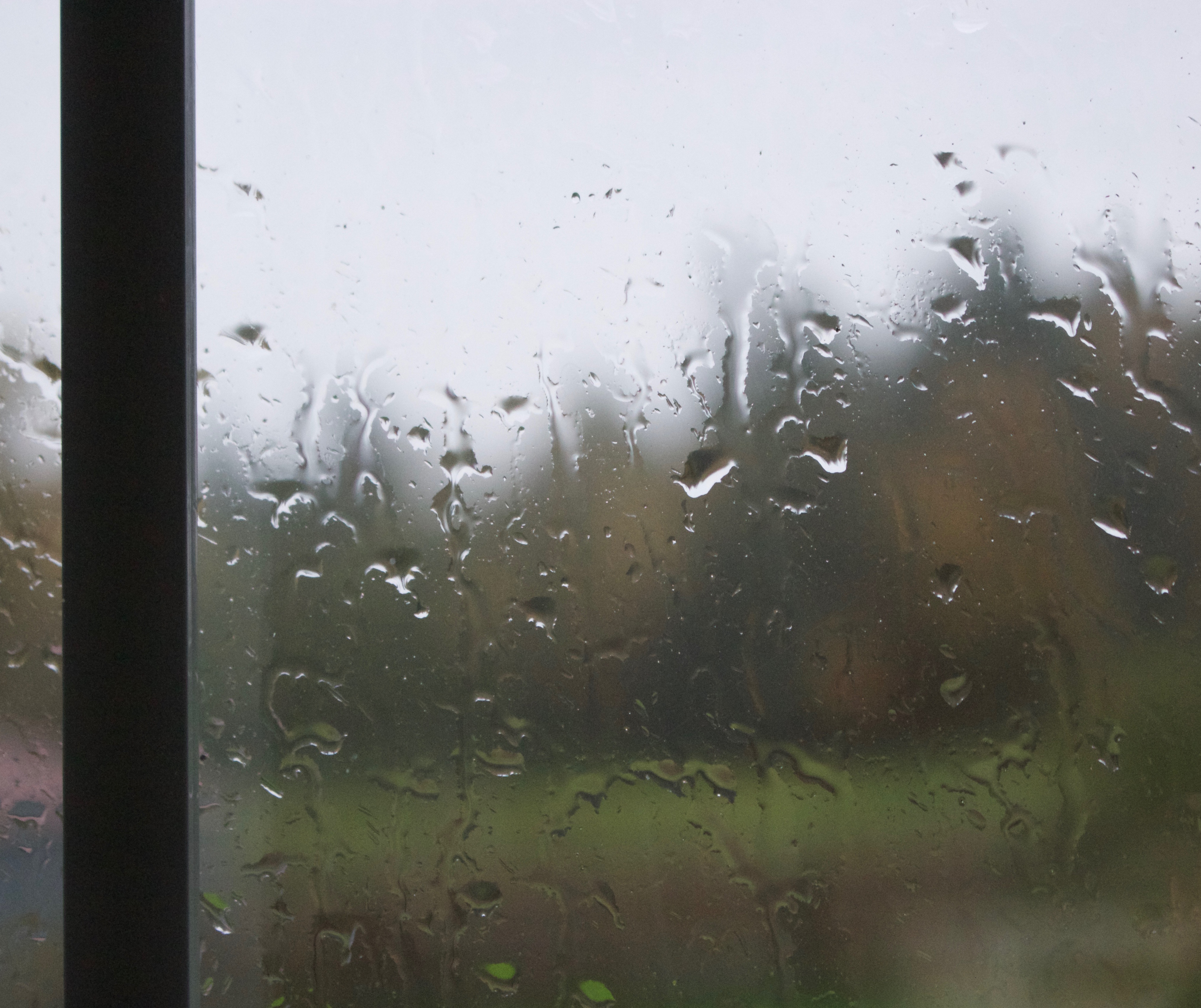
rainywindow


My own heart let me more have pity on; let
Me live to my sad self hereafter kind,
Charitable; not live this tormented mind
With this tormented mind tormenting yet.
I cast for comfort I can no more get
By groping round my comfortless, than blind
Eyes in their dark can day or thirst can find
Thirst’s all-in-all in all a world of wet.
~Gerard Manley Hopkins


rainy-windshield1


January 1979
Surfacing to the street from a thirty two hour hospital shift usually means my eyes blink mole-like, adjusting to searing daylight after being too long in darkened windowless halls.  This particular January day is different.   As the doors open, I am immersed in a subdued gray Seattle afternoon, with horizontal rain soaking my scrubs.

Finally remembering where I had parked my car in pre-dawn dark the day before, I start the ignition, putting the windshield wipers on full speed.  I merge onto the freeway, pinching myself to stay awake long enough to reach my apartment and my pillow.

The freeway is a flowing river current of head and tail lights.  Semitrucks toss up tsunami waves cleared briefly by my wipers frantically whacking back and forth.

Just ahead in the lane to my right, a car catches my eye — it looks just like my Dad’s new Buick.  I blink to clear my eyes and my mind, switching lanes to get behind.  The license plate confirms it is indeed my Dad, oddly 100 miles from home in the middle of the week.  I smiled, realizing he and Mom have probably planned to surprise me by taking me out for dinner.

I decide to surprise them first, switching lanes to their left and accelerating up alongside.  As our cars travel side by side in the downpour,  I glance over to my right to see if I can catch my Dad’s eye through streaming side windows.  He is looking away to the right at that moment, obviously in conversation.  It is then I realize something is amiss.  When my Dad looks back at the road, he is smiling in a way I have never seen before.  There are arms wrapped around his neck and shoulder, and a woman’s auburn head is snuggled into his chest.

My mother’s hair is gray.

My initial confusion turns instantly to fury.  Despite the rivers of rain obscuring their view, I desperately want them to see me.  I think about honking,  I think about pulling in front of them so my father would know I have seen and I know.  I think about ramming them with my car so that we’d perish, unrecognizable, in an explosive storm-soaked mangle.

At that moment, my father glances over at me and our eyes meet across the lanes.  His face is a mask of betrayal, bewilderment and then shock. As he tenses, she straightens up and looks at me quizzically.

I can’t bear to look any longer.

I leave them behind, speeding beyond, splashing them with my wake.  Every breath burns my lungs and pierces my heart.  I can not distinguish whether the rivers obscuring my view are from my eyes or my windshield.

Somehow I made it home to my apartment, my heart still pounding in my ears.  The phone is ringing and ringing, and won’t be answered.

I throw myself on my bed, bury my wet face in my pillow and pray for a sleep without dreams.


fogdrops2

raindrops1315

Forsaking All Others

sunset115181


The forsaking of all others is a keeping of faith, not just with the chosen one, but with the ones forsaken…  One is married to marriage as well as to one’s spouse. But one is married also to something vital of one’s own that does not exist before the marriage: one’s given word. It now seems to me that the modern misunderstanding of marriage involves a gross misunderstanding and underestimation of the seriousness of giving one’s word, and of the dangers of breaking it once it is given. Adultery and divorce now must be looked upon as instances of that disease of word-breaking, which our age justifies as “realistic” or “practical” or “necessary,” but which is tattering the invariably single fabric of speech and trust.
~Wendell Berry from “The Body and the Earth” in The Art of the Commonplace: The Agrarian Essays


sunset114181


Covenant between two married people, between parent and child, between coworkers, between countries, between God and His people — is too often broken, irrevocably shattered when convenient and deemed necessary.

I see the sequelae of these broken vows, broken words, broken covenants every day in my work.   Divorcing parents destroy the integrity of a family built on trust and commitment.  Relationships wax and wane with the ebb and flow of one’s mood and need for something/someone new.

This disease of chronic deficiency of trustworthiness, this lack of keeping faith with one another, is a brittle bitter breaking of word and promise.  The only cure is clinging to the One who we forsake again and again, who keeps His promise fully and wholly as He renews His everlasting covenant with us until His last breath.  He deems us worthy.


Ye are Blood of my Blood, and Bone of my Bone,
I give ye my Body, that we Two might be One.
I give ye my Spirit, ’til our Life shall be Done
~Diana Gabaldon – a Scottish wedding vow from Outlander


sunrise115182


baker11518


Finding a Peace Together

bakerchristmaseve17

wedding

Seventy five years ago, my parents were married on Christmas Eve. It was not a conventional wedding day but a date of necessity, only because a justice of the peace was available to marry a score of war-time couples in Quantico, Virginia, shortly before the newly trained Marine officers were shipped out to the South Pacific to fight in WWII.

When I look at my parents’ young faces in their only wedding portrait, I see a hint of the impulsive decision that led to that wedding just a week before my father left for 30 months. They had known each other at college for over a year, had talked about a future together, but with my mother starting a teaching job, and the war potentially impacting all young men’s lives very directly, they had not set a date.

My father had to put his college education on hold to enlist, knowing that would give him some options he wouldn’t have if drafted, so they went their separate ways as he headed east to Virginia for his Marine officer training, and Mom started her high school teaching career as a speech and drama teacher in rural Colville in Eastern Washington. One day in early December, he called her and said, “If we’re going to get married, it’ll need to be before the end of the year. I’m shipping out the first week in January.” Mom went to her high school principal, asked for a two week leave of absence which was granted, told her astonished parents, bought a dress, and headed east on the train with a friend who had received a similar call from her boyfriend. This was a completely uncharacteristic thing for my overly cautious mother to do so … it must have been love.

They were married in a brief civil ceremony with another couple as the witnesses. They stayed in Virginia only a couple days and took the train back to San Diego, and my father was shipped out. Just like that. Mom returned to her teaching position and the first three years of their married life was composed of letter correspondence only, with gaps of up to a month during certain island battles when no mail could be delivered or posted.

As I sorted through my mother’s things following her death I kept their war-time letters to each other, stacked neatly and tied together in a box that I walk past every day. I have not yet opened them but will when I’m ready. What I will find there will be words written by two young people who could not have foretold the struggles that lay ahead for them during and after the war but who both depended on faith and trust to persevere despite the unknowns. The War itself seemed struggle enough for the millions of couples who endured the separation, the losses and grieving, as well as the eventual injuries–both physical and psychological.  It did not seem possible that beyond those harsh and horrible realities, things could go sour after reuniting.

The hope and expectation of happiness and bliss must have been overwhelming, and real life doesn’t often deliver.  After raising three children, their 35 year marriage fell apart with traumatic finality.  When my father returned (again) over a decade later, asking for forgiveness, they remarried and had five more years together before my father died.

Christmas is a time of joy, a celebration of new beginnings and new life when God became man, humble, vulnerable and tender. But it also gives us a foretaste for the profound sacrifice made in giving up this earthly life, not always so gently.

As I peer at my father’s and mother’s faces in their wedding photo, I remember those eyes, then so trusting and unaware of what was to come.  I find peace in knowing they now behold the light, the salvation and the glory~~the ultimate Christmas~~in His presence.


samhill


This Restless Heart

woods30


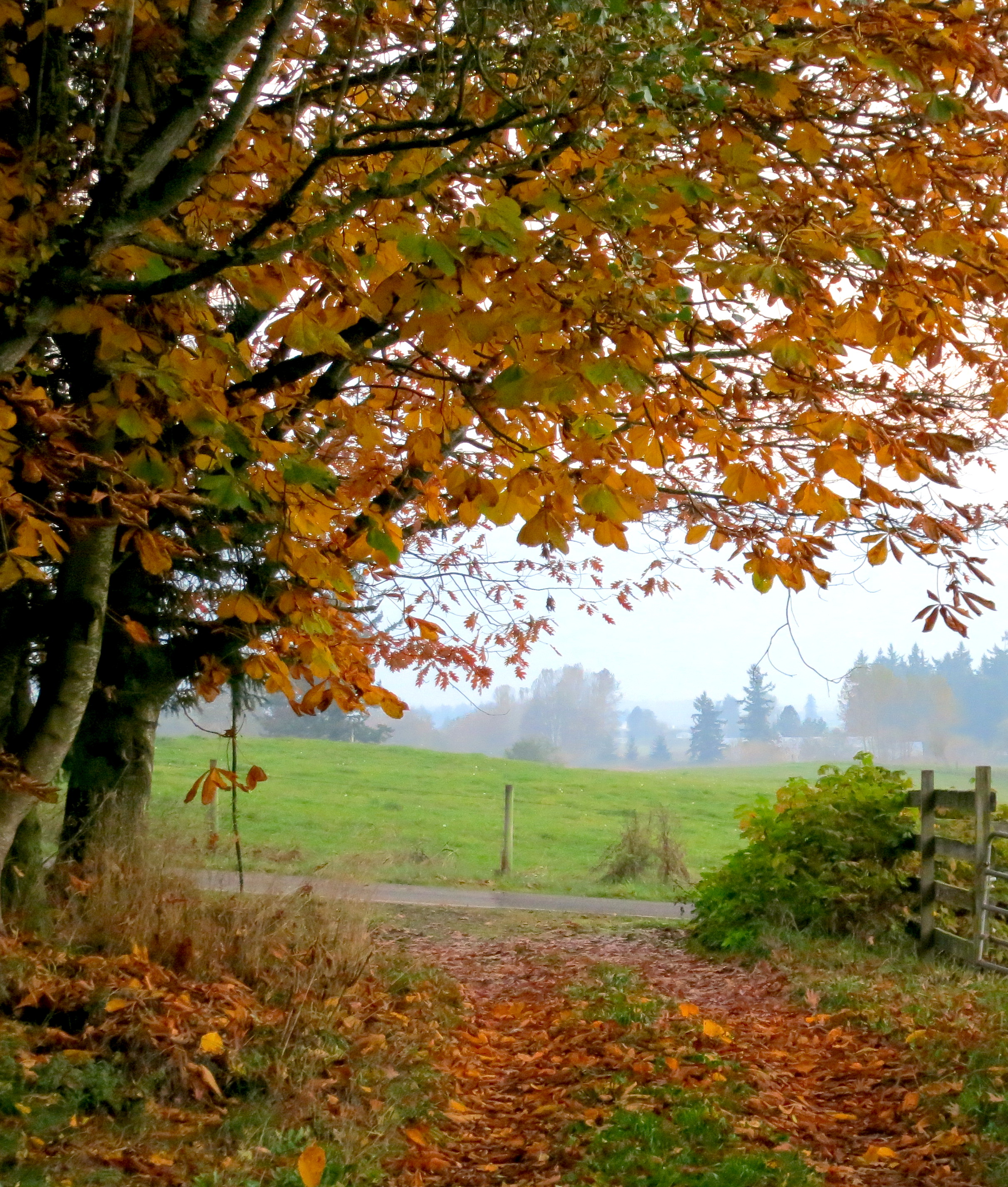
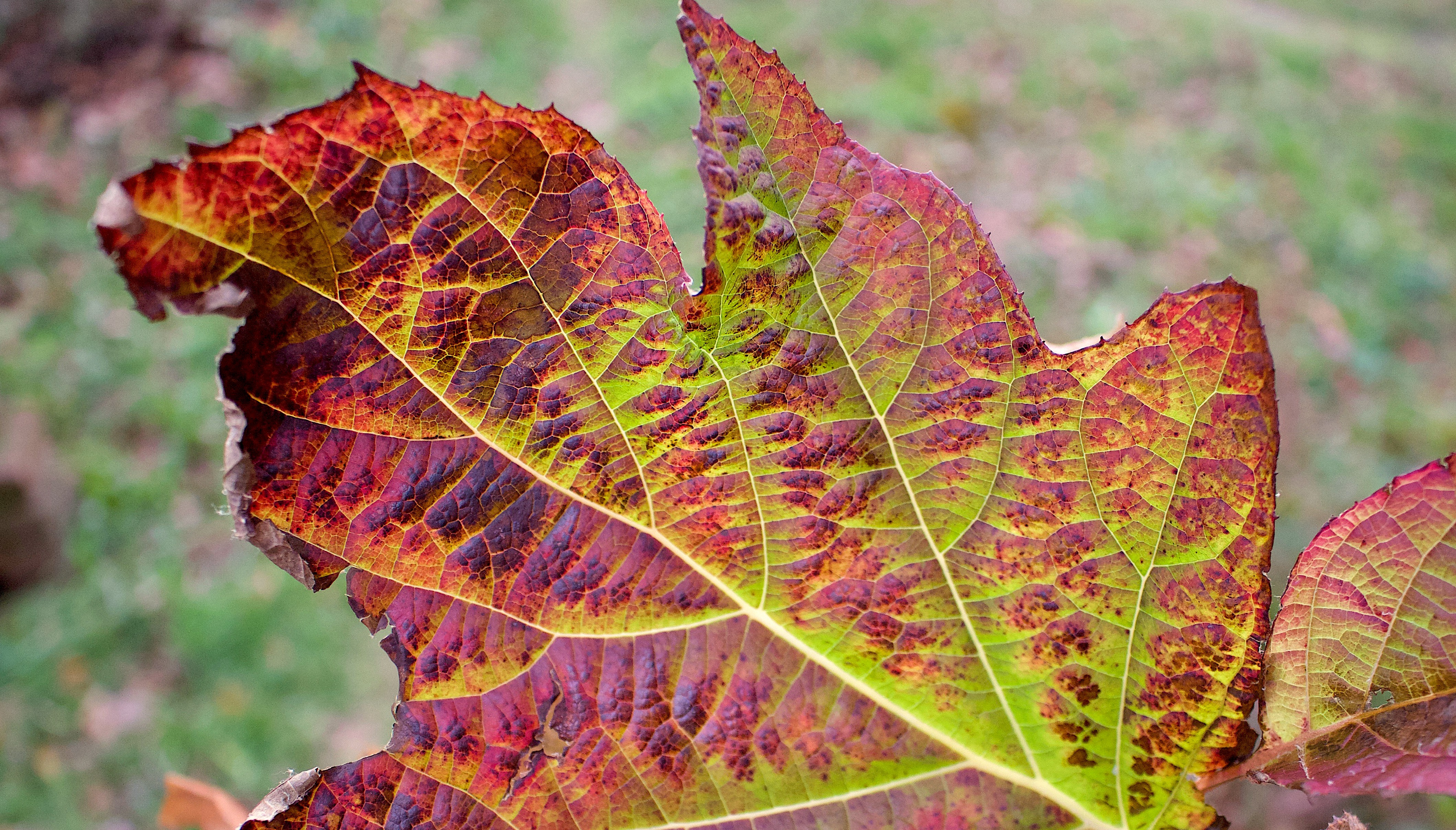
novmapleleaf


The stripped and shapely
Maple grieves
The ghosts of her
Departed leaves.
The ground is hard,
As hard as stone.
The year is old,
The birds are flown.
And yet the world,
In its distress,
Displays a certain
Loveliness.
~John Updike from “A Child’s Calendar”
 
 
chestnutmaple
 
 
Yea, I have looked, and seen November there;
The changeless seal of change it seemed to be,
Fair death of things that, living once, were fair;
Bright sign of loneliness too great for me,
Strange image of the dread eternity,
In whose void patience how can these have part,
These outstretched feverish hands, this restless heart?
~William Morris, “November”


bakerhighway


Even as worn and wrinkly I feel these days,
I know there still is beauty hidden within
as I look into your eyes that remember,
your eyes that saw me young
once so smooth and fresh and soft,
in yielding to fit you before we fall
together, beautifully in bloom.


ohl20171


sistersfence

A Necklace of Days


It is a dark fall day.
The earth is slightly damp with rain.
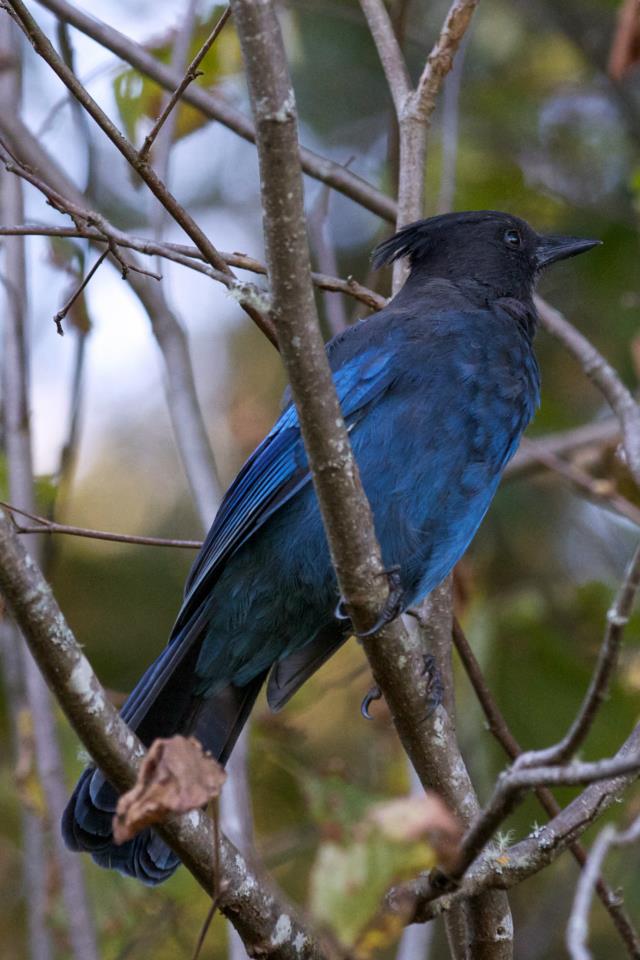
I hear a jay.
The cry is blue.
I have found you in the story again.
Is there another word for “divine”?
I need a song that will keep sky open in my mind.
If I think behind me, I might break.
If I think forward, I lose now. 
Forever will be a day like this
Strung perfectly on the necklace of days.
Slightly overcast
Yellow leaves
Your jacket hanging in the hallway
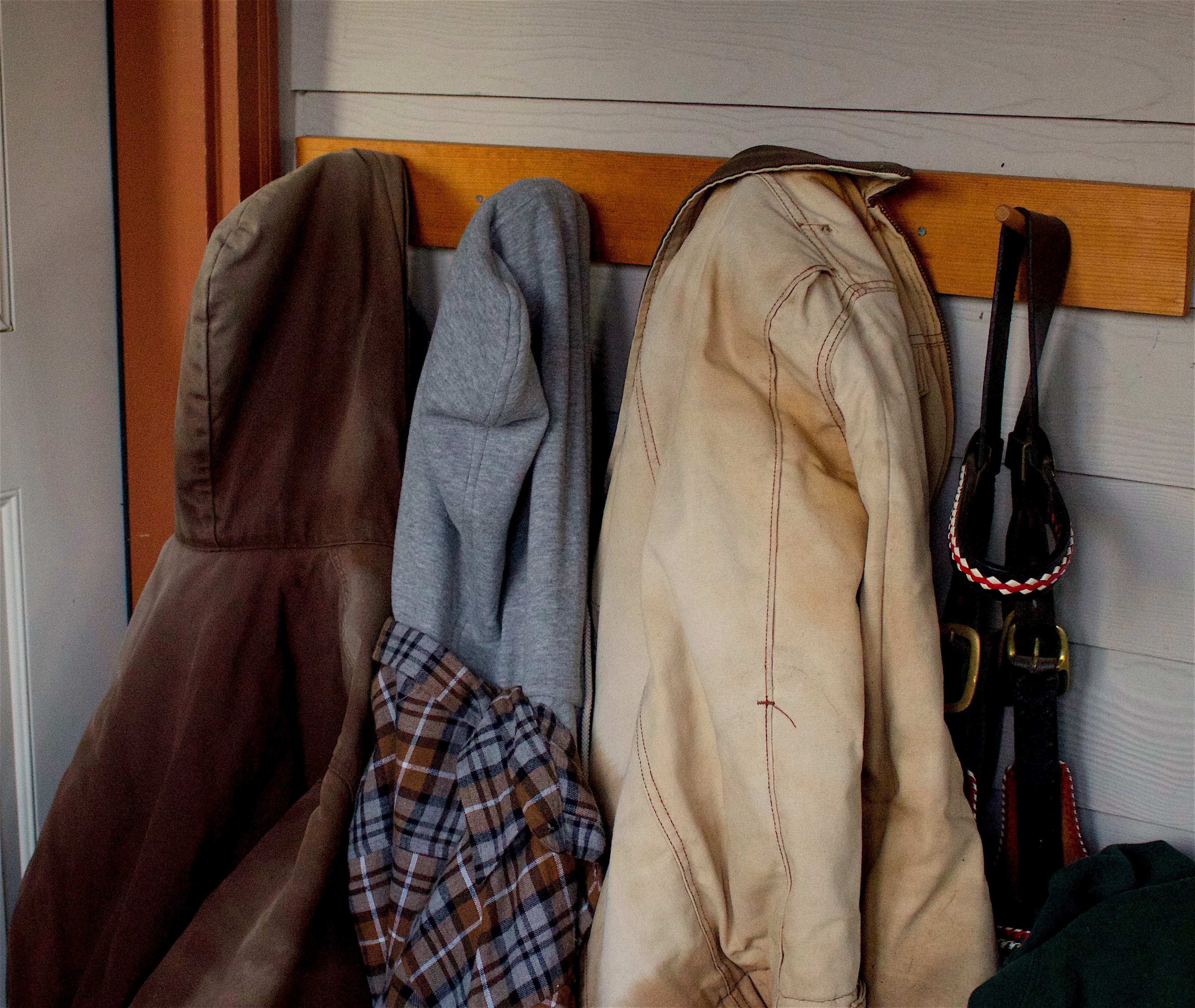
Next to mine.
~Joy Harjo “Fall Song”


bluejay photo by Josh Scholten


In the string of fall days,
each differs from the one before
and the one that comes after,
a transitional linkage to winter
at once gradual and unrelenting.
If I were to try to stop time,
hold tight a particular moment,
this necklace of days would break and scatter,
as the connection depends
on what was before
what is now
and what is to come.


The Gleaming House

twilightbarn


barnyardlight


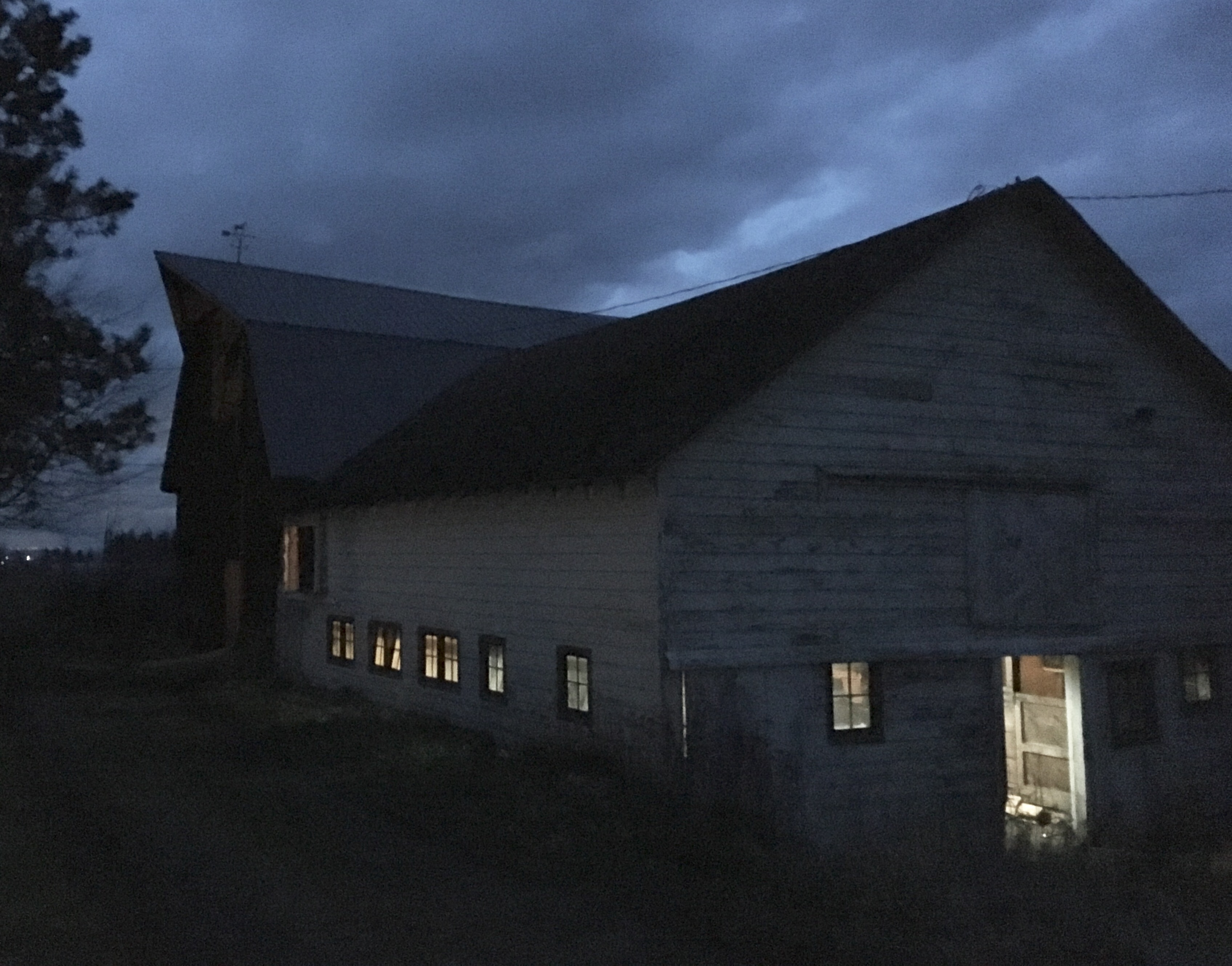
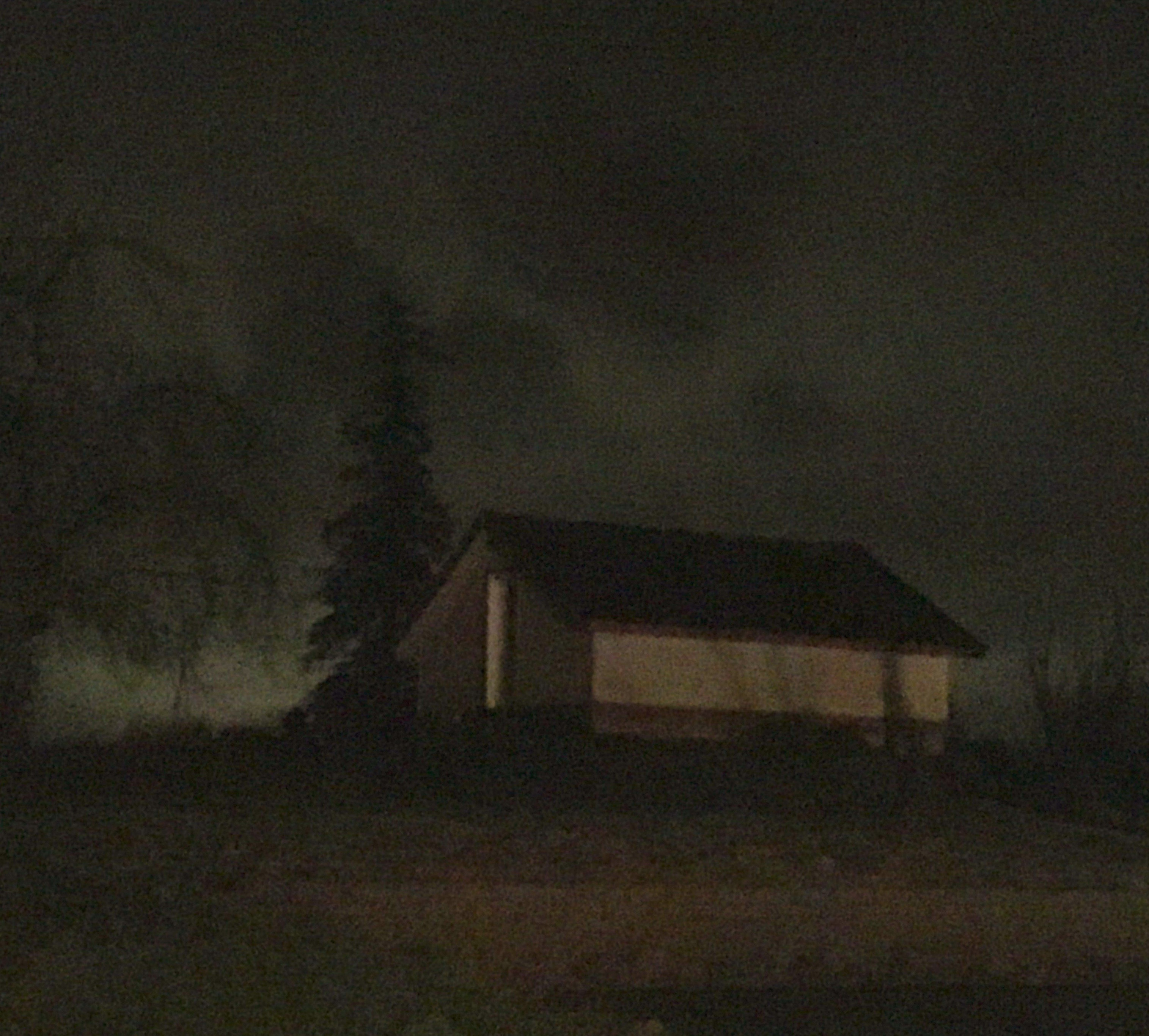
Every now and then, I forget to turn off the lights in the barn. I usually notice just before I go to bed, when the farm’s boundaries seem to have drawn in close. That light makes the barn seem farther away than it is — a distance I’m going to have to travel before I sleep. The weather makes no difference. Neither does the time of year.

Usually, after turning out that forgotten barn light, I sit on the edge of the tractor bucket for a few minutes and let my eyes adjust to the night outside. City people always notice the darkness here, but it’s never very dark if you wait till your eyes owl out a little….I’m always glad to have to walk down to the barn in the night, and I always forget that it makes me glad. I heave on my coat, stomp into my barn boots and trudge down toward the barn light, muttering at myself. But then I sit in the dark, and I remember this gladness, and I walk back up to the gleaming house, listening for the horses.
~Verlyn Klinkenborg  from A Light in the Barn


stormynight


My favorite thing about walking up from the barn at night is looking at the lights glowing in our house, knowing there is life happening there, even though each child has flown away to distant cities. There is love happening there as Dan and I adjust to an “alone” life together. There are still future years there – as many as God grants us to stay on the farm.

It is home and it is light and if all it takes is a walk from a darkened barn to remind me, I’ll leave the lights on in the barn at night more often.


287530_534324987764_148300158_30899579_7339161_o

A Full Circle Remembrance Day

weddingMy parents Henry and Elna Polis on their wedding day,
Dec. 24, 1942, Quantico, Virginia
He shipped out to the South Pacific front one week later,
not to return until June 1945


Sometimes, as a child,  when I was bored, I’d grab a step ladder, pull it into our hallway, climb half way up and carefully lift the plywood hatch that was the portal to our unlit attic.  It took some effort to climb up into the attic from the ladder, juggling a flashlight at the same time, but once seated safely on the beams above our ceiling, being careful not to put my foot through the carpet of insulation, I could explore what was stowed and normally inaccessible to me.

All the usual attic-type things were put up there:  Christmas ornaments and lights,  baby cribs and high chairs,  lamps and toys no longer used.  Secrets to my parents’ past were stored away there too.  It was difficult imagining them as young children growing up on opposite sides of the state of Washington, in very different circumstances, or as attractive college students who met at a dance, or as young marrieds unencumbered by the daily responsibilities of a family.  The attic held those images and memories like a three dimensional photo album.

My father’s dark green Marine Corps cargo trunk was up there, the one that followed him from Officer Training in Quantico, Virginia, to beach and mountain battles on Tarawa, Tinian and Saipan in the South Pacific, and three years later back home again.  It had his name and rank stenciled on the side in dark black lettering.  The buckles were stiff but could be opened with effort, and in the dark attic, there was always the thrill of unlatching the lid, and shining the flashlight across the contents.  His Marine Corps dress uniform lay inside underneath his stiff brimmed cap.  There were books about protocol, and a photo album which contained pictures of “his men” that he led in his battalion, and the collection of photos my mother sent of herself as she worked as a high school teacher back home.

Most fascinating was a folded Japanese flag inside a small drawstring bag, made of thin white see-through cloth with the bold red sun in the middle.  Surrounding the red sun were the delicate inked characters of many Japanese hands as if painted by artists, each wishing a soldier well in his fight for the empire.  Yet there it was, a symbol of that soldier’s demise, itself buried in an American attic, being gently and curiously held by an American daughter of a Marine Corps captain.  It would occur to me in the 1960s that some of the people who wrote on this flag might still be living, and certainly members of the soldier’s family would still be living.  I asked my father once about how he obtained the flag, and he, protecting me and himself, waved me away, saying he couldn’t remember.  I know better now.  He knew but could not possibly tell me the truth.

These flags, charms of good luck for the departing Japanese soldier as he left his neighborhood or village for war, are called Hinomaru Yosegaki (日の丸寄せ書き).  Tens of thousands of these flags came home with American soldiers; it is clear they were not the talisman hoped for.  A few of these flags are now finding their way back to their home country, to the original villages, to descendants of the lost soldiers.  My brother, who now has the flag, has returned it as well to its rightful owners.

Seventy some years ago doesn’t seem that long, a mere drop in the river of time.  There is more than mere mementos that have flowed from the broken dam of WWII, flooding subsequent generations of Americans, Japanese, Europeans with memories that are now lost as the oldest surviving soldiers in their 90’s pass, hundreds of them daily, taking their stories of pain and loss and heroism with them.   My father could never talk with a person of Asian descent, Japanese or not, without stiffening his spine and a grim set to his jaw.  He never could be at ease or turn his back.  As a child, I saw and felt this from him, but heard little from his mouth.

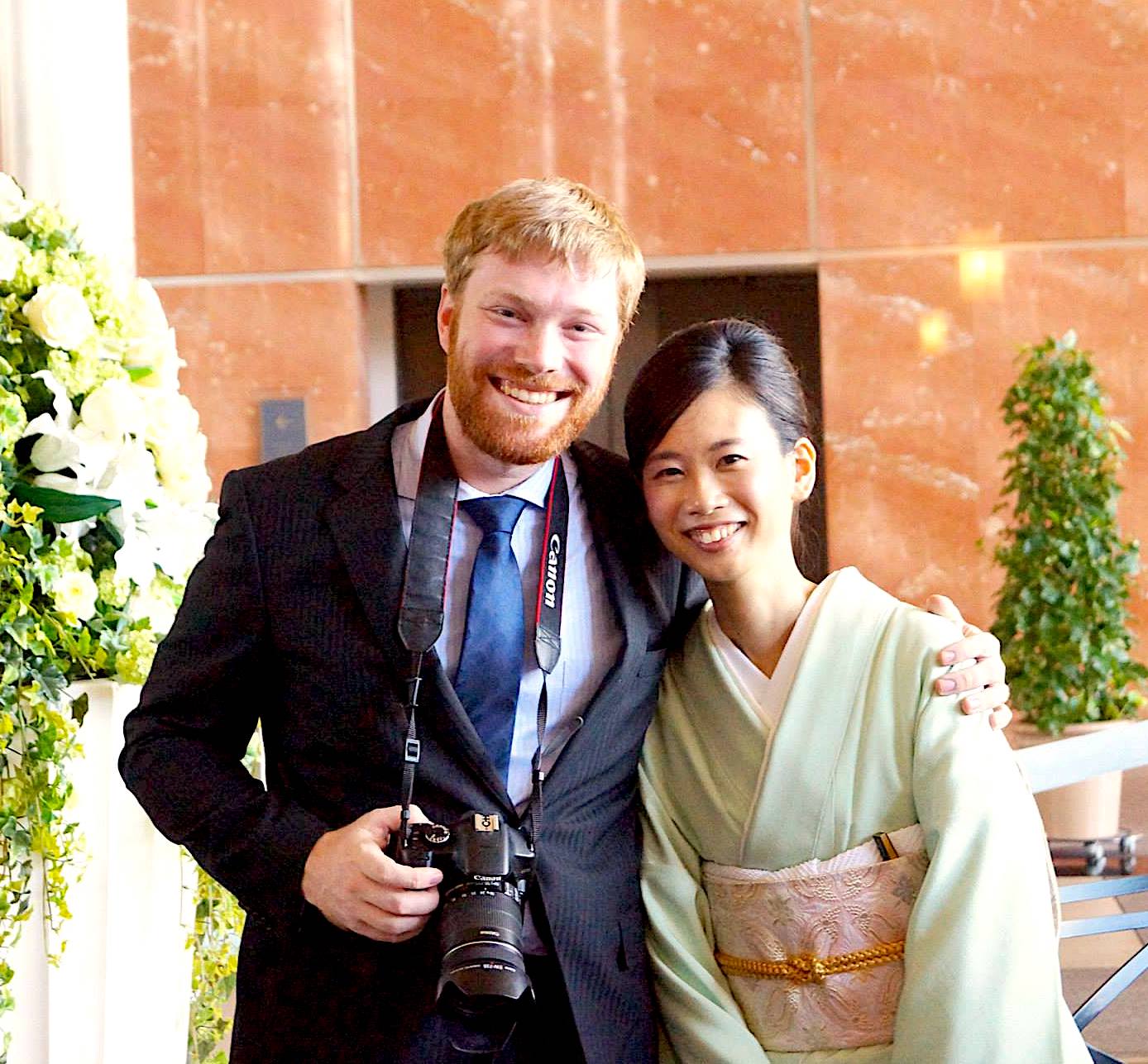
When he was twenty two years old,  pressed flat against the rocks of Tarawa, trying to melt into the ground to become invisible to the bullets whizzing overhead, he could not have conceived that sixty five years later his twenty two year old grandson would disembark from a jumbo jet at Narita in Tokyo, making his way to an international school in that city to teach Japanese children.  My father would have been shocked that his grandson would settle happily into a culture so foreign, so seemingly threatening, so apparently abhorrent.   Yet this irony is the direct result of the horrors of that too-long horrible bloody war of devastation: Americans and Japanese, despite so many differences, have become the strongest of allies, happily exchanging the grandchildren of those bitterly warring soldiers back and forth across the Pacific.  I care for Japanese exchange students daily in my University clinic, peering intently into their open faces and never once have seen the enemy that my father knew.

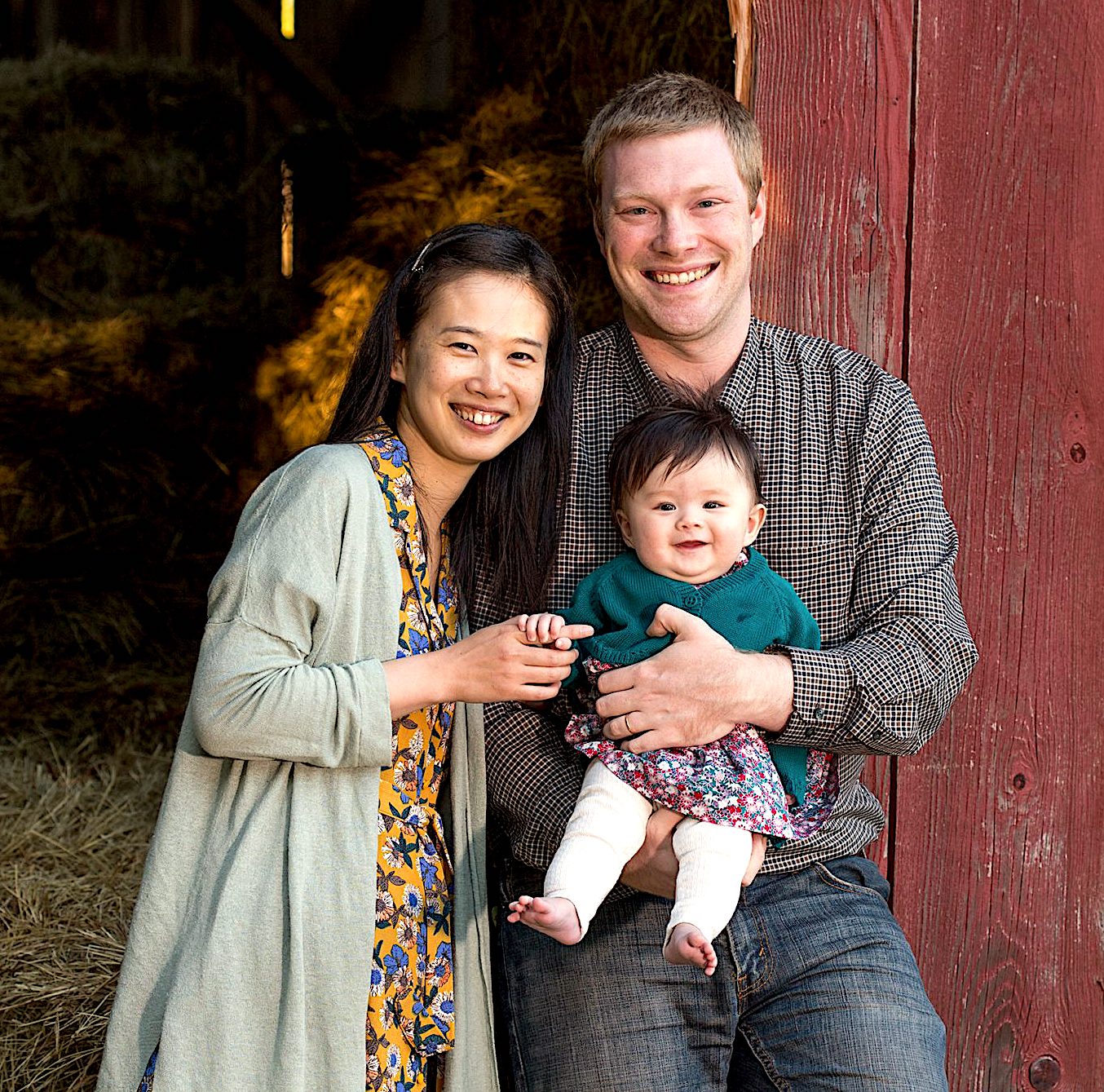
More than seventy years later, my son still teaches, with deep admiration and appreciation for each of his students, those grandchildren and greatgrandchildren of the soldiers my father hated and likely killed.  Not only does my son teach, but he married a granddaughter of those my father fought.  Their daughter is the perfect amalgam of once warring, yet now peaceful, cultures; symbol of blended and blending peoples overcoming the hatred of past generations.

In coming to the land of the red sun, in coming full circle, my father’s descendant, the teacher and missionary,  redeems my father, the warrior.

It is, on this Remembrance Day,  as it was meant to be.


natetomomi2014


natetomomiemma2017