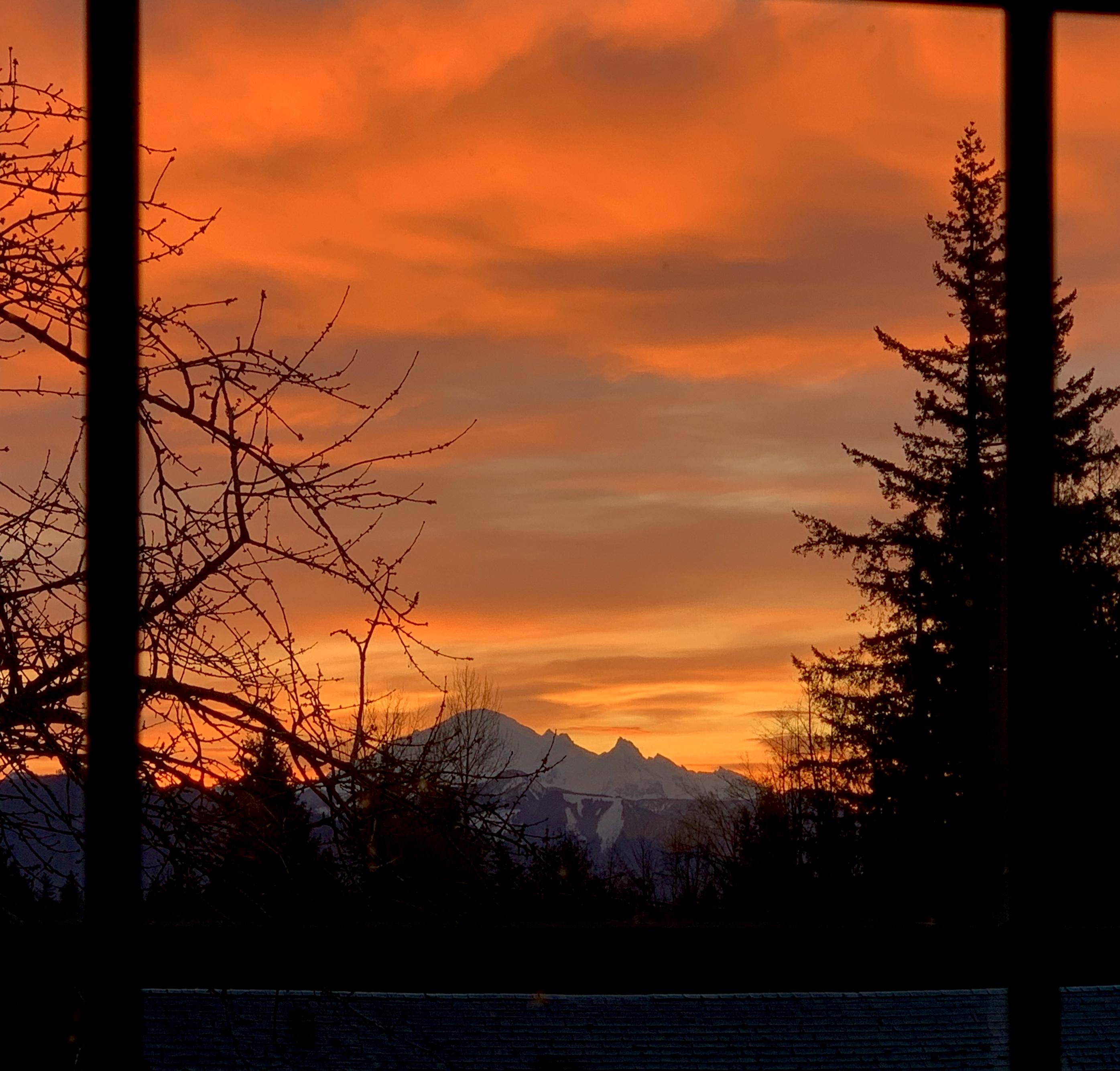
She opened her curtains, and looked out towards the bit of road that lay in view, with fields beyond outside the entrance-gates. On the road there was a man with a bundle on his back and a woman carrying her baby; in the field she could see figures moving – perhaps the shepherd with his dog. Far off in the bending sky was the pearly light; and she felt the largeness of the world and the manifold wakings of men to labor and endurance. She was a part of that involuntary, palpitating life, and could neither look out on it from her luxurious shelter as a mere spectator, nor hide her eyes in selfish complaining. ~George Eliot in Middlemarch
As civilization begins to emerge from pandemic restrictions and mandates, it is crucial to review the lessons learned over the past two years. Worldwide we’ve simultaneously become more unified in our shared experience of isolation and quarantine and also more divided in our opinions about its necessity. Whether we agree or not on the details of COVID-19 prevention and management, we have learned much more about ourselves.
We are natural complainers when we feel our familiar freedoms are taken away, no question about it. Despite our ongoing feelings of deprivation and inconvenience, most of us have still been blessed with shelter, warmth and sustenance during this time. Some of us have had others around us in isolation, and others of us wish we could have had more quiet and privacy. We’re more used to waiting in lines for our turn, and encountering empty store shelves when we need something.
Medical care has been a challenge to access, both for COVID-related illness and everything else that usually happens to our minds and bodies daily. We even feel the need to complain about people complaining.
So I remind myself daily that nearly a million of our U.S. brothers and sisters have gone missing in action over the last two years, lost to the COVID battle, and though the vast majority survived, they (we) will never be the same.
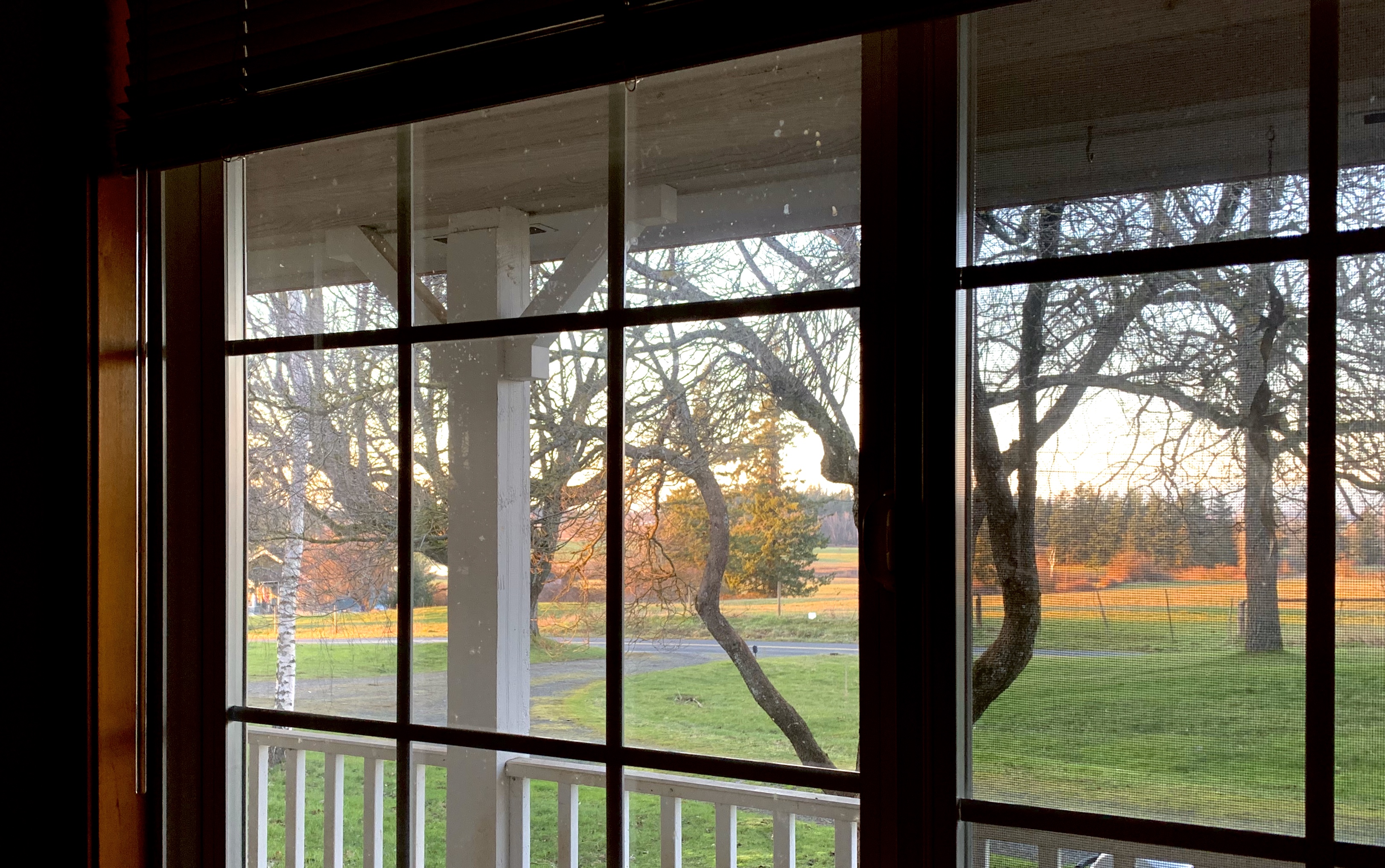
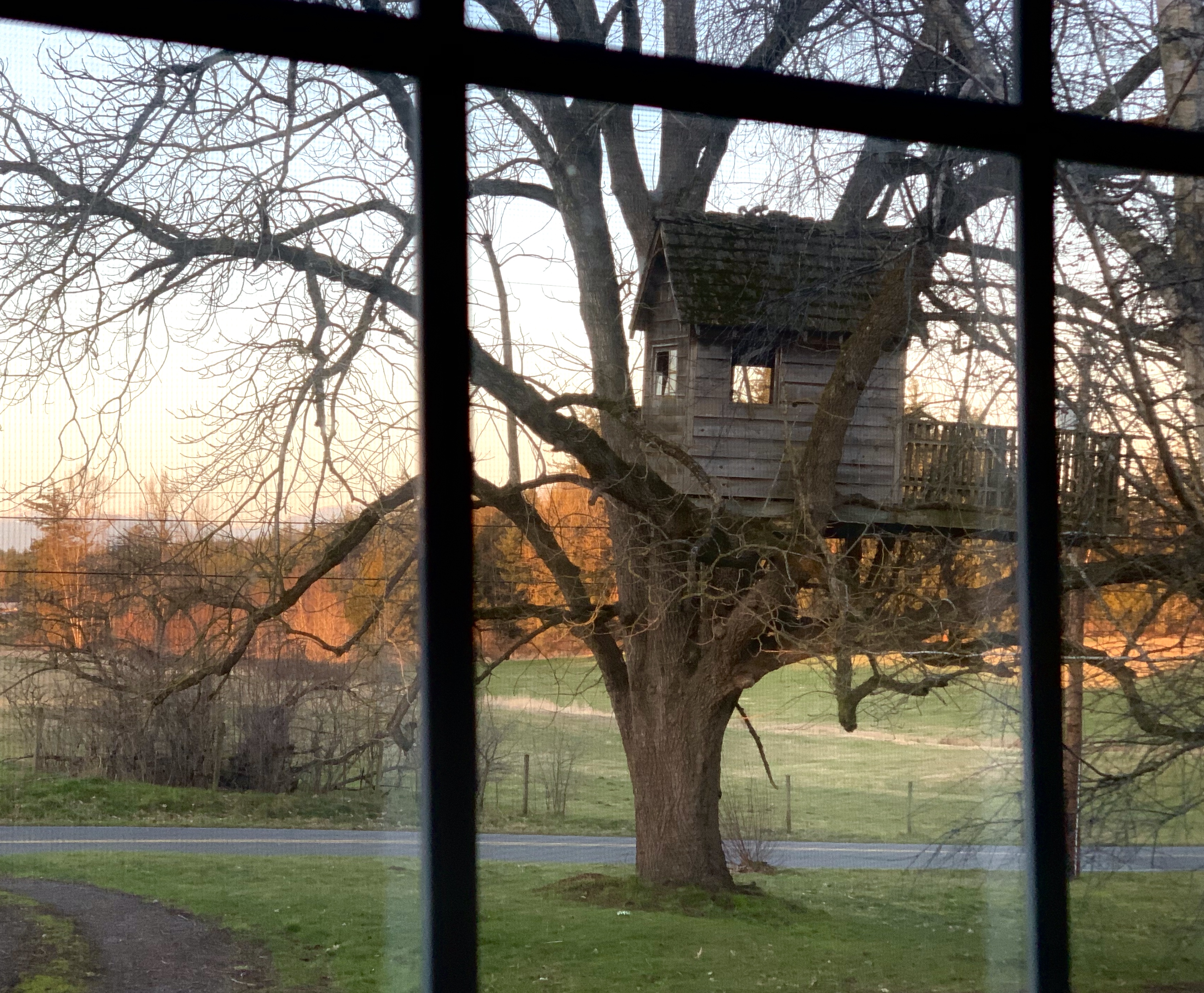
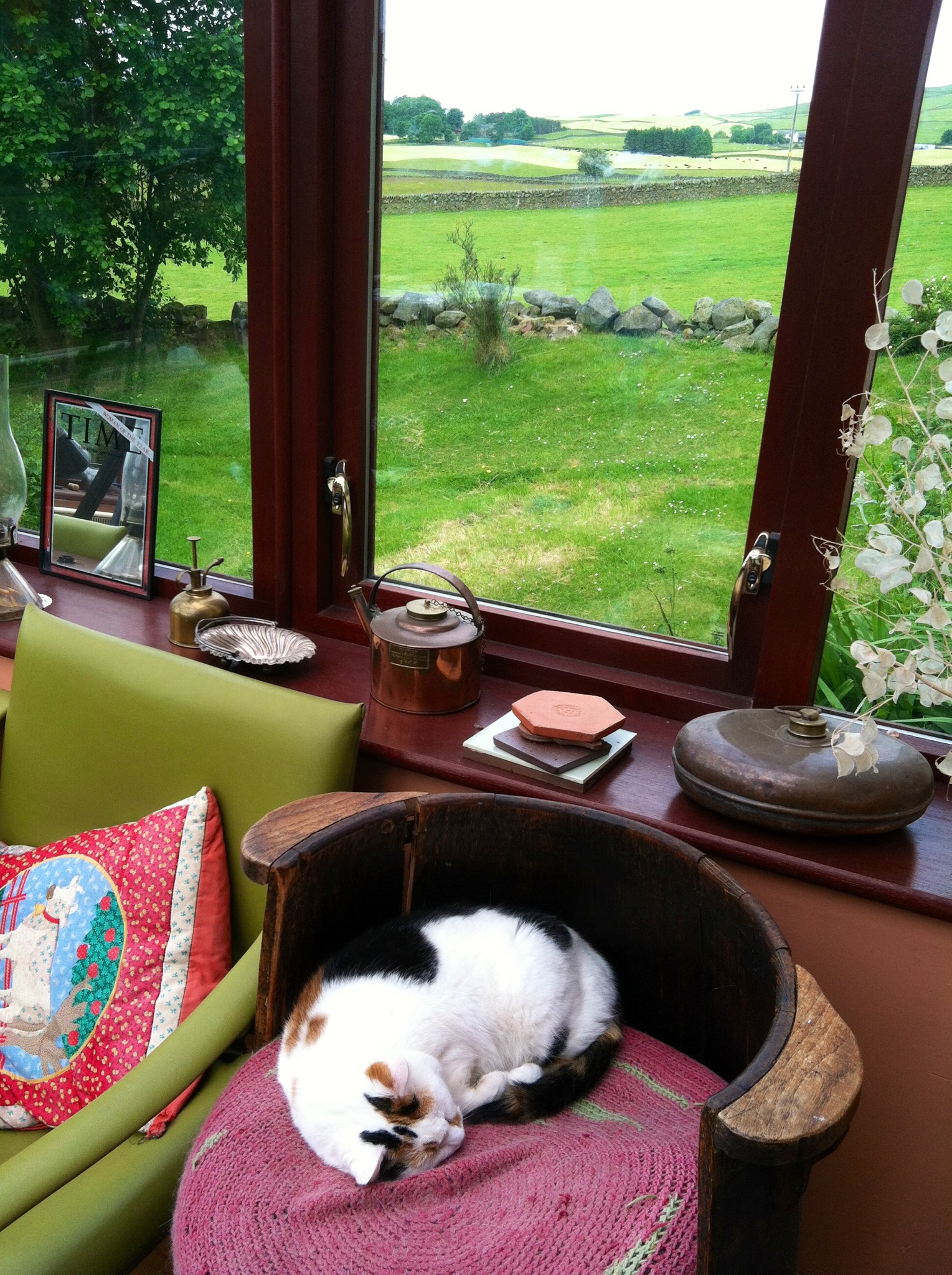
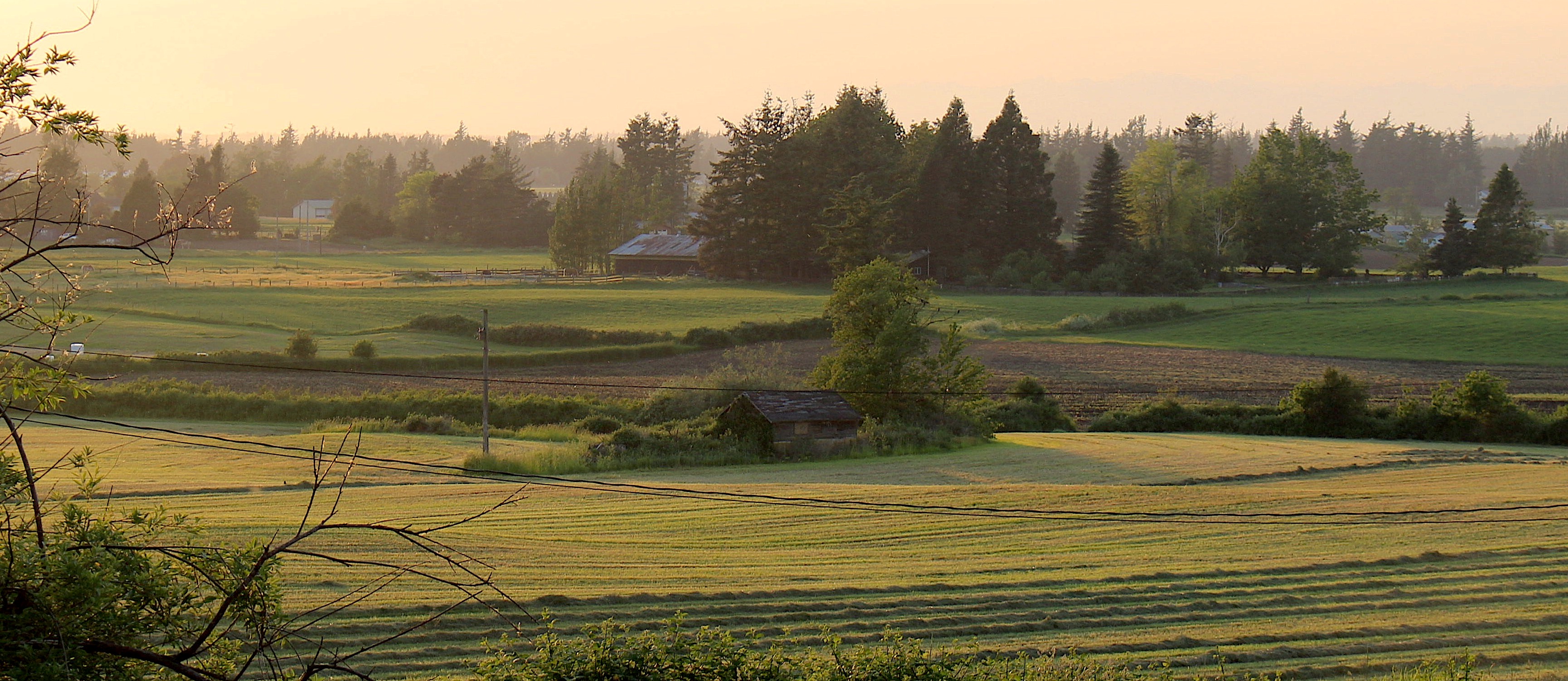
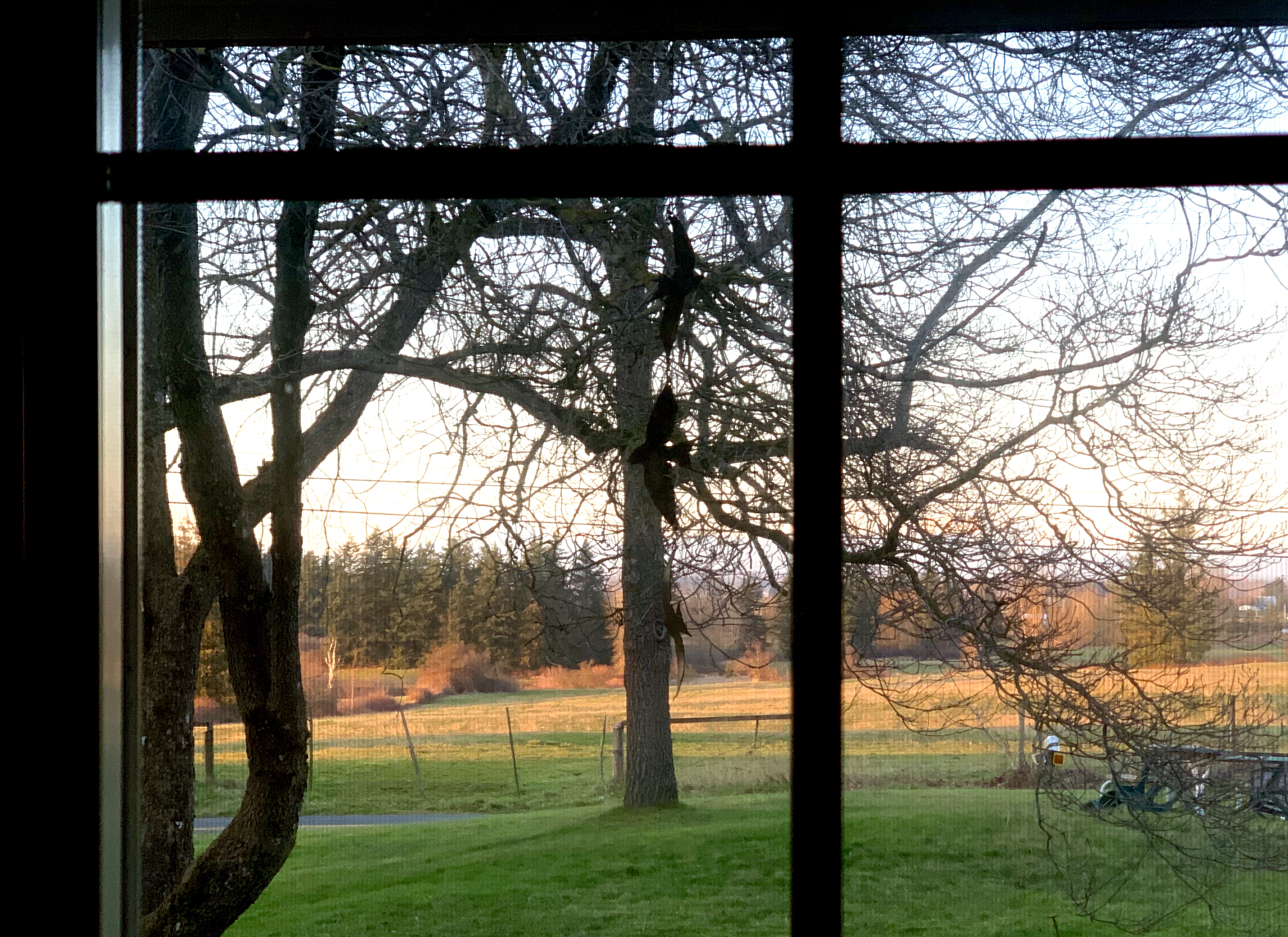
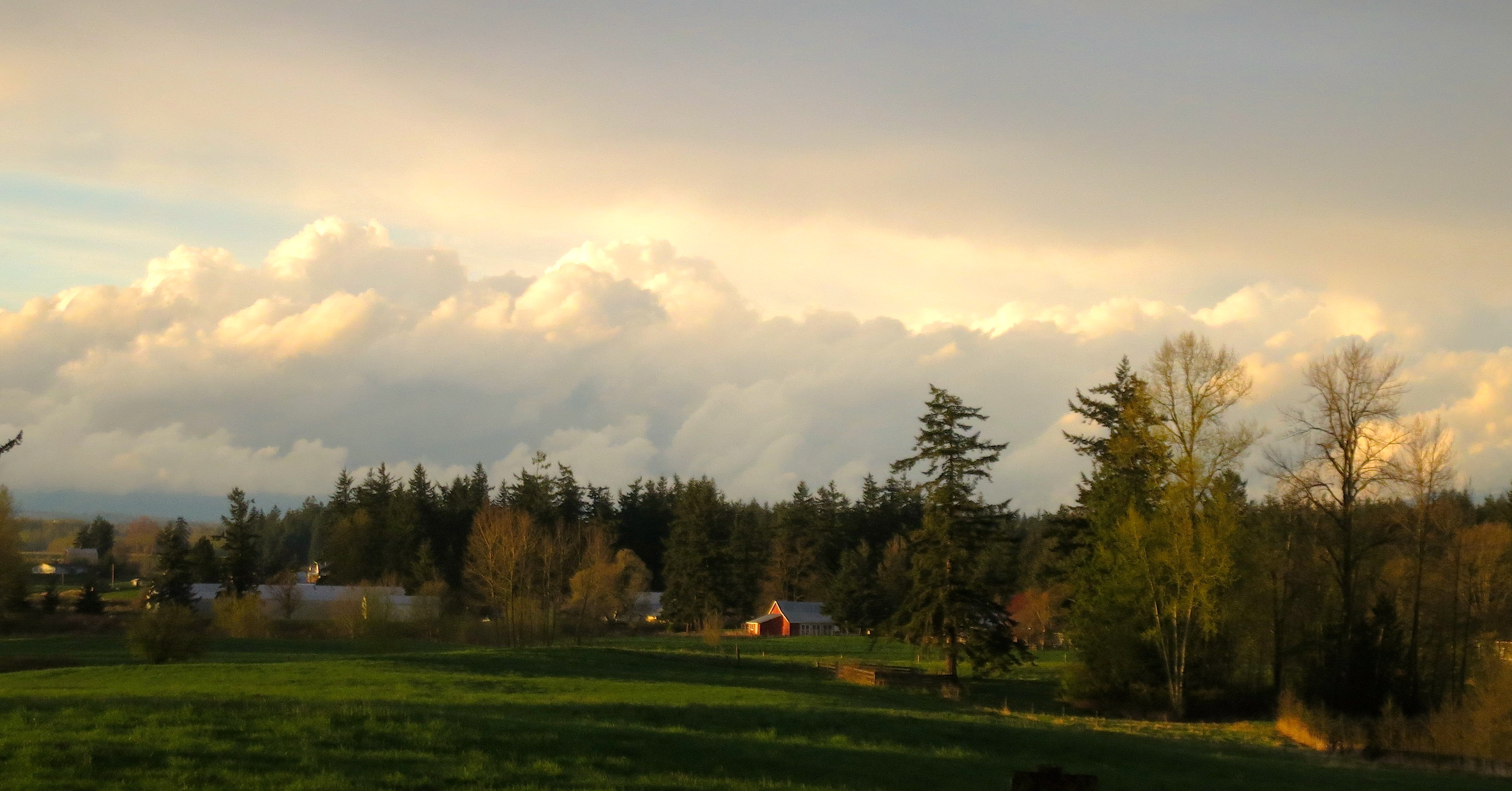
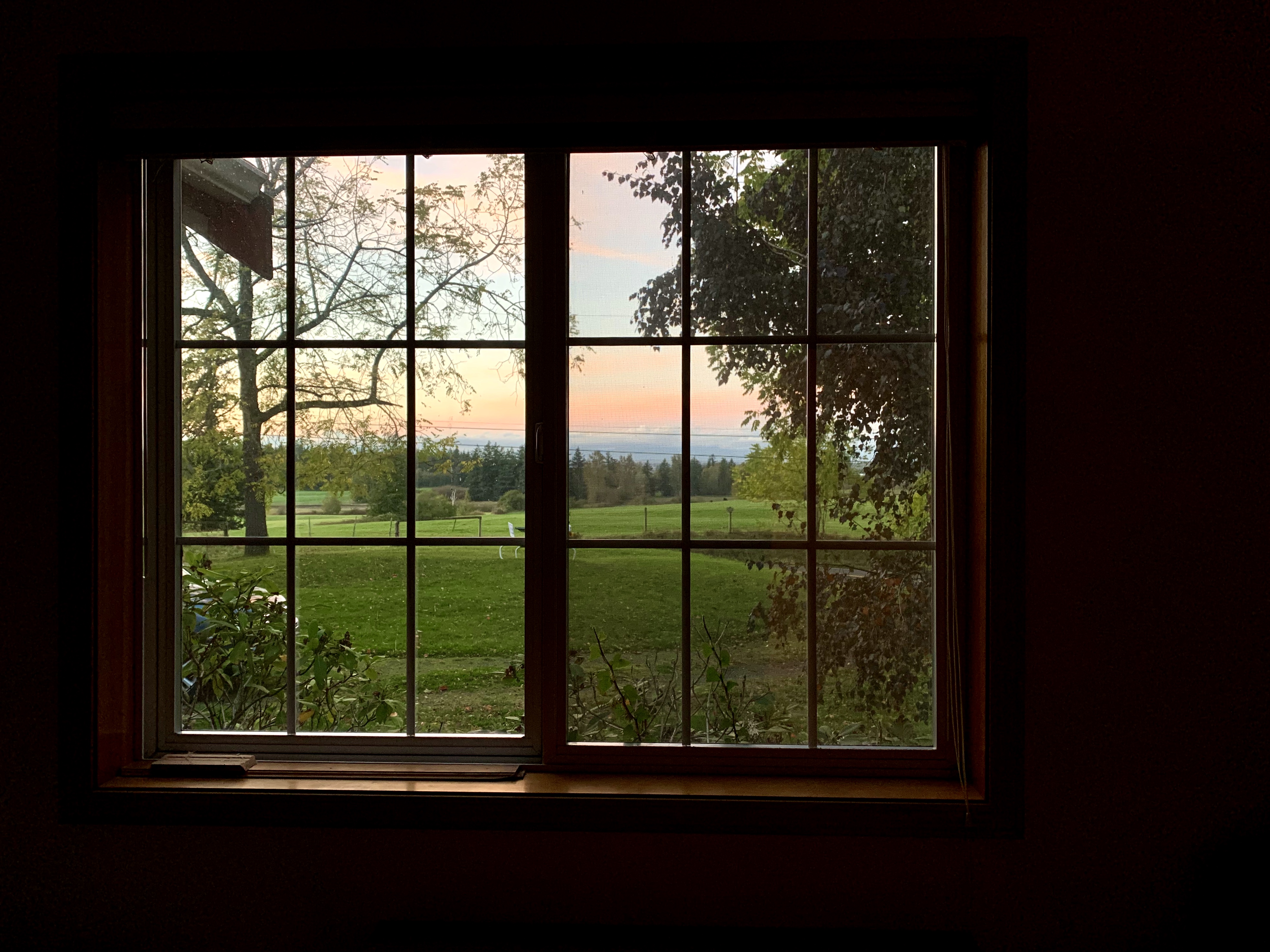
Now as we look out our windows, we are no longer mere spectators at what is transpiring around us, but are rejoining our palpitating existence alongside others.
God only knows where we would be without each other. We can’t forget what we have shared together – our view out our window is unique to each of us, yet so familiar no matter where it is in the largeness of the world.
Indeed – this is a time of reckoning that won’t be soon forgotten.
One-Time
Monthly
Yearly
Make a one-time or recurring donation to support Barnstorming
…we all suffer. For we all prize and love; and in this present existence of ours, prizing and loving yield suffering. Love in our world is suffering love. Some do not suffer much, though, for they do not love much. Suffering is for the loving. This, said Jesus, is the command of the Holy One: “You shall love your neighbor as yourself.” In commanding us to love, God invites us to suffer.
Over there, you are of no help. What I need to hear from you is that you recognize how painful it is. I need to hear from you that you are with me in my desperation. To comfort me, you have to come close. Come sit beside me on my mourning bench. ~Nicholas Wolterstorff from Lament for a Son
Spring 1980
I wondered if 8:30 AM was too early to call my friend and mentor Margy. As a sleep-deprived fourth year medical student, I selfishly needed to hear her voice. I wanted to know how she was doing; she was not sleeping well either these days. She was wearing a new halo brace—a metal contraption that wrapped around her head like a scaffolding to secure her degenerating cervical spine from collapsing from metastatic breast cancer growth in her bones. When she was fitted into the brace, she named the two large screw-like fasteners anchored into her frontal skull her “Frankenstein bolts”. I had reassured her that with a proper white veil draped around the metal halo, she would be more suited to be Frankenstein’s bride.
Each patient I had seen the previous 24 hours while working in the Emergency Room benefited from the interviewing skills Margy had taught each one of us medical students. She reminded us that each patient had an important story to tell, and no matter how pressured our time, we needed to ask questions that gave permission for that story to be told. As a former nun now married with two teenage children, Margy had become our de facto counselor, and insisted physicians-in-training remember the soul thriving inside the broken and hurting body.
“Just let the patient know with certainty, through your eyes, your body language, your words, that you want to hear what they have to say. You can heal so much hurt simply by sitting beside them and caring enough to listen…”
Now with her recent diagnosis of metastatic cancer, Margy herself had become the broken vessel who needed the glue of a good listener. She continued to teach, often from her bed at home and I regularly visited, in need of her wisdom and she still needed her students.
That night I had felt uneasy about her all during my ER shift and felt compelled to visit her and her husband and daughter that day, maybe help out by cleaning their house, fixing them a meal or taking her for a drive as a diversion.
Her phone rang only once after I dialed her number. There was a long pause; I could hear a clearing of her throat. A deep dam of tears welled behind a muffled “Hello?” Something was deeply wrong.
Her voice shattered like glass into fragments, strangling on words that struggled to form. She sobbed out the words that their college son, Gordon, was dead. Earlier that morning, a police officer had knocked loudly on their door, awakening her and her husband with the news of a tragic highway accident.
I sat in stunned silence, listening to her sobs, completely unequipped to know how to respond. None of this made sense although I knew her son was on college spring break, heading to Mexico for a missions trip.
She paused and took in a shuddering breath.
“Gordy died as they were driving through the night. He was sleeping in the camper as they drove. They think he sleepwalked right out of the back of the moving camper, fell onto the highway and was hit by another car.“
I felt strangled by her words and could only imagine how difficult it was for her to keep breathing enough to say them.
“They’ll bring him home to us, won’t they? I need to know I can see him again. I need to tell him how much I love him.”
I assured Margy she would see him again, both in his broken body and, some day yet to be determined, whole.
Up until then, I knew in my head this life was full of sorrow, but I had been spared the full heart impact of grief until I witnessed such intensity of an acute unbelievable loss – how loving one so deeply meant suffering immeasurably.
I understood, for the first but surely not the last time, how it is the only way to love.
During the remaining few months of Margy’s life as she waited to join her son, she continued to teach me about how to come close in to the suffering and grief of others, and also how to sit together, even in silence, on that too-often lonesome mourning bench.
…for the Jude Veltkamp family who lost their teenage son, grandson, nephew, brother this week to a relentless cancer.
But our God is even more relentless in His love and comfort for His mourning children…
I knew this life was full of sorrow But still I believed That good times would follow That the evil would falter And true hearts would rise True hearts would rise That simple dream ended On the night that you died
And even the sound of a whistle fading Brings back the longing And stirs up the aching Peaceful companion that grounded my soul You grounded my soul The world spins without meaning Now that you’re gone
Sometimes I still think I will see you in New York And we will meet on the platform of the train And with your great leaning stride You’ll cross back to my side And my old life Will be my life again
You were quiet as a winter sky Where planets turn And the North Star rides My sweet brother, so reasoned, so calm My brother, my own The world spins without meaning Now that you’re gone ~Fernando Ortega
First day of February, and in the far corner of the yard the Adirondack chair, blown over by the wind at Christmas, is still on its back, the snow too deep for me to traipse out and right it, the ice too sheer to risk slamming these old bones to the ground.
In April I will walk out across the warming grass, and right the chair as if there had never been anything to stop me in the first place, listening for the buzz of hummingbirds which reminds me of how fast things are capable of moving. ~John Stanizzi “Ascension”
It has been a harsh and cold winter so far with more days of snow on the ground than not. For a couple weeks there was a constant challenge of finding safe footing when surfaces were snow and ice-covered; local orthopedists were busy putting together broken arms and legs and dislocated joints from too many unscheduled landings.
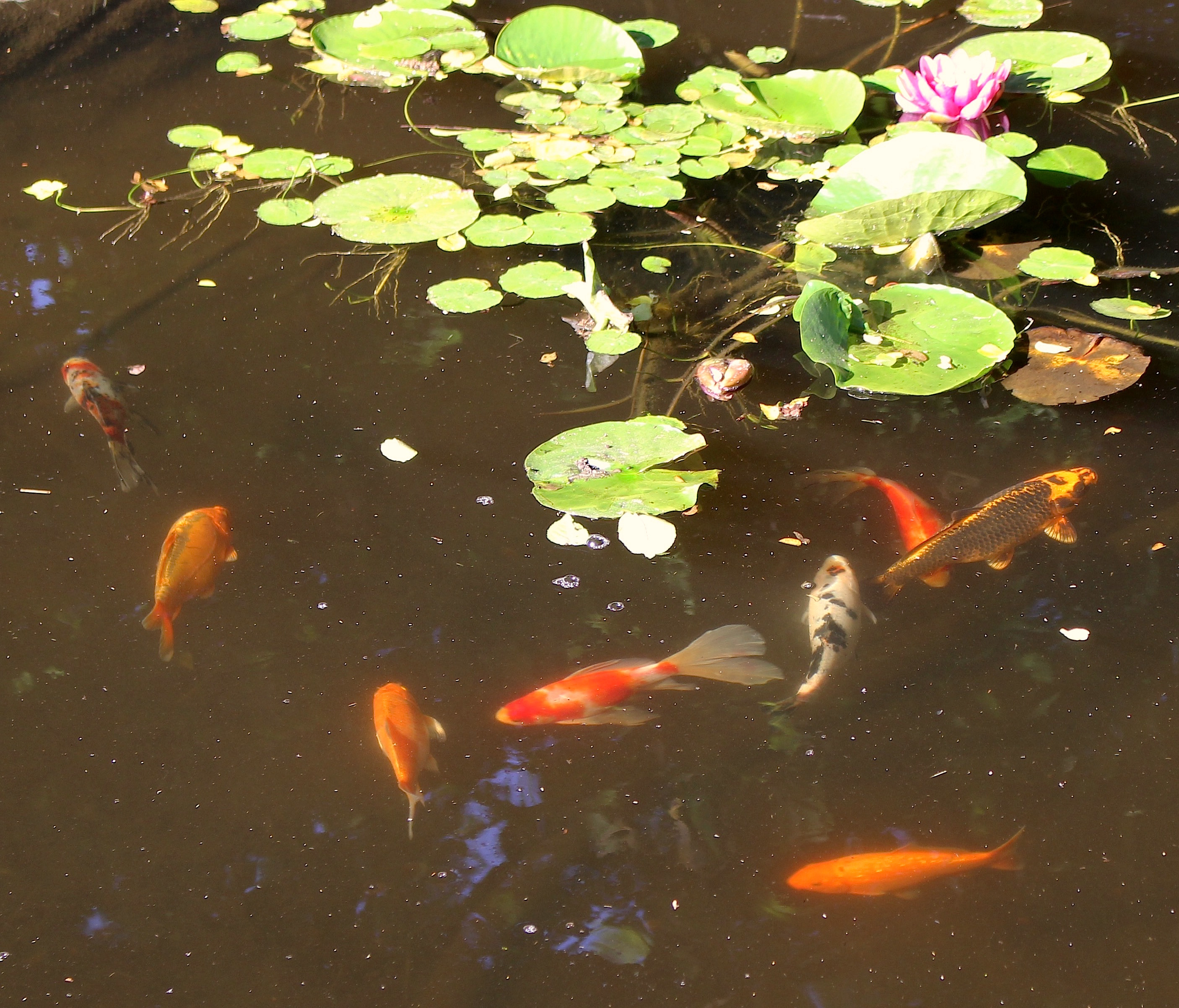
It seems sometimes winter will never be done with us. The saddest moment a week ago was the discovery as our iced-over fish pond was thawing that it had frozen solid during the sub-zero temperatures – and a dozen decade-old koi and goldfish frozen with it. Our sorrow at this loss is deeper than the pond proved to be; we assumed the depth of the water was sufficient to keep our fish safe from harm as it has for decades. Yet this winter stole them from us.
I know in my head that winter is not forever — February will wrap up its short stay on the calendar and once again I will traipse about with ease without worrying about iced-over walkways. But my heart is not so easily convinced about winter waning. The unexpected loss of our fish reminds me of my guilt from the past: times I have failed to help others when I could have – like the priest and Levite, seeing the dying man on the road to Jericho, cross to the other side and walk past.
So my heart and head and old bones need reminding: Those who traipse on ice always risk being broken. Those who have fallen will be righted and put together again. Those who suffer regret are forgiven even when pain is not forgotten. And time moves quickly on despite our efforts to hold on to now; my old bones and tender heart will heal so I can be of use to others.
From the love of my own comfort From the fear of having nothing From a life of worldly passions Deliver me O God
From the need to be understood From the need to be accepted From the fear of being lonely Deliver me O God Deliver me O God
And I shall not want I shall not want When I taste Your goodness I shall not want When I taste Your goodness I shall not want
From the fear of serving others From the fear of death or trial From the fear of humility Deliver me O God Deliver me O God ~Audrey Assad
One-Time
Monthly
Yearly
Make a one-time or recurring donation to support Barnstorming
As nightfall does not come at once, neither does oppression. In both instances, there is a twilight when everything remains seemingly unchanged. And it is in such twilight that we all must be most aware of change in the air – however slight – lest we become unwitting victims of the darkness. ~William O. Douglasin a 1976 letter to Young Lawyers of the Washington State Bar Association
Through our scientific and technological genius, we have made of this world a neighborhood and yet we have not had the ethical commitment to make of it a brotherhood.
We must all learn to live together as brothers or we will all perish together as fools. We are tied together in the single garment of destiny, caught in an inescapable network of mutuality. And whatever affects one directly affects all indirectly.
This is the way God’s universe is made; this is the way it is structured.
John Donne caught it years ago and placed it in graphic terms: “No man is an island entire of itself. Every man is a piece of the continent, a part of the main.” And he goes on toward the end to say, “Any man’s death diminishes me because I am involved in mankind; therefore send not to know for whom the bell tolls; it tolls for thee.”
We must see this, believe this, and live by it… ~Martin Luther King Jr. from a sermon in A Knock At Midnight
Do you know why this world is as bad as it is? It is because people think only about their own business, and won’t trouble themselves to stand up for the oppressed, nor bring the wrong-doers to light. My doctrine is this, that if we see cruelty or wrong that we have the power to stop, and do nothing, we make ourselves sharers in the guilt. ~Anna Sewell from Black Beauty
Dr. King’s words and wisdom still inform us of our shortcomings.
We flounder in brokenness despite our shared global neighborhood, despite an inescapable mutuality and commitment to brotherhood.
We still stand apart from one another; even as the bell tolls, we suffer divisiveness from a lack of humility, grace and love.
Perhaps today, for a day, for a week, for a year, we can unite in our shared tears: shed for continued strife and disagreement, shed for injustice that results in senseless killings, shed for our inability to hold up one another as brothers and sisters holy in God’s eyes.
We weep together as the light dawns on this day, knowing as Dr. King knew: a new day will come when the Lord God wipes tears away from all faces and all colors — a brotherhood created exactly as He intends.
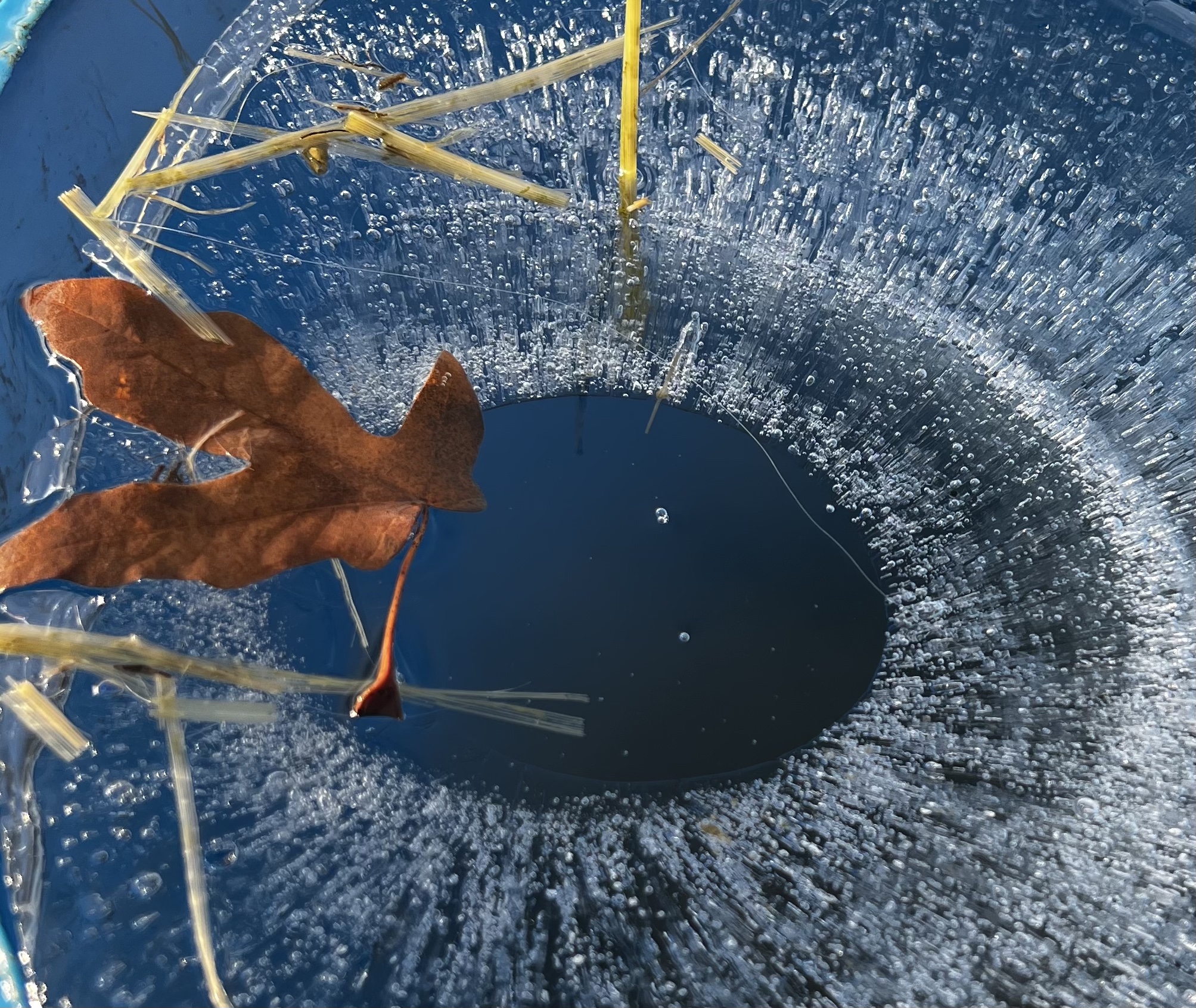
I don’t know why it made me happy to see the pond ice over in a day, turning first hazy, then white. Or why I was glad when the thermometre read twenty-four below, and I came back to bed – the pillows cold, as if I had not been there two minutes before. ~Jane Kenyon “The Cold”
Then they also will answer, saying, ‘Lord, when did we see you hungry or thirsty or a stranger or naked or sick or in prison, and did not minister to you? Matthew 25:44
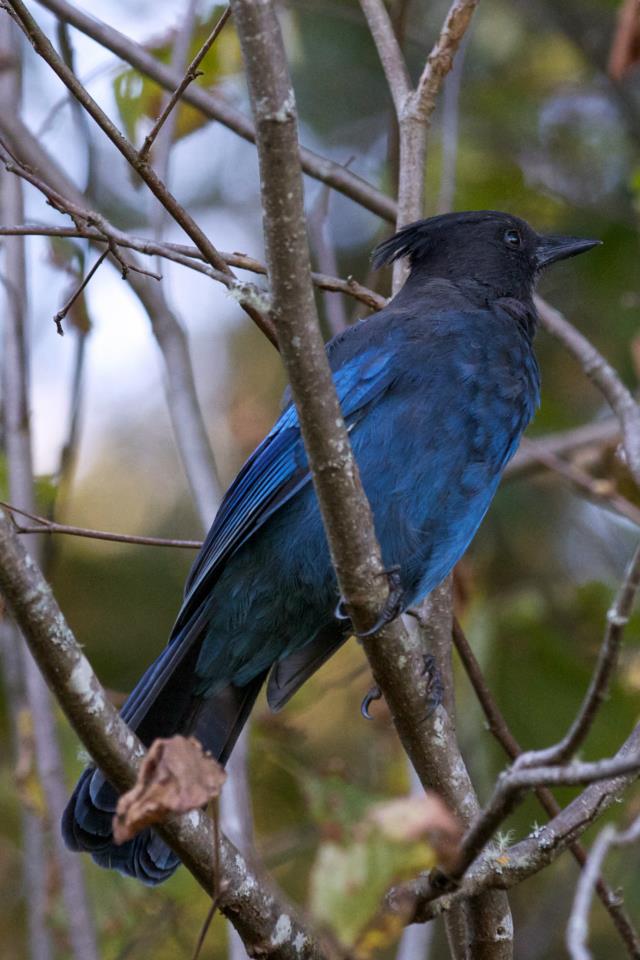
bluejay photo by Josh Scholten
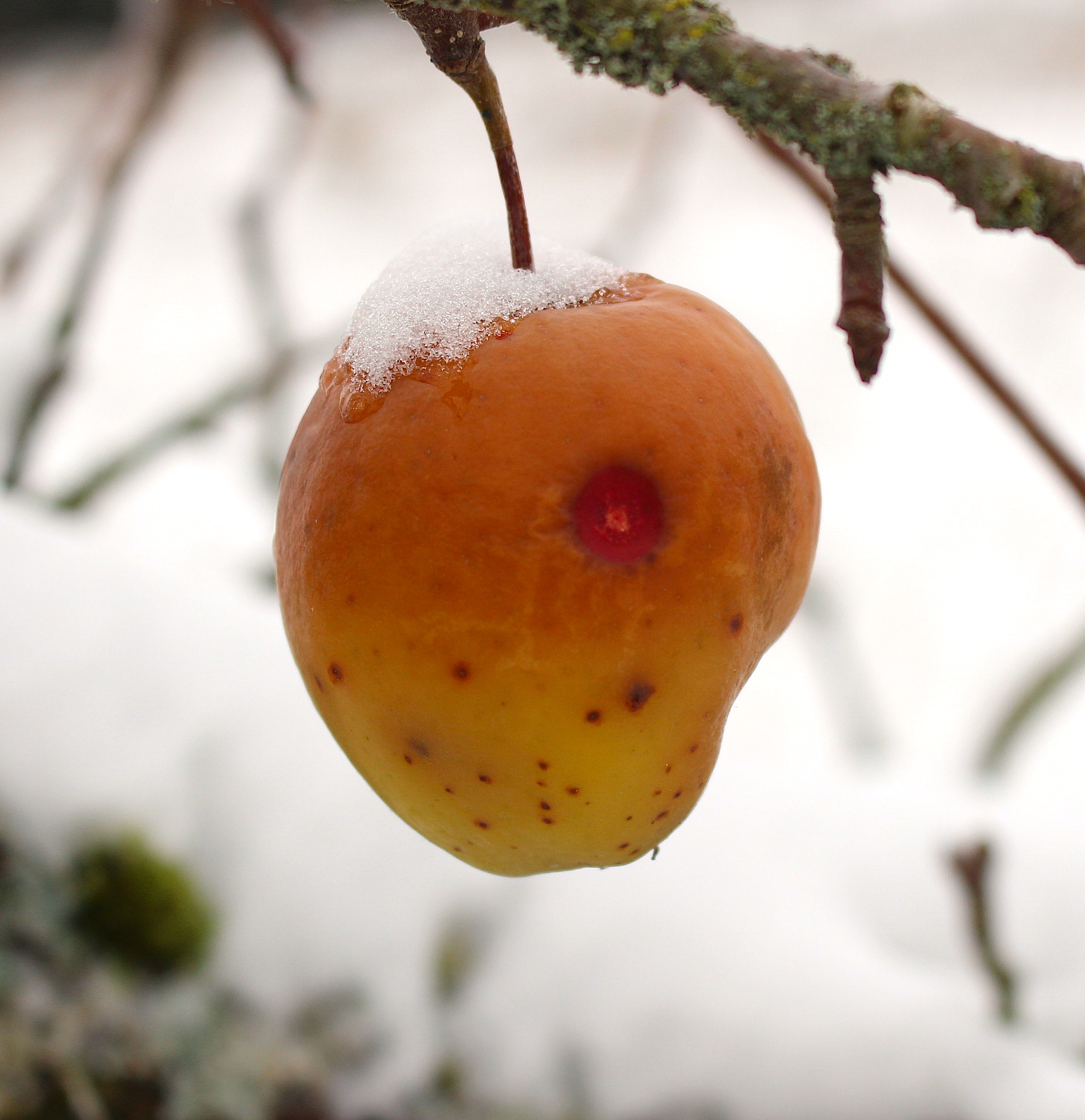
A jay settled on a branch, making it sway. The one shriveled fruit that remained gave way to the deepening drift below. I happened to see it the moment it fell. . Dusk is eager and comes early. A car creeps over the hill. Still in the dark I try to tell if I am numbered with the damned, who cry, outraged, Lord, when did we see You? ~Jane Kenyon “Apple Dropping Into Deep Early Snow”
I have reservoirs of want enough to freeze many nights over. ~Conor O’Callaghan from “January Drought”
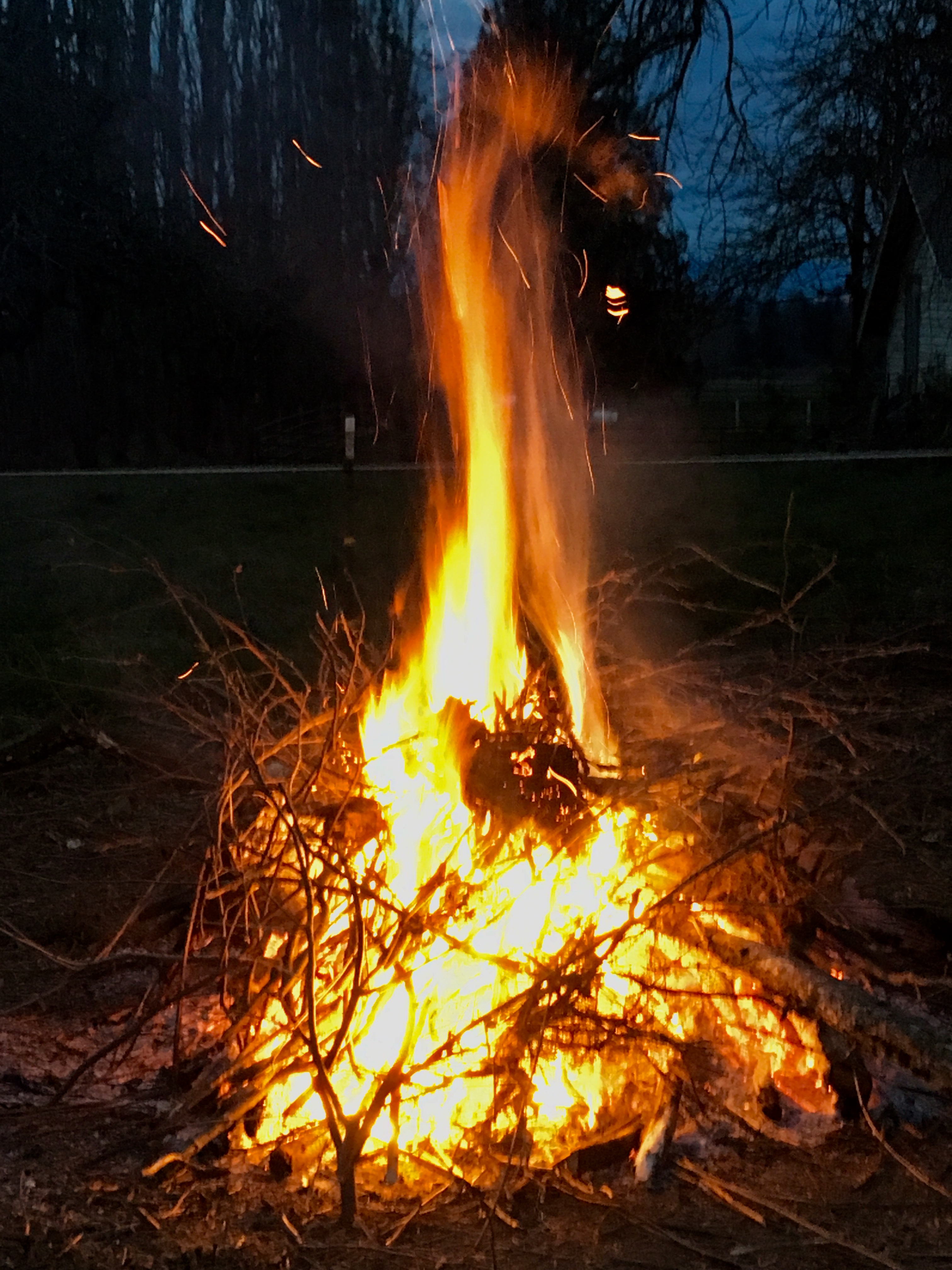
Some say the world will end in fire, Some say in ice. From what I’ve tasted of desire I hold with those who favor fire. But if it had to perish twice, I think I know enough of hate To say that for destruction ice Is also great And would suffice. ~Robert Frost “Fire and Ice”
How sad to think we have a choice of destruction – between the ashes of a cataclysmic fire or the frozen immobility of a block of ice with breath trapped in bubbles rather than lungs.
There is nothing left from charred remains nor can life exist in a safe suspension awaiting melt.
How outrageous we forget – others matter to God, He who embodies the least of these: the hungry, the thirsty, the ill, the poor, the oppressed, the imprisoned.
We’re called to thaw without scorching, give ourselves without resentment, find God present even when we wish to hide from him.
May it be we breathe deeply when the ice around us melts.
One-Time
Monthly
Yearly
Make a one-time or recurring donation to support Barnstorming
Here is a story to break your heart. Are you willing? This winter the loons came to our harbor and died, one by one, of nothing we could see. A friend told me of one on the shore that lifted its head and opened the elegant beak and cried out in the long, sweet savoring of its life which, if you have heard it, you know is a sacred thing., and for which, if you have not heard it, you had better hurry to where they still sing. And, believe me, tell no one just where that is. The next morning this loon, speckled and iridescent and with a plan to fly home to some hidden lake, was dead on the shore. I tell you this to break your heart, by which I mean only that it break open and never close again to the rest of the world. ~Mary Oliver “Lead” from New and Selected Poems
Why shouldn’t we go through heartbreaks?
…if through a broken heart God can bring His purposes to pass in the world, then thank Him for breaking your heart. ~Oswald Chambers from “Ye are not your own” from My Utmost for the Highest
These last two years have seen an epidemic of heart-break.
Due to hospital visitor restrictions, thousands of loved ones have died of COVID without family by their side, deprived of the solace of hearing familiar voices and being touched by familiar hands. A weary and over-worked health care team can only do so much in their efforts to comfort and console when so many patients are losing their battle with the virus at the same time. Although nurses and doctors have always been witnesses to the cries of the dying and the weeping of the grief-stricken, that is usually together at the bedside.
An iPad screen isn’t the same for those saying good-bye forever.
For all the advances of our modern society – through technology and communication and the development of medical miracles – people still die and others still grieve and weep over their loss. We’re not used to dying happening with such frequency to those who have no business dying in the first place. We assume death rates exceeding birth rates happens only in third world countries beset with drought or plague.
Not any more.
So my heart is tender – for those lost, for those left behind, for those trying their best to save lives when they are weary and ill themselves, for the irony of hundreds of thousands of unnecessary deaths when the preventive measures available to us all are so clear-cut.
If anything, a breaking heart is an open invitation for the solace of a God who himself had no business dying in the first place, but did. He cried out in a long, sweet savoring of his life and ours, saving us in the process.
One-Time
Monthly
Yearly
Make a one-time or recurring donation to Barnstorming
By the road to the contagious hospital under the surge of the blue mottled clouds driven from the northeast — a cold wind. Beyond, the waste of broad, muddy fields brown with dried weeds, standing and fallen
patches of standing water the scattering of tall trees
All along the road the reddish purplish, forked, upstanding, twiggy stuff of bushes and small trees with dead, brown leaves under them leafless vines —
Lifeless in appearance, sluggish dazed spring approaches —
They enter the new world naked, cold, uncertain of all save that they enter. All about them the cold, familiar wind —
Now the grass, tomorrow the stiff curl of wildcarrot leaf
One by one objects are defined — It quickens: clarity, outline of leaf
But now the stark dignity of entrance — Still, the profound change has come upon them: rooted they grip down and begin to awaken ~William Carlos Williams “Spring and All”
I ask your doctor of infectious disease if she’s read Williams he cured sick babies I tell her and begin describing spring and all she’s looking at the wall now the floor now your chart now the door never heard of him she says but I can’t stop explaining how important this is I need to know your doctor believes in the tenacity of nature to endure I’m past his heart attack his strokes and now as if etching the tombstone myself I find I can’t remember the date he died or even the year of what now are we the pure products and what does that even mean pure isn’t it obvious we are each our own culture alive with the virus that’s waiting to unmake us ~Brian Russell, “The Year of What Now”
It is the third January of a pandemic of a virus far more tenacious than we have proven to be, it continues to unmake us, able to mutate spike proteins seemingly overnight while too many of us stubbornly remain unchanged by this, clinging to our “faith over fear” and “my body, my choice” and “lions, not sheep” and “never comply” — because self-determination must trump compassion for the unfortunate fate of vulnerable millions.
We defend the freedom to choose to be vectors of a contagion that may not sicken us yet fills clinics, hospitals and morgues.
William Carlos Williams, the early 20th century physician, would be astonished at the clinical tools we have now to fight this scourge. William Carlos Williams, last centuries’ imagist poet, would recognize our deadly erosion of cooperation when faced with a worthy viral opponent.
So what happens now?
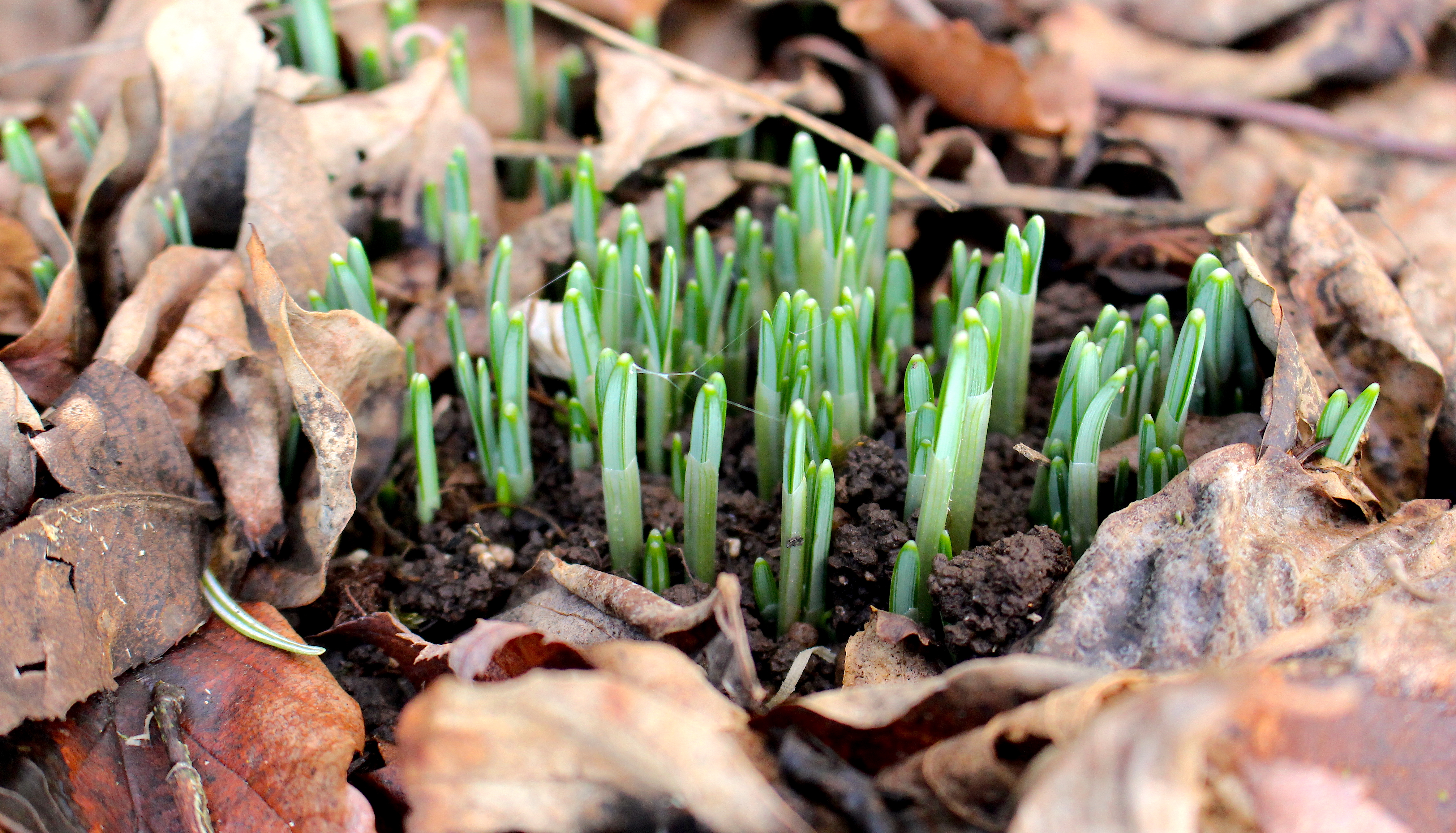
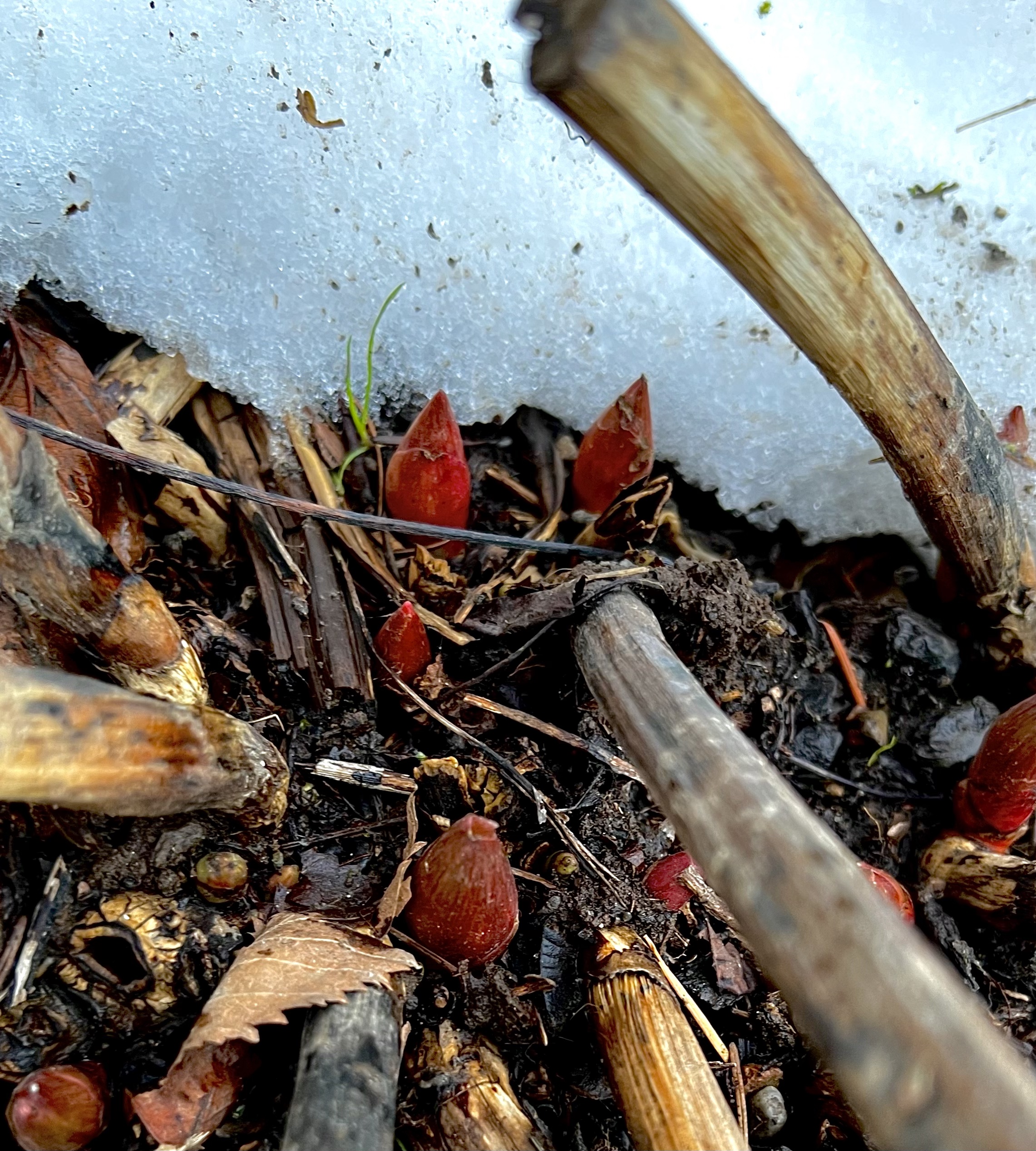
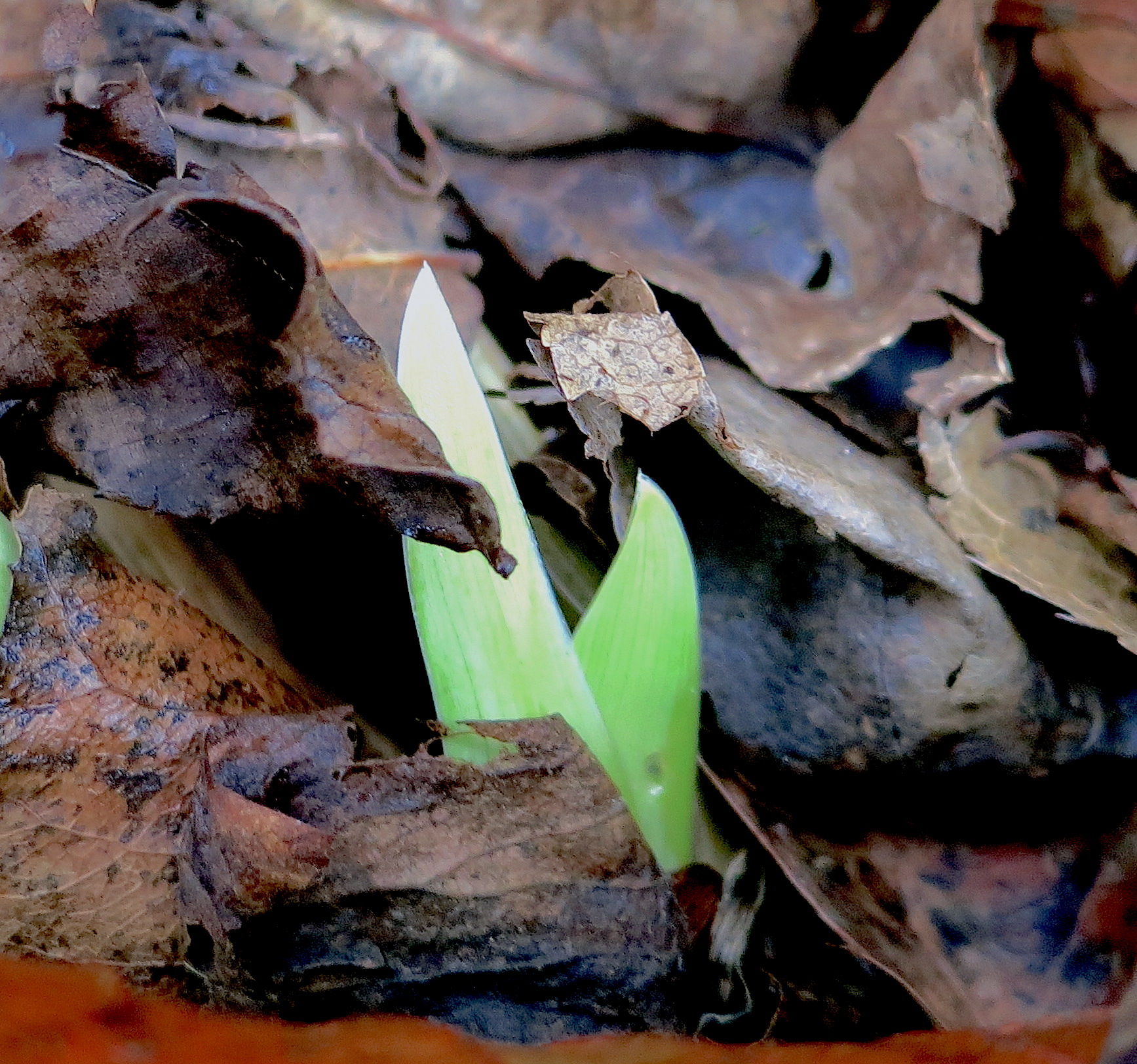
Starting with this third pandemic winter, with our souls in another deep freeze, covered in snow and ice and bitter wind chill, a tenuous hope of restoration could awaken – tender buds swelling, bulbs breaking through soil, being called forth from long burial in a dark and cold and heartless earth.
Like a mother who holds the mystery of her quickening belly, knowing we nurture other lives with our own body, we too can be hopeful and marveling at who we are created to be.
She, and we, know soon and very soon there will be spring.
One-Time
Monthly
Yearly
Make a one-time or recurring donation to support Barnstorming
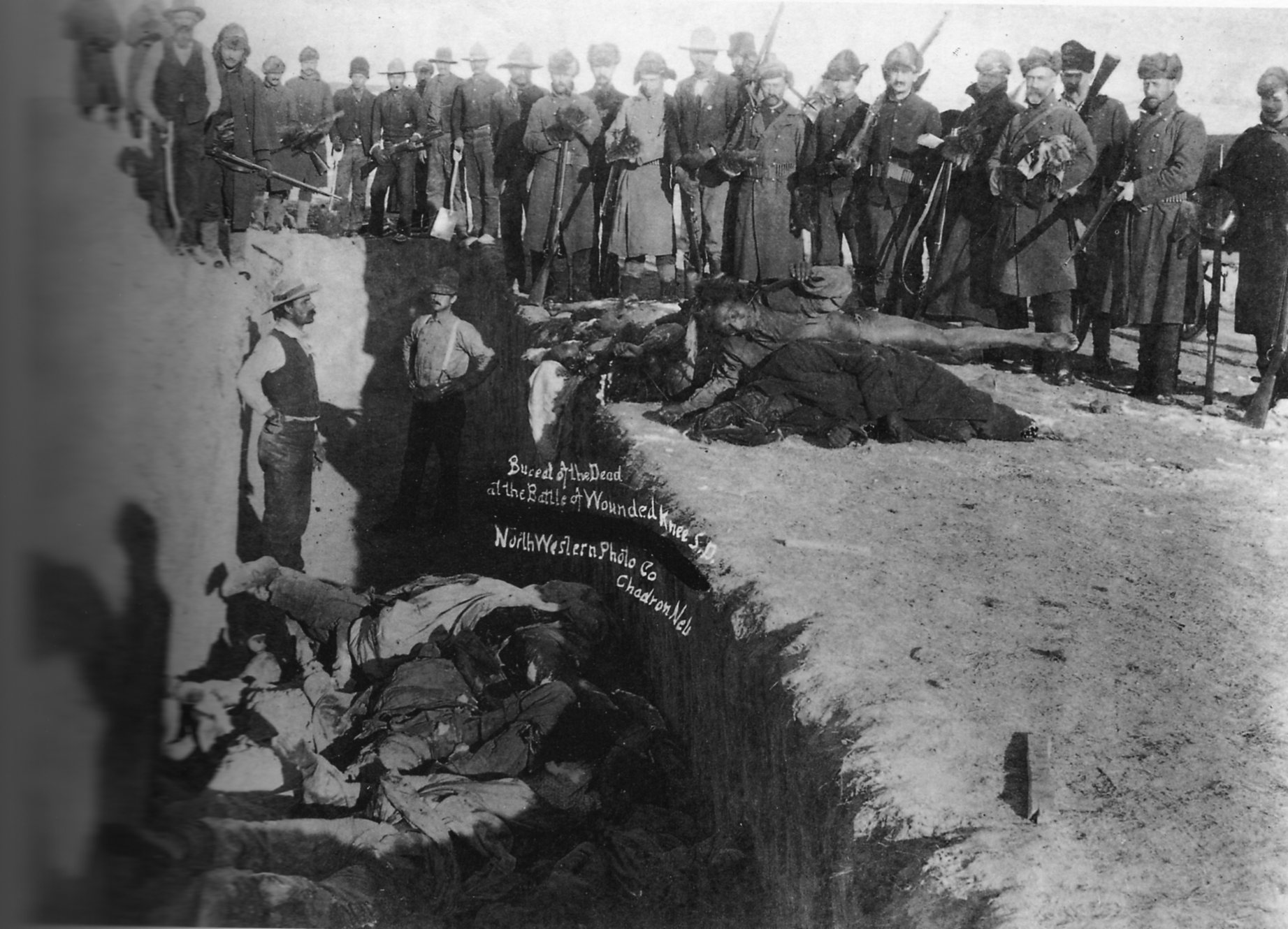
The mass gravesite at Wounded Knee, Pine Ridge Reservation, South DakotaBurial of the dead in the mass gravesite at Wounded Knee
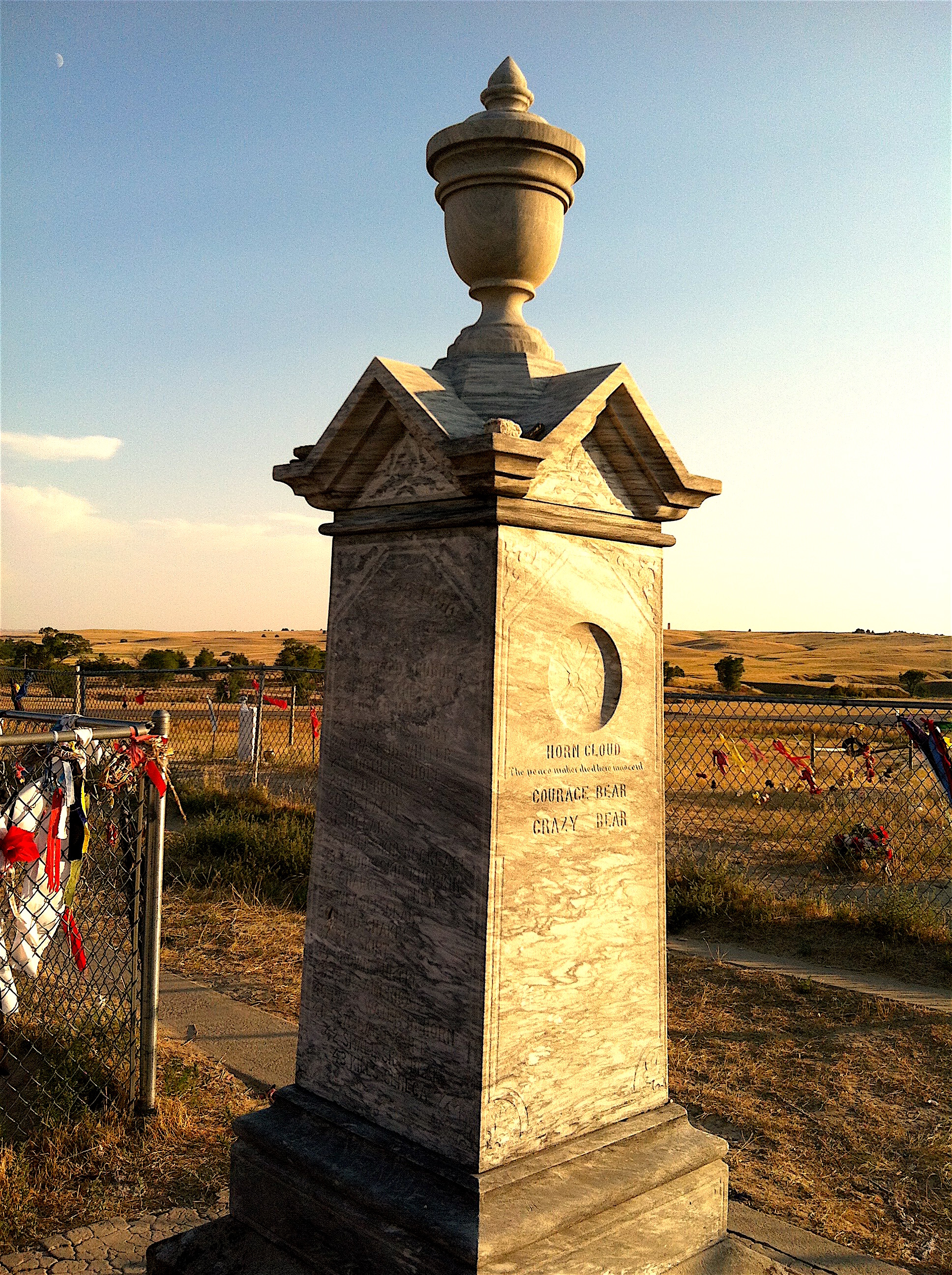
Big Foot, a great Chief of the Sioux often said, “I will stand in peace till my last day comes.” He did many good and brave deeds for the white man and the red man. Many innocent women and children who knew no wrong died here. ~Inscription on the Wounded Knee Monument
I did not know then how much was ended. When I look back now from this high hill of my old age, I can still see the butchered women and children lying heaped and scattered all along the crooked gulch as plain as when I saw them with eyes still young. And I can see that something else died there in the bloody mud, and was buried in the blizzard. A people’s dream died there. It was a beautiful dream. And I, to whom so great a vision was given in my youth, — you see me now a pitiful old man who has done nothing, for the nation’s hoop is broken and scattered. There is no center any longer, and the sacred tree is dead. ~Black Elk, (wounded trying to rescue his people after the Wounded Knee Massacre) from Black Elk Speaks
From today’s The Writer’s Almanac:
December 29 is the anniversary of themassacre at Wounded Knee, which took place in South Dakota in 1890. Twenty-three years earlier the local tribes had signed a treaty with the United States government that guaranteed them the rights to the land around the Black Hills, which was sacred land. The treaty said that not only could no one move there, but they couldn’t even travel through without the consent of the Indians.
But in the 1870s gold was discovered in the Black Hills and the treaty was broken. People from the Sioux tribe were forced onto a reservation with a promise of more food and supplies, which never came. Then in 1889 a native prophet named Wovoka, from the Paiute tribe in Nevada, had a vision of a ceremony that would renew the earth, return the buffalo, and cause the white men to leave and return the land that belonged to the Indians. This ceremony was called the Ghost Dance. People traveled across the plains to hear Wovoka speak, including emissaries from the Sioux tribe, and they brought back his teachings. The Ghost Dance, performed in special brightly colored shirts, spread through the villages on the Sioux reservation and it scared the white Indian agents. They considered the ceremony a battle cry, dangerous and antagonistic. So one of them wired Washington to say that he was afraid and wanted to arrest the leaders and he was given permission to arrest Chief Sitting Bull, who was killed in the attempt. The next on the wanted list was Sitting Bull’s half-brother, Chief Big Foot, known to his own people as Spotted Elk. Some members of Sitting Bull’s tribe made their way to Big Foot and when he found out what had happened he decided to lead them along with the rest of his people to Pine Ridge Reservation for protection. But it was winter, 40 degrees below zero, and he contracted pneumonia on the way.
Big Foot was sick, he was flying a white flag, and he was a peaceful man. He was one of the leaders who had actually renounced the Ghost Dance. But the Army didn’t make distinctions. They intercepted Big Foot’s band and ordered them into the camp on the banks of the Wounded Knee Creek. Big Foot went peacefully.
The next morning federal soldiers began confiscating their weapons and a scuffle broke out between a soldier and an Indian. The federal soldiers opened fire, killing almost 300 men, women, and children, including Big Foot. Even though it wasn’t really a battle, the massacre at Wounded Knee is considered the end of the Indian Wars, a blanket term to refer to the fighting between the Native Americans and the federal government, which had lasted 350 years.
One of the people wounded but not killed during the massacre was the famous medicine man Black Elk, author of Black Elk Speaks (1932). Speaking about Wounded Knee, he said:
“I did not know then how much was ended. When I look back now from this high hill of my old age, I can still see the butchered women and children lying heaped and scattered all along the crooked gulch as plain as when I saw them with eyes still young. And I can see that something else died there in the bloody mud, and was buried in the blizzard. A people’s dream died there. It was a beautiful dream.”
Like most twentieth century American children, I grew up with a sanitized understanding of American and Native history. I had only a superficial knowledge of what happened at Wounded Knee, a low hill that rises above a creek bed on the South Dakota Pine Ridge Reservation, gleaned primarily from the 71 day symbolic standoff in 1973 between members of the Oglala Sioux and the American Indian Movement and the FBI, resulting in several shooting deaths.
Nine years ago, when our son was teaching math at Little Wound High School on the Pine Ridge Reservation, we visited the site of this last major battle between the white man and Native people, which broke the spirit of the tribes’ striving to maintain their nomadic life as free people. This brutal massacre of nearly 300 Lakota men, women and children by the Seventh Regiment of the U.S. Army Cavalry took place in December 1890.
The dead lay where they fell for four days due to a severe blizzard. When the frozen corpses were finally gathered up by the Army, a deep mass grave was dug at the top of the hill, the bodies buried stacked one on top of another. The massive grave is now marked by a humble memorial monument surrounded by a chain link fence, adjacent to a small church, circled by more recent Lakota gravesites.
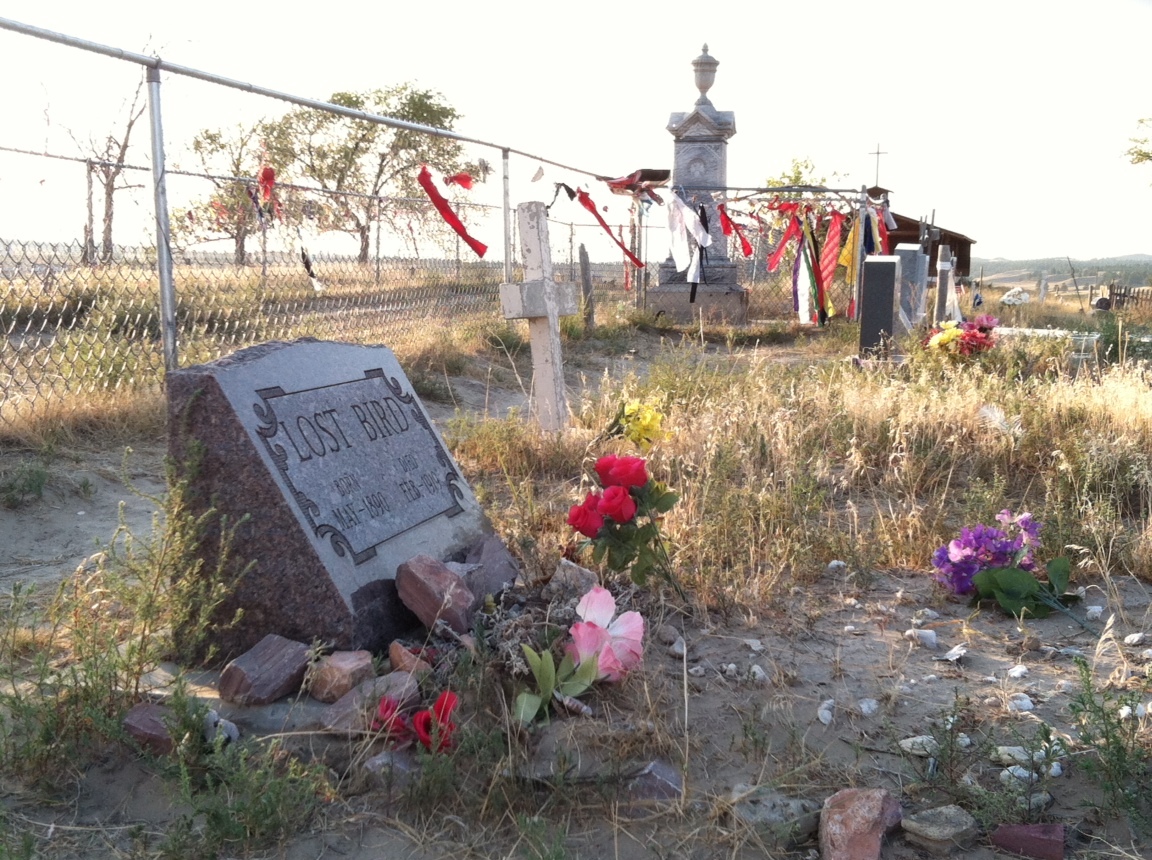
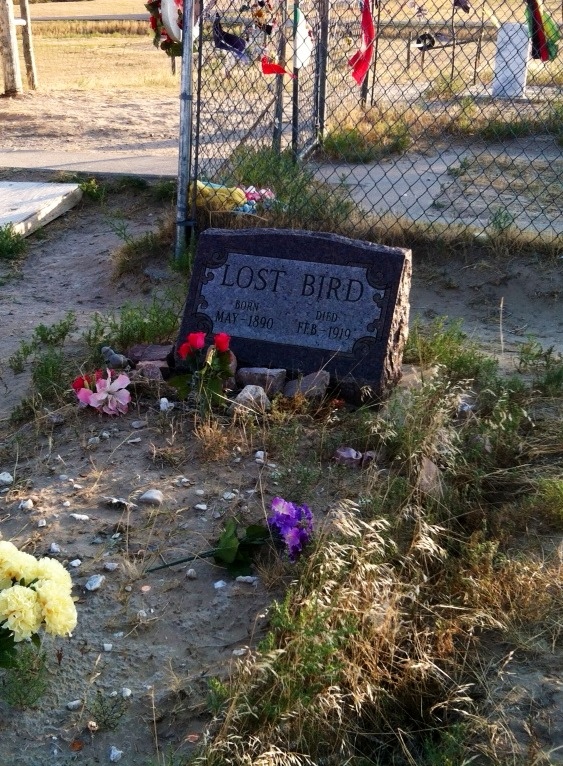
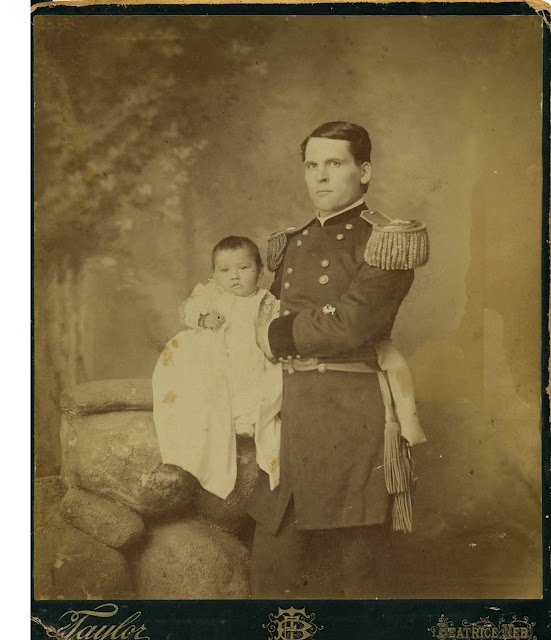
Four infants survived the four days of blizzard conditions wrapped in their dead mothers’ robes. One baby girl, only a few months old, was named “Lost Bird” after the massacre, bartered for and adopted by an Army Colonel as an interesting Indian “relic.” Rather than this adoption giving her a new chance, she died at age 29, having endured much illness, prejudice in white society, as well as estrangement from her native community and culture. Her story has been told in a book by Renee Sansom Flood, who helped to locate and move her remains back to Wounded Knee, where in death she is now back with her people.
There is unspeakable desolation and sadness on that lonely hill of graves. It is a regrettable part of our history that descendants of immigrants to American soil need to understand: by coming to the “New World” for opportunity, or refuge from oppression elsewhere, we made refugees of the people already here.
As Black Elk wrote, the dreams of a great people have been scattered and lack a center. He was not only speaking of his own tribe, but was presciently speaking of our current divisiveness – due to extremism, we lack “a center” in our current governmental discourse.
We must never allow hope to be buried at Wounded Knee nor must we ever forget what it means to no longer be safe in one’s own homeland.
Lost Bird after her adoption
One-Time
Monthly
Yearly
Make a one-time or recurring donation to Barnstorming
A voice is heard in Ramah, mourning and great weeping, Rachel weeping for her children and refusing to be comforted, because they are no more. Matthew 2:18 and Jeremiah 31:15
…as you sit beneath your beautifully decorated tree, eat the rich food of celebration, and laugh with your loved ones, you must not let yourself forget the horror and violence at the beginning and end of the Christmas story. The story begins with the horrible slaughter of children and ends with the violent murder of the Son of God. The slaughter depicts how much the earth needs grace. The murder is the moment when that grace is given.
Look into that manger representing a new life and see the One who came to die. Hear the angels’ celebratory song and remember that sad death would be the only way that peace would be given. Look at your tree and remember another tree – one not decorated with shining ornaments, but stained with the blood of God.
As you celebrate, remember that the pathway to your celebration was the death of the One you celebrate, and be thankful. ~Paul Tripp
God could, had He pleased, have been incarnate in a man of iron nerves, the Stoic sort who lets no sigh escape him. Of His great humility He chose to be incarnate in a man of delicate sensibilities who wept at the grave of Lazarus and sweated blood in Gethsemane. Otherwise we should have missed the great lesson that it is by his will alone that a man is good or bad, and that feelings are not, in themselves, of any importance. We should also have missed the all-important help of knowing that He has faced all that the weakest of us face, has shared not only the strength of our nature but every weakness of it except sin. If He had been incarnate in a man of immense natural courage, that would have been for many of us almost the same as His not being incarnate at all. ― C.S. Lewis, The Collected Letters of C.S. Lewis
There is no consolation for families of those lost to death come too soon: a rogue king’s slaughter of innocents, and now so much needless death: weather, war, accidents, random shootings, COVID.
Arms ache with the emptiness of grief, beds and pillows lie cold and unused, hugs never to come again.
There is no consolation; only mourning and great weeping, sobbing that wrings dry every human cell, leaving dust behind, which is our beginning and our end.
God came to us for times such as this, born of the dust of woman and the breath of the Holy Spirit, God bent down to lie in manger dust, walk on roads of dust, die and be laid to rest as dust to conquer such evil as this that displaces masses and massacres innocents.
He became dust to be like us He began a mere speck in a womb like us
His heart beat like ours breathing each breath like ours until a fearful fallen world took His and our breath away.
He shines through the shadows of death to guide our stumbling uncertain feet.
He hears our cries as He cried too. He knows our tears as He wept too. He knows our mourning as He mourned too. He knows our dying as He died too.
God weeps as this happens.
Only God can glue together what evil has shattered. He asks us to hand Him the pieces of our broken hearts.
We will know His peace when He comes to bring us home, our tears finally dried, our cells no longer just dust, as we are glued together by the holy breath of our God forevermore.
Lully, lullay, thou little tiny child, Bye bye, lully, lullay. Thou little tiny child, Bye bye, lully, lullay.
O sisters too, how may we do For to preserve this day This poor youngling for whom we sing, “Bye bye, lully, lullay?”
Herod the king, in his raging, Chargèd he hath this day His men of might in his own sight All young children to slay.
That woe is me, poor child, for thee And ever mourn and may For thy parting neither say nor sing, “Bye bye, lully, lullay.”
One-Time
Monthly
Yearly
Make a one-time or recurring donation to support Barnstorming
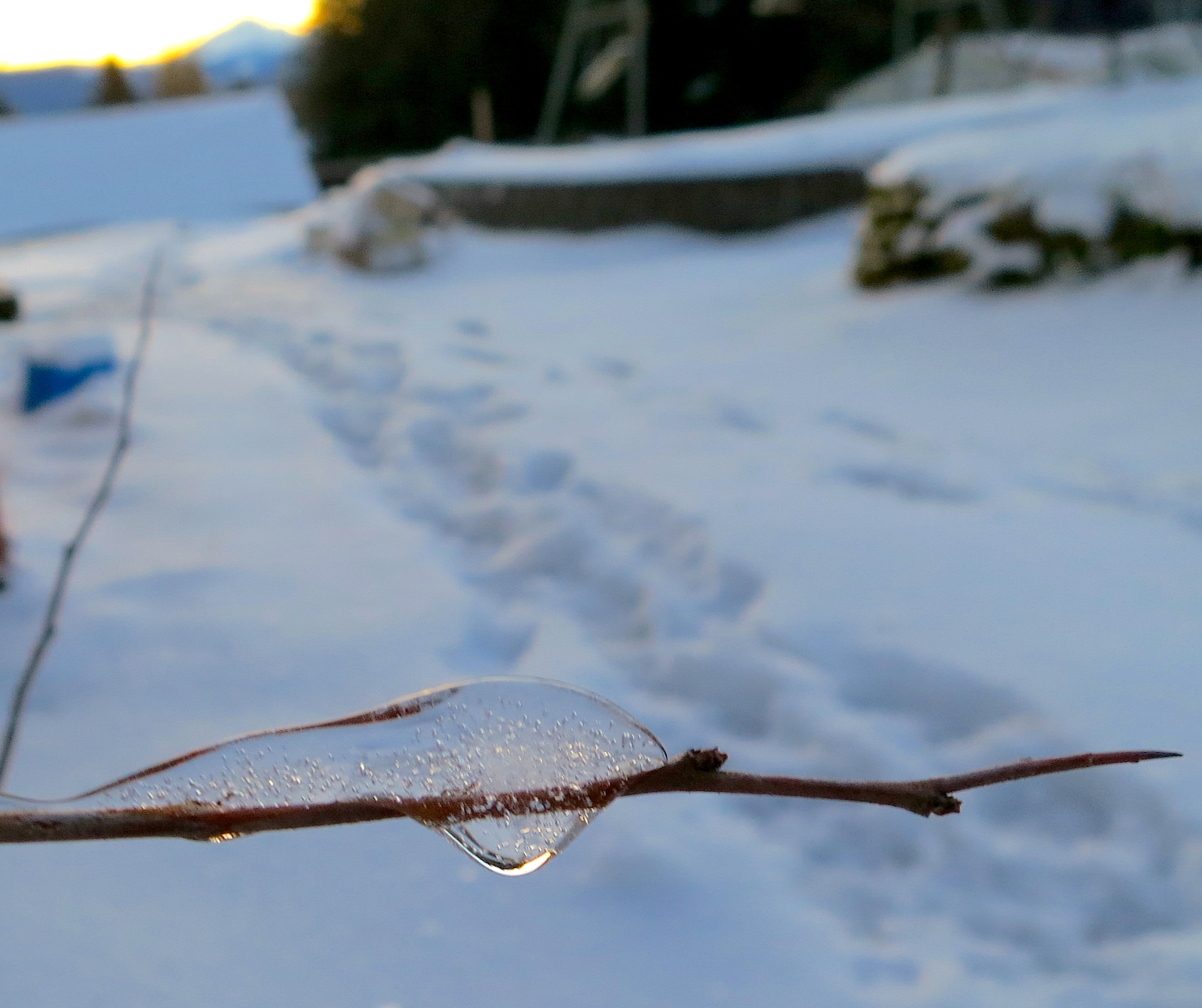
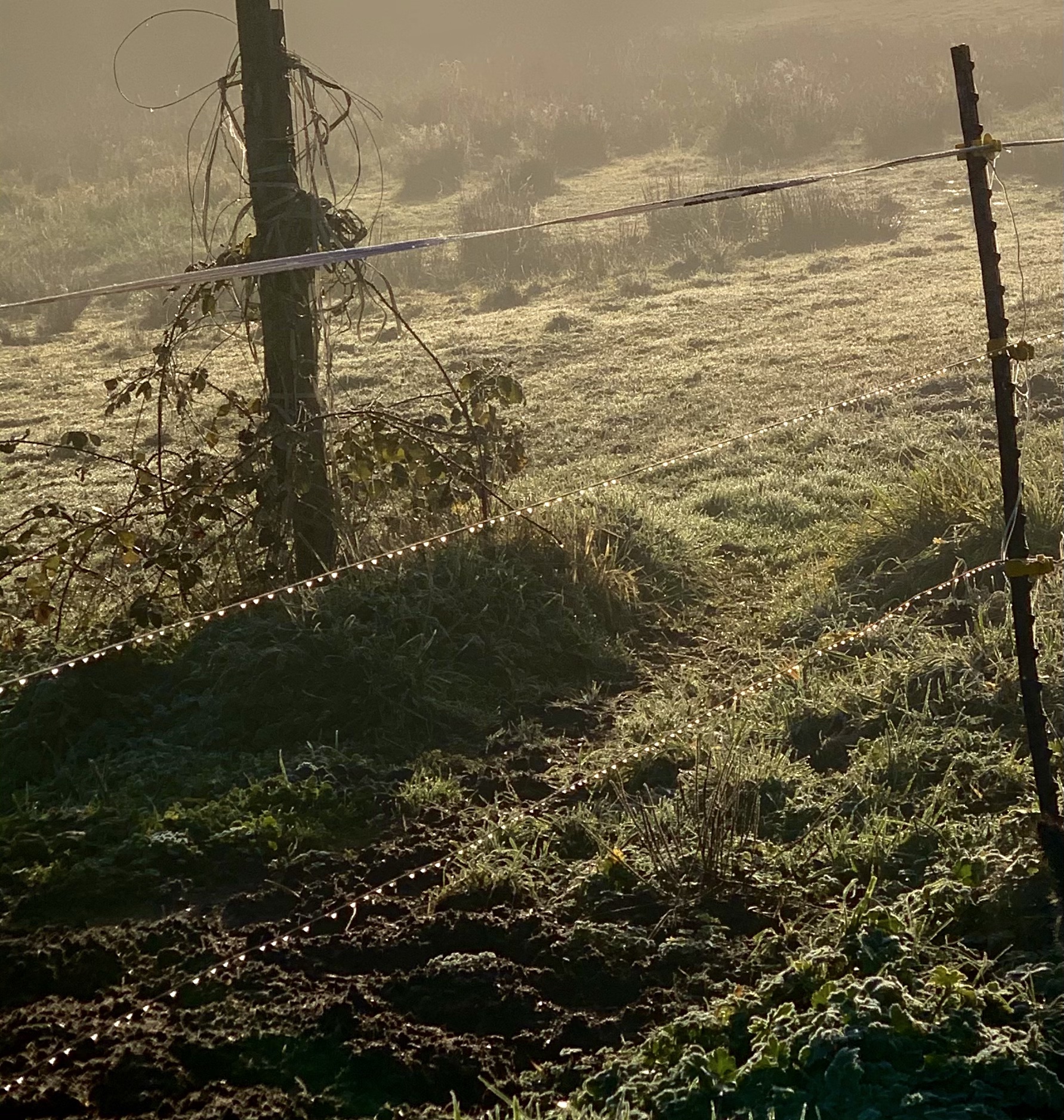
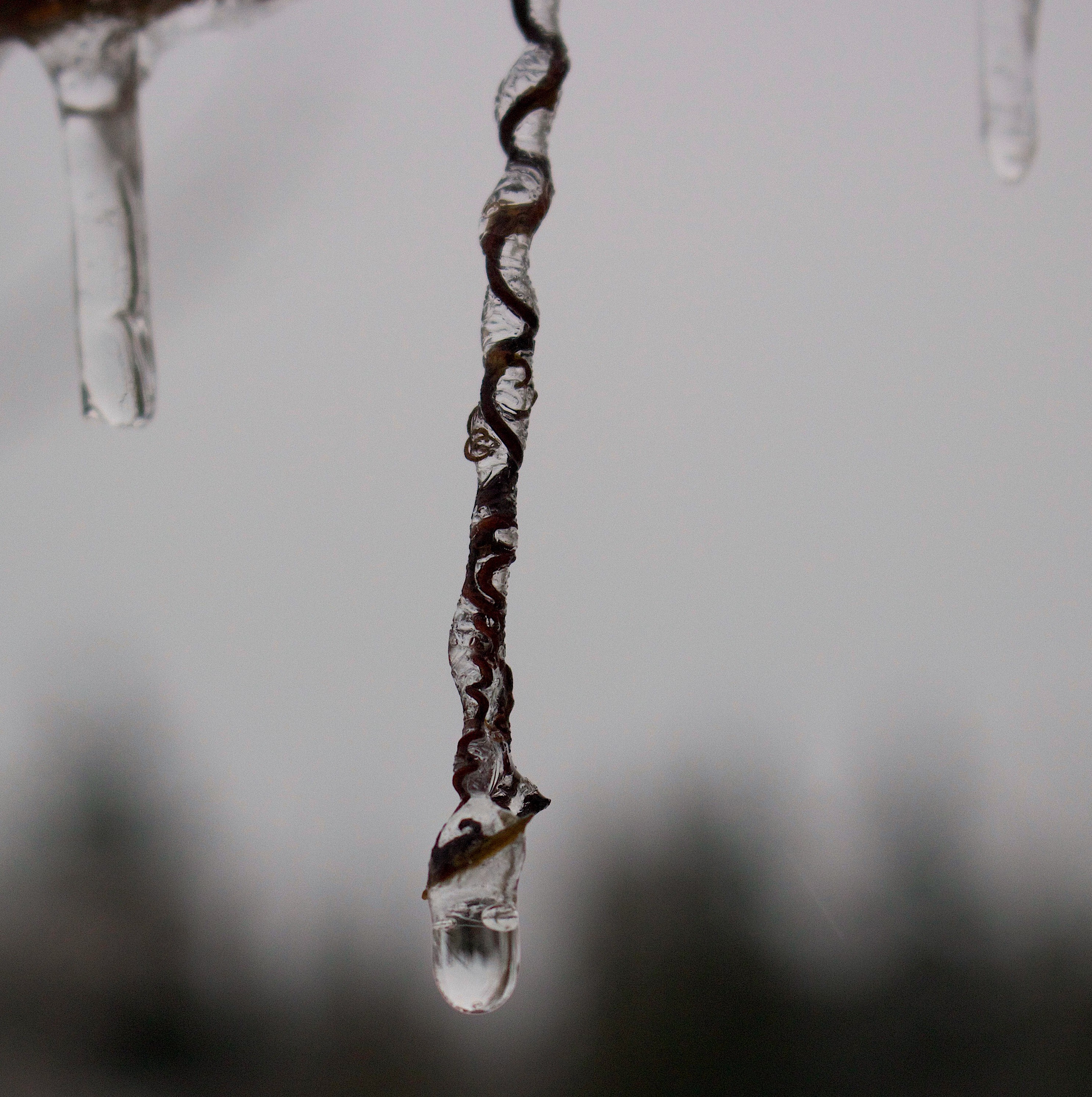
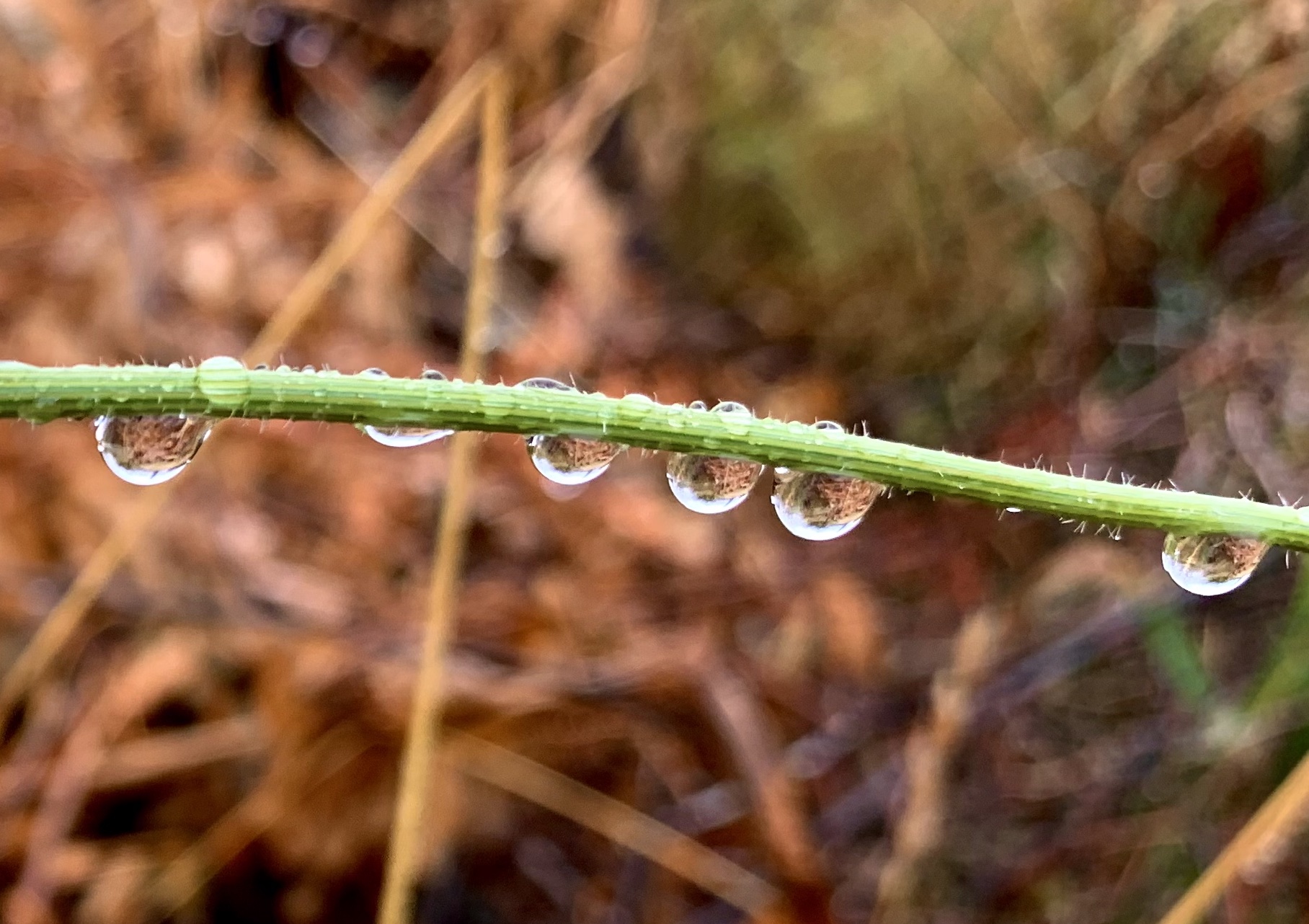
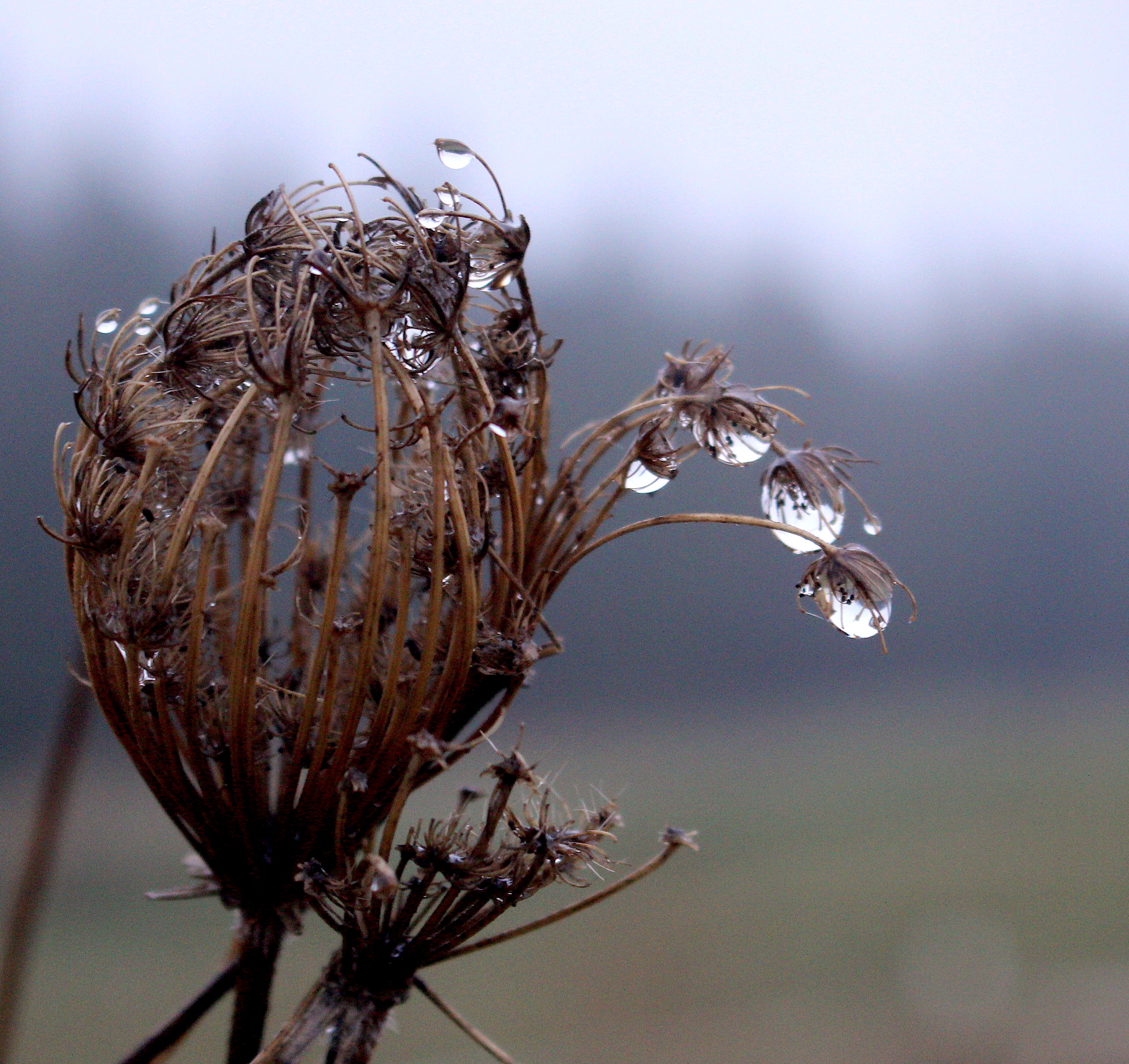
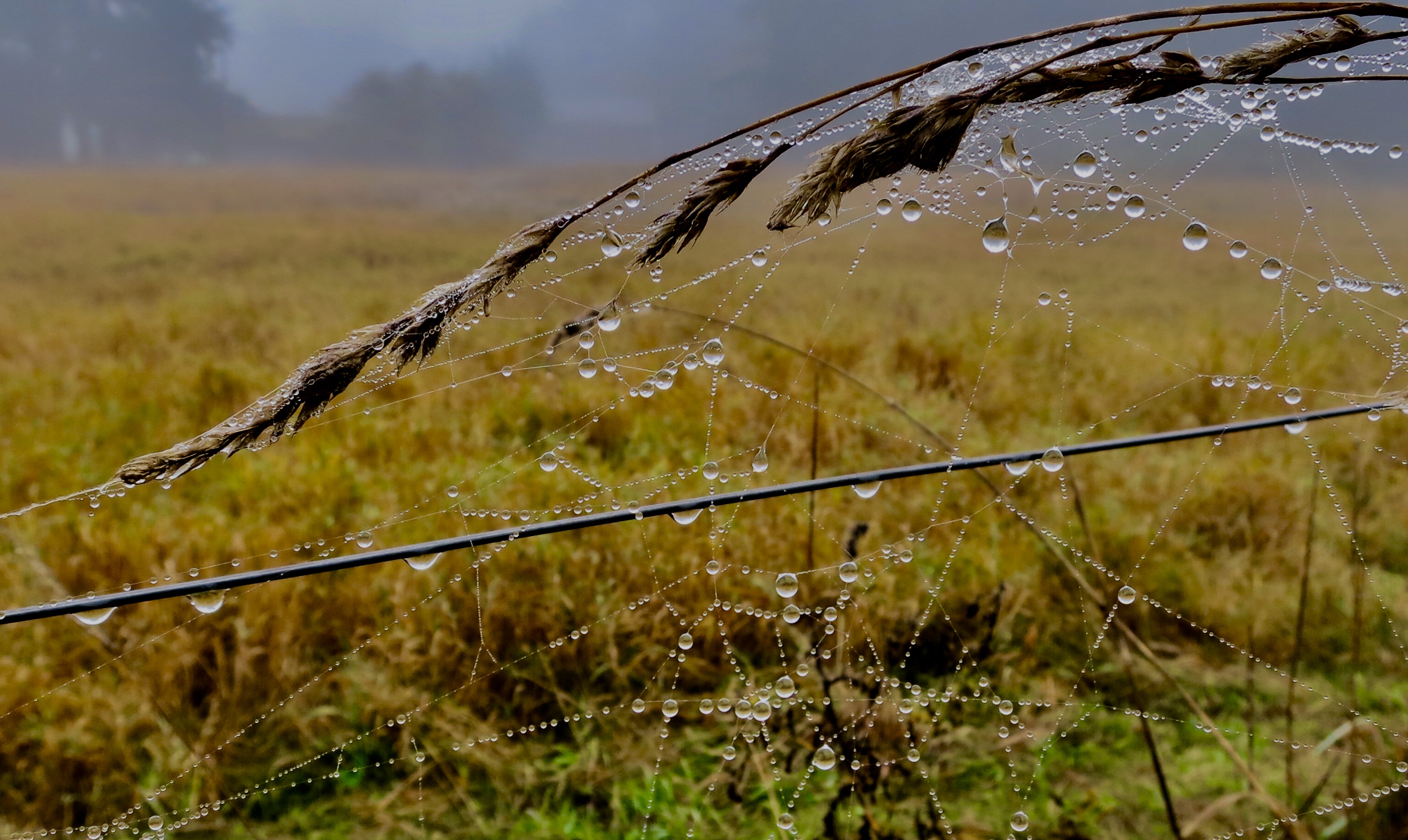
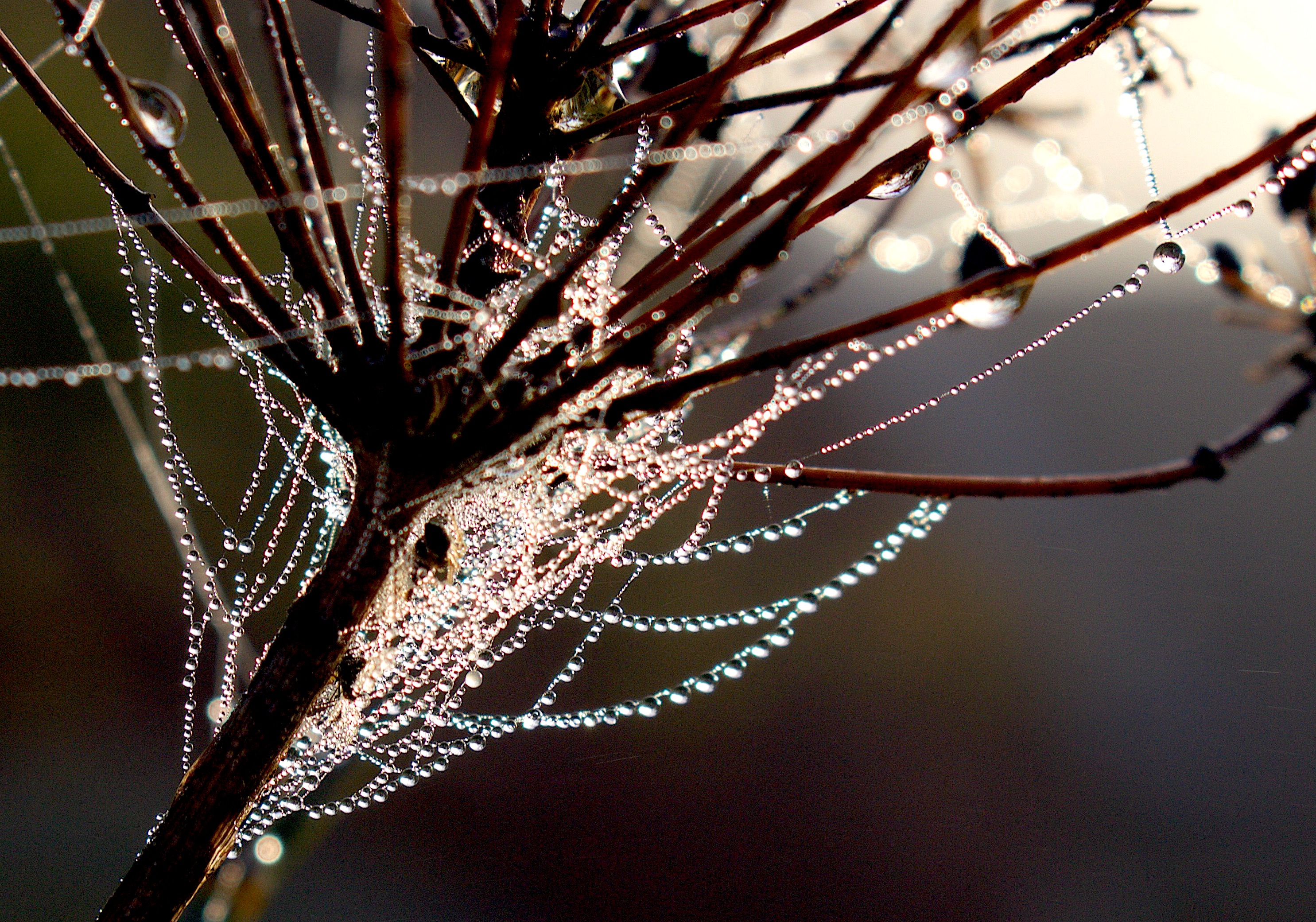
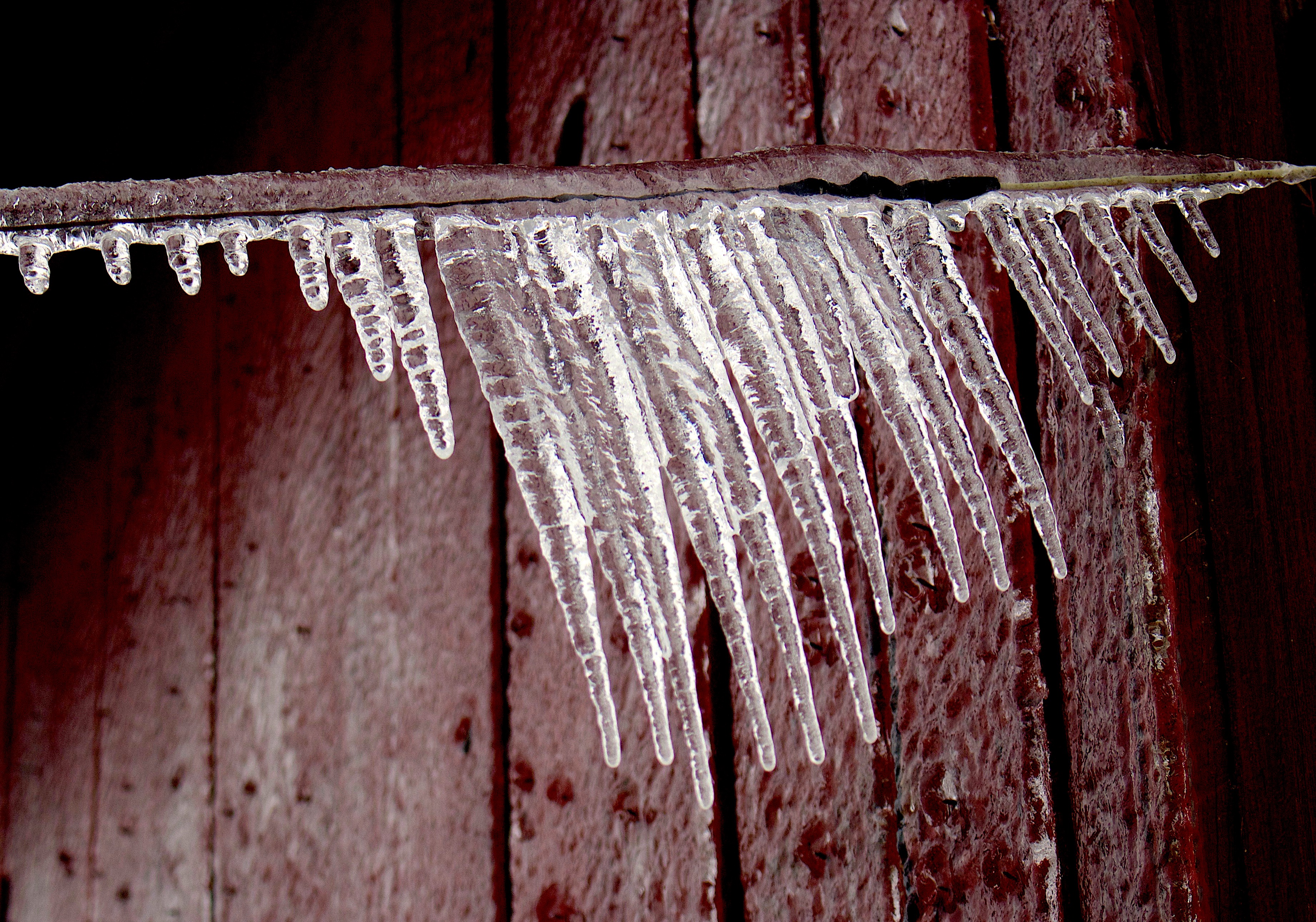
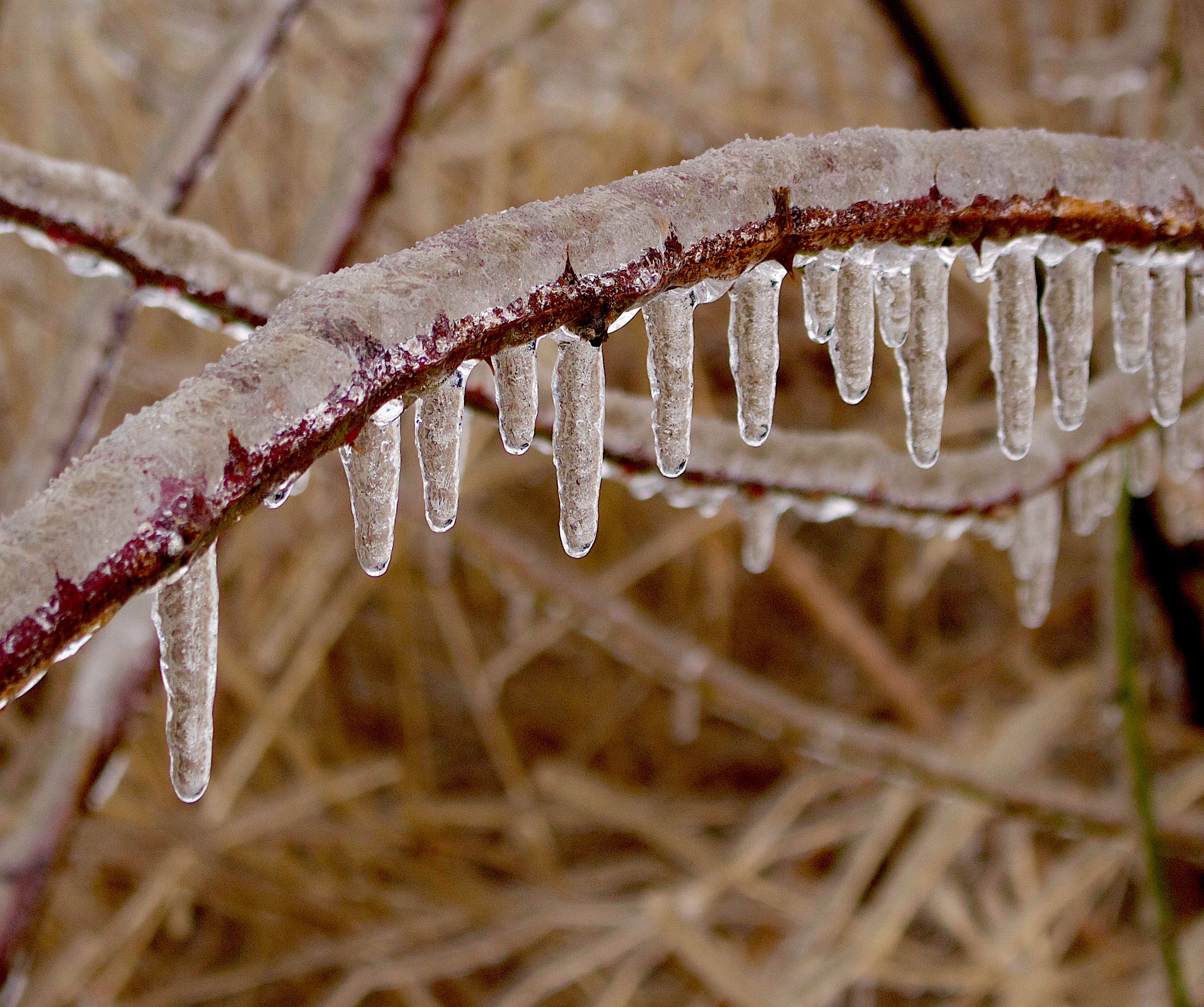
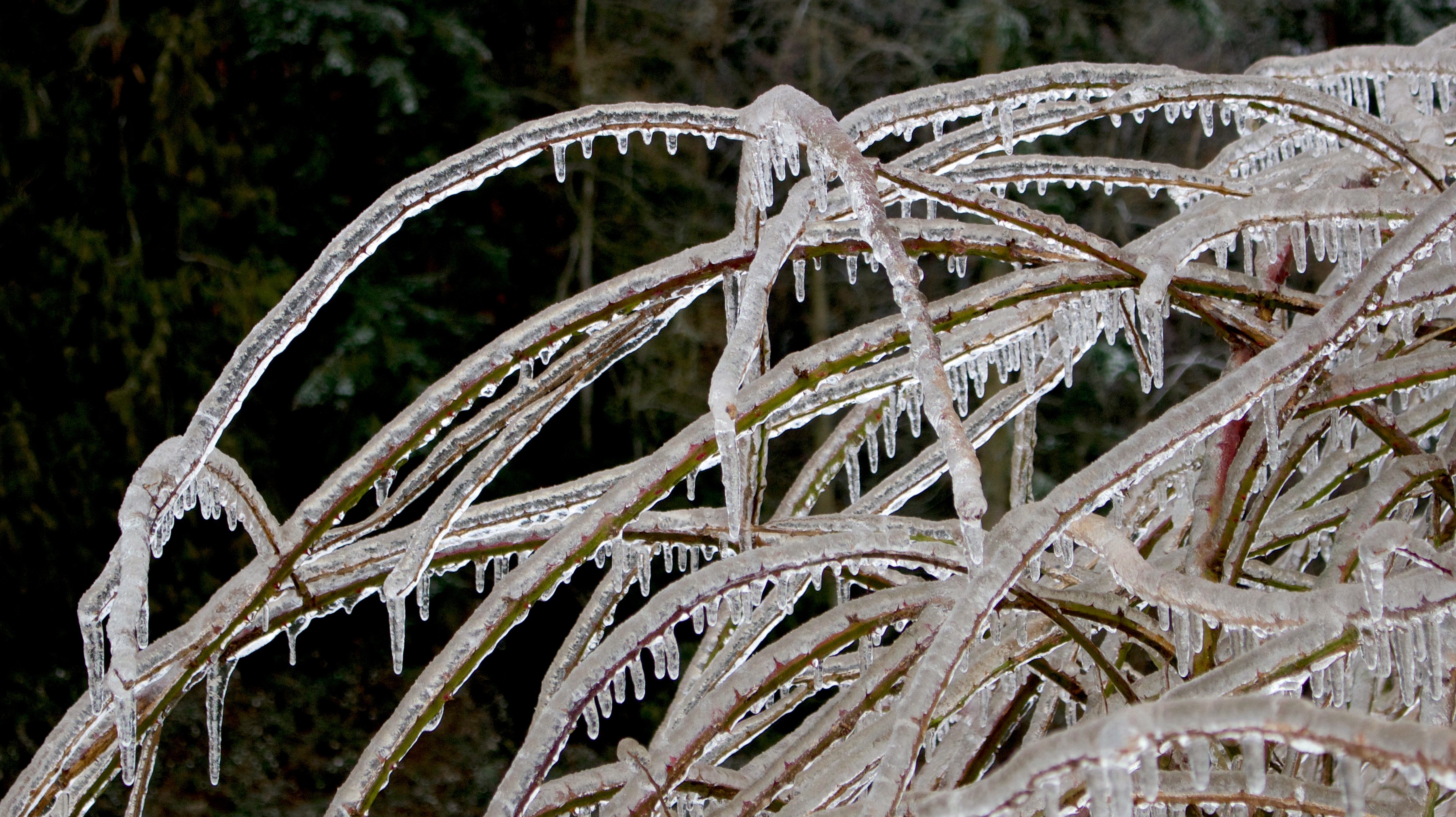
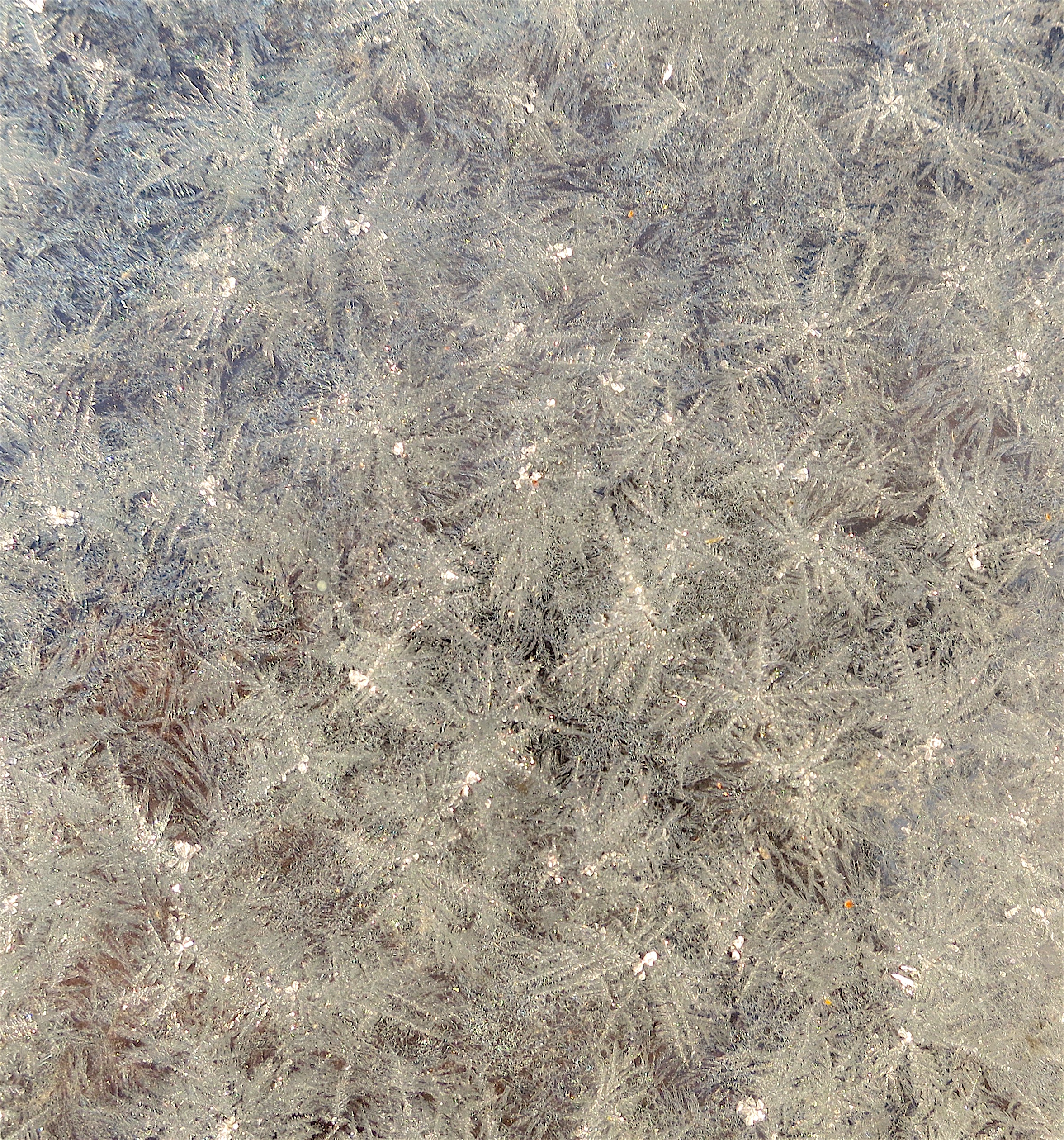
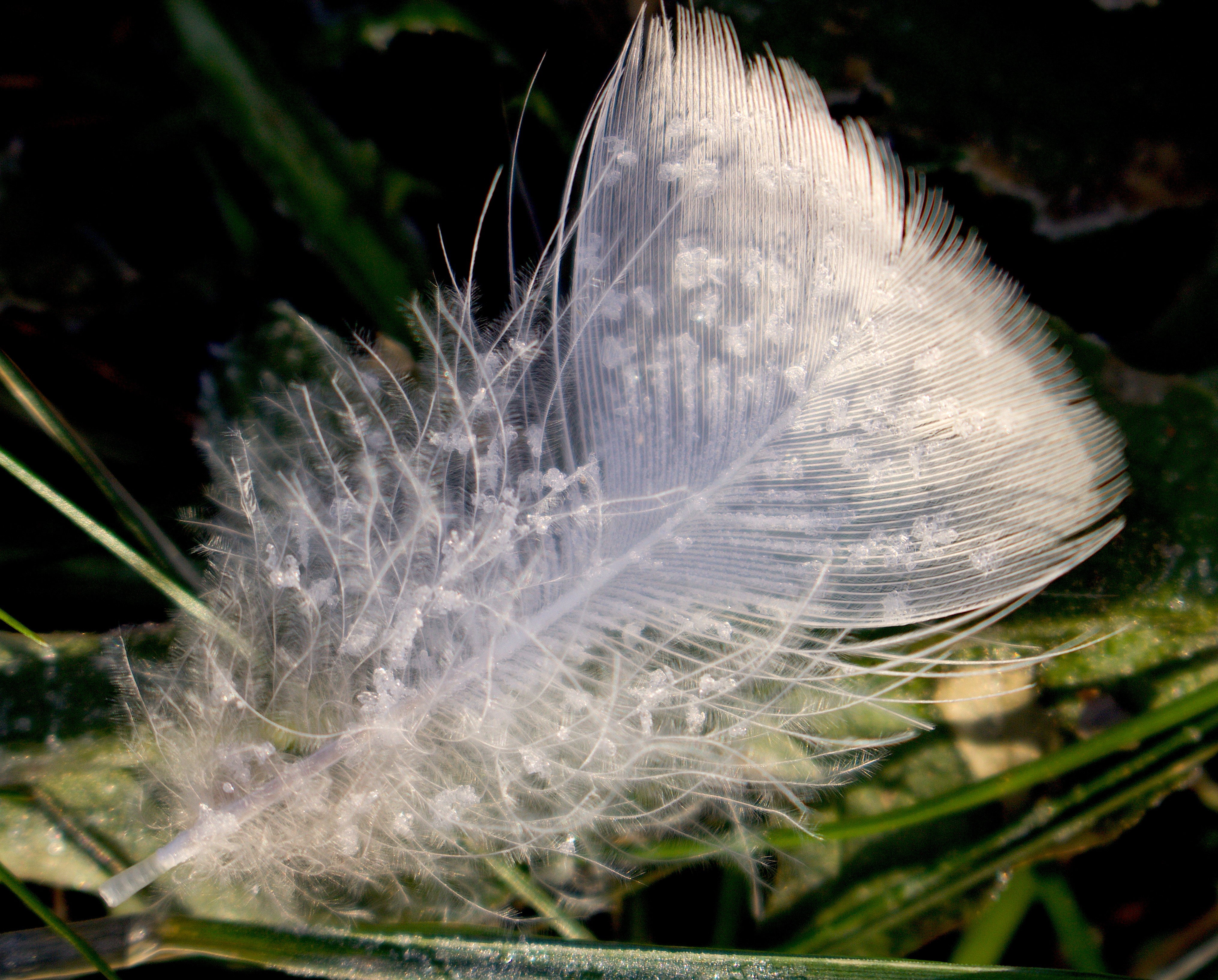
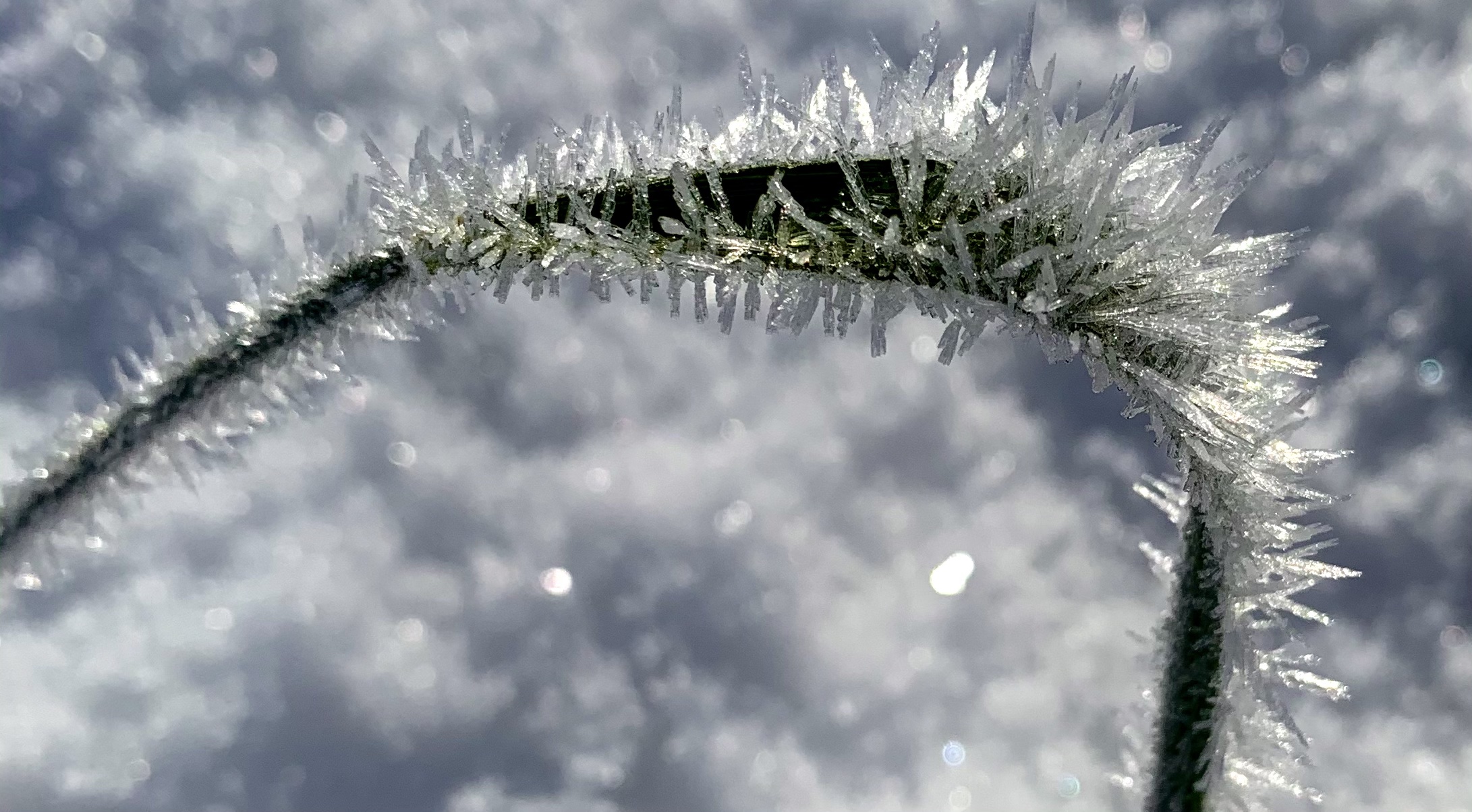
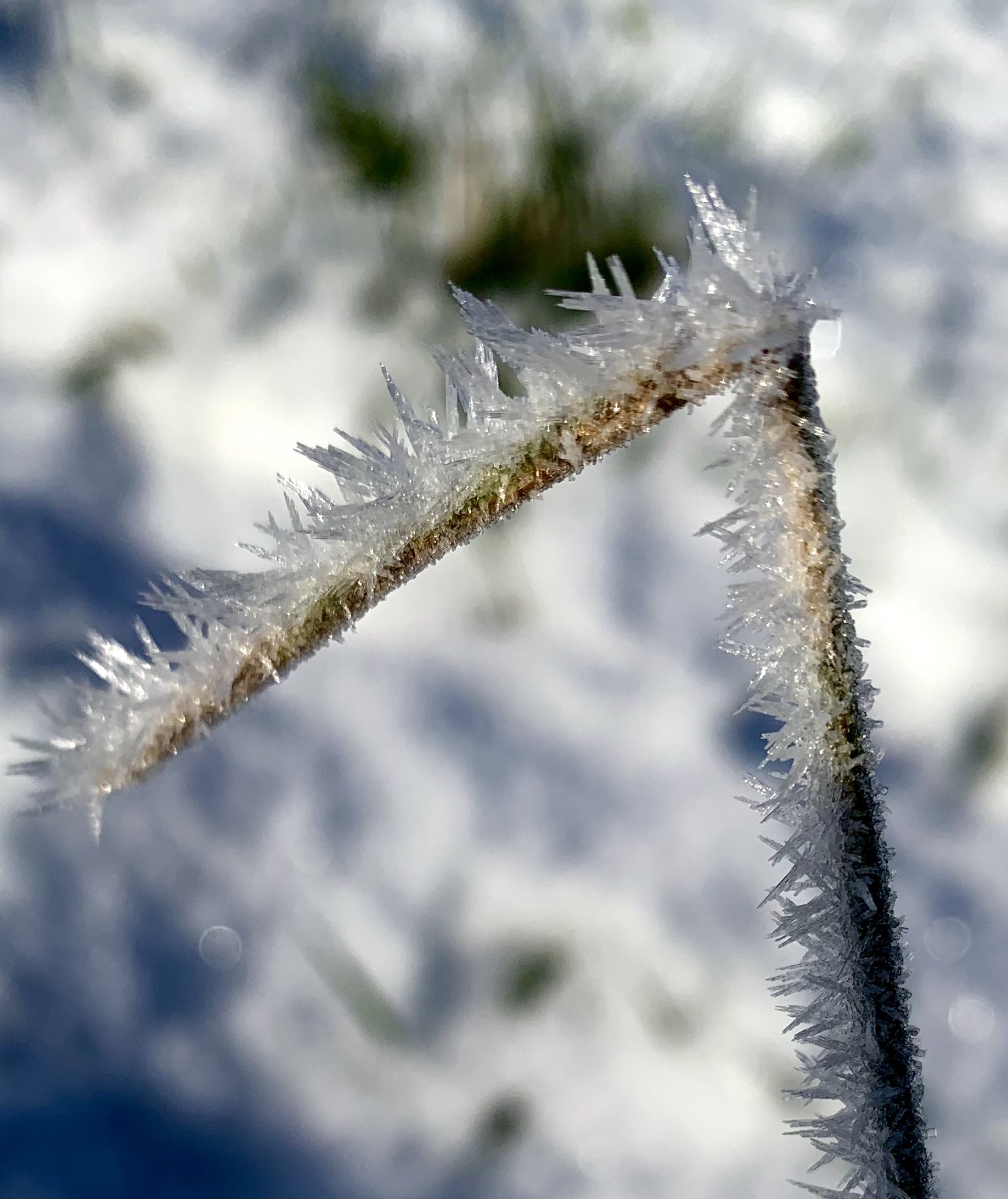
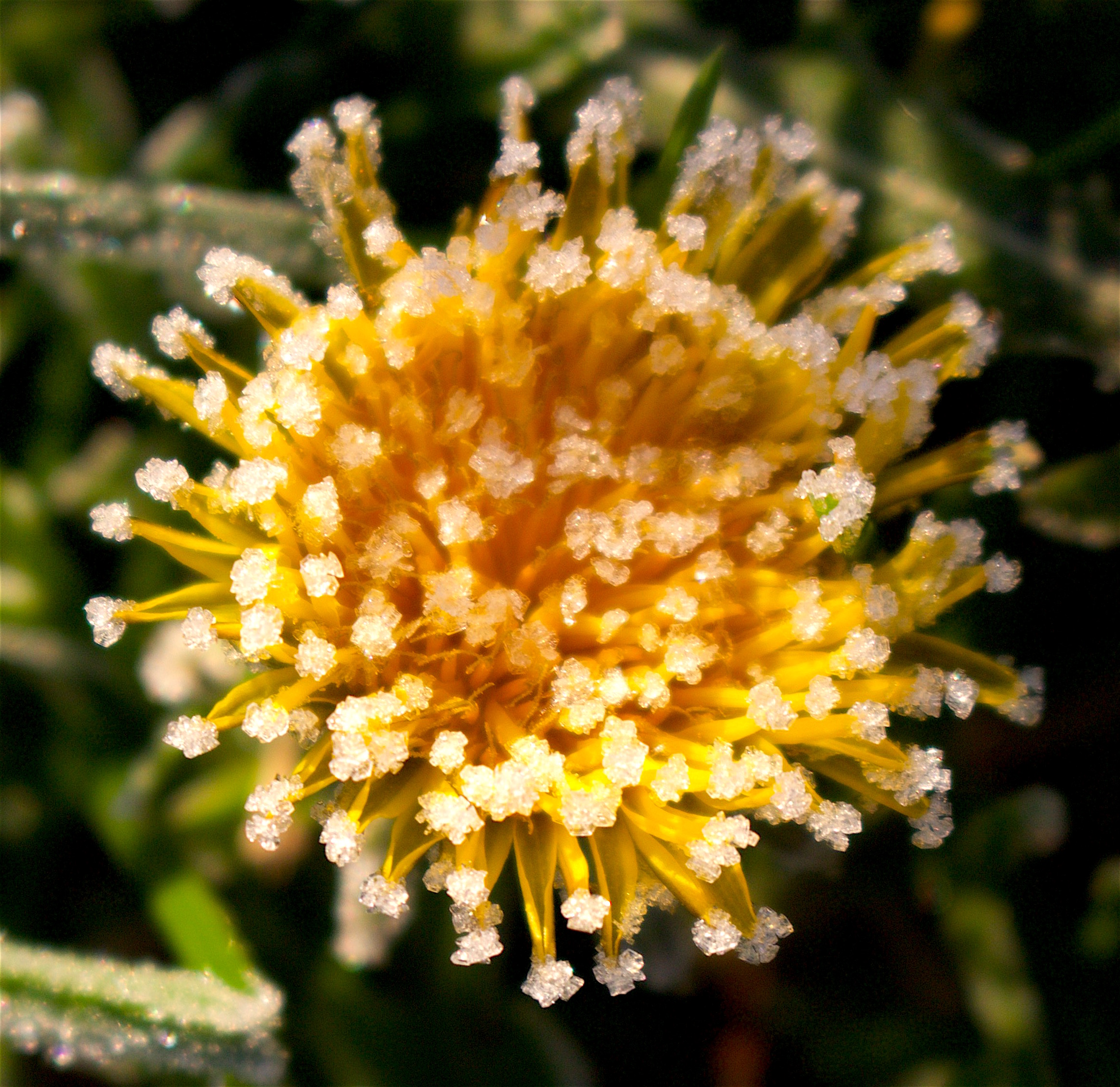
Something has descended like feathered prophecy. Someone has offered the world a bowl of frozen tears,
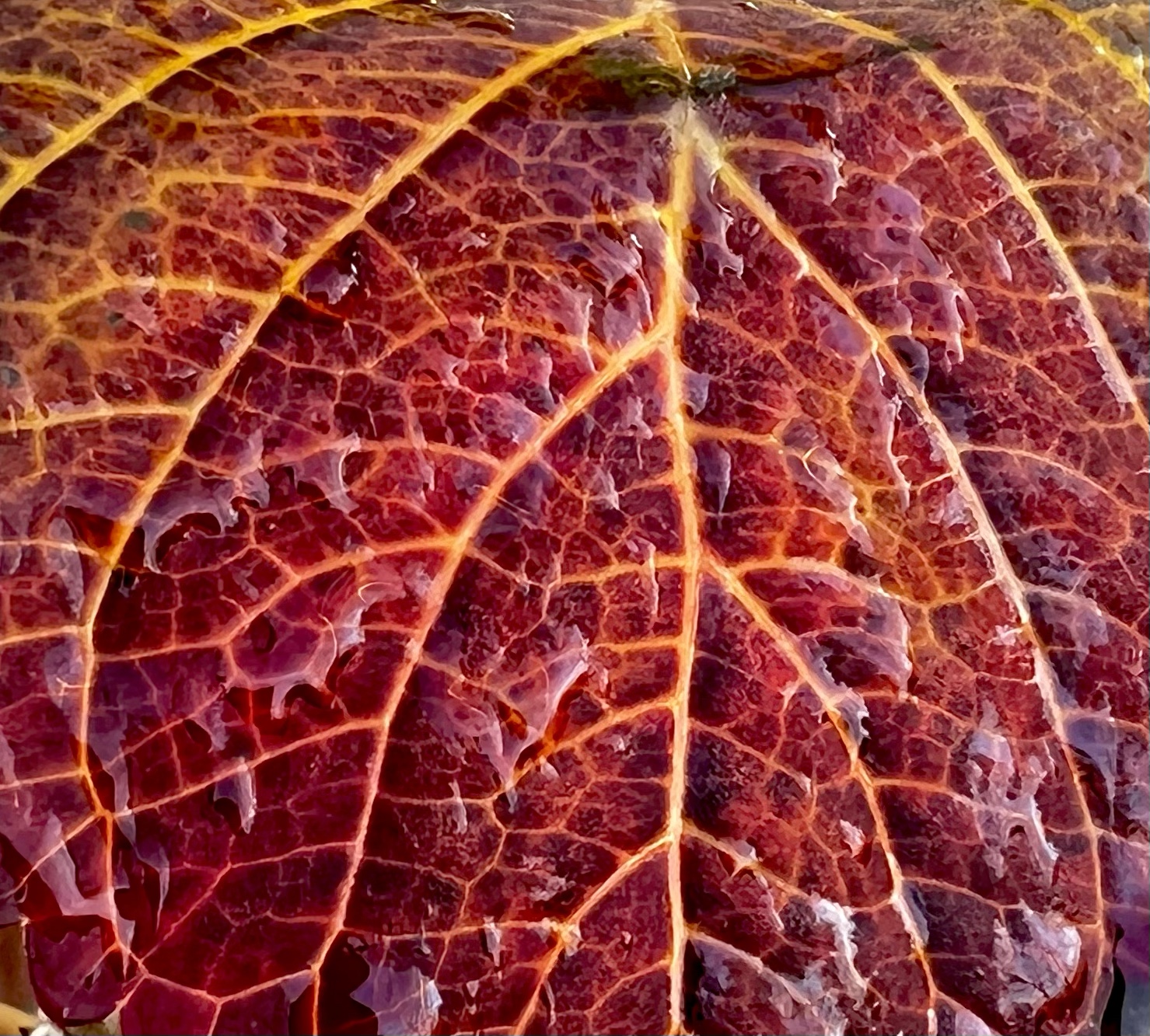
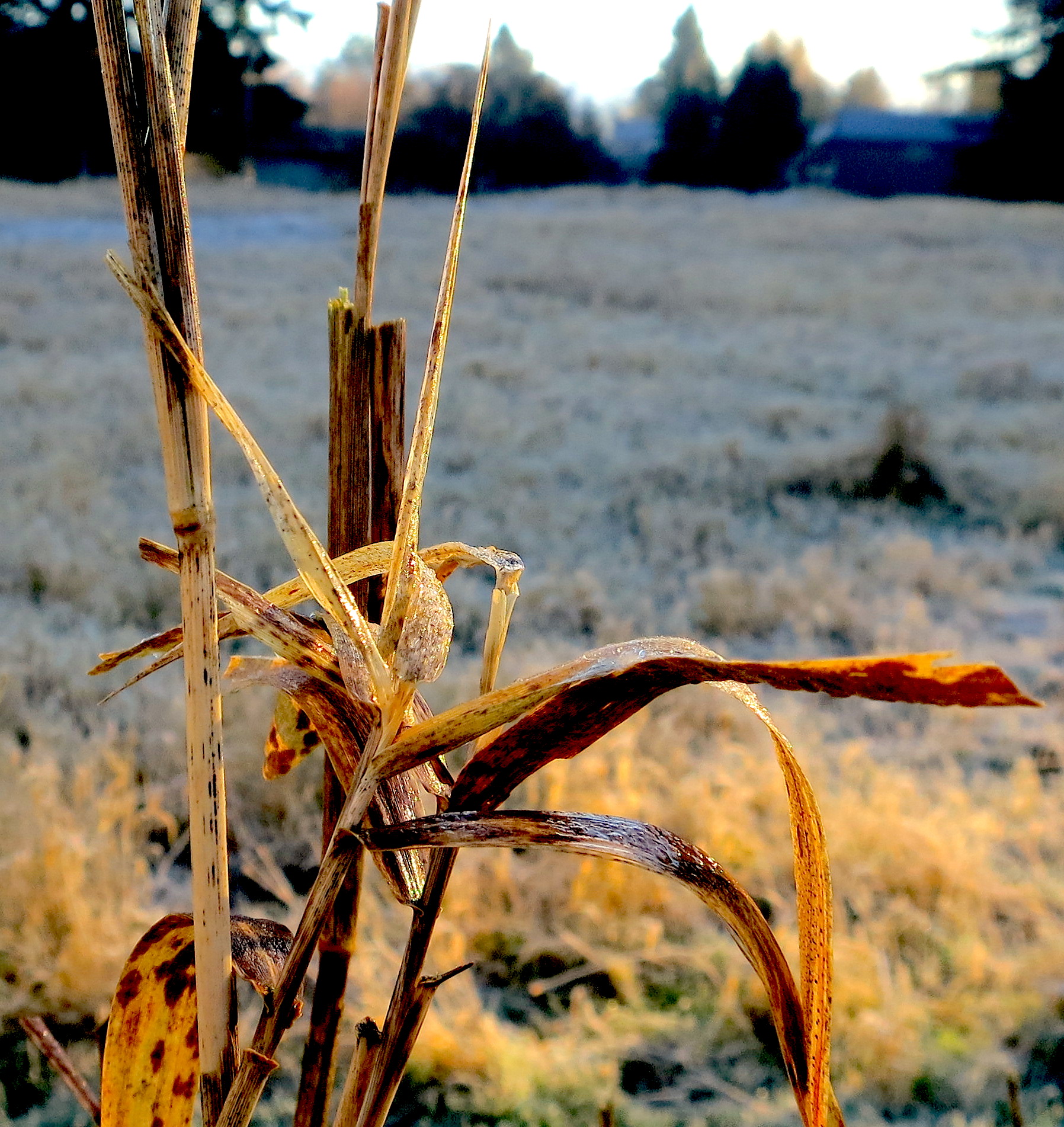
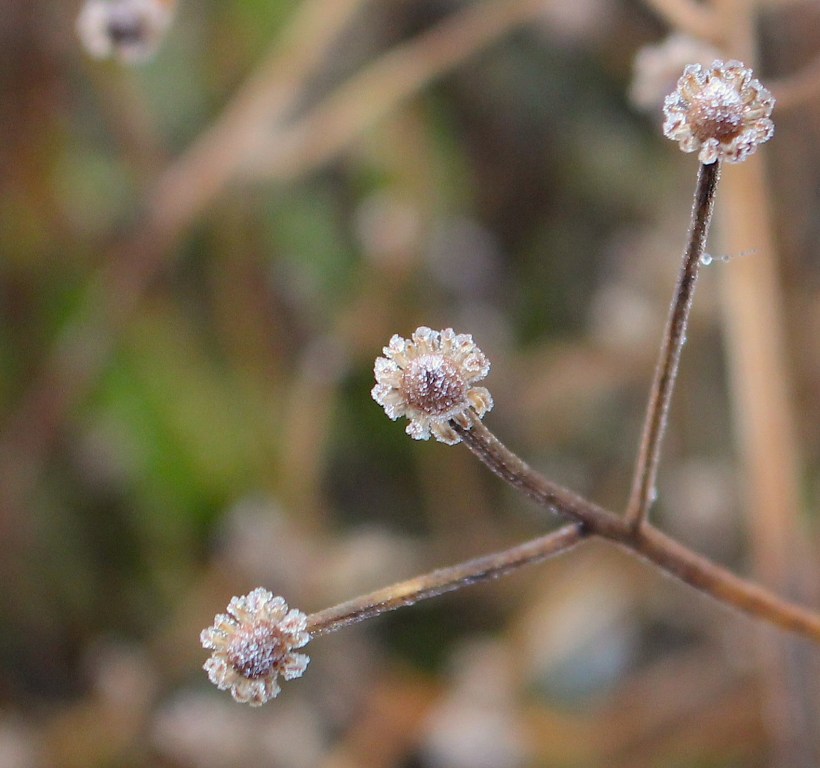
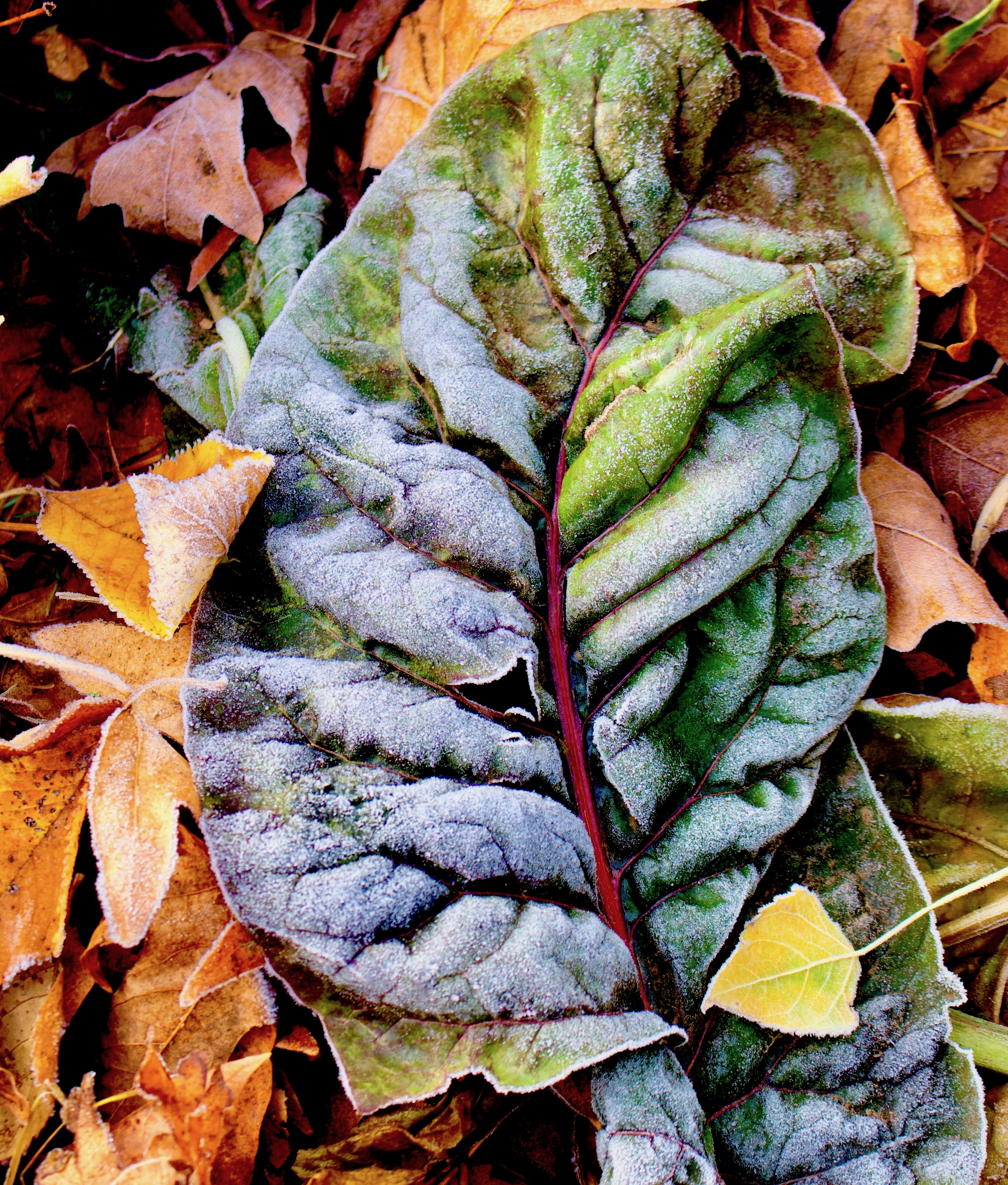
has traced the veins and edges of leaves with furred ink. The grass is stiff as the strings of a lute.
And, day by day, the tiny windows crack their cardboard frames seizing the frail light. The sun, moving through
these waxy squares, undiminished as a word passing from mind to speech. Every breath a birth,
a stir of floating limbs within me. I stay up late and waken early to feel beneath my feet the silence coming. ~Anya Silver “Advent, First Frost”
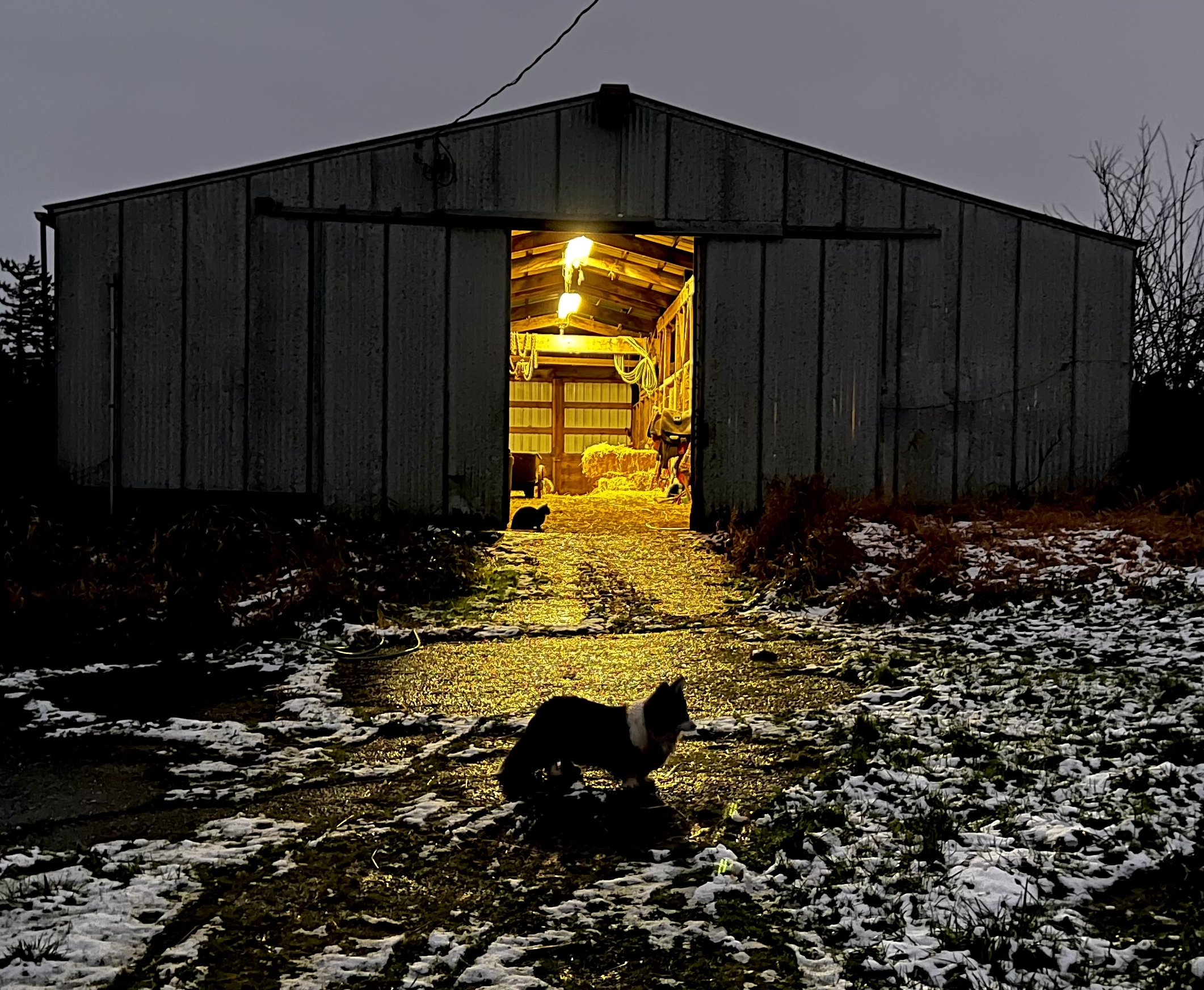
When I am weary, putting one foot in front of the other in the humble chores of the barn, feeling so cold at times, I no longer remember this was once sweaty summer work ~ now my hands ache in an arctic wind that shows no mercy.
Yet I know respite will come, refuge is near, salvation is imminent. Each breath I breathe a cloud of hope.
I will remember what our good God has prepared for us in such a place as this, what He has done to come down to dwell with us, melting our frozen tears, aching in silence alongside us.
This year’s Barnstorming Advent theme “… the Beginning shall remind us of the End” is taken from the final lines in T.S. Eliot’s poem “The Cultivation of Christmas Trees”
Good people all, this Christmas time, Consider well and bear in mind What our good God for us has done In sending his beloved son With Mary holy we should pray, To God with love this Christmas Day
In Bethlehem upon that morn, There was a blessed Messiah born The night before that happy tide The noble Virgin and her guide Were long time seeking up and down To find a lodging in the town
But mark right well what came to pass From every door repelled, alas As was foretold, their refuge all Was but a humble ox’s stall Near Bethlehem did shepherds keep Their flocks of lambs and feeding sheep
To whom God’s angel did appear Which put the shepherds in great fear Arise and go, the angels said To Bethlehem, be not afraid For there you’ll find, this happy morn A princely babe, sweet Jesus, born With thankful heart and joyful mind
The shepherds went the babe to find And as God’s angel had foretold They did our Saviour Christ behold Within a manger he was laid And by his side a virgin maid
Attending on the Lord of Life Who came on earth to end all strife There were three wise men from afar Directed by a glorious star And on they wandered night and day
Until they came where Jesus lay And when they came unto that place Where our beloved Messiah lay They humbly cast them at his feet With gifts of gold and incense sweet. ~Traditional Irish — the Wexford Carol 12th century
































 Barnstorming