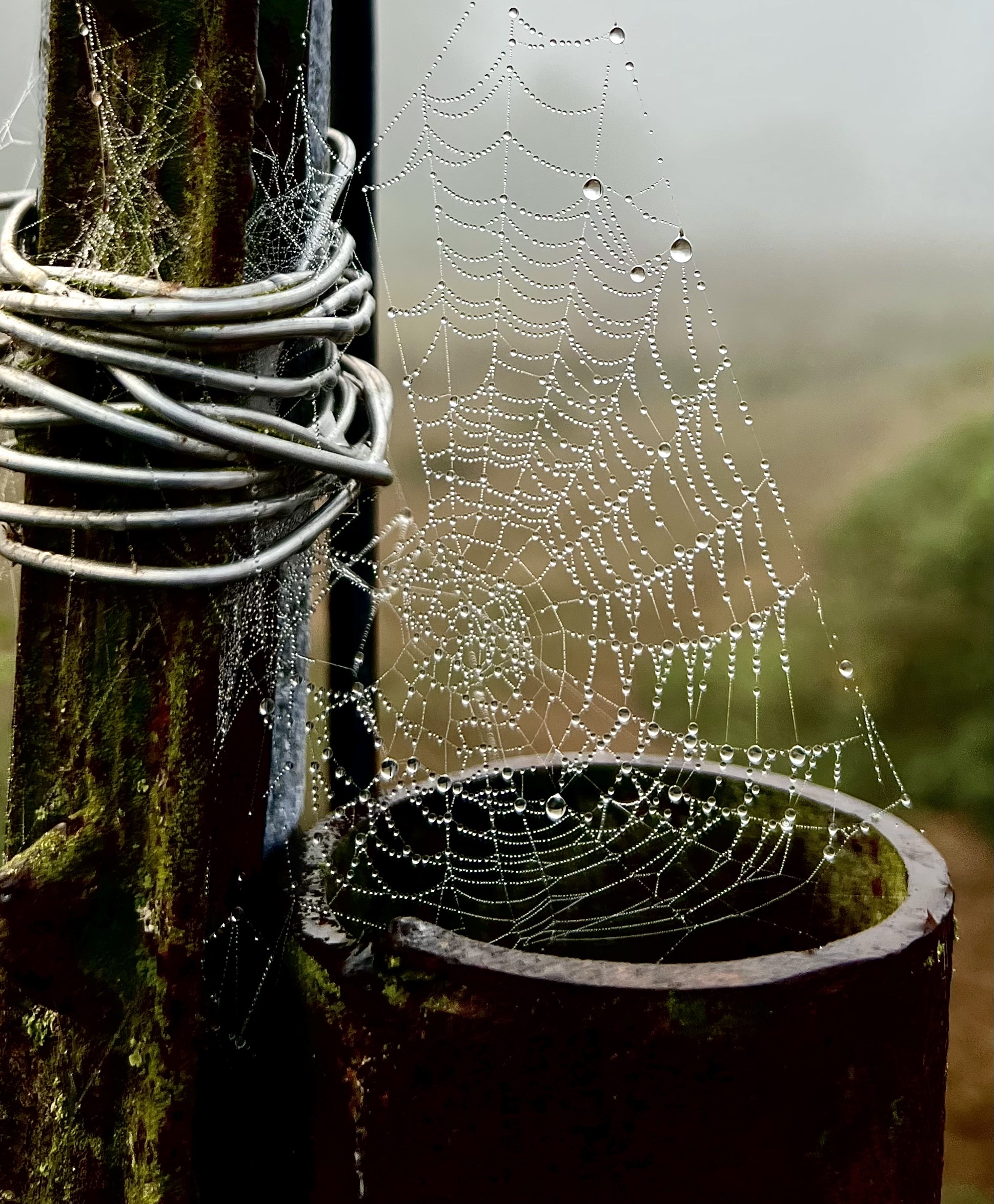
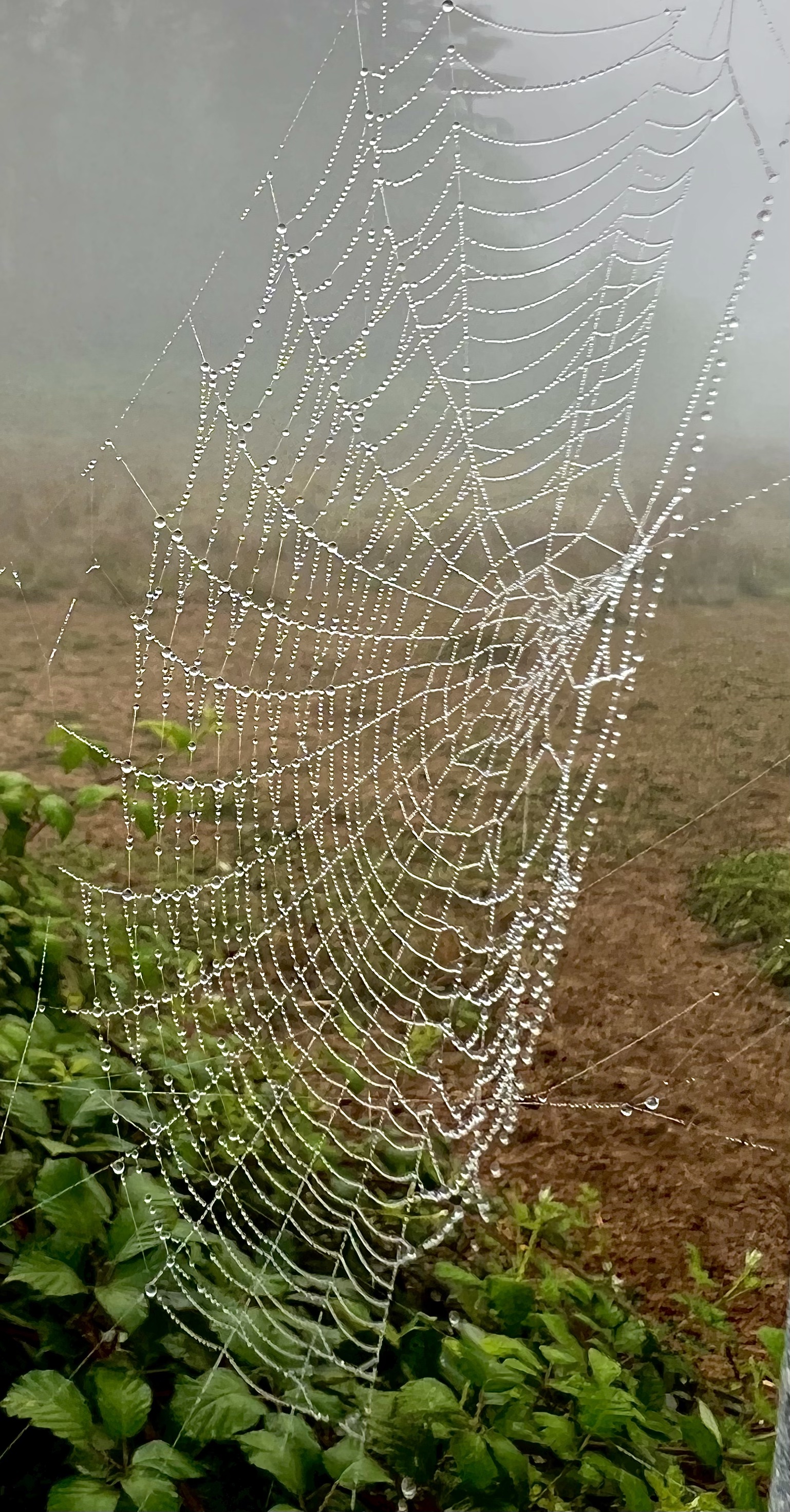
A Silken Connection

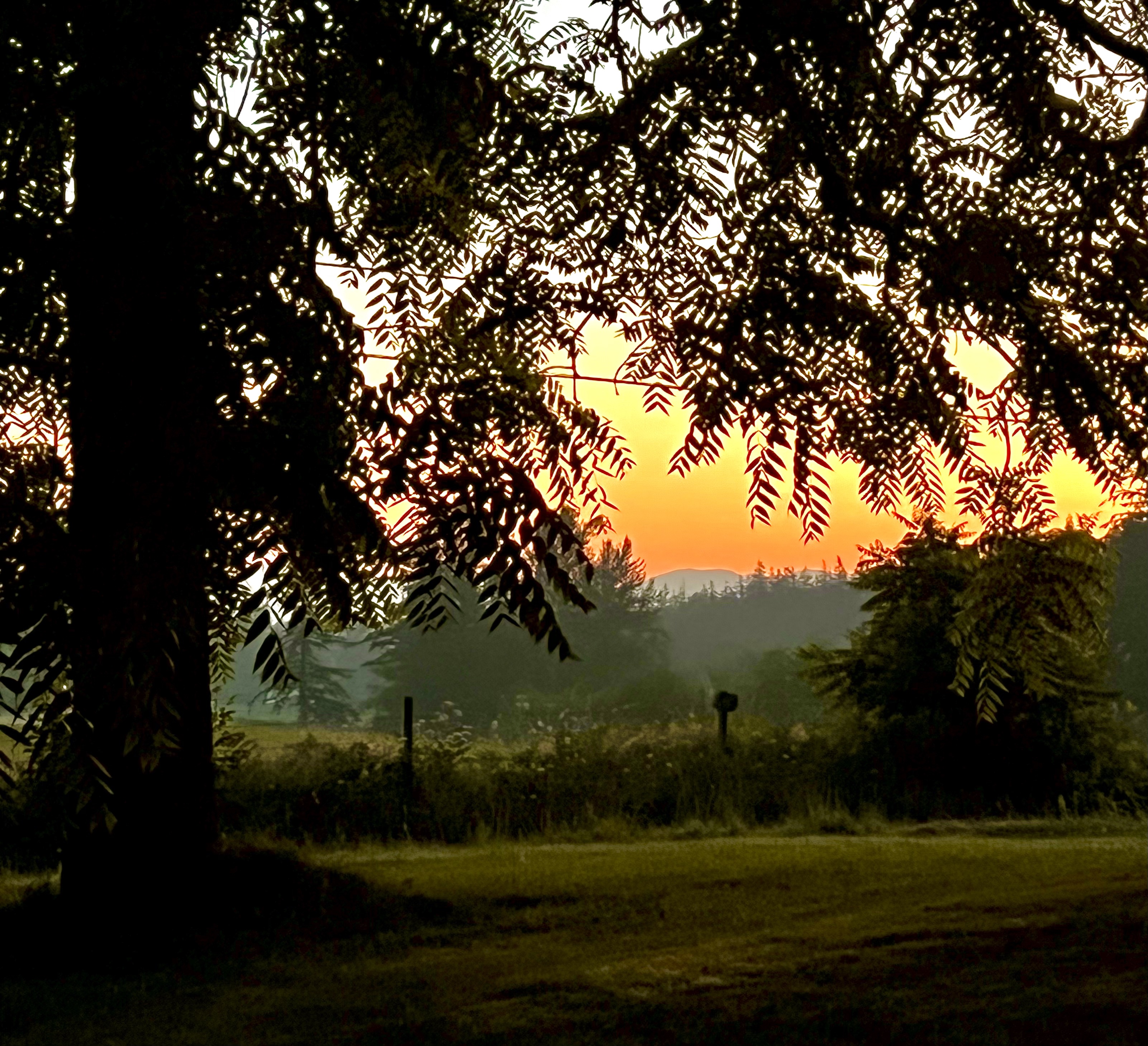
Someone said my name in the garden,

while I grew smaller
in the spreading shadow of the peonies,

grew larger by my absence to another,
grew older among the ants, ancient

under the opening heads of the flowers,
new to myself, and stranger.

When I heard my name again, it sounded far,
like the name of the child next door,
or a favorite cousin visiting for the summer,

while the quiet seemed my true name,
a near and inaudible singing
born of hidden ground.

Quiet to quiet, I called back.
And the birds declared my whereabouts all morning.

~Li-Young Lee “Out of Hiding”
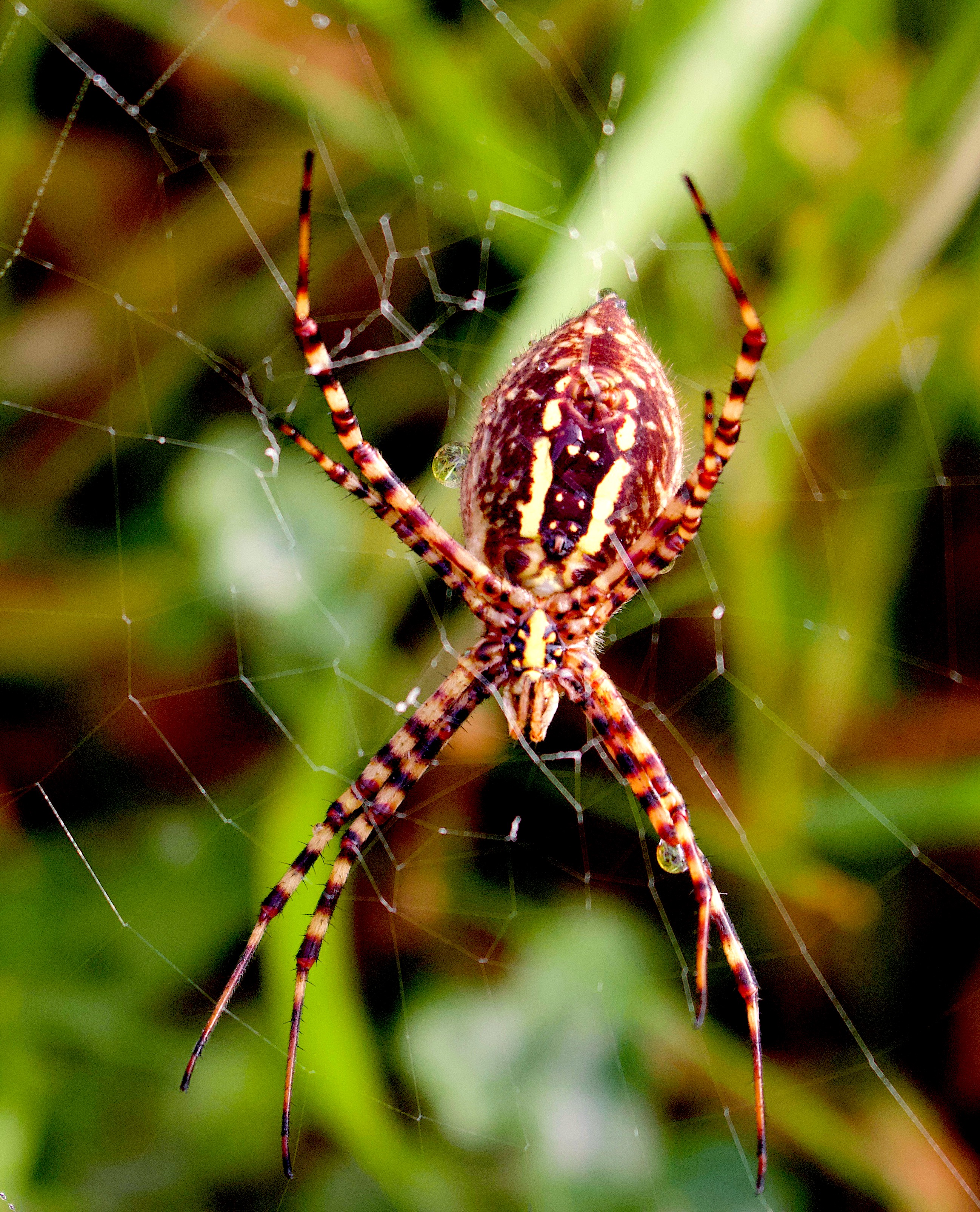
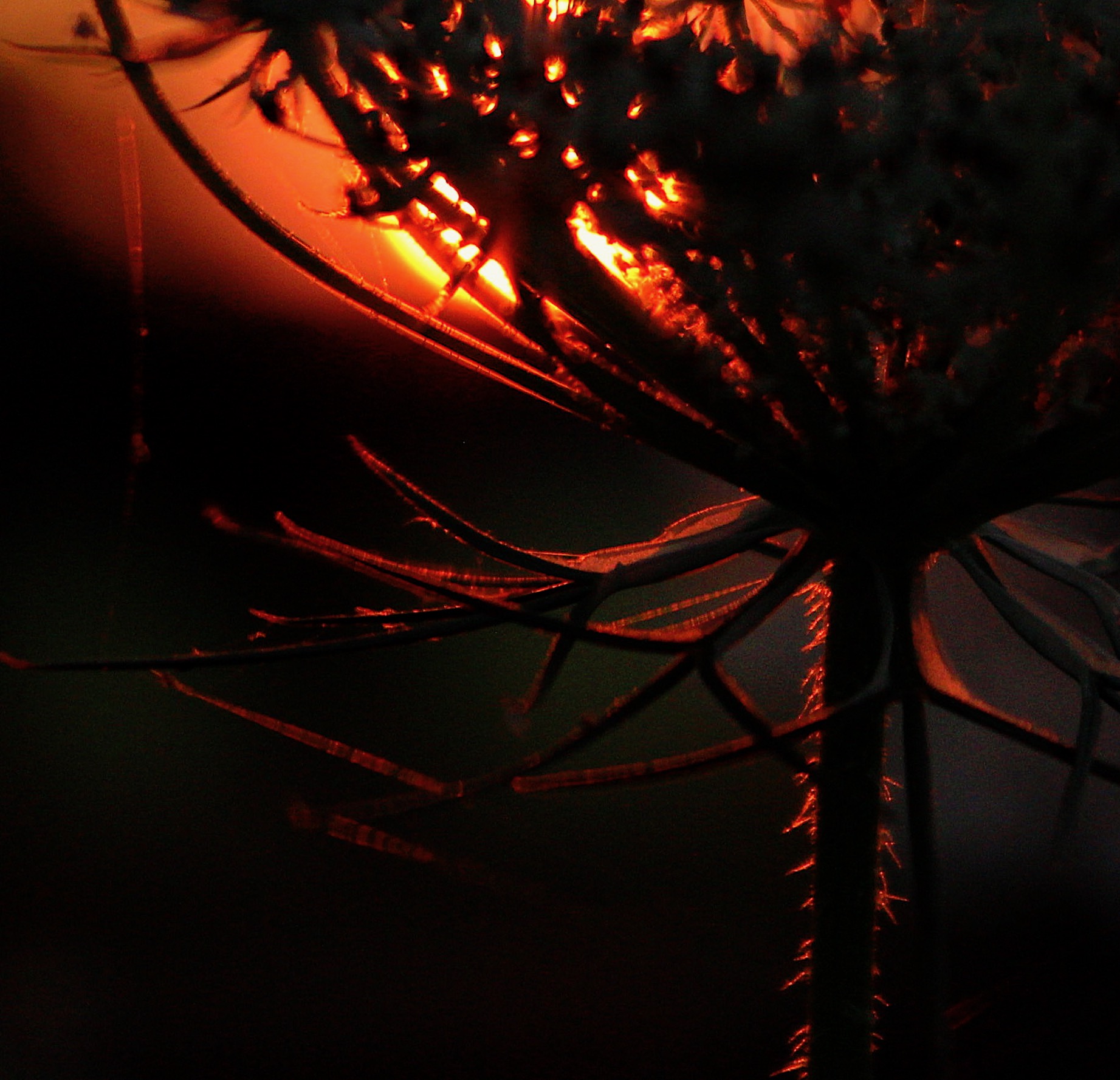
The spider, dropping down from twig,
Unfolds a plan of her devising,
A thin premeditated rig
To use in rising.

And all that journey down through space,
In cool descent and loyal hearted,
She spins a ladder to the place
From where she started.

Thus I, gone forth as spiders do
In spider’s web a truth discerning,
Attach one silken thread to you
For my returning.
~E.B. White “Natural History”
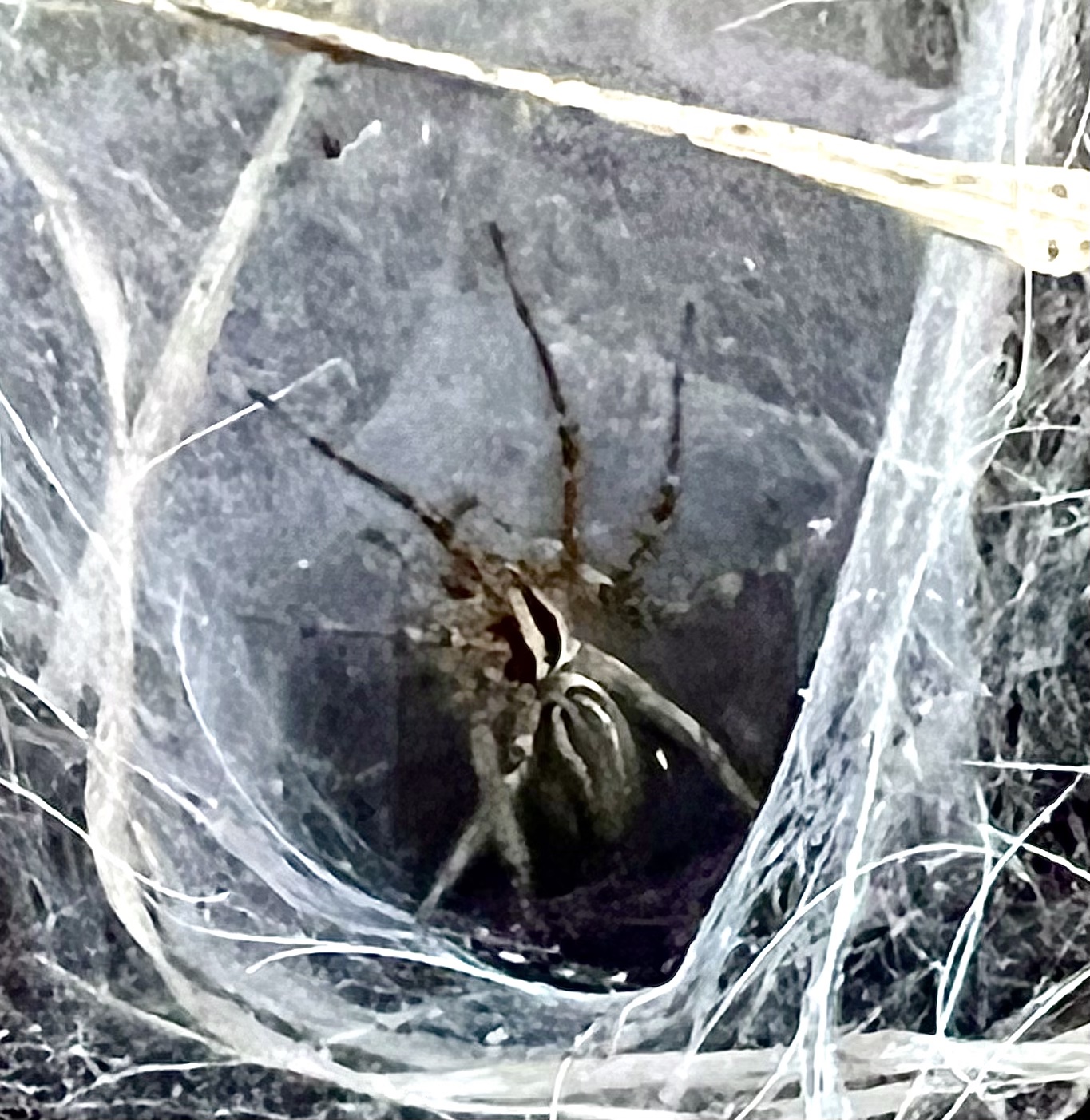
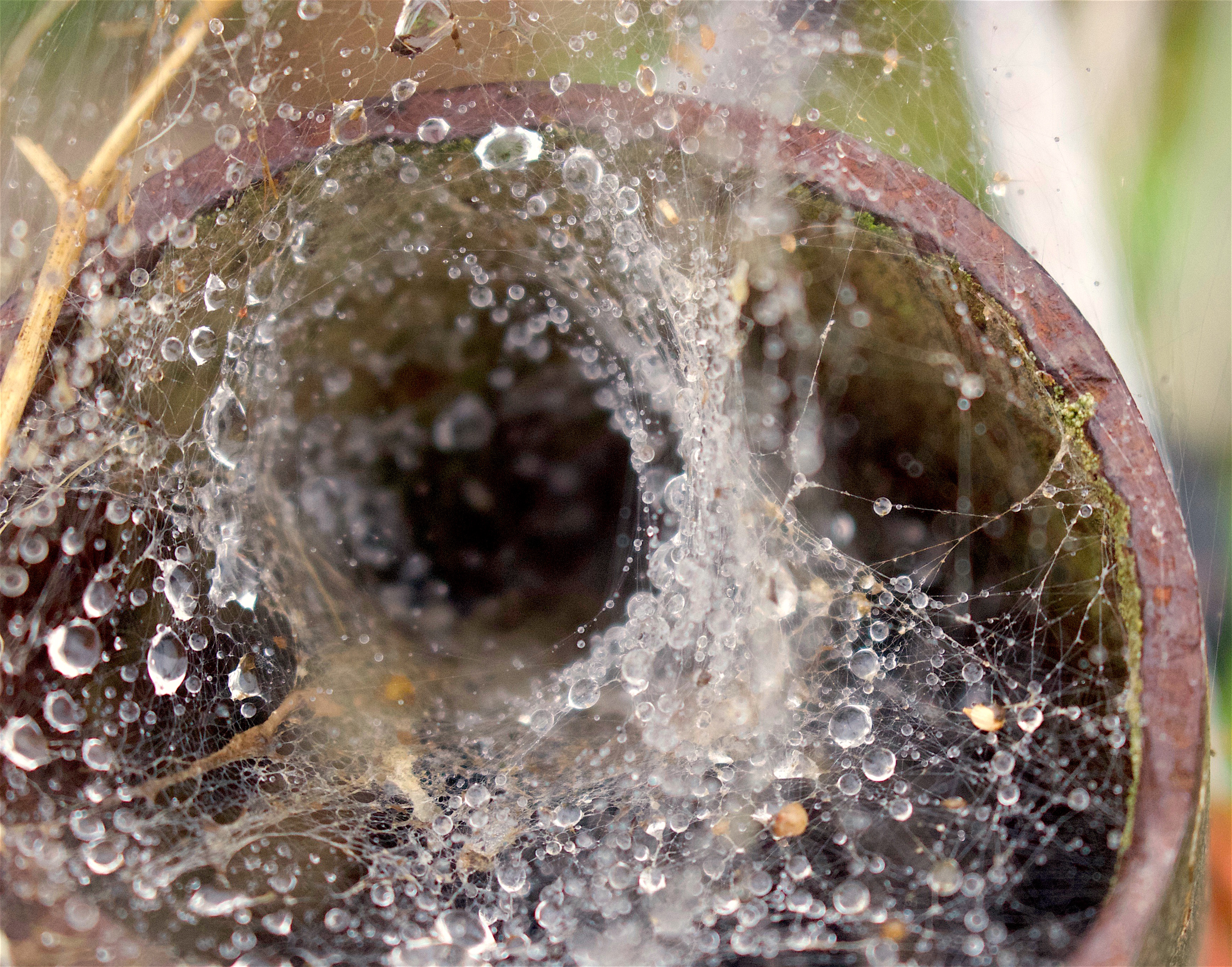
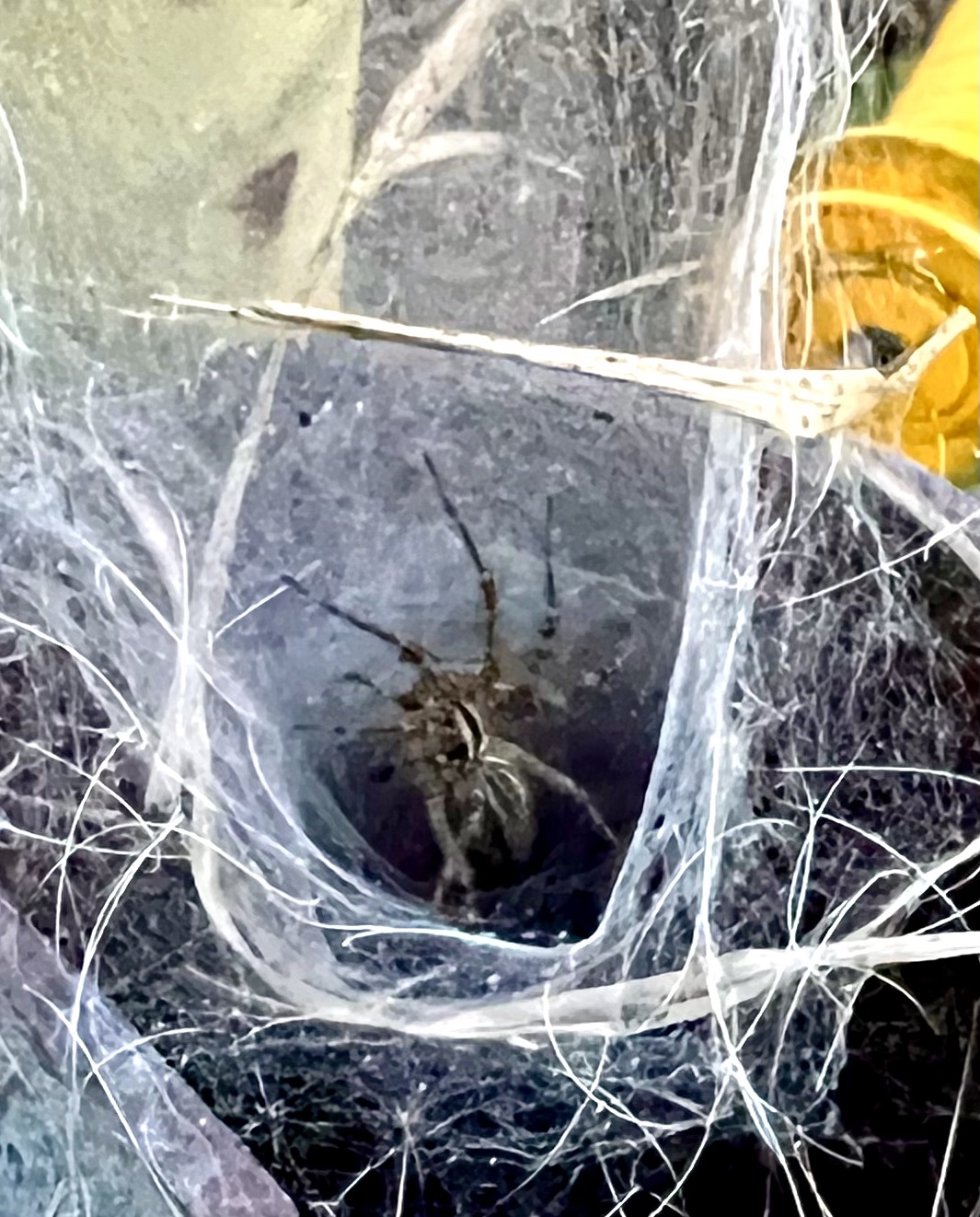
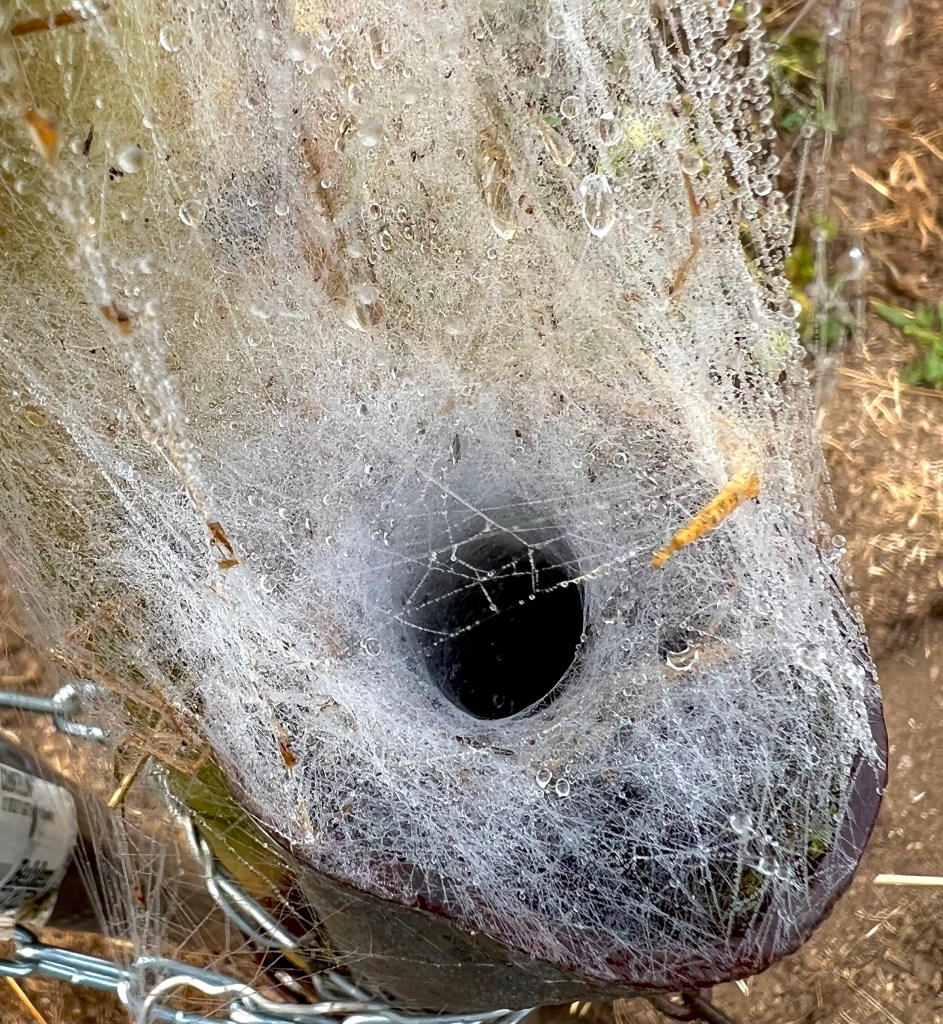
I seek out the hidden web artist
who rebuilds this remarkable funnel
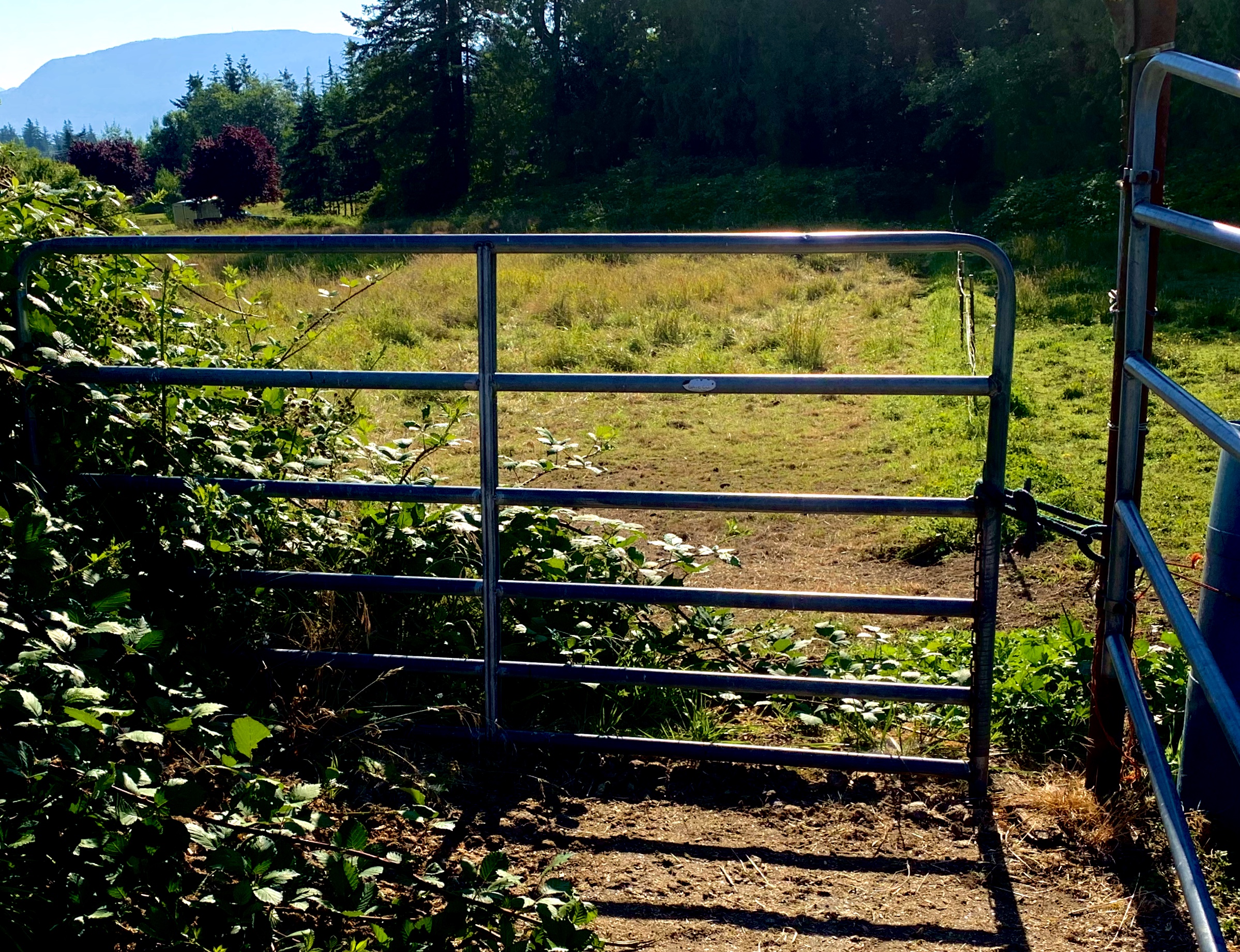
in an open pipe attached to a gate
I open and close daily without a thought.

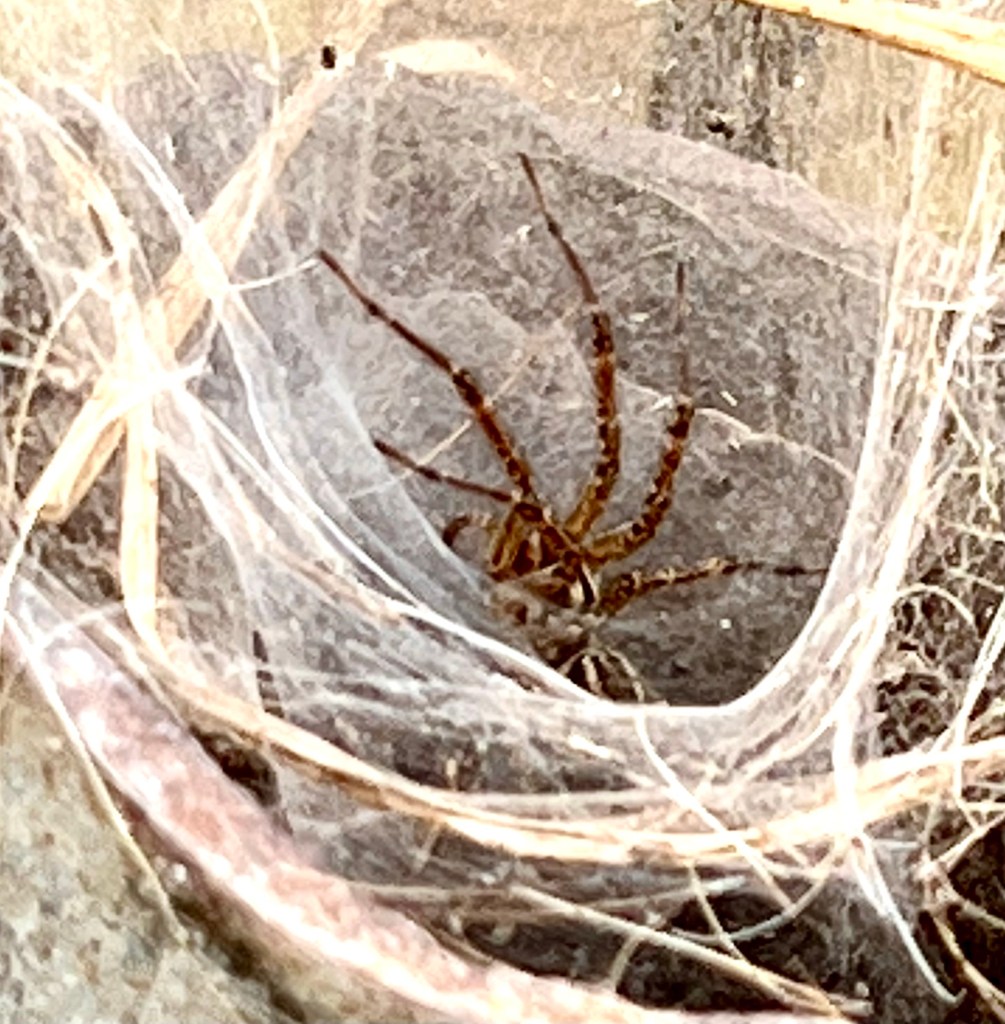
As I approach, I see the weaver’s legs
scurrying hurriedly down into the safety of
its chosen darkness.

This spider needs temerity, not timidity,
to find its meal.

How else might it issue a dinner invitation,
luring me down into a sticky funnel vortex,
as a cherished guest meant never to return?

If I go astray and wander into temptation,
lose my way and plunge into the hole,
a silken thread remains:
hearing Him call out
my name from the garden,
urging me to return
to Whom I belong.

Indeed my soul hangs
by this single gossamer thread~
this silken connection calls me
back home, back to eternity.

There’s more that rises in the morning
Than the sun
And more that shines in the night
Than just the moon
It’s more than just this fire here
That keeps me warm
In a shelter that is larger
Than this room

And there’s a loyalty that’s deeper
Than mere sentiments
And a music higher than the songs
That I can sing
The stuff of Earth competes
For the allegiance
I owe only to the Giver
Of all good things

So if I stand let me stand on the promise
That you will pull me through
And if I can’t, let me fall on the grace
That first brought me to You
And if I sing let me sing for the joy
That has born in me these songs
And if I weep let it be as a man
Who is longing for his home

There’s more that dances on the prairies
Than the wind
More that pulses in the ocean
Than the tide
There’s a love that is fiercer
Than the love between friends
More gentle than a mother’s
When her baby’s at her side

~Rich Mullins

One-Time
Monthly
Yearly

Make a one-time or recurring donation to support daily Barnstorming posts

Make a monthly donation

Make a yearly donation

Choose an amount

¤5.00
¤10.00
¤20.00
¤5.00
¤15.00
¤100.00
¤5.00
¤15.00
¤100.00

Or enter a custom amount

¤

Your contribution is deeply appreciated.

Your contribution is appreciated.

Your contribution is appreciated.

DonateDonate monthlyDonate yearly
Unintentionality

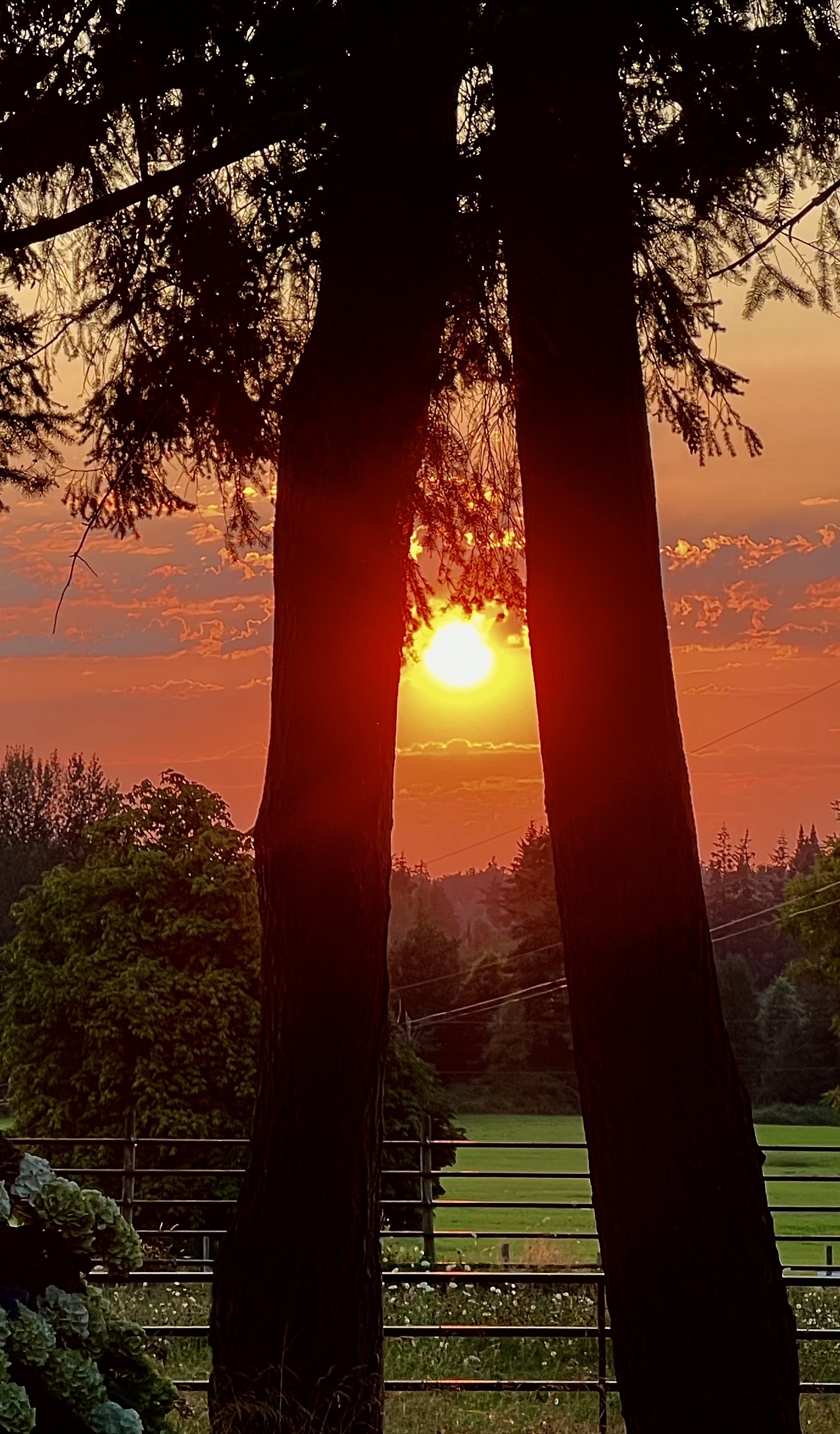
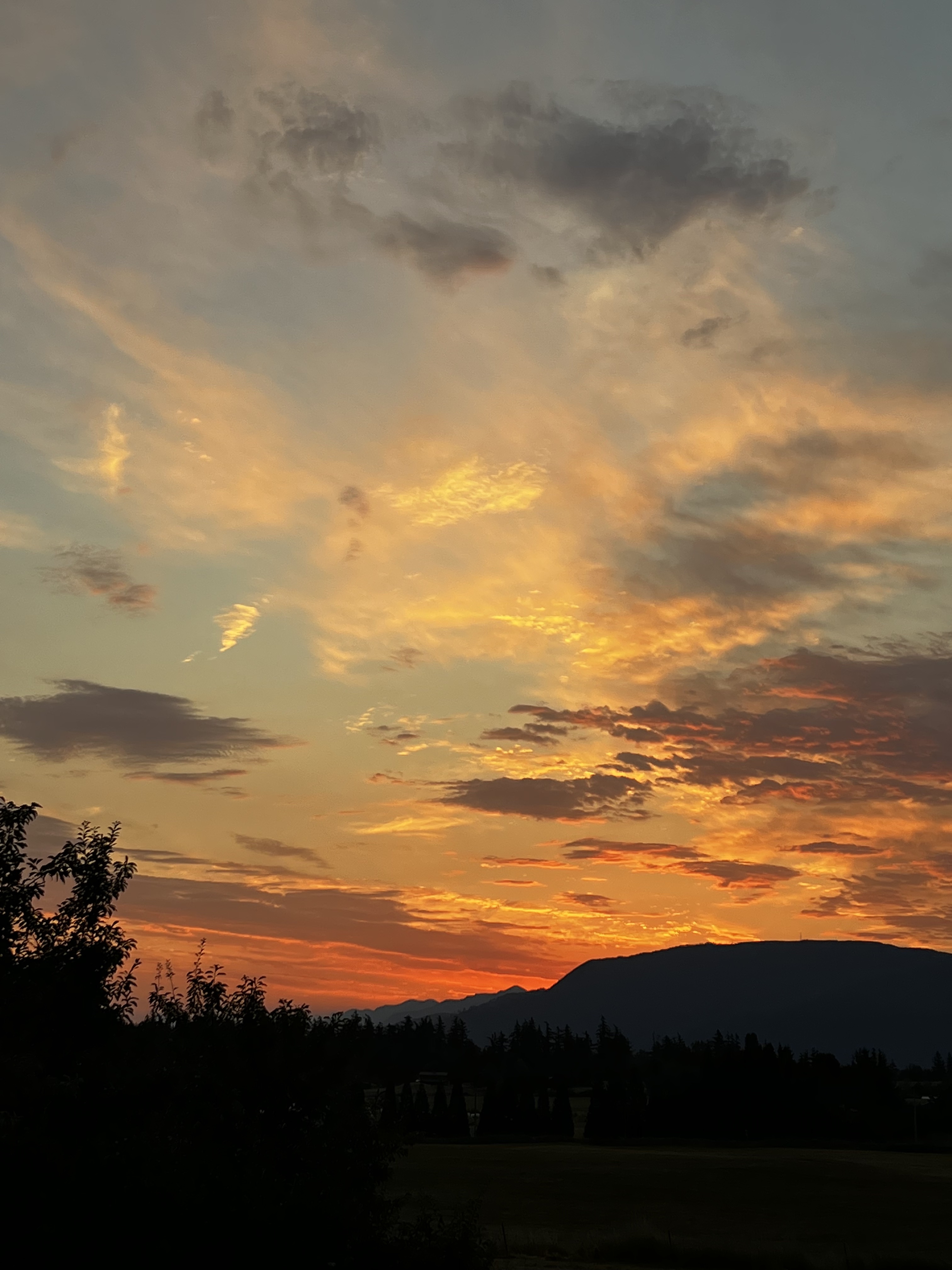
I go to nature not because
its flowers and sunsets speak
to me (though they do) or
listen to me inquire but


because I have filled it with
unintentionality, so that I
can miss anything personal in
the roar of sunset, so that


I can in beds of flowers hold
my head up too.
~A.R. Ammons from The Ridge Farm from Complete Poems

Take the tangle instead of the trouble it causes.
Take the world inside
as seriously as any other.
Take your elderly mother and father
at face value as they have to.
Take the mirror of the sky
mirrored in the bay.
Take the swell of new-mown hay
and the river conversing
where the valley opens its mouth
and the land begins to creak less
as the evening steals light away—
Take the wick in the far hills
and take the sun and the wind
and the look of nothing for granted.
Take a little less, all right
and try not to take fright.
Take the end in mind
instead of the end in sight.

~Brian Turner “Take This” from Taking Off

God speaks to each of us as he makes us,
then walks with us silently out of the night.

These are the words we dimly hear:

You, sent out beyond your recall,
go to the limits of your longing.
Embody me.

Flare up like a flame
and make big shadows I can move in.

Let everything happen to you: beauty and terror.
Just keep going. No feeling is final.
Don’t let yourself lose me.

Nearby is the country they call life.
You will know it by its seriousness.

Give me your hand.
~Rainer Maria Rilke from The Book of Hours

Each of us,
intentionally made by our Creator
in His image,
yet we discover the beauty and terror of living
in His shadow.

So much happens which we don’t intend
but there is nothing unintentional with God.

Books and lectures tell us to live intentionally
while each day contains something that
brings us to our knees.

I tell myself:
even though I don’t know what tomorrow will be,
I will not take fright
and hold my head up
I’ll just keep going
while taking His Hand and following
wherever He intends to take me.

One-Time
Monthly
Yearly

Make a one-time or recurring donation to support daily Barnstorming posts

Make a monthly donation

Make a yearly donation

Choose an amount

¤5.00
¤10.00
¤20.00
¤5.00
¤15.00
¤100.00
¤5.00
¤15.00
¤100.00

Or enter a custom amount

¤

Your contribution is deeply appreciated.

Your contribution is appreciated.

Your contribution is appreciated.

DonateDonate monthlyDonate yearly


Walking Over the Threshold

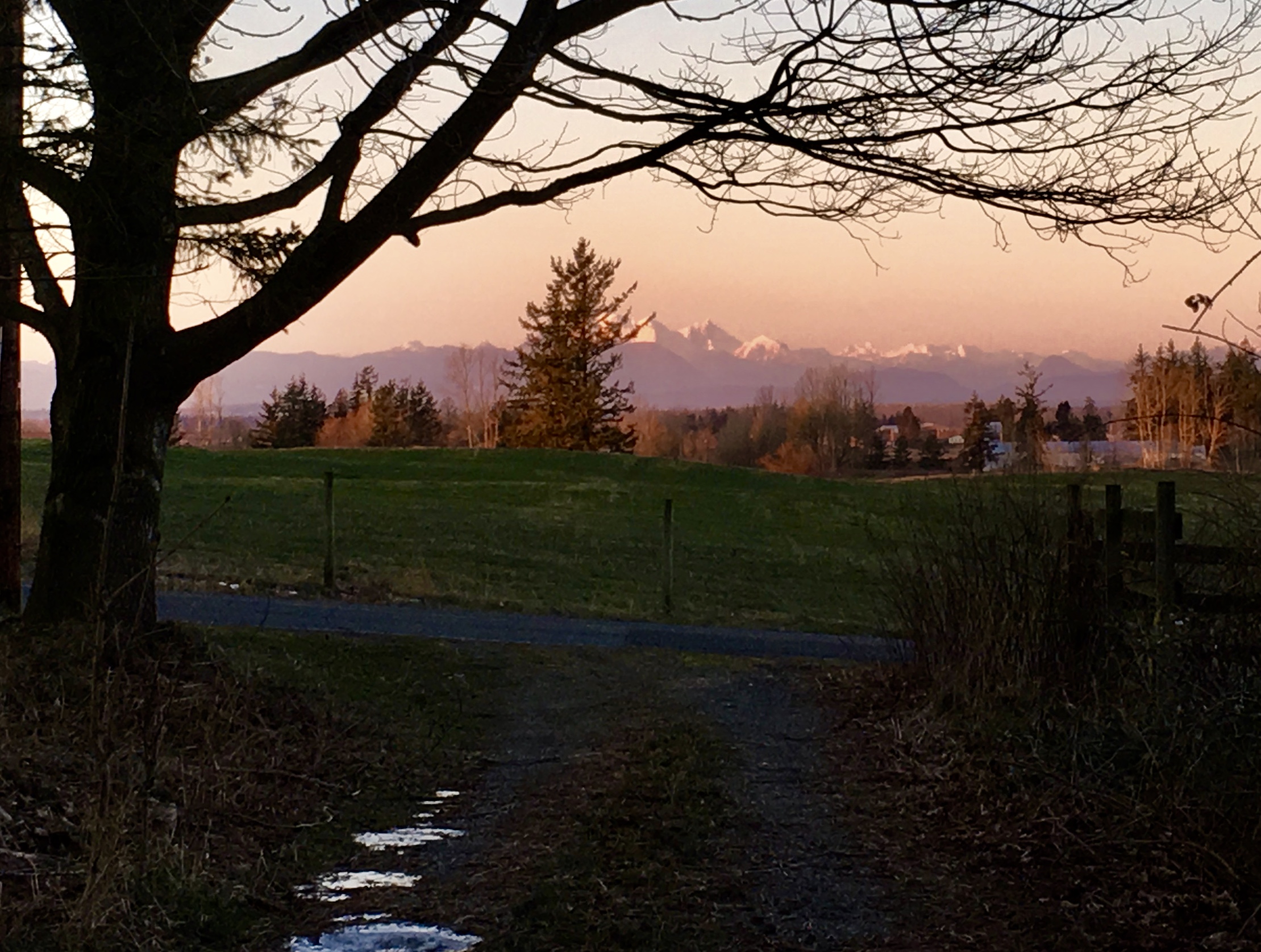
I know for a while again,
the health of self-forgetfulness,
looking out at the sky through
a notch in the valley side,
the black woods wintry on
the hills, small clouds at sunset
passing across. And I know
that this is one of the thresholds
between Earth and Heaven,
from which I may even step
forth from myself and be free.
~ Wendell Berry, Sabbaths 2000

John O’Donohue gave voice to the connection between beauty and those edges of life — thresholds was the word he loved—
where the fullness of reality becomes more stark and more clear.

If you go back to the etymology of the word “threshold,” it comes from “threshing,” which is to separate the grain from the husk. So the threshold, in a way, is a place where you move into more critical and challenging and worthy fullness.

There are huge thresholds in every life.

You know that, for instance, if you are in the middle of your life in a busy evening, fifty things to do and you get a phone call that somebody you love is suddenly dying, it takes ten seconds to communicate that information.

But when you put the phone down, you are already standing in a different world. Suddenly everything that seems so important before is all gone and now you are thinking of this. So the given world that we think is there and the solid ground we are on is so tentative.

And a threshold is a line which separates two territories of spirit, and very often how we cross is the key thing.

When we cross a new threshold worthily, what we do is we heal the patterns of repetition that were in us that had us caught somewhere.
~John O’Donohue from an “On Being” interview with Krista Tippett on “Becoming Wise”

A decade ago, someone I respected told me that my writing reflects a “sacramental” life —  touching and tasting the holiness of everyday moments, as if they are the cup and bread that sustains me as God’s eternal grace and gift.

I allow that feedback to sit warmly beside me, like a welcome companion during the many hours I struggle with what to write here.

It is all too tempting to emphasize the sacrament over the sacrifice it represents.  As much as I love the world and the beauty in the moments I share here, my search should be for the entrance to the “thin places” between heaven and earth, through forgetting self and stepping forth through a holy threshold into something far greater.

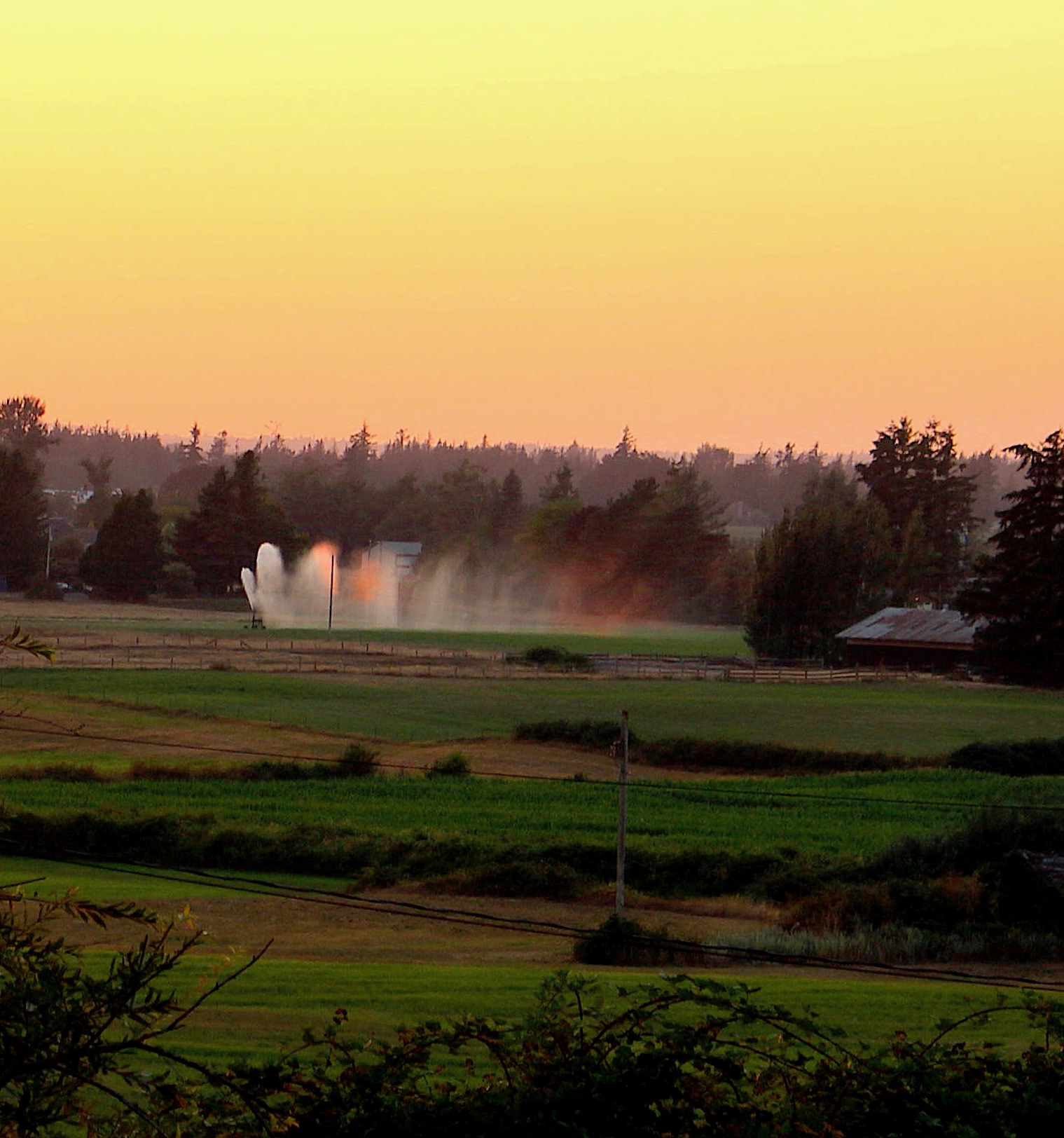
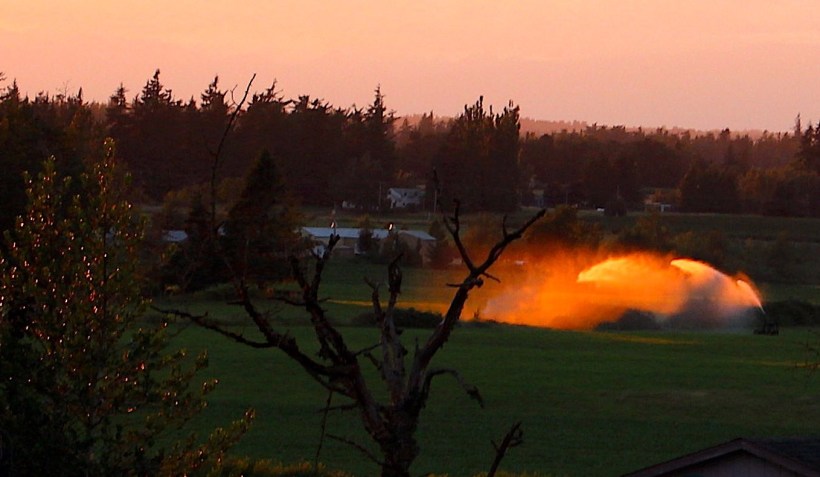
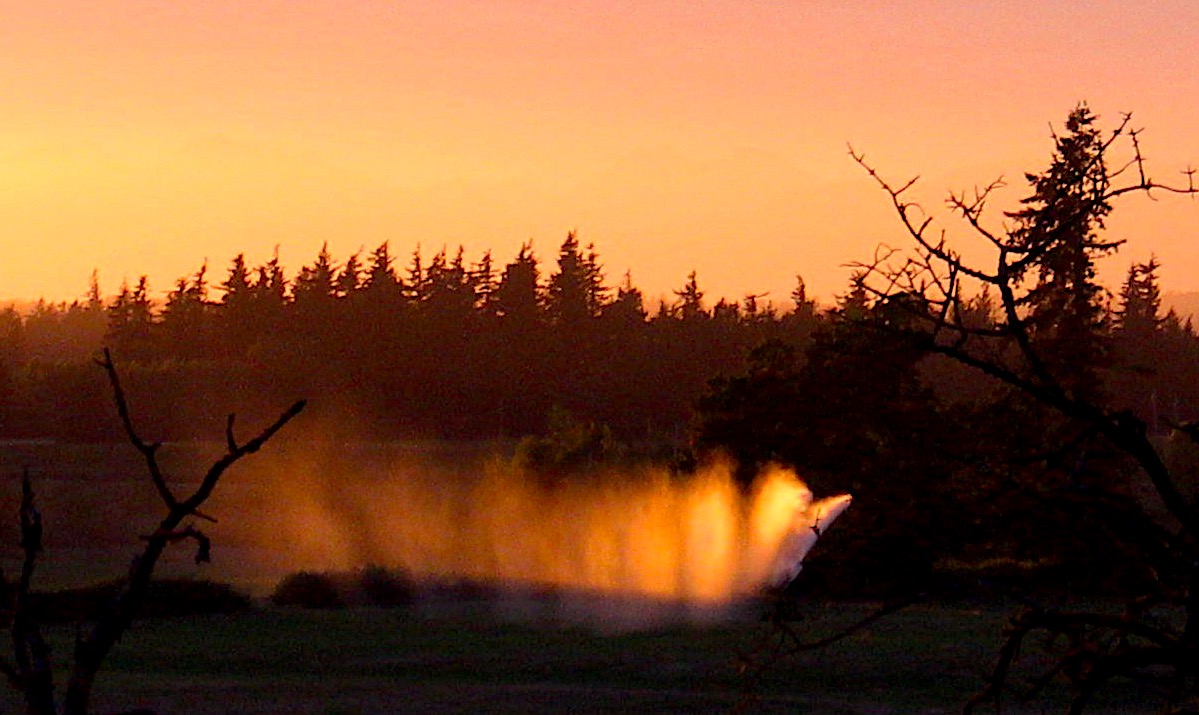
I feel so unworthy — in fact, threshed to pieces most days, incapable of thinking of anything but how I feel reduced to fragments. Perhaps those fragments can be like the droplets coming from a farm sprinkler at sunset, sparkling and golden despite waning light, bringing something essential to anyone feeling dry, parched and dusty.

I may even step
forth from myself and be free
.

Only then we can walk each other home.

One-Time
Monthly
Yearly

Make a one-time or recurring donation to support daily Barnstorming posts

Make a monthly donation

Make a yearly donation

Choose an amount

¤5.00
¤10.00
¤20.00
¤5.00
¤15.00
¤100.00
¤5.00
¤15.00
¤100.00

Or enter a custom amount

¤

Your contribution is deeply appreciated.

Your contribution is appreciated.

Your contribution is appreciated.

DonateDonate monthlyDonate yearly
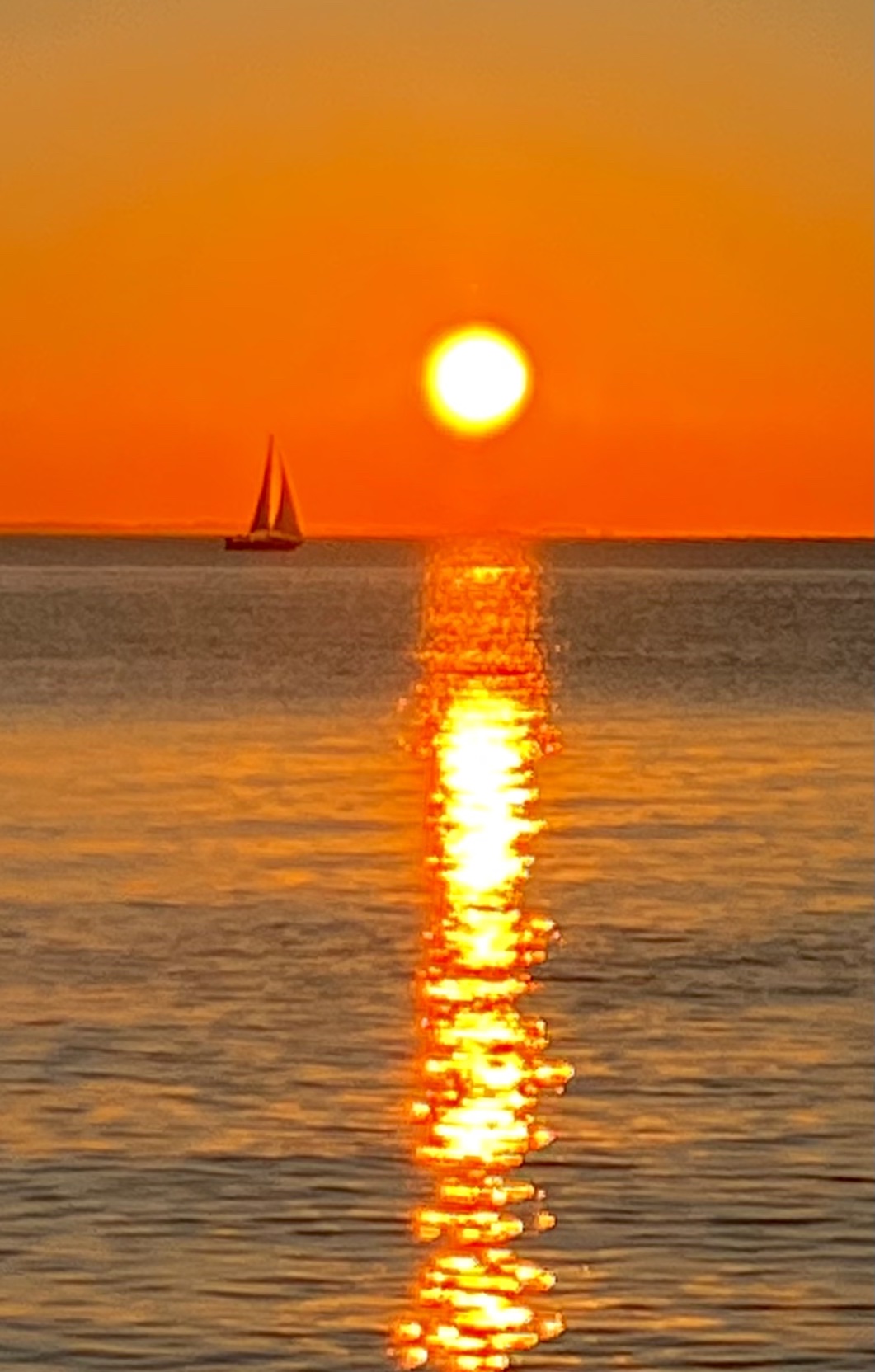
Radical Gratitude

There is always an enormous temptation in all of life to diddle around making itsy-bitsy friends and meals and journeys for itsy-bitsy years on end. It is so self-conscious, so apparently moral, simply to step aside from the gaps where the creeks and winds pour down, saying, I never merited this grace, quite rightly, and then to sulk along the rest of your days on the edge of rage.

I won’t have it. The world is wilder than that in all directions, more dangerous and bitter, more extravagant and bright.

We are making hay when we should be making whoopee;
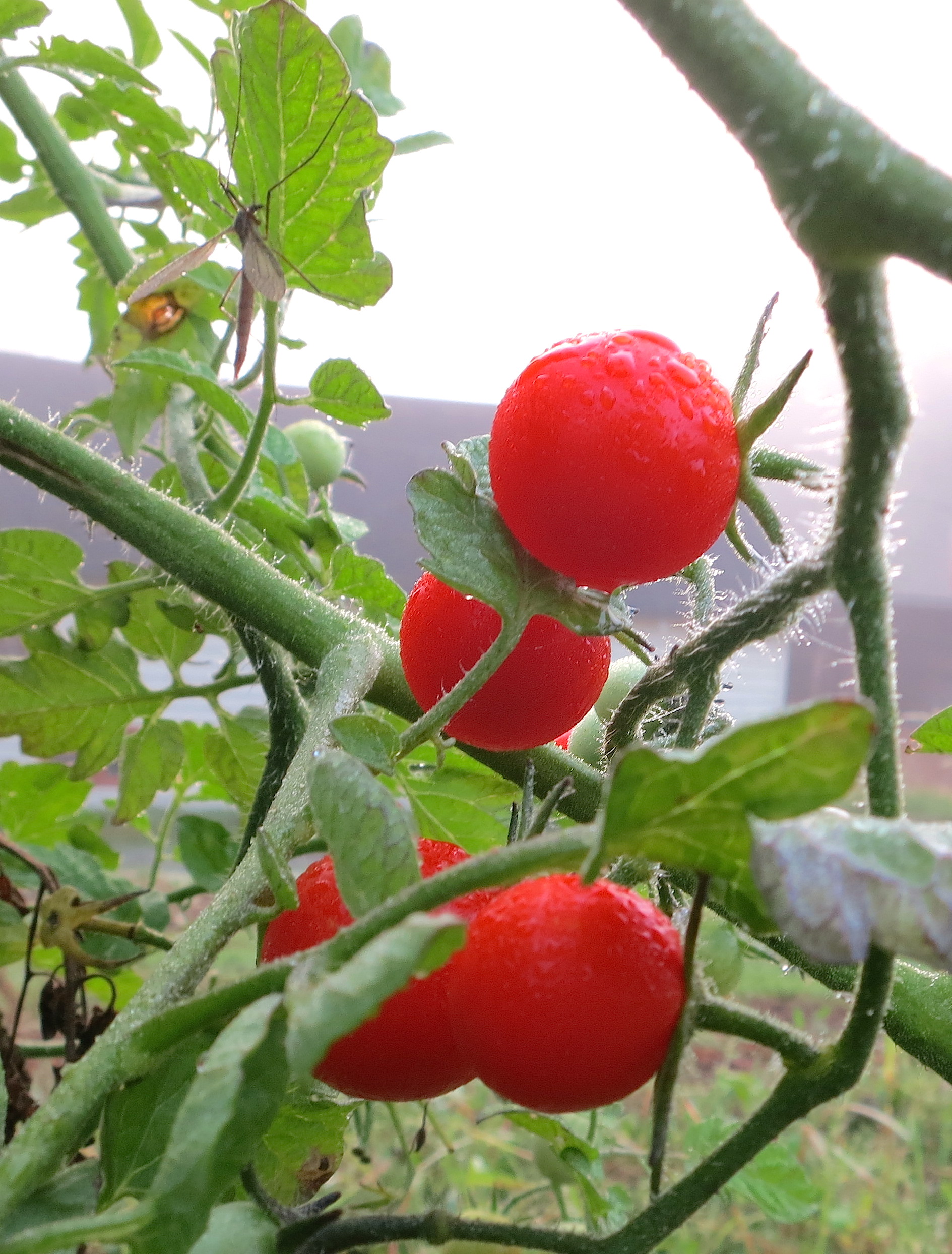
we are raising tomatoes when we should be raising Cain,
or Lazarus.
~Annie Dillard from Pilgrim at Tinker Creek

Other than a few exceptional circumstances in my life, I have always played it safe: a down-home, don’t rock the boat, work hard and live-a-quiet-life kind of person. My grandparents lived that way, my parents lived that way so I feel like it is bound in the twists and turns of my DNA.

Even so, I do know a thing or two about sulking on the edge of rage, lost in a morass of seething bitterness about the state of the world.  Yet if I were honest about it, my discontent is all about me, always about me. I want to have accomplished more to deserve taking up space in my days on earth.

But that’s a problem we all have, isn’t it? We’re never worthy of such unmerited grace as has been shown to us.  It is such a pure Gift I wait for, borne out of God’s radical sacrifice that warrants from me a life of radical gratitude, even when I choose to live it out a little quietly, making hay and raising tomatoes.

One-Time
Monthly
Yearly

Make a one-time or recurring donation to support daily Barnstorming posts

Make a monthly donation

Make a yearly donation

Choose an amount

¤5.00
¤10.00
¤20.00
¤5.00
¤15.00
¤100.00
¤5.00
¤15.00
¤100.00

Or enter a custom amount

¤

Your contribution is deeply appreciated.

Your contribution is appreciated.

Your contribution is appreciated.

DonateDonate monthlyDonate yearly

The Shadow of the Mercy of Light

How long does it take to make the woods?
As long as it takes to make the world.
The woods is present as the world is, the presence
of all its past, and of all its time to come.
It is always finished, it is always being made, the act
of its making forever greater than the act of its destruction.
It is a part of eternity, for its end and beginning
belong to the end and beginning of all things,
the beginning lost in the end, the end in the beginning.

What is the way to the woods, how do you go there?
By climbing up through the six days’ field,
kept in all the body’s years, the body’s
sorrow, weariness, and joy. By passing through
the narrow gate on the far side of that field
where the pasture grass of the body’s life gives way
to the high, original standing of the trees.
By coming into the shadow, the shadow
of the grace of the strait way’s ending,
the shadow of the mercy of light.

Why must the gate be narrow?
Because you cannot pass beyond it burdened.
To come in among these trees you must leave behind
the six days’ world, all of it, all of its plans and hopes.
You must come without weapon or tool, alone,
expecting nothing, remembering nothing,
into the ease of sight, the brotherhood of eye and leaf.
~Wendell Berry, “Sabbath 1985 V”

We who live in the six day world, walking the six day path to the narrow gate forget too quickly about the seventh day Sabbath. The meaning of our existence is not defined by how much we accomplish in the week, or how capable we are at carrying our burdens.

We are invited to walk through the narrow way, where worries and heavy loads cannot fit the opening.

Passing through shadow is part of reaching the light. The mercy of the shadow is — then we know light exists.

Light beyond shadow, Joy beyond tears,
Love that is greater when darkest our fears;
deeper the Peace when the storm is around,
nearer the Hope to the lost who is found.
Light of the world, ever shining, shining!

Hope in our pain and our dying. in our darkness,
there is Light, in our crying, there is Love,
in the noise of life imparting Peace that passes understanding.

Light beyond shadow, Joy beyond tears,
Love that is greater when darkest our fears;
deeper the Peace when the storm is around,
nearer the Hope to the lost who is found.
-Paul Wigmore

One-Time
Monthly
Yearly

Make a one-time or recurring donation to support daily Barnstorming posts

Make a monthly donation

Make a yearly donation

Choose an amount

¤5.00
¤10.00
¤20.00
¤5.00
¤15.00
¤100.00
¤5.00
¤15.00
¤100.00

Or enter a custom amount

¤

Your contribution is deeply appreciated.

Your contribution is appreciated.

Your contribution is appreciated.

DonateDonate monthlyDonate yearly

The Heart’s Need

About living in the country?
…peace can deafen one, beauty surprise
No longer.  There is only the thud
Of the slow foot up the long lane
At morning and back at night.
~R.S. Thomas from “The Country”

…once when he was walking
Along a lane in spring he was deceived
By a shrill whistle coming through the leaves;
Wait a minute, wait a minute-four swift notes;
He turned, and it was nothing, only a Thrush
In the thorn bushes easing its throat.
He swore at himself for paying heed,
The poor hill farmer, so often again
Stopping, staring, listening, in vain,
His ear betrayed by the heart’s need.
~R.S.Thomas from “The Lonely Farmer”

I must not forget my heart’s need:
my utter astonishment
at the beauty around me
even on the hottest and sweatiest of days,
even on the grayest and wettest of days,
while trudging the darkened barnyard path
to attend, although weary, to chores.

If ever I fail to see
what is right in front of me,
this grace-given gift
to my eyes and ears and heart,
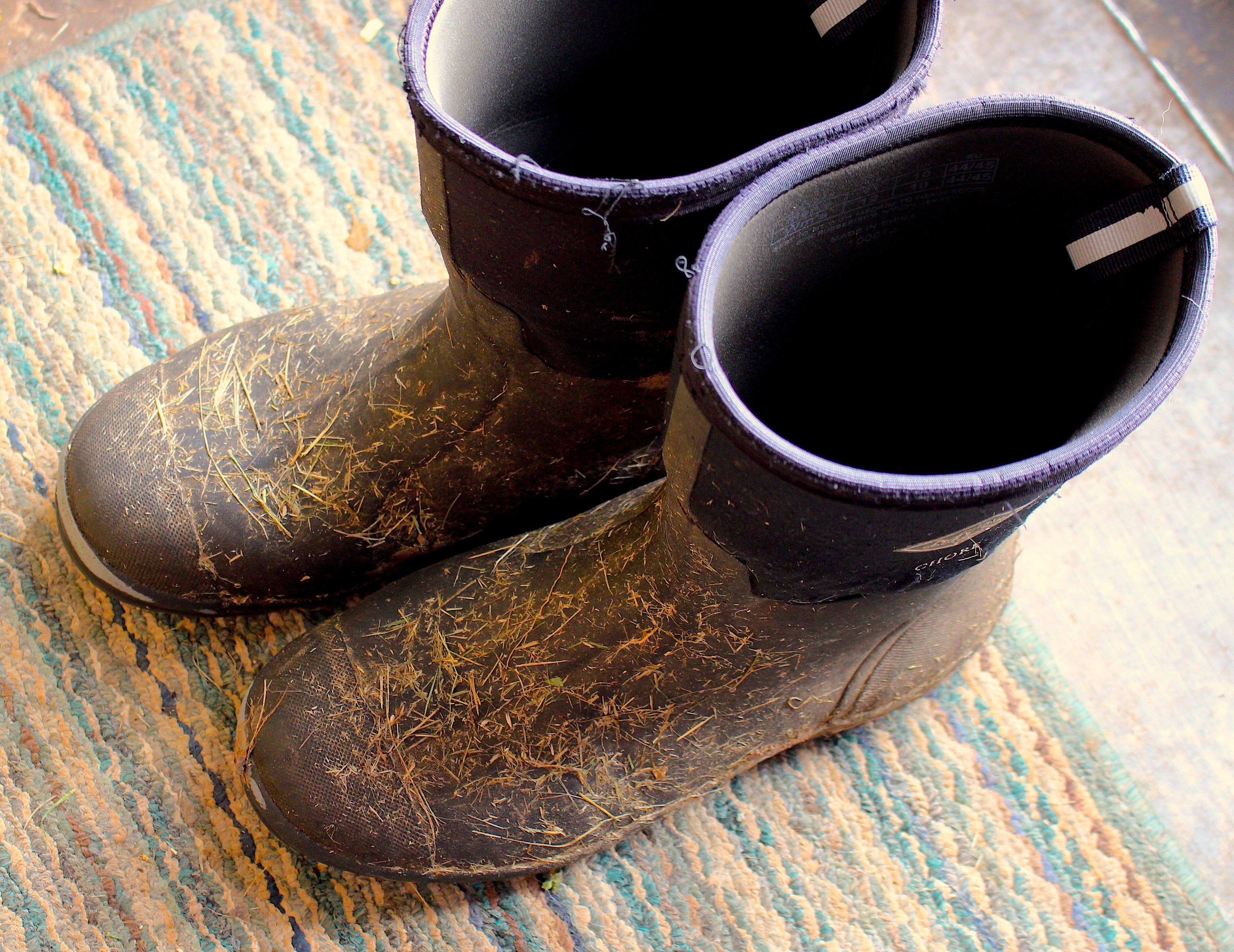
I do not deserve to put on boots
or hold a pitchfork.

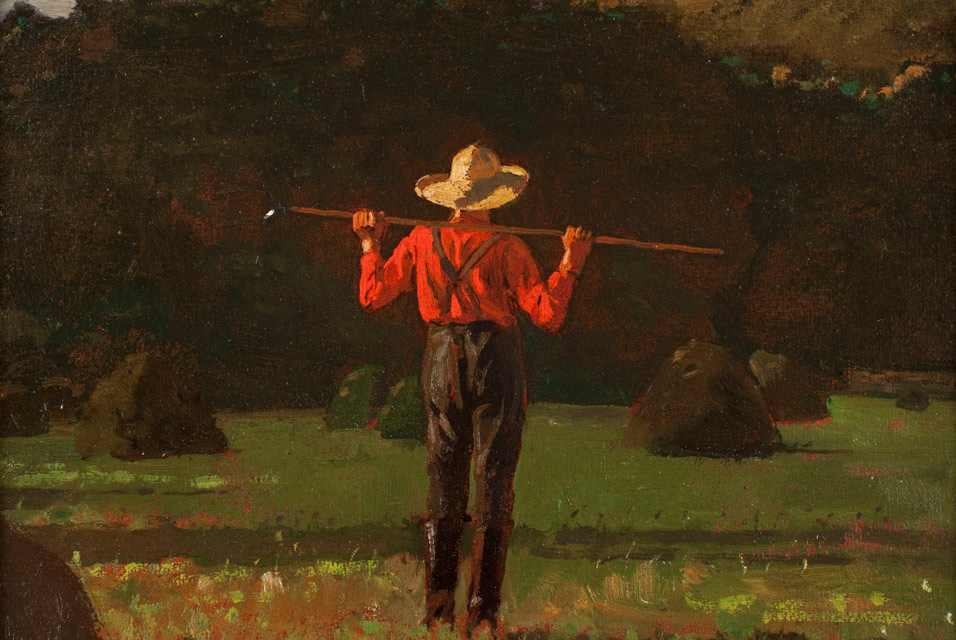
Farmer with a pitchfork by Winslow Homer

He knows every stone that’s been struck by the plow
There’s a pile by the barn by the sweat of his brow
The land has his heart and he rarely complains
And it holds his knees when he prays for rain

He’s a dusty old carhartt and the light in the barn
He’ll work the late hours and he’s up before dawn
Every man has a story and the story goes on
From grandad’s eyes to a new born son

Why I farm is in my blood, like the sunlight is on my skin
Is who I meant to be, is who I’ve always been
Is more than just a living, it’s my way of life
And it grows like seed inside my heart
That’s why I farm

We always pull through when we thought we would break
In the flood ’93, in the draught ’88
The Lord has his timing ’cause only he knows
That when next year comes the crops will grow
Find more lyrics at 

Tough the world may shake around me, still I am stable
For as long as I am able, I’ll work this way
‘Cause when heaven comes this close to what you’re holding
This life is but a moment in a bigger plan
~The Henningsens

One-Time
Monthly
Yearly

Make a one-time or recurring donation to support daily Barnstorming posts

Make a monthly donation

Make a yearly donation

Choose an amount

¤5.00
¤10.00
¤20.00
¤5.00
¤15.00
¤100.00
¤5.00
¤15.00
¤100.00

Or enter a custom amount

¤

Your contribution is deeply appreciated.

Your contribution is appreciated.

Your contribution is appreciated.

DonateDonate monthlyDonate yearly
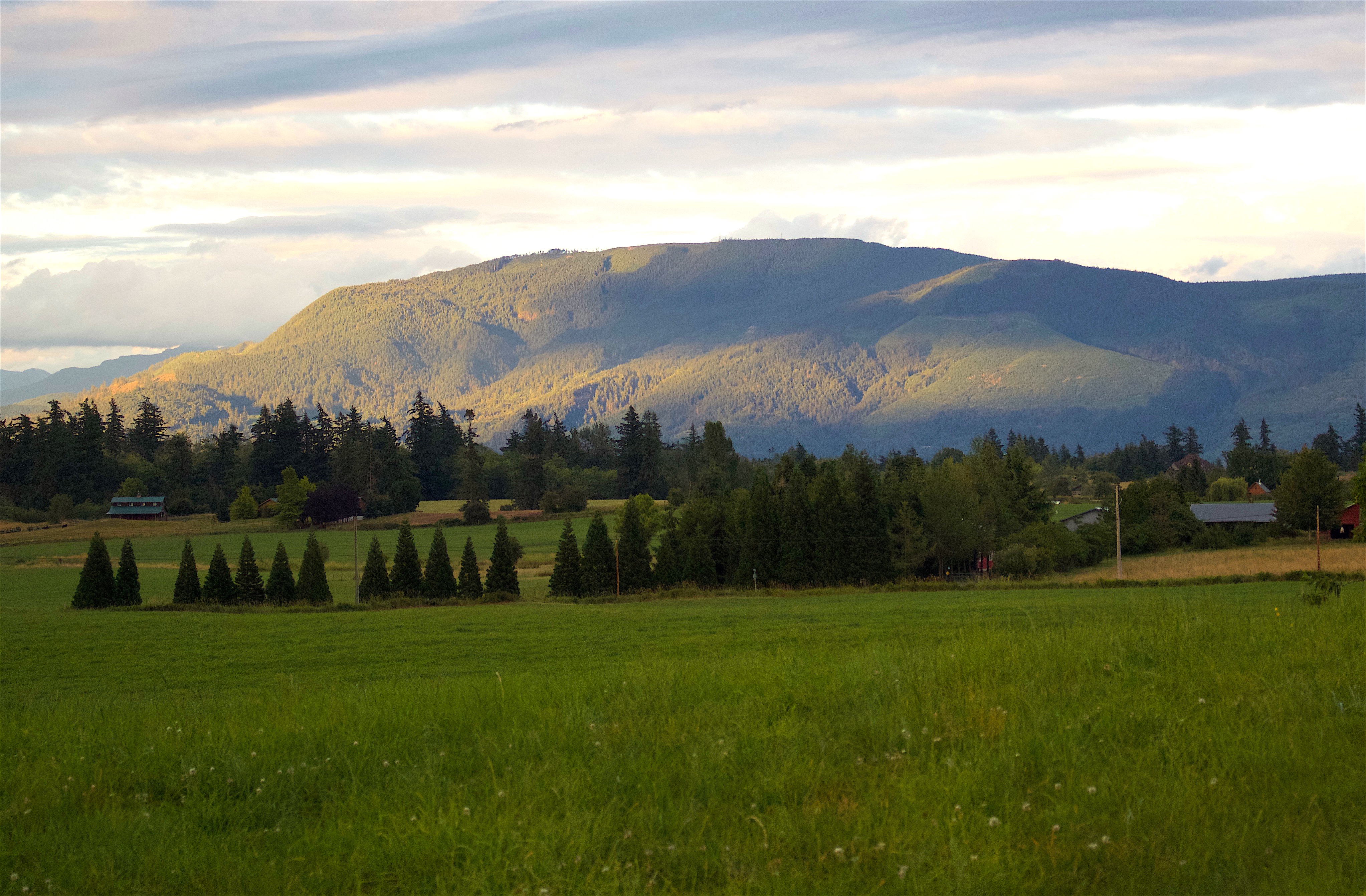
Being a Needy Sheep

I am a sheep
and I like it
because the grass
I lie down in
feels good and the still
waters are restful and right
there if I’m thirsty
and though some valleys
are very chilly there is a long
rod that prods me so I
direct my hooves
the right way
though today
I’m trying hard
to sit at a table
because it’s expected
required really
and my enemies—
it turns out I have enemies—
are watching me eat and
spill my drink
but I don’t worry because
all my enemies do
is watch and I know
I’m safe if I will
just do my best
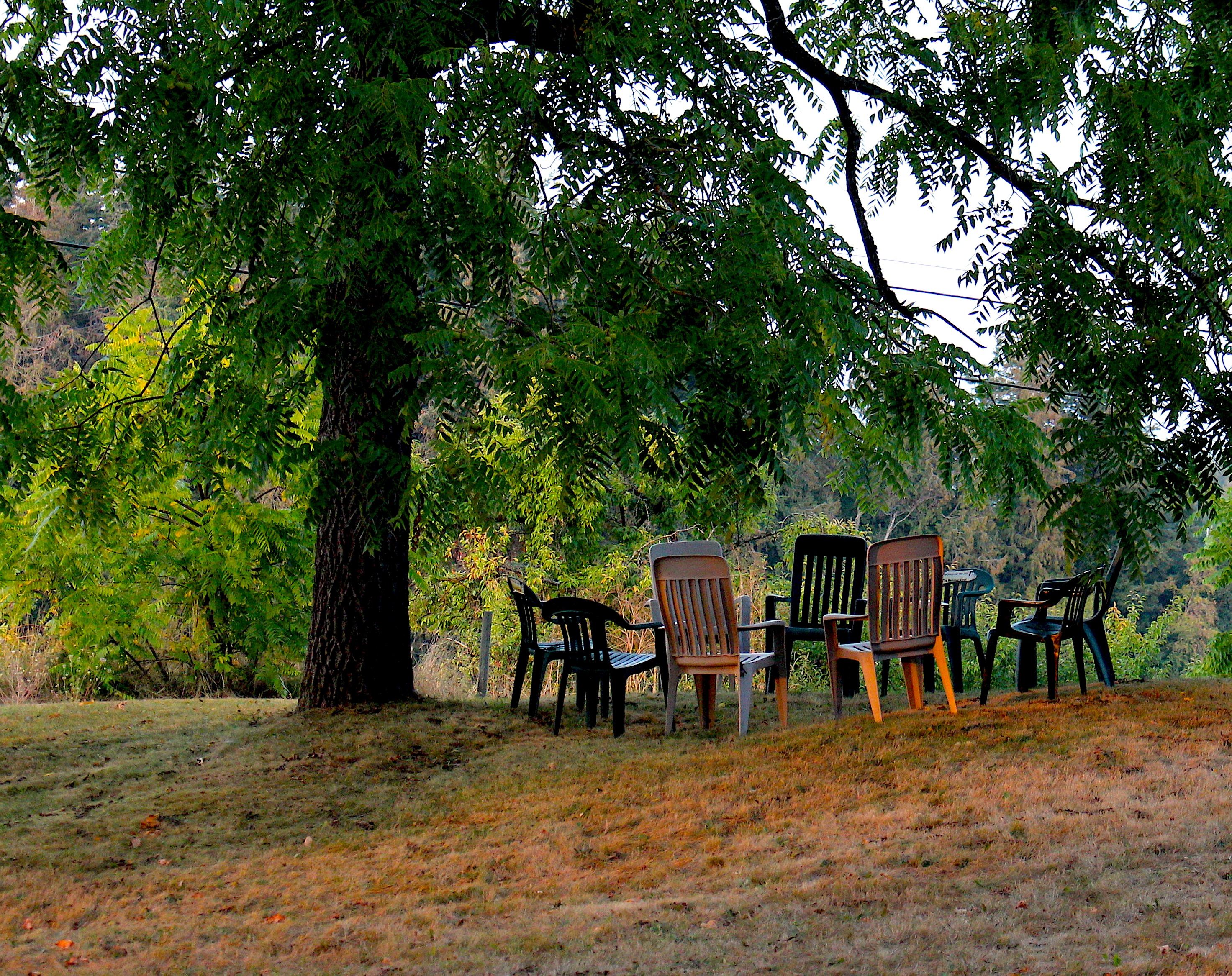
as I sit on this chair
that wobbles a bit
in the grass
on the side of a hill.
~Sally Fisher “Here in the Psalm” from Good Question

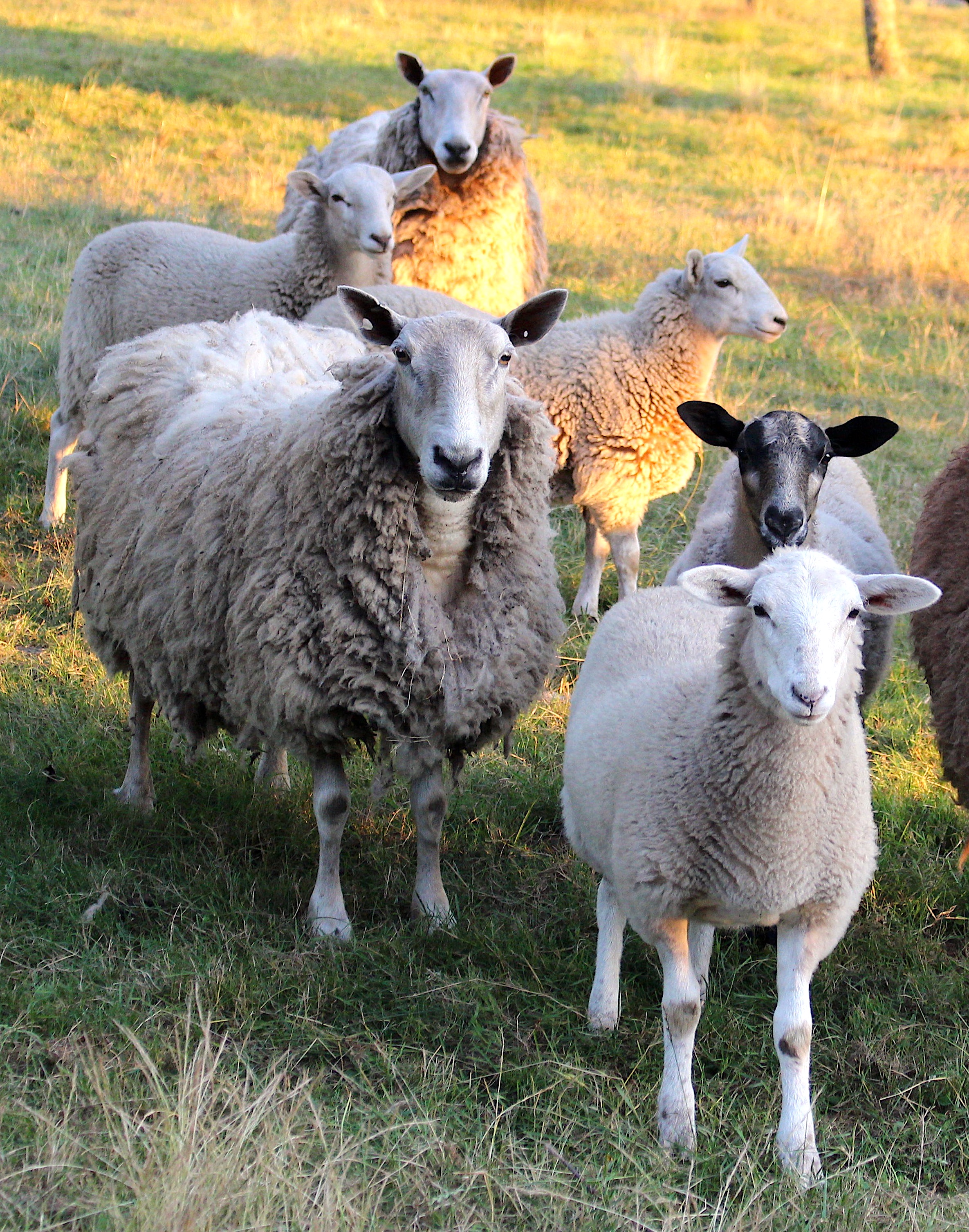
On the surface, a sheep’s life looks pretty easy – grazing in beautiful pastoral settings, blending in as a member of a flock, with the primary job being prolific in wool and lamb production.

Sounds pretty swell, all in all.

Yet it can be a hard-scrabble existence with not enough food or water in rocky terrain that is steep and tough to traverse. The wool coat can be incredibly burdensome and hooves can get too long or too short.

And the enemies: there are plenty of those just ready to pounce, eager to pick off the too young or too old or anyone just not paying attention. That’s why a Shepherd is so critical to our survival because they pay attention to the threats and the needs and defend the defenseless.

I’ve been labeled a sheep for unquestioningly following directions given to me, blending in, and appreciating the wisdom of the proper Shepherd. I don’t consider being considered a sheep an insult. I know I don’t know everything, nor am I capable of finding everything I need when I need it and I’m certainly not strong enough to fend off my worst enemies.

Though life often feels like I’m sitting in a wobbly chair at a table on uneven ground, I keep my balance. I am looking at a feast being readied for me at great risk to the shepherd. For that, I am immensely grateful as surely goodness and mercy will follow and sit alongside me, sharing this meal together forever.

One-Time
Monthly
Yearly

Make a one-time or recurring donation to support daily Barnstorming posts

Make a monthly donation

Make a yearly donation

Choose an amount

¤5.00
¤10.00
¤20.00
¤5.00
¤15.00
¤100.00
¤5.00
¤15.00
¤100.00

Or enter a custom amount

¤

Your contribution is deeply appreciated.

Your contribution is appreciated.

Your contribution is appreciated.

DonateDonate monthlyDonate yearly
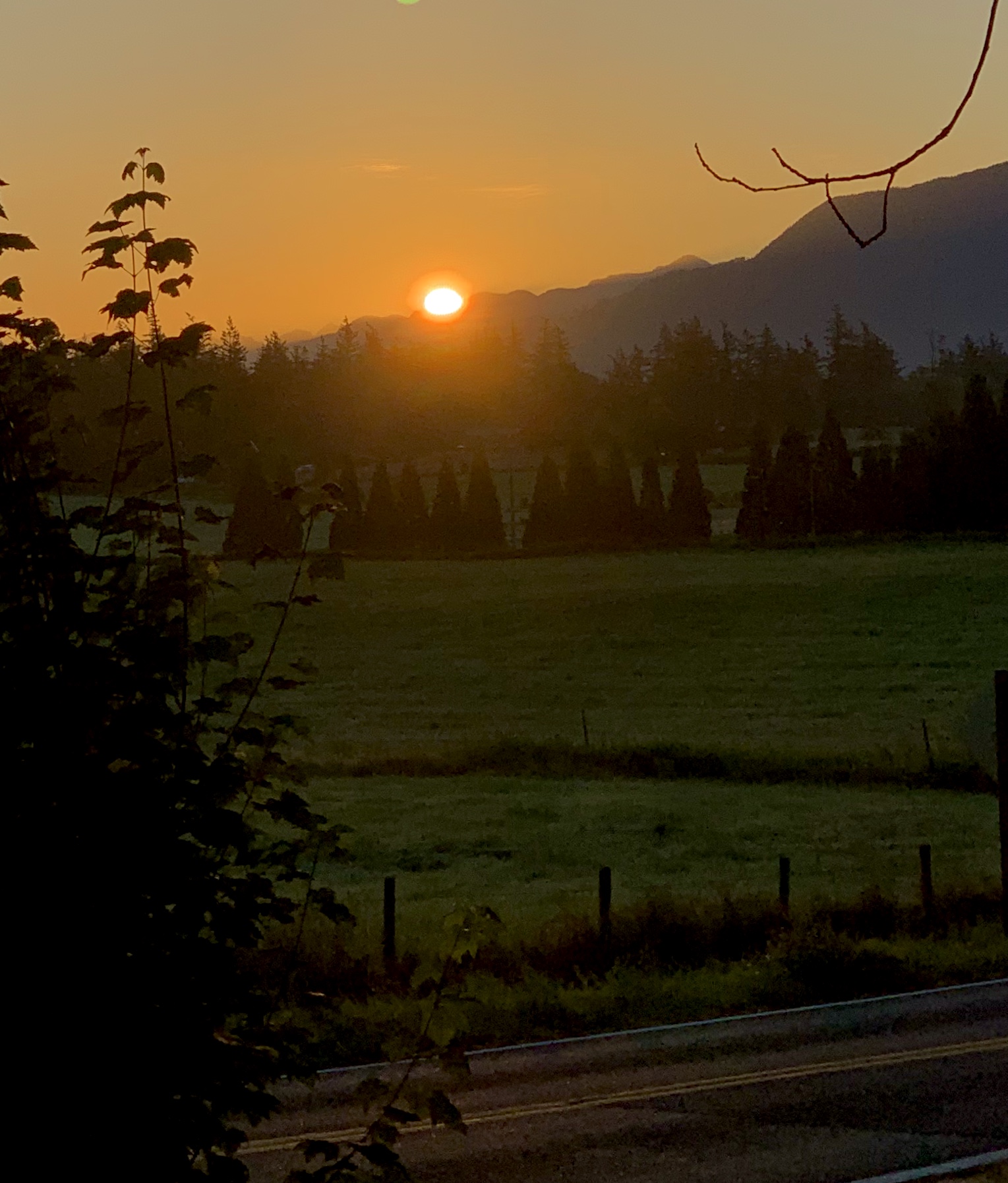
In Long Straight Rows

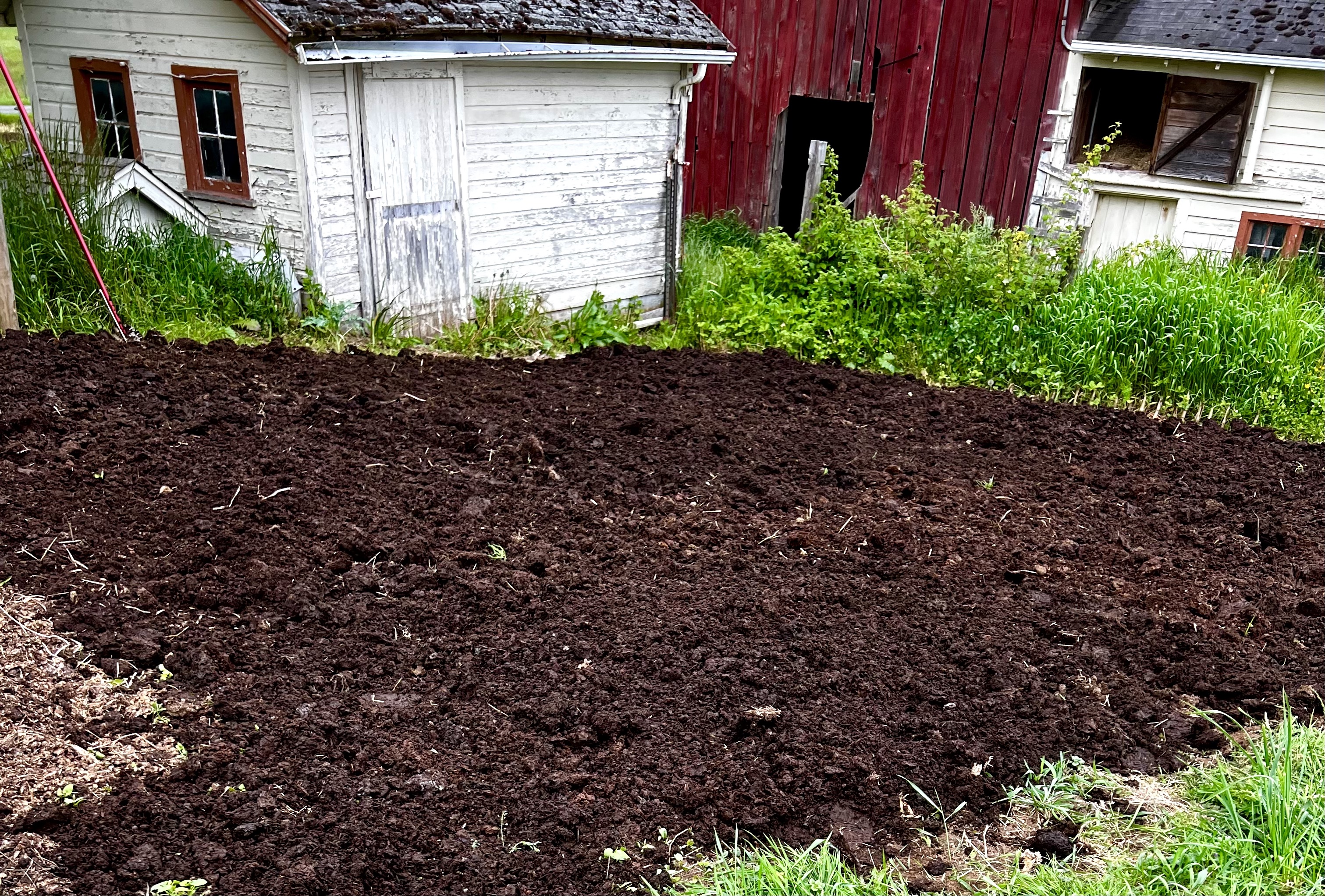
It’s not spring yet, but I can’t
wait anymore. I get the hoe,
pull back the snow from the old
furrows, expose the rich dark earth.
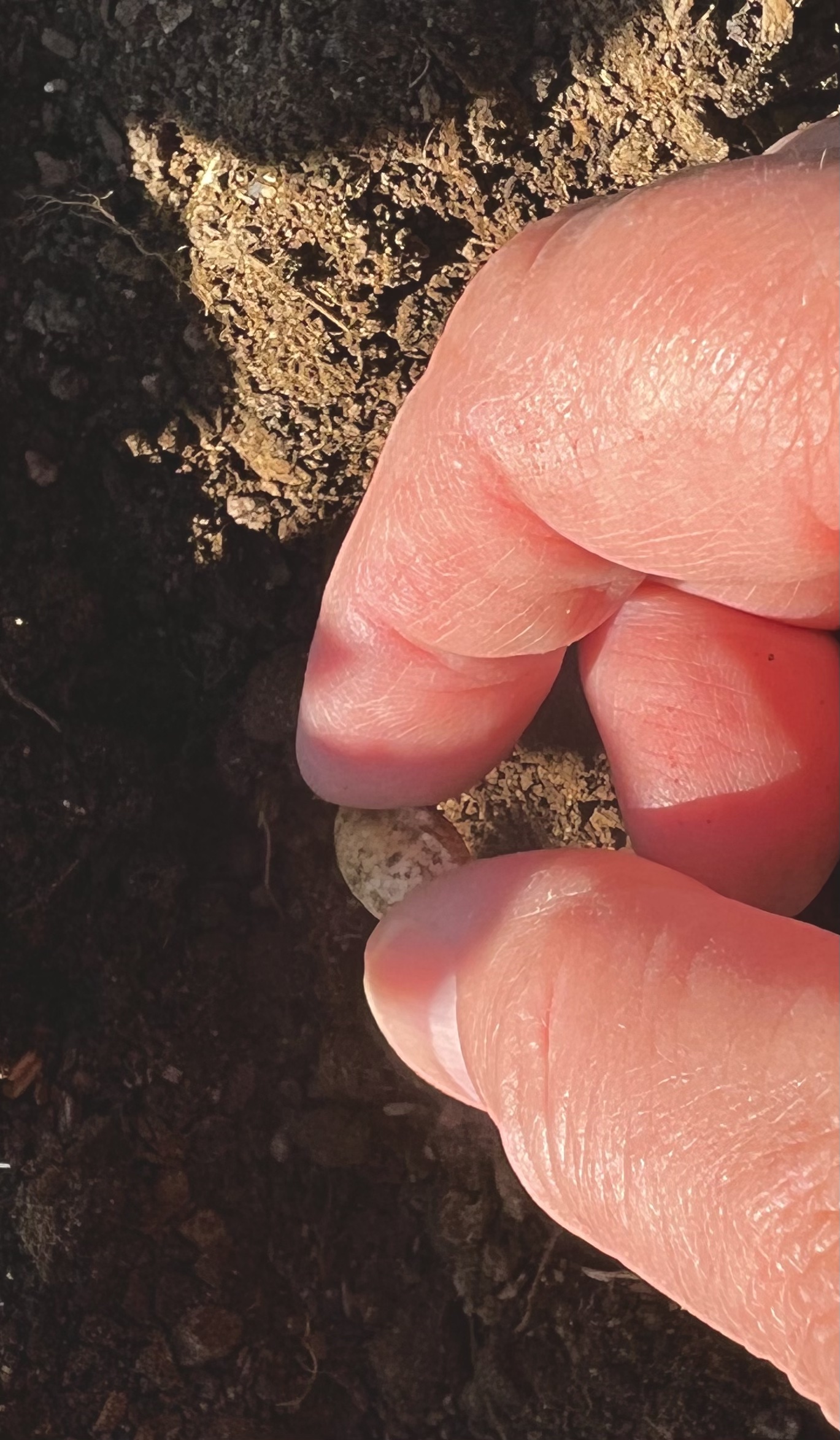
I bare my hand and dole out shriveled peas,
one by one.
I see my grandmother’s hand,
doing just this, dropping peas
into gray gumbo that clings like clay.
This moist earth is rich and dark
as chocolate cake.
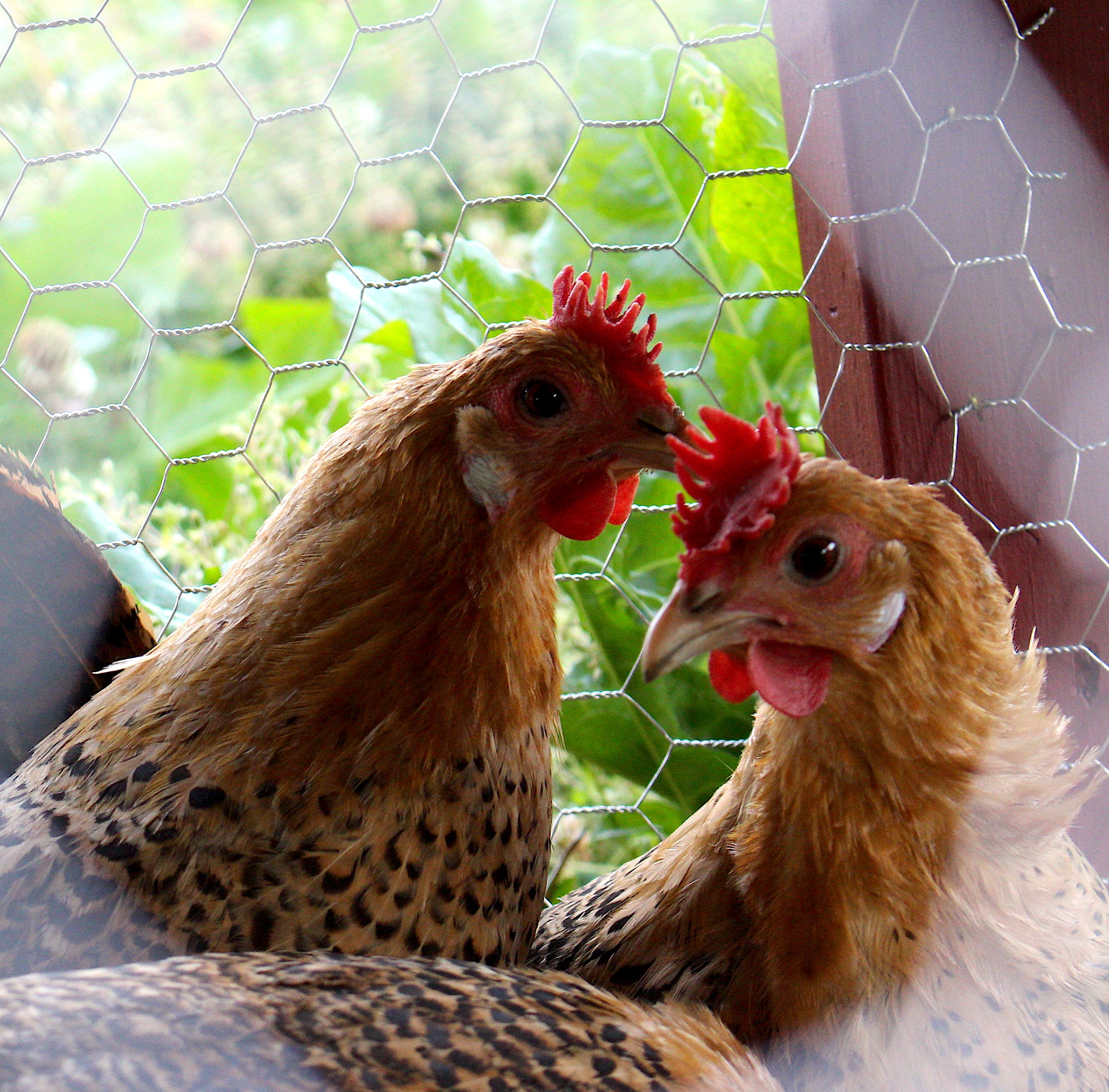
Her hands cradle
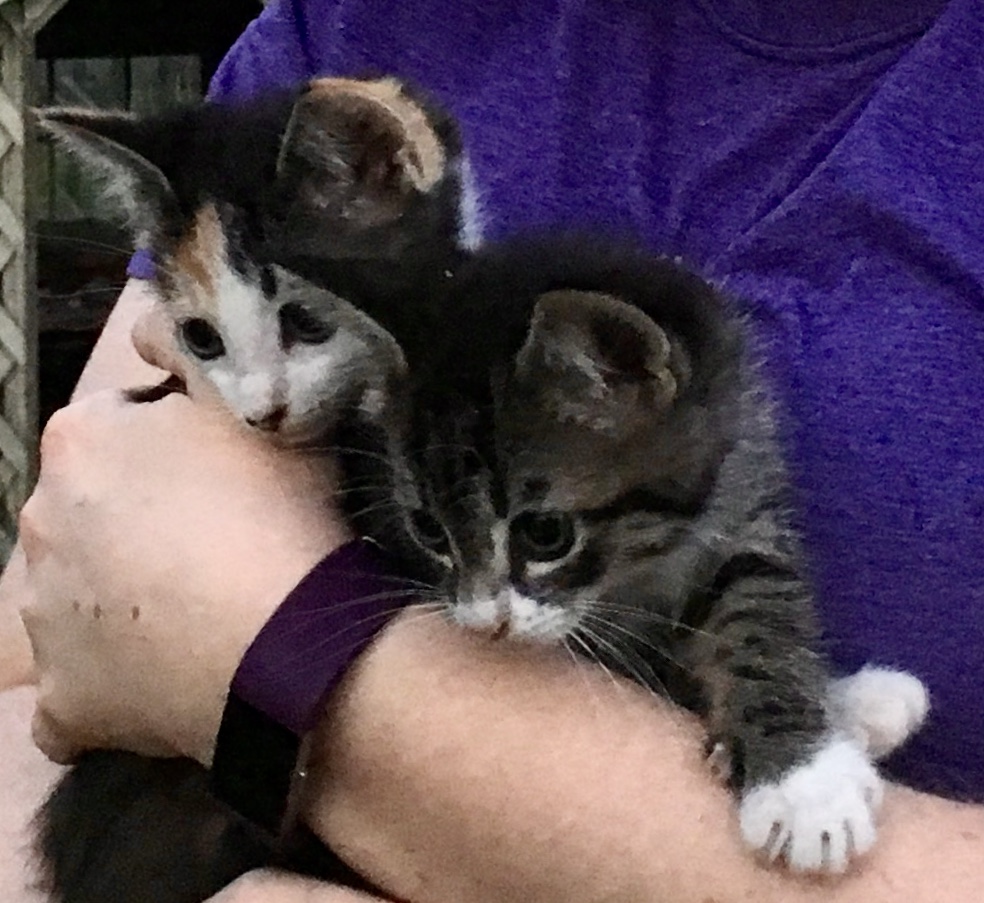
baby chicks; she finds kittens in the loft
and hands them down to me, safe beside
the ladder leading up to darkness.
I miss
her smile, her blue eyes, her biscuits and gravy,
but mostly her hands.
I push a pea into the earth,
feel her hands pushing me back. She’ll come in May,
she says, in long straight rows,
dancing in light green dresses.
~Linda Hasselstrom “Planting Peas”

My earliest childhood memories include the taste and smell of fresh peas.  We lived in farming country north of Seattle where 50 years ago hundreds of acres of peas were grown for canning and freezing.  During the harvest, large pea harvesting machines would arrive for several days and travel down the road in caravans of 10 or 12, going from farm to farm to farm. They worked 24 hours a day to harvest as quickly as possible and traveled the roads late at night because they were so huge, they would take up both lanes of the country roads.  Inevitably a string of cars would form behind the pea harvesters, unable to pass, so it became a grand annual parade celebrating the humble pea.

The smell in the air when the fields were harvested was indescribable except to say it was most definitely a “green” and deliciously fresh smell.  The vines and pods would end up as silage for cattle and the peas would be separated to go to the cannery.  I figured those peas were destined for the city dwellers because in our back yard garden, we grew plenty of our own.

Pea seeds, wrinkled and frankly a little boring, could be planted even before the last frost was done with us in March, or even sometimes on Washington’s birthday in February.  The soil needed to not be frozen and not be sopping.  True, the seeds might sit still for a few weeks, unwilling to risk germination until the coast was clear and soil warmed a bit, but once they were up out of the ground, there was no stopping them.  We would generally have several rotations growing, in the hope of a 6 week pea eating season if we were fortunate, before the heat and worms claimed the vines and the pods.

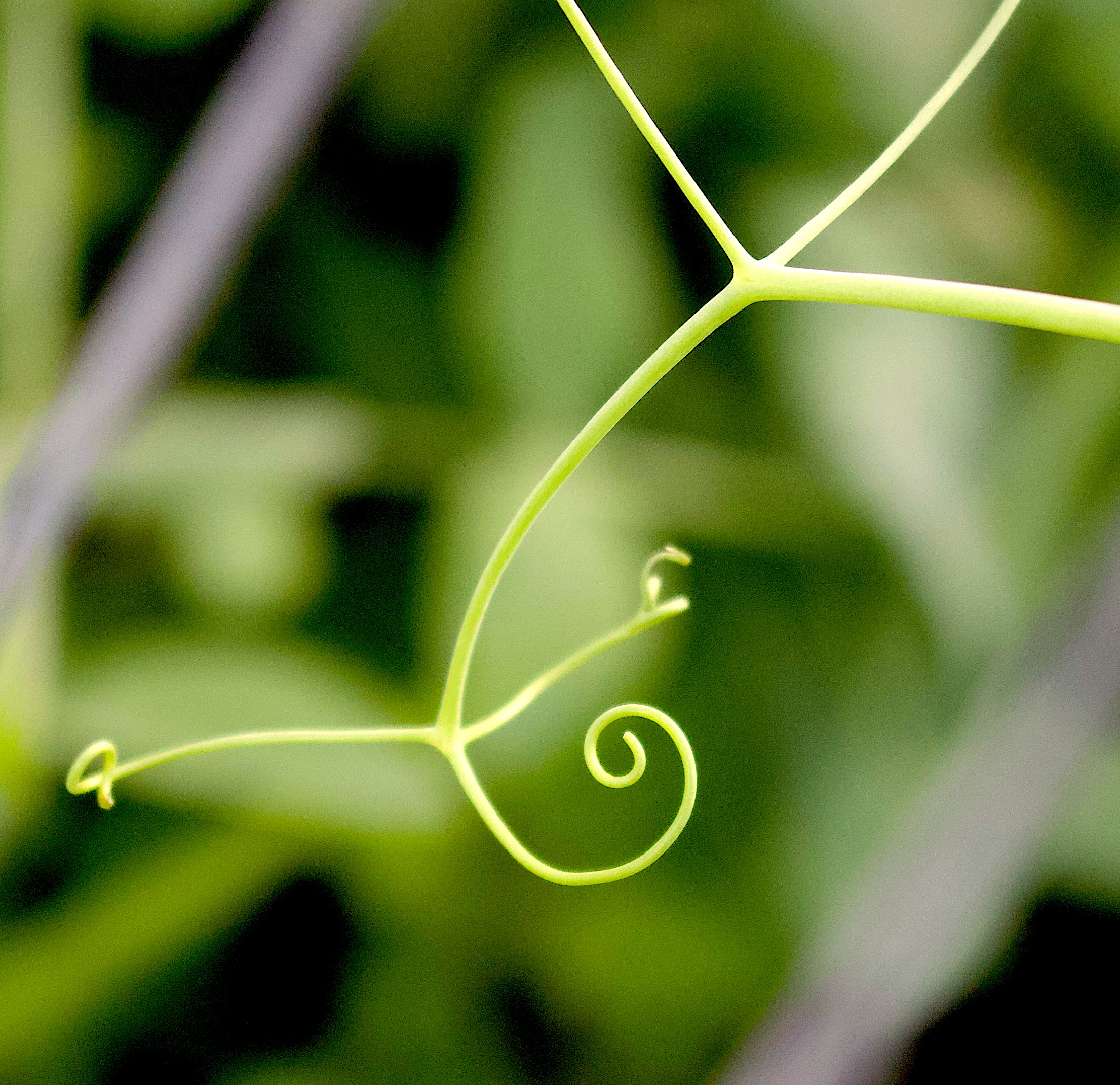
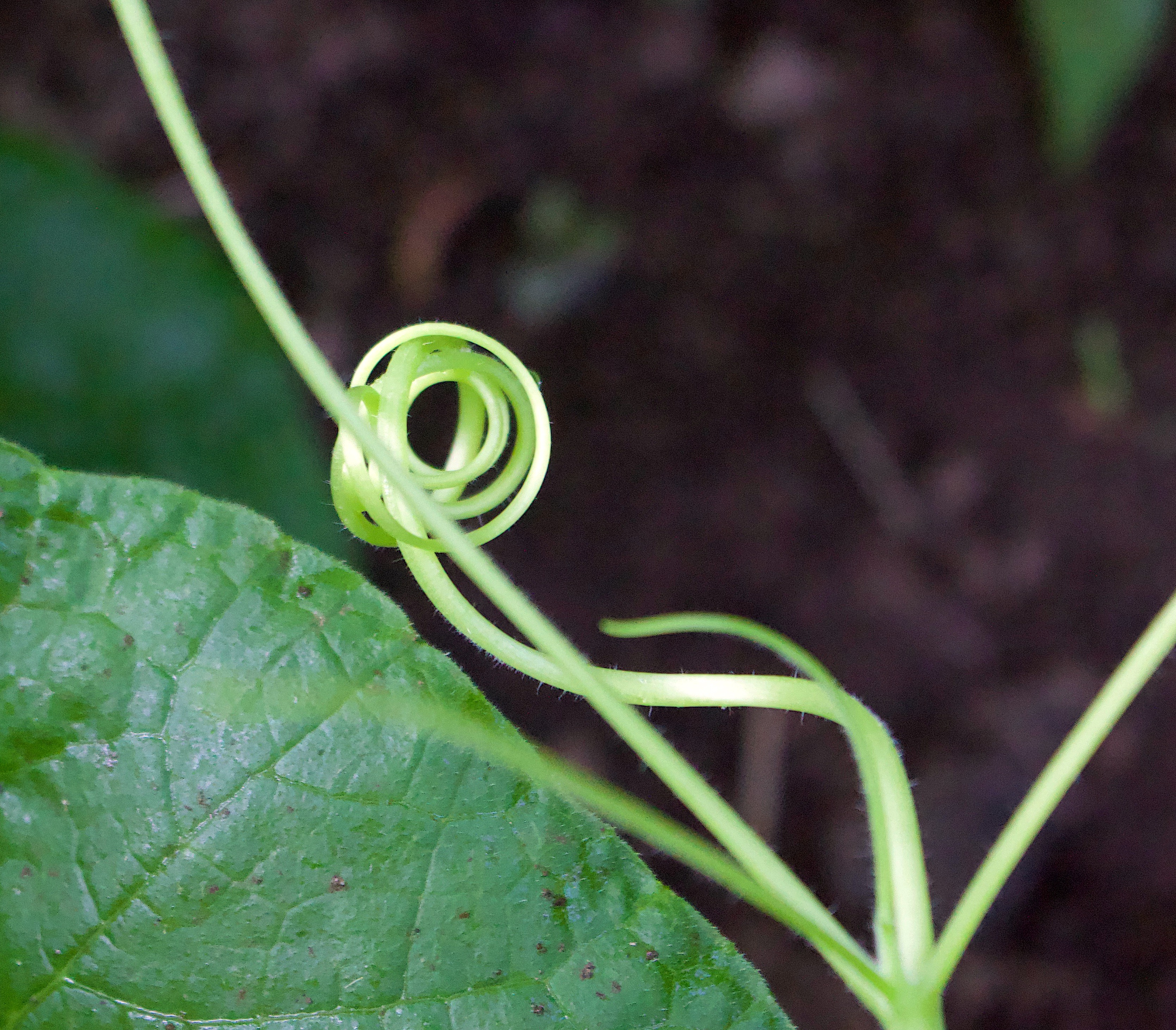
We always planted telephone peas, so the support of the vines was crucial–we used hay twine run up and down between two taut smooth wires attached high and low between two wooden posts.  The vines could climb 6 feet tall or better and it was fascinating to almost literally watch the pea tendrils wind their way around the strings (and each other), erotically clinging and wrapping themselves in their enthusiasm.

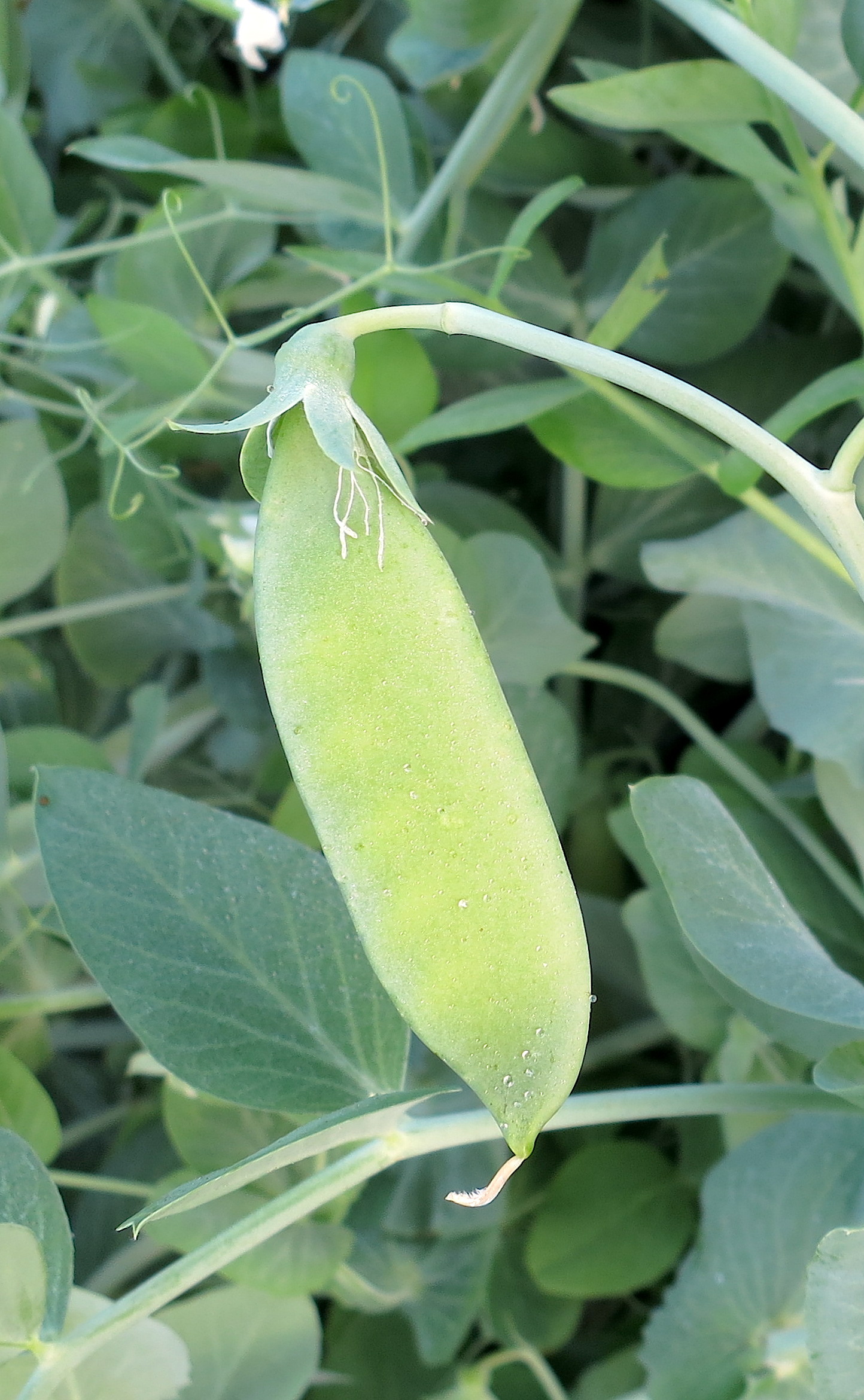
Once the pods start to form,  impatience begins.  I’d be out in the garden every day copping feels, looking for that first plump pod to pick and pop open.  It never failed that I would pick too soon, and open a pod to find only weenie little peas, barely with enough substance to taste.  Within a day or two, however, the harvest would be overwhelming, so we’d have to pick early in the morning while the peas were still cool from the night dew.

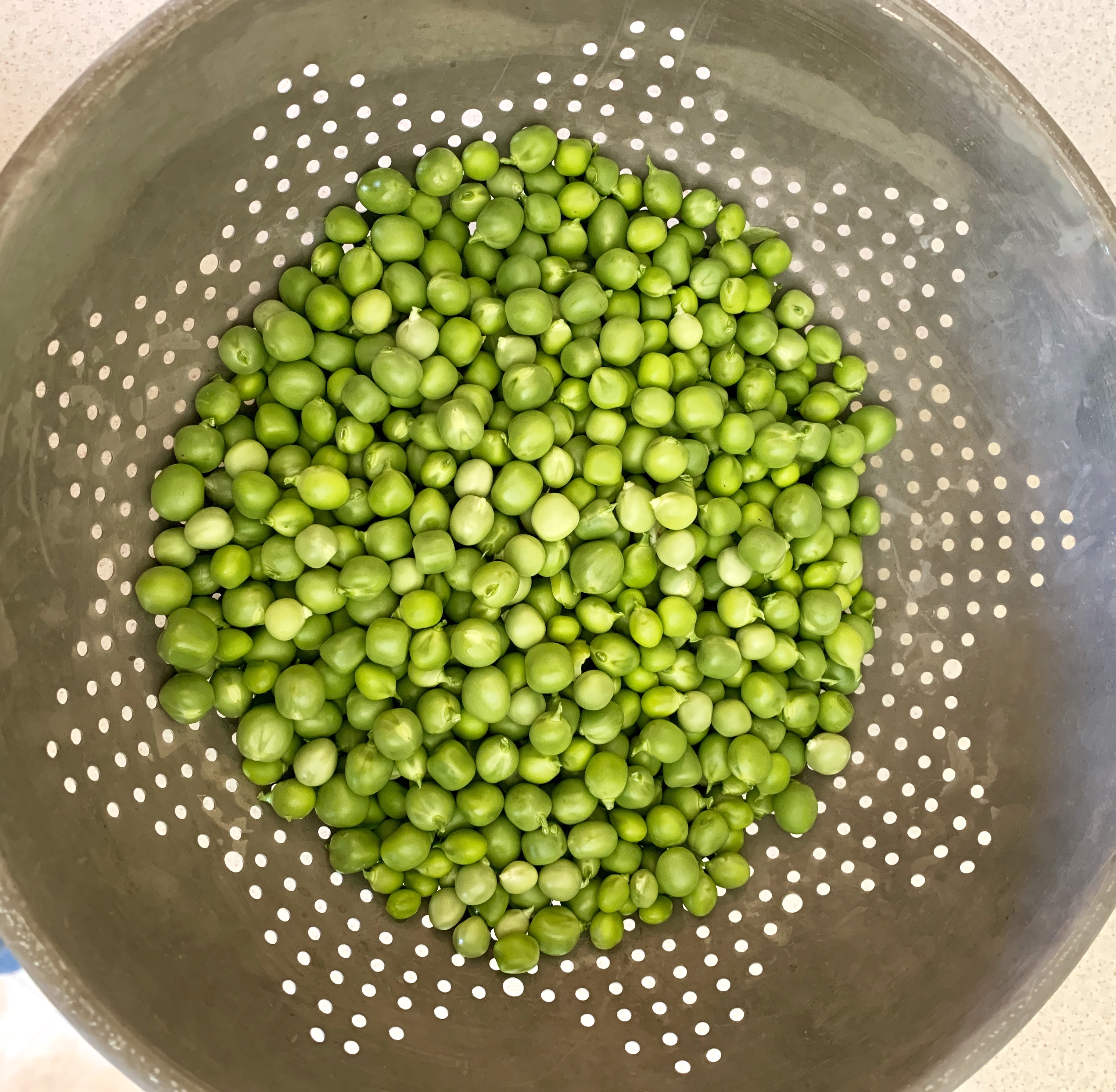
Then it was shelling time, which involved several siblings on a back porch, one mother supervising from a distance to make sure there weren’t too many peas being pelted in pique at an annoying little brother, and lots of bowls to catch the peas and the pods.  A big paper sack of intact pods would yield only a few cups of peas, so this was great labor for small yield.   Opening a pod of peas is extremely satisfying though;  there is a tiny audible “pop” when the pod is pressed at the bottom, and then as your thumb runs down the inner seam of the pod loosening all the peas, they make a dozen little “pings” in the bowl when they fall.  A symphony of pea shelling often accompanied by the Beach Boys and the Beatles.

Once the weather got hot, the pea worms would be at work in the pods, so then one encountered wiggly white larvae with little black heads and their webs inside the pods.  We actually had a “Wormie” song we sung when we found one, even in the 60’s recognizing that our organic garden meant sharing the harvest with crawling protein critters. The peas would be bored through, like a hollowed out jack o’lantern, so those got dumped in the discard bowl.

The dull green coat of the raw pea turns bright green during the several minutes of blanching in boiling water, then they are plunged into ice water until cool and packed in ziplock bags.  Those peas are welcomed to the table during the other 11 months out of the year, sometimes mixed with carrots, sometimes with mushrooms, sometimes chased with a little fresh garlic.  They are simply the most lovely food there is other than chocolate.

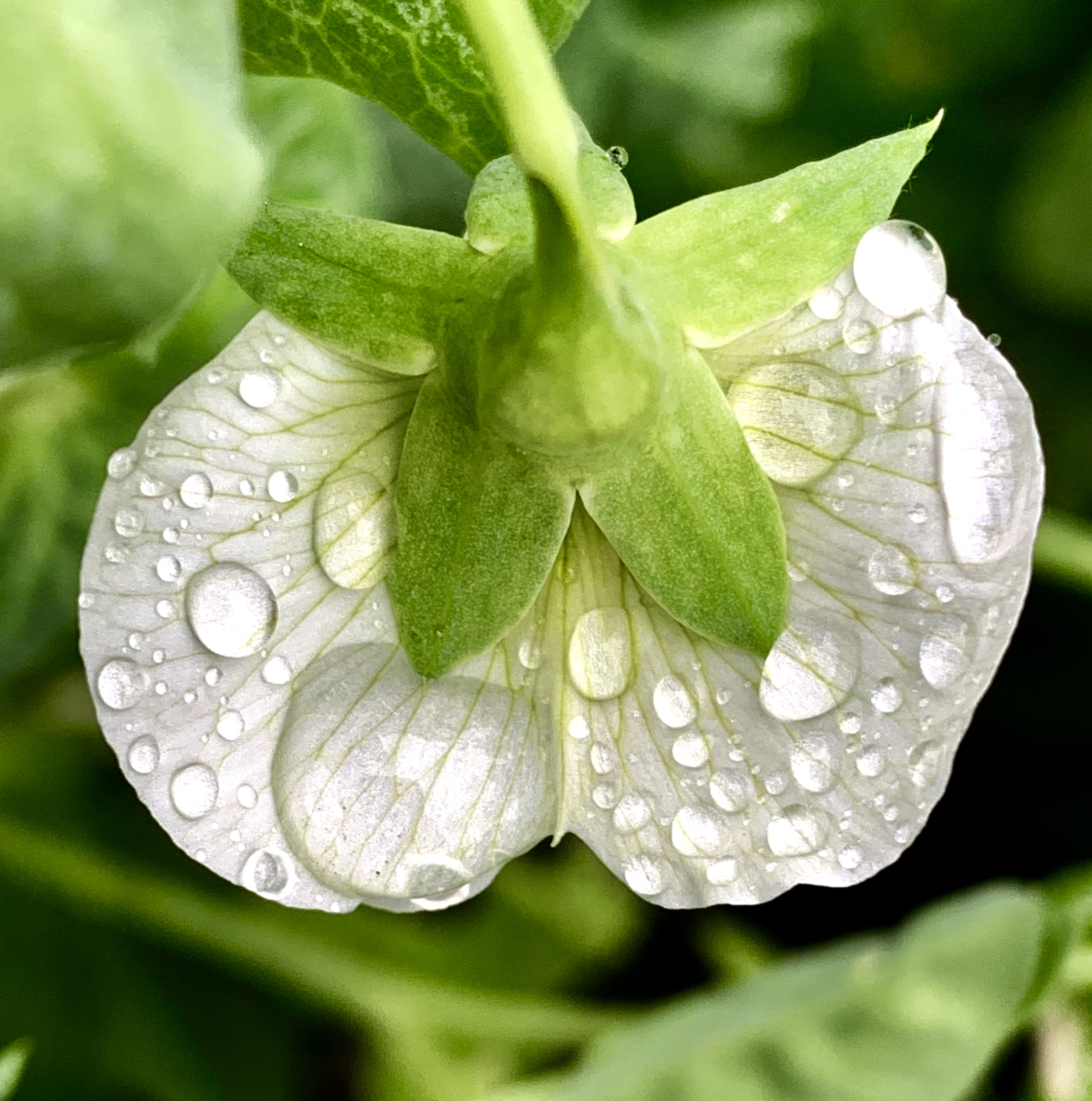
From an undistinguished pea seed to intricate vines and coiling tendrils–from pregnant pods bursting at the seams to a bounty at meals: the humble pea does indeed deserve a grand parade in the middle of the night and the close attention of only the best grandmas.

One-Time
Monthly
Yearly

Make a one-time or recurring donation to support daily Barnstorming posts

Make a monthly donation

Make a yearly donation

Choose an amount

¤5.00
¤10.00
¤20.00
¤5.00
¤15.00
¤100.00
¤5.00
¤15.00
¤100.00

Or enter a custom amount

¤

Your contribution is appreciated.

Your contribution is appreciated.

Your contribution is appreciated.

DonateDonate monthlyDonate yearly
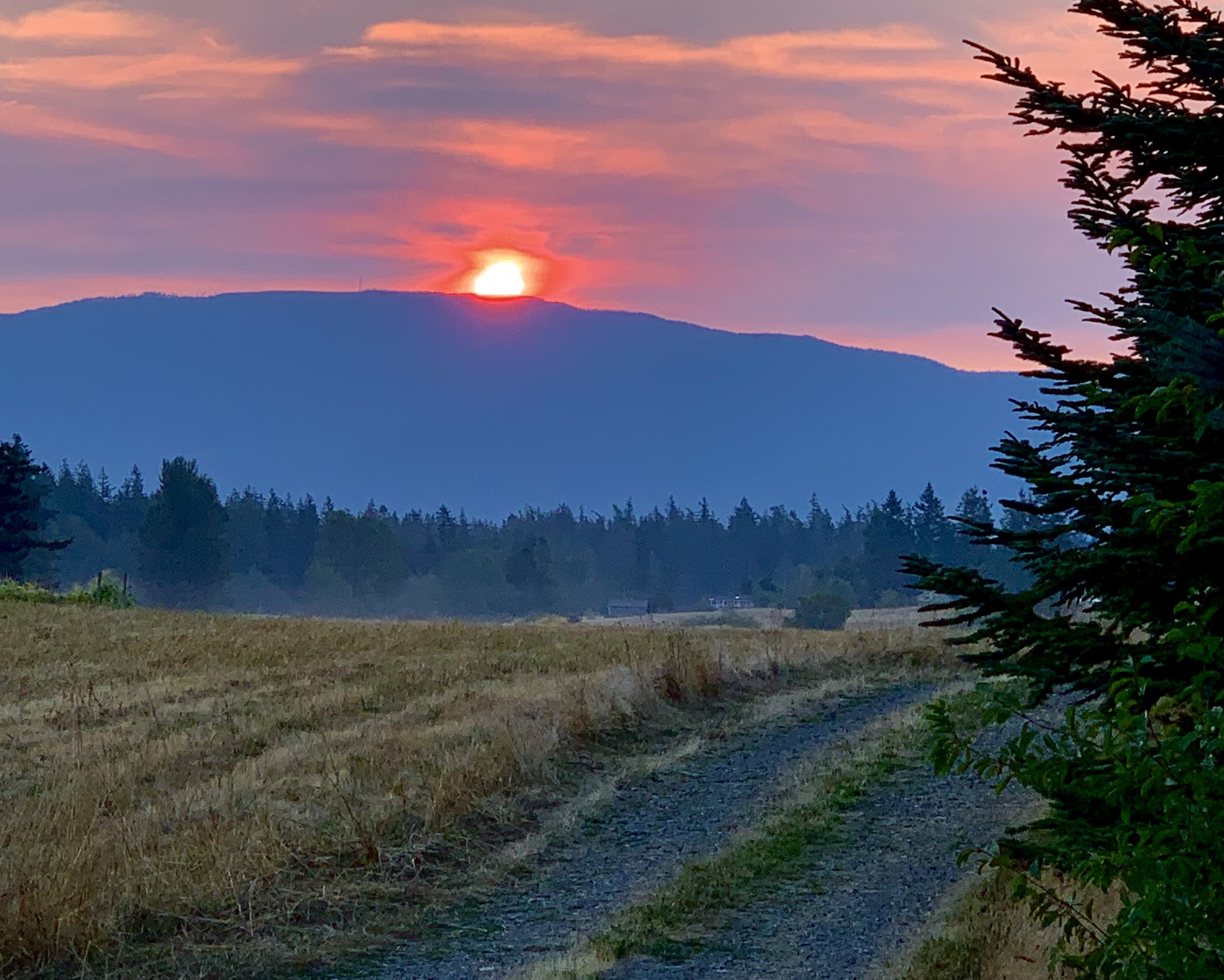
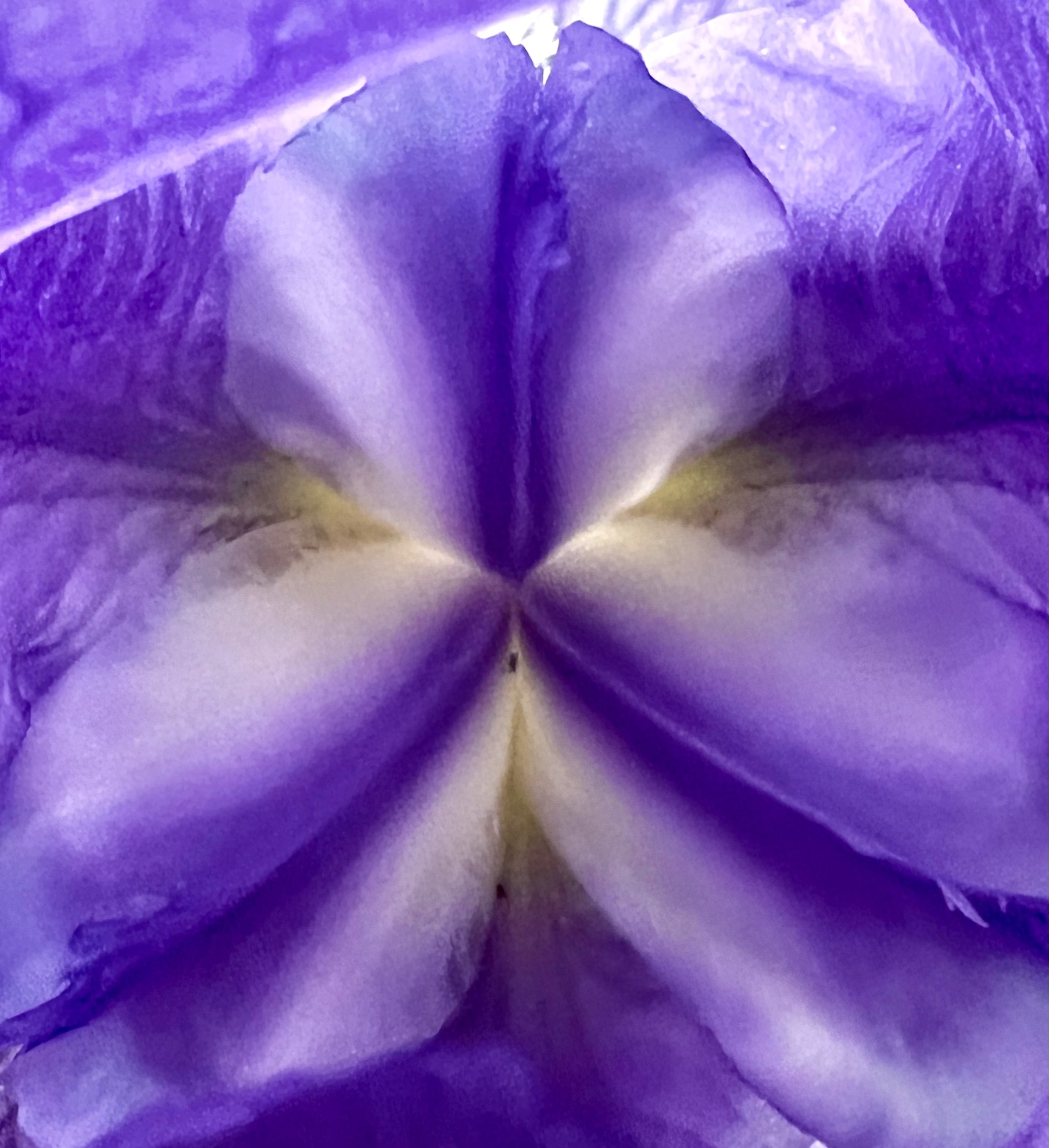
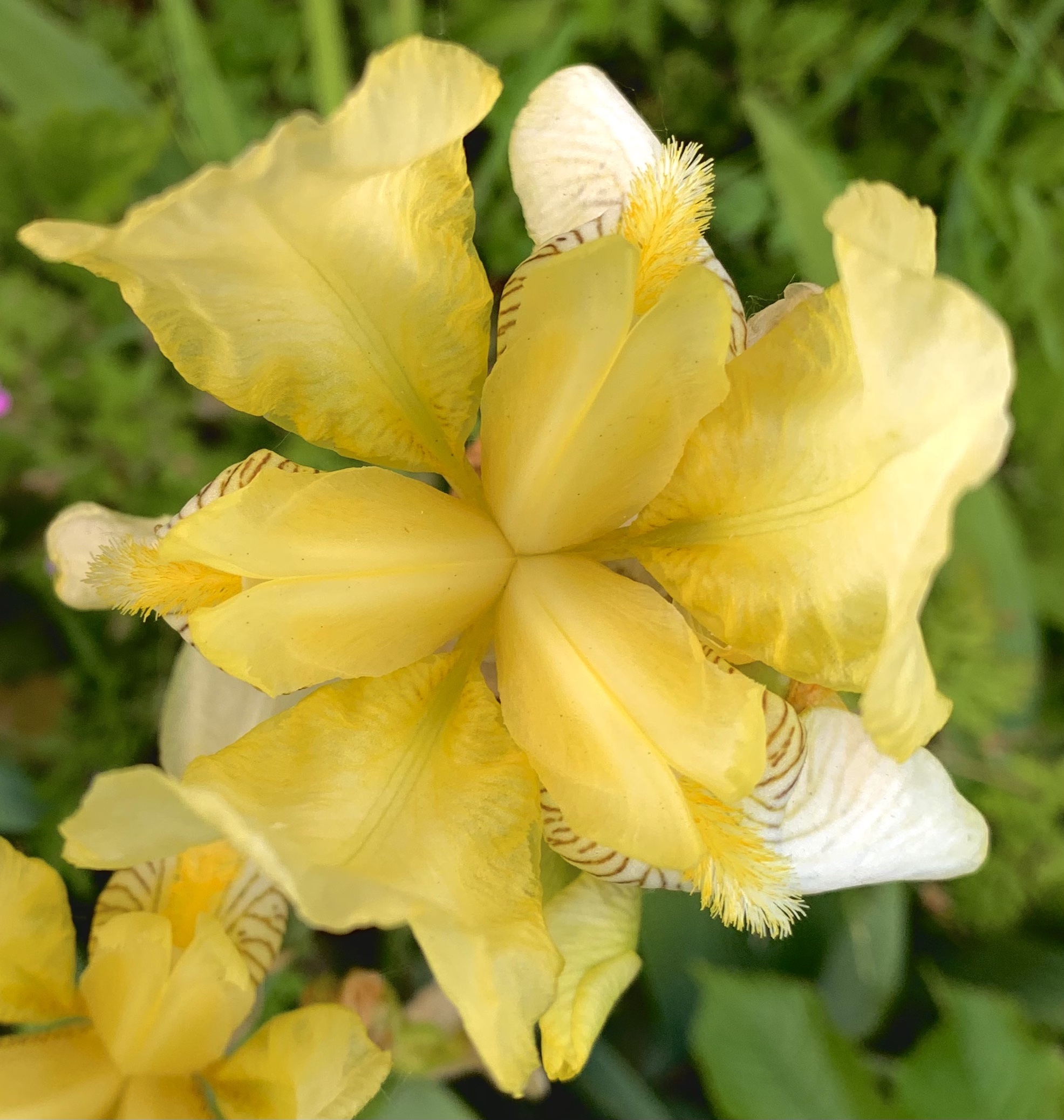
A Pure, Speechless Receptacle

To plunge headlong into
the heart of a blossom, its amber eyes
inscrutably focusing on your own,
magnified by a lens of dew.
Whose scent, invisible,
drowns you in opulence, and for which
you can find nothing adequate to say.

You sense that you are loved wholly,
yet are quite unable to understand why.
But then, you lift your face,
creased with the ordinary, to a heaven
that is breaking into blue,
and find your contentment utterly beyond
telling, unspeakable, uncontained.
~Luci Shaw from “Speechless” from  Sea Glass

my heart panics not to be,
as I long to be,
the empty, waiting, pure, speechless receptacle.
~Mary Oliver from “Blue Iris”

There are days we live
as if death were nowhere
in the background; from joy
to joy to joy, from wing to wing,
from blossom to blossom to
impossible blossom, to sweet impossible blossom.

~Li-Young Lee, last stanza of “From Blossoms” from Rose.

… it seemed as if the tiniest seed of belief had finally flowered in me, or, more accurately, as if I had happened upon some rare flower deep in the desert and had known, though I was just then discovering it, that it had been blooming impossibly year after parched year in me, surviving all the seasons of my unbelief.
~Christian Wiman from My Bright Abyss

To live as if
death were nowhere in the background:
that is impossible right now
when death stalks every headline.

Yet, to emerge and blossom,
even when we are drying in the desert of discouragement,
is to respond to Christ’s call to us.
 
We are not dying,
but alive in Him,
an amazing impossible flowering.

So I allow my eye to peer through
a dying time such as this,
needing a flotation device
and depth finder
as I’m likely to get lost,
sweeping and swooning
through the inner space
of life’s deep tunnels,
canyons and corners,
coming up for air and diving in again
to journey into exotic locales
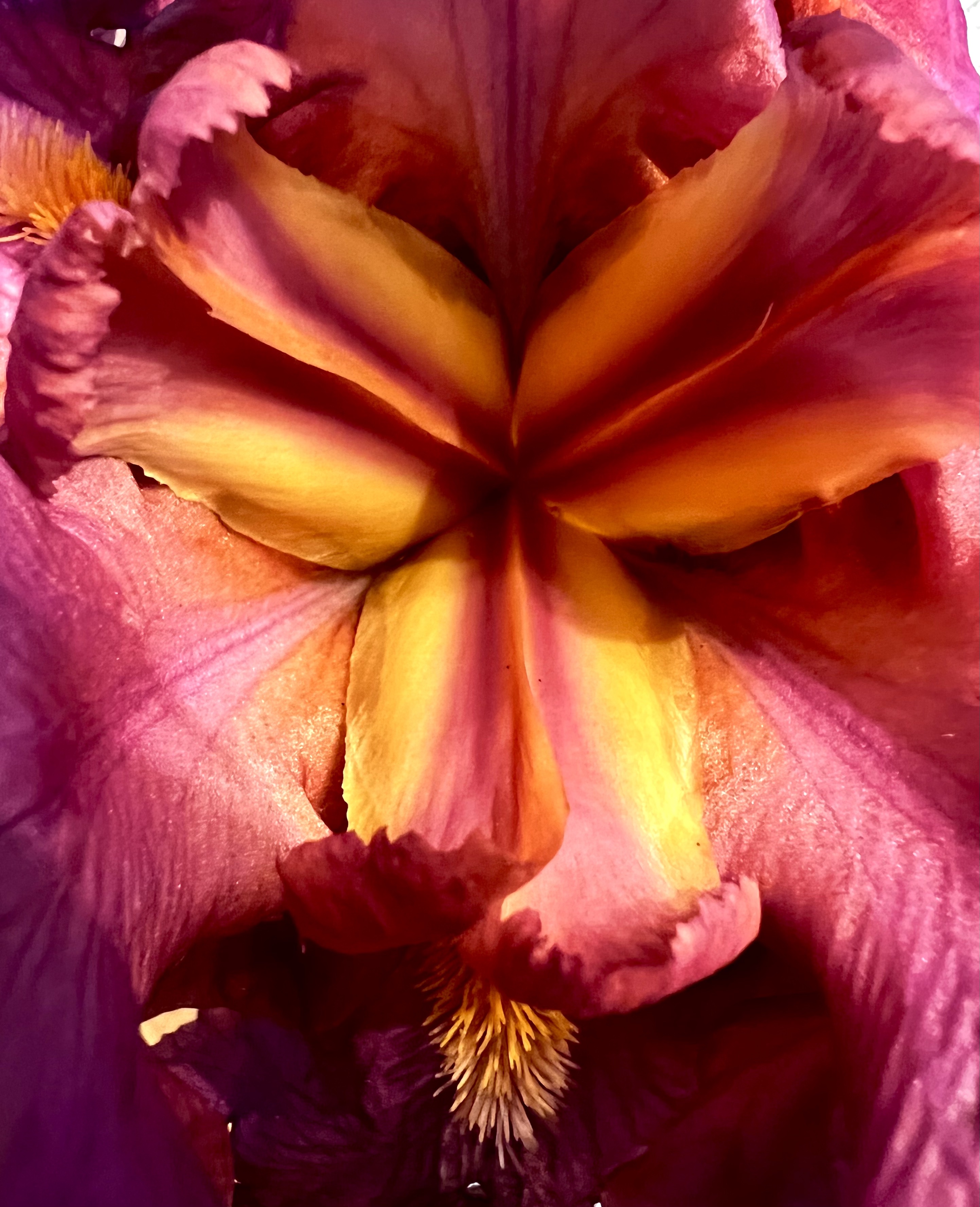
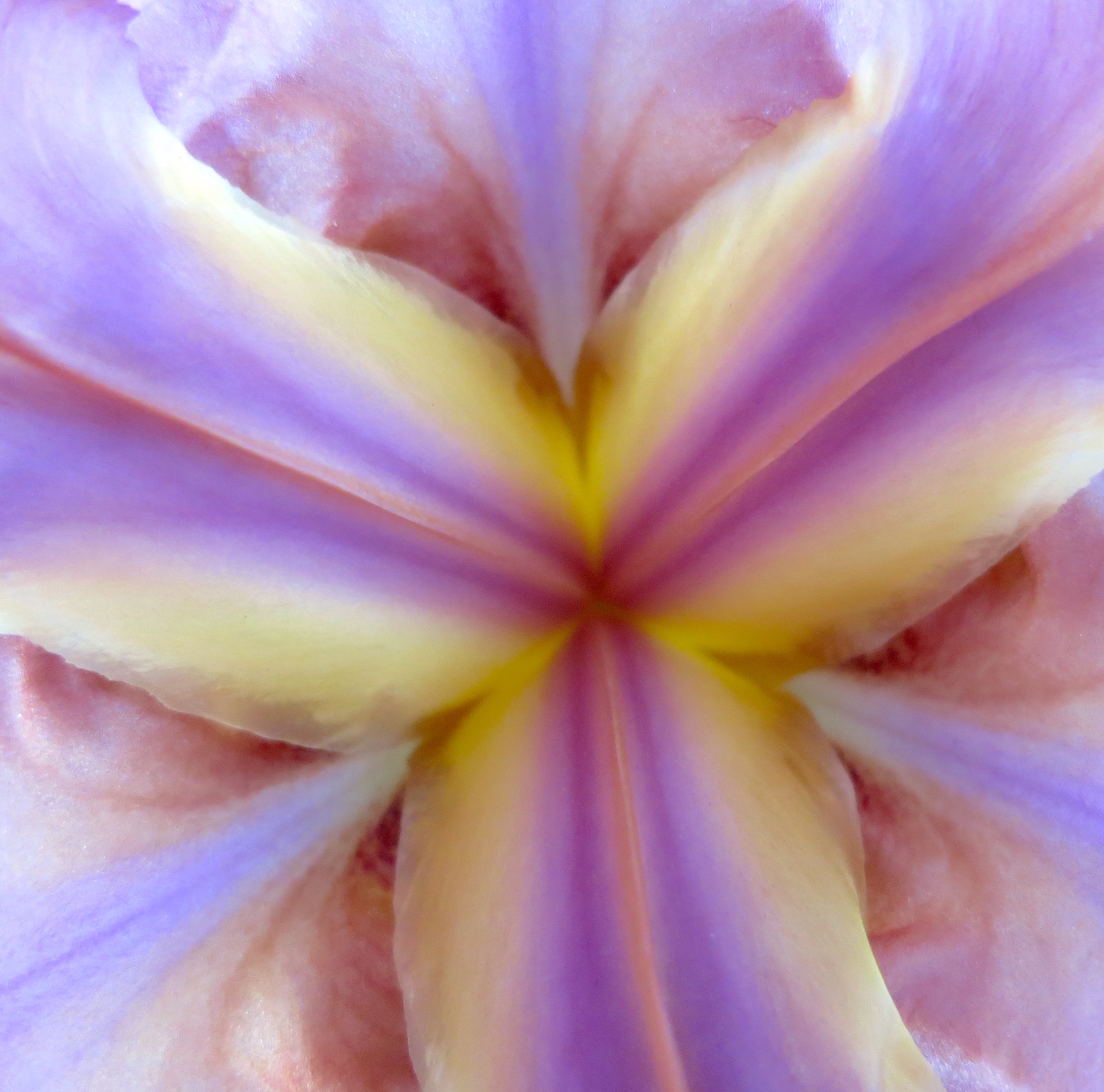
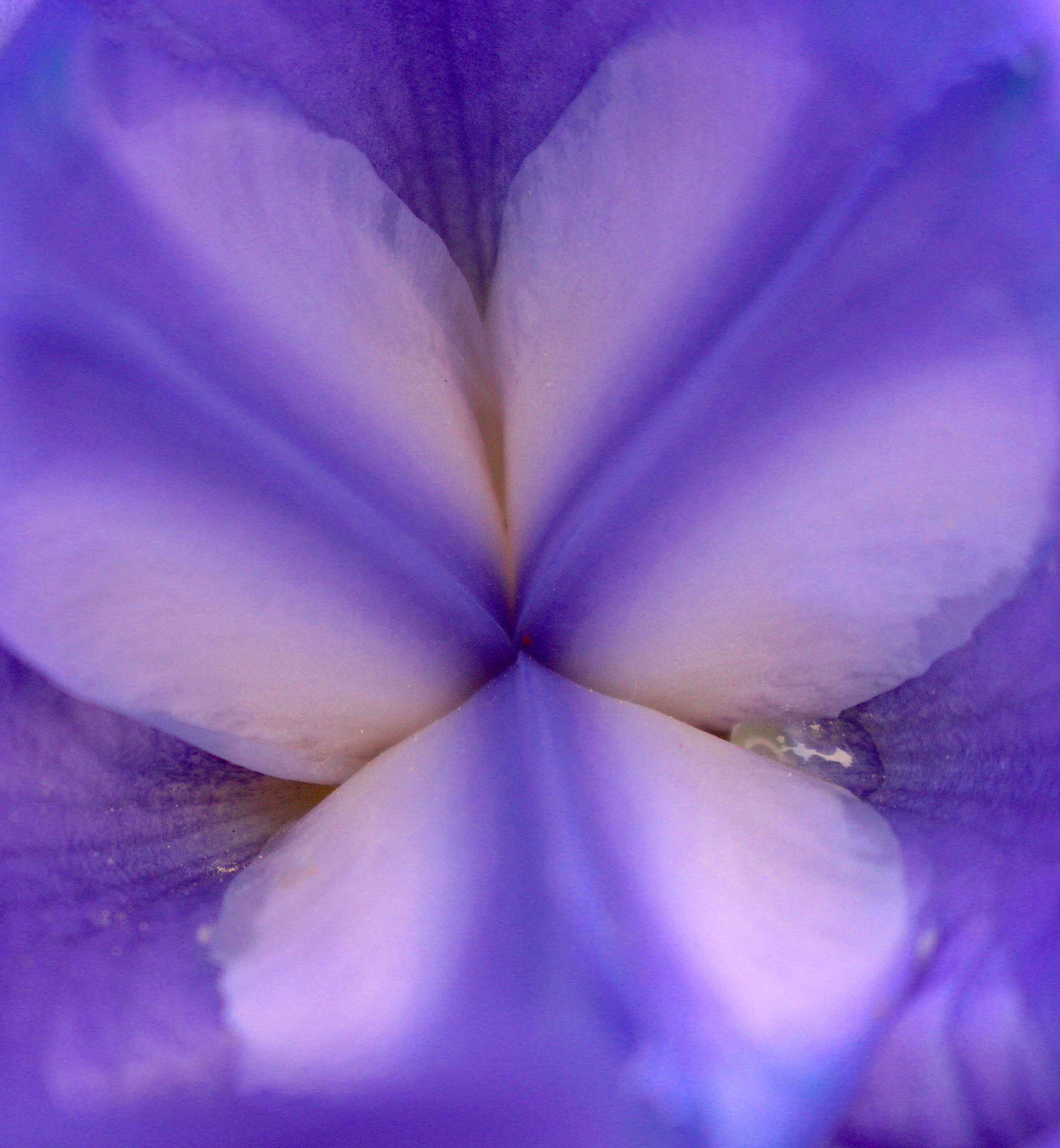
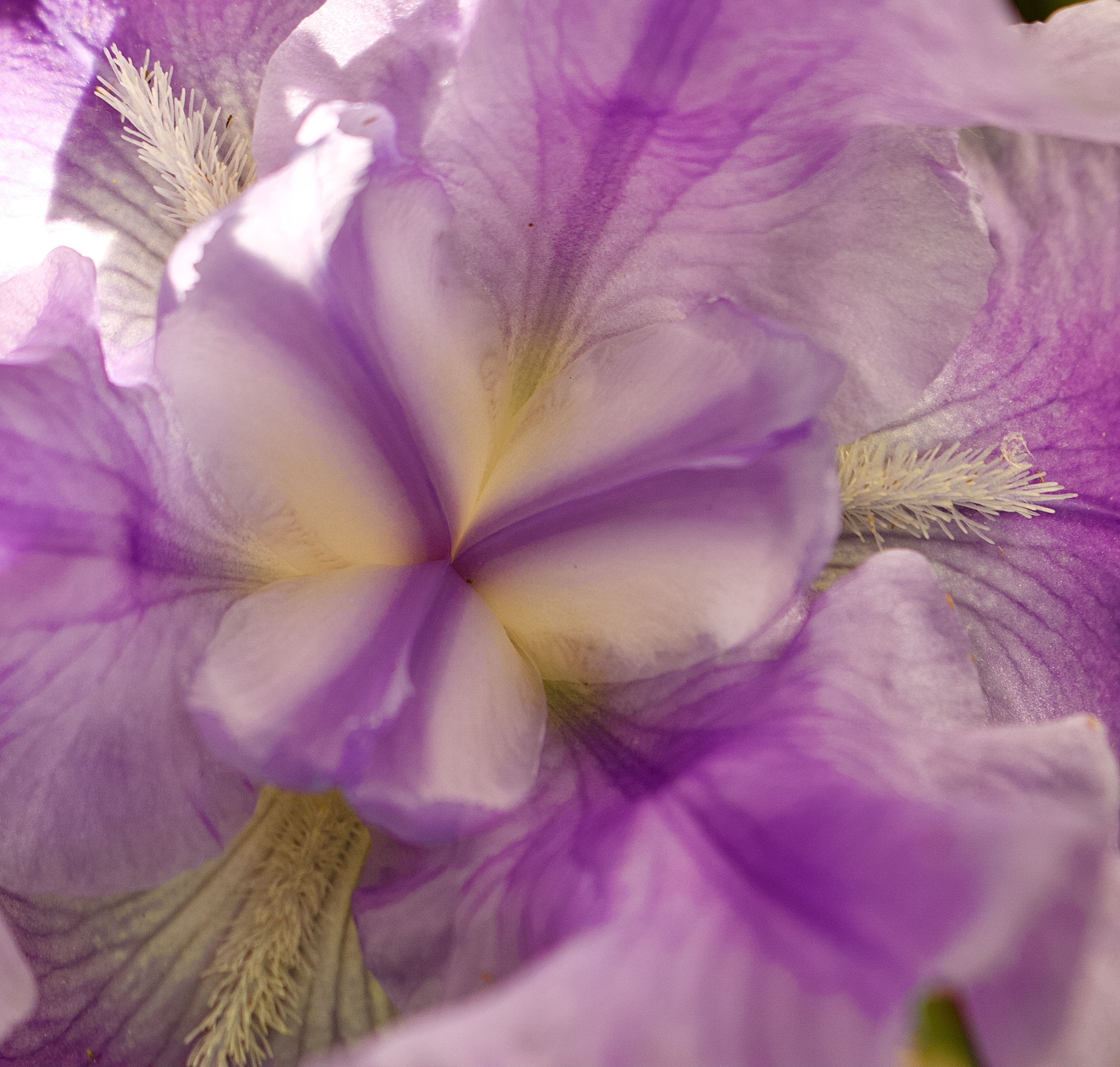
draped in silken hues
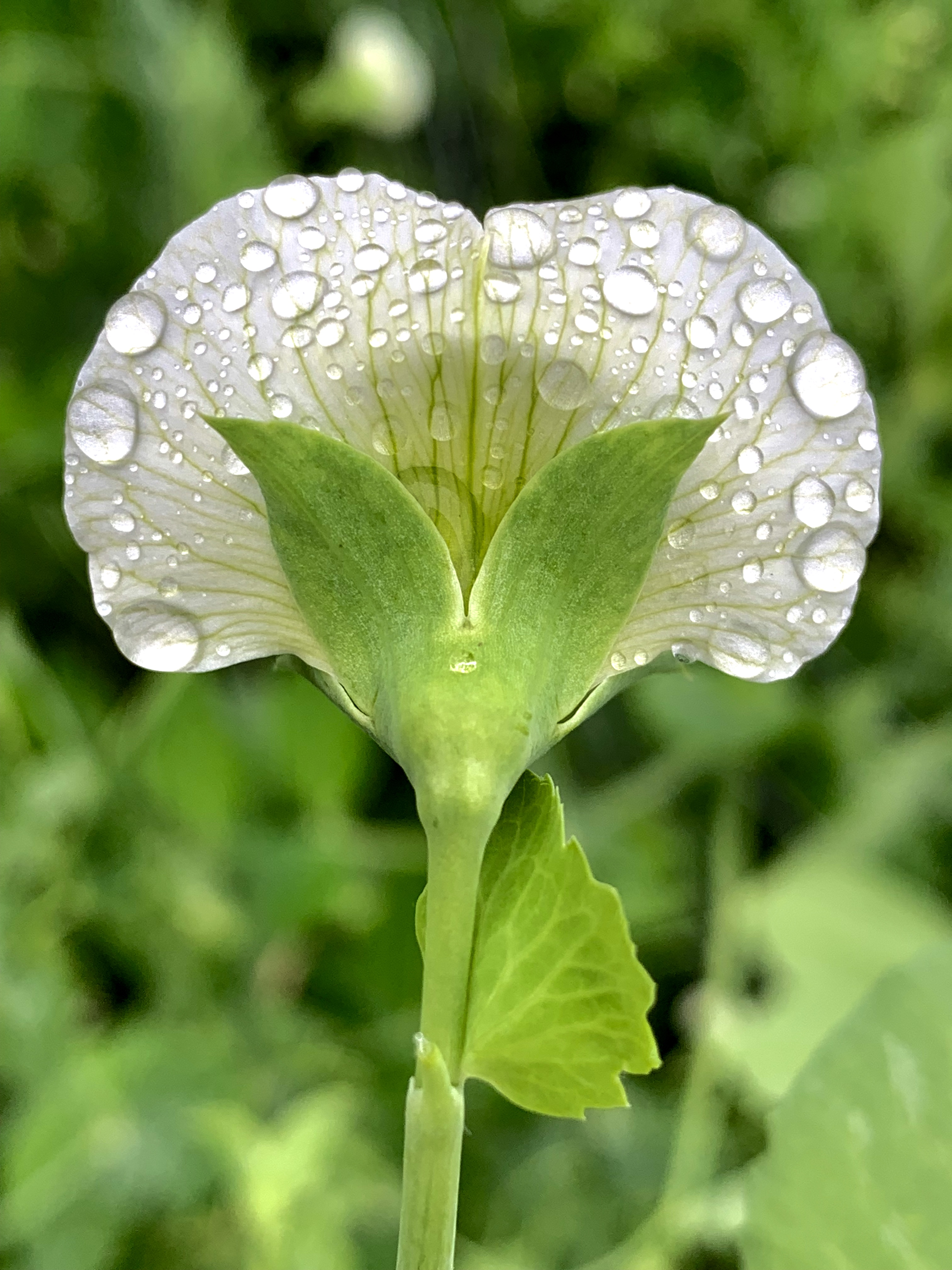
~this fairy land on a stem~
to immerse and emerge
in the possibilities
of such an impossible blossom.

One-Time
Monthly
Yearly

Make a one-time or recurring donation to support daily Barnstorming posts

Make a monthly donation

Make a yearly donation

Choose an amount

¤5.00
¤10.00
¤20.00
¤5.00
¤15.00
¤100.00
¤5.00
¤15.00
¤100.00

Or enter a custom amount

¤

Your contribution is deeply appreciated.

Your contribution is appreciated.

Your contribution is appreciated.

DonateDonate monthlyDonate yearly
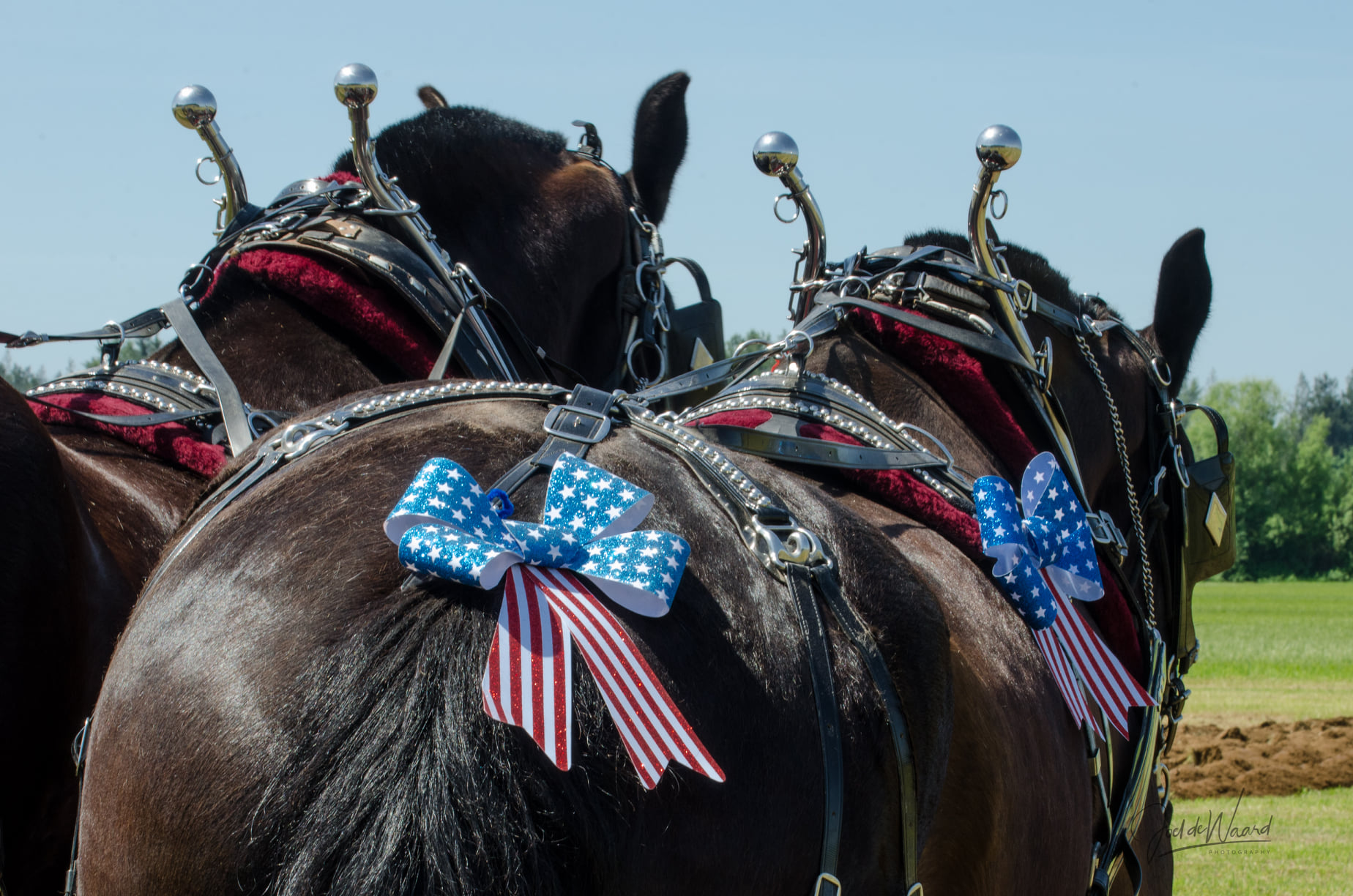
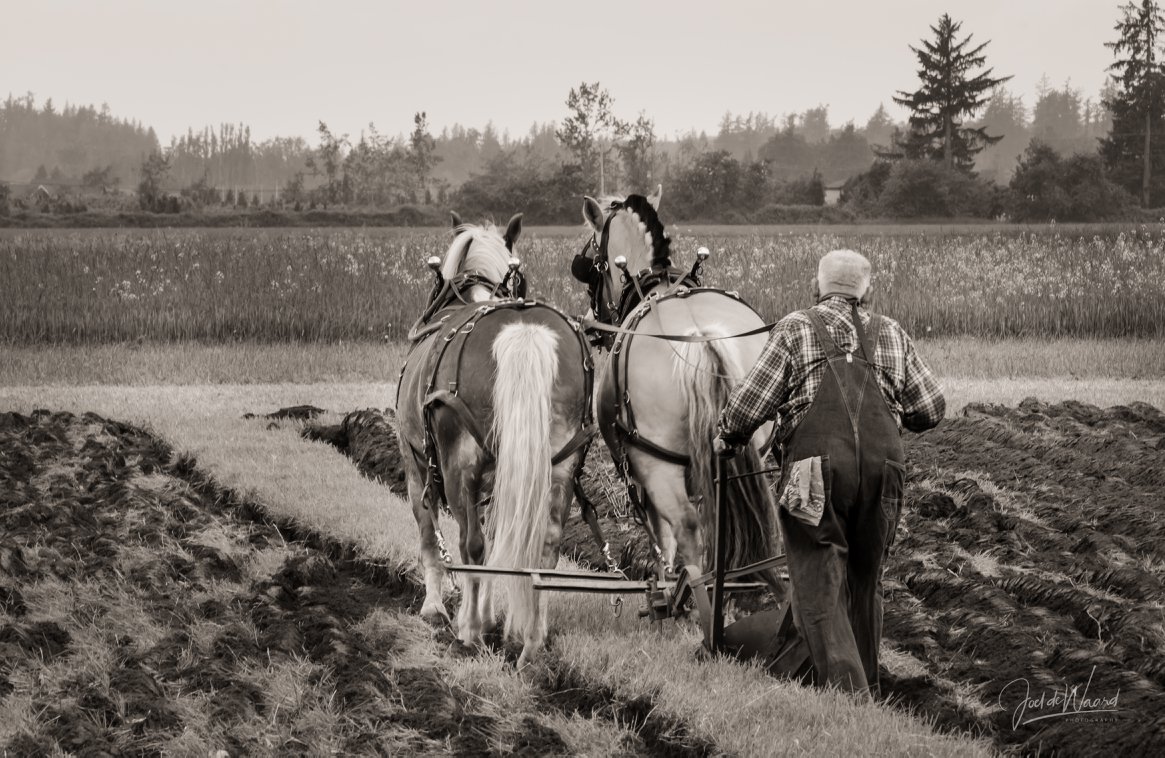
Freedom: Being Easy in the Harness

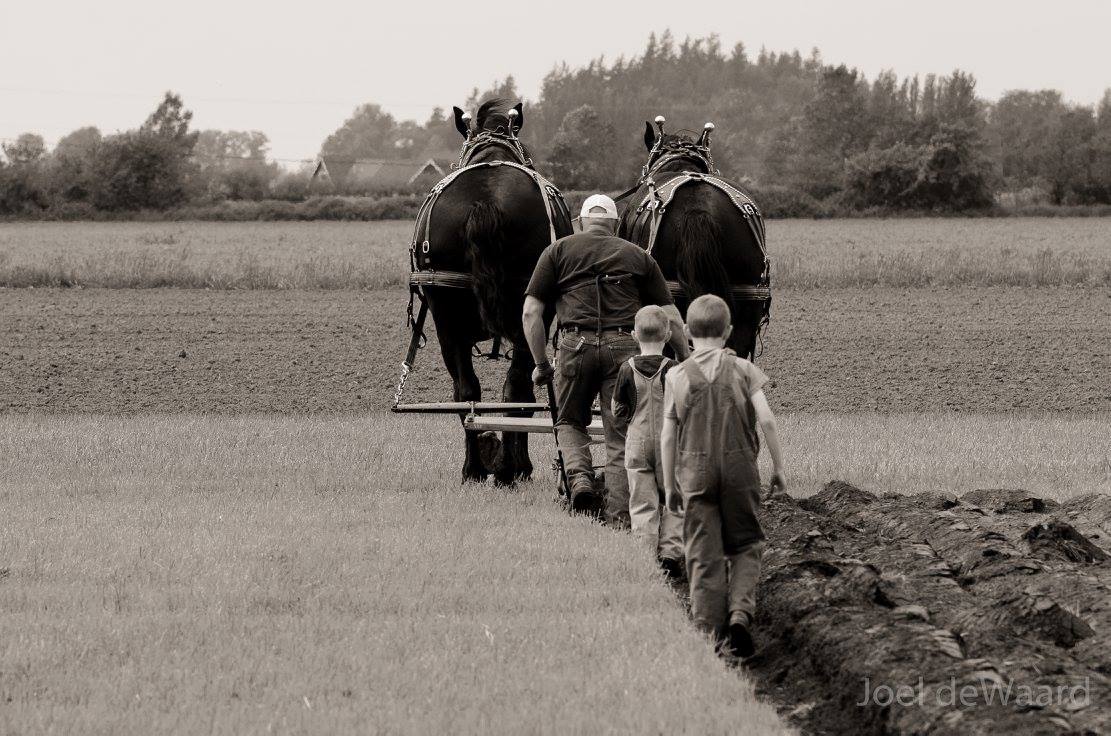
photo by Joel DeWaard
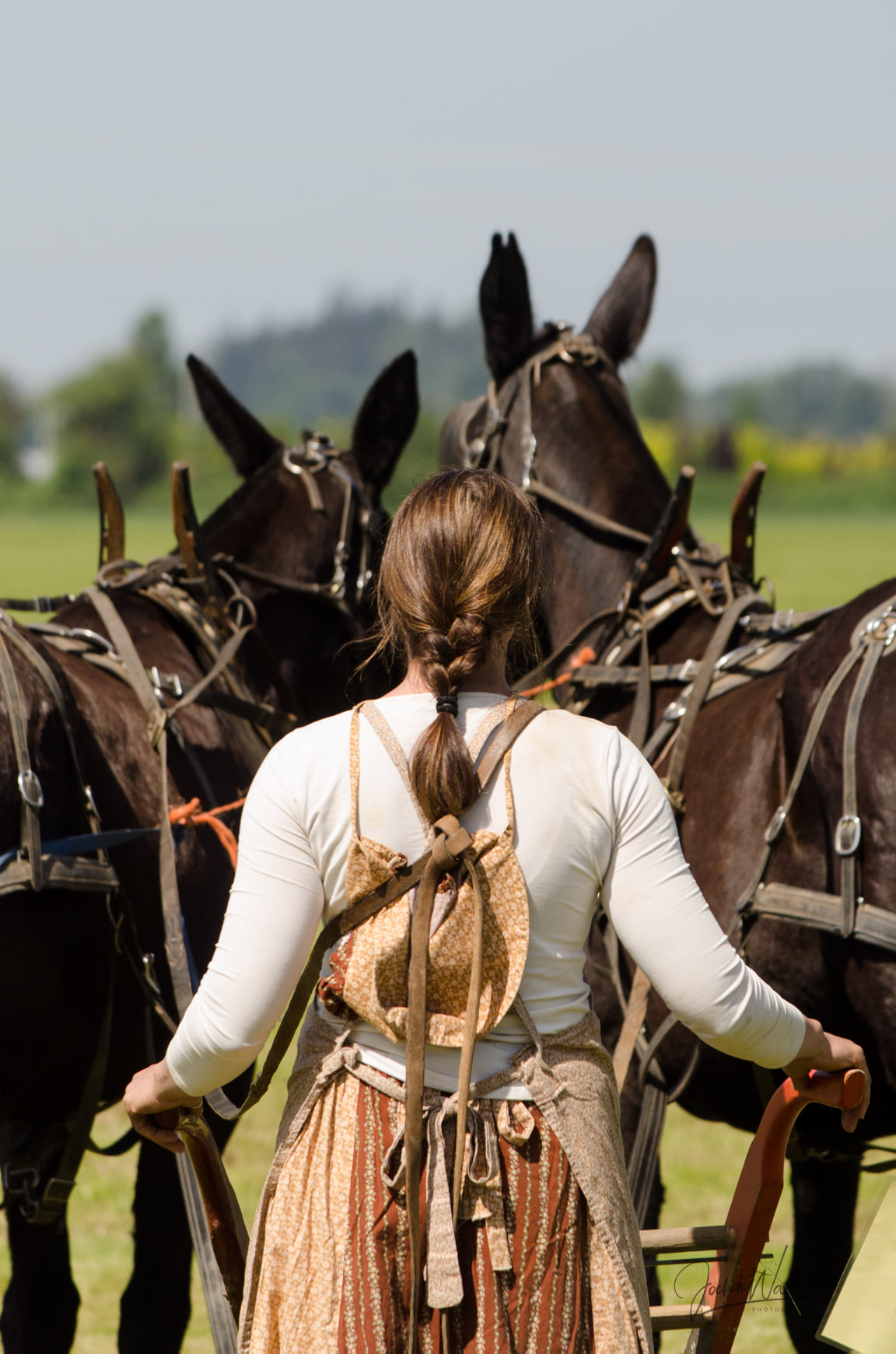
Photo by Joel DeWaard
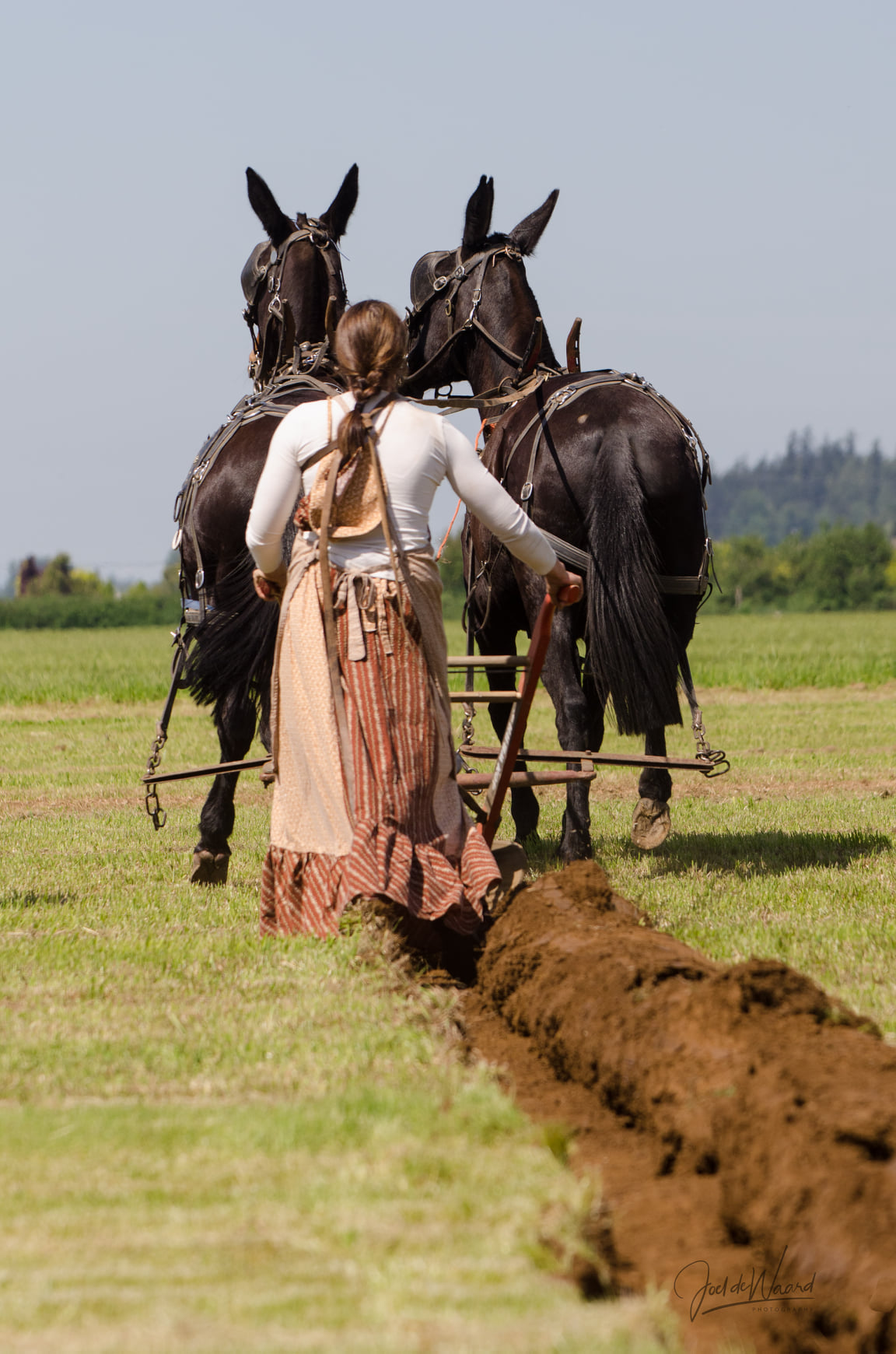
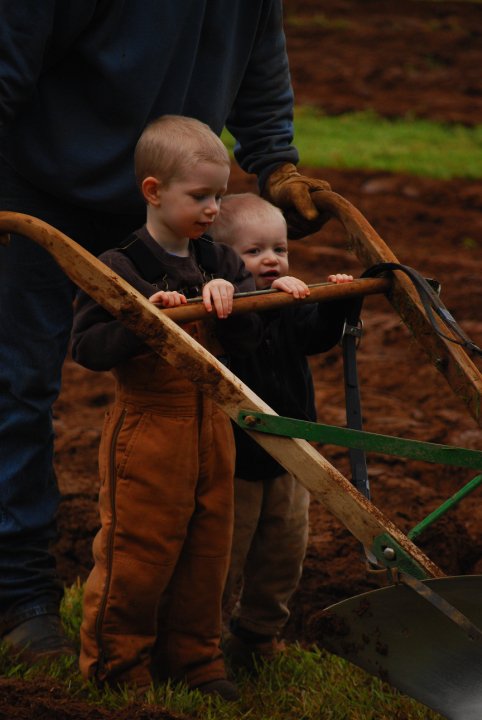
photo by Joel DeWaard

I find my greatest freedom on the farm.
I can be a bad farmer or a lazy farmer and it’s my own business.
What is my definition of freedom?
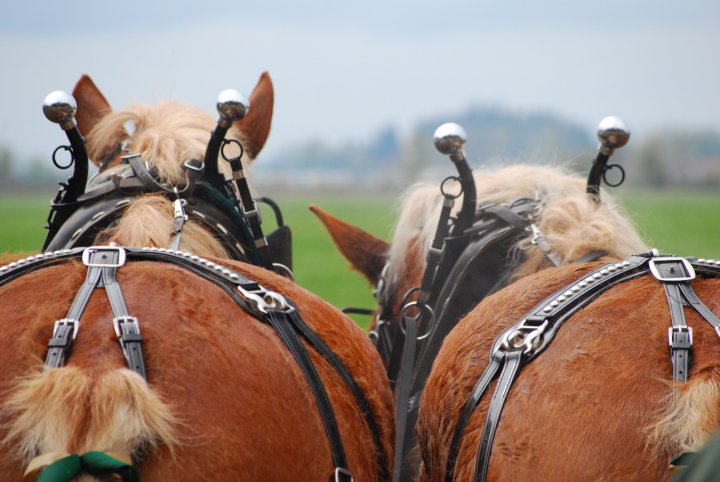
It’s being easy in your harness.

~Robert Frost in 1954, at a news conference on the eve of his 80th birthday

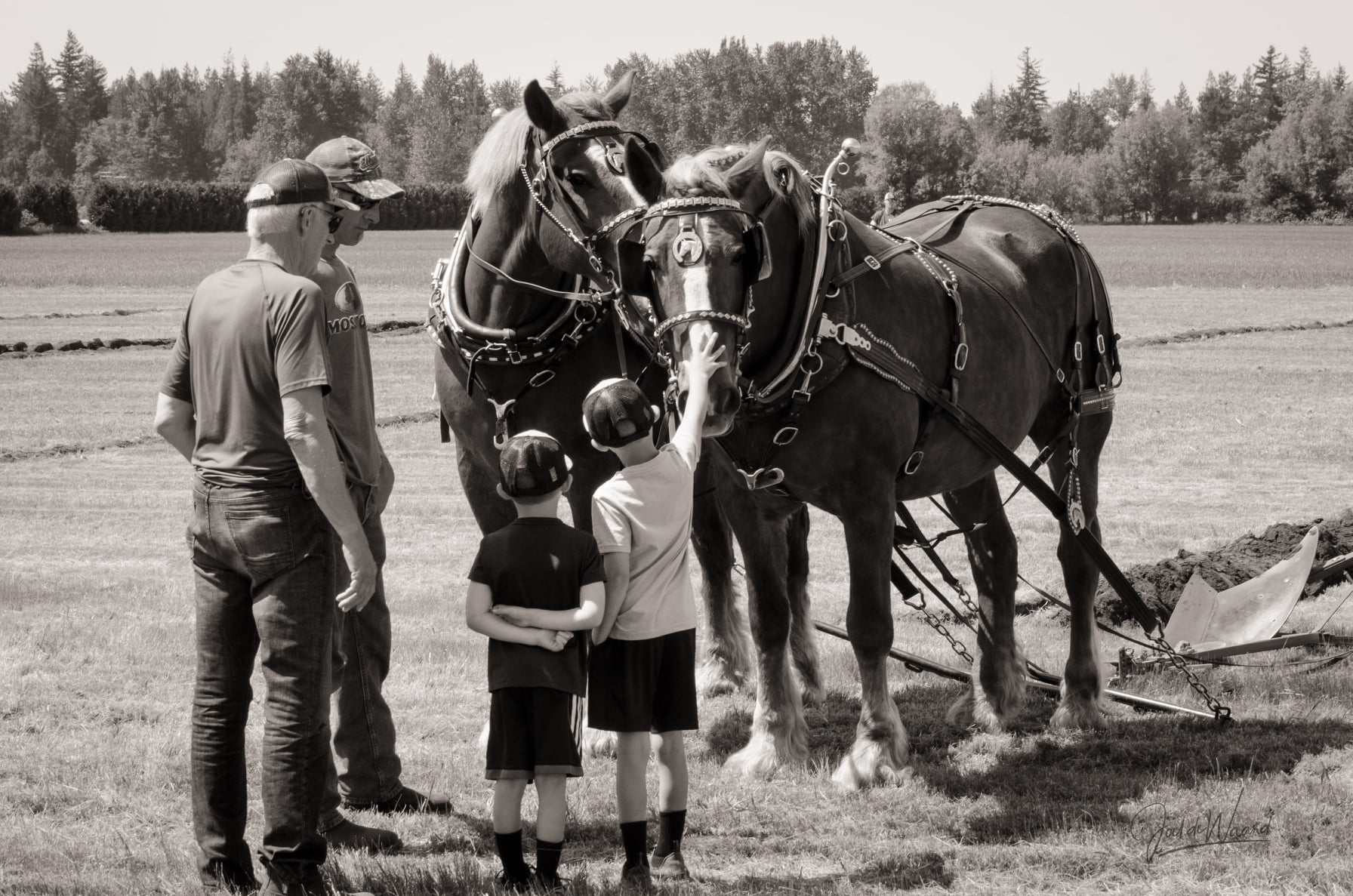
photo by Joel DeWaard

Little soul,
you and I will become
the memory
of a memory of a memory.
A horse
released of the traces
forgets the weight of the wagon.
~Jane Hirshfield “Harness”

photo by Joel DeWaard

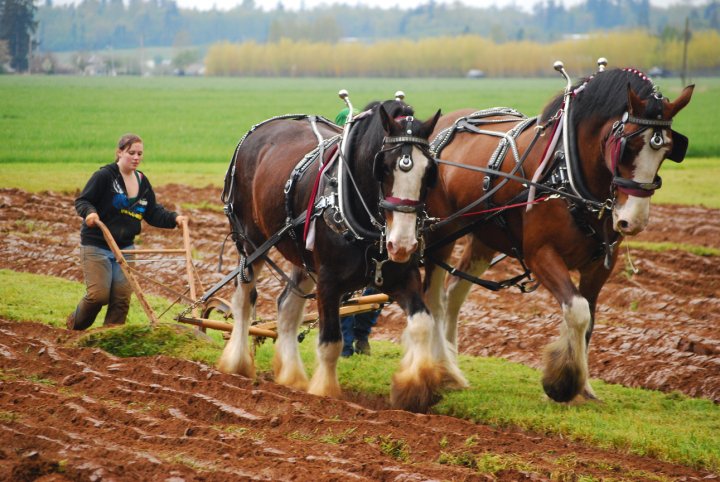
The past was faded like a dream; 
There come the jingling of a team, 
A ploughman’s voice, a clink of chain, 
Slow hoofs, and harness under strain. 
Up the slow slope a team came bowing

O wet red swathe of earth laid bare,
O truth, O strength, O gleaming share,
O patient eyes that watch the goal,
O ploughman of the sinner’s soul.
O Jesus, drive the coulter deep
To plough my living man from sleep…


That Christ was standing there with me, 
That Christ had taught me what to be, 
That I should plough, and as I ploughed 
My Saviour Christ would sing aloud, 
And as I drove the clods apart 
Christ would be ploughing in my heart, 
Through rest-harrow and bitter roots, 
Through all my bad life’s rotten fruits.

Lo, all my heart’s field red and torn,
And Thou wilt bring the young green corn,
And when the field is fresh and fair
Thy blessed feet shall glitter there,
And we will walk the weeded field,
And tell the golden harvest’s yield,
The corn that makes the holy bread
By which the soul of man is fed,
The holy bread, the food unpriced,
Thy everlasting mercy, Christ.
~John Masefield from The Everlasting Mercy

photo by Joel DeWaard

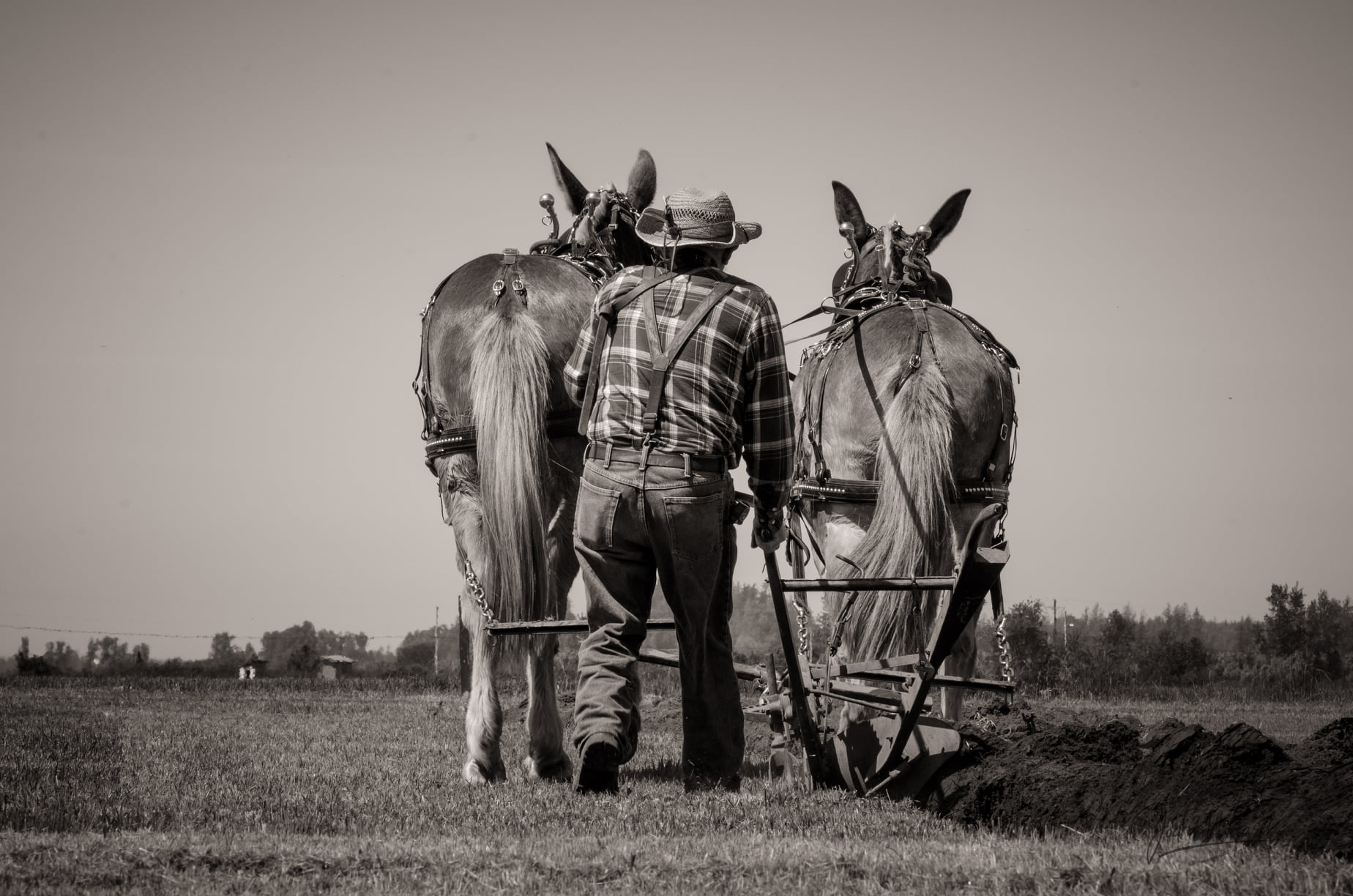
We historically have shouldered much burden
in our pursuit of happiness and freedom;
it’s worth every ounce of sweat,
every sore muscle,
every drop of blood,
every tear.

We forget the weight of the plow
as it turns over the earth
where someday we will rest as dust.

The soil of our hearts is well-tilled,
yielding to the plowshare
digging deep with the pull of the harness.
The furrow straight and narrow.

Although we are tread upon
yet do we bloom;
though we are turned upside down
yet we produce bread.

Plowing brings freshness to the surface,
a new face upturned to the cleansing dew,
knots of worms making our simple dust fertile.

Plow deep our hearts this day
of celebrating freedom in You, Dear Lord.
Let us remember to worship You, and not ourselves.

May we plow, sow, grow,
gather and harvest what is needed
to feed your vast and hungry children
everywhere.

photo by Joel DeWaard

Thank you once again to Joel DeWaard, local farmer, craftsman and photographer, who graciously shares his photos of the Annual International Lynden (Washington) Plowing Match

Whatcha gonna do when the plowin’s done?
Workin’ all day in the heat of the sun
The game’s been caught; the bread’s been won
Whatcha gonna do when the plowin’s done?

What I’m gonna do when the plowin’s done
Is take some time just to have some fun
Say the barn-dance just begun
That’s where I’m goin’ when the plowin’s done

Whatcha gonna do when the daylight’s gone
Twilight settles and the shade grows long
The whippoorwill sings his favorite song
Whatcha gonna do when the daylight’s gone?

What I’m gonna do when the daylight’s gone
Is take you to the dance if you’ll come along
The down-home past time can’t go wrong
That’s what I’m doing when the daylight’s gone

Whatcha gonna do when the moonlight’s gone
And dewdrops settle on the farmer’s lawn
I’m gonna stay right here and dance till dawn
That’s what I’m doing when the moonlight’s gone

One-Time
Monthly
Yearly

Make a one-time or recurring donation to support daily Barnstorming posts

Make a monthly donation

Make a yearly donation
Choose an amount

¤5.00
¤10.00
¤20.00
¤5.00
¤15.00
¤100.00
¤5.00
¤15.00
¤100.00

Or enter a custom amount

¤

Your contribution is deeply appreciated.

Your contribution is appreciated.

Your contribution is appreciated.

DonateDonate monthlyDonate yearly