Our Wings Ruffled

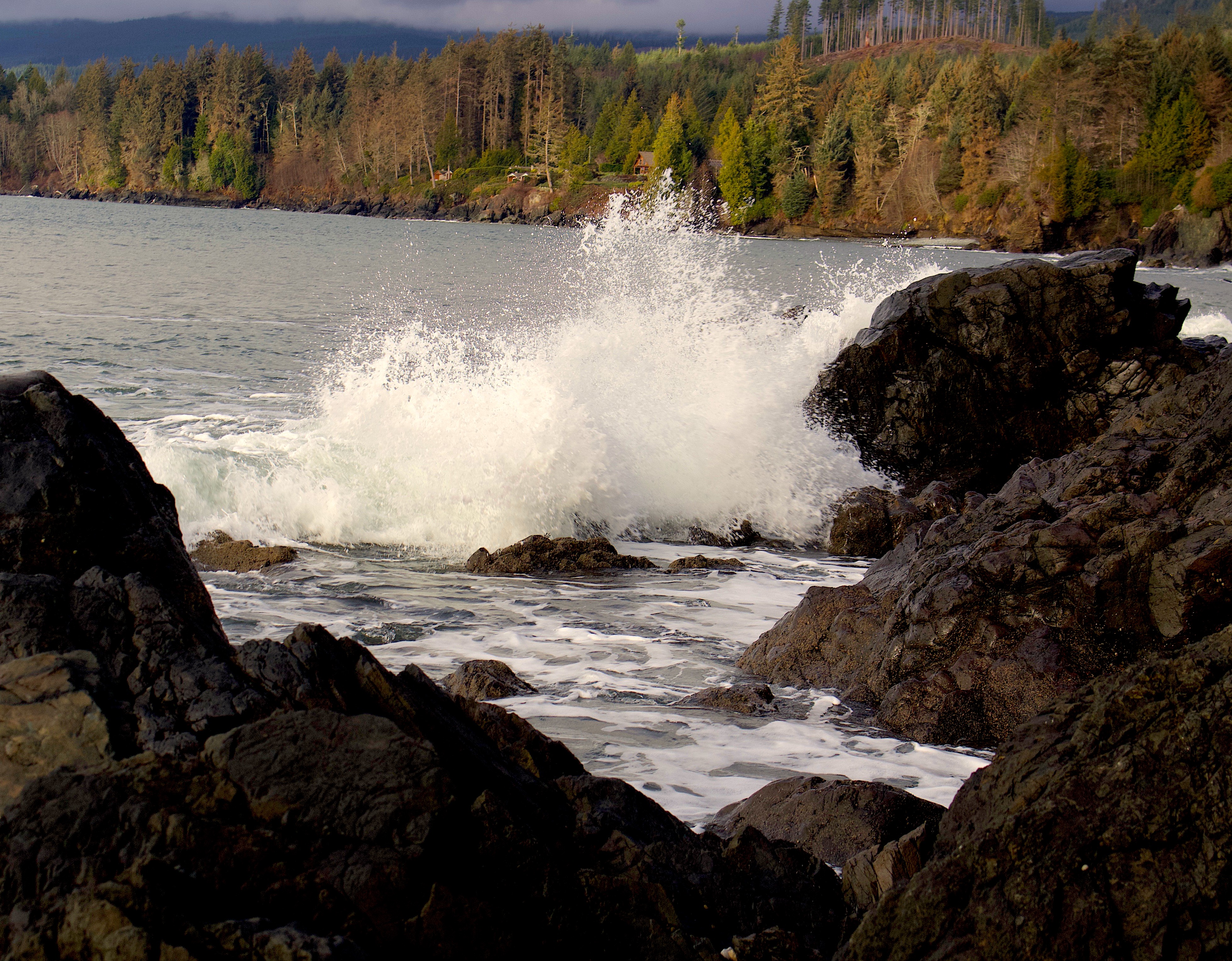
Birds afloat in air’s current,
sacred breath?  No, not breath of God,
it seems, but God
the air enveloping the whole
globe of being.
It’s we who breathe, in, out, in, in the sacred,
leaves astir, our wings
rising, ruffled — but only the saints
take flight.  We cower
in cliff-crevice or edge out gingerly
on branches close to the nest.  The wind
marks the passage of holy ones riding
that ocean of air.  Slowly their wake
reaches us, rocks us.
But storms or still, 
numb or poised in attention,
we inhale, exhale, inhale,
encompassed, encompassed.
~Denise Levertov “In Whom We Live and Move and Have Our Being

God reminds us when we are at our most anxious and needy:
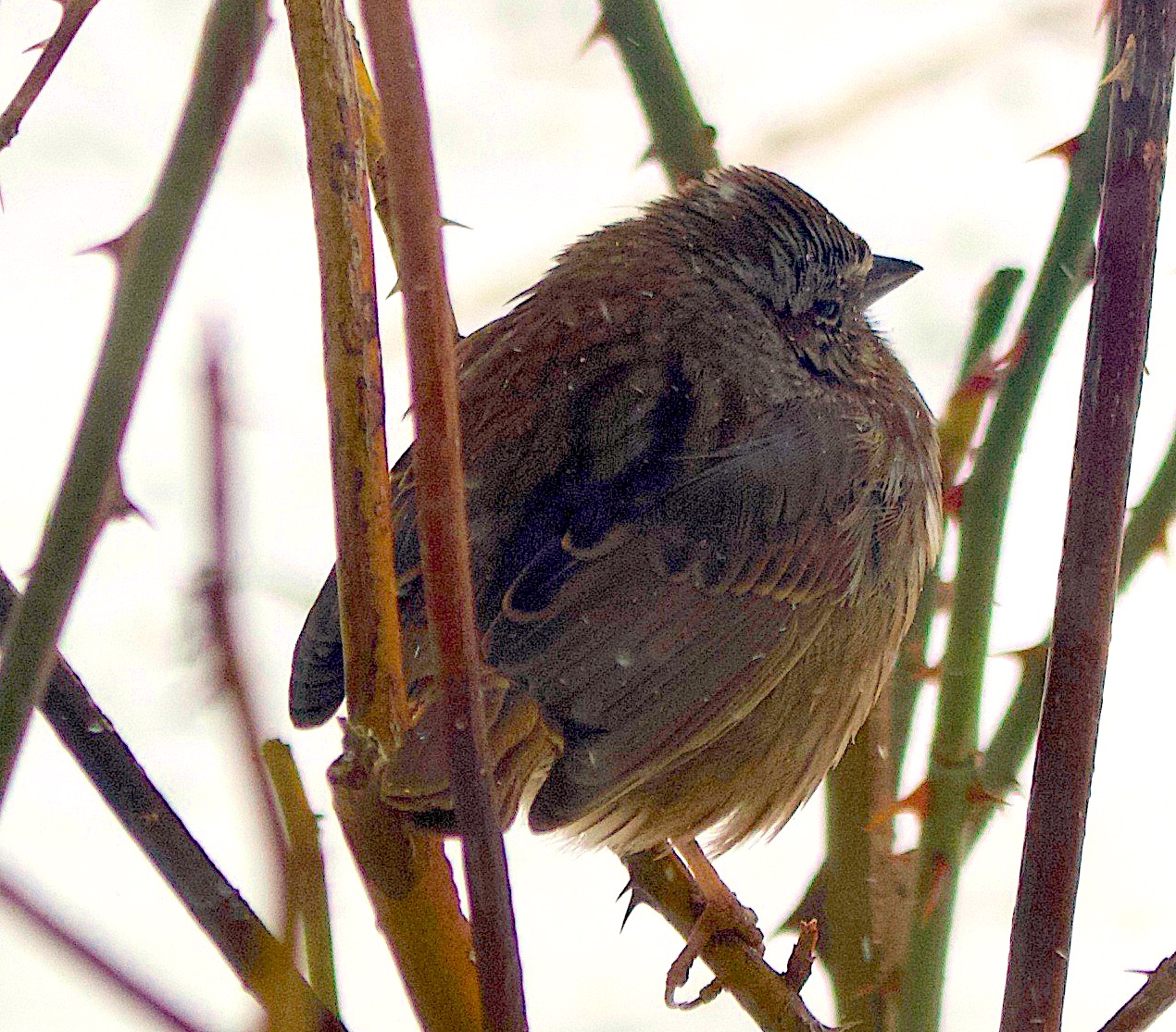
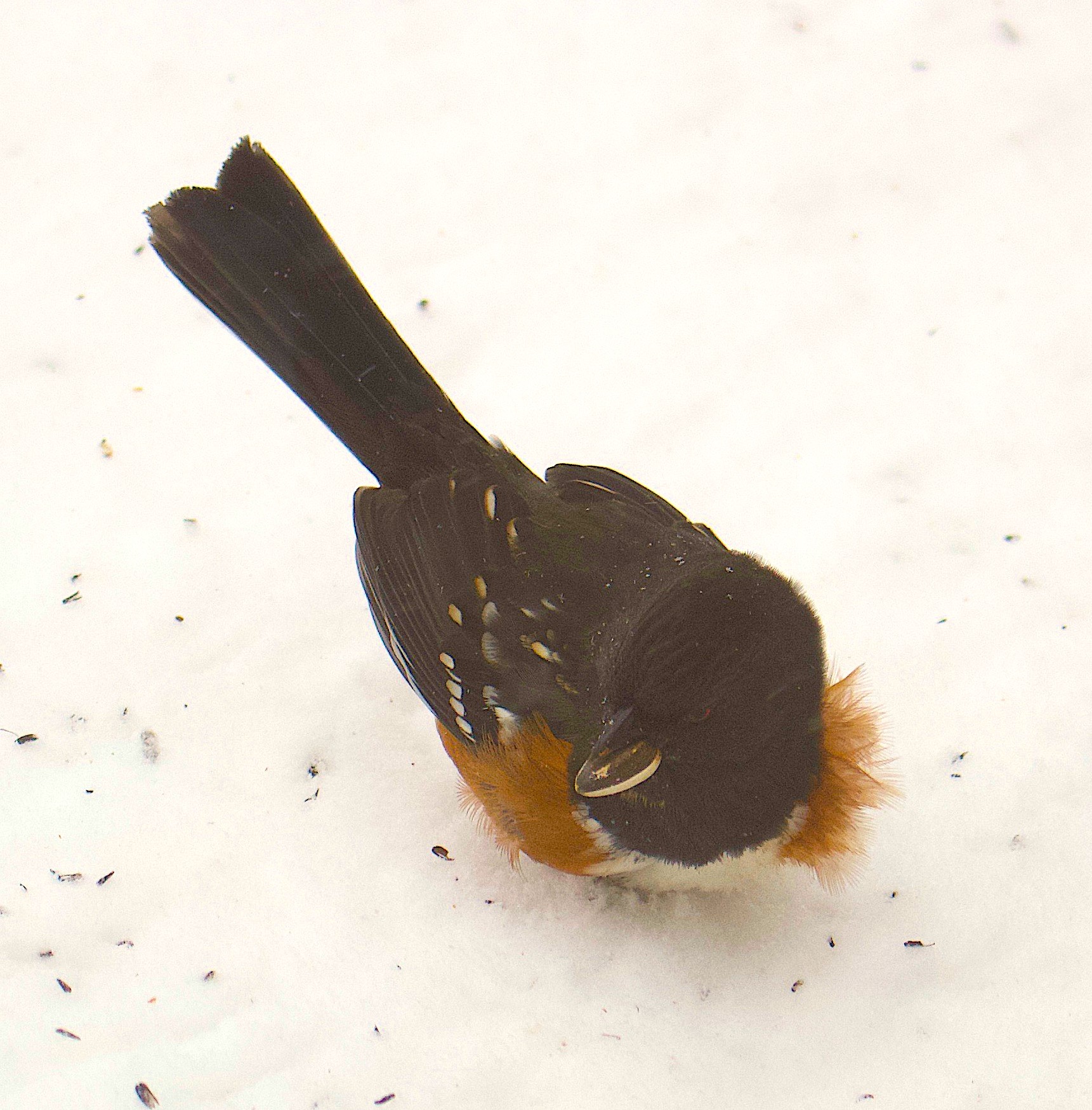
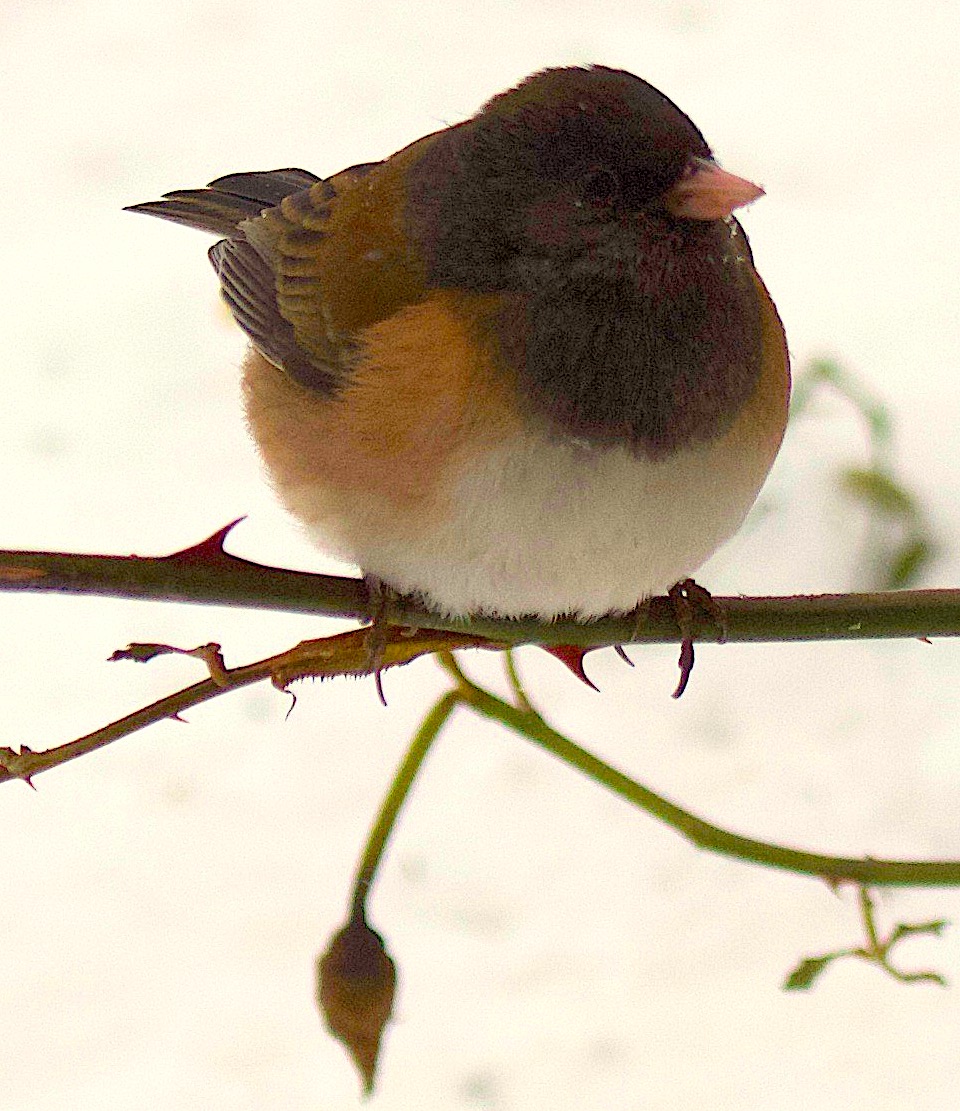
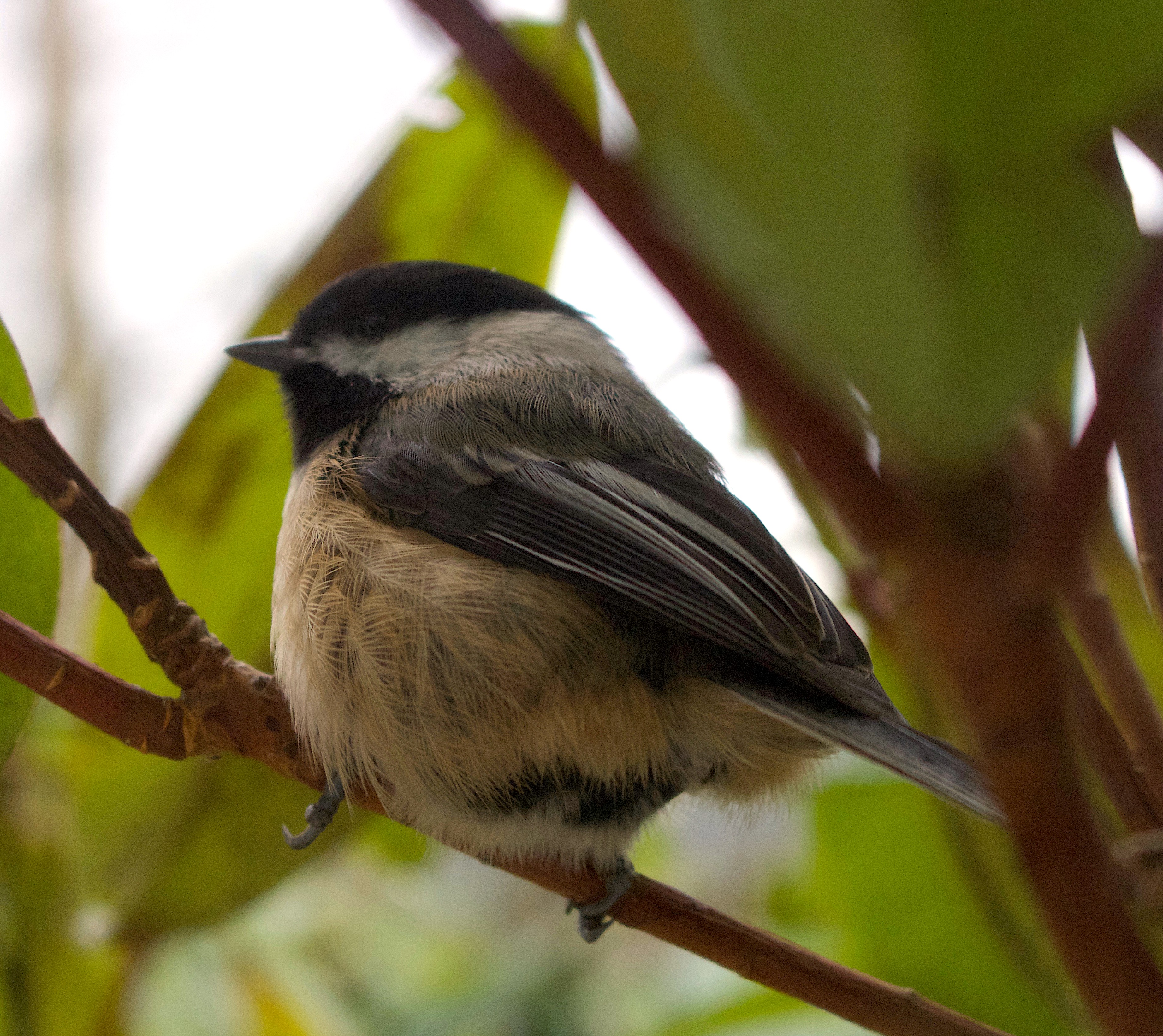
He cares for the birds and feeds them, lifts their wings in the wind and their feathered down keeps them warm. He gives them air to ride upon and air to breathe.

If them, then He cherishes us as well.

We too breathe in, breathe out, ruffled and fluffed, surrounded by the air we need and the air that lifts us. Lacking down, it is His breath keeping us warm.

Encompassed.

Cold Grows Colder

The cold grows colder, even as the days 
grow longer, February’s mercury vapor light 
buffing but not defrosting the bone-white 
ground, crusty and treacherous underfoot. 
This is the time of year that’s apt to put 
a hammerlock on a healthy appetite, 
old anxieties back into the night, 
insomnia and nightmares into play; 
when things in need of doing go undone 
and things that can’t be undone come to call, 
muttering recriminations at the door, 
and buried ambitions rise up through the floor 
and pin your wriggling shoulders to the wall; 
and hope’s a reptile waiting for the sun.
~Bill Christopherson
“February”

Just when you think it is safe to go out in shirt sleeves and sweats, subzero wind chill blasts through your bravado and reminds you February is still WINTER on the calendar and in reality.

February can be a month of regret and recriminations, of “should-haves” and “should-not-haves” while waiting, frozen and immobile, for spring to bring us back to life. Like cold-blooded creatures, we need the sun to warm us up so we can move again. This sun today, bright as it is, only lights up our flaws and holes – no warmth whatsoever.

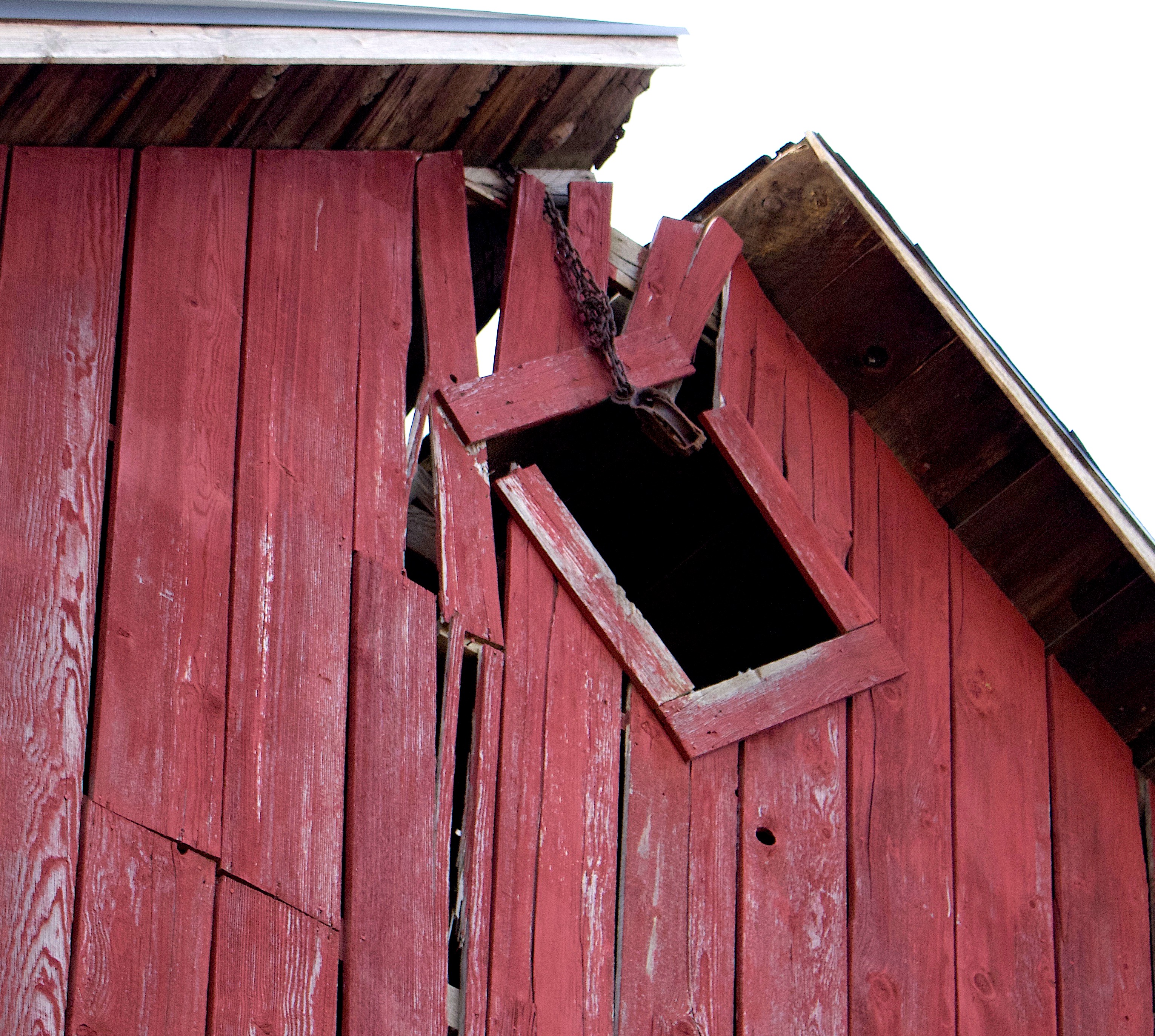
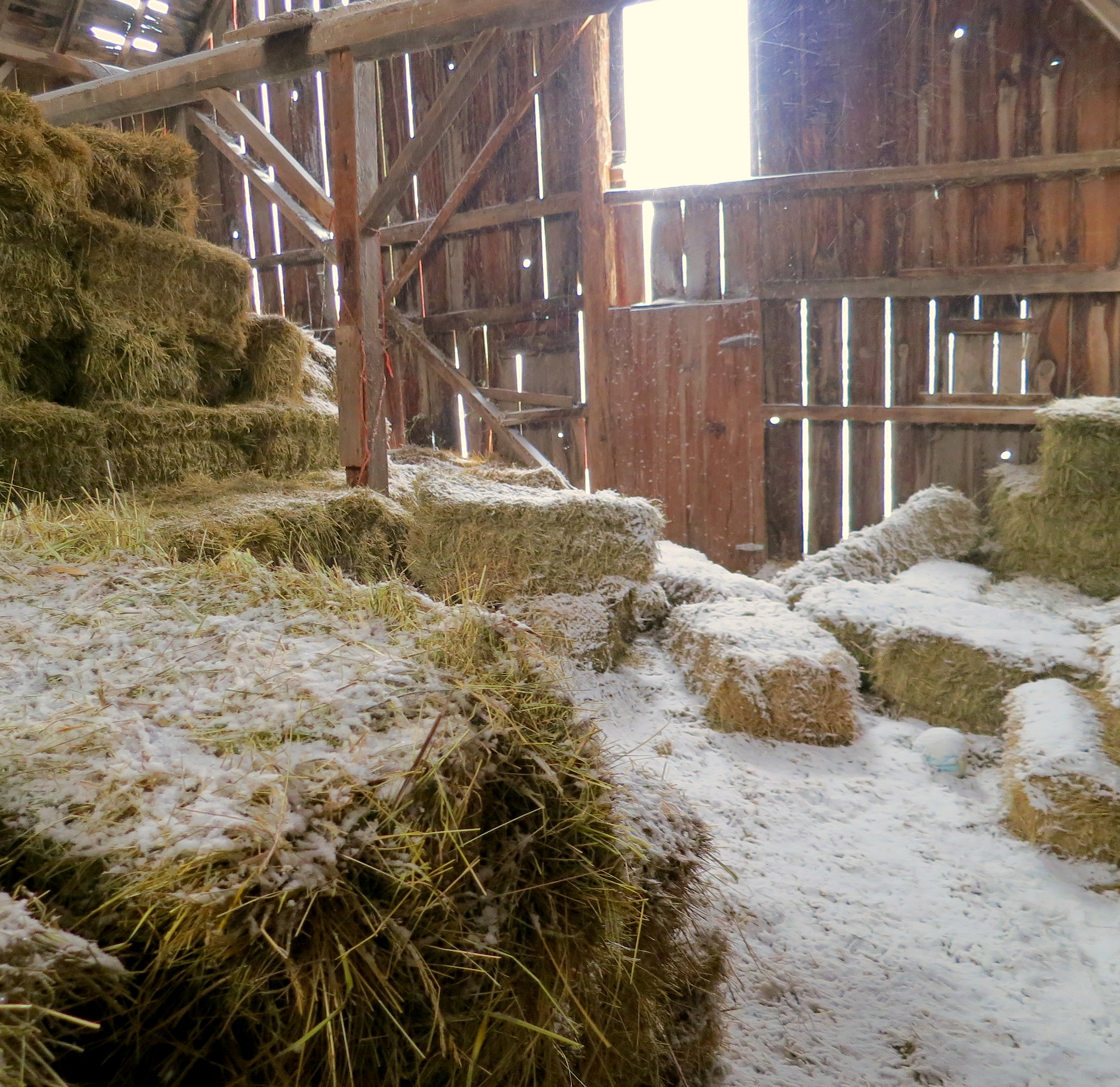
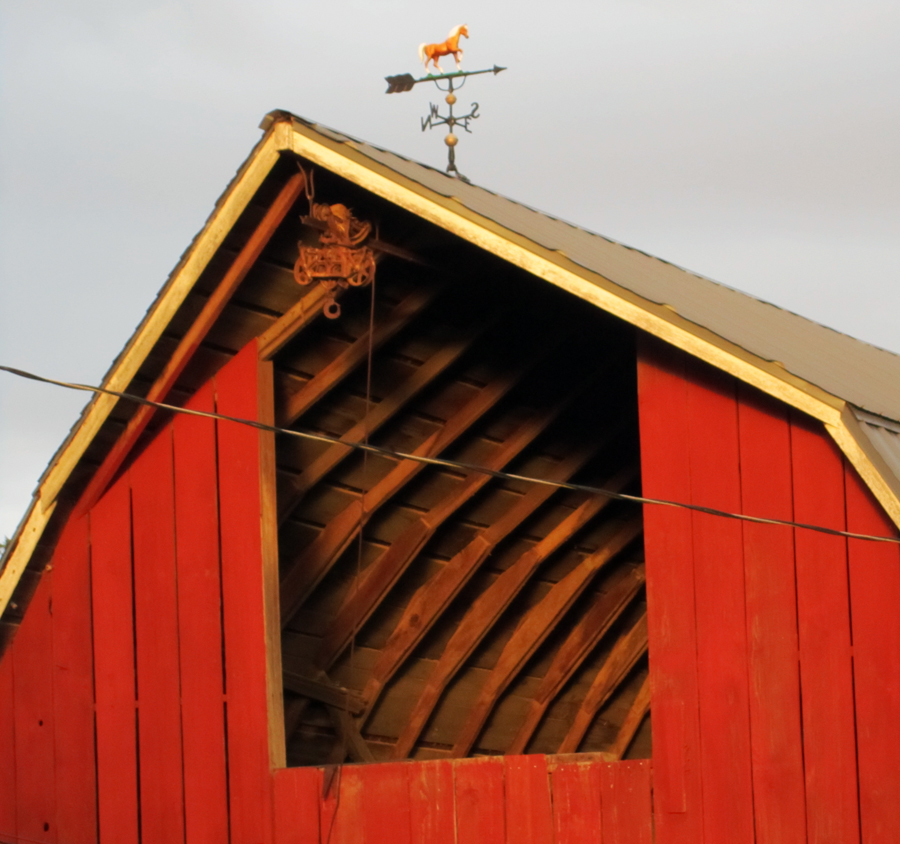
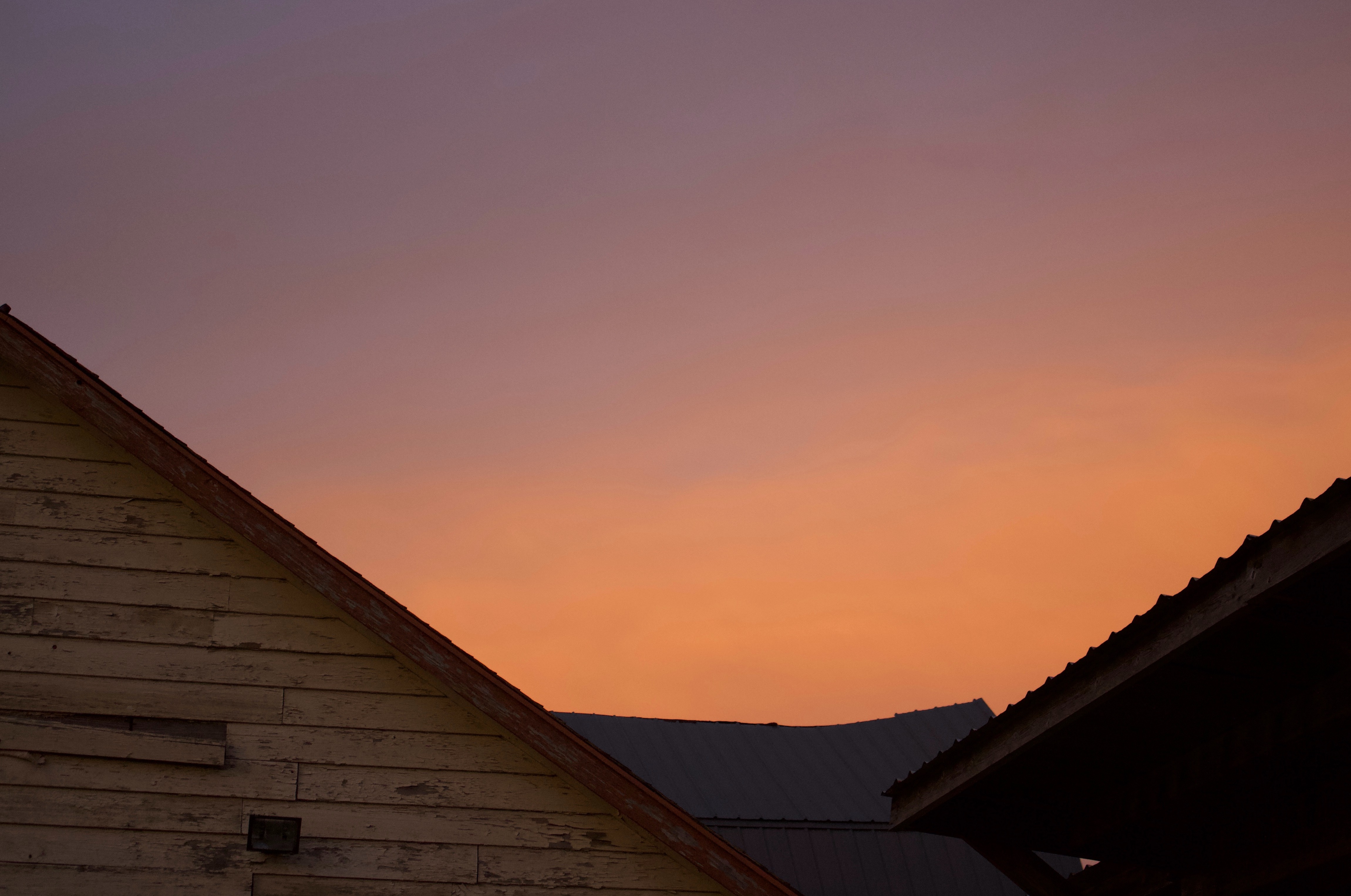
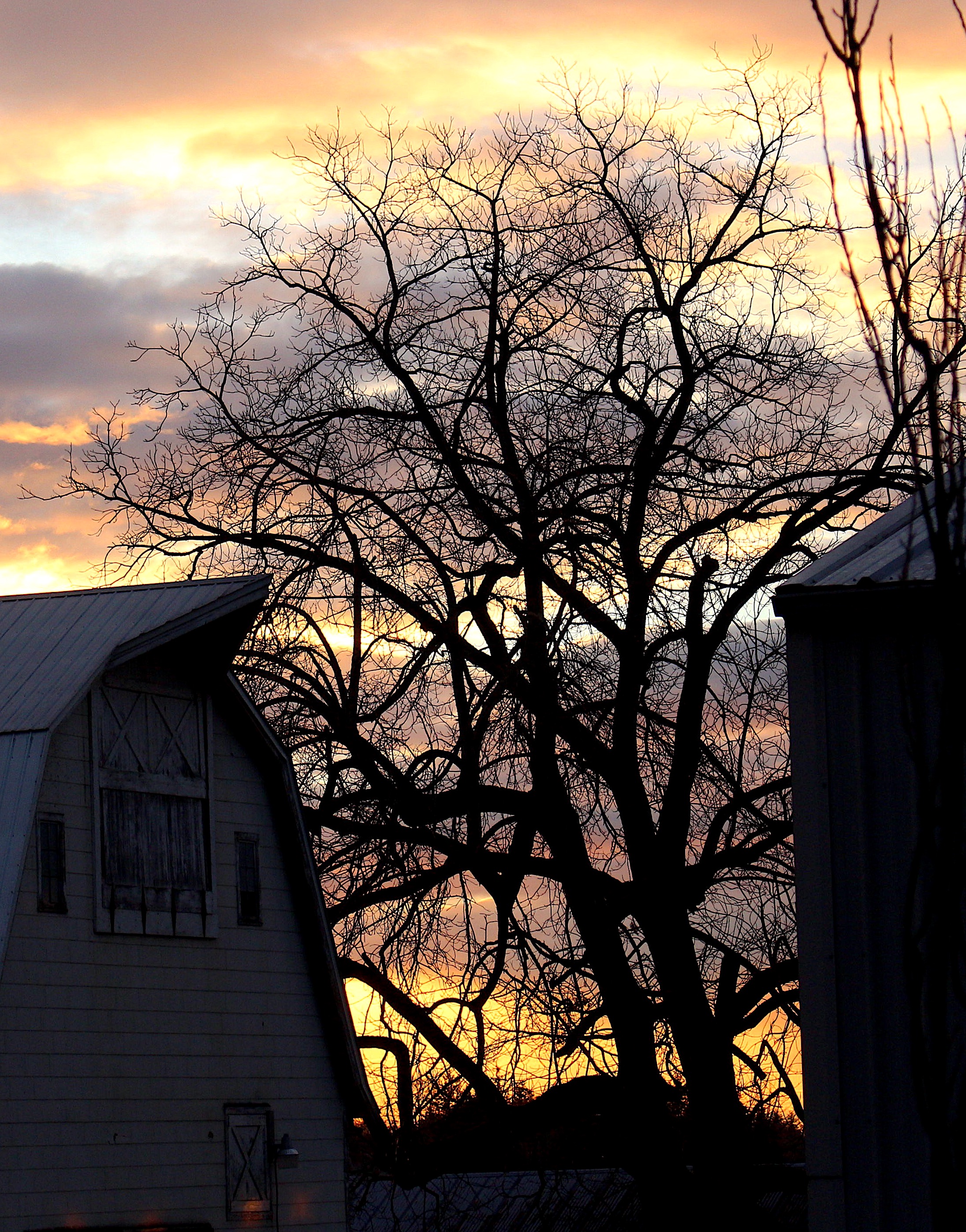
And it’s not just me struggling to stay upright in the storm. Our old red barn, waiting for its spring date with a talented rehab carpenter, hasn’t many roof shingles left after this latest blow, and a recent partial wall collapse in the wind prompted a neighbor to ask if we had meant to create a new door into our barn.

Uh, no.

The old barn is kind of like how I feel at times: lacking a decent foundation, a bit shaky on my underpinnings, a lot sagging in the middle, broad in the beam and drafty where I shouldn’t be.
So much to be shored up, fixed, patched and restored. So much need for a talented Carpenter who knows how to mend and strengthen the broken and fallen.

The Way the Wind Blows

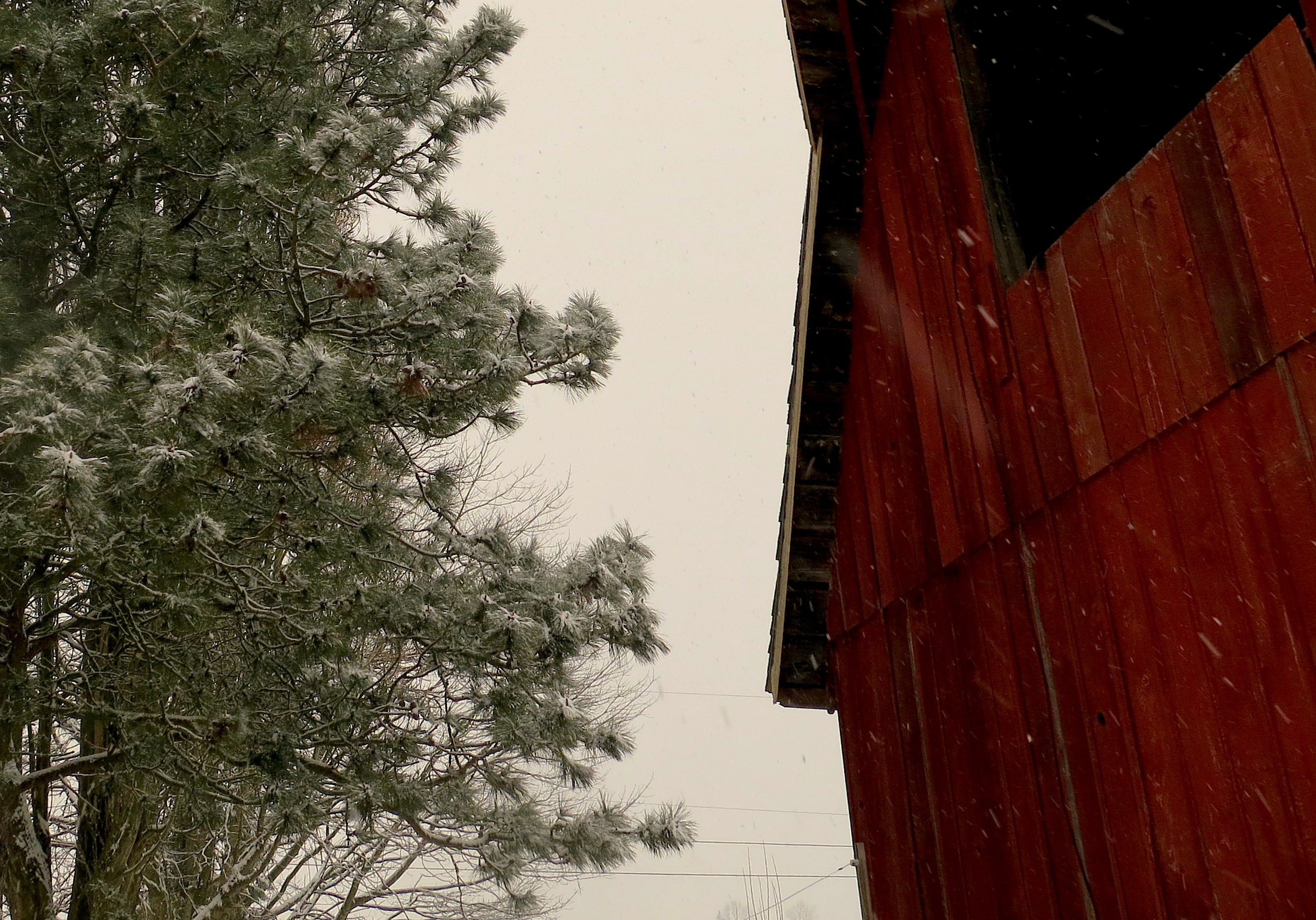
Snow is falling today and more wind is forecast tomorrow.

It is a cold wind, whether coming from the north, chilling our bones as various weather fronts meet and clash overhead and we feel dumped on.

Another cold wind of reality is blowing through America right now as well, and not just on our farm.

There is considerable turmoil as Americans struggle with the increased need to “pay as you go” rather than “borrow for what you desire”.  The debt load for young adults is climbing, especially student loans and mortgages. Fewer older people have any significant savings for retirement.

Our parents were Great-Depression era children, so my husband and I heard plenty of stories convincing us never to reach beyond our means.  My grandmother moved her three young children 20 miles away from home in order to cook morning, noon and night in a large boarding house, grateful for the work that allowed her to feed her family. It also meant separation from their jobless, depressed and often intoxicated father for weeks at a time.  She told stories of making sandwiches to feed hobos who knocked on the kitchen door, hoping for a hand out, and after sitting briefly on the back steps eating what she could offer from left over scraps, they would be on their way again, walking on down the muddy road, hoping somewhere farther along there may be another handout or perhaps a day’s work.   Even in her time of trouble, my grandmother could find blessing in the fact she and her children had a roof over their heads, beds to sleep in (all in one room) and food to fill their stomachs.  There were always people worse off and she wasn’t one of them.

My grandmother never lived comfortably, by her own choice, after that experience.  She could never trust that tomorrow things would be as plentiful as today, so she rarely rested, never borrowed, always saved even the tiniest scrap of food, of cloth, of wood, as it could always prove useful someday.   My father learned from those uncertain days of his childhood and never borrowed to buy a car or a piece of furniture or an appliance.   It had to be cash, or it was simply not his to purchase, so he never coveted what he did not have money to buy outright.
So we, the next generation, were raised that way.  Even so, borrowing began with loans for college but still working three jobs while maintaining good grades.  But then there was borrowing for that first care and to buy a house. 

But with grandma’s and dad’s stories fresh in our minds, we knew we couldn’t start that slippery slope of borrowing to take vacations or buy  the latest and greatest stuff or build the bigger house.   So we didn’t.

We have lived simply, driving our vehicles past 200,000 miles, continuing to harvest and preserve from the garden, using our appliances past the 25 year mark. And we’ve been content and happy.

Happiness isn’t stuff.  It isn’t big houses.  It isn’t brand new cars or the latest gadgets.

It’s being under the same roof as a family, striving together and loving each other.  It is taking care of friends when they need help.  It is reaching out to the stranger in our midst who has less than we have.

The wind is pointing us back to the values we had long forgotten as we got much too comfortable.   It takes a storm to find that true contentment can rest only within our hearts.

The Tormenting Wind

photo of a windy day at Manna Farm — Nate Lovegren

Now wind torments the field,
turning the white surface back
on itself, back and back on itself,
like an animal licking a wound.

A single green sprouting thing
would restore me . . .

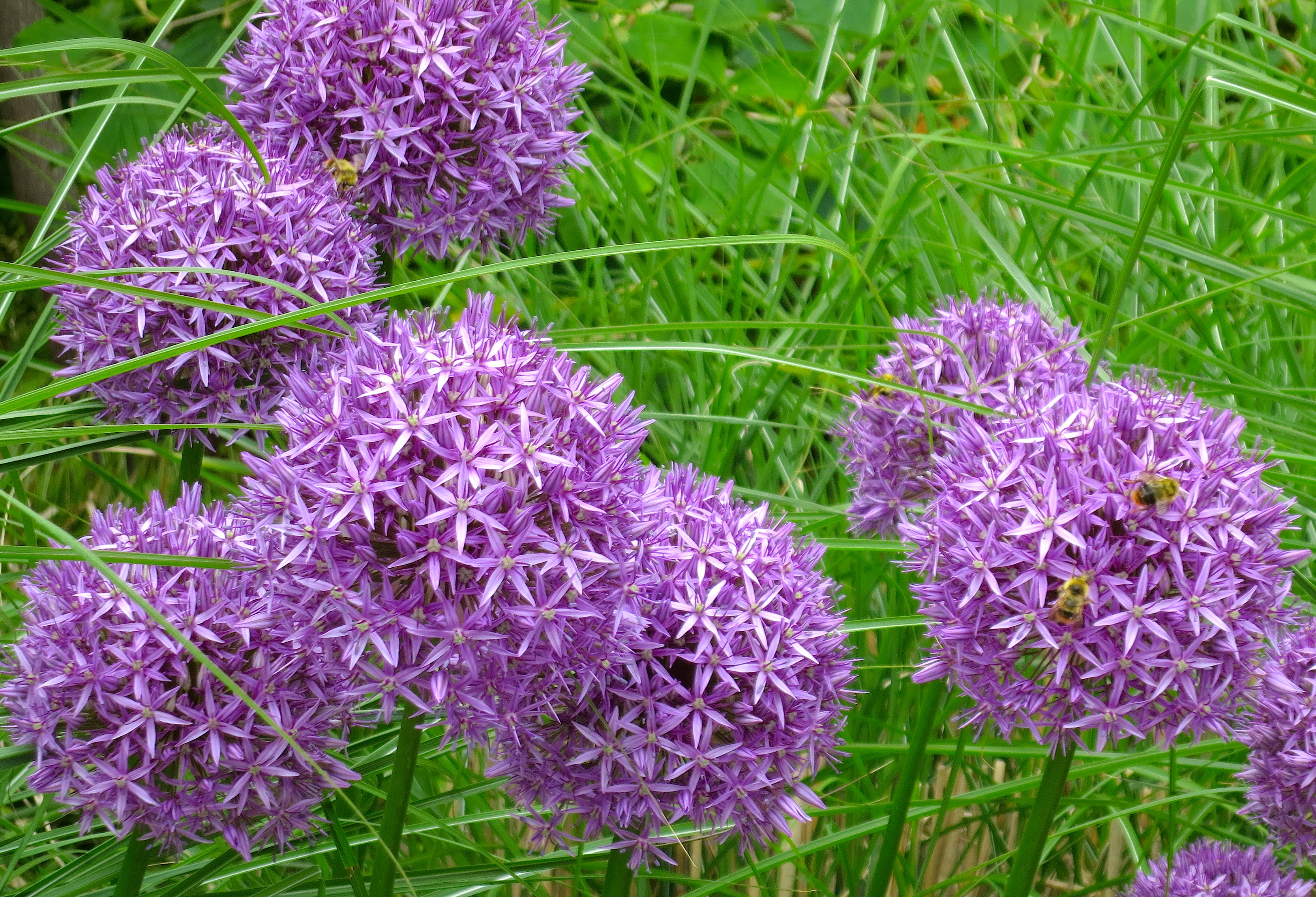
Then think of the tall delphinium,
swaying, or the bee when it comes
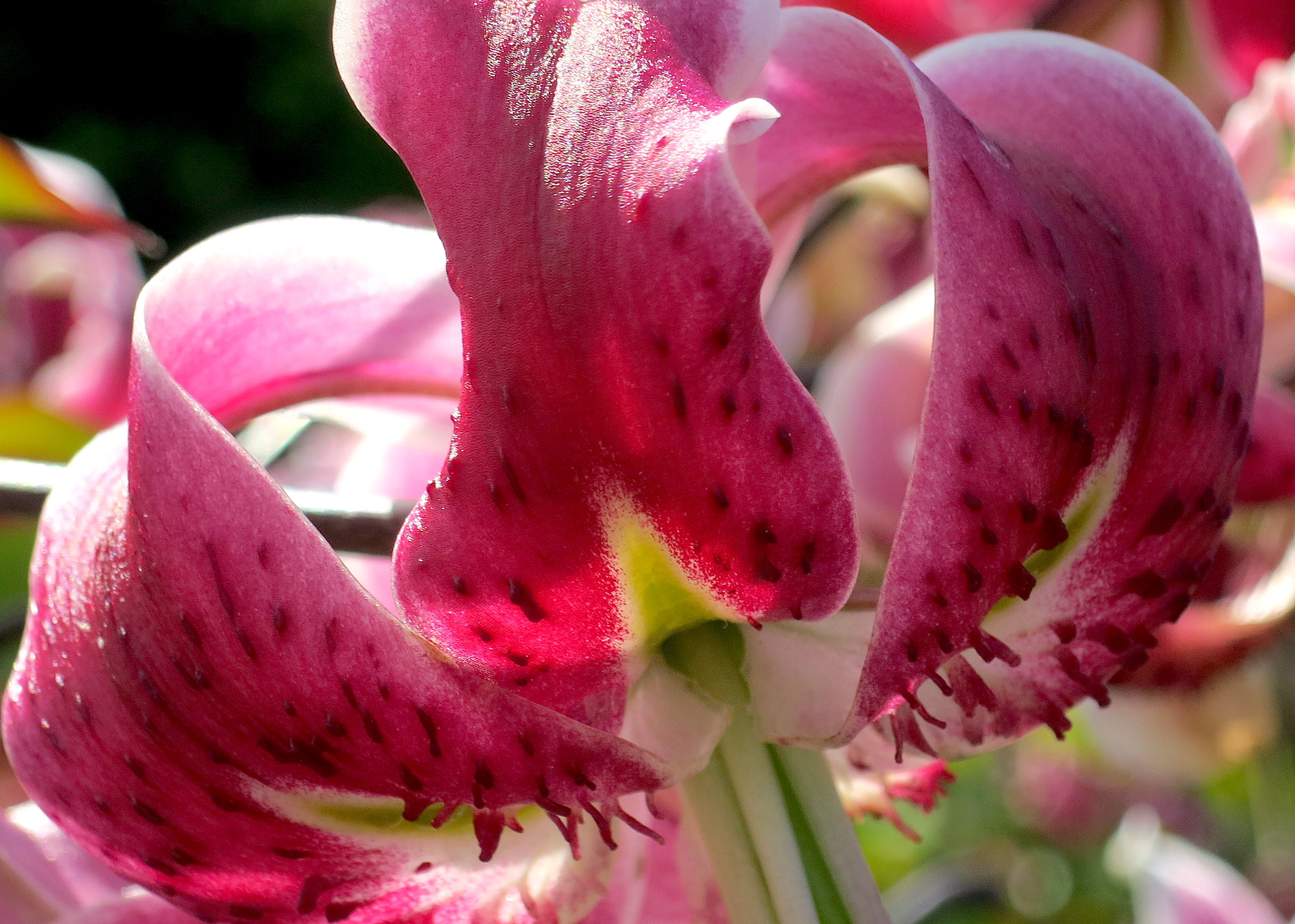
to the tongue of the burgundy lily.
~Jane Kenyon from “February: Thinking of Flowers”

We thought we had skated past winter this time: only a few sub-freezing days since October, no northeasters, no snow.

Then February comes and the ground hog lied two days ago. Winter came in a big fell swoop yesterday with blowing snow, collapsing trees onto wires, lifting off roofs and pushing hard at old barn walls. It is still pounding us from the northeast today with windchills in the subzero digits.

A hunker down day.

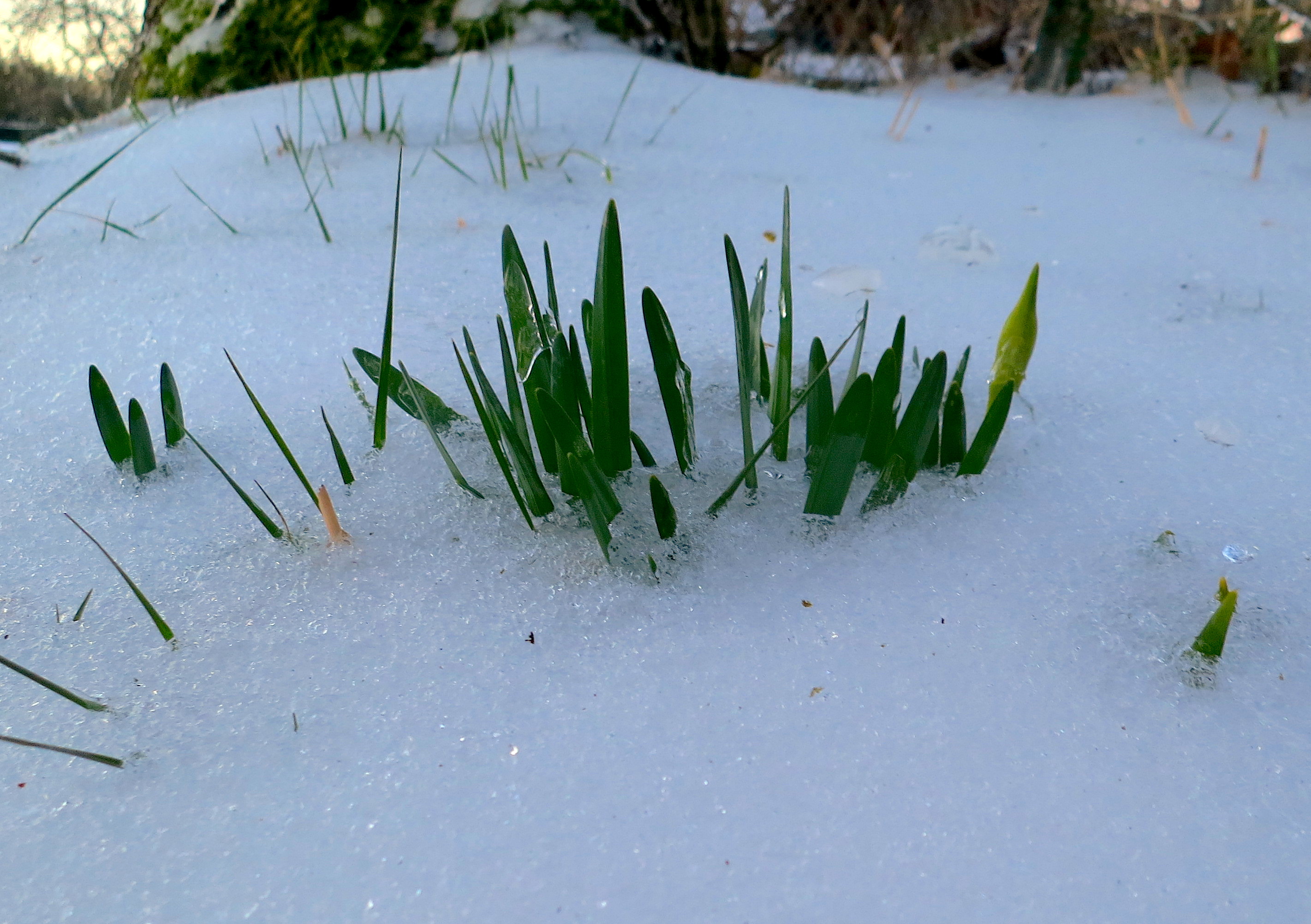
How hard is it to think of summer flowers in February when all is ice and bluster and chill? I barely recall them when I’m trying to warm my frozen fingers. Yet the bulbs are poking through the ground, with some measure of hope fueling them to keep coming, and that sight alone warms me.

This wind too shall pass… at about 50 mph with gusts to 70. It would be just fine if it kept going and didn’t look back.

A Certain Slant

There’s a certain Slant of light
On winter afternoons —
That oppresses, like the Heft
of cathedral tunes.
When it comes, the Landscape listens —
Shadows hold their breath —
When it goes, ’tis like the Distance
On the look of Death.
~Emily Dickinson

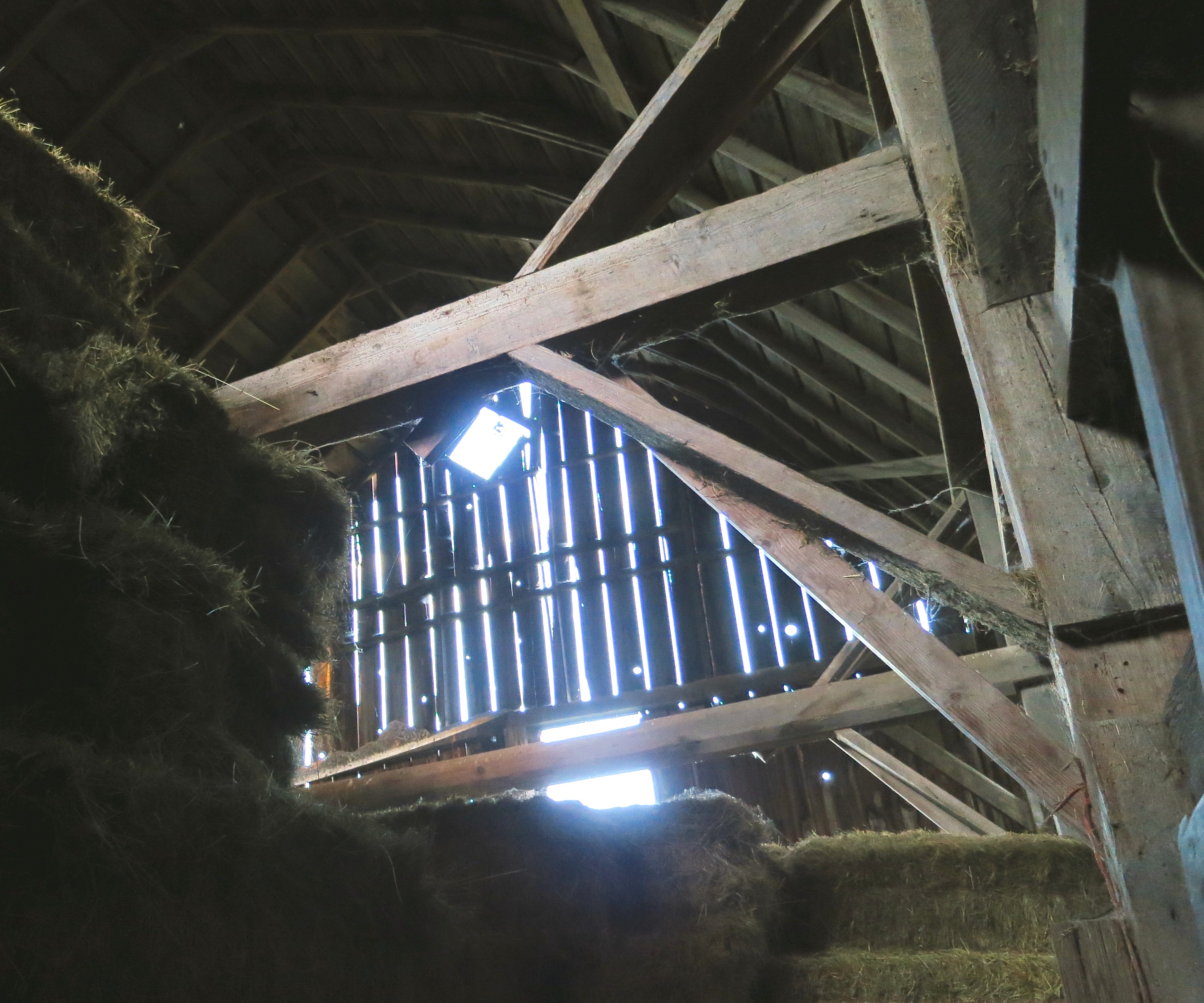
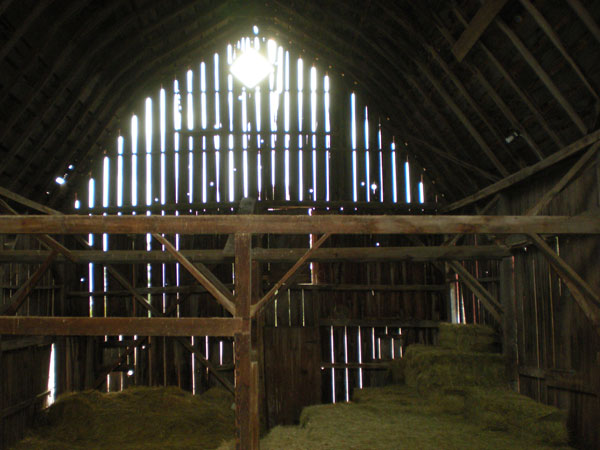
During our northwest winters, there is usually so little sunlight on gray cloudy days that I routinely turn on the two light bulbs in the big hay barn any time I need to fetch hay bales for the horses. This is so I avoid falling into the holes that inevitably develop in the hay stack between bales. Winter murky lighting tends to hide the dark shadows of the leg-swallowing pits among the bales, something that is particularly hazardous when carrying a 60 pound hay bale.

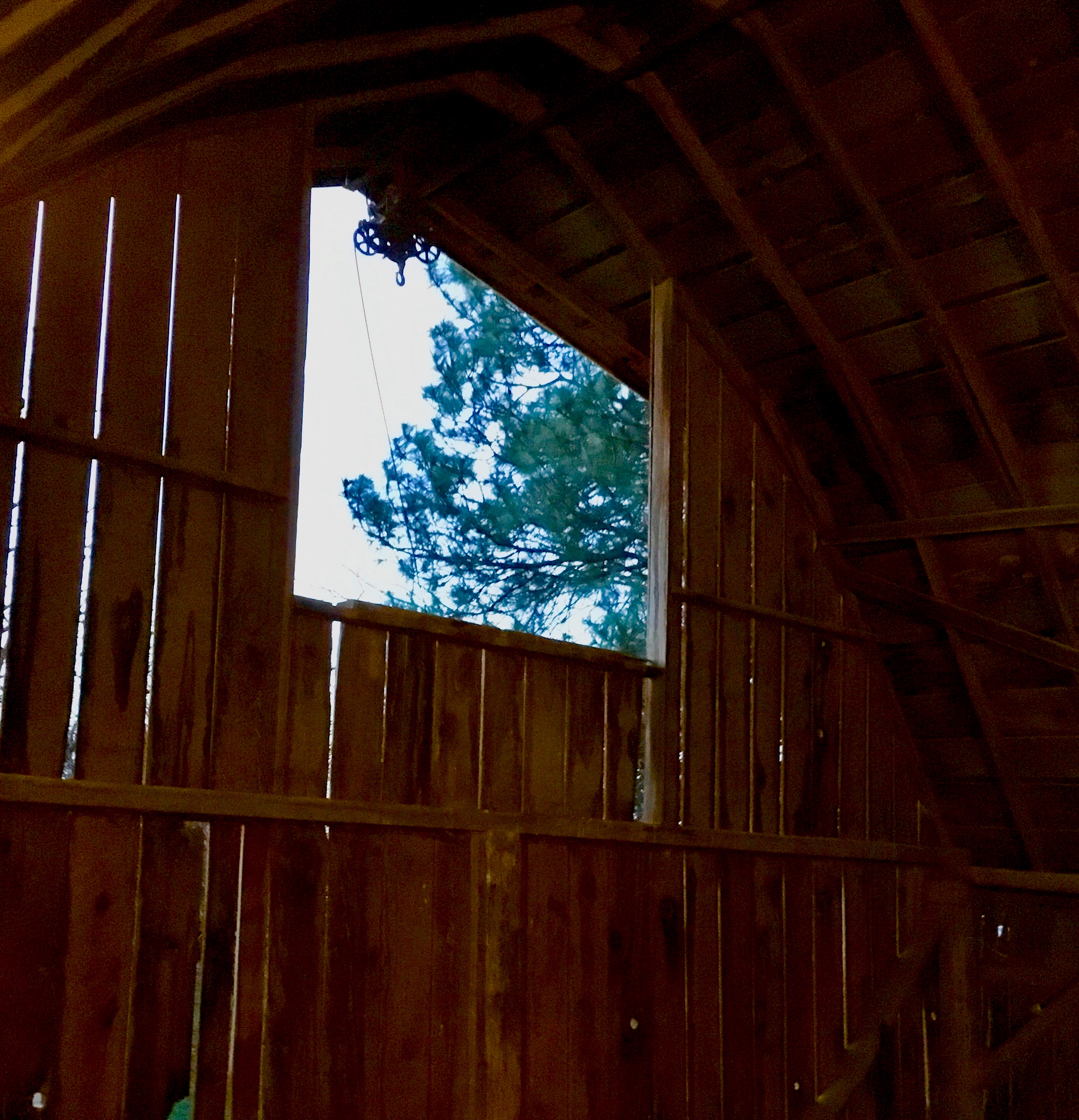
Yesterday when I went to grab hay bales for the horses at sunset, before I flipped the light switch, I could see light already blazing in the big barn. The last of the day’s sun rays were at a precise winter slant, streaming through the barn slat openings, ricocheting off the roof timbers onto the bales, casting an almost fiery glow onto the hay. The barn was ignited and ablaze without fire and smoke — the last things one would even want in a hay barn.

I scrambled among the bales without worry.

In my life outside the barn I’ve been falling into more than my share of dark holes lately. Even when I know where they lie and how deep they are, some days I will manage to step right in anyway. Each time it knocks the breath out of me, makes me cry out, makes me want to quit trying to lift the heavy loads. It leaves me fearful to even venture out.

Then, on the darkest of days, light comes from the most unexpected of places, blazing a trail to help me see where to step, what to avoid, how to navigate the hazards to avoid collapsing on my face. I’m redirected, inspired anew, granted grace, gratefully calmed and comforted amid my fears. Even though the light fades, and the darkness descends again, it is only until tomorrow. Then it reignites again.

The Light returns and so will I.

A Path of Moonlight

On the day when
The weight deadens
On your shoulders
And you stumble,
May the clay dance
To balance you.

And when your eyes
Freeze behind
The grey window
And the ghost of loss
Gets into you,
May a flock of colours,
Indigo, red, green
And azure blue,
Come to awaken in you
A meadow of delight.

When the canvas frays
In the currach of thought
And a stain of ocean
Blackens beneath you,
May there come across the waters
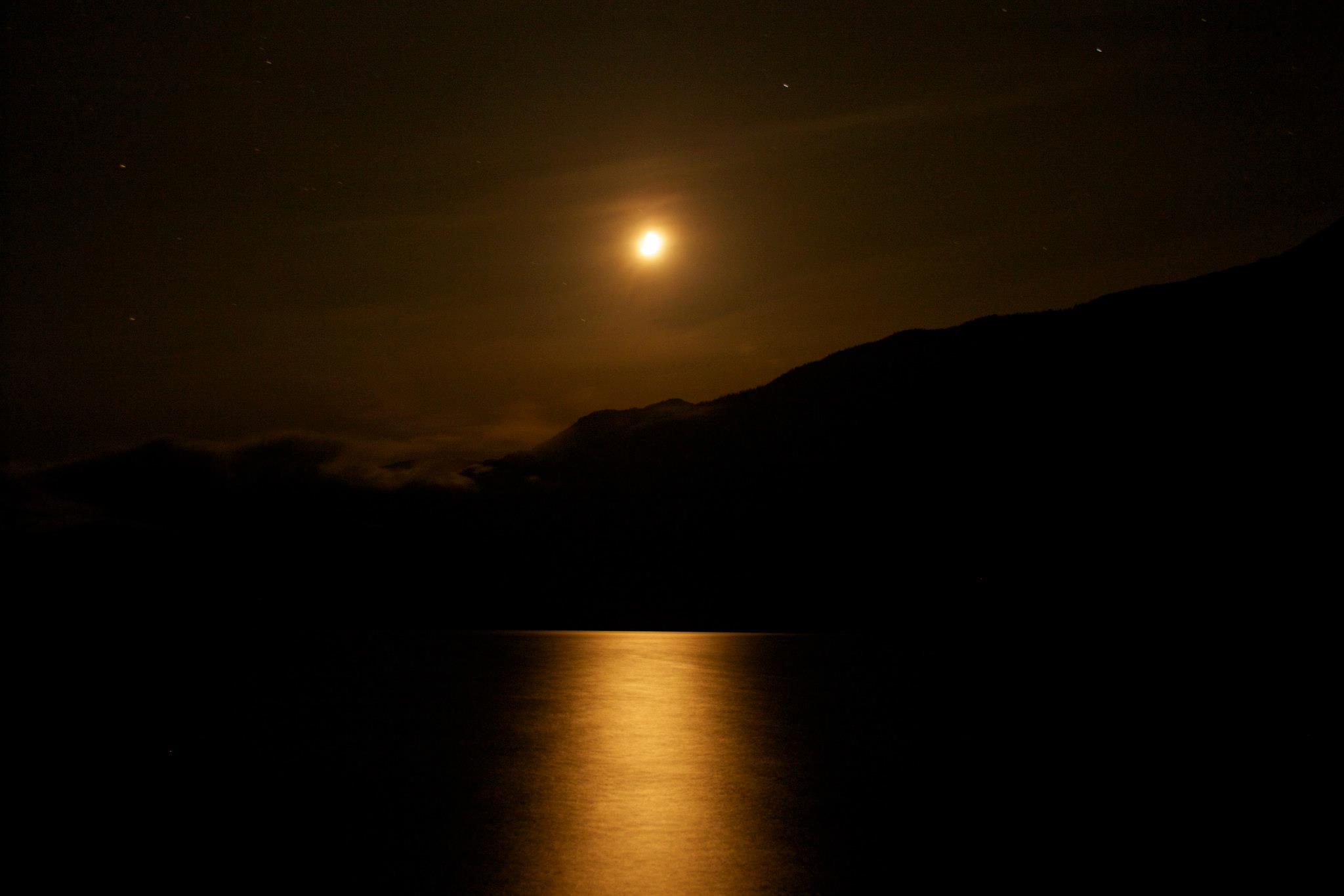
A path of yellow moonlight
To bring you safely home.
~John O’Donohue from “Beannacht”

photo by Josh Scholten

I figure I was born unbalanced in one way or another.  I was the kid who couldn’t manage roller skating out of fear of falling, clinging to the rail rather than risk being ground-bound yet again.  My one and only cross country skiing experience was actually cross-country sitting more than gliding.  I still freeze in place when trying to walk over an icy surface or down a steep incline — my brain just can’t help my body navigate anything other than a straight flat pathway.

It isn’t just physical balance that is a challenge for me.  As a child, and still at times in my later years, my feelings can be intense and immobilizing too,  every disappointment becoming tragedy and every happy moment so joyous I cling to it fiercely, fearing it could fade.

A blessing of balance is ideal: ground that dances to steady me when I stumble, a palette of rainbow colors to overwhelm gray emotions when I’m struggling,  a lighted pathway if the going gets dark.  

I’ve given up the idea of skating or skiing, but just maybe I can ride and glide through the waves of life without getting seasick.


A Fear of Sunsets

How strange this fear of death is! We are never frightened at a sunset.
George MacDonald

In our modern world that never seems to rest, a sunrise can feel more daunting than a sunset.  We are unprepared for the day to start:
the ready-set-go of a sunrise can be overwhelming to a tired soul. 

There are mornings when the new light of dawn penetrates right through our closed eyelids, enough to wake the dead, if not the sleeping.  It cannot be ignored in its urgency to rouse us to action.

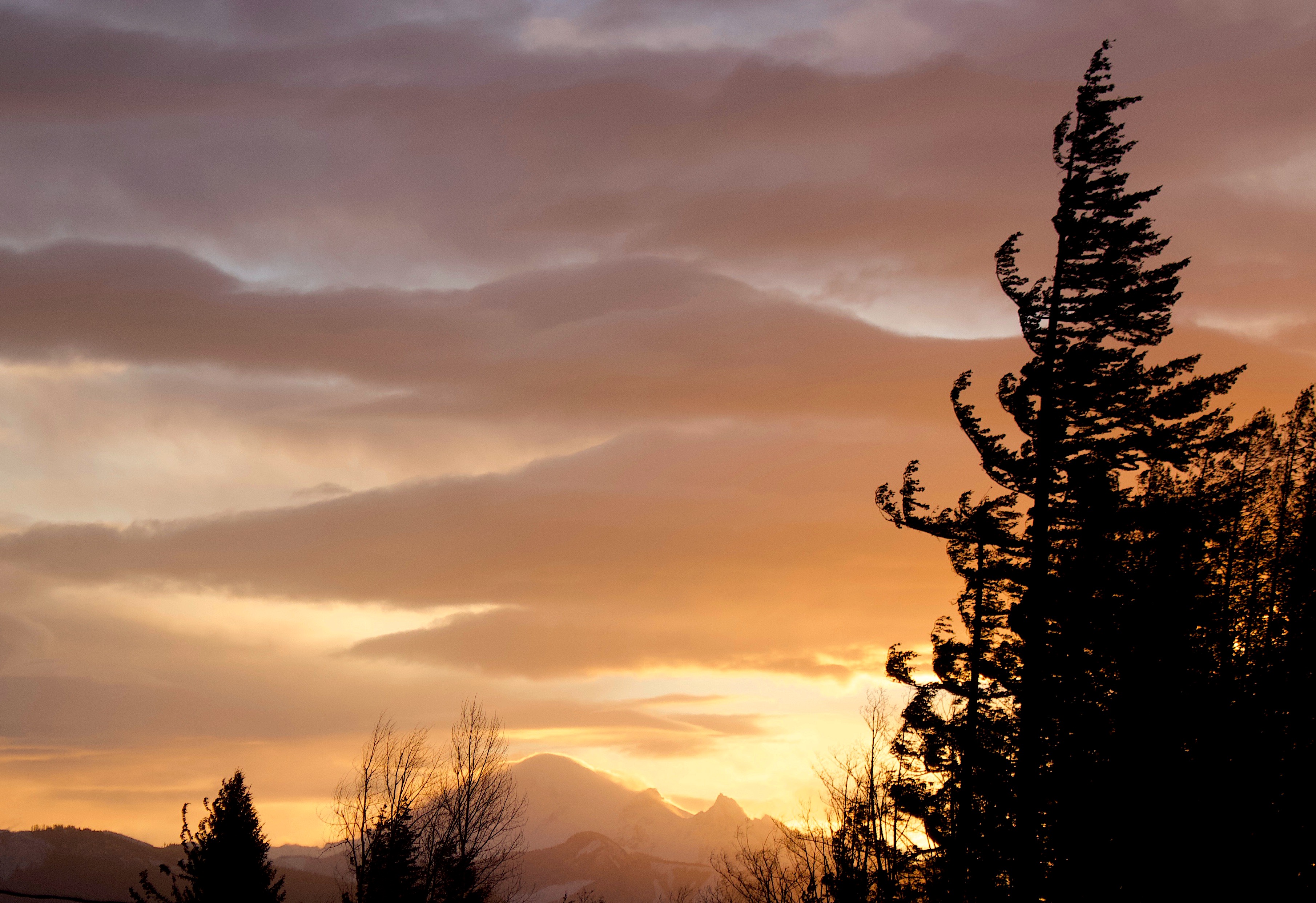
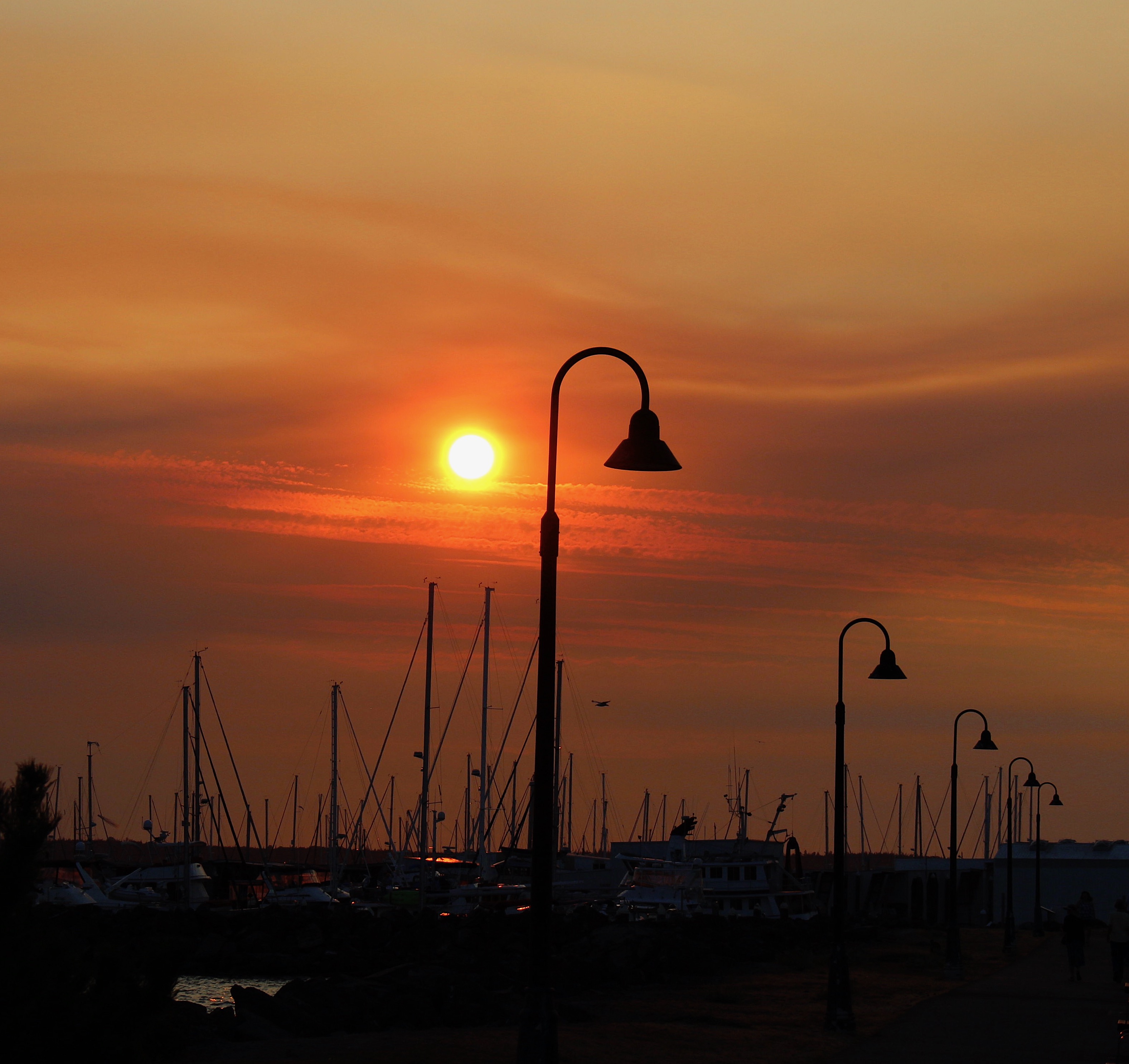
In contrast, the end of the day requires little preparation.  Sunsets signal a slowing-down unraveling of tension, a deep cleansing breath, a letting-go of the light for another night.  It eases over us, covering us like a comfortable quilt, tucking us in for the night with a kiss and hug and promise of sweet dreams.

The reason we do not fear the sunset is that we know it isn’t all there is.  The black nothingness of night would be petrifying if we didn’t understand and trust that the light will return, as startling as it may be in its brightness.   It is the rerunning cycle of the light and dark that reassures.   It is as it was created to be, over and over.

Let the sunset tuck us in.   Let the sunrise ready us for a new day. 

Let it end so it can begin again.


A Dwindled Dawn

Morning without you is a dwindled dawn.
~Emily Dickinson in a letter to a friend April 1885

Adjusting to our children being grown and moved away from home took time: for months, I instinctively grabbed too many plates and utensils when setting the table, though the laundry and dishwasher loads seemed skimpy I washed anyway, the tidiness of their bedrooms was frankly disturbing as I passed by.

I need a little mess and noise around to feel that living is actually happening under this roof and that all is well. That quarter century of raising children consisted of nonstop parenting, farming, working, playing – never finding enough hours in the day and hardly enough sleep at night. It was a full to overflowing phase of life.

Somehow, life now is too quiet, and I am dwindling.

Though now I know:
despite missing our children here, they have thrived where planted.
And so must I.

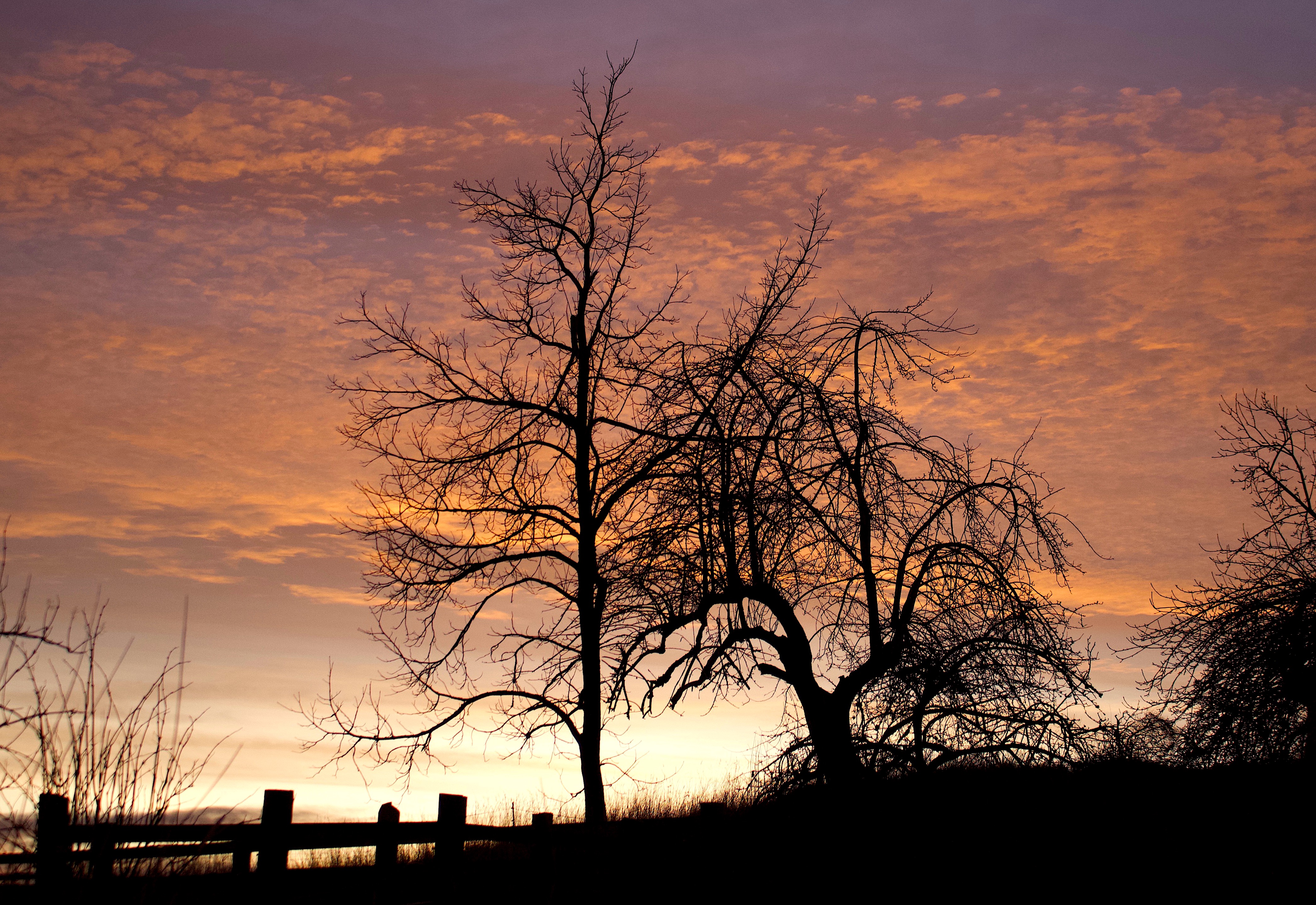
Each morning is new, each dawn softens the void, and each diminishing moment becomes a recognition of how truly blessed life can be.

The Beginning of an Uprising

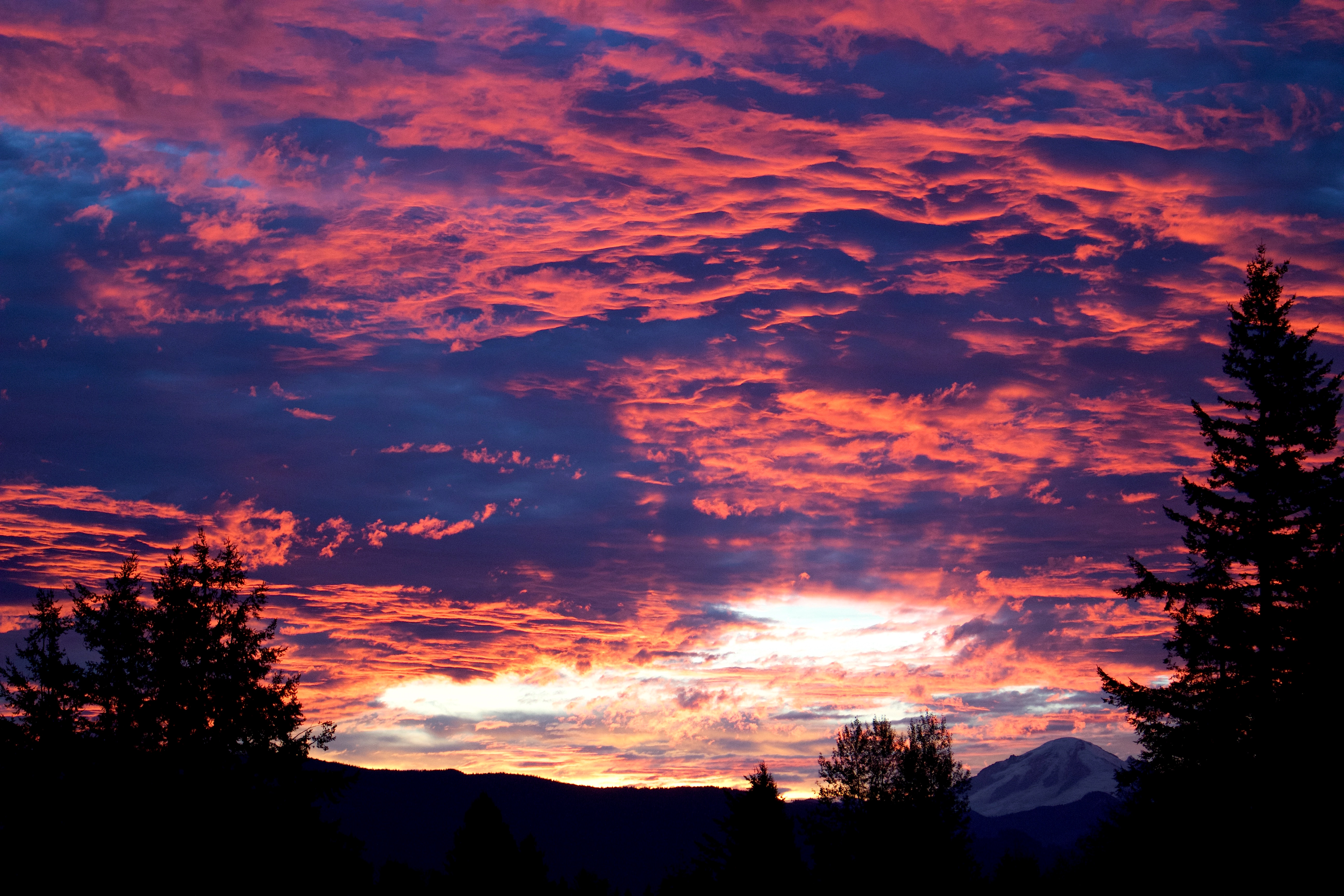
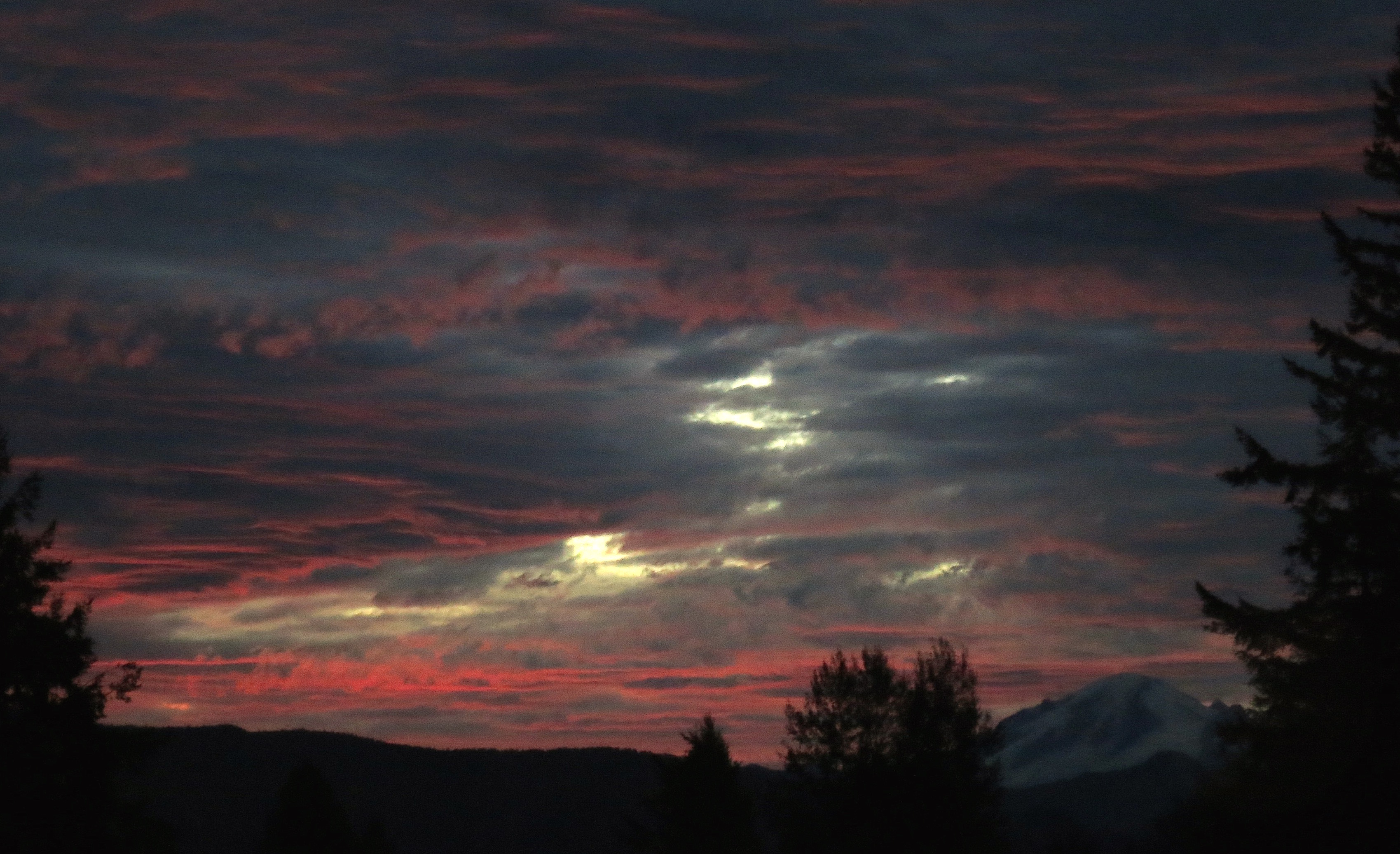
sunrise81144

To clasp the hands in prayer is the beginning of an uprising against the disorder of the world.
~Karl Barth

sunrise10915

There is much shouting and gnashing of teeth going on in our country right now.  Some from the streets, some from computer keyboards and screens, and some from inside the halls of government and a certain White House.

We need to stop shouting and clasp hands in prayer.

Prayer is always easier for the youngest among us.  It can be amazingly spontaneous for kids — an outright exclamation of joy, a crying plea for help, a word of unprompted gratitude.   As a child I can remember making up my own songs and monologues to God as I wandered alone in our farm’s woods, enjoying His company in my semi-solitude.  I’m not sure when I began to silence myself out of self-conscious embarrassment, but I stayed silent for many years, unwilling to put voice to the prayers that rattled in my head.  In my childhood, prayer in public schools had been hushed into a mere and meaningless moment of silence, and intuitively I knew silence never changed anything.  The world became more and more disorderly in the 60’s and 70’s and in my increasingly indoctrinated mind, there was no prayer I could say that would make a difference either.

How wrong could I and my education be?  Nothing can right the world until we are right with God through talking to Him out of our depth of need and fear.  Nothing can right the world until we submit ourselves wholly, bowed low, hands clasped, eyes closed, articulating the joy, the thanks, and the petitions weighing on our hearts.

An uprising is only possible when our voice comes alive, unashamed, unselfconscious, rising up from within us, uttering words that beseech and thank and praise.  To rise up with hands clasped together calls upon a power needing no billions and no weapons and no walls ~ only the Word ~ to overcome and overwhelm the shambles left of our world.

Nothing can be more victorious than the Amen, our Amen, at the end.

So be it and so shall it be.

Amen, and Amen again.

sunrise109151

No Longer Lonely

…horses
whose bellies are grain-filled,
whose long-ribbed loneliness
can be scratched into no-longer-lonely.

~Jane Hirshfield from The Love of Aged Horses

(originally written ~20 years ago)

Settling down into the straw, I am grateful for this quiet moment after a 12 hour workday followed by all the requisite personal conversations that help mop up the spills and splatters of every day life. My family has verbally unloaded their day like so much stored up laundry needing to be washed and rinsed with the spin cycle completed before tomorrow dawns. I moved from child to child to child to husband to grandmother, hoping to help each one clean, dry, fold and sort everything in their pile. Not to be outdone, I piled up a little dirty laundry of my own as I complain about my day.

By that time I’m on “spent” cycle myself and seeking a little “alone” time.  I retreat to the barn where verbal communication isn’t necessary. Instead, I need to just sit quietly, watching what happens around me. 

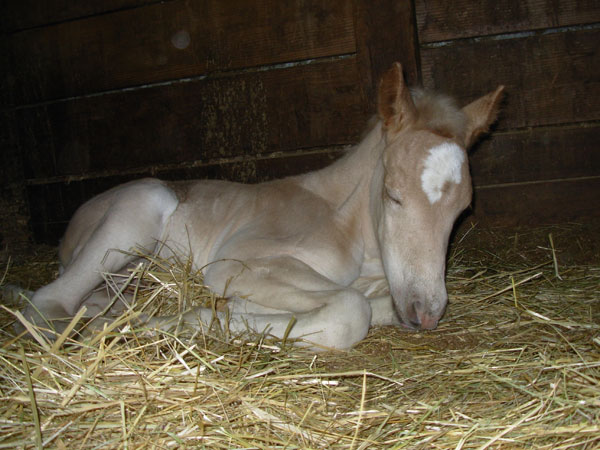
A new foal and his vigilant mama watch my every move.

This colt is intrigued by my intrusion into his 12′ x 24′ world. His mother is annoyed. He comes over to sniff my foot and his mother swiftly moves him away with a quick swing of her hips, daunting me with the closeness of her heels. Her first instinct insists she separate me from him and bar my access. My mandate is to woo her over. I could bribe her with food and sweet talk, but, no, that is too easy.

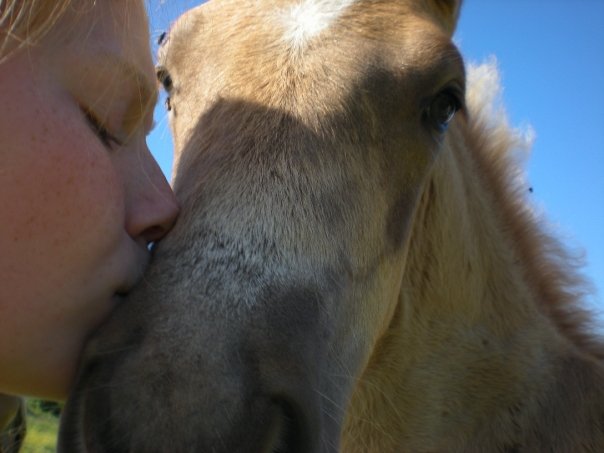
A curry comb is best. If nothing else will work, a good scratching always does. Standing up, I start peeling sheets of no longer needed winter hair off her neck,  her sides, her flank and hindquarter.  She relaxes in response to my efforts,  giving her baby a body rub with her muzzle, wiggling her lips all up and down from his back to his tummy. He is delighted with this spontaneous mommy massage and leans into her, moving around so his hind end is under her mouth and his front end is facing me. Then he starts giving his own version of a massage too, wiggling his muzzle over my coat sleeve and wondrously closing this little therapeutic triangle, all of us “scratched into no-longer-lonely.”

Here we are, a tight little knot of givers/receivers with horse hair flying in a cloud about us. One weary human, one protective mama mare and one day-old foal, who is learning so young how to contribute to the well being of others. It is an incredible gift of trust they bestow on me like a blessing.  I realize this horse family is helping me sort my own laundry in the same way I had helped with my human family’s load.

Too often in life we confine our lonely selves in painful triangles, passing our kicks and bites down the line to each other rather than providing nurture and respite. We find ourselves unable to wrench free from continuing to deliver the hurts we’ve just received.  What strength it takes to respond with kindness when the kick has just landed on our backside. How chastened we feel when a kindness is directed at us, as undeserving as we are after having bitten someone hard.

Instead of biting, try a gentle scratching.  Instead of kicking, try tickling. Instead of fear, try acceptance.  Instead of annoyance, try patience. Instead of piling up so much laundry of your own, try washing, folding and sorting what is dumped on you by others, handing it back all ready for the next day.

Just settle into the straw to watch and wait – amazing things will happen.