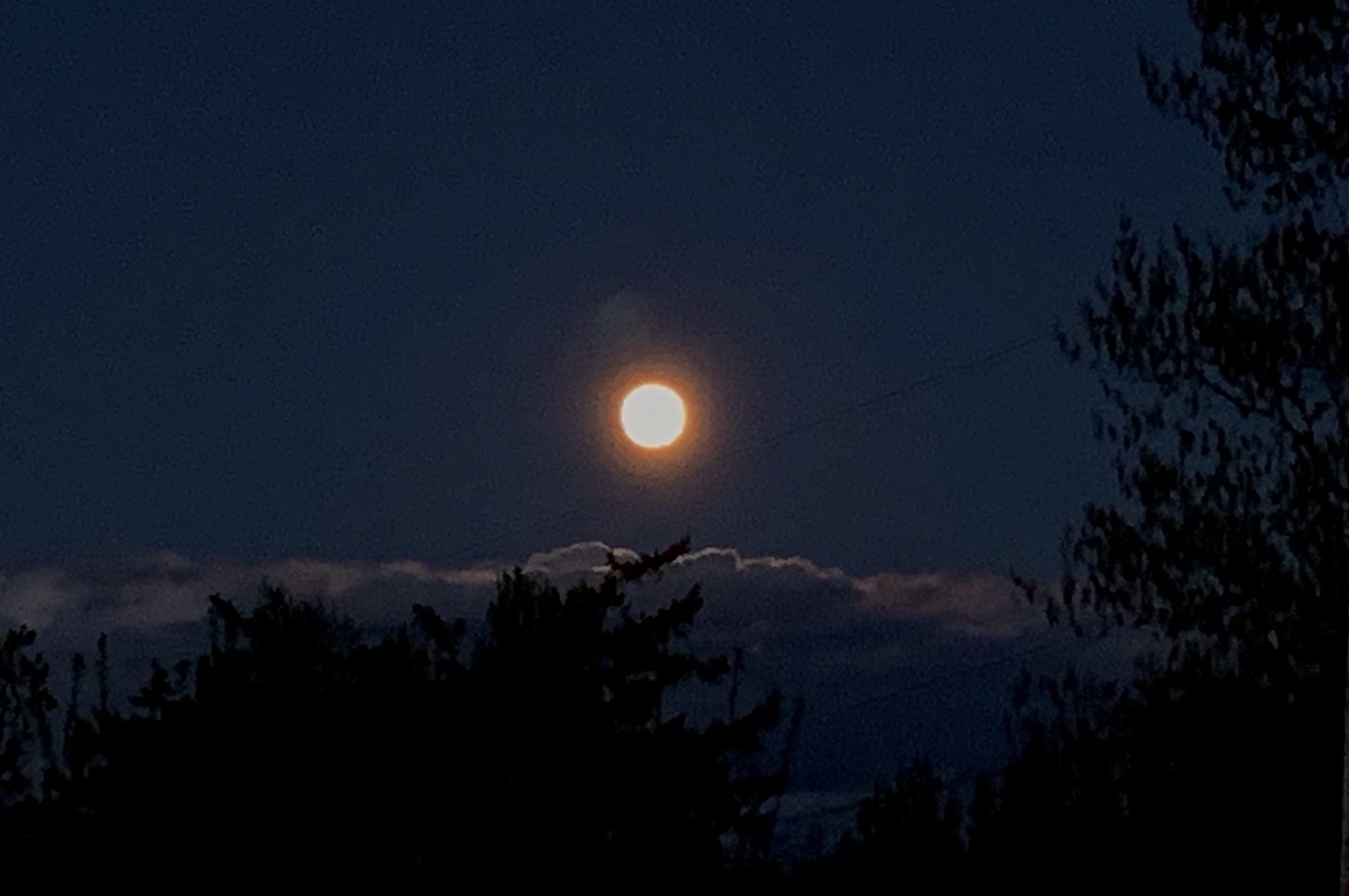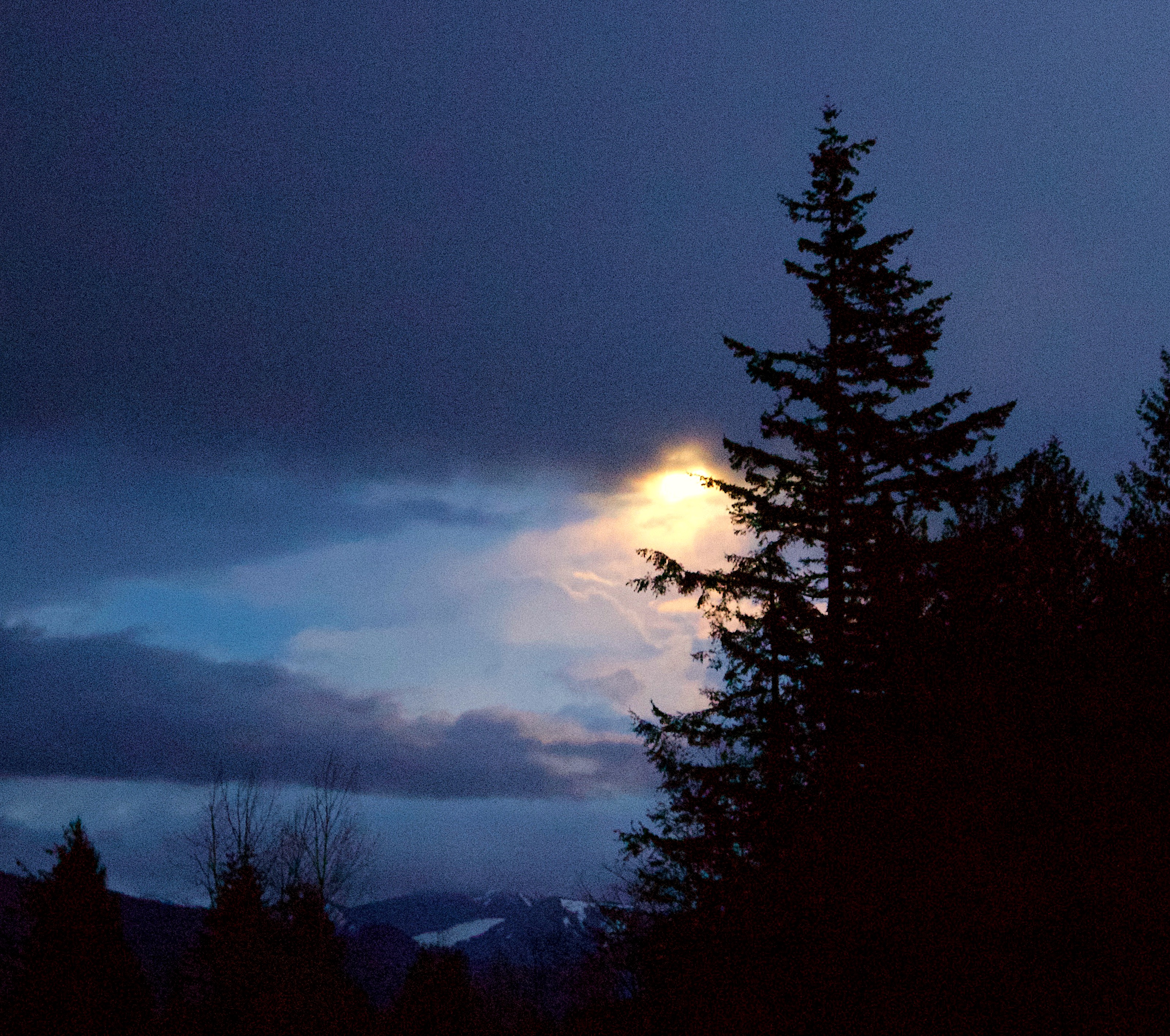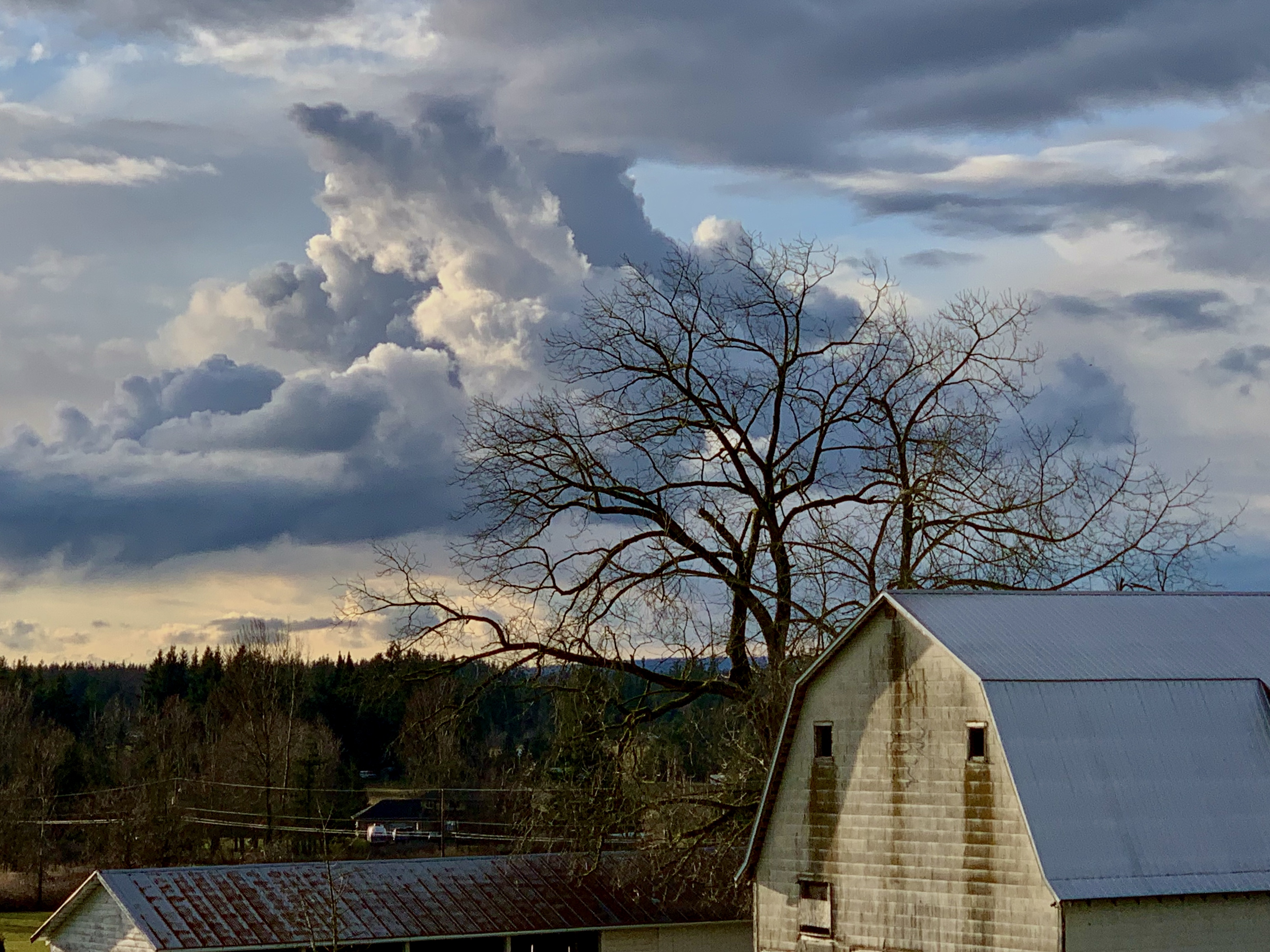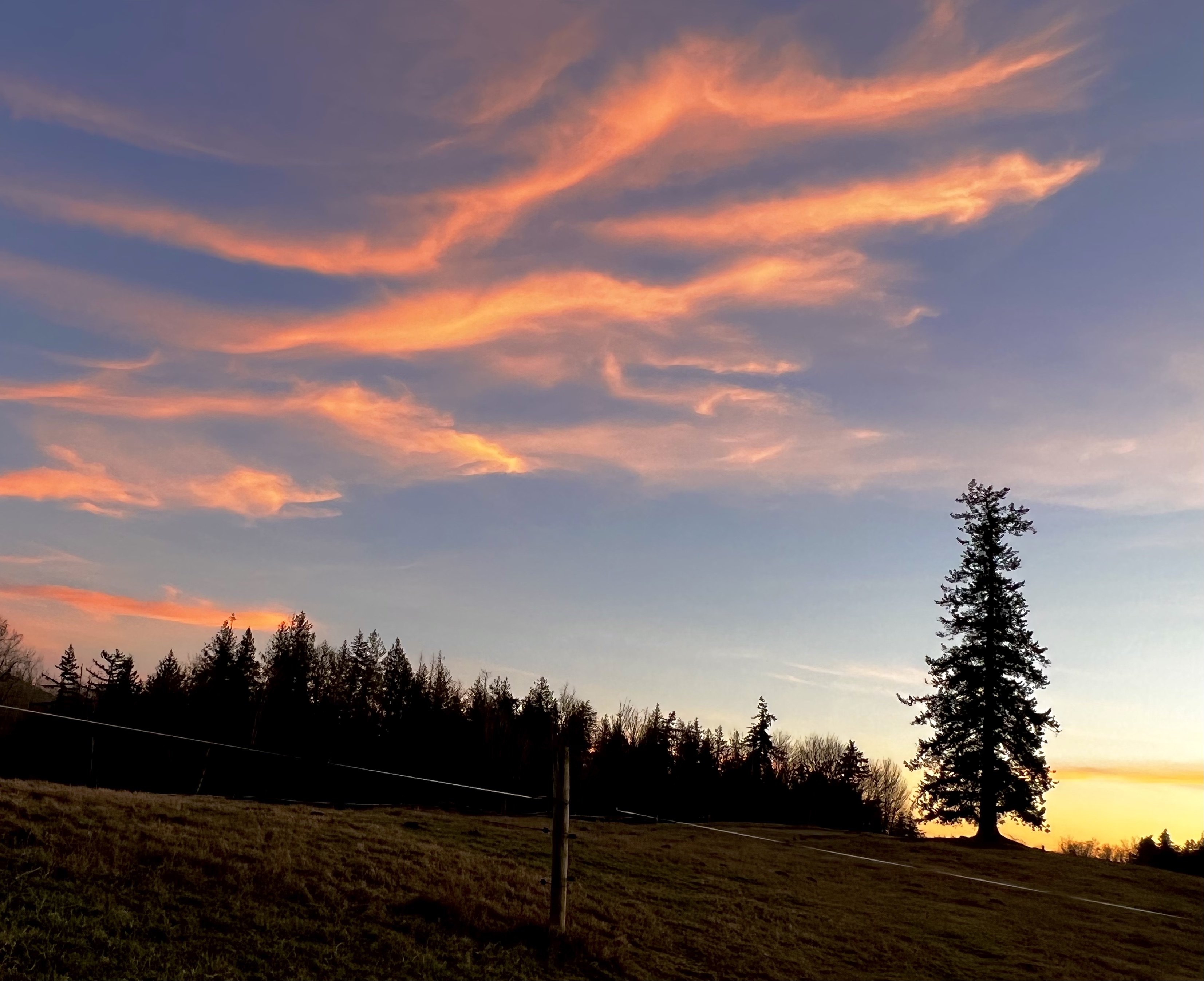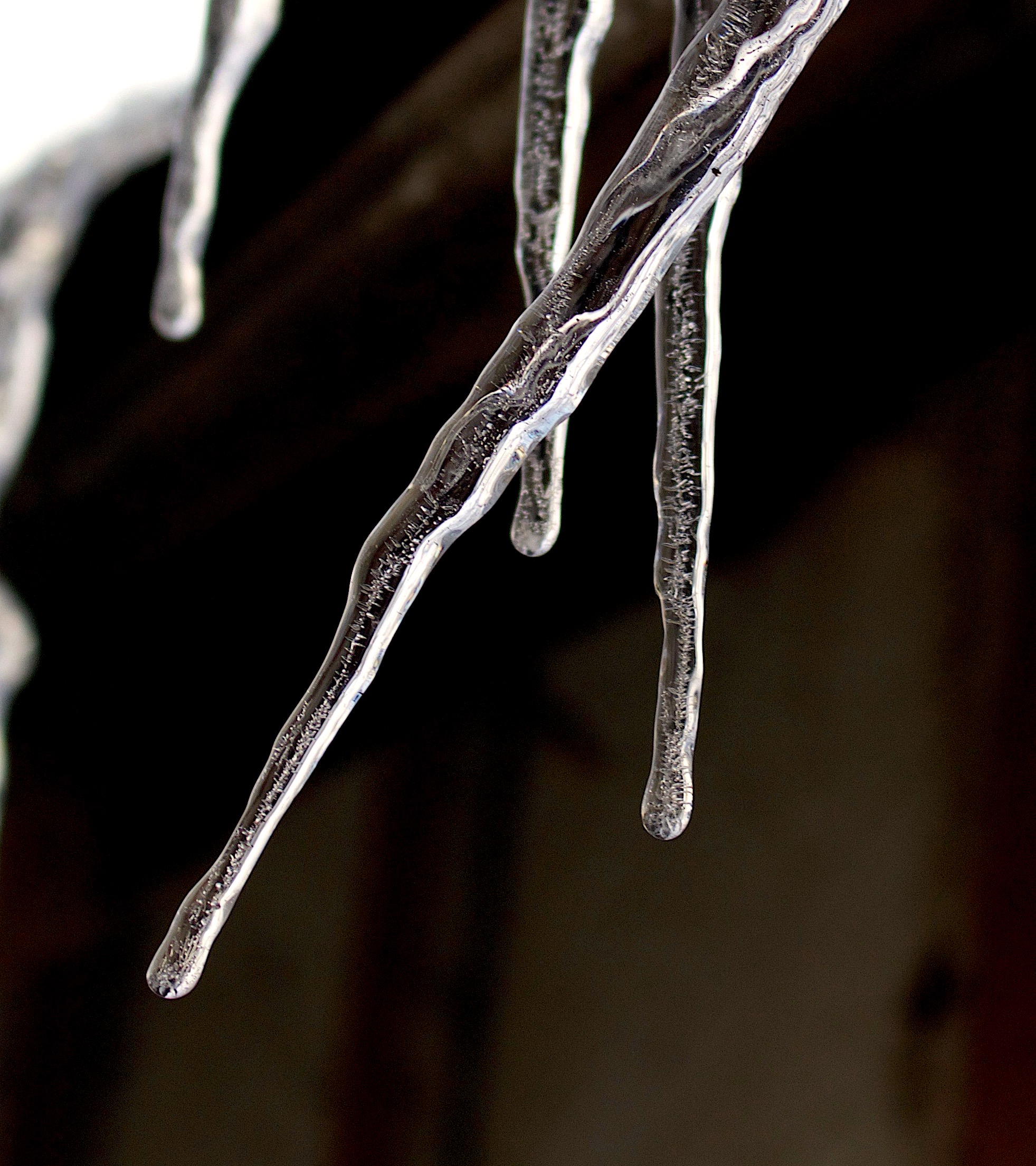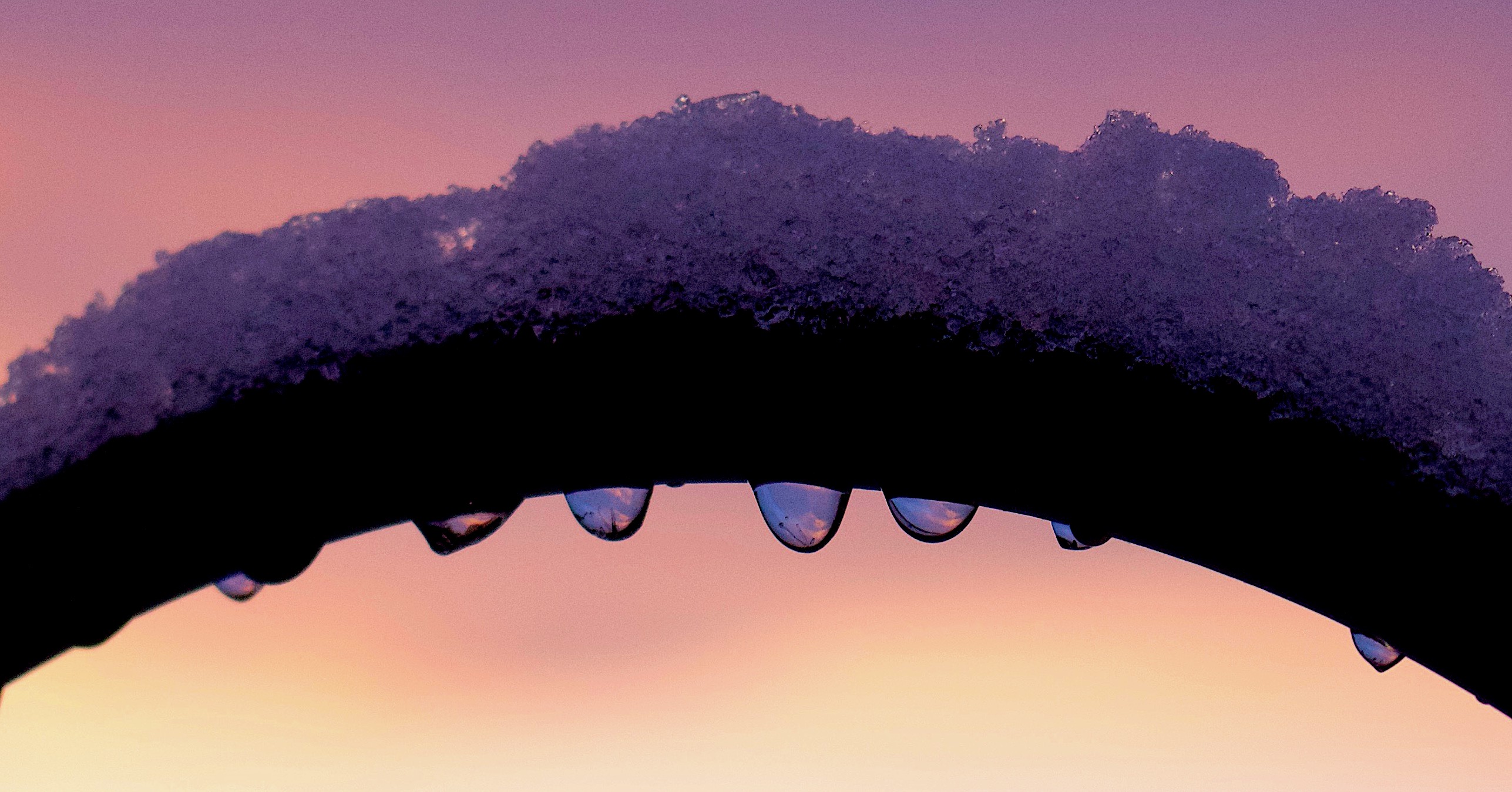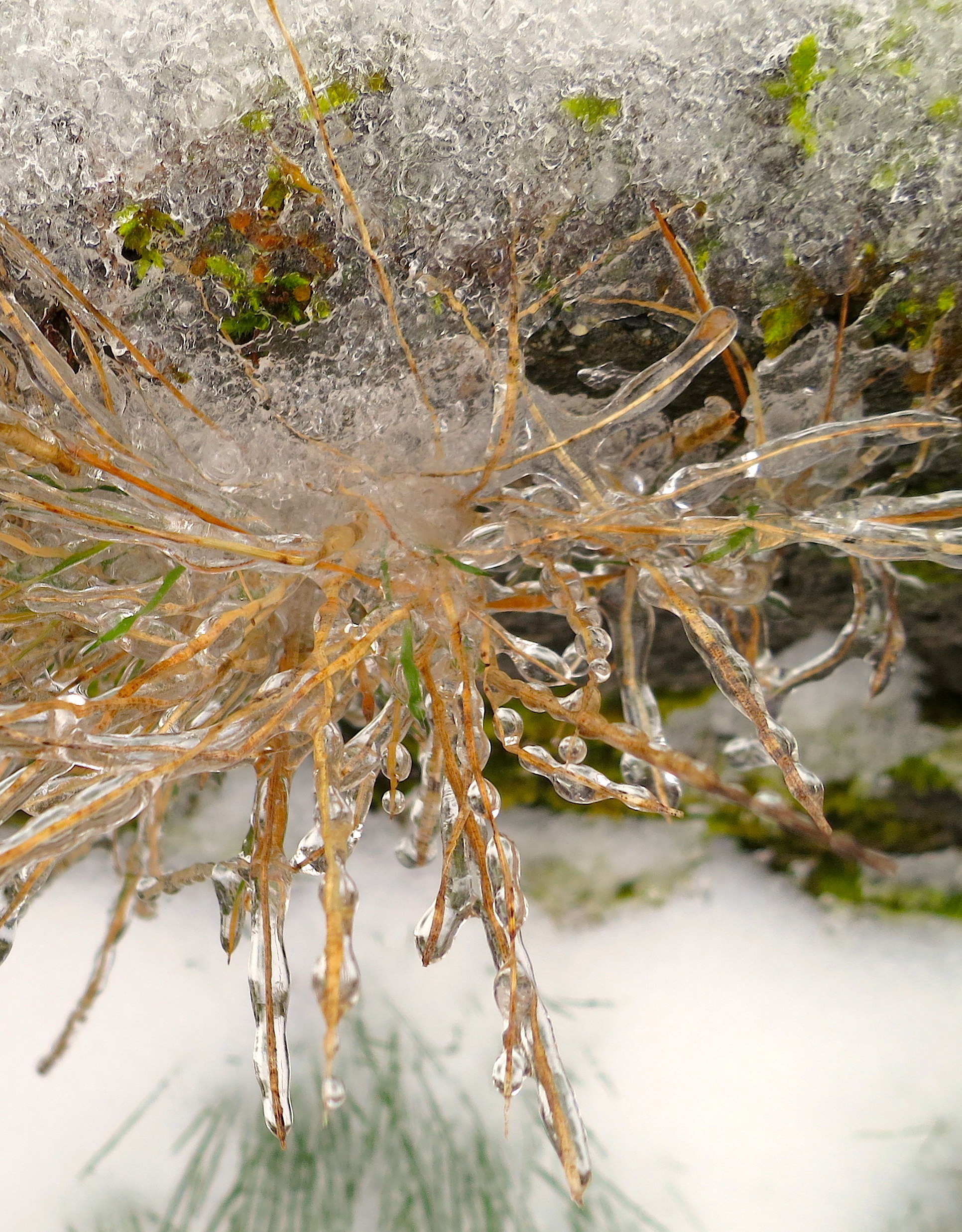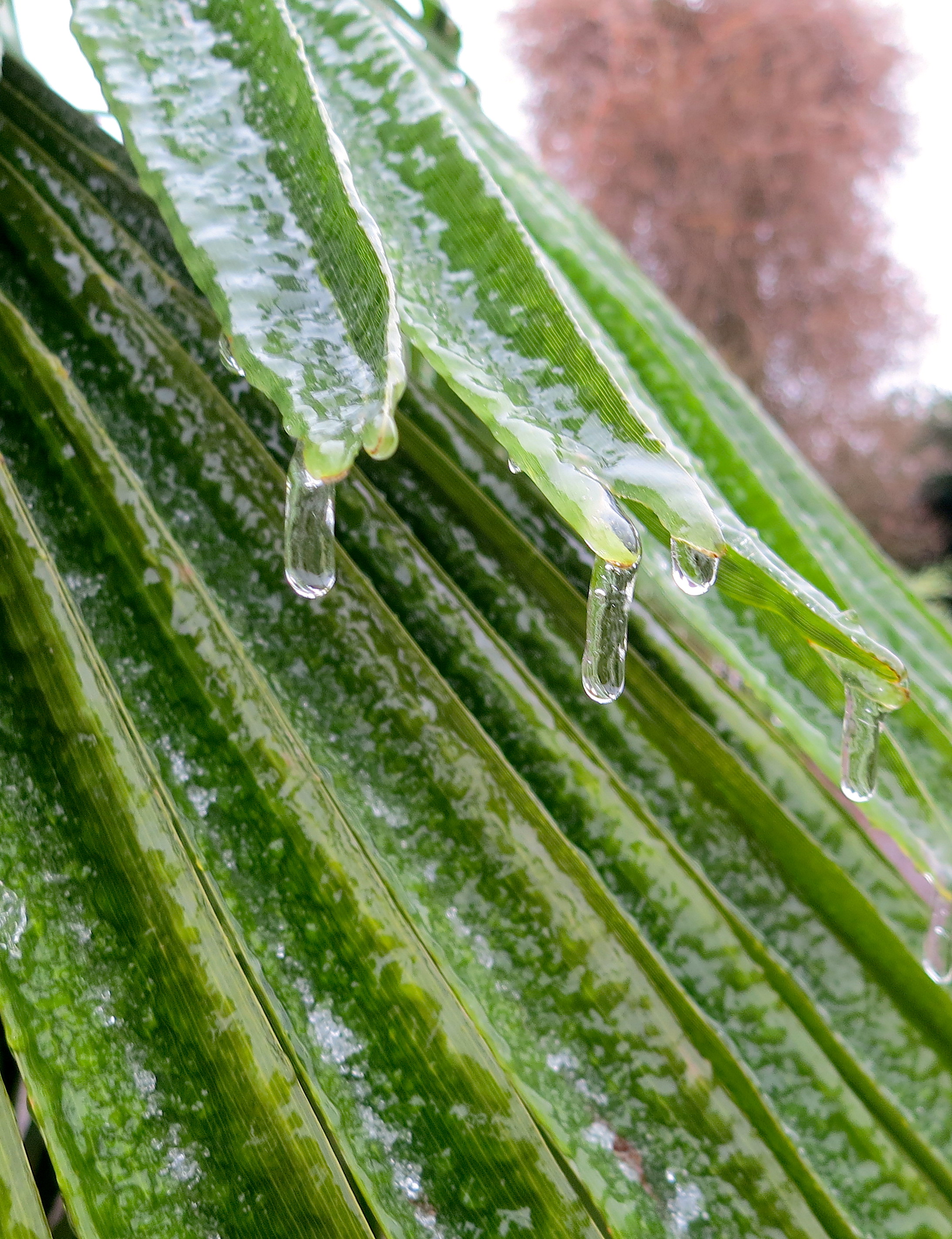
A Voice in My Ear

when my father had been dead a week
I woke
with his voice in my ear
                                           I sat up in bed
and held my breath
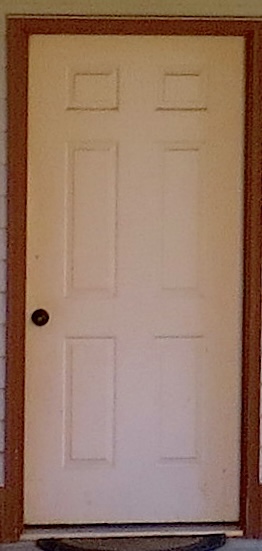
and stared at the pale closed door

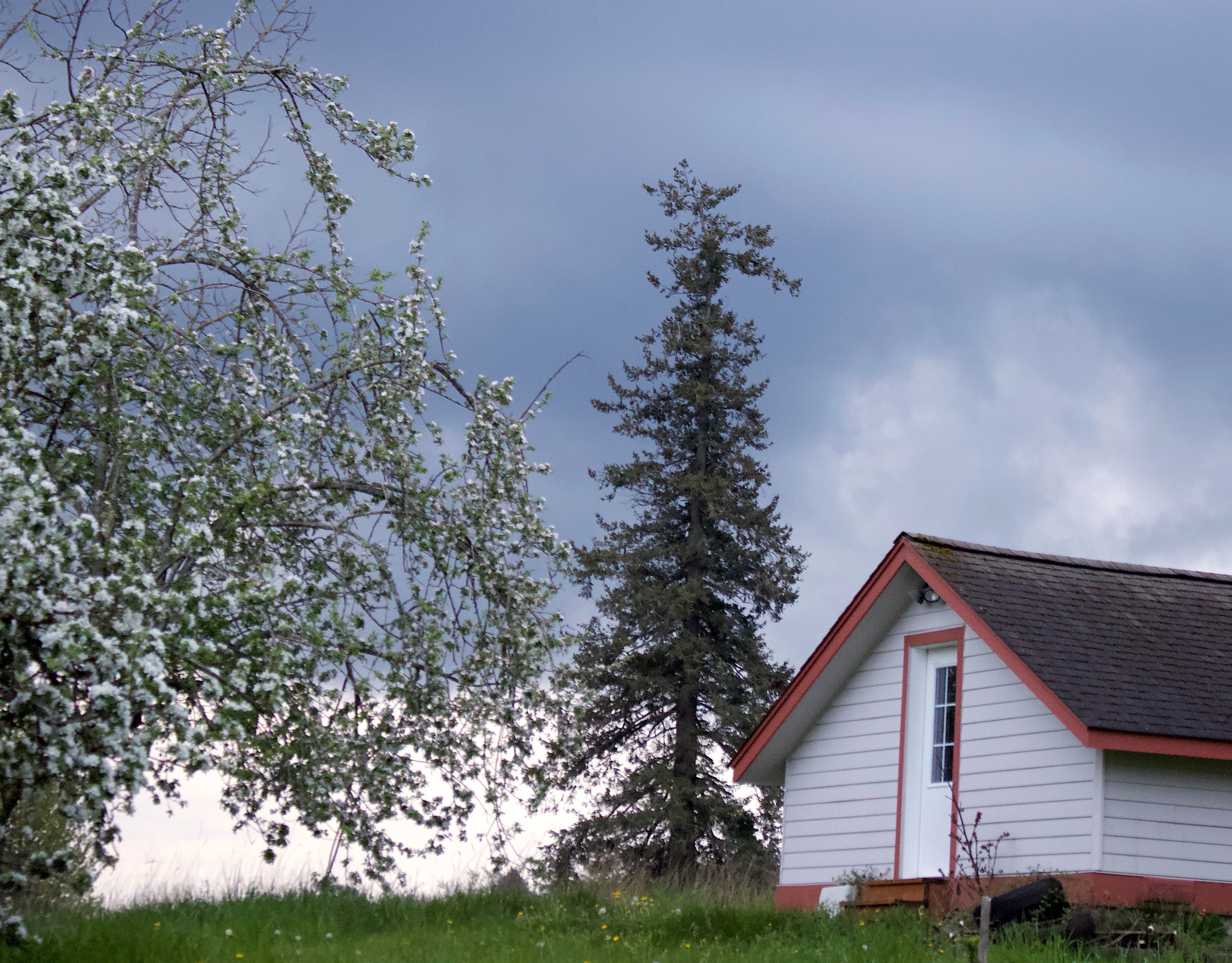
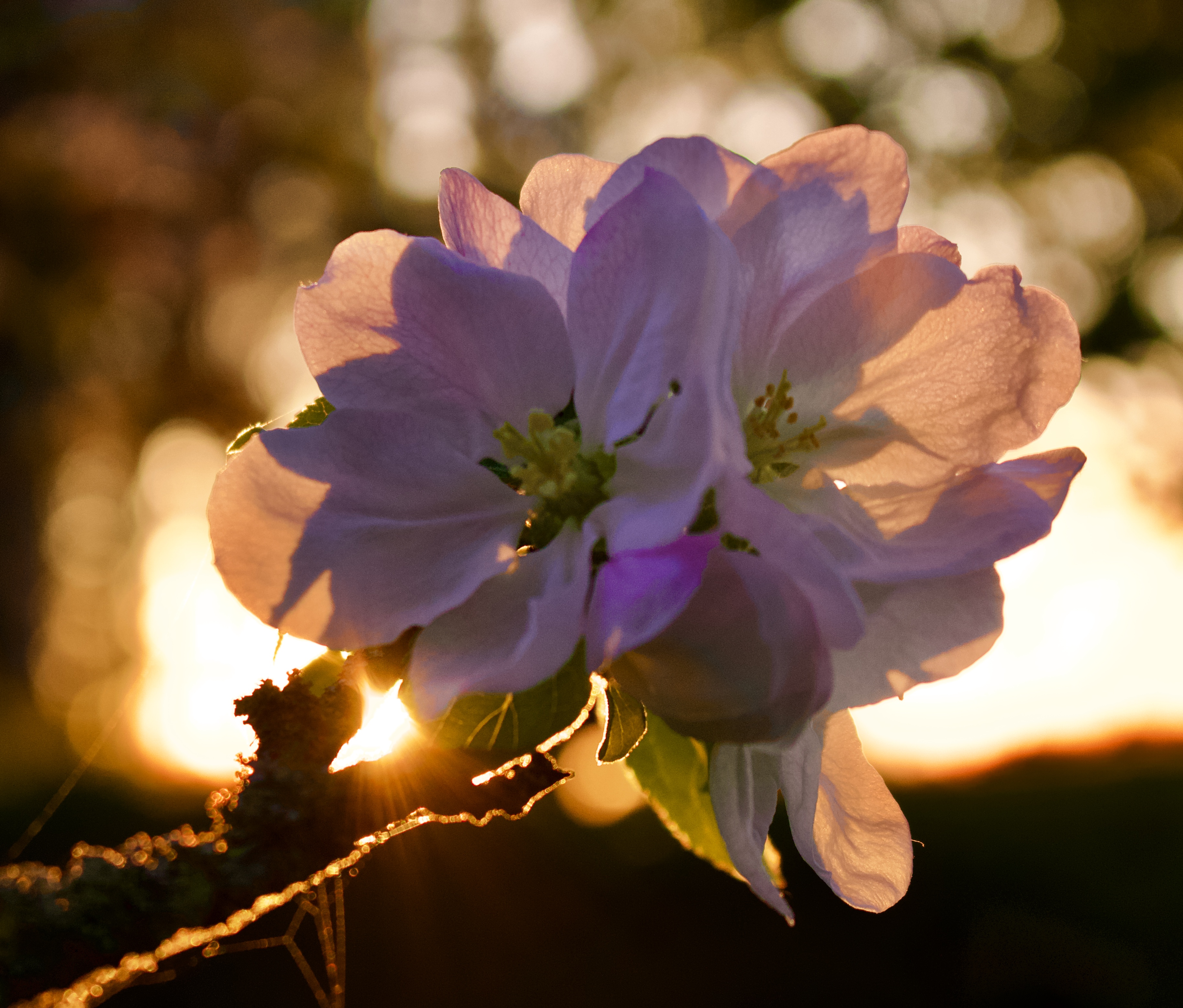
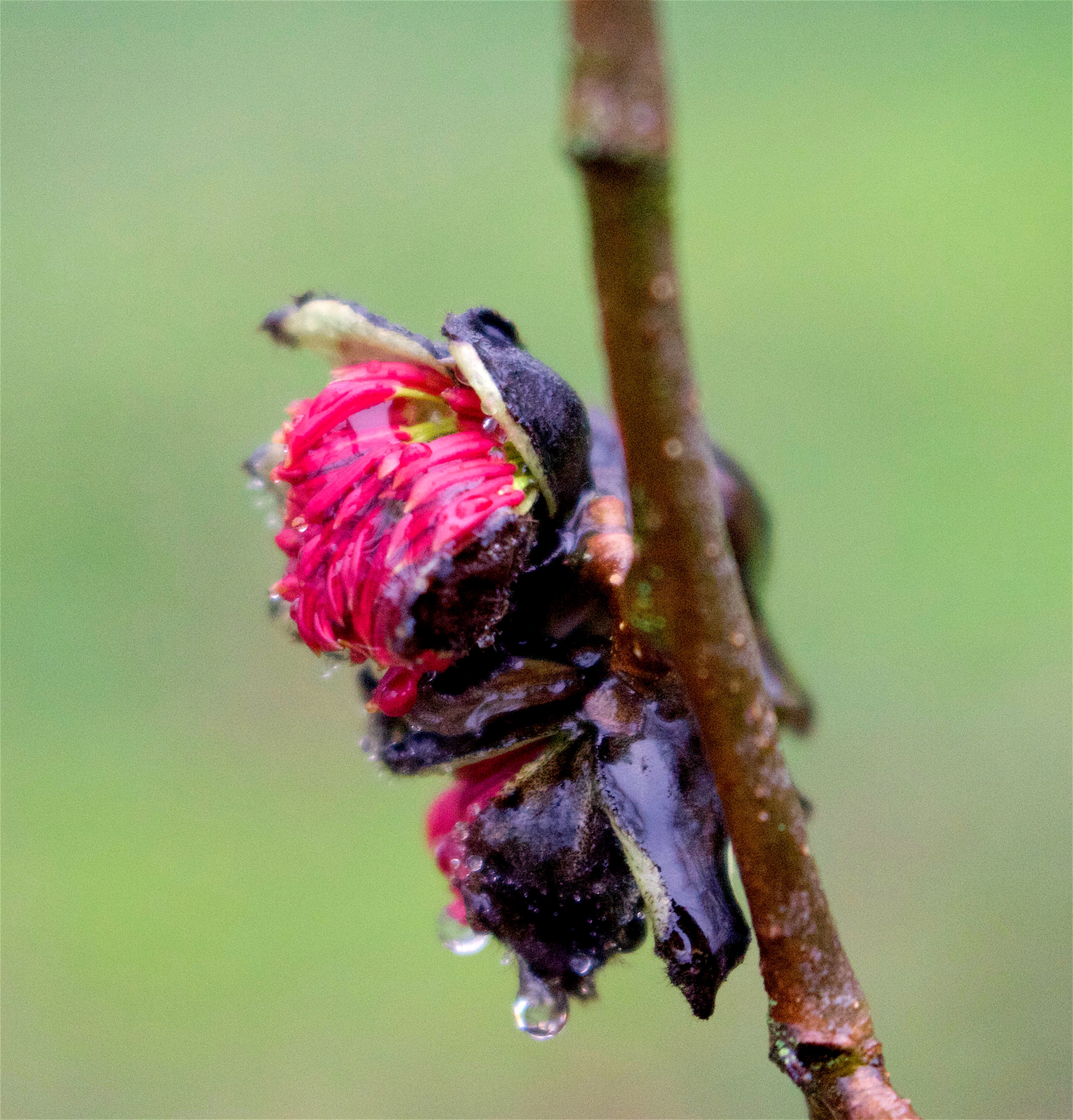
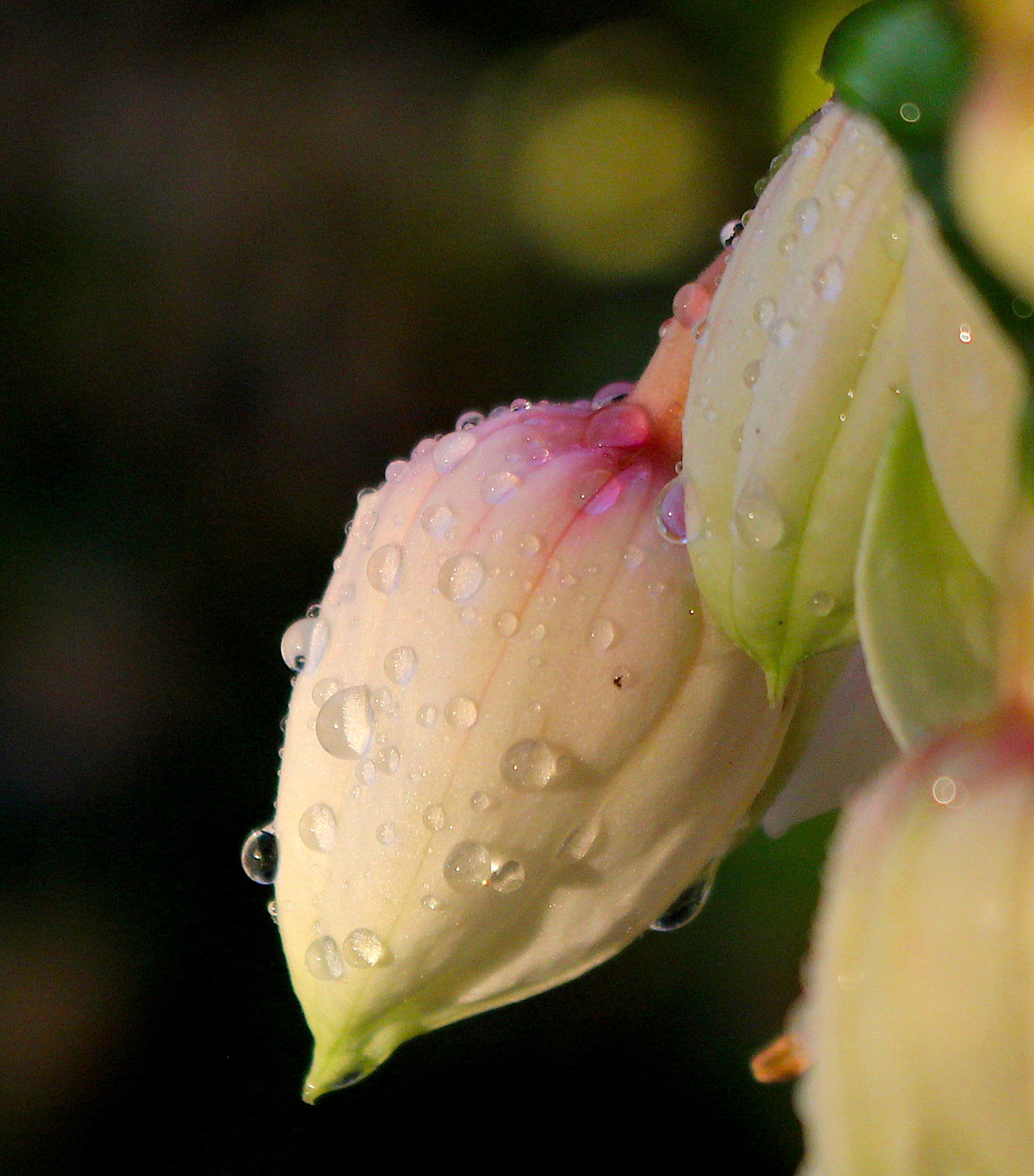
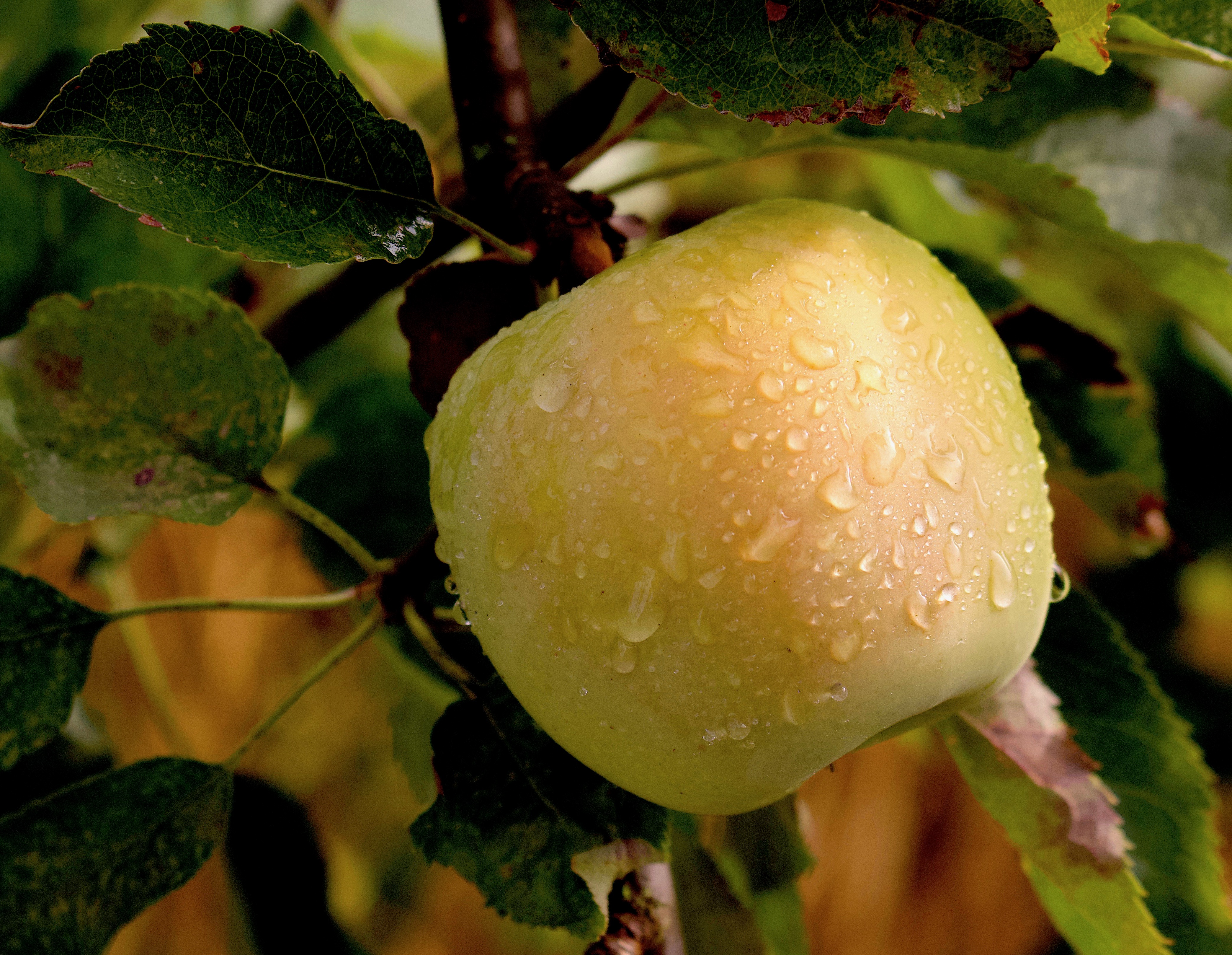
white apples and the taste of stone

if he called again
I would put on my coat and galoshes
~Donald Hall “White Apples”
She skimmed the yellow water like a moth,
Trailing her feet across the shallow stream;
She saw the berries, paused and sampled them
Where a slight spider cleaned his narrow tooth.
Light in the air, she fluttered up the path,
So delicate to shun the leaves and damp,
Like some young wife, holding a slender lamp
To find her stray child, or the moon, or both.
Even before she reached the empty house,
She beat her wings ever so lightly, rose,
Followed a bee where apples blew like snow;
And then, forgetting what she wanted there,
Too full of blossom and green light to care,
She hurried to the ground, and slipped below.
~James Wright “My Grandmother’s Ghost from Above the River: The Complete Poems 
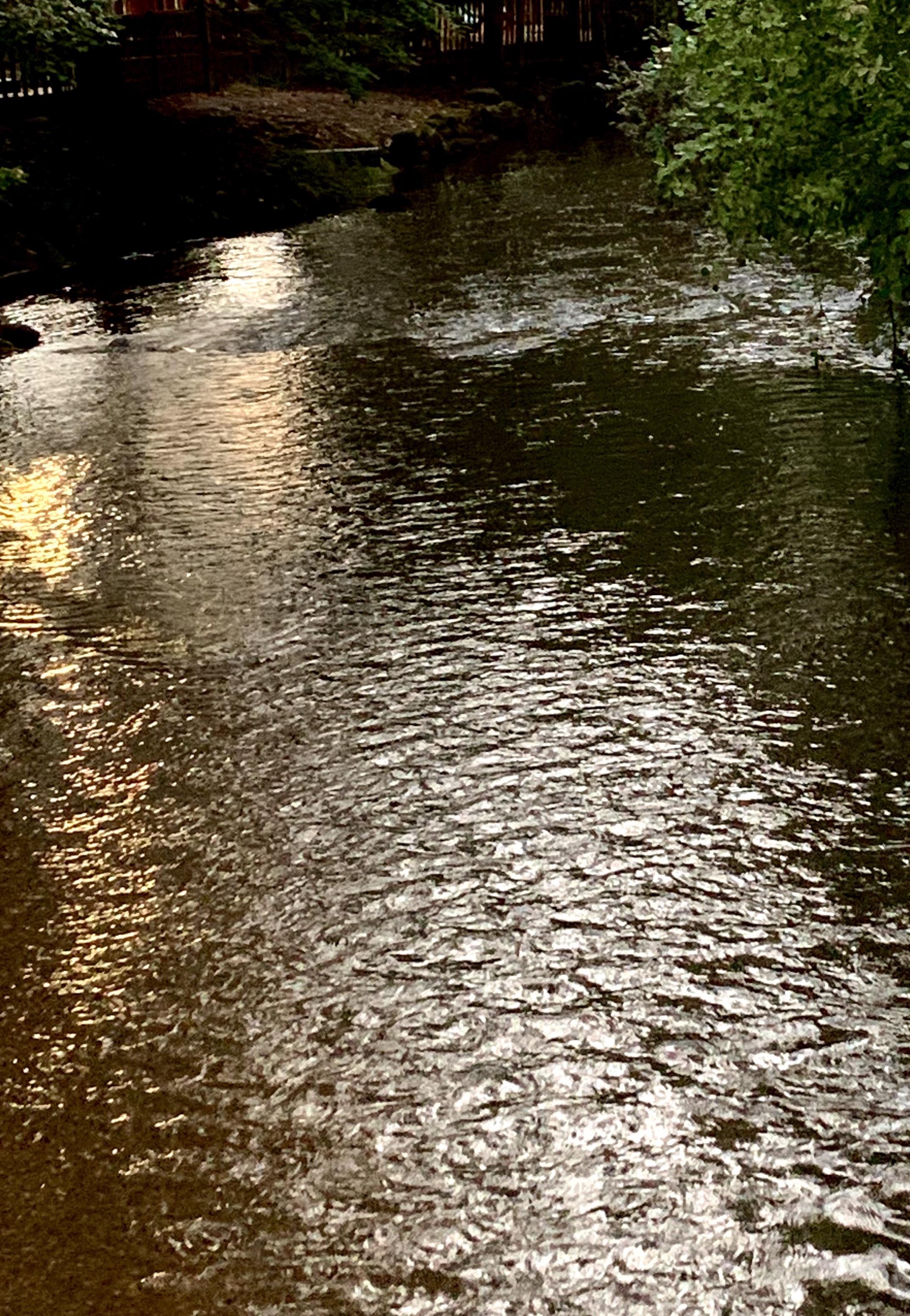
I saw my grandma’s ghost once.

She was my only grandparent I actually knew and who actually knew me — the others were lost before I was born or too young to realize what I had lost.

She had lived a hard life: losing her mother when she was 12, taking over the household duties for her father and younger brother while leaving school forever. She married too young to an abusive alcoholic, lost her first child to lymphoma at age 8 before treatment was possible and took her three remaining children to safety away from their father for a year to live above a seedy restaurant where she cooked seven days a week to make ends meet.

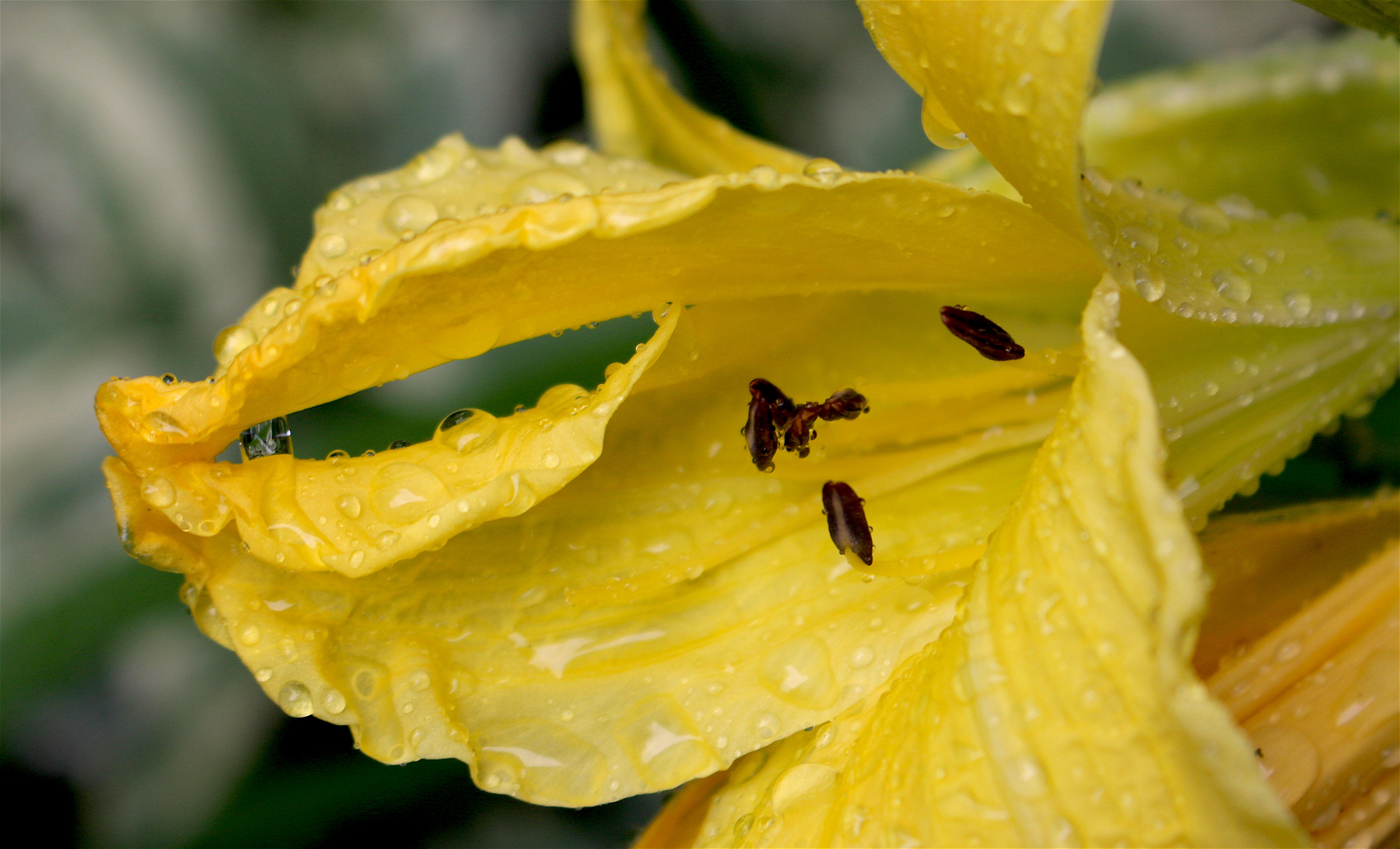
But there was grace too. The marriage somehow got patched together after Grandpa found God and sobriety – after his sudden death sitting in church, Grandma’s faith never wavered. Her garden soil yielded beautiful flowers she planted and nurtured and picked to sell, her children and grandchildren welcomed her many open armed visits and hugs.

She was busy planning her first overseas trip of a lifetime at age 72 when we noticed her eyes looked yellow. Only two weeks later she was bed-bound in unrelenting pain due to pancreatic cancer, gazing heaven-ward instead of Europe-bound. Her dreams had been dashed so quickly, she barely realized her itinerary and destination had changed.

I was 16 at the time, too absorbed in my own teenage cares and concerns to really notice how quickly she was fading and failing like a wilted flower. Instead I was picking fights with my stressed parents, worrying over taking my driver’s license driving test, distracted by all the typical social pressures of high school life.

Her funeral was unbearable as I had never really said goodbye – only one brief hospital visit when she was hardly recognizable in her anguish and jaundice. I didn’t even get to hold her hand.

Soon after she had been lowered into the ground next to her husband and young daughter, she came back to me in a dream.

I was asleep when my bedroom door opened into the dark, wakening me as the bright hallway light pushed its way via a shimmering beam to my bed. Grandma Kittie stood in my bedroom doorway, backlit by the light surrounding her silhouette. She silently stood there, just looking at me.

Startled, I sat up in my bed and said to her, “Grandma, why are you here? You died and we buried you!”

She nodded and smiled. And then she said to me:

“I want you to know I’m okay and always will be. You will be too.”

She gave a little wave, turned and left, closing the door behind her. I woke suddenly with a gasp in my darkened bedroom and knew I had just been visited.

She hadn’t come to say goodbye or to tell me she loved me — that I knew already.

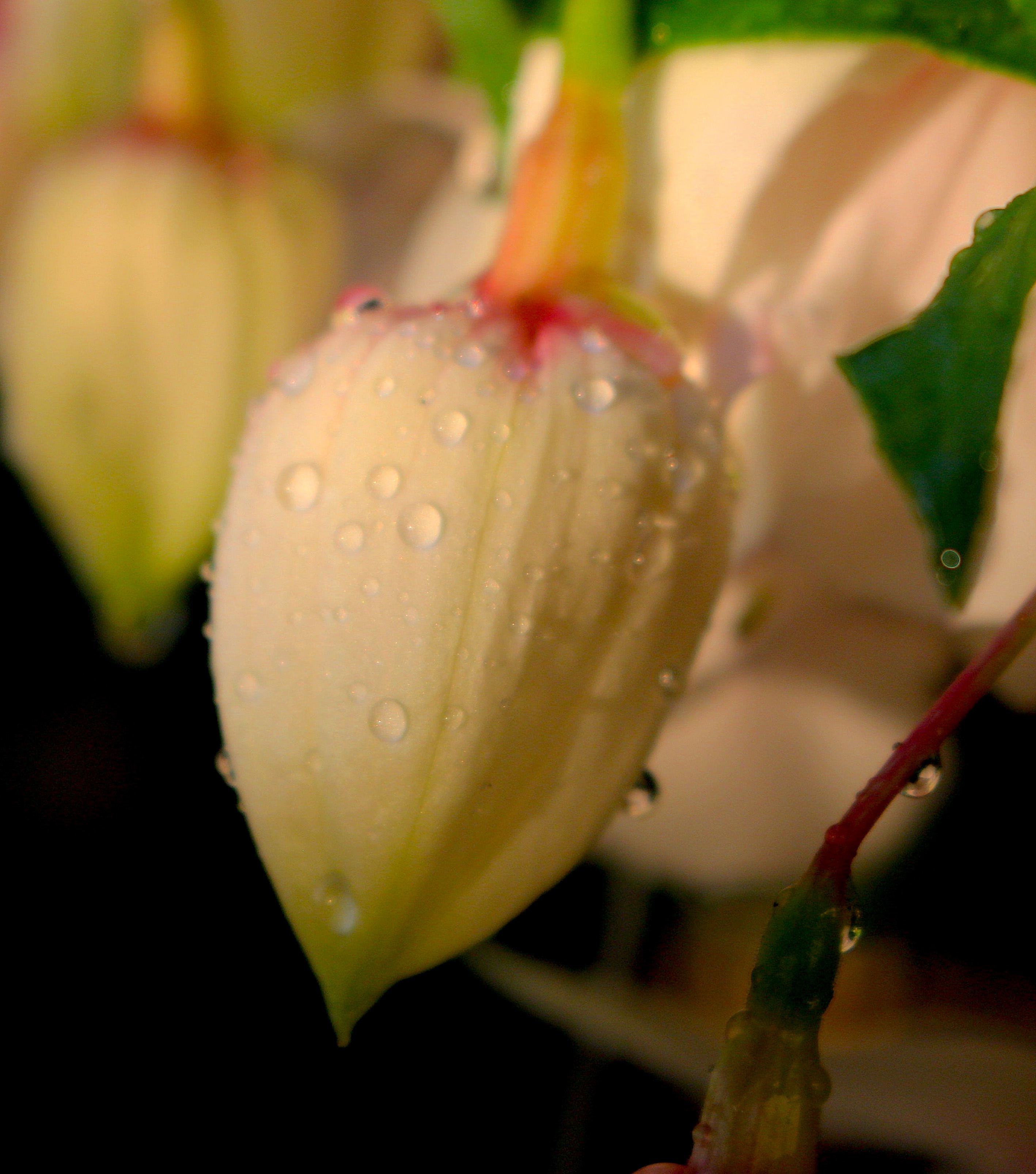
She had come to shine with her light blossoming around her, mending my broken heart by planting it with peace.

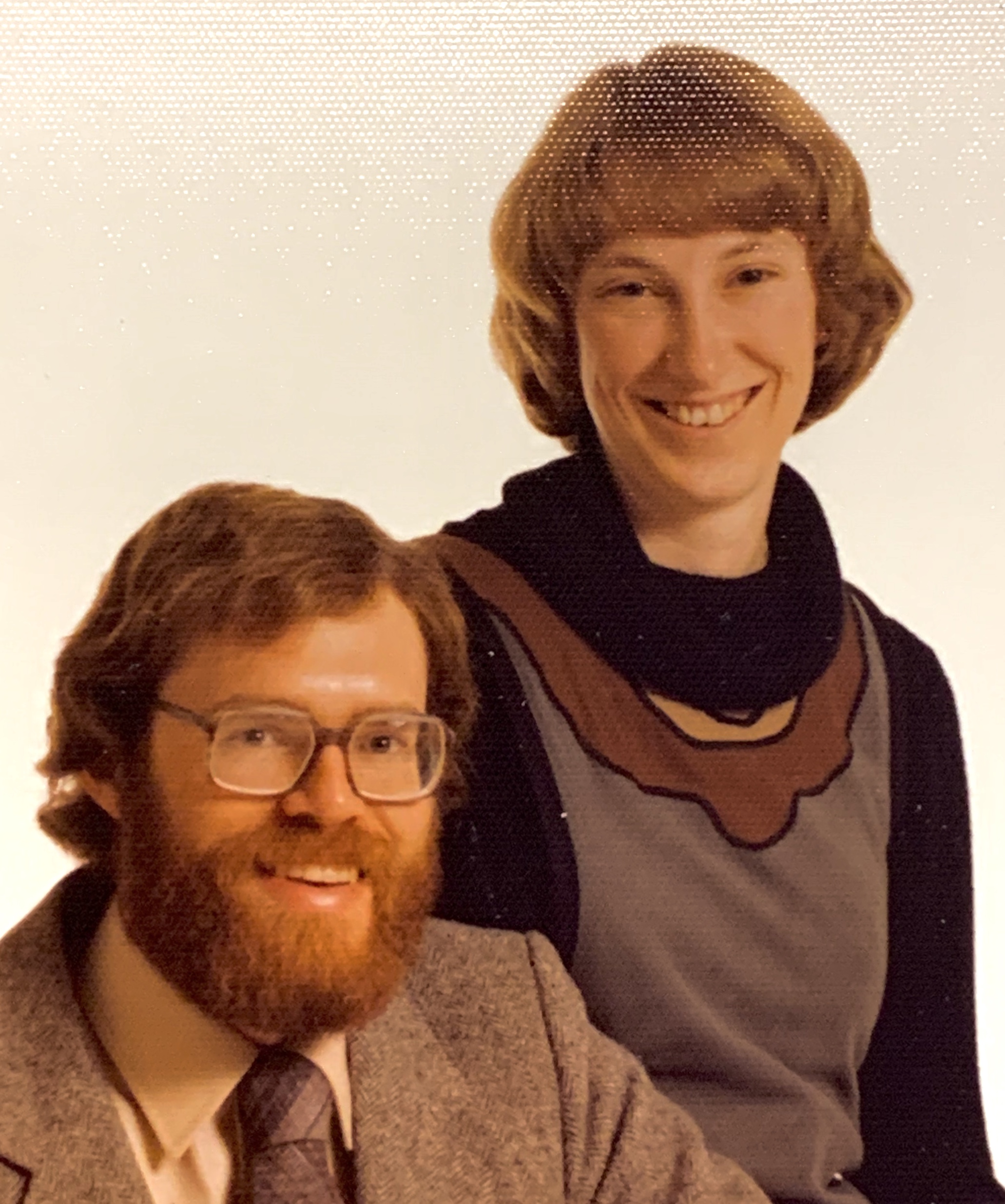
Grandma Kittie and Grandpa Leslie in their courting days

You’re in a better place
I’ve heard a thousand times
And at least a thousand times
I’ve rejoiced for you

But the reason why I’m broken
The reason why I cry
Is how long must I wait to be with you

I close my eyes and I see your face
If home’s where my heart is then I’m out of place
Lord, won’t you give me strength
To make it through somehow
I’ve never been more homesick than now

Help me Lord cause I don’t understand your ways
The reason why I wonder if I’ll ever know
But, even if you showed me
The hurt would be the same
Cause I’m still here so far away from home

In Christ, there are no goodbyes
And in Christ, there is no end

So I’ll hold onto Jesus
With all that I have
To see you again
To see you again

And I close my eyes and I see your face
If home’s where my heart is then I’m out of place
Lord, won’t you give me strength
To make it through somehow

Won’t you give me strength
To make it through somehow
Won’t you give me strength
To make it through somehow
I’ve never been more homesick than now
~Millard Bart Marshall

One-Time
Monthly
Yearly

Make a one-time or recurring donation to support Barnstorming

Make a monthly donation

Make a yearly donation

Choose an amount

¤5.00
¤10.00
¤20.00
¤5.00
¤15.00
¤100.00
¤5.00
¤15.00
¤100.00

Or enter a custom amount

¤

Your contribution is deeply appreciated.

Your contribution is appreciated.

Your contribution is appreciated.

DonateDonate monthlyDonate yearly
Summoning Up Life’s Riches

Instructions for living a life:
Pay attention.
Be astonished.
Tell about it.
~Mary Oliver

If your everyday life seems poor to you, do not accuse it;
accuse yourself,
tell yourself you are not poet enough to summon up its riches;
since for the creator there is no poverty

and no poor or unimportant place.
― Rainer Maria Rilke
from Letters to a Young Poet

When it’s over, I want to say all my life
I was a bride married to amazement.
I was the bridegroom, taking the world into my arms.

When it’s over, I don’t want to wonder
if I have made of my life something particular, and real.

I don’t want to find myself sighing and frightened,
or full of argument.

I don’t want to end up simply having visited this world.
~Mary Oliver from “When Death Comes”

As a child, I would sometimes spend long rainy afternoons languishing on the couch, complaining to my mother how boring my life was. 

Her typical response was to remind me my boredom said more about me than about life; I became the accused, rather than the accuser,  failing to summon up life’s riches. 

Thus convicted, my sentence followed: she would promptly give me chores to do.   I learned not to voice my complaints about how boring life seemed, because it always meant being put to work. I decided to live a life of nearly too much work and activity, missing much I could have slowed down to notice.

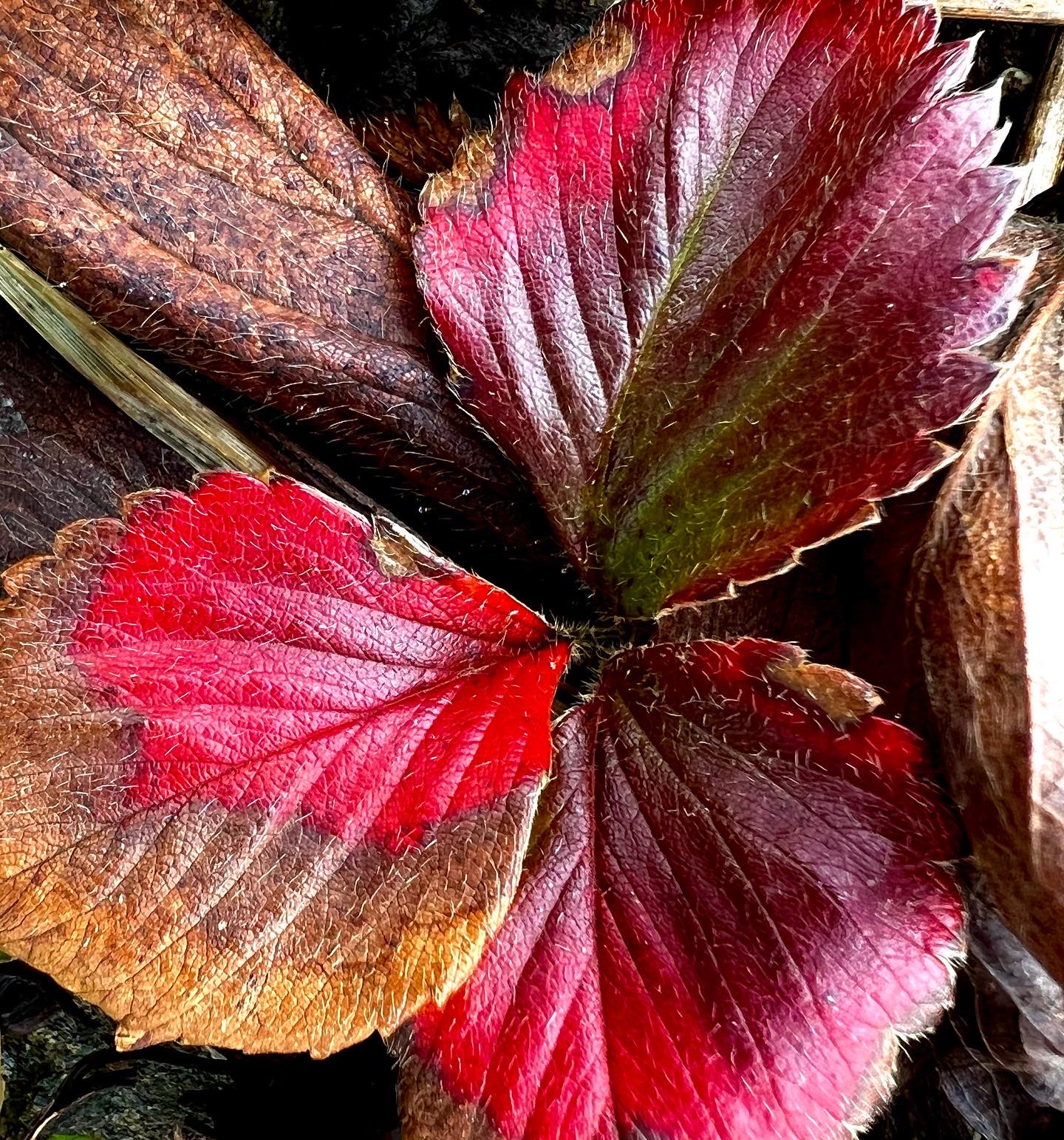
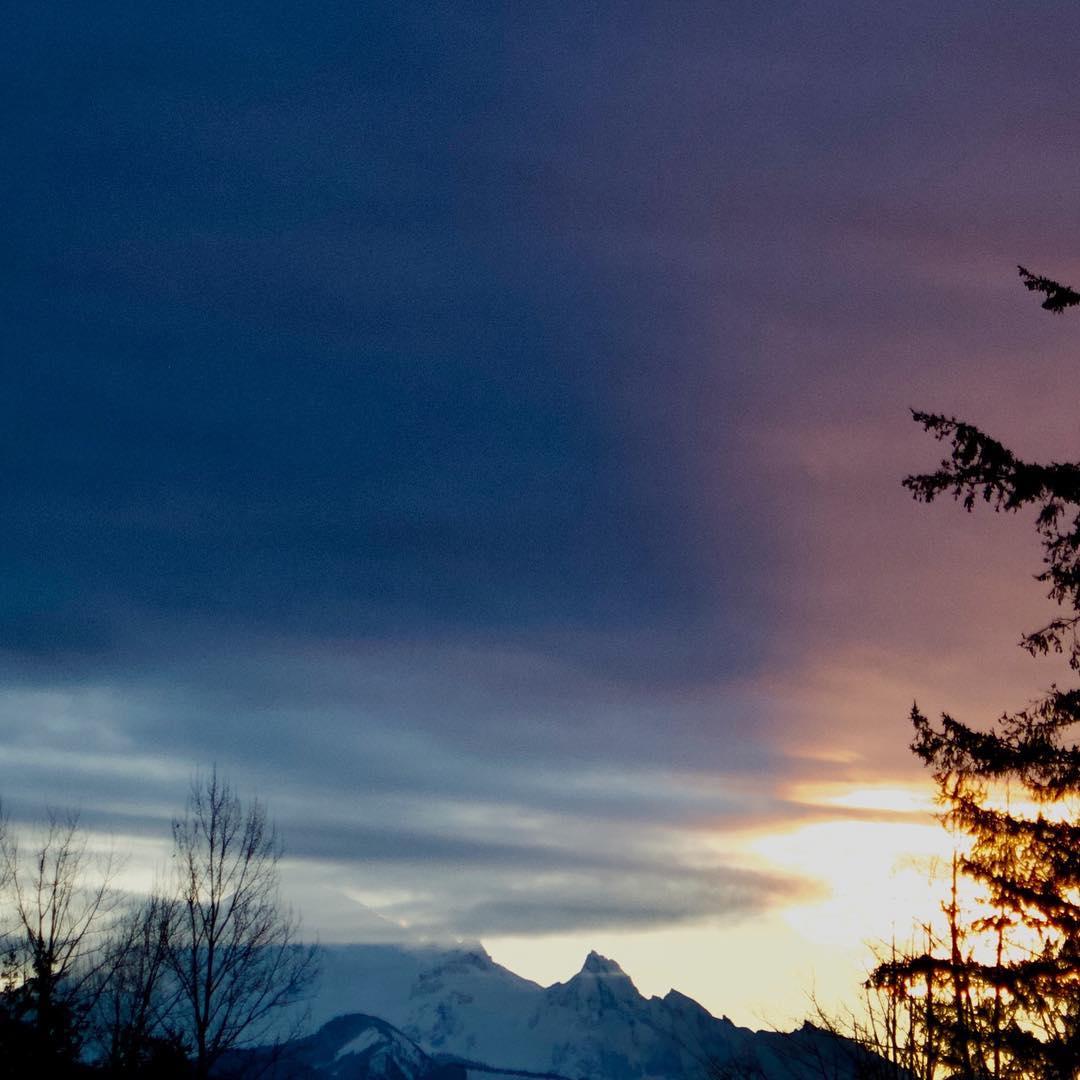
Some things haven’t changed, even sixty-some years later.  Whenever I am tempted to feel frustrated or pitiful or bored, I need to remember what that says about me.  If I’m not poet enough to recognize the Creator’s brilliance in every slant of light or every molecule, then it is my poverty I’m accusing, not His.

So – back to the work of paying attention and being astonished.  There is the rest of my life to be lived and nearly always something to say about it.


Night has come:
for one whole day again I’ve loved you so much,
stirring hills.
It’s beautiful to see.
But: to feel in the lining of closed eyelids
the sweetness of having seen …
~Rainer Maria Rilke

Even
After
All this time
The sun never says to the earth,

“You owe
Me.”

Look
What happens
With a love like that,
It lights the
Whole
Sky.
~Daniel Ladinsky, from “The Gift”

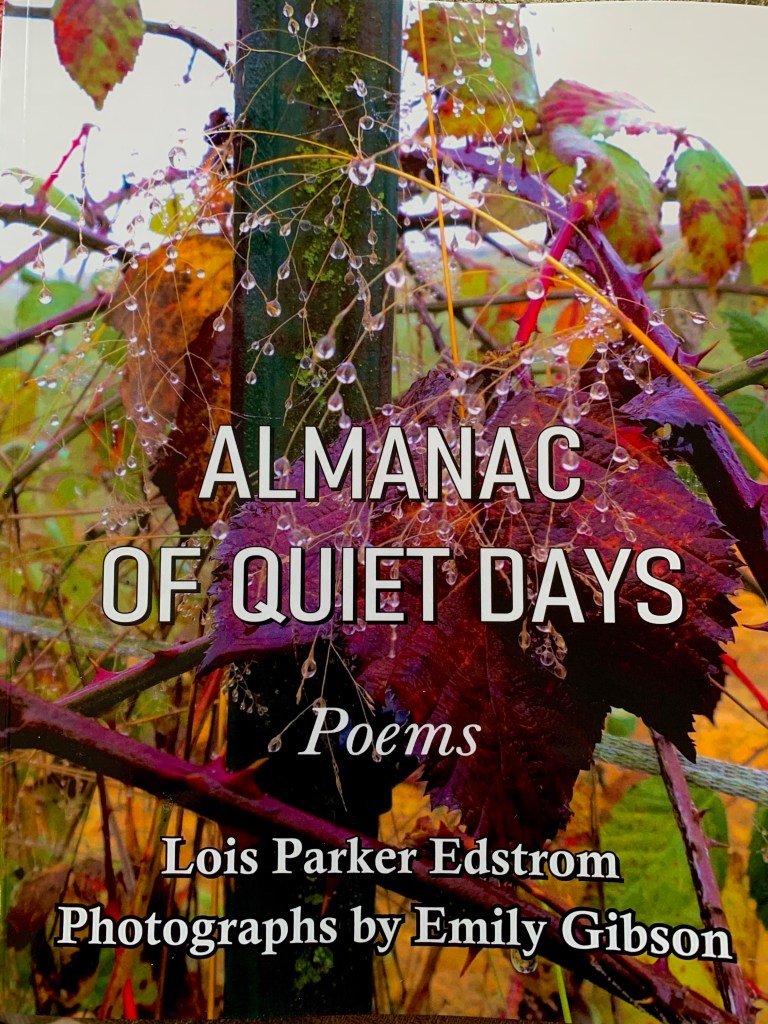
A book of astonishment in words and photography, available to order here:

One-Time
Monthly
Yearly

Make a one-time or recurring donation to support Barnstorming

Make a monthly donation

Make a yearly donation

Choose an amount

¤5.00
¤10.00
¤20.00
¤5.00
¤15.00
¤100.00
¤5.00
¤15.00
¤100.00

Or enter a custom amount

¤

Your contribution is deeply appreciated.

Your contribution is appreciated.

Your contribution is appreciated.

DonateDonate monthlyDonate yearly
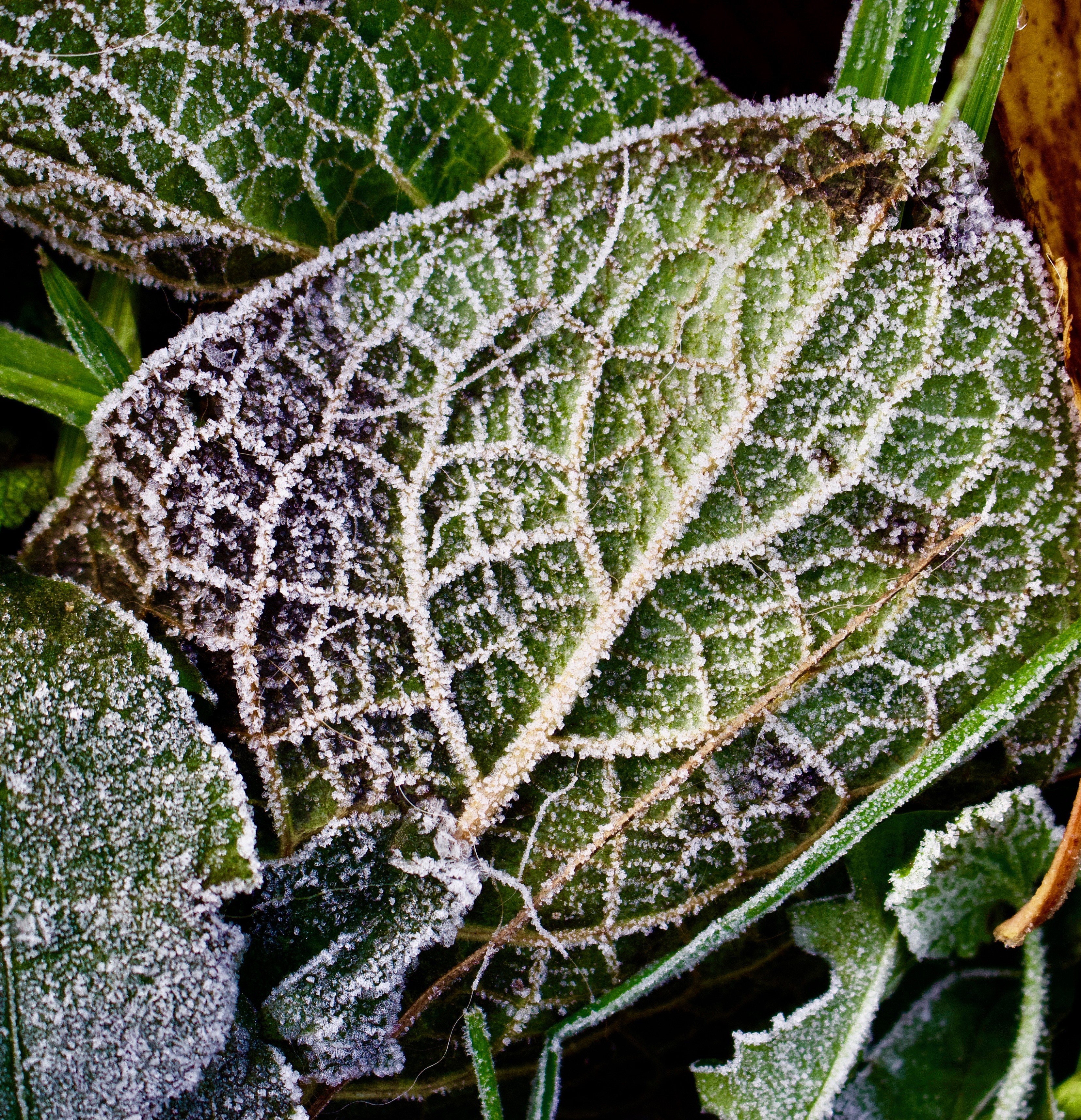
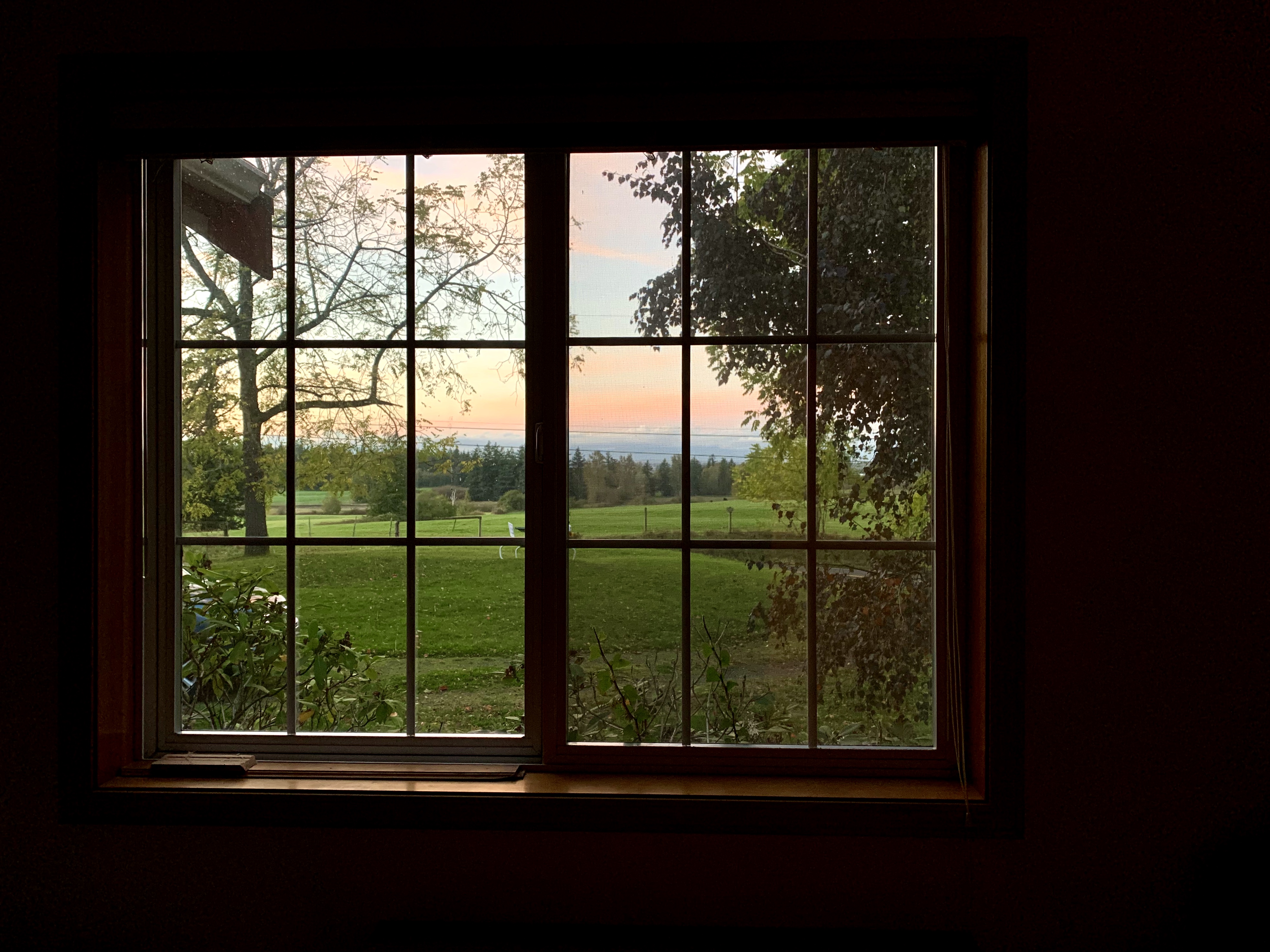
Mere Spectator Through the Window

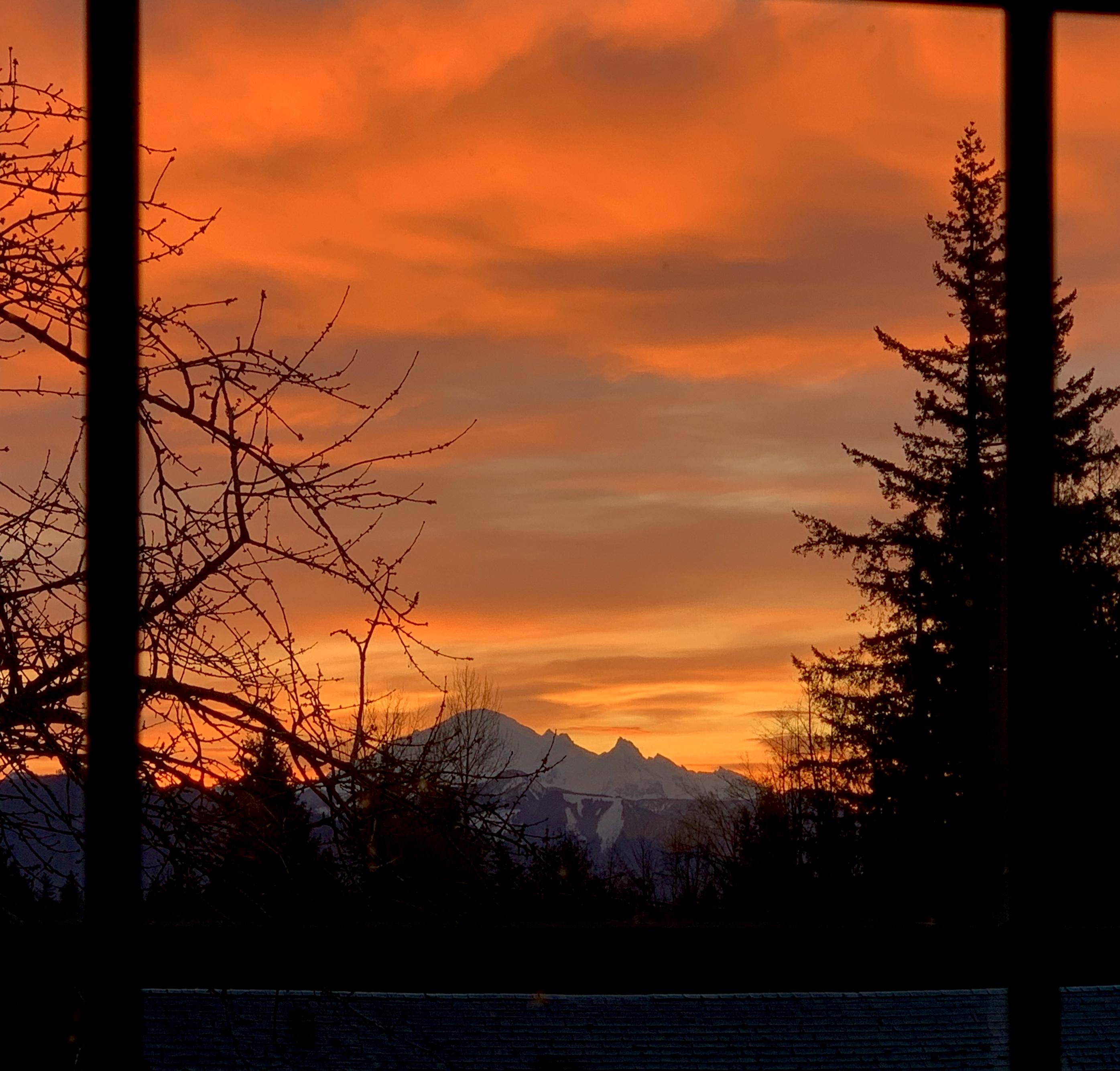
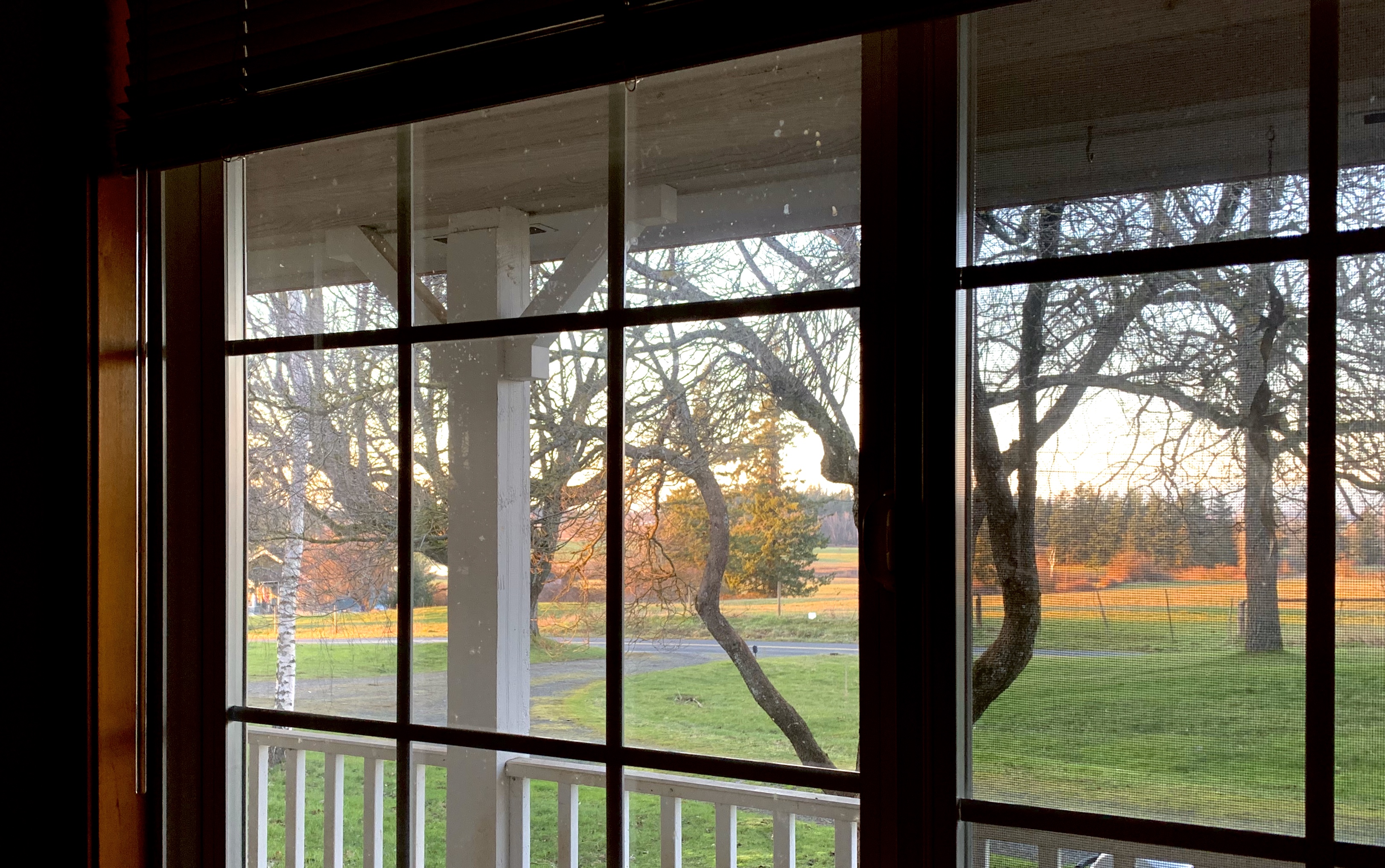
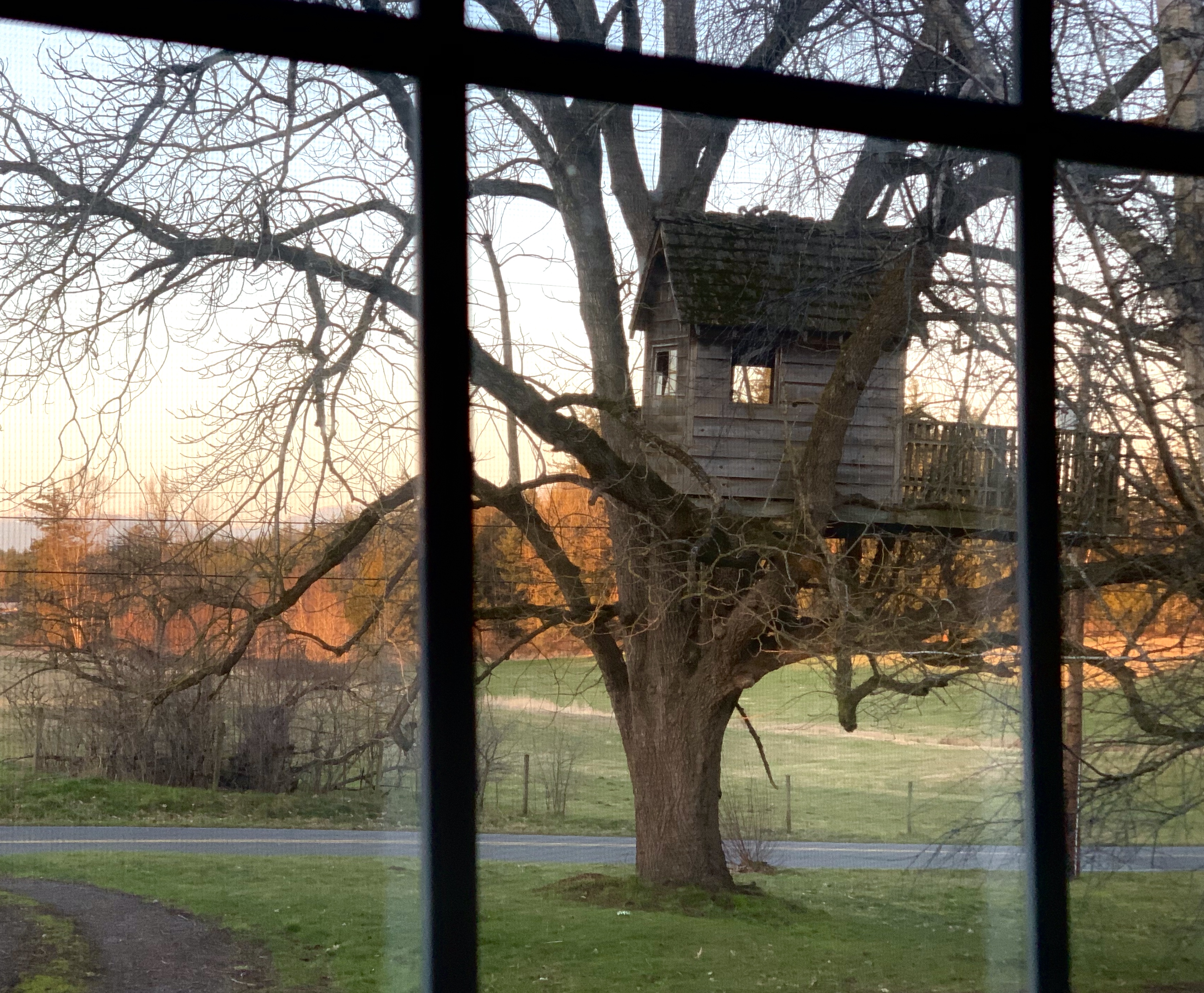
She opened her curtains, and looked out towards the bit of road that lay in view, with fields beyond outside the entrance-gates. On the road there was a man with a bundle on his back and a woman carrying her baby; in the field she could see figures moving – perhaps the shepherd with his dog. Far off in the bending sky was the pearly light; and she felt the largeness of the world and the manifold wakings of men to labor and endurance. She was a part of that involuntary, palpitating life, and could neither look out on it from her luxurious shelter as a mere spectator, nor hide her eyes in selfish complaining.
~George Eliot in Middlemarch

As civilization begins to emerge from pandemic restrictions and mandates, it is crucial to review the lessons learned over the past two years. Worldwide we’ve simultaneously become more unified in our shared experience of isolation and quarantine and also more divided in our opinions about its necessity. Whether we agree or not on the details of COVID-19 prevention and management, we have learned much more about ourselves.

We are natural complainers when we feel our familiar freedoms are taken away, no question about it. Despite our ongoing feelings of deprivation and inconvenience, most of us have still been blessed with shelter, warmth and sustenance during this time. Some of us have had others around us in isolation, and others of us wish we could have had more quiet and privacy. We’re more used to waiting in lines for our turn, and encountering empty store shelves when we need something.

Medical care has been a challenge to access, both for COVID-related illness and everything else that usually happens to our minds and bodies daily. We even feel the need to complain about people complaining.

So I remind myself daily that nearly a million of our U.S. brothers and sisters have gone missing in action over the last two years, lost to the COVID battle, and though the vast majority survived, they (we) will never be the same.

Now as we look out our windows, we are no longer mere spectators at what is transpiring around us, but are rejoining our palpitating existence alongside others.

God only knows where we would be without each other. We can’t forget what we have shared together – our view out our window is unique to each of us, yet so familiar no matter where it is in the largeness of the world.

Indeed – this is a time of reckoning that won’t be soon forgotten.

One-Time
Monthly
Yearly

Make a one-time or recurring donation to support Barnstorming

Make a monthly donation

Make a yearly donation

Choose an amount

¤5.00
¤10.00
¤20.00
¤5.00
¤15.00
¤100.00
¤5.00
¤15.00
¤100.00

Or enter a custom amount

¤

Your contribution is deeply appreciated.

Your contribution is appreciated.

Your contribution is appreciated.

DonateDonate monthlyDonate yearly
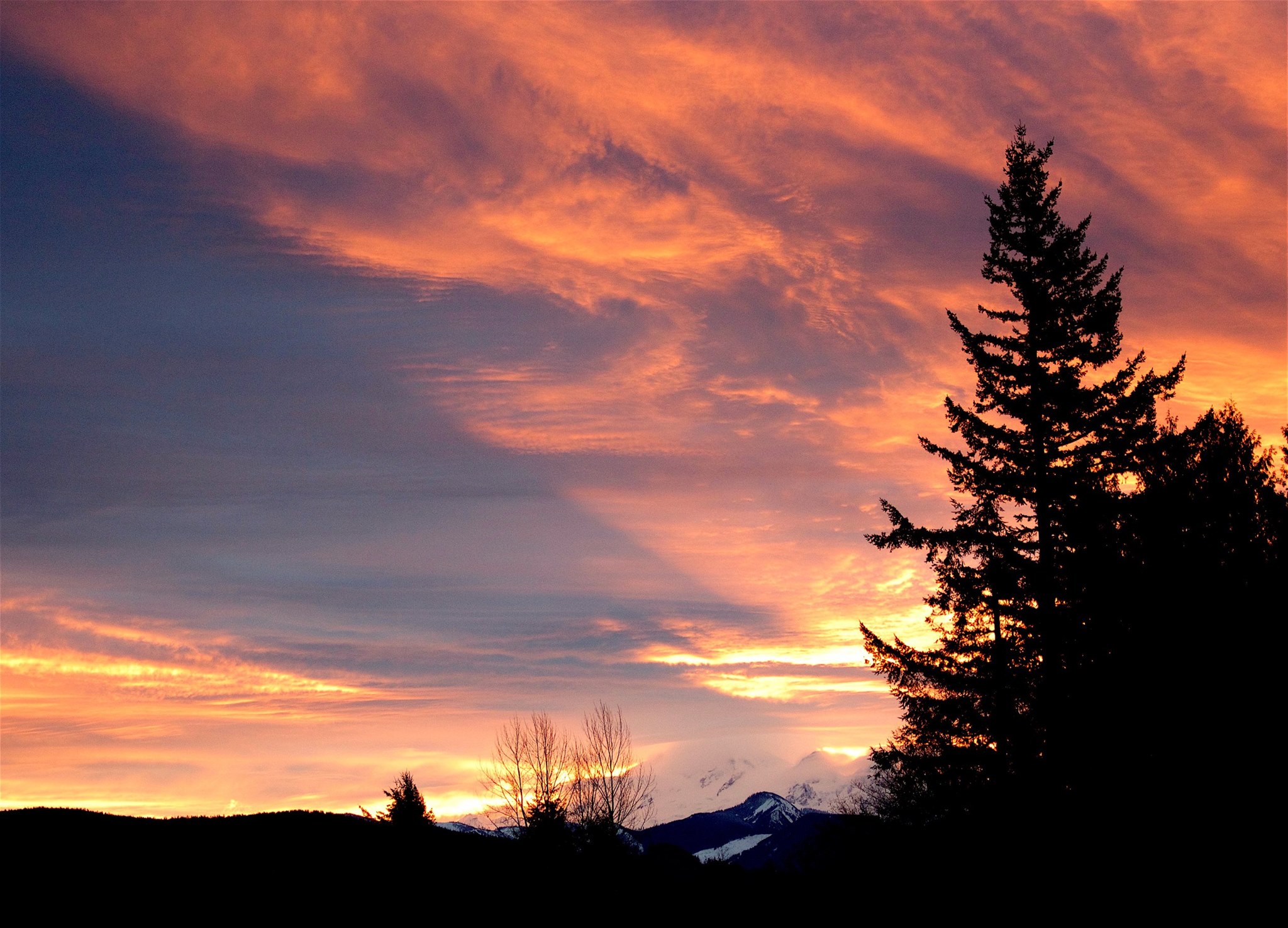
But For Rain…

Every valley drinks,
        Every dell and hollow:
    Where the kind rain sinks and sinks,
        Green of Spring will follow.
 
    Yet a lapse of weeks
        Buds will burst their edges,
    Strip their wool-coats, glue-coats, streaks,
        In the woods and hedges;

    But for fattening rain
        We should have no flowers,
    Never a bud or leaf again
        But for soaking showers;

    We should find no moss
        In the shadiest places,
    Find no waving meadow grass
        Pied with broad-eyed daisies:
 
    But miles of barren sand,

        With never a son or daughter,
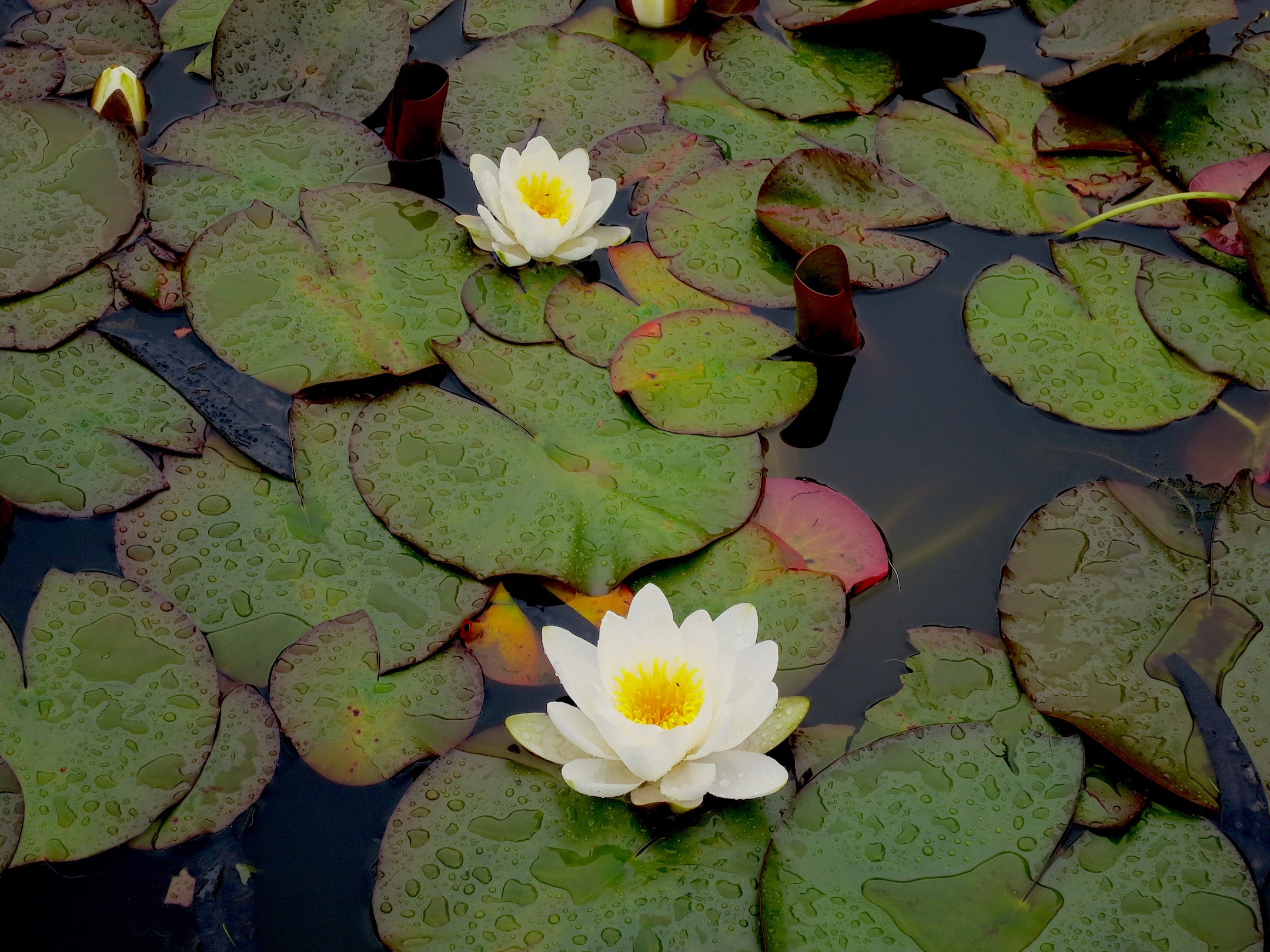
    Not a lily on the land,
        Or lily on the water.
~Christina Georgina Rossetti from “Winter Rain” from  Poems of Christina Rossetti (1904)


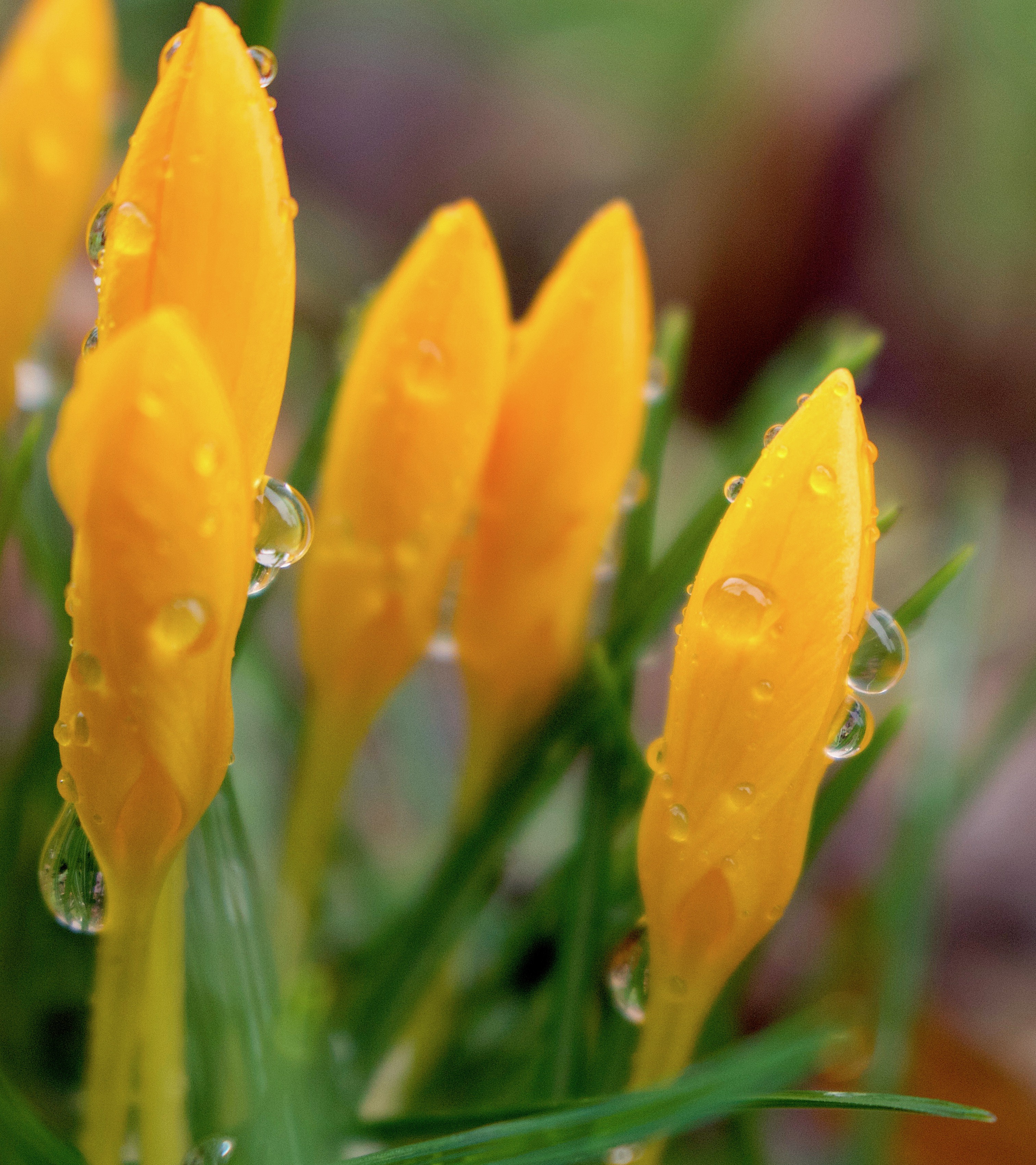
Reading the news of ongoing drought in the U.S. Southwest being the worst in over a thousand years, I look at our over-filled Northwest rain gauges with renewed appreciation and gratitude. We’ve had more “fattening” rain than typical over the last several months, which at times resulted in devastating flooding and damage, impacting hundreds of homes and businesses. Yet, but for rain, we too would become miles and miles of barren sand, with nothing able to thrive and grow, no sons or daughters or the beauty of the lilies.

I love our “kind” rain: the wet, the drizzle, the mist, the gray, the clouds, the mud, the moss, the slosh and the “evening dews and damps.”

“In the beauty of the lilies, Christ was born across the sea…”
The rain transfigures us all.

Mine eyes have seen the glory of the coming of the Lord:
He is trampling out the vintage where the grapes of wrath are stored;
He hath loosed the fateful lightning of His terrible swift sword:
                       His truth is marching on.

I have seen Him in the watch-fires of a hundred circling camps,
They have builded Him an altar in the evening dews and damps;
I can read His righteous sentence by the dim and flaring lamps:
                       His day is marching on.

I have read a fiery gospel writ in burnished rows of steel:
“As ye deal with my contemners, so with you my grace shall deal;
Let the Hero, born of woman, crush the serpent with his heel,
                       Since God is marching on.”

He has sounded forth the trumpet that shall never call retreat;
He is sifting out the hearts of men before His judgment-seat:
Oh, be swift, my soul, to answer Him! be jubilant, my feet!
                       Our God is marching on.

In the beauty of the lilies Christ was born across the sea,
With a glory in his bosom that transfigures you and me:
As he died to make men holy, let us die to make men free,
                       While God is marching on.
~Julia Ward Howe (published 1862)

One-Time
Monthly
Yearly

Make a one-time or recurring donation to support Barnstorming

Make a monthly donation

Make a yearly donation

Choose an amount

¤5.00
¤10.00
¤20.00
¤5.00
¤15.00
¤100.00
¤5.00
¤15.00
¤100.00

Or enter a custom amount

¤

Your contribution is deeply appreciated.

Your contribution is appreciated.

Your contribution is appreciated.

DonateDonate monthlyDonate yearly
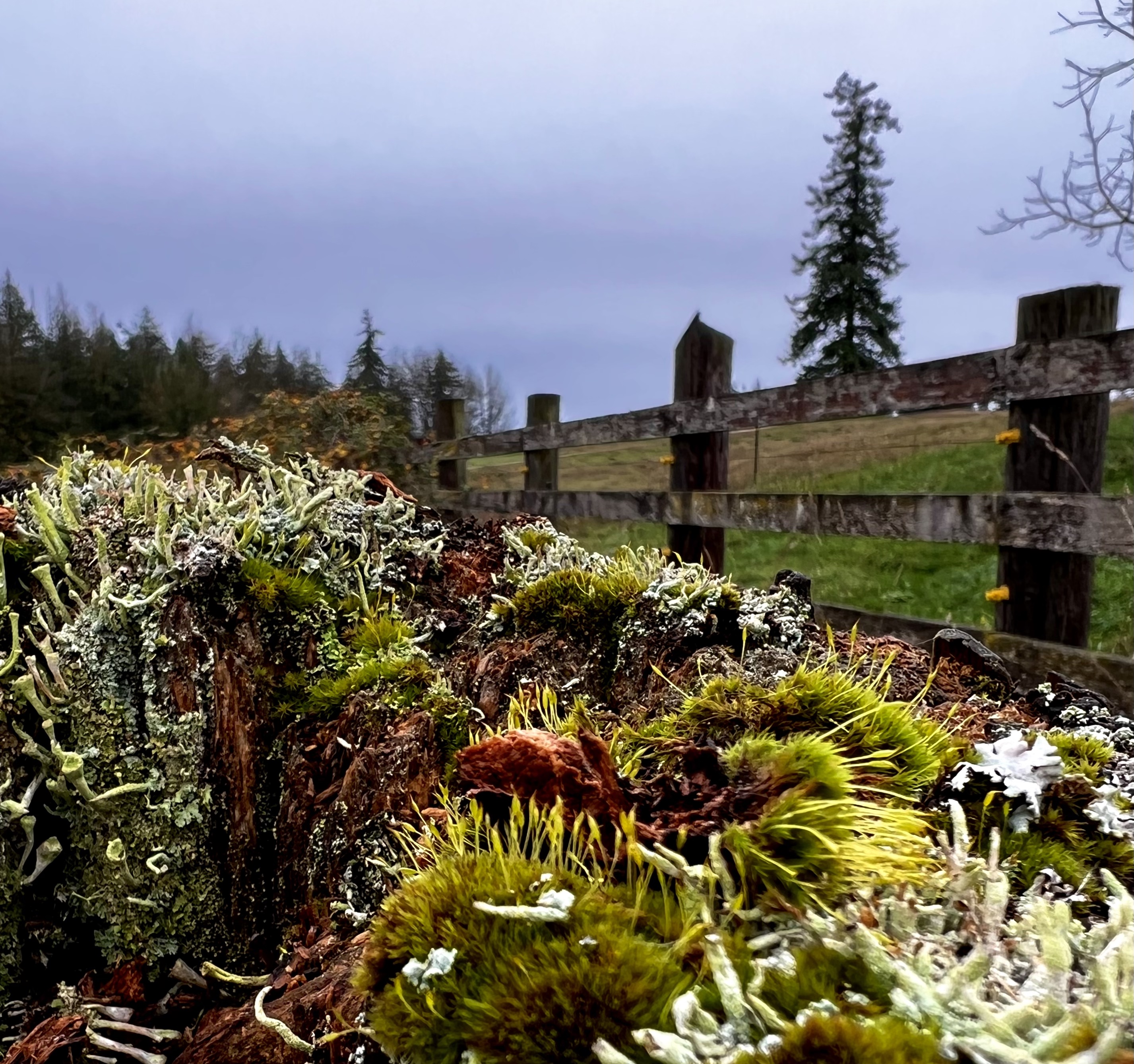
In Longing

I loved you before I was born.
It doesn’t make sense, I know.

I saw your eyes before I had eyes to see.
And I’ve lived longing 
for your ever look ever since.
That longing entered time as this body. 
And the longing grew as this body waxed.
And the longing grows as the body wanes.
The longing will outlive this body.

I loved you before I was born.
It doesn’t make sense, I know.

Long before eternity, I caught a glimpse
of your neck and shoulders, your ankles and toes.
And I’ve been lonely for you from that instant.
That loneliness appeared on earth as this body. 
And my share of time has been nothing 
but your name outrunning my ever saying it clearly. 
Your face fleeing my ever
kissing it firmly once on the mouth.

In longing, I am most myself, rapt,
my lamp mortal, my light 
hidden and singing. 

I give you my blank heart.
Please write on it
what you wish. 

~Li-Young Lee, “I Loved You Before I Was Born”

I should have recognized you at first, but didn’t.

Once I looked you in the eyes, I knew that I had loved you from before I was born. It didn’t make sense to me but nevertheless I knew. Our longing in loneliness finally brought us face to face.

I handed you my heart and you handed me yours, to keep forever.
And there they remain with utmost tenderness,
our longings still being written.

To Make Truth

What is beauty for—
sunset searing my soul
without thought or plan?

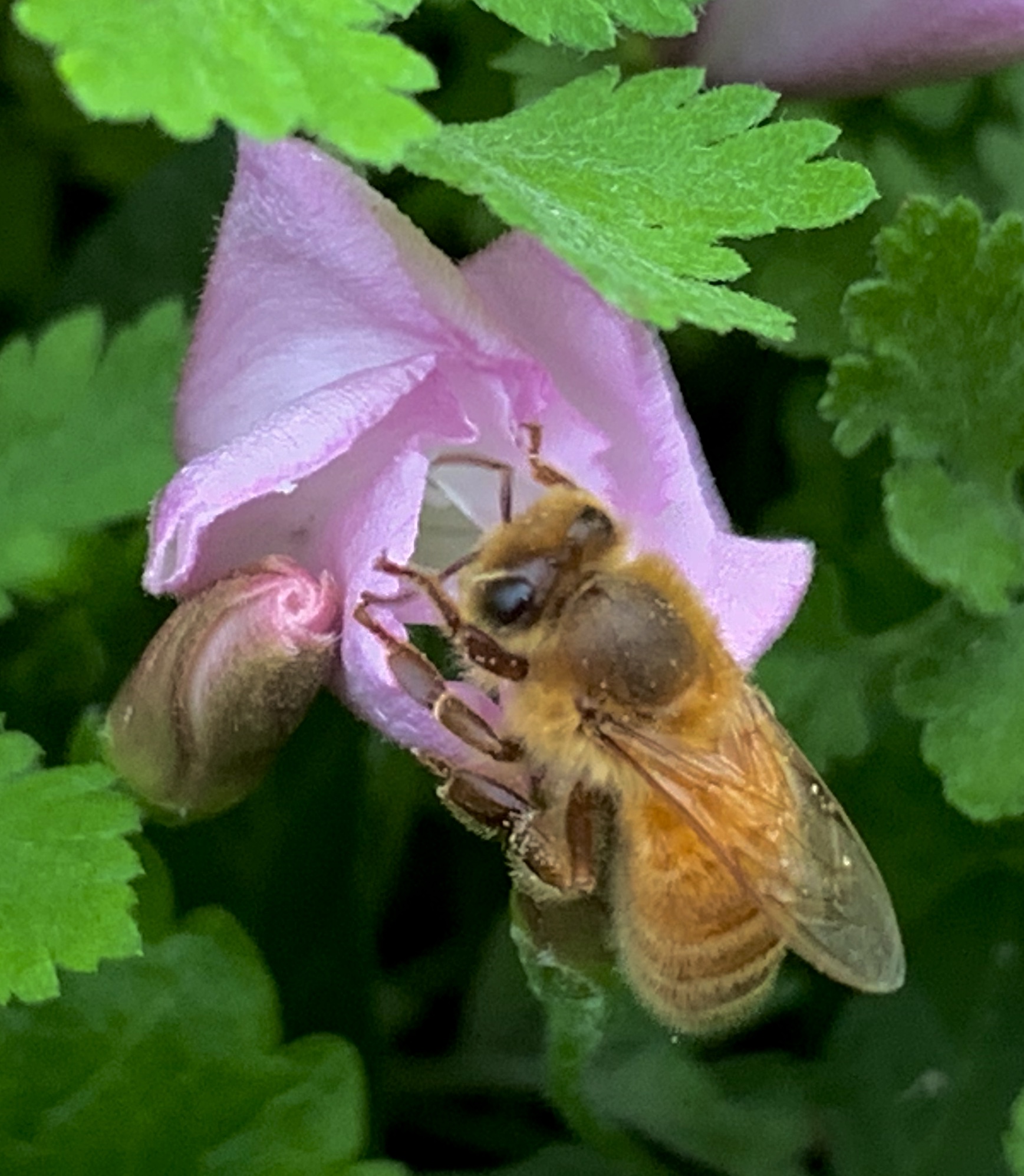
Dawn green beauty, bee hum honey,
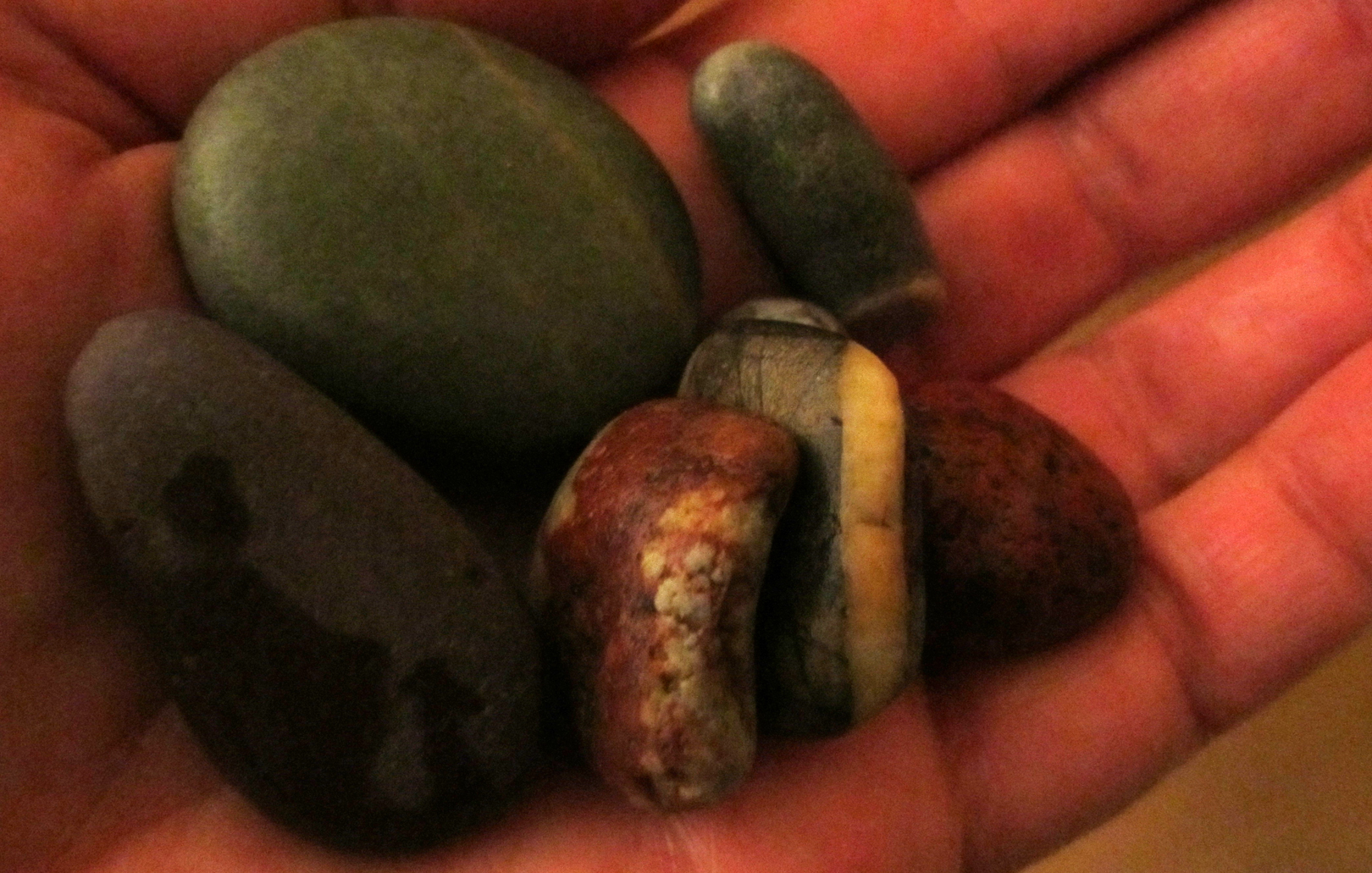
stone in hand so silky the long sea
worked centuries to ravish?

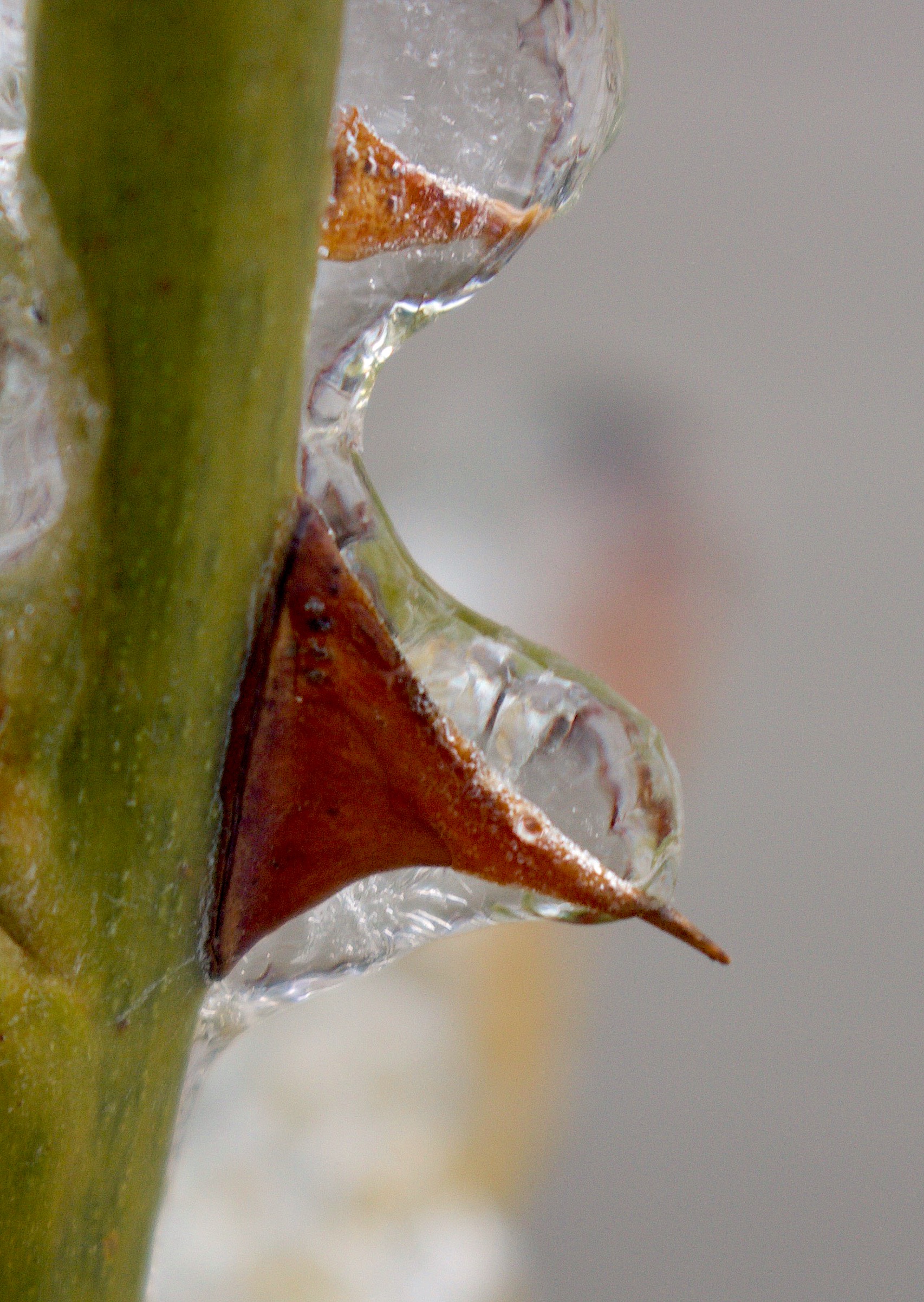
And what for pain—thorn
in heart for my hurt child,
dumb ache for my brother gone

thirty years, slow burn of disgrace
when I fail at what I am to do: to see
my country bruised and torn?

So, to make good things—
a song, a kind act, a friendship—
feed on beauty at every turn.

And to make truth, feed on sorrows,
gnash their salty structures,
bite the bitter rind.

~Kim Stafford, “Advice from a Raindrop” from Singer Come From Afar

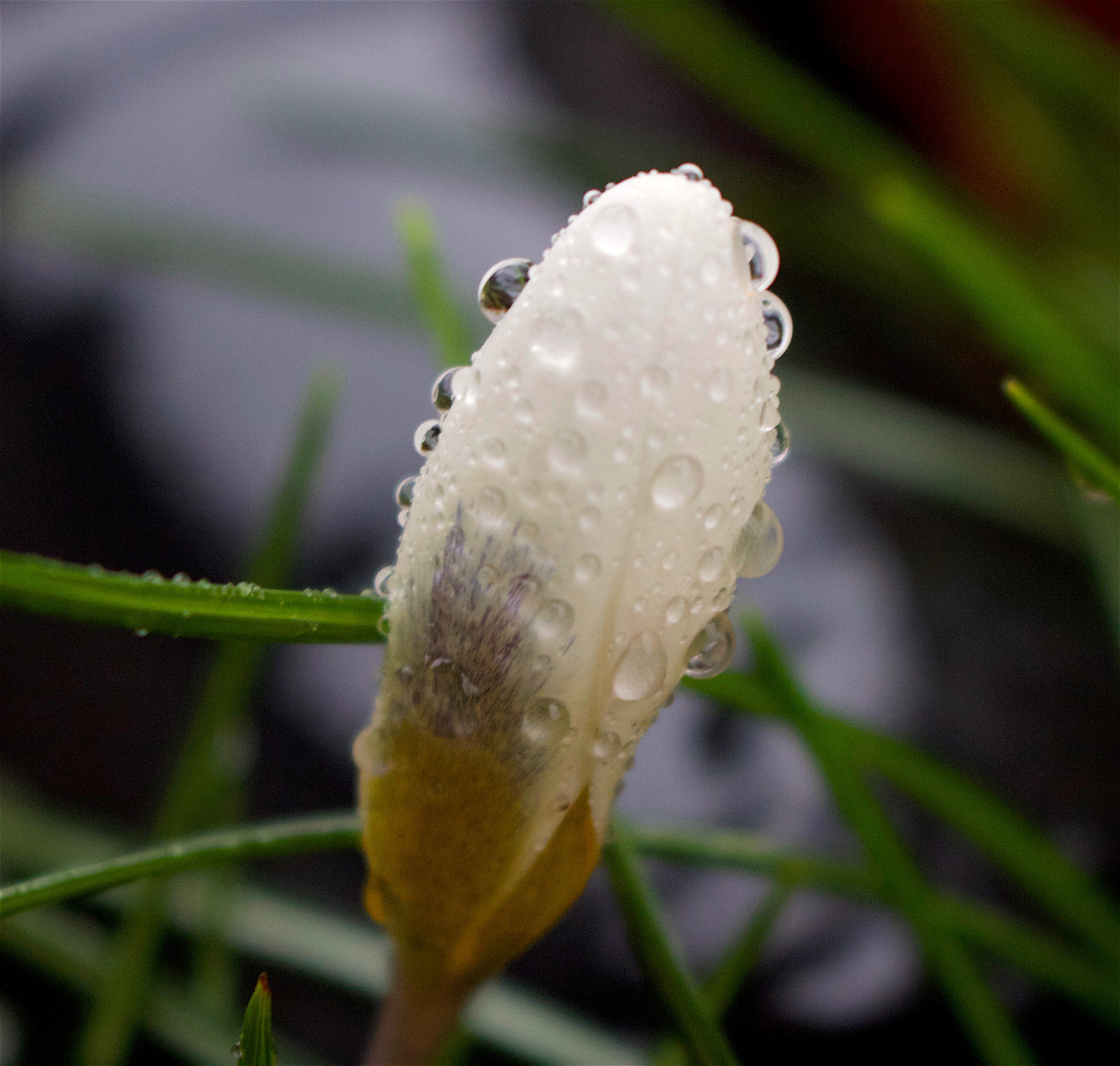
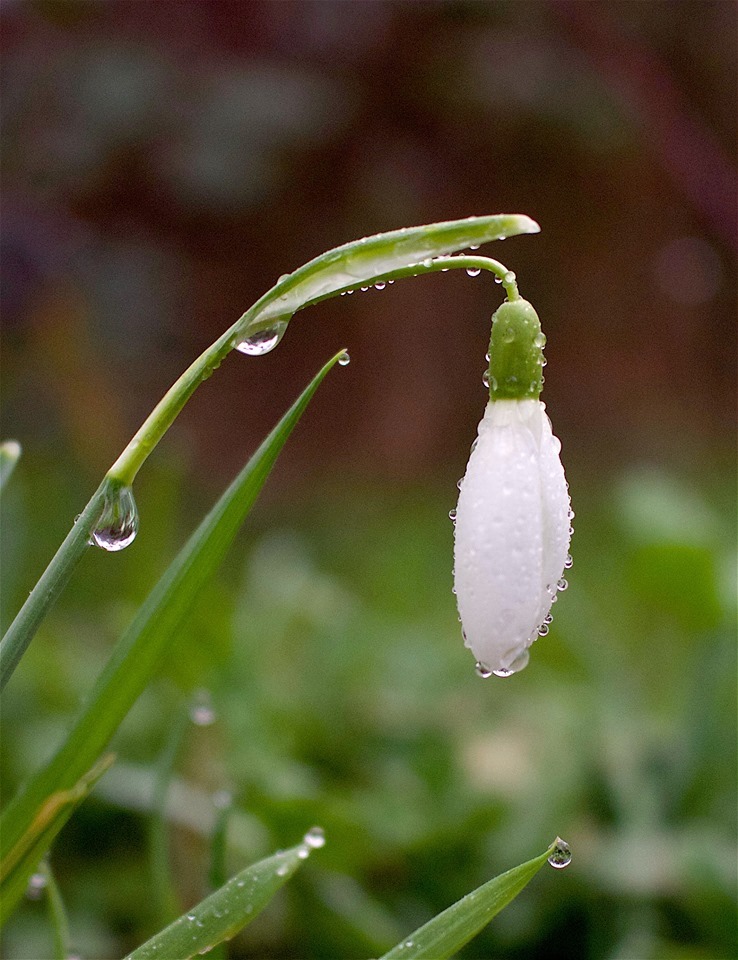
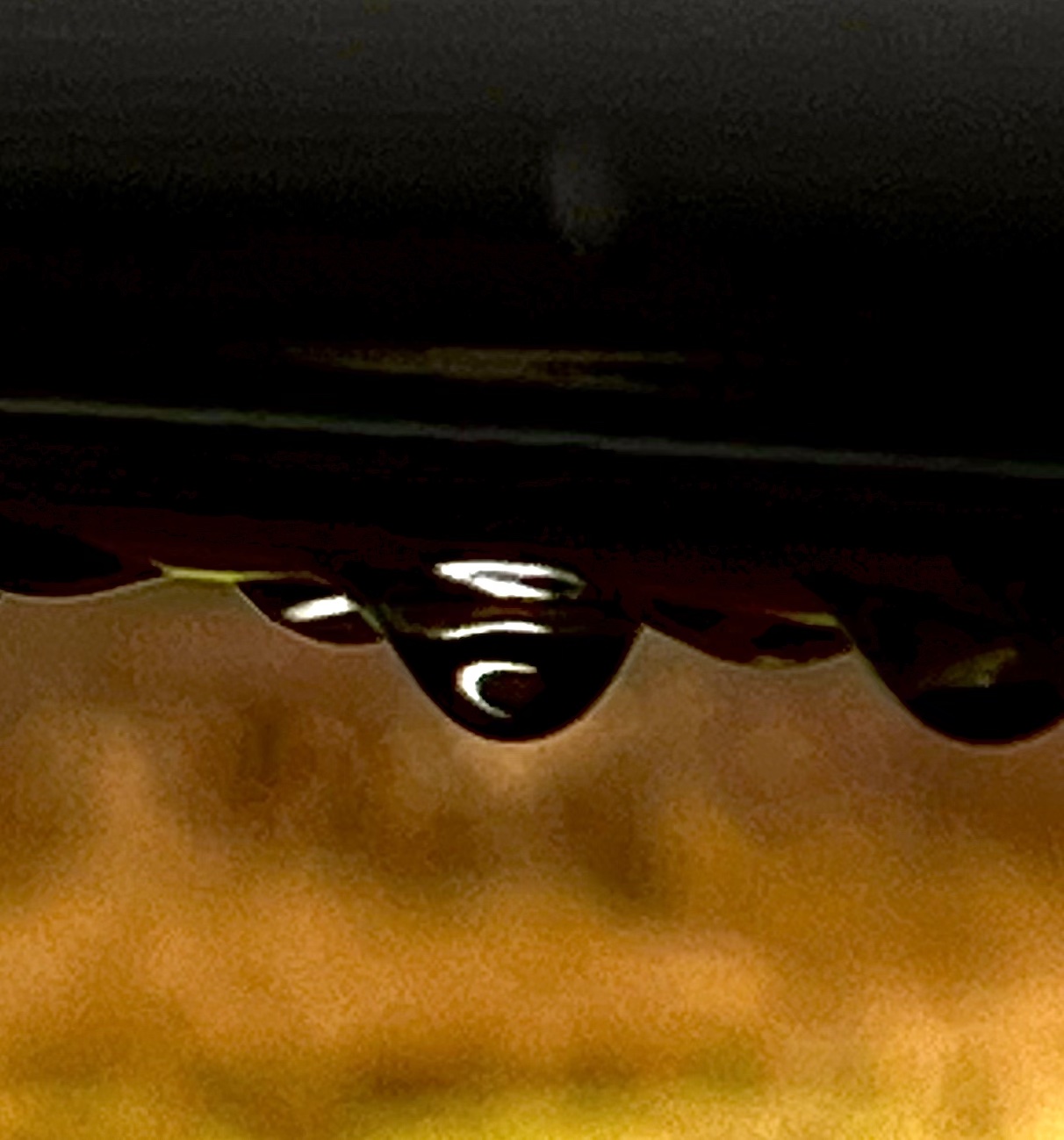
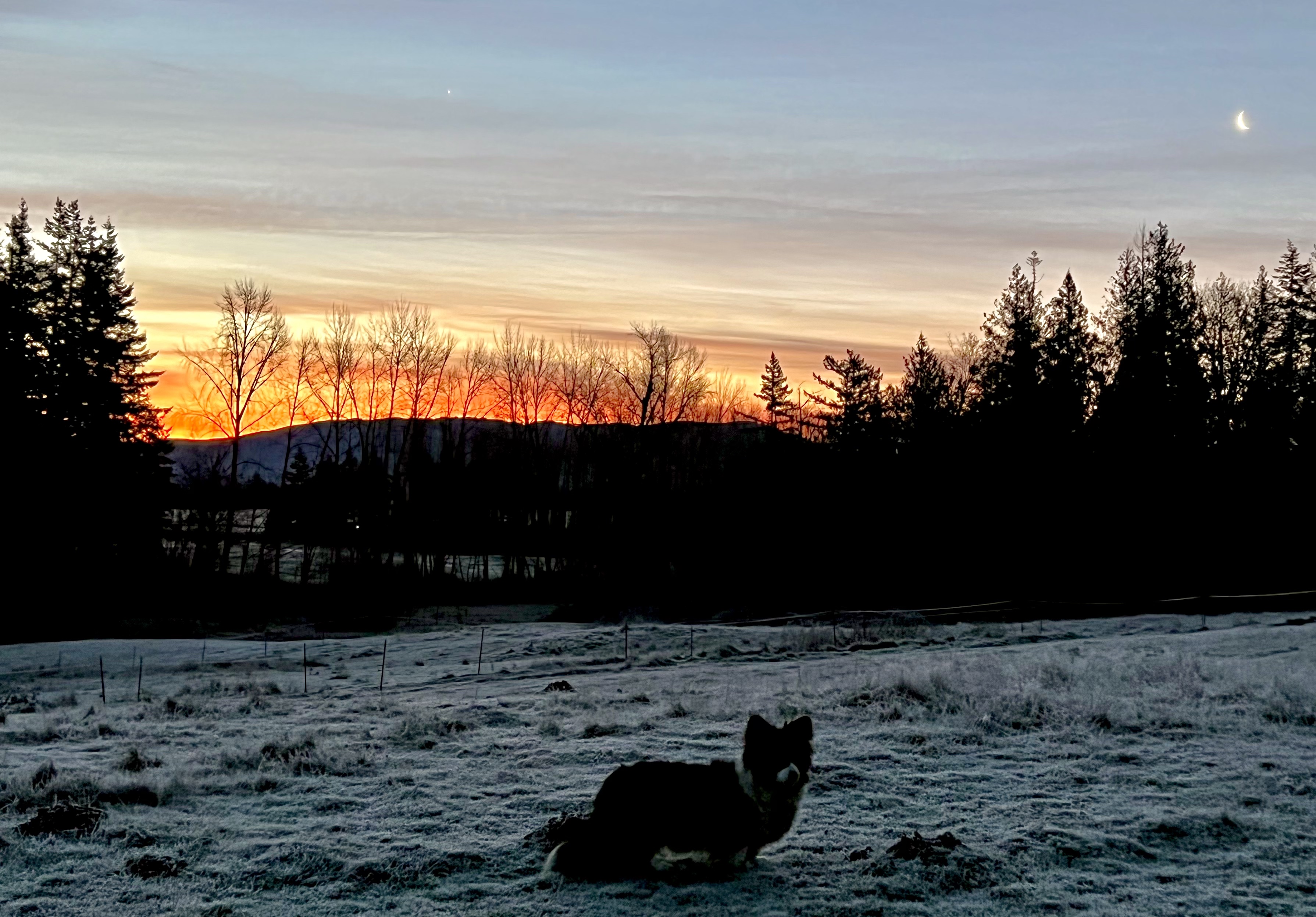
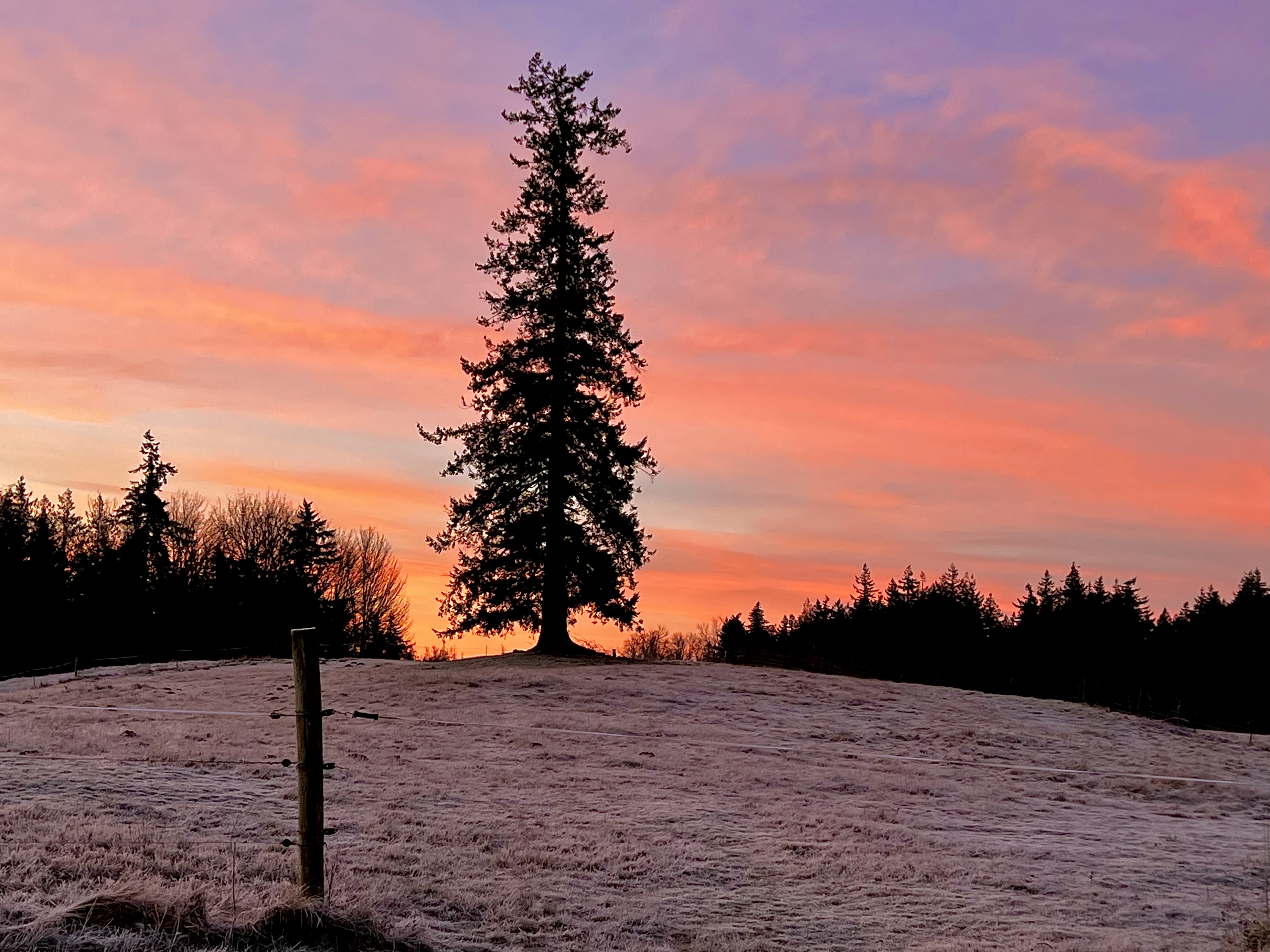
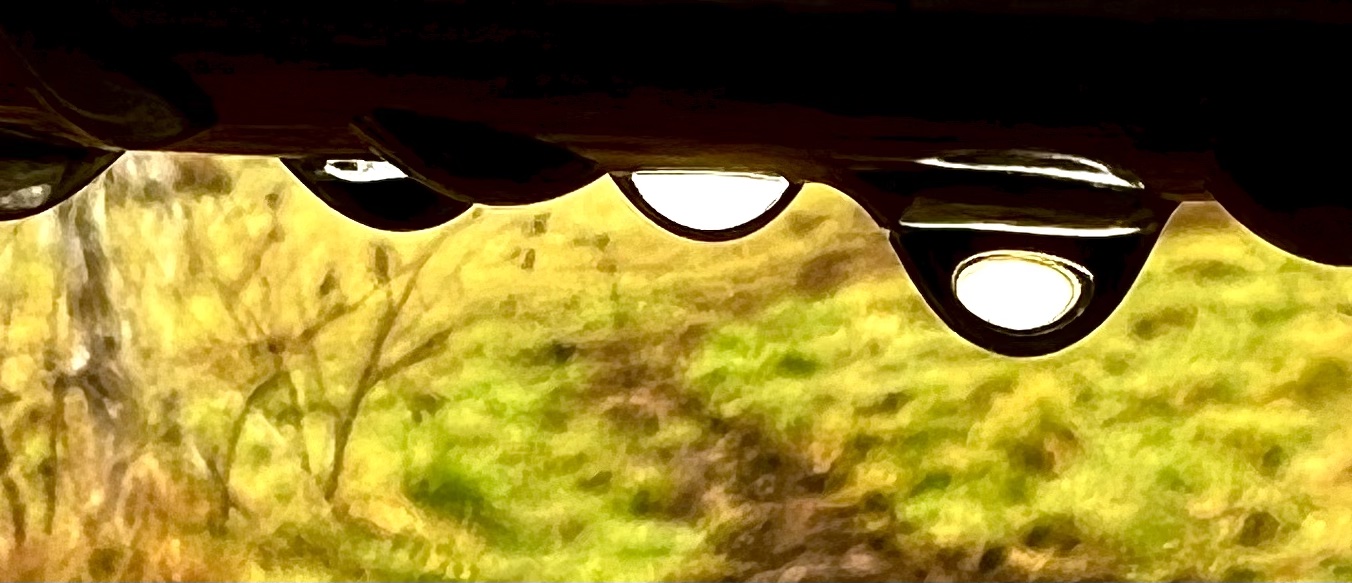
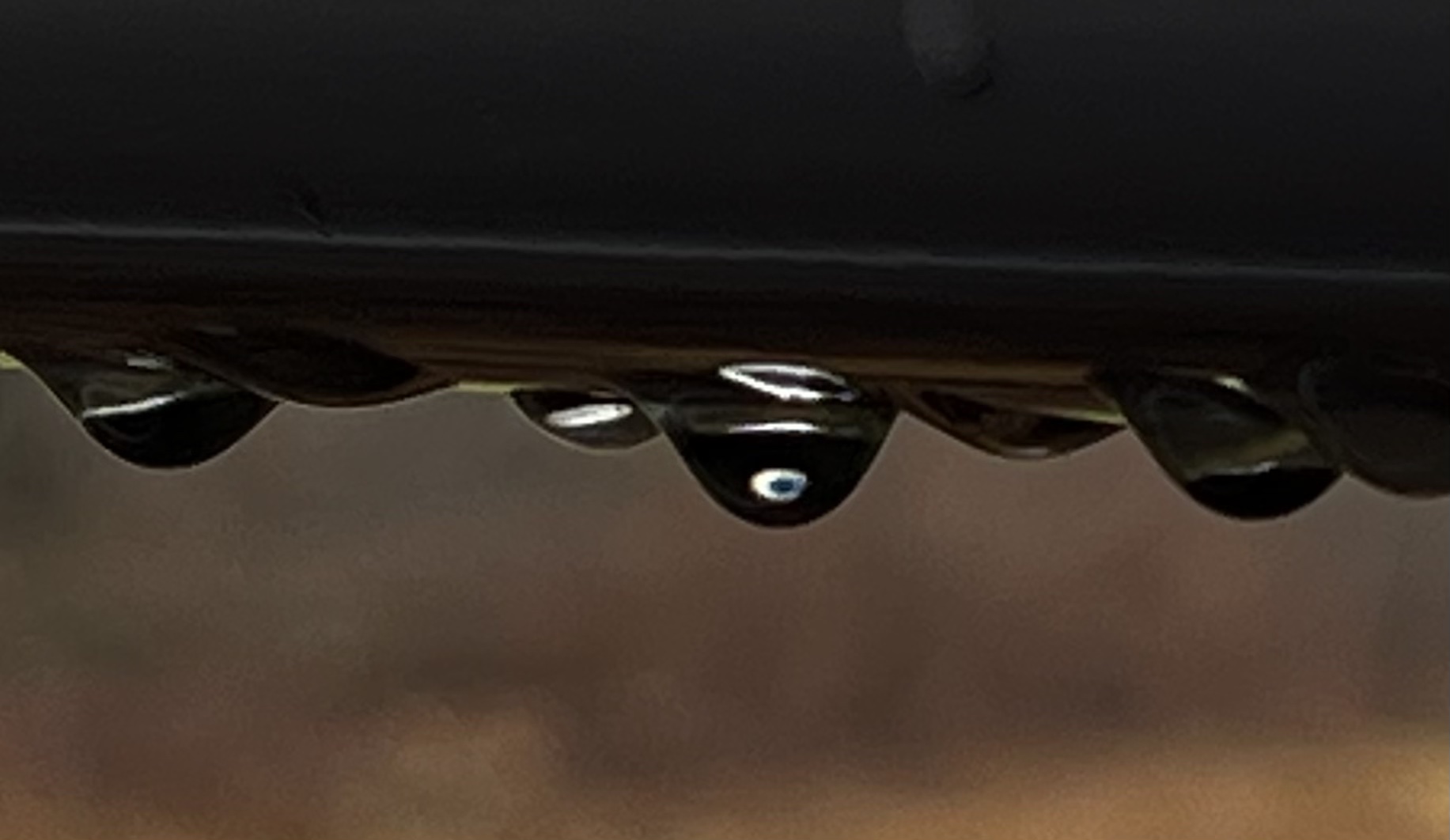
Beauty is always right outside my back door, whether it is growing in the soil, as ephemeral as a raindrop, unfurling in a frosty dawn or settling into an early twilight serenade. 

The truth of beauty heals me after an imperfect day and an imperfect night’s sleep.

Today I want to be different. I will strive to be a steward for serenity, striving to find beauty in all things and all people, aiding their growth and helping them flourish.

Never perfect but I’m not giving up on the truth. 
Never perfect but serene with the responsibility of always trying, always wanting to be different than I am
and change what I can in this little part of the world.

One-Time
Monthly
Yearly

Make a one-time or recurring donation to support Barnstorming

Make a monthly donation

Make a yearly donation

Choose an amount

¤5.00
¤10.00
¤20.00
¤5.00
¤15.00
¤100.00
¤5.00
¤15.00
¤100.00

Or enter a custom amount

¤

Your contribution is deeply appreciated.

Your contribution is appreciated.

Your contribution is appreciated.

DonateDonate monthlyDonate yearly

At the End

Not every man knows what he shall sing at the end,
Watching the pier as the ship sails away, or what it will seem like
When he’s held by the sea’s roar, motionless, there at the end,
Or what he shall hope for once it is clear that he’ll never go back.

When the time has passed to prune the rose or caress the cat,
When the sunset torching the lawn and the full moon icing it down
No longer appear, not every man knows what he’ll discover instead.
When the weight of the past leans against nothing, and the sky

Is no more than remembered light, and the stories of cirrus
And cumulus come to a close,

and all the birds are suspended in flight,
Not every man knows what is waiting for him, or what he shall sing
When the ship he is on slips into darkness, there at the end.

~Mark Strand “The End,” from The Continuous Life

Write as if you were dying. At the same time, assume you write for an audience consisting solely of terminal patients. That is, after all, the case.
~Annie Dillard from “Write Till You Drop”

I began to write after September 11, 2001 because that day it became obvious to me I was dying, though more slowly than the thousands who vanished in fire and ash that day, their voices obliterated along with their bodies.  So, nearly each day since, while I still have voice and a new dawn to greet, I speak through my fingers to others, who, like me, are dying.

We are, after all, terminal patients, some of us more prepared than others to move on, slipping away into darkness, as if our readiness had anything to do with the timing.

Each day we get a little closer. I write in order to feel a little more ready.  Each day I want to detach just a little bit, leaving a trace of my voice behind, wondering what will be left to say or sing at the end.  Eventually, through unmerited grace, perhaps so much of me will be left on the page there won’t be anything or anyone left to do the typing.

No words should go to waste nor moments allowed to lapse unnoticed.
I dwell here for now, knowing Who will be waiting for me there.

One-Time
Monthly
Yearly

Make a one-time or recurring donation to support Barnstorming

Make a monthly donation

Make a yearly donation

Choose an amount

¤5.00
¤10.00
¤20.00
¤5.00
¤15.00
¤100.00
¤5.00
¤15.00
¤100.00

Or enter a custom amount

¤

Your contribution is deeply appreciated.

Your contribution is appreciated.

Your contribution is appreciated.

DonateDonate monthlyDonate yearly
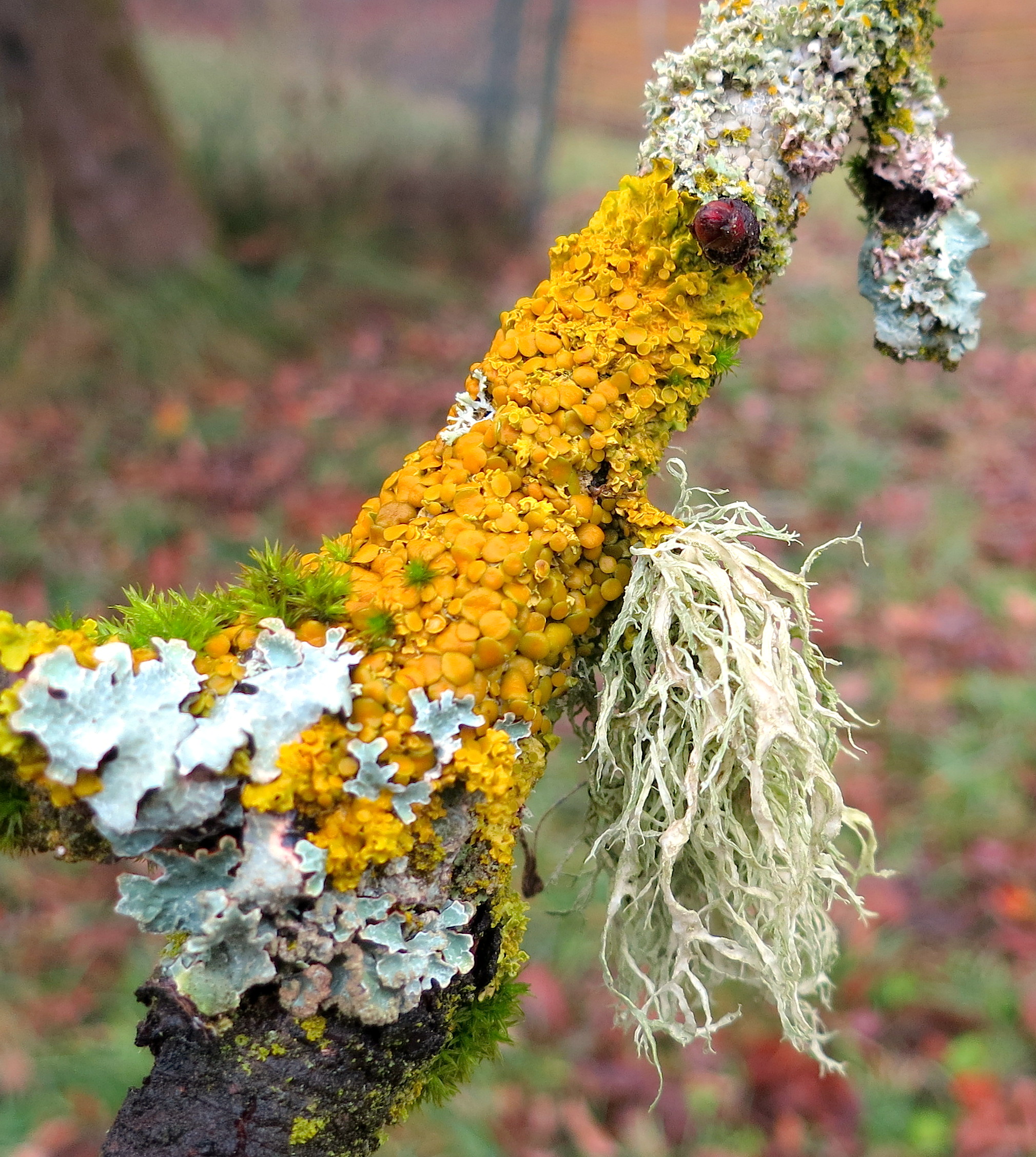
A Book and a Shady Nook

O for a book and a shady nook,
Either indoors or out;
With the green leaves whispering overhead,
Or the street cries all about;
Where I may read all at my ease,
Both of the new and old;
For a jolly good book whereon to look
Is better to me than gold.

~John Wilson (early 19th century Scottish author)

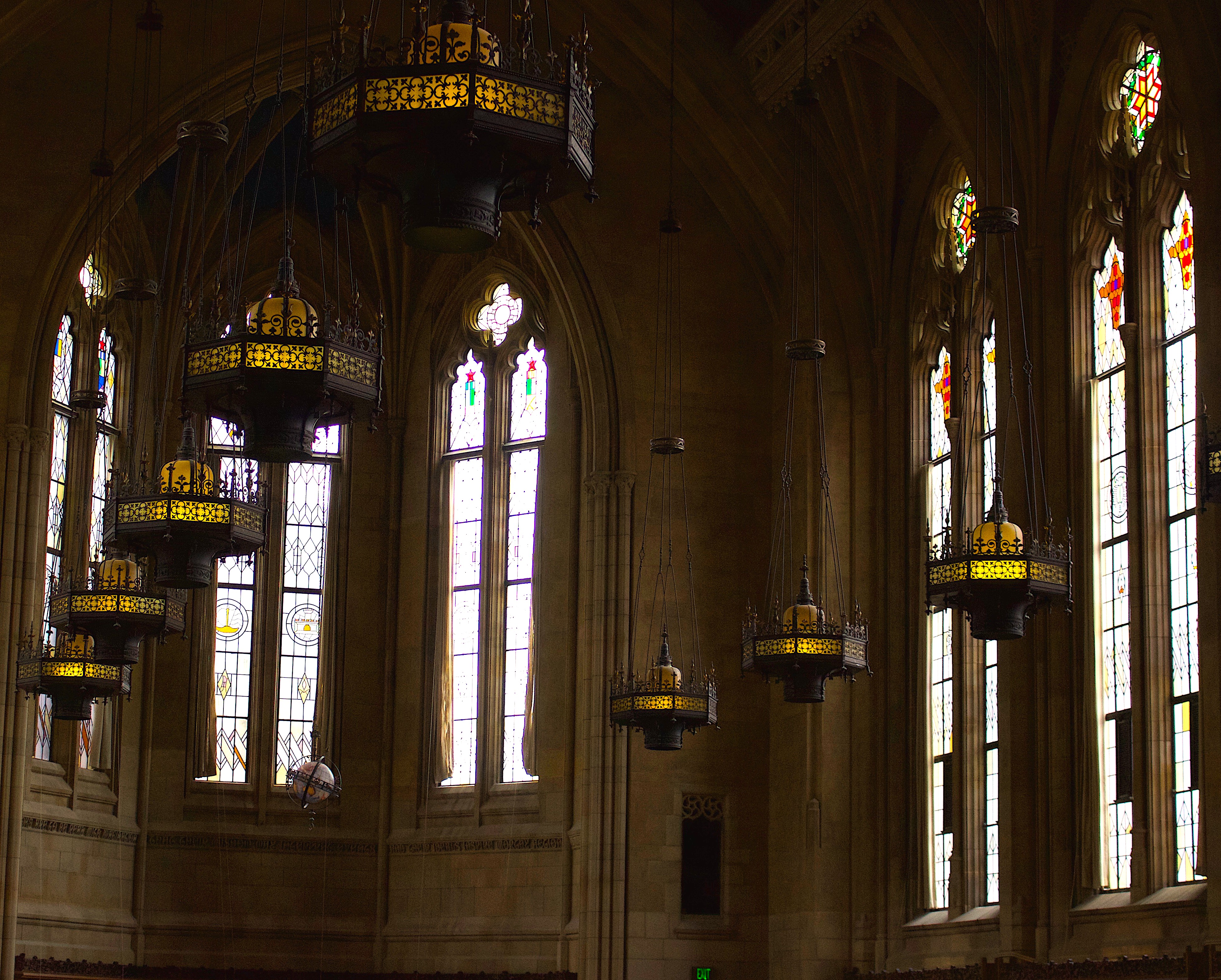
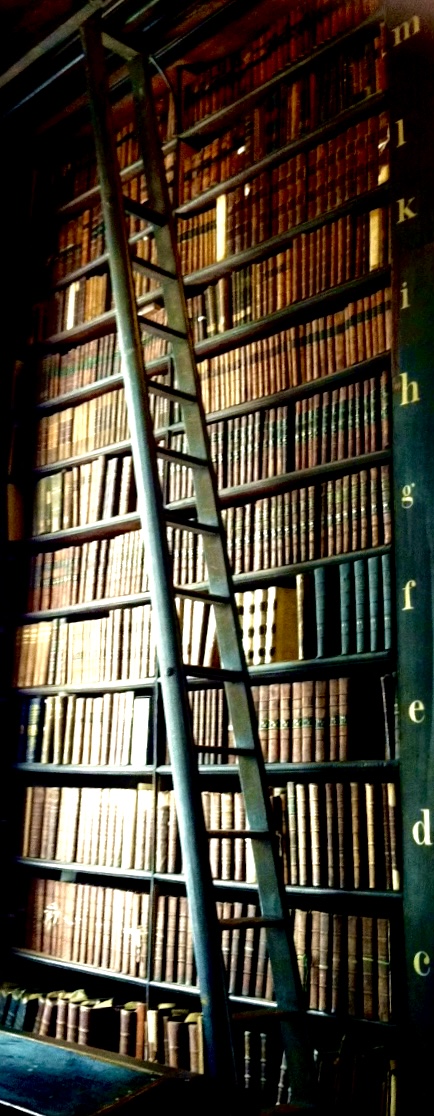
Suzzallo Library, University of Washington, Seattle
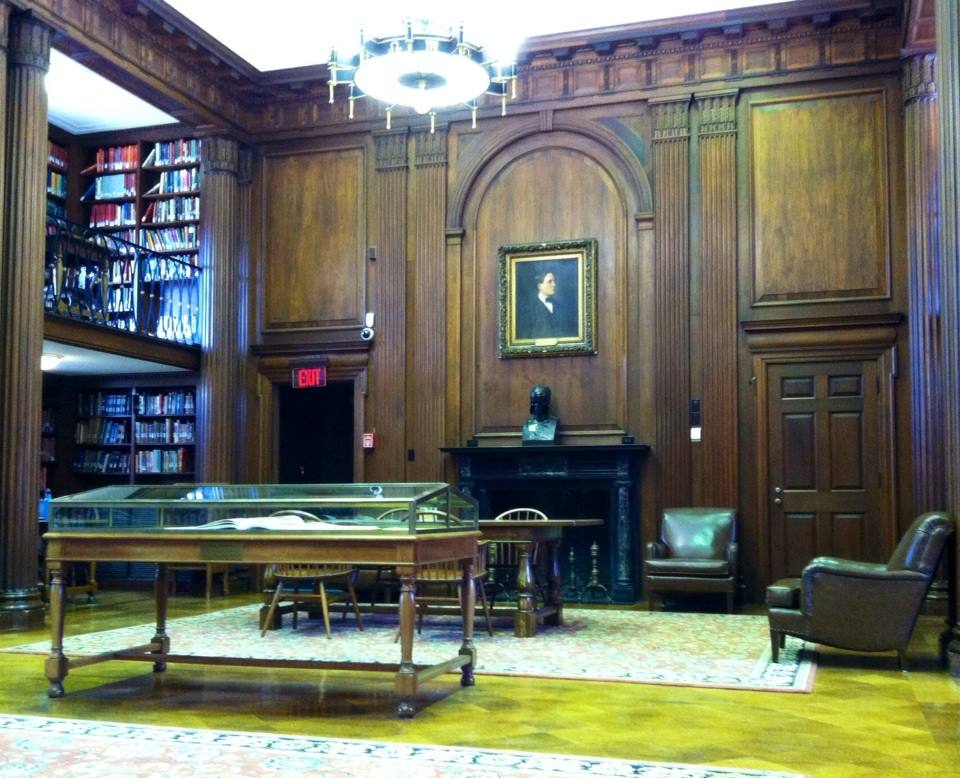
Yale Divinity School Library
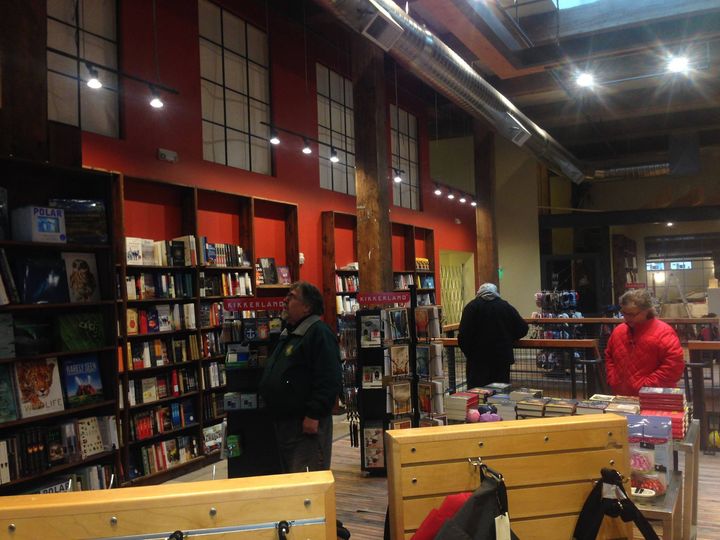
Village Books, Lynden, WA

…for people who love books and need
To touch them, open them, browse for a while,
And find some common good––that’s why we read.
Readers and writers are two sides of the same gold coin.
You write and I read and in that moment I find
A union more perfect than any club I could join:
The simple intimacy of being one mind.
     Here in a book-filled sun-lit room below the street,
     Strangers––some living, some dead––are hoping to meet.

~Garrison Keillor 

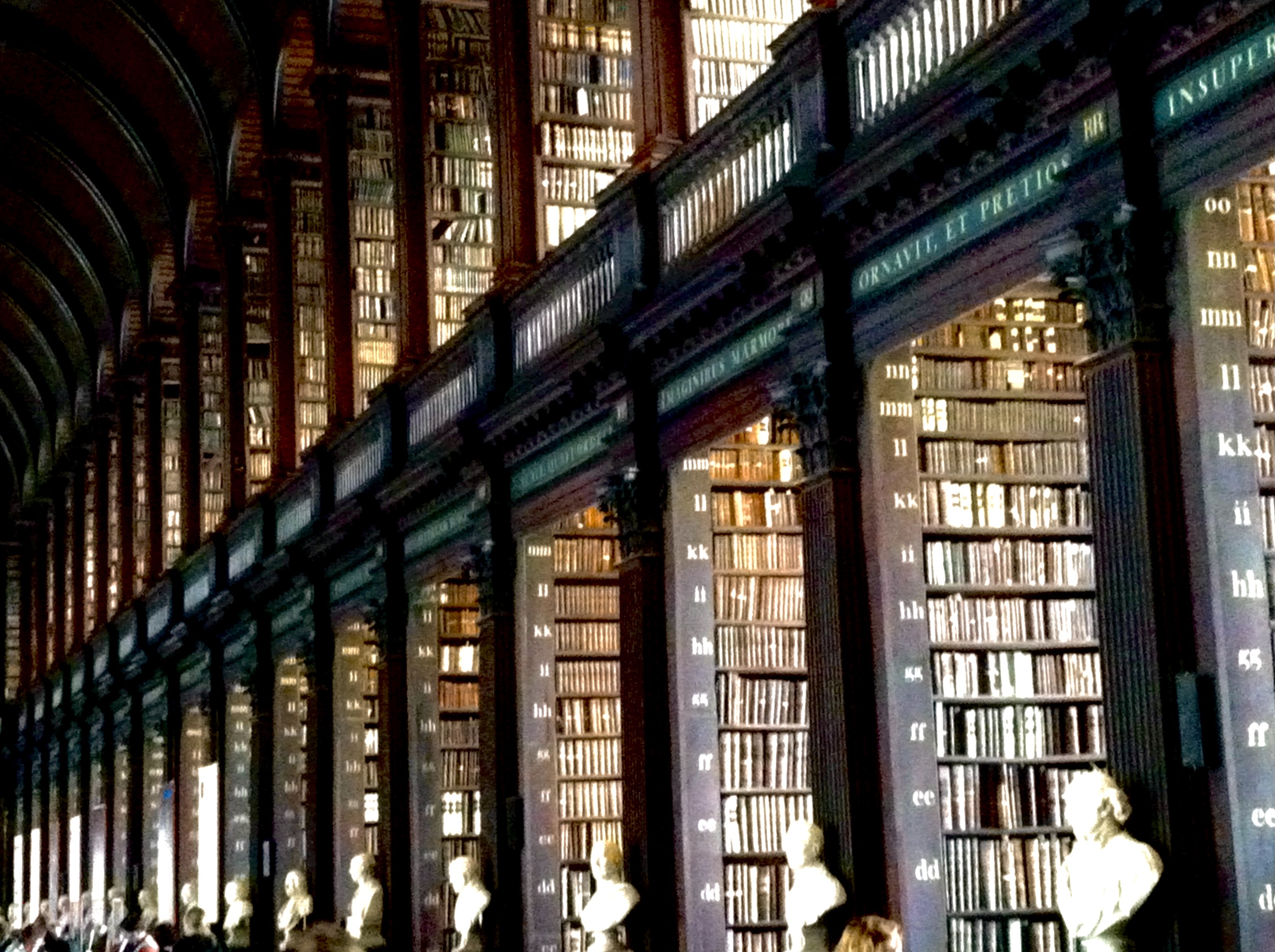
Trinity College Long Room, Dublin

You know who you are.

You are the person who stockpiles stacks of books
on the bedside table and next to your favorite chair.

The person who sacrifices sleep to read
just one more page.

The person who reads the cereal box when
nothing else is available near the breakfast table.

The girl who falls into an uncovered manhole
walking down a busy street while reading.

The objects of your affection may be
as precious as the Book of Kells
.

or as sappy as an Archie and Jughead
comic book.

It’s the words, the words,
that keep zipping by, telegraphing

an urgent message: What’s next?
What’s next?

~Lois Edstrom “Bookworm” from Almanac of Quiet Days

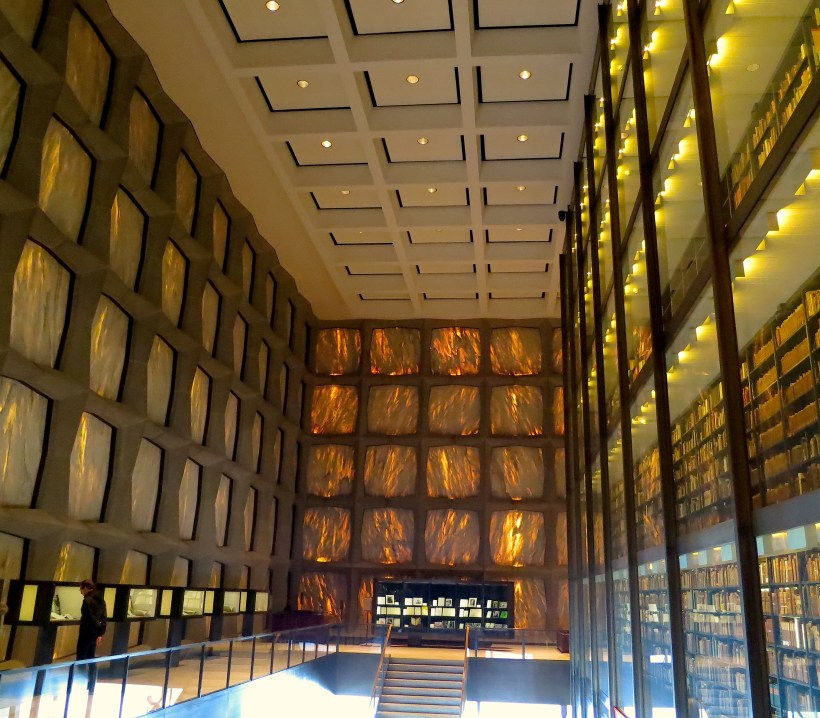
Beinecke Rare Book Library, Yale University

Most of my life has been a reading rather than a writing life. For too many decades, I spent most of my time reading scientific and medical journals, to keep up with the changing knowledge in my profession. Even as a retired physician, I still spend an hour a day reading medical articles but now have the opportunity to dabble in books of memoir, biography, poetry and the occasional novel.

As a reader, I am no longer a stranger to the author or poet whose words I read. In a few instances, I’ve had the honor and privilege to meet my favorite authors in real life and to interact with them on line. They are friends on the page as well as in my life.

I am no longer strangers with many of you who read my words here on Barnstorming every day – I have been able to meet a number of you over the years. There is no greater privilege than to share words with one another.

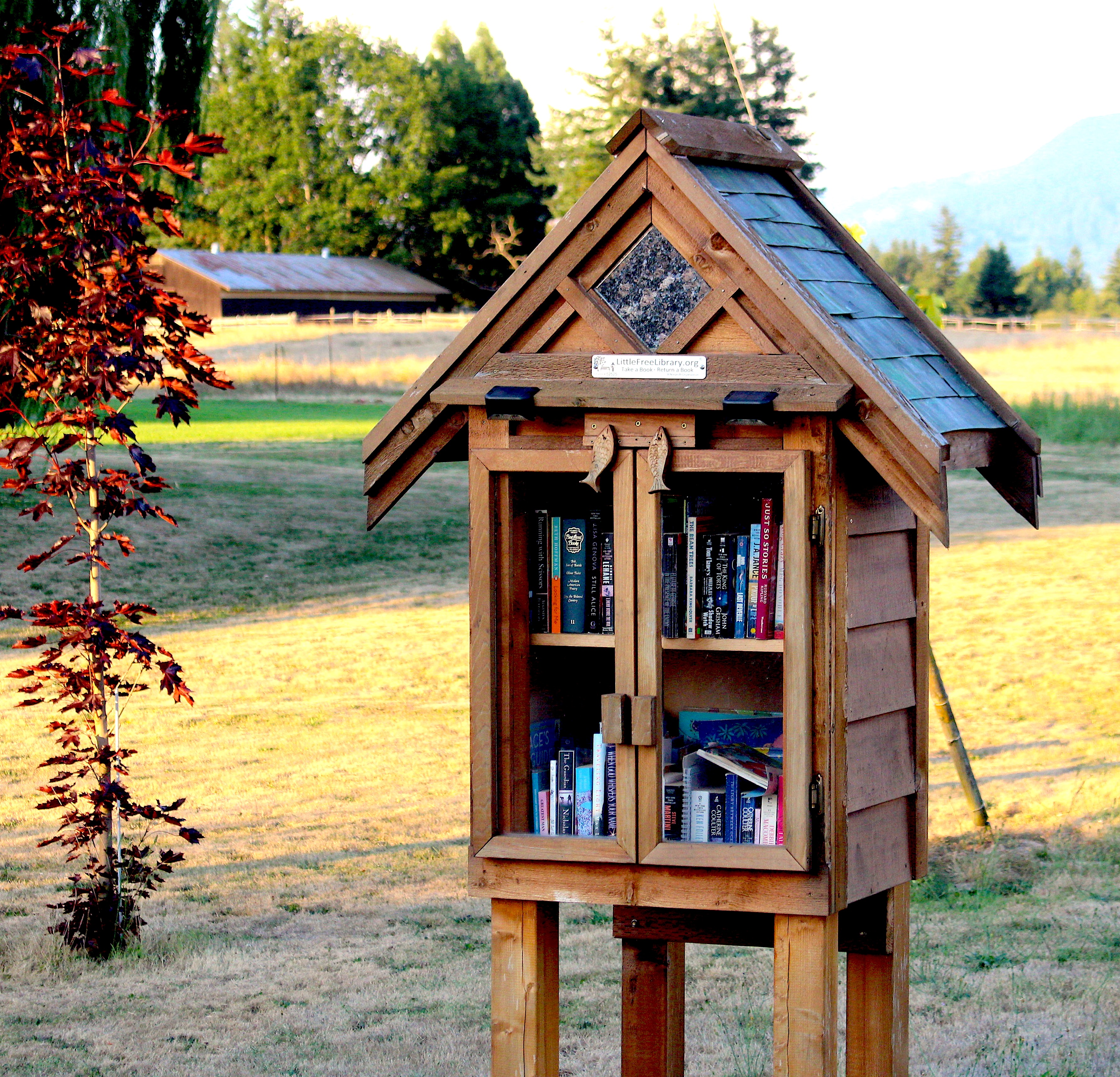
No matter where I find my books – in an independent bookstore, in a little free library standing along the roadside, or inside the world’s treasured libraries filled with books of antiquity – I’ll seek out the sanctuary of a shady nook, either inside or out, where I can open the pages to meet up once again with my friends.

One-Time
Monthly
Yearly

Make a one-time or recurring donation to support Barnstorming

Make a monthly donation

Make a yearly donation

Choose an amount

¤5.00
¤10.00
¤20.00
¤5.00
¤15.00
¤100.00
¤5.00
¤15.00
¤100.00

Or enter a custom amount

¤

Your contribution is deeply appreciated.

Your contribution is appreciated.

Your contribution is appreciated.

DonateDonateDonate

This is a perfect book of words and photos for your shady nook – available for order here:

Good to Melt

How exactly good it is
to know myself
in the solitude of winter,
my body containing its own
warmth, divided from all
by the cold; and to go
separate and sure

among the trees cleanly
divided, thinking of you
perfect too in your solitude,
your life withdrawn into
your own keeping
–to be clear, poised
in perfect self-suspension
toward you, as though frozen.
And having known fully the
goodness of that, it will be
good also to melt.
~Wendell Berry “The Cold” from New Collected Poems

It is too easy to find comfort in solitude
in yet another waning pandemic winter,
with trust and friendship eroded,
to stay protected one from another
by screens and windows and masks.

Standing apart can no longer be an option
as we long for reconnection;
the time has come for the melt,
for a re-blending of moments
full of meals and singing and hugs.

We’ll find our way out of the cold.
We’ll find our way to trust.
We’ll find our way back to one another.

One-Time
Monthly
Yearly

Make a one-time or recurring donation to support Barnstorming

Make a monthly donation

Make a yearly donation

Choose an amount

¤5.00
¤10.00
¤20.00
¤5.00
¤15.00
¤100.00
¤5.00
¤15.00
¤100.00

Or enter a custom amount

¤

Your contribution is deeply appreciated.

Your contribution is appreciated.

Your contribution is appreciated.

DonateDonate monthlyDonate yearly
Lean with the Fury

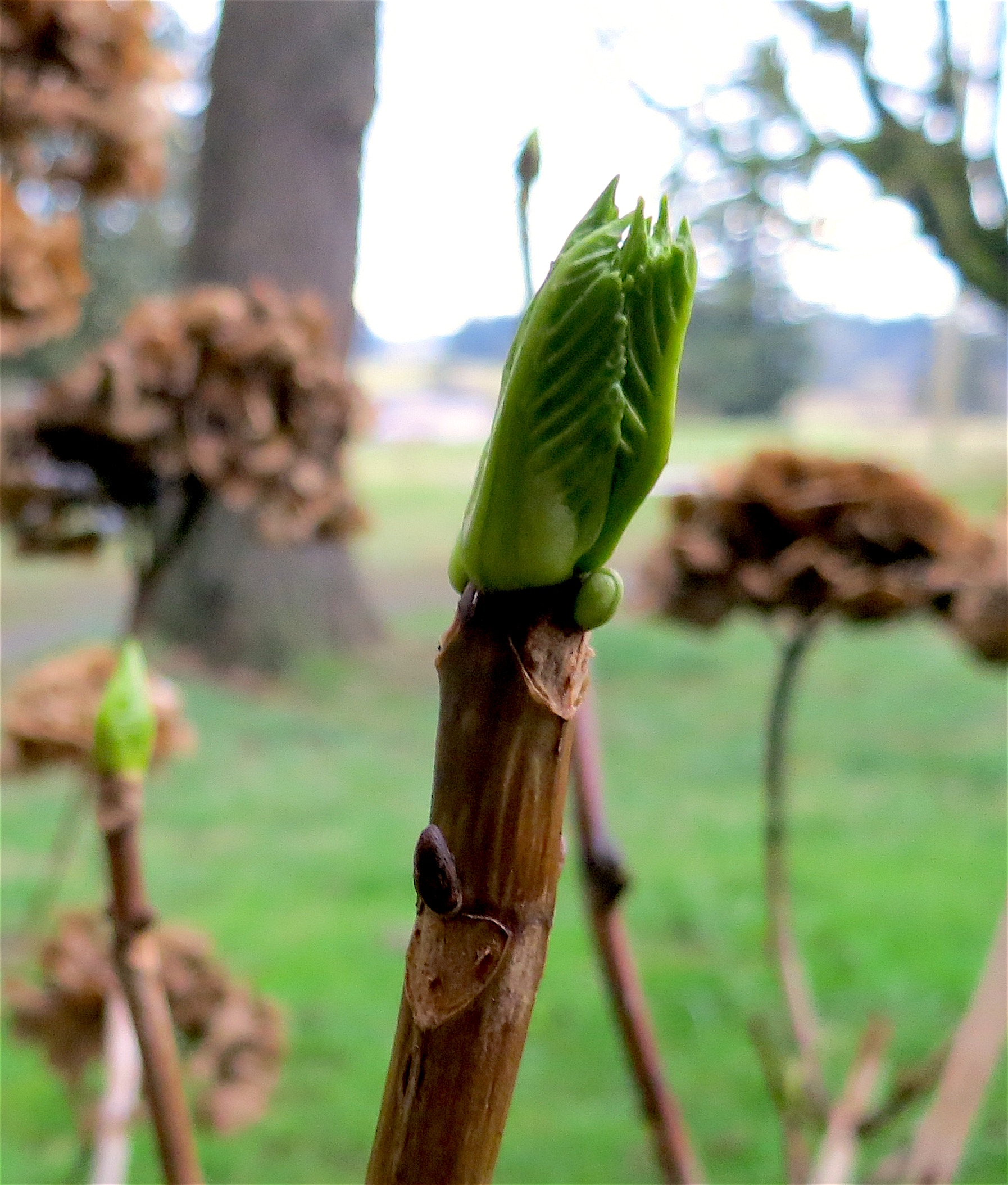
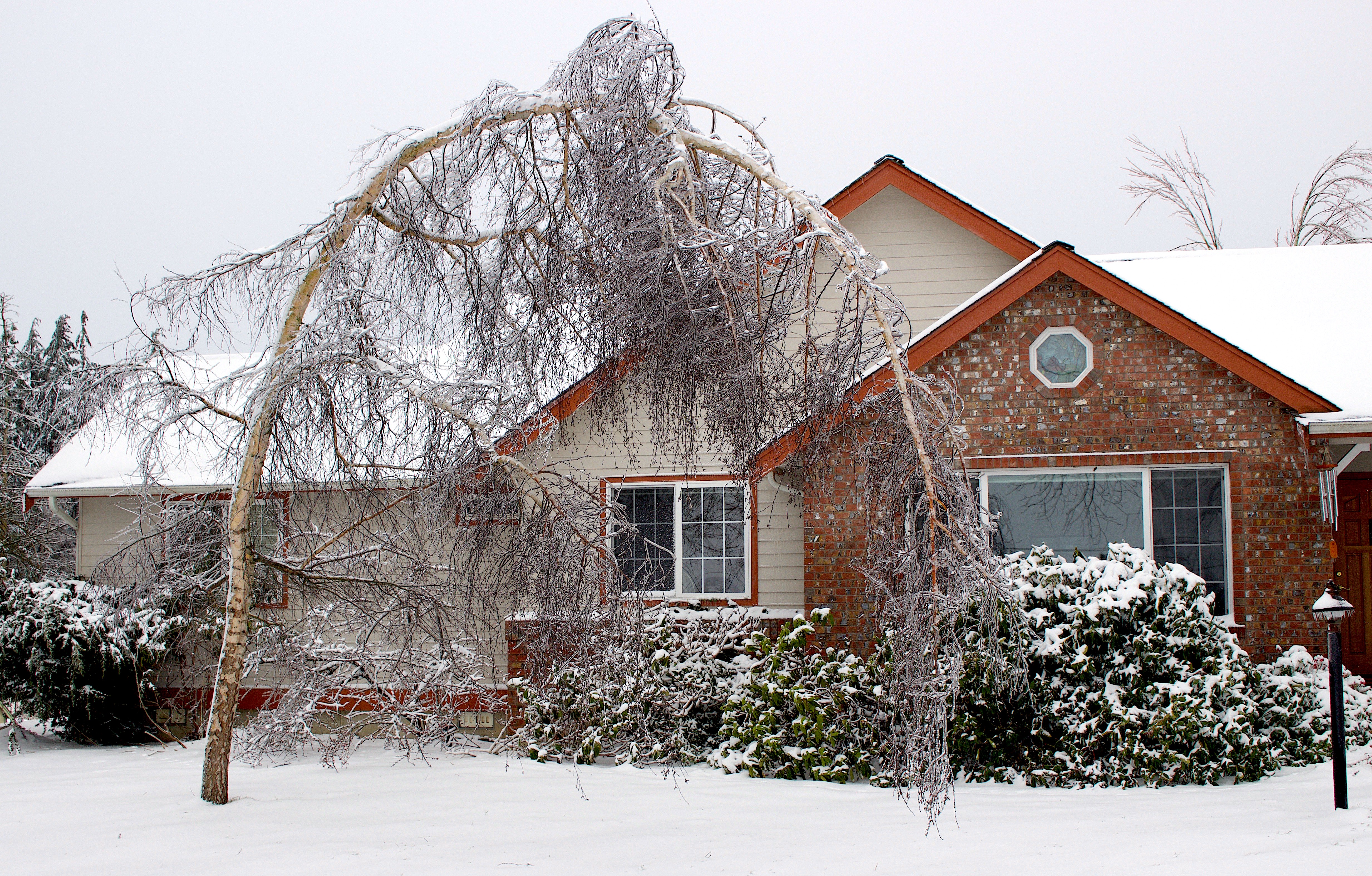
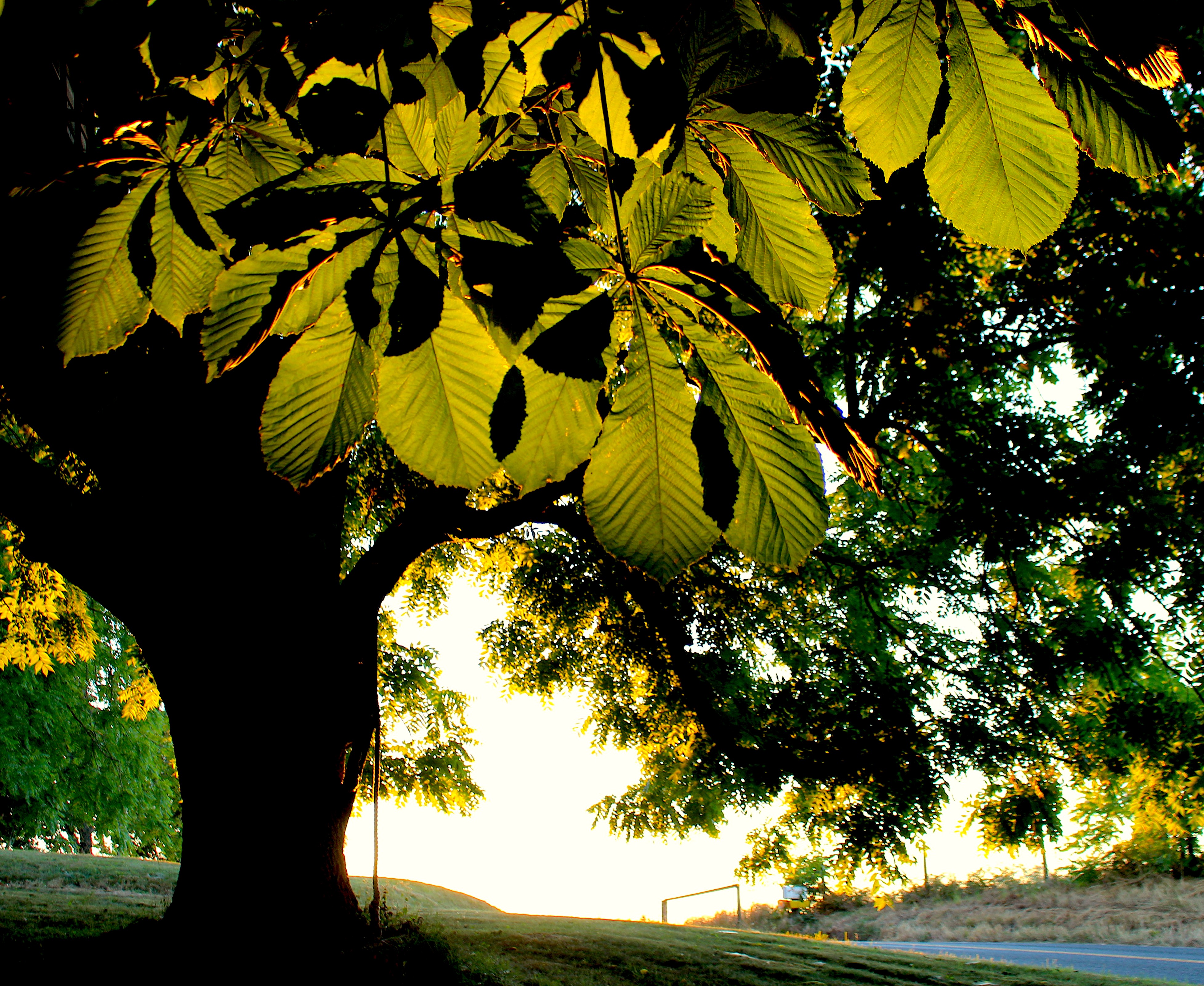
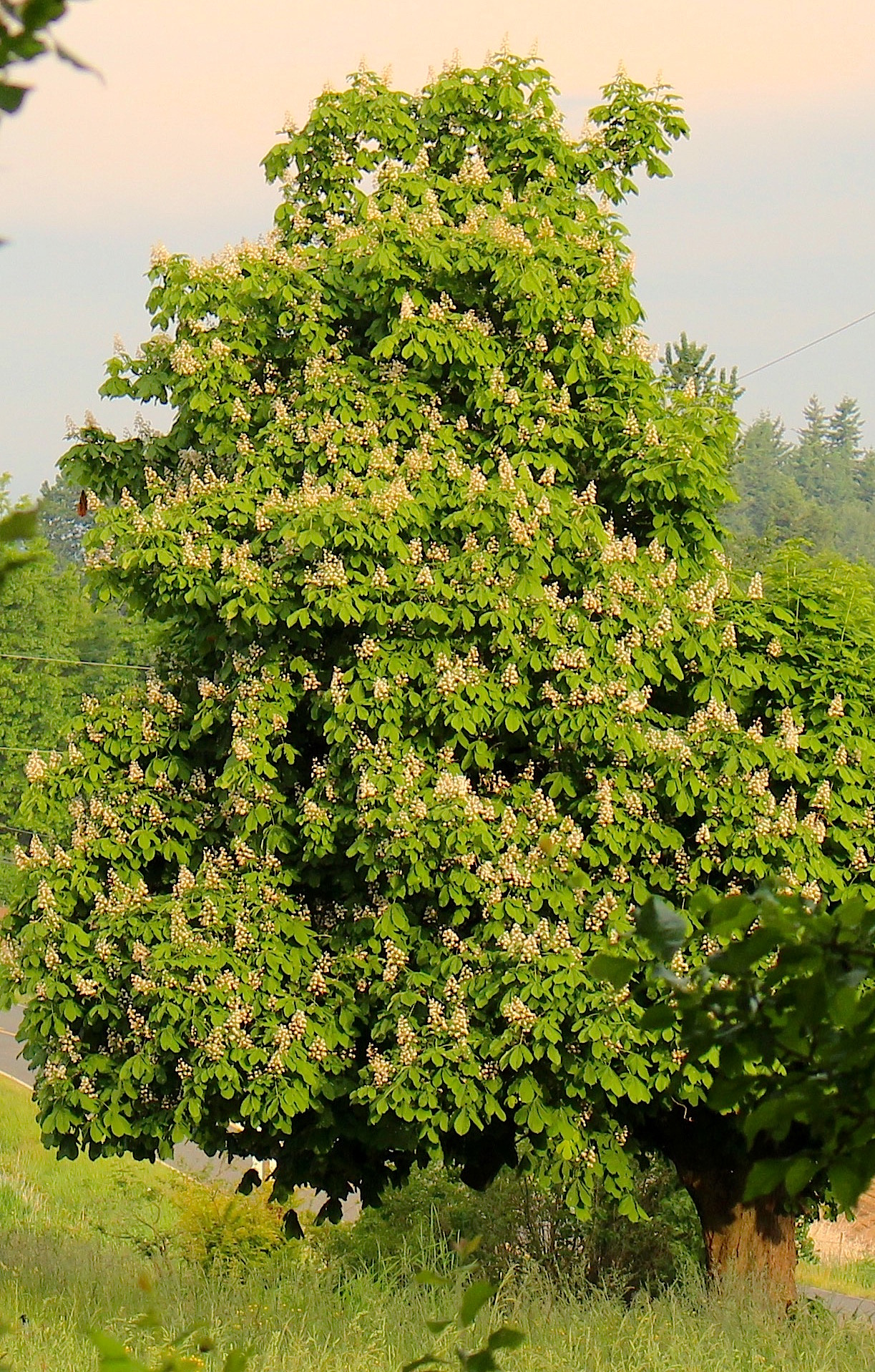
Today, I planted a young Horsechestnut tree.

So slim and flexible
I could have rung my fingers round that skinny trunk.
Oh, you are built to survive a vernal storm.
Listen to me, though—


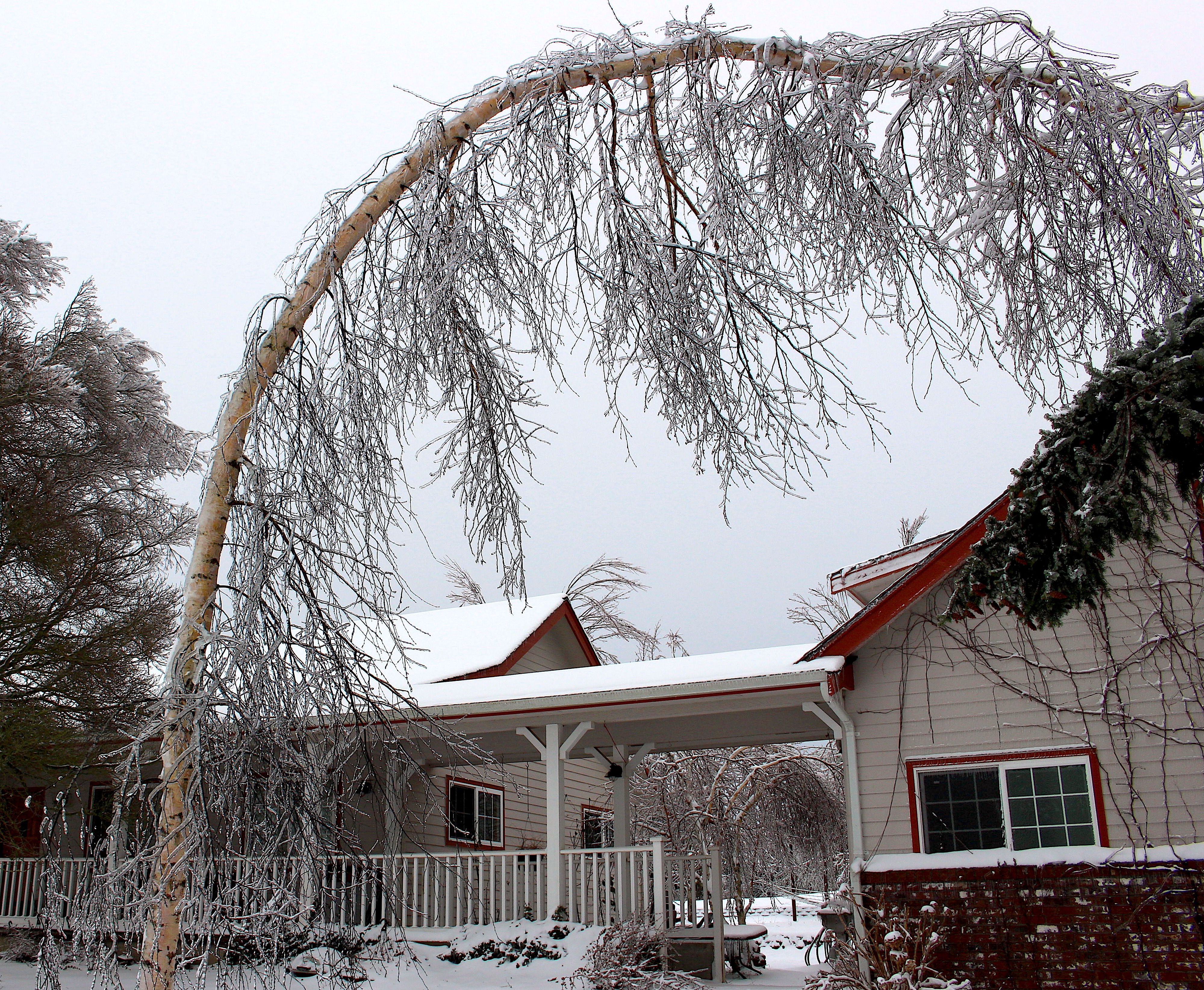
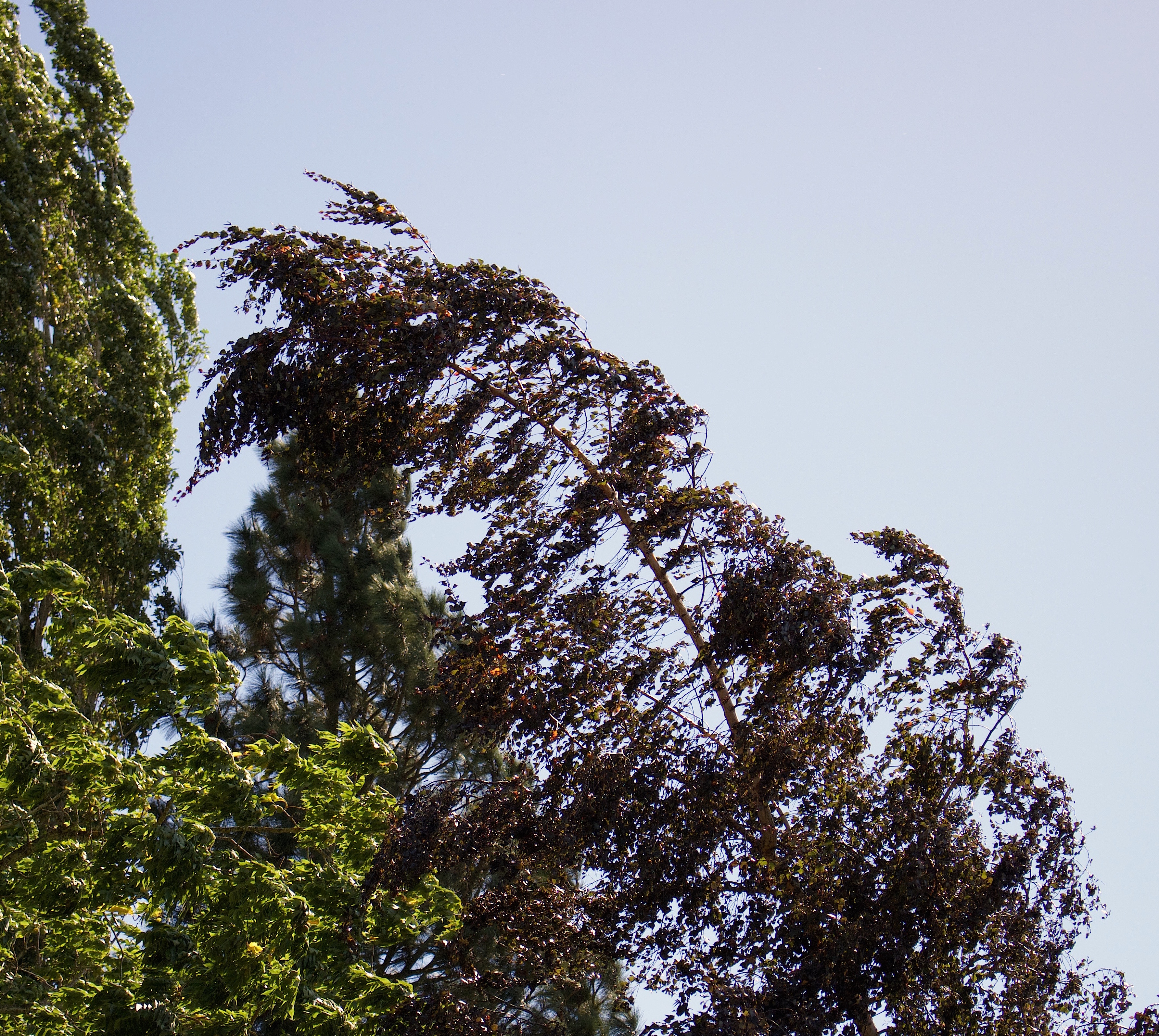
endure the wind’s force without resistance.
Lean with the fury.


When you’re nearly bowed over
think broad trunk think sturdy bark.
Someday you won’t bend nearly so—


and to that scared little girl
the one I saw yesterday in the department store


hiding under the dress rack
enduring a mother’s torrent—


I’m sorry.
You won’t bend nearly so
after you’re grown.
~Christine Bodine, “late apology to the scared little girl in the department store” from Souvenirs of Myself

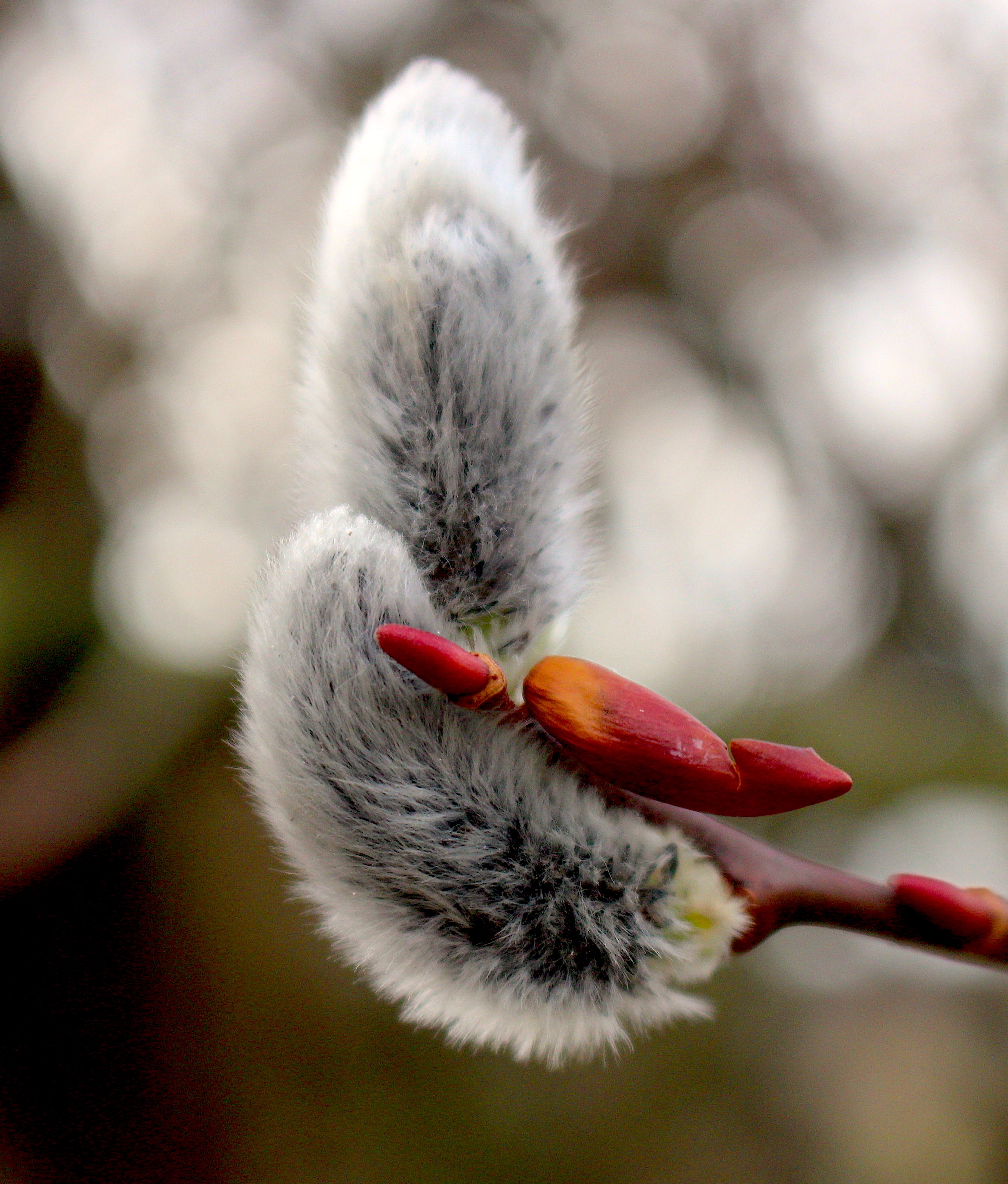
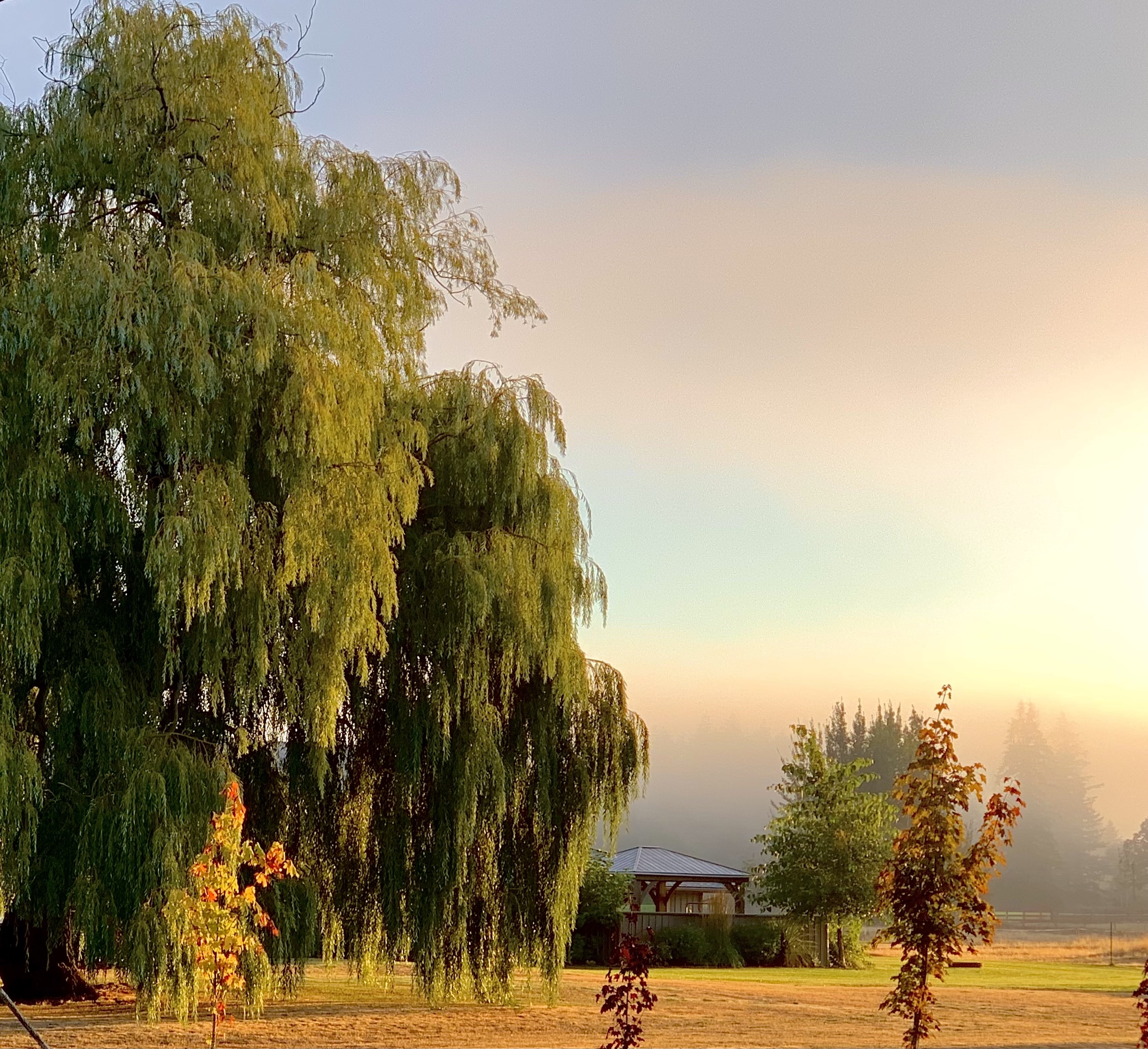
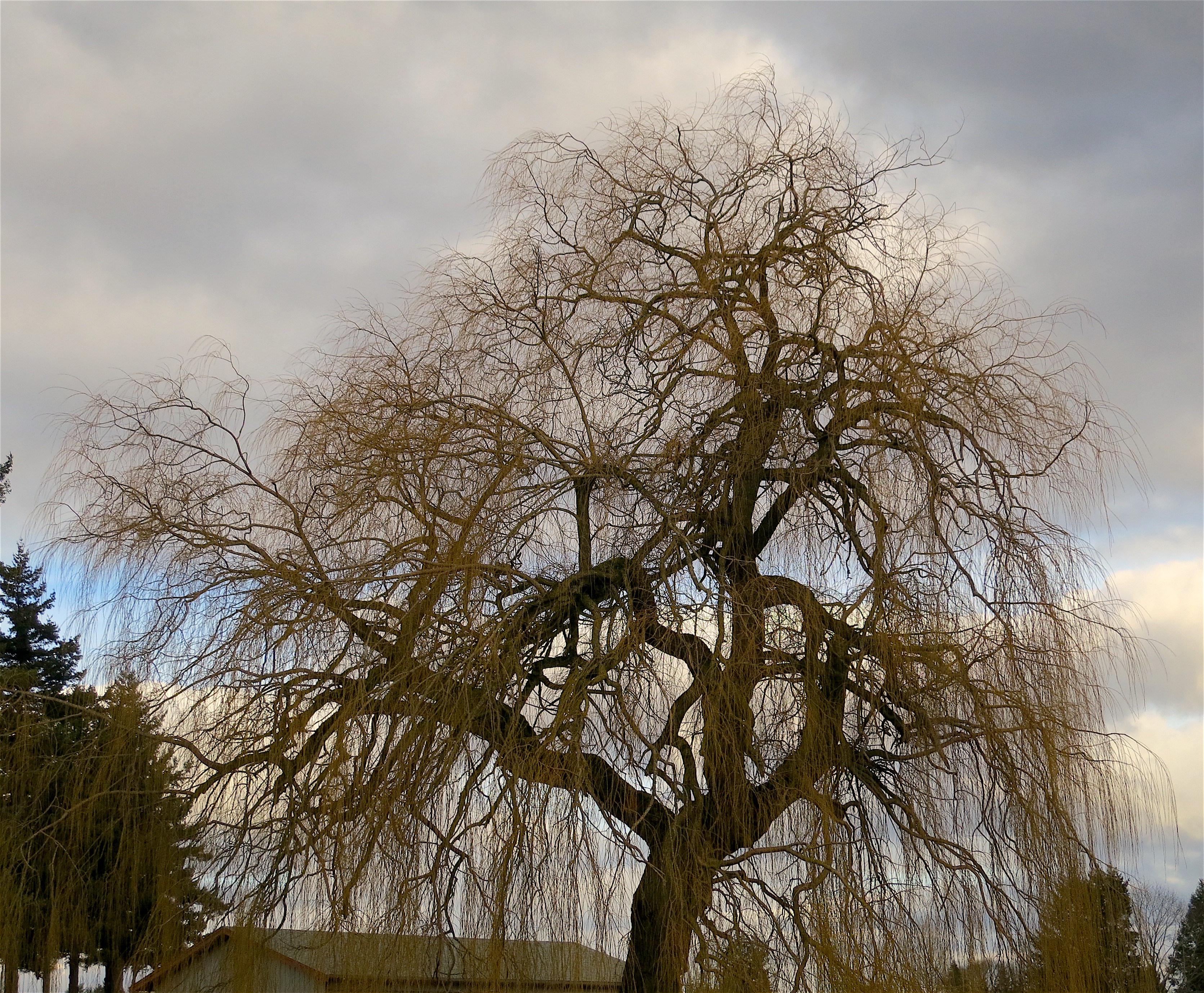
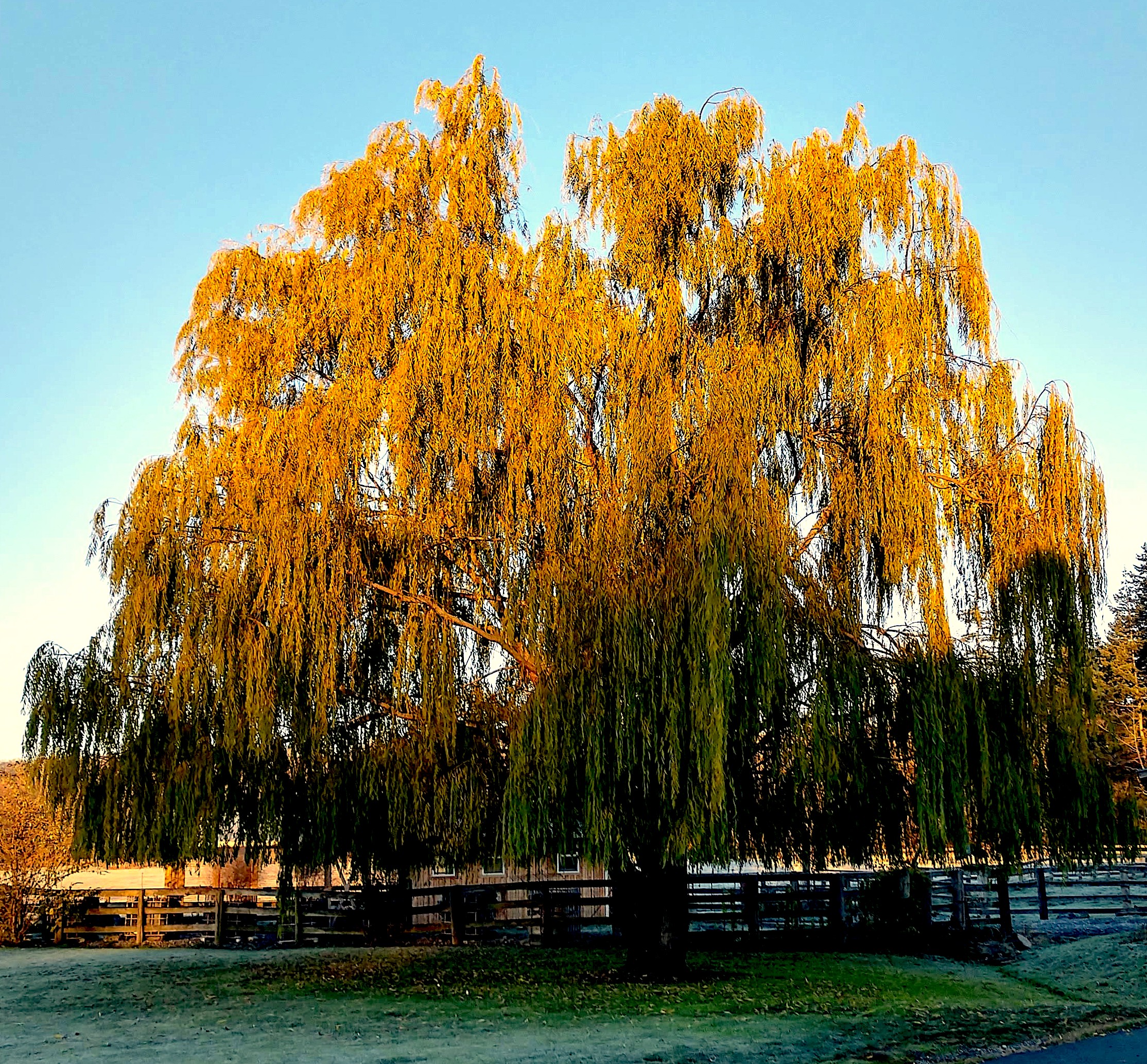
I know a psychiatrist colleague, soon to be 80 years old and still seeing patients, who recommends people should aim to be more like a willow than a chestnut tree. His long clinical practice has given him a perspective of who survives and who becomes irretrievably broken when the forces of life hit hard.

I know I am not one to freely yield to the wind or ice storm. More chestnut than willow or birch, I can tend toward inflexibility rather than suppleness.

This means I easily break when anger and fury abound in the world around me, rather than leaning and bending. What’s left is broken pieces awaiting salvage, feeding the flames of the brush pile with all the rest of the rigid and unyielding.

Yea, if I don’t bow like a willow, I fall broken upon the rock.

photo by Harry Rodenberger

I will bow and be simple,
I will bow and be free,
I will bow and be humble,
Yea, bow like the willow tree.

I will bow, this is the token,
I will wear the easy yoke,
I will bow and will be broken,
Yea, I’ll fall upon the rock.
Shaker melody

One-Time
Monthly
Yearly

Make a one-time or recurring donation to support Barnstorming

Make a monthly donation

Make a yearly donation
Choose an amount

¤5.00
¤10.00
¤20.00
¤5.00
¤15.00
¤100.00
¤5.00
¤15.00
¤100.00

Or enter a custom amount

¤

Your contribution is deeply appreciated.
Your contribution is appreciated.

Your contribution is appreciated.

DonateDonate monthlyDonate yearly