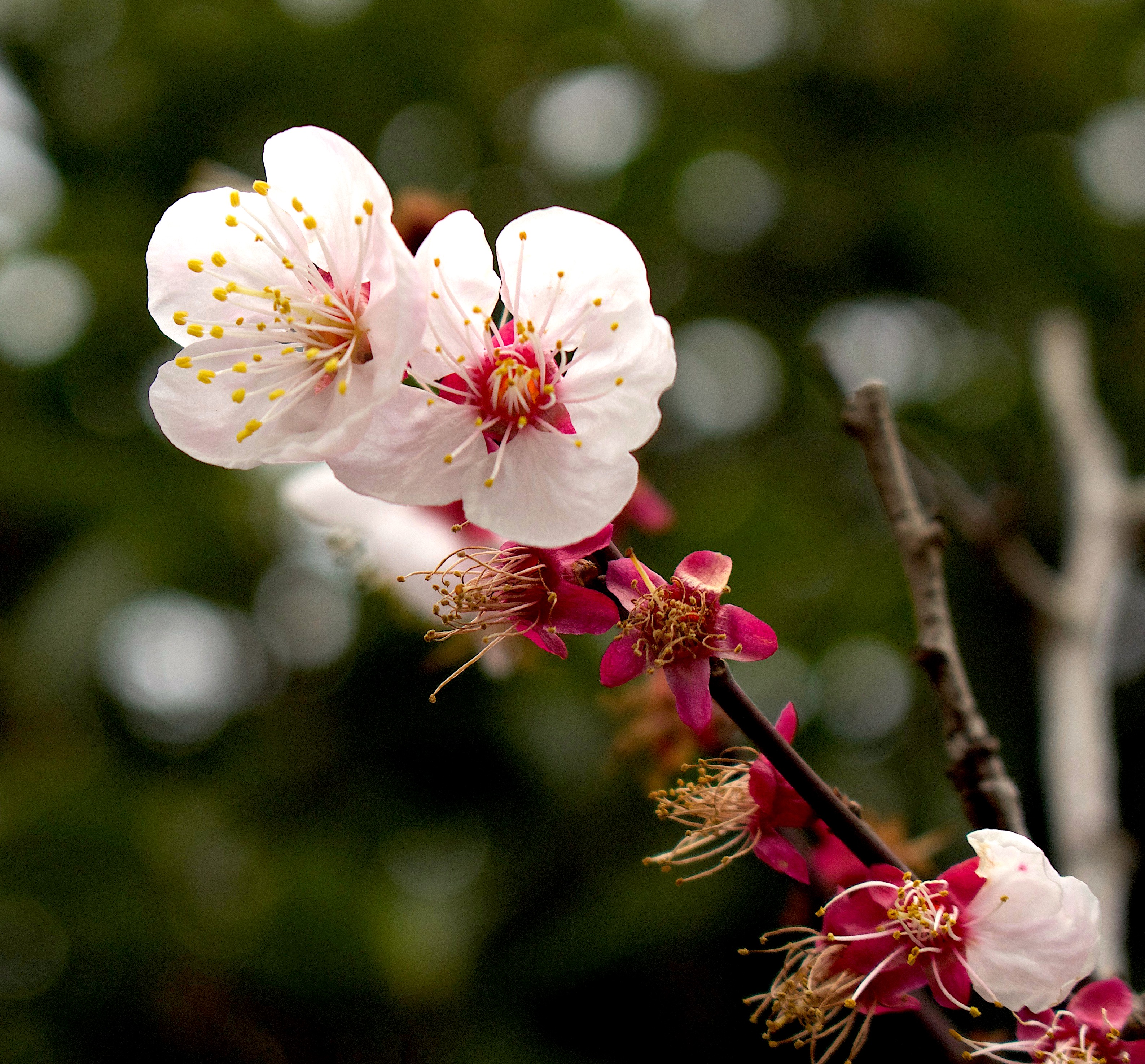
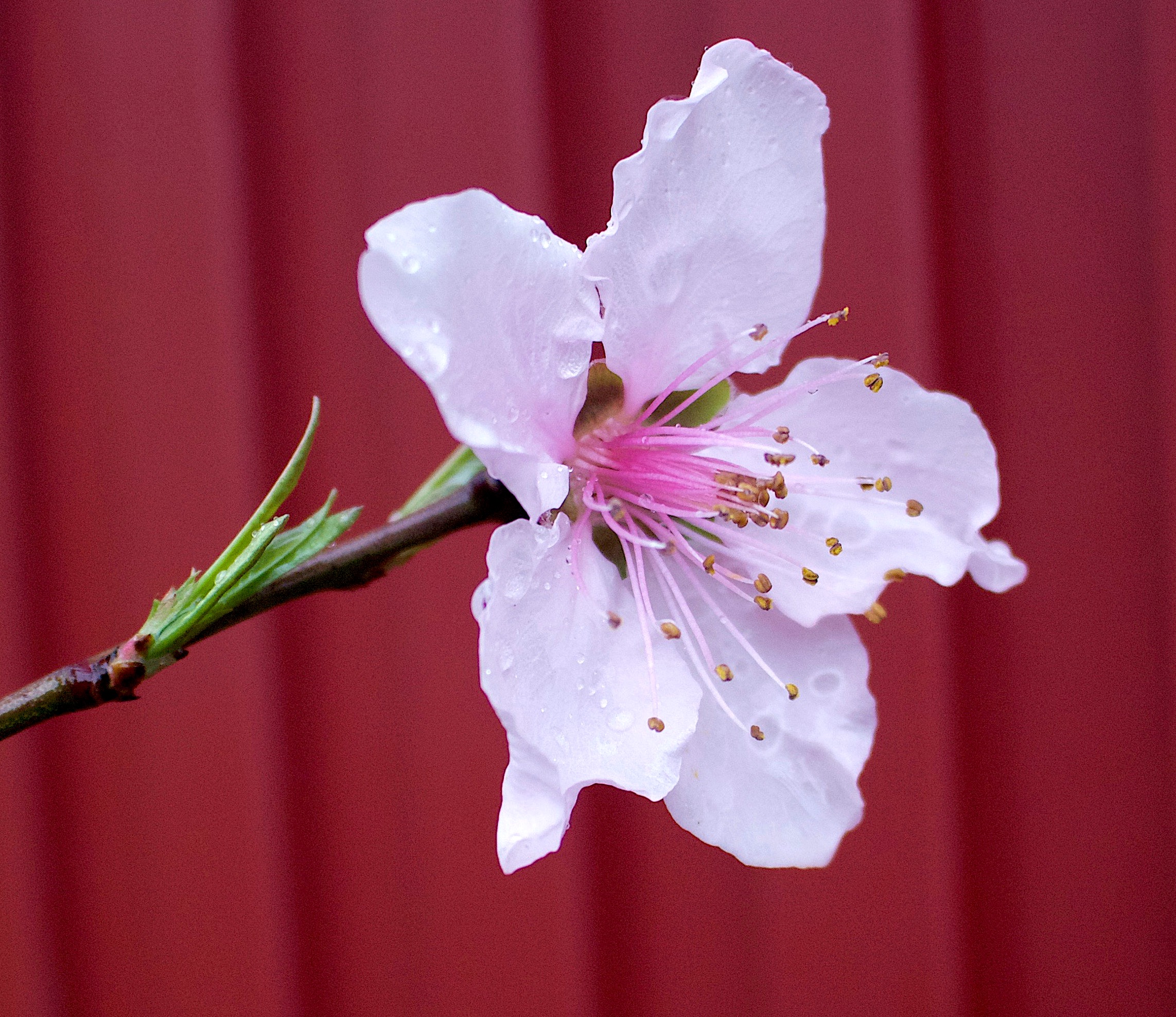
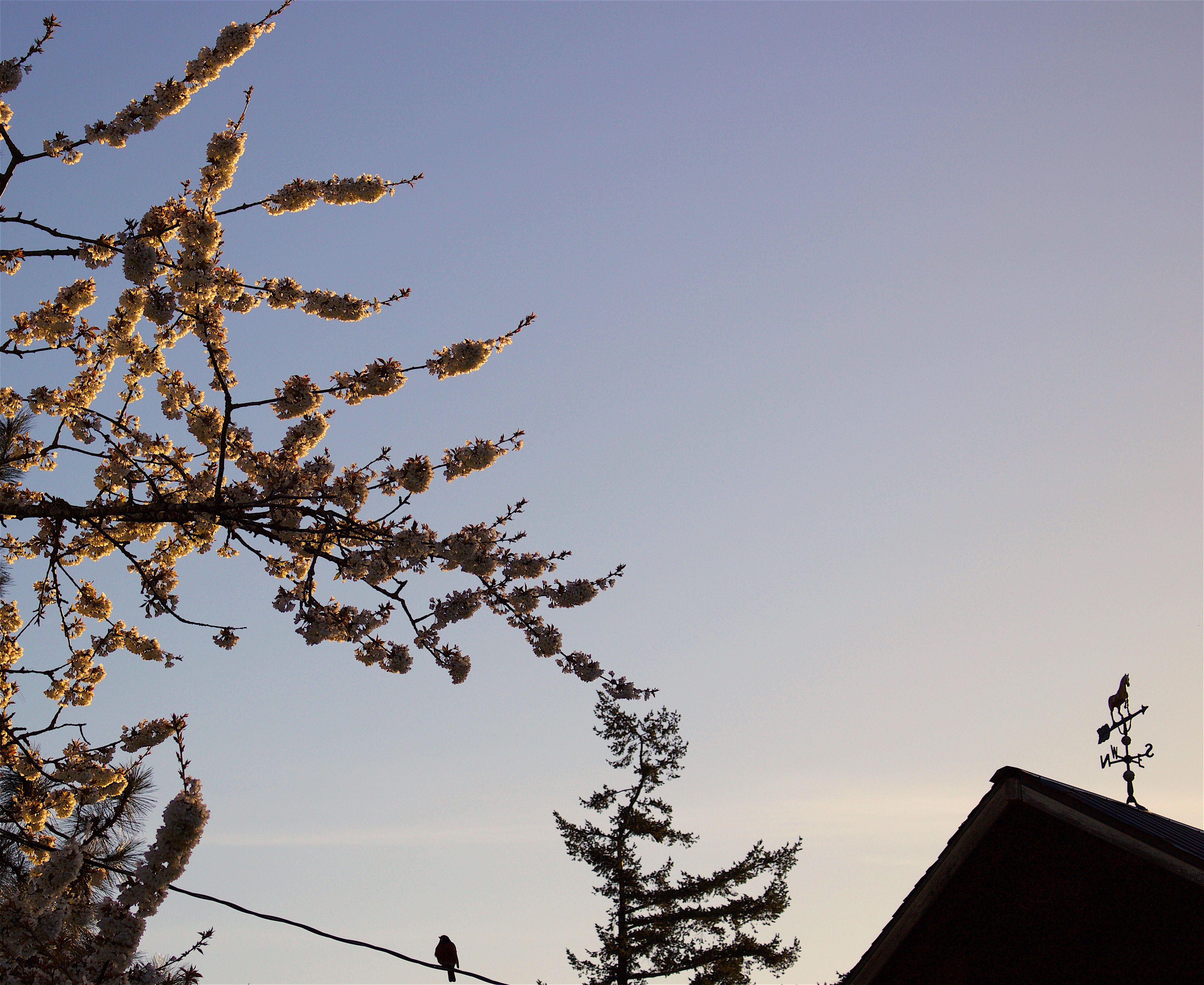
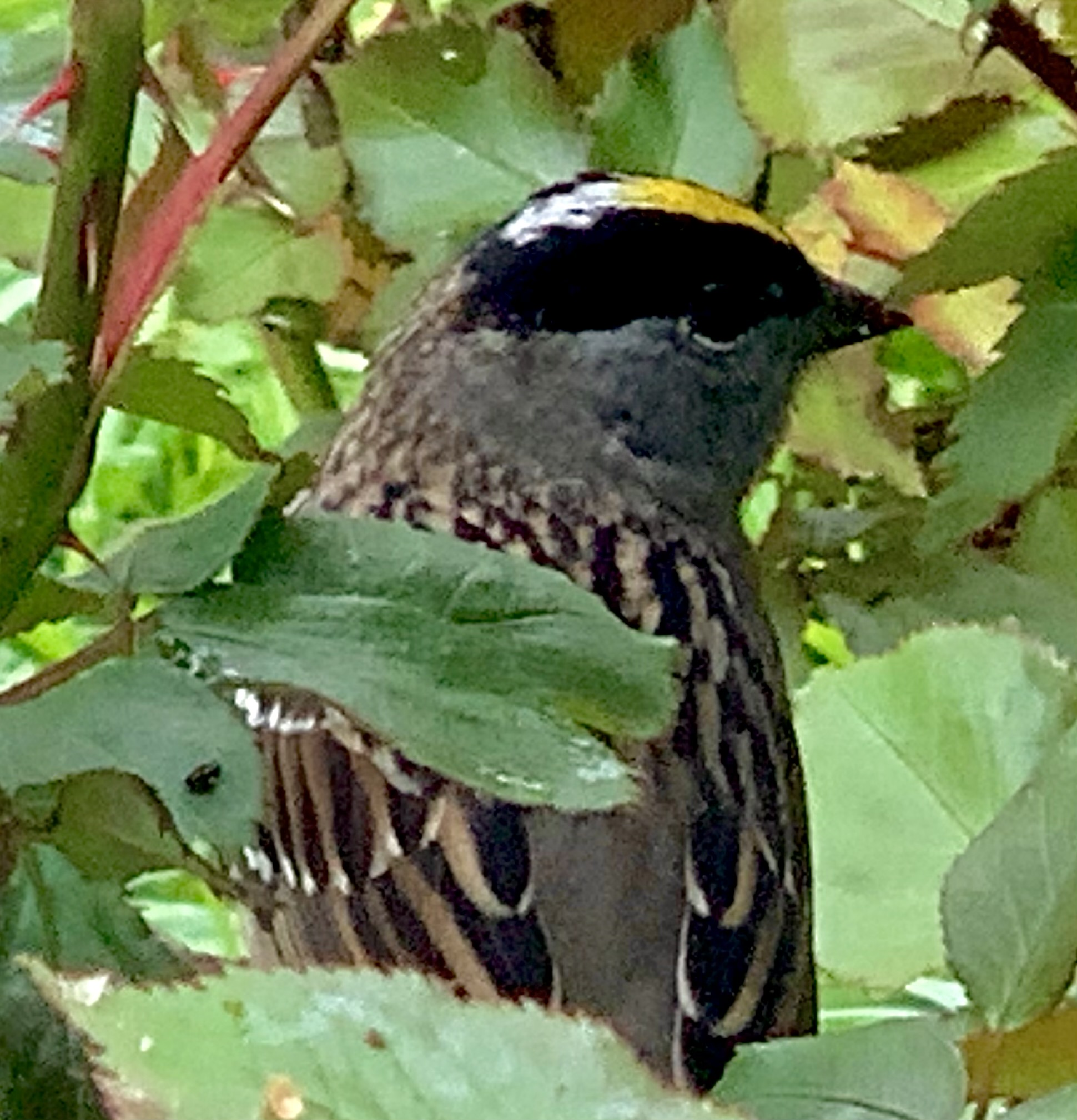
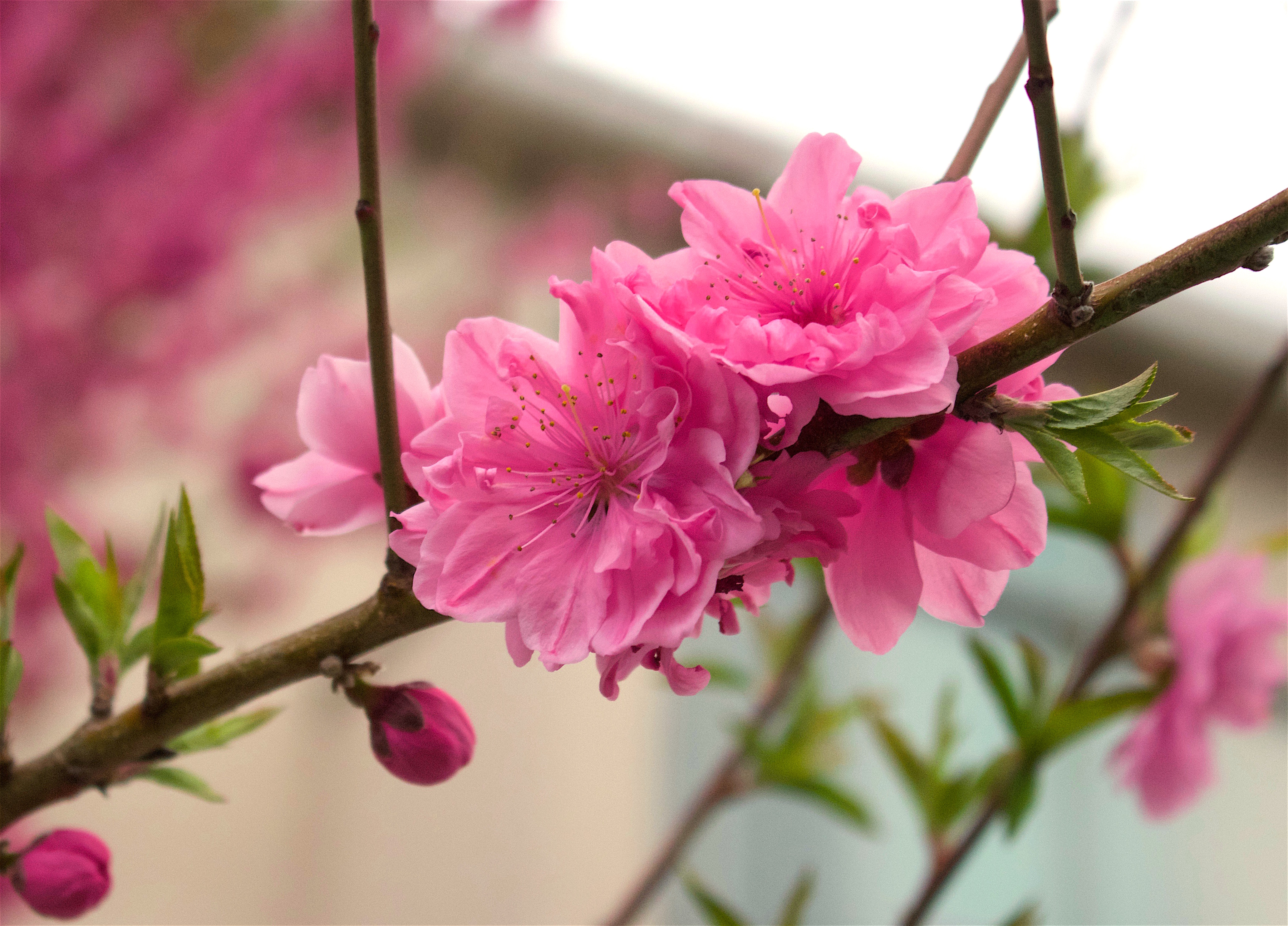
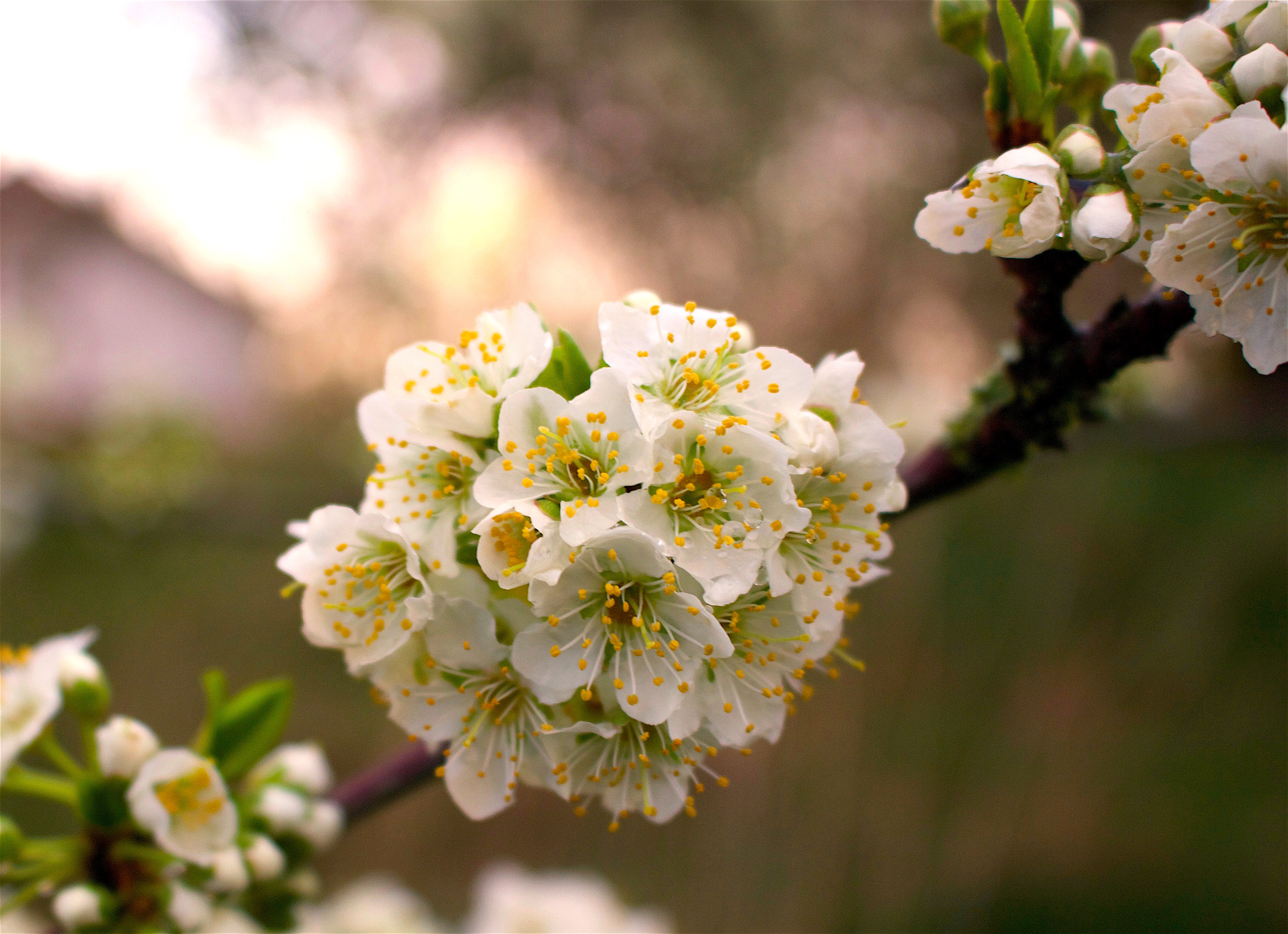
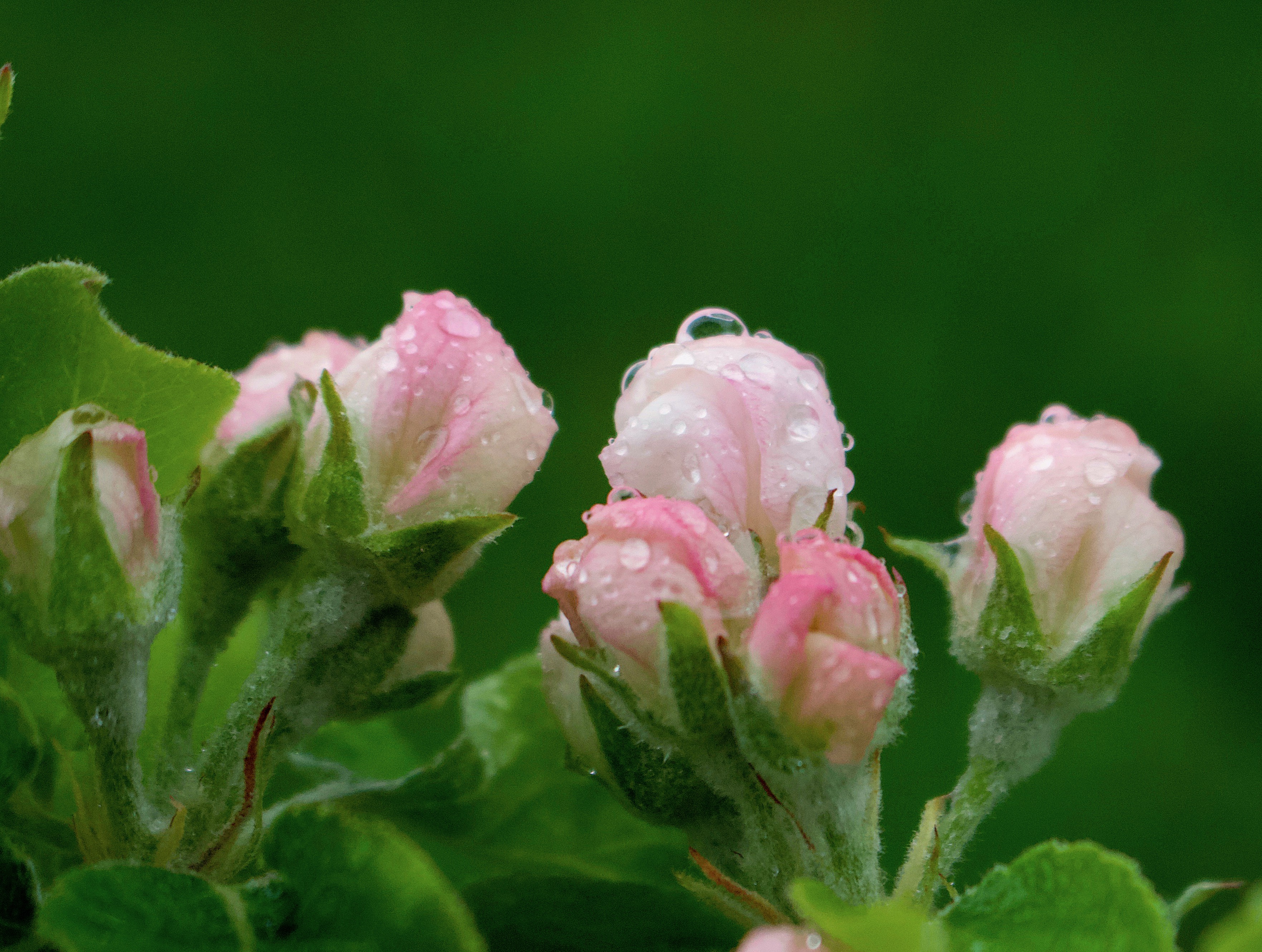
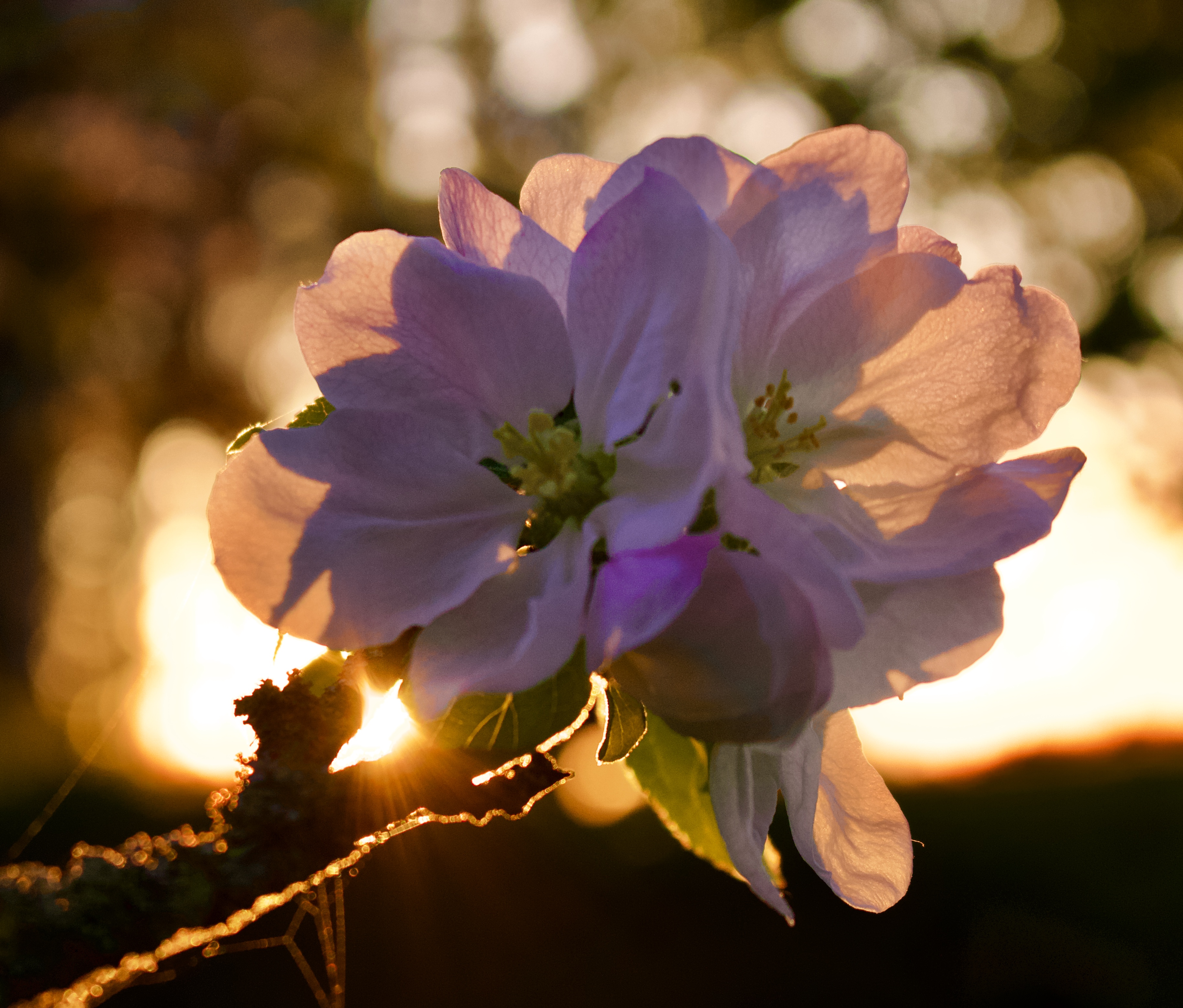
Spring comes quickly: overnight the plum tree blossoms, the warm air fills with bird calls.
In the plowed dirt, someone has drawn a picture of the sun with rays coming out all around but because the background is dirt, the sun is black. There is no signature.
Alas, very soon everything will disappear: the bird calls, the delicate blossoms. In the end, even the earth itself will follow the artist’s name into oblivion.
Nevertheless, the artist intends a mood of celebration.
How beautiful the blossoms are — emblems of the resilience of life. The birds approach eagerly. ~Louise Glück “Primavera”
Nothing is so beautiful as Spring – When weeds, in wheels, shoot long and lovely and lush; Thrush’s eggs look little low heavens, and thrush Through the echoing timber does so rinse and wring The ear, it strikes like lightnings to hear him sing; The glassy peartree leaves and blooms, they brush The descending blue; that blue is all in a rush With richness; the racing lambs too have fair their fling.
What is all this juice and all this joy? A strain of the earth’s sweet being in the beginning In Eden garden. – Have, get, before it cloy, Before it cloud, Christ, lord, and sour with sinning, Innocent mind and Mayday in girl and boy, Most, O maid’s child, thy choice and worthy the winning. ~Gerard Manley Hopkins “Spring”
And he who was seated on the throne said, “Behold, I am making all things new.” Also he said, ‘Write this down, for these words are trustworthy and true. ” Revelation 21:5
Given a choice, humanity chose sour over the sweetness we were created for ~ giving up walks together in the cool of the day to feed an appetite that could never be sated.
God made a choice to bring us back with His own blood as if we are worthy of Him.
He says we are. He dies to prove it.
Every day I choose to believe earth can be sweet and beautiful again. Each spring becomes a celebration of our resilience.
One-Time
Monthly
Yearly
Make a one-time or recurring donation to support daily Barnstorming posts
We were riding through frozen fields in a wagon at dawn. A red wing rose in the darkness.
And suddenly a hare ran across the road. One of us pointed to it with his hand.
That was long ago. Today neither of them is alive, Not the hare, nor the man who made the gesture.
O my love, where are they, where are they going The flash of a hand, streak of movement, rustle of pebbles. I ask not out of sorrow, but in wonder. ~ Czeslaw Milosz “Encounter”
She philosophically noted dates as they came past in the revolution of the year;… her own birthday and every other day, individualized by incidents in which she had taken some share. She suddenly thought one afternoon that there was yet another date of greater importance, her own death… A day which lay sly and unseen among all other days of the year… but not the less surely there. When was it? ~Thomas Hardy from Tess of the d’Urbervilles
We do not know the day or the hour of our death day. We must not be lulled into complacency by the routines of daily life; it could be tomorrow or the next day or maybe it was yesterday.
Each moment is a gift, like the flash of a blossom or the transparency of a rabbit’s ear, pulsing with each heart beat as our blood flows and sustains.
And we know – blood was shed, just as blossoms shed, covering us all.
Keeping watch, keeping watch – there is a day when we go home.
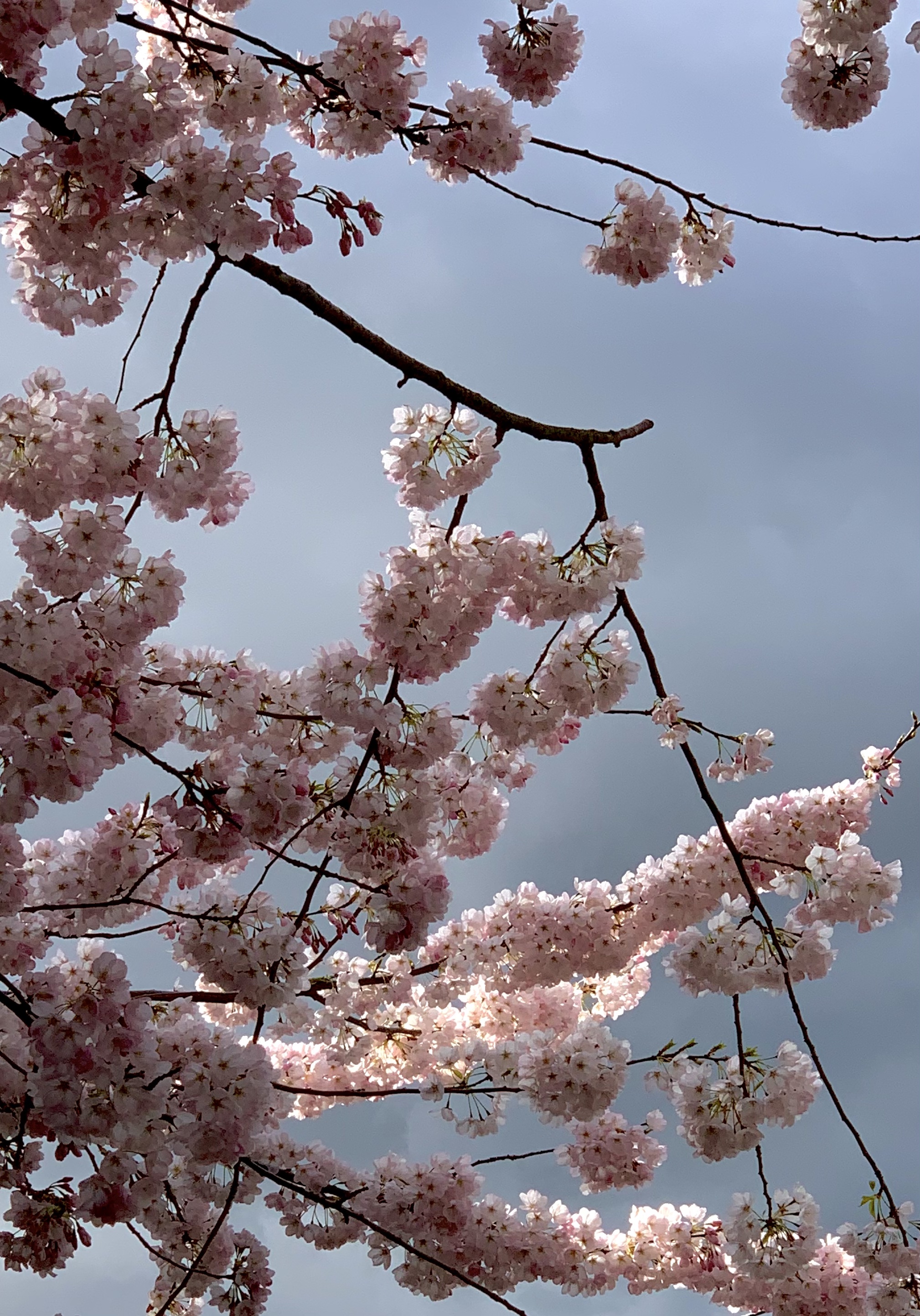
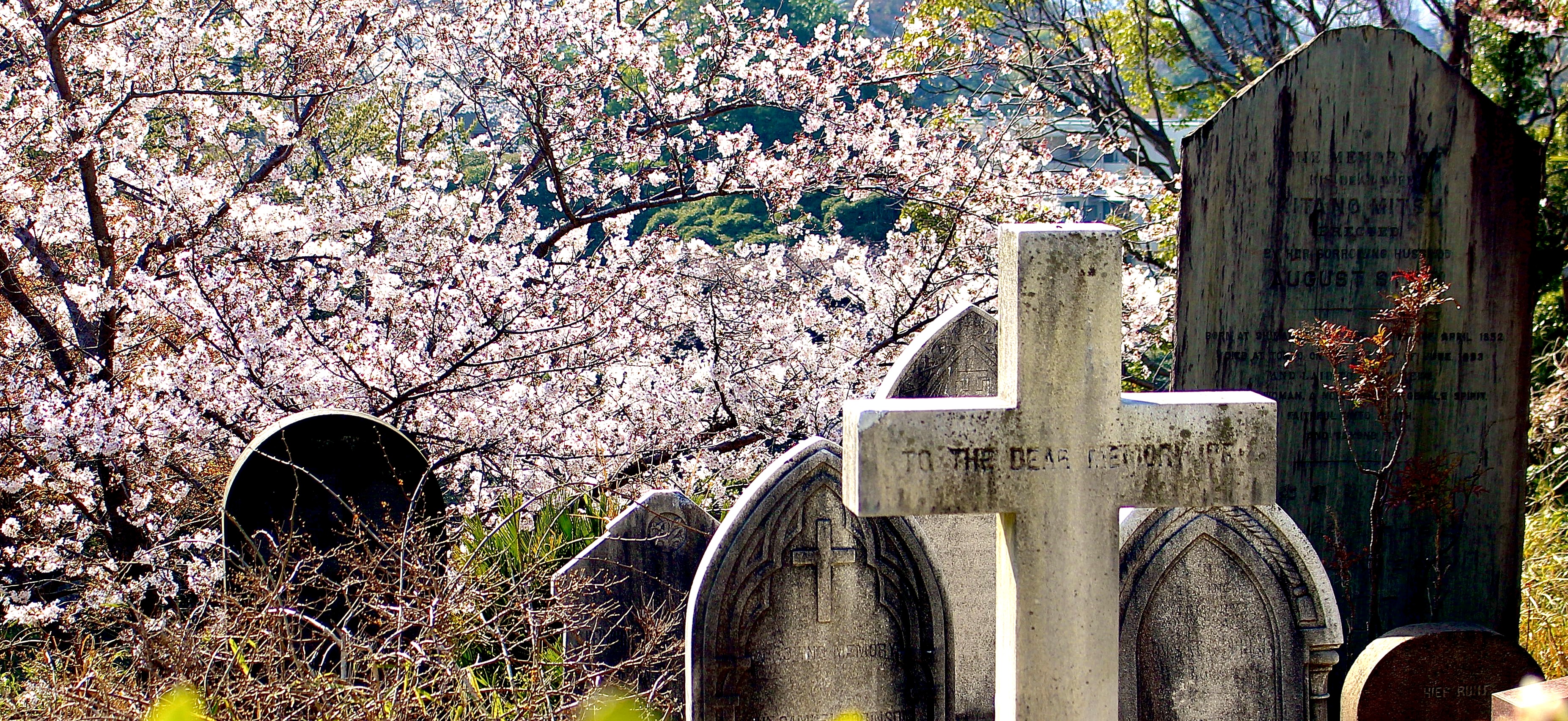
fallen sakura petals in Tokyo (photo by Nate Gibson)
Therefore keep watch, because you do not know the day or the hour. Matthew 25: 1-13
This Lenten season I reflect on the words of the 19th century southern spiritual hymn “What Wondrous Love is This”
One-Time
Monthly
Yearly
Make a one-time or recurring donation to support daily Barnstorming posts
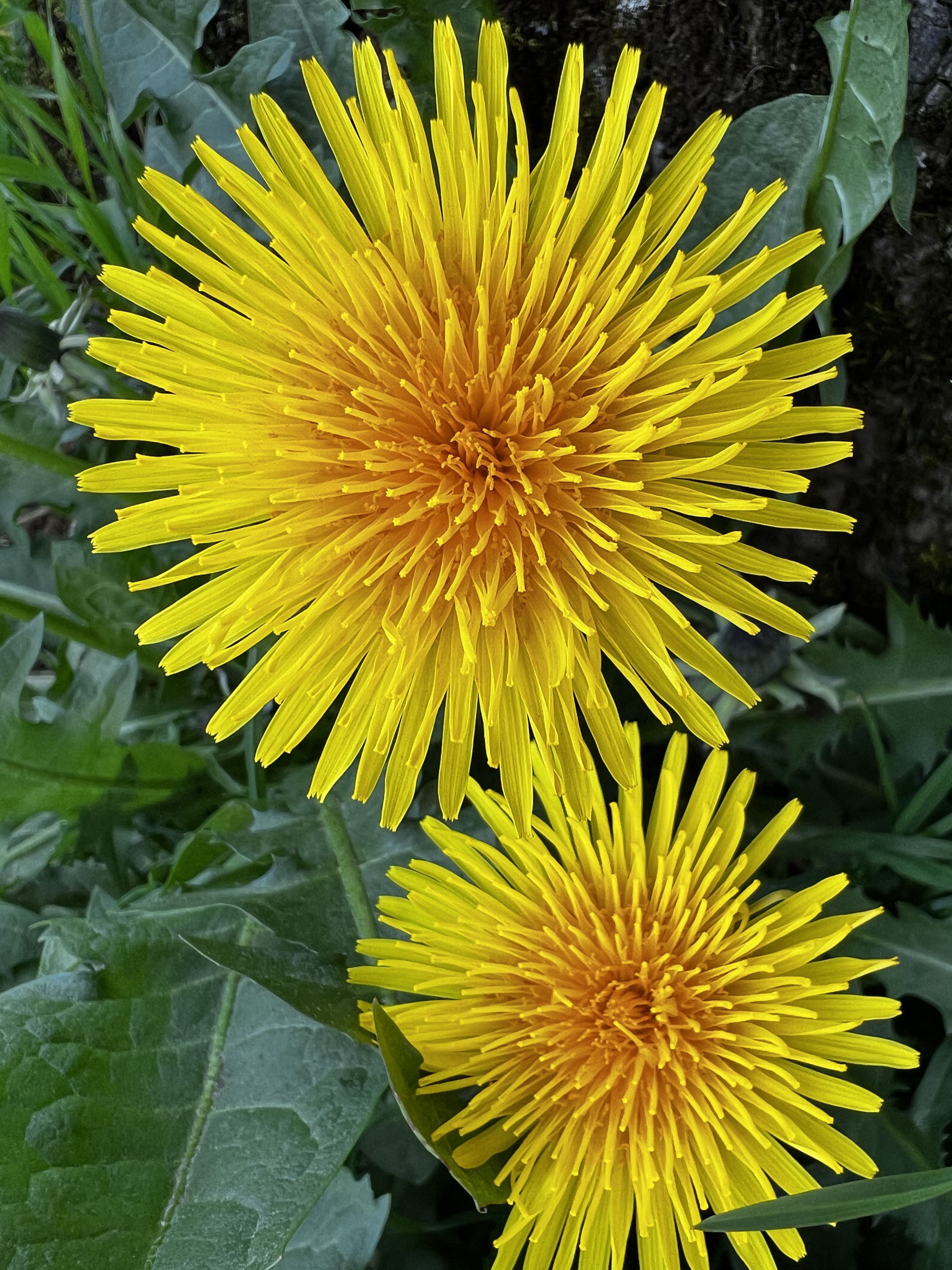
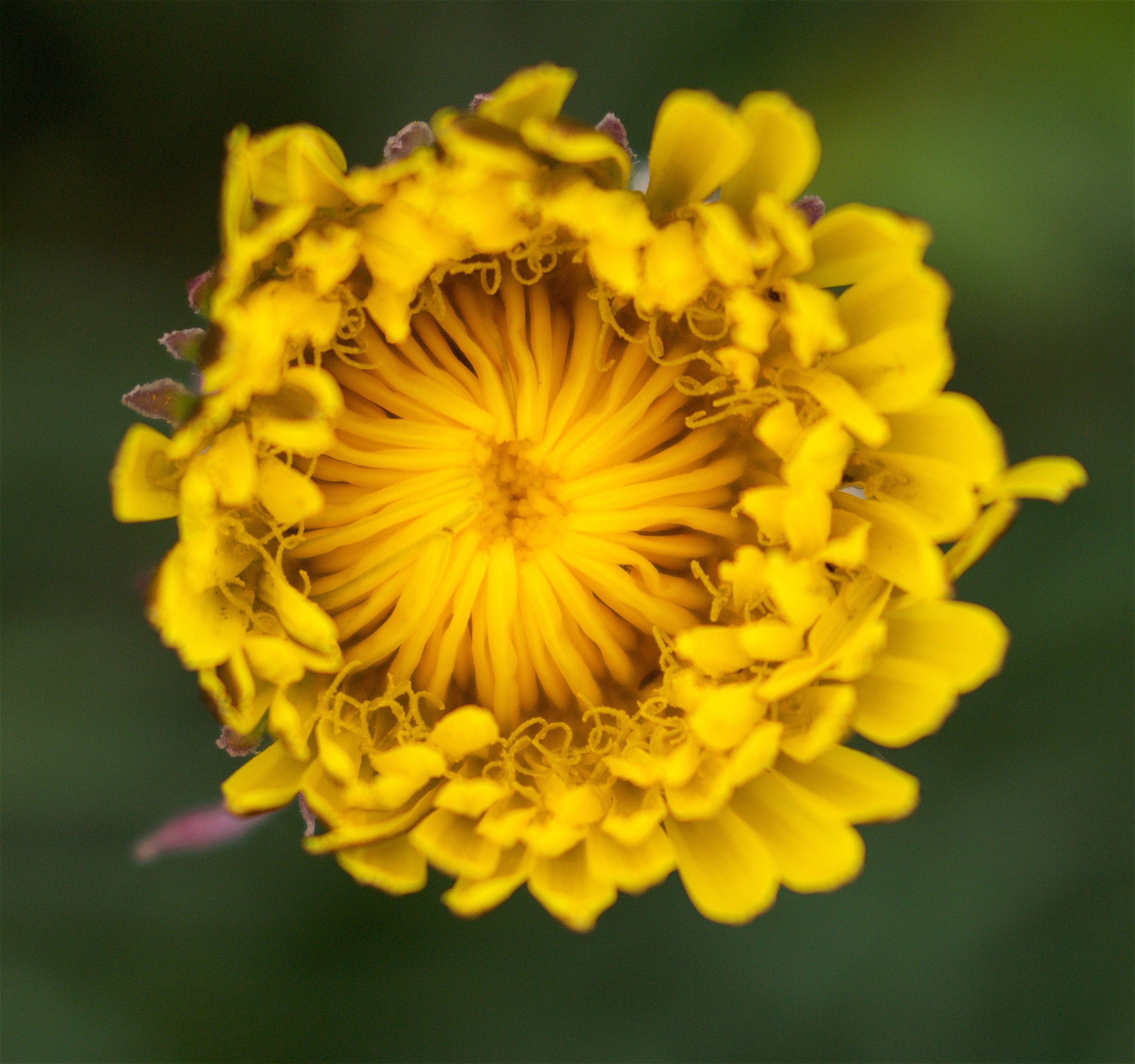
Simple and fresh and fair from winter’s close emerging, As if no artifice of fashion, business, politics, had ever been, Forth from its sunny nook of shelter’d grass— innocent, golden, calm as the dawn, The spring’s first dandelion shows its trustful face. ~Walt Whitman “The First Dandelion”
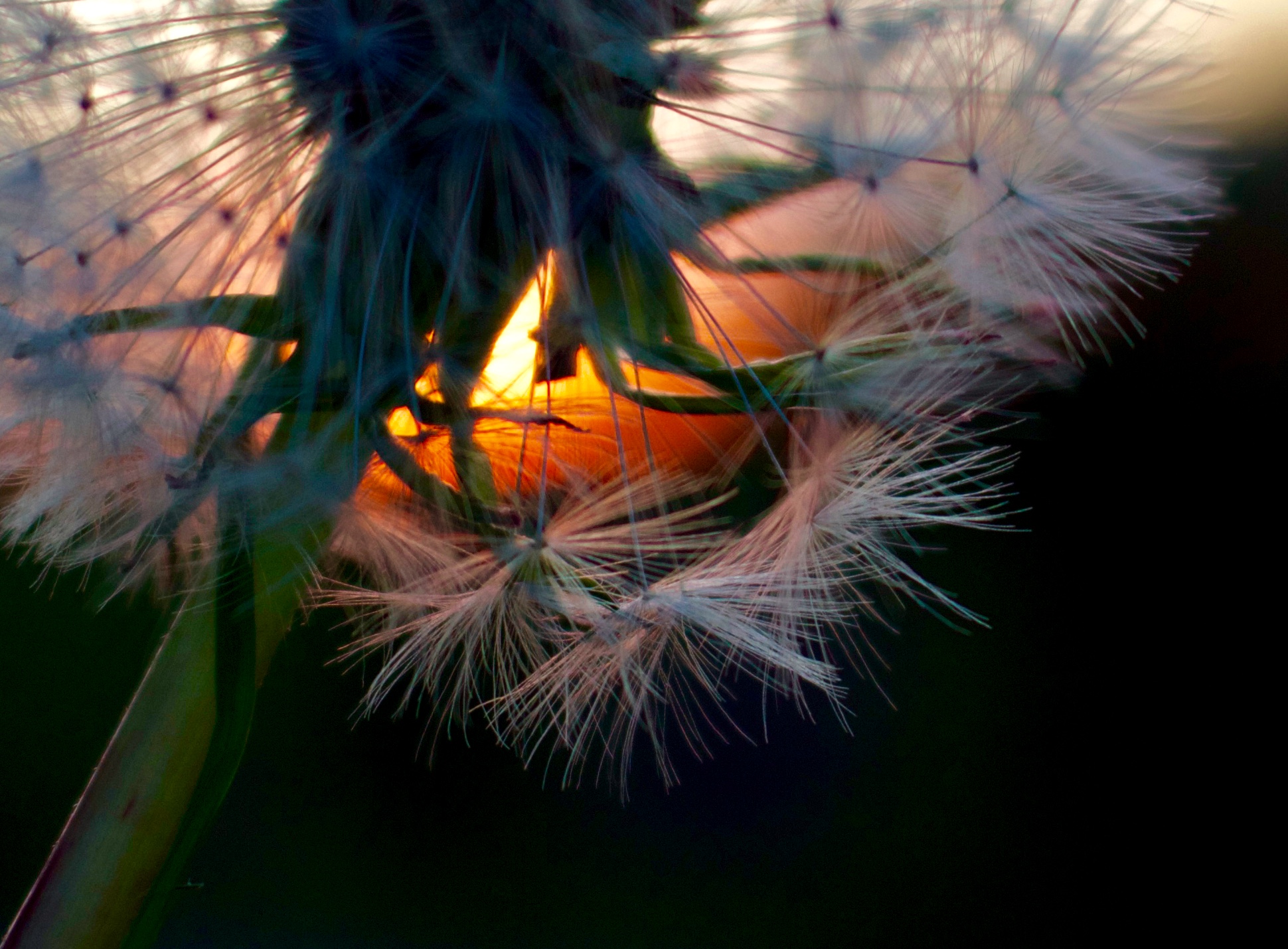
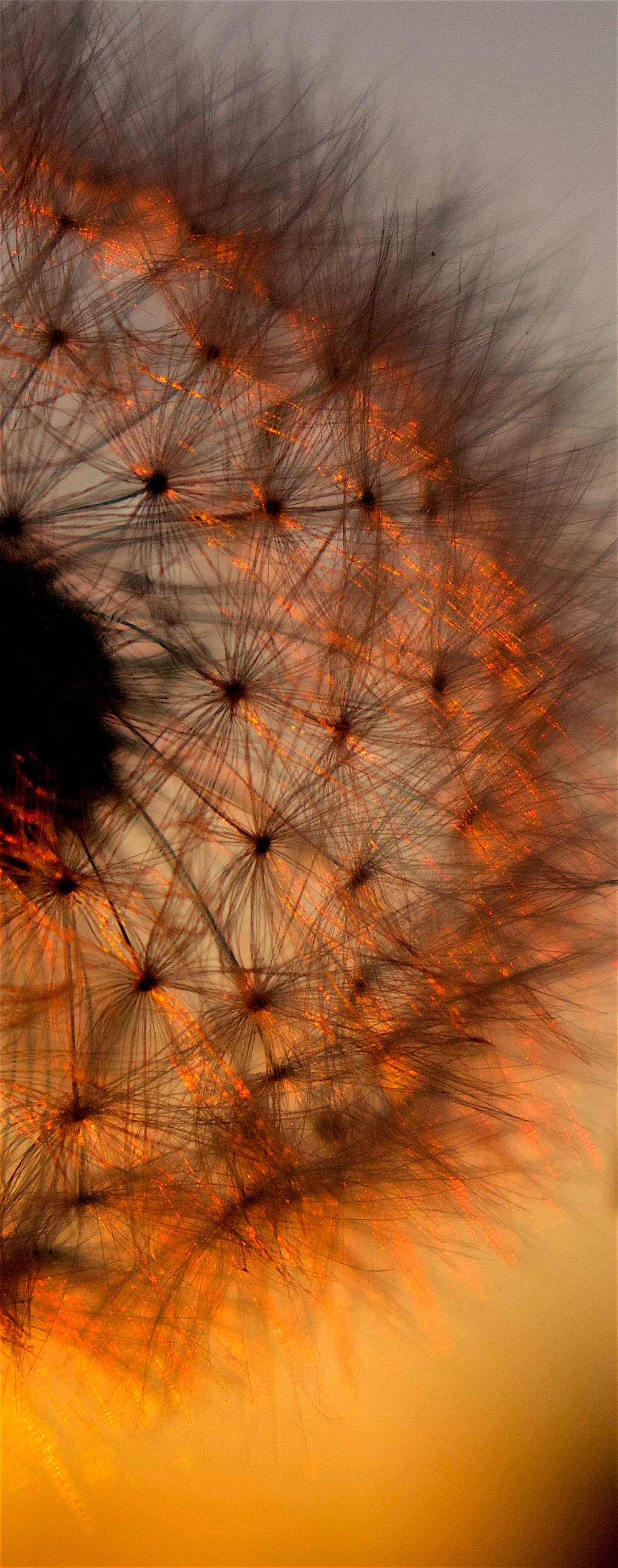
As the days warm and lengthen, the grass is getting happy almost overnight. Under my window the first star of spring opens its eye on the front lawn. Yellow as butter, it is only one. But it is one, and in the nature of things, and like the multiple asterisks seeding the night sky, it will flourish and take over every grassy bank in town. I long to be prolific as the dandelion, spinning pale parachutes of words, claiming new territory by the power of fluff. The stars in their courses have bloomed an unending glory across the heavens, but here in my yard a local constellation prepares to launch multiple, short-lived, radiant coronas to proclaim the new-sprung season. ~Luci Shaw “Dandelion”
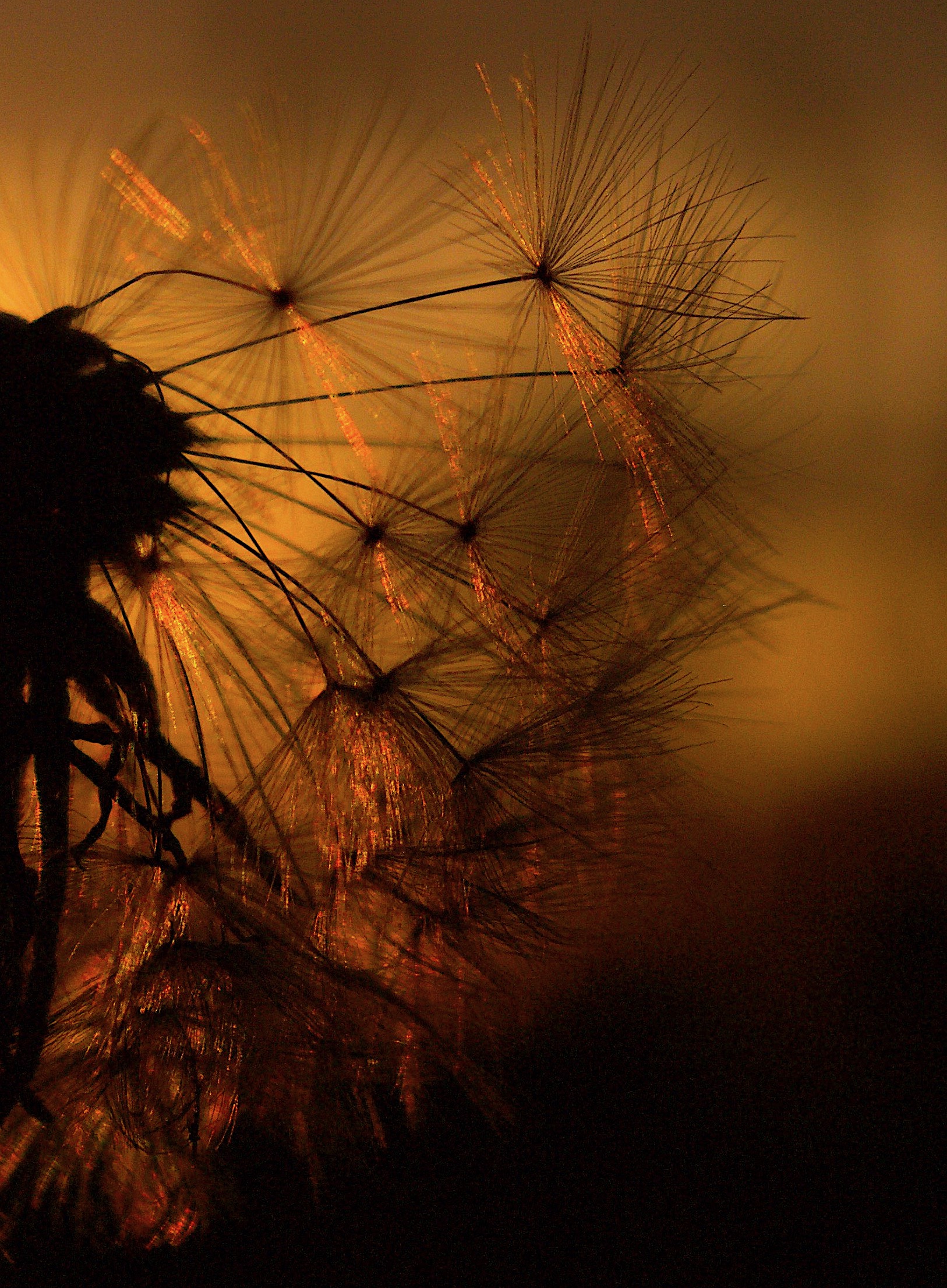
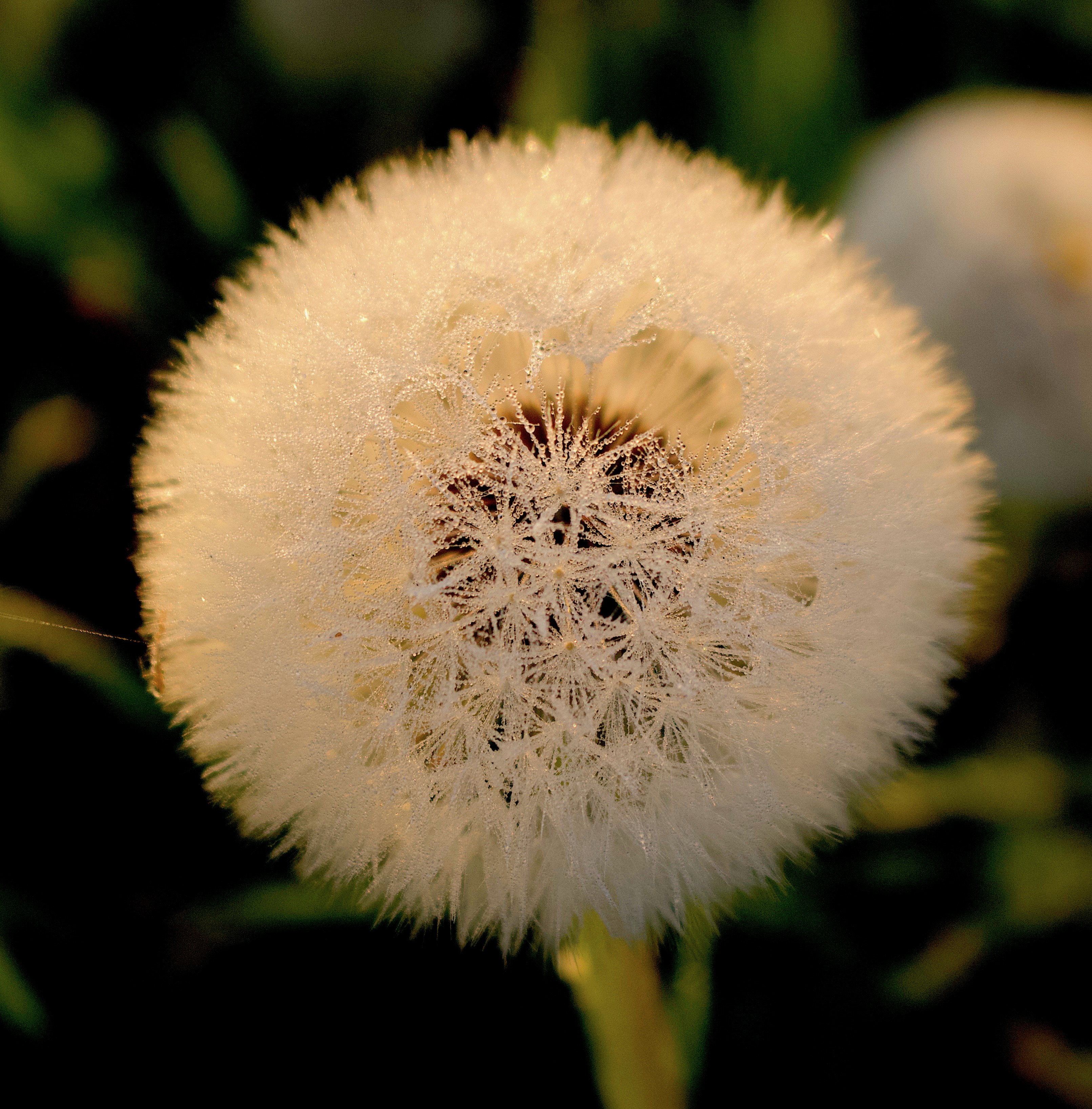
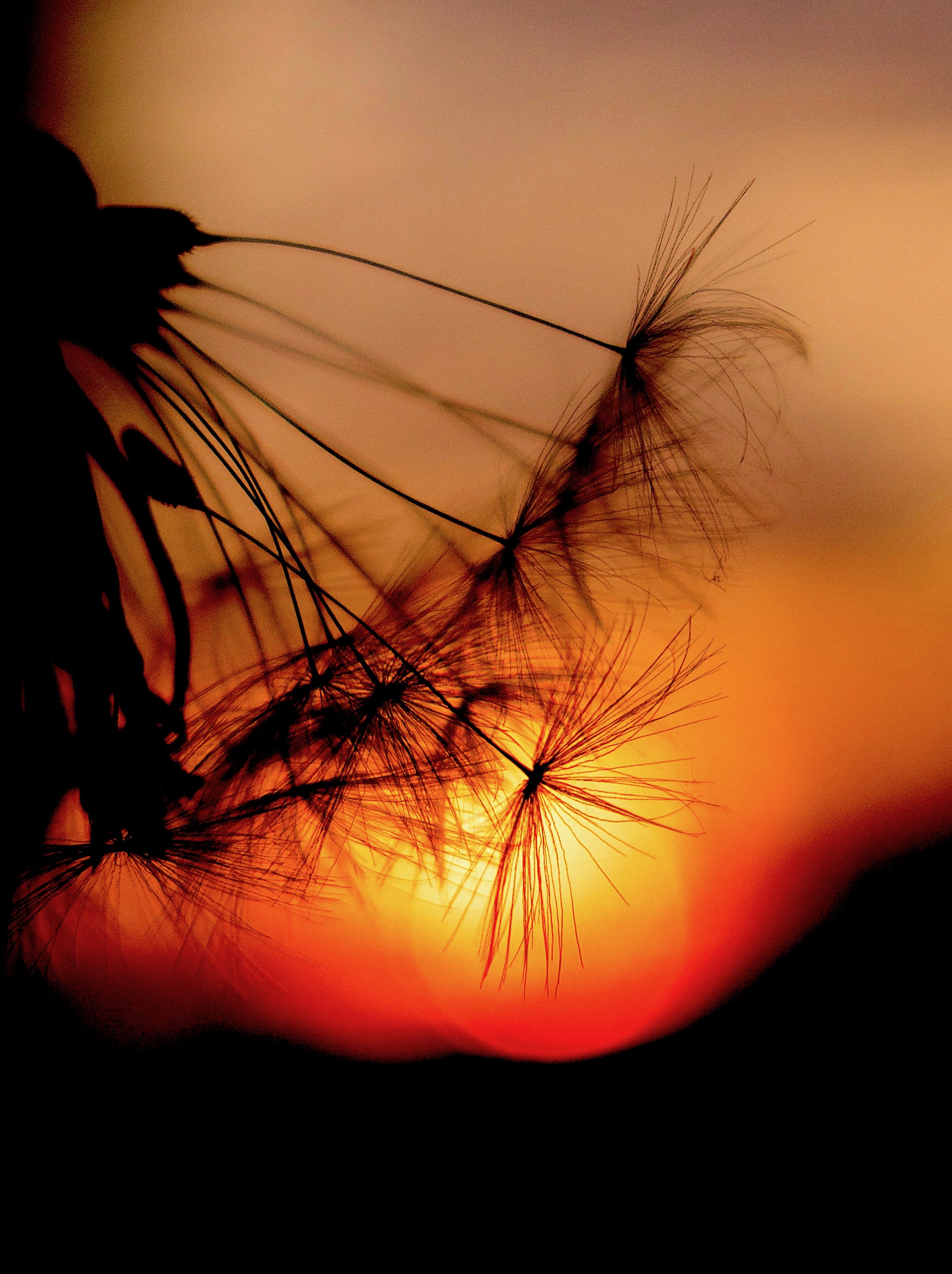
This dandelion has long ago surrendered its golden petals, and has reached its crowning stage of dying – the delicate seed-globe must break up now – it gives and gives till it has nothing left.
The hour of this new dying is clearly defined to the dandelion globe: it is marked by detachment. There is no sense of wrenching: it stands ready, holding up its little life, not knowing when or where or how the wind that bloweth where it listeth may carry it away.
It holds itself no longer for its own keeping, only as something to be given; a breath does the rest… ~Lillias Trotter from “Parables of the Cross”
It is spring: soon a field of new dandelions will stand ready in full-puff; their seeds detach as I walk through, flying to their next life.
My own readiness feels very much like the peak of labor in childbirth, a moment feeling as if time has stopped – an inevitability that one can never go back to the way things were.
This “crowning” of the new life as it emerges means the surrender and emptying of the old life.
So, like the dandelion, I turn my face full on to the breeze, giving and releasing, until I have nothing left.
Only then – only then – is there a moment of detachment, a flying to whatever is next, leading me to eternity.
Now finish the work, so that your eager willingness to do it may be matched by your completion of it, according to your means. 2 Corinthians 8:11
This Lenten season I reflect on the words of the 19th century southern spiritual hymn “What Wondrous Love is This”
One-Time
Monthly
Yearly
Make a one-time or recurring donation to support daily Barnstorming posts
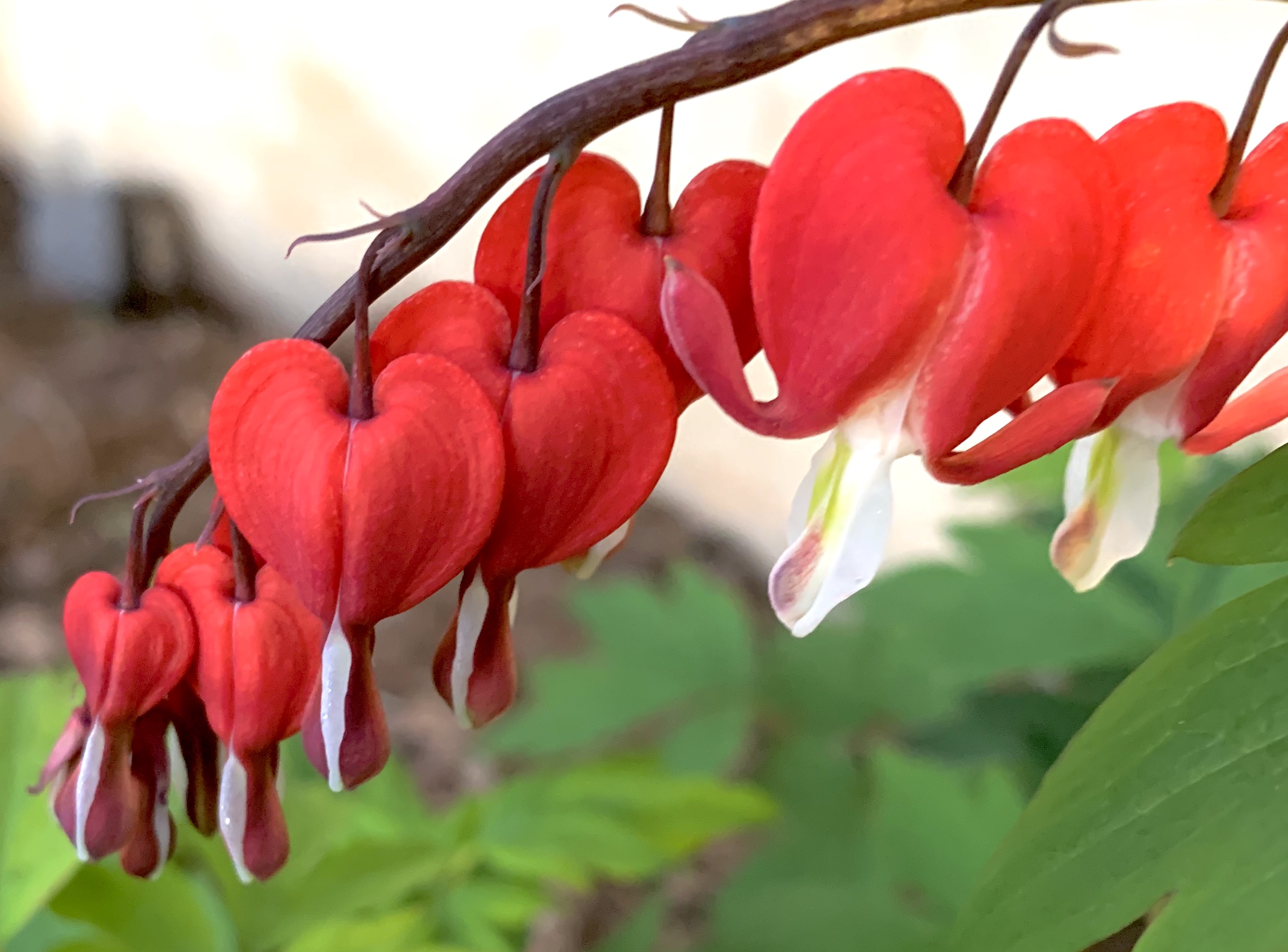
I know a bleeding-heart plant that has thrived for sixty years if not more, and has never missed a spring without rising and spreading itself into a glossy bush, with many small red hearts dangling. Don’t you think that deserves a little thought? The woman who planted it has been gone for a long time, and everyone who saw it in that time has also died or moved away and so, like so many stories, this one can’t get finished properly. Most things that are important, have you noticed, lack a certain neatness. More delicious, anyway, is to remember my grandmother’s pleasure when the dissolve of winter was over and the green knobs appeared and began to rise, and to cre- ate their many hearts. One would say she was a simple woman, made happy by simple things. I think this was true. And more than once, in my long life, I have wished to be her. ~Mary Oliver “The Bleeding-Heart”from New and Selected Poems Volume Two
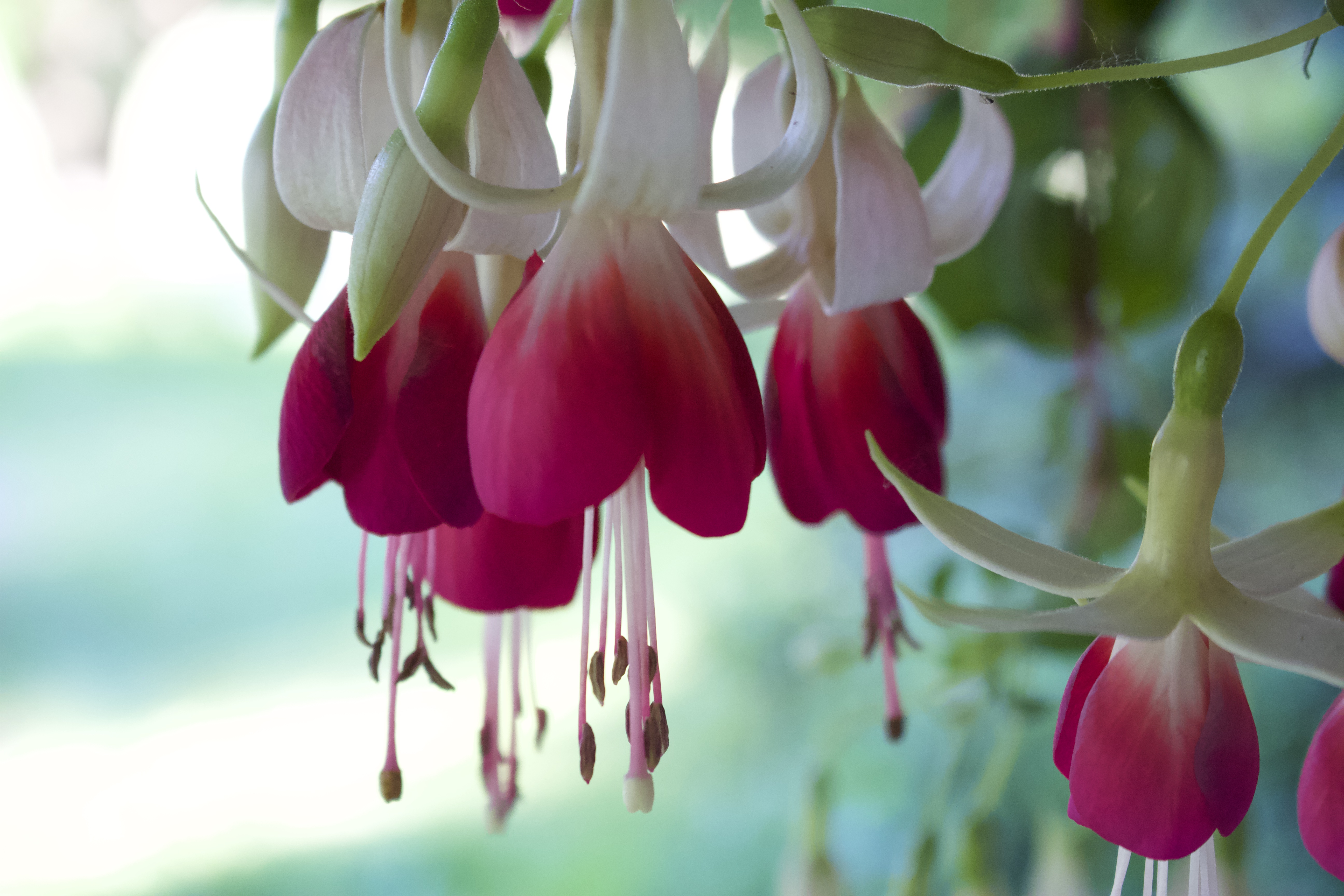
My Grandma Kittie grew flowers–lots of them. Her garden stretched along both sides of the sidewalk to her old two story farm house, in window boxes and beds around the perimeter, in little islands scattered about the yard anchored by a tree, or a piece of driftwood, a gold fish pond or a large rock. Wisteria hung like a thick curtain of purple braids from the roof of her chicken coop, and her greenhouse, far bigger than her home, smelled moist and mossy with hanging fuschia baskets. For her it was full time joy disguised as a job: she sold seedlings, and ready-to-display baskets, and fresh flower arrangements.
She often said she was sure heaven would be full of flowers needing tending, and she was just practicing for the day when she could make herself useful as a gardener for God.
Visiting Grandma meant spending summer evenings in her yard heavy with wafting flower perfume. She especially loved her bleeding hearts bushes that returned every spring, dripping their red blossoms over her unruly lawn.
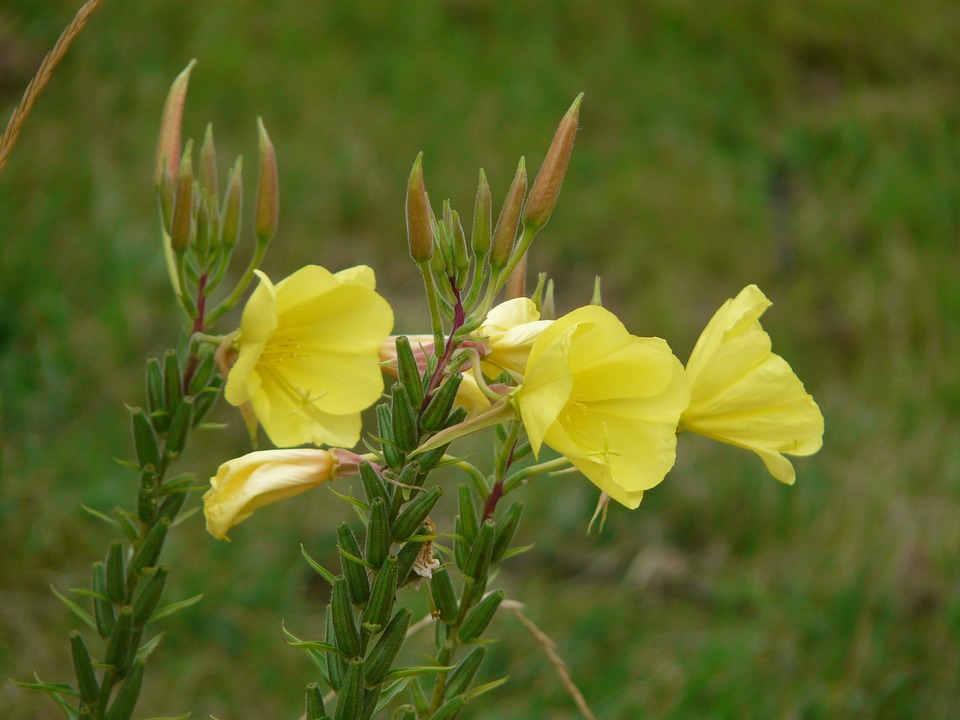
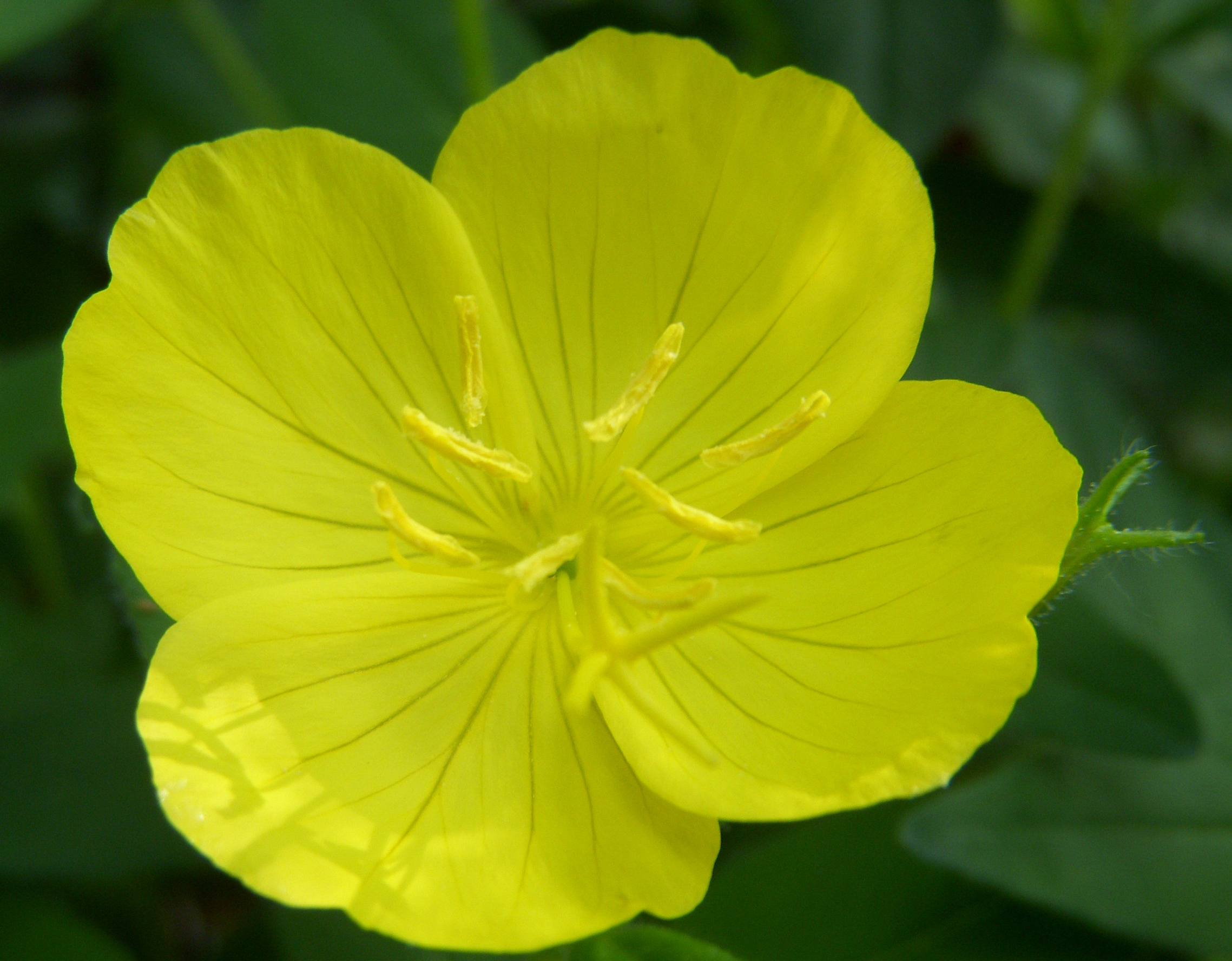
Another of her favorite flowers was the evening primrose. It was one of a few night blooming plants meant to attract pollinating moths. Its tall stems were adorned by lance shaped leaves, with multiple buds and blooms per stem. Each evening, and it was possible to set one’s watch by its punctuality, only one green wrapped bud per stem would open, revealing a bright yellow blossom with four delicate veined petals, a rosette of stamens and a cross-shaped stigma in the center, rising far above the blossom. The yellow was so vivid and lively, it seemed almost like a drop of sun had been left on earth to light the night. By morning, the bloom would begin to wither and wilt under the real sunlight, somehow overcome with the brightness, and would blush a pinkish orange as it folded upon itself, ready to die and drop from the plant in only a day or two, leaving a bulging seed pod behind.
I would settle down on the damp lawn at twilight, usually right before dusk fell, to watch the choreography of opening of blossoms on stem after stem of evening primrose. Whatever the trigger was for the process of unfolding, there would be a sudden loosening of the protective green calyces, in an almost audible release. Then over the course of about a minute, the overlapping yellow petals would unfurl, slowly, gently, purposefully, revealing their pollen treasure trove inside. It was like watching time lapse cinematography, only this was an accelerated, real time flourish of beauty, happening right before my eyes. I always felt privileged to witness each unveiling as Grandma liked to remind me that few flowers ever allowed us to behold both their birth and death. The evening primrose was not at all shy about sharing itself and it would enhance the show with a sweet lingering fragrance.
Grandma knew how much I enjoyed the evening primrose display, so she saved seeds from the seed pods for me, and helped me plant them at our house during one of her spring time visits. I remember scattering the seeds with her in a specially chosen spot, in anticipation of the “drops of sun” that would grace our yard come summertime. However, Grandma was more tired than usual on this particular visit, taking naps and not as eager to go for walks or eat the special meals cooked in honor of her visit. Her usually resonant laughing brown eyes appeared dull, almost muddy.
The day she was to return to her home, she came into the kitchen at breakfast time, wearily setting down her packed bags. She gave me a hug and I looked at her. Something was dreadfully wrong. Grandma’s eyes were turning yellow.
Instead of returning home that day, she went to the hospital. Within a day, she had surgery and within two days, was told she had terminal pancreatic cancer. She did not last long, her skin becoming more jaundiced by the day, her eyes more icteric and far away. She soon left her earthly gardens to cultivate those in heaven.
I’ve kept bleeding hearts and evening primrose in my garden ever since. Grandma’s heart dangles from the bushes and she is released from each primrose bloom as it unfolds precipitously in the evening. She wafts across the yard in its perfume. Her spirit, a drop of sun coming to rest, luminous, for a brief stay upon the earth, only to fall before we’re ready to let it go. But as the wilted bloom lets go, its seeds have already begun to form.
I’m sure Grandma is still growing flowers. And my soil-covered hands look more like hers every day.
The grass withers and the flowers fall, because the breath of the Lord blows on them. Surely the people are grass. The grass withers and the flowers fall, but the word of our God endures forever. Isaiah 40: 7-8
This Lenten season I reflect on the words of the 19th century southern spiritual hymn “What Wondrous Love is This”
One-Time
Monthly
Yearly
Make a one-time or recurring donation to support daily Barnstorming posts
Trust your bones Trust the pull of the earth And the earth itself Trust the hearts of trees The stone at the edge of the sea And all else true
Trust that water will bear you up Trust the moon to keep faith With ebb and flow Trust the leafing The chrysalis, the seed And every other way Death gives birth to resurrection ~Bethany Lee, “To Keep Faith” from The Breath Between
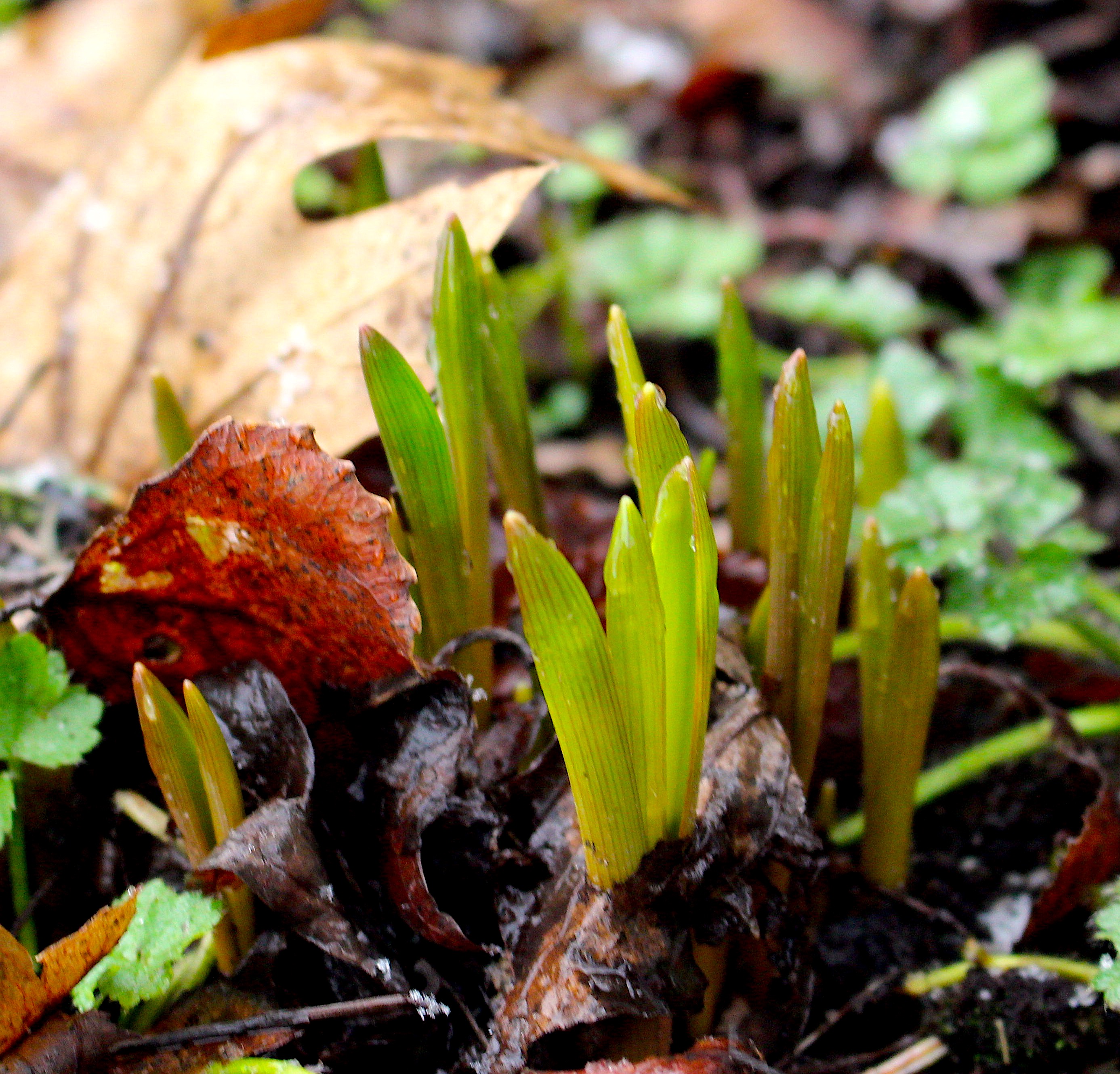
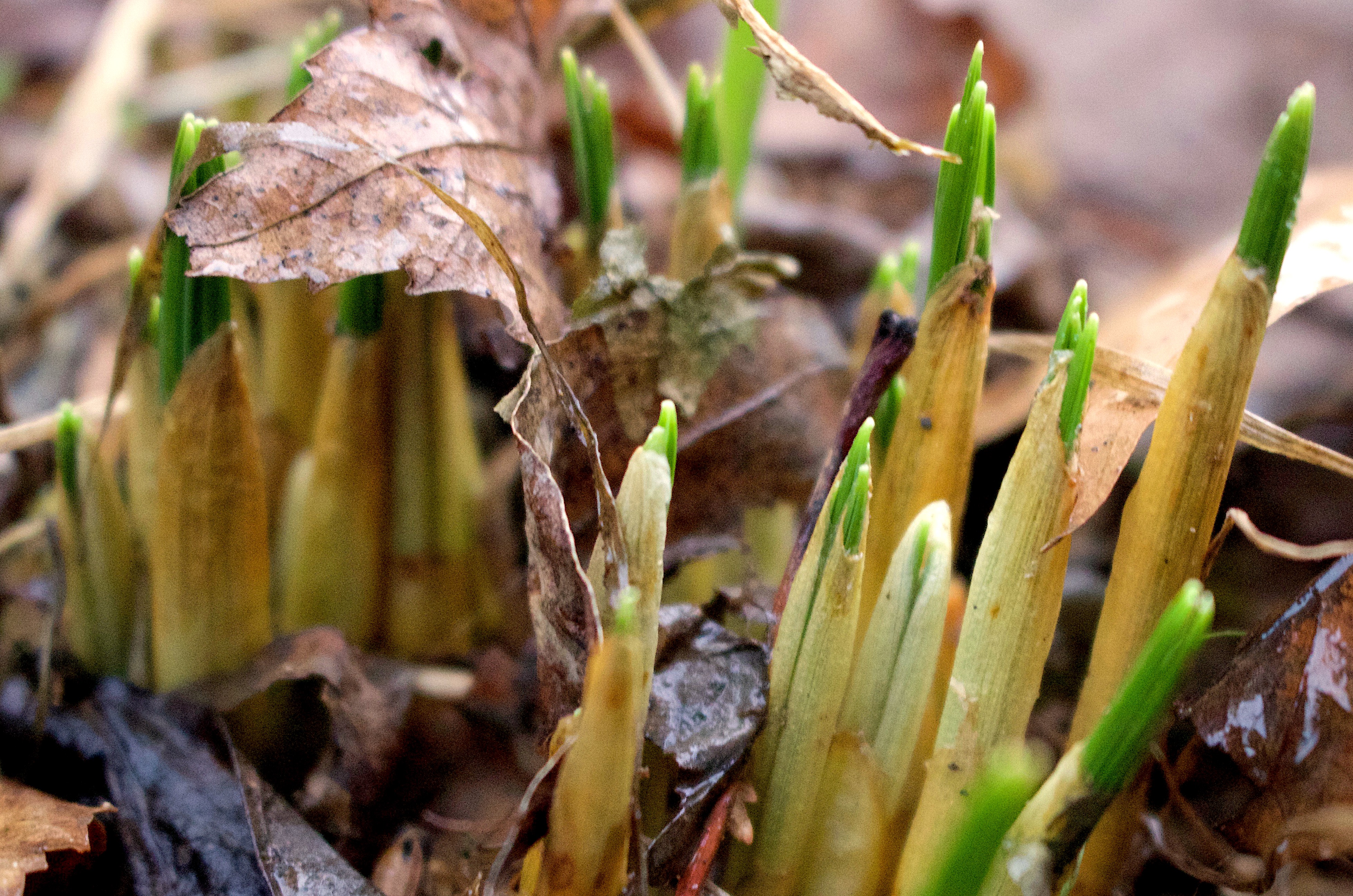
Over the last several weeks, roots have become shoots and their green blades are rising chaotically, uneven and awkward like a bad haircut. And like a bad haircut, another two weeks will make all the difference — sprouts will cover all the bare earth, breaking through crusted soil to create a smooth carpet of green.
There is nothing more mysterious than the barren made fruitful, the ugly made beautiful, the dead made alive.
The muddy winter field of my heart will recover, bathed in new light; I trust love will come again like shoots that spring up green.
Behold! I tell you a mystery. We shall not all sleep, but we shall all be changed, in a moment, in the twinkling of an eye, at the last trumpet. For the trumpet will sound, and the dead will be raised imperishable, and we shall be changed… 1 Corinthians 15:51–52
This Lenten season I reflect on the words of the 19th century southern spiritual hymn “What Wondrous Love is This”
One-Time
Monthly
Yearly
Make a one-time or recurring donation to support daily Barnstorming posts
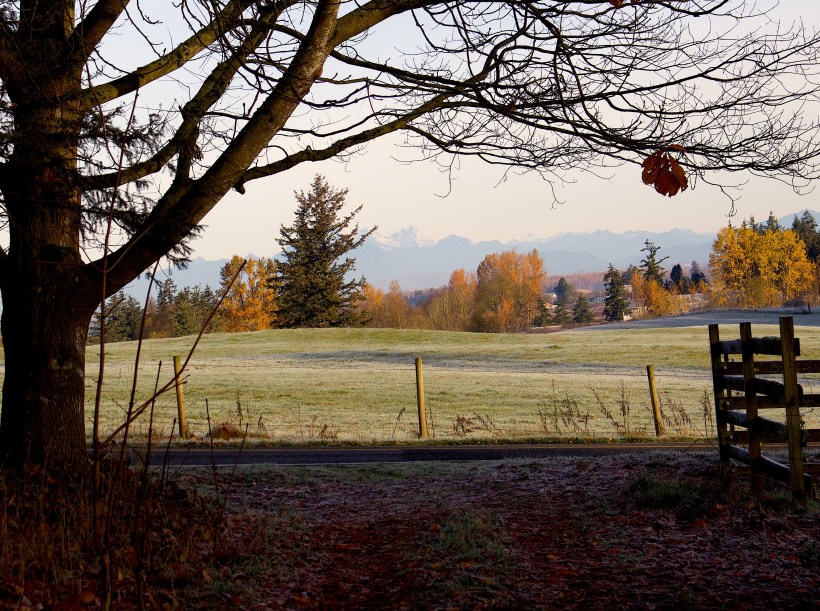
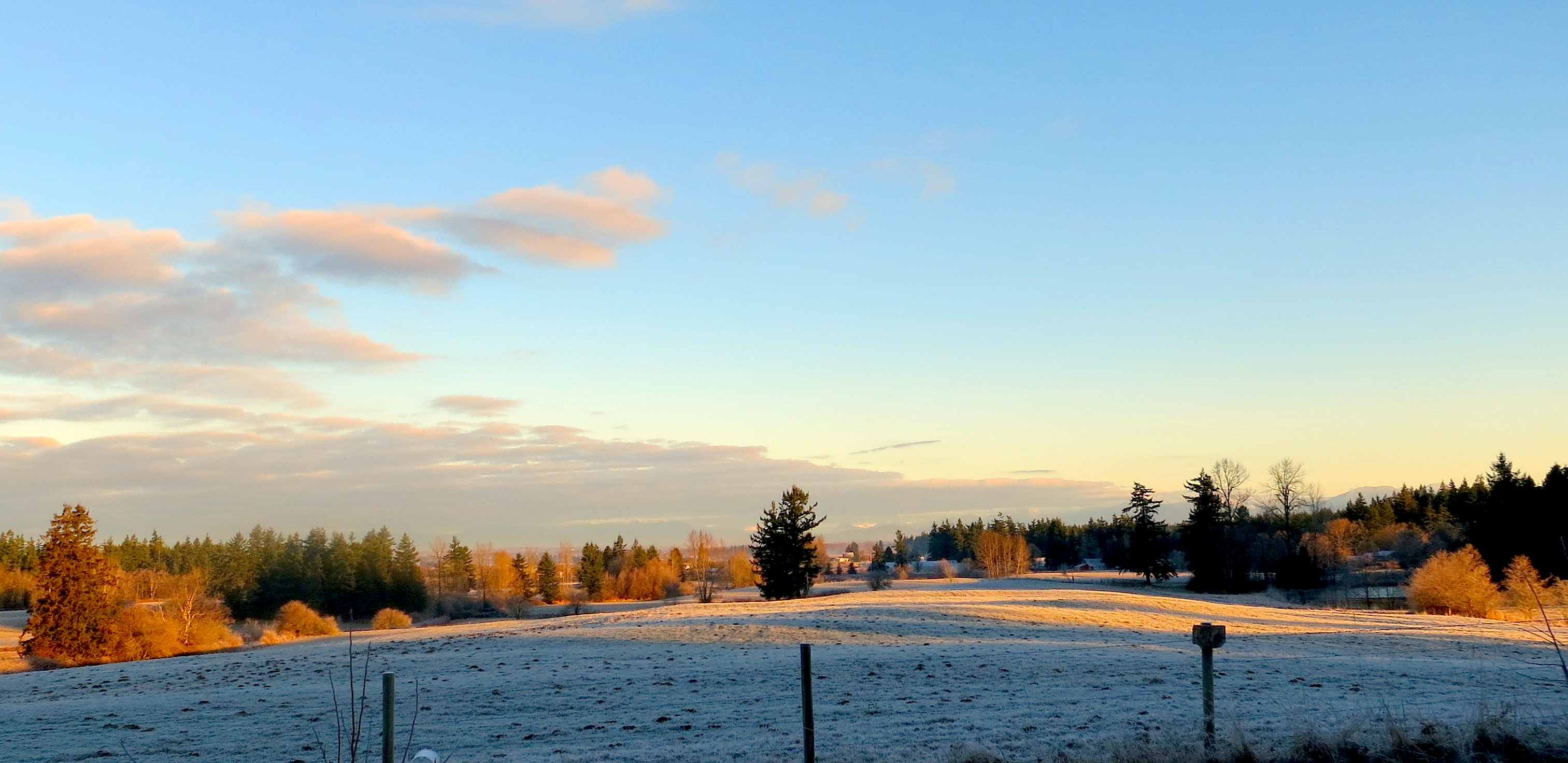
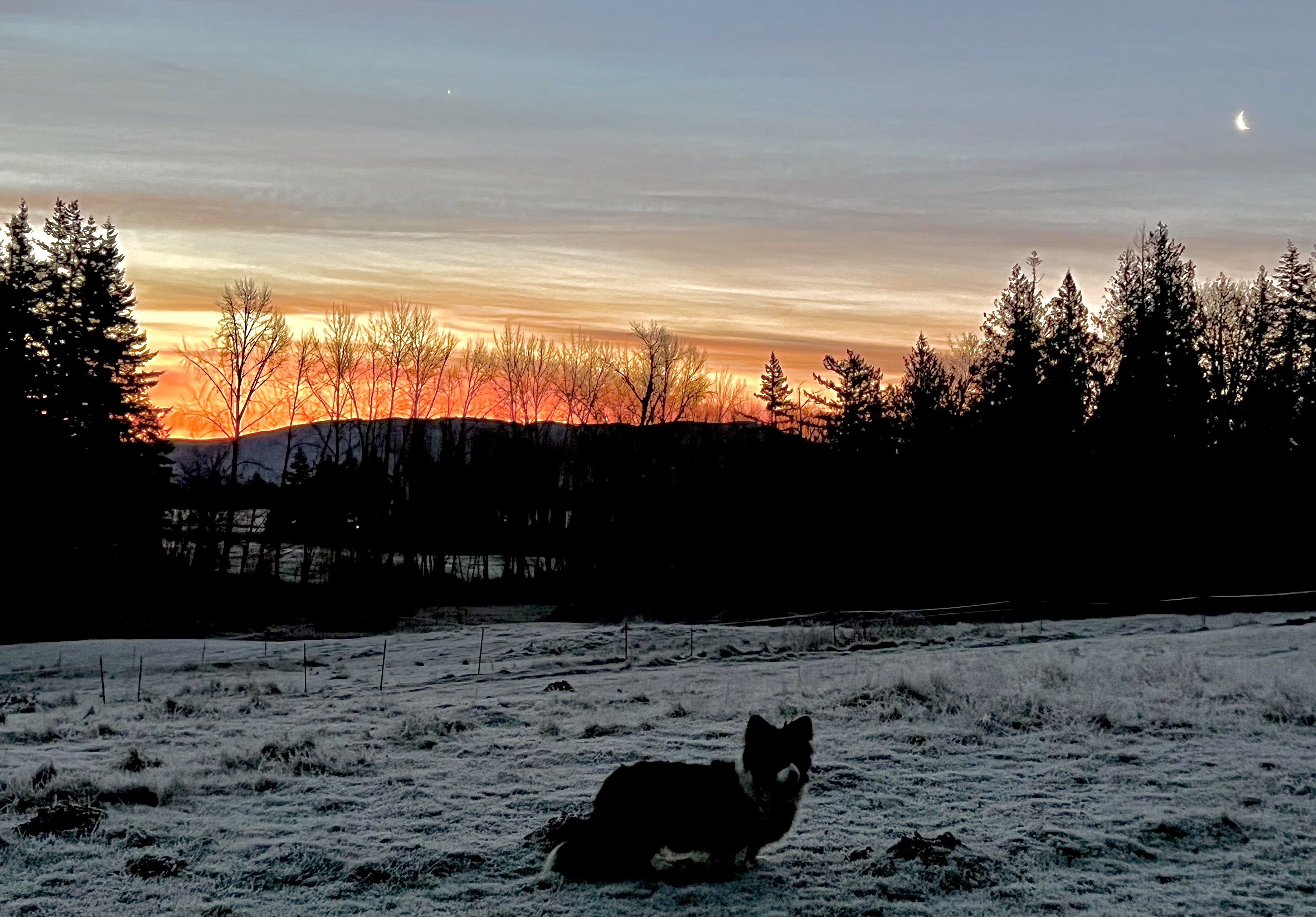
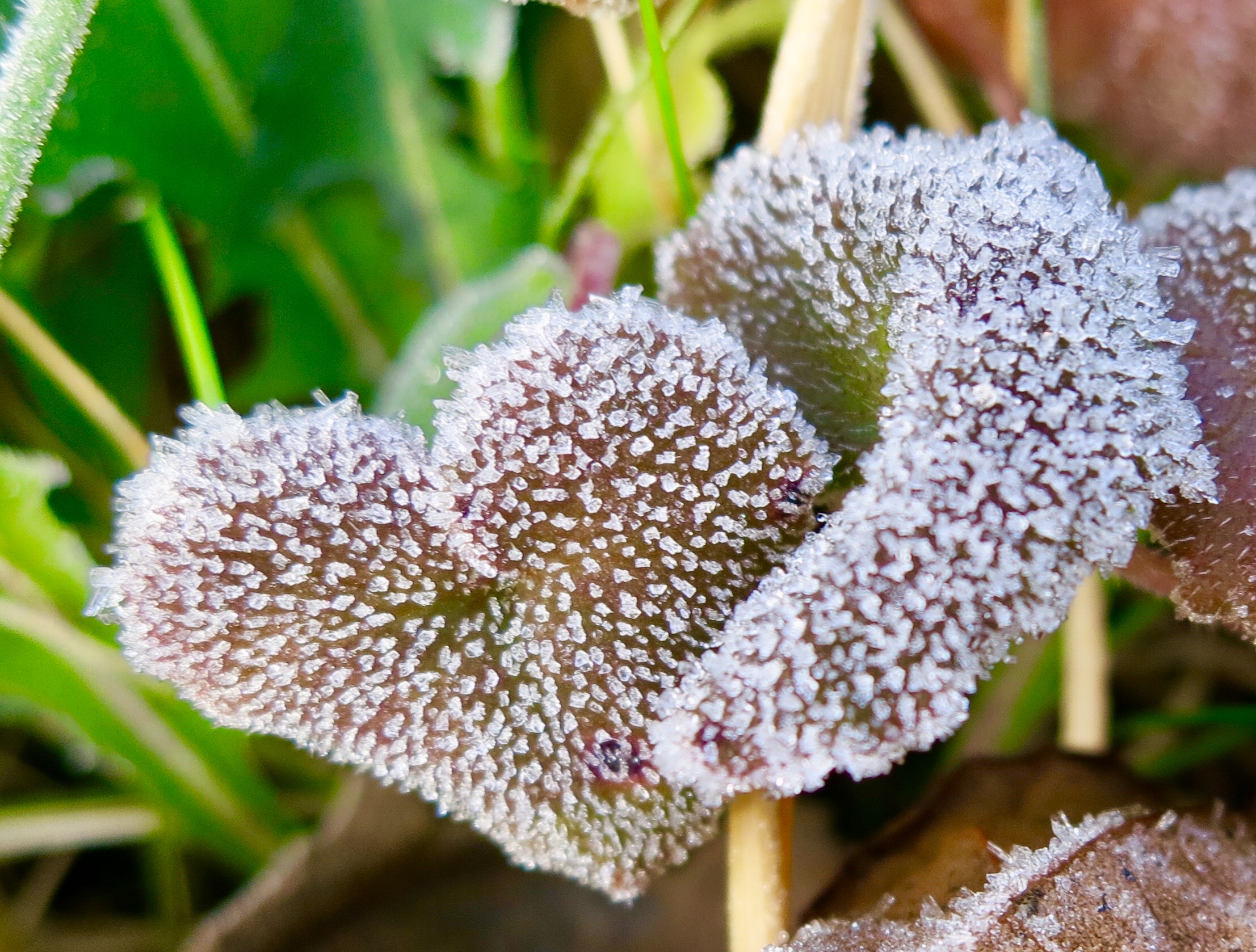
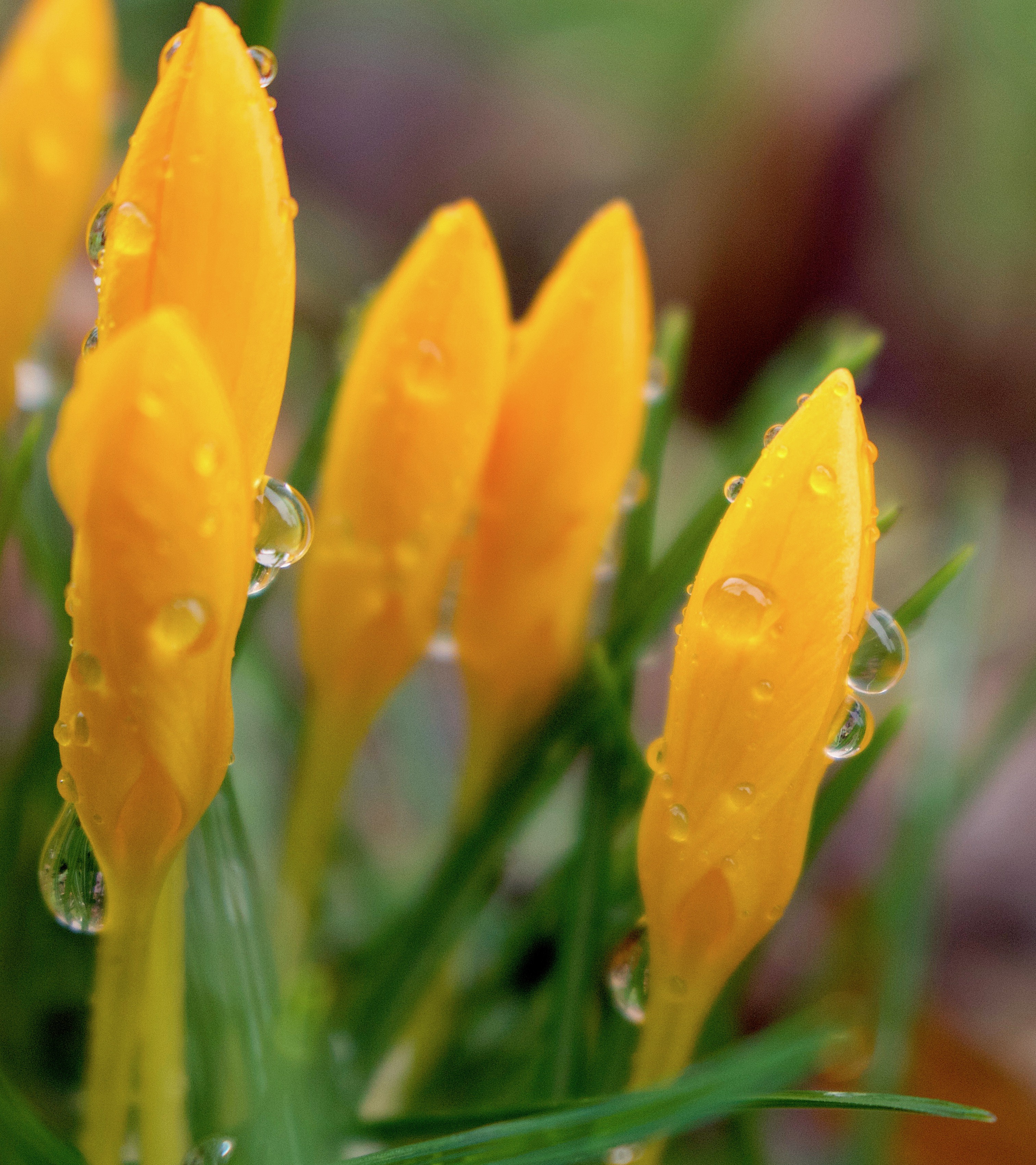
This morning’s sun is not the honey light of summer, thick with golden dust and slow as syrup pouring from a jug. It’s bright, but thin and cold, and slanted steep and low across the hillsides. Frost is blooming white, these flowers forced by icy winds that blow as hard this morning as they blew all night. Too cold for rain, but far too dry for snow.
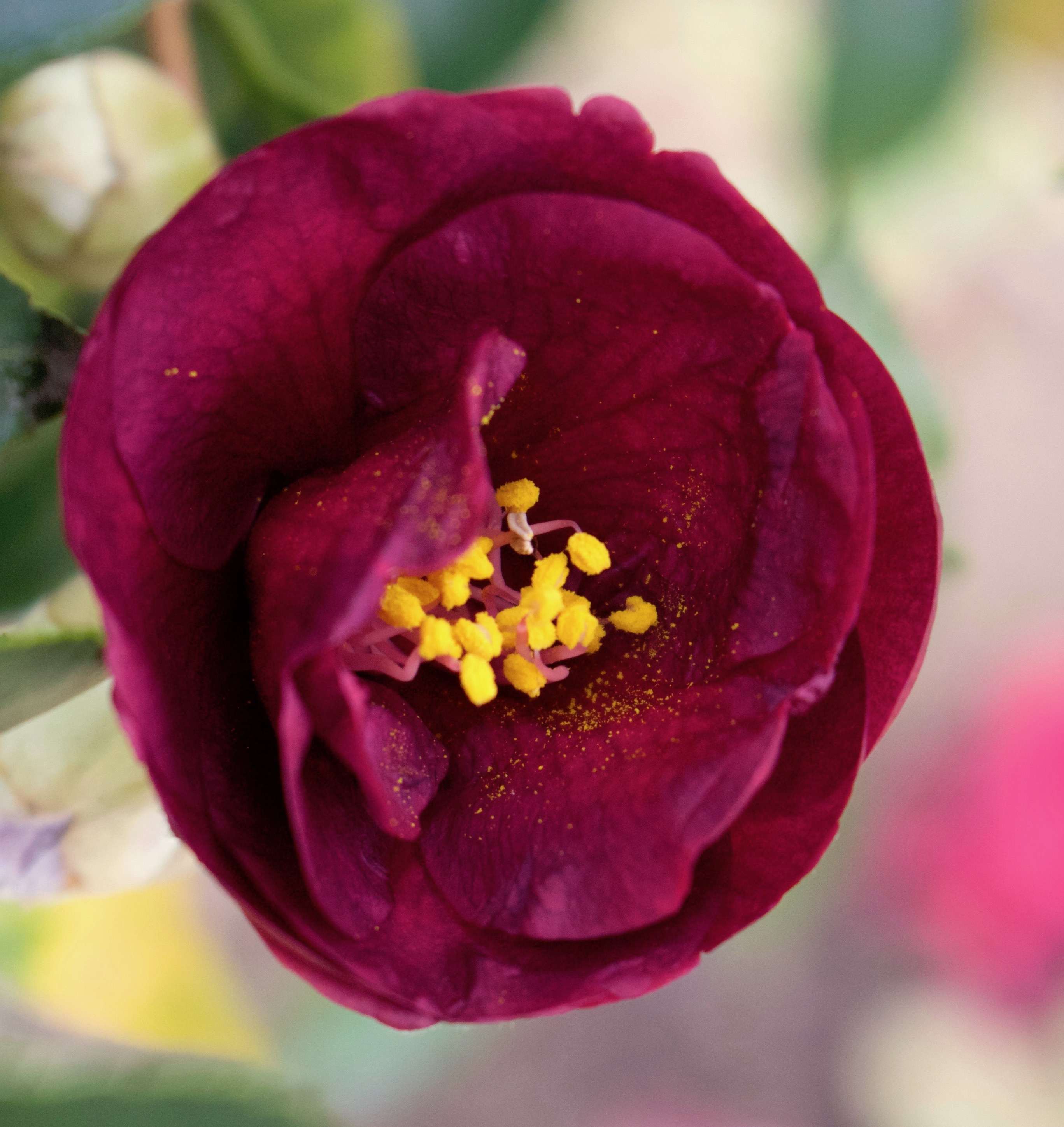
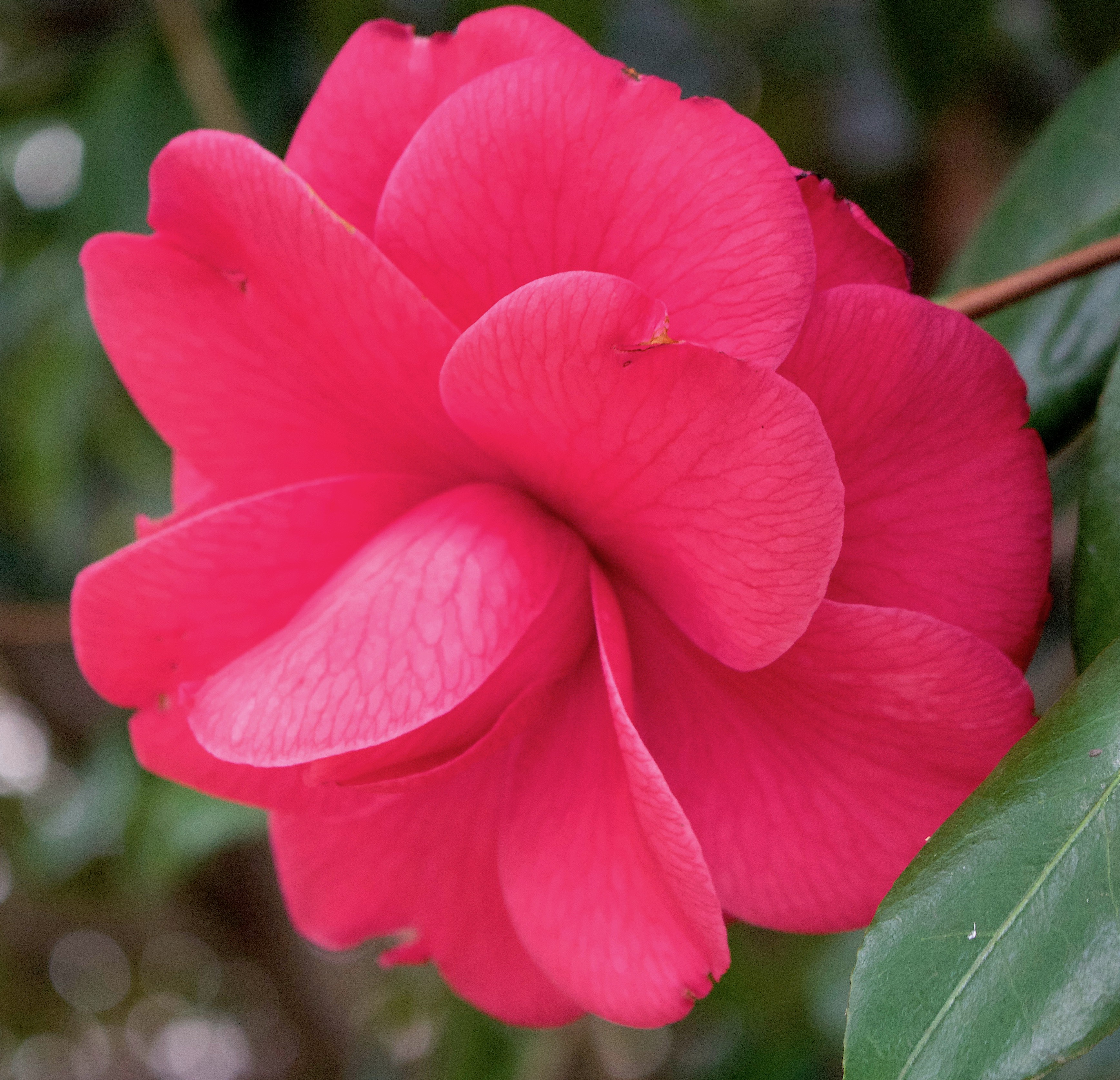
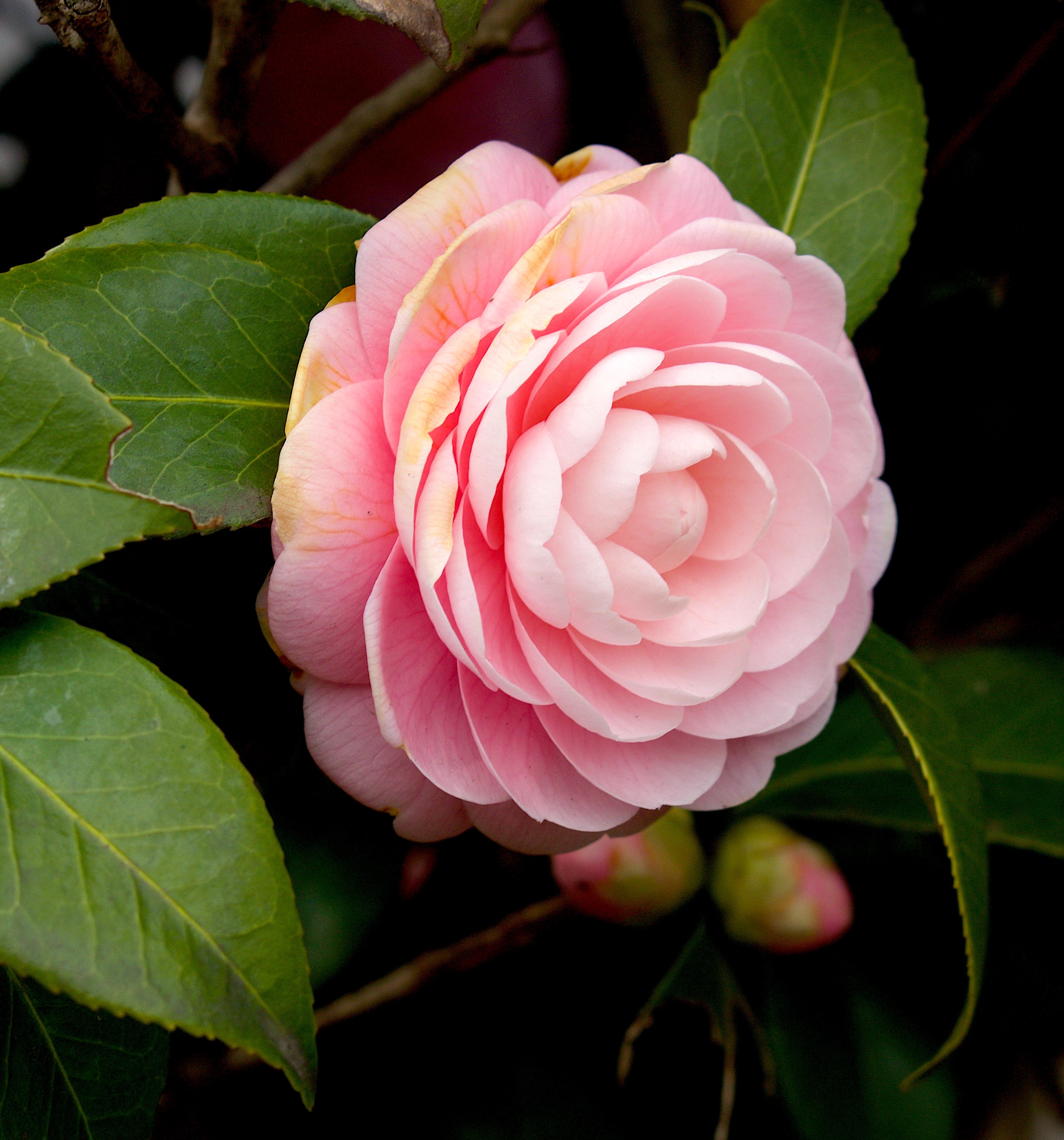
And I am restless, pacing to and fro enduring winter’s grip that holds us tight. But my camellias, which somehow know what weather to expect—they’re always right— have broken bud. Now scarlet petals glow outside the window where I sit and write. ~Tiel Aisha Ansari “Camellias” from Dervish Lions
Near a shrine in Japan he’d swept the path and then placed camellia blossoms there.
Or — we had no way of knowing — he’d swept the path between fallen camellias. ~Carol Snow “Tour”
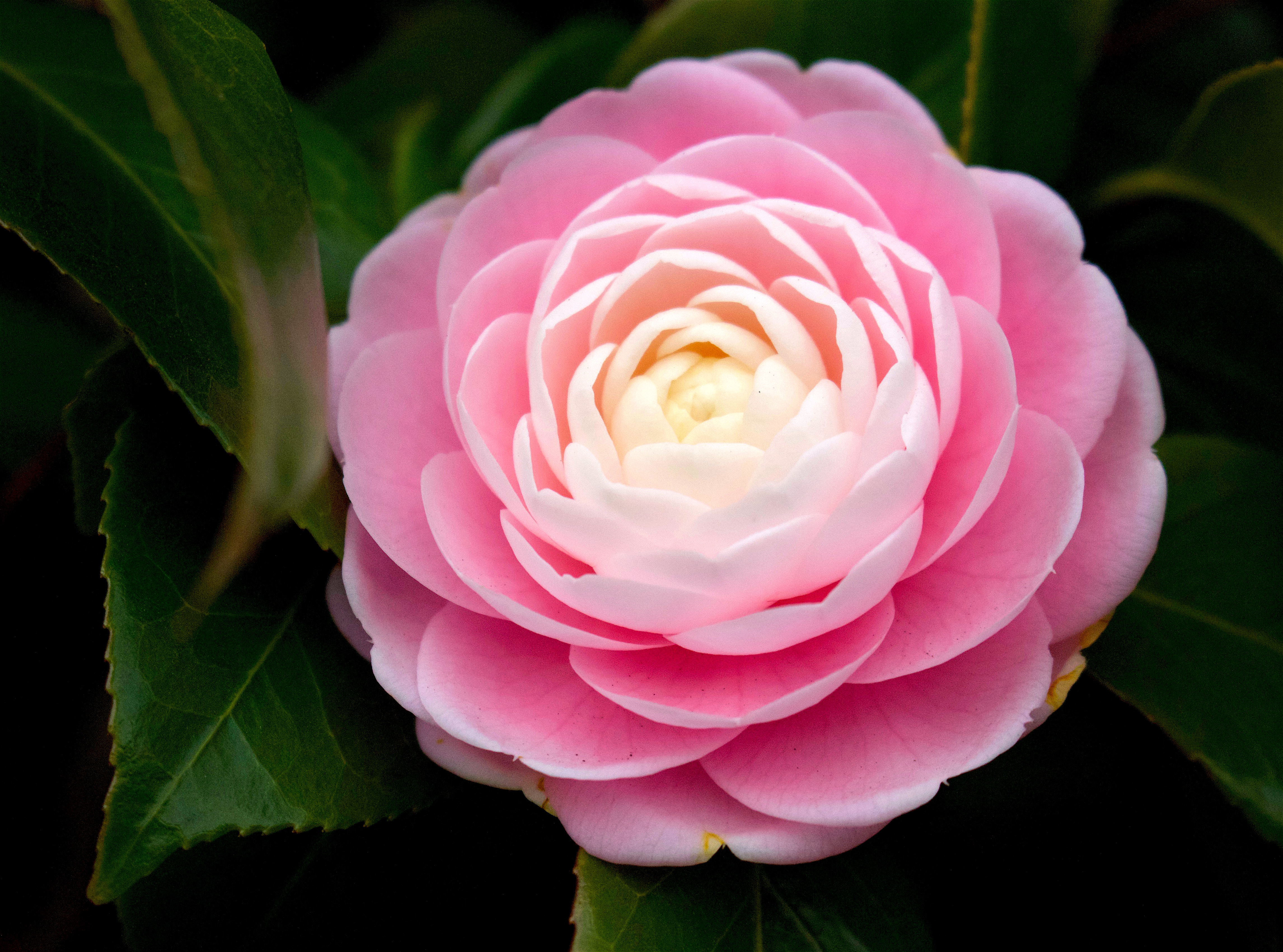
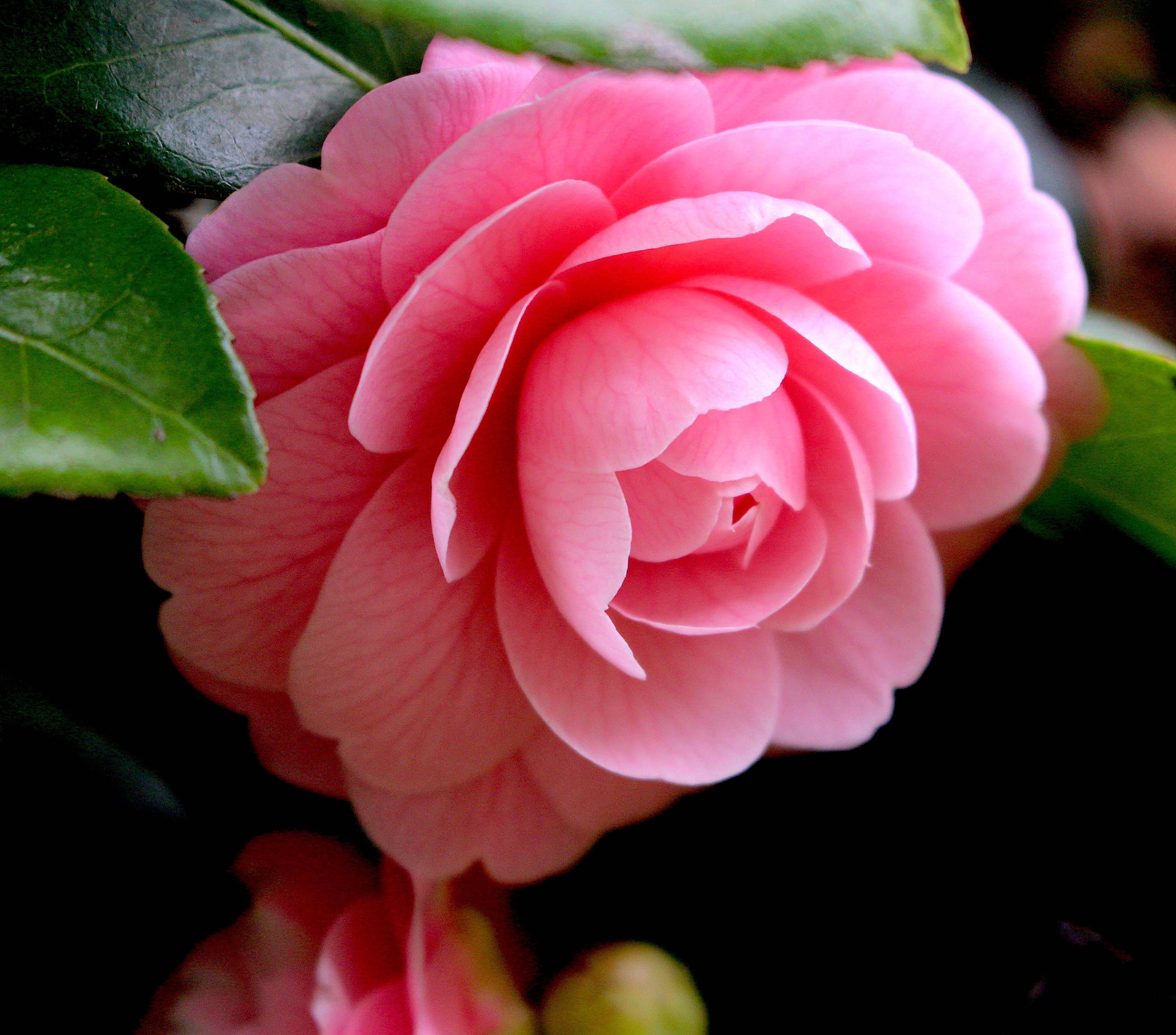
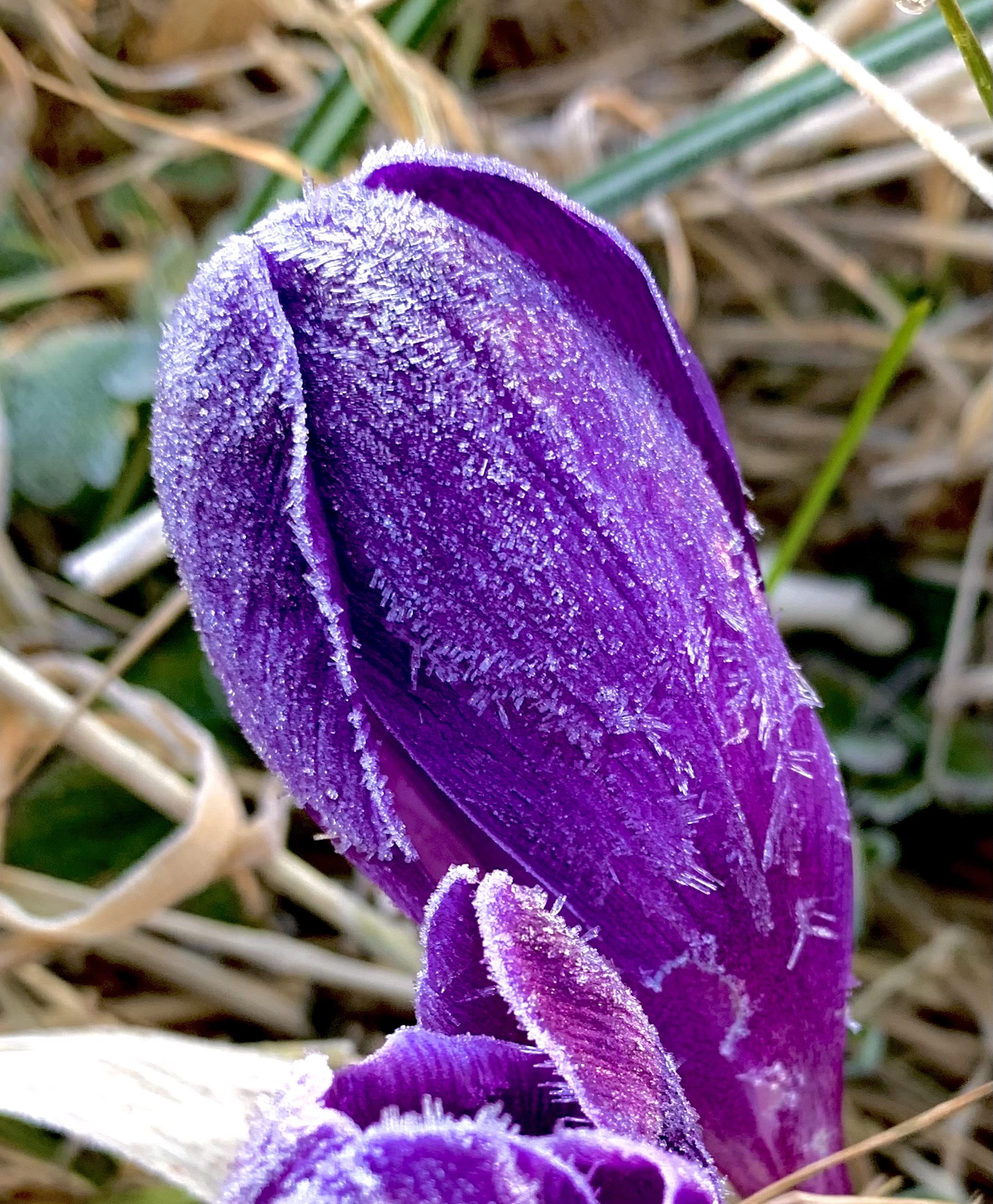
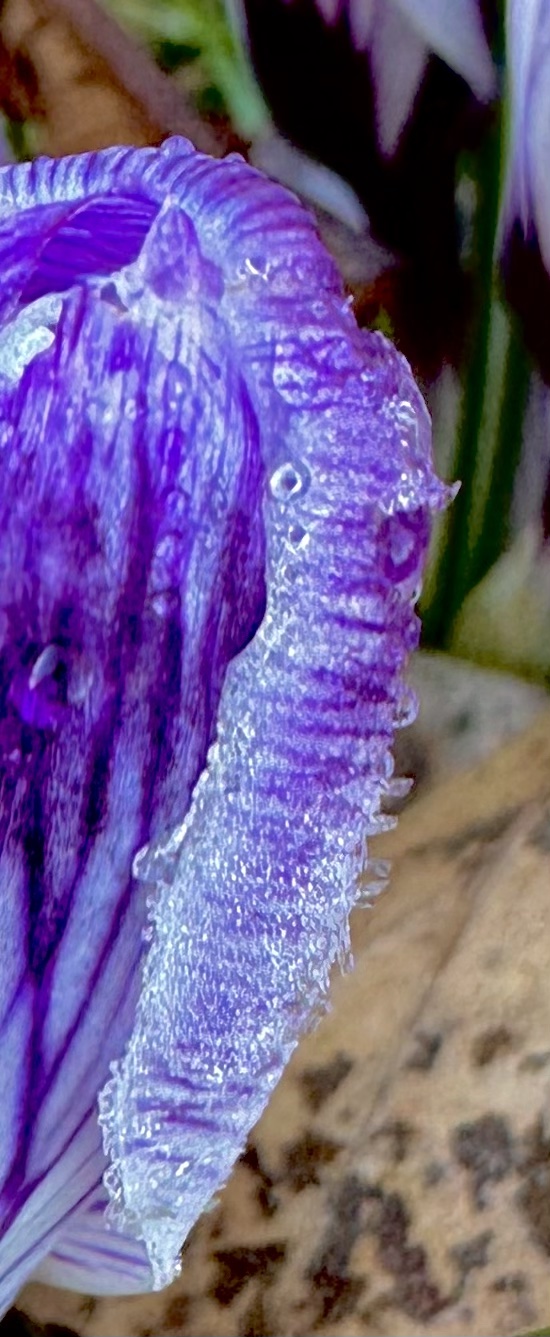
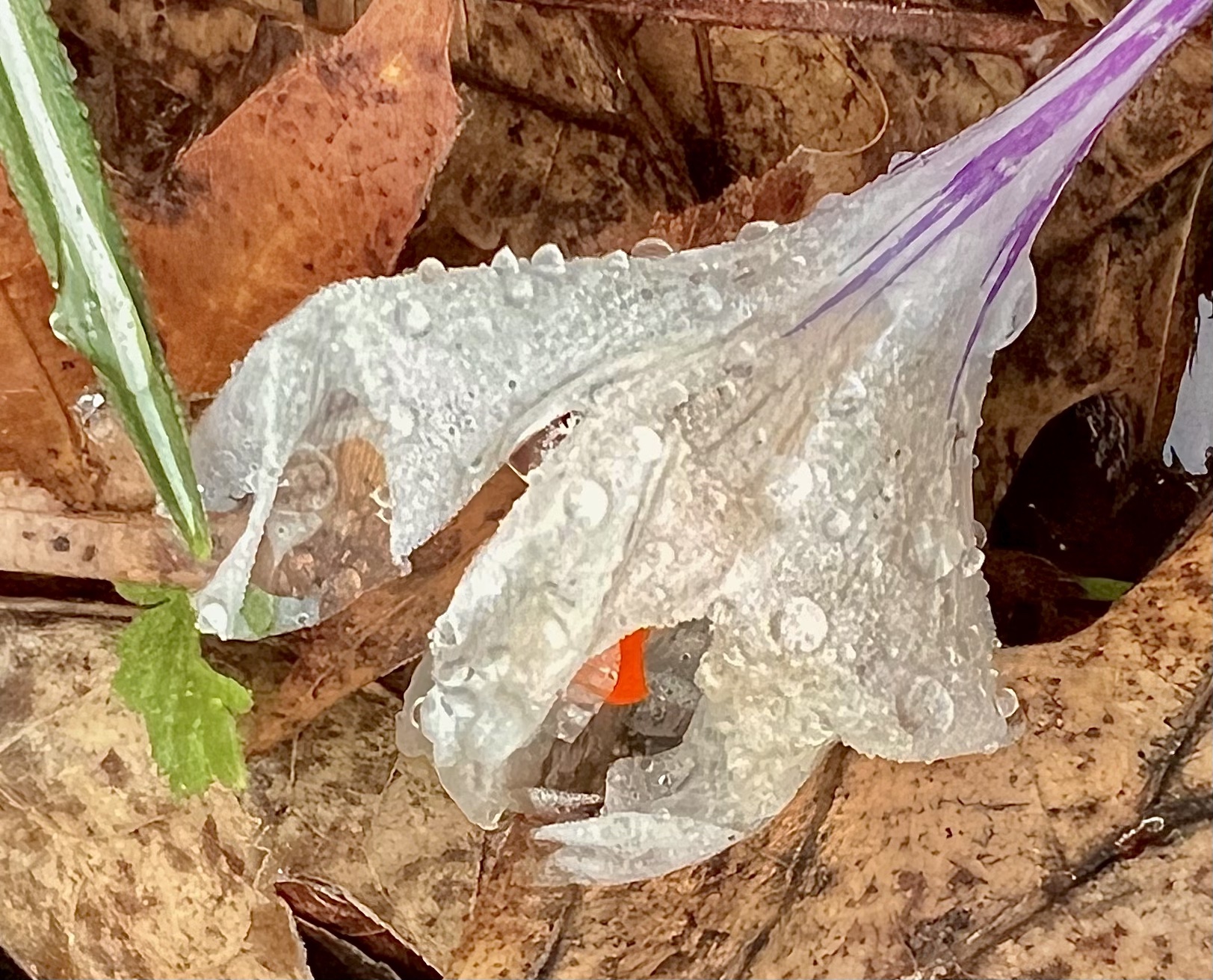
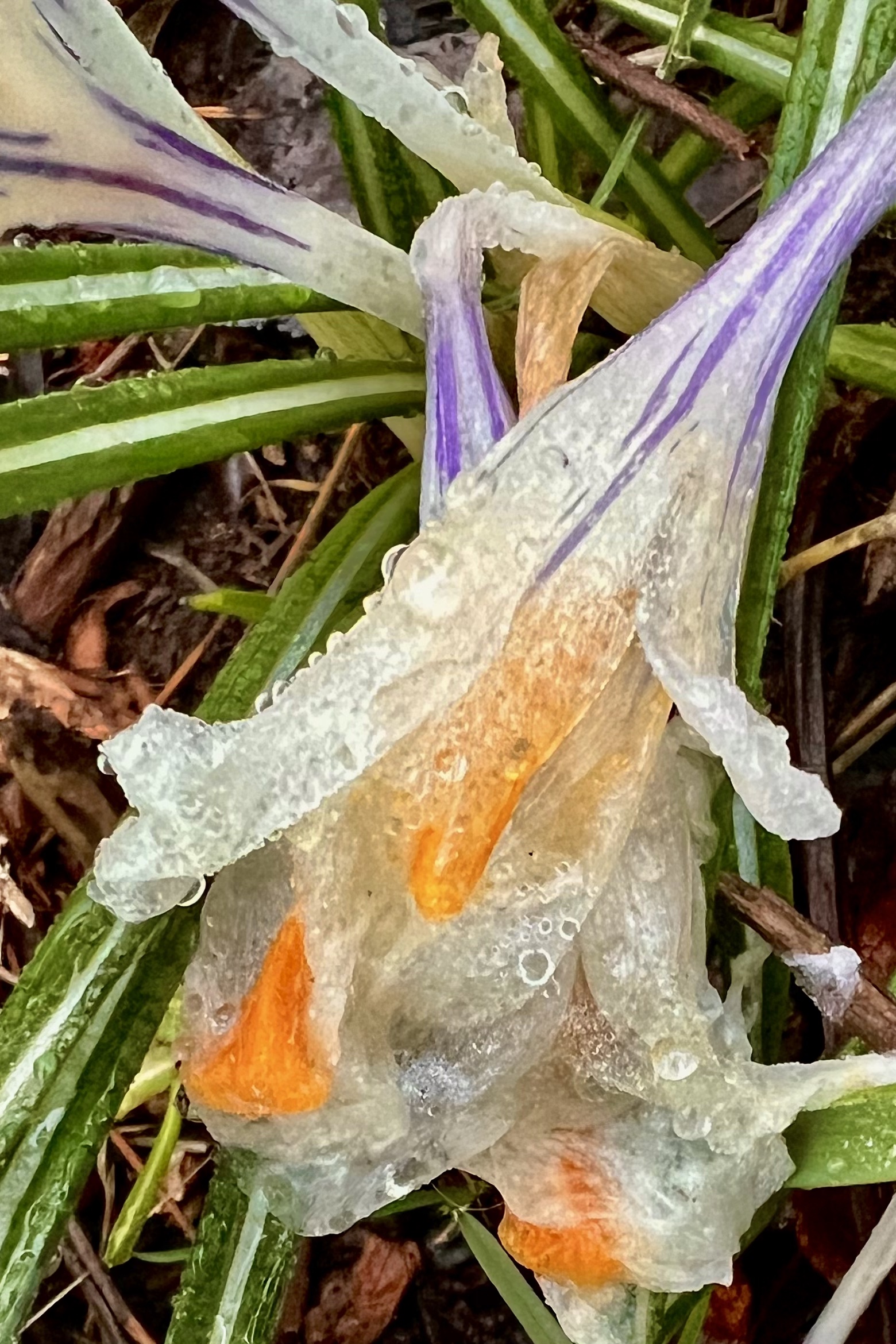
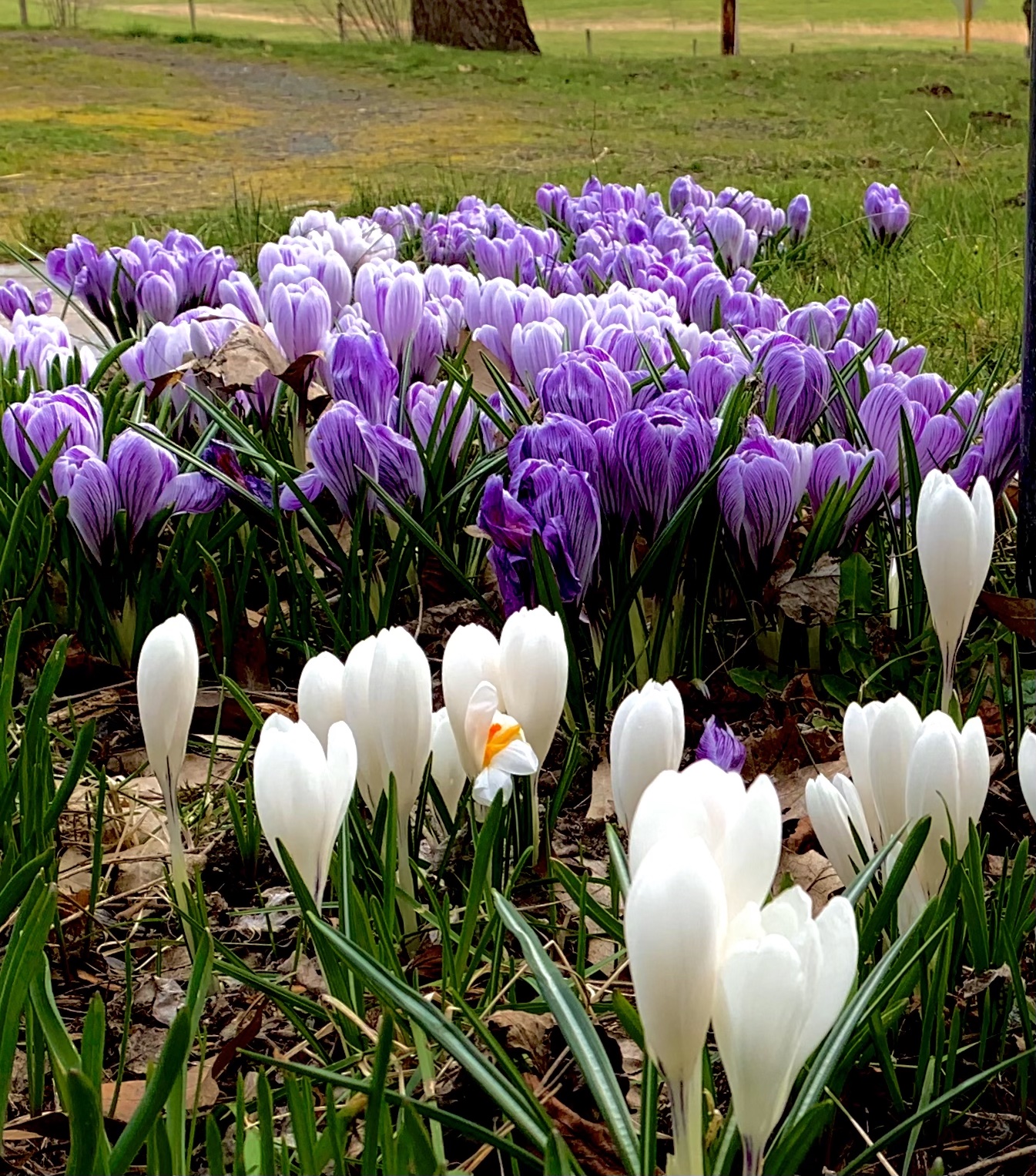
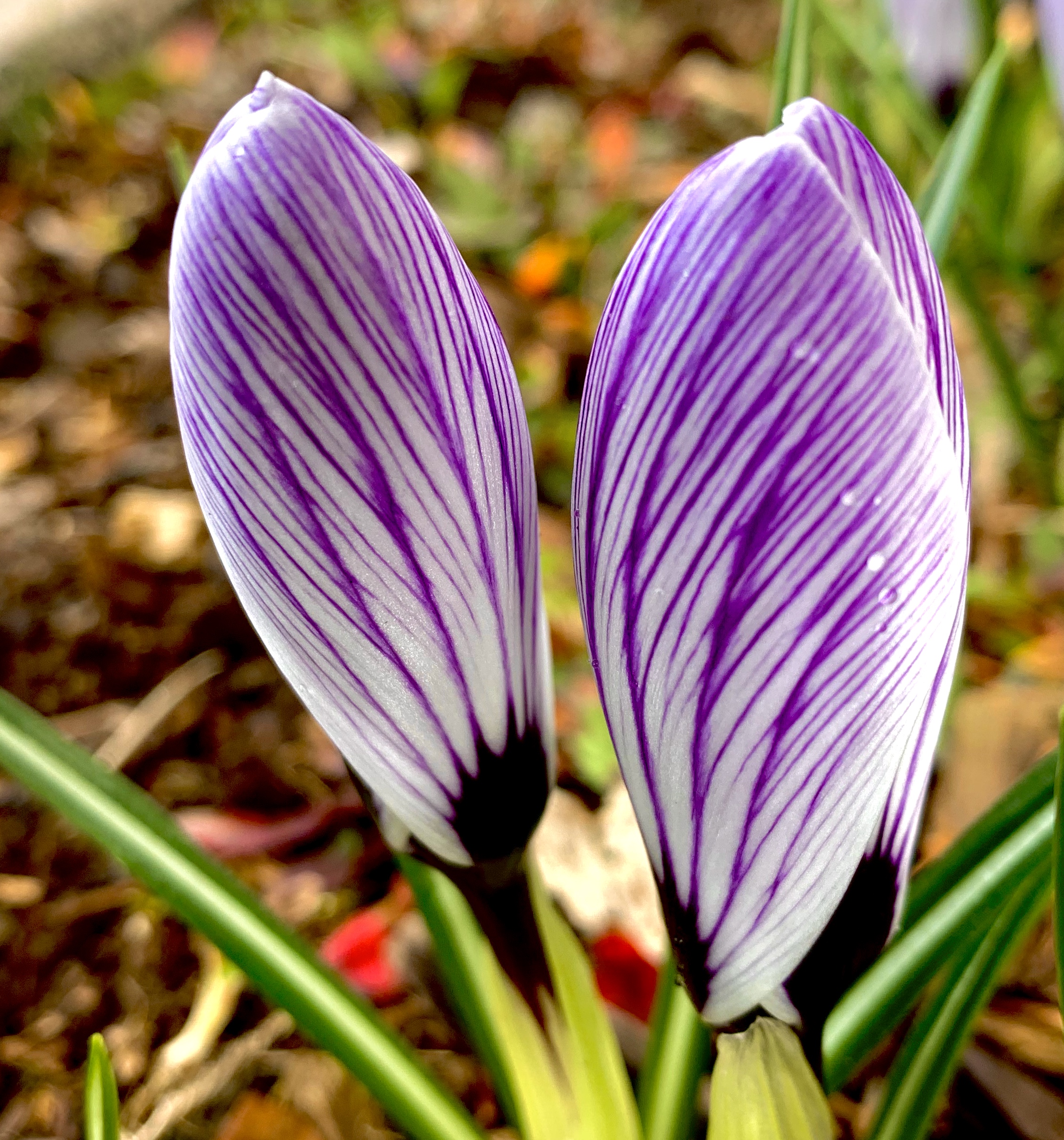
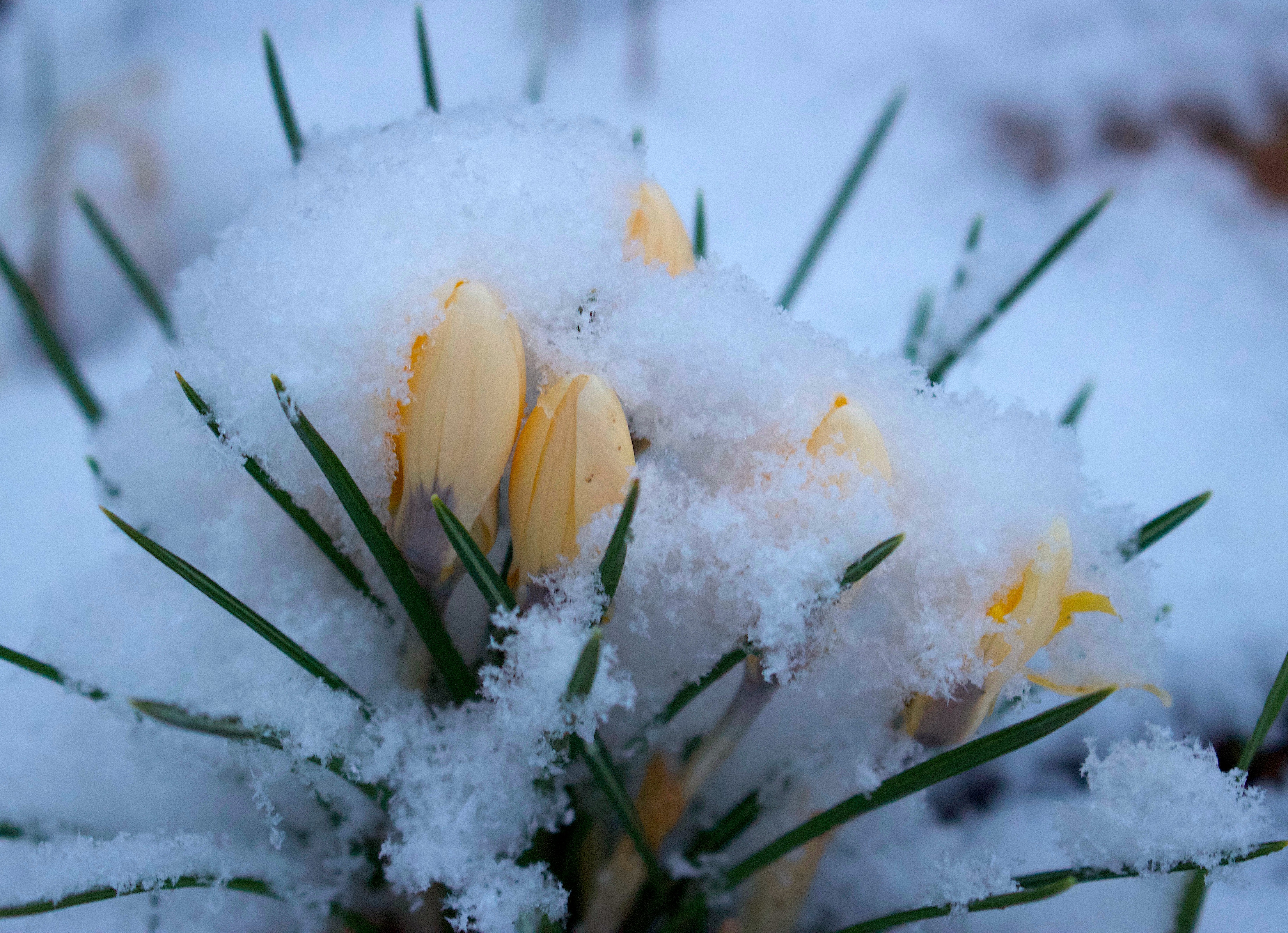
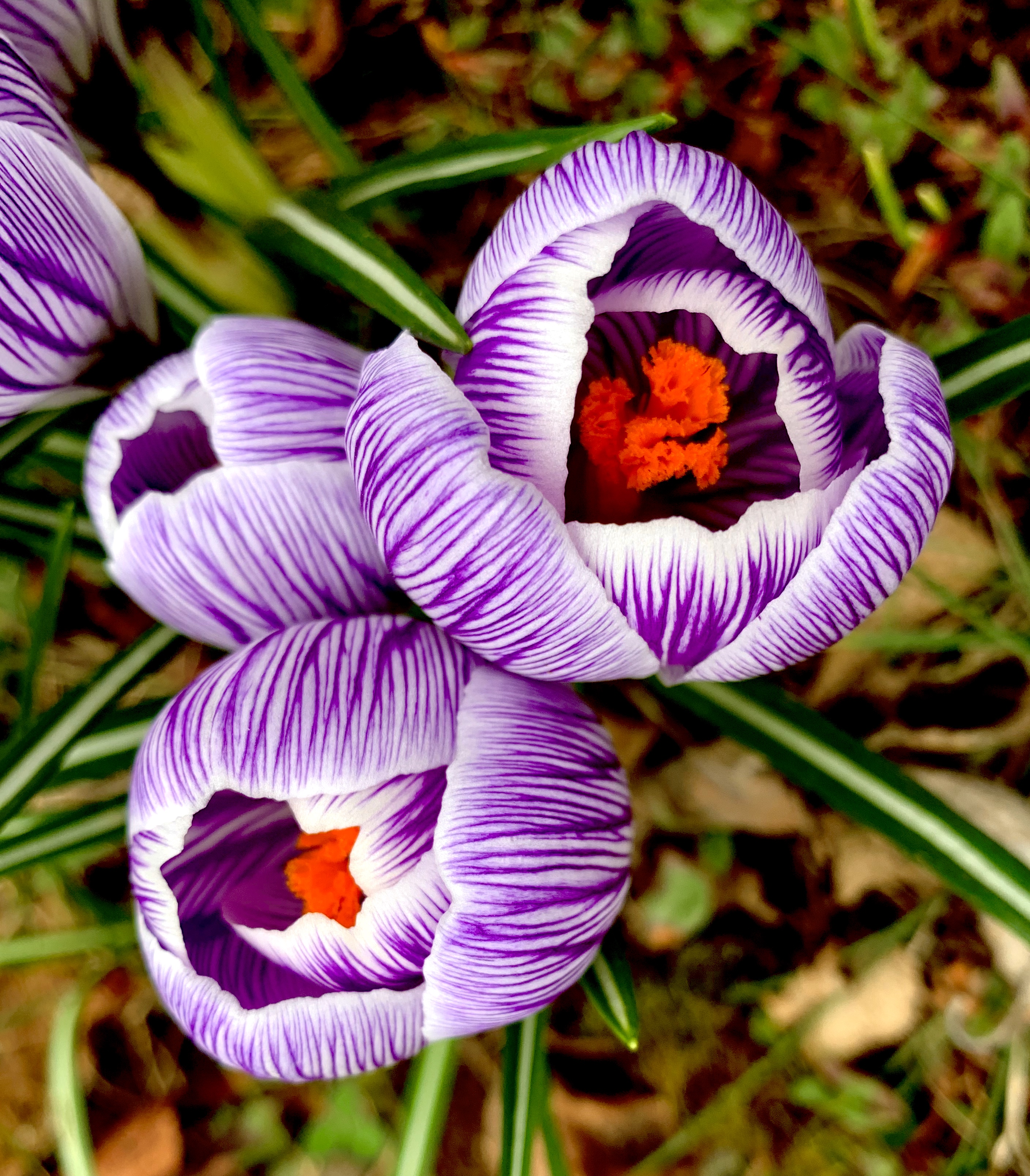
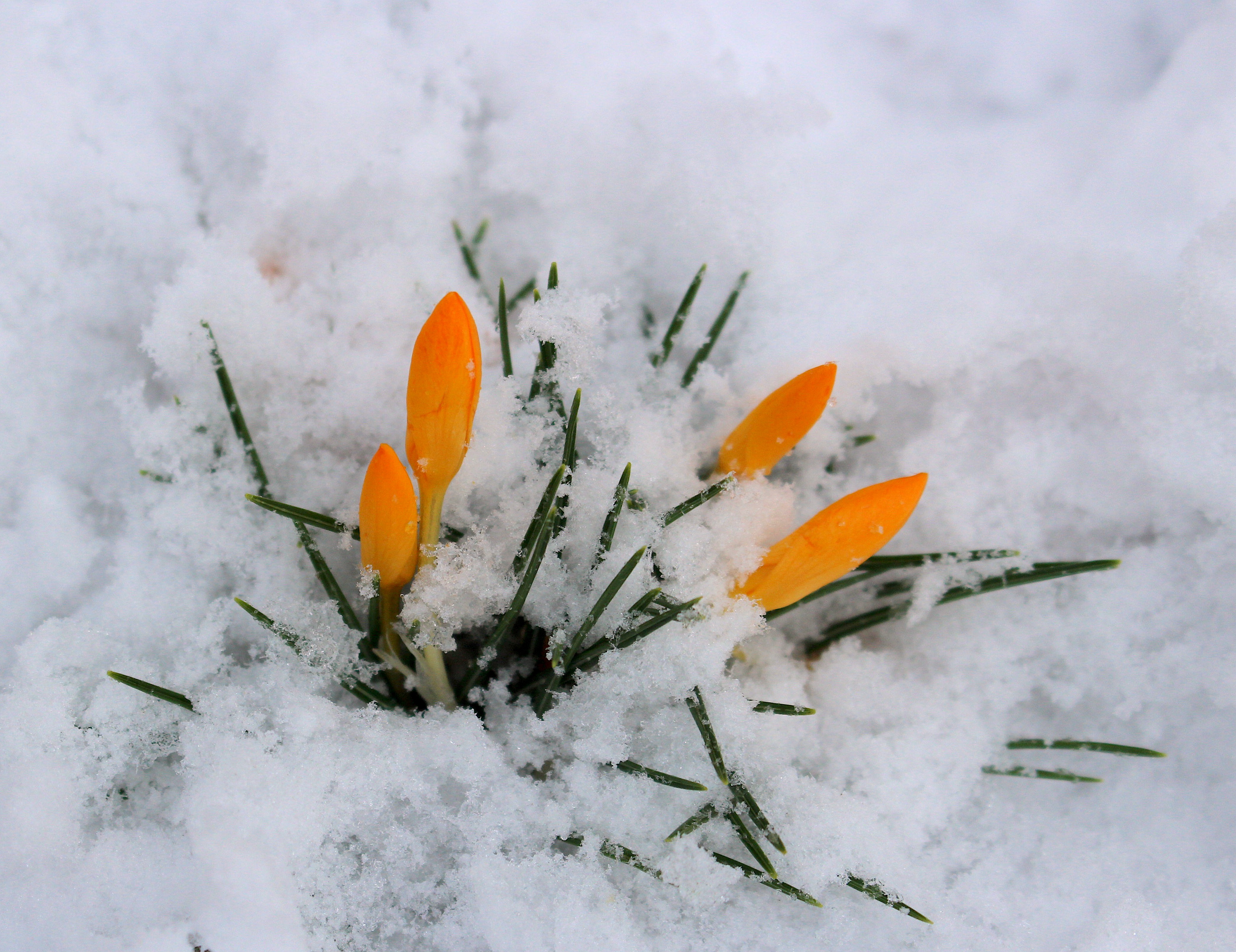
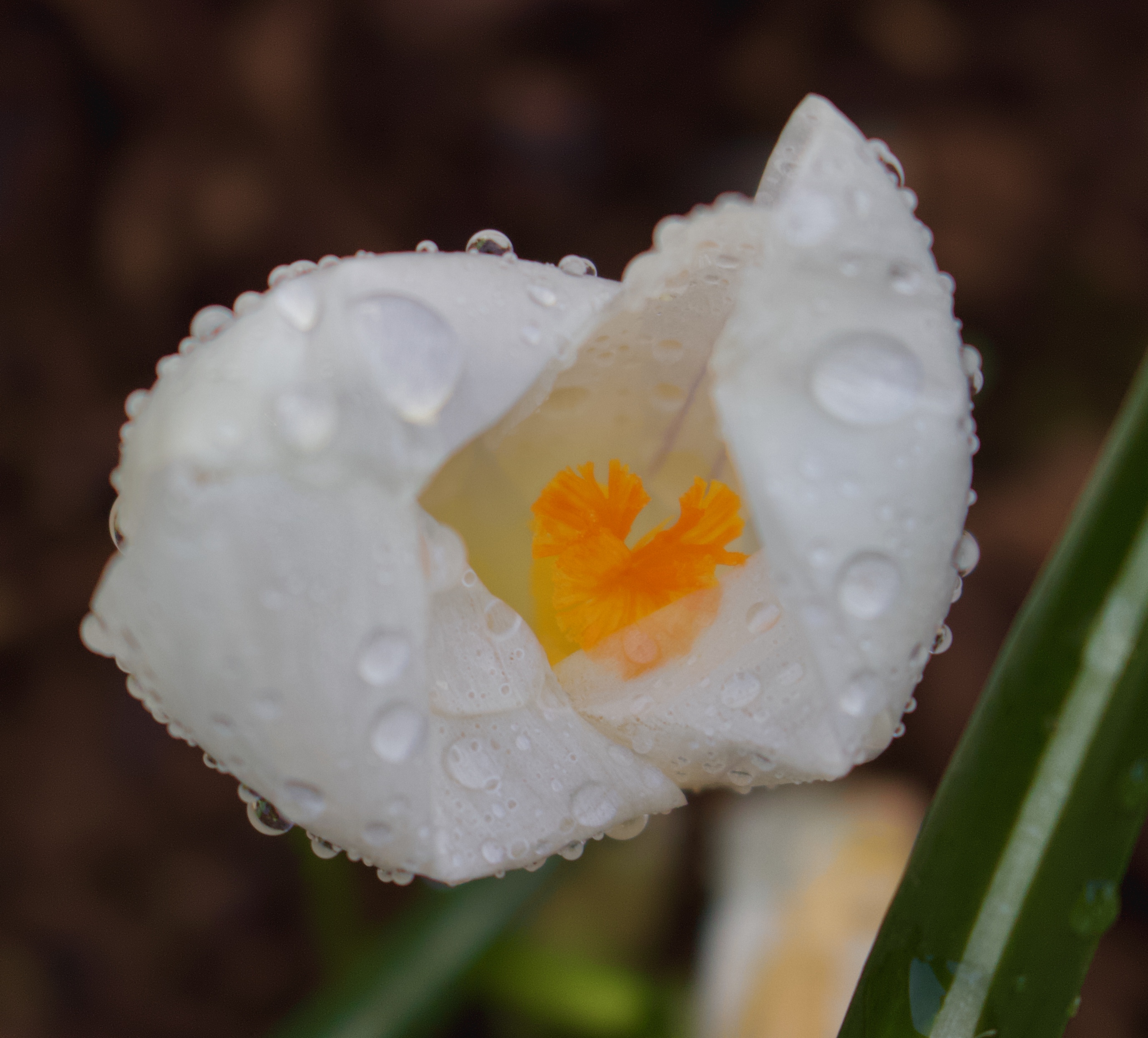
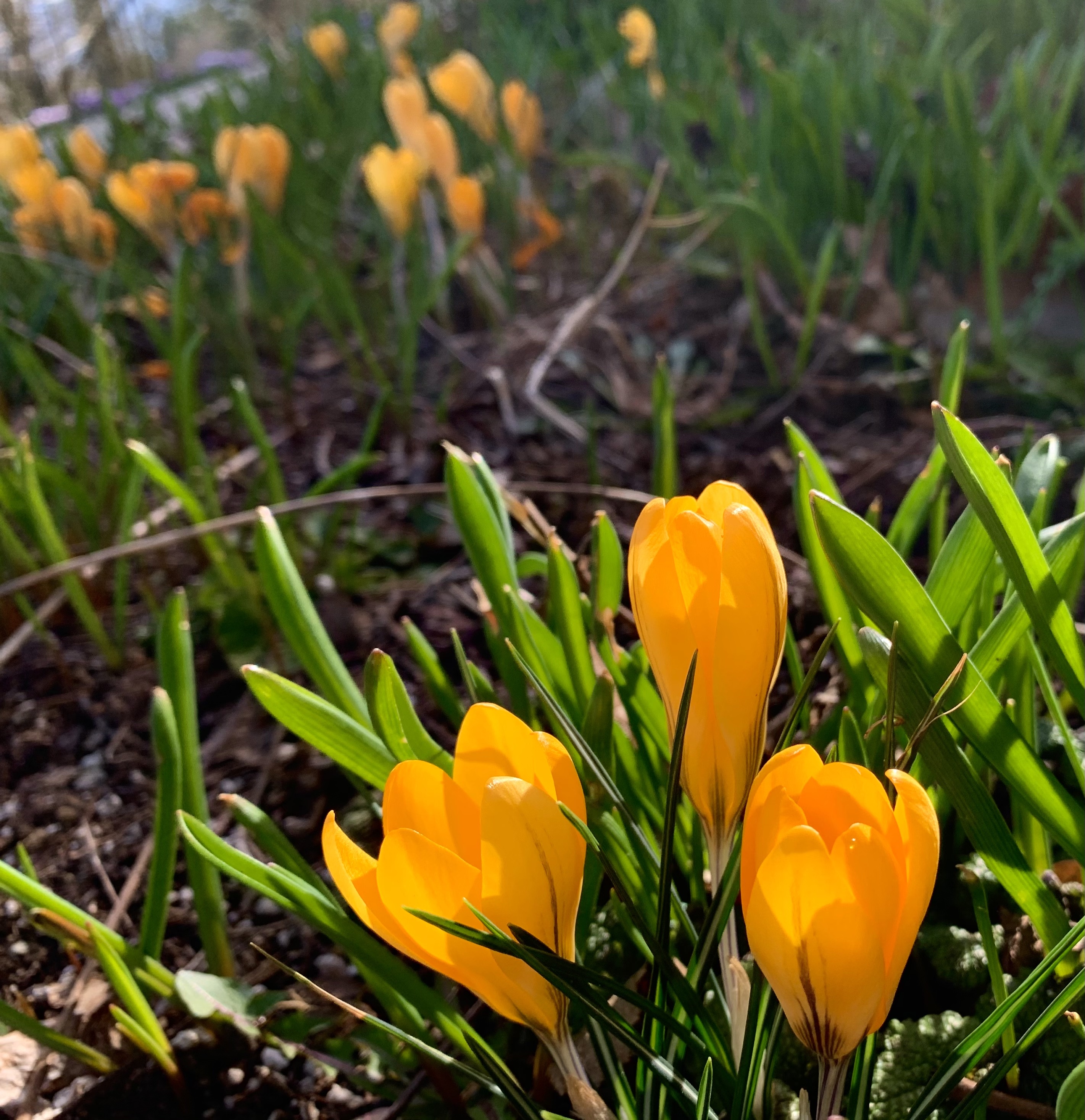
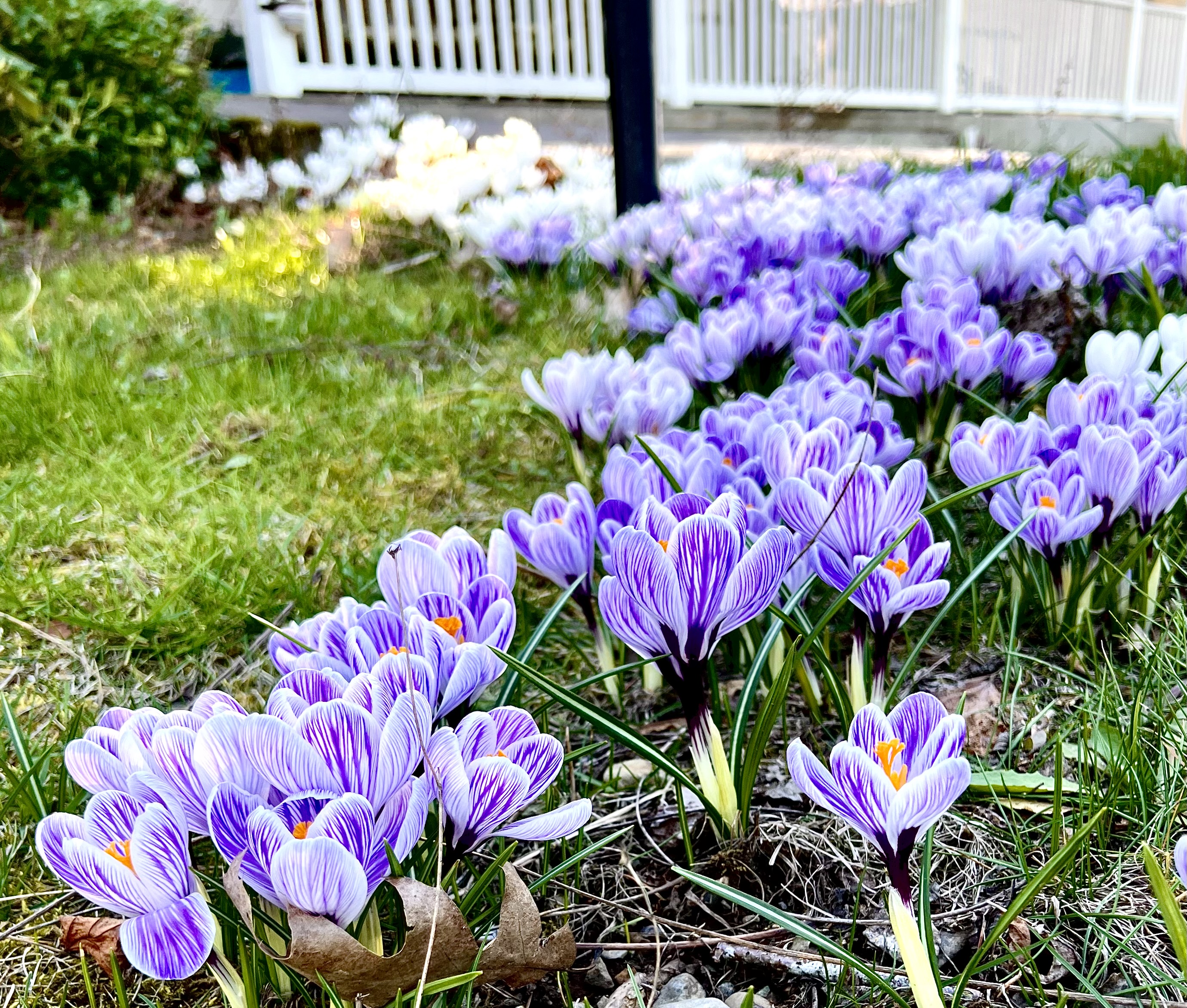
Camellia and crocus blossoms are hardy enough to withstand our current low temperatures, defying freezing winds and hard frosts with their resilience.
Inevitably, their petals eventually will begin to brown at the edges and wither.
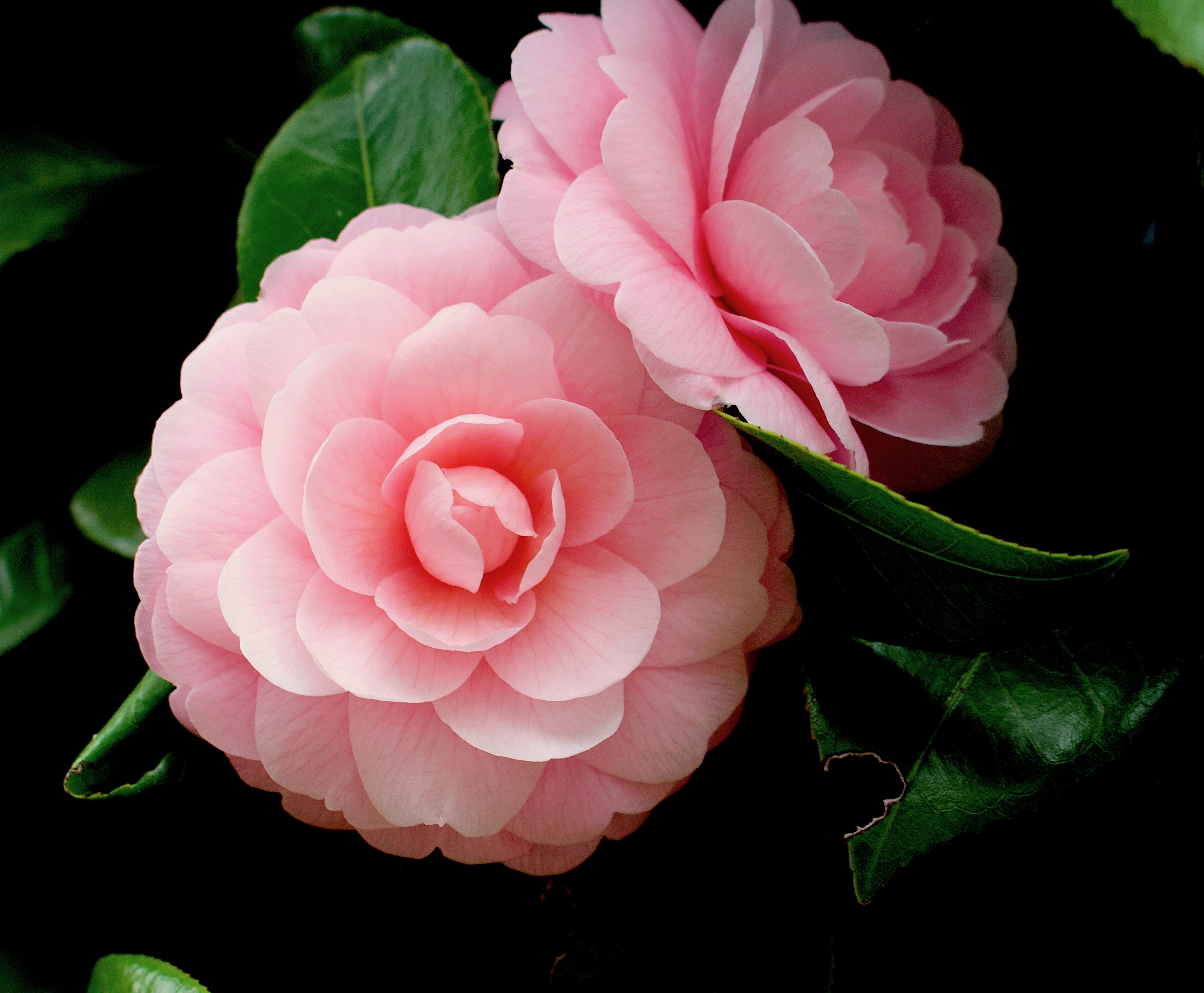
On windy days, the full camellia blooms plop to the ground without warning, scattering about like a nubby floral throw rug. They are too bulky to step on, so the tendency is to pick a path around them, allowing them the dignity of a few more days before being swept off the sidewalks.
These fallen winter blossoms become almost sacred, gracing the paths the living still must navigate. They are indeed grounding for the passersby, a reminder that our time to let go will soon come too. As we restlessly pursue our days and measure our steps, we try to carefully make our way around their fading beauty.
As a reminder to us, there is an unexpected blessing bestowed in their budding, in their blooming, in their ebbing away.
Mortals, born of woman, are of few days and full of trouble. They spring up like flowers and wither away; like fleeting shadows, they do not endure. Do you fix your eye on them? Job 14: 1-3
The grass withers and the flowers fall, because the breath of the Lord blows on them. Surely the people are grass. The grass withers and the flowers fall, but the word of our God endures forever. Isaiah 40:7-8
This Lenten season I reflect on the words of the 19th century southern spiritual hymn “What Wondrous Love is This”
One-Time
Monthly
Yearly
Make a one-time or recurring donation to support daily Barnstorming posts
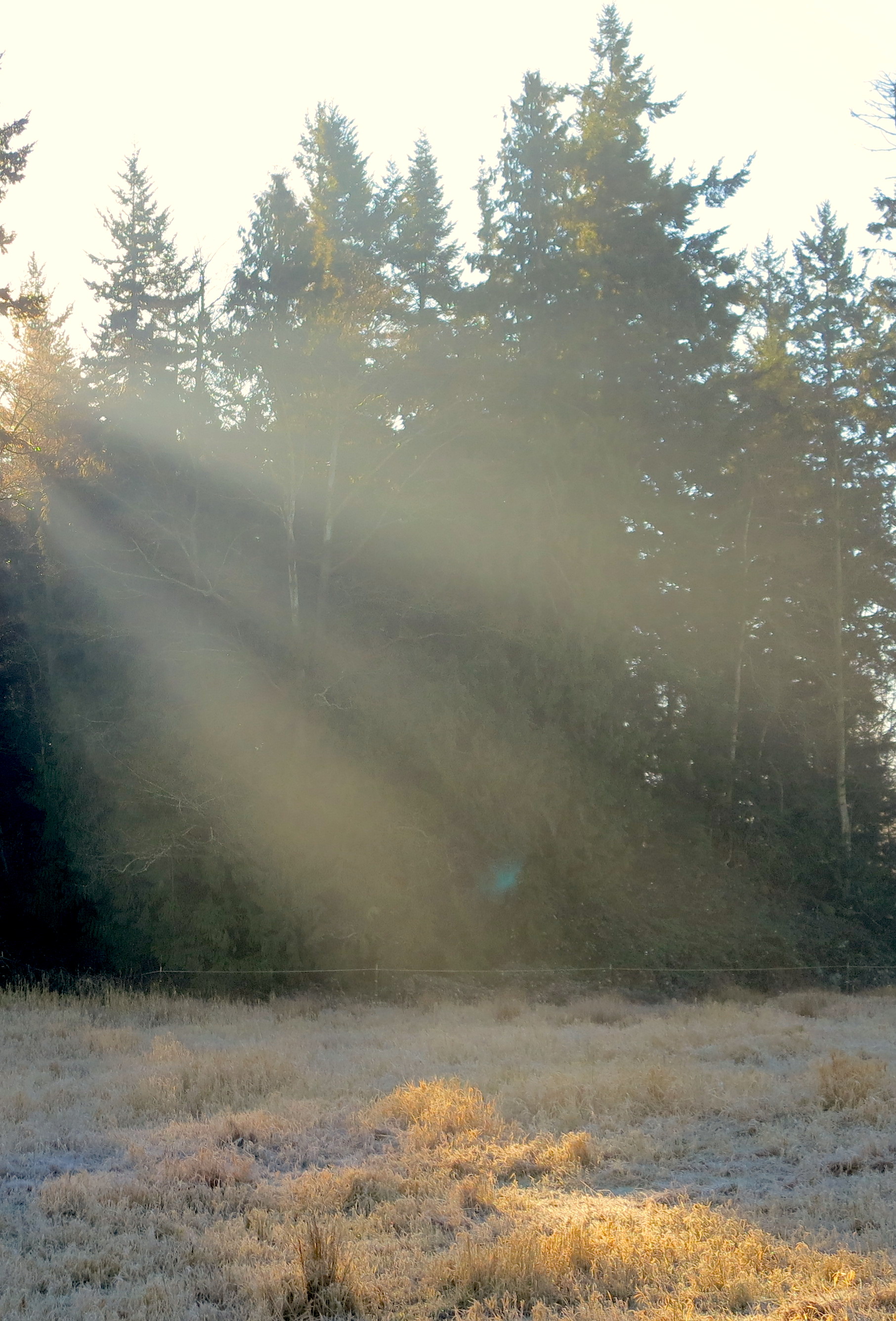
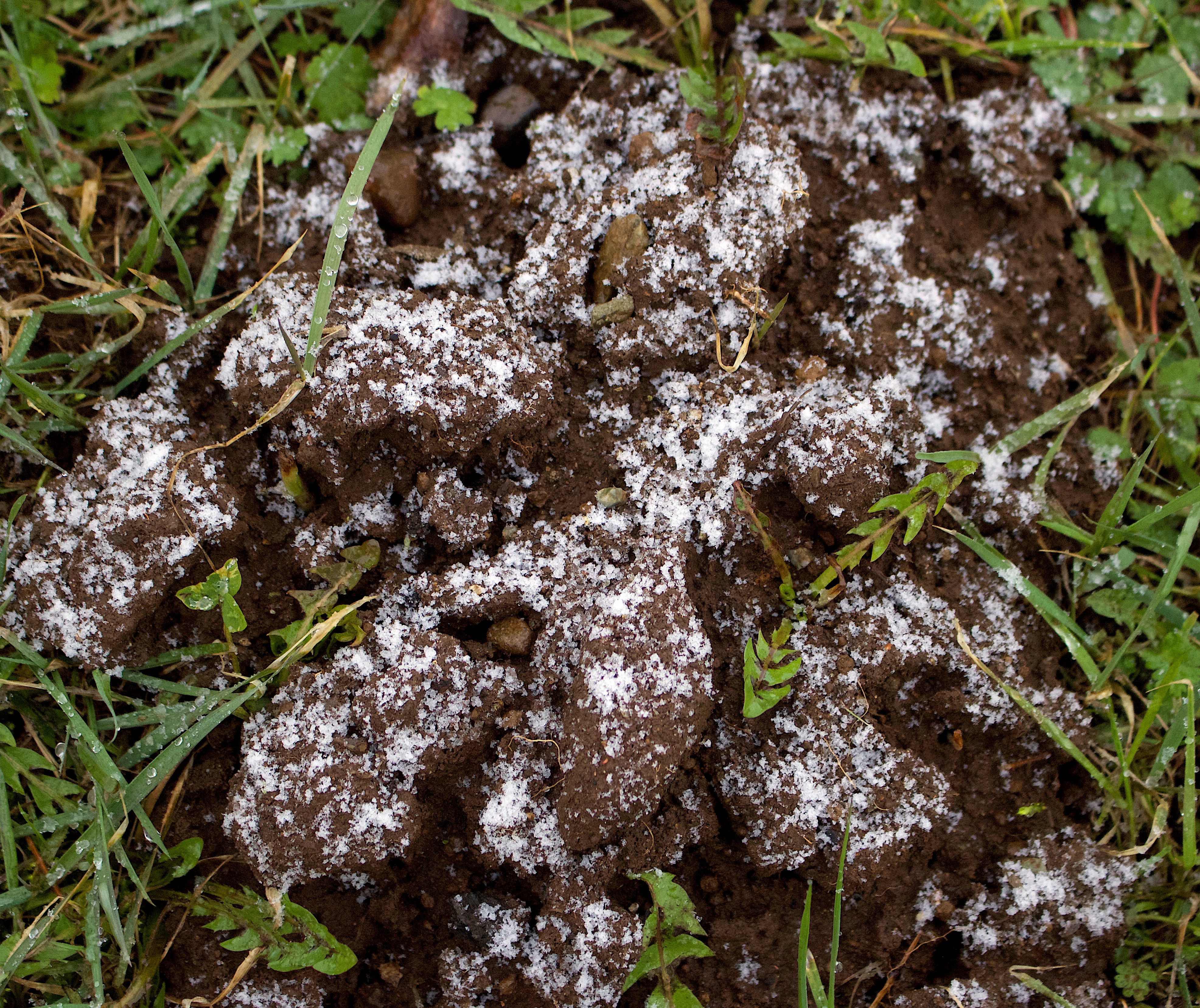
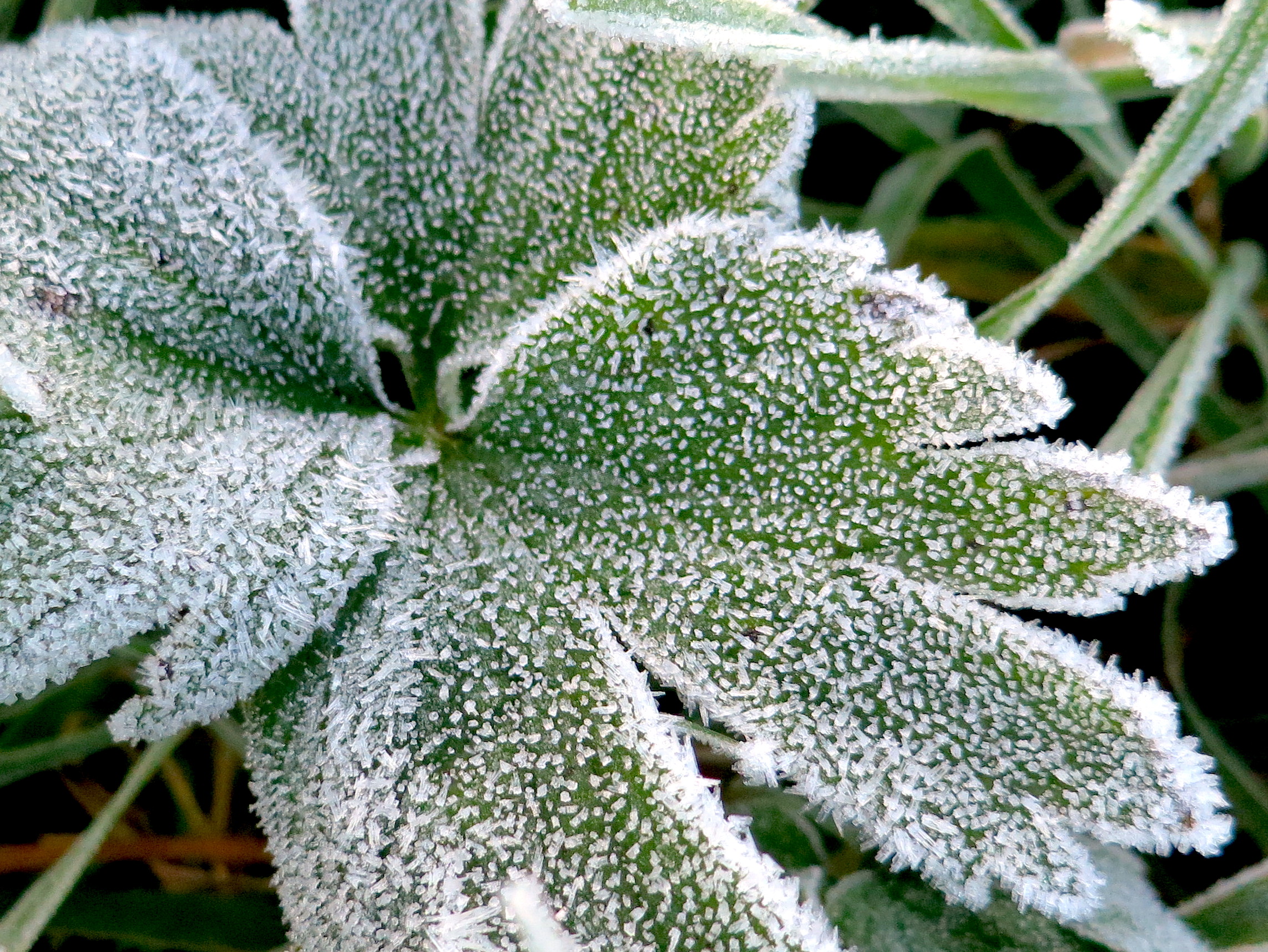
March. I am beginning to anticipate a thaw. Early mornings the earth, old unbeliever, is still crusted with frost where the moles have nosed up their cold castings, and the ground cover in shadow under the cedars hasn’t softened for months, fogs layering their slow, complicated ice around foliage and stem night by night,
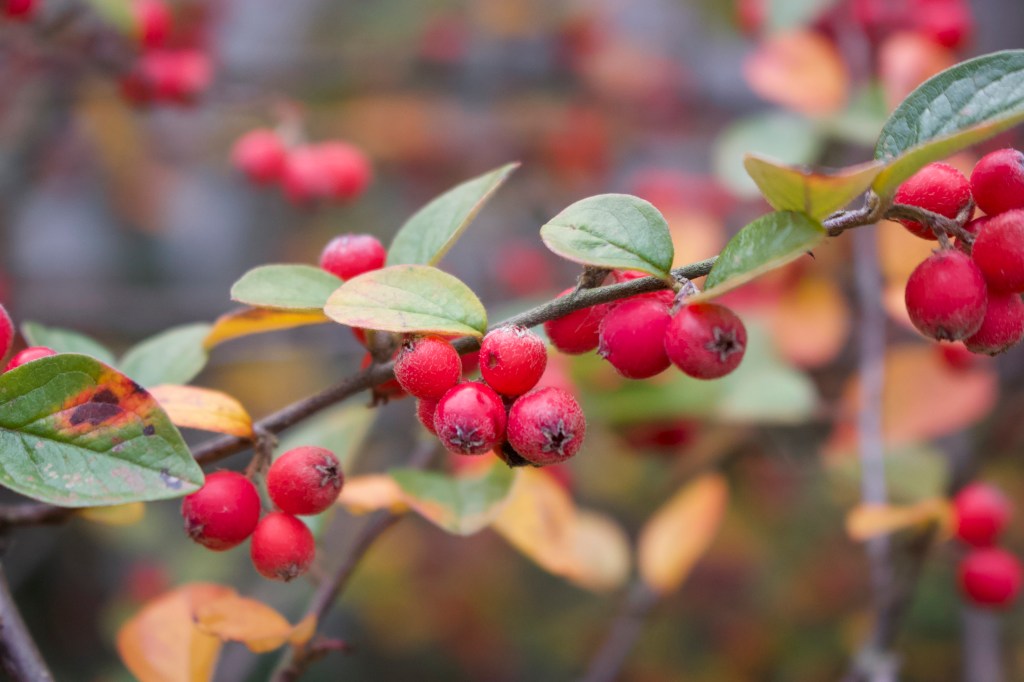
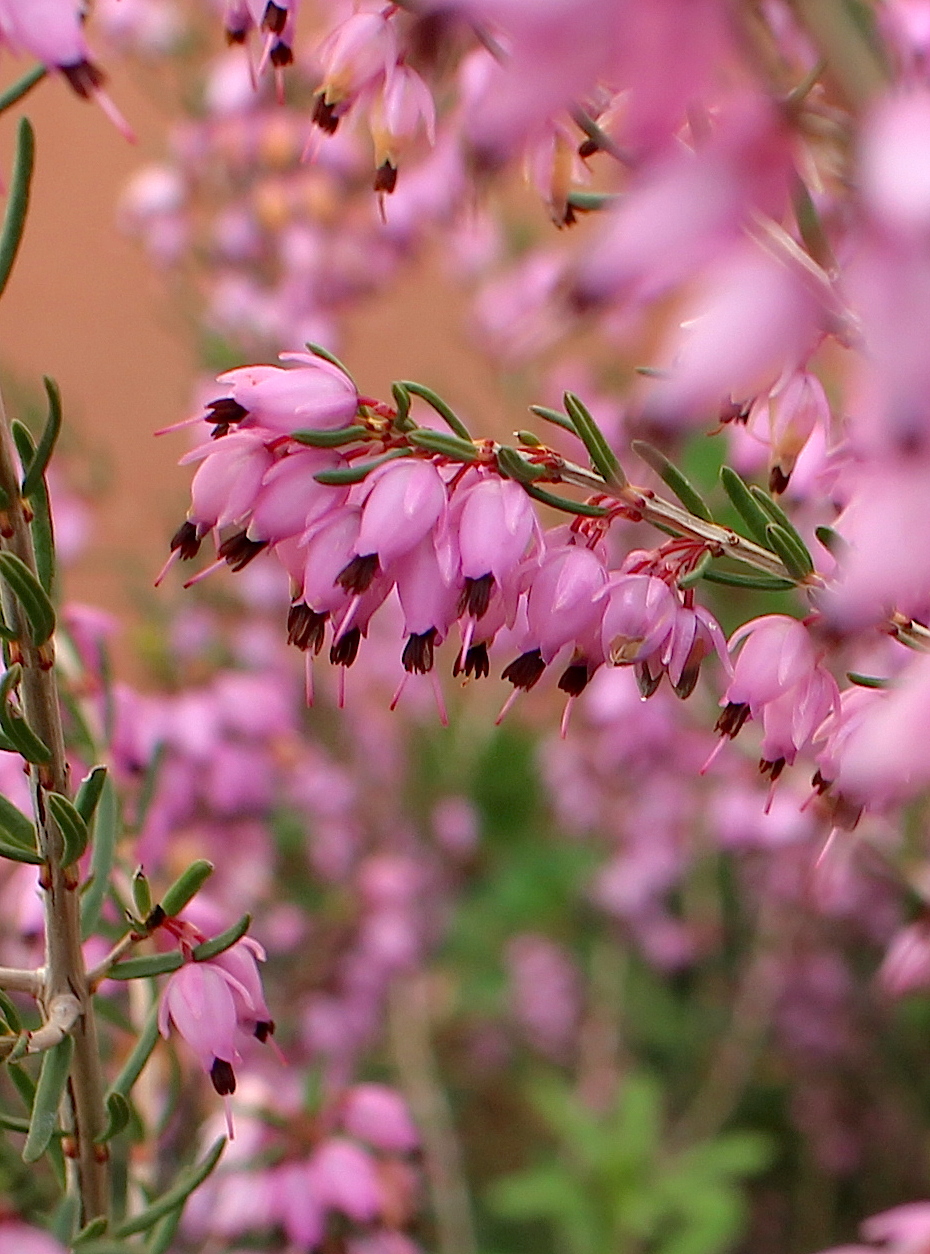
but as the light lengthens, preacher of good news, evangelizing leaves and branches, his large gestures beckon green out of gray. Pinpricks of coral bursting from the cotoneasters. A single bee finding the white heather. Eager lemon-yellow aconites glowing, low to the ground like little uplifted faces. A crocus shooting up a purple hand here, there, as I stand on my doorstep, my own face drinking in heat and light like a bud welcoming resurrection, and my hand up, too, ready to sign on for conversion. ~Luci Shaw “Revival” from What the Light was Like
The earth invalid, dropsied, bruised, wheeled Out in the sun, After frightful operation. She lies back, wounds undressed to the sun, To be healed, Sheltered from the sneapy chill creeping North wind, Leans back, eyes closed, exhausted, smiling Into the sun. Perhaps dozing a little. While we sit, and smile, and wait, and know She is not going to die. ~Ted Hughes from ” A March Morning Unlike Others” from Ted Hughes. Collected Poems
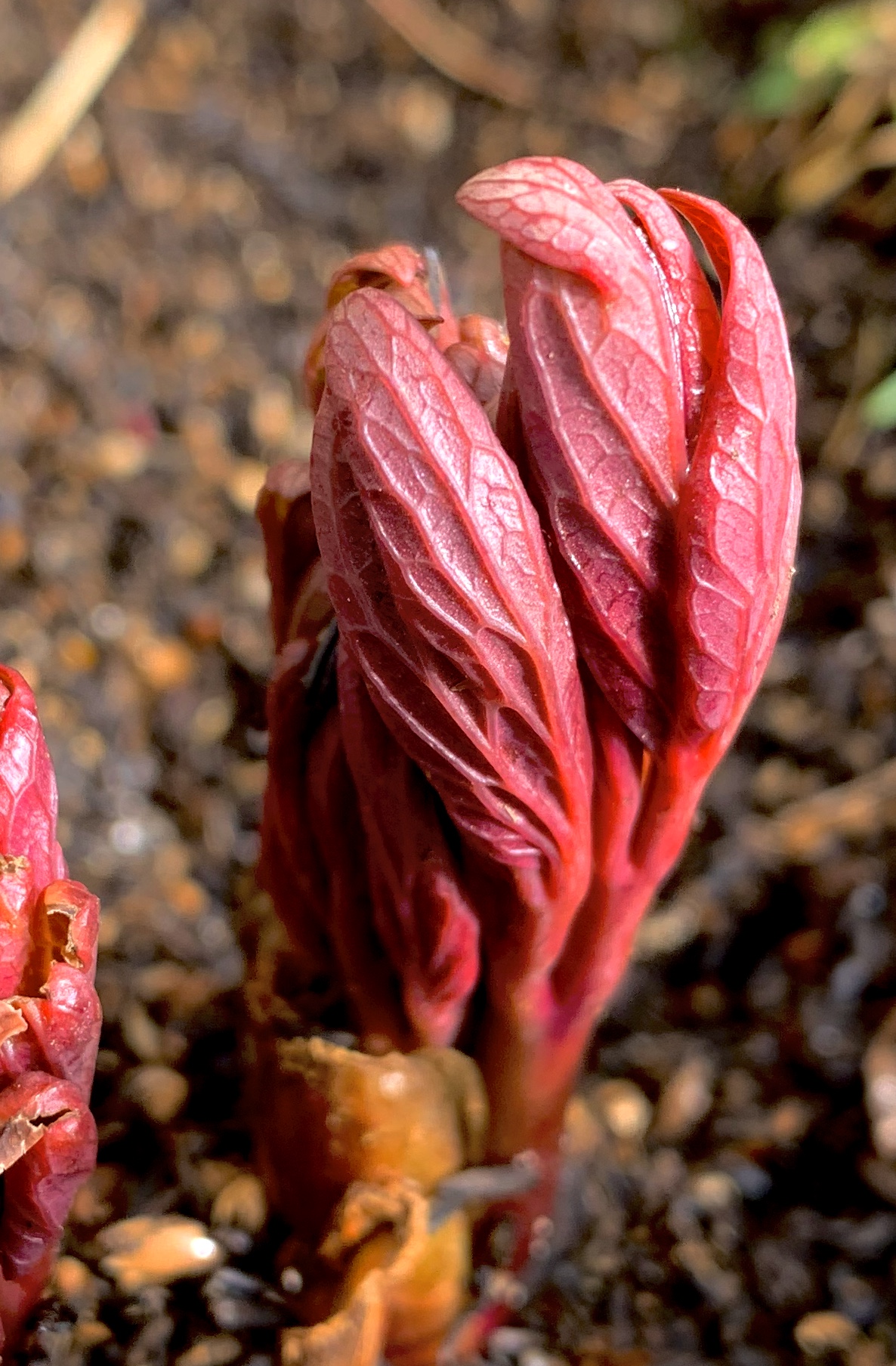
Spring is emerging slowly from this haggard and droopy winter. All growing things are still stuck in morning frost for another week at least. Then, like the old “Wizard of Oz” movie, the landscape will suddenly turn from monochrome to technicolor, the soundtrack from forlorn to glorious birdsong.
Yearning for spring to commence, I tap my foot impatiently as if owed a timely seasonal transformation from dormant to verdant. We all have been waiting for the Physician’s announcement that this patient survived some intricate life-changing procedure: “I’m happy to say the Earth is alive after all, now revived and restored, wounded but healing, breathing on her own but too sedated for a visit just yet.”
I wait impatiently to celebrate her return to health, knowing this temporary home of ours is still very much alive. She breathes, she thrives, blooming and singing with everything she’s got. And so will I.
He sends his command to the earth; his word runs swiftly. 16 He spreads the snow like wool and scatters the frost like ashes. 17 He hurls down his hail like pebbles. Who can withstand his icy blast? 18 He sends his word and melts them; he stirs up his breezes, and the waters flow. Psalm 147: 15-18
This Lenten season I reflect on the words of the 19th century southern spiritual hymn “What Wondrous Love is This”
One-Time
Monthly
Yearly
Make a one-time or recurrent donation to support daily Barnstorming posts
I lift mine eyes, but dimm’d with grief No everlasting hills I see; My life is in the fallen leaf: O Jesus, quicken me.
My life is like a frozen thing, No bud nor greenness can I see: Yet rise it shall–the sap of Spring; O Jesus, rise in me. ~Christina Rossetti from “A Better Resurrection”
It dawned on me that perhaps the first thing the risen Lord did after he defeated death, as his heart once again began to beat, was to fold his grave clothes.
This seemed to me to be good news for laundry doers everywhere—and especially to moms who probably still carry out the bulk of this mundane chore.
The risen Christ folded his laundry.
I suppose the angels could have done it but angels probably don’t have much experience with laundry. ~Doug Basler from “The Poetry of a Pastor” from Ekstasis Magazine
<Peter> saw the linen cloths lying there,and the face cloth, which had been on Jesus’ head, not lying with the linen cloths but folded up in a place by itself. John 20: 6-7
I remember panicking as a child when my mother would help me take off a sweatshirt with a particularly tight neck opening, as my head would get “stuck” momentarily until she could free me. It caused an intense feeling of being unable to breathe or see – literally being shrouded. I was trapped and held captive by something as innocuous as a piece of cloth, but the panic was real. That same feeling still overwhelms me at times when I find myself stuck in my mistakes and sins, anxious and struggling to get free.
My impulse, once free of what smothers me, is to toss it as far away from me as possible. I want to be rid of it and never touch it again. I certainly don’t take time to fold it up for all to see.
Jesus took the time to carefully fold His facial death cloth and leave it where all who entered the tomb would recognize it as proof that His body wasn’t stolen. He had risen, leaving a clear message that all was in good order, as He said it would be.
So I now find folding laundry more meaningful, not as mundane – a reminder that a tidy and empty tomb is something to celebrate: new life quickens like spring sap rising from a fallen leaf.
This Lenten season I reflect on the words of the 19th century southern spiritual hymn “What Wondrous Love is This”
One-Time
Monthly
Yearly
Make a one-time or recurring donation to support daily Barnstorming posts
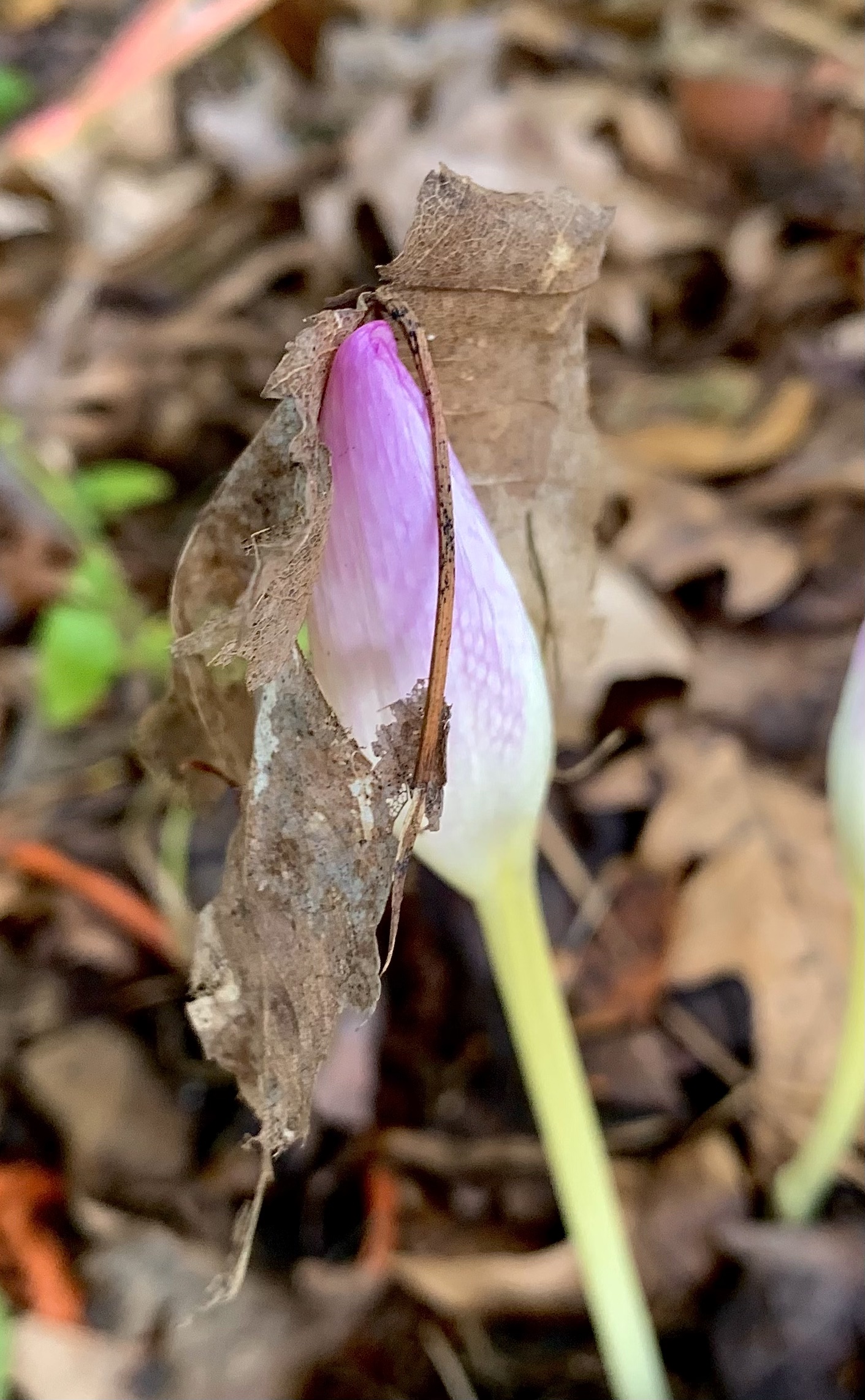
I saw that a yellow crocus bud had pierced a dead oak leaf, then opened wide. How strong its appetite for the luxury of the sun! ~Jane Kenyon from Otherwise: New and Selected Poems
Beyond my window in the night Is but a drab inglorious street, Yet there the frost and clean starlight As over Warwick woods are sweet.
Under the grey drift of the town The crocus works among the mould As eagerly as those that crown The Warwick spring in flame and gold.
And when the tramway down the hill Across the cobbles moans and rings, There is about my window-sill The tumult of a thousand wings. ~John Drinkwater “A Town Window”
This is why I believe that God really has dived down into the bottom of creation, and has come up bringing the whole redeemed nature on His shoulders. The miracles that have already happened are, of course, as Scripture so often says, the first fruits of that cosmic summer which is presently coming on.
Christ has risen, and so we shall rise.
…To be sure, it feels wintry enough still: but often in the very early spring it feels like that. Two thousand years are only a day or two by this scale. A man really ought to say, ‘The Resurrection happened two thousand years ago’ in the same spirit in which he says ‘I saw a crocus yesterday.’
Because we know what is coming behind the crocus.
The spring comes slowly down the way, but the great thing is that the corner has been turned. There is, of course, this difference that in the natural spring the crocus cannot choose whether it will respond or not.
We can.
We have the power either of withstanding the spring, and sinking back into the cosmic winter, or of going on…to which He is calling us.
It remains with us whether to follow or not, to die in this winter, or to go on into that spring and that summer. ~C. S. Lewis from “God in the Dock”
Our appetite is strong for light and warmth, leaving winter behind. Our desire is to defeat death, piercing through the decay and flourishing among the living, opening wide our faces to the luxury of luminous grace freely given.
We have turned the corner and have the power to choose Light. We need only follow the pathway out of darkness. We need only follow the Son as he leads the way.
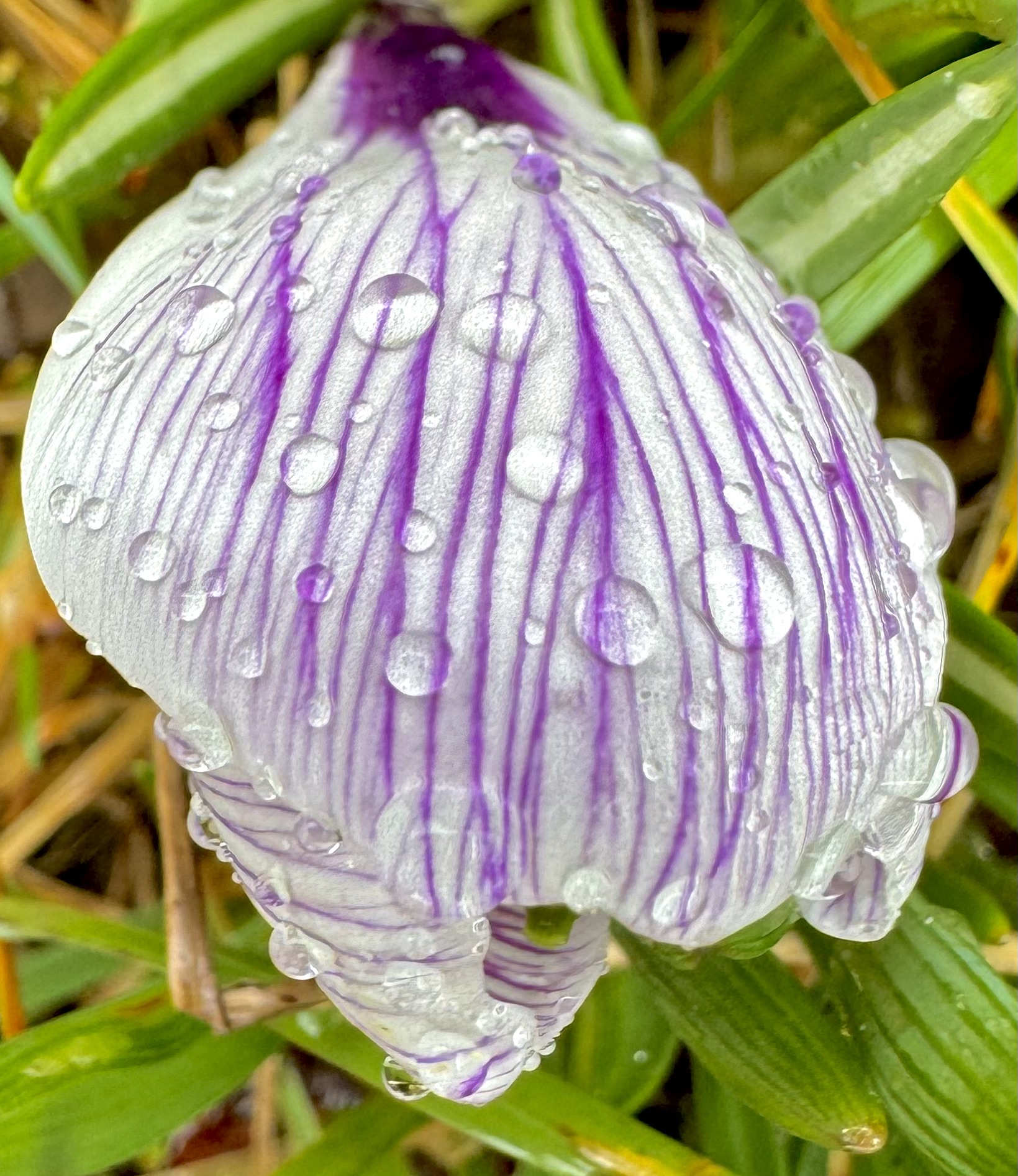
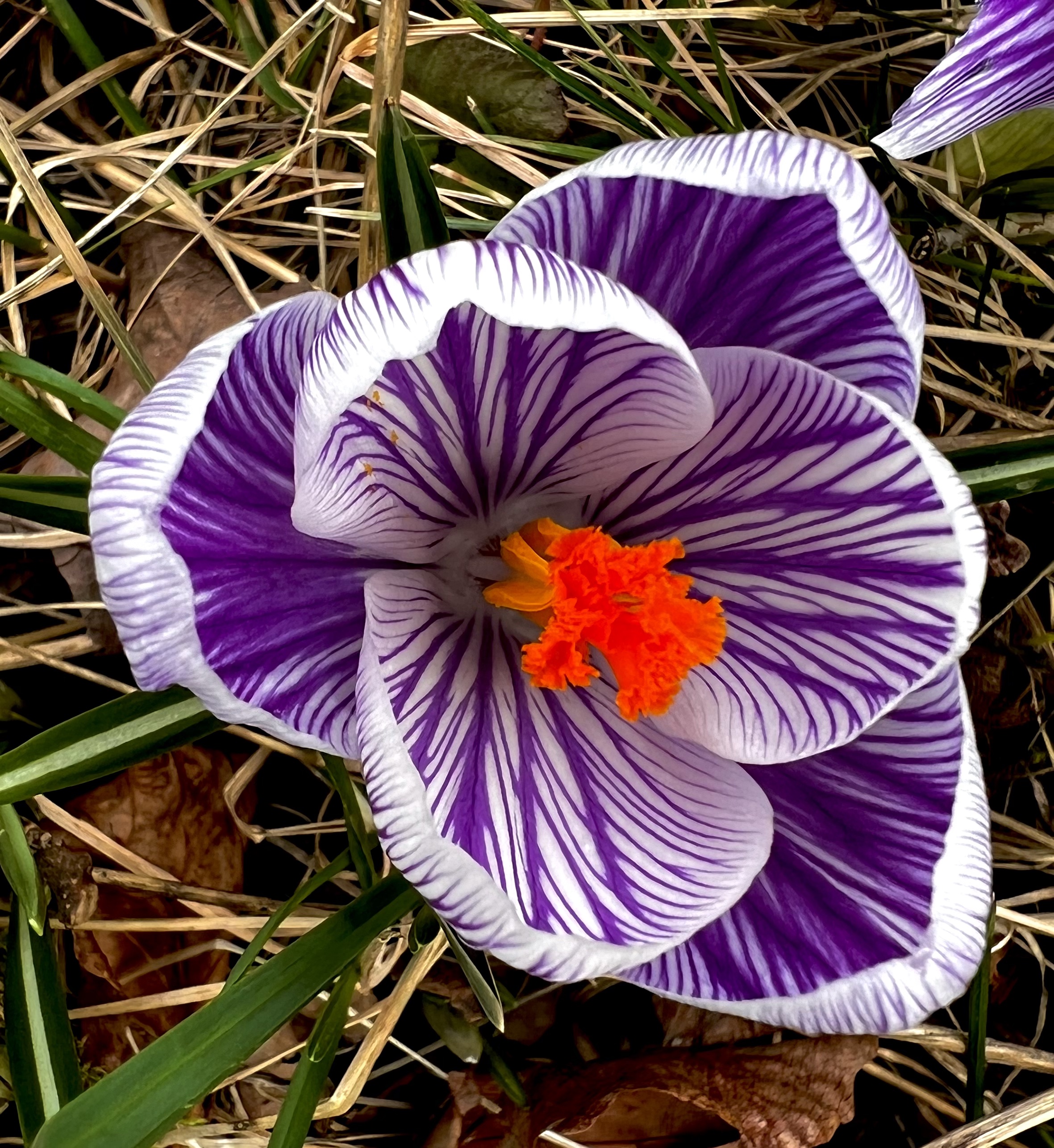
The desert and the parched land will be glad; the wilderness will rejoice and blossom. Like the crocus, it will burst into bloom; it will rejoice greatly and shout for joy. Isaiah 35: 1-2
One-Time
Monthly
Yearly
Make a one-time or recurring donation to support daily Barnstorming posts
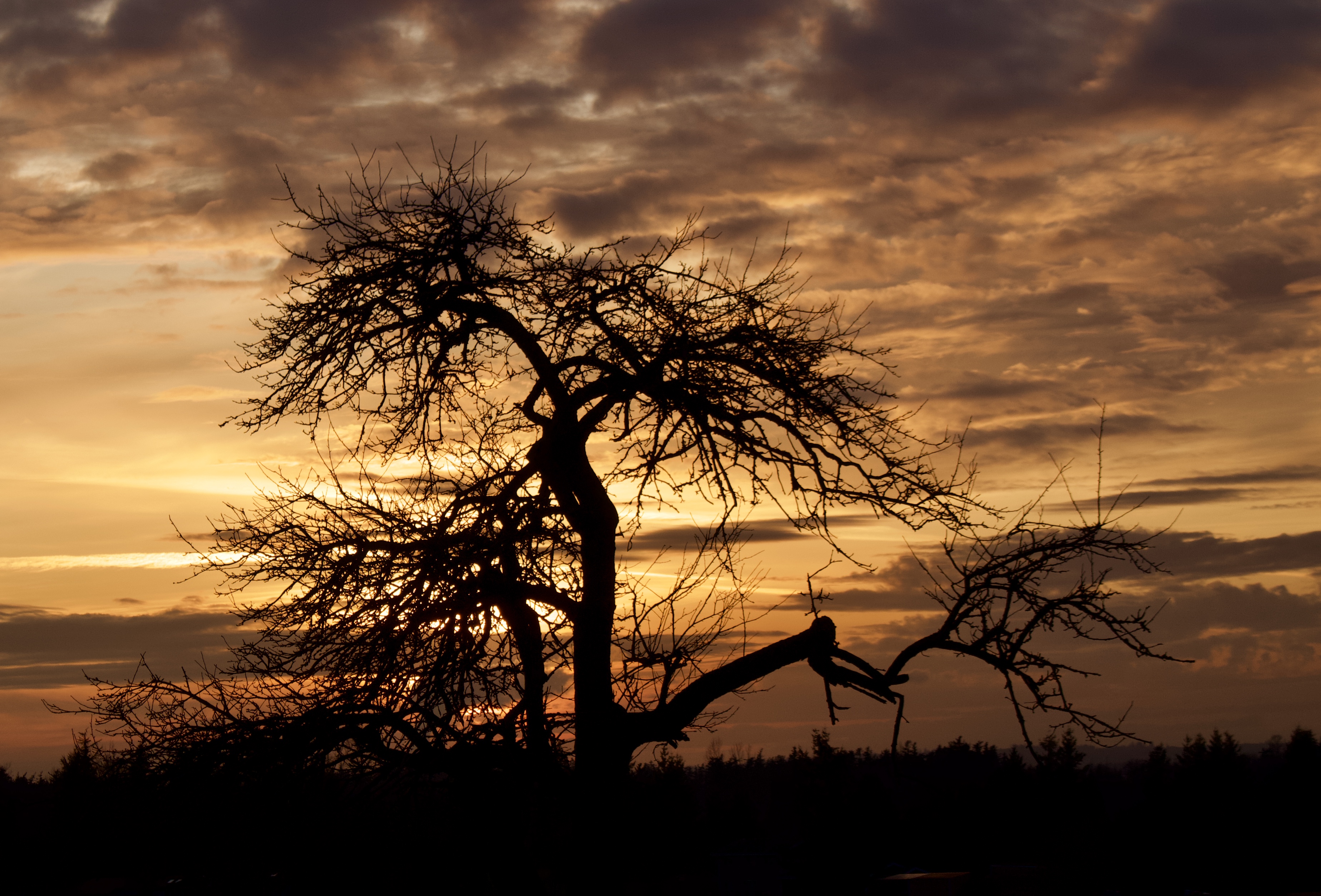
This is the season: Cradle of quiet, Trees, waiting, Naked on the hill, Branches entwined Like lovers holding Hands.
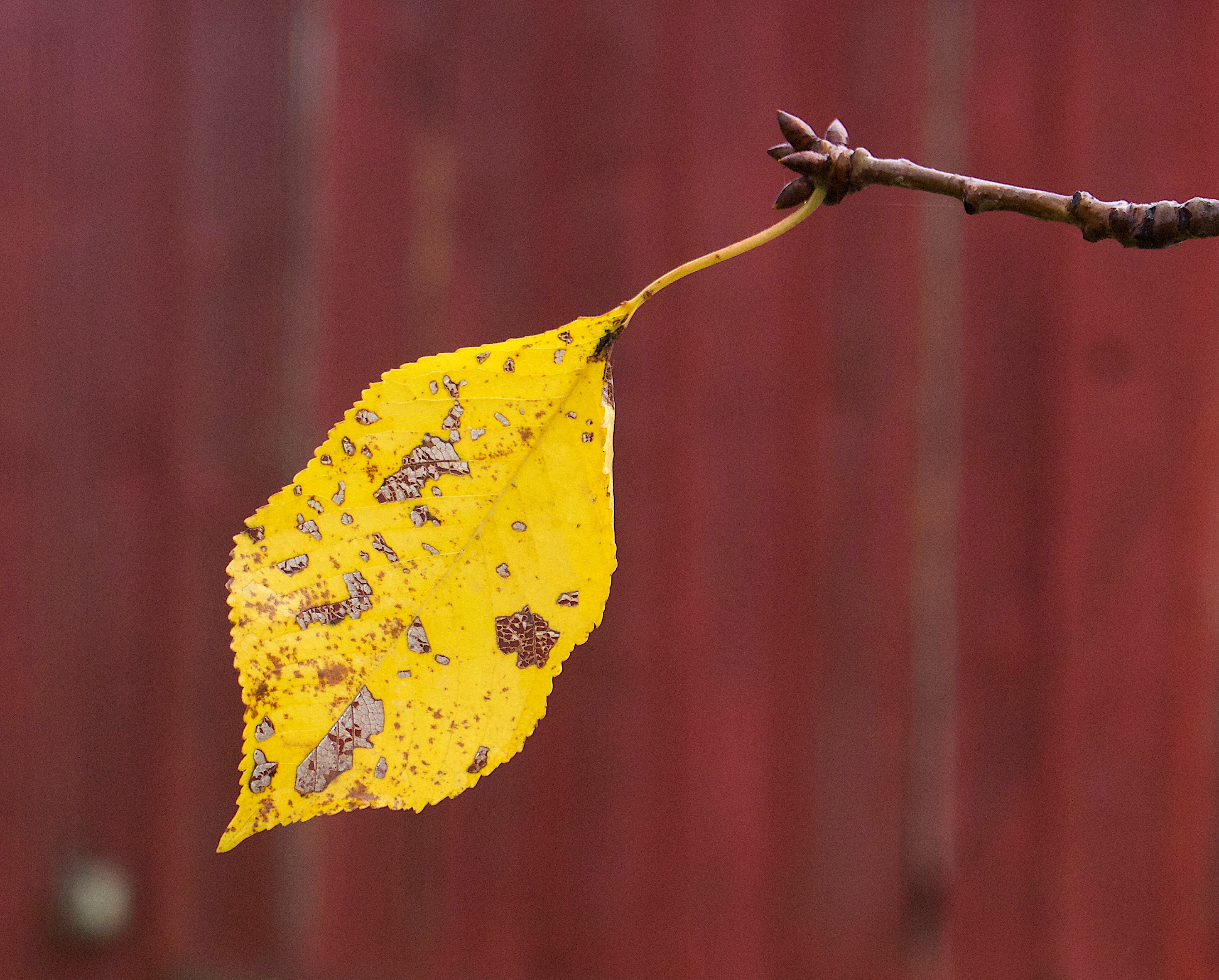
Nothing is hidden. A lone leaf quivers On the apple tree. Snow has yet to fall. Waiting, the grass Lies mute.
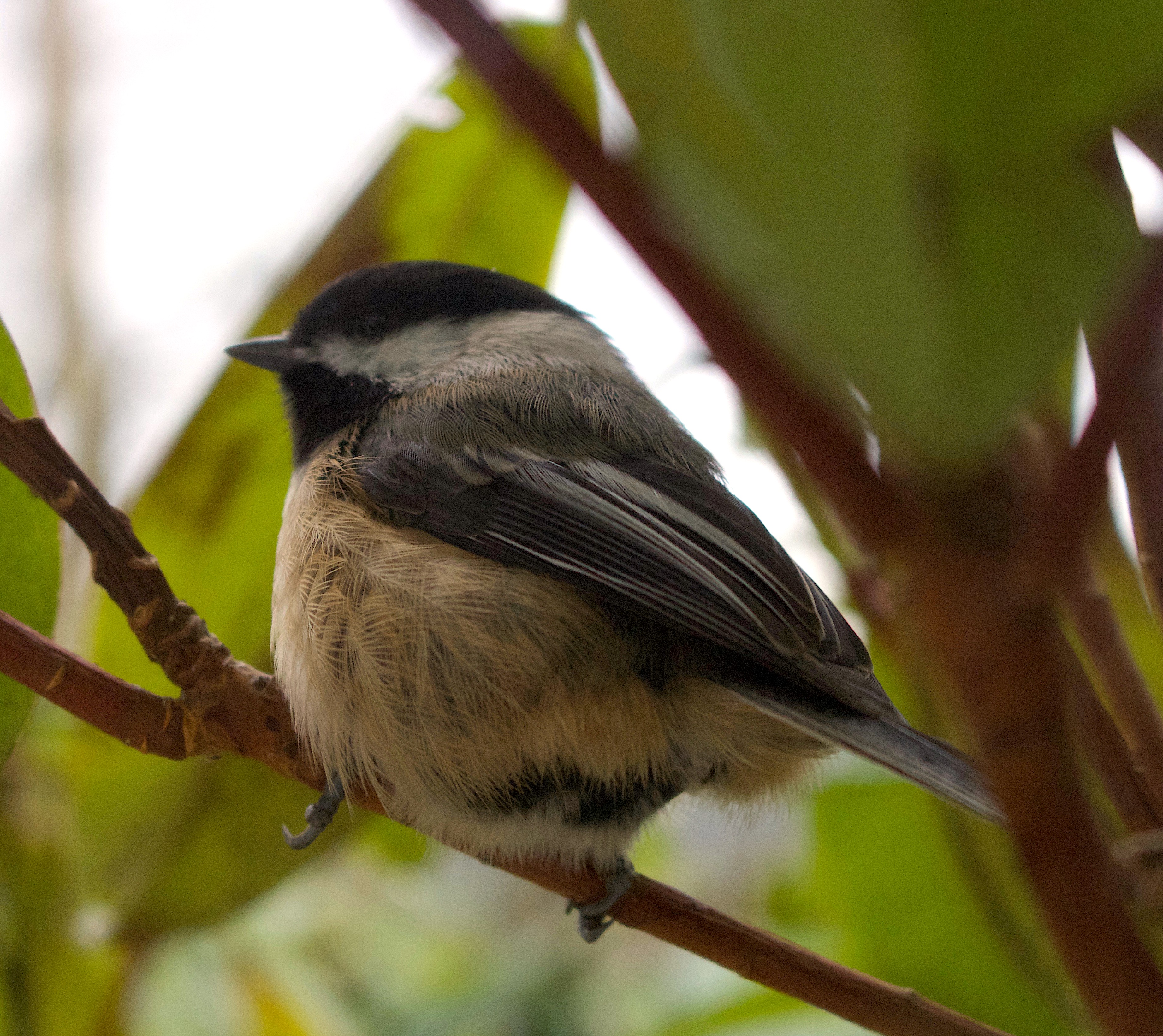
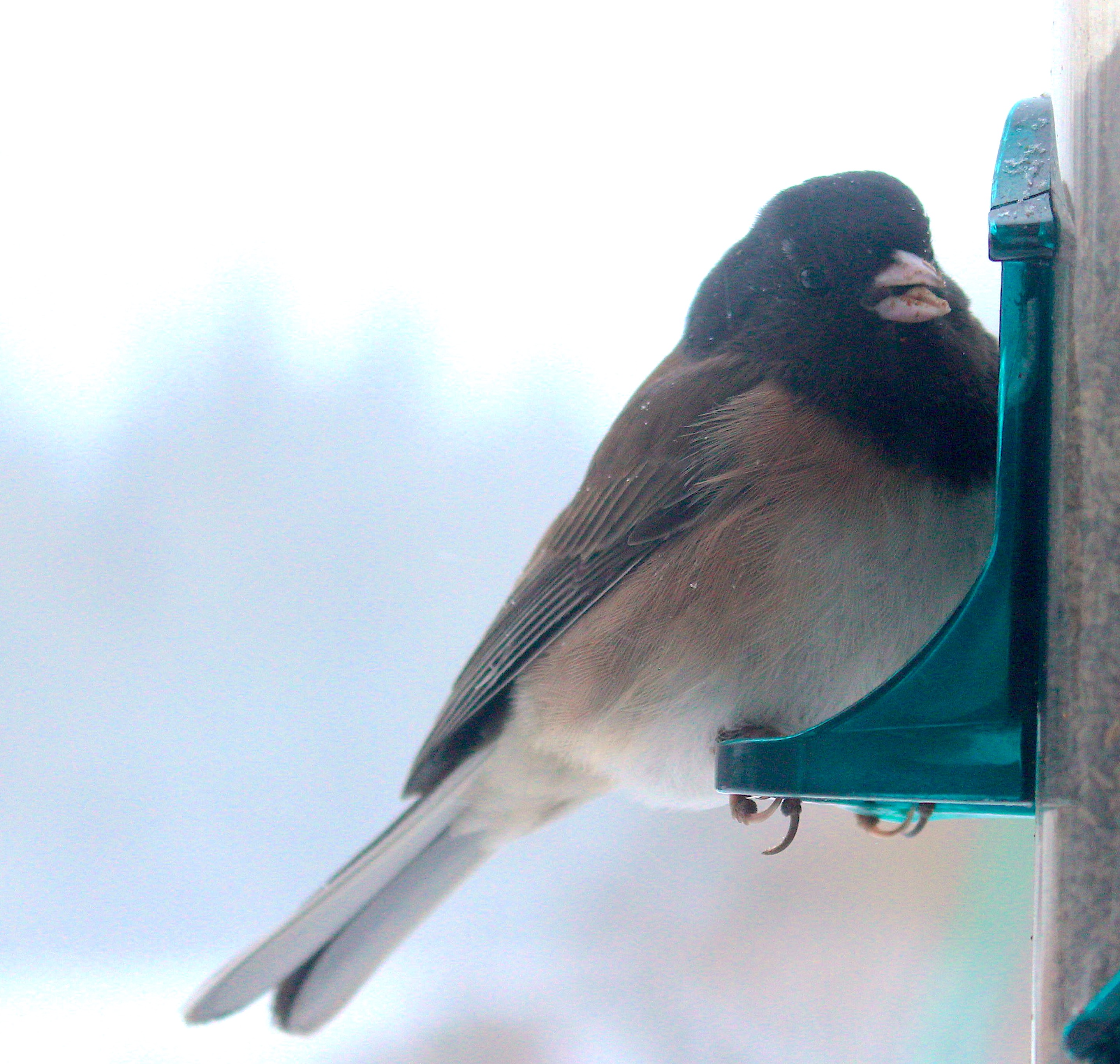
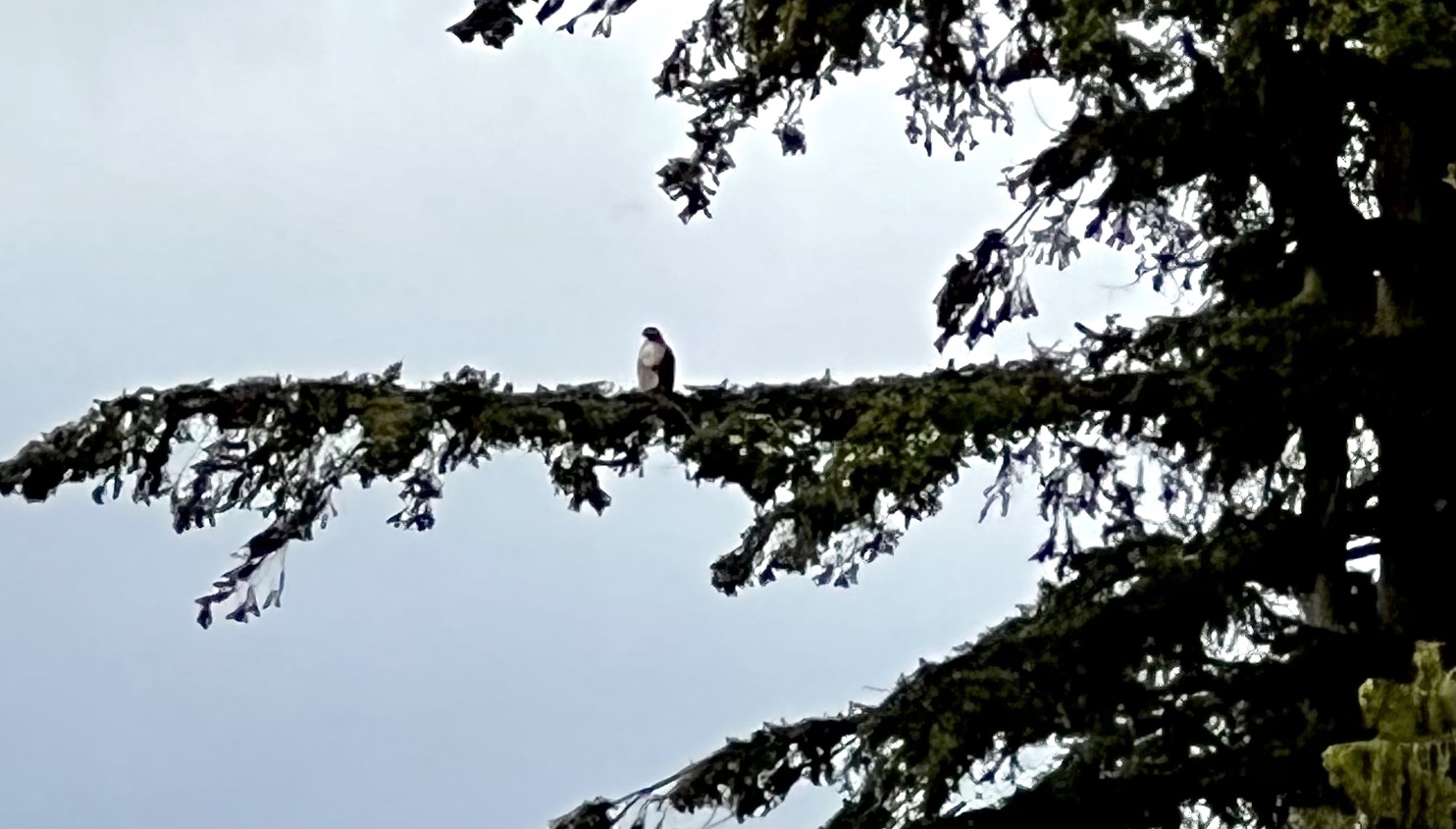
It could be death but Isn’t. Yet. Wings Quicken serrated air As nuthatch, junco, Chickadee flit from Tree to tree, oblivious To the hawk circling Overhead, waiting, Like the grass, for what Comes next.
And it will come, To all of us—there’s No exception— But if that frightens You, hold it like A stone beneath The tongue until Fear softens, and You realize that Nothing is ever lost But is, instead, Transformed as one Door opens to another, As even now light Lifts the shadows, And, out of sight, Sap, wakeful, whispers In the apple tree. ~Sarah Rossiter “Winter”
The soul’s sap quivers. There is no earth smell Or smell of living thing.
We shall not cease from exploration And the end of all our exploring Will be to arrive where we started And know the place for the first time. Through the unknown, unremembered gate When the last of earth left to discover Is that which was the beginning;
And all shall be well and All manner of thing shall be well… ~T.S. Eliot – lines from “Little Gidding”in the Four Quartets
In the eternal “already, but not yet” my wintry soul struggles to find its footing. I can feel stuck in ice, immobile and numb. I wait impatiently for a wakening thaw, a whisper of the internal movement caught between frozen and melting. My soul’s sap smells the coming spring. I tremble, anticipating a bloom that will not fade. It may not happen quite yet, but I know it is coming.
This Lenten season will reflect on the words of the 19th century southern spiritual hymn “What Wondrous Love is This”
One-Time
Monthly
Yearly
Make a one-time or recurring donation to support daily Barnstorming posts





























 Barnstorming