The Dearest Freshest Deep Down Things

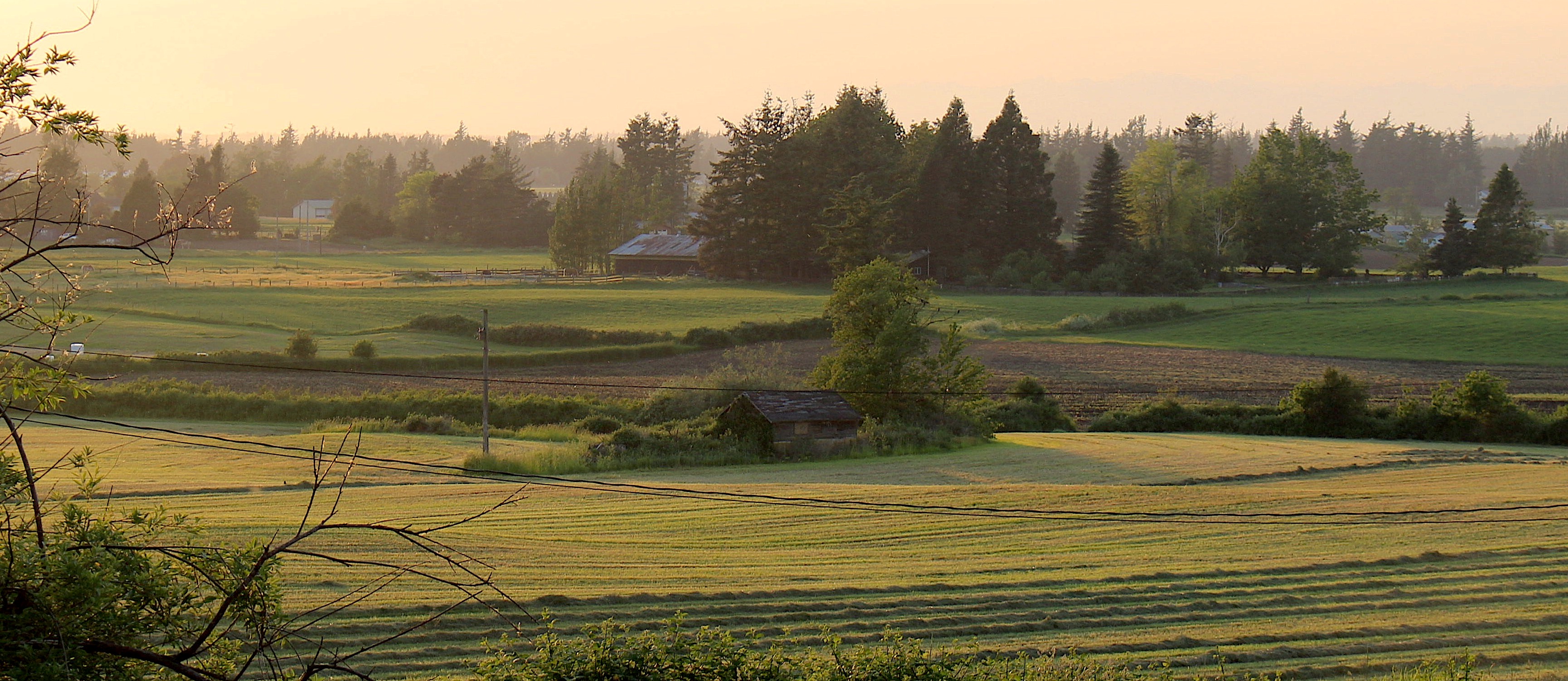
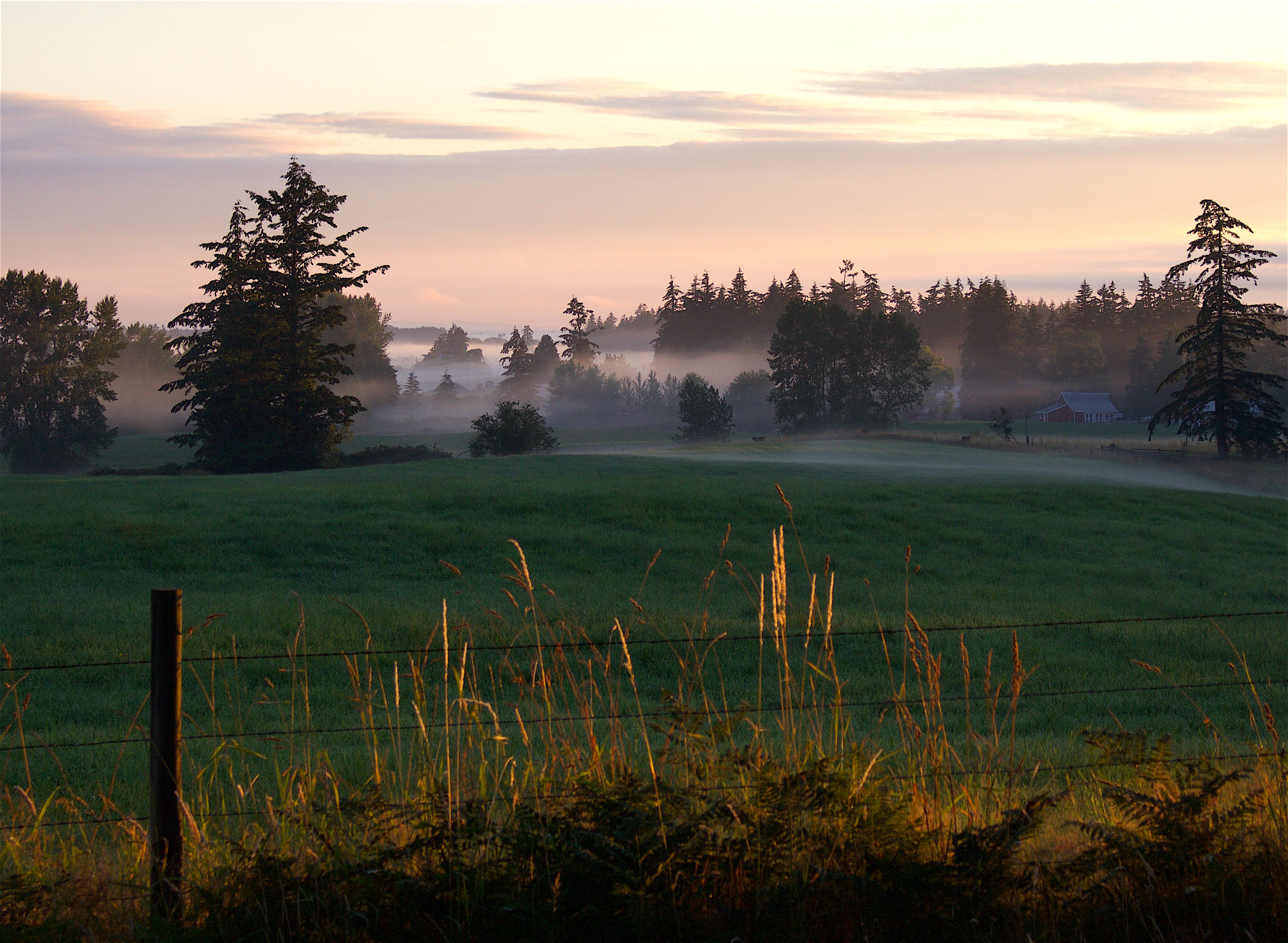
eveningfields

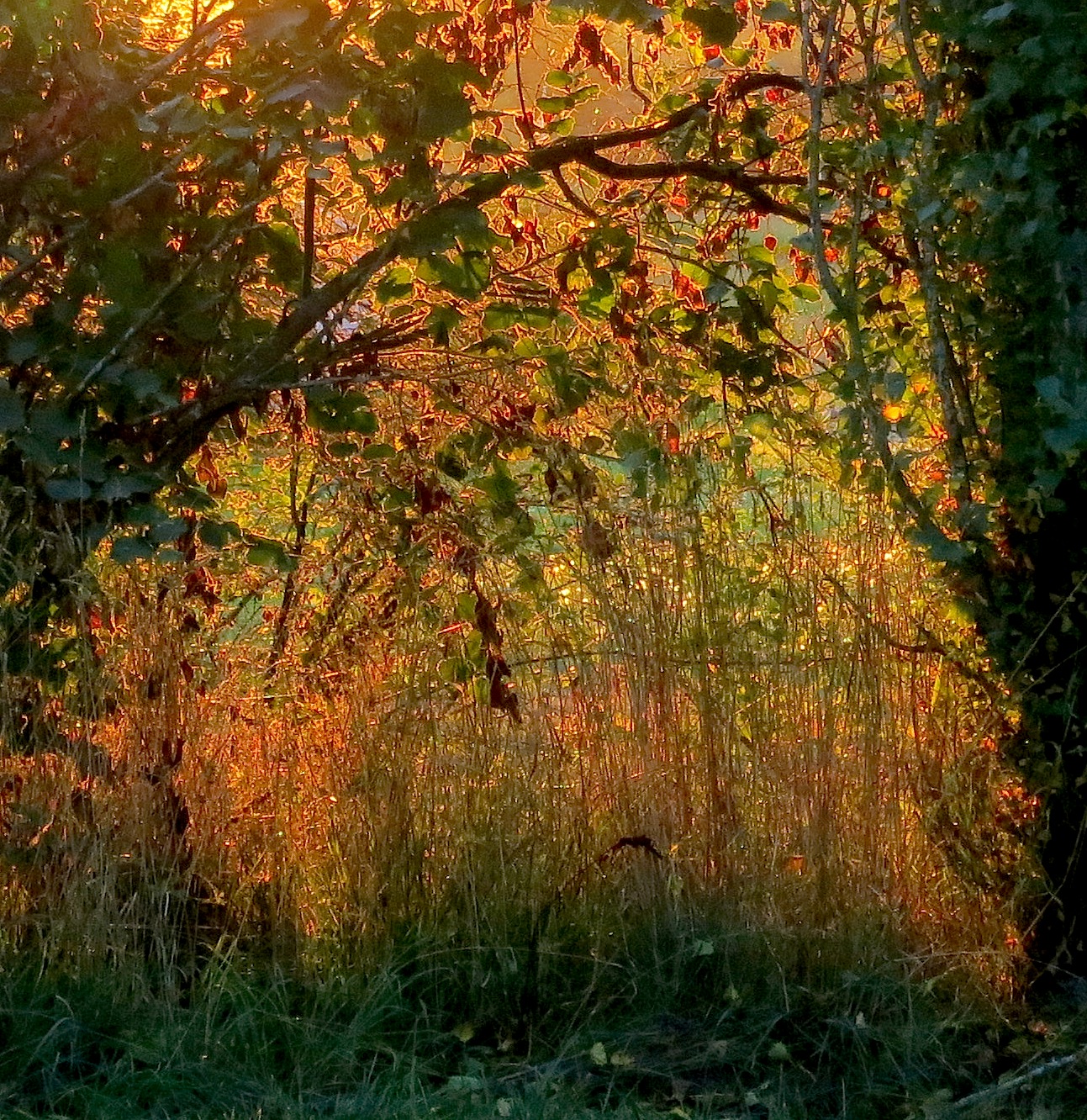
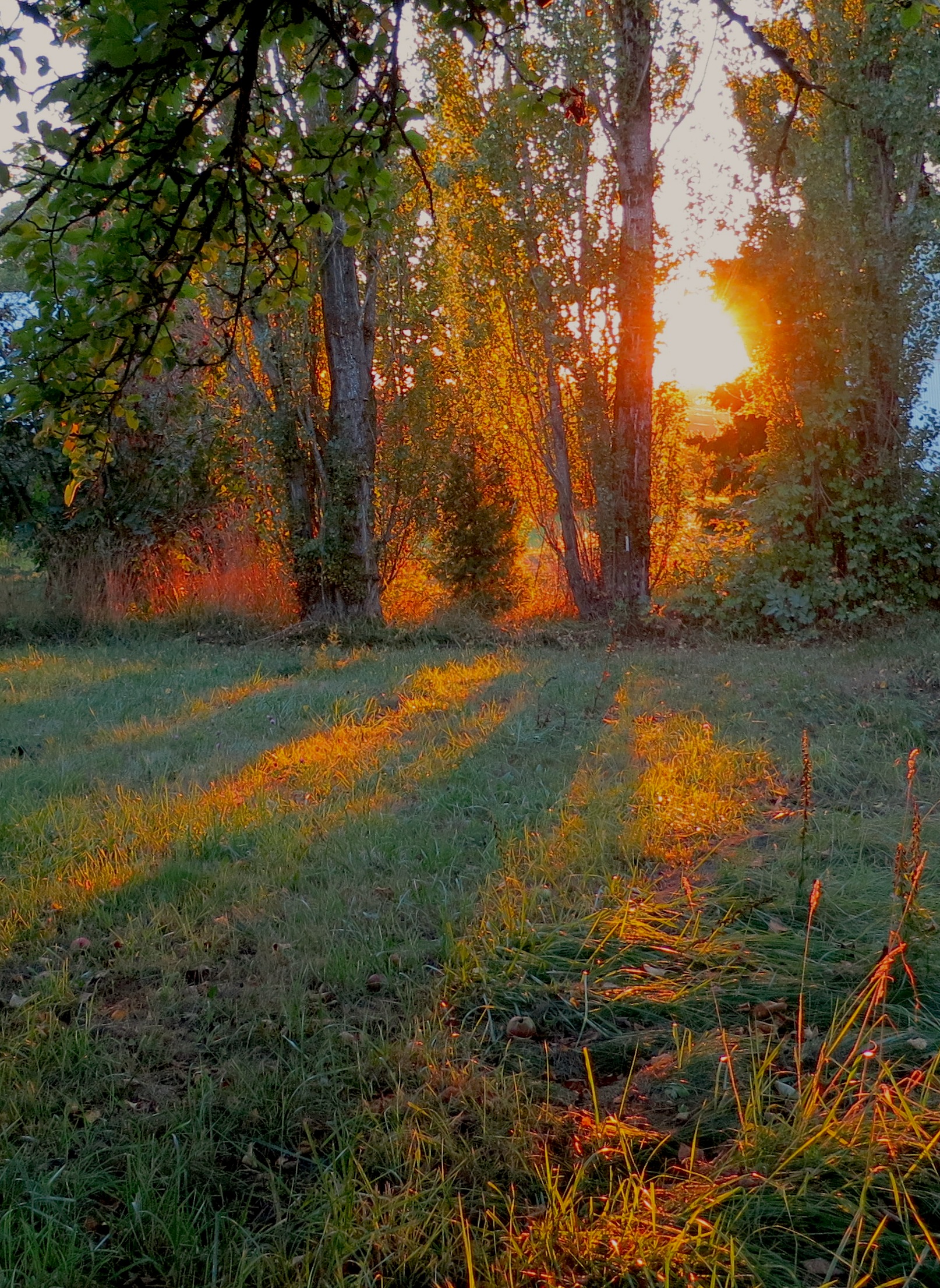
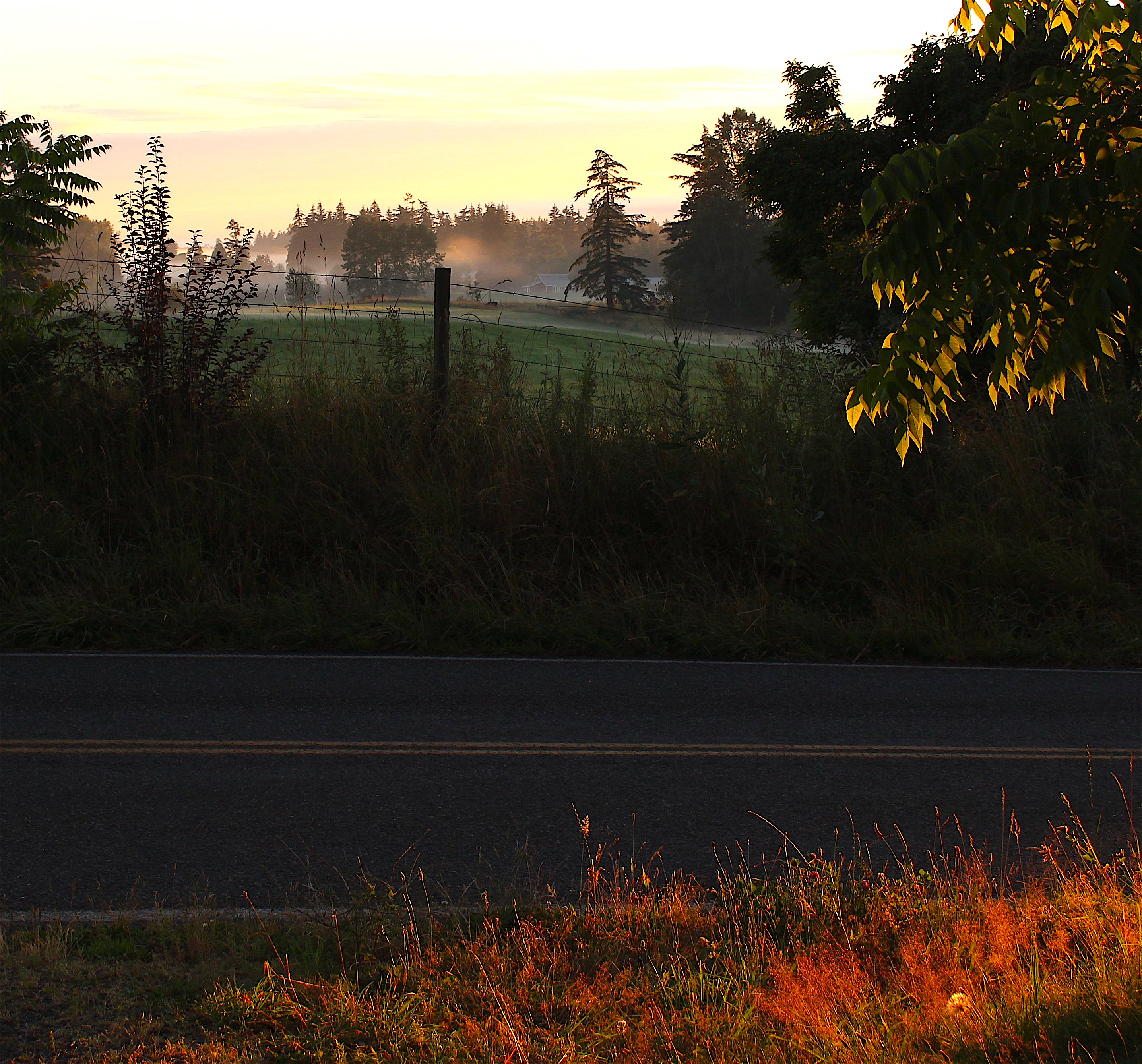
sunriseonfire

THE WORLD is charged with the grandeur of God.
It will flame out, like shining from shook foil;
It gathers to a greatness, like the ooze of oil
Crushed. Why do men then now not reck his rod?
Generations have trod, have trod, have trod;
And all is seared with trade; bleared, smeared with toil;
And wears man’s smudge and shares man’s smell: the soil
Is bare now, nor can foot feel, being shod.

And for all this, nature is never spent;
There lives the dearest freshness deep down things;
And though the last lights off the black West went
Oh, morning, at the brown brink eastward, springs—
Because the Holy Ghost over the bent
World broods with warm breast and with ah! bright wings.
~Gerard Manley Hopkins “God’s Grandeur”

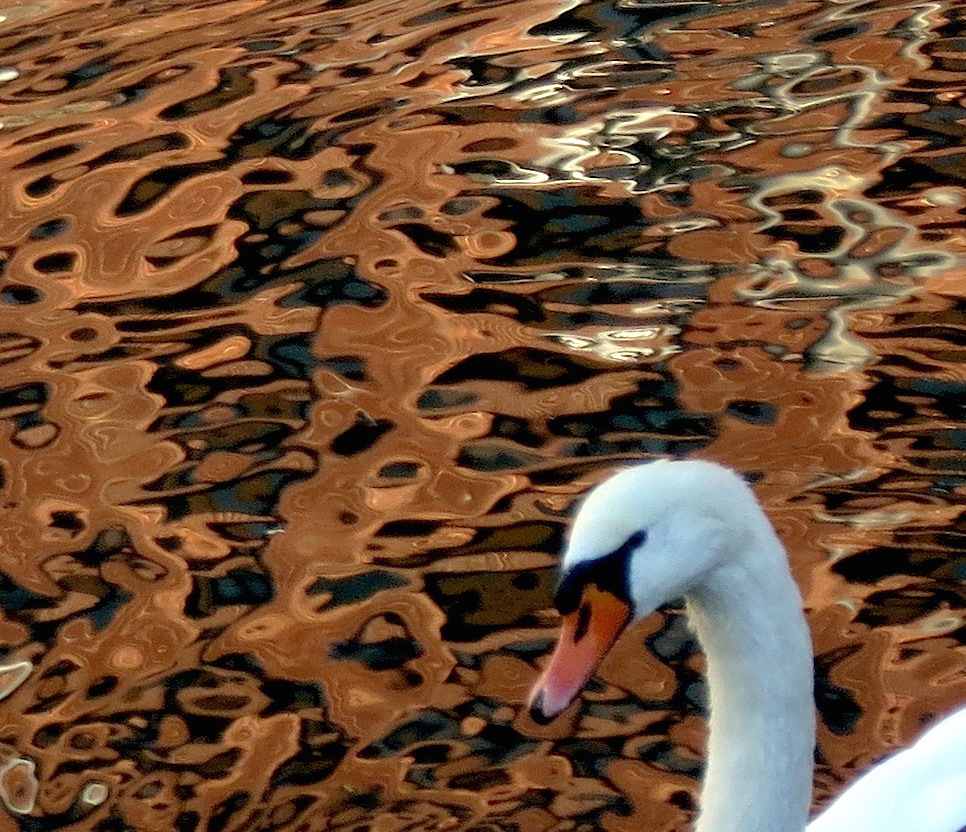
swanedit

duckchelan2

Unless the eye catch fire,
Then God will not be seen.
Unless the ear catch fire
Then God will not be heard.
Unless the tongue catch fire
Then God will not be named.
Unless the heart catch fire,
Then God will not be loved.
Unless the mind catch fire,
Then God will not be known.
~William Blake from “Pentecost”

puffsunset3

Today, when we feel we are without hope,
when the bent world reels in blood and violence,
when faith feels frail,
when love seems distant,
we wait, stilled,
for the moment we are lit afire ~
when the Living God is
seen, heard, named, loved, known
forever burning in our hearts deep down,
brooded over by His bright wings
we are His dearest, freshest
in this moment
and eternity.

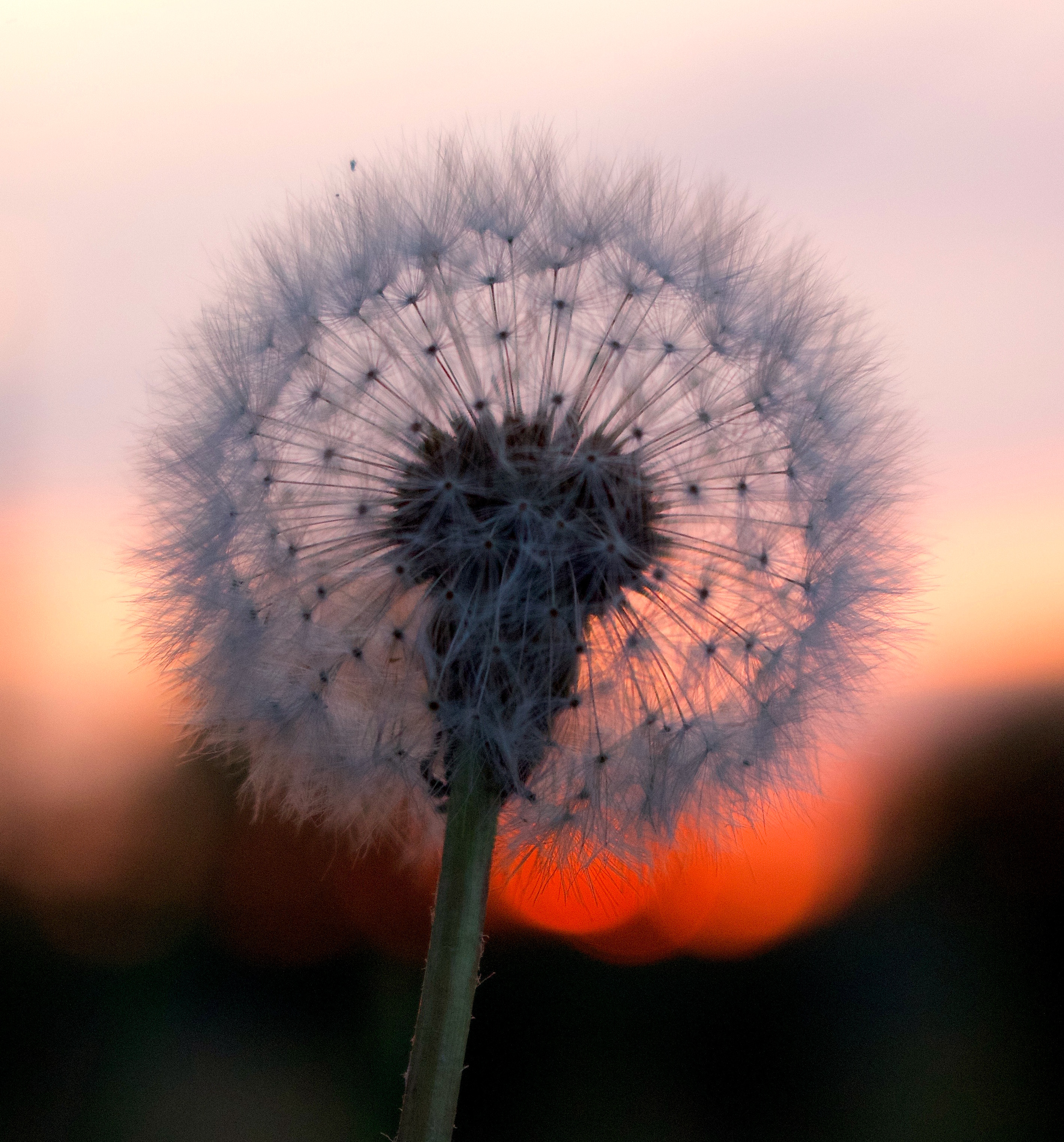
dandysunset51164

August Burning Low

sunset8314

sunset8315

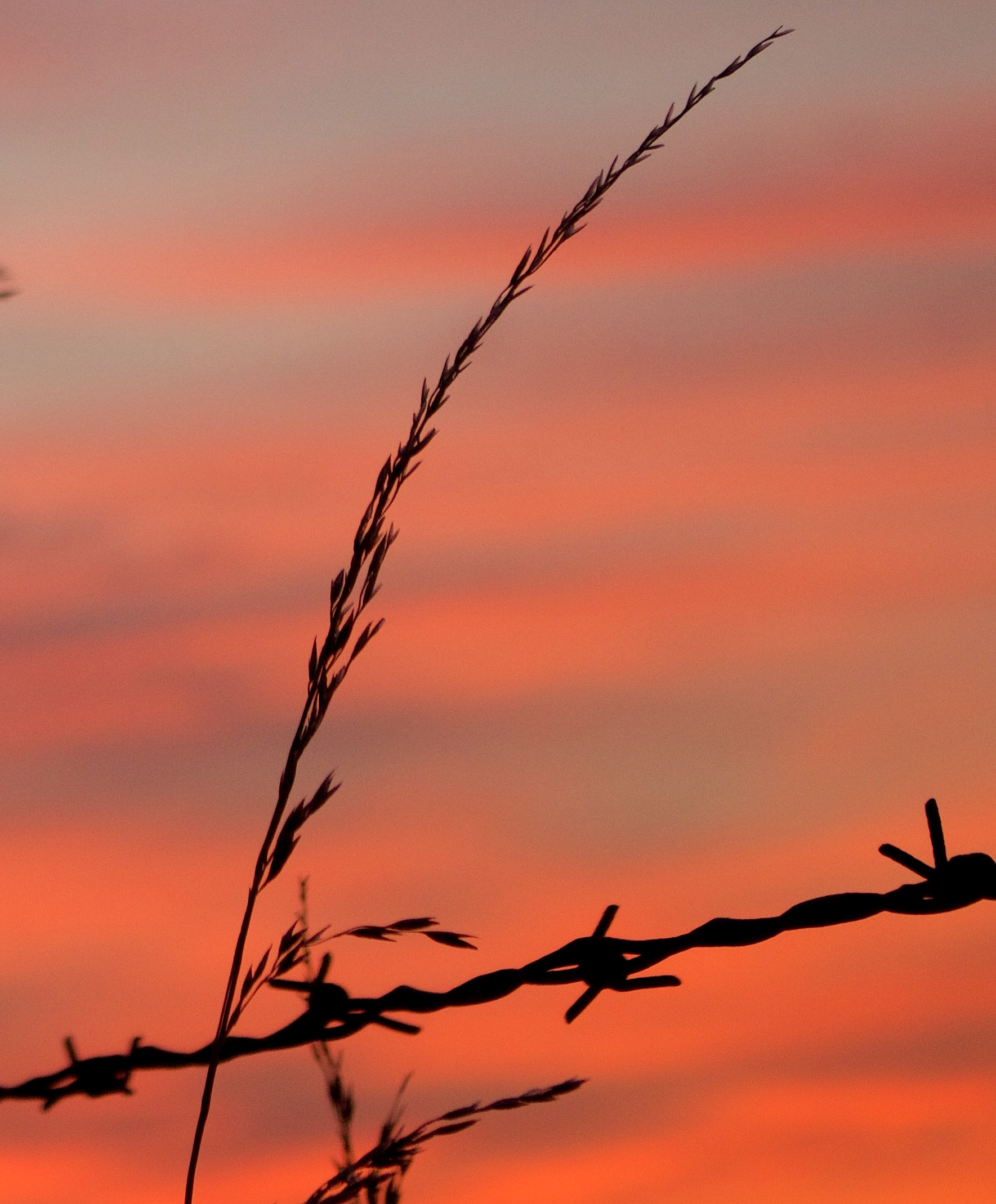
sunset8161611

Further in Summer than the Birds
Pathetic from the Grass
A minor Nation celebrates
Its unobtrusive Mass.

No Ordinance be seen
So gradual the Grace
A pensive Custom it becomes
Enlarging Loneliness.

Antiquest felt at Noon
When August burning low
Arise this spectral Canticle
Repose to typify

Remit as yet no Grace
No Furrow on the Glow
Yet a Druidic Difference
Enhances Nature now
~Emily Dickinson

fairbouquet

dandyglow2

“…one of the great poems of American literature. The statement of the poem is profound; it remarks the absolute separation between man and nature at a precise moment in time.  The poet looks as far as she can into the natural world, but what she sees at last is her isolation from that world.  She perceives, that is, the limits of her own perception. But that, we reason, is enough. This poem of just more than sixty words comprehends the human condition in relation to the universe:

So gradual the Grace
A pensive Custom it becomes
Enlarging Loneliness.

But this is a divine loneliness, the loneliness of a species evolved far beyond all others. The poem bespeaks a state of grace. In its precision, perception and eloquence it establishes the place of words within that state.  Words are indivisible with the highest realization of human being.”
~N. Scott Momaday from “The Man Made of Words”

butterflygarden2

butterflygarden6

On the first day I took his class on Native American Mythology and Lore in 1974 at Stanford, N.Scott Momaday strolled to the front, wrote the 60 words of this Dickinson poem on the blackboard.  He told us we would spend at least a week working out the meaning of what he considered the greatest poem written — this in a class devoted to Native American writing and oral tradition.  In his resonant bass, he read the poem to us many times, rolling the words around his mouth as if to extract their sweetness. This man of the plains, a member of the Kiowa tribe, loved this poem put together by a New England recluse poet — someone as culturally distant from him and his people as possible.

But grace works to unite us, no matter our differences, and Scott knew this as he led us, mostly white students, through this poem.  What on the surface appears a paean to late summer cricket song doomed to extinction by oncoming winter, is a statement of the transcendence of man beyond our understanding of nature and the world in which we, its creatures, find ourselves. As summer begins its descent into the dark death of winter, we, unlike the crickets, become all too aware we too are descending.  There is no one as lonely as an individual facing their mortality and no one as lonely as a poet facing the empty page, in search of words to describe the sacrament of sacrifice and perishing.

Yet the Word brings Grace unlike any other, even when the cricket song, pathetic and transient as it is, is gone.  The Word brings Grace, like no other, to pathetic and transient man who will emerge transformed.

There is no furrow on the glow.  There is no need to plow and seed our salvaged souls, already lovingly planted by our Creator God, yielding a fruited plain.

giantcedars2

A Sprung Metronome

morning7616 morninghaze2

“A devout but highly imaginative Jesuit,”
Untermeyer says in my yellowed
college omnibus of modern poets,
perhaps intending an oxymoron, but is it?
Shook foil, sharp rivers start to flow.
Landscape plotted and pieced, gray-blue, snow-pocked
begins to show its margins. Speeding back
down the interstate into my own hills
I see them fickle, freckled, mounded fully
and softened by millennia into pillows.
The priest’s sprung metronome tick-tocks,
repeating how old winter is. It asks
each mile, snow fog battening the valleys,
what is all this juice and all this joy?
~Maxine Kumin “Almost Spring, Driving Home, Reciting Hopkins”

sunrise97144

These summer mornings I awake in a Hopkins landscape~
the priest who died too young at 44
would have created even more beauty
if he had lived twice as long,
combining words in suspended rhythm,
recreating the world outside our windows
entirely in our minds.

What is this joy I feel when witnessing
what must have moved him to write?
What could be more powerful
than words that awaken in us dawn’s redeeming light?

sunrise94141

Oh, morning, at the brown brink eastward, springs —
Because the Holy Ghost over the bent
    World broods with warm breast and with ah! bright wings.
~Gerard Manley Hopkins from “God’s Grandeur”
morning27616

Never Poet Enough

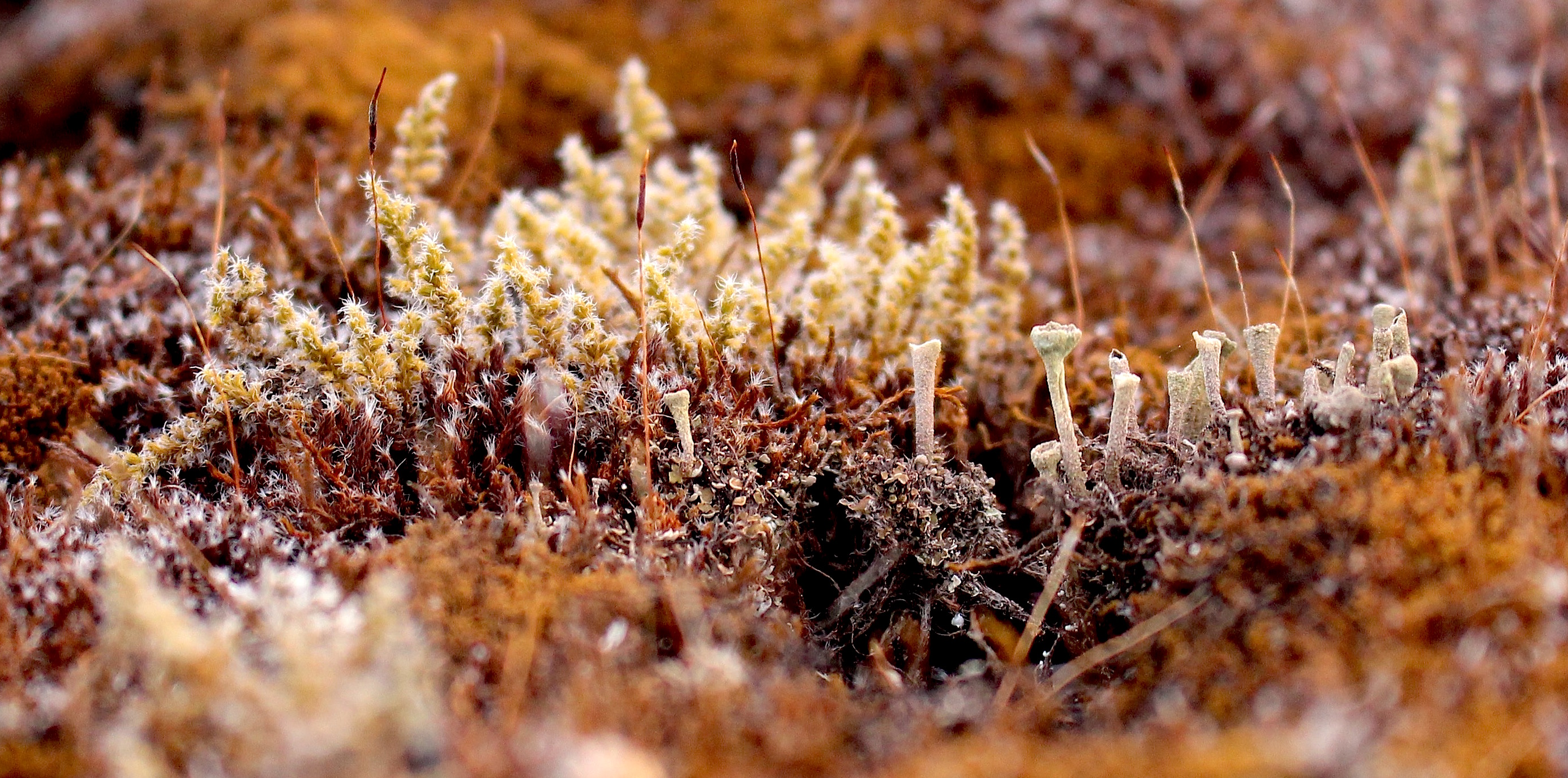
mosslight

mushrooms1031151

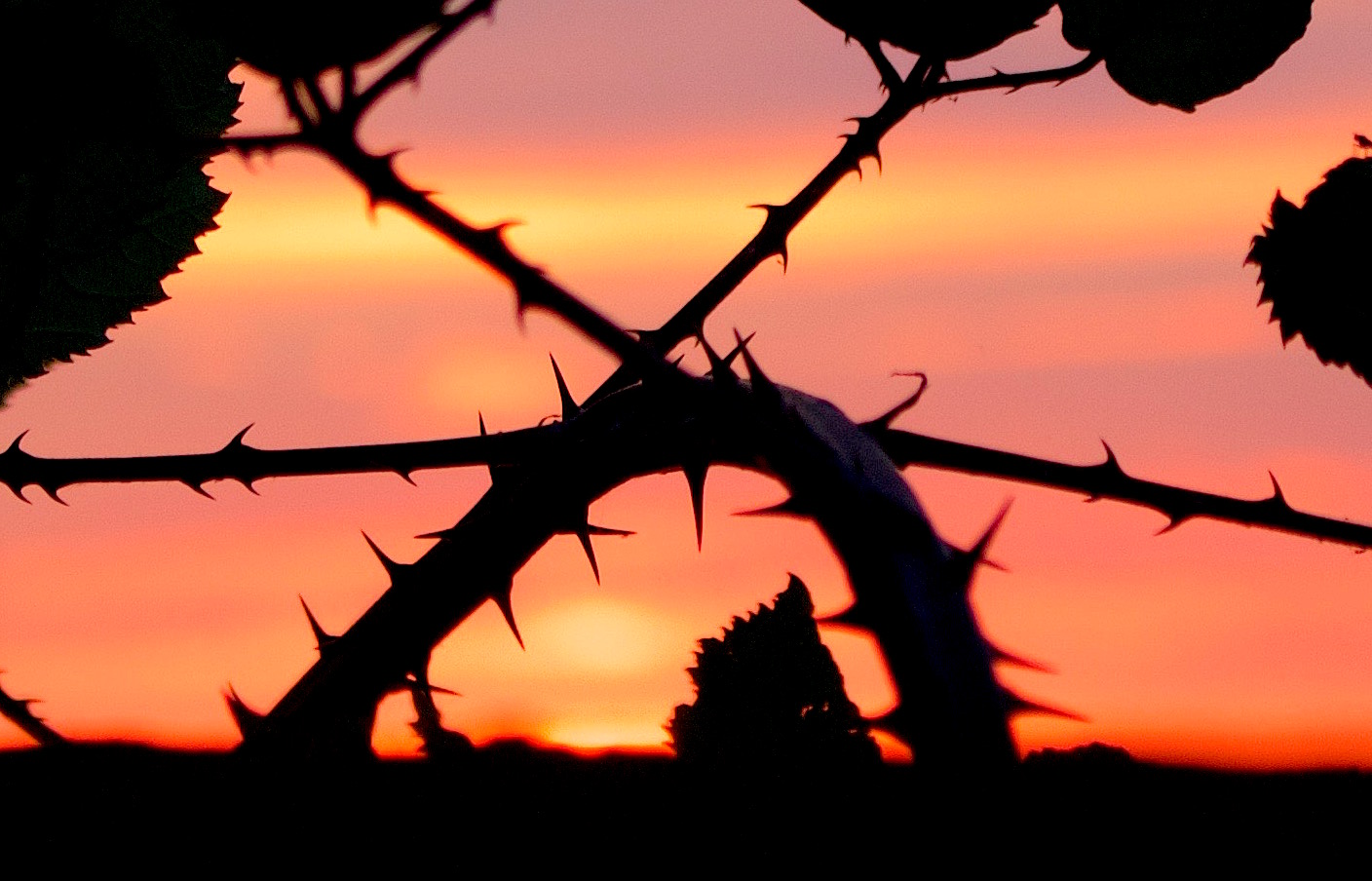
sunsetthorn1

If your everyday life seems poor to you, do not accuse it; accuse yourself, tell yourself you are not poet enough to summon up its riches; since for the creator there is no poverty and no poor or unimportant place.
― Rainer Maria Rilke

As a child, I would sometimes spend long rainy afternoons languishing on the couch, complaining to my mother how boring life seemed.  Her typical response was to remind me my boredom said more about me than about life – I became the accused, rather than the accuser,  failing to summon up life’s riches.  Thus convicted, my sentence followed:  she would promptly give me chores to do.  I learned not to voice my complaints about life was treating me because it always meant work.

Some things haven’t changed all these decades later.  Whenever I am tempted to feel pitiful or bored, accusing my life of being poor or unfair, I need to remember what my accusation says about me.  If I’m not poet enough to celebrate the gilded edge of the plain and ordinary, if I’m not poet enough to articulate beauty even in the sharp thorns of life, if I’m not poet enough to recognize the Creator’s brilliance in every molecule, then it is my poverty I’m accusing, not His, and a poet I will never be.

So it’s back to work then.
There is a world to admire, a life to be lived and yes, poems to be written.

willowtree2

maplewings

raindropreflect

When August Burning Low

sunset82215

sunset823153

Further in Summer than the Birds
Pathetic from the Grass
A minor Nation celebrates
Its unobtrusive Mass.

No Ordinance be seen
So gradual the Grace
A pensive Custom it becomes
Enlarging Loneliness.

Antiquest felt at Noon
When August burning low
Arise this spectral Canticle
Repose to typify

Remit as yet no Grace
No Furrow on the Glow
Yet a Druidic Difference
Enhances Nature now
~Emily Dickinson

“…one of the great poems of American literature. The statement of the poem is profound; it remarks the absolute separation between man and nature at a precise moment in time.  The poet looks as far as she can into the natural world, but what she sees at last is her isolation from that world.  She perceives, that is, the limits of her own perception. But that, we reason, is enough. This poem of just more than sixty words comprehends the human condition in relation to the universe:

So gradual the Grace
A pensive Custom it becomes
Enlarging Loneliness.

But this is a divine loneliness, the loneliness of a species evolved far beyond all others.  The poem bespeaks a state of grace. In its precision, perception and eloquence it establishes the place of words within that state.  Words are indivisible with the highest realization of human being.”
~N. Scott Momaday from The Man Made of Words


On the first day of his class in 1974 at Stanford, N.Scott Momaday strolled to the front, wrote the 60 words of this poem on the blackboard and told us we would spend at least a week working out the meaning of what he considered the greatest poem written.  In his resonant bass, he read the poem to us many times, rolling the words around his mouth as if to extract their sweetness. This man of the plains, a member of the Kiowa tribe, loved this poem put together by a New England recluse  — someone as culturally distant from him as possible.

But grace works to unite us, no matter our differences.  What on the surface appears a paean to late summer cricket song, doomed to extinction by oncoming winter, is a statement of the transcendence of man beyond our appreciation of nature. Just as the fires in our state are incinerating everything, even the insects of the fields, in its path, we still find grace and meaning in the destruction.  There is no one as lonely as the fire fighter facing the flame and no one as lonely as the poet facing the empty page, in search of words.

Yet the Word brings Grace unlike any other, even when the cricket song, pathetic and transient as it is, is gone.  The Word brings Grace, like no other, to pathetic and transient man.

There is no furrow on the glow.  There is no need to plow and seed our salvaged souls, already planted and yielding a fruited plain.

sunsetgrass810151

sunset823152

The Eye of the Poet

3rmoss

holyleaf1


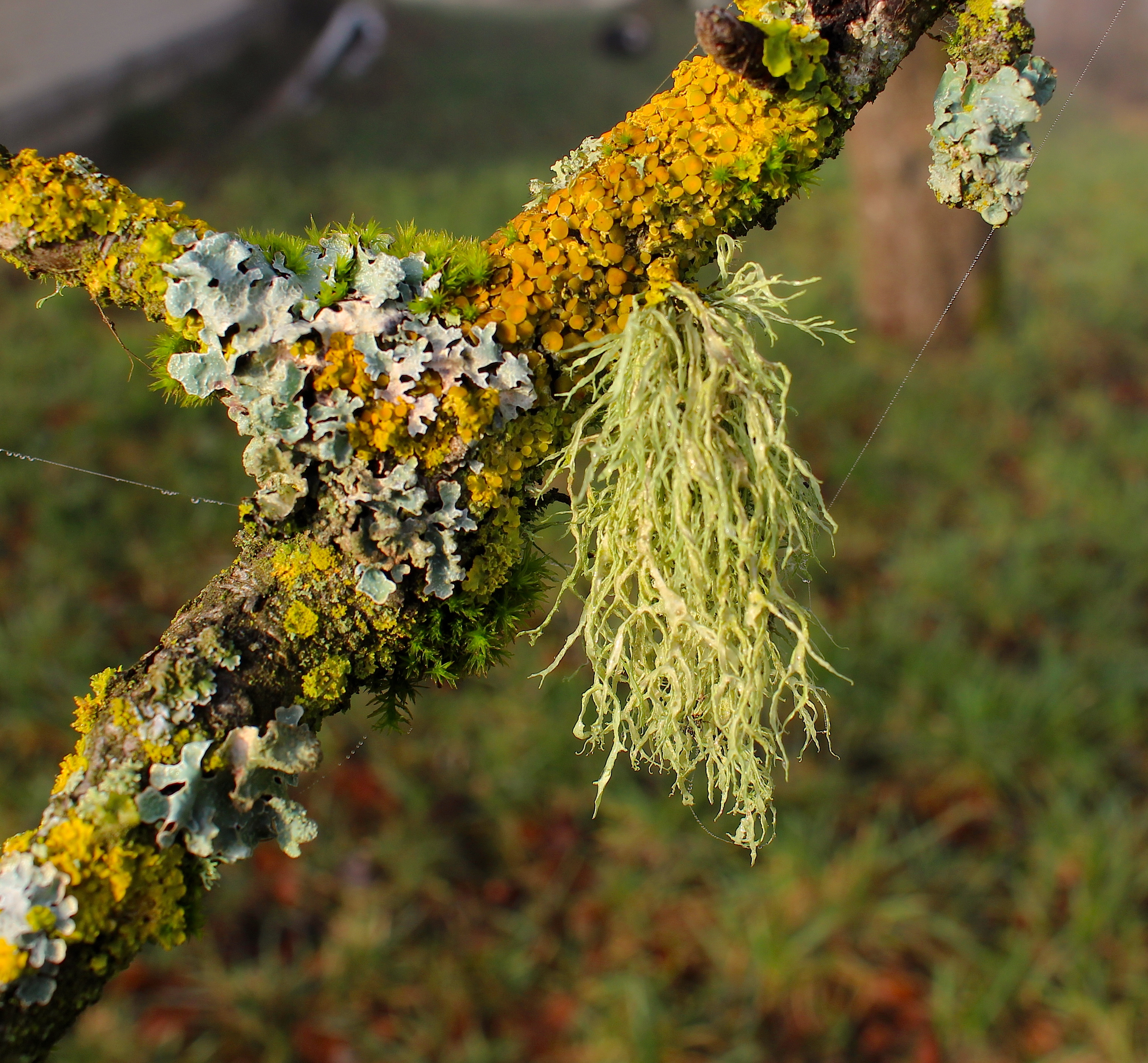
Nature doth thus kindly heal every wound.
By the mediation of a thousand little mosses and fungi,
the most unsightly objects become radiant of beauty.
There seem to be two sides of this world, presented us at different times,
as we see things in growth or dissolution, in life or death.
And seen with the eye of the poet,
as God sees them,
all things are alive and beautiful.

~Henry David Thoreau (journal)


lichenmoss13115

holyleaf

Shatter Me

img_0118


As through a long-abandoned half-standing house
only someone lost could find,

which, with its paneless windows and sagging crossbeams,
its hundred crevices in which a hundred creatures hoard and nest,

seems both ghost of the life that happened there
and living spirit of this wasted place,

wind seeks and sings every wound in the wood
that is open enough to receive it,

shatter me God into my thousand sounds.

~Christian Wiman “Small Prayer in a Hard Wind”


May I,
though sagging and graying,
leaning perilously,
be porous enough
to allow life’s gusts
through me
without being pushed over
in a heap.

So the wind
makes me sing
filling my every crack
and defect,
shattered into pieces,
a mosaic of praises.
~E Gibson

Final Flood of Color

vinemapleharry1
photo by Harry Rodenberger

Your death, near now, is of an easy sort.
So slow a fading out brings no real pain.
Breath growing short
Is just uncomfortable.
You feel the drain
Of energy, but thought and sight remain:

Enhanced, in fact.
When did you ever see
So much sweet beauty as when fine rain falls
On that small tree
And saturates your brick back garden walls,
So many Amber Rooms and mirror halls?

Ever more lavish as the dusk descends
This glistening illuminates the air.
It never ends.
Whenever the rain comes it will be there,
Beyond my time, but now I take my share.

My daughter’s choice, the maple tree is new.
Come autumn and its leaves will turn to flame.
What I must do
Is live to see that. That will end the game
For me, though life continues all the same:

Filling the double doors to bathe my eyes,
A final flood of colors will live on
As my mind dies,
Burned by my vision of a world that shone
So brightly at the last, and then was gone.
~Clive James (who is terminally ill)  from this week’s New Yorker

vinemapleharry2
photo by Harry Rodenberger

The Things in My Pocket

hilaryben4

We are about to celebrate the marriage of these two precious people this coming weekend
May they always share the poetry in their pockets.


Once I planned to write a book of poems entirely about the things in my pocket.  But I found it would be too long; and the age of the great epics is past.
~G.K. Chesterton from “A Piece of Chalk”

The waves haven’t come for my smooth glass yet (polished from the sea).  In the meantime, it is right here in the front pocket of the jeans I am wearing now.  I reach into my pocket for it a lot; it helps me write in some mysterious way…
~Anne Lamott from Traveling Mercies

benhilarysunset