The Scar of Proud Flesh

There are names for what binds us:
strong forces, weak forces.
Look around, you can see them:
the skin that forms in a half-empty cup,
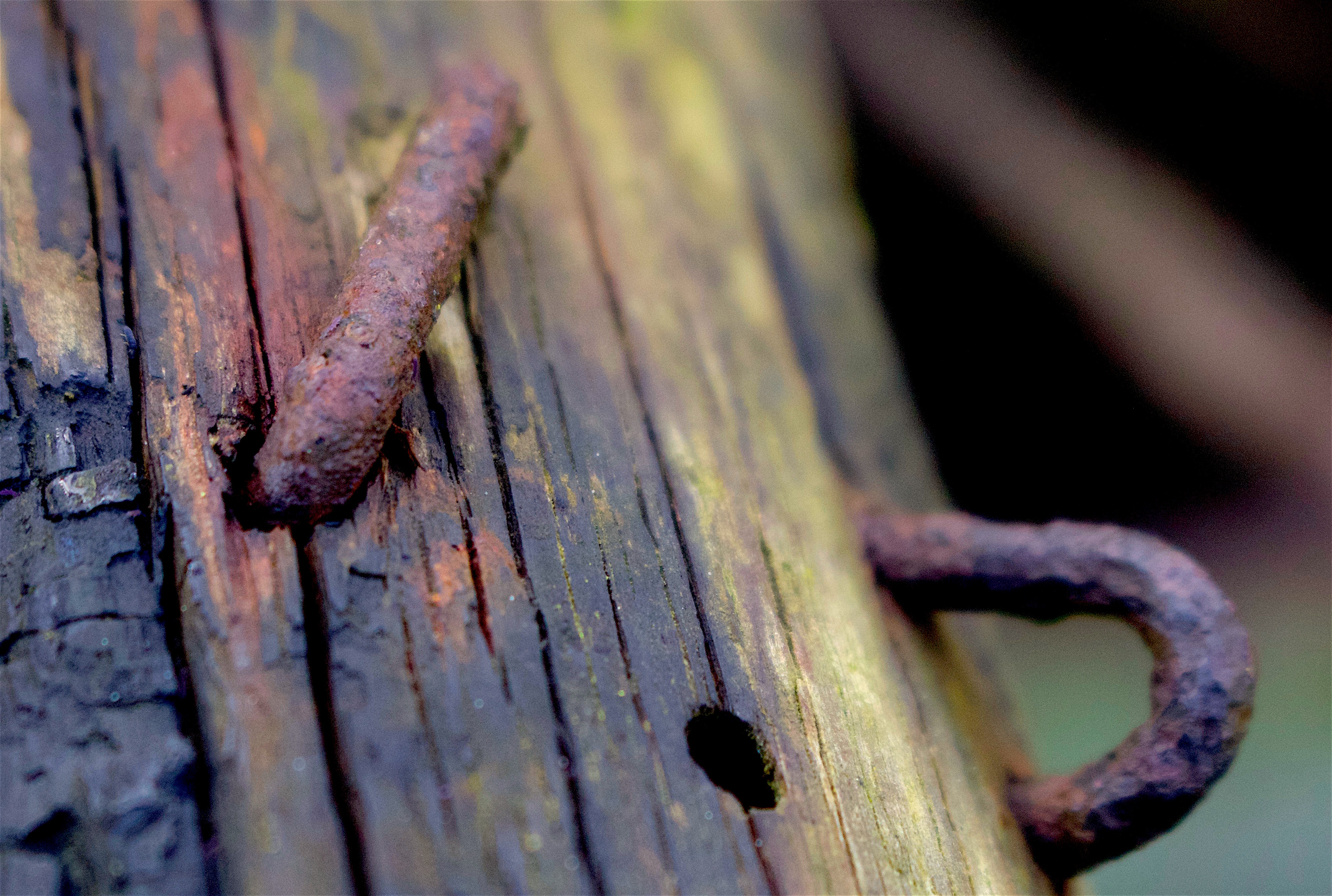
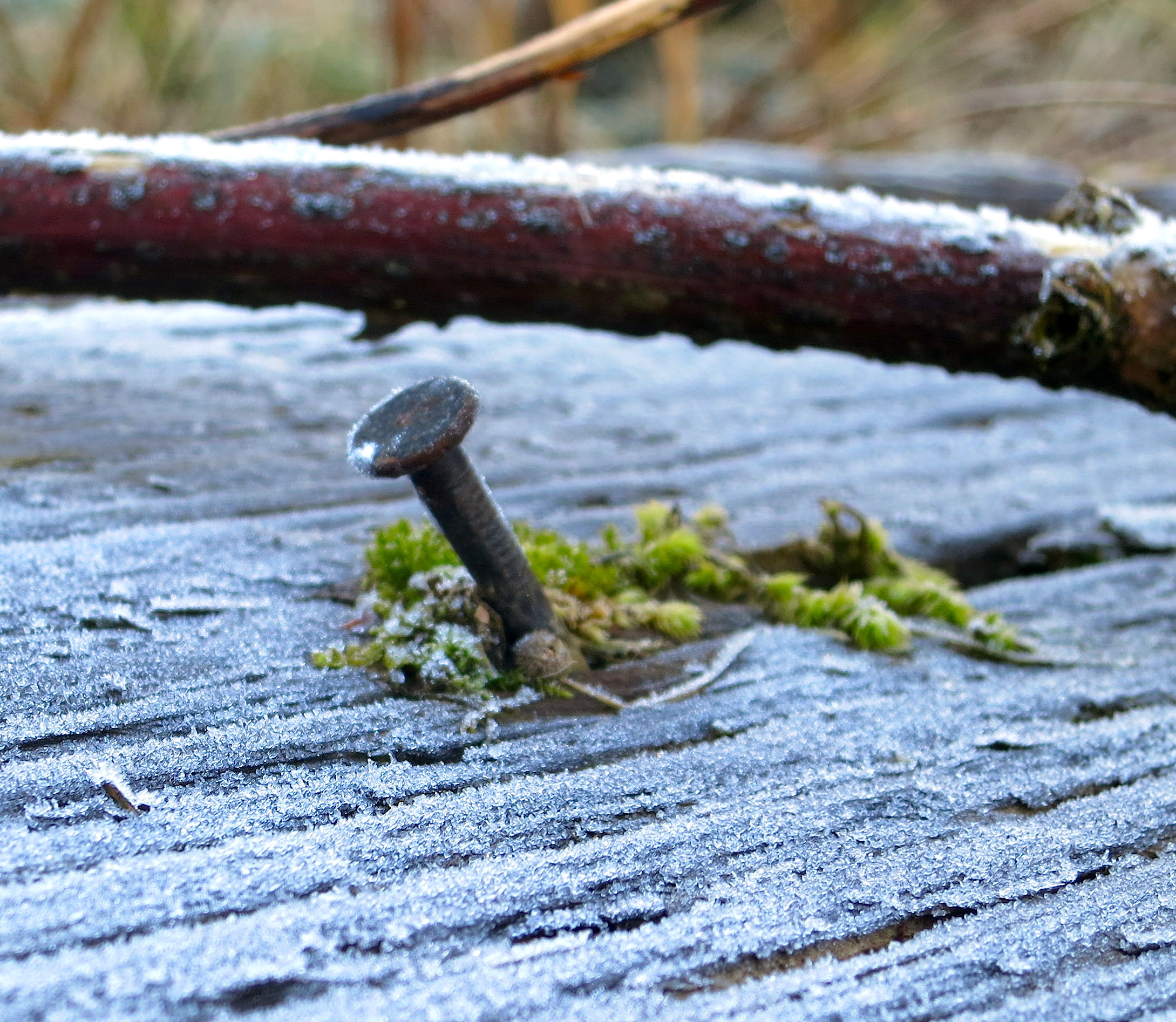
nails rusting into the places they join,
joints dovetailed on their own weight.

The way things stay so solidly whenever they’ve been set down –
and gravity, scientists say, is weak.

And see how the flesh grows back across a wound, with a great vehemence,
more strong than the simple, untested surface before.

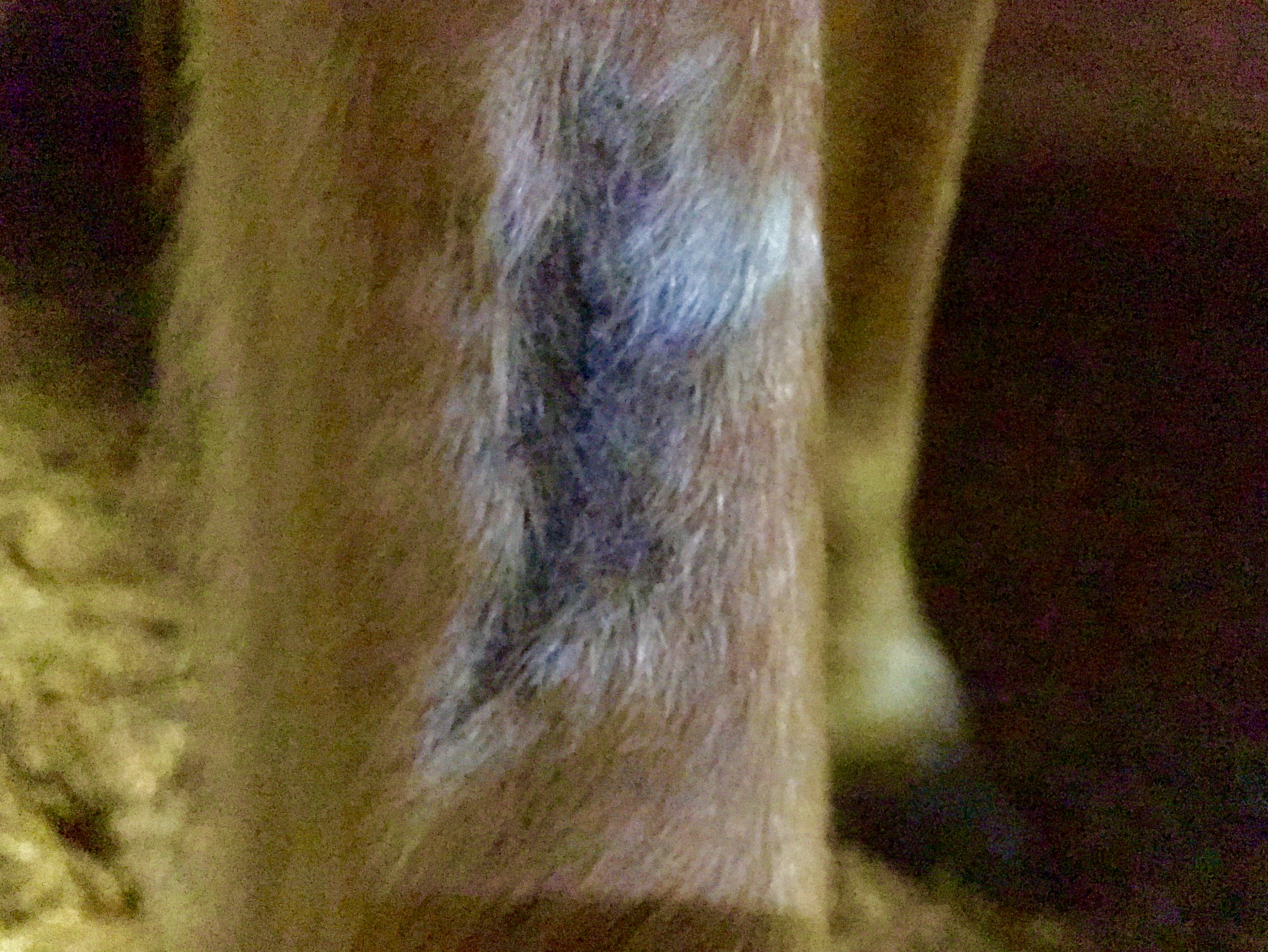
There’s a name for it on horses, when it comes back darker and raised:
proud flesh, as all flesh is proud of its wounds,
wears them as honors given out after battle,
small triumphs pinned to the chest –

And when two people have loved each other,
see how it is like a scar between their bodies,
stronger, darker, and proud;
how the black cord makes of them a single fabric
that nothing can tear or mend.
~Jane Hirshfield  “For What Binds Us”

Scars come in various sizes and shapes, some hidden, some quite obvious to all.  How they are inflicted also varies–some accidental, others therapeutic, and too many intentional. 

The most insidious are the ones so deep inside,  no one can see or know they are there.

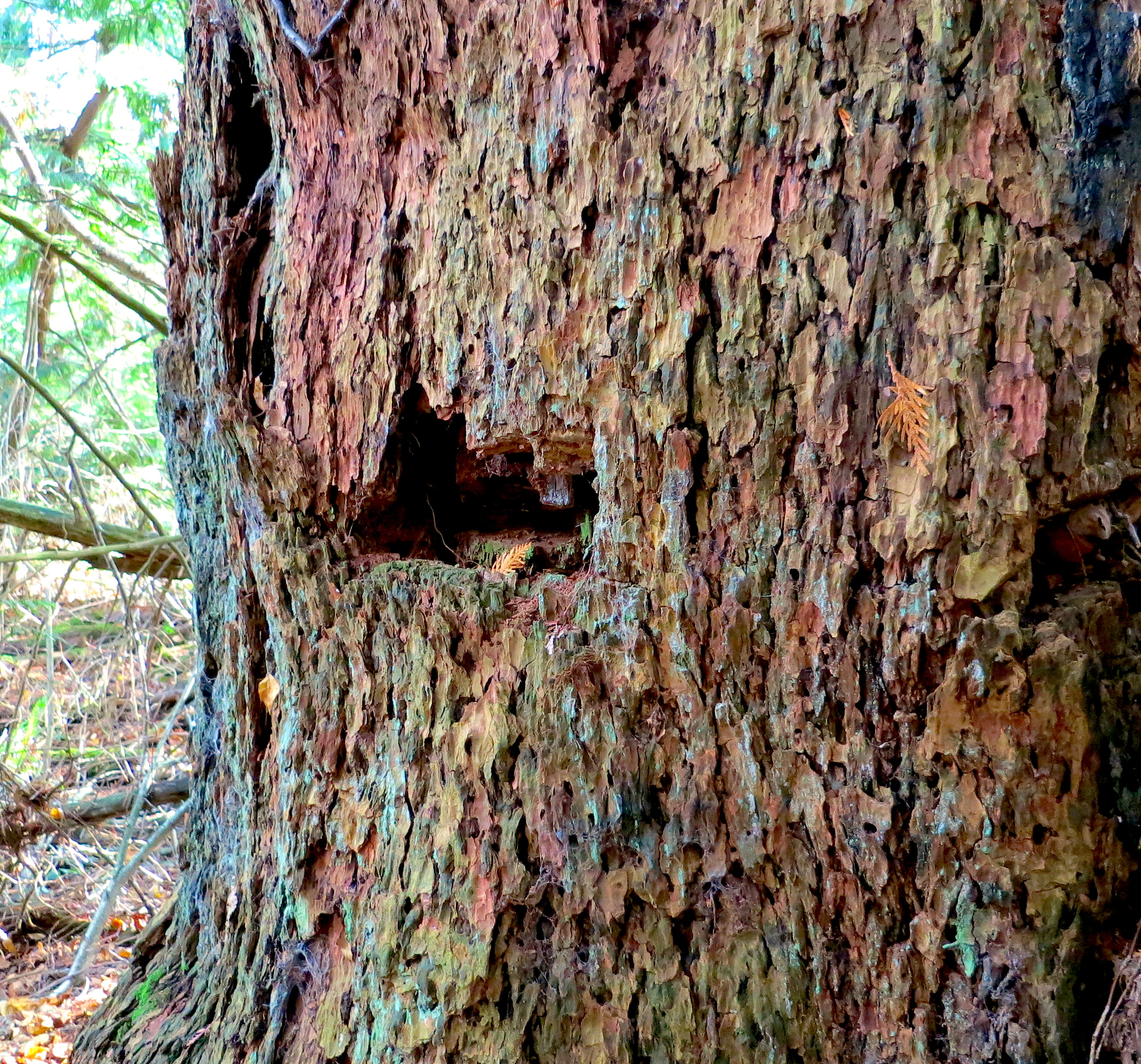
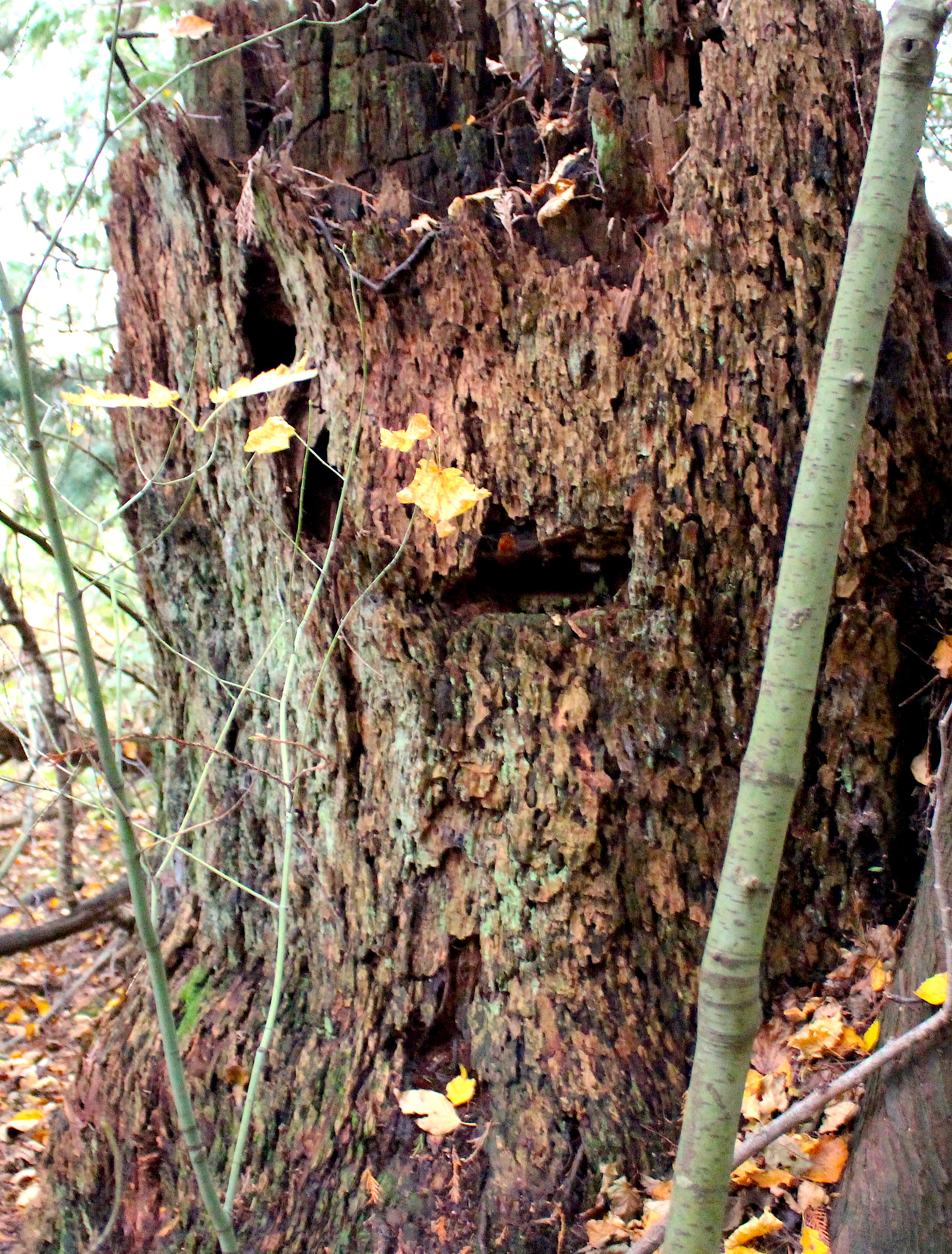
Back in our woodlot stands a sawed off stump of a cedar that was old growth in virgin forest over a hundred years ago.  One day clearcut loggers came through and took every tree they could to haul to the local sawmills to become beams and lumber for the growing homesteading population in the region.  This cedar once was grand and vast, covering an immense part of the forest floor, providing protection to trillium at its feet and finches’ nests and raptors hunting in its branches.   It nurtured its environment until other plans were made, and one day, axes fell on its sides to cut out the notches for the springboards where two loggers stood either side of the proud trunk to man the saw which brought the tree down. 

Where the wood went is anyone’s guess.  It could be one of the mighty beams supporting our old hay barn roof or it could have become the foundation flooring of a nearby one room school house.  It surely had a productive and meaningful life as part of a structure somewhere until rot or carpenter ants or fire brought it once again to its knees.

But this ghost of a stump remains, a tombstone of remembrance of a once grand tree, the notch scars embedded deep in its sides, nursing new seedlings from its center and moss, lichen and ferns from its sides.

I come from logger stock so I don’t begrudge these frontier settlers their hard scrabble living, nor minimize their dangerous work in order to feed themselves and their families.  It’s just I’m struck by those scars over one hundred years later — such a visible reminder of what once was a vital living organism toppled for someone’s need and convenience.

Trees are not unique.  It happens to people too.  Everyday scars are inflicted for reasons hard to justify.  Too often I see them self-inflicted in an effort to feel something other than despair.  Sometimes they are inflicted by others out of fear or need for control.

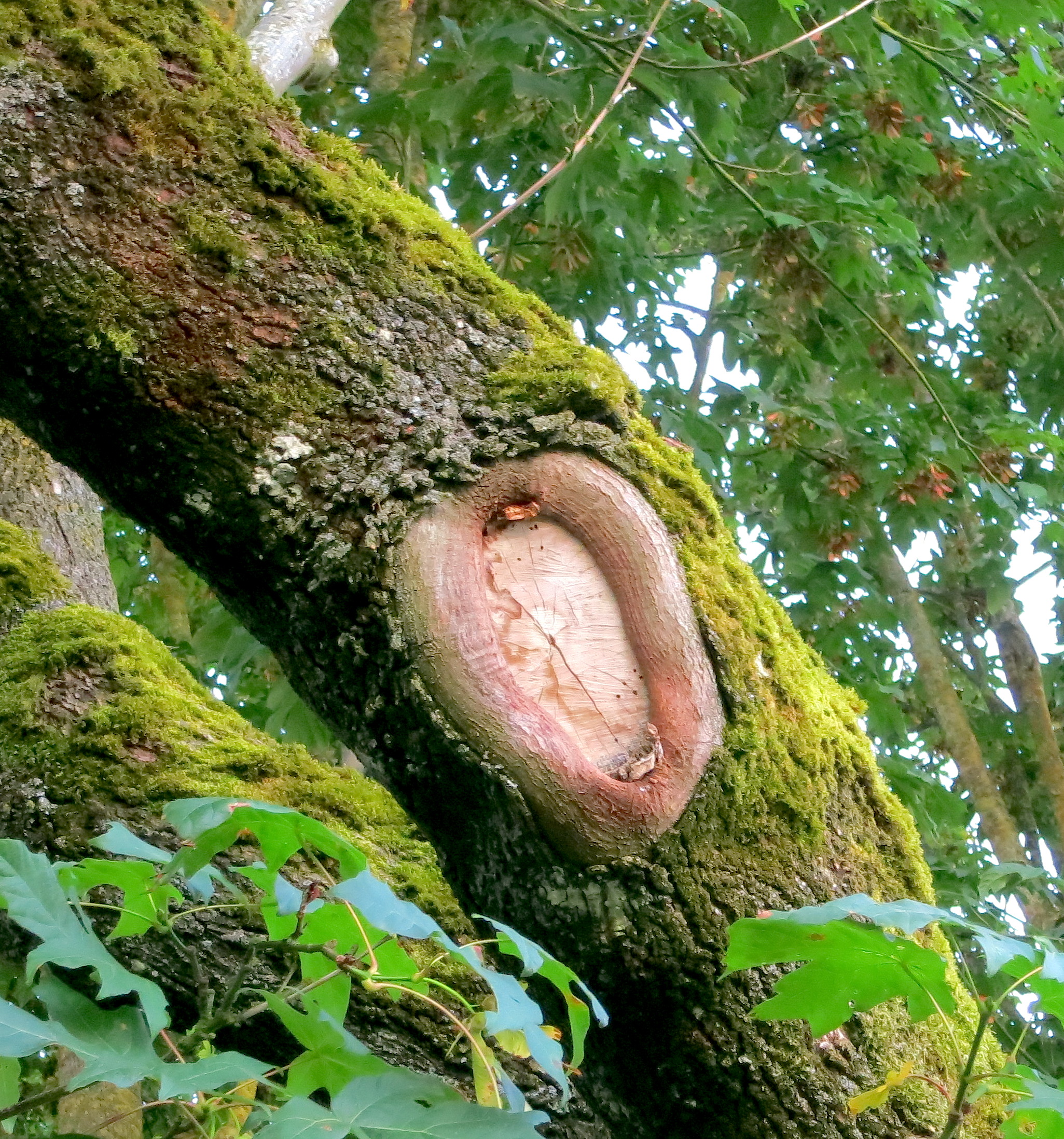
Sometimes they are simply the scars of living – on our horses they are a dark tough scar of leathery “proud flesh”. These are the wounds that accumulate on our journey through our numbered days.

None of them are as deep and wide as the scars that were accepted on our behalf, nor as wondrous as the Love that oozed from them, nor as amazing as the Grace that abounds to this day because of the promise they represent. 

These are scars from the Word made Flesh, a proud flesh that won’t give way, lasting forever.

As a result, that Tree lives, and so do we.

One-Time
Monthly
Yearly

Make a one-time donation to support Barnstorming

Make a monthly donation

Make a yearly donation

Choose an amount

¤5.00
¤10.00
¤20.00
¤5.00
¤15.00
¤100.00
¤5.00
¤15.00
¤100.00

Or enter a custom amount

¤

Your contribution is deeply appreciated.

Your contribution is appreciated.

Your contribution is appreciated.

DonateDonate monthlyDonate yearly

A book of beauty in words and photography, available to order here:
For Your Tomorrow We Gave Our Today

When you go home tell them of us and say –
“For your tomorrow we gave our today”
~John Maxwell Edmonds from “The Kohima Epitaph” 

I’m unsure why the United States does not call November 11 Remembrance Day as the Commonwealth nations did over a century ago at the Armistice. This is a day that demands much more than the more passive name Veterans’ Day represents.

This day calls all citizens who appreciate our freedoms to stop what we are doing and disrupt the routine rhythm of our lives. We are to remember in humble thankfulness the generations of military veterans who sacrificed time, resources, sometimes health and well being, and too often their lives in answering the call to defend their countries.

Remembrance means
~never forgetting what it costs to defend freedom.
~acknowledging the millions who have given of themselves and continue to do so on our behalf.
~never ceasing to care.
~a commitment to provide resources needed for the military to remain strong and supported.
~unending prayers for safe return home to family.
~we hold these men and women close in our hearts, always teaching the next generation about the sacrifices they made.

Most of all,
it means being willing ourselves to become the sacrifice when called.

We are the Dead. Short days ago
We lived, felt dawn, saw sunset glow,
Loved and were loved, and now we lie
In Flanders fields.

To you from failing hands we throw    
The torch; be yours to hold it high.    
If ye break faith with us who die
We shall not sleep, though poppies grow…
~LtCol (Dr.) John McCrae from “In Flanders Fields”

A book of beauty in words and photography, available to order here:
The Glowing of Such Fire

That time of year thou mayst in me behold
When yellow leaves, or none, or few, do hang
Upon those boughs which shake against the cold,
Bare ruin’d choirs, where late the sweet birds sang.

In me thou see’st the twilight of such day
As after sunset fadeth in the west,
Which by and by black night doth take away,
Death’s second self, that seals up all in rest.

In me thou see’st the glowing of such fire
That on the ashes of his youth doth lie,
As the death-bed whereon it must expire,
Consum’d with that which it was nourish’d by.

This thou perceiv’st, which makes thy love more strong,
To love that well which thou must leave ere long.
~William Shakespeare Sonnet 73

I may think youth has it all
– strength, beauty, energy-
but now I know better.

There is treasure in slowing down,
this leisurely leave-taking;
the finite becoming infinite
and a limitlessness loving.

Without our aging
we’d never change up
who we are
to become so much more:

enriched, vibrant,
shining passionately
until the very last moment.

To love well
To love strong
To love as if
nothing else matters.

This book of beauty in words and photography, available to order here:

Holding Back My Heart

The others bent their heads and started in.
Confused, I asked my neighbor
to explain—a sturdy, bright-cheeked girl
who brought raw milk to school from her family’s
herd of Holsteins. Ann had a blue bookmark,
and on it Christ revealed his beating heart,
holding the flesh back with His wounded hand.
Ann understood division. . . .

Miss Moran sprang from her monumental desk
and led me roughly through the class
without a word. My shame was radical
as she propelled me past the cloakroom
to the furnace closet, where only the boys
were put, only the older ones at that.
The door swung briskly shut.

The warmth, the gloom, the smell
of sweeping compound clinging to the broom
soothed me. I found a bucket, turned it
upside down, and sat, hugging my knees.
I hummed a theme from Haydn that I knew
from my piano lessons. . . .
and hardened my heart against authority.
And then I heard her steps, her fingers
on the latch. She led me, blinking
and changed, back to the class.

~Jane Kenyon “Trouble with Math in a One-room Country School”

I avoided all potential trouble in school by avoiding the trouble-makers.
I never was disciplined or even looked at crossly by a teacher. They loved me and I wanted badly to be loved by them.

I looked away whenever another student got in trouble; I didn’t want to be a lookie-loo enjoying the travails of another child. It was painful for me to see another kid disciplined. I know I would have been crushed to be publicly called out, sent to the hallway, name on the board, or worse yet, banished to the principal.

So my heart broke when I saw another child cry,
or be defiant or be removed from class.
I knew I couldn’t fix it or them.
I knew I couldn’t help the teacher to like them.
I knew some kids have their own secret pain they endure.
I knew it would change me to know what their pain felt like.
So I just imagined being good and compliant and rule-abiding and lovable.

Forever.

Of course, I wasn’t and I’m not, sixty years later.
I too changed, just like everyone else.
It still makes me sad to think how much we change, how many hearts we break,
how our innocence is so fragile and as a result, how badly we need forgiveness
so we can learn to love ourselves as we are loved.

A book of beauty in words and photography available to order here:

Lost Moments

When I was a child, I had a powerful sense that I wanted to commemorate things. I even remember thinking at the time that it was a strange word for a twelve-year old to use.

… it is the idea that every life is sacred and that life is composed of details, of lost moments, of things that nobody cares about, including the people who are wounded or overjoyed by those moments. I don’t think people allow themselves to value their lives enough. They ignore and discard these fragments.

I would like my writing to be precise enough, detailed enough so that the attention I bring to bear on something unlocks a door to the reader’s life. In that way, by honoring one’s own life, it’s possible to extend empathy and compassion to others.
~Patricia Hampl – Alaska Quarterly Review, Fall and Winter 1995 (interview)

photo by Ben Gibson

I have been writing here nearly daily for over twelve years:

I have come to know so many of you who I will never meet face to face
but who share with me:
your love of beautiful words and pictures,
your love of the land we all steward,
your love of good stories and poetry,
your love of your animal companions,
your love of hanging on to lost moments,
and most of all —
your love of our resurrected Lord.

What do I seek to commemorate in my words and photos as I prepare this daily?

I know your light and love illuminates as it finds its way
through the darkest and thorniest corners of my life:
how precious is a kind word, a silent tear, a crooked smile, a whispered prayer.

What do I want you to experience having visited here?

I want you to remember
there is warmth in these words
and colors in these photos
that don’t come close to what it is like for real,
that lost moments will be found and cherished.

I want you to know that each morning,
I send out this love to thousands I’ll never meet but feel I know,
as you are nevertheless my Barnstorming brothers and sisters.

Carry me with you and pass the light forward.
Keep lost moments in your pocket to pull out when needed.
Open this door to others and welcome them in.
You never know where it could take them.

A book of beauty in words and photos you can share with others, available to order here:

What Falling Leaves Disclose

And Is it not enough that every year
A richly laden autumn should unfold
And shimmer into being leaf by leaf,
It’s scattered ochres mirrored everywhere
In hints and glints of hidden red and gold
Threaded like memory through loss and grief,
When dusk descends, when branches are unveiled,
When roots reach deeper than our minds can feel
And ready us for winter with strange calm,
That I should see the inner tree revealed
And know its beauty as the bright leaves fall
And feel its truth within me as I am?

It is not yet enough. So I must try,
In my poor turn, to help you see it too,
As though these leaves could be as rich as those,
That red and gold might glimmer in your eye,
That autumn might unfold again in you,
Feeling with me what falling leaves disclose.

~Malcolm Guite from “And is it Not Enough?”

As the rains return,
and the leaves turn and fall,
we shelter together,
blessed by years and miles,
our unknown becoming known,
our understanding of nakedness
breathed in silence.

Though we be gray as the clouds above,
our hearts beat in synchrony
each pulsing moment
more sacred than our last.

More beauty in words and photography in this book, available to order here:

Listen for Returning Feet

I sit beside the fire and think of all that I have seen,
of meadow-flowers and butterflies in summers that have been;
Of yellow leaves and gossamer in autumns that there were,
with morning mist and silver sun and wind upon my hair.
I sit beside the fire and think of how the world will be
when winter comes without a spring that I shall ever see.

For still there are so many things that I have never seen:
in every wood in every spring there is a different green.
I sit beside the fire and think of people long ago,
and people who will see a world that I shall never know.
But all the while I sit and think of times there were before,
I listen for returning feet and voices at the door.

~J.R.R. Tolkien “Bilbo’s Song” from The Lord of the Rings

The shortening days make me greedy
for what is left of daylight –
watching the sky change by the hour,
brown summer fields
greening from rain,
webs clinging when I pass.

More than anything, I hunker down,
waiting for winter, knowing the quiet nights
by the fire will restore me –
hoping I’ll hear visitors at the door,
those I love coming home to spend what time is left.

A dichotomy of sweet peas and pumpkins in October

The perfect book for an autumn evening by the fire, available to order here:

In My Hunger

I made for grief a leaden bowl
and drank it, every drop.
And though I thought I’d downed it all
the hurting didn’t stop.

I made of hope a golden sieve
to drain my world of pain.
Though I was sure I’d bled it dry
the void filled up again.

I made of words a silver fork
and stabbed love in the heart,
and when I found the sweetness gone
I chewed it into art.
~Luci Shaw “What I Needed to Do”

How can I stow away our hurt and grief
when it keeps refilling, leaking everywhere?
Where can hope be found when all feels hopeless?
When I have been loved beyond all measure,
with bleeding hands and feet and side;
why not turn to the Word,
its sweetness never exhausted
no matter how often I chew through it
in my hunger.

A book of art in words and photography, available to order here:

Eavesdropping on Private Voices

When I opened the door
I found the vine leaves
speaking among themselves in abundant
whispers.
                   My presence made them
hush their green breath,
embarrassed, the way
humans stand up, buttoning their jackets,
acting as if they were leaving anyway, as if
the conversation had ended
just before you arrived.
                                               I liked
the glimpse I had, though,
of their obscure
gestures. I liked the sound
of such private voices. Next time
I’ll move like cautious sunlight, open
the door by fractions, eavesdrop
peacefully.
~Denise Levertov, “Aware” from This Great Unknowing.

I need to be cautious or I also would be swallowed up inch by inch by a variety of vines surrounding our home and farm buildings. Between the ivy, Virginia creeper and our opportunistic ubiquitous blackberry vines, I’m mere audience to their varied plans of expansive world domination.

As part of generations of human creep, I can’t indict the vines as aggressive interlopers for going where no vine has gone before. Much human migration has been out of necessity due to inadequate food sources or inhospitable circumstances. Some is due to a spirit of adventure and desire for new places to explore. Nevertheless, we human vines end up dominating places where we may not be really welcome.

So we human vines whisper together conspiratorially about where to send out our tendrils next, never asking permission, only sometimes asking for forgiveness later.

I can’t help but listen to those private voices – one of which is my own – who feel discontented with the “here and now” — we suspect somewhere else may be better. Rather than choose to stay and flourish in place, we keep creeping and overwhelming our surroundings.

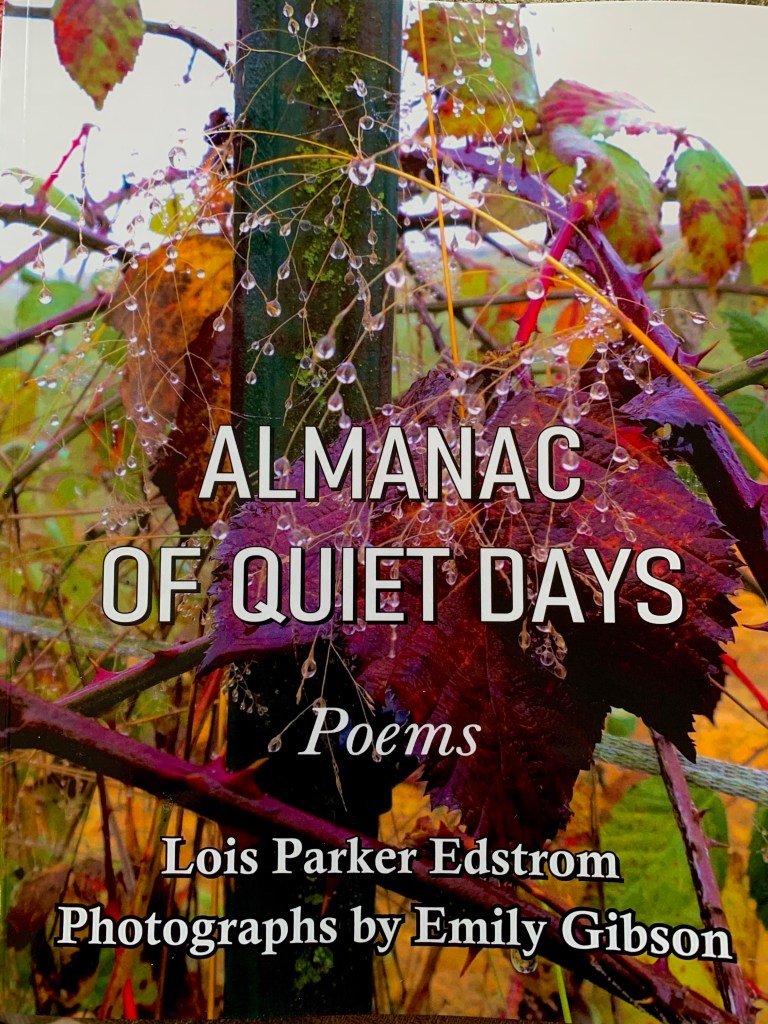
Dear human vines: creep gently with sensitivity for the ground you occupy. Don’t block the sun from others or quench yourself while others thirst. Be kind and make the spot you cover more beautiful than it was before.https://barnstorming.blog/new-book-available-almanac-of-quiet-days/

A book of beauty in words and photography

Like a Passing Smile

The morning glories
bloom, securing the gate
in the old fence
~Matsuo Basho Haiku

Was it worthwhile to paint so fair
The every leaf – to vein with faultless art
Each petal, taking the boon light and air
Of summer so to heart?

To bring thy beauty unto a perfect flower,
Then like a passing fragrance or a smile
Vanish away, beyond recovery’s power –
Was it, frail bloom, worthwhile?

Thy silence answers: “Life was mine!
And I, who pass without regret or grief,
Have cared the more to make my moment fine,
Because it was so brief.

In its first radiance I have seen
The sun! – Why tarry then till comes the night?
I go my way, content that I have been
Part of the morning light!”
~Florence Earle Coates “The Morning Glory”

I am alive — I guess —
The Branches on my Hand
Are full of Morning Glory —

~Emily Dickinson

Can I too unfurl with joy in the morning light, knowing I will wilt and wither at the end of the day? Will I live fully open to this day, unconcerned about tomorrow?

God intended for us to tend His garden yet He continually tends us. We mess up and are given a daily opportunity to make it right. I am alive – no question – to try to make this day better.

I blossom under His tending and like a passing smile, I leave without grief or regret.

A book of beauty in words and photos, available to order