When to be Glad

embrace

gardengrass

Well I know now the feel of dirt under the nails,
I know now the rhythm of furrowed ground under foot,
I have learned the sounds to listen for in the dusk,
the dawning and the noon.

I have held cornfields in the palm of my hand,
I have let the swaying wheat and rye run through my fingers,
I have learned when to be glad for sunlight and for sudden
thaw and for rain.

I know now what weariness is when the mind stops
and night is a dark blanket of peace and forgetting
and the morning breaks to the same ritual and the same
demands and the silence.
~Jane Tyson Clement from No One Can Stem the Tide

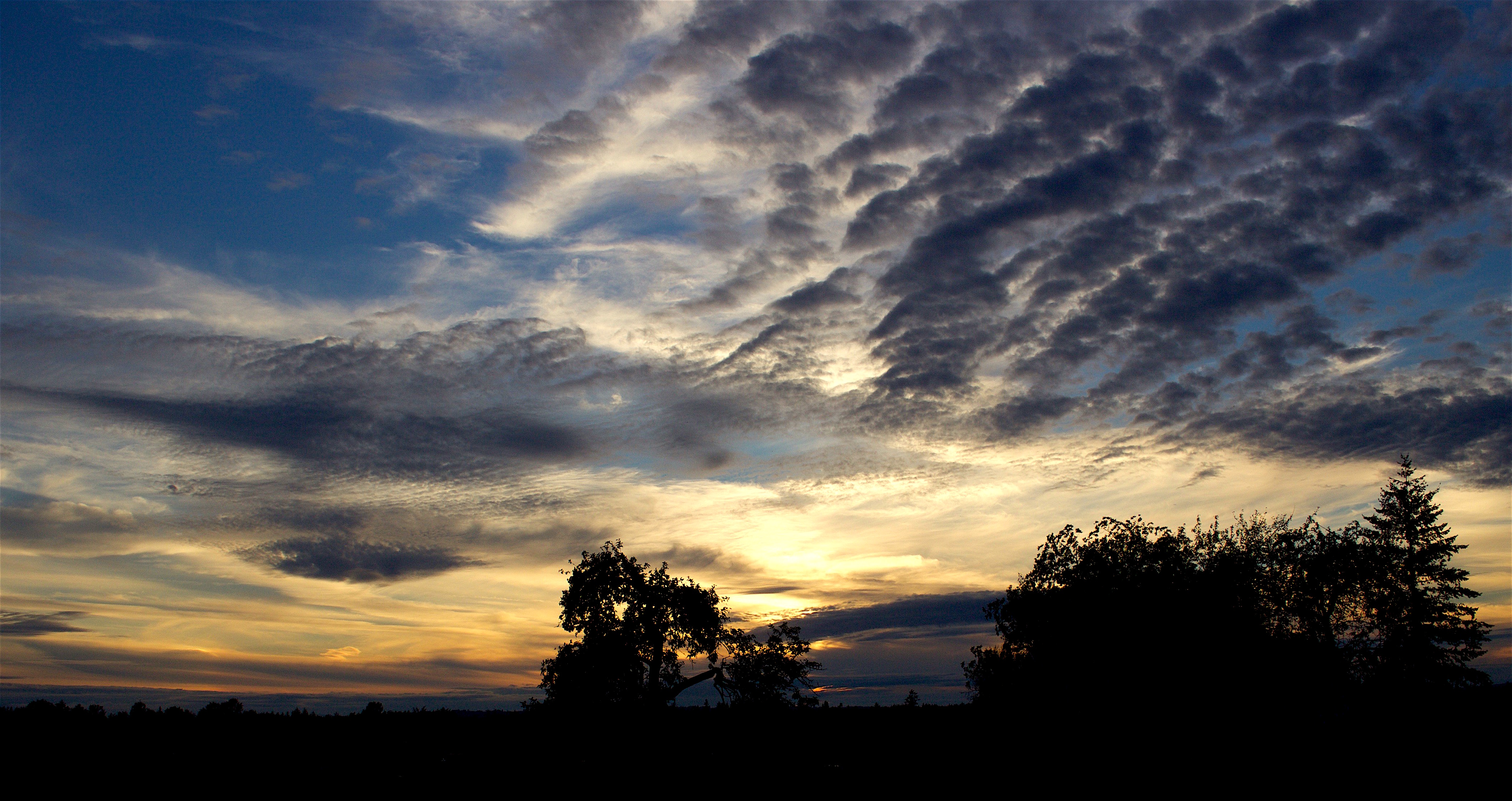
sunset98163

Soon to arrive, a wave of 15,000 young people
with such potential to grow,
their health needs entrusted to us
as if we tend them as gardeners:
most thriving and flourishing,
yet some already withering,
their roots thirsting.

As the winds of time bring
new thousands to our care,
blown in from places unknown,
I weary weep for those who may not bloom,
wondering if I will fail to water or care enough~

or is it me with thirst unceasing,
my roots drying from each new morning’s
same ritual and same demands unceasing,
as if I’ve forgotten how to be glad for this work,
being met with the silence
of my own gardeners.

rainyleaf7

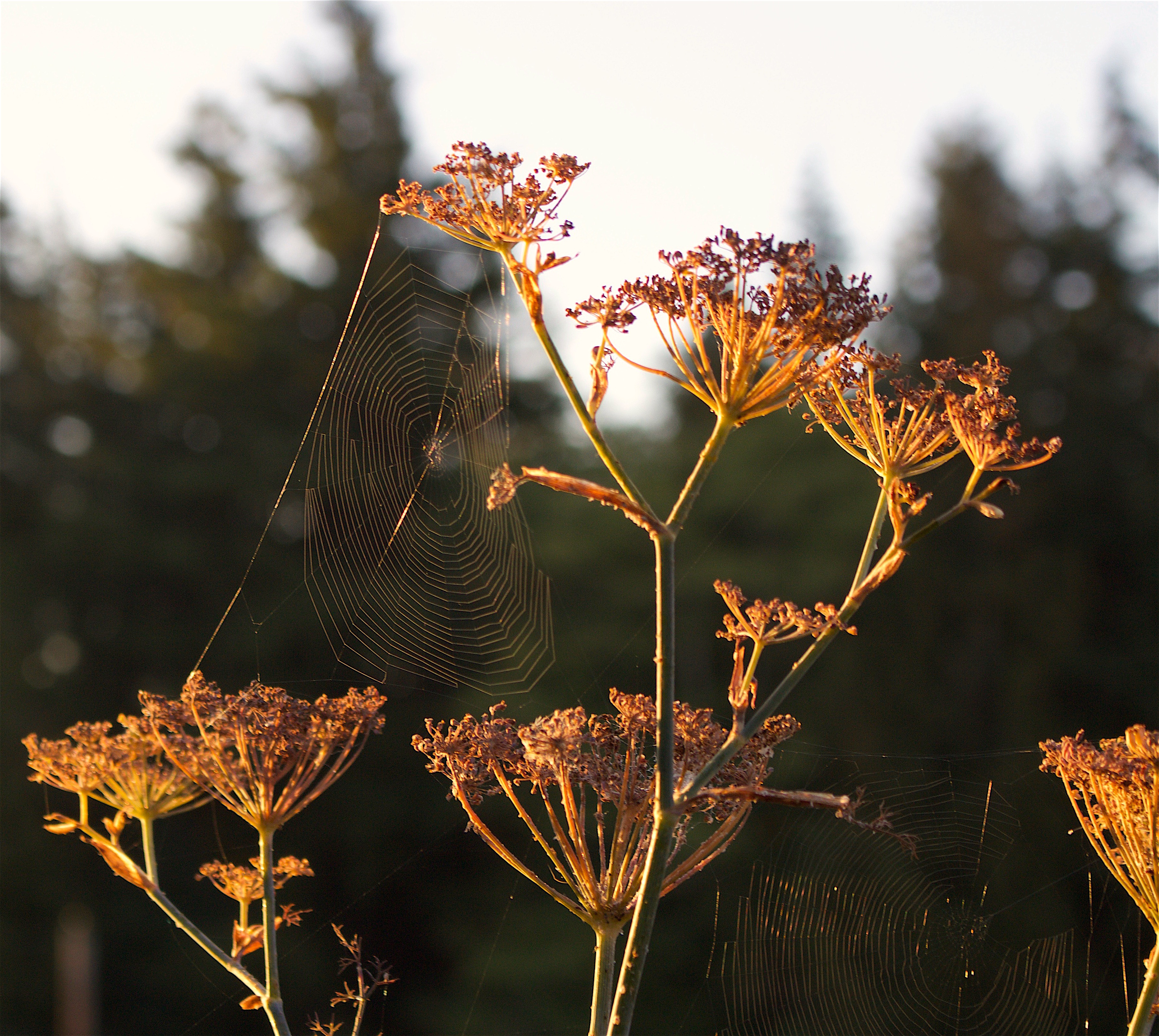
dillweb


The Health of Self-Forgetfulness

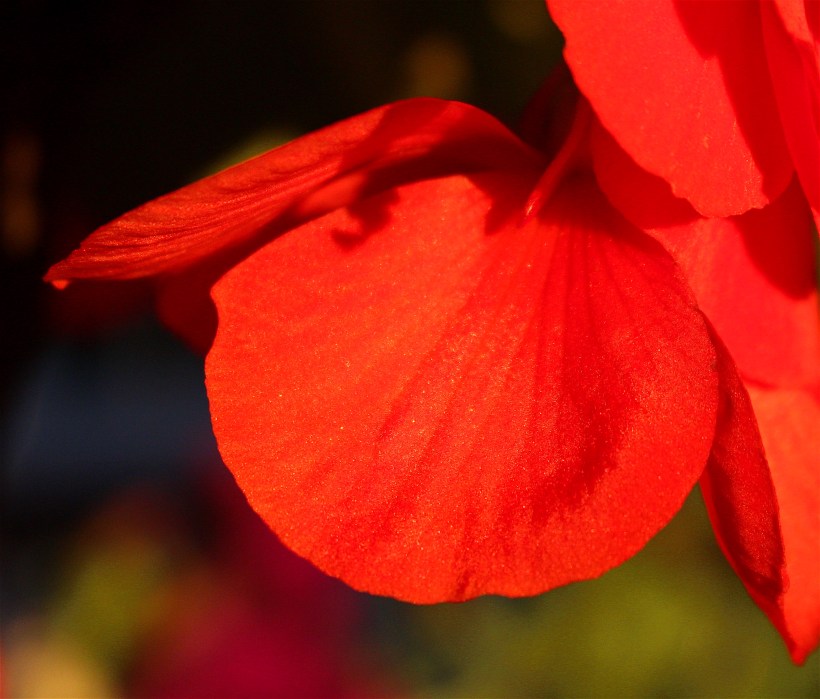
begoniared

The nail of each big toe was the horn of a goat.  Thick as a thumb and curved, it projected down over the tip of the toe to the underside.  With each step, the nail would scrape painfully against the ground and be pressed into his flesh.  There was dried blood on each big toe. 

It took an hour to do each big toe.  The nails were too thick even for my nail cutters.  They had to be chewed away little by little, then flattened out with the rasp, washed each toe, dried him off, and put his shoes and socks back on.  He stood up and took a few steps, like someone who is testing the fit of a new pair of shoes. 
“How is it?”
“It don’t hurt,” he said, and gave me a smile that I shall keep in my safety deposit box at the bank until the day I die.

I never go to the library on Wednesday afternoon without my nail clippers in my briefcase.
You just never know.

~Richard Seltzer from “Toenails” from Letters to a Young Doctor

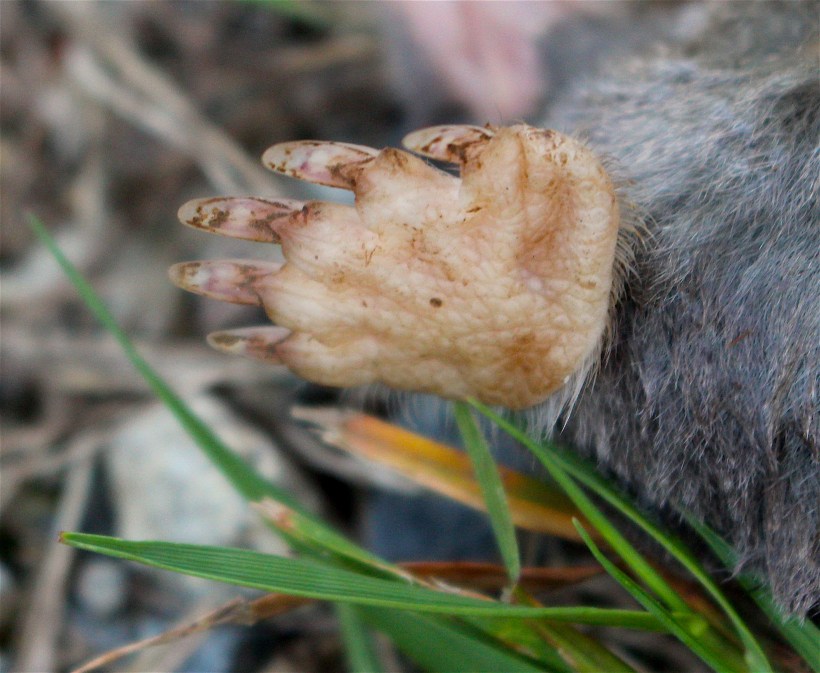
molepaw

notadeaddog

IMG_5875


I know for a while again

the health of self-forgetfulness,
looking out at the sky through
a notch in the valleyside,
the black woods wintry on
the hills, small clouds at sunset
passing across. And I know
that this is one of the thresholds
between Earth and Heaven,
from which even I may step
forth and be free.
– Wendell Berry from “Sabbath Poems”


brightnight

Whenever I lose perspective about what I’m trained to do
and who I am meant to serve,
when I wallow in the mud of self-importance
rather than in the health of self-forgetfulness~

I wash out a plug of wax from a deaf ear
and restore hearing
or clip someone’s crippling toenails
so they can step forth in freedom.

I’ve been given these tools for a reason
so need to use them.
You just never know.
.

royalannejune


Bleeding Hearts

hearttears

Whatever he needs, he has or doesn’t
have by now.
Whatever the world is going to do to him
it has started to do… 

…Whatever is
stored in his heart, he can use, now.
Whatever he has laid up in his mind
he can call on.  What he does not have
he can lack…

…Whatever his exuberant soul
can do for him, it is doing right now…

…Everything that’s been placed in him will come out, now, the contents of a trunk
unpacked and lined up on a bunk in the underpine light.
~Sharon Olds from “The Summer-Camp Bus Pulls Away from the Curb”

whitehearts

This is the season for graduations, when children move into the adult world and don’t look back.

As a parent, as an educator, as a mentor within church and community, and over twenty seven years as a college health physician witnessing this transition many times over, I can’t help but be wistful about what I may have left undone and unsaid with the generation about to launch.   In their moments of vulnerability, did I pack enough love into their bleeding hearts so he or she can pull it out when it is most needed?

When our three children traveled the world after their graduations, moving way beyond the fenced perimeter of our little farm, I trust they left well prepared.

As a school board member, I watched students, parents and teachers work diligently together in their preparation for that graduation day, knowing the encompassing love behind each congratulatory hand shake.

When another batch of our church family children say goodbye, I remember holding them in the nursery, listening to their joyful voices as I played piano accompaniment in Sunday School, feeding them in innumerable potlucks over the years.  I pray we have fed them well in every way with enough spiritual food to stick to their ribs in the “thin” and hungry times.

When hundreds of my student/patients move on each year beyond our university and health clinic, I wish for their continued emotional growth buoyed by plenty of resilience when the road gets inevitably bumpy.

I believe I know what is stored in the hearts of graduates because I, among many others, helped them pack it full of love.   Only they will know the time to unpack their heart when their need arises.

irishroad

sunset69168

All the Things That Got in the Way

poliswaterfall2

In all the woods that day I was
the only living thing
fretful, exhausted, or unsure.
Giant fir and spruce and cedar trees
that had stood their ground
three hundred years
stretched in sunlight calmly
unimpressed by whatever
it was that held me
hunched and tense above the stream,
biting my nails, calculating all
my impossibilities.
Nor did the water pause
to reflect or enter into
my considerations.
It found its way
over and around a crowd
of rocks in easy flourishes,
in laughing evasions and
shifts in direction.
Nothing could slow it down for long.
It even made a little song
out of all the things
that got in its way,
a music against the hard edges
of whatever might interrupt its going.
~John Brehm “Passage”

mejierwaterfall

It may be that when we no longer know what to do
we have come to our real work,

and that when we no longer know which way to go
we have come to our real journey.

The mind that is not baffled is not employed.

The impeded stream is the one that sings.
~Wendell Berry “The Real Work”

waterfall

Who among us knows with certainty each morning
what we are meant to do that day
or where we are to go?
So we make our best guess by
putting one foot ahead of the other as we were taught
until the day is done and it is time to rest.

For me, I wake baffled each day
that I am allowed
to eavesdrop on heartbeats,
touch tender bellies,
sew up broken skin,
listen to tears.

I wake humbled with commitment
to keep going even when too tired,
to offer care even when rejected.
to keep trying even if impeded.

It is only then I learn
thing that get in the way
slow but cannot stop
the flow of time,
overflowing its banks with music
of uncertain certainty–
my real work and journey
through life.

May I wade in deep~ listening~ready to sing along.

sunrisepond22115

The Fierce Humility of Rain

rainyiris52016

rainyrose2

Praise to the Maker of the torrent
and the hurricane,
praise for the fierce humility of rain:

whose motion will not end, neither come to rest
nor ascend again until, like grace,
it finds the lowest empty place.
~Matthew Baker “Rainfall”

rainyiris2

rainypeony

See, banks and brakes
Now, leavèd how thick! lacèd they are again
With fretty chervil, look, and fresh wind shakes
Them; birds build — but not I build; no, but strain,
Time’s eunuch, and not breed one work that wakes.

Mine, O thou Lord of life, send my roots rain
~Gerard Manley Hopkins from “Thou art indeed just, Lord”

rainytransparent2

rainyiris3

As I look out through a tear-streaked window at the beginning of this lightening day,
I fear inadequacy to the task before me:
Parched and struggling patients line my schedule.
Anxious and weary and barren too young,
seeking something, anything
to ease their distress in a hostile world,
preferably an easy pill to swallow.
Nothing that hurts going down.

While others thrive around them,
they wilt and wither,
wishing to cease breathing.

Lord of Life, equip me to find the words to say that might help.
May it be about more than genetics, neurotransmitters and physiology.

In this dry season for young lives,
send your penetrating rain
to fill with grace
the emptiest space.
Reach down and shake their roots
fiercely
and slake their thirst.

storm518163

haflingerrainbow

Handing the Medical Chart Back to the Patient

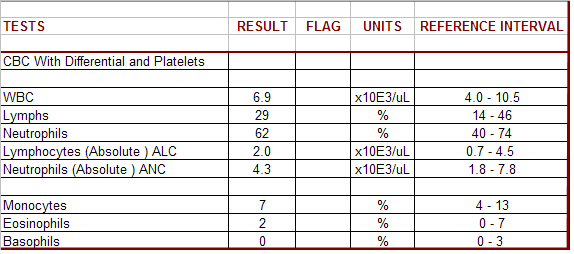
CBC-lymphocytes-report

Seventy years ago my maternal grandmother, having experienced months of fatigue, abdominal discomfort and weight loss, underwent exploratory abdominal surgery, the only truly diagnostic tool available at the time. One brief look by the surgeon told him everything he needed to know: her liver and omentum were riddled with tumor, clearly advanced, with the primary source unknown and ultimately unimportant.  He quickly closed her up and went to speak with her family–my grandfather, uncle and mother.  He told them there was no hope and no treatment, to take her back home to their rural wheat farm in the Palouse country of Eastern Washington and allow her to resume what activities she could with the time she had left.  He said she had only a few months to live, and he recommended that they simply tell her that no cause was found for her symptoms.

So that is exactly what they did.  It was standard practice at the time that an unfortunate diagnosis be kept secret from terminally ill patients, assuming the patient, if told, would simply despair and lose hope.  My grandmother was gone within a few weeks, growing weaker and weaker to the point of needing rehospitalization prior to her death.  She never was told what was wrong and,  more astonishing, she never asked.

But surely she knew deep in her heart.  She must have experienced some overwhelmingly dark moments of pain and anxiety, never hearing the truth so that she could talk about it with her physician and those she loved.  But the conceit of the medical profession at the time, and indeed, for the next 20-30 years, was that the patient did not need to know, and indeed could be harmed by information about their illness.  We modern more enlightened health care professionals know better.  We know that our physician predecessors were avoiding uncomfortable conversations by exercising the “the patient doesn’t need to know and the doctor knows better” mandate.  The physician had complete control of the health care information–the details of the physical exam, the labs, the xray results, the surgical biopsy results–and the patient and family’s duty was to follow the physician’s dictates and instructions, with no questions asked.

Even during my medical training in the seventies, there was still a whiff of conceit about “the patient doesn’t need to know the details.”   During rounds, the attending physician would discuss diseases right across the hospital bed over the head of the afflicted patient, who would often worriedly glance back and worth at the impassive faces of the intently listening medical student, intern and resident team.   There would be the attending’s brief pat on the patient’s shoulder at the end of the discussion when he would say, “someone will be back to explain all this to you.” But of course, none of us really wanted to and rarely did.

Eventually I did learn how important it was to the patient that we provide that information. I remember one patient who spoke little English, a Chinese mother of three in her thirties, who grabbed my hand as I turned to leave with my team, and looked me in the eye with a desperation I have never forgotten.   She knew enough English to understand that what the attending had just said was that there was no treatment to cure her and she only had weeks to live.  Her previously undiagnosed pancreatic cancer had caused a painless jaundice resulting in her hospitalization and the surgeon had determined she was not a candidate for a Whipple procedure.  When I returned to sit with her and her husband to talk about her prognosis, I laid it all out for them as clearly as I could.  She thanked me, gripping my hands with her tear soaked fingers.  She was so grateful to know what she was dealing with so she could make her plans, in her own way.

Thirty years into my practice of medicine,  I now spend a significant part of my patient care time in providing information that helps the patient make plans, in their own way.  I figure everything I know needs to be shared with the patient, in real time as much as possible, with all the options and possibilities spelled out.  That means extra work, to be sure,  and I spend extra time on patient care after hours more than ever before in my efforts to communicate with my patients.  Every electronic medical record chart note I write is sent online to the patient via a secure password protected web portal, usually from the exam room as I talk with the patient.  Patient education materials are attached to the progress note so the patient has very specific descriptions, instructions and further web links to learn more about the diagnosis and my recommended treatment plan.  If the diagnosis is uncertain, then the differential is shared with the patient electronically so they know what I am thinking.  The patient’s Major Problem List is on every progress note, as are their medications, dosages and allergies, what health maintenance measures are coming due or overdue,  in addition to their “risk list” of alcohol overuse, recreational drug use, poor eating habits and tobacco history.  Everything is there, warts and all, and nothing is held back from their scrutiny.

Within a few hours of their clinic visit, they receive their actual lab work and copies of imaging studies electronically, accompanied by an interpretation and my recommendations.  No more “you’ll hear from us only if it is abnormal” or  “it may be next week until you hear anything”.   We all know how quickly most lab and imaging results, as well as pathology results are available to us as providers, and our patients deserve the courtesy of knowing as soon as we do, and now regulations insist that we share the results.   Waiting for results is one of the most agonizing times a patient can experience.   If it is something serious that necessitates a direct conversation, I call the patient just as I’ve always done.  When I send electronic information to my patients,  I solicit their questions, worries and concerns by return message.  All of this electronic interchange between myself and my patient is recorded directly into the patient chart automatically, without the duplicative effort of having to summarize from phone calls.

In this new kind of health care team, the patient has become a true partner in their illness management and health maintenance because they now have the information to deal with the diagnosis and treatment plan.  I don’t ever hear “oh, don’t bother me with the details, just tell me what you’re going to do.”   I have never felt more empowered as a healer when I now can share everything I have available, as it becomes available.  My patients are empowered in their pursuit of well-being, whether living with chronic illness, or recovering from acute illness.  No more secrets.  No more power differential.  No more “I know best.”

After all, it is my patient’s life I am impacting by providing them unrestricted access to the self-knowledge that leads them to a better appreciation for their health and and understanding of their illnesses.

And so I am impacted as well, as it is a privilege to live and work in an age where such a doctor~patient relationship has now become possible.

Between Midnight and Dawn: Becoming His Cells

plumbuds16

plumsunset1


Now you are the body of Christ, and each one of you is a part of it.
1Corinthians 12:27


Christ has no body now but yours.
No hands, no feet on earth but yours.
Yours are the eyes through which he looks compassion on this world.
Yours are the feet with which he walks to do good.
Yours are the hands through which he blesses all the world.
Yours are the hands,
yours are the feet,
yours are the eyes,
you are his body.
Christ has no body now on earth but yours.
~Teresa of Avila


The whole mass of Christians are the physical organism through which Christ acts—
that we are his fingers and muscles,
the cells of His body
.
~C.S. Lewis

raindrop21316


When I am awake in the night to attend to those who are hurting,
who hurt others or themselves in their hopelessness,
I remember, in my own weariness,
this dear one too is part of His body,
one of the cells
that adjoins the cell that is me,
each of us critical to the life
raised in the body of Christ.


Keep watch, dear Lord,
with those who work, or watch, or weep this night,
and give your angels charge over those who sleep.
Tend the sick, Lord Christ;
give rest to the weary,
bless the dying,
soothe the suffering,
pity the afflicted,
shield the joyous;
and all for your loves sake.
Amen.
~Common Book of Prayer


plumsunset


During this Lenten season, I will be drawing inspiration from the new devotional collection edited by Sarah Arthur —Between Midnight and Dawn

The Doctor is In

waterfall 3

waterfall2

Astonishing material and revelation appear in our lives all the time.
Let it be.
Unto us, so much is given.
We just have to be open for business.

~Anne Lamott from Help Thanks Wow: Three Essential Prayers

__________________________________

I have the privilege to work in a profession where astonishment and revelation awaits me behind each exam room door.

In a typical clinic day, I open that door up to thirty plus times, close it behind me and settle in for the ten or fifteen minutes I’m allocated per patient.  I need to peel through the layers of each person quickly to find the core of truth about who they are and why they’ve come to me.

Sometimes what I’m looking for is right on the surface: in their tears, in their pain, in their fears.  Most of the time, it is buried deep and I need to wade through the rashes and sore throats and coughs and headaches and discouragement to find it.

Once in awhile, I actually do something tangible to help right then and there — sew up a cut, lance a boil, splint a fracture, restore hearing by removing a plug of wax from an ear canal.

Often I find myself giving permission to a patient to be sick — to take time to renew, rest and trust their bodies to know what is best for a time.

Sometimes, I am the coach pushing them to stop living sick — to stop hiding from life’s challenges, to stretch even when it hurts, to get out of bed even when not rested, to quit giving in to symptoms that can be overcome rather than be overwhelming.

Always I’m looking for an opening to say something a patient might think about after they leave my clinic — how they can make better choices, how they can be bolder and braver in their self care, how they can intervene in their own lives to prevent illness, how every day is just one thread in the larger tapestry of their lifespan.

Each morning I rise early to get work done at home before I actually arrive at my desk at work, trying to avoid feeling unprepared and inadequate to the volume of tasks heaped upon each day.   I know I will be stretched beyond my capacity, challenged by the unfamiliar, the unexpected and will be stressed by obstacles thrown in my way.  I know I will be held responsible for things I have little to do with, simply because I’m the one “in charge” as the decision-maker.

It is always tempting to go back to bed and hide.

Instead of hiding,  I go to work as the exam room doors need to be opened and the layers peeled away.  I understand the worry, the fear and the pain because I have lived it too.  Even now in my seventh decade of life,  I am learning how to let it be, even if it is scary.  It is a gift perhaps I can share.

No matter what waits behind the exam room door,  it will be astonishing to me.

I’m grateful to be open for business.  The Doctor is In.


waterfall

Only Human

redcurrant61115

photo by Nate Gibson

                                                                                                                               above photo by Nate Gibson

pastureoctober1


They work with herbs
and penicillin.
They work with gentleness
and the scalpel.
They dig out the cancer,
close an incision
and say a prayer
to the poverty of the skin.
They are not Gods
though they would like to be;
they are only human
trying to fix up a human.
Many humans die.
They die like the tender,
palpitating berries
in November.
But all along the doctors remember:
First do no harm.
They would kiss if it would heal.
It would not heal.

If the doctors cure
then the sun sees it.
If the doctors kill
then the earth hides it.
The doctors should fear arrogance
more than cardiac arrest.
If they are too proud,
and some are,
then they leave home on horseback
but God returns them on foot.
~Anne Sexton “Doctors”


Decades ago, essayist, journalist and storyteller E.B. White advised, “Be obscure clearly.”

As a physician, I work at clarifying obscurity about the human condition daily, dependent on my patients to communicate the information I need to make a sound diagnosis and treatment recommendation.  There is much that is still unknown and difficult to understand about psychology, physiology and anatomy.  Then throw in a disease process or two or three to complicate what appears to be “normal”, and further consider the side effects and complications of various treatments — even evidence-based decision making isn’t equipped to reflect perfectly the best and only solution to a problem.  Sometimes the solution is very muddy, hardly pristine and clear.

Let’s face the lack of facts of the plethora of shifting, changing facts.  Our conceit about our clinical work is ready to unseat us and plunk us in the dust even on the best of days when everything goes well.  We hope our patients communicate their concerns clearly and comprehensively, reflecting accurately what is happening with their health.  In a typical clinic day we see things we’ve never seen before, must expect the unexpected, learn things we never thought we’d need to know, attempt to make the better choice between competing treatment alternatives, unlearn things we thought were gospel truth but have just been disproved by the latest double blind controlled study which may later be reversed by a newer study.   Our footing, advertised by our training as so solid and reliable,  is quicksand much of the time even though our patients trust we are giving them advice based on a foundation of truth learned over years of education and experience.   Add in medical decision-making that is driven by cultural, political or financial outcomes rather than what works best for the individual, and our clinical clarity becomes even further obscured.

Over thirty years of doctoring in the midst of the mystery of medicine — learning, unlearning, listening, discerning, explaining, guessing, hoping,  along with constant silent praying — has taught me the humility that any good clinician must have when making decisions with and about patients.  What works well for one patient may not be at all appropriate for another despite what the evidence says or what an insurance company or the government is willing to pay for.  Each person we work with deserves the clarity of a fresh look and perspective, to be “known” and understood for their unique circumstances rather than treated by cook-book algorithm.  The complex reality of health care reform may dictate something quite different.

The future of medicine is dependent on finding clarifying solutions to help unmuddy the health care decisions our patients face. We have entered a time of information technology that is unparalleled in bringing improved communication between clinicians and patients because of more easily shared electronic records.  The pitfall of not knowing what work up was previously done will be a thing of the past.  The risk and cost of redundant procedures can be avoided.  The patient shares responsibility for maintenance of their medical records and assists the diagnostic process by providing online symptom and outcomes documentation.   The benefit of this shared record is not that all the muddiness in medicine is eliminated, but that an enhanced transparent partnership between clinician and patient develops,  reflecting a relationship able to transcend the unknowns.

So we can be obscure clearly.   Lives depend on it.
And maybe we can stay on the horse and out of the dirt a little while longer.

elderberry2

pyracantusnov

An Oath to Live

mossdrop1

morningmoon118151

It is…the refusal to take the oath of loyalty to life…
The man who kills a man kills a man.

The man who kills himself kills all men.
As far as he is concerned, he wipes out the world.
~ G.K. Chesterton

Suicide rates globally have climbed 60% in the past forty five years,
particularly in developed countries where most folks are sheltered and fed,
where daily survival is entirely in our own hands.
Based on the distress and anguish of the patients I see every day,
there will be no slowing of this trend:
this temptation, this contemplation, this resignation of dying, only a passive
“I wish I were dead” or
“the world is better off without me”~
wipes out the worth of the world.

~where there is no oath of loyalty to live, our own or others’,
as stressful, painful and messy as life can be,
~where there is no honoring of the holiness of the created being,
whether unborn, or breathing heavy through daily struggles, or suffering or dying,
~when there is no longer resistance to standing up to the buffeting winds of life,
only a toppling over, taking out everything and everyone in the way,
~then with each suicide, the world also is wiped out,
the value of all people killed in one act of self-murder.

November is Suicide Prevention Month

woods27

morninglight11815