Your Days Are Short Here

Your days are short here; this is the last of your springs.
And now in the serenity and quiet of this lovely place,
touch the depths of truth, feel the hem of Heaven.
You will go away with old, good friends.
And don’t forget when you leave why you came.

~Adlai Stevenson, to the Class of ’54 Princeton University
I was eight years old in June 1963 when the Readers’ Digest arrived in the mail inside its little brown paper wrapper. As usual, I sat down in my favorite overstuffed chair with my skinny legs dangling over the side arm and started at the beginning,  reading the jokes, the short articles and stories on harrowing adventures and rescues, pets that had been lost and found their way home, and then toward the back came to the book excerpt: “The Triumph of Janis Babson” by Lawrence Elliott.

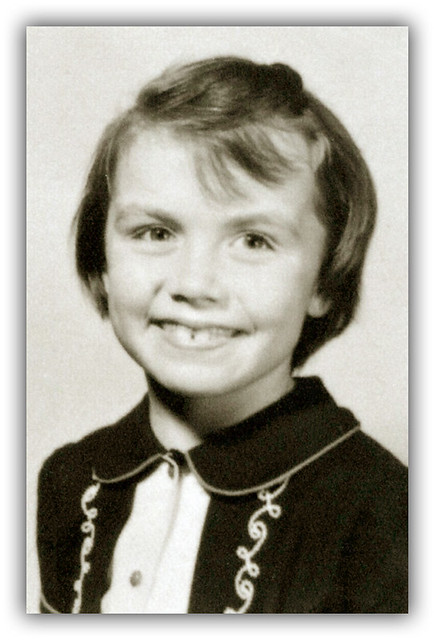
Something about the little girl’s picture at the start of the story captured me right away–she had such friendly eyes with a sunny smile that partially hid buck teeth.  This Canadian child, Janis Babson, was diagnosed with leukemia when she was only ten, and despite all efforts to stop the illness, she died in 1961.  The story was written about her determination to donate her eyes after her death, and her courage facing death was astounding.  Being nearly the same age, I was captivated and petrified at the story, amazed at Janis’ straight forward approach to her death, her family’s incredible support of her wishes, and especially her final moments, when (as I recall 54 years later) Janis looked as if she were beholding some splendor, her smile radiant.

”Is this Heaven?” she asked.   She looked directly at her father and mother and called to them:  “Mommy… Daddy !… come… quick !”

And then she was gone.  I cried buckets of tears, reading and rereading that death scene.  My mom finally had to take the magazine away from me and shooed me outside to go run off my grief.  How could I run and play when Janis no longer could?  It was a devastating realization that a child my age could get sick and die, and that God allowed it to happen.

Yet this story was more than just a tear-jerker for the readers.  Janis’ final wish was granted –those eyes that had seen the angels were donated after her death so that they would help another person see.  Janis  had hoped never to be forgotten.  Amazingly, she influenced thousands of people who read her story to consider and commit to organ donation, most of whom remember her vividly through that book excerpt in Readers’ Digest.  I know I could not sleep the night after I read her story and determined to do something significant with my life, no matter how long or short it was.  Her story influenced my eventual decision to become a physician.  She made me think about death at a very young age as that little girl’s tragic story could have been mine and I was certain I could never have been so brave and so confident in my dying moments.

Janis persevered with a unique sense of purpose and mission for one so young.  As a ten year old, she developed character that some people never develop in a much longer lifetime.  Her faith and her deep respect for the gift she was capable of giving through her death brought hope and light to scores of people who still remember her to this day.

Out of the recesses of my memory, I recalled Janis’ story a few years ago when I learned of a local child who had been diagnosed with a serious cancer.  I could not recall Janis’ name, but in googling “Readers’  Digest girl cancer story”,  by the miracle of the internet I rediscovered her name, the name of the book and a discussion forum that included posts of people who were children in the sixties, like me,  who had been incredibly touched by Janis when they read this same story as a child.  Many were inspired to become health care providers like myself and some became professionals working with organ donation.

Janis and family, may you know the gift you gave so many people through your courage in the midst of suffering, and the resulting hope in the glory of the Lord.  Your days were short here, but you touched the depth of truth and touched the hem of heaven.
~~the angels are coming indeed.

We who have been your old good friends,  because of your story,  have not forgotten how you left us and why you came in the first place.

For excerpts from “The Triumph of Janis Babson”, click here
Finding Out Who the Patient Is

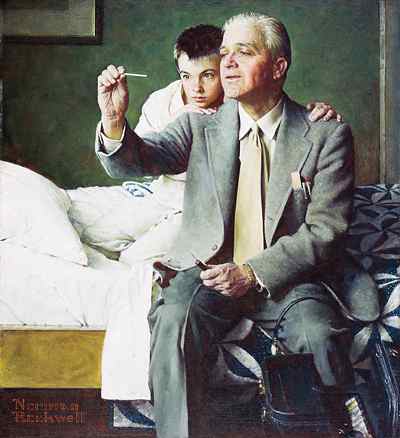
Portrait by Norman Rockwell

If you want to identify me, 
ask me not where I live, 
or what I like to eat, 
or how I comb my hair, 
but ask me what I am living for, 
in detail, 
ask me what I think is keeping me 
from living fully 
for the thing I want to live for. 
~ Thomas Merton from My Argument with the Gestapo

As a patient waiting to see my health care provider,  I would adapt Merton’s template of personal revelation this way:

If you want to know who I am,
ask me not about my insurance plan,
or what is my current address,
or whether I have a POLST on file,
or whether I have signed the Notice of Privacy Practice,
or whether I’ll accept a message on my phone —
but ask me what I am most concerned about,
in detail,
ask me what I think is causing my symptoms
and what I think is keeping me
from eating healthy, exercising regularly,
and choosing moderation in all things
so that I can live fully
for the thing I want to live for.

As a physician in the midst of a busy clinic day, I struggle to know who my patients are beyond their standard medical history and demographics.  One of my goals in our primary care clinic, now sixteen years into electronic medical record (EMR) use,  is to create a way for our patients to provide their personal history online to us via their password secured web portal.   These are the questions our clinic staff may not have opportunity to ask or record during clinic visits.  Having the patient personally document their social history and background for us to have in the chart –in essence, telling us their story in their own words–can be very helpful diagnostically and for individualizing the best treatment approach for each unique individual.

There needs to be an “About me” section in the EMR that would contain biographical and personal history information the patient could provide online via writing or video.

Tell us about yourself

This is your own personal history in your own words to be added to your electronic medical record in the folder “About Me”. You can edit and add information at any time via this secure patient portal to update it.

We want to know your story.  Only you can tell us what you think is most important for us as your health care providers to know about you.  We may not always have the time to ask and document these detailed questions in a brief clinic visit, so we are asking for your help.  

Why do we want to know your non-medical background as well as medical background?

We evaluate a patient’s symptoms of concern but we also are dedicated to helping our patients stay healthy life long.  To assist us in this effort, it is very helpful to know as much about you as possible, in addition to your past medical history.   It is crucial also to understand your family background and social history.  We want to know more about your personal goals, and what you think may be preventing you right now from living fully for the things you consider most important to you. 

This is your opportunity to tell us about yourself, with suggested questions below that you can consider answering.  This information is treated as a confidential part of your medical record, just like all information contained in your record.  You can add more at any time by returning to this site.

1)      Tell us about your family—who raised you and grew up with you, and who currently lives with you– including your racial/ethnic/cultural heritage. If relevant,  tell us whether you have biological beginnings outside of your family (e.g. adopted, egg donation, surrogate pregnancy, artificial insemination, in vitro fertilization)    Provide information on any illnesses in your biologic family.

2)     List the states or countries you have lived in, and what countries outside the U.S. you have lived in longer than a month.  Have you served in the military or another government entity, like the Peace Corps?

3)      Tell us about your educational and job background. This could include your schooling or training history,  paid or volunteer work you’ve done.  What are your hobbies, how do you spend your leisure time, what are your passions and future goals.  Where do you see yourself in ten years?

4)      Tell us about your sexual orientation and/or gender preference.

5)      Tell us about your current emotional support system—who are you most likely to share with when things are going very well for you and especially when things are not going well.

6)      Tell us about your spiritual background,  whether you are part of a faith or religious community and if so, how it impacts your life.

7)       Tell us what worries you most about your health.

8)      What would you have done differently if you could change things in your life?  What are you most thankful for in your life?

9)      What else do you feel it is important for us to know about you?

Thank you for helping us get to know you better so we can provide medical care that best meets your unique needs.

As our clinic is moving to an updated EMR, I’m interested in hearing feedback from patients and health care providers.  What additional questions would you want asked as part of personal history documentation in a medical record?

Electronic medical records allow us, as never before, the ability to share information securely between patients and their health care providers.
Patients want to tell us their story and we want to know more about them. 

It is time we asked them and truly listen to what they have to say.


Trying Not to Miss a Thing

We are here to witness the creation and abet it. We are here to notice each thing so each thing gets noticed. Together we notice not only each mountain shadow and each stone on the beach but, especially, we notice the beautiful faces and complex natures of each other. We are here to bring to consciousness the beauty and power that are around us and to praise the people who are here with us. We witness our generation and our times. We watch the weather. Otherwise, creation would be playing to an empty house.….A shepherd on a hilltop who looks at a mess of stars and thinks, ‘There’s a hunter, a plow, a fish,’ is making mental connections that have as much real force in the universe as the very fires in those stars themselves.


~Annie Dillard from Life Magazine’s “The Meaning of Life”

I can feel overwhelmed by the amount of “noticing” I need to do in the course of my work every day.  Each patient deserves my full attention for the few minutes we are together.  I start my clinical evaluation the minute I walk in the exam room and begin taking in all the complex verbal and non-verbal clues sometimes offered by another human being.   What someone tells me about what they are feeling may not always match what I notice:  the trembling hands, the pale skin color, the deep sigh, the scars of self injury.  I am their audience and a witness to their struggle; even more, I must understand it in order to best assist them.  My brain must rise to the occasion of taking in another person and offering them the gift of being noticed.  It is distinctly a form of praise: they are the universe for a few moments and I’m grateful to be part of it.

Being conscious to what and who is around me at all times is simultaneously exhilarating and exhausting.  I must reduce the expanse of creation to fit my limited synapses, so I can take it all in without exploding with the overload, to make sense of the “mess” around me and within me.

Noticing is only the beginning.  It concludes with praise and gratitude.

To Be Interruptible

We must be ready to allow ourselves to be interrupted by God.
― Dietrich Bonhoeffer

We may ignore, but we can nowhere evade, the presence of God. The world is crowded with Him. He walks everywhere incognito. And the incognito is not always easy to penetrate. The real labor is to remember to attend. In fact to come awake. Still more to remain awake.
~C.S. Lewis from “Letters to Malcolm: Chiefly on Prayer”

I’ve worked hard in my professional life to be interruptible;  my patients, colleagues and staff need to be able to stop my momentum at any time to ask a question, get an opinion or redirect my attention to something more important.  As a physician, it is crucial that I remain prioritized from outside my field of vision as I don’t always know where I’m needed most.

In my personal life, I struggle with interruptions happening outside my control.  I feel imposed upon when things don’t flow as I hoped or planned– after all,  this is MY life.

Yet…

God interrupts.  God interferes.  God intervenes.  God intrudes.  God intercedes.

As He must because He is God. And I must be ready, accepting, answering His grace with grace.

It is HIS life living within me, His plan, His timing, His priorities.

Not mine.

Never mine.

Composting

Nature teaches nothing is lost.
It’s transmuted.

Spread between rows of beans,
last year’s rusty leaves tamp down weeds.
Coffee grounds and banana peels
foster rose blooms. Bread crumbs
scattered for birds become song.
Leftovers offered to chickens come back
as eggs, yolks sunrise orange.
Broccoli stems and bruised apples
fed to cows return as milk steaming in the pail,
as patties steaming in the pasture.

Surely our shame and sorrow
also return,
composted by years
into something generative as wisdom.

~Laura Grace Weldon, “Compost Happens” from Blackbird

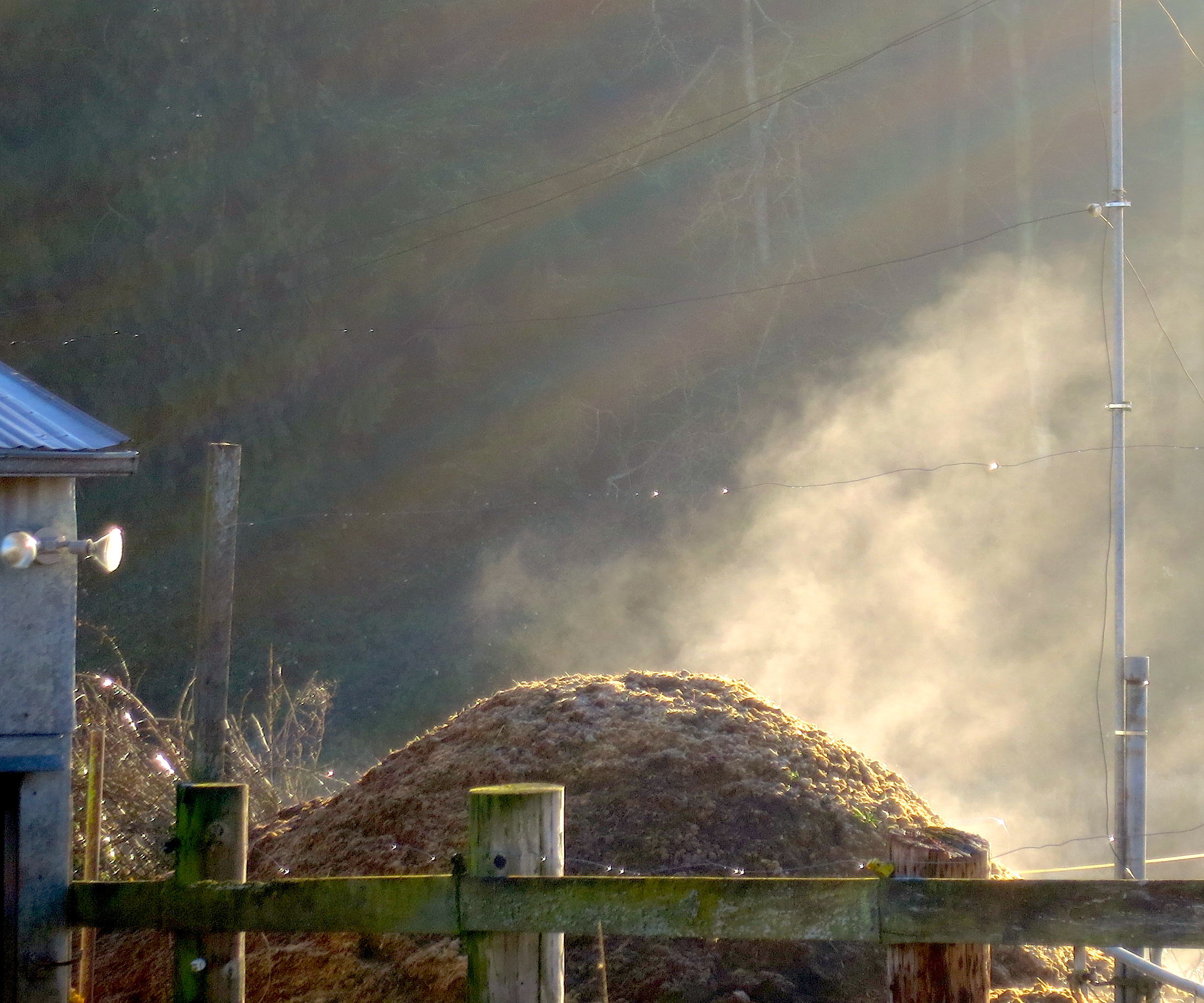
As a farmer, I spend over an hour a day cleaning my barn, and wheel heavy loads of organic material to a large pile in our barnyard which composts year round.  Piling up all that messy stuff that is no longer needed is crucial to the process: it heats up quickly to the point of steaming, and within months, it becomes rich fertilizer, ready to help the fields to grow grass, or the garden to produce vegetables, or the fragrant blooms in the flower beds.  It becomes something far greater and more productive than what it was to begin with. 

That’s what my past clinical work in detox and treatment of addictions was like.

As a physician, I helped patients “clean up” the parts of their lives they can’t manage any longer, that are causing problems with their health, their families and jobs, and most of all, their relationship with their Creator.  There isn’t a soul walking this earth who doesn’t struggle in some way with things that take over our lives, whether it is work,  computer use, food, gambling, you name it.  For the chemically dependent, it comes in the form of smoke, a powder, a bottle, a syringe or a pill.  There is nothing that has proven more effective than “piling up together” learning what it takes to walk the road to health and healing, “heating up”, so to speak, in an organic process of transformation that is, for lack of any better description, primarily a spiritual treatment process. 

When a support group becomes a crucible for the “refiner’s fire”,  it does its best work melting people down to rid the impurities before they can be built back up again, stronger than ever.  They become compost, productive, with the wisdom and readiness to grow others.

This work with a spectrum of individuals of all races, professional and blue collar, rich and homeless,  coming from all over the state for help,  was transforming for me.  I worked with incredibly gifted nursing and counseling staff, some recovering themselves, who dedicated their careers to this work.

As Jesus says in Matthew 25: 40–‘I tell you the truth, whatever you did for one of the least of these brothers of mine, you did for me.’

Nature teaches that nothing is lost.

God teaches we seek out the lost until they are found and then and only then, the work of transformation begins.

Go Forth with the Dawn

The heart of a woman goes forth with the dawn,
As a lone bird, soft winging, so restlessly on,
Afar o’er life’s turrets and vales does it roam
In the wake of those echoes the heart calls home.
~Georgia Douglas Johnson from
The Heart of a Woman and Other Poems

There are some days, as I look at what must be accomplished, I just fling my heart out ahead of me in the hope I might catch up with it and bring it back home before the sun goes down.

It is a race to see if anyone else rescues it first or if anyone even notices it out there fluttering its way through the day.

Perhaps, once flung with the dawn, it will keep winging its way home and I’ll find it patiently waiting there for me when I return tonight through the door.

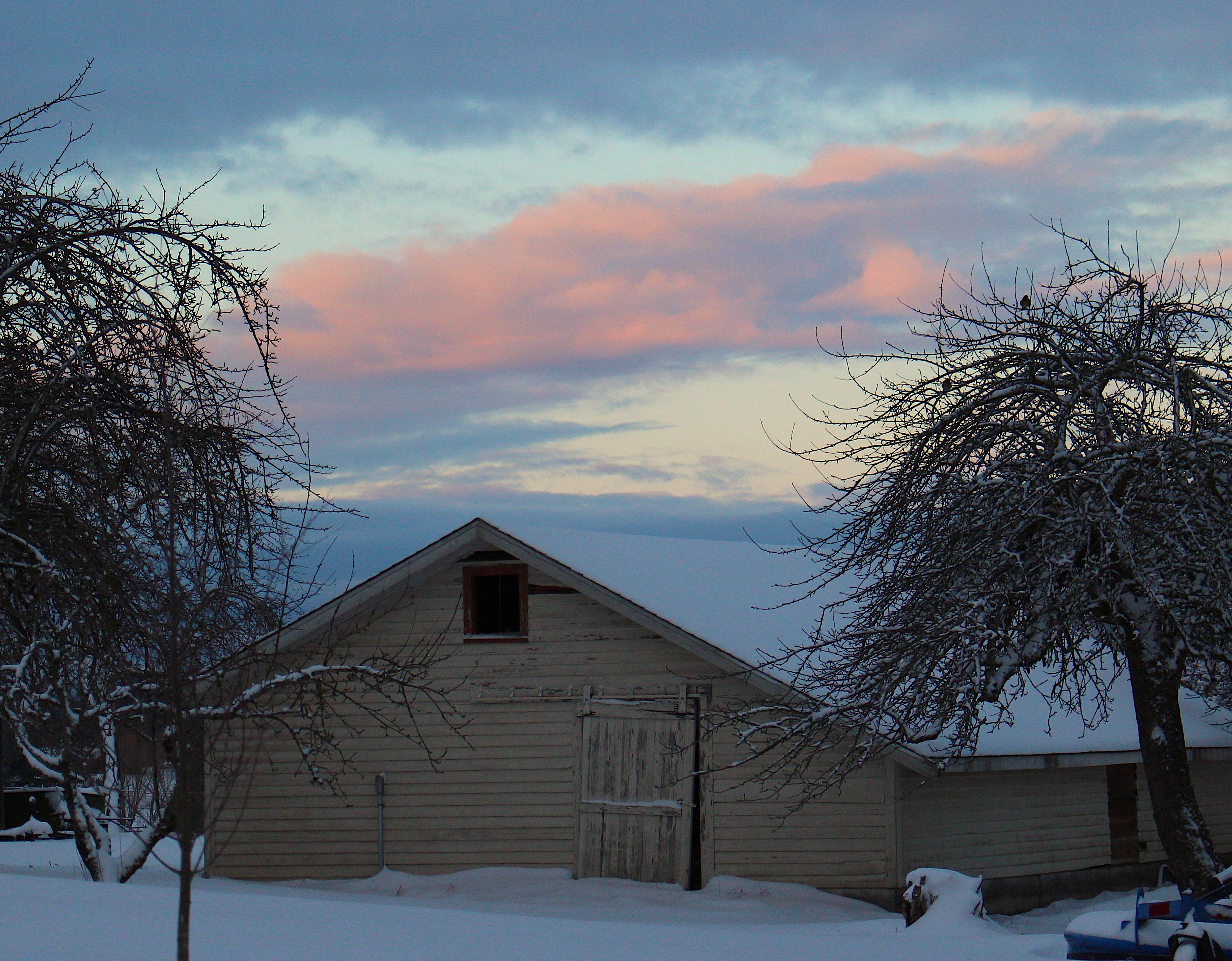
A Wedding of Lace

…Then how his muffled armies move in all night
And we wake and every road is blockaded
Every hill taken and every farm occupied
And the white glare of his tents is on the ceiling.
And all that dull blue day and on into the gloaming
We have to watch more coming.

Then everything in the rubbish-heaped world
Is a bridesmaid at her miracle.
Dunghills and crumbly dark old barns are bowed in the chapel of her sparkle.
The gruesome boggy cellars of the wood
Are a wedding of lace
Now taking place.
~Ted Hughes from “Snow and Snow”

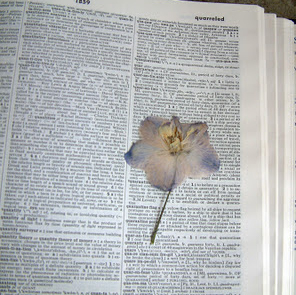
I wish one 
could press snowflakes 
in a book
like flowers.
~James Schuyler from “February 13, 1975”

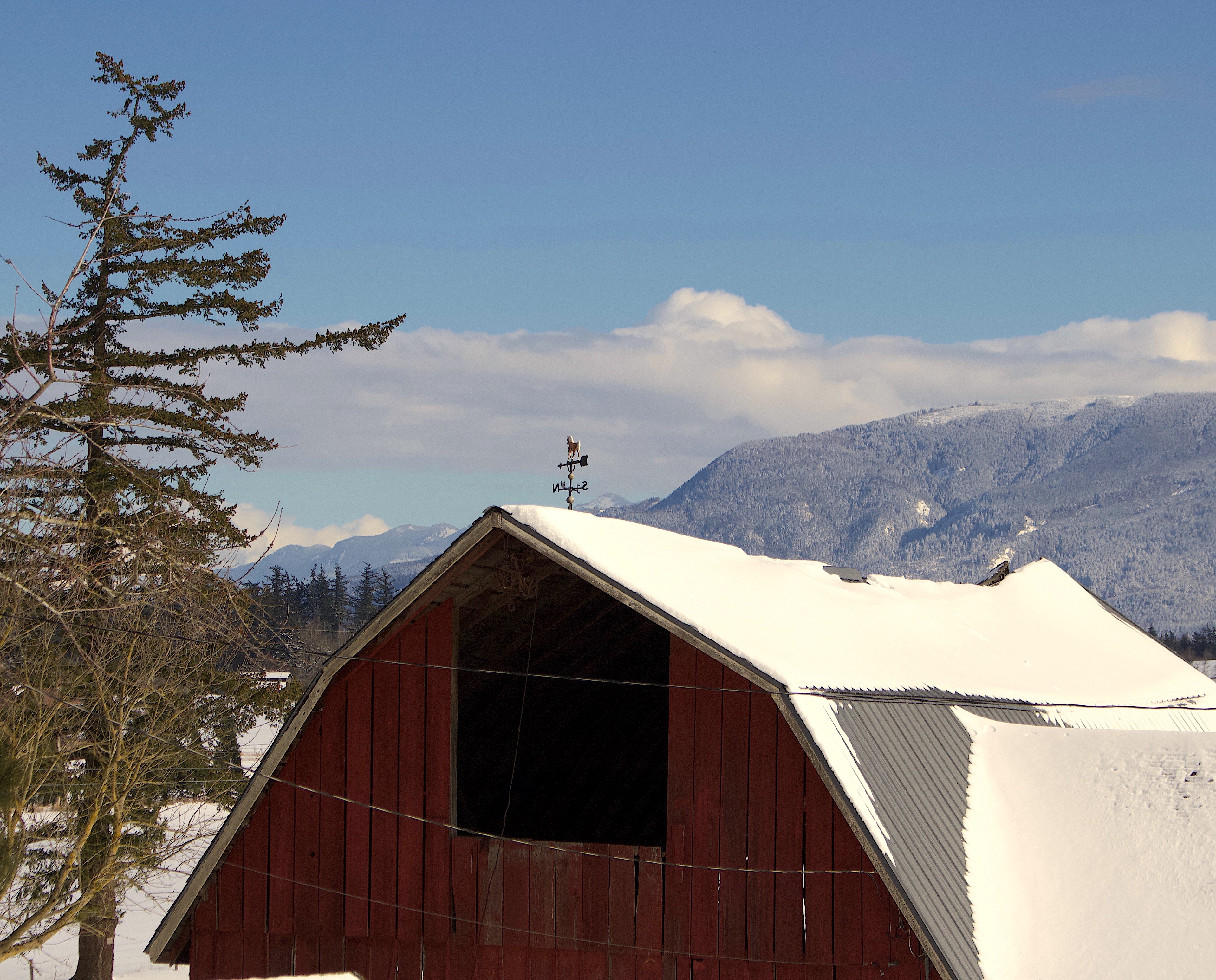
It’s true that three snow days in a row is unprecedented in our part of the world. Being snowbound by driveway-blocking drifts has its advantages until it isn’t fun any longer and means even more work to be done both on and off the farm, especially for a physician stranded from her closed clinic.

I’ve been doing my best taking care of our clinic’s patients via messaging, text and other media, but there is a limit to my virtual reach: I can’t palpate a tender belly, or feel swollen lymph nodes or listen to someone’s palpitations, though it is a little easier to discern despair, anticipate anxiety and work out someone’s worries from afar.

But I do have a view of the wedding lace of our woods and the sparkling chapels made of our tired old barns and buildings on the farm. I’m reminded that even I can be dressed up with a covering as white as snow. So lovely to look at, if only to be preserved for the long summer days that lie ahead — a wilting snowflake pressed into a book like a flower remembered, its fragrance still attached.

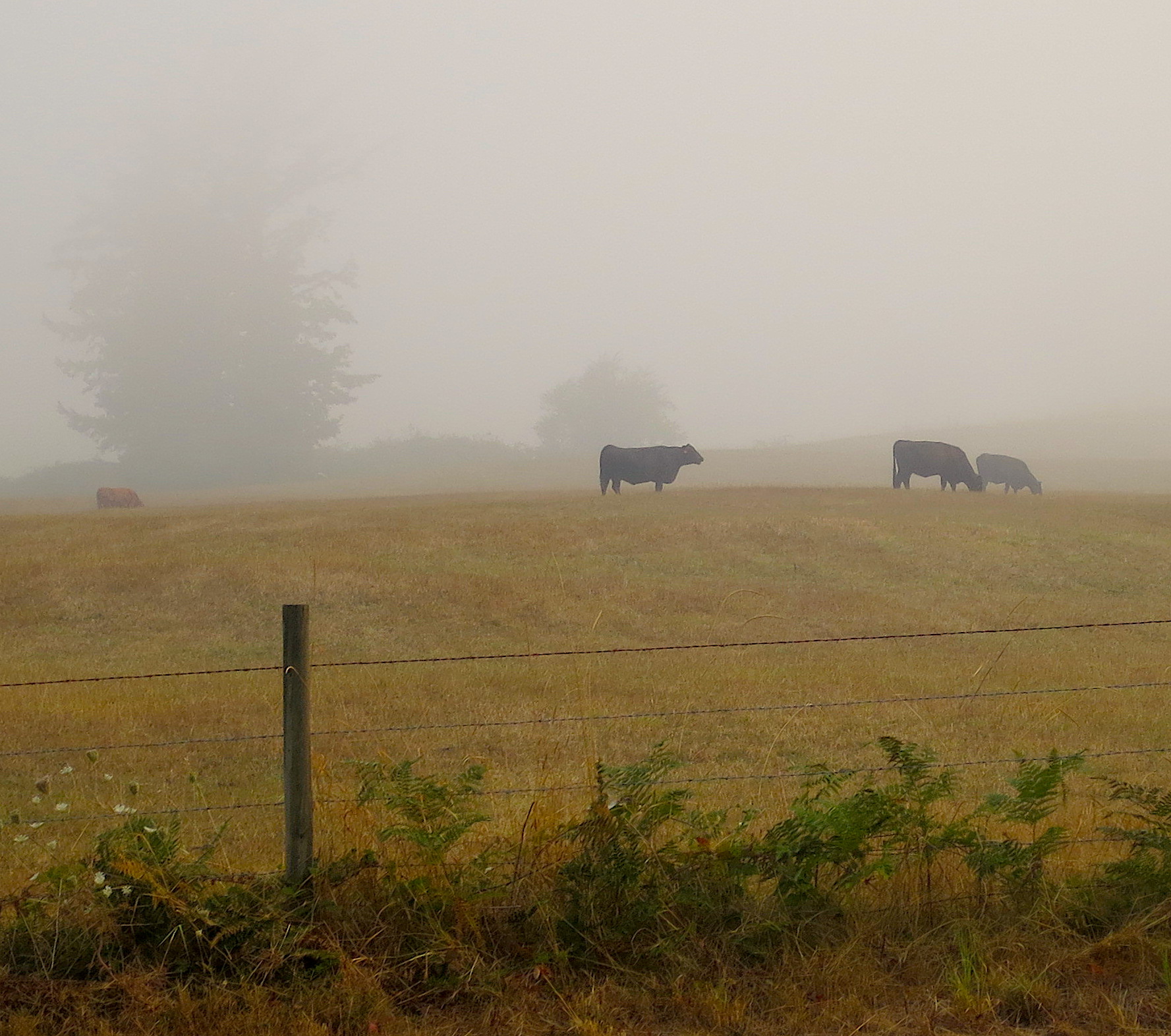
Clearing the Fog


Tired and hungry, late in the day, impelled
to leave the house and search for what
might lift me back to what I had fallen away from,
I stood by the shore waiting.
I had walked in the silent woods:
the trees withdrew into their secrets.
Dusk was smoothing breadths of silk
over the lake, watery amethyst fading to gray.
Ducks were clustered in sleeping companies
afloat on their element as I was not
on mine.

I turned homeward, unsatisfied.
But after a few steps, I paused, impelled again
to linger, to look North before nightfall-the expanse
of calm, of calming water, last wafts
of rose in the few high clouds.

And was rewarded:
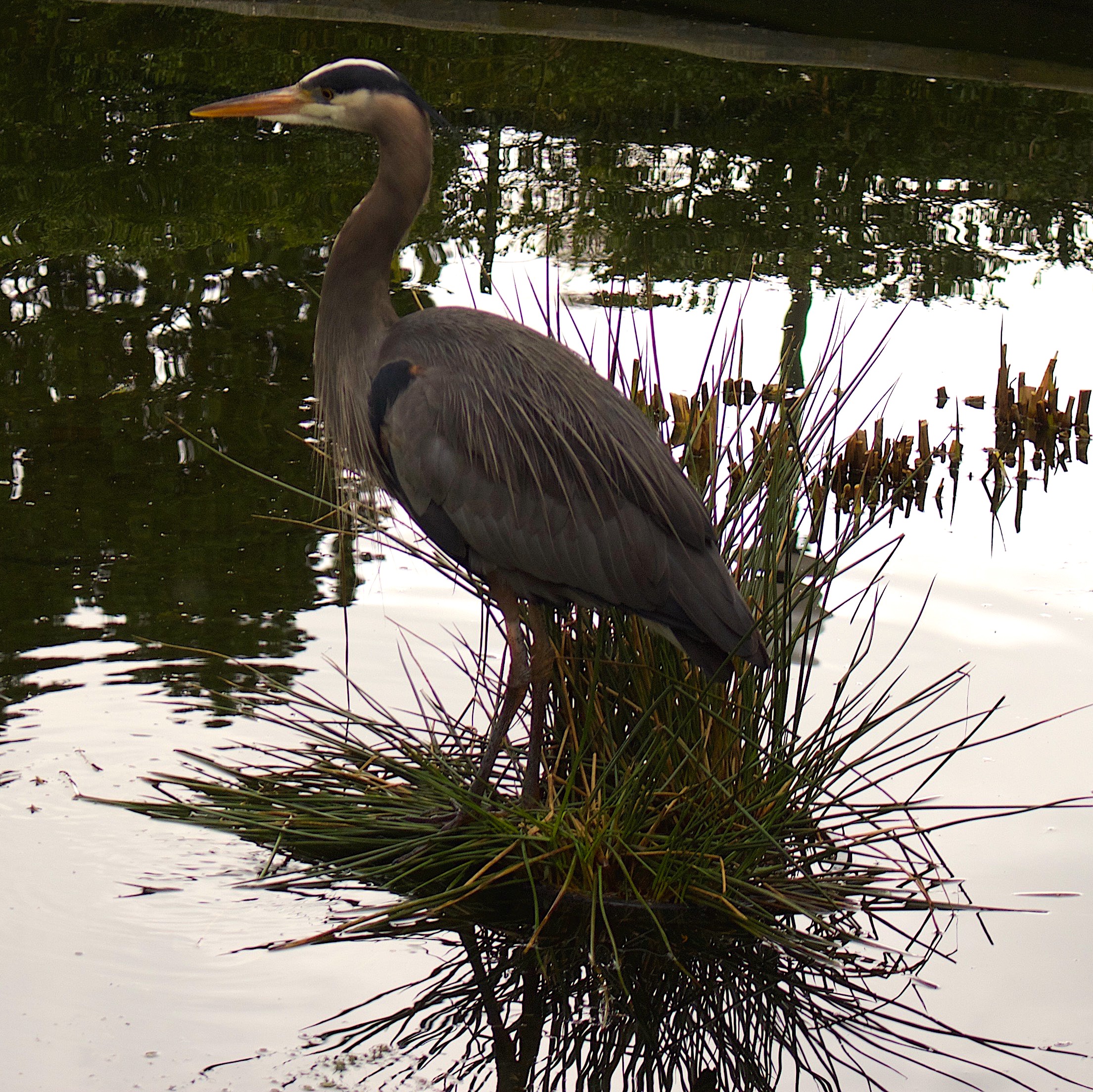
the heron, unseen for weeks, came flying
widewinged toward me, settled
just offshore on his post,
took up his vigil.
                               If you ask
why this cleared a fog from my spirit,
I have no answer.
~Denise Levertov “A Reward” from Evening Train.


~Lustravit lampade terras~
(He has illumined the world with a lamp)
The weather and my mood have little connection.
I have my foggy and my fine days within me;
my prosperity or misfortune has little to do with the matter.
– Blaise Pascal from “Miscellaneous Writings”

And so you have a life that you are living only now,
now and now and now,
gone before you can speak of it,
and you must be thankful for living day by day,
moment by moment …
a life in the breath and pulse and living light of the present…

~Wendell Berry from Hannah Coulter

Worry and sorrow and angst are more contagious than the flu.
I mask up and wash my hands of it throughout the day.
There should be a vaccination against unnamed fears.

I want to say to my patients and to myself:
Stop now, this moment in time.
Stop and stop and stop.

Stop needing to be numb to all discomfort.
Stop resenting the gift of each breath.
Just stop.
Instead, simply be.

I want to say:
this moment, foggy or fine, is yours alone,
this moment of weeping and sharing
and breath and pulse and light.

Shout for joy in it.
Celebrate it.

Be thankful for tears that can flow over grateful lips
just as rain can clear the fog.
Stop holding them back.

Just be–
be blessed in both the fine and the foggy days–
in the now and now and now.


Keeping Your Face Hidden


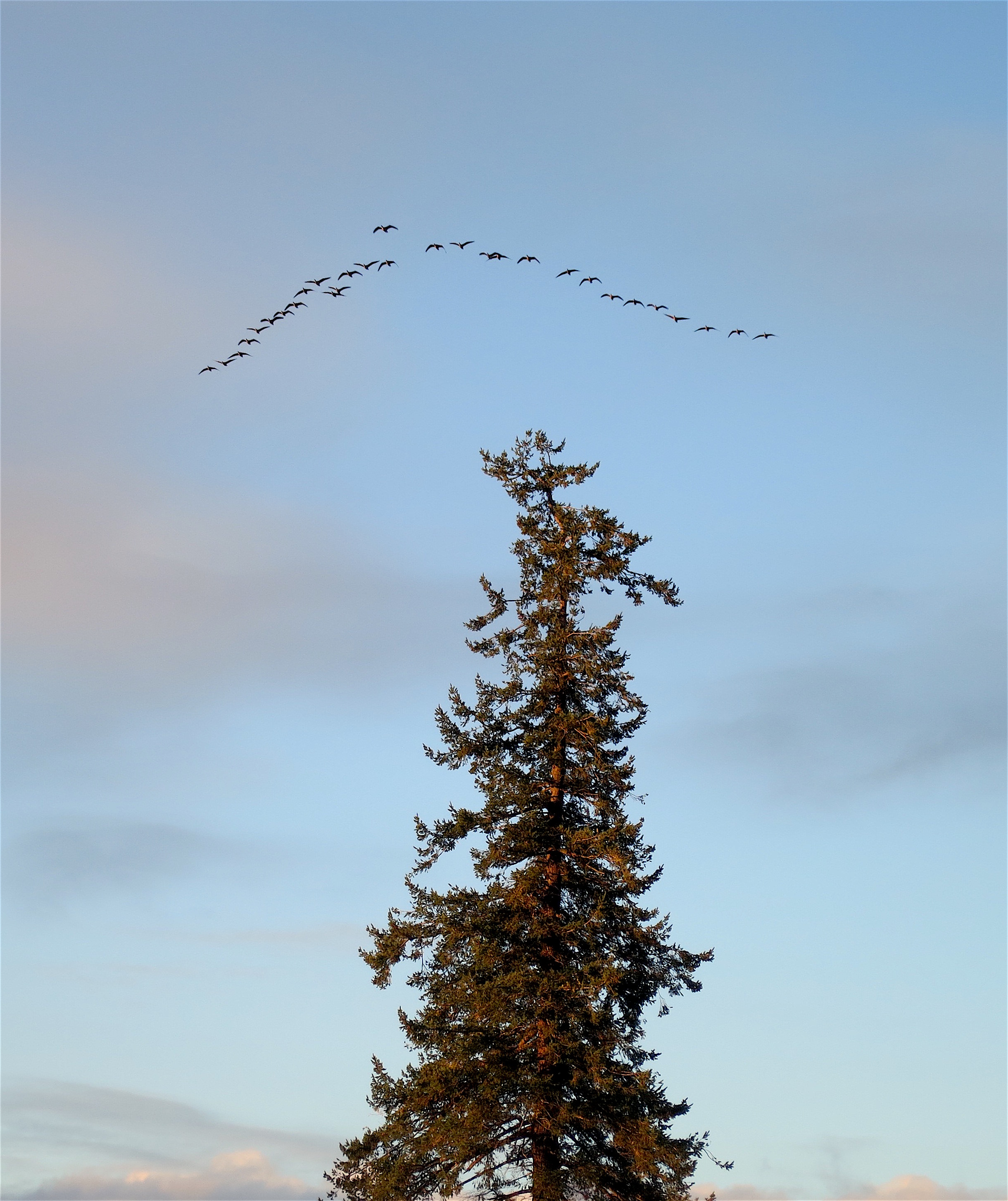
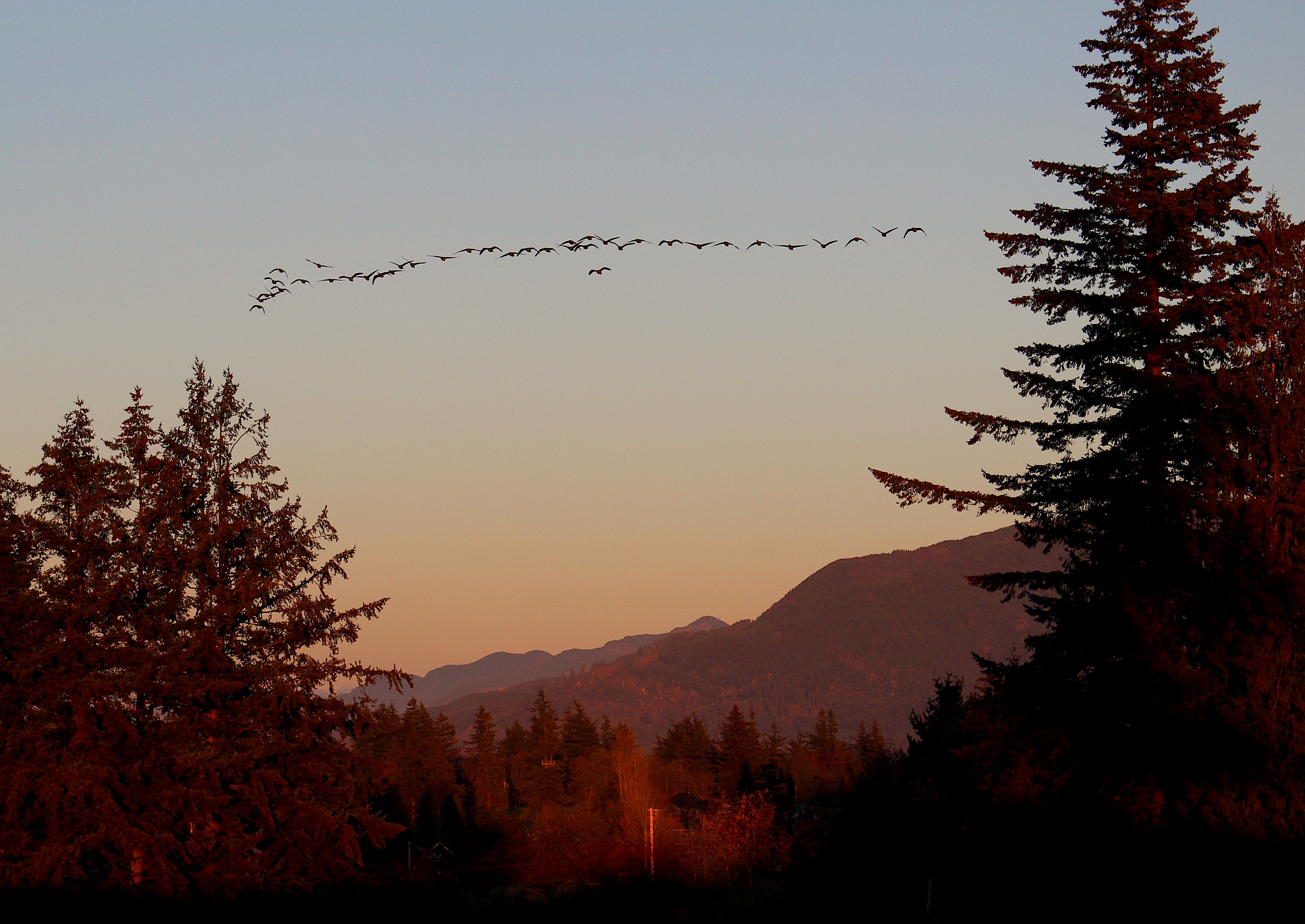
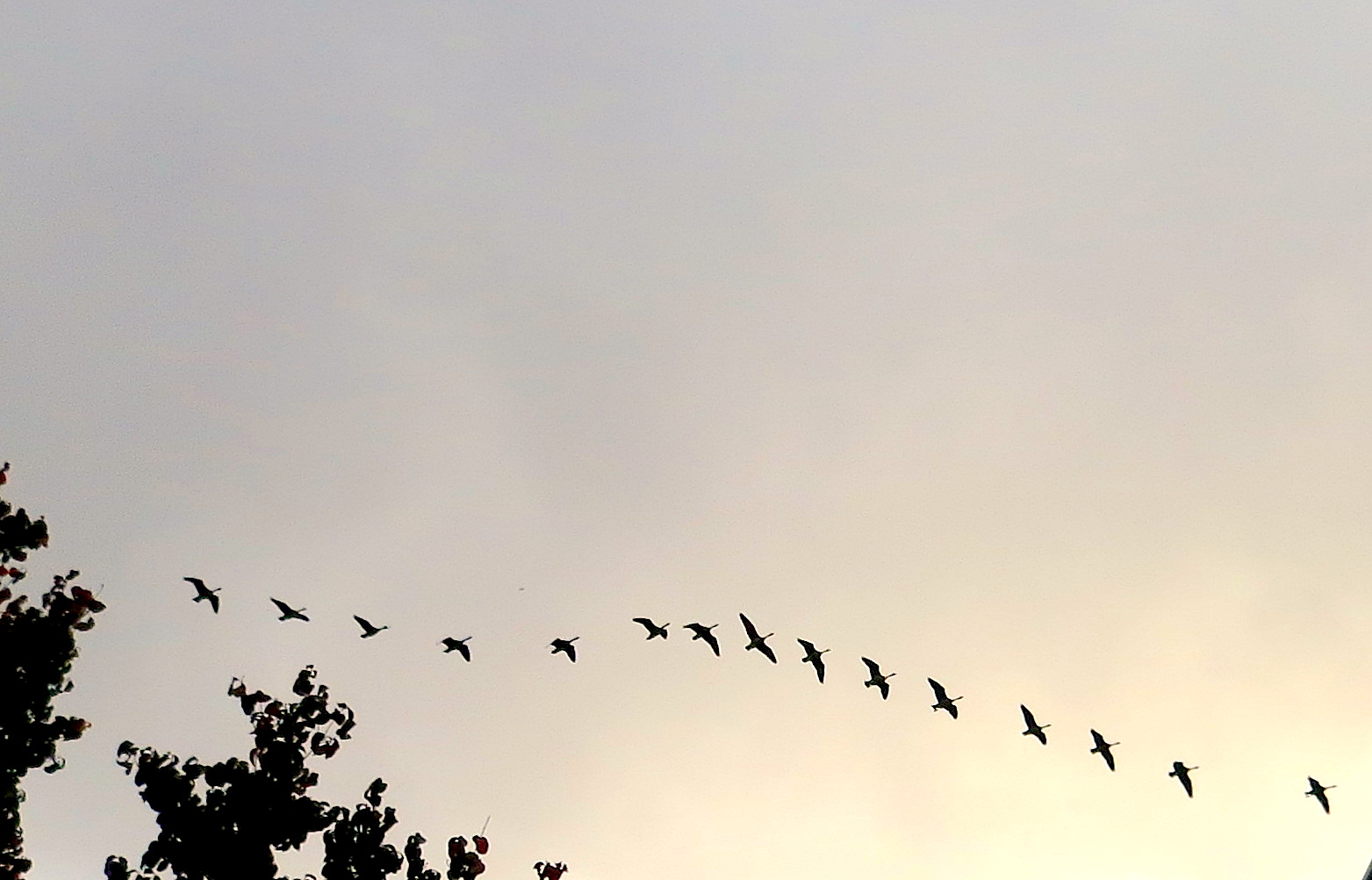
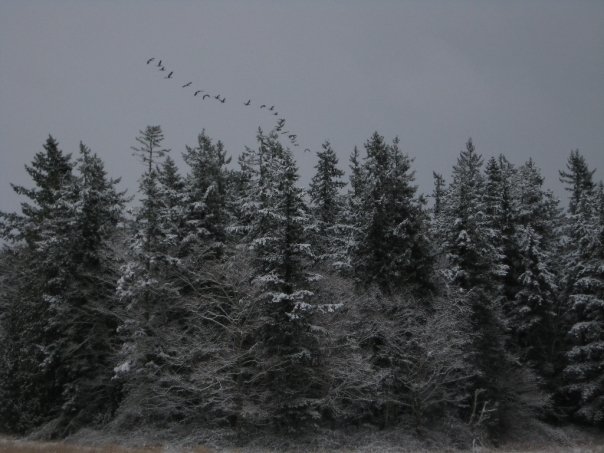
Vast whisp-whisp of wingbeats
awakens me and I look up
at a minute-long string of black geese’
following low past the moon the white
course of the snow-covered river and
by the way thank You for
keeping Your face hidden, I
can hardly bear the beauty of this world
~Franz Wright from “Cloudless Snowfall”


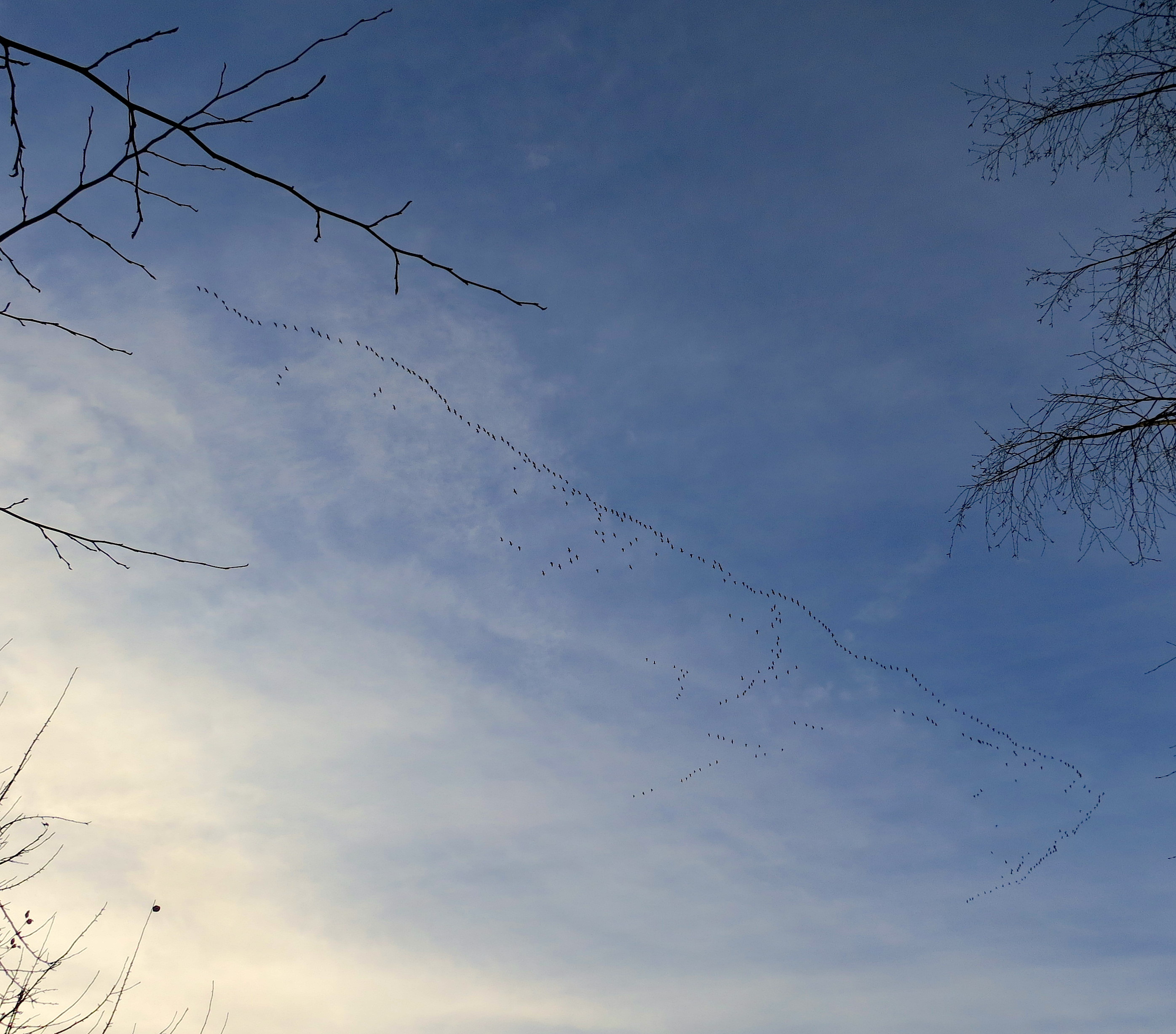
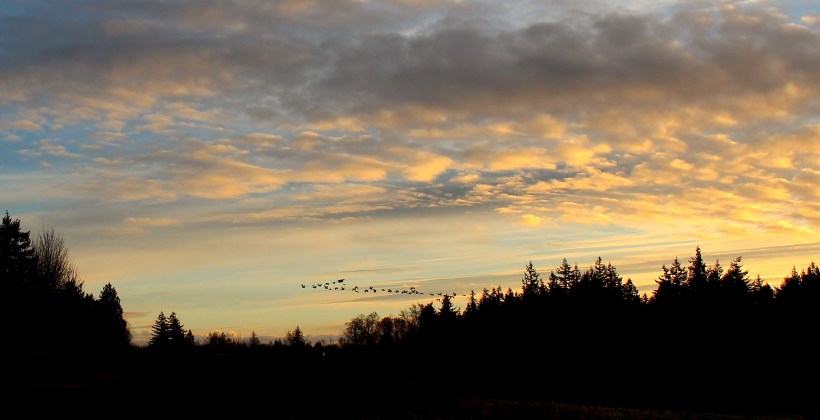
A psalm of geese
labours overland

cajoling each other
near half…

The din grew immense.
No need to look up.

All you had to do
was sit in the sound

and put it down
as best you could…

It’s not a lonesome sound
but a panic,

a calling out to the others
to see if they’re there;

it’s not the lung-full thrust of the prong of arrival
in late October;
not the slow togetherness

of the shape they take
on the empty land
on the days before Christmas:

this is different, this is a broken family,
the young go the wrong way,

then at daybreak, rise up and follow their elders
again filled with dread,
at the returning sound of the journey ahead.
~Dermot Healy from A Fool’s Errand 


We are here to witness the creation and abet it. We are here to notice each thing so each thing gets noticed. Together we notice not only each mountain shadow and each stone on the beach but, especially, we notice the beautiful faces and complex natures of each other. We are here to bring to consciousness the beauty and power that are around us and to praise the people who are here with us. We witness our generation and our times. We watch the weather. Otherwise, creation would be playing to an empty house.
~Annie Dillard from The Meaning of Life
 edited by David Friend


I am overwhelmed by the amount of “noticing” I need to do in the course of my work.  Each patient, and there are so many,  deserves my full attention for the few minutes we are together.  I start my clinical evaluation the minute I walk in the exam room and begin taking in all the complex verbal and non-verbal clues offered by another human being.

How are they calling out to me as they keep their faces hidden?

What someone tells me about what they are feeling may not always match what I notice:  the trembling hands, the pale skin color, the deep sigh, the scars of self injury.  I am their audience and a witness to their struggle; even more, I must understand it in order to best assist them.  My brain must rise to the occasion of taking in another person, offering them the gift of being noticed and being there for them, just them.

This work I do is distinctly a form of praise: the patient is the universe for a few moments and I’m grateful to be watching and listening. When my patient calls out to me, may they never feel they are playing to an empty house. May I always look for the beauty in their hidden faces.

An Advent Paradox: Glory in the Darkest Place


O come, thou Dayspring, come and cheer
our spirits by thine advent here;
dispel the shadows of the night,
and turn our darkness into light.
~from O Come O Come Emmanuel


Moonless darkness stands between.
Past, O Past, no more be seen!
But the Bethlehem star may lead me
To the sight of Him who freed me
From the self that I have been.
Make me pure, Lord: Thou art holy;
Make me meek, Lord: Thou wert lowly;
Now beginning, and alway:
Now begin, on Christmas day.
~Gerard Manley Hopkins


I leave home in darkness to go to work and come home in darkness in the late afternoon.  It seems for days on end the sun never shines as I’m tucked away with patients in clinic consult rooms hearing their own struggle against the darkness.

Where is the light that I promise to each of them if I can’t feel it myself?

Yet Glory is present in the darkest place and the Light has come.

I will remember His promise.
Even in the darkness I know His face.
He knows I know.


[Verse 1]
Out of the depths of silent night
Immanuel, come hear our cry
Our grief is strong, our burdens great
The night is long and hope is faint

[Verse 2]
You came to set the captives free
A Morning Star of joy and peace
Why does this darkness feel so deep?
Why can’t our weary spirits see?

[Chorus]
Glory, glory
Glory in the darkest place
Glory, glory
Glory, let Your mercy reign

[Verse 3]
Out of the depths of silent night
A Savior born, a mother’s sigh
The darkness trembled at this Star
A beam of hope for troubled hearts

[Verse 4]
You came to make Your blessings known
And bear our curse of death alone
You came to share our suffering
So in our sorrow, we could sing

[Chorus]
Glory, glory
Glory in the darkest place
Glory, glory
Glory, let Your mercy reign
Glory, glory
Glory in the darkest place
Glory, glory
Glory, let Your mercy reign
Brittany Hope