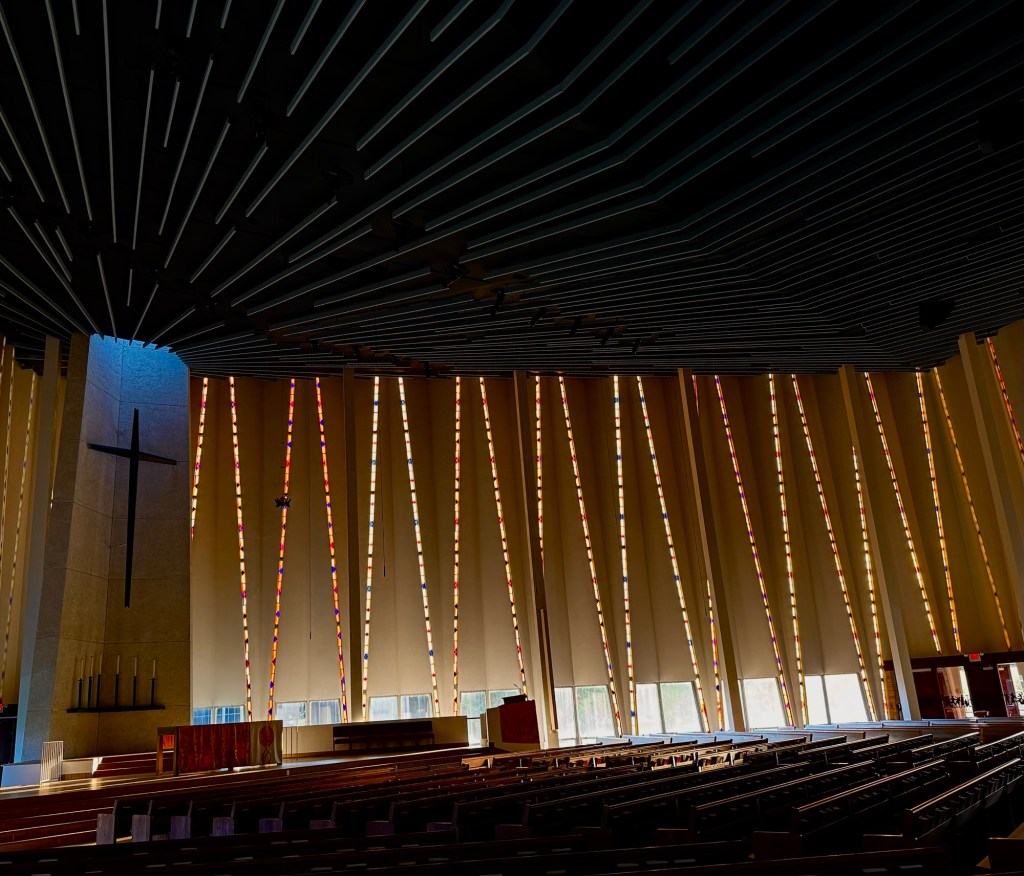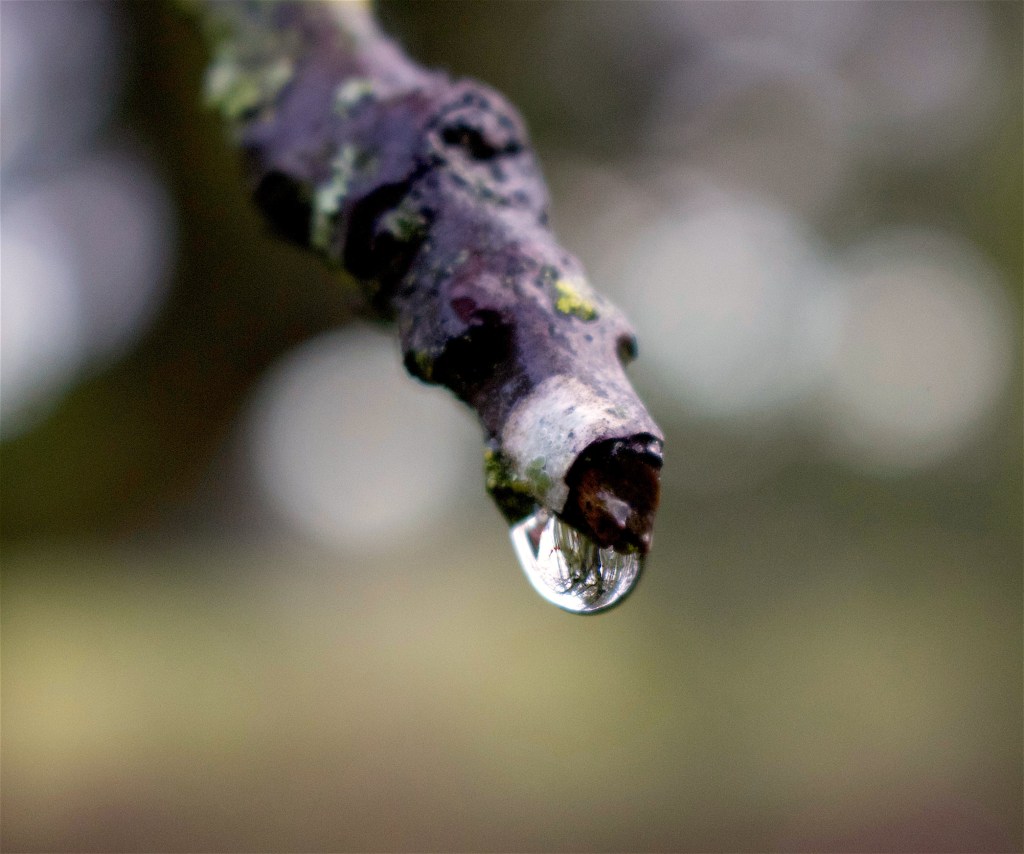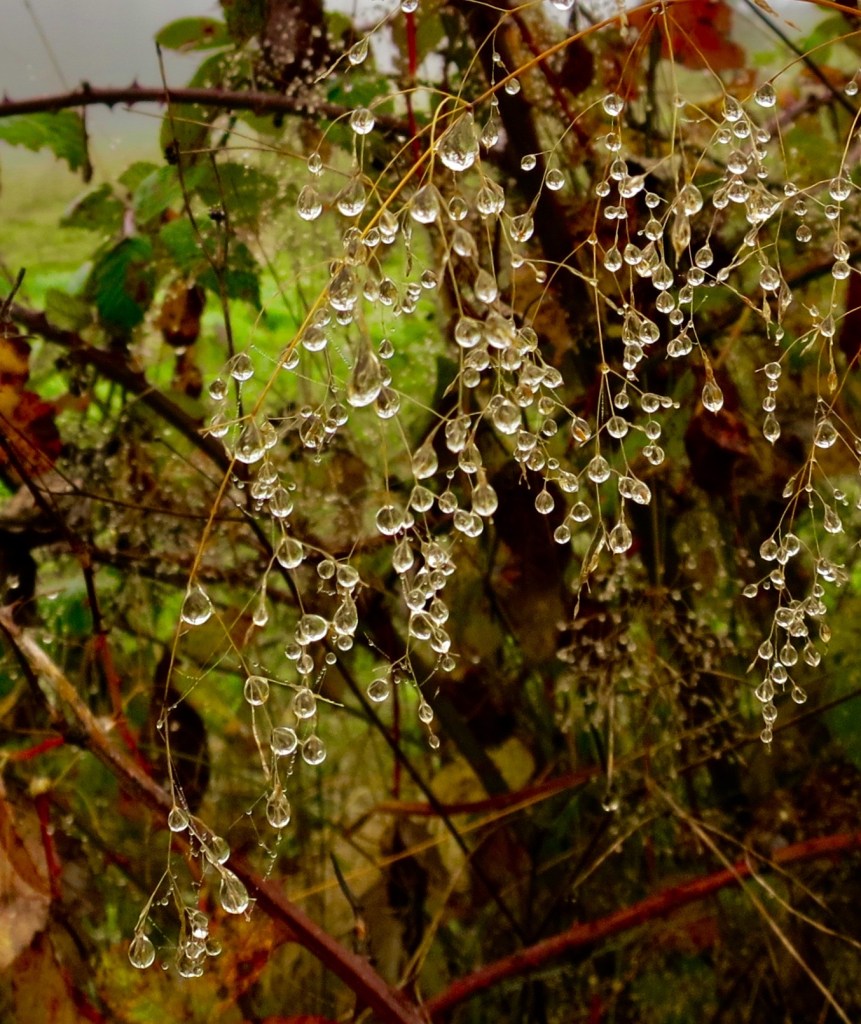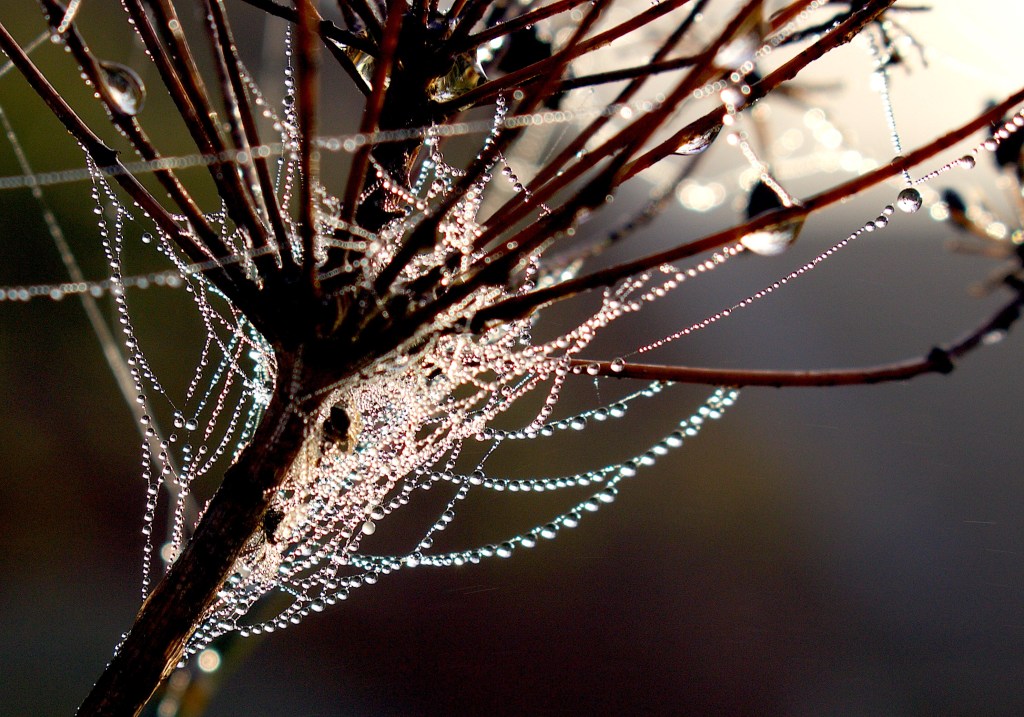
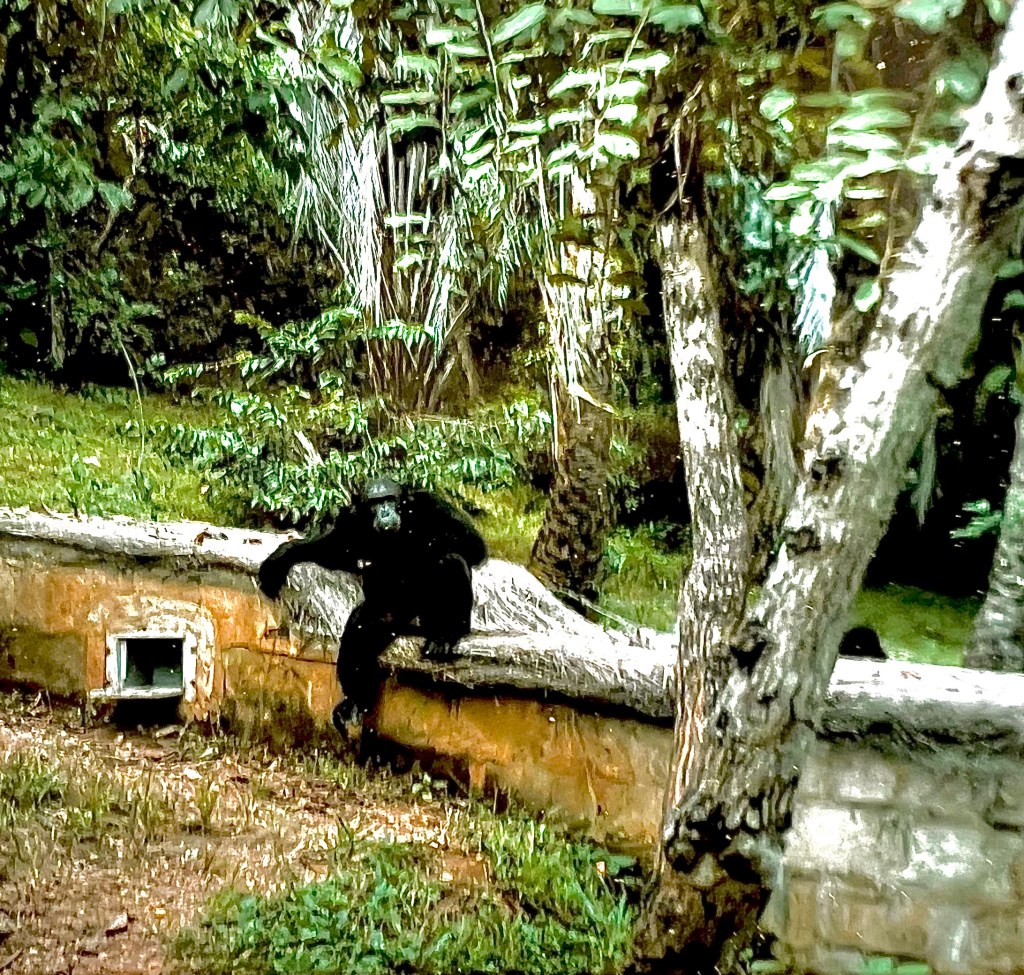
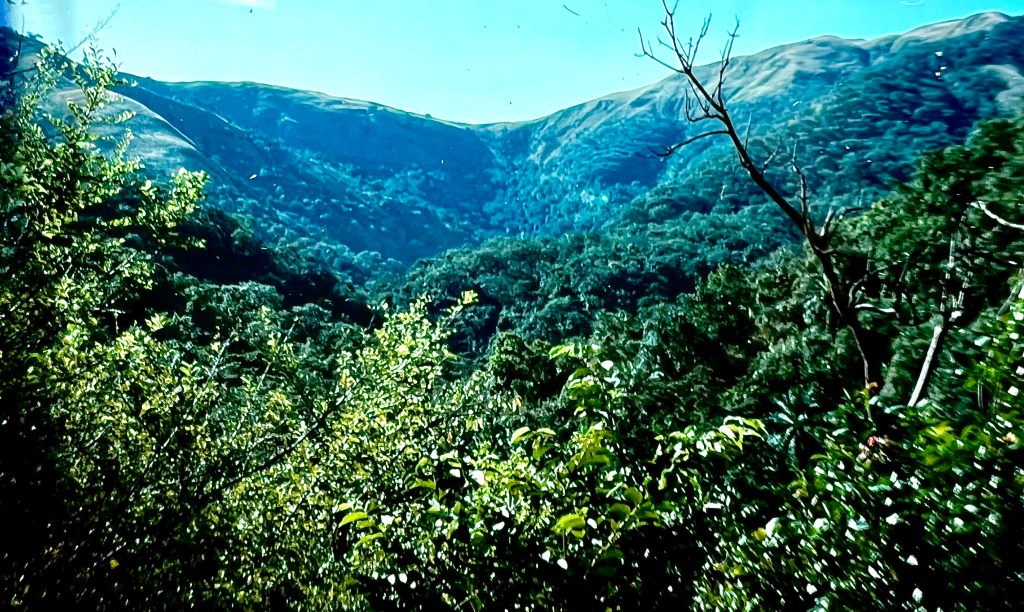
May 19 – Fifty Years Ago Today

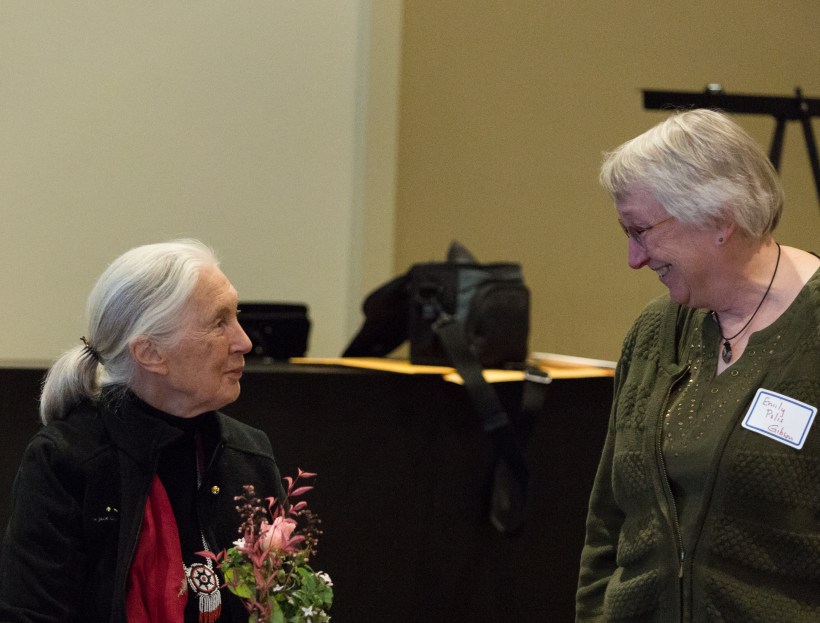
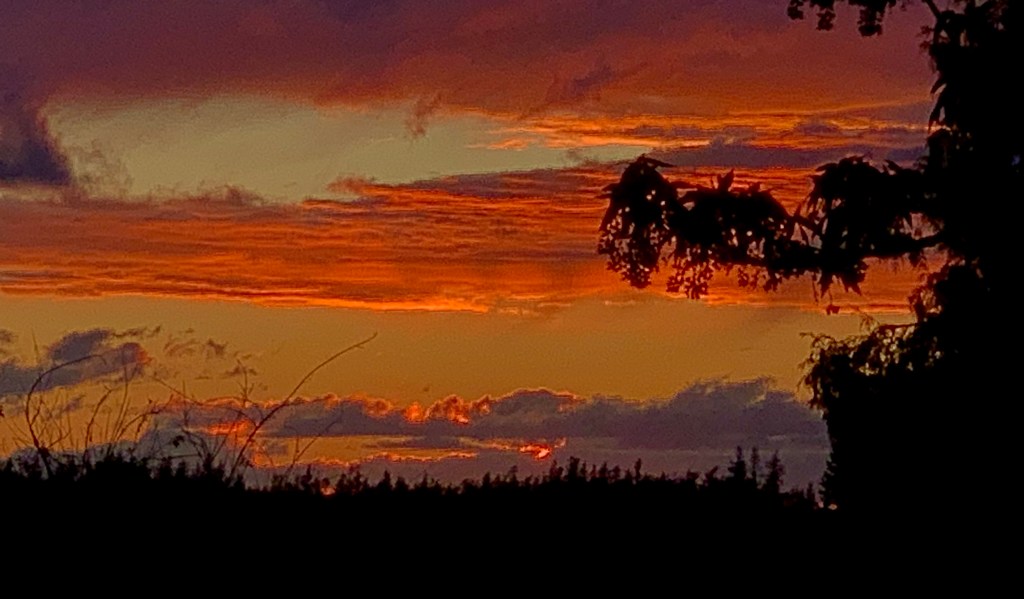
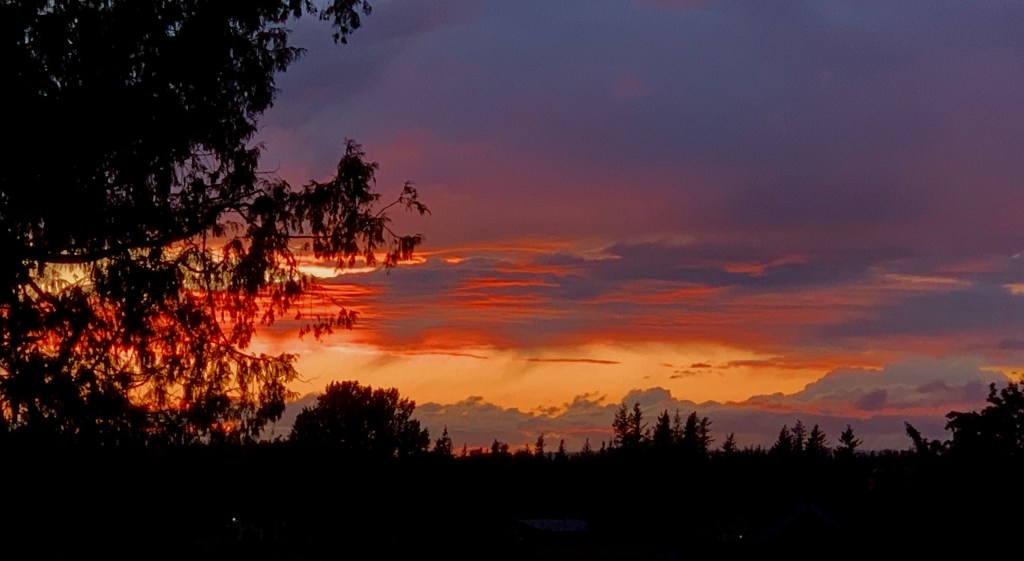
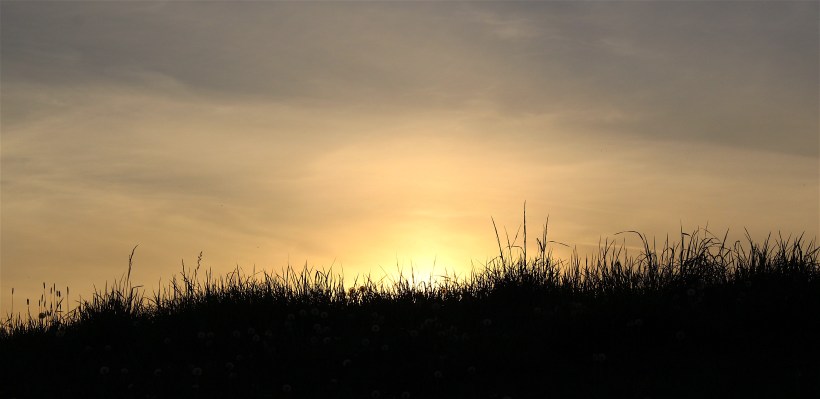
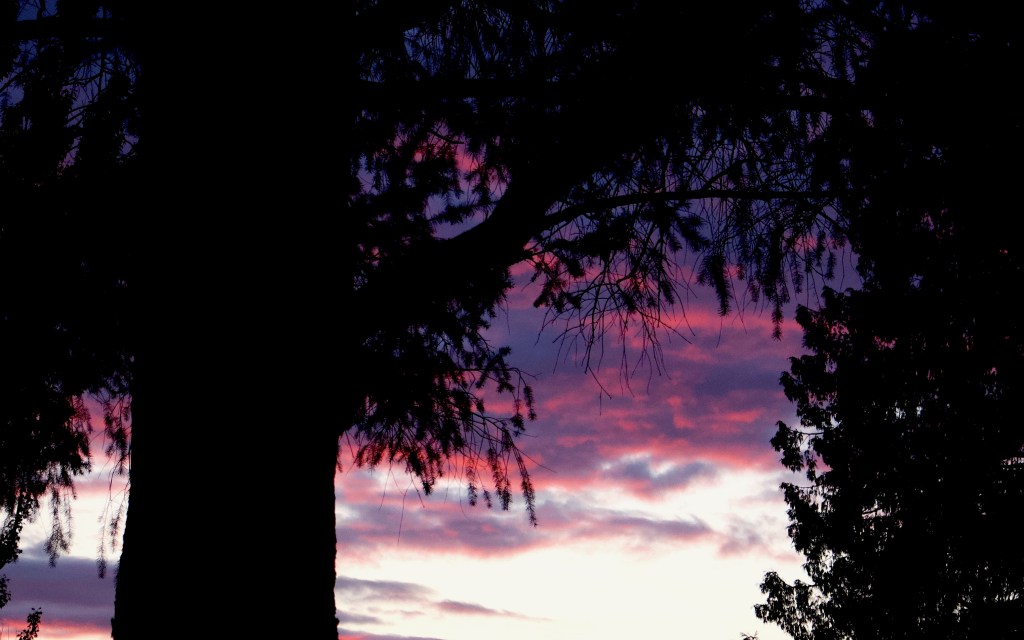
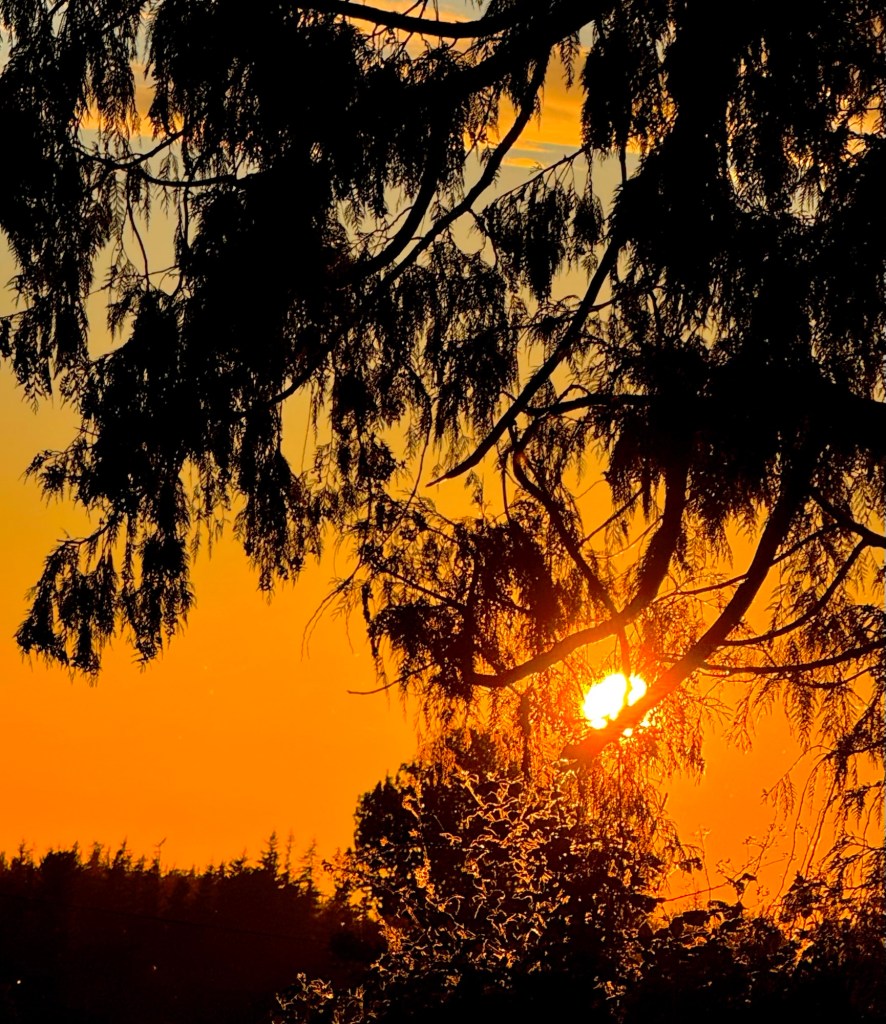
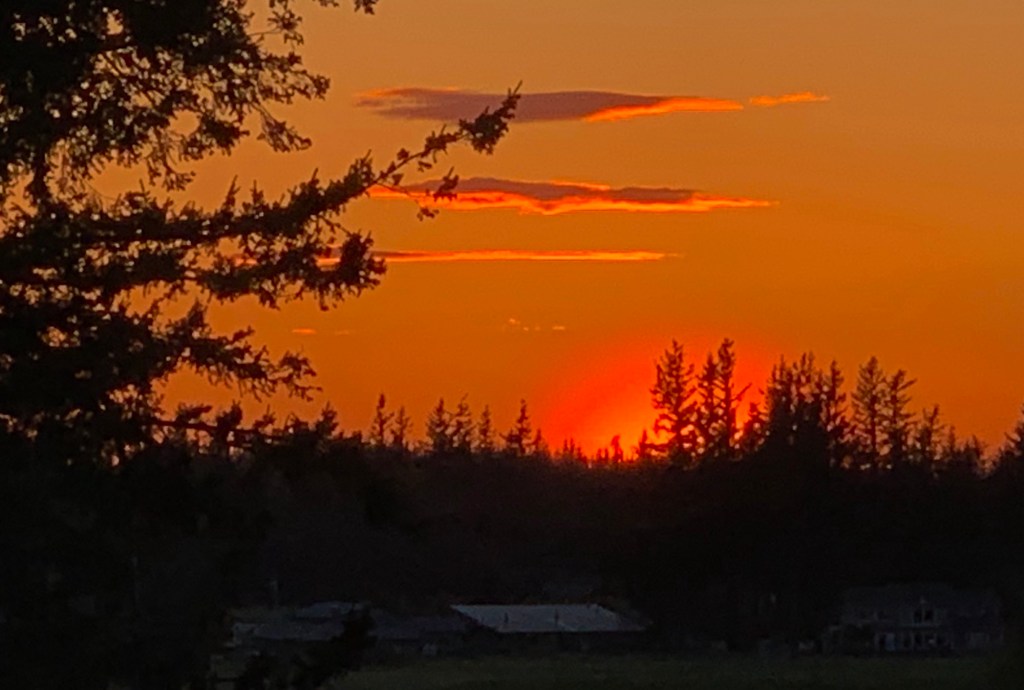
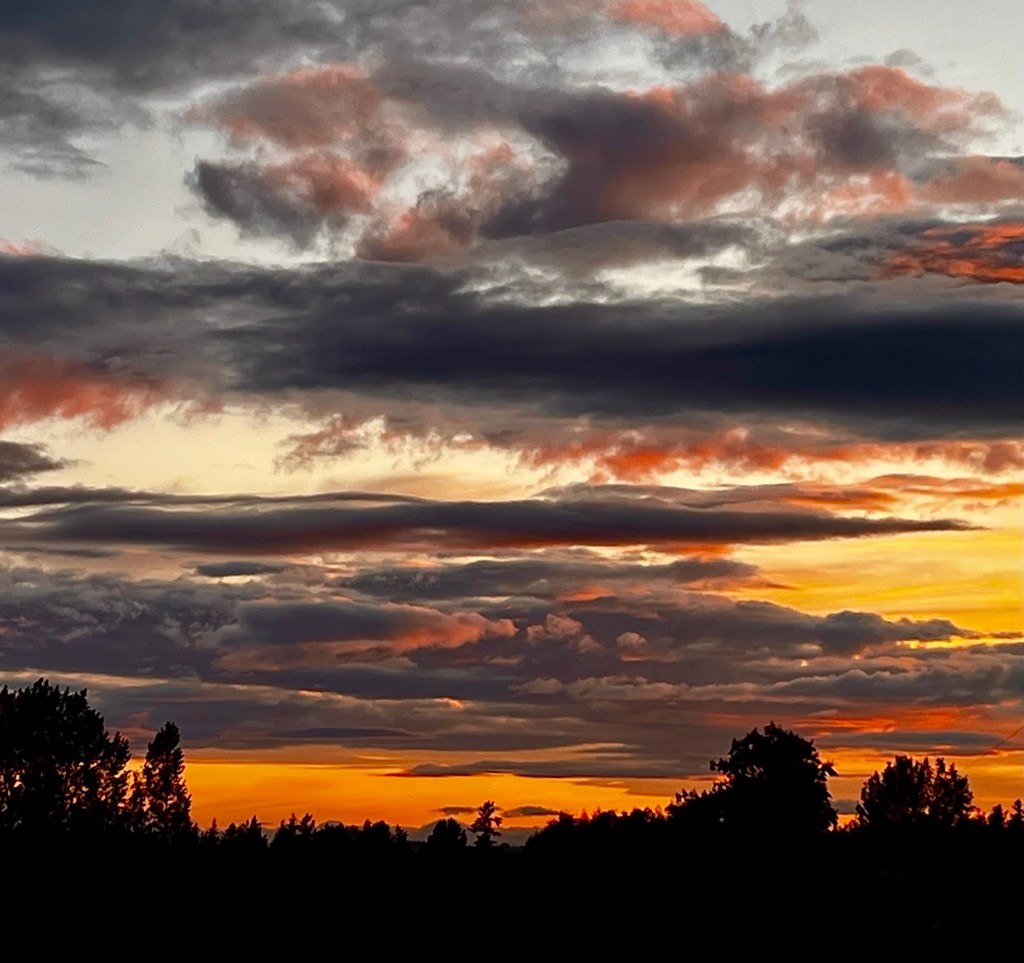
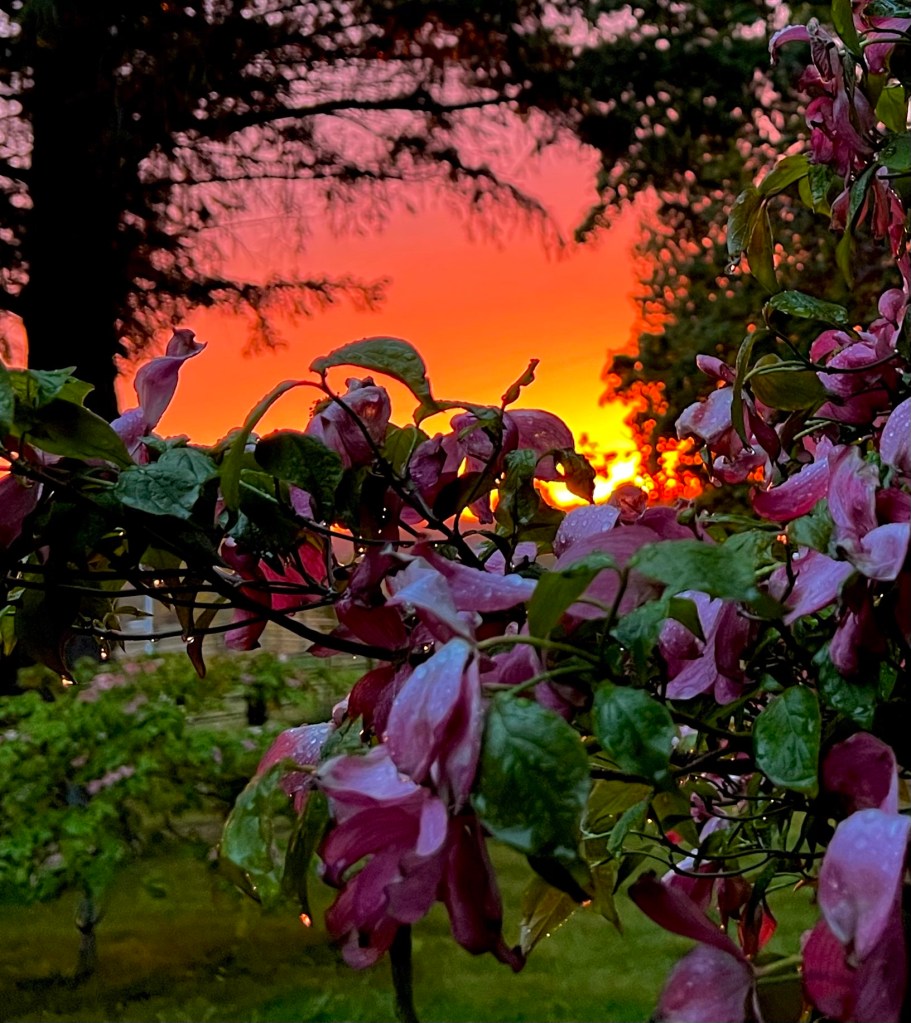
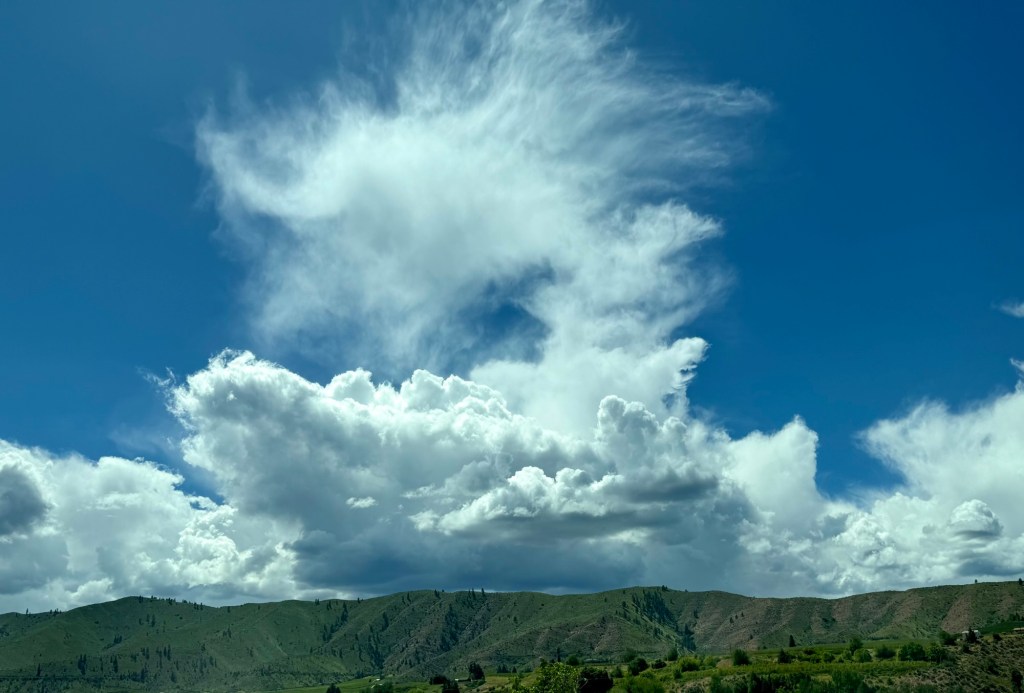
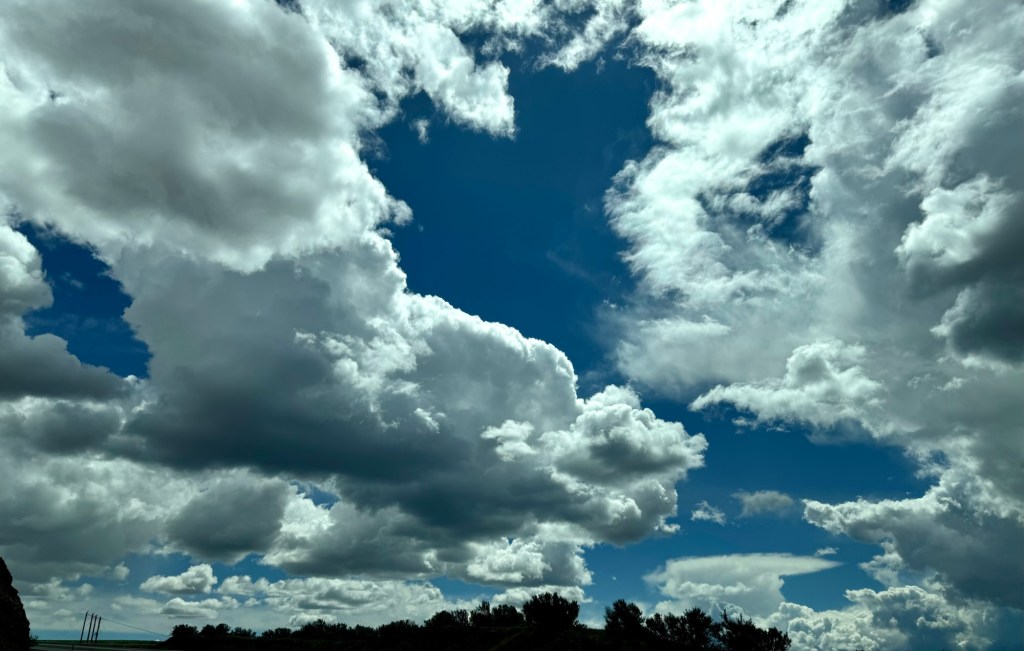
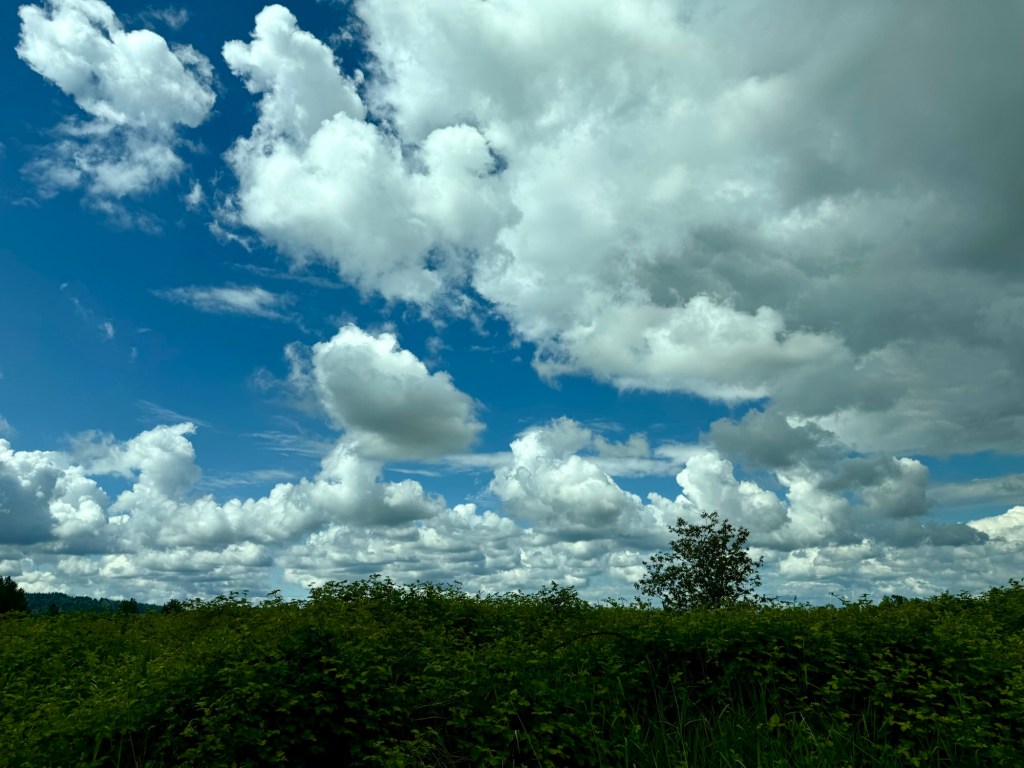
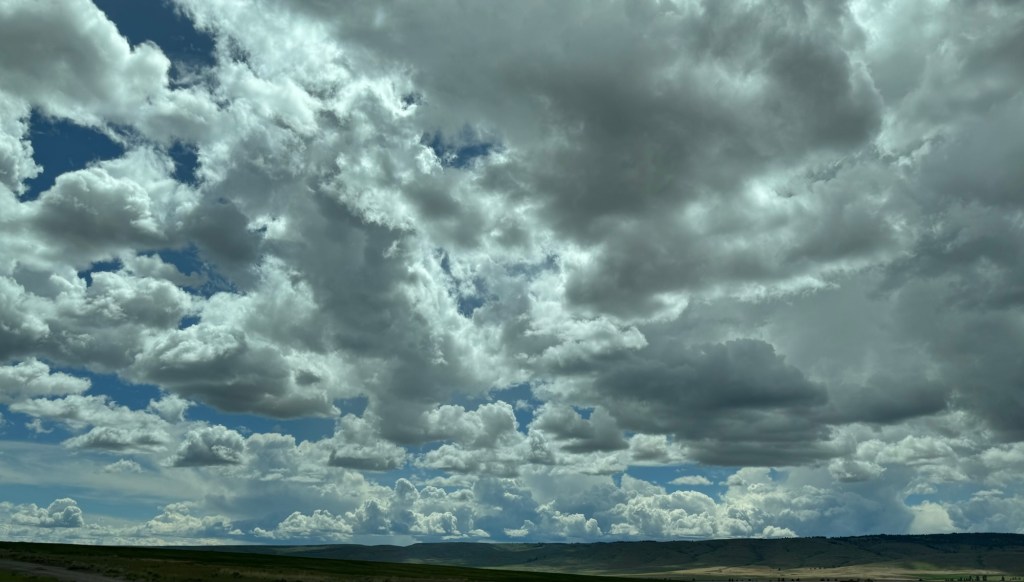
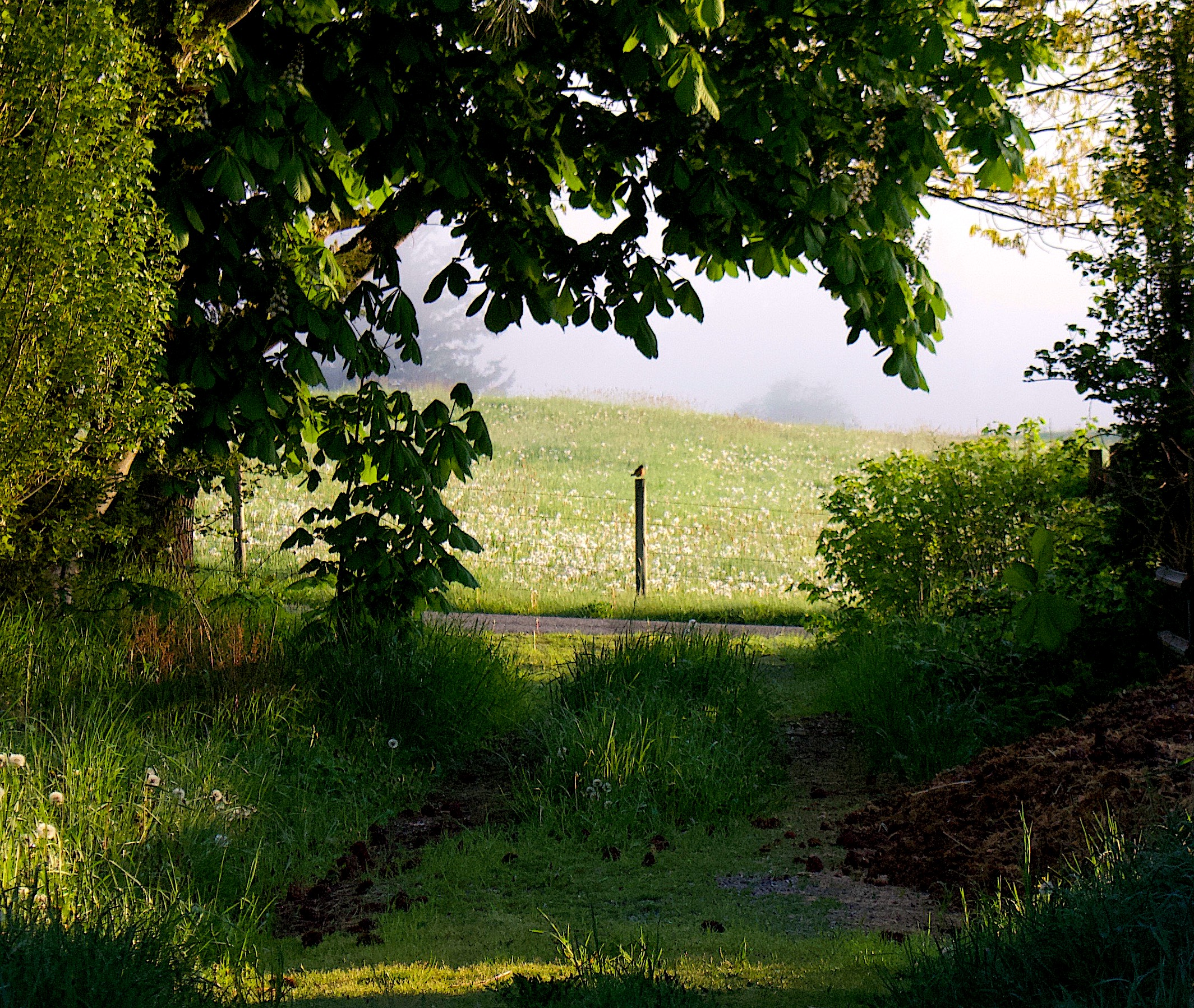
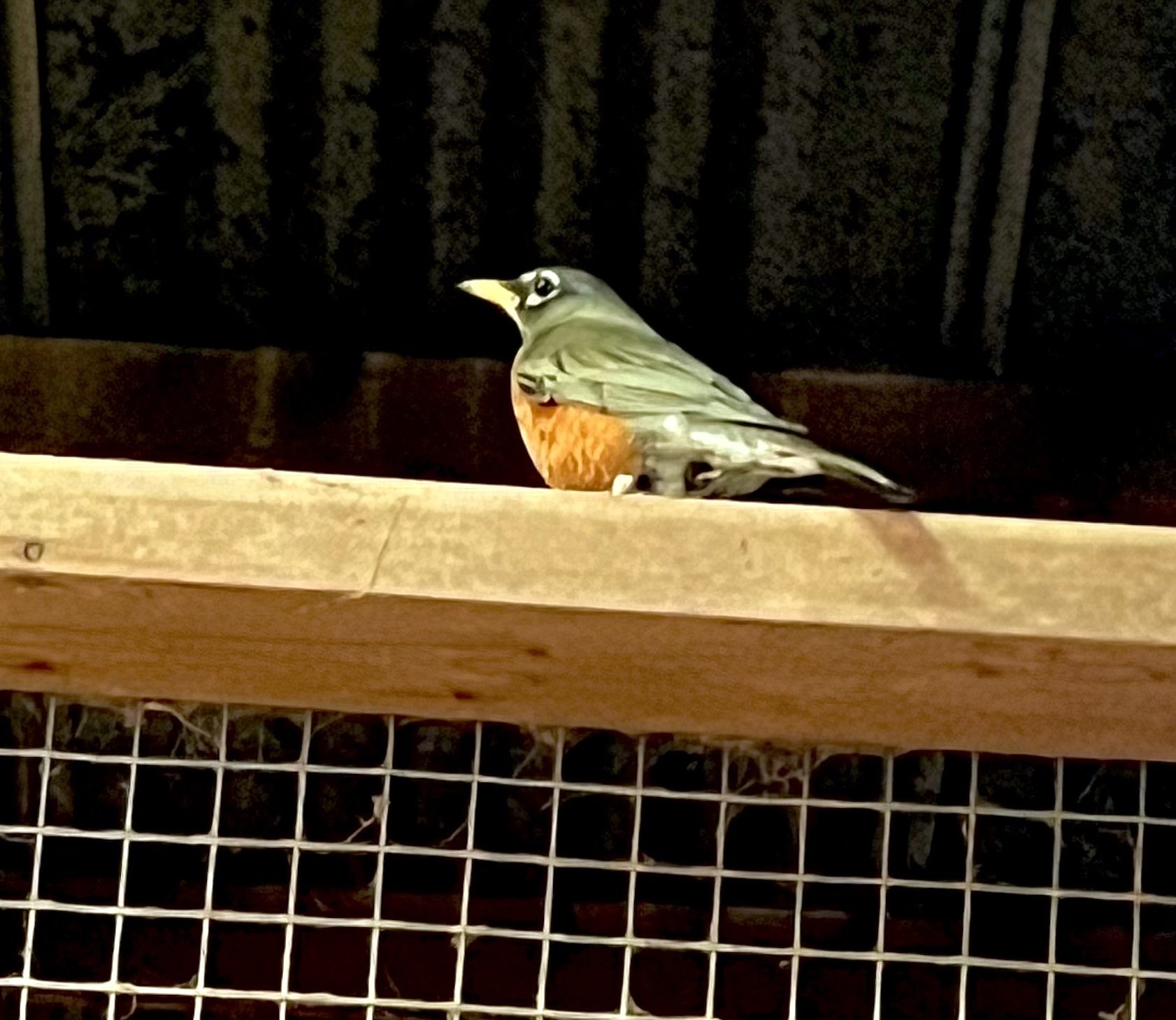
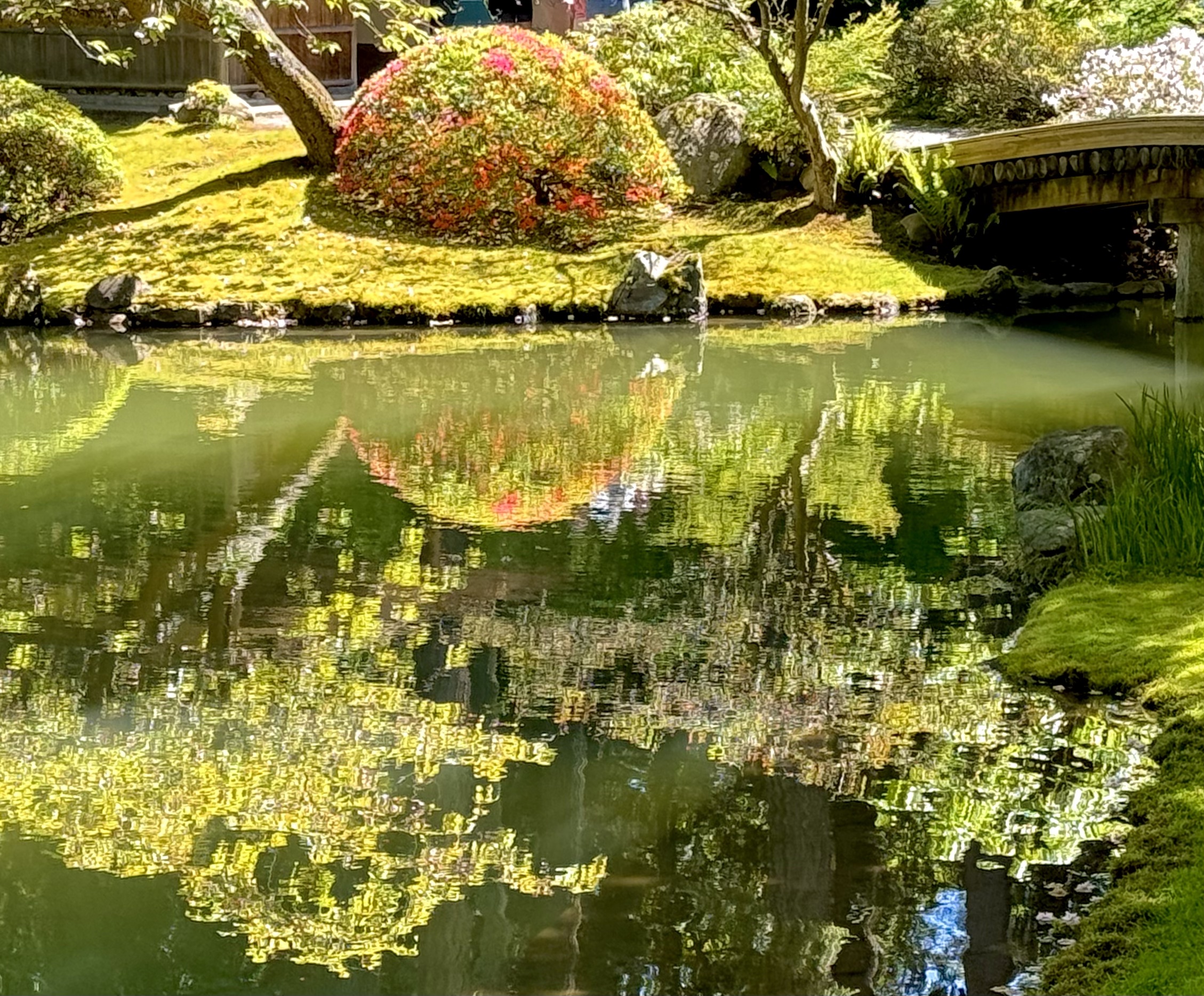
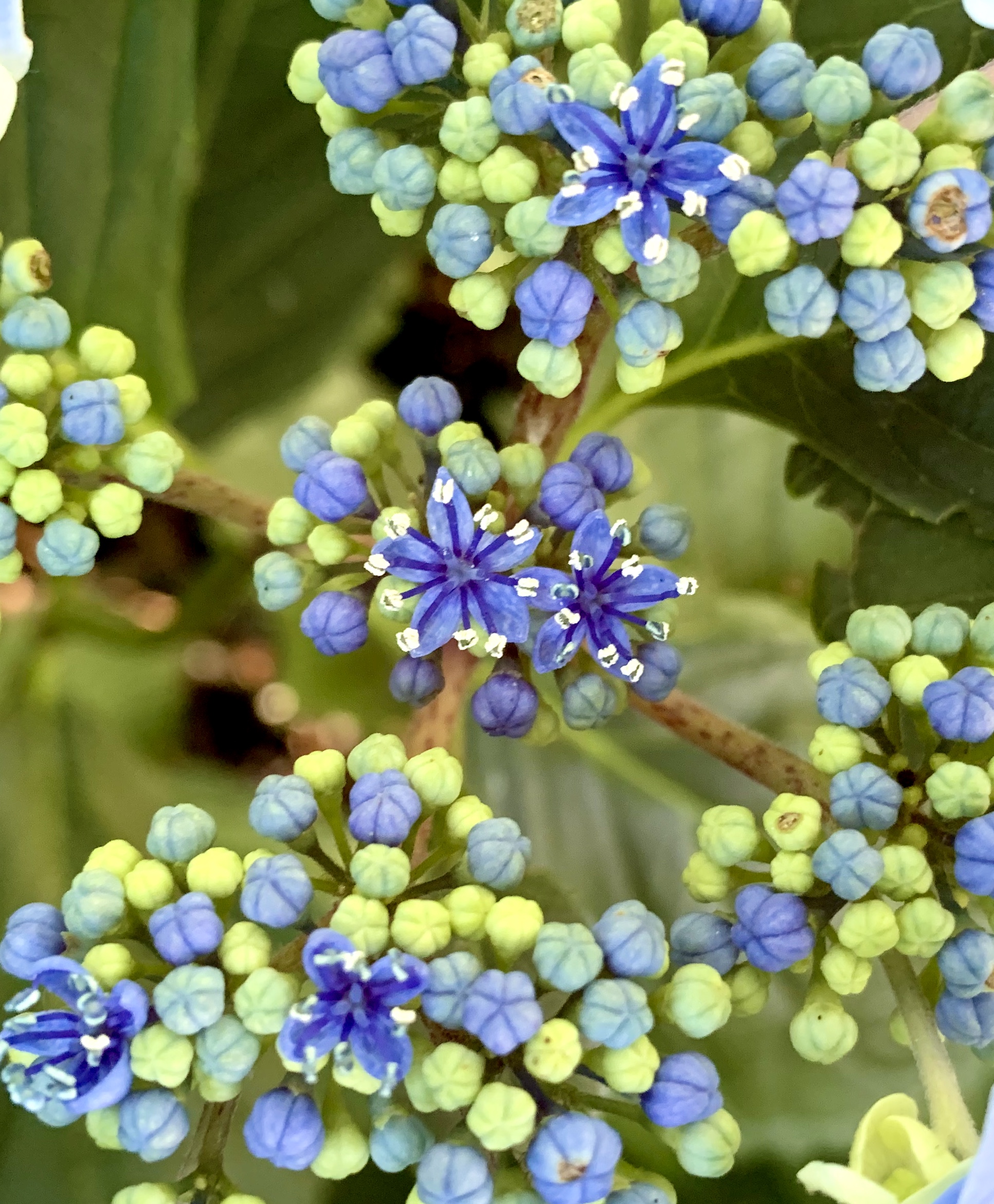
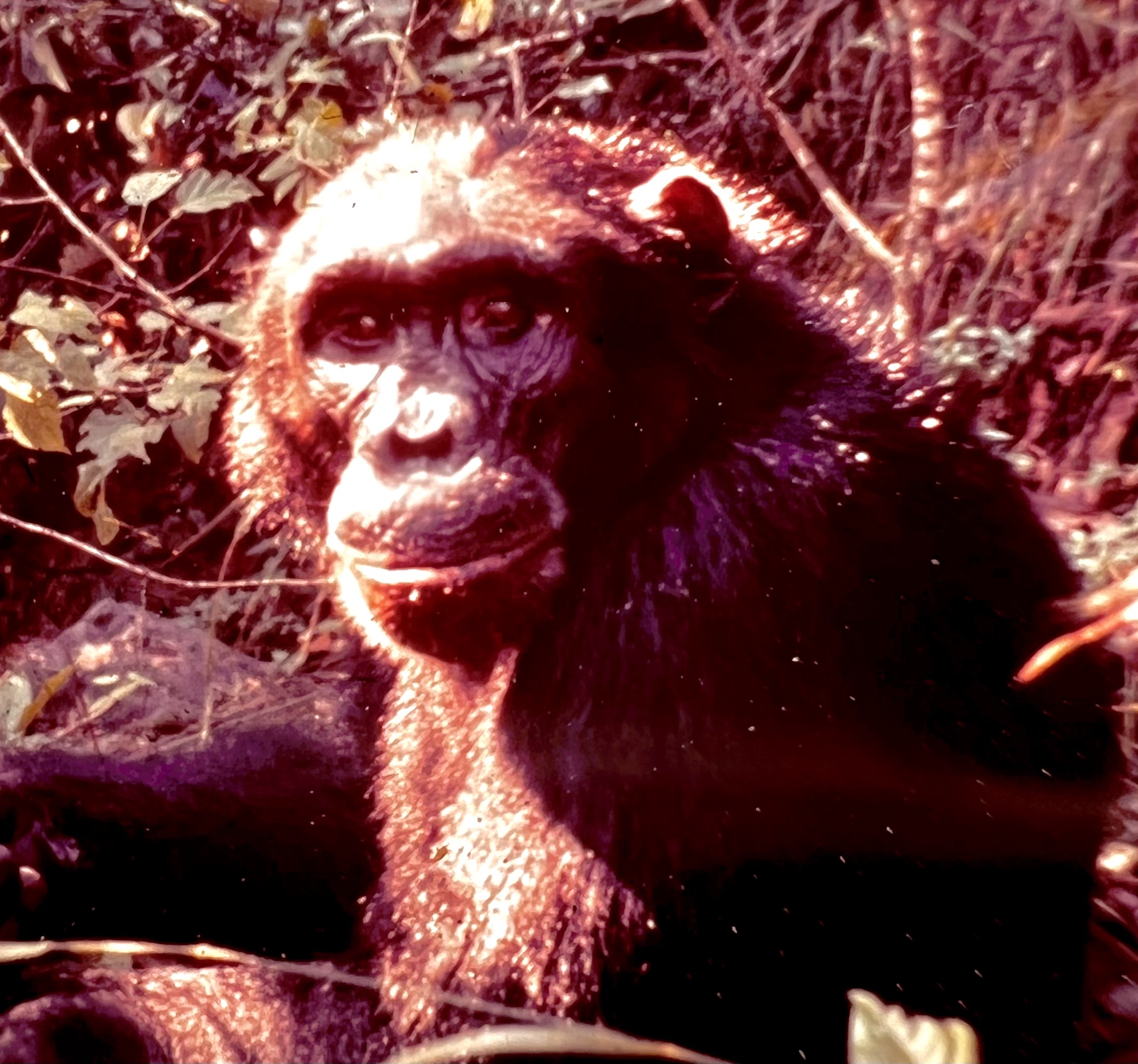
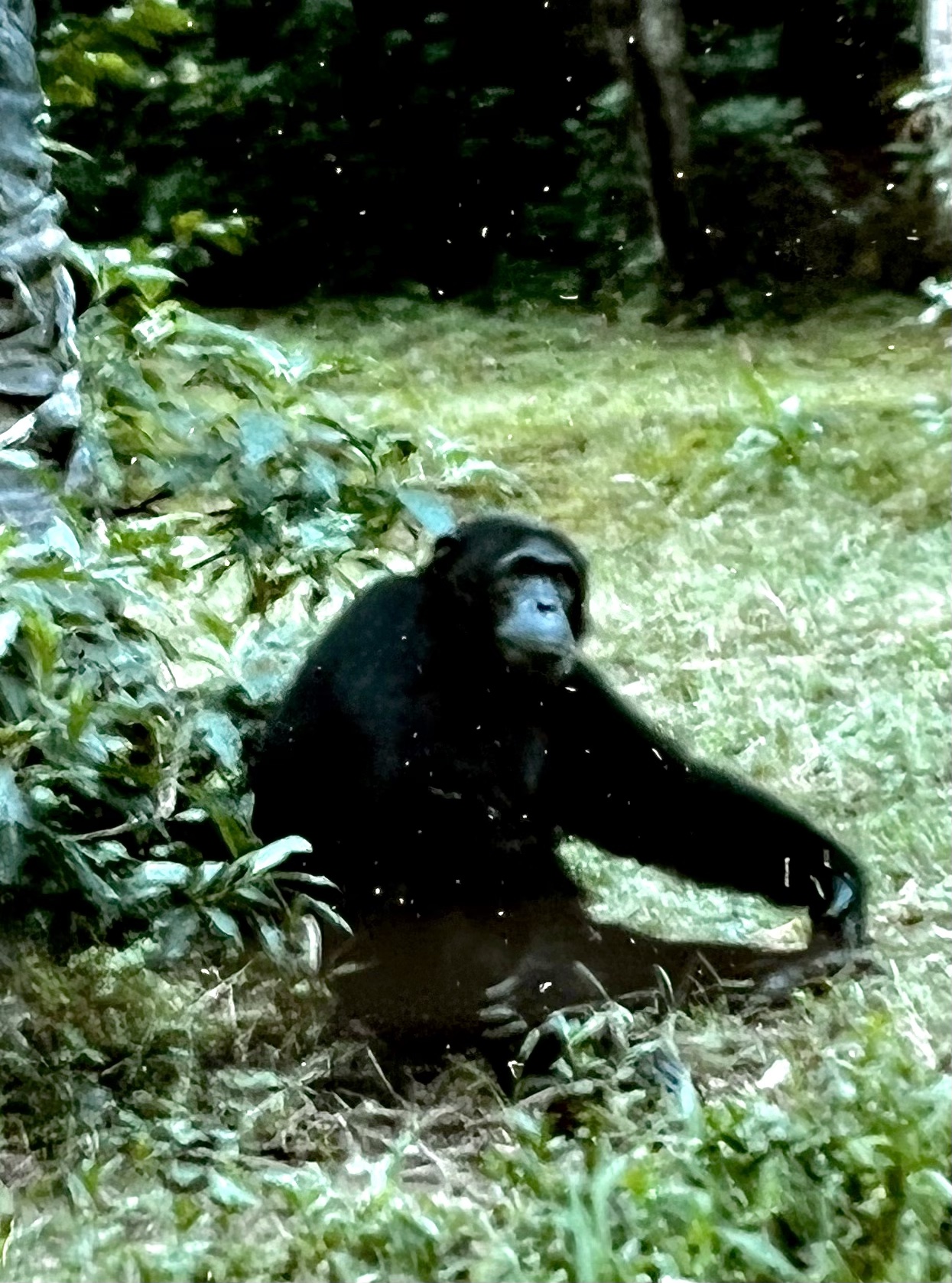
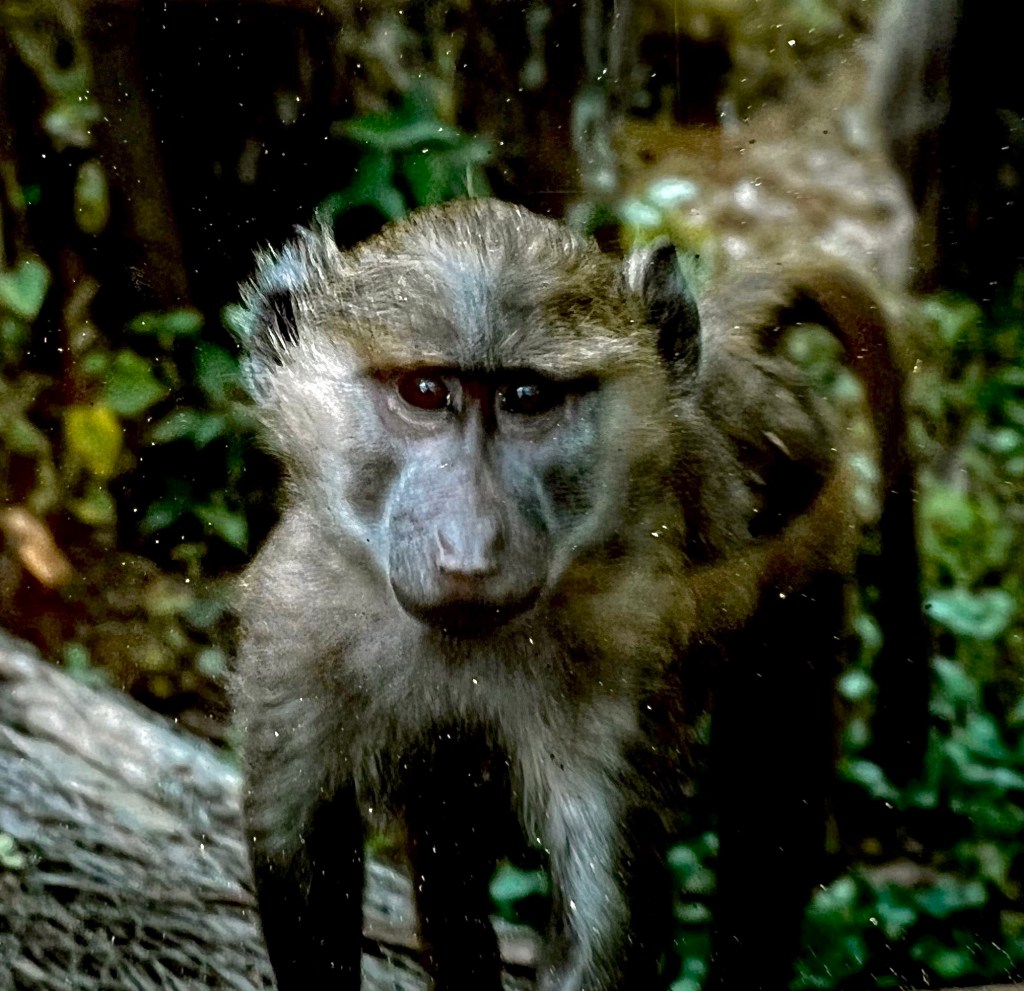
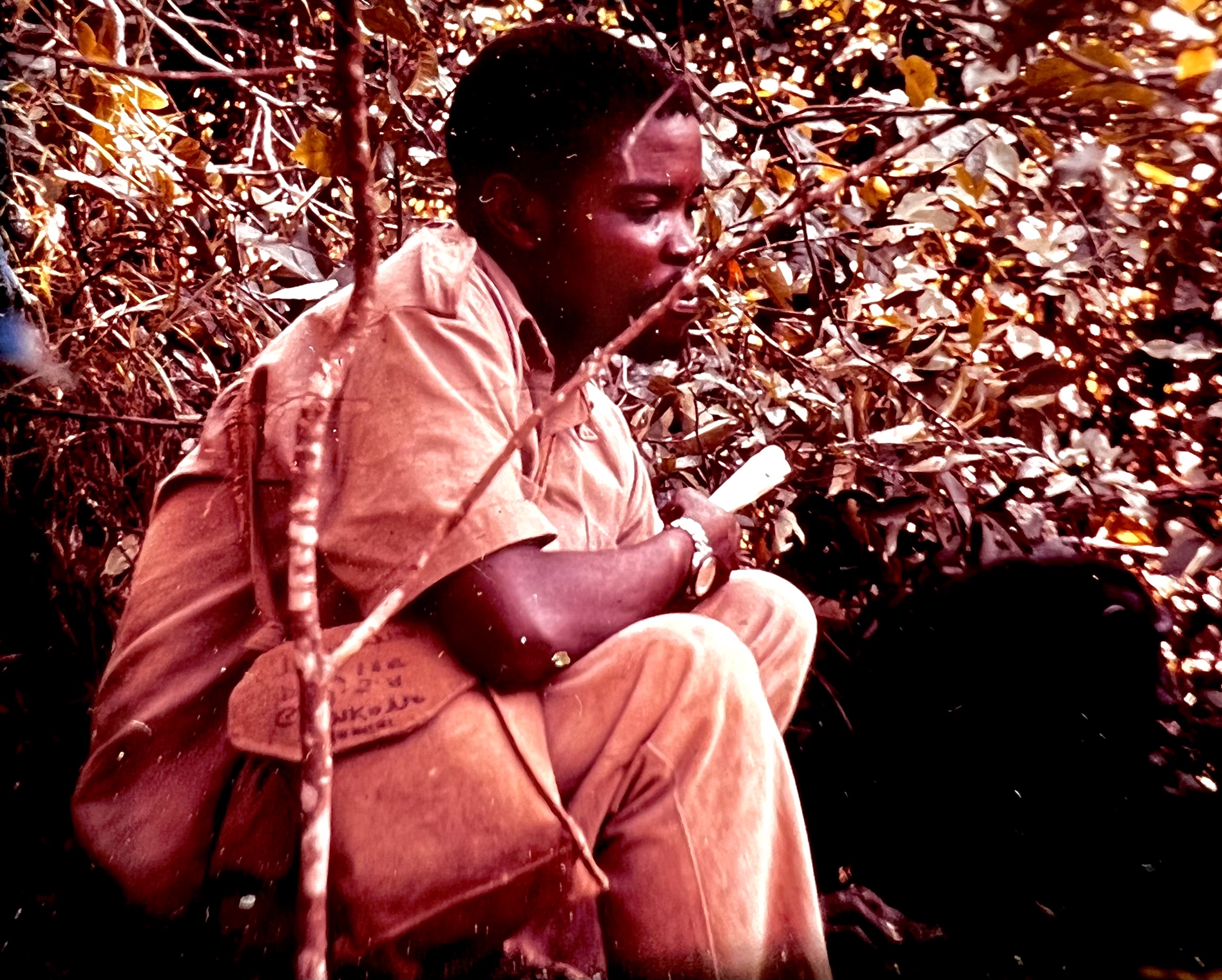
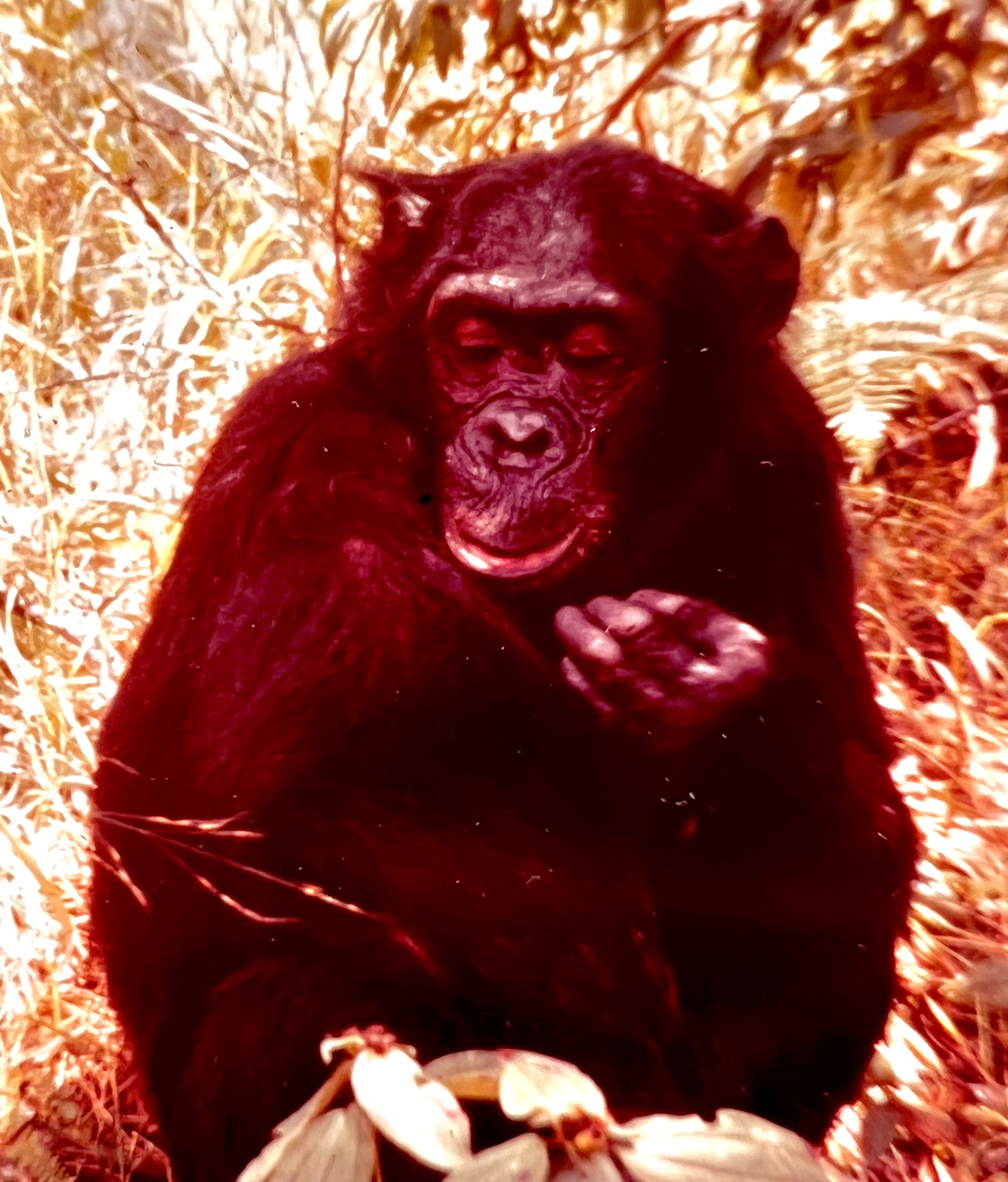
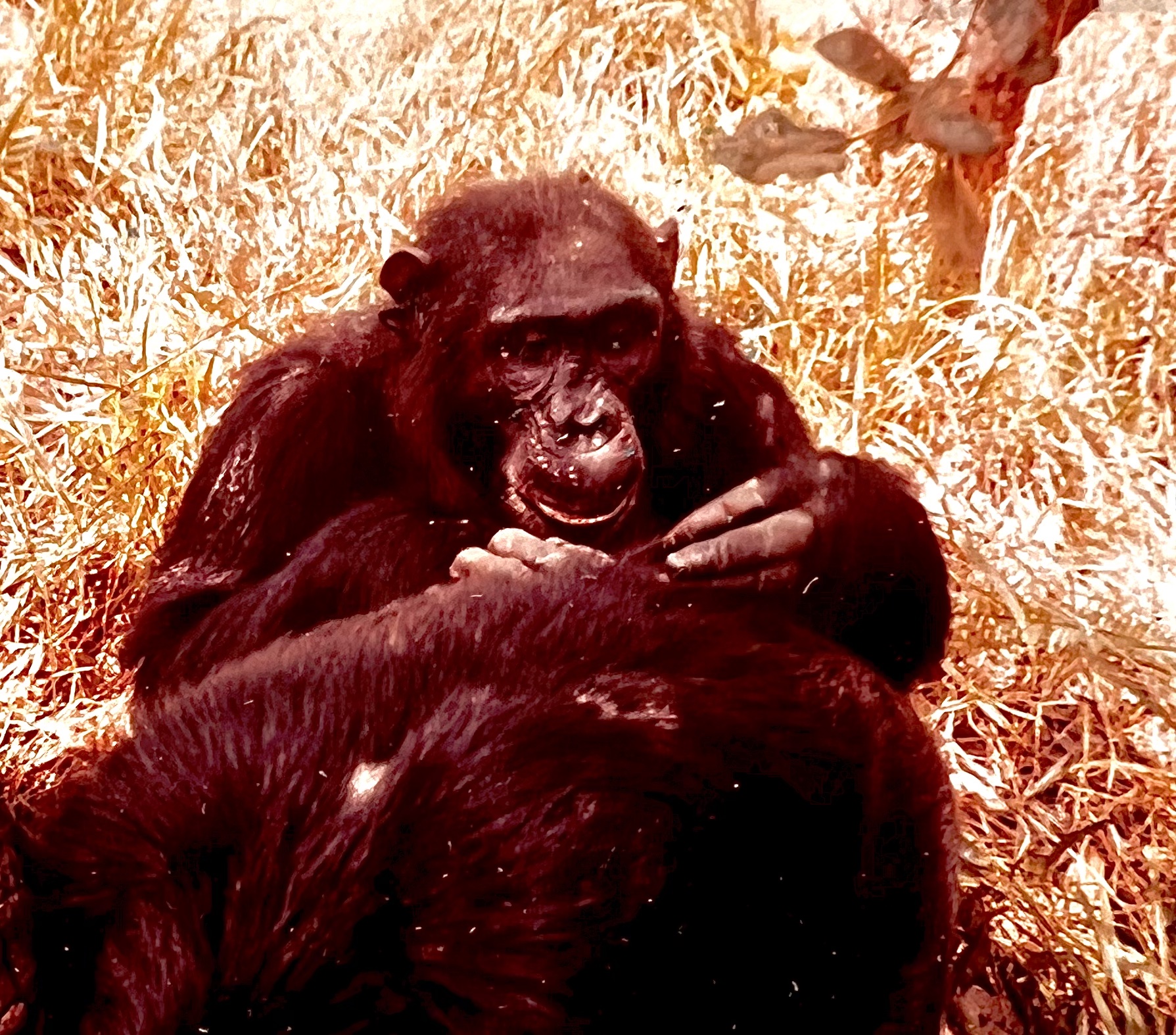
Above photos from Gombe Stream National Park, 1975

Reflecting on, and with respect for, the courage shown by Tanzanian park rangers and my kidnapped research colleagues on this unforgettable day 50 years ago  — 

I’m reposting this again as part of my Gombe saga from when I worked as a student research assistant for Jane Goodall in western Tanzania in 1975. An archived New York Times account is found here.

At first glance,  Gombe National Park in Tanzania felt like paradise—a serene piece of the earth filled with exotic and fascinating wildlife, an abundance of fish and fruit to eat, and the rich unfamiliar sounds and smells of the tropical jungle. It was a façade. It was surrounded by the turmoil and upheaval of political rebellion and insurgencies in its neighboring countries, inflamed even more by the fall of Saigon in Vietnam a month previously due to the earlier pull out of the Americans from that long and tragic war.

Only a few miles north of our research station in Gombe National Park in western Tanzania, there had been years of civil war in the small land locked country of Burundi. When the wind was just right, we could hear gunfire and explosions echoing over the valleys that separated us. Escaping refugees would sometimes stop for food on their way to villages in Tanzania to the south, seeking safe haven in one of the poorest countries in the world, only a decade into its own experiment with socialism, Ujamaa.

There was also word of ongoing military rebellion against the dictatorship of President Mobutu in the mountainous country of Zaire twelve miles west across Lake Tanganyika.

Morning comes early for field studies of wildlife, as the research day must start before the chimpanzee and baboon subjects wake up and begin to stir. Before midnight, while we slept soundly in our metal huts scattered up the mountainside, a group of armed soldiers arrived by boat to the shore of Gombe National Park.

Storming the beach huts housing two unarmed Gombe park rangers and their families, the soldiers seized one and demanded to be told where the researchers were. The ranger refused to provide information and was severely beaten about the head and face by the butts of the rifles carried by the invaders. The armed soldiers then divided into smaller groups and headed up the trails leading to the huts, coming upon four sleeping student researchers, tying them up, taking them hostage, forcing them into boats and taking them across the lake back to Zaire.

Asleep farther up the mountain, we were wakened by other researchers who were fleeing, hearing the commotion. No one really understood what was happening down lower on the mountain. There were shouts and screams, and gun shots had been heard. Had someone been injured or killed?  There was no choice but to run and hide deep in the bush at a predetermined gathering spot until an “all clear” signal was given by the rangers.

We hurried along barely familiar  trails in the black of the jungle night, using no flashlights, our hearts beating hard, knowing we had no defense available to us other than the cover of darkness.

That was the longest wait for morning of my life, sitting alongside Jane holding her eight year old son Grub. A hand full of other students had also made their way to the hiding spot, none of us knowing what to think, say or do.  We could only barely see each other’s faces in the darkness and were too frightened to make any sounds. We carried no weapons, and there was no way to communicate with the outside world.  We had no idea how many of us may be missing, or possibly dead.

Jane clasped Grub in her arms, endeavoring in vain to keep him quiet, but his fears was ignited by the events that had just unfolded.

“Will they kidnap me, Jane?  Will they come for me?  Where will they take us?  Will they shoot us dead?”

Jane, her face hidden by her blonde hair loose about her shoulders,  sat rocking him, cradling him. “Shhh, shhh, we don’t want them to find us. We’re safe staying right here. Everything will be fine in the morning. No one will take you from me.”

Grub began to sob silently into her shoulder.

When the morning of May 20 dawned, the park rangers located us, and pieced together the events as best they could–the soldiers were Zairean rebels living in remote mountains, fighting an insurgency against the Zaire government. Seeking funds for their cause, they saw a kidnapping of Americans and Europeans as a way to raise quick funds and world publicity and sympathy. Four of our friends/coworkers were missing, the camp was ransacked and the rangers beaten but with no life threatening injuries. There was no way to remain safe at the Park, and our colleagues needed whatever help we could offer for their rescue.

We were able to send a messenger to a nearby fishing village, and a radio call was sent out to the small town of Kigoma, then relayed to Dar Es Salaam and Nairobi. Help arrived within a few hours, when a United Nations boat monitoring the civil war activities in Burundi pulled off shore near our camp. We were told we needed to evacuate Gombe that day, and would be taken to Kigoma, and then flown by bush pilot to Nairobi, Kenya to cooperate in the investigation of the kidnapping.

In Nairobi, at the US Embassy, I met CIA agents who viewed our wild primate studies with suspicion.  Each of us were grilled individually as to our political beliefs, our activities at the camp and whether we may be somehow involved in subversive actions against the Zaire or Tanzanian governments. We were dumbfounded that our own countrymen would be so skeptical about our motives for being in Africa. It became clear our own government could be no help in resolving the kidnapping and bringing our friends home to safety. The agents did not shed any light on whether they knew our friends were alive or dead.

We were then hustled into a press conference (preserved video here) where we were interviewed for television and print media by the worldwide news agencies, and my parents saw me on the CBS evening news before they actually heard my voice over the phone. I flew back to Stanford the next day, spending 24 hours on a plane that made six stops up the coast of West Africa on its way back west, to tell what I knew to Stanford President Lyman and other administration officials as they prepared a plan to locate and free the students. I then returned home to Washington state to await any news that came too slowly from a place so far away that I remain astonished to this day that I was ever there at all.

It took over three months, private negotiations and ransom money to free all four of our friends back to safety. They have remained close to each other and to the remarkable man who helped free them, Dr. David Hamburg. We have had several reunions together over the years to remember those days of living in a place that at one time seemed like paradise.

In the past five years, we lost both Dr. Hamburg and Dr. Donald Kennedy, both instrumental as our faculty and mentors during our years at Stanford. Dr. Goodallnow 91, still remains a vital part of the global message not only to preserve the wild chimpanzee, but to reverse the destruction of our natural world. She continues to travel, giving lectures around the world through her organization www.janegoodall.org

Several of my colleagues have written about their experience at Gombe:

Out of Africa – the kidnapped students speak

Following Fifi by Dr. John Crocker

A Model of Prevention by Dr. David Hamburg

Jane Goodall by Dale Peterson

The Jane Effect by Dale Peterson

and of course, Jane’s wonderful books that led me to Gombe in the first place:

In the Shadow of Man

Through a Window: My Thirty Years with the Wild Chimpanzees of Gombe

A documentary “Jane” is found streaming on Netflix and Amazon Prime and is reviewed at https://www.nytimes.com/2017/10/18/movies/jane-review-jane-goodall-documentary.html and there is an immersive Gombe experience at the National Geographic headquarters in Washington, D.C.
“Becoming Jane”
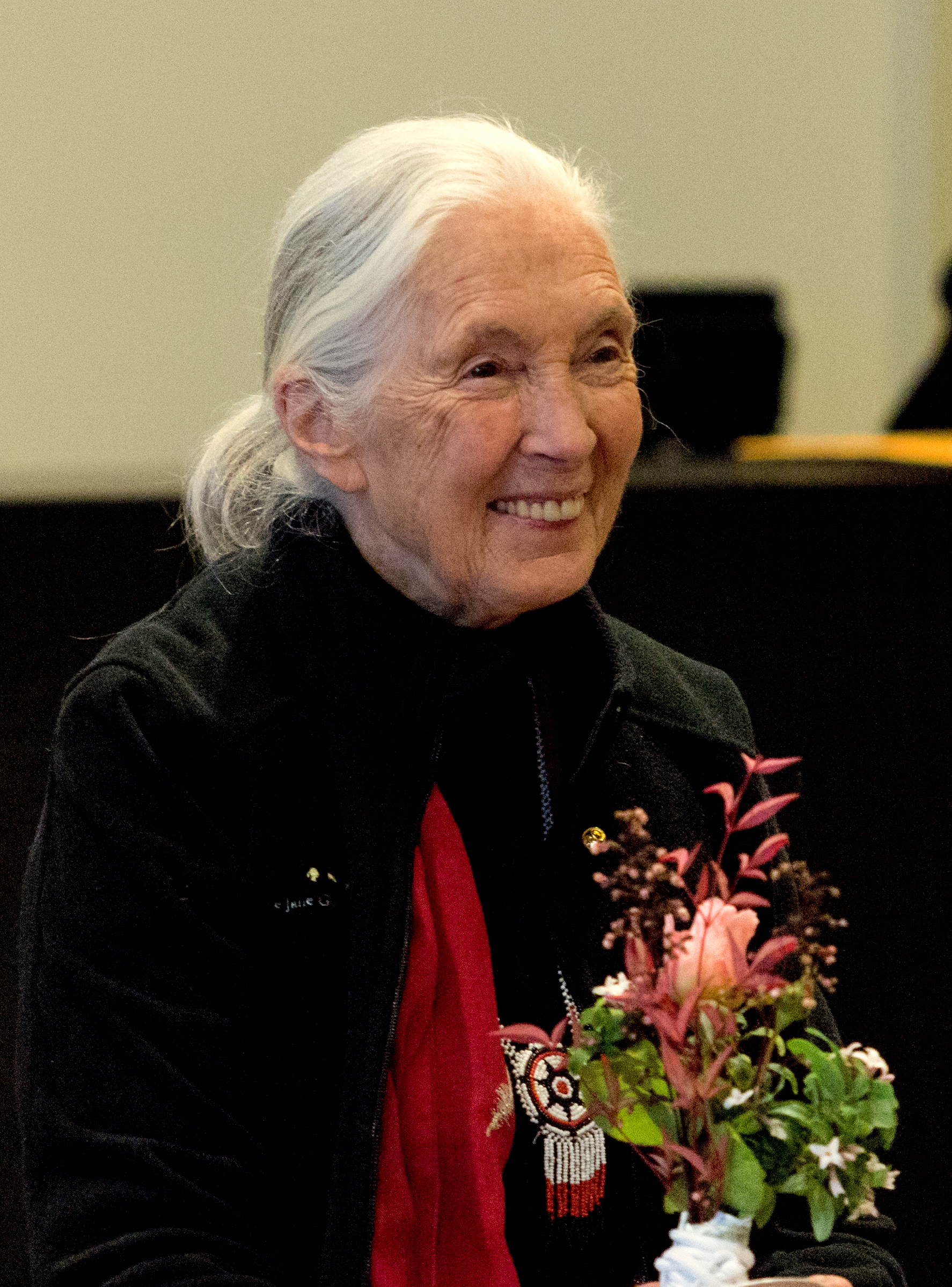
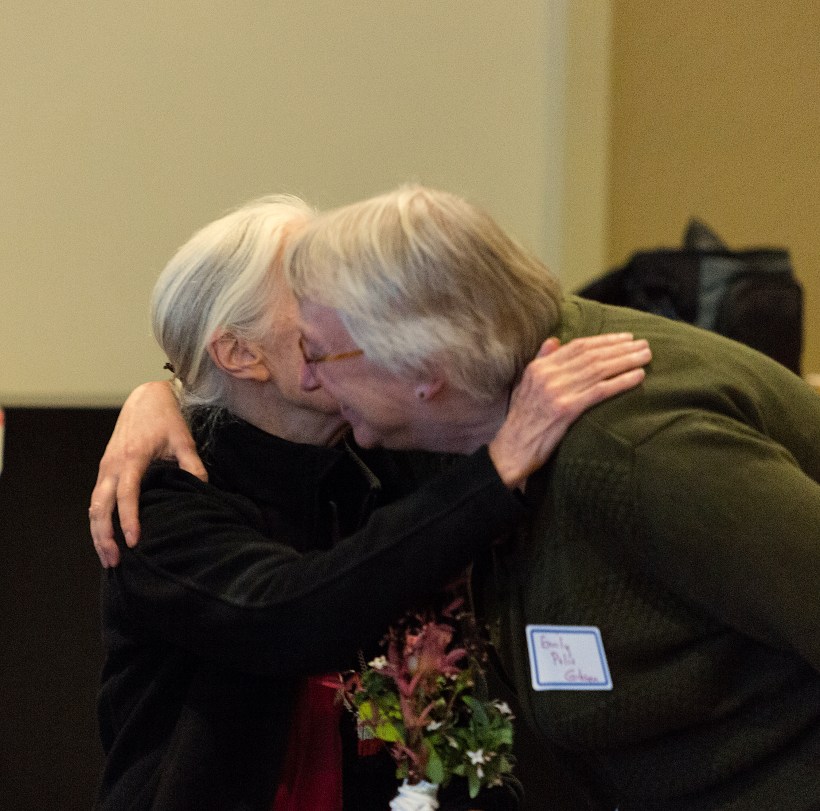
Meeting again in 2018 in Bellingham, Washington photos courtesy of WWU Communications 
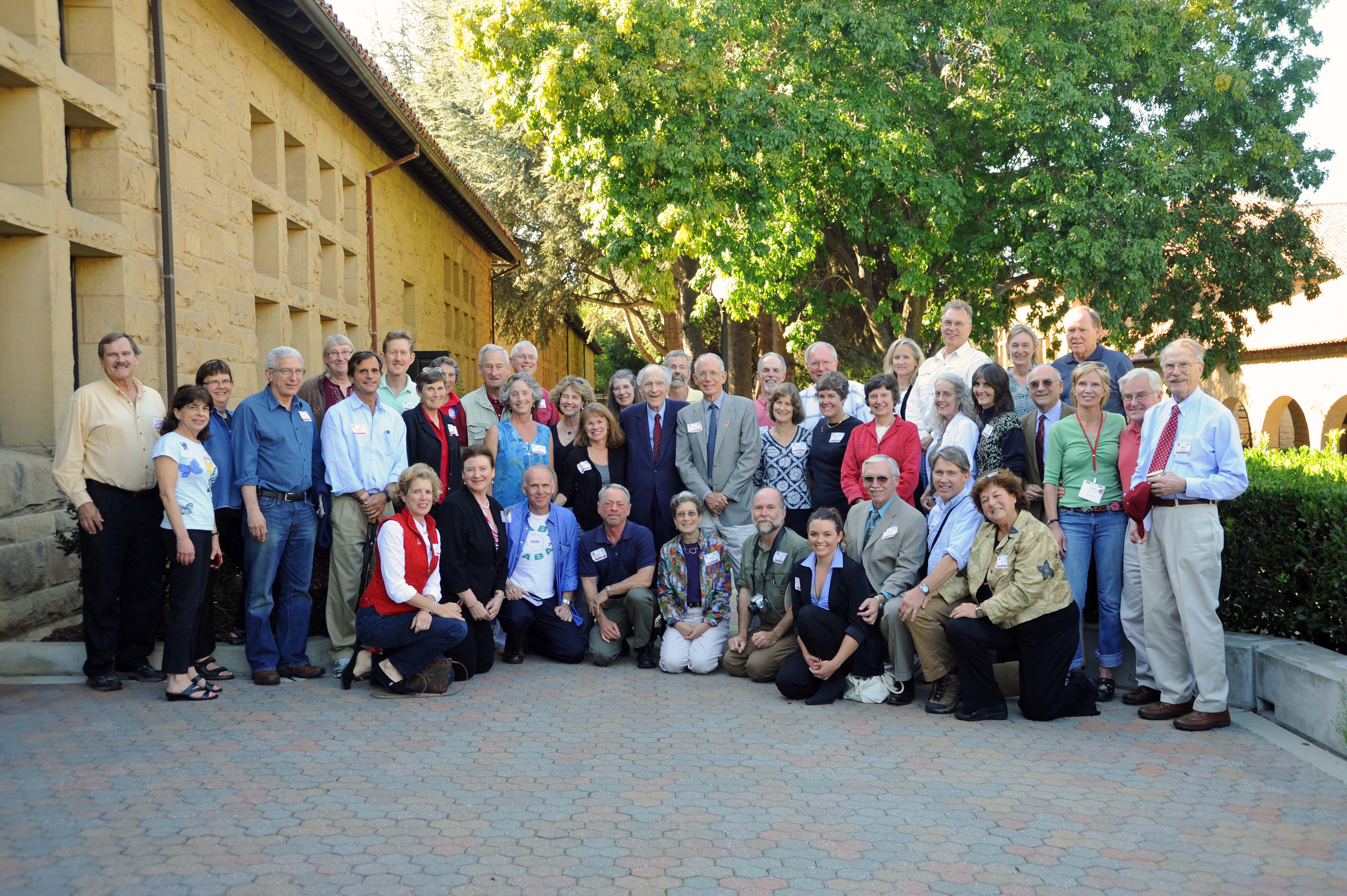
Gombe Alumni and faculty in 2011 at Stanford (I’m in the very back 5th from the left)
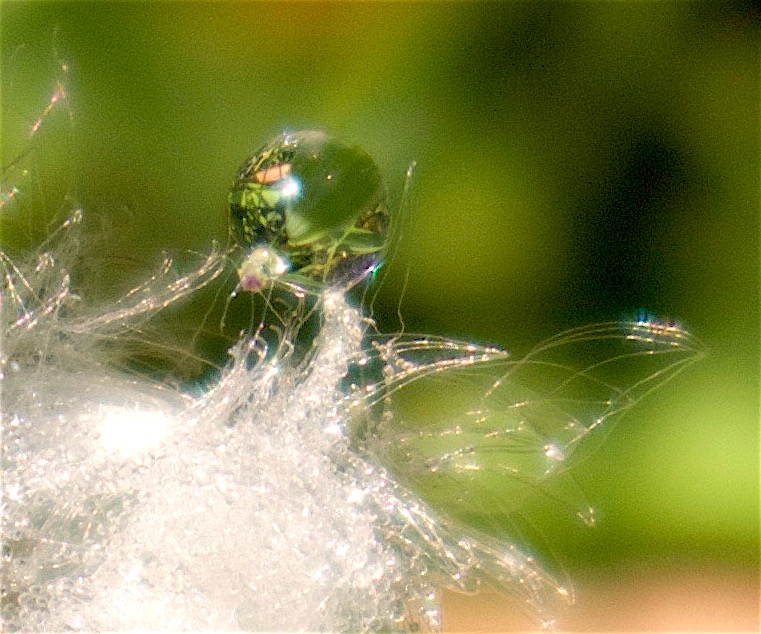
Just Can’t Help It…

For half-an-hour he writes words upon a scrap of paper….
words in which the soul’s blood pours out, 

like the body’s blood from a wound.
He writes secretly this mad diary,
all his passion and longing,

his dark and dreadful gratitude to God,
his idle allegories, the tales that tell themselves in his head;
the joy that comes on him sometimes (he cannot help it)
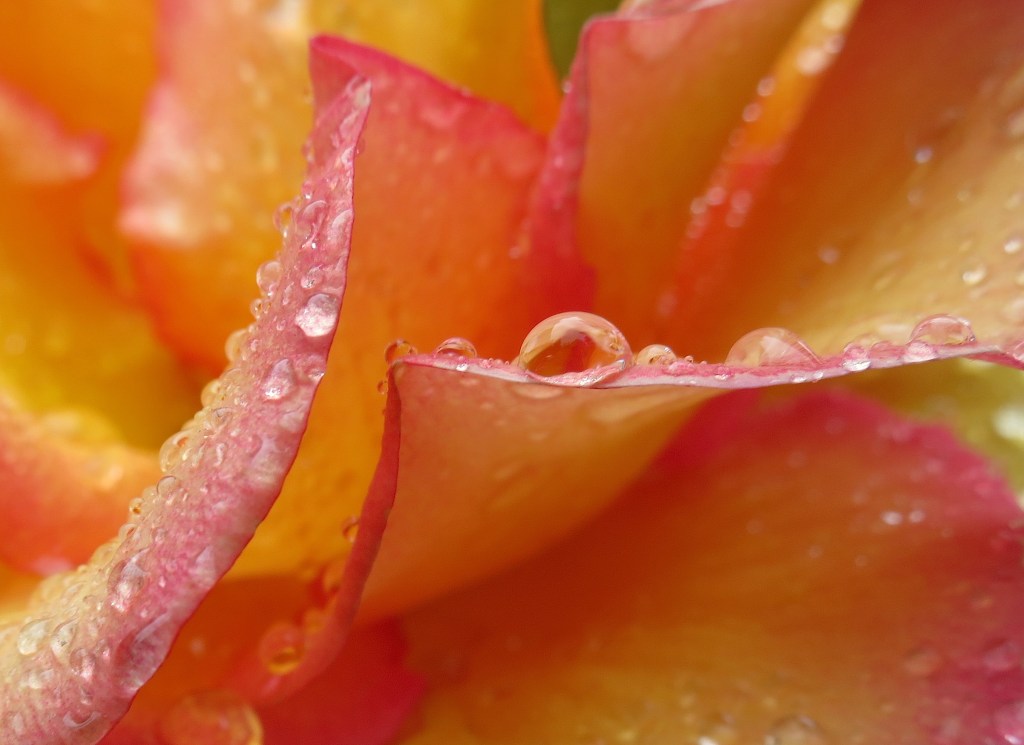
at the sacred intoxication of existence…

~G.K. Chesterton in a letter to his fiancé

When I was six or seven years old, I used to take a precious penny of my own and hide it for someone else to find. It was a curious compulsion; sadly, I’ve never been seized by it since. For some reason I always “hid” the penny along the same stretch of sidewalk up the street. I would cradle it at the roots of a sycamore, say, or in a hole left by a chipped-off piece of sidewalk.

Then I would take a piece of chalk, and, starting at either end of the block, draw huge arrows leading up to the penny from both directions. After I learned to write I labeled the arrows: SURPRISE AHEAD or MONEY THIS WAY. I was greatly excited, during all this arrow-drawing, at the thought of the first lucky passer-by who would receive in this way, regardless of merit, a free gift from the universe. But I never lurked about. I would go straight home and not give the matter another thought, until, some months later, I would be gripped again by the impulse to hide another penny.

The world is fairly studded and strewn with pennies cast broadside from a generous hand. But — and this is the point — who gets excited by a mere penny?

It is dire poverty indeed when a man is so malnourished and fatigued that he won’t stoop to pick up a penny. But if you cultivate a healthy poverty and simplicity, so that finding a penny will literally make your day, then, since the world is in fact planted in pennies, you have with your poverty bought a lifetime of days.

It is that simple.
~Annie Dillard from Pilgrim at Tinker Creek

Because the world is full of ugly things, we need the Sabbath to feed our soul with beauty.

~Tim Keller

I just can’t help the joy of simply being alive.

I can grouse with the best of them about the state of the world and our country’s current political mess and you name it… 

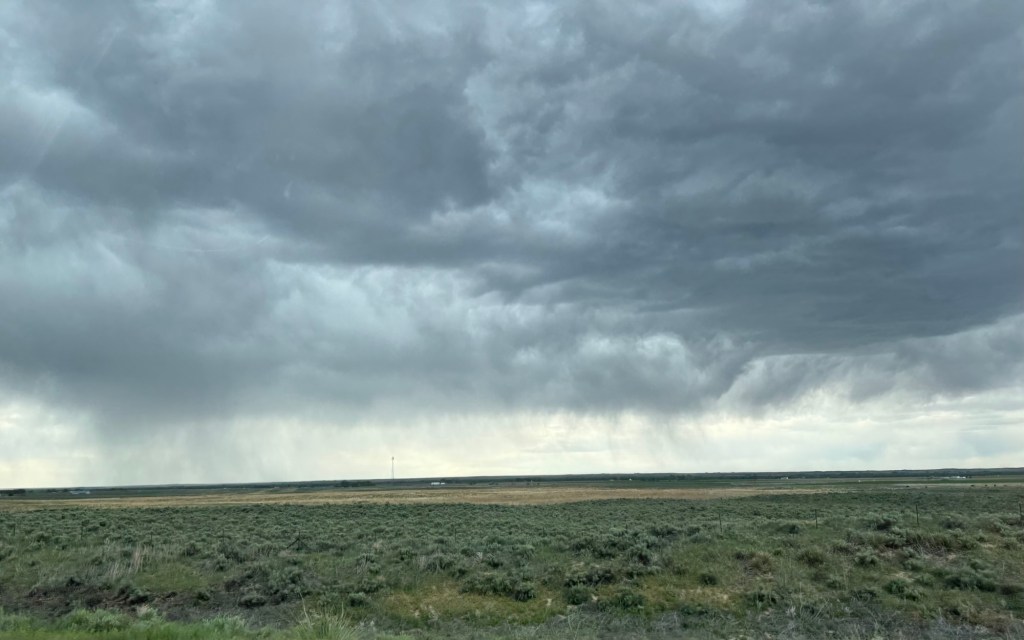
I know better than to grumble. I’ve seen where negative thoughts lead and I can feel them aching in my bones when I steep myself in it. The sky is grayer, the clouds are thicker, the night is darker–on and on to its overwhelming suffocating conclusion.

I don’t ever want to feel so impoverished that finding a penny or admiring a flower doesn’t make my day better.

I have the privilege to choose joy rather than bathe in the bleak. Some live with so much suffering, joy is out of reach – in Ukraine, in Gaza, in Sudan, in Myanmar, and elsewhere.

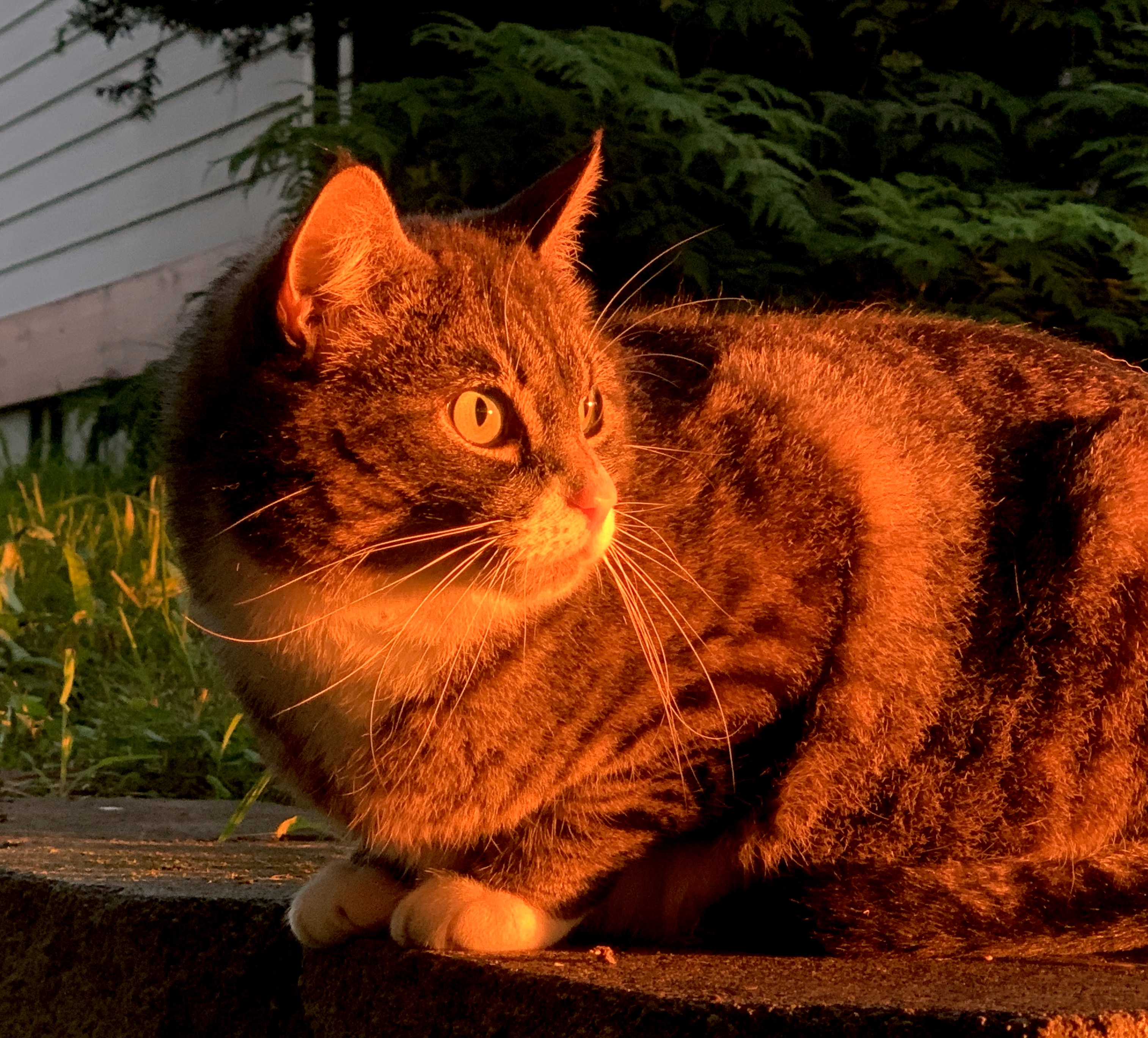
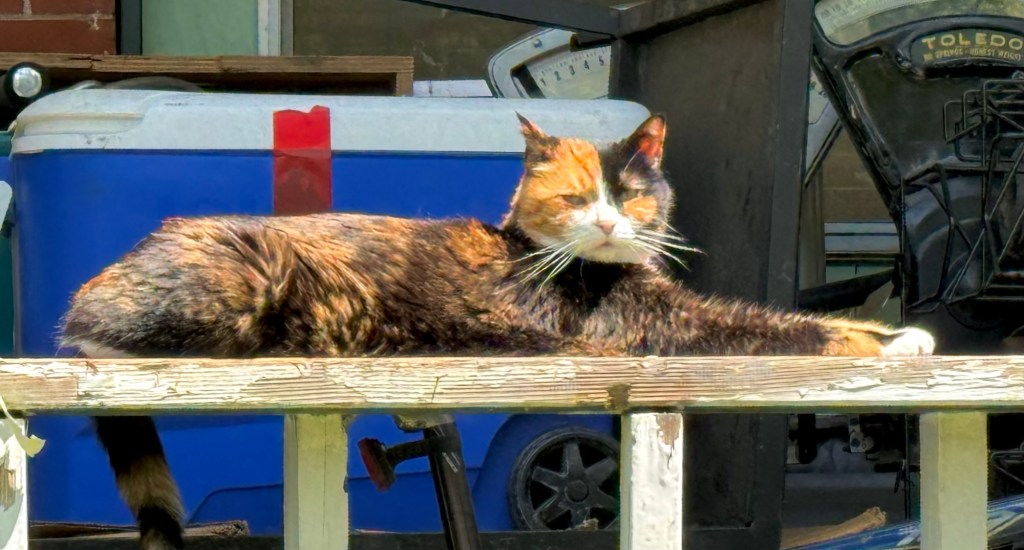
Like an opportunistic cat finding that one ray of sun in the darkness and melting into it, I can absorb and equip myself to become radiant as well.

I’m not putting on a “happy face” — instead joy adopts me, holds me close in the tough times and won’t abandon me. Though at times joy may dip temporarily behind a cloud and the rain will fall, I know the sun is there even when I can’t see or feel it.

Today, on this Sabbath, joy is mine to choose because joy has chosen me, this morning and every morning.

I just can’t help it.

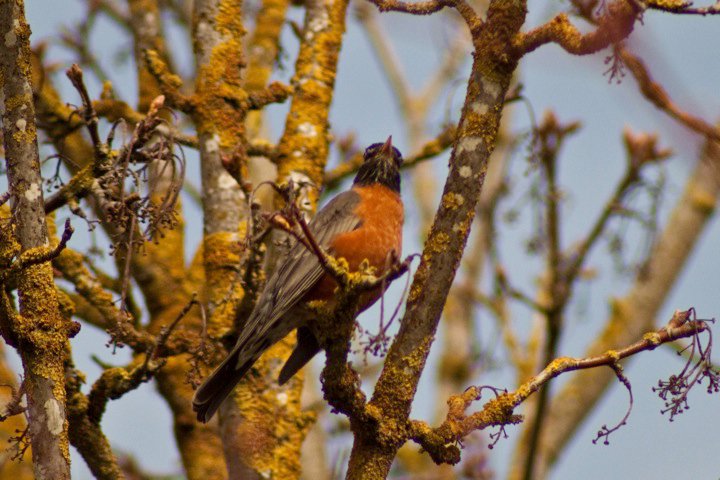
AI image created for this post
One-Time
Monthly
Yearly

Make a one-time or recurring donation to support daily Barnstorming posts

Make a monthly donation

Make a yearly donation

Choose an amount

$10.00
$25.00
$50.00
$5.00
$15.00
$100.00
$5.00
$15.00
$100.00

Or enter a custom amount

$

Your contribution is deeply appreciated.

Your contribution is appreciated.

Your contribution is appreciated.

DonateDonate monthlyDonate yearly

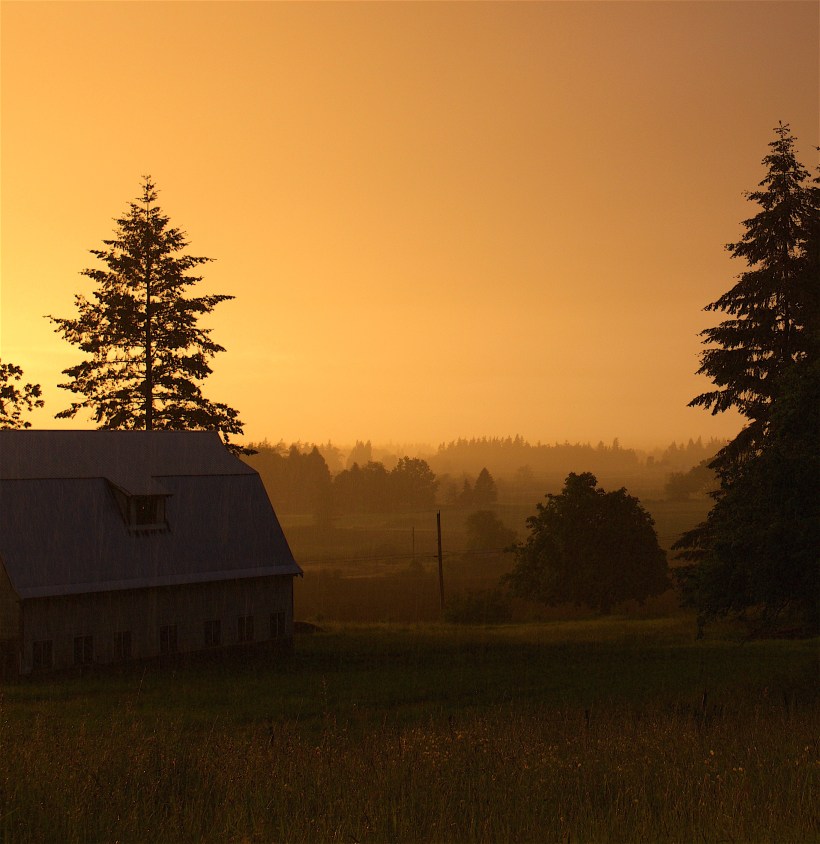
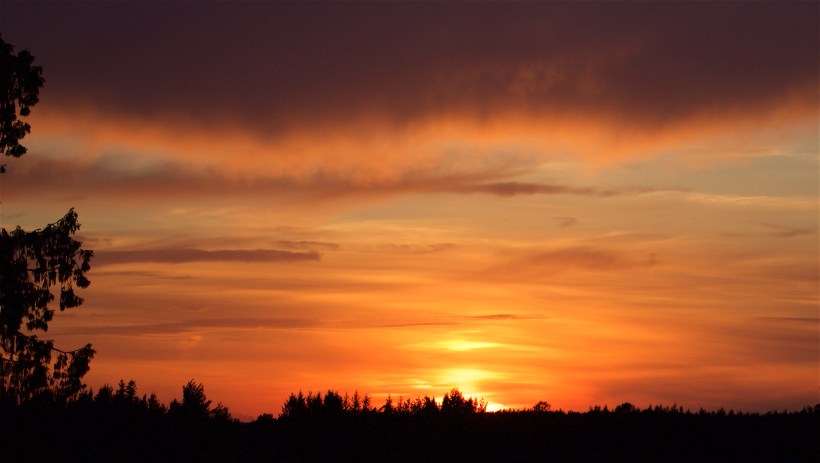
Whatever Remains of the Day

sundayevening

Every moment is a fresh beginning.
~T.S. Eliot

What is pertinent is the calmness of beauty, its sense of restraint. It is as though the land knows of its own beauty, its own greatness, and feels no need to shout it…

For a great many people, the evening is the most enjoyable part of the day. Perhaps, then, there is something to his advice that I should cease looking back so much, that I should adopt a more positive outlook and try to make the best of what remains of my day.

After all, what can we ever gain in forever looking back and blaming ourselves if our lives have not turned out quite as we might have wished?
~Kazuo Ishiguro from The Remains of the Day

I am ashamed to admit how much time I spend looking back, yearning for a day that has long since passed, tossing off these present precious hours as somehow not measuring up to what came before.

There have been nearly forty years of such days on this farm, one flowing gently after another, and most were exactly what I hoped for.

Even when I believe things will never change, they will, and I will.  What is left of the remains of the day may be the best yet.

I toss my heart ahead and set out after it.

storm518161
sunset41816
One-Time
Monthly
Yearly

Make a one-time or recurring donation to support daily Barnstorming posts

Make a monthly donation

Make a yearly donation

Choose an amount

$10.00
$25.00
$50.00
$5.00
$15.00
$100.00
$5.00
$15.00
$100.00

Or enter a custom amount

$

Your contribution is deeply appreciated.

Your contribution is appreciated.

Your contribution is appreciated.

DonateDonate monthlyDonate yearly

Stained Glass

People are like stained-glass windows.
They sparkle and shine when the sun is out,
but when the darkness sets in,
their true beauty is revealed only if there is a light from within.
~ Elisabeth Kübler
Ross

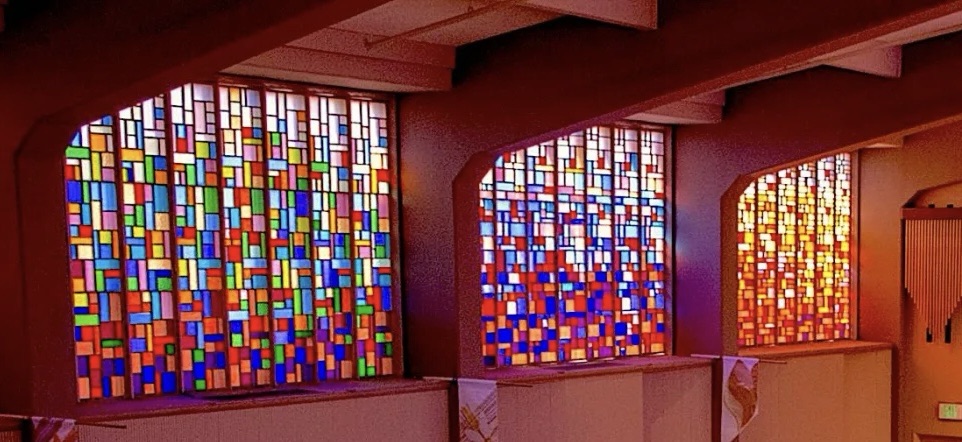
Photo from http://www.fumcoly.org

The Methodist church of my childhood had a sanctuary lined by colorful rectangles of stained glass windows. Each church member had an opportunity to choose and place a colored pane matching his or her stage of life, to become a permanent part of the portrait of a diverse church family. Mosaics of colored sections represented the transition through life, moving from childhood in the windows at the entrance, on to adolescence,  then to young adulthood, moving to middle age, and then finally to the elder years nearest the altar.

Rainbows of color crisscrossed the pews and aisles, starting with pale and barely defined green and yellow at the outset, blending into a blossom of blue, then becoming a startling fervor of red,  fading into a tranquil purple past the center, and lastly immersed in the warmth of orange as one approached the brown of the wood paneled altar. 

Depending on where one chose to sit, the light bearing a particular color combination was cast on open pages of scripture, or favorite hymns, or on the skin and clothing of the people,  reflecting the essence of that life phase. 

Included in the design was the seemingly random but intentional scattering of all of the colors in each panel. Gold and orange panes were sprinkled in the “youth” window predicting the wisdom to come, and a smattering of some greens, blues and reds were found throughout the “orange” window of old age,  just like the “spark”  of younger years so often seen in the eyes of the our eldest citizens.

The colored windows reflected the truth of God’s plan for our lives. There was certainty in the unrelenting passage of time; there was no turning back or turning away from what was to come. 

Although each stage shone with its own unique beauty,  none was as warm and welcoming as the fiery glow of the autumn of life. Those final windows focused their brilliance on the plain wood of the cross above the altar.

Beyond the stained glass,
as life fades from the richest of colors
to the earthy tones of dusty frames,
the kaleidoscope of God’s illumination
continues to shine, glorious.

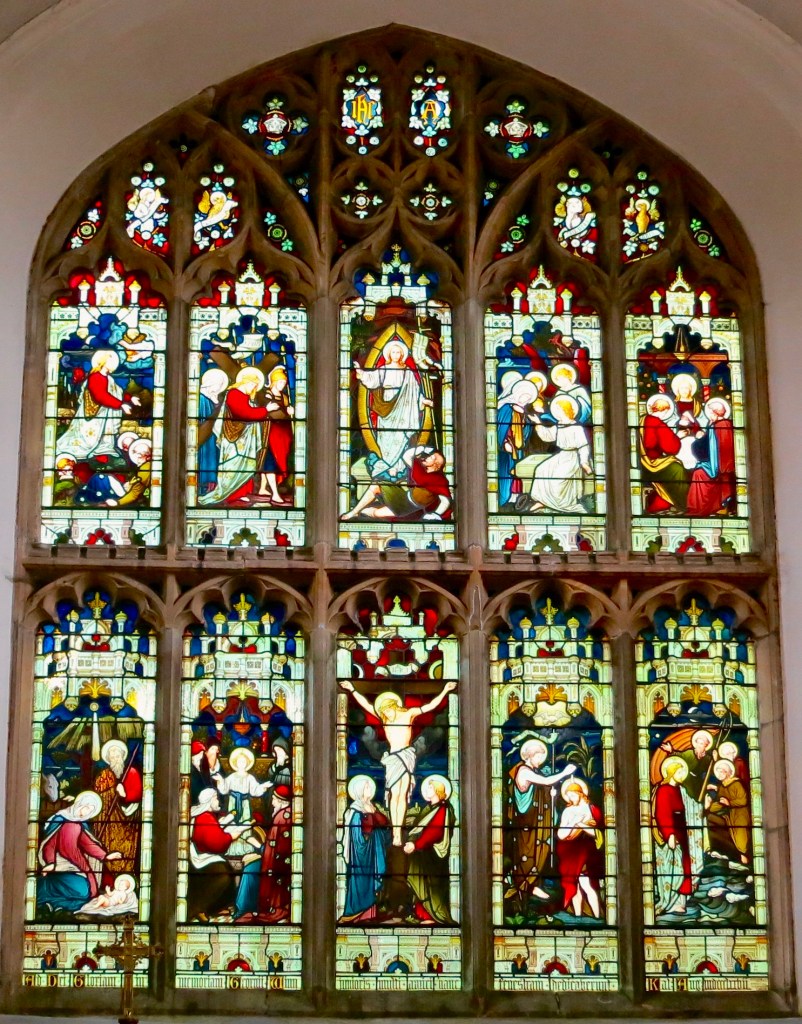
Photo from http://www.fumcoly.org
AI image created for this post

We are like windows
Stained with colors of the rainbow
Set in a darkened room
Till the bridegroom comes to shining through

Then the colors fall around our feet
Over those we meet
Covering all the gray that we see
Rainbow colors of assorted hues
Come exchange your blues
For His love that you see shining through me

We are His daughters and sons
We are the colorful ones
We are the kids of the King
Rejoice in everything

My colors grow so dim
When I start to fall away from Him
But up comes the strongest wind
That he sends to blow me back into his arms again

And then the colors fall around my feet
Over those I meet
Changing all the gray that I see
Rainbow colors of the Risen Son
Reflect the One
The One who came to set us all free

We are His daughters and sons
We are the colorful ones
We are the kids of the King
Rejoice in everything

We are like windows
Stained with colors of the rainbow
No longer set in a darkened room
Cause the bridegroom wants to shine from you

No longer set in a darkened room
Cause the bridegroom wants to shine from you

Lyrics by Keith Green

Trying Not to Cry

People have said, “Don’t cry” to other people for years and years, and all it has ever meant is, “I’m too uncomfortable when you show your feelings.  Don’t cry.”  I’d rather have them say, “Go ahead and cry.  I’m here to be with you.”

~Mister Fred Rogers

I cry easily, always have. Certain songs and hymns will trigger tears, and of course, any rituals surrounding baptisms, funerals, weddings, and graduations.

Tears don’t bother me, whether they are my own or someone else’s. My medical office and exam rooms were always well- stocked with boxes of tissues as a safe place to cry it out.

One of my routine mental health history questions was “what will bring tears to your eyes – dicing onions doesn’t count?”  

Some patients would look at me blankly, not sure they ever remember crying, and others will weep at the mere suggestion.

No matter what the reason for someone’s tears, it is a powerful outward expression of human feeling, like a laugh or a grimace of pain. I watch for those cues and sometimes feel their emotion as surely as if it were my own.

Even tears can bring peace – like a river.

I am with you.  And always intend to be.

One-Time
Monthly
Yearly

Make a one-time donation to support daily Barnstorming posts

Make a monthly donation

Make a yearly donation

Choose an amount

$10.00
$25.00
$50.00
$5.00
$15.00
$100.00
$5.00
$15.00
$100.00

Or enter a custom amount

$

Your contribution is deeply appreciated.

Your contribution is appreciated.

Your contribution is appreciated.

DonateDonate monthlyDonate yearly

Seeking a Close Encounter of Awful Quiet

A dark mist lay over the Black Hills, and the land was like iron.
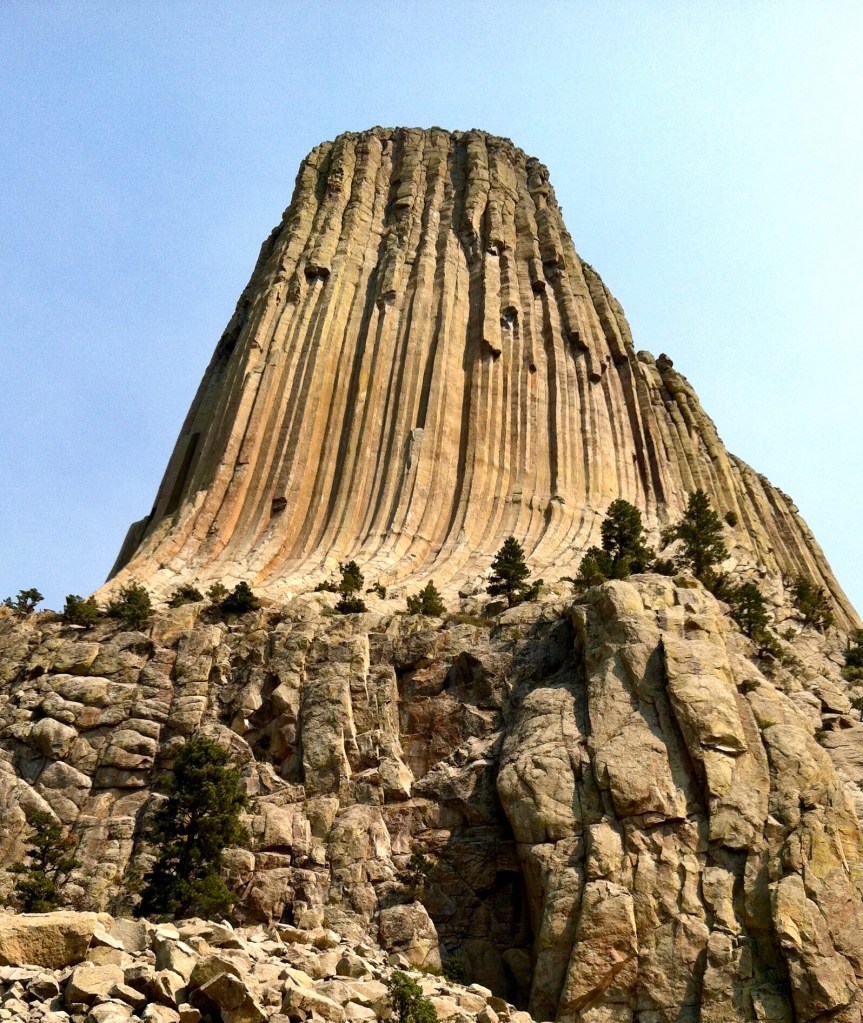
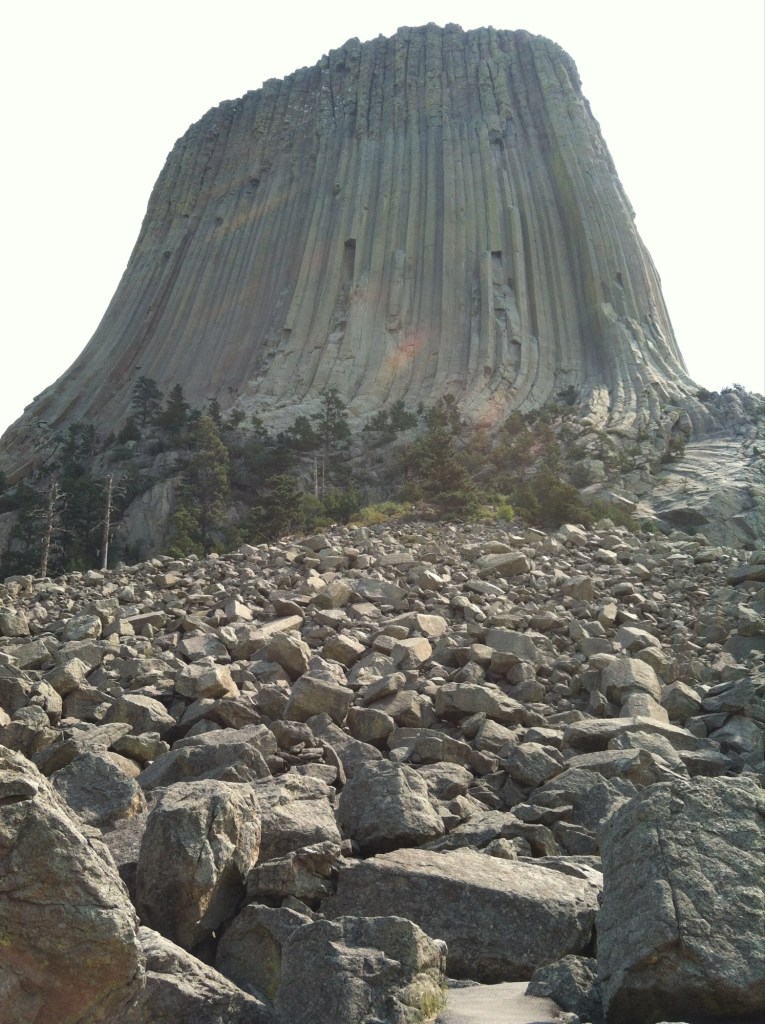
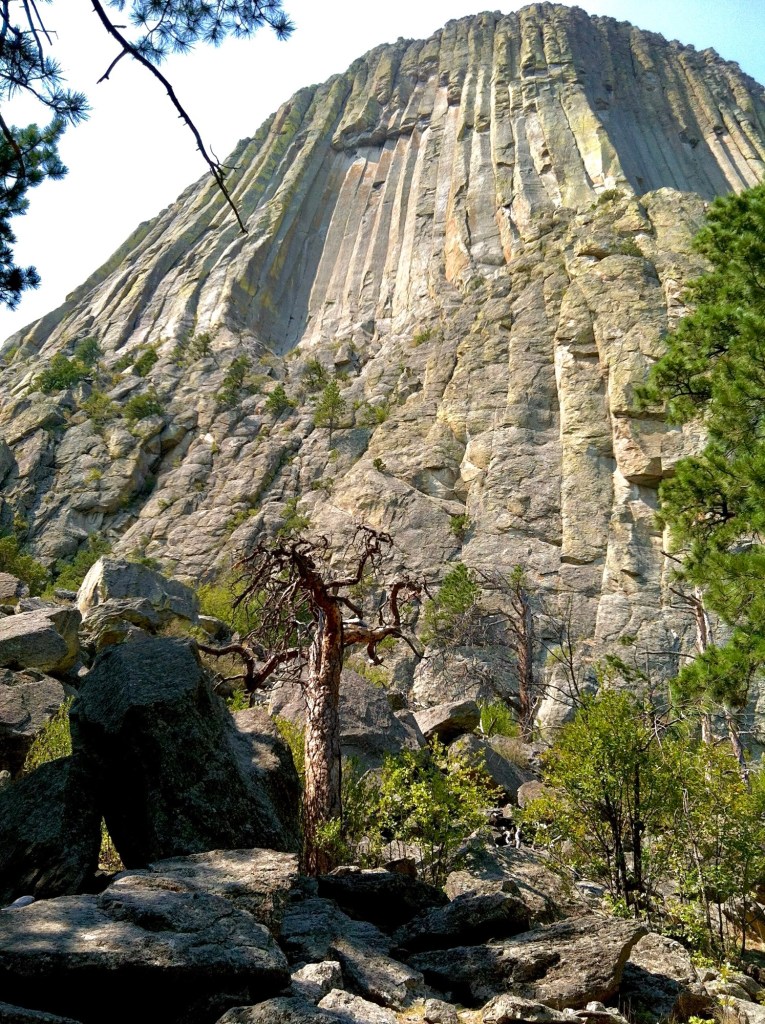
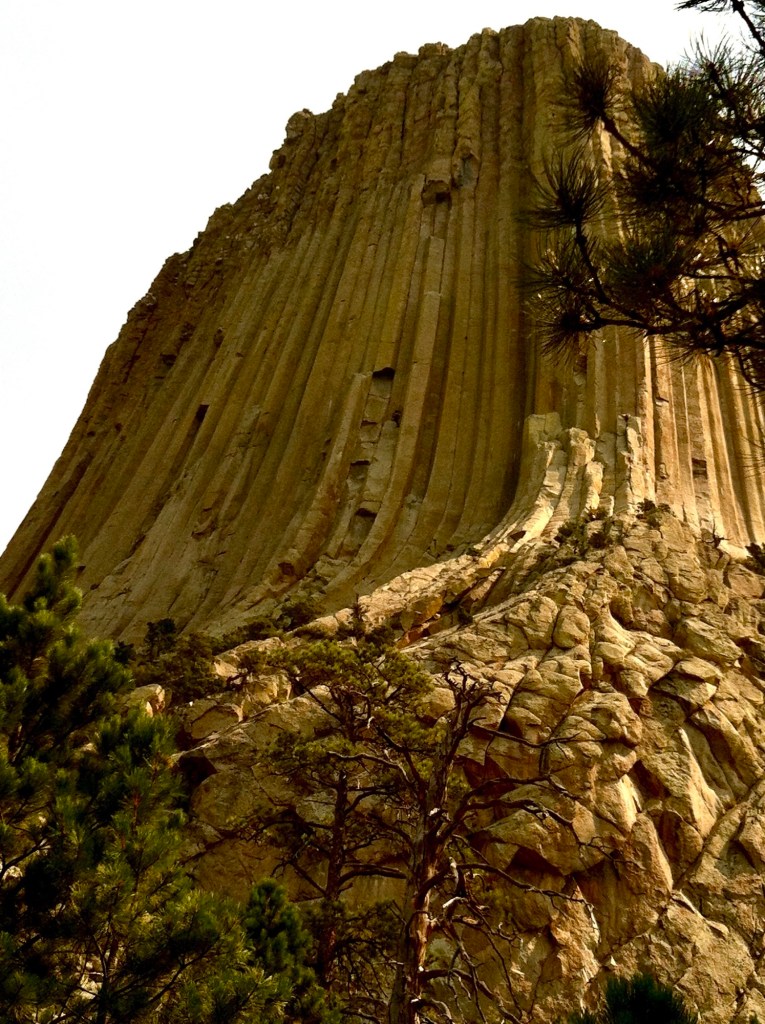
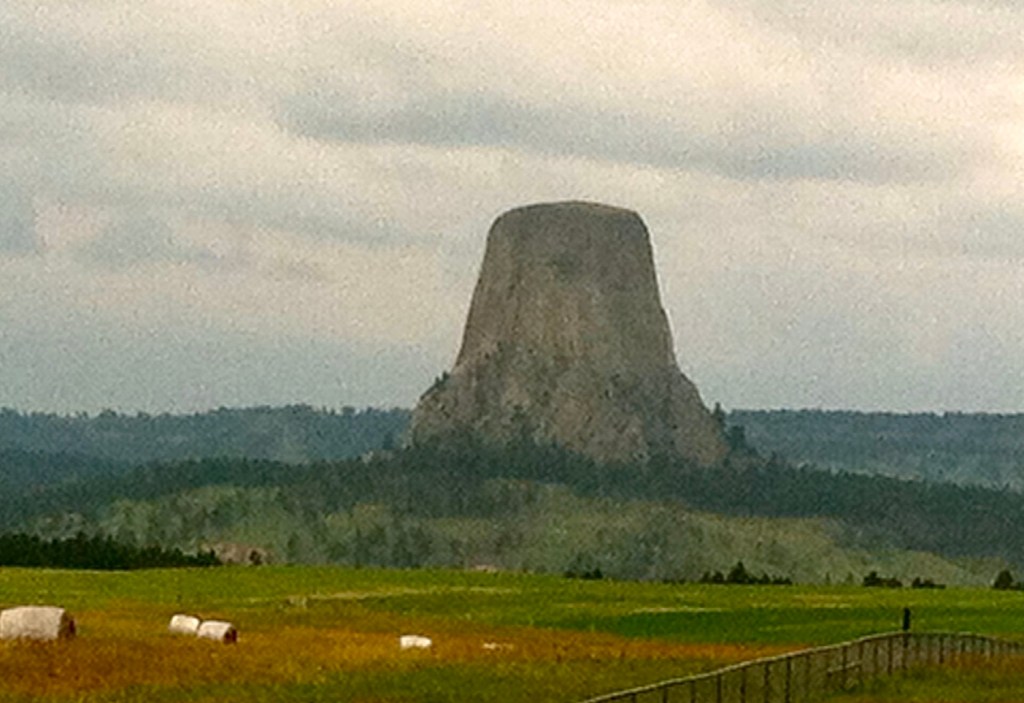
At the top of ridge I caught sight of Devil’s Tower upthrust against the gray sky as if in the birth of time the core of the earth had broken through its crust and the motion of the world was begun.

There are things in nature
that engender an awful quiet in the heart of man;
Devil’s Tower is one of them.
~N.Scott Momaday in The Way to Rainy Mountain

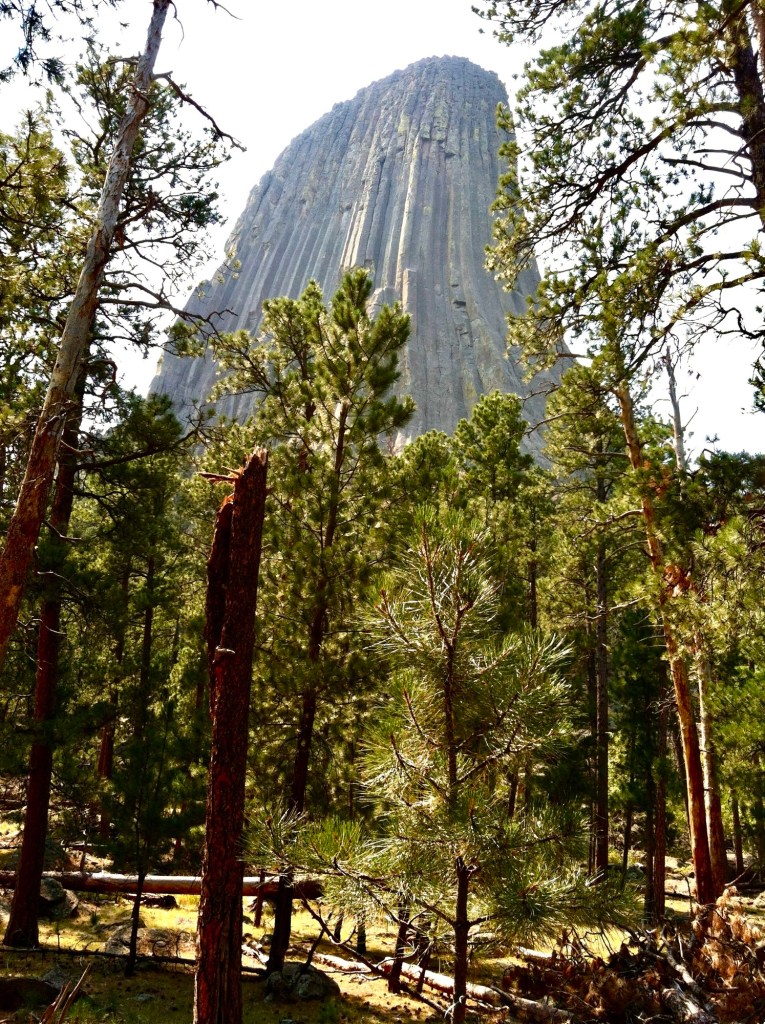
We didn’t have a close encounter with Devil’s Tower on this particular trip yesterday through Wyoming. Over the years we have made many cross-country road trips like this one, passing by the turn-off to Devil’s Tower because there was urgency to get where we needed to go. Occasionally we would see it hazy in the far distance, so I could say I had “seen it” but I really had not seen it … according to my Stanford professor N. Scott Momaday.

Scott was from the Kiowa tribe. In his language, this rock formation is named Tso-i-e or “standing on a rock.” For him and his people, it is sacred ground. The Cheyenne, Crow, Lakota, Shoshone, and Arapahoe all revere this rock monolith, although most tribal members did not live near enough to see it themselves, but the legends traveled many miles through the generations through oral tradition.

I took Scott’s unforgettable class “Native American Mythology and Lore” in 1973, as a 19 year old sophomore. He had a commanding presence, a booming resonant voice for story telling, a predilection for the poetry of Emily Dickinson and a hankering since childhood to be a character in the stories of Billy the Kid. The first day of class, he introduced us to Tso-i-e first and foremost. He told us his grandmother’s story passed to her from her grandparents:

“Eight children were there at play, seven sisters and their brother. Suddenly the boy was struck dumb; he trembled and began to run upon his hands and feet. His fingers became claws, and his body was covered with fur. Directly there was a bear where the boy had been. The sisters were terrified.; they ran and the bear after them. They came to the stump of a great tree, and the tree spoke to them. It bade them climb upon it, and as they did so it began to rise into the air. The bear came to kill them, but they were just beyond its reach. It reared against the tree and scored the bark all around with its claws. The seven sisters were borne into the sky, and they became the stars of the Big Dipper.”

My family finally made time to see the Tower up close. For me, this “close encounter” was meant to connect the dots from my class and to understand more fully the spiritual background of the Plains people as our son, Ben, had lived and taught on the Pine Ridge Lakota Sioux Reservation in South Dakota for two years.

The Tower surely is awe-filled holy ground for us all – we are diminished in its presence. It disquiets the heart with its awful grandeur and sheer other-worldliness. In its own way, it is as resonant as Scott’s captivating stories about its origins, yet remains a reminder of the ever-changing impermanence of geologic formations.

We need more holy places in our lives even as they (and wechange with the sands and winds of time. We need to seek more “awful quiet” in our hearts, to continue to tell our sacred stories, generation to generation, never forgetting Who it is who set the world in motion.

AI image created for this post
One-Time
Monthly
Yearly

Make a one-time or recurring donation to support daily Barnstorming posts

Make a monthly donation

Make a yearly donation

Choose an amount

$10.00
$25.00
$50.00
$5.00
$15.00
$100.00
$5.00
$15.00
$100.00

Or enter a custom amount

$

Your contribution is deeply appreciated.

Your contribution is appreciated.

Your contribution is appreciated.

DonateDonate monthlyDonate yearly

Like Light and Cloud Shadows

…you mustn’t be frightened …
if a sadness rises in front of you,
larger than any you have ever seen;
if an anxiety, like light and cloud-shadows,
moves over your hands and over everything you do.
You must realize that something is happening to you,
that life has not forgotten you,
that it holds you in its hand and will not let you fall.
Why do you want to shut out of your life any uneasiness,
any misery, any depression, since after all
you don’t know what work these conditions are doing inside you?

~Rainer Maria Rilke from Letters to a Young Poet

…difficulties are magnified out of all proportion
simply by fear and anxiety.
From the moment we wake until we fall asleep
we must commend other people wholly and unreservedly to God and leave them in his hands,
and transform our anxiety for them into prayers on their behalf: 

With sorrow and with grief…
God will not be distracted.
~Dietrich Bonhoeffer in Letters from Prison

During my decades as a primary care physician for a university health center, my clinic days were often filled with young adults who were so consumed by anxiety they were immobilized in their ability to move forward through life’s inevitable obstacles and difficulties. They were so stuck in overwhelming feelings, they couldn’t sleep or eat or think clearly. They tended to self-medicate, self-injure and self-hate. Unable to nurture themselves or others, they withered like a flower without roots deep enough to reach the vast reservoir untapped beneath them.  In epidemic numbers, some decide to die, even before life really has fully begun for them.

My role was to help find healing solutions, whether it was counseling therapy, a break from school, or a medicine that may give some form of relief. 

My heart knows the ultimate answer is not as simple as choosing the right prescription – light and cloud shadows differ for each person – it can feel like the sun is blocked forever, all that is left is rain and snow and gray.

I too have known anxiety and how it can distort every thought.

We who are anxious can depend upon a Creator who is not distracted from His care for us even if we have turned away in our worry and sorrow, unable to look past our own eyelashes. 

Like a thirsty withering plant, we need to reach higher and deeper: asking for help and support, working through solutions with those helpers, acknowledging there exists a healing power greater than ourselves.

So we are called to pray for ourselves and for others. Self compassion and caring for others can disable anxiety and fear by transforming it to growth, gratitude and grace.  

No longer withering, we just might bloom.

AI image created for this post
One-Time
Monthly
Yearly

Make a one-time or recurring donation to support daily Barnstorming posts

Make a monthly donation

Make a yearly donation

Choose an amount

$10.00
$25.00
$50.00
$5.00
$15.00
$100.00
$5.00
$15.00
$100.00

Or enter a custom amount

$

Your contribution is deeply appreciated.

Your contribution is appreciated.

Your contribution is appreciated.

DonateDonate monthlyDonate yearly

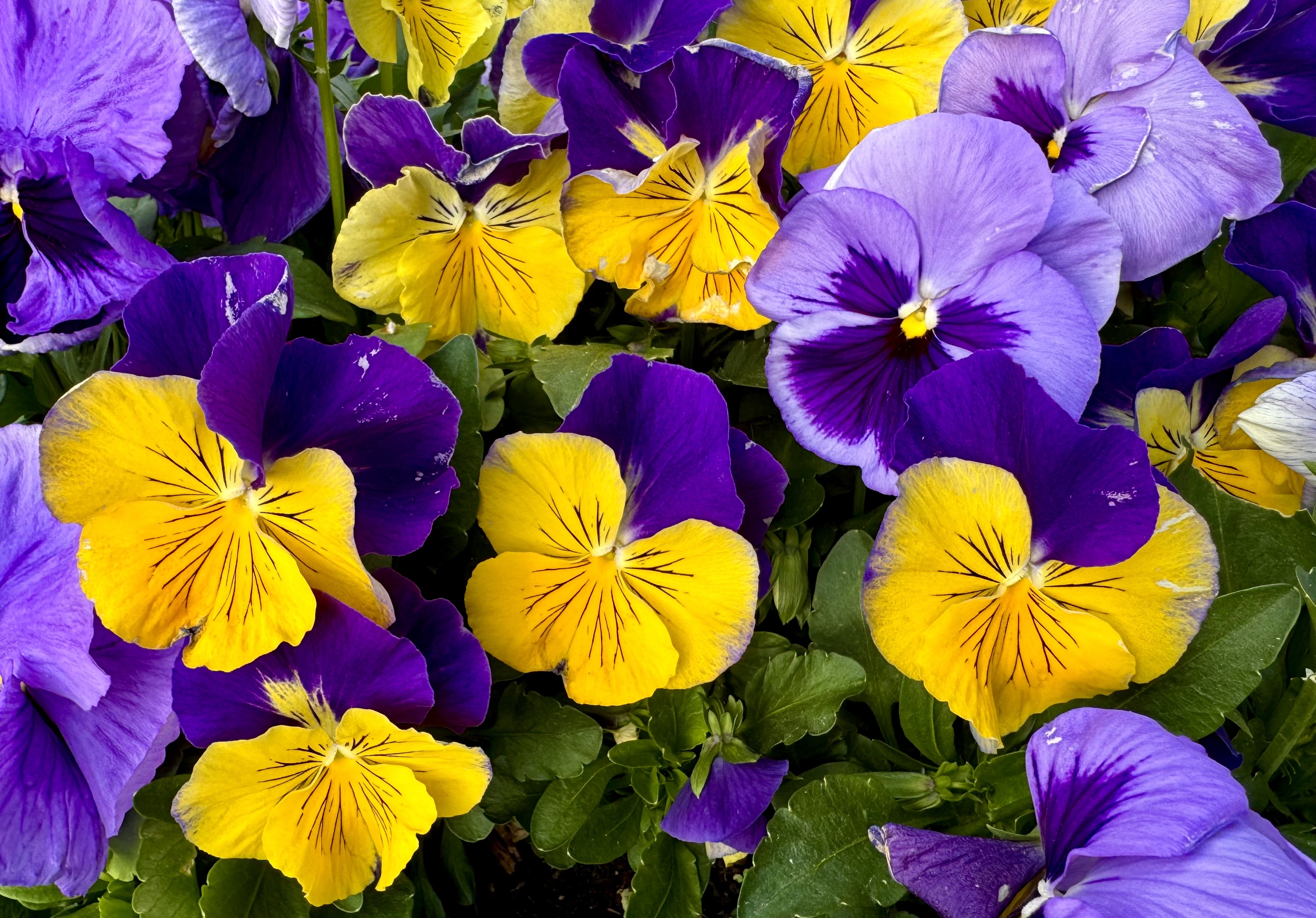
A Blink of God’s Eye…

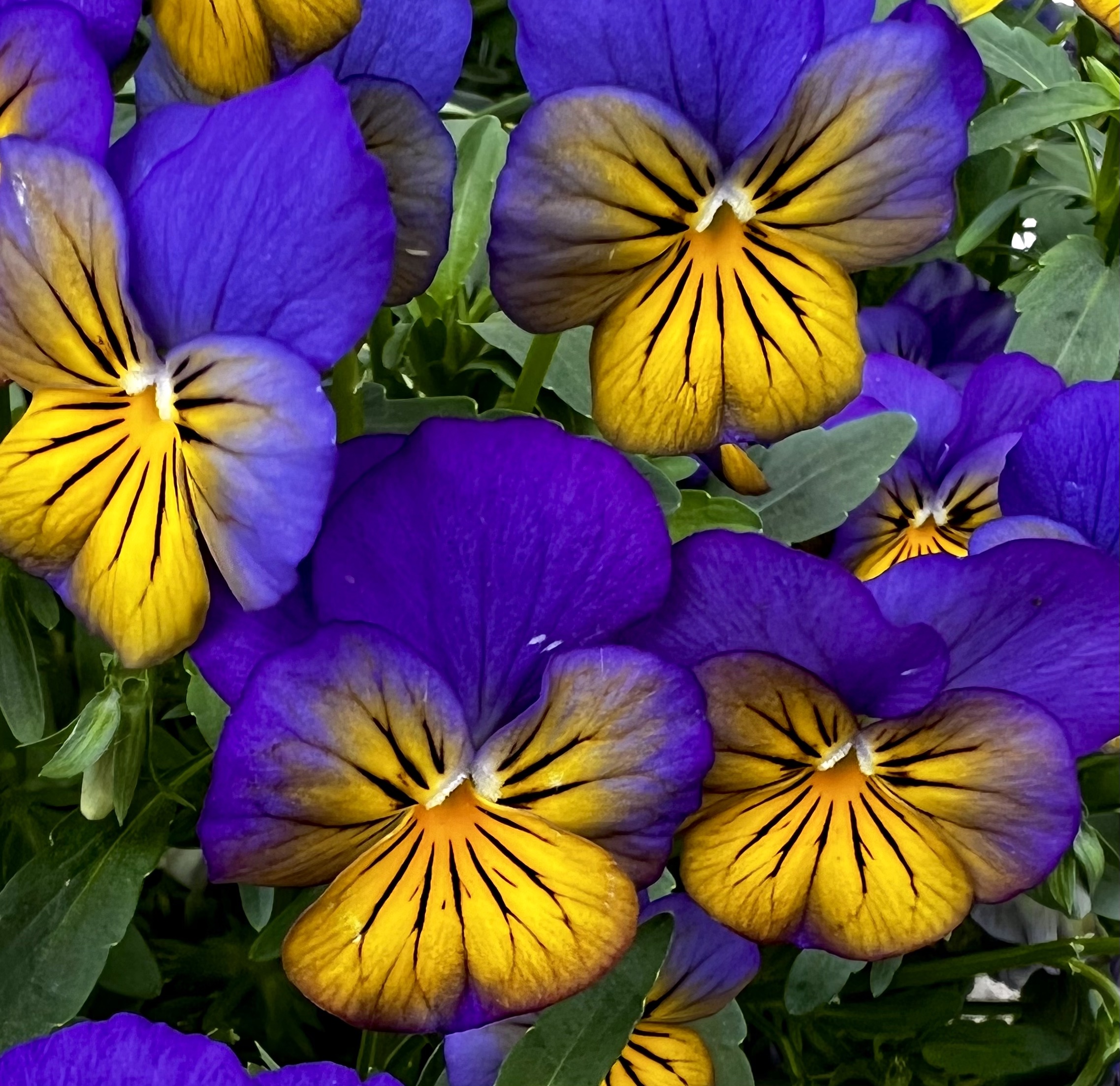
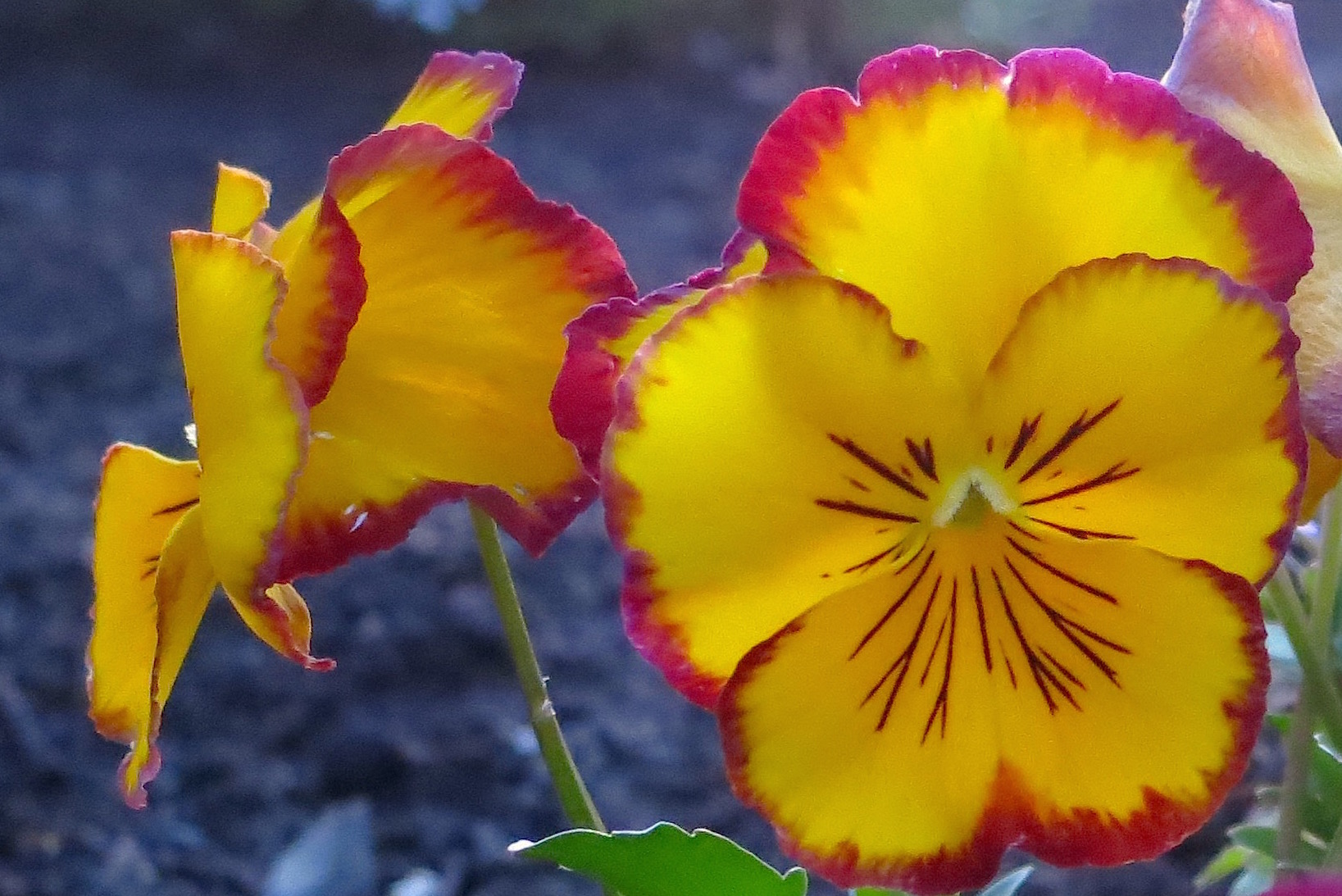
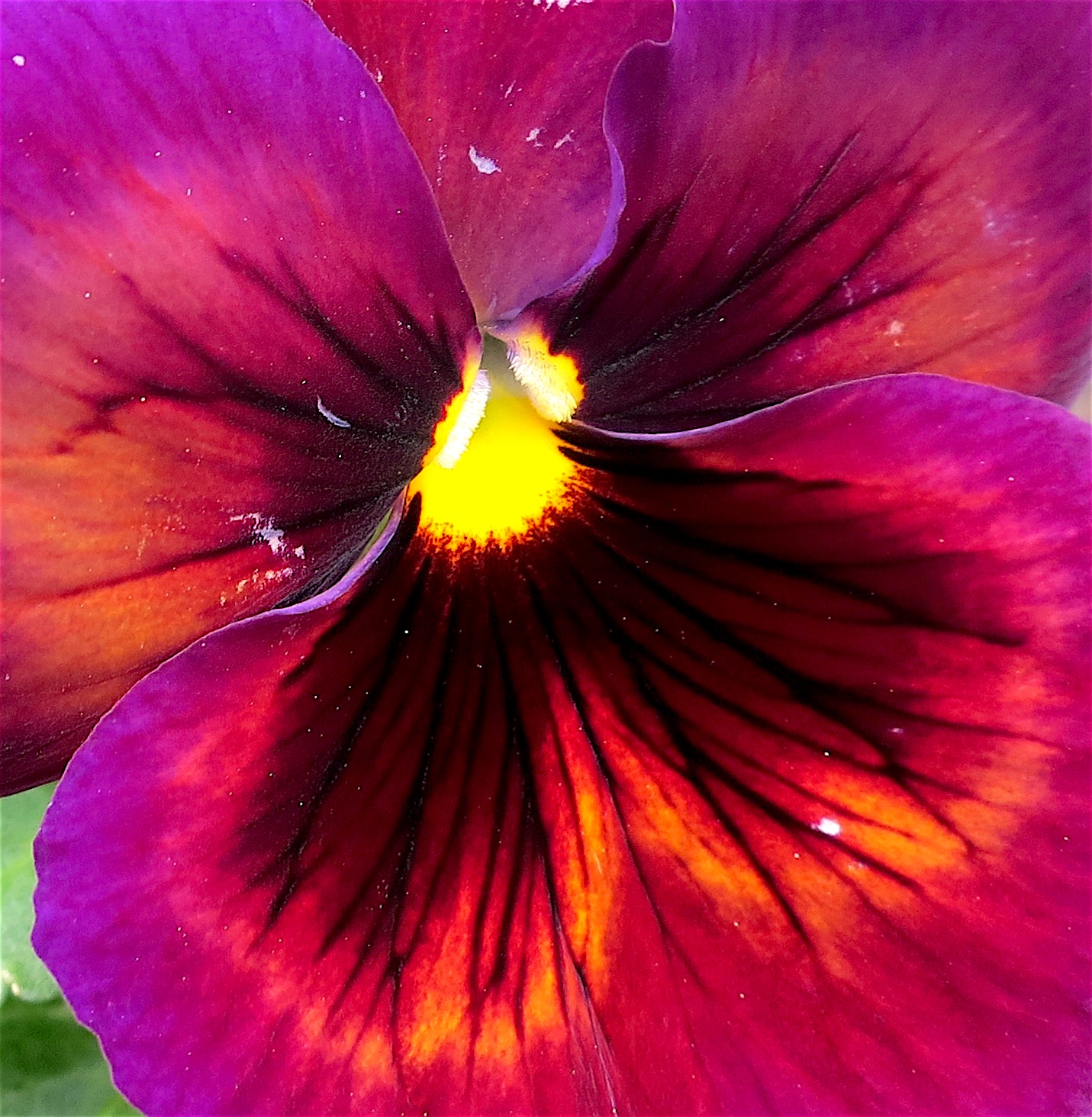
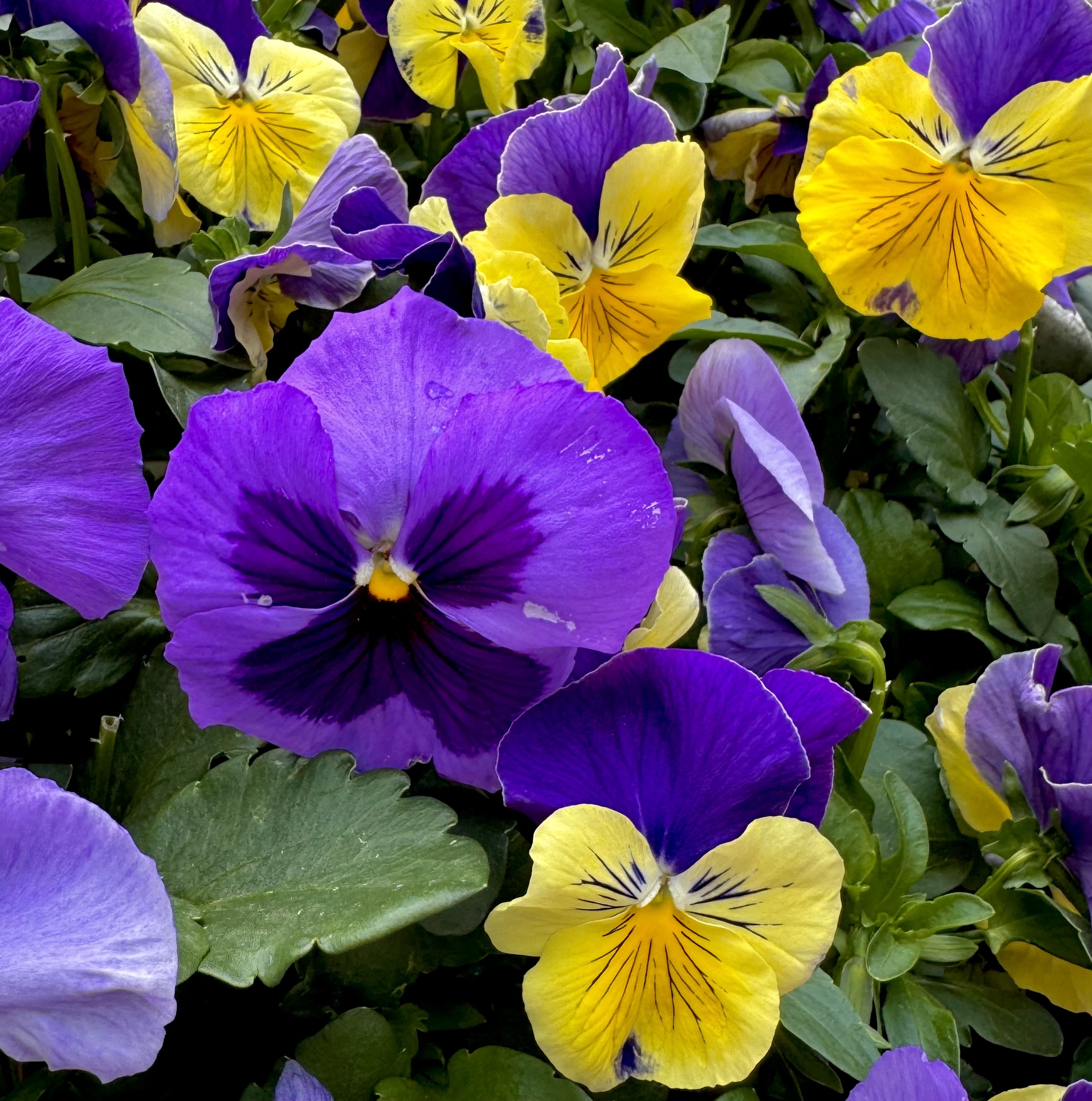
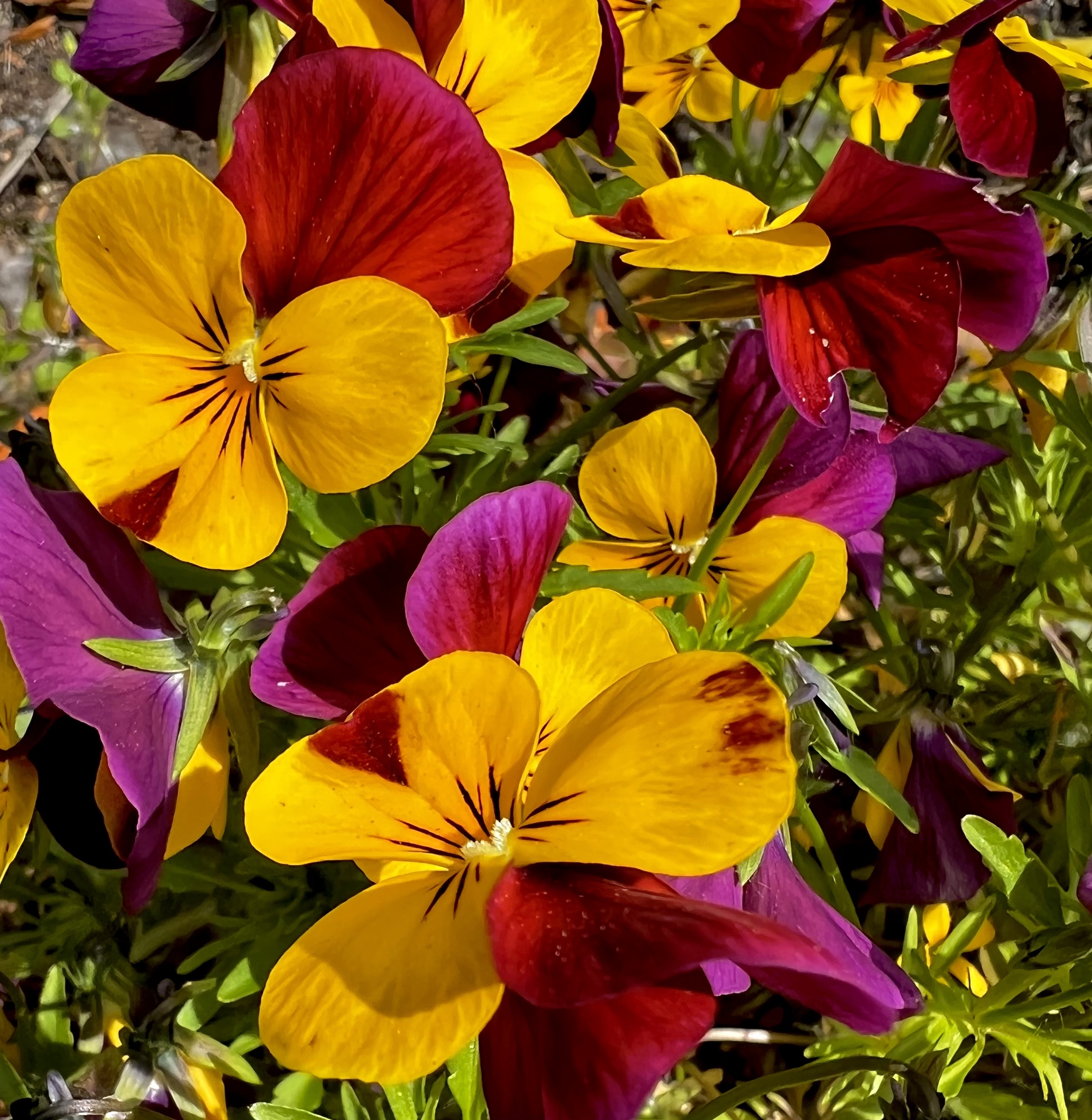
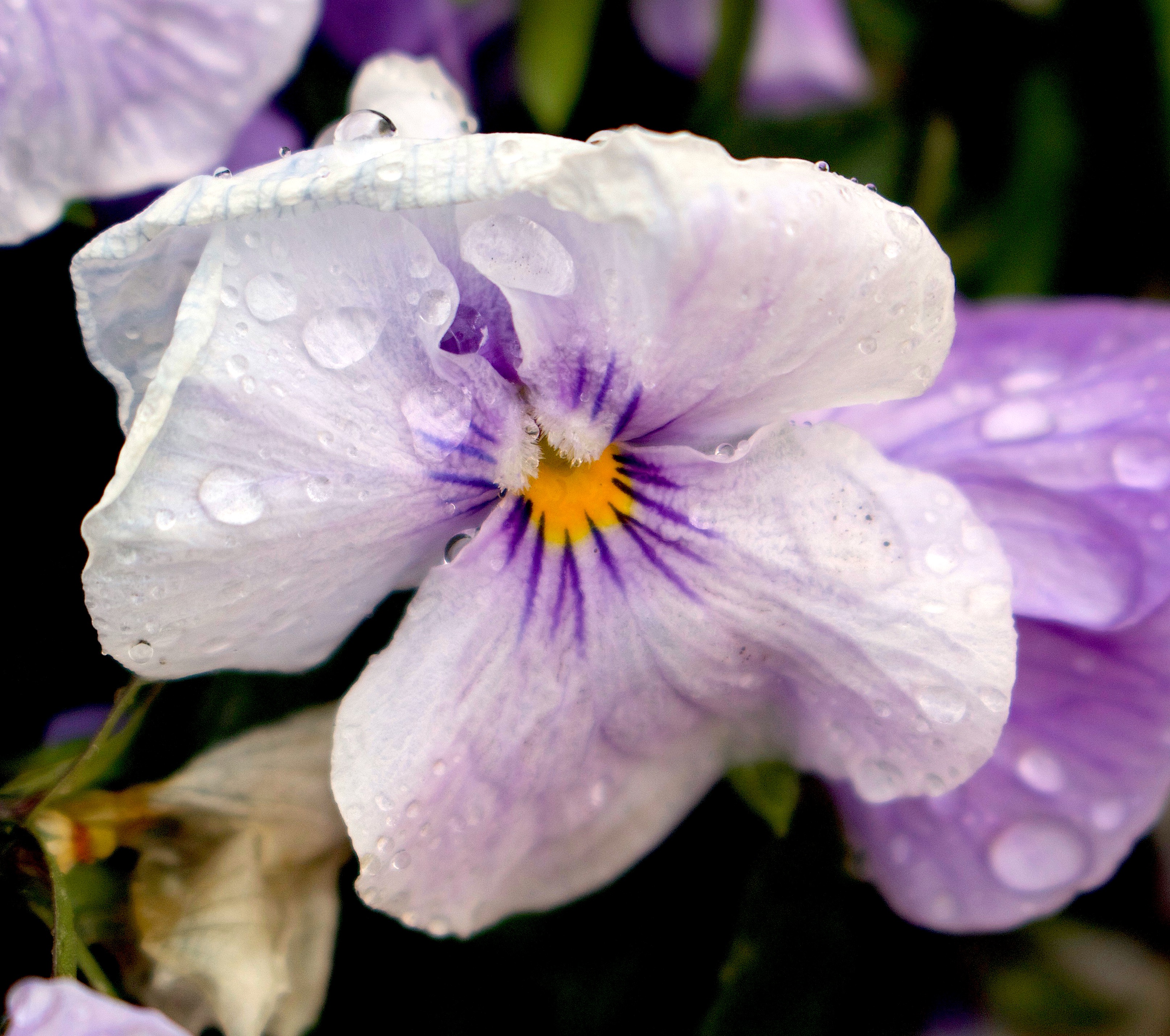
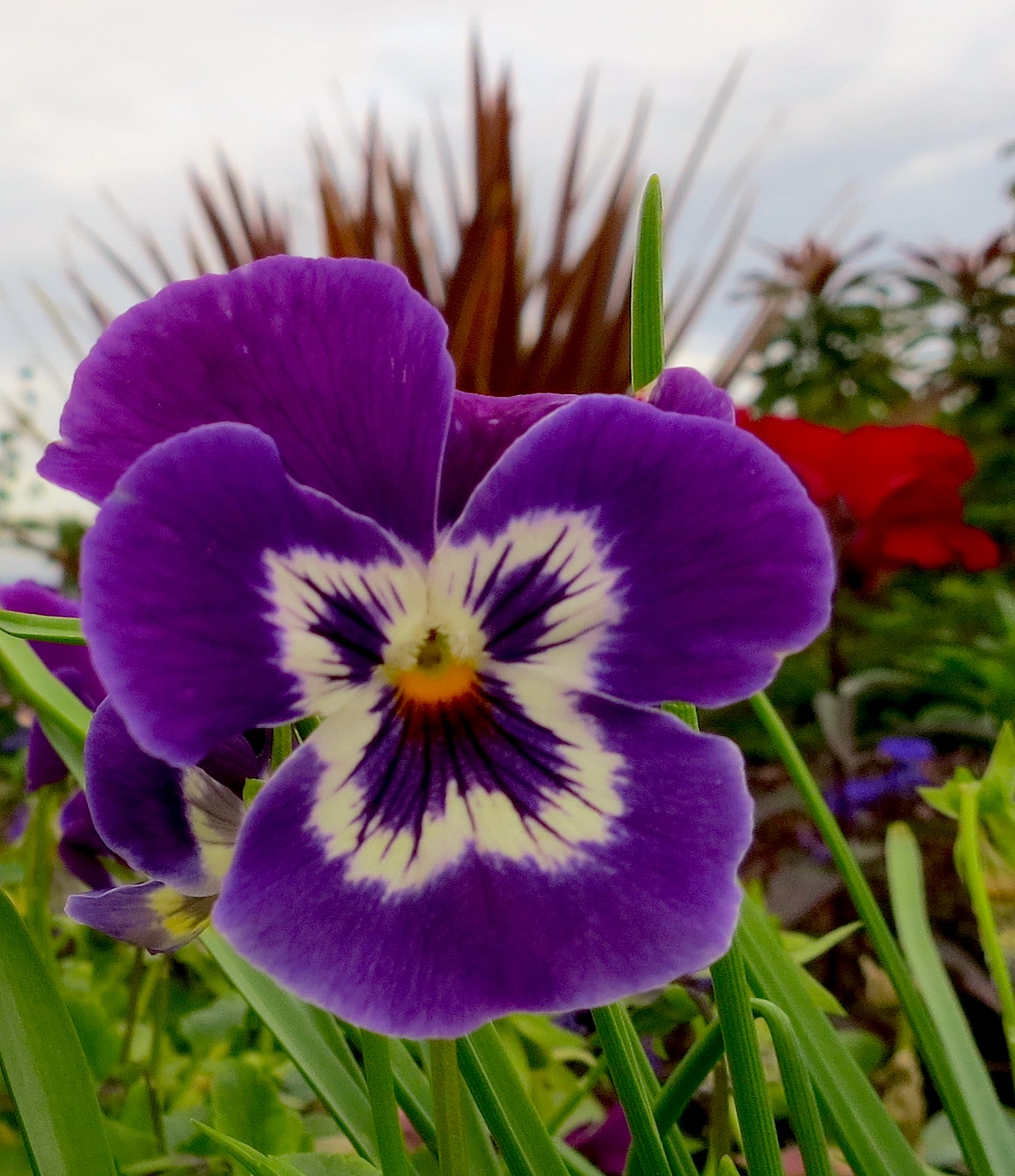
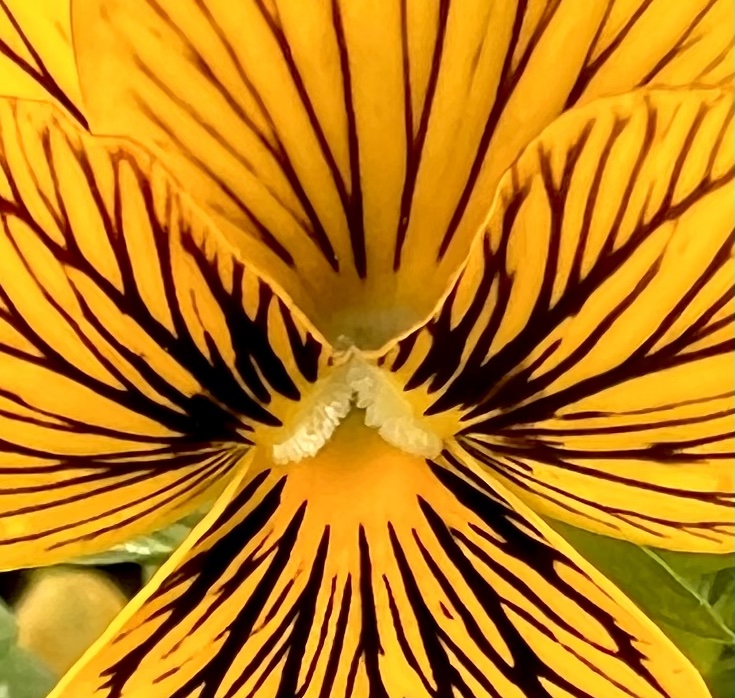
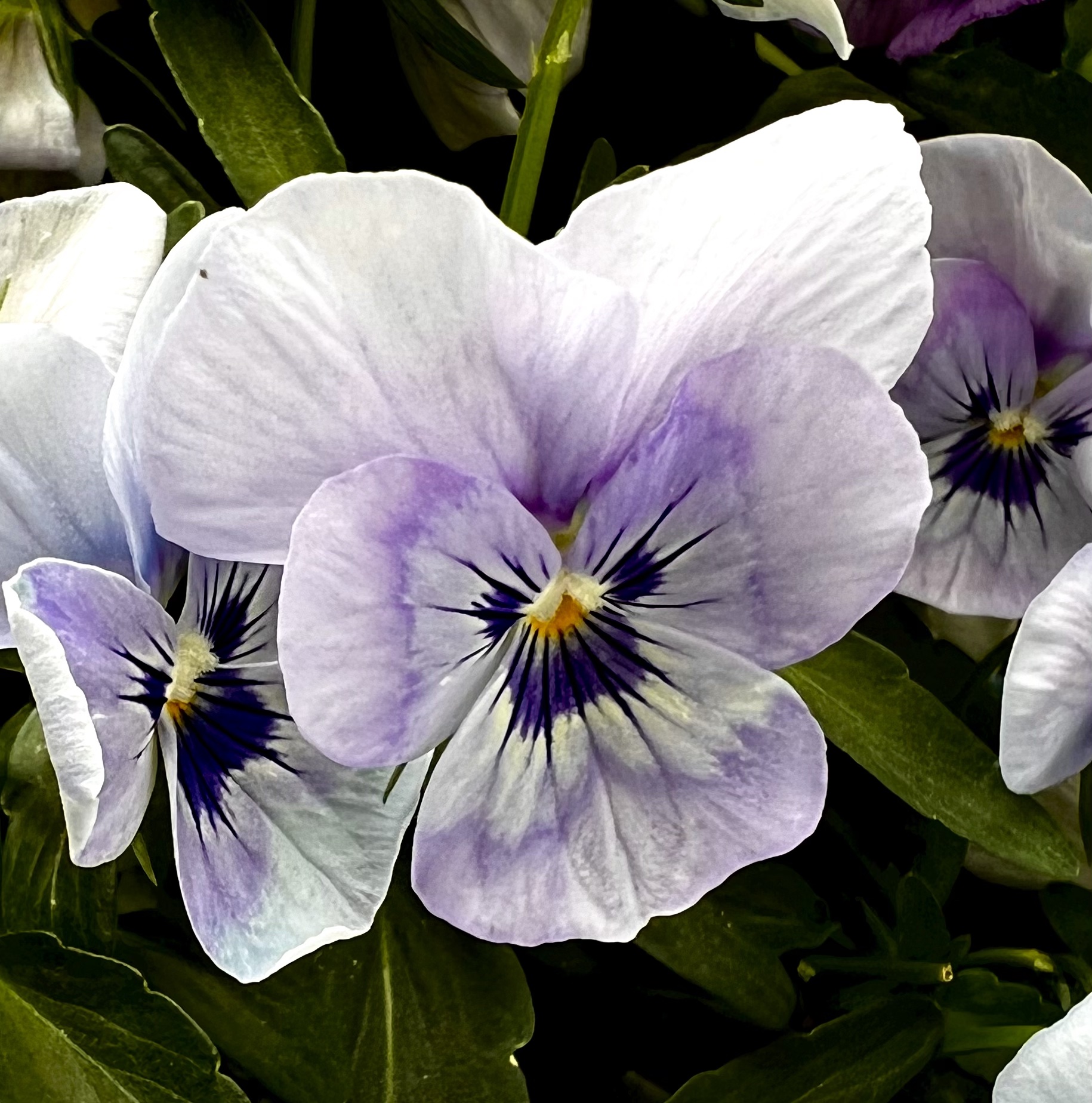
Nobody can keep on being angry if she looks into the heart of a pansy for a little while.
~L.M. Montgomery

One has to wonder where they got
their reputation for pansiness.
Purple and proud, or any color
you might imagine, they grow
where they want to grow, despite the cold,
so much unlike their flashy cousins,
impatiens, petunias, scarlet sage,
petals falling off at first frost,
hardly hearty at all.
Keep your prima donna blossoms,
loud and boastful annuals, brief
and seedless. I’ll take the pansies
of the world, unassuming, resilient,
quietly doing what they know to do

~Scott Owen “Pansies”

As a seed, I was shot out the back end of a blue jay
when, heedless, she flew over the meadow.
She had swallowed me in my homeland when she spied me
lying easy under the sun—briefly, I called her Mother
before I passed through her gullet like a ghost.
In a blink of God’s eye I was an orphan. I trembled
where I fell, alone in the dirt. That first night
was a long night, early May and chilly, and I remember
rain filled my furrow. I called out for mercy—
only a wolverine wandered by. I cursed my luck,
I cursed the happenstance of this world, I smelled
his hot stink, but he nosed me deep into the mud—
this was the gift of obscurity. I germinated, hidden
from the giants of earth, the jostling stalks,
the various, boisterous bloomers, and this was my salvation.
After seven days and nights I pushed through—
yes. Here I am, kissable: your tiny, purple profusion.
~Lisa Bellamy “Wild Pansy”

The world is in sore need of a cure for the grumbles.

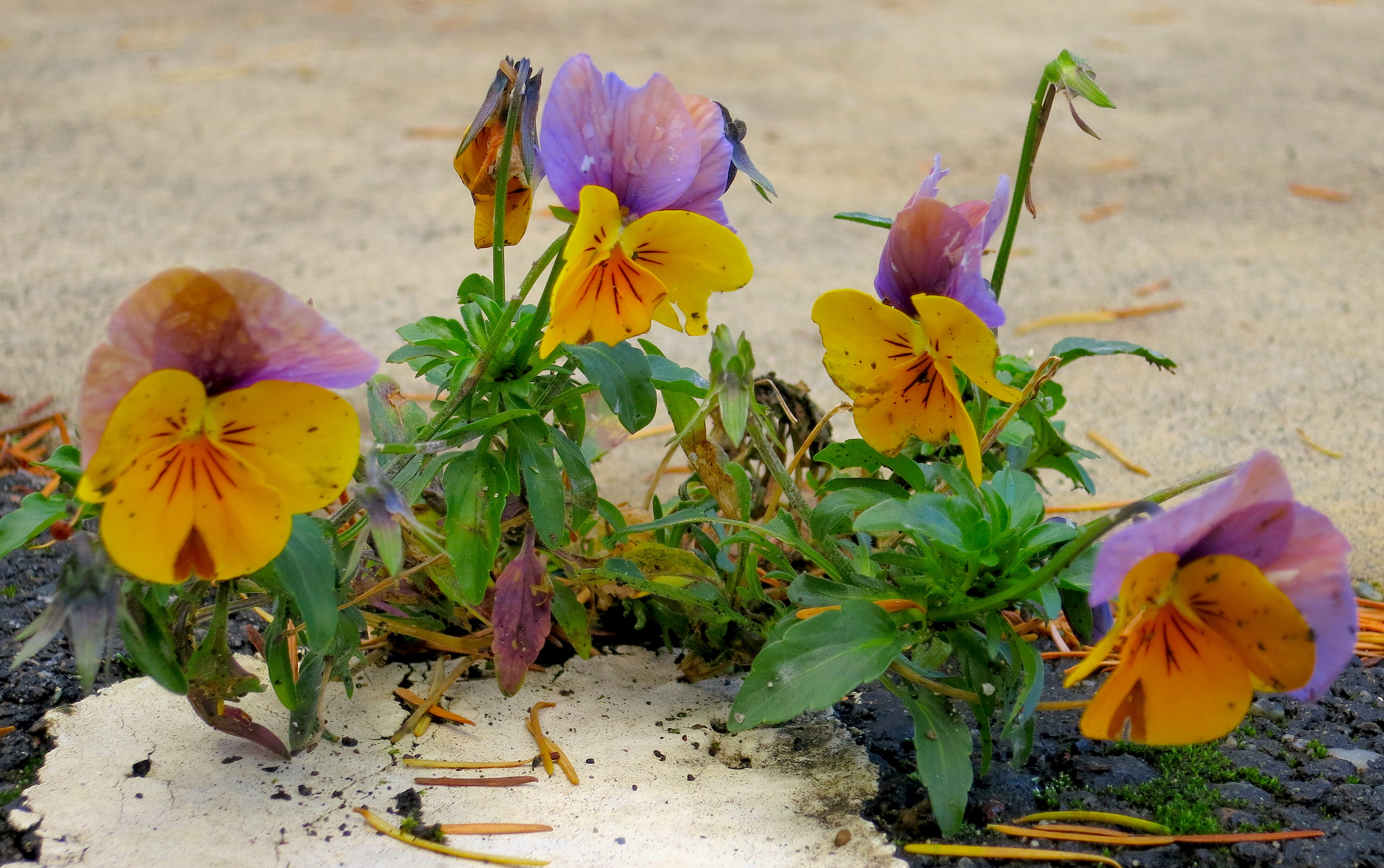
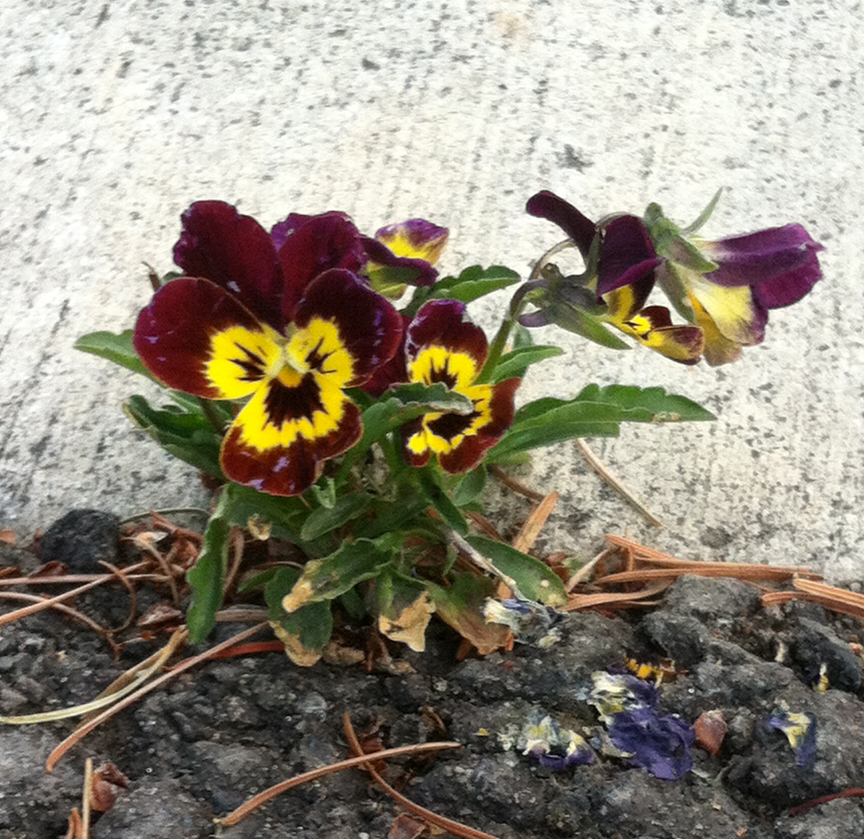
Fortunately, it exists right outside in our back yards, along sidewalks and in gravelly vacant lots.

A cheerful face is irresistible to all but the crabbiest among us, guaranteed to bring a smile every time.

Beyond the obvious charm exists a depth of heart — roots able to thrive in the thinnest of soil, at home among rocks and weeds,  resilient even when tromped on.

We carry its seeds on the tread of our boots despite our grumbling and help spread the good news: anger left unfed will dry up and blow away.

Yet the constant loyal heart of the pansy will last. 
It keeps smiling back – simply a twinkle in God’s eye.

For pansies are, I think, the little gleams
Of children’s visions from a world of dreams,
Jewels of innocence and joy and mirth,
Alight with laughter as they fall to earth.


So tread not rashly, children, lest you crush
A part of childhood in a thoughtless rush.
Would you not treat them gently if you knew
Pansies are little bits of children too?

~R.X. Lehmann from “Pansies”

One-Time
Monthly
Yearly

Make a one-time or recurring donation to support daily Barnstorming posts

Make a monthly donation

Make a yearly donation

Choose an amount

$10.00
$25.00
$50.00
$5.00
$15.00
$100.00
$5.00
$15.00
$100.00

Or enter a custom amount

$

Your contribution is deeply appreciated.

Your contribution is appreciated.

Your contribution is appreciated.

DonateDonate monthlyDonate yearly

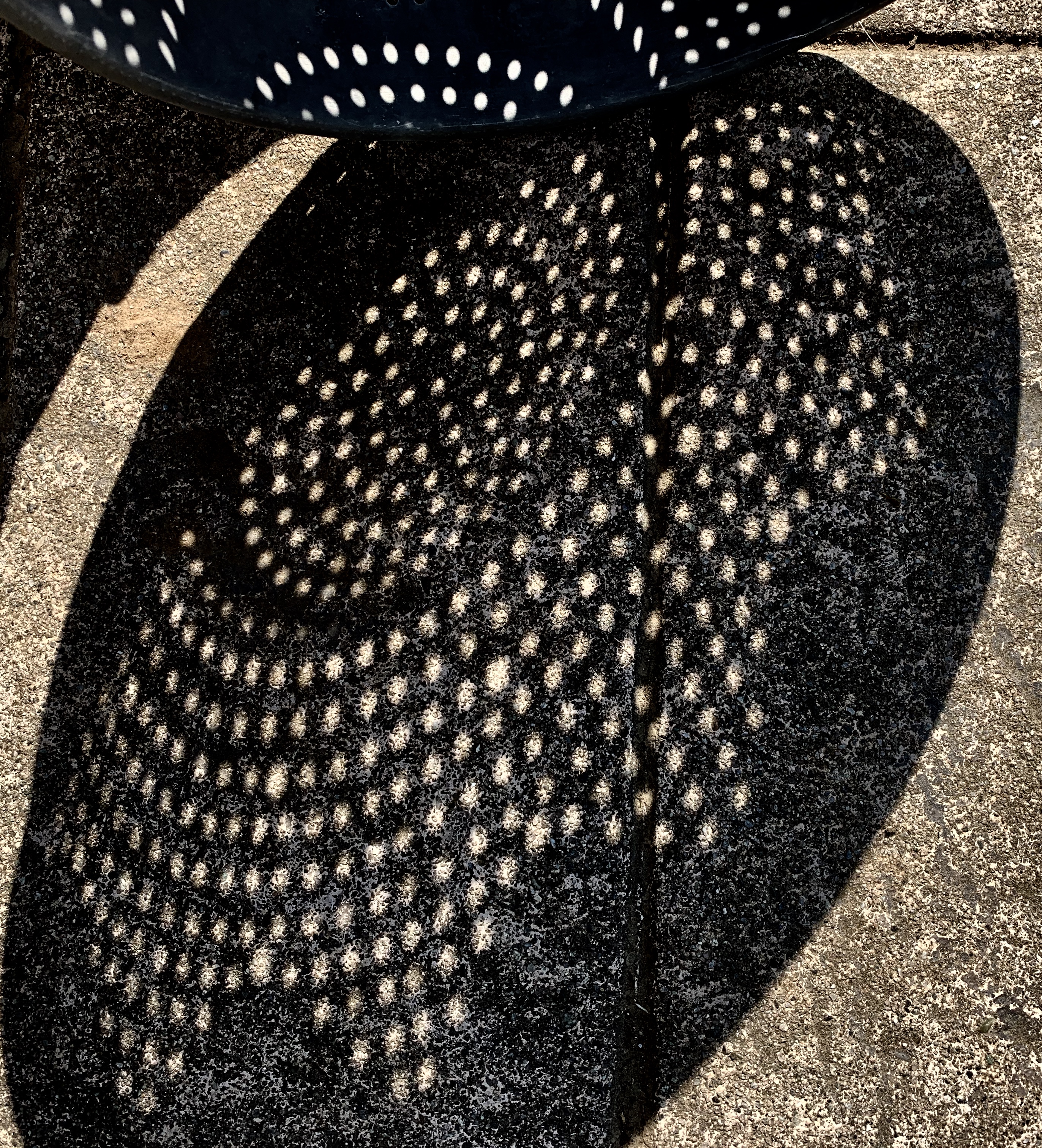
Stars on the Pavement

Holes in the shape of stars
punched in gray tin, dented,
cheap, beaten by each
of her children with a wooden spoon.

Noodle catcher, spaghetti stopper,
pouring cloudy rain into the sink,
swirling counter clockwise
down the drain, starch slime
on the backside, caught
in the piercings.

Scrubbed for sixty years, packed
and unpacked, the baby’s
helmet during the cold war,
a sinking ship in the bathtub,
little boat of holes.

Dirt scooped in with a plastic
shovel, sifted to make cakes
and castles. Wrestled
from each other’s hands,
its tin feet bent and re-bent.

Bowl daylight fell through
onto freckled faces, noon stars
on the pavement, the universe
we circled aiming jagged stones,
rung bells it caught and held.

~Dorianne Laux “My Mother’s Colander”

Many of my mother’s kitchen things, some over eighty years old, are still packed away in boxes that I haven’t had the emotional wherewithal to open. They sit waiting for me to sort and purge and save and weep.

It is as if I haven’t wanted to say goodbye after her death at age 88, now seventeen years ago.

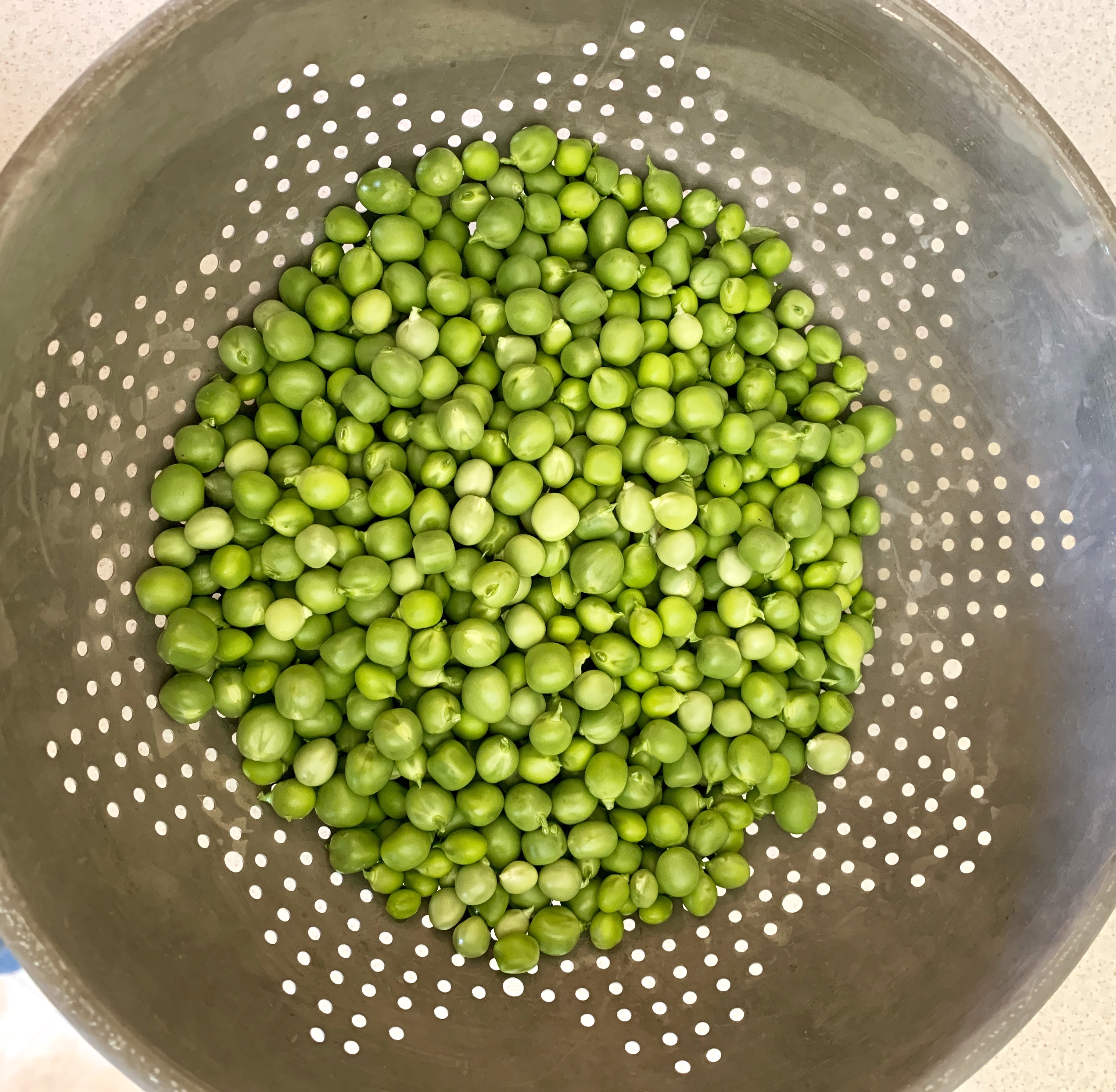
This particular kitchen item- her old dented metal colander – found its way to me when I moved into my first apartment some 49 years ago. She had purchased a bright green plastic colander at a Tupperware party so she felt the old metal one was somehow outdated, overworked and plain, and ready for retirement.

It had held hundreds of pounds of rinsed garden vegetables during my childhood, had drained umpteen pasta noodles, had served as a sifter in our sandbox, and a helmet for many a pretend rocket launch to infinity and beyond.

Dented and battered, it still works fine, thank you very much, for all intended and some unintended purposes. It does make me wonder what other treasures may surprise me as I begin to open and sort my mother’s boxes. Her things have remained in suspended animation, waiting to be rediscovered.

I know there will be tons of tupperware, carefully saved yogurt containers with lids, and quite likely a hoard of pickle jars. As a child of the depression, she saved anything that could be potentially used again.

Perhaps these items have waited patiently to be touched lovingly and with distinct purpose as they once were, and be remembered for the part they played in one woman’s long sacrificial and faith-filled life.

Maybe, just maybe, it will feel like I’ve unpacked Mom once again and maybe this time it can be both a hello and a goodbye.

To infinity and beyond…

AI image created for this post
One-Time
Monthly
Yearly

Make a one-time or recurring donation to support daily Barnstorming posts

Make a monthly donation

Make a yearly donation

Choose an amount

$10.00
$25.00
$50.00
$5.00
$15.00
$100.00
$5.00
$15.00
$100.00

Or enter a custom amount

$

Your contribution is deeply appreciated.

Your contribution is appreciated.

Your contribution is appreciated.

DonateDonate monthlyDonate yearly

An Immense, Tender, Terrible, Heart-Breaking Beauty

And the secret garden bloomed and bloomed and every morning revealed new miracles.

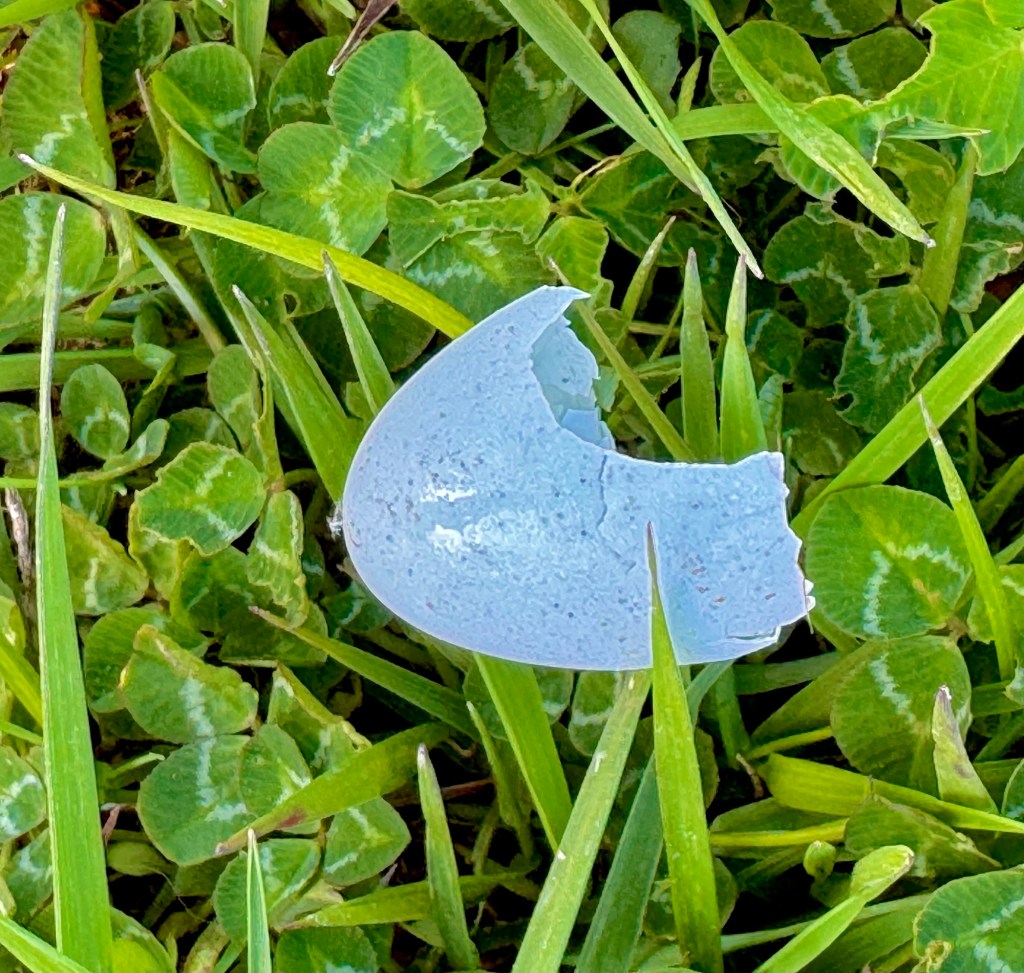
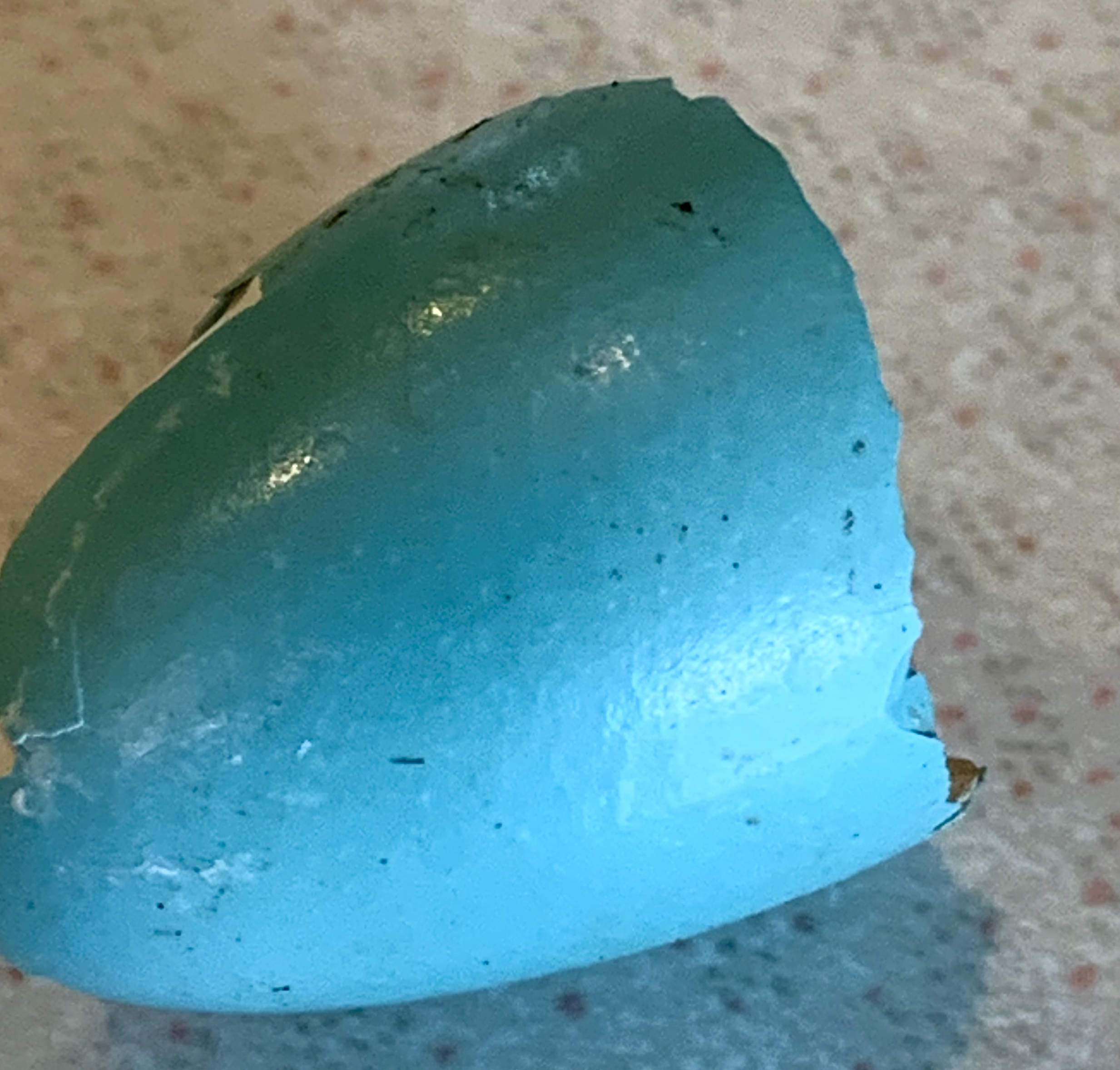
In the robin’s nest there were Eggs and the robin’s mate sat upon them keeping them warm with her feathery little breast and careful wings.

….in the garden
there was nothing which was not quite like themselves,
nothing which did not understand
the wonderfulness of what was happening to them,
the immense, tender, terrible, heart-breaking beauty
and solemnity of Eggs.

If there had been one person in that garden who had not known through all his or her innermost being
that if an Egg were taken away or hurt

the whole world would whirl round and crash
through space and come to an end—

if there had been even one
who did not feel it and act accordingly
there could have been no happiness
even in that golden springtime air.

But they all knew it and felt it
and the robin and his mate knew they knew it.
~Frances Hodgson Burnett from The Secret Garden

Some say you’re lucky
If nothing shatters it.

But then you wouldn’t
Understand poems or songs.
You’d never know
Beauty comes from loss.

It’s deep inside every person:
A tear tinier
Than a pearl or thorn.

It’s one of the places
Where the beloved is born.

~Gregory Orr “Some Say You’re Lucky” from Concerning the Book That Is the Body of the Beloved

We all start out in the secret garden of a fallopian tube
as an egg pierced to become so much more…
–  each tiny part of the least of us  –
– whether brain, heart, lungs or liver –
wonderfully made,
even if discarded
or fallen from the nest.

The act of creation of something so sacred
is immense, tender, terrible, beautiful, heart-breaking,
and so very solemn and joyful.

The act of harming one tiny part of creation
hurts the whole world;
we risk whirling round and crashing through space
and coming to an end.

If there is even one who does not feel it and act accordingly,
there can be no happiness.

But they all knew it and felt it and they knew they knew it.

And what is born broken is beloved nevertheless.

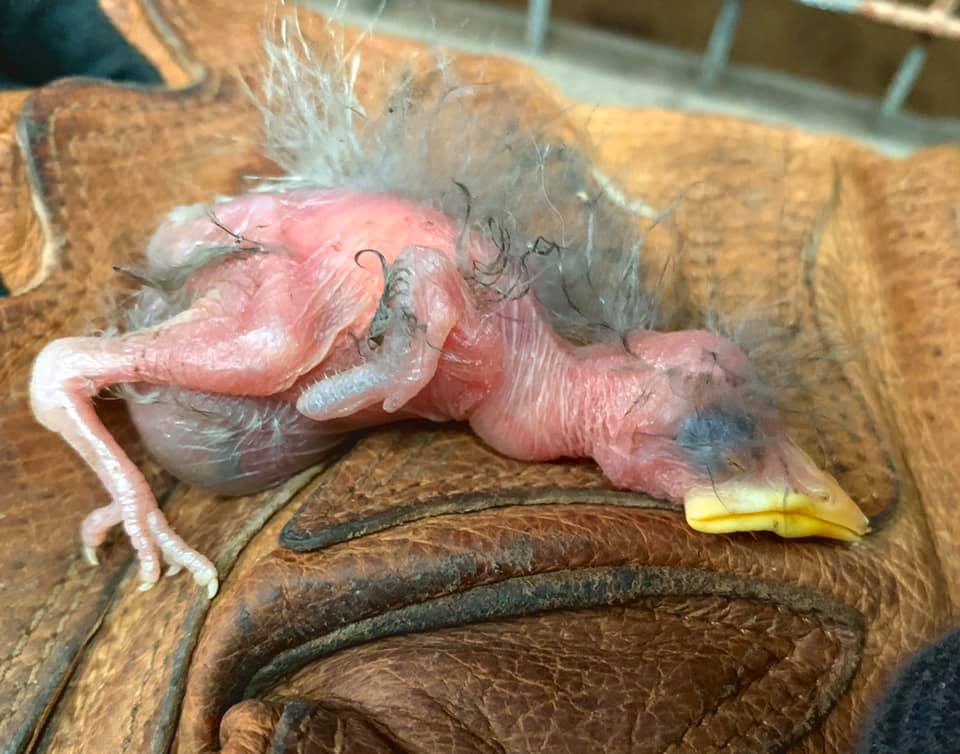
photo by Josh Scholten
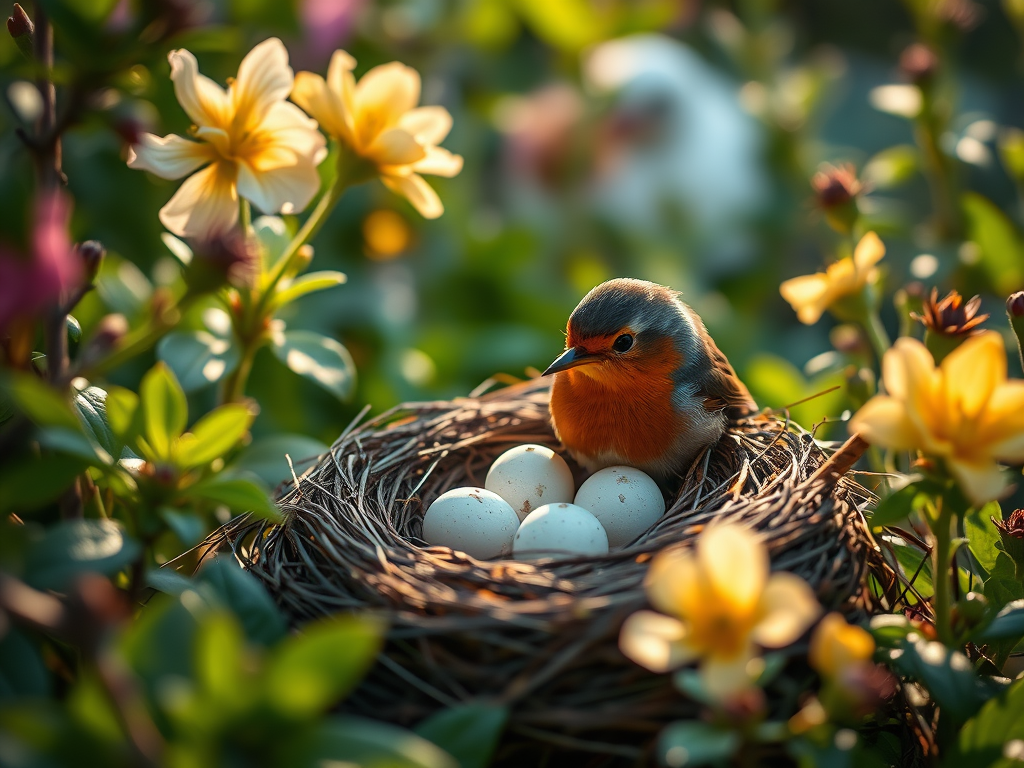
AI image created for this post
One-Time
Monthly
Yearly

Make a one-time or recurring donation to support daily Barnstorming posts

Make a monthly donation

Make a yearly donation

Choose an amount

$10.00
$25.00
$50.00
$5.00
$15.00
$100.00
$5.00
$15.00
$100.00

Or enter a custom amount

$

Your contribution is deeply appreciated.

Your contribution is appreciated.

Your contribution is appreciated.

DonateDonate monthlyDonate yearly