Equality In The Air We Breathe, If Allowed to Breathe

Let America be America again.
Let it be the dream it used to be.
Let it be the pioneer on the plain
Seeking a home where he himself is free.

(America never was America to me.)

Let America be the dream the dreamers dreamed—
Let it be that great strong land of love
Where never kings connive nor tyrants scheme
That any man be crushed by one above.

(It never was America to me.)

O, let my land be a land where Liberty
Is crowned with no false patriotic wreath,
But opportunity is real, and life is free,
Equality is in the air we breathe.

(There’s never been equality for me,
Nor freedom in this “homeland of the free.”)

Say, who are you that mumbles in the dark?
And who are you that draws your veil across the stars?

I am the poor white, fooled and pushed apart,
I am the Negro bearing slavery’s scars.
I am the red man driven from the land,
I am the immigrant clutching the hope I seek—
And finding only the same old stupid plan
Of dog eat dog, of mighty crush the weak.

I am the farmer, bondsman to the soil.
I am the worker sold to the machine.
I am the Negro, servant to you all.
I am the people, humble, hungry, mean—
Hungry yet today despite the dream.
Beaten yet today—O, Pioneers!

I am the man who never got ahead,
The poorest worker bartered through the years.
Yet I’m the one who dreamt our basic dream
In the Old World while still a serf of kings,
Who dreamt a dream so strong, so brave, so true,
That even yet its mighty daring sings
In every brick and stone, in every furrow turned
That’s made America the land it has become.

O, I’m the man who sailed those early seas
In search of what I meant to be my home—
For I’m the one who left dark Ireland’s shore,
And Poland’s plain, and England’s grassy lea,
And torn from Black Africa’s strand I came
To build a “homeland of the free.”

The free?
Who said the free? Not me?
Surely not me? The millions on relief today?
The millions shot down when we strike?
The millions who have nothing for our pay?
For all the dreams we’ve dreamed
And all the songs we’ve sung
And all the hopes we’ve held
And all the flags we’ve hung,
The millions who have nothing for our pay—
Except the dream that’s almost dead today.

O, let America be America again—
The land that never has been yet—
And yet must be—the land where every man is free.
The land that’s mine—the poor man’s, Indian’s, Negro’s, ME—
Who made America,
Whose sweat and blood, whose faith and pain,
Whose hand at the foundry, whose plow in the rain,
Must bring back our mighty dream again.

America!
O, yes,
I say it plain,
America never was America to me,
And yet I swear this oath—
America will be!

Out of the rack and ruin of our gangster death,
The rape and rot of graft, and stealth, and lies,
We, the people, must redeem
The land, the mines, the plants, the rivers.
The mountains and the endless plain—
All, all the stretch of these great green states—
And make America again!

~Langston Hughes from “Let America Be America Again” (1935)
When we remain silent in the face of injustice,
we loudly slap the face of God.
Because the person being abused
is the face of God.
~Ann Voskamp
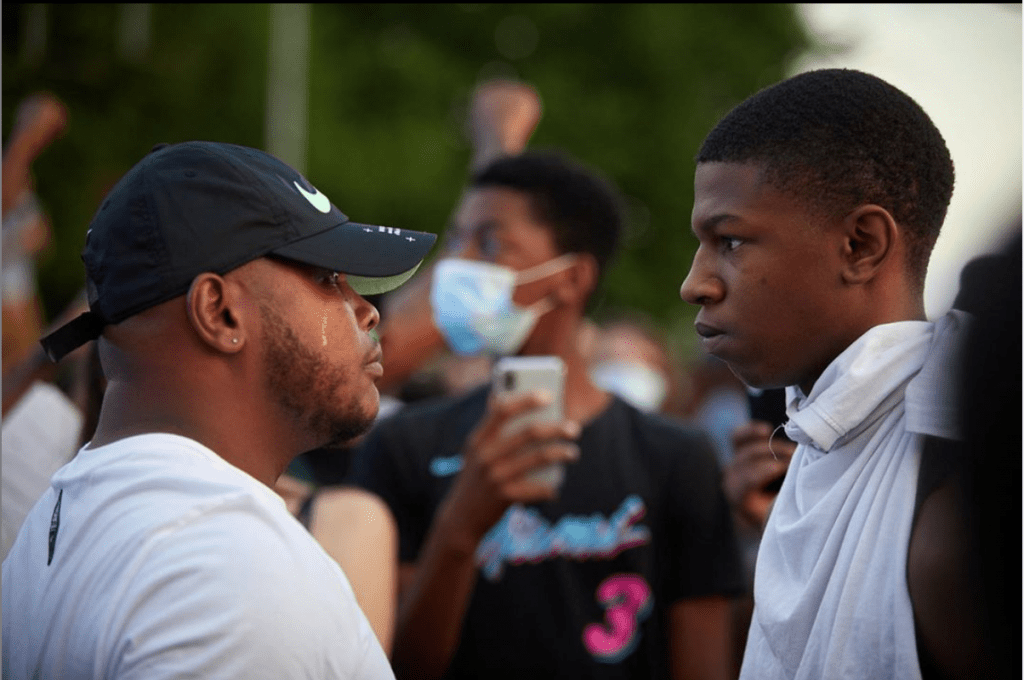
What has changed in America since Langston Hughes wrote “Let America Be America” in 1935? How many angry generations have passed since then and how many more are to come?

When three generations stand side by side, with angry words and tear-streaked faces, admitting that nothing has changed, then things have to change.

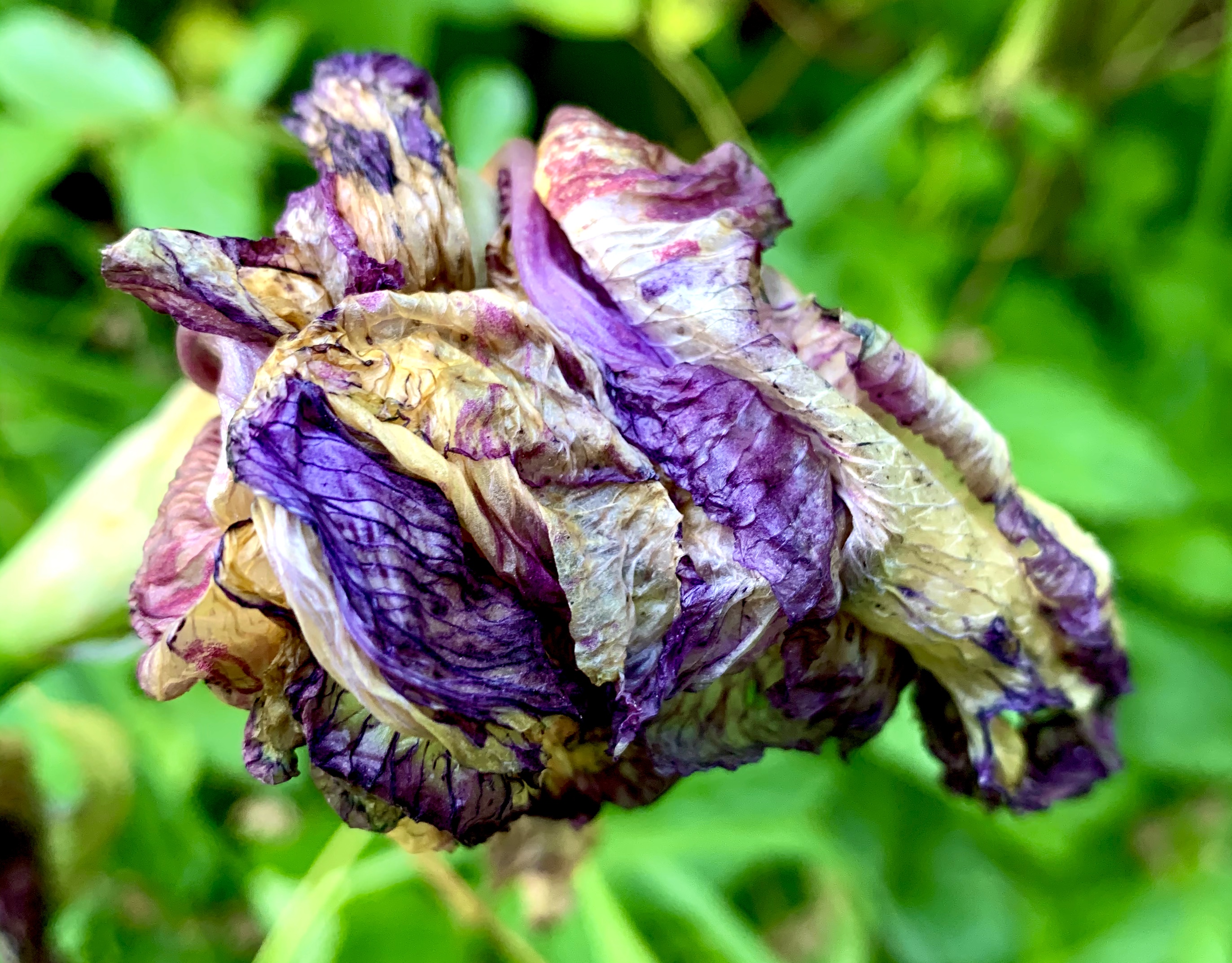
We are withering together in our anger and our tears.

Our children should not be faced with the choice of putting themselves in harm’s way because they are not allowed to breathe the same air of equality as everyone else. They deserve breath because God breathed them into existence, like everyone else. Instead, we are destroying their future as they are suffocated in the streets.

It has never been about “making America great again.”

It is about let America be America, once and for all.

Unless the Heart Catch Fire

The world is charged with the grandeur of God.
It will flame out, like shining from shook foil;
It gathers to a greatness, like the ooze of oil
Crushed. Why do men then now not reck his rod?
Generations have trod, have trod, have trod;
And all is seared with trade; bleared, smeared with toil;
And wears man’s smudge and shares man’s smell: the soil
Is bare now, nor can foot feel, being shod.

And for all this, nature is never spent;
There lives the dearest freshness deep down things;
And though the last lights off the black West went
Oh, morning, at the brown brink eastward, springs—
Because the Holy Ghost over the bent
World broods with warm breast and with ah! bright wings.
~Gerard Manley Hopkins “God’s Grandeur”

…the sudden angel affrighted me––light effacing
my feeble beam,
a forest of torches, feathers of flame, sparks upflying:
…as that hand of fire
touched my lips and scorched by tongue
and pulled by voice
into the ring of the dance.
~Denise Levertov from “Caedmon” in Breathing the Water

Unless the eye catch fire,
Then God will not be seen.
Unless the ear catch fire
Then God will not be heard.
Unless the tongue catch fire
Then God will not be named.
Unless the heart catch fire,
Then God will not be loved.
Unless the mind catch fire,
Then God will not be known.
~William Blake from “Pentecost”

Christ has no body now on earth but yours.
Yours are the only hands with which he can do his work.
yours are the only feet with which he can go about the world.
Yours are the only eyes through which his compassion
can shine forth upon a troubled world.
Christ has no body now on earth but yours.
~Teresa of Avila

Today,
when we feel we are without hope,
when the bent world reels with a troubled sickness of
shedding blood and spreading violence,
when faith feels frail,
when love seems distant,
we wait, stilled,
for the moment we ourselves – not our cities –
are lit afire ~
when the Living God is
seen, heard, named, loved, known
forever burning in our hearts deep down,
brooded over by His bright wings~
we are His dearest, His freshest deep down things,
in this moment
and for eternity.

Living Under the Penetrating Gaze of God

To live coram Deo is to live one’s entire life in the presence of God, under the authority of God, to the glory of God. 

To live in the presence of God is to understand

that whatever we are doing and wherever we are doing it,
we are acting under the gaze of God.

There is no place so remote that we can escape His penetrating gaze.

To live all of life coram Deo is to live a life of integrity.
It is a life of wholeness that finds its unity and coherency

in the majesty of God.

Our lives are to be living sacrifices,
oblations offered in a spirit of adoration and gratitude.

A fragmented life is a life of disintegration.
It is marked by inconsistency, disharmony, confusion,
conflict, contradiction, and chaos.

Coram Deo … before the face of God.

…a life that is open before God.
…a life in which all that is done is done as to the Lord.
…a life lived by principle, not expediency; by humility before God,

not defiance.

~R.C. Sproul
from “What Does “coram Deo” mean?”

We cannot escape His gaze. Why is that?

We…all of us, all colors, shapes and sizes…
are created in His image, imago dei, so He looks at us as His reflections in the mirror of the world.

And what would He see this week?
Surely nothing that reflects the heart or face of God.

I cringe to think. I want to hide from His gaze.
All I see around me and within me is:
inconsistency, disharmony, confusion,
conflict, contradiction, and chaos.
And most of all:
defiance.

Surely, surely I know best.

I’m not alone: so many others also each know best, calling hypocrisy on one another, holding fast to moral high ground when the reality is:
we drown together in the mud of our mutual guilt and lack of humility.

It is past time for us to be on our knees pleading for mercy, certainly not on our knees leaning upon the neck of another imago dei, squeezing out their very life breath and right to exist.

We are miserable reflections, each and every one of us, surely not coram Deo.

All that we have done, we have done onto God Himself.
Kind of takes one’s breath away.


The Battle of the Bucket

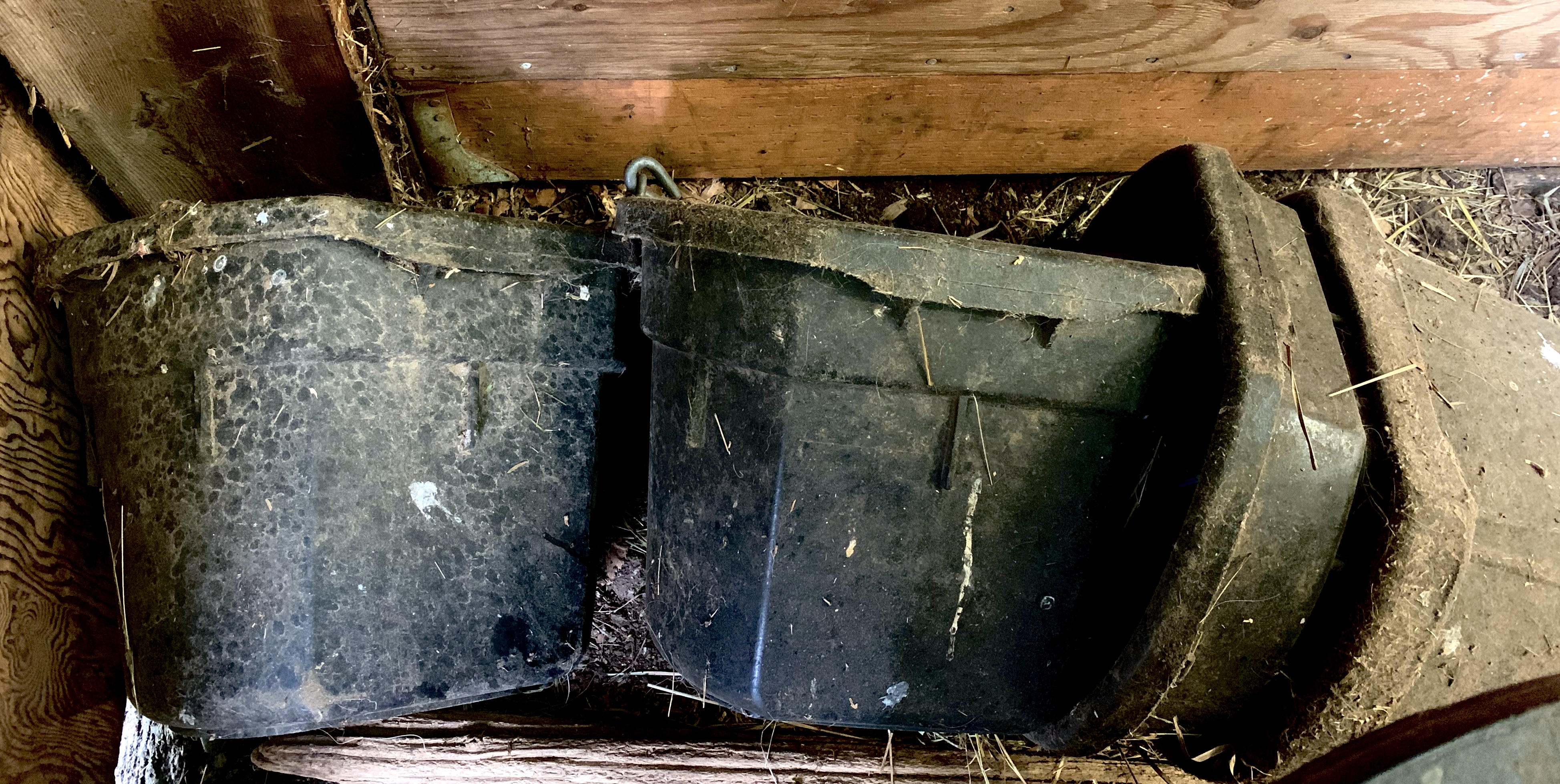
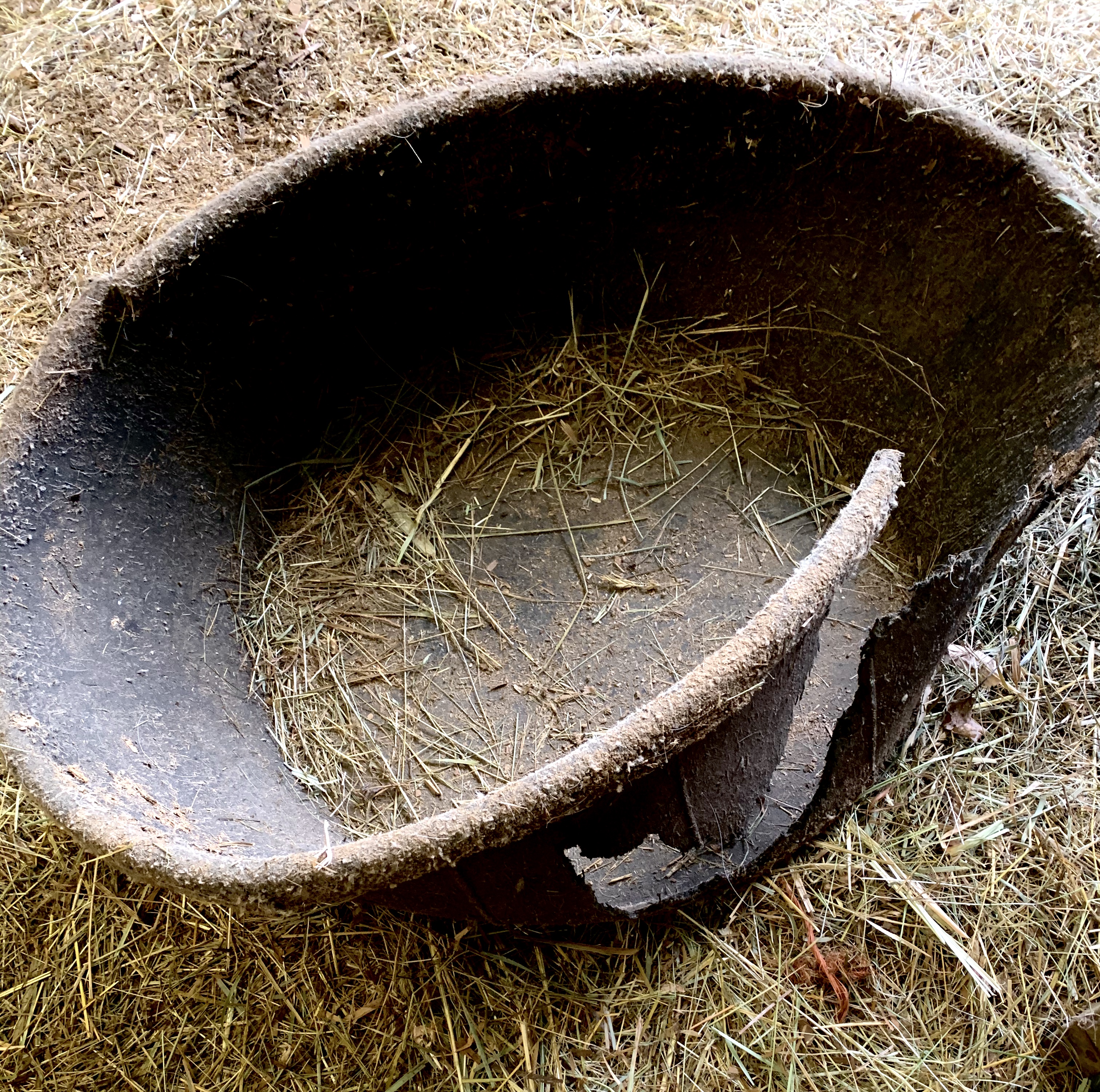
We have a water bucket graveyard on our farm. Buckets, tubs, barrels, you name it – if it once had water in it, it is no longer functional and therefore is not only merely dead, it is really most sincerely dead.

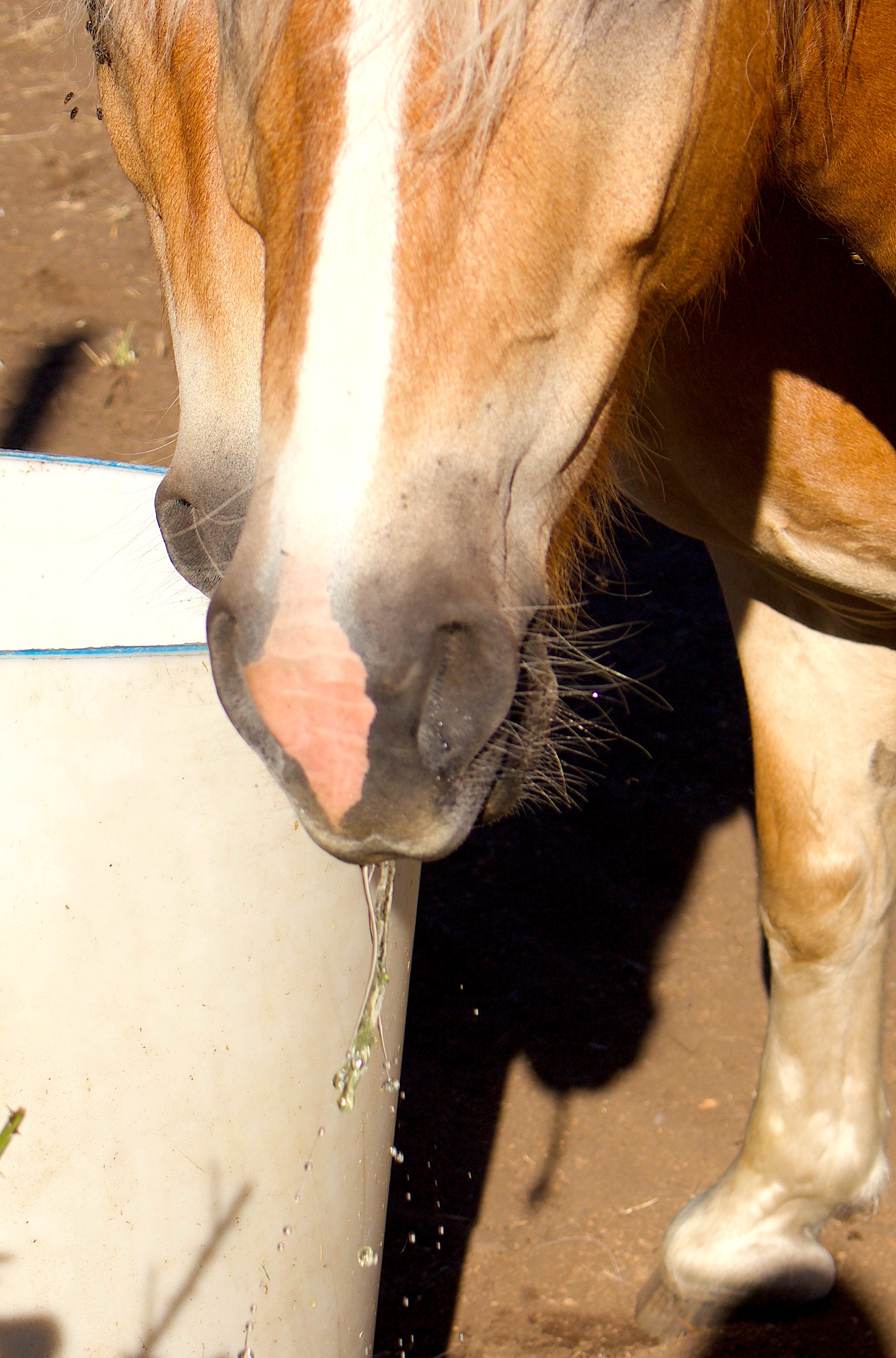
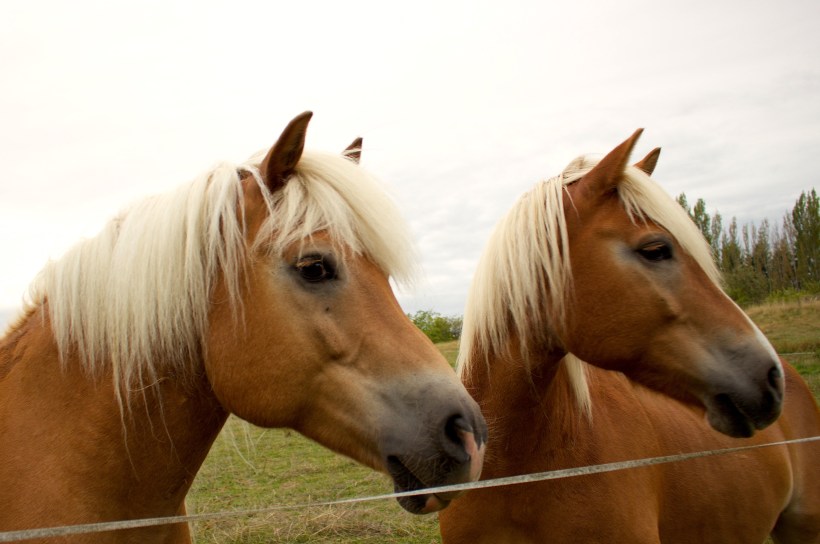
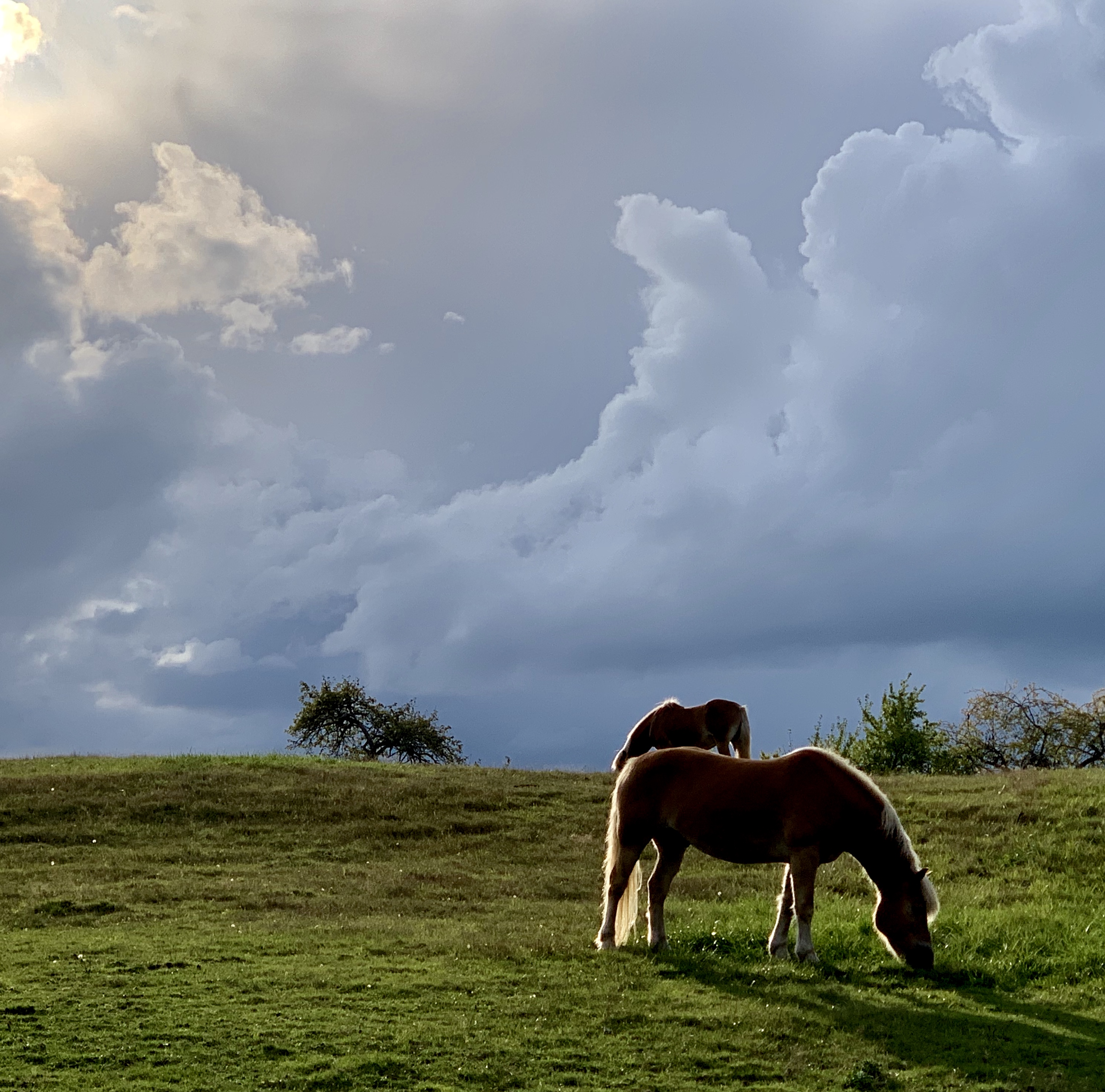
Over the decades, we have bought various styles of buckets and tubs with which to water our Haflinger horses. None have survived more than a few weeks, all thanks to one Haflinger in particular who sees anything rubber, plastic or steel-coated as his personal ninja playground.

We discovered early on that Haflingers do have a variety of creative techniques for attracting attention to themselves when someone walks in the barn, especially around feeding time. Over the years, we’ve had the gamut: the noisy neigher, the mane tosser, the foot stomper, the stall door striker, the play with your lips in the water and splash everything, and most irritating of all, the teeth raked across the woven wire front of the stall. A few Haflingers do wait patiently for their turn for attention, without fussing or furor, sometimes nickering a low “huhuhuhuhuh” of greeting. That is truly blissful in comparison.

We raised one filly whose chosen method of bringing attention to herself was to bump her belly up against her rubber water buckets that hang in the stall, making them bounce wildly about, spraying water everywhere, drenching her, and her stall in the process. She loved it. It was sport for her to see if she could tip the buckets to the point of emptying them and then knock them off their hooks so she could boot them around the stall, destroying a few in the process. Nothing made this mare happier. When she had occasion to share a big stall space with one of her half-siblings, she found that the bucket bouncing technique was very effective at keeping her brothers away, as they had no desire to be drenched and they didn’t find noisy bucket bumping very attractive. So her hay pile was hers alone–very clever thinking.

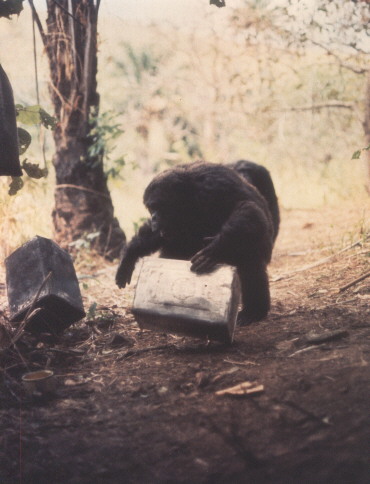
This is not unlike a wild chimpanzee that I knew at Gombe in Tanzania, named “Mike” by Jane Goodall, who found an ingenious way of rising to alpha male status by incorporating empty oil drums in his “displays” of aggression, pounding on them and rolling them down hills to take advantage of their noise and completely intimidating effect on the other male chimpanzees. Mike was on the small side, and a bit old to be alpha male, but assumed the position in spite of his limitations through use of his oil drum displays. So my noisy and water splashing mare,  became alpha over her peers.

Mike rolling an oil drum at Gombe (National Geographic photo)

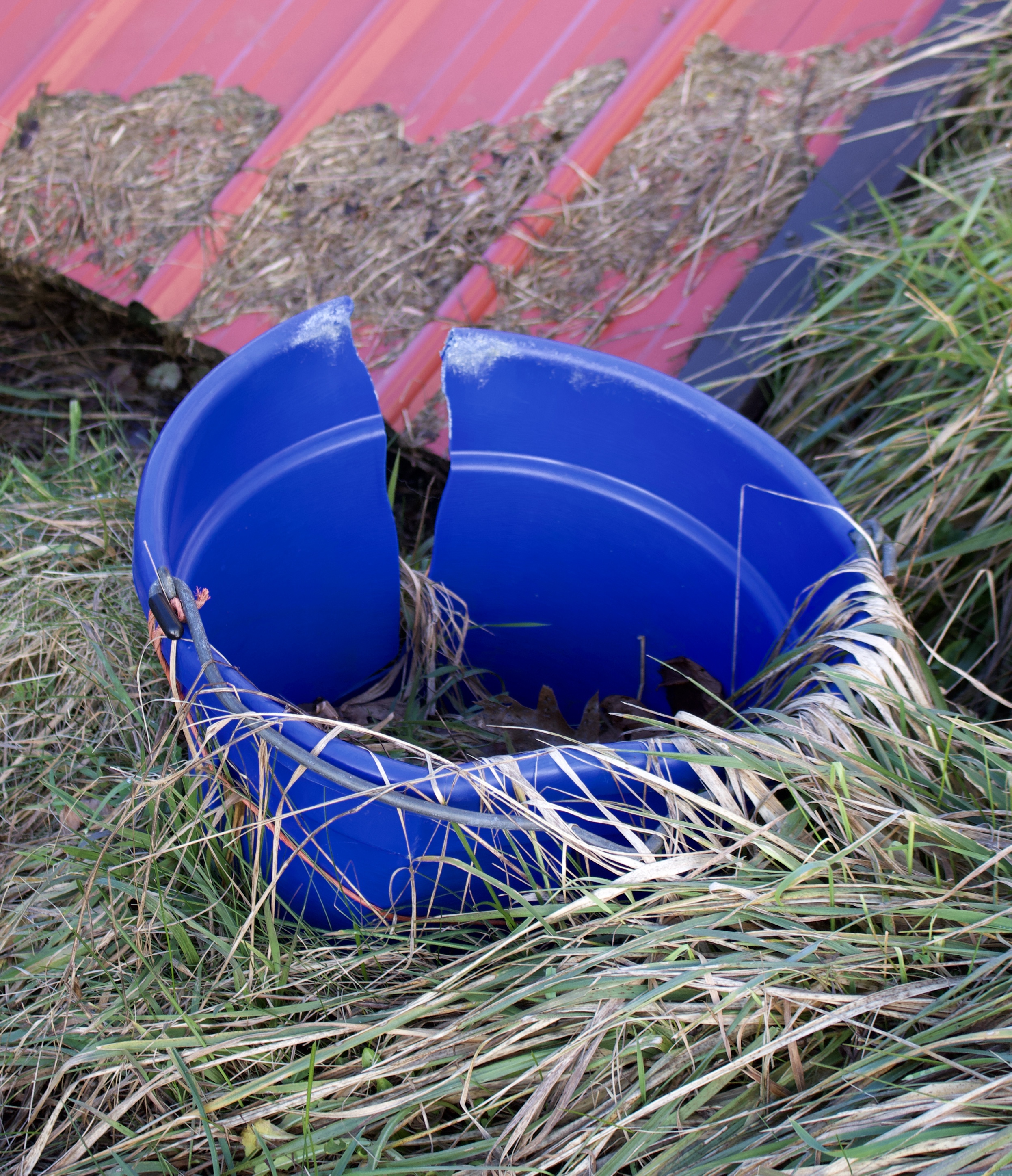
Our current bucket destroyer is intent on making the kill rather than making noise for attention. During this gelding’s fifteen years of life, I estimate he has gone through over a hundred buckets. Ironically some buckets bite him back, causing such significant lower lip tears that on two occasions a vet made an emergency call to perform a laceration repair (also known as plastic surgery in the barn aisle) so this Haflinger bears scars for his bad bucket habit. Unfortunately, expensive lip repairs have not discouraged him from ongoing bucket battles. His latest victim was found this morning, its steel handle broken, the bucket itself half-buried in a hole my gelding had dug in the dirt floor of the stall. He isn’t even waiting for me to issue last rites anymore; he’s taking care of that himself.
We humans aren’t much different in our destructive tendencies and our need for attracting attention. Some of us talk too much, even if we have nothing much to say, some of us strut our physical beauty and toss our hair, some of us are pushy to the point of obnoxiousness. Some of us are real bluffers, making a whole lot more noise and fuss than is warranted, but enjoying the chaos that ensues. Sometimes we even tear down what is important to our own survival and nurture (everyone needs water, right?) and leave a wake of destruction behind us – all done to make sure someone notices.

Well, now I notice each time I buy a new bucket and am reminded:

I need to quit stomping and knocking doors in my impatience, as well as quit hollering when a quiet greeting is far more welcome and appropriate. I need to quit soaking everyone else with my splashing drama – after all, it yields me nothing more than empty broken buckets that sometimes bite me back. Eventually, when I destroy every bucket in the place, I will get very thirsty and wish I hadn’t been so foolish and brash.

So if my horses are potentially trainable to have better manners, so am I.

And then I realize: over the years, my horses have been busy training me.

The Long Road of Weariness and Want

We think of him as safe beneath the steeple,
Or cosy in a crib beside the font,
But he is with a million displaced people
On the long road of weariness and want.
For even as we sing our final carol
His family is up and on that road,

Fleeing the wrath of someone else’s quarrel,
Glancing behind and shouldering their load.
Whilst Herod rages still from his dark tower
Christ clings to Mary, fingers tightly curled,
The lambs are slaughtered by the men of power,
And death squads spread their curse across the world.
But every Herod dies, and comes alone
To stand before the Lamb upon the throne.
~Malcolm Guite “Refugee”

…as you sit beneath your beautifully decorated tree, eat the rich food of celebration, and laugh with your loved ones, you must not let yourself forget the horror and violence at the beginning and end of the Christmas story. The story begins with the horrible slaughter of children and ends with the violent murder of the Son of God. The slaughter depicts how much the earth needs grace. The murder is the moment when that grace is given.

Look into that manger representing a new life and see the One who came to die. Hear the angels’ celebratory song and remember that sad death would be the only way that peace would be given. Look at your tree and remember another tree – one not decorated with shining ornaments, but stained with the blood of God.

As you celebrate, remember that the pathway to your celebration was the death of the One you celebrate, and be thankful.
~Paul Tripp

There can be no consolation;
only mourning and great weeping,
sobbing that wrings dry
every human cell,
leaving dust behind,
dust, only dust
which is beginning
and end.

He came to us
for times such as this,
born of
the dust of woman and
the breath of Spirit,
God who bent down to
lie in barn dust,
walk on roads of dust,
die and be laid to rest as dust
in order to conquer
such evil as this
that could terrify masses
and massacre innocents.

He became dust to be
like us
He began a mere speck in a womb
like us,
so easily washed away
as unexpected, unneeded, unwanted.

Lord, You are long expected.
You are needed
You are wanted.

Your heart beat
like ours
breathing each breath
like ours
until a fearful fallen world
took Your
and our breath
away.

You shine through
the shadows of death
to guide our stumbling uncertain feet.
Your tender mercies flow freely
when there is no consolation
when there is no comfort.

You hear our cries
as You cry too.
You know our tears
as You weep too.
You know our mourning
as You mourned too.
You know our dying
as You died too.

Only God can glue together
what evil has shattered.

We will know His peace
when He comes
to bring us home,
our tears finally dried,
our cells no longer
just dust,
as we are glued together
by the breath of God
forevermore.

the tender mercy of our God,
    by which the rising sun will come to us from heaven
to shine on those living in darkness
    and in the shadow of death,
to guide our feet into the path of peace.
Luke 1: 78-79

Readiness to Die

Courage is almost a contradiction in terms. 
It means a strong desire to live taking the form of a readiness to die.
~ G.K. Chesterton 

They shall grow not old, as we that are left grow old:
Age shall not weary them, nor the years condemn.
At the going down of the sun and in the morning
We will remember them.
~Lawrence Binyon from “For the Fallen” (1914)

We are the Dead. Short days ago
We lived, felt dawn, saw sunset glow,
Loved and were loved, and now we lie
In Flanders fields.
~LtCol (Dr.) John McCrae from “In Flanders Fields”

When you go home tell them of us and say –
“For your tomorrow we gave our today”
~John Maxwell Edmonds from “The Kohima Epitaph” 

To all our U.S. veterans over the centuries – with deep appreciation and gratitude–for the freedoms you have defended on behalf of us all:

My father was one of the fortunate ones who came home, returning to a quiet farm life after three years serving in the Pacific with the Marines Corp from 1942 to 1945. For the first time I have been reading his letters home to my mother over the last few months, realizing how uncertain was their future together. Hundreds of thousands of his colleagues didn’t come home, dying on beaches and battlefields.  Tens of thousands more came home forever marked, through physical or psychological injury, by the experience of war.

We citizens must support and care for the men and women who have made the commitment to be on the front line for our freedom’s sake.

I’m unsure why the United States does not call November 11 Remembrance Day as the Commonwealth nations did at the WW1 Armistice. This is a day that demands much more than the more passive name Veterans’ Day represents.

This day calls all citizens who appreciate their freedoms to stop what they are doing and interrupt the routine rhythm of their lives. We are to remember in humble thankfulness the generations of military veterans who answered the call to defend their countries by sacrificing their time, resources, sometimes health and well being, and too often their lives.

Remembrance means never forgetting what it costs to defend freedom. It means acknowledging the millions who have given of themselves and continue to do so on our behalf. It means never ceasing to care. It means a commitment to provide resources needed for the military to remain strong and supported. It means unending prayers for safe return to family. It means we hold these men and women close in our hearts, always teaching the next generation about the sacrifices they made.

Most of all, it means being willing ourselves to become the sacrifice when called.

To you from failing hands we throw    
The torch; be yours to hold it high.    
If ye break faith with us who die
We shall not sleep, though poppies grow…

In Solitudes of Peace

There seemed a smell of autumn in the air
At the bleak end of night; he shivered there
In a dank, musty dug-out where he lay,
Legs wrapped in sand-bags,—lumps of chalk and clay
Spattering his face. Dry-mouthed, he thought, “To-day
We start the damned attack; and, Lord knows why,
Zero’s at nine; how bloody if I’m done in
Under the freedom of that morning sky!”
And then he coughed and dozed, cursing the din
.

Was it the ghost of autumn in that smell
Of underground, or God’s blank heart grown kind,
That sent a happy dream to him in hell?—
Where men are crushed like clods, and crawl to find
Some crater for their wretchedness; who lie
In outcast immolation, doomed to die
Far from clean things or any hope of cheer,
Cowed anger in their eyes, till darkness brims
And roars into their heads, and they can hear
Old childish talk, and tags of foolish hymns.

He sniffs the chilly air; (his dreaming starts).
He’s riding in a dusty Sussex lane
In quiet September; slowly night departs;
And he’s a living soul, absolved from pain.
Beyond the brambled fences where he goes
Are glimmering fields with harvest piled in sheaves,
And tree-tops dark against the stars grown pale;
Then, clear and shrill, a distant farm-cock crows;
And there’s a wall of mist along the vale
Where willows shake their watery-sounding leaves.
He gazes on it all, and scarce believes
That earth is telling its old peaceful tale;
He thanks the blessed world that he was born….
Then, far away, a lonely note of the horn.

They’re drawing the Big Wood! Unlatch the gate,
And set Golumpus going on the grass:
He knows the corner where it’s best to wait
And hear the crashing woodland chorus pass;
The corner where old foxes make their track
To the Long Spinney; that’s the place to be.
The bracken shakes below an ivied tree,
And then a cub looks out; and “Tally-o-back!”
He bawls, and swings his thong with volleying crack,—
All the clean thrill of autumn in his blood,
And hunting surging through him like a flood
In joyous welcome from the untroubled past;
While the war drifts away, forgotten at last.

Now a red, sleepy sun above the rim
Of twilight stares along the quiet weald,
And the kind, simple country shines revealed
In solitudes of peace, no longer dim.
The old horse lifts his face and thanks the light,
Then stretches down his head to crop the green.
All things that he has loved are in his sight;
The places where his happiness has been
Are in his eyes, his heart, and they are good.

* * * *  
Hark! there’s the horn: they’re drawing the Big Wood.
~Siegfried Sassoon “Break of Day”
(written about his memories as a WWI soldier)

When we are at war,
whether deep in the foxhole
hiding from the enemy,
or deeper yet in a hole of our own making,
trying to conceal our sins.

Amidst that mire and mud,
we dream of better days
and an untroubled past,
when the hunter and hunted was merely a game,
not life and death.

May we know the means of peace was brought to earth.

May we surface in mutual surrender,
begging for reprieve, longing for redemption.
May the solitudes of peace overwhelm
those who are angry and conflicted.
May we lift our faces up
and thank the Light.

In the Quiet Misty Morning

In the quiet misty morning
When the moon has gone to bed,
When the sparrows stop their singing
And the sky is clear and red,
When the summer’s ceased its gleaming
When the corn is past its prime,
When adventure’s lost its meaning –
I’ll be homeward bound in time

Bind me not to the pasture
Chain me not to the plow
Set me free to find my calling
And I’ll return to you somehow

If you find it’s me you’re missing
If you’re hoping I’ll return,
To your thoughts I’ll soon be listening,
And in the road I’ll stop and turn
Then the wind will set me racing
As my journey nears its end
And the path I’ll be retracing
When I’m homeward bound again

Bind me not to the pasture
Chain me not to the plow
Set me free to find my calling
And I’ll return to you somehow

In the quiet misty morning
When the moon has gone to bed,
When the sparrows stop their singing
I’ll be homeward bound again.

~Marta Keen “Homeward Bound”

In my father’s near daily letters home to my mother during WWII, month after month after month, he would say, over and over while apologizing for the repetition:
“I will come home to you, I will return, I will not let this change me, we will be joined again…”

This was his way of convincing himself even as he carried the dead and dying after island battles: men he knew well and the enemy he did not know. He knew they were never returning to the home they died protecting and to those who loved them.

He shared little of battle in his letters as each letter was reviewed and signed off by a censor before being sealed and sent. This story made it through:

“You mentioned a story of Navy landing craft taking the Marines into Tarawa.  It reminded me of something which impressed me a great deal and something I’m sure I’ll never forget. 

So you’ll understand what I mean I’ll try to start with an explanation.  In training – close order drill- etc.  there is a command that is given always when the men form in the morning – various times during the day– after firing– and always before a formation is dismissed.  The command is INSPECTION – ARMS.  On the command of EXECUTION- ARMS each man opens the bolt of his rifle.  It is supposed to be done in unison so you hear just one sound as the bolts are opened.  Usually it is pretty good and sounds O.K.

Just to show you how the morale of the men going to the beach was – and how much it impressed me — we were on our way in – I was forward, watching the beach thru a little slit in the ramp – the men were crouched in the bottom of the boat, just waiting.  You see- we enter the landing boats with unloaded rifles and wait till it’s advisable before loading.  When we got about to the right distance in my estimation I turned around and said – LOAD and LOCK – I didn’t realize it, but every man had been crouching with his hand on the operating handle and when I said that — SLAM! — every bolt was open at once – I’ve never heard it done better – and those men meant business when they loaded those rifles. 

A man couldn’t be afraid with men like that behind him.”

My father did return home to my mother after almost three years of separation. He was “bound to the pasture and chained to the plow” as he resumed his love of farming the land and teaching others how it is done.

He never forgot those who died, making it possible for him to return home. I won’t forget either.

We Who are Blended

You’ve got to be taught
To hate and fear
You’ve got to be taught
From year to year
It’s got to
Be drummed in your dear little ear
You’ve got to be taught
To be afraid of people
Who’s eyes are oddly made
And people who’s skin is a different shade
You’ve got to be carefully taught
~ Matthew Morrison from Oscar and Hammerstein’s “South Pacific”

It demands great spiritual resilience not to hate the hater
whose foot is on your neck, 
and an even greater miracle of perception and charity
not to teach your child to hate.
~James Arthur Baldwin

If you’re white and you’re wrong, then you’re wrong; 
if you’re black and you’re wrong, you’re wrong. 
People are people. 
Black, blue, pink, green – 
God make no rules about color; 
only society make rules where my people suffer, 
and that why we must have redemption and redemption now.
~Bob Marley

We’ve got to be taught to hate. I was and so were you.

And not a one of us grows up without that sickening uneasiness about not belonging and not feeling like we fit in with those around us. We crave belonging and most of us seek to blend in.

Yet we are created in the image of God, in most ways more similar than we are different. We have created the differences in our own minds and cultures, not God’s Mind. Our fear of one another is purely man-made.

Yet hating and fearing the “other” is meaningless when we are already the “other.”

As more and more people have their DNA profiles done and discover an unexpected mix of various ethnic and racial backgrounds, we are gaining new brothers and sisters on the molecular level. Many are already blended; most of us are mutts.

I have a white friend who recently discovered a branch of family four generations back where a white man and black woman had married and had several children who could pass as white and married so other light-skinned people. Several children were darker skinned and married black spouses. Sadly, due to the prejudices of the time, the family separated along skin color lines and didn’t maintain contact. Now the descendants have discovered each other. Their family reunion portraits display a colorful spectrum of black to brown to pale white. None of them are “other” any longer when they all are “other.”

So let us celebrate the infinite gradations of Imago Dei, and the redeeming reunion of long-lost brothers and sisters.

And remember — we are responsible for what we teach our children.

Threshed to Death

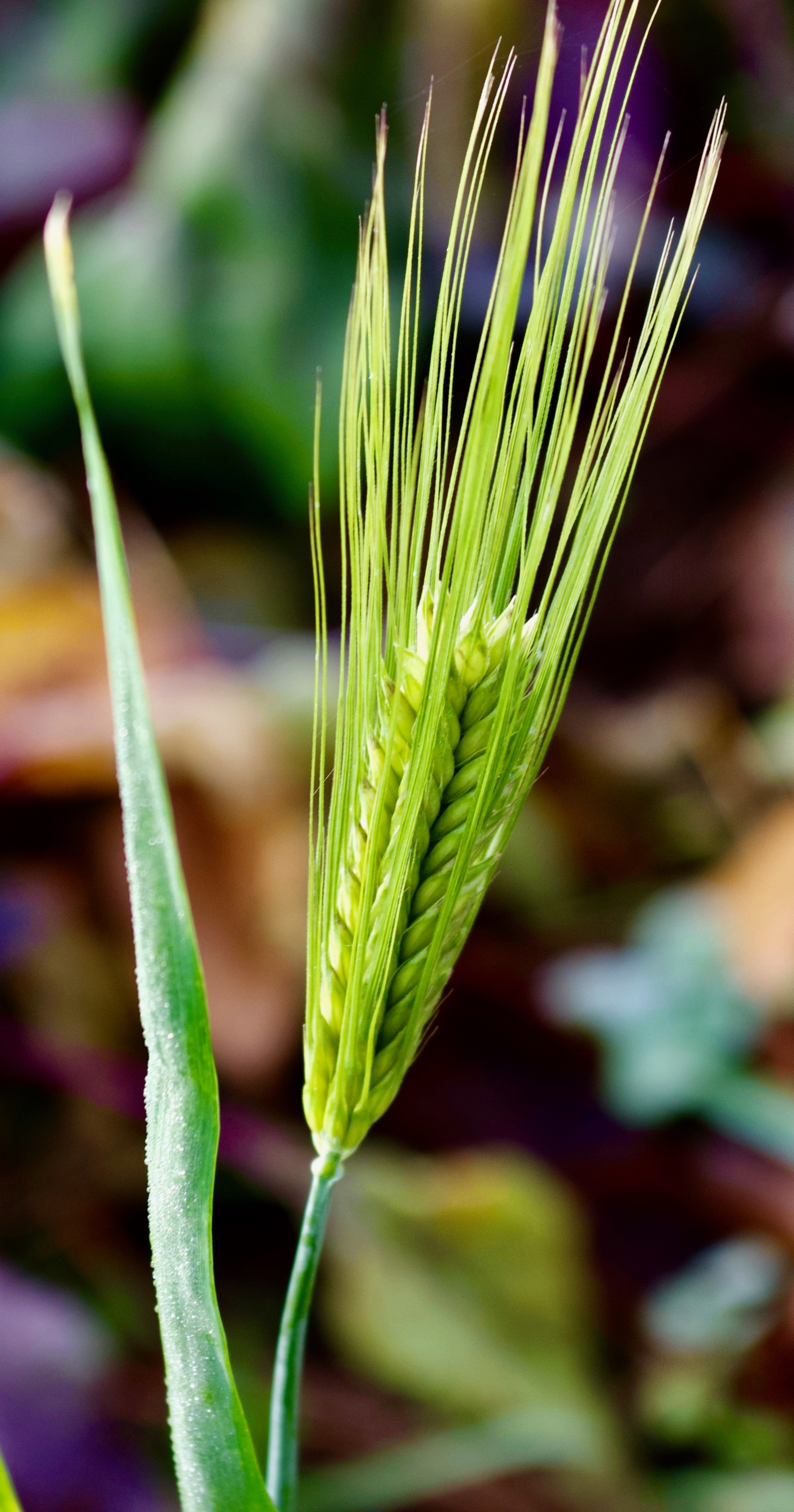
If you go back to the etymology of the word “threshold,” it comes from “threshing,” which is to separate the grain from the husk. So the threshold, in a way, is a place where you move into more critical and challenging and worthy fullness.

There are huge thresholds in every life.

You know that, for instance, if you are in the middle of your life in a busy evening, fifty things to do and you get a phone call that somebody you love has suddenly died, it takes ten seconds to communicate that information.

But when you put the phone down, you are already standing in a different world. Suddenly everything that seems so important before is all gone and now you are thinking of this.

So the given world that we think is there and the solid ground we are on is so tentative. And a threshold is a line which separates two territories of spirit, and very often how we cross is the key thing.

When we cross a new threshold worthily, what we do is we heal the patterns of repetition that were in us that had us caught somewhere.
~John O’Donohue from an “On Being” interview with Krista Tippett on “Becoming Wise”

I emerge from the mind’s
cave into the worse darkness
outside, where things pass and
the Lord is in none of them.
I have heard the still, small voice
and it was that of the bacteria
demolishing my cosmos. I
have lingered too long on
this threshold, but where can I go?
To look back is to lose the soul
I was leading upwards towards
the light.
To look forward?
Ah, what balance is needed at
the edges of such an abyss.

I am alone on the surface
of a turning planet. What
to do but, like Michelangelo’s
Adam, put my hand
out into unknown space,
hoping for the reciprocating touch?
~R.S. Thomas “Threshold”

Yet three more “mass shootings of the week” making it 32 so far this year:
-garlic festival attendees, WalMart shoppers, entertainment venues –

so which of us will be next?

We are unwillingly forced to a threshold we must cross over. Yet we stand stubborn defending our second amendment rights, immobilized, frozen to tradition while dying on the spot, peering out in fear but never peering inward in self-examination.

What prevents us from stopping this insanity of violence from continuing?

The answer is not that more of us should bear arms so a shoot-out is possible no matter where we go. Mass shooters choose to die in their most public and heinous act of hatred and nihilism – being shot to death is no disincentive for them.

We sweep people into office from both parties who only voice platitudes in the face of this repetitive tragedy and offer no viable solutions. Yes, victims (including children!) and their families need our prayers, but they should never have become victims in the first place. We have failed them, again and again and again.

So how many more innocents need to perish? When is it our own turn to be gunned down while simply living out our daily routine? Instead of submitting to the necessary threshing- a crushing winnowing to blow away the chaff of our lives- we defend the status quo and somehow convince ourselves the next shooter will not come to our store, our church, our school or our neighborhood.

History will continue to repeat itself as we die every day, by our own hand or by others’. We must cross the threshold to sane policies together, arm in arm, united in the need to move forward beyond this mess we have made for ourselves.

We all need a good threshing, badly. We need to be worthy of our privileges. We need, in our desperation, to reach out our hands into an unknown space, searching for that reciprocating touch, hoping and praying Someone is there to grab hold and lead us across to a better day and a better way.