And God held in his hand A small globe. Look, he said. The son looked. Far off, As through water, he saw A scorched land of fierce Colour. The light burned There; crusted buildings Cast their shadows; a bright Serpent, a river Uncoiled itself, radiant With slime. On a bare Hill a bare tree saddened The sky. Many people Held out their thin arms To it, as though waiting For a vanished April To return to its crossed Boughs. The son watched Them. Let me go there, he said. ~R.S. Thomas “The Coming”
You have answered us with the image of yourself on a hewn tree, suffering injustice, pardoning it; pointing as though in either direction; horrifying us with the possibility of dislocation. Ah, love, with your arms out wide, tell us how much more they must still be stretched to embrace a universe drawing away from us at the speed of light. ~R.S.Thomas “Tell Us”
“Let me go there” And You did. Knowing what awaited You.
Your arms out wide to embrace us who try to grasp a heaven which eludes us.
This heaven, Your heaven You brought down to us, knowing our terrible need.
You wanted to come here, knowing all this.
Holding us firmly within your wounded grip, You the Son handed us back to heaven.
Mostly months of dirt rows Plain and unnoticed. Could be corn, could be beans Could be anything; Drive-by fly-over dull.
Yet April ignites an explosion: Dazzling retinal hues Singed and scorched, crying Grateful tears for such as this Grounded rainbow on Earth
Transient, incandescent Brilliance hoped for. Remembered in dreams, Promises realized, Housed in crystal before shattering.
One-Time
Monthly
Yearly
Make a one-time or recurring donation to support daily Barnstorming posts
“My God, My God,” goes the Psalm 22, “hear me, why have you forsaken me?”
This is the anguish all we of Godforsaken heart know well. But hear the revelation to which Christ directs us, further in the same psalm:
For He has not despised nor scorned the beggar’s supplication, Nor has He turned away His face from me; And when I cried out to Him, He heard me.
He hears us, and he knows, because he has suffered as one Godforsaken. Which means that you and I, even in our darkest hours, are not forsaken. Though we may hear nothing, feel nothing, believe nothing, we are not forsaken, and so we need not despair. And that is everything. That is Good Friday and it is hope, it is life in this darkened age, and it is the life of the world to come. ~Tony Woodlief from “We are Not Forsaken”
The whole of Christ’s life was a continual passion; others die martyrs, but Christ was born a martyr. He found a Golgotha, where he was crucified, even in Bethlehem, where he was born; for to his tenderness then the straws were almost as sharp as the thorns after, and the manger as uneasy at first as the cross at last.
His birth and his death were but one continual act, and his Christmas Day and his Good Friday are but the evening and the morning of one and the same day.
From the creche to the cross is an inseparable line. Christmas only points forward to Good Friday and Easter. It can have no meaning apart from that, where the Son of God displayed his glory by his death. ~John Donne in the opening words of his sermon on Christmas Day 1626
How is faith to endure, O God, when you allow all this scraping and tearing on us? You have allowed rivers of blood to flow, mountains of suffering to pile up, sobs to become humanity’s song–all without lifting a finger that we could see. You have allowed bonds of love beyond number to be painfully snapped. If you have not abandoned us, explain yourself.
Instead of explaining our suffering God shares it.
We strain to hear. But instead of hearing an answer we catch sight of God himself scraped and torn. Through our tears we see the tears of God. ~Nicholas Wolterstorffin Lament for a Son
In a daring and beautiful creative reversal, God takes the worse we can do to Him and turns it into the very best He can do for us. ~Malcolm Guite from The Word in the Wilderness
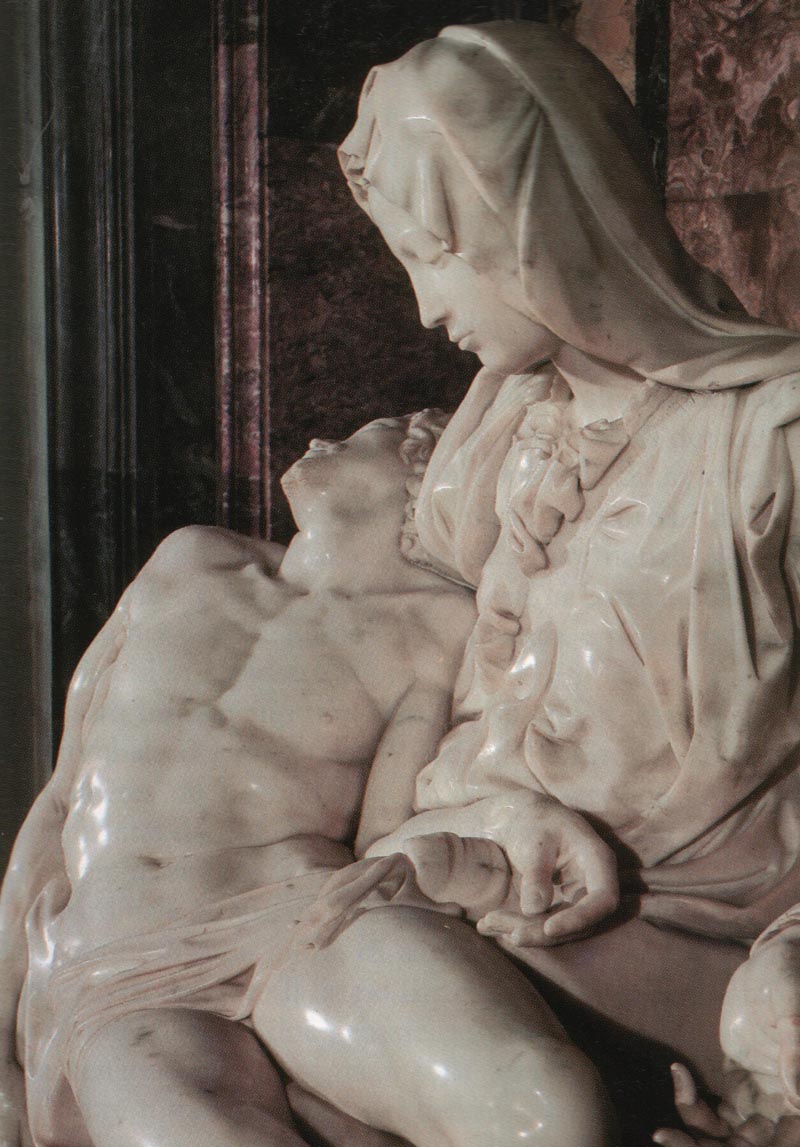
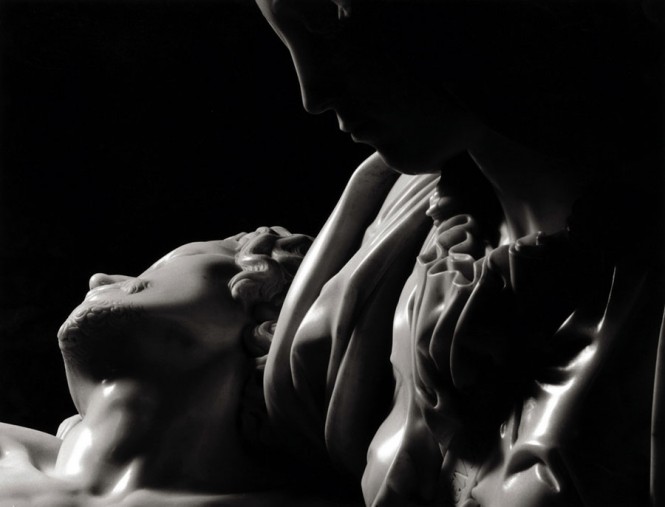
La Pietà of Michelangelo
Emmett Till’s mother speaking over the radio
She tells in a comforting voice what it was like to touch her dead boy’s face,
how she’d lingered and traced the broken jaw, the crushed eyes —
the face that badly beaten, disfigured — before confirming his identity.
And then she compares his face to the face of Jesus, dying on the cross.
This mother says, no, she’d not recognize her Lord, for he was beaten far, far worse
than the son she loved with all her heart. For, she said, she could still discern her son’s curved earlobe,
but the face of Christ was beaten to death by the whole world. ~Richard Jones “The Face” from Between Midnight and Dawn
May we remember today – Good Friday – of all days, the worst that can happen became the best that can happen.
We tussle and haggle over the price of what this cost us, but realizing He paid all for us makes an impossible loss possible.
We are paid in full, no longer debtors.
From now on, we recognize His face even when He is beaten unrecognizable: the worst became the best because He loves us over all else.
Detail from “Descent from the Cross” by Rogier van der Weyden
The world is charged with the grandeur of God. It will flame out, like shining from shook foil; It gathers to a greatness, like the ooze of oil Crushed. Why do men then now not reck his rod? Generations have trod, have trod, have trod; And all is seared with trade; bleared, smeared with toil; And wears man’s smudge and shares man’s smell: the soil Is bare now, nor can foot feel, being shod. And for all this, nature is never spent; There lives the dearest freshness deep down things; And though the last lights off the black West went Oh, morning, at the brown brink eastward, springs — Because the Holy Ghost over the bent World broods with warm breast and with ah! bright wings. ~Gerard Manley Hopkins “God’s Grandeur”
Today marks the crushing of Christ in the Garden of the Oil Press, Gethsemane.
“Gethsemane” means “oil press” –a place of olive trees treasured for the fine oil delivered from their fruit. And so, on this Thursday night, the pressure is turned up high on the disciples, not just on Jesus.
The disciples are expected, indeed commanded, to keep watch alongside the Master, to be filled with prayer, to avoid the temptation of weakened flesh thrown at them at every turn.
But they fail pressure testing and fall apart.
Like them, I am easily lulled by complacency, by my over-indulged satiety for material comforts that do not truly fill hunger or quench thirst, by my belief that being called a follower of Jesus is enough.
It is not enough. I fail the pressure test as well.
I fall asleep through His anguish. I dream, oblivious, while He sweats blood. I might even deny I know Him when pressed hard.
Yet, the moment of betrayal becomes the moment He is glorified, thereby God is glorified.
Crushed, bleeding, poured out over the world — from precious loving wings that brood and cover us — He becomes the sacrifice that anoints us.
Incredibly, indeed miraculously, He, the crushed, loves us, bent and flattened as we are – anyway.
Jerusalem, Jerusalem, you who kill the prophets and stone those sent to you, how often I have longed to gather your children together, as a hen gathers her chicks under her wings, and you were not willing. Luke 13:34
This Lenten season I reflect on the words of the 19th century southern spiritual hymn “What Wondrous Love is This”
One-Time
Monthly
Yearly
Make a one-time or recurring donation to support daily Barnstorming posts
Jesus comes near and he beholds the city And looks on us with tears in his eyes, And wells of mercy, streams of love and pity Flow from the fountain whence all things arise. He loved us into life and longs to gather And meet with his beloved face to face How often has he called, a careful mother, And wept for our refusals of his grace, Wept for a world that, weary with its weeping, Benumbed and stumbling, turns the other way, Fatigued compassion is already sleeping Whilst her worst nightmares stalk the light of day. But we might waken yet, and face those fears, If we could see ourselves through Jesus’ tears. ~Malcolm Guite “Jesus Weeps”
On this Holy Monday, facing ahead to a week of knowing our world is in disarray~ a week of facing our own shame and mortality, a week where thorns and tears overwhelm the blossoms~~
To remember what He did this week long ago, to conquer the shroud and the stone, to defy death, makes all the difference to me.
Indeed Jesus wept and groaned for us.
To be known for who we are by a God who weeps for our sin and despair and groans with pain we caused: we can know no greater love.
This week ends our living for self, only to die, and begins our dying to self, in order to live.
And when he drew near and saw the city, he wept over it, saying, “Would that you, even you, had known on this day the things that make for peace! But now they are hidden from your eyes. Luke 19:41
This Lenten season I reflect on the words of the 19th century southern spiritual hymn “What Wondrous Love is This”
Seems the sorrow untold, as you look down the road At the clamoring crowd drawing near Feel the heat of the day, as you look down the way Hear the shouts of Hosanna the King
Chorus Oh, daughter of Zion your time’s drawing near Don’t forsake Him, oh don’t pass it by On the foal of a donkey as the prophets had said Passing by you, He rides on to die
Come now little foal, though you’re not very old Come and bear your first burden bravely Walk so softly upon all the coats and the palms Bare the One on your back oh so gently
Midst the shouting so loud and the joy of the crowd There is One who is riding in silence For He knows the ones here will be fleeing in fear When their shepherd is taken away
Soon the thorn cursed ground will bring forth a crown And this Jesus will seem to be beaten But He’ll conquer alone both the shroud and the stone And the prophesies will be completed On the foal of a donkey as the prophets had said Passing by you He rides on to die ~Michael Card
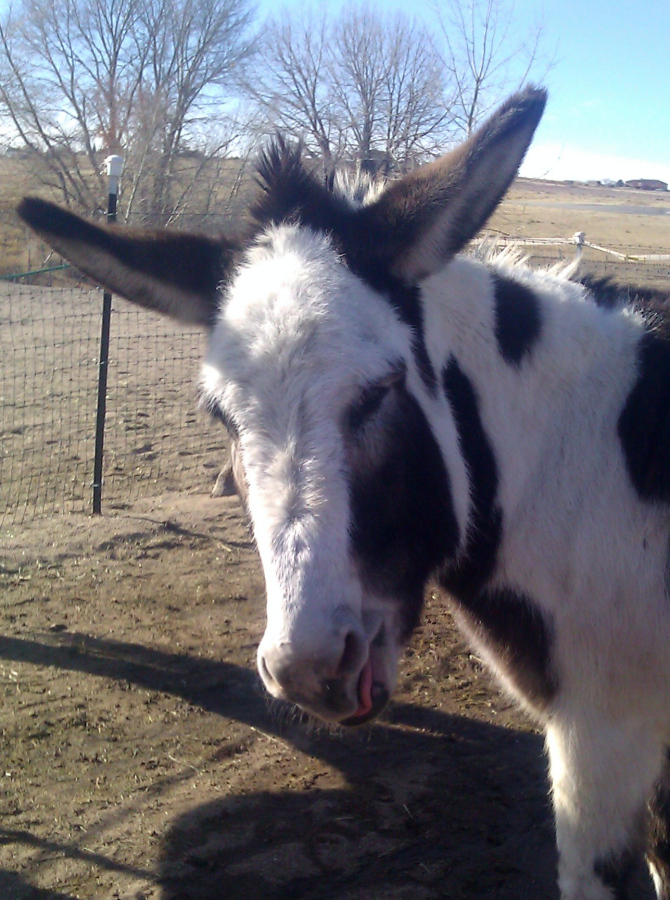
On the outskirts of Jerusalem the donkey waited. Not especially brave, or filled with understanding, he stood and waited.
How horses, turned out into the meadow, leap with delight! How doves, released from their cages, clatter away, splashed with sunlight.
But the donkey, tied to a tree as usual, waited. Then he let himself be led away. Then he let the stranger mount.
Never had he seen such crowds! And I wonder if he at all imagined what was to happen. Still, he was what he had always been: small, dark, obedient.
I hope, finally, he felt brave. I hope, finally, he loved the man who rode so lightly upon him, as he lifted one dusty hoof and stepped, as he had to, forward. ~Mary Oliver “The Poet thinks about the donkey” from her book Thirst.
With monstrous head and sickening cry And ears like errant wings…
The tattered outlaw of the earth, Of ancient crooked will; Starve, scourge, deride me: I am dumb, I keep my secret still.
Fools! For I also had my hour; One far fierce hour and sweet: There was a shout about my ears, And palms before my feet. G. K. Chesterton from “The Donkey”
Palm Sunday is a day of dissonance and dichotomy in the church year, very much like the donkey who figured as a central character that day.
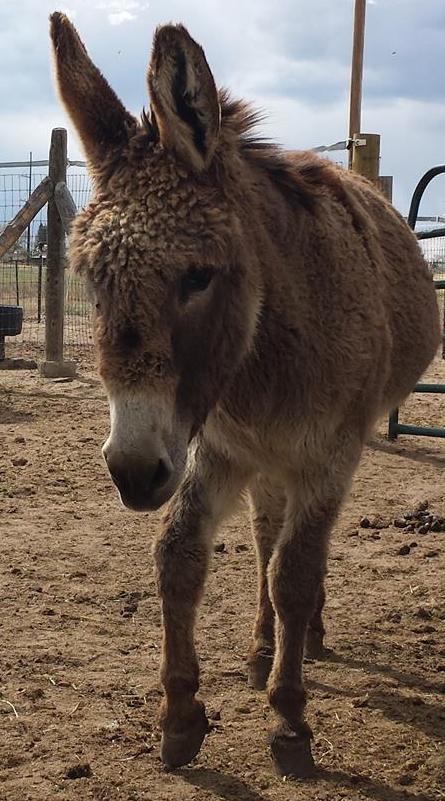
Sadly, a donkey gets no respect, then or now – for his plain and awkward hairy looks, for his loud and inharmonious voice, for his apparent lack of strength — yet he was the chosen mode of transportation for a King riding to His death.
There was a motley parade to Jerusalem: cloaks and palms laid at the feet of the donkey bearing the Son of God, disorderly shouts of adoration and blessings, the rebuke of the Pharisees to quiet the people, His response that “even the stones will cry out” knowing what is to come.
But the welcoming crowd waving palm branches, shouting sweet hosannas and laying down their cloaks did not understand the fierce transformation to come, did not know within days they would be a mob shouting words of derision and rejection and condemnation.
The donkey knew because he had been derided, rejected and condemned himself, yet still kept serving. Just as he was given voice and understanding centuries before to protect Balaam from going the wrong way, he could have opened his mouth to tell them, suffering beatings for his effort. Instead, just as he bore the unborn Jesus to Bethlehem and stood over Him sleeping in the manger, just as he bore a mother and child all the way to Egypt to hide from Herod, the donkey would keep his secret well.
Who, after all, would ever listen to a mere donkey?
We would do well to pay attention to this braying wisdom.
The donkey knows – he’s a believer.
He bears the burden we have shirked. He treads with heavy heart over the palms and cloaks we lay down as meaningless symbols of honor. He is the ultimate servant to the Servant who laid aside His crown.
A day of dichotomy — of honor and glory laid underfoot only to be stepped on, of blessings and praise turning to curses, of the beginning of the end becoming a new beginning for us all.
And so He wept, knowing all this. I suspect the donkey bearing Him wept as well, in his own simple, plain and honest way, and I’m quite sure he kept it as his special secret.
Rejoice greatly, Daughter Zion! Shout, Daughter Jerusalem! See, your king comes to you, righteous and victorious, lowly and riding on a donkey, on a colt, the foal of a donkey. Zechariah 9:9
This Lenten season I reflect on the words of the 19th century southern spiritual hymn “What Wondrous Love is This”
One-Time
Monthly
Yearly
Make a one-time or recurring donation to support daily Barnstorming posts
We were promised sufferings. They were part of the program. We were even told, ‘Blessed are they that mourn.’ The real problem is not why some pious, humble, believing people suffer, but why some do not. C.S. Lewis ~~writing on suffering in The Problem of Pain
The Christian has never been promised a pain-free existence. No one escapes suffering, no matter how strongly they believe in God. It is what we signed up for.
How could an all-powerful all-knowing God allow suffering, especially in innocent children? This is a standard argument used against the existence of a beneficent God. The reasoning is — if abundant suffering and evil is allowed in the world, no merciful God is in control.
Yet that reasoning sets aside gospel reality: God identifies so strongly with His Creation, He allows His own suffering and death.
He mourns. He weeps. He hurts. He bleeds. He dies. Just like us.
What all-powerful all-knowing God would do that? Our God would, because He is first and foremost a loving God who makes imperfection perfect again. Then He defeats death to ensure our eternal union with Him.
No, there isn’t a “no pain” guarantee –neither God nor even the natural world ever promised that. But only our God promises “no stain” –that we are washed clean for eternity by His shed blood.
In the midst of our sadness and mourning, that is our greatest comfort of all.
For just as we share abundantly in the sufferings of Christ, so also our comfort abounds through Christ. 2 Corinthians 1:5
I have told you these things, so that in me you may have peace. In this world you will have trouble. But take heart! I have overcome the world. John 16:33
This Lenten season I reflect on the words of the 19th century southern spiritual hymn “What Wondrous Love is This”
One-Time
Monthly
Yearly
Make a one-time or recurring donation to support daily Barnstorming posts
September. Second-year medical student. An early patient interview at the Massachusetts General Hospital Routine hernia repair planned, not done. Abdomen opened and closed. Filled with disease, cancer.
The patient is fifty-six, a workingman, Irish I sit with him, notice the St. Christopher medal around his neck. Can’t hurt, can it? he laughs. I have become his friend.
I bring him a coloring book picture that shows this thing, this unfamiliar organ that melted beneath our hands at dissection: Pancreas.
Leaving his room, crying, avoiding classmates, I take the back stairs. I find myself locked, coatless in the courtyard outside. ~Kelley Jean White “Pandora”
At seventeen years old, I thought I had things figured out. I had graduated near the top of my senior class, was heading off to college, and felt confident about who I was becoming. I had attended church all my life but my commitment to my faith was actually waning rather than strengthening.
In anticipation of college tuition bills, I took a summer job at a local nursing home for $1.25 an hour as a nurses’ aide. My total training was two days following a more experienced aide on her rounds of feeding, pottying, dressing and undressing, and bathing her elderly patients. Then I was assigned patients of my own and during a typical shift I carried a load of 13 patients. It didn’t take long for me to learn the rhythm of caretaking, and I enjoyed the work and my patients.
One woman in particular remains vivid in my memory 52 years later. Irene was in her 80’s with no nearby family, bedridden with a painful bone disease that had crippled her for a decade or more. She was unable to do any of her own self care but her mind remained sharp and her eyes bright. Her hearty greeting cheered me when I’d come in her room several times a shift to turn her on her egg-crate mattress bed to prevent pressure sores on her hips and shoulders.
The simple act of turning her in her bed was an ordeal beyond imagining – it always hurt her. I felt as though I was impaling her on hundreds of sharp needles.
I would prepare her for the turn by cushioning her little body with pads and pillows, but no matter how careful I was, her brittle bones would crackle and crunch like Rice Crispies cereal with every movement. Tears would flow from her eyes and she’d always call out “Oh Oh Oh Oh” during the process but then once settled in her new position, she’d look up at me and say “thank you, dear, for making that so much easier for me.”
I would nearly weep in gratitude at her graciousness when I could do so little to alleviate her suffering.
Before I’d leave the room, Irene would grab my hand and ask when I would be returning. Then she’d say “I know the Lord prepared you to take care of me” and she would murmur a prayer to herself.
As difficult as each “turning” was for both of us, I started to look forward to it. I knew she prayed not only for herself, but I knew she prayed for me as well. I felt her blessing each time I walked into her room knowing she was waiting for me. She trusted me to do my best.
One evening I came to work and was told Irene was running a high fever, and struggling to breathe. She was being given oxygen and was having difficulty taking fluids. The nurse I worked under asked that I check Irene more frequently than my usual routine.
As I approached her bed, Irene reached out and held my hand. She was still alert but very weak. She looked me in the eye and said “You know the Lord is coming for me today?” All I could say was “I know you have waited for Him a long time.” She murmured “Come back soon” and closed her eyes.
I returned to her room as often as I could and found her becoming less responsive, yet still breathing, sometimes short shallow breaths and sometimes long and deep. Near the end of my shift, as morning was dawning, when I entered the room, I knew He had come for her.
She lay silent and relaxed for the first time since I had met her. Her little body, so tight with pain only hours before, seemed at ease. It was my job to prepare her for the mortuary workers who would soon come for her. Her body still warm to touch, I washed and dried her skin and brushed her hair and wrapped her in a fresh sheet, wondering at how I could now turn her easily with no pain and no tears. I could see a trace of a smile at the corners of her mouth. I knew then the Lord had lifted her soul from her imprisonment. He had rewarded her faithful perseverance.
I rejoice in the hope of the glory of the Lord, thanks to Irene. She showed me what it means to watch for the morning when He will come. Though immobile in bed, crippled and wracked with pain, her perseverance led to loving a young teenager uncertain in her faith, and helped point me to my future profession in medicine.
Irene brought the Lord home to me when she went home to Him.
And werejoice in the hope of the glory of God. Not only so, but we also rejoice in our sufferings, because we know that suffering produces perseverance Romans 5:2b-3
This Lenten season I reflect on the words of the 19th century southern spiritual hymn “What Wondrous Love is This”
One-Time
Monthly
Yearly
Make a one-time or recurring donation to support daily Barnstorming posts
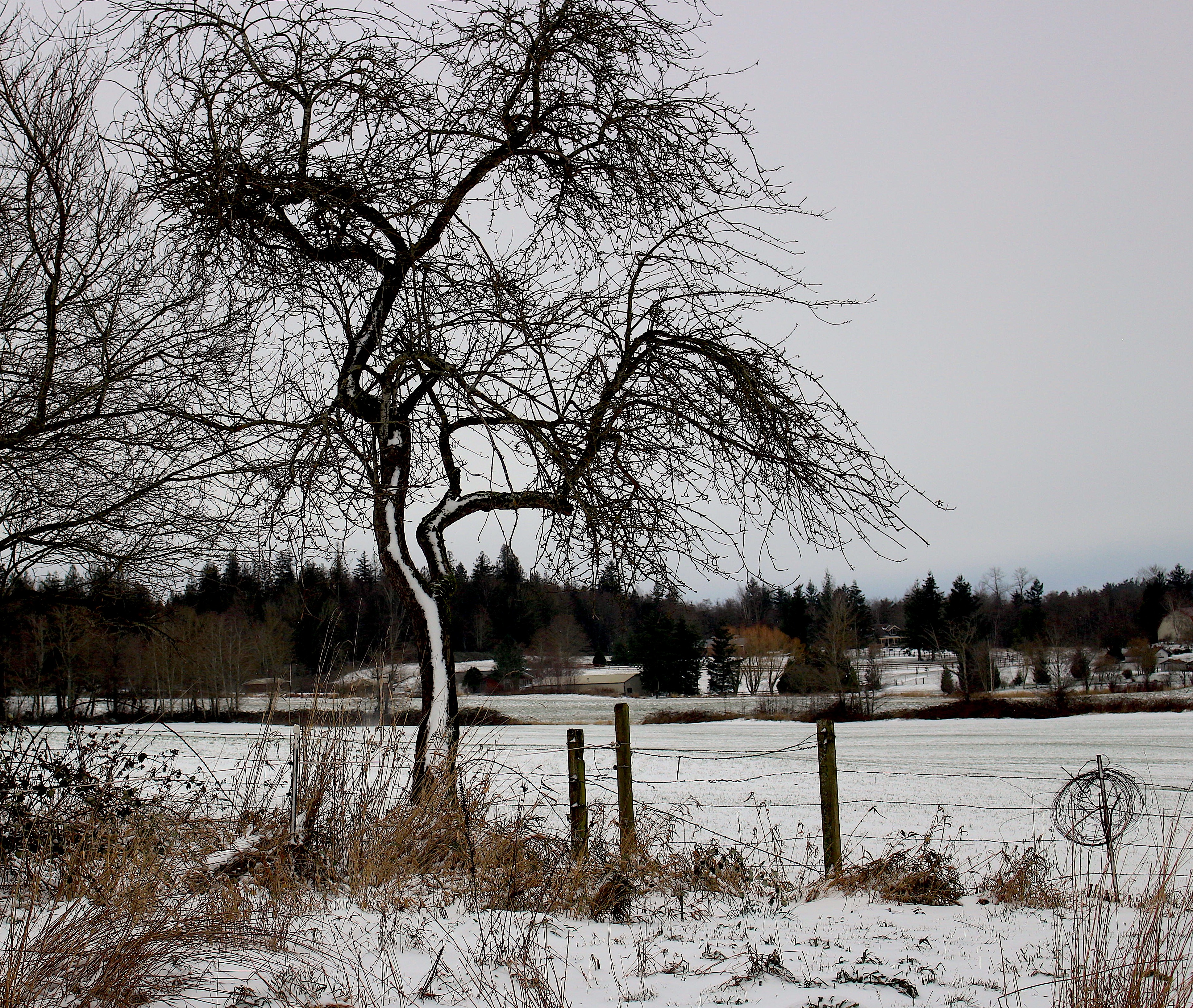
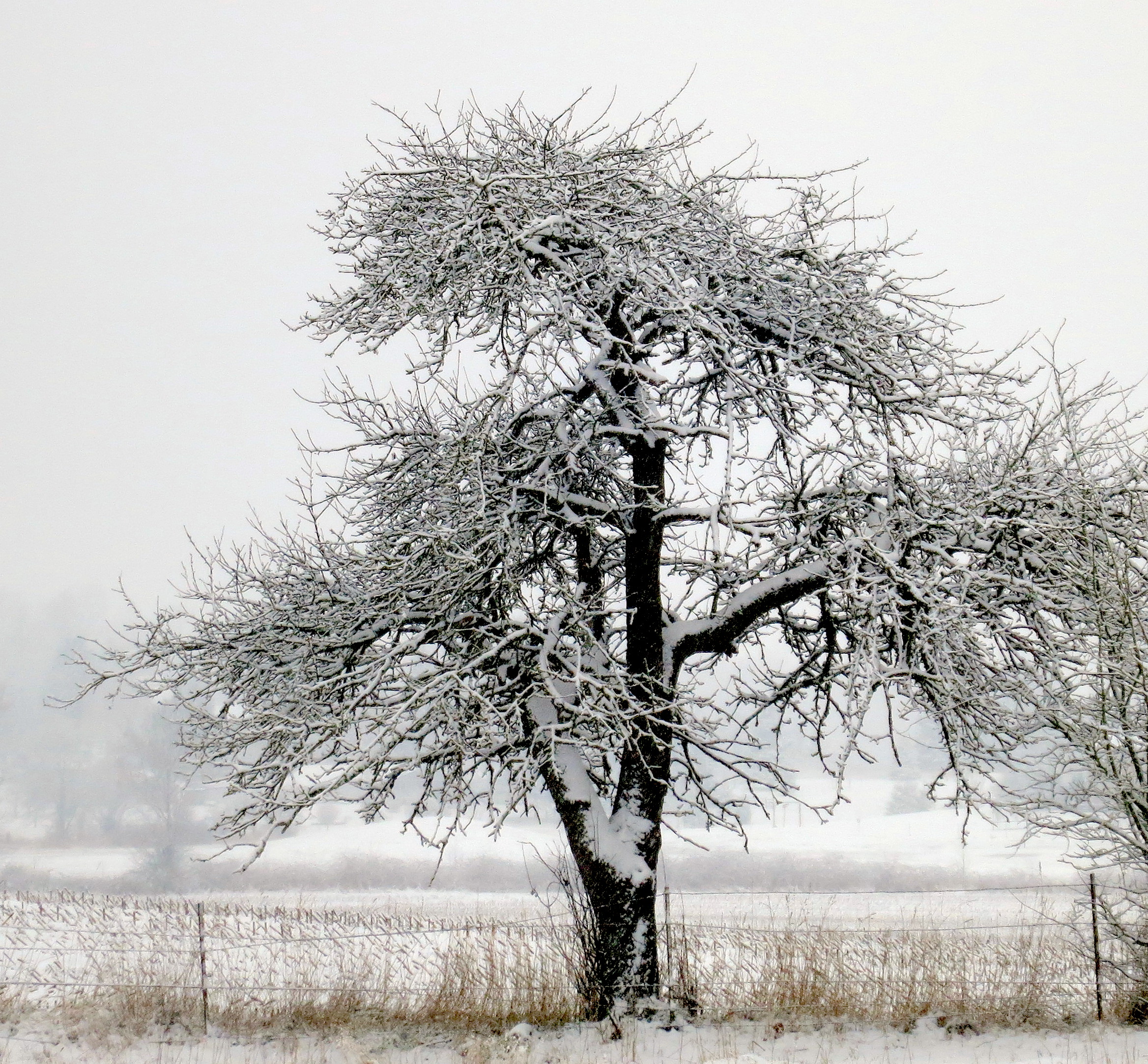
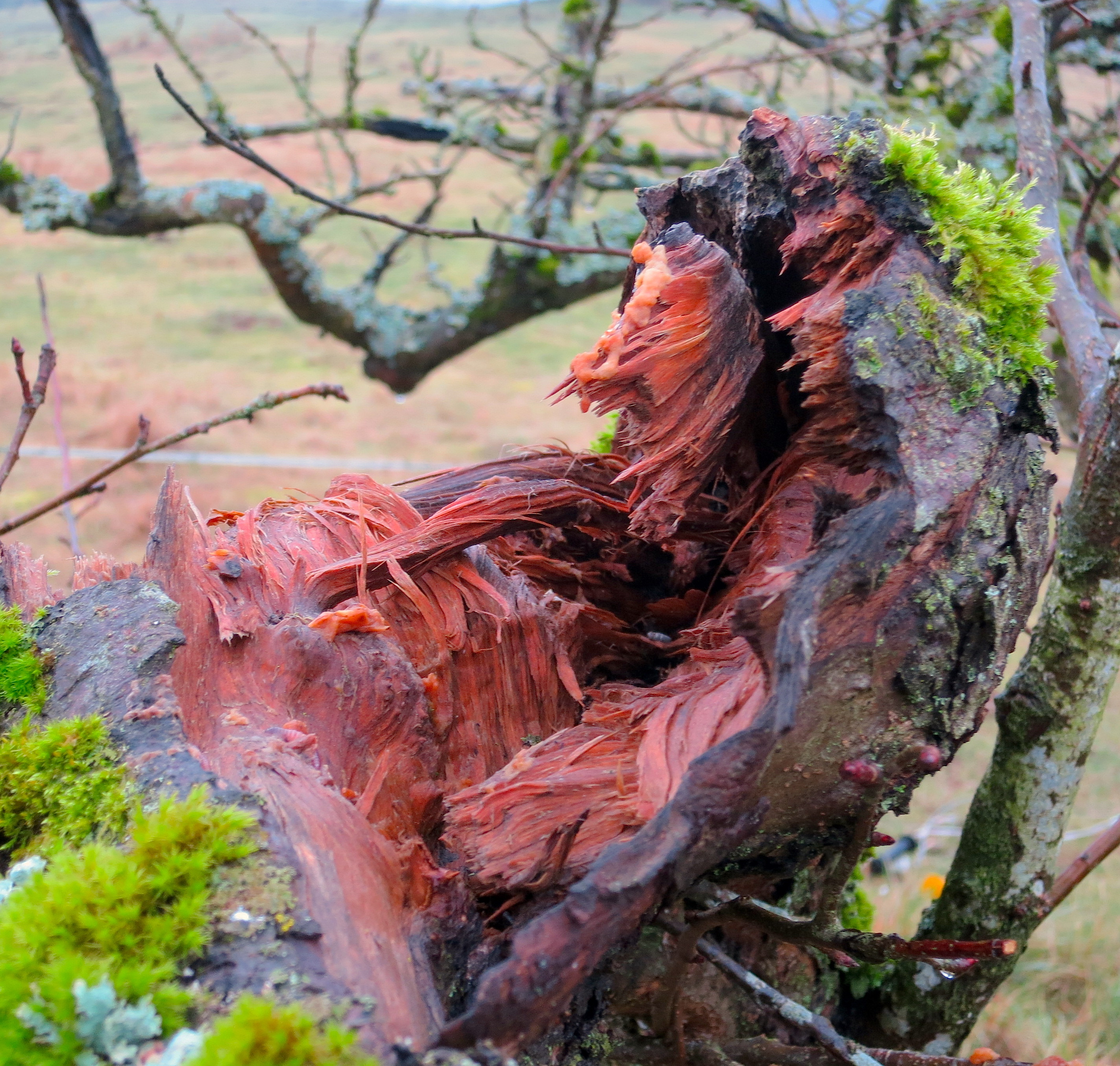
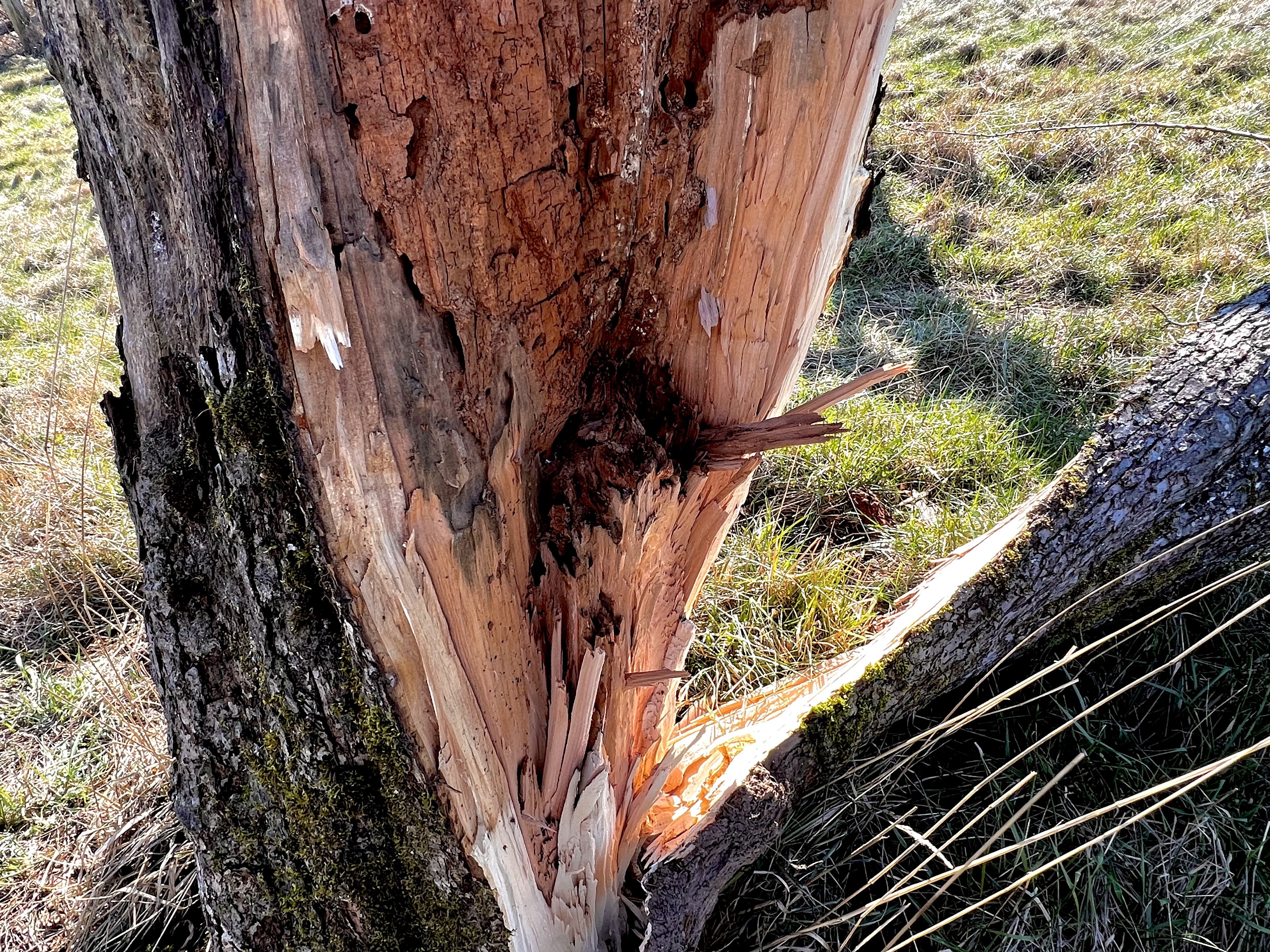
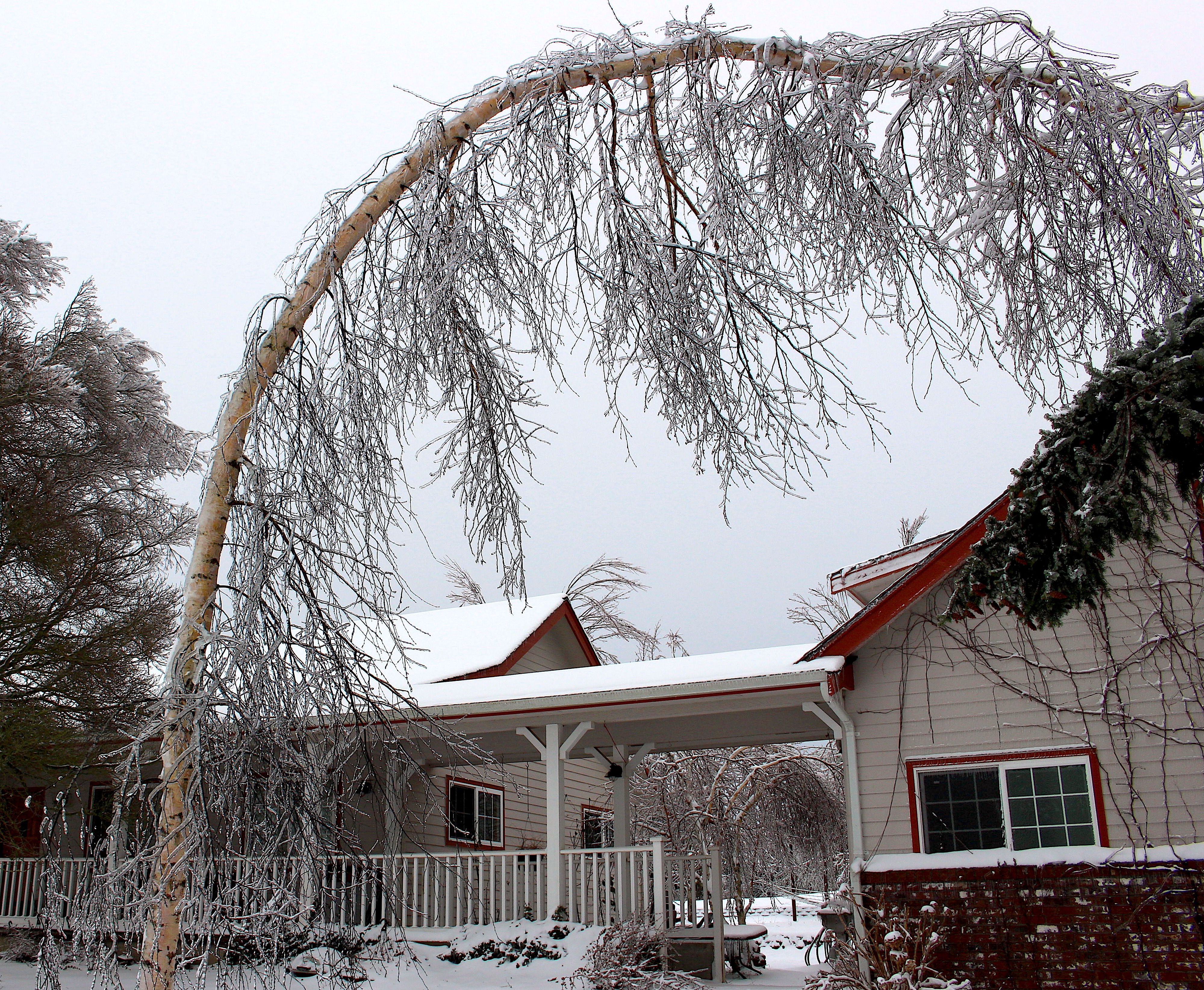
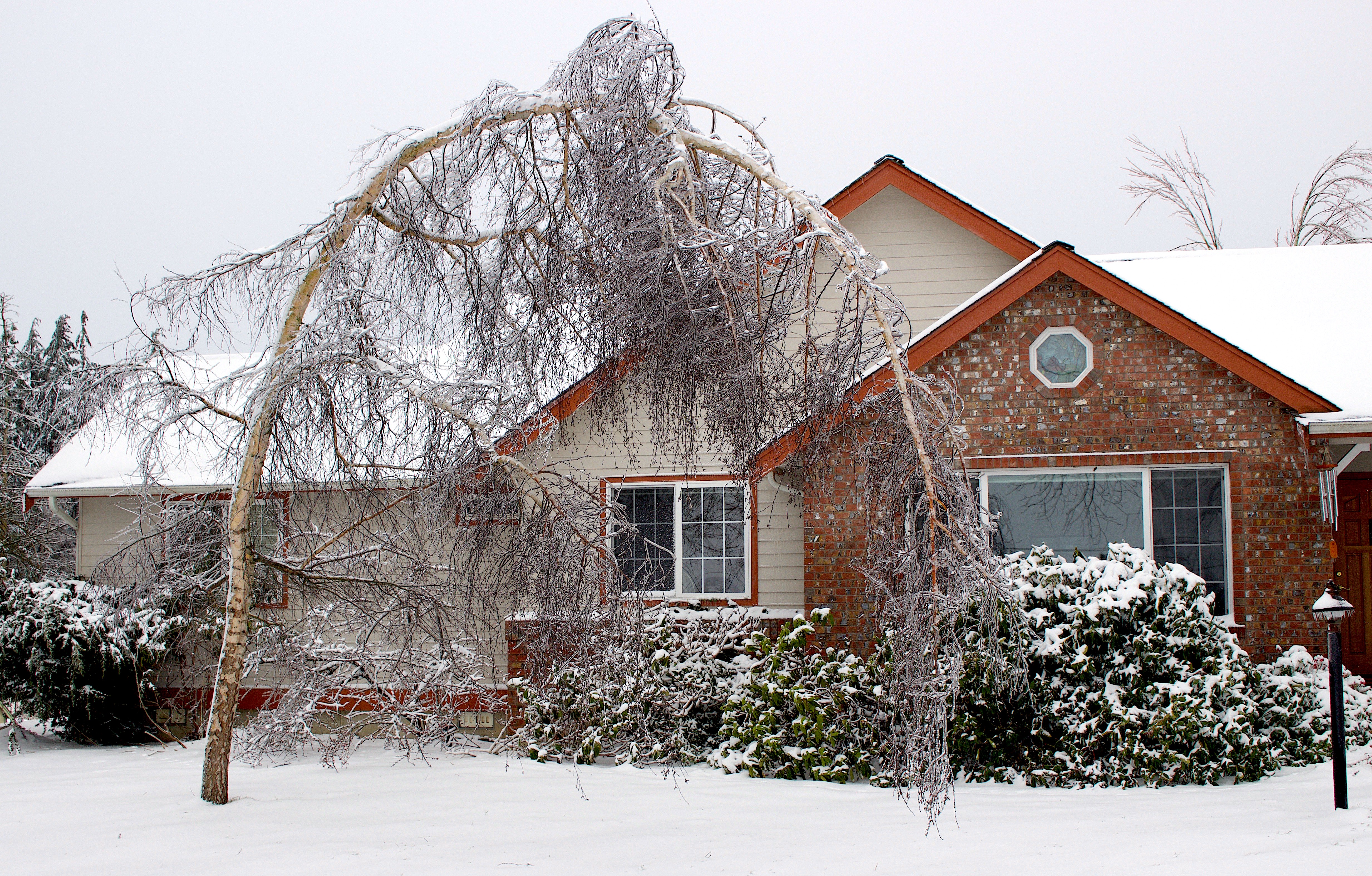
My sorrow’s flower was so small a joy It took a winter seeing to see it as such. Numb, unsteady, stunned at all the evidence Of winter’s blind imperative to destroy, I looked up, and saw the bare abundance Of a tree whose every limb was lit and fraught with snow. What I was seeing then I did not quite know But knew that one mite more would have been too much. ~Christian Wiman “After a Storm” from Once in the West: Poems
Though a weak branch strains mightily to bear a summer’s bounty of fruit without breaking, it will sustain the load.
Then comes winter wind and ice storms and a snowflake becomes the mite too much.
Even so, a painful pruning is endured, when even the strongest limbs are trimmed back, urged to fearlessly grow on and be more fruitful.
I am the true vine, and my Father is the gardener. He cuts off every branch in me that bears no fruit, while every branch that does bear fruit he prunes so that it will be even more fruitful. John 15: 1-2
This Lenten season I reflect on the words of the 19th century southern spiritual hymn “What Wondrous Love is This”
One-Time
Monthly
Yearly
Make a one-time or recurring donation to support daily Barnstorming posts
A front of thunderstorms had sought you out. It vowed to run a diabolical black line through all that you were sure about— the ordinary, sane, the sensible. You raced to get the loose stuff off the lawn, with purpose rearranged and stacked the chairs, relieved, almost, when the phenomenon of gray-green storm clouds simplified your cares. And though it couldn’t miss, it kind of did. Darkness at noon gave way to sun at one. Catastrophe and doom had been short-lived. Embarrassed that your fears were overblown, you faced your mundane day-to-day concerns, vaguely upset that normalcy returns. ~Robert Crawford “Squall”
Beneath our clothes, our reputations, our pretensions, beneath our religion or lack of it, we are all vulnerable both to the storm without and to the storm within. ~Frederick Buechner – from Telling the Truth
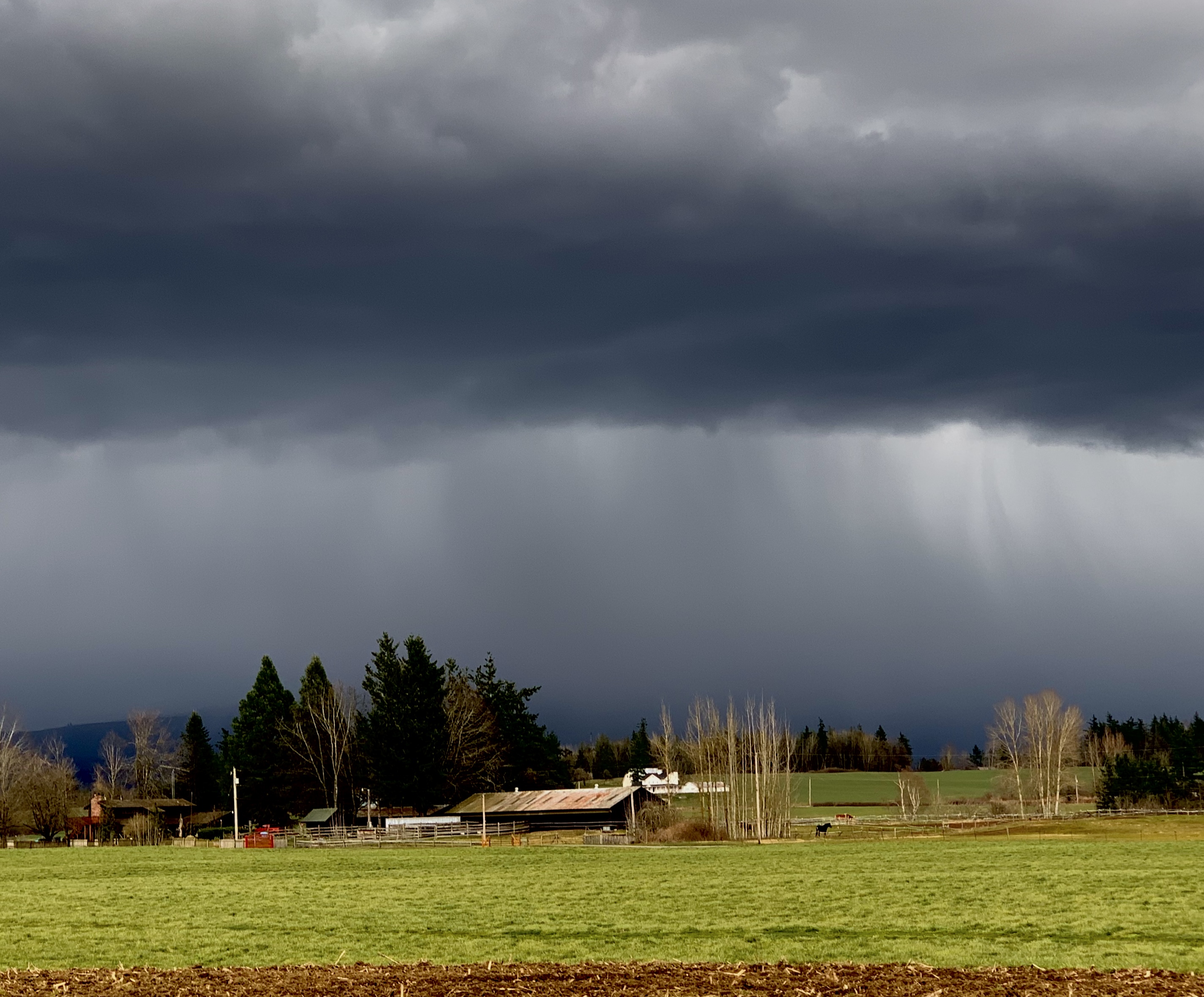
I watch the storm fronts roll in, threatening my outside and inside: heavy damaging winds, thunder and lightning, torrential unpredictable rains, mudslides, horrible forest fires destroying what is familiar and routine.
Inside my own head, the storm clouds of news headlines overpower day-to-day mundane concerns: devastating wars and violence, crime and protests, homelessness, rampant starvation and disease, man’s ongoing inhumanity to man.
I want to hide under a rock until the storms inside and outside blow over.
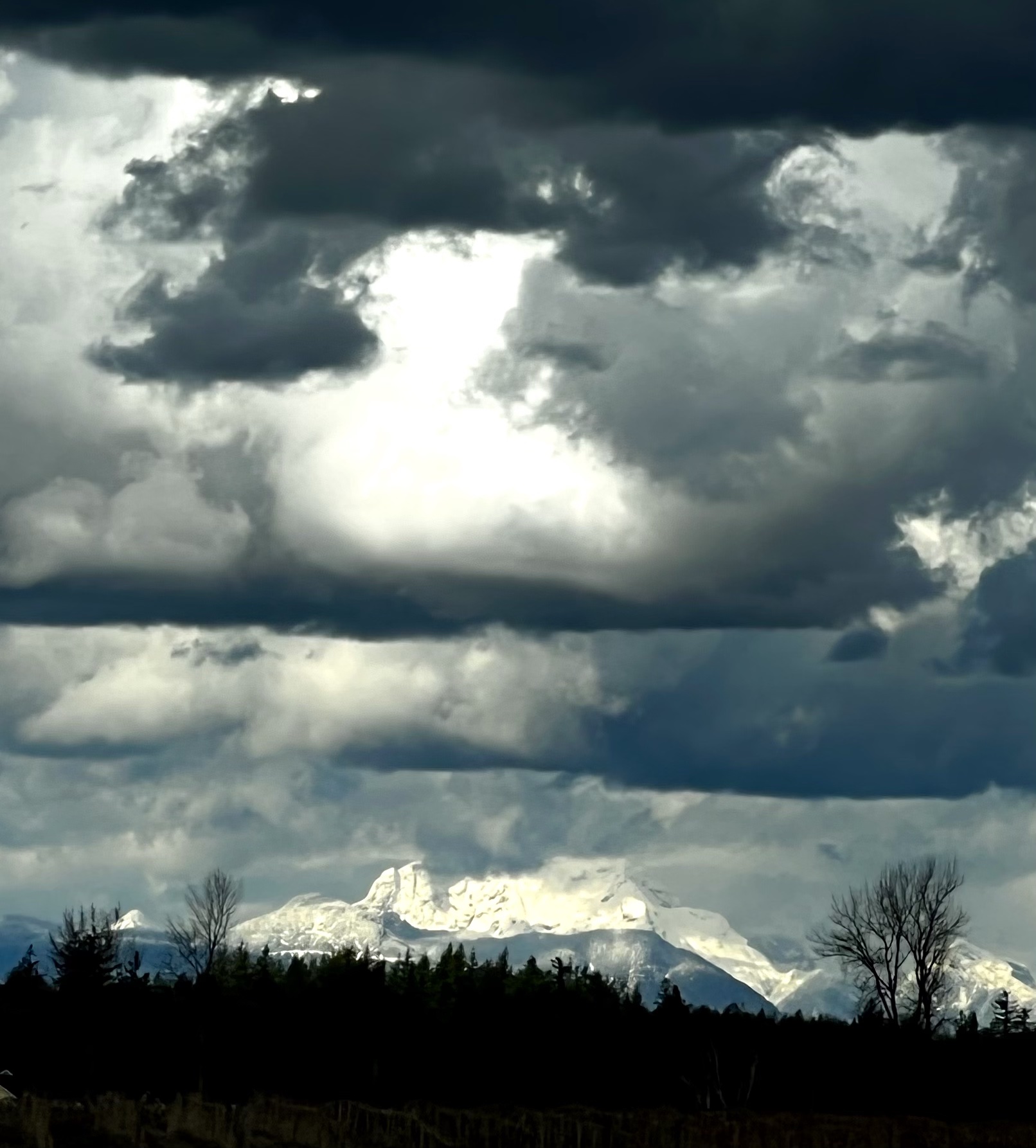
In the midst of the tempest — while wars rage on the planet, while a bitter election season is underway — a miracle may be wrought. Brilliant light exposes how heaven weeps from heavy clouds. A rainbow touches the earth in holy promise.
God assures His people: this storm too will pass, even the storms of our own making. Darkness is overcome by Light.
Painting of snowy Cascades by John Hoyte
He stilled the storm to a whisper; the waves of the sea were hushed. They were glad when it grew calm, and he guided them to their desired haven. Psalm 107:29-30
This Lenten season I reflect on the words of the 19th century southern spiritual hymn “What Wondrous Love is This”
One-Time
Monthly
Yearly
Make a one-time or recurring donation to support daily Barnstorming posts
Measure the walls. Count the ribs. Notch the long days. Look up for blue sky through the spout. Make small fires with the broken hulls of fishing boats. Practice smoke signals. Call old friends, and listen for echoes of distant voices. Organize your calendar. Dream of the beach. Look each way for the dim glow of light. Work on your reports. Review each of your life’s ten million choices. Endure moments of self-loathing. Find the evidence of those before you. Destroy it. Try to be very quiet, and listen for the sound of gears and moving water. Listen for the sound of your heart. Be thankful that you are here, swallowed with all hope, where you can rest and wait. Be nostalgic. Think of all the things you did and could have done. Remember treading water in the center of the still night sea, your toes pointing again and again down, down into the black depths. ~Dan Albergotti “Things to Do in the Belly of the Whale” from The Boatloads.
Down into the icy depths you plunge, The cold dark undertow of your depression, Even your memories of light made strange, As you fall further from all comprehension. You feel as though they’ve thrown you overboard, Your fellow Christians on the sunlit deck, A stone-cold Jonah on whom scorn is poured, A sacrifice to save them from the wreck.
But someone has their hands on your long line, You sound for them the depths they sail above, One who takes Jonah as his only sign Sinks lower still to hold you in his love, And though, you cannot see, or speak, or breathe, The everlasting arms are underneath. ~Malcolm Guite “Christian Plummet”
But the Lord replied, “Is it right for you to be angry? …should I not have concern for the great city of Nineveh, in which there are more than a hundred and twenty thousand people who cannot tell their right hand from their left—and also many animals?” Jonah 4:4and 4:11
Maybe you too feel as though you have been swallowed into the belly of the whale, treading water in the dark, disoriented and not just a little angry about the undeserving state of the world. All you can see of the outside is a bit of blue sky through a tiny hole above your head.
If you are like me, this makes you plenty grumpy. How did we end up in this mess?
Yet the belly of the whale is not forever. Surprisingly, it is a time of contemplation with little distraction other than our own conflicted feelings. We’ll soon be regurgitated back onto the shore of our trivial pursuits and busyness where suddenly life once again will feel too noisy with too many demands.
This quiet time is meant to teach something to you and me, even if it is just to count the mighty ribs protecting us, gaze into our own darkness and contemplate how we were trying to avoid what God asked of us.
I have a long list of things I could have done when the Lord prompted me, but instead stayed stubbornly resistant – treading water through life.
It’s time to stop being angry after being burped out to do what I should have done before sinking down, sinking down, sinking down…
This Lenten season I reflect on the words of the 19th century southern spiritual hymn “What Wondrous Love is This”
One-Time
Monthly
Yearly
Make a one-time or recurring donation to support daily Barnstorming posts

















































 Barnstorming