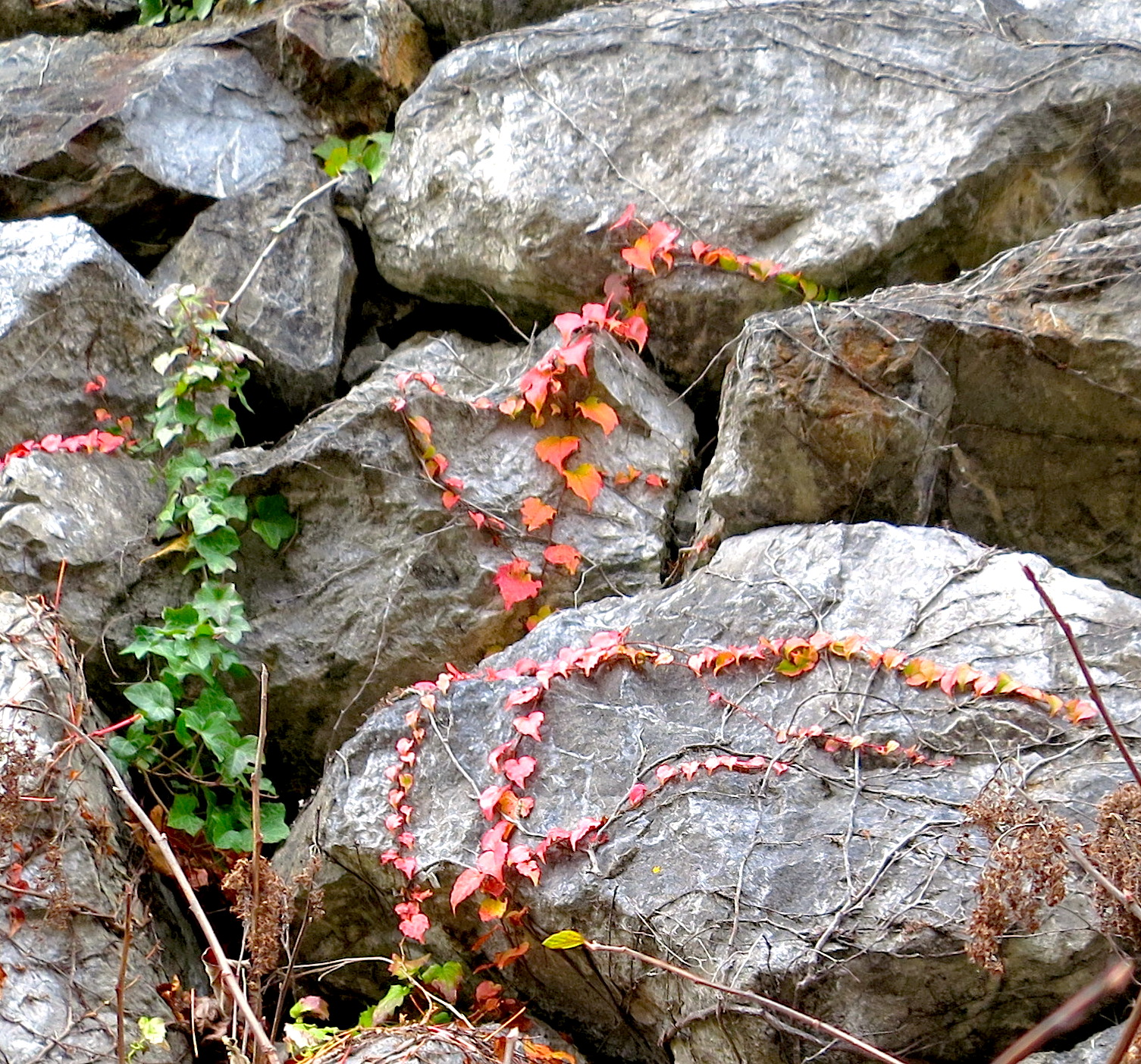
Fixing Eyes on the Unseen – Every Stone Shall Cry

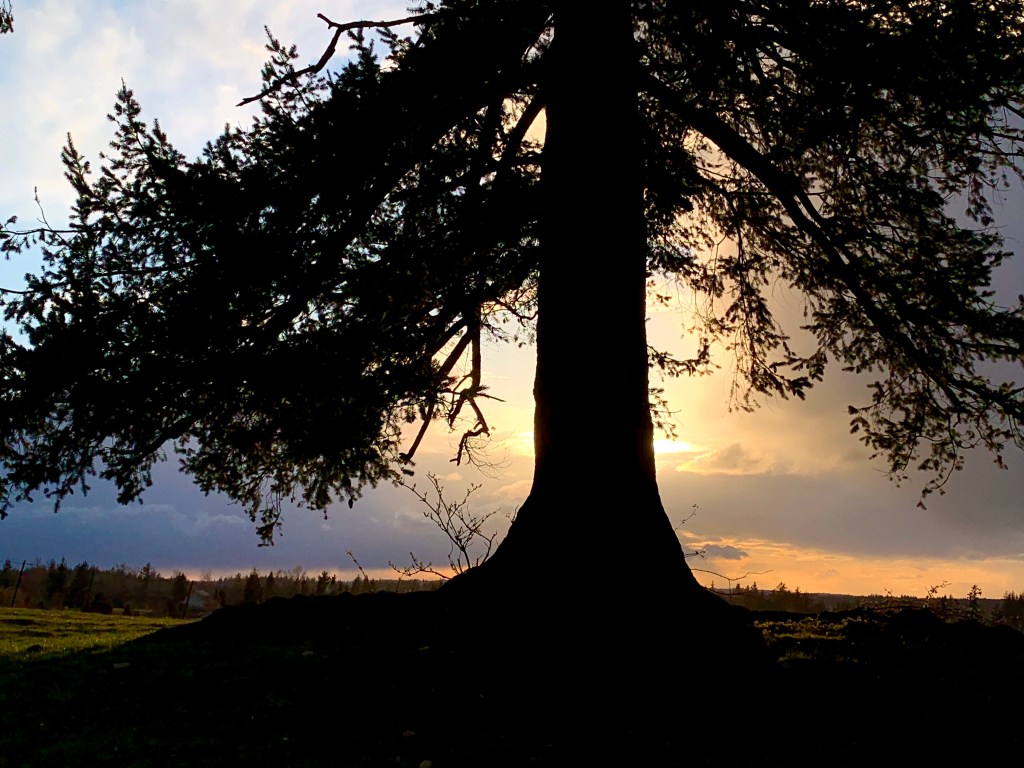
I tell you… if these should hold their peace,
the stones would immediately cry out.”
~Luke 19: 39-40

A stable lamp is lighted
Whose glow shall wake the sky
The stars shall bend their voices
And every stone shall cry
And straw like gold will shine
A barn shall harbour heaven
A stall become a shrine

This child through David’s city
Will ride in triumph by
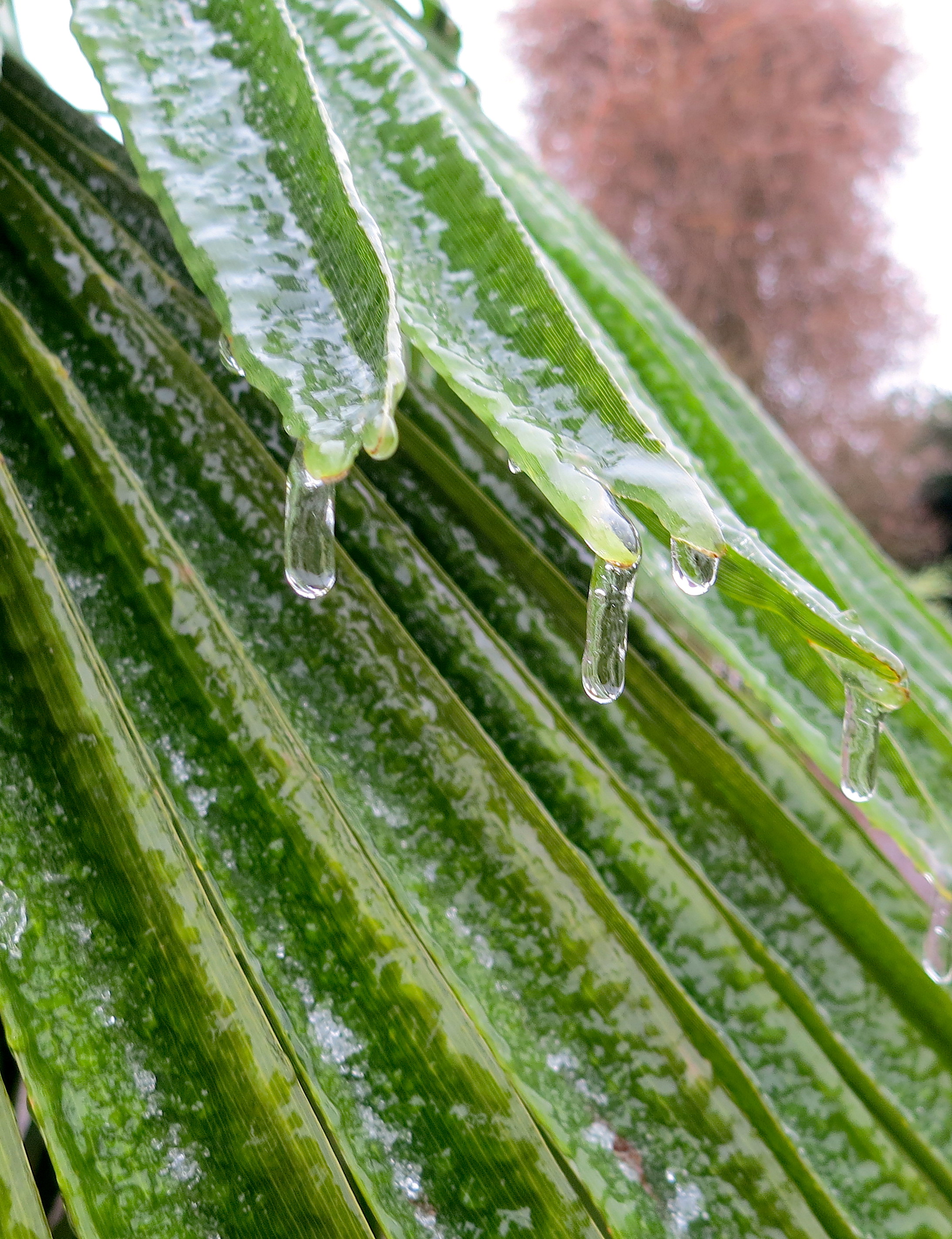
The palm shall strew its branches
And every stone shall cry
Though heavy, dull and dumb
And lie within the roadway
To pave the Kingdom come

Yet He shall be forsaken
And yielded up to die
The sky shall groan and darken
And every stone shall cry
For thorny hearts of men
God’s blood upon the spearhead
God’s love refused again

 
But now as at the ending
The low is lifted high
The stars will bend their voices
And every stone shall cry
In praises of the child
By whose descent among us
The worlds are reconciled
~Richard Wilbur
 “A Christmas Hymn”

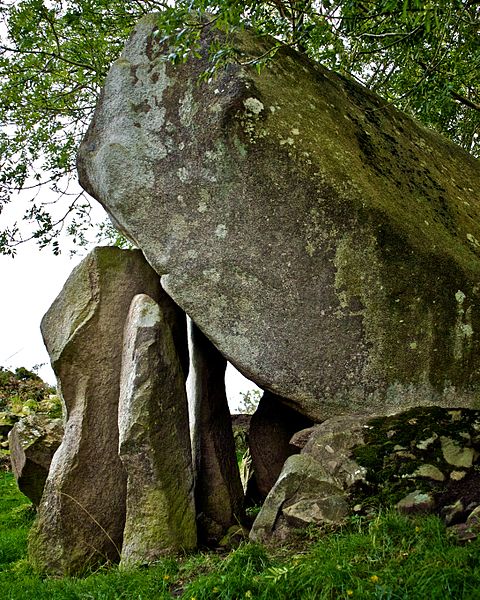
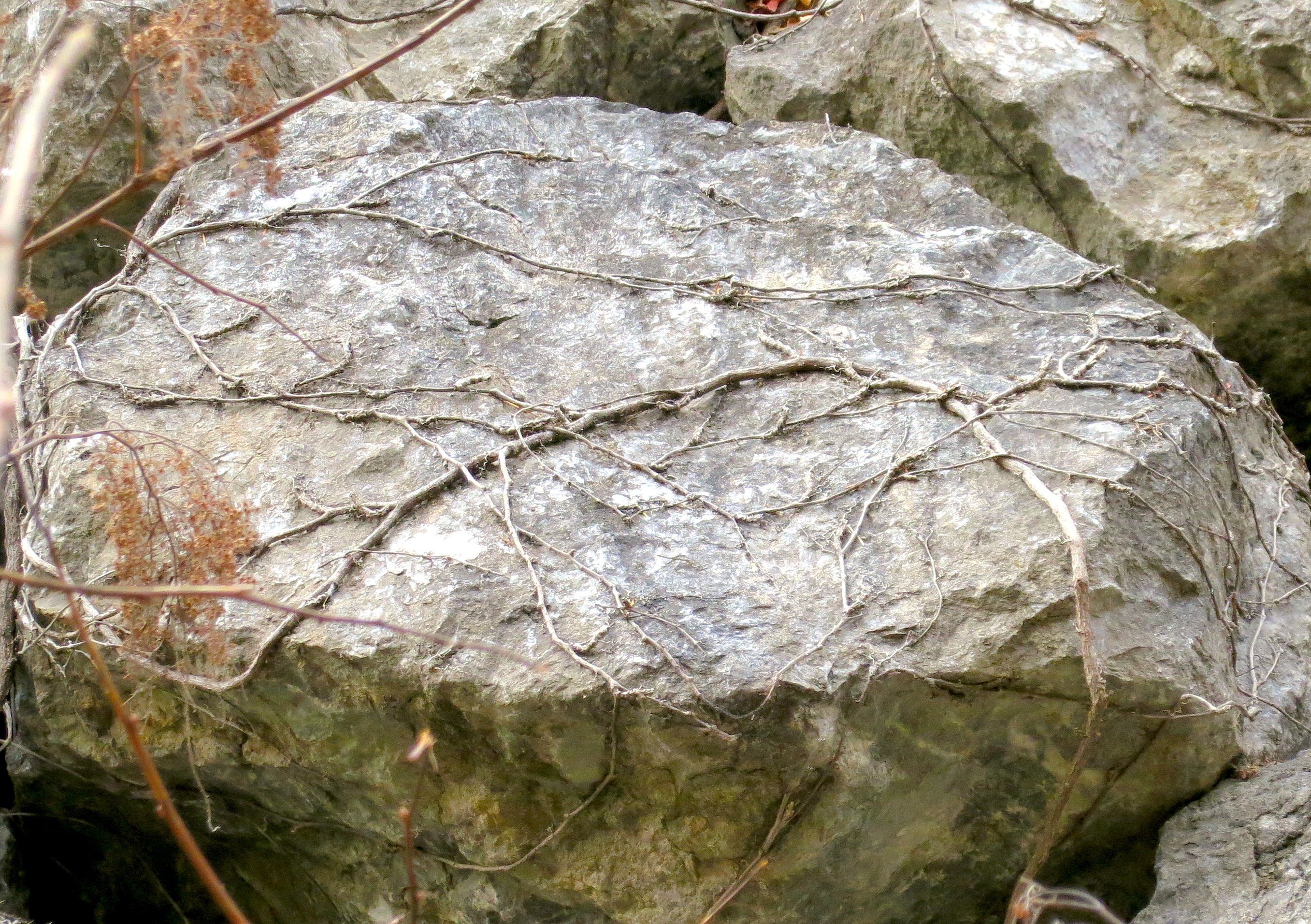
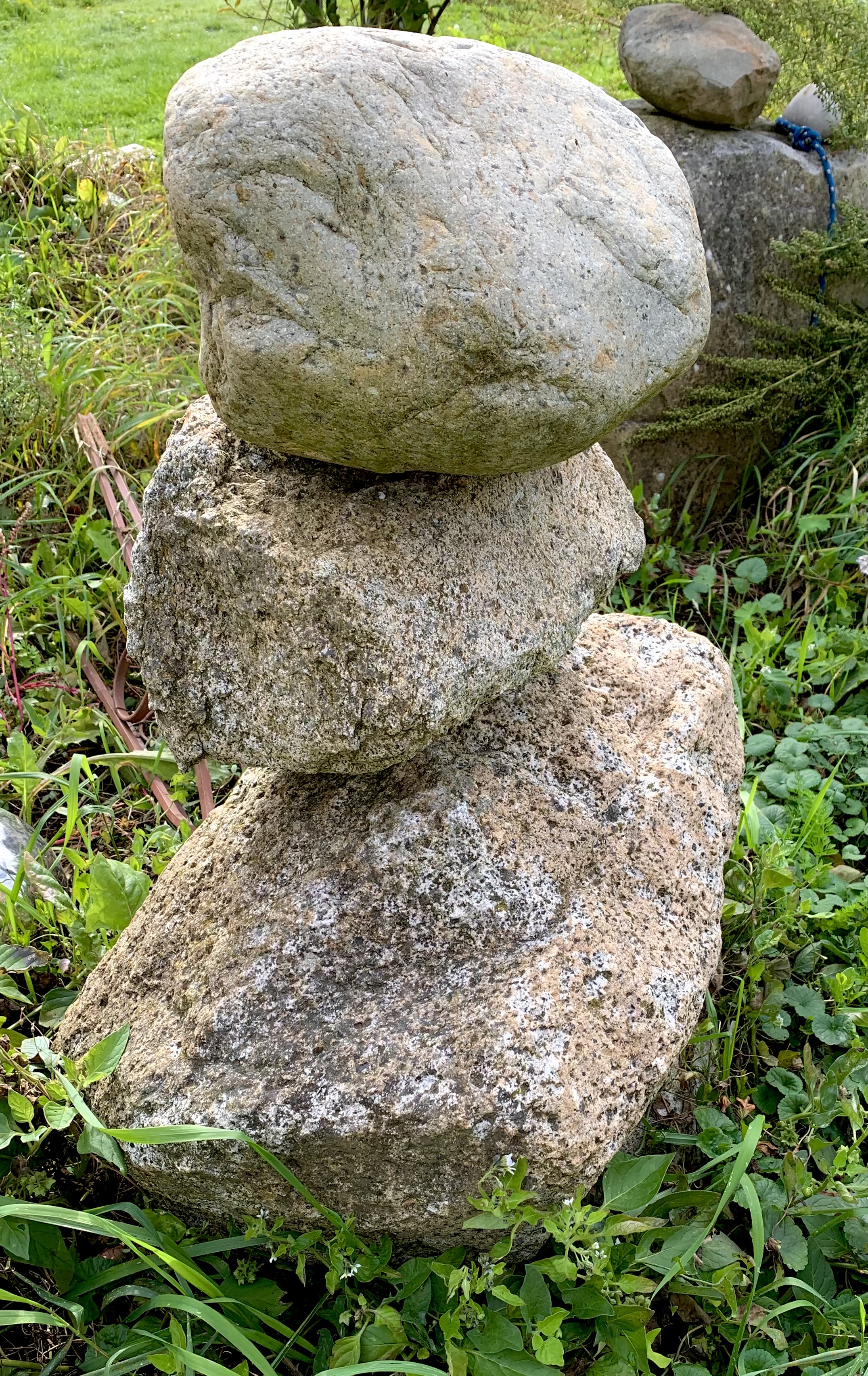
Feeling heavy, dull and dumb,
I am convinced
I’m no better than a simple rock,
inconsequential and immobile,
trod upon and paved over,
forgettable and forgotten.

I believe
there can be no pulse
in my stony heart,
if I turn away from God
who has come to walk beside me
on this humble gravelly ground.

Yet especially the lowest are lifted high by His descent–
every balanced or falling stone – the dumb and lifeless –
shall cry out in community with Him,
their silence finds a voice to praise.

Even my own voice,
meager as it is,
shall be heard.

I am no longer forgotten.
In fact, never have been forgotten.
So hard to reconcile:
as the stones have known Him all along,
then so should I.

So must I.

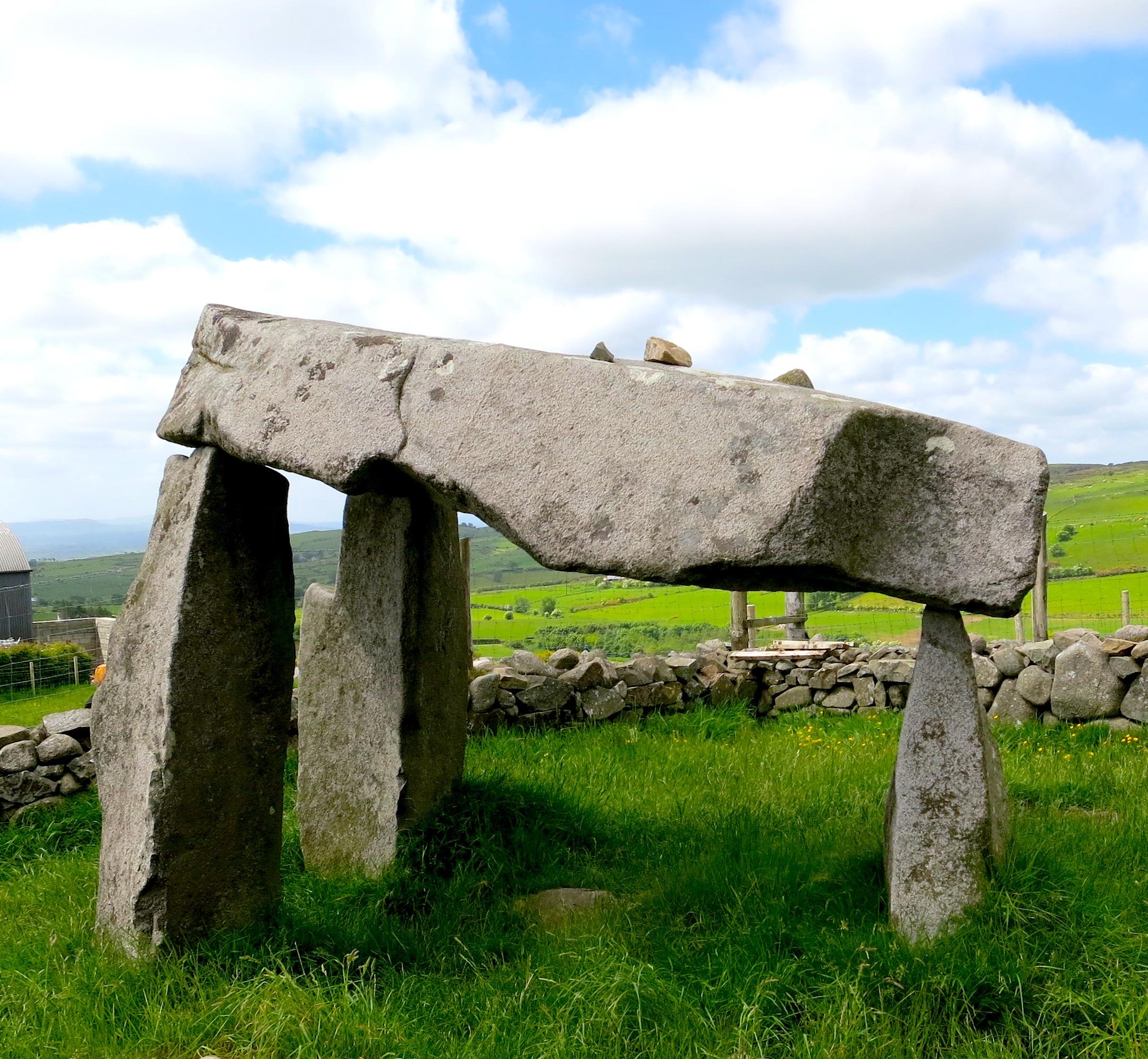
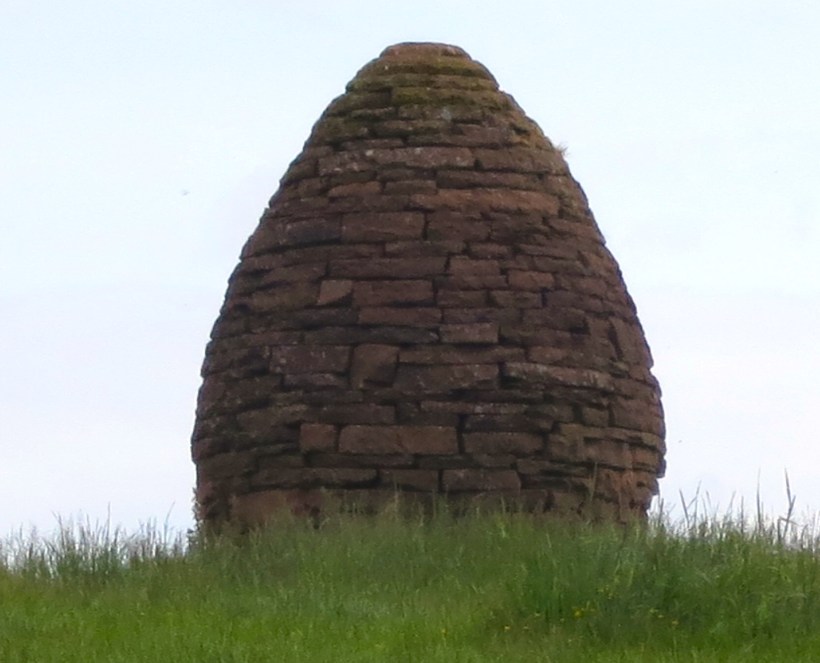
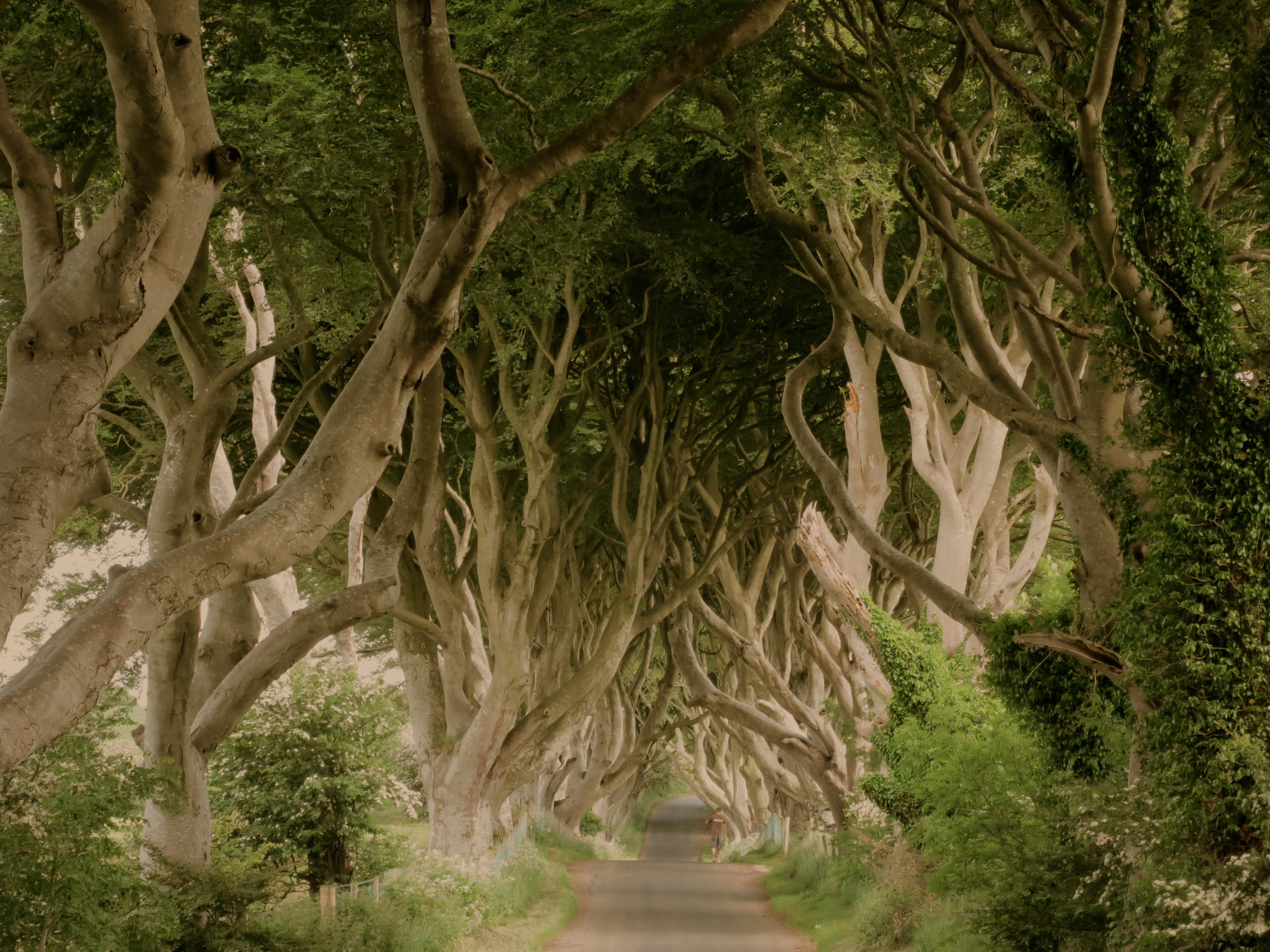
photo by Kathy Yates

This year’s Lenten theme:
So we fix our eyes not on what is seen, but on what is unseen, since what is seen is temporary, but what is unseen is eternal.
2 Corinthians 4: 18
Fixing Eyes on the Unseen – One Fierce Sweet Hour

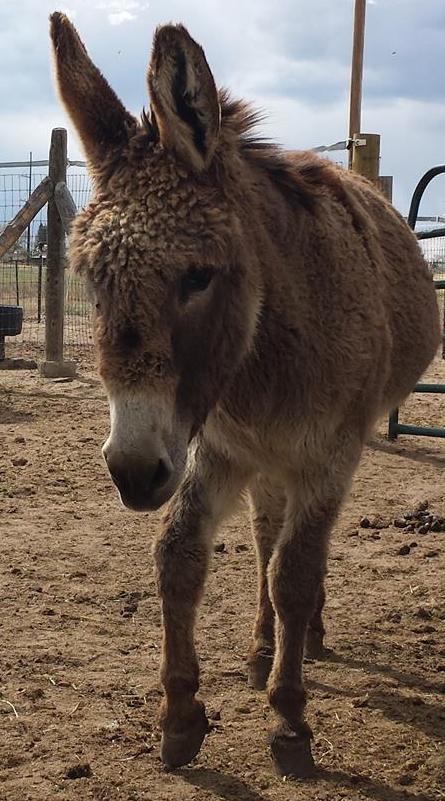
photo by Anna Blake

On the outskirts of Jerusalem
the donkey waited.
Not especially brave, or filled with understanding,
he stood and waited.

How horses, turned out into the meadow,
   leap with delight!
How doves, released from their cages,
   clatter away, splashed with sunlight.

But the donkey, tied to a tree as usual, waited.
Then he let himself be led away.
Then he let the stranger mount.

Never had he seen such crowds!
And I wonder if he at all imagined what was to happen.
Still, he was what he had always been: small, dark, obedient.

I hope, finally, he felt brave.
I hope, finally, he loved the man who rode so lightly upon him,
as he lifted one dusty hoof and stepped, as he had to, forward.
~Mary Oliver “The Poet thinks about the donkey” from her book Thirst.

photo by Anna Blake, Infinity Farm

With monstrous head and sickening cry
And ears like errant wings…

The tattered outlaw of the earth,
Of ancient crooked will;
Starve, scourge, deride me: I am dumb,
I keep my secret still.

Fools! For I also had my hour;
One far fierce hour and sweet:
There was a shout about my ears,
And palms before my feet.
G. K. Chesterton from “The Donkey”

Palm Sunday is a day of dissonance and dichotomy in the church year, very much like the donkey who figured as a central character that day. 

Sadly, a donkey gets no respect, then or now – for his plain and awkward hairy looks, for his loud and inharmonious voice, for his apparent lack of strength — yet he was the chosen mode of transportation for a King riding to His death.

There was a motley parade to Jerusalem: cloaks and palms laid at the feet of the donkey bearing the Son of God, disorderly shouts of adoration and blessings, the rebuke of the Pharisees to quiet the people, His response that “even the stones will cry out” knowing what is to come.

But the welcoming crowd waving palm branches, shouting sweet hosannas and laying down their cloaks did not understand the fierce transformation to come, did not know within days they would be a mob shouting words of derision and rejection and condemnation.

The donkey knew because he had been derided, rejected and condemned himself, yet still kept serving. Just as he was given voice and understanding centuries before to protect Balaam from going the wrong way, he could have opened his mouth to tell them, suffering beatings for his effort. Instead, just as he bore the unborn Jesus to Bethlehem and stood over Him sleeping in the manger, just as he bore a mother and child all the way to Egypt to hide from Herod, the donkey would keep his secret well.  

Who, after all, would ever listen to a mere donkey?

We would do well to pay attention to this braying wisdom. 

The donkey knows – he’s a believer.

He bears the burden we have shirked. He treads with heavy heart over the palms and cloaks we lay down as meaningless symbols of honor. He is the ultimate servant to the Servant.

A day of dichotomy —
of honor and glory laid underfoot only to be stepped on, 
of blessings and praise turning to curses,
of the beginning of the end becoming a new beginning for us all.

And so He wept, knowing all this. I suspect the donkey bearing Him wept as well, in his own simple, plain and honest way, and I’m quite sure he kept it as his special secret.

This year’s Lenten theme:
So we fix our eyes not on what is seen, but on what is unseen, since what is seen is temporary, but what is unseen is eternal.
2 Corinthians 4: 18
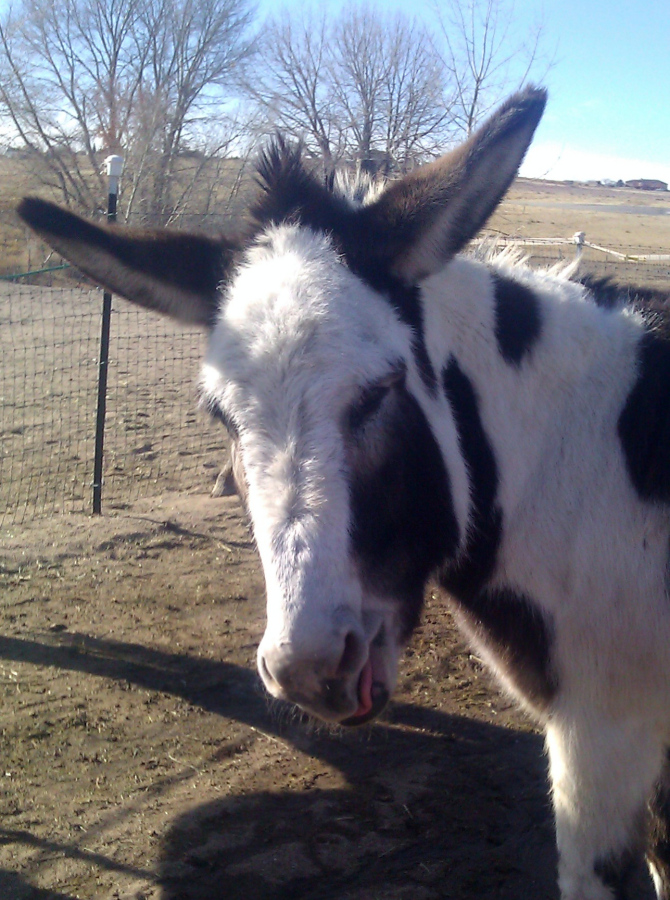
and just for fun on April 1st, I can’t resist sharing this one ….

Fixing Eyes on the Unseen – Everything Sad is Going to Come Untrue

He will wipe away every tear from their eyes, and death shall be no more, neither shall there be mourning, nor crying, nor pain anymore, for the former things have passed away. And he who was seated on the throne said, “Behold, I am making all things new.” Also he said, “Write this down, for these words are trustworthy and true.  Revelation 21: 4-5

“Gandalf! I thought you were dead! But then I thought I was dead! Is everything sad going to come untrue?”
~J.R.R. Tolkien as Samwise Gamgee wakes to find his friends all around him in The Lord of the Rings

“The answer is yes. And the answer of the Bible is yes. If the resurrection is true, then the answer is yes. Everything sad is going to come untrue.”
~Pastor Tim Keller’s response in a sermon given in an ecumenical prayer service memorial in Lower Manhattan on the fifth anniversary of Sept. 11.

photo by Joel De Waard

In our minds, we want to rewind and replay the sad events of this week in a way that would prevent them from happening in the first place.

We want those in a broken relationship to come back together, hug and forgive. The devastating diagnosis would be proven an error and, in reality, only a transient illness. When a terrible tragedy happens, we want the dead and injured to rise up again. The destructive earthquake becomes a mere tremor, the flooding tsunami is only one foot, not over thirty feet tall, the hijackers are prevented from ever boarding a plane, the shooter changes her mind at the last minute and lays down her arms, the terrorist disables his suicide bombs and walks away from his training and misguided mission.

We want so badly for it all to be untrue. The bitter reality of horrendous suffering and sadness daily all over the earth is too much for us to absorb. We plead for relief and beg for a better day.

Our minds may play mental tricks like this, but God does not play tricks. He knows and feels what we do. He too wants to see it rewound and replayed differently. He has known grief and sadness, He has wept, He has suffered, He too has died in terrible humiliating and painful circumstances. 

And because of this, because of a God who came to dwell with us, was broken, died and then rose again whole and holy, we are assured, in His time, everything sad is going to come untrue.

Our tears will be dried, our grief turned to joy, our pain nonexistent, not even a memory.  It will be a new day, a better day–as it is written, trustworthy and true.

May it come.

Quickly.

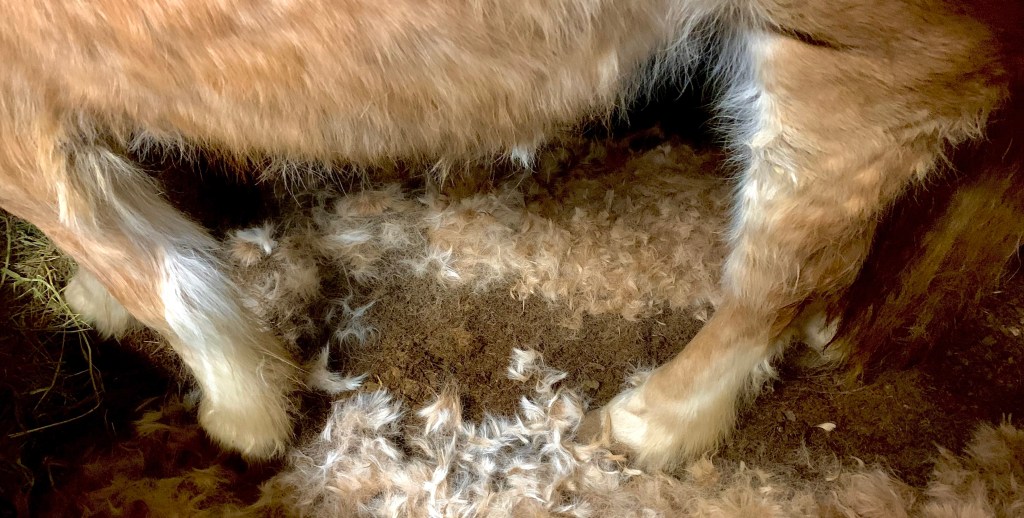
photo by Nate Gibson

This year’s Lenten theme:
So we fix our eyes not on what is seen, but on what is unseen, since what is seen is temporary, but what is unseen is eternal.
2 Corinthians 4: 18
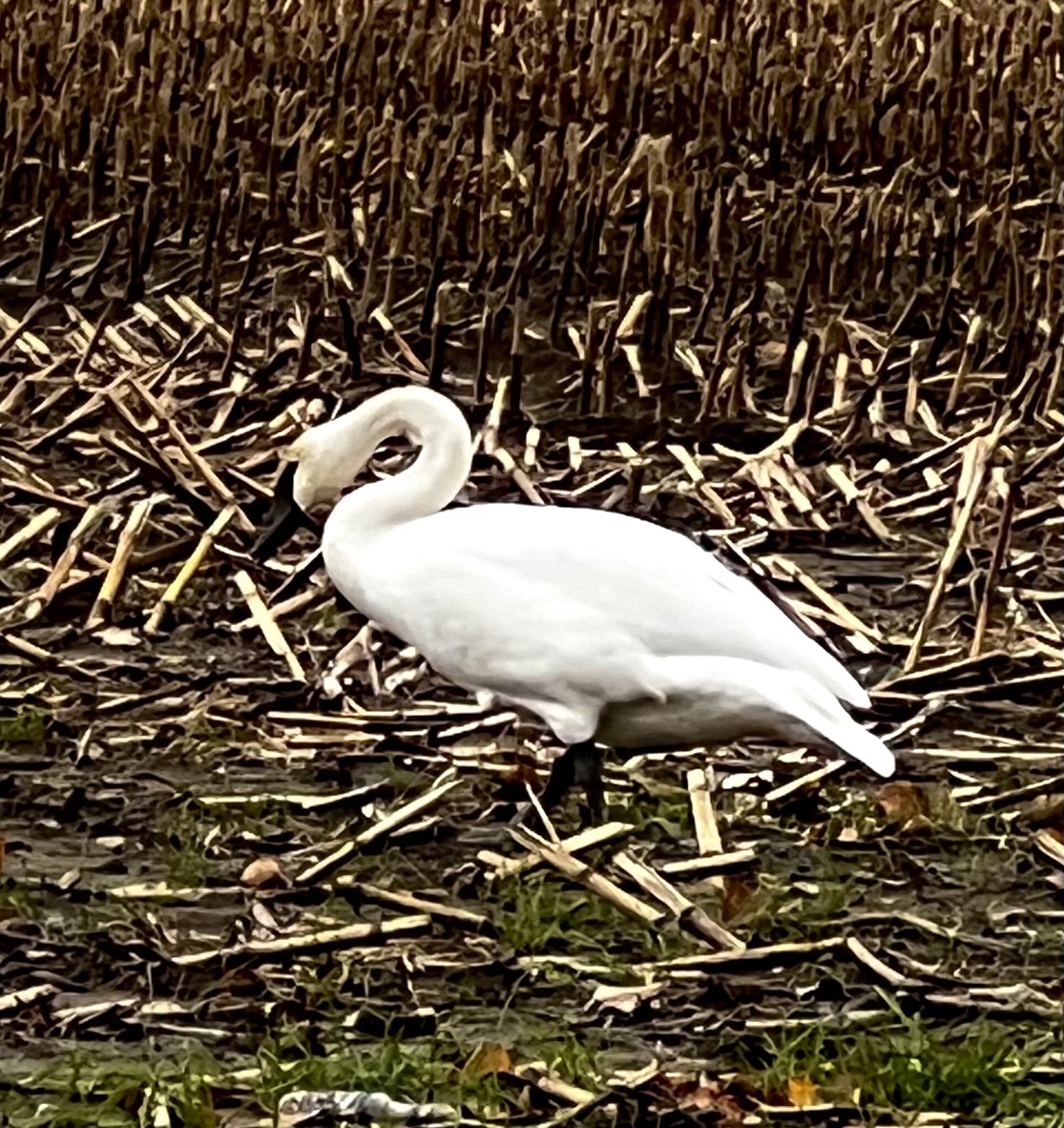
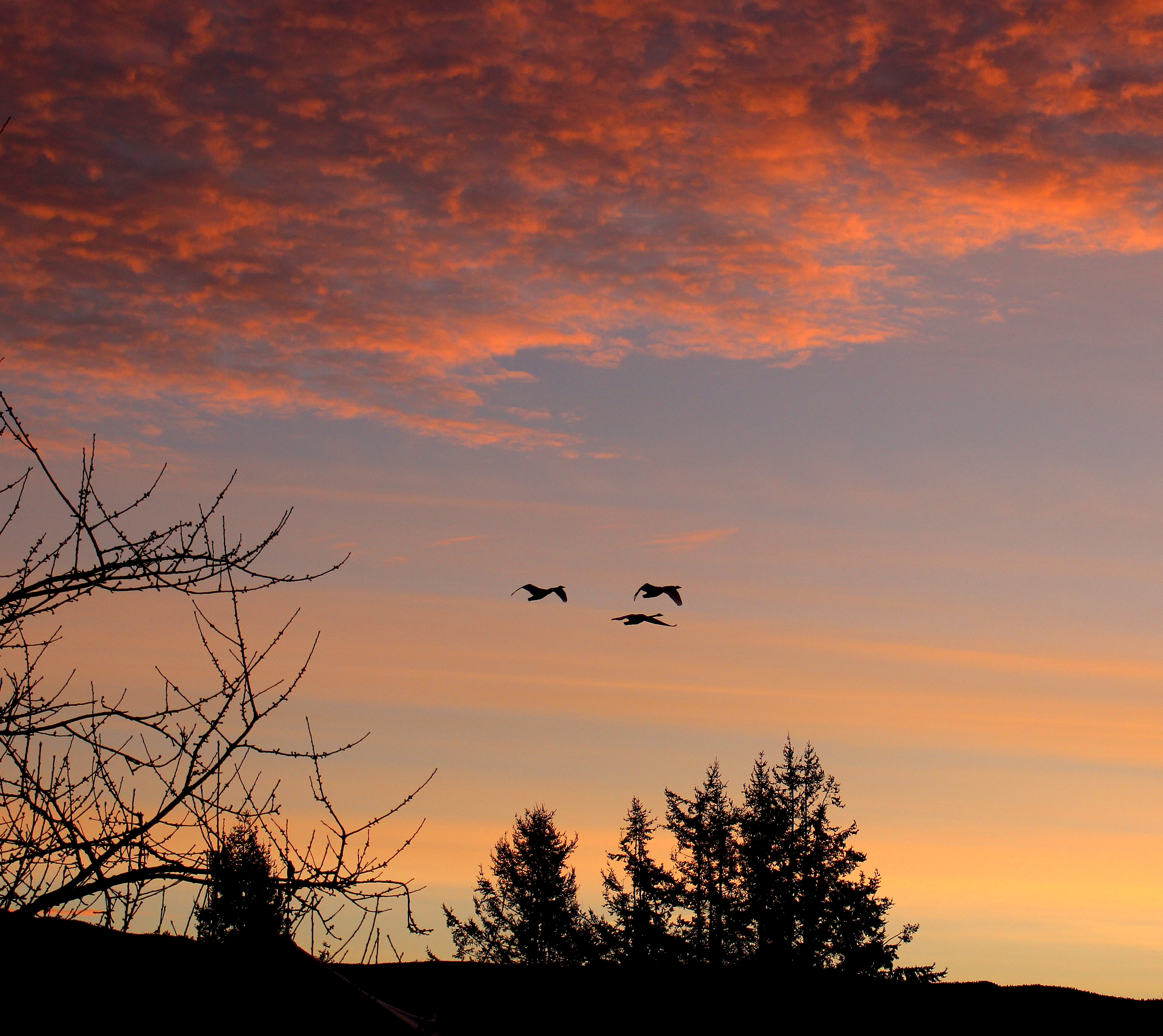
Fixing Eyes on the Unseen – Like a Pair of Wings

The clouds had given their all –
two days of rain and then a break
in which we walked,


the waterlogged earth
gulping for breath at our feet
as we skirted the lake, silent and apart,


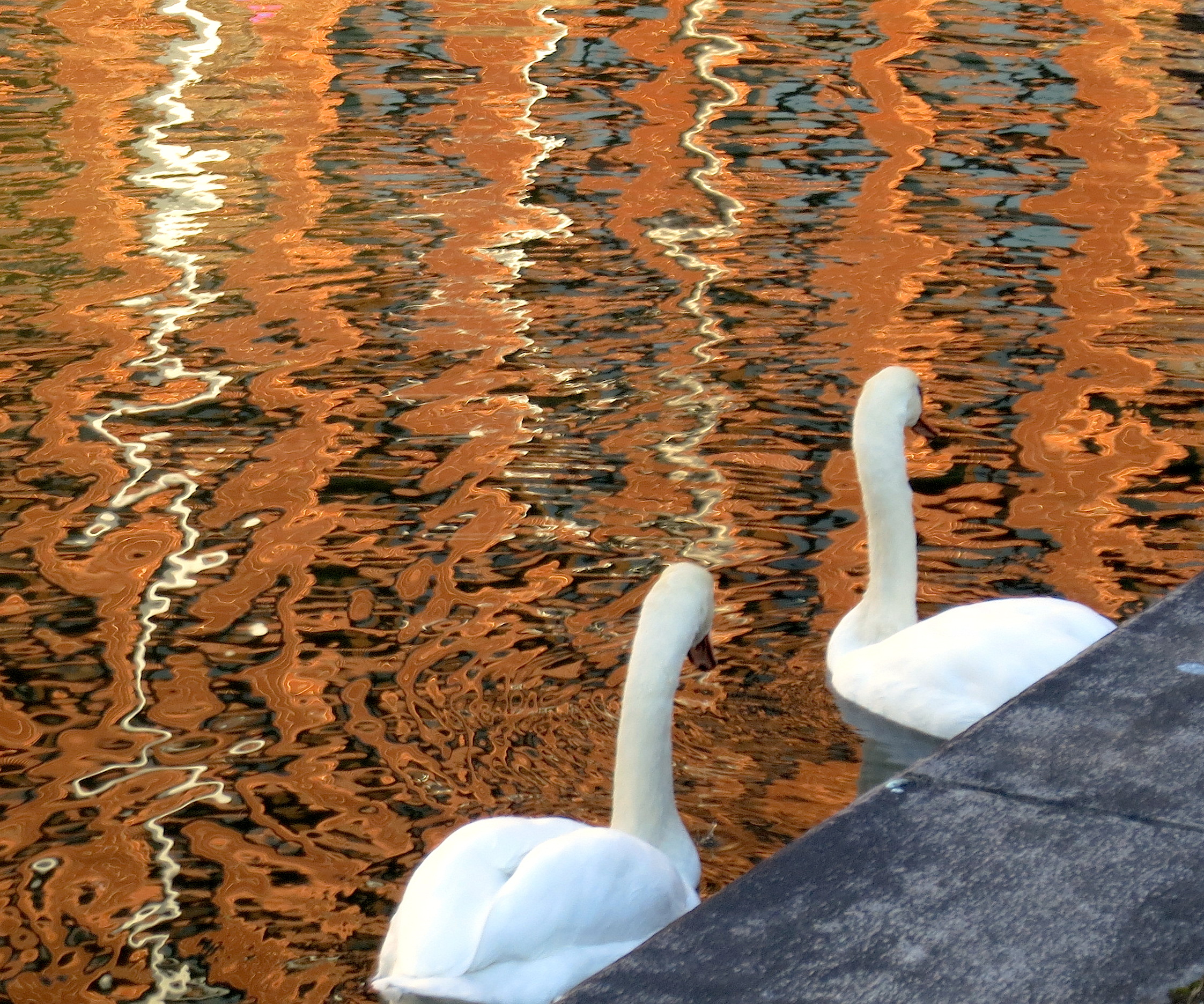
until the swans came and stopped us
with a show of tipping in unison.
As if rolling weights down their bodies to their heads

they halved themselves in the dark water,
icebergs of white feather, paused before returning again
like boats righting in rough weather.

‘They mate for life’ you said as they left,
porcelain over the stilling water. I didn’t reply
but as we moved on through the afternoon light,

slow-stepping in the lake’s shingle and sand,
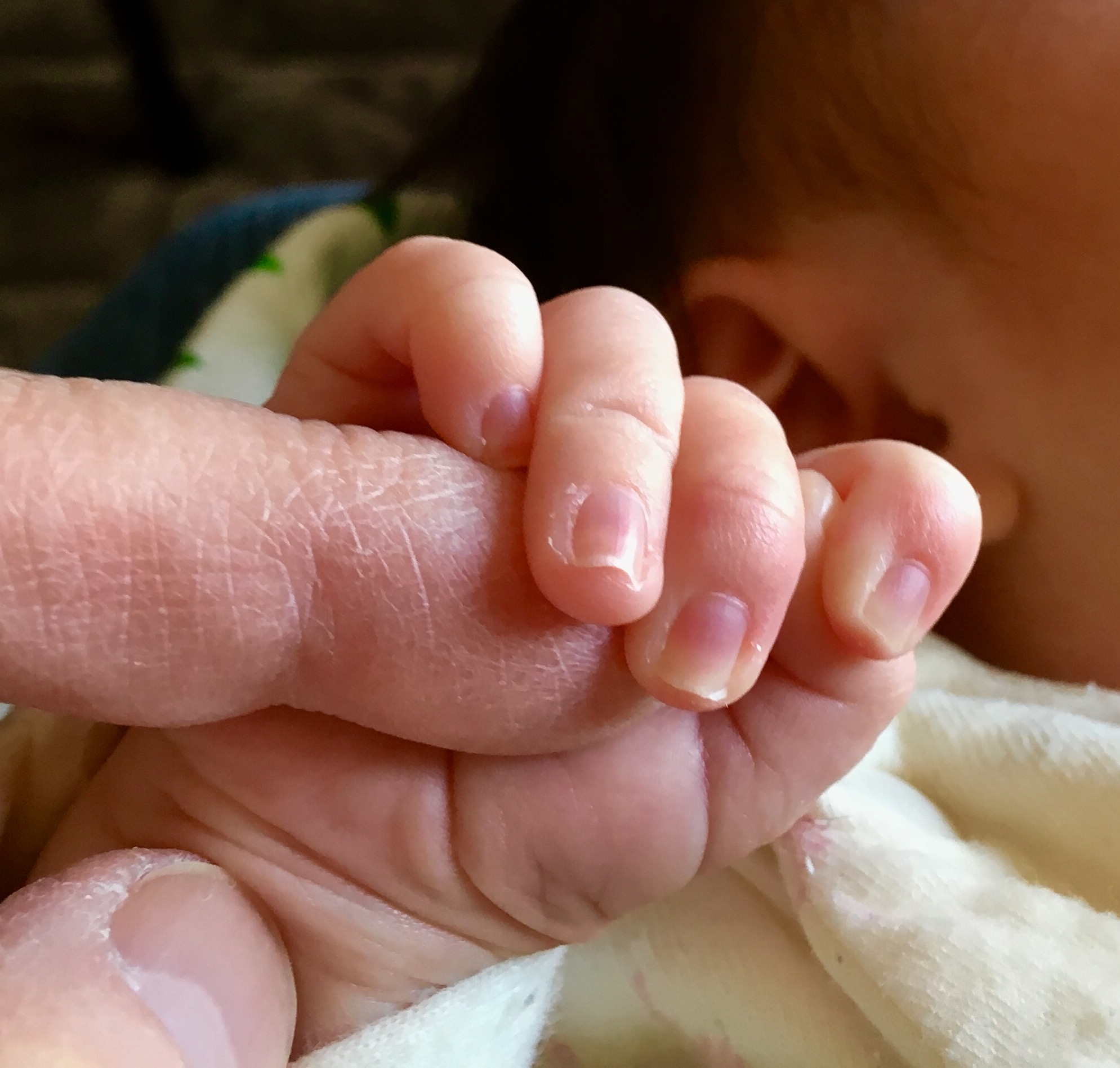
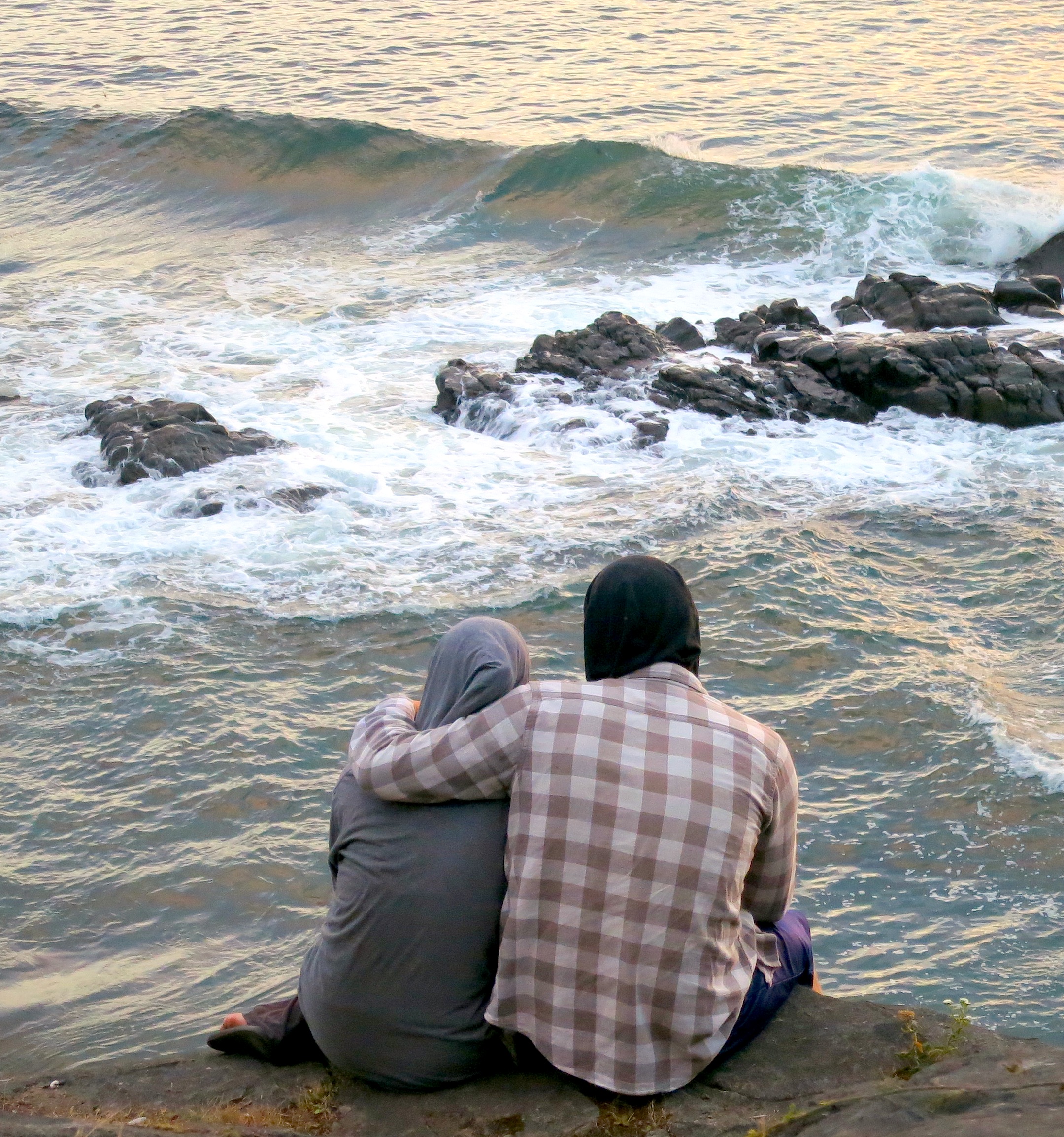
I noticed our hands, that had, somehow,
swum the distance between us

and folded, one over the other,
like a pair of wings settling after flight.
~Owen Sheers “Winter Swans”

We are created to be folded together to one another – bound to our God and Savior.

We belong here in tandem, even when there is temptation to fly –
away from what is painful and difficult
away from the cold, the dark, the storm

We are called home
folding our fingers and wings together
as a kept promise of unity
not just for now, but for ever.

This year’s Lenten theme:
So we fix our eyes not on what is seen, but on what is unseen, since what is seen is temporary, but what is unseen is eternal.
2 Corinthians 4: 18
Fixing Eyes on the Unseen – In Sorrow, Scraped and Torn

“I wish it need not have happened in my time,” said Frodo.
“So do I,” said Gandalf,

“and so do all who live to see such times.
But that is not for them to decide.
All we have to decide
is what to do with the time that is given us.”

The world is indeed full of peril,
and in it there are many dark places;
but still there is much that is fair,
and though in all lands
love is now mingled with grief,
it grows perhaps the greater.
― J.R.R. Tolkien, from The Fellowship of the Ring

God is not only the God of the sufferers but the God who suffers. … It is said of God that no one can behold his face and live. I always thought this meant that no one could see his splendor and live. A friend said perhaps it meant that no one could see his sorrow and live. Or perhaps his sorrow is splendor. …

Instead of explaining our suffering God shares it.

How is faith to endure, O God, when you allow all this scraping and tearing on us? You have allowed rivers of blood to flow, mountains of suffering to pile up, sobs to become humanity’s song–all without lifting a finger that we could see. You have allowed bonds of love beyond number to be painfully snapped. If you have not abandoned us, explain yourself.

We strain to hear. But instead of hearing an answer we catch sight of God himself scraped and torn. Through our tears we see the tears of God.
~Nicholas Wolterstorff  in Lament for a Son

“My God, My God,” goes the Psalm 22, “hear me, why have you forsaken me?”  This is the anguish all we of Godforsaken heart know well. But hear the revelation to which Christ directs us, further in the same psalm:

For He has not despised nor scorned the beggar’s supplication,
Nor has He turned away His face from me;
And when I cried out to Him, He heard me.

He hears us, and he knows, because he has suffered as one Godforsaken. Which means that you and I, even in our darkest hours, are not forsaken. Though we may hear nothing, feel nothing, believe nothing, we are not forsaken, and so we need not despair. And that is everything. That is Good Friday and it is hope, it is life in this darkened age, and it is the life of the world to come.
~Tony Woodlief from “We are Not Forsaken”

Scratch the surface of a human being and the demons of hate and revenge … and sheer destructiveness break forth.

    Again and again we read the stories of violence in our daily papers, of the mass murders and ethnic wars still occurring in numerous parts of our world. But how often do we say to ourselves: “What seizes people like that, even young people, to make them forget family and friends, and suddenly kill other human beings?” We don’t always ask the question in that manner. Sometimes we are likely to think, almost smugly: “How different those horrible creatures are from the rest of us. How fortunate I am that I could never kill or hurt other people like they did.”

    I do not like to stop and, in the silence, look within, but when I do I hear a pounding on the floor of my soul. When I open the trap door into the deep darkness I see the monsters emerge for me to deal with. How painful it is to bear all this, but it is there to bear in all of us. Freud called it the death wish, Jung the demonic darkness. If I do not deal with it, it deals with me. The cross reminds me of all this.

    This inhumanity of human to human is tamed most of the time by law and order in most of our communities, but there are not laws strong enough to make men and women simply cease their cruelty and bitterness. This destructiveness within us can seldom be transformed until we squarely face it in ourselves. This confrontation often leads us into the pit. The empty cross is planted there to remind us that suffering is real but not the end, that victory still is possible…
~Morton Kelsey from “The Cross and the Cellar”

I’m depending on others’ words right now. The maelstrom of emotions following this week’s latest school shooting silences everything but my tears.

Have mercy, Holy God, on your people.

This year’s Lenten theme:
So we fix our eyes not on what is seen, but on what is unseen, since what is seen is temporary, but what is unseen is eternal.
2 Corinthians 4: 18
Fixing Eyes on the Unseen – Imaged in God’s Eye

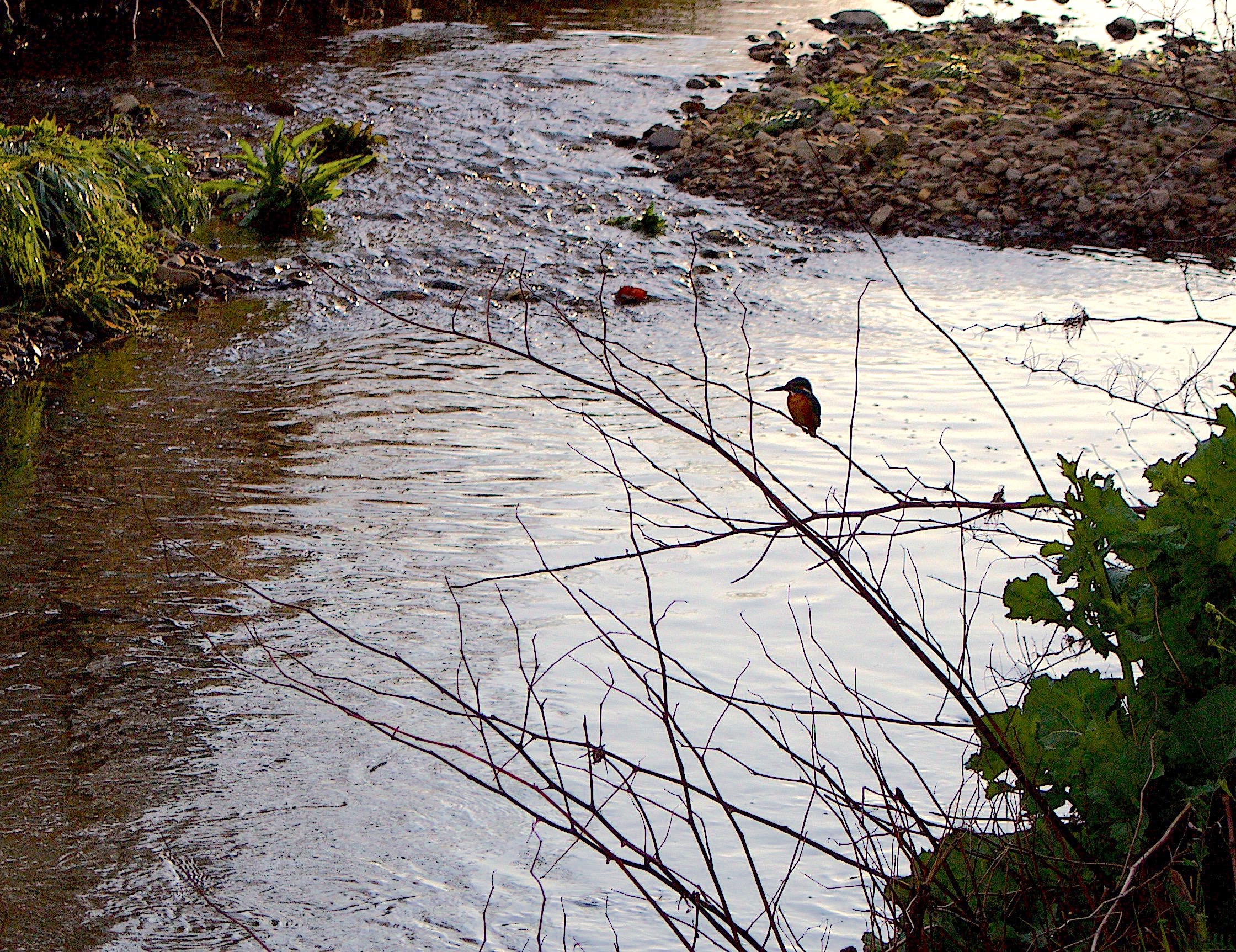
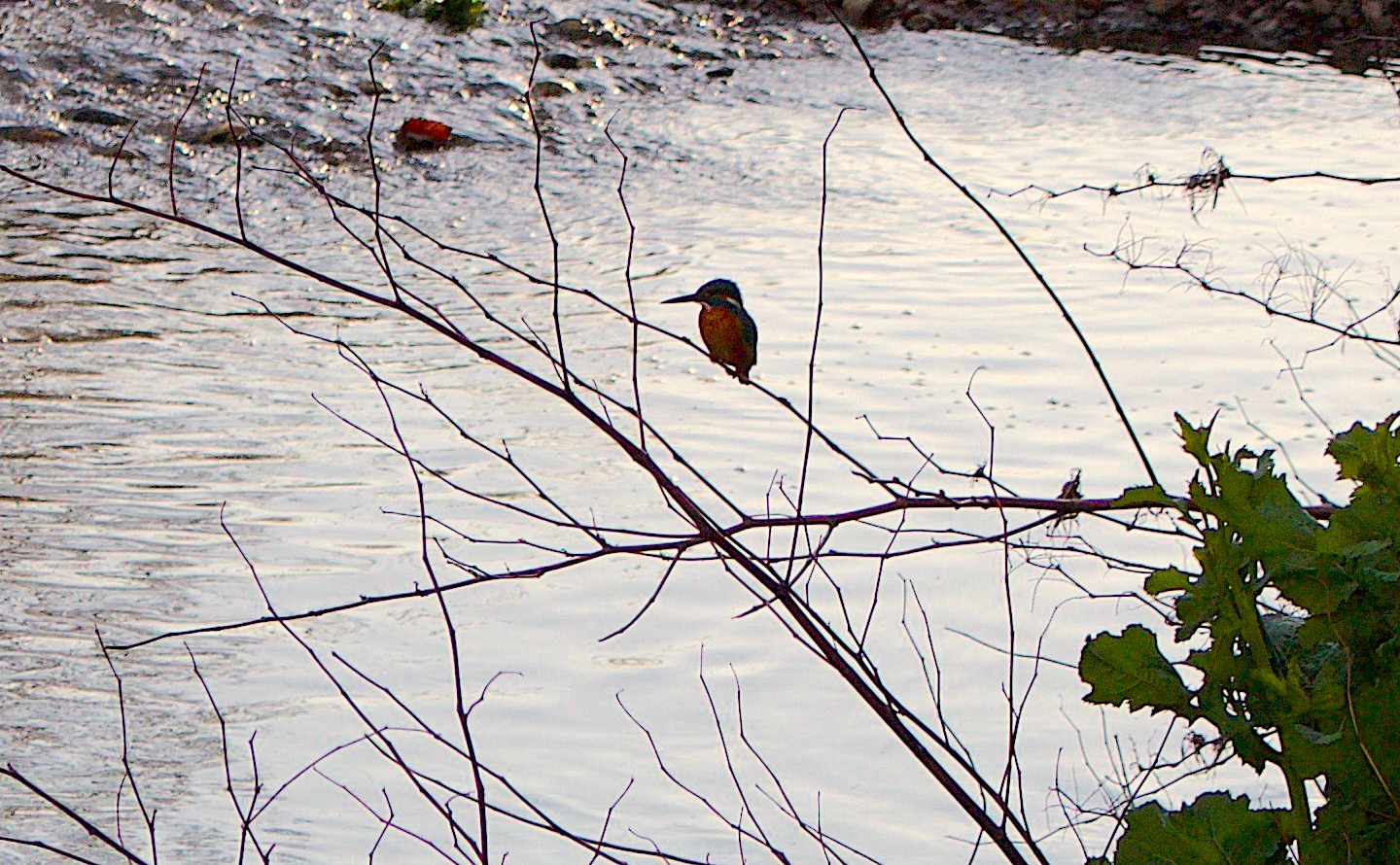
As kingfishers catch fire, dragonflies draw flame;
As tumbled over rim in roundy wells
Stones ring; like each tucked string tells, each hung bell’s
Bow swung finds tongue to fling out broad its name;
Each mortal thing does one thing and the same:
Deals out that being indoors each one dwells;
Selves — goes itself; myself it speaks and spells,
Crying Whát I dó is me: for that I came.

I say móre: the just man justices;
Keeps grace: thát keeps all his goings graces;
Acts in God’s eye what in God’s eye he is —
Chríst — for Christ plays in ten thousand places,
Lovely in limbs, and lovely in eyes not his
To the Father through the features of men’s faces.

~Gerard Manley Hopkins “As kingfishers catch fire”

photo by Josh Scholten

We are far more than a simple flash of wing or a clarion ring of stone or bell ~
We who are imaged in God’s eye, first imagined, then brought to life.

We are His retina’s reflection of who walks in His creation,
ten thousand times ten thousand.

We are created lovely, meant to be lovely in His eyes,
so much more than light and sound~

We are inscaped in Christ, steeped
in His holy justice and sanctity~

We who keep all his goings graces,
for that He came down,
for that He indwells,
for that He was sacrificed.

We cannot help but be changed.

This year’s Lenten theme:
So we fix our eyes not on what is seen, but on what is unseen, since what is seen is temporary, but what is unseen is eternal.
2 Corinthians 4: 18
Fixing Eyes on the Unseen – Living in a Prayer

Here in the time between snow
and the bud of the rhododendron,
we watch the robins, look into

the gray, and narrow our view
to the patches of wild grasses
coming green. The pile of ashes

in the fireplace, haphazard sticks
on the paths and gardens, leaves
tangled in the ivy and periwinkle

lie in wait against our will. This
drawing near of renewal, of stems
and blossoms, the hesitant return

of the anarchy of mud and seed
says not yet to the blood’s crawl.
When the deer along the stream

look back at us, we know again
we have left them. We pull
a blanket over us when we sleep.

As if living in a prayer, we say
amen to the late arrival of red,
the stun of green, the muted yellow

at the end of every twig. We will
lift up our eyes unto the trees hoping
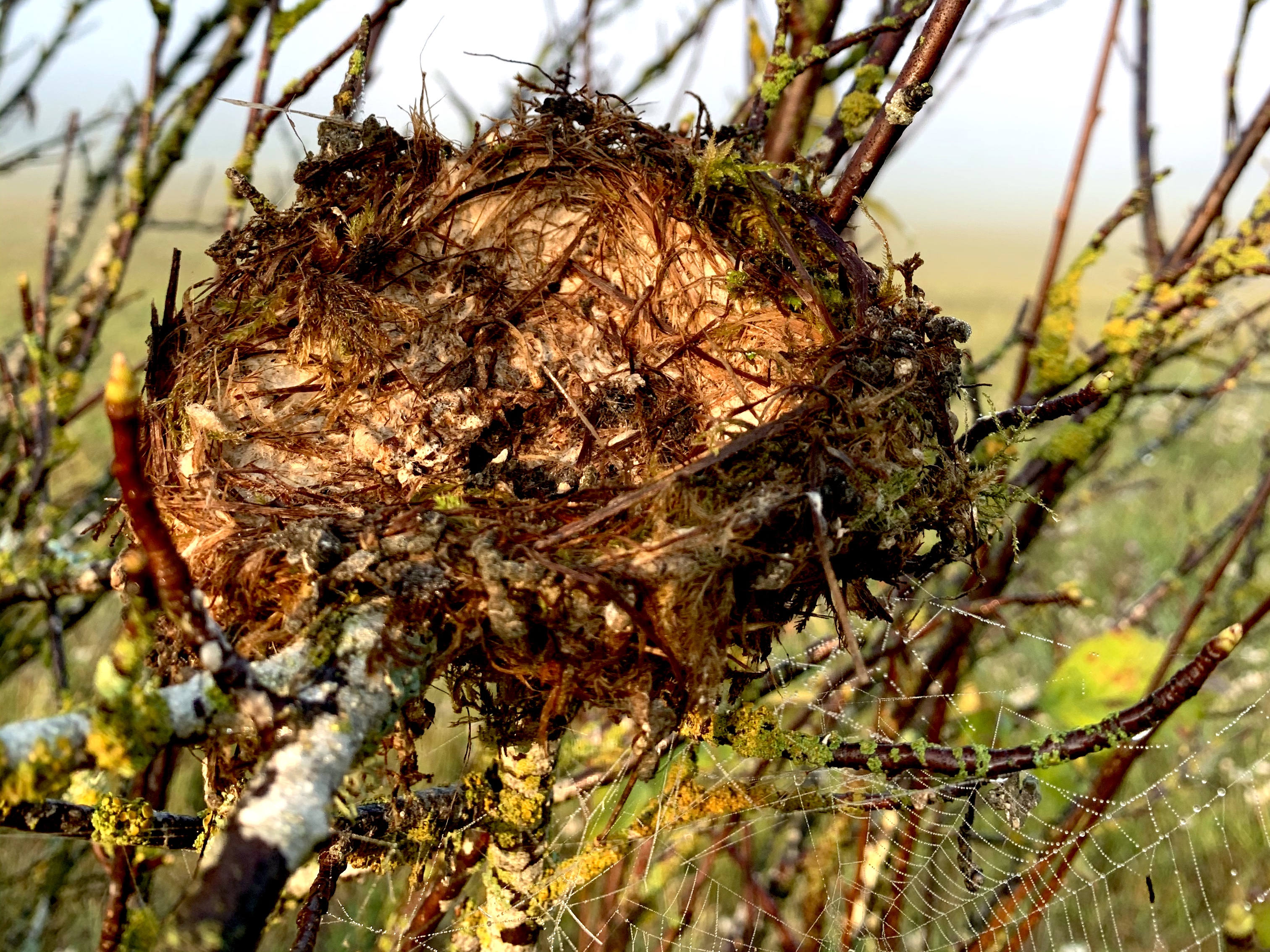
to discover a gnarled nest within

the branches’ negative space. And
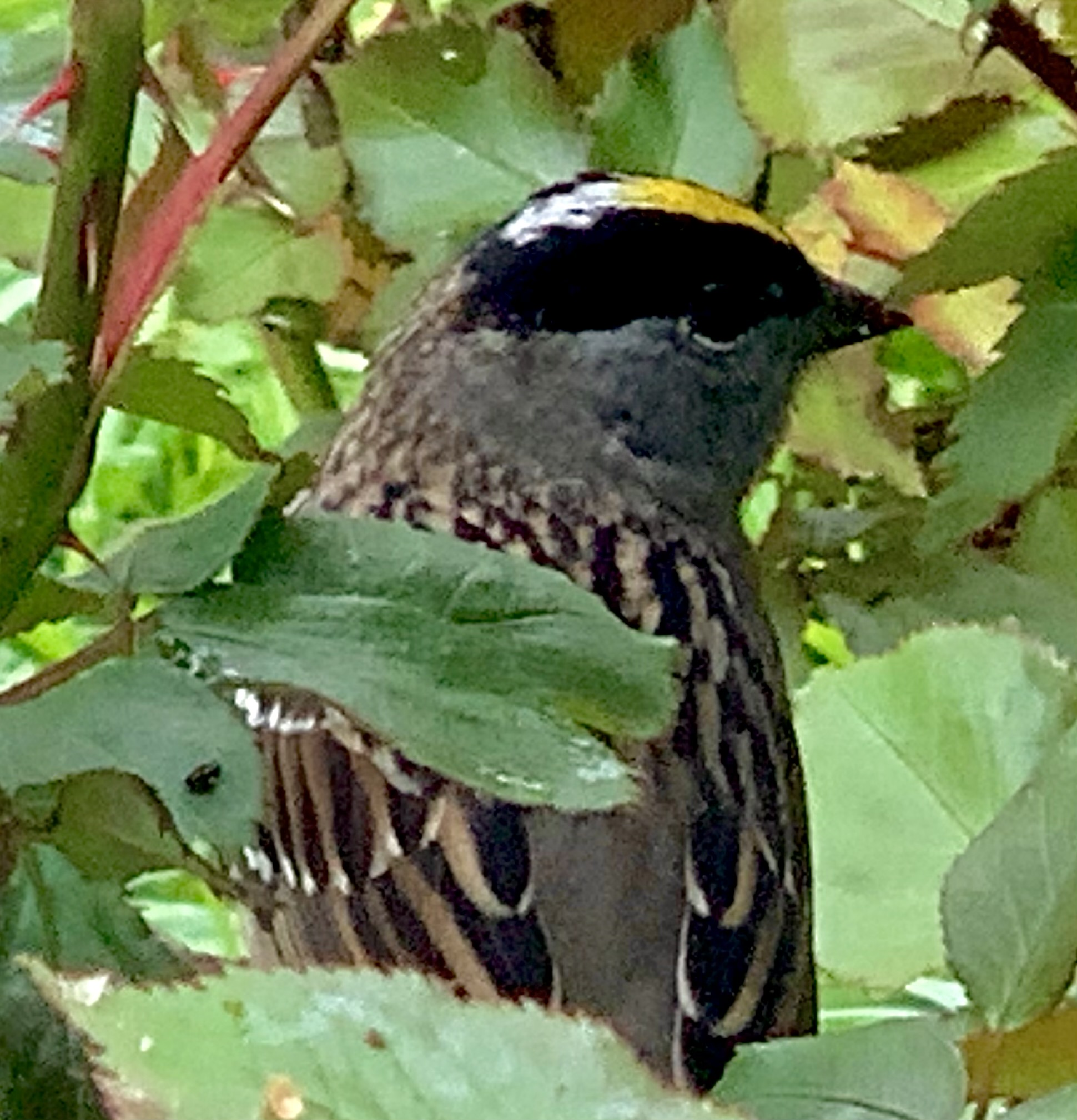
we will watch for a fox sparrow
rustling in the dead leaves underneath.
~Jack Ridl, “Here in Time Between” from Practicing to Walk Like a Heron.

“Do you remember the Shire, Mr. Frodo? It’ll be spring soon. And the orchards will be in blossom. And the birds will be nesting in the hazel thicket. And they’ll be sowing the summer barley in the lower fields… and eating the first of the strawberries with cream. Do you remember the taste of strawberries?”
―  J.R.R. Tolkien

In our despairing and wintery moments,
we recollect and hold on to memories most precious to us, like a prayer,
recalling what makes each moment, indeed life itself, special and worthwhile. 

Something so seemingly simple becomes most cherished and retrievable:
the aroma of cinnamon in a warm kitchen,
the splash of new buds forming on orchard branches,
the cooing of mourning doves as spring light begins to dawn,
the velvety softness of a newborn foal’s fur,
the taste of sweet berries in late spring.

Renewal is happening around us –
and if we dig deep in our longing hearts,
renewal happens within as well.

Death will not have the final word.

Amen and again, Amen.

Do you remember the Shire, Mr. Frodo?  Do you remember?

This year’s Lenten theme:
So we fix our eyes not on what is seen, but on what is unseen, since what is seen is temporary, but what is unseen is eternal.
2 Corinthians 4: 18

Fixing Eyes on the Unseen – Where to Look for the Good Parts

Once, in the cool blue middle of a lake,
up to my neck in that most precious element of all,

I found a pale-gray, curled-upwards pigeon feather
floating on the tension of the water

at the very instant when a dragonfly,
like a blue-green iridescent bobby pin,

hovered over it, then lit, and rested.
That’s all.

I mention this in the same way
that I fold the corner of a page

in certain library books,
so that the next reader will know

where to look for the good parts.
~Tony Hoagland “Field Guide” from Unincorporated Persons in the Late Honda Dynasty.

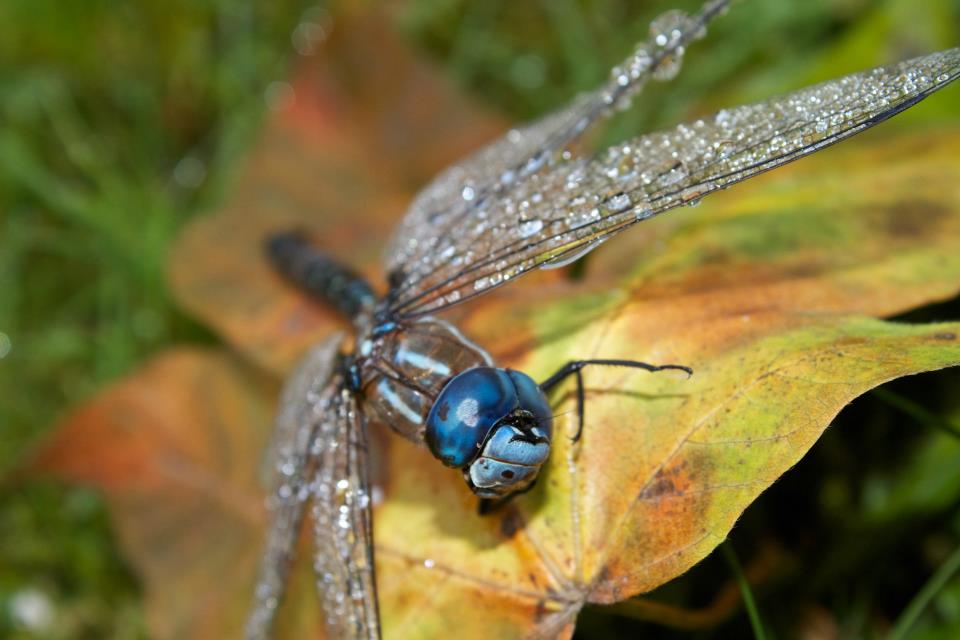
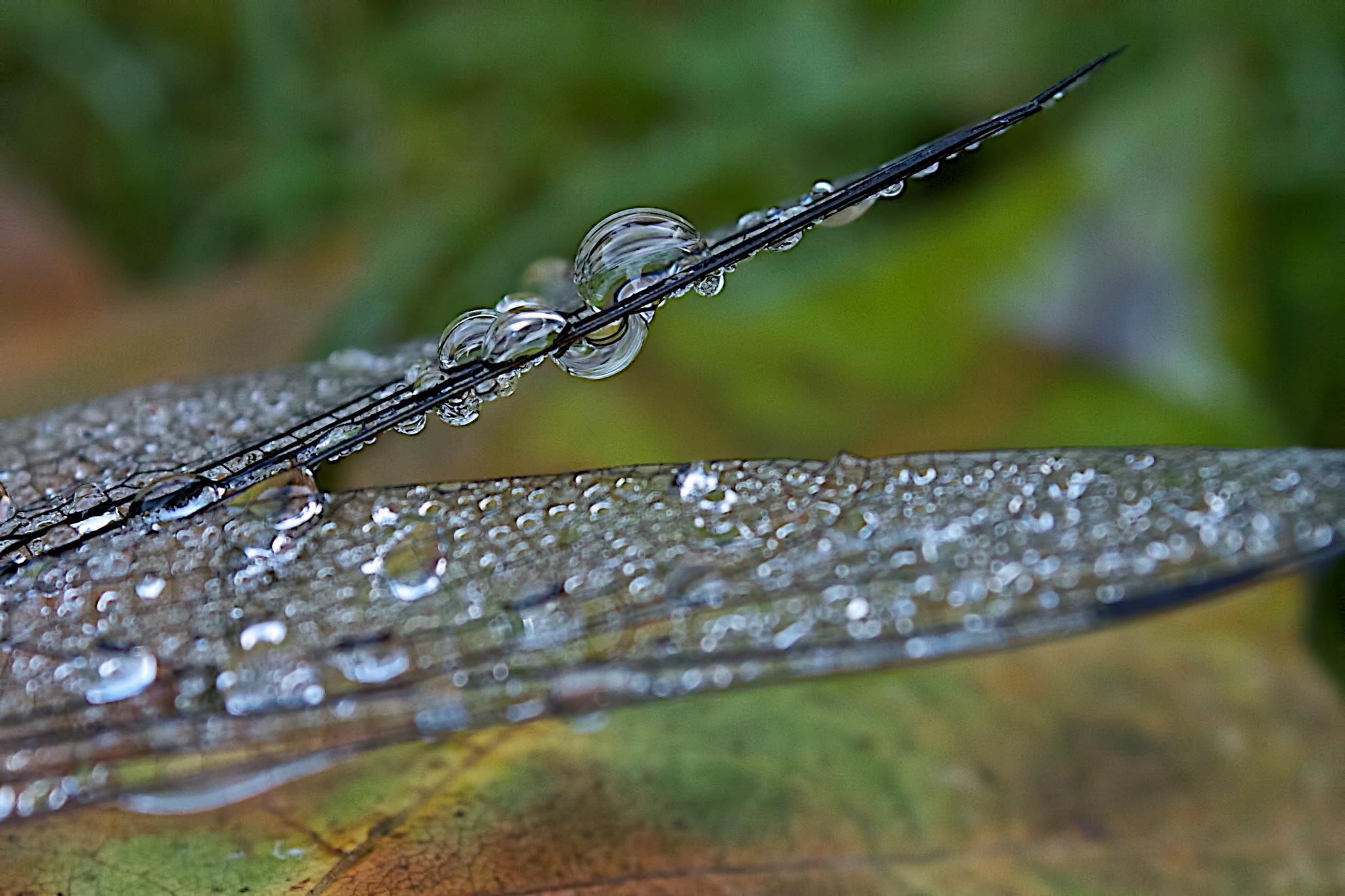
dragonfly wings photo by Josh Scholten
from The Reason for God by Tim Keller

We do not want merely to see beauty…
we want something else which can hardly be put into words-
to be united with the beauty we see,
to pass into it,
to receive it into ourselves,
to bathe in it,
to become part of it.

We discern the freshness and purity of morning,
but they do not make us fresh and pure.
We cannot mingle with the splendours we see.


But all the leaves of the New Testament
are rustling with the rumour
that it will not always be so.


Someday, God willing, we shall get in.

~C.S. Lewis from The Weight of Glory

Part of the joy of beauty
is the realization that it is part of a larger whole,
most of which appears to be just out of sight. 
We are drawn forward toward something…
and left waiting, wondering.
~N.T. Wright from Life, God and Other Small Topics

Each day brings headlines that tear at us, pull us down and rub us with mud.  We are grimy by association, sullied and smeared.

Still, in our state of disgrace, Beauty is offered up to us, sometimes out of the blue, unexpected but so welcome.

In His last act with those He loved, Jesus shared Himself through a communal meal,
then washed and toweled their dirty feet clean, immersing them, despite their protests,  in all that is beautiful and clean. He made the ugly beautiful.

He took on and wore their grime on a towel around His waist.

It is now our turn to help wash away the dirt from whoever is in need.  He showed us how to help others look for the good parts.

This year’s Lenten theme:
So we fix our eyes not on what is seen, but on what is unseen, since what is seen is temporary, but what is unseen is eternal.
2 Corinthians 4: 18

Fixing Eyes on the Unseen – Footsore

Mo sheasamh ort lá na choise tinne…
(You are the place where I stand on the day when my feet are sore…)
~Irish saying translated by poet and theologian Pádraig Ó Tuama

I’ve been foot sore the last few days, most likely from trying in vain to pull my feet out of some boot-sucking mud in the barnyard while pushing a heavy wheelbarrow. With each painful step I now take, I am reminded how dependent I am on strong legs and feet to carry me through the pathways of life.

I have stumbled into holes, picked my way carefully over sharp rocks, scrambled up steep climbs and pulled my way through the muddiest mire.

Yes, of course I’ve had sore feet before:
blisters and callouses, tendonitis and fasciitis, bruised toes and stressed arches. When every step I take points out my failures and frailty, I begin to beg for a soft landing with each stride.

But more than comfort, I seek a stable place of trust to put my feet, to stand firm even when standing feels impossible.

Lord, be my landing place when I hurt and pull me out when I get stuck up to my ankles. May your gentle road rise to meet my sore feet.

This year’s Lenten theme:
So we fix our eyes not on what is seen, but on what is unseen, since what is seen is temporary, but what is unseen is eternal.
2 Corinthians 4: 18
Take this fainted heart
Take these tainted hands
Wash me in Your love
Come like grace again

Even when my strength is lost
I’ll praise You
Even when I have no song
I’ll praise You
Even when it’s hard to find the words
Louder then I’ll sing Your praise
I will only sing Your praise

Take this mountain weight
Take these ocean tears
Hold me through the trial
Come like hope again

Even when the fight seems lost
I’ll praise You
Even when it hurts like hell
I’ll praise You
Even when it makes no sense to sing
Louder then I’ll sing Your praise, oh-ooh
I will only sing Your praise, oh-ooh

I will only sing Your praise, oh, God
I will only sing Your praise

And my heart burns only for You
You are all, You are all I want
And my soul waits only for You
And I will sing ’til the morning has come

Lord my heart burns only for You
You are all, You are all I want
And my soul waits only for You
And I will sing ’til the miracle comes, yeah

I will only sing Your praise
I will only sing Your praise, ooh-oh, oh
I will only sing Your praise

Even when the morning comes
I’ll praise You
Even when the fight is won
I’ll praise You
Even when my time on earth is done
Louder then I’ll sing your praise
I will only sing Your praise
~Joel Houston

Fixing Eyes on the Unseen – We Need More Cowbells

We come across a ridge and hear
a cowbell in the cove beyond,
a tinkle sweetening the air
with vague rubato as the breeze
erases tones and then the notes
resume like echoes from the past
or from a cave inside the cliff,
a still, calm voice in dialect
and keeping its own company,
both out of time and long as time,
both here and from a higher sphere,
as if the voice of history
were intimate as memory.

~Robert Morgan “Cowbell”

Over my head, I see the bronze butterfly,   
Asleep on the black trunk,
Blowing like a leaf in green shadow.   
Down the ravine behind the empty house,   
The cowbells follow one another   
Into the distances of the afternoon.   
To my right,
In a field of sunlight between two pines,   
The droppings of last year’s horses   
Blaze up into golden stones.
I lean back, as the evening darkens and comes on.   
A chicken hawk floats over, looking for home.
I have wasted my life.
~James Wright “Lying in a Hammock at William Duffy’s Farm in Pine Island, Minnesota”

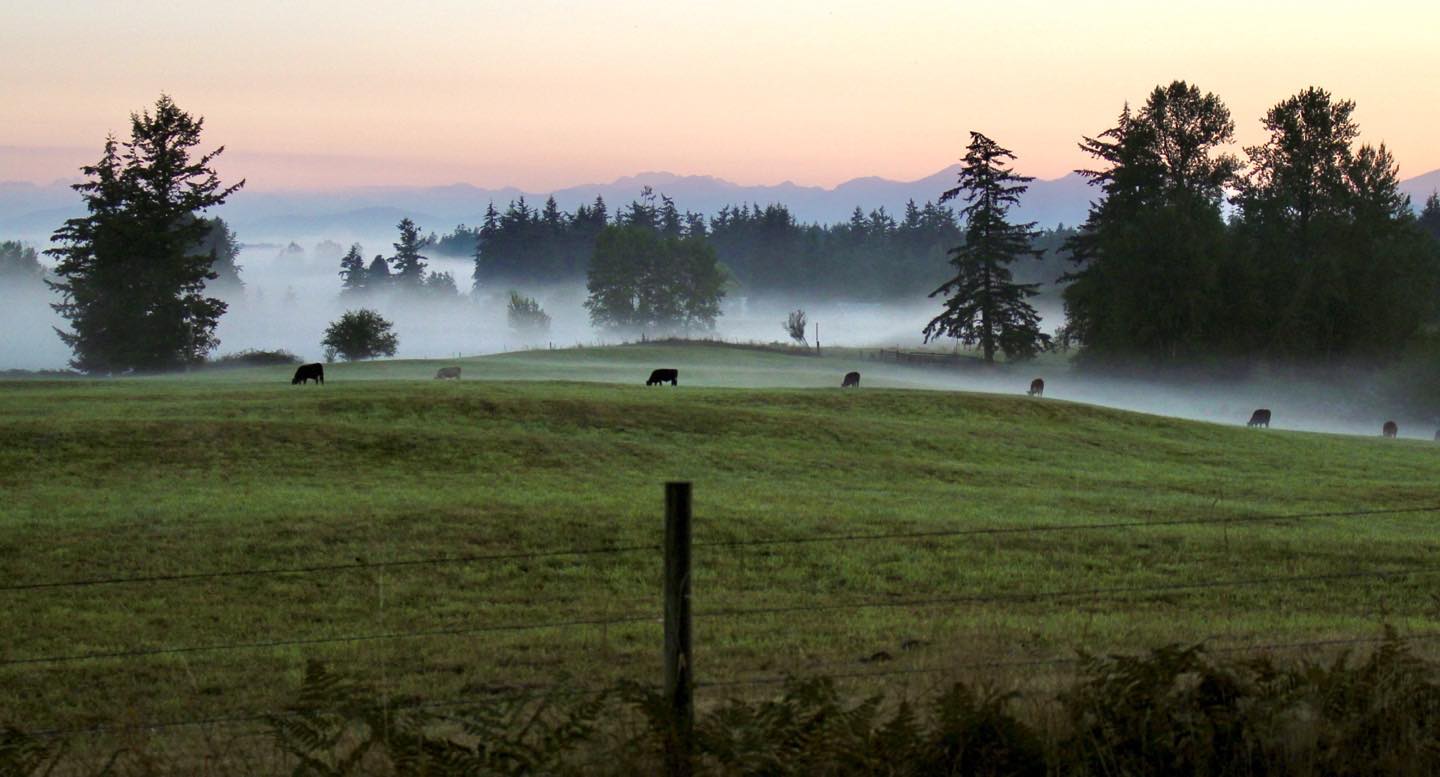
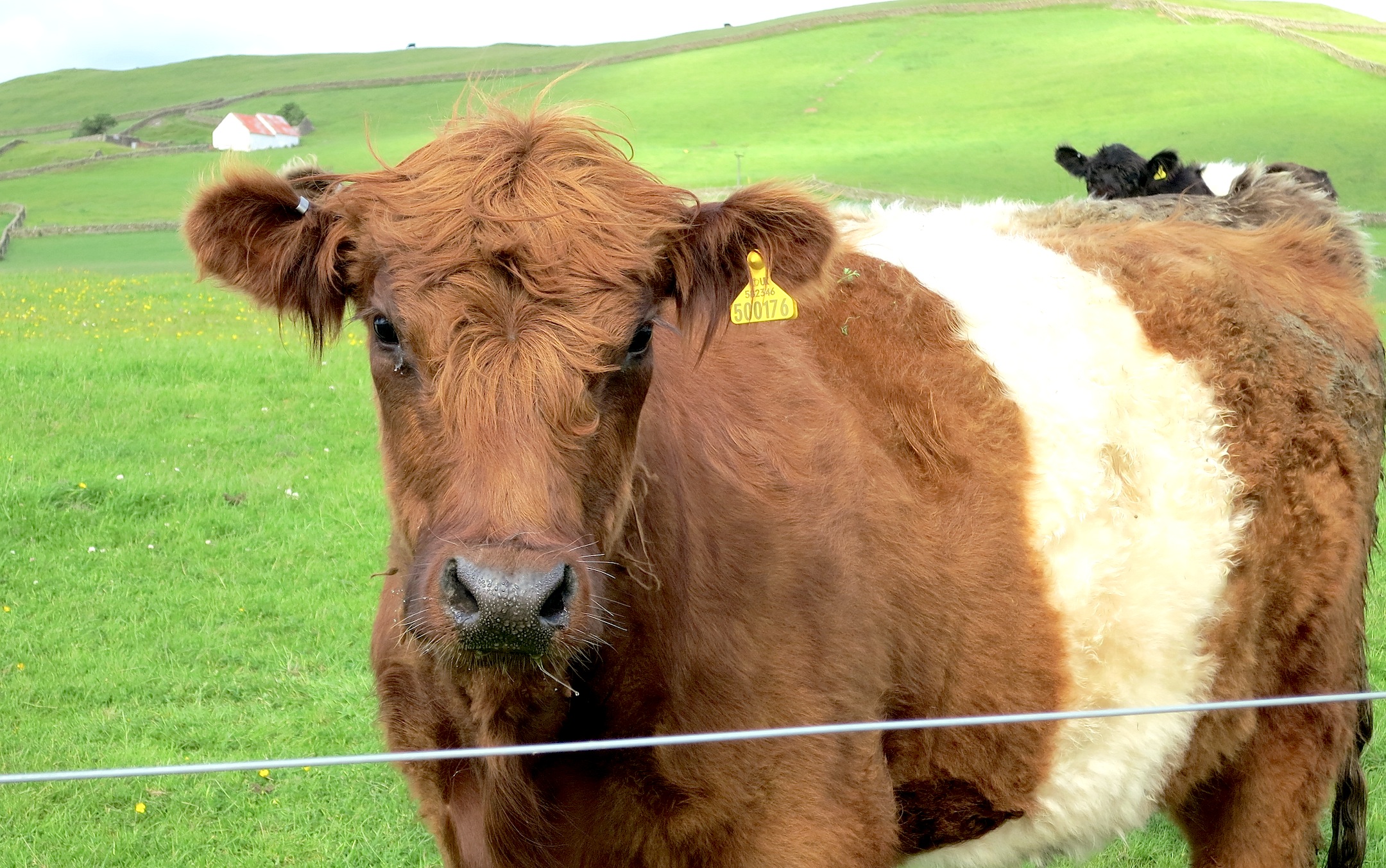
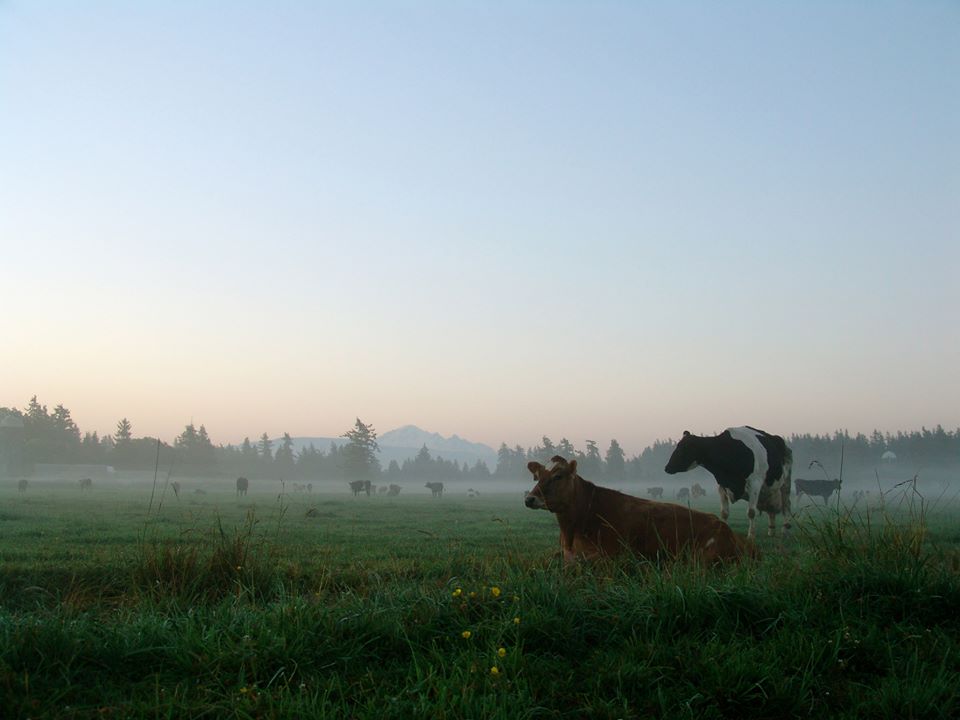
photo by Kate Steensma from Steensma Creamery

One of the lullabies I remember hearing as a youngster were cowbells in the pasture outside my bedroom window on our family farm. Each of our three milking Guernsey cows wore a bell on her neck so my dad could tell where they were in our wooded field. He’d whistle and call “Come Bossy!” and they would walk single file into the barn, ringing and tinkling with each step, for their twice daily grain and hand-milking.

When I was old enough, I liked to perch on top of their bony backs while my dad leaned his head into their flank, whistling a tune while he milked them, the steaming stream of milk hitting the metal bucket with a high-pitched whine. The bells on their necks still chimed as the cows chewed, moving their heads up and down to finish their meal.

This was divine music that soothed and reassured me. All was right with the world, thanks to the cows and their intrinsic tunes created by their movements, as if they were created to charm their keepers. There are moments when I believe we are hearing what heaven must sound like.

Now, sixty five years later, the soft harmony of cowbells has been replaced by the random chords of wind chimes hanging outside our house. The memory of cowbell music remains a reminder: I have not wasted my life if I can taste heaven through such simple things and magical moments.

But I still need more cowbell…

This year’s Lenten theme:
So we fix our eyes not on what is seen, but on what is unseen, since what is seen is temporary, but what is unseen is eternal.
2 Corinthians 4: 18
and because there is always a need for more cowbell…