The Headed Grass

lodge2

lodge3

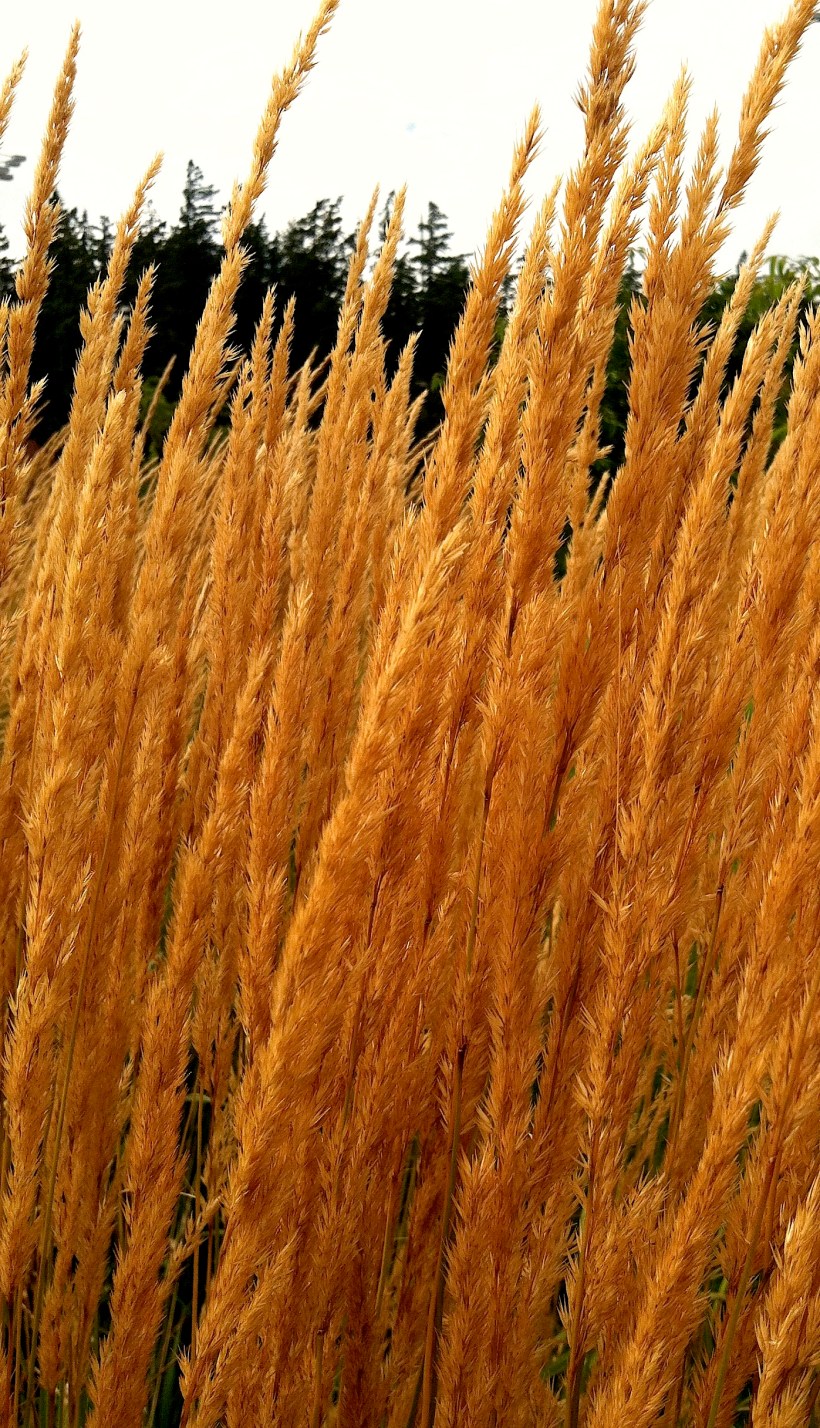
Light and wind are running
over the headed grass
as though the hill had
melted and now flowed.
~Wendell Berry “June Wind”

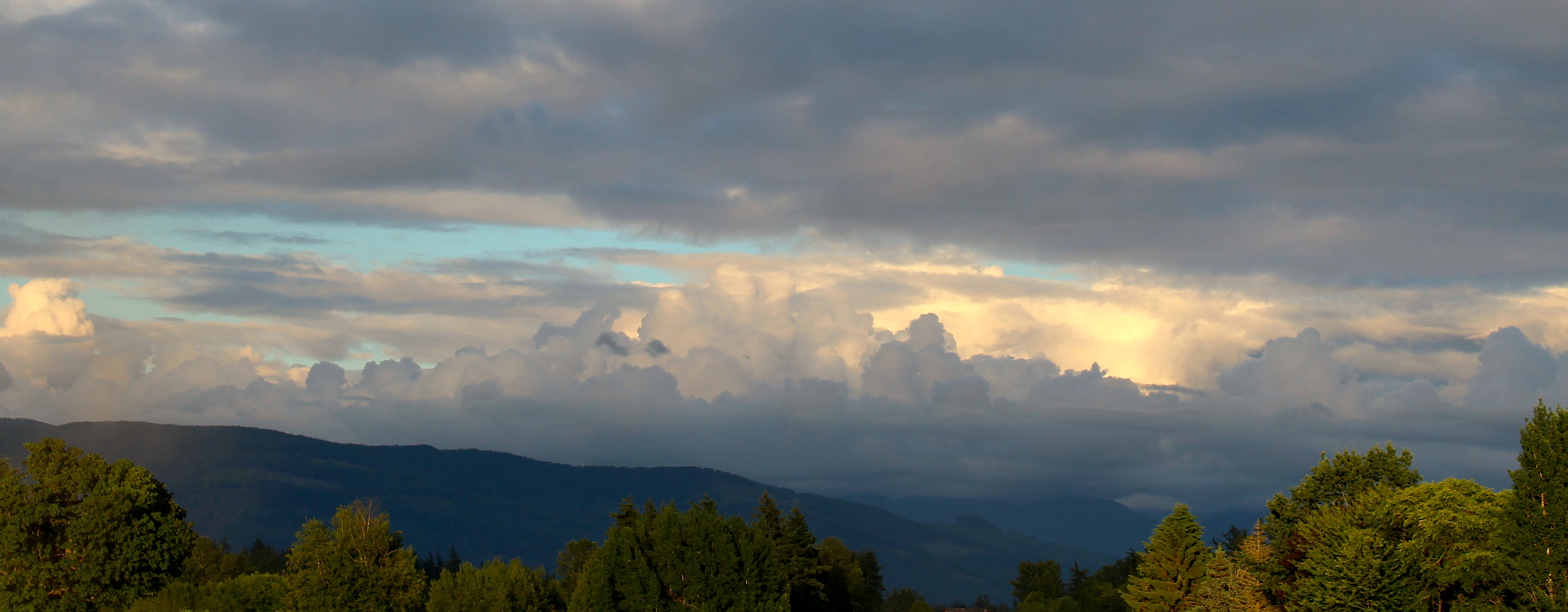
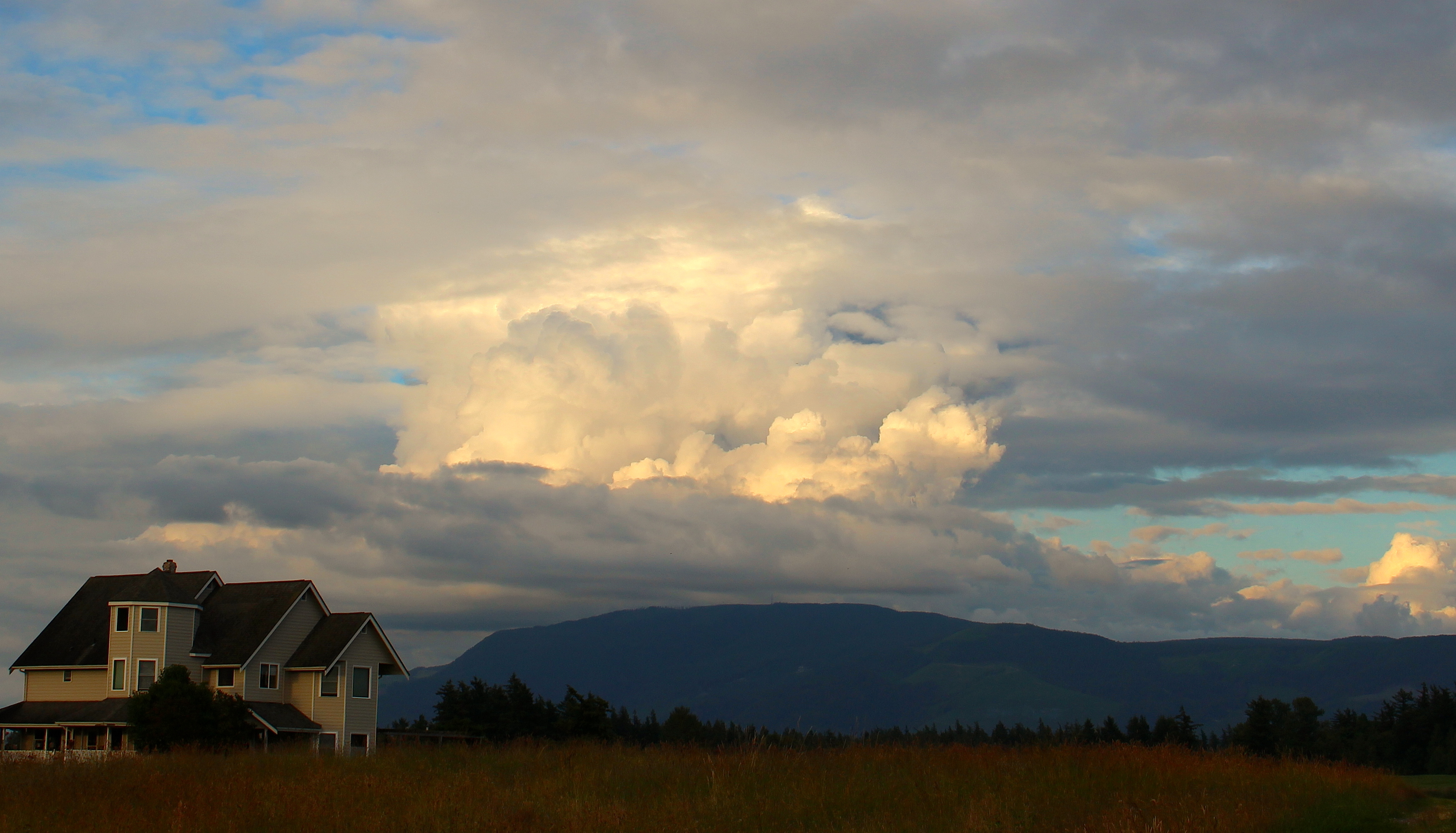
It will soon be haying time, as soon as another stretch of clear days appears on the horizon.  We missed a haying window last week, and now are staring at 10 days of forecast rain and clouds.

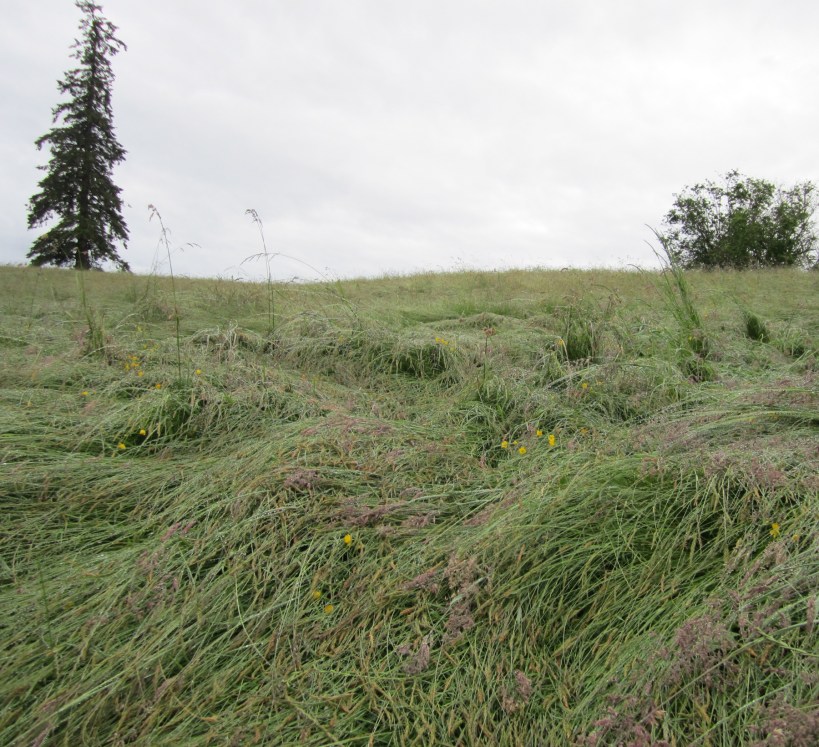
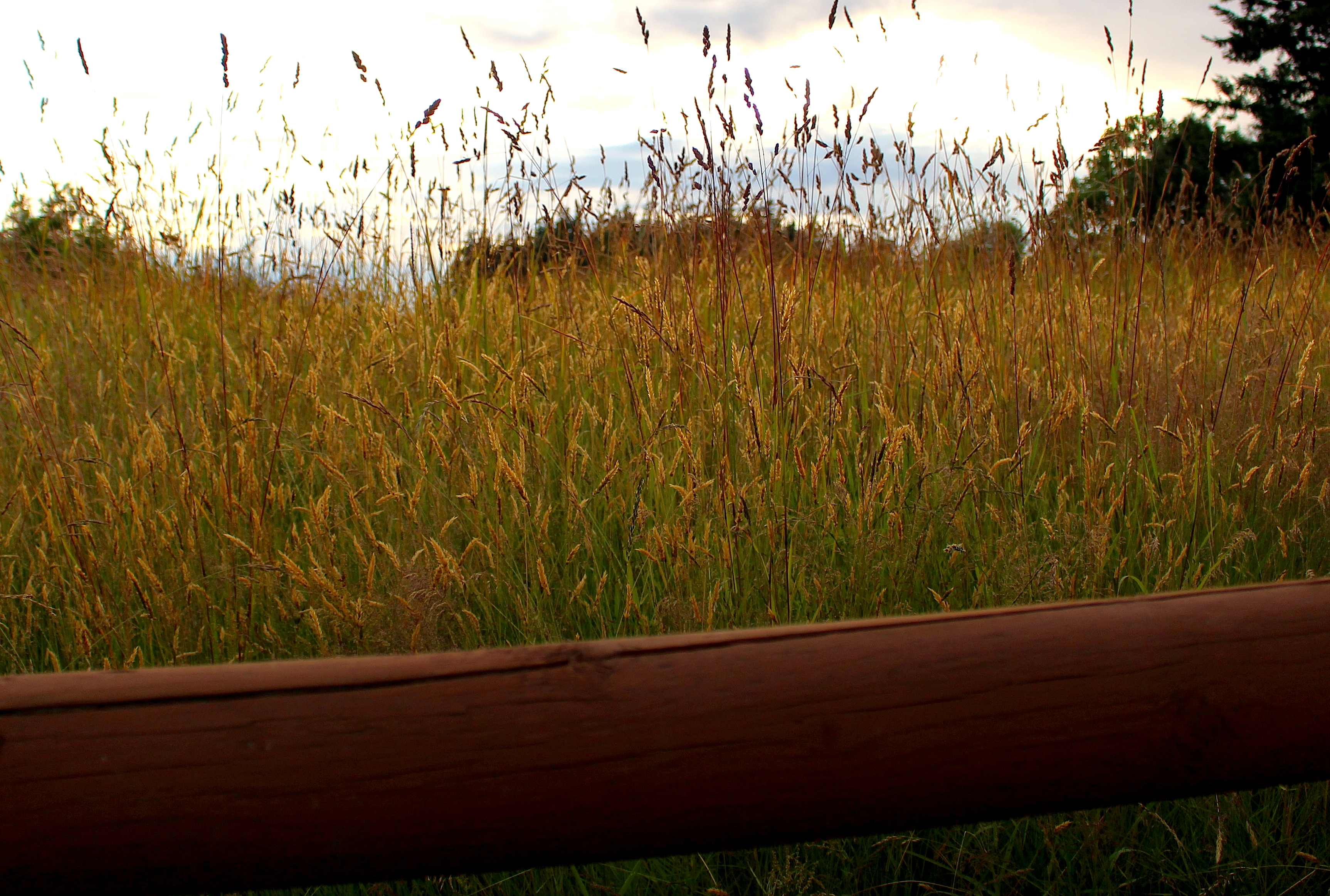
The headed grass is growing heavier, falling over, lodged before it can be cut, with the undulations of moist breezes flowing over the hill.   It has matured too fast, rising up too lush, too overcome with itself so that it can no longer stand.  It is melting, pulled back to the soil.  We must work fast to save it.
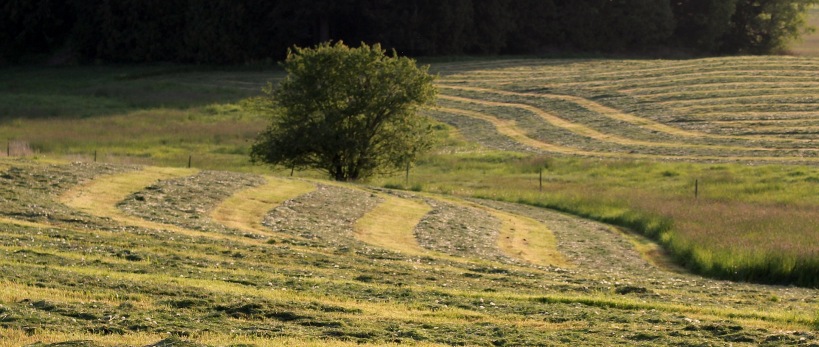
The light and wind works its magic on our hill.  The blades of the mower will come soon to lay it to the ground in green streams that flow up and down the slopes.  It will lie comfortless in its stoneless cemetery rows, until tossed about by the tedder into random piles to dry, then raked back into a semblance of order in mounded lines flowing over the landscape.

It will be crushed and bound together for transport to the barn, no longer bending but bent, no longer flowing but flown, no longer growing but grown and salvaged.

It becomes fodder for the beasts of the farm during the cold nights when the wind beats at the doors.   It melts in their mouths, as it was meant to, as we are meant to melt and flow.

Truly.

grasses51815

field52151

rows

531606_557728686564_1157537123_n

hayjobdone

Acres and Acres

poppypink

frillypoppy

frillypoppy3

butte4

drizzlegrass3

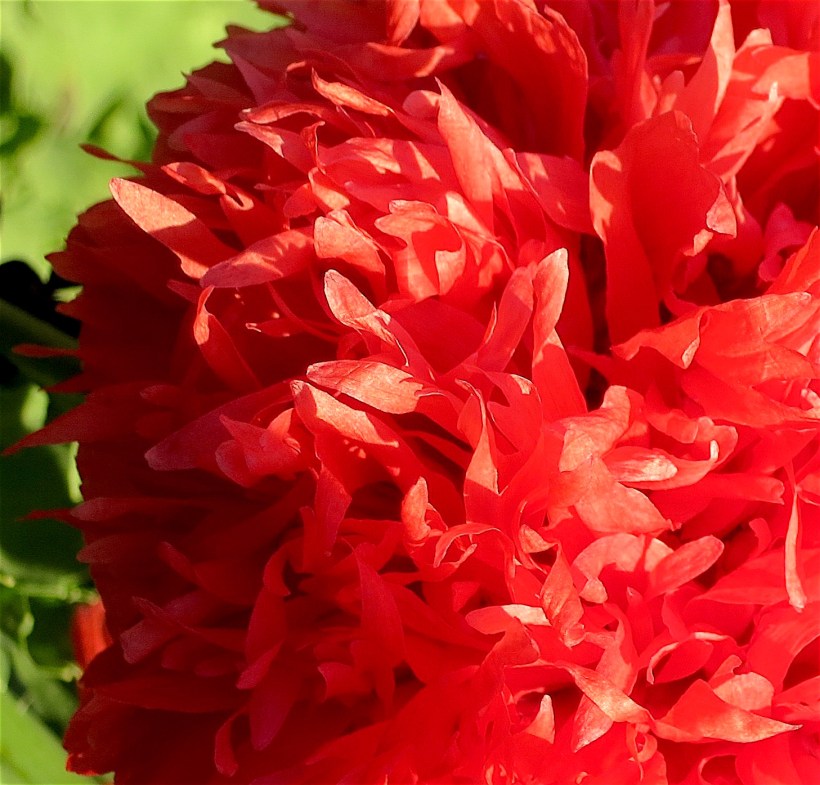
I never met a man who was shaken by a field of identical blades of grass. An acre of poppies and a forest of spruce boggle no one’s mind. Even ten square miles of wheat gladdens the hearts of most.
No, in the plant world, and especially among the flowering plants, fecundity is not an assault on human values. Plants are not our competitors; they are our prey and our nesting materials.

Fecundity is anathema only in the animal.
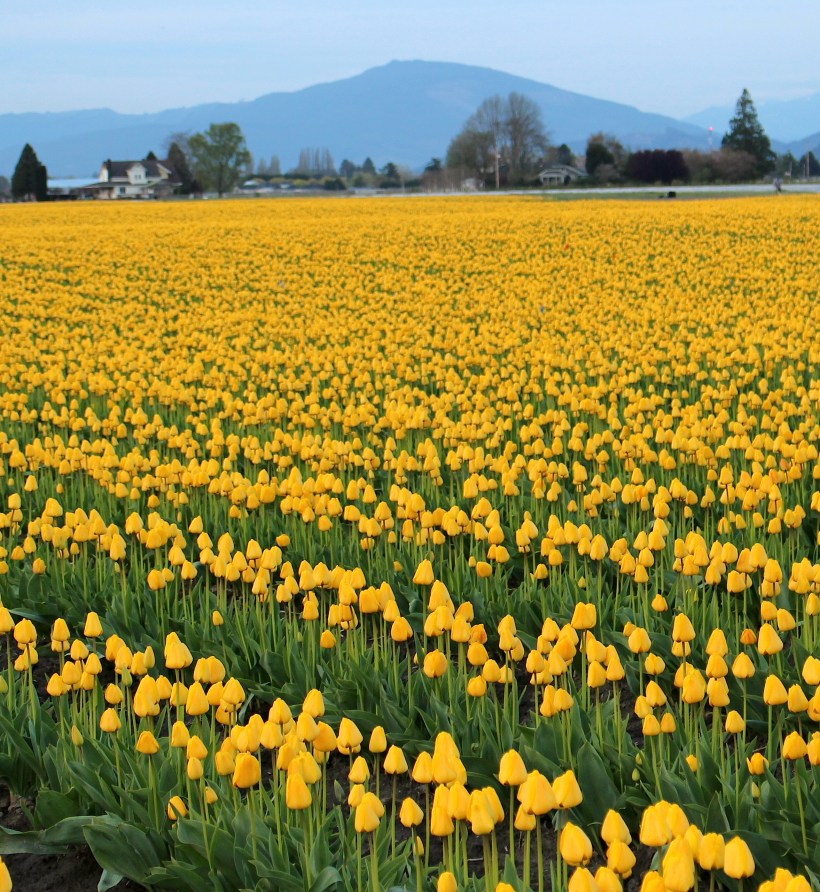
“Acres and acres of rats” has a suitably chilling ring to it that is decidedly lacking if I say, instead, “acres and acres of tulips”.

~Annie Dillard from “The Force That Drives the Flower”

wwugrasses

This time of year our farm is brilliantly lit by sun and teeming with fecundity.  The cherry orchard blossoms have yielded to fruit and the pastures are knee high with grass.  By this time in June, the daylight starts creeping over the eastern foothills at 4 AM and the last glimpse of sun disappears at nearly 10 PM.   So many hours of light to work with!

I yearn for a dark rainy day to hide inside with a book.  Instead the lawnmower and weed whacker call my name, and the fish pond needs cleaning and the garden must be weeded.

It’s not that things don’t happen on the farm during months like this.  It’s just that nothing we do is enough.  Blackberry brambles have taken over everything, grass grows faster than we can keep it mowed down, the manure piles spread on the fields in May are growing exponentially again.  The fences always need fixing.

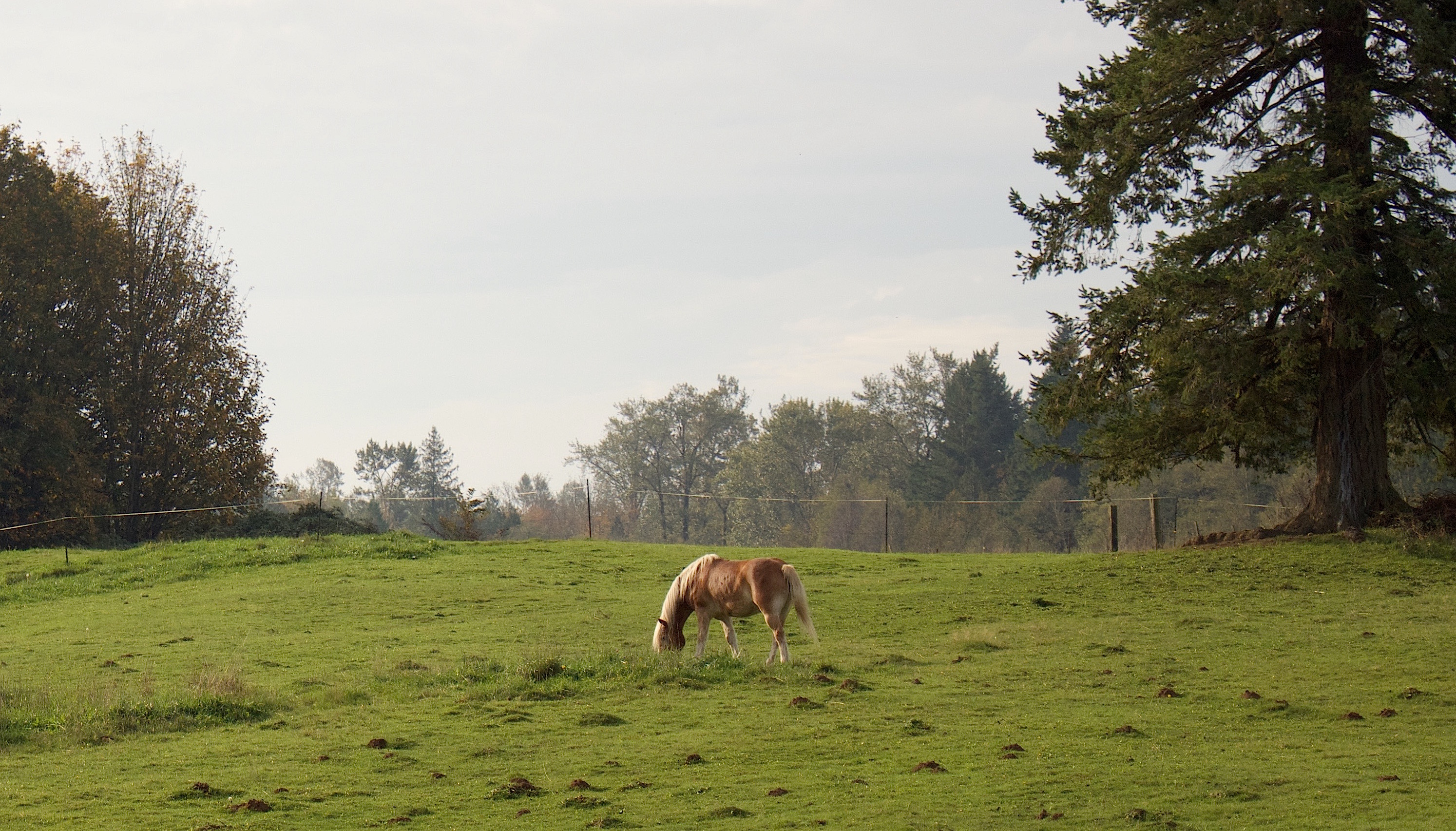
The weather has been hot and the hay is ready to cut but no string of days has been available for harvest – we are low on the priority list of the local dairy man who cuts and bales our hay.  We no longer breed our Haflinger horses, so we are feeding and caring for a retired herd.

Suddenly our farm dream seems not nearly so compelling.

We have spent many years dreaming about the farm as we hoped it would be.  We imagined the pastures managed perfectly with fencing that was both functional and beautiful.  Our barns and buildings would be tidy and leak-proof, and the stalls secure and safe.  We’d have a really nice pick up truck with low miles on it, not a 35 year old hand me down truck with almost 250,000 miles. We would have trees pruned expertly and we’d have flower beds blooming as well as a vegetable garden yielding 9 months of the year.  Our hay would never be rained on. We would have dogs that wouldn’t run off and cats that would take care of all the rodents.  We wouldn’t have any moles, thistles, dandelions or buttercup.  The pheasant, deer, coyotes, raccoons, and wild rabbits would only stroll through the yard for our amusement and not disturb anything.  We’d have livestock with the best bloodlines we could afford and a steady demand from customers to purchase their offspring at reasonable prices so that not a dime of our off-farm income would be necessary to pay farm expenses.   Our animals (and we) would never get sick or injured.

And our house would always stay clean.

Dream on.  Farms can be back-breaking, morale-eroding, expensive sinkholes.   I know ours is.  Yet here we be and here we stay.

It’s home.  We’ve raised three wonderful children here.  We’ve bred and grown good horses and great garden and orchard crops and tons of hay from our own fields.  We breathe clean air and daily hear dozens of different bird songs and look out at some of the best scenery this side of heaven.  Eagles land in the trees in our front yard. It’s all enough for us even if we are not enough for the farm.  I know there will come a time when the farm will need to be a fond memory and not a daily reality.  Until then we will keep pursuing our dream as we and the farm grow older.   Dreams age and mature and I know now what I dreamed of when I was younger was not the important stuff.

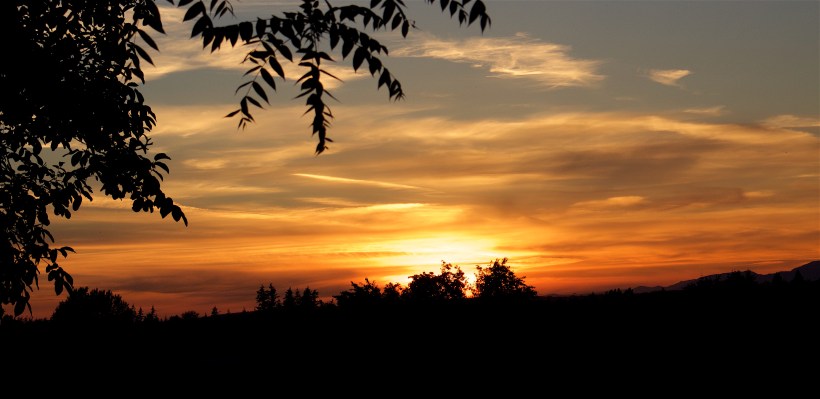
We have been blessed with the abundance of one another, with the sunrises and the sunsets and everything in between.  This is the best of fecundity.

sunset11221415

tulip18

sunset6516

A Daily Rhythm

sashaeye

tonyeye

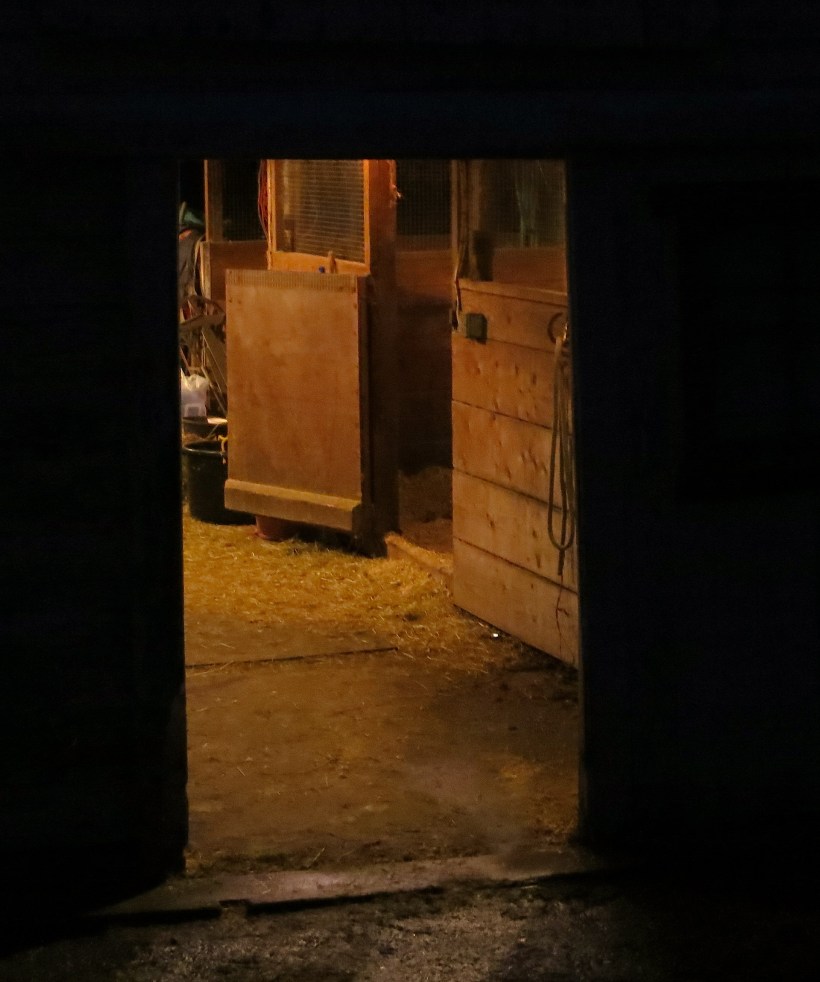
When I pull open the barn doors,
every morning
and each evening,
as my grandparents did
one hundred years ago,
six rumbling voices
rise in greeting.
We exchange scents,
nuzzle each others’ ears.

I do my chores faithfully
as my grandparents once did–
draw fresh water
into buckets,
wheel away
the pungent mess underfoot,
release an armful of summer
from the bale,
reach under heavy manes
to stroke silken necks.

I don’t depend
on our horses’ strength
and willingness to
don harness
to carry me to town
or move the logs
or till the soil
as my grandparents did.

Instead,
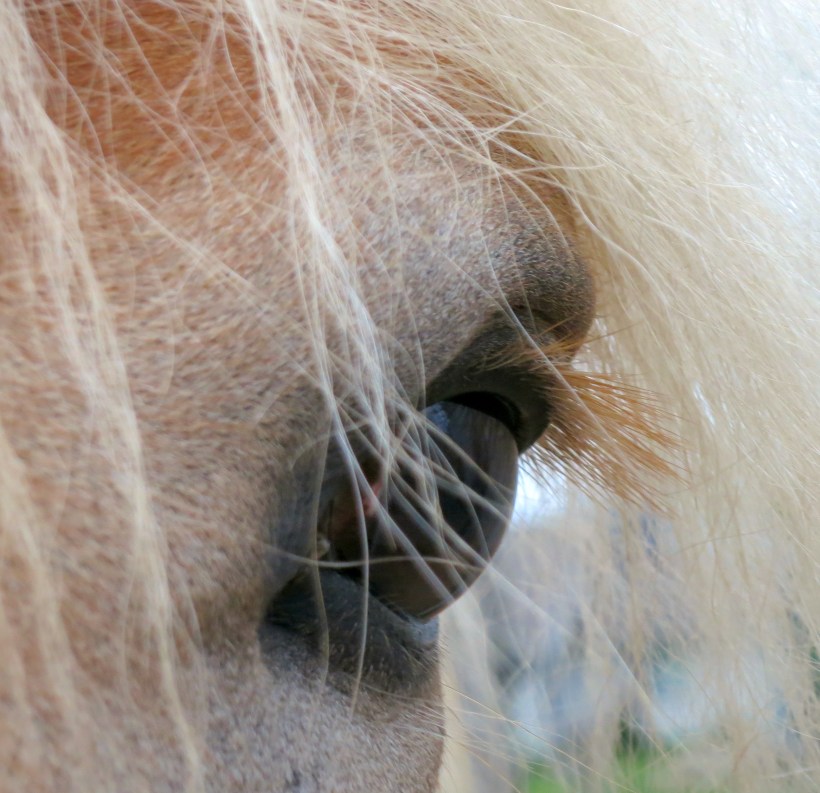
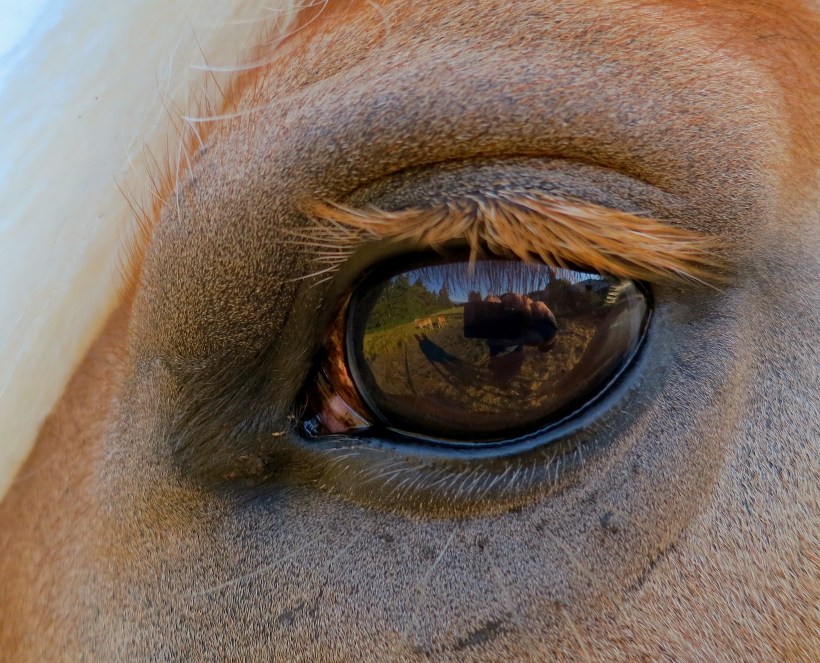
these soft eyed souls,
born on this farm
two long decades ago,
are simply grateful
for my constancy
morning and night
to serve their needs
until the day comes
they need no more.

I depend on them
to depend on me
to be there
to open the doors;
their low whispering welcome
gives voice
to the blessings of
living on a farm
ripe with rhythms and seasons,
as if today and tomorrow are
just like one hundred years ago.
~EPG


barnlight

eveningbarnsept1

Stillness in the Field

dawn7251

marshmallowglow2

marshmallowfields


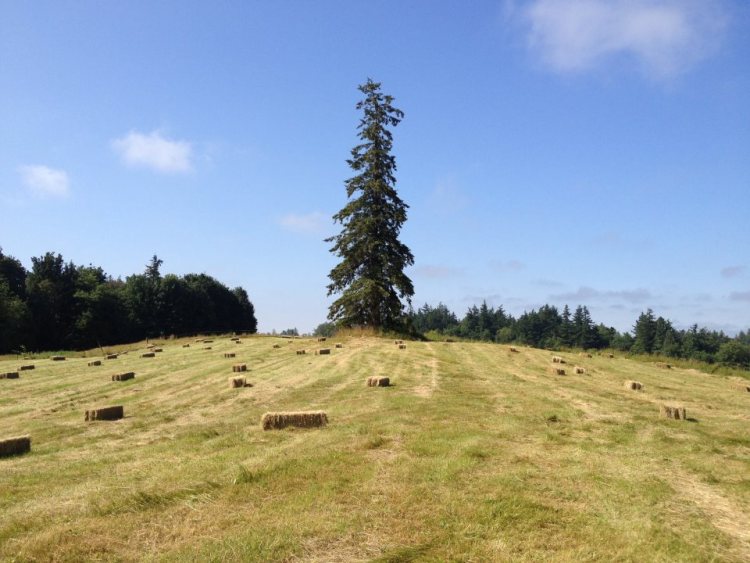
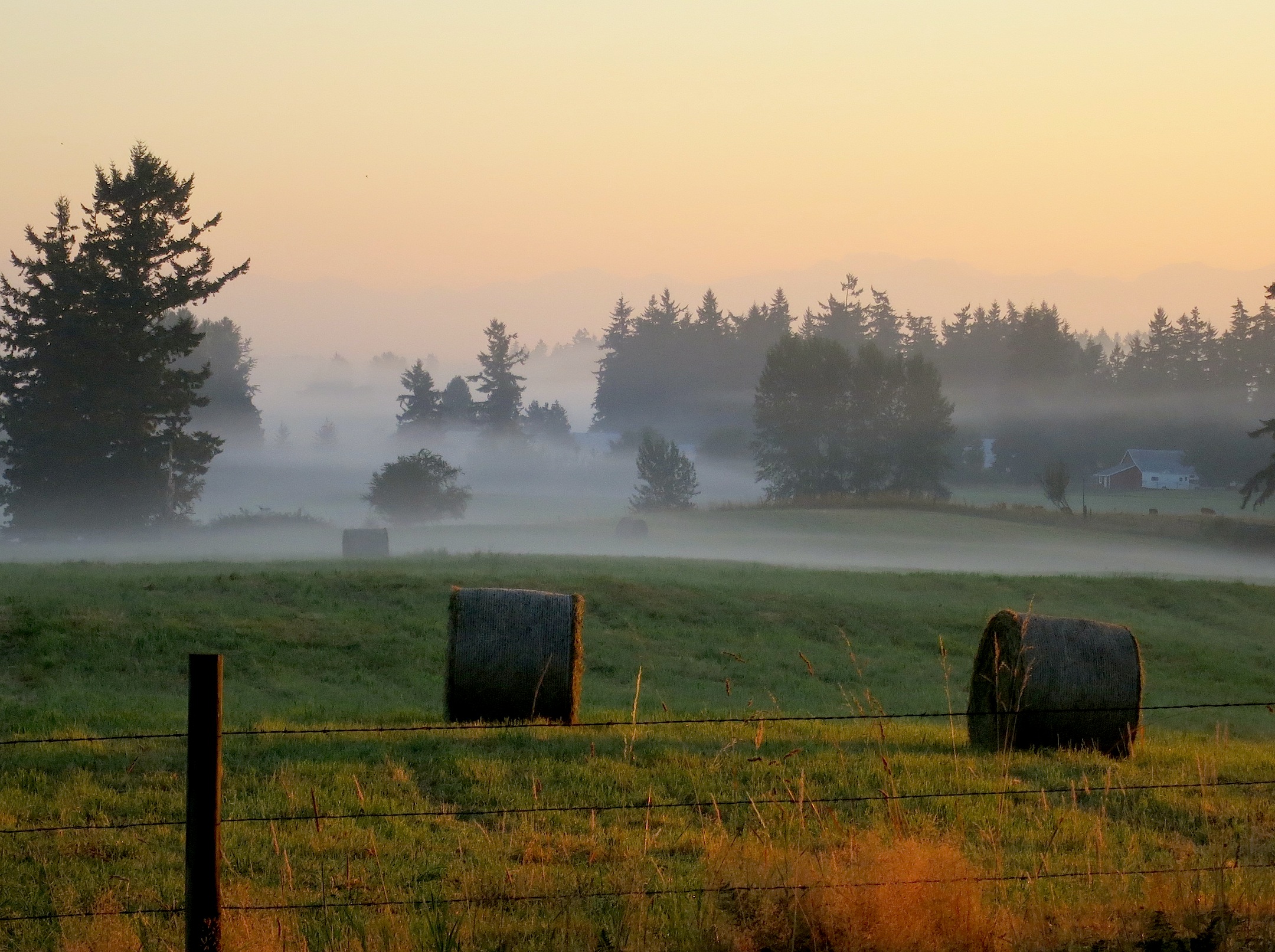
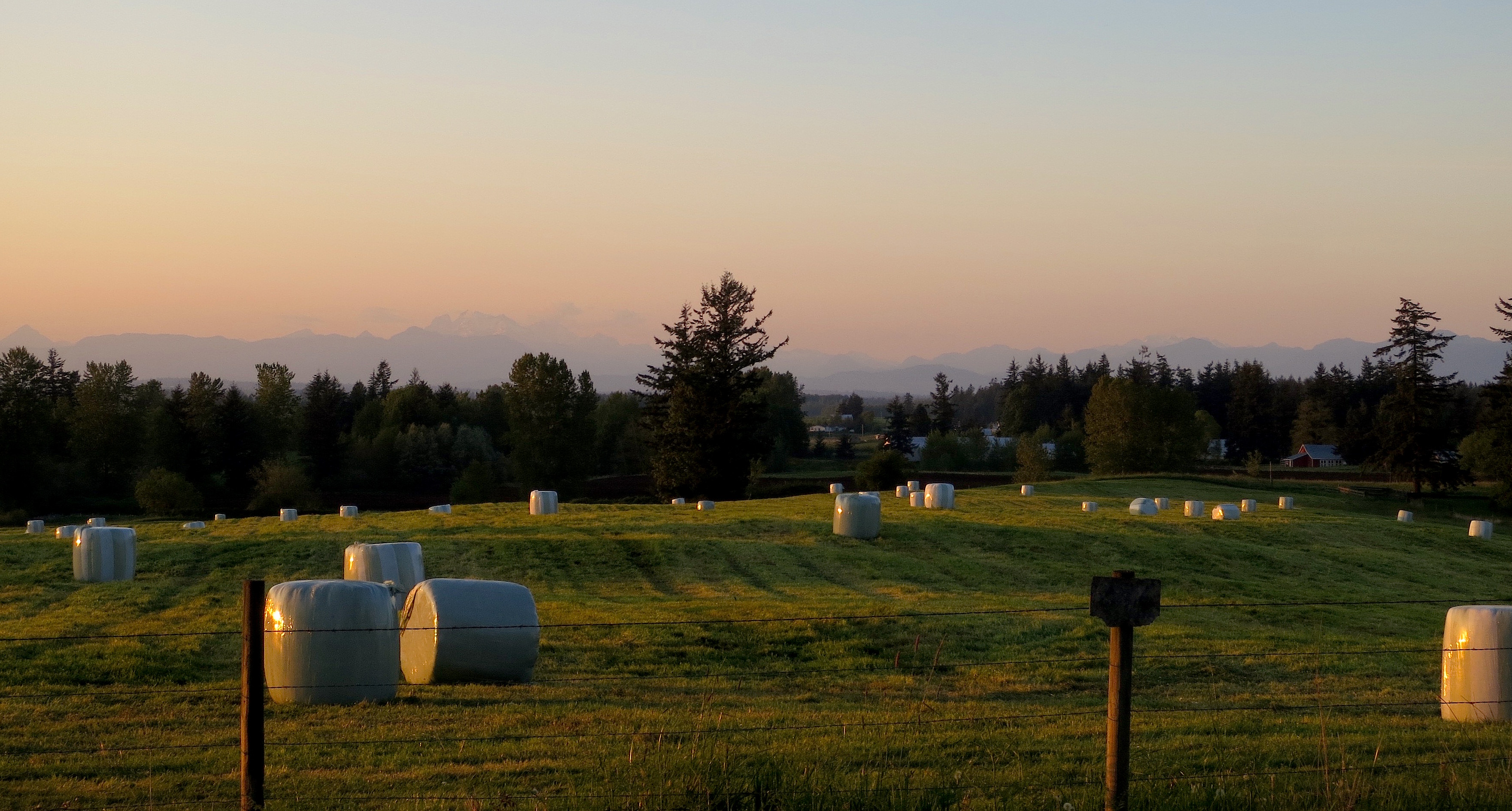
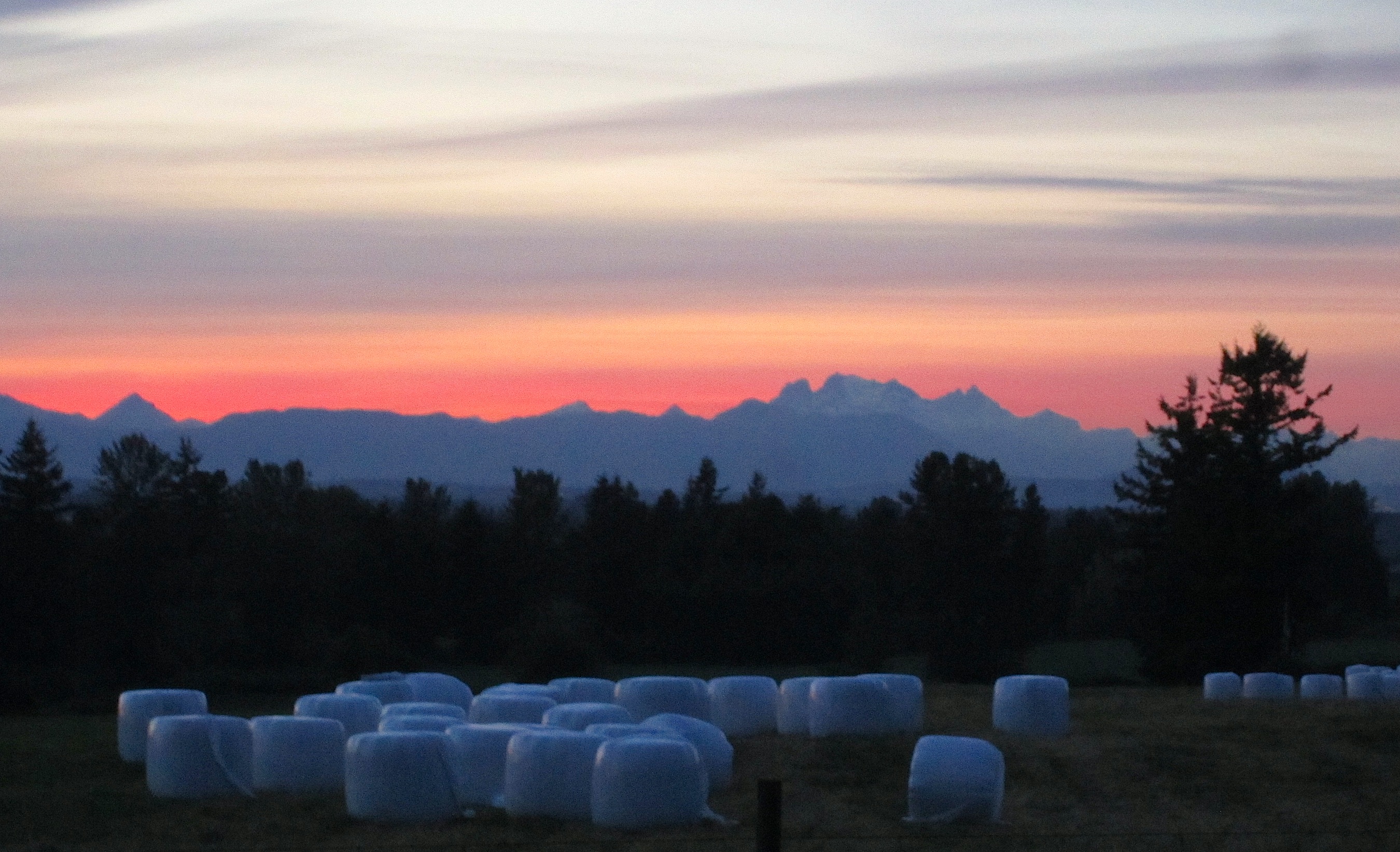
Wheels of baled hay bask in October sun:
Gold circles strewn across the sloping field,
They seem arranged as if each one
Has found its place; together they appeal
To some glimpsed order in my mind
Preceding my chance pausing here —
A randomness that also seems designed.
Gold circles strewn across the sloping field
Evoke a silence deep as my deep fear
Of emptiness; I feel the scene requires
A listener who can respond with words, yet who
Prolongs the silence that I still desire,
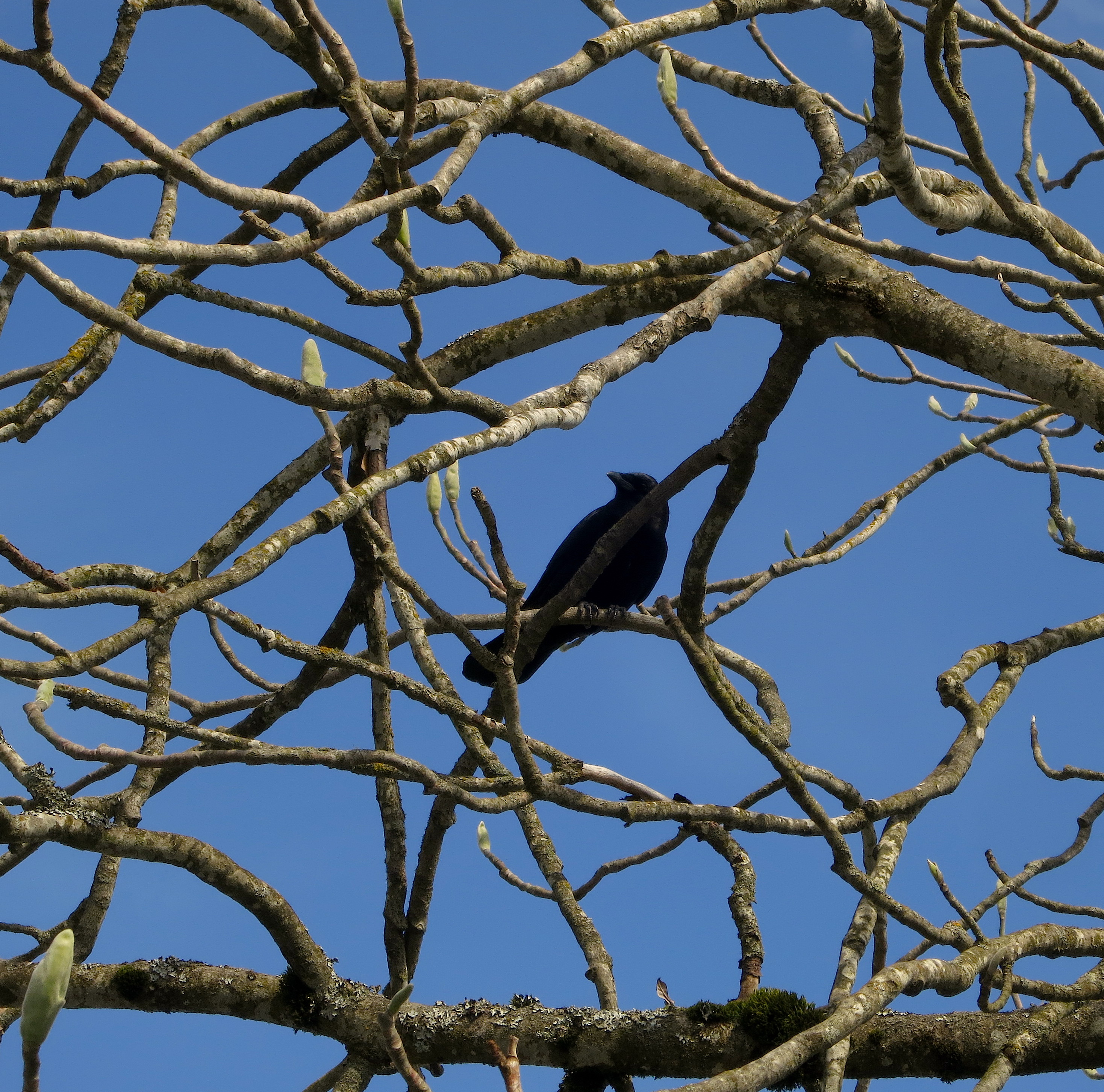
Relieved as clacking crows come flashing through,
Whose blackness shows chance radiance of fire.
Yet stillness in the field remains for everyone:
Wheels of baled hay bask in October sun.
~Robert Pack “Baled Hay”


Each day I am called to see and listen,
to open fully to all that is around me.
From the simple stillness of the fields
surrounding our farm,
to the weeping of those who sit with me
day after day
in their deep fear of emptiness,
their struggle with whether to try to live
or give up and die.

Their profound emptiness renders me silent;
I struggle to respond with words
that offer up healing,
assuring them even in the darkest time
hope lies waiting, radiant as fire,
to bear us silently to a new morning,
to a stillness borne of grace.

crow

octpasture

mayfieldbales

Farmers for an Evening

haymaking

haymaking5

haymaking4

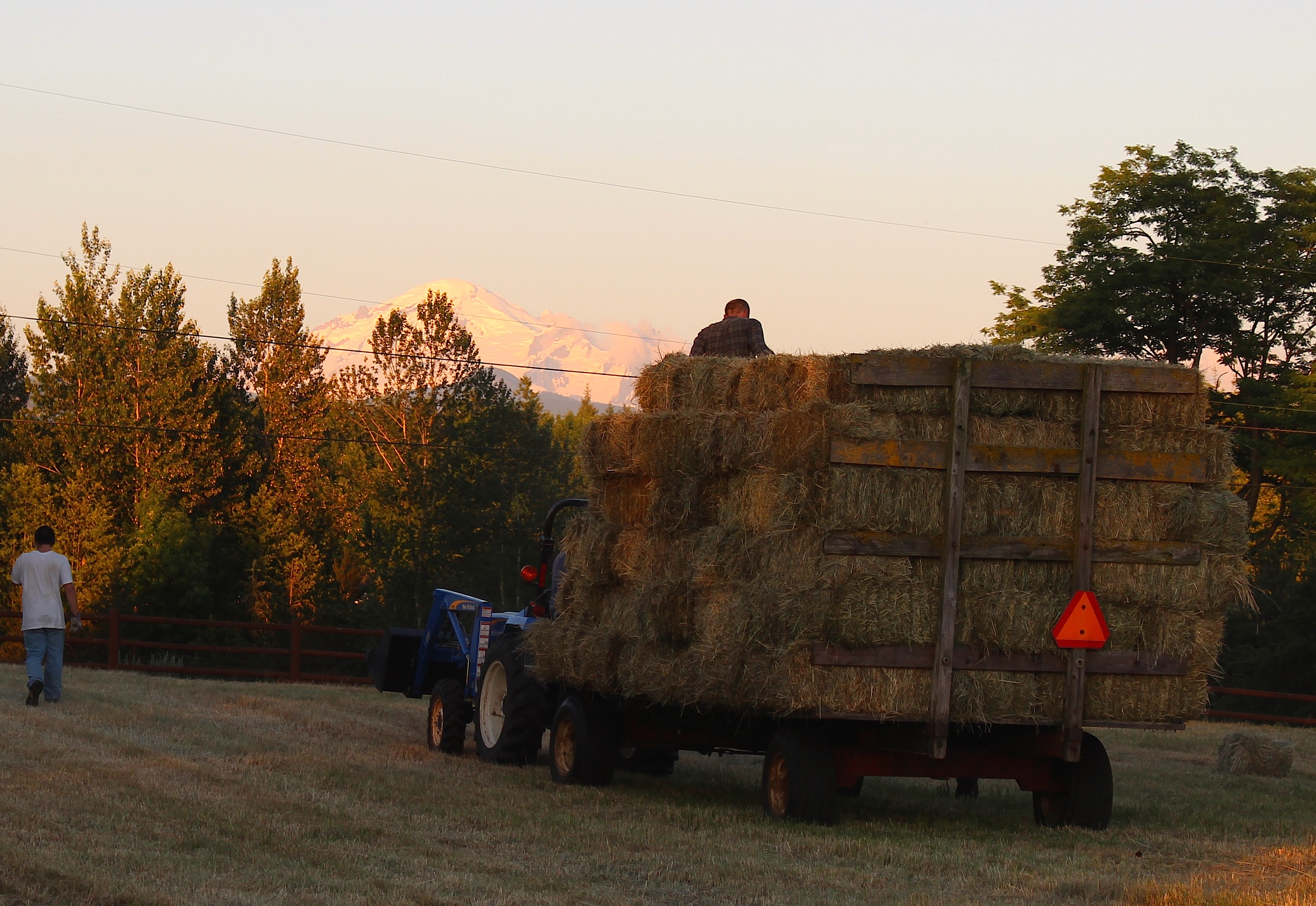
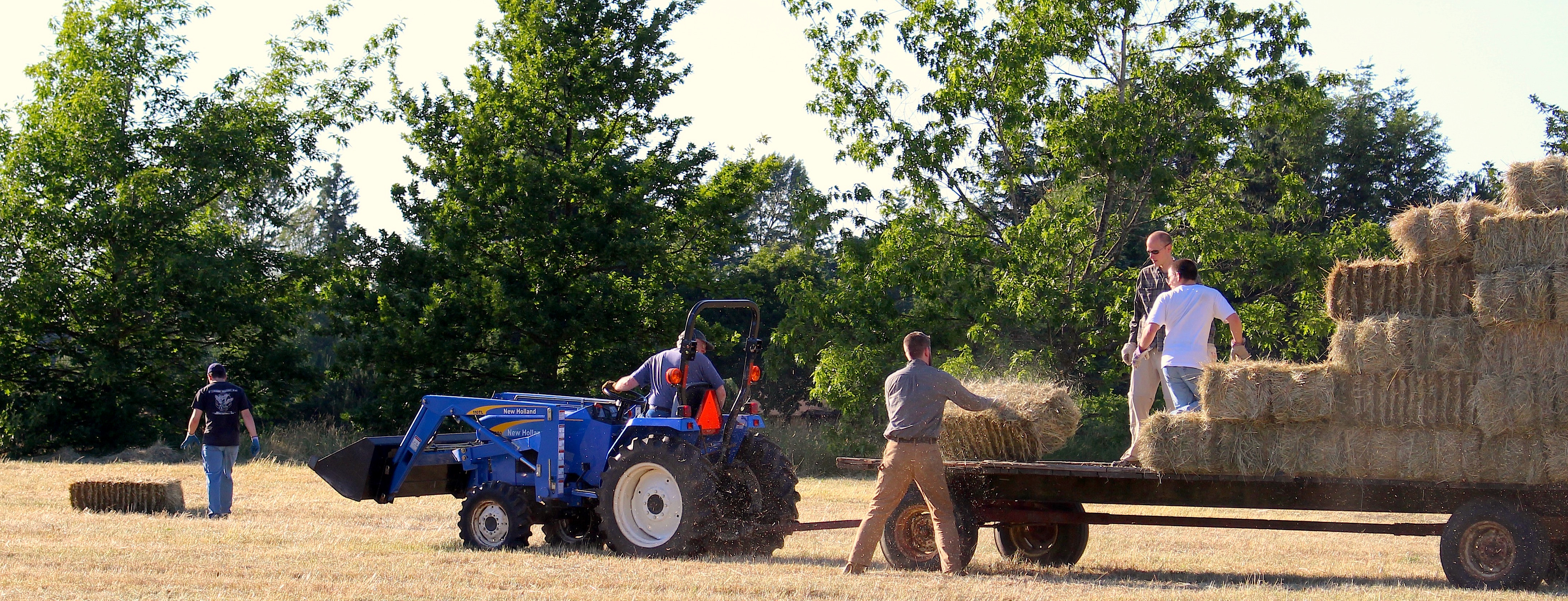
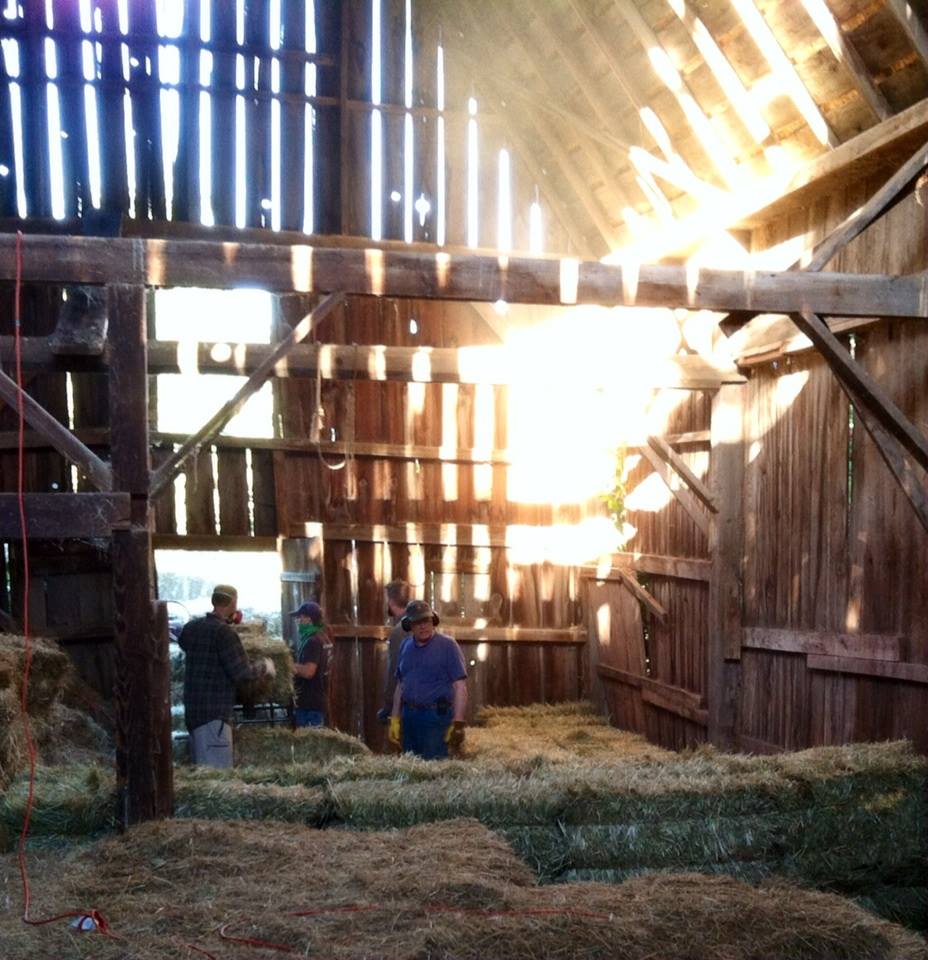
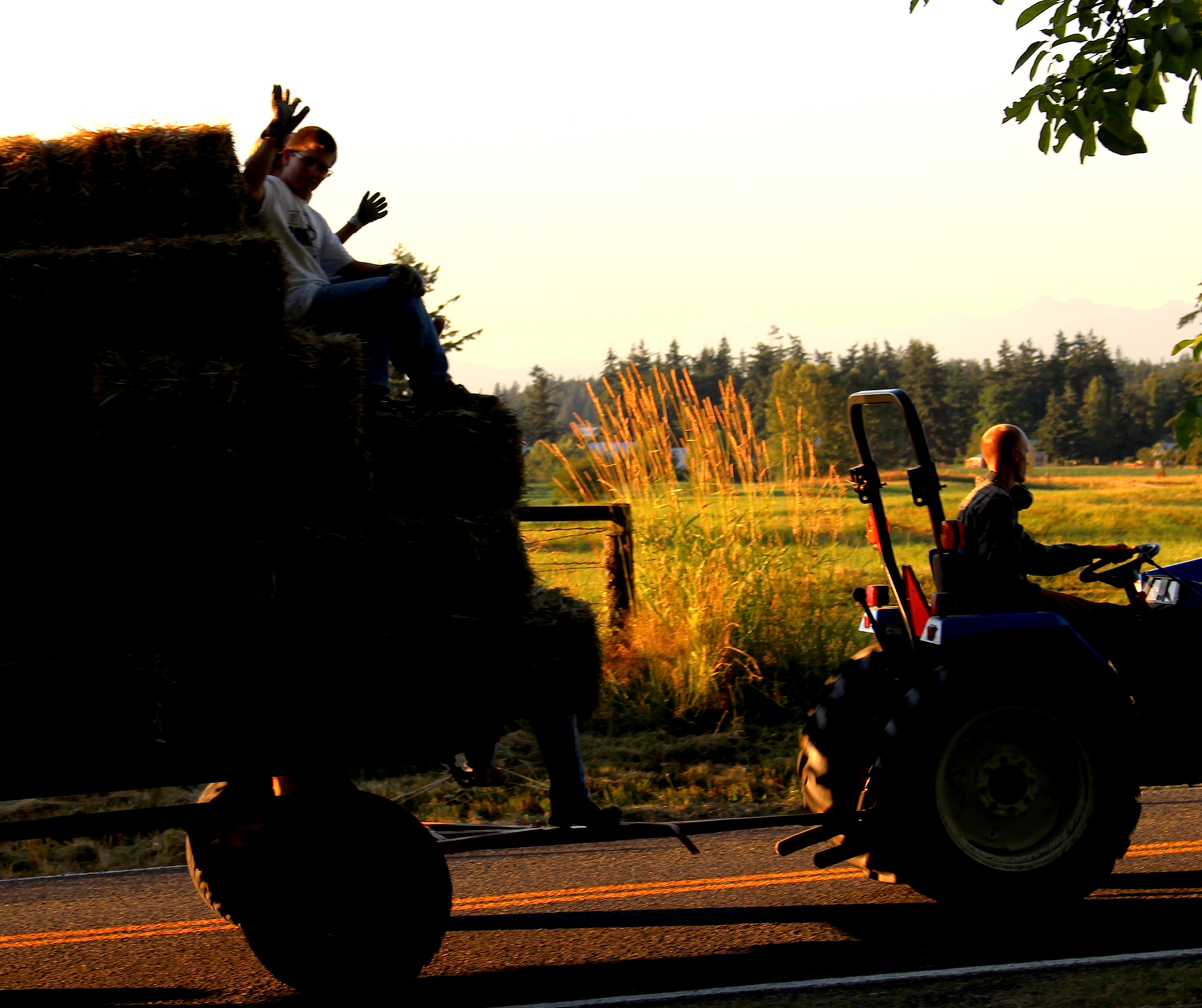
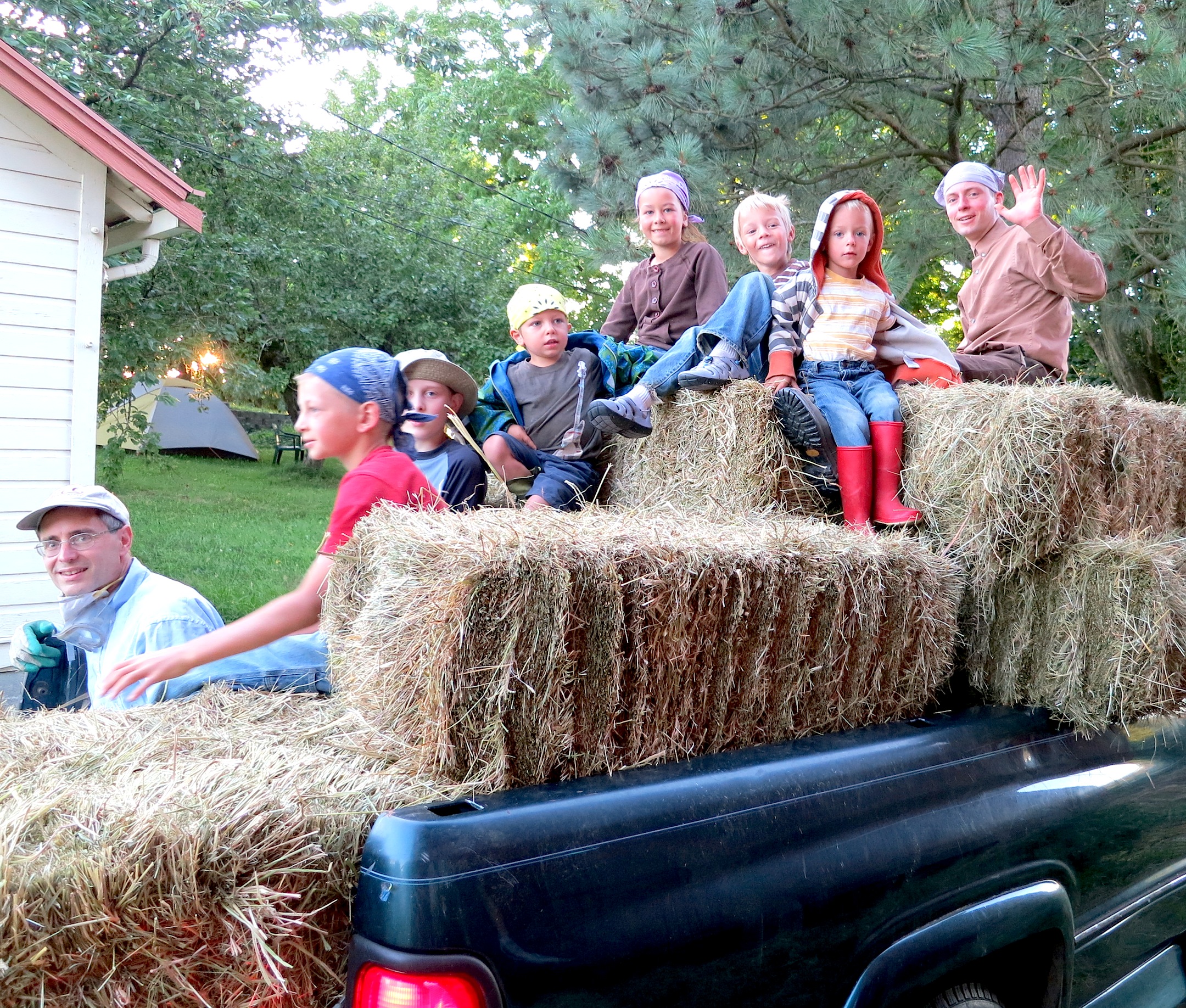
Every hay crew is the same
though the names change;
young men flexing their muscles,
a seasoned farmer defying his age
tossing four bales high,
determined girls bucking up on the wagon,
young children rolling bales closer,
add a school teacher, pastor,
professor, lawyer and doctor
getting sweaty and dusty
united in being farmers
if only for an evening.

Stacking
basket weave
interlocking
cut side up
steadying the load
riding over hills
through valleys
in slow motion
eagles over head
searching the bare fields
evening alpen glow
of snowbound
eastern peaks

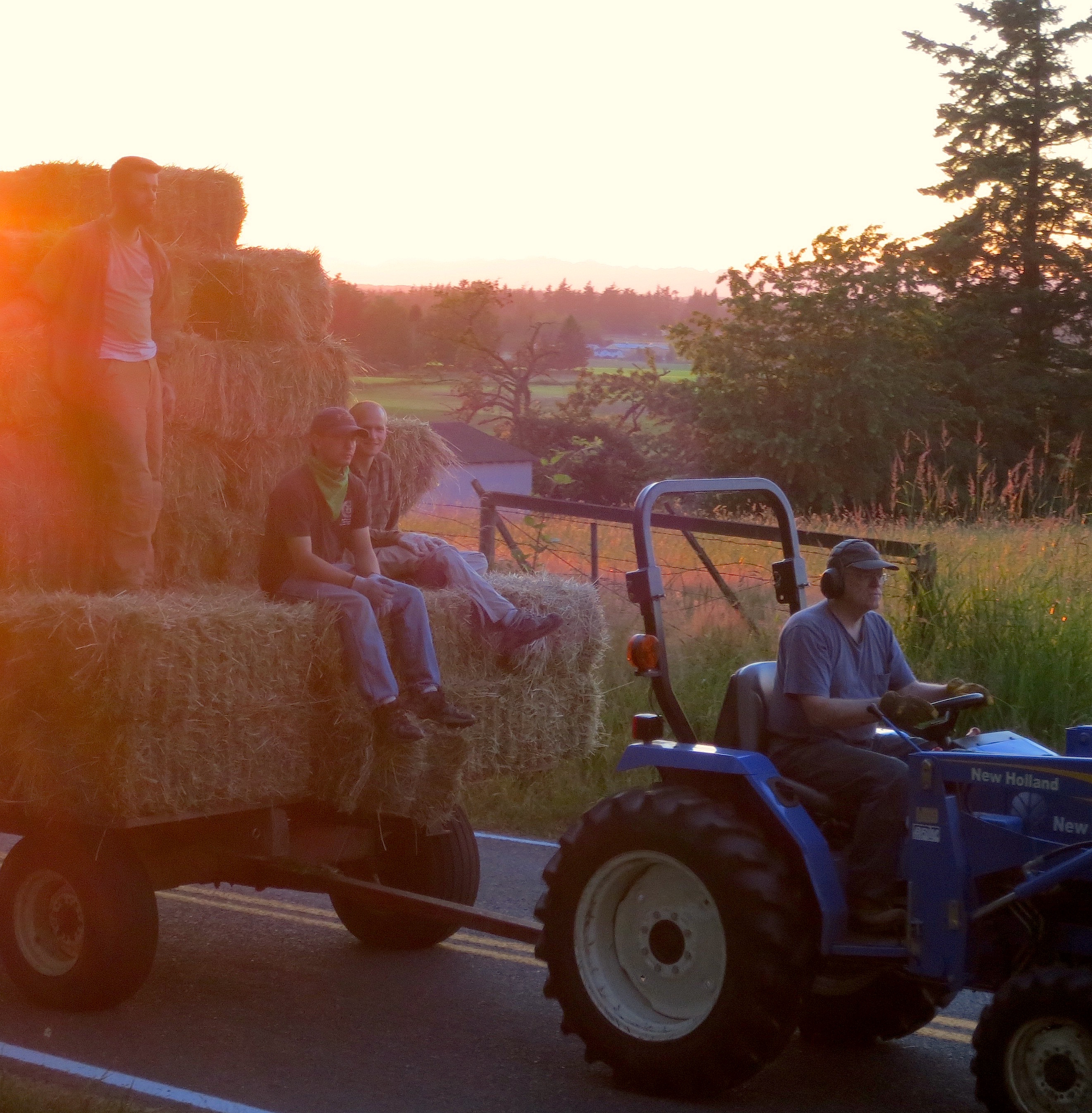
Friends and neighbors
walking the dotted pastures,
piling on the wagons,
driving the truck,
riding the top of hay stack
in the evening breeze,
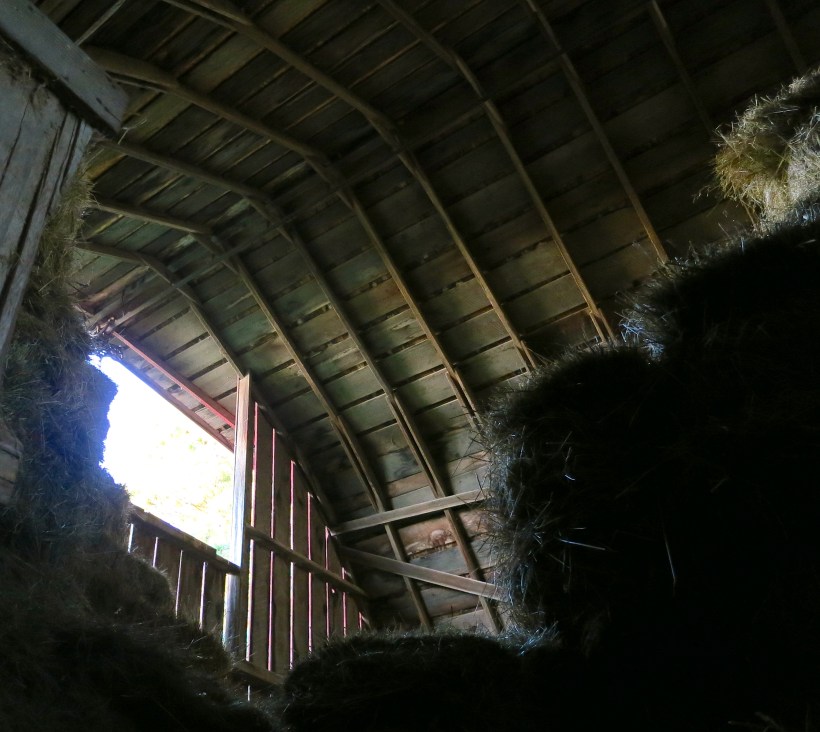
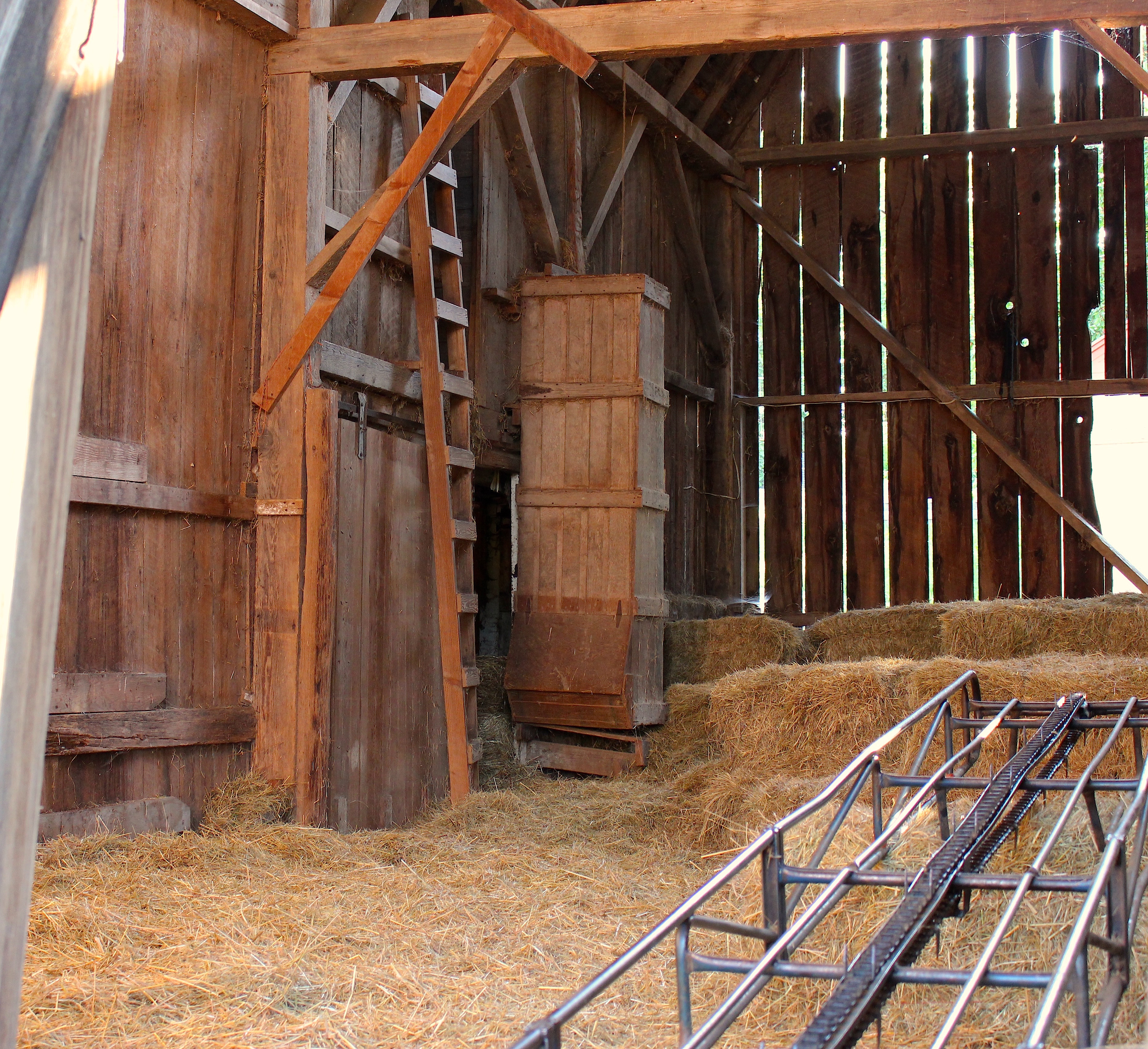
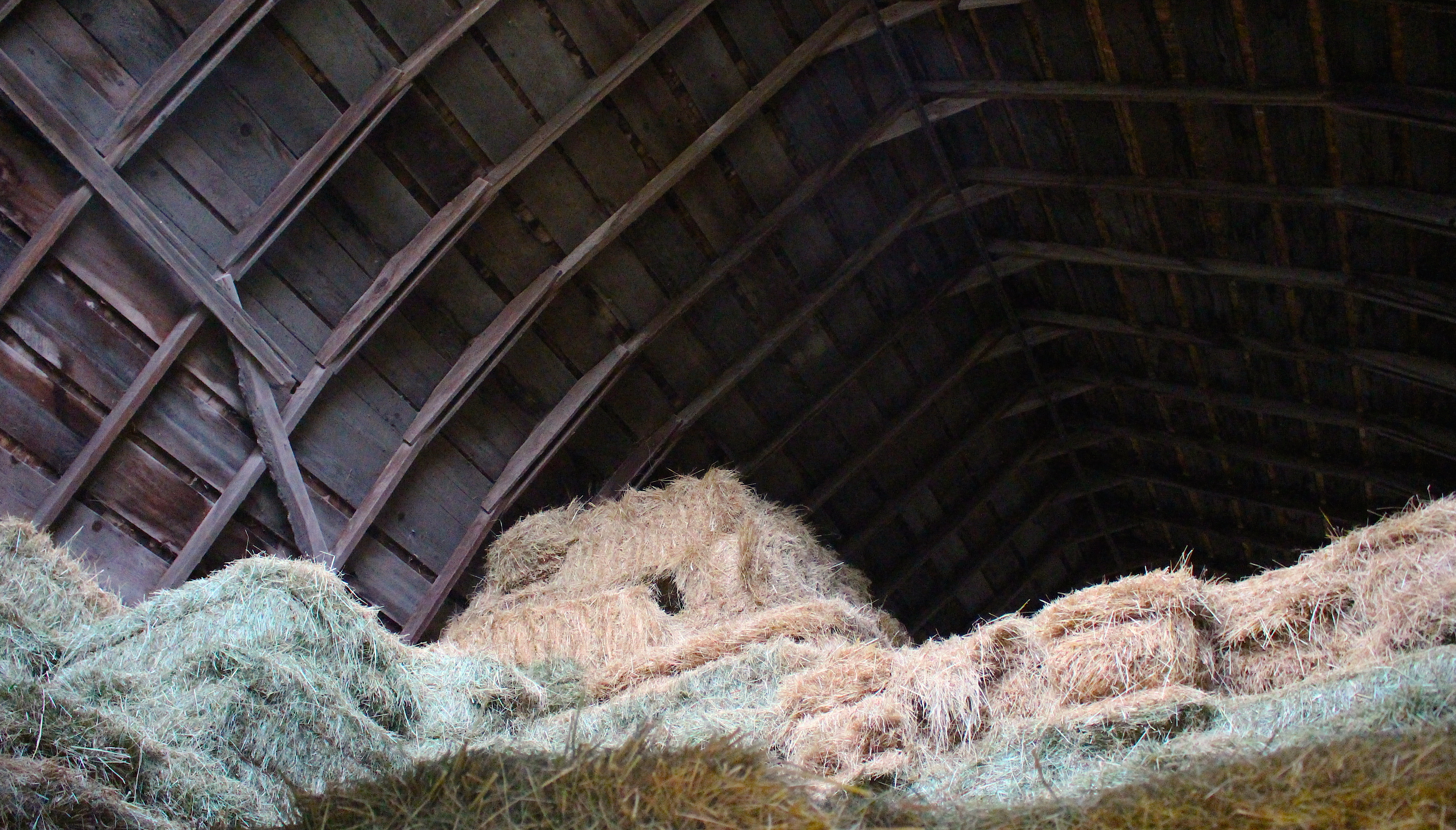
filling empty barn space to the rafters,
making gallons of lemonade in the kitchen.
A hearty meal consumed
in celebration
of summer baled, stored, preserved
for another year.

Hay crew
remembered on
frosty autumn mornings before dawn
when bales are broken for feed
and fragrant summer spills forth
in the dead of winter.

emptyhaybarn

haymaking6

haywagon15

11403448_10153337094826119_7076382234890898300_n

hayjobdone

Happy Hills of Hay

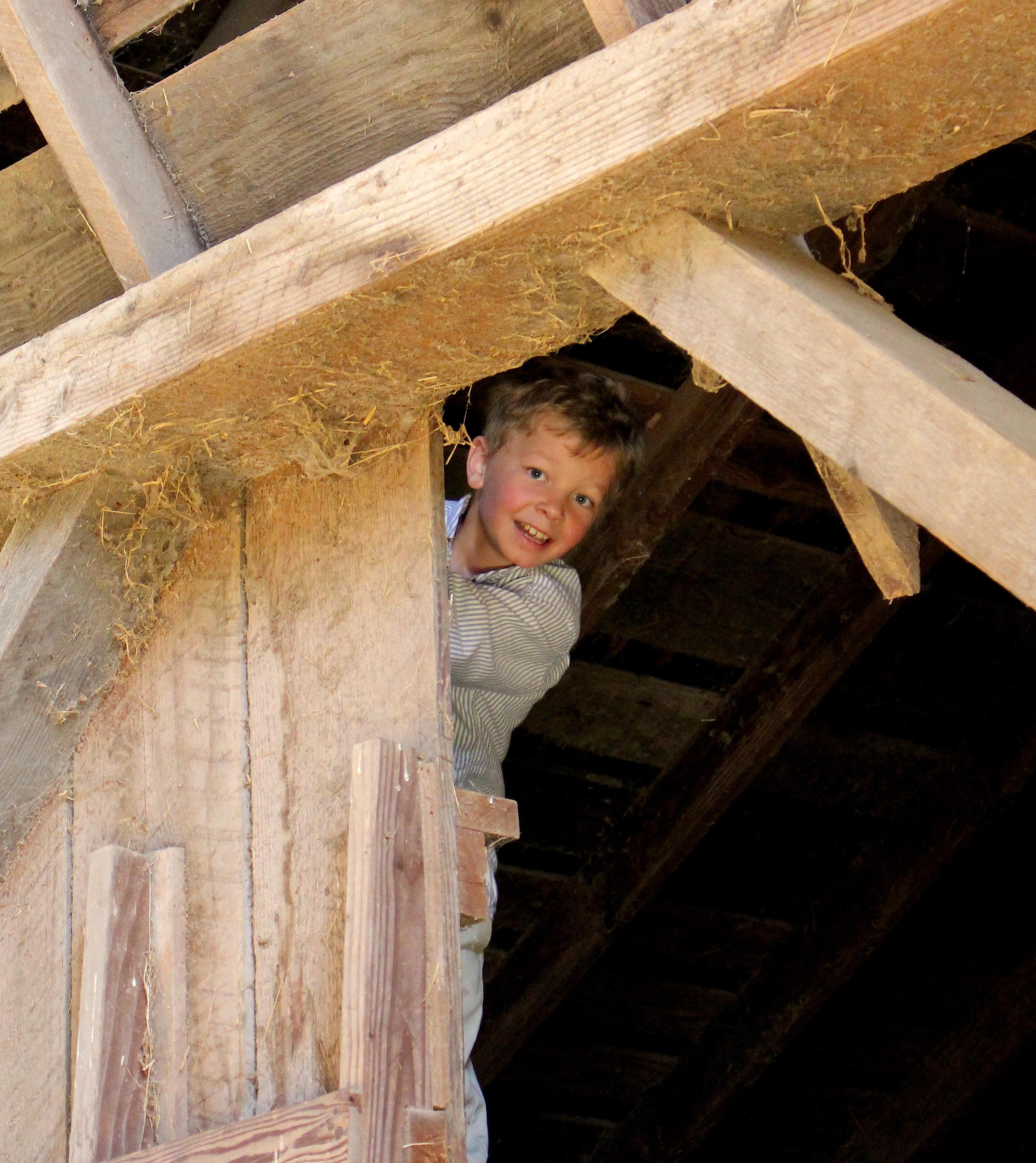
barnboy

barnboys


Through all the pleasant meadow-side
The grass grew shoulder-high,
Till the shining scythes went far and wide
And cut it down to dry.

Those green and sweetly smelling crops
They led the waggons home;
And they piled them here in mountain tops
For mountaineers to roam.

Here is Mount Clear, Mount Rusty-Nail,
Mount Eagle and Mount High;–
The mice that in these mountains dwell,
No happier are than I!

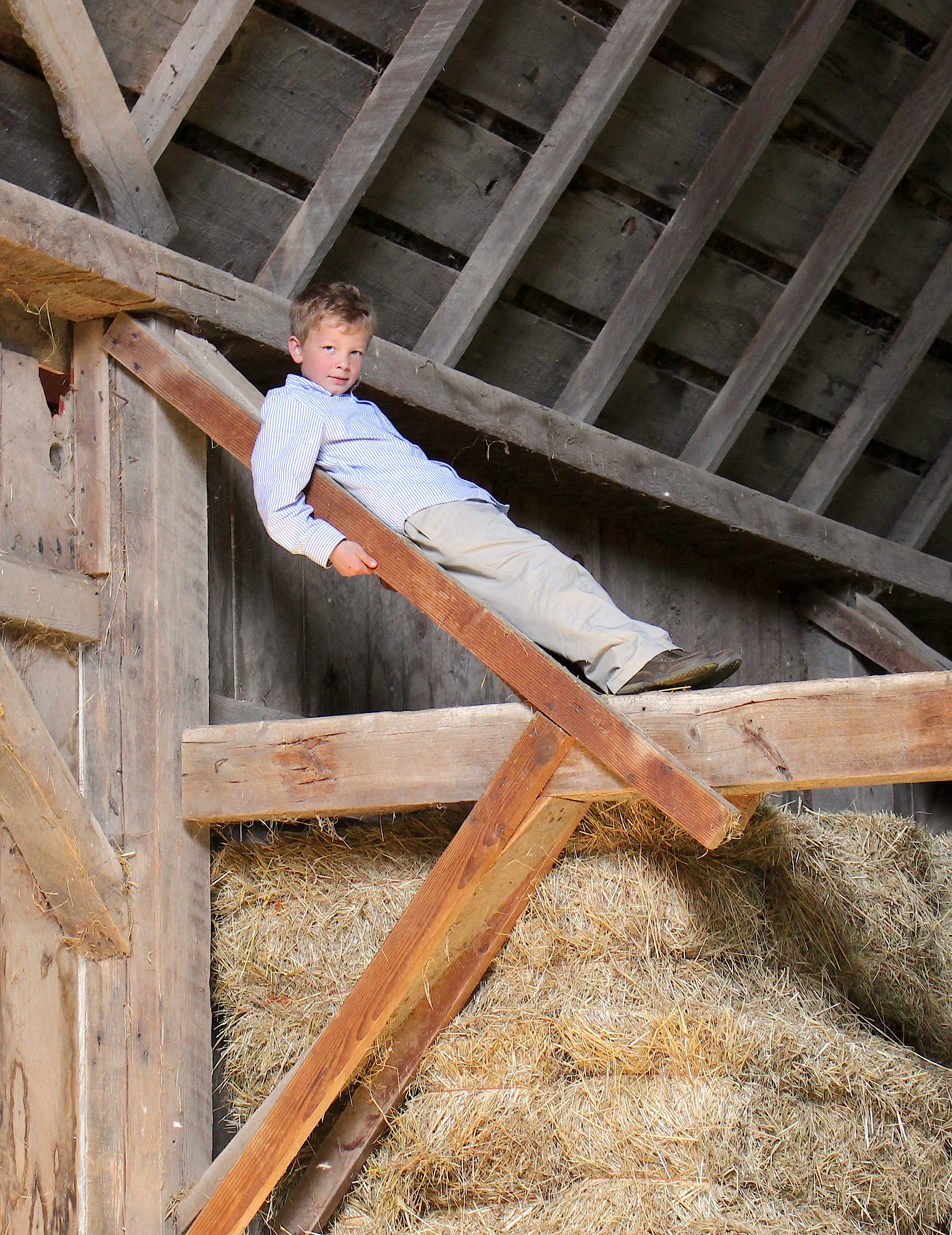
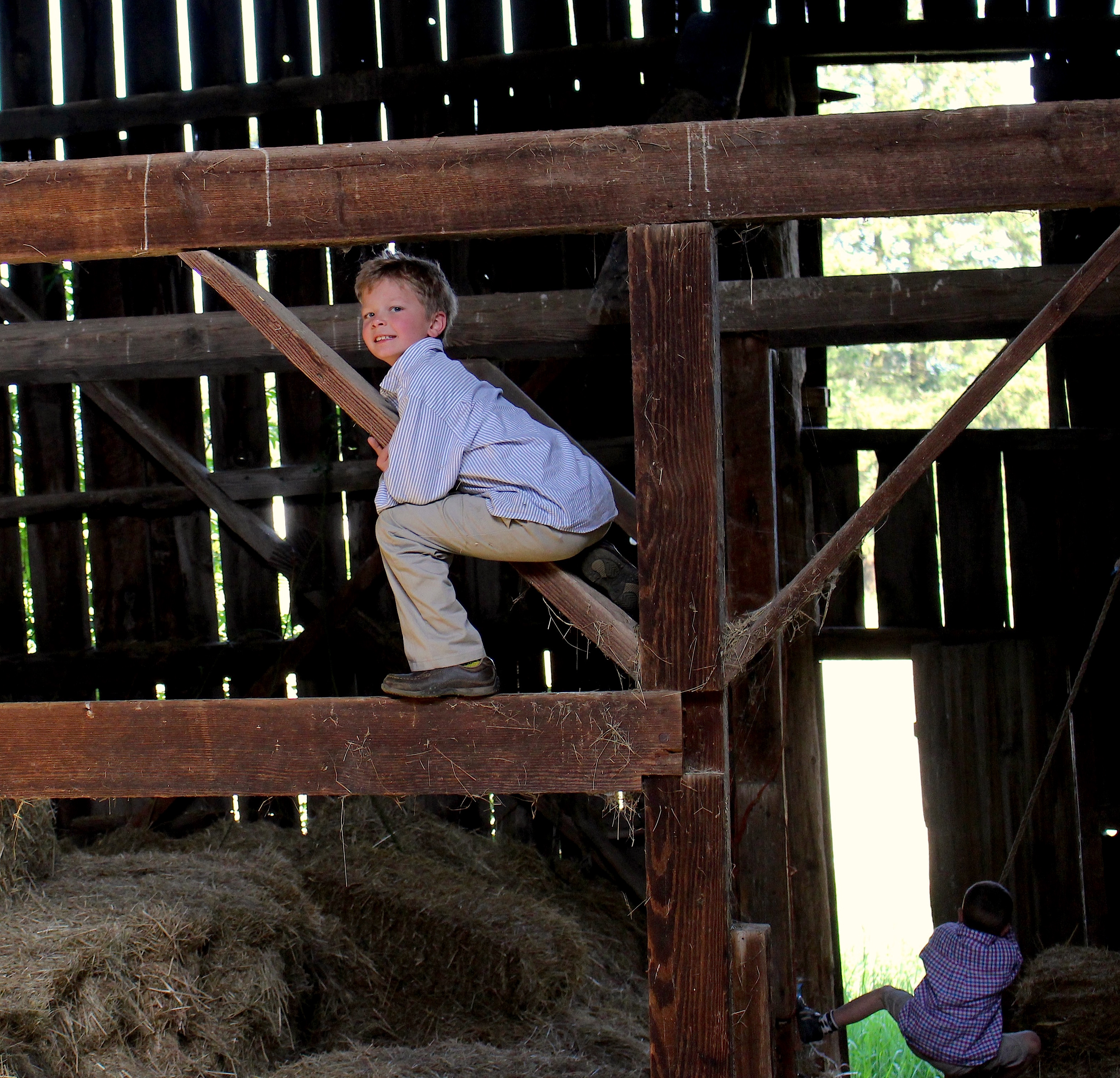
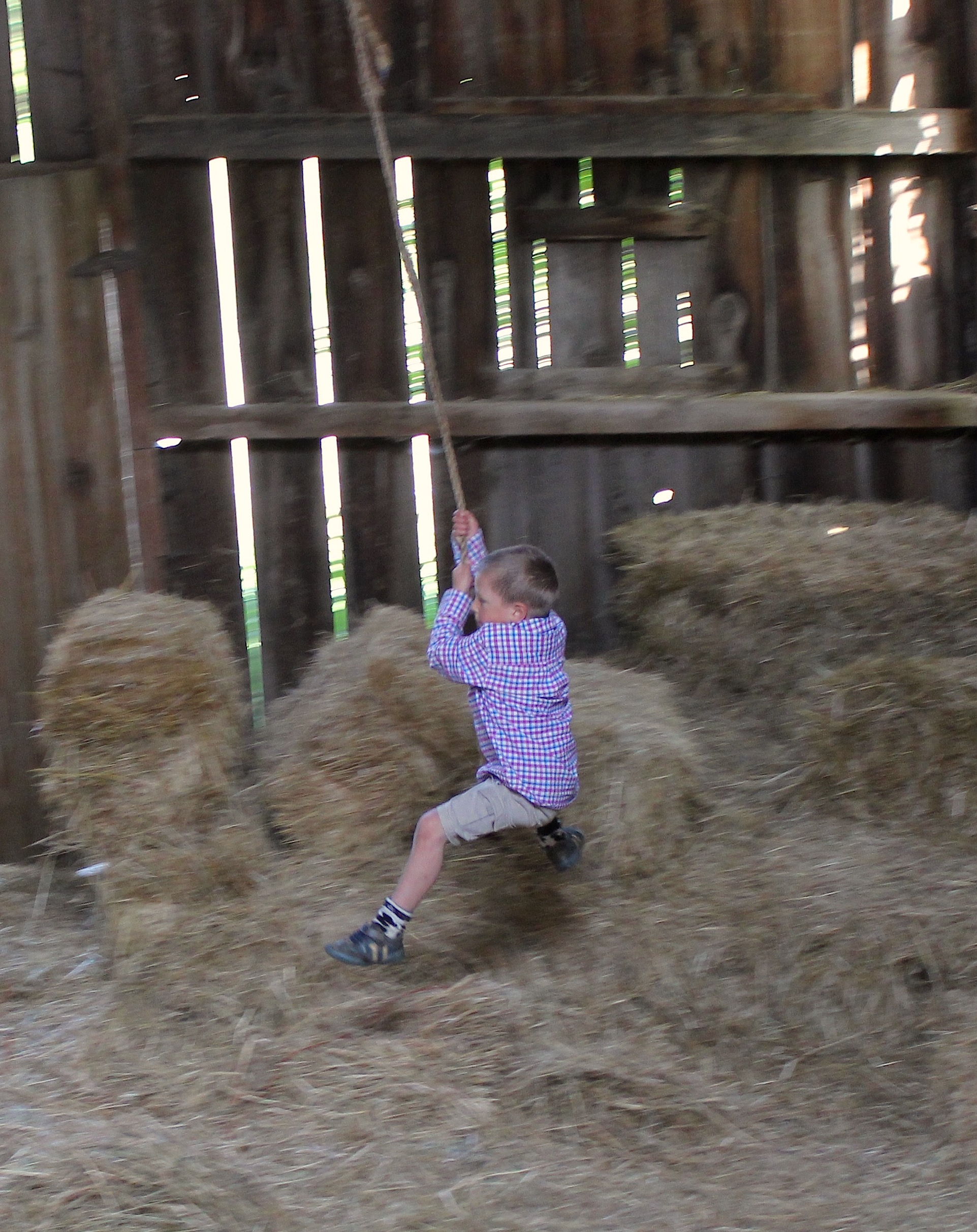
Oh, what a joy to clamber there,
Oh, what a place for play,
With the sweet, the dim, the dusty air,
The happy hills of hay!
~Robert Louis Stevenson “Hay Loft Poem”

barnboy5

 barnboy4
The Old Hay-mow’s the place to play
Fer boys, when it’s a rainy day!
I good-‘eal ruther be up there
Than down in town, er anywhere!When I play in our stable-loft,
The good old hay’s so dry an’ soft,
An’ feels so fine, an’ smells so sweet,
I ‘most ferget to go an’ eat.An’ one time wunst I _did_ ferget
To go ‘tel dinner was all et,–
An’ they had short-cake–an’–Bud he
Hogged up the piece Ma saved fer me!

Nen I won’t let him play no more
In our hay-mow where I keep store
An’ got hen-eggs to sell,–an’ shoo
The cackle-un old hen out, too!

An’ nen, when Aunty she was here
A-visitun from Rensselaer,
An’ bringed my little cousin,–_he_
Can come up there an’ play with me.

But, after while–when Bud he bets
‘At I can’t turn no summersetts,–
I let him come up, ef he can
Ac’ ha’f-way like a gentleman!
~James Whitcomb Riley “The Old Hay-Mow Poem”

barnboy2

barnboy3

An Olfactory Journey

topofthestack

“The smell of that buttered toast simply spoke to Toad, and with no uncertain voice; talked of warm kitchens, of breakfasts on bright frosty mornings, of cozy parlour firesides on winter evenings, when one’s ramble was over and slippered feet were propped on the fender; of the purring of contented cats, and the twitter of sleepy canaries.”
~Kenneth Grahame, The Wind in the Willows

I’m not a practitioner of the ancient art of aromatherapy for medicinal purposes but I do know how effectively smells can transport me than any other mode of travel.  One whiff of a familiar scent can instantly take me back years to another decade and place, almost in time traveling mode.  I am so suspended in the moment, both present and past, my brain sees, hears, tastes, feels everything as it was before.

The most vivid are kitchen smells, to be sure.  Cinnamon takes me back to my Grandma’s farm house, roasting turkey to my mother’s early morning labors on Thanksgiving Day, fresh baked bread to the years I needed to knead as tactile therapy during medical school training.

Today it is the smell of oatmeal on the stove that reminds me of those frosty winter mornings rushing to get out the door in time to catch the bus for the long ride to school.

It’s not just food smells.  When I have the privilege of babysitting infants, I drink in their smell of baby shampoo and powder, so like the soft velvety smell of my own children a quarter century ago.   Out in the barn, the newly born wet fur of my foals carries the sweet and sour amnion that was part of every birth I’ve been part of: delivering others and delivering my own.  My heart races at the memory of the drama of those first breaths.

My garden yields its own treasures: tea roses, sweet peas, heliotrope, lemon blossom take me back to lazy breezes past blossoms planted along the house, wafting through open bedroom windows.  The fragrance of the earth after a long awaited rain– petrichor — reminds me of dusty dry summers crying for relief.

I doubt any aromatherapy kit would include my most favorite–the farm smells: newly mown hay, fresh fir shavings for stall bedding,  the mustiness of the manure pile, the green sweetness of a horses’ breath.

Someday I’ll figure out how to bottle all these up to keep on hand forever.   Years from now my rambles will be over, when I’m too feeble to walk to the barn or be part of the hay harvest crew any longer,  I can sit by my fireplace with a purring contented cat, listening to the soft rolling twitter of my sleepy canary, then close my eyes, open this bottle of memories and take a whiff now and then.

What a journey I will take, back to a day like today, a day that speaks to me with no uncertain voice.

raindrops1315

rosemountain

hayfield

Worn Out Gloves

farmglovesAt our annual  Wiser Lake Chapel Thanksgiving service last night, we were asked to participate by bringing a token of something we are thankful for.  This is what I brought.

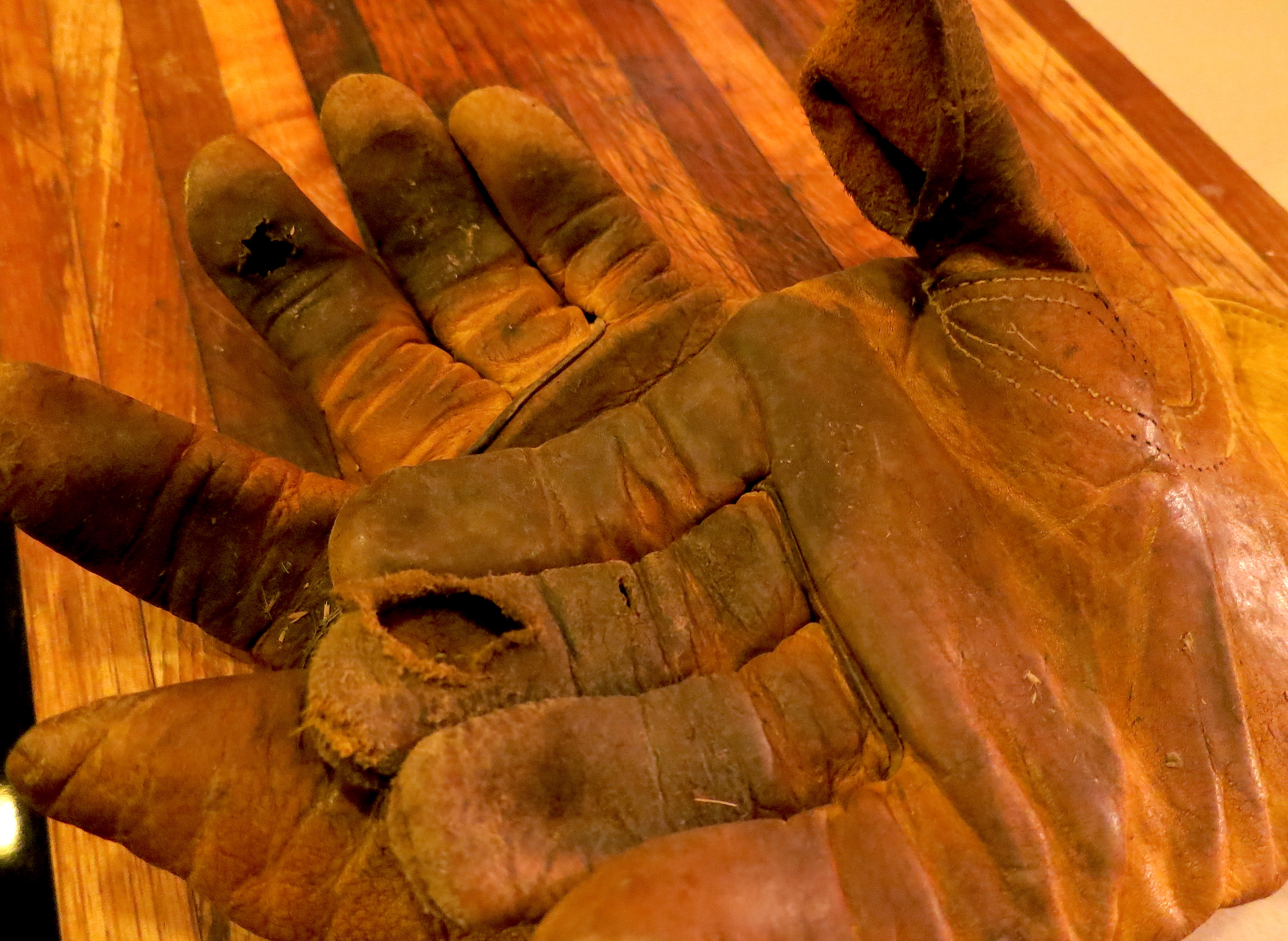
This is what my farm work gloves look like after a year of service.  They keep me from blistering while forking innumerable loads of smelly manure into wheelbarrows, but also help me unkink frozen hoses, tear away blackberry vines from fencing, pull thistle from the field and heavy hay bales from the haymow.  Over the years, I’ve gone through several dozen gloves, which have protected my hands as I’ve cleaned and bandaged deep wounds on legs and hooves, pulled on foals during the hard contractions of difficult births, held the head of dying animals as they sleep one final time.

Without my work gloves over the years, my hands would look very much like these do, full of rips and holes from the thorns and barbs of the world, sustaining scratches, callouses and blisters from the hard work of life.

But they don’t.
Thanks to these gloves, I’m presentable for my “day” work as a doctor where I don a different set of gloves many times a day.

But the gloves don’t tell the whole story of my gratitude.

I’m thankful to a Creator God who doesn’t need to wear gloves when He goes to work in our world.
Who gathers us up even when we are dirty, smelly, and unworthy.
Who eases us into this life when we are vulnerable and weak,
and carries us gently home as we leave this world, weak and vulnerable.
Who holds us as we bleed from self and other-inflicted wounds.
Who won’t let us go, even when we fight back, or try not to pay attention, or care who He is.

And who came to us
with hands like ours~
tender, beautiful, easy to wound hands
that bled
because He didn’t need to wear gloves~~His love made evident
to us all.


The Best Education Of All

striders2

felix

raspberryripen

haywagon

hidingout

abouttoburst

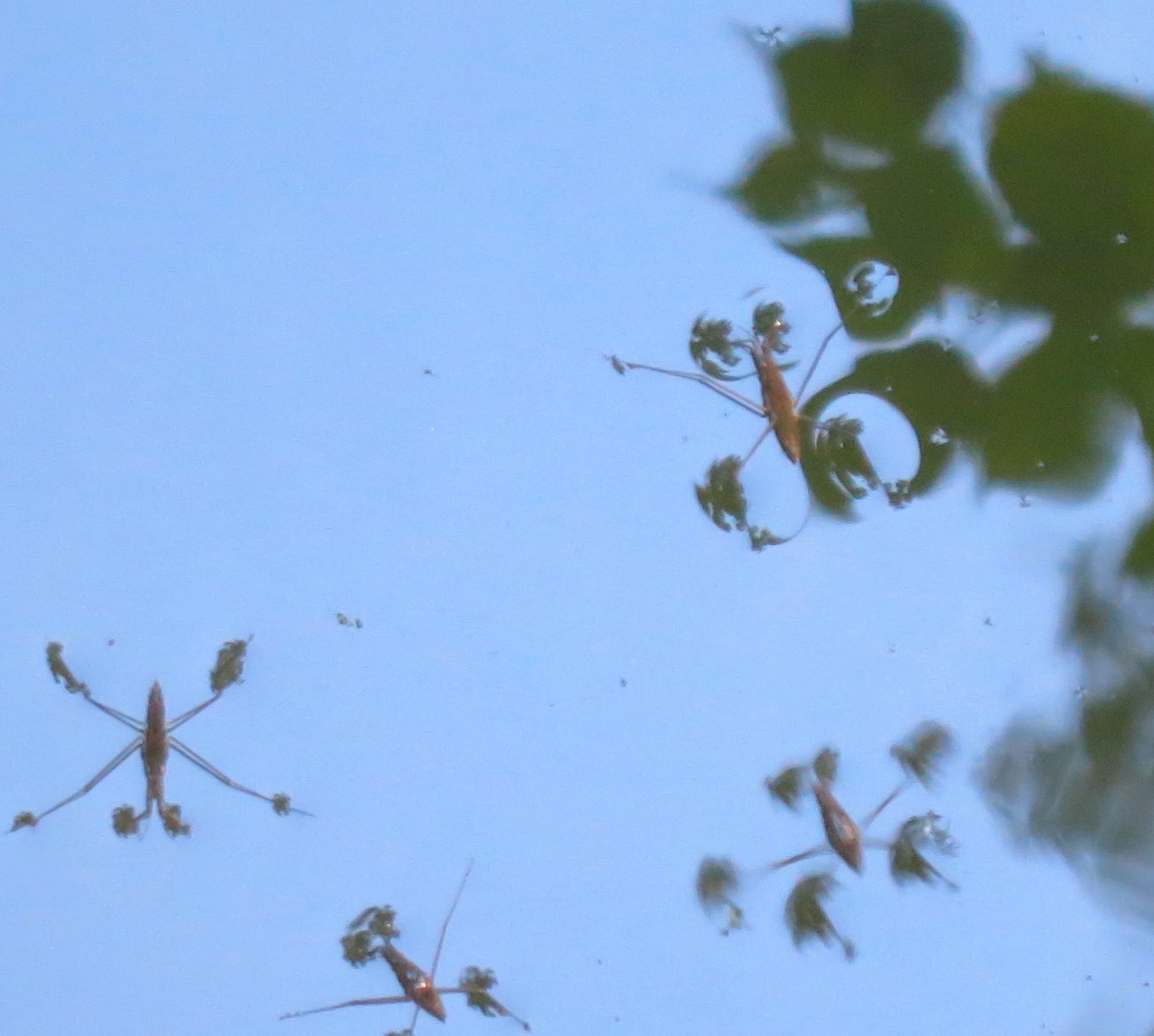
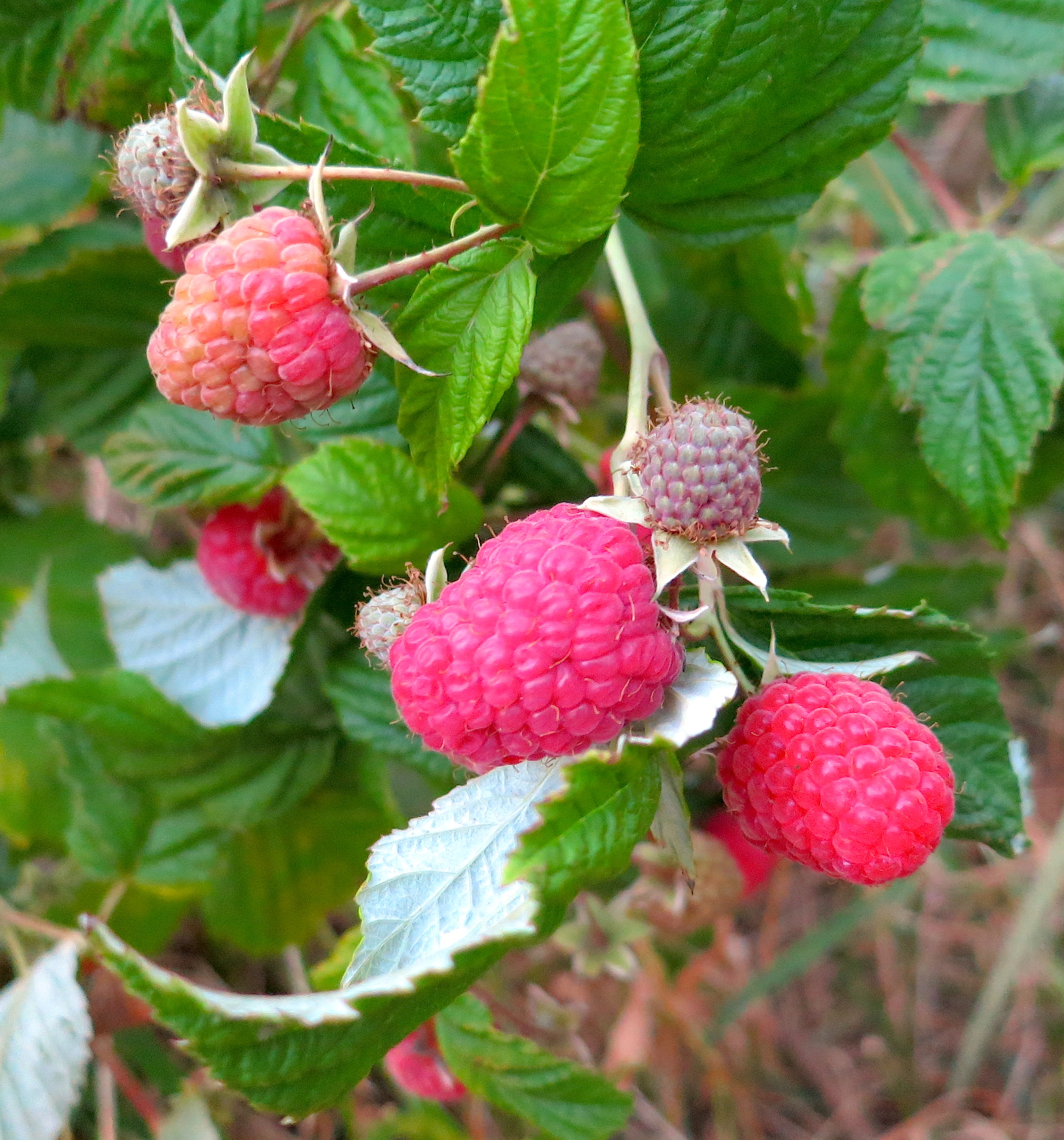
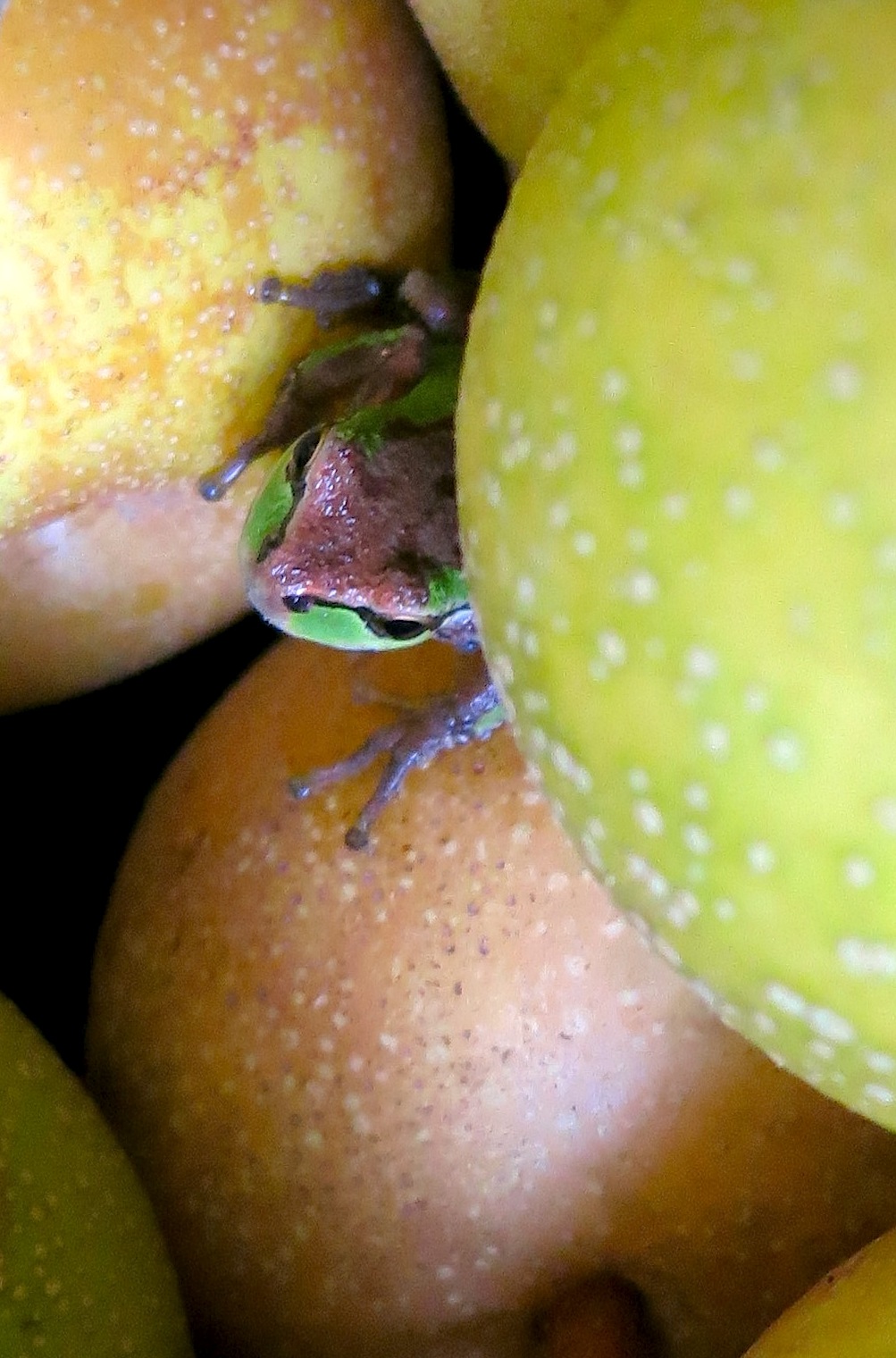
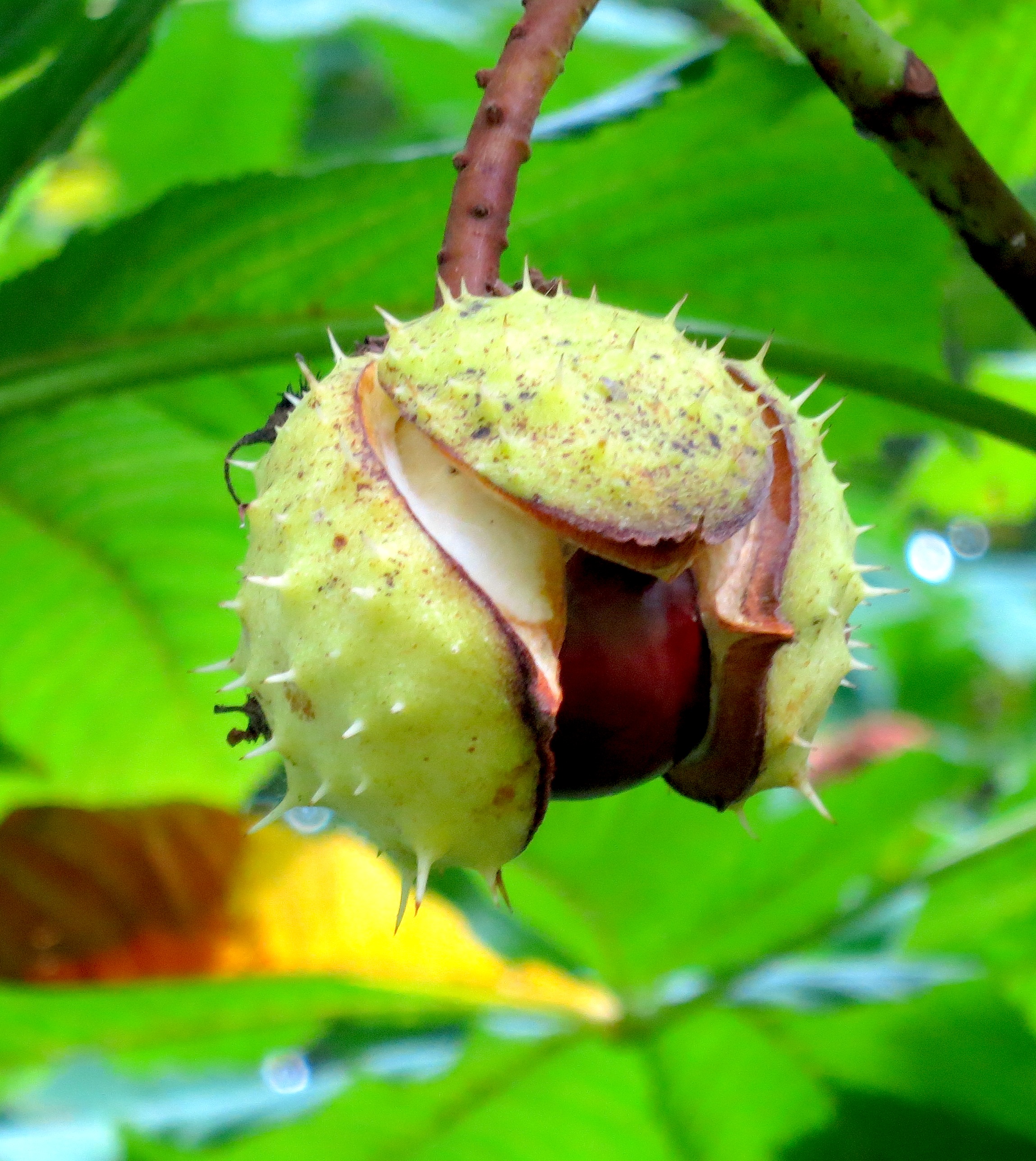
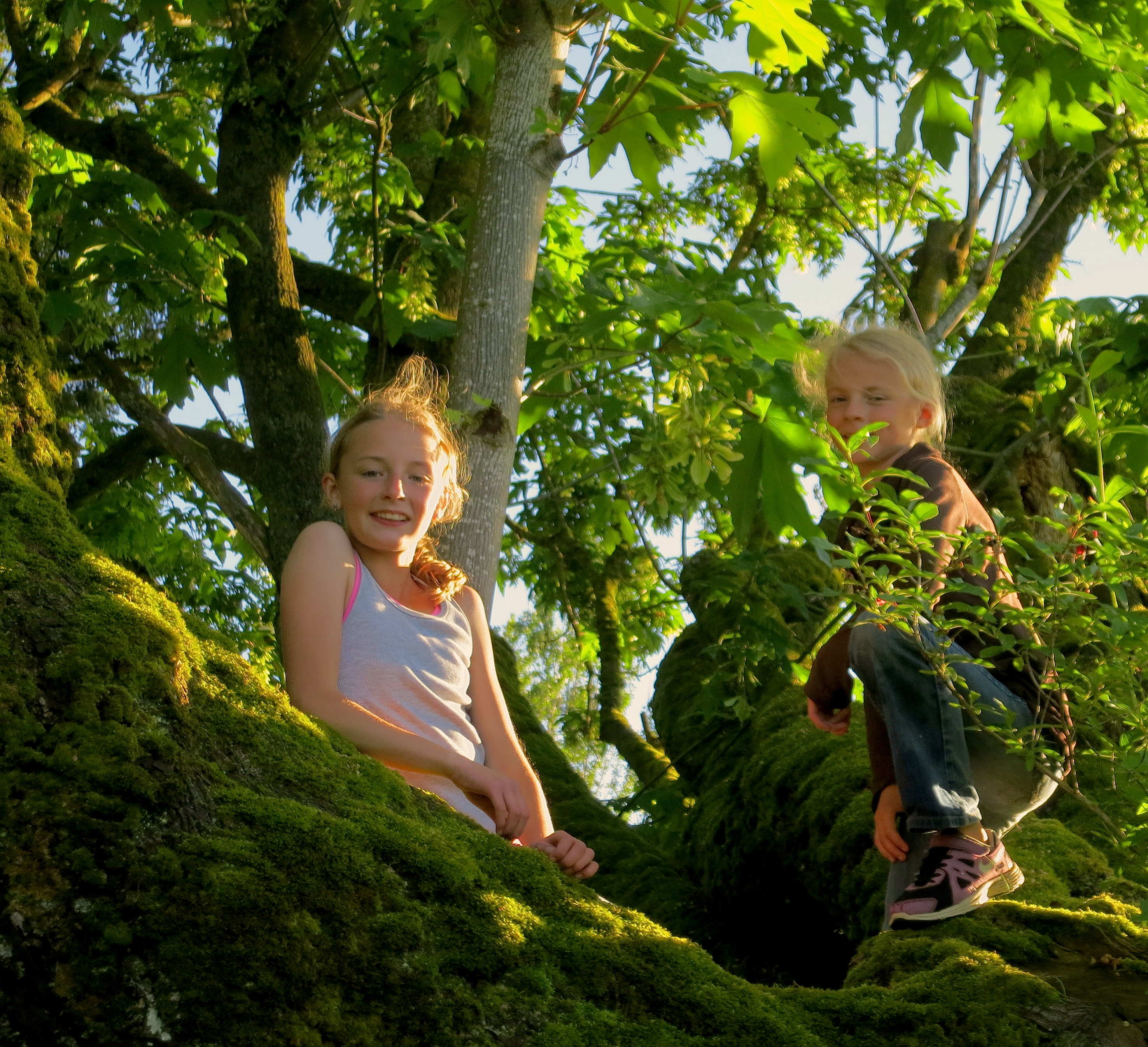
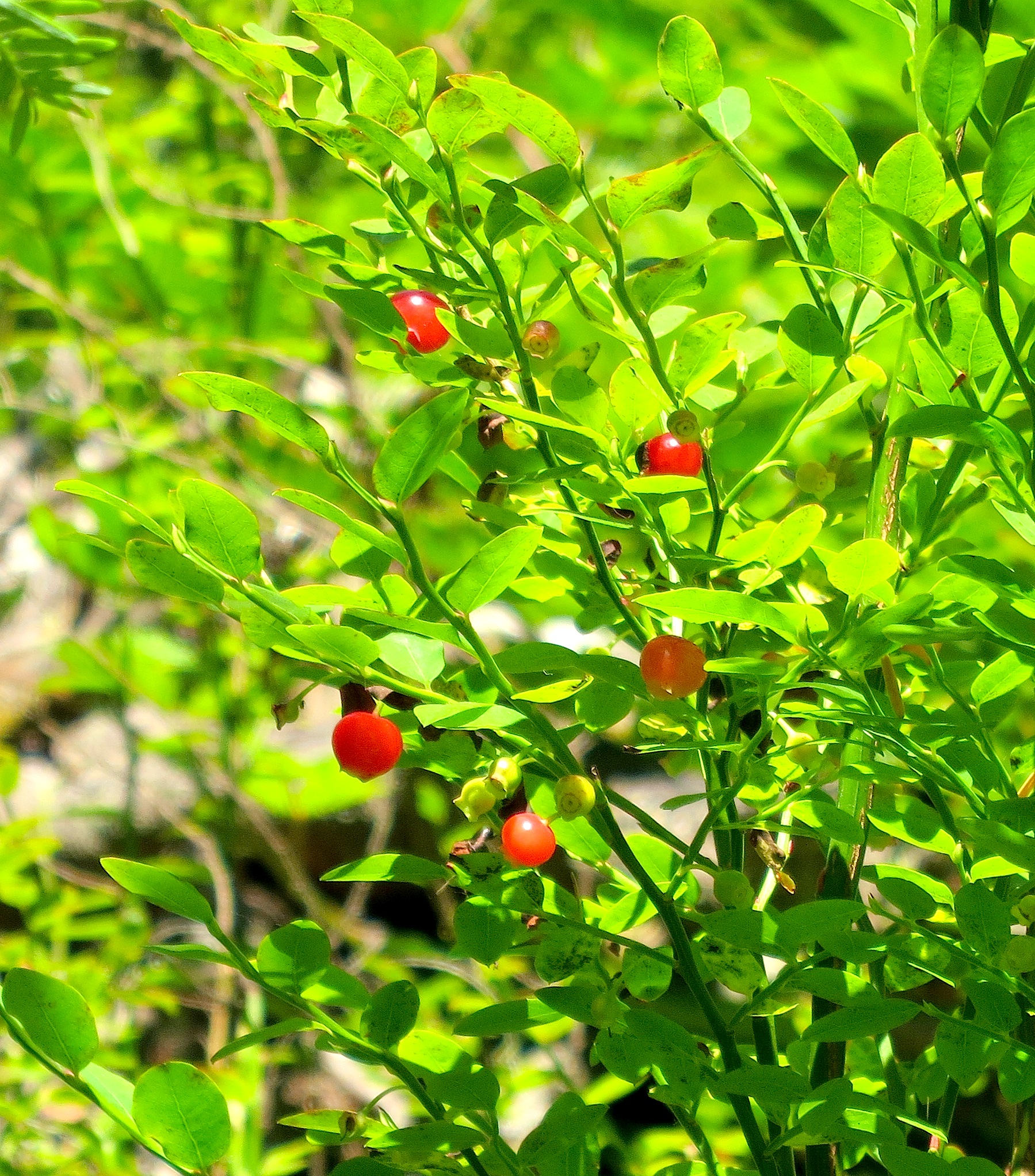
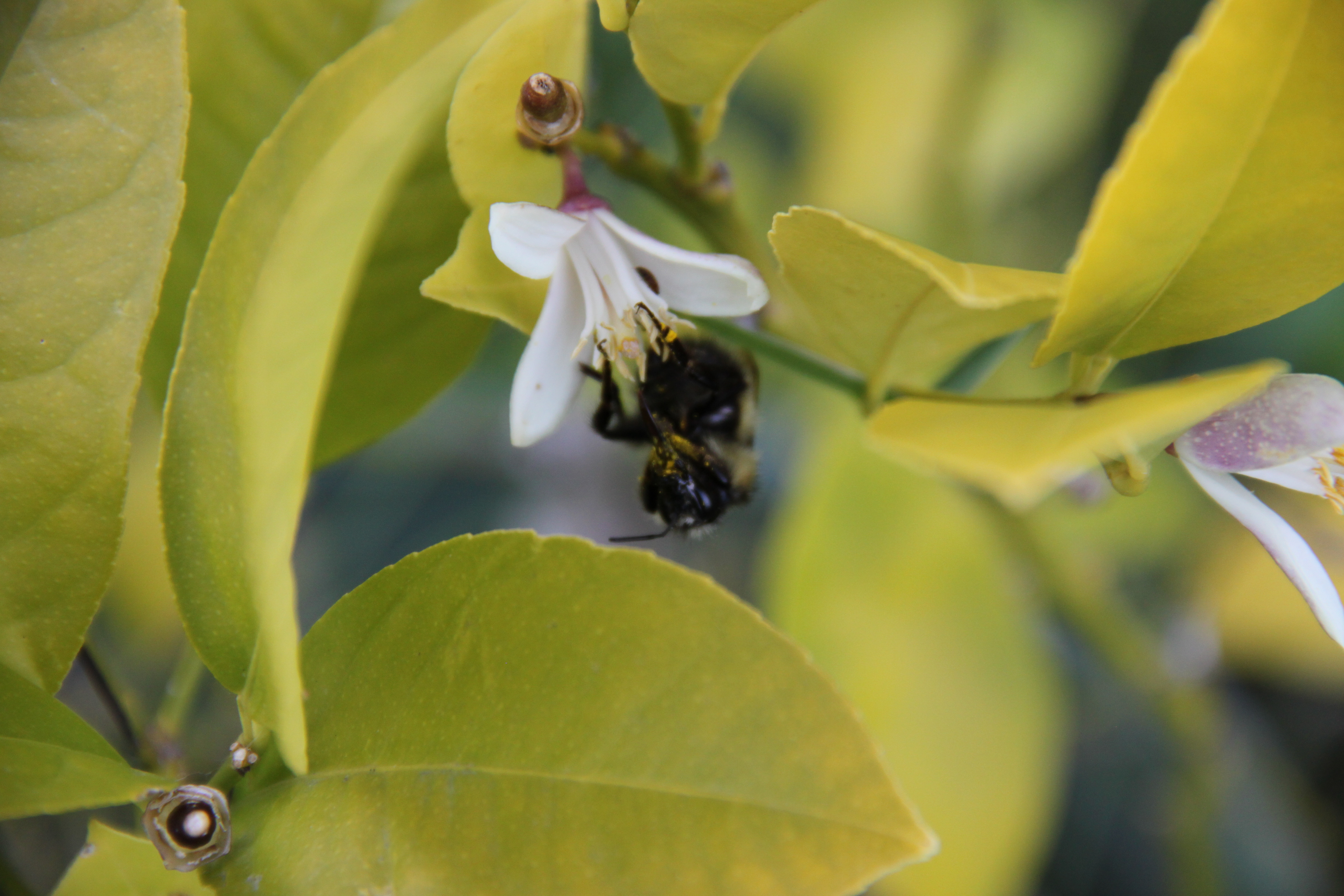
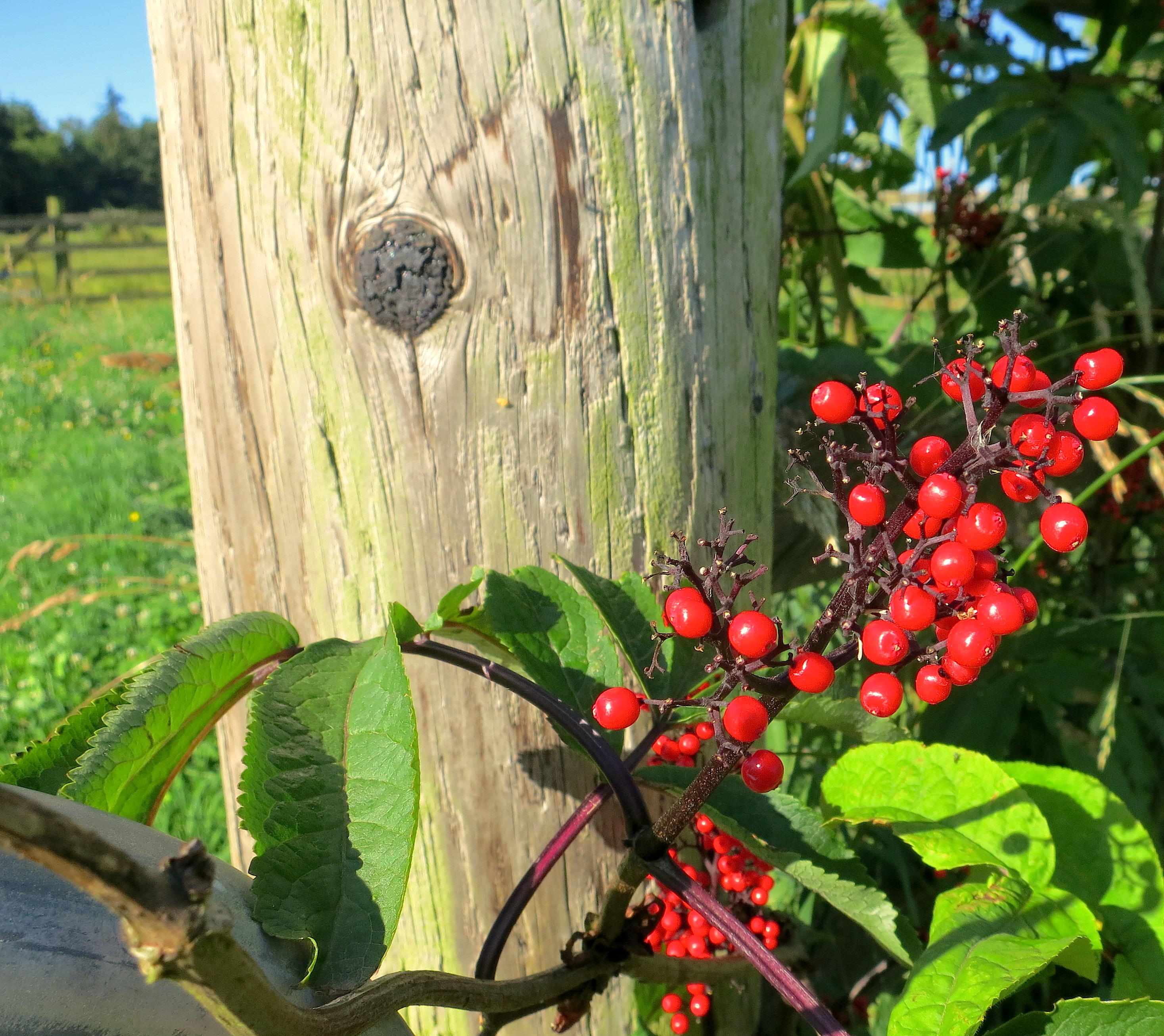
Every child should have mud pies, grasshoppers, water bugs, tadpoles, frogs, mud turtles, elderberries, wild strawberries, acorns, chestnuts, trees to climb.  Brooks to wade, water lilies, woodchucks, bats, bees, butterflies, various animals to pet, hayfields, pine-cones, rocks to roll, sand, snakes, huckleberries and hornets;  and any child who has been deprived of these has been deprived of the best part of education.  By being well acquainted with all these they come into most intimate harmony with nature, whose lessons are, of course, natural and wholesome.
~Luther Burbank from “Training of the Human Plant”

noaanya

sunset817

huckleberry

bee

elderberrypost

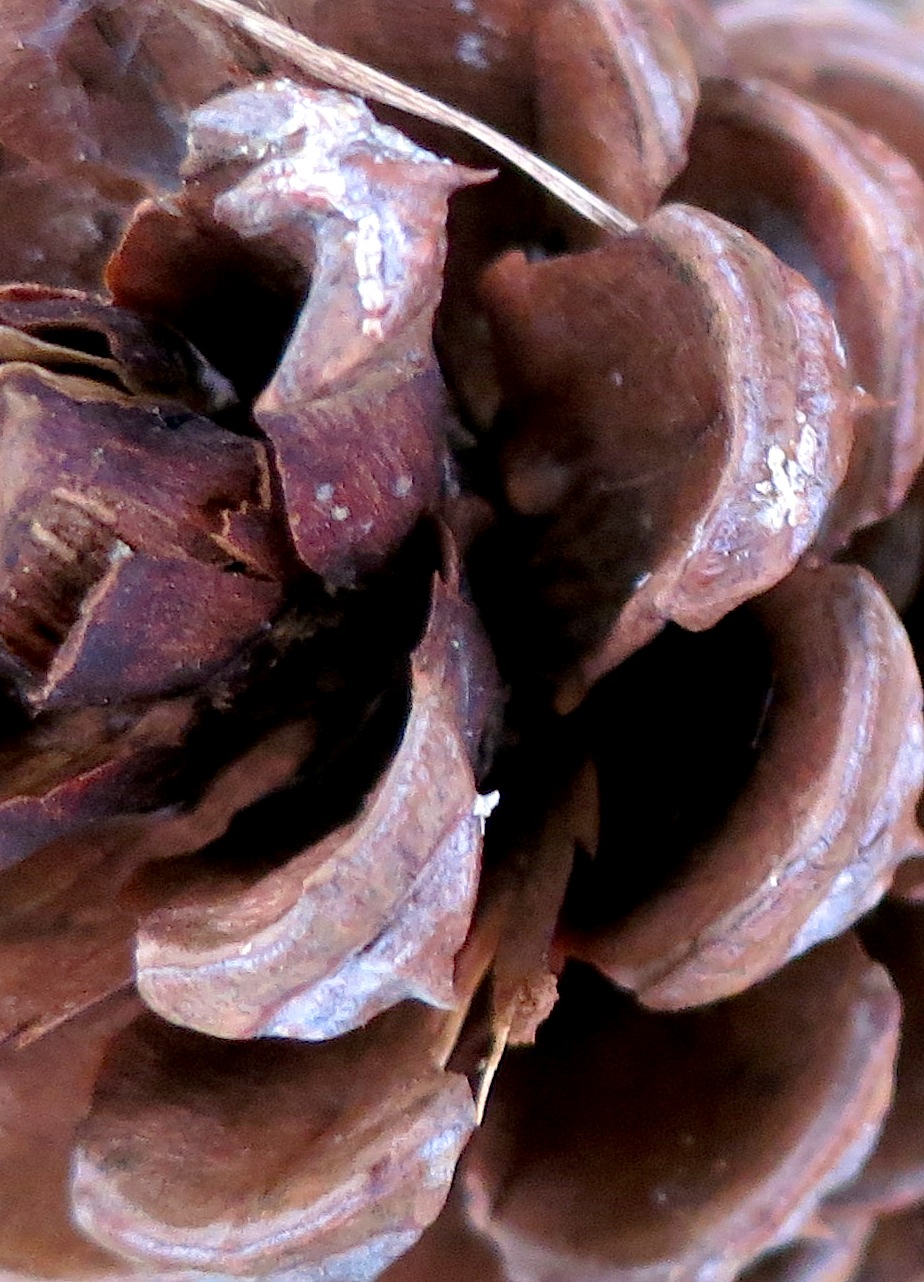
cone2

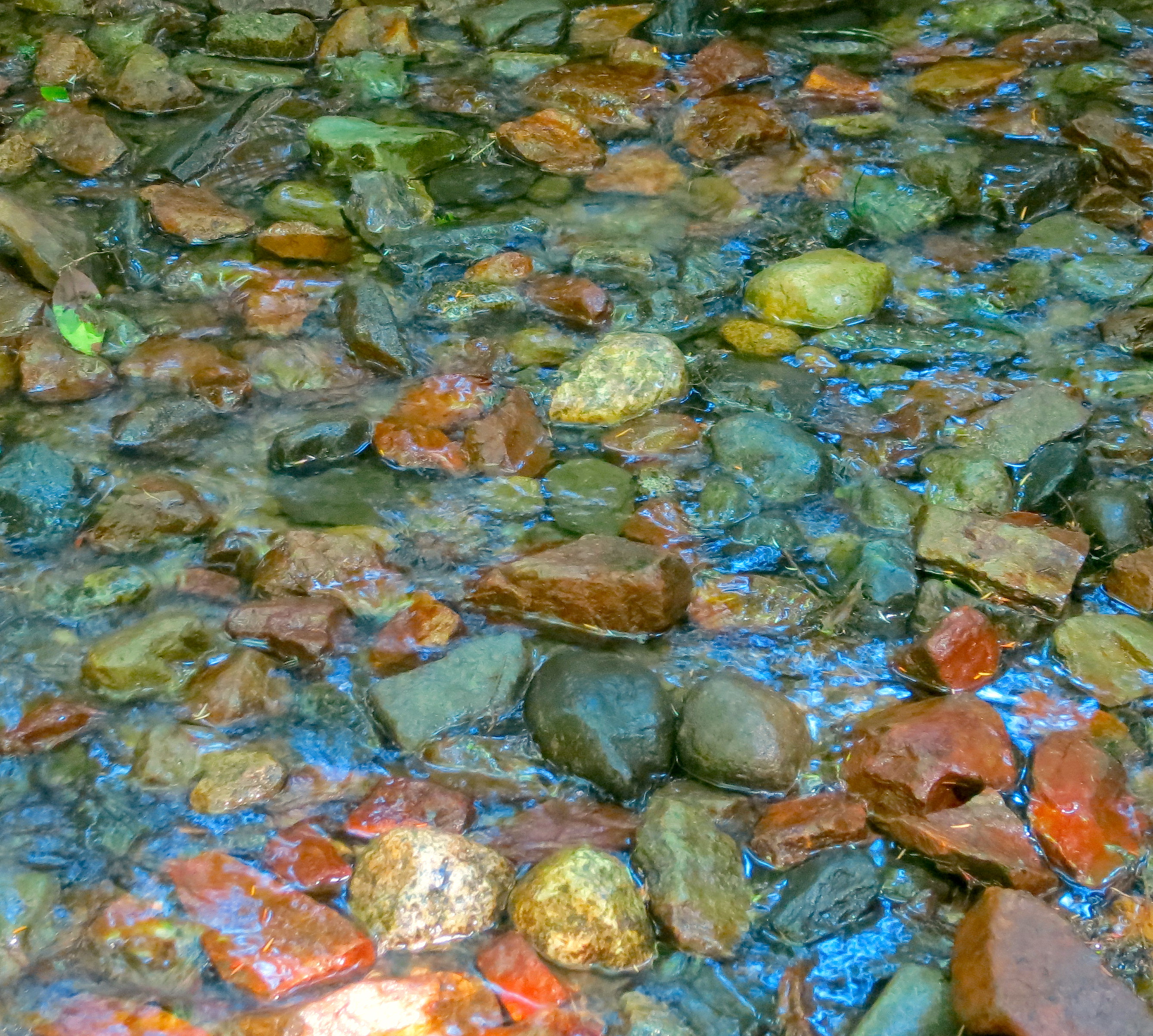
babbling

farmcrew


Fade Into Glooms

sunset62514

sunset625143

hayfield

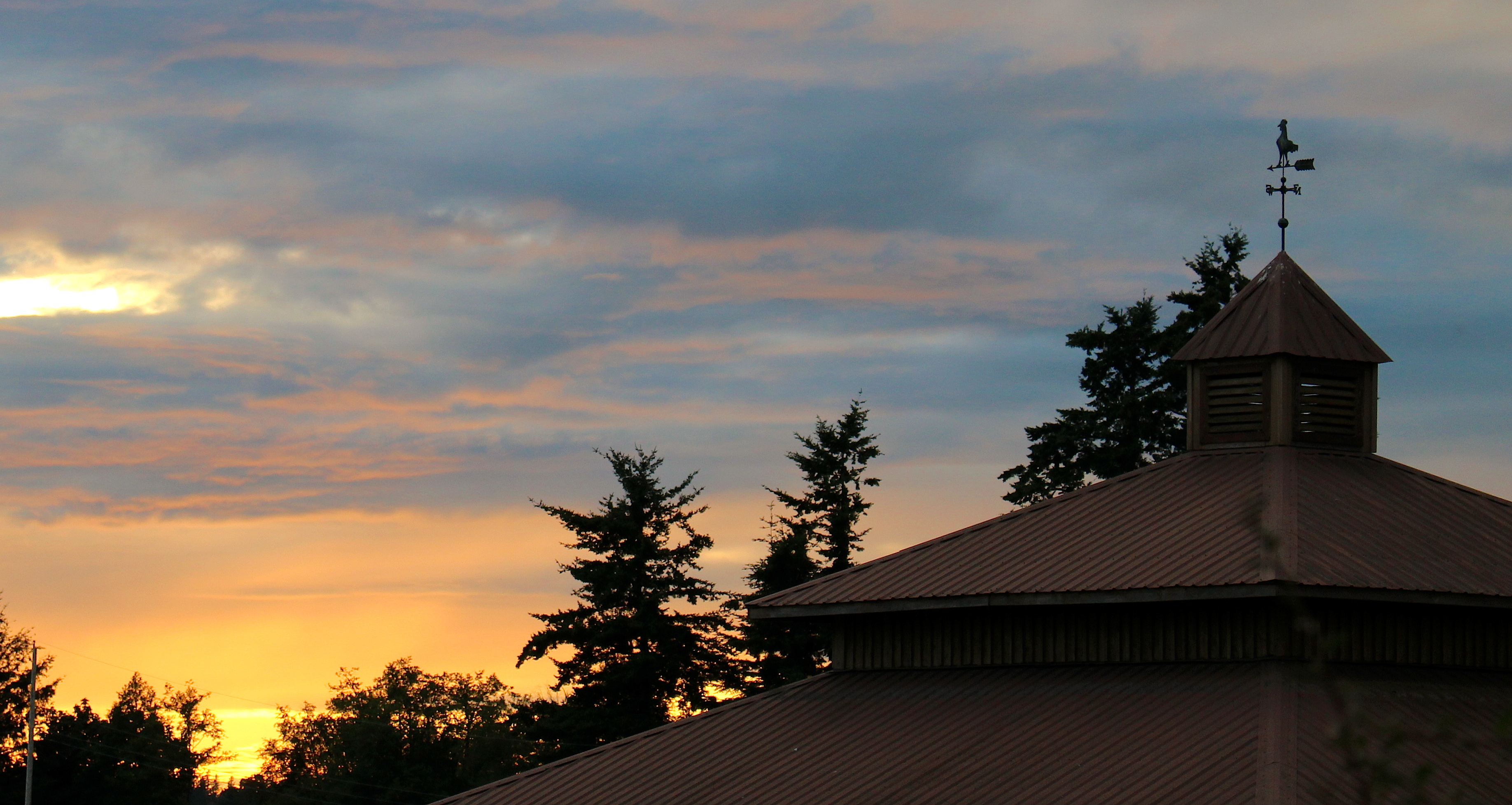
I love at eventide to walk alone
Down narrow lanes o’erhung with dewy thorn…

Right glad to meet the evening’s dewy veil
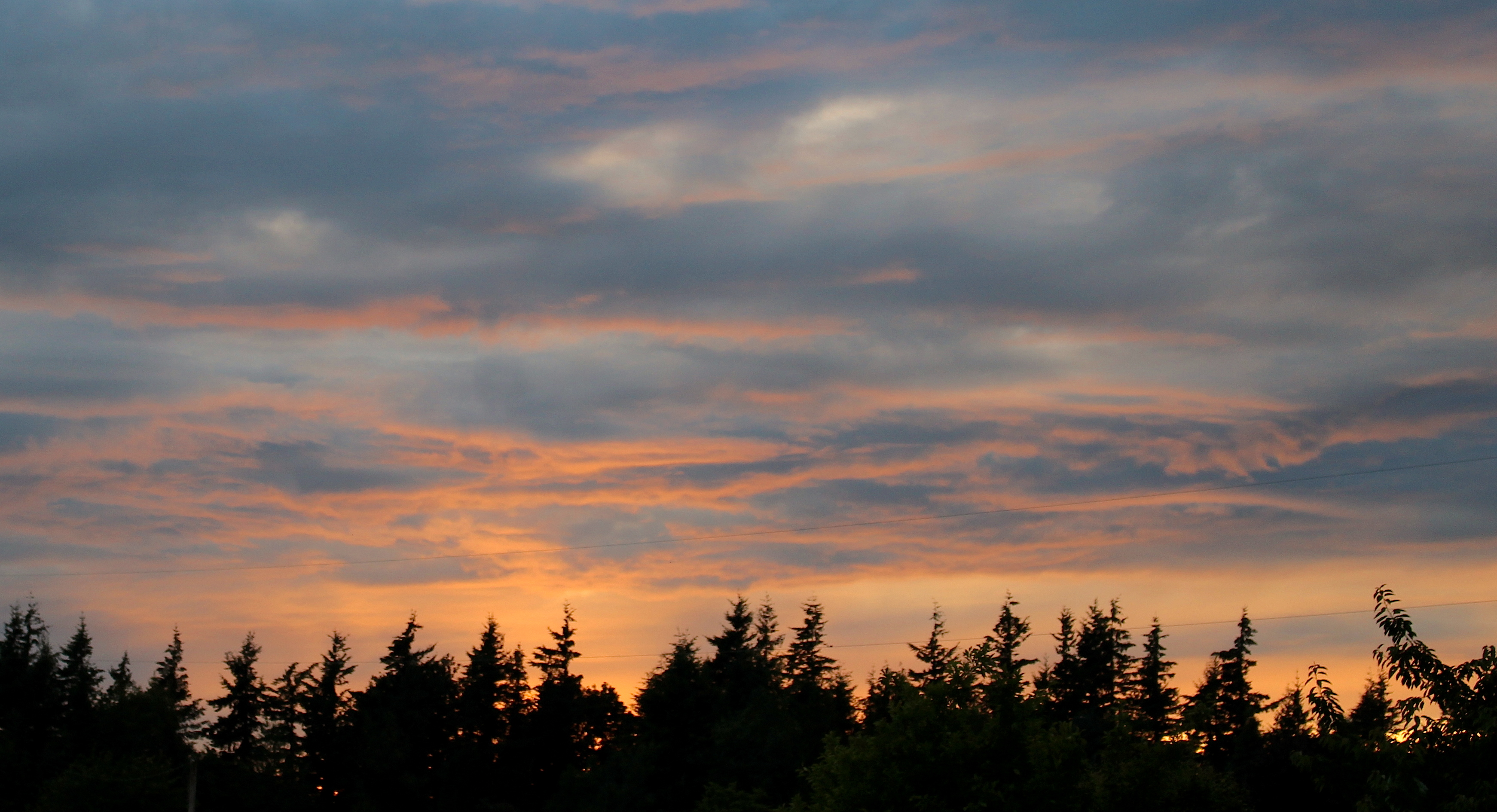
And see the light fade into glooms around.
~John Clare from “Summer Moods”

cloudgloom

sunset625141