I’ve learned that evenwhen I have pains, I don’t have to be one … I’ve learned that: people will forget what you said, people will forget what you did, but people will never forget how you made them feel. ~Maya Angelouon her 70th birthday, citing a quote from Carl Buehner
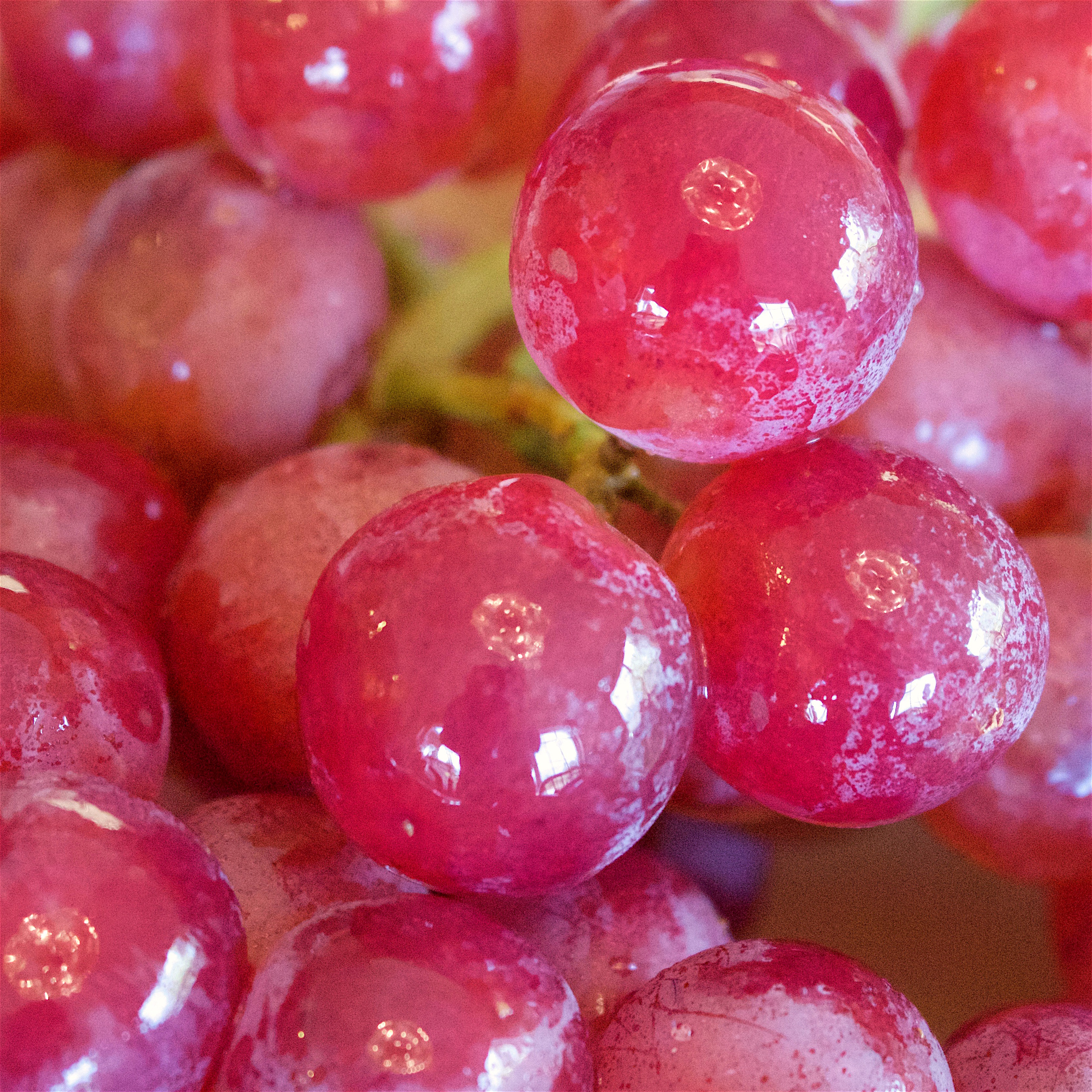
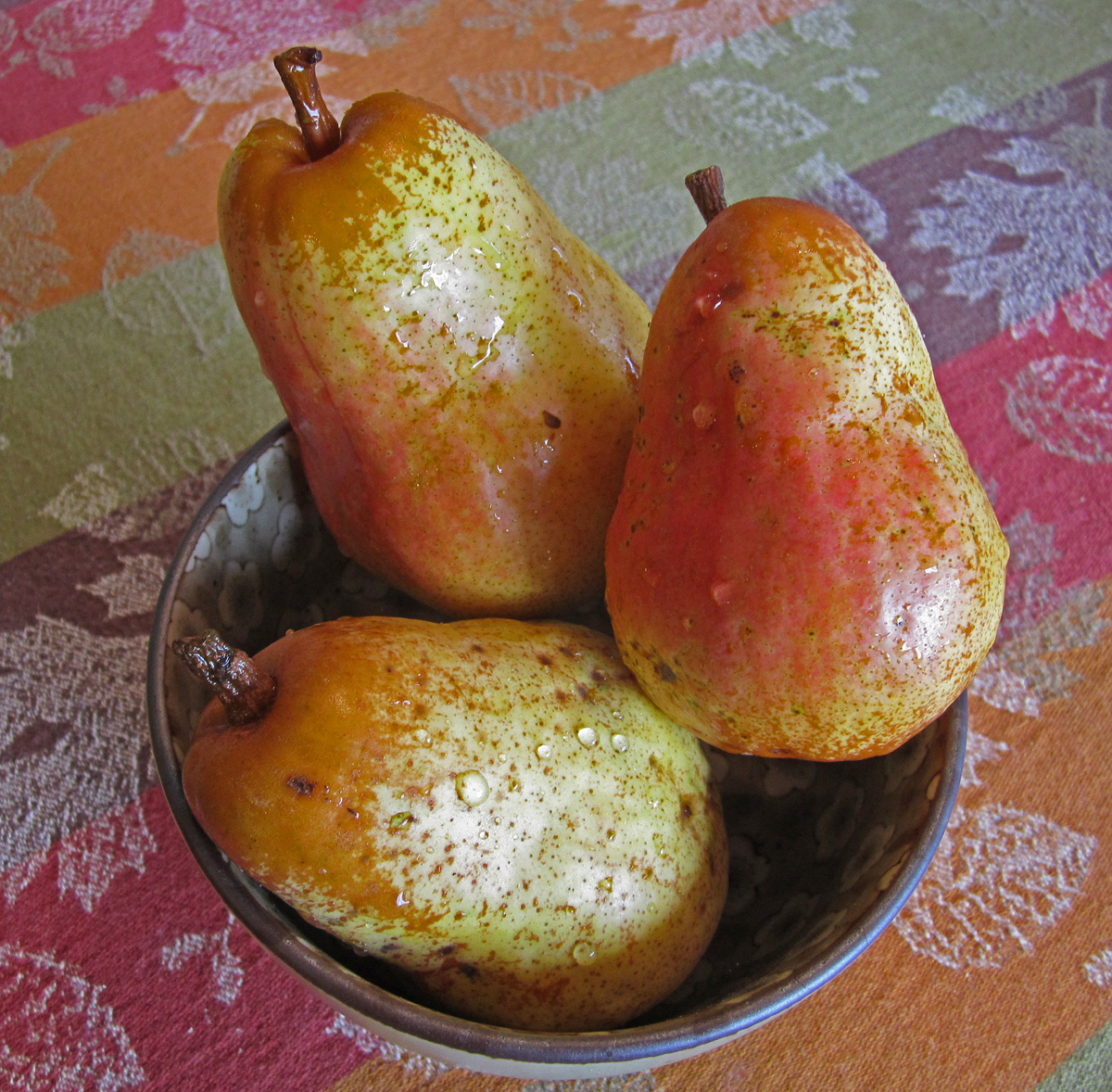
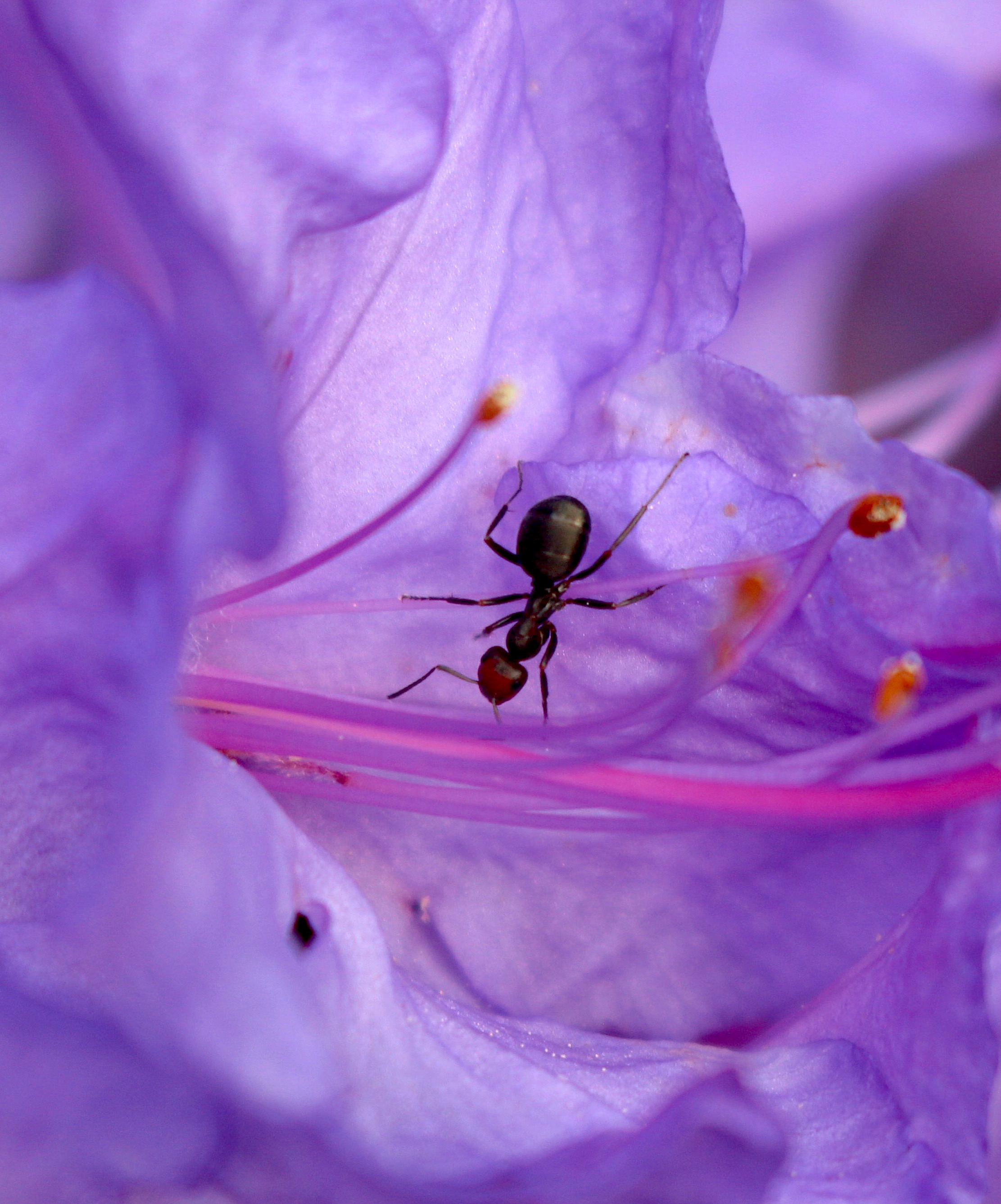
I learned from my mother how to love the living, to have plenty of vases on hand in case you have to rush to the hospital with peonies cut from the lawn, black ants still stuck to the buds. I learned to save jars large enough to hold fruit salad for a whole grieving household, to cube home-canned pears and peaches, to slice through maroon grape skins and flick out the sexual seeds with a knife point. I learned to attend viewings even if I didn’t know the deceased, to press the moist hands of the living, to look in their eyes and offer sympathy, as though I understood loss even then. I learned that whatever we say means nothing, what anyone will remember is that we came. I learned to believe I had the power to ease awful pains materially like an angel. Like a doctor, I learned to create from another’s suffering my own usefulness, and once you know how to do this, you can never refuse. To every house you enter, you must offer healing: a chocolate cake you baked yourself, the blessing of your voice, your chaste touch. ~Julie Kasdorf– “What I Learned from my Mother”
Moms often know best about these things — how to love others when and how they need it — the ways to ease pain, rather than become one. Despite years of practice, I don’t always get it right; others often do it better.
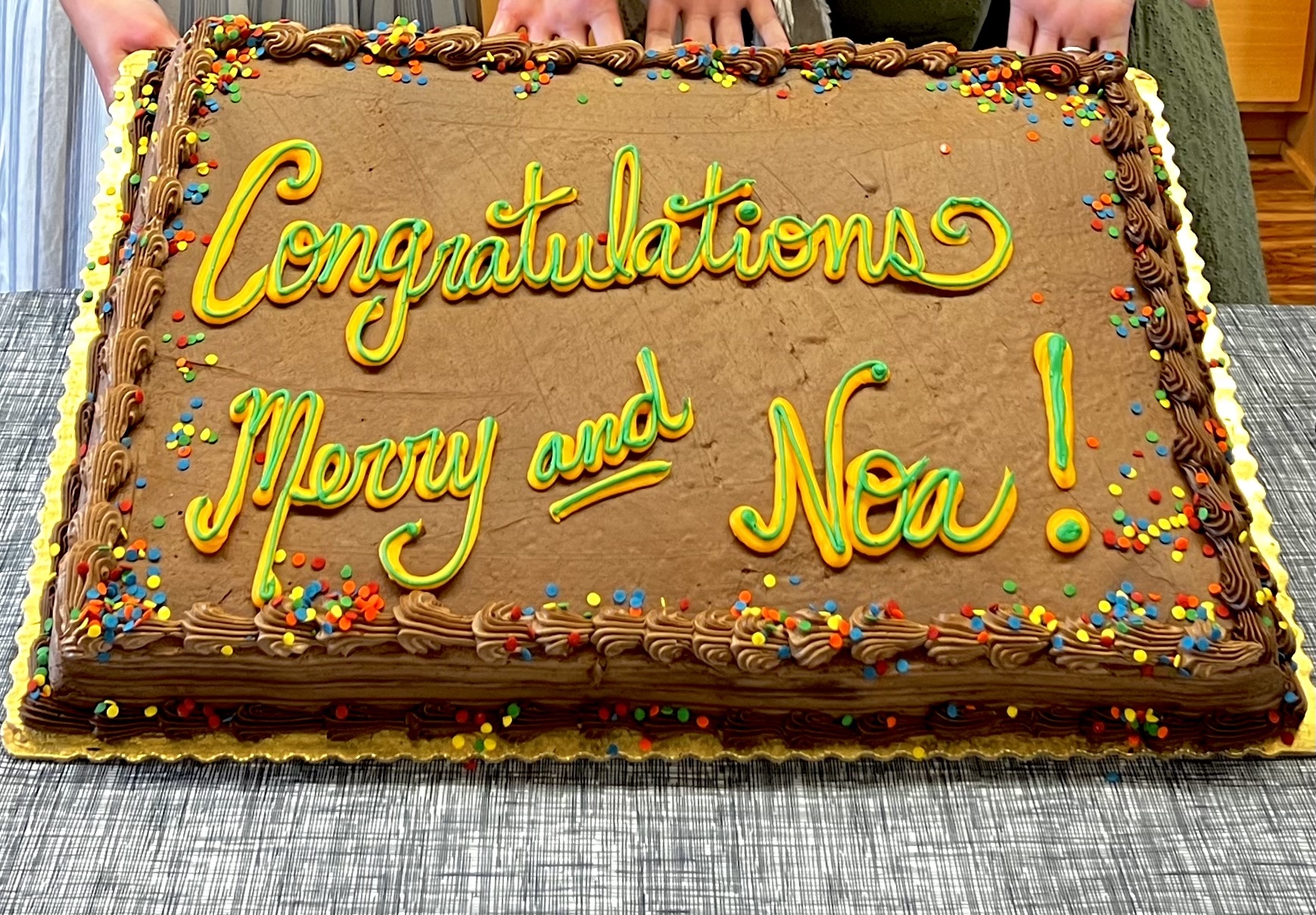
Showing up with food is always a good thing but it is the showing up part that is the real food; bringing a cake is simply the icing.
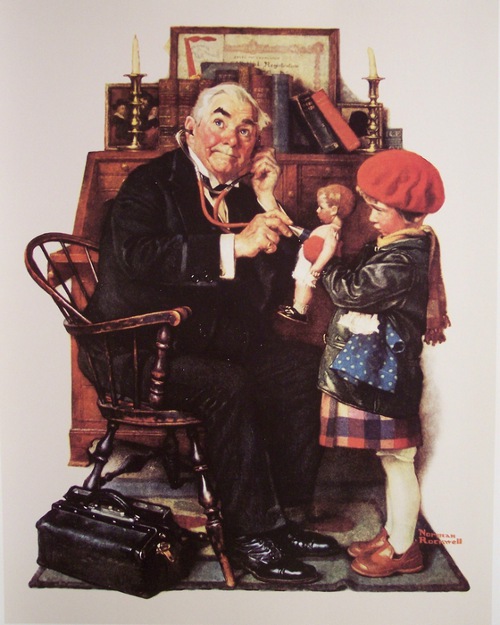
Working as a physician over four decades, my usefulness tended to depend on the severity of another’s worries and misery. If no illness, no symptoms, no fear, why bother seeing a doctor? Since retiring, the help I offer no longer means writing a prescription for a medication, or performing a minor surgery. I have to simply offer up me for what it’s worth, without the M.D.
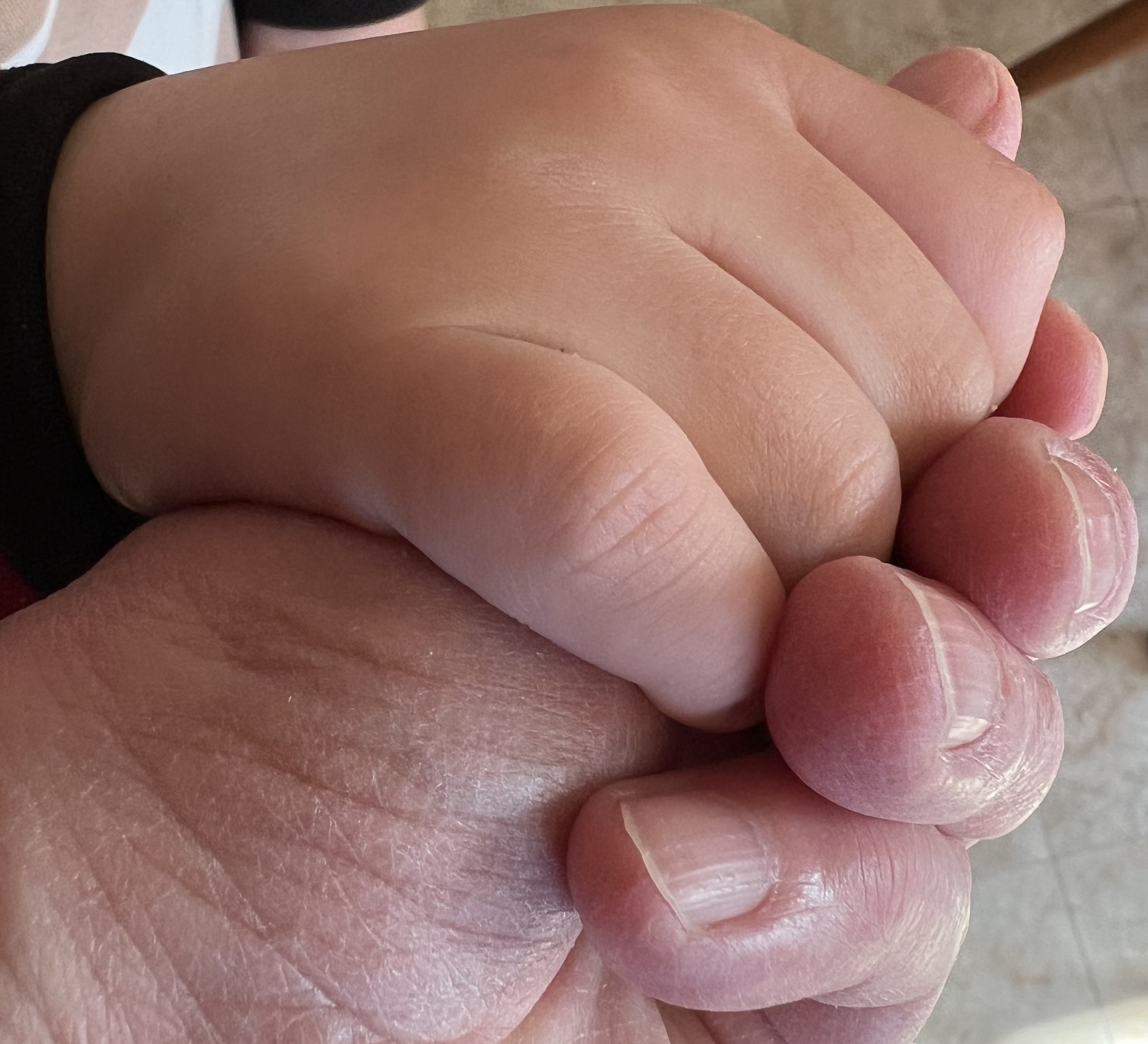
To be useful without a stethoscope, I aim to be like any good mom or grandma. I press my hand into another’s, hug when needed, smile and listen and nod and sometimes weep when someone has something they need to say. No advanced degree needed.
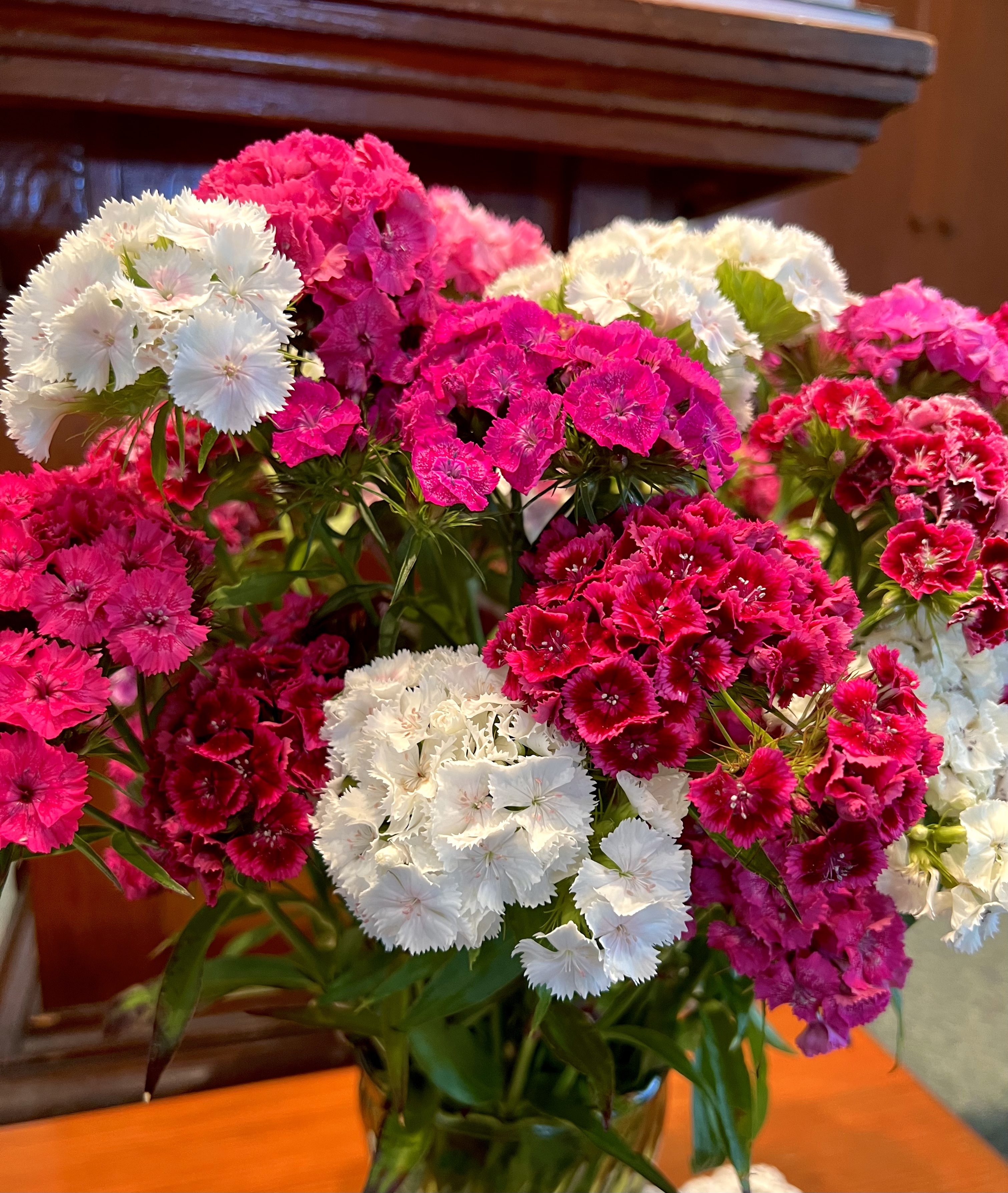
Oh, and bring flowers. Cut up fruit. Bake a cake. Leave the ants at home.
One-Time
Monthly
Yearly
Make a one-time and recurring donation to support daily Barnstorming posts
A poem begins as a lump in the throat, a sense of wrong, a homesickness, a lovesickness. ~Robert Frostin a letter to Louis Untermeyer
What isyour malady?
Asks the form at the community acupuncture clinic. My pen hovers—so many to choose from: the thyroid, the gut, the face. I find myself writing instead:
Homesickness.
I hand in my form. I wonder if the doctor with the needles will laugh at me, but he says instead:
I am homesick too.
And then he puts needles in my ears and my ankles and I fall asleep. Around me, strangers sleep needled dreams, under warm blankets.
And I think: at home in the world. The endless desire to be at home in the world. ~Sarah Ruhl “On Homesickness”
Leaving home has always been difficult for me. As a child, I was hopelessly homesick whenever I stayed overnight elsewhere. Going to college two states away was a complete ordeal – it took me a long time to let go of home and finally settle into a new life away from all that was familiar. Nothing felt right or normal, a disorienting sickness from clinging too tightly to home base, unwilling to launch, barely able to wave good-bye.
Even now, as I travel away from the farm for a week for this or that, I might get the lump-in-the-throat feeling that I remember keenly from my childhood years — knowing I am out of my element, like a fish out of water gasping for breath, stretched out of my comfort zone, not feeling at home while away from home.
Will I ever grow out of this now that I’m nearly seventy, or will it only get worse? Will I ever embrace a lovesickness, a yearning for the rest of the world?
I keep trying – but the return trip is still the sweetest remedy for this malady.
I am what you make me; nothing more. I swing before your eyes as a bright gleam of color, a symbol of yourself. ~Franklin K. Lane, Secretary of the Interior, 1914 Flag Day address
Sometimes, as a child, when I was bored, I’d grab a step ladder, pull it into our hallway, climb half way up and carefully lift the plywood hatch that was the portal to our unlit attic. It took some effort to climb up into the attic from the ladder, juggling a flashlight at the same time, but once seated safely on the beams above our ceiling, being careful not to put my foot through the carpet of insulation, I could explore what was stowed and normally inaccessible to me.
All the usual attic-type things were put up there: Christmas ornaments and lights, baby cribs and high chairs, lamps and toys no longer used. Secrets to my parents’ past were stored away there too. It was difficult imagining them as young children growing up on opposite sides of the state of Washington, in very different circumstances, or as attractive college students who met at a dance, or as young marrieds unencumbered by the daily responsibilities of a family. The attic held those images and memories like a three dimensional photo album.
My father’s dark green Marine Corps cargo trunk was up there, the one that followed him from Officer Training in Quantico, Virginia, to beach and mountain battles on Tarawa, Tinian and Saipan in the South Pacific, and three years later back home again. It had his name and rank stenciled on the side in dark black lettering. The buckles were stiff but could be opened with effort, and in the dark attic, there was always the thrill of unlatching the lid, and shining the flashlight across the contents. His Marine Corps dress uniform lay inside underneath his stiff brimmed cap. There were books about protocol, and a photo album which contained pictures of “his men” that he led in his battalion, and the collection of photos my mother sent of herself as she worked as a teacher of high school students back home.
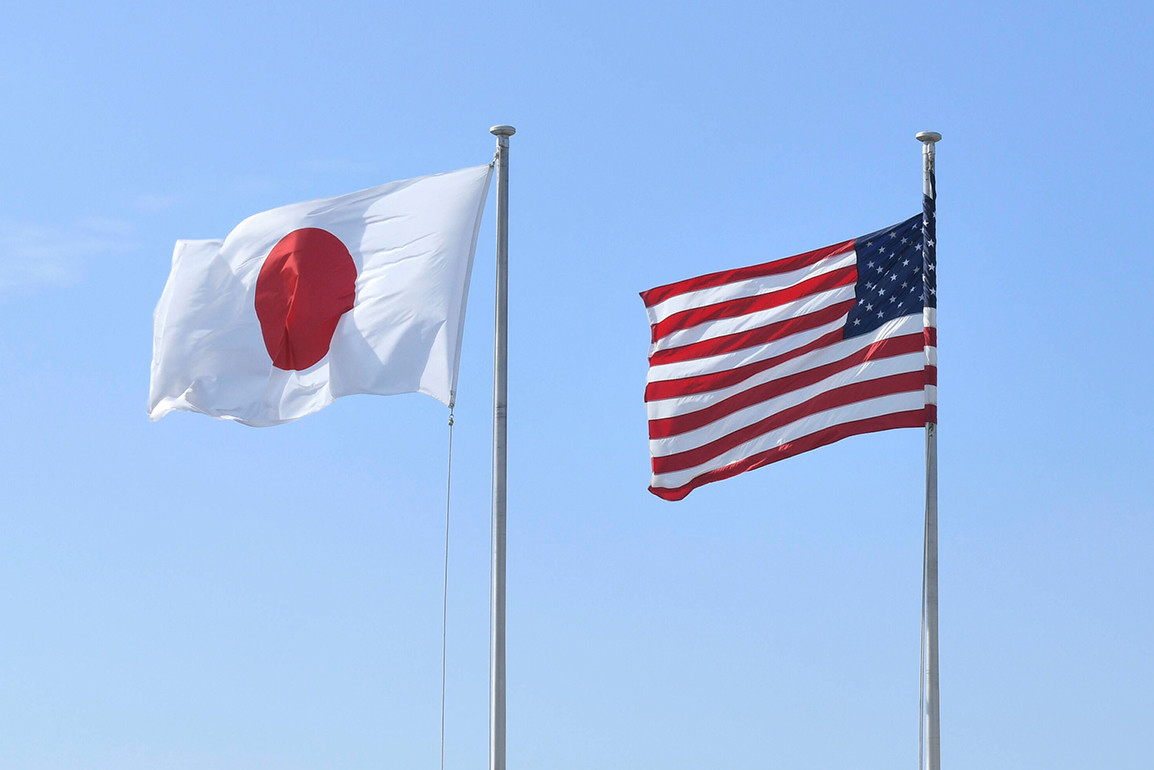
Most fascinating was a folded Japanese flag inside a small drawstring bag, made of thin white see-through cloth with the bold red sun in the middle. Surrounding the red sun were the delicate inked characters of many Japanese hands as if painted by artists, each wishing a soldier well in his fight for the empire. Yet there it was, a symbol of that soldier’s demise, itself buried in an American attic, being gently and curiously held by an American daughter of a Marine Corps captain. It would occur to me in the 1960s that some of the people who wrote on this flag might still be living, and certainly members of the soldier’s family would still be living. I asked my father once about how he obtained the flag, and he, protecting both me and himself, waved me away, saying he couldn’t remember. I know better now. He knew but could not possibly tell me the truth.
These flags, charms of good luck for the departing Japanese soldier as he left his neighborhood or village for war, are called Hinomaru Yosegaki (日の丸寄せ書き). Tens of thousands of these flags came home with American soldiers; it is clear they were not the talisman hoped for. A few of these flags are now finding their way back to their home country, to the original villages, to descendants of the lost soldiers. So now has this flag.
Eighty years ago doesn’t seem that long, a mere drop in the river of time. There is more than mere mementos that have flowed from the broken dam of WWII, flooding subsequent generations of Americans, Japanese, Europeans with memories that are now lost as the oldest surviving soldiers in their 90’s pass, scores of them daily, taking their stories of pain and loss and heroism with them. My father could never talk with a person of Asian descent, Japanese or not, without being visibly uneasy. As a child, I saw and felt this from him, but heard little from his mouth.
When he was twenty two years old, pressed flat against the rocks of Tarawa, trying to melt into the ground to become invisible to the bullets whizzing overhead, he could not have conceived that sixty five years later his twenty two year old grandson would disembark from a jumbo jet at Narita in Tokyo, making his way to an international school to teach Japanese children. My father would have been shocked that his grandson would settle happily into a culture so foreign, so seemingly threatening, so apparently abhorrent. Yet this irony is the direct result of the horrors of that too-long horrible bloody war of devastation: Americans and Japanese, despite so many differences, have become the strongest of allies, happily exchanging the grandchildren of those bitterly warring soldiers back and forth across the Pacific. It too was my privilege to care for Japanese exchange students daily in my University health clinic, peering intently into their open faces and never once seeing the enemy that my father feared.
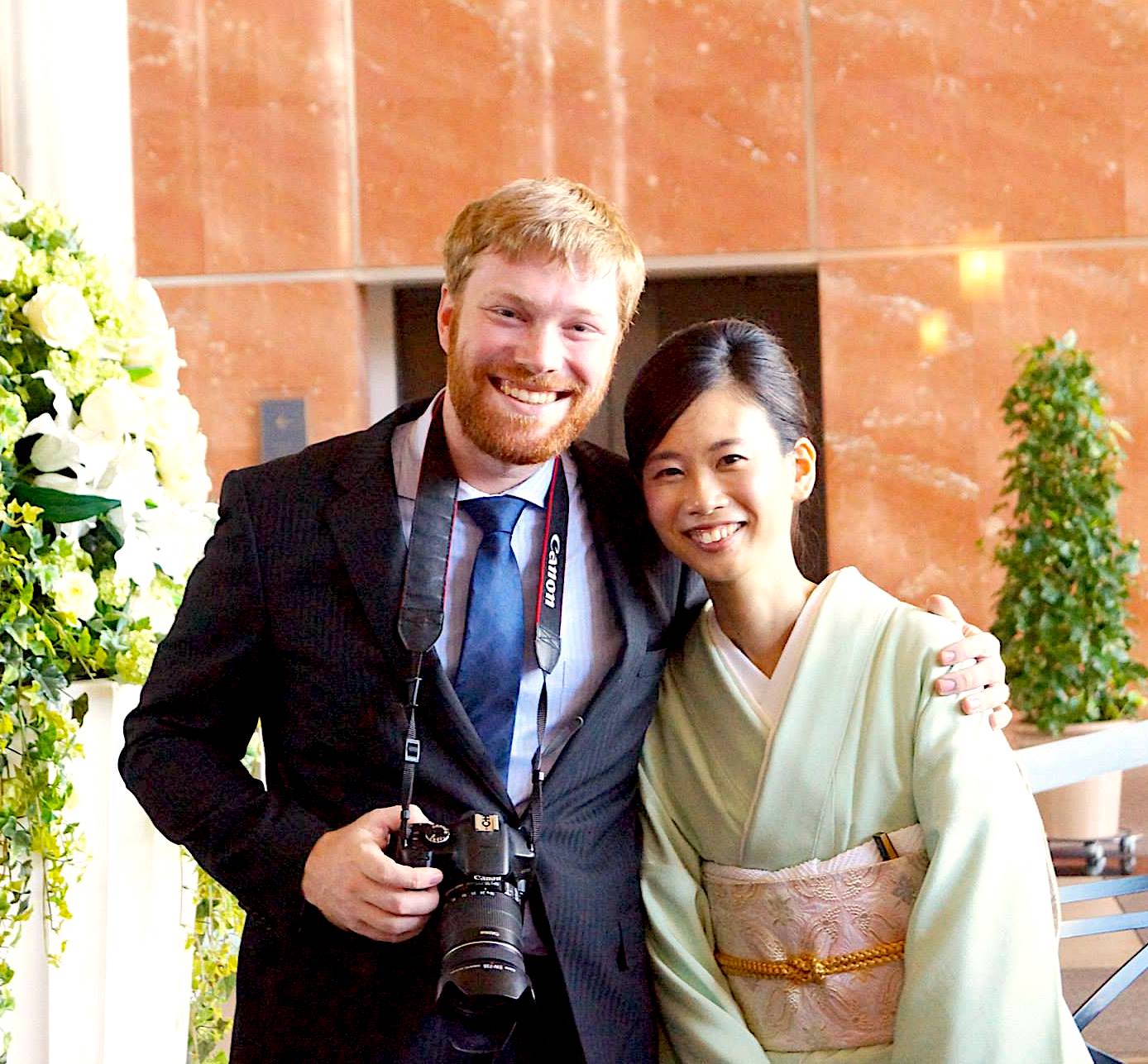
Now all these decades later, our son taught for 13 years in Tokyo, with deep admiration and appreciation for each of his students, some of whom were great-grandchildren of WWII Japanese soldiers. He married a granddaughter of those my father fought. Their two children are the perfect amalgam of once warring, yet now peaceful, cultures; a symbol of blended and blending peoples overcoming the hatred of past generations, creating a new world.
Our son and daughter-in-law, having settled their family in the States, are adapting to a different language, culture and flag. I pray our son having devoted part of his life as teacher and missionary to the land of the rising sun has redeemed his grandfather, the soldier-warrior of the past century.
(U.S. Air Force photo by Staff Sgt. Peter Reft)
One-Time
Monthly
Yearly
Make a one-time or recurring donation to support daily Barnstorming posts
…any father, particularly an old father, must finally give his child up to the wilderness and trust to the providence of God.
It seems almost a cruelty for one generation to beget another when parents can secure so little for their children, so little safety, even in the best circumstances. Great faith is required to give the child up, trusting God to honor the parents’ love for him by assuring that there will indeed be angels in that wilderness. ~Marilynne Robinson, Gilead
A reassuring truth for many families during this graduation season – in past years, we too watched our children leave home to begin a life of their own. We trusted in God’s providence that in our absence, there would be angels in the wilderness waiting to guide them.
Indeed there have been angels and continue to be – you know who you are!
In turn, over thirty two years of clinical work in a university health center, I had opportunity to be that refuge in the wilderness for thousands of young adults who had left their parents’ home to seek out their own journey. Sometimes they found themselves stranded on a path that was twisting, rocky, full of pitfalls and peril.
Despite plenty of my own limitations over those years, I found keeping this perspective helped me greet each new face, not only with a physician’s skill and knowledge, but always with a mother’s embrace.
Are there angels in the wilderness? I don’t know I’ve got my doubts, but if you say so But I’ve got a feeling we’re doing ok We’re doing our part, to make the brambles seem less sharp
Beneath the wing of an angel Far away from the night Carry me till I am able Beneath the wing of an angel
On the wing of an angel Fly me on to the light Hold me close till I’m able Beneath the wing of an angel
One-Time
Monthly
Yearly
Make a one-time or recurring donation to support daily Barnstorming posts
Here, I place a blue glazed cup where the wood is slightly whitened. Here, I lay down two bright spoons, our breakfast saucers, napkins white and smooth as milk.
I am stirring at the sink, I am stirring the amount of dew you can gather in two hands, folding it into the fragile quiet of the house. Before the eggs, before the coffee heaving like a warm cat, I step out to the feeder— one foot, then the other, alive on wet blades. Air lifts my gown—I might fly—
This thistle seed I pour is for the tiny birds. This ritual, for all things frail and imperiled. Wings surround me, frothing the air. I am struck by what becomes holy.
A woman who lost her teenage child to an illness without mercy, said that at the end, her daughter sat up in her hospital bed and asked:
What should I do? What should I do?
Into a white enamel bath I lower four brown eggs. You fill the door frame, warm and rumpled, kiss the crown of my head. I know how the topmost leaves of dusty trees feel at the advent of the monsoon rains.
I carry the woman with the lost child in my pocket, where she murmurs her love song without end: Just this, each day: Bear yourself up on small wings to receive what is given. Feed one another with such tenderness, it could almost be an answer. ~Marcia F. Brown “Morning Song”
I am comforted by rituals, as most of us are. The feeding, the cleaning, the washing, the nurture, smoothing of the wrinkled and ruffled, noticing who or what is near me, the sacred time of soothing rest.
It is those small things that get us through the day, that create holiness in each breath, each moment.
What should we do next? What might we do?
No need to wonder. With loving tenderness, we shall feed the hungry all our days.
Once I am sure there’s nothing going on I step inside, letting the door thud shut. Another church: matting, seats, and stone, And little books; sprawlings of flowers, cut For Sunday, brownish now; some brass and stuff Up at the holy end; the small neat organ; And a tense, musty, unignorable silence, Brewed God knows how long. Hatless, I take off My cycle-clips in awkward reverence,
Move forward, run my hand around the font. From where I stand, the roof looks almost new- Cleaned or restored? Someone would know: I don’t. Mounting the lectern, I peruse a few Hectoring large-scale verses, and pronounce “Here endeth” much more loudly than I’d meant. The echoes snigger briefly. Back at the door I sign the book, donate an Irish sixpence, Reflect the place was not worth stopping for.
Yet stop I did: in fact I often do, And always end much at a loss like this, Wondering what to look for; wondering, too, When churches fall completely out of use What we shall turn them into, if we shall keep A few cathedrals chronically on show, Their parchment, plate, and pyx in locked cases, And let the rest rent-free to rain and sheep. Shall we avoid them as unlucky places?
Bored, uninformed, knowing the ghostly silt Dispersed, yet tending to this cross of ground Through suburb scrub because it held unspilt So long and equably what since is found Only in separation – marriage, and birth, And death, and thoughts of these – for whom was built This special shell? For, though I’ve no idea What this accoutred frowsty barn is worth, It pleases me to stand in silence here;
A serious house on serious earth it is, In whose blent air all our compulsions meet, Are recognised, and robed as destinies. And that much never can be obsolete, Since someone will forever be surprising A hunger in himself to be more serious, And gravitating with it to this ground, Which, he once heard, was proper to grow wise in, If only that so many dead lie round. ~Philip Larkin from “Church-going”
Even an empty shell of a church invites in silent witness- even those of us who struggle with unbelief, who stop only to rest a moment, to mock or sigh, breathe in the musty history of such a place.
Over the centuries, there has been much wrong with churches, comprised as they are of fallen people with broken wings and fractured faith. They seem anachronistic, from another time and place, echoing of baptisms and eucharist, weddings and funerals.
Yet we still return, fragmented souls that we are, acknowledging the flaws in one another as we crack open to spill our own.
What is right with the church goes beyond silence: Who we pray to, why we sing and feast together on the grace and generosity of His Word. We are restless noisy people joined together as a body bloodied, bruised, redeemed.
Dear Lord of Heaven and Earth, look out for us in our motley messiness, rain down Your restless love upon our heads, no matter how frowsty a building we worship in, or how we look or feel today.
Be unignorable, so we might come back, again and again.
We stand, stirred, in silence, simply grateful to be alive, to raise our hands together, then sing and kneel and bow in such an odd and humble house, indeed a home God might call His own.
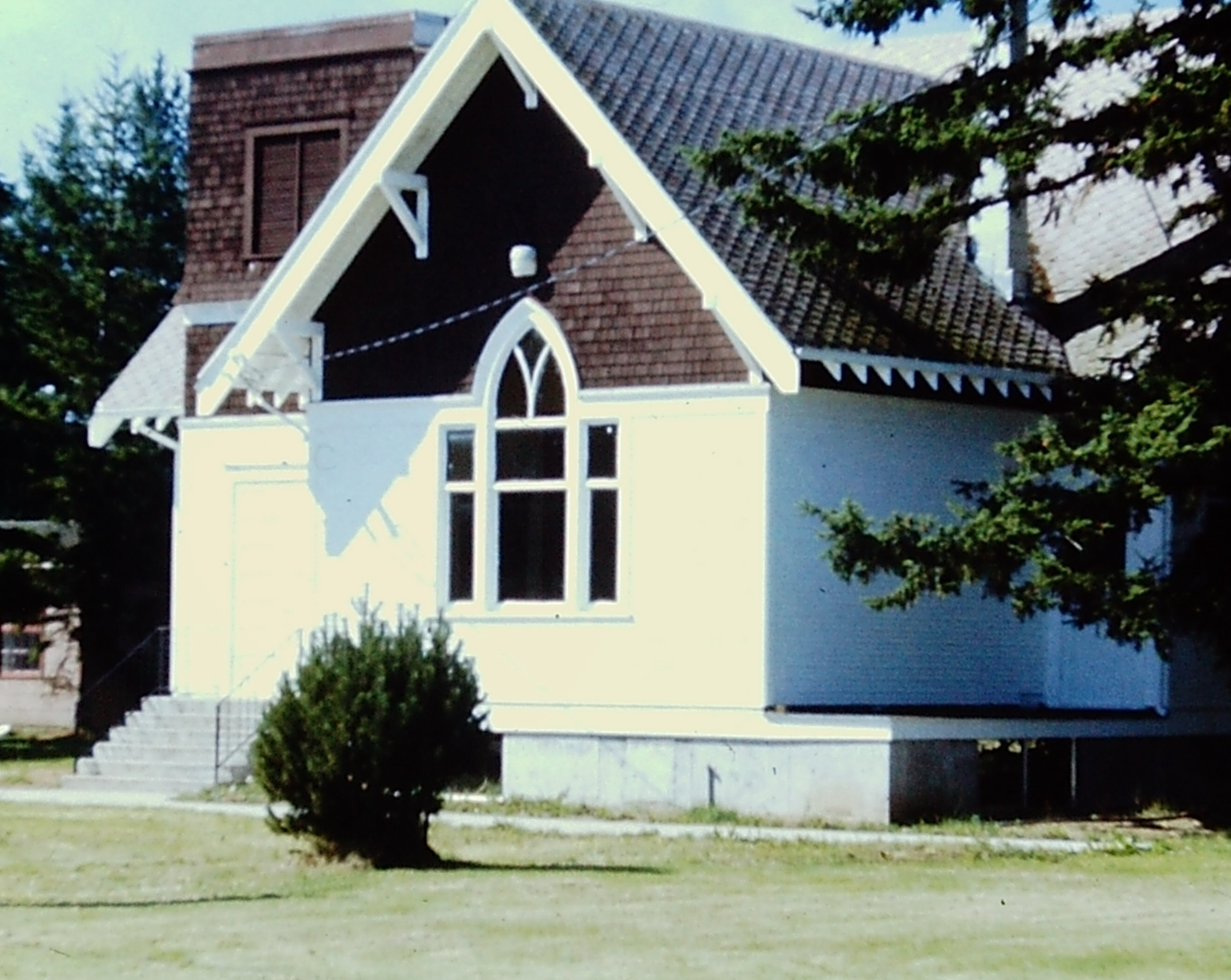
pulpit peonies
The old church leans nearby a well-worn road, Upon a hill that has no grass or tree, The winds from off the prairie now unload The dust they bring around it fitfully.
The path that leads up to the open door Is worn and grayed by many toiling feet Of us who listen to the Bible lore And once again the old-time hymns repeat.
And ev’ry Sabbath morning we are still Returning to the altar waiting there. A hush, a prayer, a pause, and voices fill The Master’s House with a triumphant air.
The old church leans awry and looks quite odd, But it is beautiful to us and God. ~Stephen Paulus
One-Time
Monthly
Yearly
Make a one-time or recurring donation to support daily Barnstorming posts
Stretching Himself as if again, through downpress of dust upward, soul giving way to thread of white, that reaches for daylight, to open as green leaf that it is… Can Ascension not have been arduous, almost, as the return from Sheol, and back through the tomb into breath? Matter reanimate now must relinquish itself, its human cells, molecules, five senses, linear vision endured as Man – the sole all-encompassing gaze resumed now, Eye of Eternity. Relinquished, earth’s broken Eden. Expulsion, liberation, last self-enjoined task of Incarnation. He again Fathering Himself. Seed-case splitting. He again Mothering His birth: torture and bliss. ~Denise Levertov “Ascension”
For as a cloud received Him from their sight, So with a cloud will He return ere long: Therefore they stand on guard by day, by night, Strenuous and strong.
They do, they dare, they beyond seven times seven Forgive, they cry God’s mighty word aloud: Yet sometimes haply lift tired eyes to Heaven– “Is that His cloud?” ~Christina Rossetti from “Ascension Day”
We saw his light break through the cloud of glory Whilst we were rooted still in time and place As earth became a part of Heaven’s story And heaven opened to his human face. We saw him go and yet we were not parted He took us with him to the heart of things The heart that broke for all the broken-hearted Is whole and Heaven-centred now, and sings, Sings in the strength that rises out of weakness, Sings through the clouds that veil him from our sight, Whilst we our selves become his clouds of witness And sing the waning darkness into light, His light in us, and ours in him concealed, Which all creation waits to see revealed . ~Malcolm Guite “Ascension”
I wait for the Lord, my soul waits, and in his word I put my hope. My soul waits for the Lord more than watchmen wait for the morning, more than watchmen wait for the morning. Psalm 130: 5-6 from a Song of Ascents
Waiting is essential to the spiritual life. But waiting as a disciple of Jesus is not an empty waiting. It is a waiting with a promise in our hearts that makes already present what we are waiting for. We wait during Advent for the birth of Jesus. We wait after Easter for the coming of the Spirit, and after the ascension of Jesus we wait for his coming again in glory. We are always waiting, but it is a waiting in the conviction that we have already seen God’s footsteps. — Henri Nouwen from Bread For The Journey: A Daybook of Wisdom and Faith
Ascension Day observance reminds me that waiting is a hard sweet paradox in the Christian life. It is hard not yet having what I know is coming.
But it is sweet to have certainty it is coming because of the footprints left behind: He has been here among us and, in His ascension, carried our dust to heaven.
The waiting won’t be easy; it will often be painful to be patient, staying alert to possibility and hope when all seems exhausted. Others won’t understand why we wait, nor do they comprehend what we could possibly be waiting for.
So we persevere together, with patience, watching and hoping; we are a community groaning together in sweet expectation of the morning.
One-Time
Monthly
Yearly
Make a one-time or recurring donation to support daily Barnstorming posts
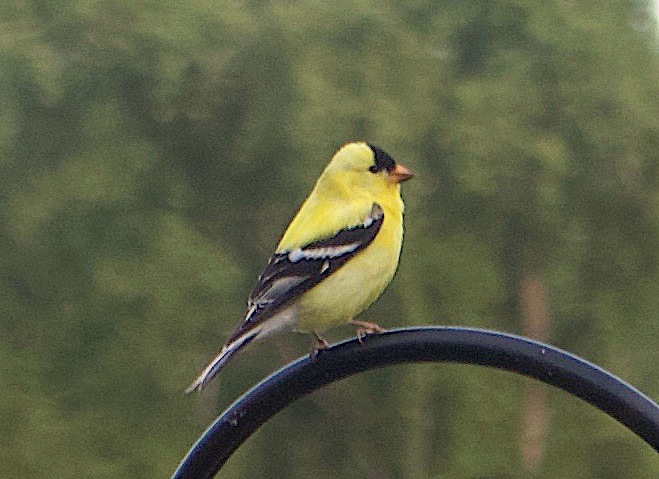
— American goldfinch; Winston-Salem, North Carolina
First the horrible, reverberating thud
against the glass wall of the student union.
Then the discovery, huddled on the sidewalk.
A wonder it hasn’t been stepped on.
Only as I’m holding it do students notice,
a few stopping to ask, Is it dead? No,
just stunned. Probably concussed, tucked in
on itself, black and brassy feathers just as
I remember from my mother’s pocket Audubon.
Her favorite guide for our hikes through the woods
when I was young, listening for meadowlark, for thrush.
She taught me the importance of quiet,
my flipping of the book’s pages, even, too loud.
Behind the closed door of my office, I sometimes
take it from my shelf and leaf through her life list:
a few sheets of spiral notebook paper
tucked inside the front cover. There, in her tight
penmanship, eagles and falcons over Horseshoe Lake,
burrowing desert owls, condors on the coast.
The goldfinch. Here, in my hands. A little
encouragement, gentle tossing motion
by my cupped hand—suddenly remembering flight.
The bird collecting itself for a minute
on a low-hanging branch before skittering off
to a bigger tree, then out of sight. Washing my hands
in the bathroom by my office, I blink at myself
in the mirror. Small graces. Desk clock.
Fountain pen. Old paper, thin and translucent
as onionskin. Nothing to bury or mourn today. ~Jim Whiteside “Life List”
I keep a “life list” of sorts. It isn’t like a birder’s list of species seen, but a collection of those of you who have reached out to me over the decades of my writing.
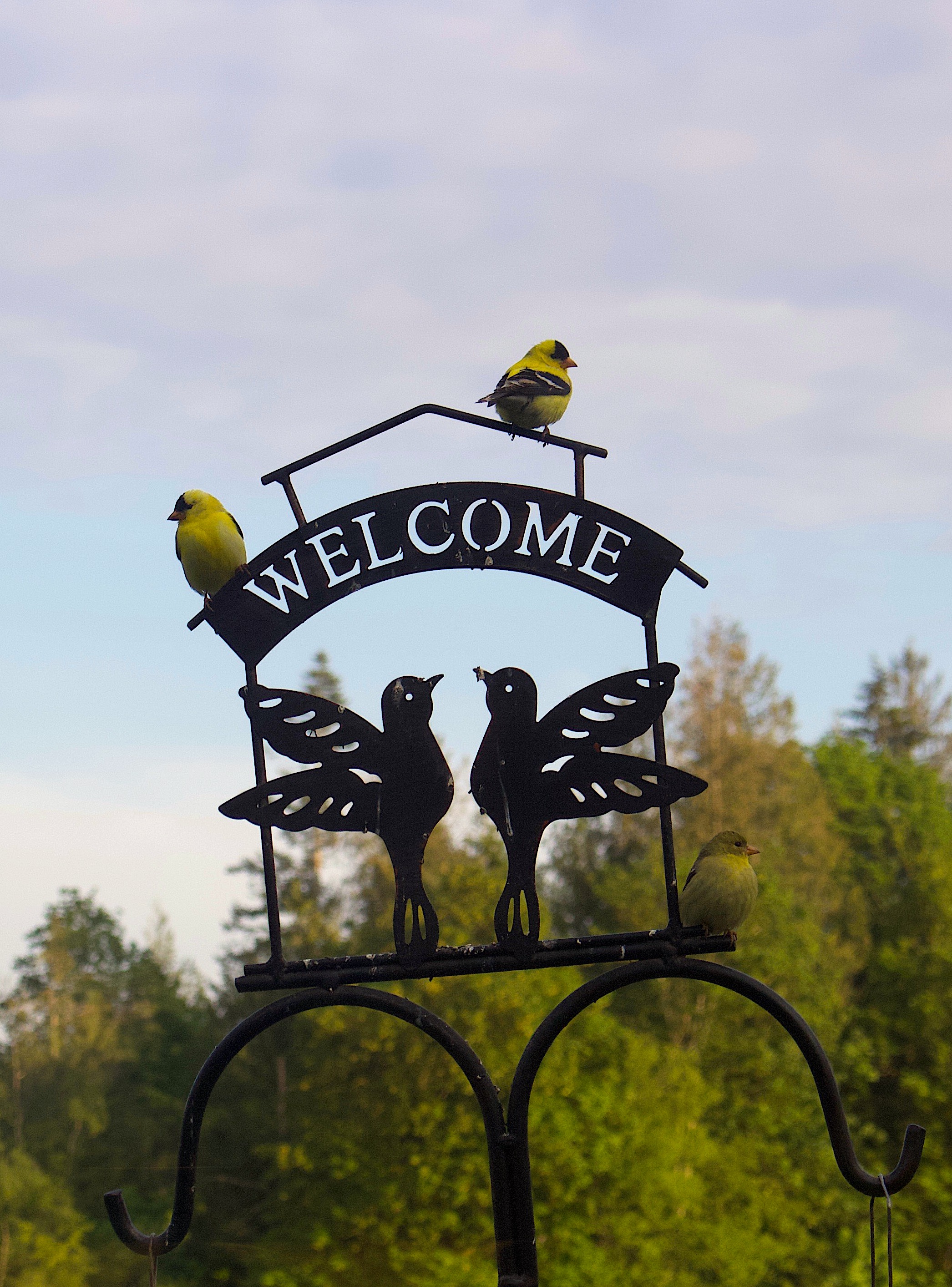
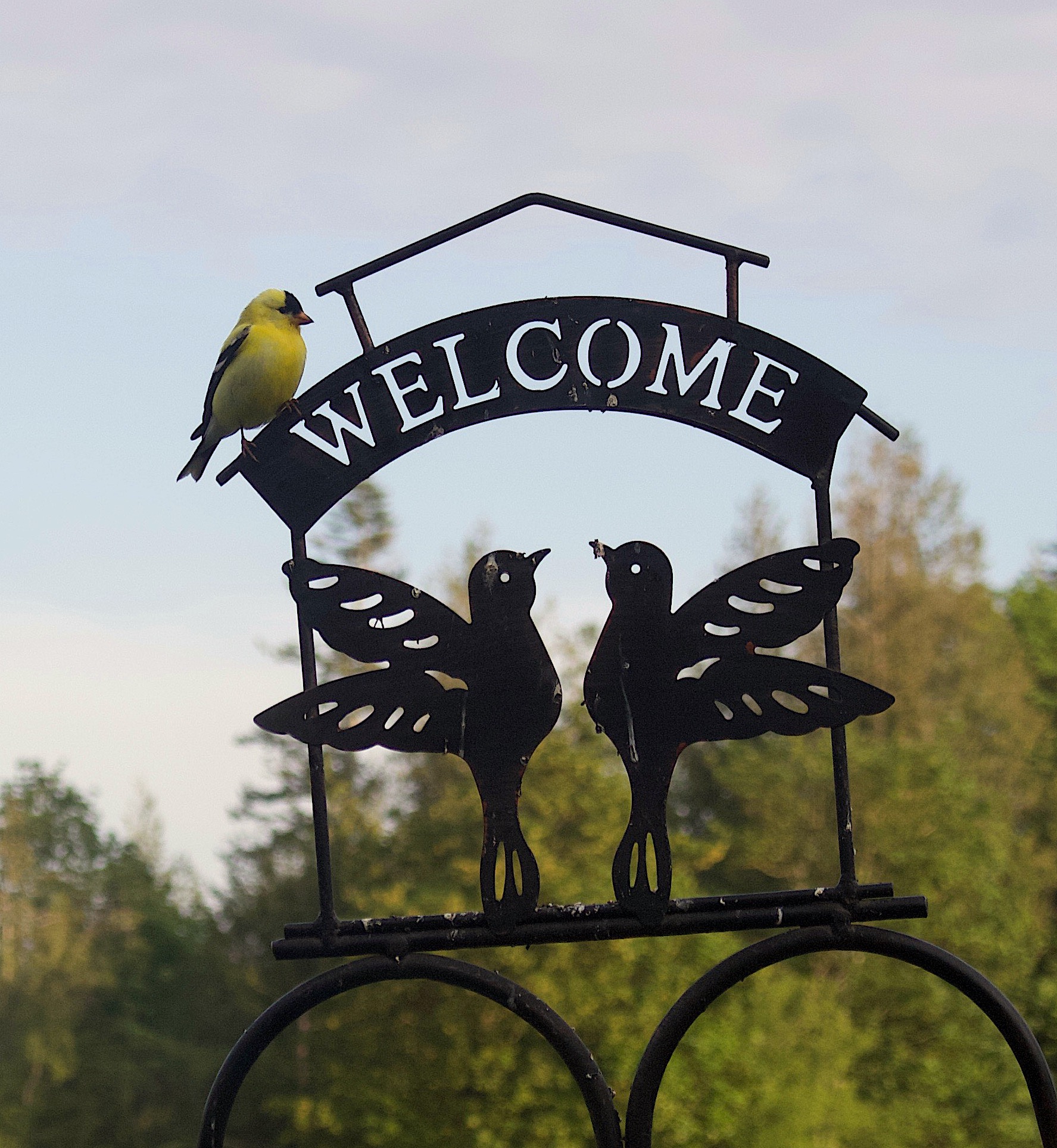
You dear folks I hear from are as varied as the birds that visit our farm.
Some soar high with adventuresome spirits. Some are earth-bound, home-loving and egg-providers. Some are nocturnal while others are early risers. Some eat only seeds while others prefer worms and grubs. Some are shy and rarely seen or heard from and others visit every day. Some sing amazing arias and others squawk and cluck and coo. Some have been stunned by life and need to be held so gently until able to fly again.
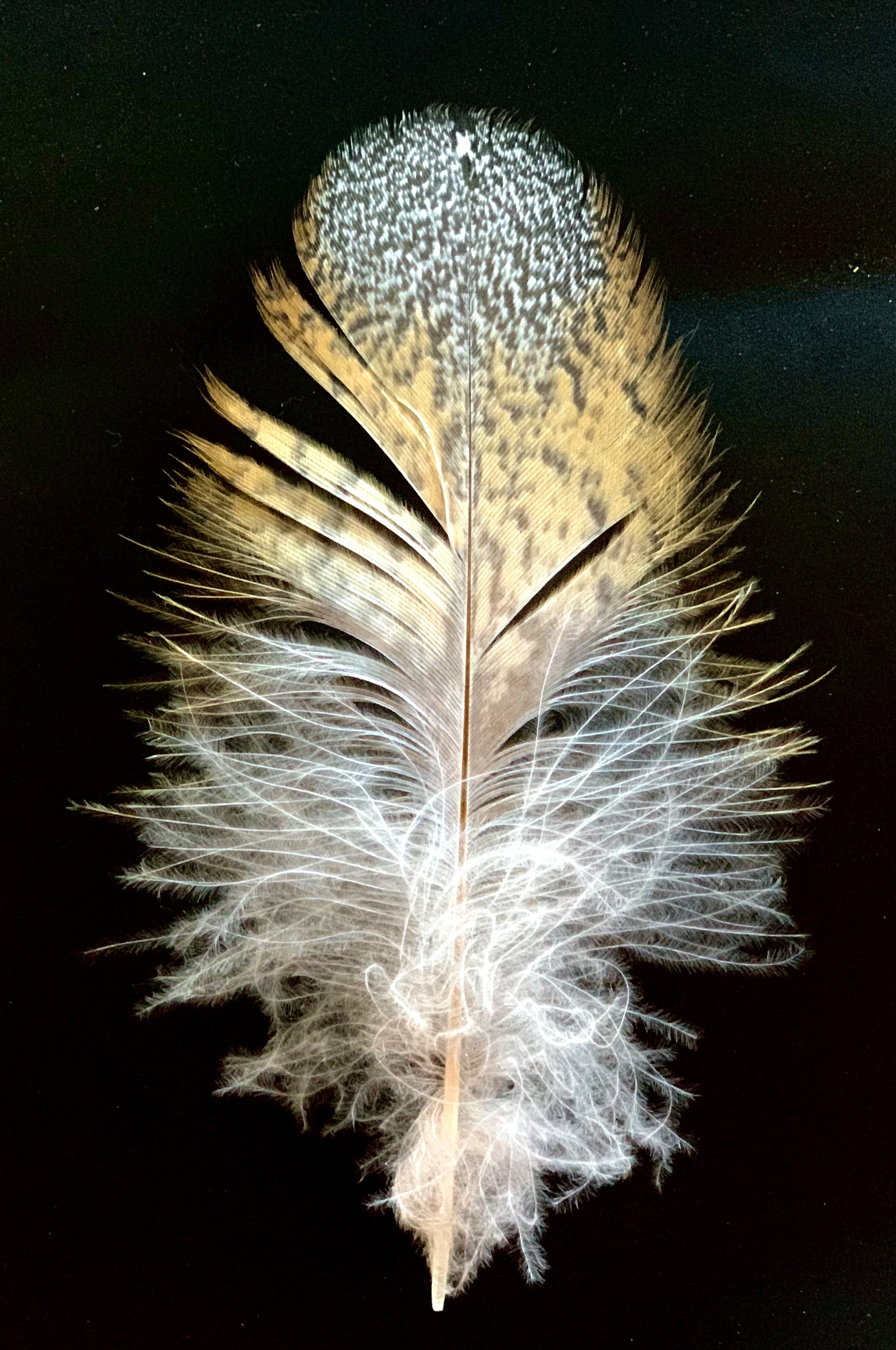
You all are clothed with a feathery finery, whether shimmering or flecked with light or simply pure gold.
Each one of you touches my life, sharing some small grace, becoming part of me.
I remember.
Please reach out in a comment here or email directly at emilypgibson@gmail.com
One-Time
Monthly
Yearly
Make a one-time or recurring donation to support daily Barnstorming posts
Good things as well as bad, you know are caught by a kind of infection.
If you want to get warm you must stand near the fire: if you want to be wet you must get into the water. If you want joy, power, peace, eternal life, you must get close to, or even into, the thing that has them.
They are not a sort of prize which God could, if He chose, just hand out to anyone. They are a great fountain of energy and beauty spurting up at the very centre of reality. If you are close to it, the spray will wet you: if you are not, you will remain dry.
Once a man is united to God, how could he not live forever? Once a man is separated from God, what can he do but wither and die? ~C.S. Lewis- Mere Christianity
Now looking back over four decades as a working physician, I remember struggling after the observance of rest and worship each Sunday, to return to the sterile world of a busy secular clinic.
Although freshly exposed to the Spirit, immersed in the reality of a loving God, I was restricted from sharing my infection while close to my patients. Each Monday, my responsibility was to prevent contagion, measuring my words and washing my hands thoroughly upon entering each exam room.
At times I failed in my efforts, even as I donned a protective mask and gloves to keep us from spreading our respective infections.
I hope now, with masks and gloves removed, if I’m contagious, may it be because I’m overwhelmed with the Spirit rather than engulfed in the infections of this world.
One-Time
Monthly
Yearly
Make a one-time or recurring donation to support daily Barnstorming posts
Praise be to the not-nearly-a-girl anymore clerking at our local grocery outlet since junior high. Single mom, moved up after a decade of customer service to manage four well-ordered aisles of hairsprays, lipsticks, and youthful glow in glittering squeeze tubes. Familiar red-headed, brown-eyed, gap-toothed smile. Willing to put aside her boxes of chores to chat with each of us she names by heart.
I forget if she’s Mary or Alice or Jane. Fine, I answer after she asks, How’s your day? And driving my sacks of next week’s meals home, I wonder why she rises from her labors to greet me, why she straightens her smock where it’s pulled up a bit and rides her hips. Tucks in place a loose wisp of curl. When I walk by, what does she want to know, when she asks, How’s your day? I wonder why so seldom I’ve asked it back. ~Lowell Jaeger “Praise Be” from Or Maybe I Drift Off Alone.
Did you find everything you were looking for?Julie, the magenta-haired
checkout girl, asks, and no, I think, I didn’t find inner peace, or answers to
several questions I’ve been mulling, like are we headed for nuclear war and
does the rest of the world think America has gone bonkers and also, by the way,
I could not find the tofu bacon, and the chocolate sorbet shelf was empty
(I did find canned pumpkin in aisle four) but I am silent and smile at Julie who
seems to know what I’m thinking anyway so I hold back and muse on the view
of the bay this morning when we walked the dog and the parsnip soup we’ll
make for dinner and realize that total fulfillment probably jades the senses and
the bagger asks if I’d like help today carrying my groceries out to the car. ~Thomas R. Moore, “Finding Everything” fromRed Stone Fragments
He was a new old man behind the counter, skinny, brown and eager. He greeted me like a long-lost daughter, as if we both came from the same world, someplace warmer and more gracious…
…his face lit up as if I were his prodigal daughter returning, coming back to the freezer bins in front of the register which were still and always filled with the same old Cable Car ice cream sandwiches and cheap frozen greens. Back to the knobs of beef and packages of hotdogs, these familiar shelves strung with potato chips and corn chips…
I lumbered to the case and bought my precious bottled water and he returned my change, beaming as if I were the bright new buds on the just-bursting-open cherry trees, as if I were everything beautiful struggling to grow, and he was blessing me as he handed me my dime over the counter and the plastic tub of red licorice whips. This old man who didn’t speak English beamed out love to me in the iron week after my mother’s death so that when I emerged from his store my whole cock-eyed life – what a beautiful failure ! – glowed gold like a sunset after rain. ~Alison Luterman from “At the Corner Store”
This week as I shopped in one of our local grocery stores, I witnessed a particularly poignant scene. As I waited in the check out line, the older man ahead of me was greeted by the young cashier with the standard “Did you find everything you were looking for?” He responded with: “I looked for world peace on your shelves, but it must have been sold out…”
She stopped scanning and looked directly at him for the first time, trying to discern if she misunderstood him or if he was mocking her or what. “Did you try Aisle 4?” she replied and they both laughed. They continued in light-hearted conversation as she continued scanning and once he had paid for his order and packed up his cart, he looked at her again.
“Thank for so much for coming to work today – I am so grateful for what you do.” He wheeled away his groceries and she stood, stunned, watching him go.
As I came up next, I looked at her watering eyes as she tried to compose herself and I said to her: “I’ll bet you don’t hear that often enough, do you?” She pulled herself together and shook her head, trying to make sense of the gift of words he had bestowed on her.
“No – like never,” she said as she scanned my groceries. “How could he possibly have known that I almost didn’t come to work today because it has been so stressful to be here? People are usually polite, but lately more and more have been so demanding. No one seems to care about how others are feeling any more.”
She brushed away a tear and I paid for my groceries, and told her:
“I hope the rest of your work day is as great as that last customer. You’ve given me everything I was looking for today…”
And I emerged from the store feeling blessed, like I had scored a pot of gold like a sunset after rain.
Today a while it rained I washed the jars And then I lit a flame set the water to start And at the end of the day lined up to cool and seal Twelve pints of spiced peach jam twenty jars of dill beans canned From an old recipe that my mother gave to me Because it’s good to put a little bit by For when the late snows fly All that love so neatly kept By the work of our hands
Lay hands on boards and bricks and loud machines With shovels and rakes and buckets of soup they clean And I believe that we should bless evеry shirt ironed and pressed Salutе the crews out on the roads Those who stock shelves and carry loads Whisper thanks to the brooms and saws the dirty boots and coveralls And bow my head to the waitress and nurse Tip my hat to the farmer and clerk All those saints with skillets and pans And the work of their hands Work of their hands
Laid out on the counter pull up out of hot water The work of our hands so faithful and true I make something barely there music is a little more than air So now every year I’ll put by tomatoes and pears Boil the lids and wipe the lip with a calloused fingertip And I swear by the winter ground We’ll open one and pass the thing around Let the light catch the jar amber gold as a falling star It’s humble and physical it’s only love made visible Yeah now I understand it’s the work of our hands
One-Time
Monthly
Yearly
Make a one-time or recurring donation to support daily Barnstorming posts





























 Barnstorming