The children have gone to bed. We are so tired we could fold ourselves neatly behind our eyes and sleep mid-word, sleep standing warm among the creatures in the barn, lean together and sleep, forgetting each other completely in the velvet, the forgiveness of that sleep.
Then the one small cry: one strike of the match-head of sound: one child’s voice: and the hundred names of love are lit as we rise and walk down the hall.
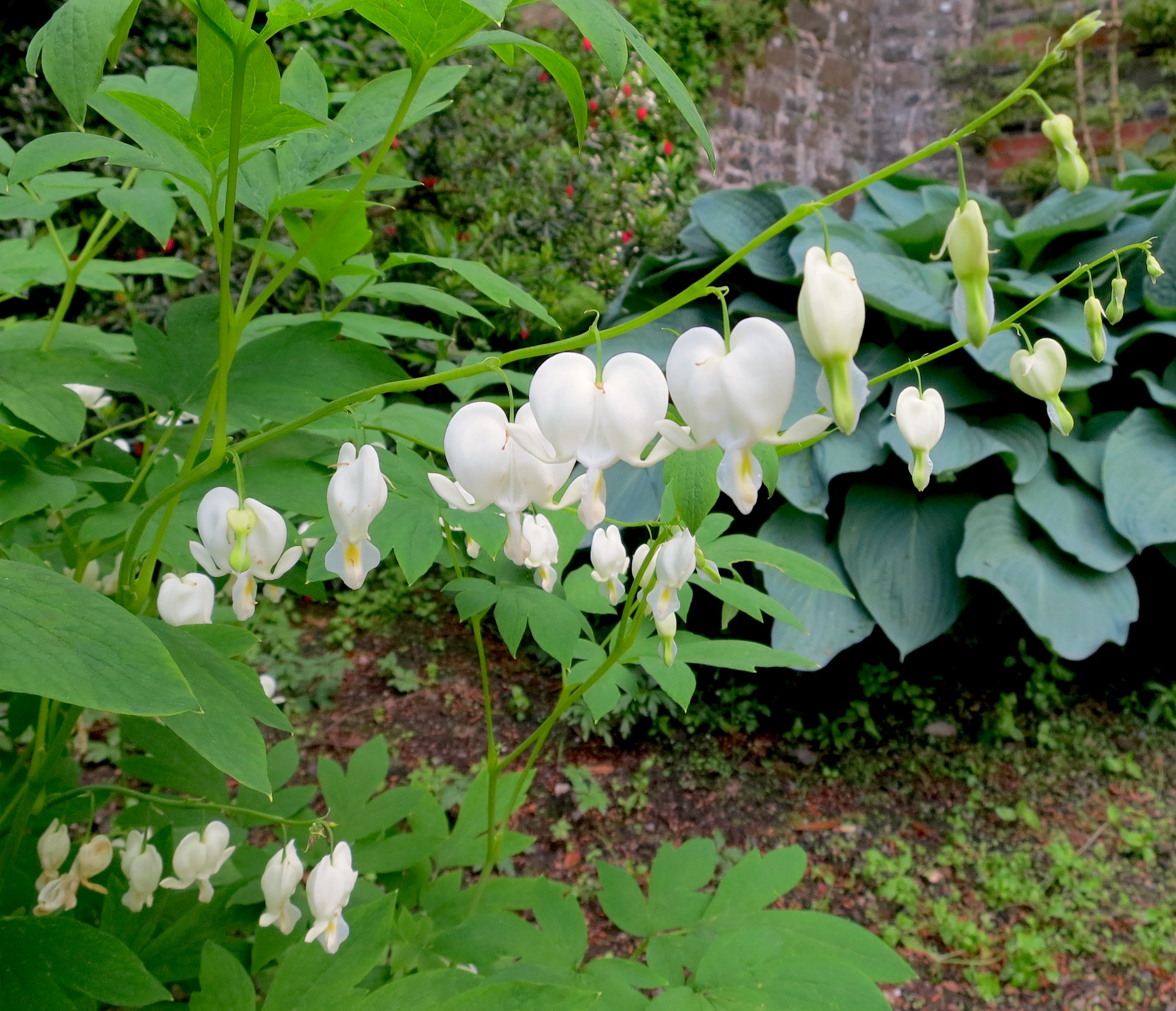
One hundred nights we wake like this, wake out of our nowhere to kneel by small beds in darkness. One hundred flowers open in our hands, a name for love written in each one. ~Annie Lighthart “The Hundred Names of Love”
Each of many nights of a child wakening,
each of many moments of rocking them in the dark,
lulling them back to that soft velvet of sleep,
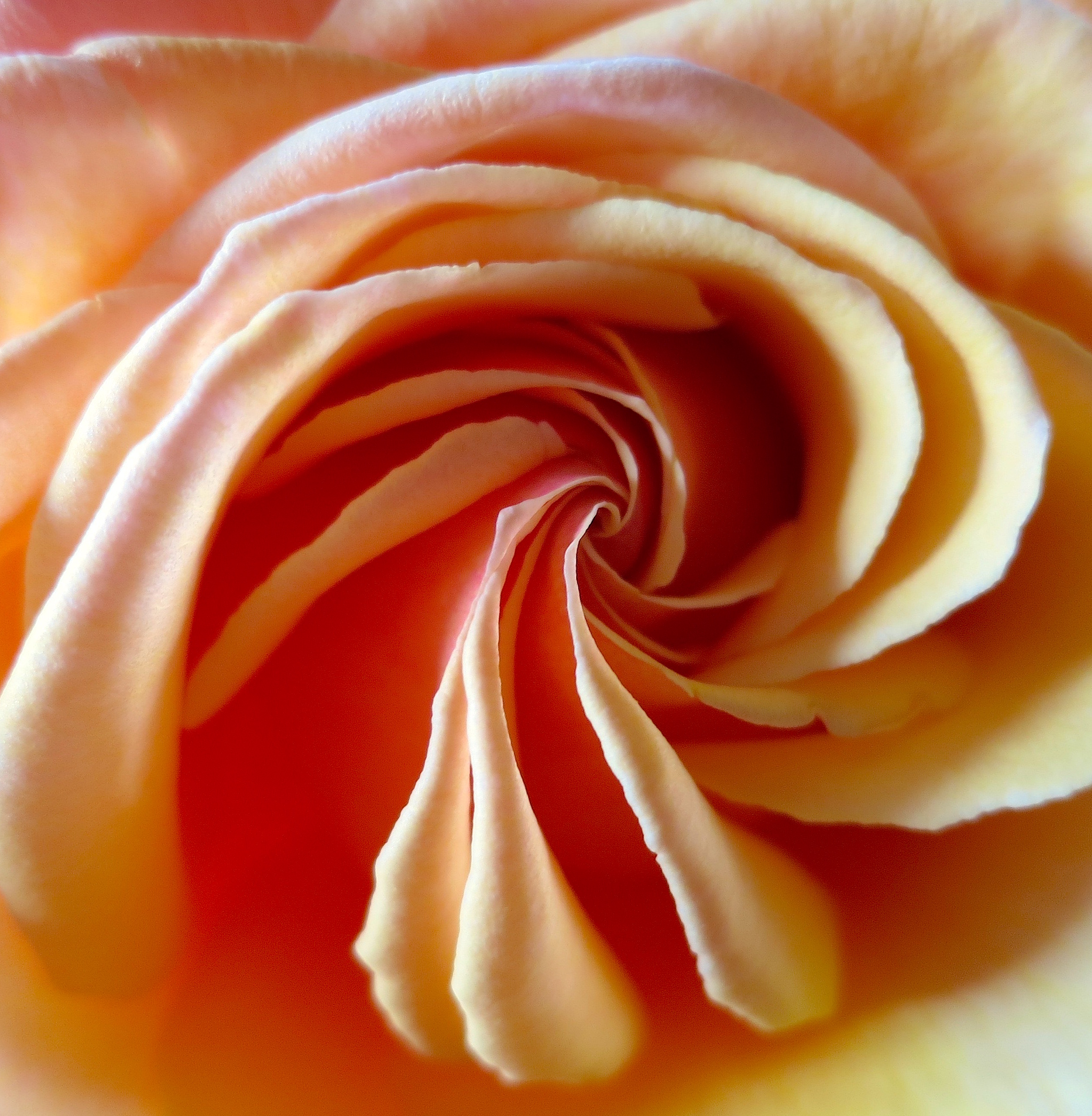
I feel my budding love
unfurling in fragrance
of blossomed fullness,
unfurling until there is no inner spiral left,
and each petal, one by one, drops away,
grateful.
Take me as I drive alone
Through the dark countryside.
As the strong beams clear a path,
Picking out fences, weeds, late
Flowering trees, everything
That streams back into the past
Without sound. I smell the grass
And the rich chemical sleep
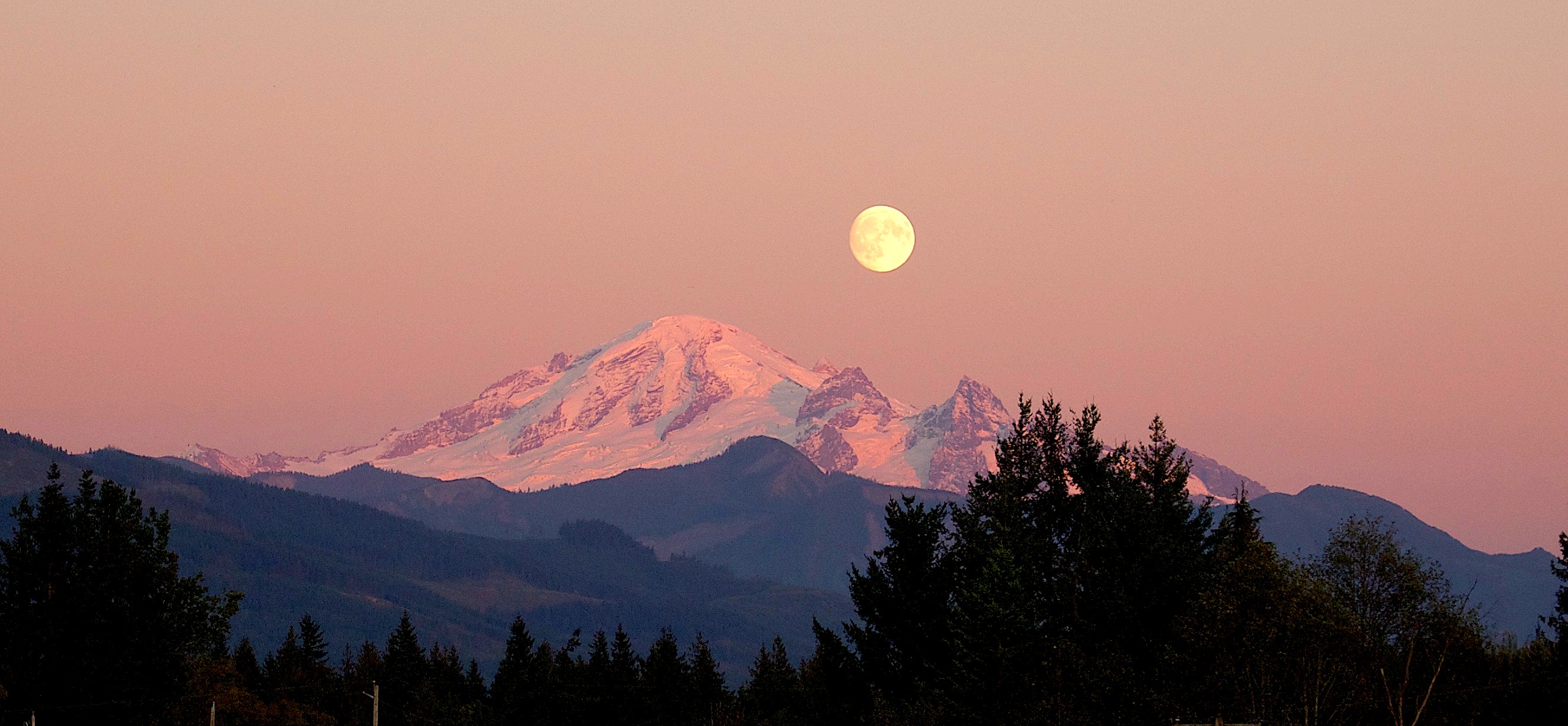
Of the fields. An open moon
Sails above, and a stalk
Of red lights blinks, miles away.
It is at such moments I Am called, in a voice so pure I have to close my eyes and enter The breathing darkness just beyond My headlights. I have come back. I think, to something I had Almost forgotten, a mouth That waits patiently, sighs, speaks, And falls silent. No one else Is alive. The blossoms are White, and I am almost there. Robert Mezey “White Blossoms” from Collected Poems
So much of our lives, we travel in near darkness, barely discerning where we are headed, the beams of the headlights only reaching so far. It is disconcerting not knowing the destination or when the journey will end.
Traveling blind, so to speak.
Yet there is much to see and hear and touch along the way, so we stay awake and pay attention.
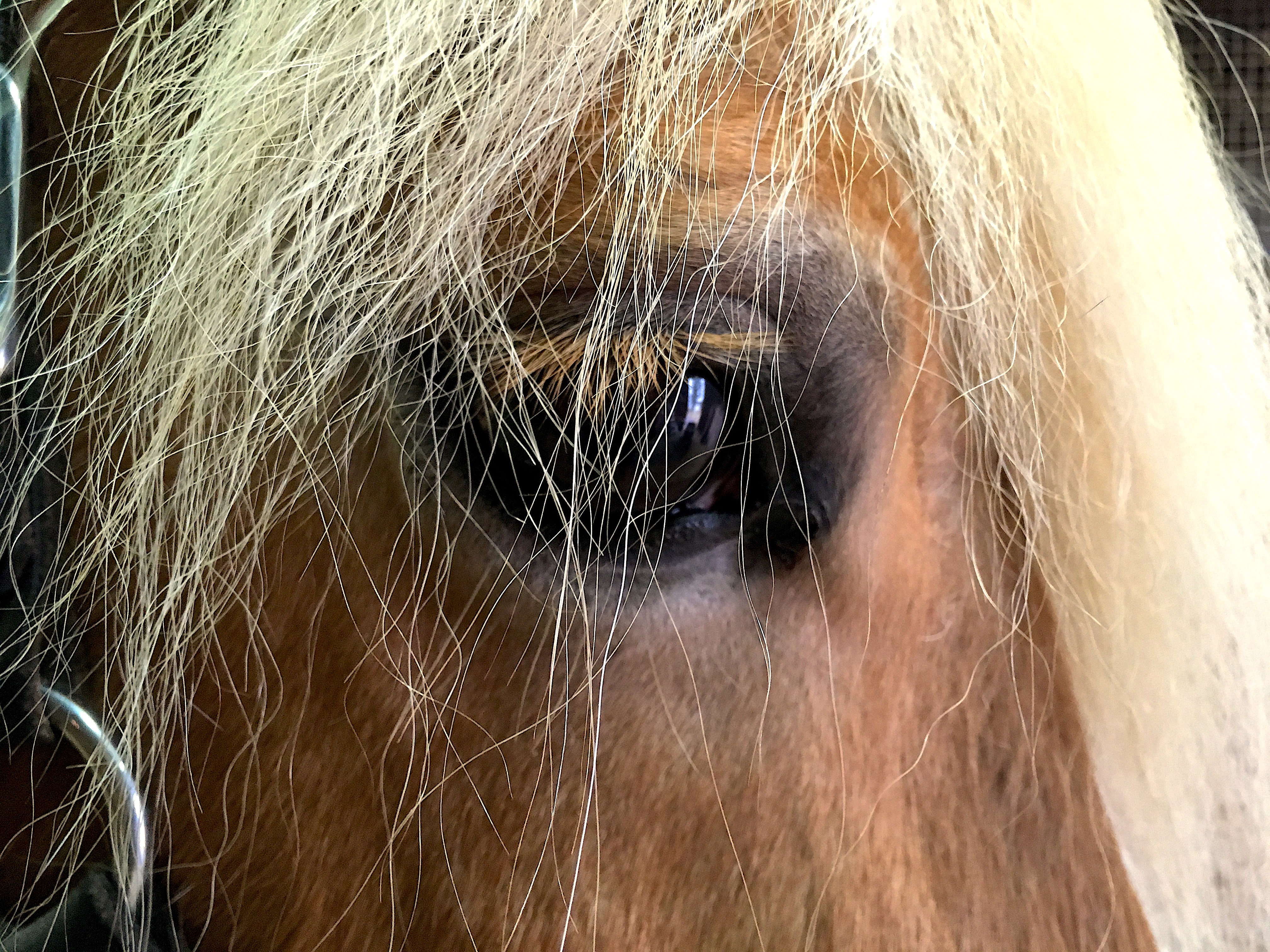
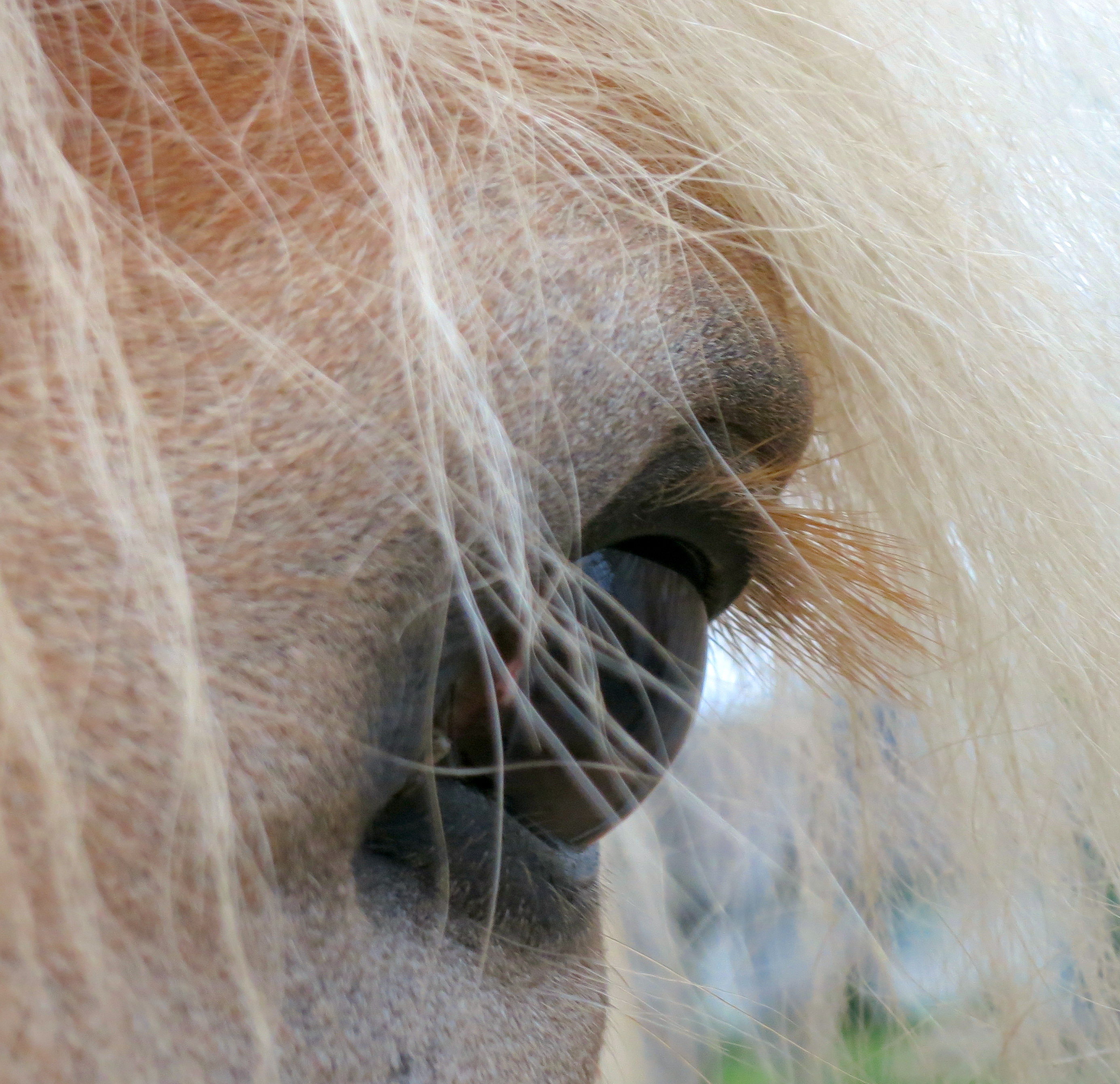
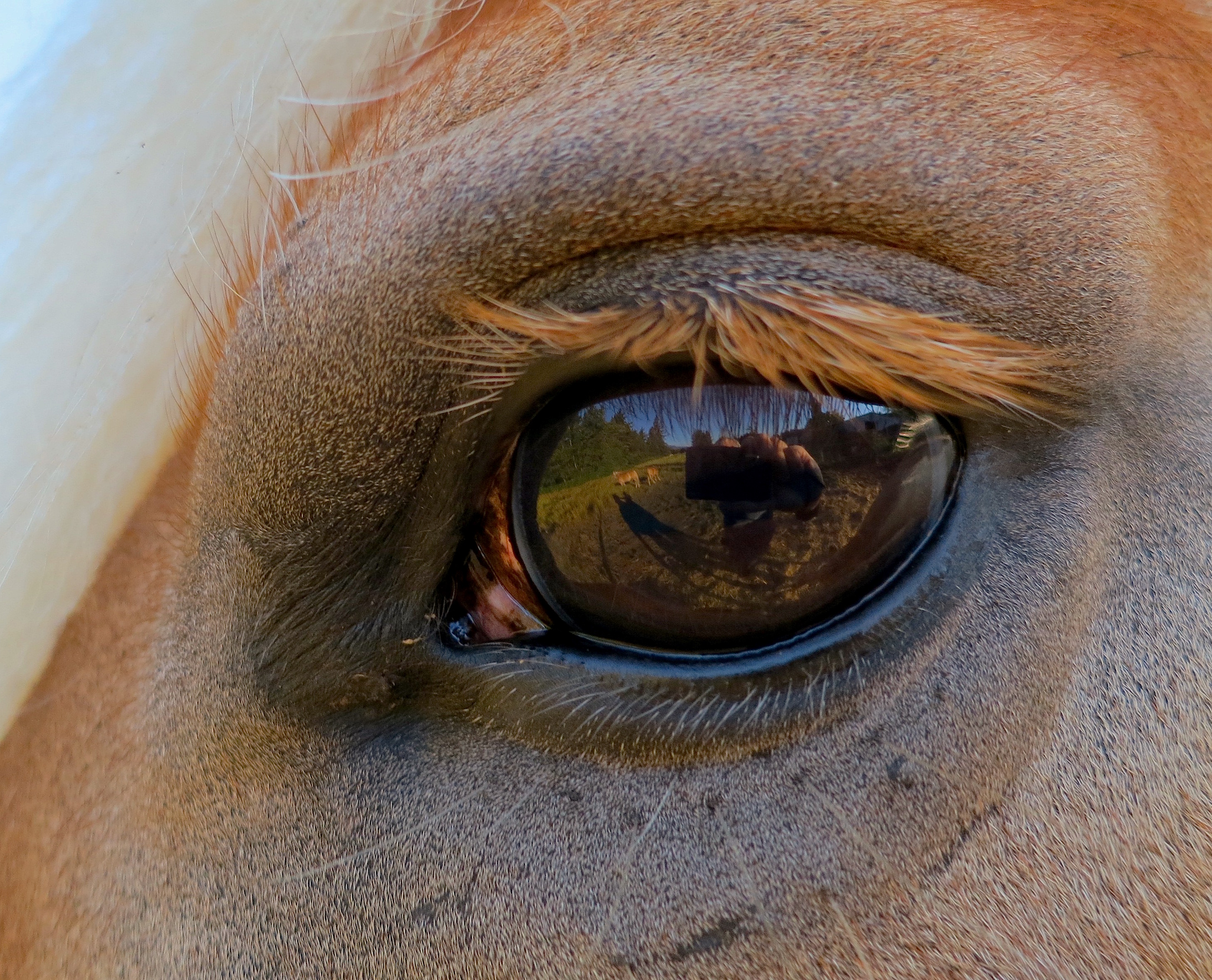
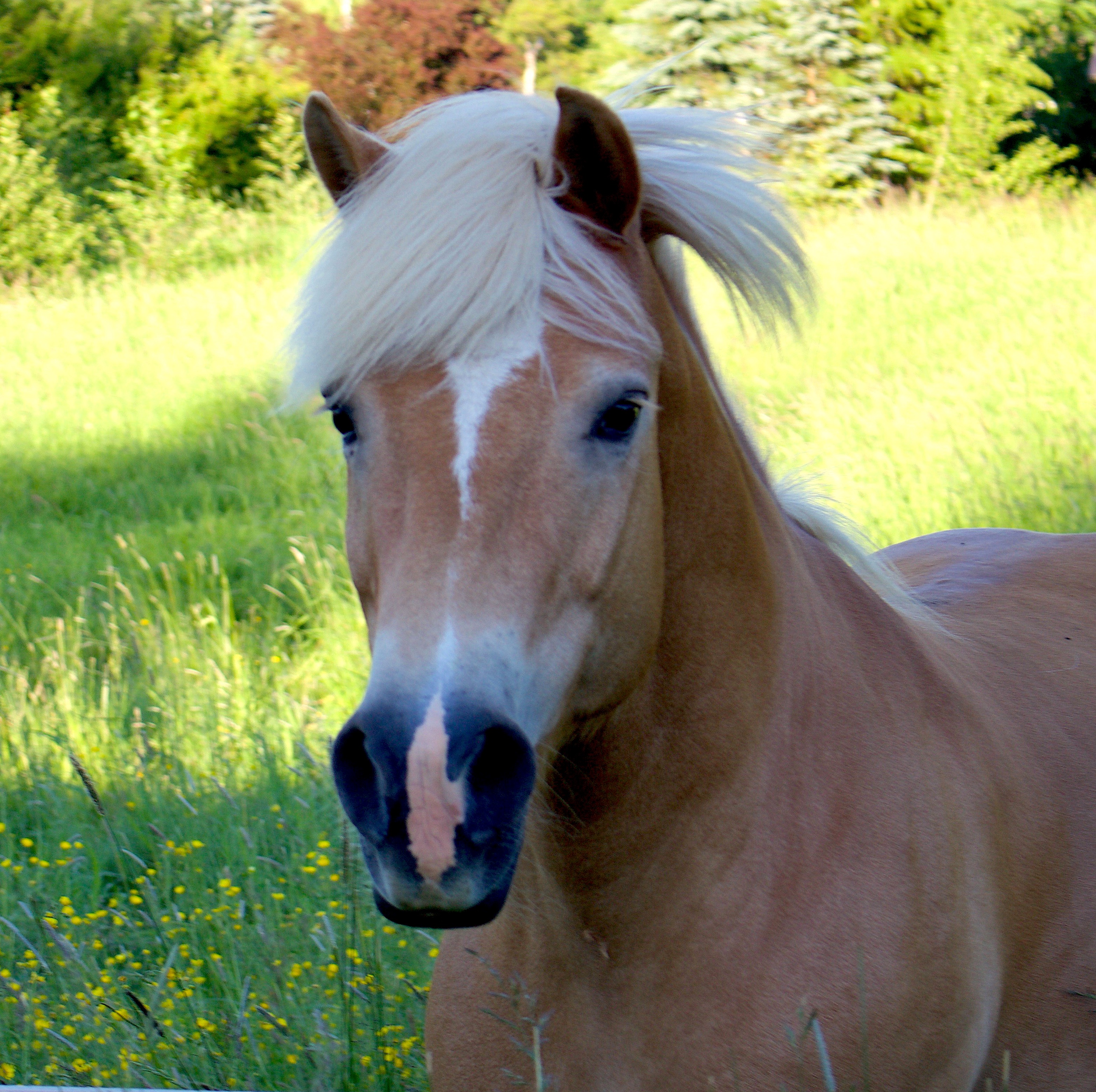
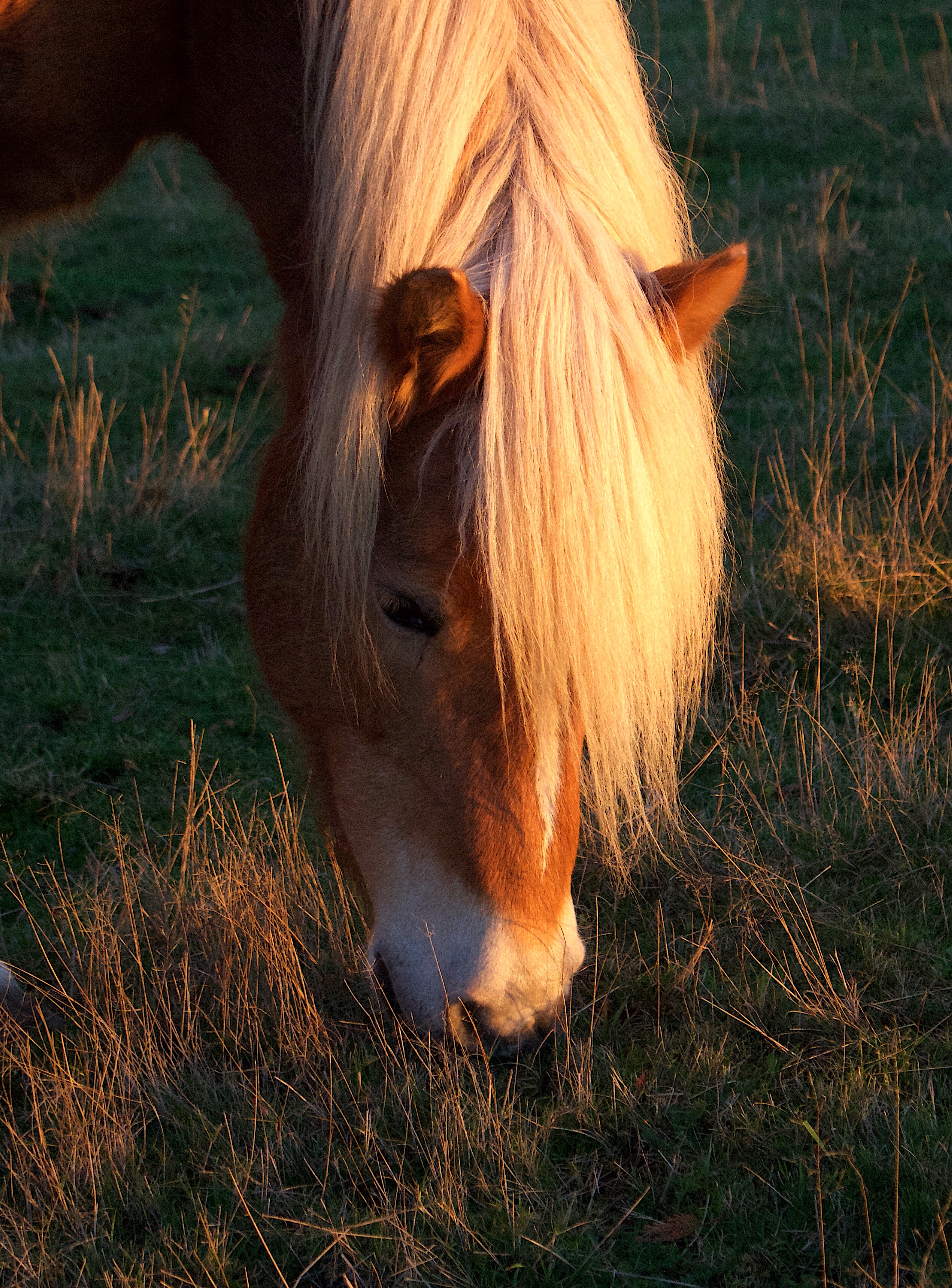
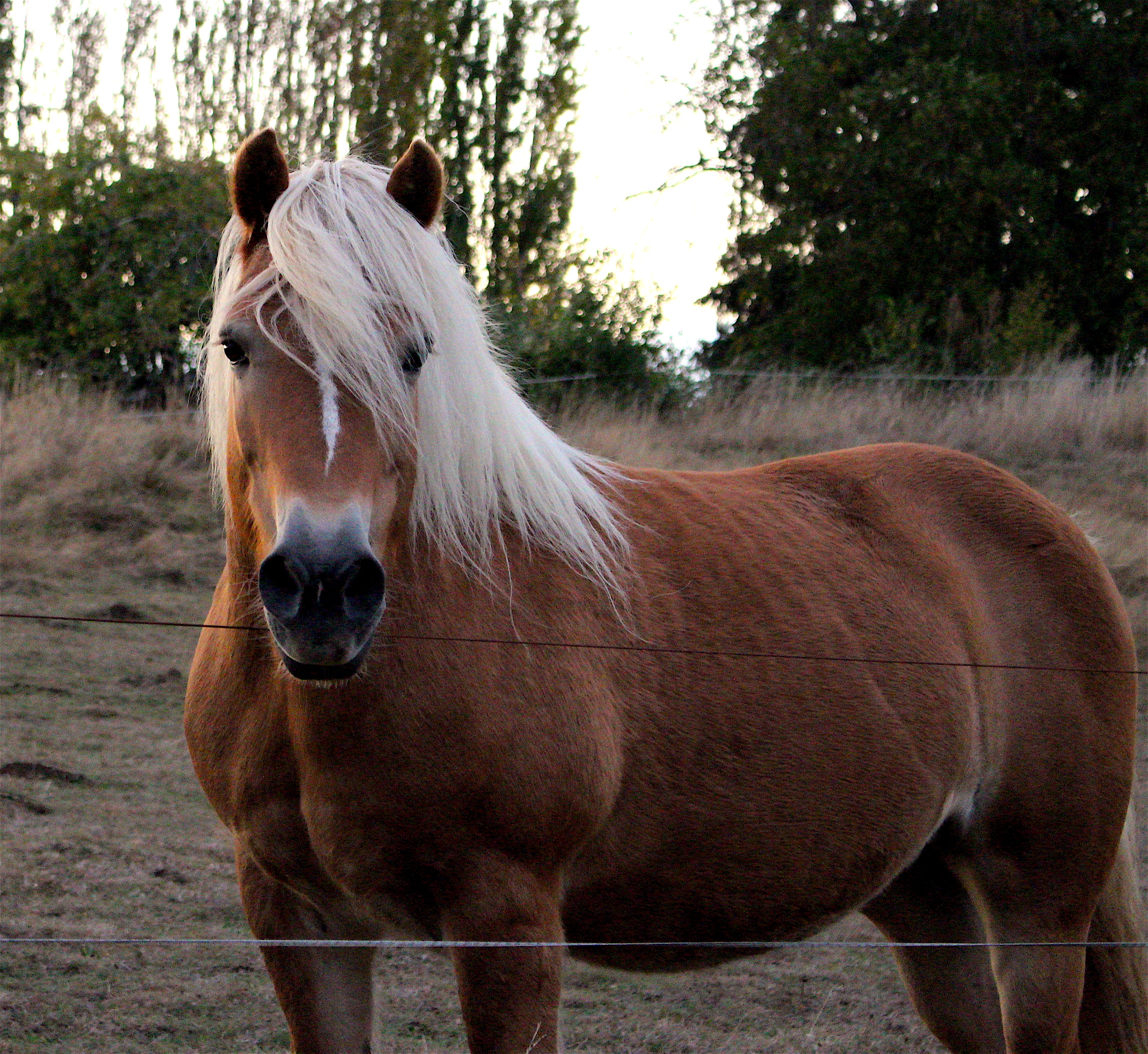
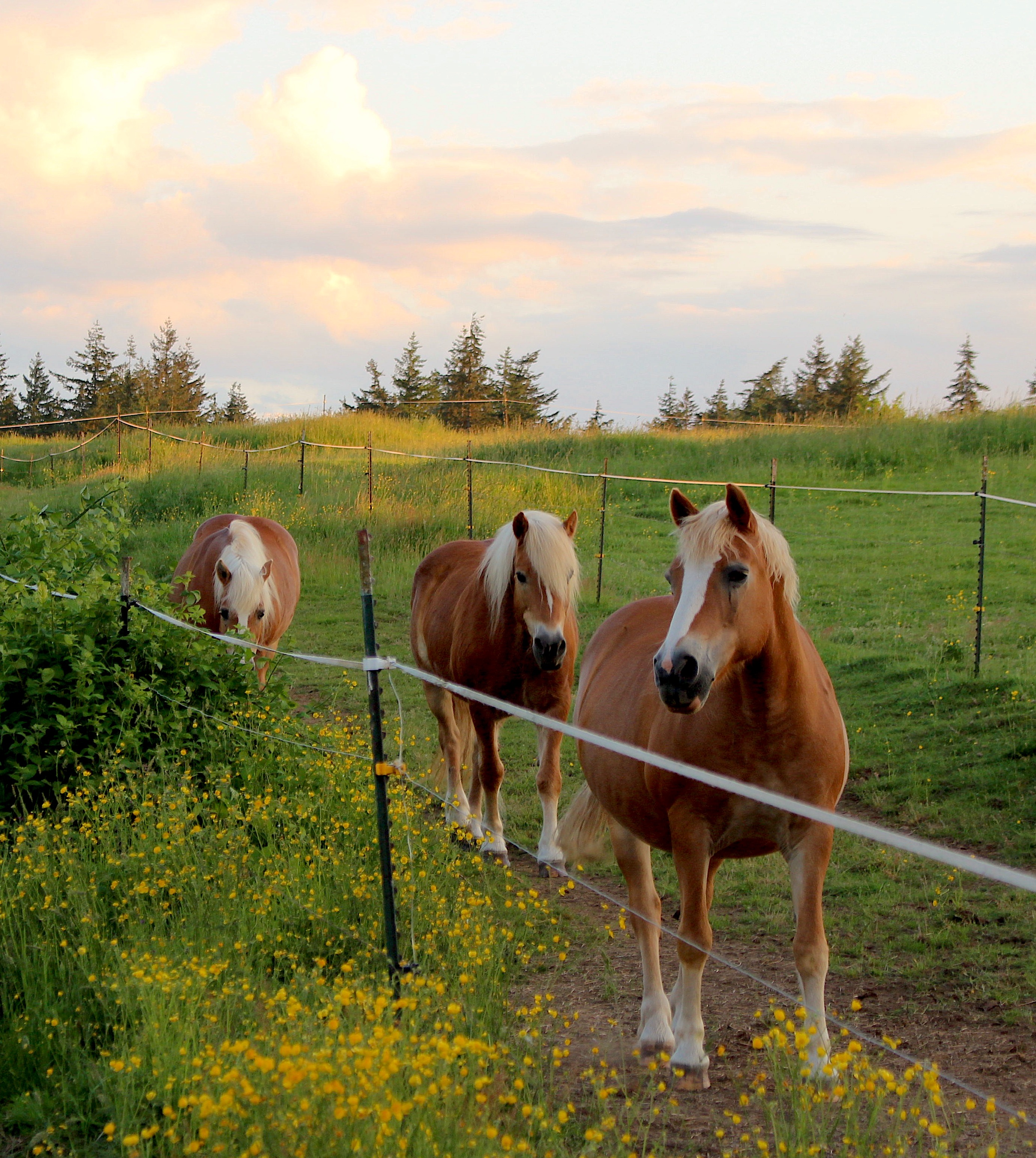
Two whistles, one for each, and familiar sounds draw close in darkness— cadence of hoof on hardened bottomland, twinned blowing of air through nostrils curious, flared. They come deepened and muscular movements conjured out of sleep: each small noise and scent heavy with earth, simple beyond communion…
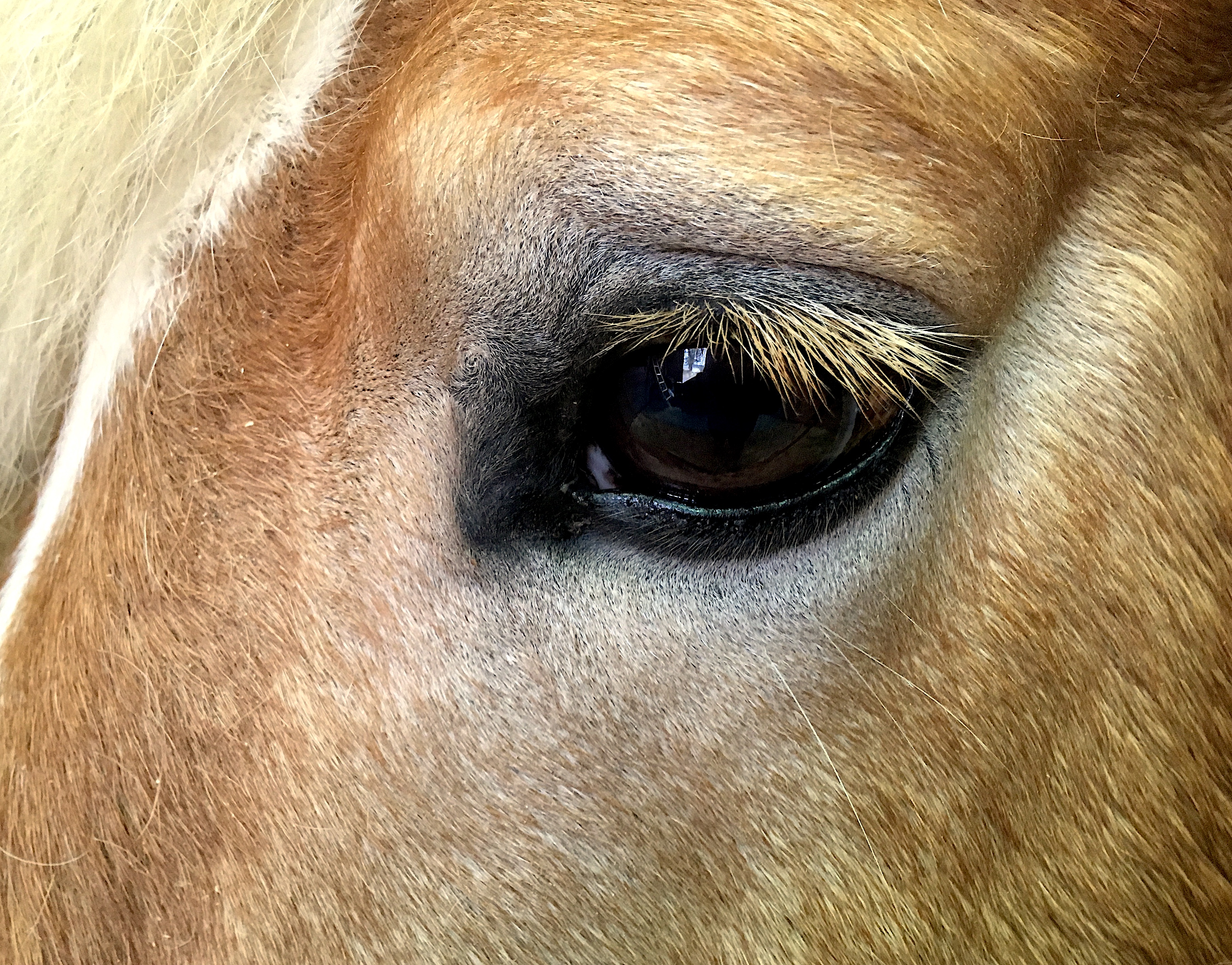
…and in the night, their mares’ eyes shine, reflecting stars, the entire, outer light of the world here. ~Jane Hirschfield from “After Work”
It’s tempting to fall into this fathomless well –
Their eyes are what I see first,
This retinal magnet drawing my own into
Such incalculable depths.
Yet I’m merely reflected like starlight;
Only dancing on a mirrored surface
When I long to dive in deeper~
To be so lost I must be found.
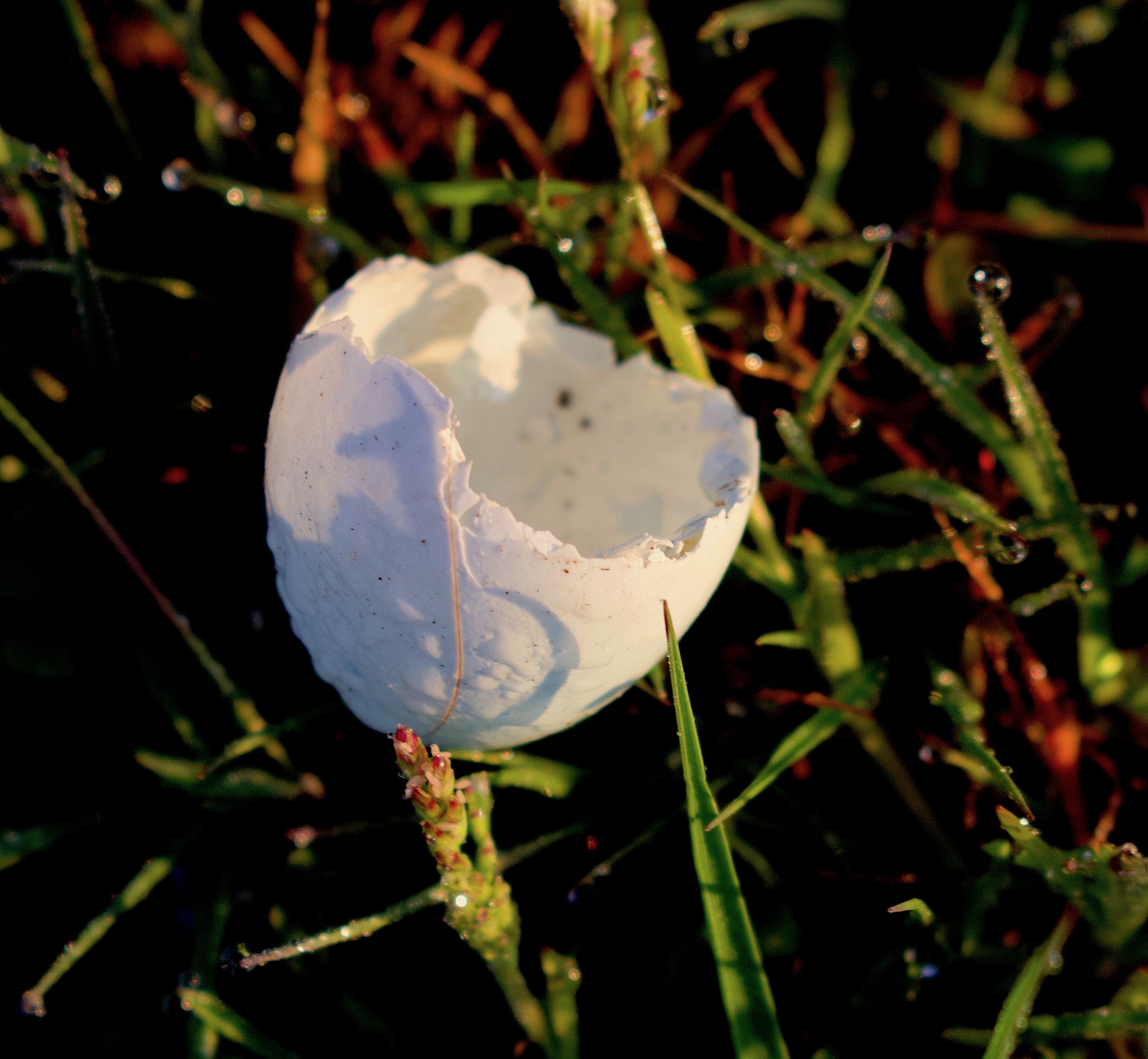
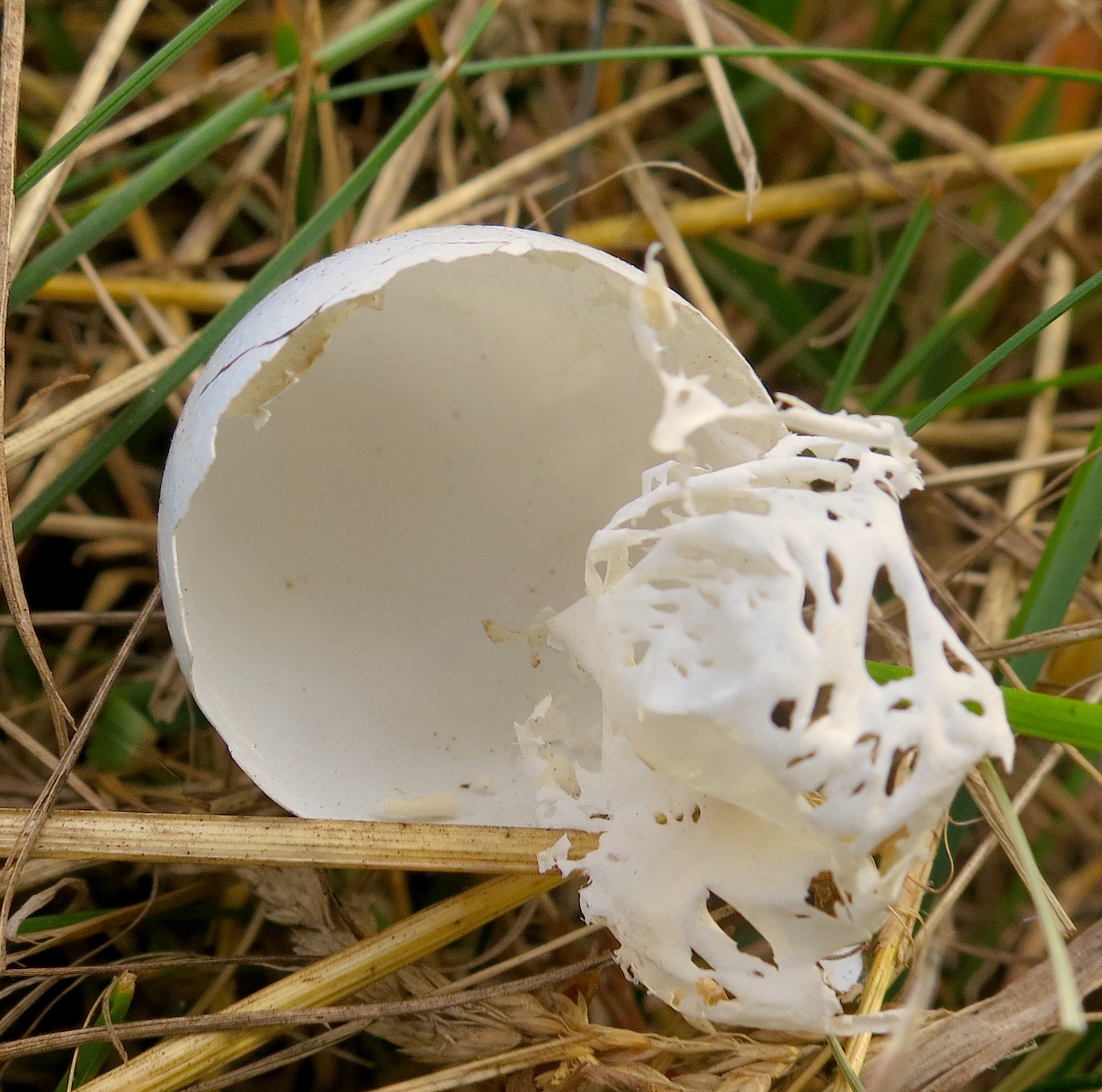
It may be hard for an egg to turn into a bird: it would be a jolly sight harder for it to learn to fly while remaining an egg. We are like eggs at present. And you cannot go on indefinitely being just an ordinary, decent egg. We must be hatched or go bad. C. S. Lewis from Mere Christianity
I reveled in being the good egg.
Smooth on the surface,
gooey inside, often a bit scrambled,
ordinary and decent,
indistinguishable from others,
blending in,
not making waves.
It’s not been bad staying just as I am.
Except I can no longer remain like this.
A dent or two appeared in my outer shell
from bumps along the way,
and a crack up one side
extending daily.
It has come time to change or face rot.
Nothing will be the same again:
the fragments of shell
left behind
abandoned
as useless confinement.
Newly hatched:
my home becomes
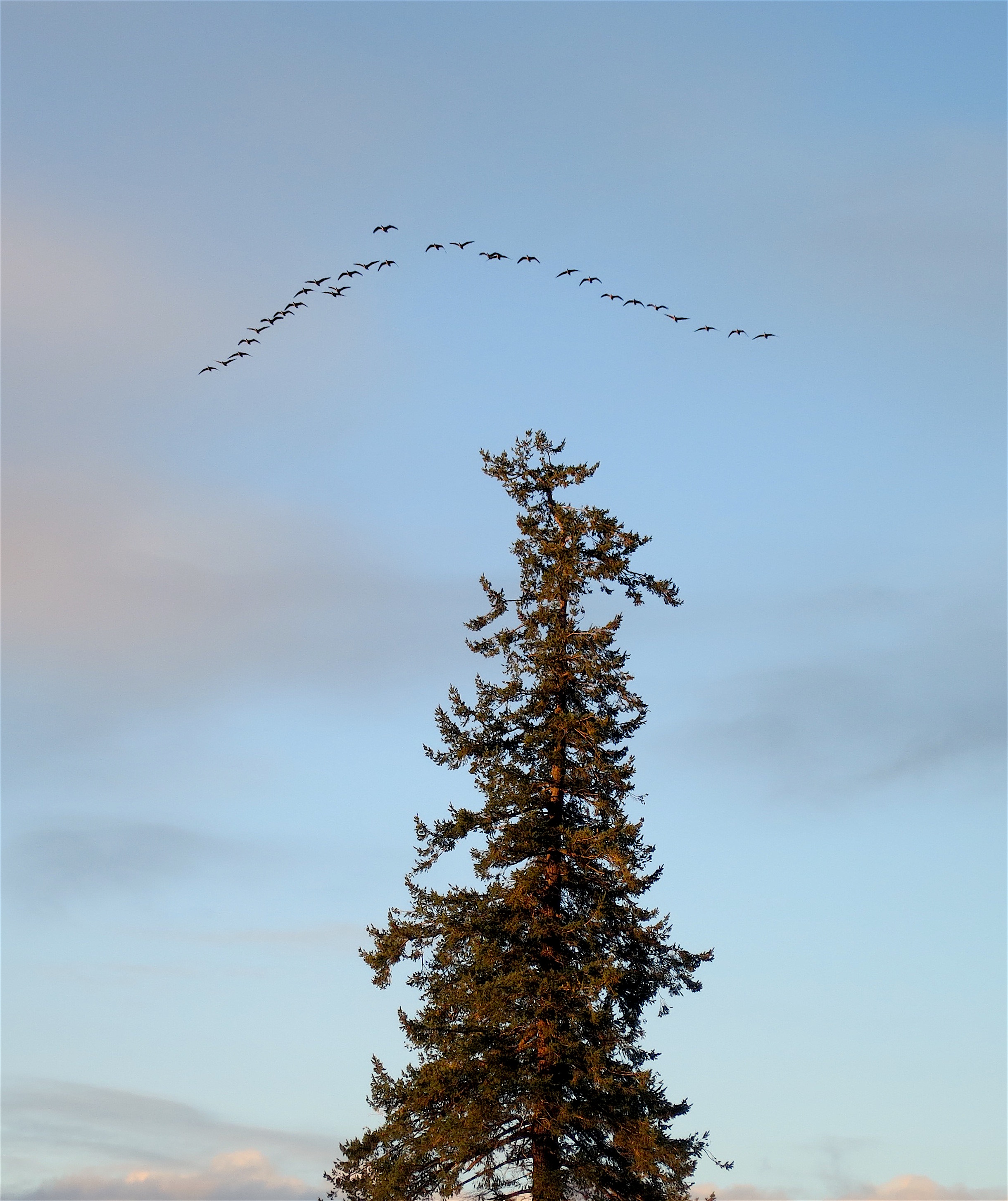
the wind beneath my wings
soaring an endless horizon
that stretches beyond eternity.
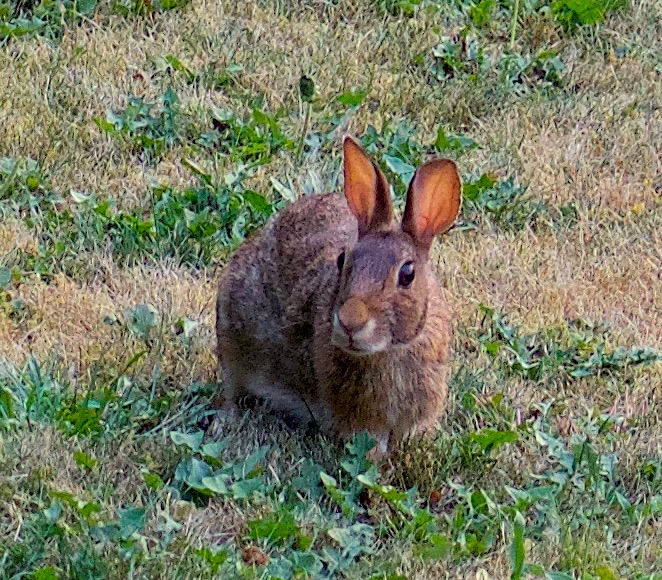
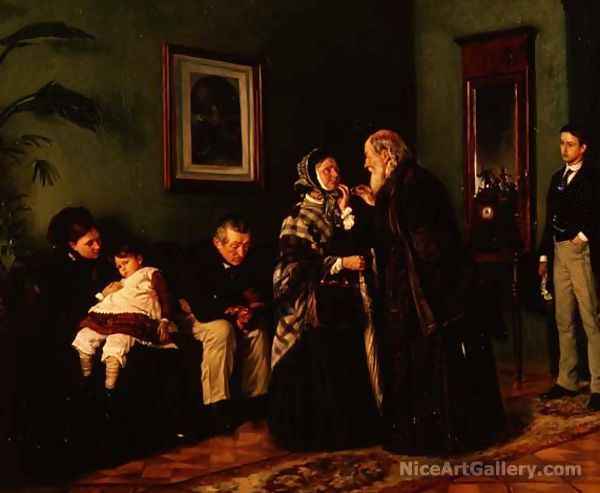
It may not be rabbit season or duck season but it definitely seems to be doctor season. Physicians are lined up squarely in the gun sights of the media, government agencies and legislators, our health care industry employers and coworkers, not to mention our own dissatisfied patients, all happily acquiring hunting licenses in order to trade off taking aim. It’s not enough any more to wear a bullet proof white coat. It’s driving doctors to hang up their stethoscope just to get out of the line of fire. Depending on who is expressing an opinion, doctors are seen as overcompensated, demanding, whiny, too uncommitted, too overcommitted, uncaring, egotistical, close minded, inflexible, and especially– perpetually late.
One of the most frequent complaints expressed about doctors is their lack of sensitivity to the demands of their patients’ schedule. Doctors do run late and patients wait. And wait. And wait some more. Patients get angry while waiting and this is reflected in patient (dis)satisfaction surveys which are becoming one of the tools the industry uses to judge the quality of a physician’s work and character.
I admit I’m one of those late doctors. Perpetually 20-30 minutes behind.
I don’t share the reasons why I’m late with my patients as we sit down together in the exam room but I do apologize for my tardiness. Taking time to explain why takes time away from the task at hand: taking care of the person sitting or lying in front of me. At that moment, that is the most important person in the world to me. More important than the six waiting to see me, more important than the dozens of emails, electronic portal messages and calls waiting to be returned, more important than the fact I missed lunch or need to go to the bathroom, more important even than the text message of concern from my daughter or the worry I have about a ill relative.
I’m a salaried doctor, just like more and more of my primary care colleagues these days, providing more patient care with fewer resources. I don’t earn more by seeing more patients. There is a work load that I’m expected to carry and my day doesn’t end until that work is done. Some days are typically a four patient an hour schedule, but most days my colleagues and I must work in extra patients triaged to us by careful nurse screeners, and there are only so many minutes that can be squeezed out of an hour so patients end up feeling the pinch. I really want to try to go over the list of concerns some patients bring in so they don’t need to return to clinic for another appointment, and I really do try to deal with the inevitable “oh, by the way” question when my hand is on the door knob. Anytime that happens, I run later in my schedule, but I see it as my mission to provide essential caring for the “most important person in the world” at that moment.
The patient who is angry about waiting for me to arrive in the exam room can’t know that three patients before them I saw a woman who found out that her upset stomach was caused by an unplanned and unwanted pregnancy. Perhaps they might be more understanding if they knew that an earlier patient came in with severe self injury so deep it required repair. Or the woman with a week of cough and new rib pain with a deep breath that could be a simple viral infection, but is showing potential signs of a pulmonary embolism caused by oral contraceptives. Or the man with blood on the toilet paper after a bowel movement finding out he has sexually transmitted anal warts when he’s never disclosed he has sex with other men, or the woman with bloating whose examination reveals an ominous ovarian mass, or finding incidental needle tracks on arms during an evaluation for itchiness, which leads to suspected undiagnosed chronic hepatitis.
Doctors running late are not being inconsiderate, selfish or insensitive to their patients’ needs. Quite the opposite. We strive to make our patients feel respected, listened to and cared for. Most days it is a challenge to do that well and stay on time. For those who say we are being greedy, so we need to see fewer patients, I respond that health care reform and salaried employment demands we see more patients in less time, not fewer patients in more time. The waiting will only get longer as more doctors hang up their stethoscopes rather than become a target of anger and resentment as every day becomes “doctor season.” Patients need to bring a book, bring knitting, schedule for the first appointment of the day. They also need to bring along a dose of charitable grace when they see how crowded the waiting room is. It might help to know you are not alone in your worry and misery.
But your doctor is very alone, scrambling to do the very best healing he or she can in the time available.
I’m not yet hanging my stethoscope up though some days I’m so weary by the end, I’m not sure my brain between the ear buds is still functioning. I don’t wear a bullet proof white coat since I refuse to be defensive. If it really is doctor season, I’ll just continue on apologizing as I walk into each exam room, my focus directed for that moment to the needs of the “most important person in the whole world.”
And that human being deserves every minute I can give them.
So much of our living is preparing for rest and here we are, fighting it every step of the way.
We resist it mightily: the toddler fussing about taking a nap, the youngster devoted to their screen time and unwilling to surrender to darkness, or the parent trying to eke out the last bit of daylight to get the chores done. We are comforted by activity.
We are created in the image of One who remembered to rest. So must we be “evened” by Him.
The evening comes – there is no stopping it – and we are to settle into it, close our eyes and drift on the comfort it brings.
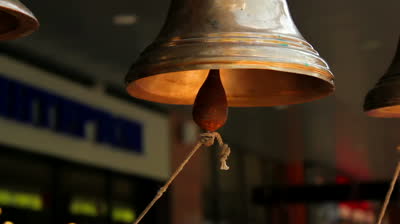
On the green hill with the river beyond it long ago and my father there and my grandmother standing in her faded clothes wrinkled high-laced black shoes in the spring grass among the few gravestones inside their low fence by the small white wooden church the clear panes of its windows letting the scene through from the windows on the other side of the empty room and a view of the trees over there my grandmother hardly turned her head staring like a cloud at the empty air not looking at the green glass gravestone with the name on it of the man to whom she had been married and who had been my father’s father she went on saying nothing her eyes wandering above the trees that hid the river from where we were a place where she had stood with him one time when they were young and the bell kept ringing ~W.S. Merwin “Windnoon” from The Moon Before Morning
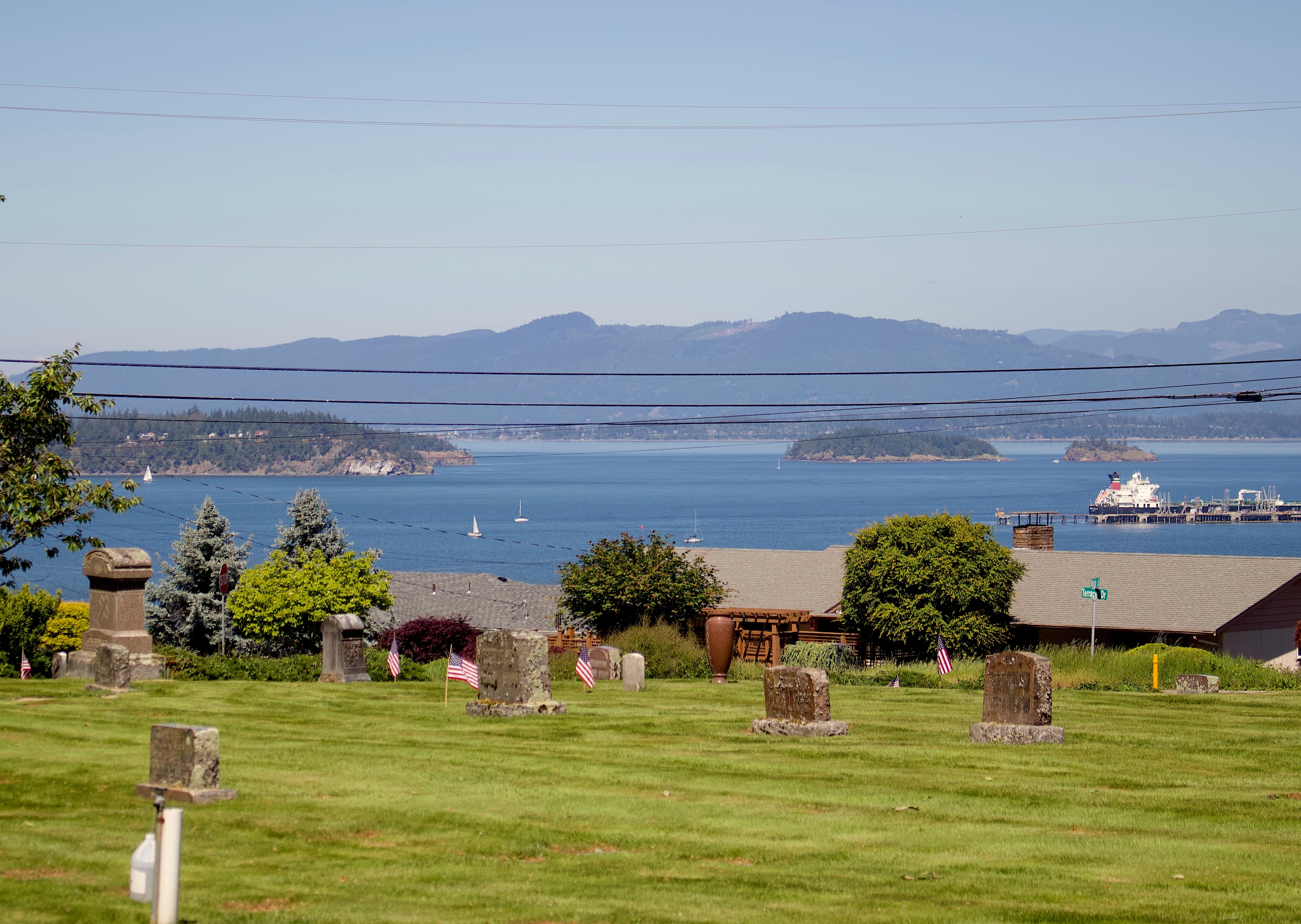
Visiting the graves of those who lived and loved for decades,
now mere dust lying side by side,
their spirits risen and flown~
we realize we were young once and now
feel the weight of change and passage of the years
despite our effort to grab and hold them still.
Astonishing material and revelation appear in our lives all the time.
Let it be.
Unto us, so much is given.
We just have to be open for business. ~Anne Lamott from Help Thanks Wow: Three Essential Prayers
I have the privilege to work in a profession where astonishment and revelation awaits me behind each exam room door.
In a typical clinic day, I open that door up to thirty plus times, close it behind me and settle in for the ten or fifteen minutes I’m allocated per patient. I need to peel through the layers of each person quickly to find the core of truth about who they are and why they’ve come to clinic that day.
Sometimes what I’m looking for is right on the surface: in their tears, in their pain, in their fears. Most of the time, it is buried deep, often beneath a scar I must search to find. I need to wade through the rashes and sore throats and coughs and headaches and discouragement to find it.
Once in awhile, I actually do something tangible to help right then and there — sew up a cut, lance a boil, splint a fracture, restore hearing by removing a plug of wax from an ear canal.
Often I find myself giving permission to a patient to be sick — to take time to renew, rest and trust their bodies to know what is best for a time.
Sometimes, I am the coach pushing them to stop living sick — to stop hiding from life’s challenges, to stretch even when it hurts, to get out of bed even when not rested, to quit giving in to symptoms that are to be overcome rather than become overwhelming.
Always I’m looking for an opening to say something a patient might think about after they leave my clinic — how they can make different choices, how they can be bolder and braver in their self care, how they can intervene within their own finite timeline to prevent illness, how every day is just one thread in the larger tapestry of their lifespan.
Each morning I rise early to get work done at home before I actually arrive at my desk at work, trying to avoid feeling unprepared and inadequate to the volume of tasks heaped upon each day. I know I will be stretched beyond my capacity, challenged by the unfamiliar, the unexpected and will be stressed by obstacles thrown in my way. I know I will be held responsible for things I have little to do with, simply because I’m the one who often acts as decision-maker.
It is always tempting to go back to bed and hide.
Instead of hiding, I go to work as the exam room doors need to be opened and the layers peeled away. I understand the worry, the fear and the pain because I have lived it too. I know the limitations of a body that wants to consume more than it needs, to sleep rather than go for a walk, to sit rather than stand.
Even now in my seventh decade of life, I am continually learning how to let it be, even if it is scary. It is a gift perhaps I can share.
No matter what waits behind the exam room door, it will be astonishing to me.
I’m grateful to be open for business. The Doctor is In.
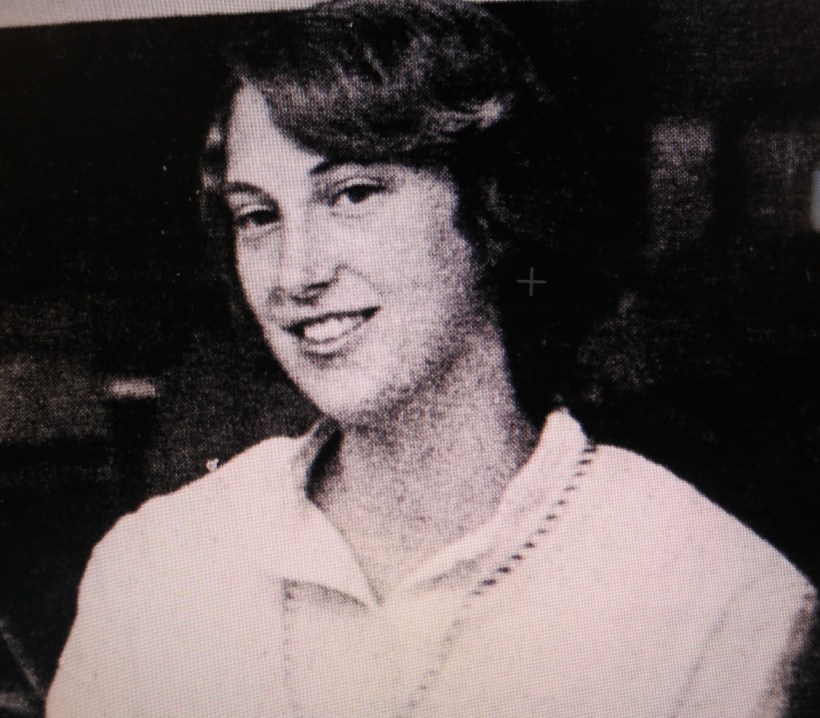
Reflecting on, and with respect for, the courage shown by Tanzanian park rangers and my kidnapped research colleagues on this unforgettable day 43 years ago — I’m reposting this again as part of my Gombe saga from when I worked as a student research assistant for Jane Goodall in western Tanzania in 1975.
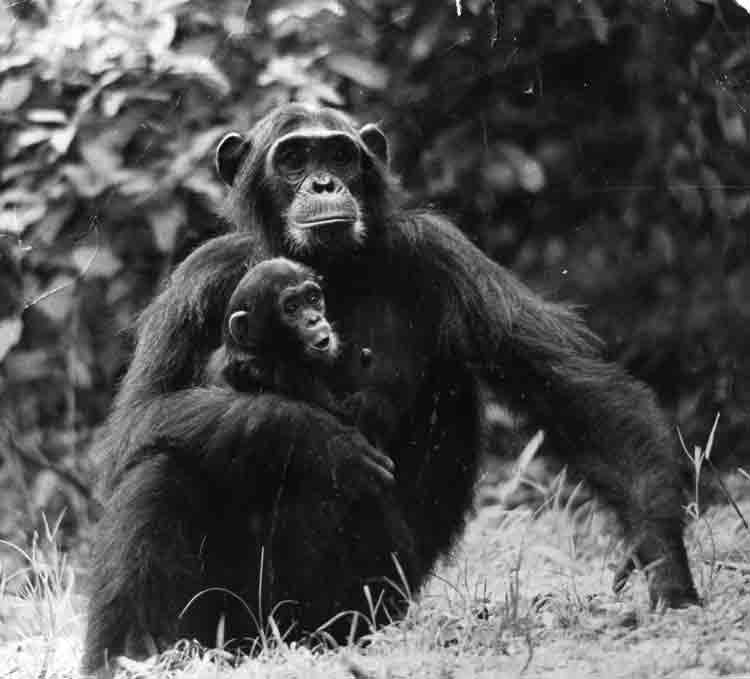
At first glance, Gombe National Park in Tanzania felt like paradise—a serene piece of the earth filled with exotic and fascinating wildlife, an abundance of fish and fruit to eat, and the rich unfamiliar sounds and smells of the tropical jungle. It was a façade. It was surrounded by the turmoil and upheaval of political rebellion and insurgencies in its neighboring countries, inflamed even more by the fall of Saigon in Vietnam a month previously due to the earlier pull out of the Americans from that long and tragic war.
Only a few miles north of our research station in Gombe National Park in western Tanzania, there had been years of civil war in the small land locked country of Burundi. When the wind was just right, we could hear gunfire and explosions echoing over the valleys that separated us. Escaping refugees would sometimes stop for food on their way to villages in Tanzania to the south, seeking safe haven in one of the poorest countries in the world, only a decade into its own experiment with socialism, Ujamaa.
There was also word of ongoing military rebellion against the dictatorship of President Mobutu in the mountainous country of Zaire twelve miles west across Lake Tanganyika.
Morning comes early for field studies of wildlife, as the research day must start before the chimpanzee and baboon subjects wake up and begin to stir. Before midnight, while we slept soundly in our metal huts scattered up the mountainside, a group of armed soldiers arrived by boats to the shore of Gombe National Park.
Storming the beach huts housing two unarmed Gombe park rangers and their families, the soldiers seized one and demanded to be told where the researchers were. The ranger refused to provide information and was severely beaten about the head and face by the butts of the rifles carried by the invaders. The armed soldiers then divided into smaller groups and headed up the trails leading to the huts, coming upon four sleeping student researchers, tying them up, taking them hostage, forcing them into boats and taking them across the lake back to Zaire.
Asleep farther up the mountain, we were wakened by other researchers who were fleeing, hearing the commotion. No one really understood what was happening down lower on the mountain. There were shouts and screams, and gun shots had been heard. Had someone been injured or killed? There was no choice but to run and hide deep in the bush at a predetermined gathering spot until an “all clear” signal was given by the rangers.
We hurried along barely familiar trails in the black of the jungle night, using no flashlights, our hearts beating hard, knowing we had no defense available to us other than the cover of darkness.
That was the longest wait for morning of my life, sitting alongside Jane holding her son Grub. A hand full of other students had also made their way to the hiding spot, none of us knowing what to think, say or do. We could only barely see each other’s faces in the darkness and were too frightened to make any sounds. We carried no weapons, and there was no way to communicate with the outside world. We had no idea how many of us may be missing, or possibly dead.
Jane held Grub in her arms, endeavoring in vain to keep him quiet, but his eight year old imagination was ignited by the events that had just unfolded.
“Will they kidnap me, Jane? Will they come for me? Where will they take us? Will they shoot us dead?”
Jane, her face hidden by her blonde hair loose about her shoulders, sat rocking him, cradling him. “Shhh, shhh, we don’t want them to find us. We’re safe staying right here. Everything will be fine in the morning. No one will take you from me.”
Grub began to sob silently into her shoulder.
When the morning of May 20 dawned, the park rangers located us, and pieced together the events as best they could–the soldiers were Zairean rebels living in remote mountains, fighting an insurgency against the Zaire government. Seeking funds for their cause, they saw a kidnapping of Americans and Europeans as a way to raise quick funds and world publicity and sympathy. Four of our friends/coworkers were missing, the camp was ransacked and the rangers beaten but with no life threatening injuries. There was no way to remain safe at the Park, and our colleagues needed whatever help we could offer for their rescue.
We were able to send a messenger to a nearby fishing village, and a radio call was sent out to the small town of Kigoma, then relayed to Dar Es Salaam and Nairobi. Help arrived within a few hours, when a United Nations boat monitoring the civil war activities in Burundi pulled off shore near our camp. We were told we needed to evacuate Gombe that day, and would be taken to Kigoma, and then flown by bush pilot to Nairobi, Kenya to cooperate in the investigation of the kidnapping.
In Nairobi, at the US Embassy, I met CIA agents who viewed our wild primate studies with suspicion. Each of us were grilled individually as to our political beliefs, our activities at the camp and whether we may be somehow involved in subversive actions against the Zaire or Tanzanian governments. We were dumbfounded that our own countrymen would be so skeptical about our motives for being in Africa. It became clear our own government would be no help in resolving the kidnapping and bringing our friends home to safety. The agents did not shed any light on whether they knew our friends were alive or dead.
We were then hustled into a press conference where we were interviewed for television and print media by the worldwide news agencies, and my parents saw me on the CBS evening news before they actually heard my voice over the phone. I flew back to Stanford the next day, spending 24 hours on a plane that made six stops up the coast of West Africa on its way back west, to tell what I knew to Stanford President Lyman and other administration officials as they prepared a plan to locate and free the students. I then returned home to Washington state to await any news that came too slowly from a place so far away that I remain astonished to this day that I was ever there at all.
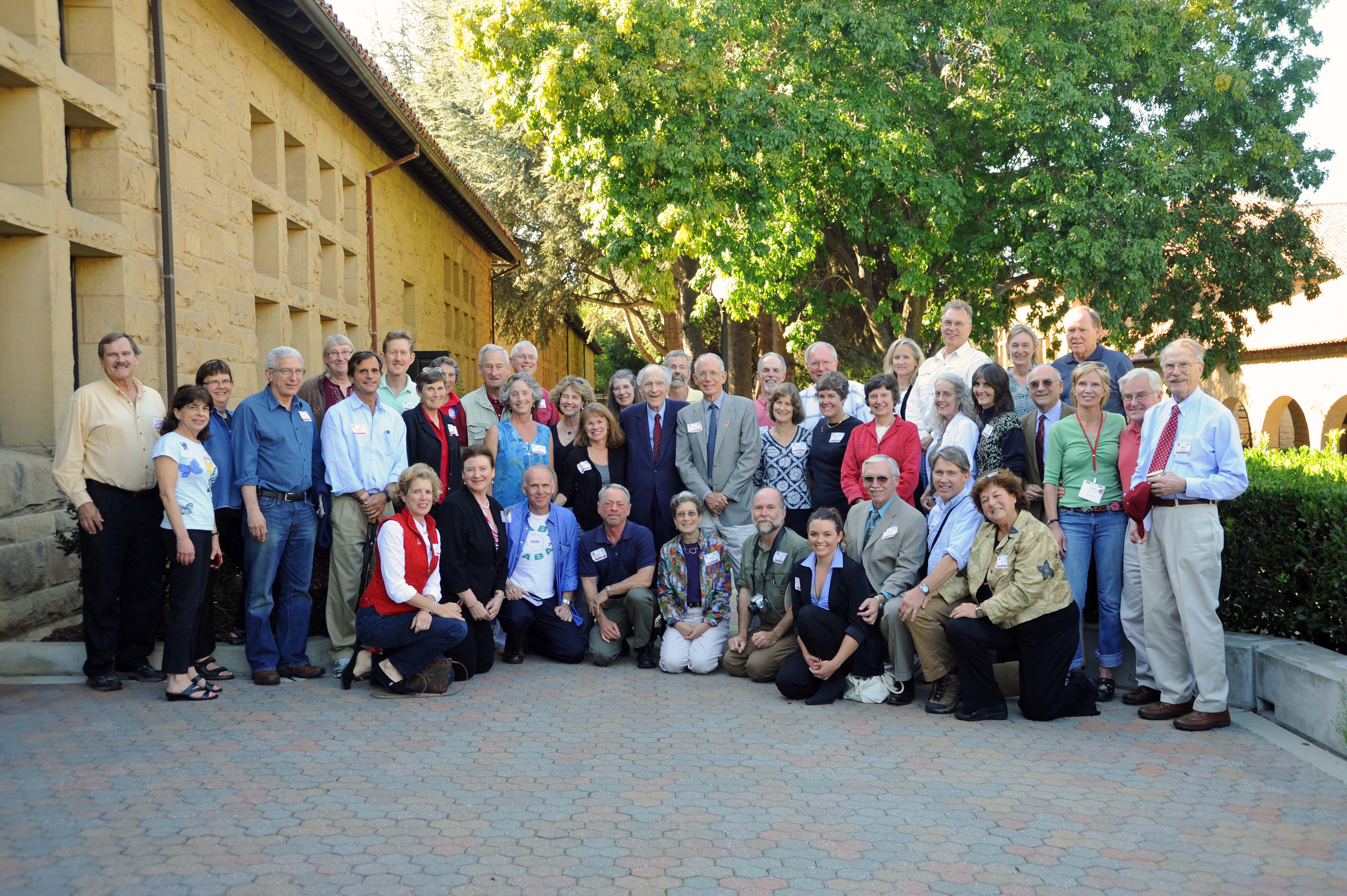
It took over three months, private negotiations and ransom money to free all four of our friends back to safety. They remain close to each other and the remarkable man who helped free them, Dr. David Hamburg. We have had several reunions together over the years to remember those days of living in a place that at one time seemed like paradise.
































 Barnstorming