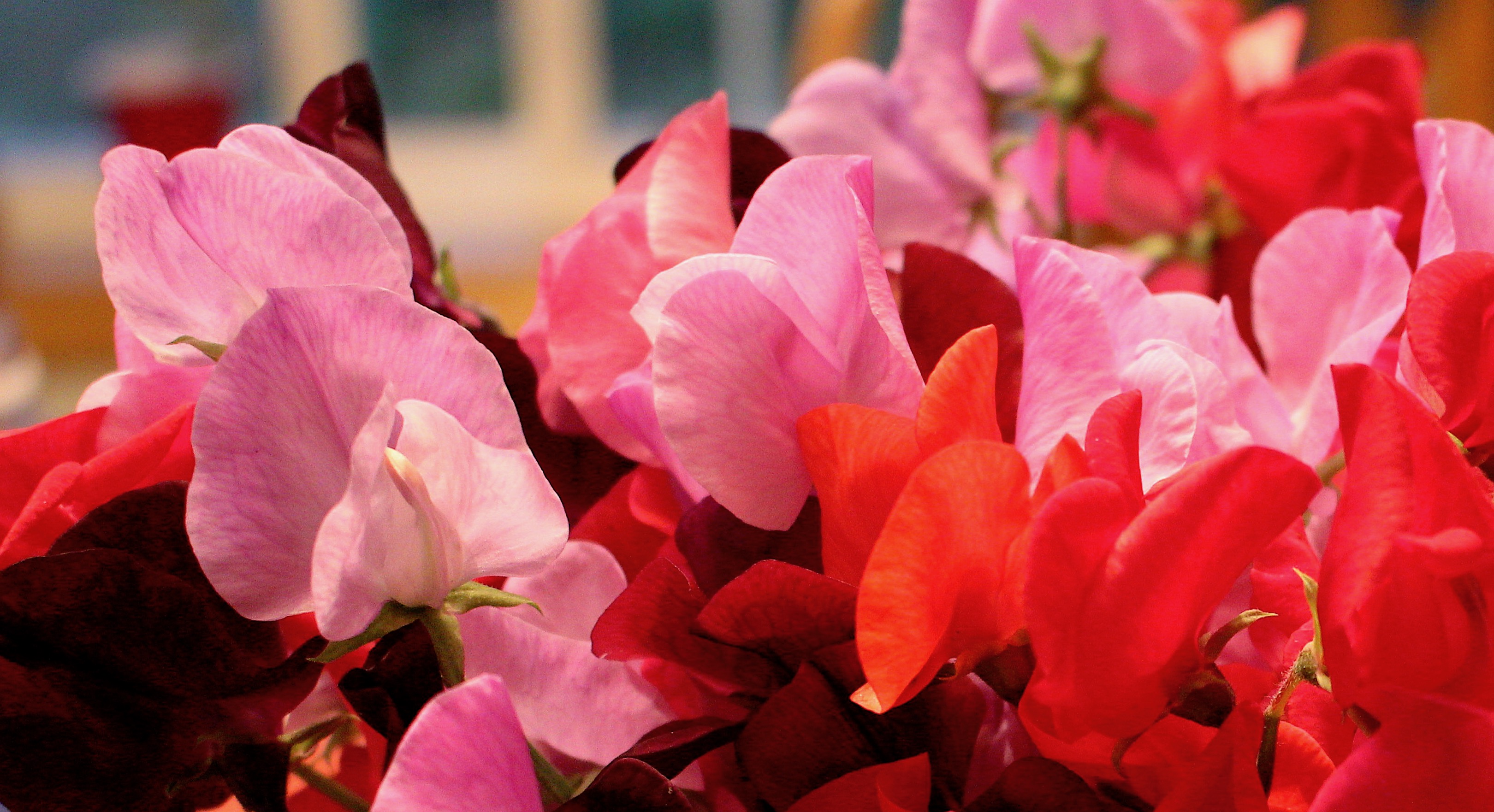
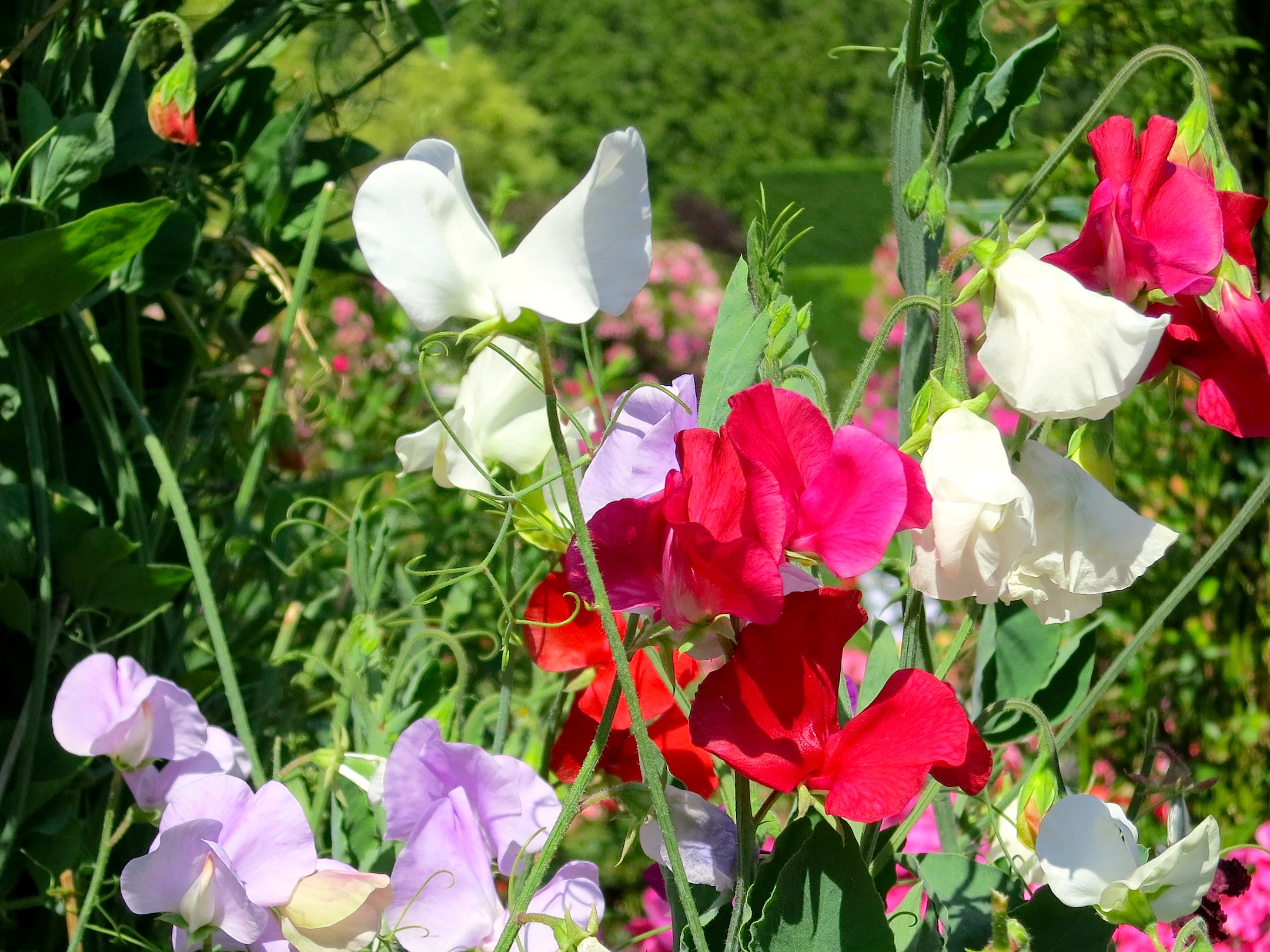
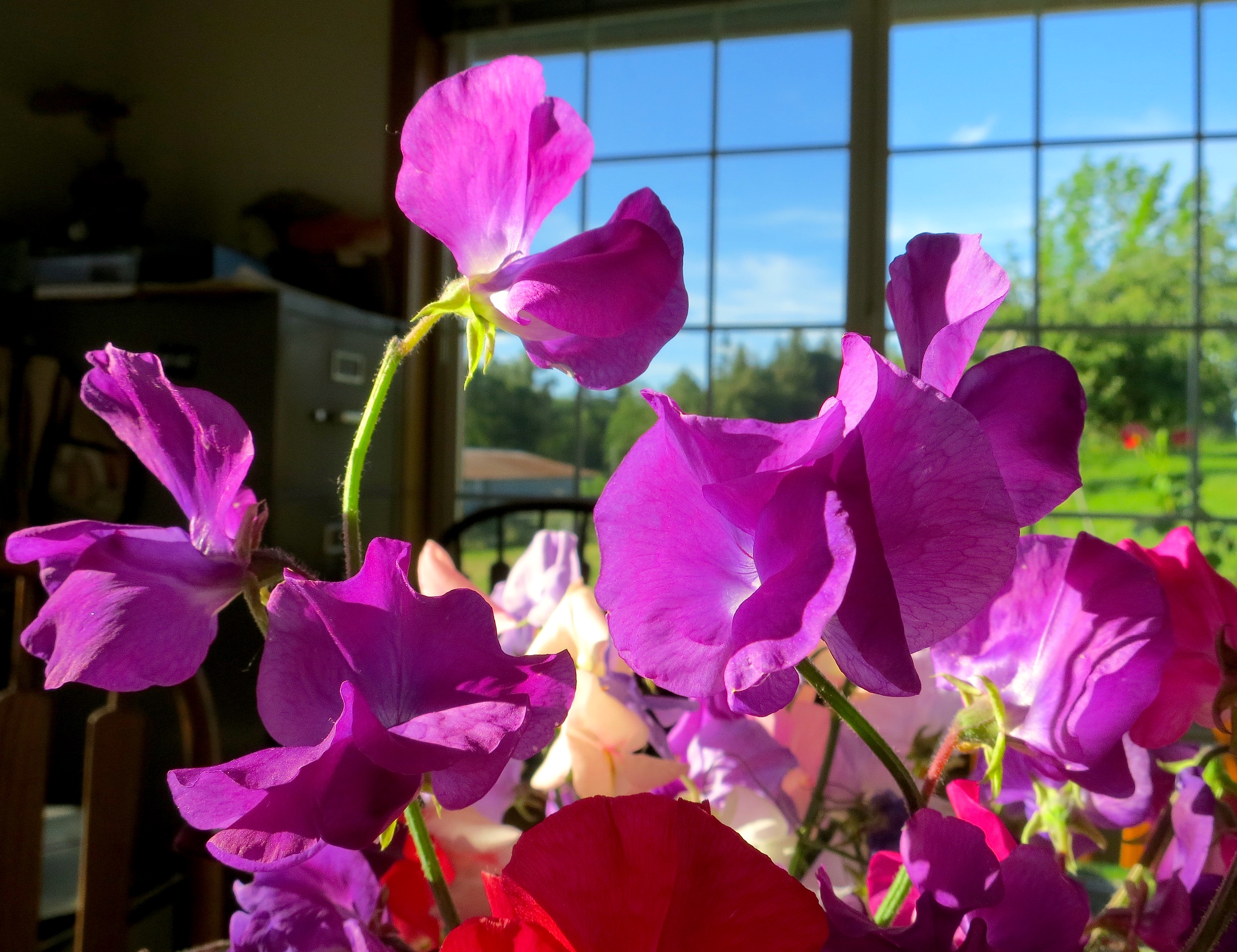
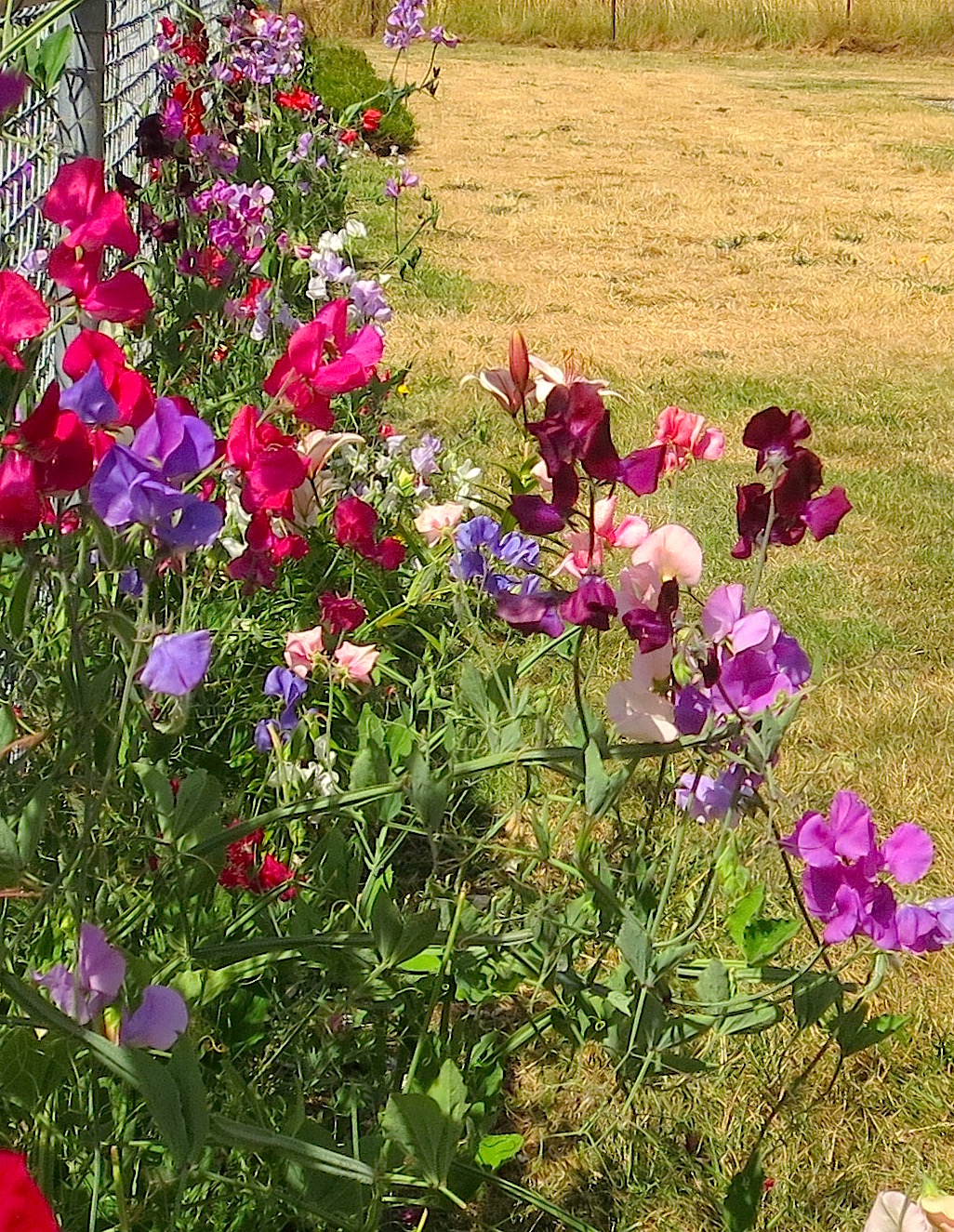
Sweet Pea Run Wild

Poetry is a rich, full-bodied whistle,
cracked ice crunching in pails,
the night that numbs the leaf,
the duel of two nightingales,
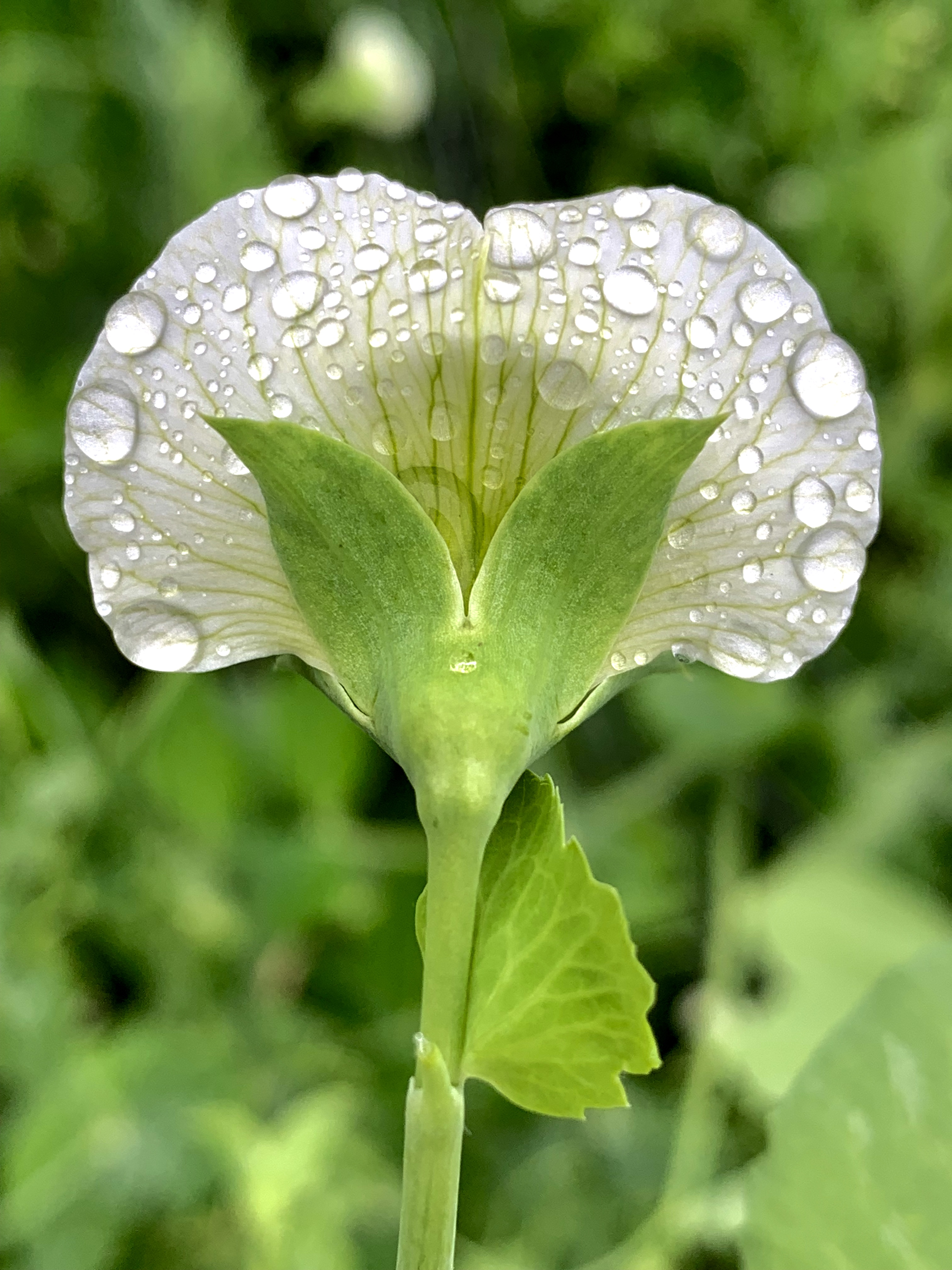
the sweet pea that has run wild,
Creation’s tears in shoulder blades.
~Boris Pasternak

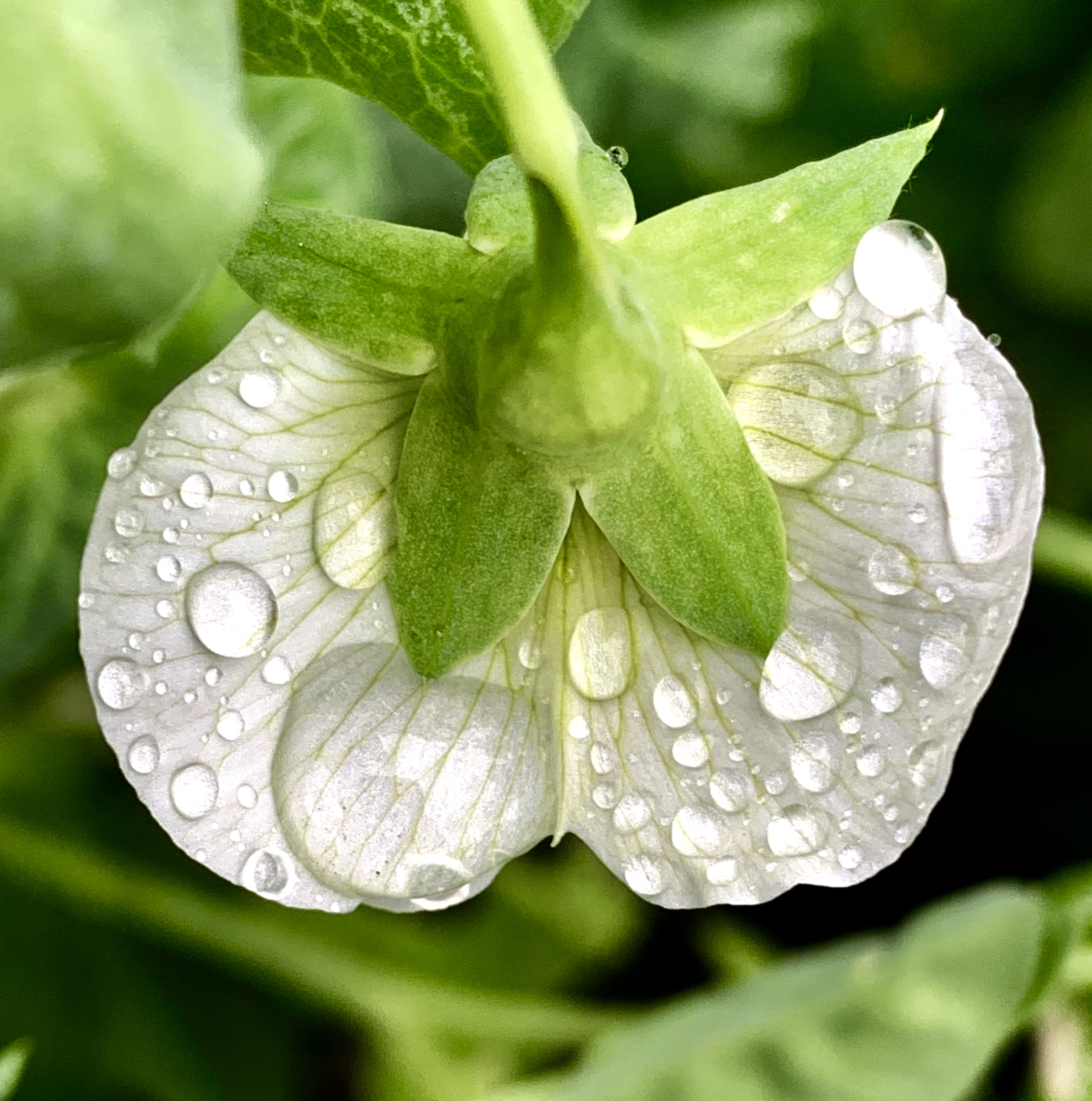
Here are sweet-peas, on tip-toe for a flight:
With wings of gentle flush o’er delicate white,
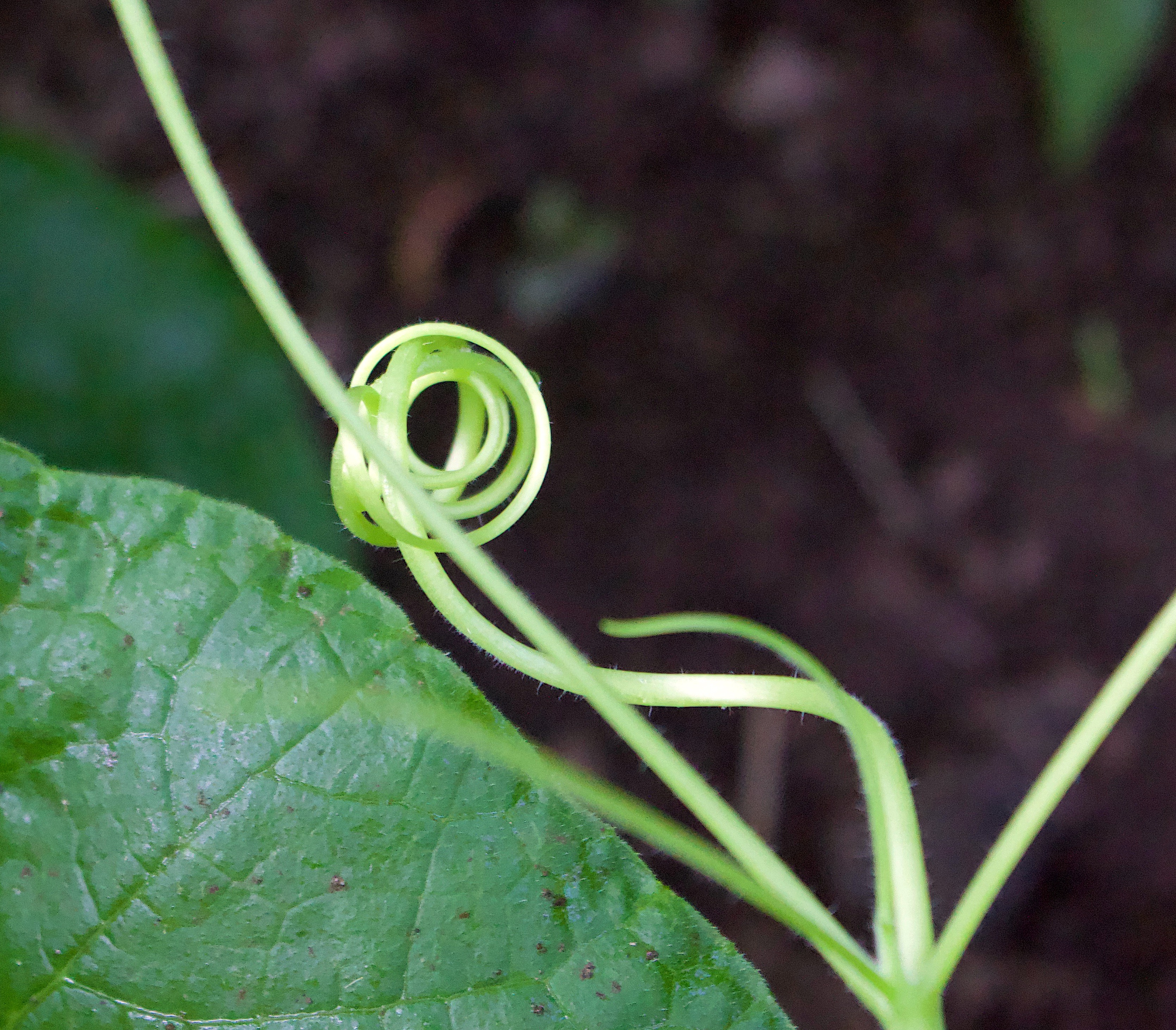
And taper fingers catching at all things,
To bind them all about with tiny rings.
~John Keats
from “I stood tip-toe on a little hill”

What did thought do?
“Stuck a feather in the ground and thought
it would grow a hen”
Rod by rod we pegged the drill for sweetpea
with light brittle sticks,
twiggy and unlikely in fresh mould
and stalk by stalk we snipped
the coming blooms.

And when pain had haircracked her old vestal stare
I reached for straws and thought
seeing the sky through a mat of creepers,
like water in the webs of a green net,
opened a clearing where her heart sang
without caution or embarrassment, once or twice.
~Seamus Heaney “Sweet Pea”
from Station Island

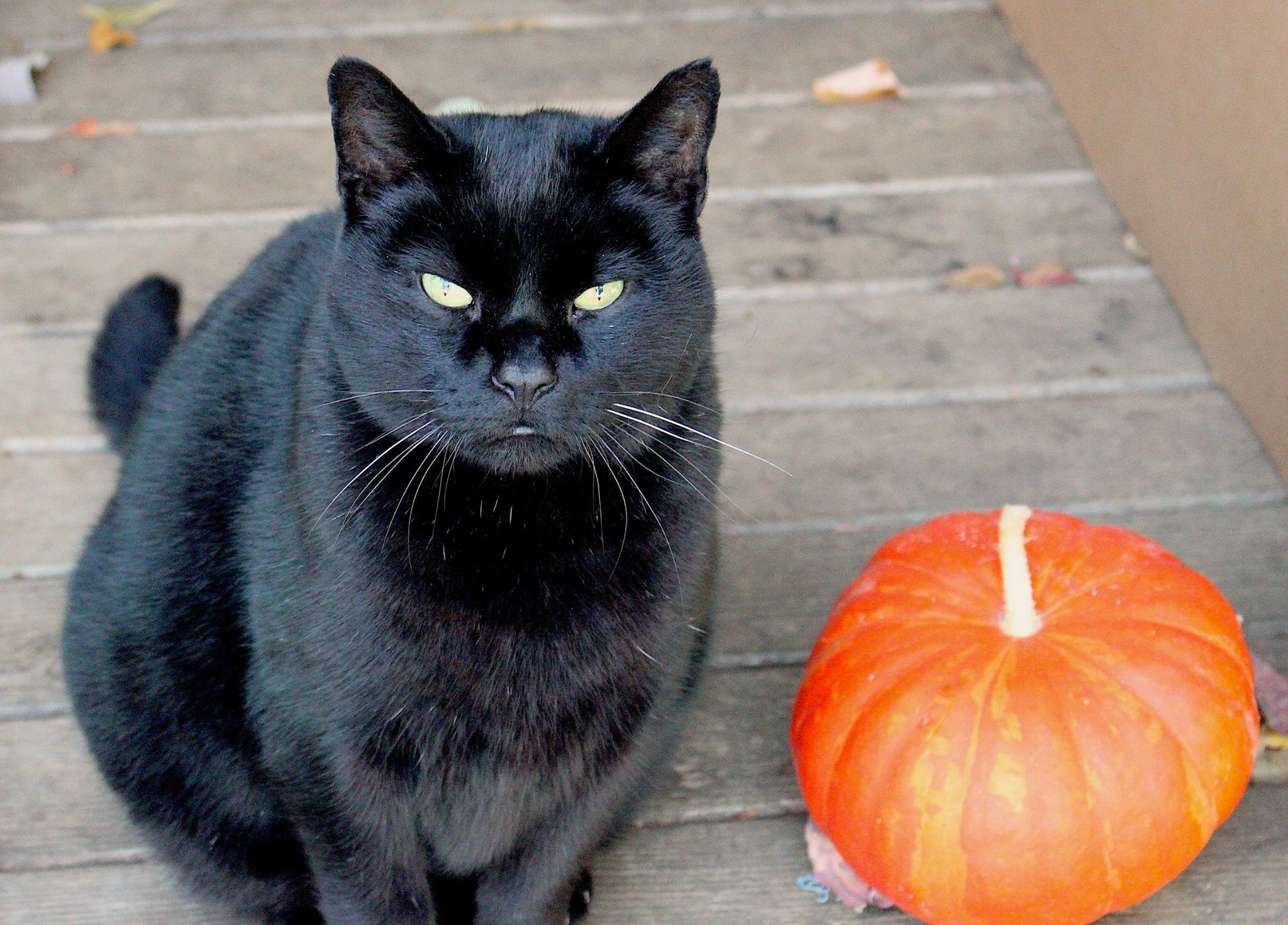
Sweet peas flowering next to orange pumpkins?

Usually separated by season,
one from late spring,
the other from mid-autumn,
they were never meant to meet.

Yet here are strange neighbors,
grown side by side in the same soil
through the same weeks,
their curling vines entwined.

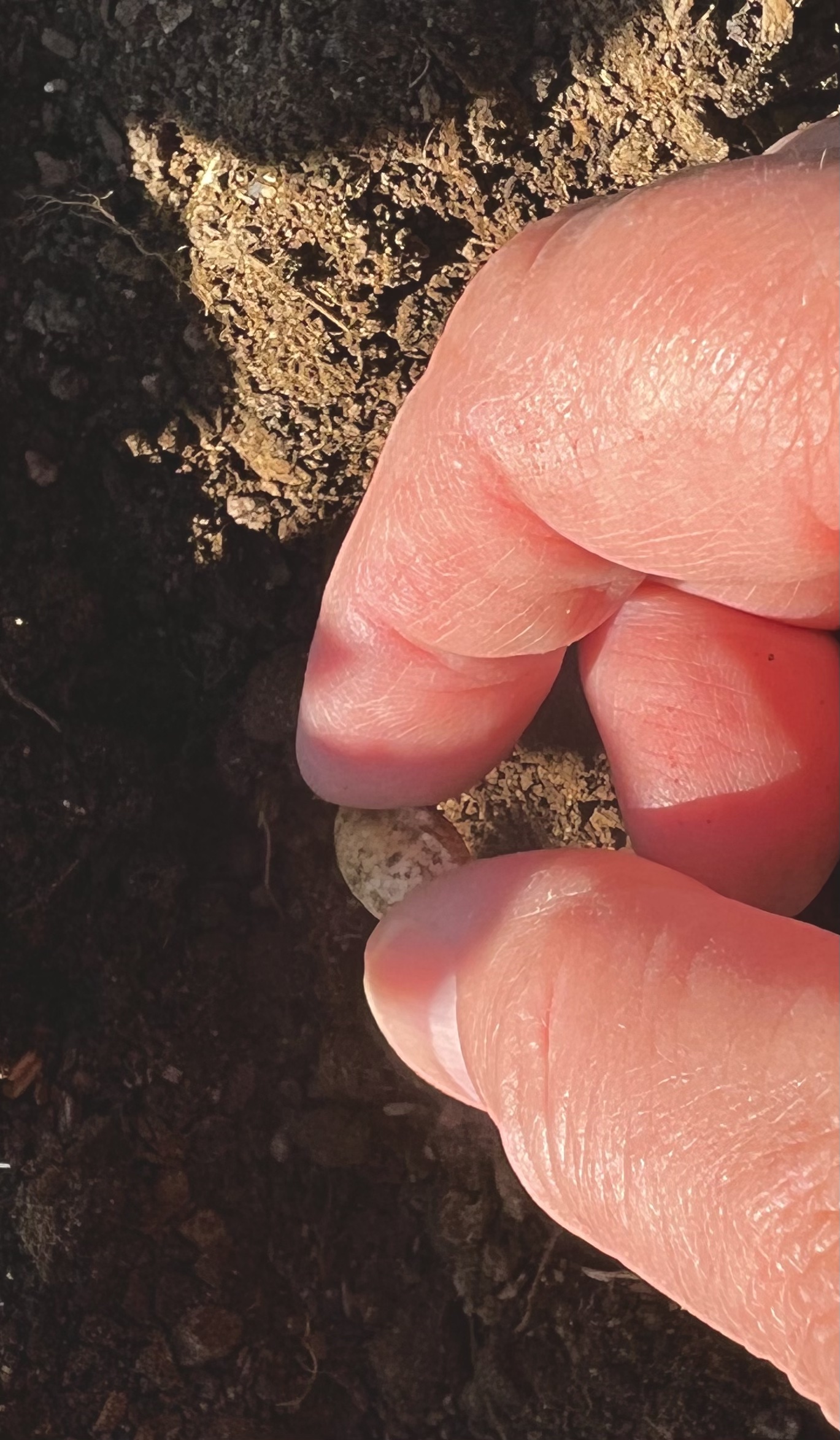
Forgotten sweet pea seeds swelled and thrived,
dropped in the midst of summer weeds,
now rich pastel blooms gracing a harvest table
with spring-like perfume.

So I want to germinate where I happen to land,
even when ill-timed and out of place.
May I run wild while interwoven,
bound to those who look and act nothing like me.

Thus encouraged to climb high,
I blossom boldly
to help face down the fate
of a killing frost.

One-Time
Monthly
Yearly

Make a one-time or recurring donation to support daily Barnstorming posts

Make a monthly donation

Make a yearly donation

Choose an amount

$10.00
$25.00
$50.00
$5.00
$15.00
$100.00
$5.00
$15.00
$100.00

Or enter a custom amount

$

Your contribution is deeply appreciated.

Your contribution is appreciated.

Your contribution is appreciated.

DonateDonate monthlyDonate yearly

In Brambled Dark and Light

Earth’s crammed with heaven
And every common bush afire with God
But only he who sees, takes off his shoes,
The rest sit round it and pluck blackberries~
–Elizabeth Barrett Browning from “Aurora Leigh

Fringing the woods, the stone walls, and the lanes,
Old thickets everywhere have come alive,
Their new leaves reaching out in fans of five
From tangles overarched by this year’s canes.

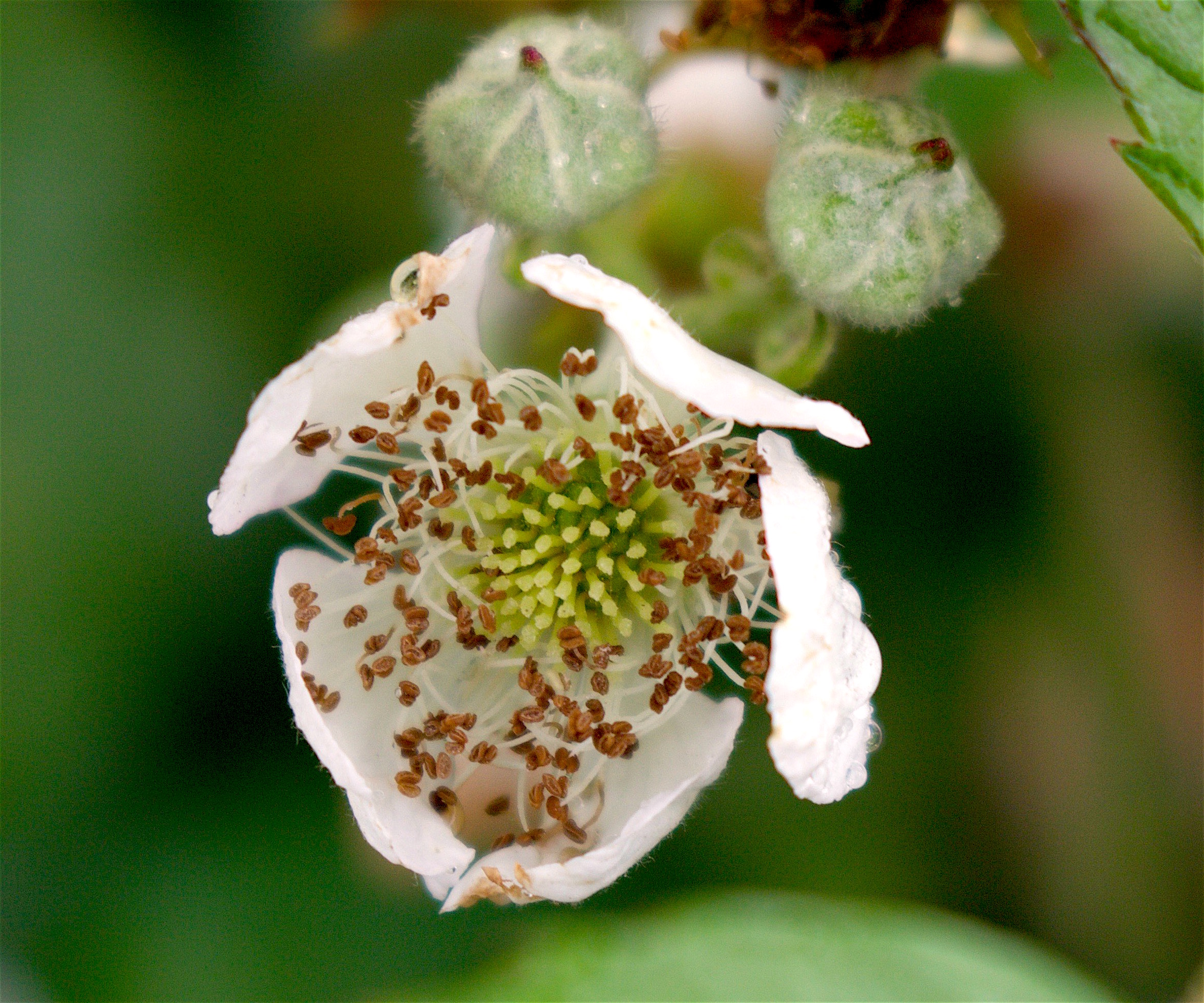
They have their flowers too, it being June,
And here or there in brambled dark-and-light
Are small, five-petaled blooms of chalky white,
As random-clustered and as loosely strewn

As the far stars, of which we now are told
That ever faster do they bolt away,
And that a night may come in which, some say,
We shall have only blackness to behold.

I have no time for any change so great,
But I shall see the August weather spur
Berries to ripen where the flowers were–
Dark berries, savage-sweet and worth the wait–

And there will come the moment to be quick
And save some from the birds, and I shall need
Two pails, old clothes in which to stain and bleed,
And a grandchild to talk with while we pick.

~Richard Wilbur “Blackberries for Amelia”

I love to go out in late September
among the fat, overripe, icy, black blackberries
to eat blackberries for breakfast,
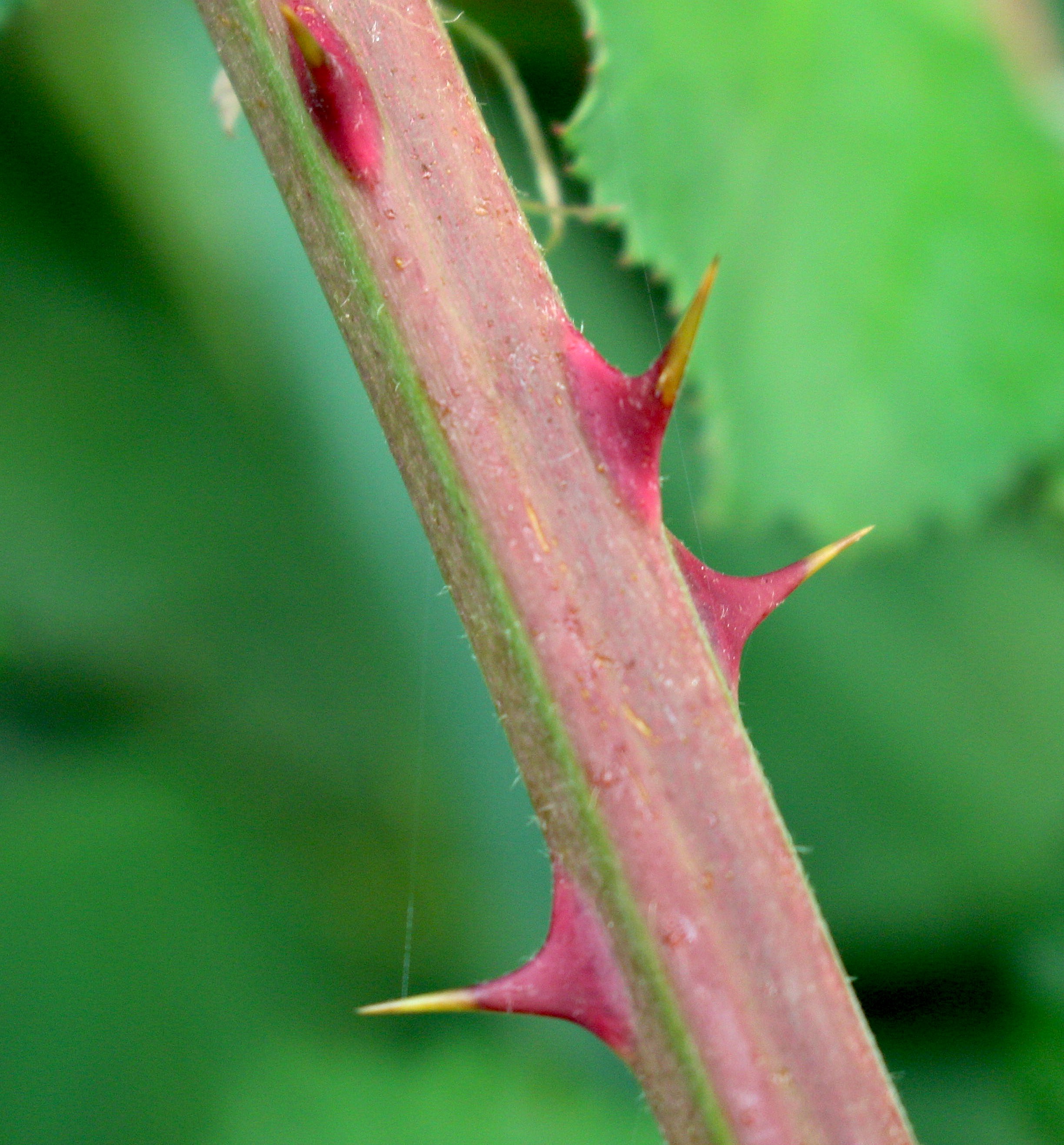
the stalks very prickly, a penalty
they earn for knowing the black art
of blackberry-making; and as I stand among them
lifting the stalks to my mouth, the ripest berries
fall almost unbidden to my tongue,
as words sometimes do, certain peculiar words
like strengths or squinched,
many-lettered, one-syllabled lumps,
which I squeeze, squinch open, and splurge well
in the silent, startled, icy, black language
of blackberry-eating in late September.

~Galway Kinnell “Blackberry Eating”

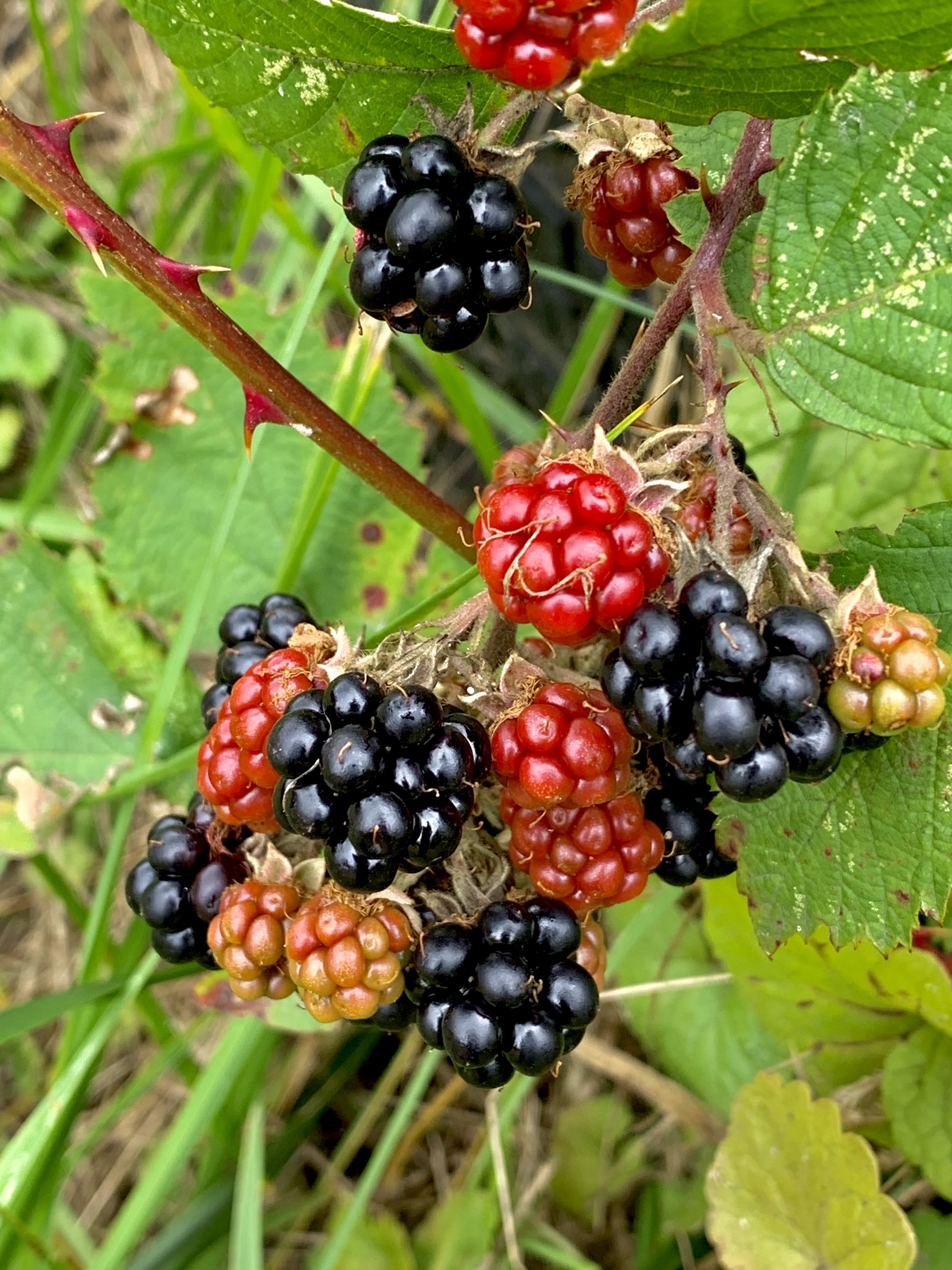
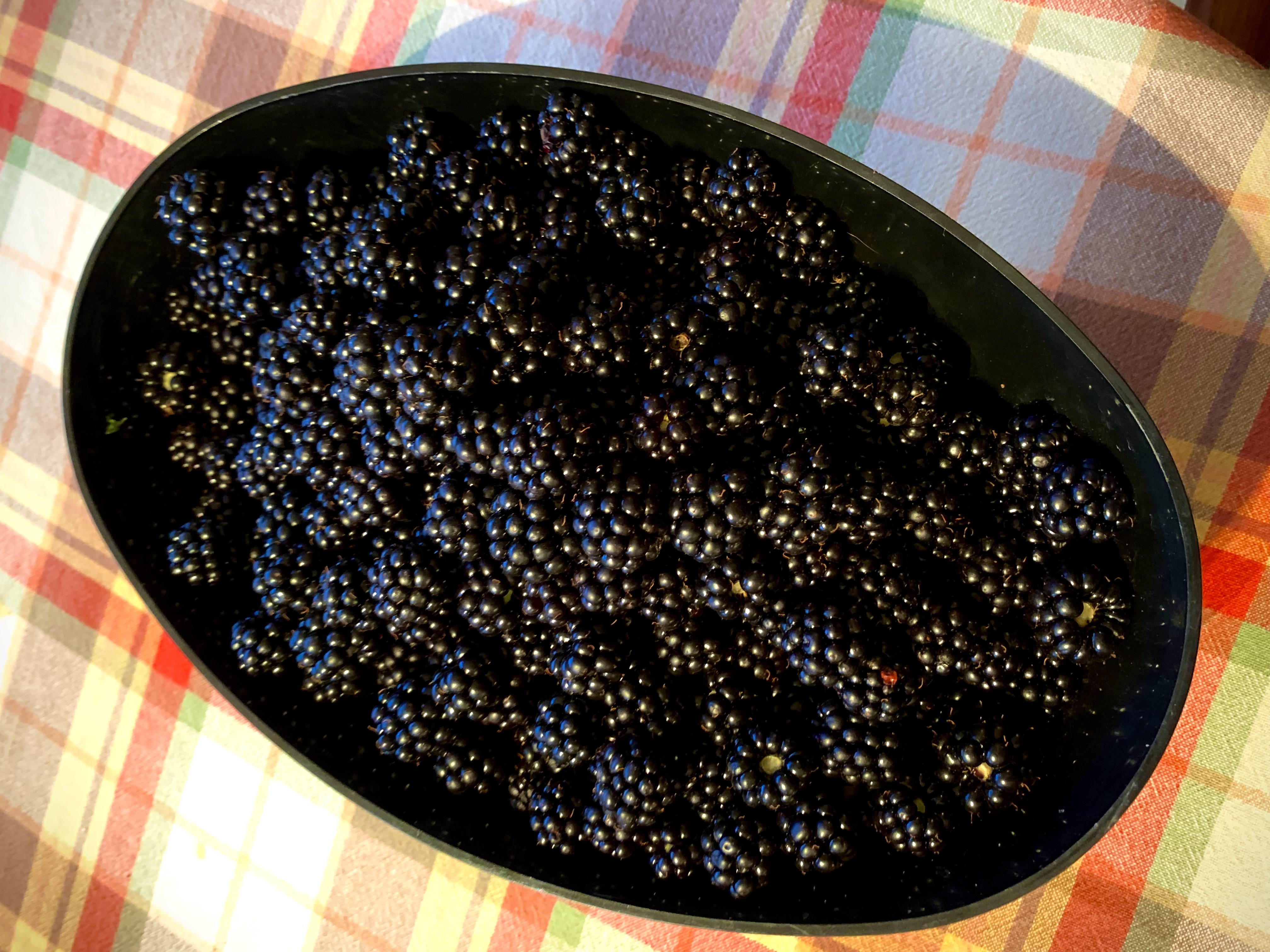
All I wanted was a few blackberries.

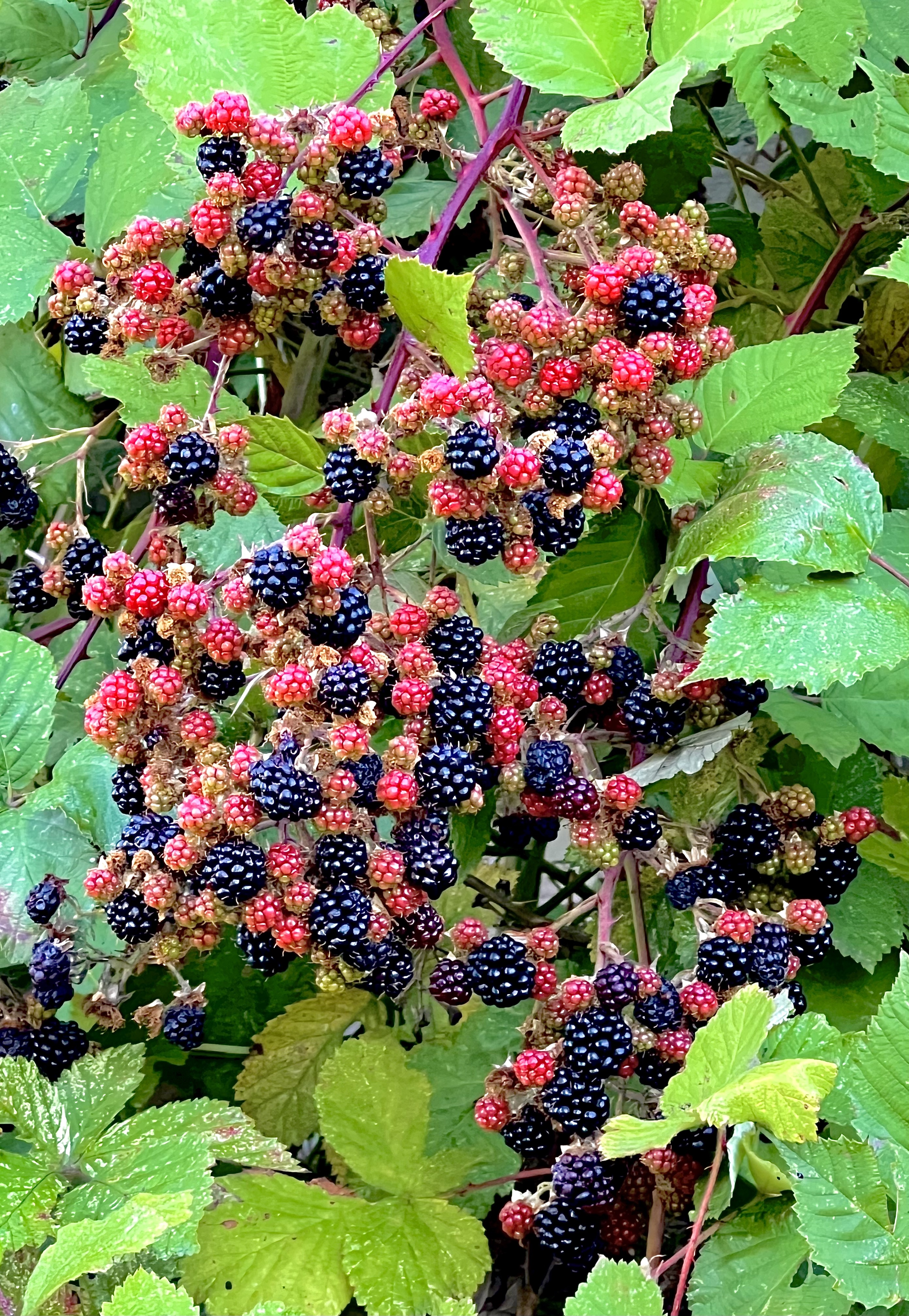
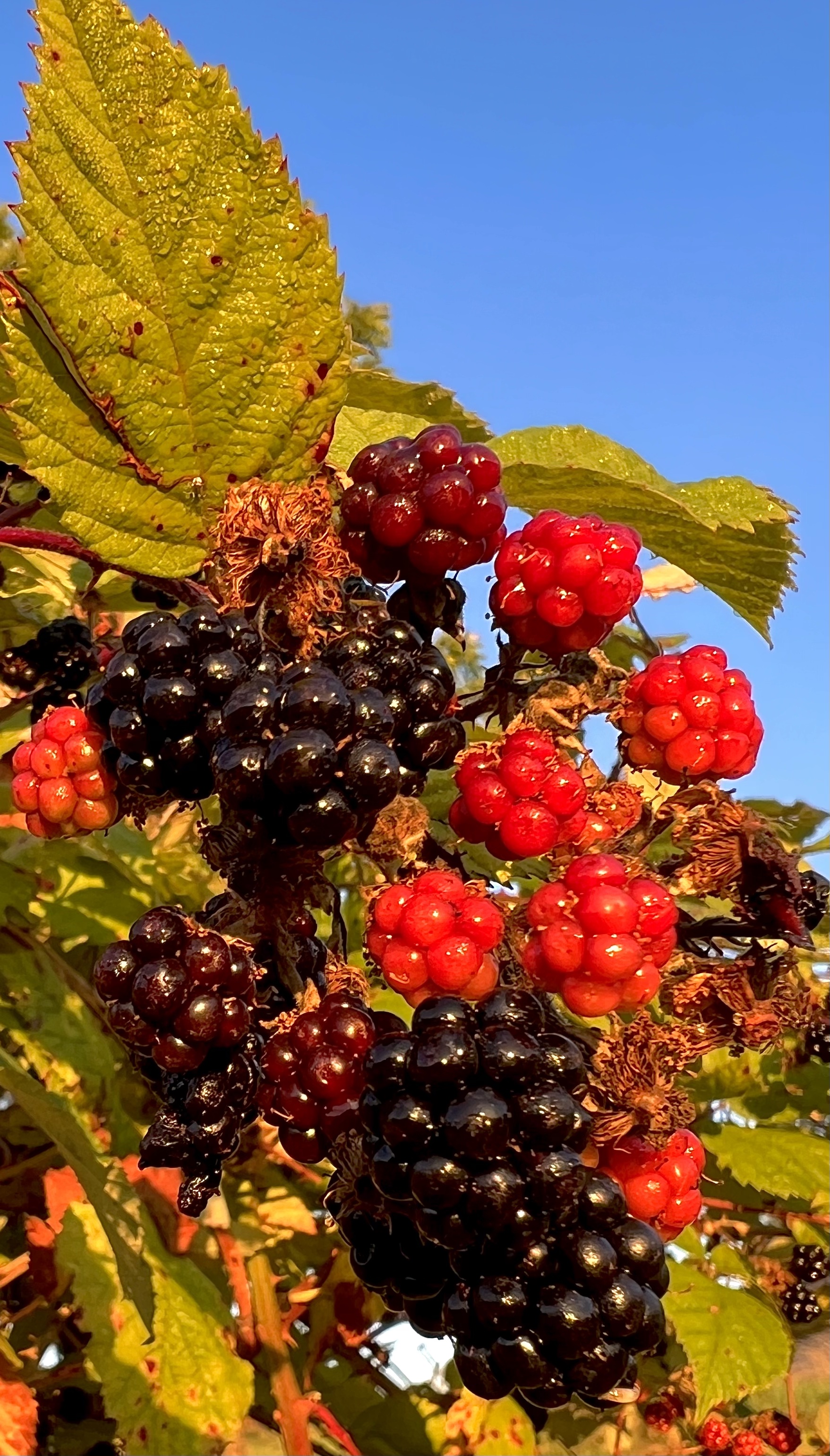
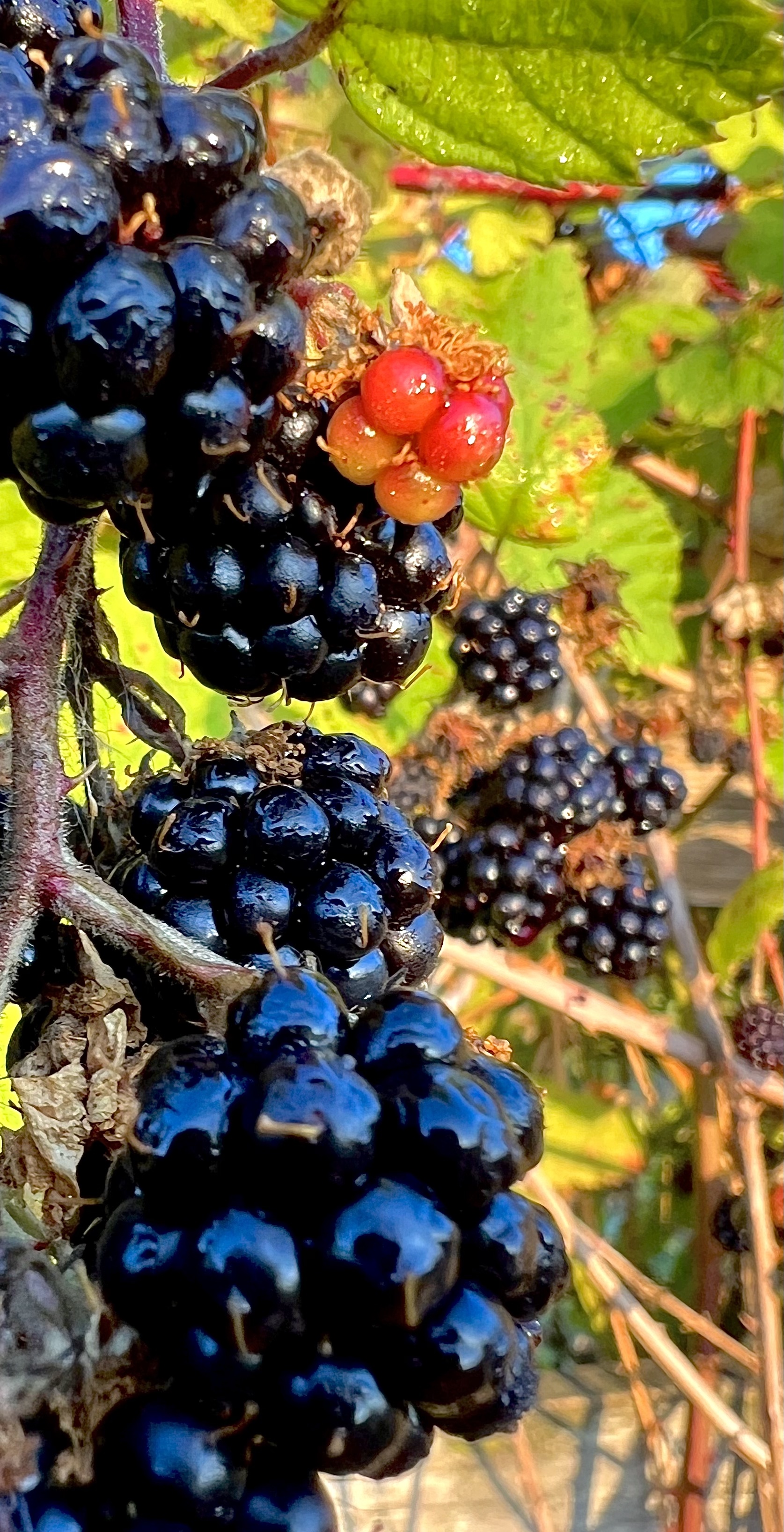
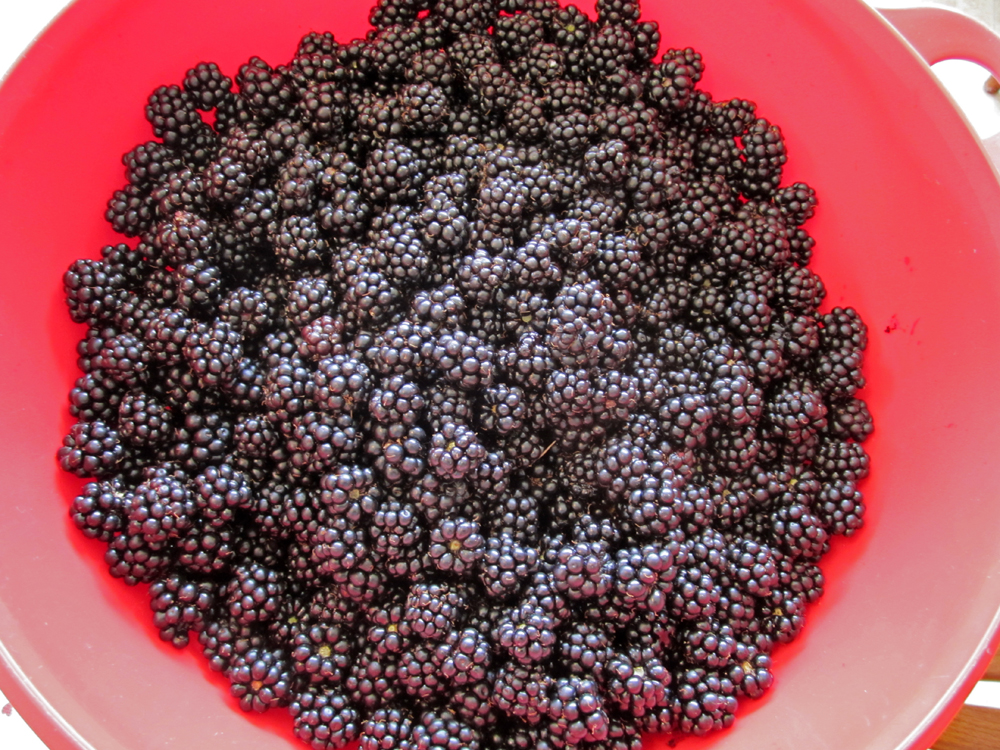
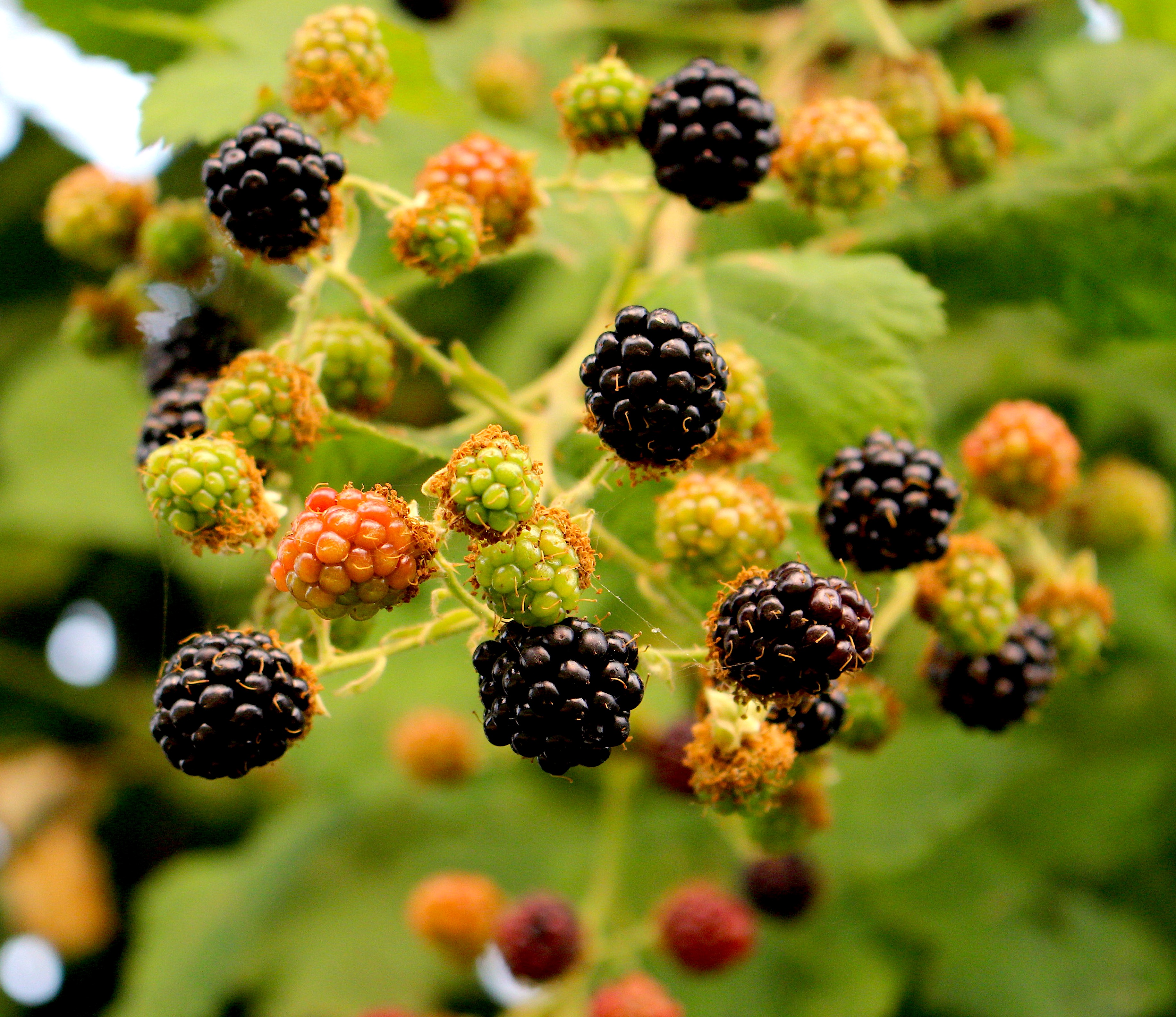
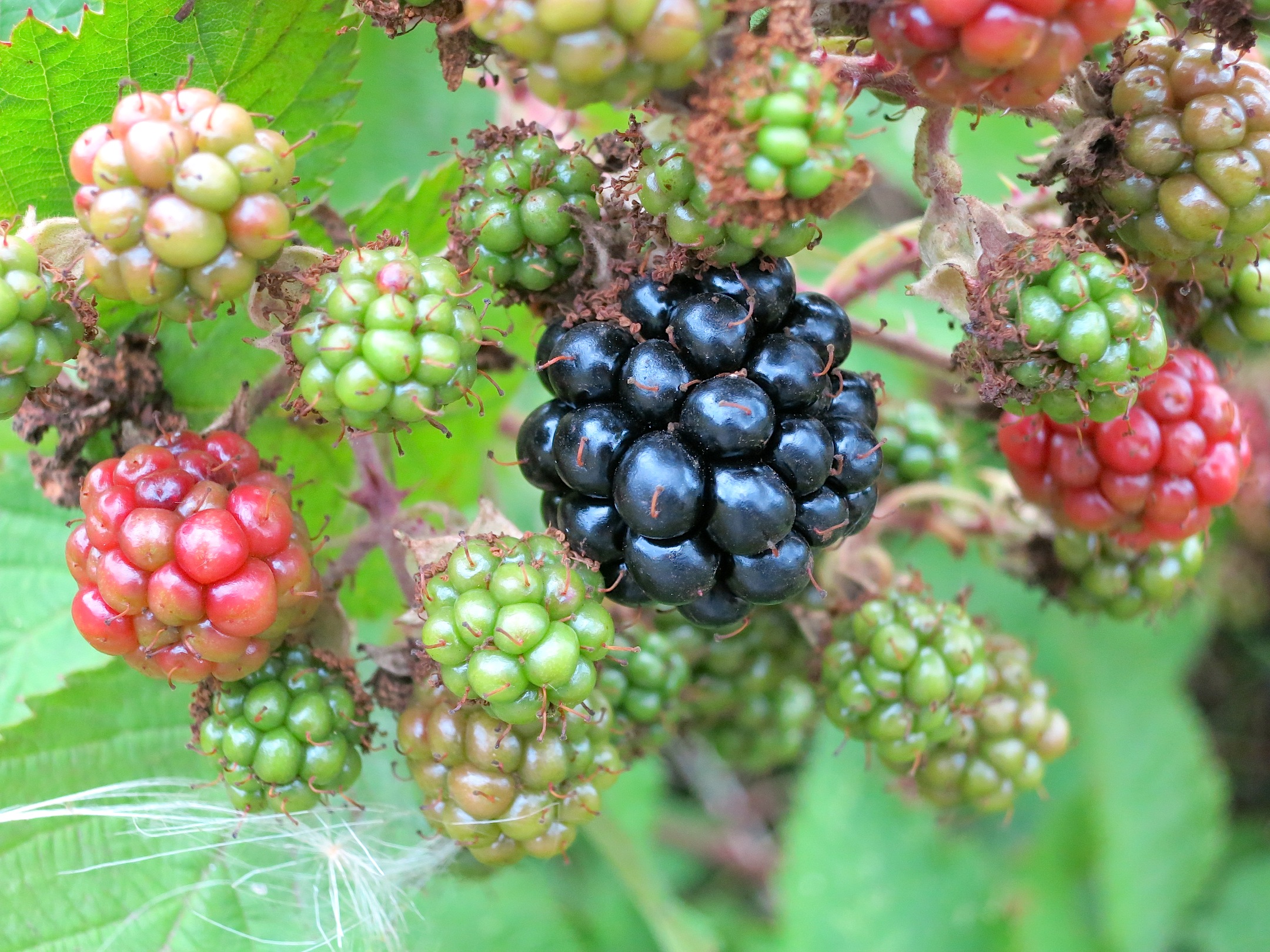
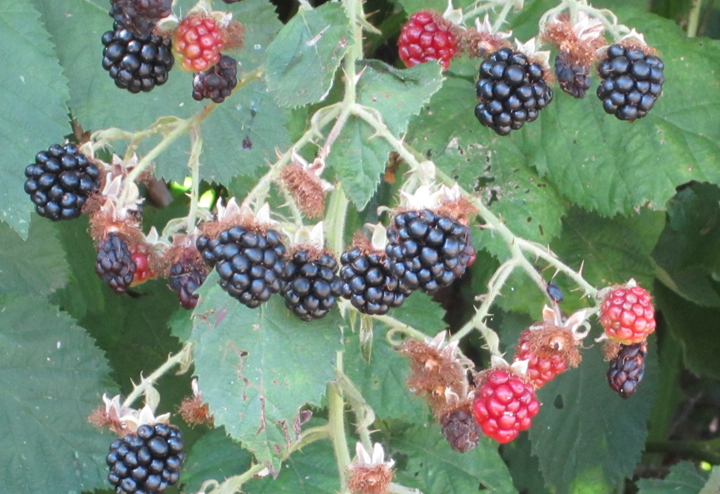
My objective was just to pick enough for cobbler for dessert, being oblivious to God burning in the bushes towering over me, around me, snagging me at every opportunity. If I had given it more thought, I would have realized the reaching vines hooking my arms and legs were hardly subtle. The thorns ripped at my skin, leaving me bloody and smarting. The fruit itself stained my hands purple, making them look freshly bruised. I crushed fat vines underfoot, trampling and stomping with my muck boots in order to dive deeper into the bushes. Webs were everywhere, with spiders crawling up my arms and dropping down into my hair. I managed to kick up one hornet’s nest so I called it quits.

All I wanted was a few blackberries, so blinded to all the clues crammed in every nook and cranny of every bush.

All I wanted was a few blackberries, trampling on holy ground with well-protected feet, unwilling to be barefoot and tenderly vulnerable.

All I wanted was a few blackberries, the lure of black gold plucked at the cost of rips and scratches and tears.

What I got was burned by a bush…

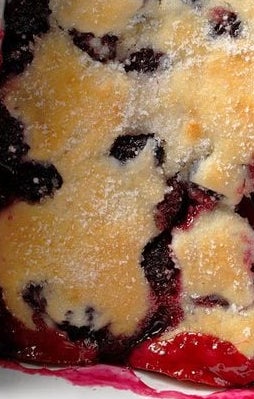
and a few blackberries for a crammed-with-heaven cobbler.

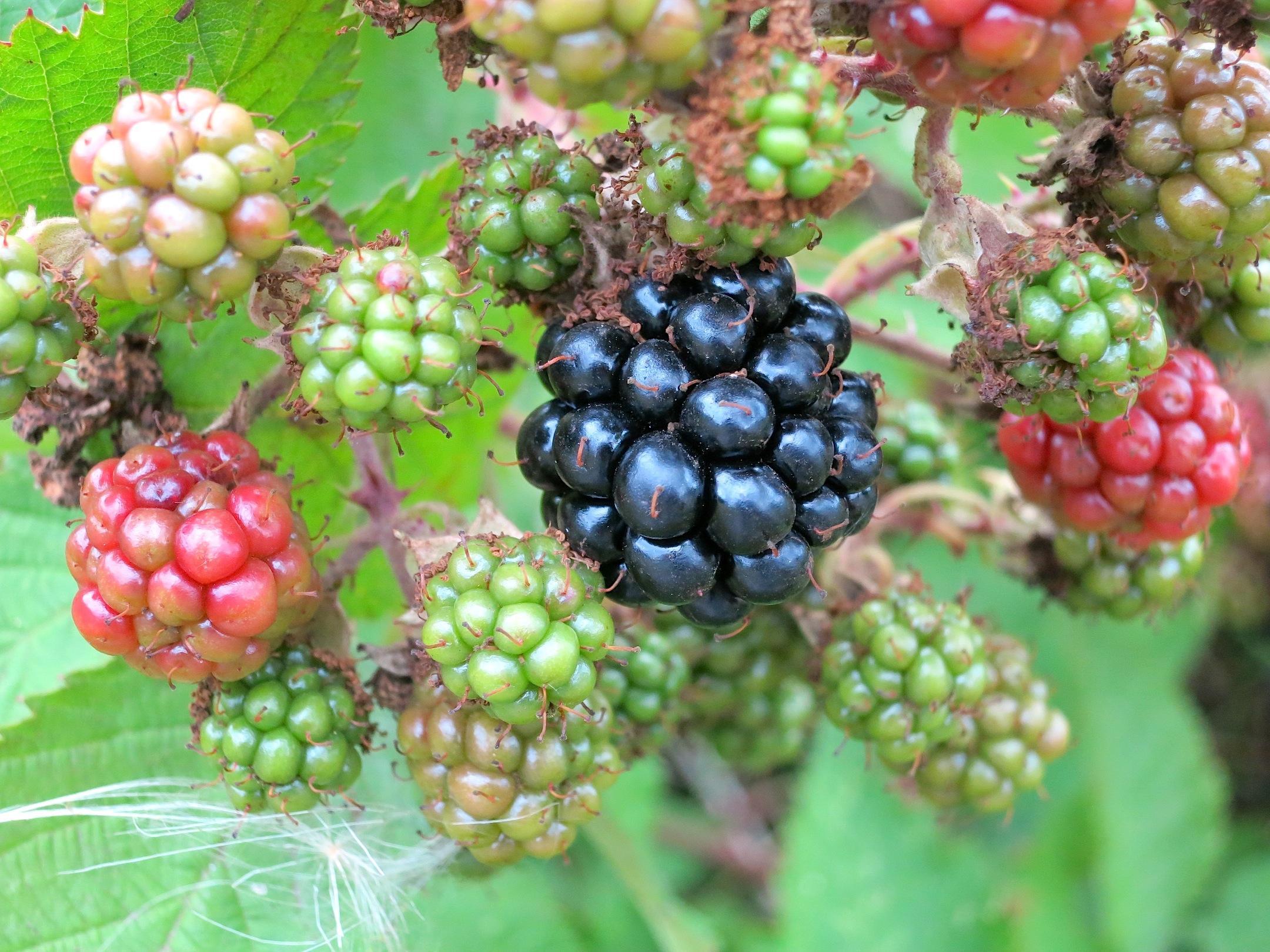
photo by Joel DeWaard
One-Time
Monthly
Yearly

Make a one-time or recurring donation to support daily Barnstorming posts

Make a monthly donation

Make a yearly donation

Choose an amount

$10.00
$25.00
$50.00
$5.00
$15.00
$100.00
$5.00
$15.00
$100.00

Or enter a custom amount

$

Your contribution is deeply appreciated.

Your contribution is appreciated.

Your contribution is appreciated.

DonateDonate monthlyDonate yearly

In Long Straight Rows

It’s not spring yet, but I can’t
wait anymore. I get the hoe,
pull back the snow from the old
furrows, expose the rich dark earth.
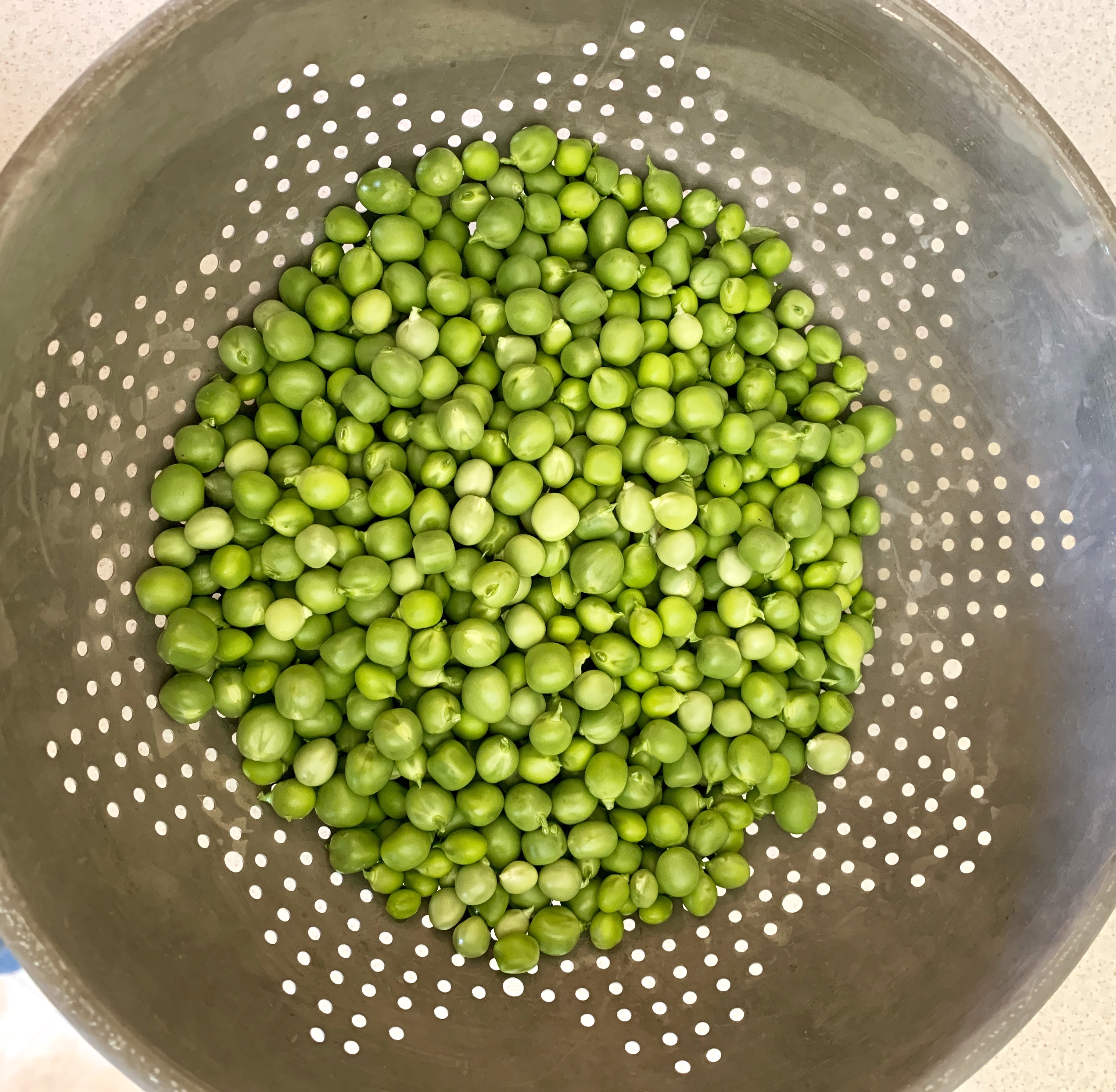
I bare my hand and dole out shriveled peas,
one by one.
I see my grandmother’s hand,
doing just this, dropping peas
into gray gumbo that clings like clay.
This moist earth is rich and dark
as chocolate cake.
Her hands cradle
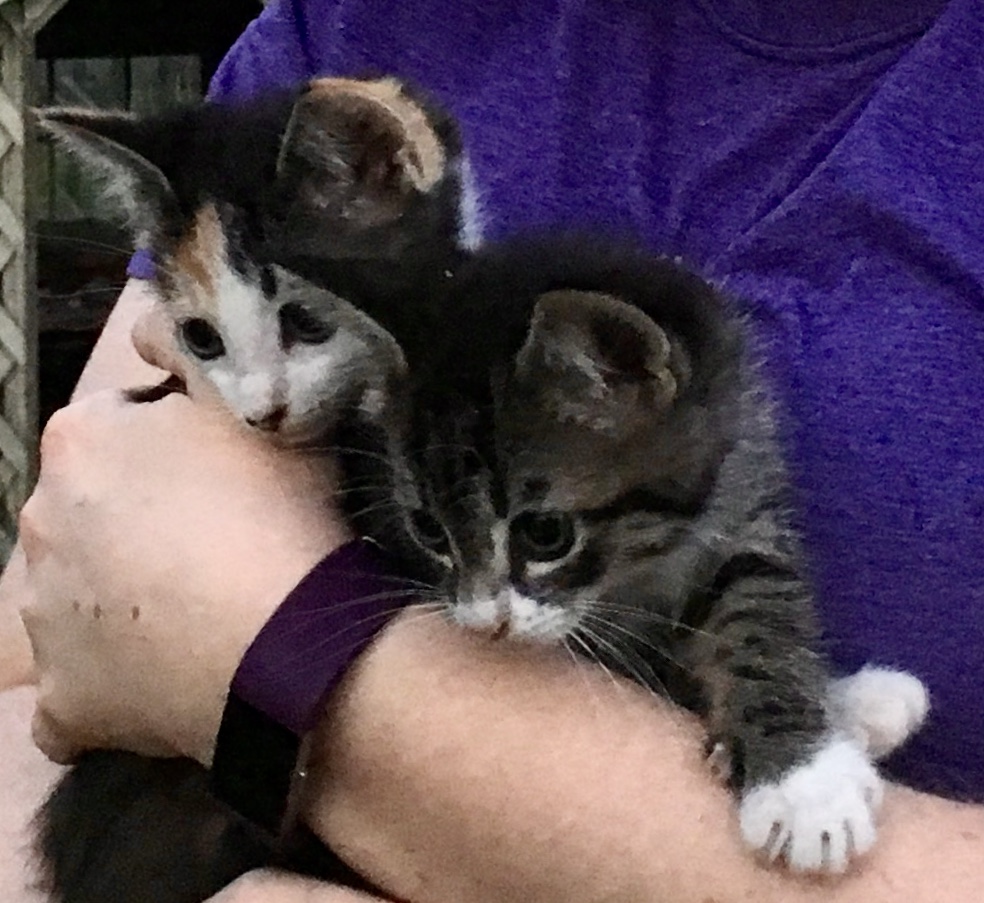
baby chicks; she finds kittens in the loft
and hands them down to me, safe beside
the ladder leading up to darkness.
I miss
her smile, her blue eyes, her biscuits and gravy,
but mostly her hands.
I push a pea into the earth,
feel her hands pushing me back. She’ll come in May,
she says, in long straight rows,
dancing in light green dresses.
~Linda Hasselstrom “Planting Peas”

My earliest childhood memories include the taste and smell of fresh peas.  We lived in farming country north of Seattle where 50 years ago hundreds of acres of peas were grown for canning and freezing.  During the harvest, large pea harvesting machines would arrive for several days and travel down the road in caravans of 10 or 12, going from farm to farm to farm. They worked 24 hours a day to harvest as quickly as possible and traveled the roads late at night because they were so huge, they would take up both lanes of the country roads.  Inevitably a string of cars would form behind the pea harvesters, unable to pass, so it became a grand annual parade celebrating the humble pea.

The smell in the air when the fields were harvested was indescribable except to say it was most definitely a “green” and deliciously fresh smell.  The vines and pods would end up as silage for cattle and the peas would be separated to go to the cannery.  I figured those peas were destined for the city dwellers because in our back yard garden, we grew plenty of our own.

Pea seeds, wrinkled and frankly a little boring, could be planted even before the last frost was done with us in March, or even sometimes on Washington’s birthday in February.  The soil needed to not be frozen and not be sopping.  True, the seeds might sit still for a few weeks, unwilling to risk germination until the coast was clear and soil warmed a bit, but once they were up out of the ground, there was no stopping them.  We would generally have several rotations growing, in the hope of a 6 week pea eating season if we were fortunate, before the heat and worms claimed the vines and the pods.

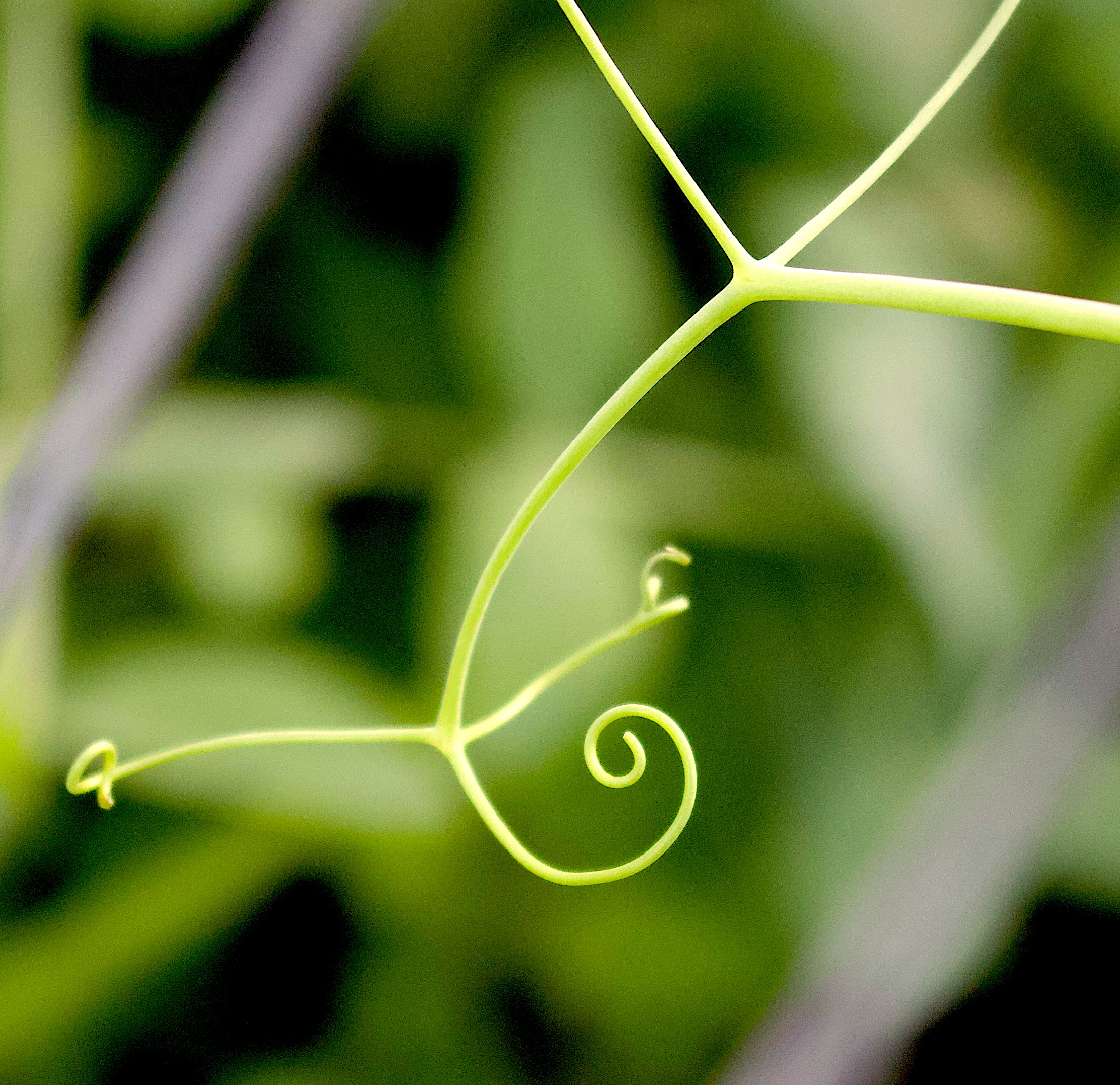
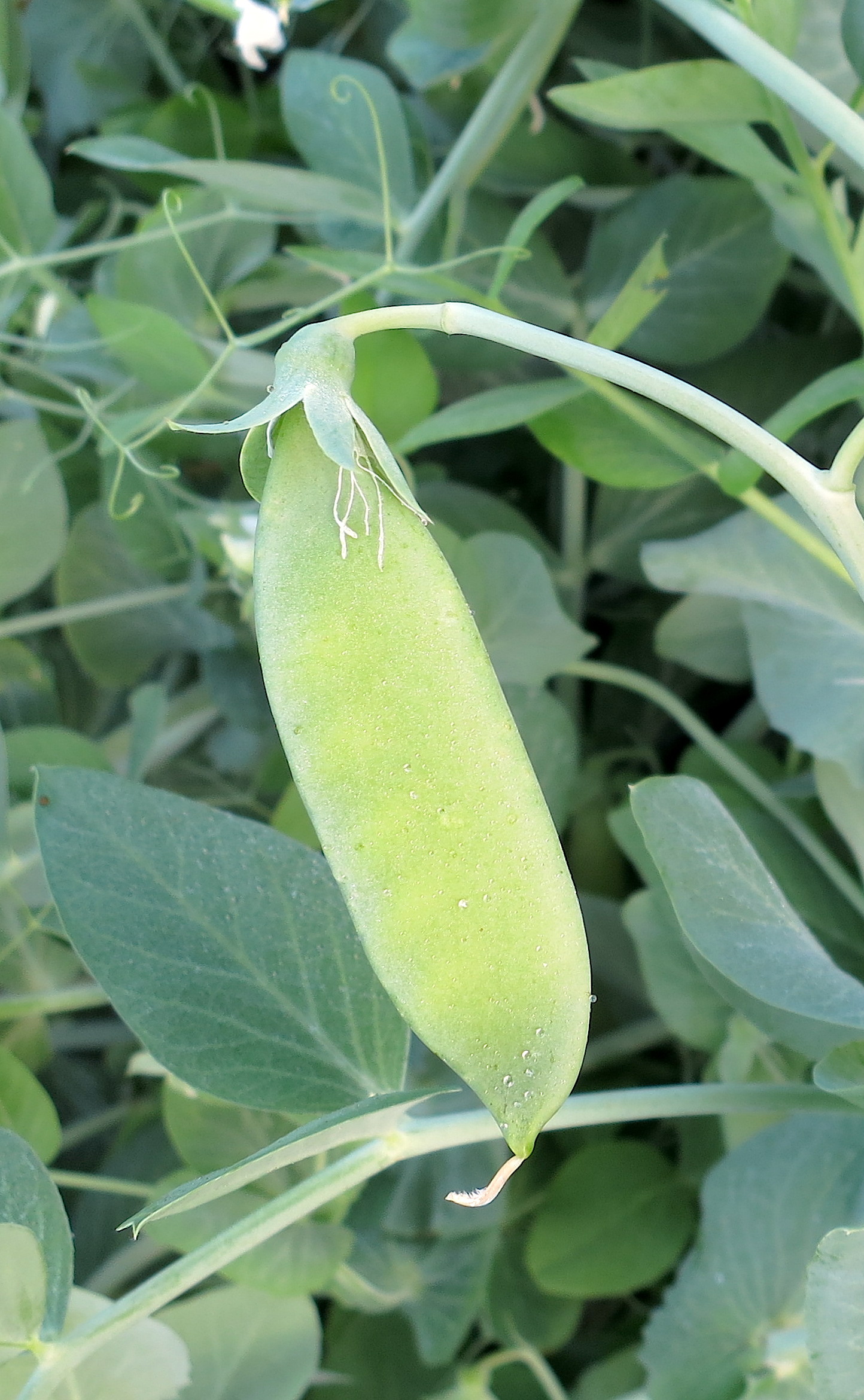
We always planted telephone peas, so the support of the vines was crucial–we used hay twine run up and down between two taut smooth wires attached high and low between two wooden posts.  The vines could climb 6 feet tall or better and it was fascinating to almost literally watch the pea tendrils wind their way around the strings (and each other), erotically clinging and wrapping themselves in their enthusiasm.

Once the pods start to form,  impatience begins.  I’d be out in the garden every day copping feels, looking for that first plump pod to pick and pop open.  It never failed that I would pick too soon, and open a pod to find only weenie little peas, barely with enough substance to taste.  Within a day or two, however, the harvest would be overwhelming, so we’d have to pick early in the morning while the peas were still cool from the night dew.

Then it was shelling time, which involved several siblings on a back porch, one mother supervising from a distance to make sure there weren’t too many peas being pelted in pique at an annoying little brother, and lots of bowls to catch the peas and the pods.  A big paper sack of intact pods would yield only a few cups of peas, so this was great labor for small yield.   Opening a pod of peas is extremely satisfying though;  there is a tiny audible “pop” when the pod is pressed at the bottom, and then as your thumb runs down the inner seam of the pod loosening all the peas, they make a dozen little “pings” in the bowl when they fall.  A symphony of pea shelling often accompanied by the Beach Boys and the Beatles.

Once the weather got hot, the pea worms would be at work in the pods, so then one encountered wiggly white larvae with little black heads and their webs inside the pods.  We actually had a “Wormie” song we sung when we found one, even in the 60’s recognizing that our organic garden meant sharing the harvest with crawling protein critters. The peas would be bored through, like a hollowed out jack o’lantern, so those got dumped in the discard bowl.

The dull green coat of the raw pea turns bright green during the several minutes of blanching in boiling water, then they are plunged into ice water until cool and packed in ziplock bags.  Those peas are welcomed to the table during the other 11 months out of the year, sometimes mixed with carrots, sometimes with mushrooms, sometimes chased with a little fresh garlic.  They are simply the most lovely food there is other than chocolate.

From an undistinguished pea seed to intricate vines and coiling tendrils–from pregnant pods bursting at the seams to a bounty at meals: the humble pea does indeed deserve a grand parade in the middle of the night and the close attention of only the best grandmas.

One-Time
Monthly
Yearly

Make a one-time or recurring donation to support daily Barnstorming posts

Make a monthly donation

Make a yearly donation

Choose an amount

¤5.00
¤10.00
¤20.00
¤5.00
¤15.00
¤100.00
¤5.00
¤15.00
¤100.00

Or enter a custom amount

¤

Your contribution is appreciated.

Your contribution is appreciated.

Your contribution is appreciated.

DonateDonate monthlyDonate yearly

Thorns that Thwart Sweetness

Late August, given heavy rain and sun
For a full week, the blackberries would ripen.
At first, just one, a glossy purple clot
Among others, red, green, hard as a knot.
You ate that first one and its flesh was sweet
Like thickened wine: summer’s blood was in it
Leaving stains upon the tongue and lust for
Picking. Then red ones inked up and that hunger
Sent us out with milk cans, pea tins, jam-pots
Where briars scratched and wet grass bleached our boots.
Round hayfields, cornfields and potato-drills
We trekked and picked until the cans were full,
Until the tinkling bottom had been covered
With green ones, and on top big dark blobs burned
Like a plate of eyes. Our hands were peppered
With thorn pricks, our palms sticky as Bluebeard’s.

We hoarded the fresh berries in the byre.
But when the bath was filled we found a fur,
A rat-grey fungus, glutting on our cache.
The juice was stinking too. Once off the bush
The fruit fermented, the sweet flesh would turn sour.
I always felt like crying. It wasn’t fair
That all the lovely canfuls smelt of rot.
Each year I hoped they’d ke
ep, knew they would not.
~Seamus Heaney “Blackberry Picking”

…Do not be afraid, though briers and thorns are all around you
Ezekiel 2:6

In the real world of pain, how could one worship a God who was immune to it? He laid aside his immunity to pain. He entered our world of flesh and blood, tears and death.
~John Stott
from The Cross

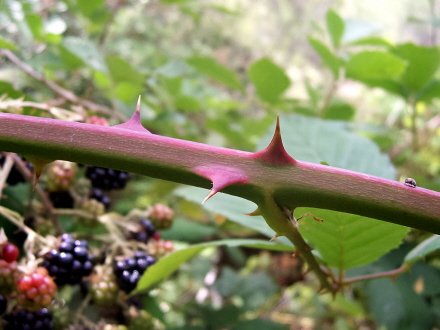
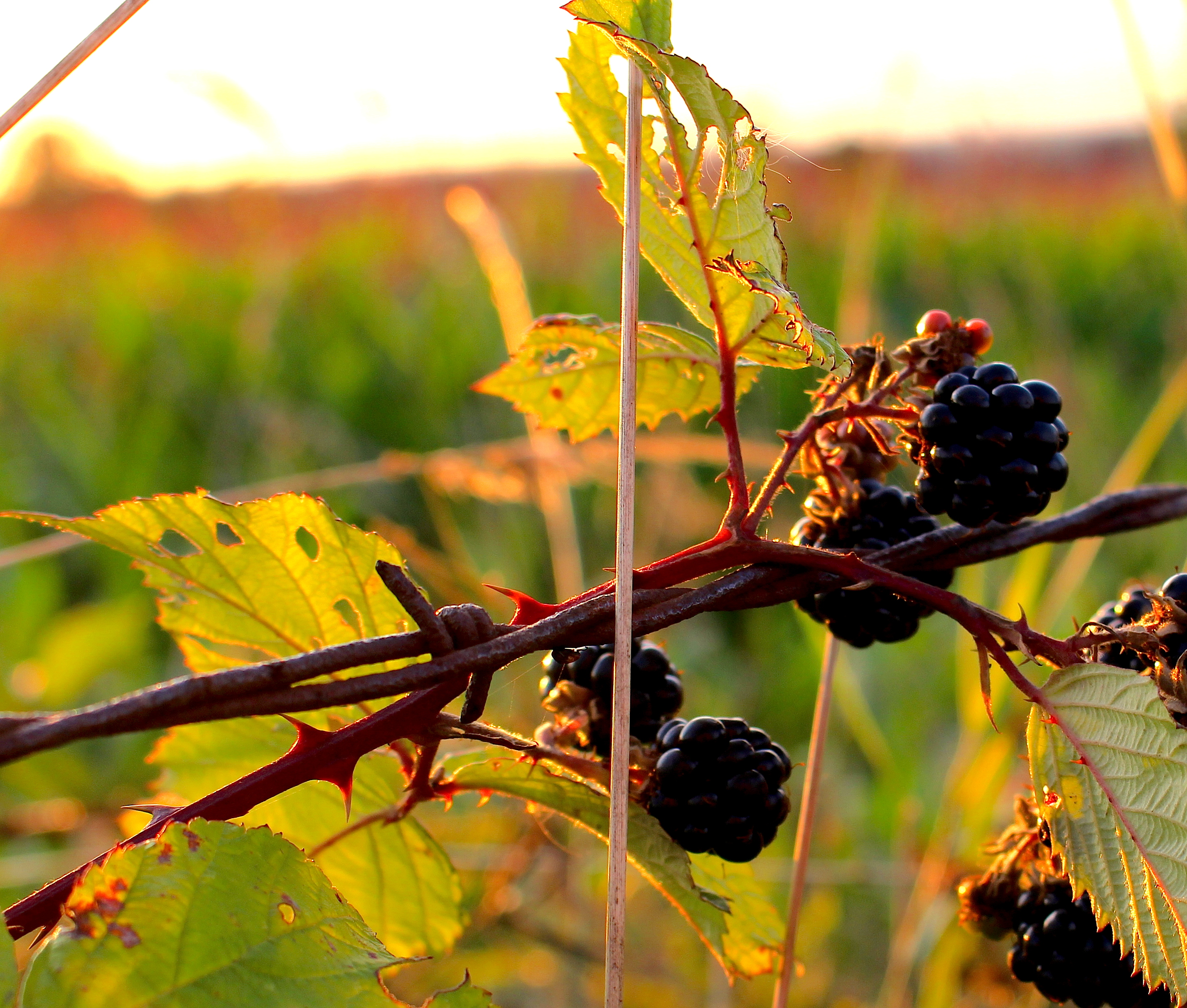
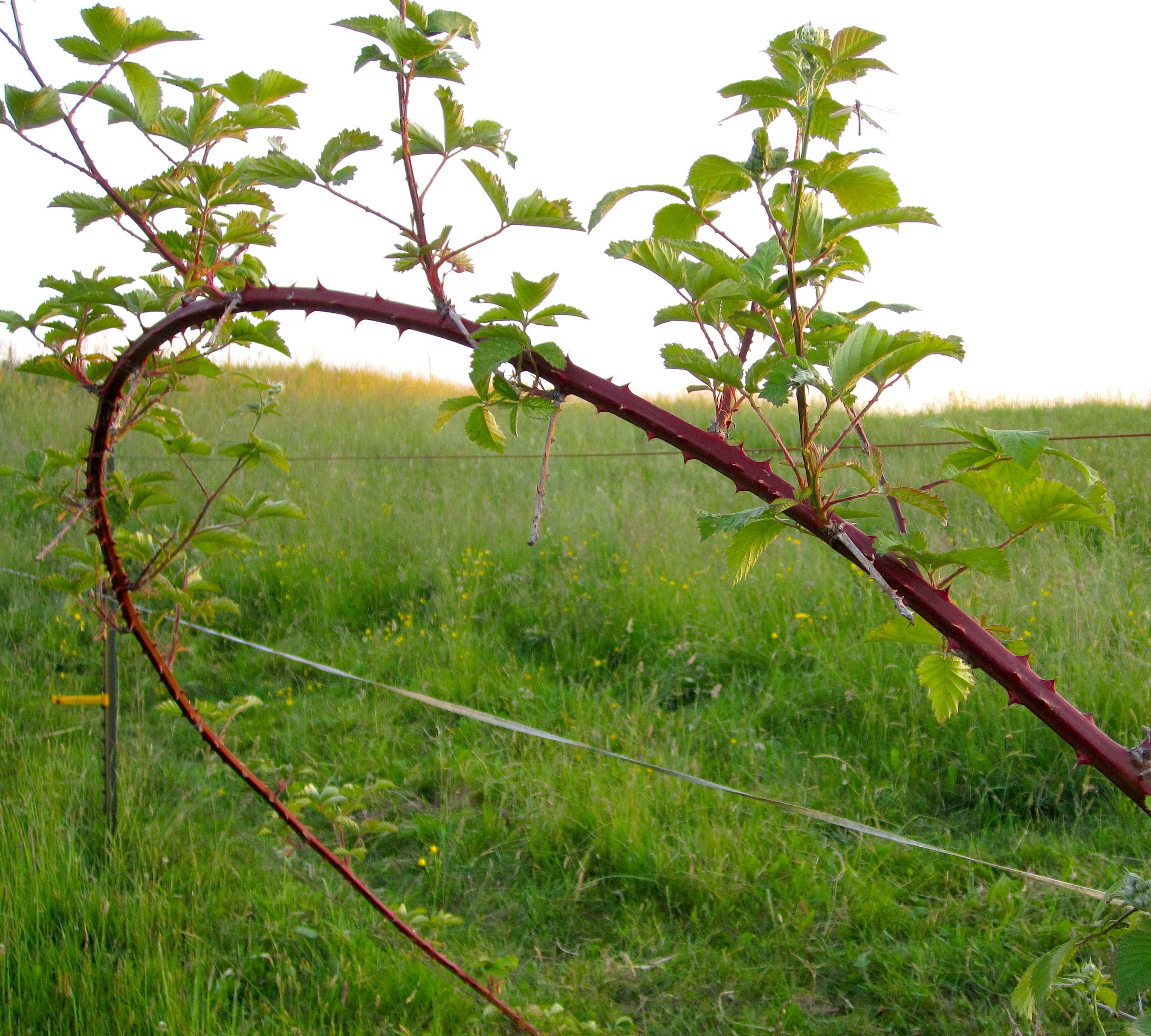
Today I will make wild blackberry cobbler, facing down the brambles and briers that thwart my reach for the elusive fruit – in this heat, it is important to harvest blackberries before they shrivel up and rot on the vine. I aim to gather more berries than scratches to prove that thorns and rot must never win and I will not yield to them.

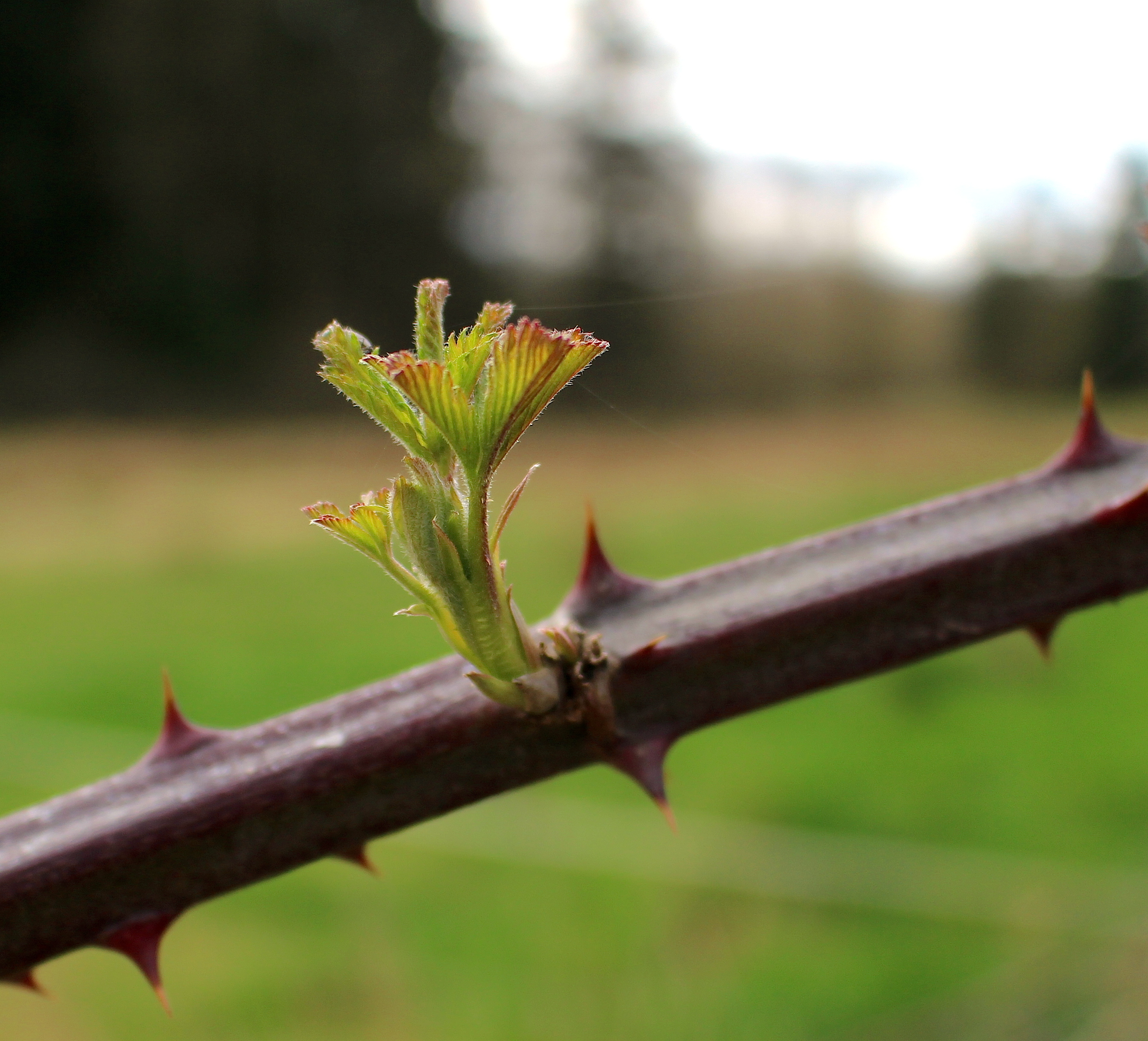
Painful thorns and decay have always been part of life. They barricade us from all that is sweet and good and precious. They tear us up, bloody us, make us cry out in pain and grief, cause a stink, and deepen our fear that we may never overcome such a sorrowful destiny.

Yet even the most brutal crown of thorns or the rot of the grave did not stop the loving sacrifice, can never thwart the sweetness of redemption, will not spoil the goodness, nor destroy the promise of salvation to come.

We simply wait to be fed the loving gift that comes only from bloodied hands.

Flesh will fail and bones will break
thieves will steal, the earth will shake
Night will fall, the light will fade
The Lord will give and take away

Put no trust in the earth
in the sod you stand upon
Flowers fade into dust
The Lord will make a place for us

Because of His great Love
We are not overcome
Because of His great Love
We are not overcome

Have no fear for your life
Turn your cheek, turn your cheek
Bear the yoke of love and death
The Lord will give all life and breath

Because of His great Love
We are not overcome
Because of His great Love
We are not overcome

(from Bifrost Arts)

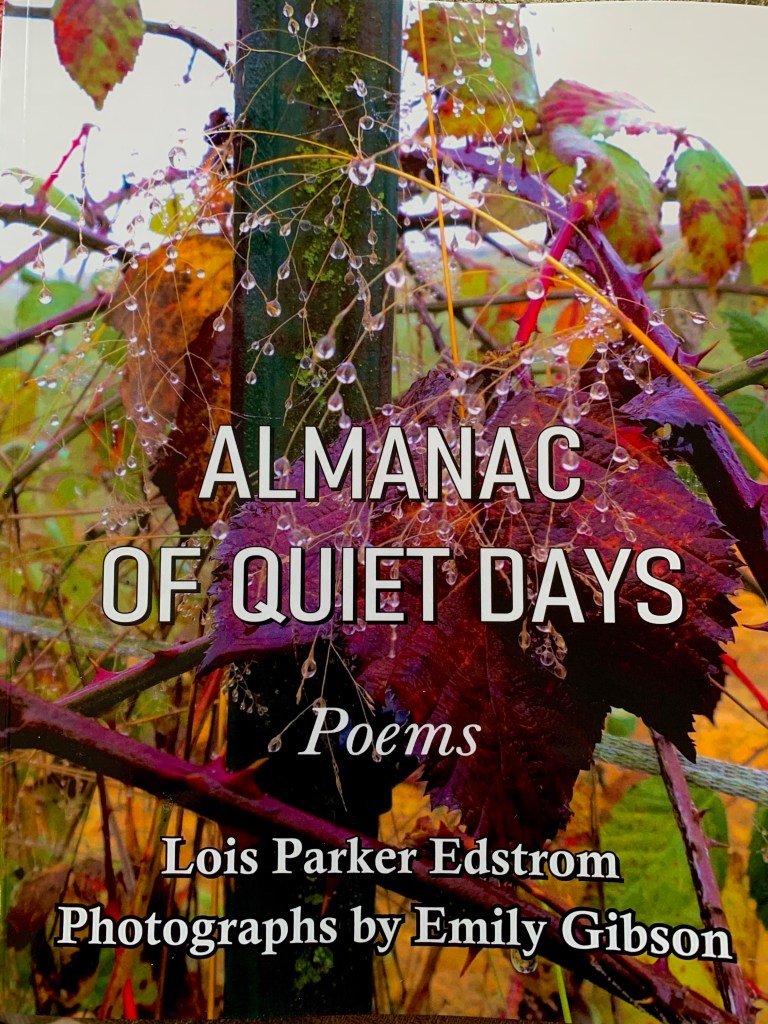
If you enjoy the Barnstorming blog, you’ll like our new book, available for order here:

Better Than Any Argument

However just and anxious I have been
I will stop and step back
from the crowd of those who may agree
with what I say, and be apart.
There is no earthly promise of life or peace
but where the roots branch and weave
their patient silent passages in the dark;
uprooted, I have been furious without an aim.
I am not bound for any public place,
but for ground of my own
where I have planted vines and orchard trees,
and in the heat of the day climbed up
into the healing shadow of the woods.
Better than any argument is to rise at dawn
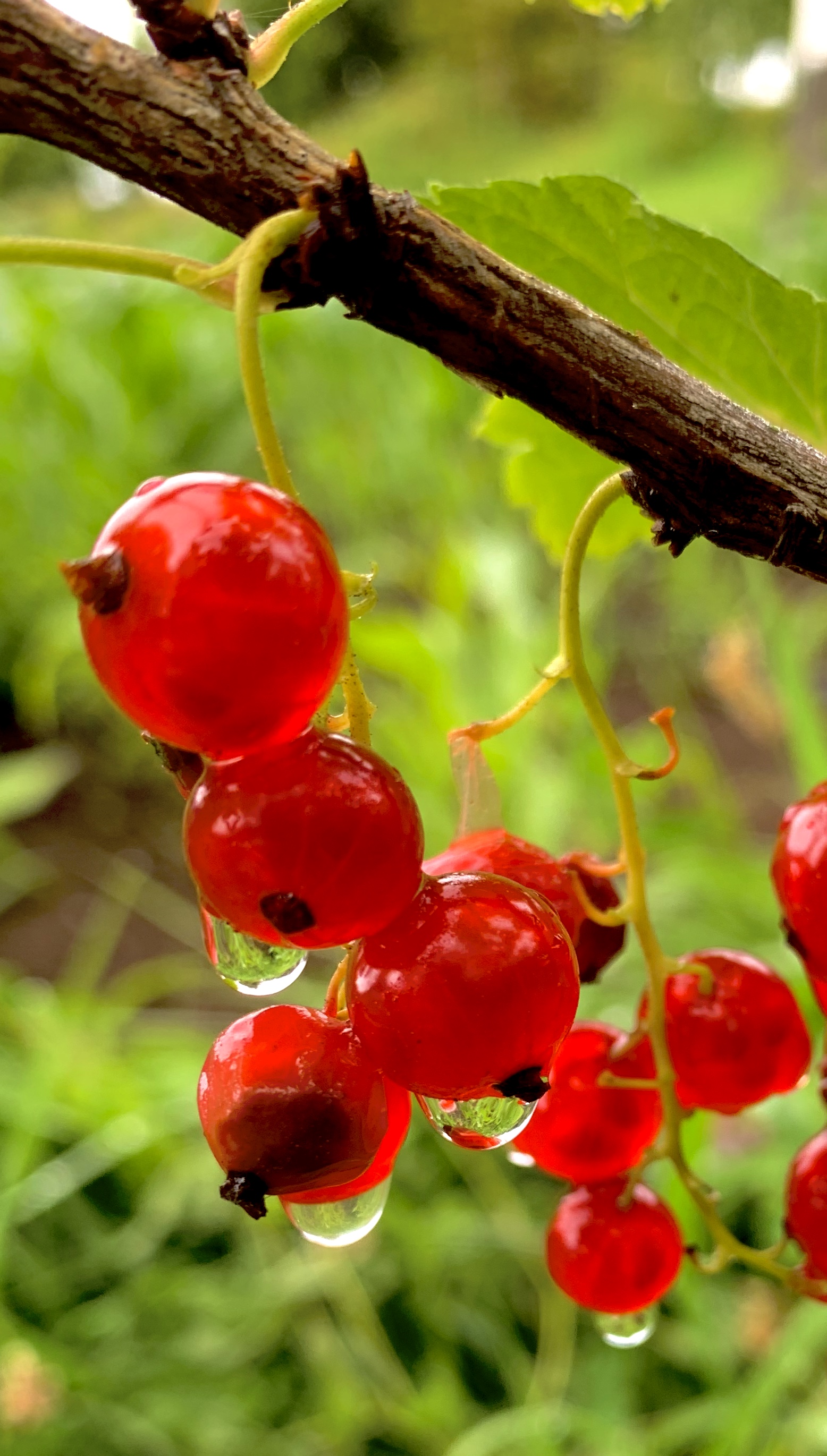
and pick dew-wet berries in a cup.
~Wendell Berry “A Standing Ground”
from The Selected Poems of Wendell Berry

This is an age of argument: silence is labeled violence so we’re induced to have our say and look for others to listen and support our point of view. Without mutual agreement, there is plenty of fodder for argument with a duel-to-the-death determination to win others over to our way of thinking.

Agreeing to disagree doesn’t seem to be an option any longer. Why can’t our debates simply settle down to get on with life and find a way to live alongside each other? Instead, if I don’t see it your way, I’m morally deficient or hostile or worst of all I’m not an ally, so by modern definition, I’ve become the enemy.

But I’m not the enemy and never want to be.

It’s enough to make one retreat from the fray altogether. Those of us who have been around awhile know: anger puts a match to feelings that burn hot inside and outside. Initially debate is energizing with a profound sense of purpose and direction, yet too soon it becomes nothing but ashes.

I refuse to be furious for the sake of fury and indignation. Arguments, tempting as they may be in the heat of the moment, don’t hold a candle to the lure of sharing sweet fruit of the garden and the cool shadows of the forest with those who need it most.

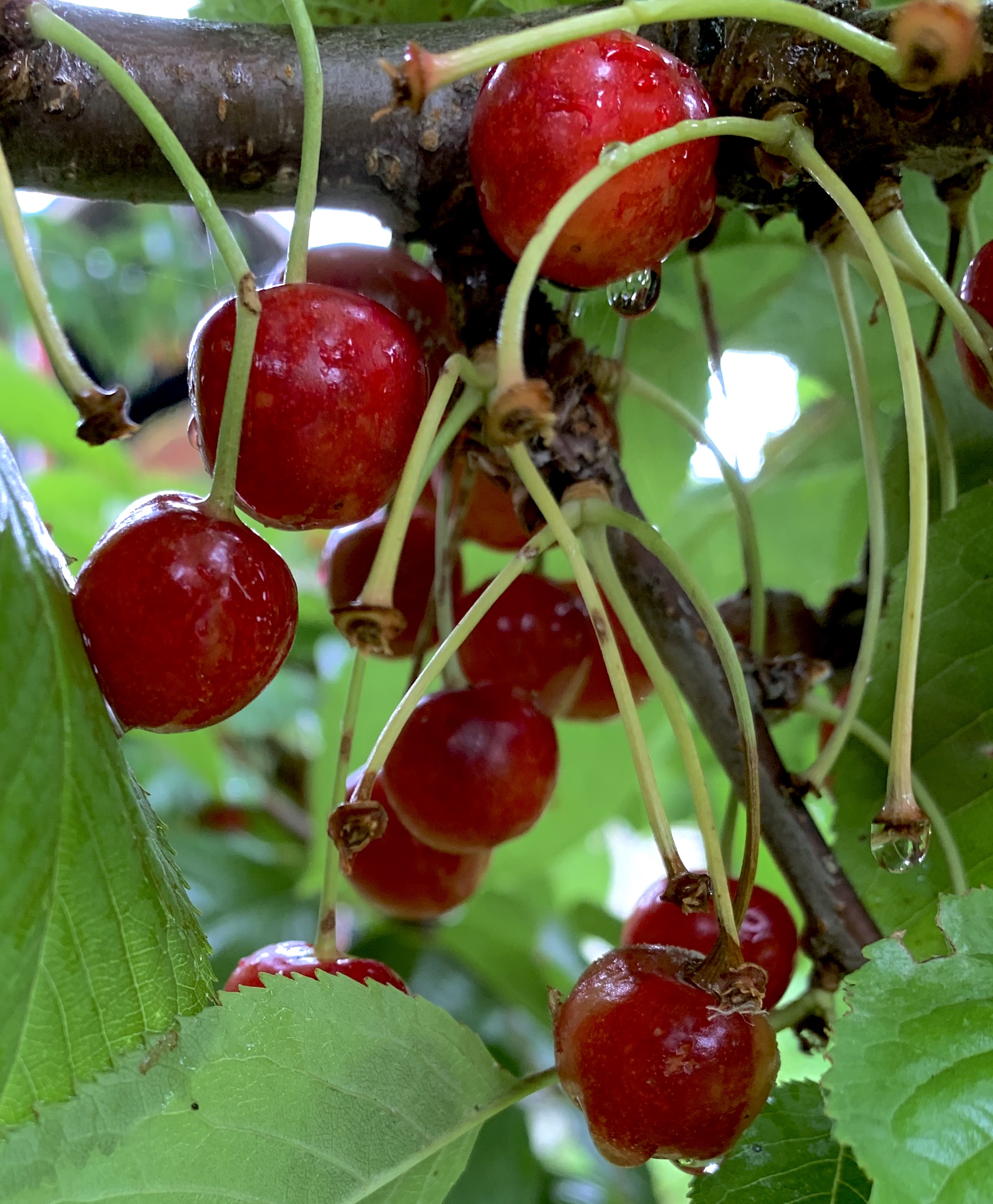
So come in and help me eat berries and cherries but leave your arguments at the door. You can pick them up later on your way out if you wish, but most likely they will have forgotten all about you and wandered away while you were busy living life.

Fickle things, arguments – they tend to fizzle out until someone decides to light a match to them again.

Thorns Will Never Overcome

Every Common Bush

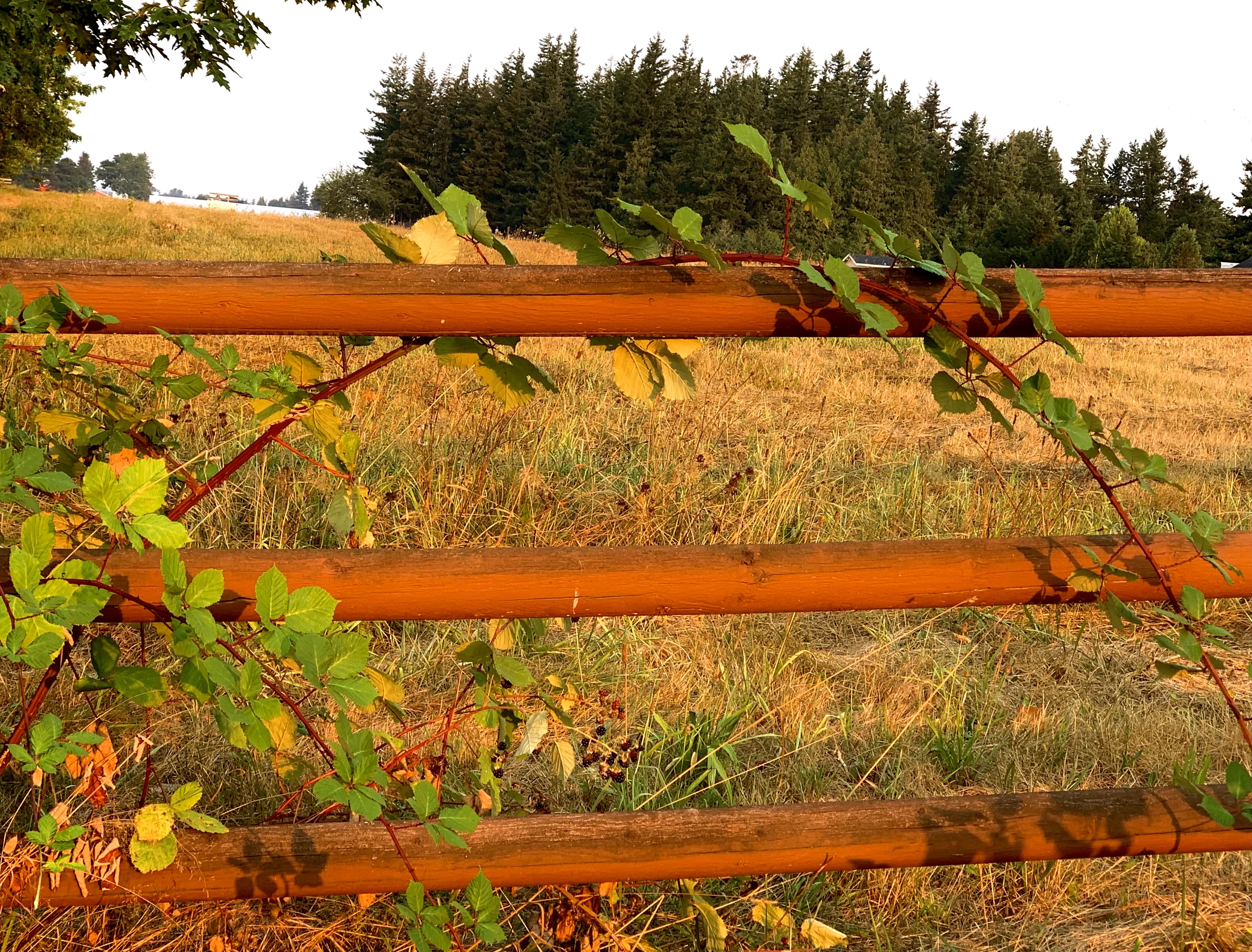
our haywagon swallowed by this year’s growth of blackberry bushes

Earth’s crammed with heaven
And every common bush afire with God
But only he who sees, takes off his shoes,
The rest sit round it and pluck blackberries~
–Elizabeth Barrett Browning in “Aurora Leigh”

All I wanted was a few blackberries.

I admit my objective was just to pick enough for cobbler for Sunday noon dinner after church, oblivious to God burning in the bushes towering over me, around me, snagging me at every opportunity.  If I had given it more thought, I would have realized the reaching vines hooking my arms and legs were hardly subtle.  The thorns ripped at my skin, leaving me bloody and smarting.  The fruit itself stained my hands purple, making them look freshly bruised.  I crushed fat vines underfoot, trampling and stomping with my muck boots in order to dive deeper into the bushes.  Webs were everywhere, with spiders crawling up my arms and dropping down into my hair.  I managed to kick up one hornet’s nest so I called it quits.

All I wanted was a few blackberries, so blinded to all the clues crammed in every nook and cranny of every bush.

All I wanted was a few blackberries, trampling on holy ground with well-protected feet, unwilling to be barefoot and tenderly vulnerable.

All I wanted was a few blackberries, the lure of black gold plucked at the cost of rips and scratches and tears.

What I got was burned by a bush…

and a few blackberries for tomorrow’s crammed-with-heaven cobbler.