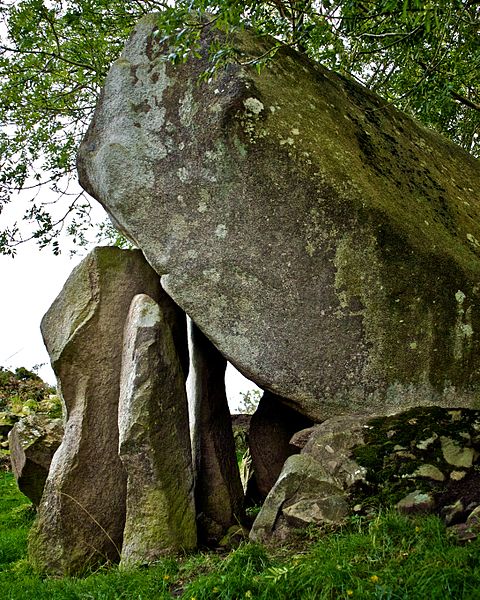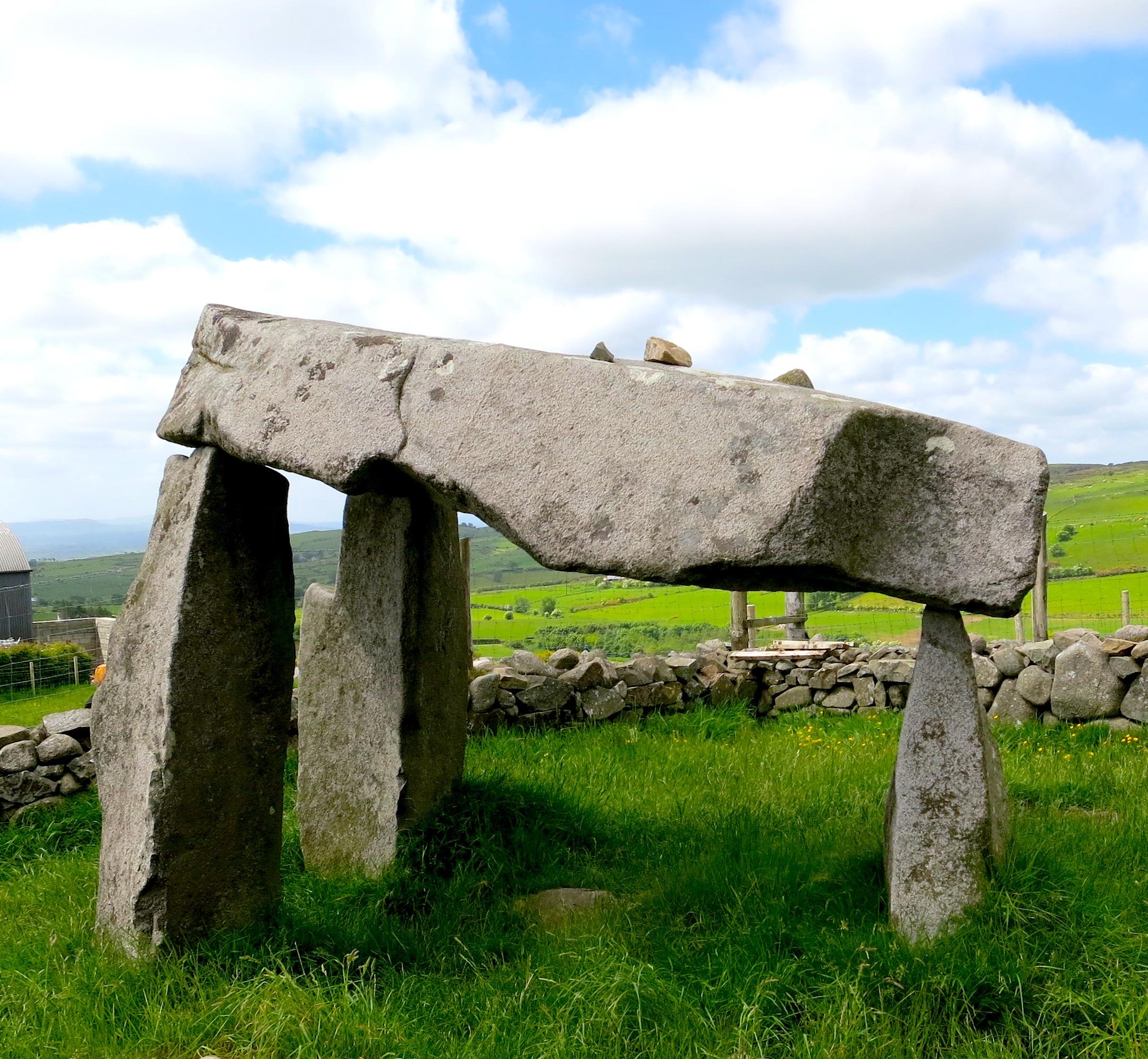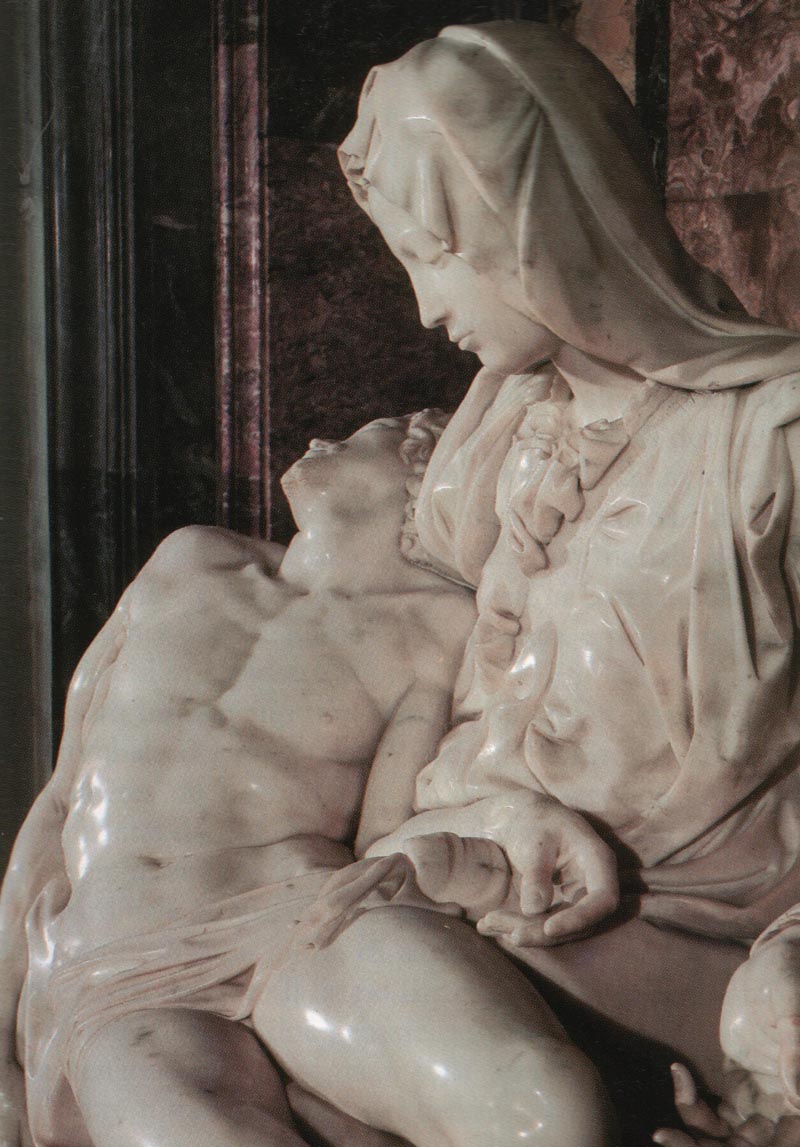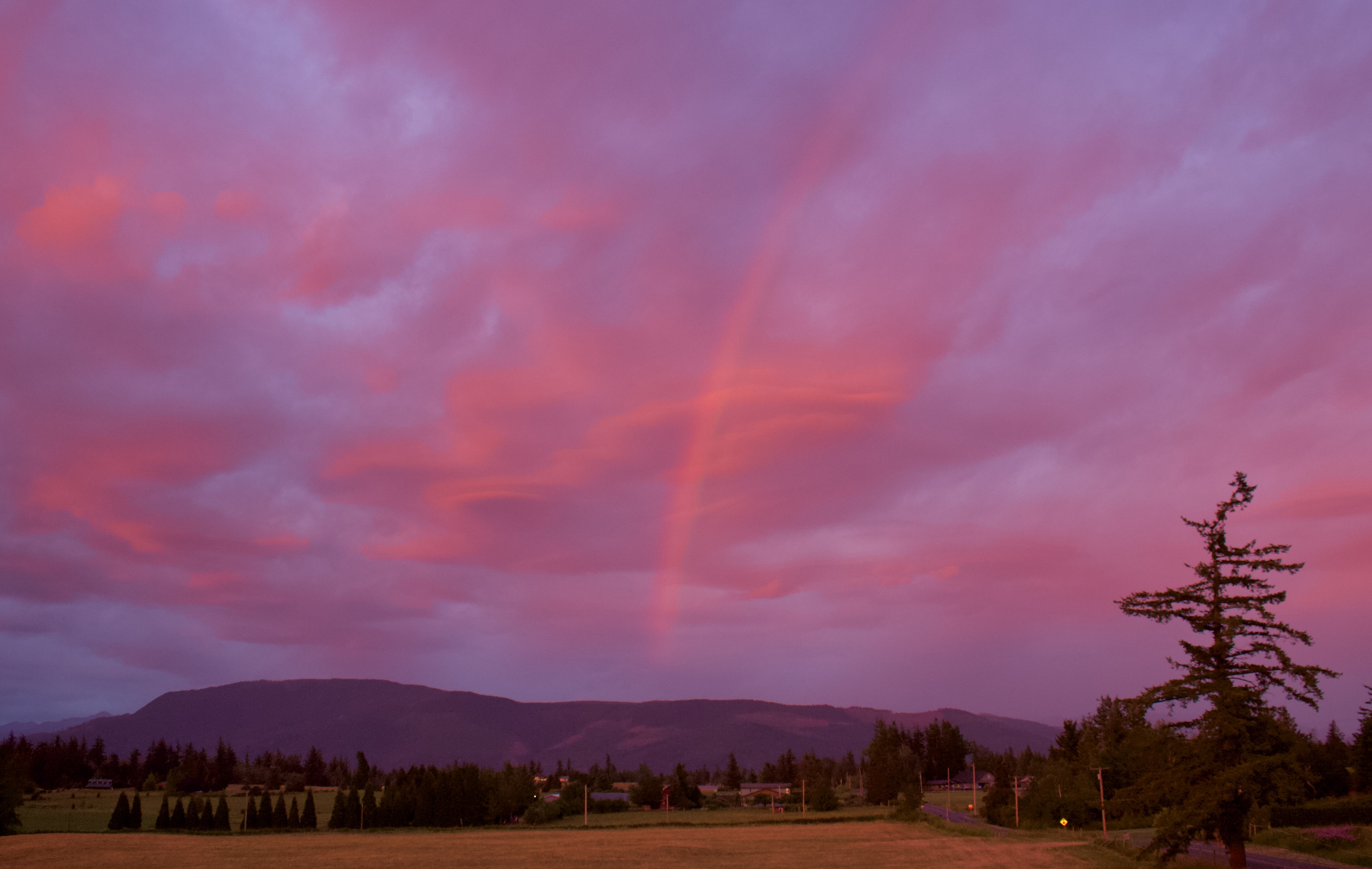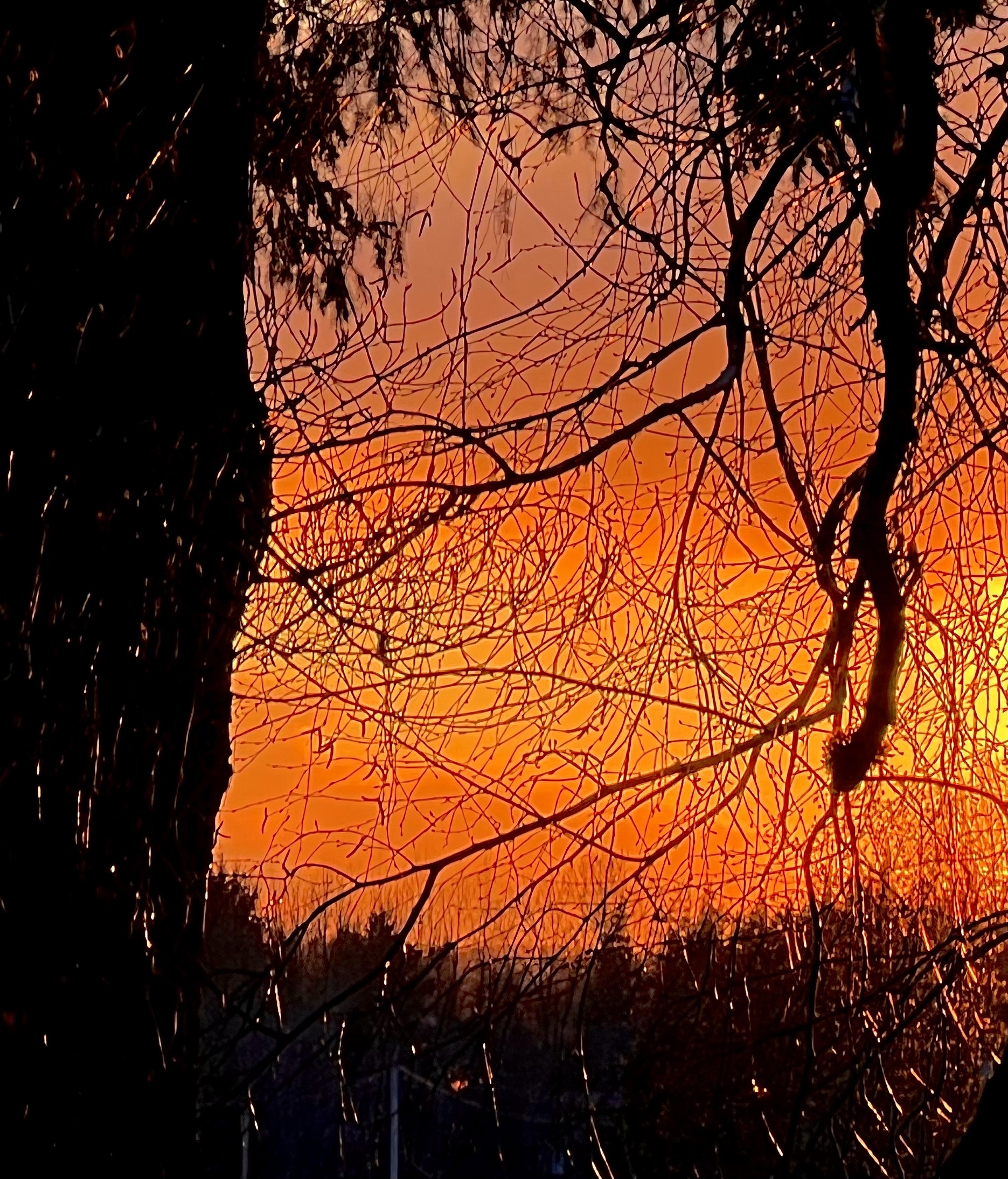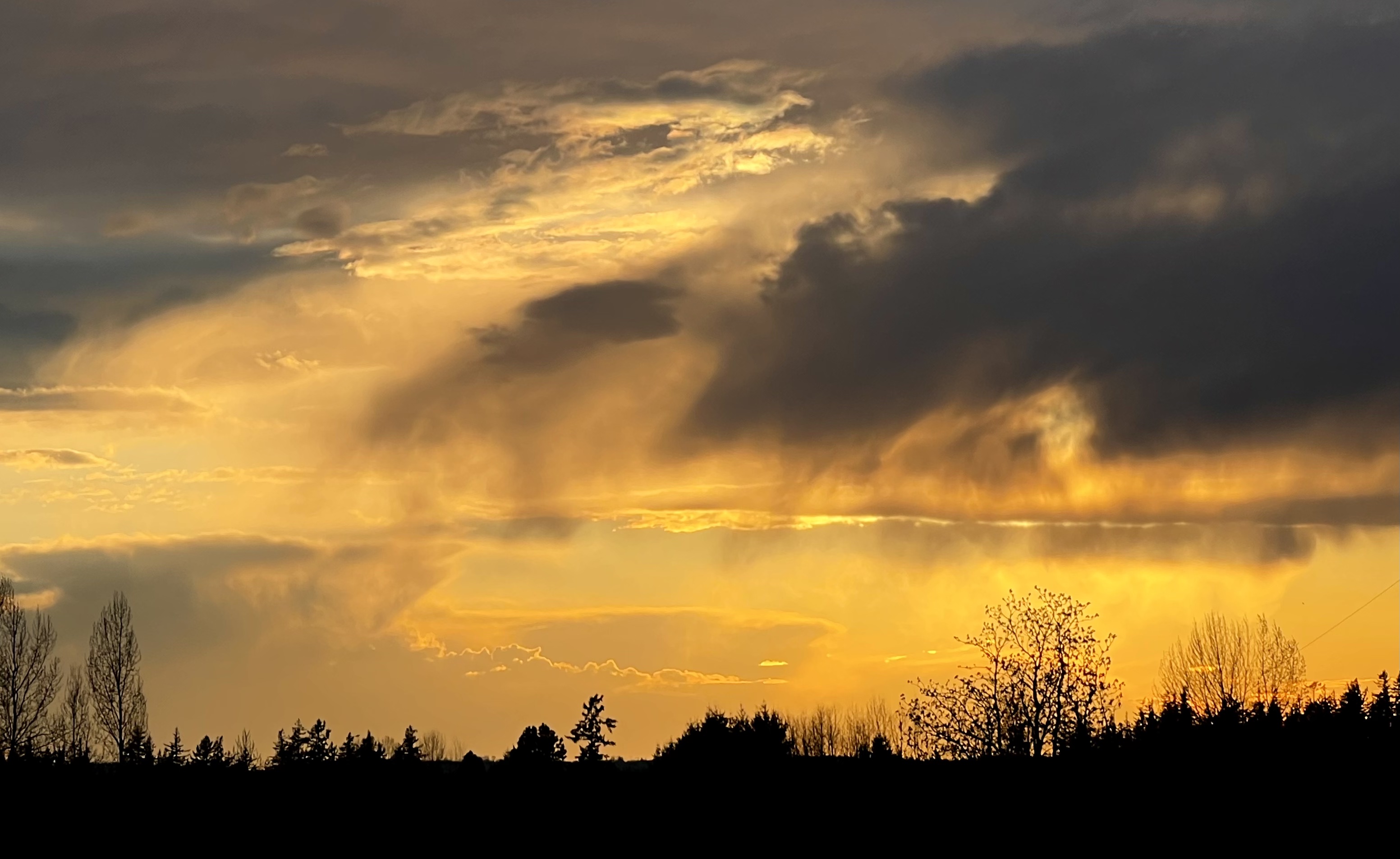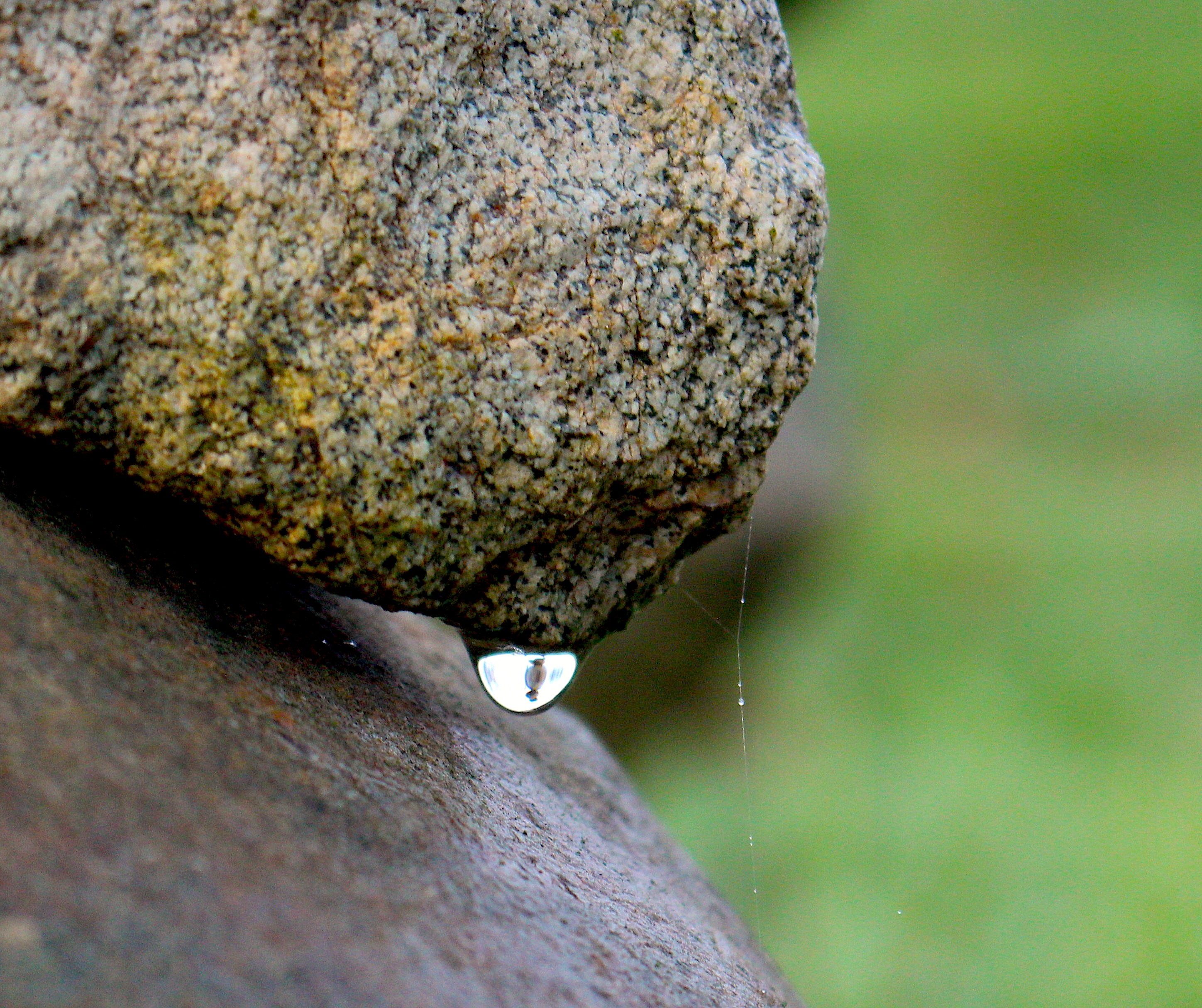


Fixing Eyes on the Unseen – Every Stone Shall Cry

I tell you… if these should hold their peace,
the stones would immediately cry out.”
~Luke 19: 39-40

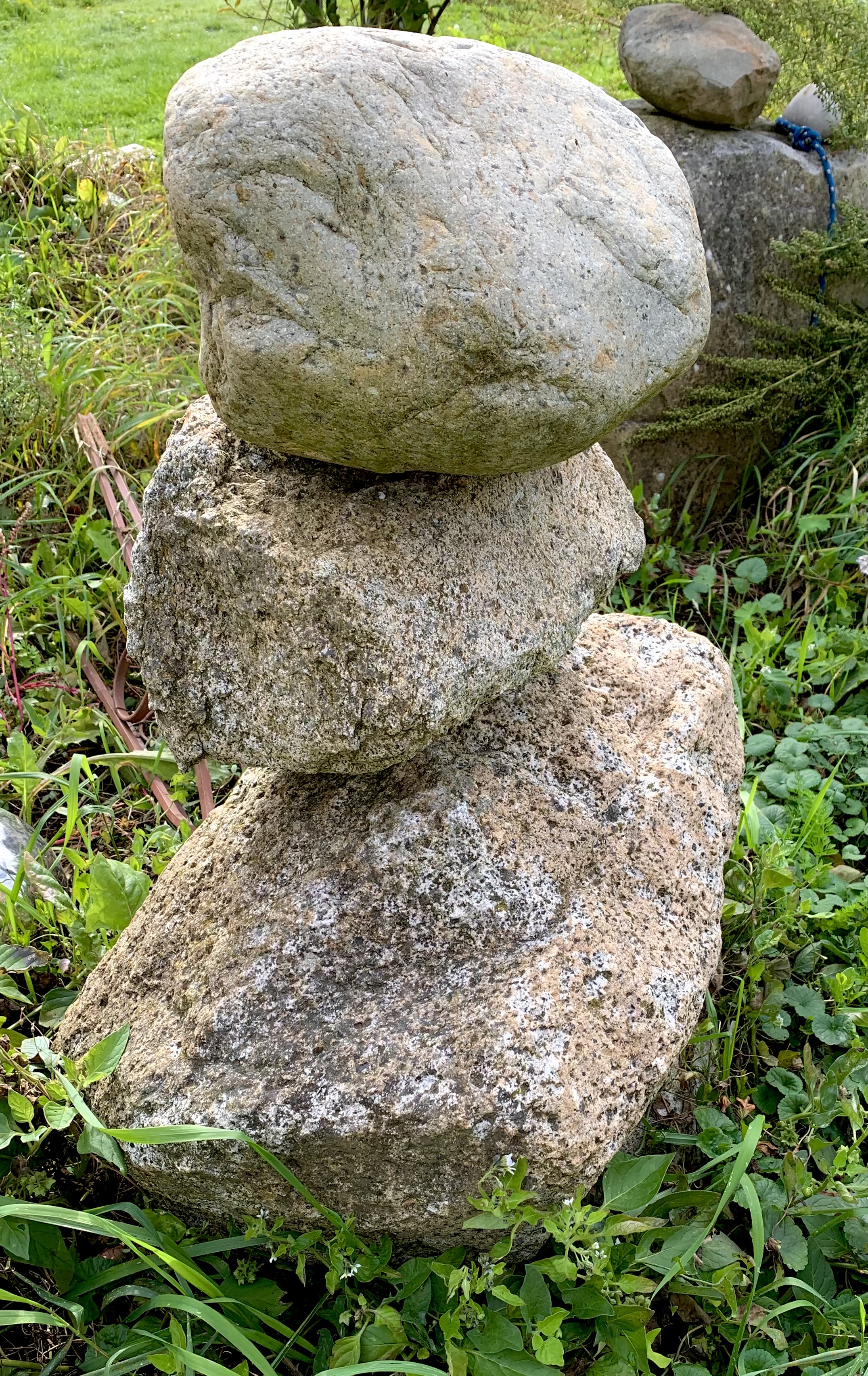
A stable lamp is lighted
Whose glow shall wake the sky
The stars shall bend their voices
And every stone shall cry
And straw like gold will shine
A barn shall harbour heaven
A stall become a shrine

This child through David’s city
Will ride in triumph by
The palm shall strew its branches
And every stone shall cry
Though heavy, dull and dumb
And lie within the roadway
To pave the Kingdom come

Yet He shall be forsaken
And yielded up to die
The sky shall groan and darken
And every stone shall cry
For thorny hearts of men
God’s blood upon the spearhead
God’s love refused again

 
But now as at the ending
The low is lifted high
The stars will bend their voices
And every stone shall cry
In praises of the child
By whose descent among us
The worlds are reconciled
~Richard Wilbur
 “A Christmas Hymn”

Feeling heavy, dull and dumb,
I am convinced
I’m no better than a simple rock,
inconsequential and immobile,
trod upon and paved over,
forgettable and forgotten.

I believe
there can be no pulse
in my stony heart,
if I turn away from God
who has come to walk beside me
on this humble gravelly ground.

Yet especially the lowest are lifted high by His descent–
every balanced or falling stone – the dumb and lifeless –
shall cry out in community with Him,
their silence finds a voice to praise.

Even my own voice,
meager as it is,
shall be heard.

I am no longer forgotten.
In fact, never have been forgotten.
So hard to reconcile:
as the stones have known Him all along,
then so should I.

So must I.

photo by Kathy Yates

This year’s Lenten theme:
So we fix our eyes not on what is seen, but on what is unseen, since what is seen is temporary, but what is unseen is eternal.
2 Corinthians 4: 18

Fixing Eyes on the Unseen – One Fierce Sweet Hour

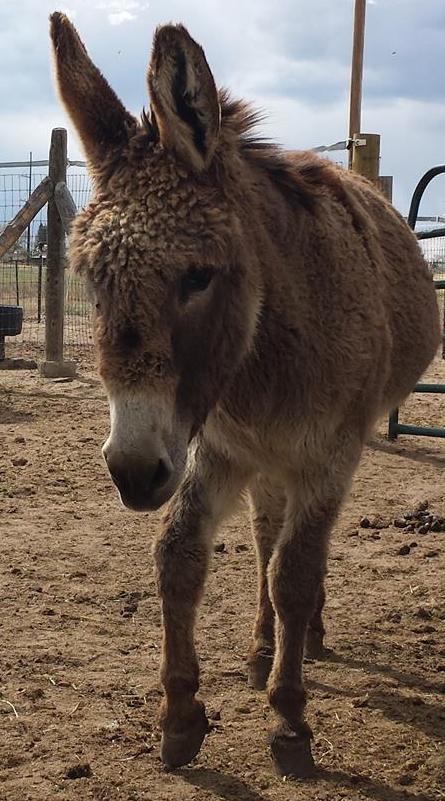
photo by Anna Blake

On the outskirts of Jerusalem
the donkey waited.
Not especially brave, or filled with understanding,
he stood and waited.

How horses, turned out into the meadow,
   leap with delight!
How doves, released from their cages,
   clatter away, splashed with sunlight.

But the donkey, tied to a tree as usual, waited.
Then he let himself be led away.
Then he let the stranger mount.

Never had he seen such crowds!
And I wonder if he at all imagined what was to happen.
Still, he was what he had always been: small, dark, obedient.

I hope, finally, he felt brave.
I hope, finally, he loved the man who rode so lightly upon him,
as he lifted one dusty hoof and stepped, as he had to, forward.
~Mary Oliver “The Poet thinks about the donkey” from her book Thirst.

photo by Anna Blake, Infinity Farm

With monstrous head and sickening cry
And ears like errant wings…

The tattered outlaw of the earth,
Of ancient crooked will;
Starve, scourge, deride me: I am dumb,
I keep my secret still.

Fools! For I also had my hour;
One far fierce hour and sweet:
There was a shout about my ears,
And palms before my feet.
G. K. Chesterton from “The Donkey”

Palm Sunday is a day of dissonance and dichotomy in the church year, very much like the donkey who figured as a central character that day. 

Sadly, a donkey gets no respect, then or now – for his plain and awkward hairy looks, for his loud and inharmonious voice, for his apparent lack of strength — yet he was the chosen mode of transportation for a King riding to His death.

There was a motley parade to Jerusalem: cloaks and palms laid at the feet of the donkey bearing the Son of God, disorderly shouts of adoration and blessings, the rebuke of the Pharisees to quiet the people, His response that “even the stones will cry out” knowing what is to come.

But the welcoming crowd waving palm branches, shouting sweet hosannas and laying down their cloaks did not understand the fierce transformation to come, did not know within days they would be a mob shouting words of derision and rejection and condemnation.

The donkey knew because he had been derided, rejected and condemned himself, yet still kept serving. Just as he was given voice and understanding centuries before to protect Balaam from going the wrong way, he could have opened his mouth to tell them, suffering beatings for his effort. Instead, just as he bore the unborn Jesus to Bethlehem and stood over Him sleeping in the manger, just as he bore a mother and child all the way to Egypt to hide from Herod, the donkey would keep his secret well.  

Who, after all, would ever listen to a mere donkey?

We would do well to pay attention to this braying wisdom. 

The donkey knows – he’s a believer.

He bears the burden we have shirked. He treads with heavy heart over the palms and cloaks we lay down as meaningless symbols of honor. He is the ultimate servant to the Servant.

A day of dichotomy —
of honor and glory laid underfoot only to be stepped on, 
of blessings and praise turning to curses,
of the beginning of the end becoming a new beginning for us all.

And so He wept, knowing all this. I suspect the donkey bearing Him wept as well, in his own simple, plain and honest way, and I’m quite sure he kept it as his special secret.

This year’s Lenten theme:
So we fix our eyes not on what is seen, but on what is unseen, since what is seen is temporary, but what is unseen is eternal.
2 Corinthians 4: 18
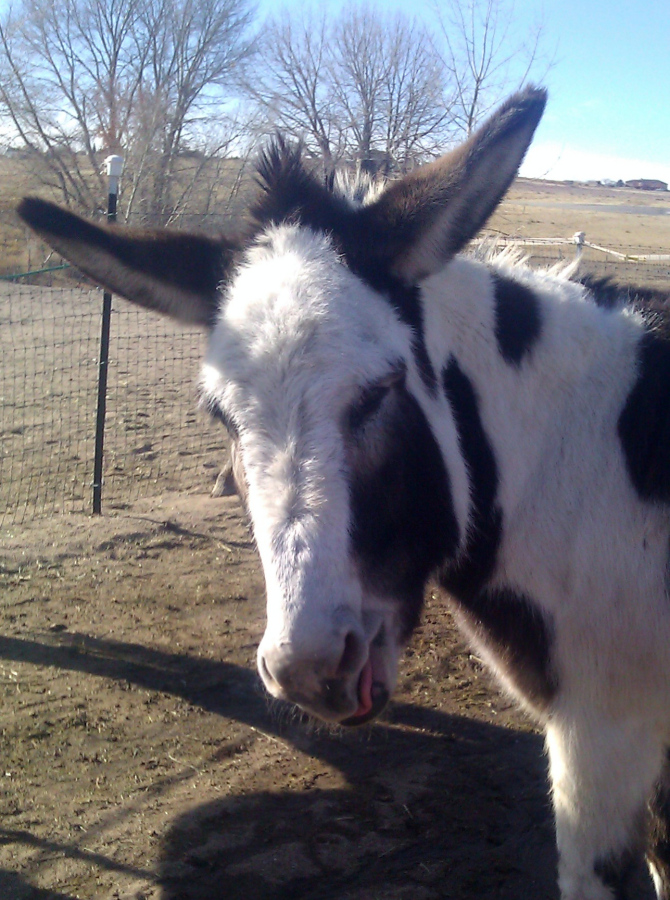
and just for fun on April 1st, I can’t resist sharing this one ….

Fixing Eyes on the Unseen – Everything Sad is Going to Come Untrue

He will wipe away every tear from their eyes, and death shall be no more, neither shall there be mourning, nor crying, nor pain anymore, for the former things have passed away. And he who was seated on the throne said, “Behold, I am making all things new.” Also he said, “Write this down, for these words are trustworthy and true.  Revelation 21: 4-5

“Gandalf! I thought you were dead! But then I thought I was dead! Is everything sad going to come untrue?”
~J.R.R. Tolkien as Samwise Gamgee wakes to find his friends all around him in The Lord of the Rings

“The answer is yes. And the answer of the Bible is yes. If the resurrection is true, then the answer is yes. Everything sad is going to come untrue.”
~Pastor Tim Keller’s response in a sermon given in an ecumenical prayer service memorial in Lower Manhattan on the fifth anniversary of Sept. 11.

photo by Joel De Waard

In our minds, we want to rewind and replay the sad events of this week in a way that would prevent them from happening in the first place.

We want those in a broken relationship to come back together, hug and forgive. The devastating diagnosis would be proven an error and, in reality, only a transient illness. When a terrible tragedy happens, we want the dead and injured to rise up again. The destructive earthquake becomes a mere tremor, the flooding tsunami is only one foot, not over thirty feet tall, the hijackers are prevented from ever boarding a plane, the shooter changes her mind at the last minute and lays down her arms, the terrorist disables his suicide bombs and walks away from his training and misguided mission.

We want so badly for it all to be untrue. The bitter reality of horrendous suffering and sadness daily all over the earth is too much for us to absorb. We plead for relief and beg for a better day.

Our minds may play mental tricks like this, but God does not play tricks. He knows and feels what we do. He too wants to see it rewound and replayed differently. He has known grief and sadness, He has wept, He has suffered, He too has died in terrible humiliating and painful circumstances. 

And because of this, because of a God who came to dwell with us, was broken, died and then rose again whole and holy, we are assured, in His time, everything sad is going to come untrue.

Our tears will be dried, our grief turned to joy, our pain nonexistent, not even a memory.  It will be a new day, a better day–as it is written, trustworthy and true.

May it come.

Quickly.

photo by Nate Gibson

This year’s Lenten theme:
So we fix our eyes not on what is seen, but on what is unseen, since what is seen is temporary, but what is unseen is eternal.
2 Corinthians 4: 18
Fixing Eyes on the Unseen – A Peculiar Treasure

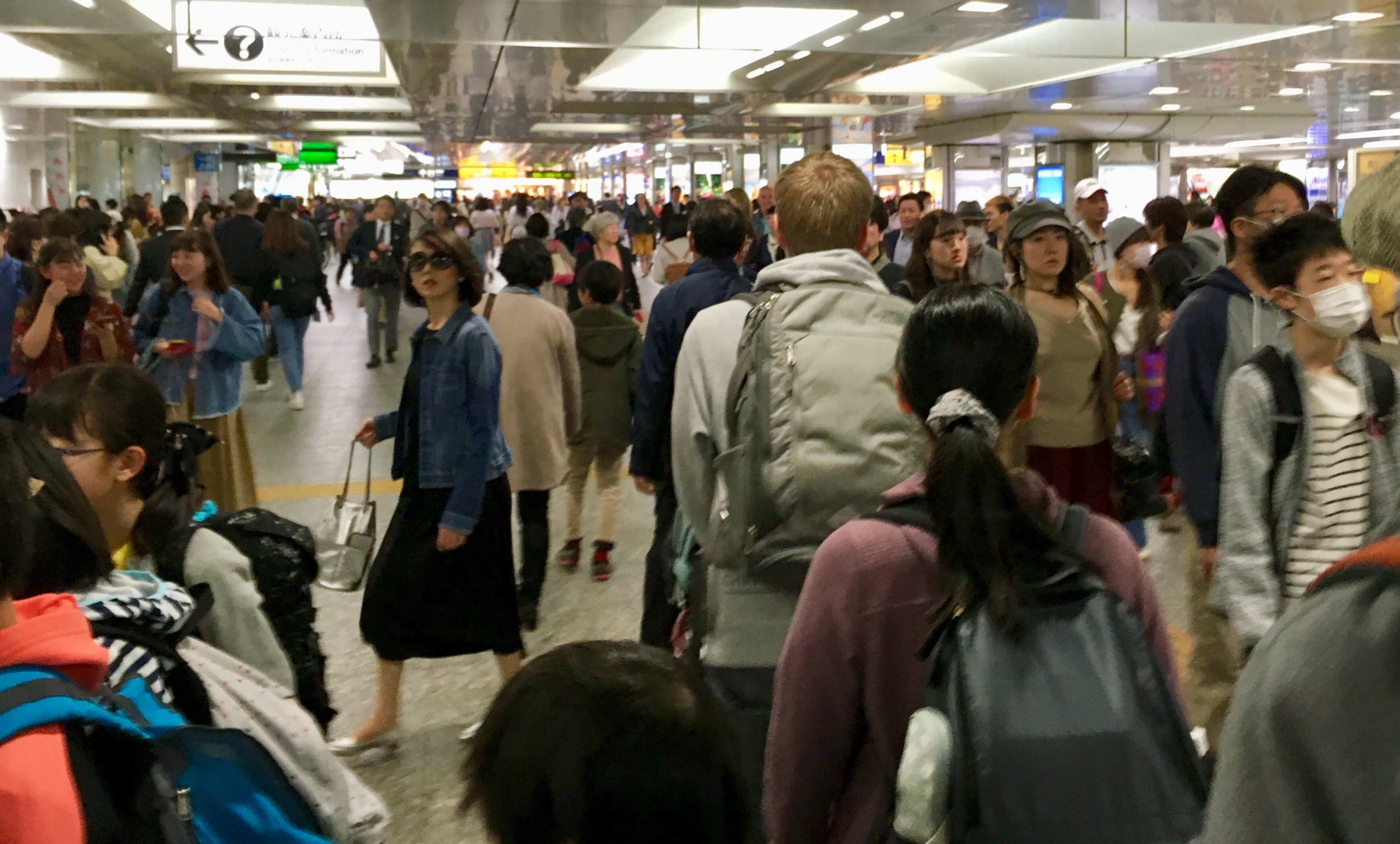
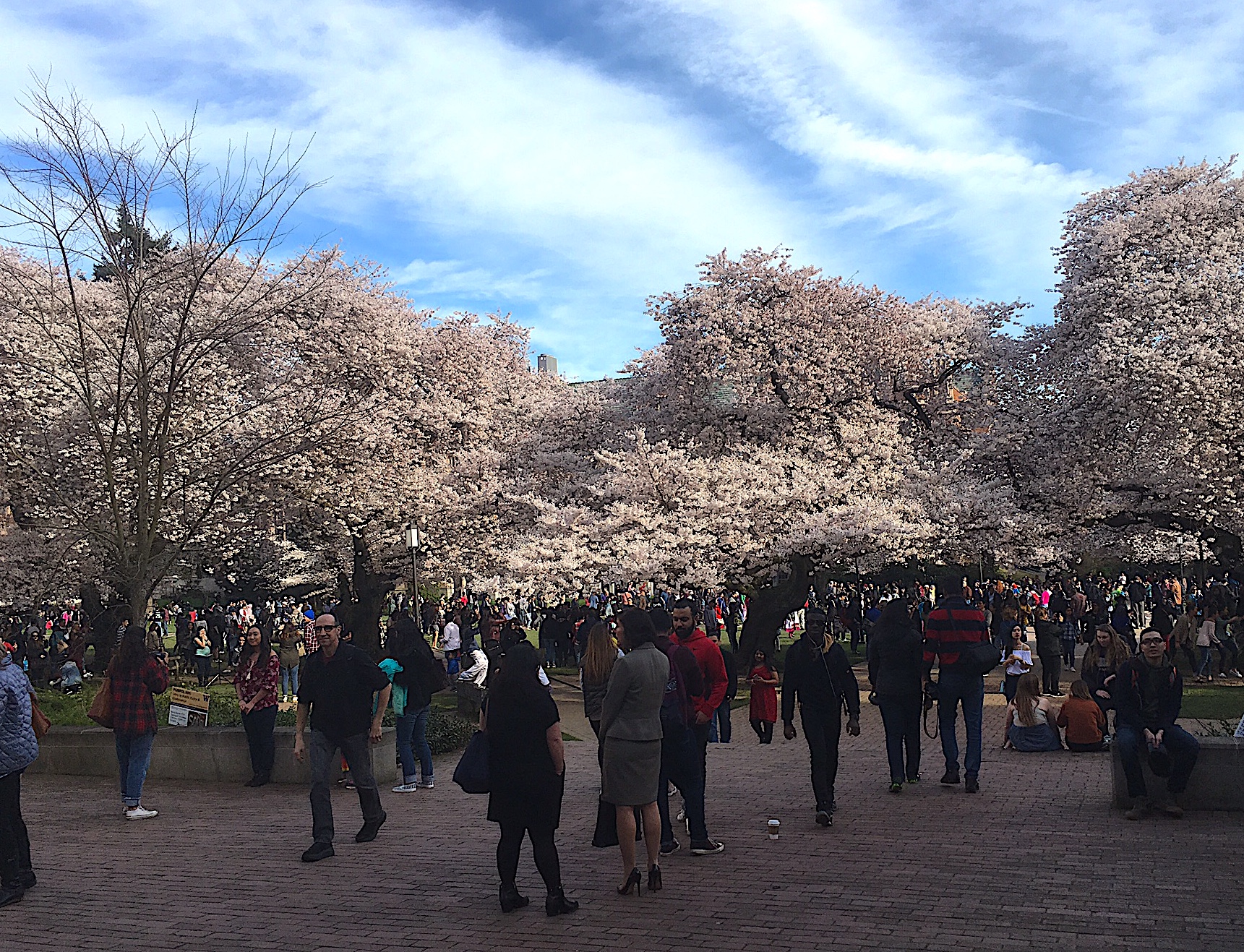
Imagine yourself in a big city in a crowd of people.  
What it would be like to see all the people in the crowd like Jesus does —
an anonymous crowd with

old ones and young ones,
fat ones and thin ones,
attractive ones and ugly ones—
think what it would be like to love them.  

If our faith is true, if there is a God,
and if God loves, he loves each one of those.  
Try to see them as loved.  
And then try to see them, these faces, as loved by you.  
What would it be like to love these people, to love these faces —
the lovable faces, the kind faces, gentle compassionate faces?  
That’s not so hard.  
But there are lots of other faces —
disagreeable faces, frightening faces, frightened faces, cruel faces, closed faces. …
they are all peculiar treasures.  


In Exodus, God said to Israel,
“You shall be a peculiar treasure unto me above all people.”  
God meant it for all of us.
~Frederick Buechner from The Remarkable Ordinary: How to Stop, Look, and Listen to Life

t doesn’t take long for me to be overwhelmed by humanity when we have visited some of the world’s largest cities. Airports are a shock of weaving lines of weary people and crying children, commuter trains are packed with individuals standing like sardines for an hour or more twice a day, the stations are a sea of bobbing heads flowing out onto the streets where the crosswalks become a mass hive of activity whenever the light changes.

Yet I’ve been struck by the effort some locals make to help visitors who look lost, or who simply look different. There is outreach at times that is spontaneous, genuine and completely unexpected. Those are easy faces to love and we do. What is much much harder to is love those hundreds of thousands who rush past us on their way to work, to shop, to return home.  How can I even begin to have the capacity?

Who greeted Jesus after he entered Jerusalem in the final week of His life? These were not all friendly faces. He loved them all any way, every single one of them were peculiar treasures to him, forgiven and redeemed by His walk to, and death on, the cross.

I realize much of the time I too feel rushed, not bothering to reach out and be helpful when needed. Even so, He loves me still, flaws and all, as His redeeming grace is meant for one such as me – a peculiar treasure.  

Because of His love, I become the real thing and not just a distorted reflection of what I think I should be.

This year’s Lenten theme:
So we fix our eyes not on what is seen, but on what is unseen, since what is seen is temporary, but what is unseen is eternal.
2 Corinthians 4: 18
Fixing Eyes on the Unseen – Free to Move in Darkness

Holding the arms of his helper, the blind
Piano tuner comes to our piano.
He hesitates at first, but once he finds
The keyboard, his hands glide over the slow
Keys, ringing changes finer than the eye
Can see. The dusty wires he touches, row
On row, quiver like bowstrings as he
Twists them one notch tighter. He runs his
Finger along a wire, touches the dry
Rust to his tongue, breaks into a pure bliss
And tells us, “One year more of damp weather
Would have done you in, but I’ve saved it this
Time. Would one of you play now, please? I hear
It better at a distance.” My wife plays
Stardust. The blind man stands and smiles in her
Direction, then disappears into the blaze
Of new October. Now the afternoon,
The long afternoon that blurs in a haze
Of music…Chopin nocturnes, Clair de lune,
All the old familiar, unfamiliar
Music-lesson pieces, Papa’s Haydn’s
Dead and gone, gently down the stream
…Hours later,
After the last car has doused its beams,
Has cooled down and stopped its ticking, I hear
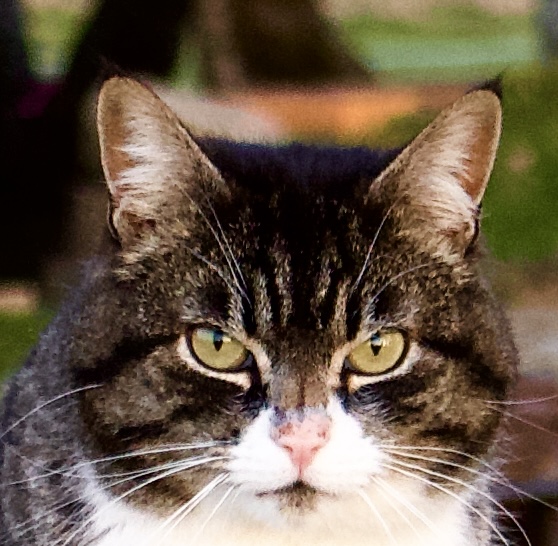
Our cat, with the grace of animals free
To move in darkness, strike one key only,
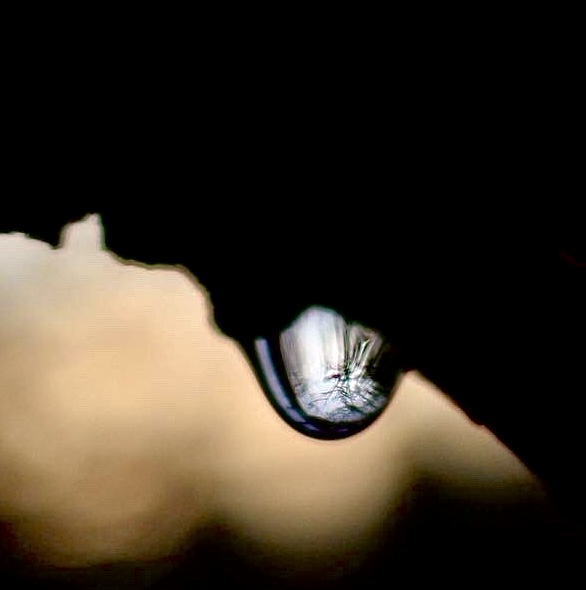
And a single lucid drop of water stars my dream.

~Gibbons Ruark “The Visitor”

When I was a child
I once sat sobbing on the floor
Beside my mother’s piano
As she played and sang
For there was in her singing
A shy yet solemn glory
My smallness could not hold

And when I was asked
Why I was crying
I had no words for it
I only shook my head
And went on crying

Why is it that music
At its most beautiful
Opens a wound in us
An ache a desolation
Deep as a homesickness
For some far-off
And half-forgotten country

I’ve never understood
Why this is so

But there’s an ancient legend
From the other side of the world
That gives away the secret
Of this mysterious sorrow

For centuries on centuries
We have been wandering
But we were made for Paradise
As deer for the forest

And when music comes to us
With its heavenly beauty
It brings us desolation
For when we hear it
We half remember
That lost native country

We dimly remember the fields
Their fragrant windswept clover
The birdsongs in the orchards
The wild white violets in the moss
By the transparent streams

And shining at the heart of it
Is the longed-for beauty
Of the One who waits for us
Who will always wait for us
In those radiant meadows

Yet also came to live with us
And wanders where we wander.
~Anne Porter “Music” from Living Things

photo by Lea Gibson
photo from The Olympian

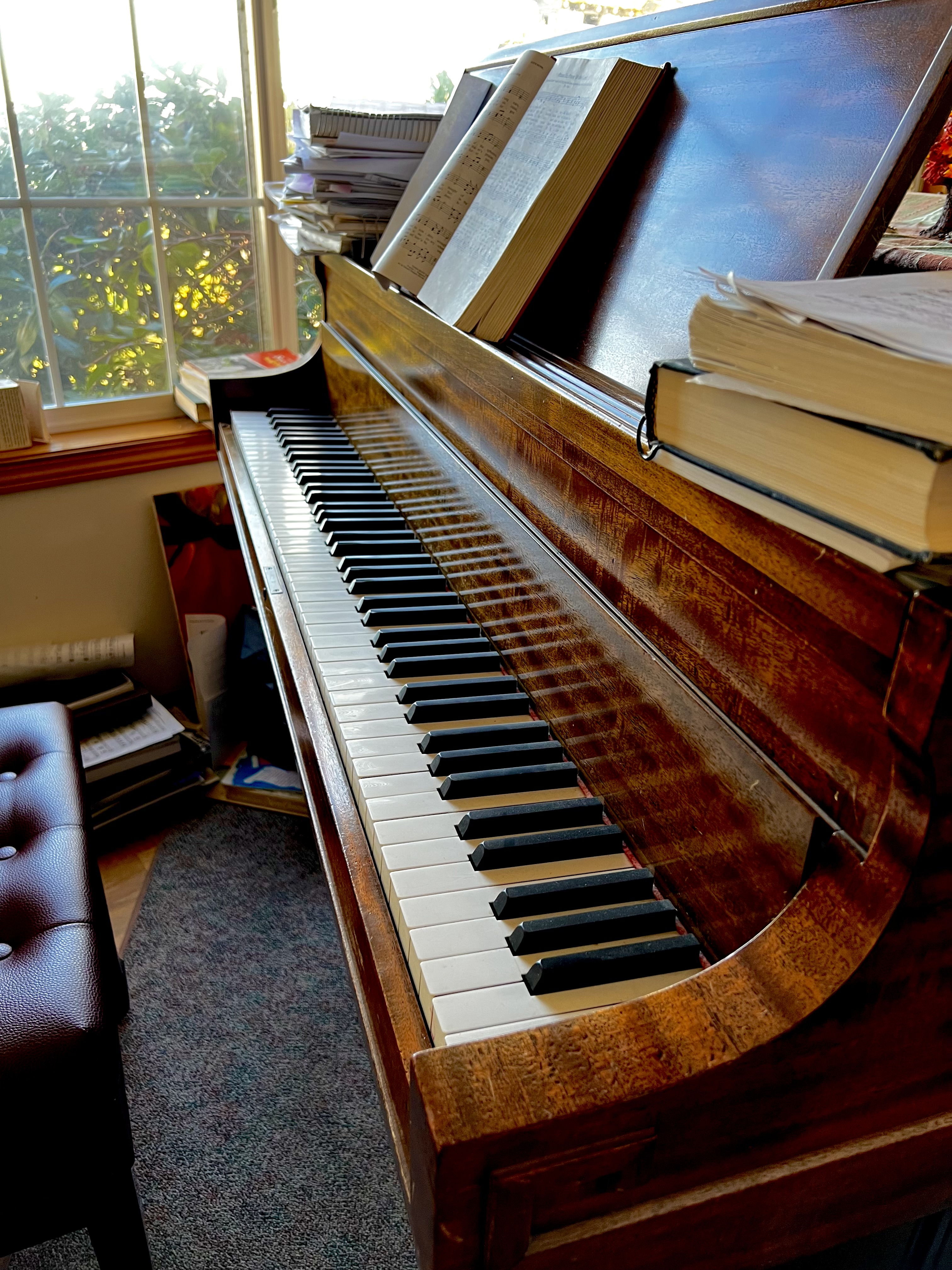
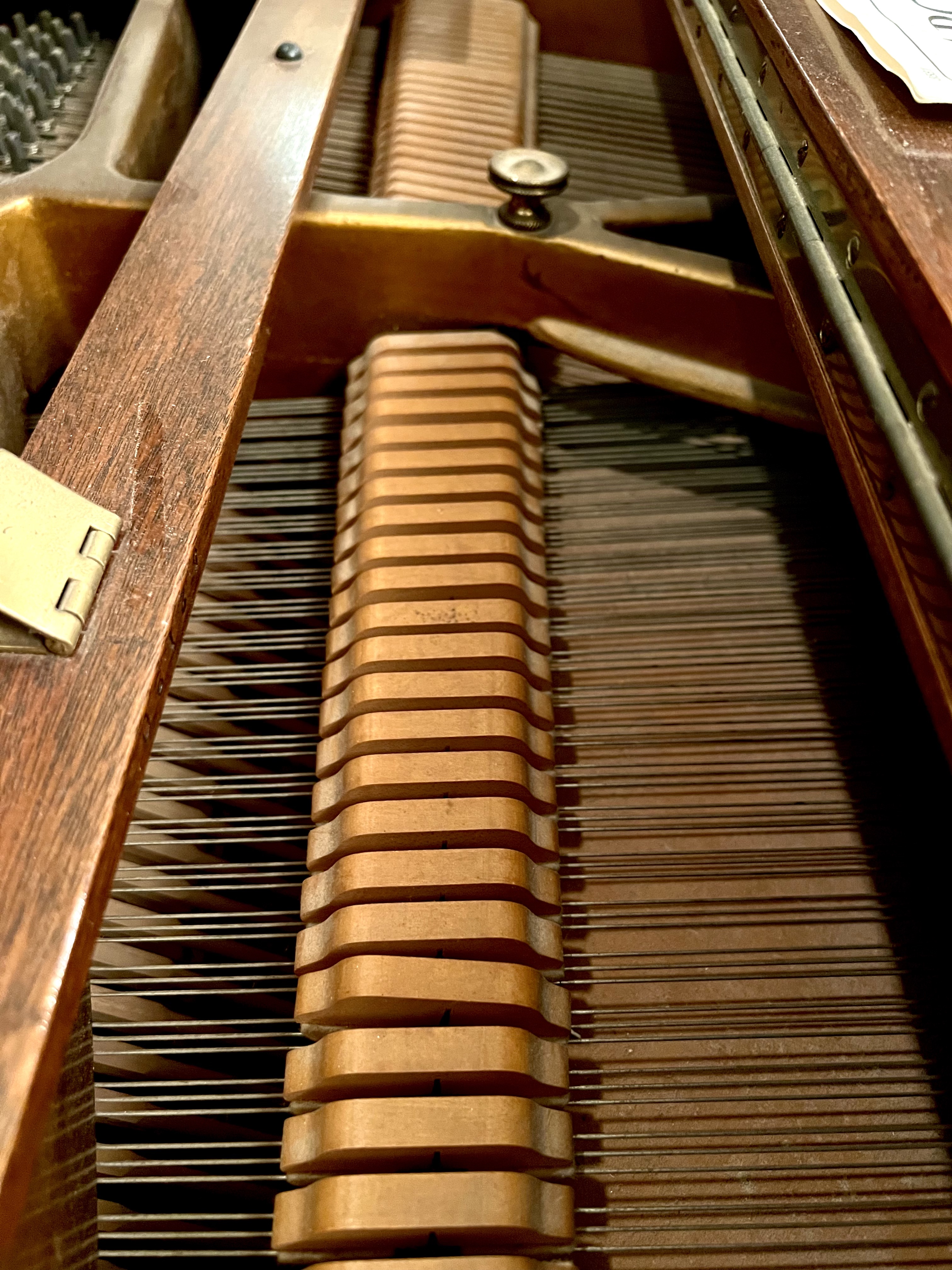
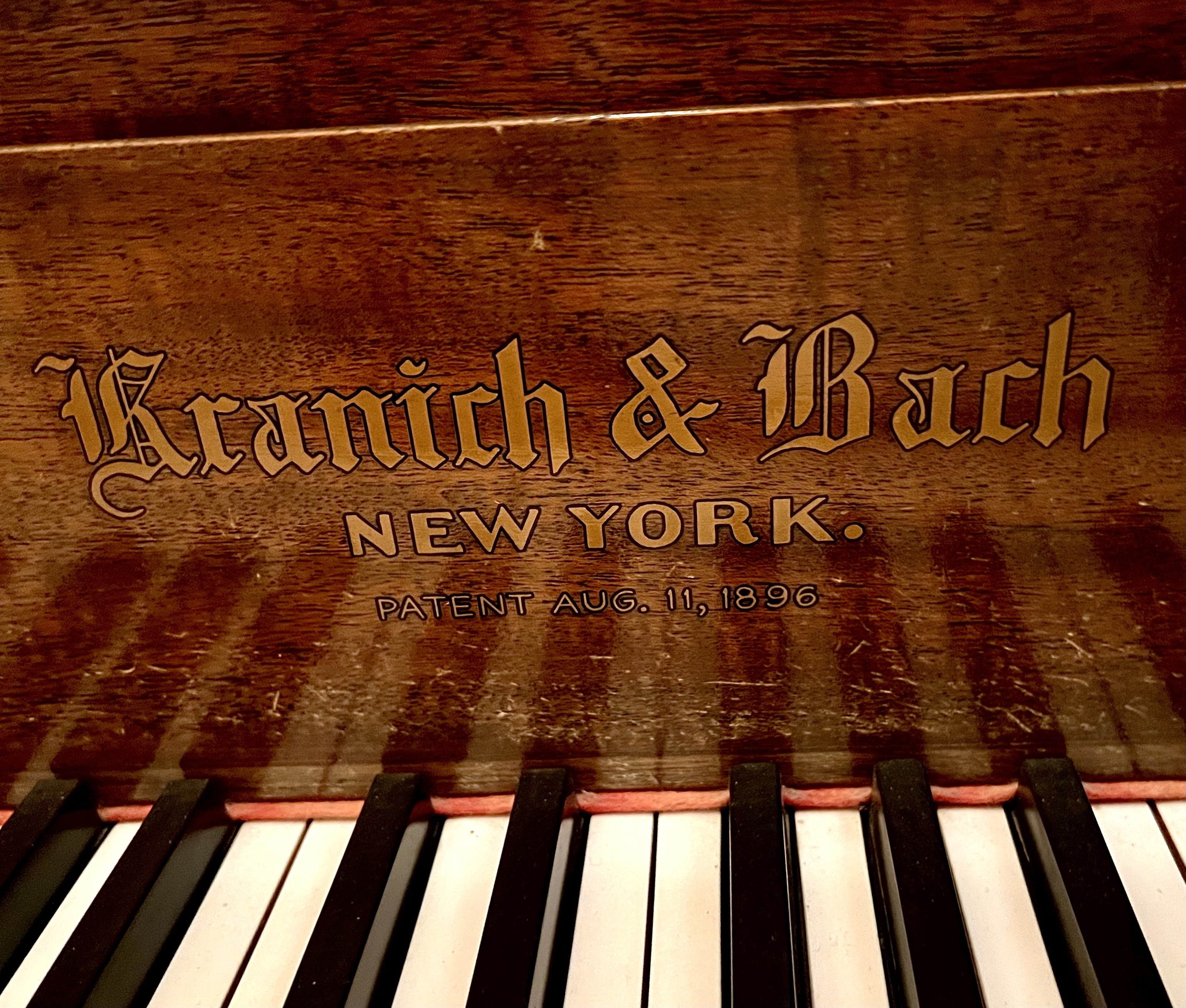
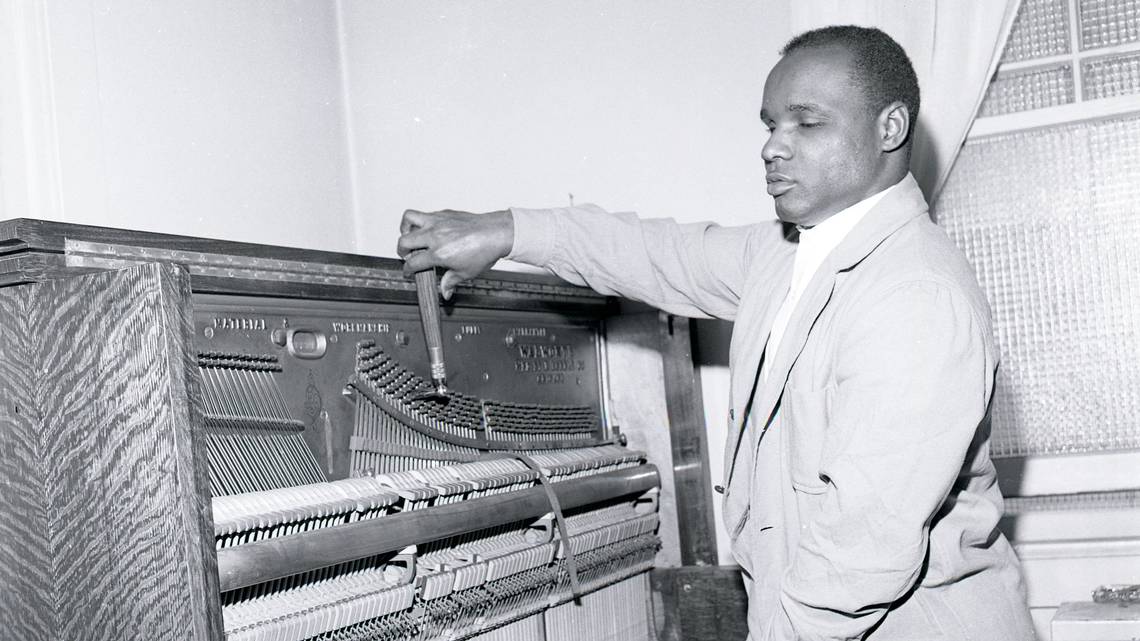
I learned today that John Grace recently died at age 92; John was the blind piano tuner who tended and tuned our family’s old Kranich & Bach baby grand through the 60’s and 70’s until it moved with me to Seattle. When I saw his photo online in The Olympian newspaper, it took me back sixty years to his annual visits to our home, accompanied by a friend who drove him to his jobs, who guided him up the sidewalk to our front door and then waited for him to finish his work.

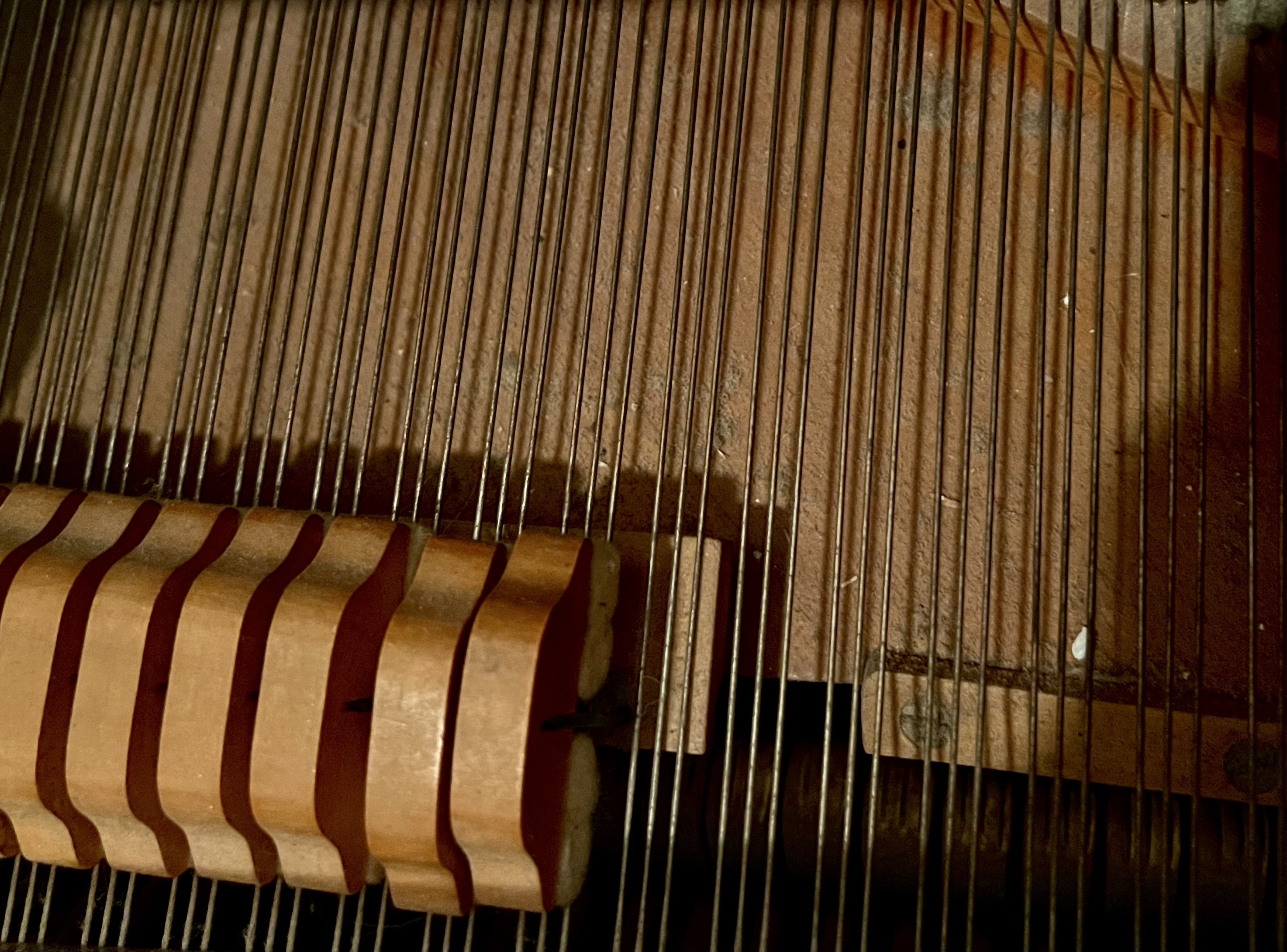
I was the 8 year old reason my great Aunt Marian had given us her beloved piano when she downsized from her huge Bellingham house into an apartment. I was fascinated watching John make the old strings sing harmonically again. He seemed right at home working on the innards of our piano, but appeared to truly enjoy ours, always ending his tuning session by sitting down on the bench and playing a familiar old hymn, smiling a broad smile.
There was no doubt his unseeing eyes made him a great piano tuner. He was fixed on the unseen, undistracted by what was unimportant to his job. He could “feel” the right pitch, not just hear it. He could sense the wire tension without seeing it. He touched the keys and wood with reverence, not distracted by the blemishes and bleaching in the mahogany, or the chips in the ivory.

I learned something about music from John, without him saying much of anything. He built a successful business in our town during a time you could count the black citizens on one hand. He spoke very little while he worked so I never asked him questions although I wish I had. It was as if he somehow transcended our troubled world through his art and skill. Though blind, when he was with a piano, he could move freely in the darkness, hearing and feeling what I could not. Perhaps it was because he was visited by a beauty and peacefulness we all long for, seen and unseen.

It occurs to me now, sixty years after observing him work, John Grace was just a step ahead in recognizing the voice of Jesus in our midst through the music he made possible.

Though he was blind, there is no doubt in my mind – he could see.

Yea when this flesh and heart shall fail
And mortal life shall cease.
I shall possess within the veil,
A life of joy and peace.

articles about John Grace:

https://www.thurstontalk.com/2014/08/27/olympia-piano-tuner-john-grace/

https://amp.theolympian.com/news/local/article272572635.html

photo by Josh Scholten

This year’s Barnstorming Lenten theme is taken from 2 Corinthians 4: 18:
So we fix our eyes not on what is seen, but on what is unseen, since what is seen is temporary, but what is unseen is eternal.

Good with Lambs

After the very bright light,
And the talking bird,
And the singing,
And the sky filled up wi’ wings,
And then the silence,


Our lads sez
We’d better go, then. Stay, Shep. Good dog, stay.

So I stayed wi’ t’ sheep.

After they’d cum back
It sounded grand, what they’d seen.
Camels and kings, and such,
Wi’ presents – human sort,
Not the kind you eat –
And a baby. Presents wes for him
Our lads took him a lamb.


I had to stay behind wi’ t’ sheep.
Pity they didn’t tek me along too.
I’m good wi’ lambs,
And the baby might have liked a dog
After all that myrrh and such.

~U.A. Fanthorpe “The Sheepdog”

Some of us feel left out of important happenings. Left at home because duty calls, or too old or ill to make the trip, or it’s just too much trouble and cost to go. We make the best of staying home with our responsibilities because that is what we are meant to do.

Yet even the most humble and lowly have something they can bring to celebrate this birth; our gift doesn’t have to be ornate and exotic or cost a fortune.

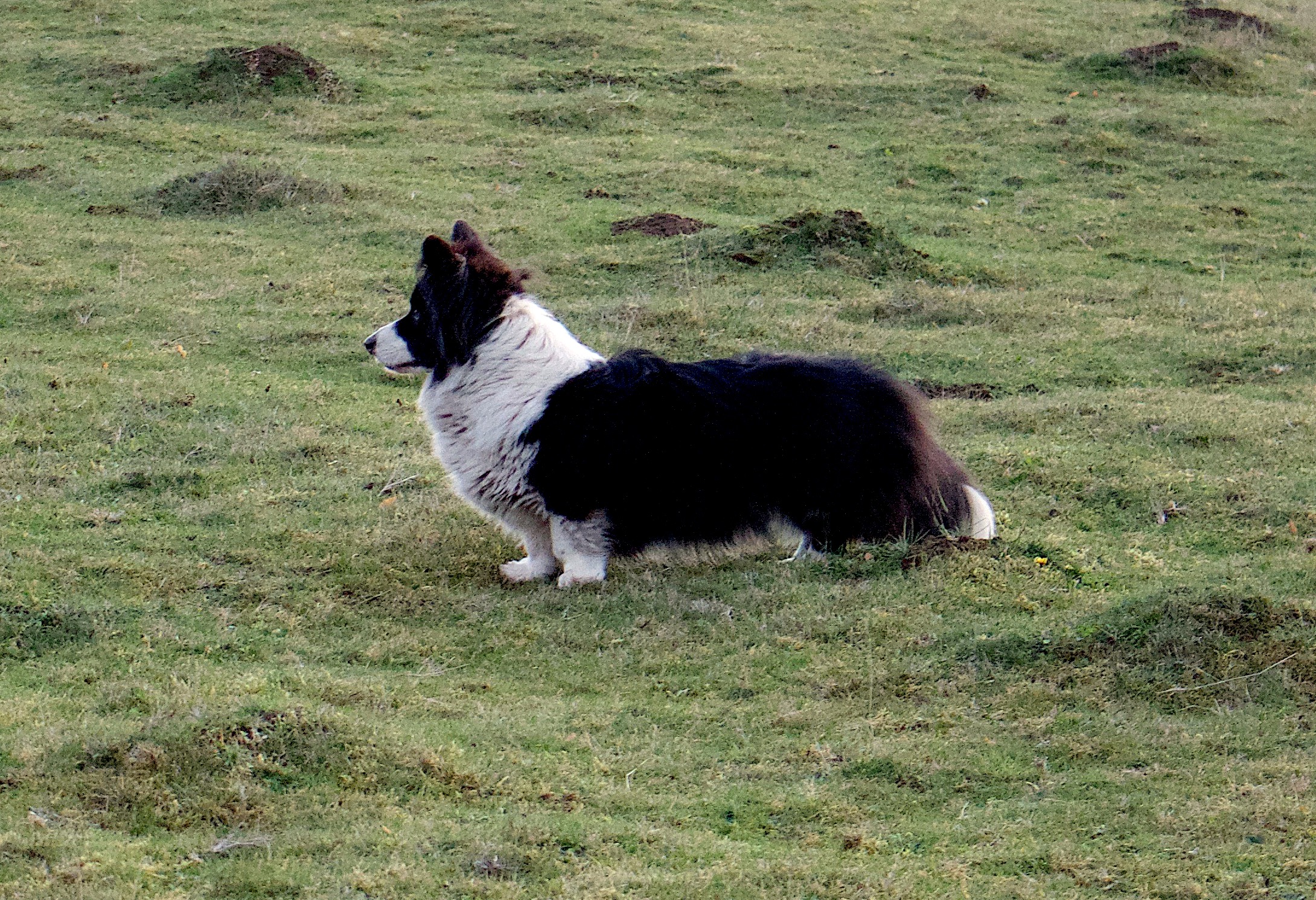
It can simply be our presence. Simply showing up. And in the case of a lowly hard-working sheepdog, it is a joyful and curious face, a tail wag, a desire to protect, and a capacity for unconditional love and care for all of God’s creation.

No doubt the baby would have liked such a dog, especially one that knows the value of this particular Lamb.

One-Time
Monthly
Yearly

Make a one-time or recurring donation to support daily Barnstorming posts

Make a monthly donation

Make a yearly donation

Choose an amount

¤10.00
¤20.00
¤50.00
¤5.00
¤15.00
¤100.00
¤5.00
¤15.00
¤100.00

Or enter a custom amount

¤

Your contribution is deeply appreciated.

Your contribution is appreciated.

Your contribution is appreciated.

DonateDonate monthlyDonate yearly

Dawn on our Darkness: Be Not a Stranger

photo by Brandon Dieleman

After all pleasures as I rid one day,
My horse and I, both tir’d, bodie and minde,
With full crie of affections, quite astray,
I took up in the next inne I could finde,

There when I came, whom found I but my deare,
My dearest Lord, expecting till the grief
Of pleasures brought me to him, readie there
To be all passengers most sweet relief?

O Thou, whose glorious, yet contracted light,
Wrapt in night’s mantle, stole into a manger;
Since my dark soul and brutish is thy right,
To Man of all beasts be not thou a stranger:

Furnish & deck my soul, that thou mayst have
A better lodging than a rack or grave.

~George Herbert “Christmas (1)” (written in 1633)

Man altered by sin from man to beast;
Beast’s food is hay, hay is all mortal flesh.
Now God is flesh and lies in manger pressed
As hay, the brutish sinner to refresh.
O happy field wherein this fodder grew,
Whose taste doth us from beasts to men renew.
~Robert Southwell from The Nativity of the Christ, Jesuit poet (1561-1595)

photo by Emily Vander Haak

We, who are weary from long days of wandering and just trying to get by, seek the refuge of a quiet and calm place to lay our heads. When that is denied, we settle for the resting place of beasts and forage, understanding it will simply have to do and we deserve no better.

It was enough for our Lord to take His first breath on earth in a barn for beasts; it is we who belong there, not Him, our messy smelly lives fitting right in with grime and cobwebs and manure piles.

He seeks a more hospitable place to dwell, so invites Himself, no stranger to messes, right into our unsettled hearts and souls. We are invited to rest from our wanderings, to climb down from the saddle, and dwell alongside so He can nourish and nurture us.

This Baby settled in with us, in our bed of prickly straw and ornery hearts. We rest in His Light which illumines our dark places, until we are ready to take up our journey again, this time walking beside Him.

This year’s Advent theme “Dawn on our Darkness” is taken from this 19th century Christmas hymn:

Brightest and best of the sons of the morning,
dawn on our darkness and lend us your aid.
Star of the east, the horizon adorning,
guide where our infant Redeemer is laid.
~Reginald Heber -from “Brightest and Best”

One-Time
Monthly
Yearly

Make a one-time or recurring donation to support daily Barnstorming posts

Make a monthly donation

Make a yearly donation

Choose an amount

¤10.00
¤20.00
¤50.00
¤5.00
¤15.00
¤100.00
¤5.00
¤15.00
¤100.00

Or enter a custom amount

¤

Your contribution is deeply appreciated.

Your contribution is appreciated.

Your contribution is appreciated.

DonateDonate monthlyDonate yearly

We Sing Together – All is Changed Utterly

All changed,
changed utterly:  
 A terrible beauty is born.
~William Butler Yeats from “Easter, 1916”

Let Him easter in us,
be a dayspring to the dimness of us,
be a crimson-cresseted east.
― Gerard Manley Hopkins from “The Wreck of the Deutschland”

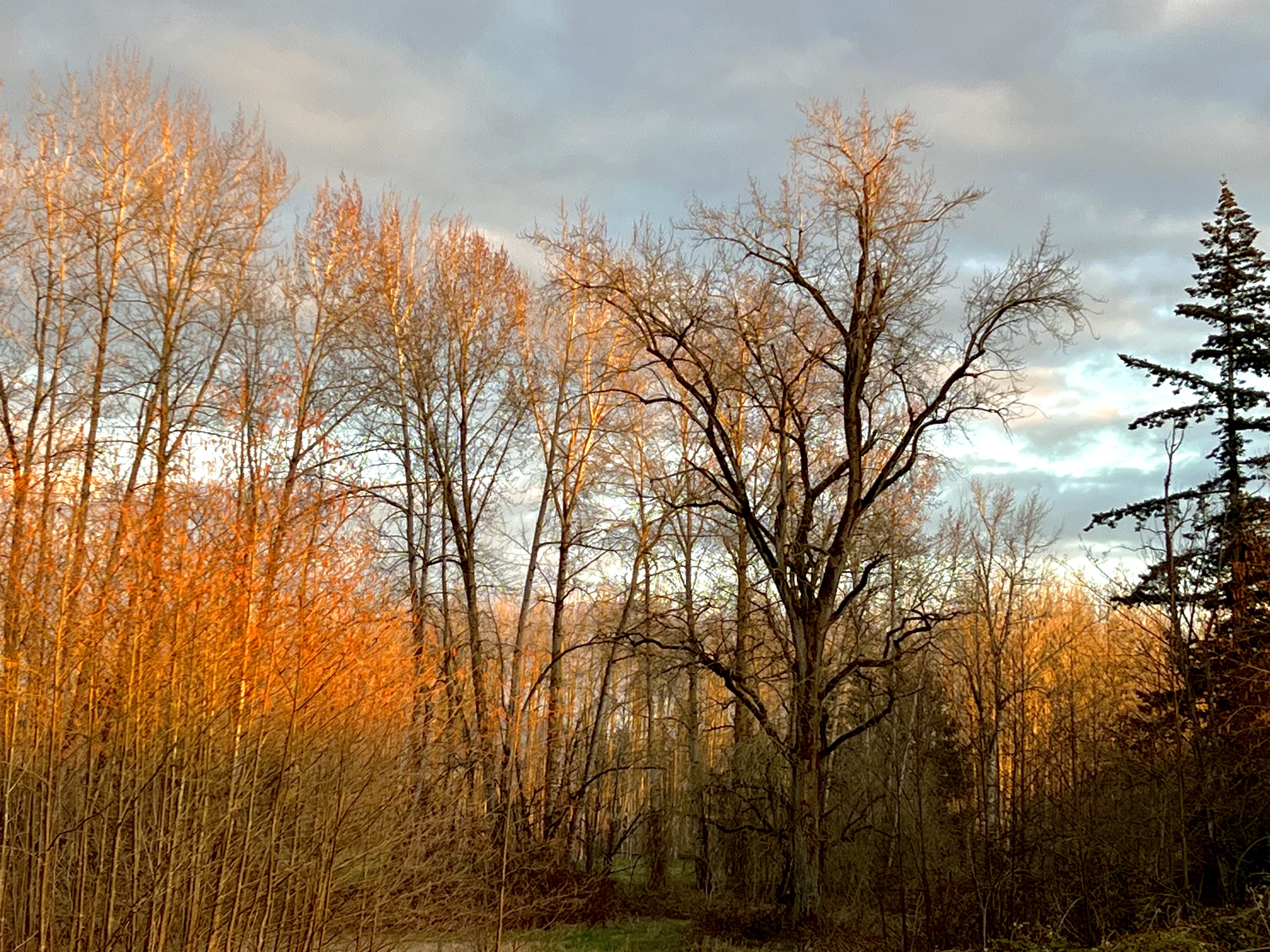
It has been a slow coming of spring this year, seeming in no hurry whatsoever.  Snow, sleet and hail fell on our farm just this past week with the mountains piled high with white and the greening of the fields yet to begin.

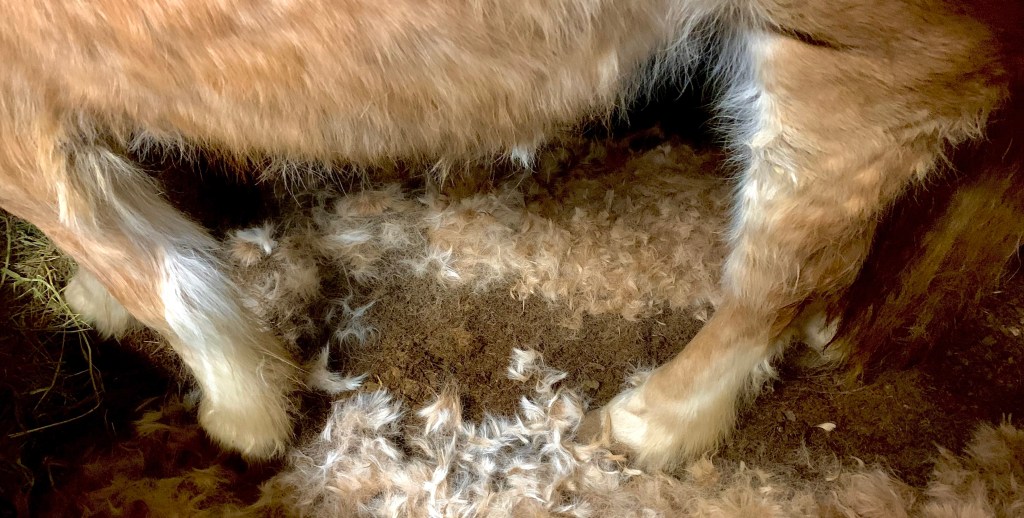
The soil is too cold and damp to plant and our animals want to hang onto their winter hair, reluctant to give it up in chill winds.

Like Narnia, winter still has its terrible grip on us – and not just in terms of weather trends. We live in a world at war and we as individuals continue to find ways to argue among ourselves after a two year pandemic.

So here we are, frozen in a darkened world, thawed by a Risen Son who shines and actually warms us from our prolonged dormancy.

This is exactly what eastering is.  It is awakening out of a restless sleep, opening the door to let in fresh air, and the heavy stone that locked us in the dark is now rolled back, never to cover us again.

Overnight all is changed, changed utterly.

He is not only risen.  He is given indeed.

Alleluia!

The Stones Themselves Will Start to Sing: Through Our Tears

In a daring and beautiful creative reversal, 
God takes the worse we can do to Him
and turns it into the very best He can do for us.
~Malcolm Guite from The Word in the Wilderness

How is faith to endure, O God, when you allow all this scraping and tearing on us? You have allowed rivers of blood to flow, mountains of suffering to pile up, sobs to become humanity’s song–all without lifting a finger that we could see. You have allowed bonds of love beyond number to be painfully snapped. If you have not abandoned us, explain yourself.

Instead of explaining our suffering God shares it.

We strain to hear. But instead of hearing an answer we catch sight of God himself scraped and torn. Through our tears we see the tears of God.
~Nicholas Wolterstorff  in Lament for a Son

What I envy in the open eyes
of the dead deer hanging down
from the rafters, its eyes
still wet and glassy, but locked now
into a vision of another life,
is the way it seems to be
staring at the moment when
it died. The blue light
falling through the window
into this smoke-filled room
is the same color as the mist
coming down off the mountain
that morning: the deer sees
men with guns
but also sees, beyond them,
the endless mountains.
~Richard Jones “Life After Death”

Emmett Till’s mother
speaking over the radio

She tells in a comforting voice
what it was like to touch her dead boy’s face,

how she’d lingered and traced
the broken jaw, the crushed eyes —

the face that badly beaten, disfigured —
before confirming his identity.

And then she compares his face
to the face of Jesus, dying on the cross.

This mother says, no, she’d not recognize
her Lord, for he was beaten far, far worse

than the son she loved with all her heart.
For, she said, she could still discern her son’s curved earlobe,

but the face of Christ
was beaten to death by the whole world.
~Richard Jones “The Face” from Between Midnight and Dawn

The whole of Christ’s life was a continual passion; others die martyrs, but Christ was born a martyr. He found a Golgotha, where he was crucified, even in Bethlehem, where he was born; for to his tenderness then the straws were almost as sharp as the thorns after, and the manger as uneasy at first as the cross at last. His birth and his death were but one continual act, and his Christmas Day and his Good Friday are but the evening and the morning of one and the same day. From the creche to the cross is an inseparable line. Christmas only points forward to Good Friday and Easter. It can have no meaning apart from that, where the Son of God displayed his glory by his death.
~John Donne in the opening words of his Christmas Day sermon 1626

Detail from “Descent from the Cross” by Rogier van der Weyden

May we remember today – Good Friday – , of all days,
the worst that can happen became the best that can happen.

We tussle and haggle over the price of what this cost us, but realizing He paid all for us makes an impossible loss possible.

We are paid in full, no longer debtors. 

From now on, we recognize His face even when He is beaten unrecognizable: the worst became the best because He loves us over all else.

This year’s Lenten theme for Barnstorming is a daily selection from songs and hymns about Christ’s profound sacrifice on our behalf.

If we remain silent about Him, the stones themselves will shout out and start to sing (Luke 19:40).

In His name, may we sing…

The Stones Themselves Will Start to Sing: We Are Not Overcome

Put no trust in the earth
in the sod you stand upon
Flowers fade into the dust
The Lord will make a place for us
Because of His great Love
We are not overcome

~Robert Heiskell/Rachel Briggs

In the real world of pain, how could one worship a God who was immune to it?
~John Stott from “Cross”

With all that happens daily in this disordered world, in order to even walk out the door in the morning, we fall back on what we are told, each and every day, in 365 different verses in God’s Word itself:

Fear not.

Do not be overwhelmed with evil but overcome evil with good.

And so – we must overcome — despite evil and our fear of each other.

As demonstrated by the anointing of Jesus’ feet by Mary of Bethany on Wednesday of Holy Week, we must do what we can to sacrifice for others, to live in such a way that death cannot erase the meaning and significance of a life.  We are called to give up our selfish agendas in order to consider the dignity of others and their greater good.

It is crystal clear from Christ’s example as we observe His journey to the cross this week: we are to cherish life, all lives, born and unborn, even unto death. If Christ Himself forgave those who hated and murdered Him, He will forgive us as well.

Our only defense against the evil we witness is God’s offense through His Love. Only God can lead us to Tolkien’s “where everything sad will come untrue”, where we shall live in peace, walk hand in hand, no longer alone, no longer afraid, no longer shedding tears of grief and sorrow, but tears of relief and joy.

No longer overcome by evil but overcome with goodness, all to God’s glory.

This year’s Lenten theme for Barnstorming is a daily selection from songs and hymns about Christ’s profound sacrifice on our behalf.

If we remain silent about Him, the stones themselves will shout out and start to sing (Luke 19:40).

In His name, may we sing…

The Lord our God is good
Full of kindness and compassion
Merciful and just
The Lord our God is good

Who else knows our deepest pain
Bears it as his own
Finds us in our naked shame,
Clothes and brings us home
Who takes his inheritance
And gives it all away
Welcomes guests to feast with him
Who never can repay

Flesh will fail and bones will break
thieves will steal, the earth will shake
Night will fall, the light will fade
The Lord will give and take away

Because of His great Love
We are not overcome
Because of His great Love
We are not overcome

Put no trust in the earth
in the sod you stand upon
Flowers fade into the dust
The Lord will make a place for us

Because of His great Love
We are not overcome
Because of His great Love
We are not overcome

Offer up your shoes and shirt
Turn your cheek, turn your cheek
Bear the yoke of love and death
The Lord will give all life and breath

Because of His great Love
We are not overcome
Because of His great Love
We are not overcome

We shall overcome

We shall live in peace

We’ll walk hand in hand

We shall all be free

We are not afraid

We are not alone

God will see us through

We shall overcome

Oh, deep in my heart
I do believe
We shall overcome some day

One-Time
Monthly
Yearly

Make a one-time or recurring donation to support daily Barnstorming posts

Make a monthly donation

Make a yearly donation

Choose an amount

¤5.00
¤10.00
¤20.00
¤5.00
¤15.00
¤100.00
¤5.00
¤15.00
¤100.00

Or enter a custom amount

¤

Your contribution is deeply appreciated.

Your contribution is appreciated.

Your contribution is appreciated.

DonateDonate monthlyDonate yearly