
A Toxic Weed

sunset96161

shadesofgray

It was 1978 and I was a third year medical student when my friend was slowly dying of metastatic breast cancer.  Her deteriorating cervical spine, riddled with tumor, was stabilized by a metal halo drilled into her skull and attached to a scaffolding-like contraption resting on her shoulders.  Vomiting while immobilized in a halo became a form of medieval torture.  During her third round of chemotherapy, her nausea was so unrelenting that none of the conventional medications available at the time would give her relief.  She was in and out of the hospital multiple times for rehydration with intravenous fluids, but her desire was to be home with her husband and children for the days left to her on this earth.

Her family doctor, at his wit’s end, finally recommended she try marijuana for her nausea.  My friend was willing to try anything at that point, so one of her college age children located a using friend, bought some bud and brought it home.

Smoking, because of its relatively rapid effects, didn’t do much other than make her feel “out of it” so that she was less aware of her family,  and she hated that the entire house reeked of weed, especially as she still had two teenage children still at home.  Her nausea prevented her from eating marijuana mixed into food.

Desperate times called for desperate measures.  I simmered the marijuana in a small amount of water to soften it, then combined it with melted butter.  That mixture was chilled until it was solid and I molded multiple bullet size suppositories, which were kept in the freezer until needed for rectal administration.  Although we never could warm up the suppositories to a temperature that was comfortable for her without them melting into unusable marijuana mush, she found that she could get relief from the nausea within twenty minutes of inserting the frozen marijuana butter rectally.  It worked, without her feeling as stoned as the smoked marijuana.

My actions, though compassionate, were also illegal and if my medical school had found out I was acting as an apothecary, preparing an illicit drug for use for a non-FDA approved indication, I could have lost my student standing and future profession.   I don’t regret that I did what I could to help my friend when she needed it. Subsequent studies have confirmed the efficacy of marijuana, in various forms, for nausea from HIV and chemo, muscle spasm from multiple sclerosis and quadra- and paraplegia, some types of chronic pain, and glaucoma, yet it has never been seen by the medical community a first line drug for any of those conditions.  During my professional career, I have prescribed Marinol, the FDA approved pill form of cannabis in a few cases where it was warranted because of the refractory nature of the patient’s symptoms, for indications that are supported by controlled clinical studies.    This made sense and like most medications, it worked for some, not for all with varying degrees of side effects.

And now, nearly 40 years later, marijuana is readily available everywhere in every imaginable form — smokeable, vapeable, edible, drinkable — in states like ours with legalized recreational use, the shops are on nearly every corner as ubiquitous as the coffee stands.  Our society is split into the users and the abstainers and those who can’t stand the stuff as they know what it has done to their lives.

If you believe the growing number of vocal marijuana promoters, marketers and profiteers, cannabis can ease almost any condition under the sun and make life liveable again.  It is a fine example of not so modern snake oil, as it has been around for thousands of years, except now we have state legislative bodies and through initiatives, the voters, putting their stamp of approval on it for recreational purposes, and as a medical therapy without the regulations or scrutiny we require of any other substance.  For a mere $5 gram, relief is as close as the corner store thanks to the collective wisdom of our citizenry.

As a physician working daily with adolescents and young adults in a college health center, there is no question retail marijuana is now the cannabis equivalent to the  growing market for artisan beers and local microbreweries.  There are distinct brands and strengths to attract users of all types and needs.  Yet one thing hasn’t changed with legalization: marijuana is not for everyone,  particularly not for young developing brains, particularly not for the mentally ill nor the pregnant.

Patients who have enormous antipathy for the pharmaceutical industry or for government agencies responsible for studies of drug safety and effectiveness seem to lose their skepticism when confronting the for-profit motivation of marijuana growers, brokers and storefront sellers. After all, isn’t this a free market system now happily unconstrained by the need for proof for safety or efficacy?  The most attractive product at the best price to the consumer wins.  We are now revisiting the devastation to our societal health and well being thrust upon us decades ago by the tobacco industry.  And we thought we were winning that battle of making cigarettes socially unacceptable and unwelcome.

Cannabis use has become as normalized as tobacco or alcohol to the point of some parents smoking or ingesting THC with their adolescent and adult children as part of holiday gatherings, special family events (Super – Bowl, anyone?) and evenings-at-home  “wind-down” routines.  It is a challenge for a clinician to question the judgment of a parent who sees no problem in their 18 year old using marijuana to help sleep or reduce their stress level or ease the pain of their knee injury, especially since that is exactly what the parent is doing themselves.

Although I see marijuana as the “least” of the problem recreational drugs, not as physically devastating nor fatal in overdose as nicotine, alcohol, benzodiazepines, methamphetamines, or opiates, I’ve still seen it ruin lives and minds. In its twenty first century ultra high concentrated version,  far more powerful than the weed of the sixties and seventies, it just makes people so much less alive and engaged with the world.   They are anesthetized to all the opportunities and challenges of life.  You can see it in their eyes and hear it in their voices.  In a young person who uses regularly, which a significant percentage choose to do in their fervent belief in its touted “safety”, it can mean more than temporary anesthesia to the unpleasantness of every day hassles.  They never really experience life in its full emotional range from joy to sadness, learning the sensitivity of becoming vulnerable, the lessons of experiencing discomfort and coping, and the healing balm of a resilient spirit.  Instead, it is all about avoidance and getting high.

Marijuana often exhibits paradoxical effects and is unpredictable even in experienced users.  It is a common factor in the history of adolescents and young adults with persistent depressive and anxiety disorders, paranoia, recurring dissociative episodes and psychosis.  Beyond the mental health impacts,  there is frequent morning anxiety, irritability, nausea and abdominal discomfort in some regular users, sometimes to the point of vomiting, which prompts the user ingest even more marijuana to “help improve appetite”.  This is part of the symptom spectrum of cannabinoid hyperemesis syndrome as GI workups, antiemetics and other meds fail to help until marijuana use is discontinued completely.

So, as in most things, buyer beware.  Don’t be snowed by the marketing and promotion designed to sell the most product to the most people.  The profit motive is still alive and well in this country, no matter the cost to the individual.

Even when — especially when– selling a potentially toxic weed.  After all, what’s the matter with a little paranoia among friends?
sunrise826162

Be Open for Business

treehousejanuary

rapelje


Astonishing material and revelation appear in our lives all the time. Let it be. Unto us, so much is given. We just have to be open for business.
~Anne Lamott from Help Thanks Wow: Three Essential Prayers


1233407_683997988296184_779175851_n
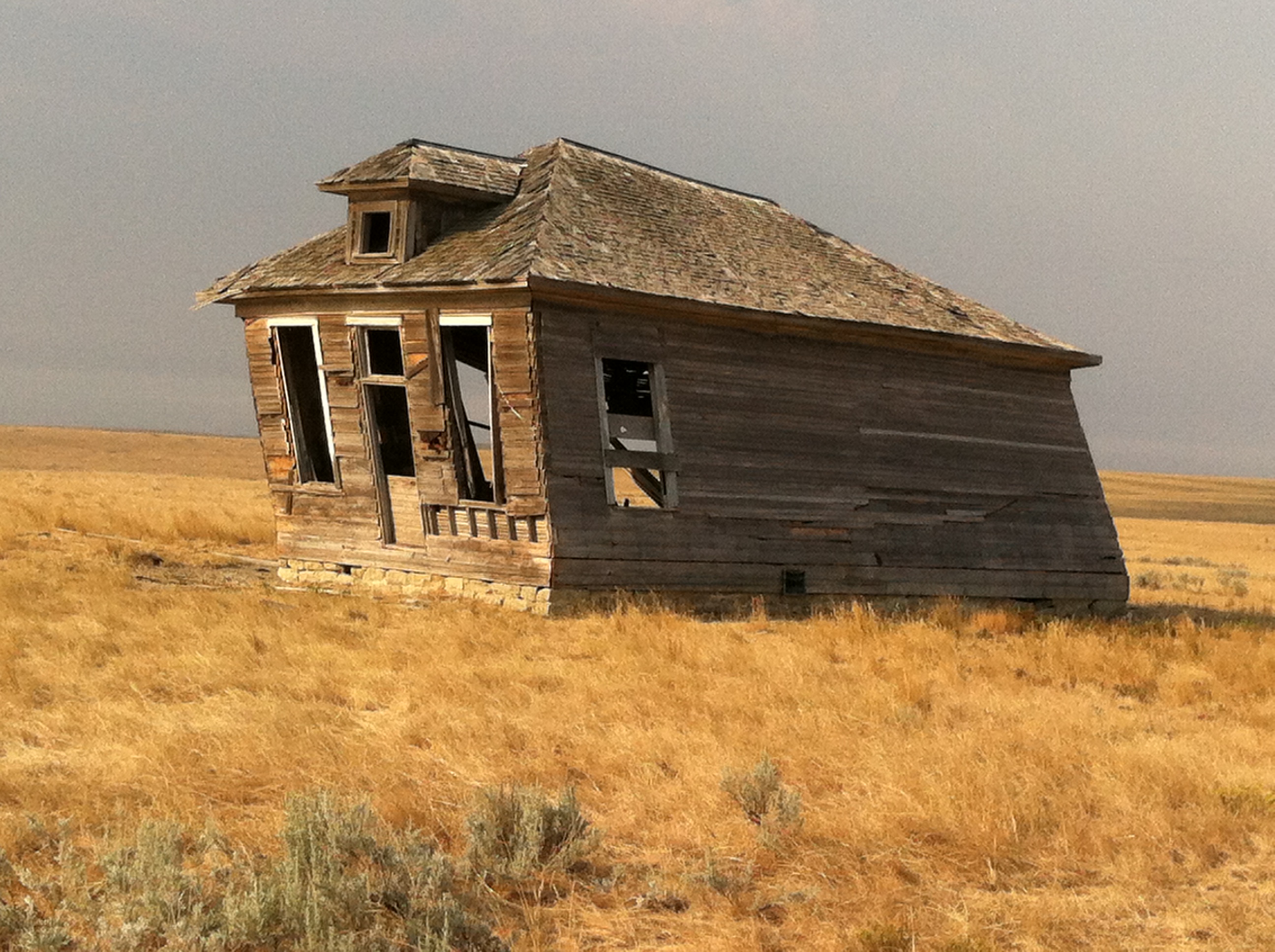
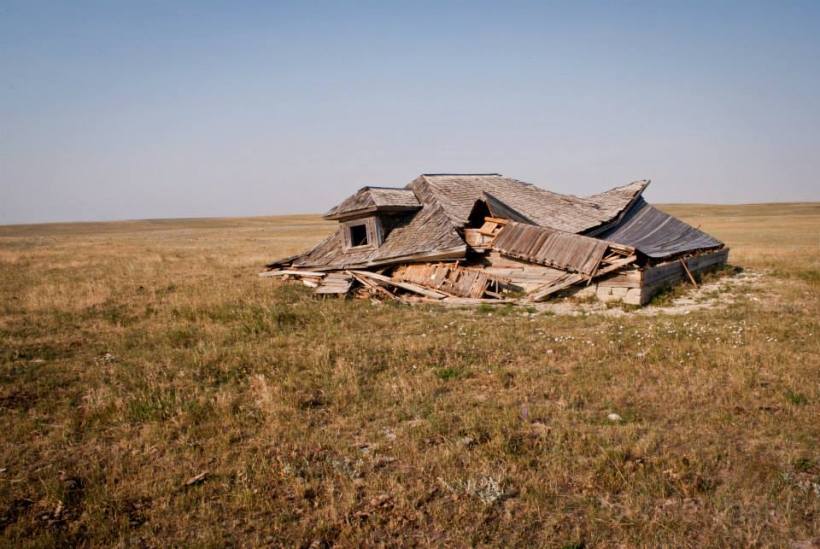
same abandoned Montana schoolhouse as above a few years later (this photo by Joel DeWaard)

windowview


I have the privilege to work in a profession where astonishment and revelation awaits me behind each exam room door.

In a typical busy clinic day, I open that door 36 times, close it behind me and settle in for the ten or fifteen minutes I’m allocated per patient.  I need to peel through the layers of a person quickly to find the core of truth about who they are and why they’ve come to me.

Sometimes what I’m looking for is right on the surface: in their tears, in their pain, in their fear.  Most of the time, it is buried deep and I need to wade through the rashes and sore throats and coughs and headaches to find it.

Once in awhile, I can actually do something tangible to help right then and there — sew up a cut, lance an abscess, splint a fracture, restore hearing by removing a plug of wax from an ear canal.

Often I find myself giving permission to a patient to be sick — to take time to renew, rest and trust their bodies to know what is best for a time.

Sometimes, I am the coach pushing them to stop living sick — to stop hiding from life’s challenges, to stretch even when it hurts, to get out of bed even when not rested, to quit giving in to symptoms that can be overcome rather than overwhelming.

Always I’m looking for an opening to say something a patient may think about after they leave my clinic — how they can make better choices, how they can be bolder and braver in their self care, how they can intervene in their own lives to prevent illness, how every day is a thread in the larger tapestry of their lifespan.

Each morning I rise early to get work done before I actually arrive at work,  trying to avoid feeling unprepared and inadequate to the volume of tasks heaped upon the day.   I know I may be stretched beyond my capacity, challenged by the unfamiliar and stressed by obstacles thrown in my way.  It is always tempting to go back to bed and hide.

Instead, I go to work as those doors need to be opened and the layers peeled away.  I understand the worry, the fear and the pain because I have lived it too.   I am learning how to let it be, even if it feels miserable.  It is a gift perhaps I can share.

No matter what waits behind the exam room door,  it will be astonishing to me.

I’m grateful to be open for business.  The Doctor is In.


brokenbarn

cabincentra

A Blessing Just to Be

sunset11221413

sunset11221416

centralroadlane

Before the adults we call our children arrive with their children in tow
  for Thanksgiving,

we take our morning walk down the lane of oaks and hemlocks, mist
  a smell of rain by nightfall—underfoot,

the crunch of leathery leaves released by yesterday’s big wind.

You’re ahead of me, striding into the arch of oaks that opens onto the fields
  and stone walls of the road—

as a V of geese honk a path overhead, and you stop—

in an instant, without thought, raising your arms toward sky, your hands
  flapping from the wrists,

and I can read in the echo your body makes of these wild geese going
  where they must,

such joy, such wordless unity and delight, you are once again the child
  who knows by instinct, by birthright,

just to be is a blessing. In a fictional present, I write the moment down.
  You embodied it.
~Margaret Gibson “Moment”

geese913

I got out of bed
on two strong legs.
It might have been
otherwise. I ate
cereal, sweet
milk, ripe, flawless
peach. It might
have been otherwise.
I took the dog uphill
to the birch wood.
All morning I did
the work I love.

At noon I lay down
with my mate. It might
have been otherwise.
We ate dinner together
at a table with silver
candlesticks. It might
have been otherwise.
I slept in a bed
in a room with paintings
on the walls, and
planned another day
just like this day.
But one day, I know,
it will be otherwise.
~Jane Kenyon “Otherwise”

sunset112214

On this day,
this giving-thanks day,
I know families who surround loved ones
fighting for life in ICU beds,
more families struggling to find gratitude
in their pierced hearts
from loss of a child in an overturned school bus,
or their gunned down police officer son/husband/father,
or their soldier coming home under a flag.

It is the measure of us, the created,
to kneel grateful, while facing the terrible
and still feel loved and blessed,
to believe how wide and long and high and deep
is His love for us,
we the weeping, the broken-hearted.


sunset1112161

outforawalk1


All the Things That Got in the Way

poliswaterfall2

In all the woods that day I was
the only living thing
fretful, exhausted, or unsure.
Giant fir and spruce and cedar trees
that had stood their ground
three hundred years
stretched in sunlight calmly
unimpressed by whatever
it was that held me
hunched and tense above the stream,
biting my nails, calculating all
my impossibilities.
Nor did the water pause
to reflect or enter into
my considerations.
It found its way
over and around a crowd
of rocks in easy flourishes,
in laughing evasions and
shifts in direction.
Nothing could slow it down for long.
It even made a little song
out of all the things
that got in its way,
a music against the hard edges
of whatever might interrupt its going.
~John Brehm “Passage”

mejierwaterfall

It may be that when we no longer know what to do
we have come to our real work,

and that when we no longer know which way to go
we have come to our real journey.

The mind that is not baffled is not employed.

The impeded stream is the one that sings.
~Wendell Berry “The Real Work”

waterfall

Who among us knows with certainty each morning
what we are meant to do that day
or where we are to go?
So we make our best guess by
putting one foot ahead of the other as we were taught
until the day is done and it is time to rest.

For me, I wake baffled each day
that I am allowed
to eavesdrop on heartbeats,
touch tender bellies,
sew up broken skin,
listen to tears.

I wake humbled with commitment
to keep going even when too tired,
to offer care even when rejected.
to keep trying even if impeded.

It is only then I learn
thing that get in the way
slow but cannot stop
the flow of time,
overflowing its banks with music
of uncertain certainty–
my real work and journey
through life.

May I wade in deep~ listening~ready to sing along.

sunrisepond22115

Handing the Medical Chart Back to the Patient

CBC-lymphocytes-report

Seventy years ago my maternal grandmother, having experienced months of fatigue, abdominal discomfort and weight loss, underwent exploratory abdominal surgery, the only truly diagnostic tool available at the time. One brief look by the surgeon told him everything he needed to know: her liver and omentum were riddled with tumor, clearly advanced, with the primary source unknown and ultimately unimportant.  He quickly closed her up and went to speak with her family–my grandfather, uncle and mother.  He told them there was no hope and no treatment, to take her back home to their rural wheat farm in the Palouse country of Eastern Washington and allow her to resume what activities she could with the time she had left.  He said she had only a few months to live, and he recommended that they simply tell her that no cause was found for her symptoms.

So that is exactly what they did.  It was standard practice at the time that an unfortunate diagnosis be kept secret from terminally ill patients, assuming the patient, if told, would simply despair and lose hope.  My grandmother was gone within a few weeks, growing weaker and weaker to the point of needing rehospitalization prior to her death.  She never was told what was wrong and,  more astonishing, she never asked.

But surely she knew deep in her heart.  She must have experienced some overwhelmingly dark moments of pain and anxiety, never hearing the truth so that she could talk about it with her physician and those she loved.  But the conceit of the medical profession at the time, and indeed, for the next 20-30 years, was that the patient did not need to know, and indeed could be harmed by information about their illness.  We modern more enlightened health care professionals know better.  We know that our physician predecessors were avoiding uncomfortable conversations by exercising the “the patient doesn’t need to know and the doctor knows better” mandate.  The physician had complete control of the health care information–the details of the physical exam, the labs, the xray results, the surgical biopsy results–and the patient and family’s duty was to follow the physician’s dictates and instructions, with no questions asked.

Even during my medical training in the seventies, there was still a whiff of conceit about “the patient doesn’t need to know the details.”   During rounds, the attending physician would discuss diseases right across the hospital bed over the head of the afflicted patient, who would often worriedly glance back and worth at the impassive faces of the intently listening medical student, intern and resident team.   There would be the attending’s brief pat on the patient’s shoulder at the end of the discussion when he would say, “someone will be back to explain all this to you.” But of course, none of us really wanted to and rarely did.

Eventually I did learn how important it was to the patient that we provide that information. I remember one patient who spoke little English, a Chinese mother of three in her thirties, who grabbed my hand as I turned to leave with my team, and looked me in the eye with a desperation I have never forgotten.   She knew enough English to understand that what the attending had just said was that there was no treatment to cure her and she only had weeks to live.  Her previously undiagnosed pancreatic cancer had caused a painless jaundice resulting in her hospitalization and the surgeon had determined she was not a candidate for a Whipple procedure.  When I returned to sit with her and her husband to talk about her prognosis, I laid it all out for them as clearly as I could.  She thanked me, gripping my hands with her tear soaked fingers.  She was so grateful to know what she was dealing with so she could make her plans, in her own way.

Thirty years into my practice of medicine,  I now spend a significant part of my patient care time in providing information that helps the patient make plans, in their own way.  I figure everything I know needs to be shared with the patient, in real time as much as possible, with all the options and possibilities spelled out.  That means extra work, to be sure,  and I spend extra time on patient care after hours more than ever before in my efforts to communicate with my patients.  Every electronic medical record chart note I write is sent online to the patient via a secure password protected web portal, usually from the exam room as I talk with the patient.  Patient education materials are attached to the progress note so the patient has very specific descriptions, instructions and further web links to learn more about the diagnosis and my recommended treatment plan.  If the diagnosis is uncertain, then the differential is shared with the patient electronically so they know what I am thinking.  The patient’s Major Problem List is on every progress note, as are their medications, dosages and allergies, what health maintenance measures are coming due or overdue,  in addition to their “risk list” of alcohol overuse, recreational drug use, poor eating habits and tobacco history.  Everything is there, warts and all, and nothing is held back from their scrutiny.

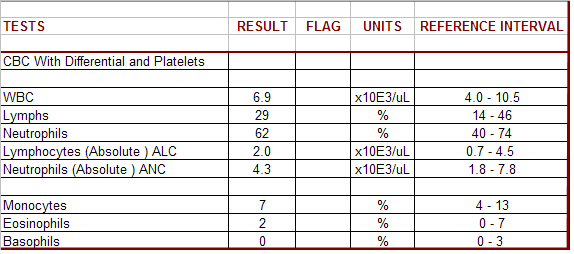
Within a few hours of their clinic visit, they receive their actual lab work and copies of imaging studies electronically, accompanied by an interpretation and my recommendations.  No more “you’ll hear from us only if it is abnormal” or  “it may be next week until you hear anything”.   We all know how quickly most lab and imaging results, as well as pathology results are available to us as providers, and our patients deserve the courtesy of knowing as soon as we do, and now regulations insist that we share the results.   Waiting for results is one of the most agonizing times a patient can experience.   If it is something serious that necessitates a direct conversation, I call the patient just as I’ve always done.  When I send electronic information to my patients,  I solicit their questions, worries and concerns by return message.  All of this electronic interchange between myself and my patient is recorded directly into the patient chart automatically, without the duplicative effort of having to summarize from phone calls.

In this new kind of health care team, the patient has become a true partner in their illness management and health maintenance because they now have the information to deal with the diagnosis and treatment plan.  I don’t ever hear “oh, don’t bother me with the details, just tell me what you’re going to do.”   I have never felt more empowered as a healer when I now can share everything I have available, as it becomes available.  My patients are empowered in their pursuit of well-being, whether living with chronic illness, or recovering from acute illness.  No more secrets.  No more power differential.  No more “I know best.”

After all, it is my patient’s life I am impacting by providing them unrestricted access to the self-knowledge that leads them to a better appreciation for their health and and understanding of their illnesses.

And so I am impacted as well, as it is a privilege to live and work in an age where such a doctor~patient relationship has now become possible.

When You Get There

Empty Hospital Bed
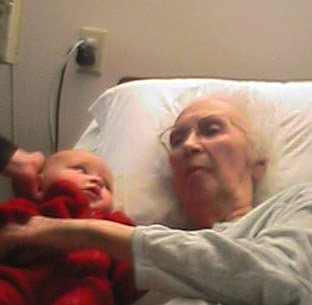
Vigil at my mother’s bedside

Lying still, your mouth gapes open as
I wonder if you breathe your last.
Your hair a white cloud
Your skin baby soft
No washing, digging, planting gardens
Or raising children
Anymore.

Where do your dreams take you?
At times you wake in your childhood home of
Rolling wheat fields, boundless days of freedom.
Other naps take you to your student and teaching days
Grammar and drama, speech and essays.
Yesterday you were a young mother again
Juggling babies, farm and your wistful dreams.

Today you looked about your empty nest
Disguised as hospital bed,
Wondering aloud about
Children grown, flown.
You still control through worry
and tell me:
Travel safely
Get a good night’s sleep
Take time to eat
Call me when you get there

I dress you as you dressed me
I clean you as you cleaned me
I love you as you loved me
You try my patience as I tried yours.
I wonder if I have the strength to
Mother my mother
For as long as she needs.

When I tell you the truth
Your brow furrows as it used to do
When I disappointed you~
This cannot be
A bed in a room in a sterile place
Waiting for death
Waiting for heaven
Waiting

And I tell you:
Travel safely
Eat, please eat
Sleep well
Call me when you get there.

noahgrandma
Great Grandma Elna meeting Noah 5 days before she died, 2008


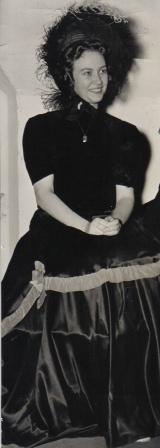
elna
Elna Schmitz as Elizabeth Barrett Browning in a WSC production in Pullman, Washington in 1940

Between Midnight and Dawn: Pouring Out Ourselves

fencepost11816

fenceposttop1

I know how to be brought low, and I know how to abound. In any and every circumstance, I have learned the secret of facing plenty and hunger, abundance and need. I can do all things through him who strengthens me. Yet it was kind of you to share my trouble.
~Philippians 4:12-14

The truth that many people never understand, until it is too late, is that the more you try to avoid suffering the more you suffer because smaller and more insignificant things begin to torture you in proportion to your fear of being hurt.
~Thomas Merton

We want to avoid suffering, death, sin, ashes. But we live in a world crushed and broken and torn, a world God Himself visited to redeem. We receive his poured-out life, and being allowed the high privilege of suffering with Him, may then pour ourselves out for others.
Elisabeth Elliot


Much of my professional work as a physician involves helping people avoid suffering. Either I strive to prevent illness, or address symptoms early, or once someone is very sick or injured, try to mitigate the discomfort and misery. Sometimes I am able to help. Too often they are futile efforts. At that point all I can give is myself, caring for my patient as best I can. There is no medication, no physical manipulation or surgery, no magic touch that makes the difference that love can.

In a flawed and broken world, there will be suffering that cannot be prevented. We can run, but we can’t hide. It is avoidance that hurts us most. For some, it is the temporary anesthesia of alcohol or other recreational substances, a burrowing into numbness that prevents feeling anything at all. For others, it is the never-ending quest for fulfillment in pleasure, which is transient and hollow, or accumulating material goods, which eventually bore, become obsolete and pile up in landfills.

He poured Himself into us as He suffered. In turn, thus filled, we have ourselves to give.

Nothing else lasts. Nothing else matters.

I’m not sure God wants us to be happy. I think he wants us to love, and be loved. But we are like children, thinking our toys will make us happy and the whole world is our nursery. Something must drive us out of that nursery and into the lives of others, and that something is suffering.
~C. S. Lewis

fenceposttop2

lichen19165


During this Lenten season, I will be drawing inspiration from the new devotional collection edited by Sarah Arthur —Between Midnight and Dawn

How to Almost Kill Your Farm Dog


sammySamwise Gamgee still blind the day after almost dying
 

Isn’t it nice to think that tomorrow is a new day with no mistakes in it yet?
~L.M. Montgomery


I’ve owned dogs and horses and a host of other farm animals during thirty years of farm living.  Animals can be unpredictable in their behavior but they don’t make mistakes — only humans do.  One of my mistakes nearly killed my dog Sam last week.

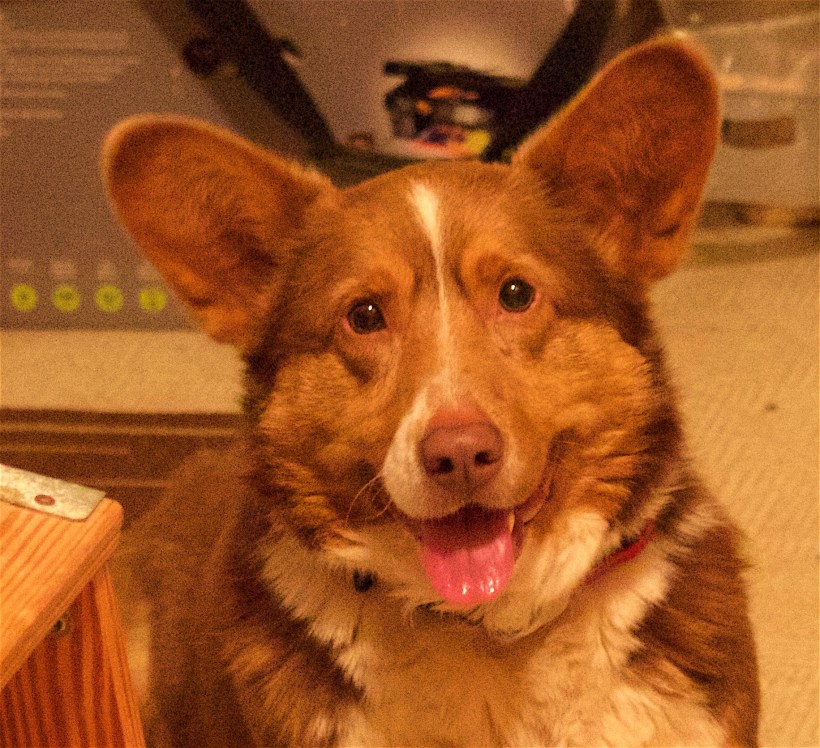
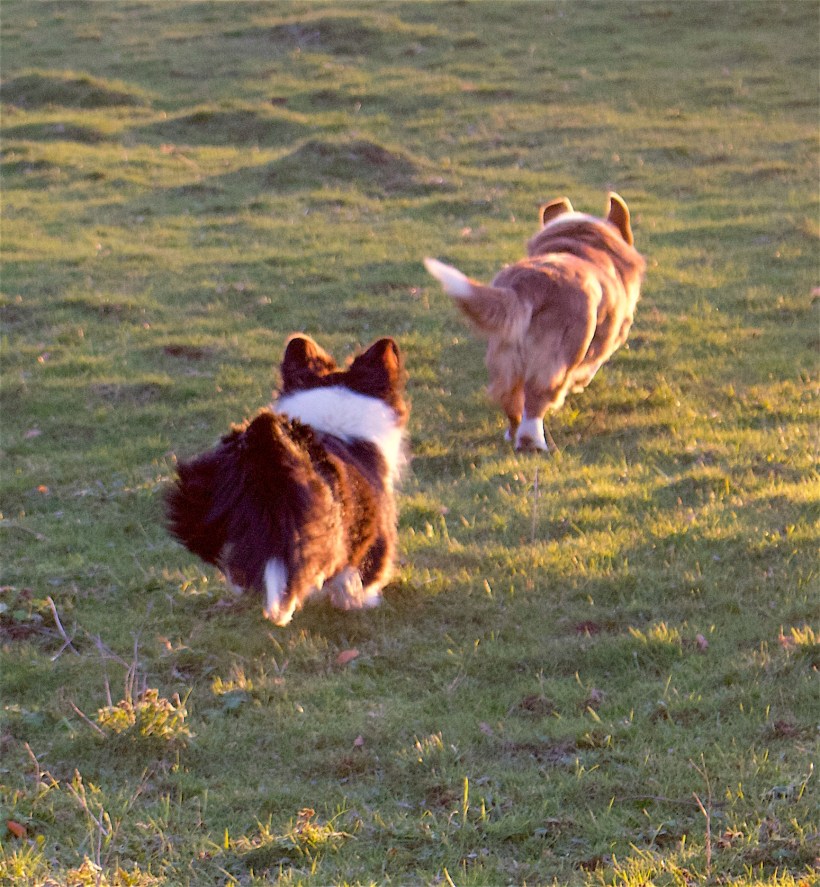
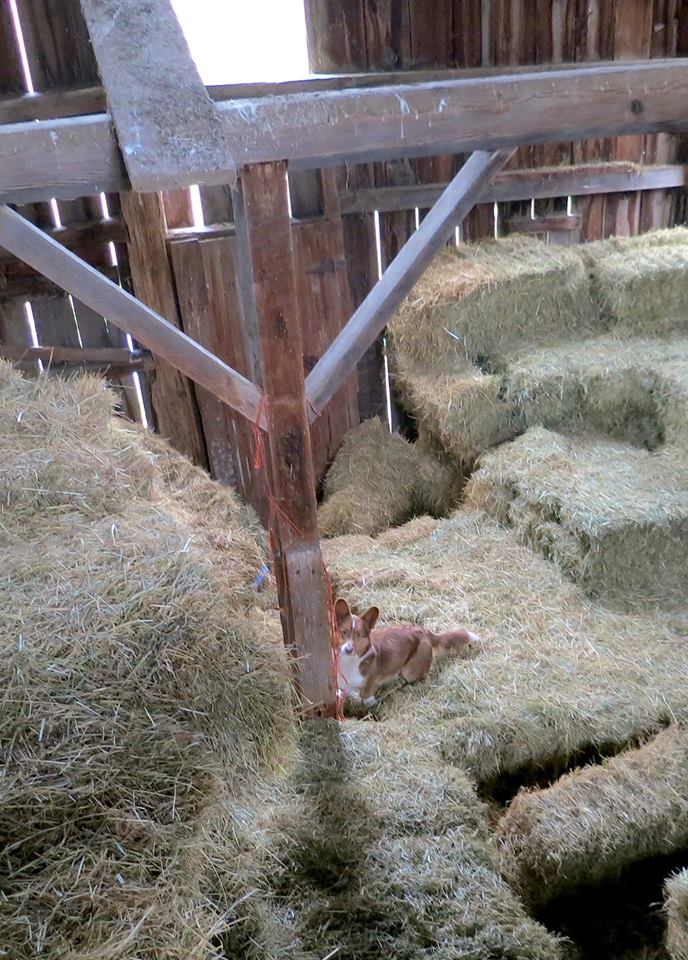
My Cardigan corgis Sam and Homer are full time outdoor farm dogs who do chores with me morning and night.  They accompany me to the hay barn to fetch bales of hay, they gather up the barn cats for herding practice, they help me clean the horse stalls by picking up (and usually eating) stray manure balls that I fail to pick up fast enough.  These are very important jobs for a corgi whose brain and sense of self worth depends on being needed.

All was ordinary on Sunday morning as we went from stall to stall doing our clean up work, including my quarterly deworming of the horses by syringing wormer paste into their mouths before letting them have their morning meal.

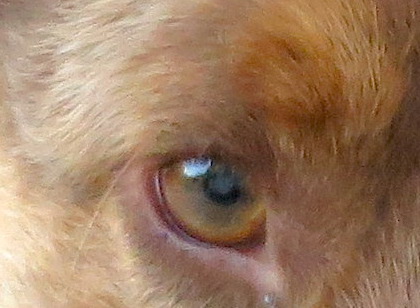
A few hours later on Sunday afternoon I went out to the dog yard to let out Homer and Sam to do barn chores and Sam stood immobilized at the gate, trembling and blind.  His pupils were completely dilated, he couldn’t see a thing and had been vomiting — a lot.  The only possibility was a toxic exposure, most likely licking up a glop of ivermectin paste in the shavings of the stalls we were cleaning after a horse slopped it out of their mouth during the worming process.

We scooped him up and took him to the emergency animal clinic, where the suspected diagnosis was ivermectin poisoning with severe dehydration and acute blindness from the neurotoxicity of the drug in a smaller herding dog with genetic propensity to this kind of reaction.  He was lucky to be alive as the case studies show that sensitive dogs often go into seizures and coma.

In thirty years of worming animals with farm dogs around my feet, this had never even occurred to me to be a risk.  Now I know better, and the dogs will stay out of the barn during worming and for several days afterward as the manure can end up with toxic amounts of wormer drug in it too, and corgis happen to consider horse manure a delicacy.

Sam was vigorously rehydrated with intravenous fluids overnight, had an appetite in the morning but still remained blind as his pupils remained fully dilated for about 24 hours.  He slowly regained his vision over several days, and now is back to his sweet, playful  incorrigible corgi self.

I’m very grateful I didn’t kill my dog, but I sure managed to come close.

At least tomorrow is a new day with no mistakes in it — yet.

samlook

1779263_10152192276006119_609850392_n

offtoadventure

And I Weary Wept…

tireddogwood

tiredrose

The wind, one brilliant day, called
to my soul with an odor of jasmine.

“In return for the odor of my jasmine,
I’d like all the odor of your roses.”

“I have no roses; all the flowers
in my garden are dead.”

“Well then, I’ll take the withered petals
and the yellowed leaves and the waters of the fountain.”

The wind left.  And I wept. And I said to myself:
“What have you done with the garden that was entrusted to you?”
~Antonio Machado translated by Robert Bly

This garden blooming with potential,
entrusted to me, now 26 years:
the health and care of 15,000 students,
most thriving and flourishing,
some withering, their petals falling,
a few lost altogether.
As winds of time sweep away
another cohort from my care,
to be blown to places unknown,
I weary weep for losses,
wondering if I’ve failed to water enough
or is it only I with thirst unceasing,
my roots drying out, hidden away deep beneath me?

tiredrose2

tireddogwood2

…one by one, the memories you used to harbor
decided to retire to the southern hemisphere of the brain,
to a little fishing village where there are no phones.
~Billy Collins from “Forgetfulness”

hydrangeaskeleton2

tiredrose4

The Helpless Prayer

Faye Jubilee with her sister Merry

I pray because I can’t help myself.
I pray because I’m helpless.
I pray because the need flows out of me all the time — waking and sleeping.
It doesn’t change God — it changes me.

~C.S. Lewis

Almost four weeks ago I wrote about our little neighbor, two year old Faye Jubilee, sickened by E.Coli 0157 infection/toxin to the point of becoming critically ill with Hemolytic Uremic Syndrome (plummeting cell counts and renal failure).  My post is found here:

https://briarcroft.wordpress.com/2015/05/01/may-god-have-my-jewel-in-his-keeping/

At the worst point of her illness, when the doctors were sounding very worried on her behalf, Faye’s mother Danyale wrote to our Wiser Lake Chapel Pastor Bert Hitchcock with a plea for prayers from the church in the midst of her helplessness:

Here is how he responded:

“I understand that Faye  (and everyone dealing with her) is fighting for her life. And that’s the way I am praying: that God in his merciful power, would deliver her, even if her condition looks hopeless.

If you were able to be in church this morning, you might hear my sense of urgency, for I have chosen this benediction, with which to close the service — and I give it to you right now, from the mouth of our Lord:
Jesus said: “Do not be afraid, Danyale!
I am the First and the Last.
I am the Living One.
I died, but look – I am alive forever and ever!
And I hold the keys of death and the grave.

Neither you nor I know how this will turn out — the possibilities are terrifying. But we do know who holds the keys of life and health and death; He is the Life-giver, who heals all our diseases — nothing can rip our lives (or little Faye’s life) out of His hands. And, when He does allow these bodies to give out, He promises to give us glorious new life, safe forever in His presence. These are not pious platitudes; these are the rock-hard promises of the one who loves us more than life, and who is absolutely in control of what is happening today.

Safe in the arms of Jesus,
Safe on His gentle breast;
There by His love o’ershaded,
Sweetly my soul shall rest.

I’m praying for you all; and the Chapel Family will be praying this morning, as we gather in the Lord’s presence.

Love you, and yours, Danyale,

Pastor Bert Hitchcock


And now Faye is home, with normal kidney function and improving cell counts,  having also survived a bout with pneumonia.
Thanks to you all for your prayers lifted around the world on her behalf.   Here is a summary from her mother:


Dear Friends and readers of Barnstorming,

Some of you we know, but so many of you we do not. Whichever the case, Emily tells me you have prayed for our little girl, Faye, throughout her sickness and into her recovery. What can parents say when people–many of whom we may never be privileged to meet in this life–have come alongside us to beseech the Lord for our daughter’s life and pray for her healing? Thank you. Thank you!

Faye is doing so well; stronger every day, more and more herself! It is wonderful to see.

This week we head back down to Seattle Children’s for a check up–we’ll get to say hello to the good folks who saw her through her sickness. A special stop will be made on the dialysis unit to see Nurse Kathy, a favorite of Faye’s. We anticipate a good report!

Thanks again for your love and support, far and wide. Truly astounding.
Danyale and Jesse Tamminga, for Faye, too


Faye at church this past Sunday, looking very much like herself again


Our prayers of helplessness to God continue for the healing and strengthening of Towa Aoyagi, the fourteen year old son of Pastor Seima and Naoko in Tokyo, Japan, who remains paralyzed following a neck injury four weeks ago today.   He is currently in rehab in Tokyo, trying to stabilize enough to come to the United States for state-of-the-art spinal cord injury treatment to learn how to live and thrive in his changed body.

May God have our jewels this day in His keeping.