O! for a horse with wings! ~William Shakespeare from Cymbeline
photo by Bette Vander Haakphoto by Bette Vander Haak
Be winged. Be the father of all flying horses. ~C.S. Lewis from The Magician’s Nephew
photo by Bette Vander Haak
photo by Bette Vander Haak
One reason why birds and horses are happy is because they are not trying to impress other birds and horses. ~Dale Carnegie
photo by Bette Vander Haakphoto by Bette Vander Haak
When I bestride him, I soar, I am a hawk: he trots the air; the earth sings when he touches it; ~William Shakespeare from Henry V
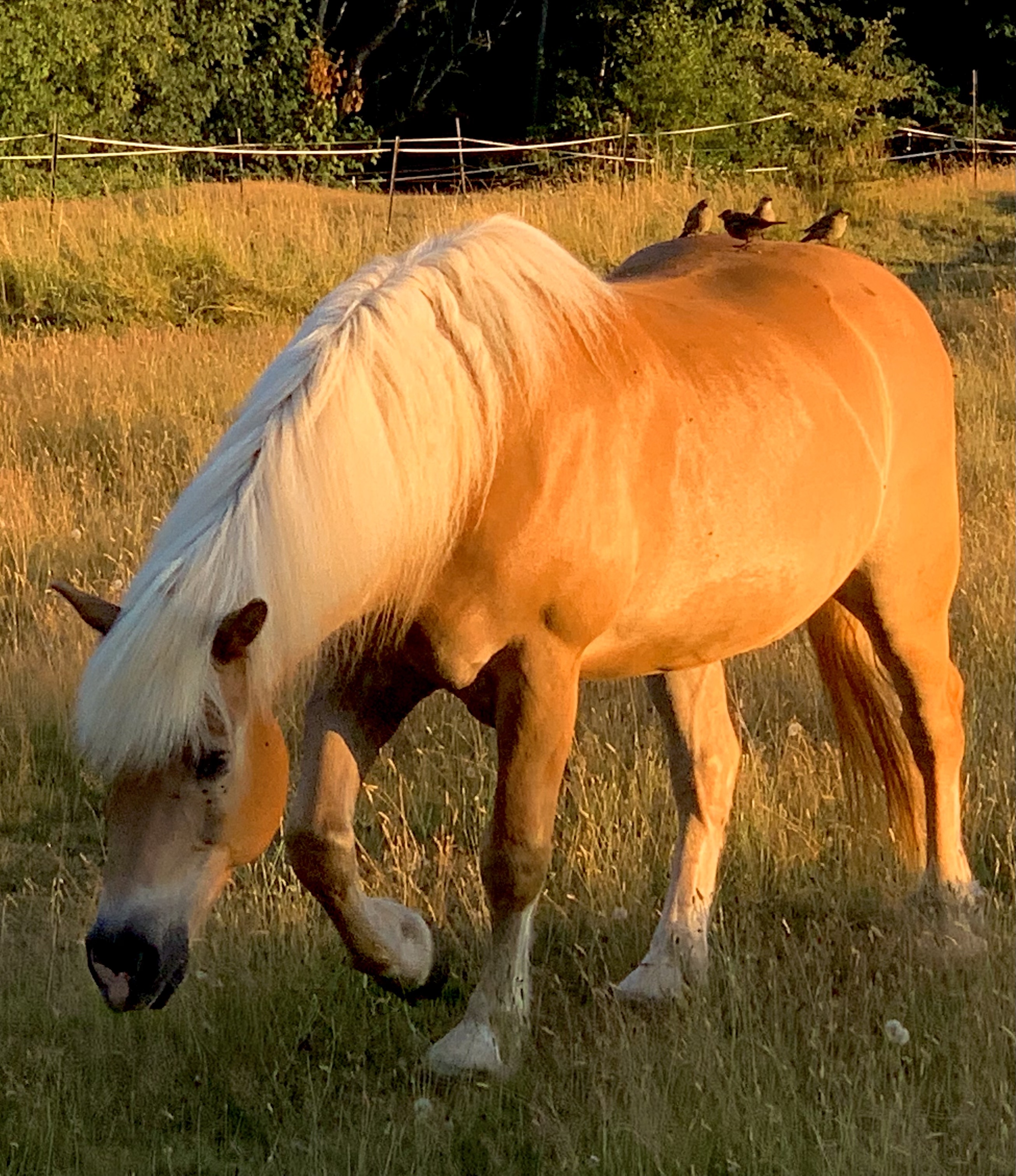
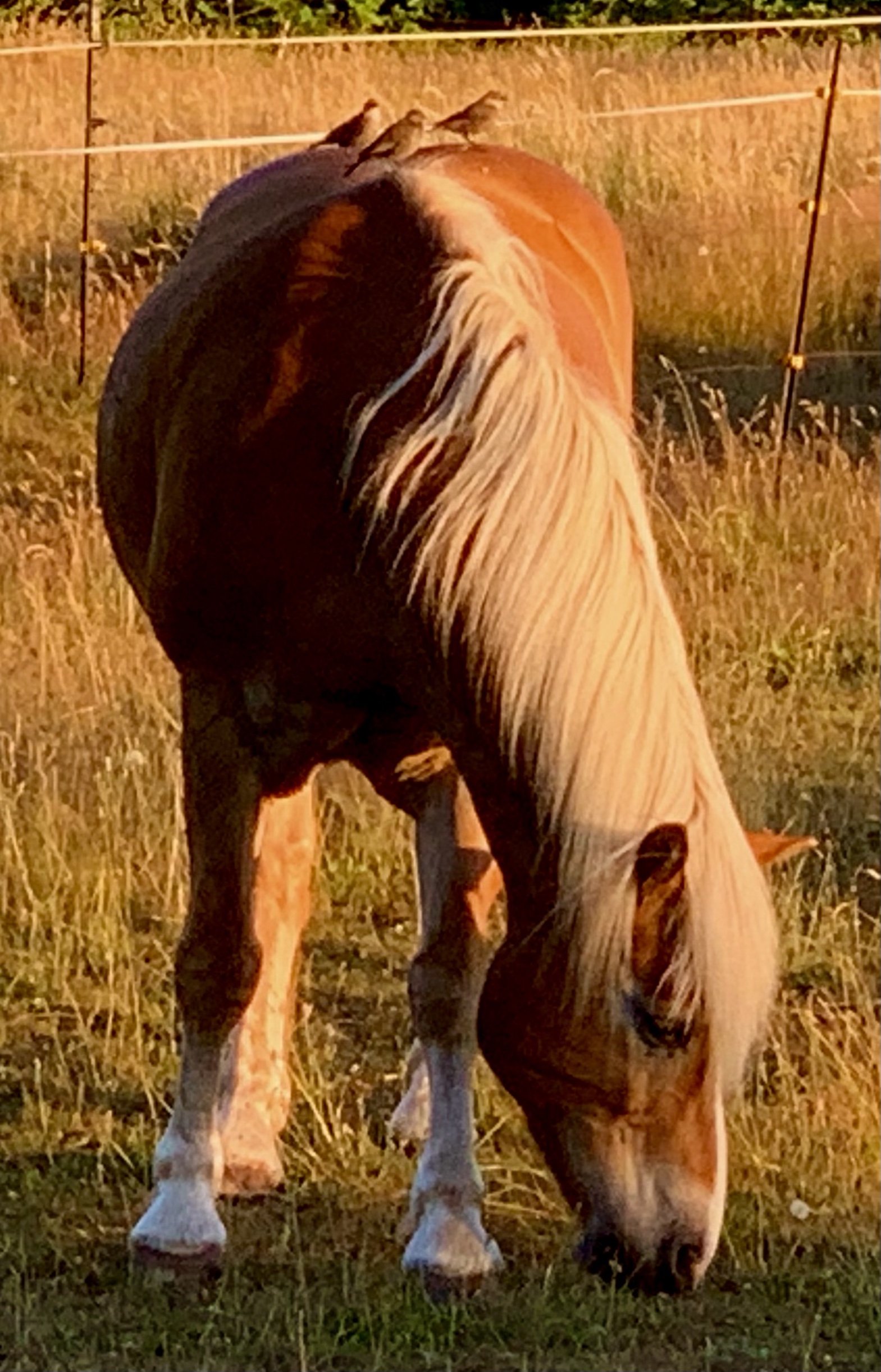
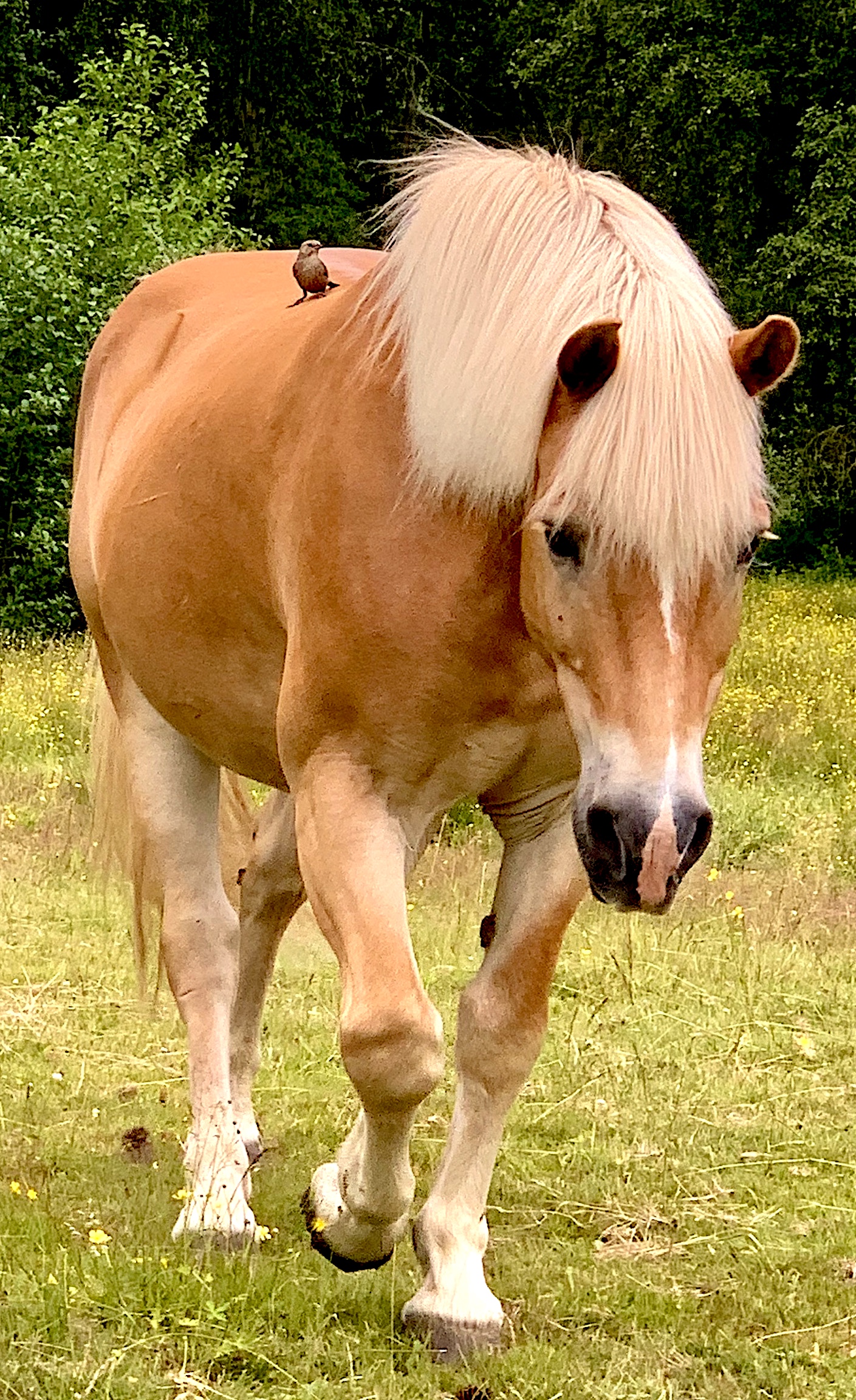
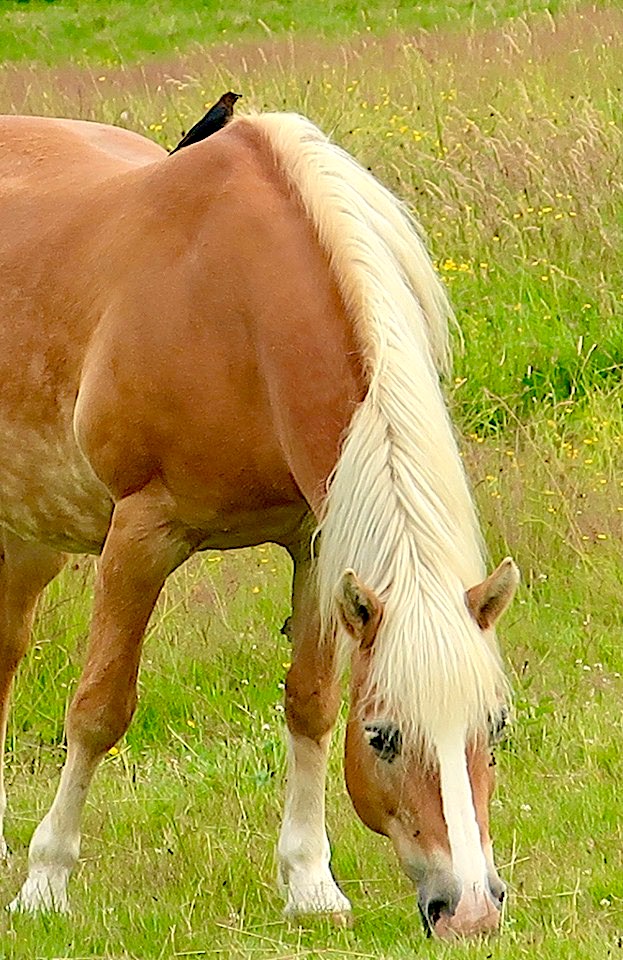
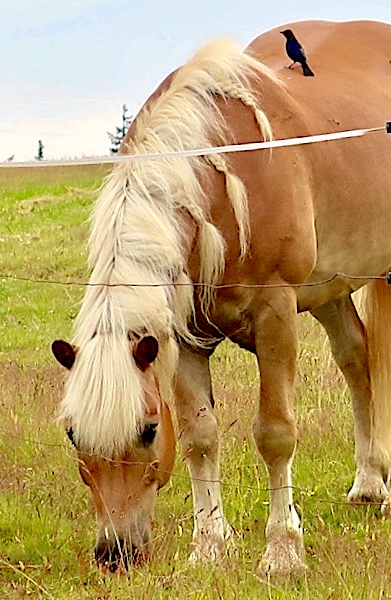
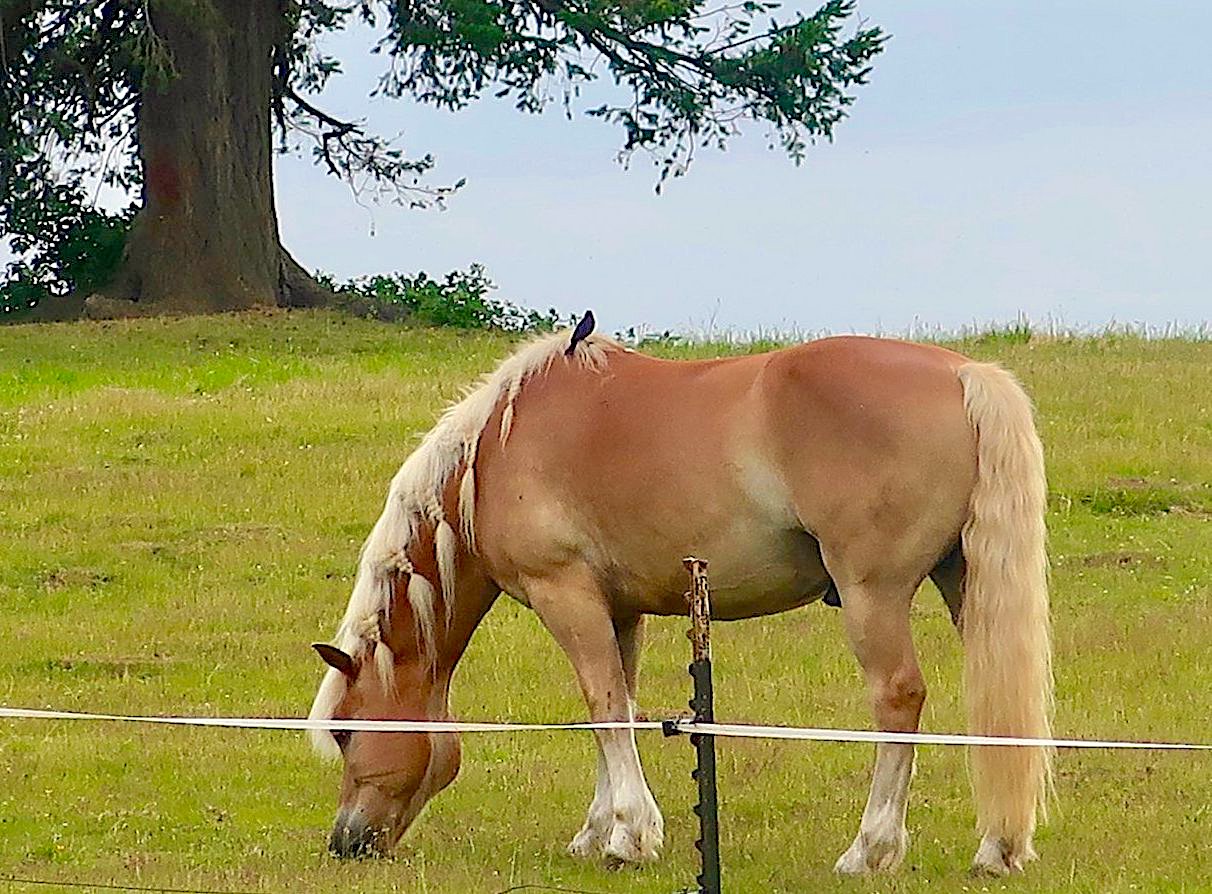
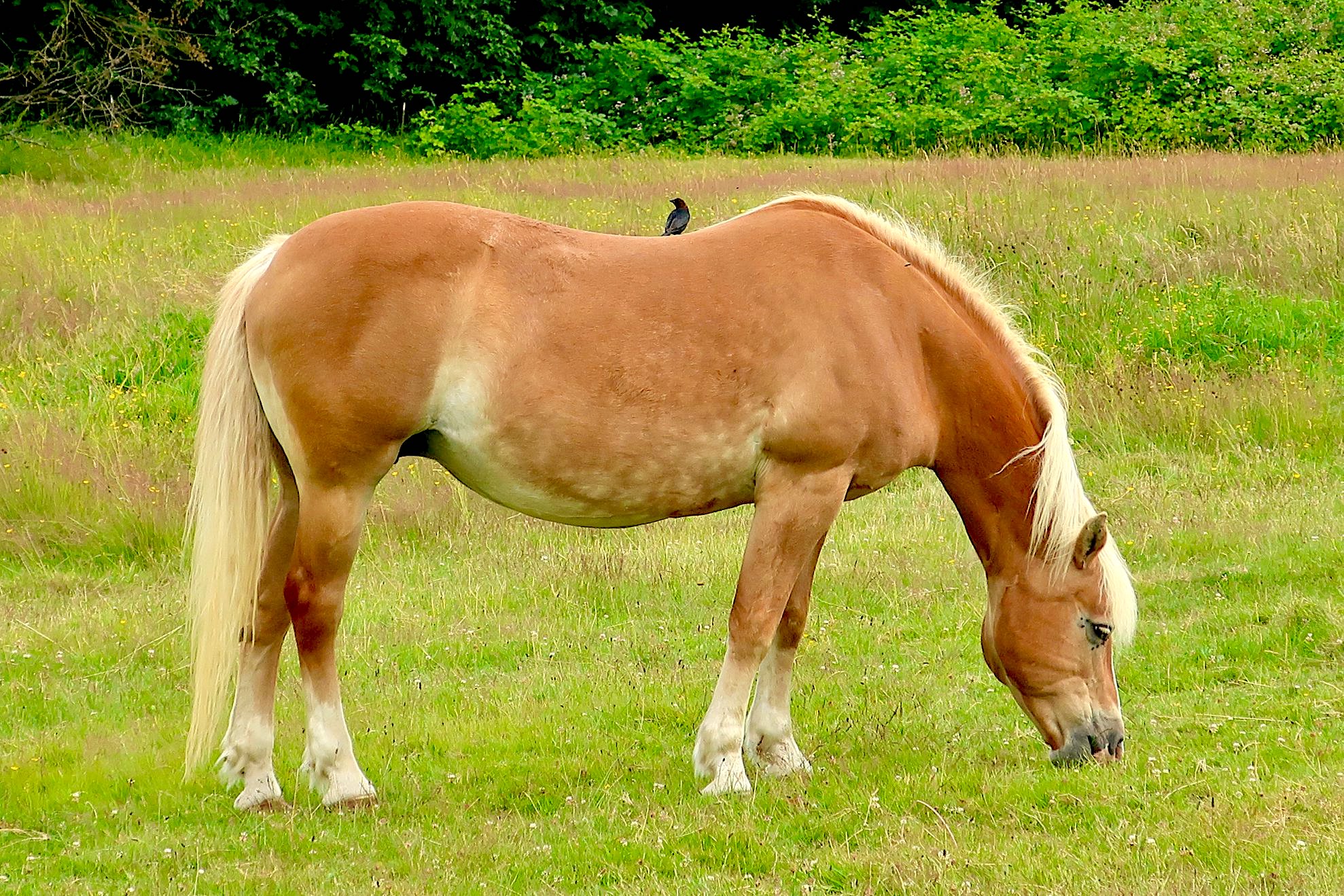
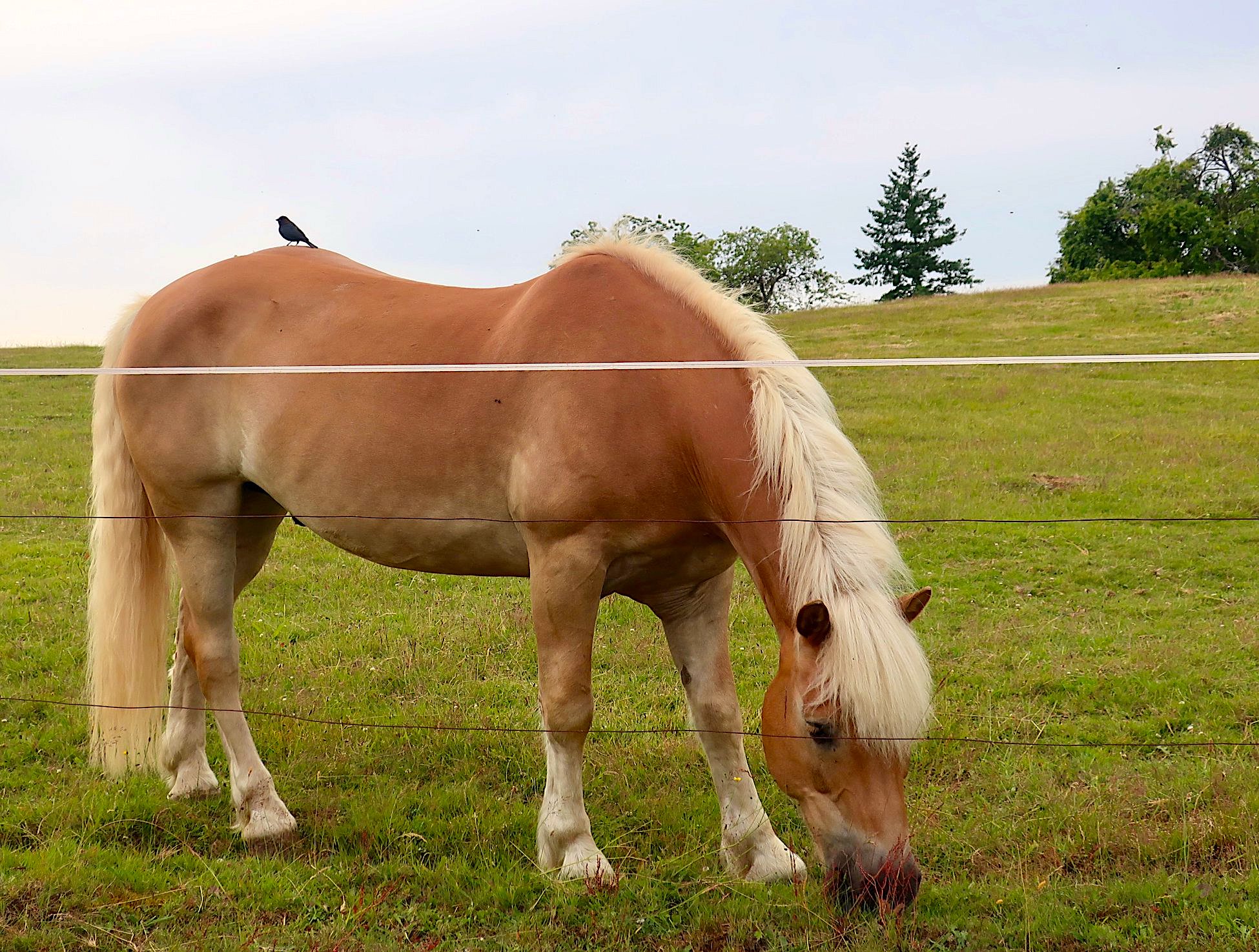
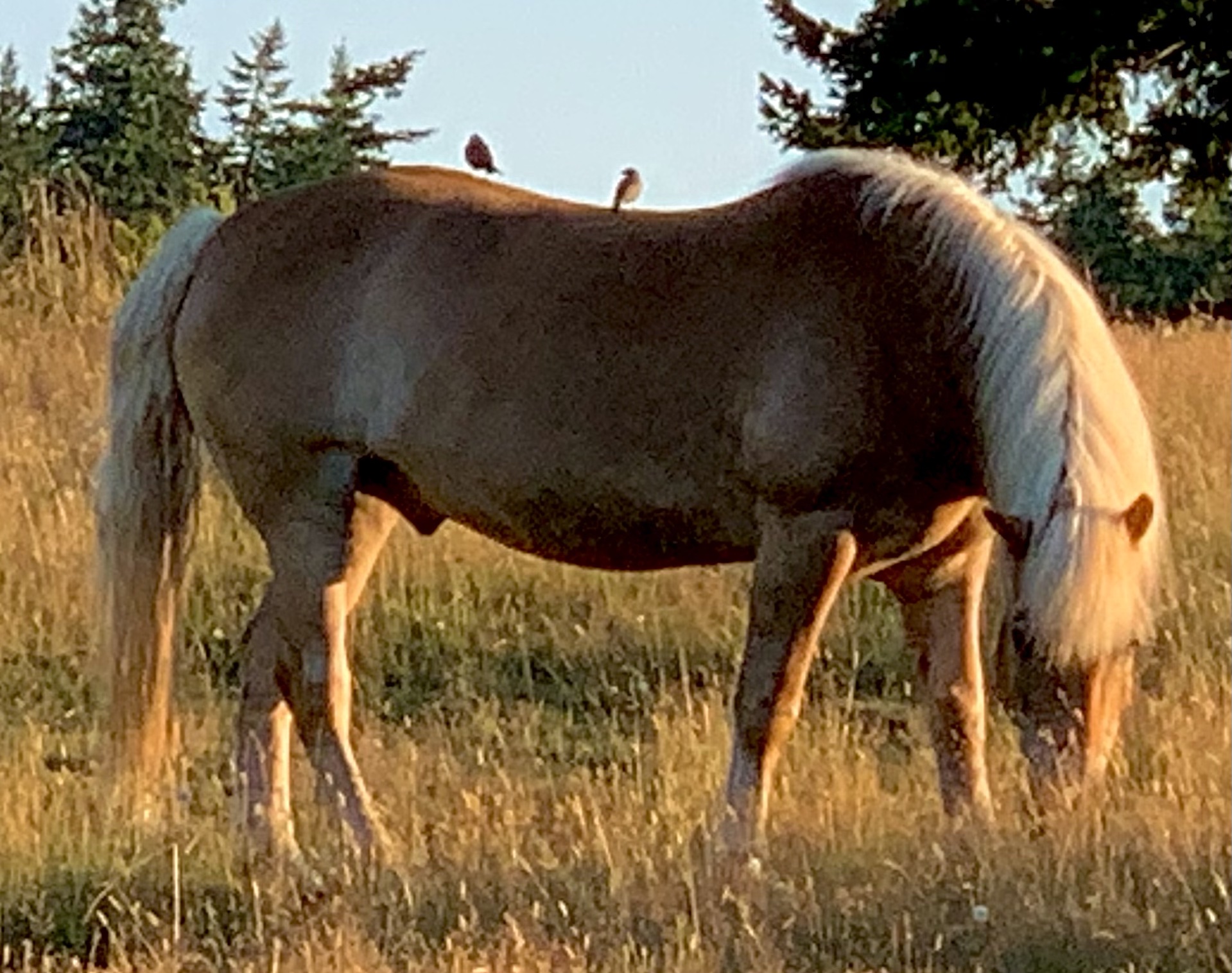
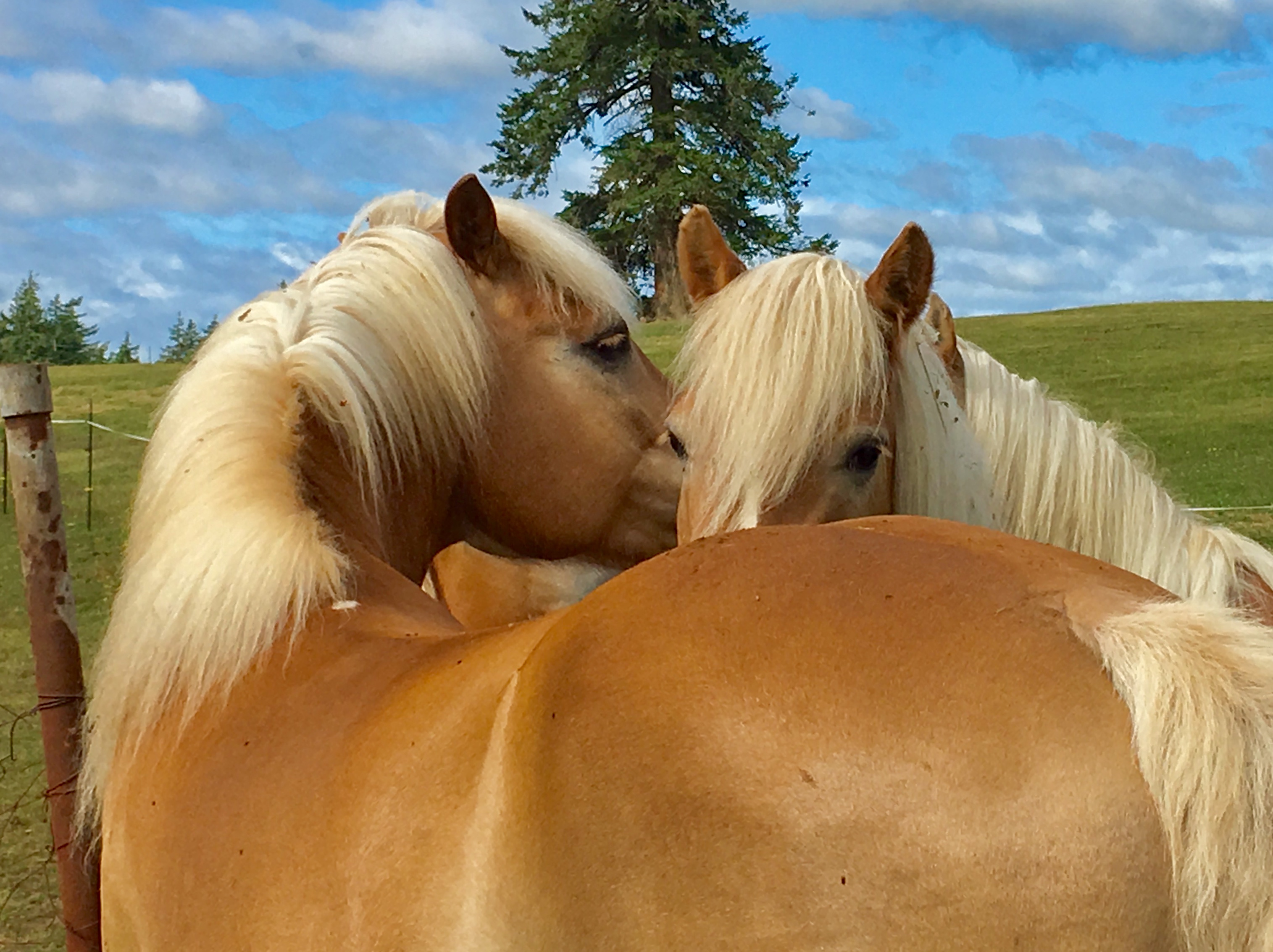
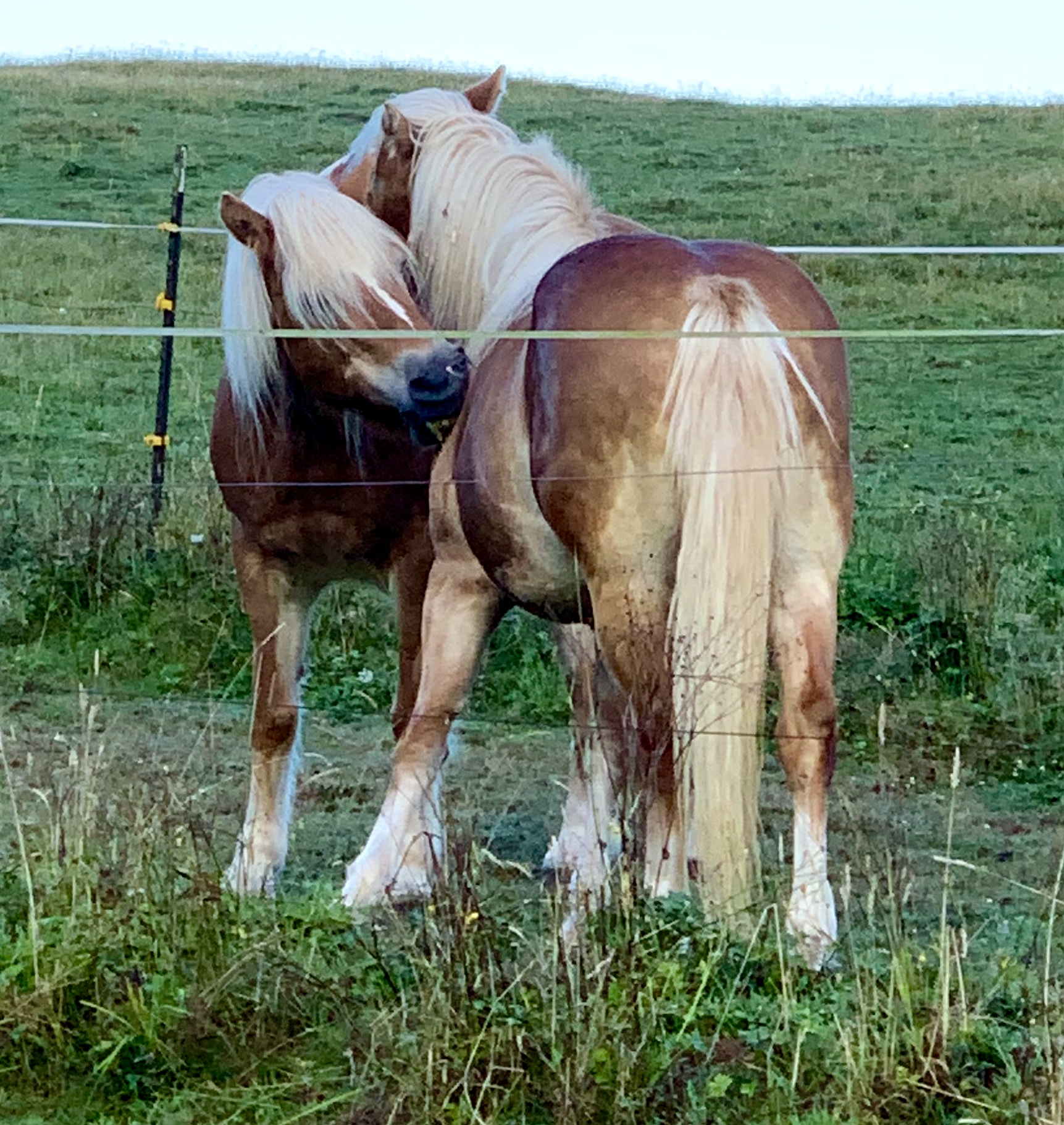
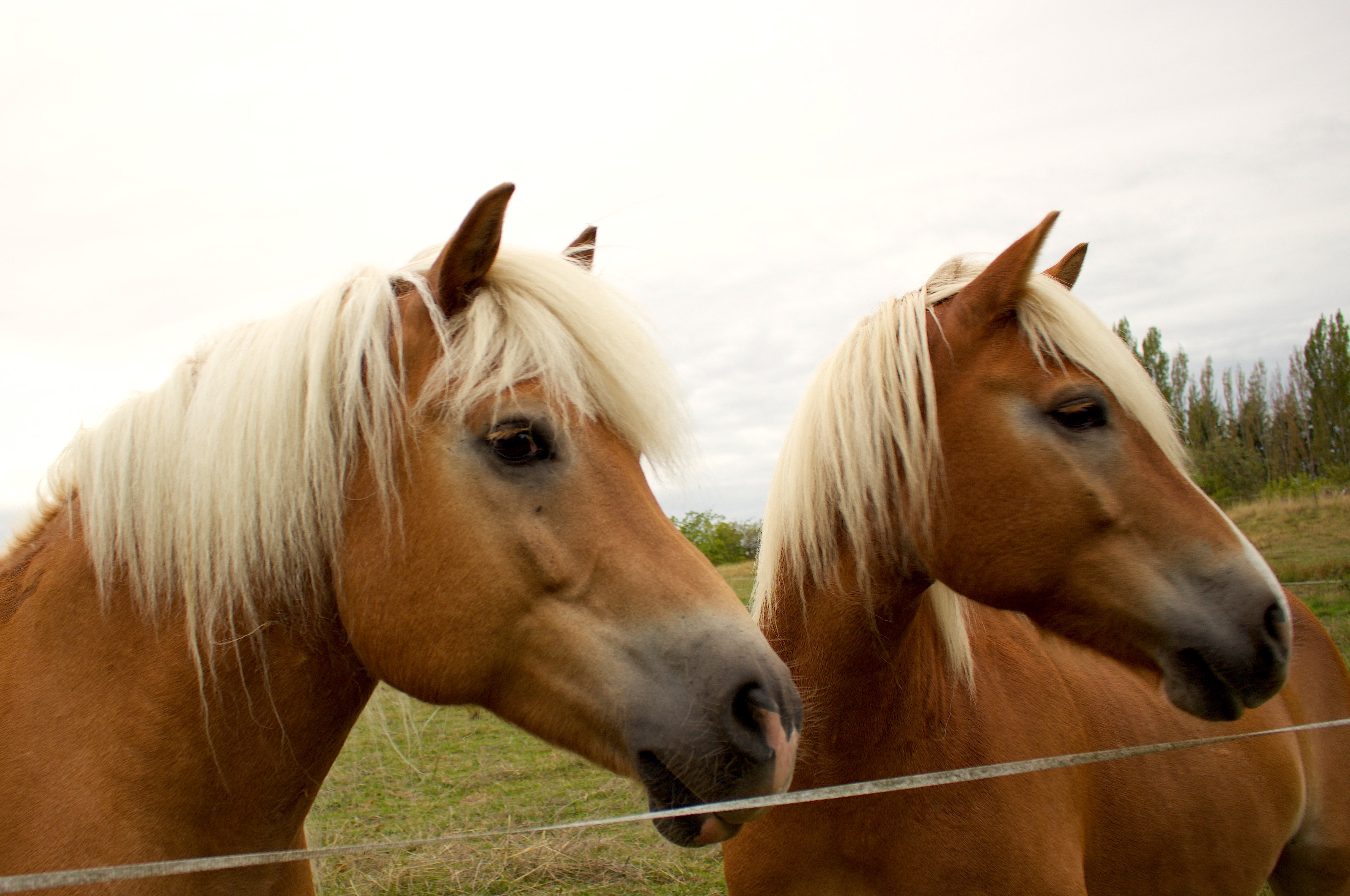
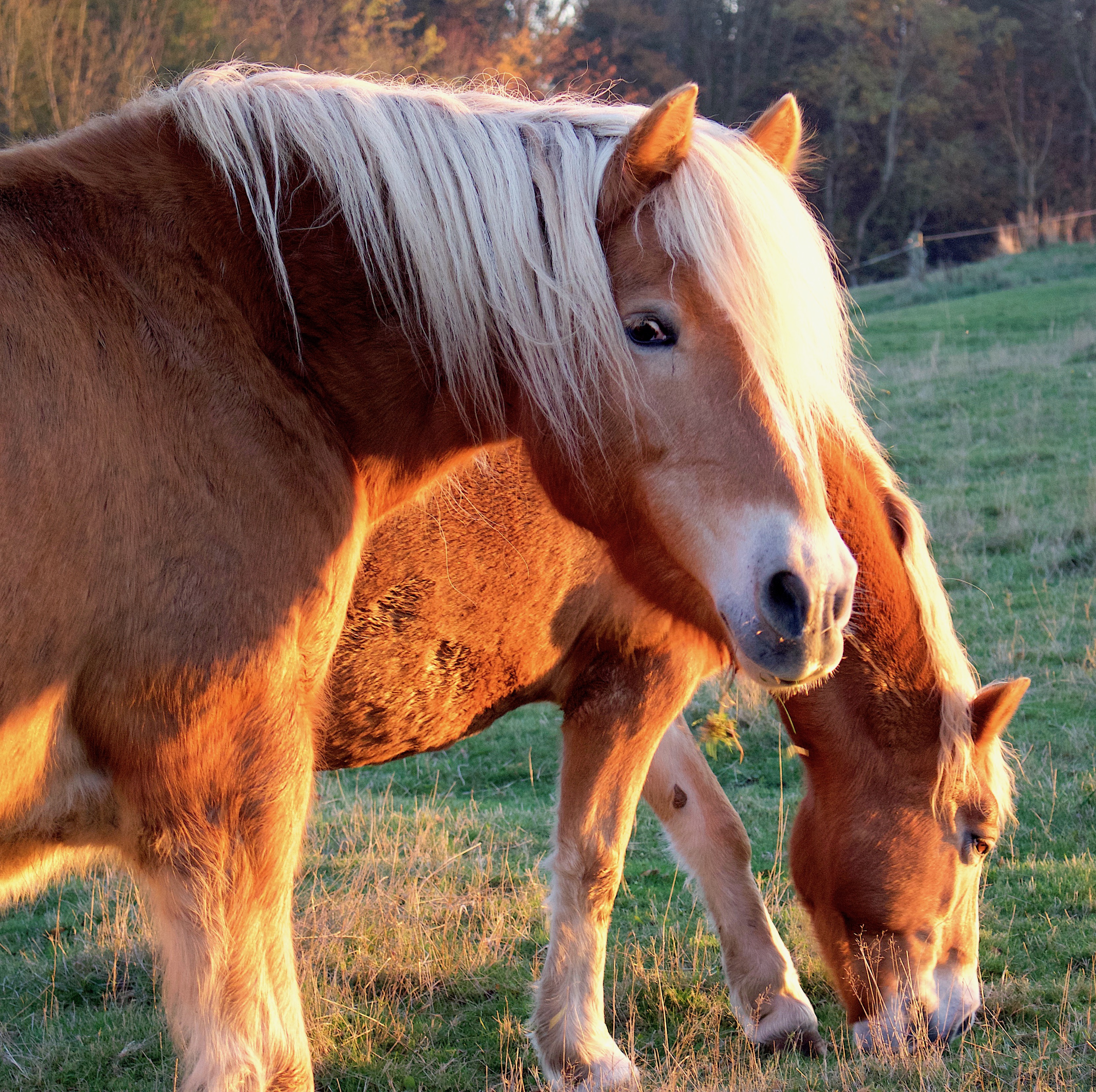
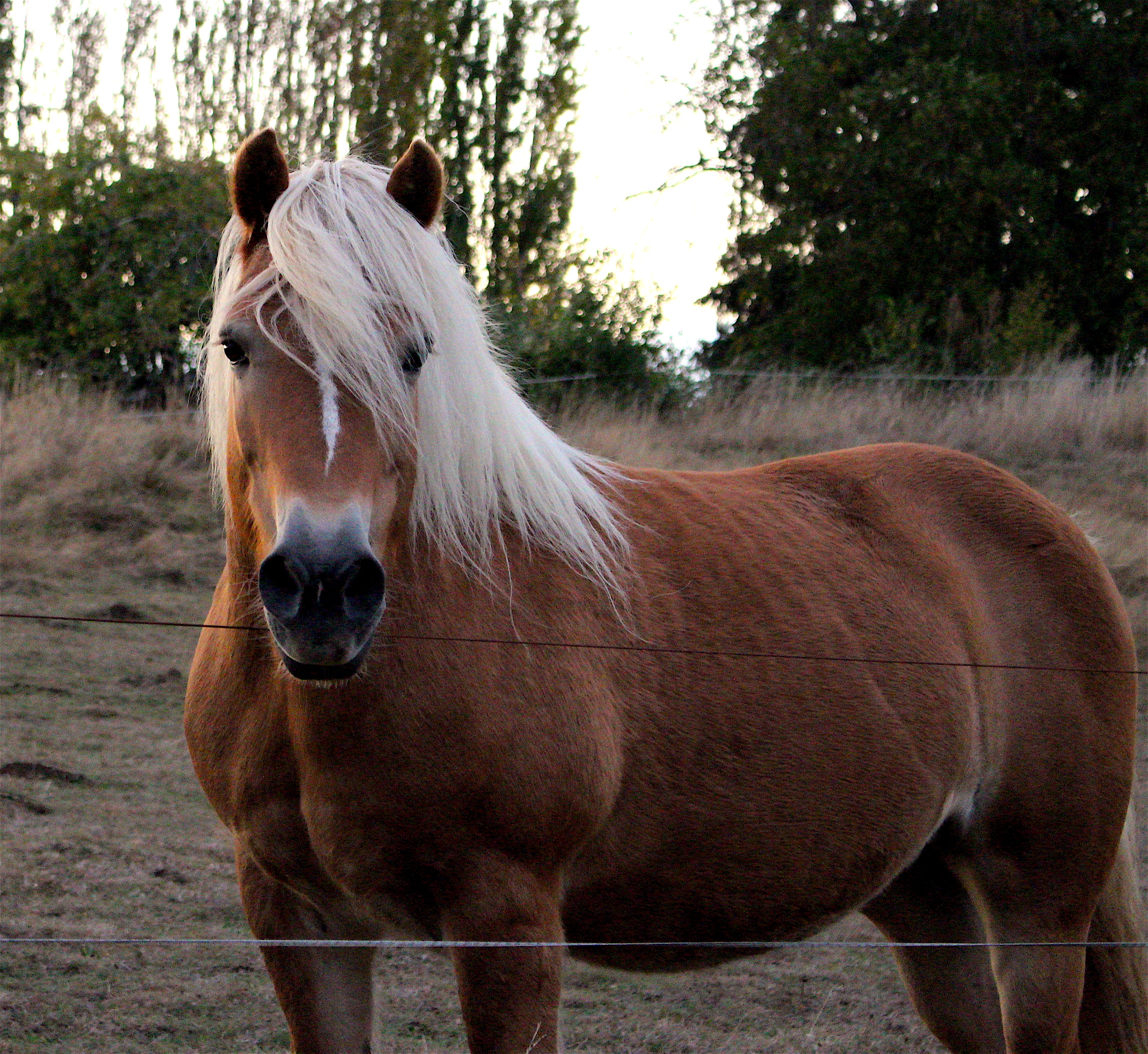
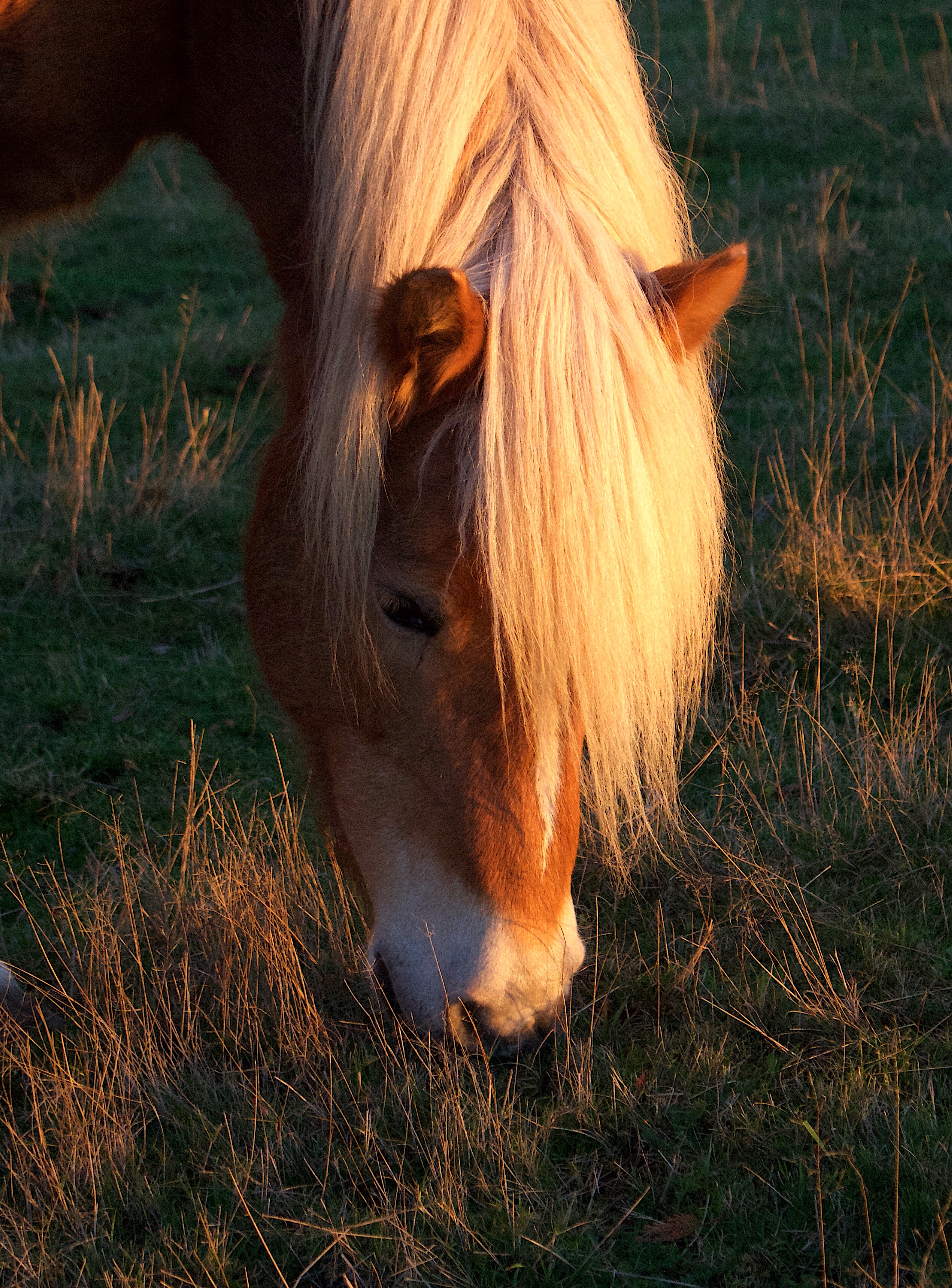
We all need someone along for the ride with us, blessing us with their company — a precious friend who has our back and scratches it wonderfully – helping to keep the biting flies away by gobbling them up.
It is symbiosis at its best: a relationship built on mutual trust and helpfulness. In exchange for relief from annoying insects that a tail can’t flick off, a Haflinger horse serves up bugs on a smorgasbord landing platform located safely above farm cats and marauding coyotes.
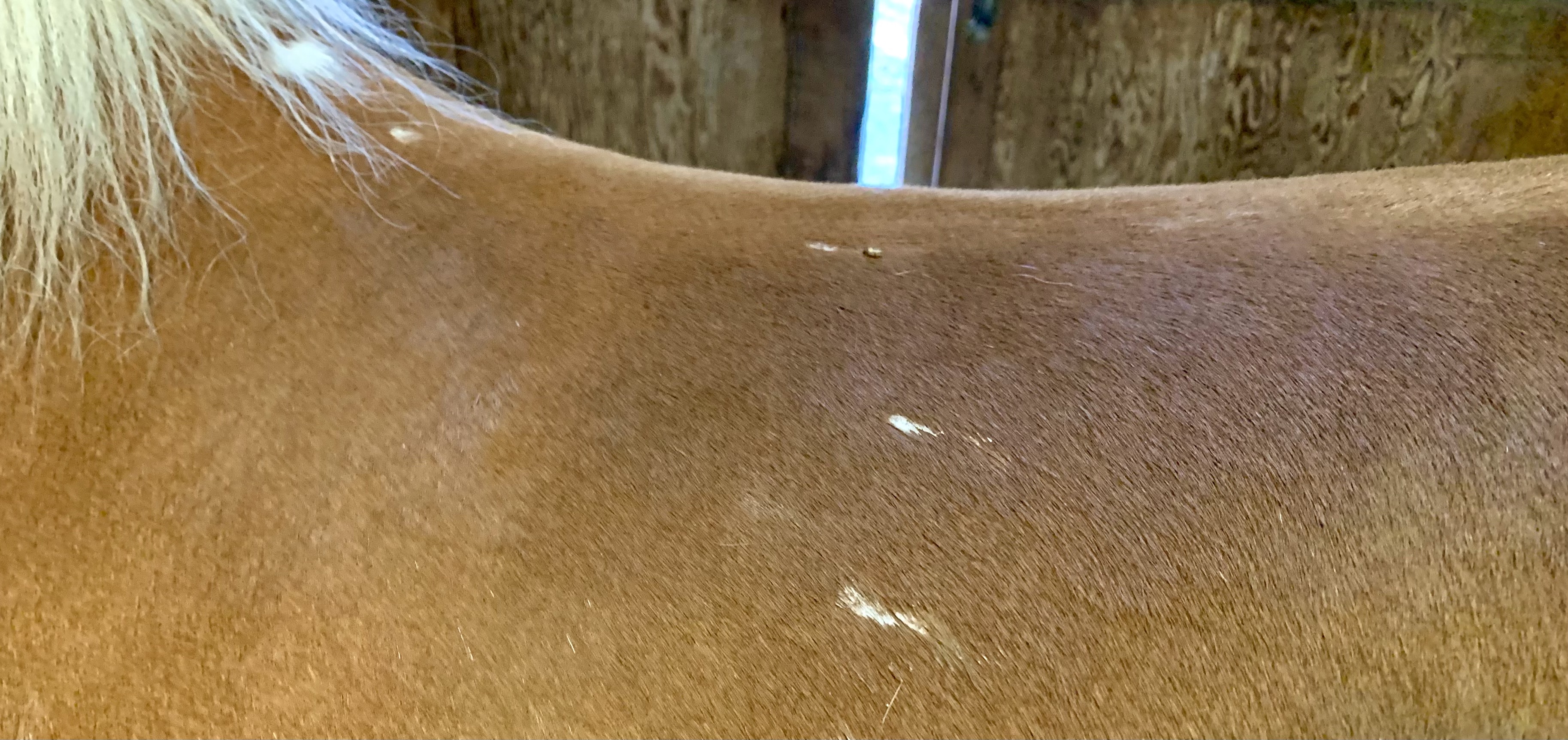
Thanks to their perpetual full meal deals, these cowbirds do leave generous “deposits” behind that need to be brushed off at the end of the day. Like any good friendship, cleaning up the little messes left behind is a small price to pay for the bliss of companionable comradeship.
We’re buds after all – best forever friends, trotting the air while the earth sings along.
And this is exactly what friends are for: one provides the feast while the other provides the wings, even when things get messy.
Be winged. Be fed. Together.
One-Time
Monthly
Yearly
Make a one-time or recurring donation to support daily Barnstorming posts
The mare roamed soft about the slope, Her rump was like a dancing girl’s. Gentle beneath the apple trees She pulled the grass and shook the flies, Her forelocks hung in tawny curls, She had a woman’s limpid eyes, A woman’s patient stare that grieves. And when she moved among the trees, The dappled trees, her look was shy, She hid her nakedness in leaves. A delicate though weighted dance She stepped while flocks of finches flew From tree to tree and shot the leaves With songs of golden twittering; How admirable her tender stance. And then the apple trees were new, And she was new, and we were new, And in the barns the stallions stamped And shook the hills with trumpeting. ~Ruth Stone, “The Orchard” from What Love Comes To
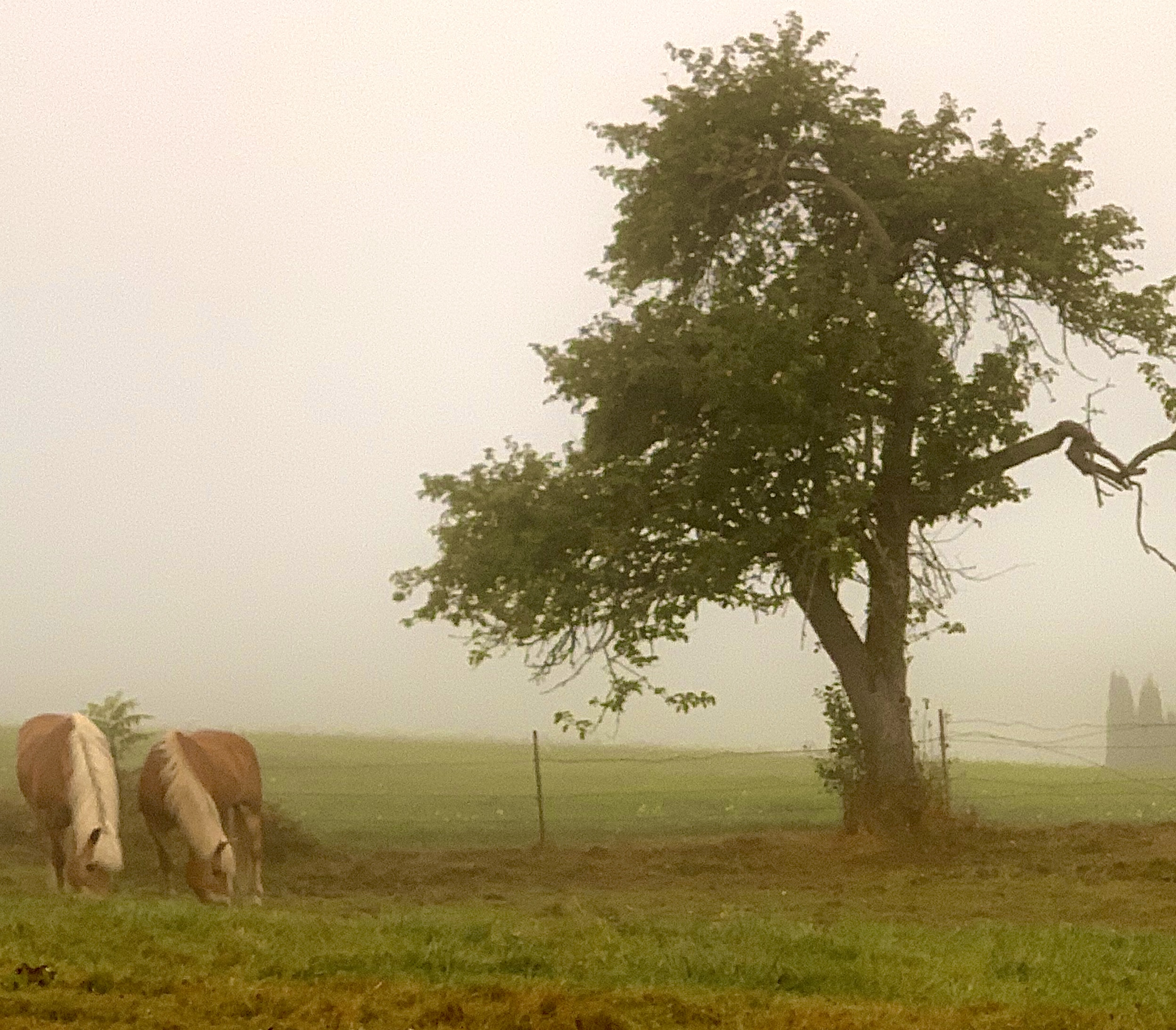
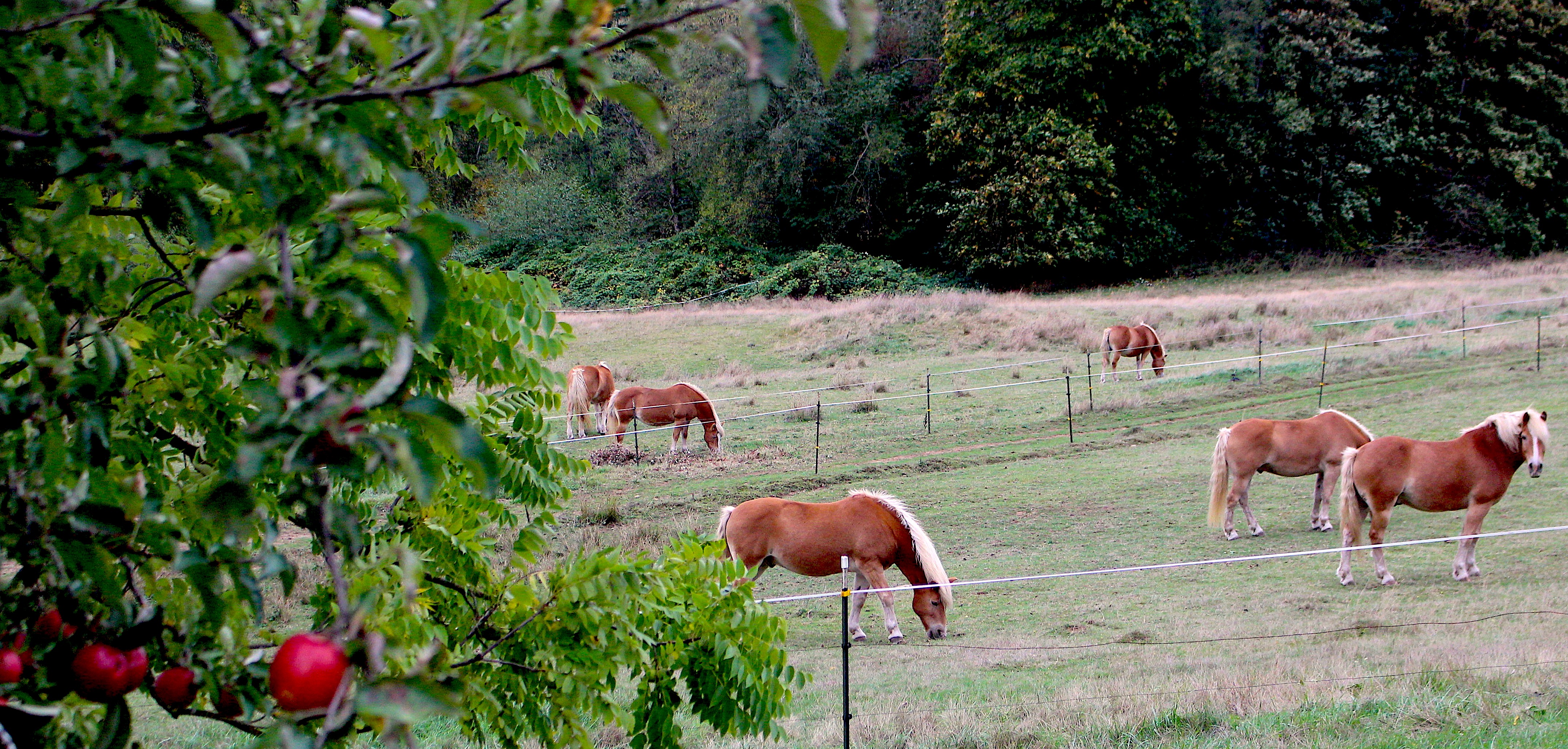
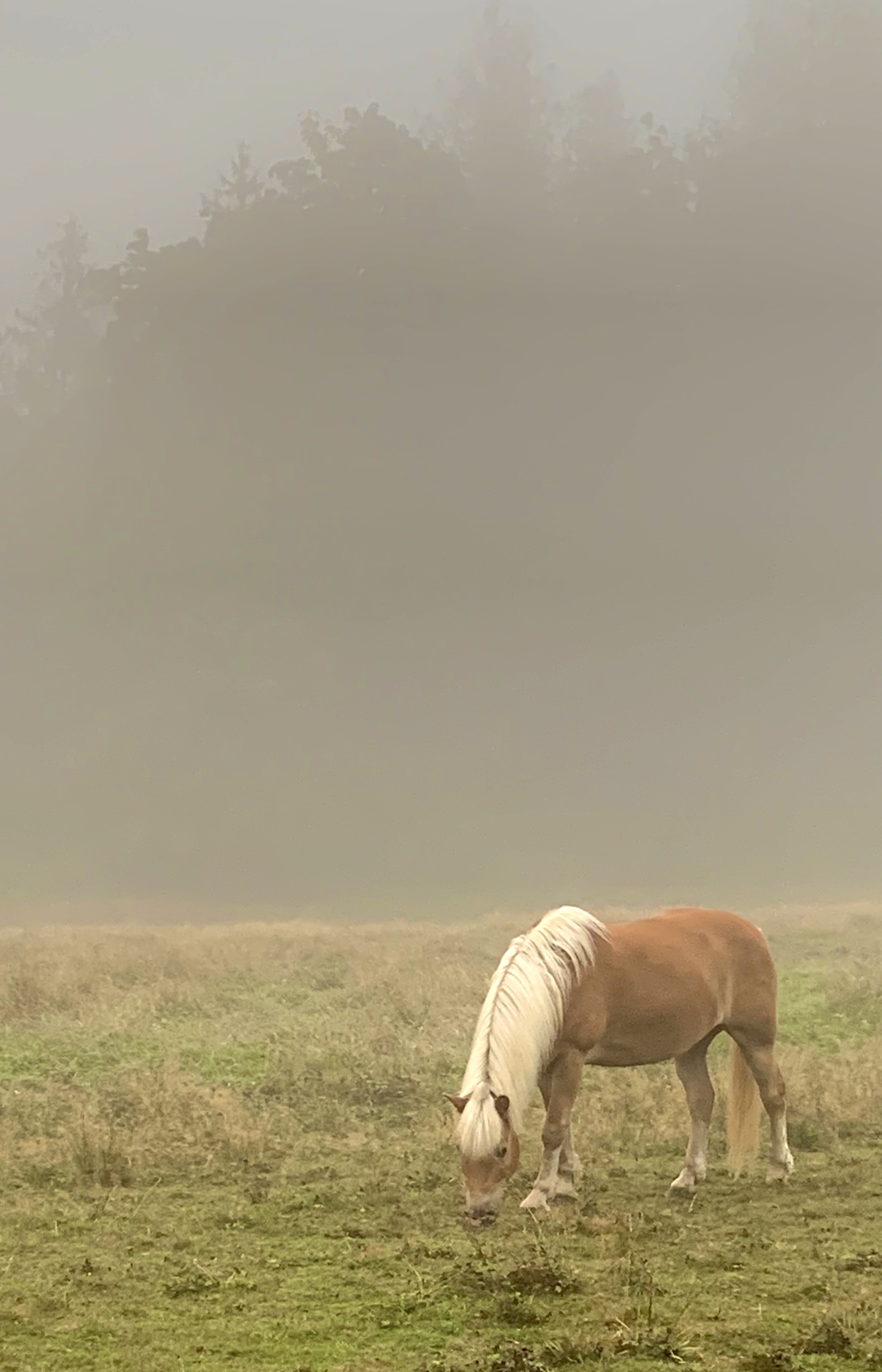
Our retired mares are aging, the oldest now thirty and the others only a few years younger. Born on this land, they have served us well over the decades, birthing us their foals and working when asked. They deserve this easy life on pasture for as long as their legs and feet will carry them up and down the slopes of our hilly farm – they are more and more resembling our ancient crooked crippled orchard trees, some of which have already toppled in the winter winds..
I’m thinking we are close to the end of these loyal mares’ long lives; hard decisions must be made at some point and I don’t feel quite prepared to determine when they are no longer enjoying their time under the sun but I don’t want them to topple over like an old hollow tree in the wind. I listen for their nickers as I come into the barn each morning and still see their eagerness to be set free to the fields. I look in their eyes when they come in at night to discern what they have to say about how their day went out on the grass.
Perhaps I too identify a bit much with the stiffness as they move and their need for frequent napping times in the field, swishing at flies while they dream of younger days of flirting with stallions, nursing babies, having suppler joints and a wild gallop at twilight.
I’ve been singing a sad lullaby to myself and them as I work about the barn with slow deliberation, knowing there is somber sorrow when life eventually must come to its inevitable end.
Ah, all the pretty little horses…
One-Time
Monthly
Yearly
Make a one-time or recurring donation to support daily Barnstorming posts
Two horses were put together in the same paddock. Night and day. In the night and in the day wet from heat and the chill of the wind on it. Muzzle to water, snorting, head swinging and the taste of bay in the shadowed air. The dignity of being. They slept that way, knowing each other always. Withers quivering for a moment, fetlock and the proud rise at the base of the tail, width of back. The volume of them, and each other’s weight. Fences were nothing compared to that. People were nothing. They slept standing, their throats curved against the other’s rump. They breathed against each other, whinnied and stomped. There are things they did that I do not know. The privacy of them had a river in it. Had our universe in it. And the way its border looks back at us with its light. This was finally their freedom. The freedom an oak tree knows. That is built at night by stars. ~Linda Gregg, “The Weight” from All of It Singing: New and Selected Poems
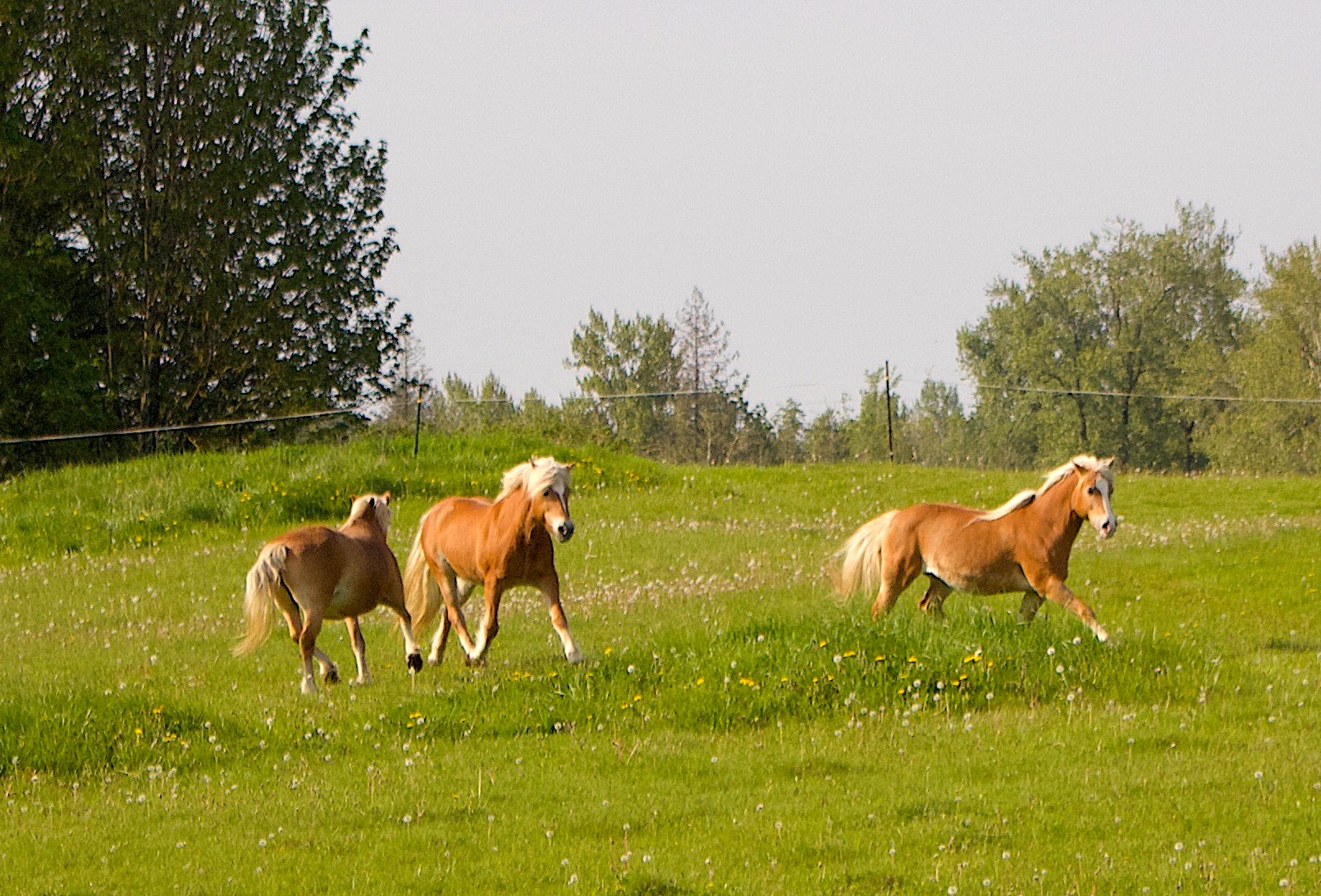
When the pasture gate opens after a long winter, they are let out on grass to a world vast and green and lush beyond their wildest imaginings.
They run leaping and bounding, hair flying in the wind, heels kicked up in a new freedom to re-form together their binding trust of companionship.
They share feasting and grooming with one another, as grace grows like grass stretching to eternity yet bounded safely within fence rows.
When cold rains come, as miserable times will, and this spring day feels far removed, when covered in the mud or frost or drought of life, they still have warm memories of one another.
Even though fences lean and break, as they will, the ponies are reminded where home is, whistled back to the barn if they lose your way, pointing them back to the gate to night’s rest and quiet.
Once there they long again for the gift of pasture freedom: how blessed is this opened gate, these fences, and most of all their dignity of being together as they feast with joy on the richness of spring.
One-Time
Monthly
Yearly
Make a one-time or recurring donation to support daily Barnstorming posts
it rained in my sleep and in the morning the fields were wet I dreamed of artillery of the thunder of horses in the morning the fields were strewn with twigs and leaves as if after a battle or a sudden journey I went to sleep in the summer I dreamed of rain in the morning the fields were wet and it was autumn ~Linda Pastan “September” from Carnival Evening
photo by Harry Rodenberger
The dogs eat hoof slivers and lie under the porch. A strand of human hair hangs strangely from a fruit tree like a cry in the throat. The sky is clay for the child who is past being tired, who wanders in waist-deep grasses. Gnats rise in a vapor, in a long mounting whine around her forehead and ears.
The sun is an indistinct moon. Frail sticks of grass poke her ankles, and a wet froth of spiders touches her legs like wet fingers. The musk and smell of air are as hot as the savory terrible exhales from a tired horse.
At evening a breeze dries and crumbles the sky and the clouds float like undershirts and cotton dresses on a clothesline. Horses rock to their feet and race or graze. Parents open their shutters and call the lonely, happy child home. The child who hates silences talks and talks of cicadas and the manes of horses. ~Carol Frost – lines from “All Summer Long” from Love and Scorn: New and Collected Poems.
I was one of those lonely but happy youngsters who dreamt of horses all summer long, immersed in my own made-up stories of forest rides on hidden trails, of spending hours decorating long manes and tails of golden horses, of performing daring rescues and races, of battles and bravery I didn’t experience in real life. The imaginings took me beyond the mundane into the fanciful where I could be completely lost until I was called to come in for dinner or return to the confines of a school classroom.
Some dreams do come true when you want them badly enough: I’ve now had decades gazing out at fields of grass with those thundering hooves, back-dropped by endless skies of ever-changing clouds. I’ve also found that fairy tales can have broken fences and growing manure piles.
It has been worth it for a kid whose own story bloomed when I became a wife, a mother, a physician and a horse farmer. As this summer yet again has transitioned to autumn, so does my story: it is full of aging horses and tired fields, yet still I find myself dreaming like a kid as I comb out those long flowing manes.
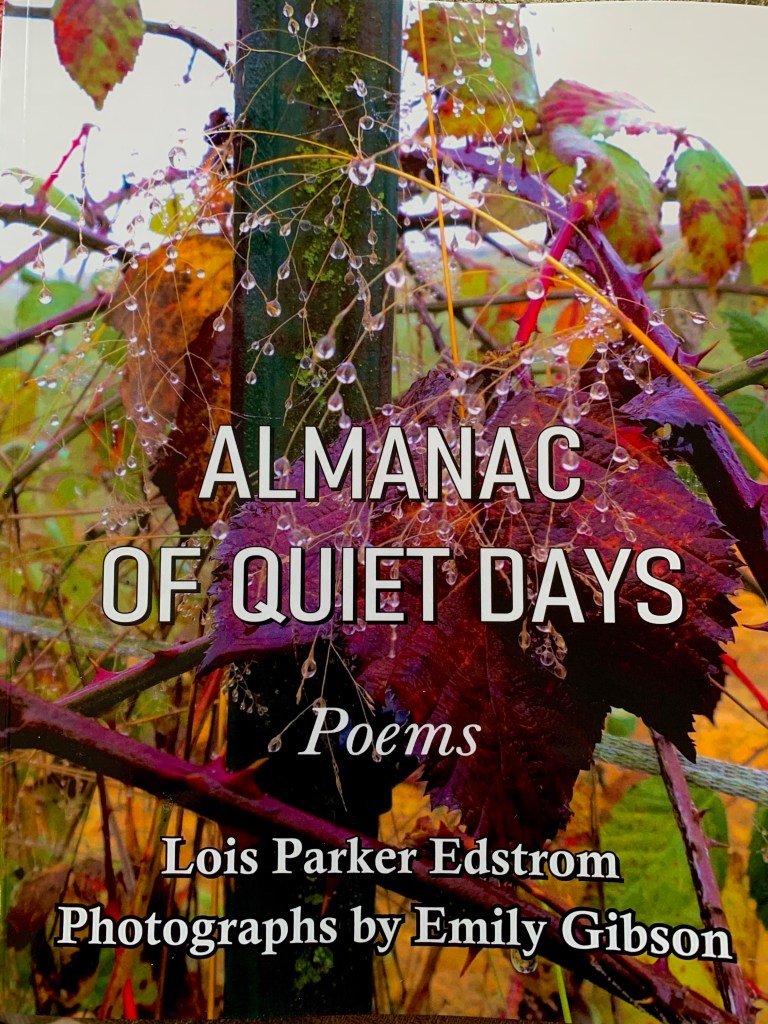
Consider this book of beautiful words and photography, available to order here:
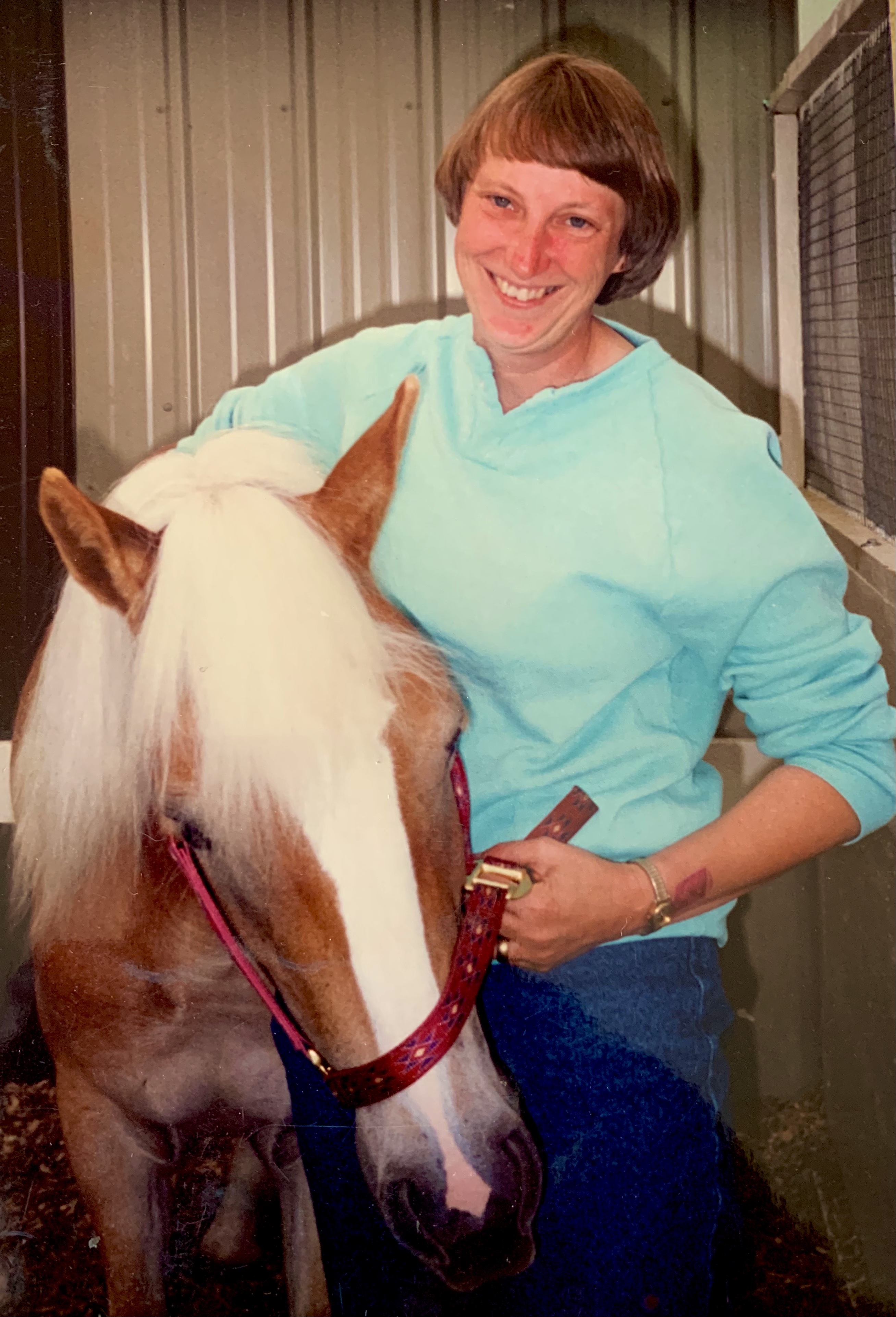
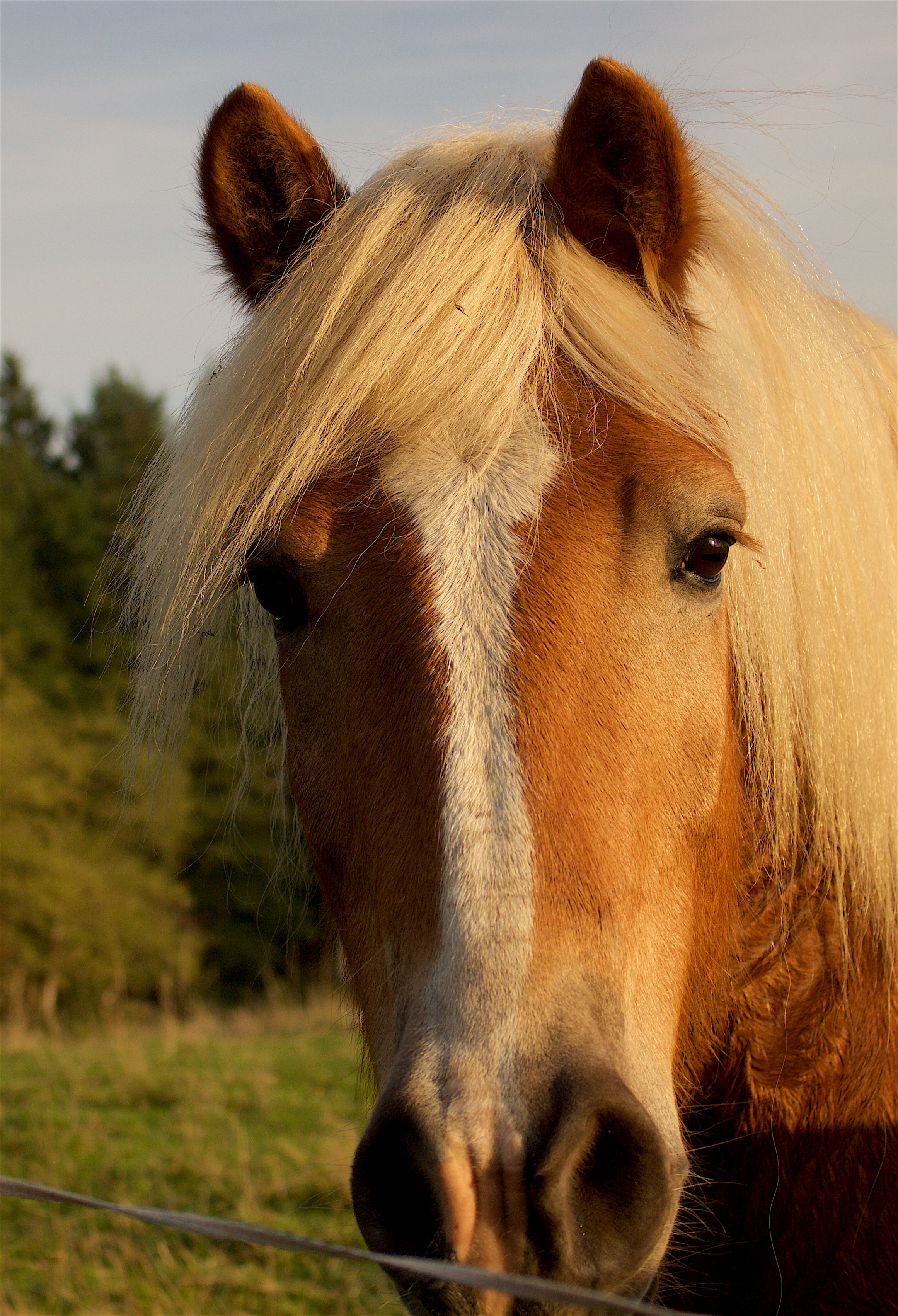
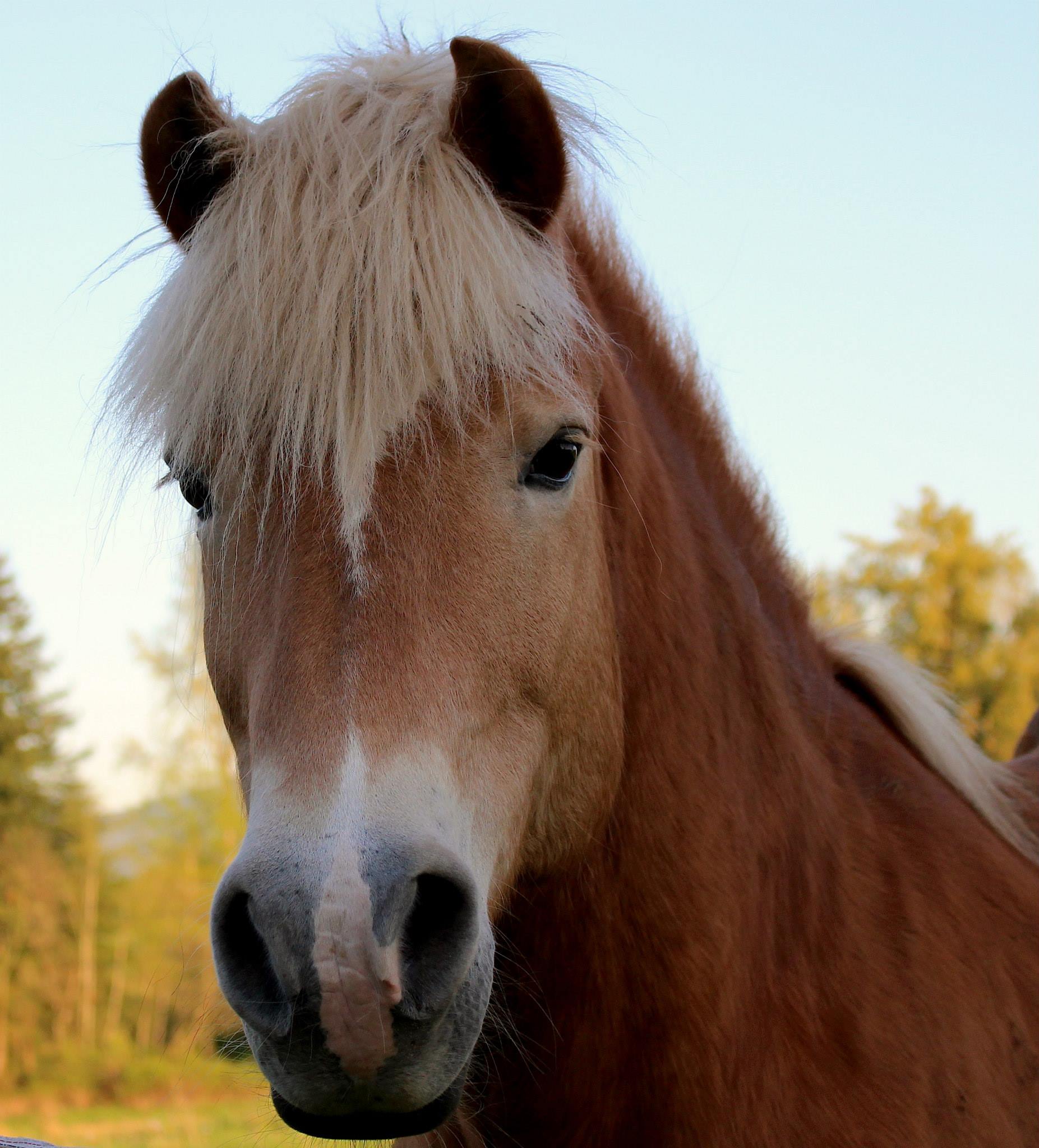
I’m deep into my sixties now and some days I’m reminded how deep more than others. Though I’m well past the hot flashes of my fifties, I now deal with the typical aches and pains of my seventh decade on earth. Every once in awhile, I compare notes with our aging Haflinger mares (now all well into their twenties) on our farm and watch how well they too are coping with their advancing years.
For instance:
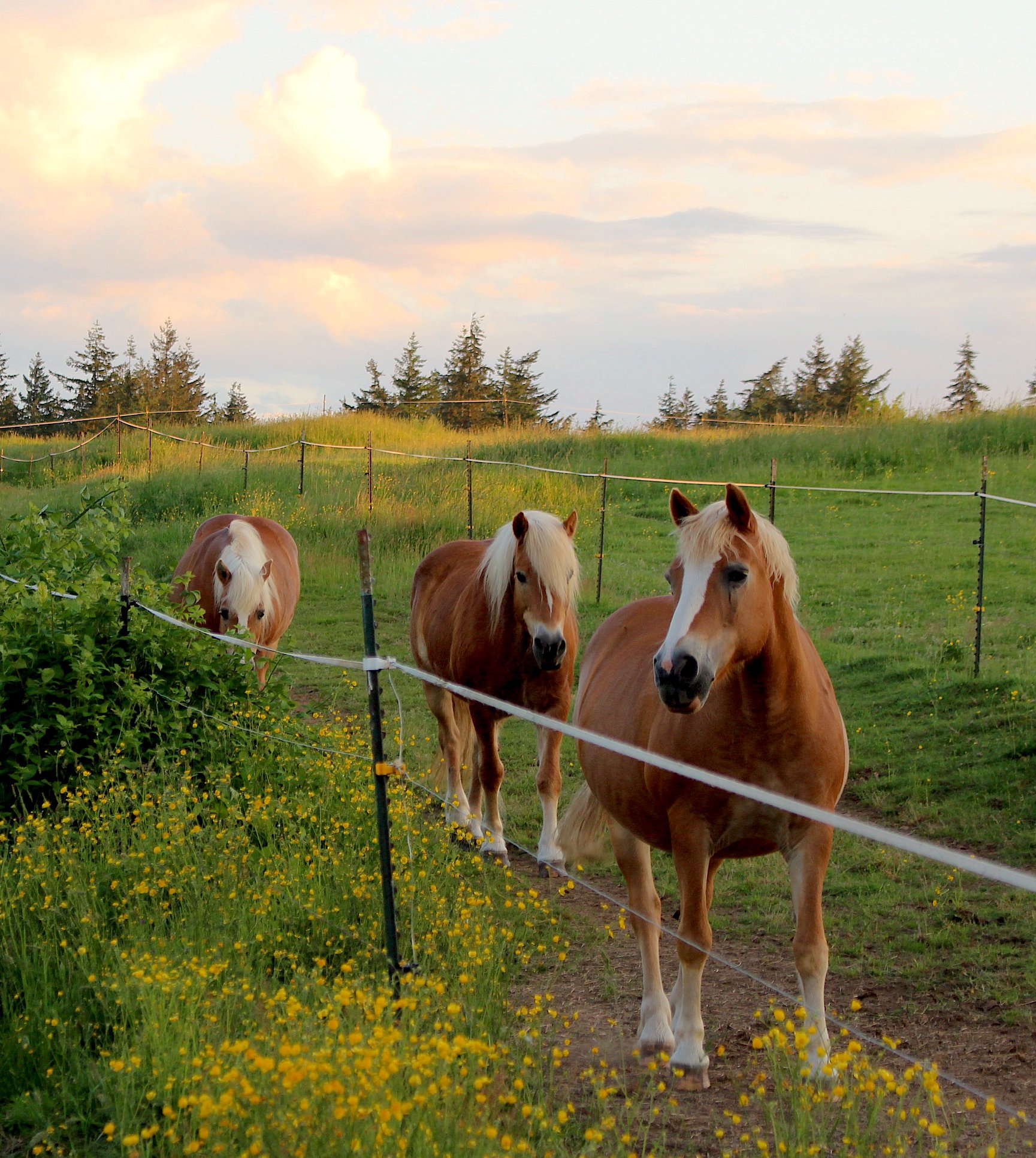
These mares still have a lot of life left. They sometimes run like the wind when turned loose, their manes and tails flying in the wind. They can buck, kick and fart with the best of them. And then limp around for the rest of the day, regretting their momentary indiscretion.
These mares know who they are. There is no identity crisis here. They are mothers who have finished their mothering years, and are well into the grandmothering years. Even so, they still like to flirt – although they aren’t sure they remember why they want to attract attention from a certain fella in the neighboring field.
These mares aren’t thrilled about work anymore. They are a bit out of shape with a tendency toward the fluffy side of fitness, so require a moment to catch their breath once in awhile. Their muscles hurt the next day. They break out in sweat easily. They appreciate a break for a mid-day nap – or two – or three.
These mares are opinionated. There is no question they know their own minds, what they want and how they are going to get it and they keep no one around them guessing. They want to make sure everyone else knows how right they are even if they (so very rarely) are wrong.
These mares are stubborn. Once they’ve decided something, it takes more than soft sweet persuasion, like a whack on the behind, to change course. Once they’ve decided they don’t like another horse, the only way to change that opinion is for the other horse to adopt an attitude of complete servitude and submission, giving way whenever approached and grooming the boss mare whenever asked.
These mares are hungry. Always. See “fluffy” above although chewing isn’t as easy as it used to be. Grazing is now classified as “work.”
These mares don’t sleep all that much, but wish they could sleep more. Even though they might look like they are napping (see “mid-day naps” above), they are actually meditating, with their eyes closed, on the next plan of action.
These mares’ feet and joints hurt at times – sometimes dealing with broken and cracked nails, trouble walking over uneven surfaces, and being impatient and touchy about manicures.
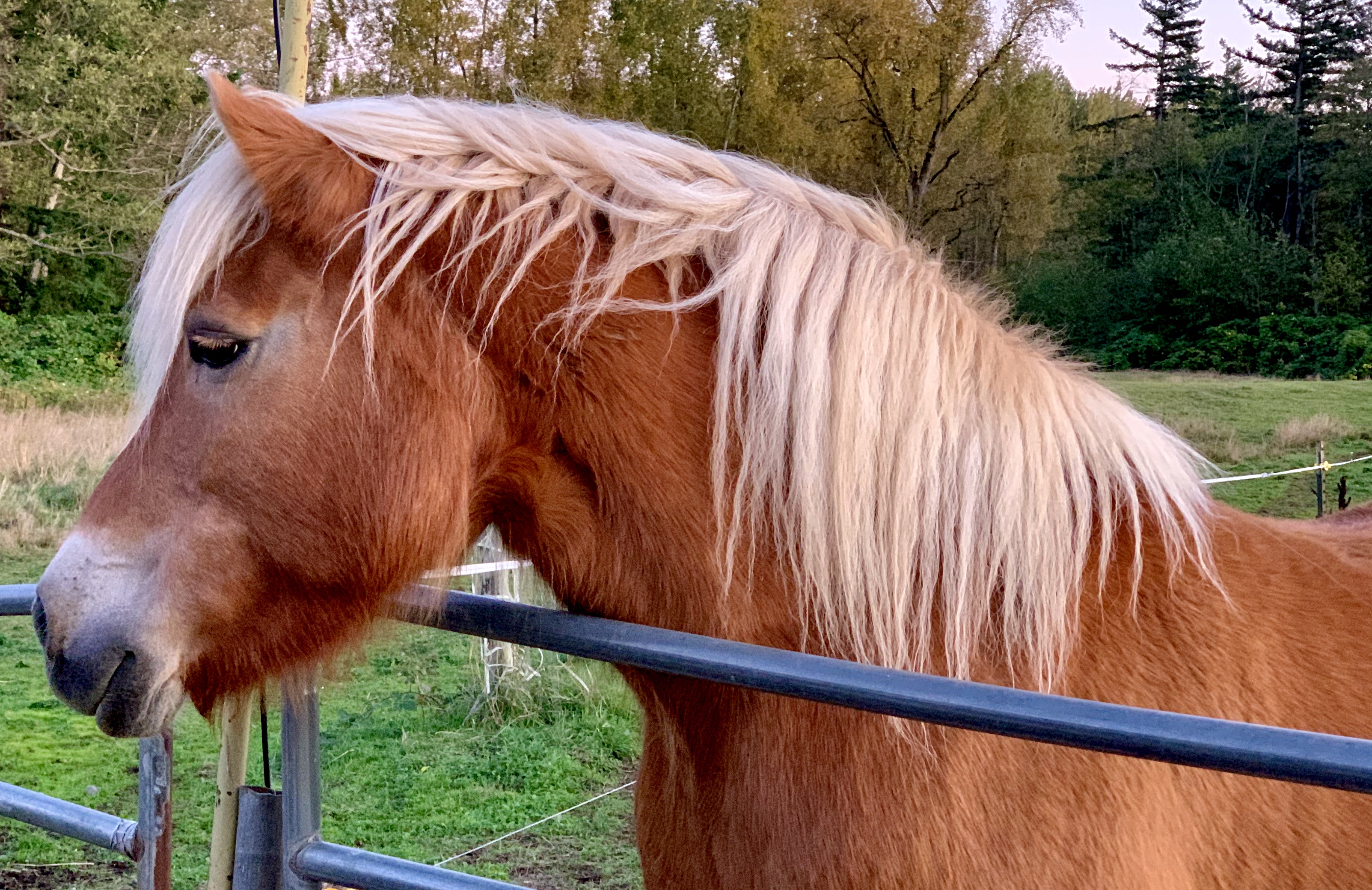
These mares are not as fussy about their appearance as they used to be. Their fur coats are no longer as sleek and smooth – their hair can stick out at weird angles, their beards grow long and their eyes aren’t quite as clear. Their four foot manes have been rubbed down to two foot manes and have a few more tangles in them. Their tails have stains (don’t ask why). They stride through mud puddles without a second thought, whereas when they were younger, there was no way one hoof was going to set foot in such mucky stuff.
These mares don’t keep as tidy a bedroom as they used to. Why bother? Life is too short for making neat piles in pristine surroundings.
These mares know how to be the best of friends. If their best forever friend is not turned out with them in the field, they will stand at the gate, and call nonstop for an hour asking where she is. And when they are reunited, they mutually groom for a long time, until their mouths are so full of hair they can’t stand each other – until tomorrow, that is.
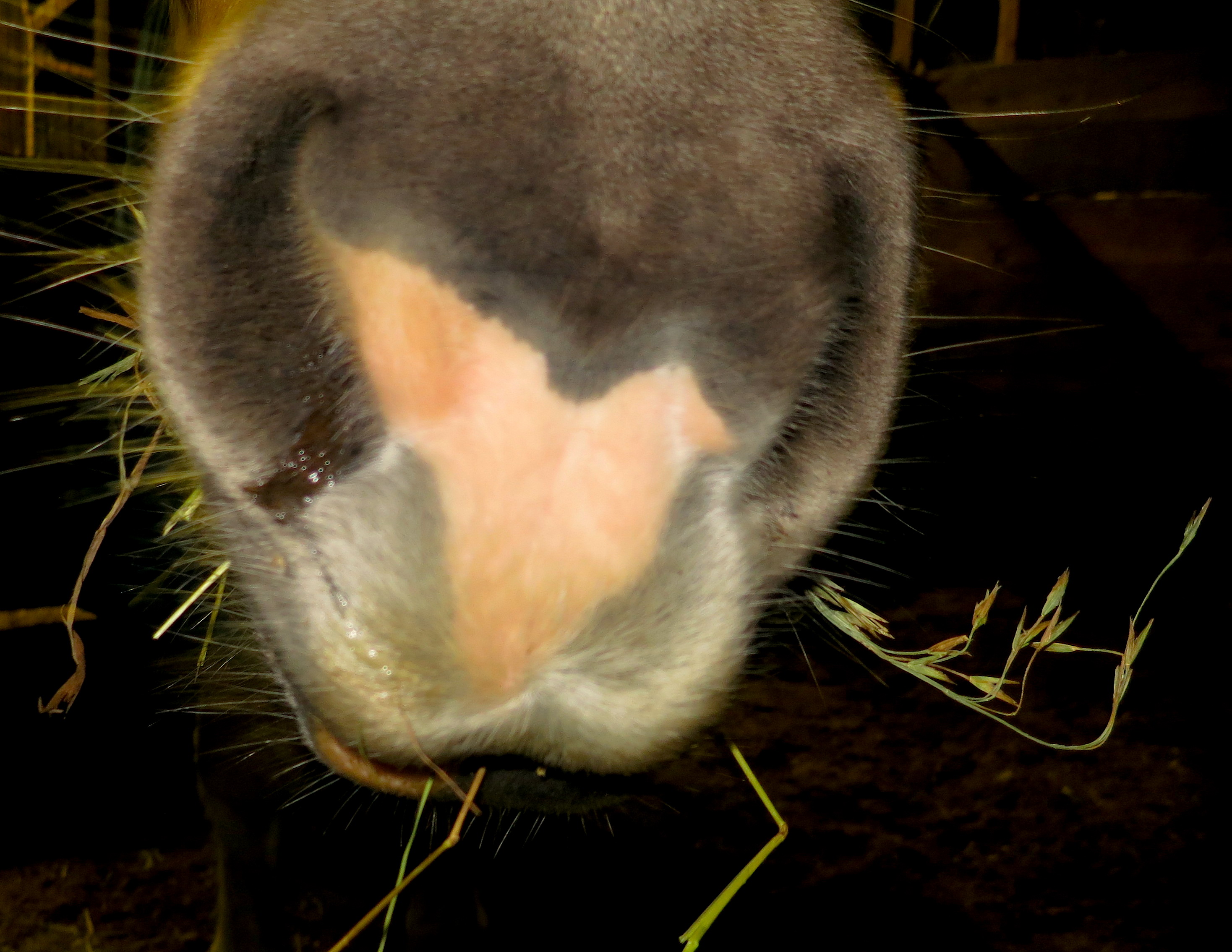
These mares know how to give great kisses and hugs. Especially if you are hiding a carrot on your person, you’ll be mugged.
Yes, we “deep-in-the-middle ages” gals, human and equine, do seem to have a lot in common.
I do appreciate knowing we can always stick together, through thick and …well, thick.
Enjoy this post from Barnstorming? You’ll enjoy this book available to order here:
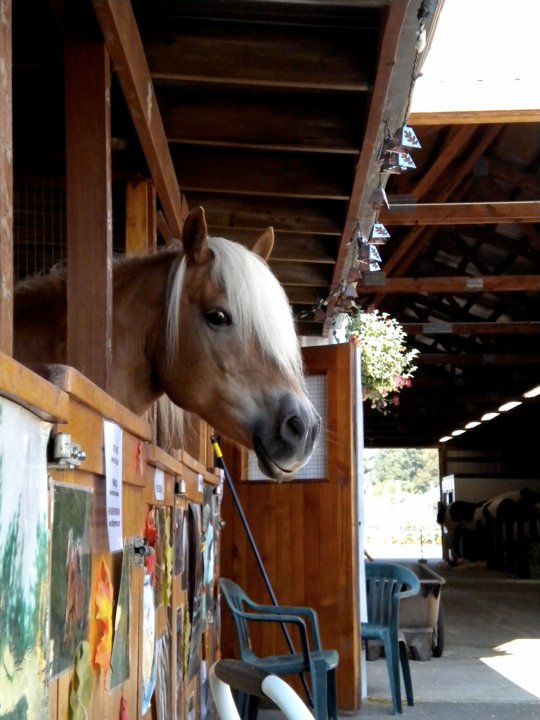
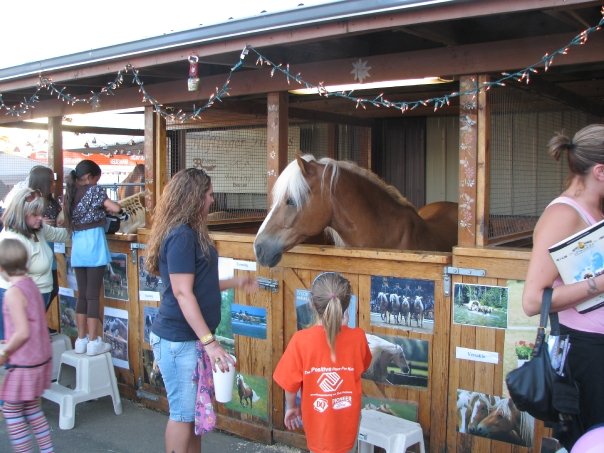
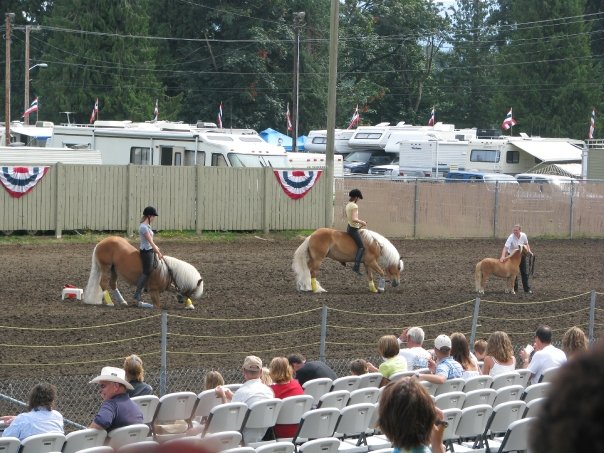
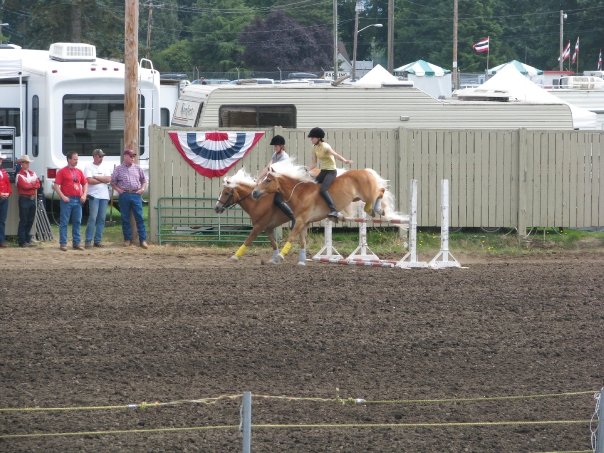
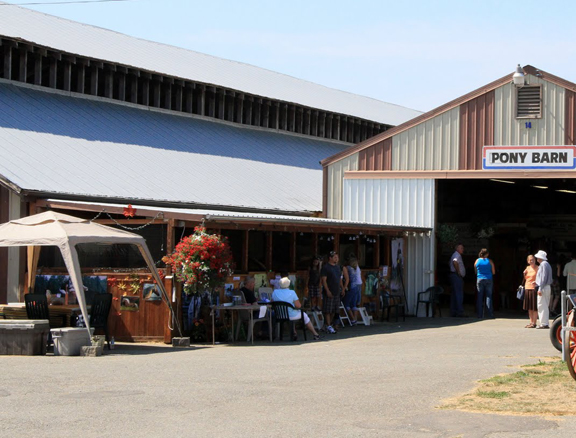
The Northwest Washington Fair in Lynden is underway this week and for the ninth year in a row, our Haflinger horses aren’t there on display. I feel wistful as I wake up too early on a foggy summer morning, remembering the twenty years where I would gather up our sleepy children and their friends and head into the fairgrounds to clean stalls, walk the ponies and prepare for the day. We are no long “doing” the fair as a farm, and I’m still a little bit sad about that.
Our farm, BriarCroft, had been a consistent presence at this fair for nearly two decades, promoting the Haflinger breed in a well-decorated outdoor display, providing 24 hour a day coverage for the horses for the 6 days of the fair. We petitioned the Fair Board for 5 years in the late 1980s to allow us to display at the fair, and they finally said “okay, here’s the space, build it yourself” and we did! We were not there for classes, competition, or ribbons. We were there because people enjoyed our Haflingers and we enjoyed the people.
But now that our children are all grown up and moved away, we lack their help to “man” the horse stalls. I miss spending that intense one week time with all of the several dozen “kid” helpers from over the years, most of them now with children of their own.
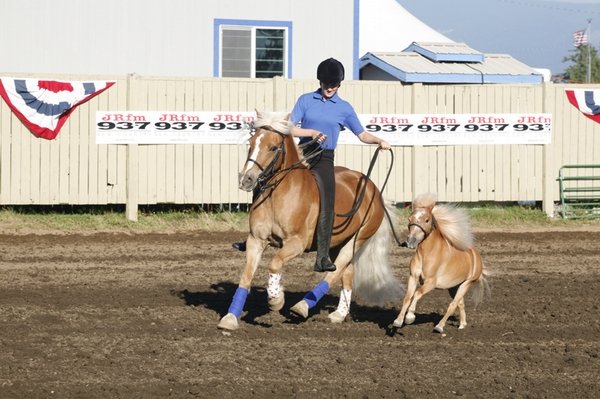
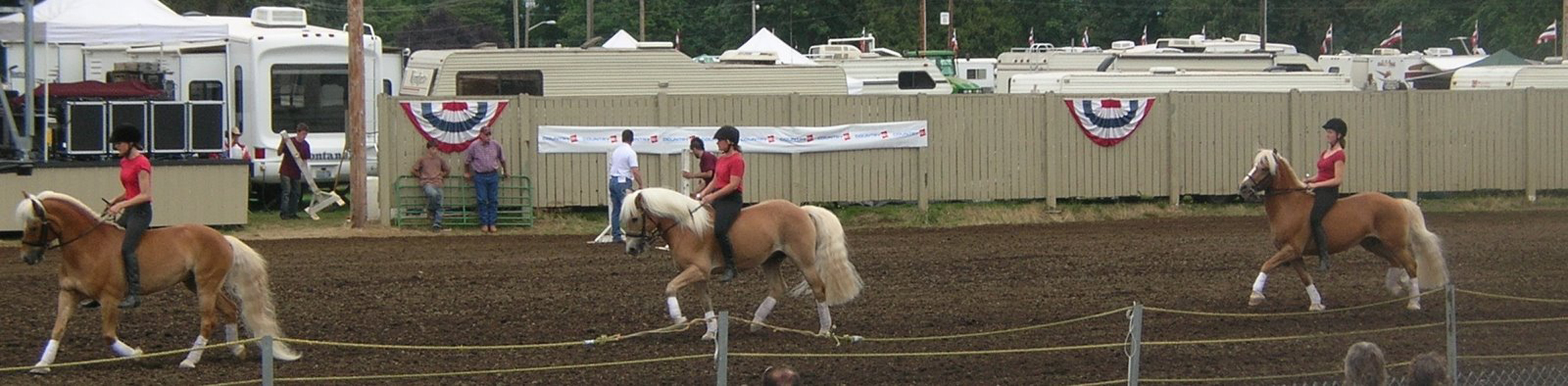
Every year between 1992 and 2012, we were there, sometimes sharing space and duties with other Haflinger farms (Rodenbergers and McKees), along with several brave young women (Kelsy Smith, Chesna Klimek and Emily Vander Haak) who did Haflinger “trick riding” as part of the daily Grandstand show. The older kids watched the younger kids, the in-between kids did most of the horse stall cleaning duty, and we adults sat and shot the breeze.
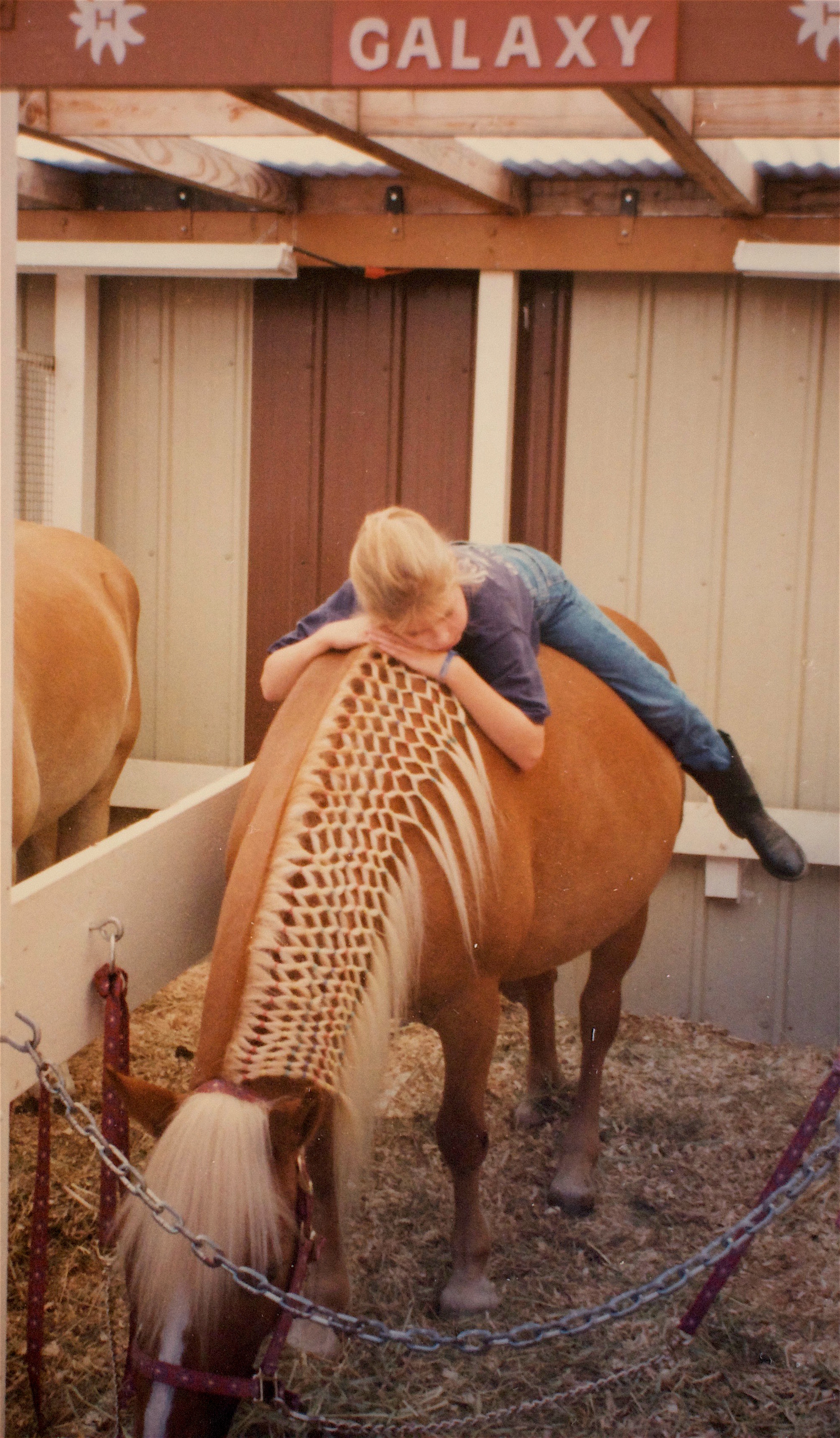
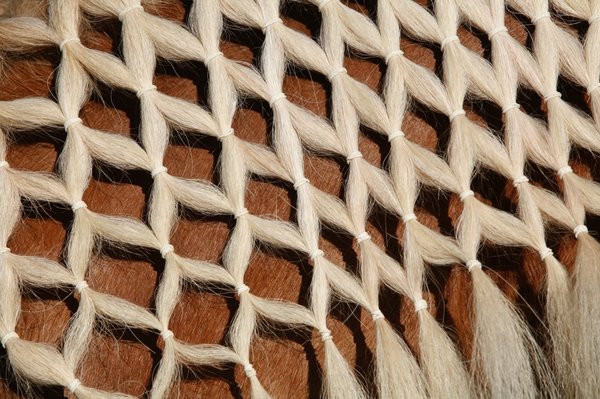
Our display created good will for the fair visitors who depended on us every year to be there with horses that they and their children could actually pet (and sit on) without fear, who enjoyed our braiding demonstrations, and our various Haflinger trivia contests with prizes. Our horses came to represent what dreams are made of.
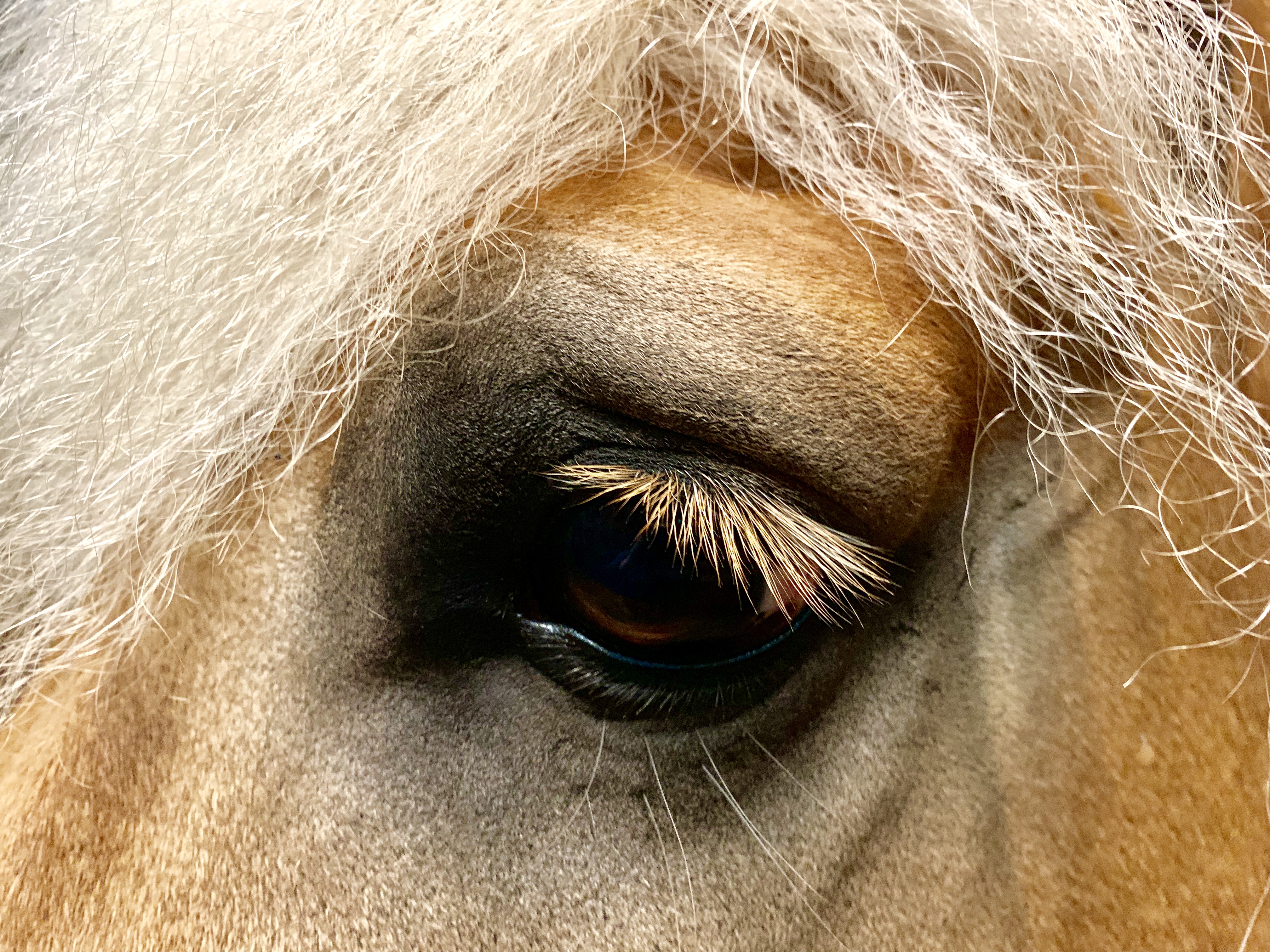
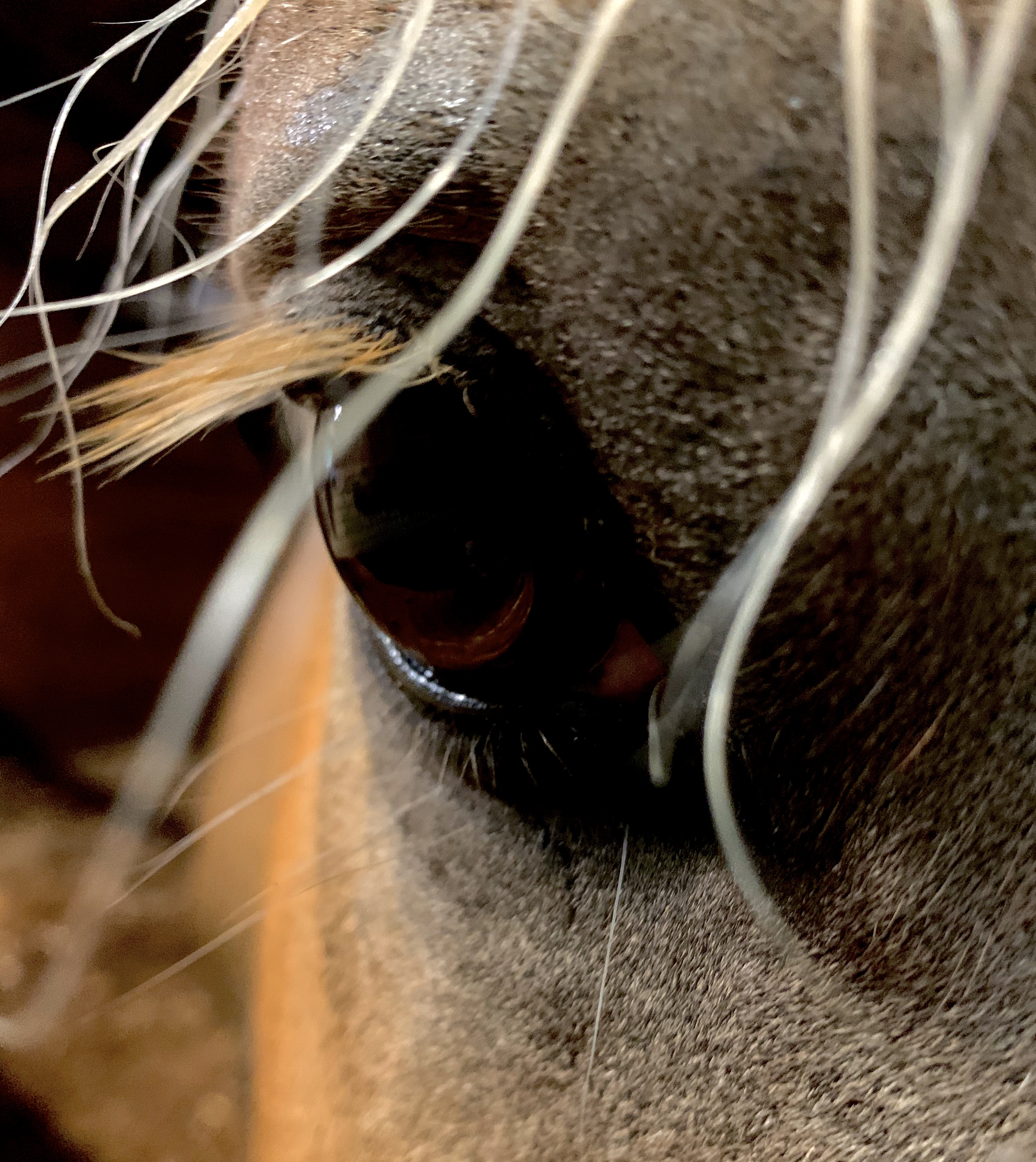
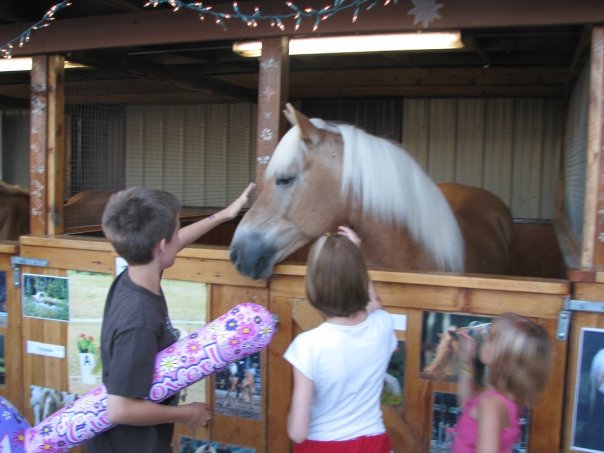
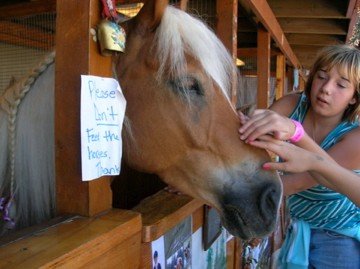
Countless times a day there would be a bright eyed child who approached our stalls, climbed up on the step stools and reached up to pet a Haflinger nose or neck and looked deep into those big brown Haflinger eyes, and lost their heart forever to the breed. They will not forget that moment when a horse they had never met before loved them back. Haflingers are magic with children and we saw that over and over again.
Our first year, in 1992, a mom and her 6 year old son came up to our stalls, as do some 10,000 people a day, and spent a long time petting the horses and talking to them, and enjoying them. They walked off, with the little boy looking over his shoulder at the Haflingers until they turned a corner and went out of sight. An hour later they were back and spent more time with the Haflingers. I offered the little boy a chance to sit on a Haflinger, and he agreed readily, and sat and sat and sat, playing with the mane and petting the shoulder and neck and was simply in heaven, quietly dreaming his own dreams on the back of a horse. His mom told me that they lived in a suburb near Seattle, but always spent this particular week in August at a local beach cabin, and the fair was one of their favorite activities each year. Her son Gary had never had an opportunity to sit on a horse before.
Next year, they were back, and Gary was a little taller, but still a quiet boy, and he kept dragging his mom back to the Haflingers, and she’d sit and visit as he’d sit on the Haflingers. He watched as we watered the horses, or fed them hay, or cleaned their stalls, and pretty soon he was asking if he could do the scooping, or dump the buckets or brush the horses. So he became, out of his own initiative, a helper.
By the time he was 8, he was spending several hours at a time with us at the stalls, taking his turn at the chores, and his mom, trusting that he was in good hands, and that he certainly wasn’t going to wander away from the Haflingers, would check back with him now and then to see if he wanted to go on rides, or see a performance, and his response was always “no, I can do that anytime, but I don’t get to see Haflingers very often!” He would talk a little about his hope someday to have a farm where he could raise Haflingers, and one year even said that his folks were looking at property to buy with acreage, but apparently a job for his dad didn’t materialize, so he remained a city kid in reality, even if he was a future farm kid in his heart.
Gary was one of our regular kid helpers every year until he was 12 when he started turning out for junior high football, and the football summer camp coincided with our fair week, so we’d only see him briefly on Saturdays as he got into his teens. He’d stop by to say hi, pet the horses, catch up on the Haflinger news, and because he only had a few hours to spend at the fair, he’d head off to other things. I really missed him and his happy smile around the stalls.
When he was 15, I missed seeing him because I was working when he stopped by. When he stopped by at age 16, he strolled up to me and I found I was looking up at this young man who I had to study to recognize. I’m a tall woman of 5’10”–he was at least 4 inches taller than me! He told me he wanted to come by because some of his best summer memories were of spending time with the Haflingers at the fair and he wanted me to know that. He thanked me for welcoming him and allowing him to “hang out” with the Haflingers. He told me his hope and dream someday was to live somewhere where he could raise Haflingers, and he was working hard in school so he could make that happen. He was a 4.0 student and the first string quarterback on his high school football team. I was as proud as if he was my own son.
This young man received a full scholarship to play football at a major university, and over four years waited his turn to be the starting quarterback. Once he had his chance, after only a few games of being the starter, he was tackled hard, sustaining a neck fracture which thankfully resulted in no permanent damage, but his college football career was suddenly over.
I have lost track of Gary over the years and I hope he is faring well. I hope his connection with our horses left him with a legacy of love for animals he’ll pass onto his children someday.
So on this misty late summer morning, instead of heading to the fairgrounds to clean stalls, I’m going to turn our dusty, unbathed Haflingers out in the field as usual. They don’t even know all the excitement they are missing.
I do hope the fair-goers still miss the friendly golden horses, with the big brown eyes, who helped make dreams come true.
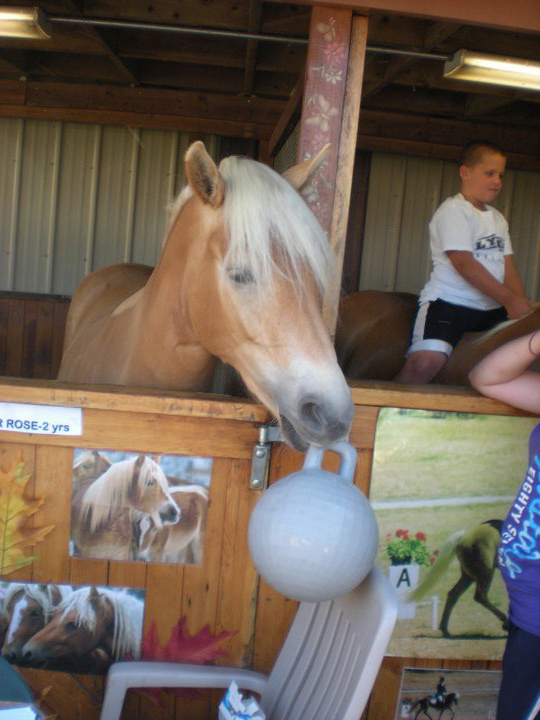
Our Haflinger display at the NW Washington Fair
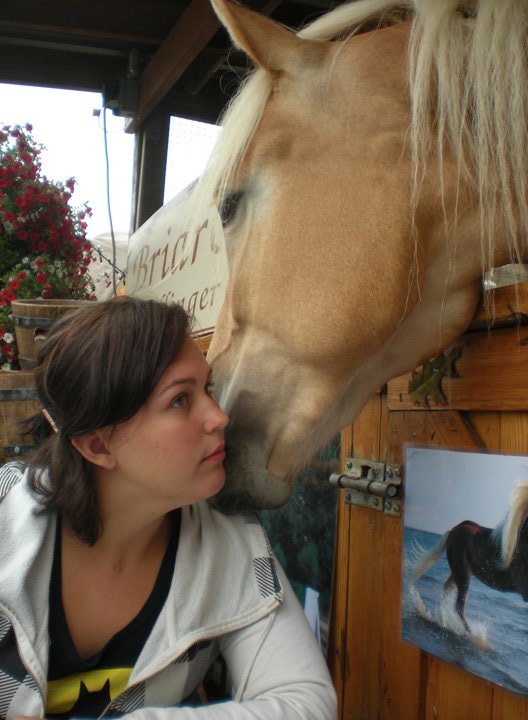
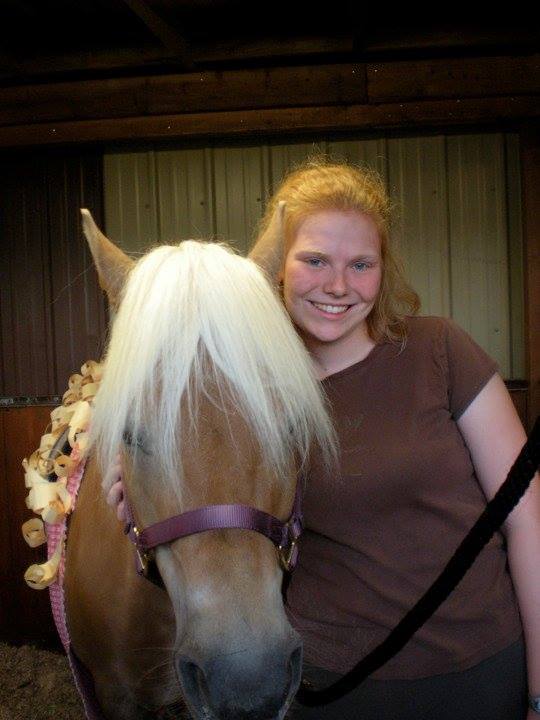
Trillium as a yearling with me at the fair 1993 – she is still part of our herd at age 29
Thank you to Lea Gibson Lozano, Emily Vander Haak, Kelsy Smith, and Chesna Klimek for their photos in this collection.
A photo of our Haflingers and poems are found in this new book from Barnstorming, available to order here:
O! for a horse with wings! ~William Shakespeare from Cymbeline
(thank you to Bette Vander Haak for all her photos here of our Haflingers and their cow bird friends)
Be winged. Be the father of all flying horses. ~C.S. Lewis from The Magician’s Nephew
One reason why birds and horses are happy is because they are not trying to impress other birds and horses. ~Dale Carnegie
When I bestride him, I soar, I am a hawk: he trots the air; the earth sings when he touches it; ~William Shakespeare from Henry V
We all should have a buddy who is along for the ride and blesses us with their company.
There is always a need for a precious friend who has our back – helping to keep the biting flies away by gobbling them.
It is symbiosis at its best: a relationship built on mutual trust and helpfulness. In exchange for relief from annoying insects that a tail can’t flick off, a Haflinger serves up bugs on a smorgasbord landing platform located safely above farm cats and marauding coyotes.
Thanks to their perpetual full meal deals, these birds do leave “deposits” behind that need to be brushed off at the end of the day. Like any good friendship, having to clean up the little messes left behind is a small price to pay for the bliss of companionable comradeship.
We’re buds after all – best forever friends.
And this is exactly what friends are for: one provides the feast and the other provides the wings.
We’re fully fed and we’re fully free – together.
A new Barnstorming book is available for order here:
Ten more miles, it is South Dakota. Somehow, the roads there turn blue, When no one walks down them. One more night of walking, and I could have become A horse, a blue horse, dancing Down a road, alone.
I have got this far. It is almost noon. But never mind time: That is all over. It is still Minnesota. Among a few dead cornstalks, the starving shadow Of a crow leaps to his death. At least, it is green here, Although between my body and the elder trees A savage hornet strains at the wire screen. He can’t get in yet.
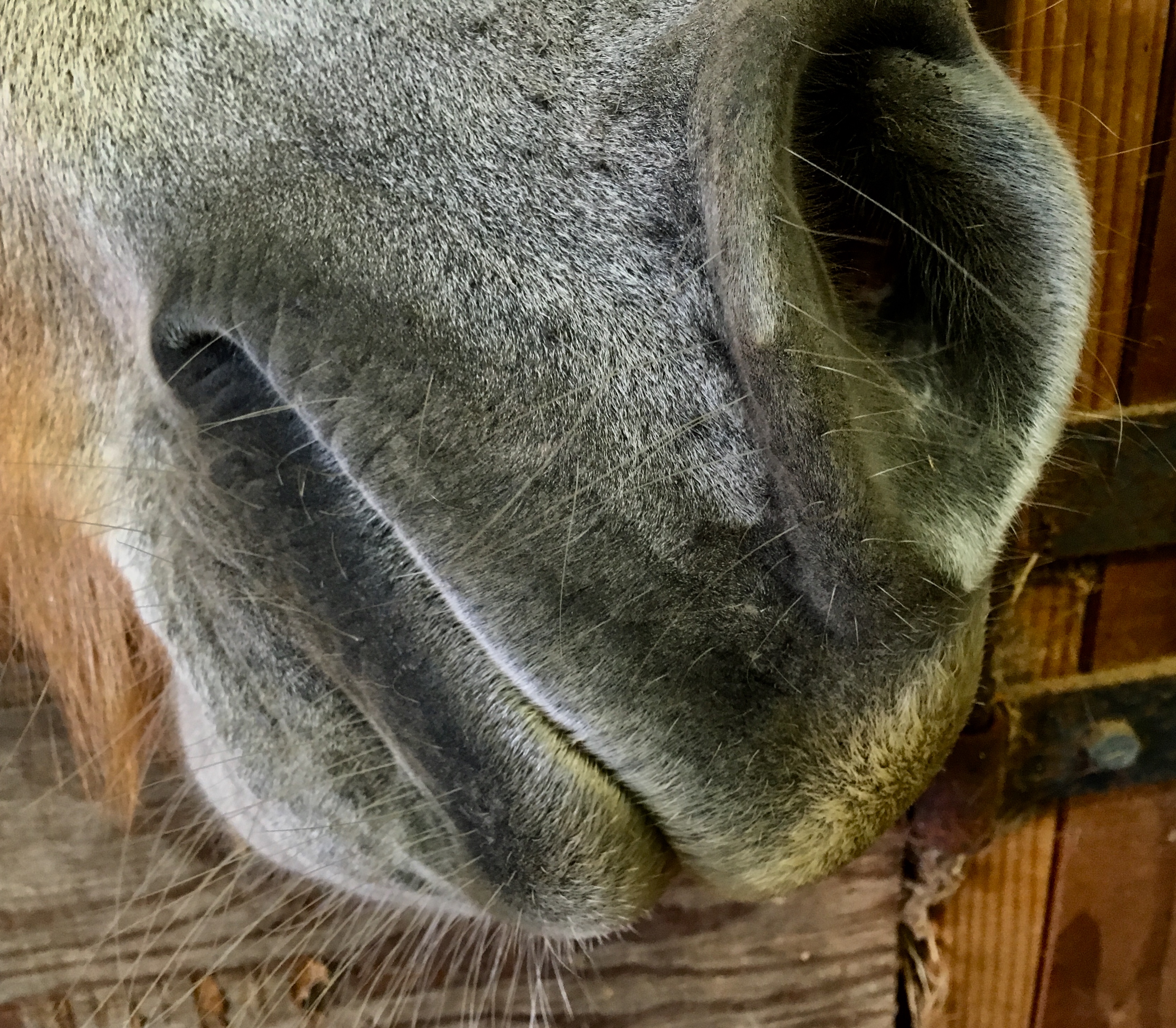
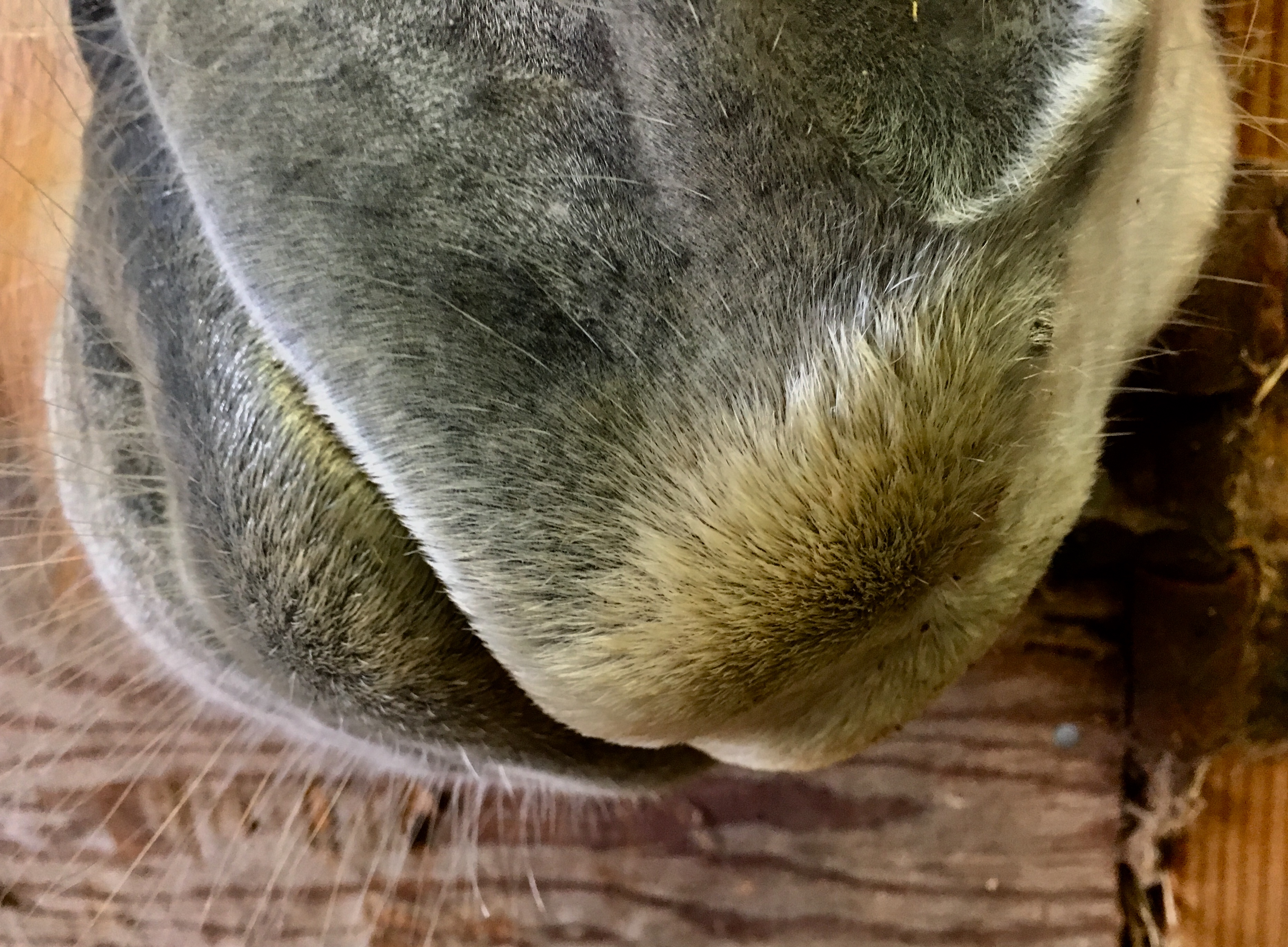
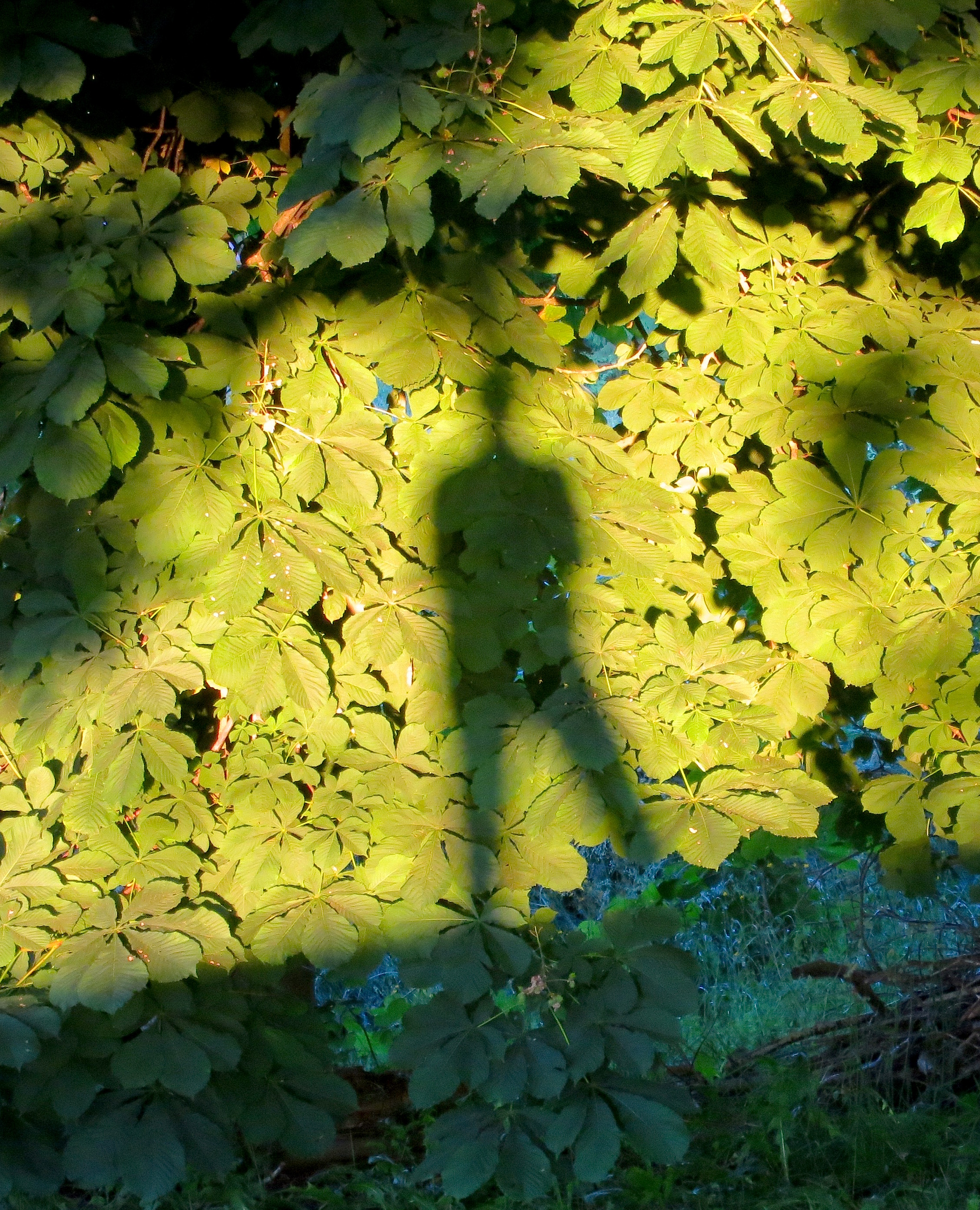
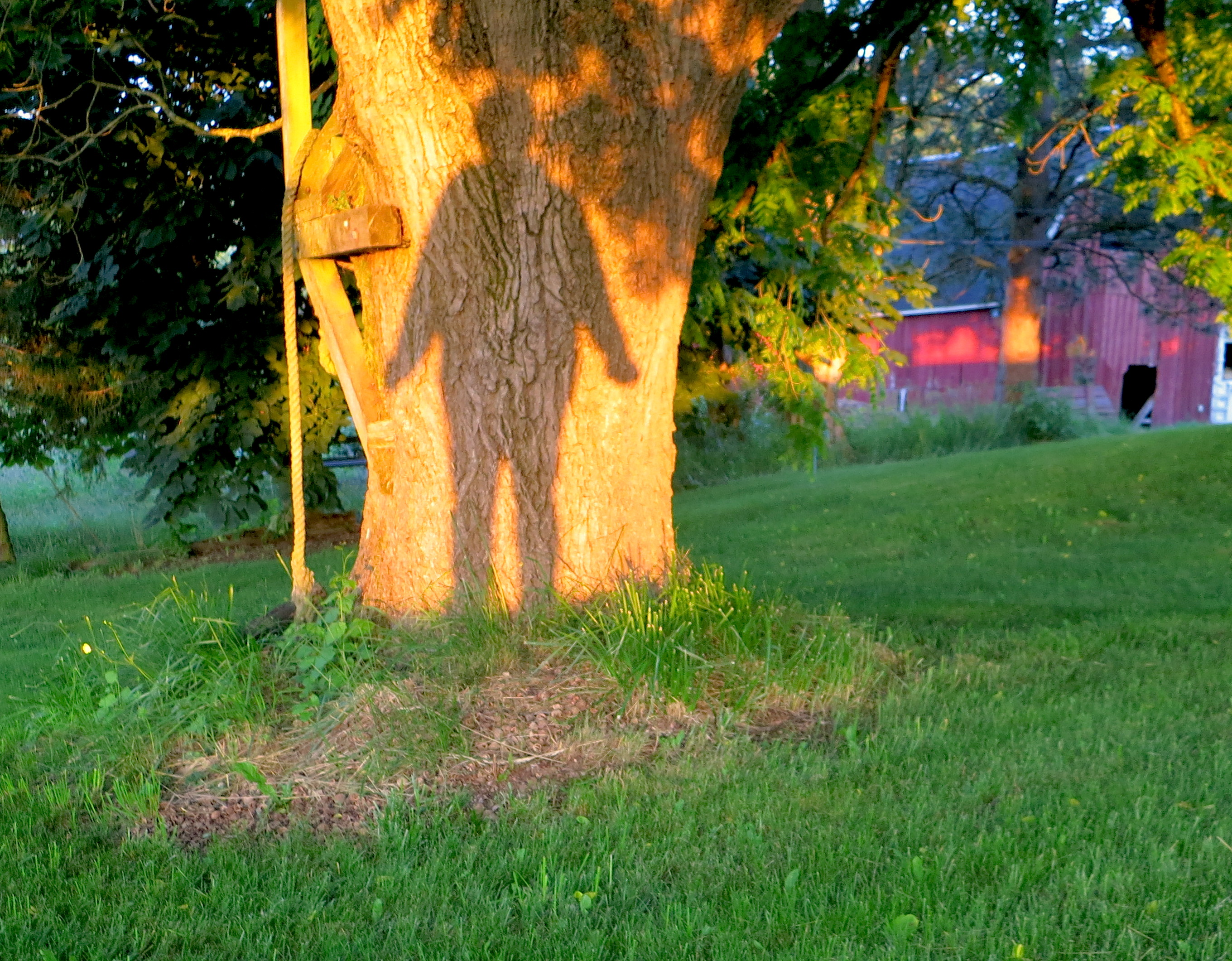
It is so still now, I hear the horse Clear his nostrils. He has crept out of the green places behind me. Patient and affectionate, he reads over my shoulder These words I have written. He has lived a long time, and he loves to pretend No one can see him. Last night I paused at the edge of darkness, And slept with green dew, alone. I have come a long way, to surrender my shadow To the shadow of a horse. ~James Wright “Sitting in a small screenhouse on a summer morning”
I have a sense of someone reading over my shoulder as I write. It keeps me honest to feel that breath on my hair, that green smell reminding me who I am.
I should not try to be anyone else.
When my words don’t say exactly what I hope, I feel forgiveness from the shadow beside me.
It’s all softness. It’s all okay even when it’s not.
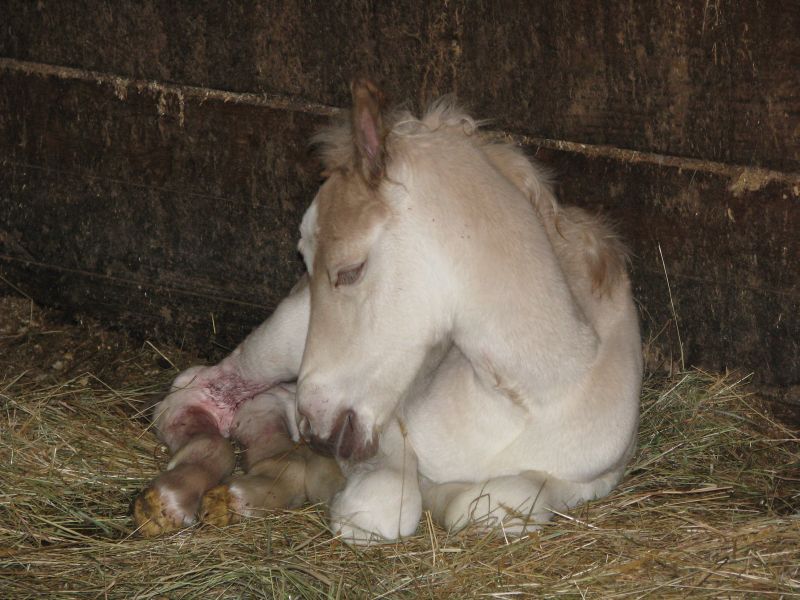
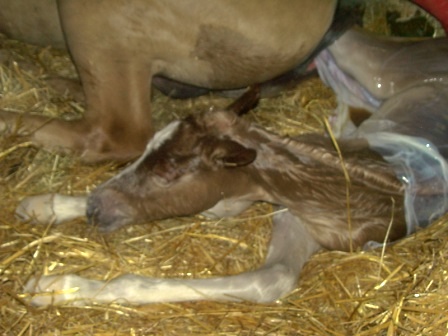
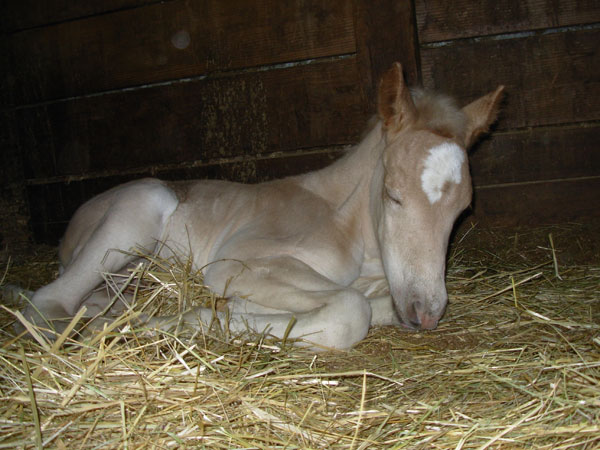
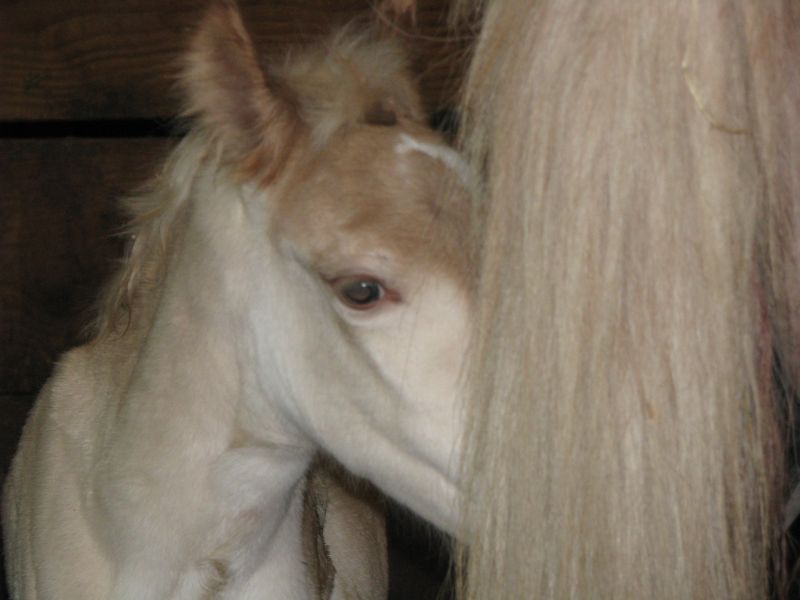
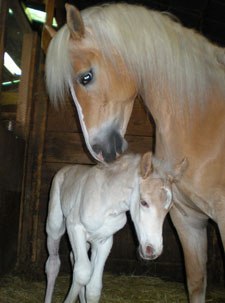
When we reach the field she is still eating the heads of yellow flowers and pollen has turned her whiskers gold. Lady, her stomach bulges out, the ribs have grown wide. We wait, our bare feet dangling in the horse trough, warm water where goldfish brush our smooth ankles. We wait while the liquid breaks down Lady’s dark legs and that slick wet colt like a black tadpole darts out beginning at once to sprout legs. She licks it to its feet, the membrane still there, red, transparent the sun coming up shines through, the sky turns bright with morning and the land with pollen blowing off the corn, land that will always own us, everywhere it is red. ~Linda Hogan, “Celebration: Birth of a Colt” from Red Clay.
First, her fluid flows in subtle stream then gushes in sudden drench. Soaking, saturating, precipitating inevitability. No longer cushioned slick sliding forward following the rich river downstream to freedom.
The smell of birth clings to shoes, clothes, hands as soaked in soupy brine I reach to embrace new life sliding toward me.
I too was caught once; three times emptied into other hands, my babies wet on my chest their slippery skin under my lips so salty sweet
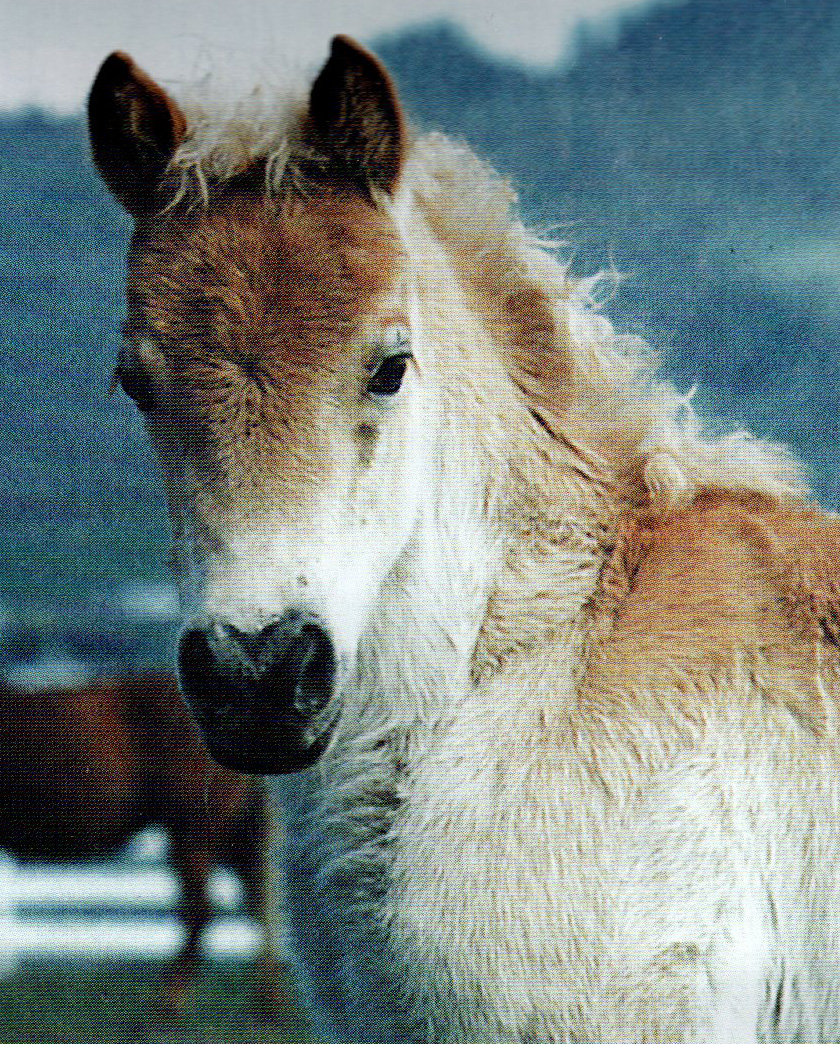
In a moment’s scent the rush of life returns; now only barn or field birthings yet still as sweet and rich. I carry the smell of damp foal fur with me all day to recall from whence I came. I floated once and will float free someday again.
I like farming. I like the work. I like the livestock and the pastures and the woods. It’s not necessarily a good living, but it’s a good life. I now suspect that if we work with machines the world will seem to us to be a machine, but if we work with living creatures the world will appear to us as a living creature. That’s what I’ve spent my life doing, trying to create an authentic grounds for hope. ~Wendell Berry, horse farmer, essayist, poet, professor
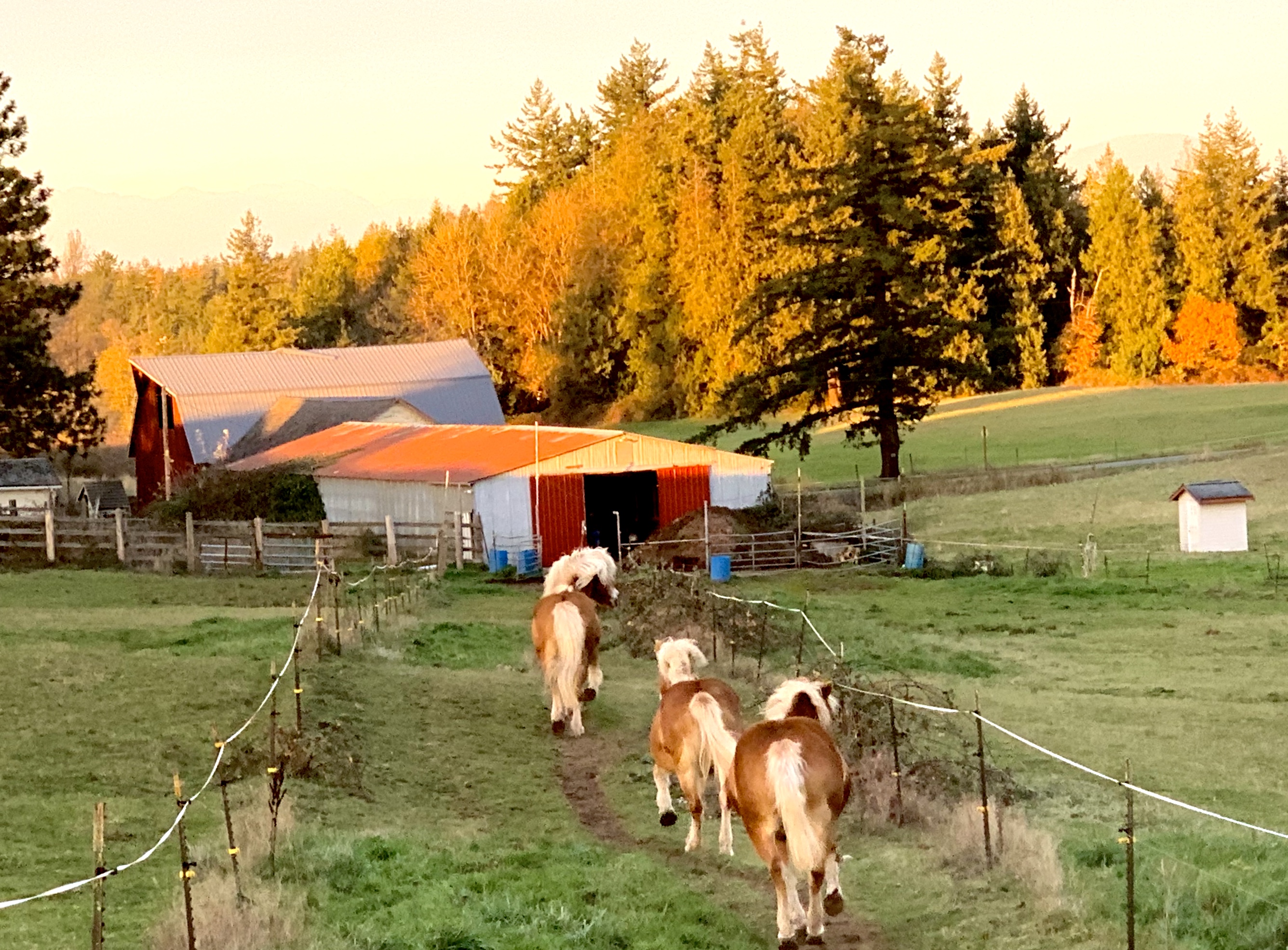
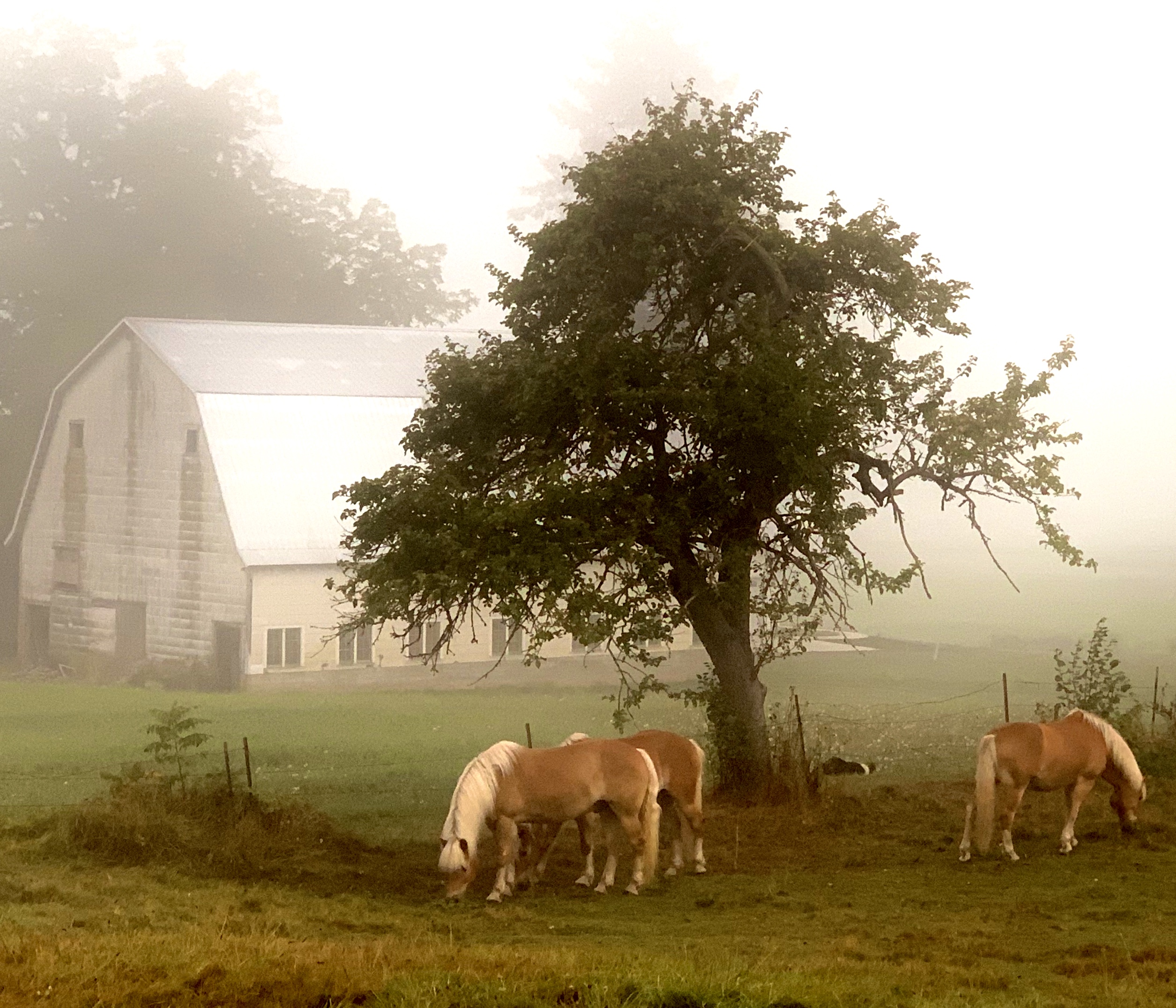
When I pull open the barn doors, every morning and each evening, as my grandparents did one hundred years ago, six rumbling voices rise in greeting. We exchange scents, nuzzle each others’ ears.
I do my chores faithfully as my grandparents once did– draw fresh water into buckets, wheel away the pungent mess underfoot, release an armful of summer from the bale, reach under heavy manes to stroke silken necks.
I don’t depend on our horses’ strength and willingness to don harness to carry me to town or move the logs or till the soil as my grandparents did.
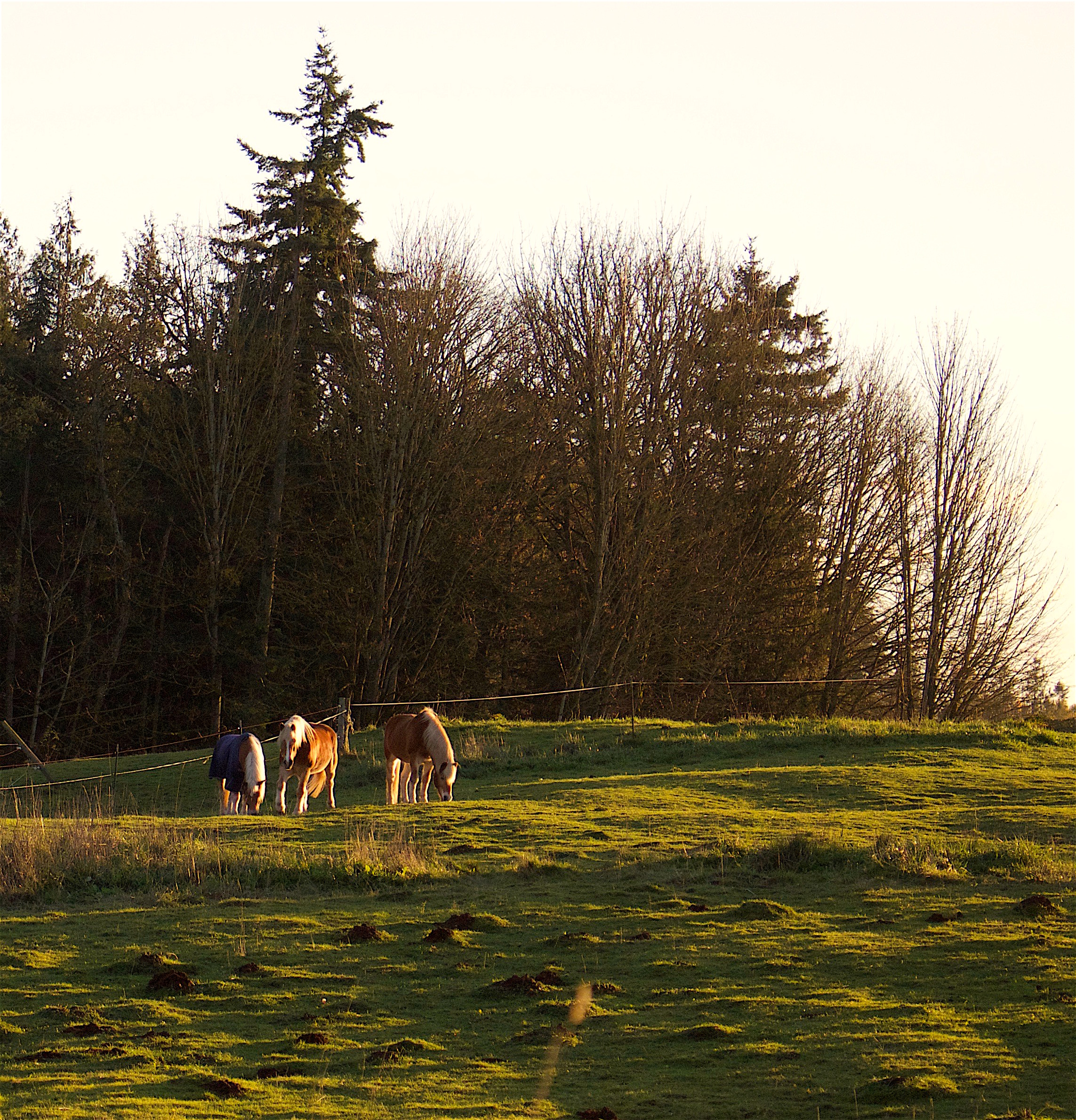
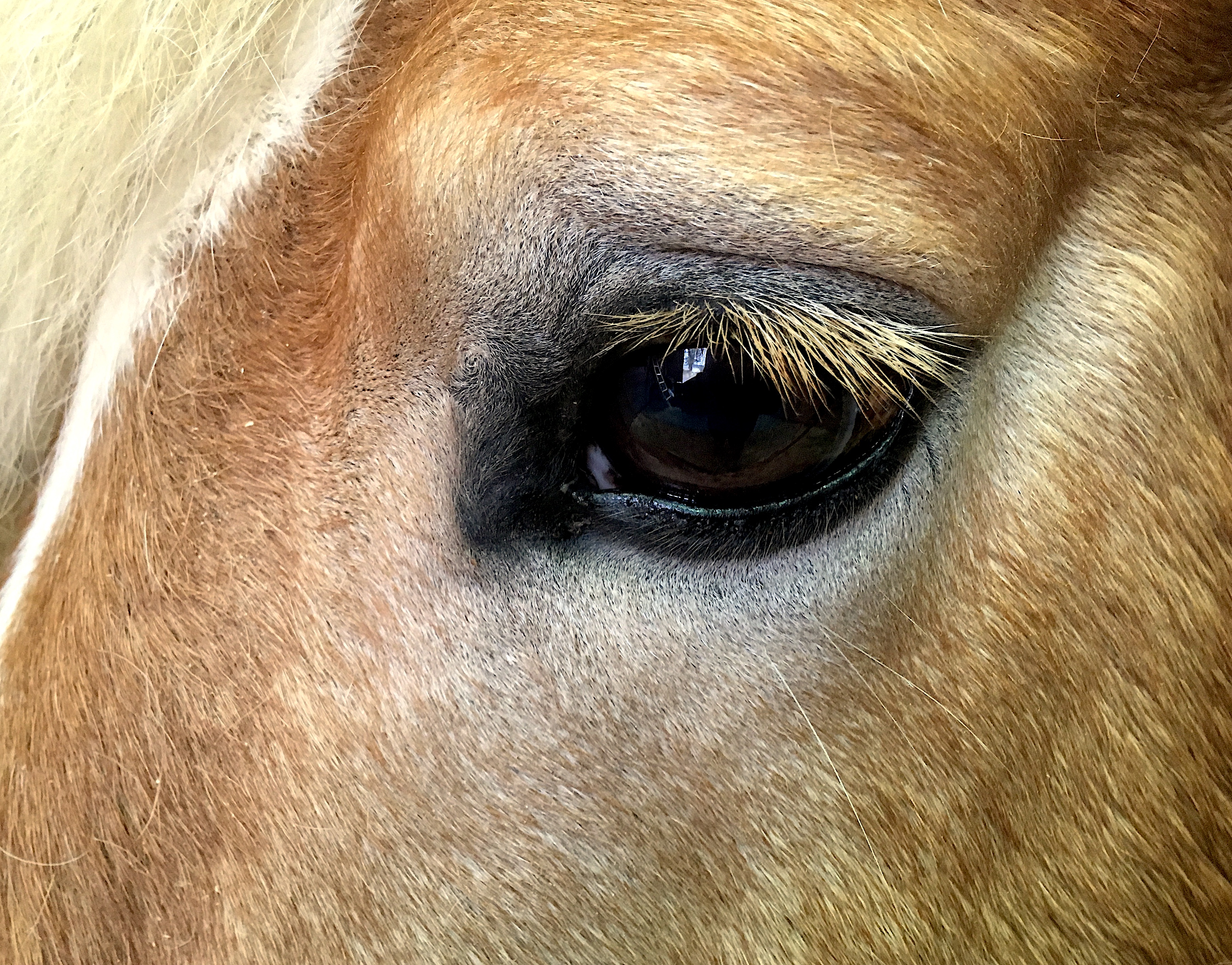
Instead, these soft eyed souls, born on this farm two or three long decades ago, are simply grateful for my constancy morning and night to serve their needs until the day comes they need no more.
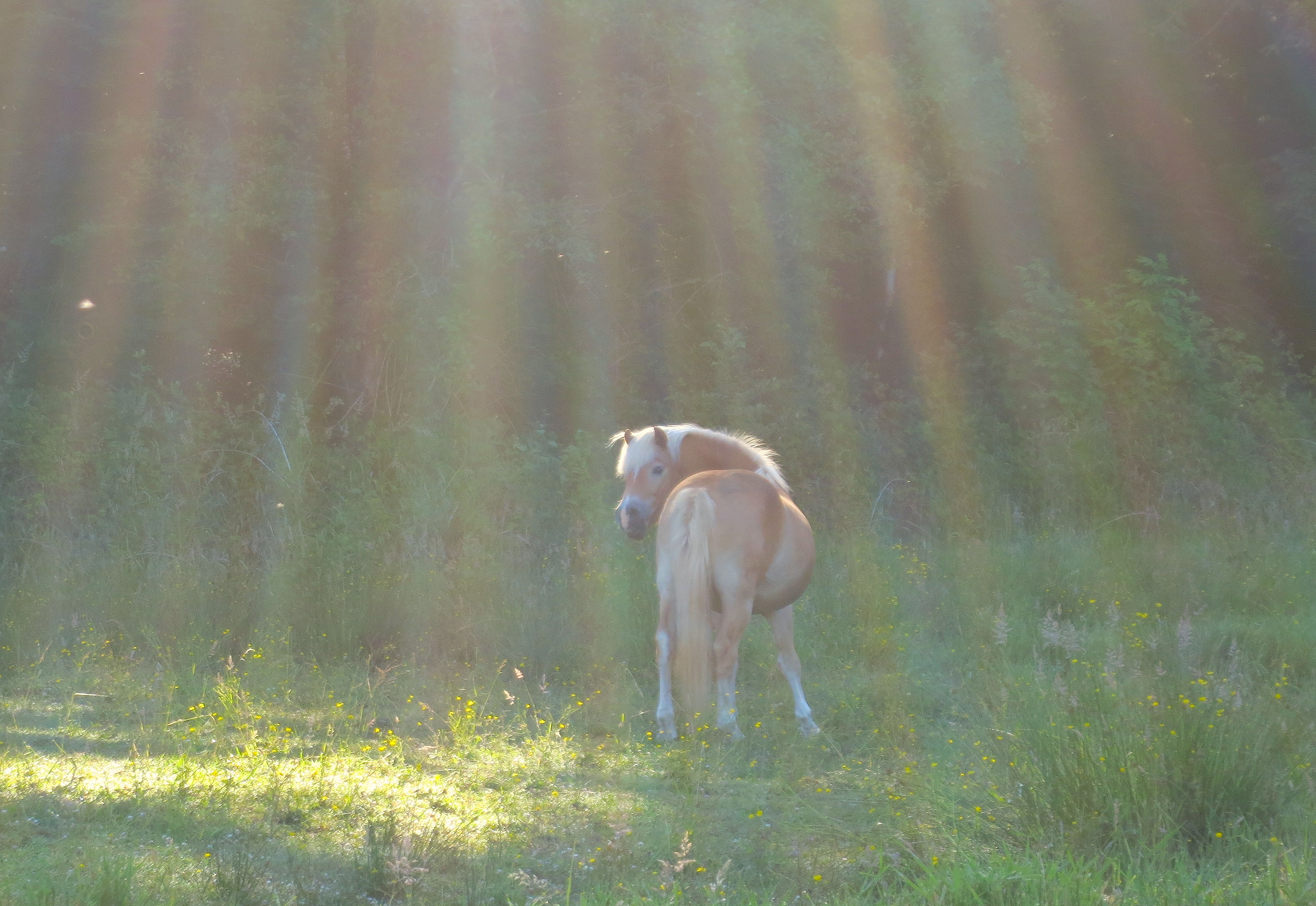
I depend on them to depend on me to be there to open the doors; their low whispering welcome gives voice to the blessings of living on a farm ripe with rhythms and seasons, as if today and tomorrow are just like one hundred years ago.





















 Barnstorming