With wide-embracing love Thy spirit animates eternal years Pervades and broods above, Changes, sustains, dissolves, creates and rears
Though earth and moon were gone And suns and universes ceased to be And Thou wert left alone Every Existence would exist in thee
There is not room for Death Nor atom that his might could render void Since thou art Being and Breath And what thou art may never be destroyed. ~Emily Bronte from “No Coward Soul is Mine”The Complete Poems of Emily Jane Bronte
There is nothing else apart from God, There is nothing apart from His Breath and Being.
Not even death sets us apart in the already, but not yet.
Why then do we struggle to know Him and to be known?
Our DNA pulses His image~ our very atoms designed to celebrate and worship Him.
So let us listen for a change, to our atoms blossoming richly with the Breath of His Spirit.
It’s time already.
Again Jesus said, “Peace be with you! As the Father has sent me, I am sending you.” And with that he breathed on them and said, “Receive the Holy Spirit…” John 20: 21-22
This Lenten season I reflect on the words of the 19th century southern spiritual hymn “What Wondrous Love is This”
One-Time
Monthly
Yearly
Make a one-time or recurring donation to support daily Barnstorming posts
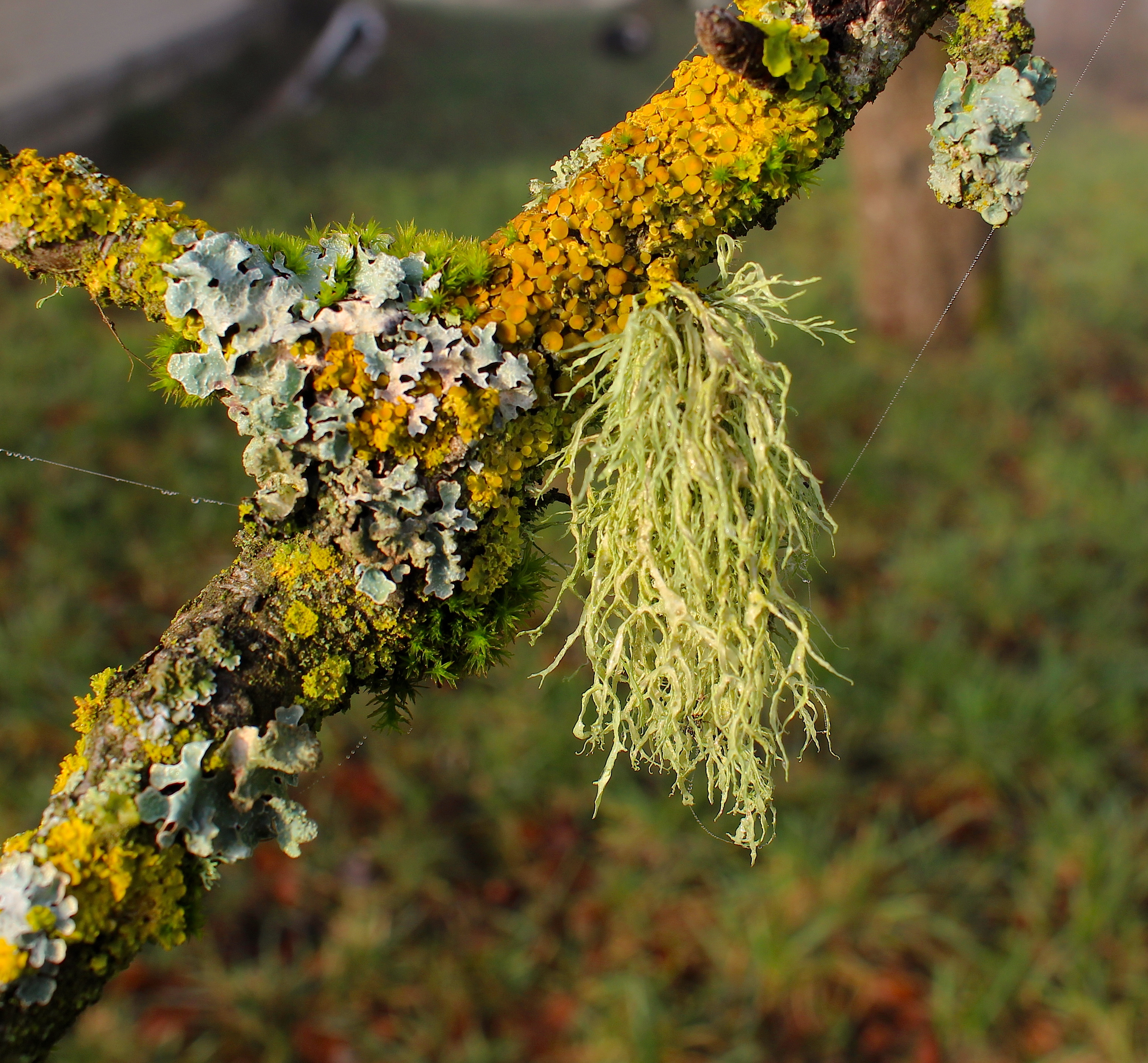
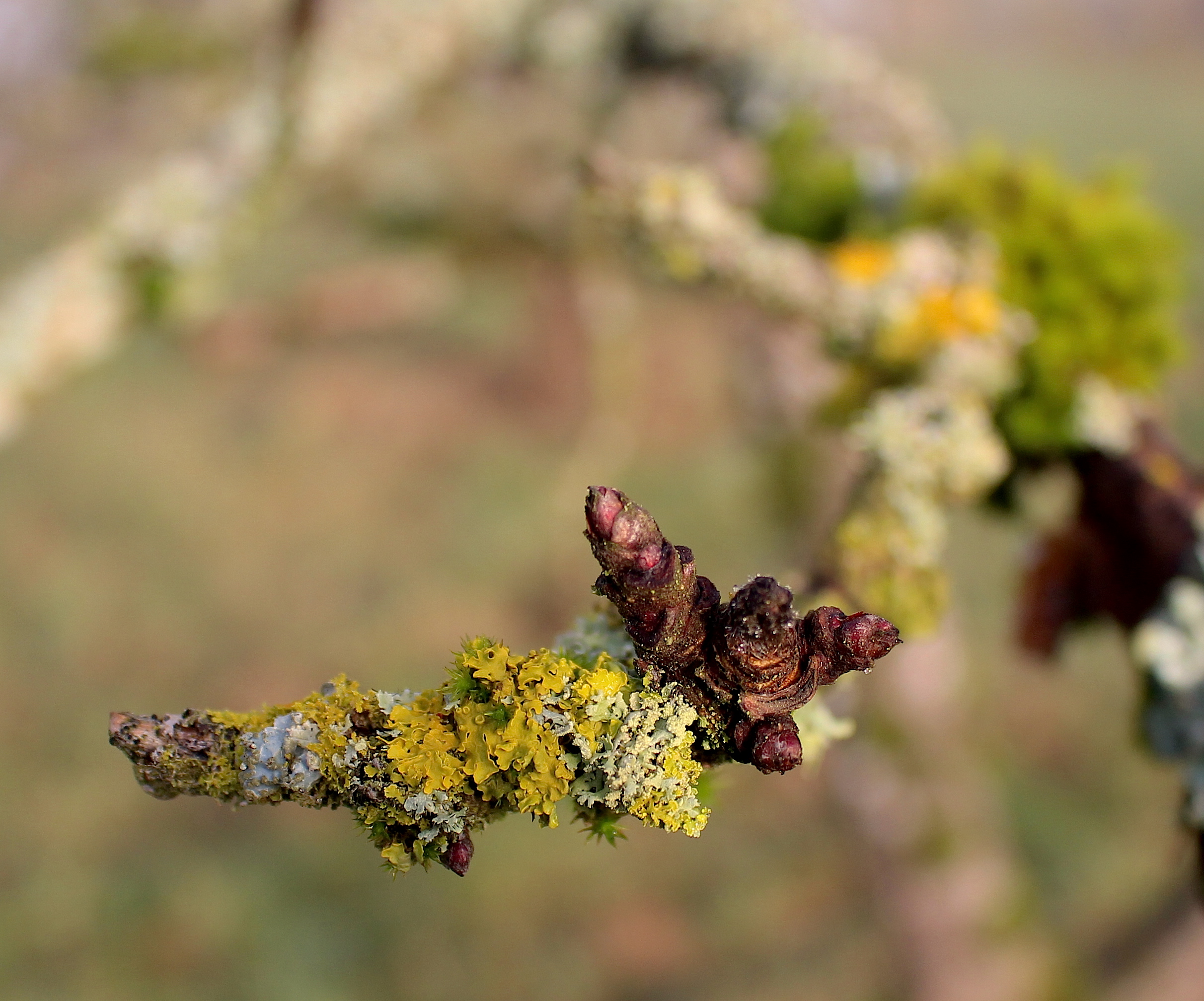
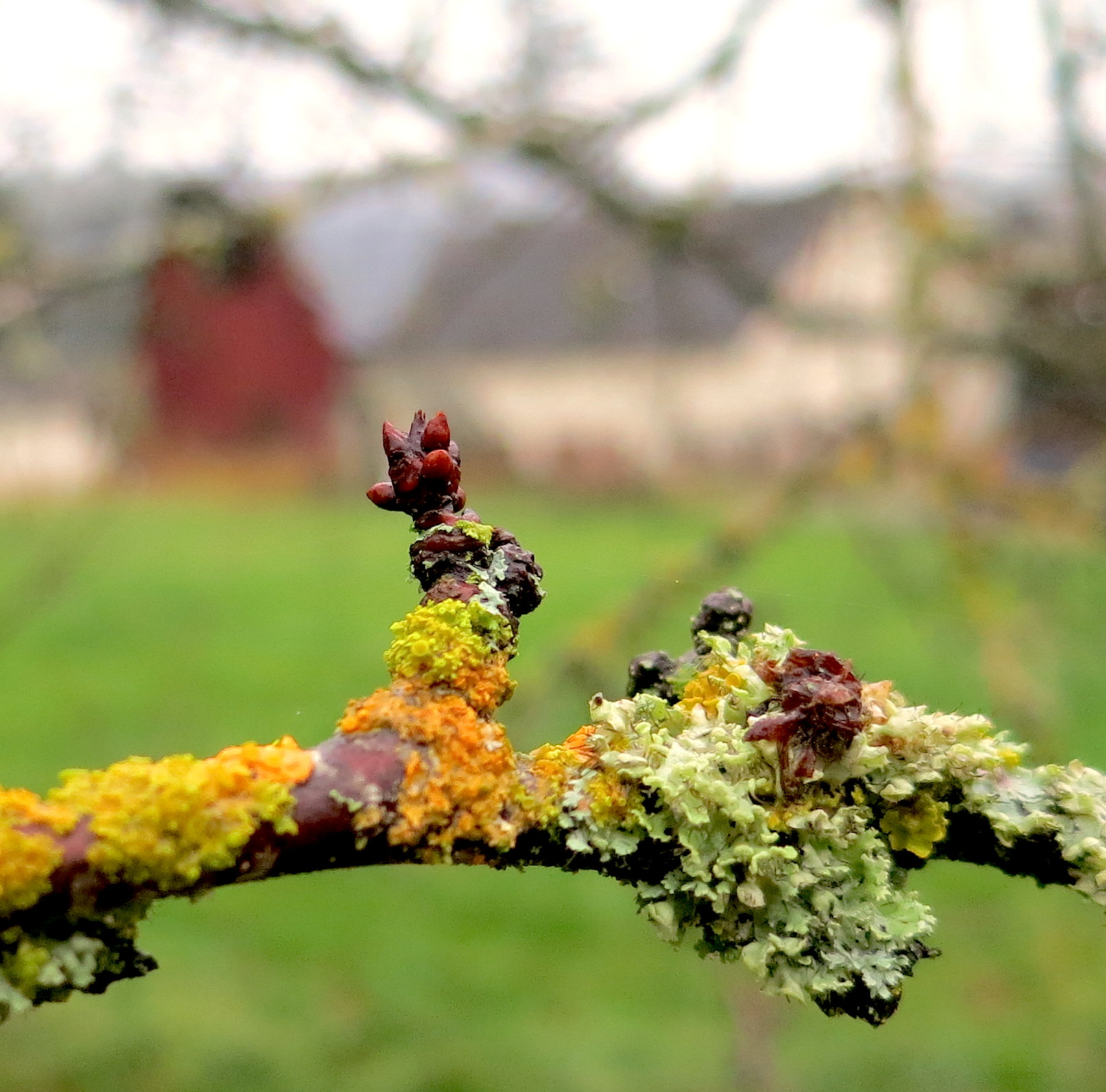
The juncture of twig and branch, scarred with lichen, is a gate we might enter, singing. ~Jane Kenyon from “Things” from Collected Poems
Who’s this –alone with stone and sea? It’s just the lowly Lichen We: the alga I, the fungus me; together, blooming quietly. What do we share–we two together? A brave indifference to the weather. A slow but steady growing pace. Resemblance to both mud and lace. As we now, so we shall be (if air clear and water free): the proud but lowly Lichen We, cemented for eternity. ~Joyce Sidman “The Lichen We” from Ubiquitous
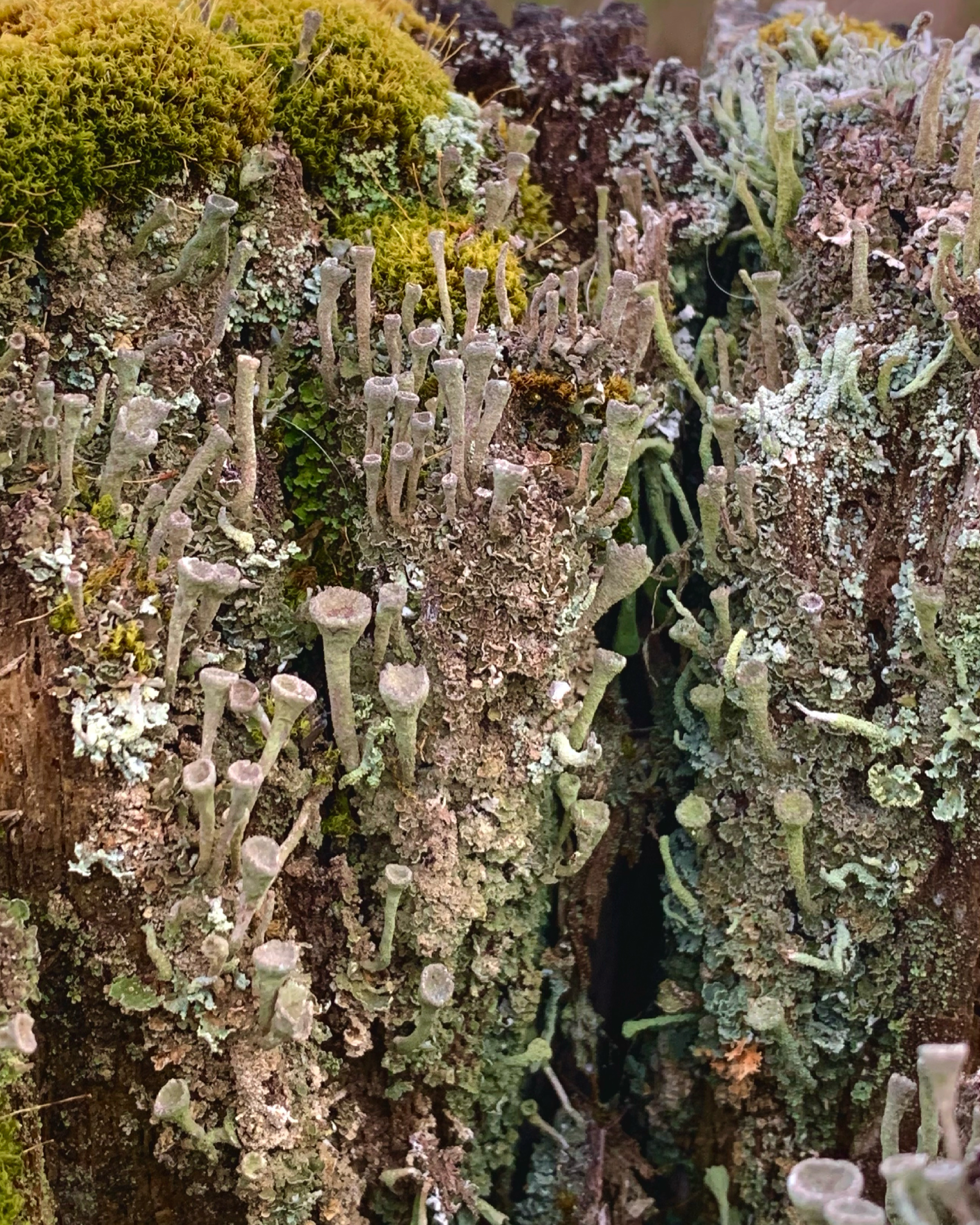
All these years I overlooked them in the racket of the rest, this symbiotic splash of plant and fungus feeding on rock, on sun, a little moisture, air — tiny acid-factories dissolving salt from living rocks and eating them.
Here they are, blooming! Trail rock, talus and scree, all dusted with it: rust, ivory, brilliant yellow-green, and cliffs like murals!
Huge panels streaked and patched, quietly with shooting-stars and lupine at the base. Closer, with the glass, a city of cups!
Clumps of mushrooms and where do the plants begin? Why are they doing this? In this big sky and all around me peaks & the melting glaciers, why am I made to kneel and peer at Tiny? ~Lew Welch, “Springtime in the Rockies,Lichen” from Ring of Bone: Collected Poems
Back then, what did I know?
Uptown and downtown. Not north, not south, not you.
When I saw you, later, seaweed reefed in the air, you were grey-green, incomprehensible, old. What you clung to, hung from: old. Trees looking half-dead, stones.
Marriage of fungi and algae, chemists of air, changers of nitrogen-unusable into nitrogen-usable.
Like those nameless ones who kept painting, shaping, engraving, unseen, unread, unremembered. Not caring if they were no good, if they were past it.
Rock wools, water fans, earth scale, mouse ears, dust, ash-of-the-woods. Transformers unvalued, uncounted. Cell by cell, word by word, making a world they could live in. ~Jane Hirshfield from “For the Lichens” from Come, Thief
But what is life to a lichen? Yet its impulse to exist, to be, is every bit as strong as ours — arguably even stronger. If I were told that I had to spend decades being a furry growth on a rock in the woods, I believe I would lose the will to go on. Lichens don’t. Like virtually all living things, they will suffer any hardship, endure any insult, for a moment’s additional existence. Life, in short, just wants to be. ~Bill Bryson from A Short History of Nearly Everything
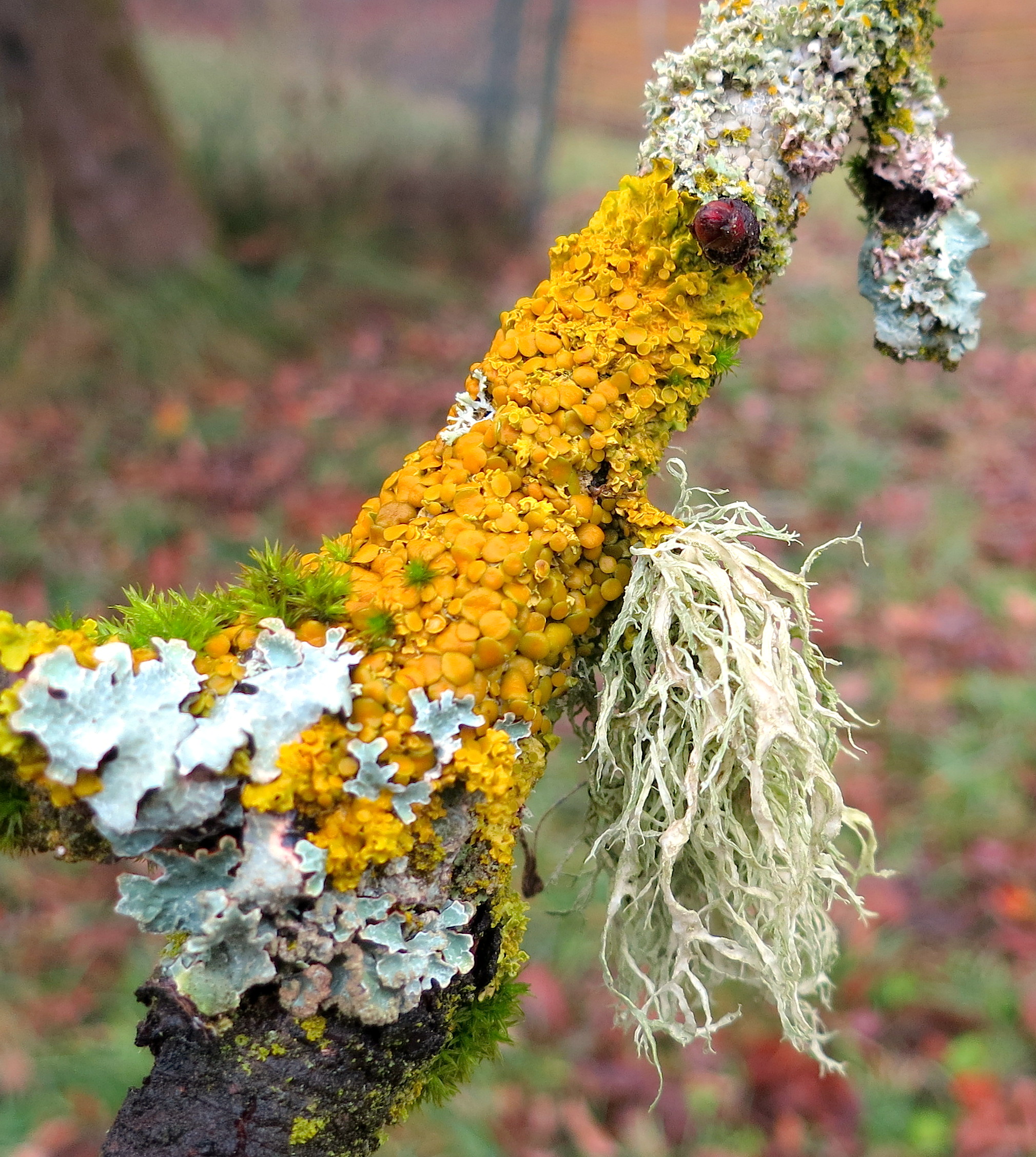
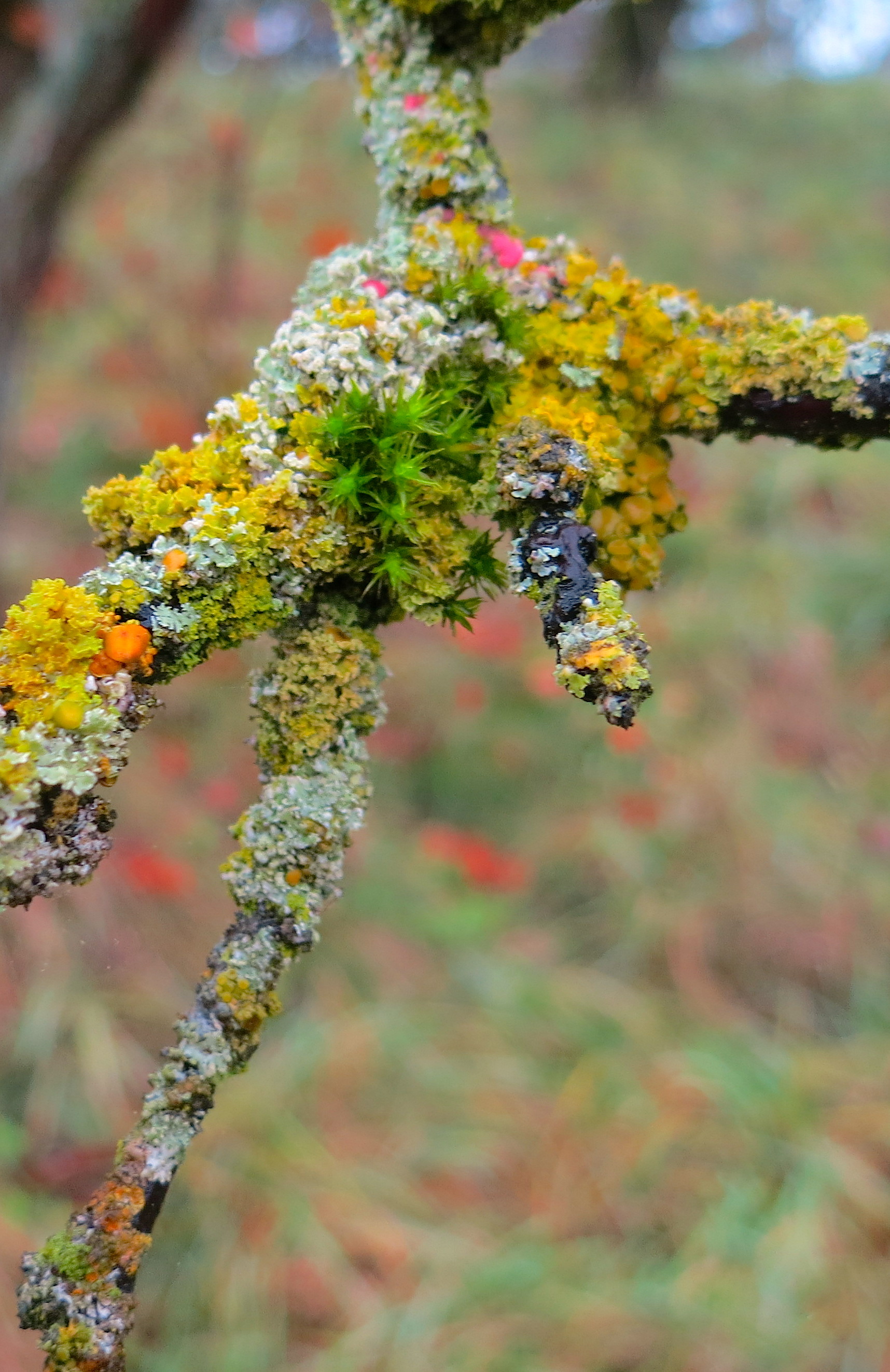
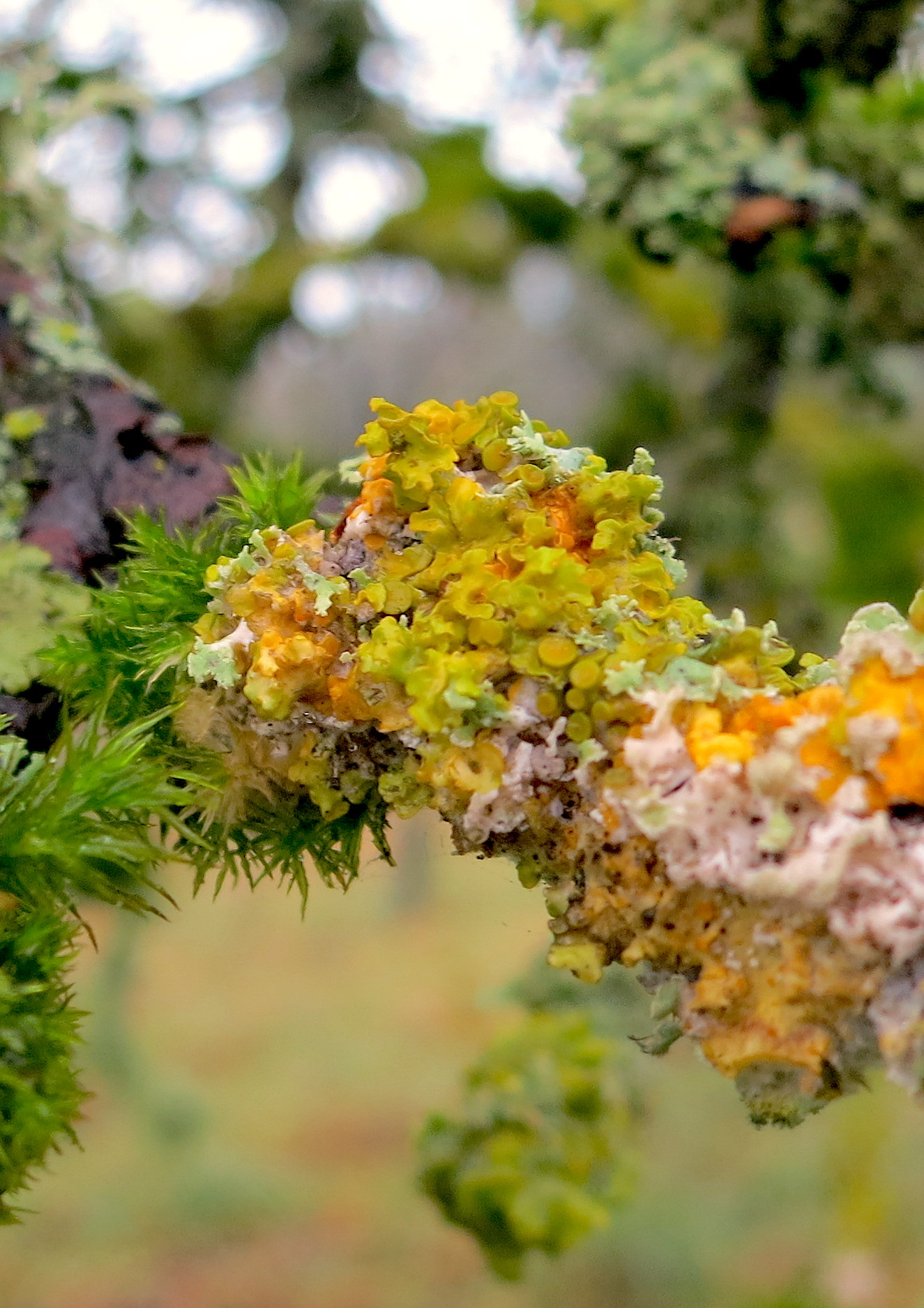
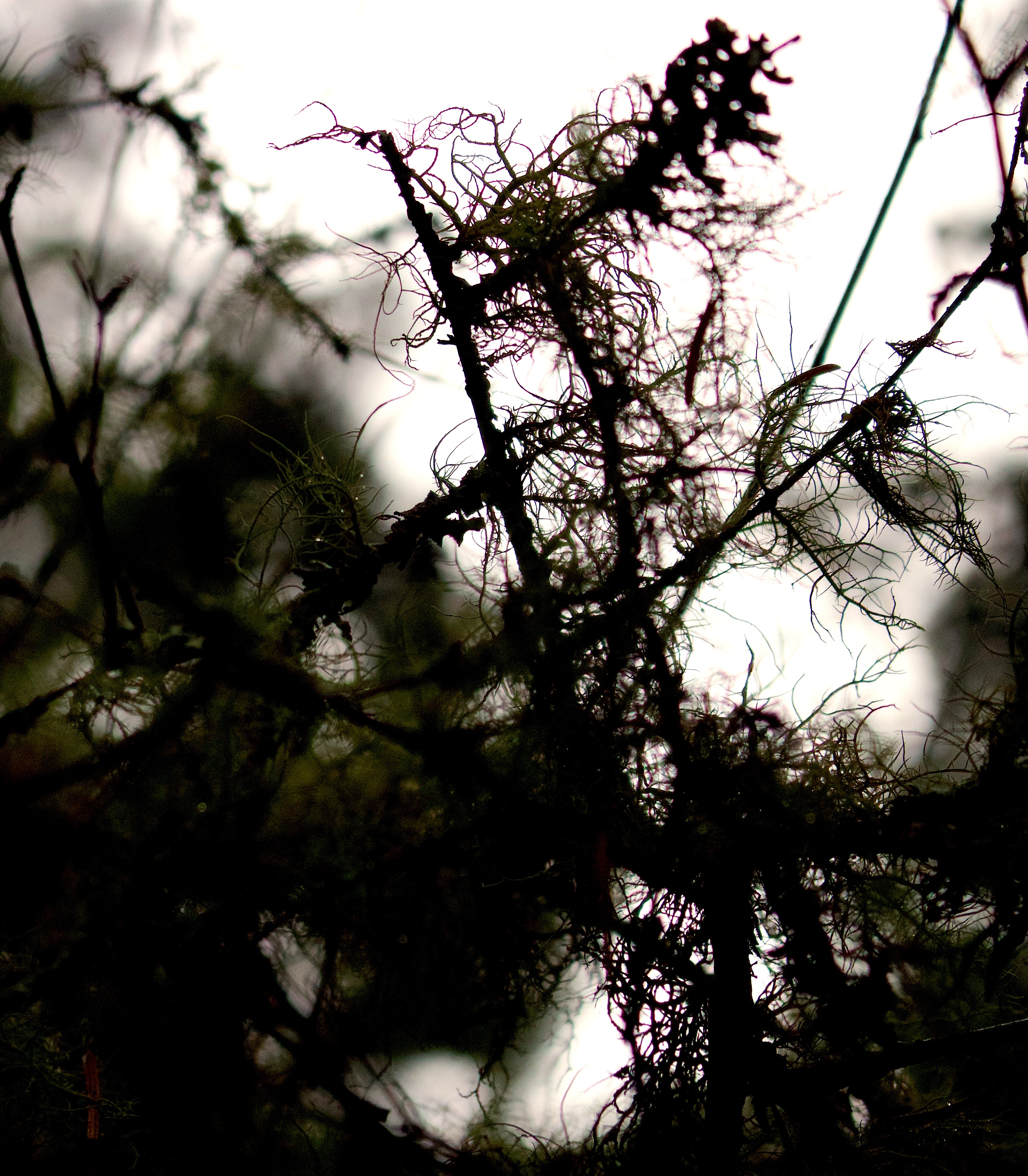
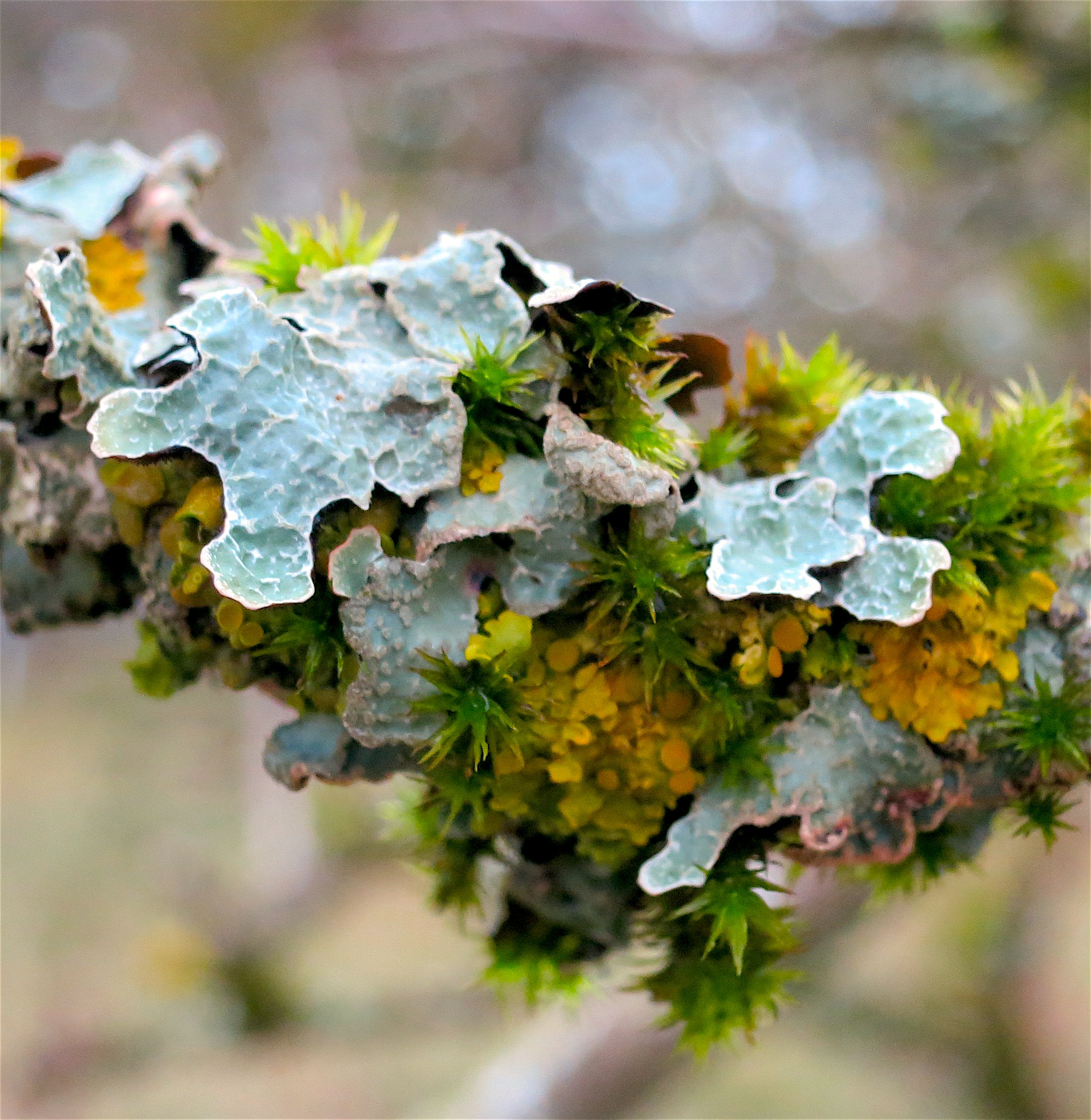
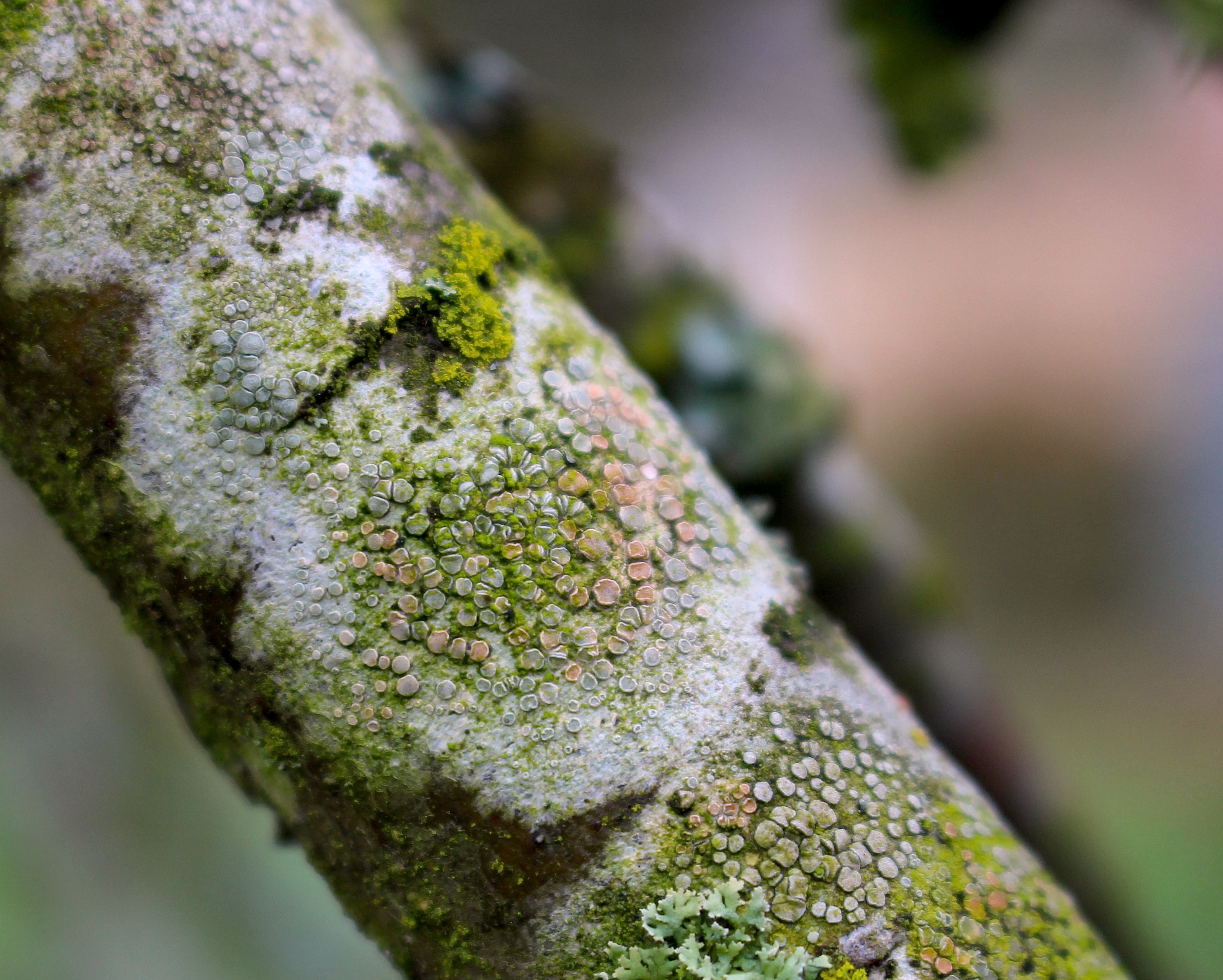
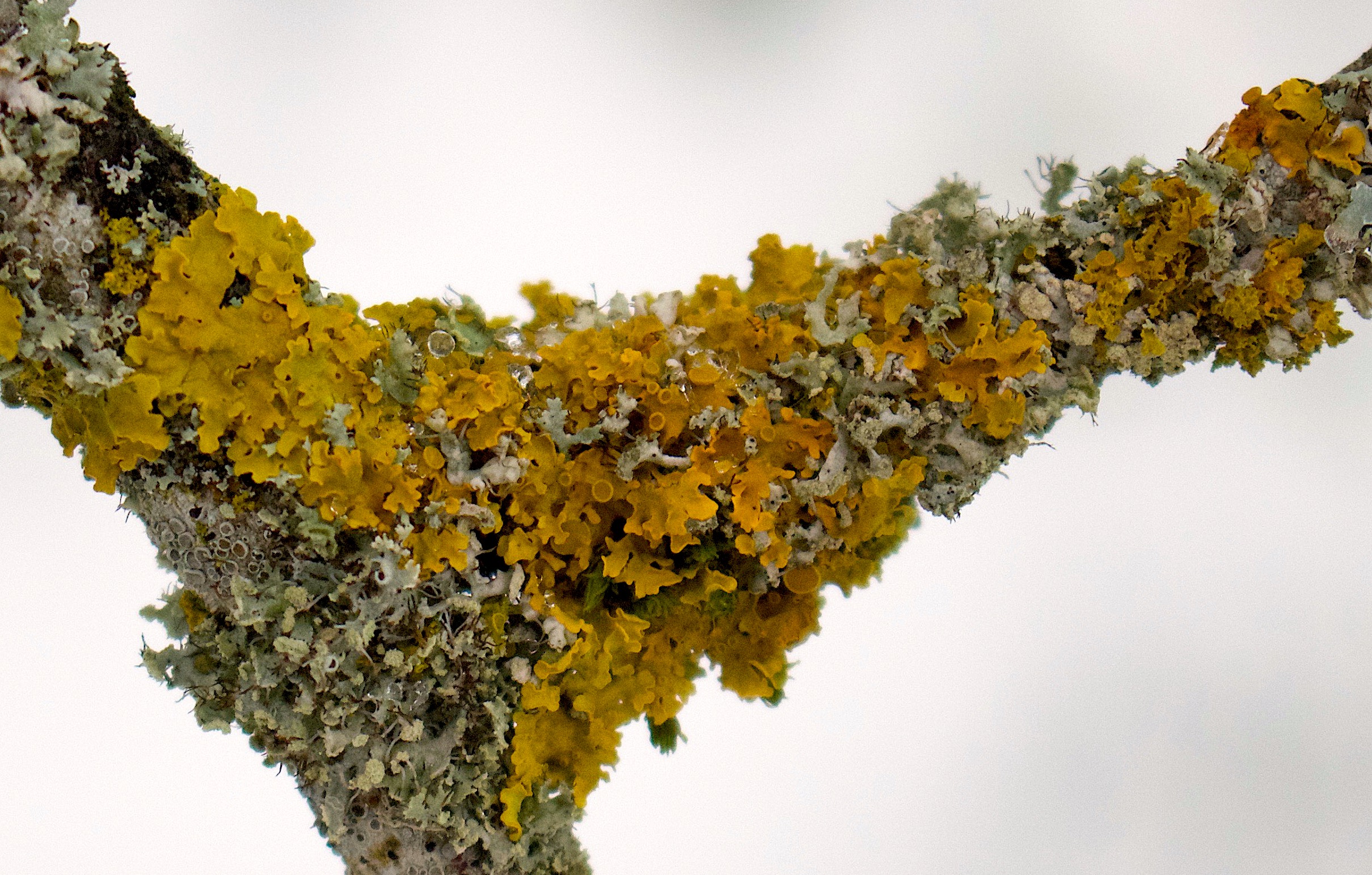
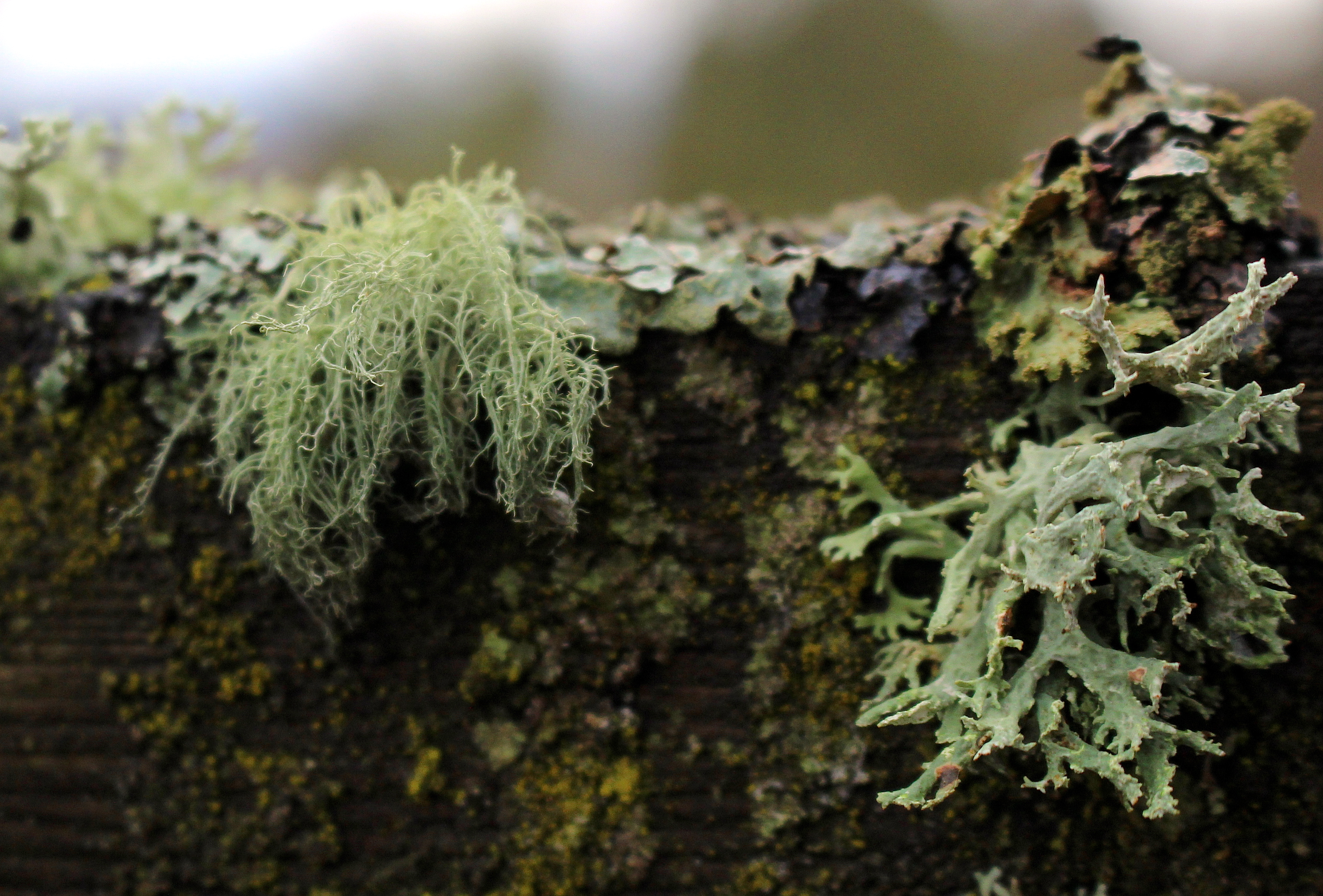
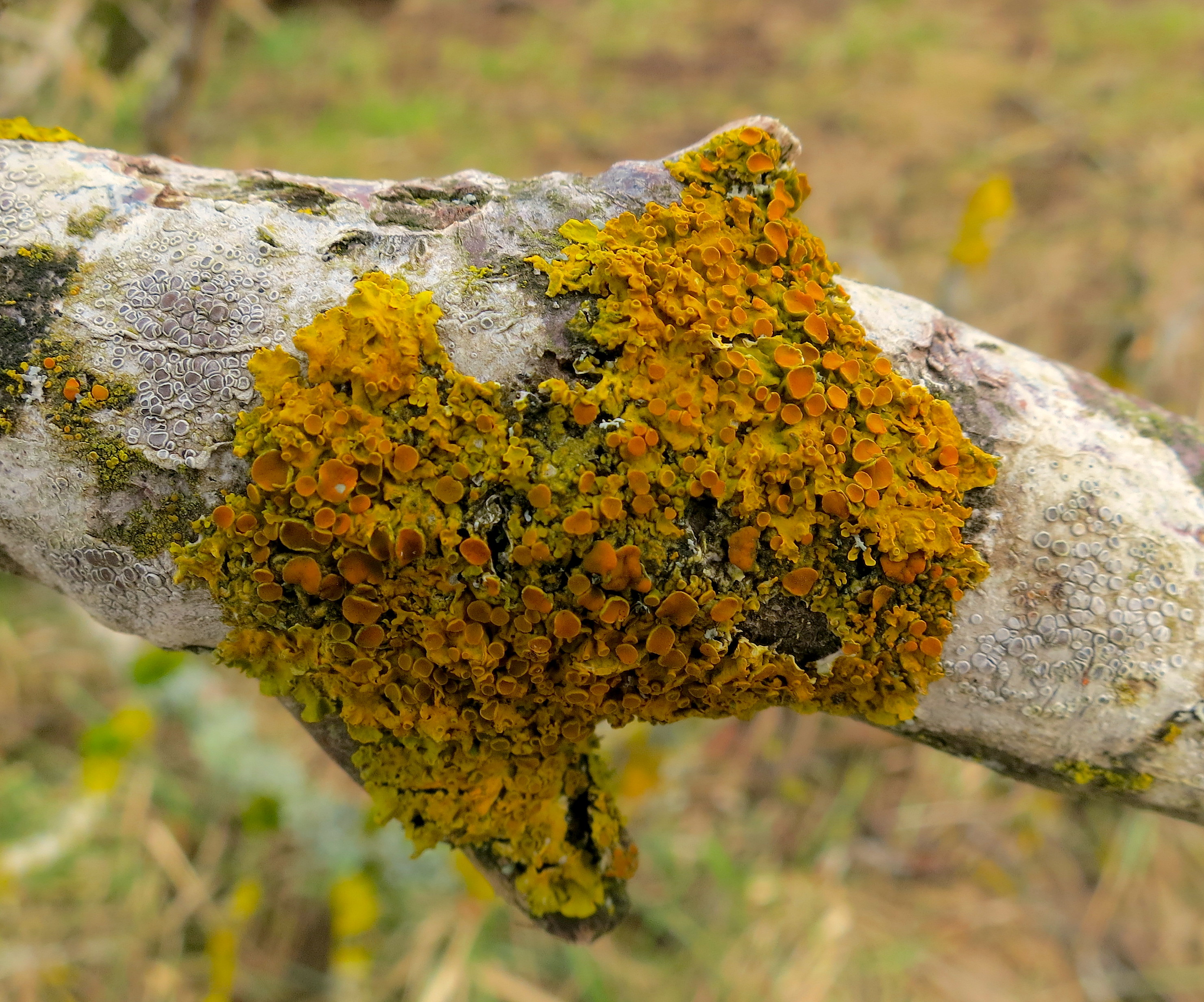
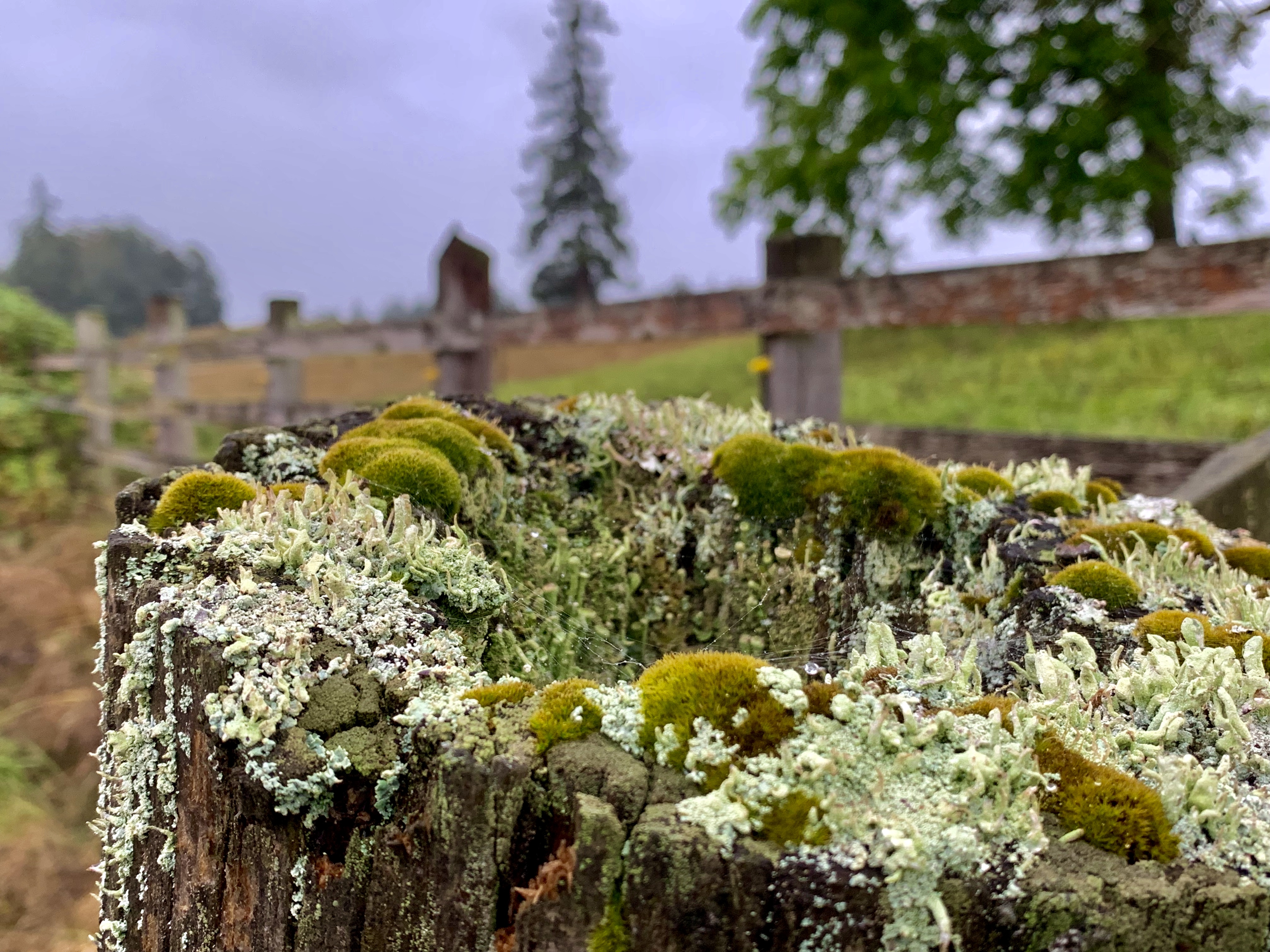
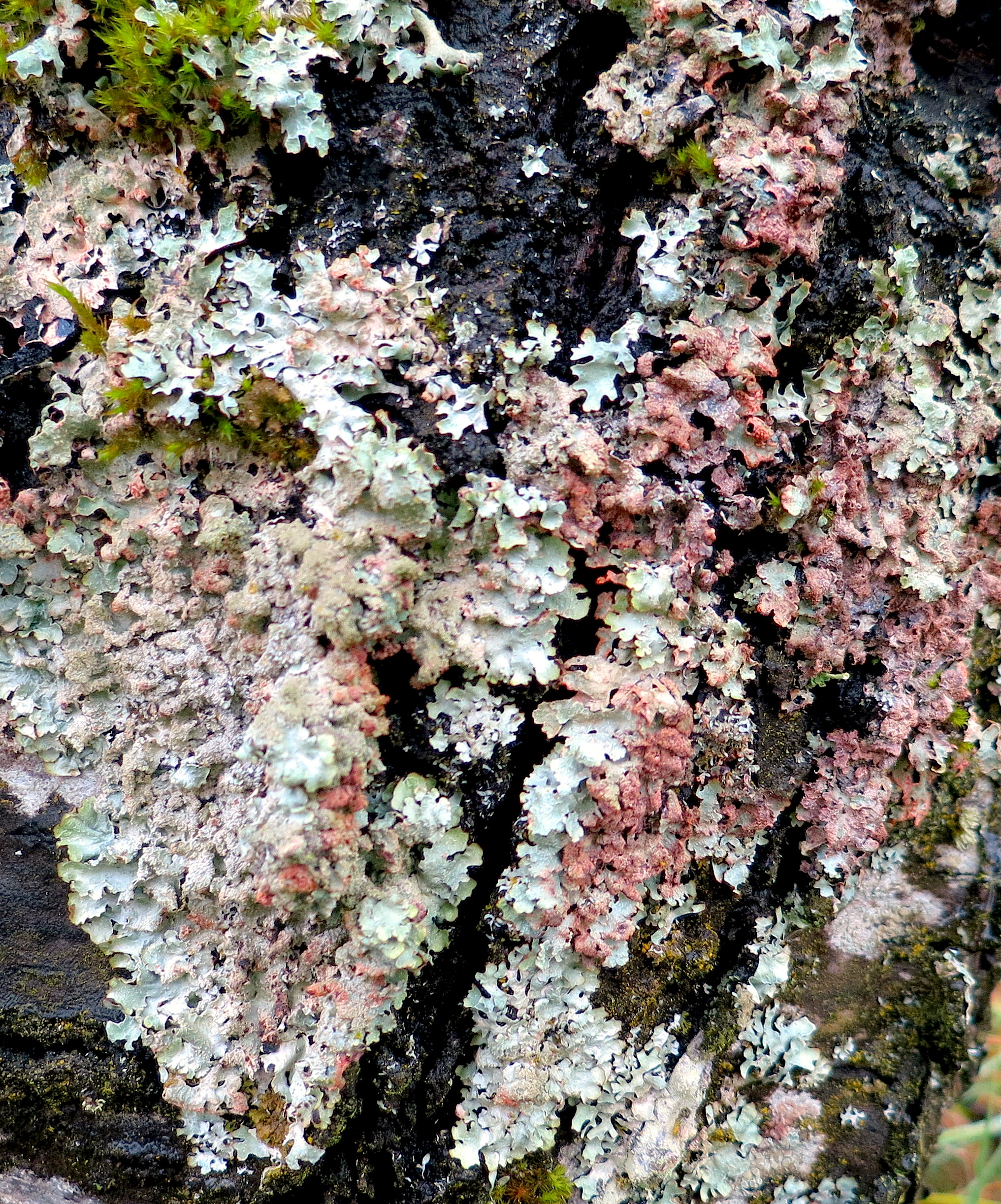
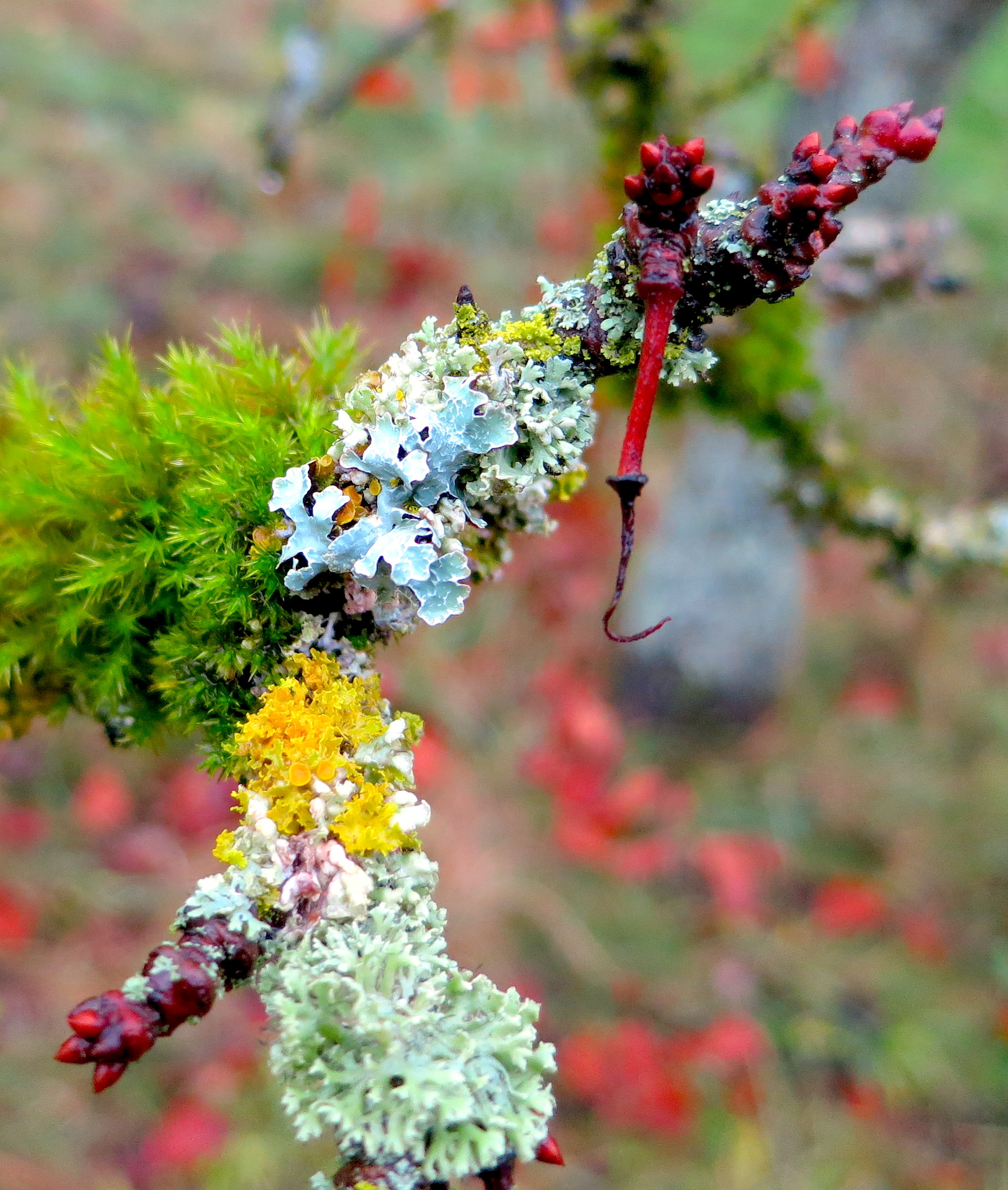
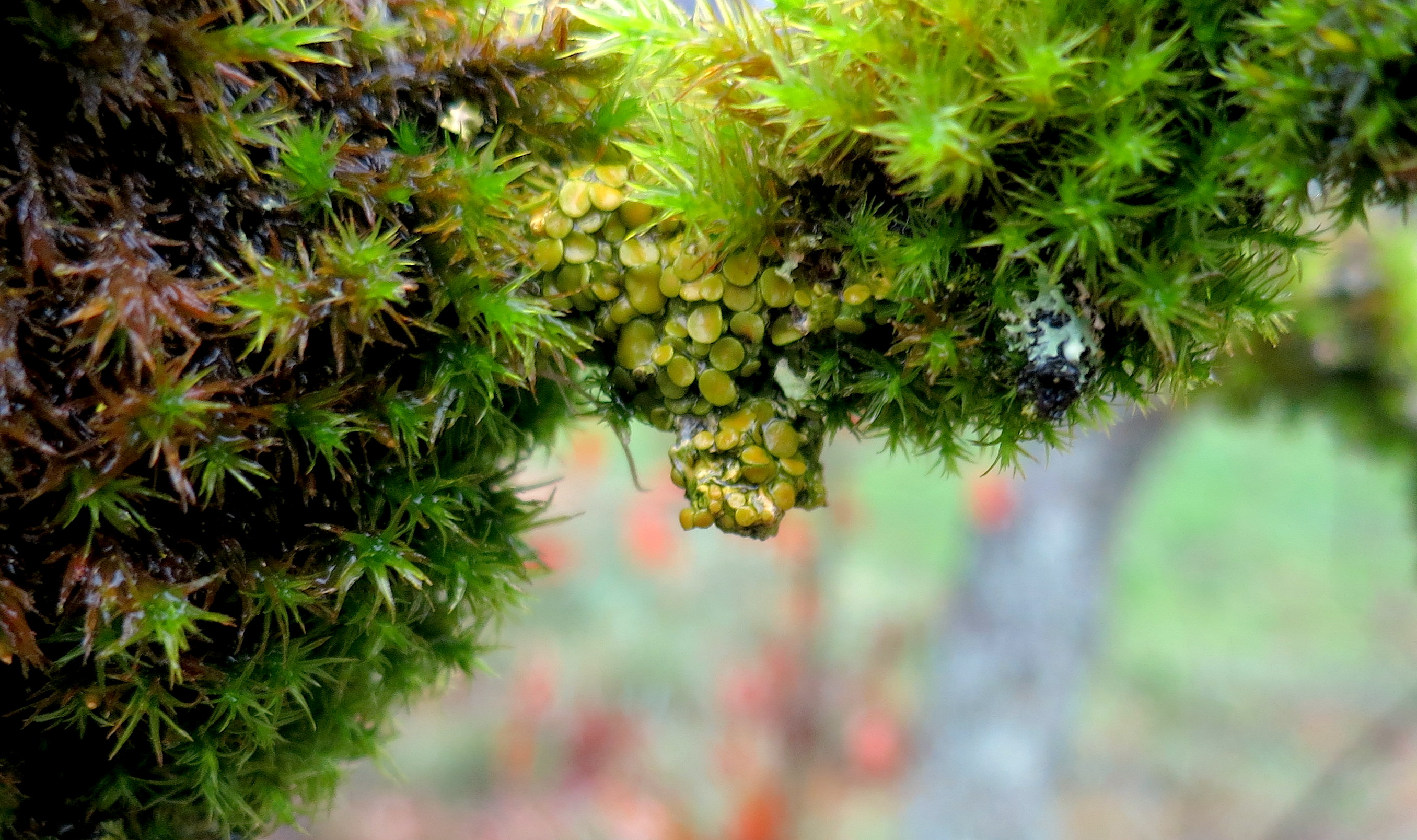
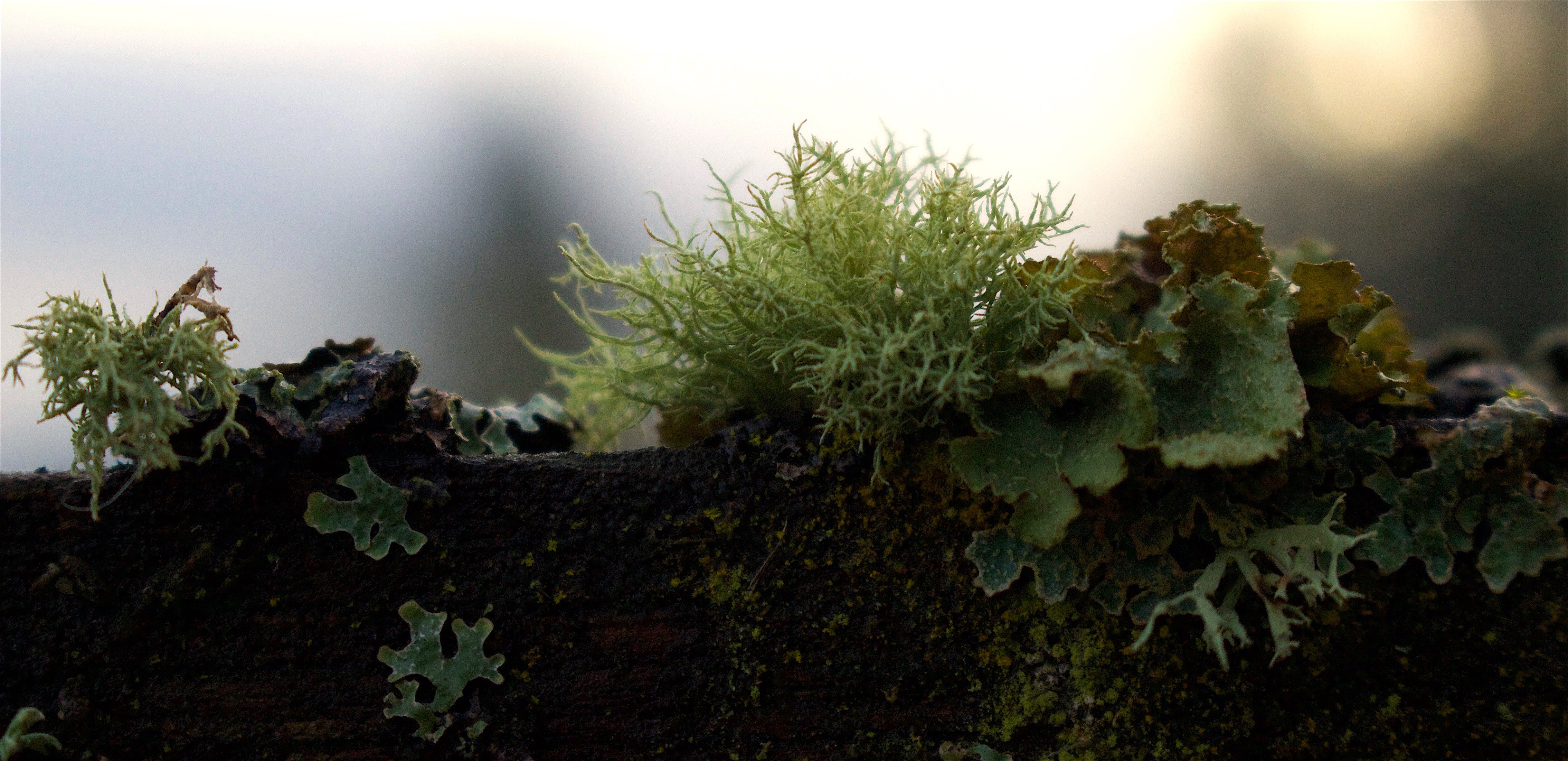
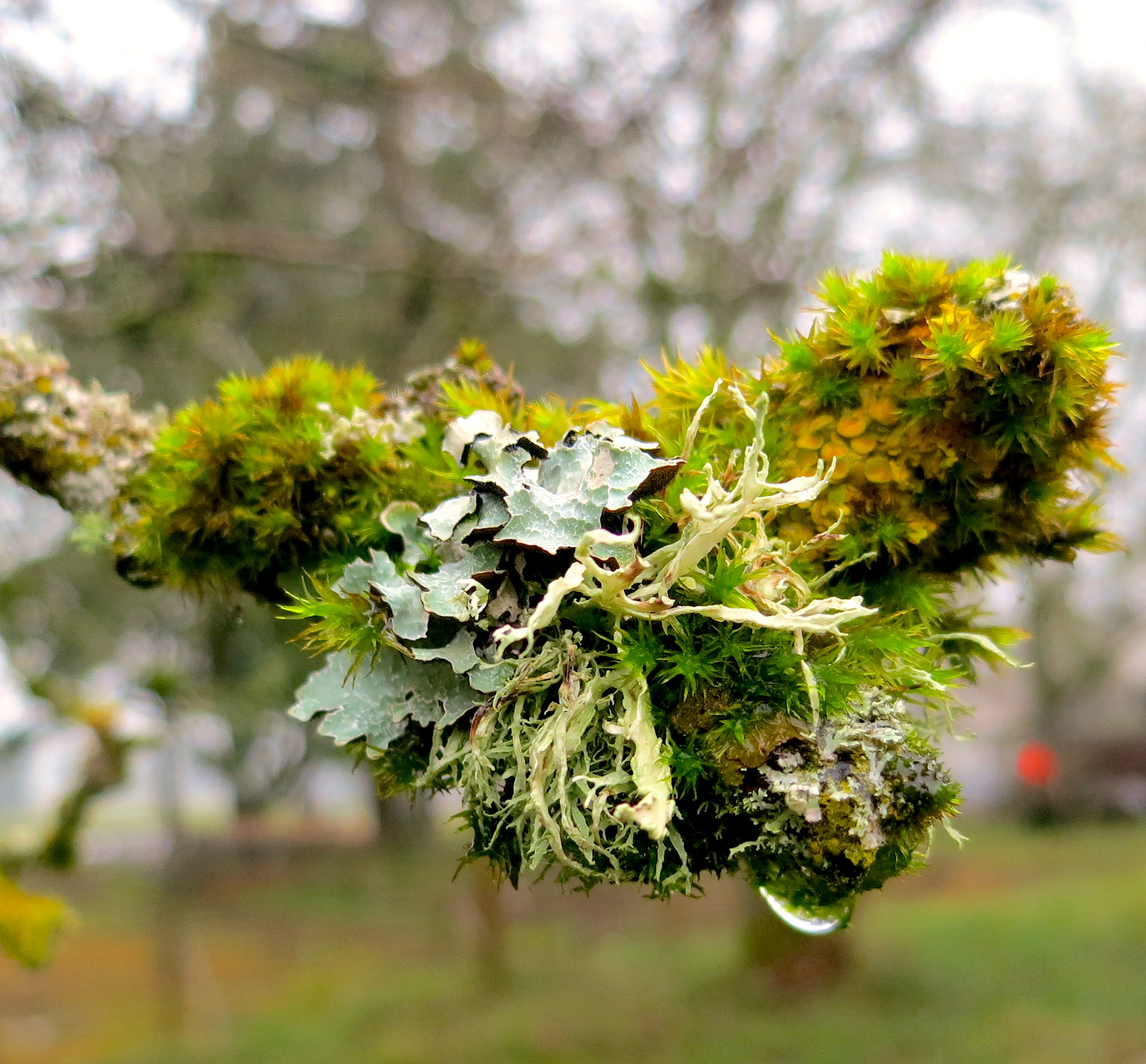
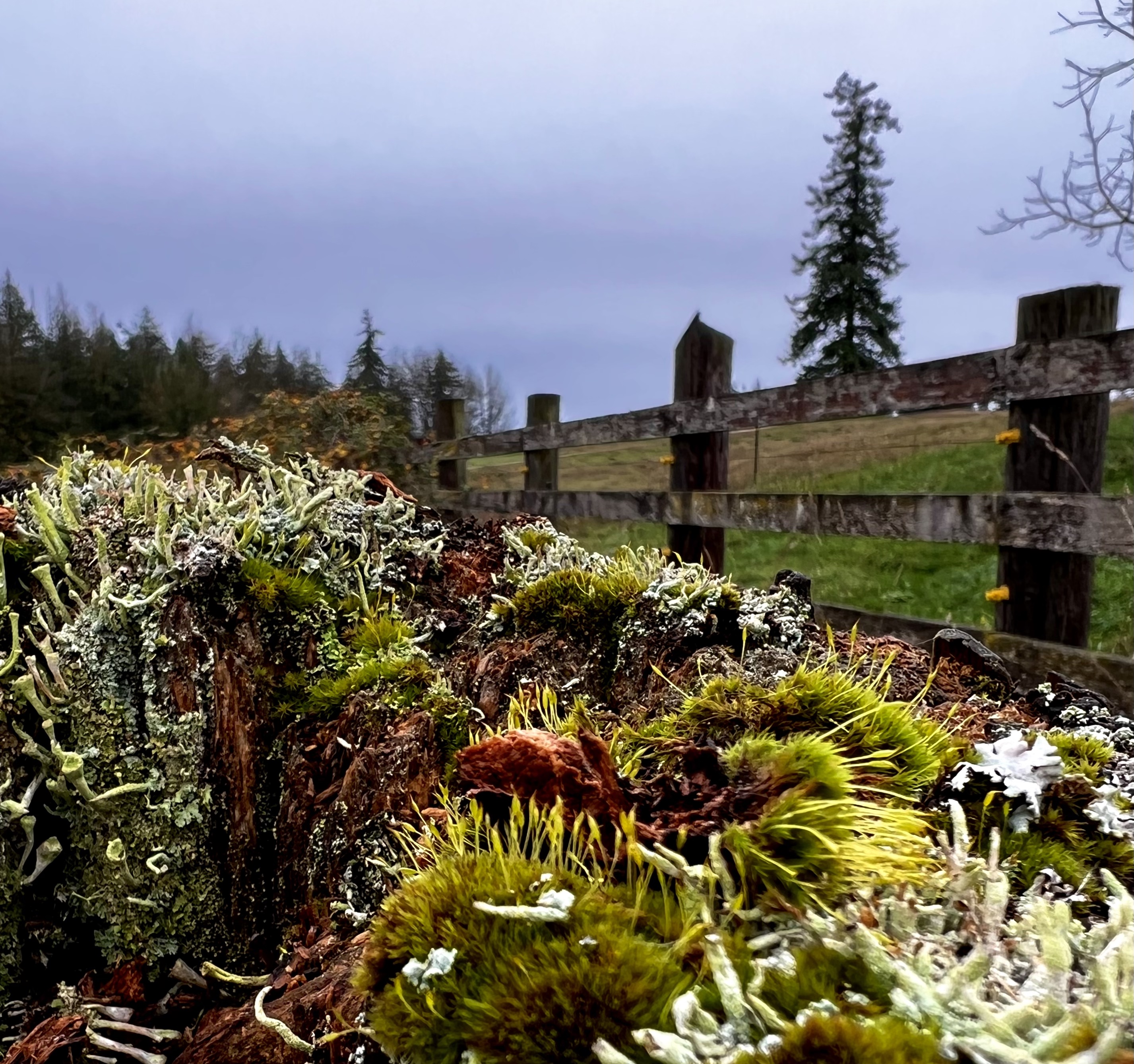
I’ve lived in the Pacific Northwest for nearly 70 years – this farm for 30 years. The grandeur of the snow-capped mountains to the north and east and the peaceful shore to the west overwhelms everything in between. Autumn after autumn, I’ve walked past these antique apple trees, but had never stopped to really look at the landscape growing on their bare shoulders and arms. There is a whole other ecosystem on each tree, a fairy land of earth bound dryland seaweed, luxuriant in the fall rains, colorful in the winter, hidden behind leaves and fruit in the hot summer. I had never really noticed the varied color and texture all around me.
This is the world of lichen, a mixed up symbiotic cross between algae and fungus, opportunistic enough to thrive on rock faces, but simply ecstatic on absorbent bark.
It hasn’t bothered them not to be noticed as they are busy minding their own business. As poet John McCullough writes in his poem “Lichen”:
It is merely a question of continuous adjustment, of improvising a life.
When I’m far from friends or the easing of a wind against my back, I think of lichen— never and always true to its essence, never and always at home.
Instead of lifting my eyes to the hills and the bay for a visual feast, I need only open the back gate to gaze on this landscape found on the ancient branches in my own back yard.
It’s a rich life of improvisation indeed.
One-Time
Monthly
Yearly
Make a one-time or recurring donation to support daily ad-free Barnstorming posts
It is possible, I suppose that sometime we will learn everything there is to learn: what the world is, for example, and what it means. I think this as I am crossing from one field to another…
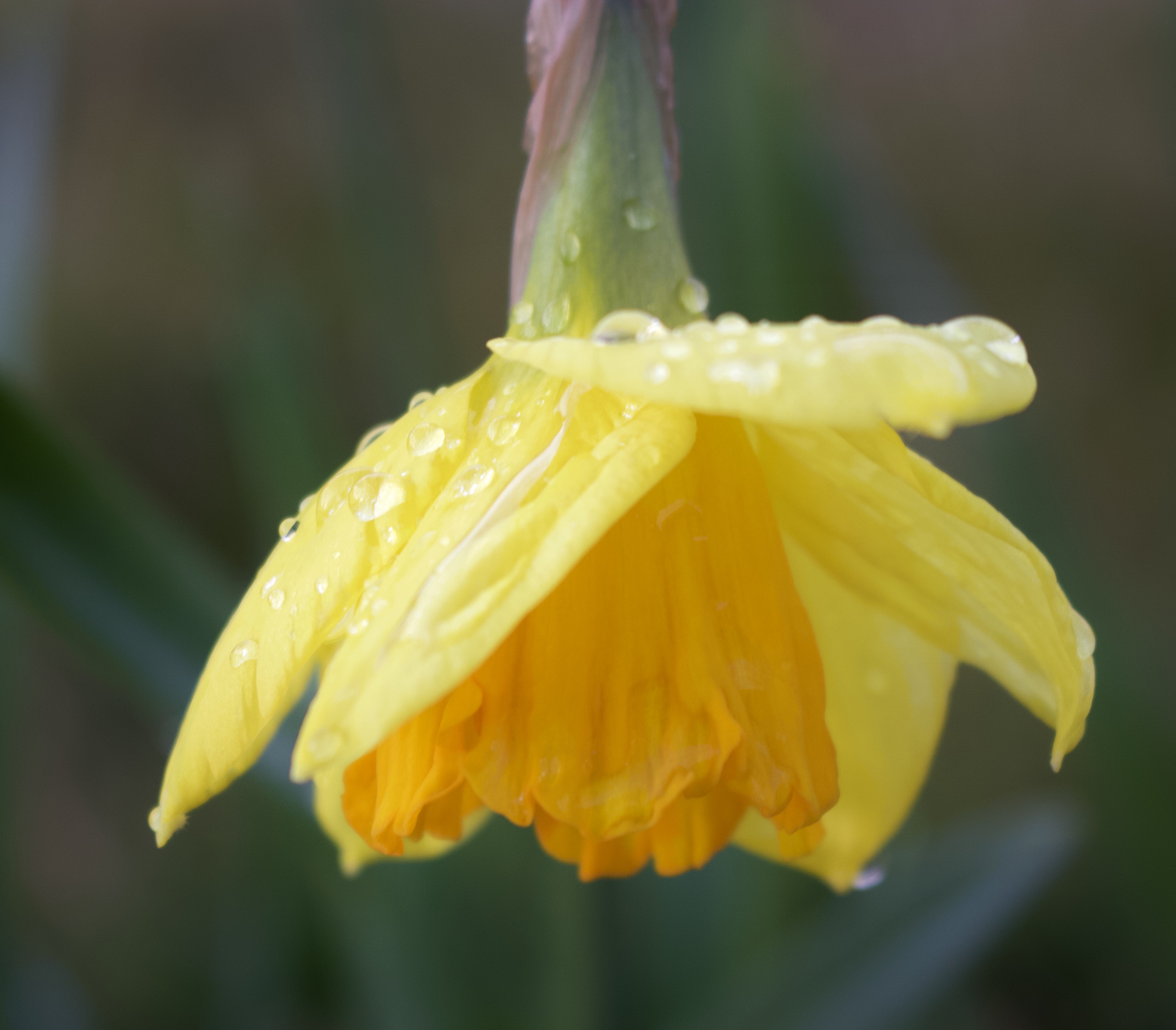
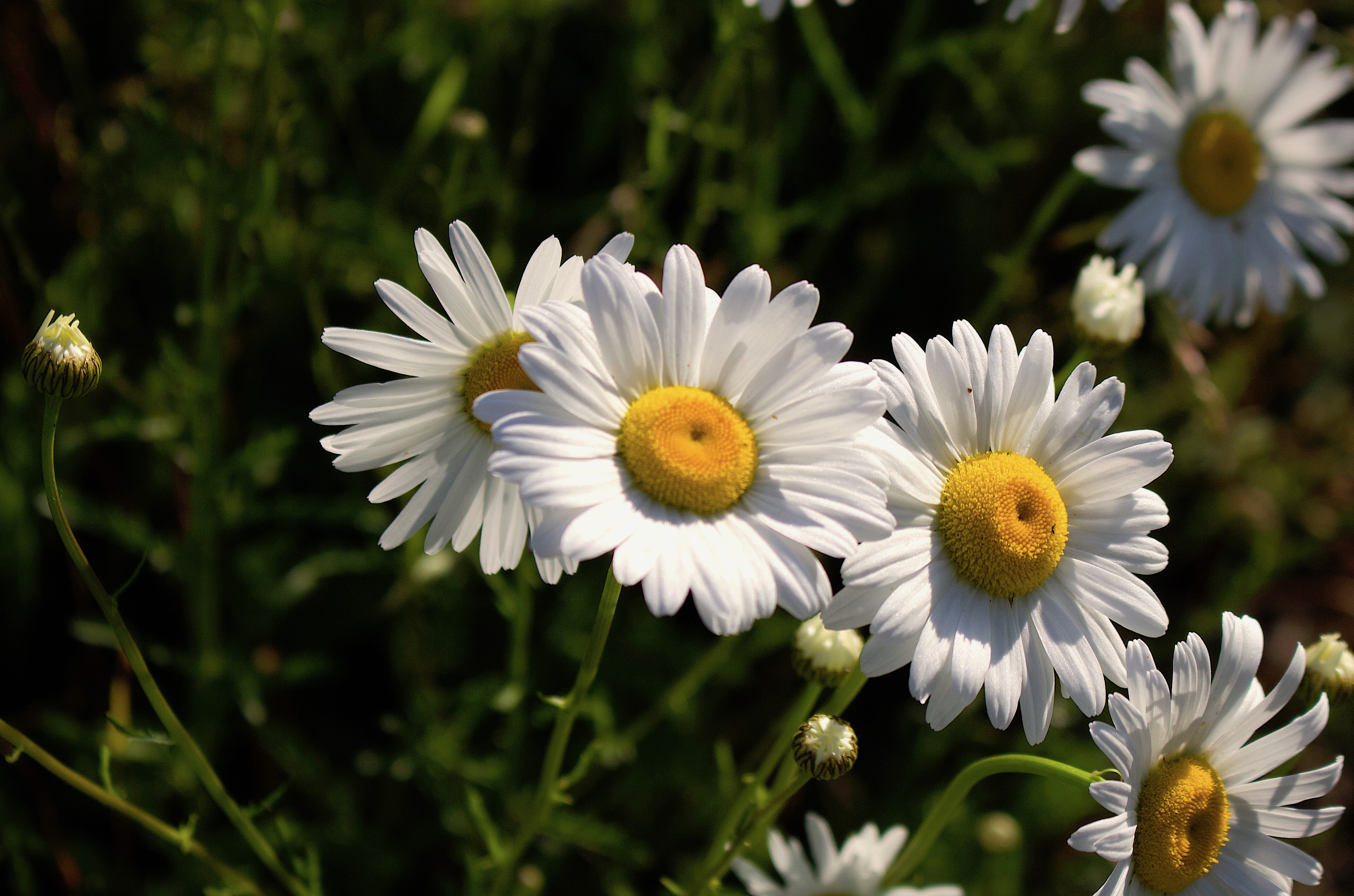
At my feet the white-petalled daisies display the small suns of their center piece, their – if you don’t mind my saying so – their hearts. Of course I could be wrong, perhaps their hearts are pale and narrow and hidden in the roots. What do I know? But this: it is heaven itself to take what is given, to see what is plain; what the sun lights up willingly; for example – I think this as I reach down, not to pick but merely to touch – the suitability of the field for the daisies, and the daisies for the field. ~Mary Oliver from “Daisies”
I am content realizing I won’t understand what this world means, (and why any of us matter when we are all made up of the same atoms as everything else in existence);
No, I will remain in the dark until I cross from this field to the next. I have to wait for heaven itself to see how the Sun illuminates what matters.
It is all mystery in the meantime, and sometimes a mean and joyless mystery – with pain and heartbreak and suffering, but just enough loving sacrifice to make it worthwhile.
How are our atoms different from that stone, or that tree or that daisy?
We are breathed on. As God’s breath surges within us, we laugh out loud, weep mightily and sing out His Words – struggling to be suitable for this field, so often trampled and broken, but with plans to flourish plentiful in the Sun of heaven.
Do you know why you exist? Because God wanted you to be. ~John Lennox, Oxford Professorof Mathematics
So God created mankind in his own image, in the image of God he created them; male and female he created them. God blessed them… Genesis 1: 27b-28a
Worthy are you, our Lord and God, to receive glory and honor and power, for you created all things, and by your will they existed and were created. Revelation 4:11
Creation is the arena in and through which God wishes to reveal himself. In creating, in preserving, in pursuing; in hallowing, in participating, in wooing— the Father, the Son, and the Spirit have made all creation, and all its creatures, great and small, their delight. ~Kathleen Mulhern in Dry Bones
I like the thought of being “wooed” into existence by God, being specifically wanted, molded and formed by His Holy Hands.
Indeed most mornings I must be wooed into climbing out of bed, tackling the day and tending my own part of creation. The night may have been sleepless, the worry endless, the efforts I make futile – what the heck is my purpose here anyway?
Yet I’m here for a reason, as is every other unique and precious person on earth. We all are formed to reflect His image, revealing His glory, as insignificant as we may feel within the vast universe of His creation.
There is only wooing wonder in the worthiness of all He has made, and that includes…me.
This year’s Lenten theme on Barnstorming:
God sees us as we are, loves us as we are, and accepts us as we are. But by His grace, He does not leave us where we are. ~Tim Keller
Sometimes you don’t get a chance To pause and rest Even to just take it all in Sometimes life just goes too fast And if you halt, even for a moment You could get rolled over By the momentum of existence So, push yourself and keep going Because once you stop You may not get started again And if you need a breather Do it after the big stuff is done – I guarantee you the view Will be a whole lot better ~Eric Nixon “The Momentum of Existence” from Equidistant
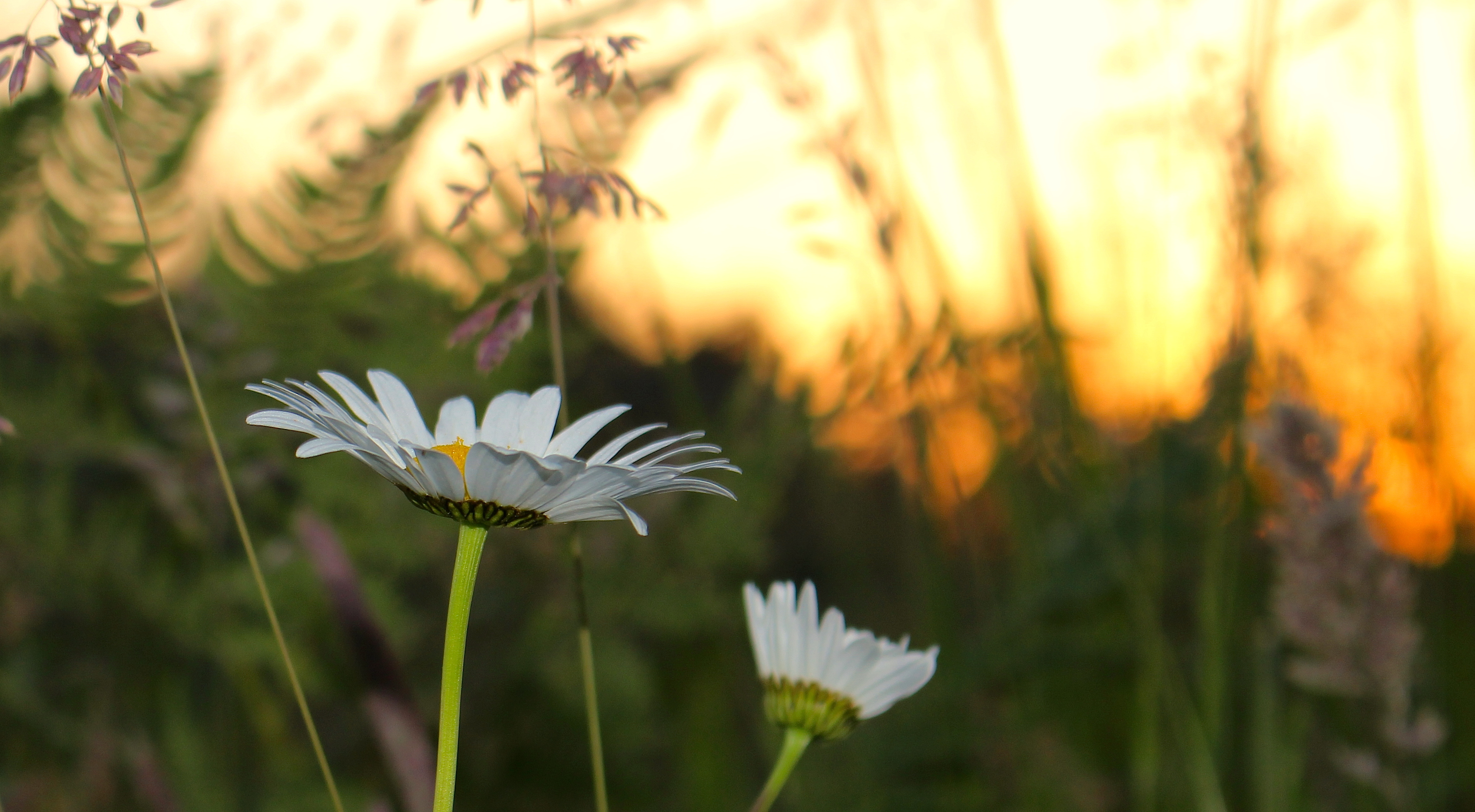
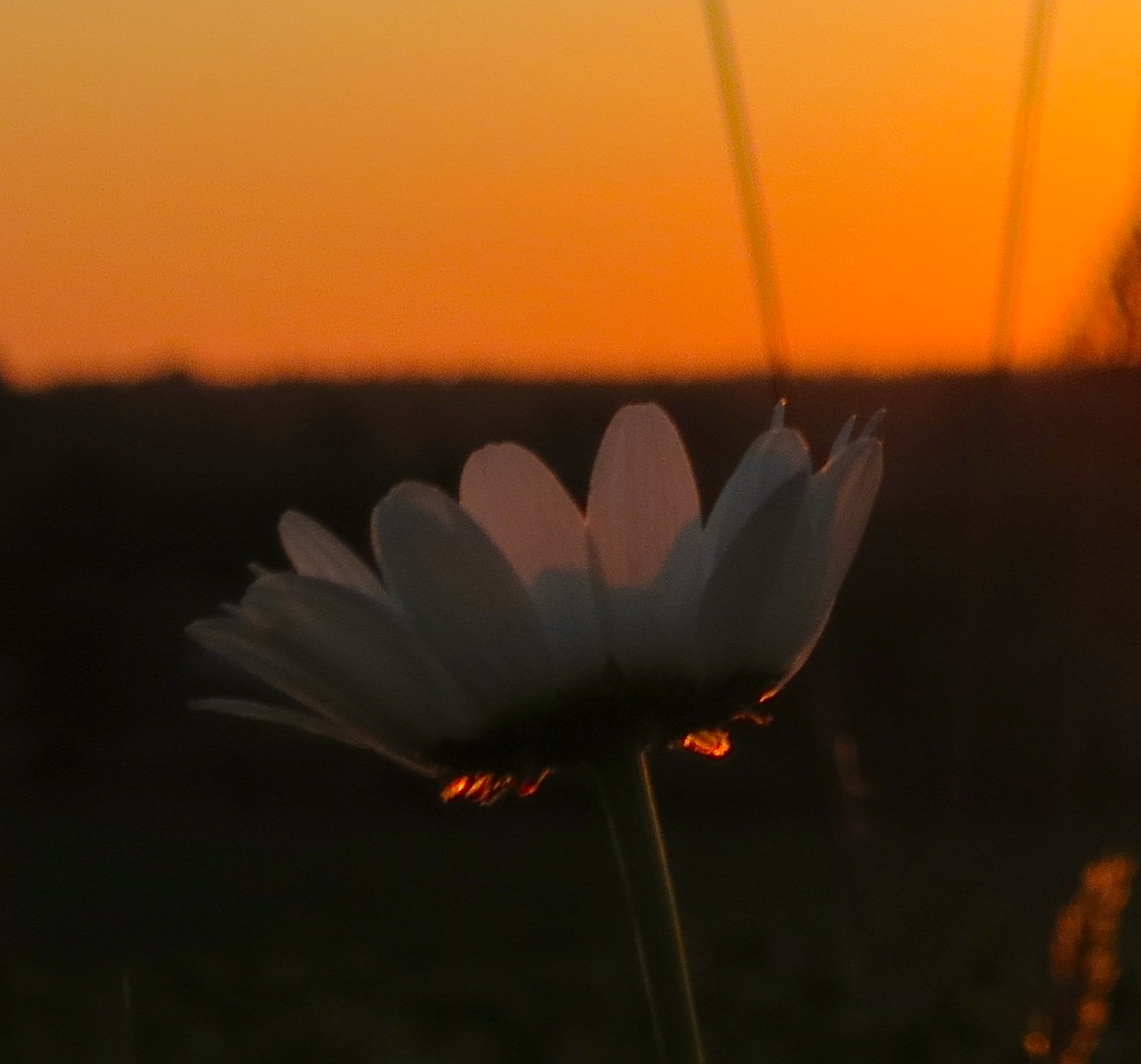
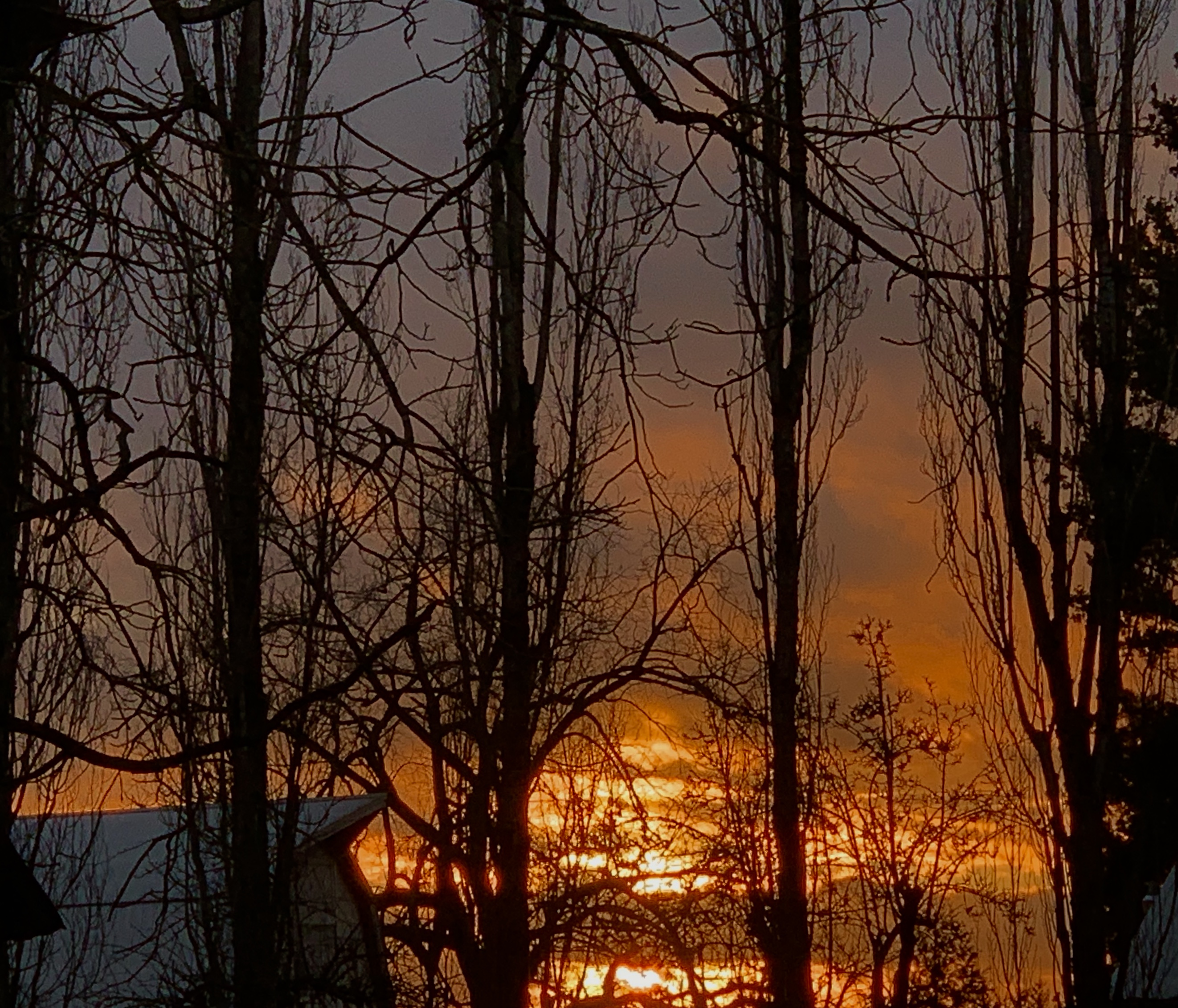
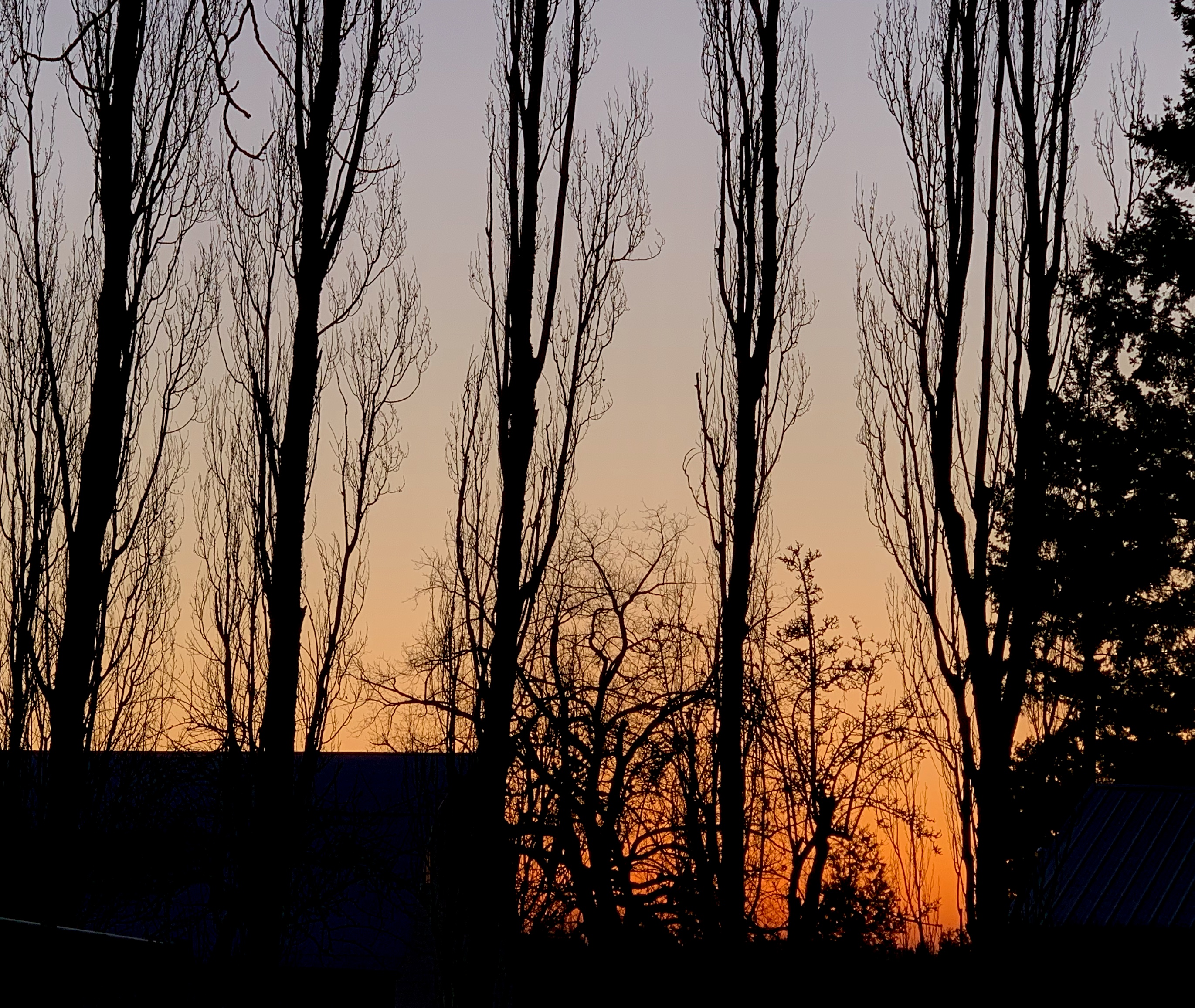
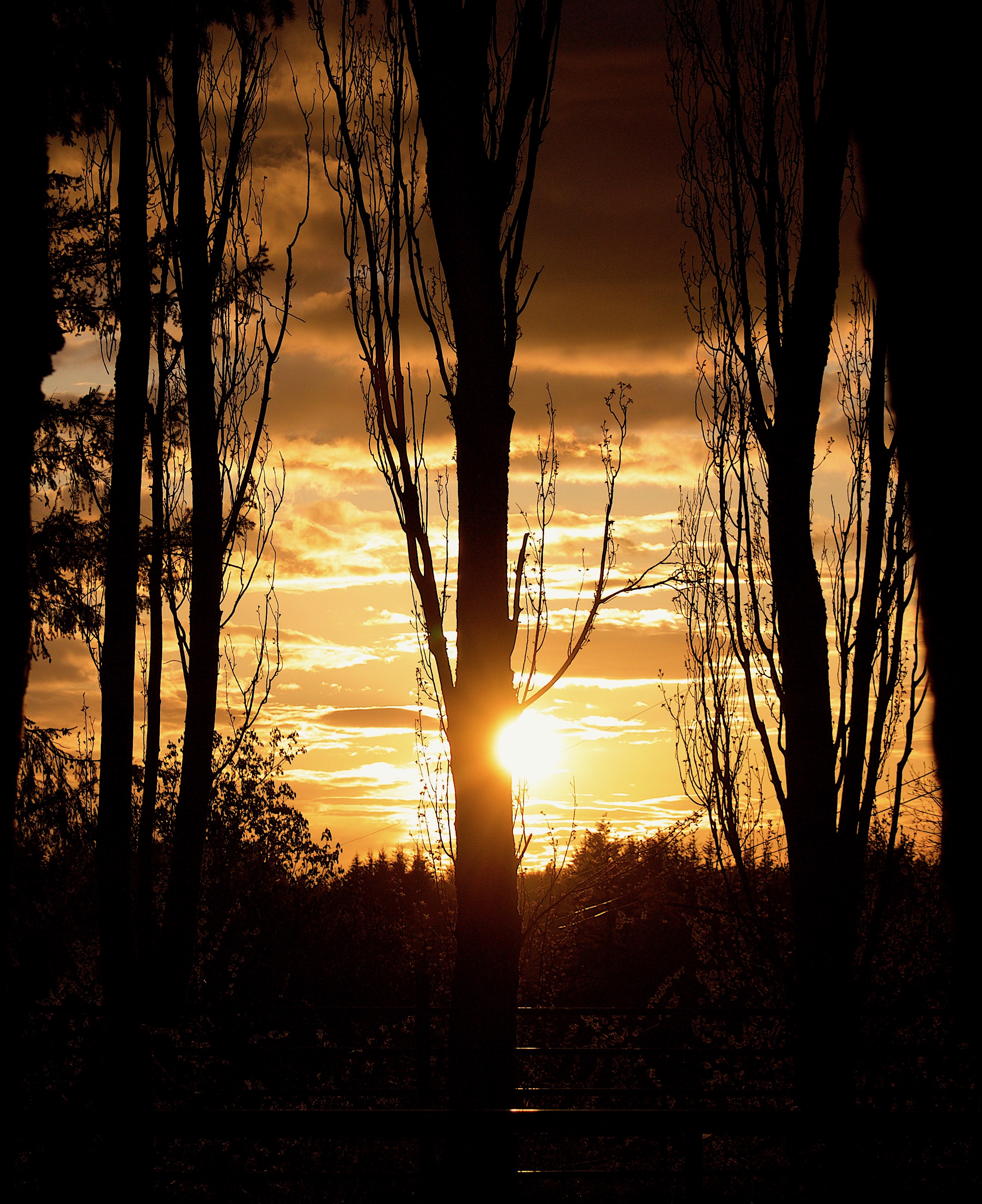
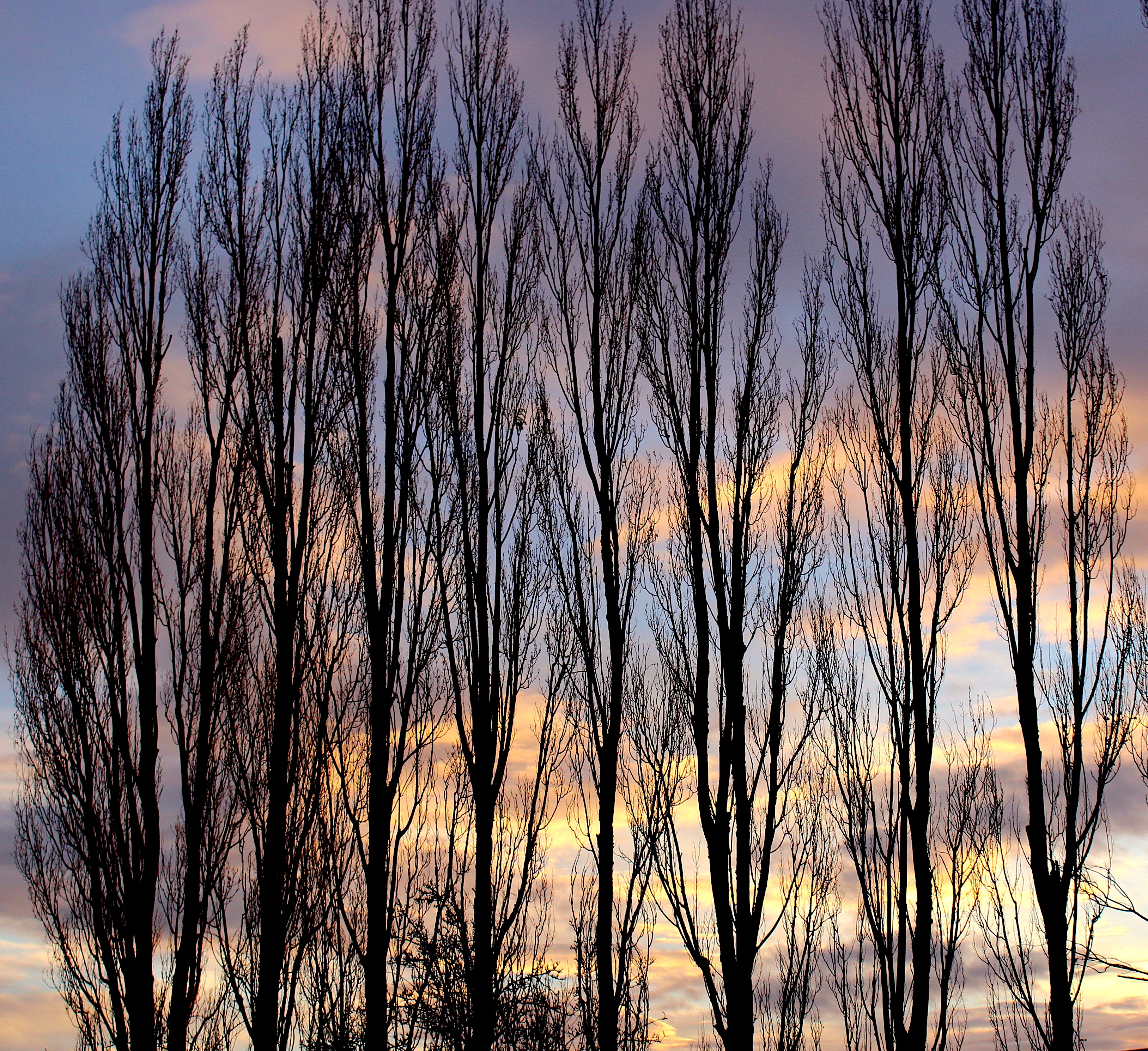
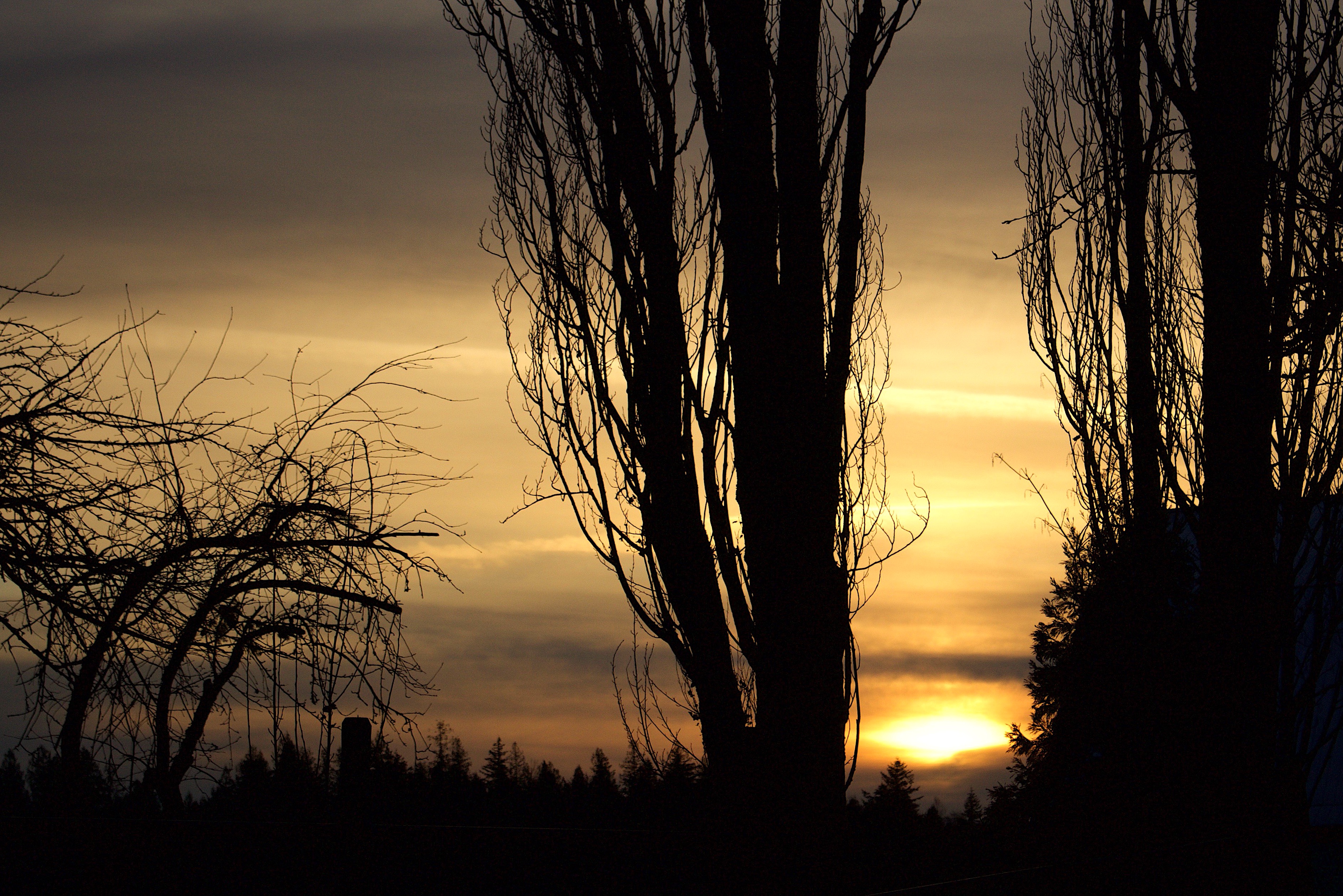
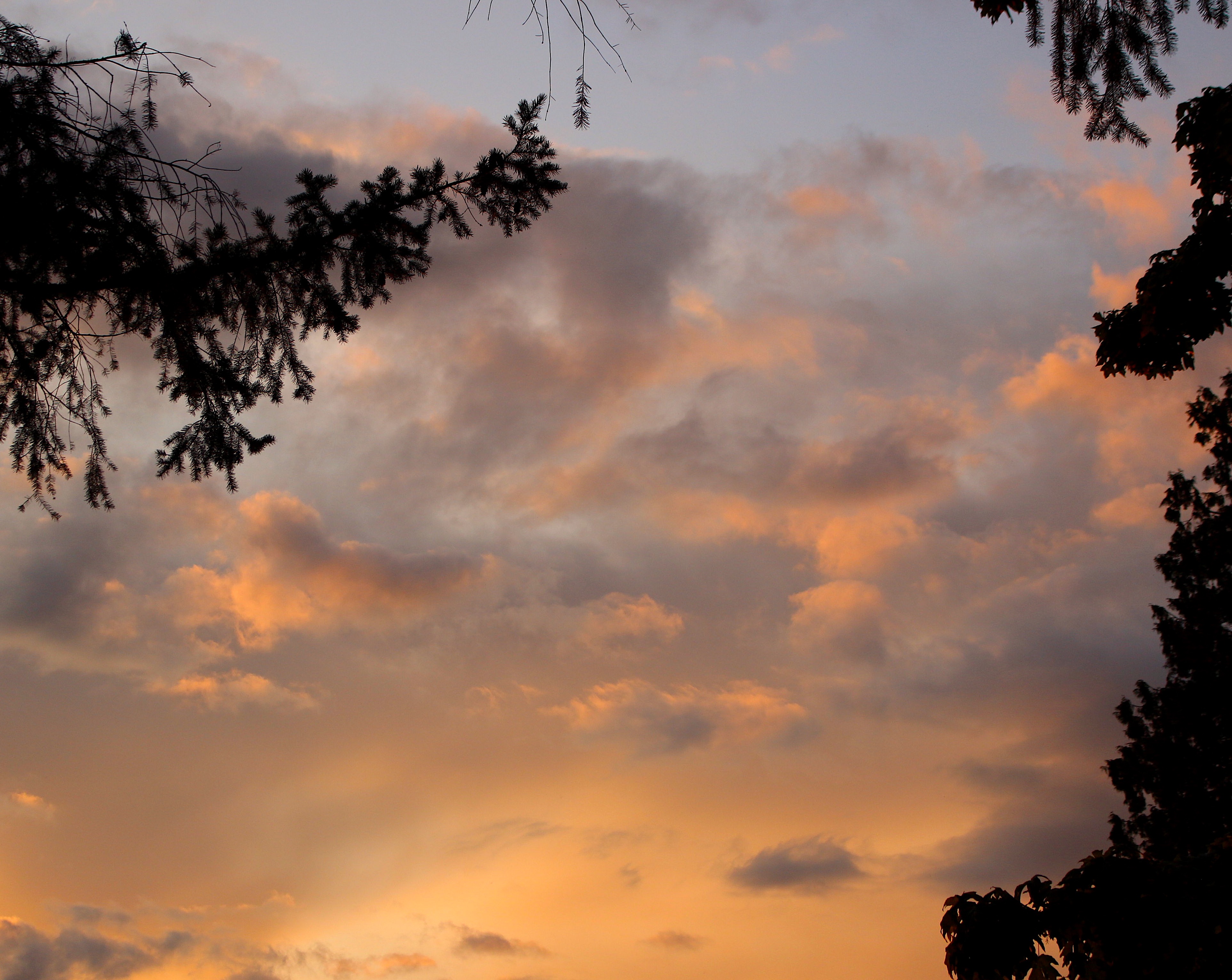
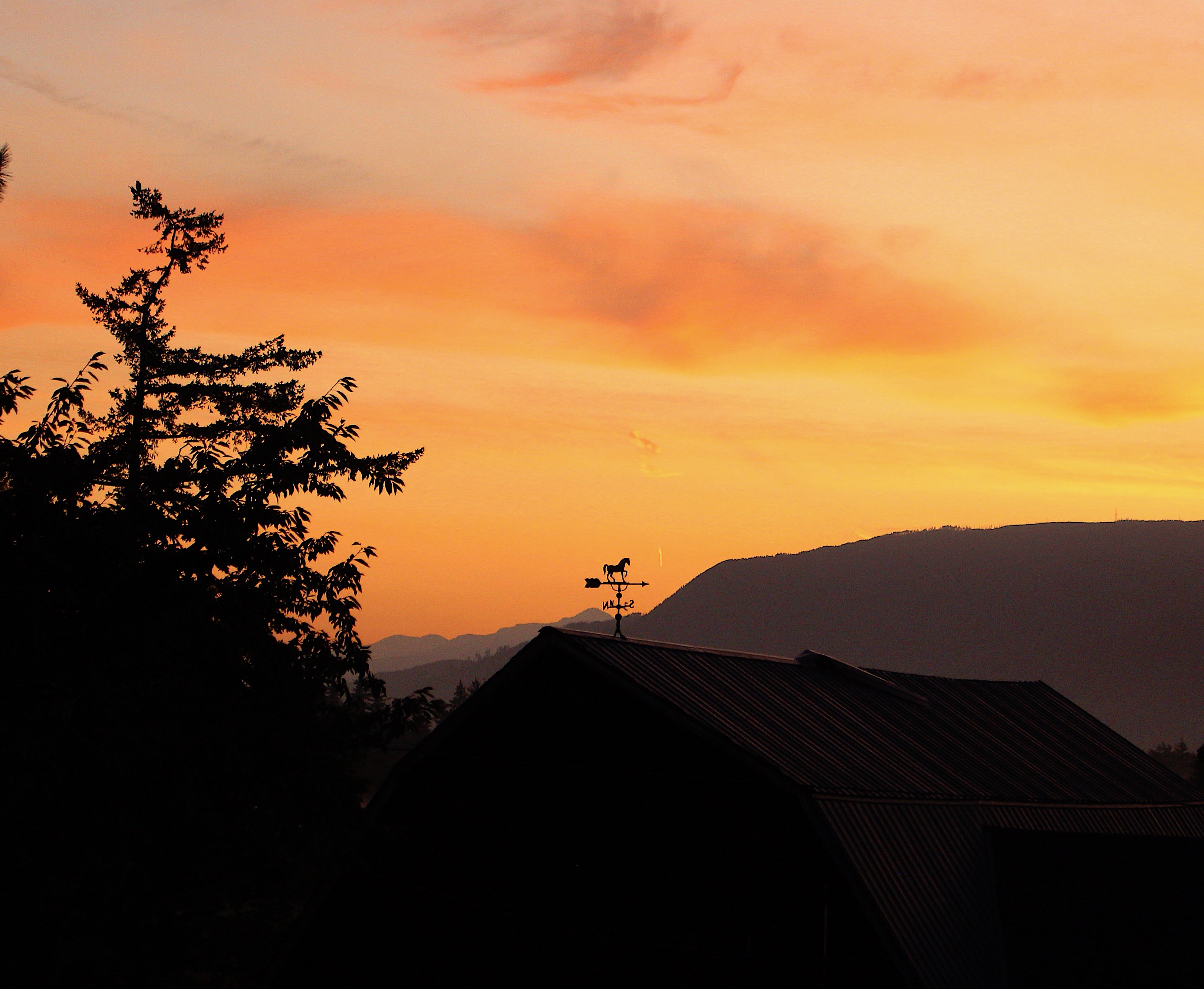
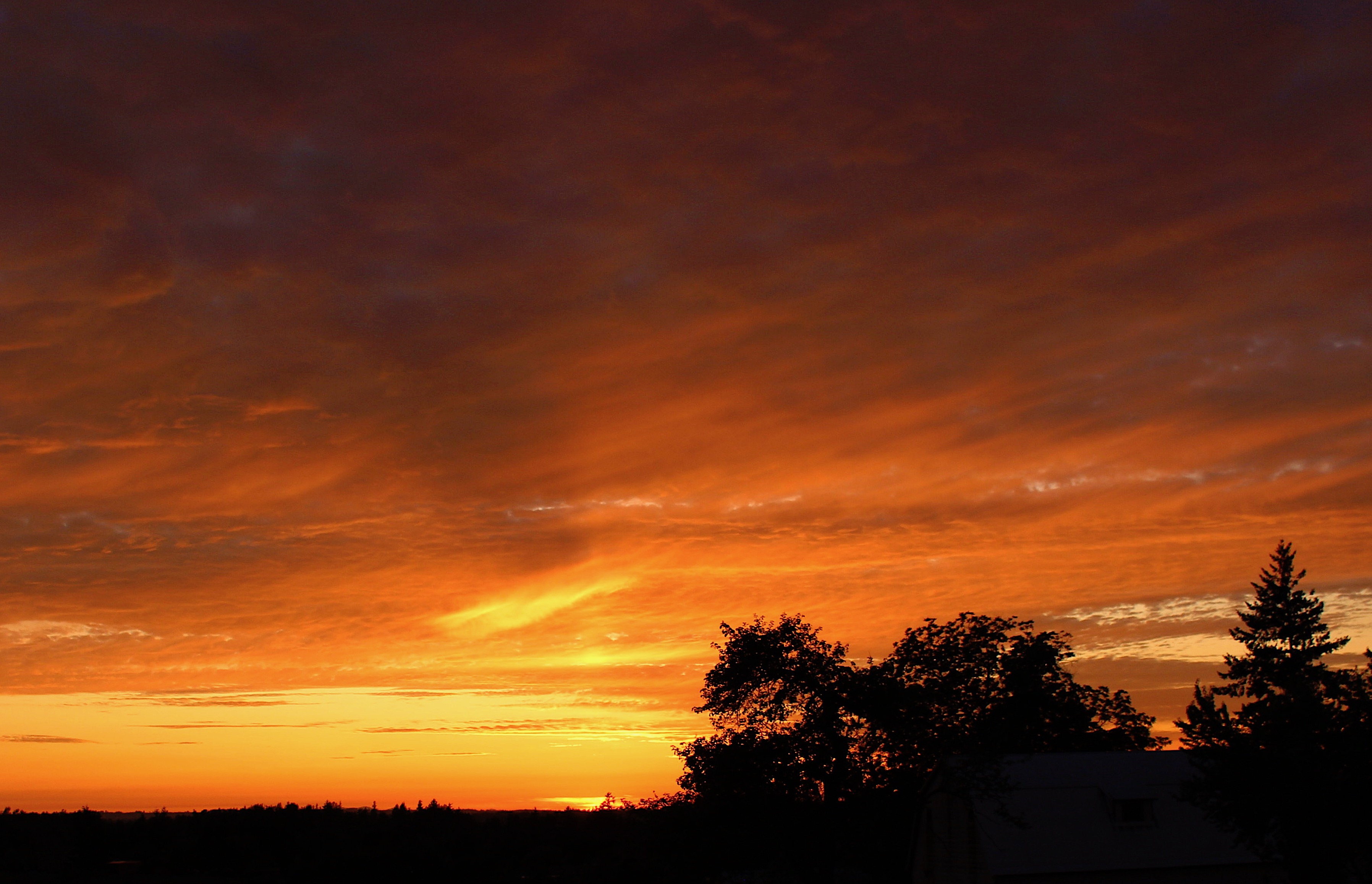
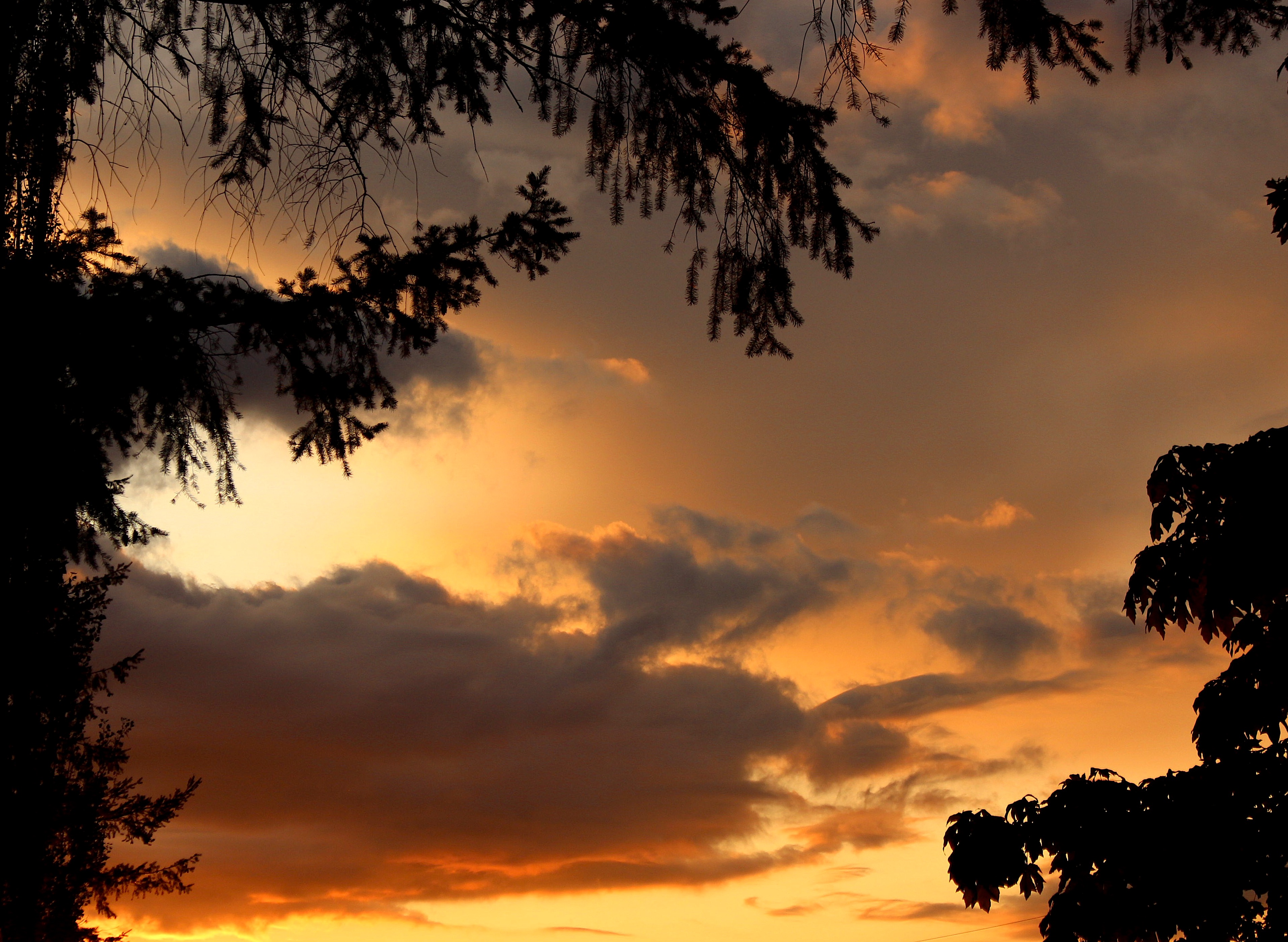
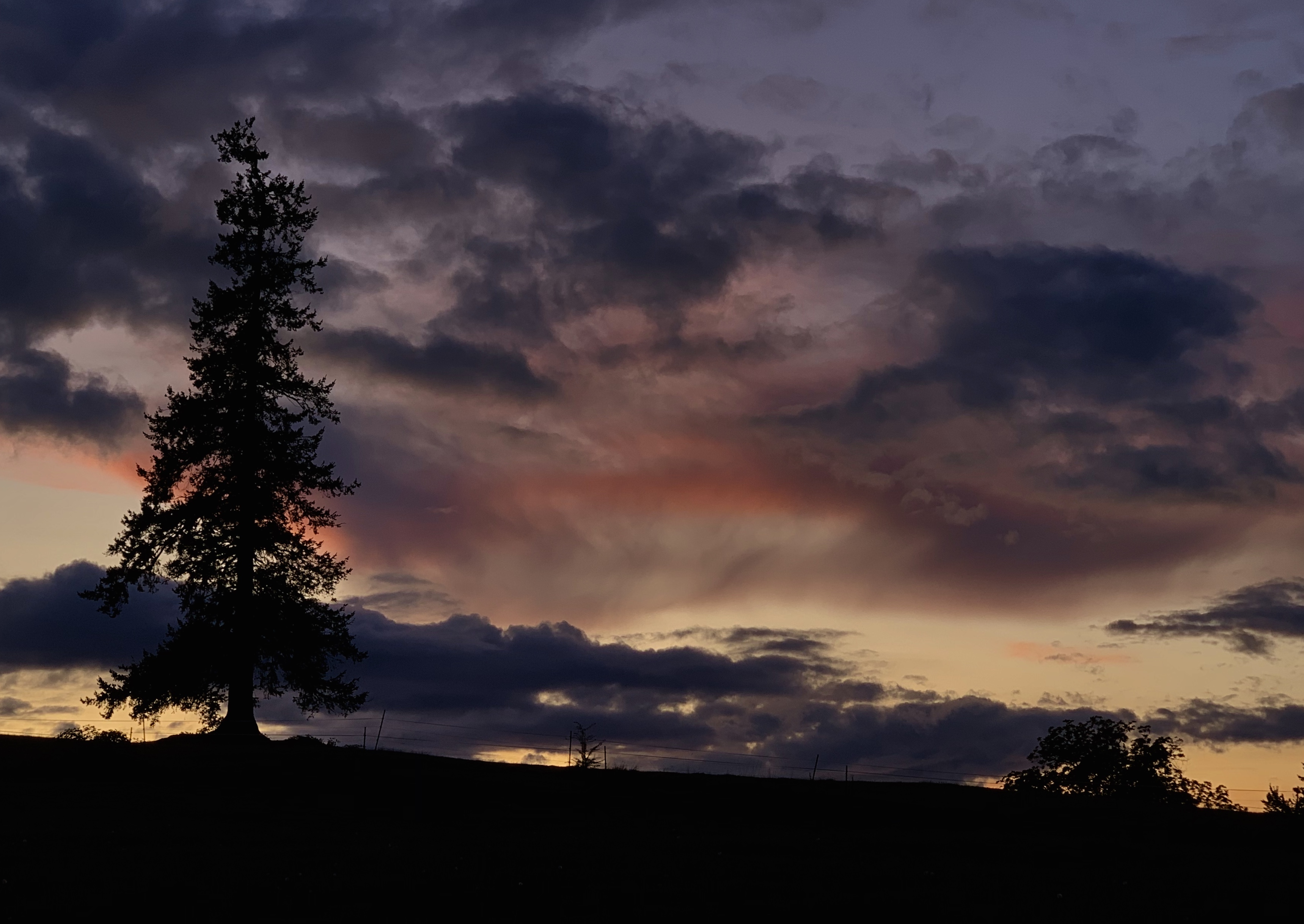
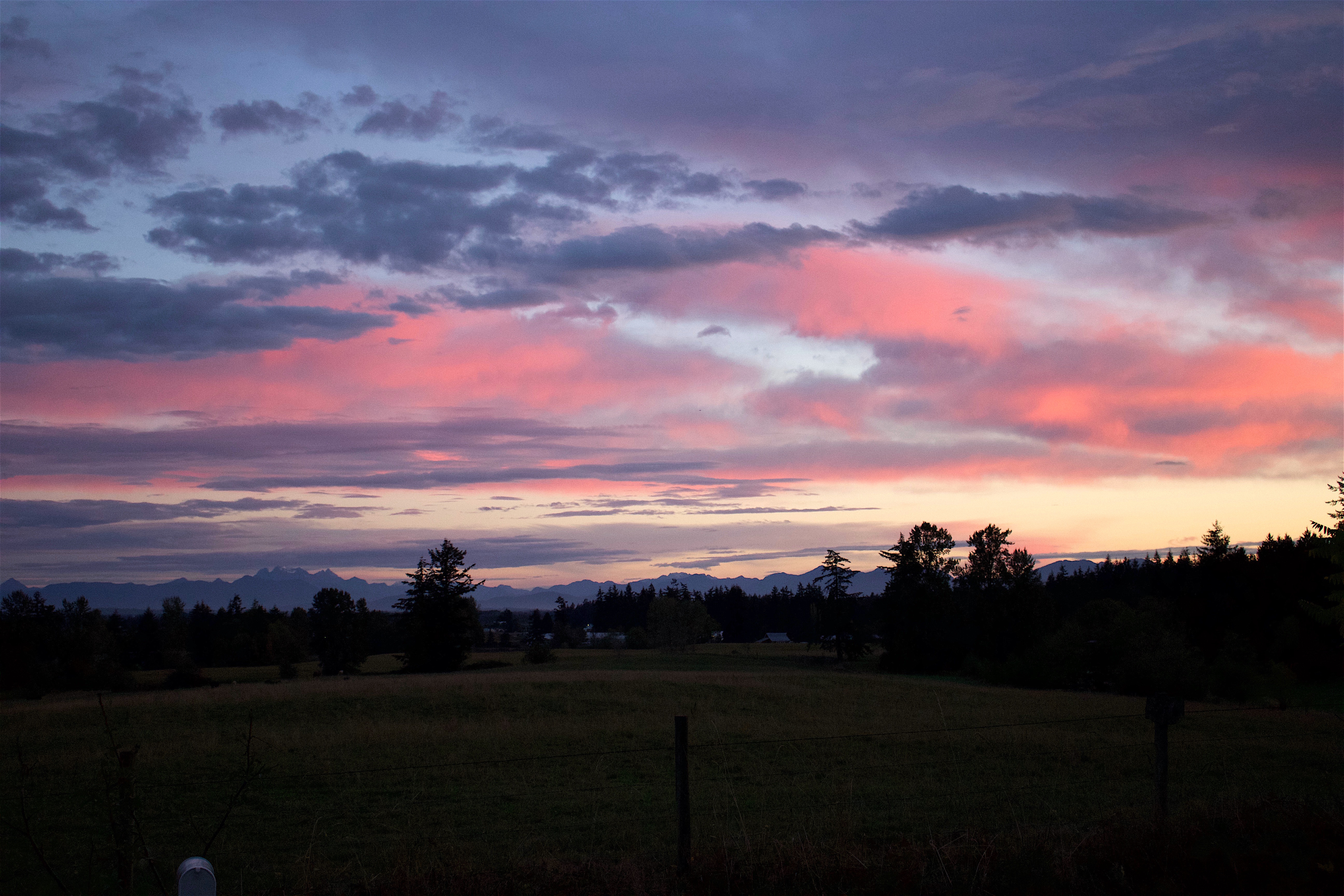
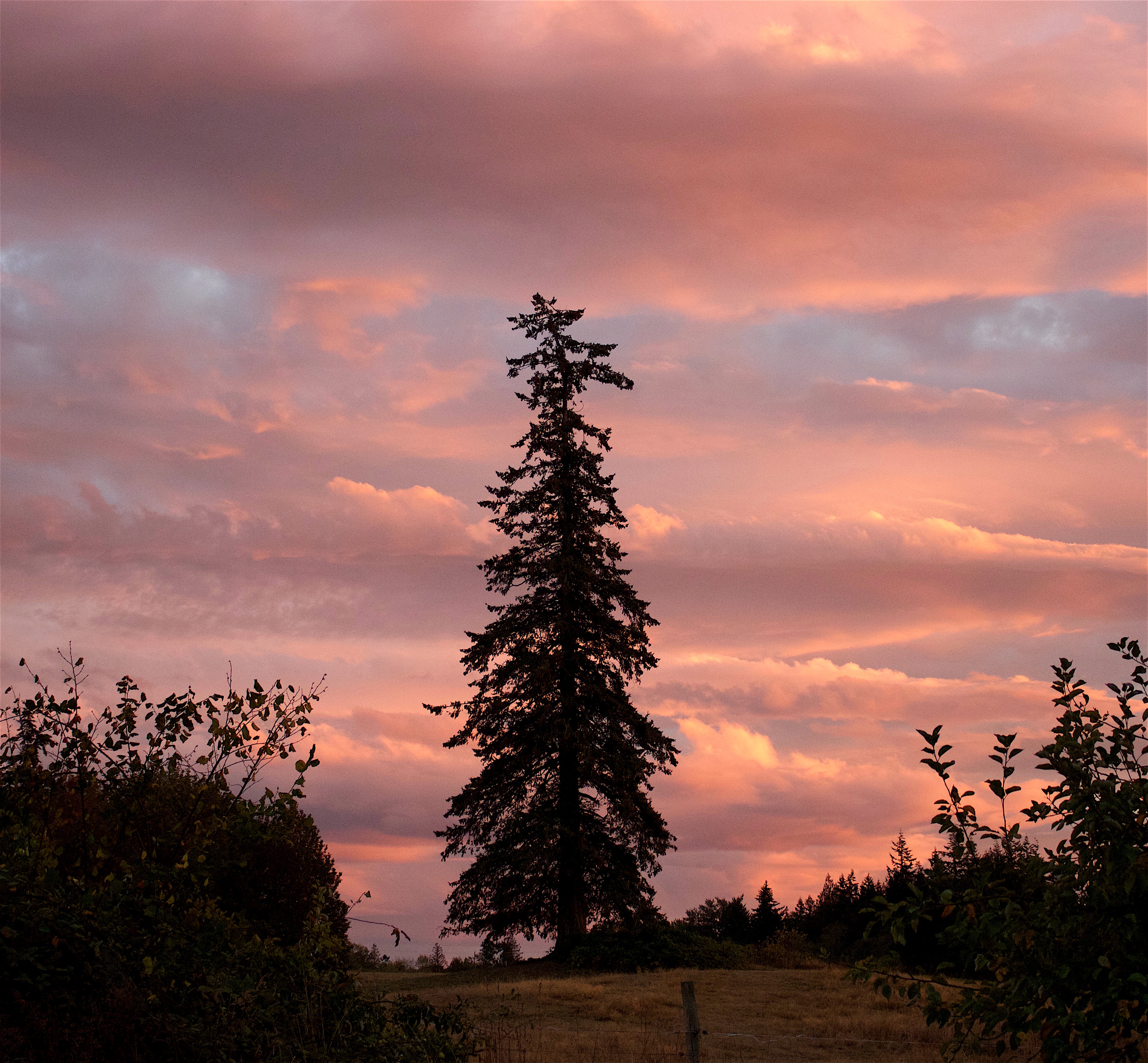
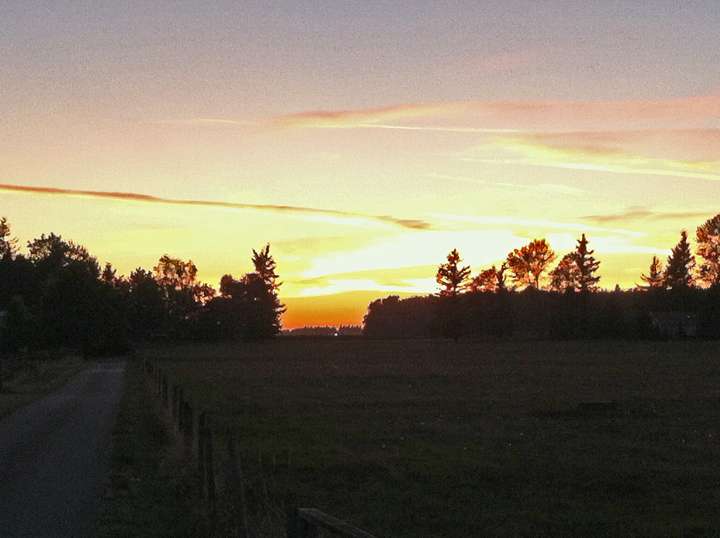
Sunrise and sunset happen so reliably every day, but I’m often too busy to be there to witness them. I miss some great shows because I don’t get up early enough or get home from work in time or simply don’t bother to look out the window.
These are brilliant light and shadow shows that are free for the taking if only I pause, take a breather, and watch.
The view keeps getting better the older I get. The momentum of daily life is pausing purposely to allow me, breathless, to take it all in.
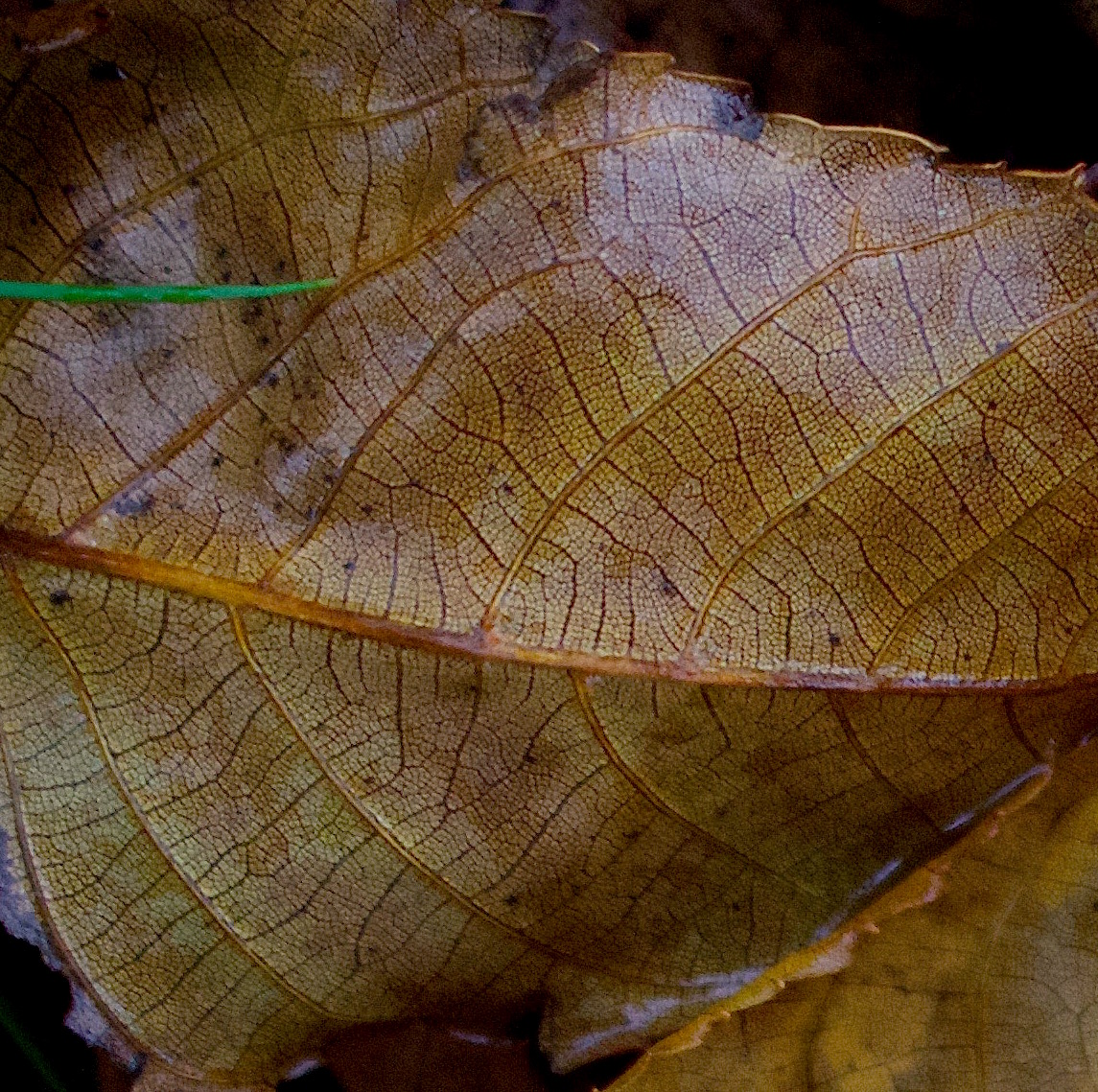
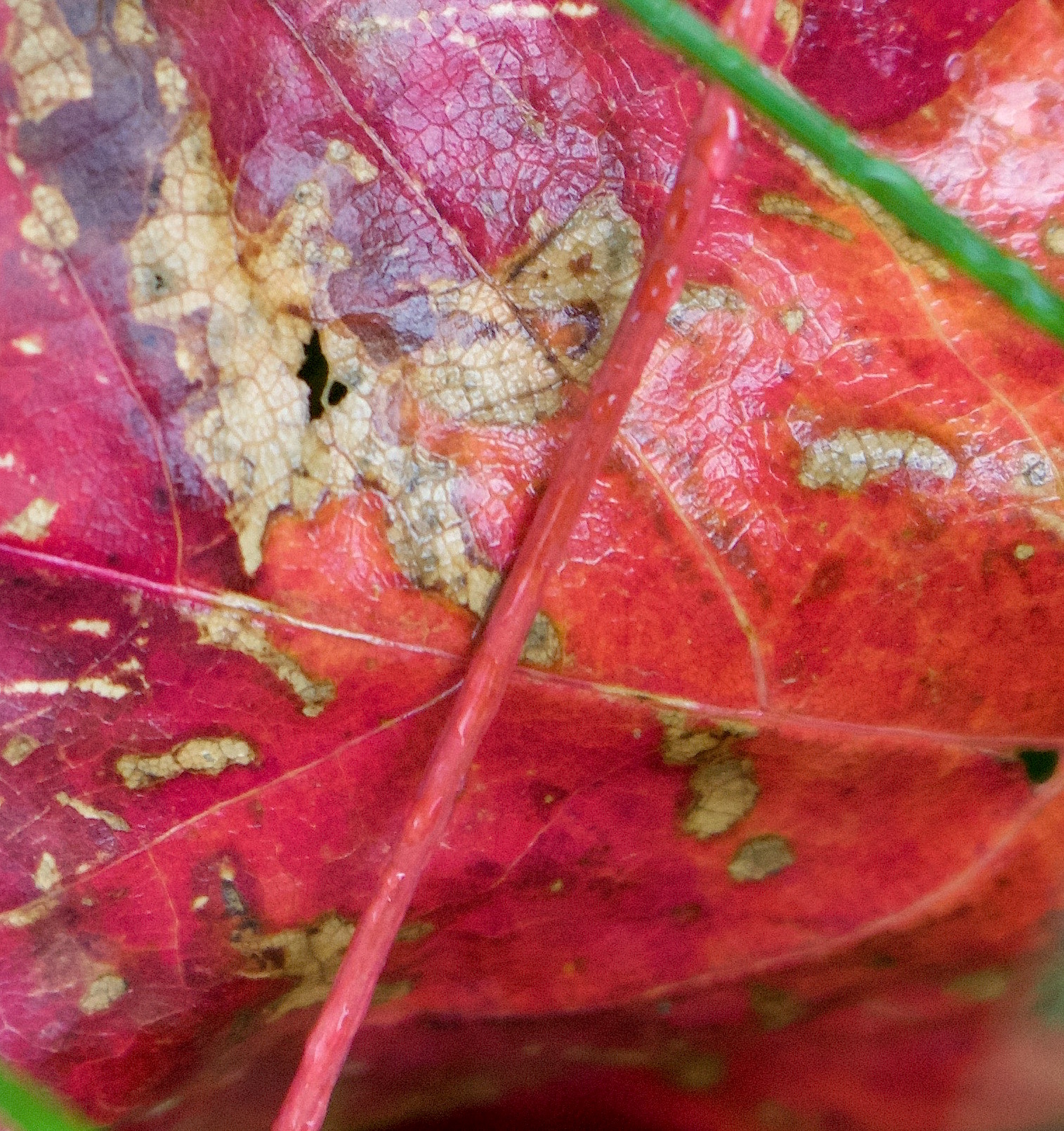
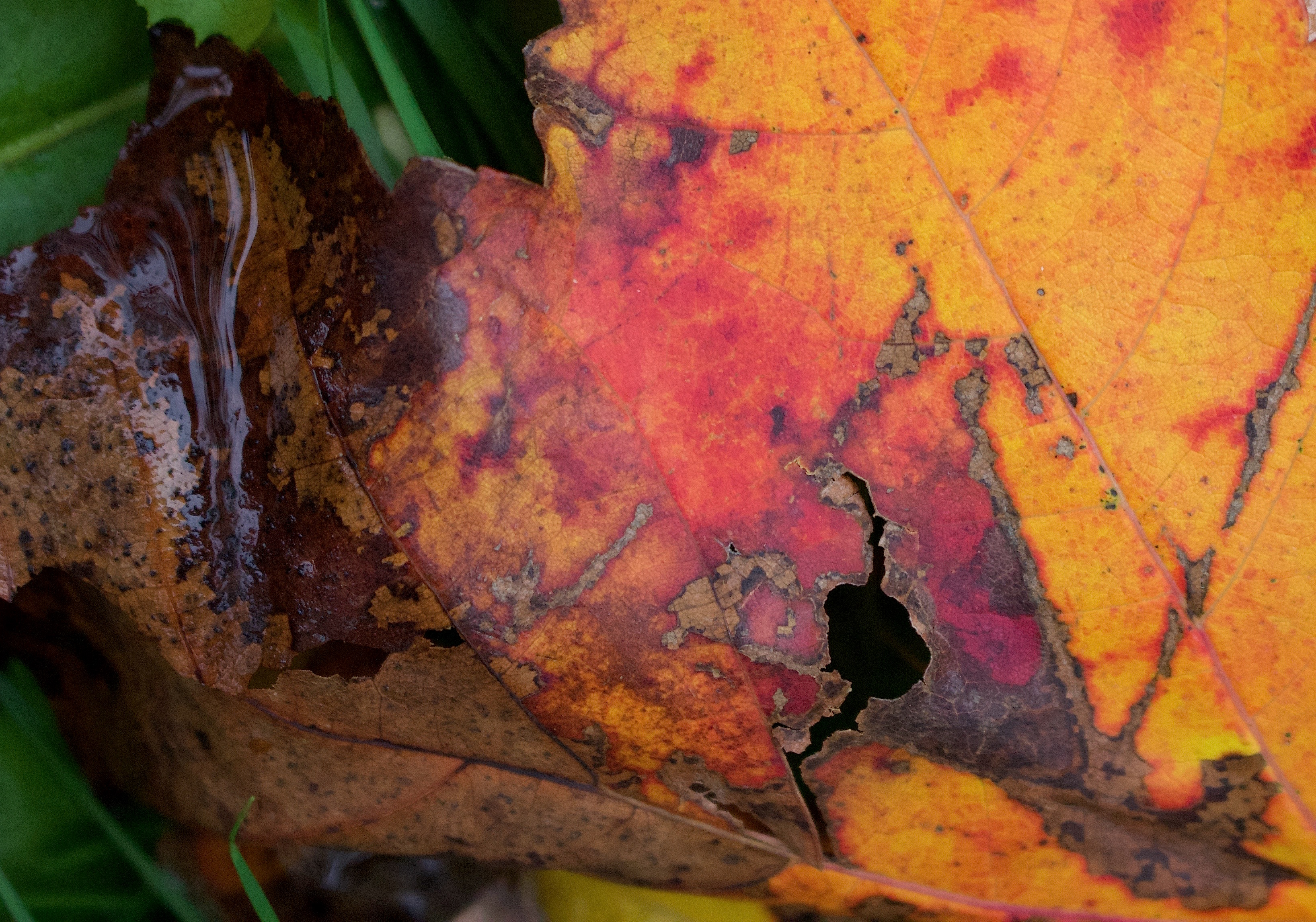
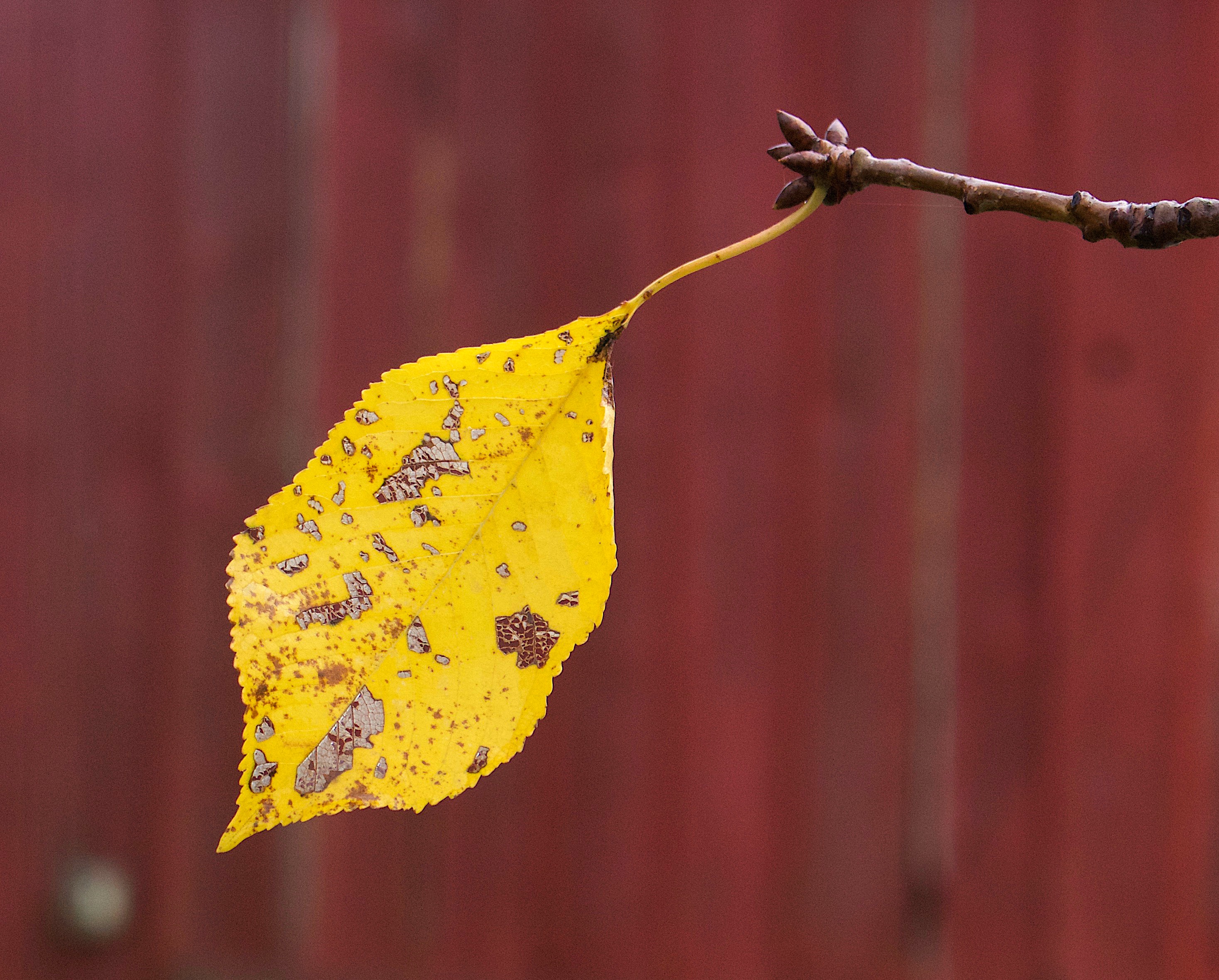
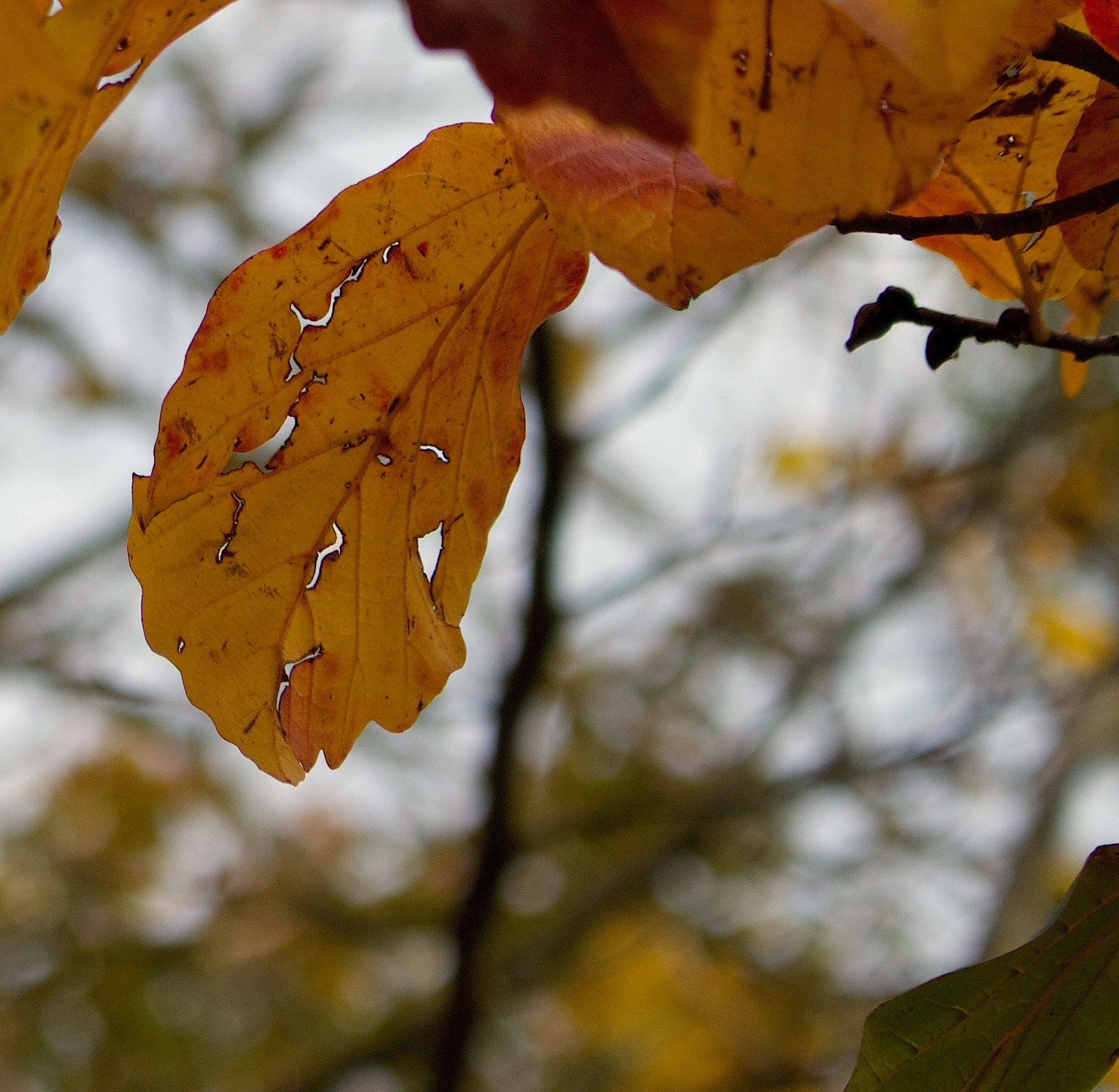
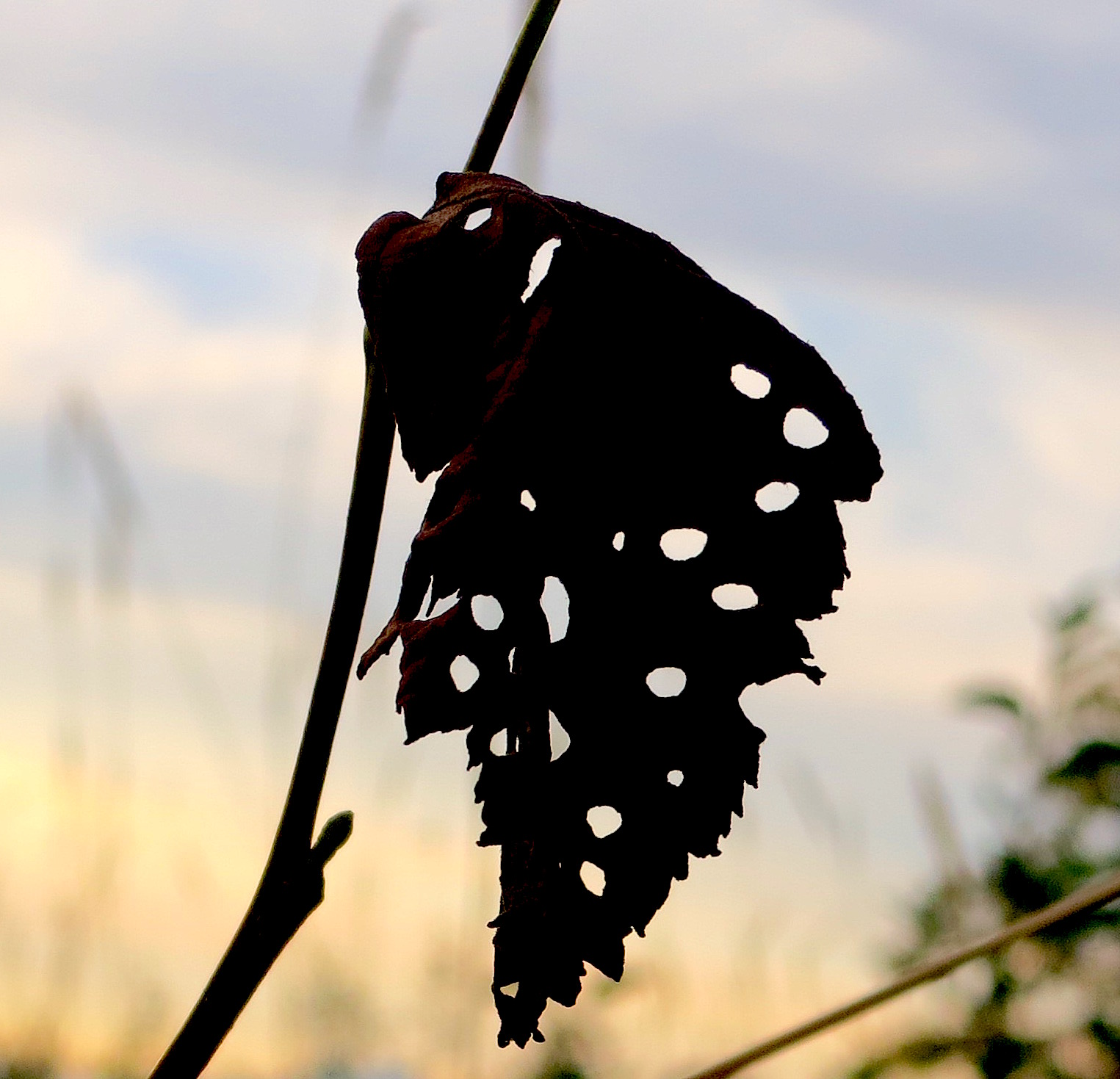
“Our life is a faint tracing on the surface of mystery, like the idle curved tunnels of leaf miners on the face of a leaf. We must somehow take a wider view, look at the whole landscape, really see it, and describe what’s going on here. Then we can at least wail the right question into the swaddling band of darkness, or, if it comes to that, choir the proper praise.” ~Annie Dillard from Pilgrim at Tinker Creek
We are meant to be more than mere blemish,
more than a sullied spot or gaping hole on the surface, imperfect and inconvenient.
We are created as air and water and flesh and bones,
from the covering of skin to our deeper darkened cavities that fill and empty.
We are created out of Word and Silence.
We are created to weep and praise, praise and weep.
We are meant to be mystery, perfect in our imperfection.
Blemish made beautiful.
What’s enough? Countless times I’ve watched the sun rise like God’s tender mercy to gently lift the dark blanket from the earth, and countless more times I’ve watched the sun set in such a splendiferous farewell that it must reflect the fringe on God’s robe. I’ve seen the sky define blue and endless. I’ve watched rivers run to the sea, full as life runs to God. I’ve felt the sea roll in on the eternal note of mystery and assurance.
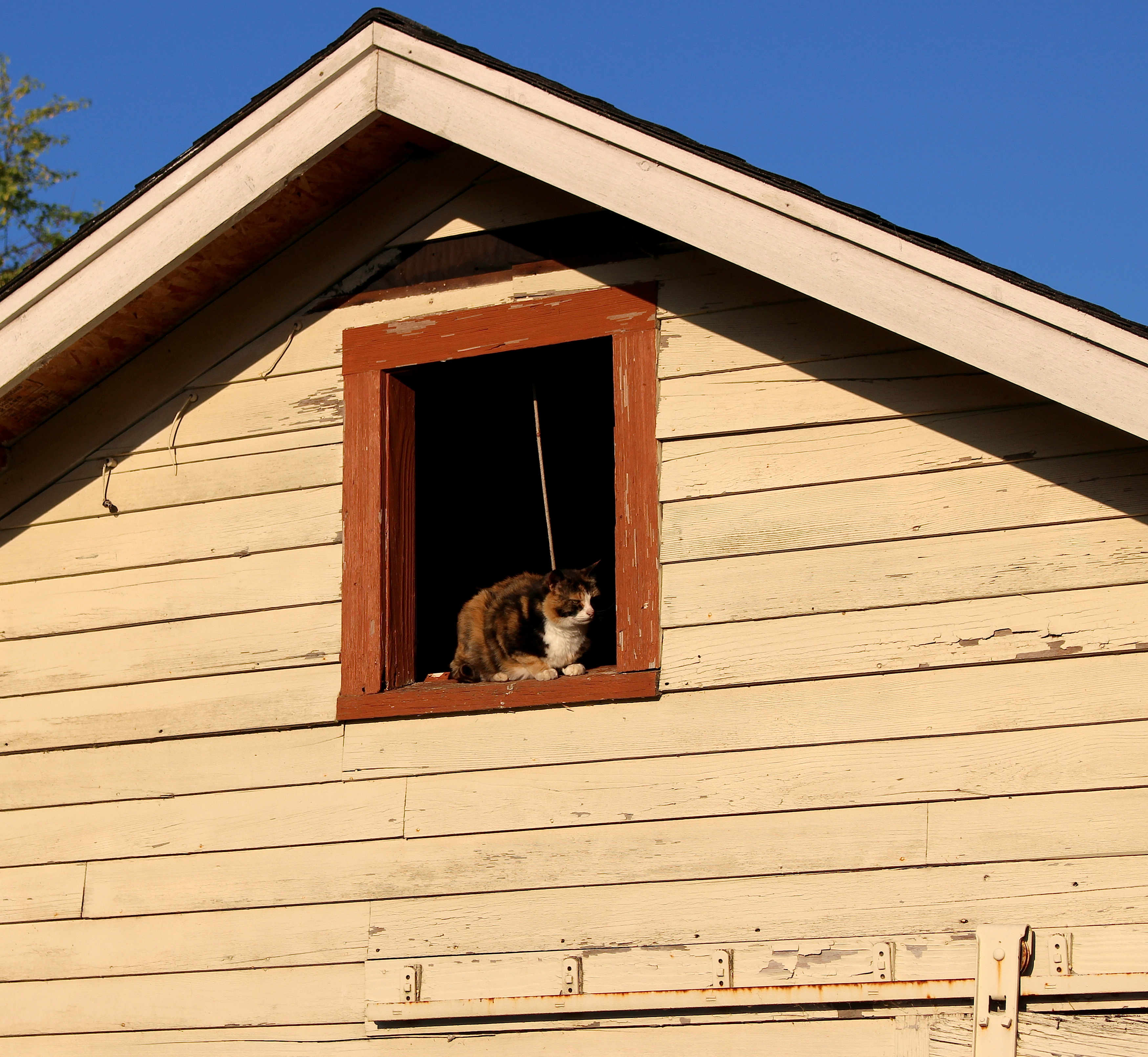
I’ve scratched the ears of dogs, laughed at the ballet of cats. I’ve heard the cry and gurgle of the newborn, played with children, rocked with grandmothers, learned from hundreds of teachers, some of them homeless, poor, and uneducated.
I’ve been loved and forgiven beyond all deserving, and all breath to tell of it, by family and friends and God.
I’ve been shaken, changed, and blessed a thousand times — and still — by the prophets, and by Christ. I’ve felt the touch of God, each time before I realized that’s what it was. I’ve shared in the cantankerous yet remarkable family of faith called the church. I’m conscious of being conscious and alive. And all that’s just for starters.
How much does it take to praise God? I have a couple of trips around the Milky Way past enough for that, no matter if I never receive another thing. So I best get on with it . . . and praise God that I can. — Ted Loder from The Haunt of Grace
dog ears
cat ballet
photo of new great-nephew Samuel Oliver by Mieke L.
play with children
grandmothers
We forget, in our ever-inward focus, we were created for praise and to give all glory to God. We are given mouths to sing, hands to clasp, eyes to witness His wonders, forgiveness to try once again to get it right.
Even so, we don’t even recognize the touch of God.
May we, the flawed and broken, meet together today in His church as a family of faith to praise God that we are able to praise Him.
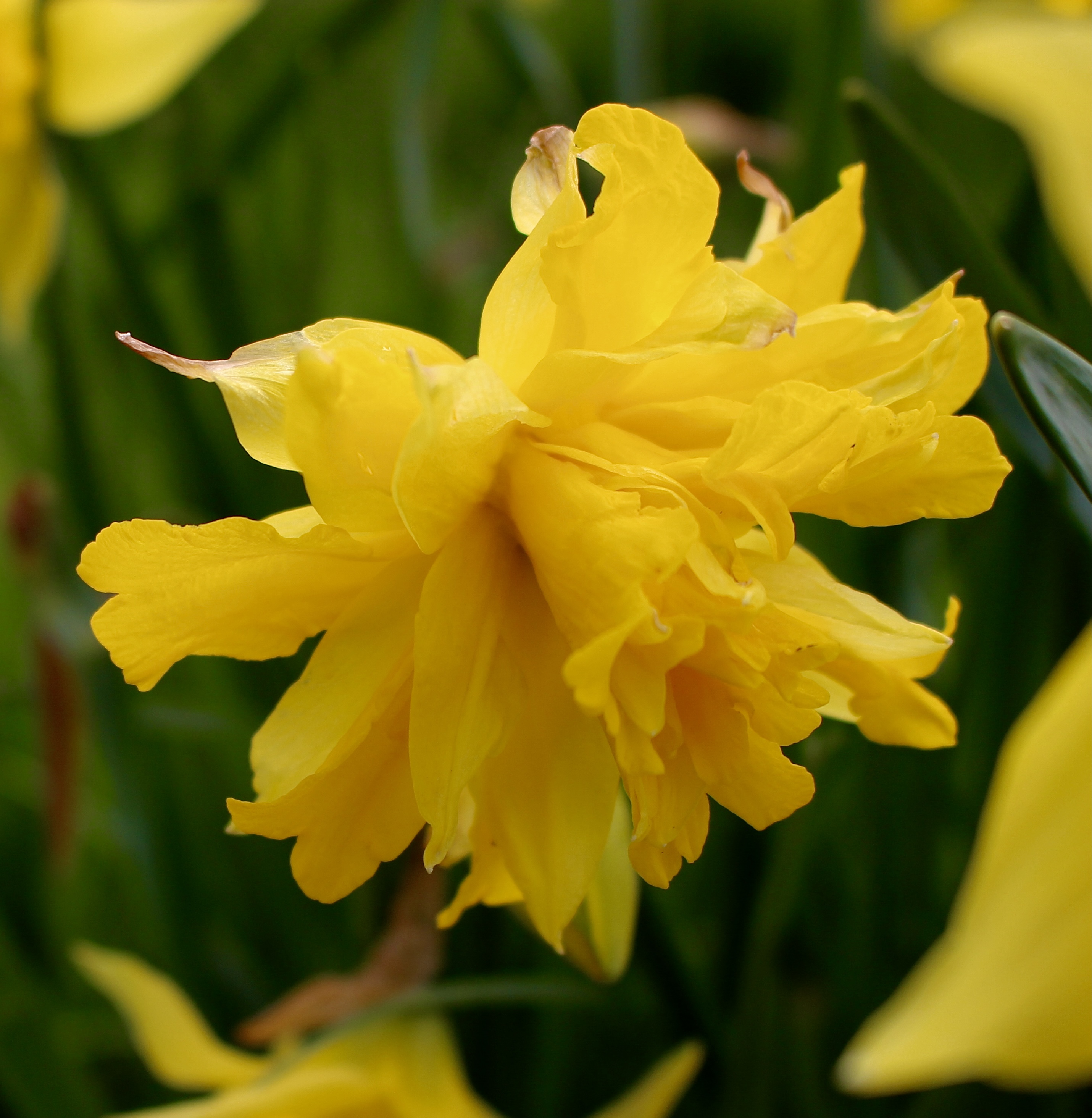
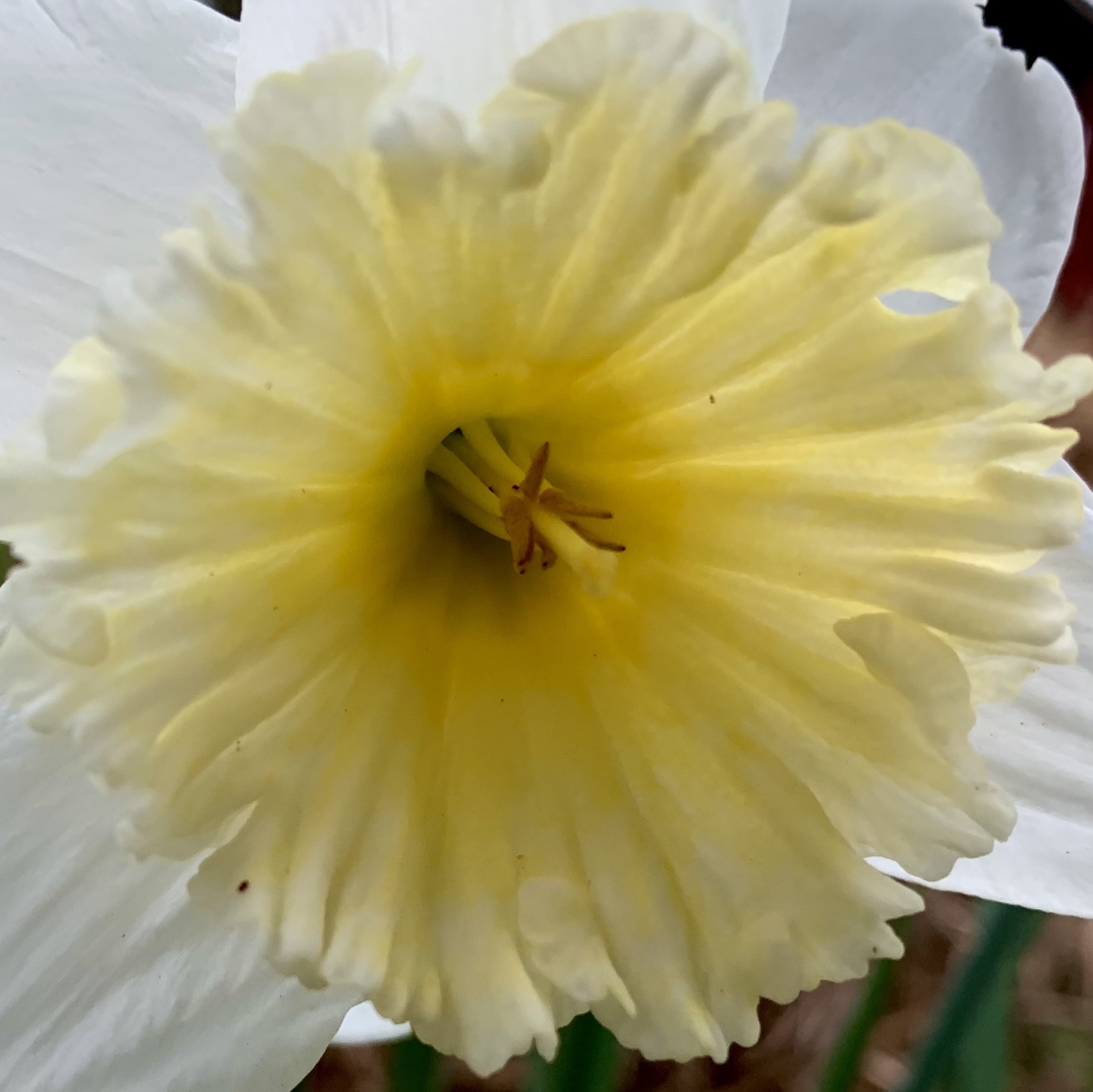
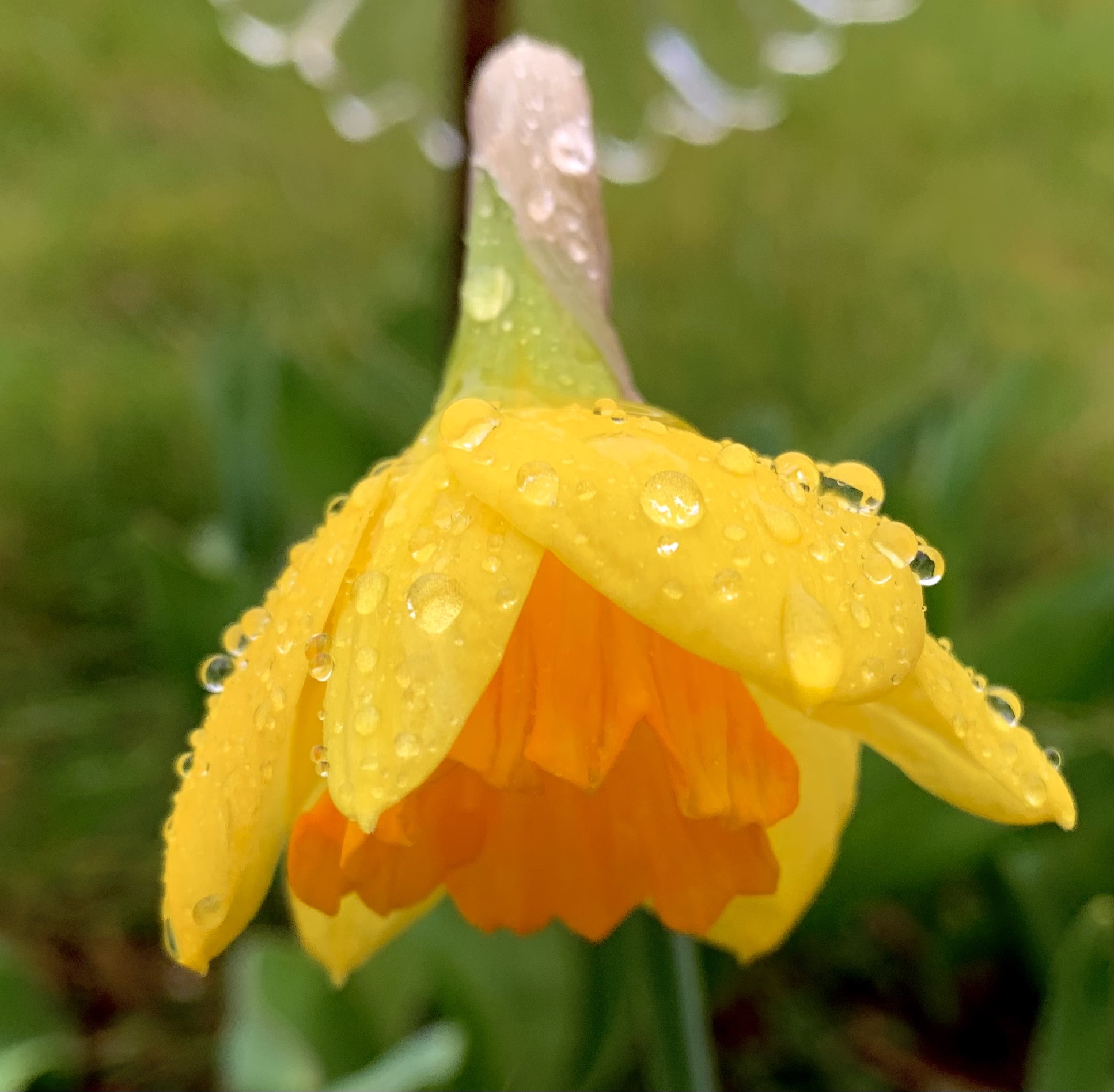
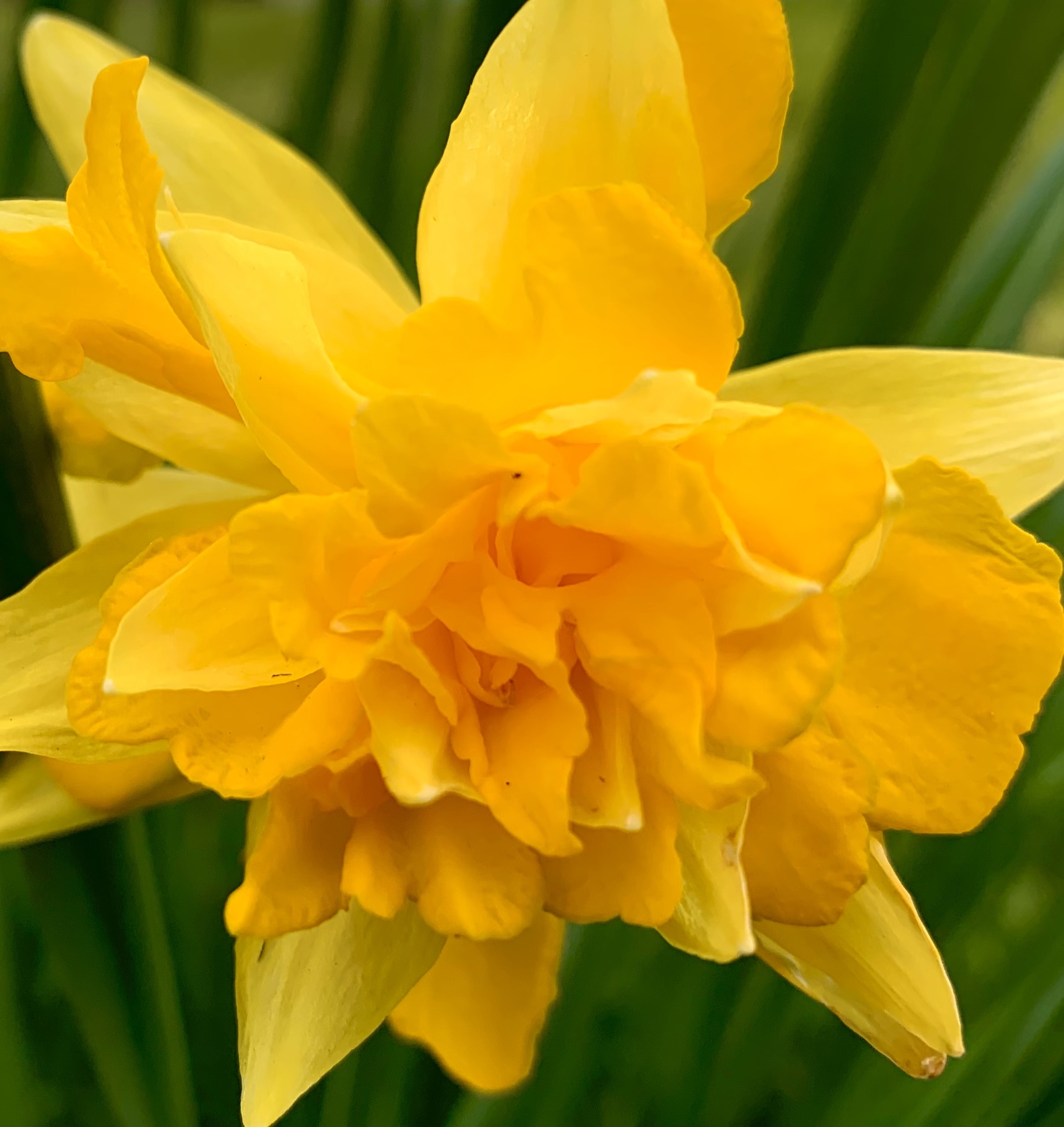
I shall open my eyes and ears. Once every day I shall simply stare at a tree, a flower, a cloud, or a person. I shall not then be concerned at all to ask what they are but simply be glad that they are. I shall joyfully allow them the mystery of what C.S. Lewis calls their “divine, magical, terrifying and ecstatic” existence.
Clyde Kilby in “Amazed in the Ordinary”













 Barnstorming