Life has loveliness to sell, All beautiful and splendid things, Blue waves whitened on a cliff, Soaring fire that sways and sings, And children’s faces looking up Holding wonder like a cup.
Life has loveliness to sell, Music like a curve of gold, Scent of pine trees in the rain, Eyes that love you, arms that hold, And for your spirit’s still delight, Holy thoughts that star the night.
Spend all you have for loveliness, Buy it and never count the cost; For one white singing hour of peace Count many a year of strife well lost, And for a breath of ecstasy Give all you have been, or could be. ~Sara Teasdale “Barter”
Some days I wish to keep hold forever:
when the light is just right in the trees,
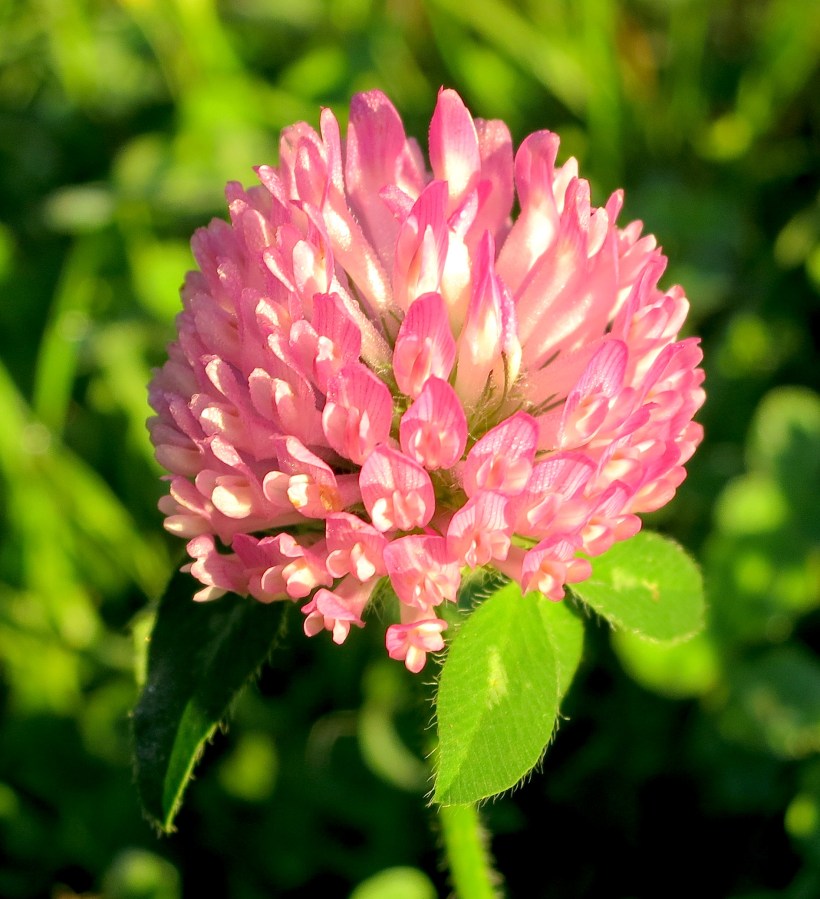
the breezes filled with blossom fragrance,
the congregation sings with joy as I play accompaniment,
a smiling child climbs up on my lap just because,
a meal is enjoyed by all who join together.
I know I barter for these moments
by giving up some piece of me,
knowing the sowing of self
will reap rich harvest in an overflowing heart.
Now if we died with Christ, we believe that we will also live with him.For we know that since Christ was raised from the dead, he cannot die again; death no longer has mastery over him. The death he died, he died to sin once for all; but the life he lives, he lives to God.In the same way, count yourselves dead to sin but alive to God in Christ Jesus. Romans 6: 8-10
So what do I believe actually happened that morning on the third day after he died? …I speak very plainly here…
He got up. He said, “Don’t be afraid.”
Love is the victor. Death is not the end. The end is life. His life and our lives through him, in him. Existence has greater depths of beauty, mystery, and benediction than the wildest visionary has ever dared to dream. Christ our Lord has risen. ~Frederick Buechner
Make no mistake: if He rose at all it was as His body; if the cells’ dissolution did not reverse, the molecules reknit, the amino acids rekindle, the Church will fall…
It was not as the flowers, each soft Spring recurrent; it was not as His Spirit in the mouths and fuddled eyes of the eleven apostles; it was as His Flesh: ours. ~John Updike from “Seven Stanzas at Easter”
Since this moment (the resurrection), the universe is no longer what it was; nature has received another meaning; history is transformed and you and I are no more, and should not be anymore, what we were before. ~Paul Tillich
Our flesh is so weak, so temporary,
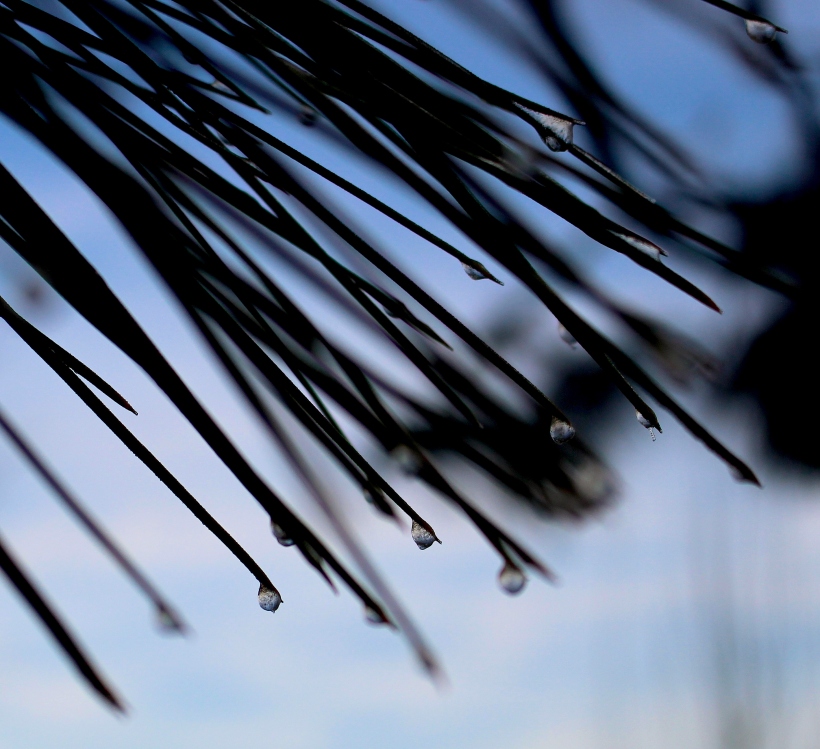
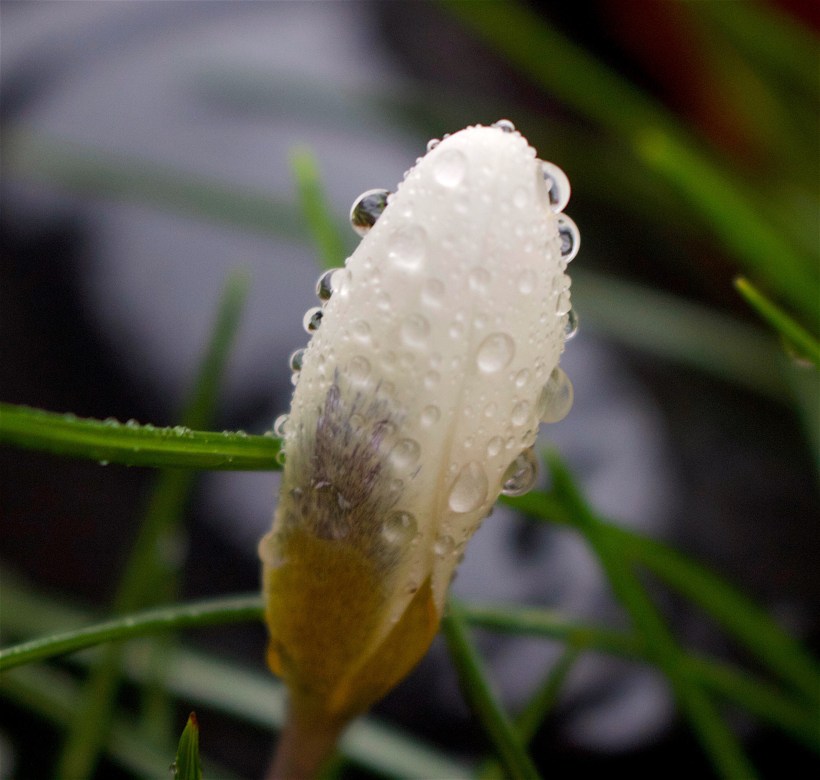
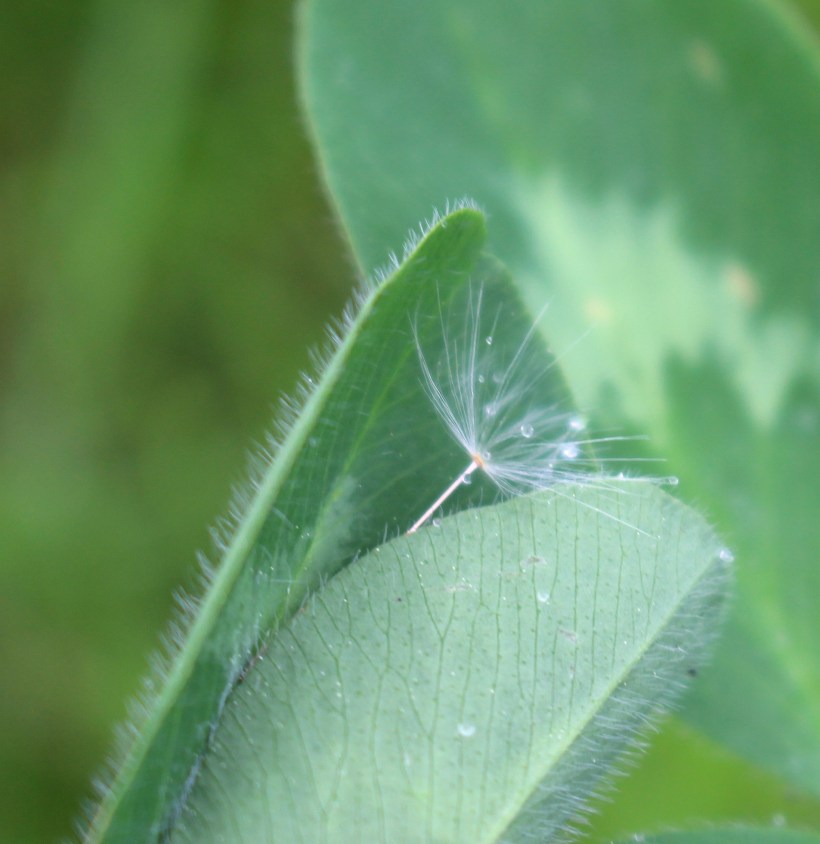
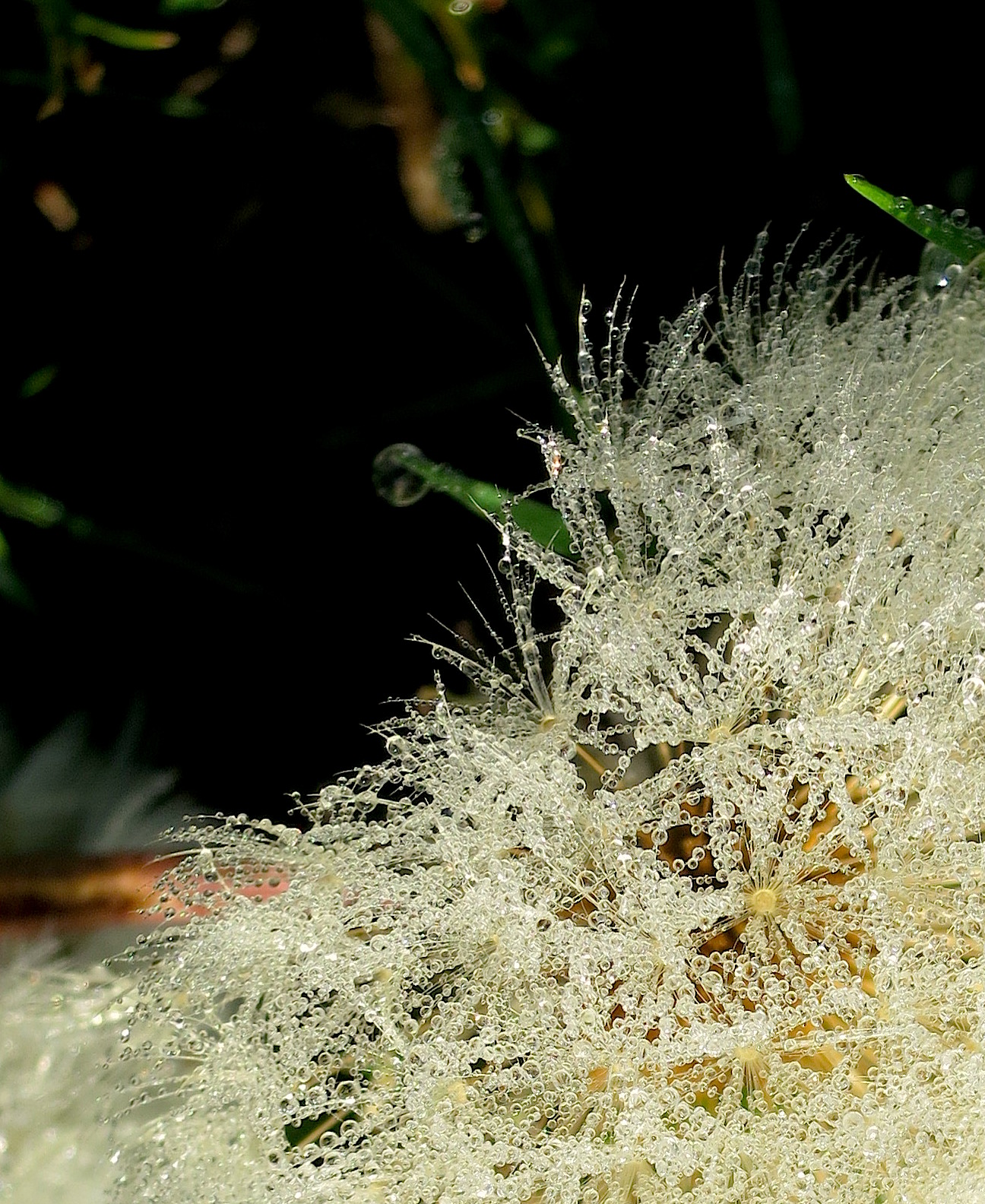
as ephemeral as a dew drop on a petal
yet with our earthly vision
it is all we know of ourselves
and it is what we trust knowing
of Him.
He was born as our flesh, from our flesh.
He walked and hungered and thirsted and slept
as our flesh.
He died, His flesh hanging in tatters,
blood spilling freely
breath fading
to nought
speaking Words
our ears can never forget.
And He got up,
to walk and hunger and thirst alongside us
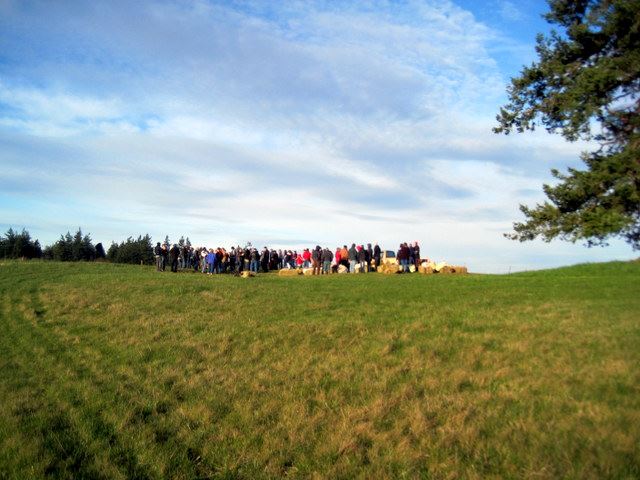
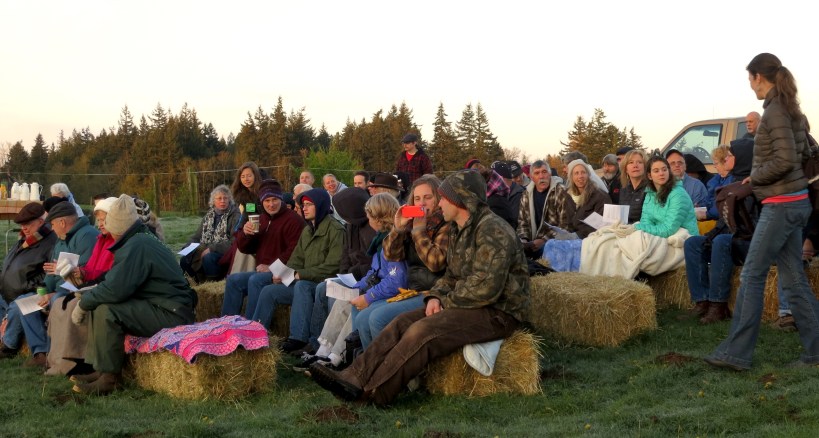
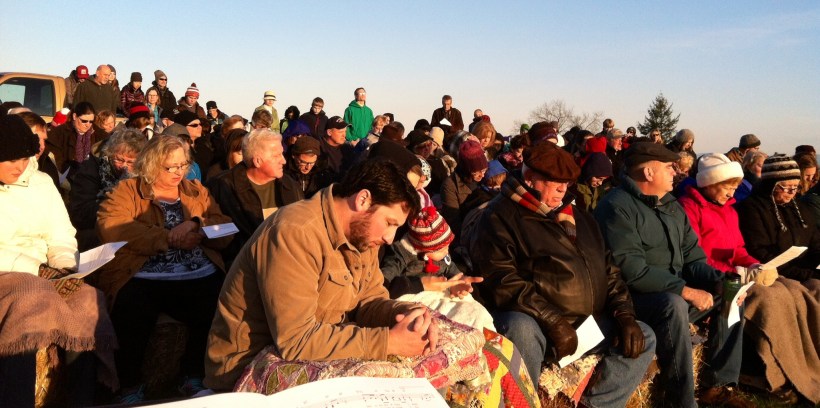
and here on this hill we meet together,
–flesh of His flesh–
here among us He is risen
–flesh of our flesh–
married forever
as the Church:
a fragile, flawed
and everlasting body.
During this Lenten season, I have drawn inspiration from the new devotional collection edited by Sarah Arthur —Between Midnight and Dawn
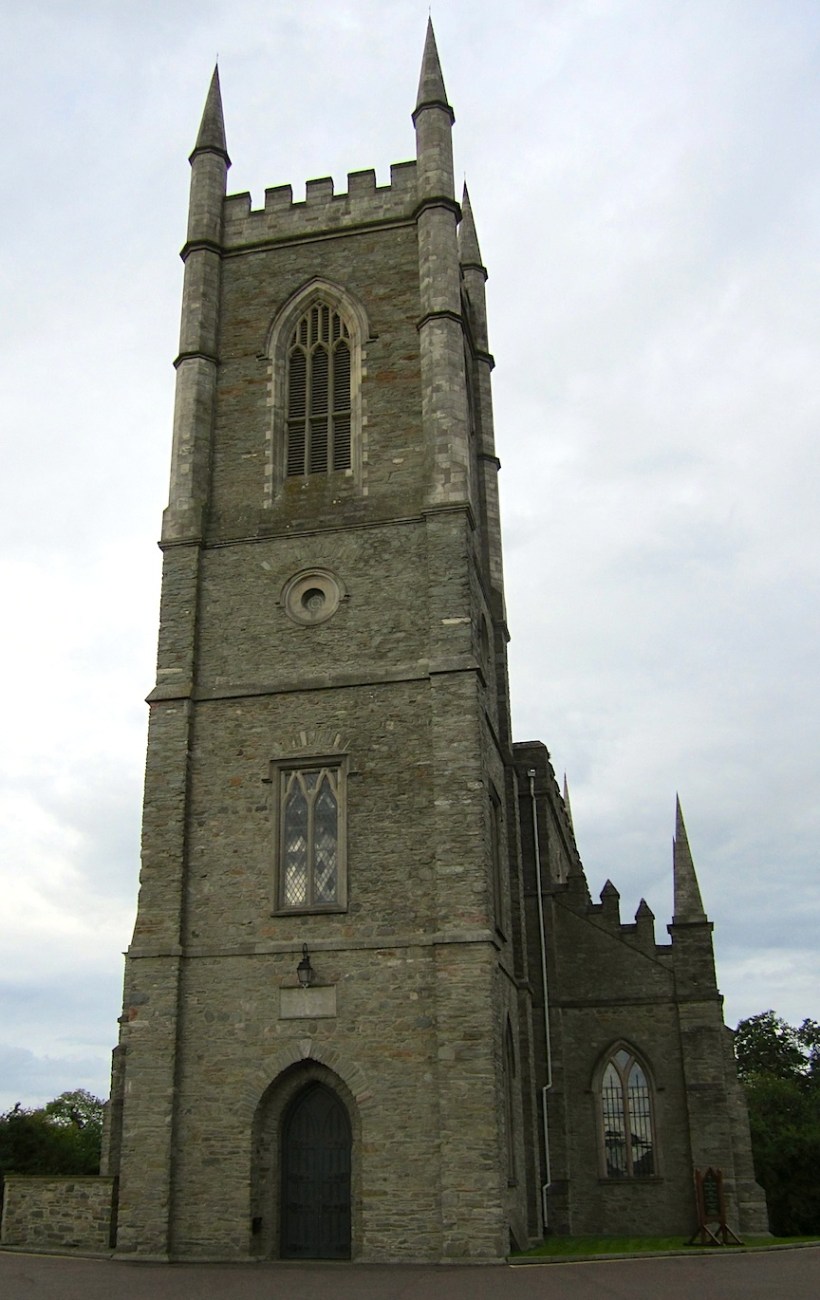
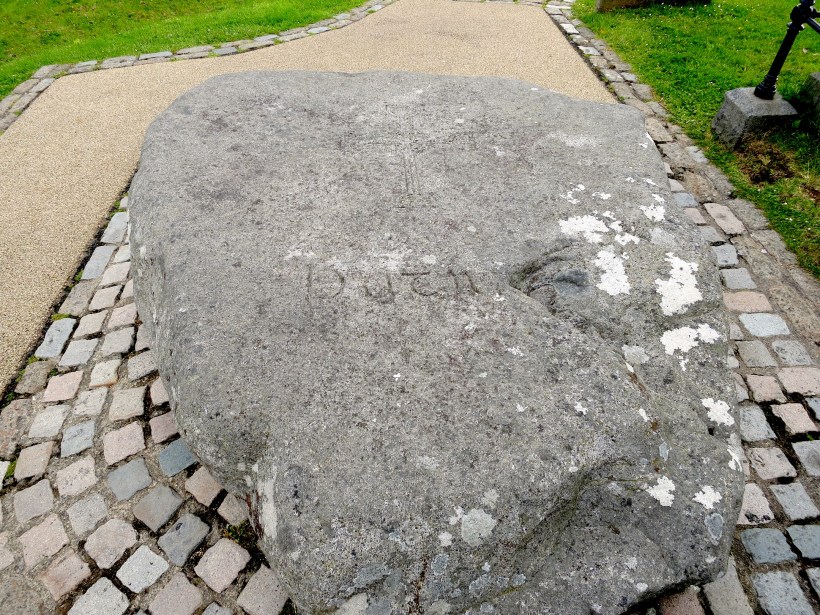
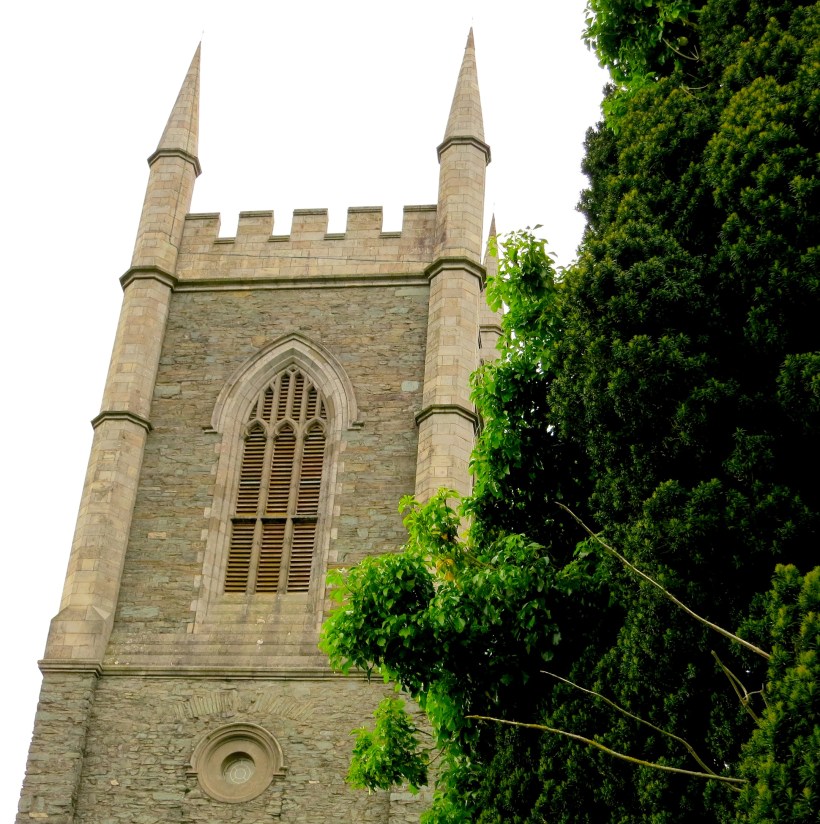
St. Patrick’s Cathedral, IrelandSt. Patrick’s grave marker
Be still, and know that I am God… Psalm 46:10
Be still and know that I am God. Be still and know that I am. Be still and know. Be still. Be.
Christ with me, Christ before me, Christ behind me, Christ in me, Christ beneath me, Christ above me, Christ on my right, Christ on my left, Christ when I lie down, Christ when I sit down, Christ when I arise, Christ in the heart of every man who thinks of me, Christ in the mouth of everyone who speaks of me, Christ in every eye that sees me, Christ in every ear that hears me. ~St. Patrick
Six years a slave, and then you slipped the yoke, Till Christ recalled you, through your captors cries! Patrick, you had the courage to turn back, With open love to your old enemies, Serving them now in Christ, not in their chains, Bringing the freedom He gave you to share. You heard the voice of Ireland, in your veins Her passion and compassion burned like fire.
Now you rejoice amidst the three-in-one, Refreshed in love and blessing all you knew, Look back on us and bless us, Ireland’s son, And plant the staff of prayer in all we do: A gospel seed that flowers in belief, A greening glory, coming into leaf.
~Malcolm Guite — A St. Patrick Sonnet
St. Patrick is little remembered for his selfless missionary work in Ireland in the fifth century, but rather has become a caricature of all the drunken silliness of this day. Visiting his grave in Ireland, a humble stone on a hill top overlooking the sea, I wondered what he would make of the modern March 17.
He would advise us to be still and know.
He would plant his staff in us and all we do; we would respond by flowering up from the green.
This mystery is that through the gospel the Gentiles are heirs together with Israel, members together of one body, and sharers together in the promise in Christ Jesus.
Ephesians 3:6
The journey begins when Christians leave their homes and beds. They leave, indeed, their life in this present and concrete world, and whether they have to drive 15 miles or walk a few blocks, a sacramental act is already taking place…
For they are now on their way to constitute the Church, or to be more exact, to be transformed into the Church of God. They have been individuals, some white, some black, some poor, some rich, they have been the ‘natural’ world and a natural community. And now they have been called to “come together in one place,” to bring their lives, their very world with them and to be more than what they were: a new community with a new life.
We are already far beyond the categories of common worship and prayer. The purpose of this ‘coming together’ is not simply to add a religious dimension to the natural community, to make it ‘better’ – more responsible, more Christian. The purpose is to fulfill the Church, and that means to make present the One in whom all things are at their end, and all things are at their beginning. ~ Father Alexander Schmemann from For the Life of the World
Human beings by their very nature are worshipers. Worship is not something we do; it defines who we are.
You cannot divide human beings into those who worship and those who don’t.
Everybody worships; it’s just a matter of what, or whom, we serve. ~Paul Tripp
************************************
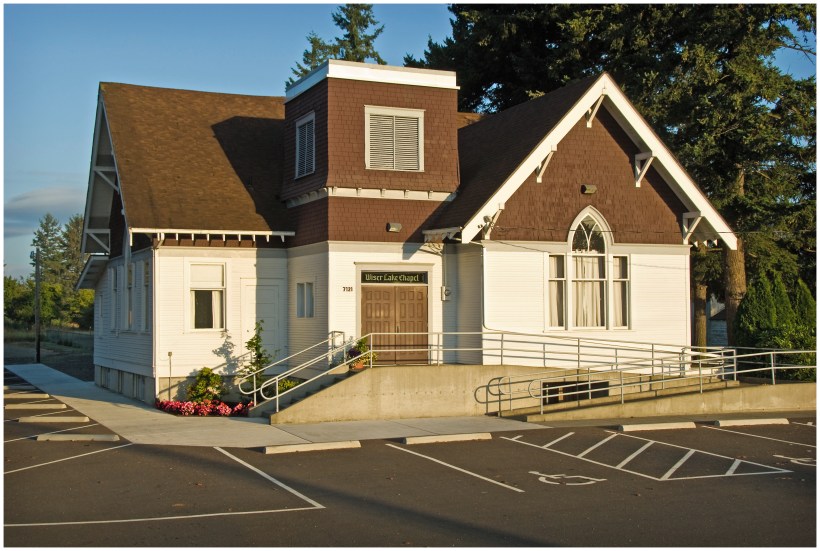
Back in the early days of Whatcom County, the little church on Wiser Lake had been constructed through “contributions of the people” in a rural neighborhood only a few miles from where we now live. $600 in lumber was provided by a local farmer whose trees were cut and milled and brought by horse drawn wagon to a building site adjacent to a one room school house along a corrugated plank road. The total property was “valued at $1800, but of even more value to the community.” The dedication ceremony was held on Sunday, August 27, 1916 followed by “a basket dinner—come with well filled baskets for a common table, under the direction of the Ladies Aid”. This was to be followed by a “Fellowship Meeting, special music and fraternal addresses” and the day ended at 8 PM with a Young People’s Meeting. So began the long history of the “Wiser Lake Church”.
For reasons unrecorded in the history of the church, the original denomination closed the doors thirty years later, and for awhile the building was empty and in need of a congregation. By the fifties, it became a mission church of the local Christian Reformed Churches and launched a Sunday School program for migrant farm and Native American children in the surrounding rural neighborhood. No formal church services started until the sixties. By the time the building was sixty years old, so many children were arriving for Sunday School, there was not enough room so the building was hoisted up on jacks to allow a hole to be dug underneath for a basement full of classrooms. Over the course of a summer, the floor space doubled, and the church settled back into place, allowed to rest again on its foundation.
Over seventy years after its dedication ceremony, our family drove past the boxy building countless times hurrying on our way to other places, barely giving it a second glance. It had a classic design, but showed its age with peeling paint, a few missing shingles, an old fashioned square flat roofed belfry, and arched windows. The hand lettered sign spelling out “Wiser Lake Chapel” by the road constituted a humble invitation of sorts, simply by listing the times of the services.
On a blustery December Sunday evening, we had no place else to be for a change. Instead of driving past, we stopped, welcomed by the yellow glow pouring from the windows and an almost full parking lot. Our young family climbed the steps to the big double doors, and inside were immediately greeted by a large balding man with a huge grin and encompassing handshake. He asked our names and pointed us to one of the few open spots still available in the old wooden pews.
The sanctuary was a warm and open space with a high lofted ceiling, dark wood trim accents matching the ancient pews, and a plain wooden cross above the pulpit in front. There was a pungent smell from fir bough garlands strung along high wainscoting, and a circle of candles standing lit on a small altar table. Apple pie was baking in the kitchen oven, blending with the aroma of good coffee and hot cocoa.
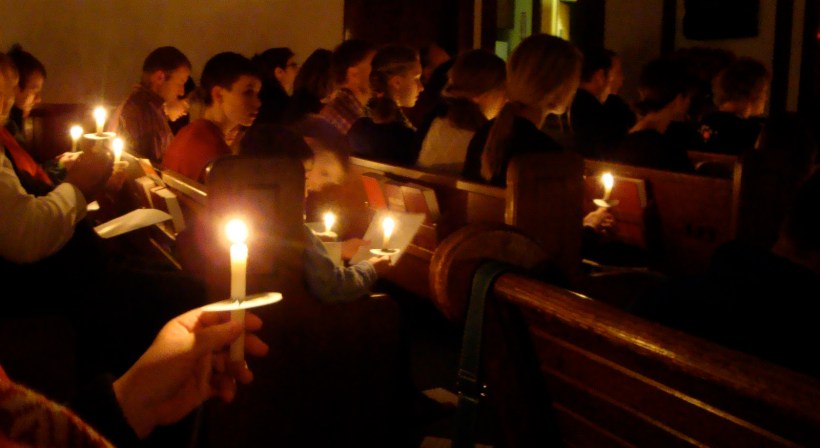
The service was a Sunday School Christmas program, with thirty some children of all ages and skin colors standing up front in bathrobes and white sheet angel gowns, wearing gold foil halos, tinfoil crowns and dish towels wrapped with string around their heads. They were prompted by their teachers through carols and readings of the Christmas story. The final song was Silent Night, sung by candle light, with each child and member of the congregation holding a lit candle. There was a moment of excitement when one girl’s long hair briefly caught fire, but after that was quickly extinguished, the evening ended in darkness, with the soft glow of candlelight illuminating faces of the young and old, some in tears streaming over their smiles.
It felt like home. We had found our church. We’ve never left. Over 25 years it has had peeling paint and missing shingles, a basement that floods when the rain comes down hard, toilets that don’t always flush, and though it smells heavenly on potluck days, there are times when it can be just a bit out of sorts and musty. It also has a warmth and character and uniqueness that is unforgettable.
It’s really not so different from the folks who gather there. We know we belong.
Wiser Lake Chapel in Whatcom County will celebrate a century of worship within its walls this summer
Let the peace of Christ rule in your hearts, since as members of one body you were called to peace. And be thankful.16 Let the message of Christ dwell among you richly as you teach and admonish one another with all wisdom through psalms, hymns, and songs from the Spirit, singing to God with gratitude in your hearts.
~Colossians 3:14-15
In these days of wrath and judgment, it is all the more vital for the heart of Christ to blaze up in the world and in history. The church is sent into the world for this purpose: in the midst of the mounting waves of panic, in the midst of the furious breakers of spilt blood, the church must fling itself against the waves and bring the banner of love to those who are drowning in loveless wrath. ~Eberhard Arnold from God’s Revolution
I can give not what men call love,
But wilt thou accept not
The worship the heart lifts above
And the Heavens reject not,—
The desire of the moth for the star,
Of the night for the morrow,
The devotion to something afar
From the sphere of our sorrow? ~Percy Bysse Shelley from”To ___”
The love we lift up to the Creator
is a meager shadow of the life preserver
He throws to us in our distress,
His heart beating for ours
we are His body on earth.
We desire His heart, we mirror His love
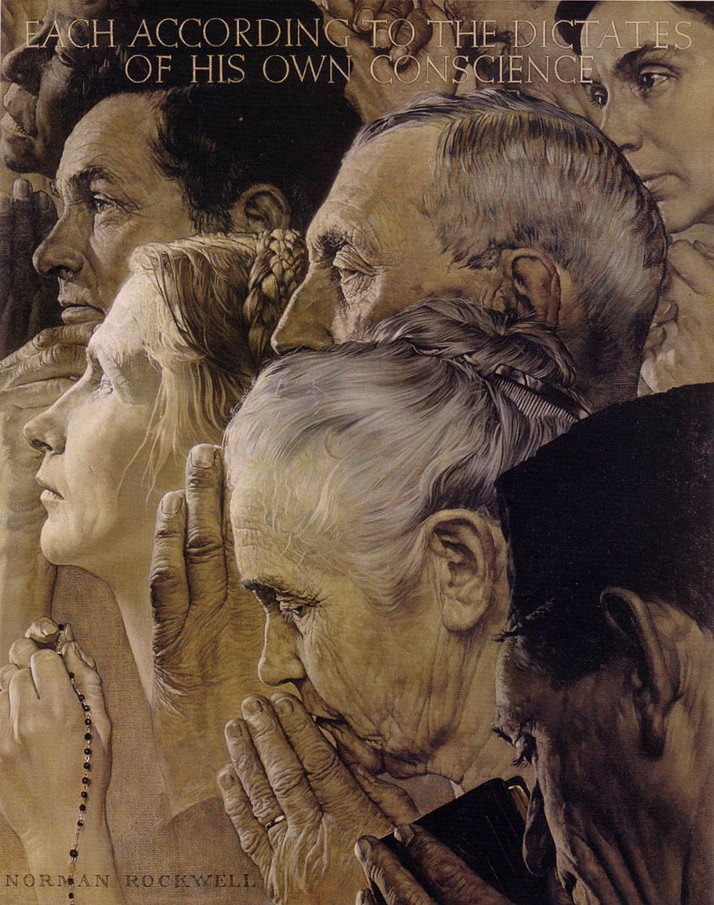
To clasp the hands in prayer is the beginning of an uprising against the disorder of the world. ~Karl Barth
Prayer may be easiest for the youngest among us. It can be amazingly spontaneous for kids — an outright exclamation of joy, a crying plea for help, a word of unprompted gratitude. As a child I can remember making up my own songs and monologues to God as I wandered alone in our farm’s woods, enjoying His company in my semi-solitude. I’m not sure when I began to silence myself out of self-conscious embarrassment, but I stayed silent for many years, unwilling to put voice to the prayers that rattled in my head. In my childhood, prayer in public schools had been hushed into a mere moment of silence, and intuitively I knew silence had never changed anything. The world became more and more disorderly in the 60’s and 70’s and in my increasingly indoctrinated mind, there was no prayer I could say that would make a difference.
How wrong could I and my secular education be?
Nothing can right the world until we are right with our Creator through talking to Him out of the depth of our need and fear. Nothing can right the world until we submit ourselves wholly, bowed low, hands clasped, eyes closed, articulating the joy, the thanks, and the petitions weighing on our hearts.
An uprising is possible when a voice comes alive, unashamed, un-selfconscious, rising up from within us, uttering words that beseech and thank and praise. To rise up with hands clasped together calls upon a power which needs no weapons, only words, to overcome and overwhelm the shambles left of our world.
Nothing can be more victorious than the Amen — our Amen — at the end. So be it and so shall it be.
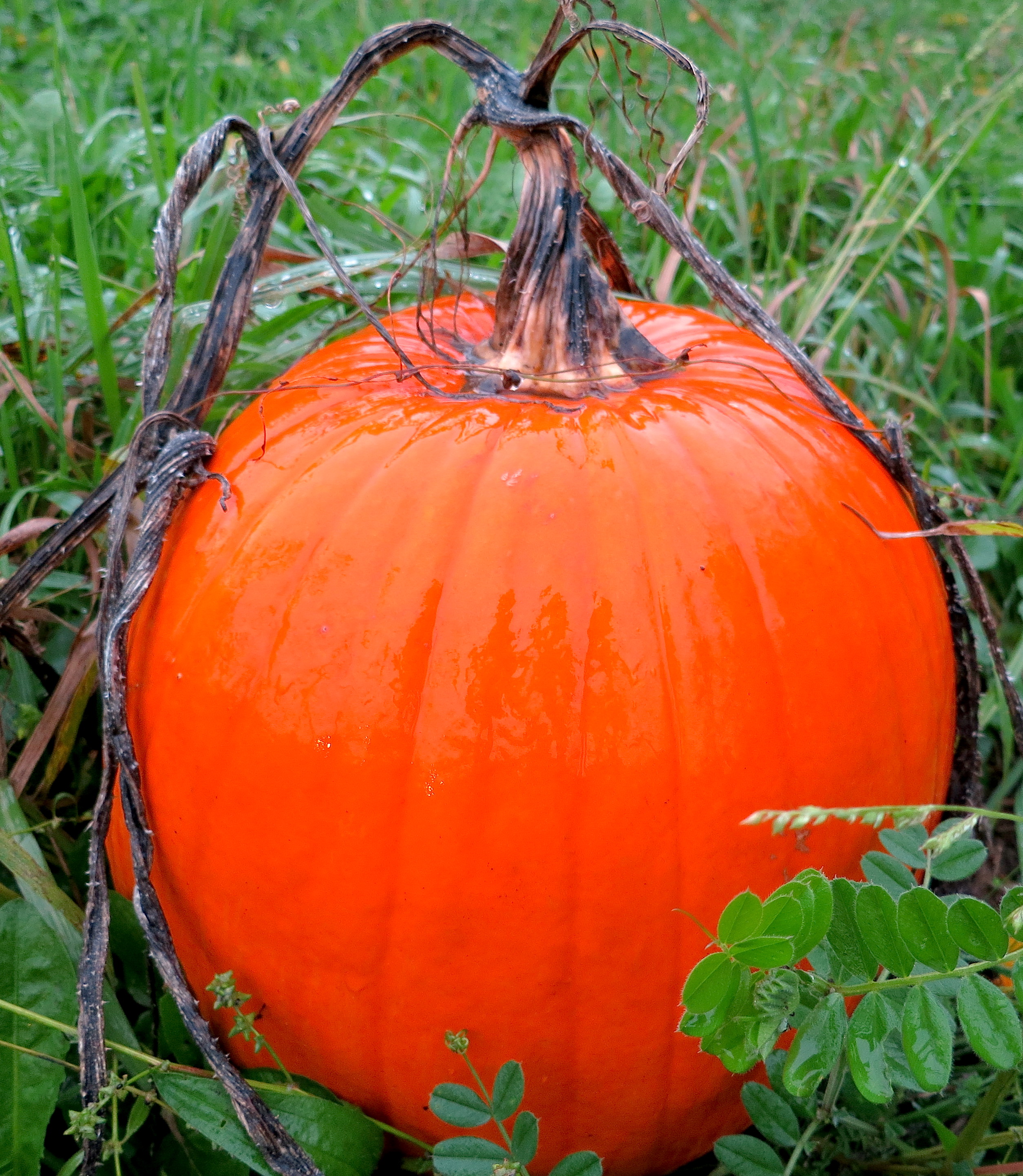
On Halloween day in 1985, I packed up my clothes, a roll up mattress, grabbed one lonely pumpkin from our small garden, locked our rental house door for the last time, climbed in my car and headed north out of Seattle. I don’t recall looking back in the rear view mirror at the skyline after nine years living in the city. My husband had moved to Whatcom County two months earlier to start his new job. I had stayed behind to wrap up my Group Health family practice in the Rainier Valley of Seattle. I was leaving the city for a new rural home and an uncertain professional future.
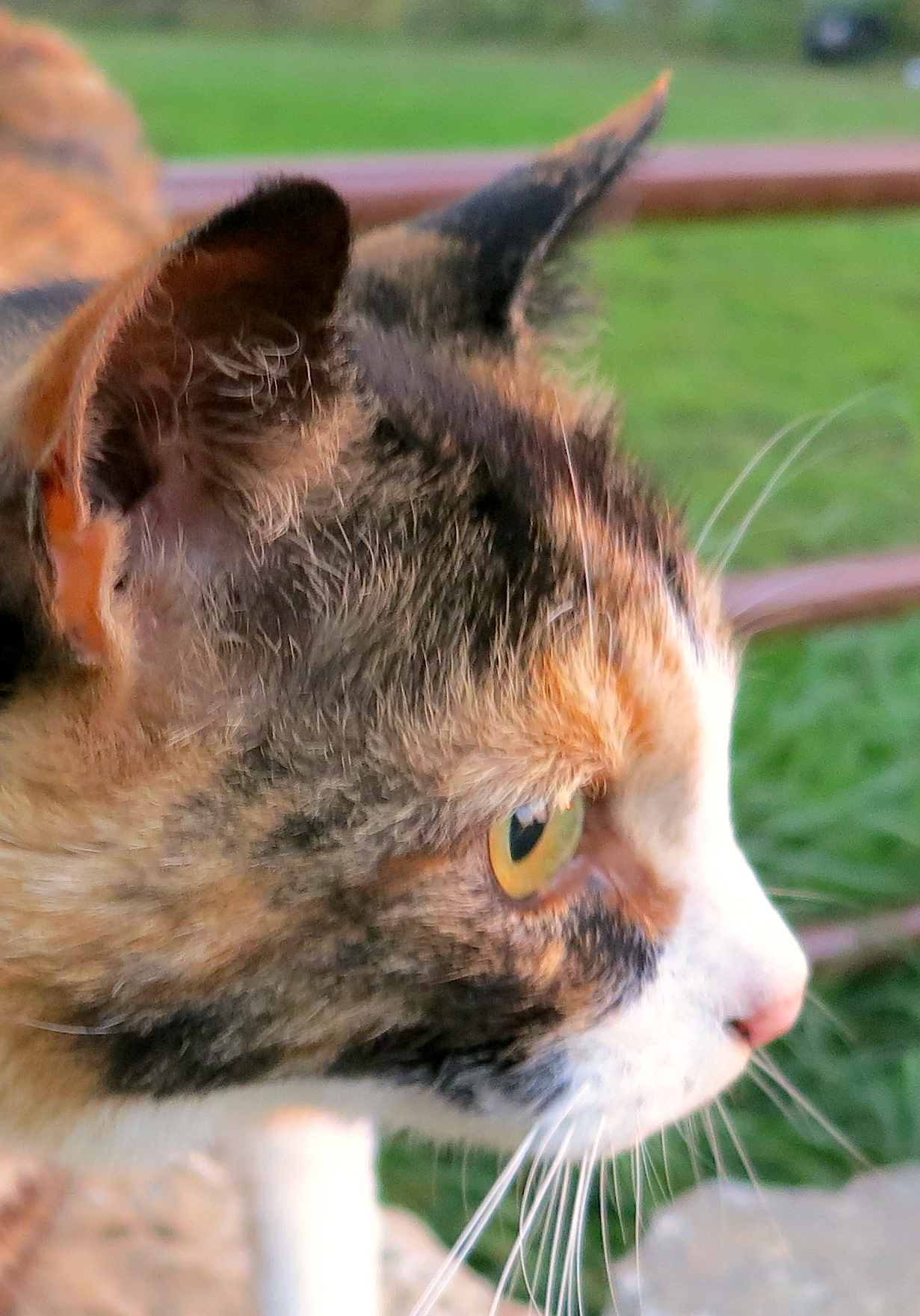
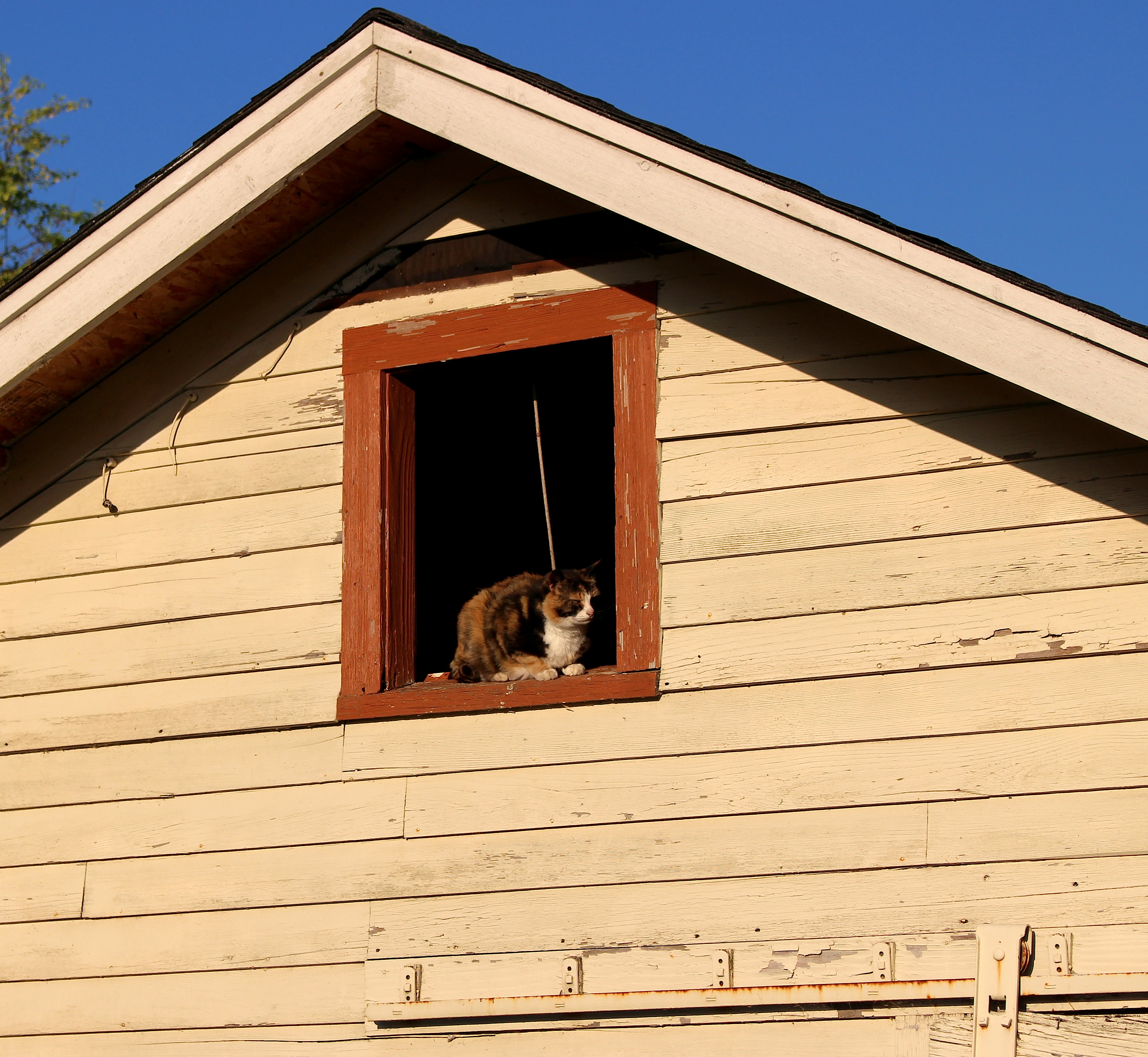
I knew two things for sure: I was finally several months pregnant after a miscarriage and two years of infertility, so our family was on its way, and we were going to actually live in our own house, not just a rental, complete with a few acres and a barn. A real (sort of) farm. Since no farm can be complete without animals, I stopped at the first pet store I drove past and found two tortoise shell calico kitten sisters peering up at me, just waiting for new adventures in farmland. Their box was packed into the one spot left beside me in my little Mazda. With that simple commitment to raise and nurture those kittens, life seemed very complete.
I will never forget the freedom I felt on that drive north. The highway seemed more open, the fall colors more vibrant, the wind more brisk, our baby happily kicking my belly, the kittens plaintively mewing from their box. There seemed to be so much potential even though I had just left behind the greatest job that could be found in any urban setting: the ideal family practice with a delightfully diverse patient population of African Americans, Cambodians, Laotians, Vietnamese, Muslims and Orthodox Jews. I would never know so much variety of background and perspective again and if I could have packed them all into the Mazda and driven them north with me, I would have.
We started our farm with those kittens dubbed Nutmeg and Oregano, soon adding an ethnic diversity of farm animals: Belgian Tervuren dog Tango, Haflinger horse Greta, Toggenburg goats Tamsen and her kids, a few Toulouse geese, Araucana chickens, Fiona the Scottish Highland cow, then another Haflinger Hans and another, Tamara. I worked as a fill in locums doctor in four different clinics before our first baby, Nate, was born. Again, we had new commitments and life felt complete– but not for long, as we soon added little brother Ben and seven years later, sister Lea. Then it really was complete. Or so I thought.
Thirty years later our children have long ago grown and gone, off to their own adventures beyond the farm. Our sons are married to wonderful women, our daughter is finishing her student teaching and starting the job hunt. Each child moved to a different big city spread out in three different time zones from us. A few cats, two Cardigan Corgi dogs, and a hand full of ponies remain at the farm with us. We are now both gray and move a bit more slowly, enjoy our naps and the quiet of the nights and weekends. Our second larger farm is more than we can realistically manage by ourselves in our spare time. My work has evolved from four small jobs to two decades of two part time jobs to one more than full time job that fits me like a well worn sweater 24 hours a day.
My husband is talking retirement in a little over two years. I’m not so sure for myself. I have never not worked and don’t know how I can stop when the need in health care is greater than ever.
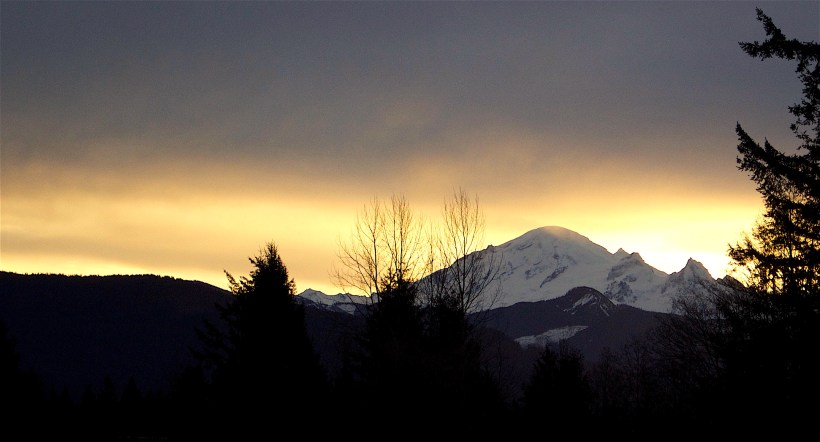
The freedom I felt that rainy Halloween day three decades ago, as Seattle disappeared in the rear view mirror, meant I no longer sat captive in freeway rush hour bumper to bumper traffic jams. I celebrate my daily commute through farm fields, watching eagles fly, and new calves licked by their mamas. I am part of a community in a way I never could manage in the city, stopping to visit with friends at the grocery store, playing piano and teaching at church and serving on various community boards. Our home sits in the midst of woods and corn fields, with deer strolling through the fields at dawn, coyotes howling at night, Canadian geese and trumpeter swans calling from overhead and salmon becoming more prolific every year in nearby streams. The snowy Cascades greet us in the morning and the sunset over Puget Sound bids us good night.
It all started October 31, 1985 with two orange and black kittens and a pumpkin sitting beside me in a little Mazda, my husband waiting for my homecoming 100 miles north. Now, thirty years and three grown children later, we celebrate this Halloween transition anniversary together, still pregnant with the possibility that life is never truly complete when there is always a new day just around the corner.
It is Margaret you mourn for. ~Gerard Manley Hopkins “Spring and Fall”
This morning we weep and know why.
It is not simply the sorrowful loss
of the perfection of spring and childhood
giving way to the dying of the fall,
the last gasp coloring of leaves and skies.
It is the loss of innocence, of sense of reverence for life,
this blight man was born for,
this bleeding out for no reason.
What must drive one man’s selfish rage, loneliness and despair to compel him to deprive innocent others of their blood and life?
What unexplained evil overtakes one heart that he seeks to stop the beating hearts of others before his own stops?
When will there ever be safe havens again in society, if not within our schools, our churches and our medical facilities, then where?
This is a day for lament, for tears, and for prayers to God that we cry out and bleed out the spiritual sickness that is infecting us all.
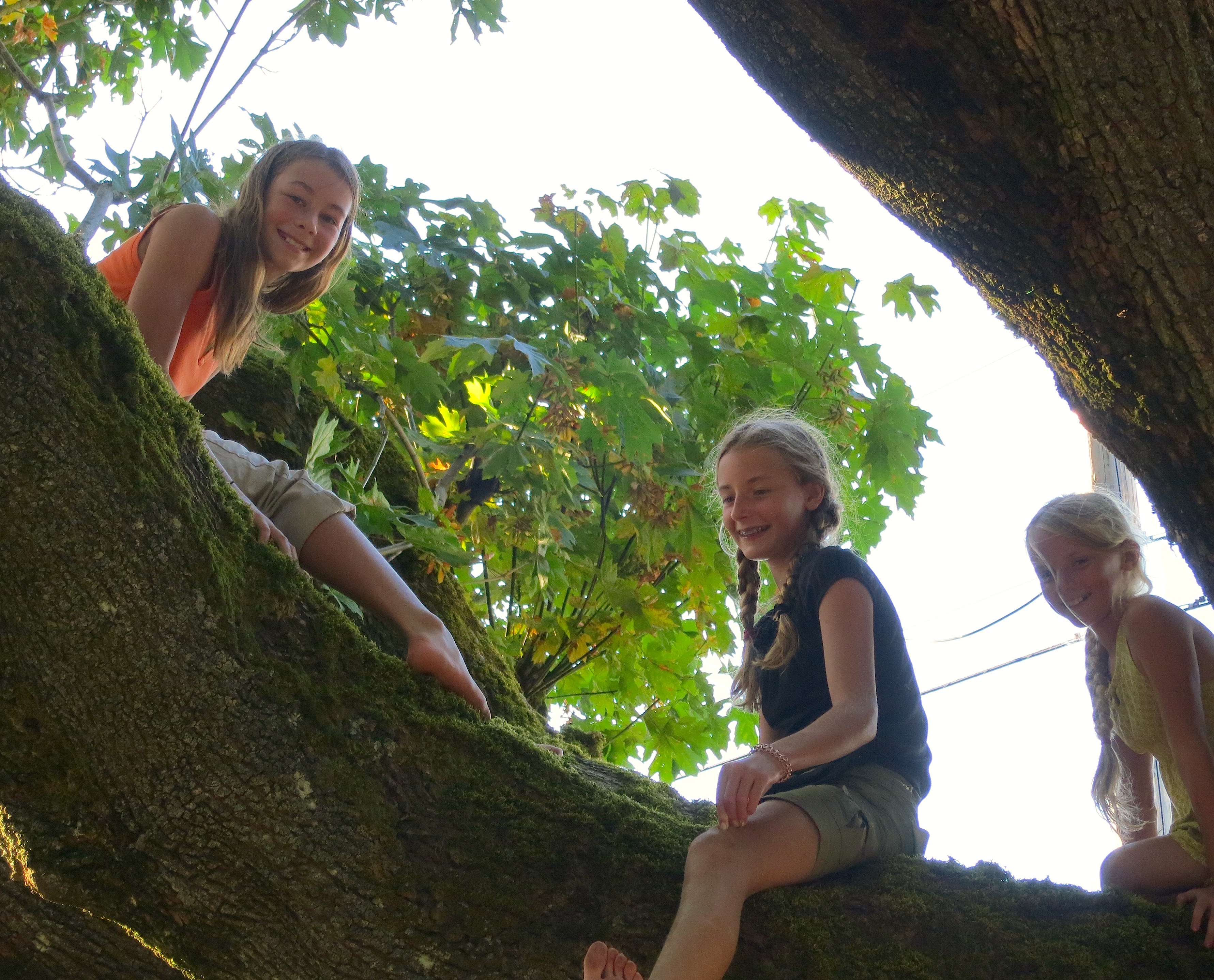
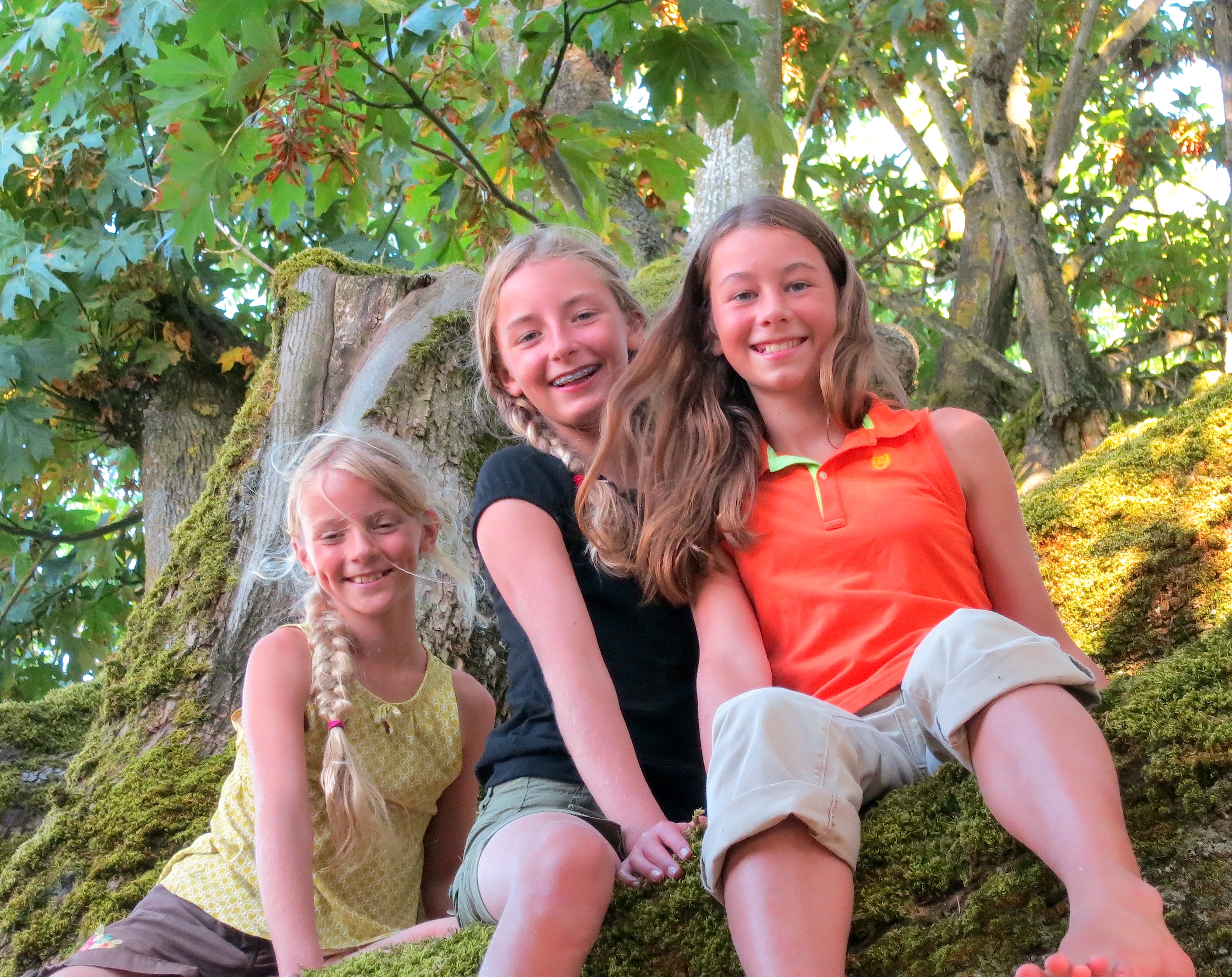
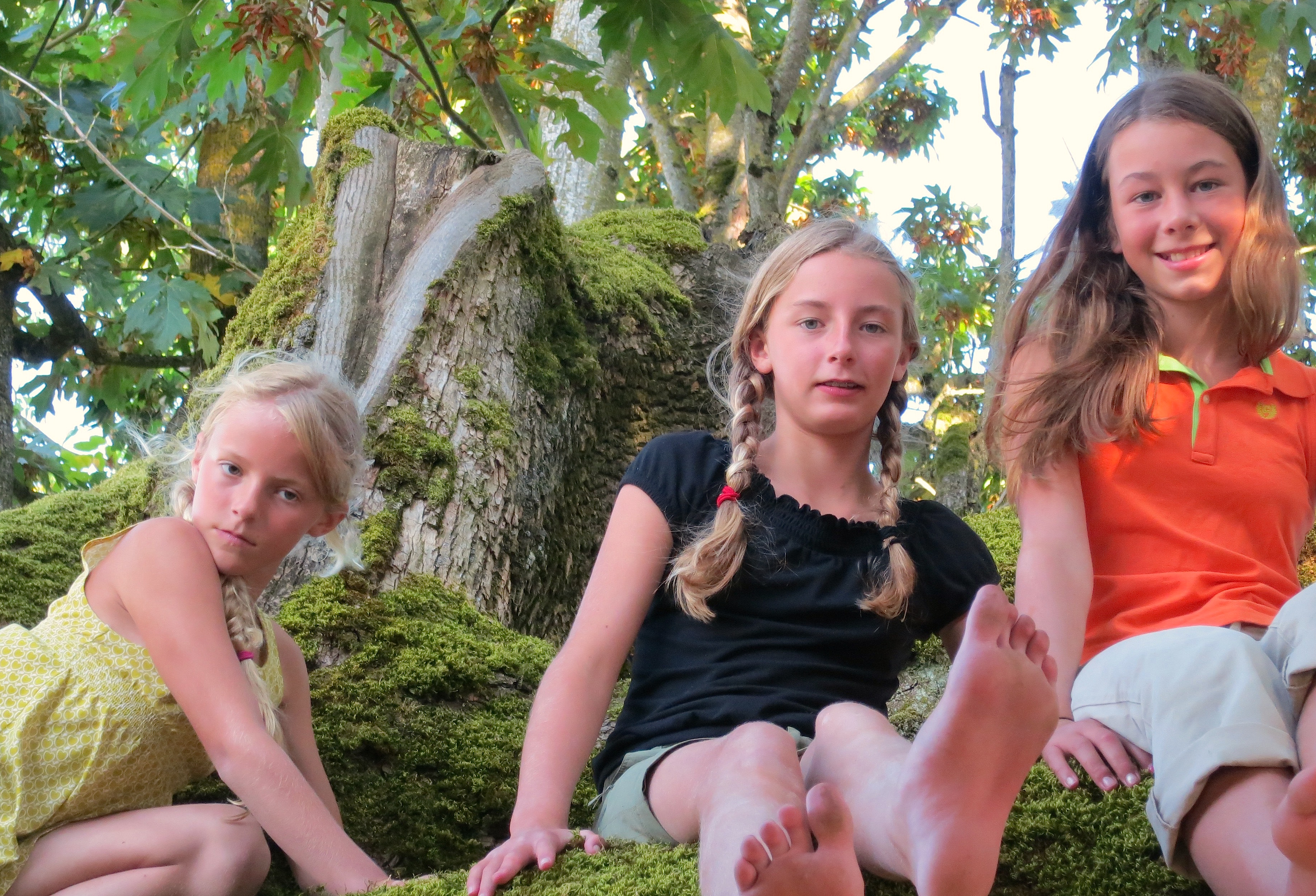
(to my three good friends from down the road who love our big leaf maple tree, and who always request this song when I’m playing piano for Sunday School at Wiser Lake Chapel)
I’ve got roots growing down to the water, I’ve got leaves growing up to the sunshine and the fruit that I bear is a sign of life in me, I am shade from the hot summer sundown, I am nest for the birds of the heaven, I’m becoming what the Lord of trees has meant me to be.
A strong young tree…. ~Ken Medema from “The Tree Song”





 Barnstorming