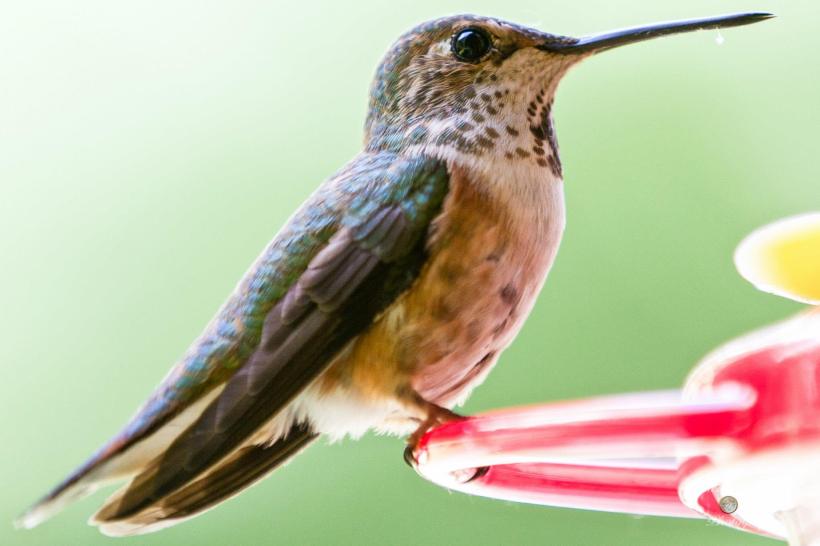
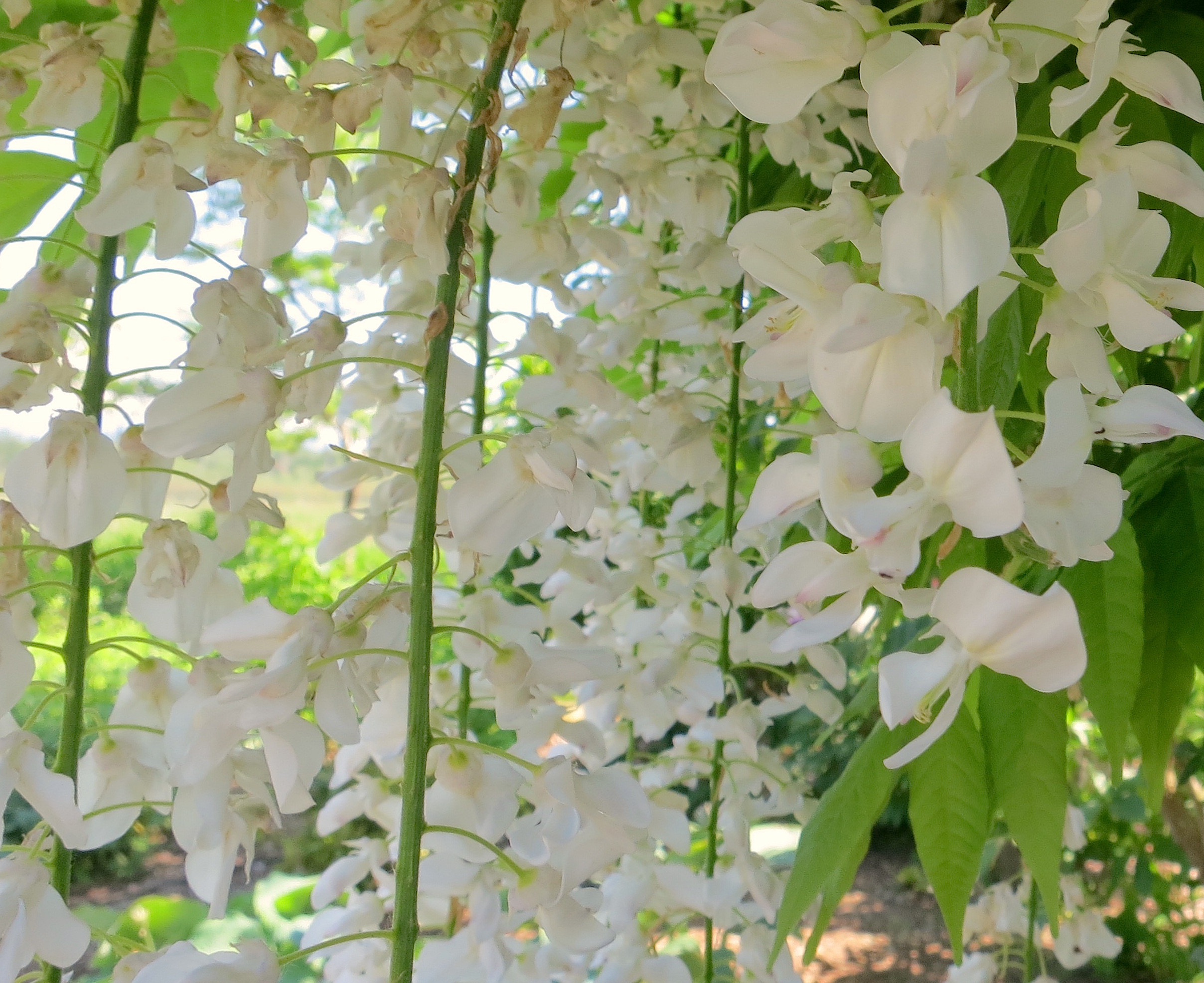
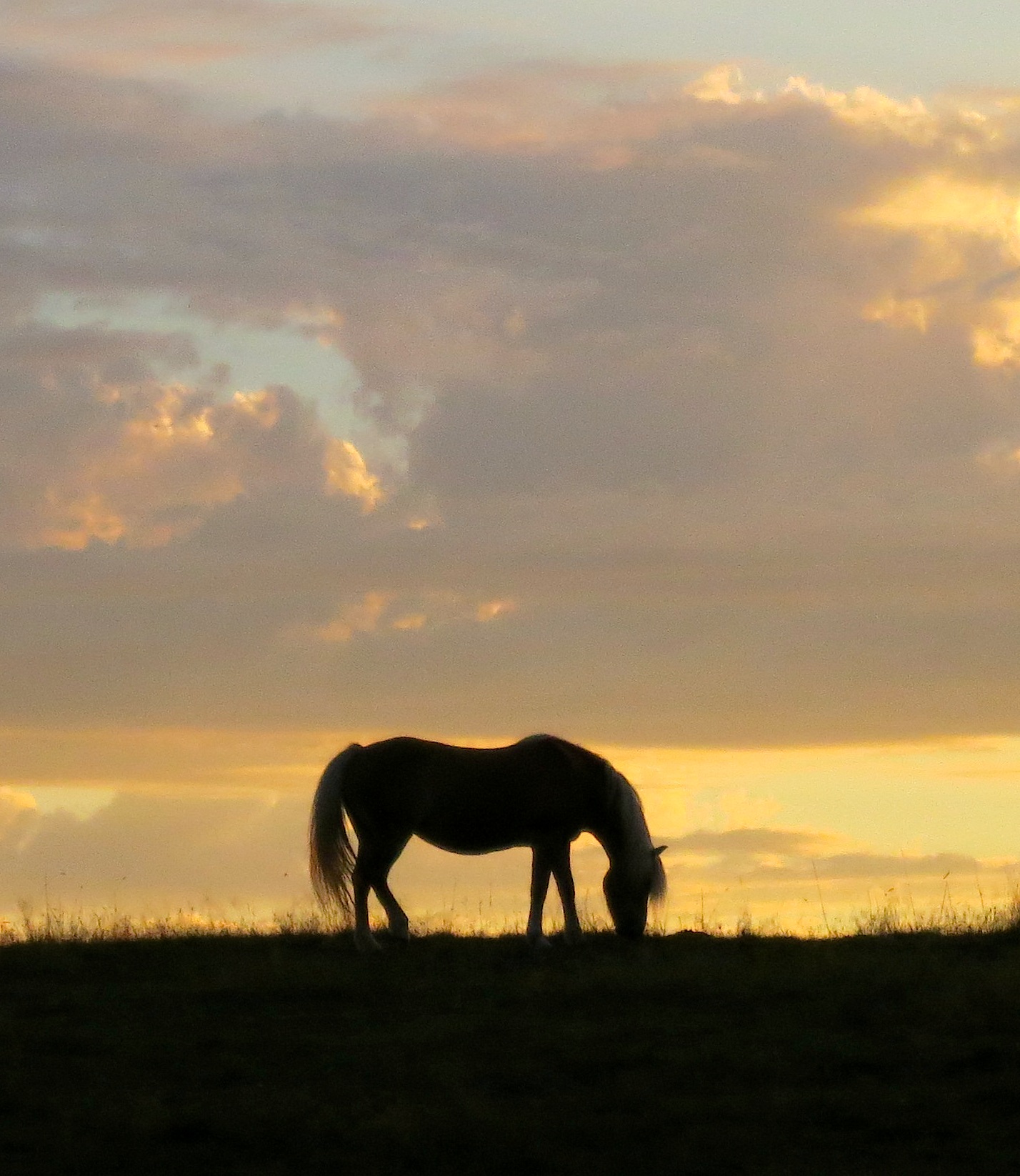
That long-ago morning at Ruth’s farm when I hid in the wisteria and watched hummingbirds. I thought the ruby or gold that gleamed on their throats was the honeyed blood of flowers. They would stick their piercing beaks into a crown of petals until their heads disappeared. The blossoms blurred into wings, and the breathing I heard was the thin, moving stems of wisteria. That night, my face pressed against the window, I looked out into the dark where the moon drowned in the willows by the pond. My heart, bloodstone, turned. That long night, the farm, those jeweled birds, all these gone years. The horses standing quiet and huge in the moon-crossing blackness. ~Joseph Stroud “First Song”
I am not resigned to the shutting away of loving hearts in the hard ground.
So it is, and so it will be, for so it has been, time out of mind:
Into the darkness they go, the wise and the lovely. Crowned
With lilies and with laurel they go; but I am not resigned.
Lovers and thinkers, into the earth with you.
Be one with the dull, the indiscriminate dust.
A fragment of what you felt, of what you knew,
A formula, a phrase remains,—but the best is lost.
The answers quick and keen, the honest look, the laughter, the love,—
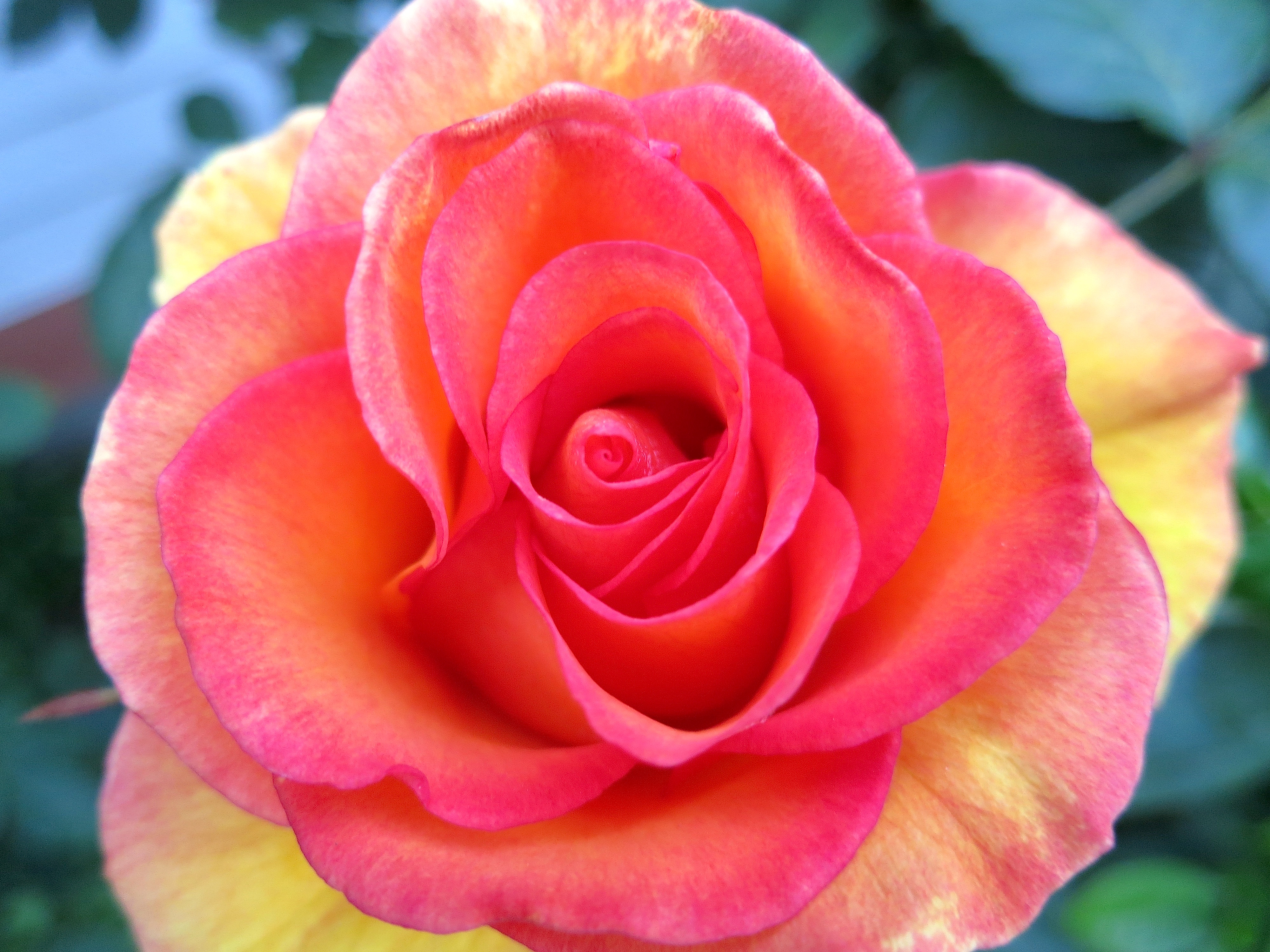
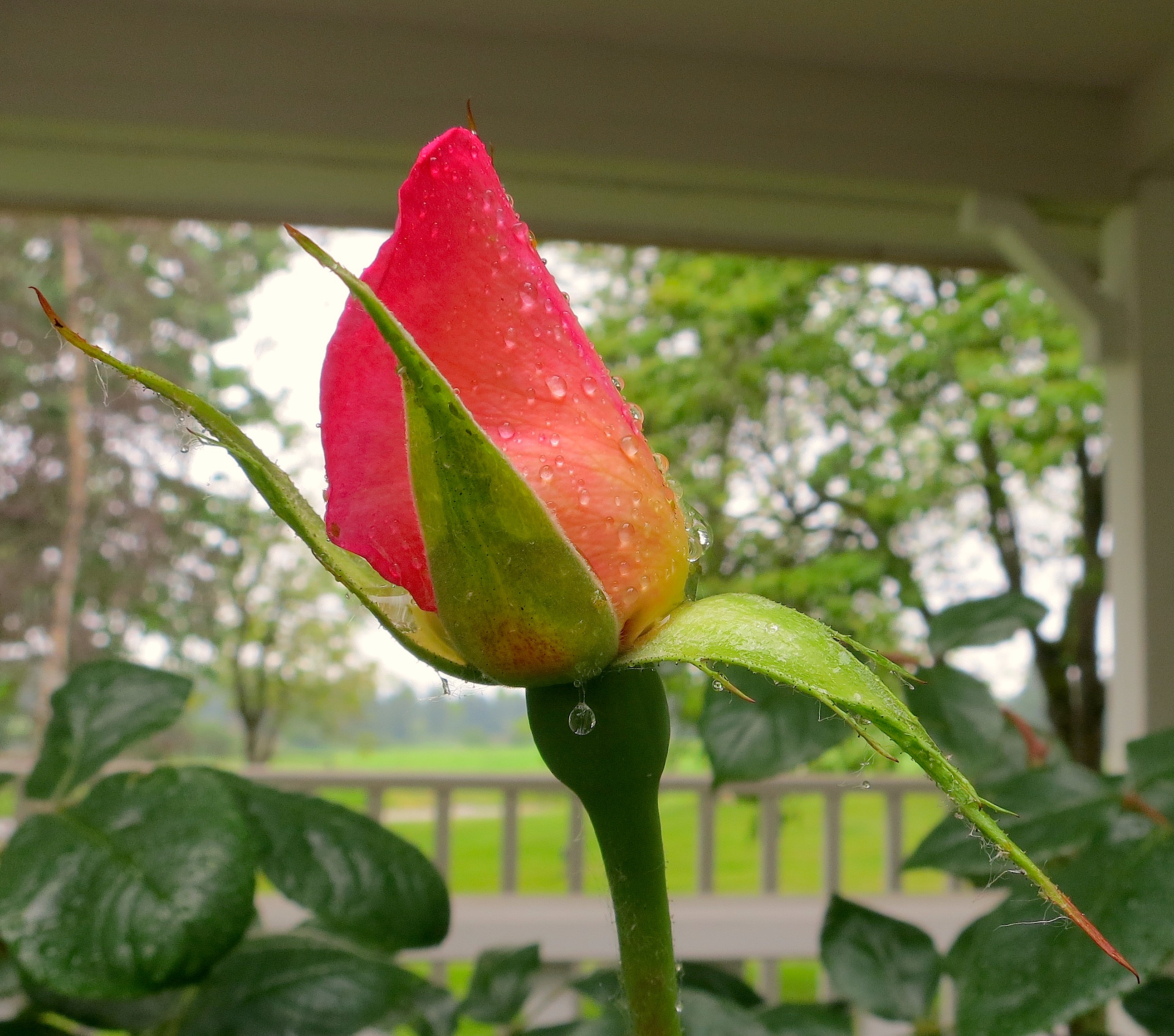
They are gone. They are gone to feed the roses. Elegant and curled
Is the blossom. Fragrant is the blossom. I know. But I do not approve.
More precious was the light in your eyes than all the roses in the world.
Down, down, down into the darkness of the grave
Gently they go, the beautiful, the tender, the kind;
Quietly they go, the intelligent, the witty, the brave.
I know. But I do not approve. And I am not resigned.
~Edna St. Vincent Millay “Dirge Without Music”
Each Memorial Day weekend without fail,
we gather with family, have lunch, reminisce,
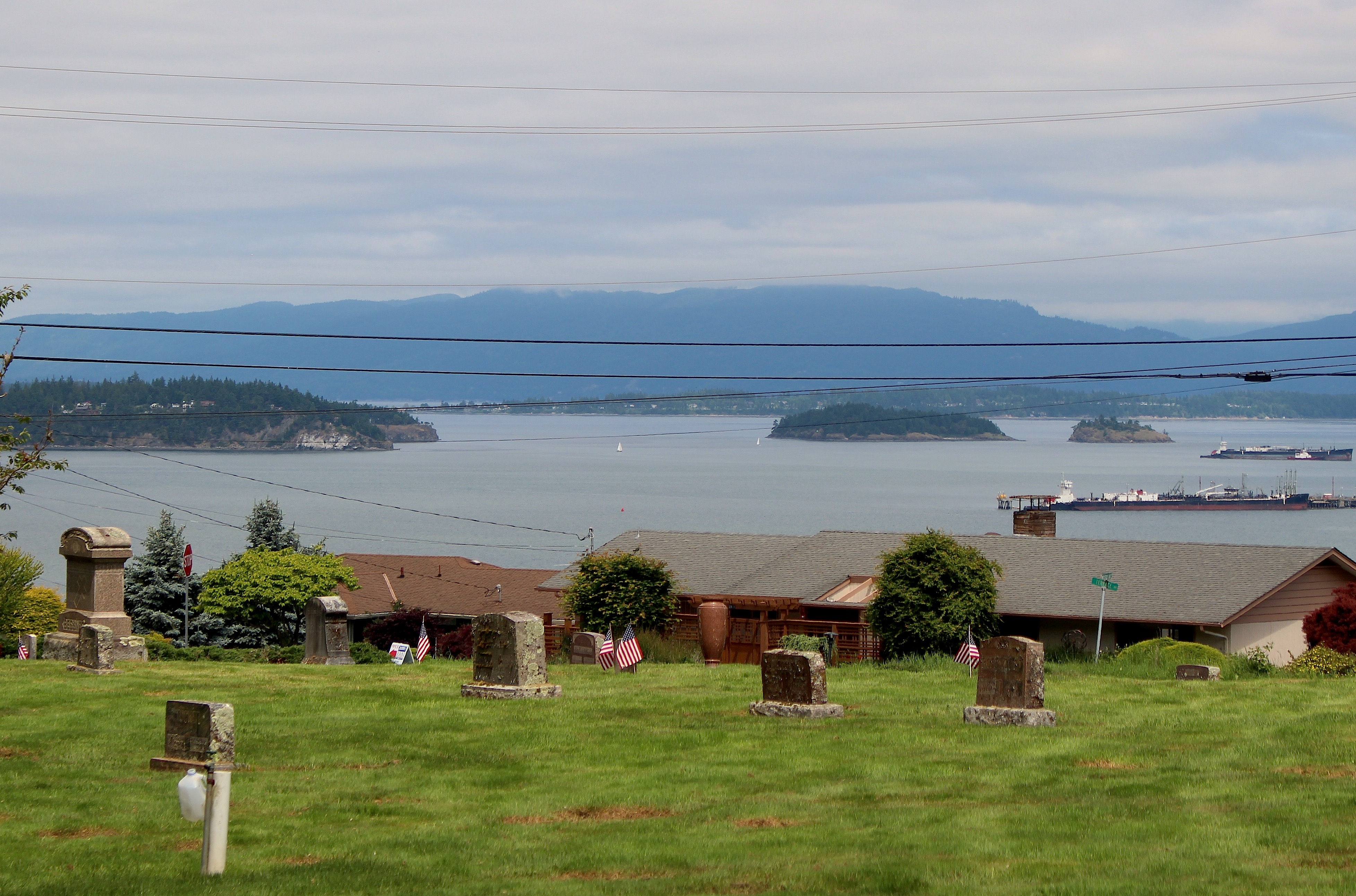
and trek to the cemetery high above Puget Sound
to catch up with our relatives who lie there still,
some we knew and loved and miss,
others not so much, unknown to us
except on genealogy charts,
their names and dates and these stones
all that is left of them.
Yet we know each, as we know ourselves and others,
was tender and kind, though flawed and broken,
was beautiful and strong, though wrinkled and frail,
was hopeful and faithful, though too soon in the ground.
We know this about them
as we know it about ourselves:
someday we too will feed roses,
the light in our eyes
become elegant swirls with fragrant breath of heaven.
No one asks if we approve of this, nor should they;
So it is, so it will be, for so it has been.
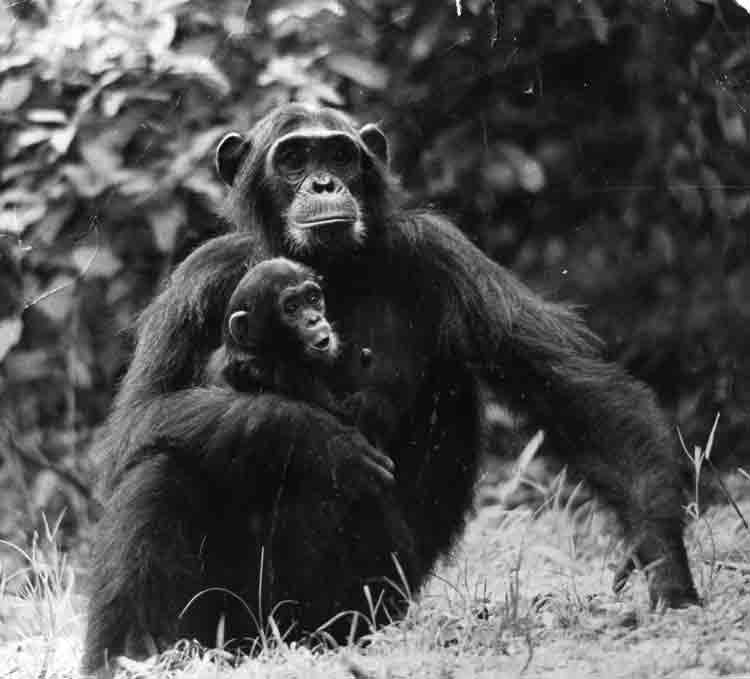
In recognition of this unforgettable day 40 years ago, I’m reprinting this part of my Gombe saga, working as a student research assistant for Jane Goodall in western Tanzania in 1975.
At first glance, Gombe National Park in Tanzania felt like paradise—a serene piece of the earth filled with exotic and fascinating wildlife, an abundance of fish and fruit to eat, and the rich unfamiliar sounds and smells of the tropical jungle. It was a façade. It was surrounded by the turmoil and upheaval of political rebellion and insurgencies in its neighboring countries, inflamed even more by the fall of Saigon in Vietnam a month previously due to the earlier pull out of the Americans from that long and tragic war.
Only a few miles north of our research station in Gombe National Park in western Tanzania, there had been years of civil war in the small land locked country of Burundi. When the wind was just right, we could hear gunfire and explosions echoing over the valleys that separated us. Escaping refugees would sometimes stop for food on their way to villages in Tanzania to the south, seeking safe haven in one of the poorest countries in the world, only a decade into its own experiment with socialism, Ujamaa.
There was also word of ongoing military rebellion against the dictatorship of President Mobutu in the mountainous country of Zaire twelve miles west across Lake Tanganyika.
Morning comes early for field studies of wildlife, as the research day must start before the chimpanzee and baboon subjects wake up and begin to stir. Before midnight, while we slept soundly in our metal huts scattered up the mountainside, a group of armed soldiers arrived by boats to the shore of Gombe National Park.
Storming the beach huts housing two unarmed Gombe park rangers and their families, the soldiers seized one and demanded to be told where the researchers were. The ranger refused to provide information and was severely beaten about the head and face by the butts of the rifles carried by the invaders. The armed soldiers then divided into smaller groups and headed up the trails leading to the huts, coming upon four sleeping student researchers, tying them up, taking them hostage, forcing them into boats and taking them across the lake back to Zaire.
Asleep farther up the mountain, we were wakened by some students who were fleeing, hearing the commotion. No one really understood what was happening down lower on the mountain. There were shouts and screams, and gun shots had been heard. Had someone been injured or killed? There was no choice but to run and hide deep in the bush at a predetermined gathering spot until an “all clear” signal was given by the rangers.
We hurried along barely familiar trails in the black of the jungle night, using no flashlights, our hearts beating hard, knowing we had no defense available to us other than the cover of darkness.
That was the longest wait for morning of my life, sitting alongside Jane holding her son Grub. A hand full of other students had also made their way to the hiding spot, none of us knowing what to think, say or do. We could only barely see each other’s faces in the darkness and were too frightened to make any sounds. We carried no weapons, and there was no way to communicate with the outside world. We had no idea how many of us may be missing, or possibly dead.
Jane held Grub in her arms, trying to keep him quiet, but his eight year old imagination was ignited by the events that had just unfolded.
“Will they kidnap me, Jane? Will they come for me? Where will they take us? Will they shoot us dead?”
Jane, her face hidden by her blonde hair loose about her shoulders, sat rocking him, cradling him. “Shhh, shhh, we don’t want them to find us. We’re safe staying right here. Everything will be fine in the morning. No one will take you from me.”
Grub began to sob silently into her shoulder.
When the morning of May 20 dawned, the park rangers located us, and pieced together the events as best they could–the soldiers were Zairean rebels living in remote mountains, fighting an insurgency against the Zaire government. Seeking funds for their cause, they saw a kidnapping of Americans and Europeans as a way to raise quick funds and world publicity and sympathy. Four of our friends/coworkers were missing, the camp was ransacked and the rangers hurt but with no life threatening injuries. There was no way to remain safe at the Park, and our colleagues needed whatever help we could offer for their rescue.
We were able to send a messenger to a nearby fishing village, and a radio call was sent out to the small town of Kigoma, then relayed to Dar Es Salaam and Nairobi. Help arrived within a few hours, when a United Nations boat monitoring the civil war activities in Burundi pulled off shore near our camp. We were told we needed to evacuate Gombe that day, and would be taken to Kigoma, and then flown by bush pilot to Nairobi, Kenya to cooperate in the investigation of the kidnapping.
In Nairobi, at the US Embassy, I met CIA agents who viewed our wild primate studies with some suspicion. Each of us were grilled individually as to our political beliefs, our activities at the camp and whether we may be somehow involved in subversive actions against the Zaire or Tanzanian governments. We were dumbfounded that our own countrymen would be so skeptical about our motives for being in Africa. It became clear our own government would be no help in resolving the kidnapping and bringing our friends home to safety. The agents did not shed any light on whether they knew our friends were alive or dead.
We were then hustled into a press conference where we were interviewed for television and print media by the worldwide news agencies, and my parents saw me on the CBS evening news before they actually heard my voice over the phone. I flew back to Stanford the next day, spending 24 hours on a plane that made six stops up the coast of West Africa on its way back west, so that I could tell what I knew to the administration officials at Stanford as they prepared a plan to free the students. I then returned home to Washington state to await any news that came too slowly from a place so far away that I remain astonished that I was ever there at all.
It took over three months, private negotiations and ransom money to free all four of our friends back to safety.
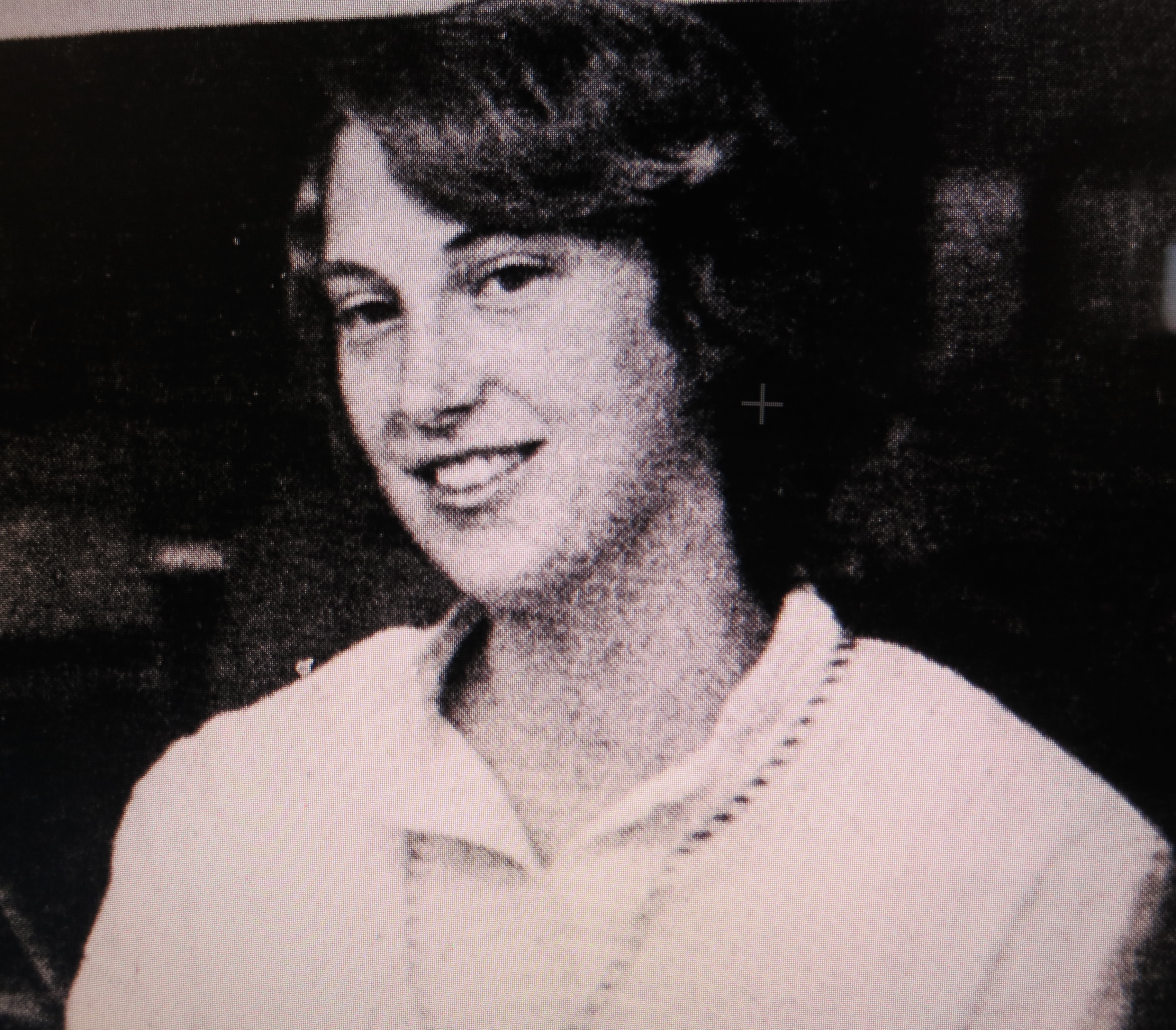
photo from a press conference at Stanford a few days later
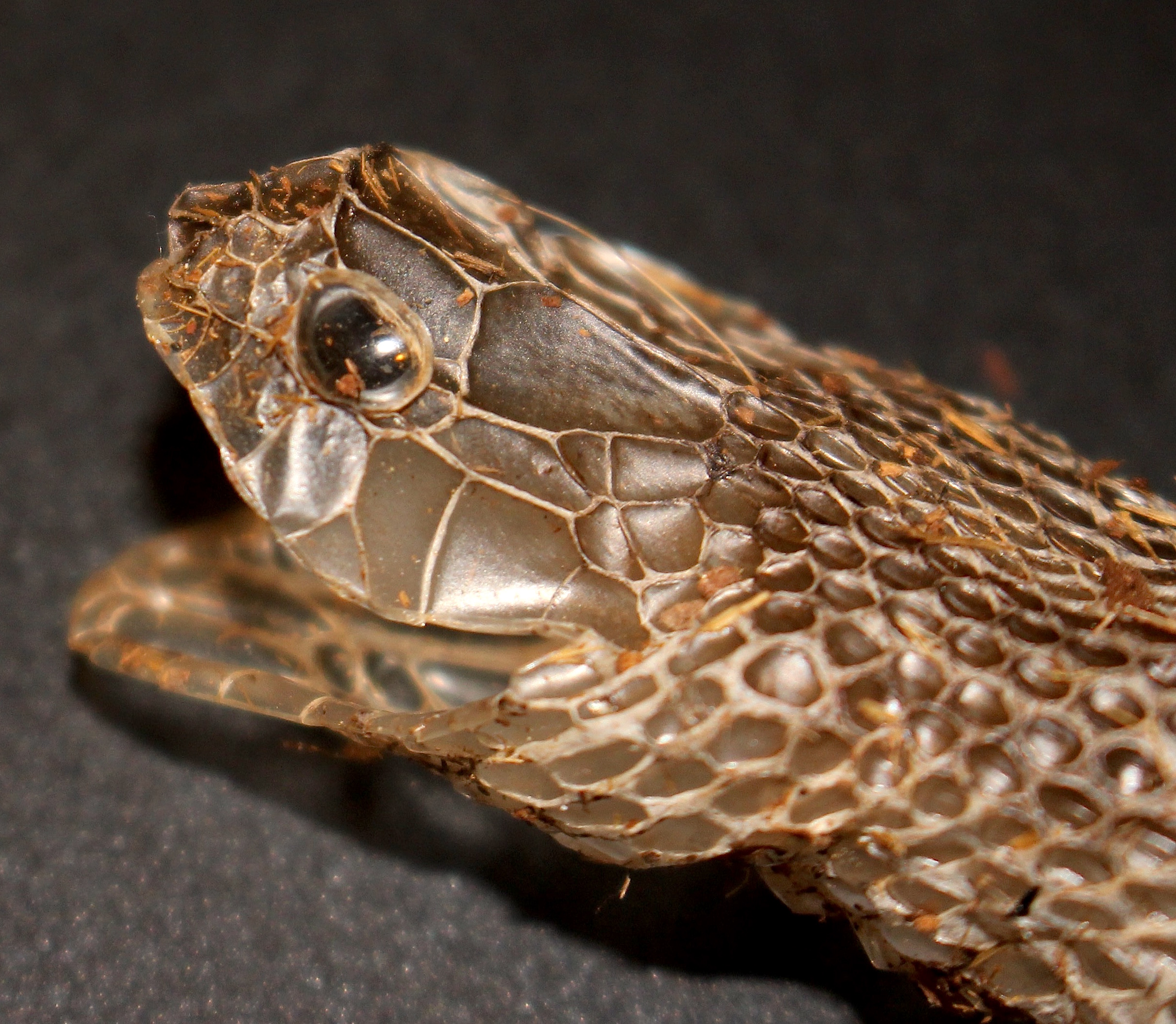
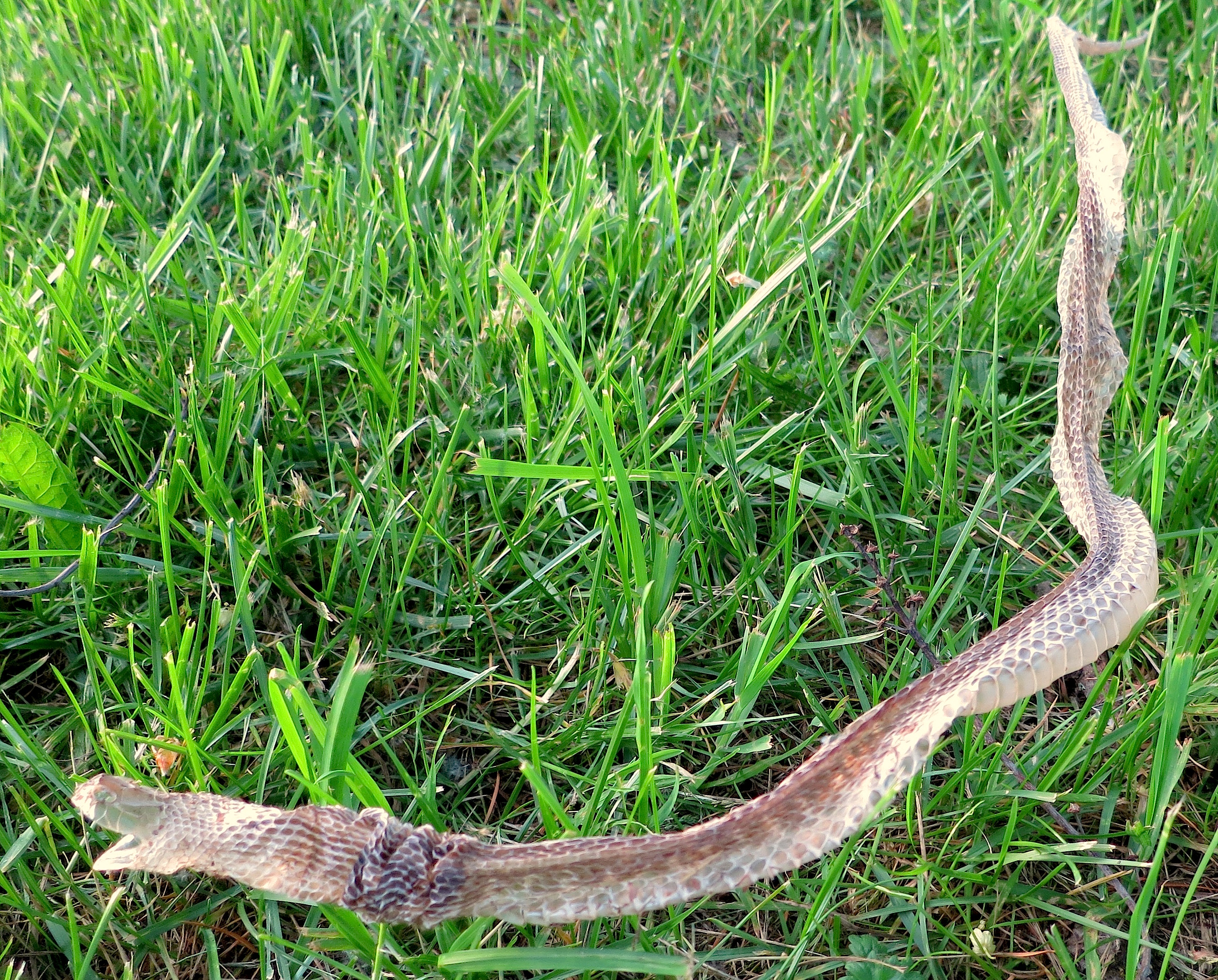
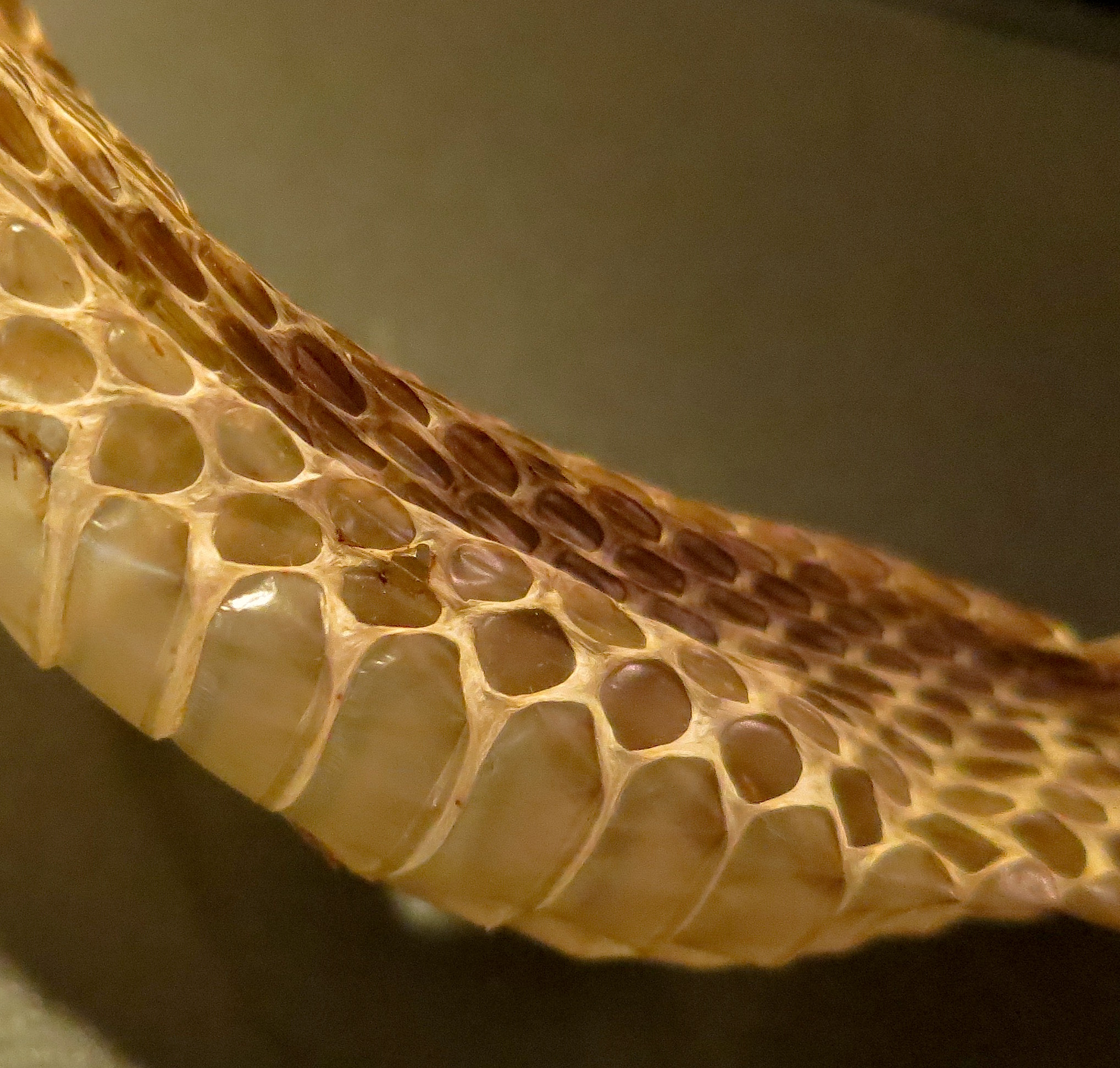
Cast off on a sunny day
onto a warm manure pile,
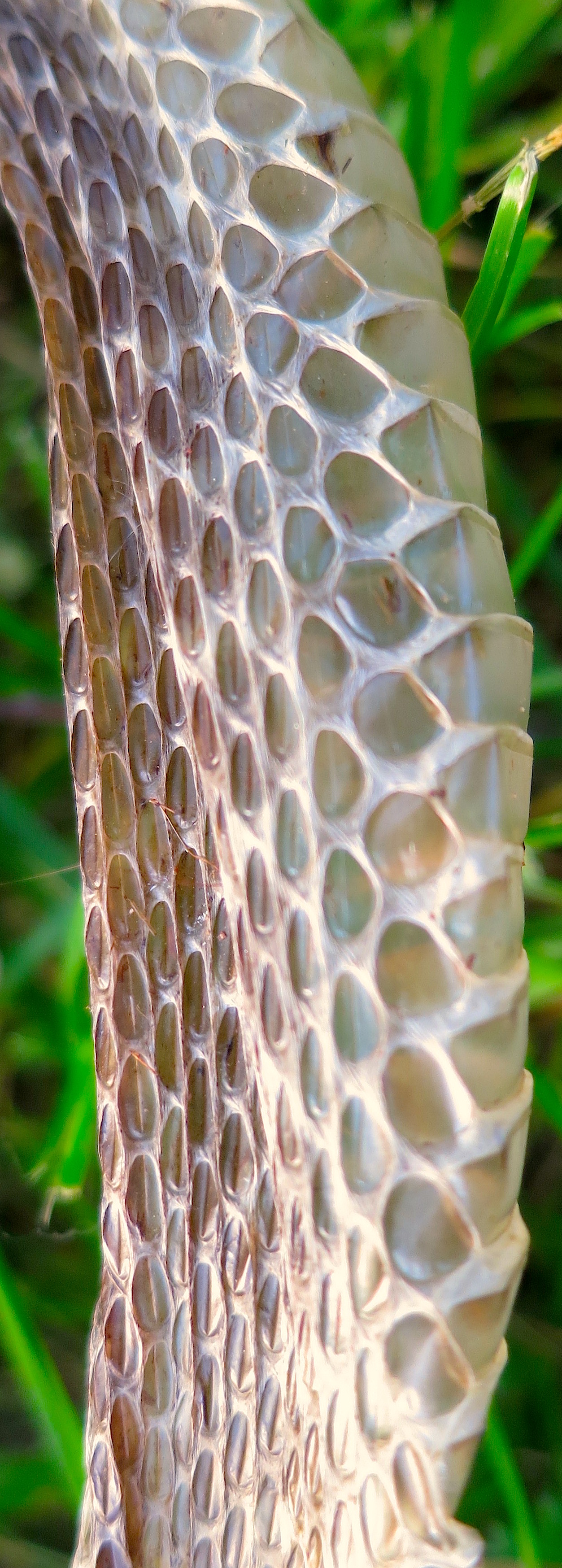
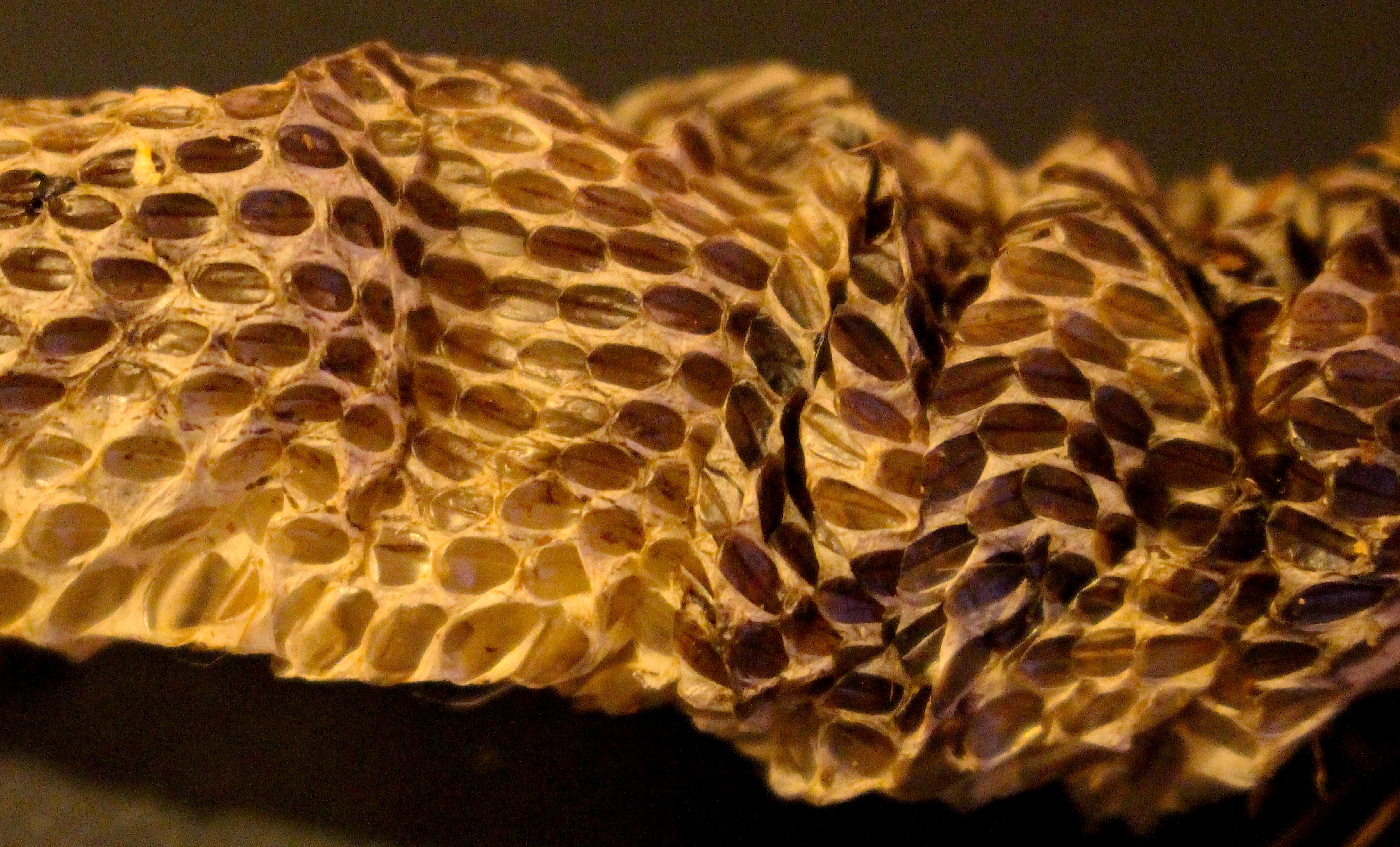
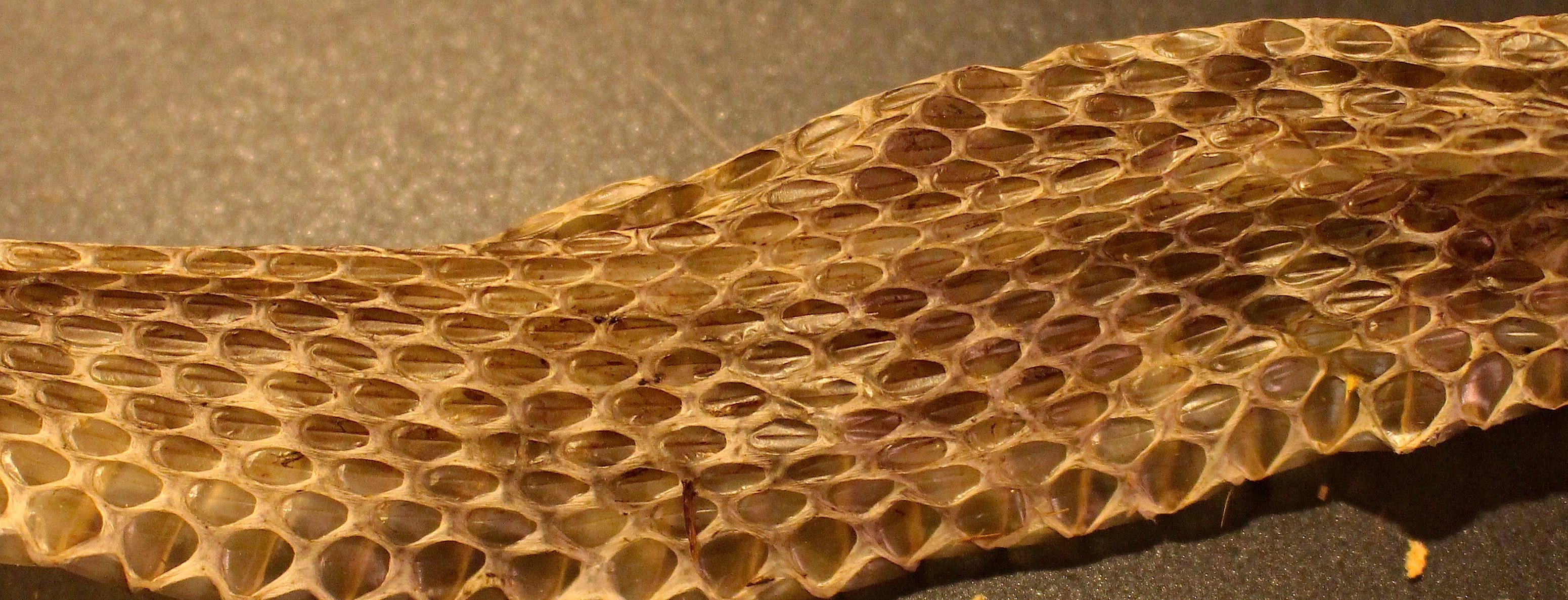
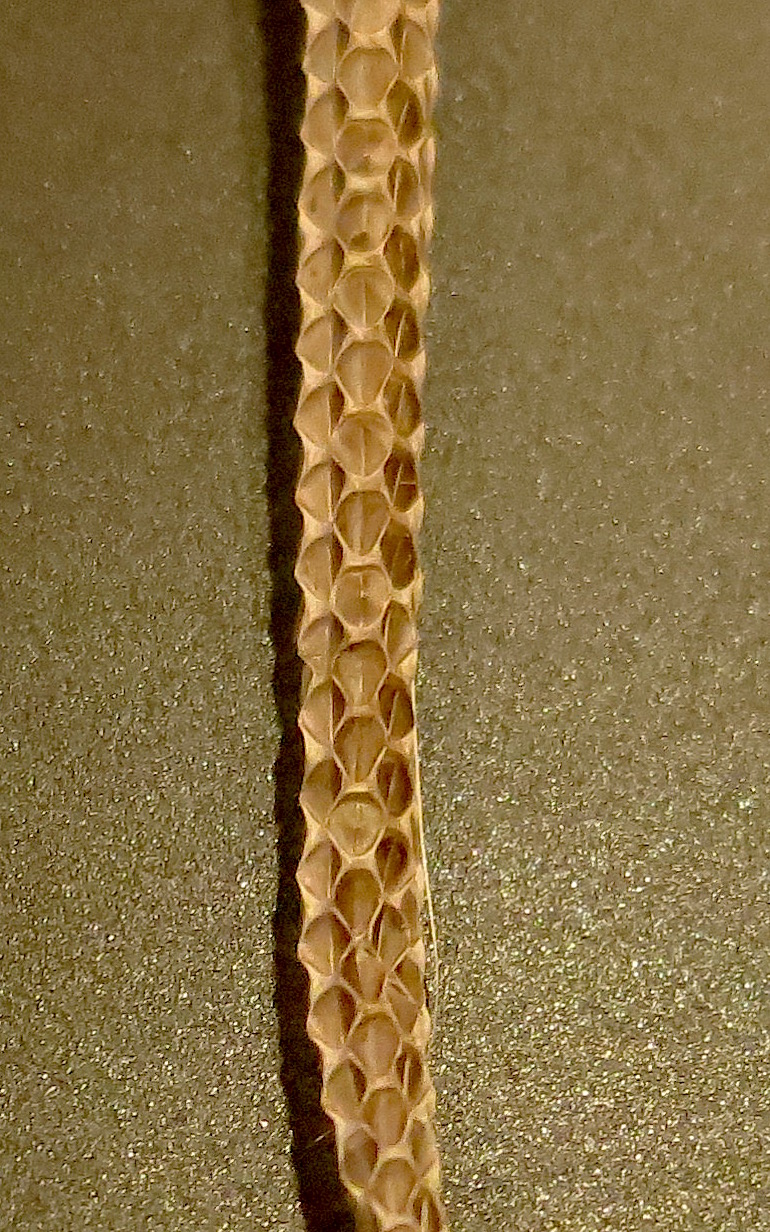
a wriggled-free fresh snakeskin,
almost covered by my fresh load~
lay blended with old hay, horse hair, shavings,
tucked among what is already digested,
dumped and discarded.
This, an intact hollowed shadow
of a still living creature
who has moved on:
I too need to leave my old self
shrugged off onto the manure pile,
shed when it no longer fits
the ways I’ve grown hallowed,
a fitting remembrance of
who I once was,
yet left behind.
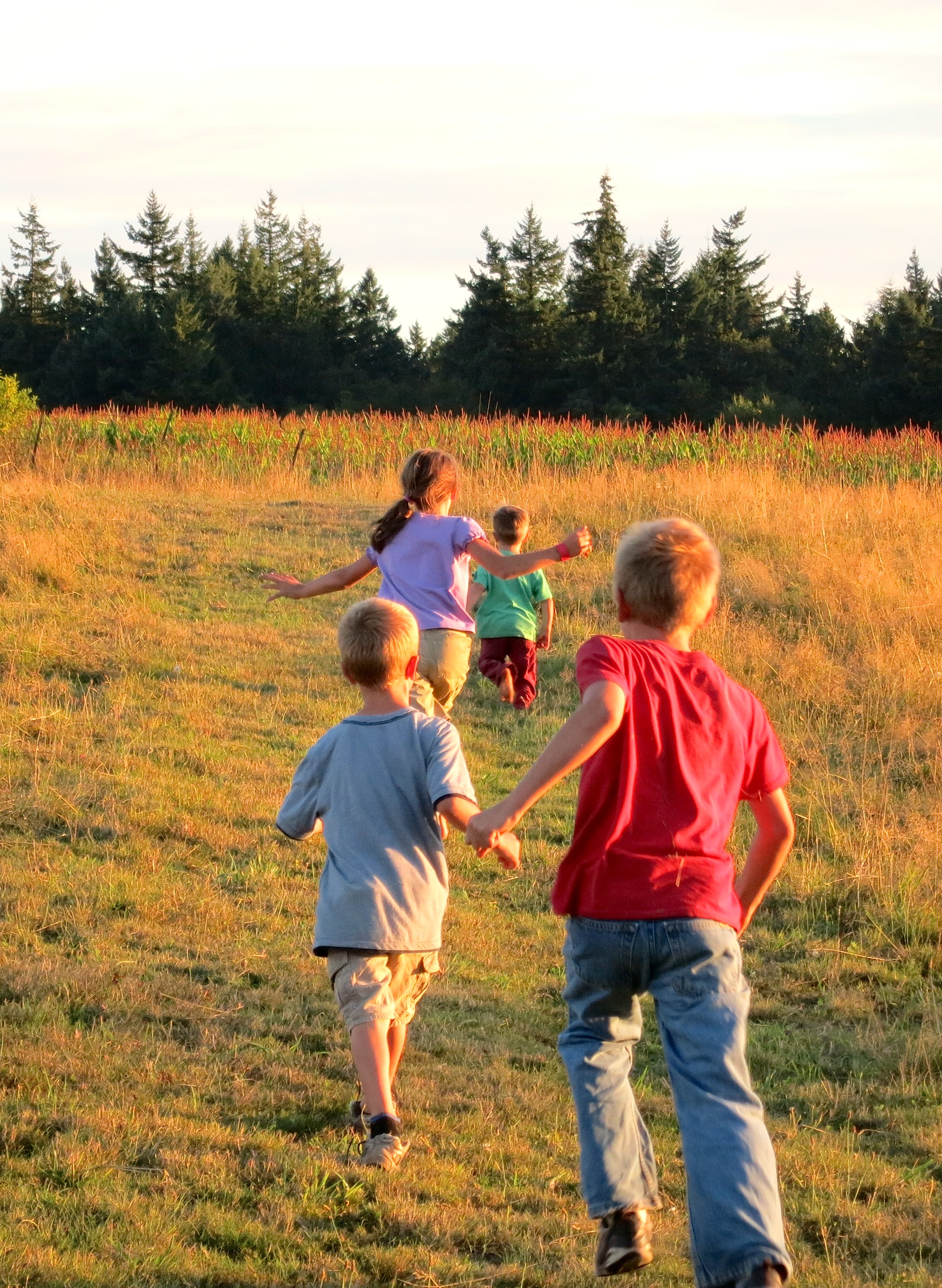
And this is where we went, I thought, Now here, now there, upon the grass Some forty years ago.
The days being short now, simply I had come To gaze and look and stare upon The thought of that once endless maze of afternoons. But most of all I wished to find the places where I ran
What’s happened to our boys that they no longer race And stand them still to contemplate Christ’s handiwork: His clear blood bled in syrups from the lovely wounded trees? Why only bees and blackbird winds and bending grass? No matter. Walk. Walk, look, and sweet recall.
I came upon an oak where once when I was twelve I had climbed up and screamed for Skip to get me down. It was a thousand miles to earth. I shut my eyes and yelled. My brother, richly compelled to mirth, gave shouts of laughter And scaled up to rescue me. “What were you doing there?” he said. I did not tell. Rather drop me dead. But I was there to place a note within a squirrel nest On which I’d written some old secret thing now long forgot.
{Now} I lay upon the limb a long while, thinking. I drank in all the leaves and clouds and weathers Going by as mindless As the days. What, what, what if? I thought. But no. Some forty years beyond!
I brought forth: The note.
I opened it. For now I had to know. I opened it, and wept. I clung then to the tree And let the tears flow out and down my chin. Dear boy, strange child, who must have known the years And reckoned time and smelled sweet death from flowers In the far churchyard. It was a message to the future, to myself. Knowing one day I must arrive, come, seek, return. From the young one to the old. From the me that was small And fresh to the me that was large and no longer new. What did it say that made me weep?
I remember you.
I remember you. ~Ray Bradbury from “Remembrance”
I too left notes to my future self, in old barns, and lofts,
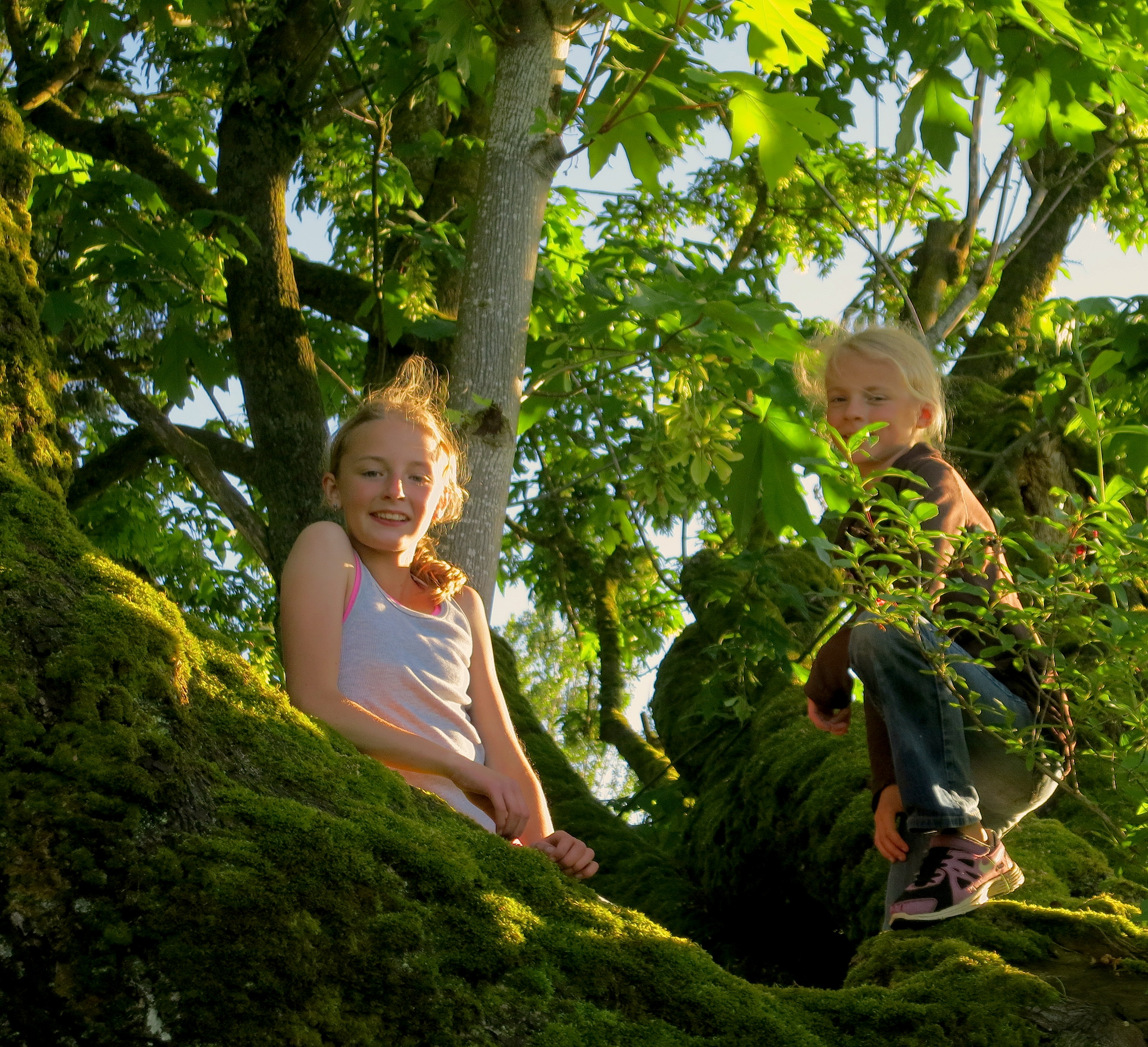
and yes, in trees,
but have never gone back to retrieve them.
My ten year old heart tried to imagine itself fifty years hence,
what fears and joys would pass through like pumping blood,
what love and tears would trace my face?
April is like the raggedy, wandering gypsy lad of the fairy tale. When he moves, streaks of gold show beneath his torn garments and you suspect that this elfin creature is actually a prince in disguise.
April is just that.
There are raggedy, cold days, dark black ones, but all through the month for a second, for an hour, or for three days at a stretch you glimpse pure gold. The weeks pass and the rags slip away, a shred at a time. Toward the end of the month his royal highness stands before you. ~Jean Hersey from The Shape of a Year
I avoid mirrors now as I age, knowing I’m clothed in rags, thinning here, thickening there, sagging and stretching, wrinkled and patched up.
Still, if I look closely past the rags and sags, I see the same eyes as my nine year old self peering back at me.
The lightness of youth and freshness may be disguised, but it is still there.
Every once in awhile, I glimpse pure gypsy gold.
I hated waiting.
If I had one particular complaint,
it was that my life seemed composed entirely of expectation.
I expected —
an arrival, an explanation, an apology.
There had never been one,
a fact I could have accepted,
were it not true that,
just when I had got used
to the limits and dimensions of one moment,
I was expelled into the next
and made to wonder again
if any shapes hid in its shadows.
Memory is the sense of loss,
and loss pulls us after it. ~Marilynne Robinson from Housekeeping
Winter weather has a way of exacerbating loss, reminding us over and over what it is we’ve lost and still waiting for — the sun’s warmth on our cheeks, the feel of cool breezes in our hair on a sweaty day, the presence of color when numbed by the sky’s constant weeping of whites and grays. We keep waiting for that next moment, and then the next, looking for when we may settle down and stay, however briefly, content.
We are pulled through the shadows of each emerging moment, losing what we just had to mere memory:
Last night, my husband and I attended our children’s former high school’s winter musical production, as we had done for over a decade while our three children were among the actors and actresses on stage. I sat in the audience for two hours, emerged in the music, the singing and the dancing, the beautiful costumes and sets, allowing each wonderful make-believe moment to carry me to the next and the next.
Only after the bows had been taken, the applause and whistles quieted, and we made our way to the lobby to greet the performers, did I realize my loss. My memory of our children overwhelmed me: not as they acted a role in the lights and shadows of the stage, but after the production, in the lobby as themselves, albeit costumed and overly made up, greeting grateful audience members. But where were they last night? Not here, I realized through my tears, not where I was so used to seeing them stand a bit apart from the crowd, smiling and laughing, waiting my turn to hug them.
Gone and moved on to other roles and other stages, far far away.
They have each left the magic and the hard work of high school musical productions into the magic and hard work of real life.
And we are left waiting for each next moment, remembering and accepting, filling and emptying, wintering within our hearts again and again.
“The smell of that buttered toast simply spoke to Toad, and with no uncertain voice; talked of warm kitchens, of breakfasts on bright frosty mornings, of cozy parlour firesides on winter evenings, when one’s ramble was over and slippered feet were propped on the fender; of the purring of contented cats, and the twitter of sleepy canaries.” ~Kenneth Grahame, The Wind in the Willows
I’m not a practitioner of the ancient art of aromatherapy for medicinal purposes but I do know how effectively smells can transport me than any other mode of travel. One whiff of a familiar scent can instantly take me back years to another decade and place, almost in time traveling mode. I am so suspended in the moment, both present and past, my brain sees, hears, tastes, feels everything as it was before.
The most vivid are kitchen smells, to be sure. Cinnamon takes me back to my Grandma’s farm house, roasting turkey to my mother’s early morning labors on Thanksgiving Day, fresh baked bread to the years I needed to knead as tactile therapy during medical school training.
Today it is the smell of oatmeal on the stove that reminds me of those frosty winter mornings rushing to get out the door in time to catch the bus for the long ride to school.
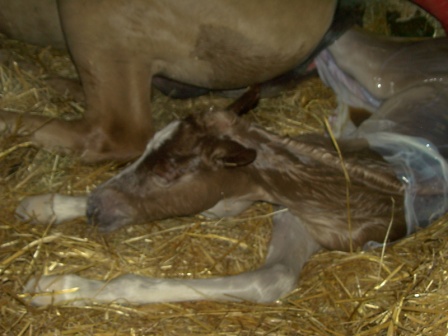
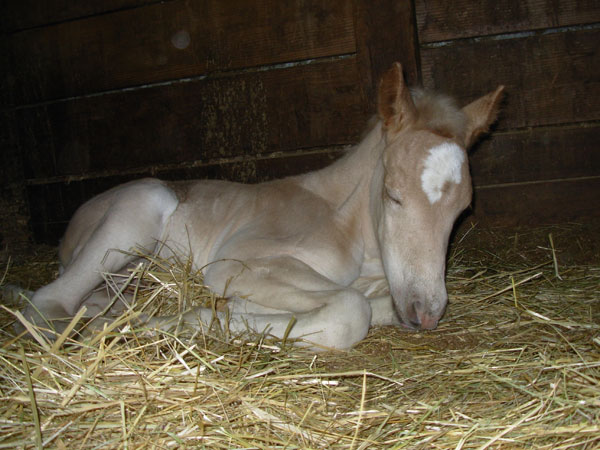
It’s not just food smells. When I have the privilege of babysitting infants, I drink in their smell of baby shampoo and powder, so like the soft velvety smell of my own children a quarter century ago. Out in the barn, the newly born wet fur of my foals carries the sweet and sour amnion that was part of every birth I’ve been part of: delivering others and delivering my own. My heart races at the memory of the drama of those first breaths.
My garden yields its own treasures: tea roses, sweet peas, heliotrope, lemon blossom take me back to lazy breezes past blossoms planted along the house, wafting through open bedroom windows. The fragrance of the earth after a long awaited rain– petrichor — reminds me of dusty dry summers crying for relief.
I doubt any aromatherapy kit would include my most favorite–the farm smells: newly mown hay, fresh fir shavings for stall bedding, the mustiness of the manure pile, the green sweetness of a horses’ breath.
Someday I’ll figure out how to bottle all these up to keep on hand forever. Years from now my rambles will be over, when I’m too feeble to walk to the barn or be part of the hay harvest crew any longer, I can sit by my fireplace with a purring contented cat, listening to the soft rolling twitter of my sleepy canary, then close my eyes, open this bottle of memories and take a whiff now and then.
What a journey I will take, back to a day like today, a day that speaks to me with no uncertain voice.
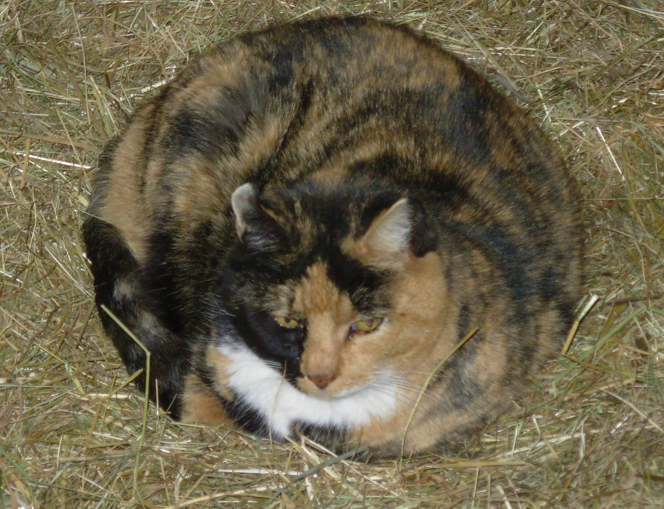
Cally, our adopted calico cat from close friends who moved across the country, was quite elderly and fading fast. Winter is always a tough time for barn cats, even with snug shelter, plentiful food and water. We had lost our 16+ year old tuxedo kitty just a couple months previously, and Cally, not much younger, would not last much longer. She got up to eat and potty, and still licked her front paws clean, but couldn’t manage much else. Her frame was thin and frail, her coat dull and matted in places, she’d been deaf for some time and her eyes rheumy. She spent her days and nights in a nest of hay on the floor of our horse barn, watching the comings and goings of horse hooves and people rolling by with wheelbarrows full of manure. I brought her a little rug to give her a bit more cushion and protection from drafts, and I was not surprised to find her permanently curled up there in the morning. Her time had come.
When Cally first arrived as a youngster, she strolled onto our farm and decreed it satisfactory. She moved right in, immediately at home with the cows, horses, chickens, our aging dog Tango (who loved cats) and our other cats. In no time, she became the undisputed leader, with great nobility and elegance. There was no one questioning her authority.
We knew Cally was unusual from the start. Tango initially approached her somewhat warily, given the reaction Tango elicited from our other cats (typically a hair raising hiss, scratch and spit). Instead, Cally marched right up, rubbed noses with Tango, and they became fast friends, cuddling together on our front porch whenever it was time to take a nap. They were best pals. Tango surely loved anyone who would snuggle up to her belly and keep her warm and Cally was the perfect belly warmer (as Garrison Keillor says, “a heater cat”).
Our free range Araucana rooster seriously questioned this dog/cat relationship. He was a bit indignant about a front porch communal naptime and would strut up the sidewalk, walk up and down the porch and perch on the railing, muttering to himself about how improper it was, and at times getting quite loud and insistent about it. They completely ignored him, which obviously bugged him, proud and haughty bird that he was.
One fall morning, as I opened the front door to go down the driveway to get the newspaper in the pre-dawn mist, I was astonished to see not just a cat and dog snuggled together on the porch mat, but the rooster as well, tucked up next to Tango’s tail. As usual, Tango and Cally didn’t move a muscle when I appeared, as was their habit–I always had to step over them to get to where I needed to go. The rooster, however, was very startled to see me, almost embarrassed. He stood up quickly, flapped his wings a few times, and swaggered off crowing, just to prove he hadn’t compromised his cock-sure raison d’etre.
No, I didn’t have my camera with me and I never found them all together ever again. You, dear reader, will have to just take it on faith.
After Tango died, Cally rebounded by taking on the training of our new corgi pup and making sure he understood her regal authority in all things, and demanding, in her silent way, his respect and servitude. He would happily chase other cats, but never Cally. They would touch noses, she would rub against his fur, and tickle his chin with her tail and all he could think to do was smile and wag at her.
So I figure a dog, a cat and a rooster sleeping together was our little farm’s version of the lion and lamb lying down together, diplomacy of the purest kind, the most diverse becoming one. The peaceable kingdom was right outside our front door, a harbinger of what is promised someday for the rest of us. Despite claws, sharp teeth, and talons, it will be possible to snuggle together in harmony and mutual need for warmth and comfort.
Our special Cally made it happen on earth with her special statesmanship. I suspect she’s met up with Tango, and possibly one rooster with attitude, for a nice nap together on the other side.



 Barnstorming