As long as there is one upright man, as long as there is one compassionate woman, the contagion may spread and the scene is not desolate. Hope is the thing that is left to us, in a bad time. I shall get up Sunday morning and wind the clock, as a contribution to order and steadfastness.
Sailors have an expression about the weather: they say, the weather is a great bluffer. I guess the same is true of our human society — things can look dark, then a break shows in the clouds, and all is changed, sometimes rather suddenly. It is quite obvious that the human race has made a queer mess of life on this planet. But as a people we probably harbor seeds of goodness that have lain for a long time waiting to sprout when the conditions are right. Man’s curiosity, his relentlessness, his inventiveness, his ingenuity have led him into deep trouble. We can only hope that these same traits will enable him to claw his way out.
Hang on to your hat. Hang on to your hope. And wind the clock, for tomorrow is another day.
We can’t claw our way out of
the mess we’ve made of things;
it takes Someone
to dig us out of the hole,
brush us off,
clean us up,
and breathe fresh breath into our nostrils.
We can only hope
hope will be contagious.
We can only hope
and grab hold when His hand reaches down
to pick us up out of the dirt. Classes are suspended at my University today
It is…the refusal to take the oath of loyalty to life…
The man who kills a man kills a man. The man who kills himself kills all men. As far as he is concerned, he wipes out the world. ~ G.K. Chesterton
Suicide rates globally have climbed 60% in the past forty five years,
particularly in developed countries where most folks are sheltered and fed,
where daily survival is entirely in our own hands.
Based on the distress and anguish of the patients I see every day,
there will be no slowing of this trend:
this temptation, this contemplation, this resignation of dying, only a passive
“I wish I were dead” or
“the world is better off without me”~
wipes out the worth of the world.
~where there is no oath of loyalty to live, our own or others’,
as stressful, painful and messy as life can be,
~where there is no honoring of the holiness of the created being,
whether unborn, or breathing heavy through daily struggles, or suffering or dying,
~when there is no longer resistance to standing up to the buffeting winds of life,
only a toppling over, taking out everything and everyone in the way,
~then with each suicide, the world also is wiped out,
the value of all people killed in one act of self-murder.
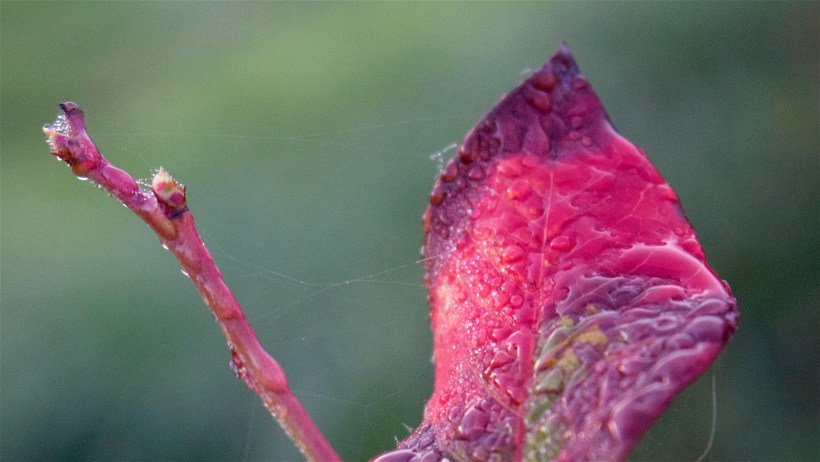
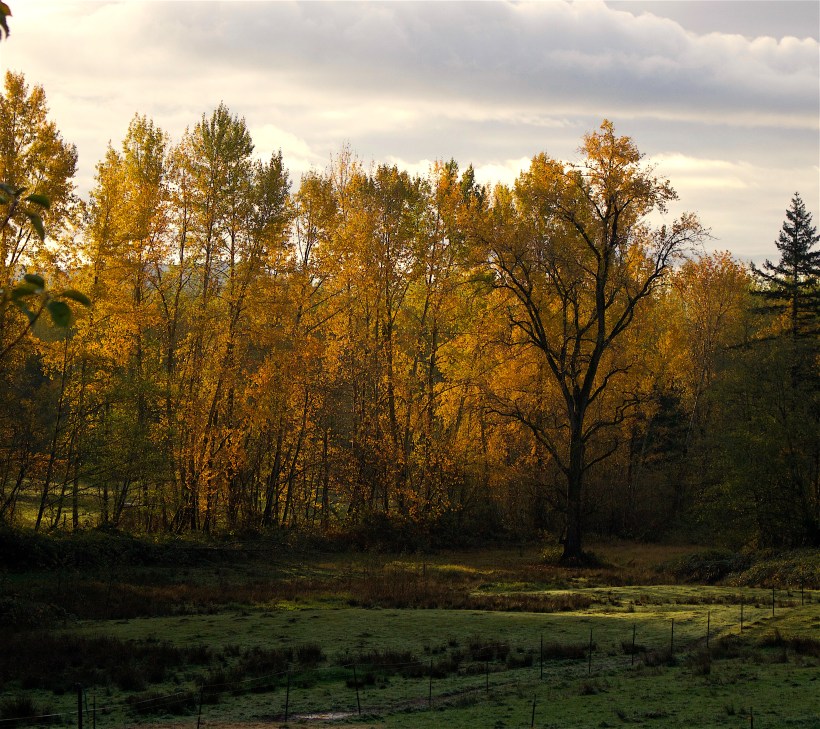
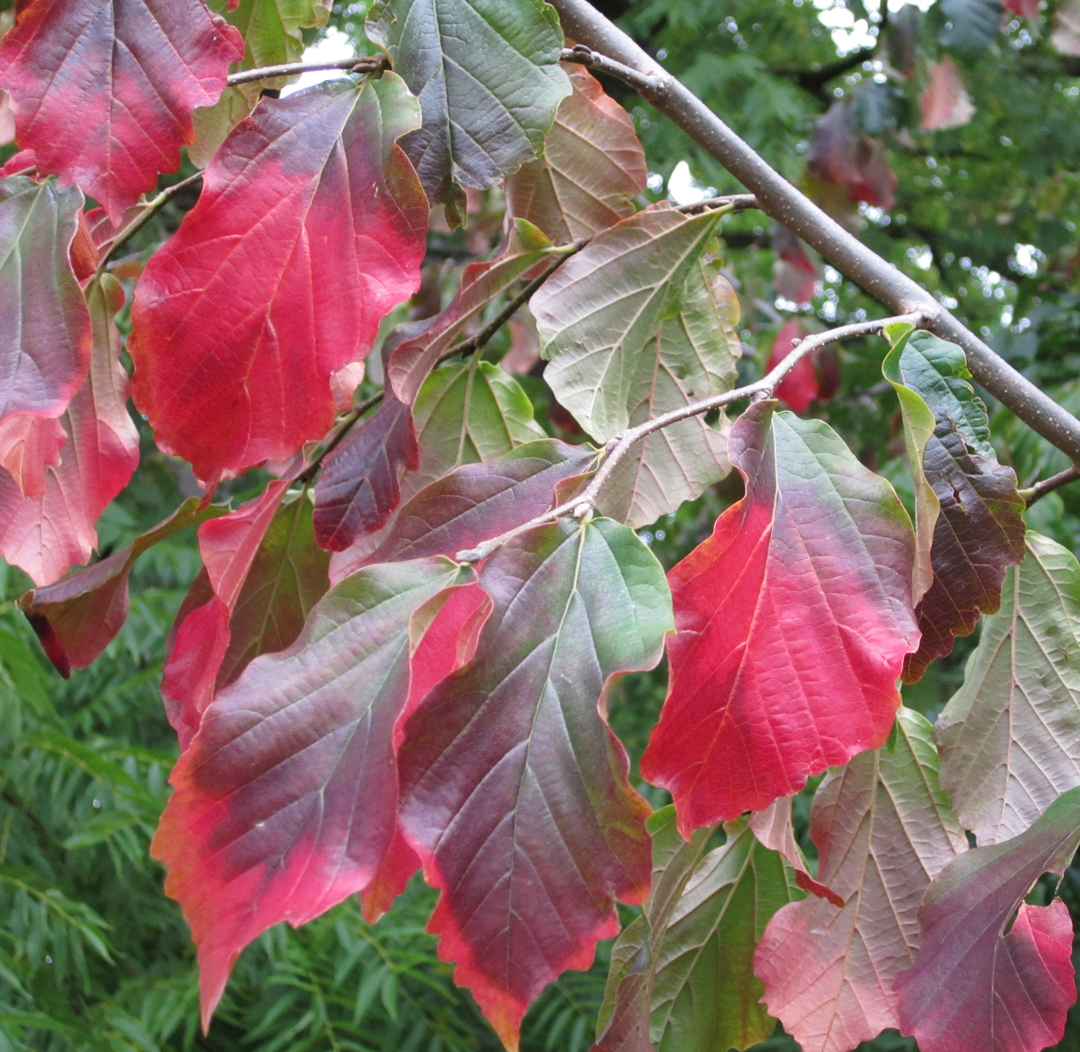
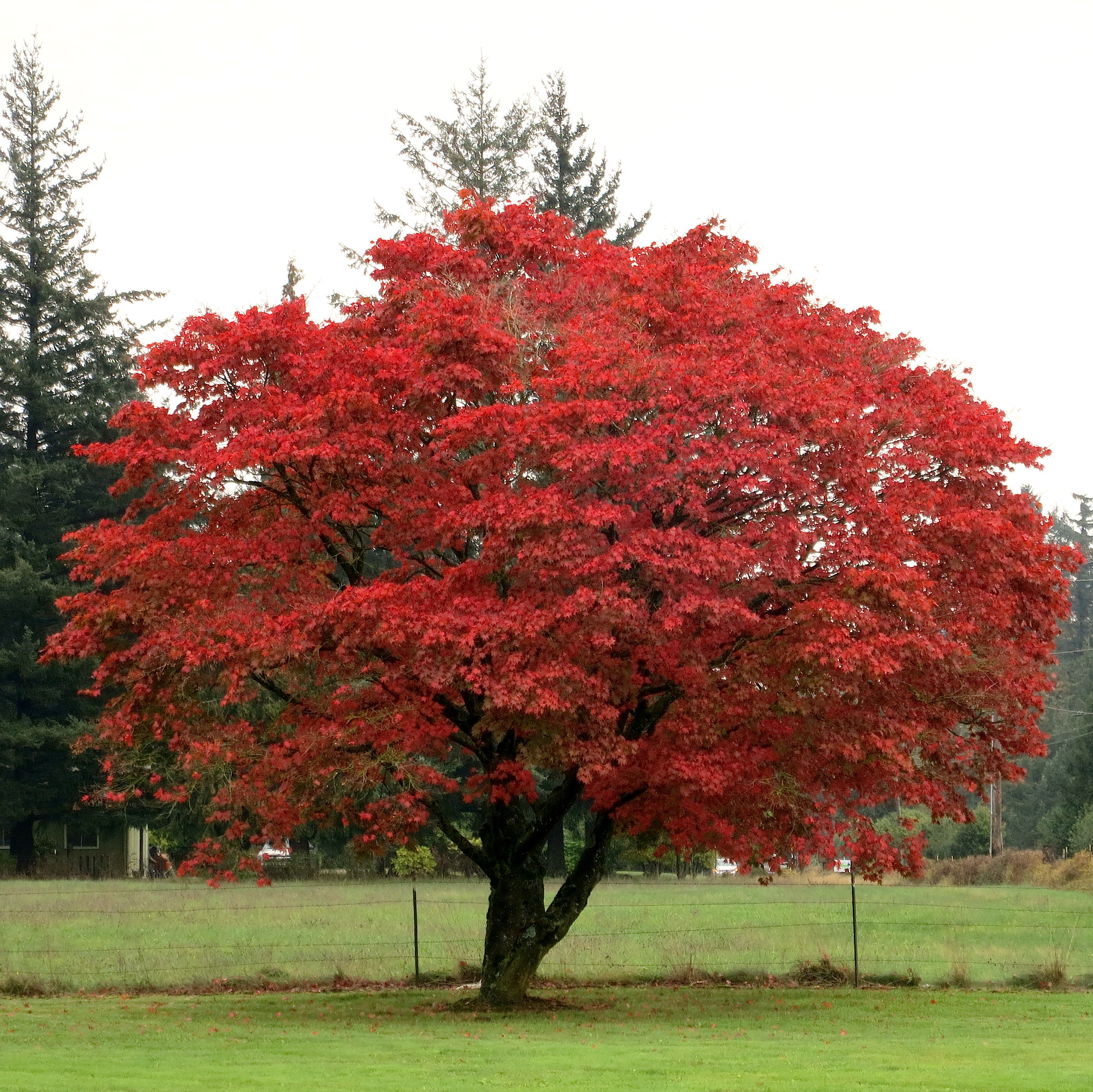
Fall begins again even though I’m unprepared. No matter which way I turn, autumn’s kaleidoscope displays new patterns, new colors, new empty spaces as I watch the world die into itself once again.
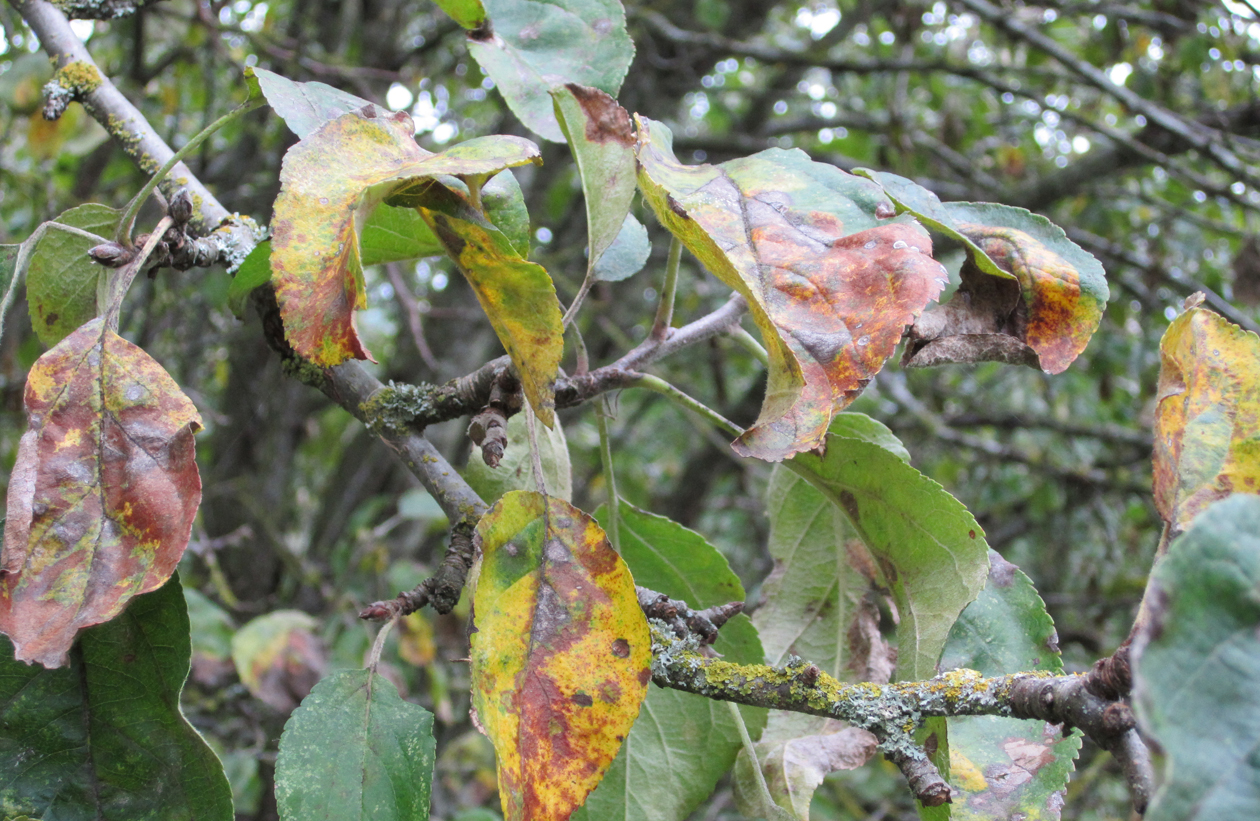
Some dying blazes out in fury — a calling out for attention. Then there is the dying that happens without anyone taking much notice: a plain, tired, rusting away letting go.
I spent the morning adjusting to this change in season by occupying myself with the familiar task of moving manure. Cleaning barn is a comforting chore, allowing me to transform tangible benefit from something objectionable and just plain stinky to the nurturing fertilizer of the future. It feels like I’ve actually accomplished something.
As I scooped and pushed the wheelbarrow, I remembered another barn cleaning fifteen years ago, when I was one of a few friends left cleaning over ninety stalls after a Haflinger horse event that I had organized at our local fairgrounds. Some people had brought their horses from over 1000 miles away to participate for several days. There had been personality clashes and harsh words among some participants along with criticism directed at me that I had taken very personally. As I struggled with the umpteenth wheelbarrow load of manure, tears stung my eyes and my heart. I was miserable with regrets. After going without sleep and making personal sacrifices over many months planning and preparing for the benefit of our group, my work felt like it had not been acknowledged or appreciated.
A friend had stayed behind with her family to help clean up the large facility and she could see I was struggling to keep my composure. Jenny put herself right in front of my wheelbarrow and looked me in the eye, insisting I stop working for a moment and listen.
“You know, none of these troubles and conflicts will amount to a hill of beans years from now. People will remember a fun event in a beautiful part of the country, a wonderful time with their horses, their friends and family, and they’ll be all nostalgic about it, not giving a thought to the infighting or the sour attitudes or who said what to whom. We are horse people and human beings, for Pete’s sake, prone to complain and grouse about life. So don’t make this about you and whether you did or didn’t make everyone happy. You loved us all enough to make it possible to meet here and the rest was up to us. So quit being upset about what you can’t change. There’s too much you can still do for us.”
During tough times, Jenny’s advice replays, reminding me to stop expecting or seeking appreciation from others, or feeling hurt when harsh words come my way. She was right about the balm found in the tincture of time and she was right about giving up the upset in order to die to self and self absorption, and keep focusing outward.
I have remembered.
Subsequently, unknown to both of us at the time, Jenny herself spent over six years dying from breast cancer, while living her life sacrificially and sacramentally every day, fighting a relentless disease that was, for a time, immobilized in the face of her faith and intense drive to live. She became a rusting leaf, fading imperceptibly over time, crumbling at the edges until the day when she finally let go. Her dying did not flash brilliance, nor draw attention at the end. Her intense focus during the years of her illness had always been outward to others, to her young family and friends, to the healers she spent so much time with in medical offices, to her belief in the plan God had written for her and others.
So four years ago she let go her hold on life here. And we reluctantly have let her go. Brilliance now cloaks her as her focus is on things eternal.
You were so right, Jenny. Nothing from fifteen years ago amounts to a hill of beans; it simply doesn’t matter any more.
Except the words you spoke to me.
And I won’t be upset that I can’t change the fact that you have left us.
We’ll catch up later.
photo of Jenny Rausch in her last year on earth, by sister Ginger-Kathleen Coombs
If the lost word is lost, if the spent word is spent
If the unheard, unspoken
Word is unspoken, unheard;
Still is the unspoken word, the Word unheard,
The Word without a word, the Word within
The world and for the world;
And the light shone in darkness and
Against the Word the unstilled world still whirled
About the centre of the silent Word.
O my people, what have I done unto thee. ~T.S. Eliot from “Ash Wednesday”
In my beginning is my end. Now the light falls… I said to my soul, be still, and wait without hope. ~T.S. Eliot from “East Coker”
On Maundy Thursday, I arrive back to the beginning, six weeks later returning to Eliot: “the unstilled world whirled/About the centre of the silent Word.”
This day:
a day of disquiet and silence,
of Christ taking towel and water to disciples’ dirty feet,
of bread broken and fruit crushed and consumed,
of anguished prayer and the kiss of betrayal,
of stilling the sword,
of watching those He loved run off in fear
and deny they ever knew Him.
In my beginning is my end.
And now the light falls and the darkness begins.
We wait, sorrow-filled, our unstilled souls stilled
by our betrayal, our denial, our hopelessness without Him.
I prefer winter and fall, when you feel the bone structure of the landscape — the loneliness of it, the dead feeling of winter. Something waits beneath it, the whole story doesn’t show. ~Andrew Wyeth, artist
How endlessly beautiful is woodland in winter! Today there is a thin mist; just enough to make a background of tender blue mystery three hundred yards away, and to show any defect in the grouping of the near trees. ~ Gertrude Jekyll, British horticulturalist
There is a stumbling reluctance transitioning from a month of advent expectancy to three months of winter dormancy. Inevitably there is let-down: the watching and waiting is not over after all. There is profound loneliness in knowing the story continues, hidden from view.
We have been stripped naked as the bare trees right now; our bones, like the trees of the landscape, raising up broken branches and healed fractures of previous winter windstorms. We no longer have anything to hide behind or among, our defects are plain to see, our whole story a mystery as yet untold but impossible to conceal.
Here I am, abundantly flawed with pocks and scars, yet renewed once again. There are hints of new growth to come when the frost abates and the sap thaws. I am prepared to wait an eternity if necessary, for the rest of the story.
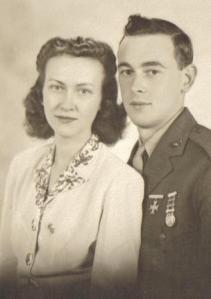
Seventy two years ago this week, my parents were married. Christmas Eve certainly wasn’t a typical wedding anniversary, but it did make it easy to remember during their years together. It was a date of necessity, only because a justice of the peace was available to marry a score of war-time couples in Quantico, Virginia, shortly before the newly trained Marine officers were shipped out to the South Pacific to fight in WWII.
Now that they are both gone, when I look at their young faces in their only wedding portrait, I see a hint of the impulsive decision that led to that wedding just a week before my father left for 30 months. They had known each other for over a year, had talked about a future together, but with my mother starting a teaching job, and the war potentially impacting all young men’s lives very directly, they had not set a date.
My father had to put his college education on hold to enlist, knowing that would give him some options he wouldn’t have if drafted, so they went their separate ways as he headed east to Virginia for his Marine officer training, and Mom started her high school teaching career as a speech and drama teacher in rural Colville in Eastern Washington. One day in early December, he called her and said, “If we’re going to get married, it’ll need to be before the end of the year. I’m shipping out the first week in January.” Mom went to her high school principal, asked for a two week leave of absence which was granted, told her astonished parents, bought a dress, and headed east on the train with a friend who had received a similar call from her boyfriend. This was a completely uncharacteristic thing for my overly cautious mother to do so it must have been love.
They were married in a brief civil ceremony with another couple as the witnesses. They stayed in Virginia only a couple days and took the train back to San Diego, and my father left. Just like that. Mom returned to her teaching position and the first three years of their married life was letter correspondence only, with gaps of up to a month during certain island battles when no mail could be delivered or posted.
As I sorted through my mother’s things following her death six years ago, their letters to each other, stacked neatly and tied together, reside now in a box in my bedroom. I have not yet opened them but will when I’m ready. What I will find there will be words written by two young people who could not have foretold the struggles that lay ahead for them during and after the war but who both depended on faith and trust to persevere despite the unknowns. The War itself seemed struggle enough for the millions of couples who endured the separation, the losses and grieving, as well as the eventual injuries–both physical and psychological. It did not seem possible that beyond those realities, things could go sour after reuniting.
The hope and expectation of happiness and bliss must have been overwhelming, and real life doesn’t often deliver. After raising three children, their 35 year marriage fell apart with traumatic finality. When my father returned (again) over a decade later, asking for forgiveness, they remarried and had five more years together before my father died.
And so too there must have been expectations of happiness in the barn on that first Christmas Eve. It must have been frightening for the parents of this special Baby, knowing in their minds but not completely understanding in their hearts what responsibility lay in their arms. They had to find faith and trust, not just in God who had determined what their future held, but in each other, to support one another when things became very difficult. Those challenges mounted up quickly: there was to be no room for them, there was a baby to deliver without assistance from anyone, and the threat of Herod’s murder of innocents eventually drove them from their home country.
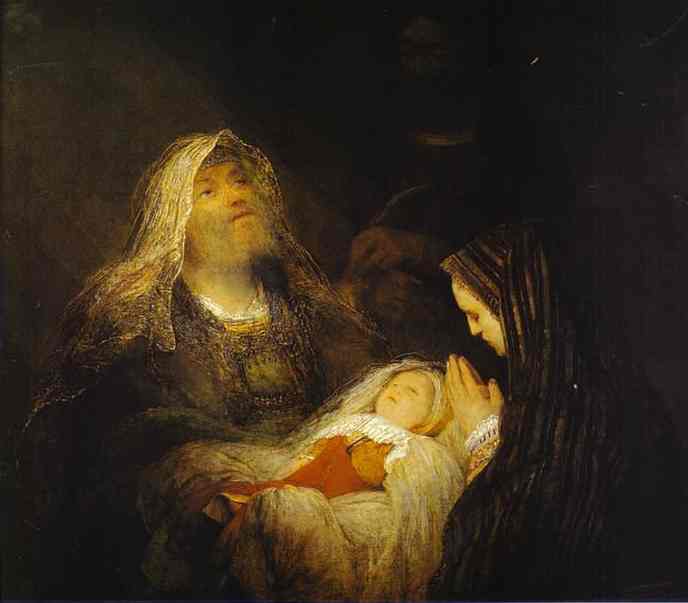
When Mary and Joseph go to the temple for the circumcision and consecration of their son the following week, they allow a “righteous and devout man”, Simeon, to hold their baby as, moved by the Holy Spirit, he tells them the role this child is to play in the world. He prays to the Lord, “As you have promised, you now dismiss your servant in peace. For my eyes have seen your salvation, which you have prepared in the sight of all people, a light for revelation to the Gentiles and for glory to your people Israel.”
It must have been like looking into a crystal ball to hear Simeon speak, as we’re told “the child’s father and mother marveled at what was said about him.” But Simeon didn’t whitewash the reality to come. It would have been easy to do so– simply mention salvation, the light and the glory that will come to the people due to this little baby, but leave out the part about how His existence would cause division in Israel as well as the rejection, anguish and suffering that He would experience. Not only that, but the pain is not His alone but will be His parents’ to bear as well. I’m sure that statement must have ended the sense of “marvel” they were feeling, and replaced it instead with great sorrow and trepidation.
Christmas is a time of joy, a celebration of new beginnings and new life when God became man, humble, vulnerable and tender. But it also gives us a foretaste for the profound sacrifice made in giving up this earthly life, not always so gently. A baby in a manger is a lovely story to “treasure up” in our hearts but once He became a bleeding Redeemer on a cross, it pierces our living beating hearts, just as Simeon foretold.
My parents, such young idealistic adults 72 years ago, now servants dismissed from this life in peace. As I peer at their faces in their wedding photo, I know those same eyes, then unaware of what was to come, now behold the light, the salvation and the glory~~the ultimate Christmas~~in His presence.
Song of Simeon by Aert De Gelder, a student of Rembrandt
Shall Time not ferry me to such a shore… ~Edith Wharton from “An Autumn Sunset”
The whole world in in motion to the center.
I only went out for a walk
and finally concluded to stay out till sundown,
for going out, I found,
was really going in.
~John Muir
Alone in the night On a dark hill With pines around me Spicy and still,
And I know that I Am honored to be Witness Of so much majesty. ~Sara Teasdale from “Stars”
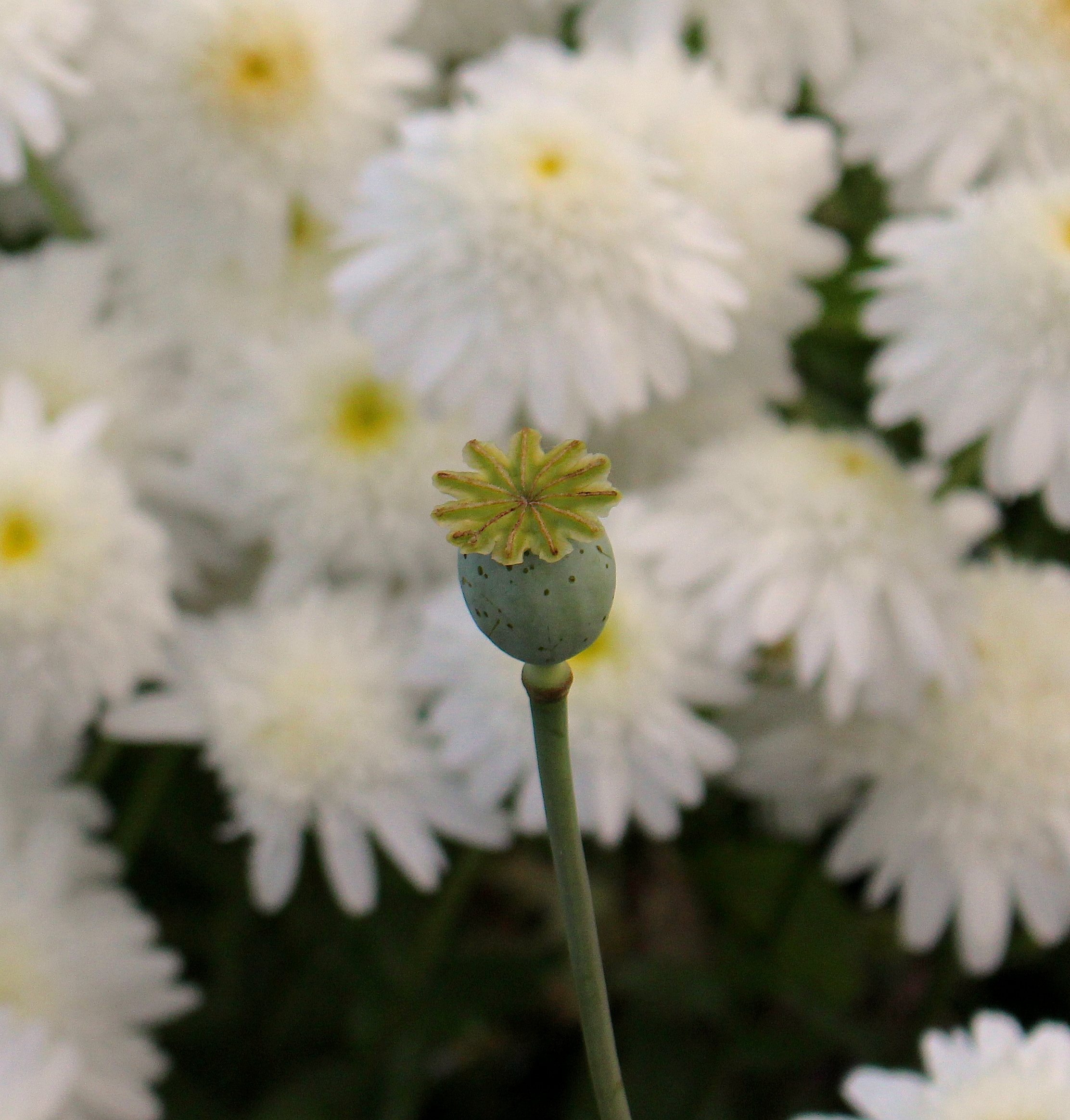
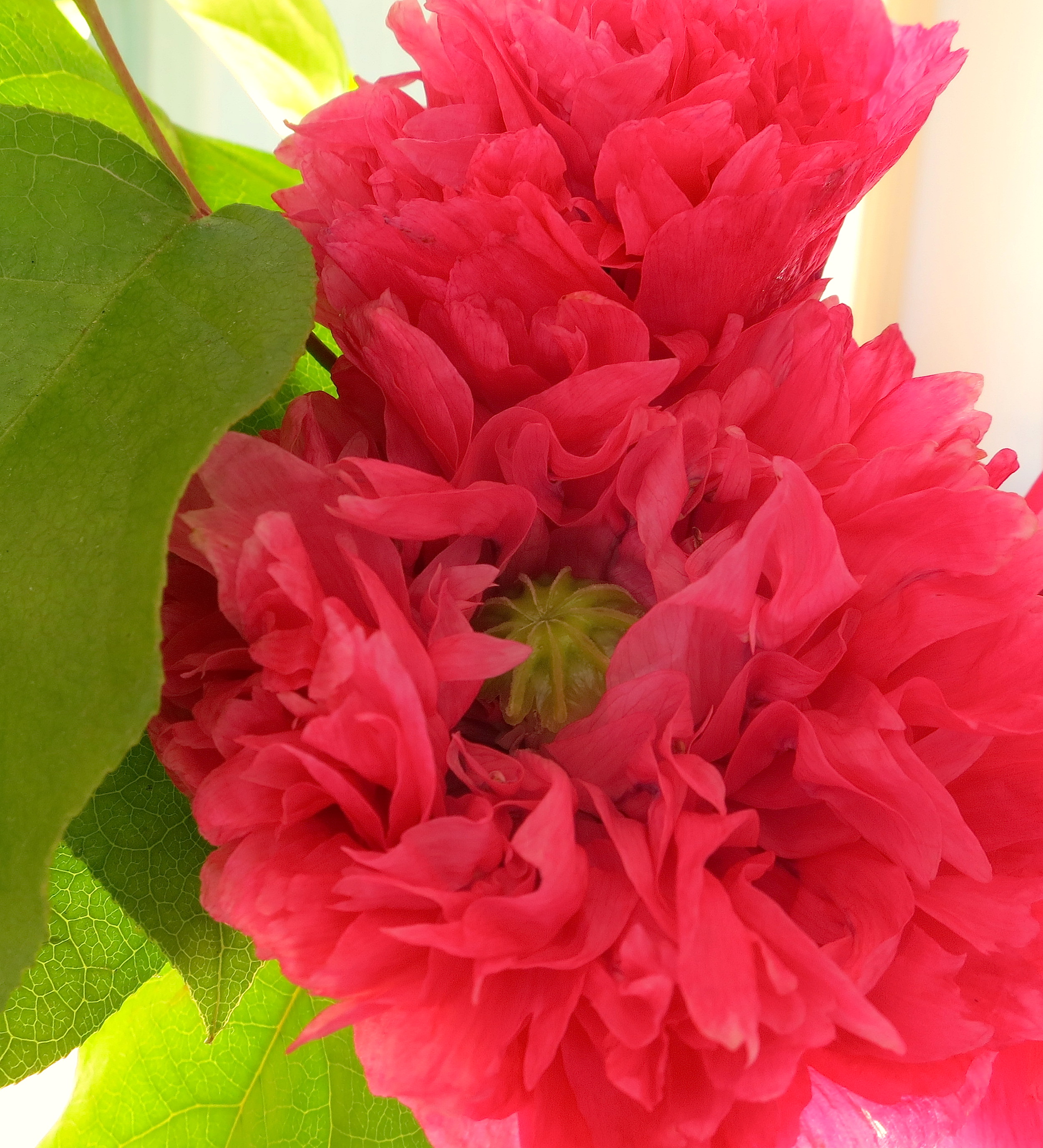
Did you permit yourselves to open once, who would never open again? Because in truth I am speaking now the way you do. I speak because I am shattered. Louise Glück from “The Red Poppy”
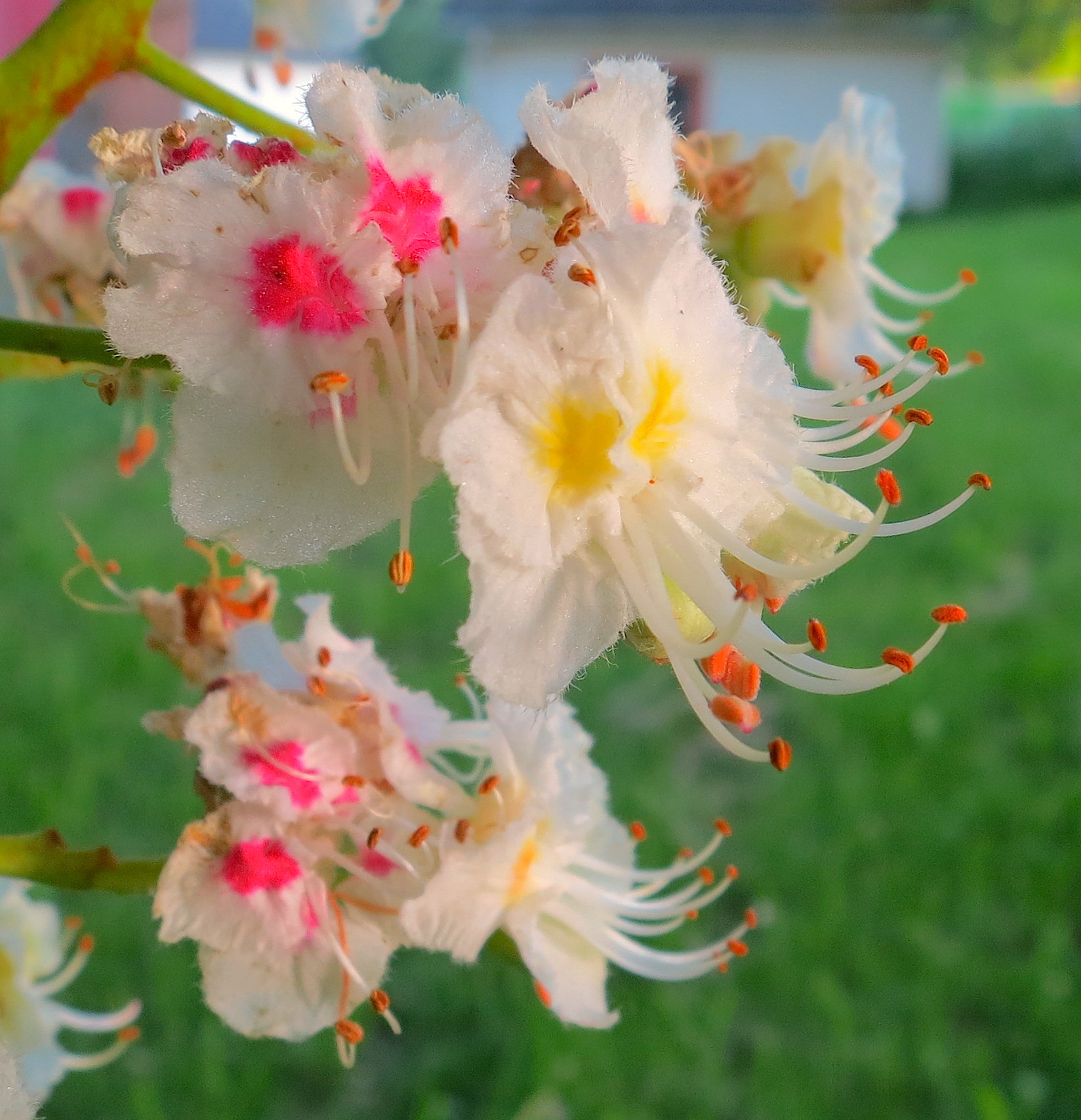
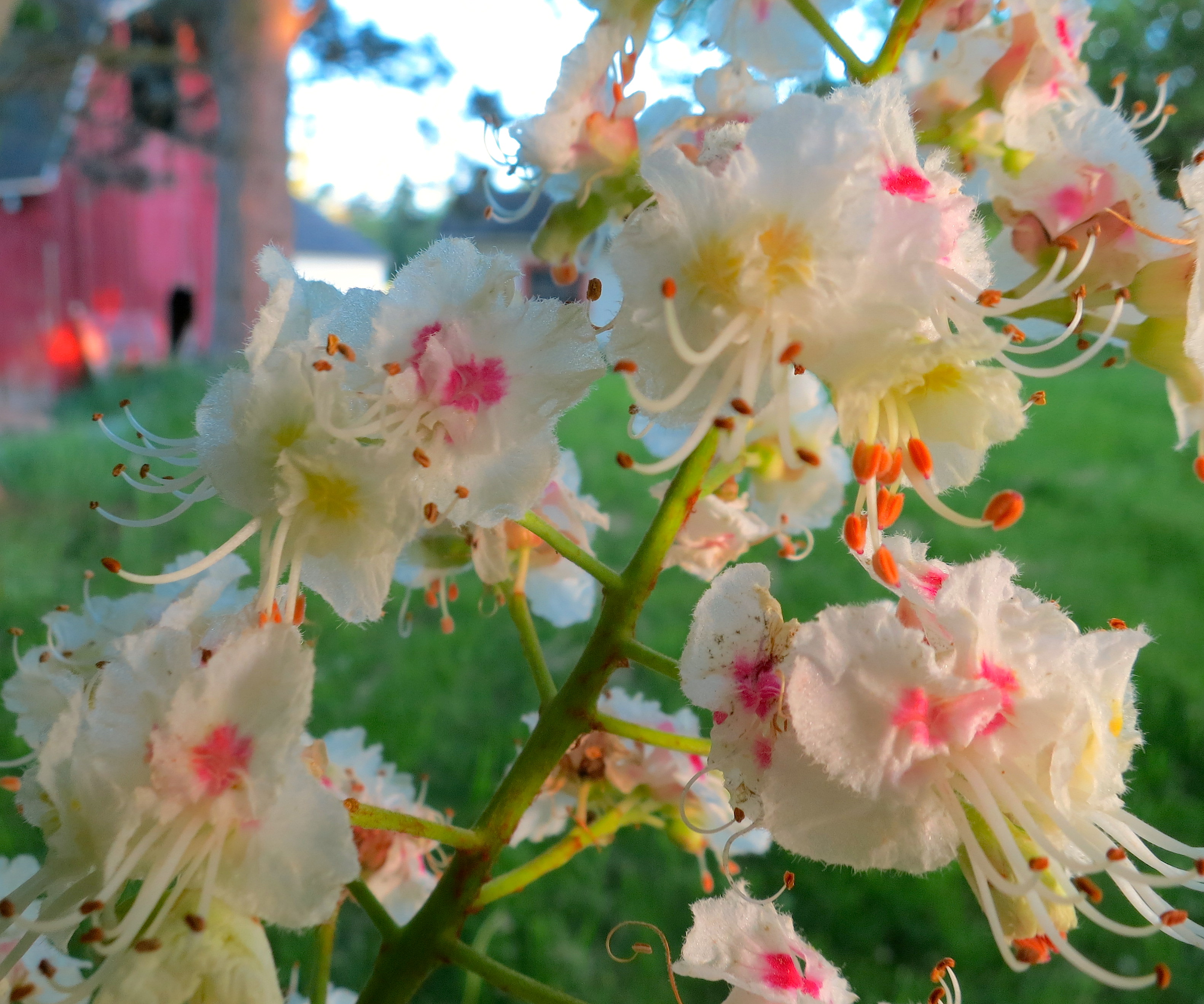
The chestnut casts his flambeaux, and the flowers Stream from the hawthorn on the wind away, The doors clap to, the pane is blind with showers. Pass me the can, lad; there’s an end of May..
…The troubles of our proud and angry dust Are from eternity, and shall not fail. Bear them we can, and if we can we must. Shoulder the sky, my lad, and drink your ale. A. E. Houseman
Originally written April 26, 2008
A vigil at my mother’s bedside
Lying still, your mouth gapes open
I wonder if you breathe your last
Your hair a white cloud
Your skin softened from disuse
No washing, digging, planting
Gardens or children
Anymore.
Where do your dreams take you?
At times you wake in your childhood home
Rolling wheat fields, boundless days of freedom.
Other naps take you to your college student and teaching days
Grammar and drama, speech and essays.
Yesterday you were a young mother again
Juggling babies, farm and your wistful dreams.
Today you looked about your empty nest
Disguised as hospital bed
Children grown, flown
You try to control through worry
Travel safely
Get a good night’s sleep
Take time to eat
Call me when you get there
I dress you as you dressed me
I clean you as you cleaned me
I love you as you loved me
You try my patience as I tried yours
I wonder if I have the strength to
Manage mothering as you did
As you need
Forever.
When I tell you the truth
Your brow furrows as it used to do
When I disappointed you
This cannot be
A bed in a room in a sterile place
Waiting for death
Waiting for heaven
Waiting
And I tell you
Travel safely
Eat, please eat
Sleep well
Call me when you get there.
Elna Schmitz as Elizabeth Barrett Browning in a drama production at Washington State College, Pullman 1940
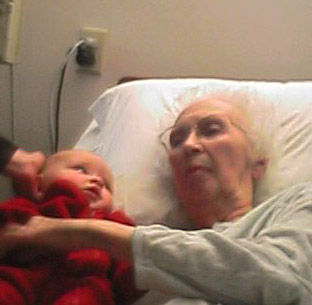
Great Grandma Elna meeting Noah 5 days before she died, 2008







 Barnstorming