Earth’s crammed with heaven,
And every common bush afire with God:
But only he who sees takes off his shoes.
Elizabeth Barrett Browning
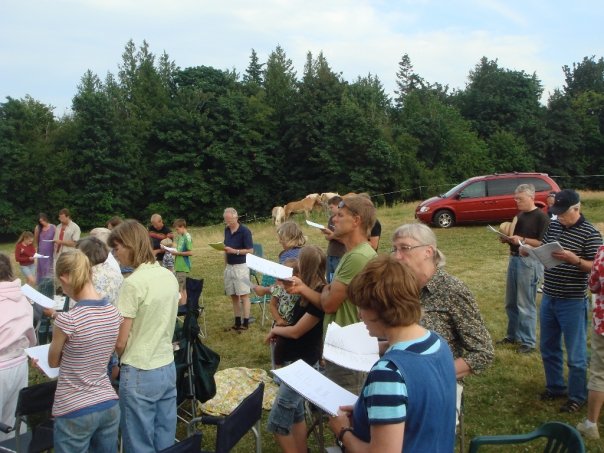
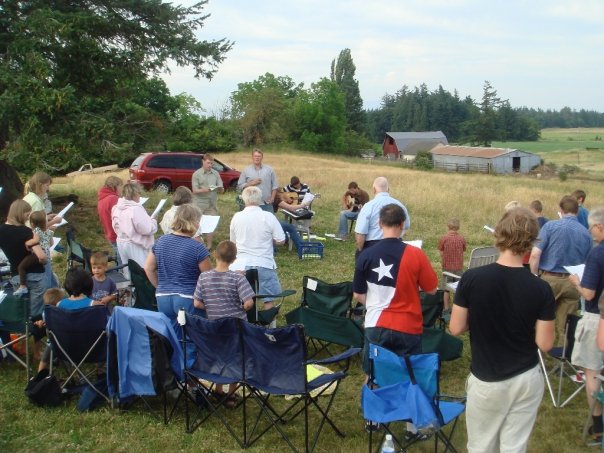
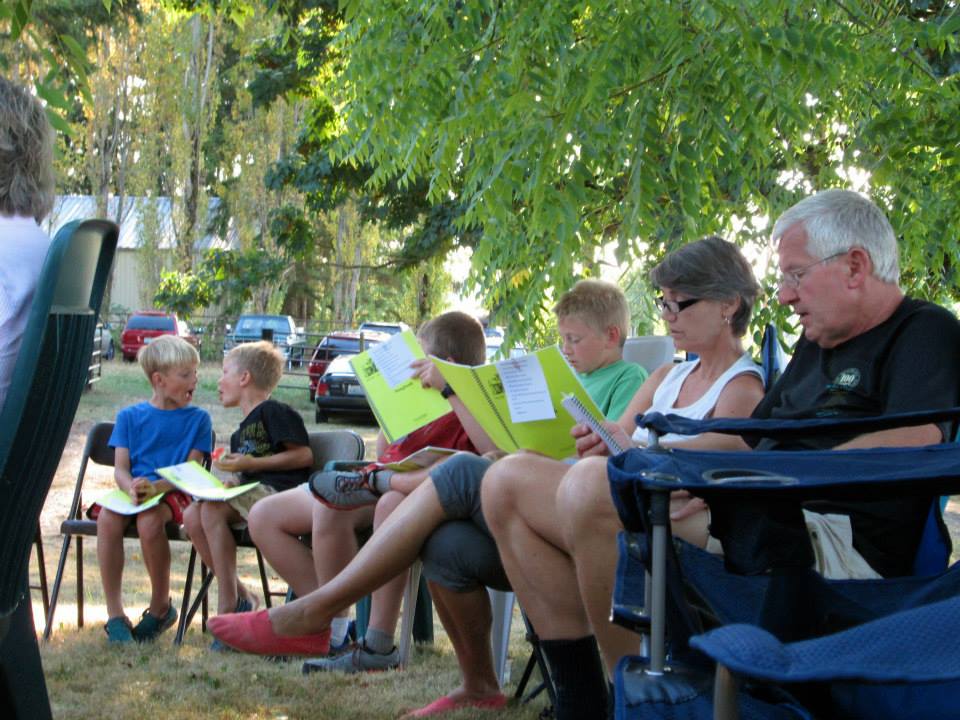
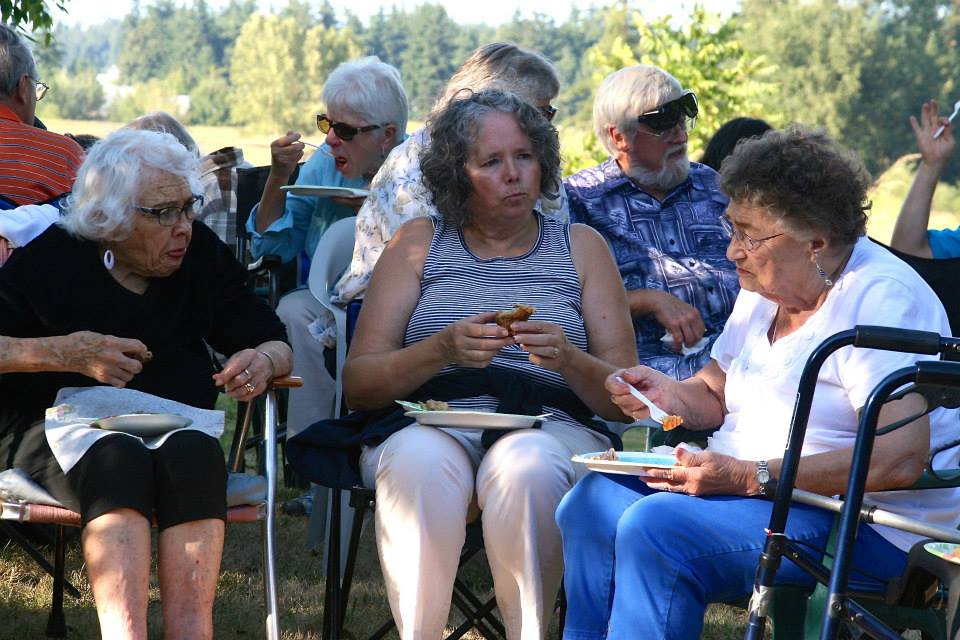
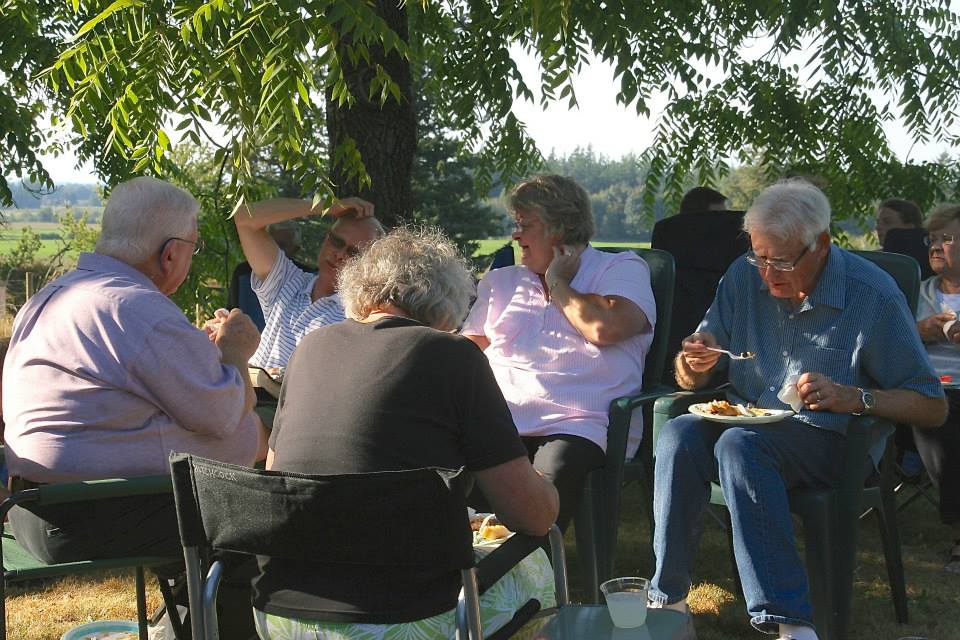
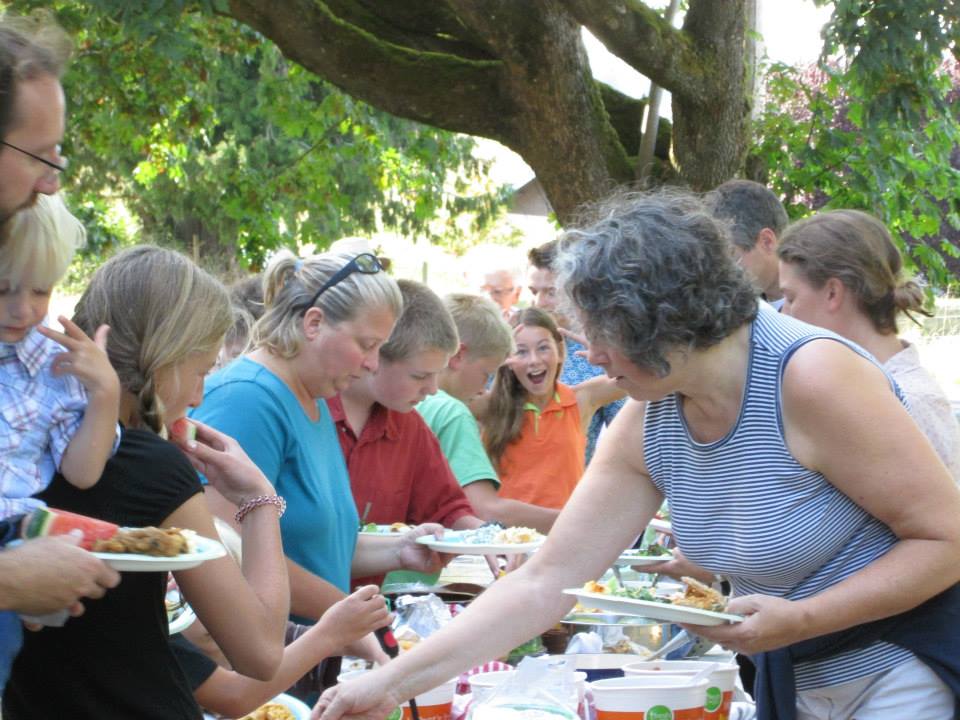
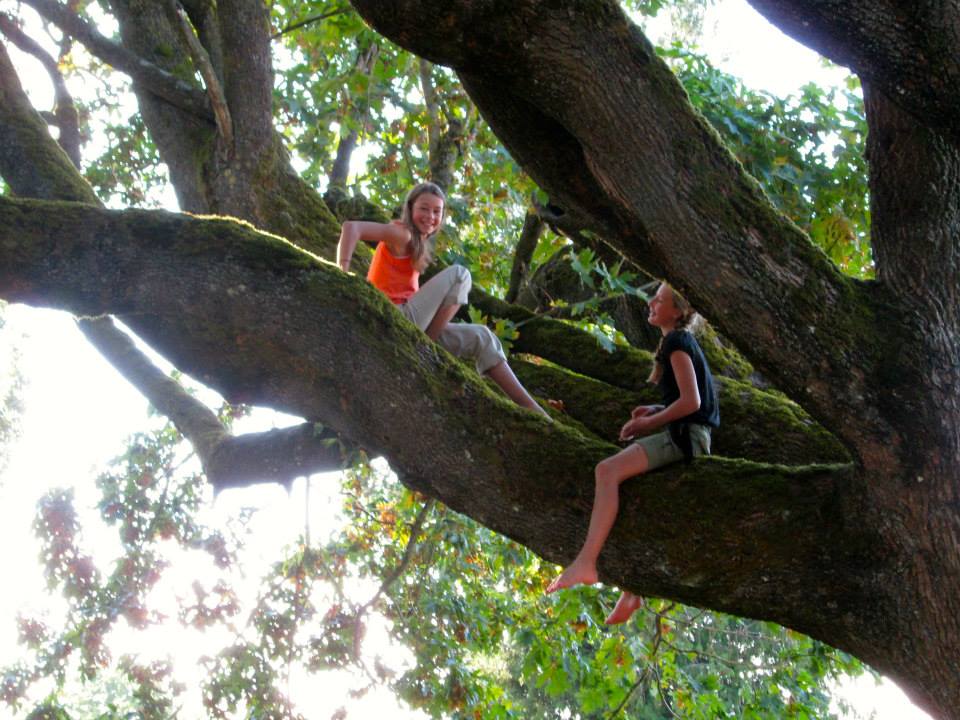
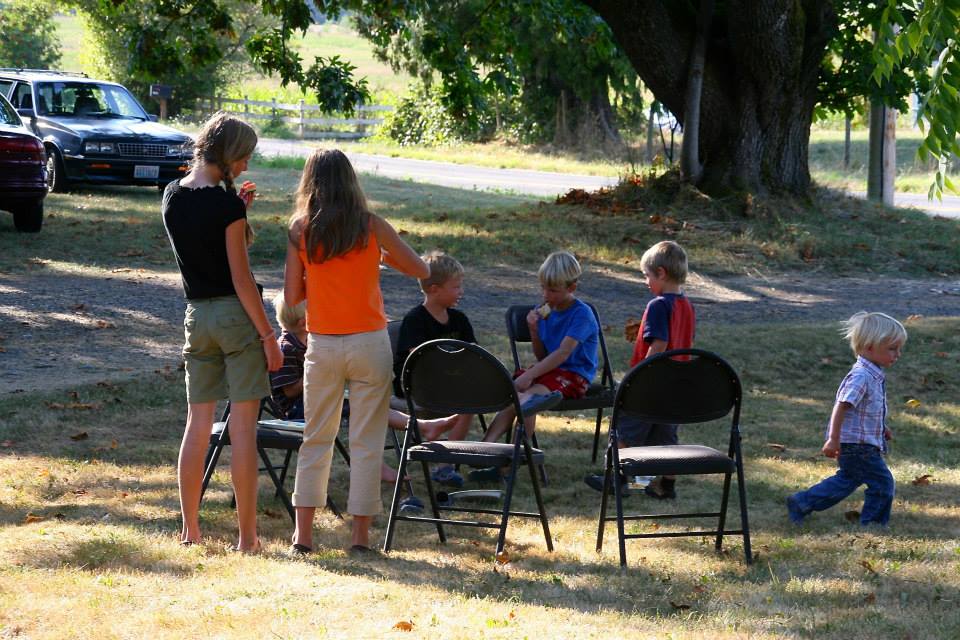
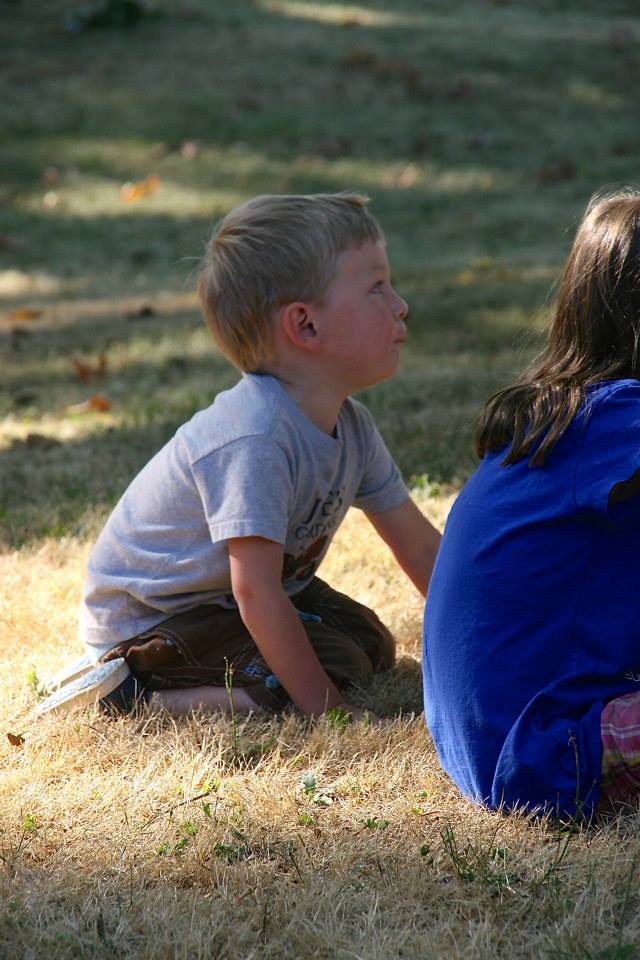
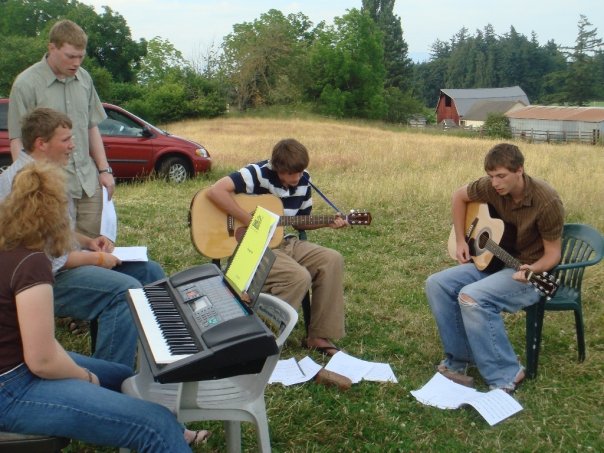
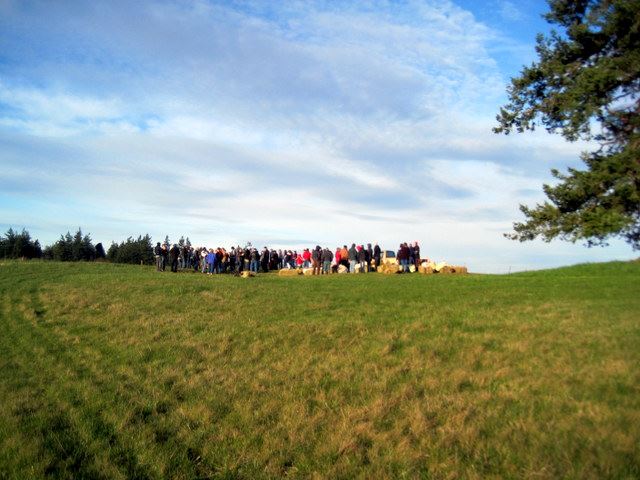
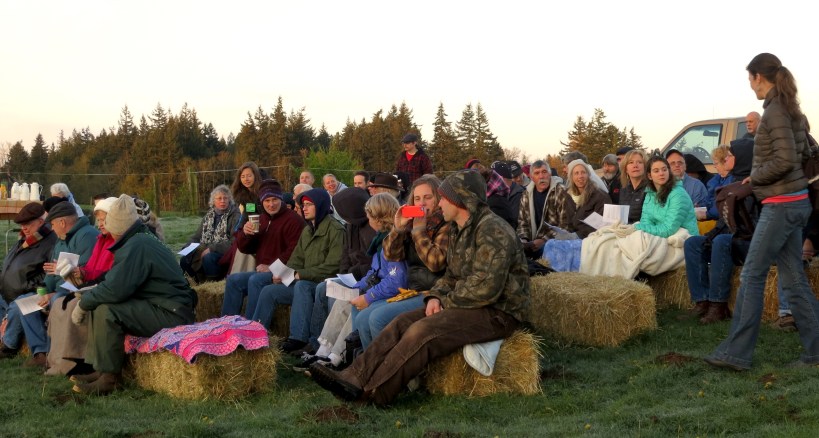
Yesterday, on a beautiful Sabbath evening, some fifty folks spent a few hours here on our farm for worship and potluck for this summer’s first of our Wiser Lake Chapel’s long-running “outdoor church” tradition at various farms in our county. Over the many years we have hosted this wonderful gathering of our church body, we have met up on our farm’s hill pasture and also under the shade of our front yard walnut trees. As lovely as it is to meet on the hill with so many vistas and views, there are many manure piles and mole hills lying in wait to sully the bare toes of our active church kids.
Indeed, our children are more apt than the grown ups to follow the instruction of the Lord when He told Moses:
“Remove your sandals from your feet, for the place on which you are standing is holy ground.”
There have long been cultures where shoes are to be removed before touching the surface of the floor inside a residence or temple in an intentional act of leaving the dirt of the world at the door to preserve the sanctity and cleanliness of the inner life.
Yet we as Christians wear shoes into church every Sunday, having walked in muck and mire of one sort or another all week. We try our best to clean up for Sunday, but we track in the detritus of our lives when we come to sit in the pews. Rather than leave it at the door, it comes right in with us, not exactly hidden and sometimes downright stinky. That is when we are in obvious need for a good washing, shoes, feet, soul and all, and that is exactly why we need to worship together as a church family in need of cleansing, whether indoors or outdoors.
Jesus Himself demonstrated our need for a wash-up on the last night of His life, soaking the dusty feet of His disciples.
And then there is what God said. He asked that holy ground be respected by the removal of our sandals. We must remove any barrier that prevents us from entering fully into His presence, whether it be our attitude, our stubbornness, our unbelief, or our constant centering on self rather than other.
No separation, even a thin layer of leather, is desirable when encountering God.
We trample roughshod over holy ground all the time, blind to where our feet land and the impact they leave behind. Perhaps by shedding the covering of our eyes, our minds, and our feet, we would see earth crammed with heaven and God on fire everywhere, in every common bush and in every common heart.
So we may see.
So we may listen.
So we may feast together.
So we remove our sandals so our bare feet may touch His holy ground.
Thank you to Bette Vander Haak and Kerry Garrett for sharing their pictures of outdoor church on our farm.
For outlandish creatures like us, on our way to a heart, a brain, and courage, Bethlehem is not the end of our journey but only the beginning – not home but the place through which we must pass if ever we are to reach home at last. ~Frederick Buechner from The Magnificent Defeat
Though I’ve worked with many homeless people as a physician, I’ve never known homelessness myself. However, I have been room-less and those experiences were enough to acquaint me with the dilemma for Joseph and Mary searching for a place to sleep in Bethlehem.
It was my ninth birthday, July 26, 1963, and my family was driving to Washington D.C. for a few days of sightseeing. We had planned to spend the night in a motel somewhere in eastern Ohio or western Pennsylvania but my father, ever the determined traveler, felt we should push on closer to our destination. By the time 11 PM rolled around, we were all tired and not just a little cranky so we started looking for vacancy signs at road-side motels. Most were posted no vacancy by that time of night, and many simply had shut off their lights. We stopped at a few with vacancy still lit, but all they had available would never accommodate a family of five.
We kept driving east, and though I was hungry for sleep, I became ever more anxious that we really would never find a place to lay our heads. My eyes grew wider and I was more awake than ever, having never stayed up beyond 1 AM before and certainly, I’d never had the experience of being awake all night long. It still goes down in my annals as my longest birthday on record.
By 2 AM we arrived in Harrisburg, Pennsylvania and my dad had reached his driving limit and my mom had declared we were not traveling another mile. We headed downtown where the brick Harrisburg Hotel stood some 10 stories high, an old structure in a questionable area of town, but the lights were on and there were signs of life inside.
They did have a room that gave us two saggy double beds to share for eight dollars, with sheets and blankets with dubious laundering history, a bare light bulb that turned on with a chain and a bathroom down the hall. I’m surprised my mother even considered laying down on that bed, but she did. I don’t remember getting much sleep that night, but it was a place to rest, and the sirens and shouts out on the street did make for interesting background noise.
Some 12 years later, I had another experience of finding no room to lay my head after arriving late at night in Dar es Salaam in Tanzania, with supposed reservations at the local YMCA for myself and my three student friends traveling together on our way to Gombe to study wild chimpanzees. We landed at the airport after midnight after a day long flight from Brussels, managed to make it through customs intact and find a taxi, only to arrive at the Y to find it dark and locked. It took some loud knocking to rouse anyone and with our poor Swahili, we were able to explain our dilemma–we were supposed to have two rooms reserved for the four of us. He said clearly “no room, all rooms taken”.
The host was plainly perplexed at what to do with four Americans in the middle of the night. He decided to parse us out one each to occupied rooms and hope that the occupants were willing to share. He looked at me, a skinny white girl with short hair and decided I was some kind of strange looking guy, and tried to stick me in a room with a rather intoxicated French man and I said absolutely not. Instead my female traveling partner and I ended up sharing a cot (sort of) in a room with a German couple who allowed us into their room, which I thought was an amazing act of generosity at 2 AM in the morning. I didn’t sleep a wink, amazed at the magical sounds and smells of my first dawn in Africa, hearing the morning prayers coming from the mosque across the street, only a few hours later.
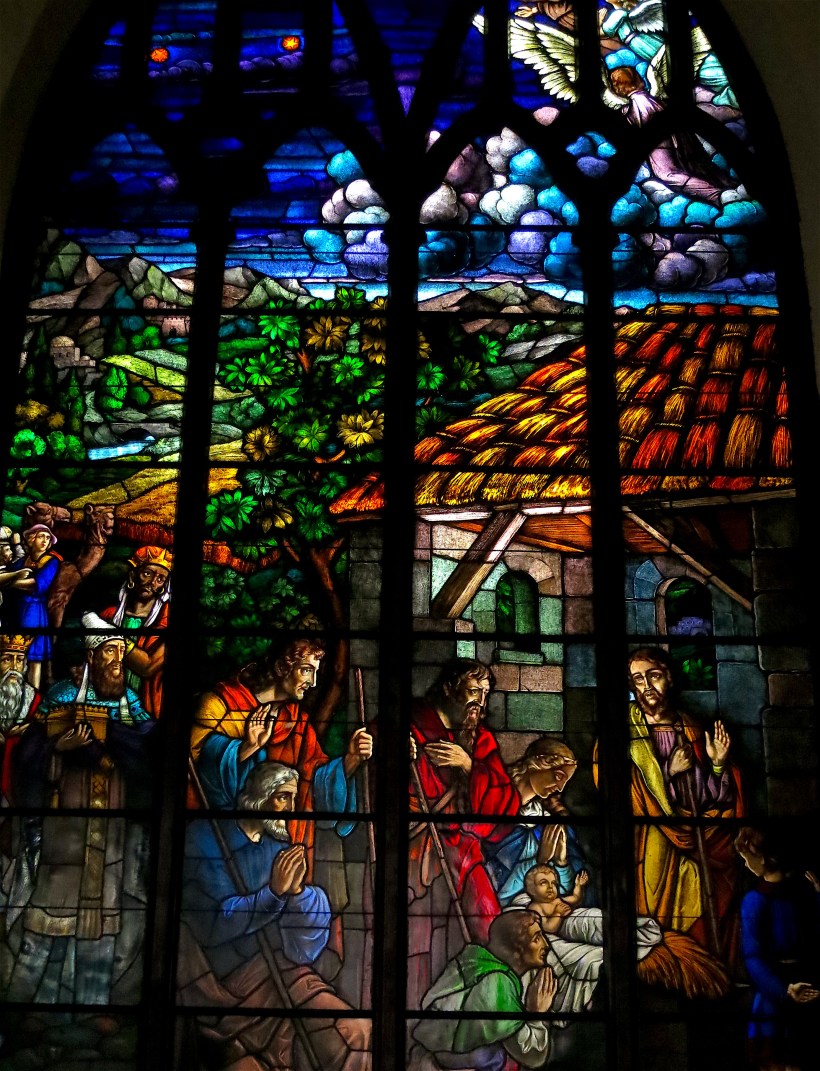
So I can relate in a small way to what it must have felt like over 2000 years ago to have traveled over hard roads to arrive in a dirty little town temporarily crammed with too many people, and find there were no rooms anywhere to be had. And to have doors shut abruptly on a young woman in obvious full term pregnancy is another matter altogether. They must have felt a growing sense of panic that there would be no safe and clean place to rest and possibly deliver this Child.
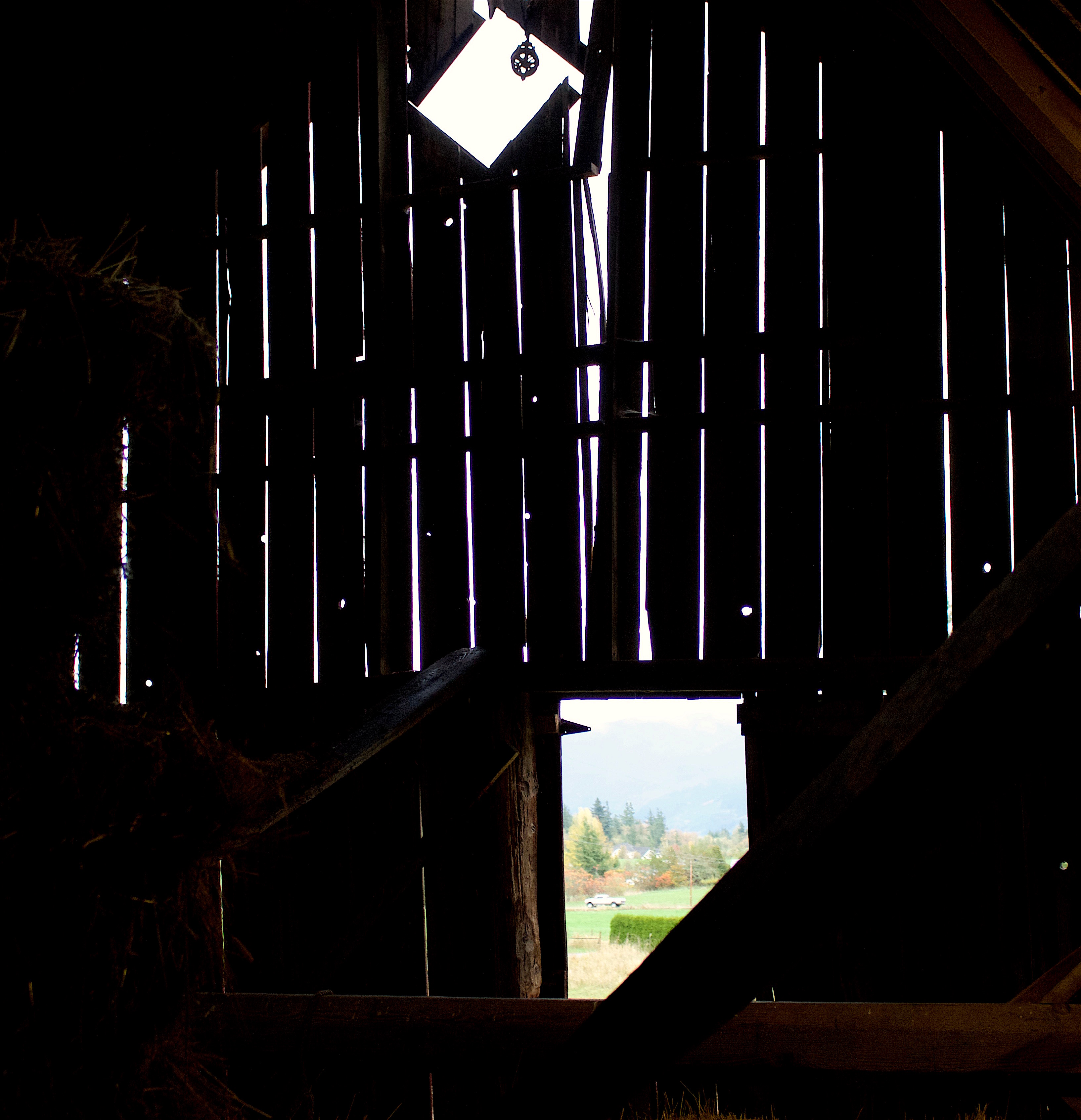
Then there came the offer of an animals’ dwelling, with fodder for bedding and some minimal shelter. This stable and its manger became sanctuary for the weary and burdened, remarkable in how unremarkable it was. We are all invited in to rest there, and I never enter a barn without somehow acknowledging that fact.
There are so many ways we continue to refuse access and shut the doors in the faces of those two (plus one) weary travelers, forcing them to look elsewhere to stay. We say “no room” dozens of times every day, not realizing who and what we are shutting out.
There is no room in our busy and “important” lives–from the moment we rise through the frenetic pace of work and home activities, there is no room for the solitude of quiet prayer and reflection, and for shared gratitude and grace.
There is no room in our schools, where all mention of religious practices outside of academic study is unwelcome and eagerly litigated.
There is no room in our city squares or buildings, where nativity scenes are banished and replaced with winter festival scenes of snowflakes and snowmen, or any symbol of religious significance is matched with a statement from the “Freedom from Religion” organizations declaring atheism as valid a faith.
There is no room in our homes where TV, computer, and social media become the altars of worship and occupy more of our time than anything else.
There is no room in our hearts and minds as we crave entertainment, sex, and drugs more than the freely offered gift of life.
Small wonder we pay no attention to who is waiting patiently outside the back door of our lives, where it is inhospitable and cold and dank. Few of us would invite our special company into the barn first and foremost. Yet these travelers don’t seek an invitation to come in the front door, with fancy meals and feather beds and fresh flowers on the cupboard. It is the dark and manure strewn parts of our lives where they are needed most. That is where He was born to dwell, and that is where He remains, in the humblest parts of our beings, the parts we do not want to show off, and indeed, most often want to hide.
There will always be plenty of room there.
Into this world, this demented inn in which there is absolutely no room for him at all, Christ comes uninvited.
~Thomas Merton
“May the hair on your toes never fall out!” — J.R.R. Tolkien in The Hobbit (Thorin Oakenshield addressing Bilbo Baggins)
photo of Samwise Gamgee by Nate Gibson
photo by Nate Gibson
Tolkien’s Hairy Toes Blessing has been one of my more popular blog posts when I have posted it before, most likely because our corgis are just like hobbits with irresistible hairy toes. Yet the message itself goes beyond cute: it is indeed a good thing to give and receive blessings.
It’s a safe bet my toes and your toes have never been subjected to such a blessing. But I like the idea of blessings starting from the bottom up, encompassing our most humble and homely parts first.
The world would be a better place if we rediscovered the art of bestowing blessings–those specific prayers of favor and protection that reinforce community and connection to each other and to something larger than ourselves. They have become passé in a modern society where God’s relationship with and blessing of His people is not much more than an after-thought. Benedictions must extend beyond the end of worship services to all tender partings; wedding receptions can go beyond roasting and toasting to encompass sincere prayers for a future life together.
Today especially necessitates a special blessing not invoking hairy toes: our daughter moves several hours away to start her first permanent teaching job, so I send the following blessing with her as she drives away to start her new life (shared by my dear friend Alice in New York):
…Have joy and peace in the temple of your senses. Receive encouragement when new frontiers beckon. Respond to the call of your gift and the courage to follow its path…. May warmth of heart keep your presence aflame. May anxiety never linger about you. May your outer dignity mirror an inner dignity of soul. Take time to celebrate the quiet miracles that seek no attention. Be consoled in the secret symmetry of your soul. May you experience each day as a sacred gift woven around the heart of wonder.
~John O’Donohue from “Blessing for Presence” from To Bless the Space Between Us
Whatever he needs, he has or doesn’t have by now. Whatever the world is going to do to him it has started to do…
…Whatever is stored in his heart, he can use, now. Whatever he has laid up in his mind he can call on. What he does not have he can lack…
…Whatever his exuberant soul can do for him, it is doing right now…
…Everything that’s been placed in him will come out, now, the contents of a trunk unpacked and lined up on a bunk in the underpine light. ~Sharon Olds from “The Summer-Camp Bus Pulls Away from the Curb”
This is the season for graduations, when children move into the adult world and don’t look back.
As a parent, as an educator, as a mentor within church and community, and over twenty seven years as a college health physician witnessing this transition many times over, I can’t help but be wistful about what I may have left undone and unsaid with the generation about to launch. In their moments of vulnerability, did I pack enough love into their bleeding hearts so he or she can pull it out when it is most needed?
When our three children traveled the world after their graduations, moving way beyond the fenced perimeter of our little farm, I trust they left well prepared.
As a school board member, I watched students, parents and teachers work diligently together in their preparation for that graduation day, knowing the encompassing love behind each congratulatory hand shake.
When another batch of our church family children say goodbye, I remember holding them in the nursery, listening to their joyful voices as I played piano accompaniment in Sunday School, feeding them in innumerable potlucks over the years. I pray we have fed them well in every way with enough spiritual food to stick to their ribs in the “thin” and hungry times.
When hundreds of my student/patients move on each year beyond our university and health clinic, I wish for their continued emotional growth buoyed by plenty of resilience when the road gets inevitably bumpy.
I believe I know what is stored in the hearts of graduates because I, among many others, helped them pack it full of love. Only they will know the time to unpack their heart when their need arises.
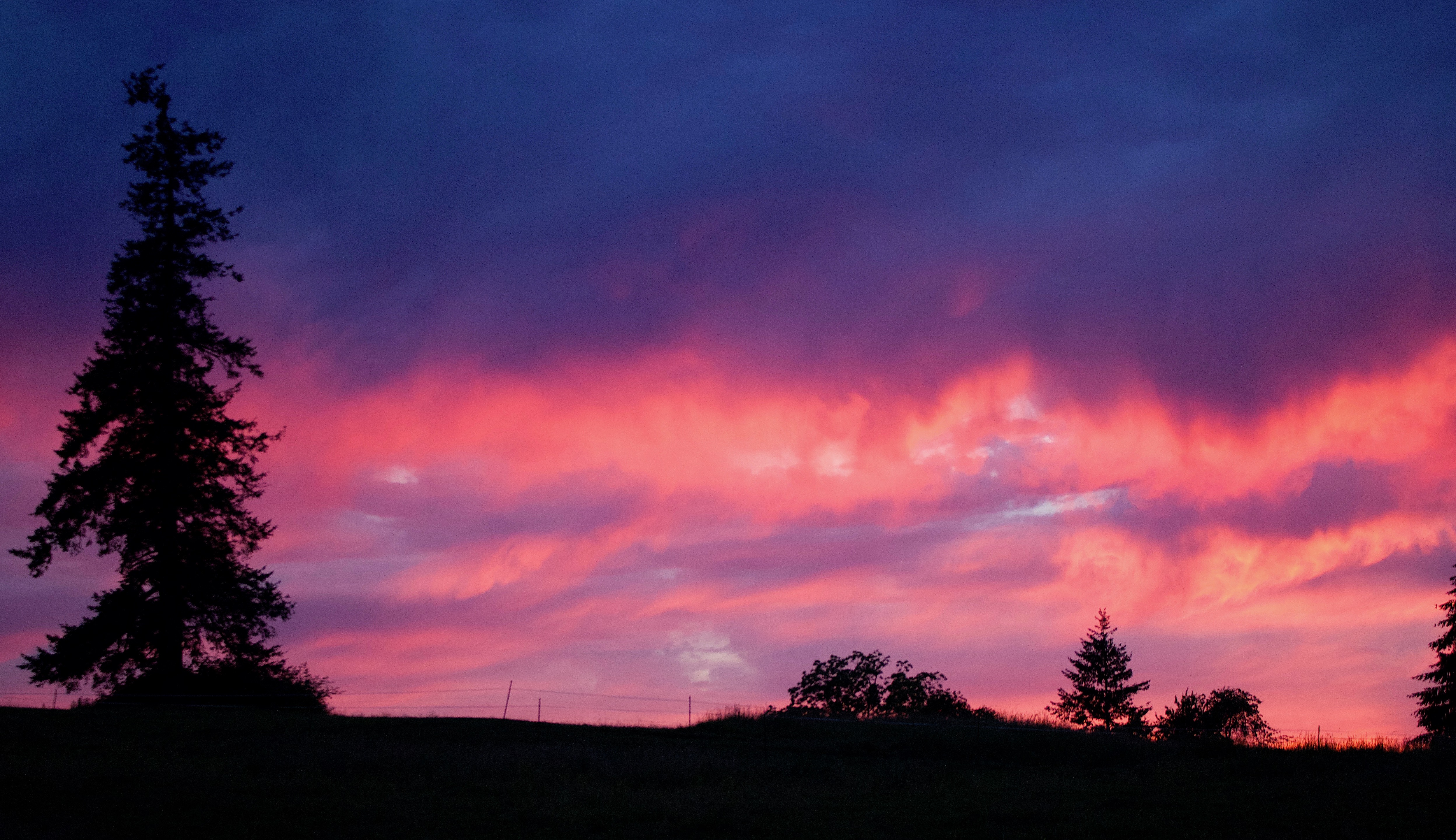
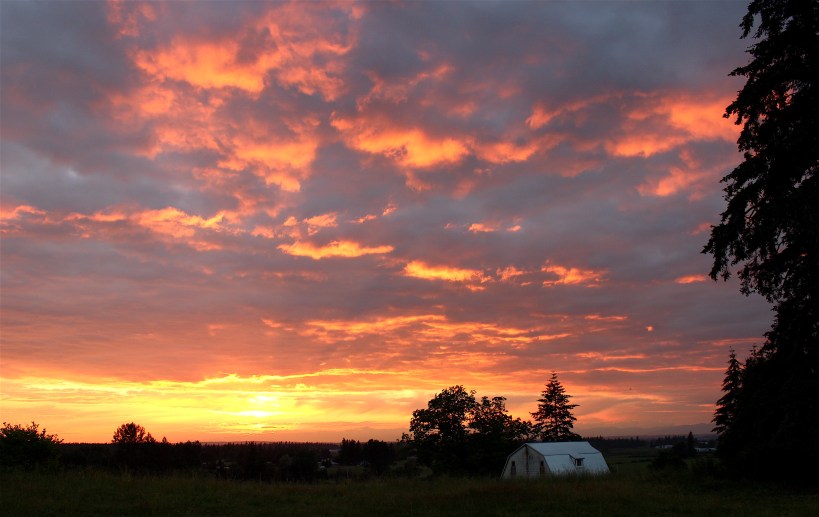
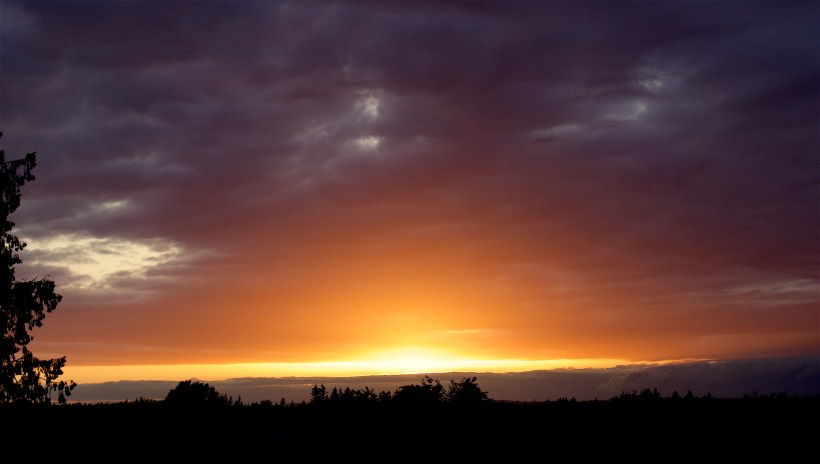
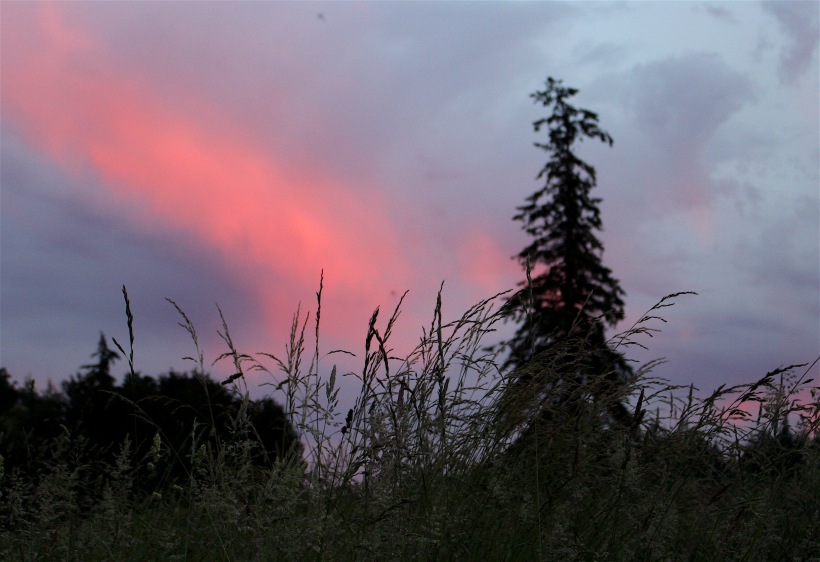
and look at the sky. Suddenly: orange, red, pink, blue, green, purple, yellow, gray, all at once and everywhere.
I pause in this moment at the beginning of my old age and I say a prayer of gratitude for getting to this evening
a prayer for being here, today, now, alive in this life, in this evening, under this sky. ~David Budbill from Winter: Tonight: Sunset
Write as if you were dying. At the same time, assume you write for an audience consisting solely of terminal patients. That is, after all, the case. ~Annie Dillard from “Write Till You Drop”
I began to write after September 11, 2001 because that day it became obvious to me I was dying too, though more slowly than the thousands who vanished in fire and ash, their voices obliterated with their bodies. So, nearly each day since, while I still have voice and a new dawn to greet, I speak through my fingers to others dying around me.
We are, after all, terminal patients, some of us more prepared than others to move on, as if our readiness had anything to do with the timing. Our small church just lost one of its most senior members to a long fight with cancer, and he had announced his readiness long ago (he liked to say he never bought green bananas as he wasn’t sure he’d be around to use them), but God had different plans and kept him here for a few years longer.
Each day I too get a little closer to the end, but I write in order to feel a little more ready. Each day I detach just a little bit, leaving a trace of my voice behind. Eventually, through unmerited grace, so much of me will be left on the page there won’t be anything or anyone left to do the typing.
Not a moment or a word to waste.
At its best, the sensation of writing is that of any unmerited grace. It is handed to you, but only if you look for it. You search, you break your fists, your back, your brain, and then – and only then -it is handed to you. From the corner of your eye you see motion. Something is moving through the air and headed your way. It is a parcel bound in ribbons and bows; it has two white wings. It flies directly at you; you can read your name on it. If it were a baseball, you would hit it out of the park. It is that one pitch in a thousand you see in slow motion; its wings beat slowly as a hawk’s.
~Annie Dillard from “Write Till You Drop”
“Spend your life trying to understand it, and you will lose your mind; but deny it and you will lose your soul.” Augustine in his work “On the Trinity”
A story has been told that Augustine of Hippo was walking on the beach contemplating the mystery of the Trinity. Then he saw a boy in front of him who had dug a hole in the sand and was going out to the sea again and again and bringing some water to pour into the hole.
Augustine asked him, “What are you doing?”
“I’m going to pour the entire ocean into this hole.”
“That is impossible, the whole ocean will not fit in the hole you have made” said Augustine.
The boy replied, “And you cannot fit the Trinity in your tiny little brain.”
I accept that my tiny brain, ever so much tinier than St. Augustine’s, cannot possibly absorb or explain the Trinity–I will not try to put the entire ocean in that small hole. The many analogies used to help human understanding of the Trinity are dangerously limited in scope:
three candles, one light
vapor, water, ice
shell, yolk, albumin
height, width, depth
apple peel, flesh, core
past, present, future.
It is sufficient for me to know, as expressed by the 19th century Anglican pastor J.C. Ryle:
“It was the whole Trinity, which at the beginning of creation said, ‘Let us make man’. It was the whole Trinity again, which at the beginning of the Gospel seemed to say, ‘Let us save man'”.
All one, equal, harmonious, unchangeable, to our rescue. “It is not easy to find a name that will suitably express so great an excellence, unless it is better to speak in this way: the Trinity, one God, of whom are all things, through whom are all things, in whom are all things. Thus the Father and the Son and the Holy Spirit, and each of these by Himself, is God, and at the same time they are all one God; and each of them by Himself is a complete substance, and yet they are all one substance.
The Father is not the Son nor the Holy Spirit; the Son is not the Father nor the Holy Spirit; the Holy Spirit is not the Father nor the Son: but the Father is only Father, the Son is only Son, and the Holy Spirit is only Holy Spirit.
To all three belong the same eternity,
the same unchangeableness, the same majesty, the same power. In the Father is unity, in the Son equality, in the Holy Spirit the harmony of unity and equality.
And these three attributes are all one because of the Father, all equal because of the Son, and all harmonious because of the Holy Spirit.”
–Augustine of Hippo, On Christian Doctrine, I.V.5.
Now if we died with Christ, we believe that we will also live with him.For we know that since Christ was raised from the dead, he cannot die again; death no longer has mastery over him. The death he died, he died to sin once for all; but the life he lives, he lives to God.In the same way, count yourselves dead to sin but alive to God in Christ Jesus. Romans 6: 8-10
So what do I believe actually happened that morning on the third day after he died? …I speak very plainly here…
He got up. He said, “Don’t be afraid.”
Love is the victor. Death is not the end. The end is life. His life and our lives through him, in him. Existence has greater depths of beauty, mystery, and benediction than the wildest visionary has ever dared to dream. Christ our Lord has risen. ~Frederick Buechner
Make no mistake: if He rose at all it was as His body; if the cells’ dissolution did not reverse, the molecules reknit, the amino acids rekindle, the Church will fall…
It was not as the flowers, each soft Spring recurrent; it was not as His Spirit in the mouths and fuddled eyes of the eleven apostles; it was as His Flesh: ours. ~John Updike from “Seven Stanzas at Easter”
Since this moment (the resurrection), the universe is no longer what it was; nature has received another meaning; history is transformed and you and I are no more, and should not be anymore, what we were before. ~Paul Tillich
Our flesh is so weak, so temporary,
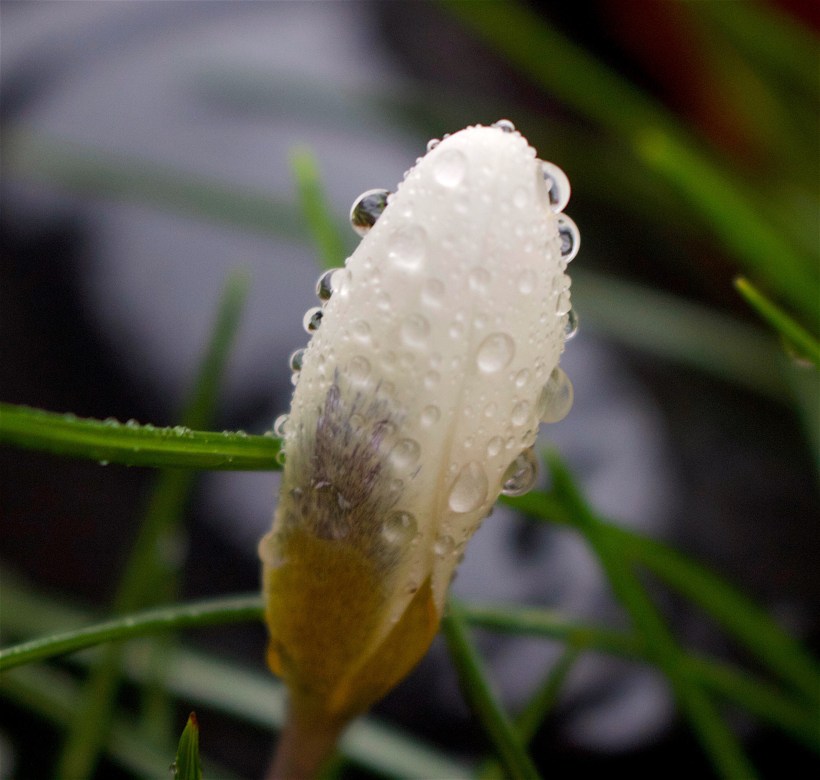
as ephemeral as a dew drop on a petal
yet with our earthly vision
it is all we know of ourselves
and it is what we trust knowing
of Him.
He was born as our flesh, from our flesh.
He walked and hungered and thirsted and slept
as our flesh.
He died, His flesh hanging in tatters,
blood spilling freely
breath fading
to nought
speaking Words
our ears can never forget.
And He got up,
to walk and hunger and thirst alongside us
and here on this hill we meet together,
–flesh of His flesh–
here among us He is risen
–flesh of our flesh–
married forever
as the Church:
a fragile, flawed
and everlasting body.
During this Lenten season, I have drawn inspiration from the new devotional collection edited by Sarah Arthur —Between Midnight and Dawn
Jesus knew that the hour had come for him to leave this world and go to the Father. Having loved his own who were in the world, he loved them to the end.
…so he got up from the meal, took off his outer clothing, and wrapped a towel around his waist.After that, he poured water into a basin and began to wash his disciples’ feet, drying them with the towel that was wrapped around him.
John 13
What e’er the soul has felt or suffered long,
Oh, heart! this one thing should not be forgot:
Christ washed the feet of Judas.
~George Marion McClellan
from “The Feet of Judas” in The Book of American Negro Poetry 1922
As an aide in a rest home caring for the crippled feet of the elderly,
as a medical student in an inner city hospital seeing the homeless whose socks had to be peeled off carefully to avoid pulling off gangrenous toes, as a doctor working with the down and out detox patients from the streets who had no access to soap and water for weeks,
I’ve washed feet as part of my job.
People always protest, just as Peter did when Jesus started to wash his feet.
We never believe our feet,
those homely gnarled bunioned claw-toed calloused parts of us,
deserve that attention.
We are ashamed to have someone care about them, care for them, when we don’t care enough on our own.
I have never washed the feet of someone about to betray me, leading me to my death.
I have never had my feet washed by someone who understood my heart needed cleansing even more than my feet, who loved me that much.
Until now.
This one thing should not be forgot:
Kneeling, He wears the humility and towels of a servant as His only raiments. He gently cups our heels in His palms, washes and dries our soles and arches and toes, as our hearts are held, beating and bejeweled as royalty, in His loving hands.
During this Lenten season, I will be drawing inspiration from the new devotional collection edited by Sarah Arthur —Between Midnight and Dawn
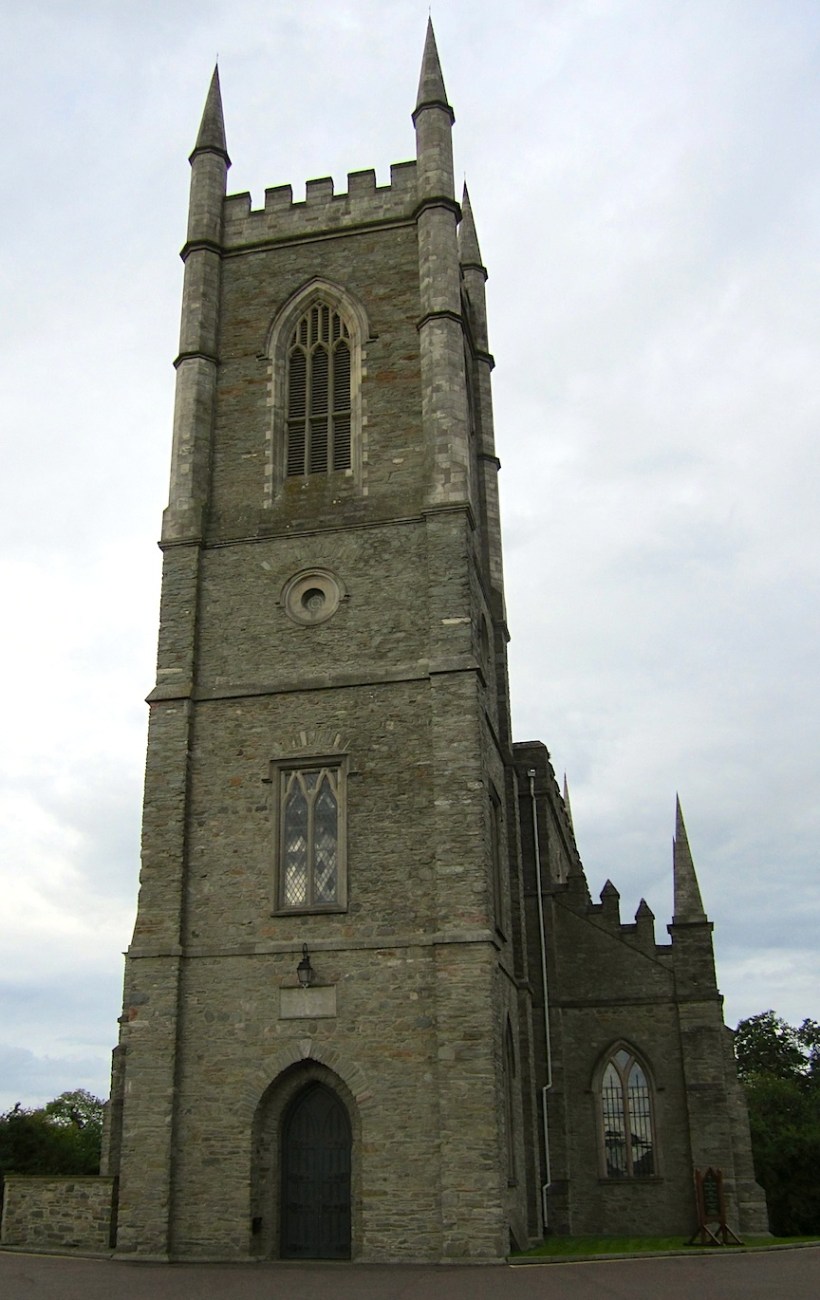
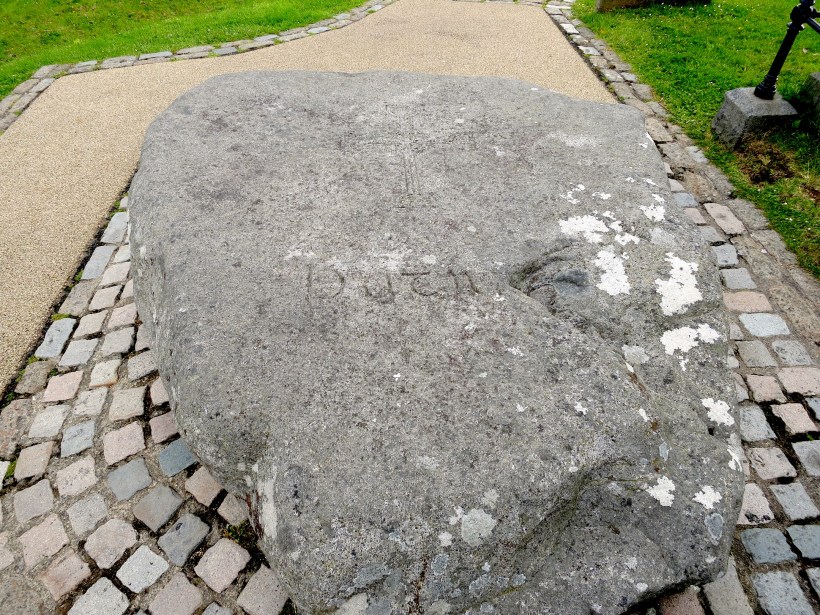
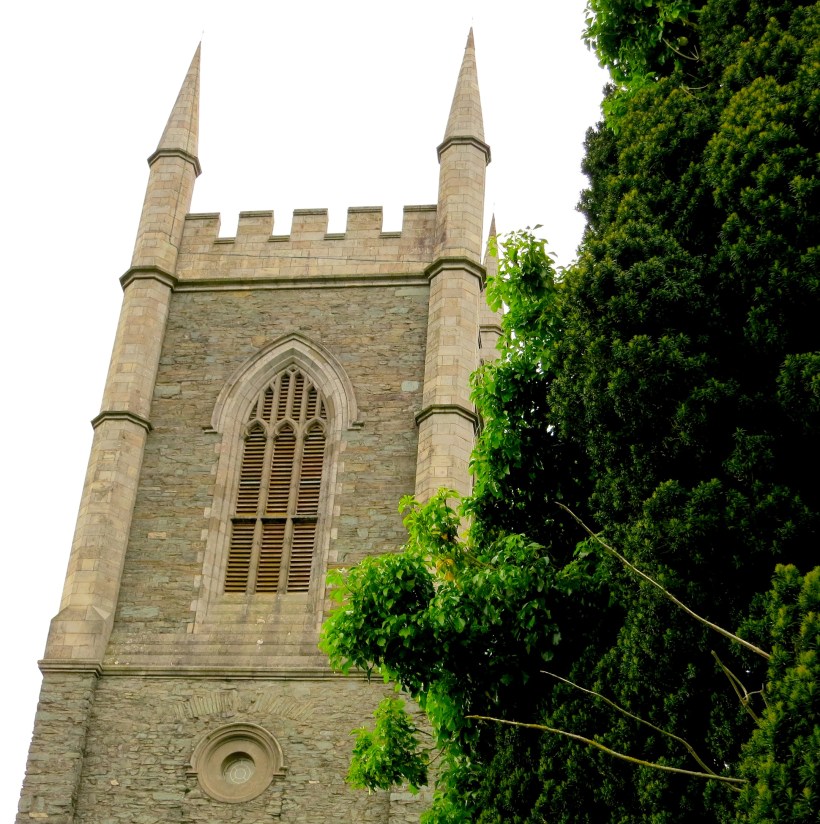
St. Patrick’s Cathedral, IrelandSt. Patrick’s grave marker
Be still, and know that I am God… Psalm 46:10
Be still and know that I am God. Be still and know that I am. Be still and know. Be still. Be.
Christ with me, Christ before me, Christ behind me, Christ in me, Christ beneath me, Christ above me, Christ on my right, Christ on my left, Christ when I lie down, Christ when I sit down, Christ when I arise, Christ in the heart of every man who thinks of me, Christ in the mouth of everyone who speaks of me, Christ in every eye that sees me, Christ in every ear that hears me. ~St. Patrick
Six years a slave, and then you slipped the yoke, Till Christ recalled you, through your captors cries! Patrick, you had the courage to turn back, With open love to your old enemies, Serving them now in Christ, not in their chains, Bringing the freedom He gave you to share. You heard the voice of Ireland, in your veins Her passion and compassion burned like fire.
Now you rejoice amidst the three-in-one, Refreshed in love and blessing all you knew, Look back on us and bless us, Ireland’s son, And plant the staff of prayer in all we do: A gospel seed that flowers in belief, A greening glory, coming into leaf.
~Malcolm Guite — A St. Patrick Sonnet
St. Patrick is little remembered for his selfless missionary work in Ireland in the fifth century, but rather has become a caricature of all the drunken silliness of this day. Visiting his grave in Ireland, a humble stone on a hill top overlooking the sea, I wondered what he would make of the modern March 17.
He would advise us to be still and know.
He would plant his staff in us and all we do; we would respond by flowering up from the green.
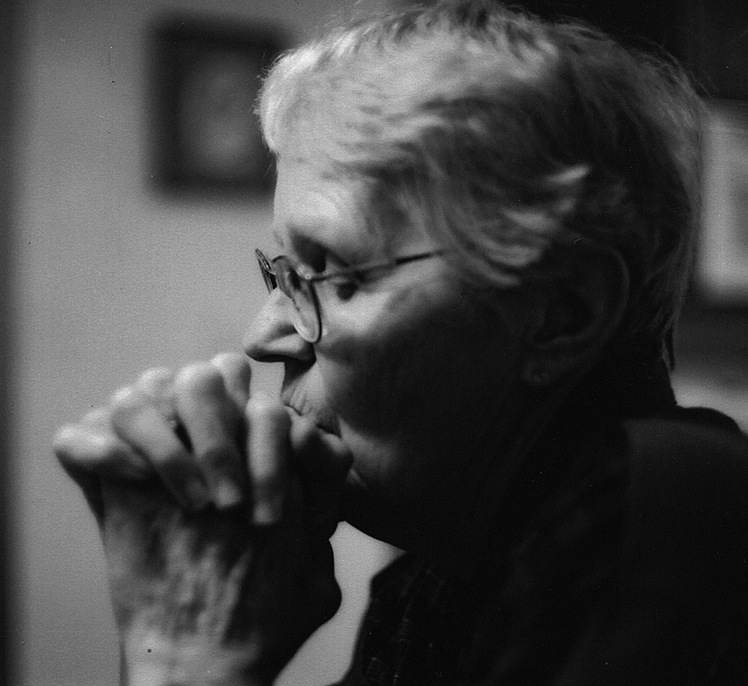
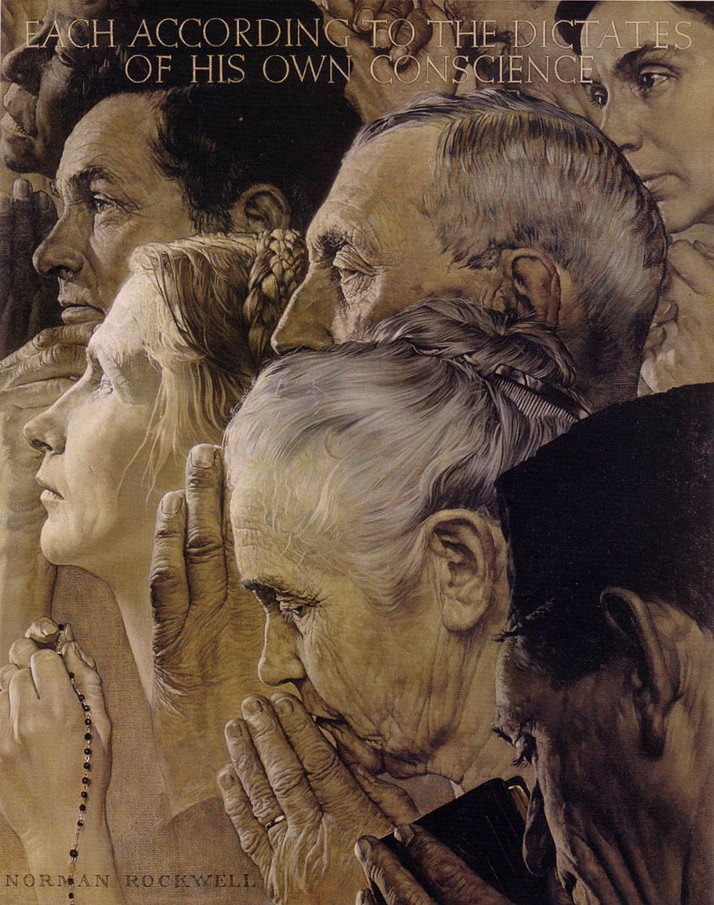
To clasp the hands in prayer is the beginning of an uprising against the disorder of the world. ~Karl Barth
Prayer may be easiest for the youngest among us. It can be amazingly spontaneous for kids — an outright exclamation of joy, a crying plea for help, a word of unprompted gratitude. As a child I can remember making up my own songs and monologues to God as I wandered alone in our farm’s woods, enjoying His company in my semi-solitude. I’m not sure when I began to silence myself out of self-conscious embarrassment, but I stayed silent for many years, unwilling to put voice to the prayers that rattled in my head. In my childhood, prayer in public schools had been hushed into a mere moment of silence, and intuitively I knew silence had never changed anything. The world became more and more disorderly in the 60’s and 70’s and in my increasingly indoctrinated mind, there was no prayer I could say that would make a difference.
How wrong could I and my secular education be?
Nothing can right the world until we are right with our Creator through talking to Him out of the depth of our need and fear. Nothing can right the world until we submit ourselves wholly, bowed low, hands clasped, eyes closed, articulating the joy, the thanks, and the petitions weighing on our hearts.
An uprising is possible when a voice comes alive, unashamed, un-selfconscious, rising up from within us, uttering words that beseech and thank and praise. To rise up with hands clasped together calls upon a power which needs no weapons, only words, to overcome and overwhelm the shambles left of our world.
Nothing can be more victorious than the Amen — our Amen — at the end. So be it and so shall it be.






















 Barnstorming