When, in the cavern darkness, the child first opened his mouth (even before his eyes widened to see the supple world his lungs had breathed into being), could he have known that breathing trumps seeing? Did he love the way air sighs as it brushes in and out through flesh to sustain the tiny heart’s iambic beating, tramping the crossroads of the brain like donkey tracks, the blood dazzling and invisible, the corpuscles skittering to the earlobes and toenails? Did he have any idea it would take all his breath to speak in stories that would change the world? ~Luci Shaw “Breath”
Breath created the world by forming the Words that tell the stories that change everything and us.
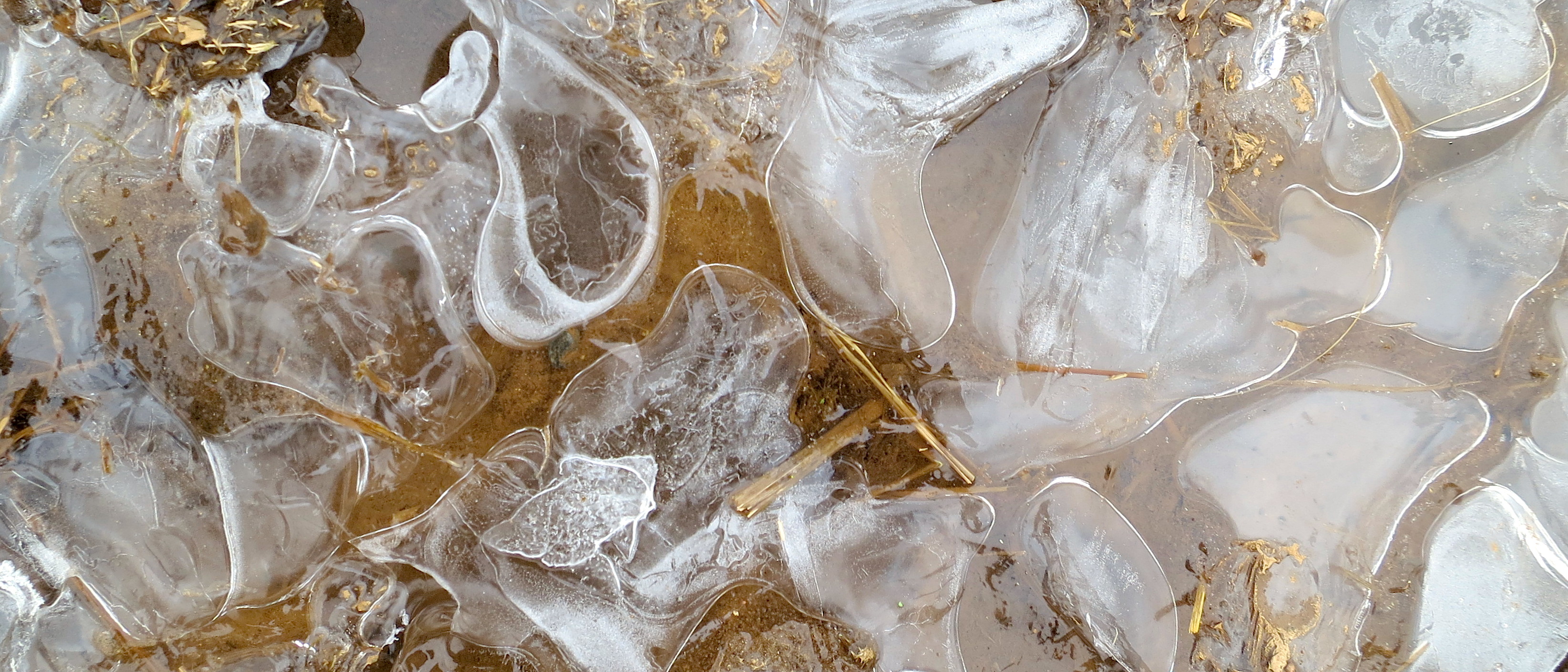
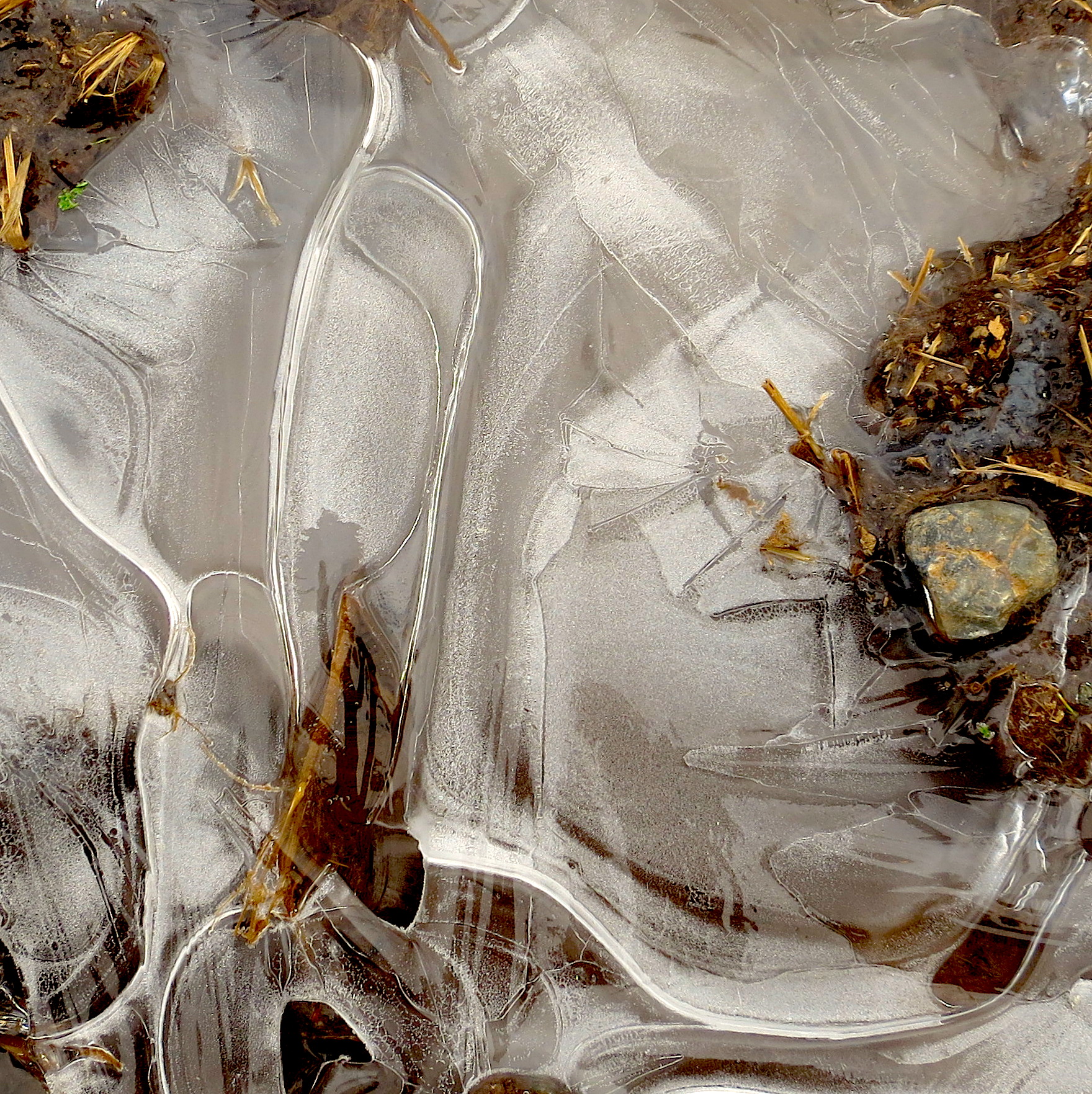
Walking in February A warm day after a long freeze On an old logging road Below Sumas Mountain Cut a walking stick of alder, Looked down through clouds On wet fields of the Nooksack— And stepped on the ice Of a frozen pool across the road. It creaked The white air under Sprang away, long cracks Shot out in the black, My cleated mountain boots Slipped on the hard slick —like thin ice—the sudden Feel of an old phrase made real— Instant of frozen leaf, Icewater, and staff in hand. “Like walking on thin ice—” I yelled back to a friend, It broke and I dropped Eight inches in ~Gary Snyder “Thin Ice”
We are surrounded by divisive opinions about all manner of things — how we should live, who is privileged and who is marginalized, who we should believe, who we cannot possibly believe — these battles of words hog headlines, scroll the bottom of our screens, blare from classrooms, city squares, radios and podcasts.
Continual conflict, literally a splintering crack creaking with our weight, occupies too much of the world’s scarce resources, while compassionate people stand stranded on the frozen lake of political emotions.
The trouble with such overheating in the middle of winter is that we all end up walking on too-thin ice: both those who are far too overconfident in expressing their own righteous views and opinions about how much more they know than others, and those of us who passively listen and judge between the blowhards.
We’ll all end up breaking through the ice, thoroughly doused by the chilly waters below.
Lord, have mercy on us, show us your Light, blend the division between shadow and dawn, help us recognize the cracks creaking beneath our feet, compelling us to fall to our knees, before you and you alone.
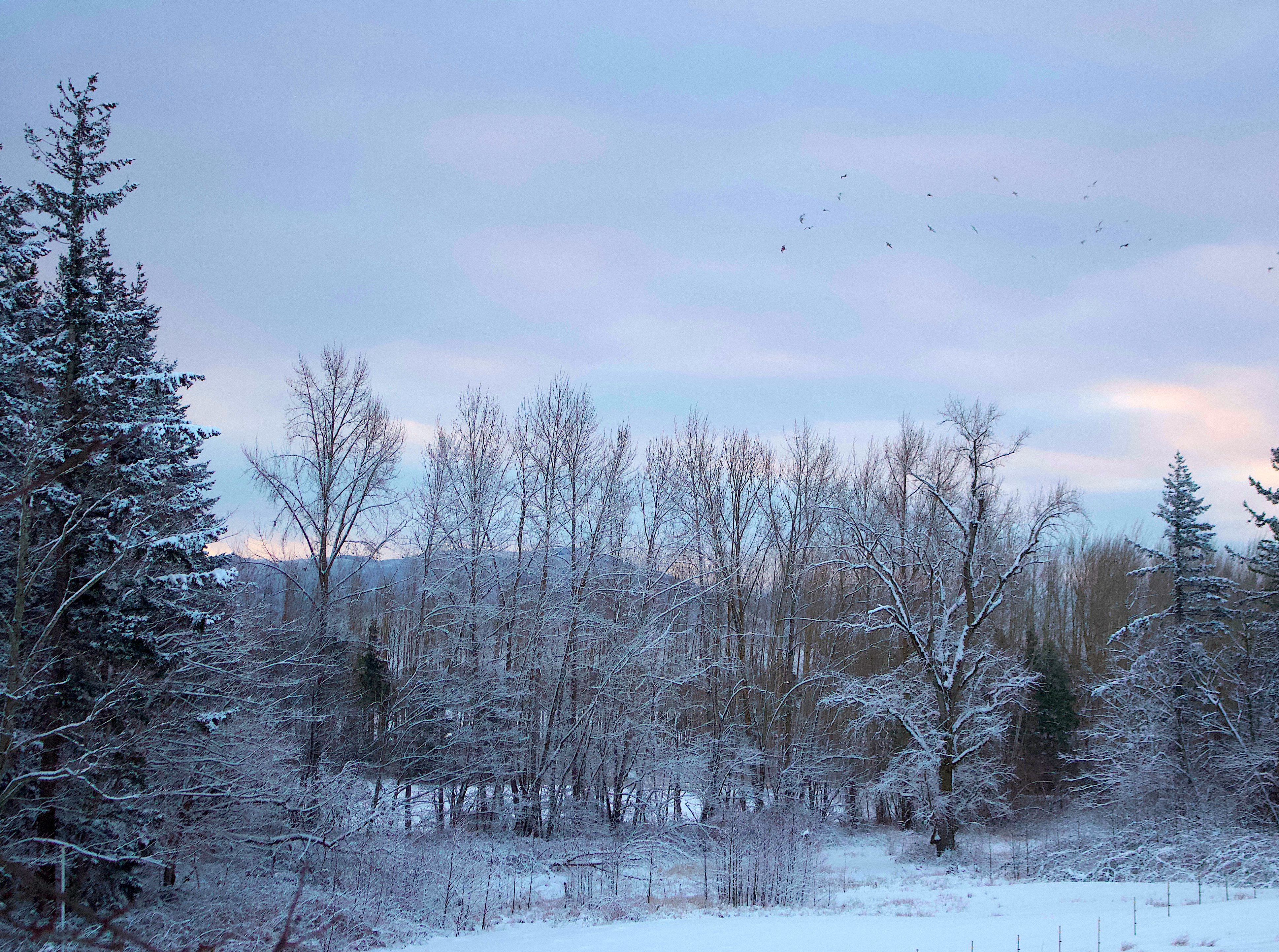
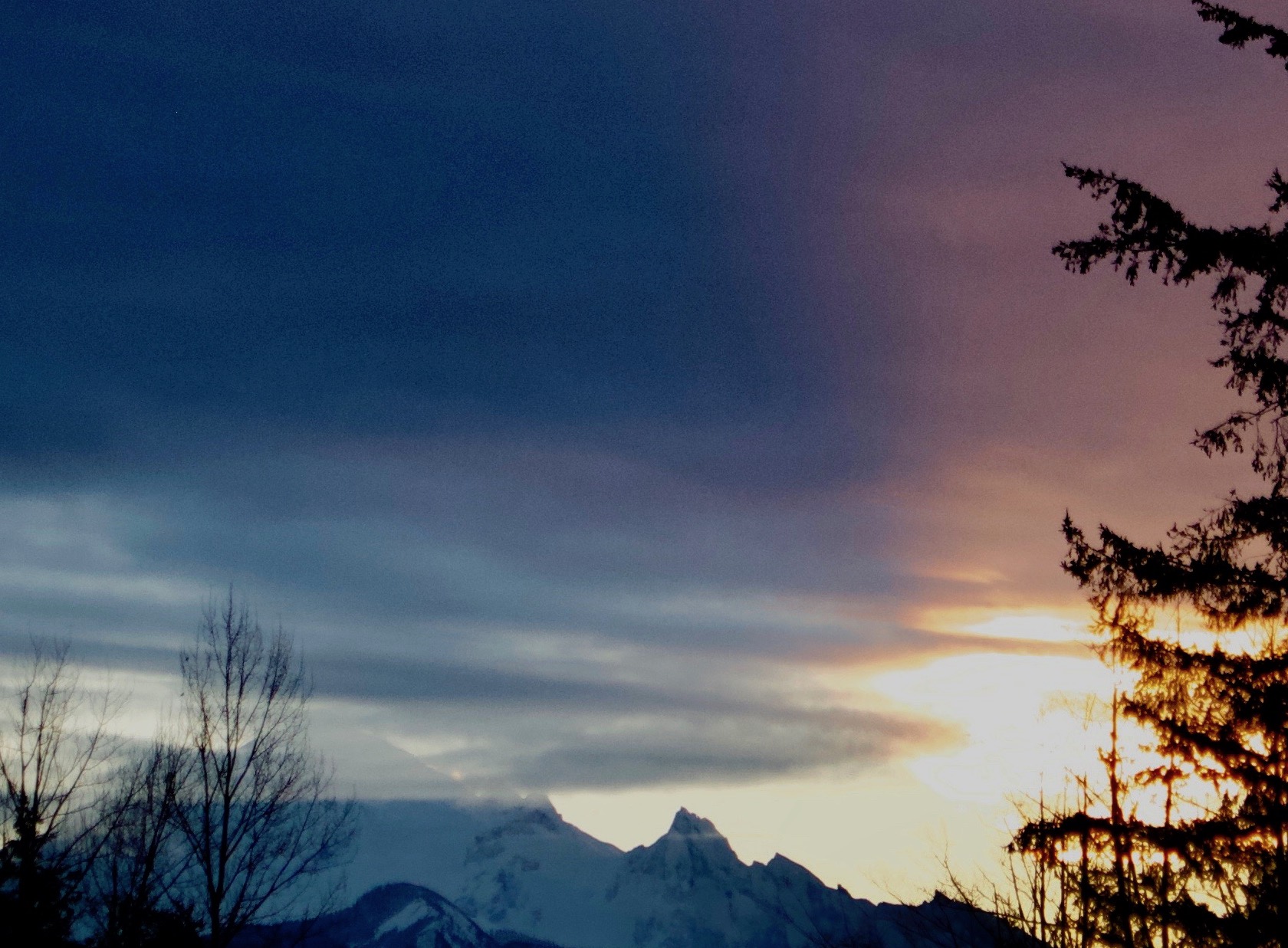
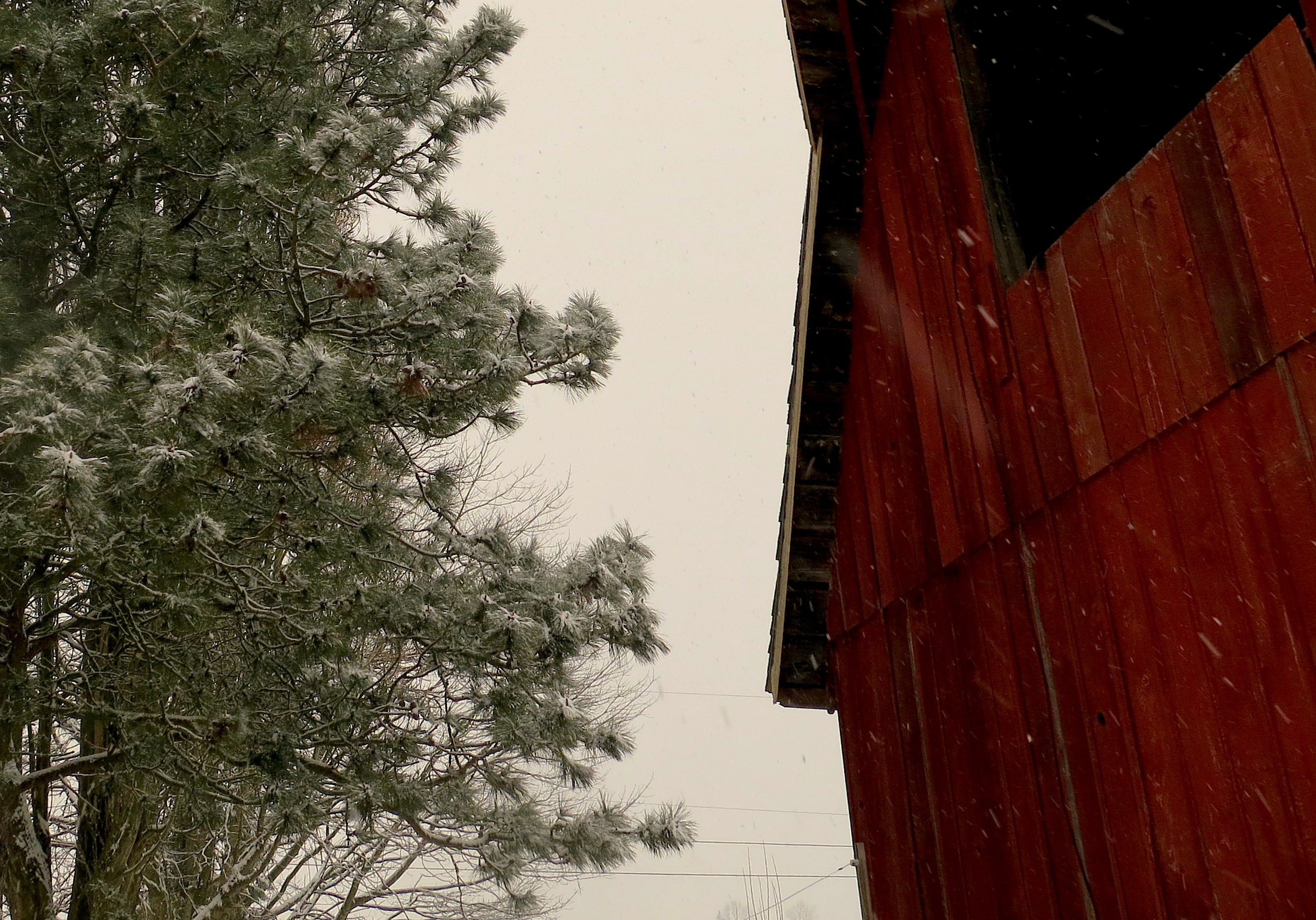
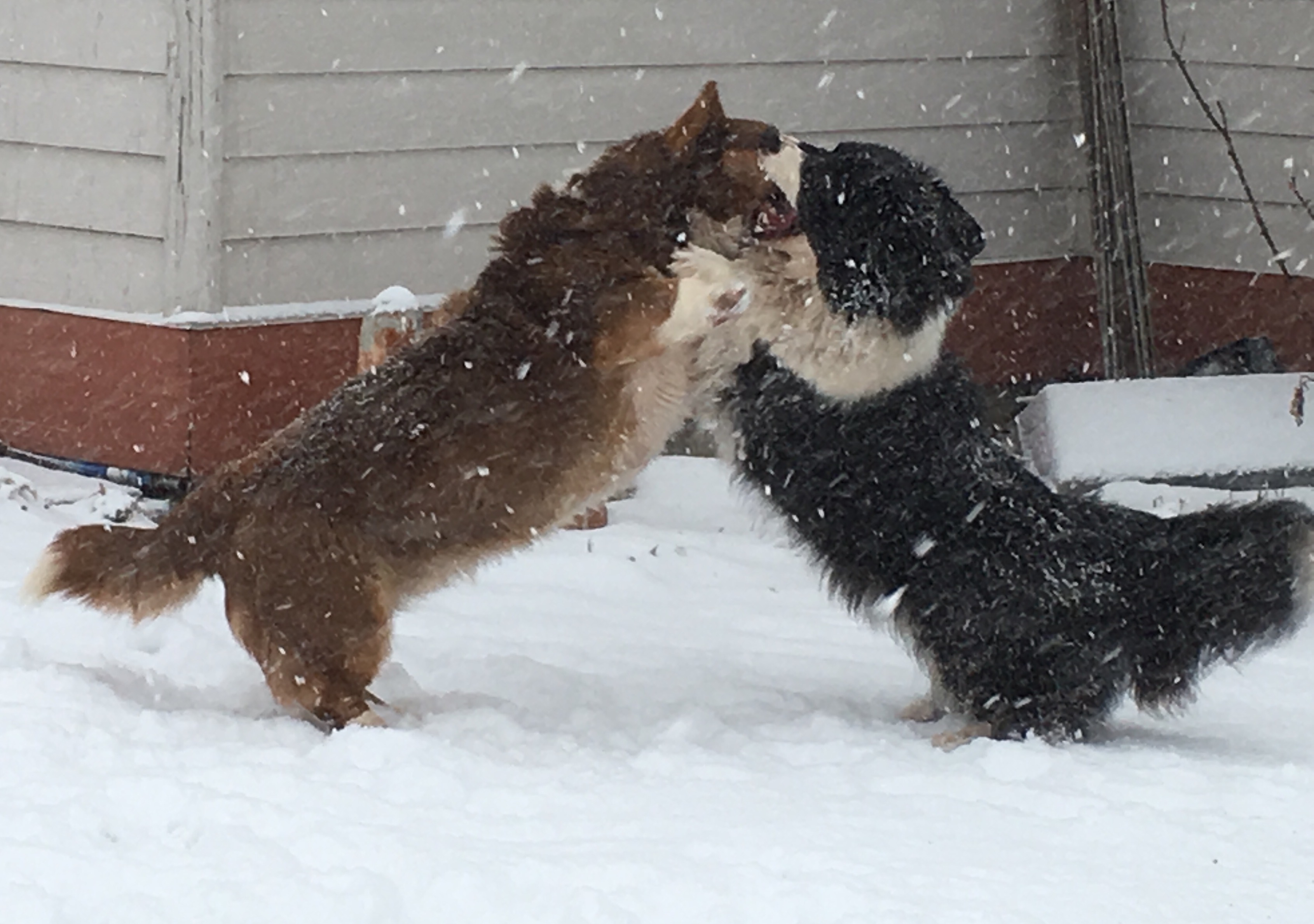
Snow is falling today and more wind is forecast tomorrow.
It is a cold wind, whether coming from the north, chilling our bones as various weather fronts meet and clash overhead and we feel dumped on.
Another cold wind of reality is blowing through America right now as well, and not just on our farm.
There is considerable turmoil as Americans struggle with the increased need to “pay as you go” rather than “borrow for what you desire”. The debt load for young adults is climbing, especially student loans and mortgages. Fewer older people have any significant savings for retirement.
Our parents were Great-Depression era children, so my husband and I heard plenty of stories convincing us never to reach beyond our means. My grandmother moved her three young children 20 miles away from home in order to cook morning, noon and night in a large boarding house, grateful for the work that allowed her to feed her family. It also meant separation from their jobless, depressed and often intoxicated father for weeks at a time. She told stories of making sandwiches to feed hobos who knocked on the kitchen door, hoping for a hand out, and after sitting briefly on the back steps eating what she could offer from left over scraps, they would be on their way again, walking on down the muddy road, hoping somewhere farther along there may be another handout or perhaps a day’s work. Even in her time of trouble, my grandmother could find blessing in the fact she and her children had a roof over their heads, beds to sleep in (all in one room) and food to fill their stomachs. There were always people worse off and she wasn’t one of them.
My grandmother never lived comfortably, by her own choice, after that experience. She could never trust that tomorrow things would be as plentiful as today, so she rarely rested, never borrowed, always saved even the tiniest scrap of food, of cloth, of wood, as it could always prove useful someday. My father learned from those uncertain days of his childhood and never borrowed to buy a car or a piece of furniture or an appliance. It had to be cash, or it was simply not his to purchase, so he never coveted what he did not have money to buy outright.
So we, the next generation, were raised that way. Even so, borrowing began with loans for college but still working three jobs while maintaining good grades. But then there was borrowing for that first care and to buy a house.
But with grandma’s and dad’s stories fresh in our minds, we knew we couldn’t start that slippery slope of borrowing to take vacations or buy the latest and greatest stuff or build the bigger house. So we didn’t.
We have lived simply, driving our vehicles past 200,000 miles, continuing to harvest and preserve from the garden, using our appliances past the 25 year mark. And we’ve been content and happy.
Happiness isn’t stuff. It isn’t big houses. It isn’t brand new cars or the latest gadgets.
It’s being under the same roof as a family, striving together and loving each other. It is taking care of friends when they need help. It is reaching out to the stranger in our midst who has less than we have.
The wind is pointing us back to the values we had long forgotten as we got much too comfortable. It takes a storm to find that true contentment can rest only within our hearts.
The cold has the philosophical value of reminding men that the universe does not love us…cold is our ancient companion. To return back indoors after exposure to the bitter, inimical, implacable cold is to experience gratitude for the shelters of civilization, for the islands of warmth that life creates. ~John Updike from an essay on the cold of winter in Winter: A Spiritual Biography of the Season
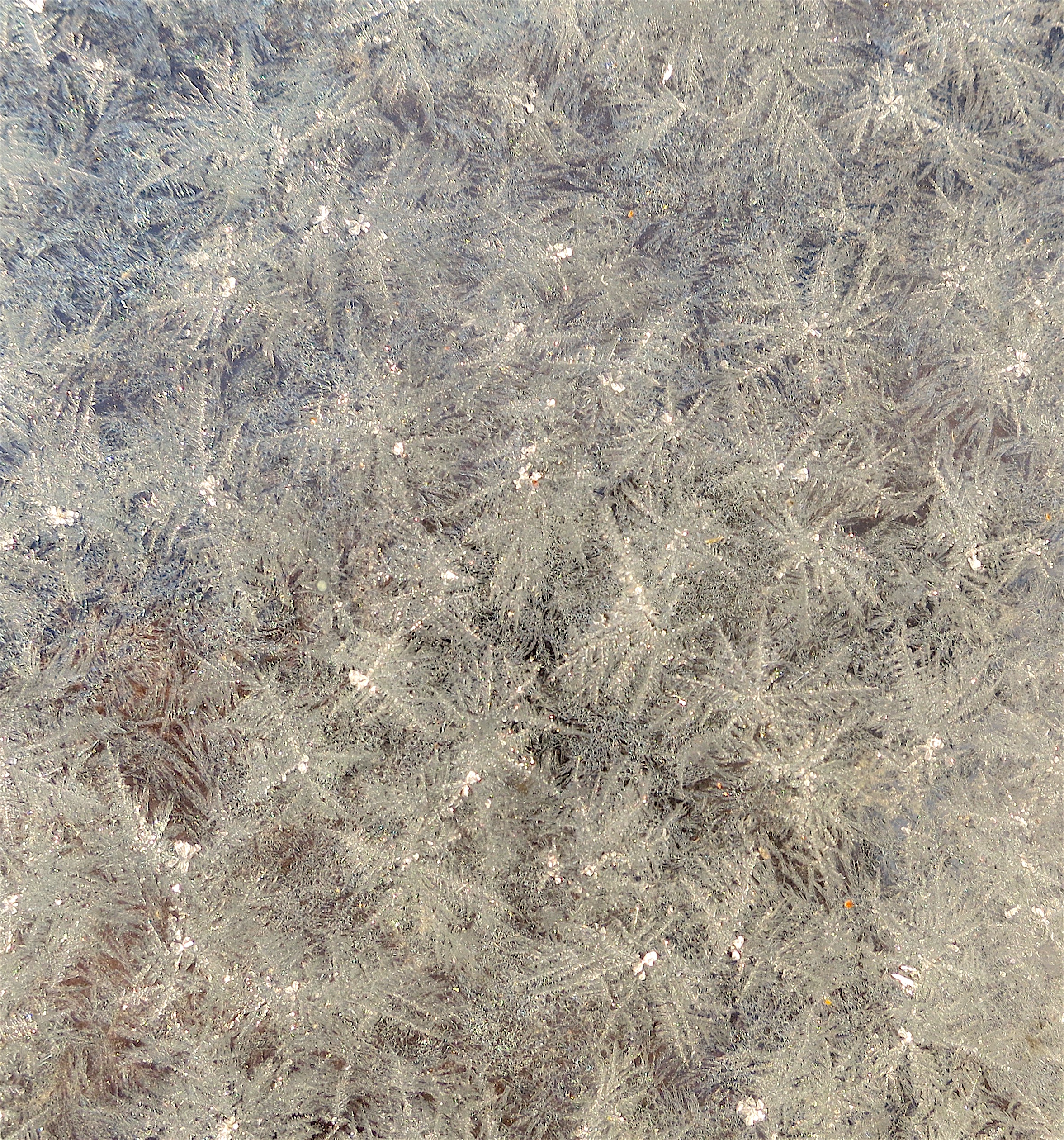
We’re in the midst of a string of sub-freezing temperature nights and days with crystal clear skies while a nor’easter sends the windchill plummeting.
Even though it is often called the “Arctic Express” it is not nearly the cold of the midwest plains or the Alaskan frontier. This is civilized, “kill the bugs and the allergens” cold that helps balance out the ecosystem as well as our internal thermostats. It is just not seemly to live at 70 degrees year round, toasted by the stove in the winter, soothed by conditioned air in the summer.
The cold that descends from the Arctic can blast through the strongest Carhartt clothing, sneak through drafty doors and windows, pull down power lines and freeze pipes not left dripping. It leaves no one untouched and unbitten with universal freezer burn.
A bitter cold snap ensures even independent fair-weather individualists must become companionable when the going gets rugged, mandating shelter with others for survival. It can even mean forced companionship with those we ordinarily avoid, with whom we have little in common, with whom we disagree and even quarrel, with whom sharing a hug or snuggling for warmth would be unimaginable.
Our nation is in such a cold snap today, terribly and bitterly divided. If we all together don’t come in out of the deep freeze, we each will perish alone.
It is time to be thankful we have each other, such as we are. At least we generate heat, even if we can’t seem to lighten up.
To clasp the hands in prayer is the beginning of an uprising against the disorder of the world. ~Karl Barth
There is much shouting and gnashing of teeth going on in our country right now. Some from the streets, some from computer keyboards and screens, and some from inside the halls of government and a certain White House.
We need to stop shouting and clasp hands in prayer.
Prayer is always easier for the youngest among us. It can be amazingly spontaneous for kids — an outright exclamation of joy, a crying plea for help, a word of unprompted gratitude. As a child I can remember making up my own songs and monologues to God as I wandered alone in our farm’s woods, enjoying His company in my semi-solitude. I’m not sure when I began to silence myself out of self-conscious embarrassment, but I stayed silent for many years, unwilling to put voice to the prayers that rattled in my head. In my childhood, prayer in public schools had been hushed into a mere and meaningless moment of silence, and intuitively I knew silence never changed anything. The world became more and more disorderly in the 60’s and 70’s and in my increasingly indoctrinated mind, there was no prayer I could say that would make a difference either.
How wrong could I and my education be? Nothing can right the world until we are right with God through talking to Him out of our depth of need and fear. Nothing can right the world until we submit ourselves wholly, bowed low, hands clasped, eyes closed, articulating the joy, the thanks, and the petitions weighing on our hearts.
An uprising is only possible when our voice comes alive, unashamed, unselfconscious, rising up from within us, uttering words that beseech and thank and praise. To rise up with hands clasped together calls upon a power needing no billions and no weapons and no walls ~ only the Word ~ to overcome and overwhelm the shambles left of our world.
Nothing can be more victorious than the Amen, our Amen, at the end.
“When a newspaper posed the question, ‘What’s Wrong with the World?’ the Catholic thinker G. K. Chesterton reputedly wrote a brief letter in response:
‘Dear Sirs: I am. Sincerely Yours, G. K. Chesterton.’
That is the attitude of someone who has grasped the message of Jesus.” ~Timothy Keller, The Prodigal God
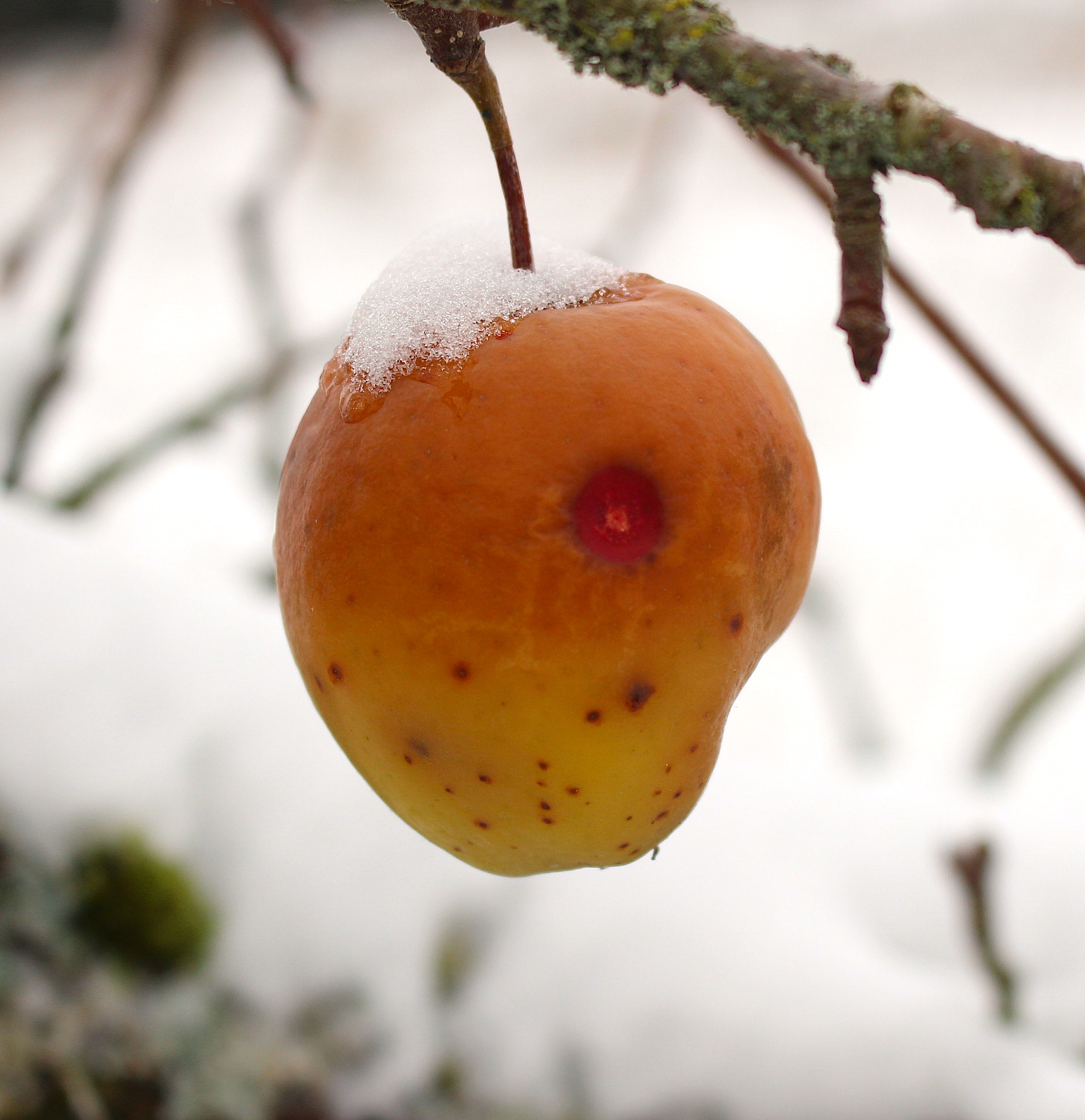
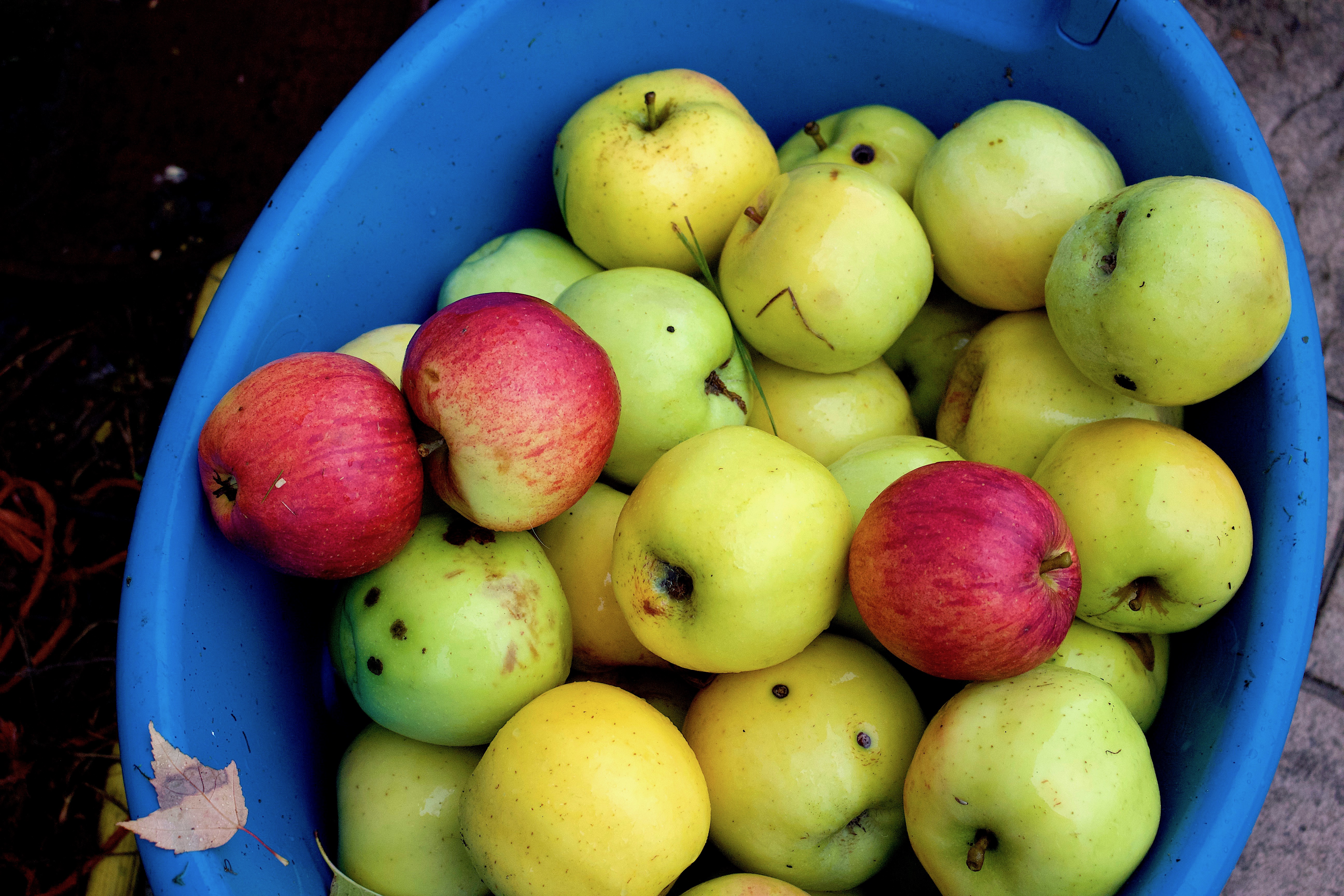
O lovely apple! beautifully and completely rotten hardly a contour marred–
perhaps a little shrivelled at the top but that aside perfect in every detail! O lovely
apple! what a deep and suffusing brown mantles that unspoiled surface! No one
has moved you since I placed you on the porch rail a month ago to ripen.
No one. No one! ~William Carlos Williams “Perfection”
I am what’s wrong with the world and so are you.
Not one of us escapes the rottenness that lies not-so-deep beneath our shiny surface. We are full of wormholes, inviting the worms of the world to eat us alive.
One look at the news headlines of the day is enough mar the most perfect surface. No one moves to save us from our over-ripening fate; we sit untouched, withering and shriveling.
We are the problem and the problem is us.
We need rescue by a Savior who is the one good apple among a barrel of contagiously bad apples. We are so tainted, it takes Someone who truly is Perfect to transform us from the inside out, from worm-holes back to wholeness and on to holiness.
May we fall to our knees, weeping and grateful, that Christ, who is the Leader of all in His Kingdom, will grant us a grace and sanctuary we emphatically don’t deserve.
May He pick us before the worms do. We are in this together.
Through our scientific and technological genius, we have made of this world a neighborhood and yet we have not had the ethical commitment to make of it a brotherhood. We must all learn to live together as brothers or we will all perish together as fools. We are tied together in the single garment of destiny, caught in an inescapable network of mutuality. And whatever affects one directly affects all indirectly.
This is the way God’s universe is made; this is the way it is structured.
John Donne caught it years ago and placed it in graphic terms: “No man is an island entire of itself. Every man is a piece of the continent, a part of the main.” And he goes on toward the end to say, “Any man’s death diminishes me because I am involved in mankind; therefore send not to know for whom the bell tolls; it tolls for thee.”
We must see this, believe this, and live by it… ~Martin Luther King Jr. from a sermon in A Knock At Midnight
Dr. King’s words and wisdom in his sermons spoken nearly sixty years ago still inform us of our shortcomings. We flounder in flaws and brokenness despite our shared global neighborhood, persisting in a resistance to serve one another in brotherhood.
We still stand apart from one another; even as the bell tolls, we suffer the divisiveness from a lack of humility, grace and love.
Perhaps today, for a day, for a week, for a year, we can unite in our shared tears: shed for continued strife and disagreement, shed for injustice that results in senseless killings, shed for our inability to hold up one another as brothers and sisters holy in God’s eyes.
We weep together as the light dawns on this day, knowing as Dr. King knew, a new day will come when the Lord God will wipe tears away from all faces and all colors — a brotherhood and sisterhood created exactly as He intends.
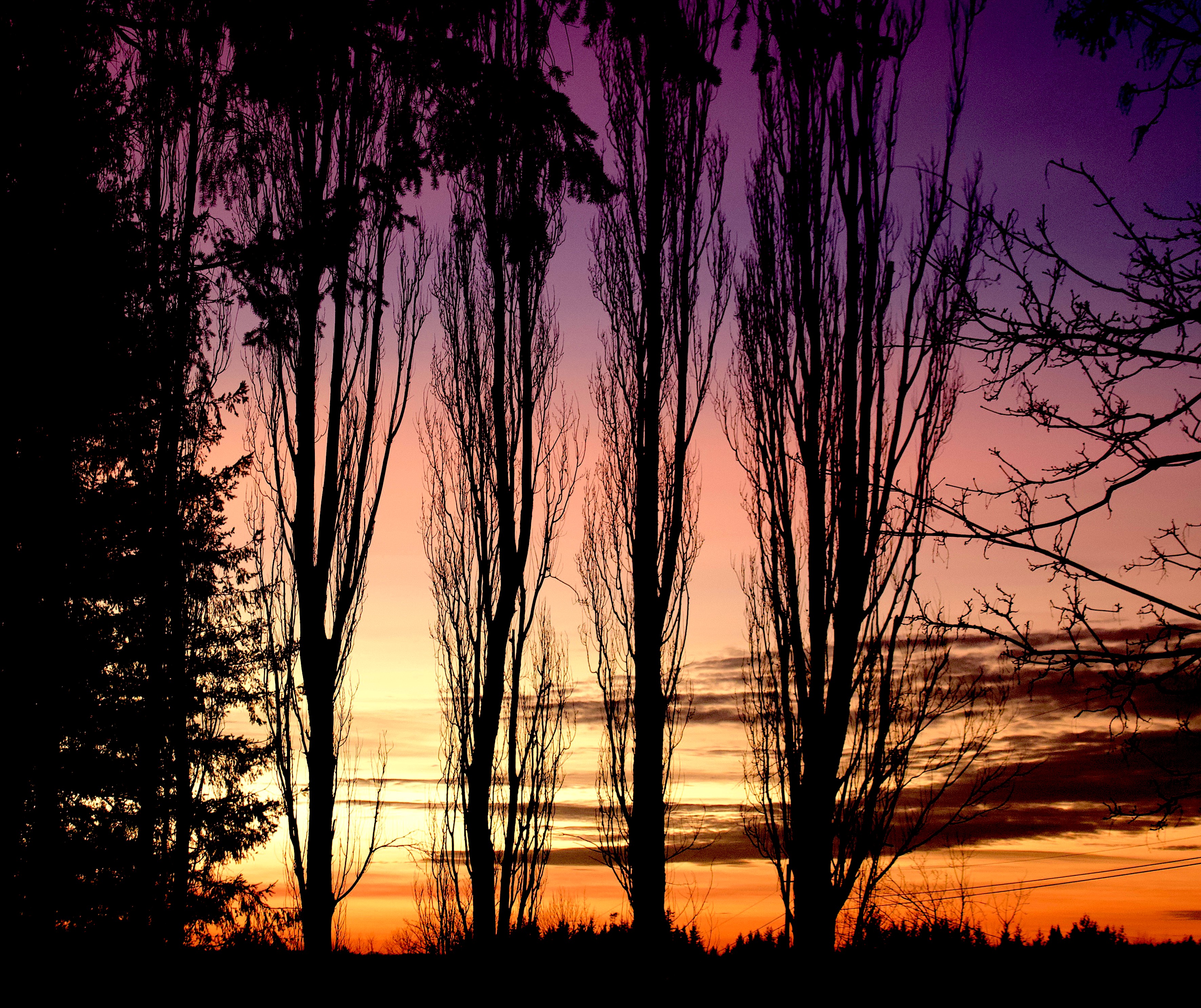
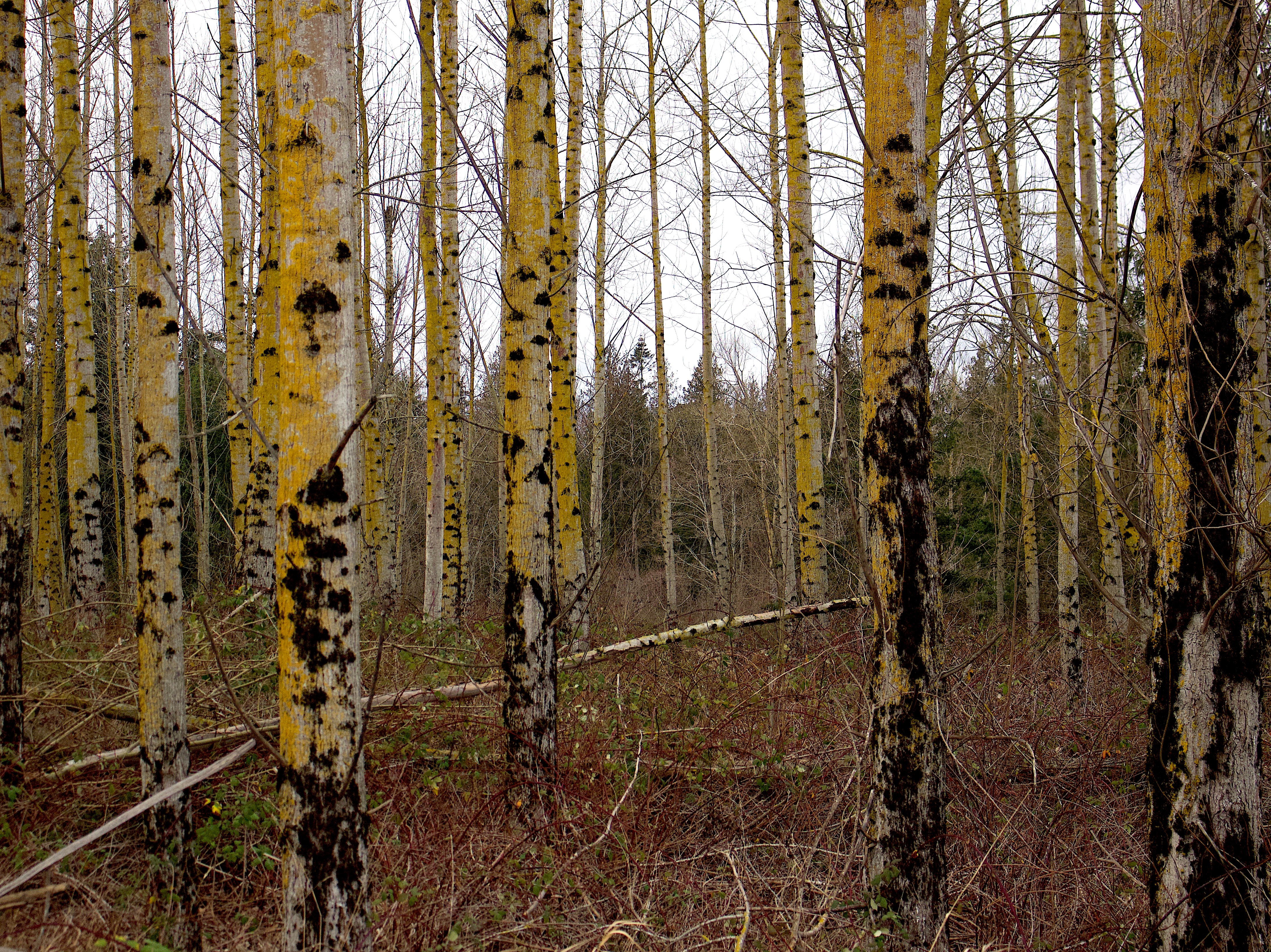
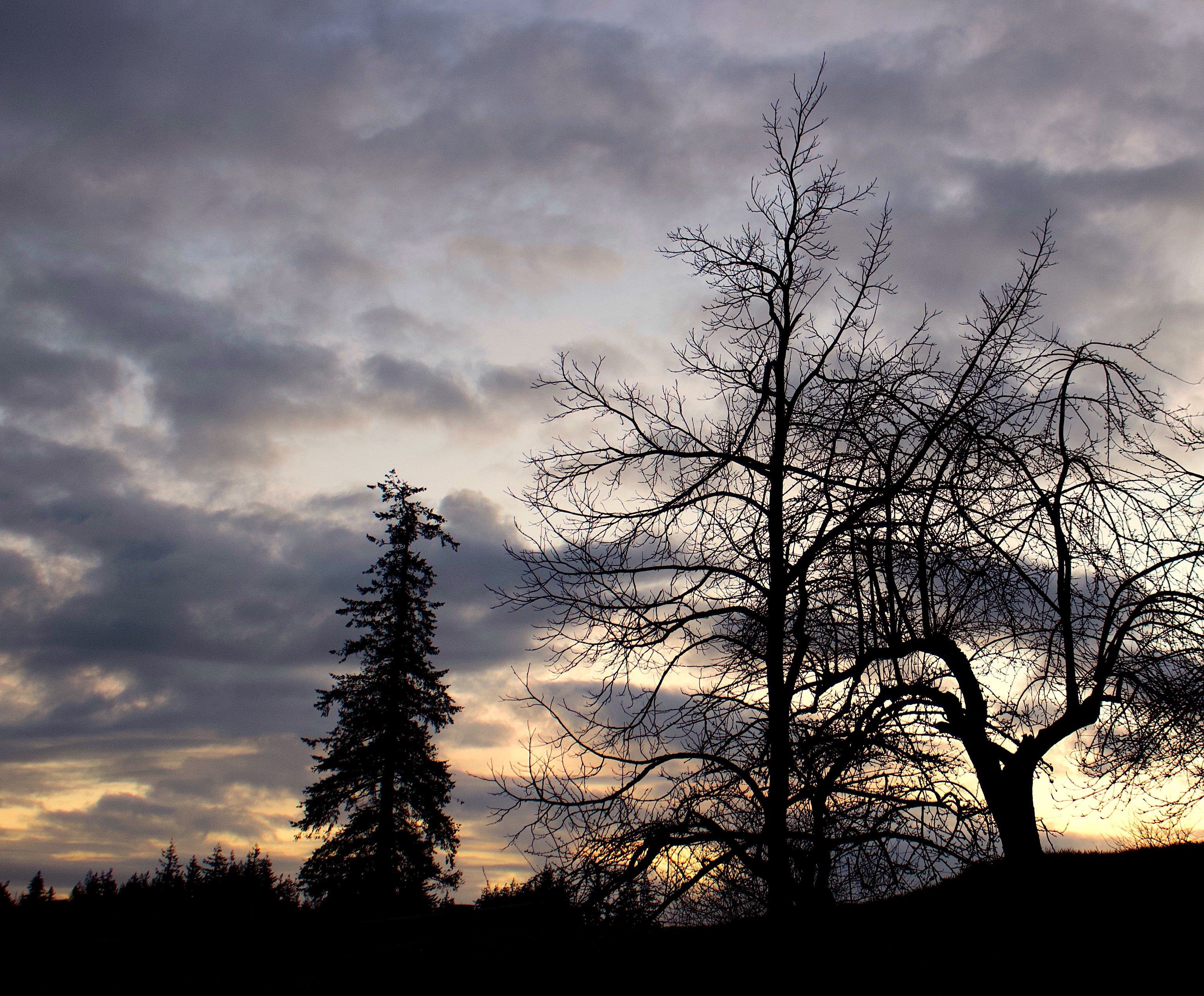
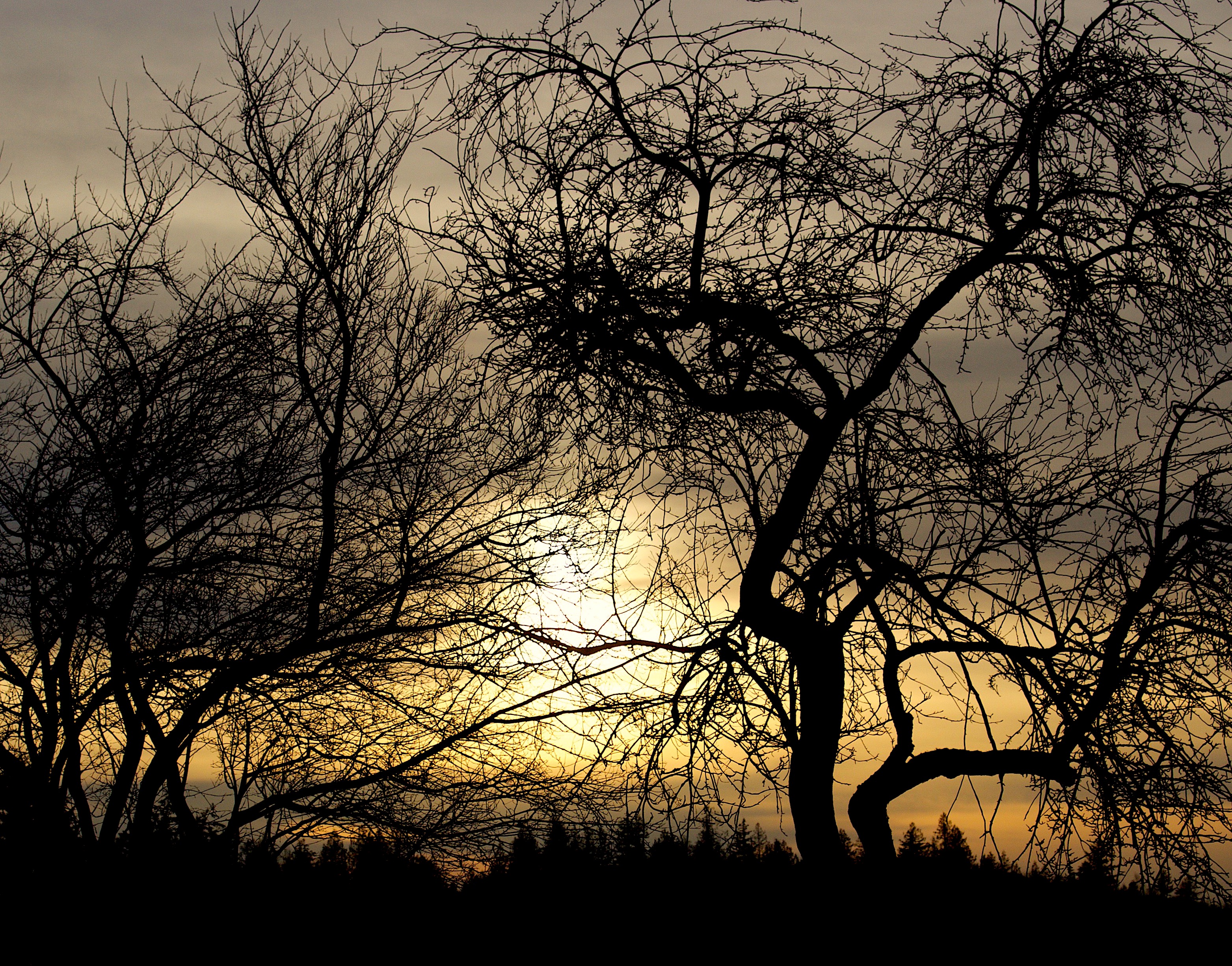
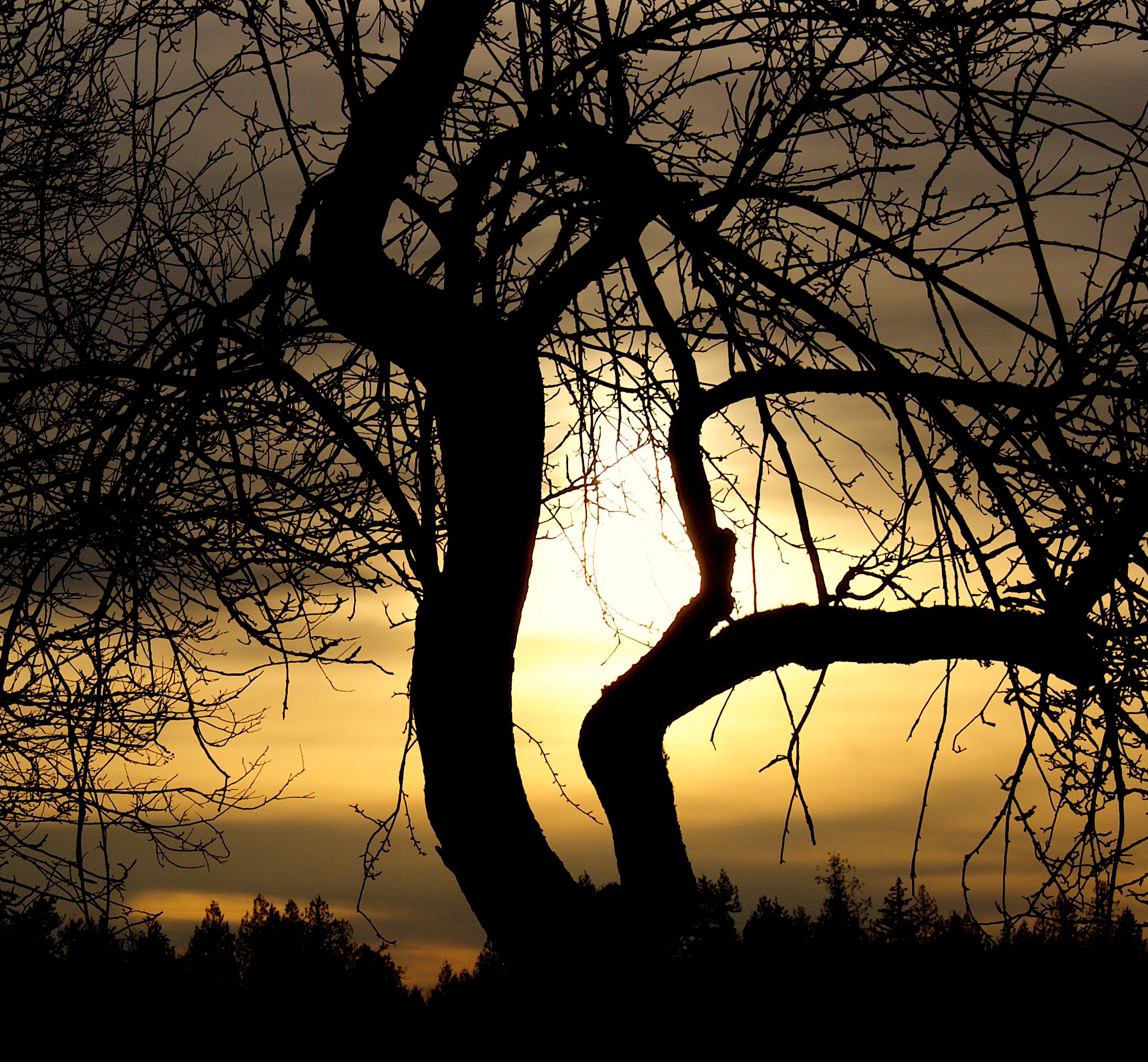
Sometimes when I watch trees sway, From the window or the door. I shall set forth for somewhere, I shall make the reckless choice Some day when they are in voice And tossing so as to scare The white clouds over them on. I shall have less to say, But I shall be gone. ~Robert Frost from “The Sound of Trees”
There is a thing in me that dreamed of trees, A quiet house, some green and modest acres A little way from every troubling town, Al little way from factories, schools, laments. I would have time, I thought, and time to spare, With only streams and birds for company, To build out of my life a few wild stanzas. And then it came to me, that so was death, A little way away from everywhere. ~Mary Oliver from “A Dream of Trees” from New and Selected Poems
As I wind down my work load, for once sharing the calls at night, and allowing others to manage the day time urgencies,
I wonder if I shall have less to say, and whether I will become less myself.
A life of non-stop doctoring means having little time for anything else. Soon I will have time and time to spare.
I wonder about the trees and how To build out of my life a few wild stanzas.
No one can stem the tide; now watch it run to meet the river pouring to the sea! And in the meeting tumult what a play of waves and twinkling water in the sun! Ordained by powers beyond our ken, beyond all wisdom, all our trickery, immutable it comes, it sweeps, it ebbs and clears the filthiness and froth of men. ~Jane Clement “No One Can Stem the Tide”
If one were to spend all their time just looking at news headlines, it would appear humankind is made up of nothing but “filthiness and froth.” Whether it is politics or entertainment or sports – there is little that is pristine, selfless or wise. We are all covered in the mess we’ve made of ourselves.
No one will be able to stem the tide when its cleansing power comes, nor should we. We are overdue for some serious sweeping up.
The thing to cling to is the sense of expectation. Who knows what may occur in the next breath? In the pallor of another morning we neither Anticipated nor wanted! … we live in wonder, Blaze in a cycle of passion and apprehension Though once we lay and waited for a death. ~Carolyn Kizer from “Lines to Accompany Flowers For Eve”
Over seventy years ago my maternal grandmother, having experienced months of fatigue, abdominal discomfort and weight loss, underwent exploratory abdominal surgery, the only truly diagnostic tool available at the time. One brief look by the surgeon told him everything he needed to know: her liver and omentum were riddled with tumor, clearly advanced, with the primary source unknown and ultimately unimportant. He quickly closed her up and went to speak with her family – my grandfather, uncle and mother. He told them there was no hope and no treatment, to take her back home to their rural wheat farm in the Palouse country of Eastern Washington and allow her to resume what activities she could with the time she had left. He said she had only a few months to live, and he recommended that they simply tell her that no cause was found for her symptoms.
So that is exactly what they did. It was standard practice at the time that an unfortunate diagnosis be kept secret from terminally ill patients, assuming the patient, if told, would simply despair and lose hope. My grandmother passed away within a few weeks, growing weaker and weaker to the point of needing rehospitalization prior to her death. She never was told what was wrong and, more astonishing, she never asked.
But surely she knew deep in her heart. She must have experienced some overwhelmingly dark moments of pain and anxiety, never hearing the truth so that she could talk about it with her physician and those she loved. But the conceit of the medical profession at the time, and indeed, for the next 20-30 years, was that the patient did not need to know, and indeed could be harmed by information about their illness.
We modern more enlightened health care professionals know better. We know that our physician predecessors were avoiding uncomfortable conversations by exercising the “the patient doesn’t need to know and the doctor knows better” mandate. The physician had complete control of the health care information–the details of the physical exam, the labs, the xray results, the surgical biopsy results–and the patient and family’s duty was to follow the physician’s dictates and instructions, with no questions asked.
Even during my medical training in the seventies, there was still a whiff of conceit about “the patient doesn’t need to know the details.” During rounds, the attending physician would discuss diseases right across the hospital bed over the head of the afflicted patient, who would often worriedly glance back and worth at the impassive faces of the intently listening medical student, intern and resident team. There would be the attending’s brief pat on the patient’s shoulder at the end of the discussion when he would say, “someone will be back to explain all this to you.” But of course, none of us really wanted to and rarely did.
Eventually I did learn how important it was to the patient that we provide that information. I remember one patient who spoke little English, a Chinese mother of three in her thirties, who grabbed my hand as I turned to leave with my team, and looked me in the eye with a desperation I have never forgotten. She knew enough English to understand that what the attending had just said was that there was no treatment to cure her and she only had weeks to live. Her previously undiagnosed pancreatic cancer had caused a painless jaundice resulting in her hospitalization and the surgeon had determined she was not a candidate for a Whipple procedure. When I returned to sit with her and her husband to talk about her prognosis, I laid it all out for them as clearly as I could. She thanked me, gripping my hands with her tear soaked fingers. She was so grateful to know what she was dealing with so she could make her plans, in her own way.
Forty years into my practice of medicine, I now spend a significant part of my patient care time providing information that helps the patient make plans, in their own way. I figure everything I know needs to be shared with the patient, in real time as much as possible, with all the options and possibilities spelled out. That means extra work, to be sure, and I spend extra time on patient care after hours more than ever before in my efforts to communicate with my patients. I’m not alone as a provider who feels called to this sharing of the medical chart – the nationwide effort is referred to as Open Notes.
Every electronic medical record chart note I write is sent online to the patient via a secure password protected web portal, usually from the exam room as I talk with the patient. Patient education materials are attached to the progress note so the patient has very specific descriptions, instructions and further web links to learn more about the diagnosis and my recommended treatment plan. If the diagnosis is uncertain, then the differential is shared with the patient electronically so they know what I am thinking. The patient’s Major Problem List is on every progress note, as are their medications, dosages and allergies, what health maintenance measures are coming due or overdue, in addition to their “risk list” of alcohol overuse, recreational drug use including marijuana, eating and exercise habits and tobacco history. Everything is there, warts and all, and nothing is held back from their scrutiny.
Within a few hours of their clinic visit, they receive their actual lab work and copies of imaging studies electronically, accompanied by an interpretation and my recommendations. No more “you’ll hear from us only if it is abnormal” or “it may be next week until you hear anything”. We all know how quickly most lab and imaging results, as well as pathology results are available to us as providers, and our patients deserve the courtesy of knowing as soon as we do, and now regulations insist that we share the results. Waiting for results is one of the most agonizing times a patient can experience. If it is something serious that necessitates a direct conversation, I call the patient just as I’ve always done. When I send electronic information to my patients, I solicit their questions, worries and concerns by return message. All of this electronic interchange between myself and my patient is recorded directly into the patient chart automatically, without the duplicative effort of having to summarize from phone calls.
Essentially, the patient is now a contributor/participant in writing the “progress” (or lack thereof) note in the electronic medical chart.
In this new kind of health care team, the patient has become a true partner in their illness management and health maintenance because they now have the information to deal with the diagnosis and treatment plan. I don’t ever hear “oh, don’t bother me with the details, just tell me what you’re going to do.”
My patients are empowered in their pursuit of well-being, whether living with chronic illness, or recovering from acute illness. No more secrets. No more power differential. No more “I know best.”
After all, it is my patient’s life I am impacting by providing them open access to the self-knowledge that leads them to a better appreciation for their health and and clearer understanding of their illnesses.
As a physician, I am impacted as well; it is a privilege to live and work in an age where such illumination in a doctor~patient relationship is possible.














 Barnstorming