Knowing God without knowing our own wretchedness makes for pride. Knowing our own wretchedness without knowing God makes for despair. Knowing Jesus Christ strikes the balance because he shows us both God and our own wretchedness. ~Blaise Pascal from Pensées
We yearn for perfection, to be flawless and faultless, aiming for symmetry, straight and smooth.
Life serves up something far different and our eye searches for whatever is flawed like us: we find the cracks, the scratches and damage, the faults and frailties.
Somehow Christ bridges Himself between God and us — becoming a walkway for the wretched to redemption and renewal.
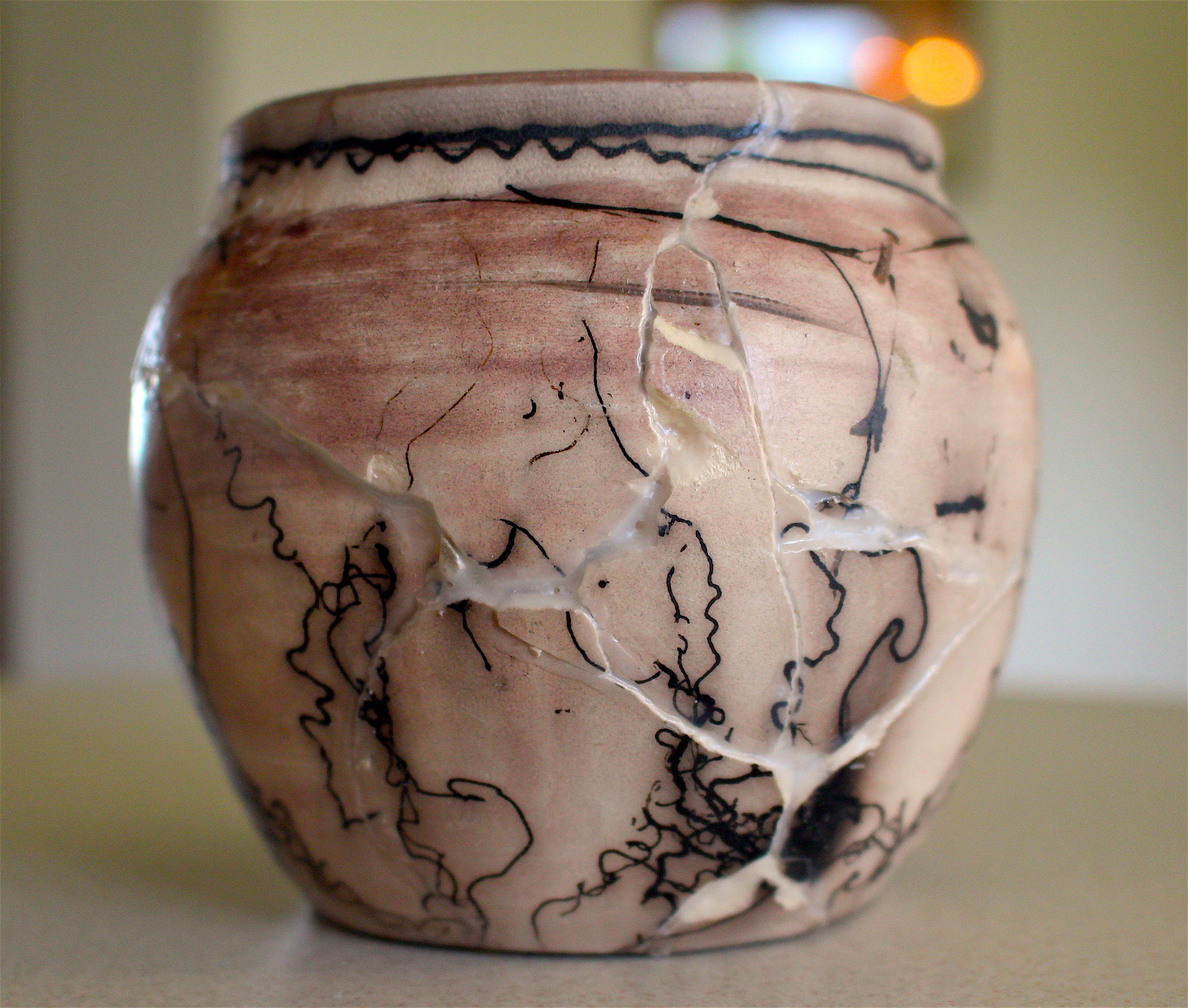
In the beginning we were created unblemished, image bearers of perfection. No longer. We bear witness to brokenness with our shattered lives, fragile minds and weakening bodies.
To restore our lost relationship with Him, Christ strikes the balance; He hung broken to mend us, a bridge to carry us across the gap, binding us to Him forever.
Refrain Jesus, Jesus, rest your head. You has got a manger bed. All the evil folk on earth Sleep in feathers at their birth. Jesus, Jesus, rest your head. You has got a manger bed.
1. Have you heard about our Jesus? Have you heard about his fate? How his mammy went to the stable On that Christmas Eve so late? Winds were blowing, cows were lowing, Stars were glowing, glowing, glowing. Refrain
2. To the manger came the Wise Men. Bringing from hin and yon, For the mother and the father, And the blessed little Son. Milkmaids left their fields and flocks And sat beside the ass and ox. Refrain
Was certainly not winter, scholars say, When holy habitation broke the chill Of hearth-felt separation, icy still, The love of life in man that Christmas day. Was autumn, rather, if seasons speak true; When green retreats from sight’s still ling’ring gaze, And creeping cold numbs sense in sundry ways, While settling silence speaks of solitude. Hope happens when conditions are as these; Comes finally lock-armed with death and sin, When deep’ning dark demands its full display. Then fallen nature driven to her knees Flames russet, auburn, orange fierce from within, And brush burns brighter for the growing grey. ~David Baird “Autumn”
We have become so accustomed to the idea of divine love and of God’s coming at Christmas that we no longer feel the shiver of fear that God’s coming should arouse in us. We are indifferent to the message, taking only the pleasant and agreeable out of it and forgetting the serious aspect, that the God of the world draws near to the people of our little earth and lays claim to us. The coming of God is truly not only glad tidings, but first of all frightening news for everyone who has a conscience. ~Dietrich Bonhoeffer from Watch for the Light
The shepherds were sore afraid. Why aren’t we?
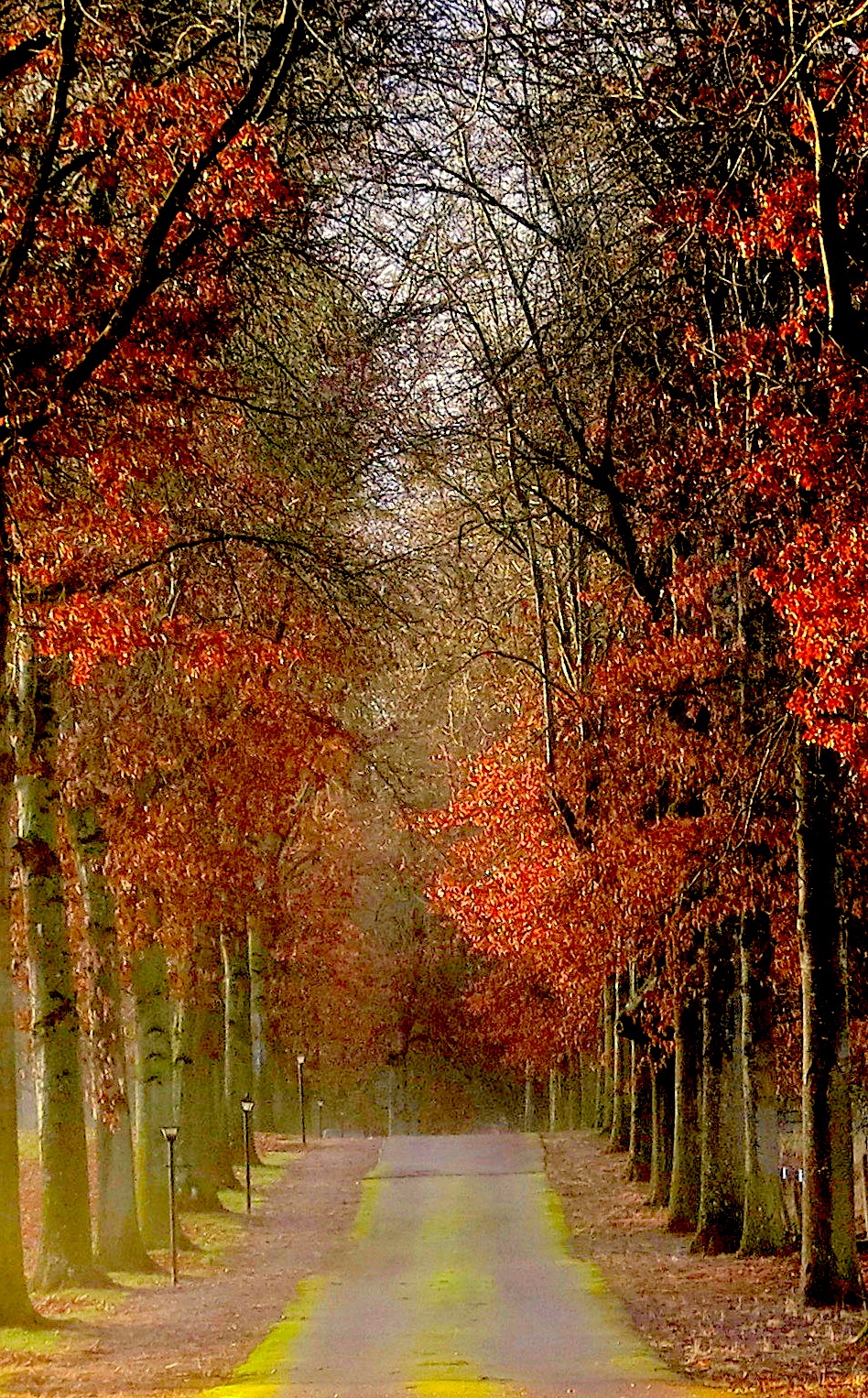
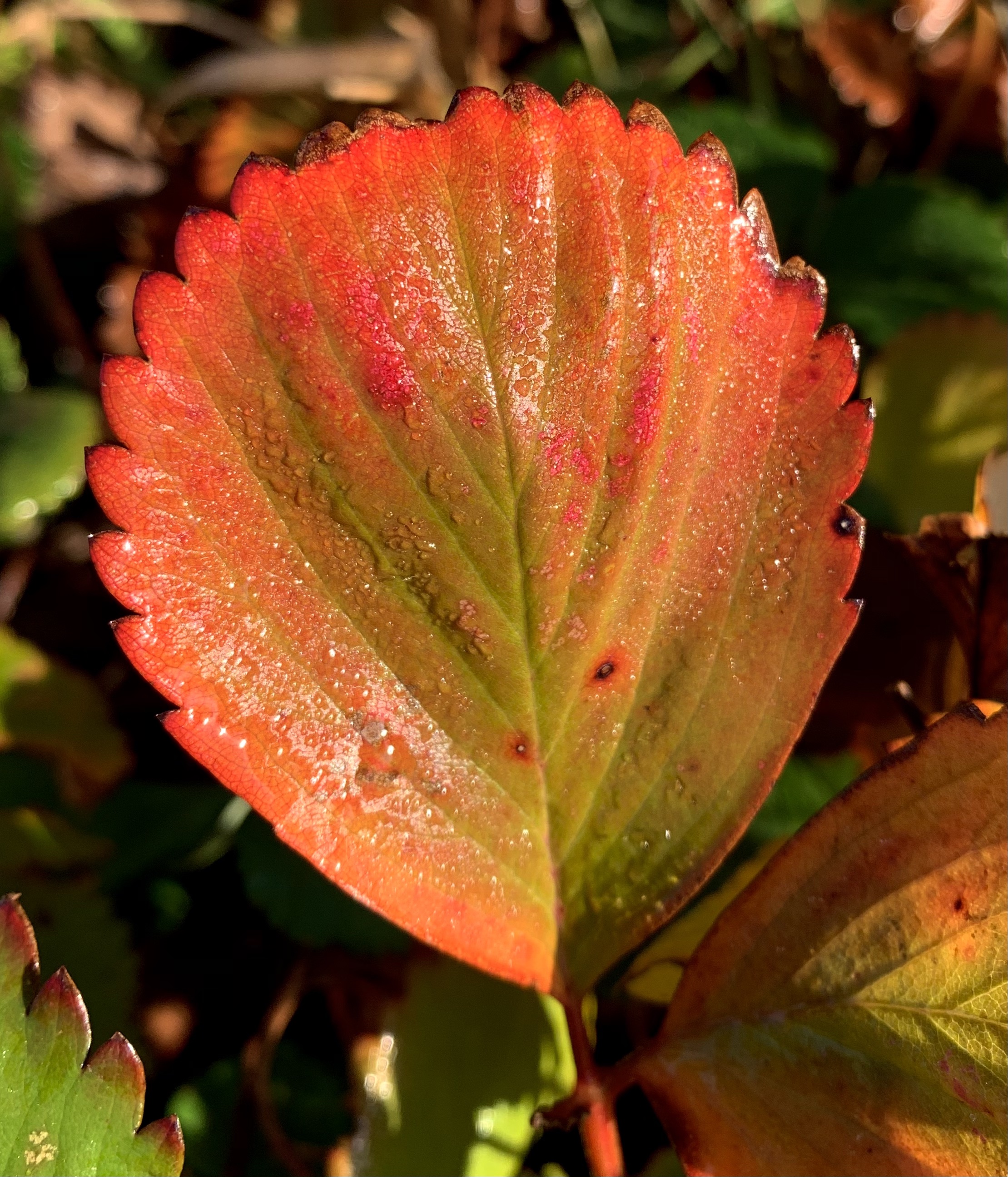
The scholars say Christ was more likely born in the autumn of the year ~ so fitting, as the reds and oranges of fall fade fast as we descend into winter soon.
Murderous frosts have wilted down all that was flush with life and we are desperate for hope for renewal in the midst of the dying.
And so this babe has come like a refiner’s fire and we who have gotten too comfortable will feel the heat in the middle of the chill, no matter what time of year.
Hope happens when conditions are as these…
Deep in the cold of winter, Darkness and silence were eve’rywhere; Softly and clearly, there came through the stillness a wonderful sound, A wonderful sound to hear.
All bells in paradise I heard them ring, Sounding in majesty the news that they bring; All bells in paradise I heard them ring, Welcoming our Saviour, born on earth, a heavenly King.
Chorus: All bells in paradise, I heard them ring, ‘Glory to God on high’ the angel voices sing.
Lost in awe and wonder, Doubting I asked what this sign may be; Christ, our Messiah, revealed in a stable, A marvelous sight, a marvelous sight to see.
Chorus
He comes down in peace, A child in humility, The keys to his kingdom belong to the poor; Before him shall kneel the kings with their treasures, Gold, incense, and myrrh.
14 The Word became flesh and made his dwelling among us. We have seen his glory, the glory of the one and only Son, who came from the Father, full of grace and truth. John 1:14
For me it is the virgin birth, the Incarnation, the resurrection which are the true laws of the flesh and the physical. Death, decay, destruction are the suspension of these laws. I am always astonished at the emphasis the Church puts on the body. It is not the soul she says that will rise but the body, glorified. ~Flannery O’Connor in a letter written in 1955
Good is the flesh that the Word has become, good is the birthing, the milk in the breast, good is the feeding, caressing and rest, good is the body for knowing the world, Good is the flesh that the Word has become.
Good is the body for knowing the world, sensing the sunlight, the tug of the ground, feeling, perceiving, within and around, good is the body, from cradle to grave, Good is the flesh that the Word has become.
Good is the body, from cradle to grave, growing and aging, arousing, impaired, happy in clothing, or lovingly bared, good is the pleasure of God in our flesh, Good is the flesh that the Word has become.
Good is the pleasure of God in our flesh, longing in all, as in Jesus, to dwell, glad of embracing, and tasting, and smell, good is the body, for good and for God, Good is the flesh that the Word has become. ~Brian Wren Good is the Flesh: Body, Soul, and Christian Faith
The Word was made flesh. This one verse in John is the crux, the heart, the center point of the Gospel. Without God putting on flesh to become like us, He is not one of us. He is fully God and fully man — both.
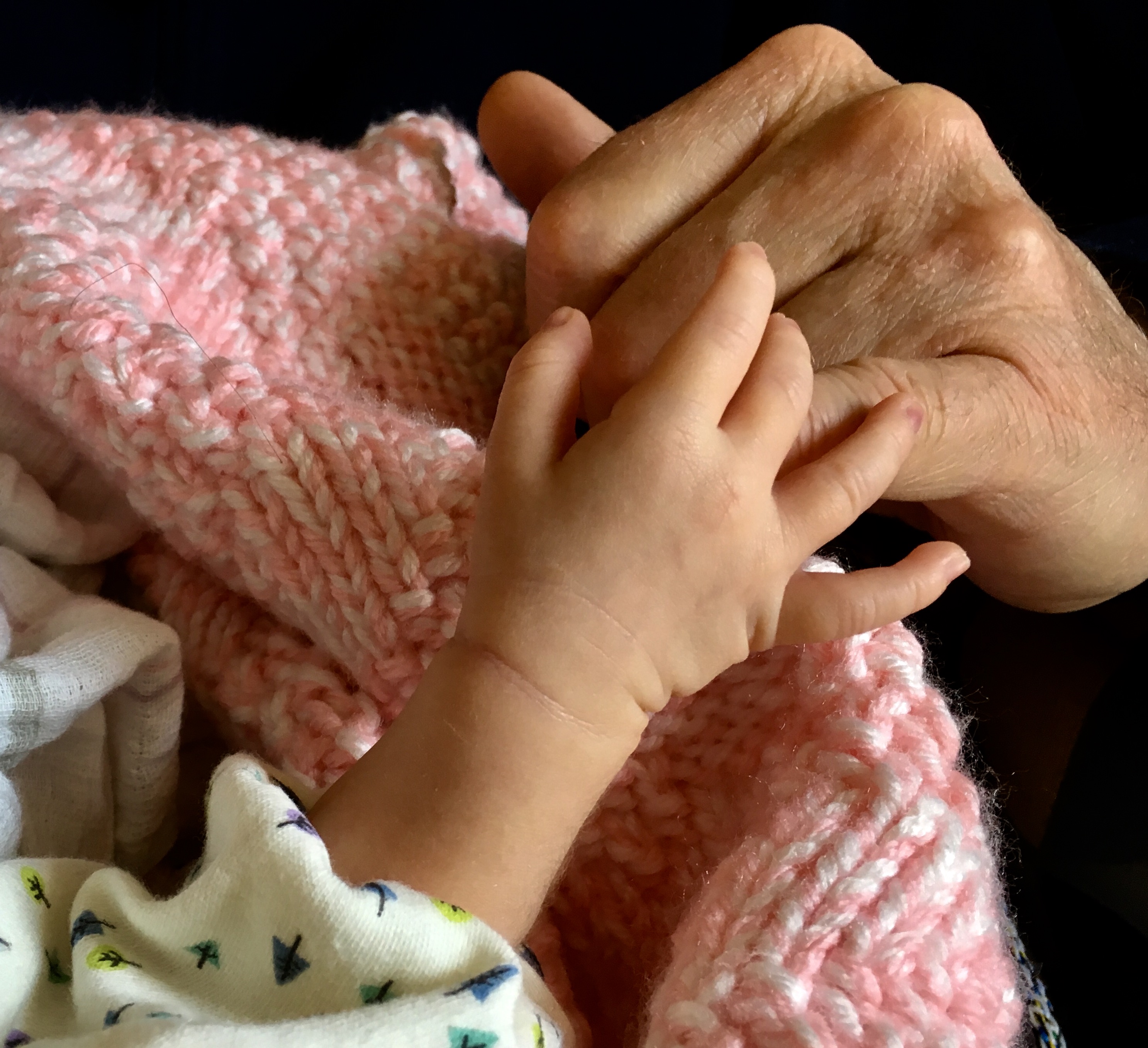
He comes from the body of a mother, born a baby frail and weak, just like us. He hurts, He thirsts, He hungers, He stumbles, He falls, He weeps. And He dies as we do.
Yet this God, our God, rises again to walk, speak, eat, and be touched so that we too may rise as He does. The Word was made flesh so our flesh, weak and frail though we are, becomes His body glorified.
The word was made flesh, and dwelt among us. We beheld the glory of the Father, full of grace and truth. In the beginning was the Word, The Word was with God. In Him was life; and the life was the light of men. He came to his own, and his own received him not.
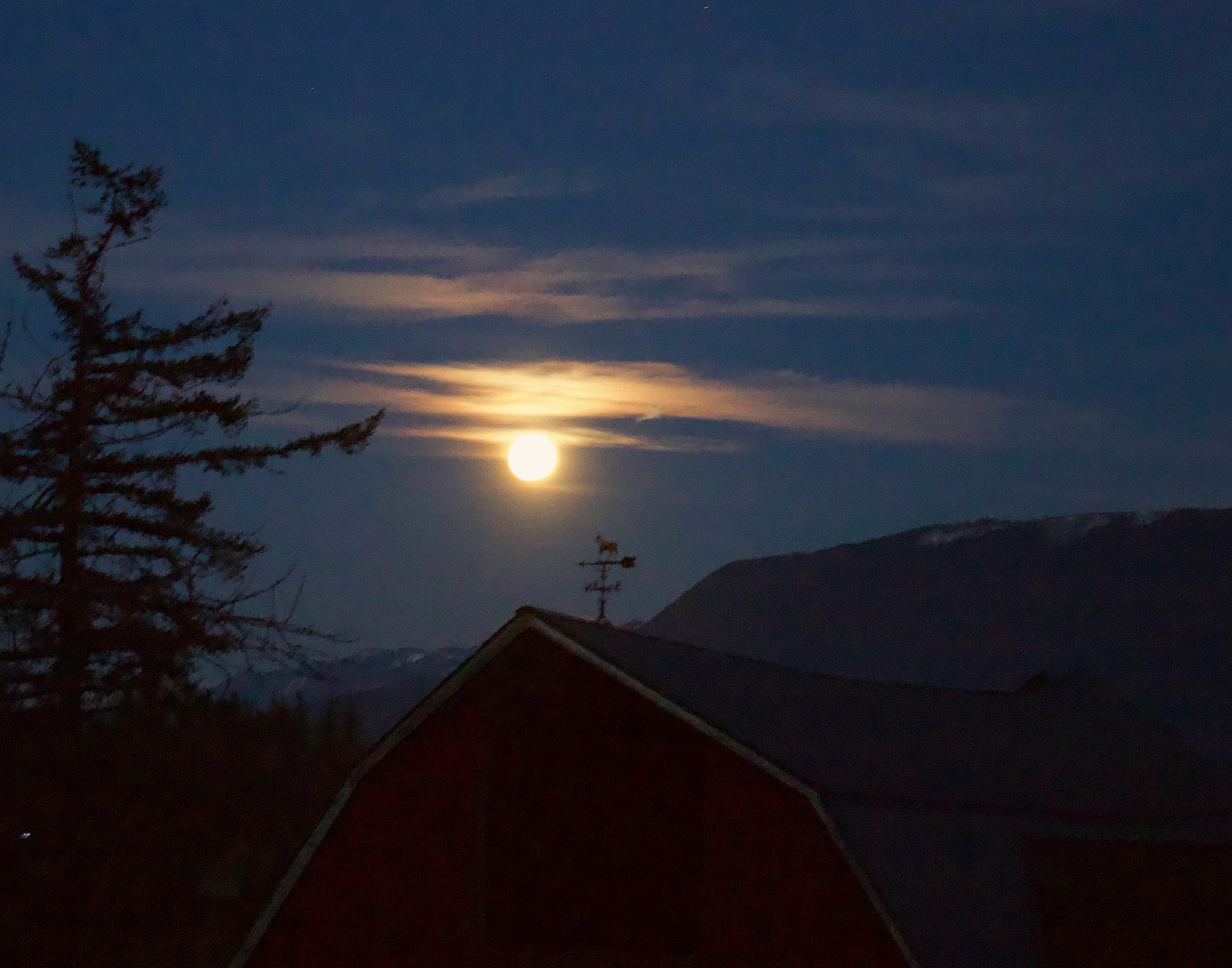
What is coming upon the world is the Light of the World. It is Christ. That is the comfort of it. The challenge of it is that it has not come yet. Only the hope for it has come, only the longing for it. In the meantime we are in the dark, and the dark, God knows, is also in us. We watch and wait for a holiness to heal us and hallow us, to liberate us from the dark. Advent is like the hush in a theater just before the curtain rises. It is like the hazy ring around the winter moon that means the coming of snow which will turn the night to silver. Soon. But for the time being, our time, darkness is where we are. ~Frederick Buechner from The Clown in the Belfry
Darkness is not where we will dwell forever.
We are promised this in the Word: “and night will be no more. They will need no light of lamp or sun, for the Lord God will be their light… Revelation 22:5.
Somewhere between the Word in the beginning and the Word that becomes flesh and the Word thriving in our hearts and hands, there is the sacred silent Light of God come to earth.
This Advent is a time of quiet stillness, awaiting the Light brought by His Word; He is a flint struck to our wick, the Darkness abolished by the eternal glow of His illuminating Word.
when this blessing comes, take its hand. Get up. Set out on the road you cannot see.
This is the night when you can trust that any direction you go, you will be walking toward the dawn. — Jan Richardson (author of Circle of Grace)
…the deepest darkness is the place where God comes to us. In the womb, in the night, in the dreaming; when we are lost, when our world has come undone, when we cannot see the next step on the path; in all the darkness that attends our life, whether hopeful darkness or horrendous, God meets us. ~Jan Richardson
When things feel like they can’t get any darker, we are joined by a living breathing God walking beside us on the road to Emmaus. He feeds us from His word, making us hunger for even more, our hearts burning within us.
Jesus makes plain how He Himself addresses my most basic needs: He is the bread of life so I am fed. He is the living water so I no longer thirst. He is the light so I am never left in darkness. He shares my yoke so my burden is easier. He clothes me with righteousness so I am never naked. He cleanses me when I am at my most soiled and repugnant. He is the open door–always welcoming, with a room prepared for me – even me, the poor ornery person I am.
So when I encounter Him along the road of my life, I need to recognize him, listen, invite Him in to stay, share whatever I have with Him. When He breaks bread and hands me my share, I want to accept it with open eyes of gratitude, knowing the gift He hands me is nothing less than Himself, my forever Companion who leads me out of darkness into the Light.
Somewhere along the road Someone waits for me Beyond these present storms that blow Waiting patiently No secrets held in an open heart A spirit that soars over mountains Somewhere along the road Someone waits for me
Somehow a guiding light Always shows the way To those who lose their way by night Searching for the day A day away from happiness Tomorrow will bring a new sunrise Somewhere along the road Someone waits for me
Sometime when winds are still Unexpectedly Perhaps beyond this silent hill A voice will call to me Raise your eyes to see my world Raise your voice and sing out Somewhere along the road Someone waits for me
We were familiar with the night. We knew its favourite colours, its sullen silence and its small, disturbing sounds, its unprovoked rages, its savage dreams.
We slept by turns, attentive to the flock. We said little. Night after night, there was little to say. But sometimes one of us, skilled in that way, would pipe a tune of how things were for us.
They say that once, almost before time, the stars with shining voices serenaded the new born world. The night could not contain their boundless praise.
We thought that just a poem — until the night a song of solar glory, unutterable, unearthly, eclipsed the luminaries of the night, as though the world were exorcised of dark and, coming to itself, began again.
Later we returned to the flock. The night was ominously black. The stars were silent as the sheep. Nights pass, year on year. We clutch our meagre cloaks against the cold. Our aging piper’s fumbling fingers play, night after night, an earthly echo of the song that banished dark. It has stayed with us. ~Richard Bauckham “Song of the Shepherds”
There is no specific “song of the shepherds” recorded in scripture. They were unlikely people to be inspired to use flowery words and memorable turns of phrase. Scripture says simply they looked at each other and agreed to get to Bethlehem as fast as possible and see for themselves what they had been told by God. There was no time to waste singing out praises and thanksgiving; they “went with haste.”
Witnessing an appearance of the heavenly host followed by seeing for themselves the incarnation of the living God in a manger must have been overwhelming to those who otherwise spent much time alone and in silence. They must have been simply bubbling over with everything they had heard and been shown. At least scripture does tell us the effect the shepherds’ witnessing words had on others: “and all who heard it wondered…”
I don’t think people wondered if the shepherds were embroidering the story, or had a group hallucination, or were flat out fabricating for reasons of their own. I suspect Mary and Joseph and the townspeople who heard what the shepherds had to say were flabbergasted at the passion and excitement being shared about what had just taken place. Seeing became believing and all could see how completely the shepherds believed by how enthusiastically they shared everything they knew.
We know what the shepherds had to say, minimalist conversationalists that they are. So we too should respond with wonder at what they have told us all.
And believe.
We stood on the hills, Lady, Our day’s work done, Watching the frosted meadows That winter had won.
The evening was calm, Lady, The air so still, Silence more lovely than music Folded the hill.
There was a star, Lady, Shone in the night, Larger than Venus it was And bright, so bright.
Oh, a voice from the sky, Lady, It seemed to us then Telling of God being born In the world of men.
And so we have come, Lady, Our day’s work done, Our love, our hopes, ourselves, We give to your son. ~Bob Chillcott “The Shepherd’s Carol”
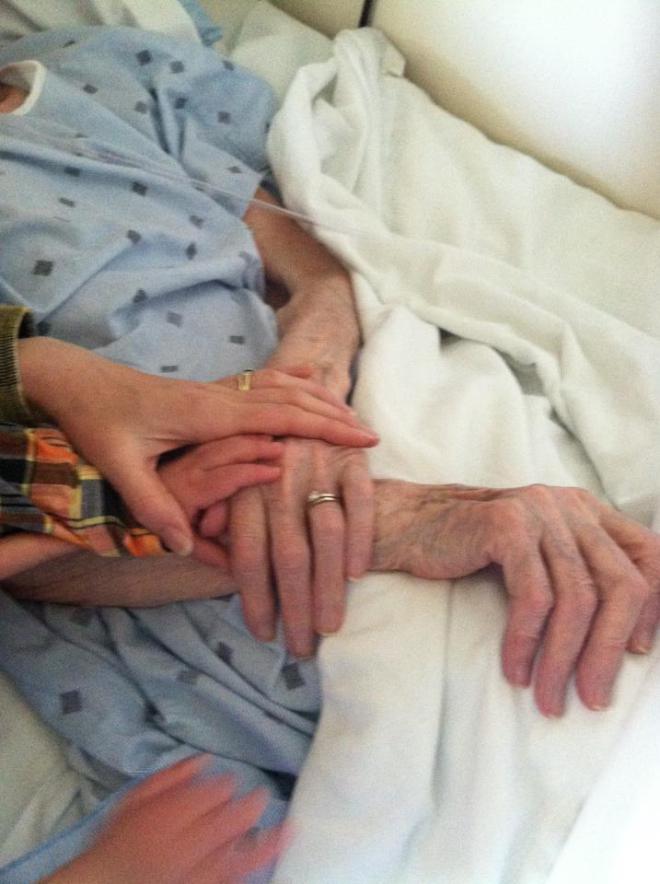
Nobody in the hospital Could tell the age Of the old woman who Was called Susanna
Because she had no visitors I would stop by to see her But she was always sleeping
One day I was beside her When she woke up Opening small dark eyes Of a surprising clearness
She looked at me and said You want to know the truth? I answered Yes
She said it’s something that My mother told me
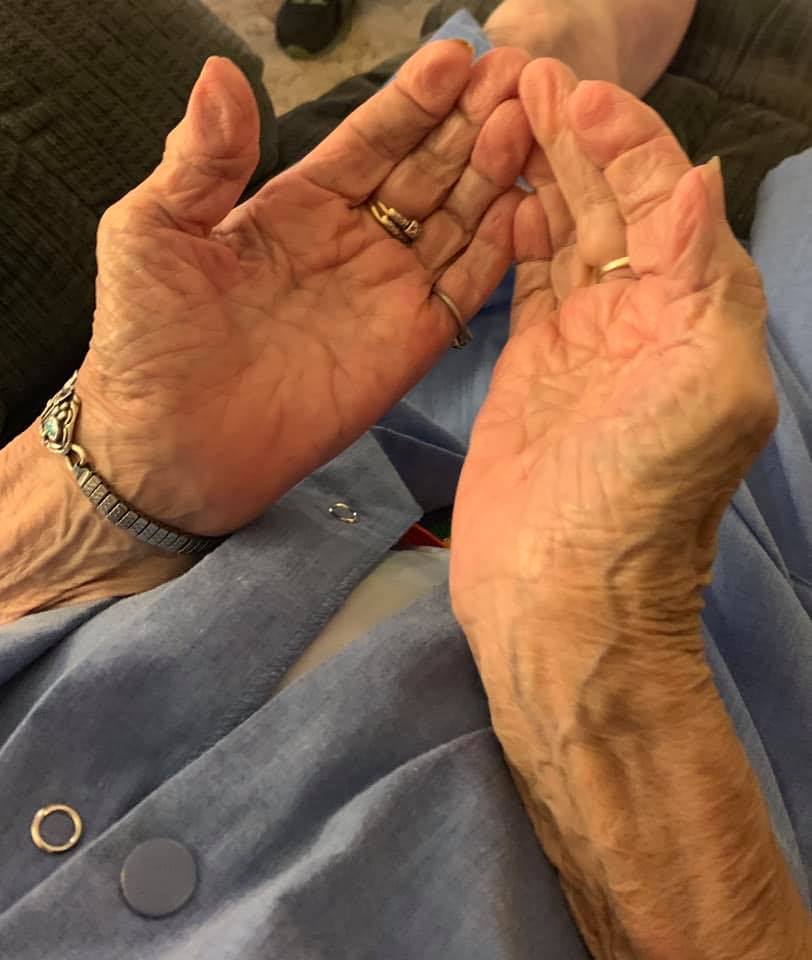
There’s not a single inch Of our whole body That the Lord does not love
She then went back to sleep. ~Anne Porter from “Susanna”
photo by Andrea Nipges
So many people lie in a hospital bed these days, all alone and fearful, wondering what could happen next, waiting for the tide to turn and move them back to the shore or sweep them out into the arms of their Creator forever.
We tend to forget the love of the One who made us, including our funny looking feet, our anxieties, the crooked teeth, the wrinkles, the scars, the split ends —
We see only our imperfections and frailty when our Creator sees dust made manifest in His image.
He loves us even when we do not love ourselves, as we hide our flaws and cover up our vulnerable nakedness.
He loves every inch because we are His opus, a masterpiece, so He became one of us.
He knew exactly what He was doing and even now, in the midst of our loneliness, He knows exactly what He is doing with the dust that still swirls around us.
It is this great absence that is like a presence, that compels me to address it without hope of a reply. It is a room I enter
from which someone has just gone, the vestibule for the arrival of one who has not yet come. I modernise the anachronism
of my language, but he is no more here than before. Genes and molecules have no more power to call him up than the incense of the Hebrews
at their altars. My equations fail as my words do. What resources have I other than the emptiness without him of my whole being, a vacuum he may not abhor? ~R.S. Thomas “The Absence”
Advent is designed to show that the meaning of Christmas is diminished to the vanishing point if we are not willing to take a fearless inventory of the darkness. ~Fleming Rutledge from Advent- The Once & Future Coming of Jesus Christ
There is no light in the incarnation without witnessing the empty darkness that precedes His arrival; His reason for entering our world is to fill our increasing spiritual void, our hollow hearts, our growing deficit of hope and faith.
God abhors a vacuum.
We find our God most when we keenly feel His absence, hearing no reply to our prayers, our faith shaken, not knowing if such unanswered prayers are heard.
In response, He has answered. He comes to walk beside us. He comes to be present among us, to ransom us from our self-captivity by offering up Himself instead.
He fills the vacuum completely and forever.
O come, all ye faithful, joyful and triumphant! O come ye, O come ye, to Bethlehem Come and behold Him Born the King of Angels O come, let us adore Him O come, let us adore Him O come, let us adore Him Christ the Lord!
God of God, Light of Light Lo, He abhors not the Virgin’s womb Very God Begotten, not created O come, let us adore Him O come, let us adore Him O come, let us adore Him Christ the Lord!
Sing, choirs of angels, sing in exultation Sing, all ye citizens of heaven above! Glory to God All glory in the highest O come, let us adore Him O come, let us adore Him O come, let us adore Him Christ the Lord!
Yea, Lord, we greet Thee, born this happy morning Jesus, to Thee be glory given Word of the Father Now in flesh appearing O come, let us adore Him O come, let us adore Him O come, let us adore Him Christ the Lord!
“Like Mary, we have no way of knowing… We can ask for courage, however, and trust that God has not led us into this new land only to abandon us there.” ~Kathleen Norrisfrom God With Us
We know the scene: the room, variously furnished,
almost always a lectern, a book; always the tall lily. Arrived on solemn grandeur of great wings, the angelic ambassador, standing or hovering, whom she acknowledges, a guest.
But we are told of meek obedience. No one mentions courage. The engendering Spirit did not enter her without consent. God waited.
She was free to accept or to refuse, choice integral to humanness.
____________________________
Aren’t there annunciations of one sort or another in most lives? Some unwillingly undertake great destinies, enact them in sullen pride, uncomprehending. More often those moments when roads of light and storm open from darkness in a man or woman, are turned away from in dread, in a wave of weakness, in despair and with relief. Ordinary lives continue. God does not smite them. But the gates close, the pathway vanishes.
______________________________
She had been a child who played, ate, slept like any other child – but unlike others, wept only for pity, laughed in joy not triumph. Compassion and intelligence fused in her, indivisible.
Called to a destiny more momentous than any in all of Time, she did not quail, only asked a simple, ‘How can this be?’ and gravely, courteously, took to heart the angel’s reply, perceiving instantly the astounding ministry she was offered:
to bear in her womb Infinite weight and lightness; to carry in hidden, finite inwardness, nine months of Eternity; to contain in slender vase of being, the sum of power – in narrow flesh, the sum of light. Then bring to birth, push out into air, a Man-child needing, like any other, milk and love –
but who was God.
This was the moment no one speaks of, when she could still refuse.
A breath unbreathed, Spirit, suspended, waiting.
______________________________
She did not cry, ‘I cannot. I am not worthy,’ Nor, ‘I have not the strength.’ She did not submit with gritted teeth, raging, coerced. Bravest of all humans, consent illumined her. The room filled with its light, the lily glowed in it, and the iridescent wings. Consent, courage unparalleled, opened her utterly. ~Denise Levertov “The Annunciation”
Like most people living in 2020, I want things to be the way I want them: my plans, my timing, my hopes and dreams first and foremost.
And then the unexpected happens and suddenly nothing looks the way it was supposed to be. There is infinite weight within infinite emptiness.
Only then, as an emptied vessel, can I be filled.
In my forty years of clinical work, I’ve never before seen such an epidemic of hopelessness. Debts seem too great, reserves too limited, foundations too shaky, plans dashed, the future too uncertain.
In the annunciation of the angel approaching a young woman out of the blue, Mary’s response to this overwhelming event is a model for us all when we are hit by the unexpected.
She is prepared; she has studied and knows God’s Word and His promise to His people, even in the midst of trouble. She is able to articulate it beautifully in the song she sings as her response. She gives up her so-carefully-planned-out life to give life to God within her.
Her resilience reverberates through the ages and to each one of us in our own multi-faceted and overwhelming troubles: may it be to me as you say.
May it be. Your plans, Your purpose, Your promise – all embodied within me.
Let it be.
Even if it pierces my soul as with a sword so that I leak out to empty; you are there to plug the bleeding hole, filling me with your infinite light.
Everything inside me cries for order Everything inside me wants to hide Is this shadow an angel or a warrior? If God is pleased with me, why am I so terrified? Someone tell me I am only dreaming Somehow help me see with Heaven’s eyes And before my head agrees, My heart is on its knees Holy is He. Blessed am I.
Be born in me Be born in me Trembling heart, somehow I believe That You chose me I’ll hold you in the beginning You will hold me in the end Every moment in the middle, Make my heart your Bethlehem Be born in me
All this time we’ve waited for the promise All this time You’ve waited for my arms Did You wrap yourself inside the unexpected So we might know that Love would go that far?
Be born in me Be born in me Trembling heart, somehow I believe That You chose me I’ll hold you in the beginning You will hold me in the end Every moment in the middle, Make my heart your Bethlehem Be born in me
I am not brave I’ll never be The only thing my heart can offer is a vacancy I’m just a girl Nothing more But I am willing, I am Yours Be born in me Be born in me Trembling heart, somehow I believe That You chose me I’ll hold you in the beginning You will hold me in the end Every moment in the middle, Make my heart your Bethlehem Be born in me
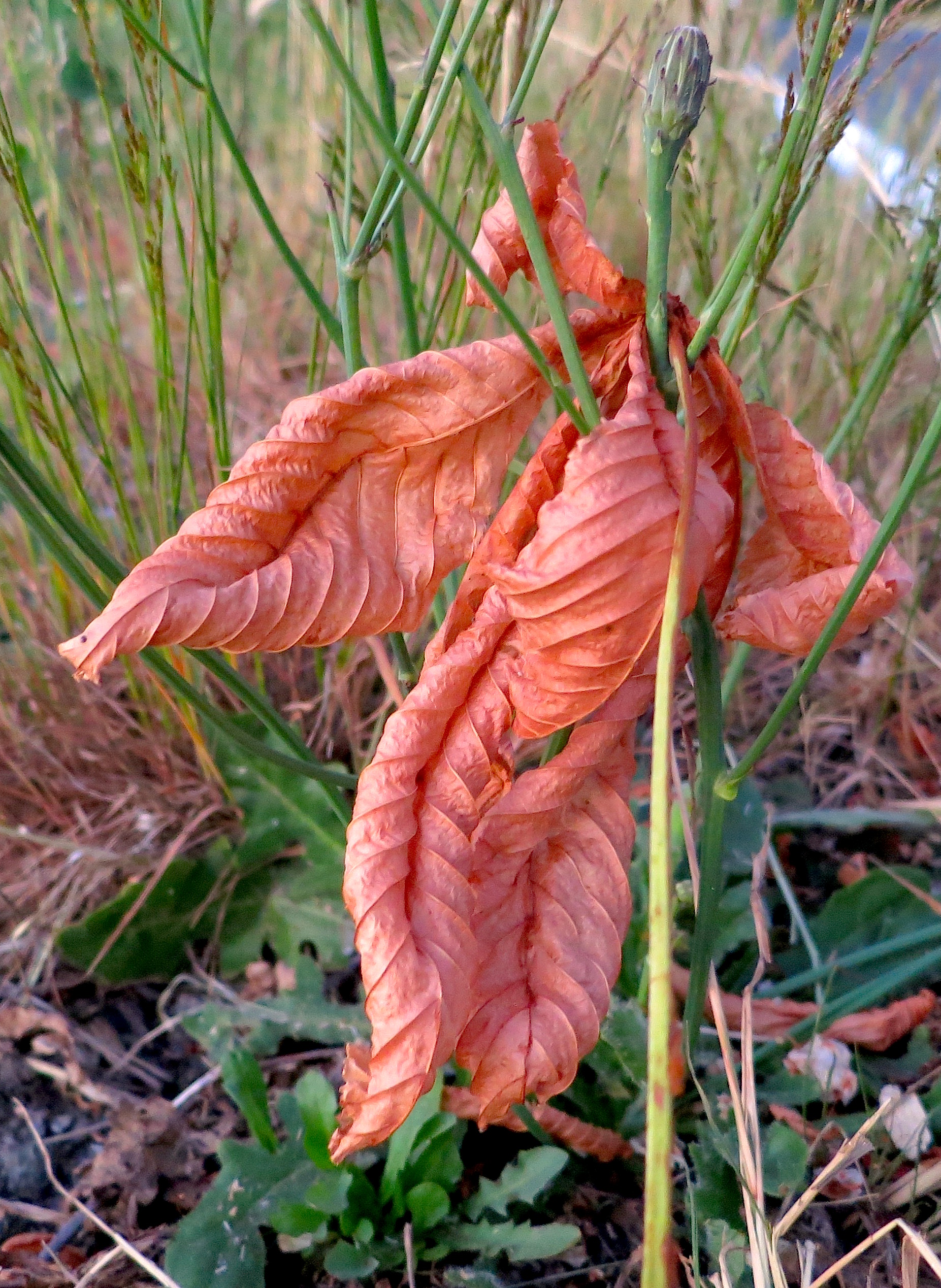
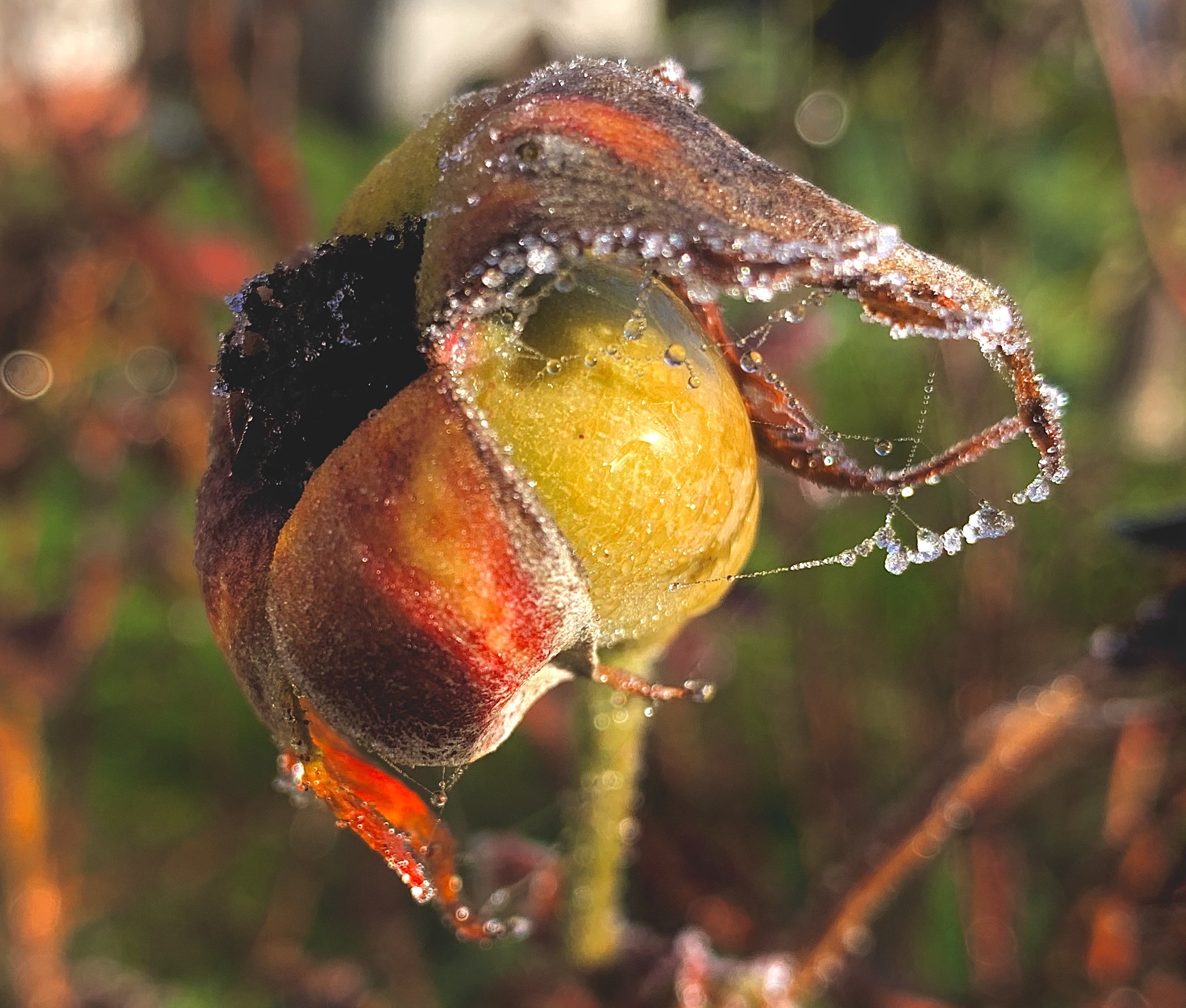
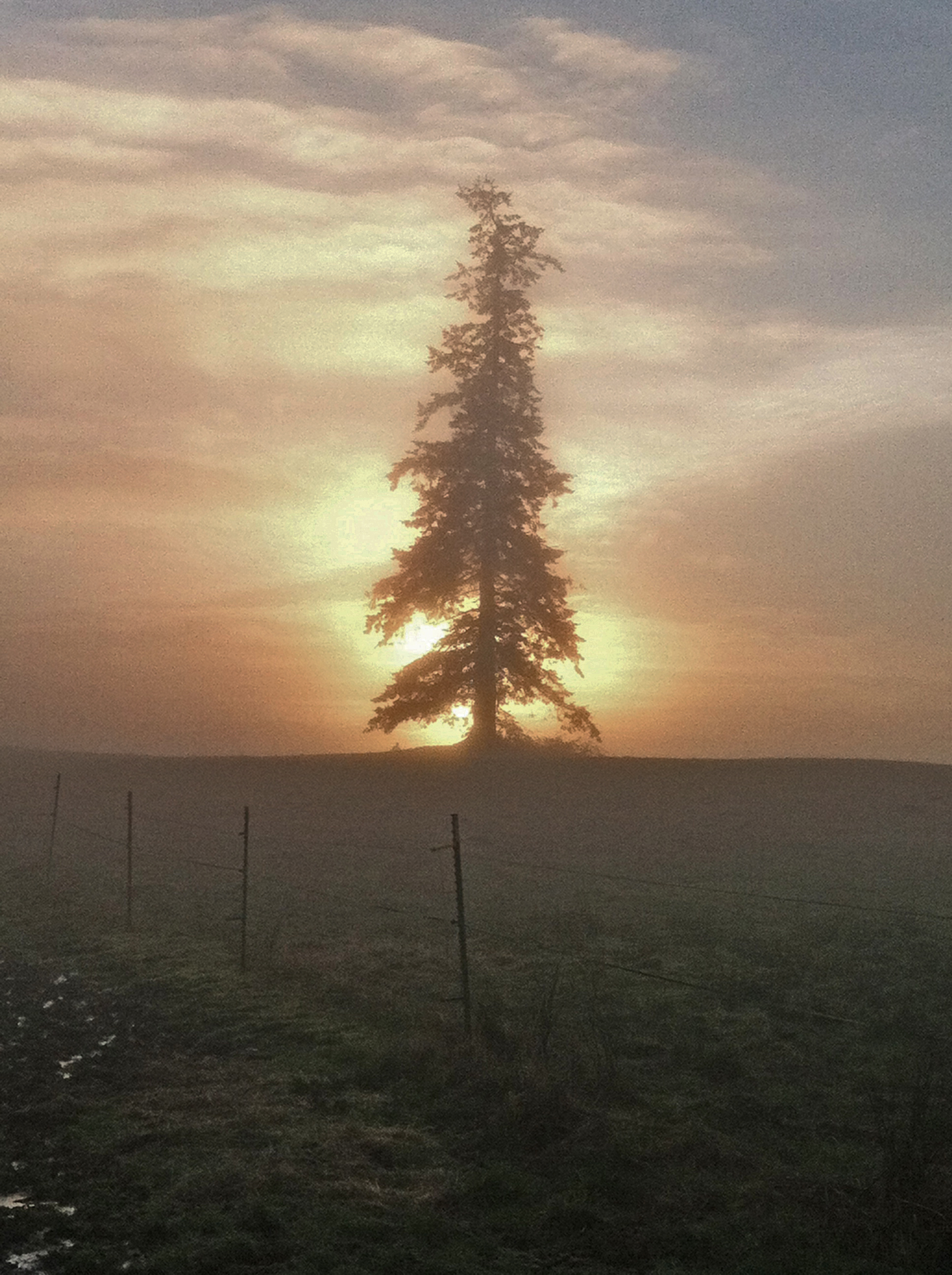
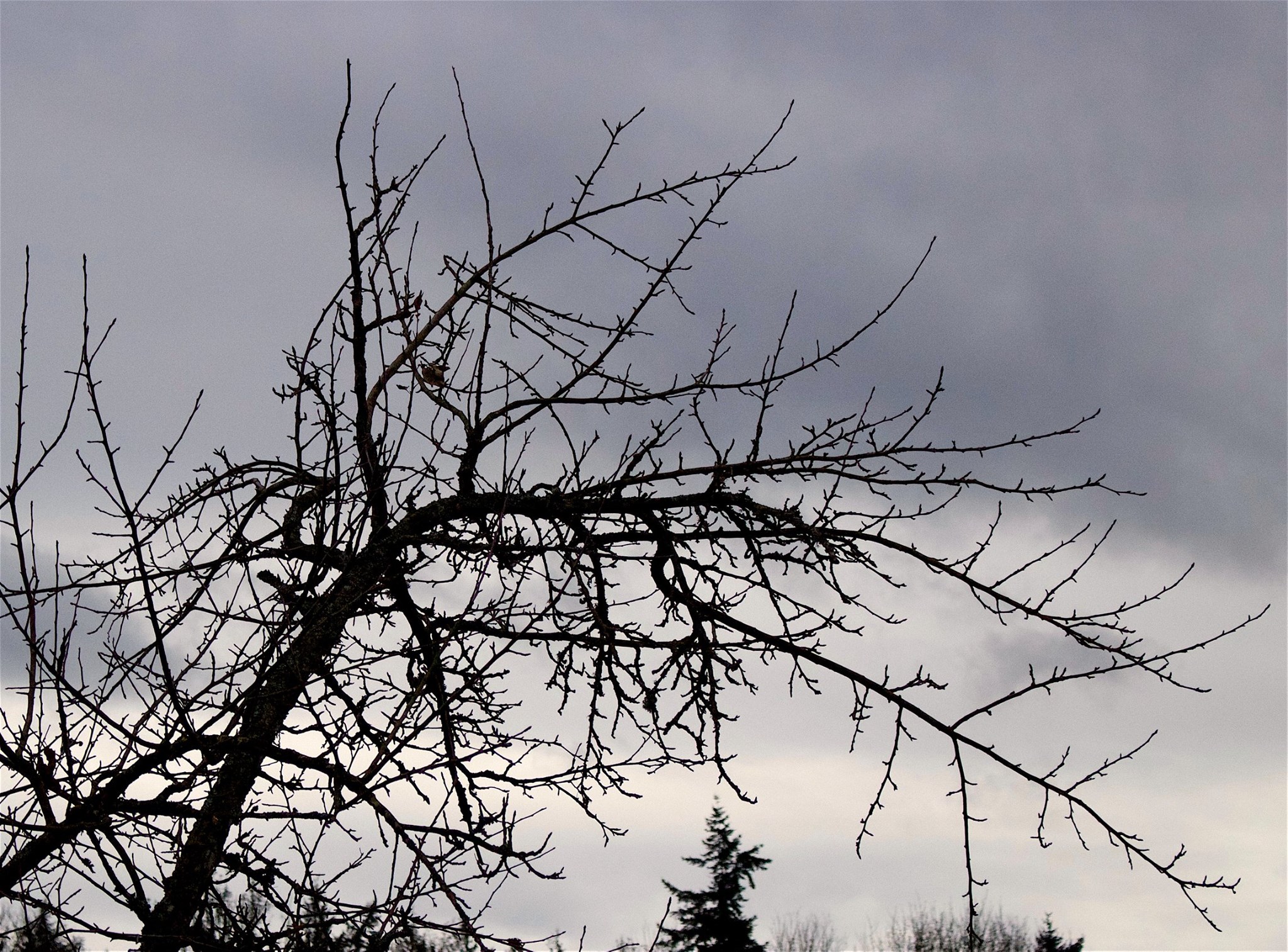
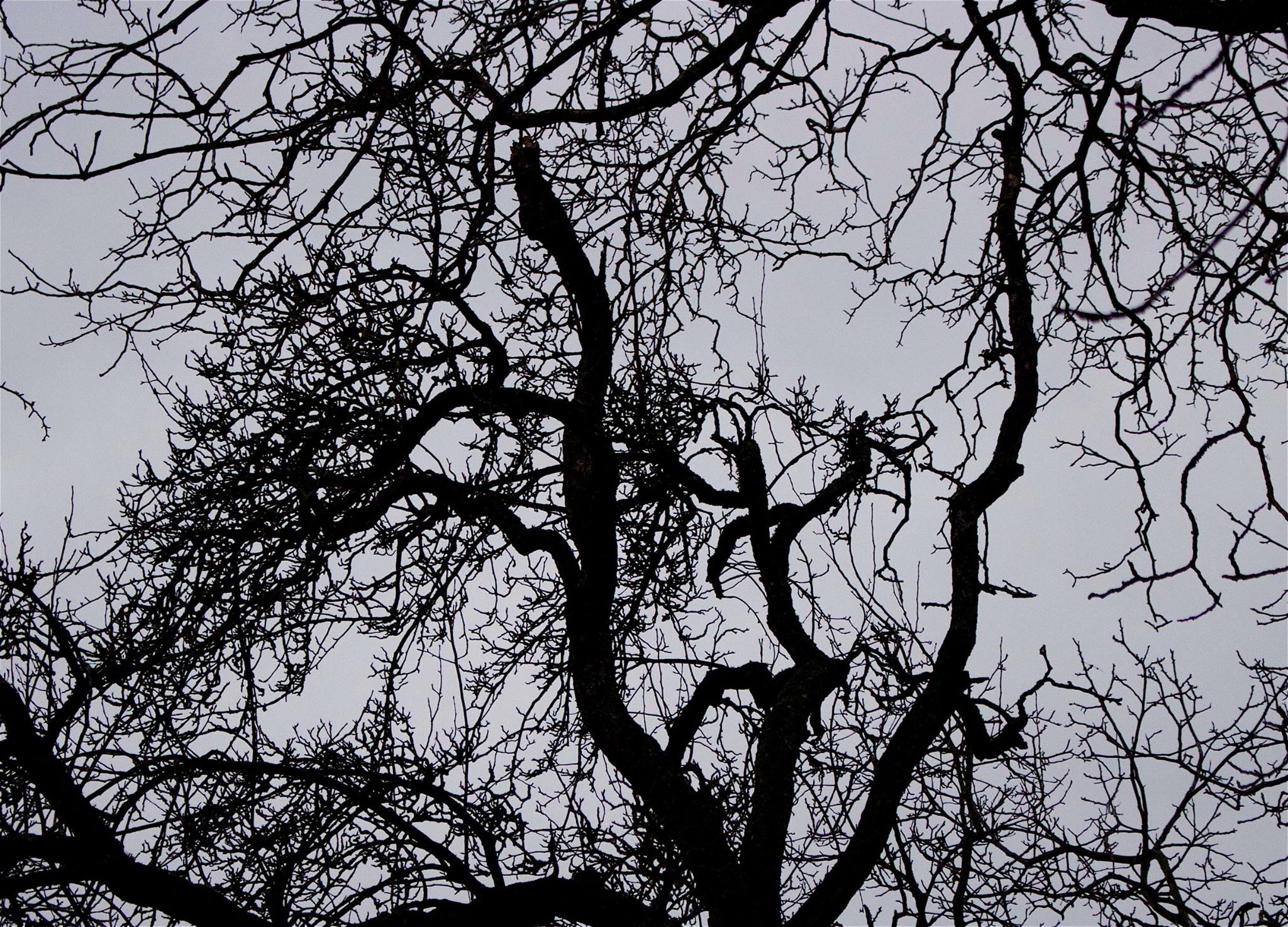
He will come like last leaf’s fall. One night when the November wind has flayed the trees to the bone, and earth wakes choking on the mould, the soft shroud’s folding.
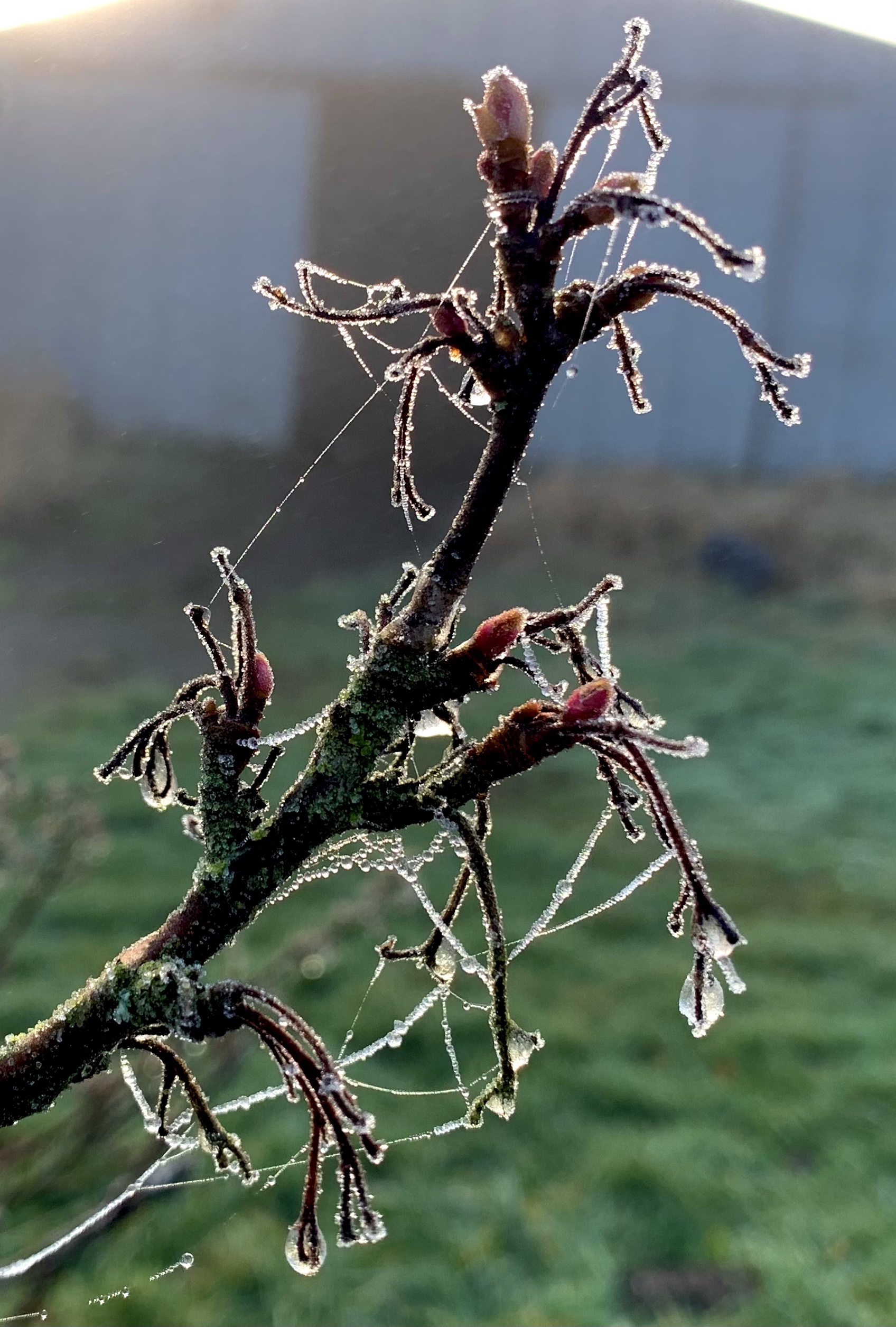
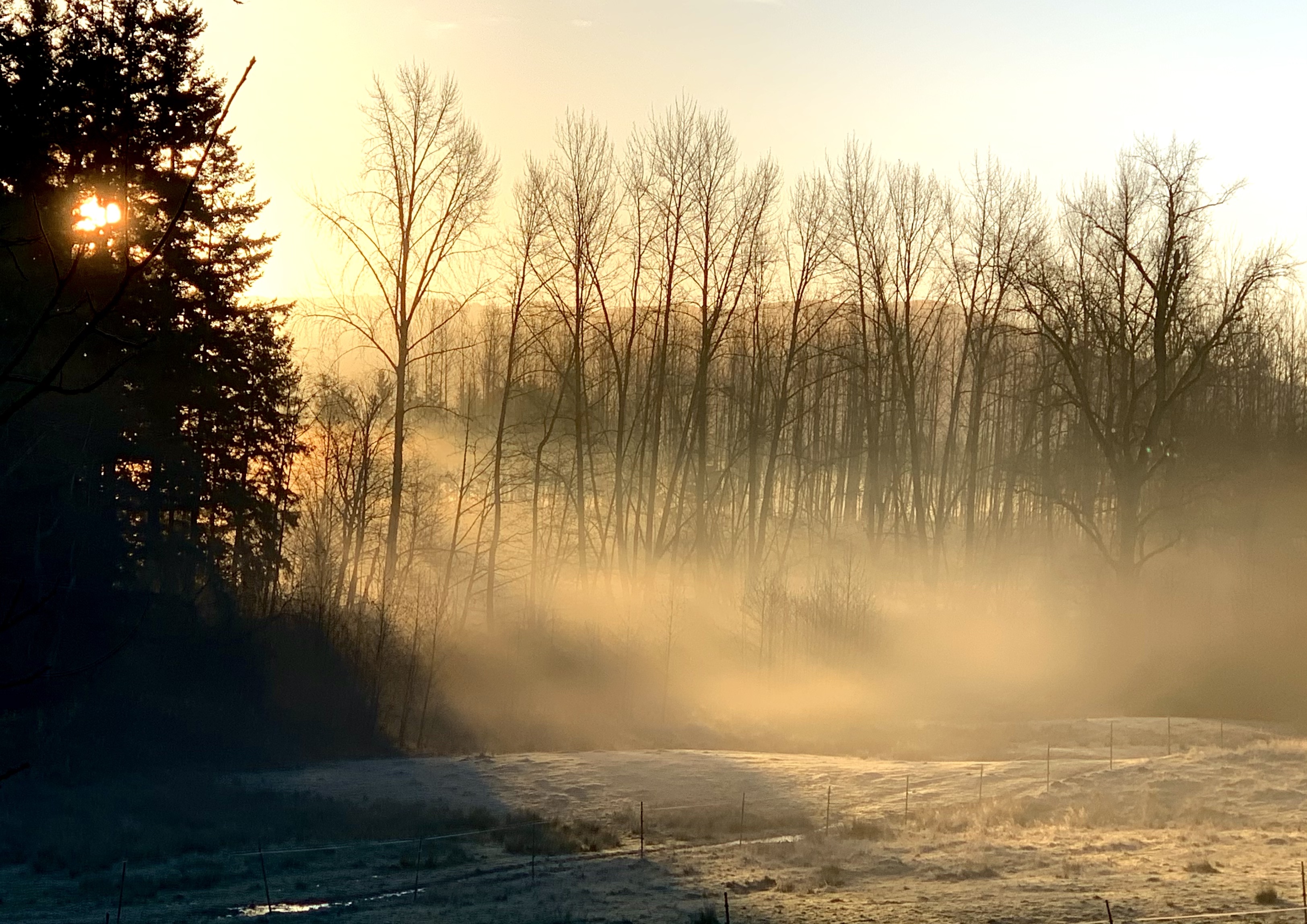
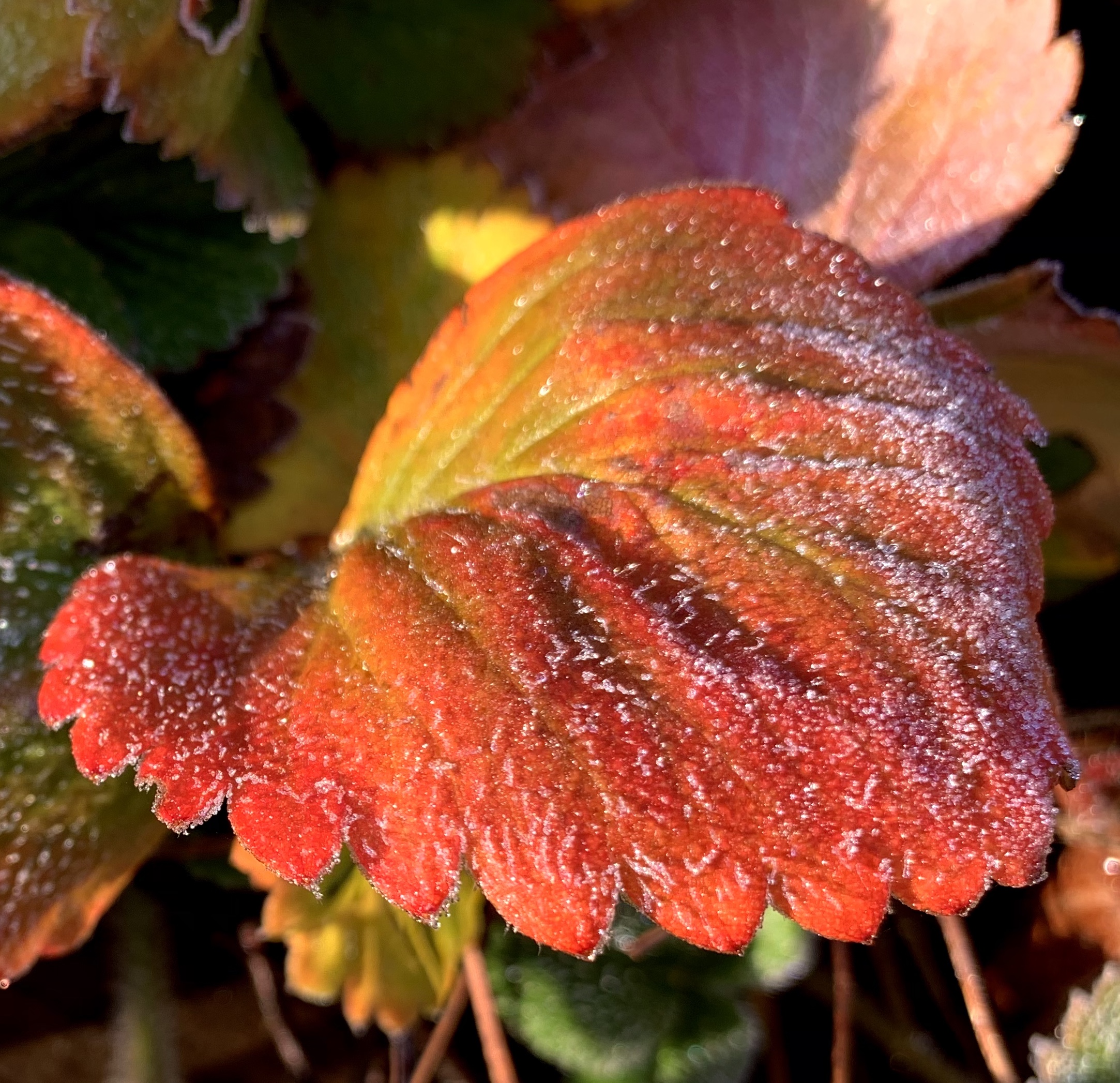
He will come like frost. One morning when the shrinking earth opens on mist, to find itself arrested in the net of alien, sword-set beauty.
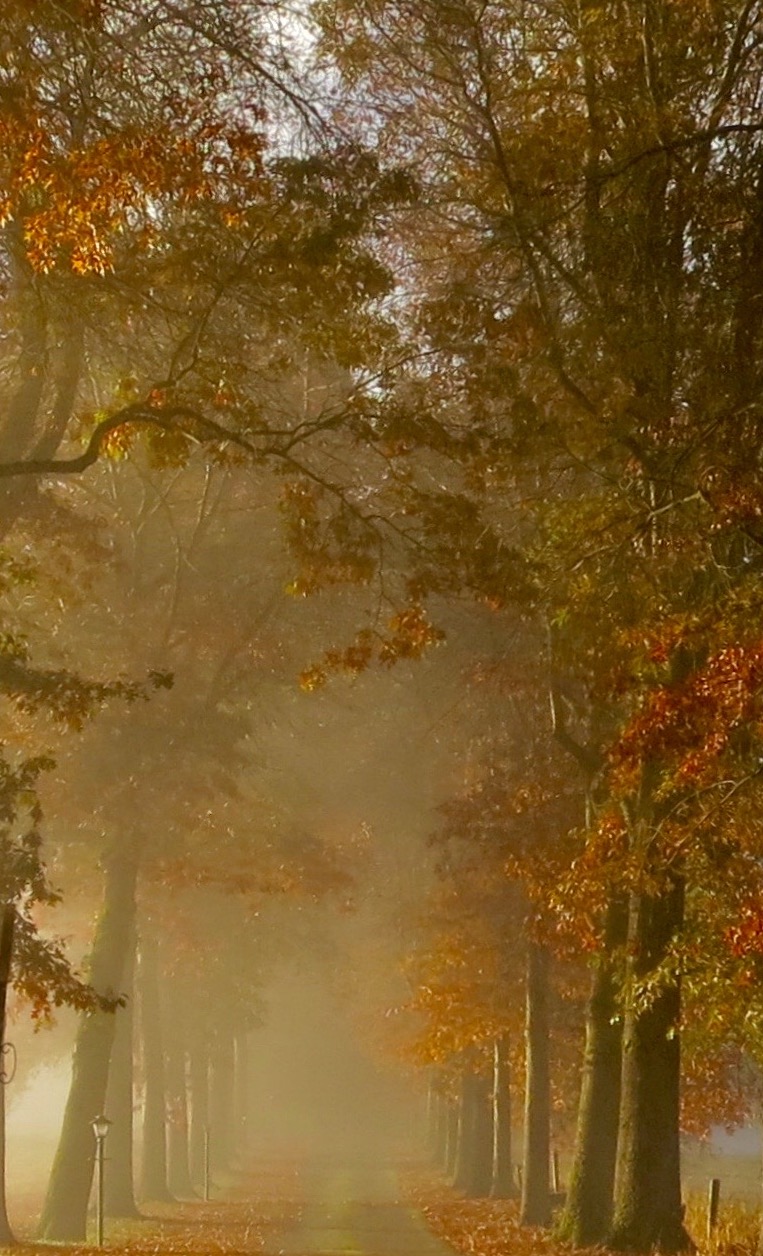
He will come like dark. One evening when the bursting red December sun draws up the sheet and penny-masks its eye to yield the star-snowed fields of sky. ~Dr. Rowan Williams “Advent Calendar”
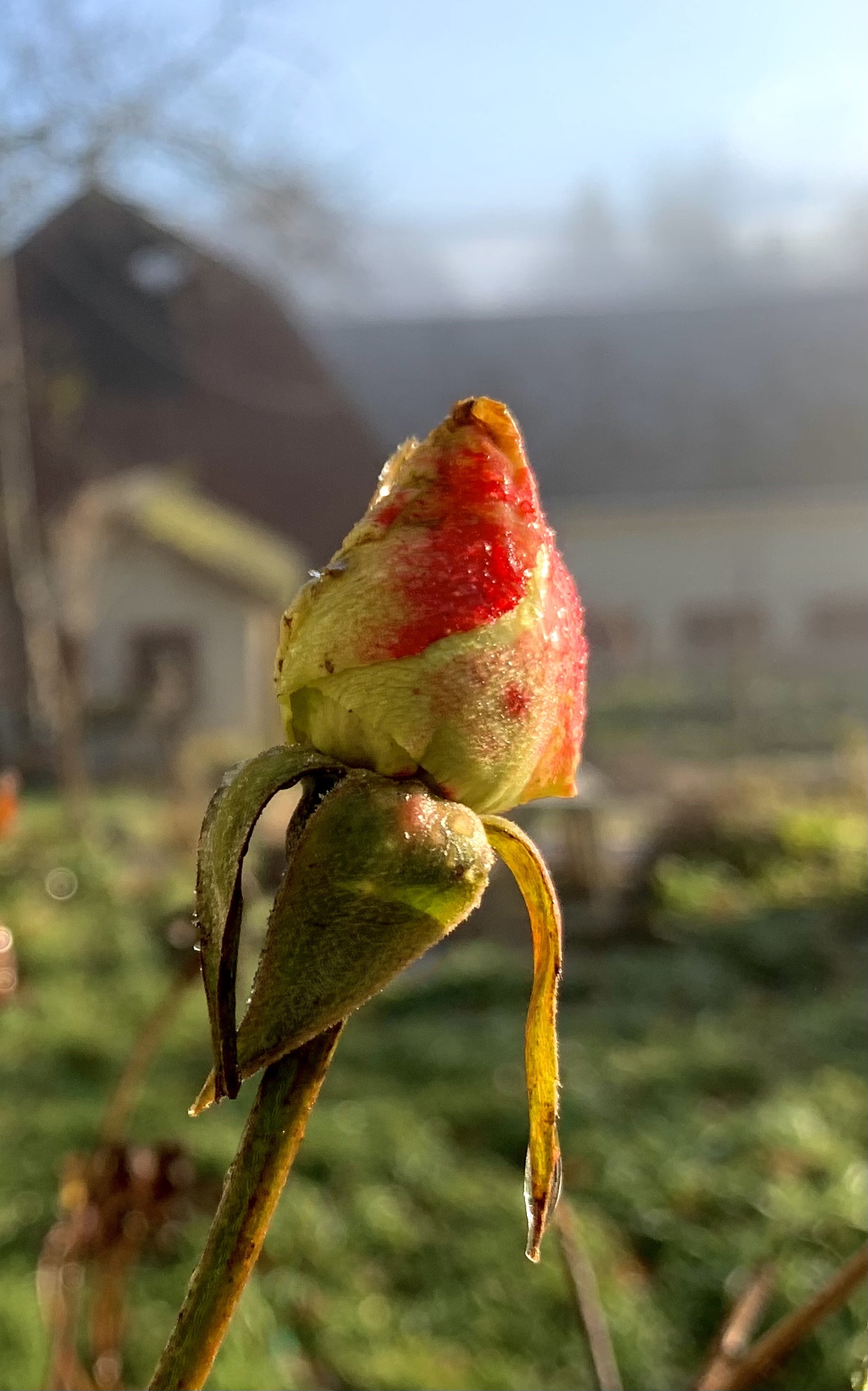
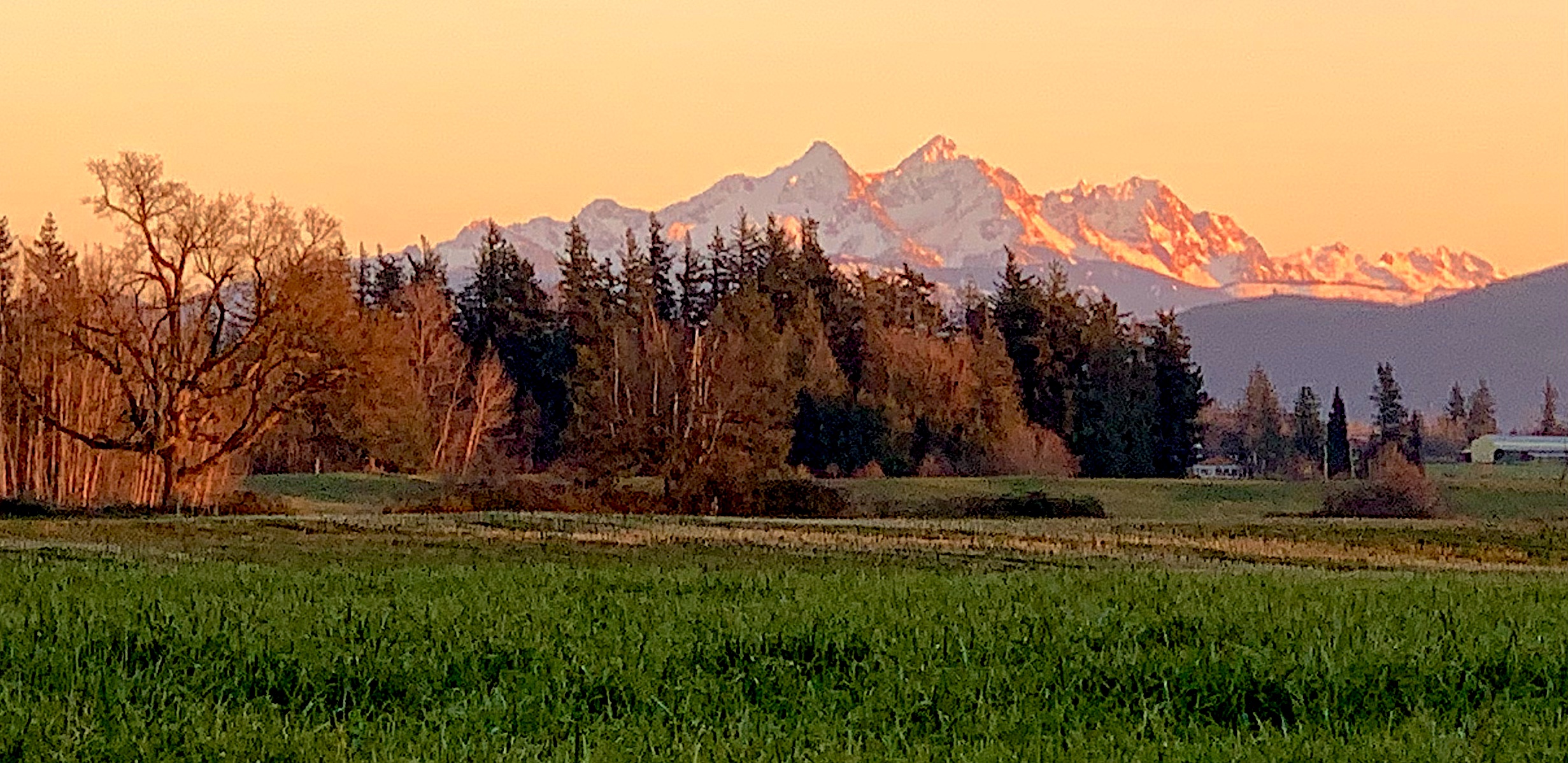
He will come when we are at our loneliest and most discouraged, not expecting the flash of brilliance that accompanies this emergence of new life when all seems dead and dying.
He will come to comfort and console us with His Words and His reminder all is not lost all is not sadness. Even now, even now we have hope and we see beauty.






 Barnstorming