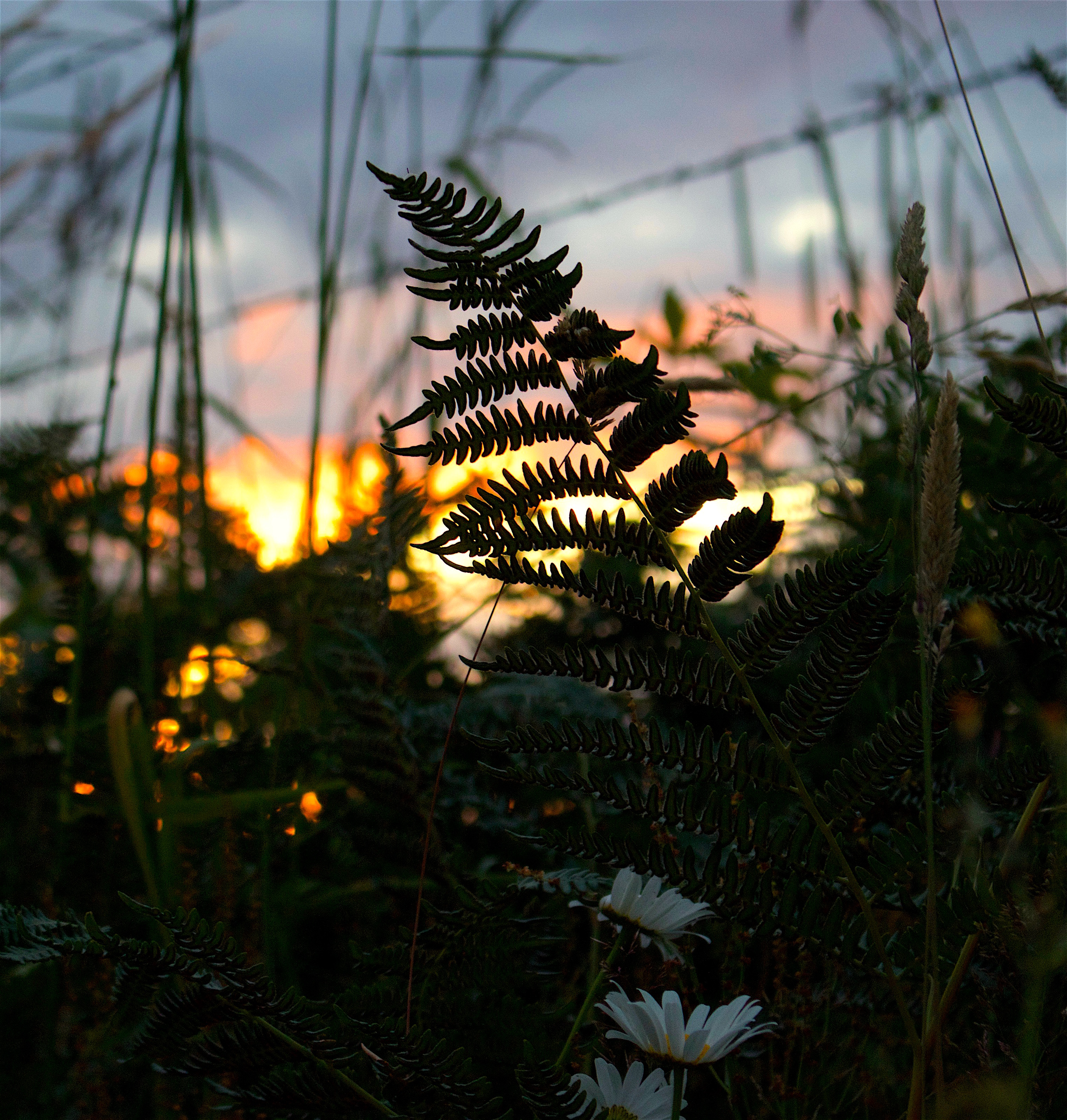
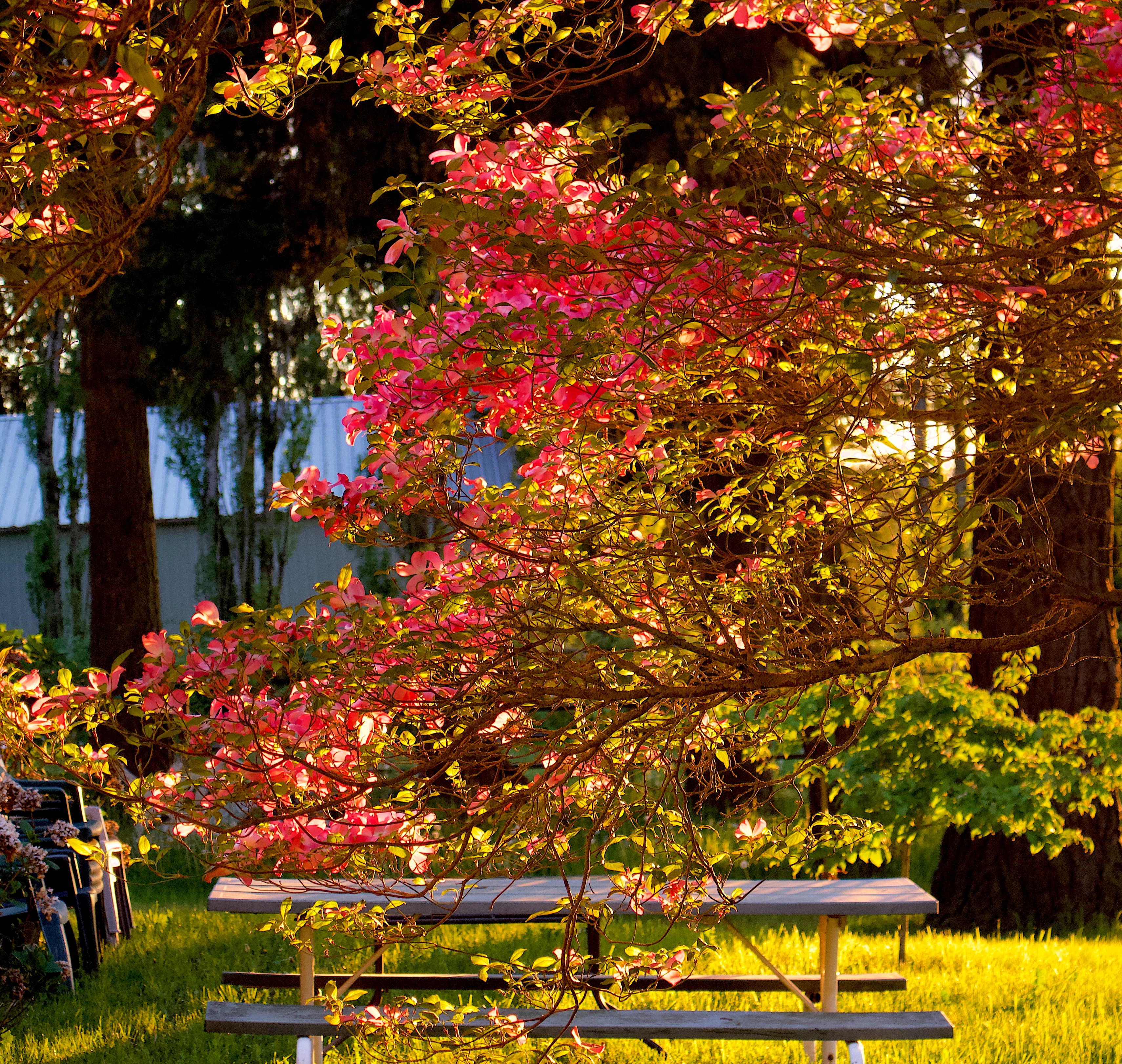
This spring as it comes bursts up in bonfires green,
Wild puffing of emerald trees, and flame-filled bushes,
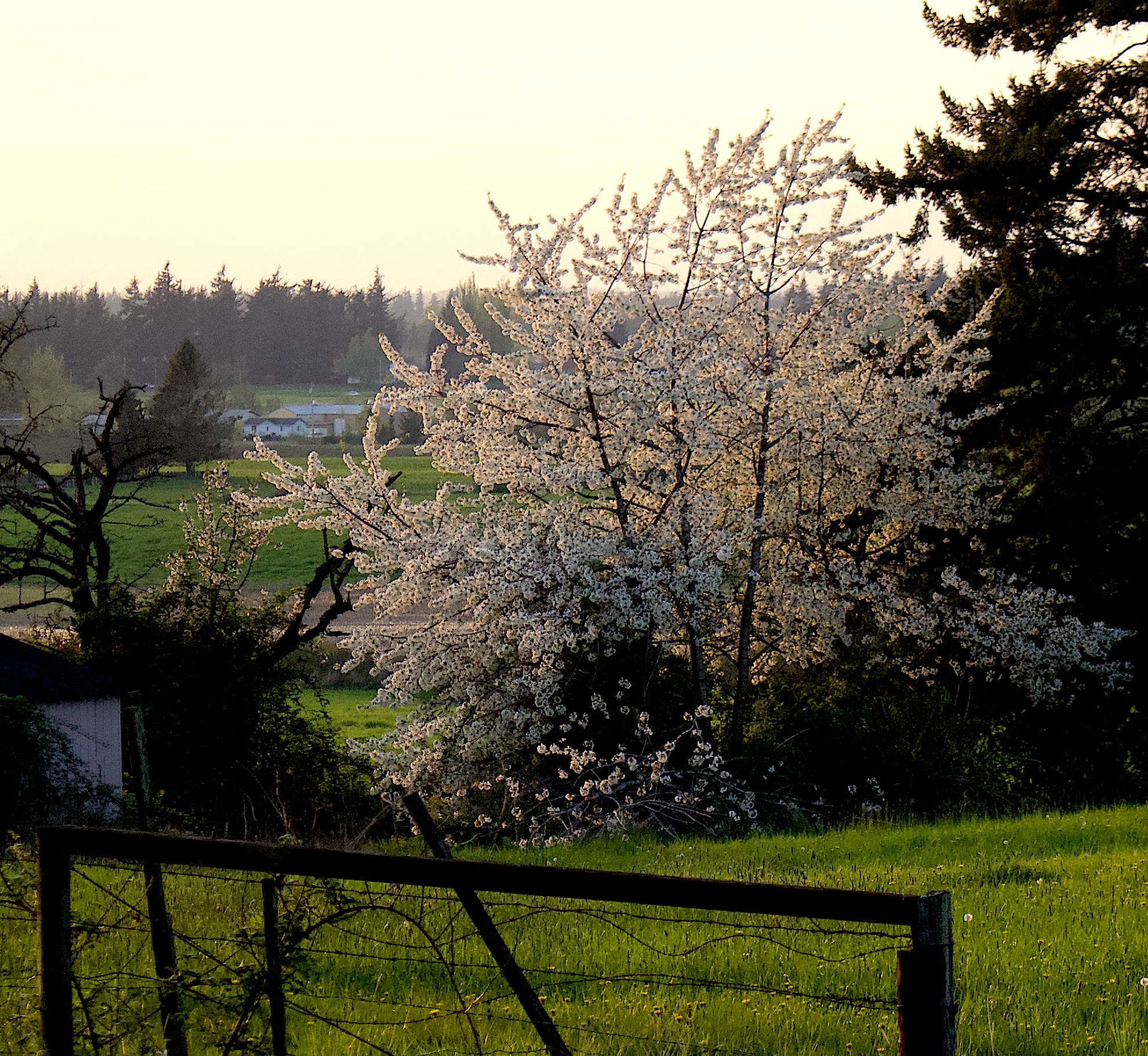
Thorn-blossom lifting in wreaths of smoke between
Where the wood fumes up and the watery, flickering rushes.
I am amazed at this spring, this conflagration
Of green fires lit on the soil of the earth, this blaze
Of growing, and sparks that puff in wild gyration,
Faces of people streaming across my gaze.
And I, what fountain of fire am I among
This leaping combustion of spring? My spirit is tossed
About like a shadow buffeted in the throng
Of flames, a shadow that’s gone astray, and is lost. ~D.H. Lawrence “The Enkindled Spring”
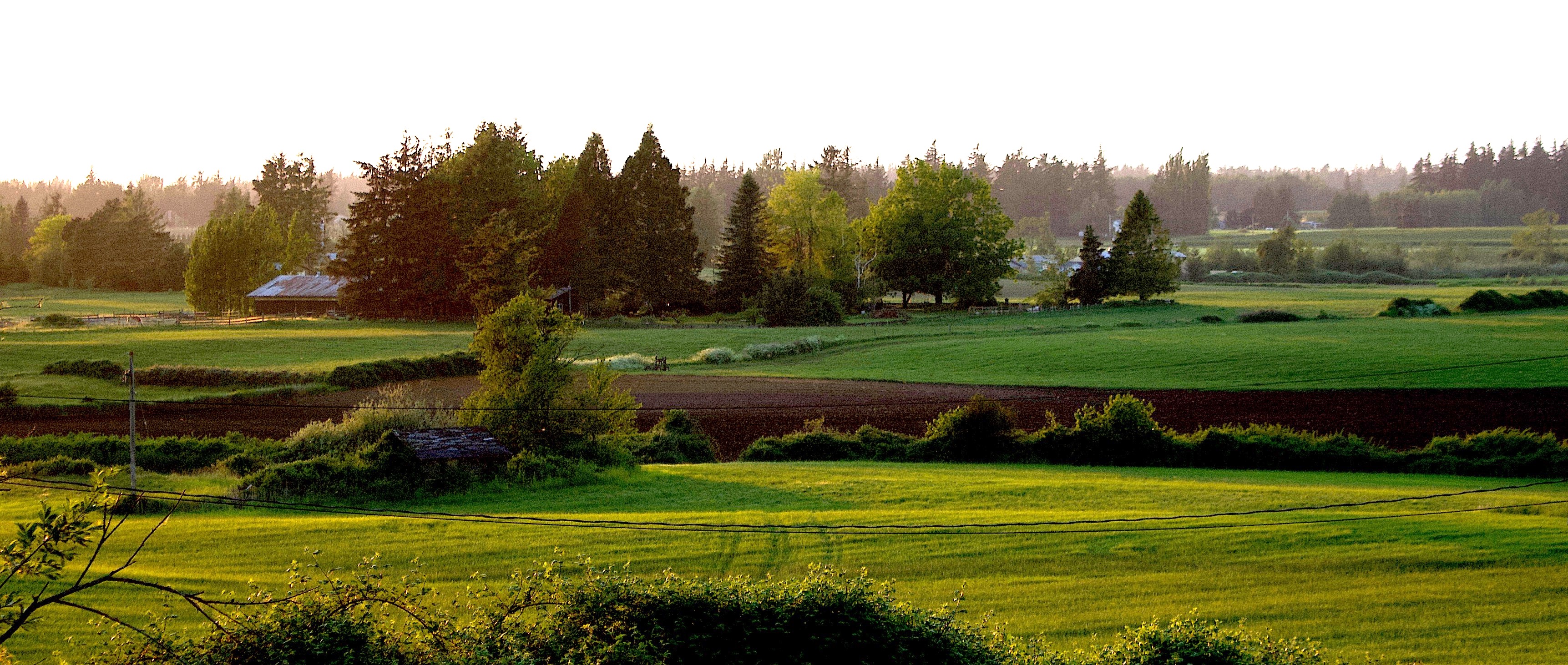
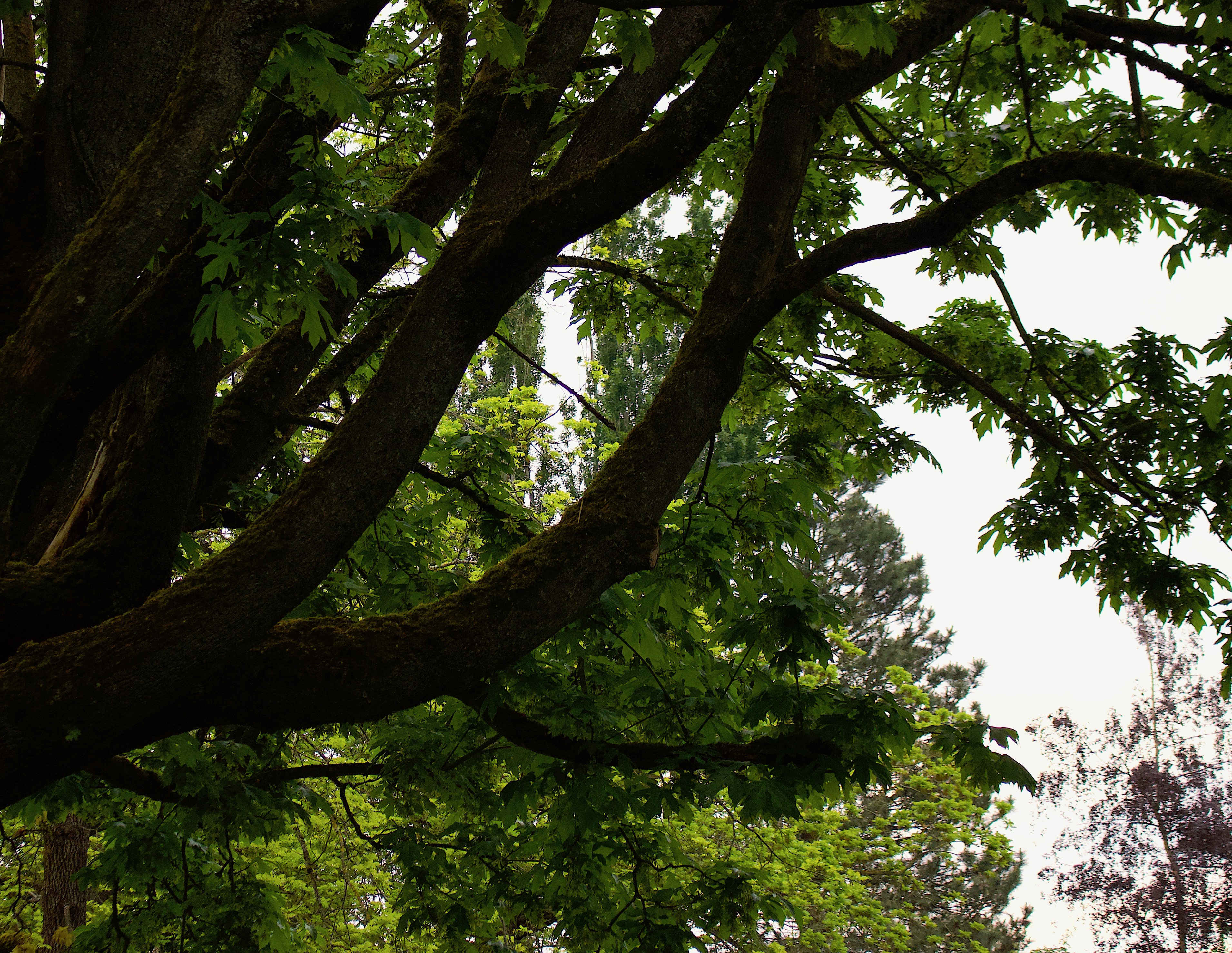
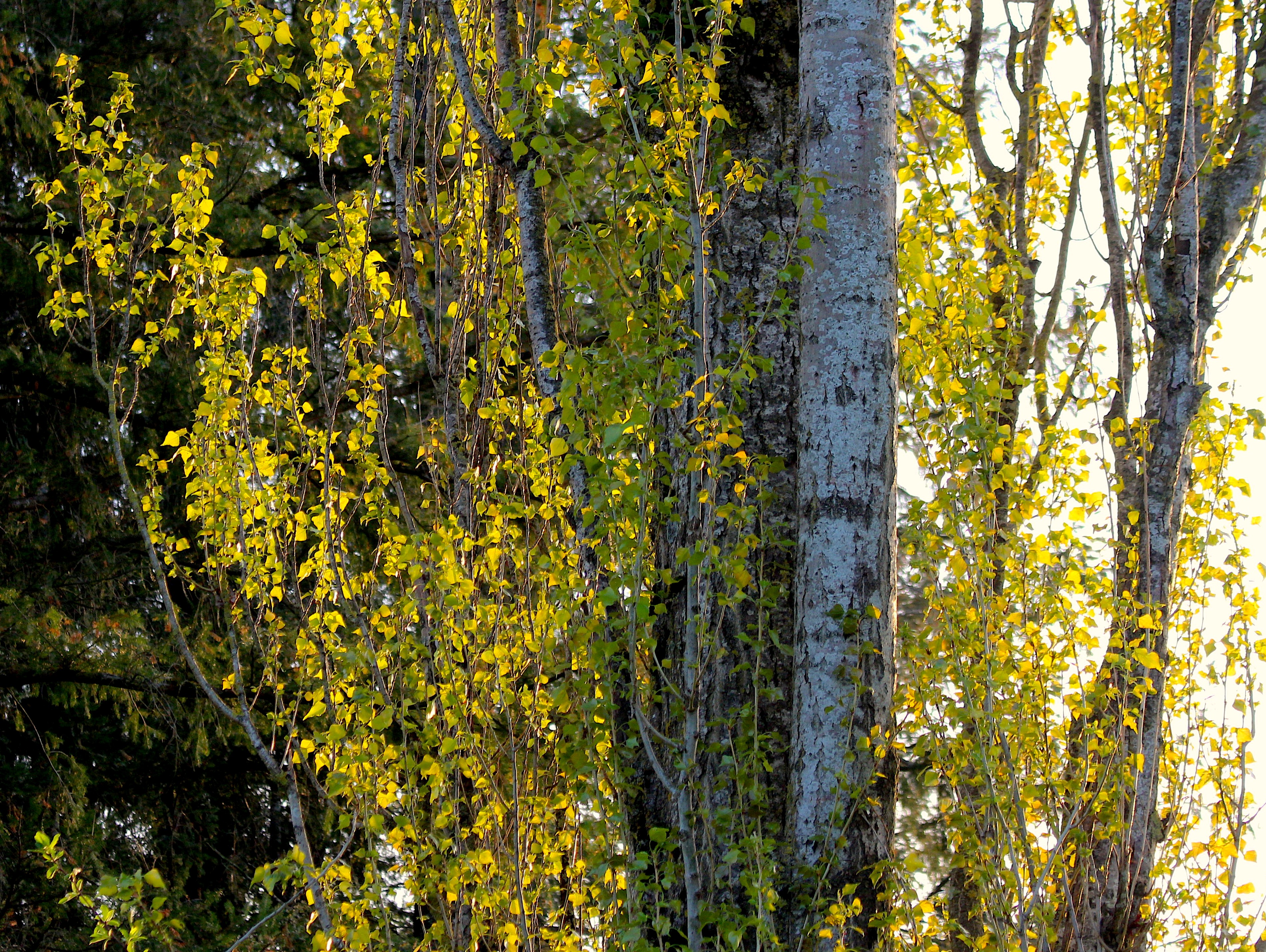
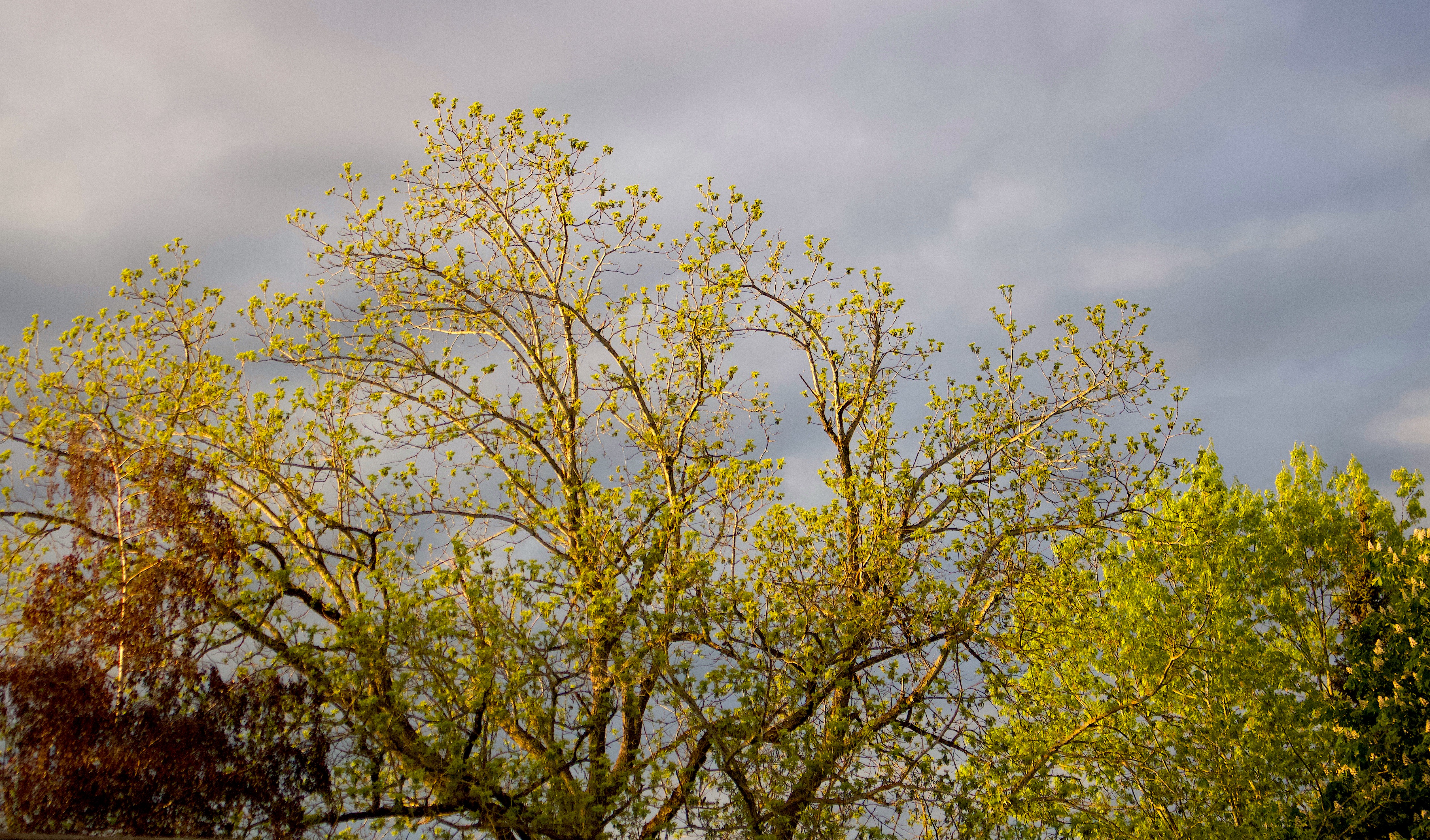
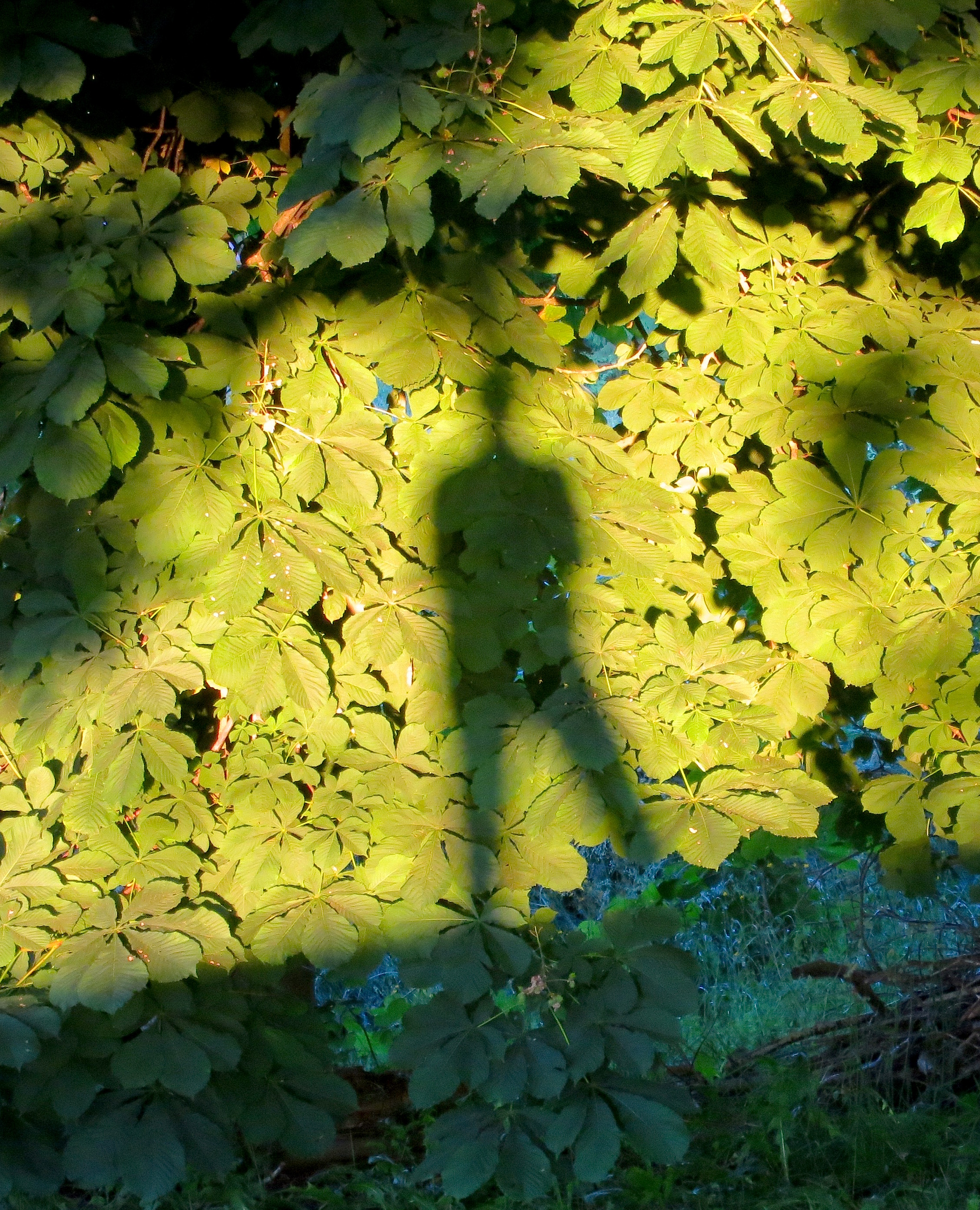
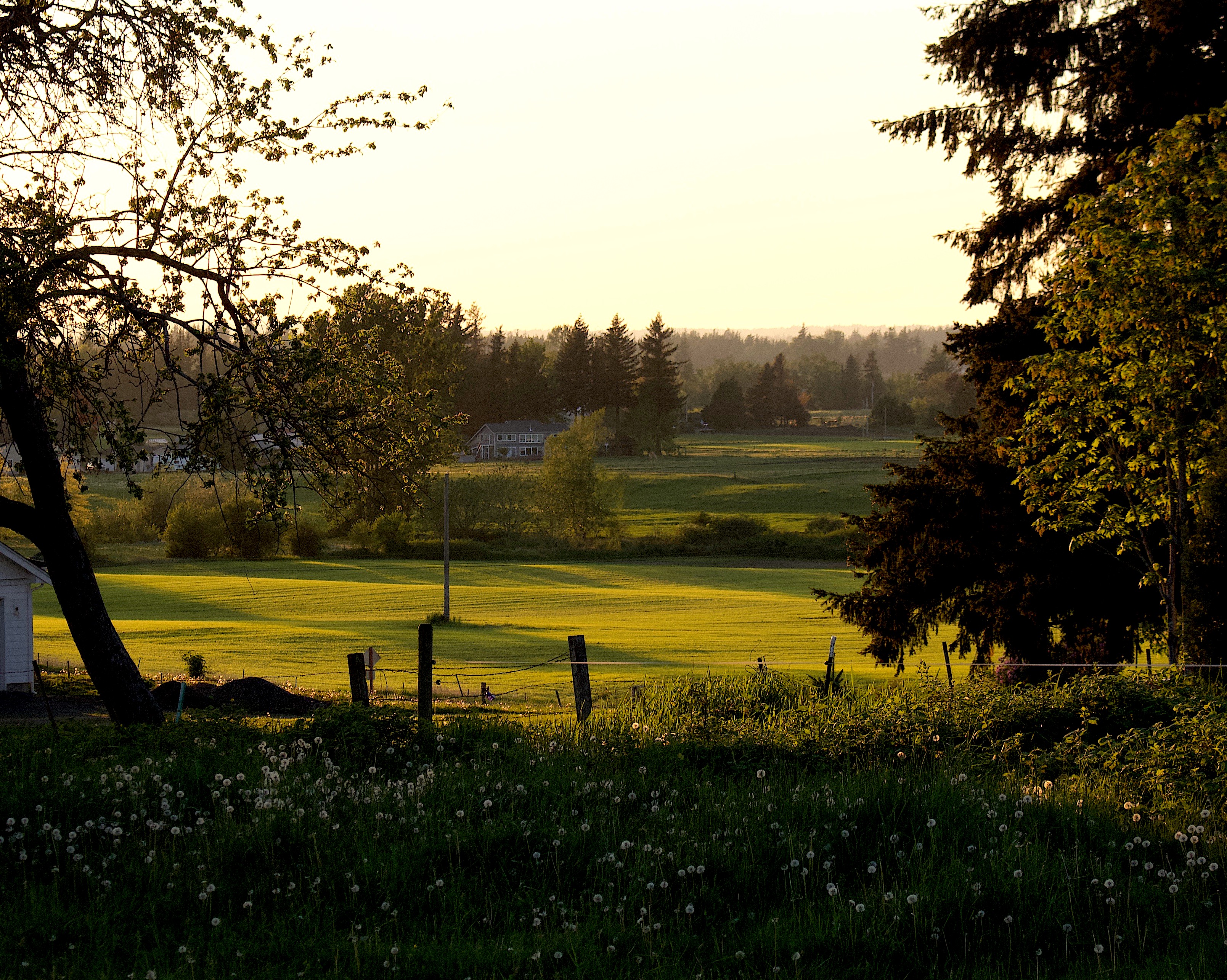
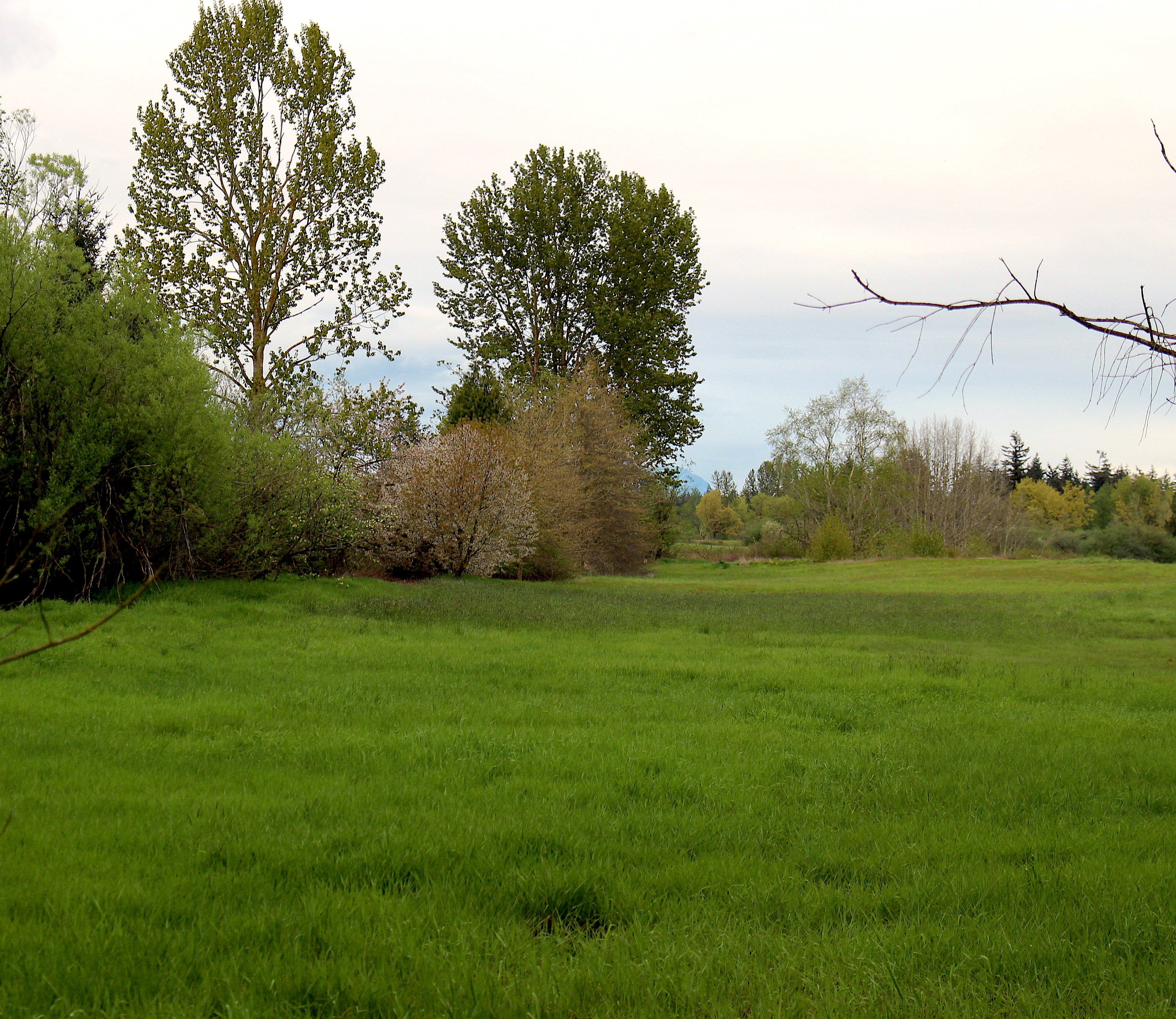
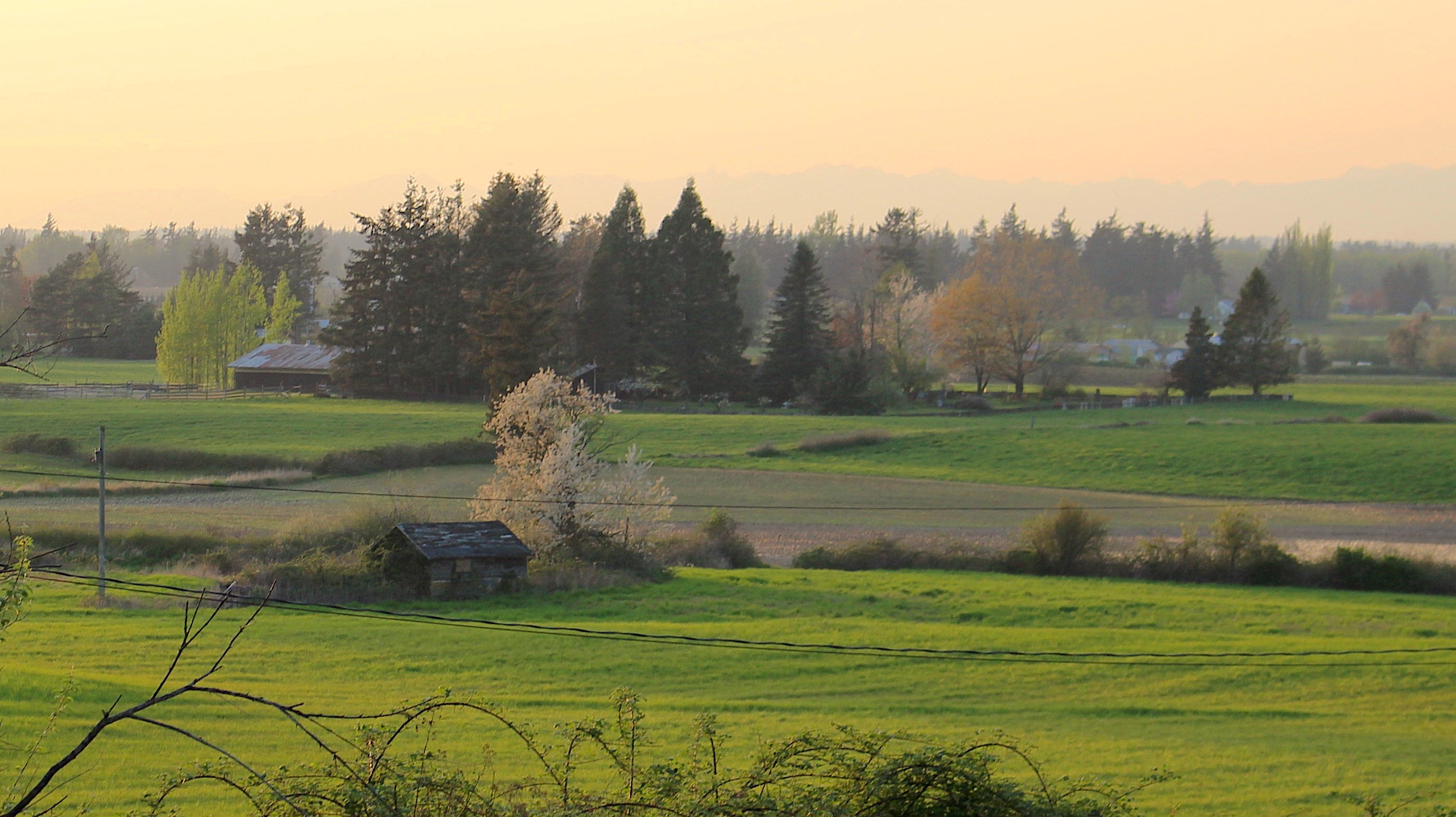
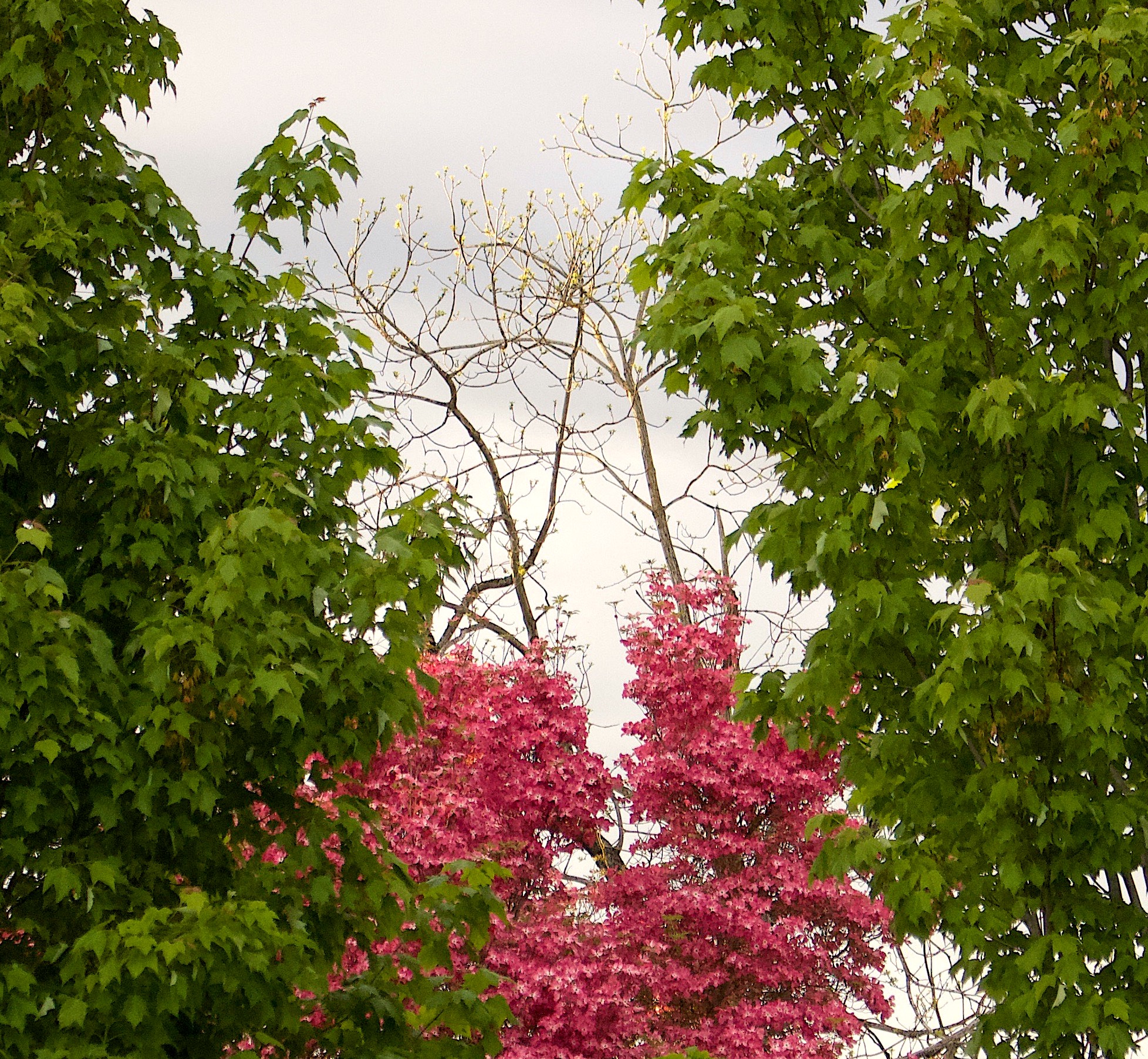
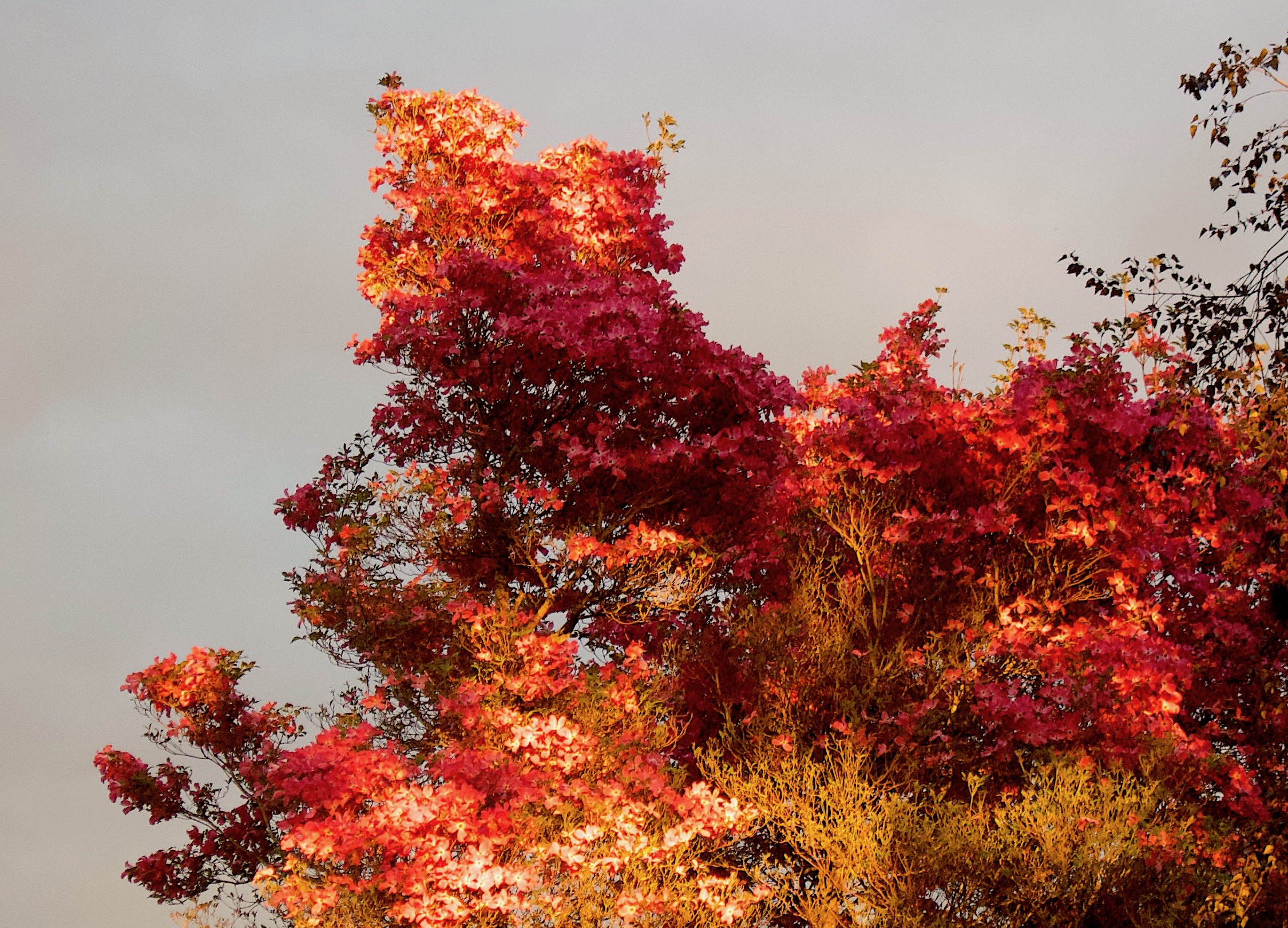
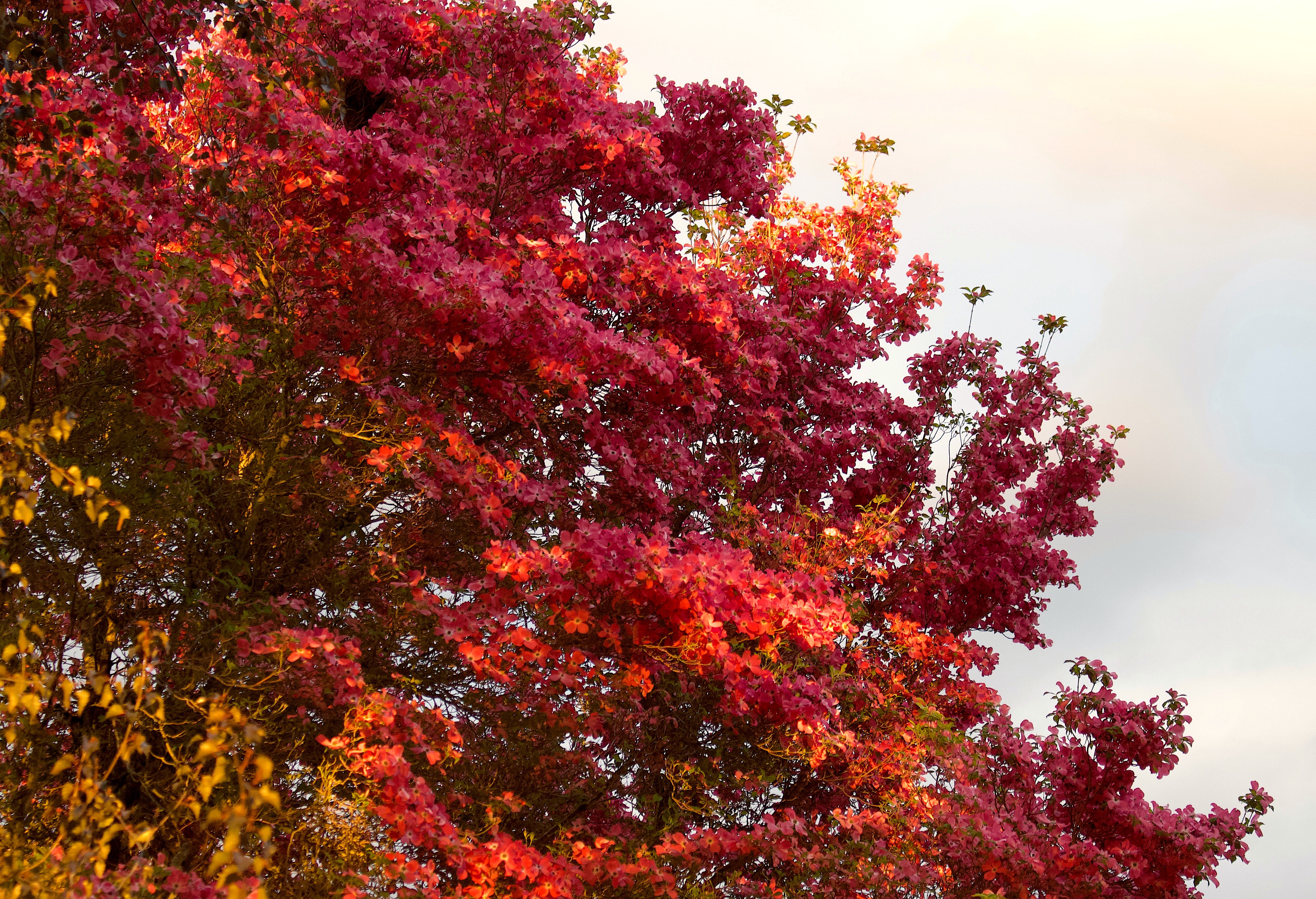
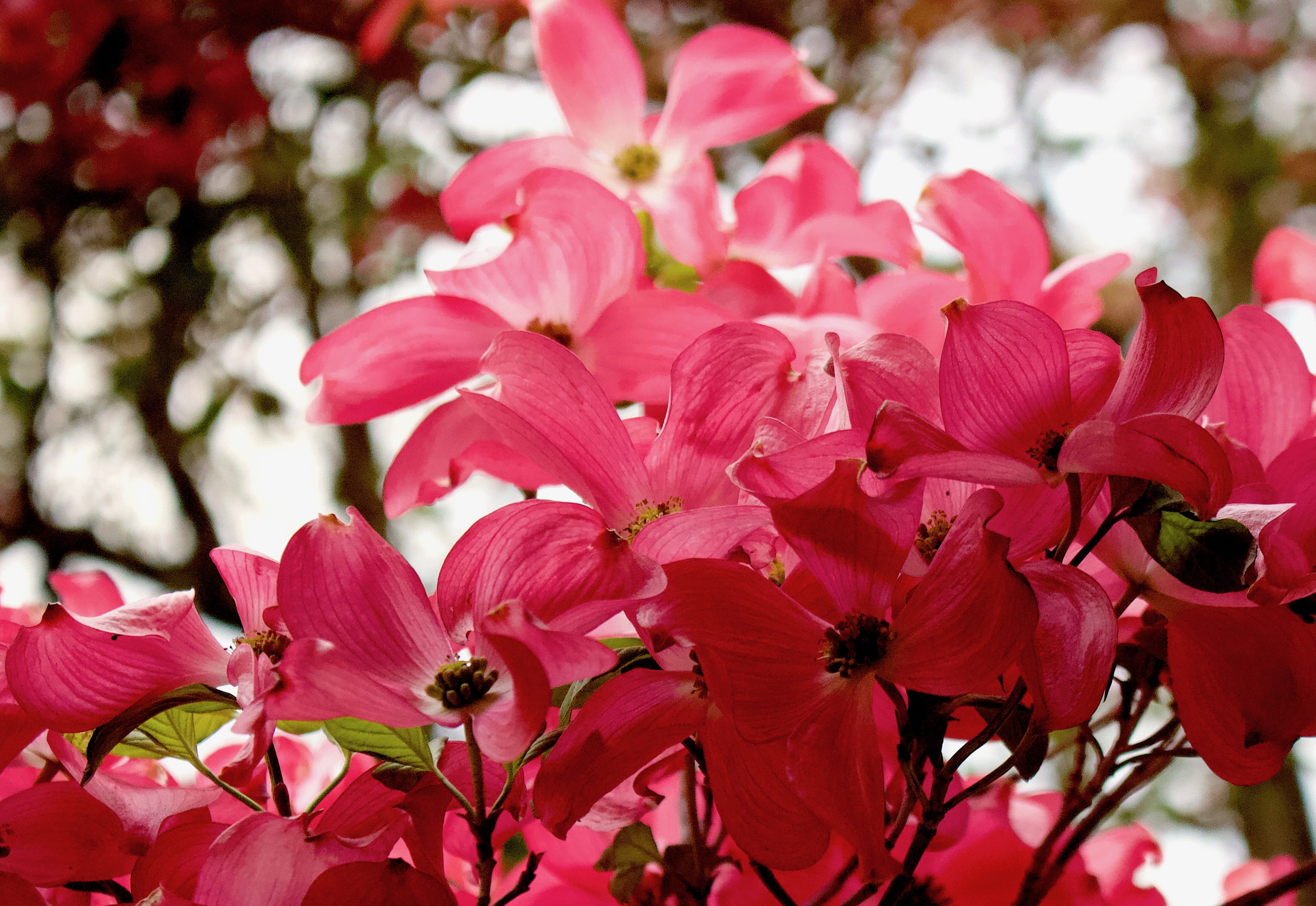
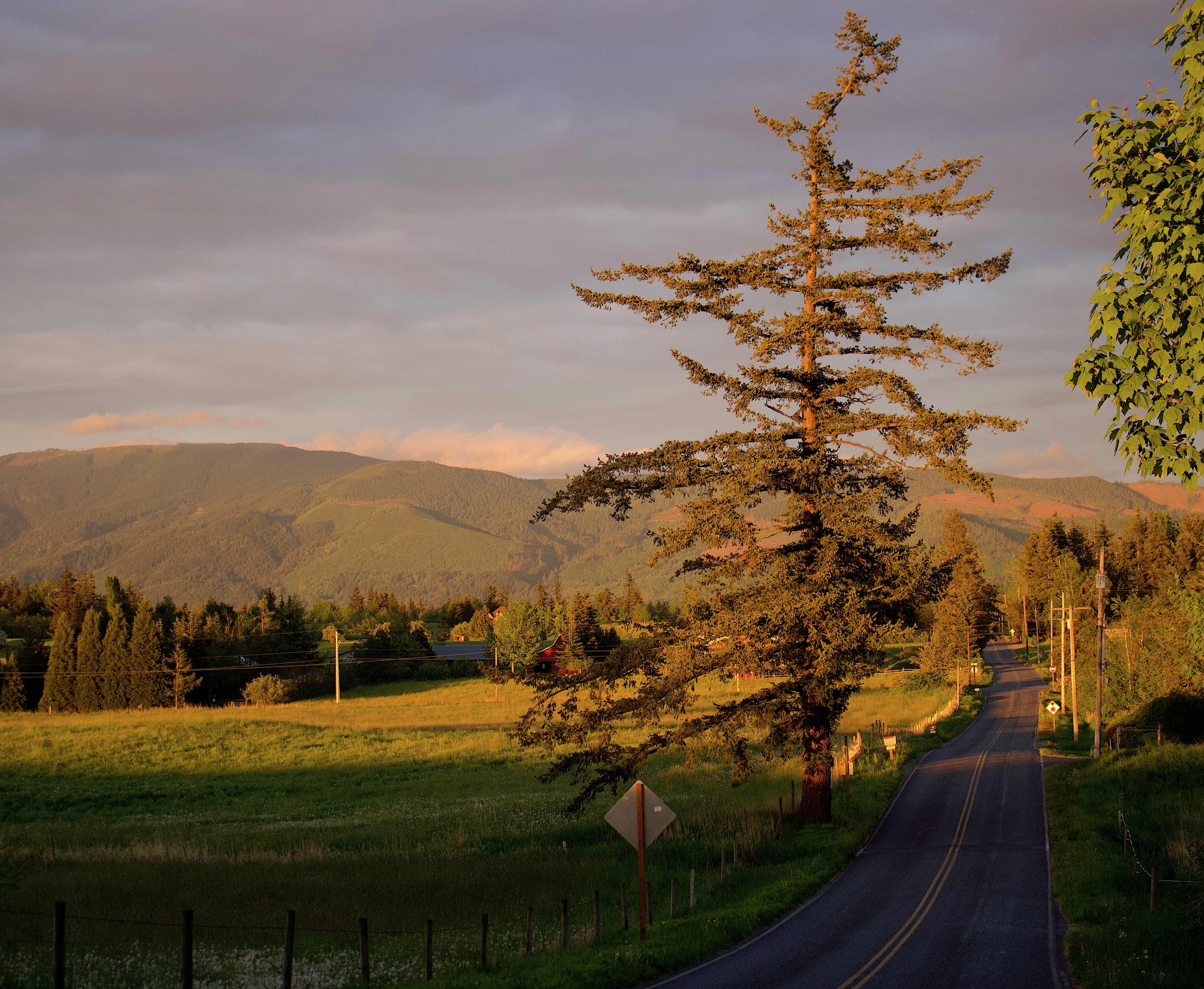
I’m a bit wary of looking out the window these days as I am so easily swept away and then am useless to accomplish anything else. The landscape is exploding with layers of color and shadow and standing too close, I too am ignited. It is impossible to witness so much unfolding life and light and not be engulfed and singed.
It lures me outside where flames of green lap about my ankles as I stroll the fields and each fresh breeze fans the fires until I’ve nothing left of myself but ash and shadow.
I will show wonders in the heavens above and signs on the earth below, blood and fire and billows of smoke. The sun will be turned to darkness and the moon to blood before the coming of the great and glorious day of the Lord. And everyone who calls on the name of the Lord will be saved.
~Acts 2:19-21 The Holy Spirit Comes At Pentecost
Come, Holy Spirit, bending or not bending the grasses, appearing or not above our heads in a tongue of flame, at hay harvest or when they plough in the orchards or when snow covers crippled firs… ~Czeslaw Milosz from “Veni Creator” inSelected and Last Poems
The world is charged with the grandeur of God. It will flame out, like shining from shook foil; It gathers to a greatness, like the ooze of oil Crushed.
And for all this, nature is never spent; There lives the dearest freshness deep down things; And though the last lights off the black West went Oh, morning, at the brown brink eastward, springs— Because the Holy Ghost over the bent World broods with warm breast and with ah! bright wings. ~Gerard Manley Hopkins from “God’s Grandeur”
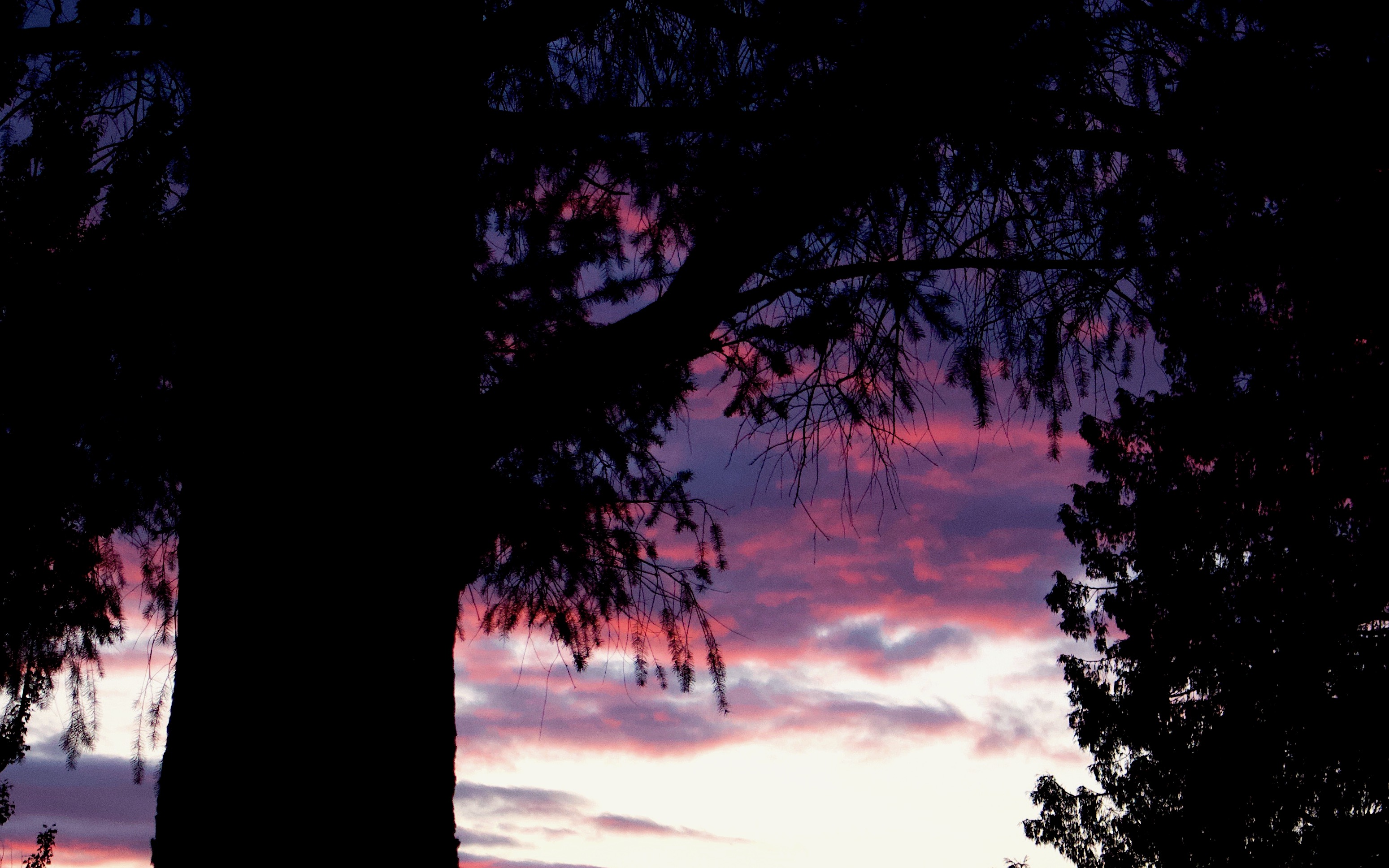
The cows munched or stirred or were still. I was at home and lonely, both in good measure. Until the sudden angel affrighted me––light effacing my feeble beam, a forest of torches, feathers of flame, sparks upflying: but the cows as before were calm, and nothing was burning, nothing but I, as that hand of fire touched my lips and scorched by tongue and pulled by voice into the ring of the dance. ~Denise Levertov from “Caedmon” inBreathing the Water
Today, when we feel we are without hope,
as mute and dumb as cattle chewing our cud,
when the bent world reels in blood and violence,
as we remain in hiding:
when faith feels frail,
when love seems distant:
We wait too stilled
for the moment we are lit afire ~
when the Living God is
seen, heard, named, loved, known
forever burning in our hearts deep down,
brooded over by His bright wings
We are His dearest, freshest
in this moment
and for eternity.
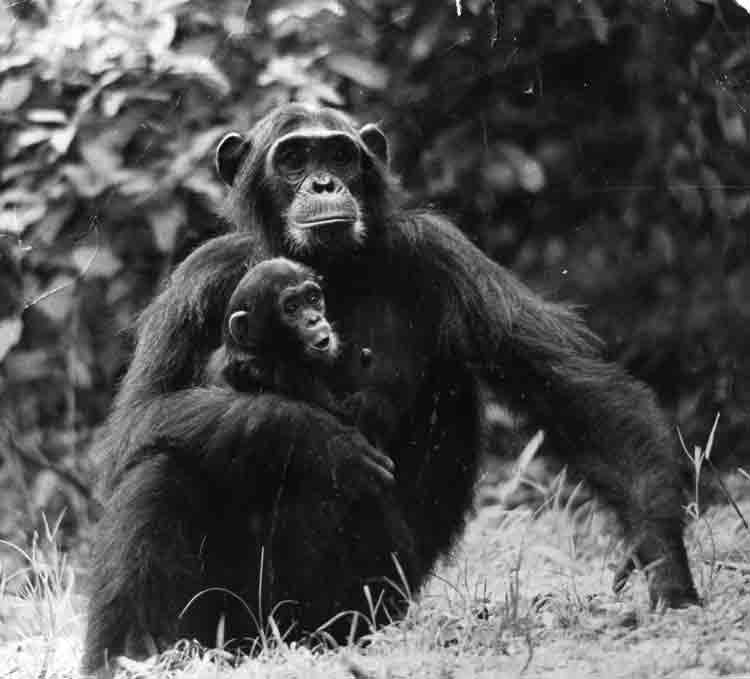
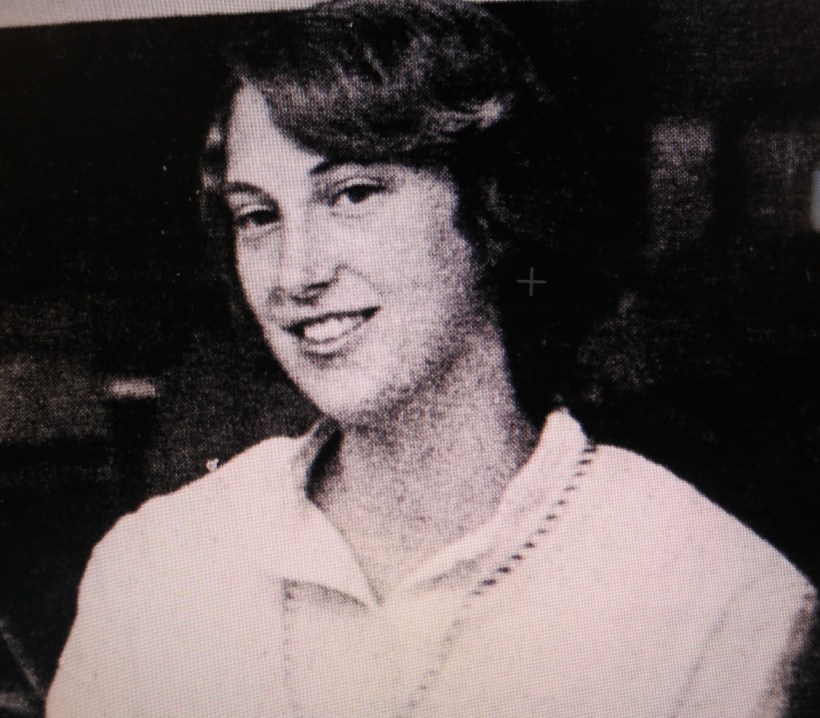
Reflecting on, and with respect for, the courage shown by Tanzanian park rangers and my kidnapped research colleagues on this unforgettable day 43 years ago — I’m reposting this again as part of my Gombe saga from when I worked as a student research assistant for Jane Goodall in western Tanzania in 1975.
At first glance, Gombe National Park in Tanzania felt like paradise—a serene piece of the earth filled with exotic and fascinating wildlife, an abundance of fish and fruit to eat, and the rich unfamiliar sounds and smells of the tropical jungle. It was a façade. It was surrounded by the turmoil and upheaval of political rebellion and insurgencies in its neighboring countries, inflamed even more by the fall of Saigon in Vietnam a month previously due to the earlier pull out of the Americans from that long and tragic war.
Only a few miles north of our research station in Gombe National Park in western Tanzania, there had been years of civil war in the small land locked country of Burundi. When the wind was just right, we could hear gunfire and explosions echoing over the valleys that separated us. Escaping refugees would sometimes stop for food on their way to villages in Tanzania to the south, seeking safe haven in one of the poorest countries in the world, only a decade into its own experiment with socialism, Ujamaa.
There was also word of ongoing military rebellion against the dictatorship of President Mobutu in the mountainous country of Zaire twelve miles west across Lake Tanganyika.
Morning comes early for field studies of wildlife, as the research day must start before the chimpanzee and baboon subjects wake up and begin to stir. Before midnight, while we slept soundly in our metal huts scattered up the mountainside, a group of armed soldiers arrived by boats to the shore of Gombe National Park.
Storming the beach huts housing two unarmed Gombe park rangers and their families, the soldiers seized one and demanded to be told where the researchers were. The ranger refused to provide information and was severely beaten about the head and face by the butts of the rifles carried by the invaders. The armed soldiers then divided into smaller groups and headed up the trails leading to the huts, coming upon four sleeping student researchers, tying them up, taking them hostage, forcing them into boats and taking them across the lake back to Zaire.
Asleep farther up the mountain, we were wakened by other researchers who were fleeing, hearing the commotion. No one really understood what was happening down lower on the mountain. There were shouts and screams, and gun shots had been heard. Had someone been injured or killed? There was no choice but to run and hide deep in the bush at a predetermined gathering spot until an “all clear” signal was given by the rangers.
We hurried along barely familiar trails in the black of the jungle night, using no flashlights, our hearts beating hard, knowing we had no defense available to us other than the cover of darkness.
That was the longest wait for morning of my life, sitting alongside Jane holding her son Grub. A hand full of other students had also made their way to the hiding spot, none of us knowing what to think, say or do. We could only barely see each other’s faces in the darkness and were too frightened to make any sounds. We carried no weapons, and there was no way to communicate with the outside world. We had no idea how many of us may be missing, or possibly dead.
Jane held Grub in her arms, endeavoring in vain to keep him quiet, but his eight year old imagination was ignited by the events that had just unfolded.
“Will they kidnap me, Jane? Will they come for me? Where will they take us? Will they shoot us dead?”
Jane, her face hidden by her blonde hair loose about her shoulders, sat rocking him, cradling him. “Shhh, shhh, we don’t want them to find us. We’re safe staying right here. Everything will be fine in the morning. No one will take you from me.”
Grub began to sob silently into her shoulder.
When the morning of May 20 dawned, the park rangers located us, and pieced together the events as best they could–the soldiers were Zairean rebels living in remote mountains, fighting an insurgency against the Zaire government. Seeking funds for their cause, they saw a kidnapping of Americans and Europeans as a way to raise quick funds and world publicity and sympathy. Four of our friends/coworkers were missing, the camp was ransacked and the rangers beaten but with no life threatening injuries. There was no way to remain safe at the Park, and our colleagues needed whatever help we could offer for their rescue.
We were able to send a messenger to a nearby fishing village, and a radio call was sent out to the small town of Kigoma, then relayed to Dar Es Salaam and Nairobi. Help arrived within a few hours, when a United Nations boat monitoring the civil war activities in Burundi pulled off shore near our camp. We were told we needed to evacuate Gombe that day, and would be taken to Kigoma, and then flown by bush pilot to Nairobi, Kenya to cooperate in the investigation of the kidnapping.
In Nairobi, at the US Embassy, I met CIA agents who viewed our wild primate studies with suspicion. Each of us were grilled individually as to our political beliefs, our activities at the camp and whether we may be somehow involved in subversive actions against the Zaire or Tanzanian governments. We were dumbfounded that our own countrymen would be so skeptical about our motives for being in Africa. It became clear our own government would be no help in resolving the kidnapping and bringing our friends home to safety. The agents did not shed any light on whether they knew our friends were alive or dead.
We were then hustled into a press conference where we were interviewed for television and print media by the worldwide news agencies, and my parents saw me on the CBS evening news before they actually heard my voice over the phone. I flew back to Stanford the next day, spending 24 hours on a plane that made six stops up the coast of West Africa on its way back west, to tell what I knew to Stanford President Lyman and other administration officials as they prepared a plan to locate and free the students. I then returned home to Washington state to await any news that came too slowly from a place so far away that I remain astonished to this day that I was ever there at all.
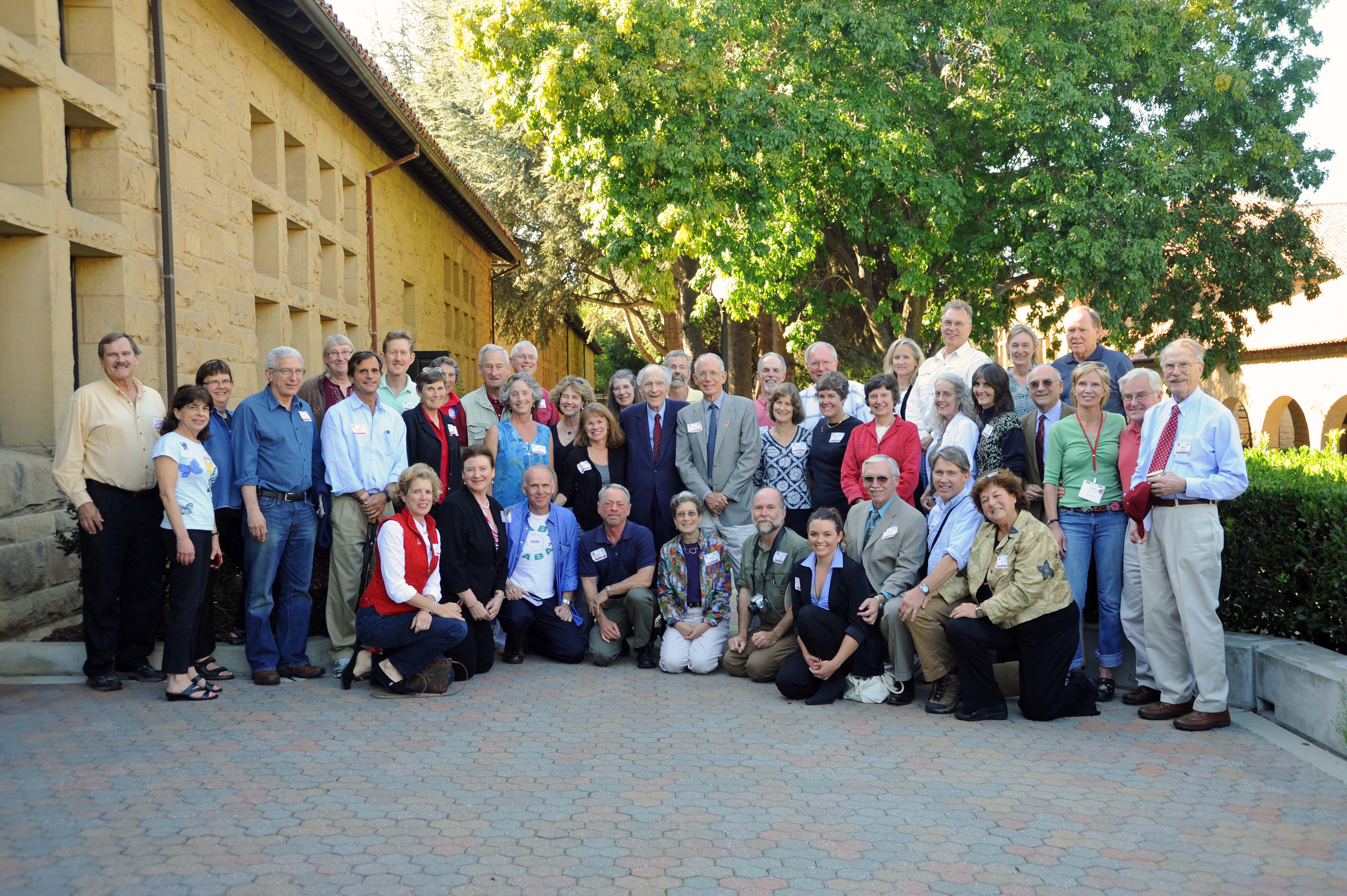
It took over three months, private negotiations and ransom money to free all four of our friends back to safety. They remain close to each other and the remarkable man who helped free them, Dr. David Hamburg. We have had several reunions together over the years to remember those days of living in a place that at one time seemed like paradise.
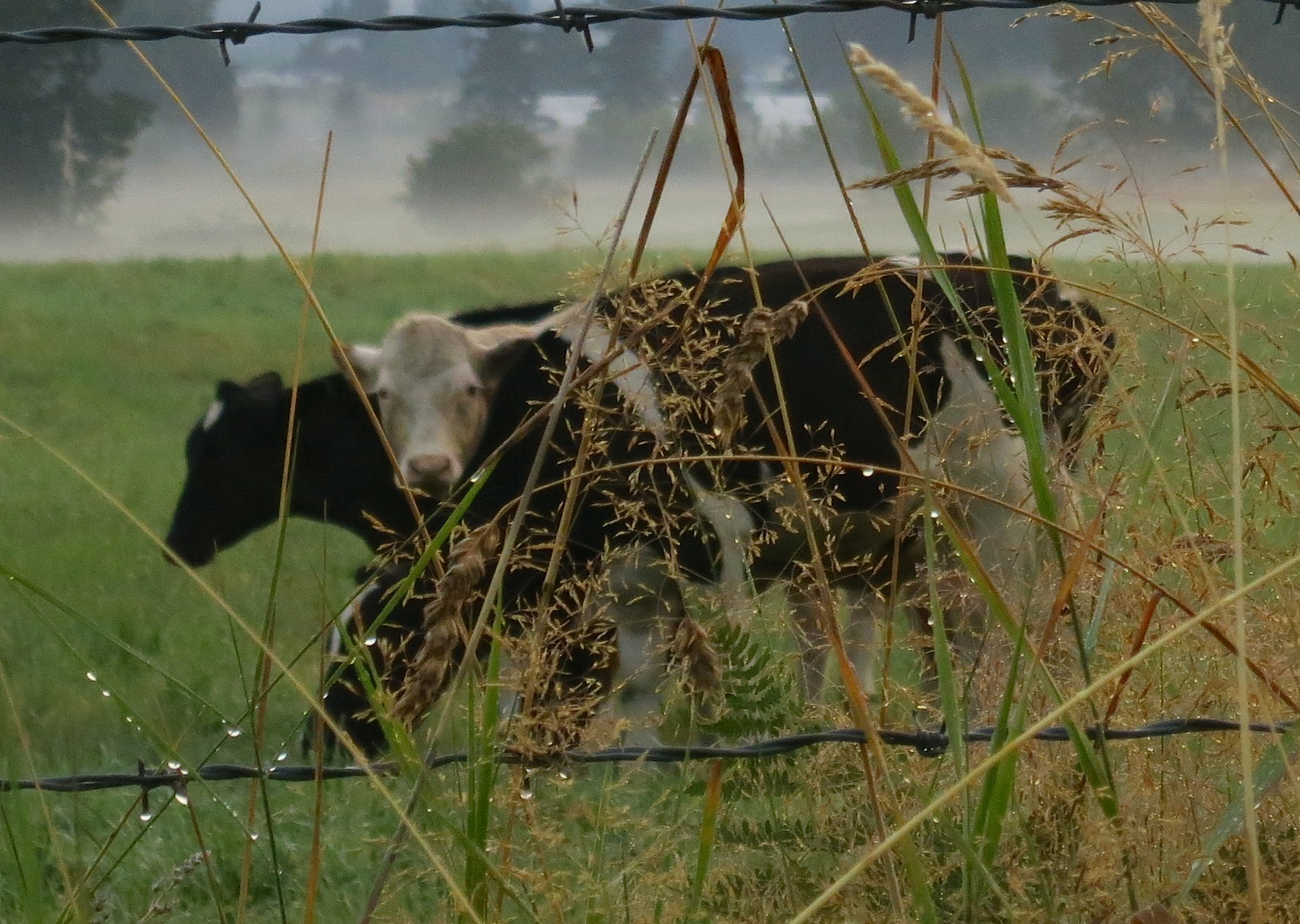
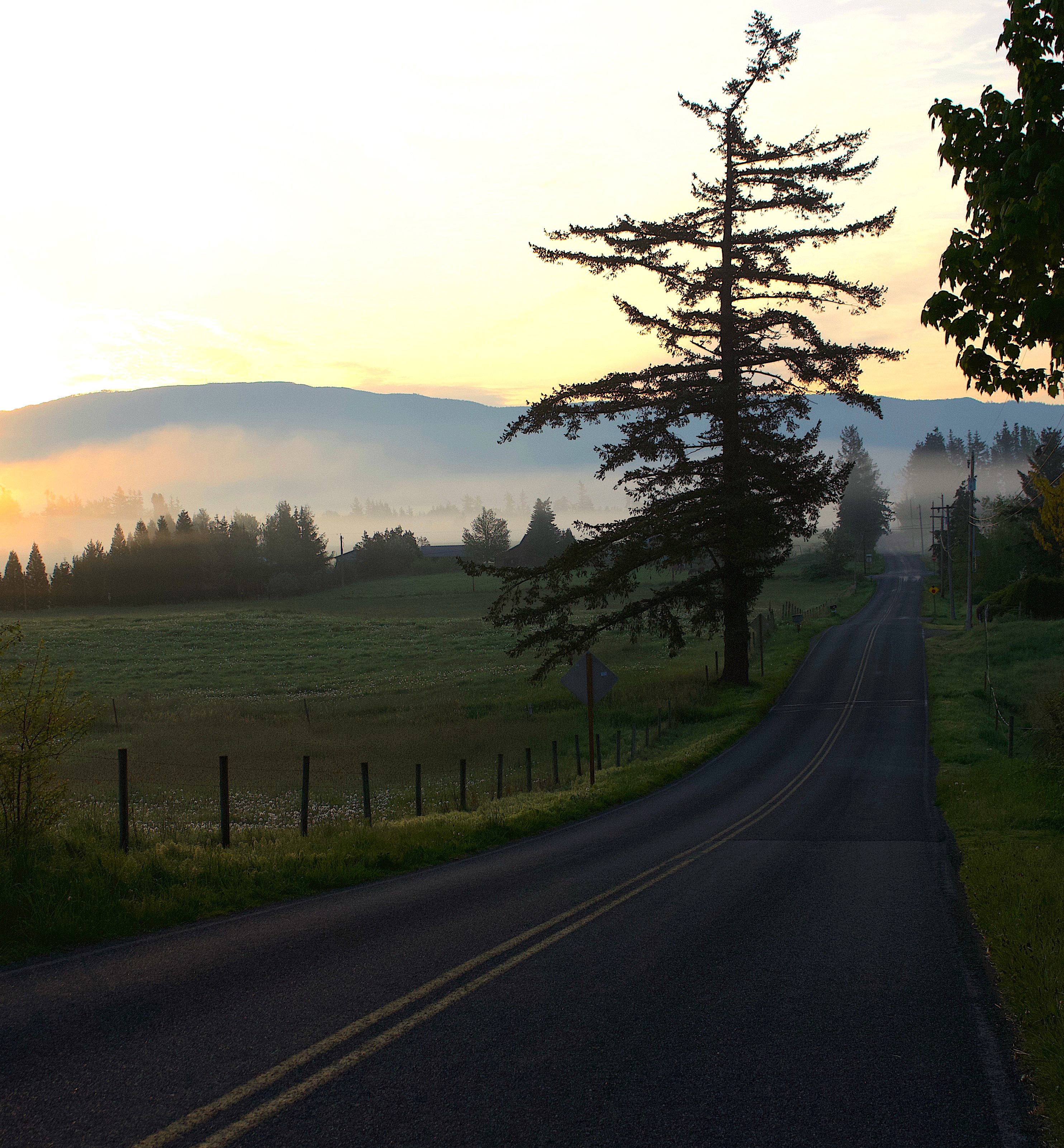
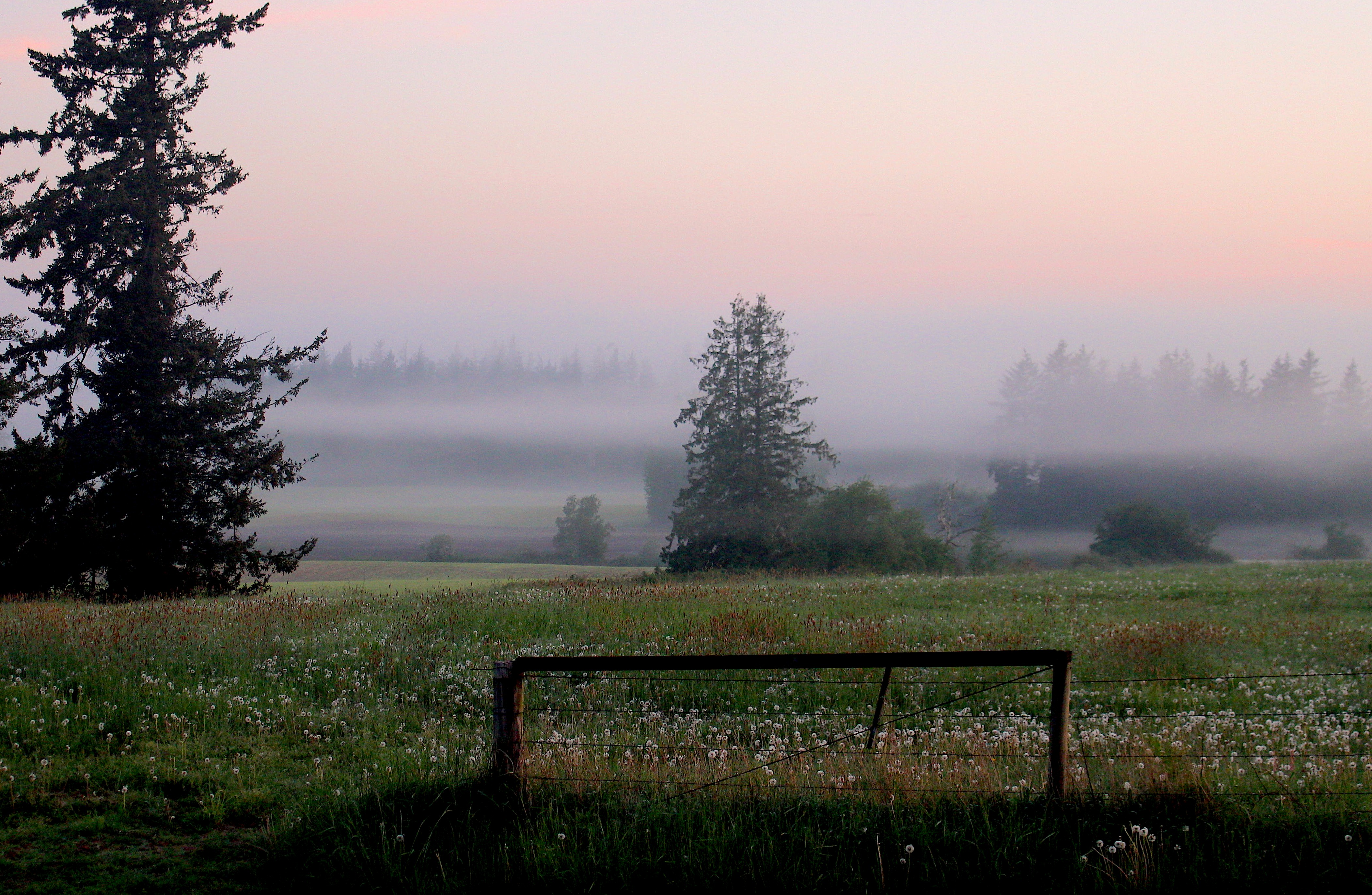
Green hills, embroidered mist, rich rising ridge fog filled plunging fields cattle, black, weightless rise poised from bare bank grazing the grass of heaven ~Steven Federle
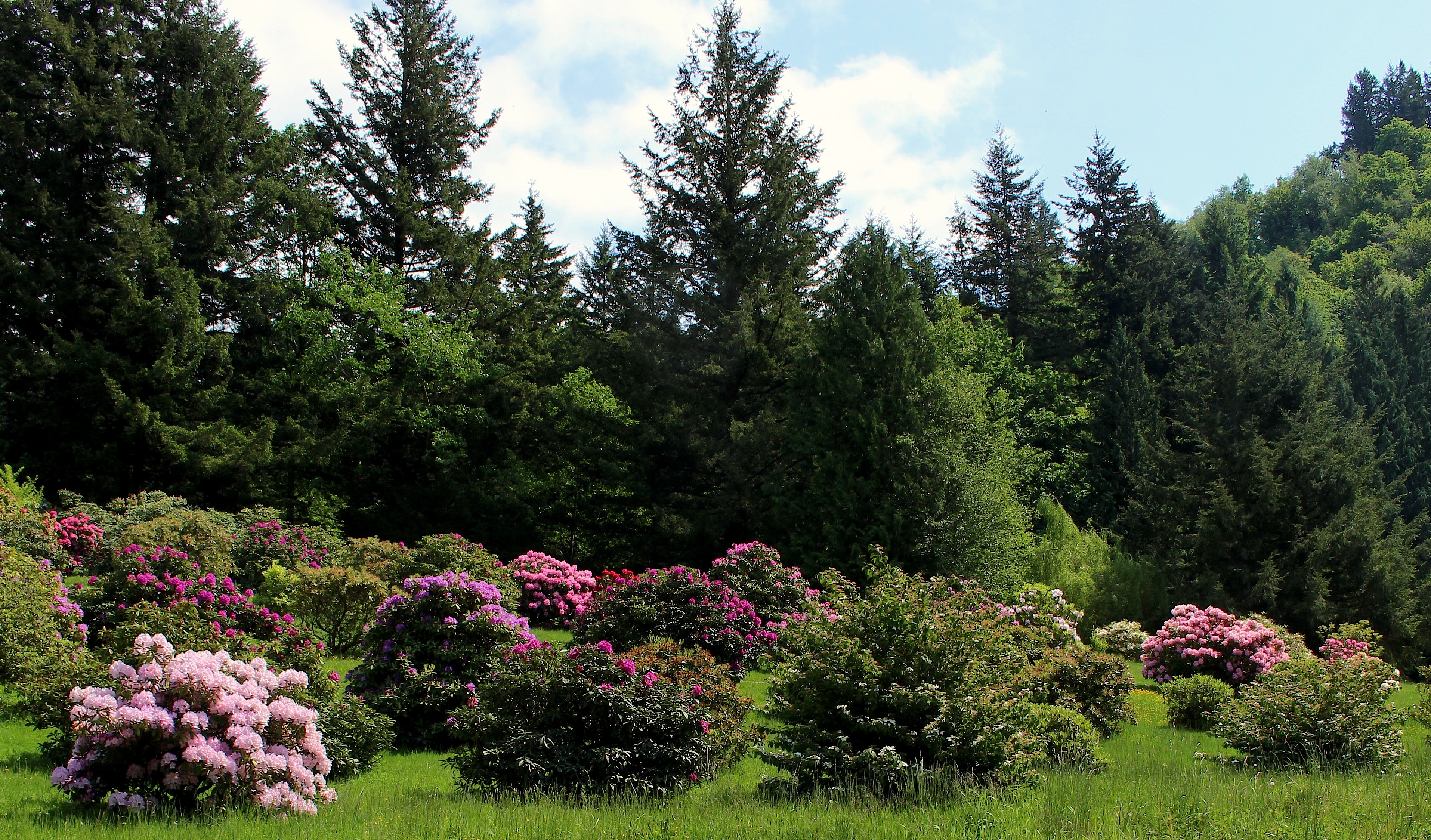
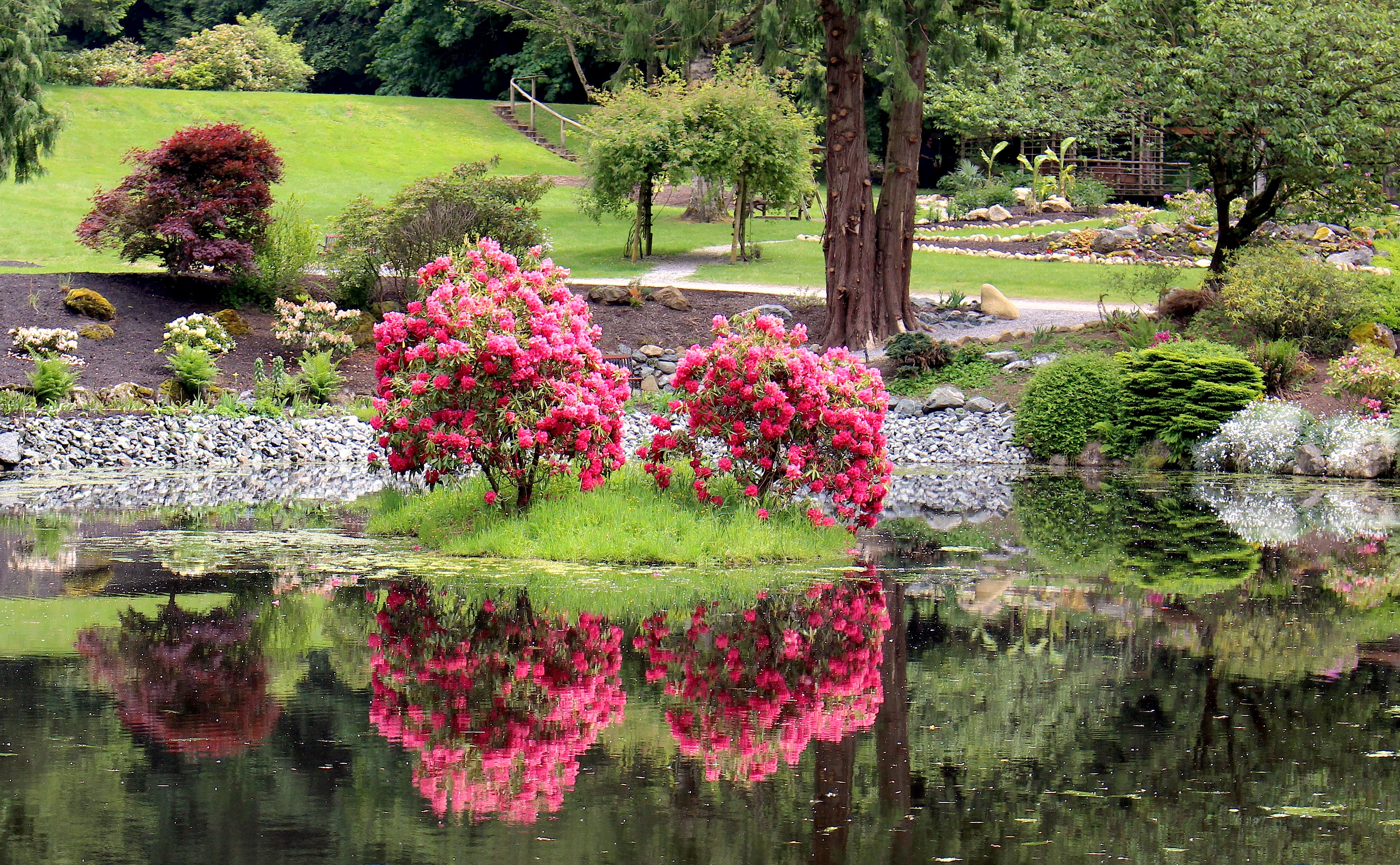
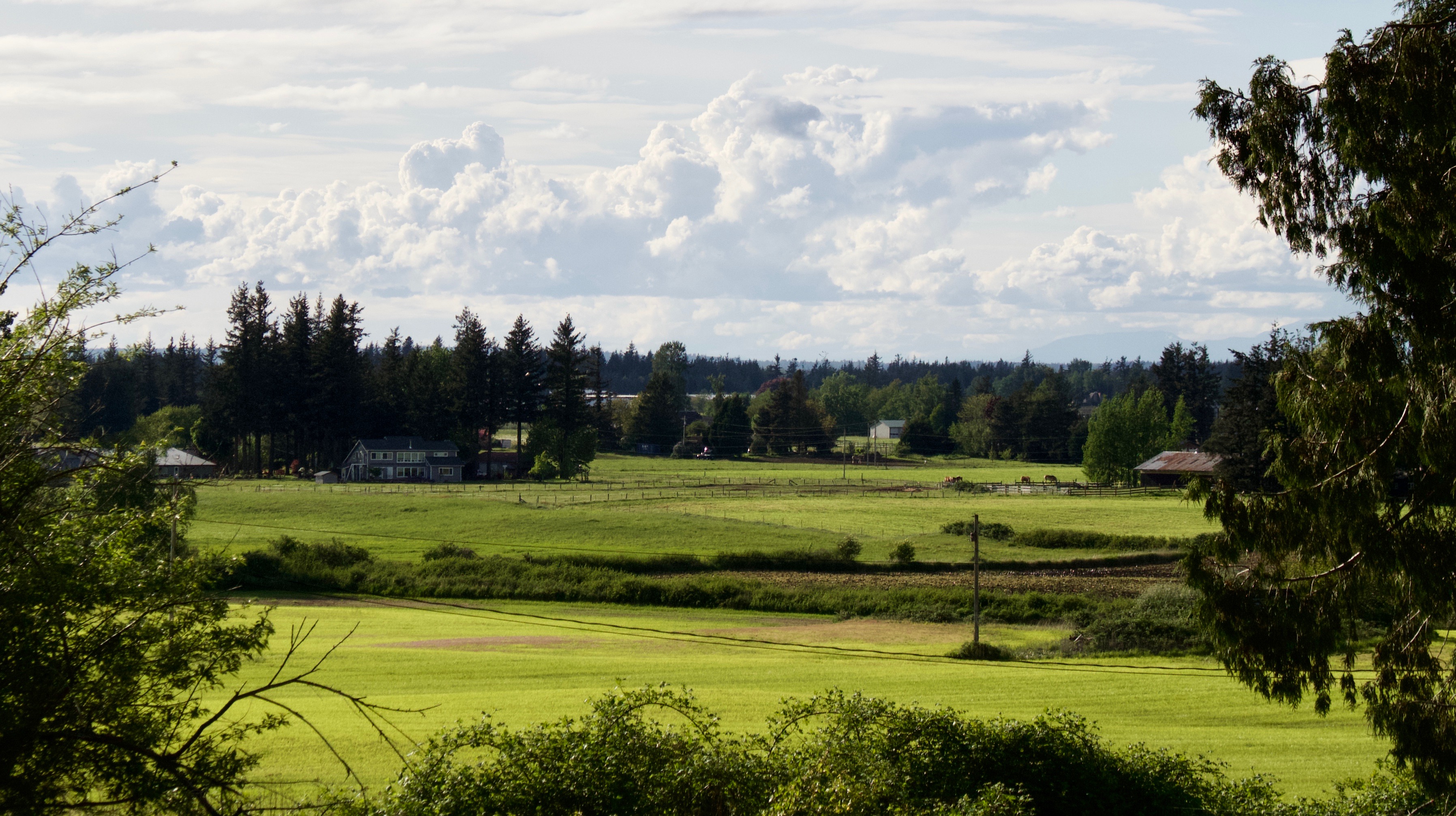
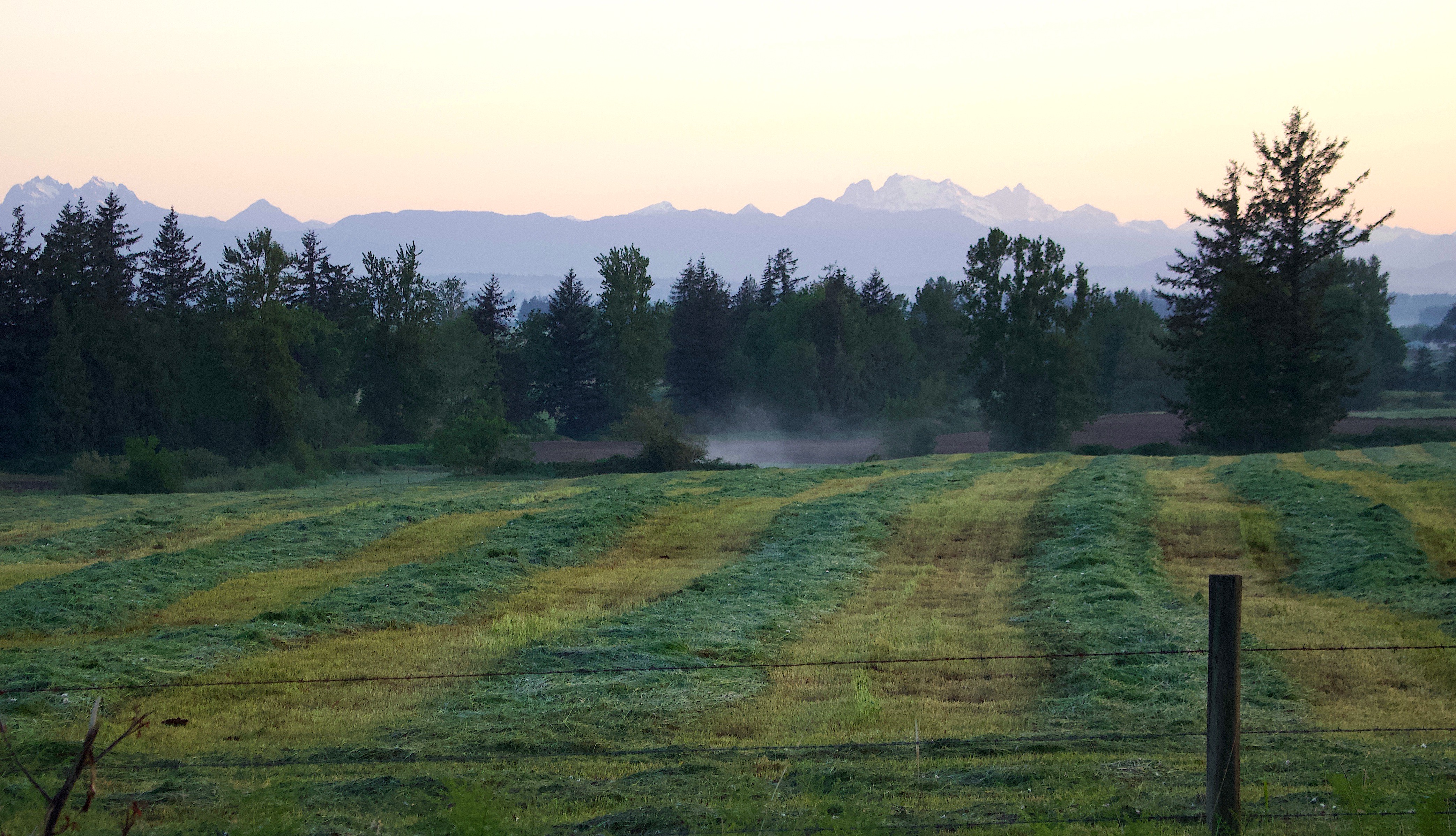
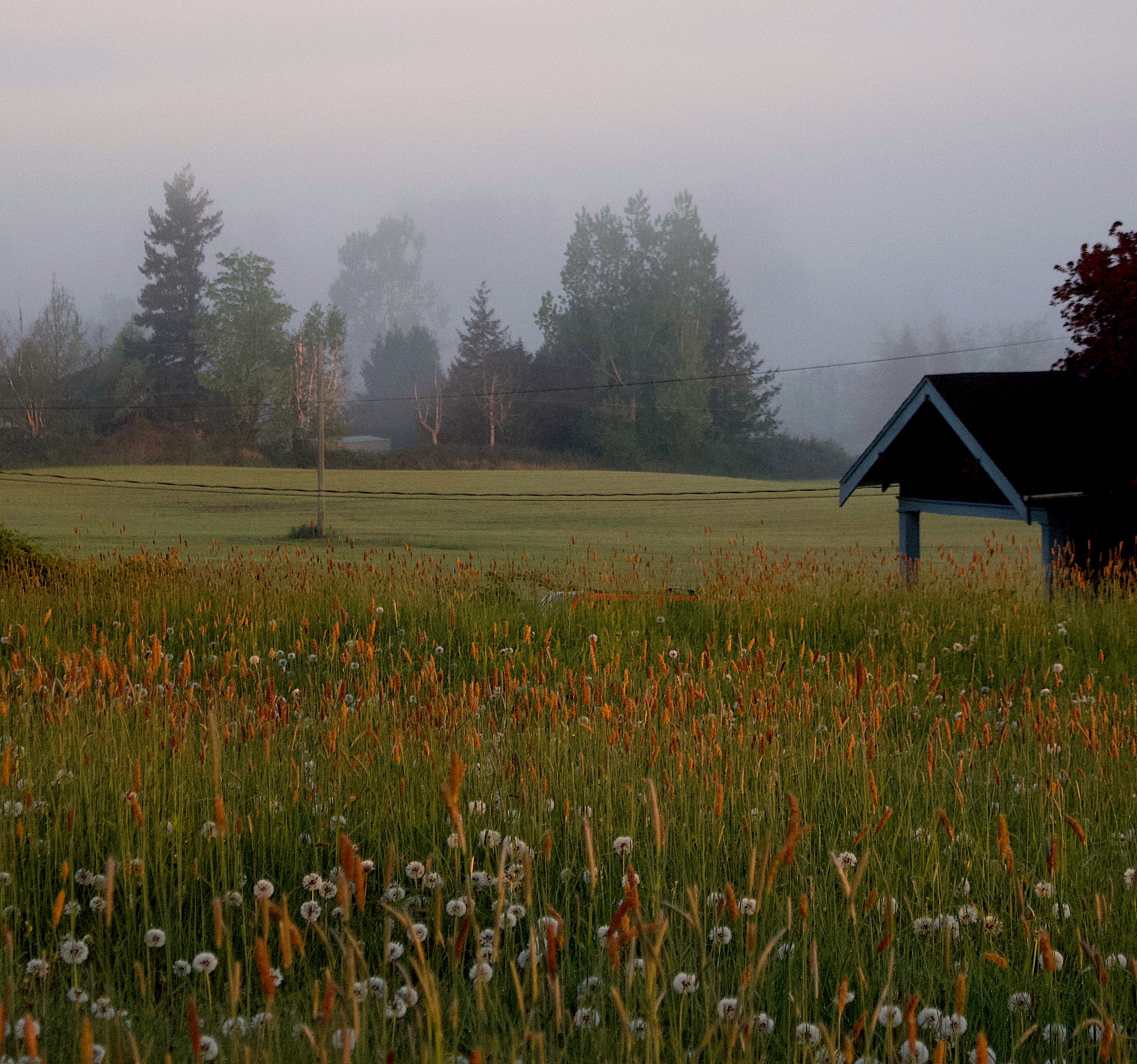
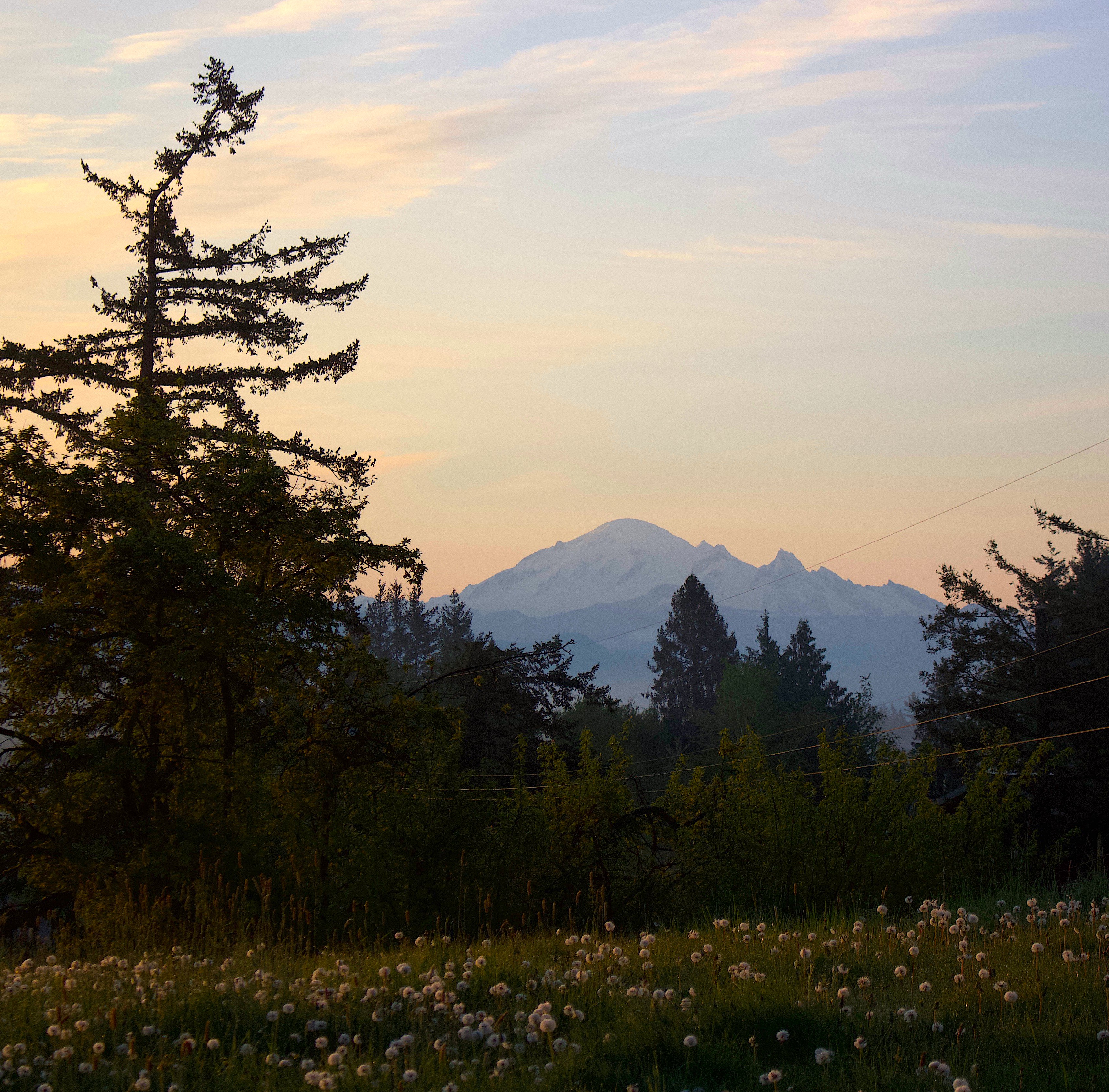
May is always an overwhelming time of year – my senses work overtime with the feel of cool air mornings and evenings, the fragrance of blossoms everywhere, the dawn chorus of birdsong and the nightly coyote choir and peeper swamp symphony, the softness of mist rising from warm ground and the explosion of green – everywhere.
We are happily drowning in green – so much to be done quickly: mowed, gathered, stored, treasured.
Surely heaven too is mostly green. It can be no other.
In the meadow-grass
The innocent white daisies blow,
The dandelion plume doth pass
Vaguely to and fro, –
The unquiet spirit of a flower That hath too brief an hour. ~Ellen Mackay Hutchinson Cortissoz
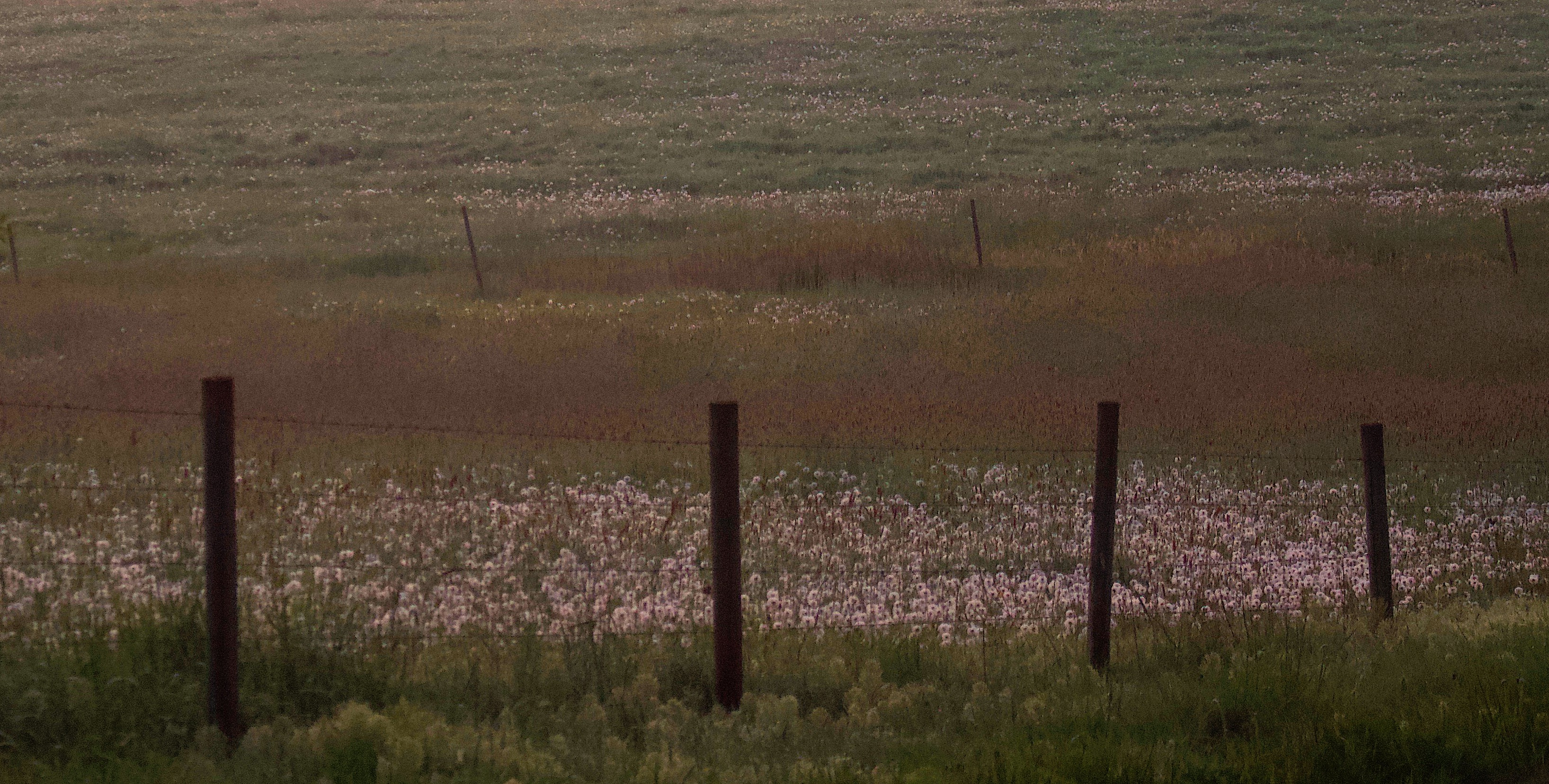
Tis May; and yet the March flower Dandelion Is still in bloom among the emerald grass, Shining like guineas with the sun’s warm eye on– We almost think they are gold as we pass, Or fallen stars in a green sea of grass. They shine in fields, or waste grounds near the town. They closed like painter’s brush when even was. At length they turn to nothing else but down, While the rude winds blow off each shadowy crown.
~John Clare
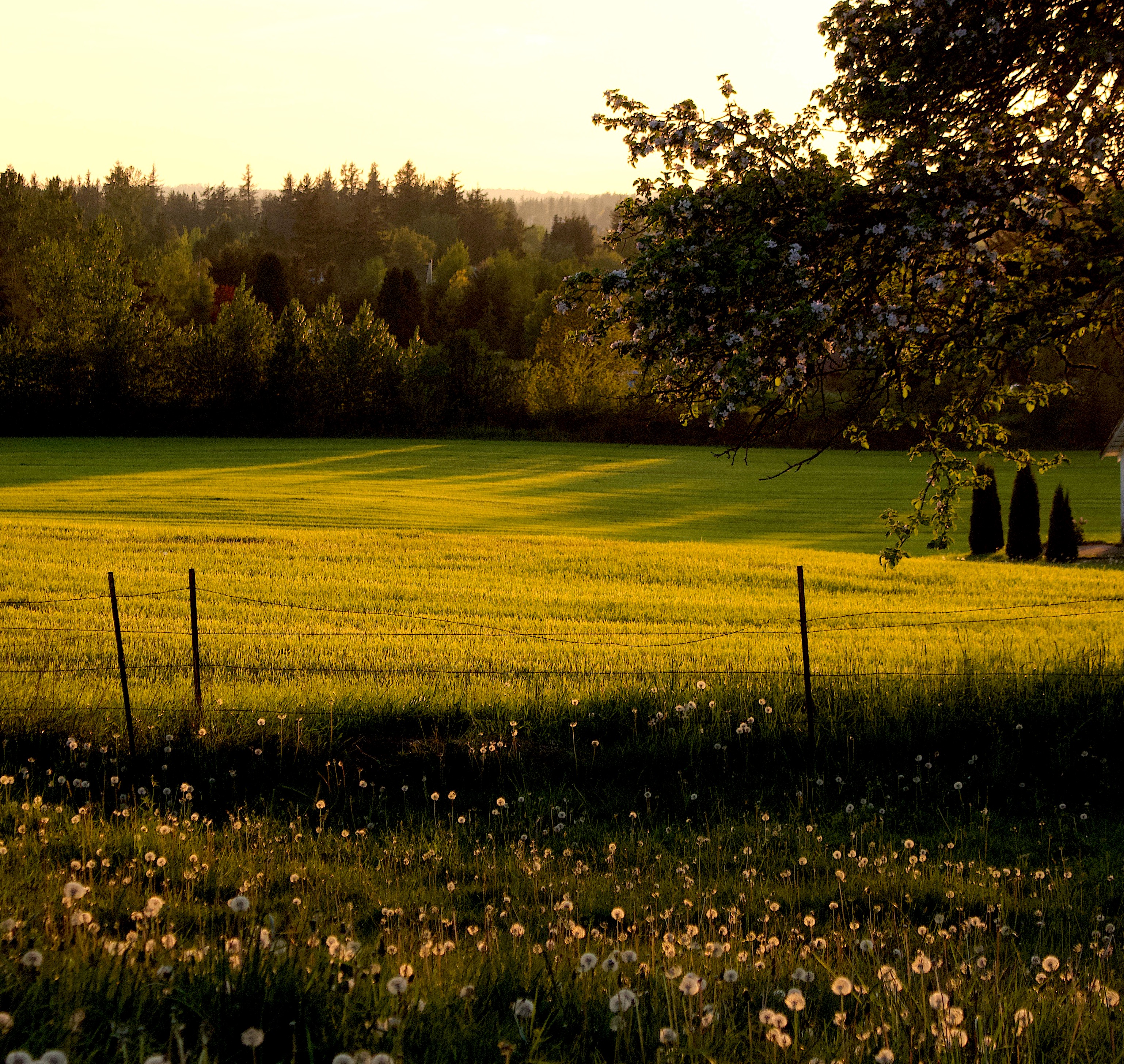
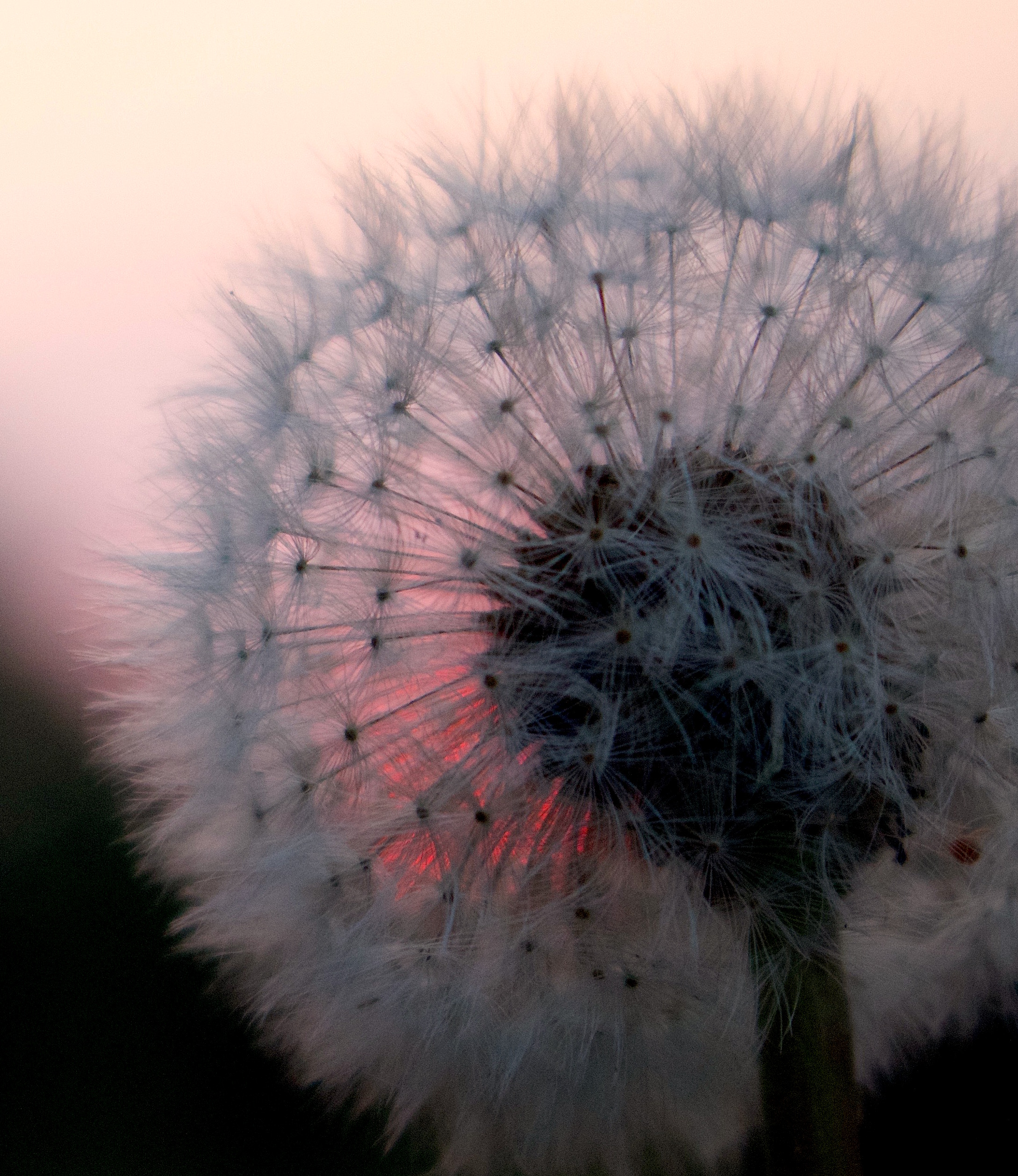
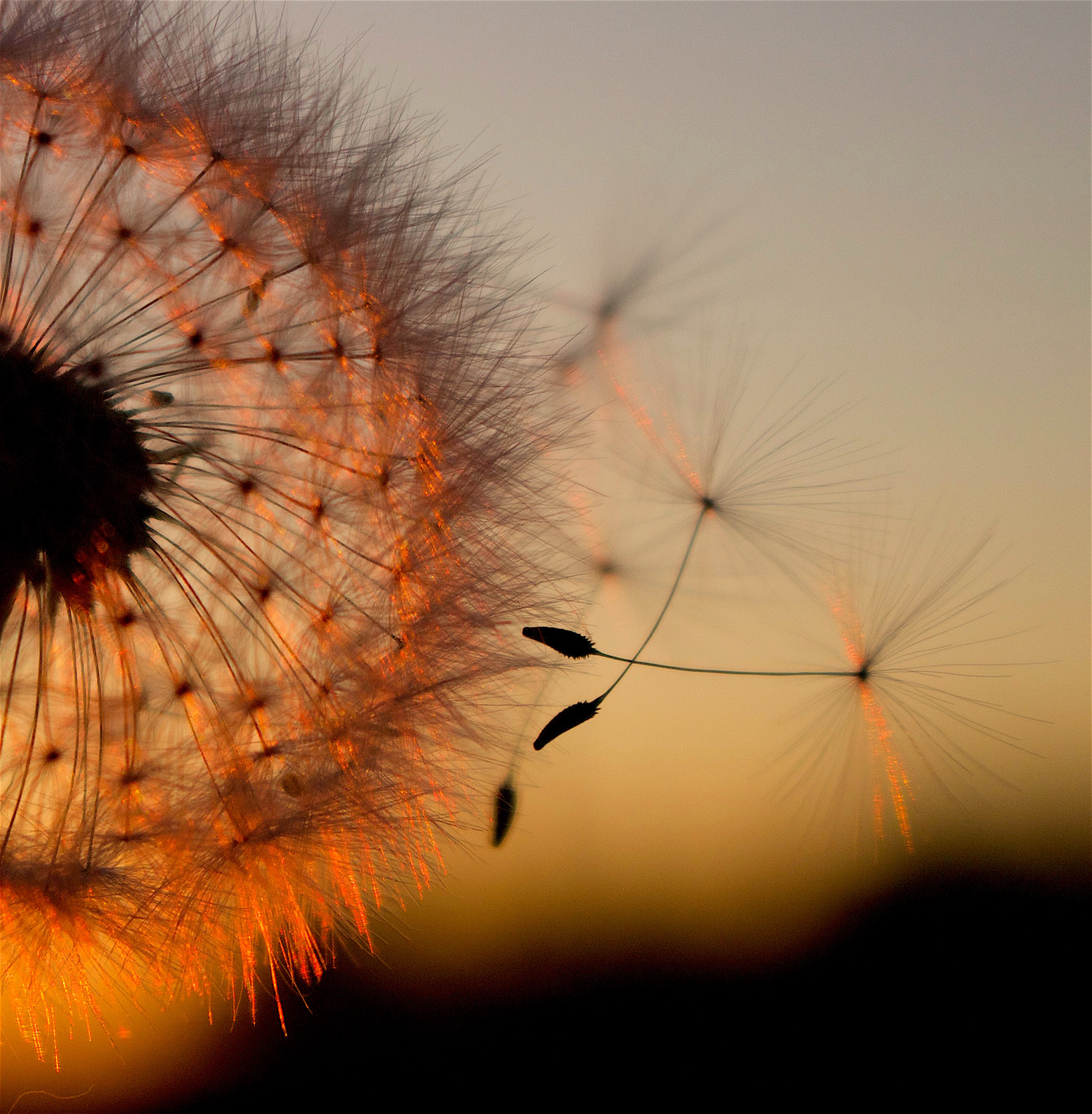
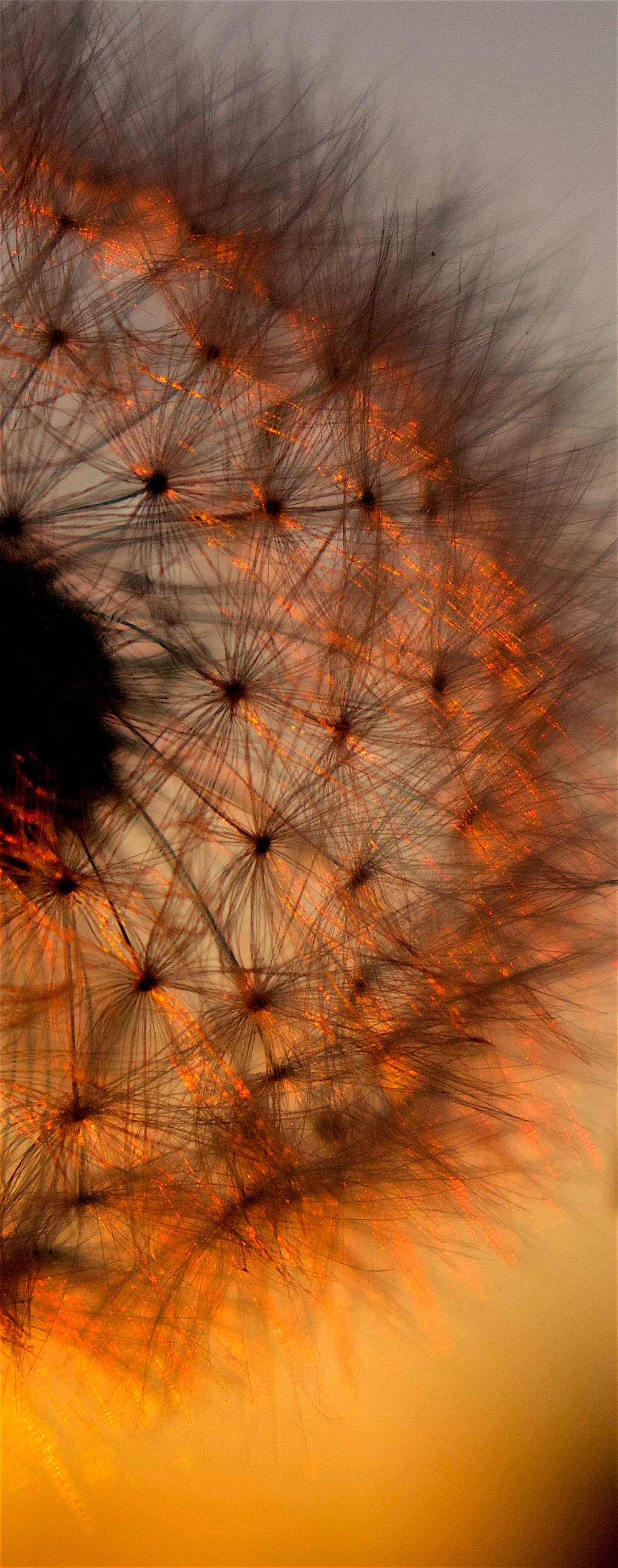
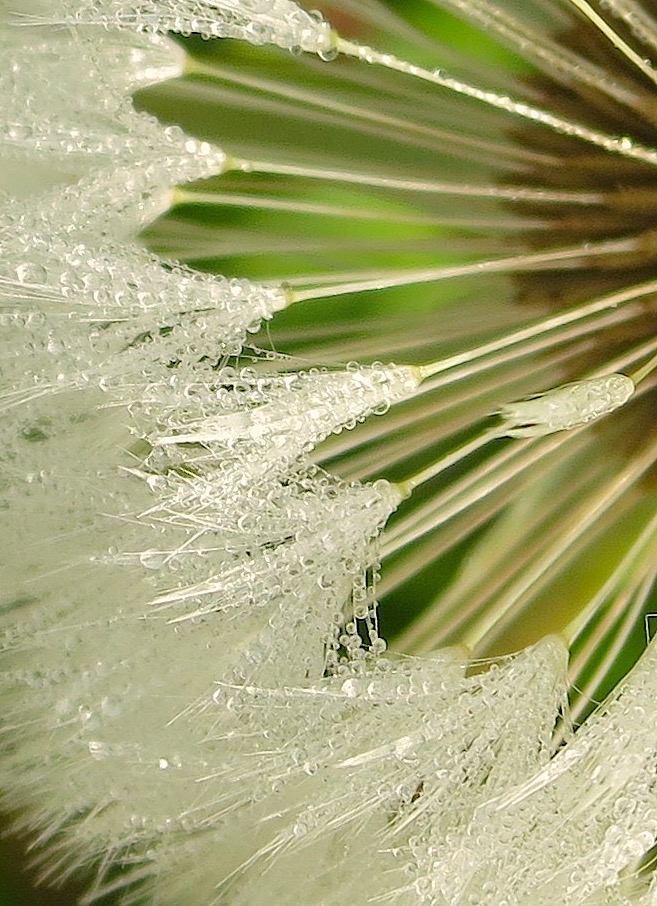
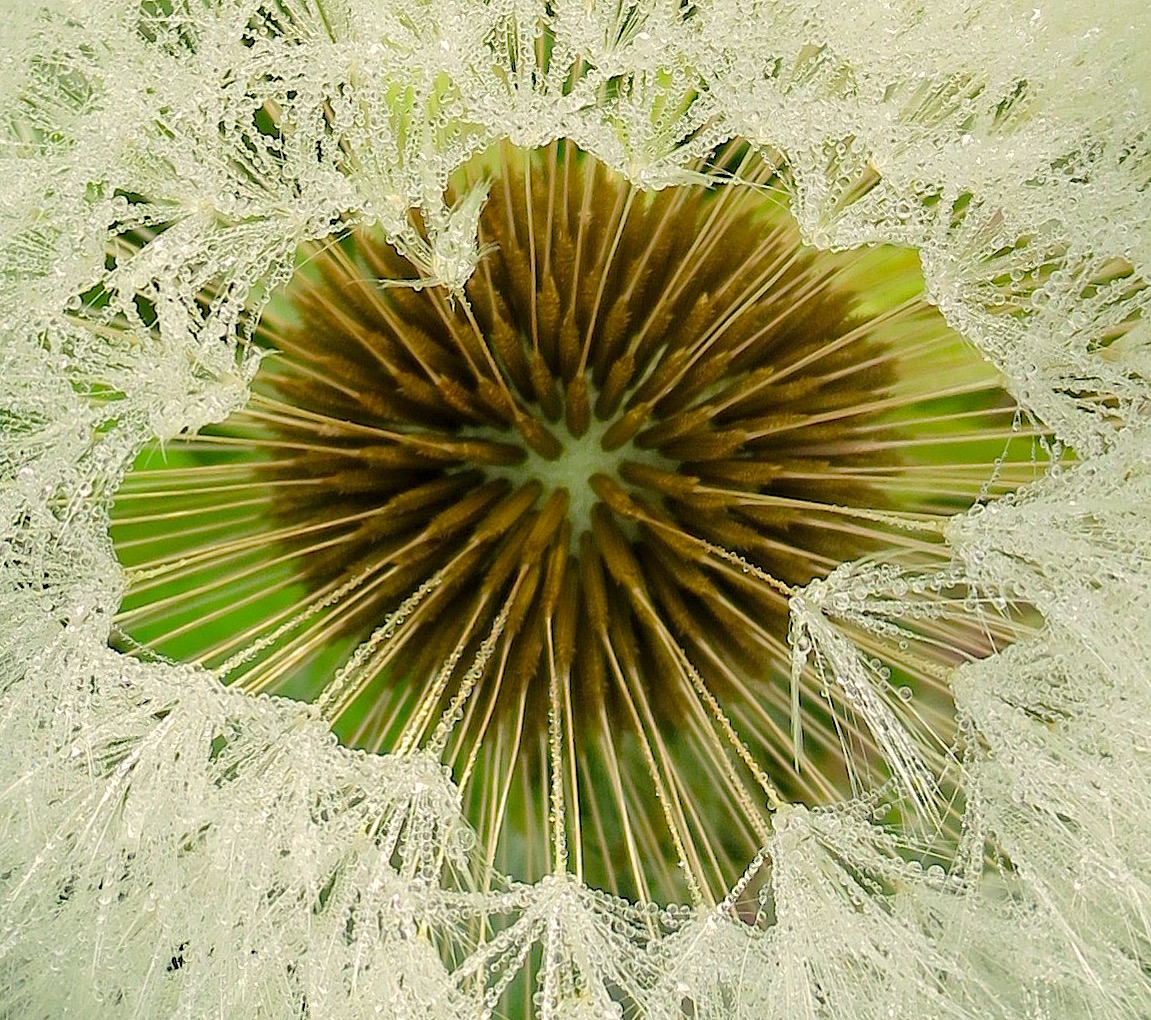
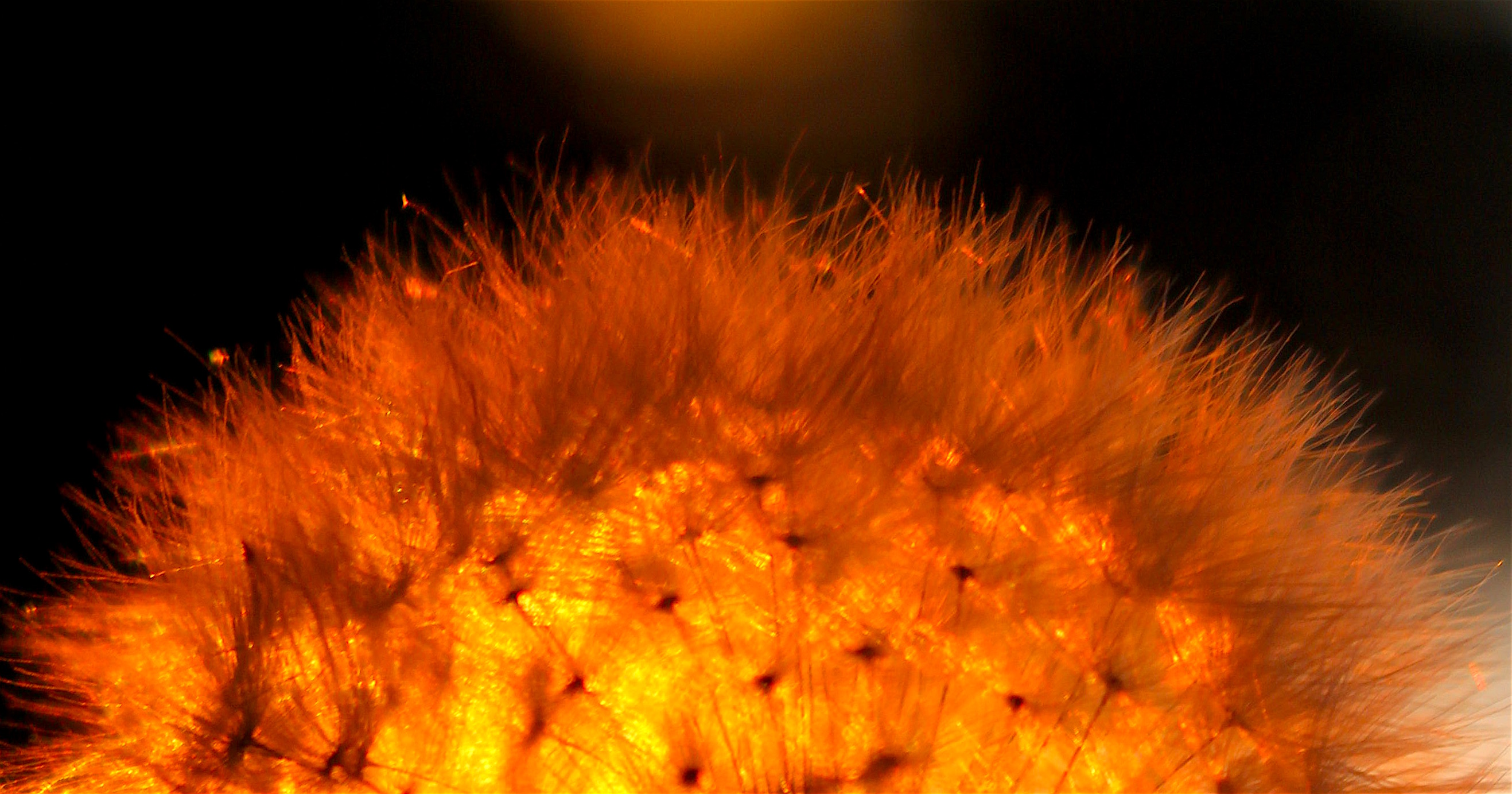
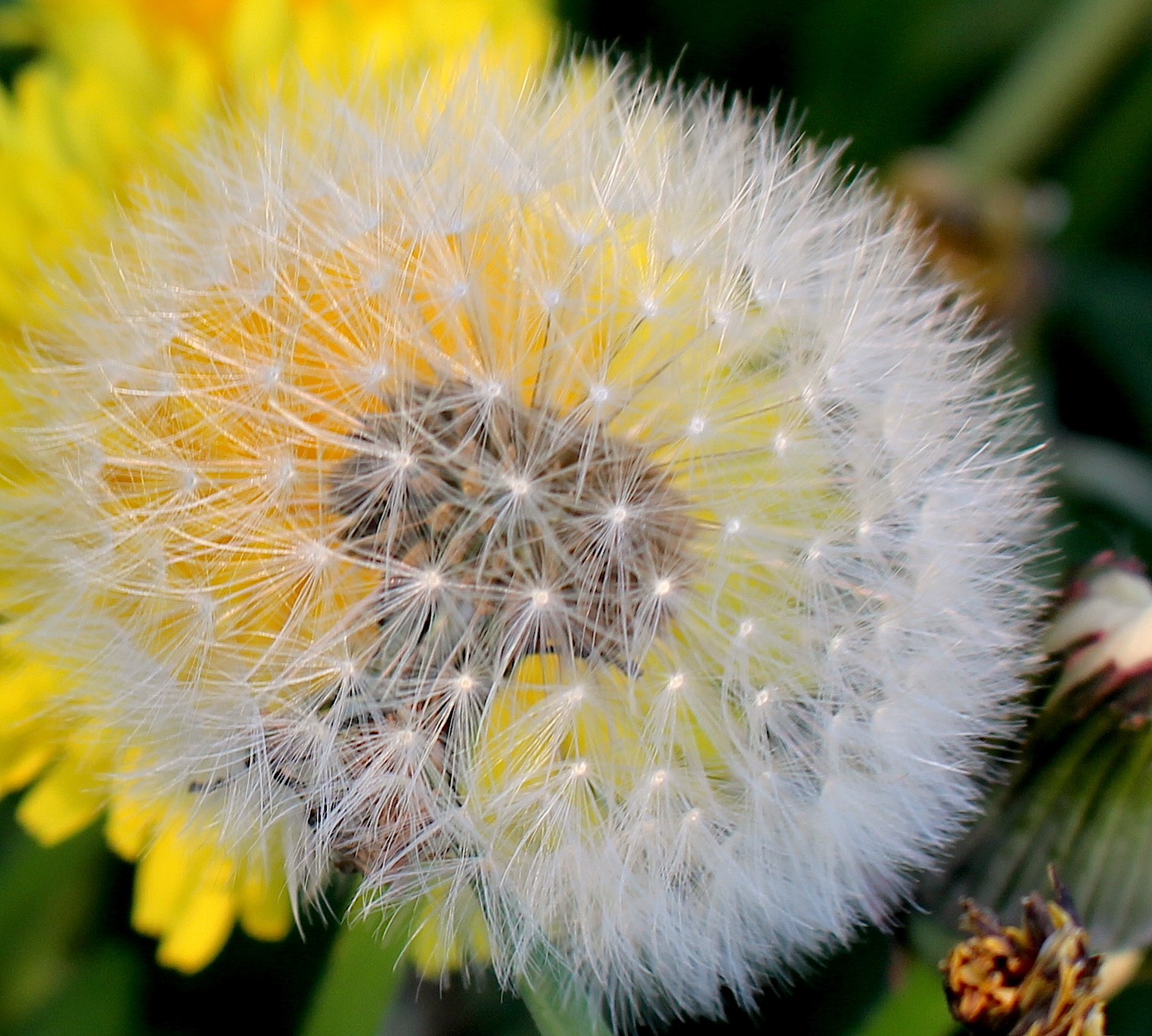
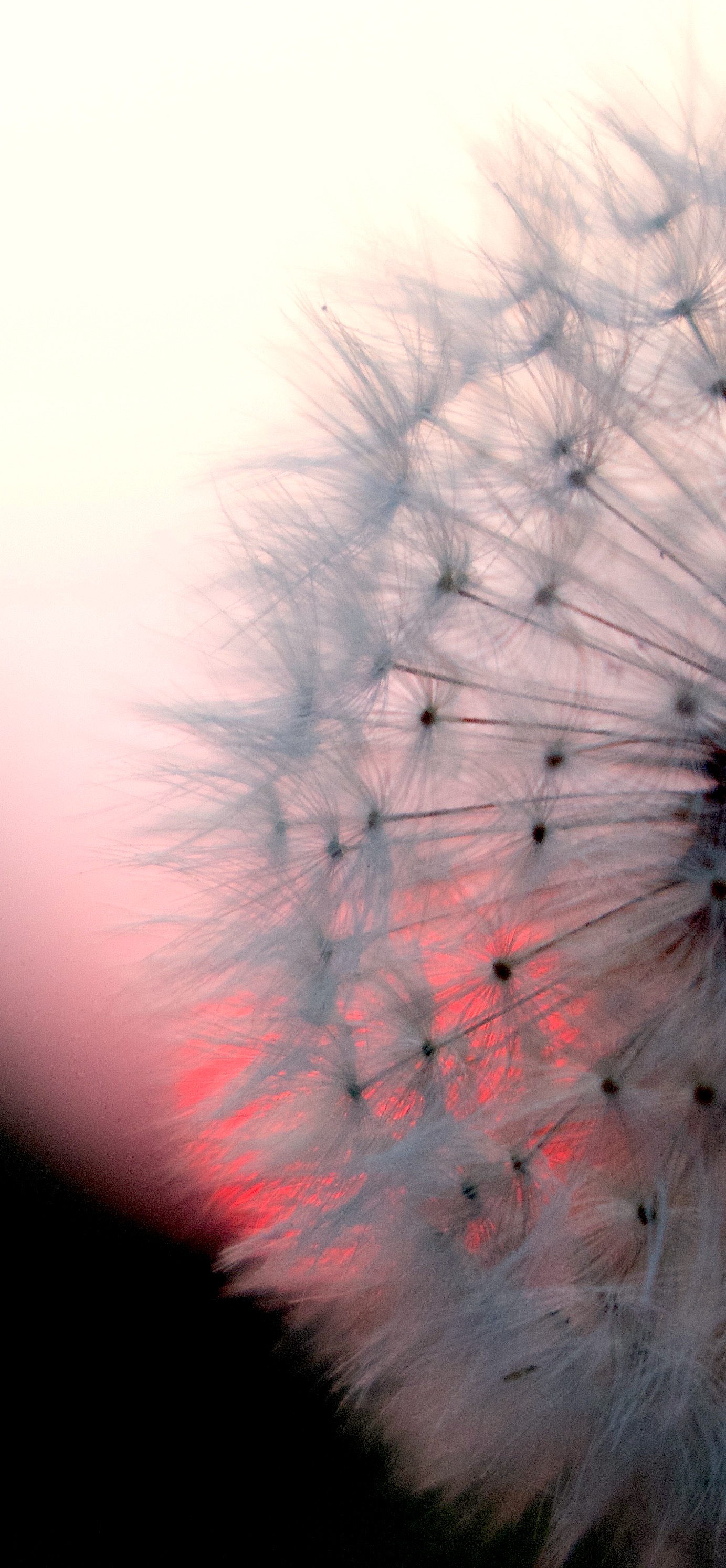
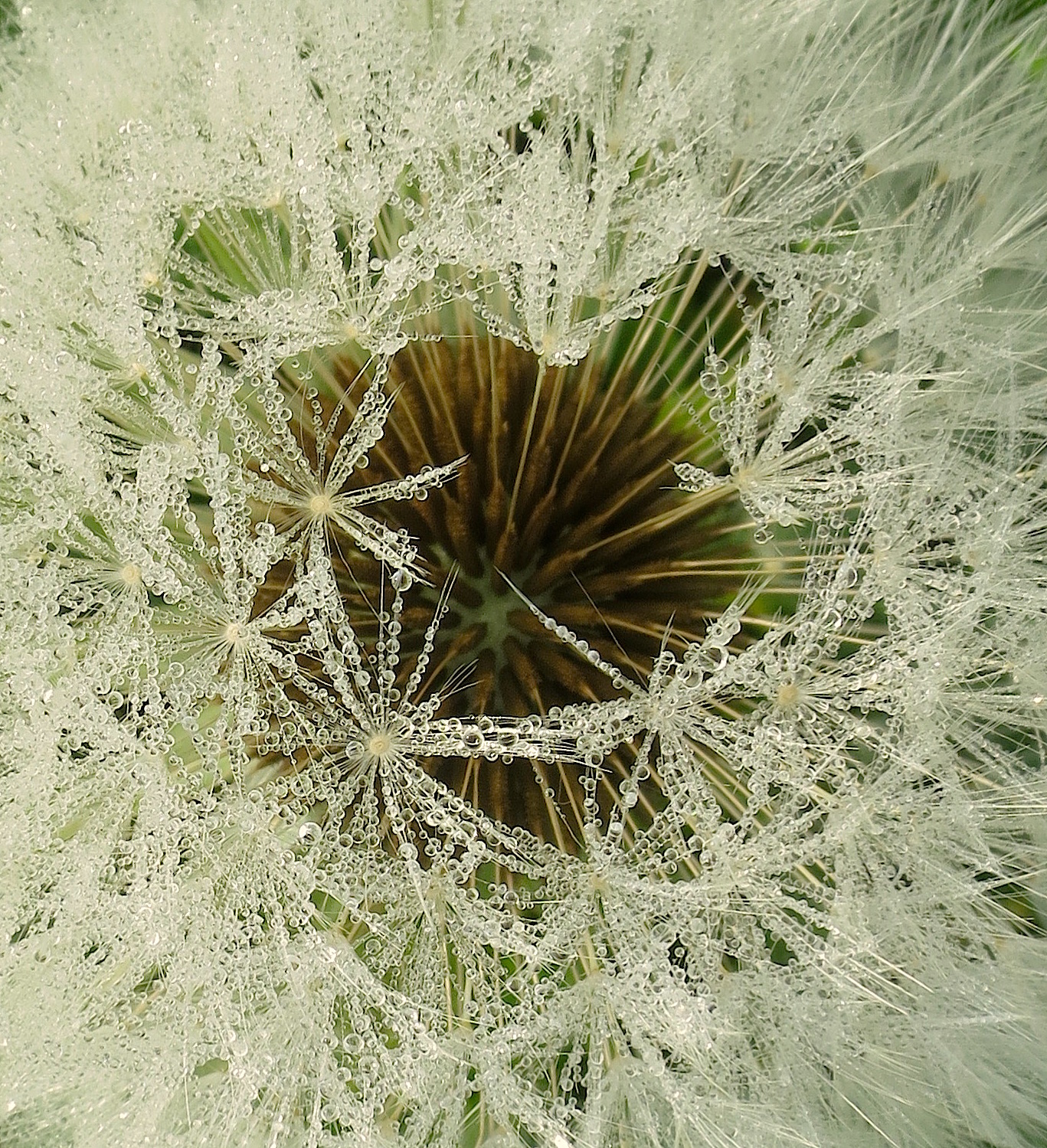
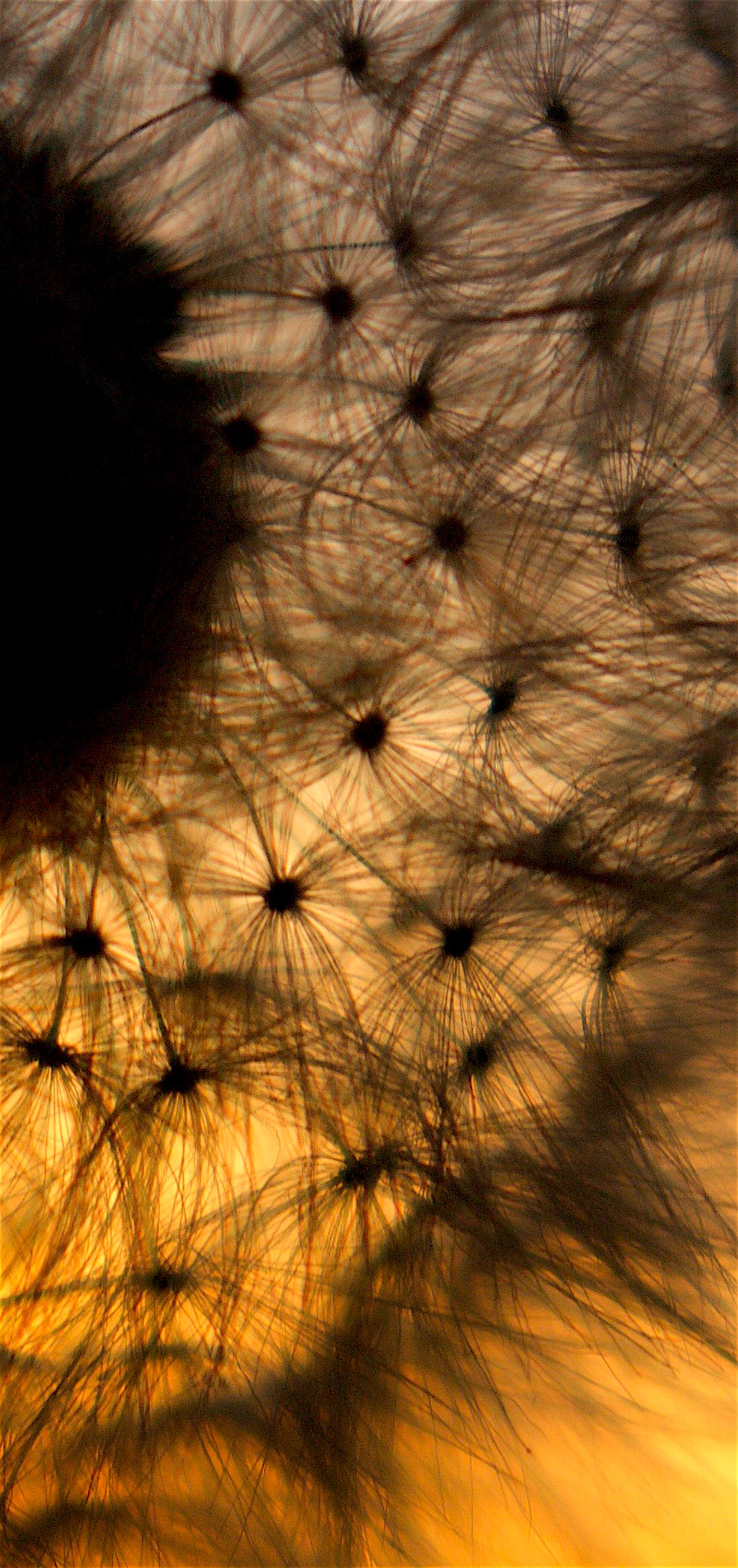
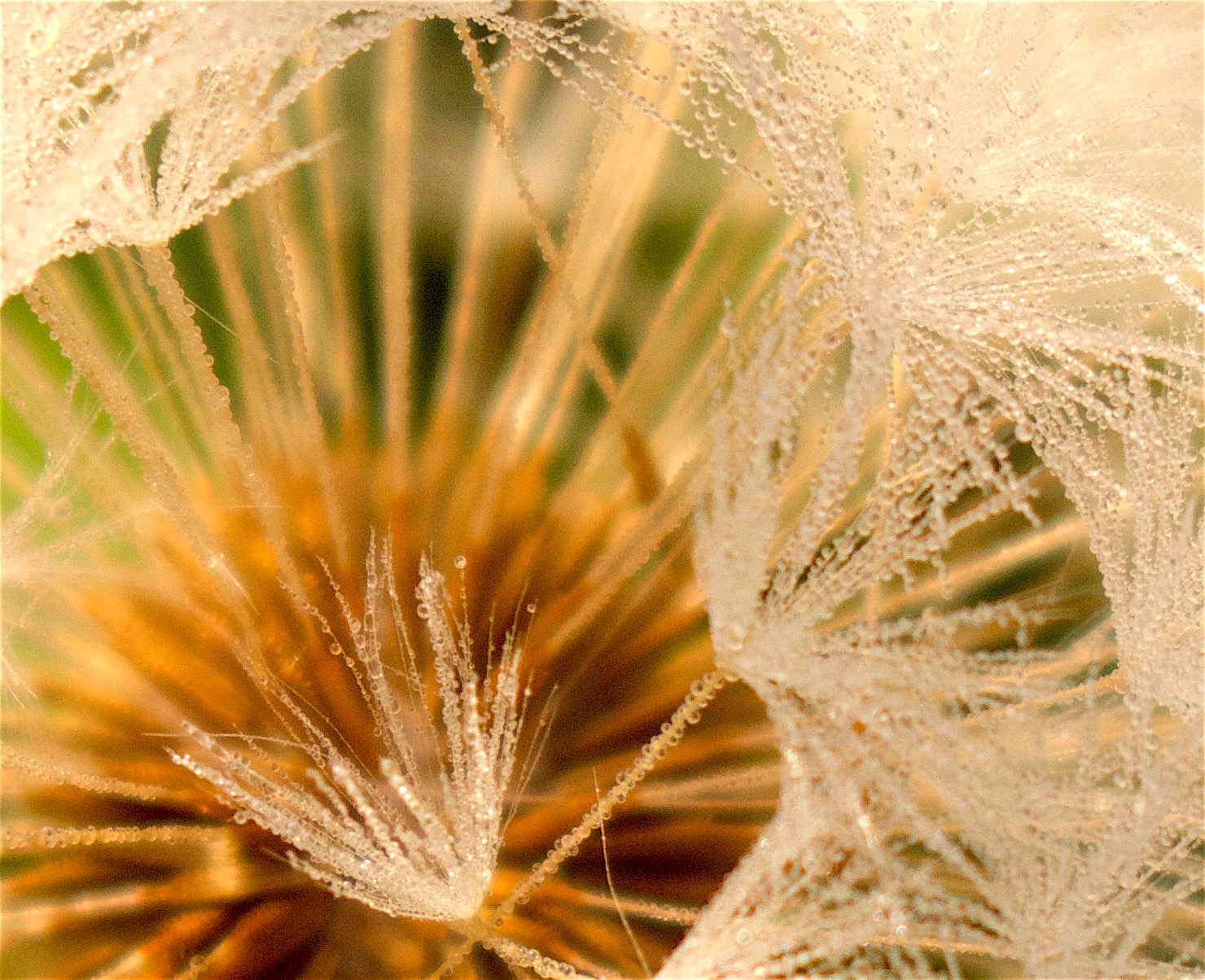
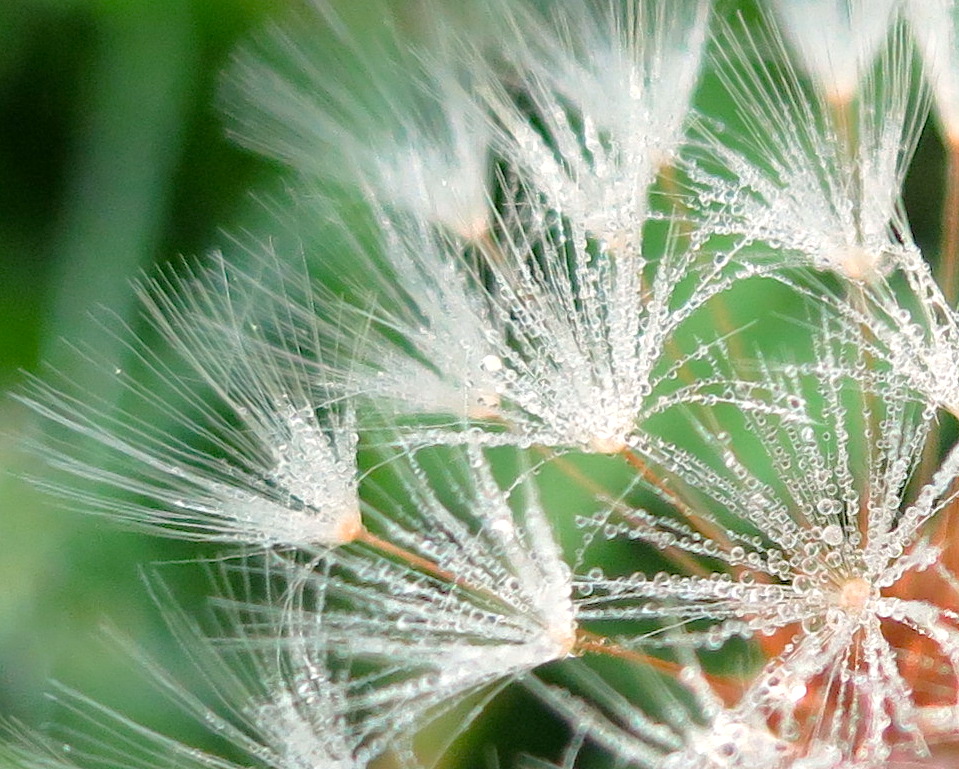
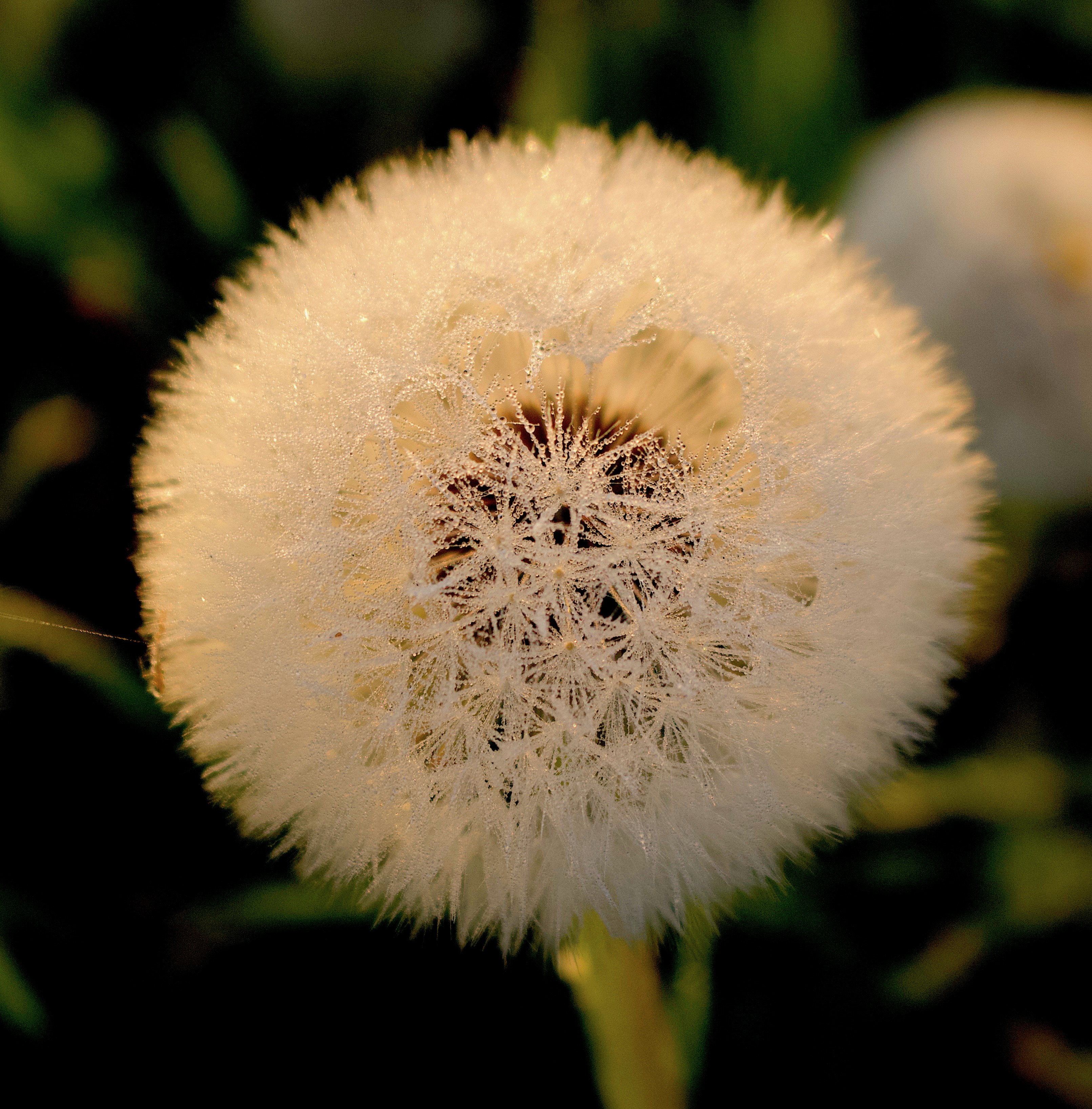
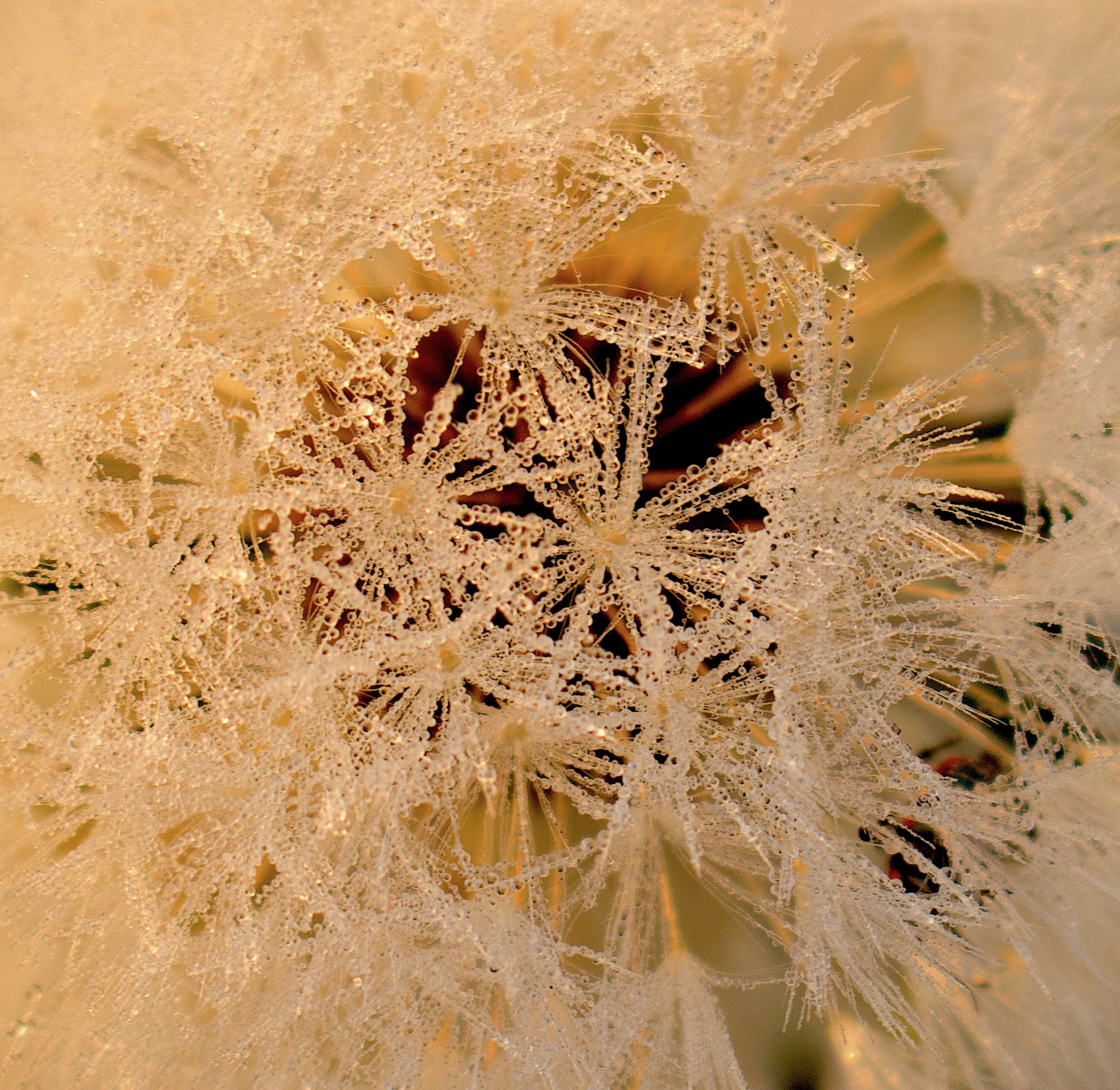
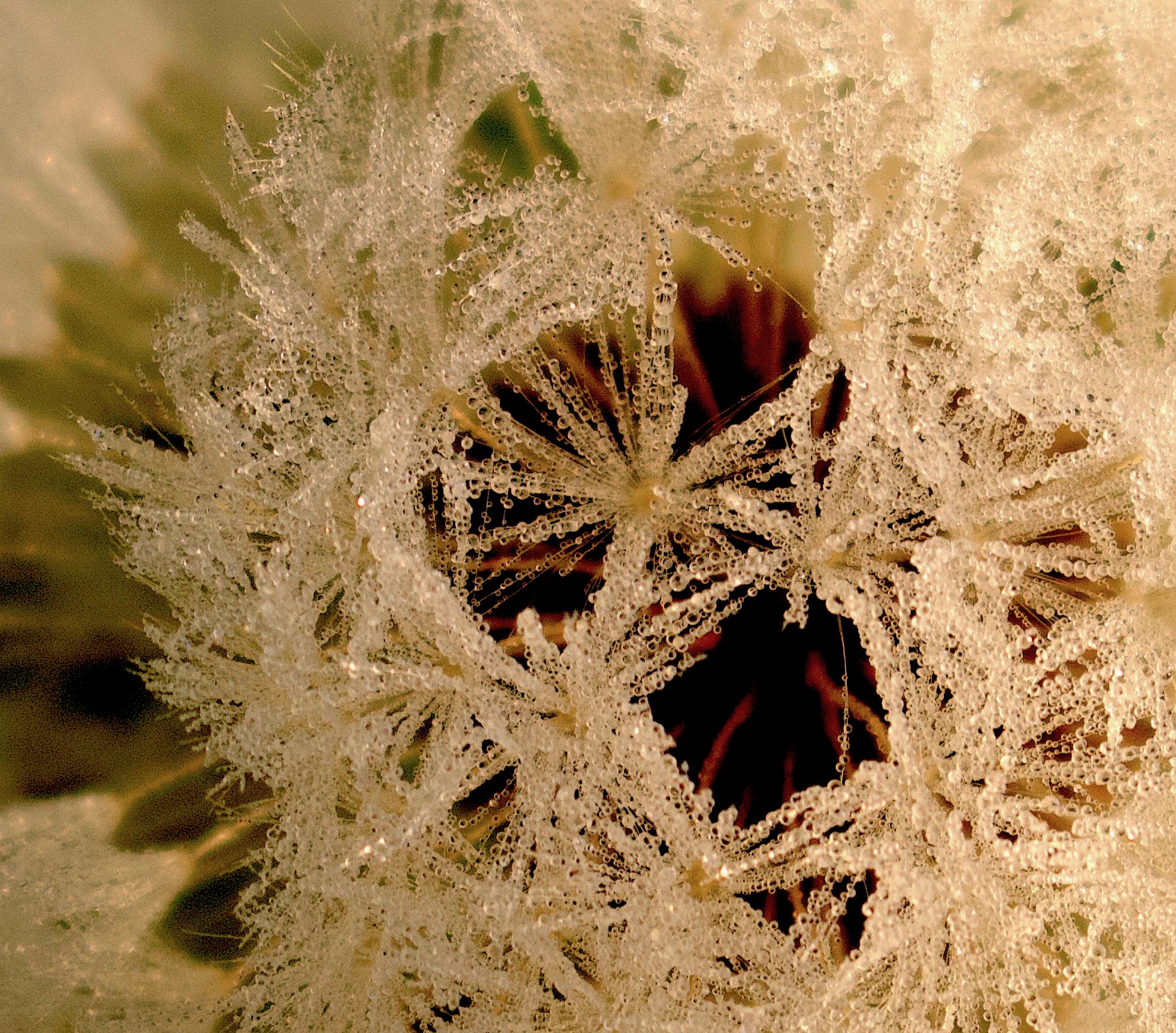
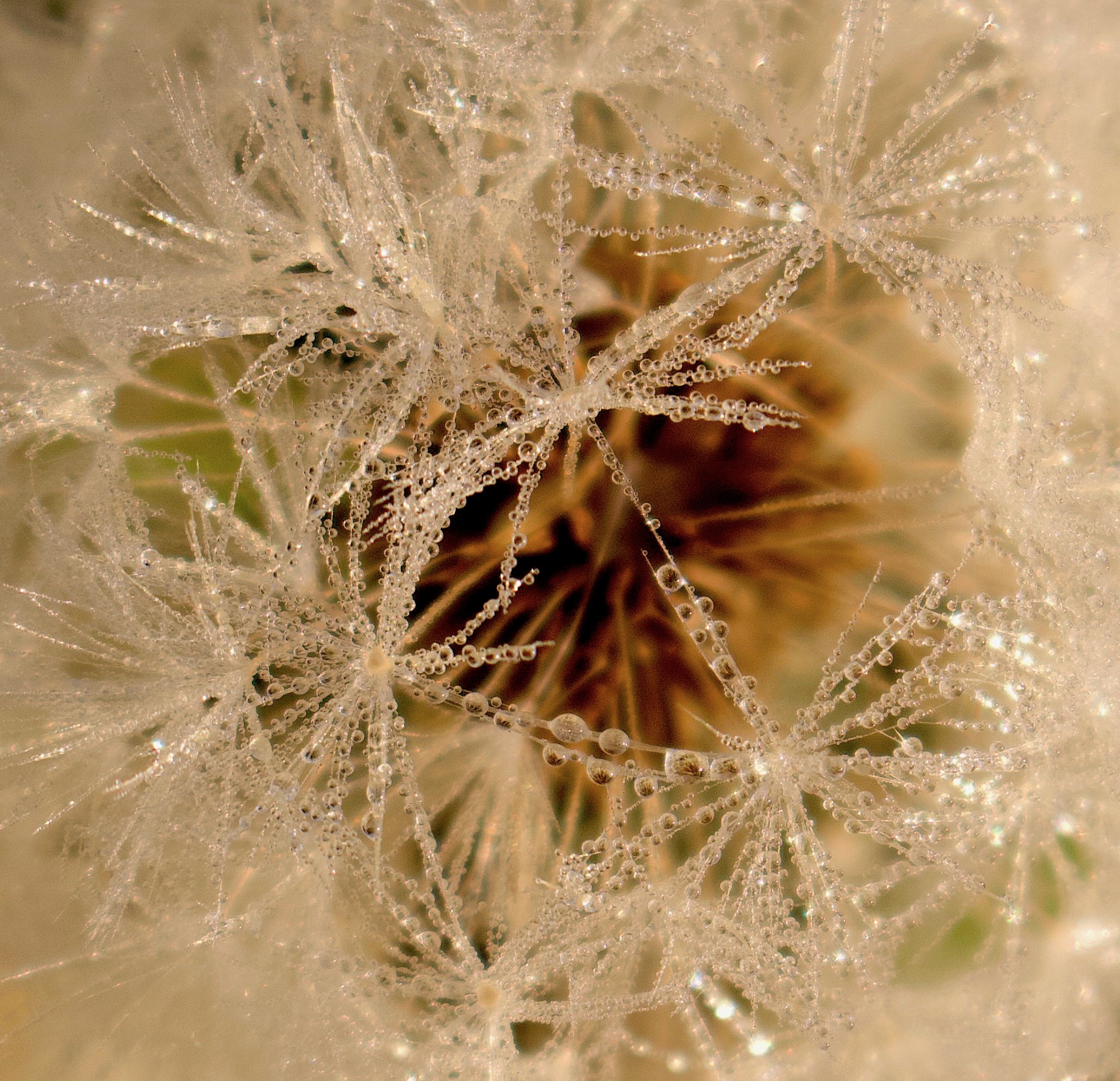
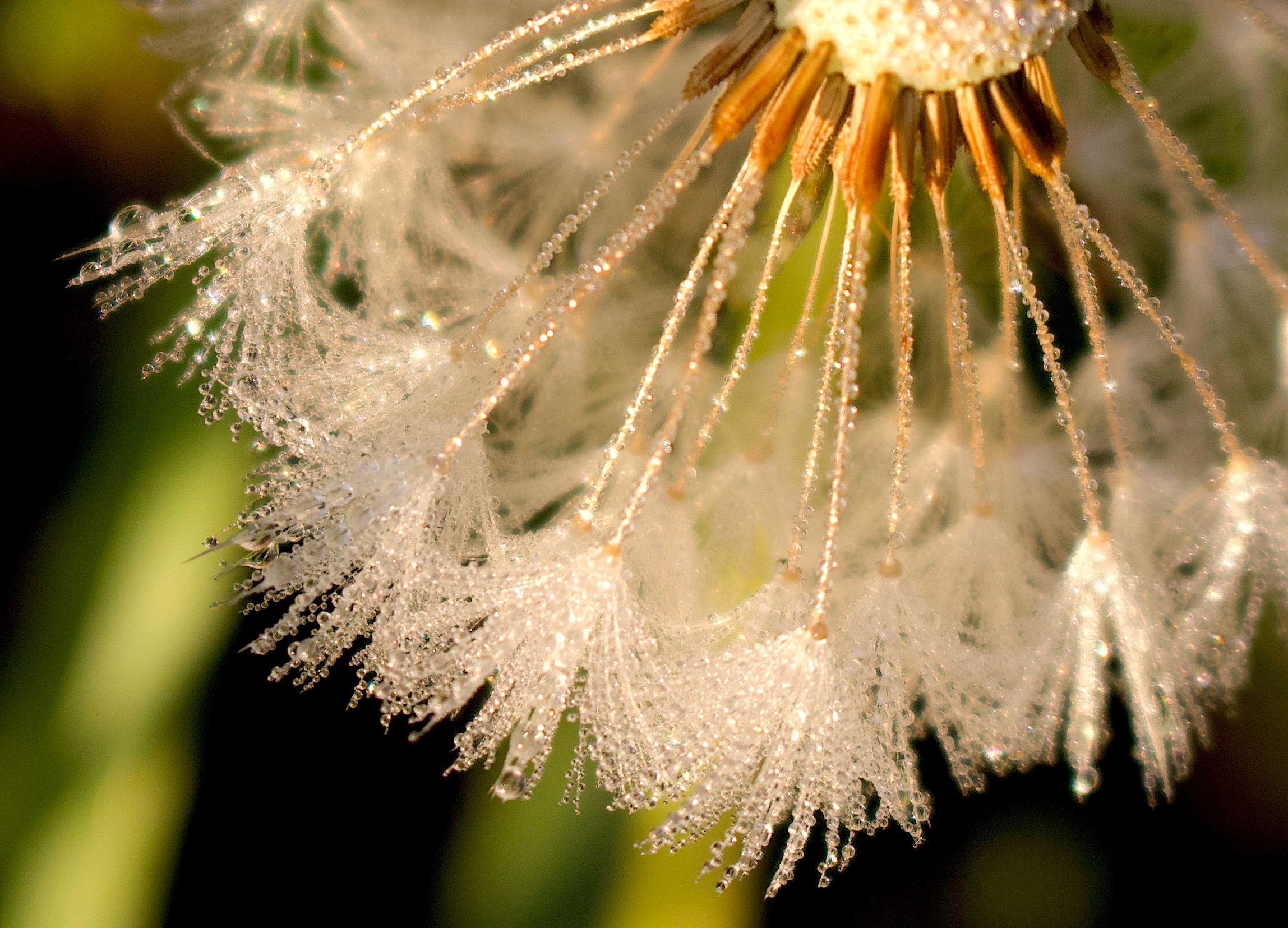
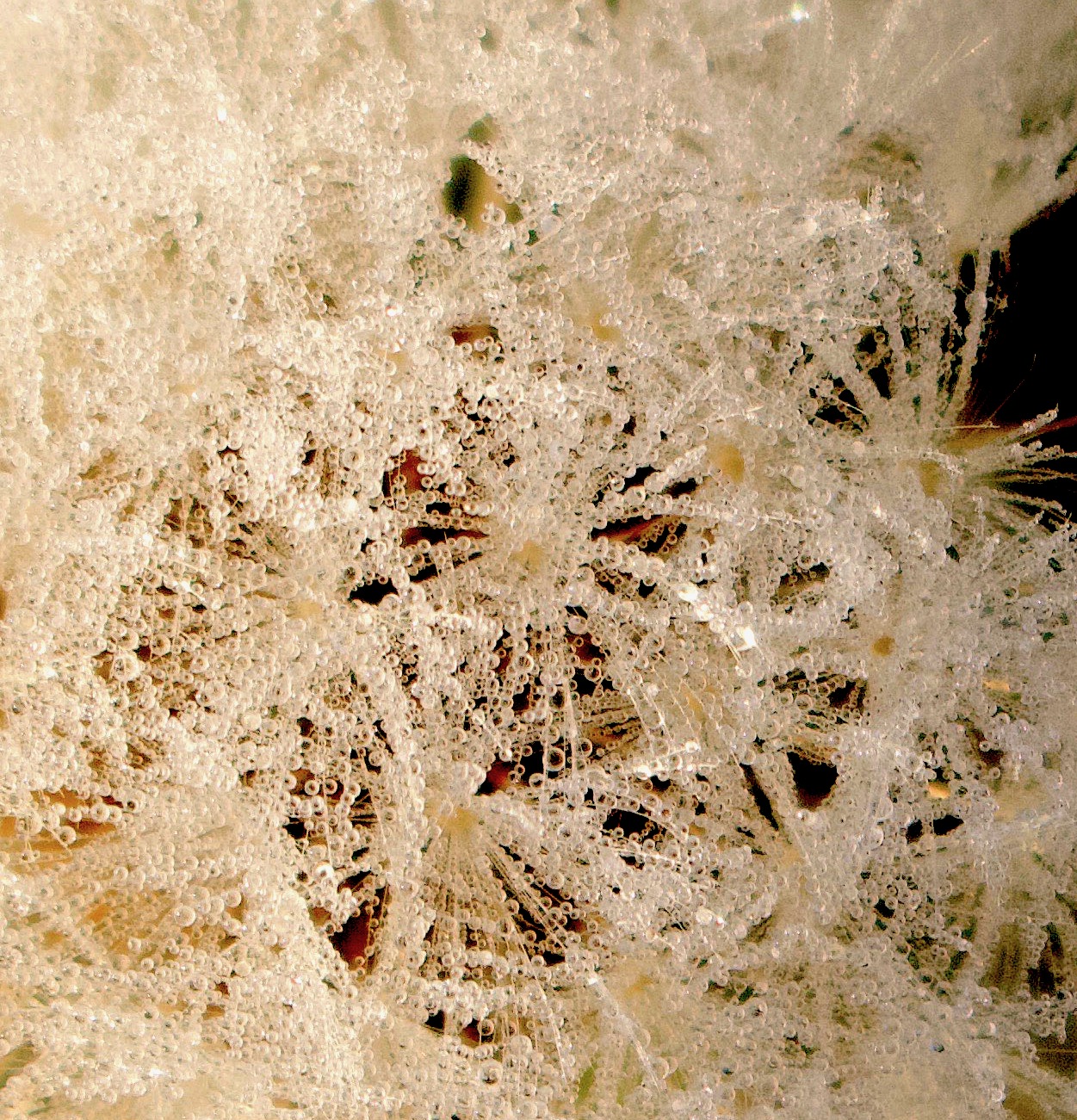
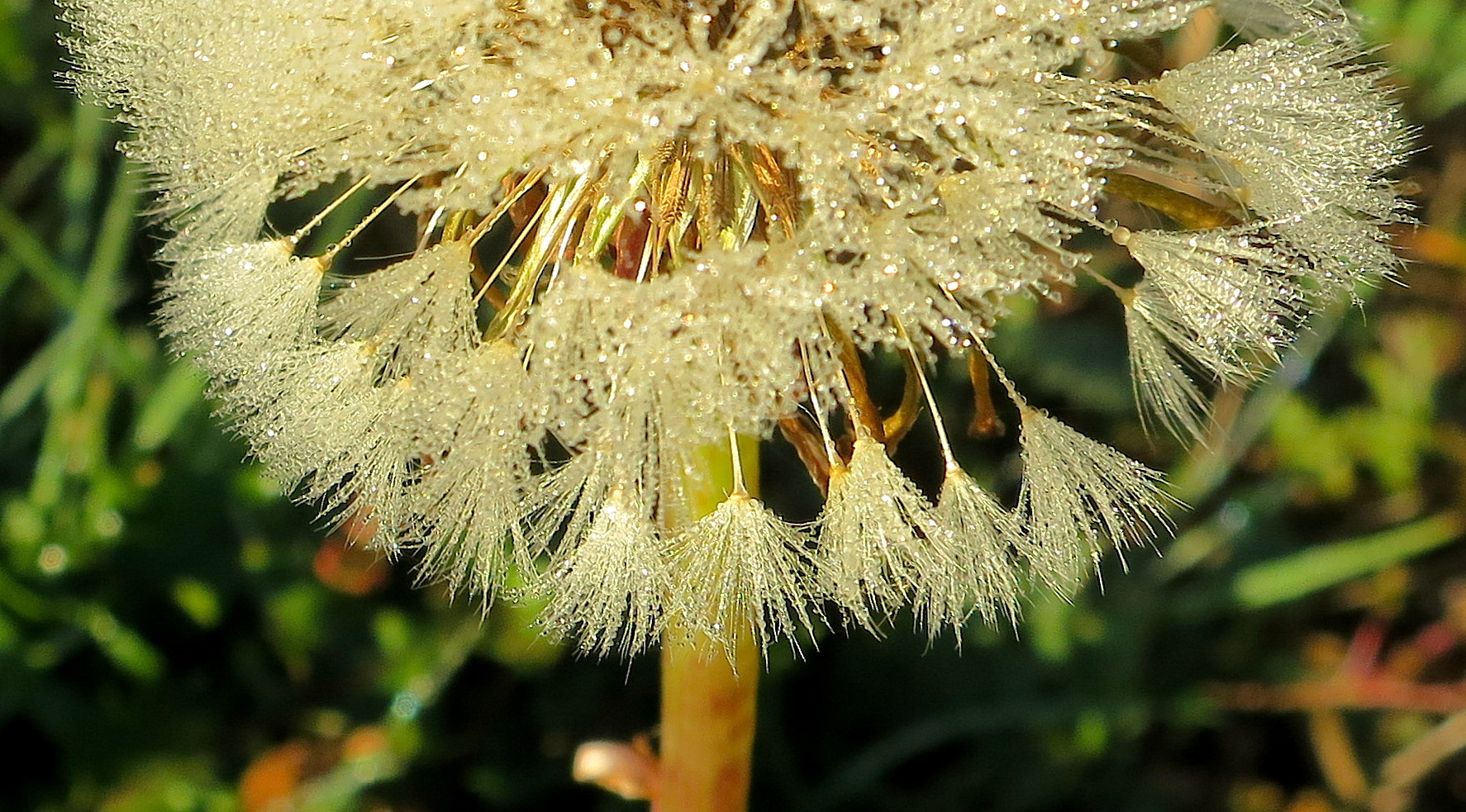
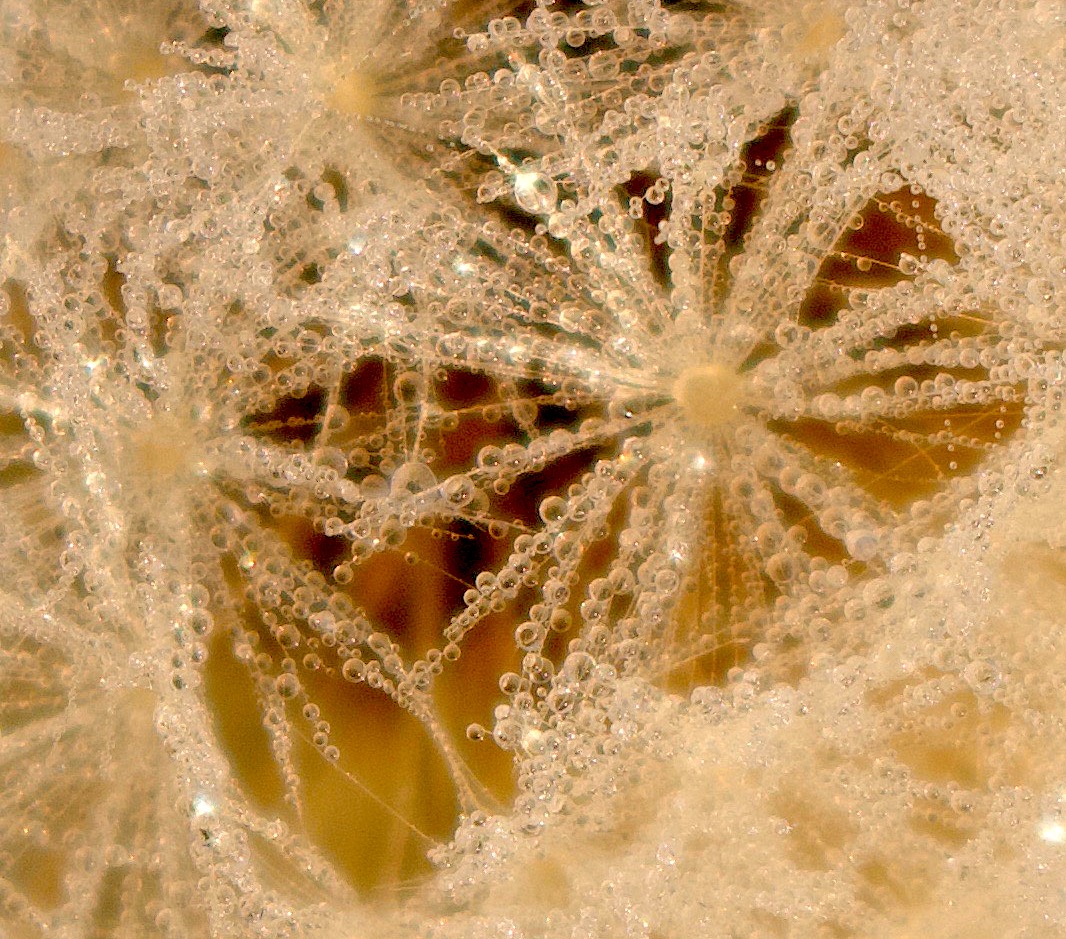
There are dandelions on fire and wearing jewels
everywhere I look.
Like a seed released when buffeted,
or simply blown aloft at the moment of ripeness,
may I be the unquiet flower spirit
carrying your Word on fragile wings
to far corners and hidden places;
settling softly, taking root
wherever your breath takes me.
Christianity preaches the infinite worth of that which is seemingly worthless and the infinite worthlessness of that which is seemingly so valued. ~Dietrich Bonhoeffer
Why do we strive mightily for what ultimately has no worth or meaning? We spend too much of our lives accumulating that which cannot last, blinded to the reality of our inherent worth from the moment we came to be.
We are worthy because we are His, created for His Glory, illuminated by His Light.
All day he’s shoveled green pine sawdust out of the trailer truck into the chute. From time to time he’s clambered down to even the pile. Now his hair is frosted with sawdust. Little rivers of sawdust pour out of his boots.
I hope in the afterlife there’s none of this stuff he says, while I broom off his jeans, his sweater flocked with granules, his immersed-in-sawdust socks. I hope there’s no bedding, no stalls, no barn
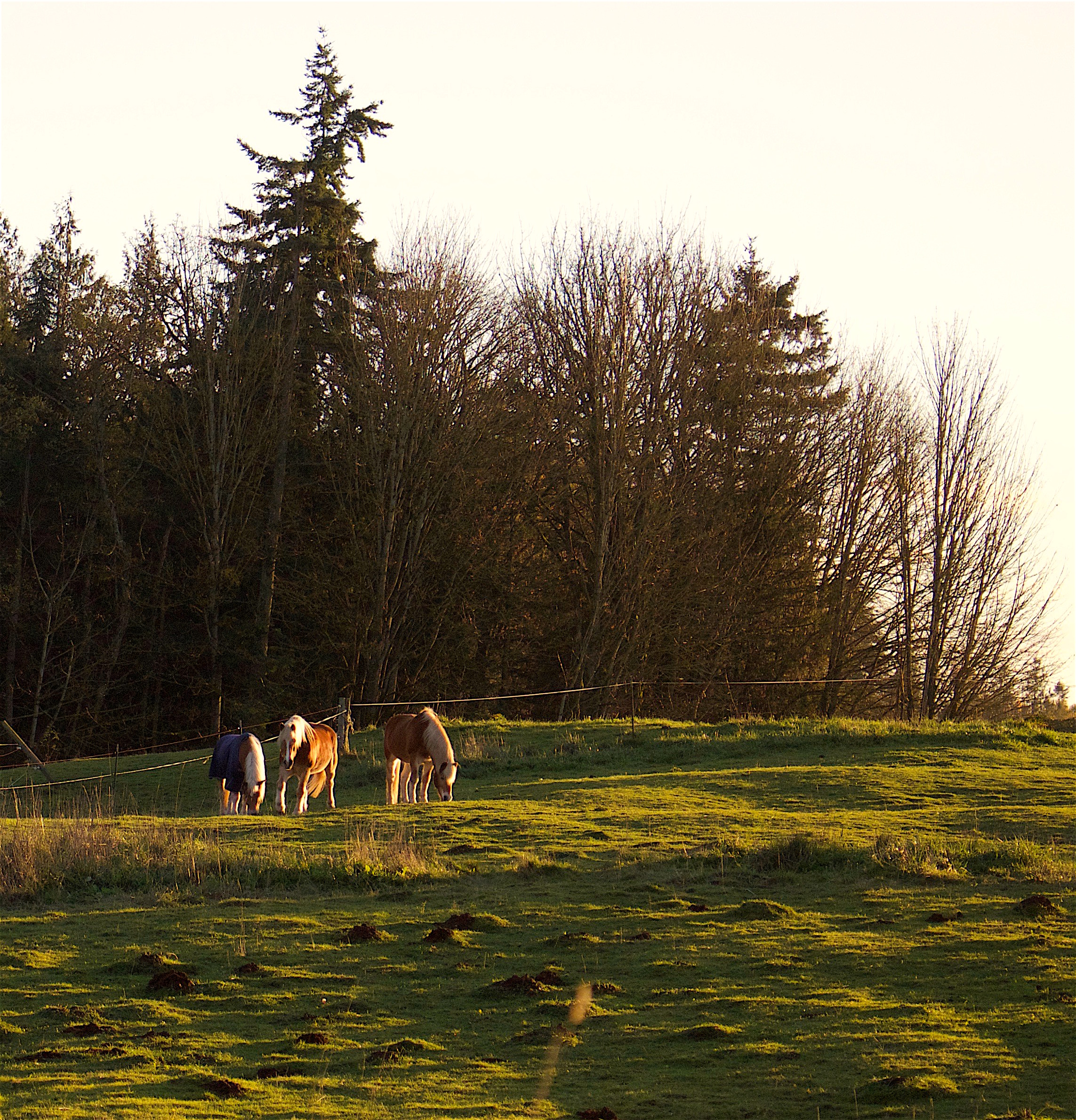
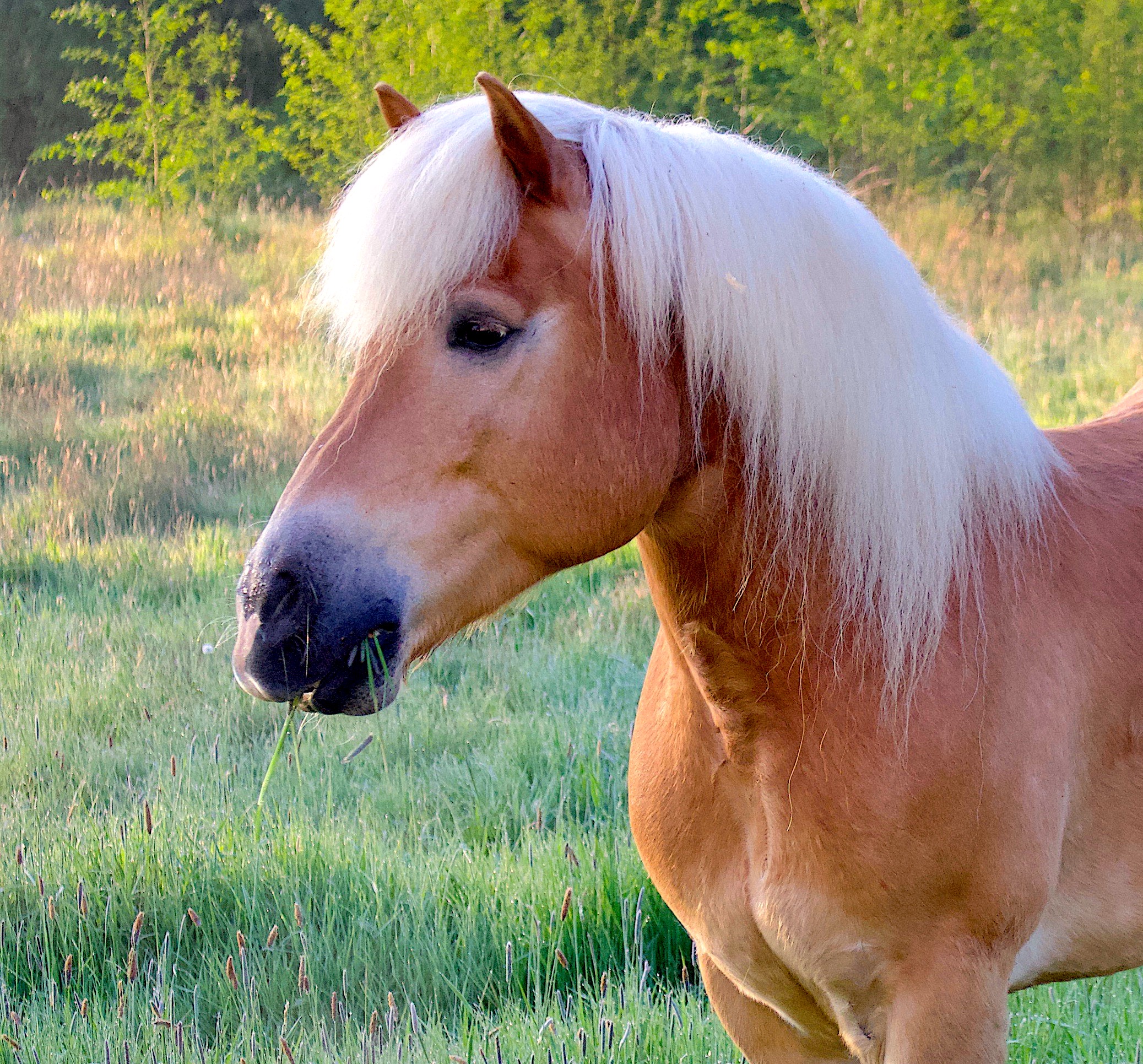
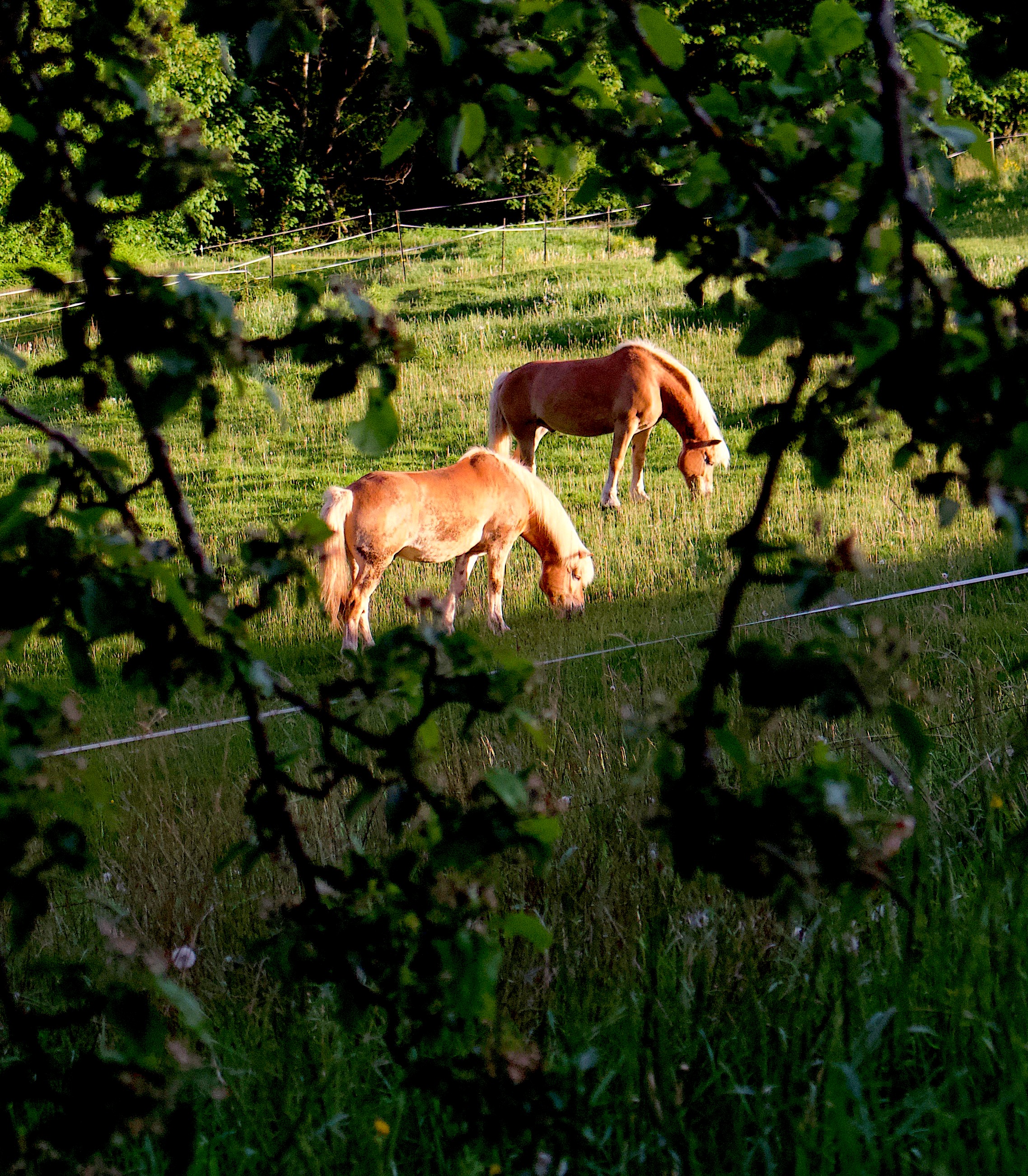
no more repairs to the paddock gate the horses burst through when snow avalanches off the roof. Although the old broodmare, our first foal, is his, horses, he’s fond of saying, make divorces.
…he says
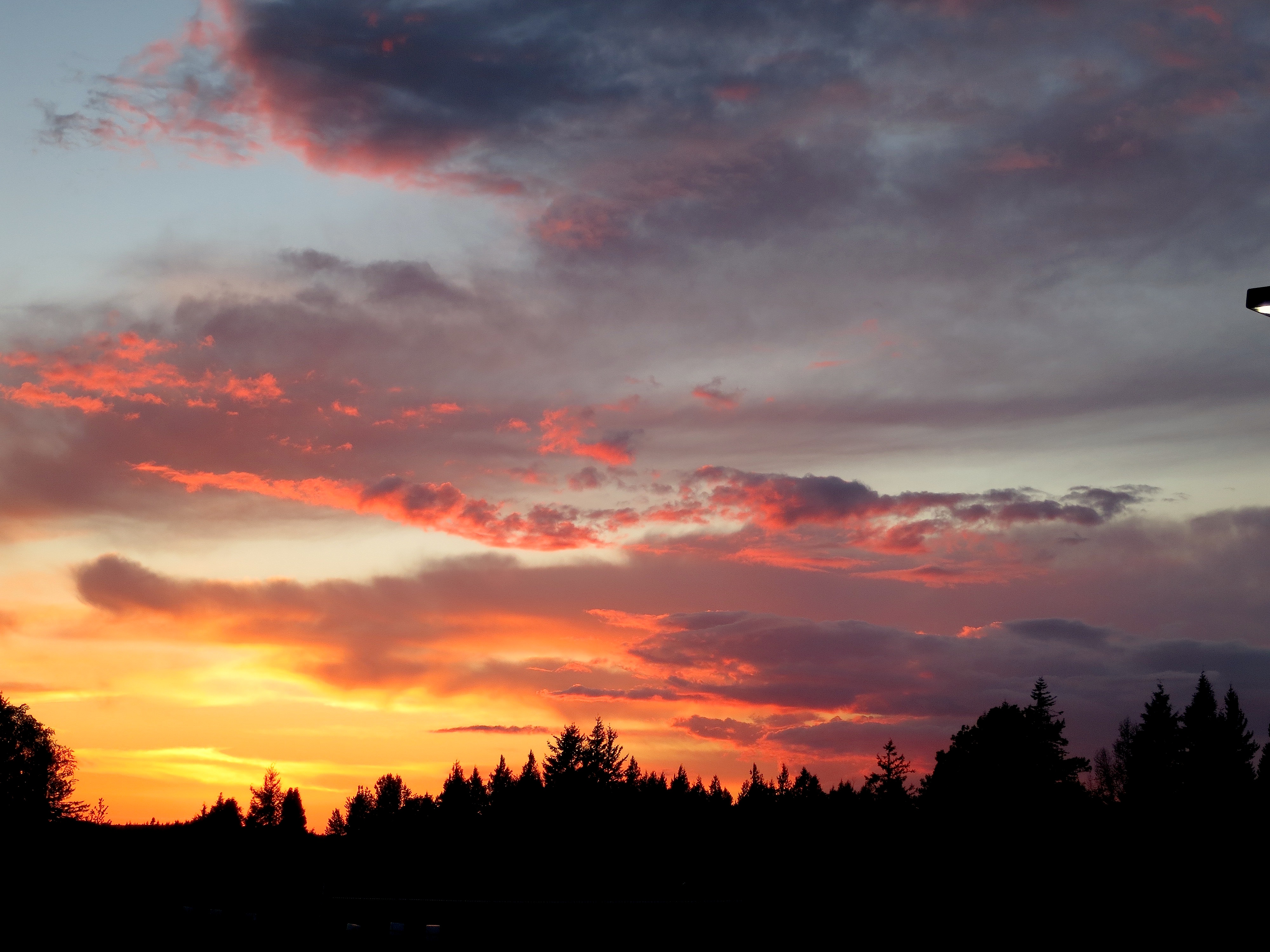
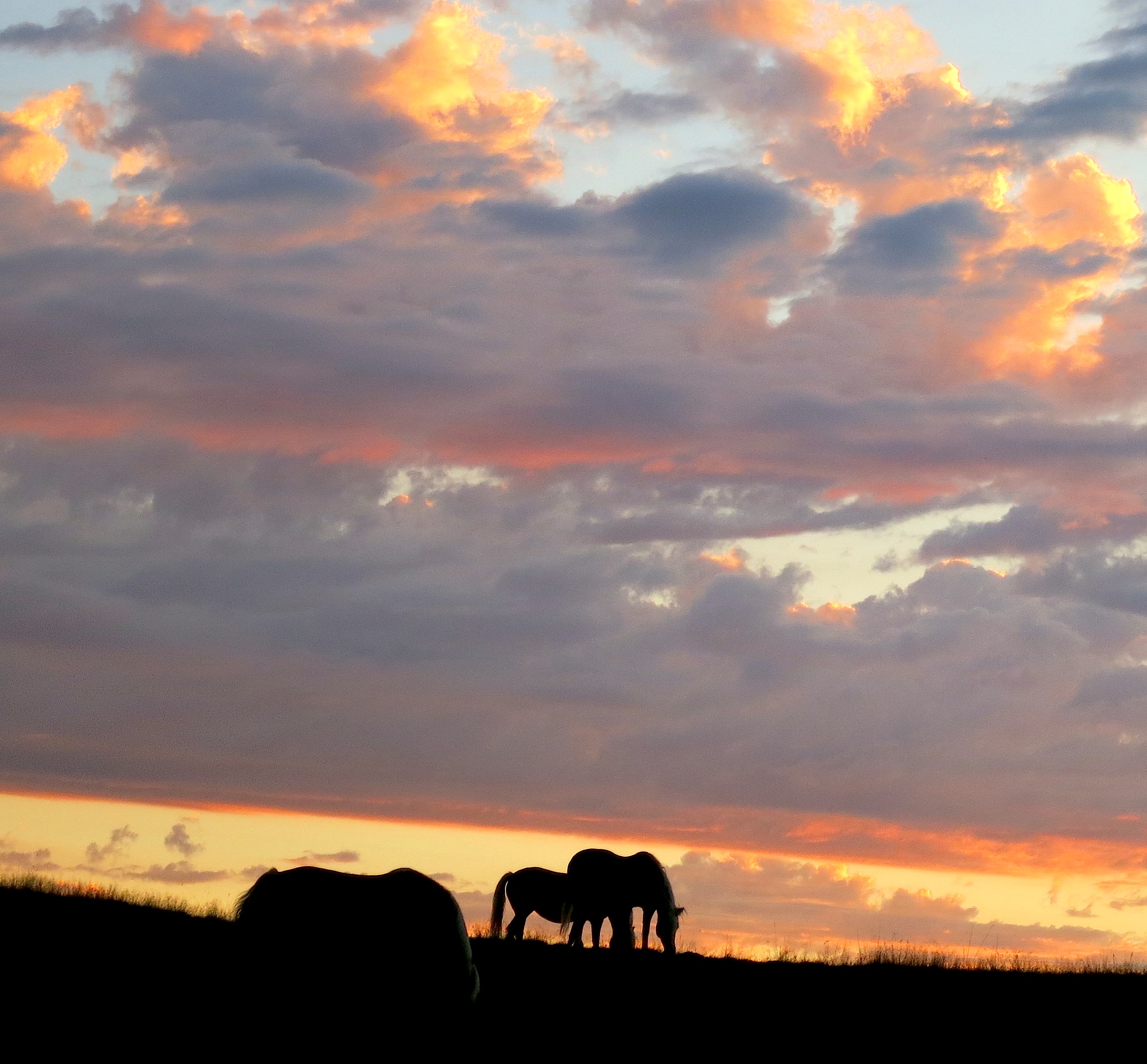
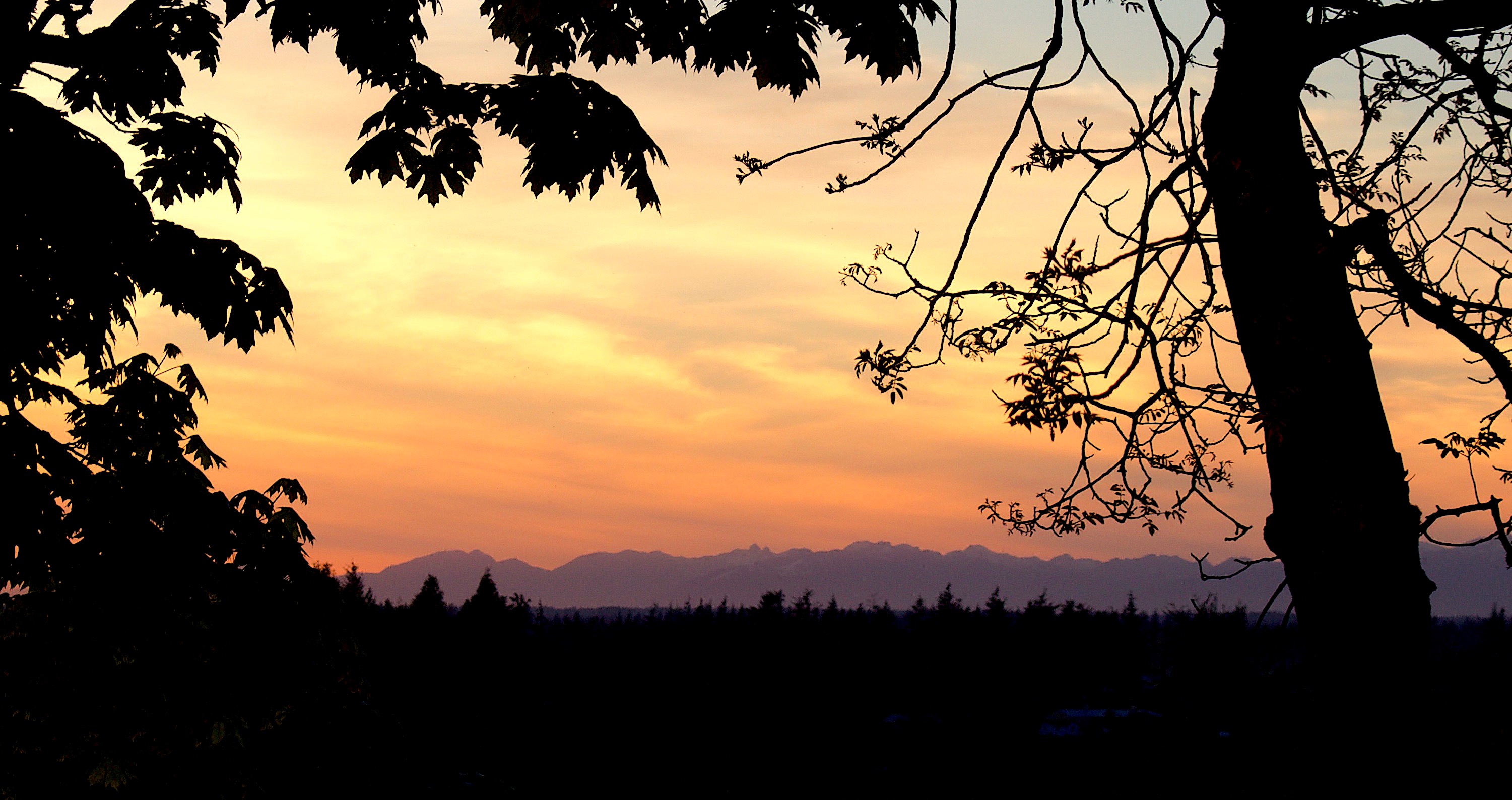
let’s walk up to the field and catch the sunset and off we go, a couple of aging fools.
I hope, he says, on the other side there’s a lot less work, but just in case I’m bringing tools.
~Maxine Kumin from “Chores”
They do not speak,
And when they speak at last it is to say
What each one knows the other knows. They have
One mind between them, now…
~Wendell Berry from “They Sit Together on the Porch”
We know that comfortable silence when all that needs to be said is said and the rest is shared without words. And so it will be.
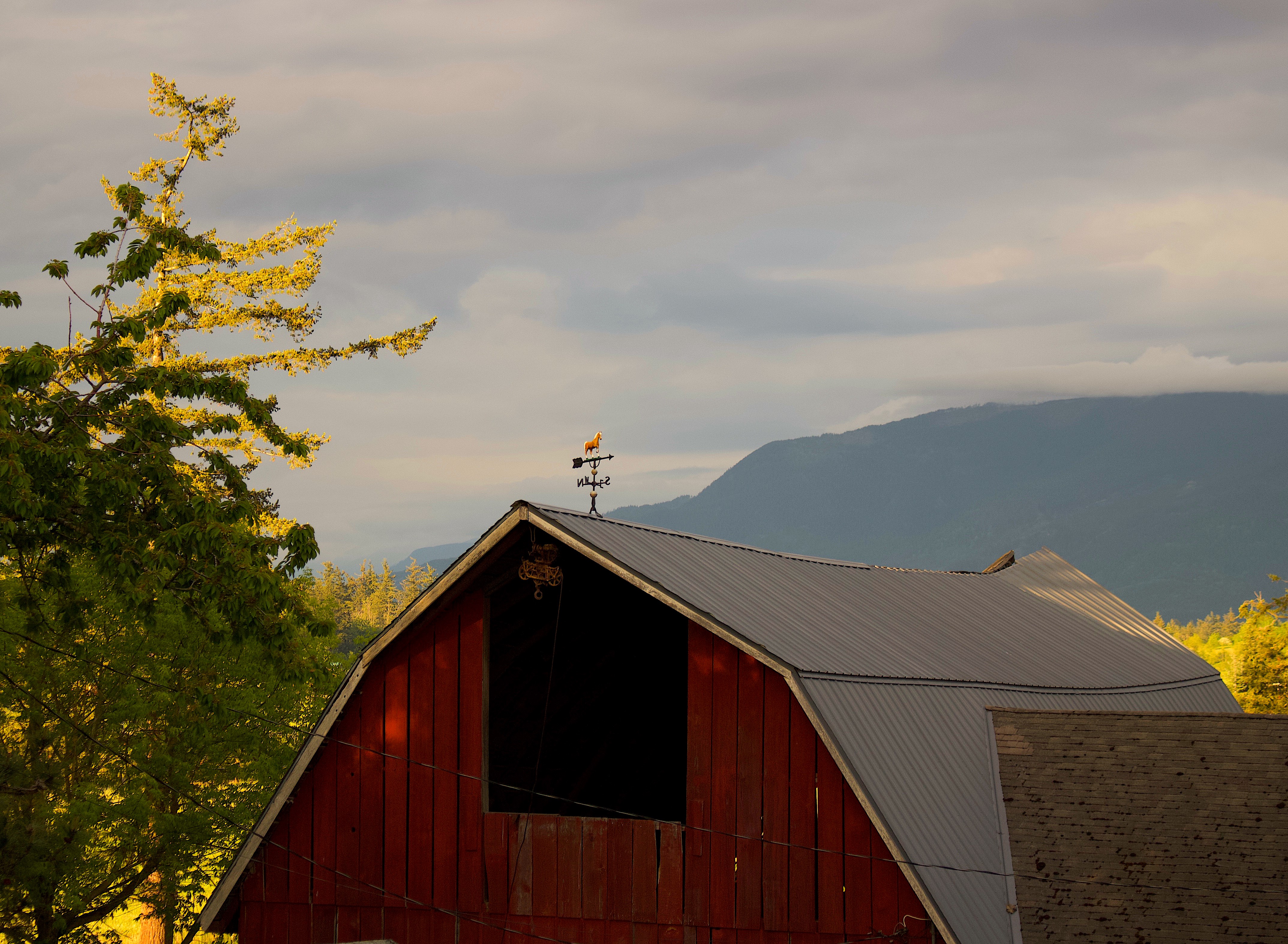
Two weeks from now, you’ll pack up the files in your desk, box up the legal books, take down the diplomas from your office wall, and close the door on a long lawyering life. The next day you’ll pull on your worn-thin coveralls, lace up your work boots, grab your cap and head out to the barn and wonder what needs fixing next.
There is so much to be done yet, so many tools to use, so much more to be lived.
Let’s walk up the field to catch the sunset, just a couple of aging fools.
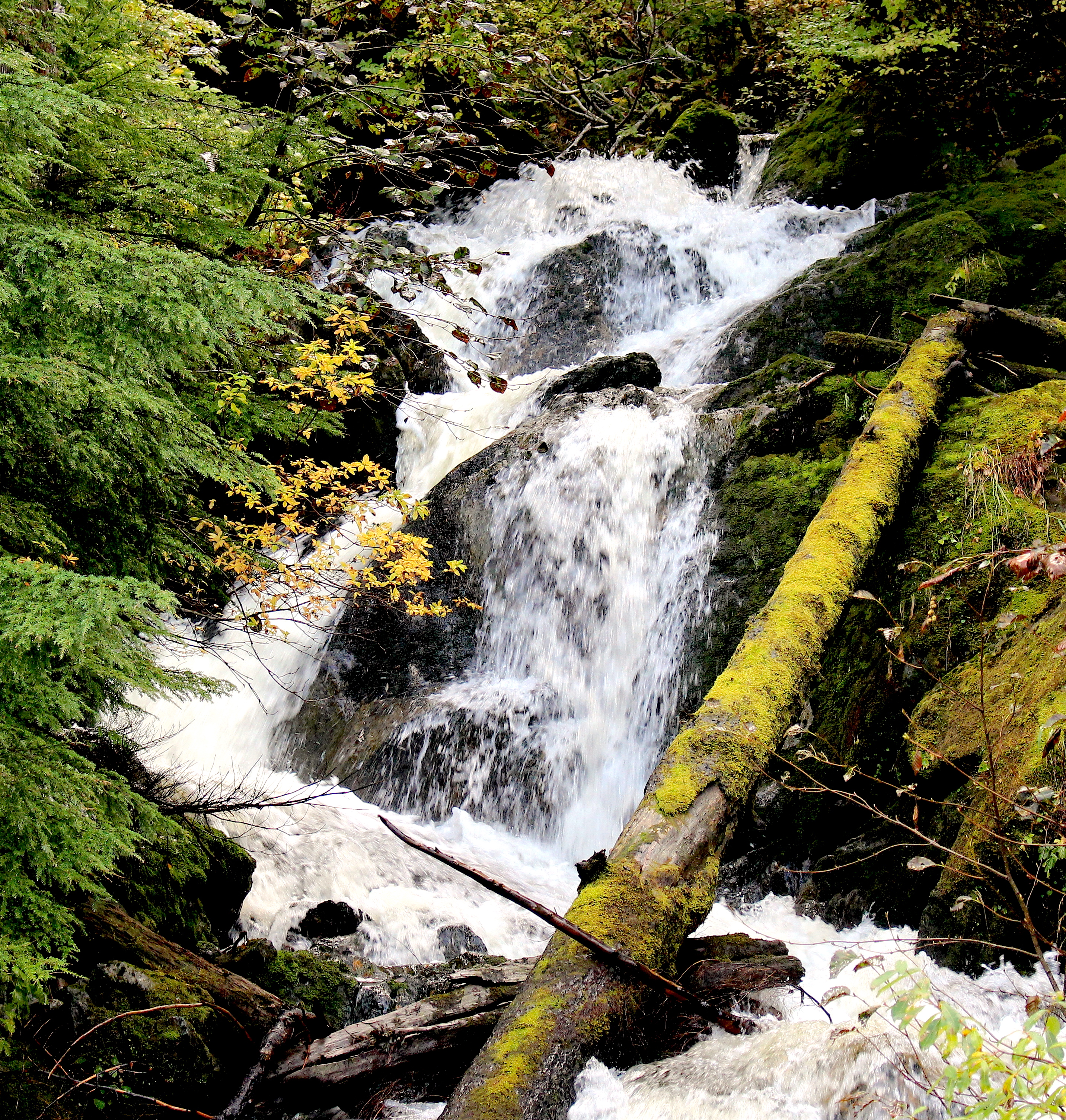
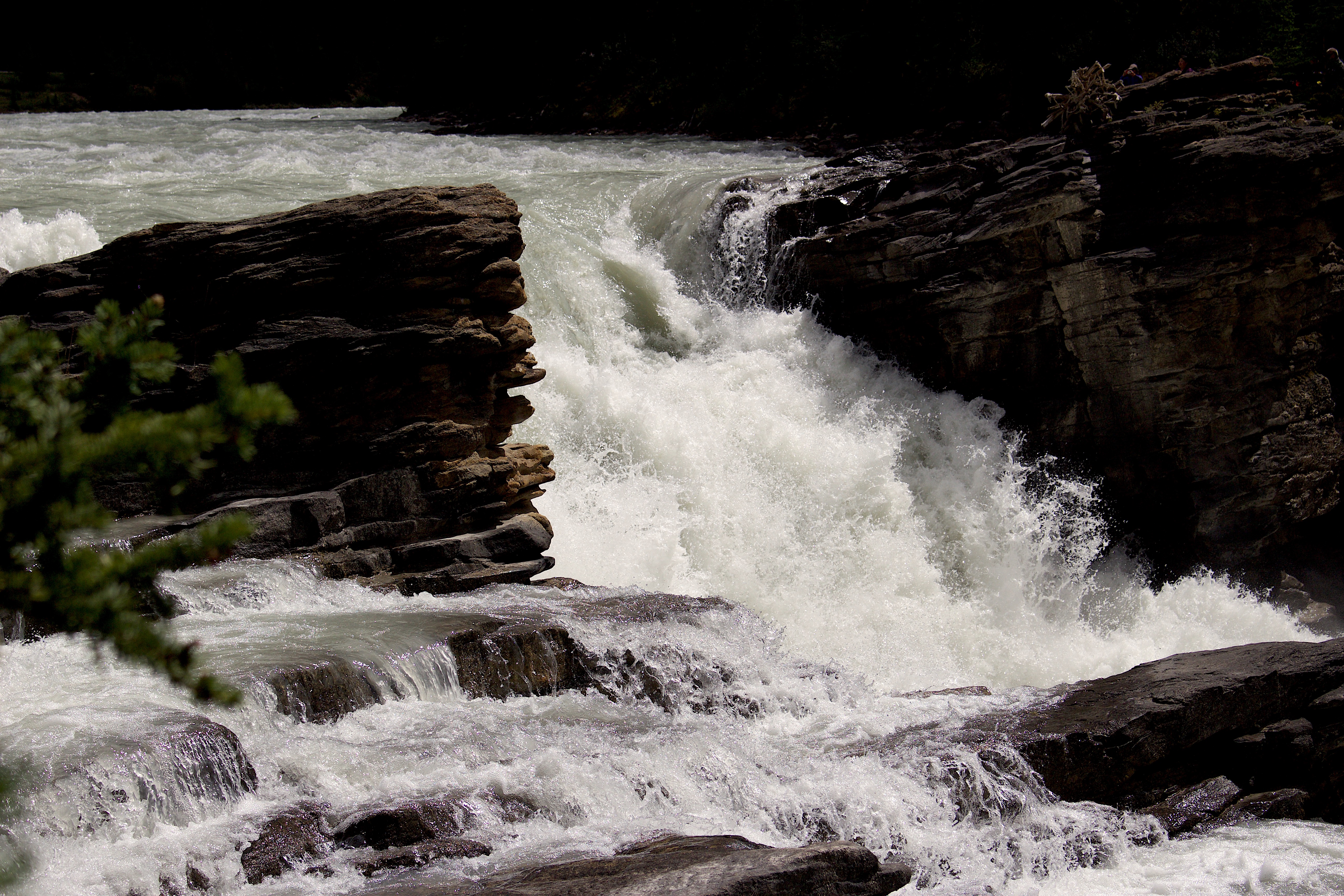
The darksome burn, horseback brown, His rollrock highroad roaring down, In coop and in comb the fleece of his foam Flutes and low to the lake falls home.
A windpuff-bonnet of fawn-froth
Turns and twindles over the broth
Of a pool so pitchblack, fell-frowning,
It rounds and rounds Despair to drowning.
Degged with dew, dappled with dew,
Are the groins of the braes that the brook treads through,
Wiry heathpacks, flitches of fern,
And the beadbonny ash that sits over the burn.
What would the world be, once bereft
Of wet and wildness? Let them be left,
O let them be left, wildness and wet;
Long live the weeds and the wilderness yet. ~Gerard Manley Hopkins “Inversnaid”
There is despair in the wilderness of untamed hearts.
Such wildness lies just beneath the surface;
it rounds and rounds, almost out of reach.
How are we spared drowning in its pitchblack pool?
How can we thrill to the beauty rather than be sucked into the darkness?
He came not to destroy the world’s wildness,
but to pull us, gasping,
from its unforgiving clutches as we sink in deep.As weeds surviving in the wilderness,
we must grow, flourish, and witness to a wild world bereft.
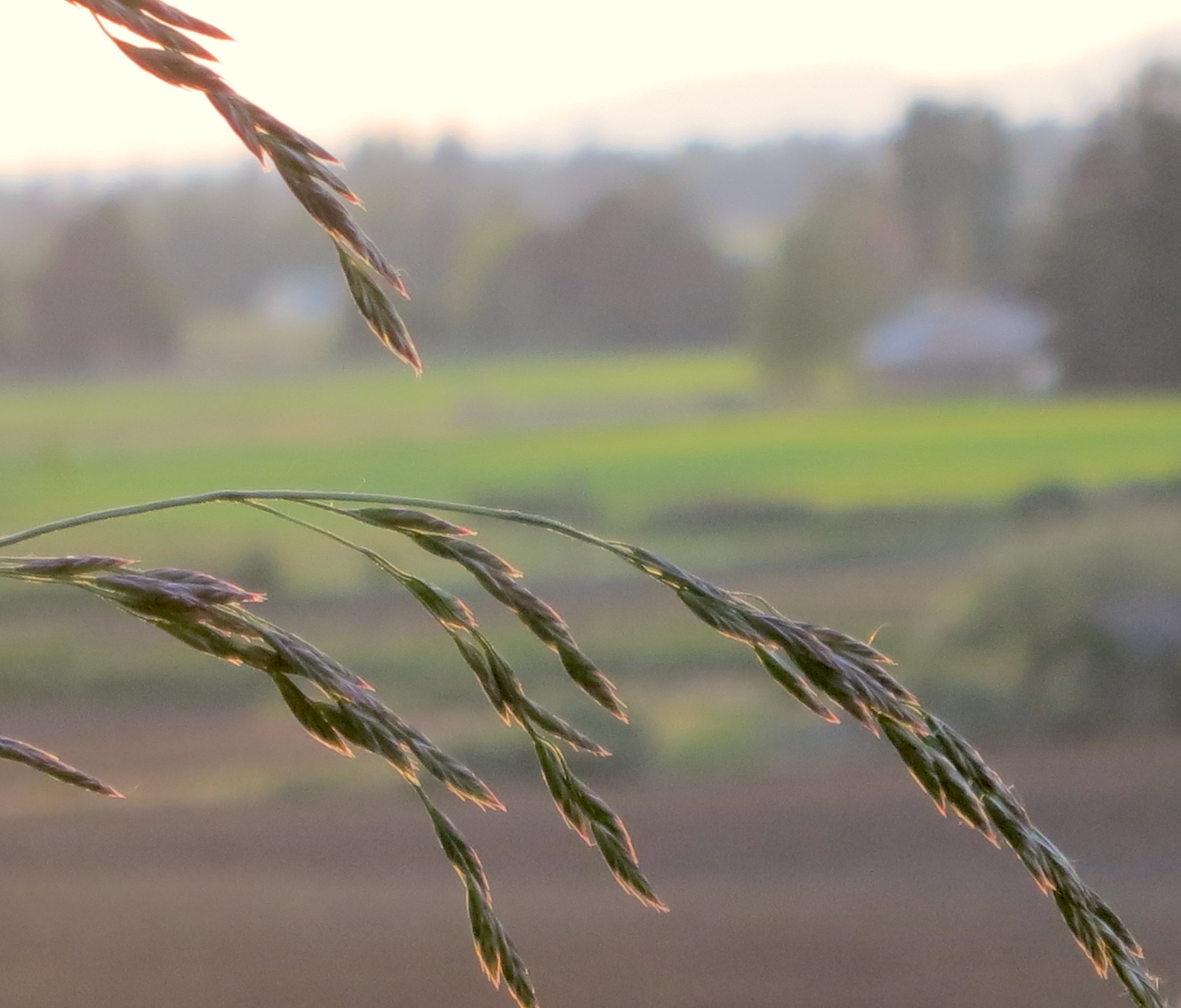
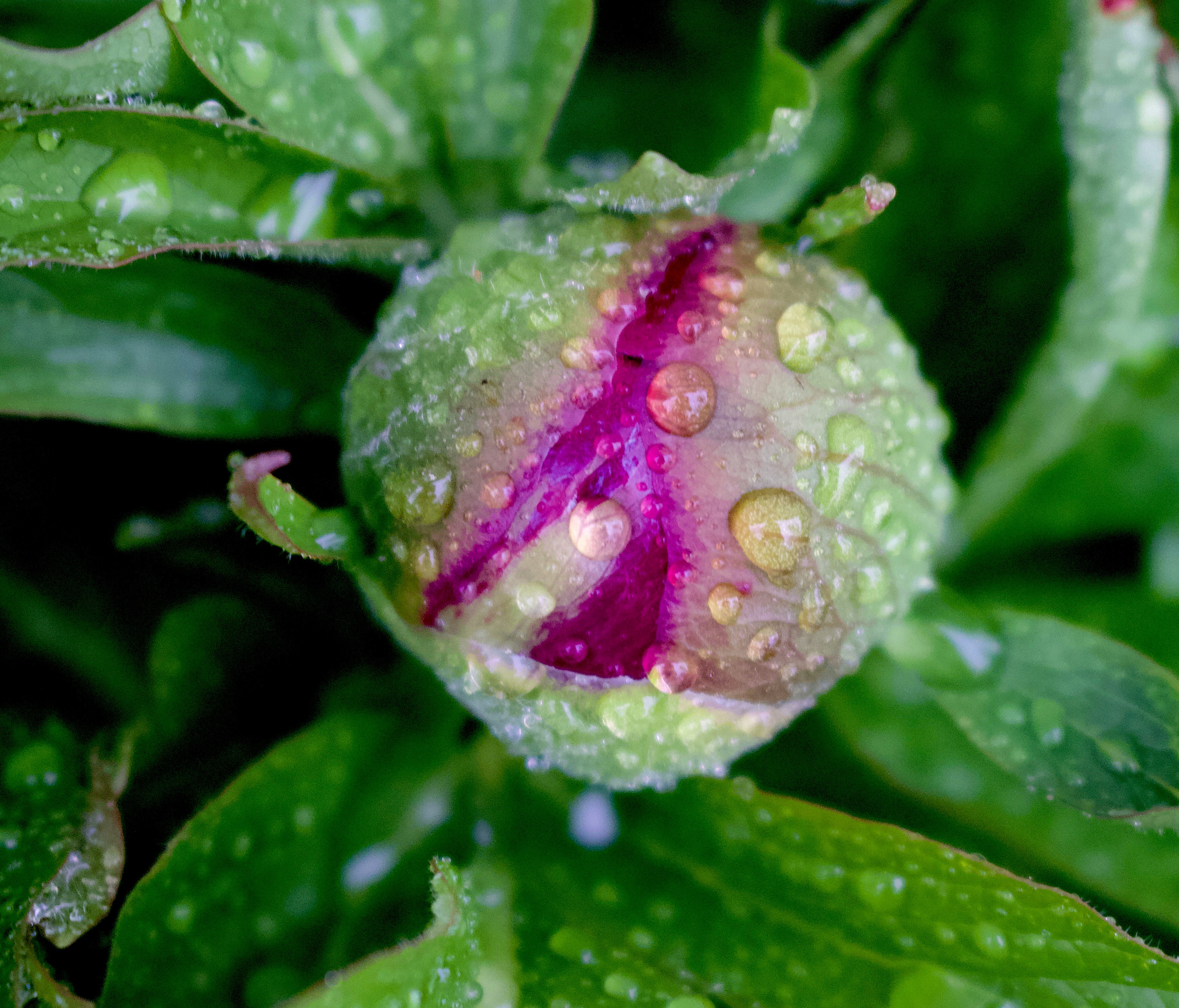
Faith steals upon you like dew: some days you wake and it is there. And like dew, it gets burned off in the rising sun of anxieties, ambitions, distractions. ~Christian Wiman from My Bright Abyss
My faith,
refreshed in the light of morning,
can evaporate in the dry stress of the day.
May I turn my face up
each night, asking to be washed
in the mist of God’s dew,
my anxiety settled like dust.


















 Barnstorming