Freedom: Being Easy in the Harness

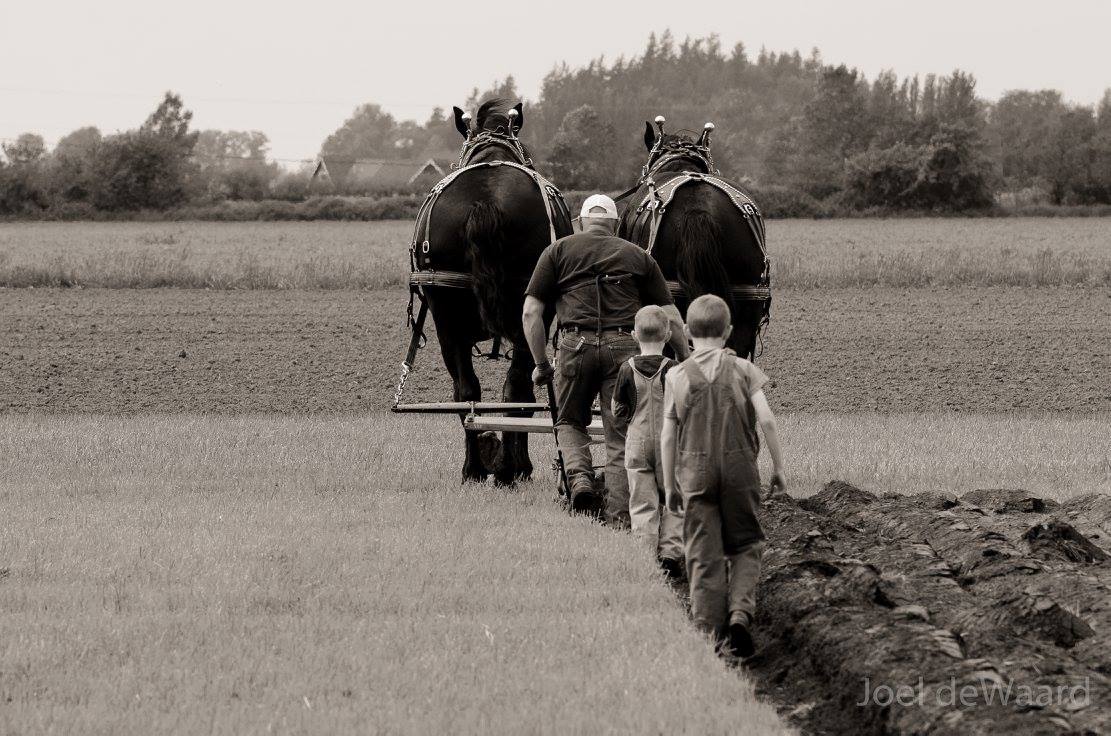
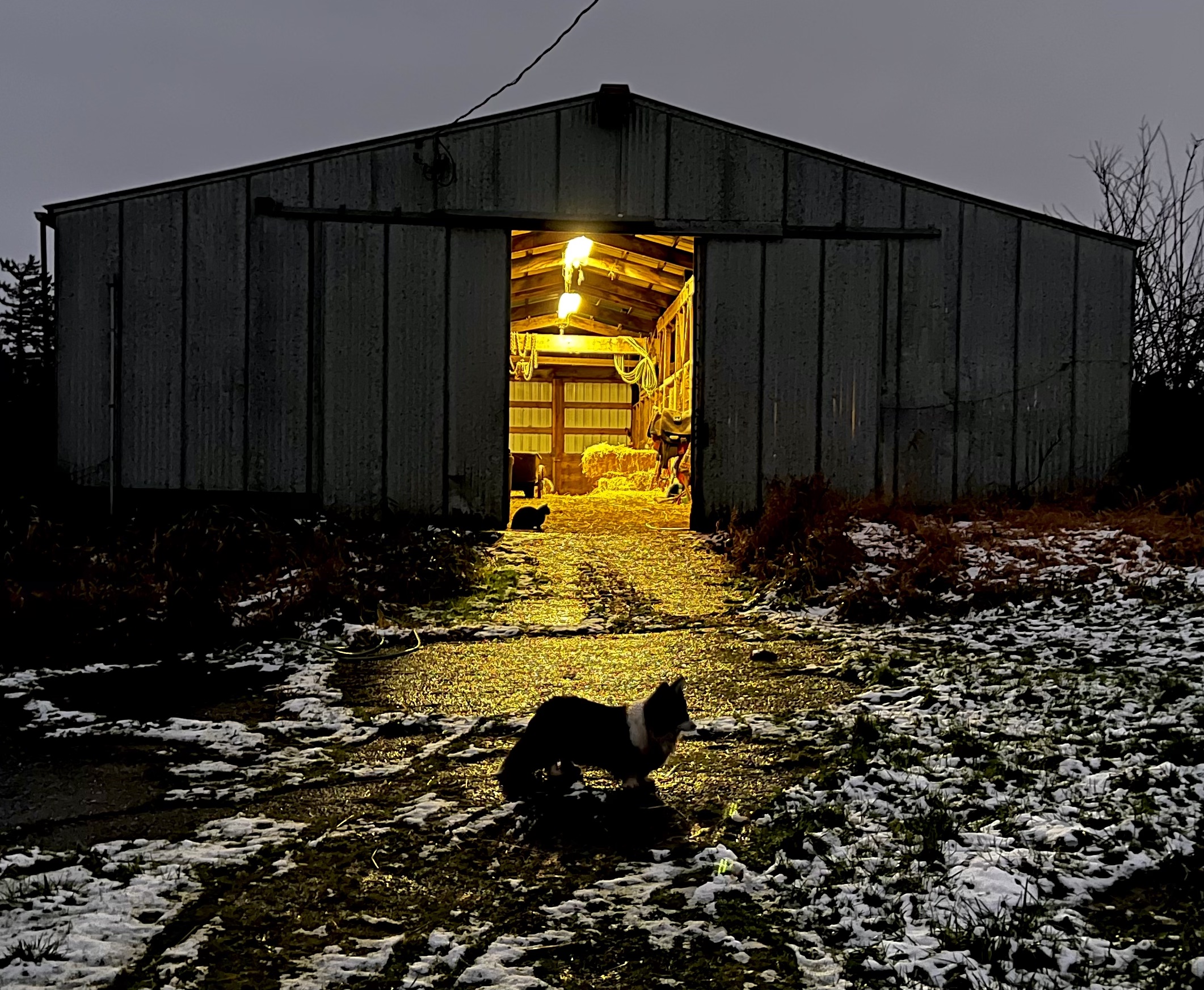
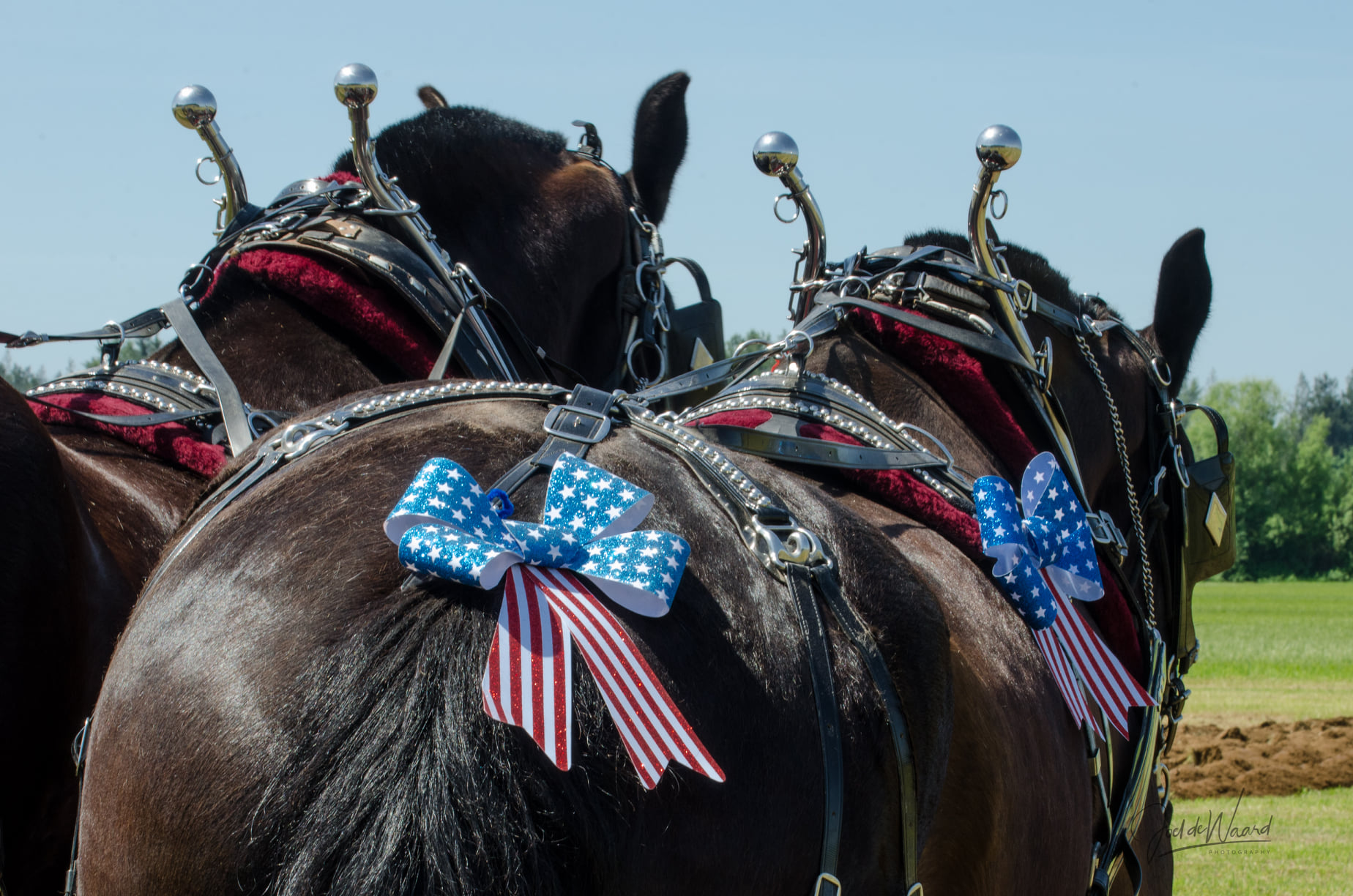
photo by Joel DeWaard
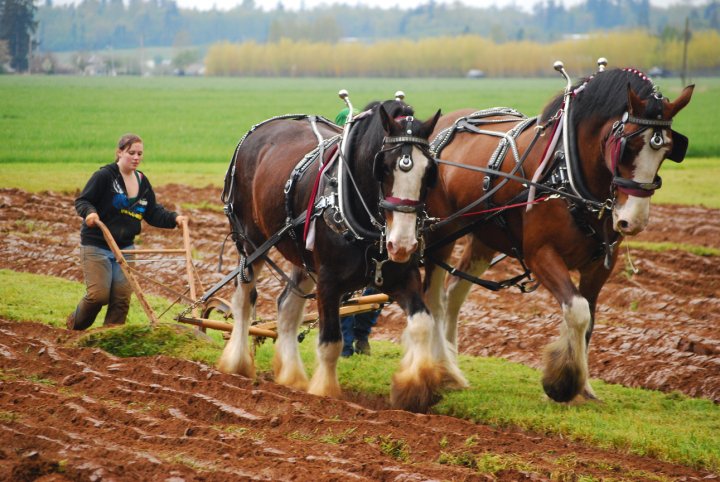
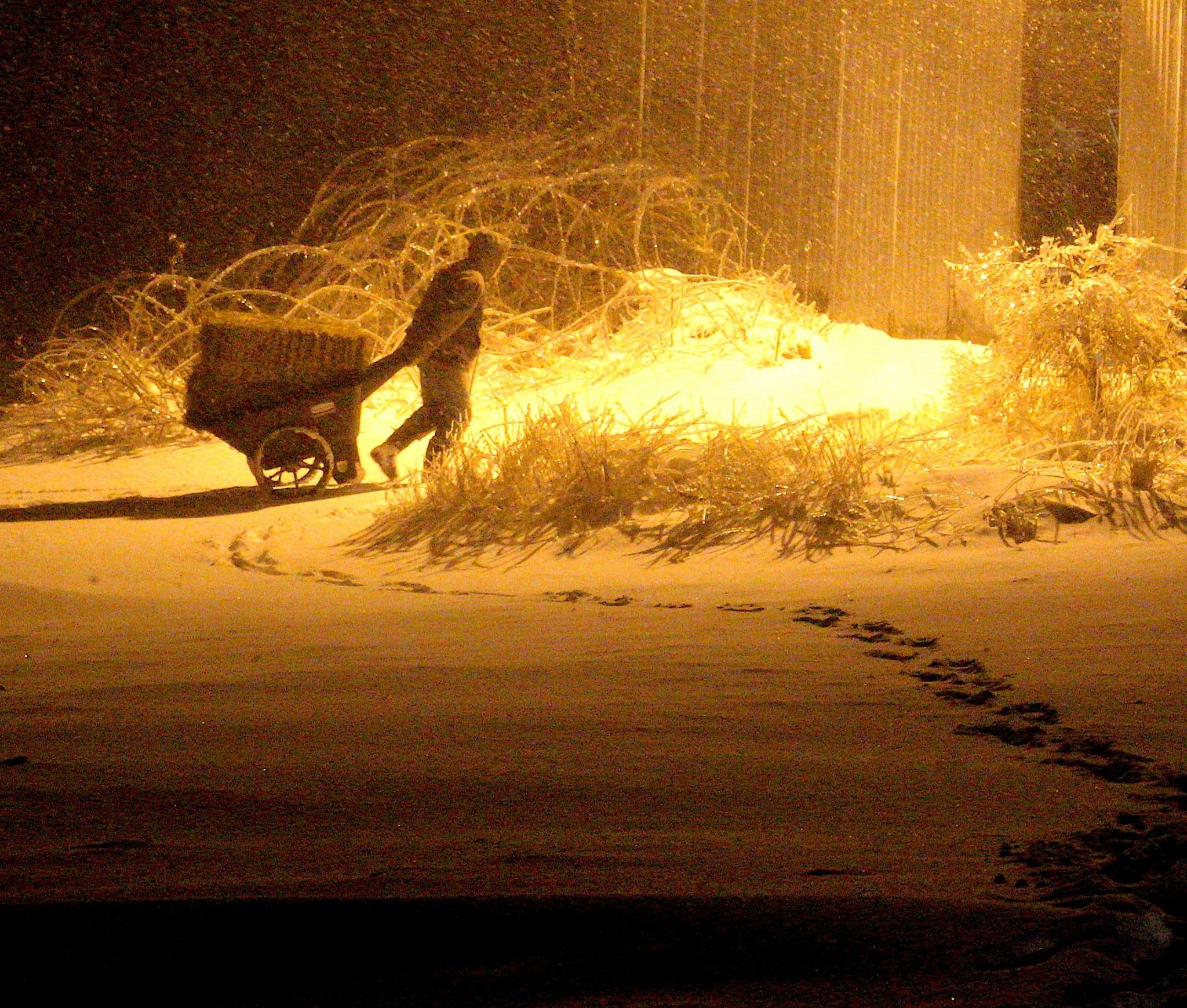
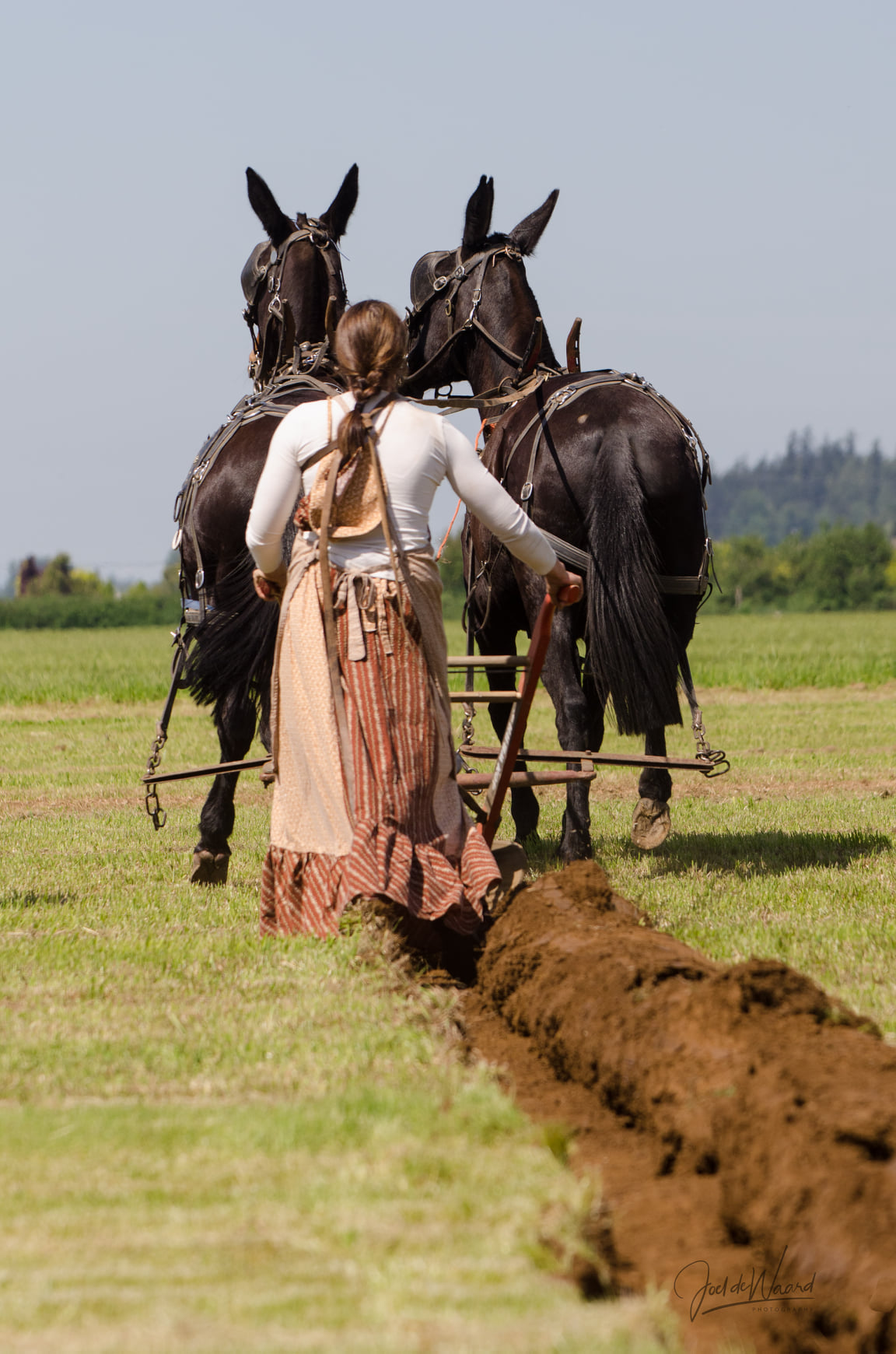
Photo by Joel DeWaard
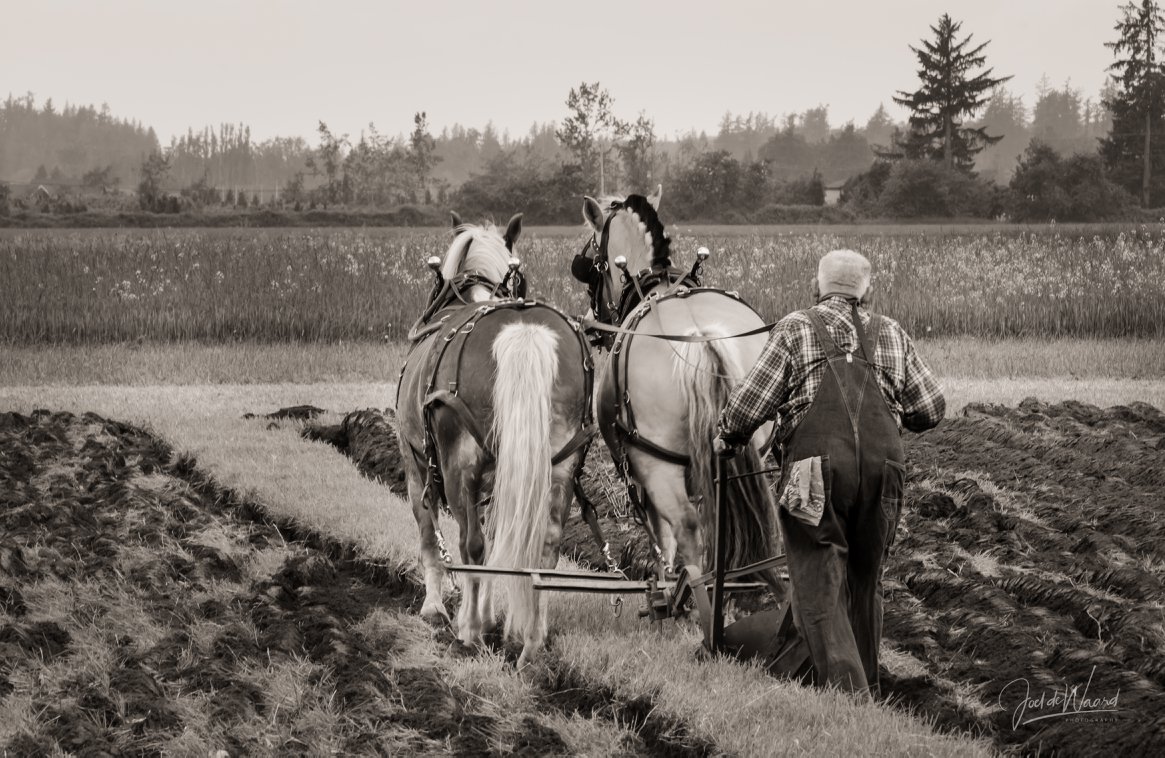
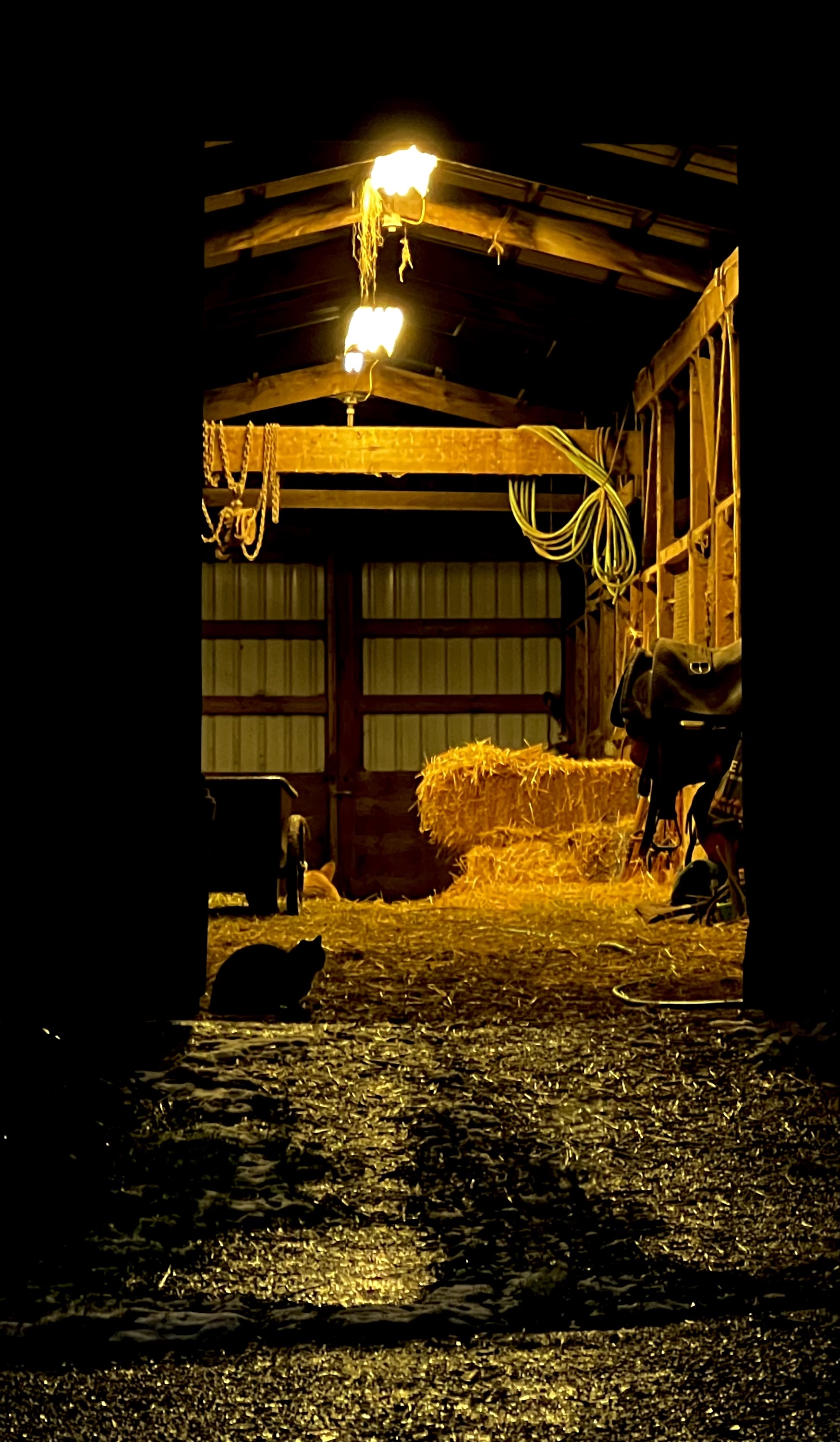
photo by Joel DeWaard

I find my greatest freedom on the farm.
I can be a bad farmer or a lazy farmer and it’s my own business.
What is my definition of freedom?
It’s being easy in your harness.

~Robert Frost in 1954, at a news conference on the eve of his 80th birthday

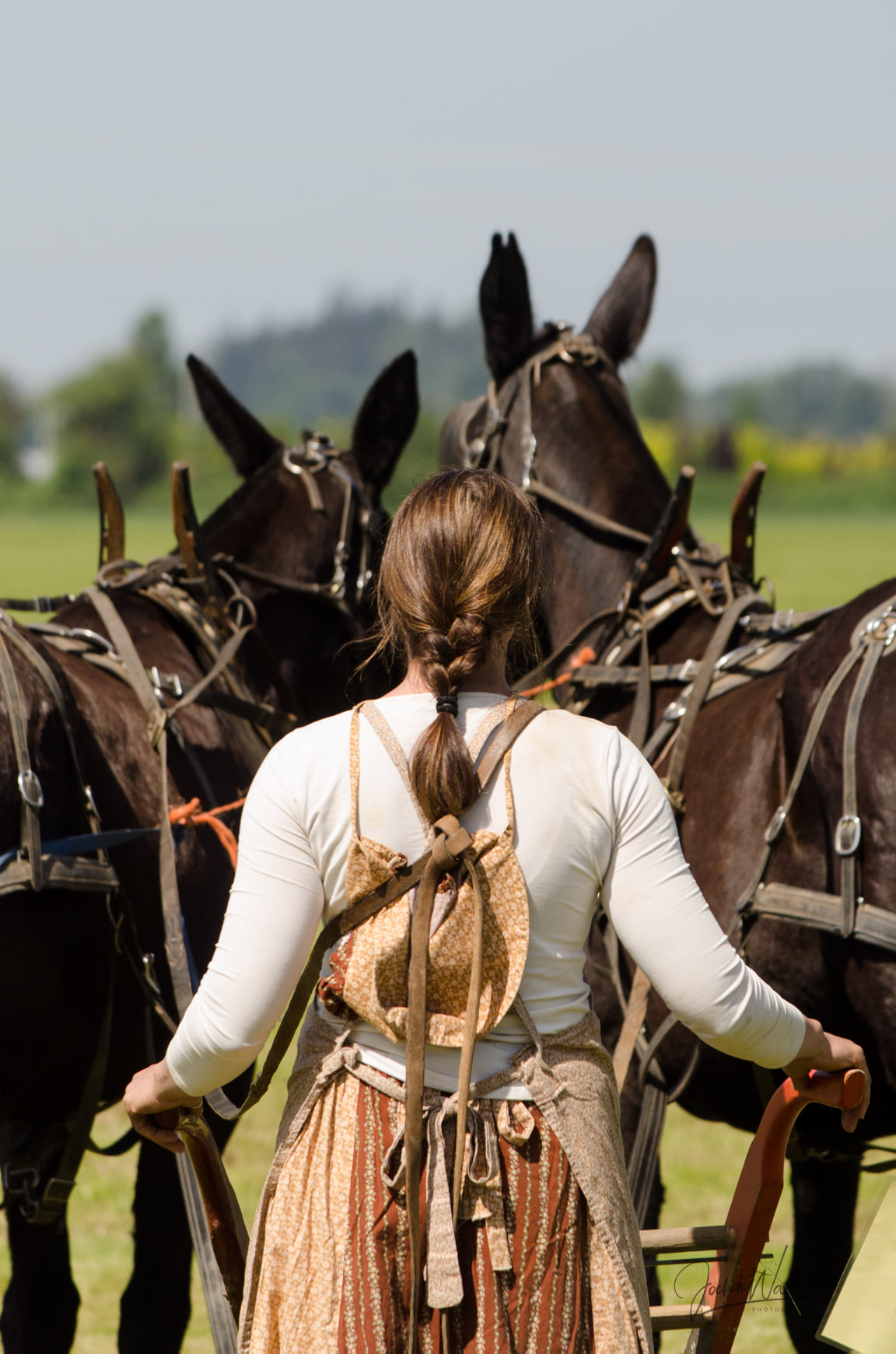
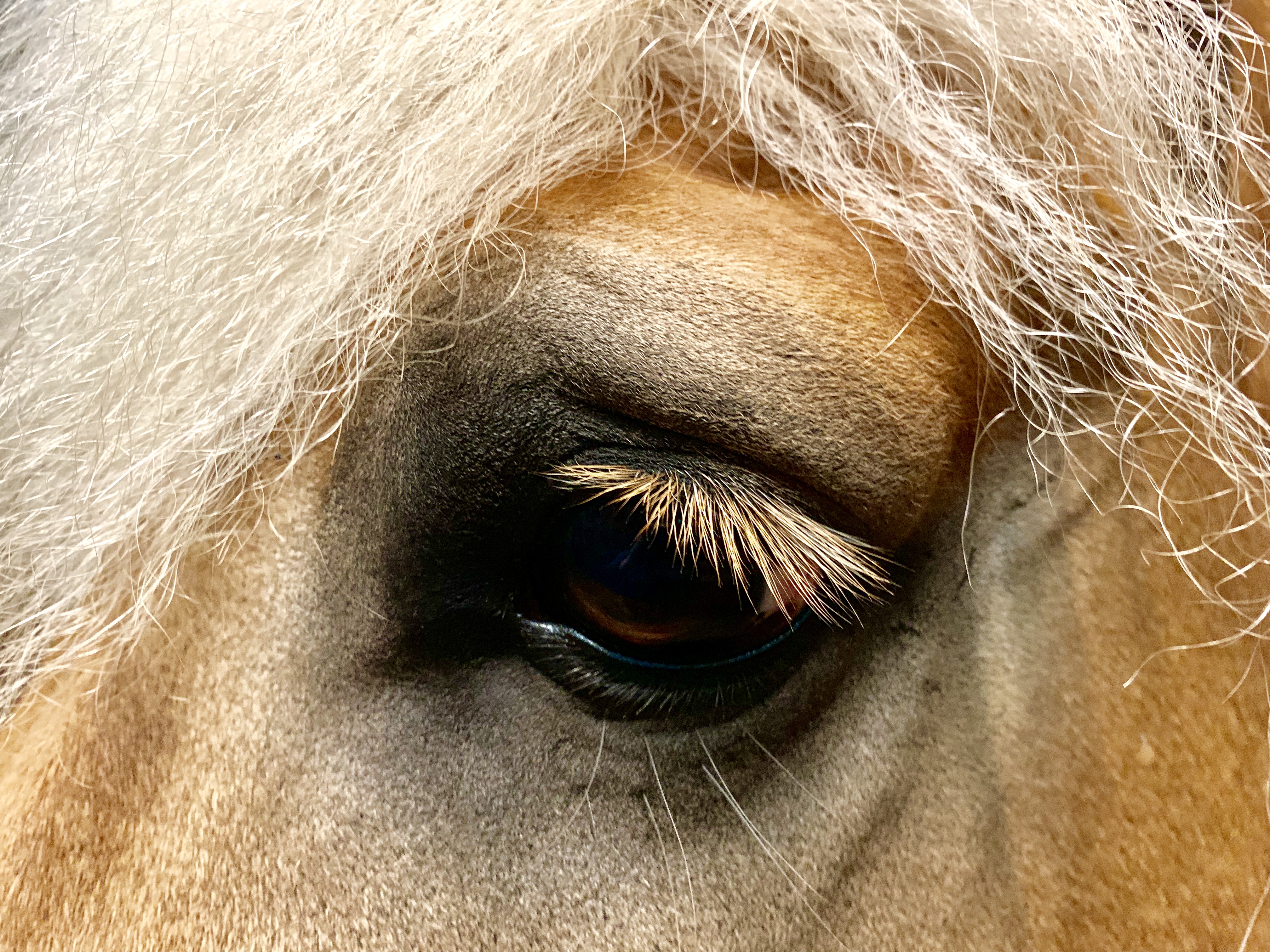
photo by Joel DeWaard

Little soul,
you and I will become
the memory
of a memory of a memory.
A horse
released of the traces
forgets the weight of the wagon.
~Jane Hirshfield “Harness”
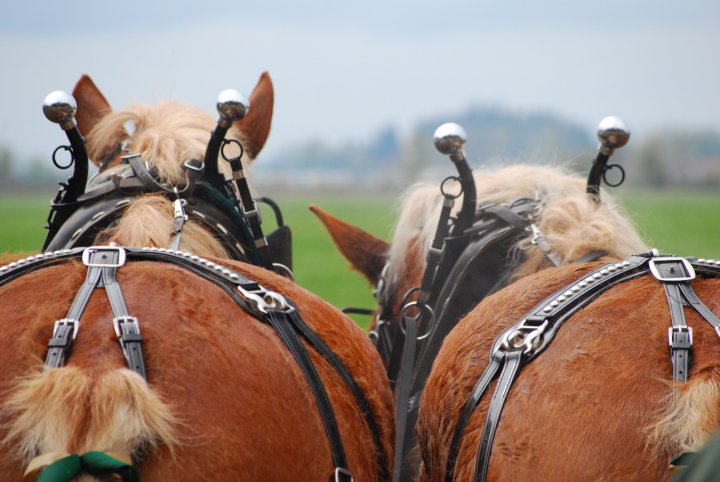
photo by Joel DeWaard

The past was faded like a dream; 
There come the jingling of a team, 
A ploughman’s voice, a clink of chain, 
Slow hoofs, and harness under strain. 
Up the slow slope a team came bowing

O wet red swathe of earth laid bare,
O truth, O strength, O gleaming share,
O patient eyes that watch the goal,
O ploughman of the sinner’s soul.
O Jesus, drive the coulter deep
To plough my living man from sleep…


That Christ was standing there with me, 
That Christ had taught me what to be, 
That I should plough, and as I ploughed 
My Saviour Christ would sing aloud, 
And as I drove the clods apart 
Christ would be ploughing in my heart, 
Through rest-harrow and bitter roots, 
Through all my bad life’s rotten fruits.

Lo, all my heart’s field red and torn,
And Thou wilt bring the young green corn,
And when the field is fresh and fair
Thy blessed feet shall glitter there,
And we will walk the weeded field,
And tell the golden harvest’s yield,
The corn that makes the holy bread
By which the soul of man is fed,
The holy bread, the food unpriced,
Thy everlasting mercy, Christ.
~John Masefield from The Everlasting Mercy
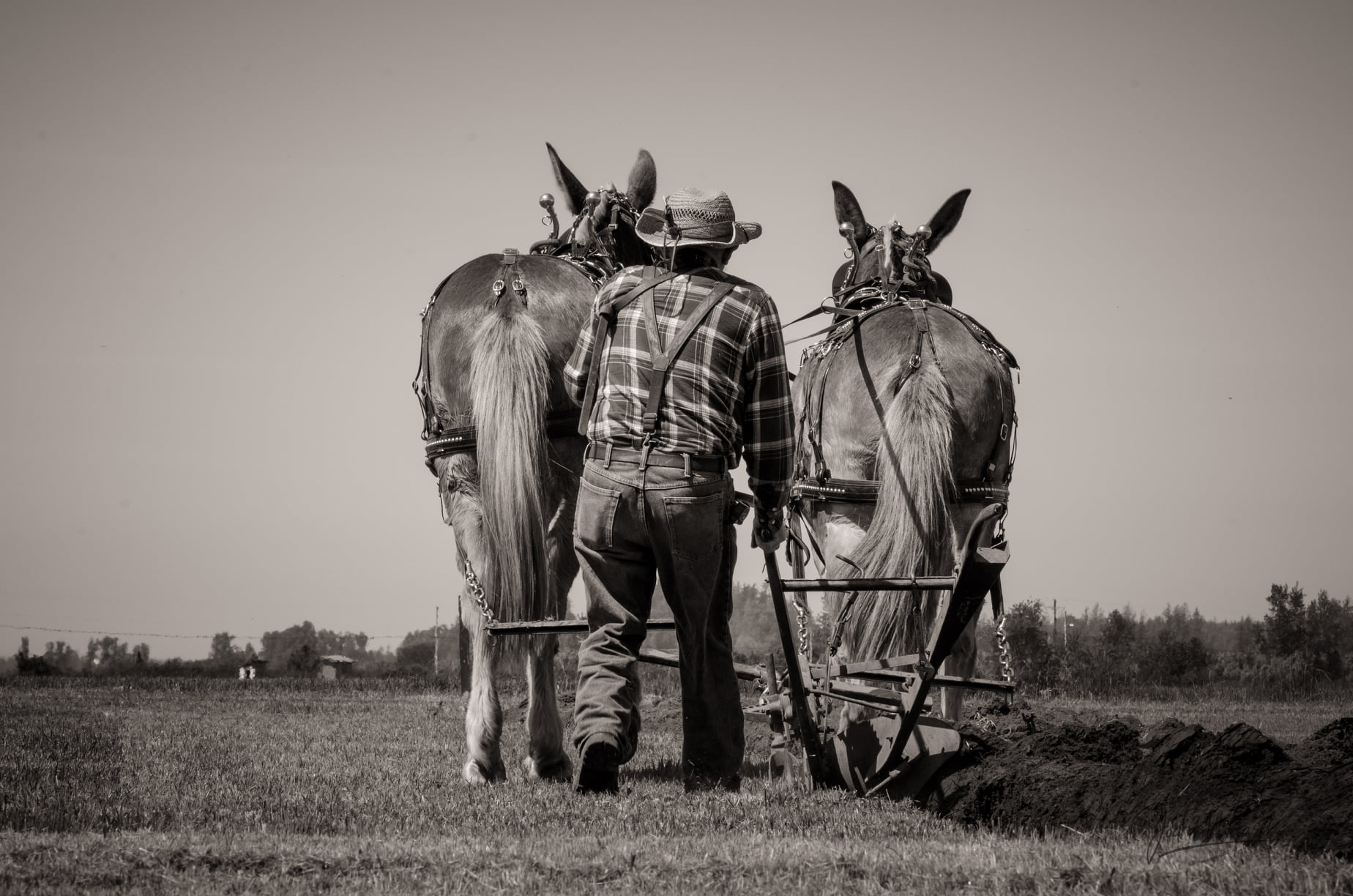
photo by Joel DeWaard

We historically have shouldered much burden
in our pursuit of happiness and freedom;
it’s worth every ounce of sweat,
every sore muscle,
every drop of blood,
every tear.

We forget the weight of the plow
as it turns over the earth
where someday we will rest as dust.

The soil of our hearts is well-tilled,
yielding to the plowshare
digging deep with the pull of the harness.
The furrow straight and narrow.

Although we are tread upon
yet do we bloom;
though we are turned upside down
yet we produce bread.

Plowing brings freshness to the surface,
a new face upturned to the cleansing dew,
knots of worms making our simple dust fertile.

Plow deep our hearts this day
of celebrating freedom in You, Dear Lord.
Let us remember to worship You, and not ourselves.

May we plow, sow, grow,
gather and harvest what is needed
to feed your vast and hungry children
everywhere.
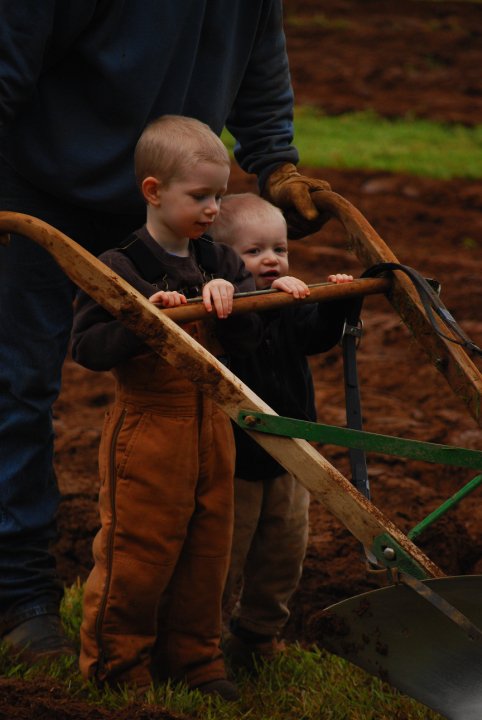
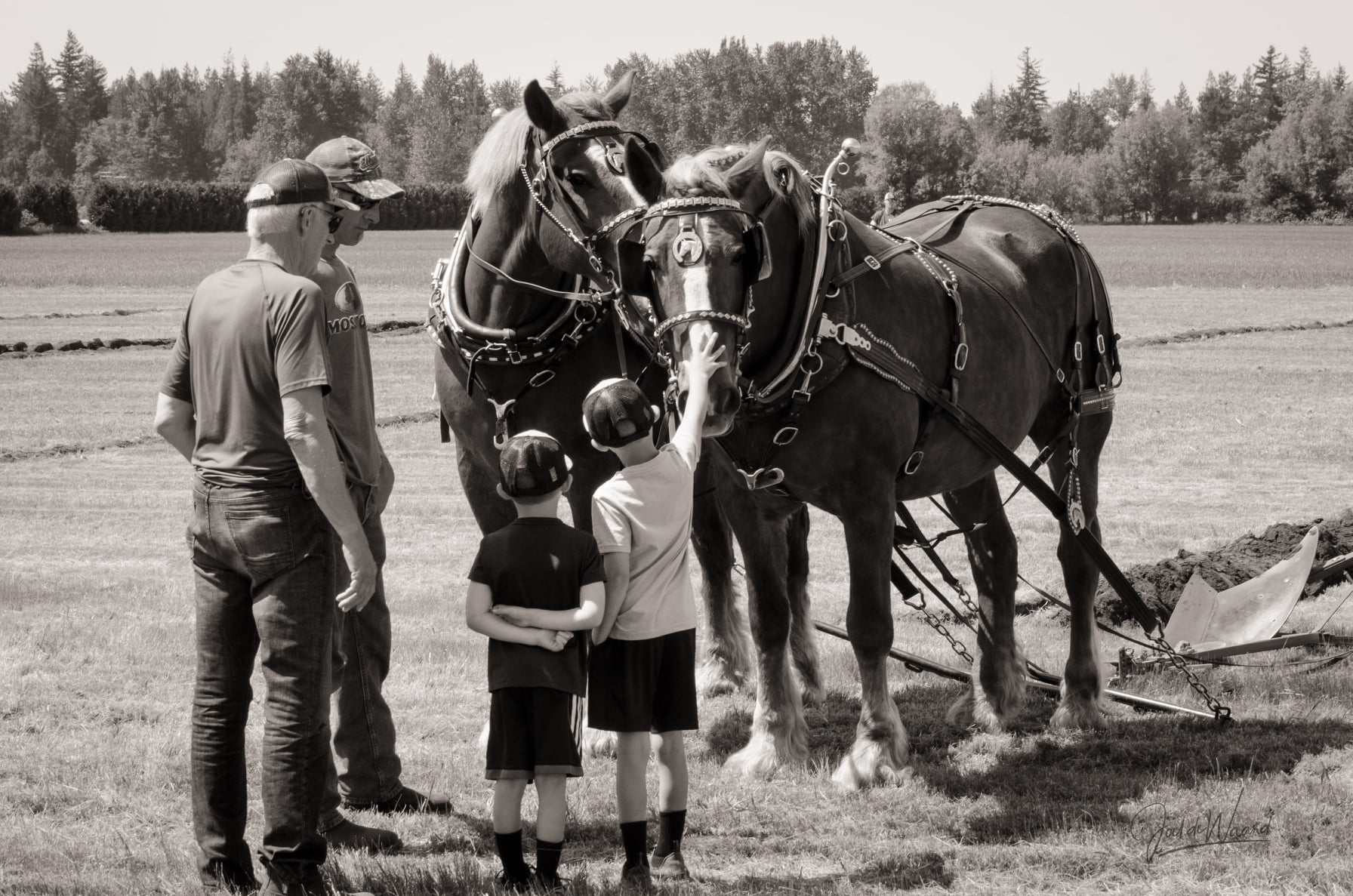
photo by Joel DeWaard

Thank you once again to Joel DeWaard, local farmer, craftsman and photographer, who graciously shares his photos of the Annual International Lynden (Washington) Plowing Match

Whatcha gonna do when the plowin’s done?
Workin’ all day in the heat of the sun
The game’s been caught; the bread’s been won
Whatcha gonna do when the plowin’s done?

What I’m gonna do when the plowin’s done
Is take some time just to have some fun
Say the barn-dance just begun
That’s where I’m goin’ when the plowin’s done

Whatcha gonna do when the daylight’s gone
Twilight settles and the shade grows long
The whippoorwill sings his favorite song
Whatcha gonna do when the daylight’s gone?

What I’m gonna do when the daylight’s gone
Is take you to the dance if you’ll come along
The down-home past time can’t go wrong
That’s what I’m doing when the daylight’s gone

Whatcha gonna do when the moonlight’s gone
And dewdrops settle on the farmer’s lawn
I’m gonna stay right here and dance till dawn
That’s what I’m doing when the moonlight’s gone

One-Time
Monthly
Yearly

Make a one-time or recurring donation to support daily Barnstorming posts

Make a monthly donation

Make a yearly donation

Choose an amount

¤5.00
¤10.00
¤20.00
¤5.00
¤15.00
¤100.00
¤5.00
¤15.00
¤100.00

Or enter a custom amount

¤

Your contribution is deeply appreciated.

Your contribution is appreciated.

Your contribution is appreciated.

DonateDonate monthlyDonate yearly
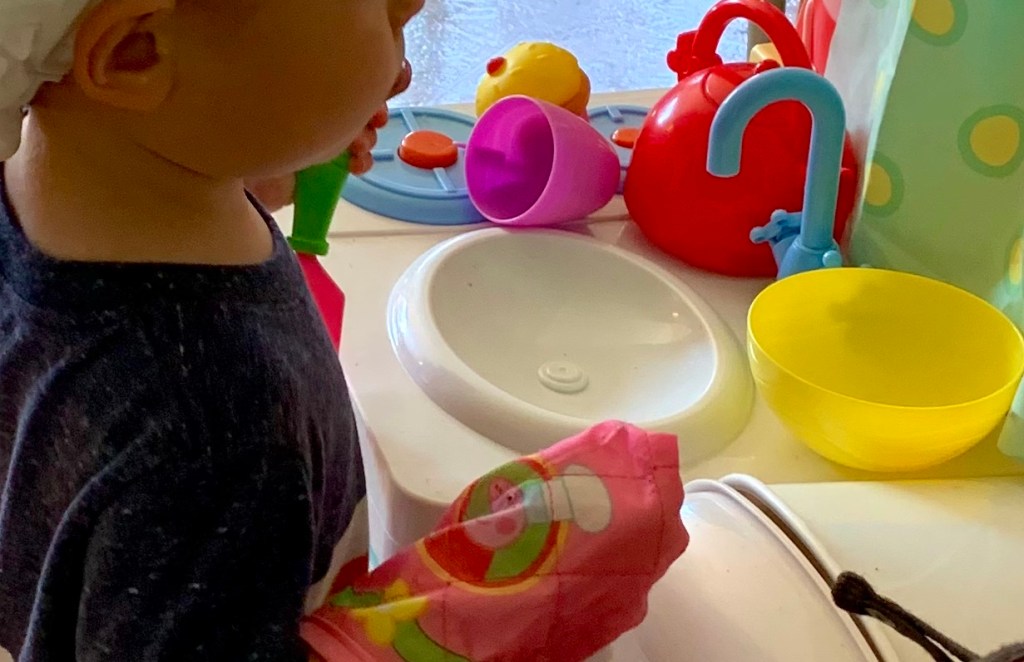
Washing Dishes By Hand

Even the mundane task of washing dishes by hand is an example of the small tasks and personal activities that once filled people’s daily lives with a sense of achievement.
~B.F. Skinner, behavioral psychologist

She rarely made us do it—we’d clear the table instead—
so my sister and I teased that some day
we’d train our children right and not end up like her,
after every meal stuck with red knuckles,
a bleached rag to wipe and wring.
The one chore she spared us:
gummy plates in water greasy
and swirling with sloughed peas,
globs of egg and gravy.                               
Or did she guard her place at the window?
Not wanting to give up the gloss of the magnolia,
the school traffic humming.
Sunset, finches at the feeder.
First sightings
of the mail truck at the curb, just after noon,
delivering a note, a card, the least bit of news.
~Susan Meyers “Mother, Washing Dishes”

My thoughts went round and round and it occurred to me that if I ever wrote a novel it would be of the ‘stream of consciousness’ type and deal with an hour in the life of a woman at the sink.

….I had to admit that nobody had compelled me to wash these dishes or to tidy this kitchen. It was the fussy spinster in me, the Martha who could not comfortably sit and make conversation when she knew that yesterday’s unwashed dishes were still in the sink.
~Barbara Pym from Excellent Women

I trace the faltering American family to the invention of the automatic dishwasher.

What ever has happened to the human dishwasher with two hands full of wash cloth and scrubber, alongside a dish dryer armed with a towel?

Where is the list on the refrigerator of whose turn is next, and the accountability if a family member somehow shirks their washing/drying responsibility and leaves the dishes to the next day?

No longer do family members have to cooperate to scrub clean glasses, dishes and utensils, put them in the dish rack, dry them one by one and place them in the cupboard where they belong. If the washer isn’t doing a proper job, the dryer immediately takes note and recycles the dirty dish right back to the sink. Instant accountability. I always preferred to be the dryer. If I washed, and my sister dried, we’d never get done. She would keep recycling the dishes back for another going-over. My messy nature exposed.

The family conversations started over a meal often continue over the clean-up process while concentrating on whether a smudge is permanent or not. I learned some important facts of life while washing and drying dishes that I might not have learned otherwise. Sensitive topics tend to be easier to discuss when elbow deep in soap suds. Spelling and vocabulary and math fact drills are more effective when the penalty for a missed word is a snap on the butt with a dish towel.

Modern society is missing the best opportunity for three times a day family-together time. Forget family “game” night, or parental “date” night, or even vacations. Dish washing and drying at the sink takes care of all those times when families need to be communicating and cooperating.

It is time to treat the automatic dishwasher as simply another storage cupboard and instead pull out the scrubbing sponges, the white cotton dishtowels and the plastic dishrack.

Let’s start tonight.

And I think it is your turn first…

One-Time
Monthly
Yearly

Make a one-time or recurring donation to support daily Barnstorming posts

Make a monthly donation

Make a yearly donation

Choose an amount

¤5.00
¤10.00
¤20.00
¤5.00
¤15.00
¤100.00
¤5.00
¤15.00
¤100.00

Or enter a custom amount

¤

Your contribution is deeply appreciated.

Your contribution is appreciated.

Your contribution is appreciated.

DonateDonate monthlyDonate yearly
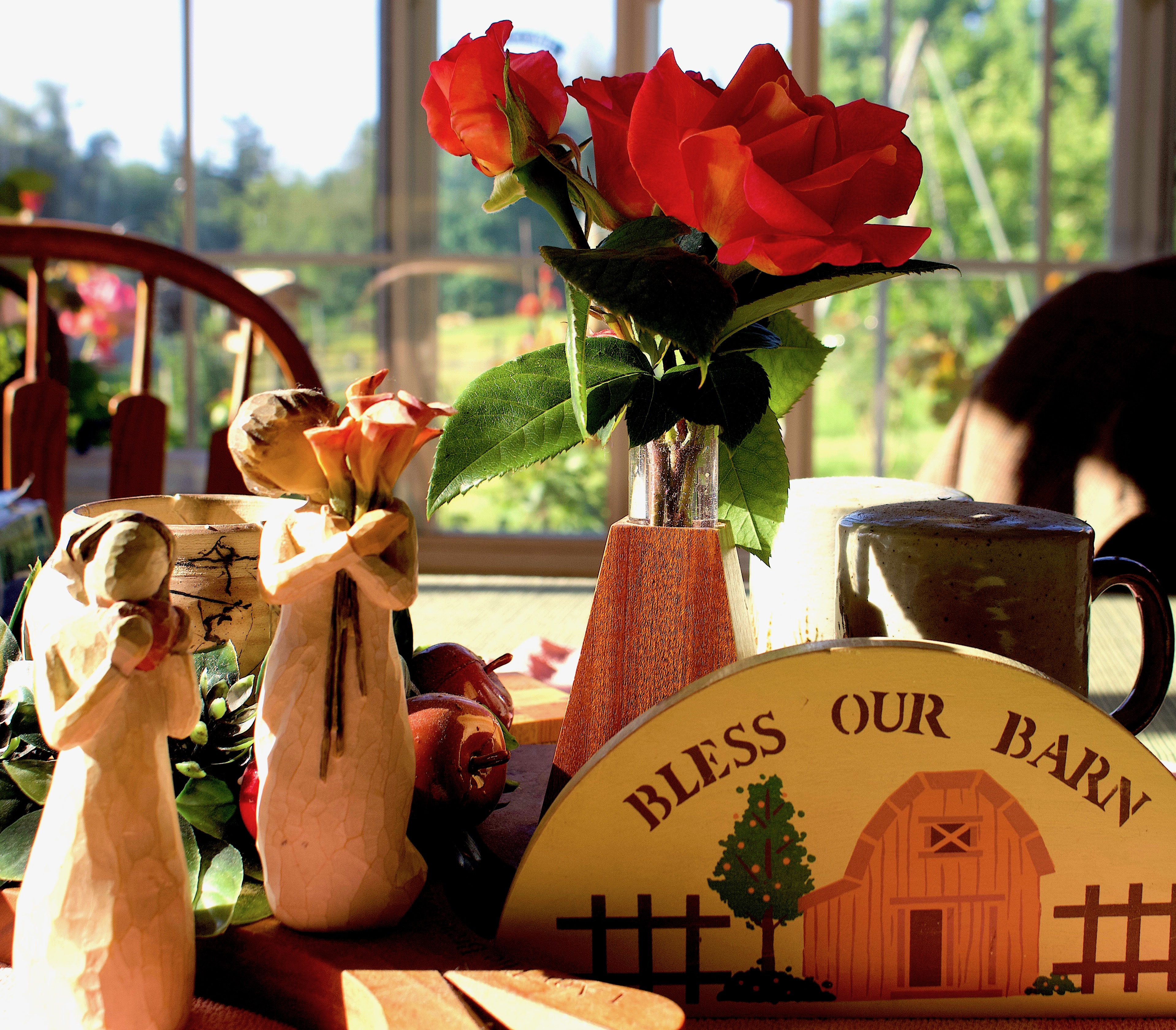
To Seek the Whole…

… why should I not sit, every morning of my life,
on the hillside, looking into the shining world?
Can one be passionate about the just, the
ideal, the sublime, and the holy, and yet commit
to no labor in its cause? I don’t think so.

 
Be ignited, or be gone.
~Mary Oliver from “What I Have Learned So Far”

How often do we miss the fainter note
Or fail to see the more exquisite hue,
Blind to the tiny streamlet at our feet,
Eyes fixed upon some other, further view.
What chimes of harmonies escape our ears,
How many rainbows must elude our sight,
We see a field but do not see the grass,
Each blade a miracle of shade and light.
How then to keep the greater end in eye
And watch the sunlight on the distant peak,
And yet not tread on any leaf of love,
Nor miss a word the eager children speak?
Ah, what demand upon the narrow heart,
To seek the whole, yet not ignore the part.

~Philip Britts “Sonnet 1” from Water at the Roots

We are born nearly blinded, focused solely on our emptiness – a hunger to be filled and our need to be held.  As we grow, our focus sharpens to fall in love with those who feed and nurture us.

Eventually we discover, challenge and worship He who made us. I need to seek out and harvest the beauty growing in each moment.

This world is often too much for me to take in as a whole — an exquisite view of shadow and light, color and gray, loneliness and embrace, sorrow and joy.

With more years and a broader vision, I scan for the finer details within the whole before it disappears with the changing light.  Time’s a wasting (and so am I) as I try to capture it all with the lenses of our eyes and hearts.

The end of life comes too soon, when once again my vision blurs and the world fades away from view. I will hunger yet again to be filled and held.

And then heaven itself will seem almost too much to take in – my heart full to bursting with light and promise for the rest of eternity.

One-Time
Monthly
Yearly

Make a one-time or recurring donation to support daily Barnstorming posts

Make a monthly donation

Make a yearly donation

Choose an amount

¤5.00
¤10.00
¤20.00
¤5.00
¤15.00
¤100.00
¤5.00
¤15.00
¤100.00

Or enter a custom amount

¤

Your contribution is deeply appreciated.

Your contribution is appreciated.

Your contribution is appreciated.

DonateDonate monthlyDonate yearly

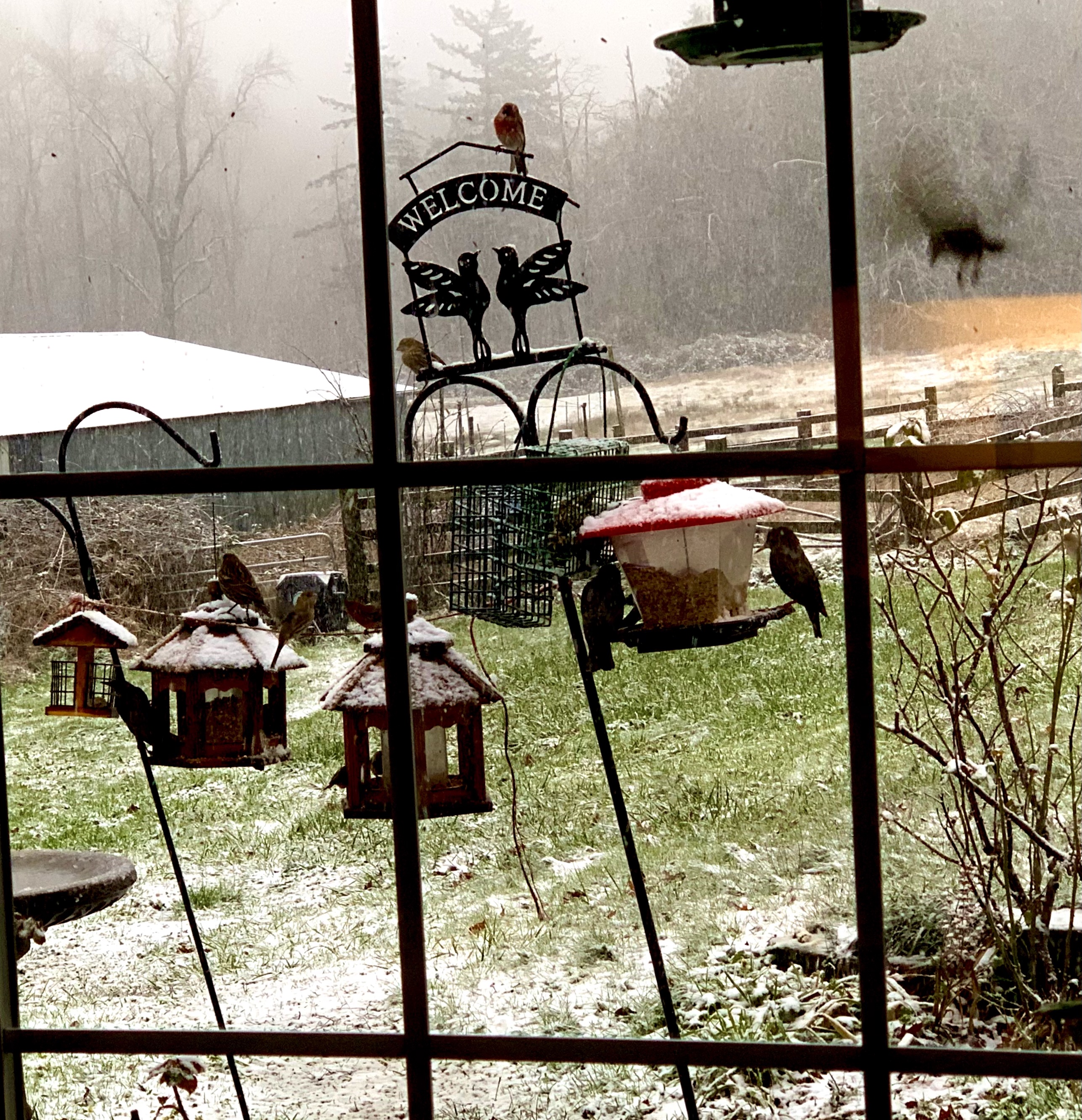
Taken Leave of My Senses

When I lived in the foothills
birds flocked to the feeder:

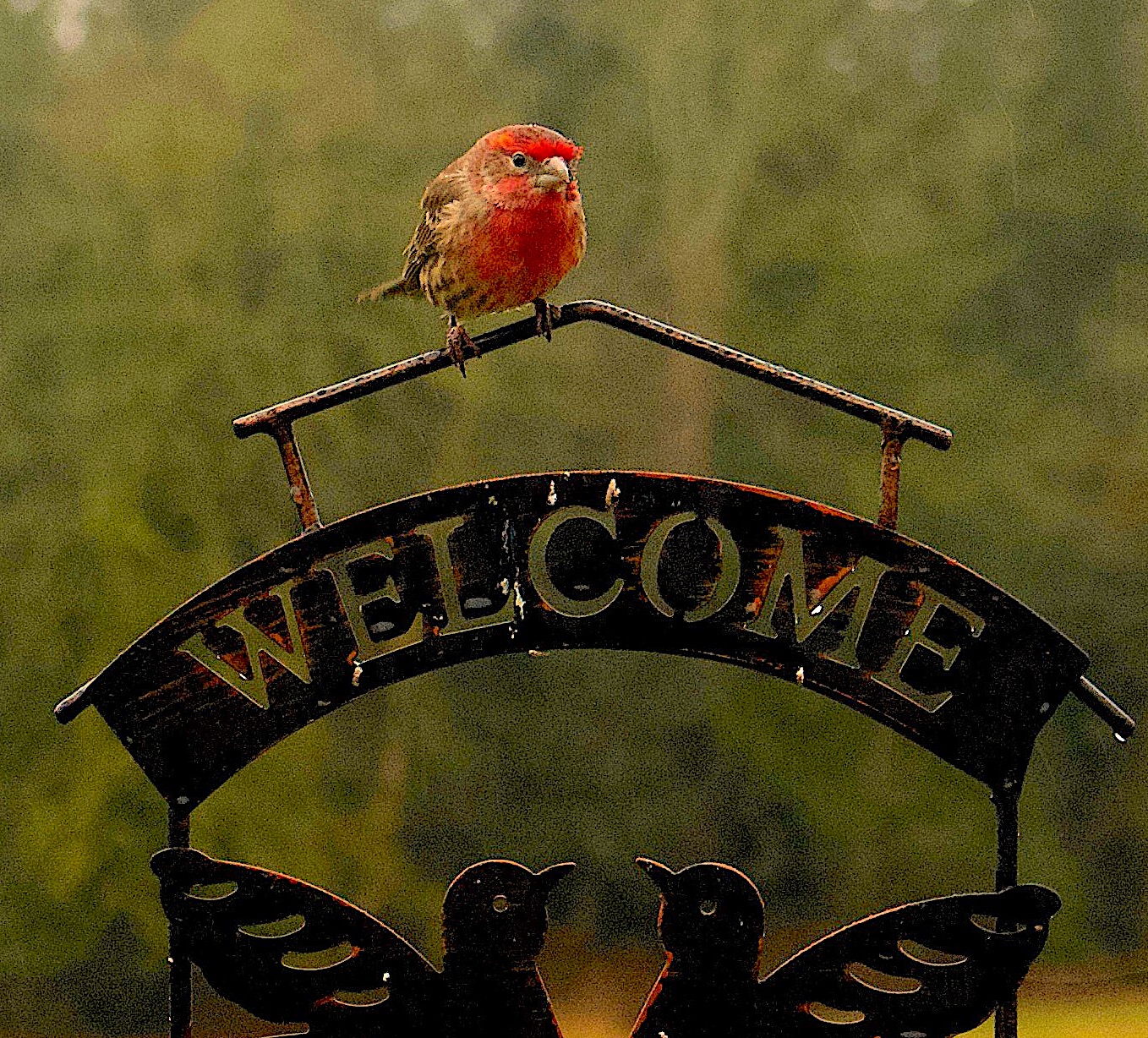
house finches, goldfinches,
skyblue lazuli buntings,

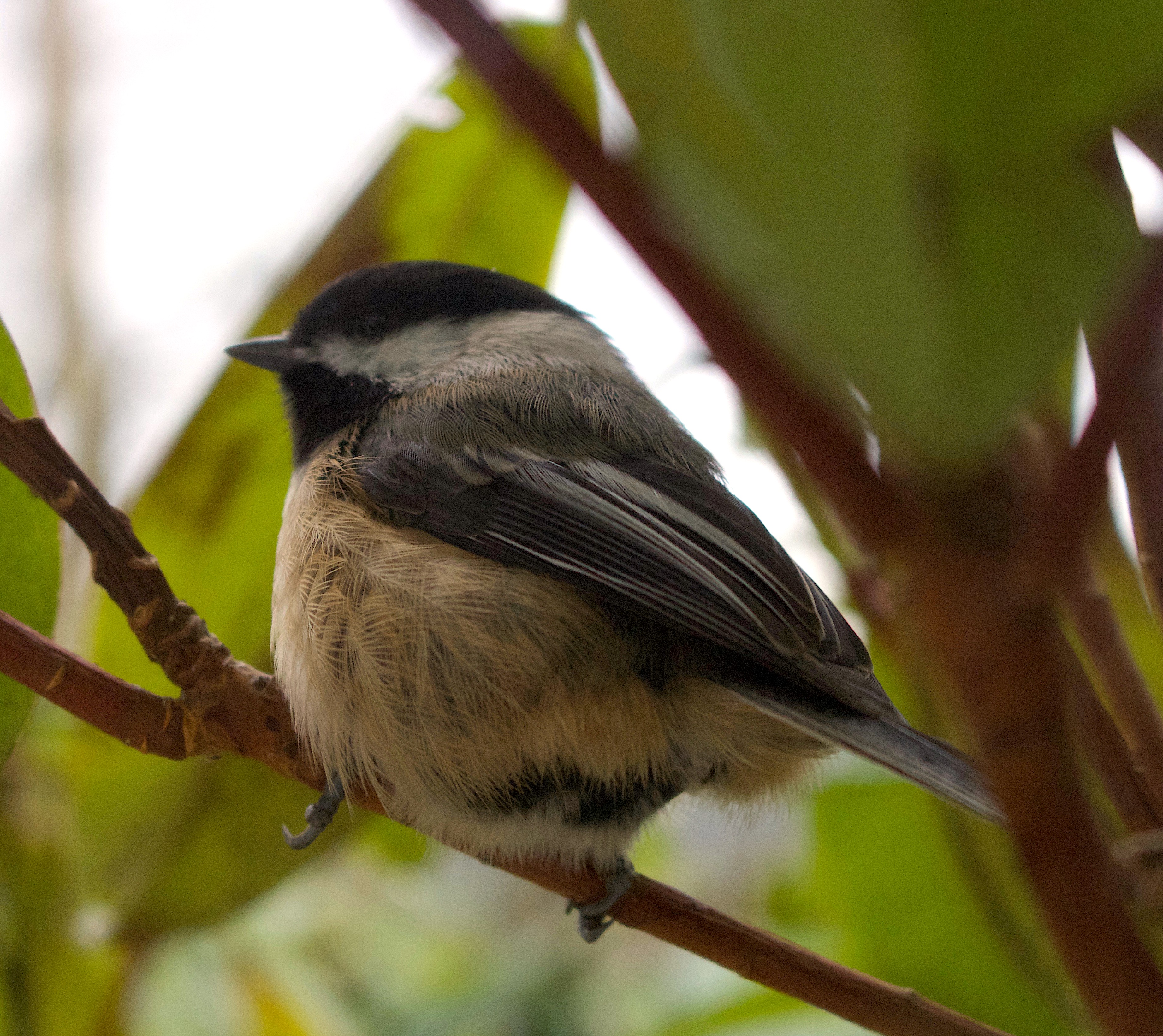
impeccably dressed chickadees,
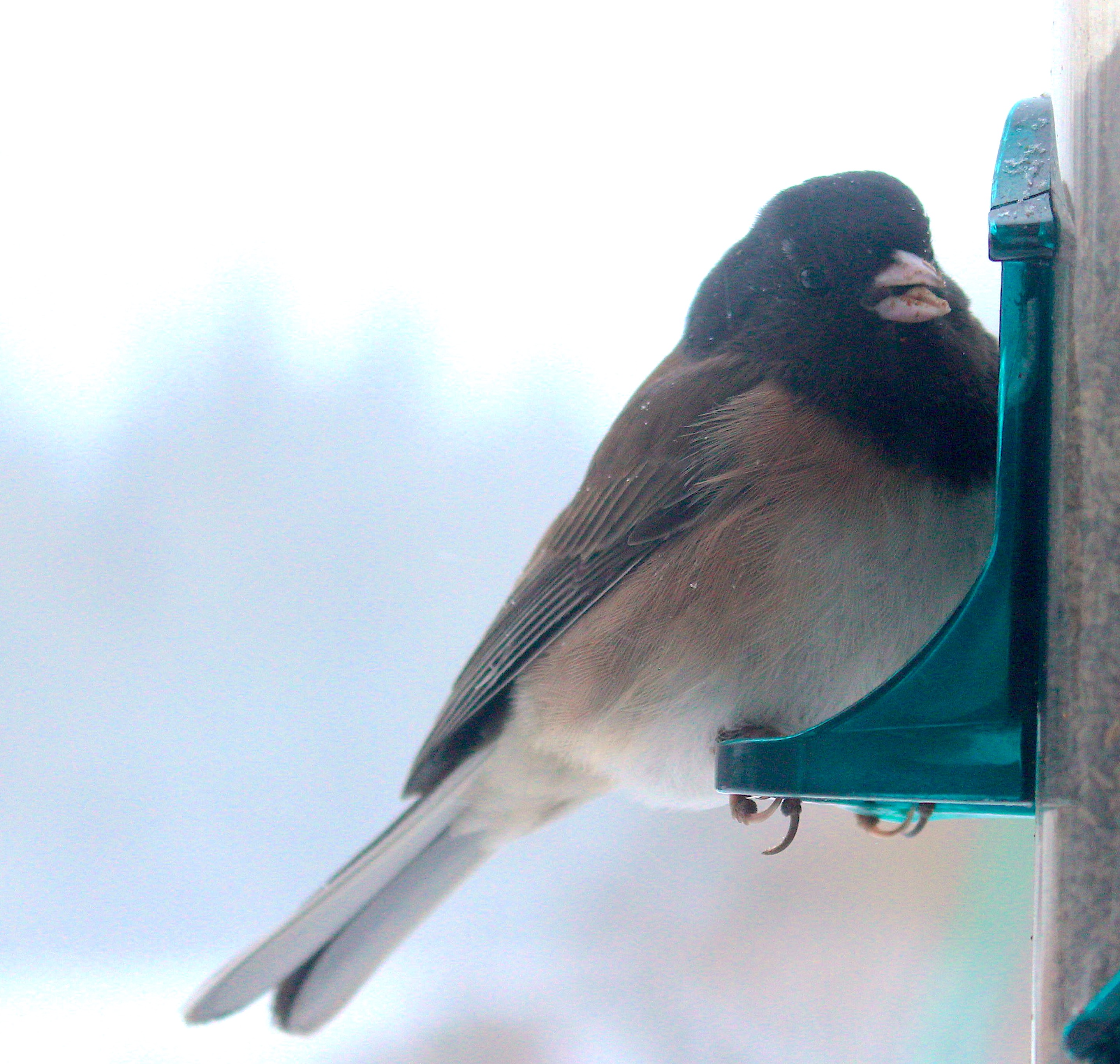
sparrows in work clothes, even

hummingbirds fastforwarding
through the trees. Some of them

disappeared after a week, headed
north, I thought, with the sun.

But the first cool day
they were back, then gone,

then back, more reliable
than weathermen, and I realized

they hadn’t gone north at all,
but up the mountain, as invisible

to me as if they had flown
a thousand miles, yet in reality

just out of sight, out of reach—
maybe at the end of our lives

the world lifts that slightly
away from us, and returns once

or twice to see if we’ve refilled
the feeder, if we still remember it,

or if we’ve taken leave
of our senses altogether.
~Sharon Bryan, “The Underworld” from Sharp Stars

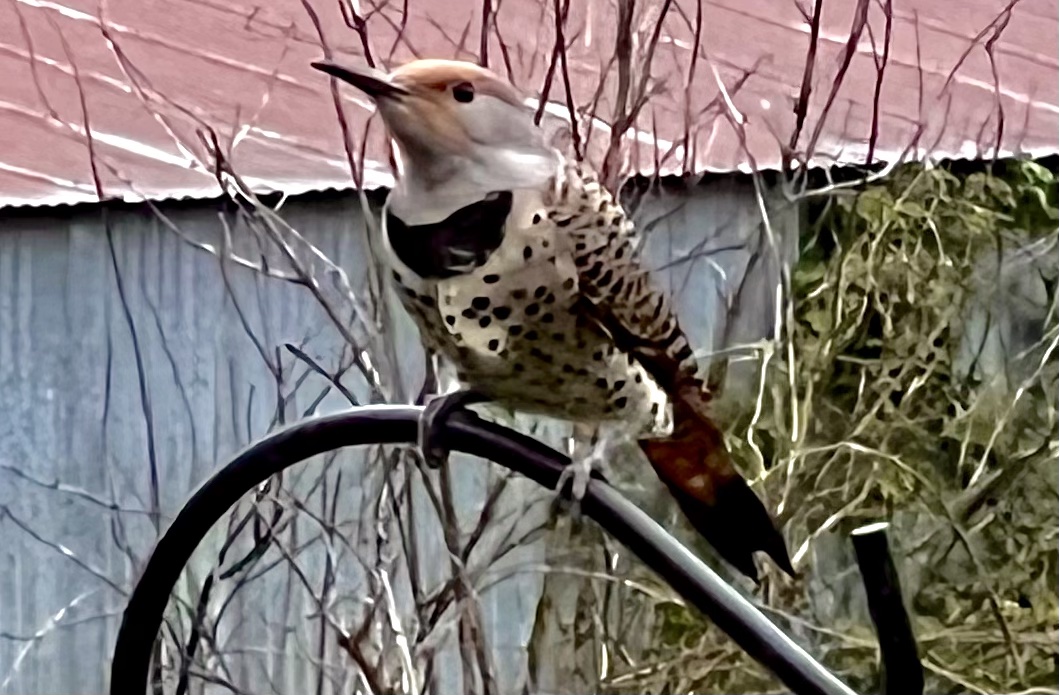
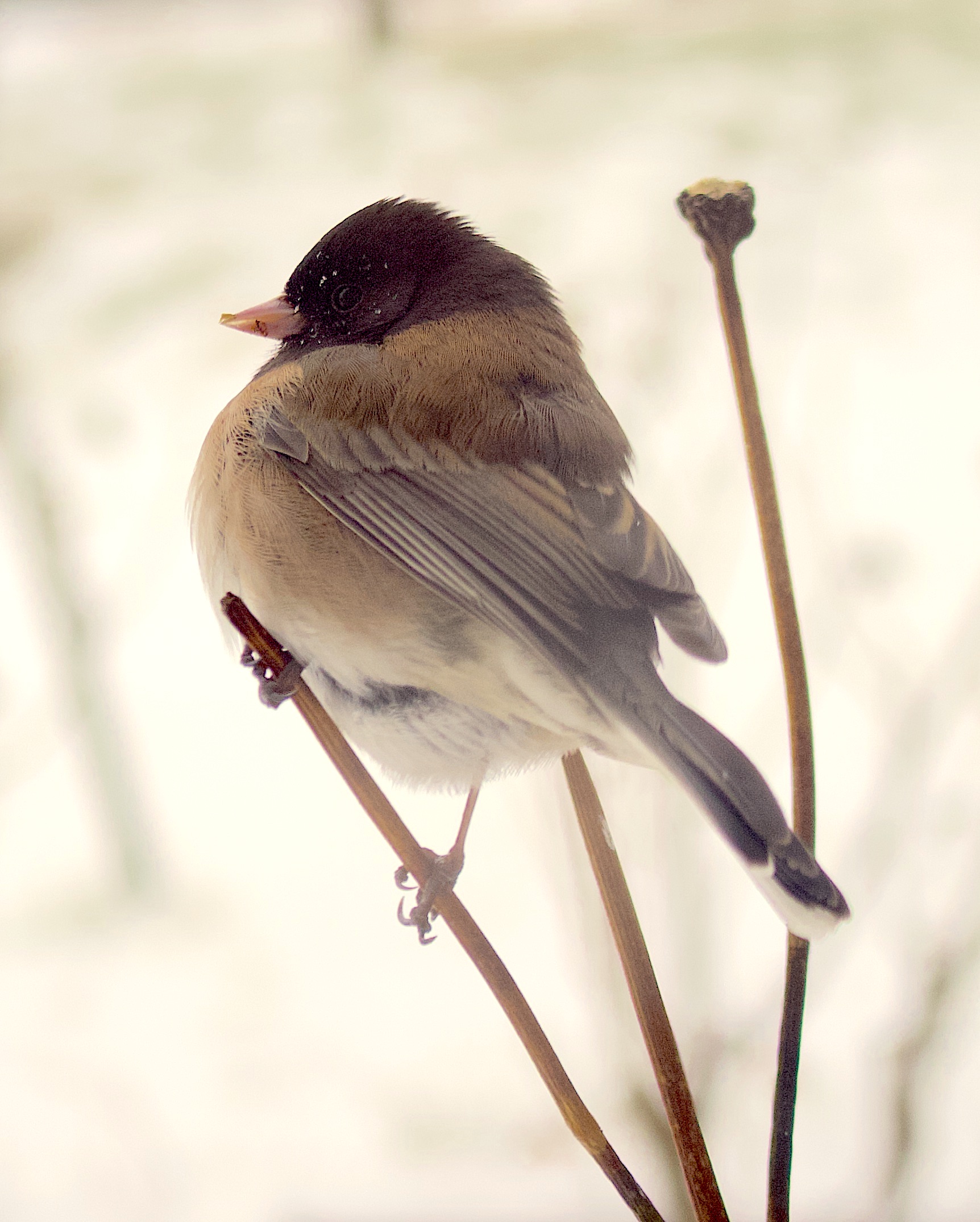
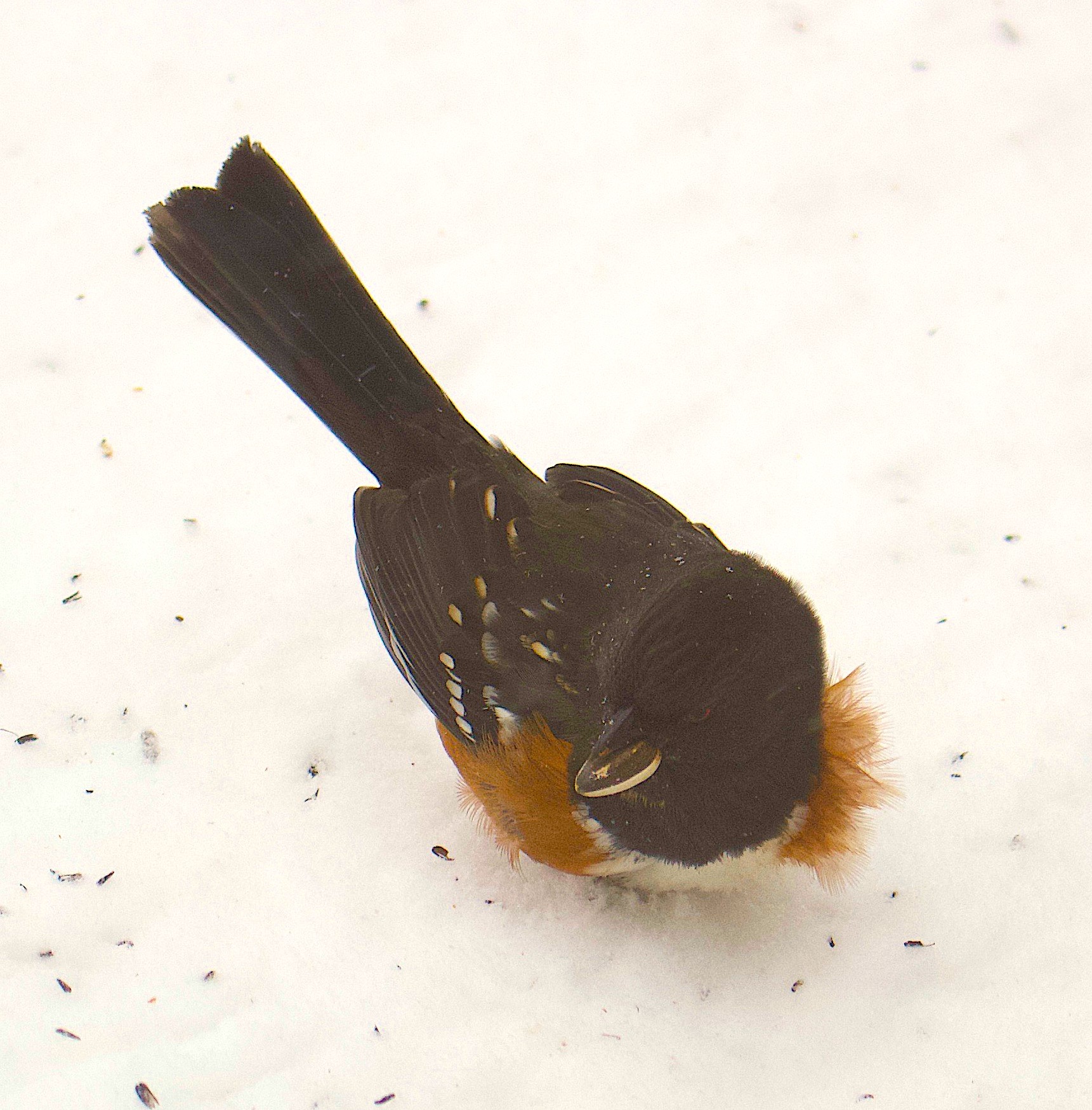
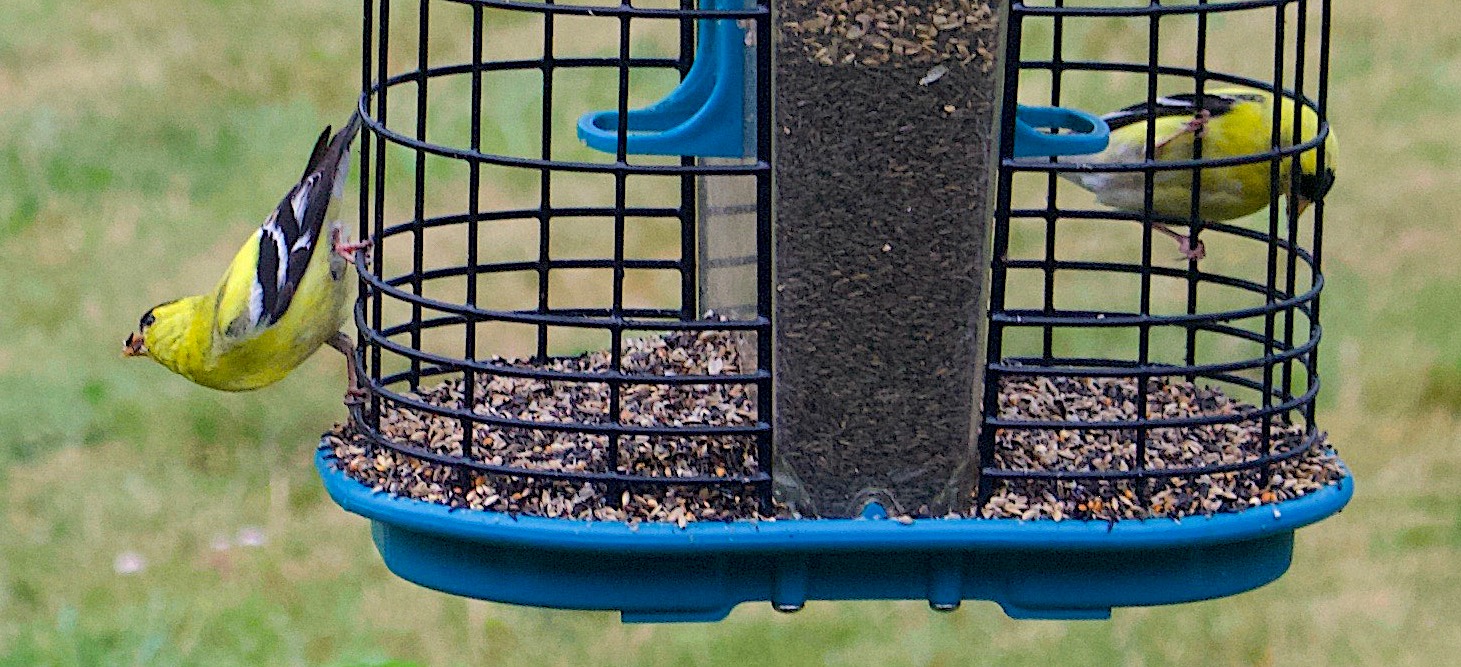
I only started feeding birds outside our kitchen window a few years ago. Previously, I thought it was an activity for older people with nothing better to do. After I turned sixty, I realized I was now qualified to feed the birds.

Now the professional wildlife and bird folks tell us we are endangering the welfare of wild birds by feeding them – the rapidly dropping numbers of songbirds in North America is due to pesticide use, window vs. bird deaths, climate change and birds not migrating in their usual patterns due to artificial feeding stations like mine. Most worrisome is transmission of fatal diseases when birds flock together at feeders. And Avian flu is on the rise in our country with hundreds of thousands of farm birds being preventively slaughtered in the last few weeks.

Now I’ve become the purveyor of pandemic conditions.

Good grief.

I let the feeders go empty for longer periods in my attempt to appease both the birds and the ornithologists. If the feeders dangle without visitors for several days, I refill them, more for me than for them as I appreciate the wild birds’ cheerful presence within a few feet of where I eat my breakfast as they eat theirs.

I’m not sure who to apologize to for still wanting to feed the birds. I grew up with Mary Poppins singing “tuppence a bag” and believed every word she sang. The birds themselves seem robust and chipper, happily coming and going as they please. Yet the scientists and bird experts see me, the casual backyard bird feeder as the problem. Perhaps selling packaged birdseed will eventually be outlawed so people like me can no longer have the option to cause this disruption to our feathered friends’ life cycles.

The birds and I will strike a deal so they know I mean well and haven’t taken leave of my senses. I’ll plant more more bird-friendly bushes on the farm. I’ll dispense a treat now and then if they promise to continue to stop by to check to see if my welcome mat is still out.

After all, I don’t want them to feel forgotten…or probably more to the point, like the little old bird woman on the steps of St. Paul, I don’t want them to ever forget me.

One-Time
Monthly
Yearly

Make a one-time or recurring donation to support Barnstorming daily posts

Make a monthly donation

Make a yearly donation

Choose an amount

¤5.00
¤10.00
¤20.00
¤5.00
¤15.00
¤100.00
¤5.00
¤15.00
¤100.00

Or enter a custom amount

¤

Your contribution is deeply appreciated.

Your contribution is appreciated.

Your contribution is appreciated.

DonateDonate monthlyDonate yearly
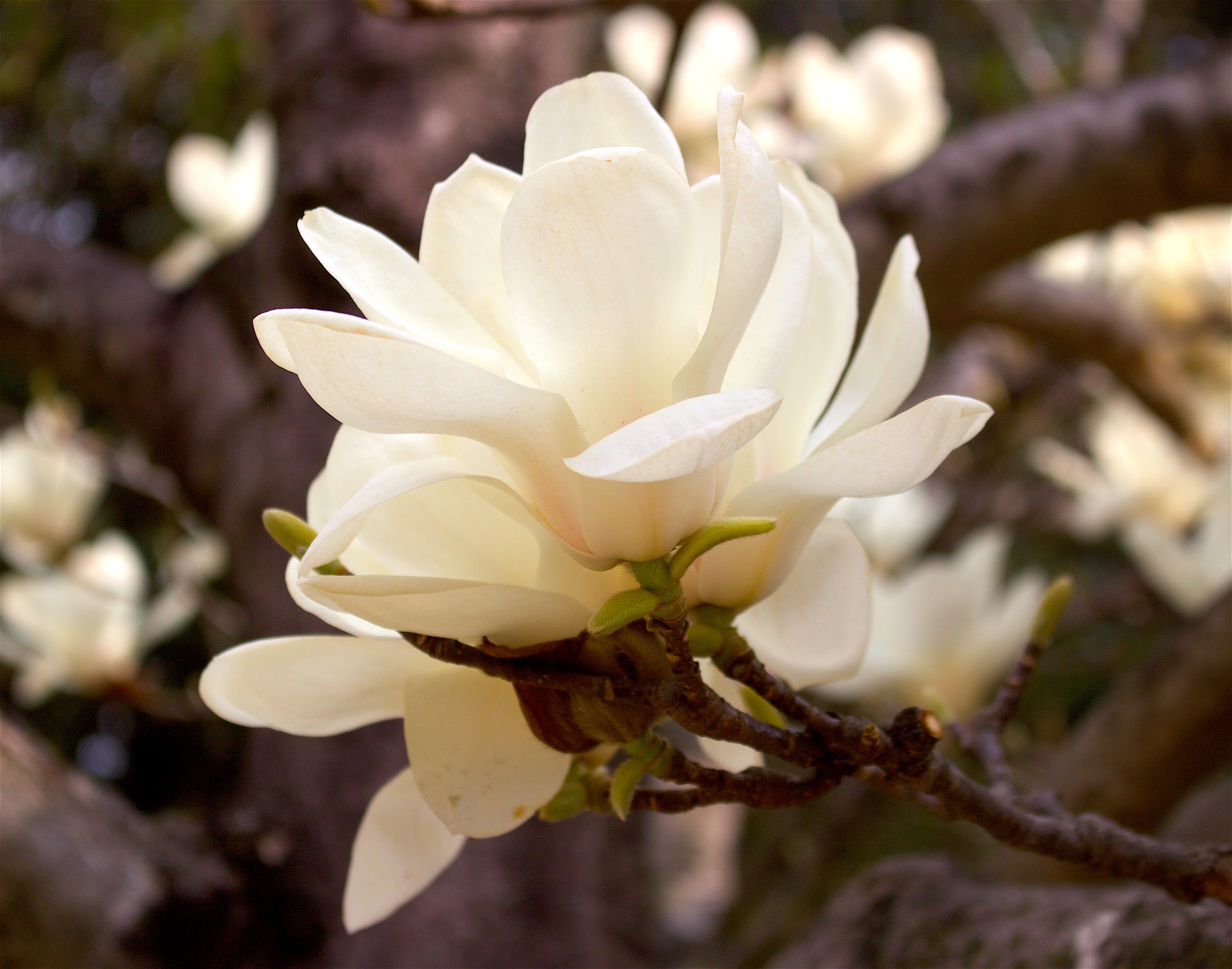
Pull Open the Barn Doors

I like farming.
I like the work.
I like the livestock and the pastures and the woods. 
It’s not necessarily a good living, but it’s a good life. 
I now suspect that if we work with machines
the world will seem to us to be a machine,
but if we work with living creatures
the world will appear to us as a living creature. 
That’s what I’ve spent my life doing,

trying to create an authentic grounds for hope.
~Wendell Berry, horse farmer, essayist, poet, professor

The barn is old, and very old,
But not a place of spectral fear.
Cobwebs and dust and speckling sun
Come to old buildings every one.
Long since they made their dwelling here,
And here you may behold


Nothing but simple wane and change;
Your tread will wake no ghost, your voice
Will fall on silence undeterred.
No phantom wailing will be heard,
Only the farm’s blithe cheerful noise;
The barn is old, not strange.

~Edward Blunden from “The Barn”

When we pull open the barn doors,
every morning
and each evening,
as our grandfathers did
over a hundred years ago,
six rumbling voices
rise in greeting.
We exchange scents,
nuzzle each others’ ears.

We do our chores faithfully
as our grandfathers once did–
draw fresh water
into buckets,
wheel away
the pungent mess underfoot,
release an armful of summer
from the bale,
reach under heavy manes
to stroke silken necks.

We don’t depend
on our horses’ strength
and willingness to
don harness
to carry us to town
or move the logs
or till the soil
as our grandfathers did.

Instead,
these soft eyed souls,
some born on this farm
three long decades ago,
are simply grateful
for our constancy
morning and night
to serve their needs
until the day comes
they need no more.

And we depend on them
to depend on us
to be there
to open the doors;
their low whispering welcome
gives voice
to the blessings of
living on a farm
ripe with rhythms and seasons,
as if today and tomorrow are
just like one hundred years ago.

Click on this link for a typical barn moment: https://www.facebook.com/707166118/videos/10156035185231119/

Lyrics:

This is a barn and I know it’s haunted
The corn rattles and the shadows move
It’s just the way, it’s just the way I’m feeling
I want to lie down in a field of rain

This is a river and I pray for the bottom
Some kind of measure of the way things change
I’ve been stuck in the middle of a slow storm, counting the days, love

I know we’re in the dark, and the cold comes
Through the very cracks that let the light through
Bring me something back from that sunny coast, and keep us, moving on

These are the shadowlands, I’ve known them
And I think it’s going to be the long way down
But I’ll be the tiny flame, that you carry around, around, around

I know we’re in the dark, and the cold comes
Through the very cracks that let the light through
Bring me something back from that sunny coast, and keep us, moving on

This is a blessing and I don’t date doubt it
We built a boat out of willow trees
We caught the moonlight, like a mirror
Shine right through to the best of me
We’ve been living in abandoned houses
Sometimes we’re tending to abandoned fields
It’s just the way it’s just the way I’m feeling
I want to wake up with the sun in my head
~Chris Pureka

One-Time
Monthly
Yearly

Make a one-time or recurring donation to support Barnstorming

Make a monthly donation

Make a yearly donation

Choose an amount

¤5.00
¤10.00
¤20.00
¤5.00
¤15.00
¤100.00
¤5.00
¤15.00
¤100.00

Or enter a custom amount

¤

Your contribution is deeply appreciated.

Your contribution is appreciated.

Your contribution is appreciated.

DonateDonate monthlyDonate yearly

The Way I Might Have Gone

Out walking in the frozen swamp one gray day,
I paused and said, ‘I will turn back from here.
No, I will go on farther—and we shall see.’
The hard snow held me, save where now and then
One foot went through. The view was all in lines
Straight up and down of tall slim trees
Too much alike to mark or name a place by
So as to say for certain I was here
Or somewhere else: I was just far from home.
A small bird flew before me. He was careful
To put a tree between us when he lighted,
And say no word to tell me who he was
Who was so foolish as to think what he thought.
He thought that I was after him for a feather—
The white one in his tail; like one who takes
Everything said as personal to himself.
One flight out sideways would have undeceived him.
And then there was a pile of wood for which
I forgot him and let his little fear
Carry him off the way I might have gone,
Without so much as wishing him good-night.
He went behind it to make his last stand.
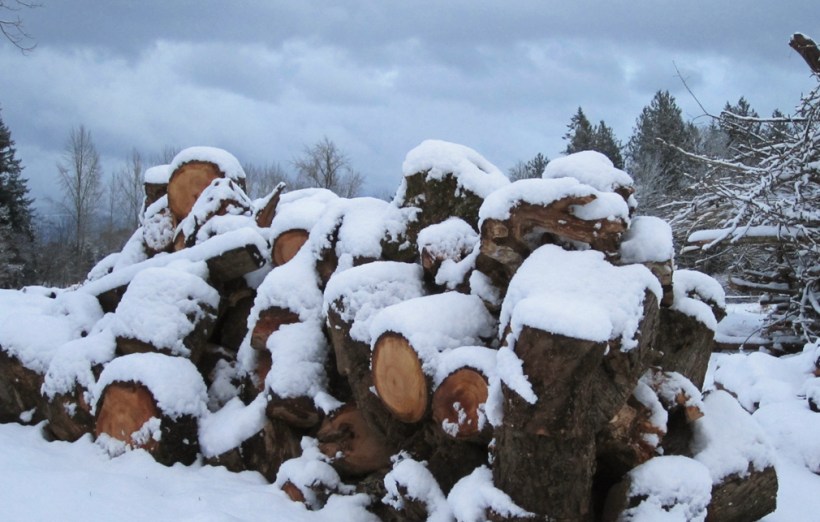
It was a cord of maple, cut and split
And piled—and measured, four by four by eight.

And not another like it could I see.
No runner tracks in this year’s snow looped near it.
And it was older sure than this year’s cutting,
Or even last year’s or the year’s before.
The wood was gray and the bark warping off it
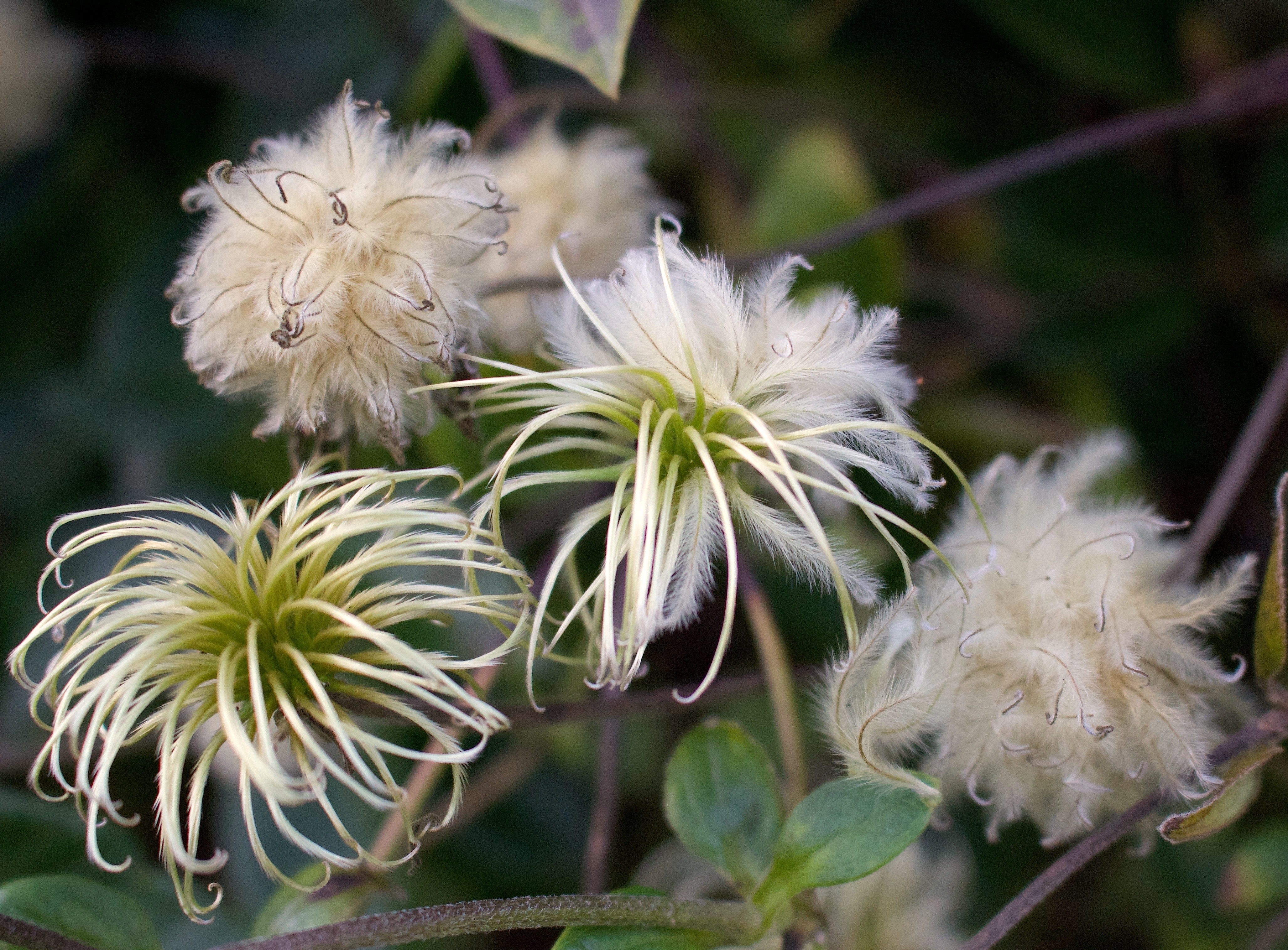
And the pile somewhat sunken. Clematis
Had wound strings round and round it like a bundle.
What held it though on one side was a tree
Still growing, and on one a stake and prop,
These latter about to fall. I thought that only
Someone who lived in turning to fresh tasks
Could so forget his handiwork on which
He spent himself, the labor of his ax,
And leave it there far from a useful fireplace
To warm the frozen swamp as best it could

With the slow smokeless burning of decay.
~Robert Frost, “The Wood-pile” from North of Boston

My labor is usually done with fervor and purpose, but there are times when I do not experience the fruits of my labor. It is left to smolder slowly to decay rather than provide the intended warmth and nurture of a fresh hearthfire.

I might have chosen a different way to go if I had known.

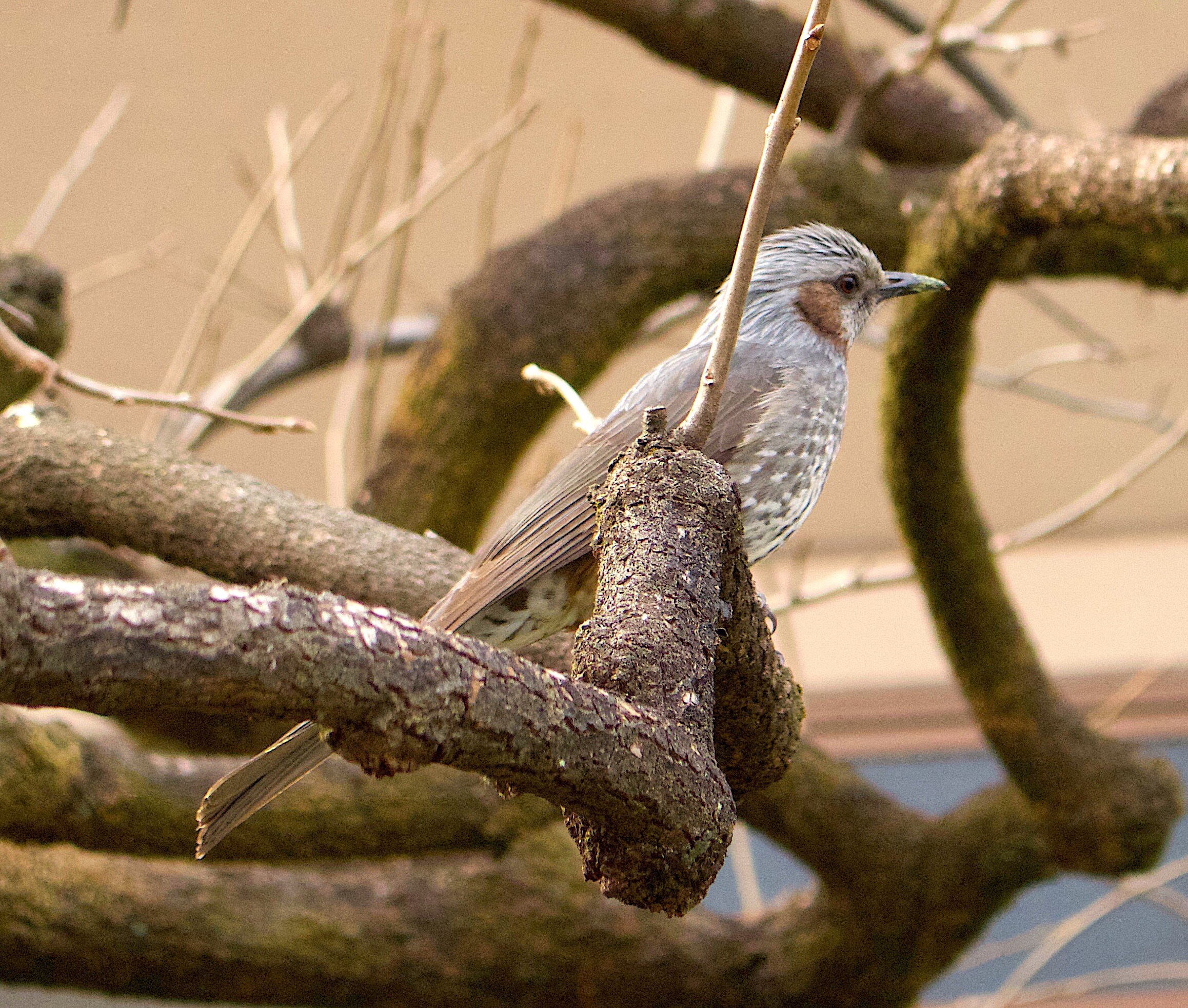
Perhaps I will simply follow the birds instead…

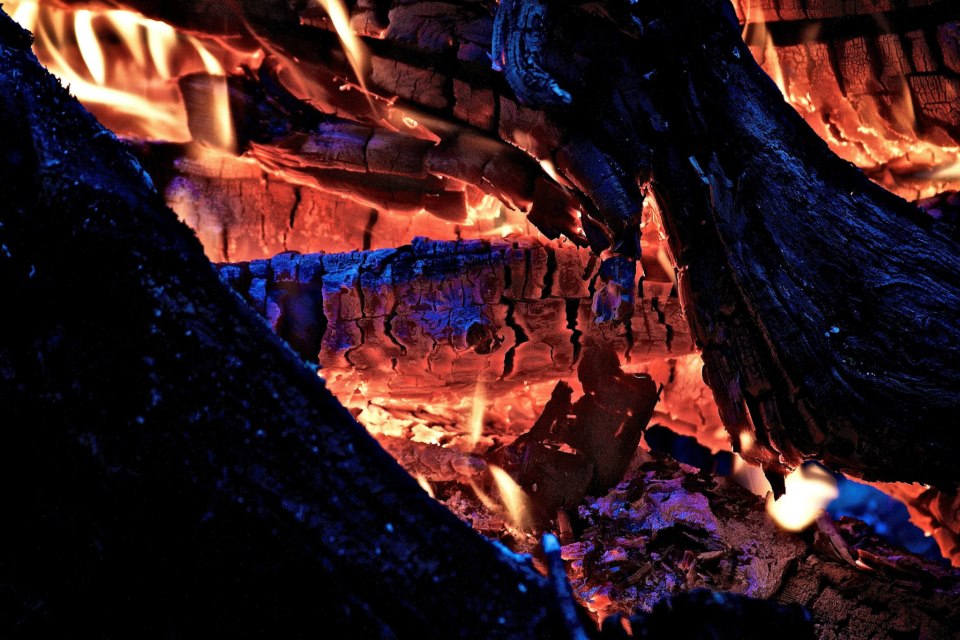
fire photo by Josh Scholten

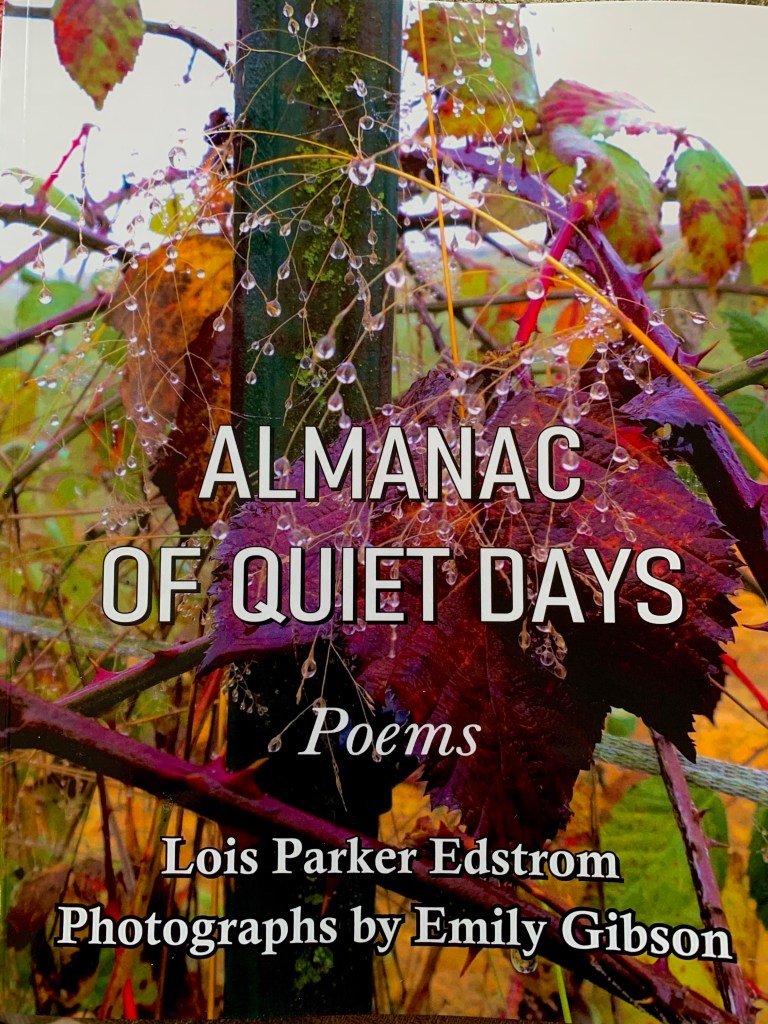
A book of beauty in words and photography is available for order here:

Eavesdropping on Private Voices

When I opened the door
I found the vine leaves
speaking among themselves in abundant
whispers.
                   My presence made them
hush their green breath,
embarrassed, the way
humans stand up, buttoning their jackets,
acting as if they were leaving anyway, as if
the conversation had ended
just before you arrived.
                                               I liked
the glimpse I had, though,
of their obscure
gestures. I liked the sound
of such private voices. Next time
I’ll move like cautious sunlight, open
the door by fractions, eavesdrop
peacefully.
~Denise Levertov, “Aware” from This Great Unknowing.

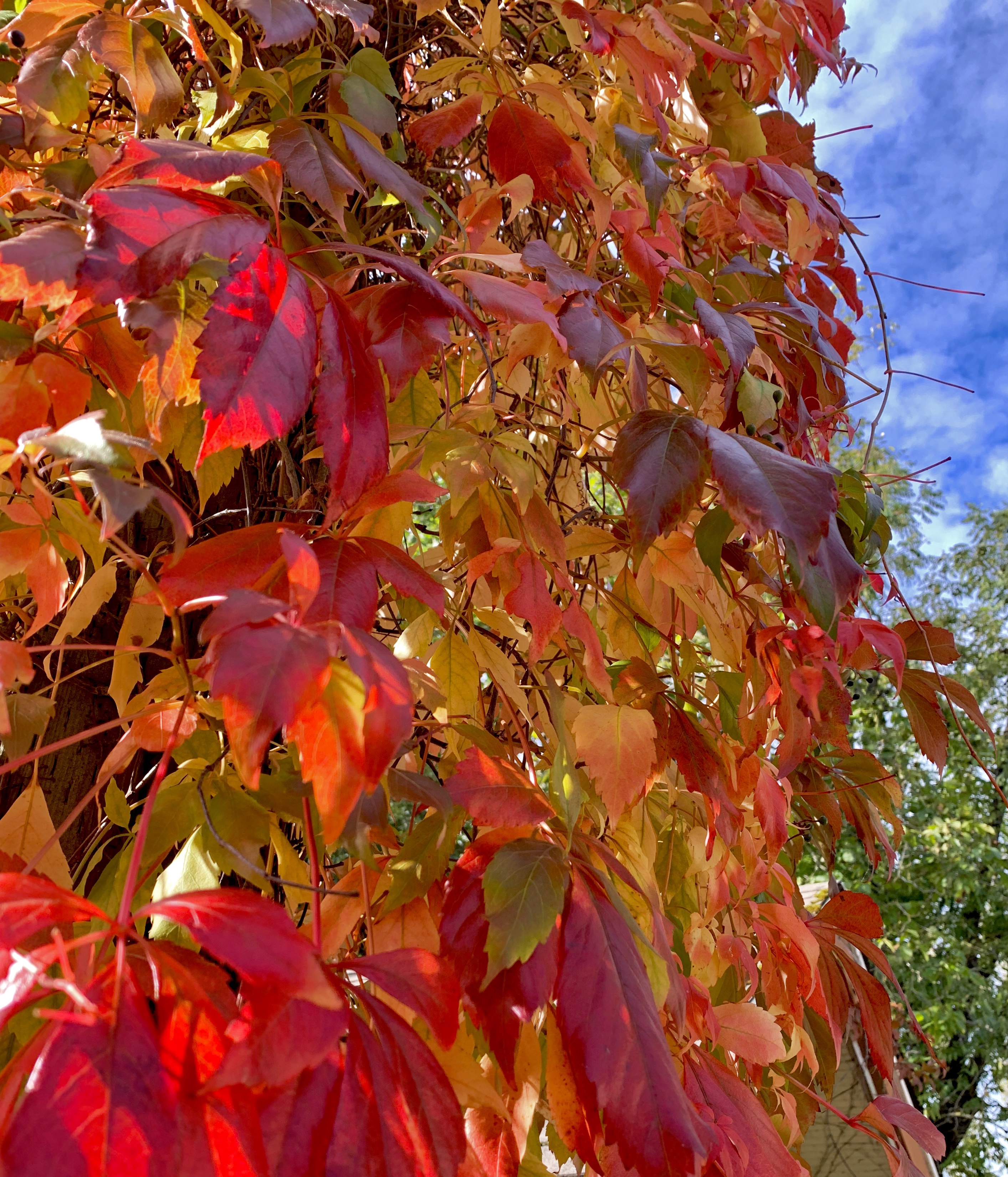
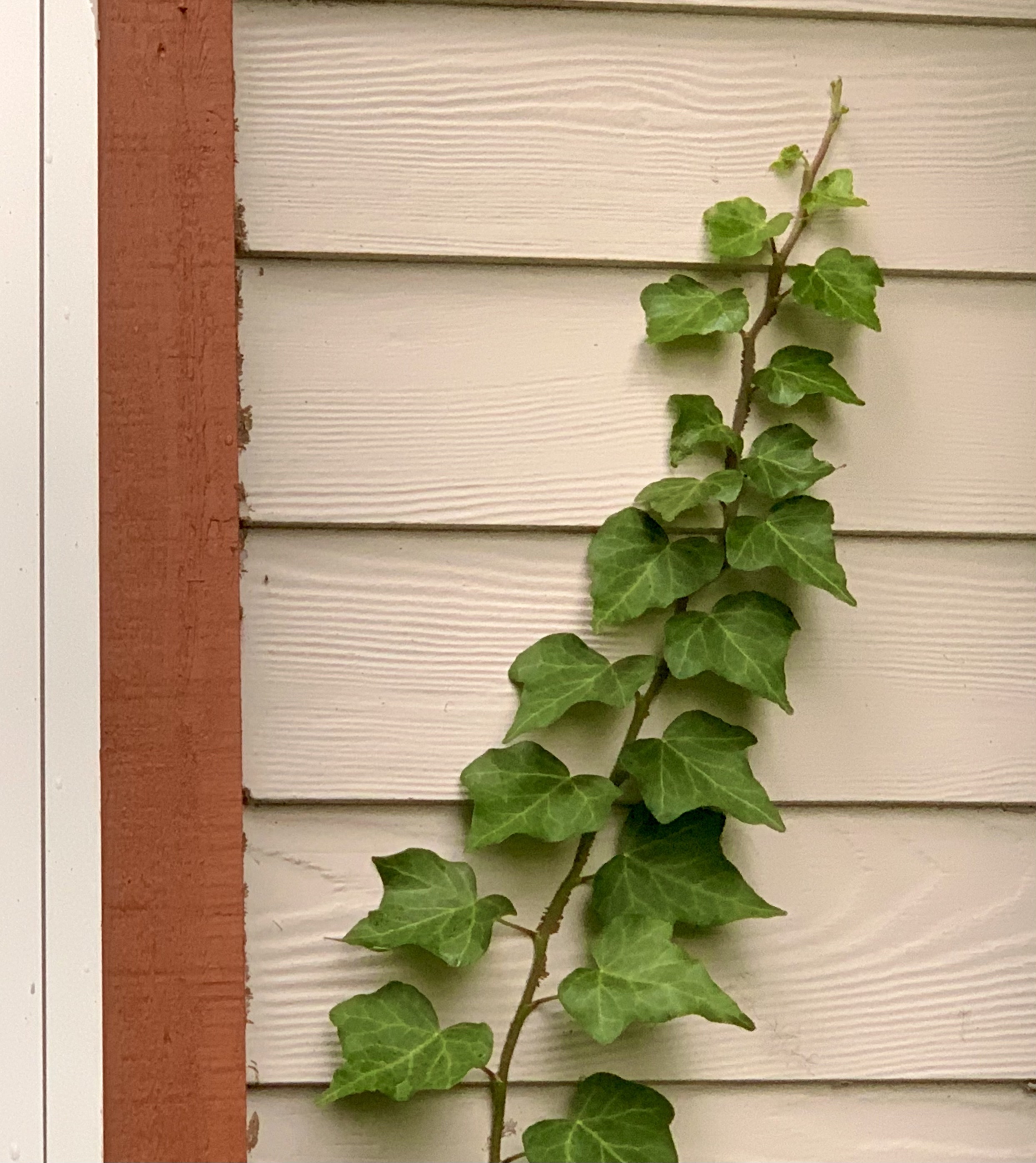
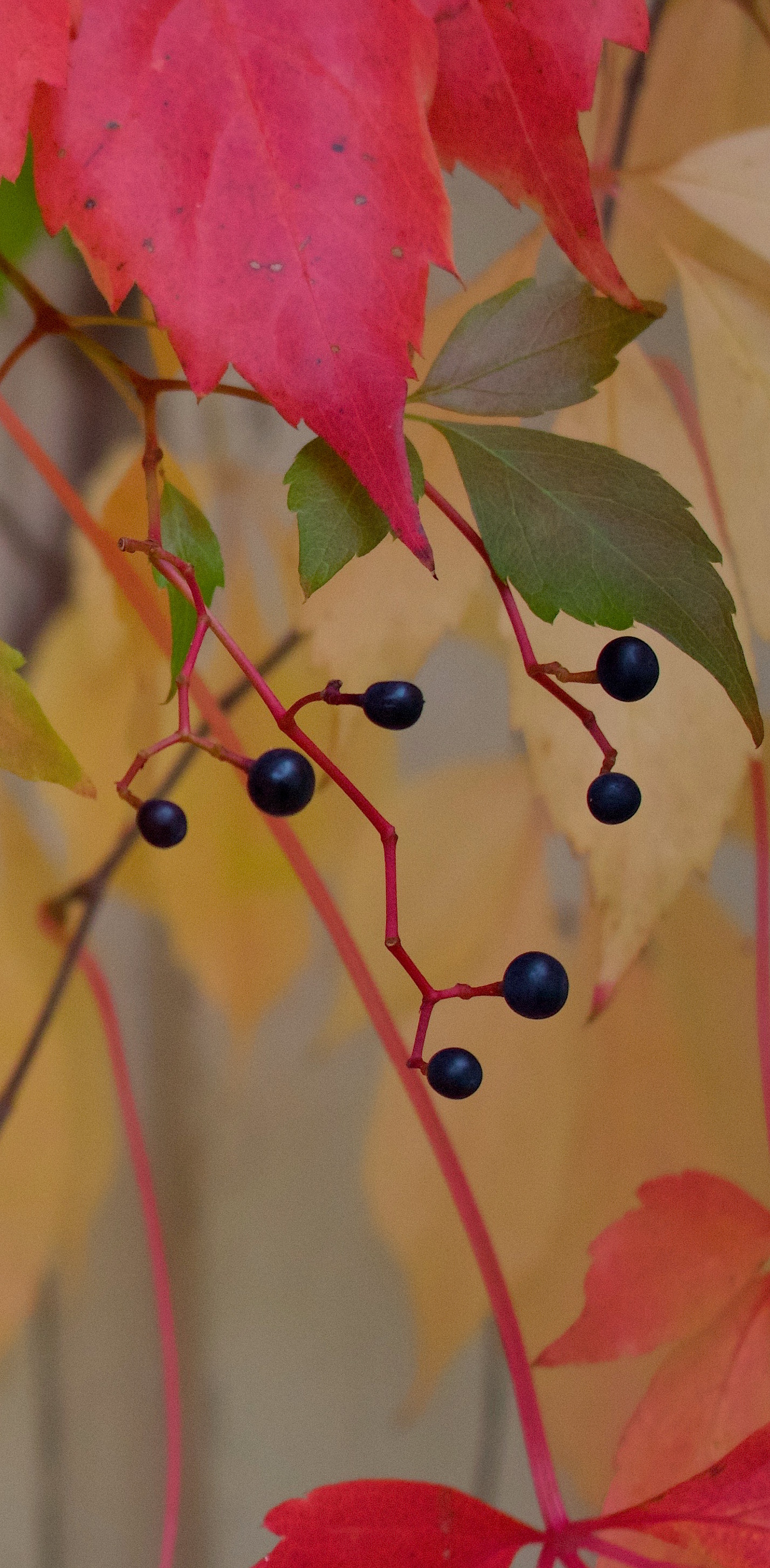
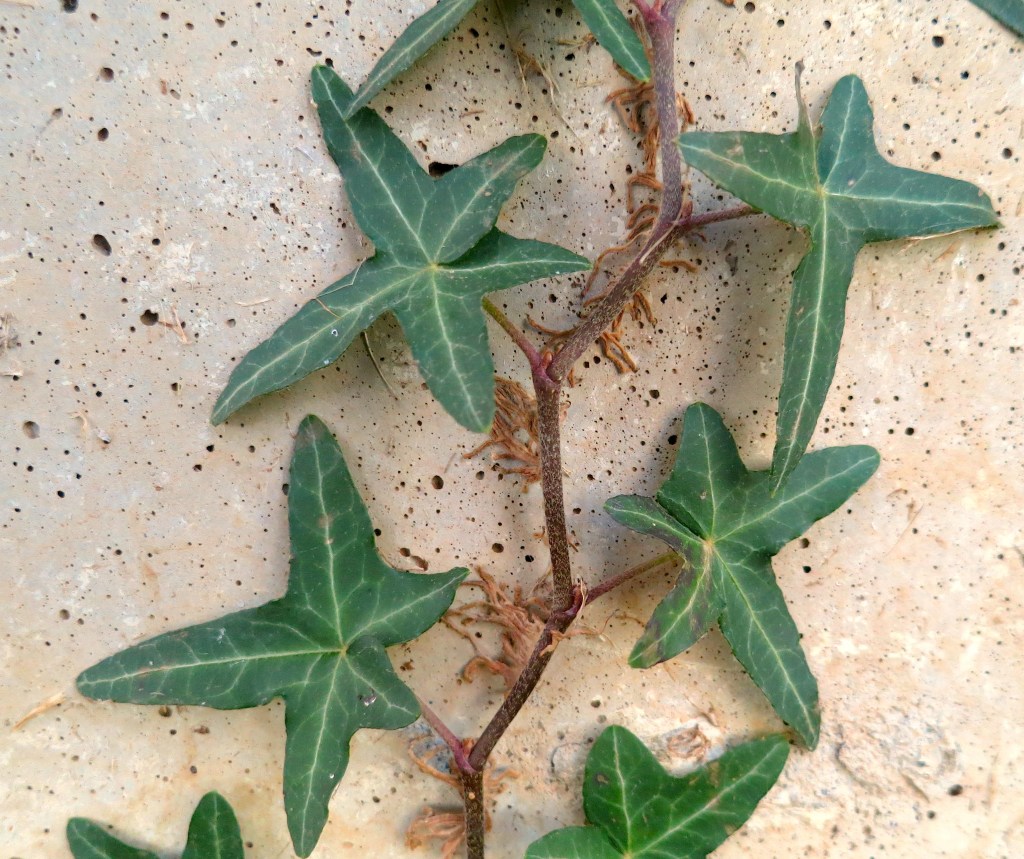
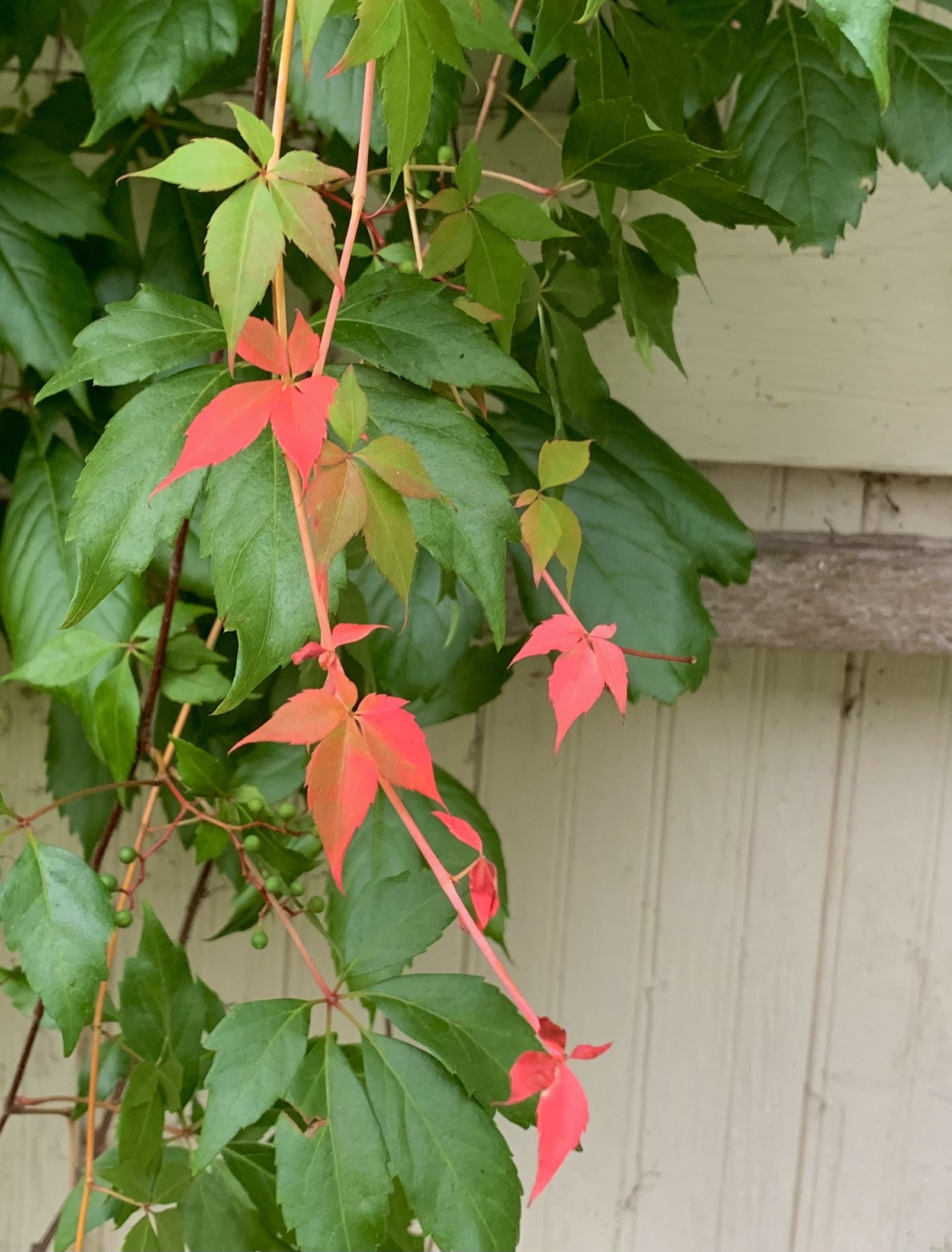
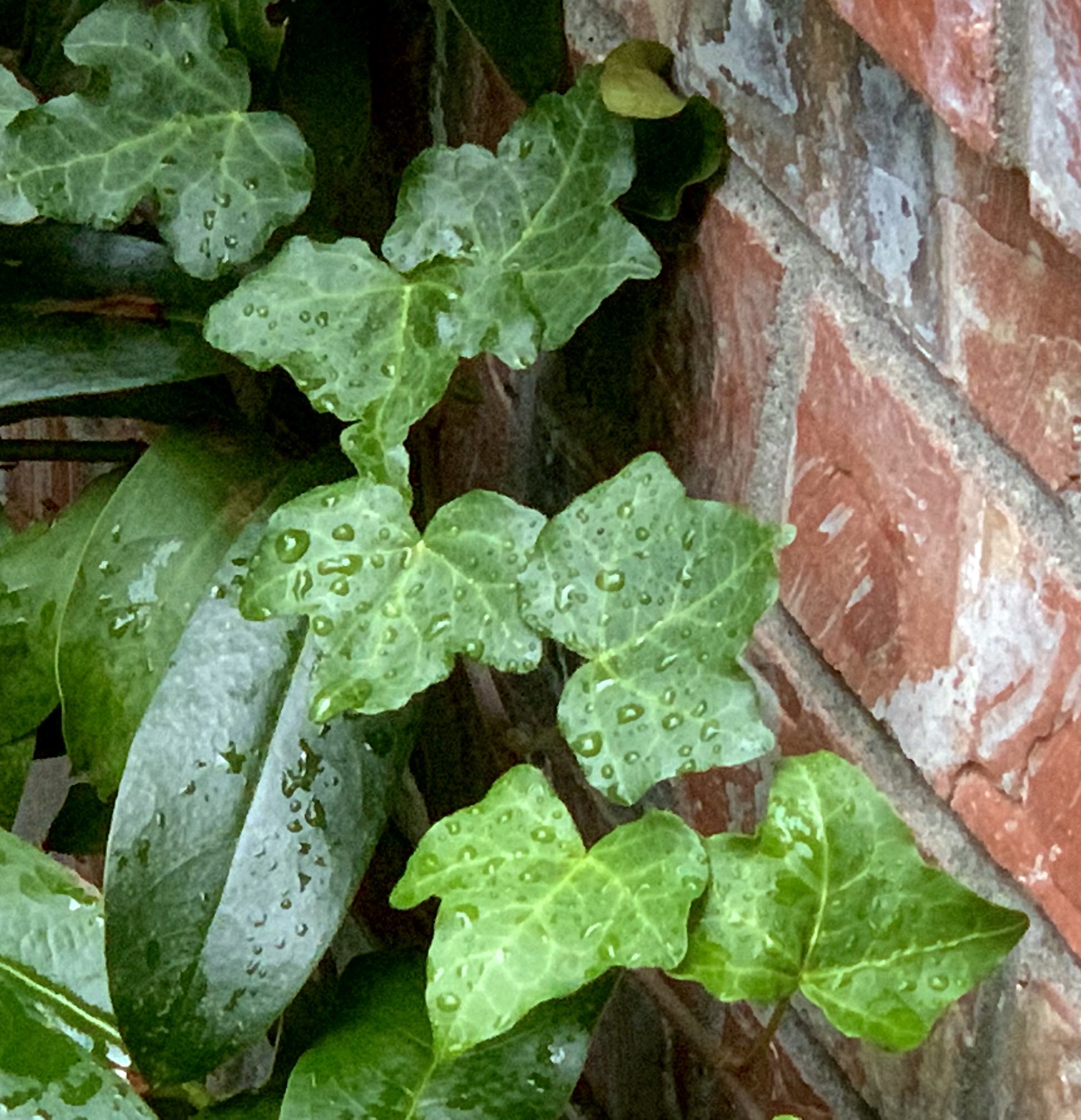
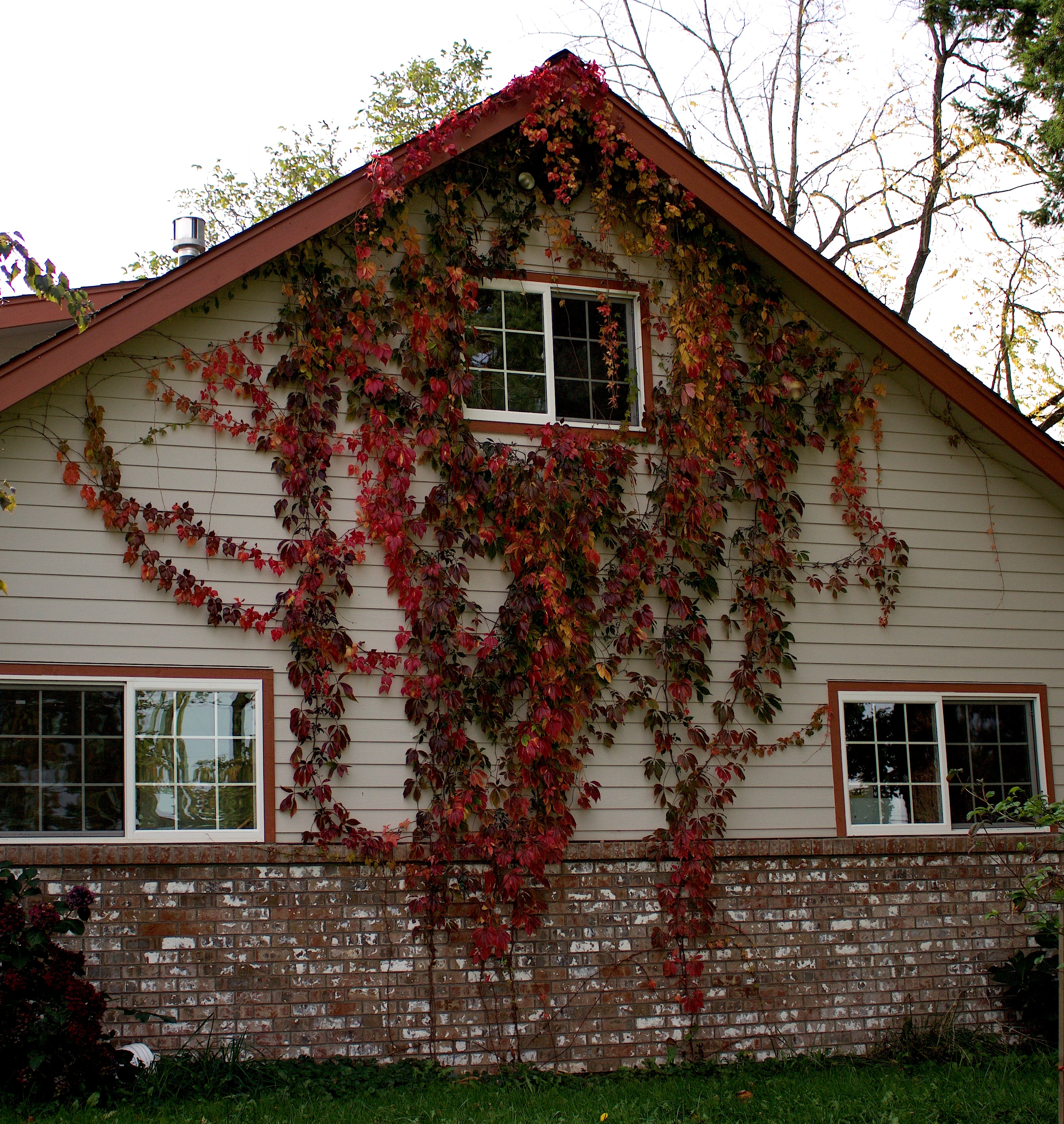
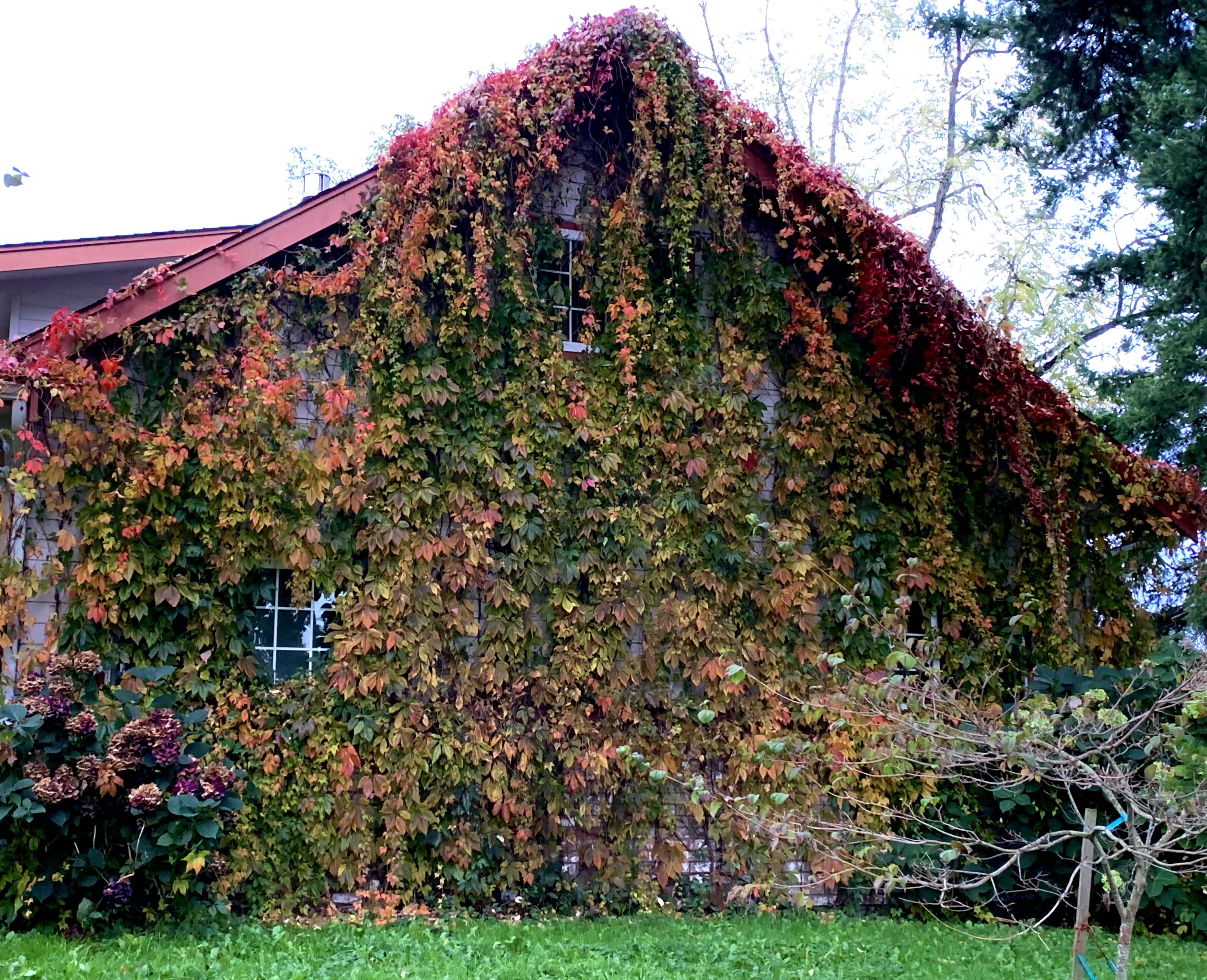
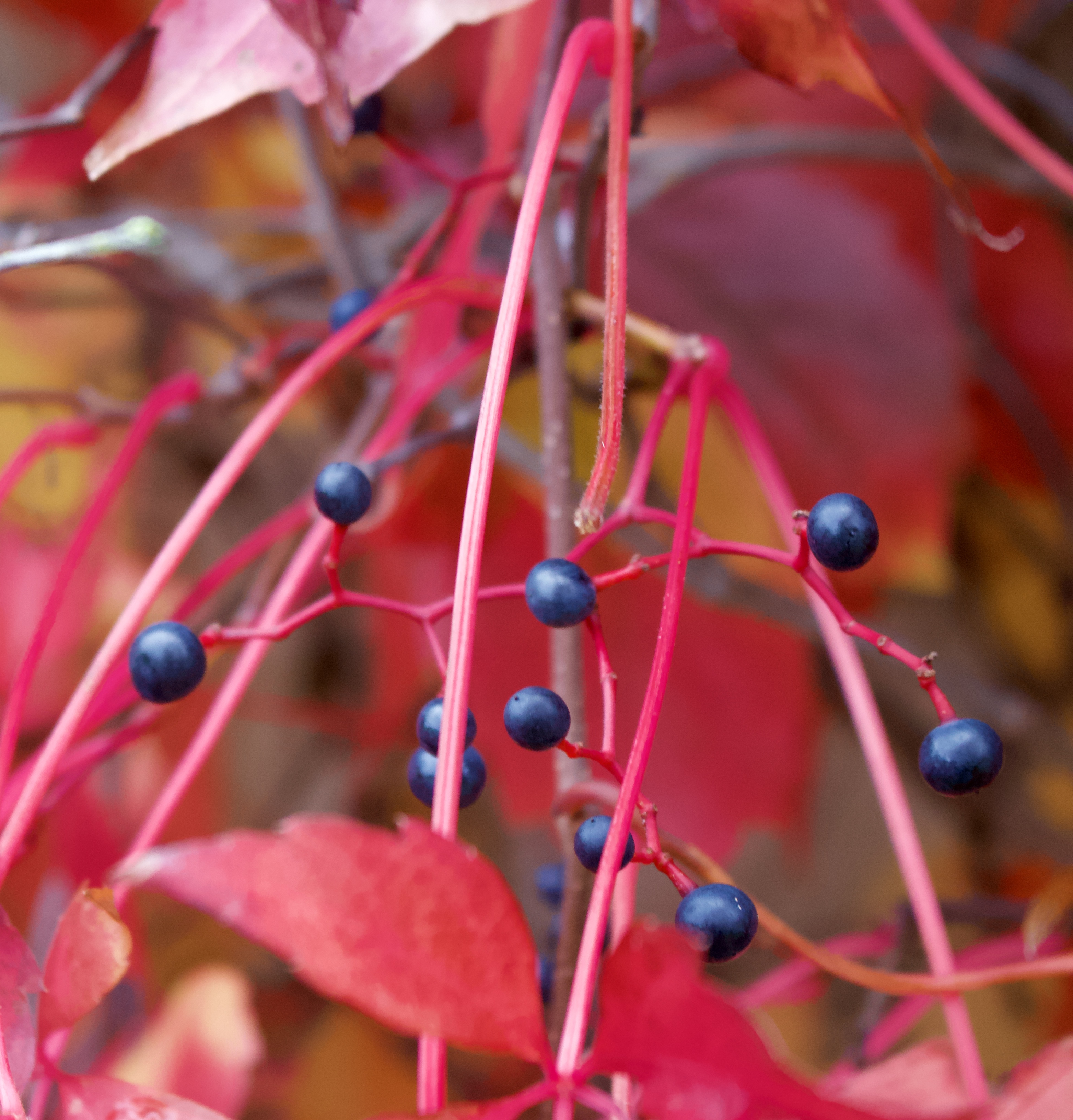
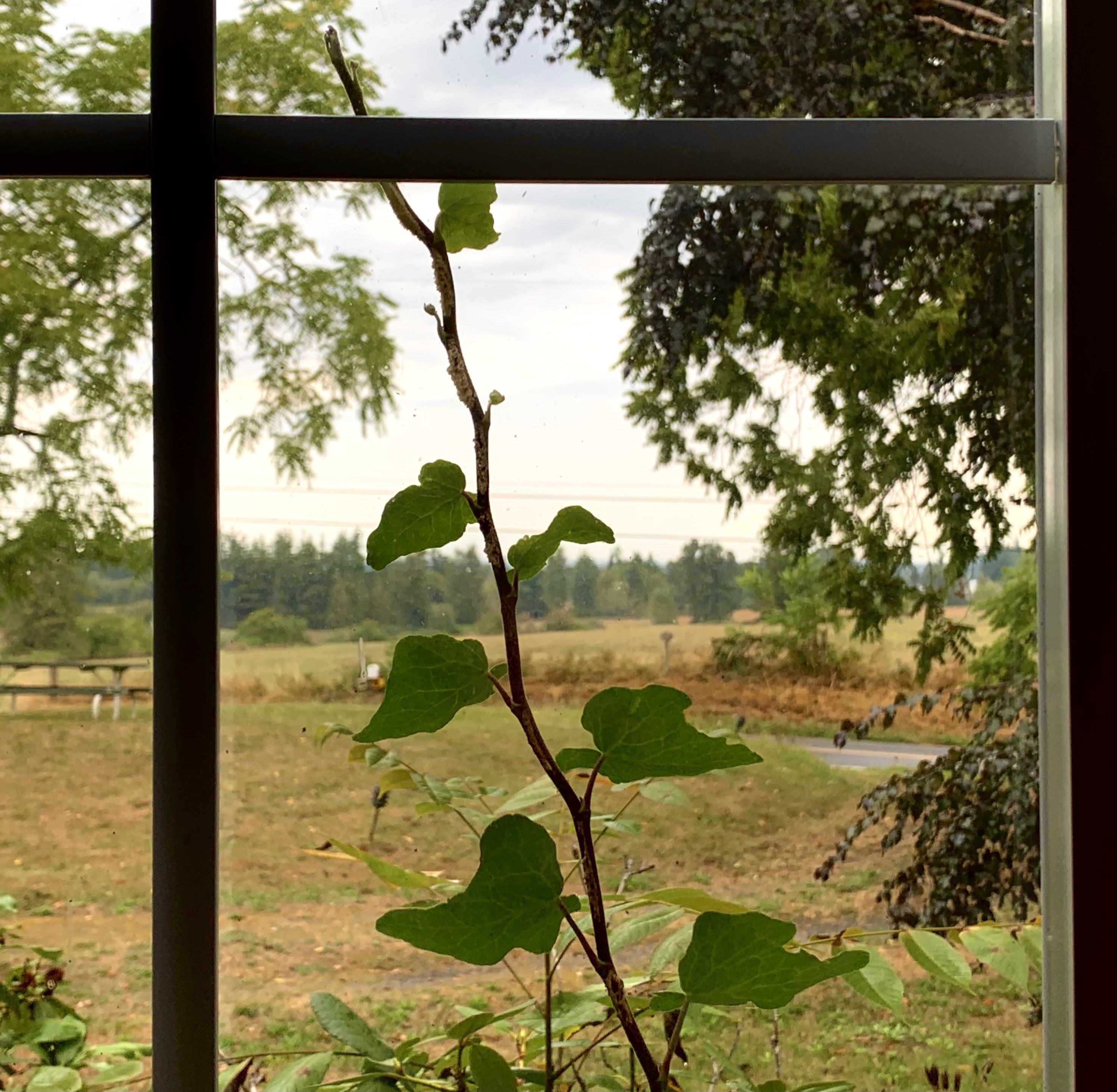
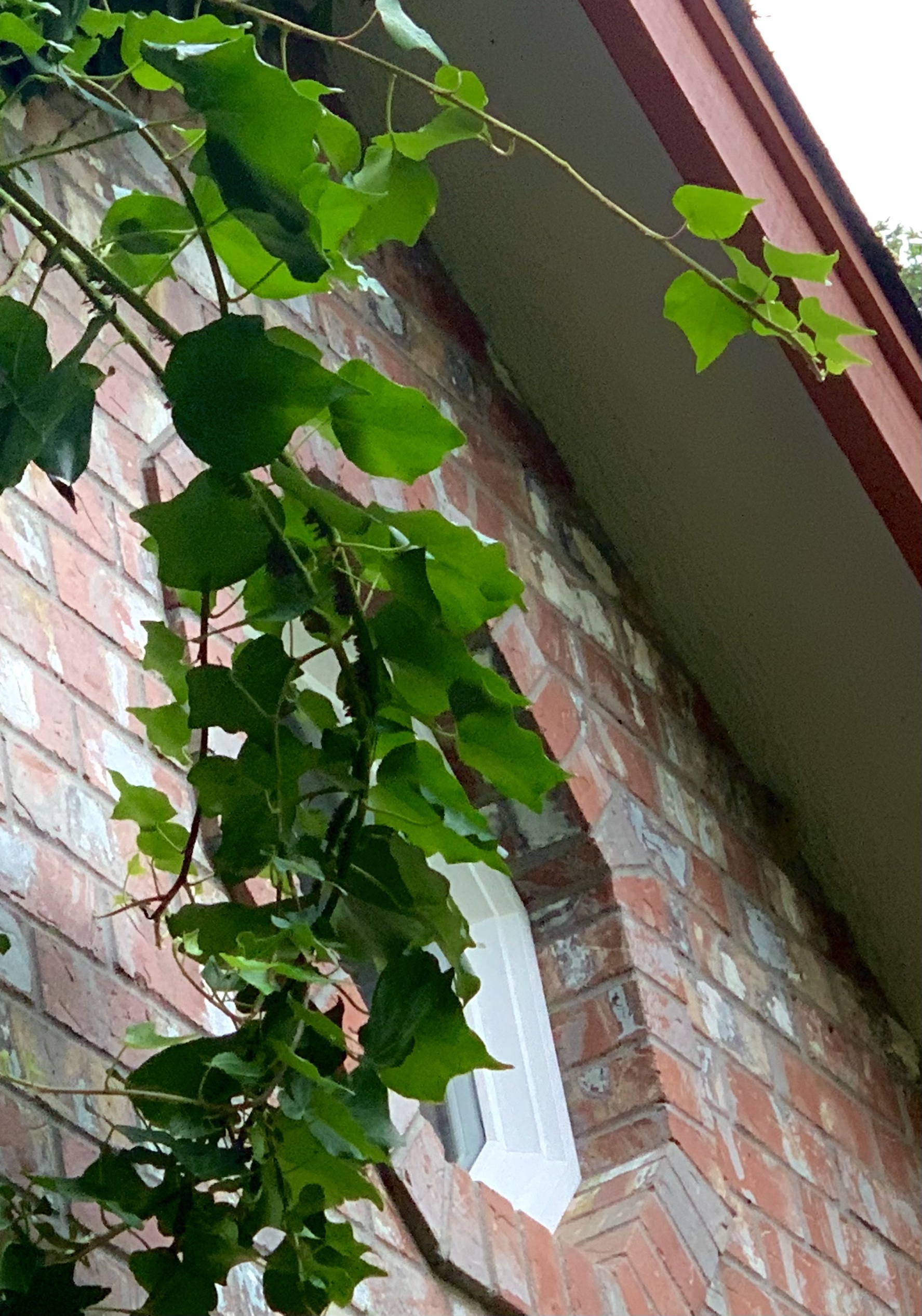
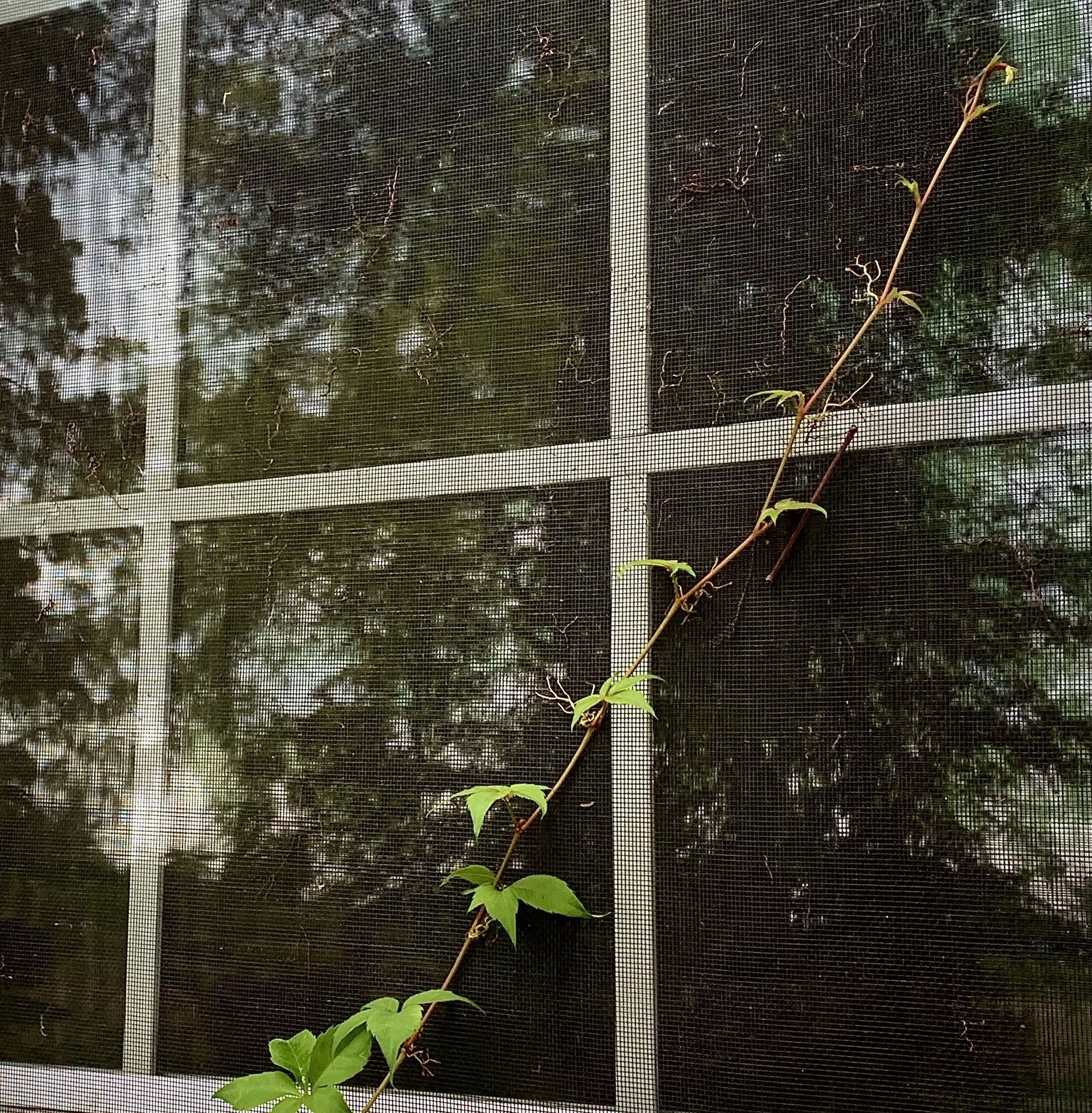
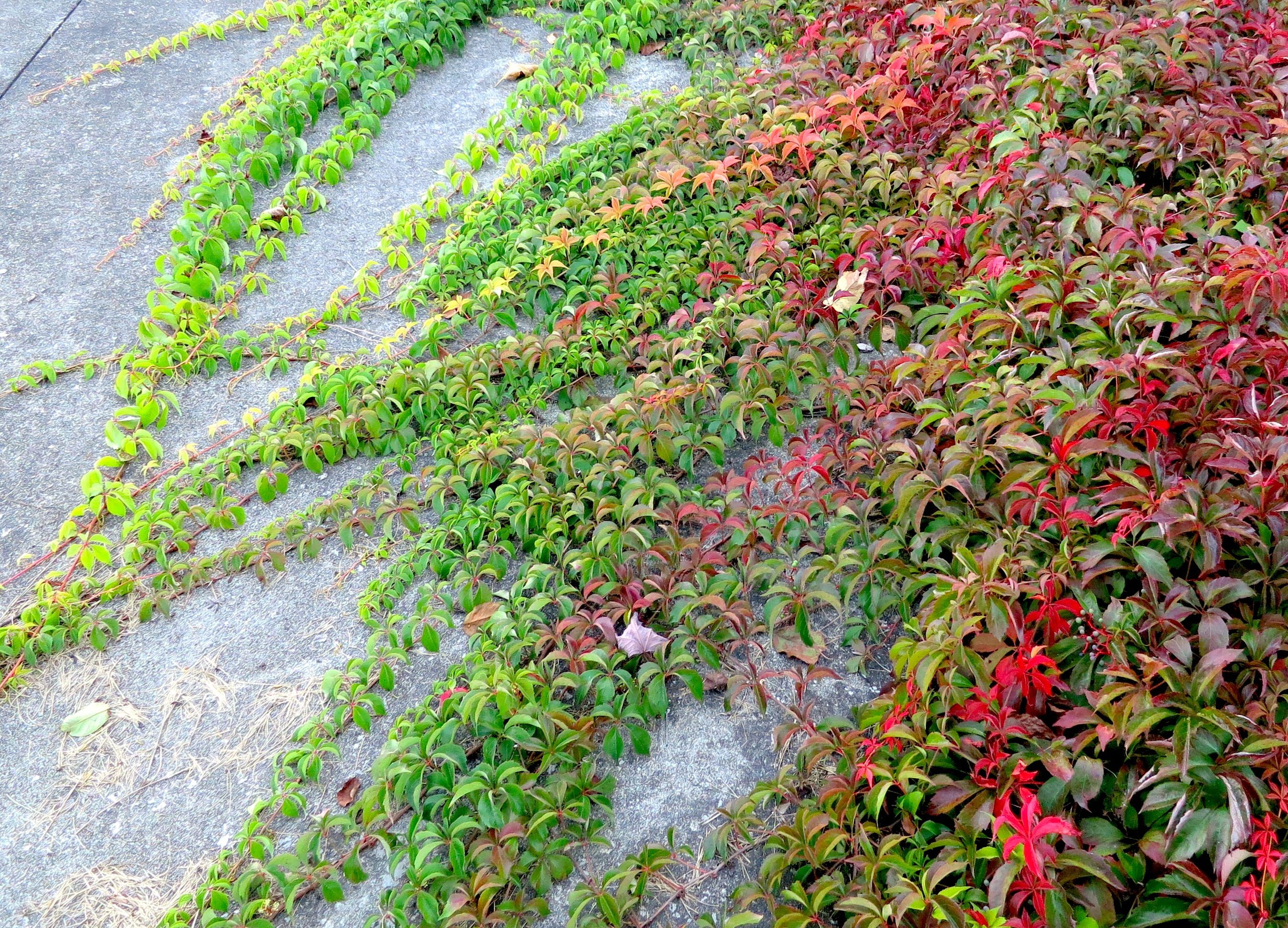
I need to be cautious or I also would be swallowed up inch by inch by a variety of vines surrounding our home and farm buildings. Between the ivy, Virginia creeper and our opportunistic ubiquitous blackberry vines, I’m mere audience to their varied plans of expansive world domination.

As part of generations of human creep, I can’t indict the vines as aggressive interlopers for going where no vine has gone before. Much human migration has been out of necessity due to inadequate food sources or inhospitable circumstances. Some is due to a spirit of adventure and desire for new places to explore. Nevertheless, we human vines end up dominating places where we may not be really welcome.

So we human vines whisper together conspiratorially about where to send out our tendrils next, never asking permission, only sometimes asking for forgiveness later.

I can’t help but listen to those private voices – one of which is my own – who feel discontented with the “here and now” — we suspect somewhere else may be better. Rather than choose to stay and flourish in place, we keep creeping and overwhelming our surroundings.

Dear human vines: creep gently with sensitivity for the ground you occupy. Don’t block the sun from others or quench yourself while others thirst. Be kind and make the spot you cover more beautiful than it was before.https://barnstorming.blog/new-book-available-almanac-of-quiet-days/

A book of beauty in words and photography

To Be Quiet in Heart

Horseback on Sunday morning,
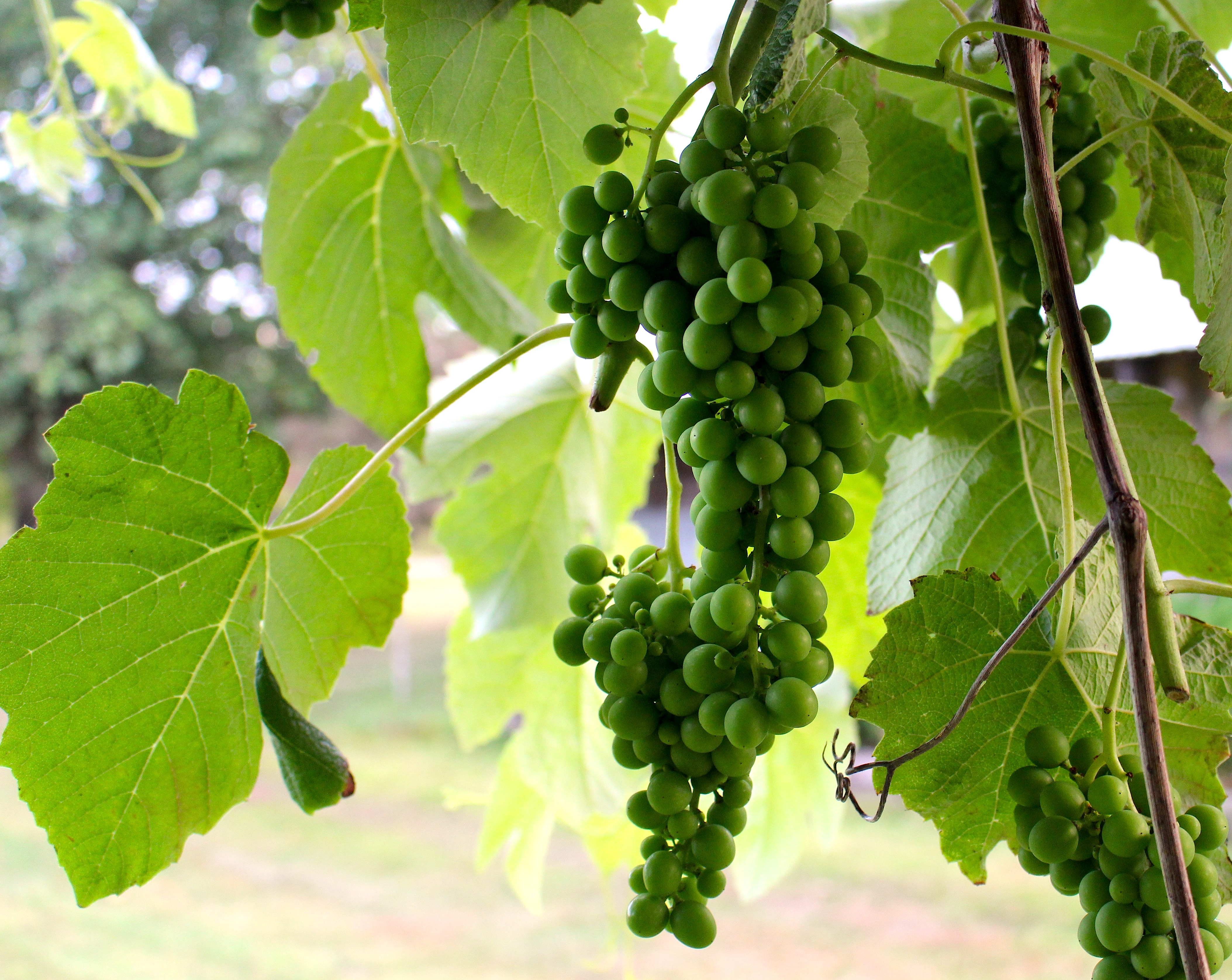
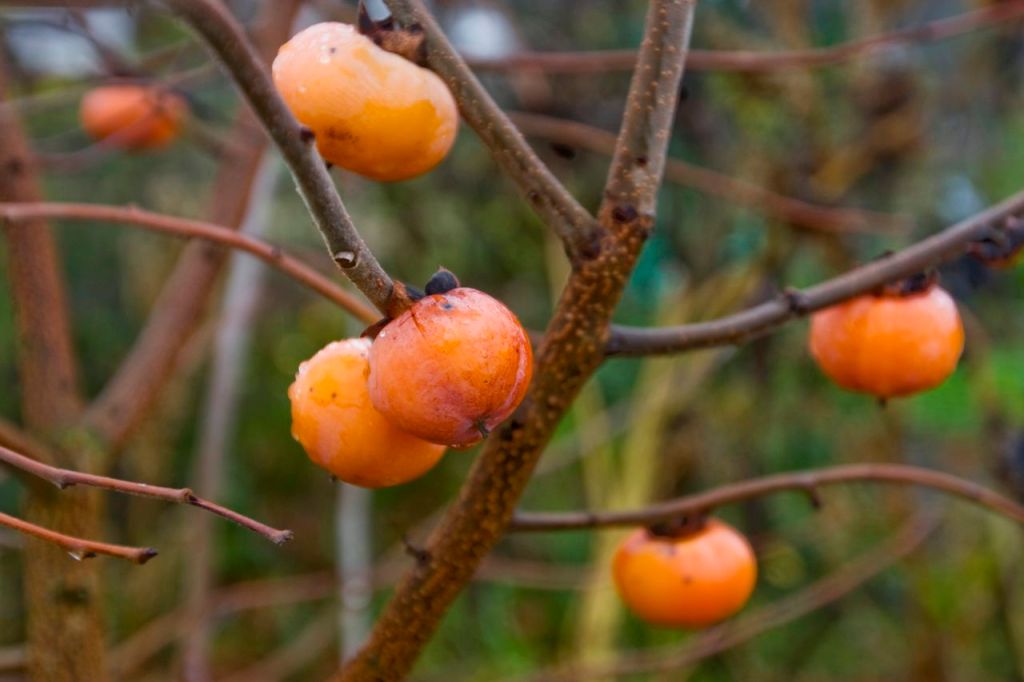
harvest over, we taste persimmon
and wild grape, sharp sweet
of summer’s end. In time’s maze
over fall fields, we name names
that went west from here, names
that rest on graves. We open
a persimmon seed to find the tree
that stands in promise,
pale, in the seed’s marrow.
Geese appear high over us,
pass, and the sky closes. Abandon,
as in love or sleep, holds
them to their way, clear,
in the ancient faith: what we need
is here. And we pray, not
for new earth or heaven, but to be
quiet in heart, and in eye
clear. What we need is here.

~Wendell Berry “Wild Geese” from Collected Poems 1957-1982

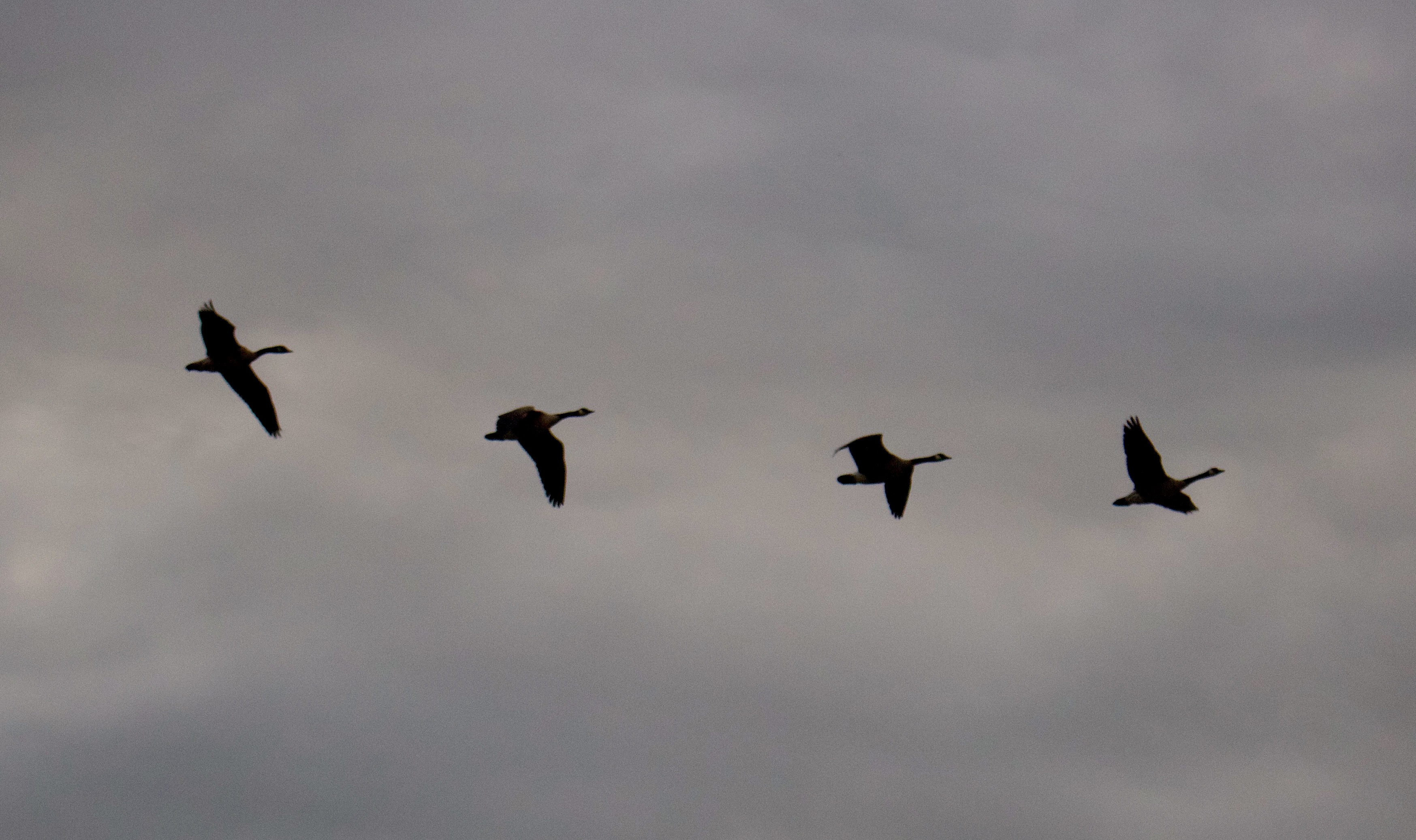
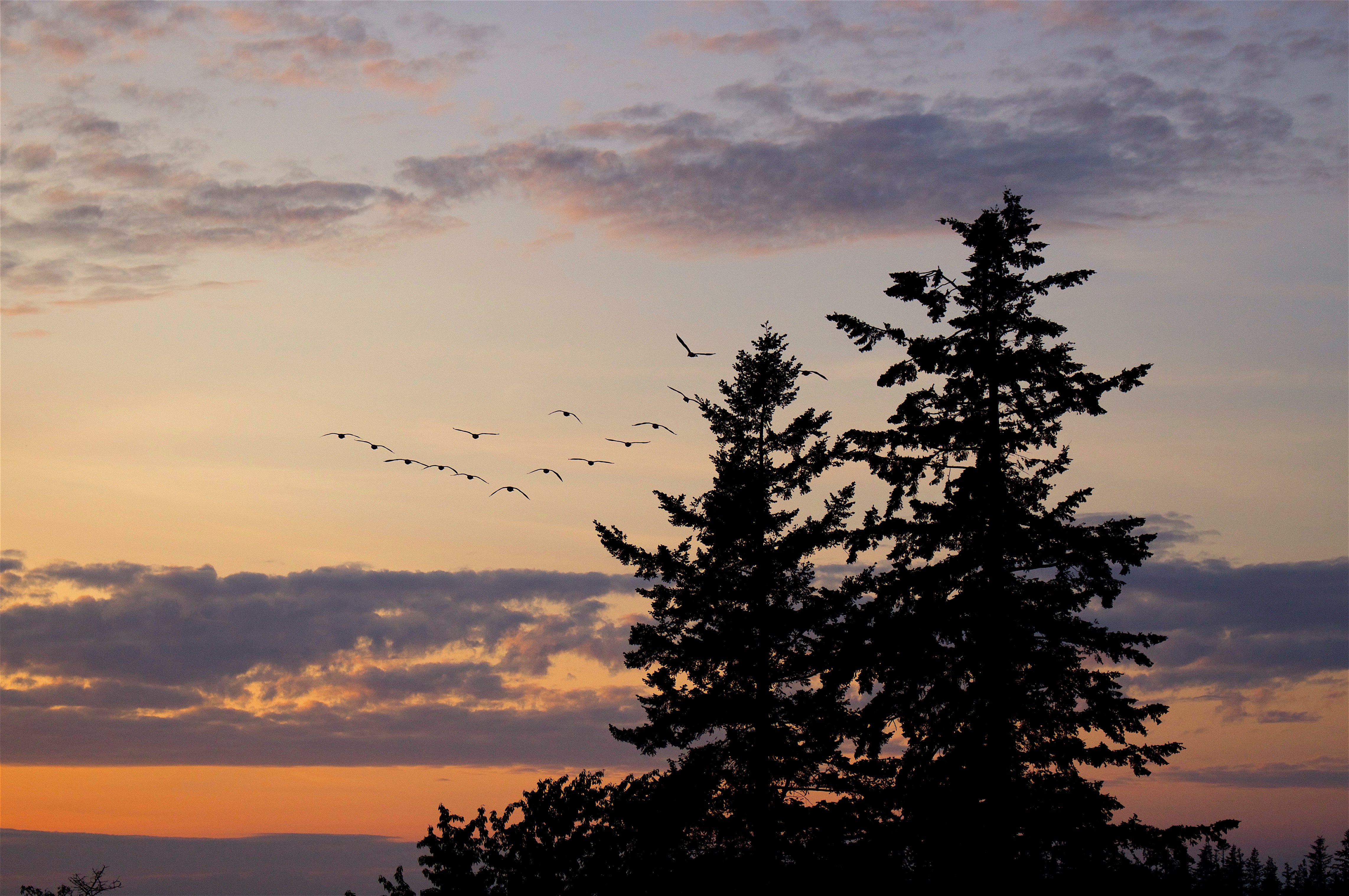
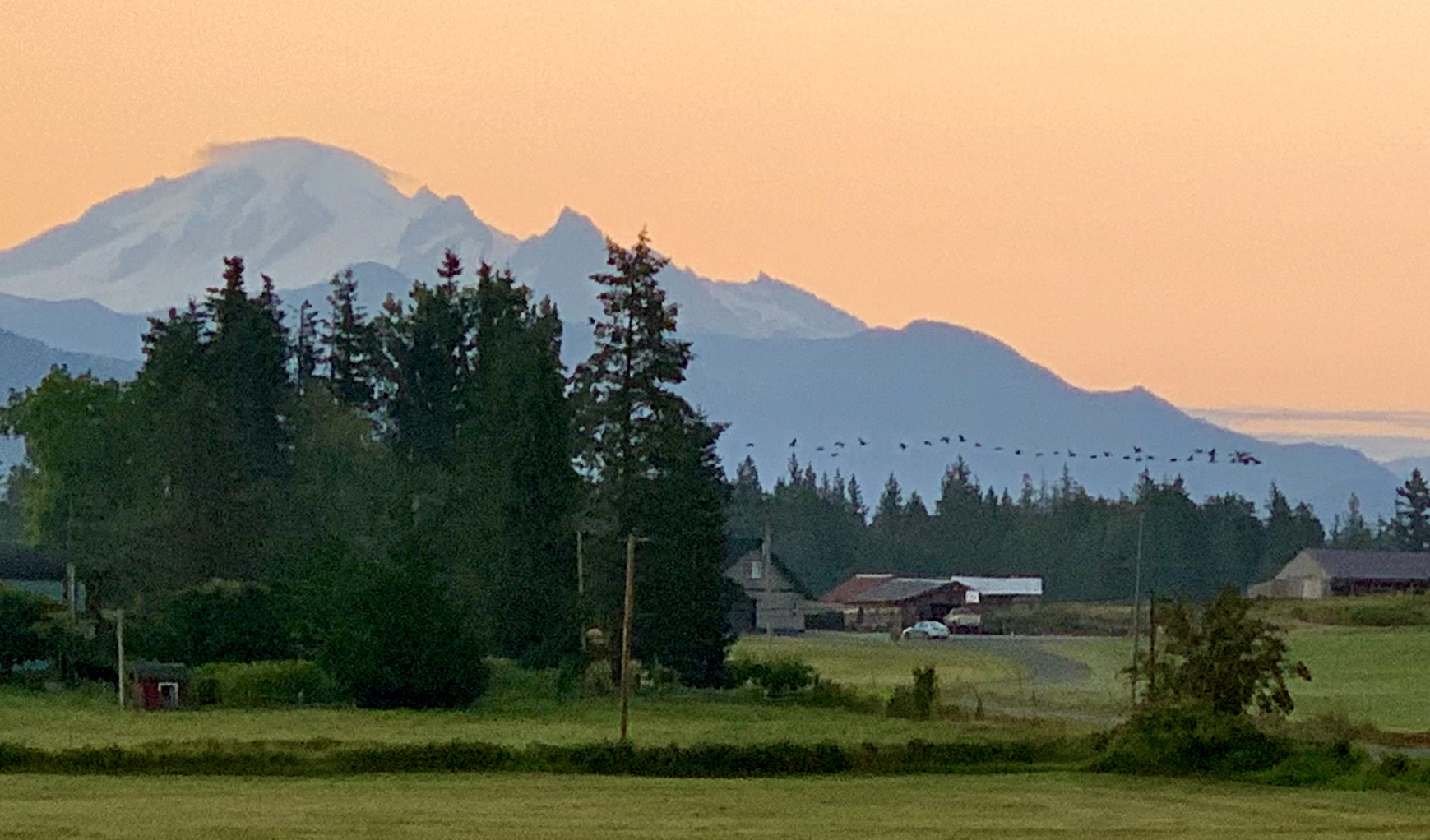
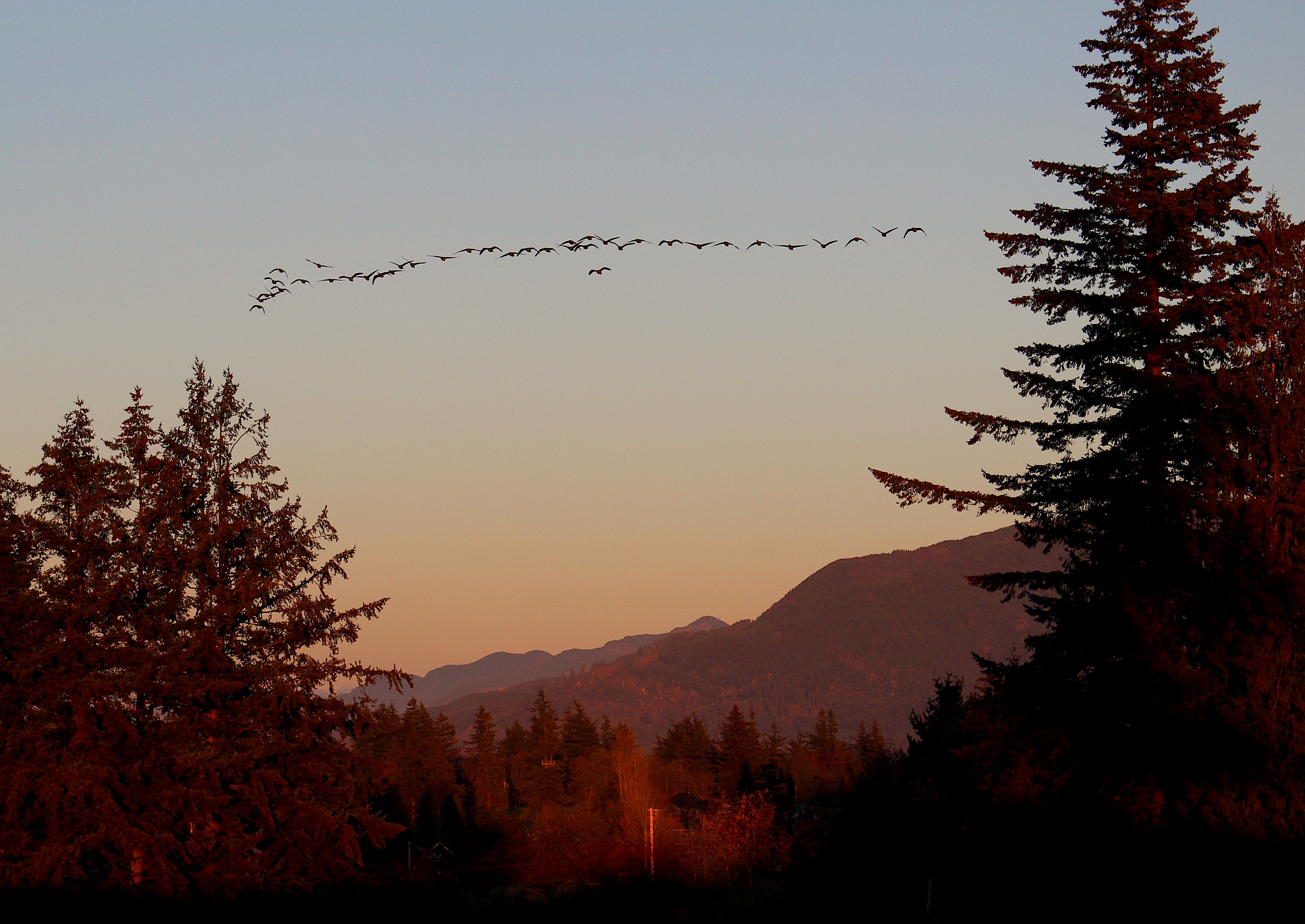
I hear them coming before I see them:
the wild geese flying overhead,
noisily honking their way across an autumn sky,
drawn to the harvested cornfields
to glean after the machinery has left.

Soon they will leave altogether,
pulled to be content somewhere else.

I remain as witness
rather than move on,
reminding myself,
my heart quiet, my eye clear,
what I need is here
until it is my turn to leave.

A book of beautiful words and photography, available to order here:

Starting the Day

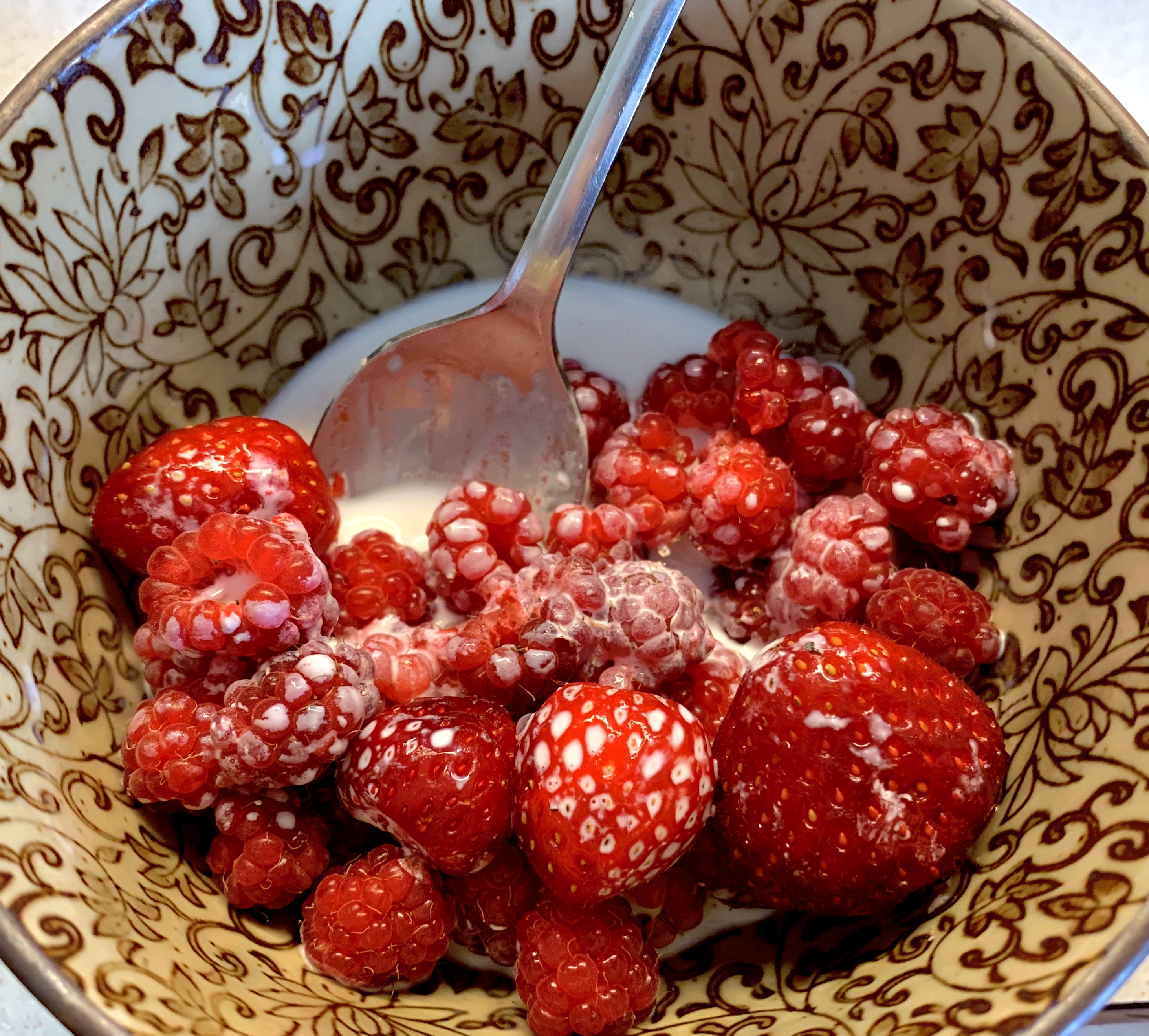
My father taught me how to eat breakfast
those mornings when it was my turn to help
him milk the cows. I loved rising up from

the darkness and coming quietly down
the stairs while the others were still sleeping.
I’d take a bowl from the cupboard, a spoon

from the drawer, and slip into the pantry
where he was already eating spoonfuls
of cornflakes covered with mashed strawberries

from our own strawberry fields forever.
Didn’t talk much—except to mention how
good the strawberries tasted or the way

those clouds hung over the hay barn roof.
Simple—that’s how we started up the day.

~Joyce Sutphen, “Breakfast” from First Words, Red Dragonfly.

By the time I was four years old, my family owned several Guernsey and Jersey dairy cows who my father milked by hand twice a day. My mother pasteurized the milk on our wood stove and we grew up drinking the best milk on earth, as well as enjoying home-made butter and ice cream.

One of my fondest memories is getting up early with my dad, before he needed to be at school teaching FFA agriculture students (Future Farmers of America). I would eat breakfast with him and then walk out into the foggy fall mornings with our dog to bring in the cows for milking. He would boost me up on top of a very bony-backed chestnut and white patchwork cow while he washed her udder and set to work milking.

I would sometimes sing songs from up there on my perch and my dad would whistle since he didn’t sing.

I can still hear the rhythmic sound of the milk squirting into the stainless steel bucket – the high-pitched metallic whoosh initially and then a more gurgling low wet sound as the bucket filled up. I can see my dad’s capped forehead resting against the flank of the cow as he leaned into the muscular work of squeezing the udder teats, each in turn. I can hear the cow’s chewing her breakfast of alfalfa and grain as I balanced on her prominent spine feeling her smooth hair over her ribs. The barn cats circulated around us, mewing, attracted by the warm milky fragrance in the air.
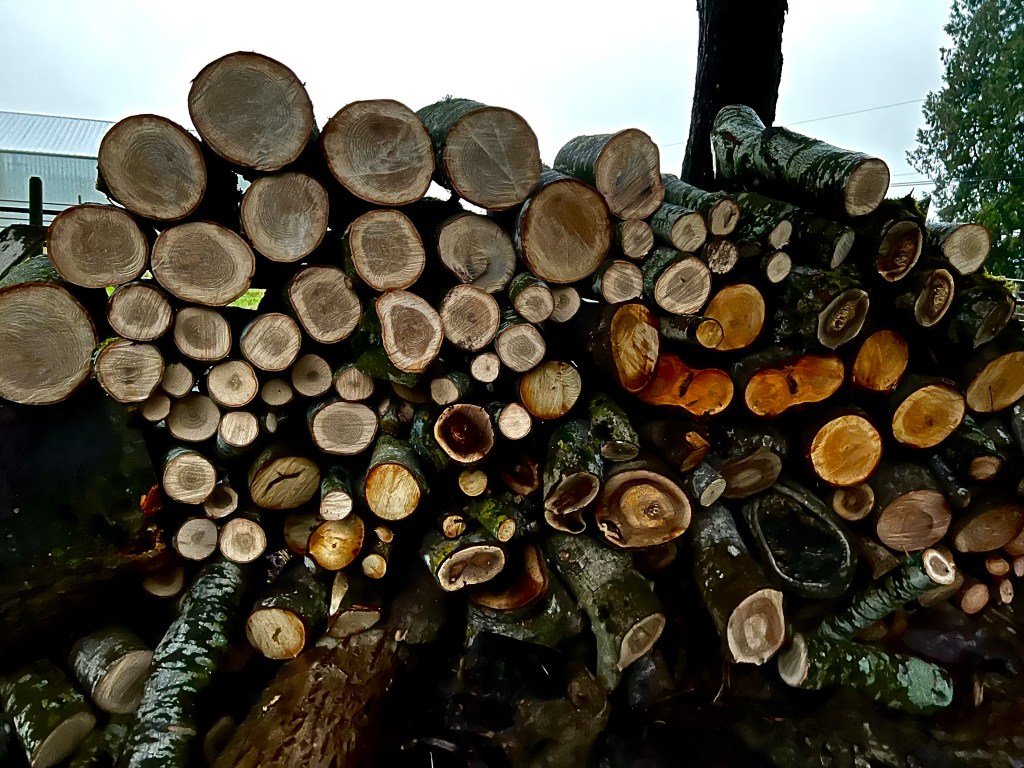
Those were preciously simple starts to the day for me and my father, whose thoughts he didn’t articulate nor I could ever quite discern. But I did know I wasn’t only his daughter on mornings like that – I was one of his future farmers of America he dedicated his life to teaching.
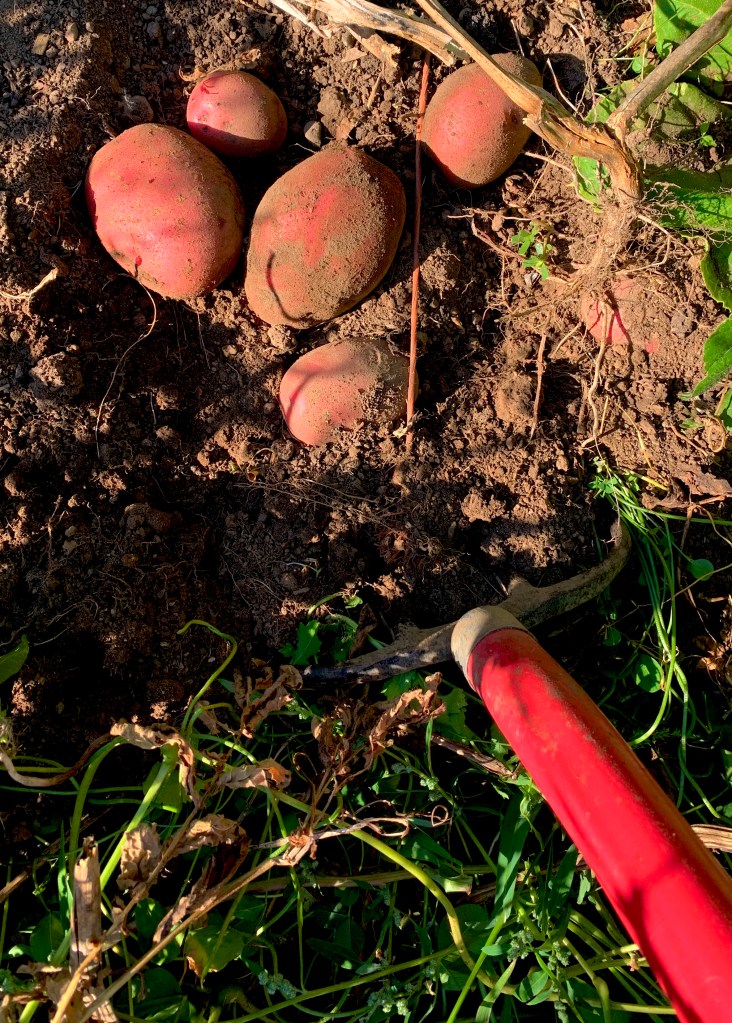
Dad, even without you saying much, those were mornings when my every sense was awakened. I’ve never forgotten that- the best start to the day.

A new shipment of this book is arriving soon – you can order here:

We May Or Might Never, Meet Here Again

My great grandfather had some fields in North Carolina
and he willed those fields to his sons and his sons
willed them to their sons so there is a two-hundred-year-old
farm house on that land where several generations
of my family fried chicken and laughed and hung

their laundry beneath the trees. There are things you
know when your family has lived close to the earth:
things that make magic seem likely. Dig a hole on the new
of the moon and you will have dirt to throw away
but dig one on the old of the moon and you won’t have

enough to fill it back up again: I learned this trick
in the backyard of childhood with my hands. If you know
the way the moon pulls at everything then you can feel
it on the streets of a city where you cannot see the sky.

I may walk the streets
of this century and make my living in an office
but my blood is old farming blood and my true
self is underground like a potato.

I have taken root in my grandfather’s
fields: I am hanging my laundry beneath his trees.
~Faith Shearin from “Fields”

It just isn’t possible to completely take me off the farm – I have generations of farmers extending back on both sides of my family, so I have dug myself a hole here, resting easy in the soil like a potato and ventured out only as I needed to in order to actually make a living.

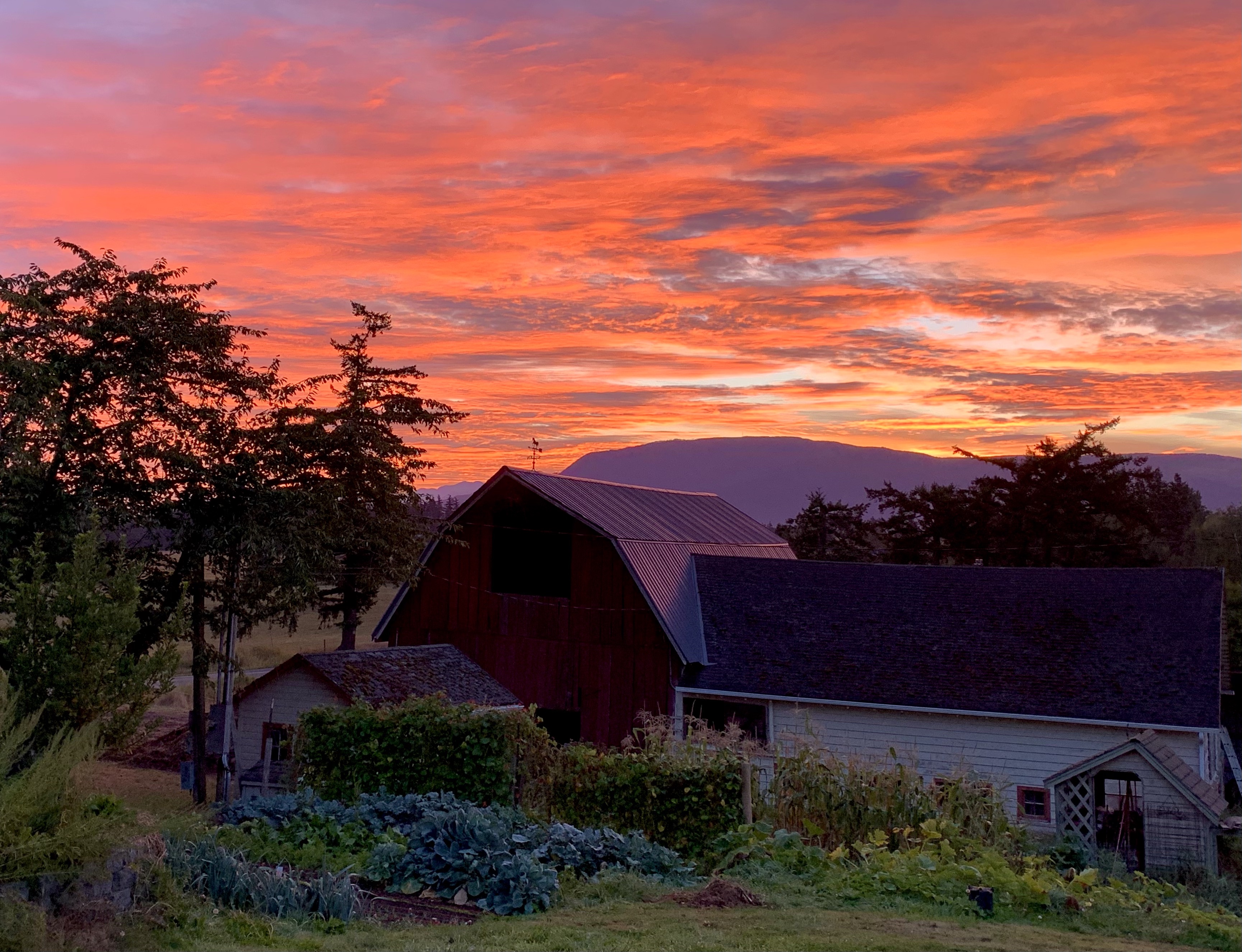
A gathering of all my vaccinated clinic colleagues came to our farm yesterday to help me celebrate my retiring from office life. They brought beautiful flowers, plentiful food, kind and restoring words, thirty year old photos and lovely parting gifts, as well as my singing doctor buddy sharing a sea shanty about bittersweet parting. It is helping ease my sorrow at leaving regular doctoring behind, knowing there are more days to come, more time to grow things in the ground, more blissing out over sunrises and sunsets and more hanging laundry on the clothesline.

My dear friends know where they can find me – on the hill above our farm – we may or might never, meet here again but it was such a fine time together yesterday, thank you!

Kind Friend and Companions, Come join me in rhyme,
Come lift up your voices, In chorus with mine,
Come lift up your voices, all grief to refrain,
For we may or might never, all meet here again
Here’s a health to the company and one to my lass,
Let us drink and be merry, all out of one glass,
Let us drink and be merry, all grief to refrain
For we may or might never, all meet here again
Here’s a health to the dear lass, that I love so well,
For her style and her beauty, sure none can excel,
There’s a smile on her countenance, as she sits on my knee,
There’s no man in this wide world, as happy as me,
Here’s a health to the company, and one to my lass
Let us drink and be merry, all out of one glass,
Let us drink and be merry, all grief to refrain
For we may or might never, all meet here again,
Our ship lies at anchor, she’s ready to dock,
I wish her safe landing, without any shock,
If ever I should meet you, by land or by sea,
I will always remember, your kindness to me,
Here’s a health to the company and one to my lass,
Let us drink and be merry, all out of one glass,
Let us drink and be merry, all grief to refrain
For we may or might never, all meet here again
Here’s a health to the company and one to my lass,
Let us drink and be merry, all out of one glass,
Let us drink and be merry, all grief to refrain
For we may or might never, all meet here again

You may well love this book of Barnstorming photos, available to order here: