Hearing the Forsaken Cry

About suffering they were never wrong,
The old Masters: how well they understood
Its human position: how it takes place
While someone else is eating or opening a window or just walking dully along;
How, when the aged are reverently, passionately waiting
For the miraculous birth, there always must be
Children who did not specially want it to happen, skating
On a pond at the edge of the wood:
They never forgot
That even the dreadful martyrdom must run its course
Anyhow in a corner, some untidy spot
Where the dogs go on with their doggy life and the torturer’s horse
Scratches its innocent behind on a tree.

In Breughel’s Icarus, for instance: how everything turns away
Quite leisurely from the disaster; the ploughman may
Have heard the splash, the forsaken cry,
But for him it was not an important failure; the sun shone
As it had to on the white legs disappearing into the green
Water, and the expensive delicate ship that must have seen
Something amazing, a boy falling out of the sky,
Had somewhere to get to and sailed calmly on.

~W.H. Auden “Musée des Beaux Arts”
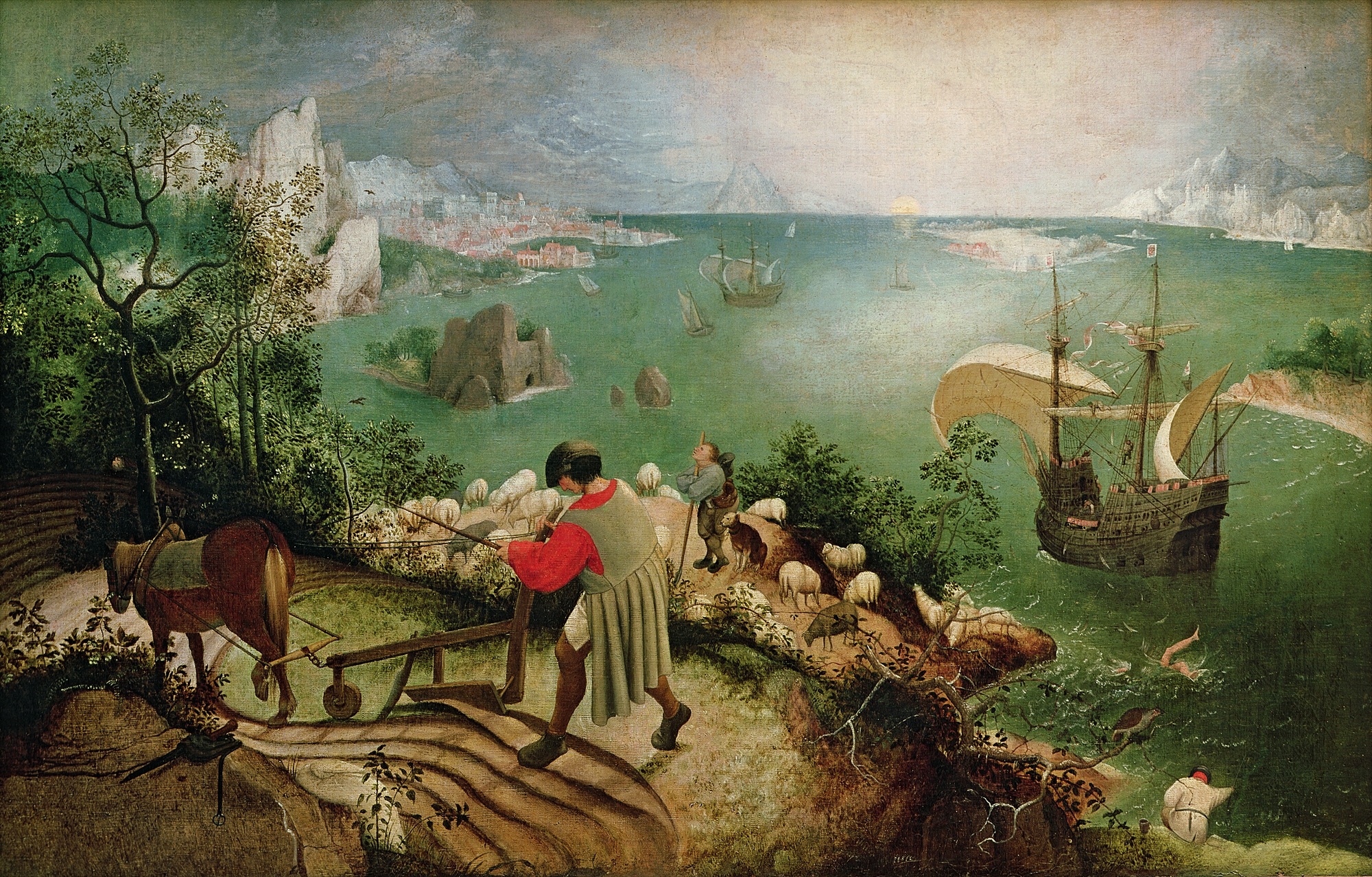
Landscape with the Fall of Icarus, c.1555 (oil on canvas) by Bruegel, Pieter the Elder (c.1525-69); Musees Royaux des Beaux-Arts de Belgique, Brussels, Belgium;

“Census in Bethlehem” by Pieter Bruegel -Musees Royaux des Beaux-Arts de Belgique, Brussels, Belgium;
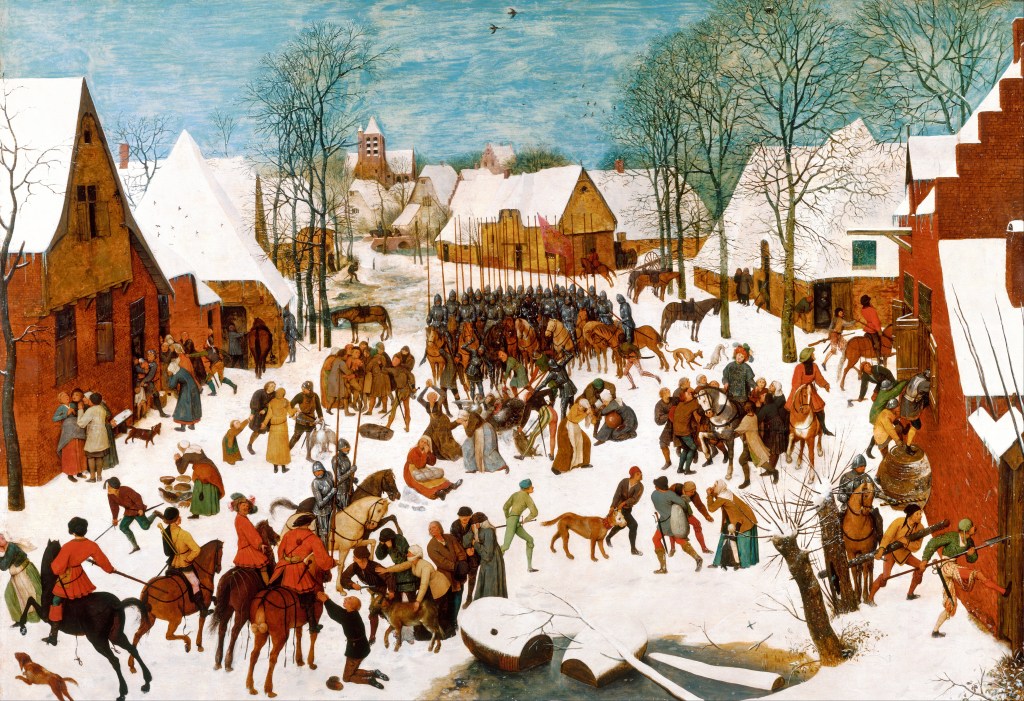
“Massacre of the Innocents” by Pieter Bruegel

…as you sit beneath your beautifully decorated tree, eat the rich food of celebration, and laugh with your loved ones, you must not let yourself forget the horror and violence at the beginning and end of the Christmas story. The story begins with the horrible slaughter of children and ends with the violent murder of the Son of God. The slaughter depicts how much the earth needs grace. The murder is the moment when that grace is given.

Look into that manger representing a new life and see the One who came to die. Hear the angels’ celebratory song and remember that sad death would be the only way that peace would be given. Look at your tree and remember another tree – one not decorated with shining ornaments, but stained with the blood of God.

As you celebrate, remember that the pathway to your celebration was the death of the One you celebrate, and be thankful.
~Paul Tripp


God weeps
when tragedy and suffering happens.

Such evil comes not from God
yet humankind expects it,
walking dully past, barely noticing.
It is simply part of existence –
easier to not stop and feel the pain
or get involved.

But God does not walk past our hurt and trouble,
does not ignore, nor pretend to not see or hear our cries.

Only God glues together
what evil has shattered.
Only God could become the Man
who loves us enough to take our suffering
upon His own shoulders
— becoming forsaken
so that we are not.

One-Time
Monthly
Yearly

Make a one-time or recurring donation to support daily Barnstorming posts

Make a monthly donation

Make a yearly donation

Choose an amount

¤10.00
¤20.00
¤50.00
¤5.00
¤15.00
¤100.00
¤5.00
¤15.00
¤100.00

Or enter a custom amount

¤

Your contribution is deeply appreciated.

Your contribution is appreciated.

Your contribution is appreciated.

DonateDonate monthlyDonate yearly
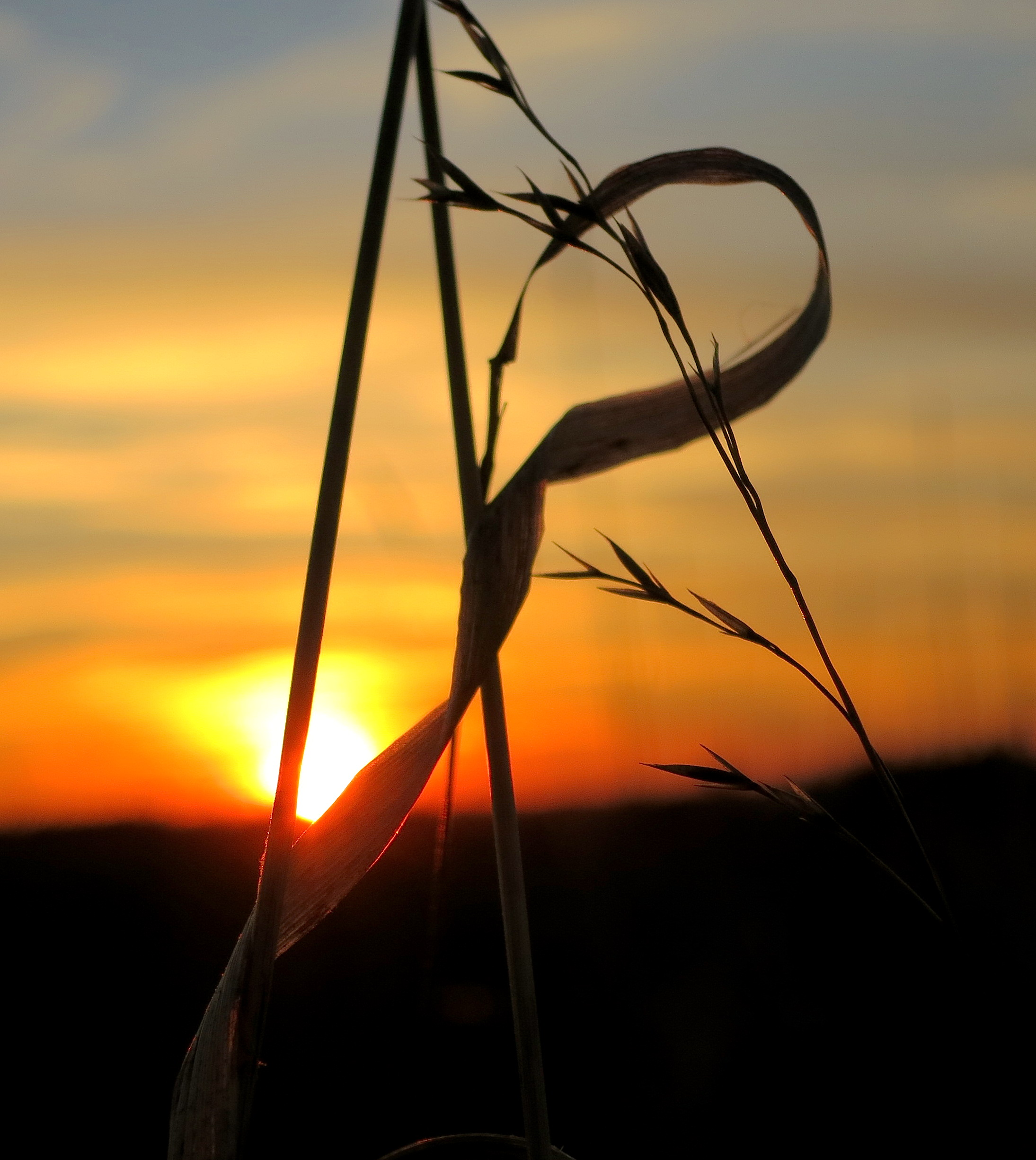

A Feeble Reed

Man is but a reed, the most feeble thing in nature, but he is a thinking reed.
~Blaise Pascal

I’m not sure which is getting flabbier faster–my biceps or my brain. As I advance in age I tend to just get by with only occasional heavy lifting: a hay bale here, a challenging abstract philosophical commentary there. Hard work, whether physical or mental, is getting harder. As a naturally lazy person, I have to be forced into manual and central nervous system labor out of necessity. Necessity happens less and less often unless I go looking for it.

Given the choice between a physical task and a thinking task, I’ll opt for thinking over lifting any day. Even so, I find my mental strengths are ebbing. My brain is less flexible, I can tend to be stiff headed when trying something new and it starts to feel strained if I push it too fast. There are times when it feels like it just goes into spasm and I need to sit down and rub it for awhile. Feeble suddenly doesn’t sound like it just belongs to the aged and infirm.

The only remedy is to use it or lose it, whether muscles or gray matter. So I dig a little deeper each day, even when it hurts to do so. I purposely stretch beyond the point of comfort, just so I know it can still be done. I lift a little higher, heft a little heavier, push a little harder. Being the most feeble thing in nature may mean being easily broken by the smallest effort, but at least I’ll have thought through my reedy limitations thoroughly, chewed on it until there was nothing left and digested what I could.

Eventually I’ll come to accept that my greatest strength is to know what I don’t know.

We Who are Blended

You’ve got to be taught
To hate and fear
You’ve got to be taught
From year to year
It’s got to
Be drummed in your dear little ear
You’ve got to be taught
To be afraid of people
Who’s eyes are oddly made
And people who’s skin is a different shade
You’ve got to be carefully taught
~ Matthew Morrison from Oscar and Hammerstein’s “South Pacific”

It demands great spiritual resilience not to hate the hater
whose foot is on your neck, 
and an even greater miracle of perception and charity
not to teach your child to hate.
~James Arthur Baldwin

If you’re white and you’re wrong, then you’re wrong; 
if you’re black and you’re wrong, you’re wrong. 
People are people. 
Black, blue, pink, green – 
God make no rules about color; 
only society make rules where my people suffer, 
and that why we must have redemption and redemption now.
~Bob Marley

We’ve got to be taught to hate. I was and so were you.

And not a one of us grows up without that sickening uneasiness about not belonging and not feeling like we fit in with those around us. We crave belonging and most of us seek to blend in.

Yet we are created in the image of God, in most ways more similar than we are different. We have created the differences in our own minds and cultures, not God’s Mind. Our fear of one another is purely man-made.

Yet hating and fearing the “other” is meaningless when we are already the “other.”

As more and more people have their DNA profiles done and discover an unexpected mix of various ethnic and racial backgrounds, we are gaining new brothers and sisters on the molecular level. Many are already blended; most of us are mutts.

I have a white friend who recently discovered a branch of family four generations back where a white man and black woman had married and had several children who could pass as white and married so other light-skinned people. Several children were darker skinned and married black spouses. Sadly, due to the prejudices of the time, the family separated along skin color lines and didn’t maintain contact. Now the descendants have discovered each other. Their family reunion portraits display a colorful spectrum of black to brown to pale white. None of them are “other” any longer when they all are “other.”

So let us celebrate the infinite gradations of Imago Dei, and the redeeming reunion of long-lost brothers and sisters.

And remember — we are responsible for what we teach our children.

What the Sun Lights Up

It is possible, I suppose that sometime 
we will learn everything 
there is to learn: what the world is, for example, 
and what it means. I think this as I am crossing 
from one field to another, in summer, and the 
mockingbird is mocking me, as one who either 
knows enough already or knows enough to be 
perfectly content not knowing. Song being born 
of quest he knows this: he must turn silent 
were he suddenly assaulted with answers. Instead 
oh hear his wild, caustic, tender warbling ceaselessly 
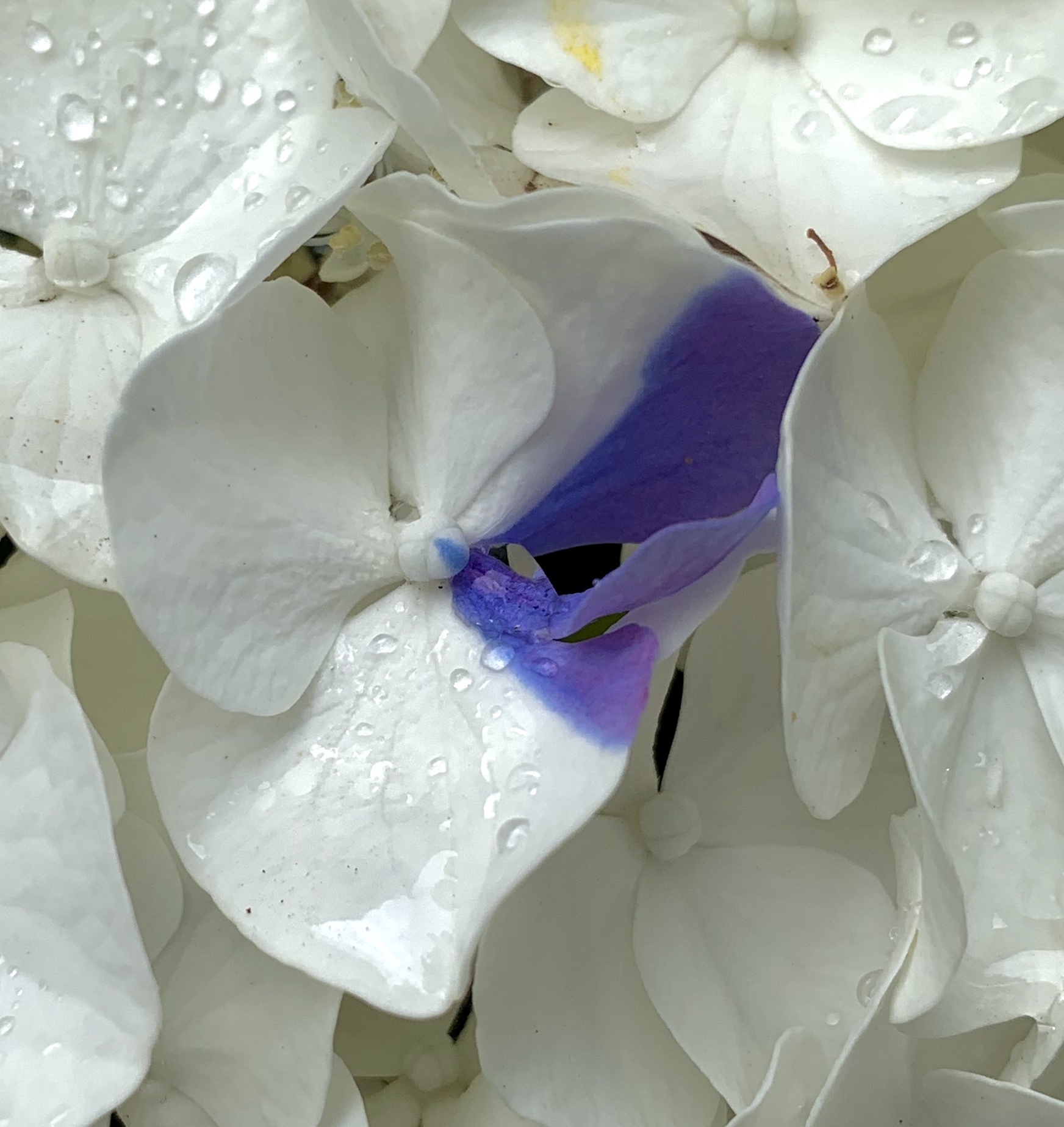
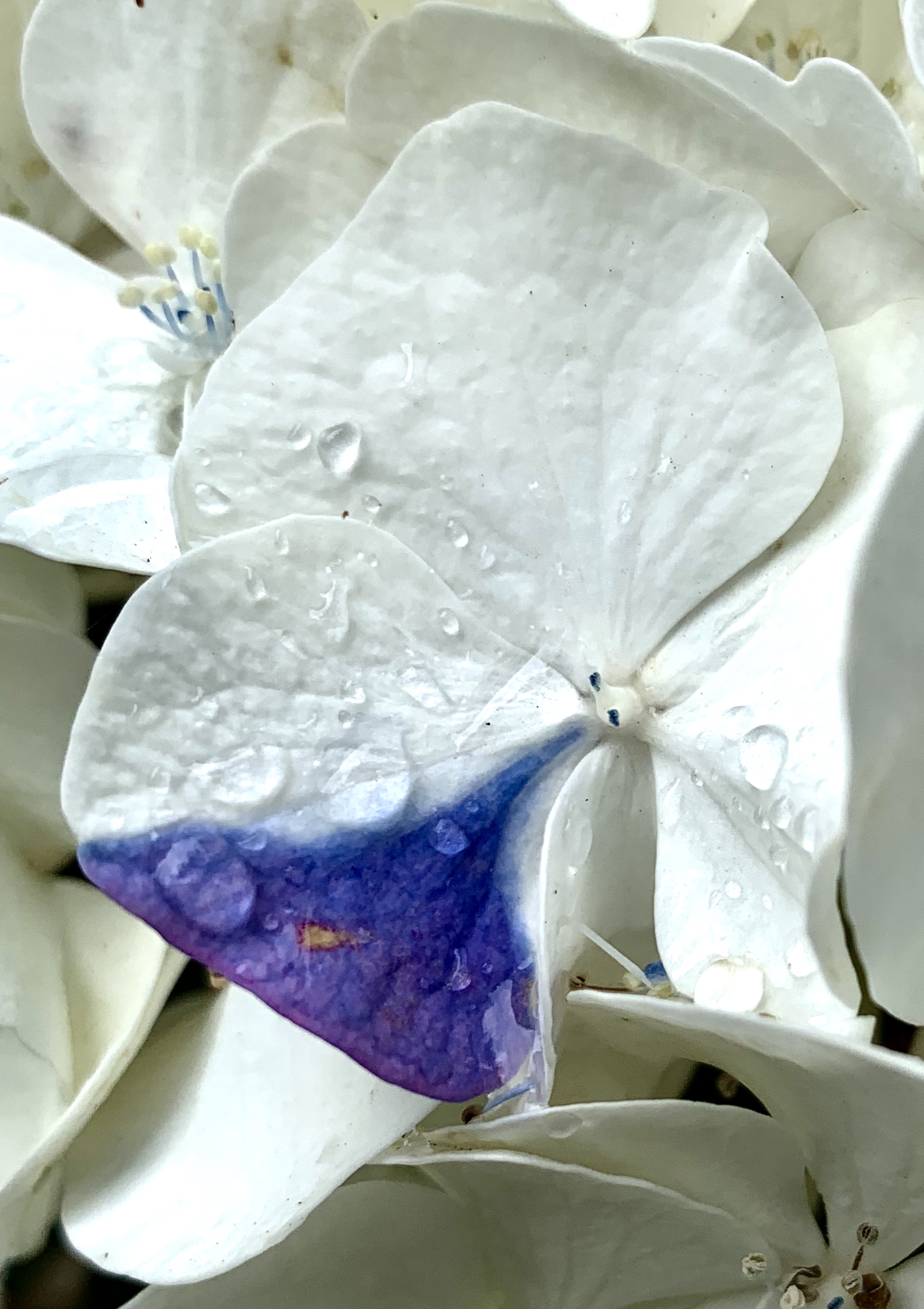
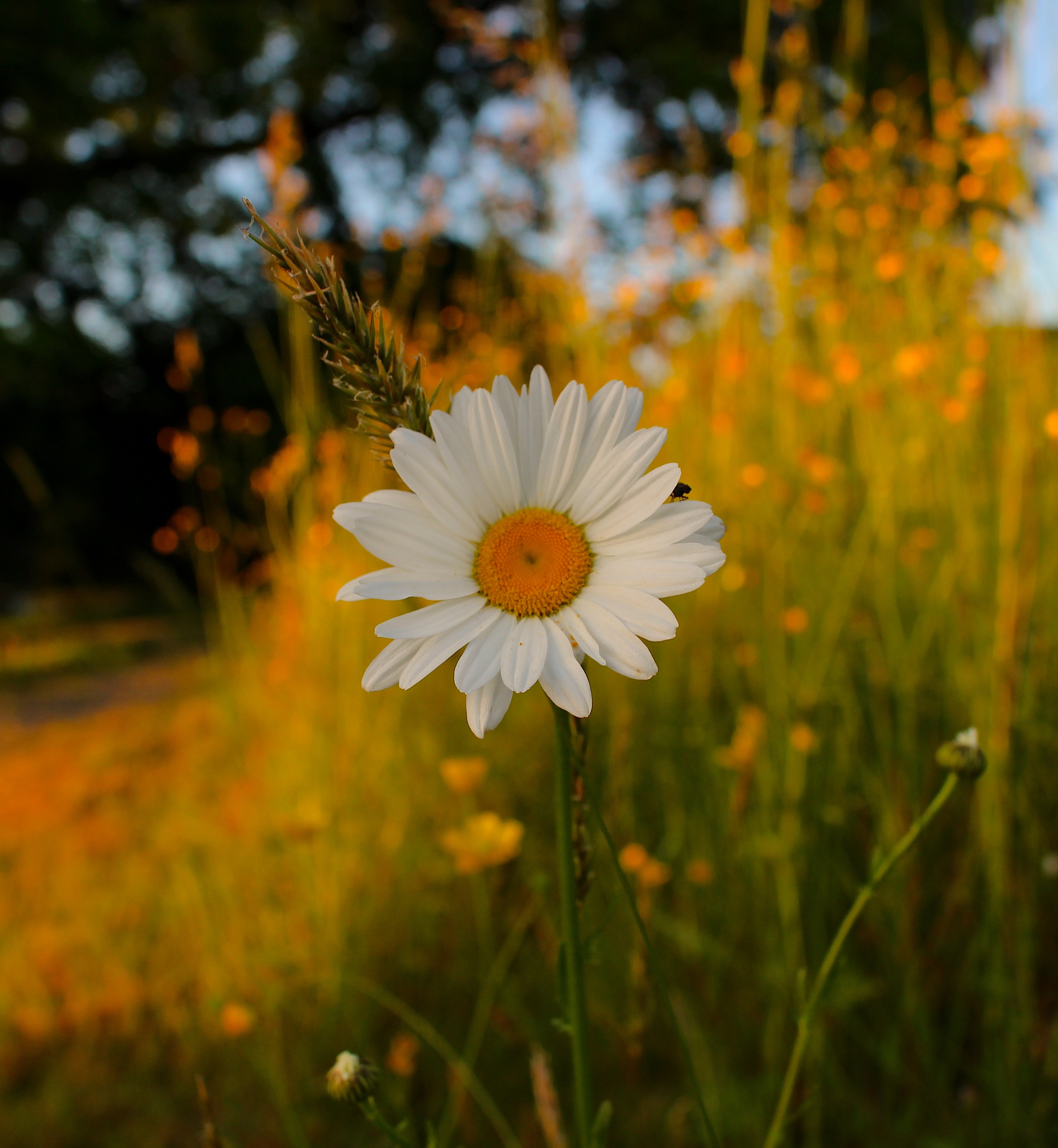
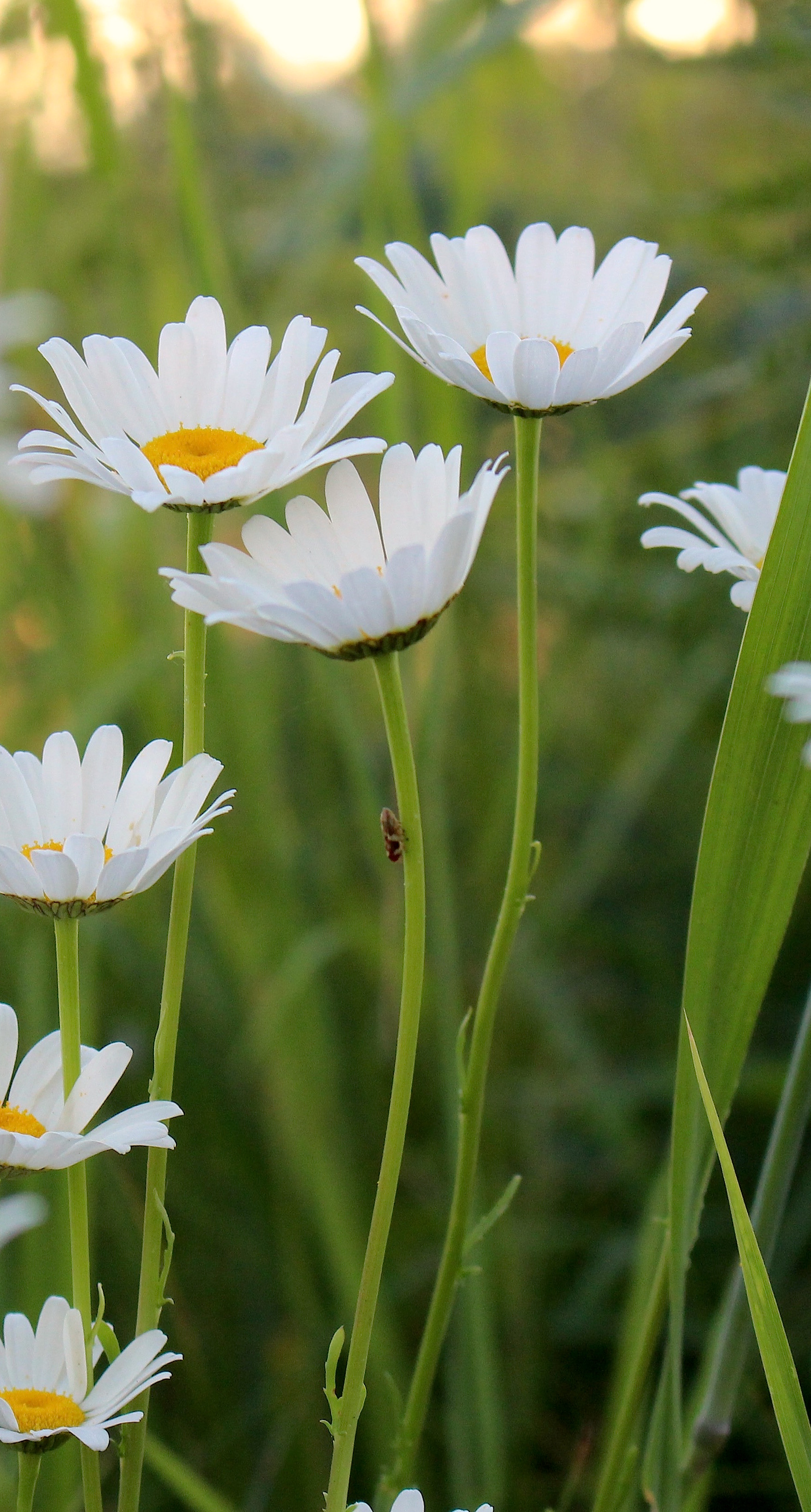
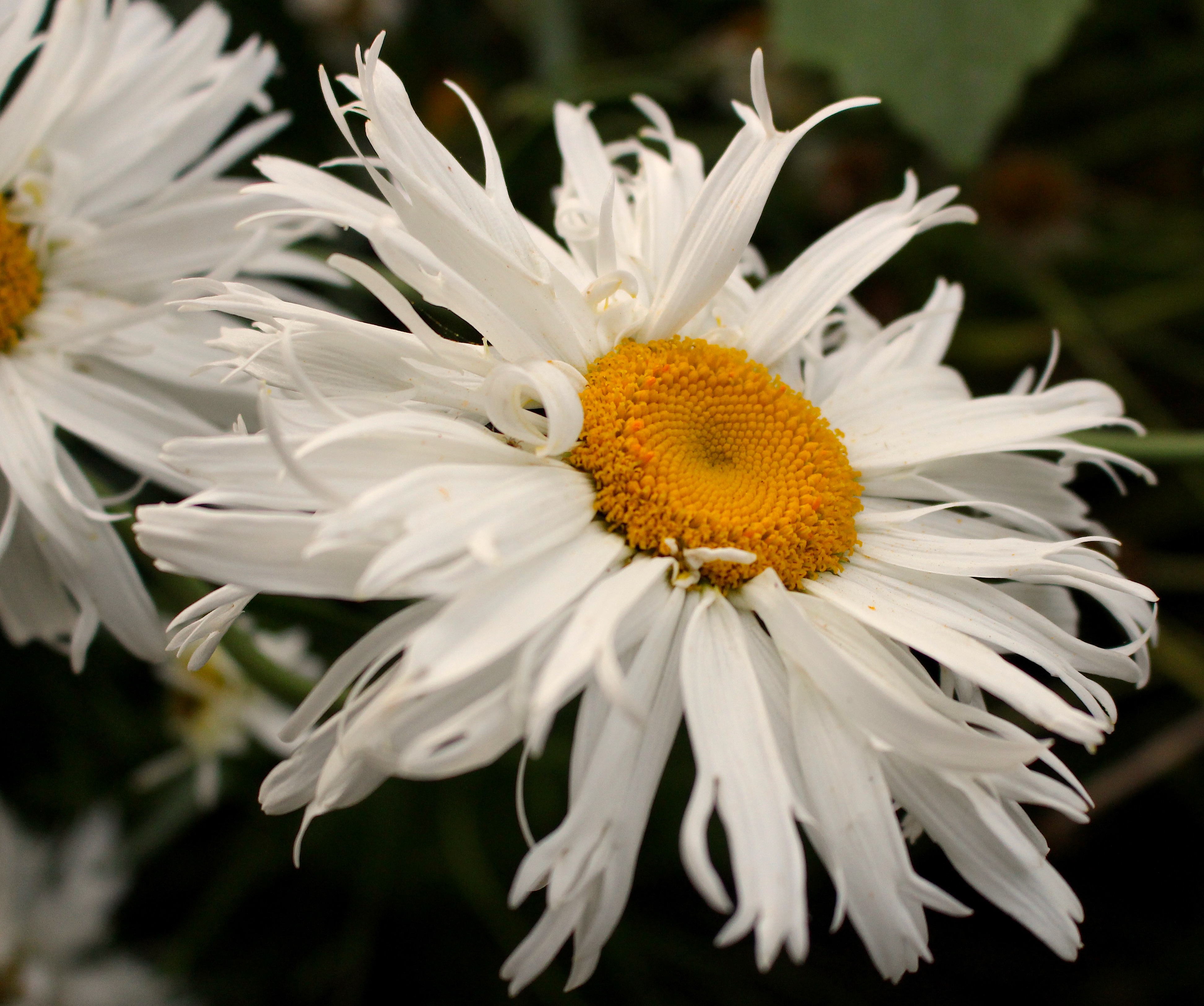
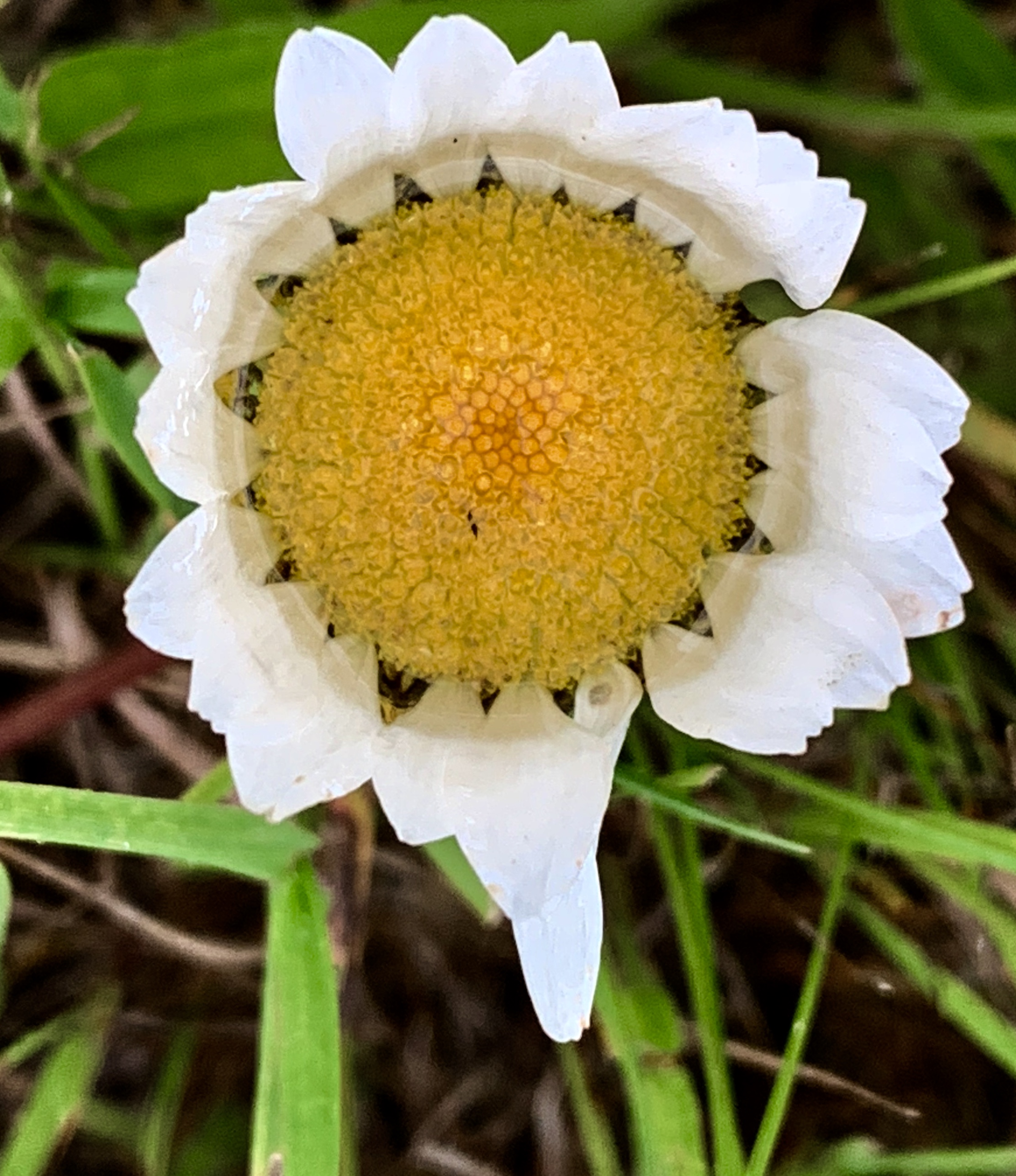
unanswered. At my feet the white-petalled daisies display 
the small suns of their center piece, their – if you don’t 
mind my saying so – their hearts. Of course 
I could be wrong, perhaps their hearts are pale and 
narrow and hidden in the roots. What do I know? 
But this: it is heaven itself to take what is given, 
to see what is plain; what the sun lights up willingly; 
for example – I think this 
as I reach down, not to pick but merely to touch – 
the suitability of the field for the daisies, and the 
daisies for the field.
~Mary Oliver “Daisies”

I spend much of my time acknowledging I don’t know what I wish I knew. Aging means becoming content with the mystery and ceasing to strive so much for what is not yet illuminated, but will soon be.

I don’t fight my dark ignorance like I used to — no longer cry out in frustration about what I don’t understand and stomp angrily through each bewildering day.

Instead I am grateful for what insight is given freely and willingly, what is plainly illuminated, to be touched without being picked and destroyed.

I realize, if only I open up just enough to the Sun, it is my own heart that is alit and ripening. That is how heaven must be and I remain content to stay planted where I am until I’m picked.


The Most Feeble Thing

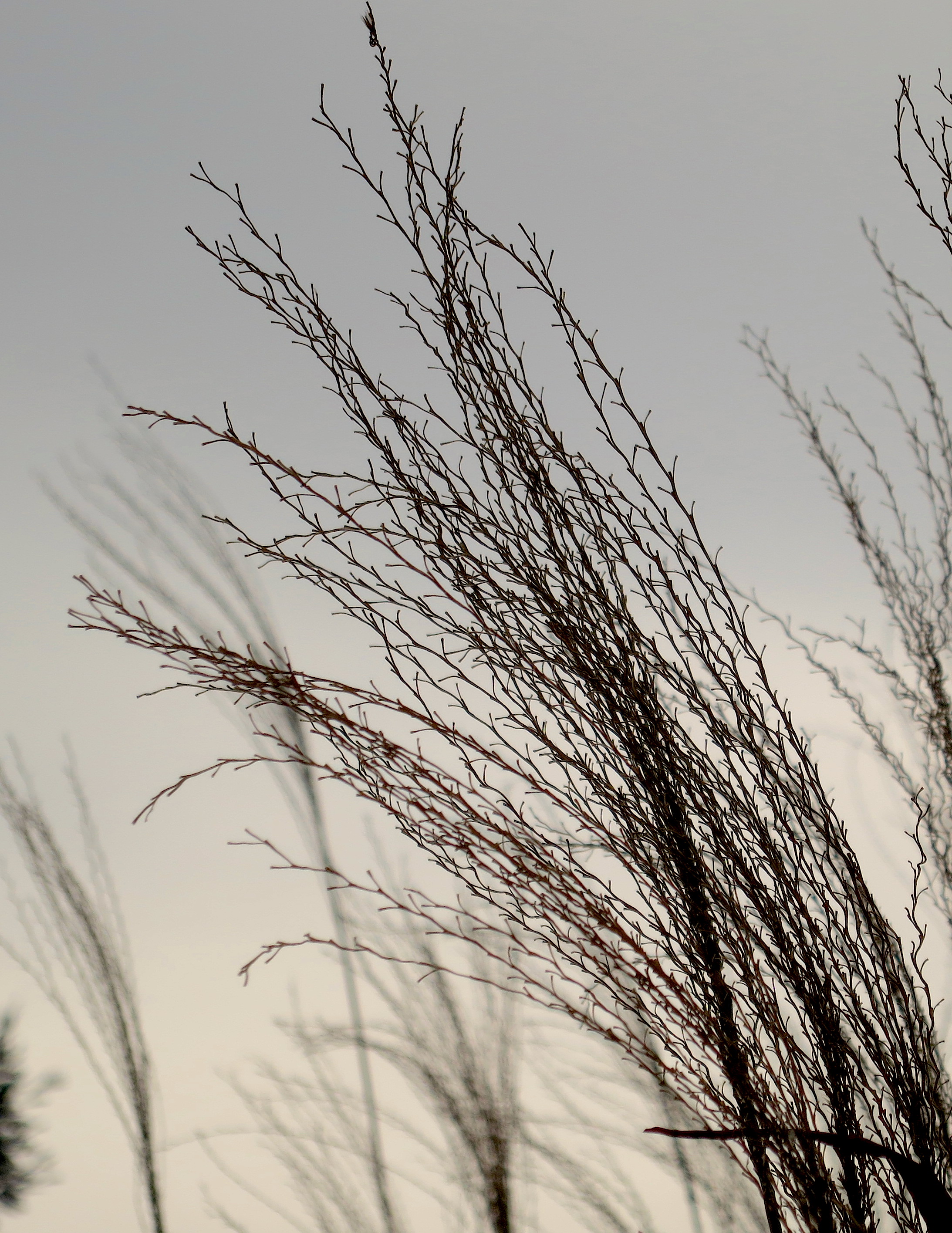
photo by Josh Scholten

Man is but a reed, the most feeble thing in nature, but he is a thinking reed.
Blaise Pascal

I’m not sure which is getting flabbier faster–my biceps or my brain.  As I advance in middle age I tend to avoid overworking both to just get by with only occasional heavy lifting:  a hay bale here, a challenging abstract philosophical commentary there.   Hard work, whether physical or mental, is getting harder.  As a naturally lazy person, I have to be forced into manual and central nervous system labor out of necessity.  Necessity happens less and less often unless I go looking for it.

Given the choice between a physical task and a thinking task, I’ll opt for thinking over lifting any day.  Even so, I find my mental strengths are ebbing.  My brain is less flexible, I can tend to be stiff headed when trying something new, it starts to feel strained if I push it too fast.   There are times when it feels like it just goes into spasm and I need to sit down and rub it for awhile.  Feeble suddenly doesn’t sound like it just belongs to the aged and infirm.

The only remedy is to use it or lose it, whether muscles or gray matter.   So I dig a little deeper each day, even when it hurts to do so.   I purposely stretch beyond the point of comfort, just so I know it can still be done.  I lift a little higher, heft a little heavier, push a little harder.  Being the most feeble thing in nature may mean being easily broken by the smallest effort, but at least I’ll have thought my reedy limitations through thoroughly, chewed on it until there was nothing left and digested what I could.

Eventually I’ll come to accept that my greatest strength is to know what I don’t know.

“I have come to think that if I had the mind, I have not the brain and nerves for a life of pure philosophy. A continued search among the abstract roots of things, a perpetual questioning of all that plain men take for granted, a chewing the cud for fifty years over inevitable ignorance and a constant frontier watch on the little tidy lighted conventional world of science and daily life–is this the best life for temperaments such as ours? Is it the way of health or even of sanity?” C. S. Lewis (in a letter to his father, Aug. 14, 1925)