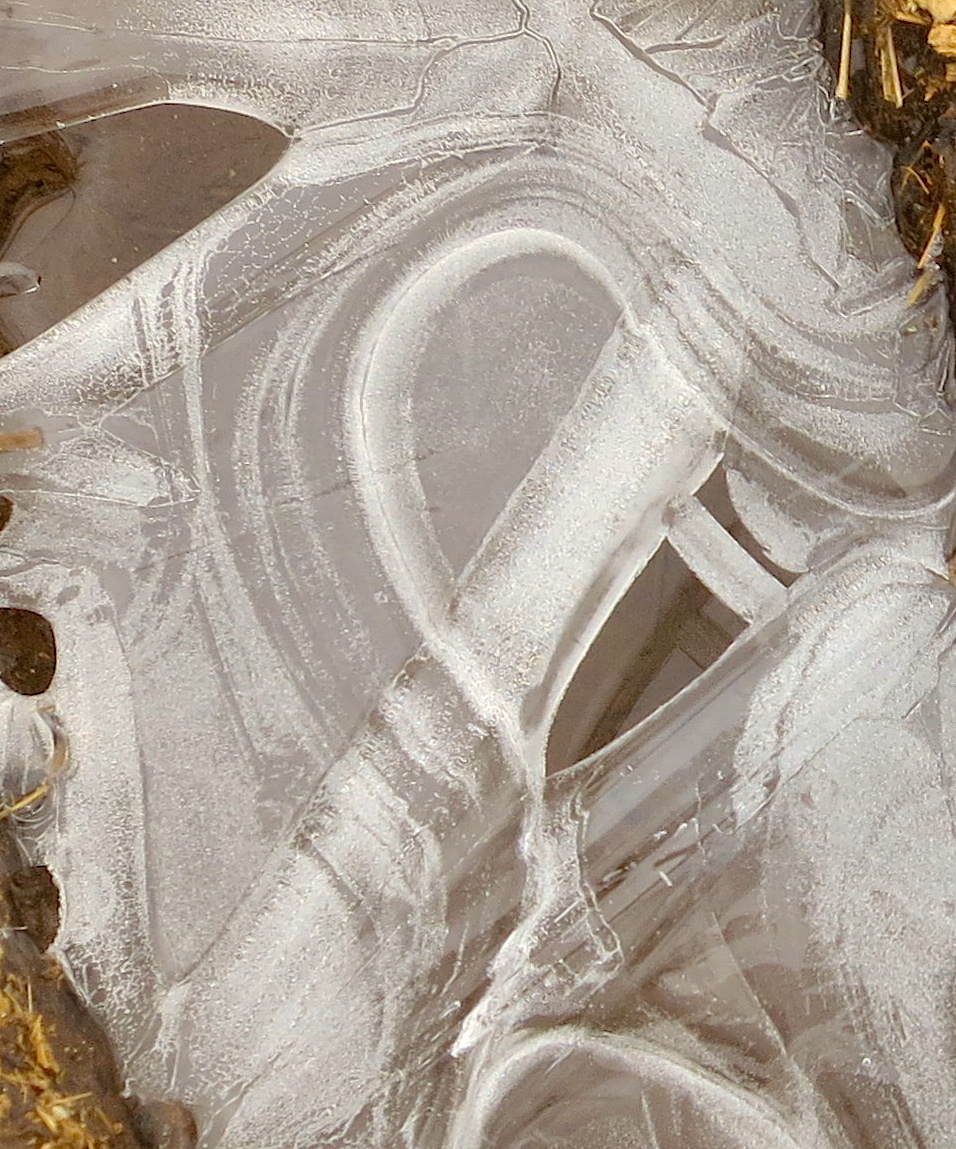
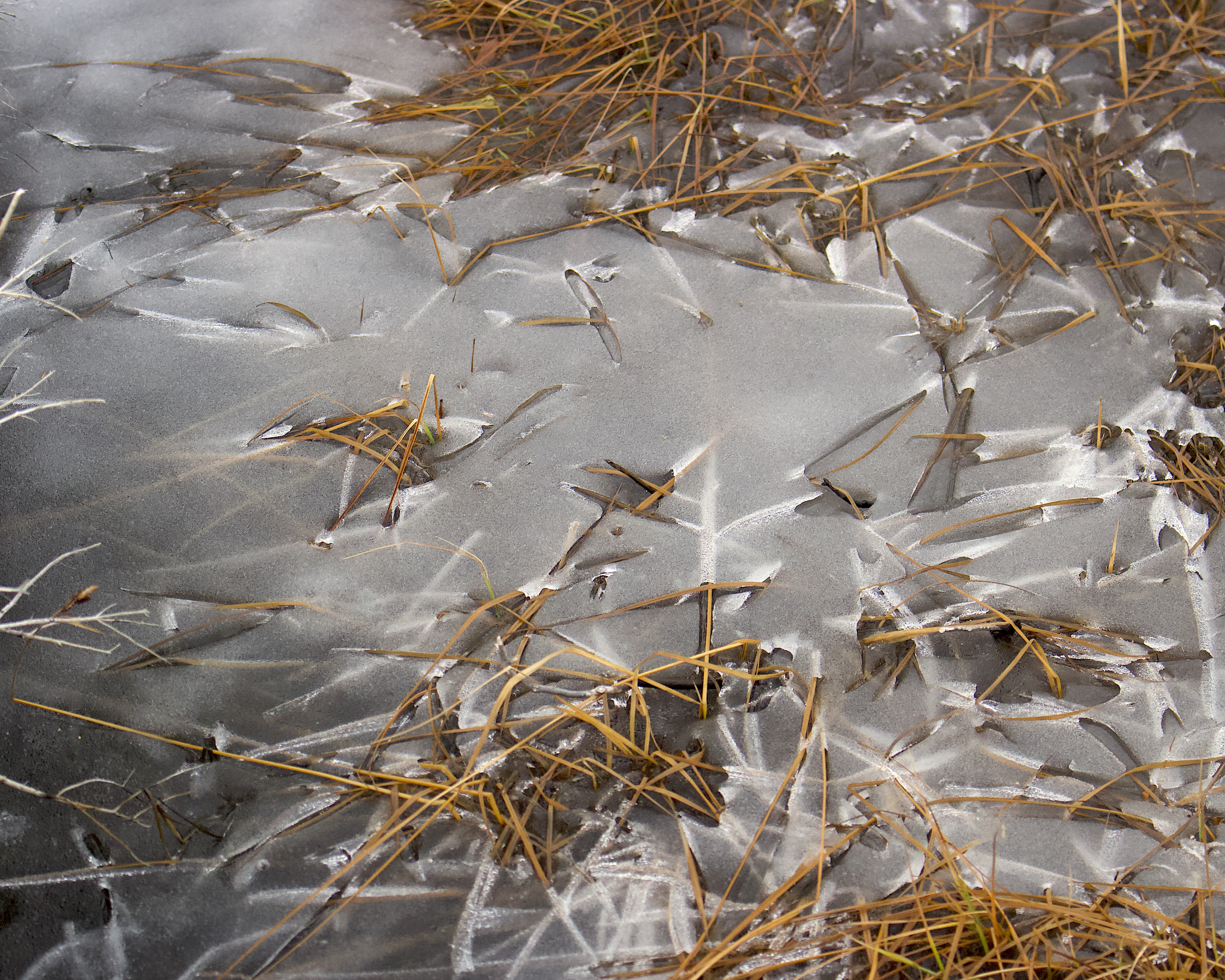
Walking in February A warm day after a long freeze On an old logging road Below Sumas Mountain Cut a walking stick of alder, Looked down through clouds On wet fields of the Nooksack— And stepped on the ice Of a frozen pool across the road. It creaked The white air under Sprang away, long cracks Shot out in the black, My cleated mountain boots Slipped on the hard slick —like thin ice—the sudden Feel of an old phrase made real— Instant of frozen leaf, Icewater, and staff in hand. “Like walking on thin ice—” I yelled back to a friend, It broke and I dropped Eight inches in ~Gary Snyder “Thin Ice”from No Nature
Everyone is treading on thin ice right now, unsure where to go next.
The trouble with overheated action and rhetoric in the middle of winter is that we all end up at risk of breaking through, no matter where we try to tread.
When we allow ourselves to be put in such peril, when we hear the creak with each step as a warning, we deserve to be doused by the chilly waters beneath our feet.
Lord, have mercy on us as we call your name in our fear and distress. Help us recognize the cracks forming with each step we take.
Put us on our knees before you and lead us to safety. Only you know where we need to be rather than where we are. You’ll be there to pull us out of the mess we’re in.
AI image created for this post
One-Time
Monthly
Yearly
Make a one-time or recurring donation to support daily Barnstorming posts
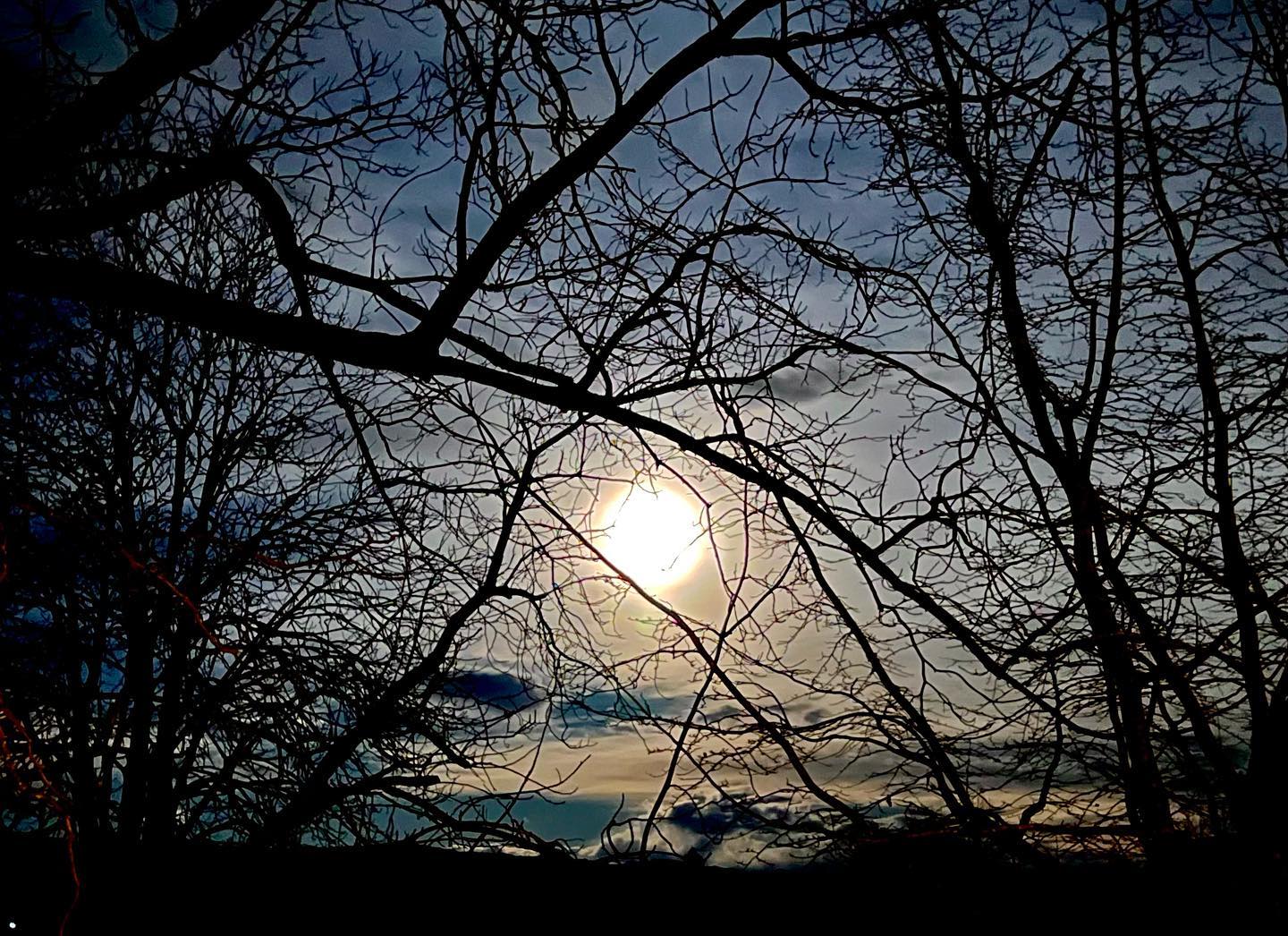
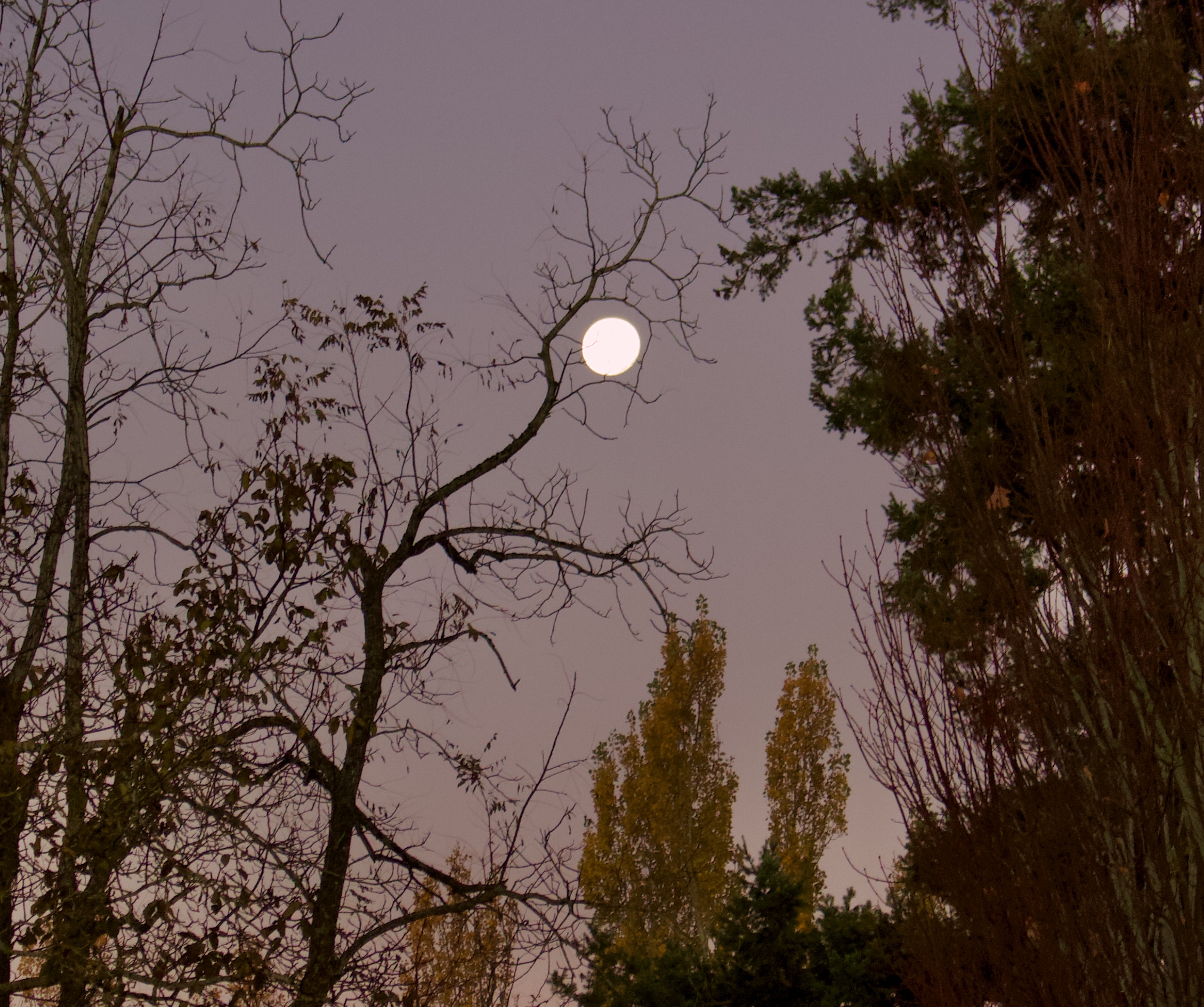
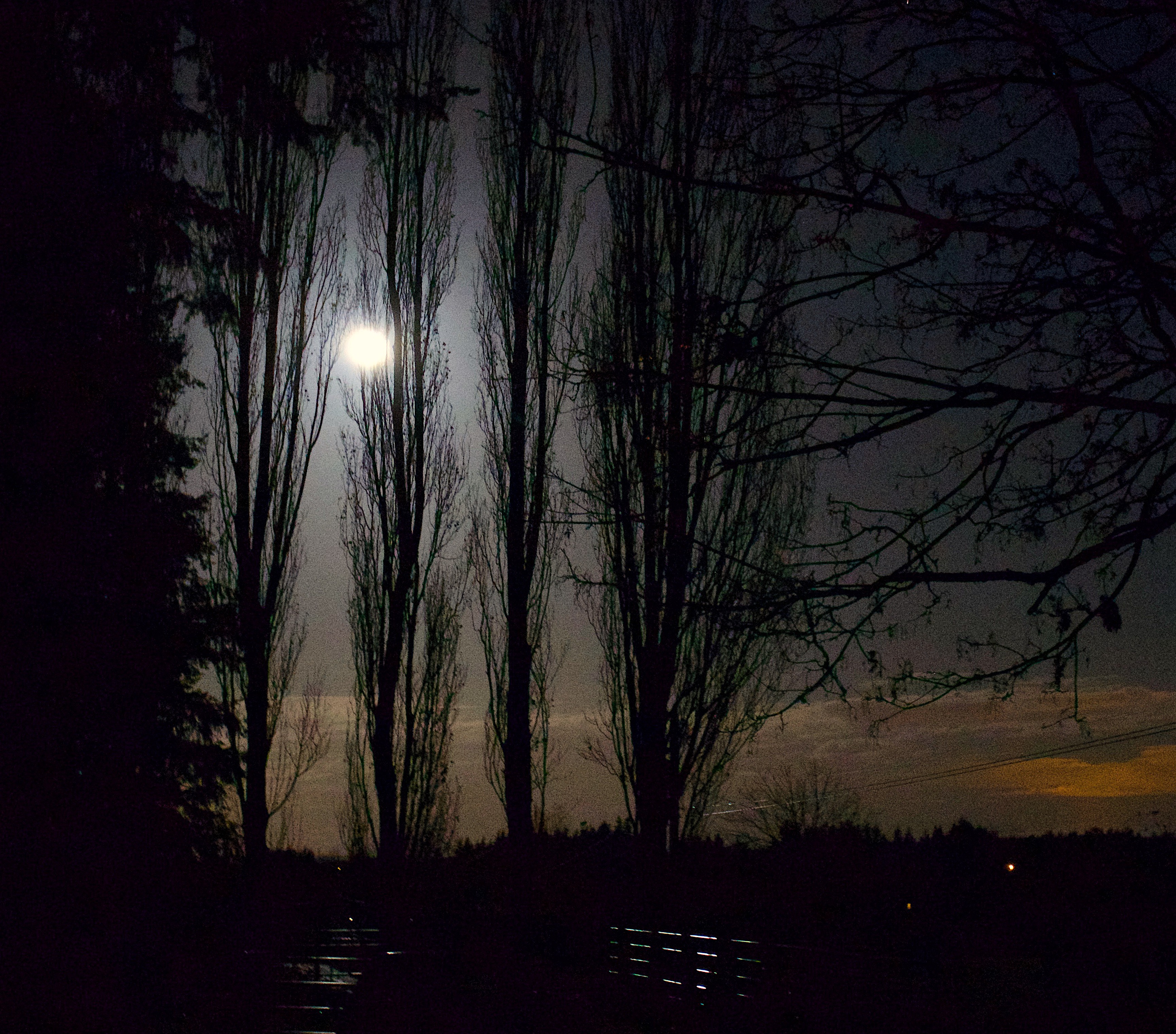
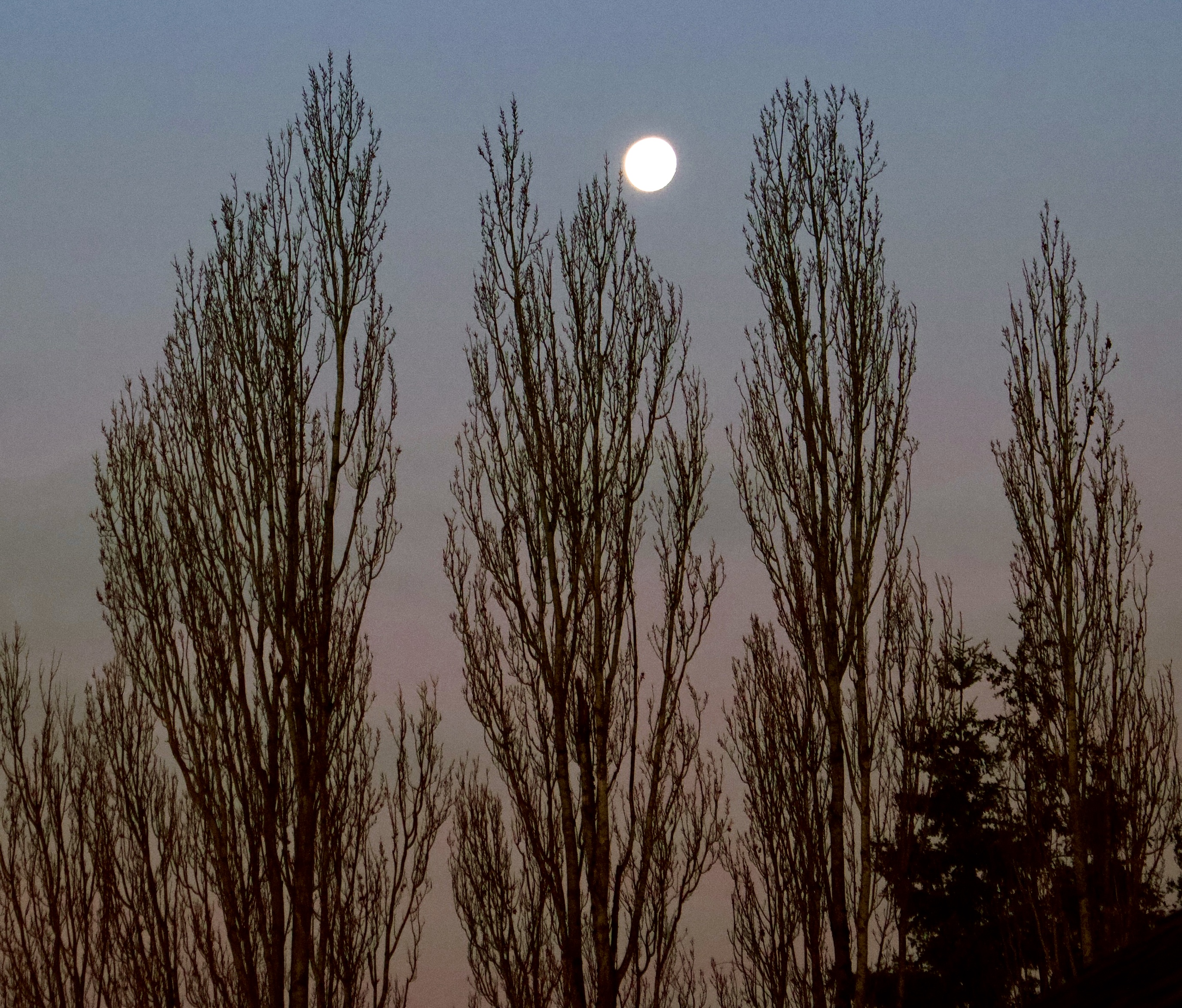
All the complicated details of the attiring and the disattiring are completed! A liquid moon moves gently among the long branches. Thus having prepared their buds against a sure winter the wise trees stand sleeping in the cold. ~William Carlos Williams “Winter Trees”
Winter – a quiet, still time for trees, a time for preparation for new attire, a time for root-stretching and branch-reaching.
Unless there are windstorms Unless there is frozen rain Unless there is heavy burden of snowfall
A tree might be taken unawares in the night, branches breaking like popping gunshots, as if innocent prey is hunted.
Remnants lie waiting on the ground, unaware of their brokenness, still budding, hopeful for yet another spring.
AI image created for this post
One-Time
Monthly
Yearly
Make a one-time or recurring donation to support daily Barnstorming posts
There are three kinds of men. The ones that learn by reading. The few who learn by observation. The rest of them have to pee on the electric fence for themselves. ~Will Rogers
We living creatures learn from the moment we take our first breath. We continue to learn until our last breath. With that lifetime of learning, one would think eventually we should find some semblance of wisdom.
But we don’t. We tend to learn the hard way especially when it comes to matters having to do with our (or others’) health and well-being.
Within a community, we want autonomy to do as we like, no matter what the science says. You’d think we’d know better, but as fallible human beings, we may impulsively make decisions about health issues. Is it evidence-based or simply an anecdotal story about what “worked” or “didn’t work” for someone else?
We’re facing at least four years of a new administration encouraging us all to “pee on the electric fence” and learn for ourselves rather than trust science. Careful research, years of observed experience, and plain common sense isn’t enough to trust public health and infectious disease experts to make wise recommendations about community and individual risk and prevention strategies.
The cows and horses on our farm need to touch an electric fence only once when reaching for greener grass on the other side. That moment provides a potent learning curve for them to make important future decisions. They won’t try testing it again no matter how alluring thngs appear on the other side. Humans should learn as quickly as animals but unfortunately don’t.
I know all too well what a shock feels like and I want to avoid repeating that experience. Even so, in unguarded careless moments of feeling invulnerable (it can’t happen to me!) or annoyed at being told what I can and can’t do, or simply indulging in magical thinking, I find myself reaching for the greener grass.
I suspect I’m not alone in my surprise when I’m jolted back to reality.
Many great minds have worked out various theories of effective learning, but, great mind or not, Will Rogers confirms a common sense suspicion: an adverse experience, like a “bolt out of the blue,” can be a powerful teacher.
So we call peeing on an electric fence it “a teachable moment.”
Sadly, when we learn the hard way, it often ends up hurting everyone.
AI image created for this post
One-Time
Monthly
Yearly
Make a one-time or recurring donation to support daily Barnstorming posts
In time the curtain-edges will grow light. Till then I see what’s really always there: Unresting death, a whole day nearer now, Making all thought impossible but how And where and when I shall myself die.
…specious stuff that says No rational being Can fear a thing it will not feel, not seeing That this is what we fear—no sight, no sound, No touch or taste or smell, nothing to think with, Nothing to love or link with, The anaesthetic from which none come round.
Slowly light strengthens, and the room takes shape. It stands plain as a wardrobe, what we know, Have always known, know that we can’t escape, Yet can’t accept. One side will have to go.
The sky is white as clay, with no sun. Work has to be done. Postmen like doctors go from house to house. ~Philip Larkin from “Aubade”
Sharing an essay I wrote during Advent in 2003:
We are in our darkest of dark days today in our corner of the world–about 16 hours of darkness underwhelming our senses, restricting, confining and defining us in our little circles of artificial light that we depend on so mightily.
It is so tempting to be consumed and lost in these dark days, stumbling from one obligation to the next, one foot in front of the other, bumping and bruising ourselves and each other in our blindness. Lines are long at the stores, impatience runs high, people coughing and shivering with winter viruses, others stricken by loneliness and desperation.
So much grumbling in the dark.
Yesterday, I had a conversation with a patient of mine from my clinic at the University Student Health Center, a young college student recovering at the local hospital after a near-death experience. Her testimony made me acutely aware of my self-absorbent grumbling.
Several days ago, she was snowshoeing up to Artist Point with two other students in the bright sun above the clouds at the foot of nearby Mt. Baker. A sudden avalanche buried all three–she remembers the roar and then the deathly quiet of being covered up, and the deep darkness that surrounded her. She was buried hunched over, with the weight of the snow above her too much to break through. She had a pocket of air beneath her and in this crouching kneeling position, she could only pray–not move, not shout, not anything else. Only God was with her in that small dark place. She believes that 45 minutes later, rescuers dug her out to safety from beneath that three feet of snow. In actuality, it was 24 hours later.
She had been wrapped in the cocoon of her prayers in that deep dark pocket of air, and miraculously, kept safe and warm enough to survive. Her hands and legs, blackish purple when she was pulled out of the snow, turned pink with the rewarming process at the hospital.
When I visited her, she glowed with a light that came only from within –somehow, it had kept her alive.
Tragically, one of her friends died in that avalanche, never having a chance of survival because of how she was trapped and covered with the suffocating snow. Her other friend struggled for nearly 24 hours to free himself, bravely fighting the dark and the cold to reach the light, then calling for help from nearby skiers to try to rescue his friends.
At times we must fight with the dark–wrestle it and rale against it, bruised and beaten up in the process, but so necessary to save ourselves and others from being consumed. At other times we must kneel in the darkness and wait– praying, hoping, knowing the light is to come, one way or the other. Grateful, grace-filled, not giving up to grumbling.
May the Light find and rescue you this week in your moments of darkness.
Merry merry Christmas.
The story of the avalanche and rescue is written here in the Seattle Times.
The first thing I heard this morning was a rapid flapping sound, soft, insistent—
wings against glass as it turned out downstairs when I saw the small bird rioting in the frame of a high window, trying to hurl itself through the enigma of glass into the spacious light.
Then a noise in the throat of the cat who was hunkered on the rug told me how the bird had gotten inside, carried in the cold night through the flap of a basement door, and later released from the soft grip of teeth.
On a chair, I trapped its pulsations in a shirt and got it to the door, so weightless it seemed to have vanished into the nest of cloth.
But outside, when I uncupped my hands, it burst into its element, dipping over the dormant garden in a spasm of wingbeats then disappeared over a row of tall hemlocks.
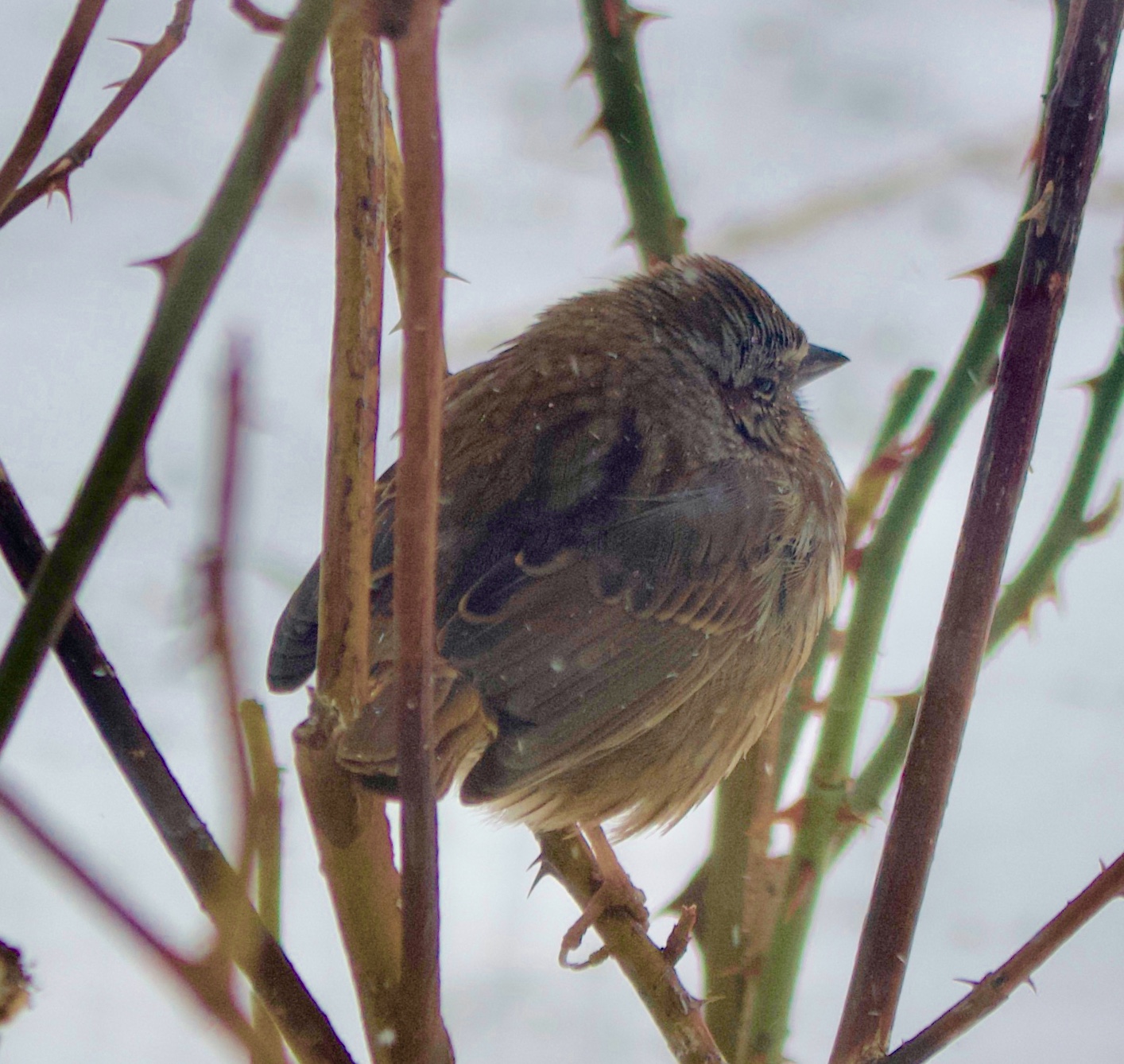
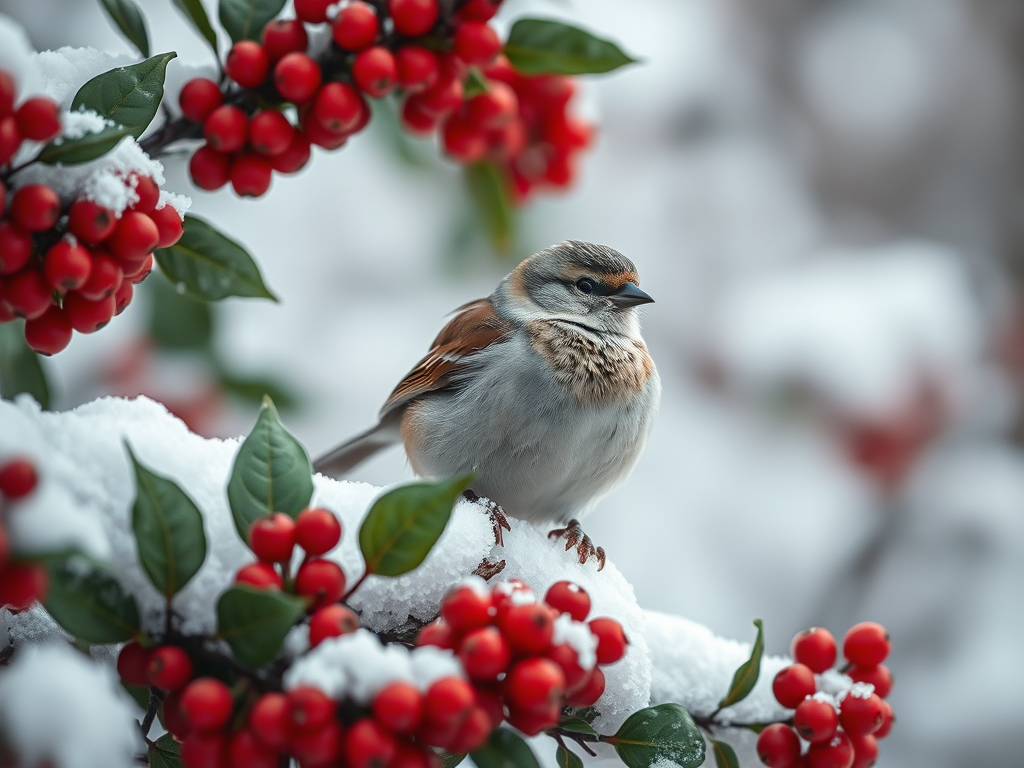
For the rest of the day, I could feel its wild thrumming against my palms as I wondered about the hours it must have spent pent in the shadows of that room, hidden in the spiky branches of our decorated tree, breathing there among the metallic angels, ceramic apples, stars of yarn, its eyes open, like mine as I lie in bed tonight picturing this rare, lucky sparrow tucked into a holly bush now, a light snow tumbling through the windless dark. ~Billy Collins “Christmas Sparrow” from Aimless Love
AI image created for this post
One-Time
Monthly
Yearly
Make a one-time or recurring donation to support daily Barnstorming posts
They shall grow not old, as we that are left grow old: Age shall not weary them, nor the years condemn. At the going down of the sun and in the morning We will remember them. ~Lawrence Binyon from “For the Fallen” (1914)
In Flanders fields the poppies blow Between the crosses, row on row, That mark our place; and in the sky The larks, still bravely singing, fly Scarce heard amid the guns below.
We are the Dead. Short days ago We lived, felt dawn, saw sunset glow, Loved and were loved, and now we lie, In Flanders fields.
Take up our quarrel with the foe: To you from failing hands we throw The torch; be yours to hold it high. If ye break faith with us who died We shall not sleep, though poppies grow In Flanders fields. ~John McCrae “In Flanders Fields”
When you go home tell them of us and say – “For your tomorrow we gave our today” ~John Maxwell Edmonds from “The Kohima Epitaph”
November pierces with its bleak remembrance Of all the bitterness and waste of war. Our silence tries but fails to make a semblance Of that lost peace they thought worth fighting for. Our silence seethes instead with wraiths and whispers, And all the restless rumour of new wars, The shells are falling all around our vespers, No moment is unscarred, there is no pause, In every instant bloodied innocence Falls to the weary earth ,and whilst we stand Quiescence ends again in acquiescence, And Abel’s blood still cries in every land One silence only might redeem that blood Only the silence of a dying God. ~Malcolm Guite “Silence: a Sonnet for Remembrance Day”
To our military veterans here and abroad – in deep appreciation and gratitude for the freedoms you have defended on behalf of us all.
No one is left untouched and unscarred in the bitterness of war: those of you who died in service, those of you wounded in service, those of you who bore visible and invisible scars all your lives.
You are heroes to the cause of freedom.
As G.K. Chesterton said, “Courage is a strong desire to live taking the form of a readiness to die.”
My father was one of the fortunate ones who came home, returning to a quiet life of farming and teaching after three years serving in the Pacific with the Marines Corp from 1942 to 1945. Hundreds of thousands of his colleagues didn’t come home, dying on beaches and battlefields. Tens of thousands more came home forever marked, through physical or psychological injury, by the experience of war and witness of death and mayhem all around them.
In my medical training in the 1970’s, I cared for veterans hospitalized for mental health care after serving in WWII, Korea and Vietnam. I witnessed for myself the sacrifices of these soldiers, and the limits of our therapies.
No matter how one views wars our nation has fought and may be obligated to fight in the future, we must support and care for the men and women who have made, on our behalf, the commitment to be on the front line for freedom’s sake.
Even our God died so we could stop fighting each other (and Him). What a waste we have not stopped to listen and understand His sacrifice enough to finally lay down our weapons against one another forever.
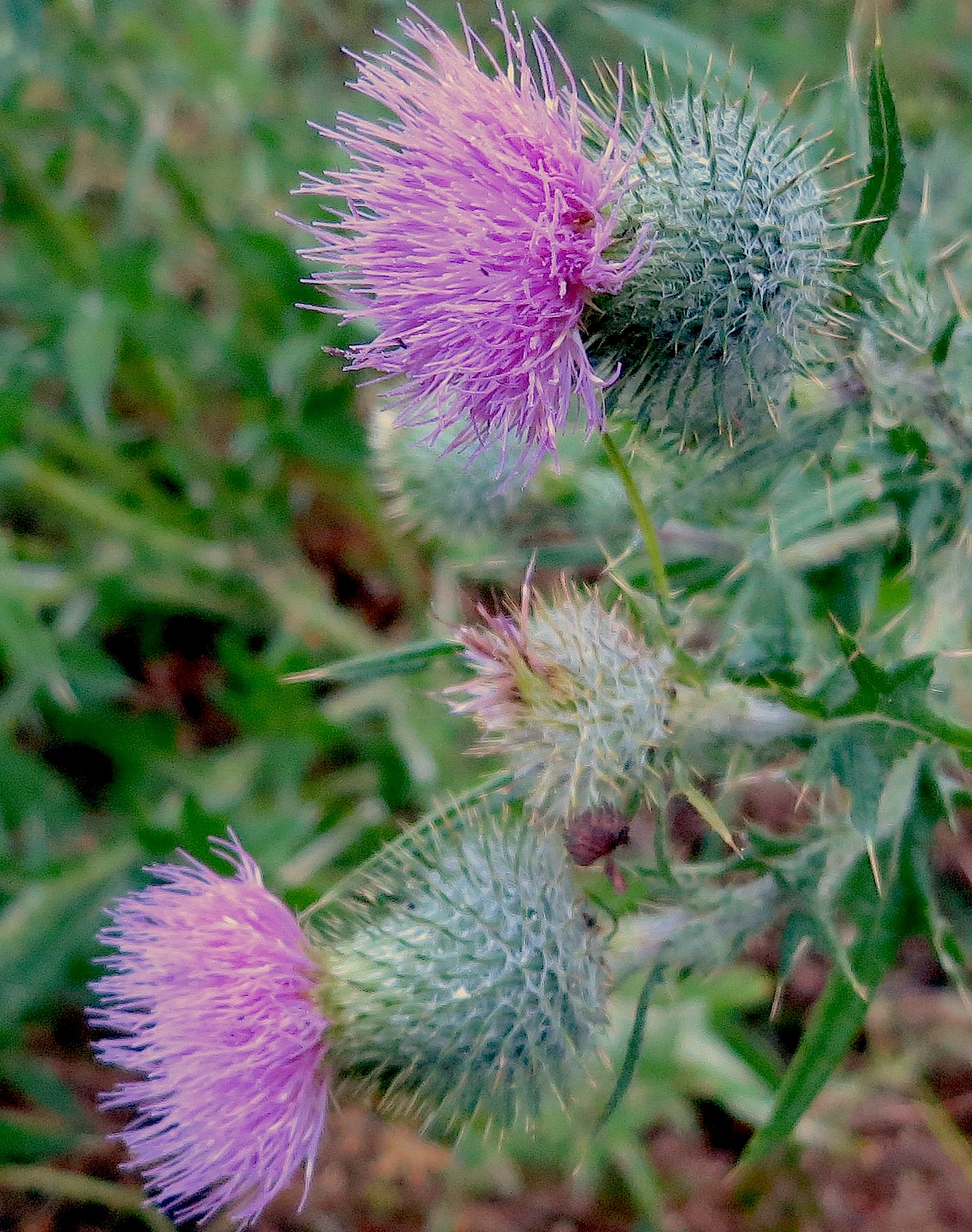
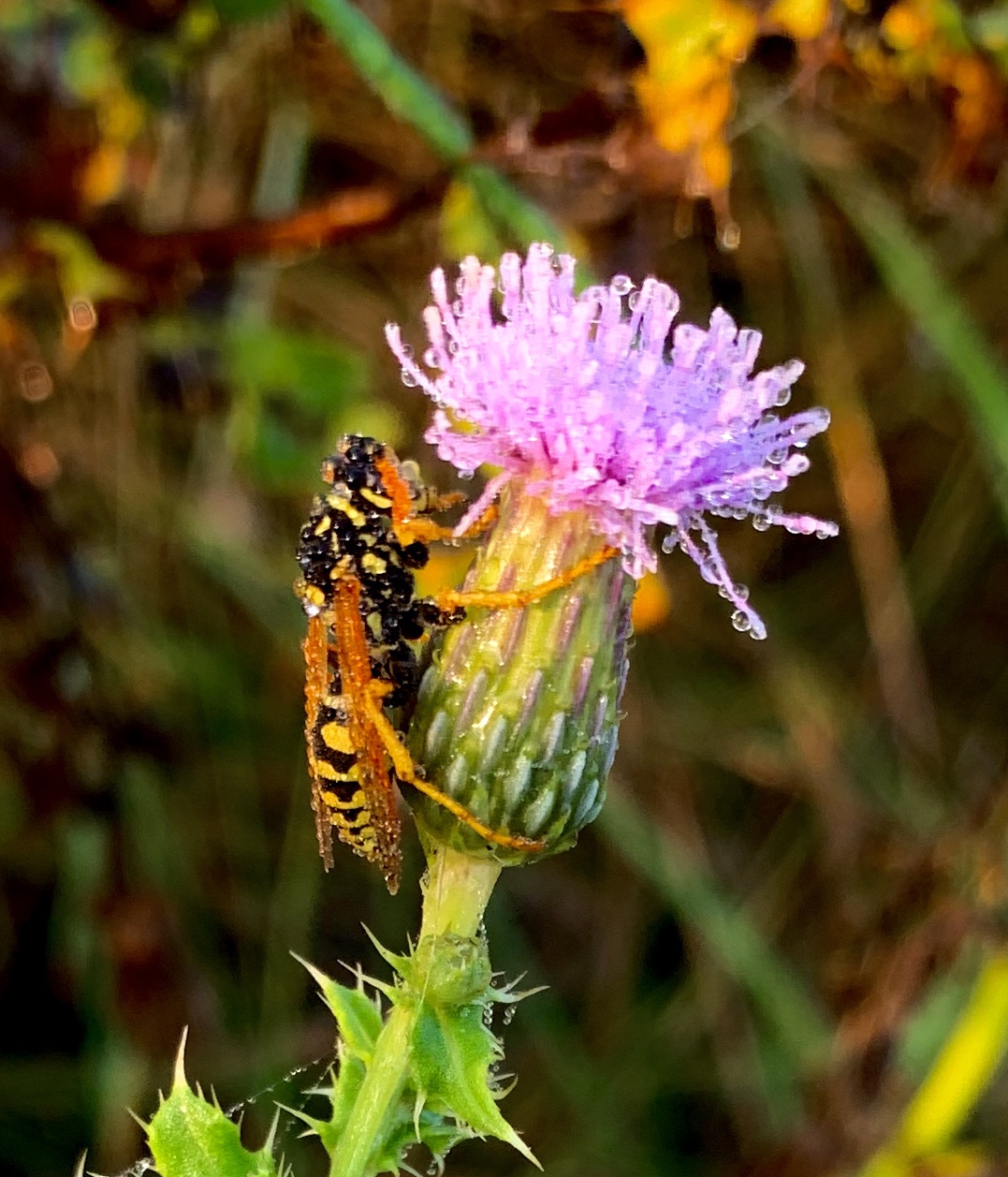
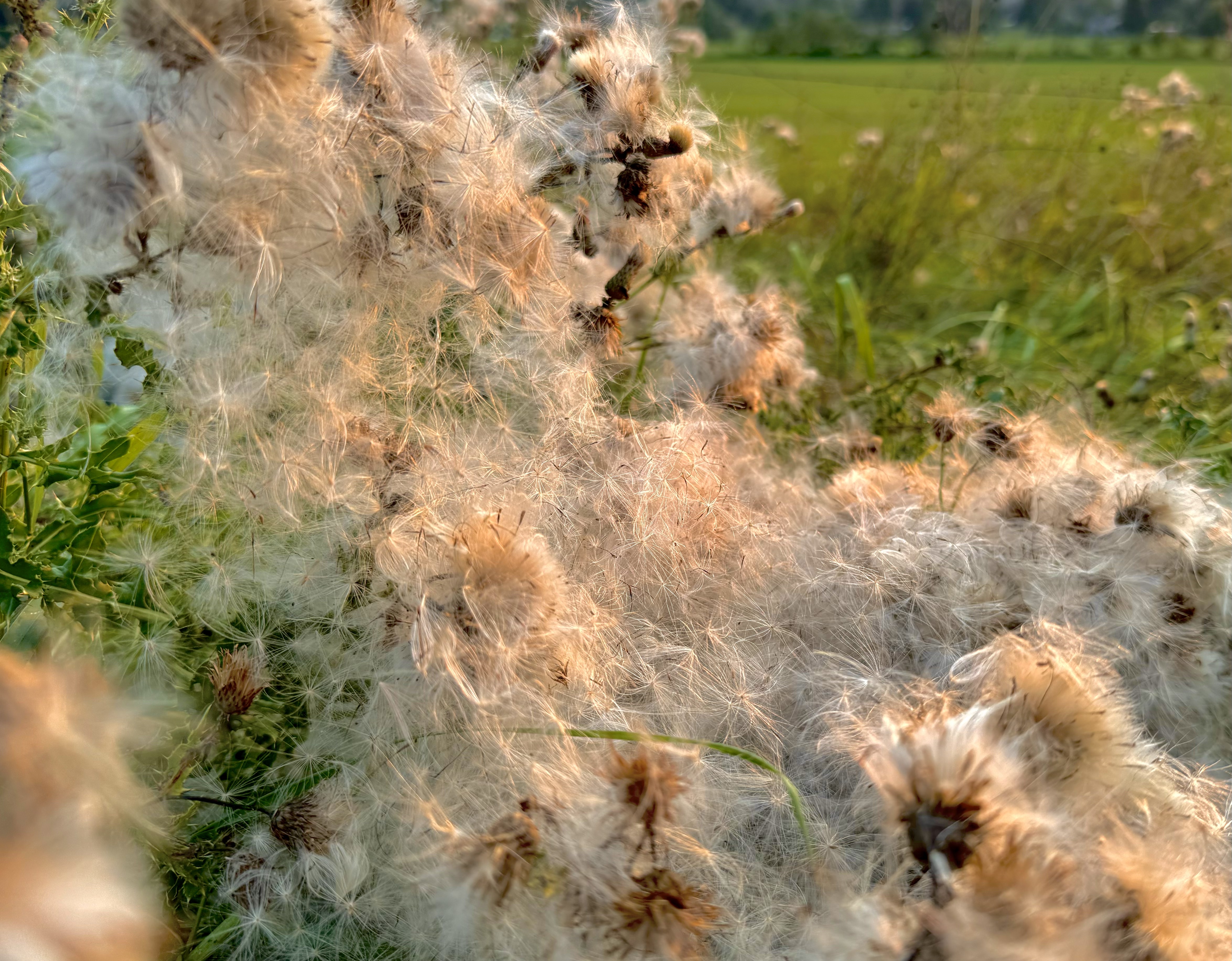
Against the rubber tongues of cows and the hoeing hands of men Thistles spike the summer air Or crackle open under a blue-black pressure.
Every one a revengeful burst Of resurrection, a grasped fistful Of splintered weapons and Icelandic frost thrust up
From the underground stain of a decayed Viking. They are like pale hair and the gutturals of dialects. Every one manages a plume of blood.
Then they grow grey, like men Mown down, it is a feud. Their sons appear, Stiff with weapons, fighting back over the same ground. ~Ted Hughes “Thistles”
Sheep will not eat it nor horses nor cattle unless they are starving. Unchecked, it will sprawl over pasture and meadow choking the sweet grass defeating the clover until you are driven to take arms against it but if unthinking you grasp it barehanded you will need tweezers to pick out the stickers.
Outlawed in most Northern states of the Union still it jumps borders. Its taproot runs deeper than underground rivers and once it’s been severed by breadknife or shovel —two popular methods employed by the desperate— the bits that remain will spring up like dragons’ teeth a field full of soldiers their spines at the ready.
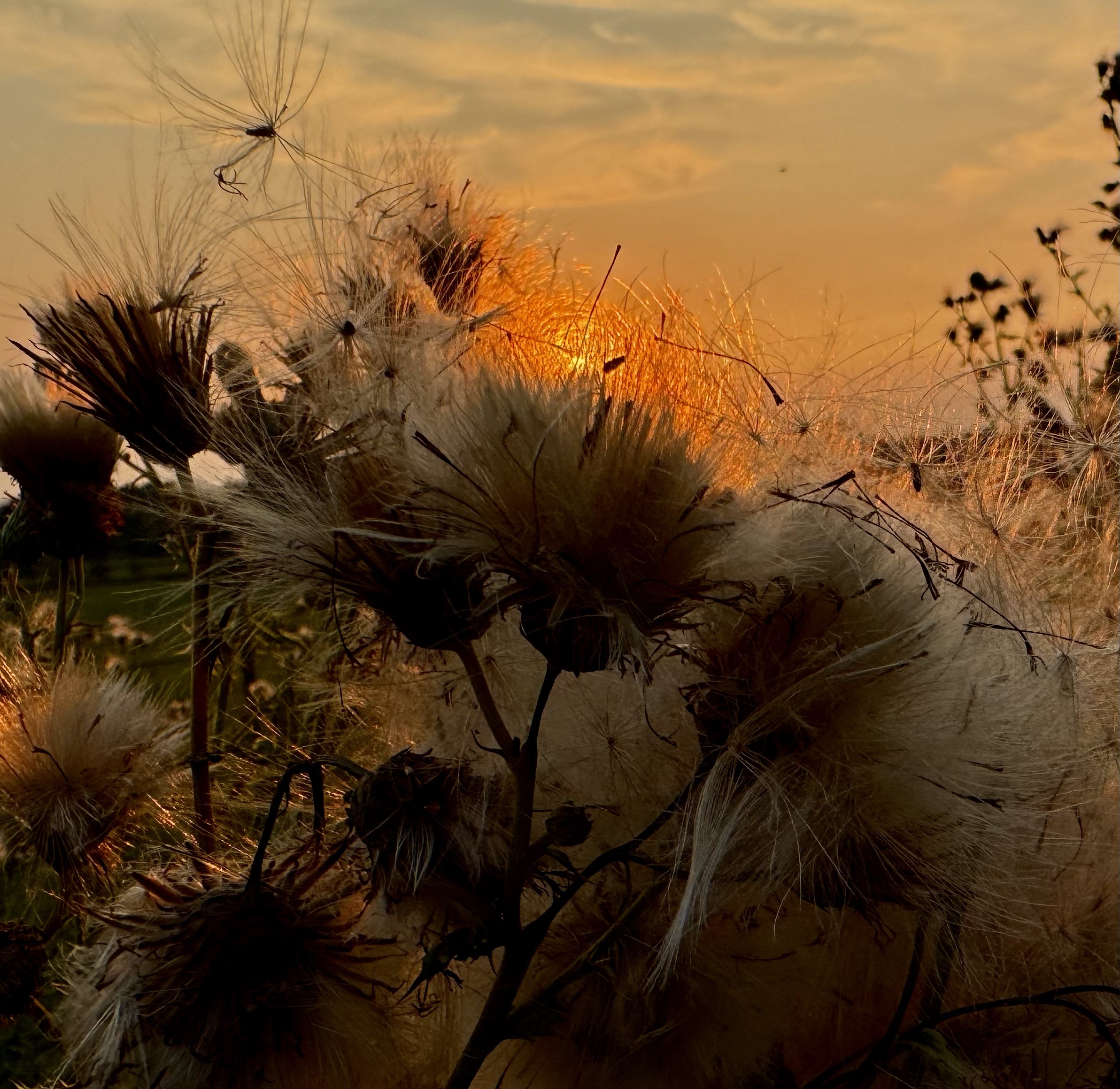
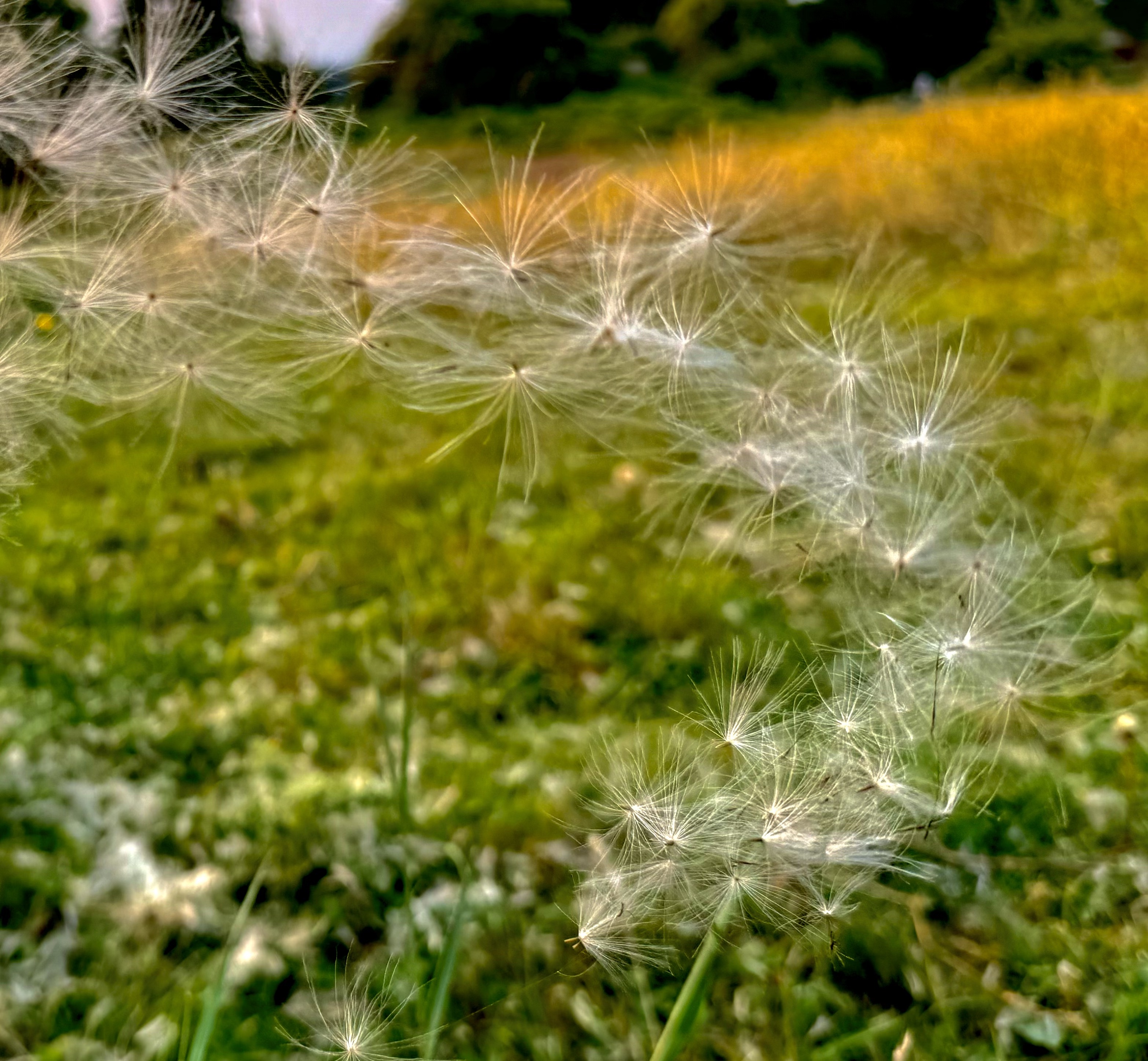
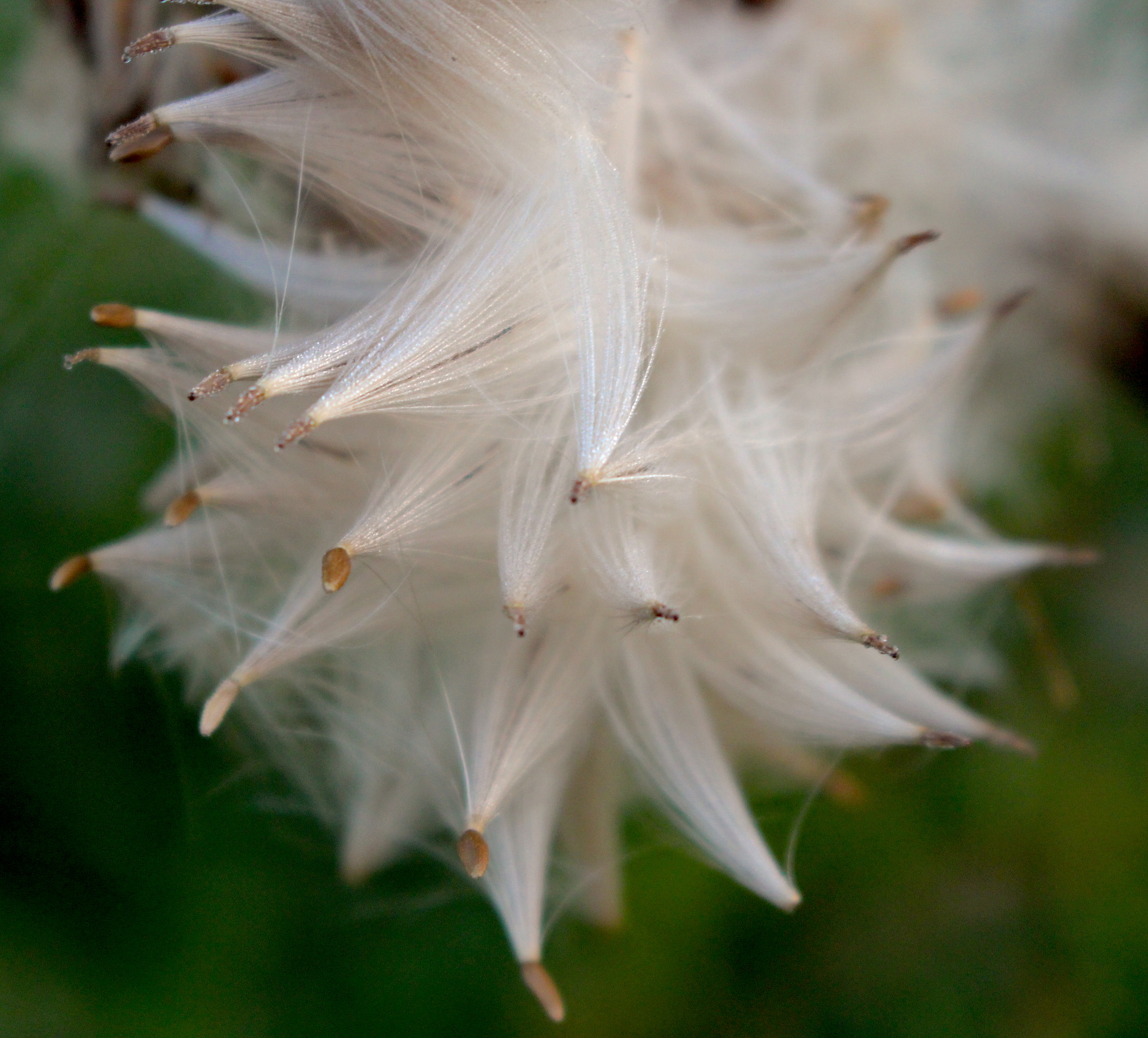
Bright little bursts of chrome yellow explode from the thistle in autumn when goldfinches gorge on the seeds of its flower. The ones left uneaten dry up and pop open and parachutes carry their procreant power to disparate venues in each hemisphere which is why there will always be thistle next year. ~Maxine Kumin “Why There Will Always Be Thistle Next Year” from The Long Marriage
Summer will grow old As will the thistle, letting A clenched bloom unfold
To which the small hum Of bee wings and the flash of Goldfinch wings will come,
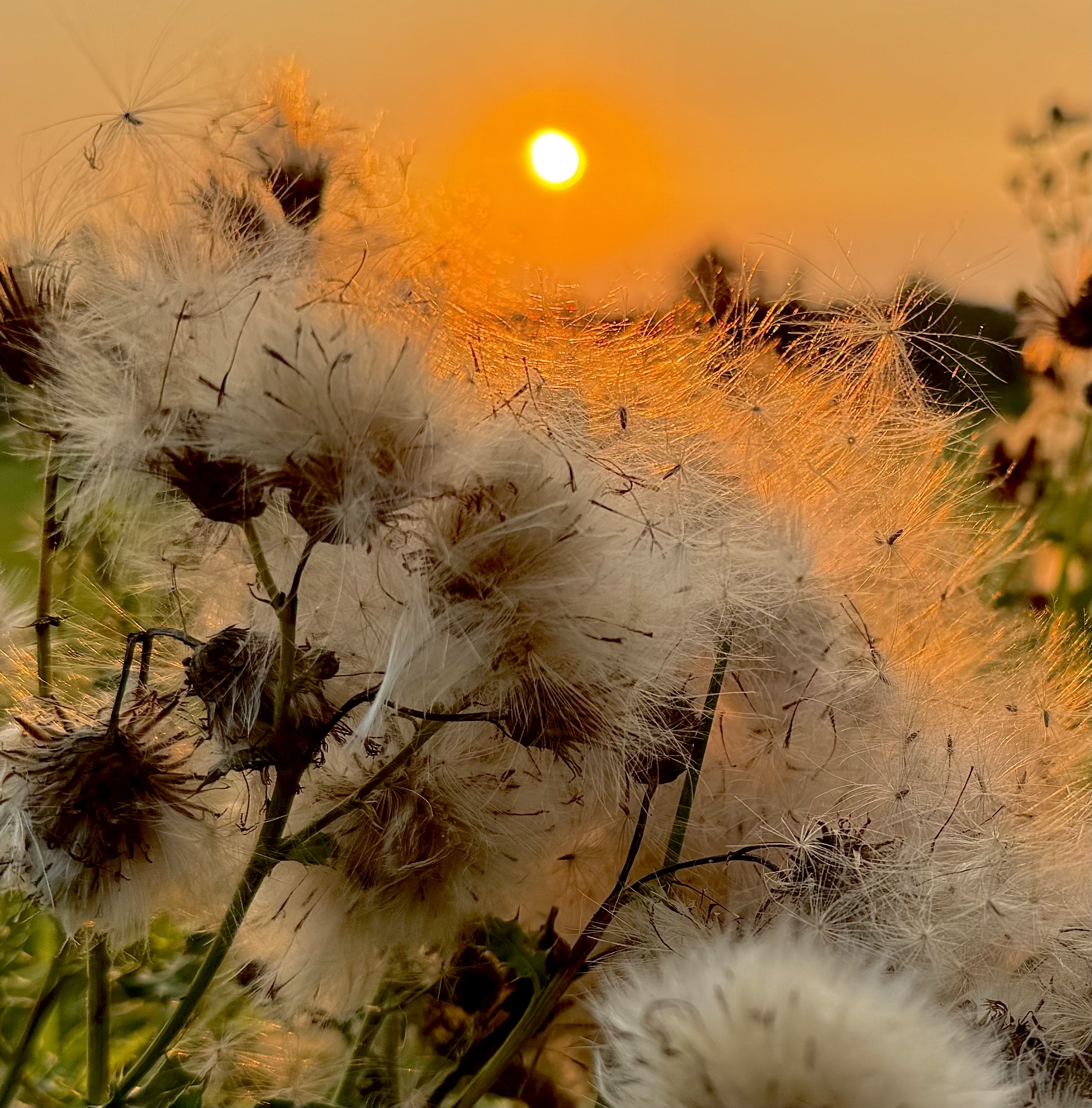
Till its purple crown Blanches, and the breezes strew The whole field with down. ~Richard Wilbur “A Pasture Poem” from Anterooms
Thistle is armored, deeply rooted, and relentless in its self-defense, very much like enemies facing off in the human wars of our current and past history.
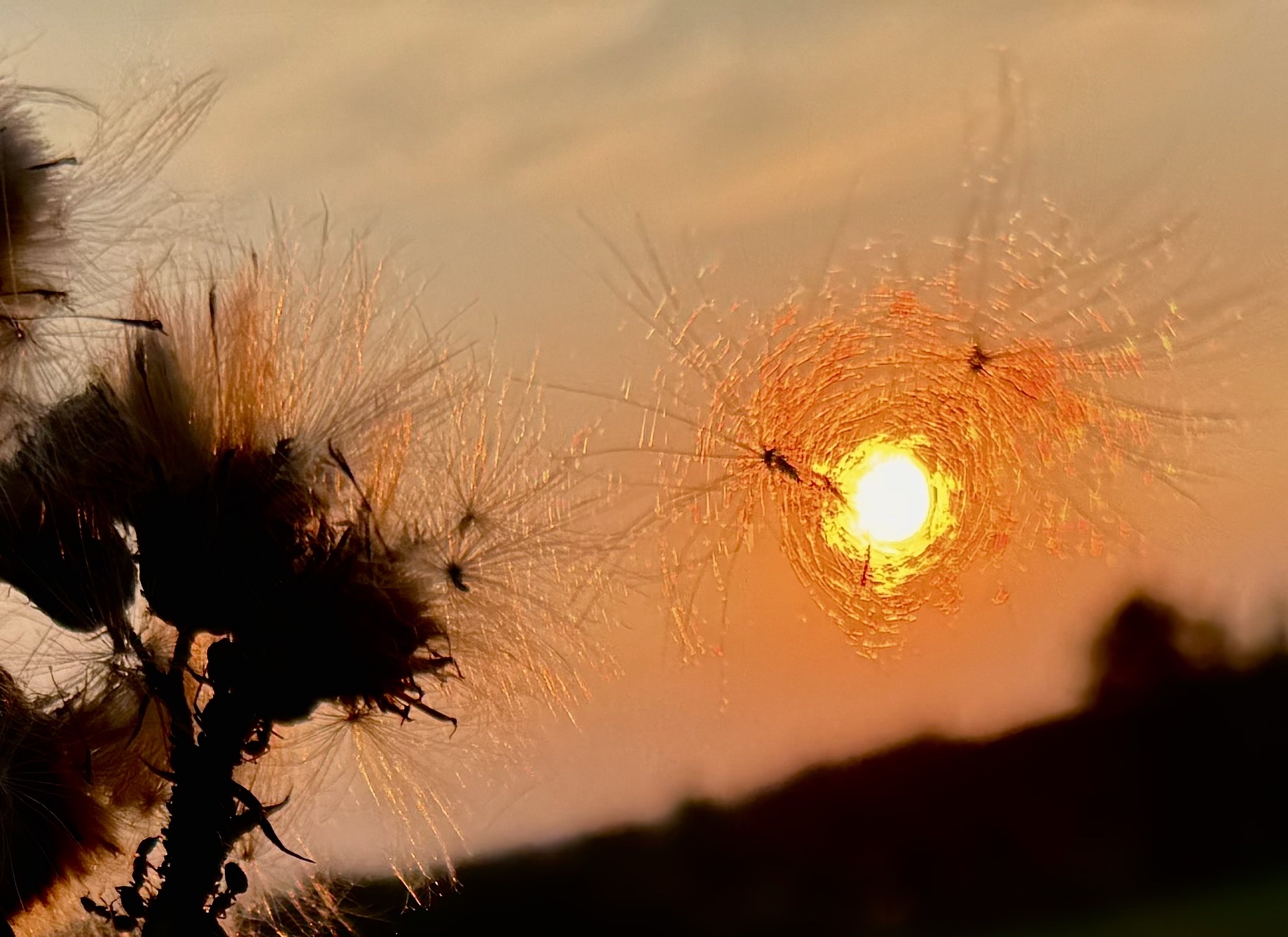
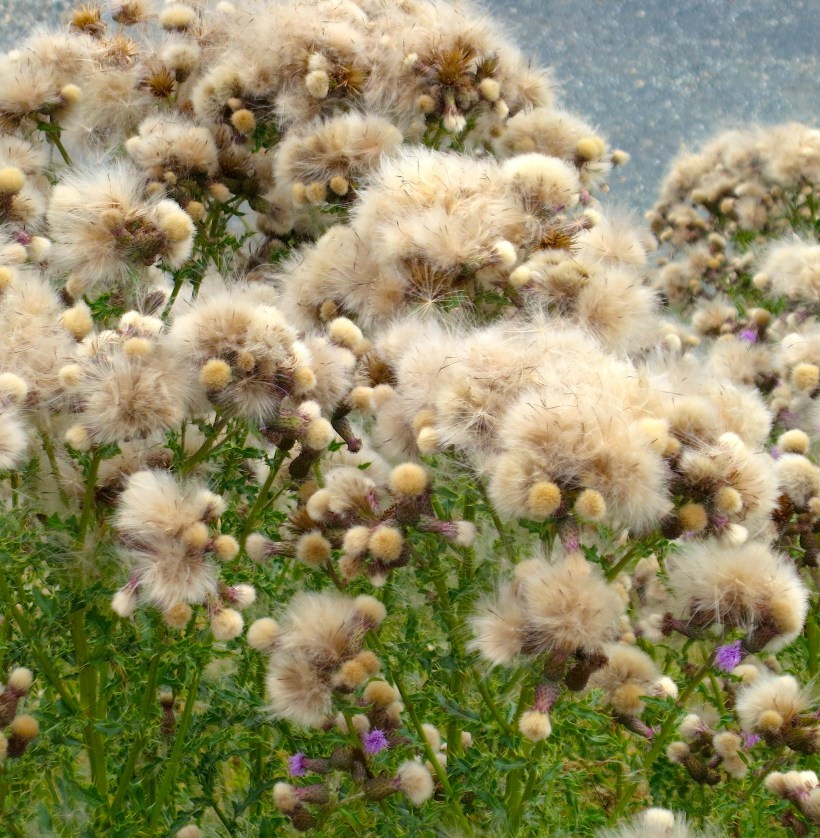
Highly invasive, thistle produces downy tasty dancing seeds ready to soar far in their effort at world domination. Generation after generation of thistles persist due to these vulnerable ballerinas’ flight to the next available patch of soil.
Unlike thistle, may we thrive with determined persistence, without need for spikes and thorny spines that attack and draw blood. May we instead exude a vulnerable softness and grace — fluffy and tender as a baby blanket meant to cradle and nurture rather than maim and cripple.
One-Time
Monthly
Yearly
Make a one-time or recurring donation to support daily Barnstorming posts
For the bark, dulled argent, roundly wrapped And pigeon-collared.
For the splitter-splatter, guttering Rain-flirt leaves.
For the snub and clot of the first green cones, Smelted emerald, chlorophyll.
For the scut and scat of cones in winter, So rattle-skinned, so fossil-brittle.
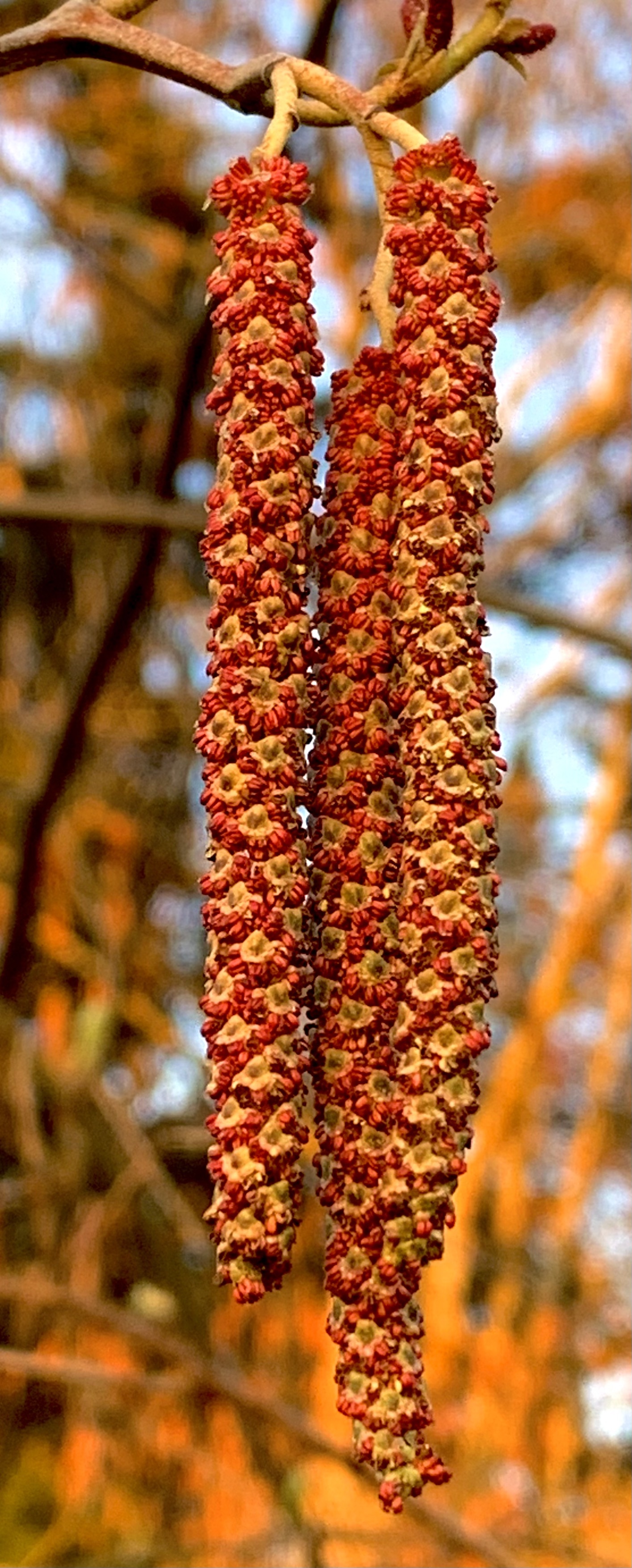
For the alder-wood, flame-red when torn Branch from branch.
But mostly for the swinging locks Of yellow catkins.
Plant it, plant it, Streel-head in the rain. ~Seamus Heaney “Planting the Alder”with an explanation of some of the poet’s poetic words here
I’ve worked in many medical settings, and have seen lots of illnesses and injuries over 40+ years of doctoring. Despite all that experience, I really don’t do well with badly broken bones. Basic wrists and fingers and ankles are no problem but open compound and comminuted fractures (i.e. “crushed bones”) are downright terrifying. It appears to me they can never be pieced back together. Even looking at the xrays makes me cringe. I avoided doing a surgical orthopedic rotation during my training because I knew I’d have issues with the saws and the smells involved in fixing bad fractures. And witnessing the pain is unforgettable – there are few things that hurt more.
In early spring 2008, my 87 year old mother shattered her lower femur trying to stand up after getting down on her hands and knees to retrieve a pill that had dropped to the floor and rolled under her desk. The pain was overwhelming until the paramedics managed to immobilize her leg in an air cast for transport to the ER. As long as her leg wasn’t moved, she was quite comfortable– in fact overjoyed to see me in the middle of a workday when I arrived at the hospital. She was so chatty that when she was asked by the ER doctor “how did this happen?” she launched into a long description of just how she had dropped the pill, where it had rolled, and what pill it was, what color it was, why she was taking it, etc etc. I started to get antsy, knowing how busy the Doc was and said, with just a *wee bit* of irritation, “Mom, he doesn’t need to know all that. Just tell him what happened when you tried to stand up.”
That did it.
Now it wasn’t just her leg that hurt, it was her feelings too, including her own sense of responsibility for what had happened, and her tears started to flow. The ER doc shot me a sideways glance that clearly said “now look what you’ve done” and then took my Mom’s hand tenderly, looking her straight in the eye and said, “That’s all right, these things happen despite our best intentions—you go right ahead and tell me the whole story, right from the beginning…”
So she did, completely reaffirmed and feeling absolved of her guilt that she had somehow done this to herself. Having been shown a caring and healing grace from a total stranger after her cherished physician daughter had totally blown Bedside Manners 101, she never really complained about the pain in her leg again.
Then it was my turn to feel guilty. Instead of planting the compassion she so badly needed in that moment, I guttered all her fear and pain together. It crushed her.
Her leg was quickly fixed with a rod and with physical therapy, she took a few steps with assistance. Sadly, she never again lived independently, and as happens so often with immobilized older people despite healed fractures, she died only eight months later. Bones heal but the spirit doesn’t. That spring day really was the beginning of the end for her, and in my heart, I knew that was likely to be the case. My irritation was about what I suspected was coming, and for what I knew it meant for her, but mostly for me.
What I had forgotten out of selfish self-concern and what I will not forget again: even the most horrendous pain can be relieved by compassionate grace. The crushed will stand, and walk, and thrive again with a gentle touch and a lot of love.
Let me hear joy and gladness; let the bones you have crushed rejoice. Psalm 51:8
This Lenten season I reflect on the words of the 19th century southern spiritual hymn “What Wondrous Love is This”
One-Time
Monthly
Yearly
Make a one-time or recurring donation to support daily Barnstorming posts
Astonishing material and revelation appear in our lives all the time. Let it be. Unto us, so much is given. We just have to be open for business. ~Anne Lamott from Help Thanks Wow: Three Essential Prayers
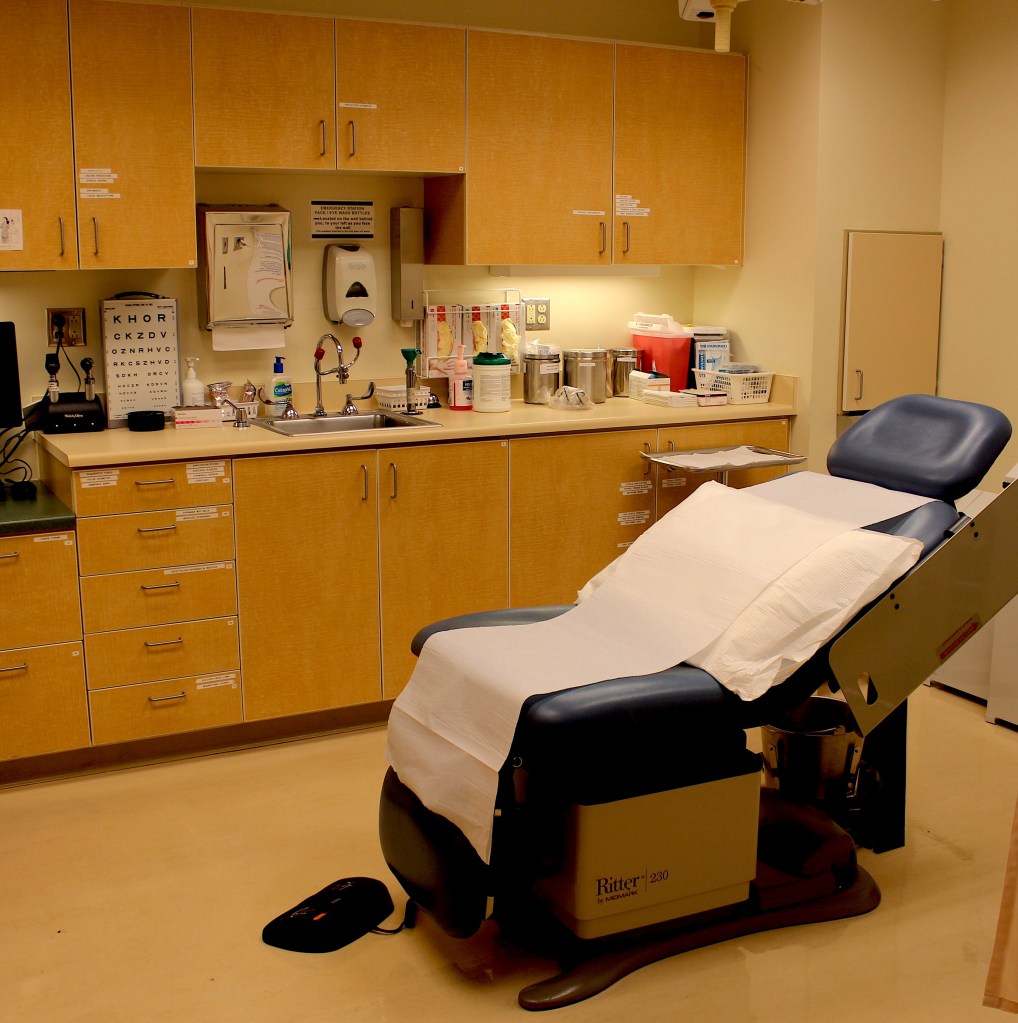
It was my privilege to work in a profession where astonishment and revelation awaited me behind each exam room door.
During an average clinic day, I opened those doors 36 times, then close them behind me and settle in for the ten or fifteen minutes allocated per patient. I needed to peel through the layers of a problem quickly to find the core of truth about why a patient was seeking help.
Sometimes what I was looking for was right on the surface: a bad cough, a swollen ankle, a bad laceration, but also easily were their tears, their pain, their fear. Most of the time, the reason was buried deep and I needed to wade through the rashes and sore throats and headaches to find it.
Once in a while, I could actually do something tangible to help right then and there — sew up the cut, lance the boil, splint the fracture, restore hearing by removing a plug of wax from an ear canal.
Often I simply gave permission to a patient to be sick — to allow themselves time to renew, rest and trust their bodies to know what is needed to heal well.
Sometimes, I was the coach pushing them to stop living “sick” — to stop self-medicating when life is challenging, to stretch even when it hurts, to strive to overcome the overwhelm.
Always I was looking for an opening to say something a patient may consider later — how they might make different choices, how they could be bolder and braver in their self care and care for others, how every day is a thread in the larger tapestry of their one precious life.
At night I took calls and each morning woke early to get online work done, trying to avoid feeling unprepared and inadequate to the volume of tasks heaped upon the day. I know I was frequently stretched beyond my capacity, stressed by administrative pressures and obstacles I faced in providing the best care.
I understood trials my patients were facing because I had faced them too. I shared their worry, their fears and vulnerabilities because I had lived through it too.
Even now, I try to simply let it be, especially through troubled times, when I have been gifted so much over the years. So my own experience is a gift I can still share here, even in retirement.
I’ll never forget: no matter who waited behind the exam room door, they never failed to be astonishing and revelatory to me, professionally and personally.
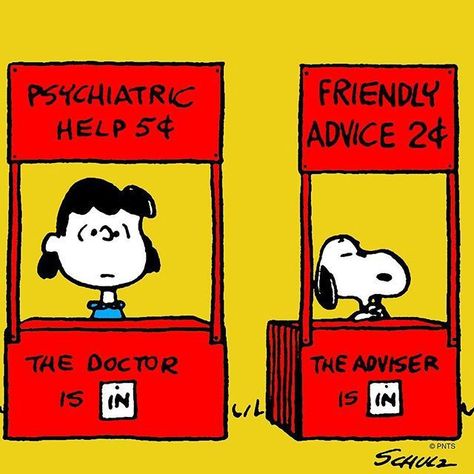
I’m so grateful I was open for business for 42 years. I don’t see patients in an exam room any longer. This Doctor is In, writing every day, with friendly advice. Let it be so.
Peanuts comic by Charles Schulz
What is it You see What do I possess Oh how could it be I should be so blessed
I am nothing much Neither saint nor queen I am just a girl And You are everything
But if You ask Let it be so Let it be so and if You will Let it be so
I am so afraid Of this great unknown They may turn away I may be all alone
My life is so small so small a price to pay to see my savior come and take my sin away
I will bear their scorn I will wear the shame All things for the good All things in Your name
Father be my strength Shepherd hold my hand Open wide my heart to welcome who is there ~Sarah Hart
One-Time
Monthly
Yearly
Make a one-time or recurring donation to support daily Barnstorming posts
When you go home tell them of us and say – “For your tomorrow we gave our today” ~John Maxwell Edmonds from “The Kohima Epitaph”
They shall grow not old, as we that are left grow old: Age shall not weary them, nor the years condemn. At the going down of the sun and in the morning We will remember them. ~Lawrence Binyon from “For the Fallen” (1914)
We are the Dead. Short days ago We lived, felt dawn, saw sunset glow, Loved and were loved, and now we lie In Flanders fields. ~LtCol (Dr.) John McCrae from “In Flanders Fields”
November pierces with its bleak remembrance Of all the bitterness and waste of war. Our silence tries but fails to make a semblance Of that lost peace they thought worth fighting for. Our silence seethes instead with wraiths and whispers, And all the restless rumour of new wars, The shells are falling all around our vespers, No moment is unscarred, there is no pause, In every instant bloodied innocence Falls to the weary earth ,and whilst we stand Quiescence ends again in acquiescence, And Abel’s blood still cries in every land One silence only might redeem that blood Only the silence of a dying God. ~Malcolm Guite “Silence: a Sonnet for Remembrance Day”
To our military veterans here and abroad – in deep appreciation and gratitude– for the freedoms you have defended on behalf of us all:
No one is left untouched and unscarred in the bitterness of war.
My father was one of the fortunate ones who came home, returning to a quiet farm life after three years serving in the Pacific with the Marines Corp from 1942 to 1945. Hundreds of thousands of his colleagues didn’t come home, dying on beaches and battlefields. Tens of thousands more came home forever marked, through physical or psychological injury, by the experience of war and witness of death and mayhem all around them.
No matter how one views wars our nation has fought and may be obligated to fight in the future, we must support and care for the men and women who have made, on our behalf, the commitment and sacrifice to be on the front line for freedom’s sake.
Even our God died so we could stop fighting each other (and Him). What a waste we have not stopped to listen and understand His sacrifice enough to finally lay down our weapons against one another forever.
Thumb stuck out as I go I’m just travelin’ up the road Maps don’t do much for me, friend I follow the weather and the wind
I’m hitch hikin’ all day long Got what I can carry and my song I’m a rolling stone just rolling on Catch me now ’cause tomorrow I’ll be gone ~Bruce Springsteen from “Hitch Hikin'”
His reputation was well known and all the medical students had heard the stories about Dr. Rosse. As the Anatomy Professor, his class would become the primary focus of student energy in the first year of medical school, with other classes seeming like so much background noise.
Dr. Rosse believed in active student participation in class, in the cadaver lab, on oral tests. He told us from the first day on: ” You will learn to THINK in this class like you’ve never thought before! Your patient’s lives depend on this. You will be prepared for my class each and every day, just as you must be prepared for whatever your patients will need from you.”
He was correct.
There were 110 of us in the lecture hall that first day, looking nervously at each other and at the empty podium down in front. We had been assigned three chapters in the anatomy textbook before Dr. Rosse’s first lecture and were expected to know the names of the bones and major blood vessels.
Dr. Rosse’s assignment for himself was to memorize our names and faces from a photo directory provided to him two days previously.
He began his lecture in the barely darkened room, running quickly through a carousel of slides of graphic photos and drawings of body parts. Within five minutes, he stopped and in his thick European accent, pointed at a student in the second row said: “Mr. Davis, can you tell me the name of this blood vessel on this slide?”
The student sat up startled, and sat silent, gathering his wits. Dr. Rosse looked pointedly at his wrist watch and started saying, “Drip. Drip. Drip.” The student started to sweat.
“Drip, drip, drip, your patient is losing blood, Mr. Davis.”
The student, in a moment of enlightenment asked,” the inferior vena cava?” and Dr. Rosse said, “Very good, Mr. Davis!” and made a notation on the tablet on the podium in front of him.
The rest of our hearts immediately were in our throats, something that Dr. Rosse would later tell us was an anatomic impossibility, no matter how much it felt like it. There would be no dozing off, daydreaming or not preparing for this class.
My turn came the following week as he called out my name, his steely eyes fixed on only me. I got off fairly easy with a question from Dr. Rosse about the attachments for the extensor pollicis longus. I had memorized all the arm muscles the night before so was prepared.
“Yes, very good, Miss Polis. Now tell me, if I were to fall off this podium right now, land on my outstretched arm and rupture my extensor pollicis longus, what would I not be able to do with my arm?”
I had no idea. I looked at him somewhat aghast. I thought I had done the necessary preparation to be ready for his questioning. My memorizing names and locations of muscles and tendons had only taken me so far. I had not really thought about the functionality of what I was learning and how it might be relevant to my future patients.
“Think now Miss Polis! This is not so very hard that you can’t THINK it out!” Dr. Rosse demanded from the podium.
So I guessed. “Uh, you can’t grip?”
“Exactly wrong! Take a hike back to your study carrel, Miss Polis. You have not prepared yourself well enough. Go back to your book, and with each muscle you memorize, you must feel it on yourself or your study partner and think about how it works. Your patient will thank you for that someday.”
I was mortified that day, but survived that anatomy class, survived six oral exams over the cadaver with Dr. Rosse, and although I didn’t get an A in his class, I was very relieved to get a B+. As a student, I had never been asked before to actually apply what I was learning to make it relevant to my future work. Dr. Rosse was right. I had learned to not just memorize, but to think.
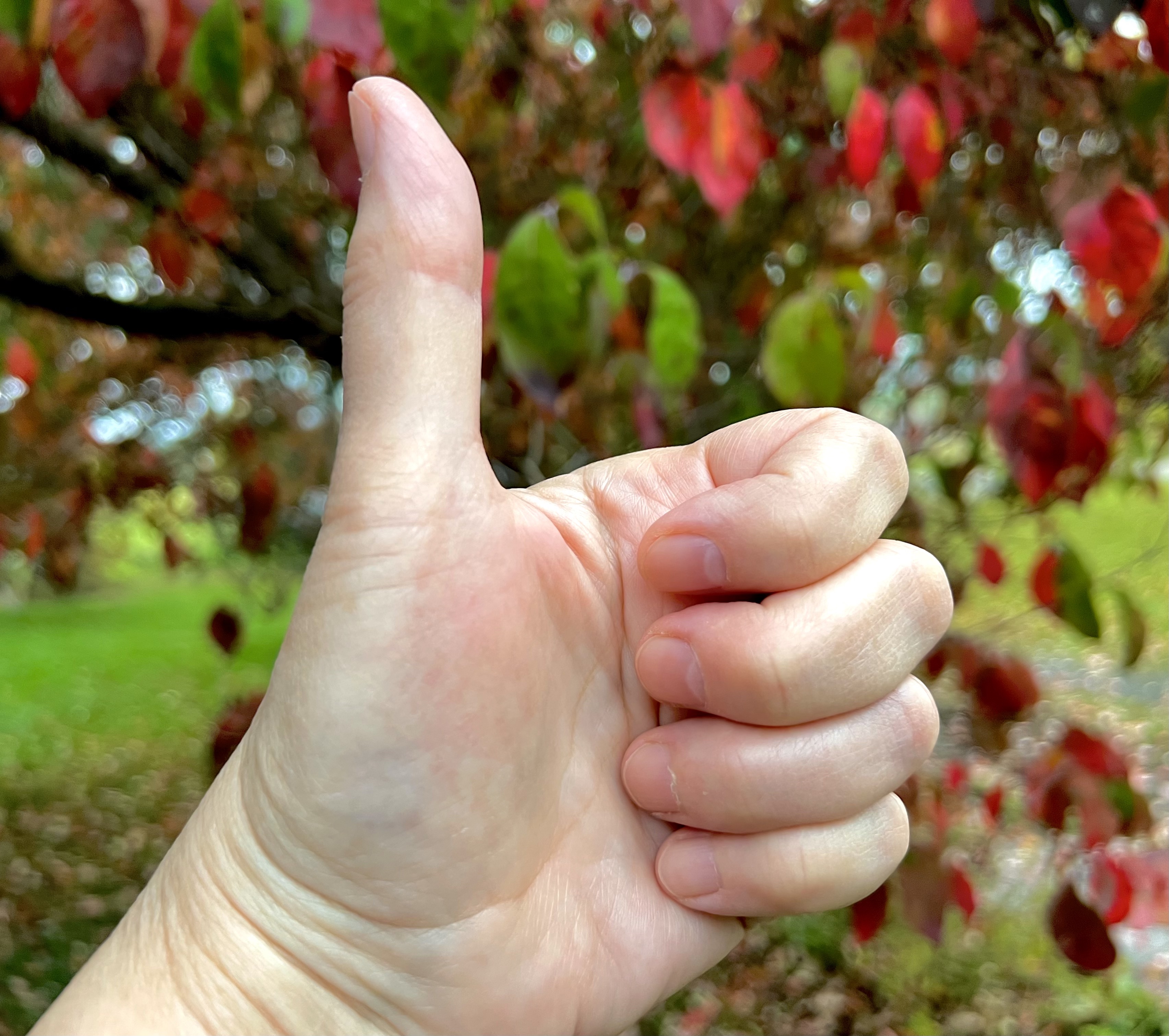
And when I saw my first extensor pollicis longus rupture seven years later in my practice, I was absolutely confident of the diagnosis because my patient could not lift up his thumb when asked to act like he was hitchhiking. And my patient did thank me. Dr. Rosse was right again.
One-Time
Monthly
Yearly
Make a one-time or recurring donation to support daily Barnstorming posts























 Barnstorming