Fixing Eyes on the Unseen – Blown Away

Like a storm
of hornets, the
little white planets
layer and relayer
as they whip around
in their high orbits,
getting more and
more dense before
they crash against
our crust. A maelstrom
of ferocious little
fists and punches,
so hard to believe
once it’s past.
~Kay Ryan “Hailstorm”
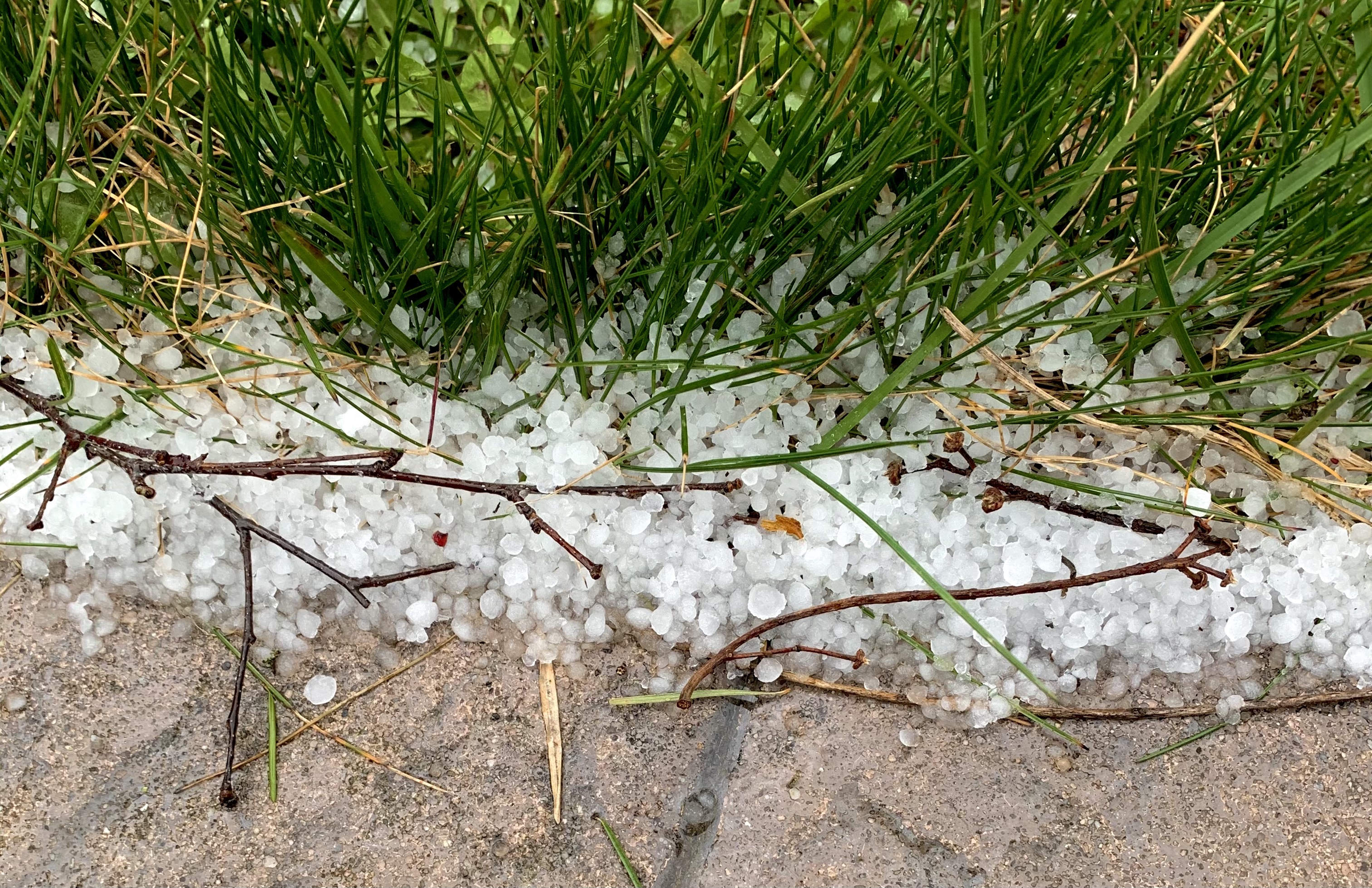
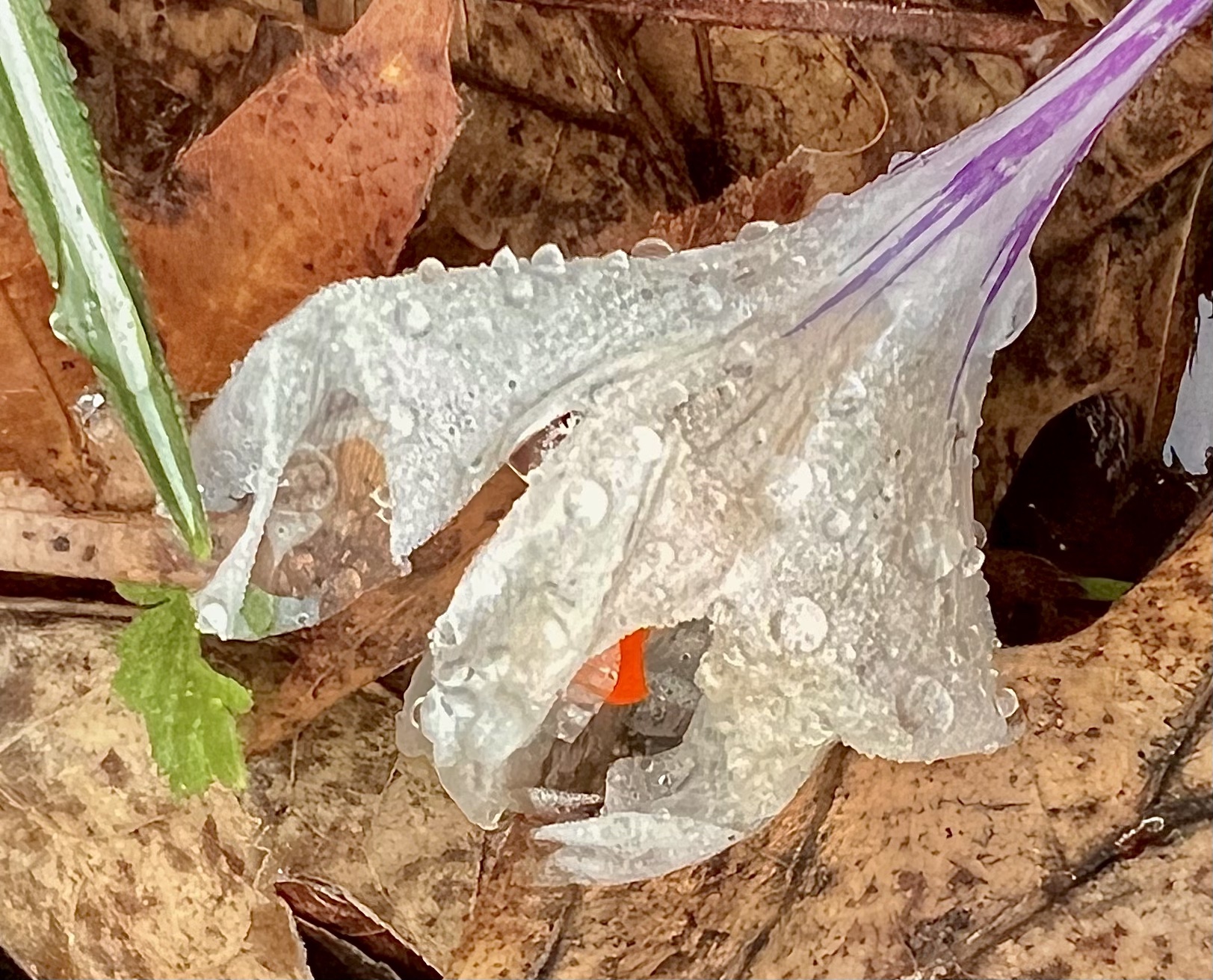
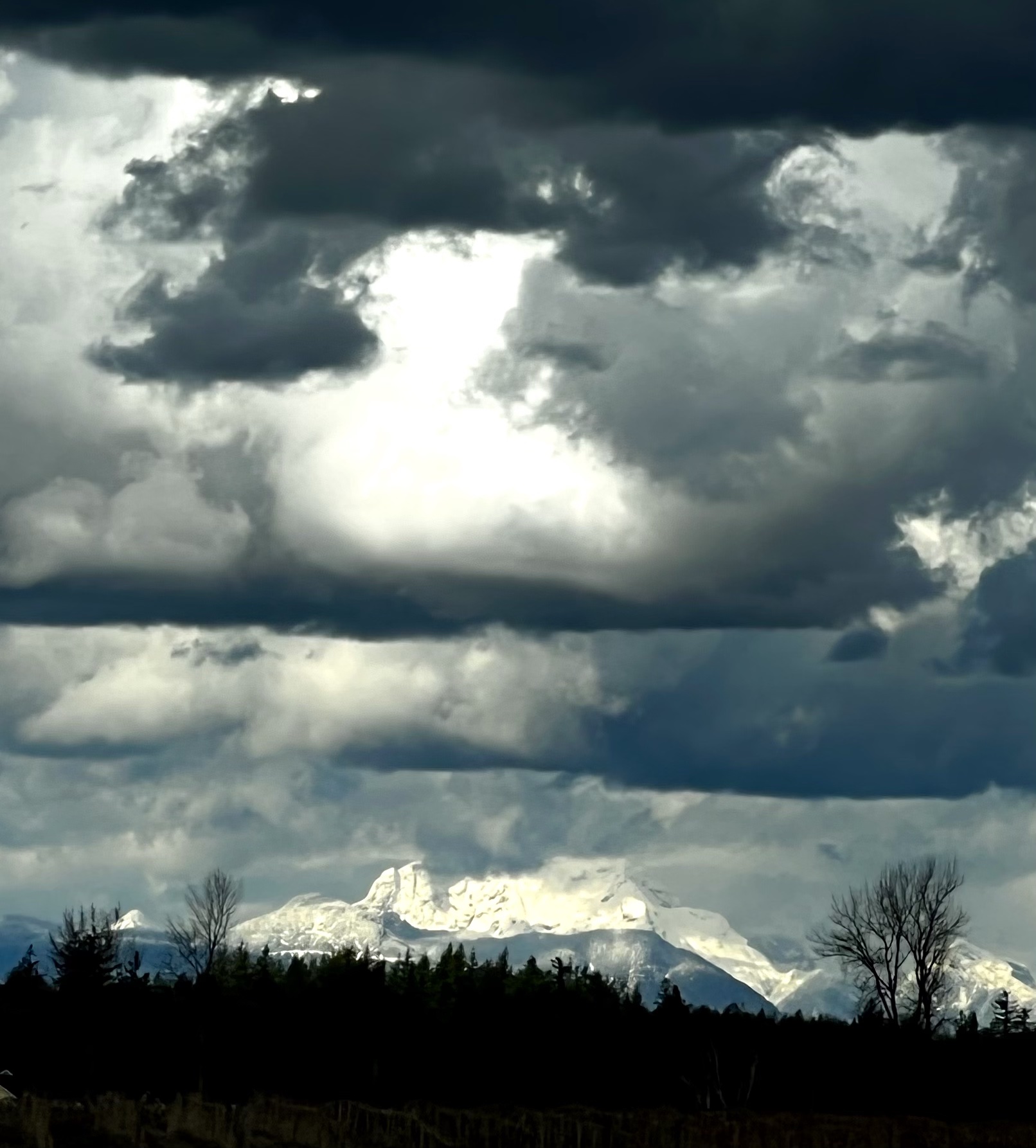
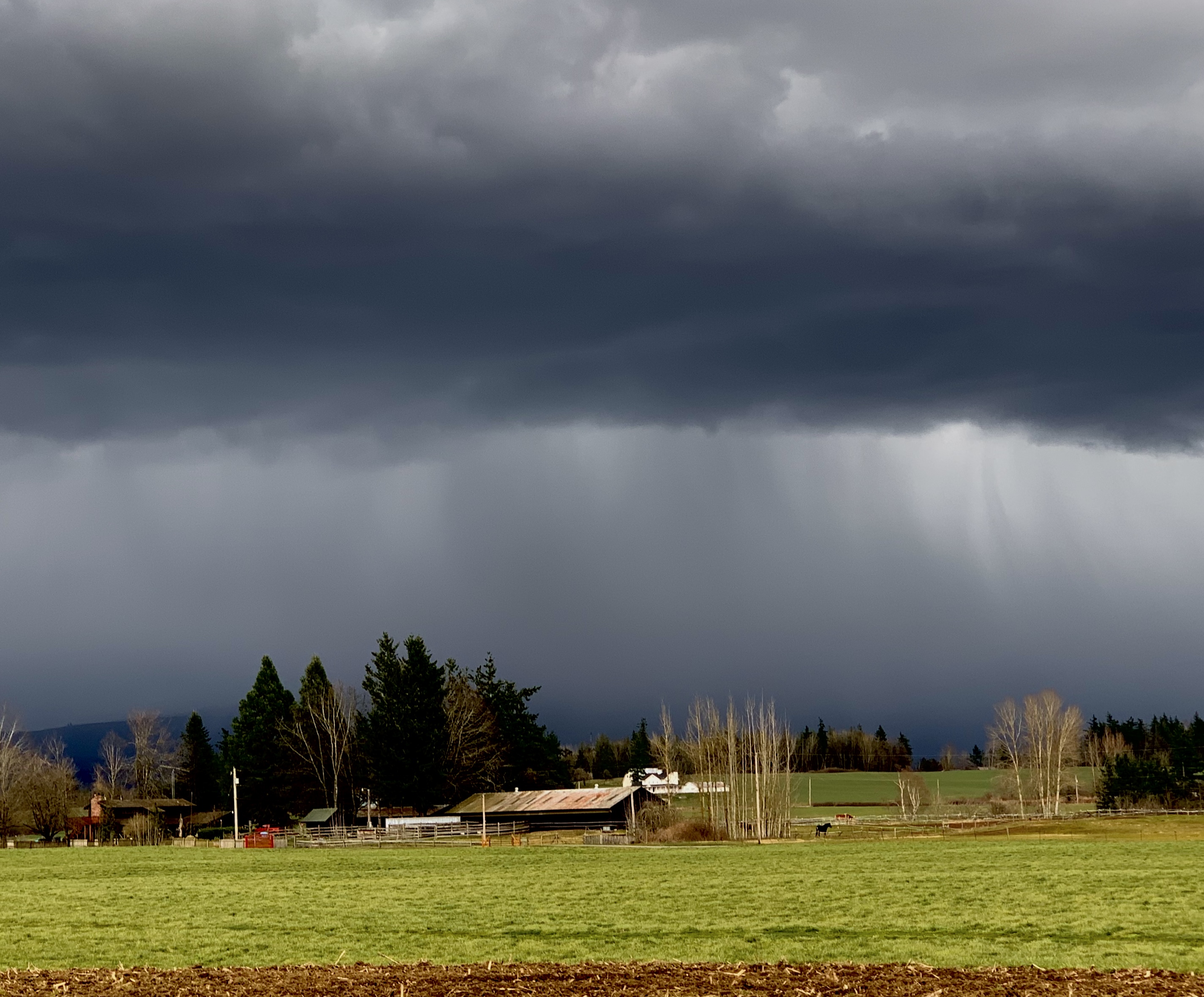
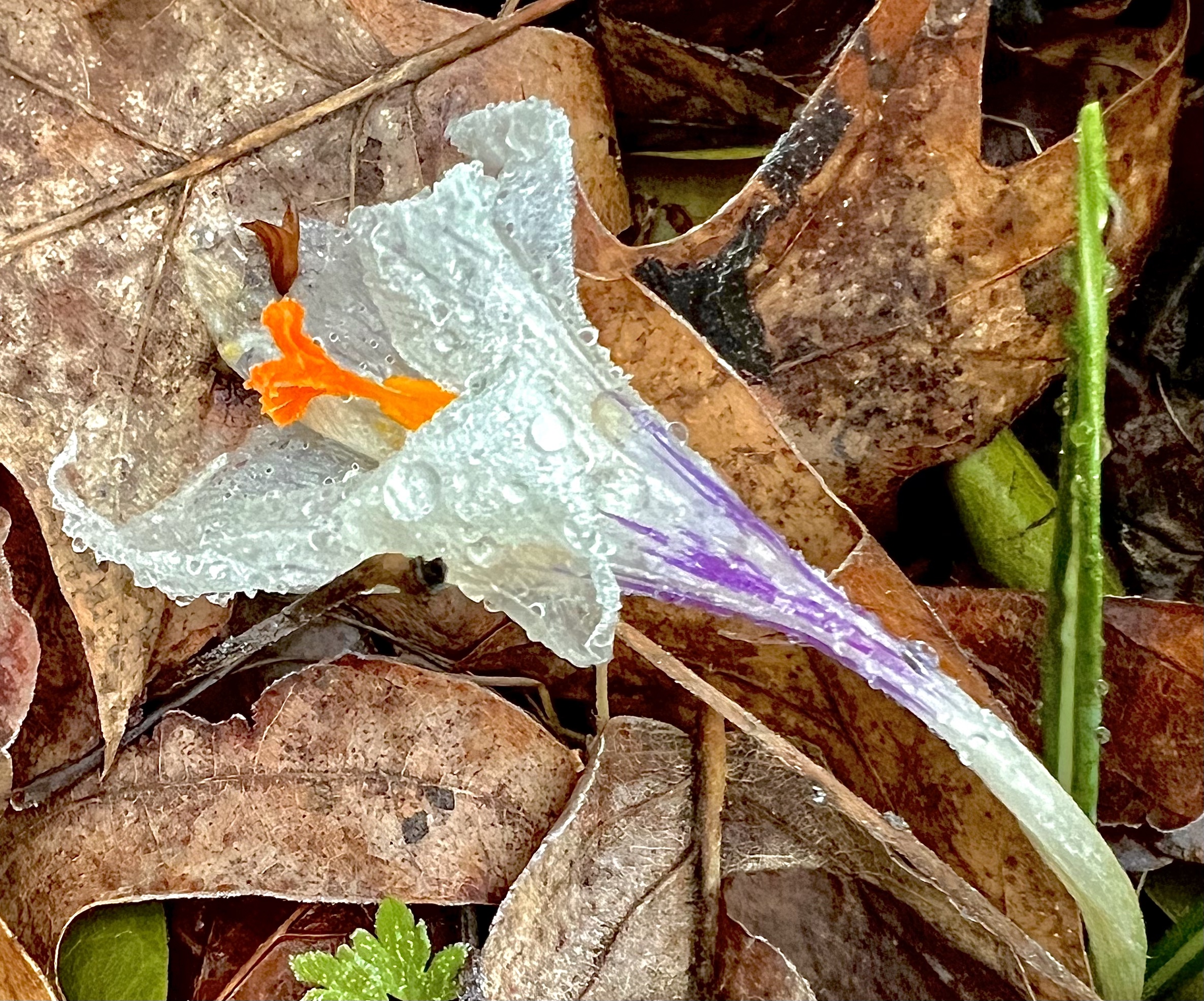
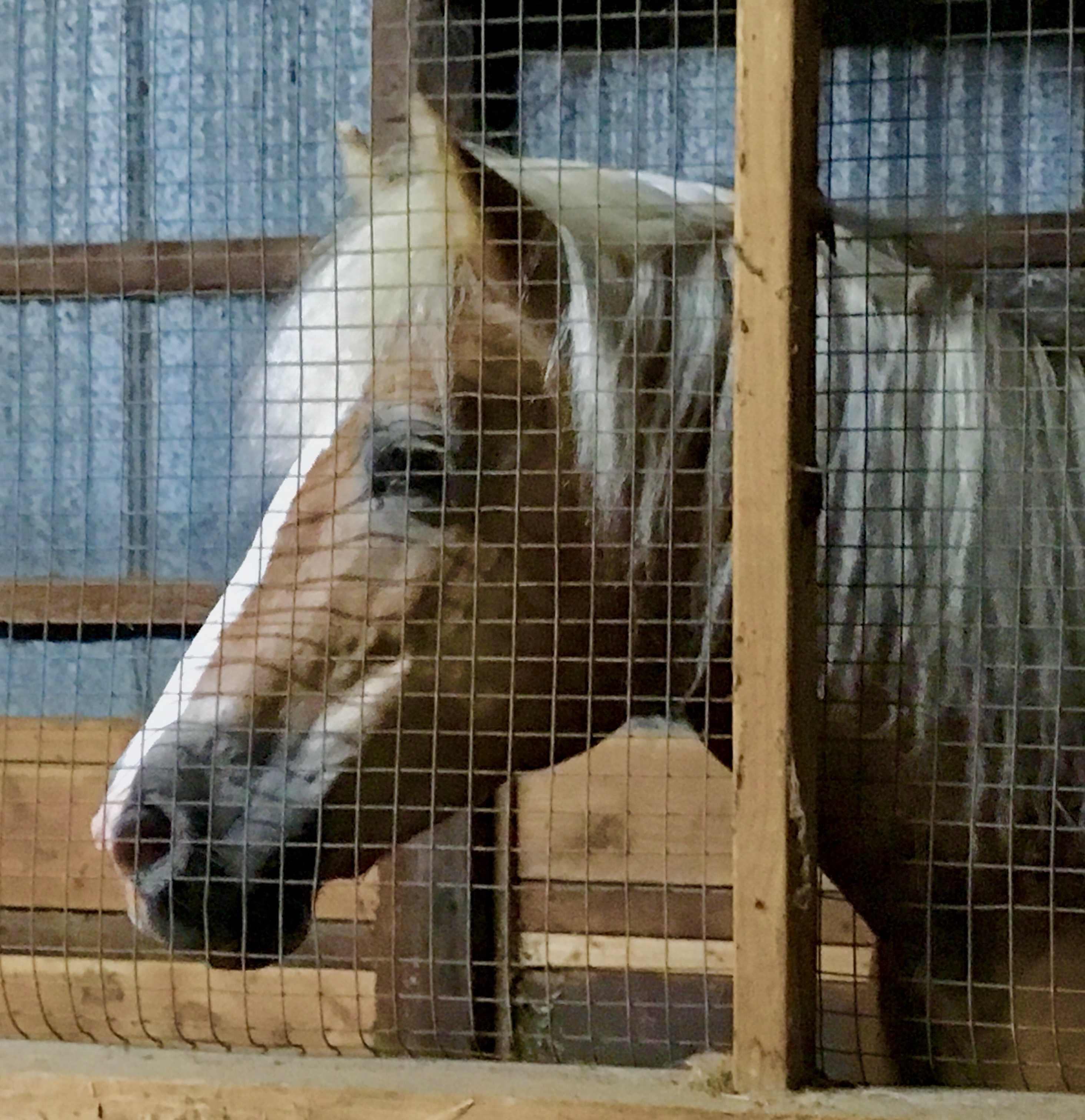
A brief and unexpected Palm Sunday storm blew through early yesterday afternoon with gusts of southerly winds, thunder, horizontal rain and noisy hale. I had left the north/south center aisle doors wide open after morning chores, so the storm also blew through the barn. Hay, empty buckets, horse halters and cat food were strewn about. The Haflinger horses stood wide-eyed and fretful in their stalls as the hail on the metal roof hammered away.

Once I got the doors closed and secured, all was soon made right. The horses relaxed and got back to their meals and things felt normal again.
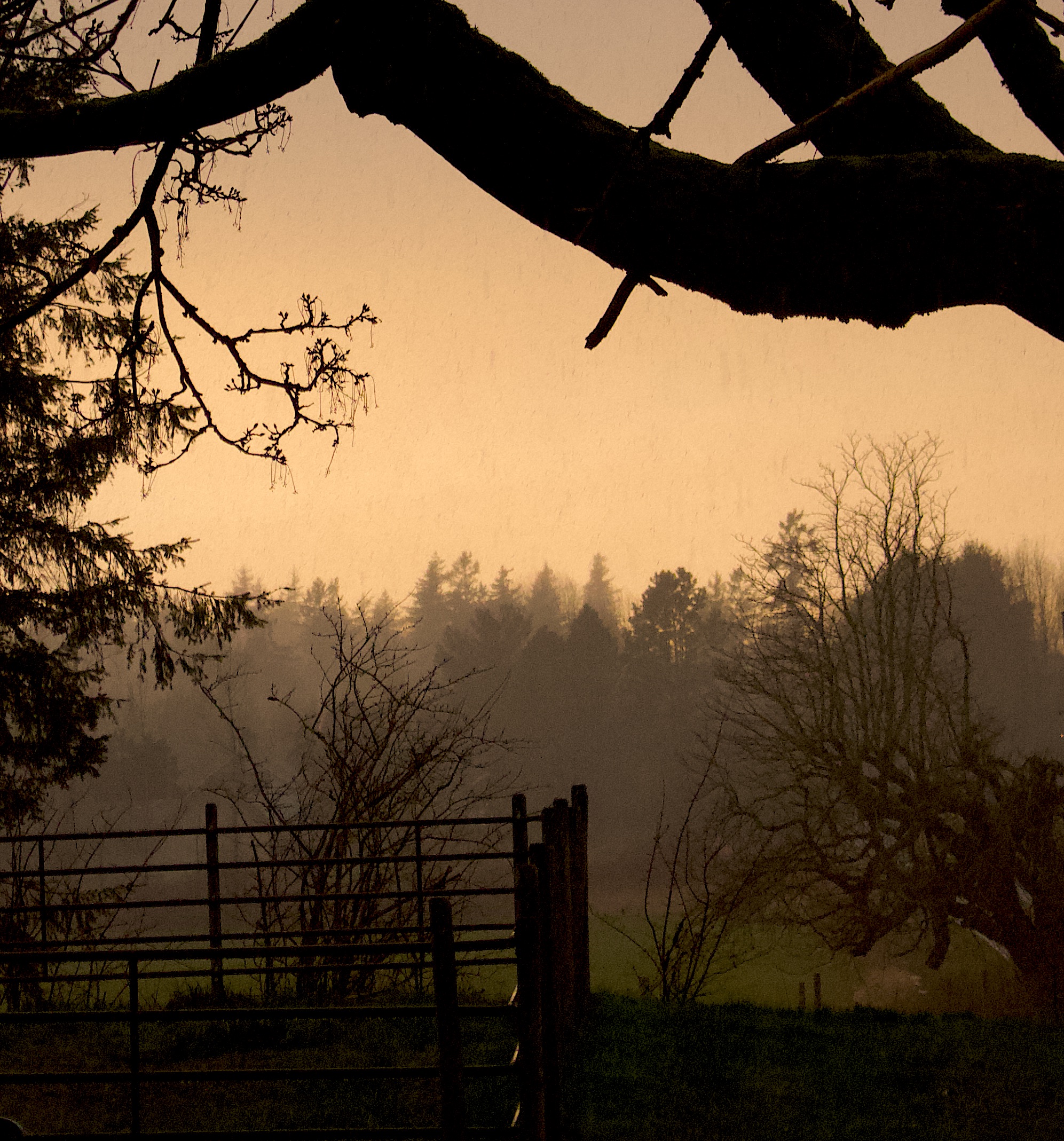
Today, Holy Monday morning, all seems calm but nevertheless, somewhat beaten up. The barn is still there, the roof still on, the horses where they belong and all seems to be as it was before the barnstorming wind. Or so it might appear.

This wind heralds another storm beginning this week that hits with such force that I’m knocked off my feet, blown away, and left bruised and breathless. No latches, locks, or barricades are strong enough to protect me from what will come over the next few days.

Yesterday he rode in on a donkey softly, humbly, and wept at what he knew must come.

Today, he overturns the tables in his fury.

Tomorrow he describes the destruction that is to happen, yet no one understands.

Wednesday, a woman boldly anoints him with precious oil, as preparation.

On Thursday, he kneels before his friends, pours water over their dusty feet, presides over a simple meal, and later, abandoned, sweats blood in agonized prayer.

By Friday, all culminates in a most perfect storm, transforming everything in its path, leaving nothing untouched, the curtain torn, the veil removed.

The silence on Saturday is deafening.

Next Sunday, the Son rises, sheds his shroud and neatly folds what is no longer needed. He is nearly unrecognizable in his glory.

He calls my name, my heart burns within me at his words and I can never be the same again.

I am, once again, barnstormed to the depths of my soul. Doors flung open wide, my roof pulled off, everything of no consequence blown away and now replaced, renewed and reconciled.

May it be done this week as he has said, again and yet again, year after year, life after life.
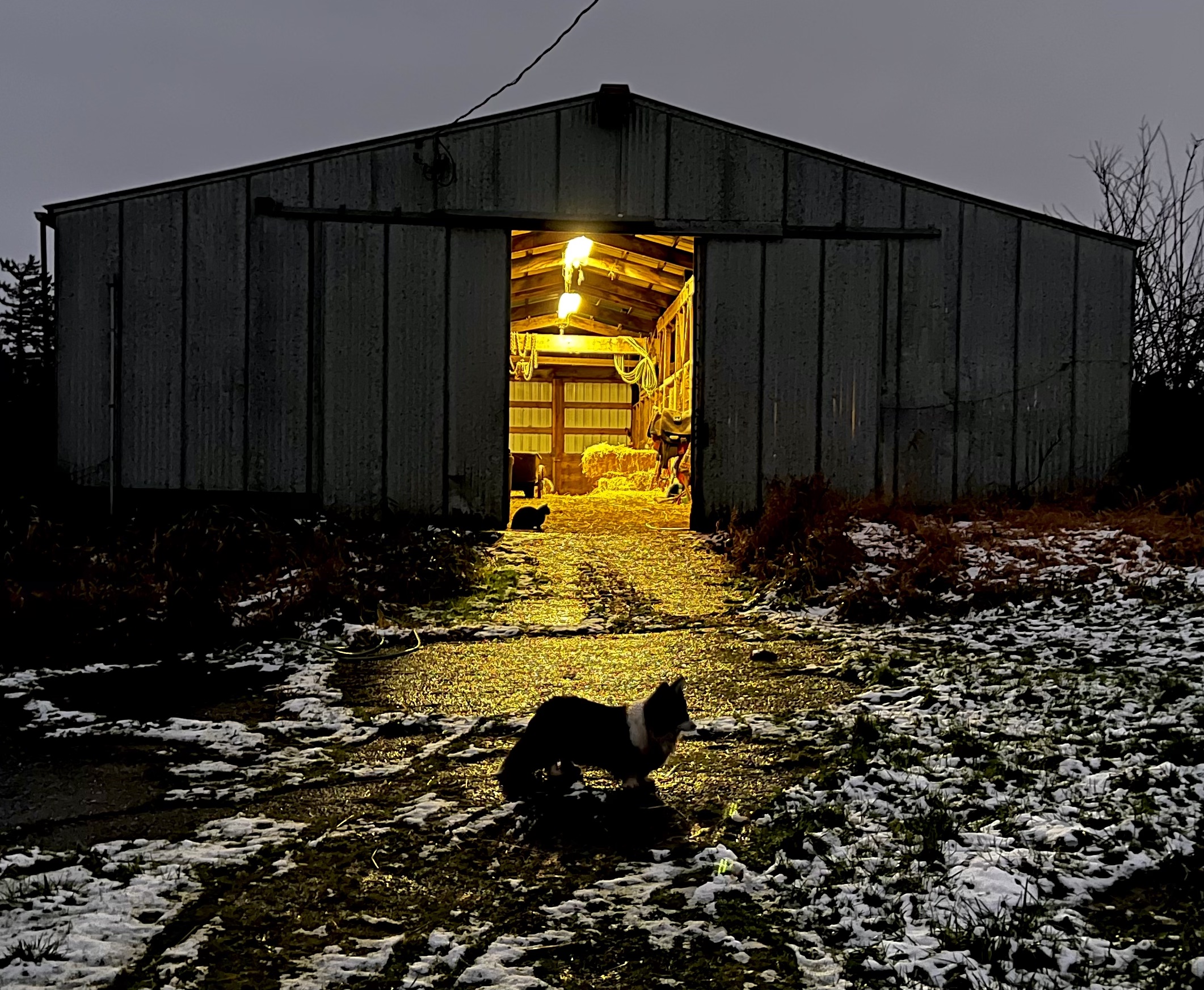
another barnstorming

This year’s Lenten theme:
So we fix our eyes not on what is seen, but on what is unseen, since what is seen is temporary, but what is unseen is eternal.
2 Corinthians 4: 18

1. Courage, my soul, and let us journey on,
Tho’ the night is dark, it won’t be very long.
Thanks be to God, the morning light appears,
And the storm is passing over, Hallelujah!

Chorus: Hallelujah! Hallelujah! The storm is passing over, Hallelujah!

2. Billows rolling high, and thunder shakes the ground,
Lightnings flash, and tempest all around,
Jesus walks the sea and calms the angry waves,
And the storm is passing over, Hallelujah! [Chorus]

3. The stars have disappeared, and distant lights are dim,
My soul is filled with fears, the seas are breaking in.
I hear the Master cry, “Be not afraid, ’tis I,”
And the storm is passing over, Hallelujah!
[Chorus]

4. Soon we shall reach the distant shining shore,
Free from all the storms, we’ll rest forevermore.
Safe within the veil, we’ll furl the riven sail,
And the storm will all be over, Hallelujah! [Chorus]

Fixing Eyes on the Unseen – Where to Look for the Good Parts

Once, in the cool blue middle of a lake,
up to my neck in that most precious element of all,

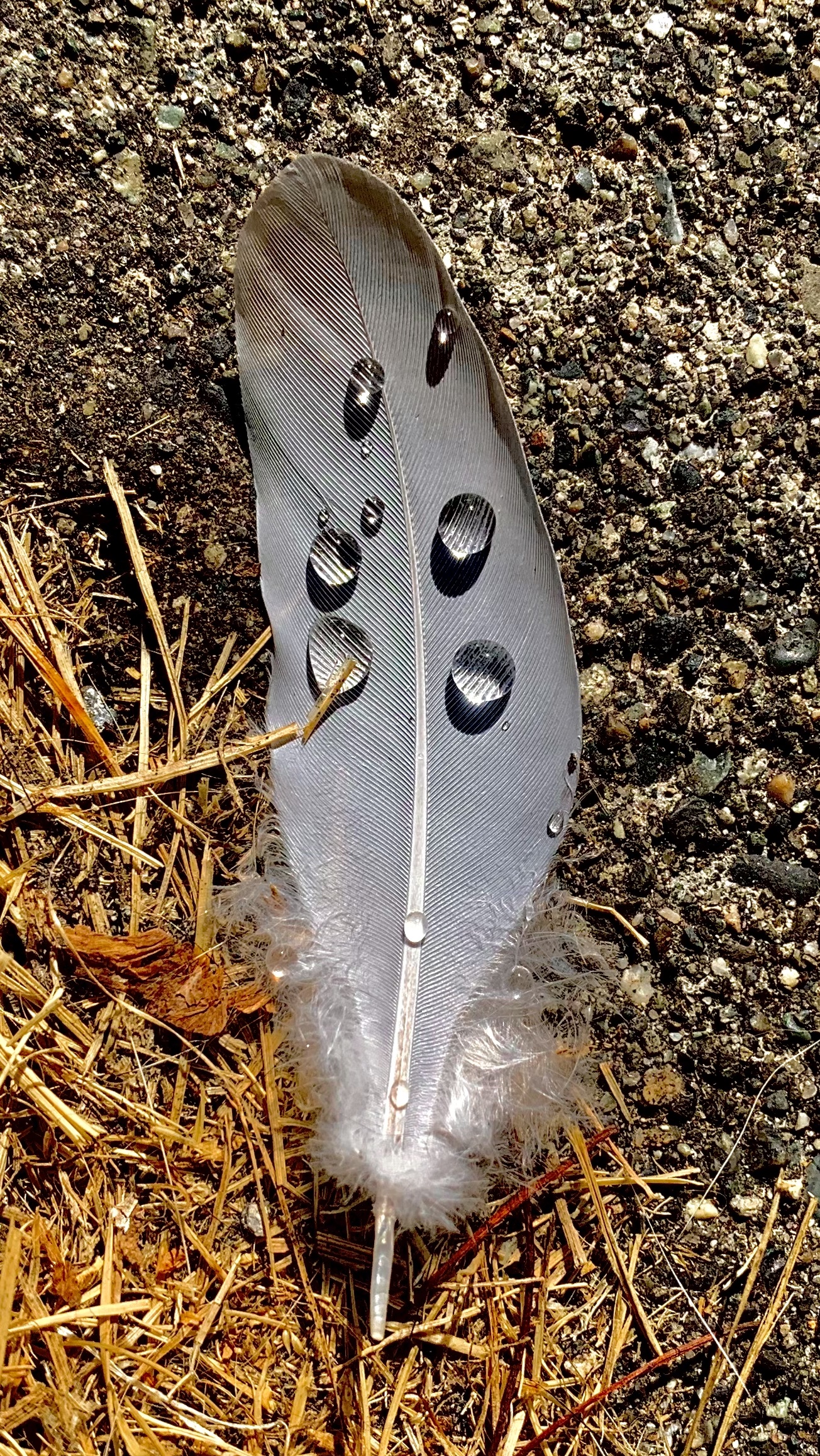
I found a pale-gray, curled-upwards pigeon feather
floating on the tension of the water

at the very instant when a dragonfly,
like a blue-green iridescent bobby pin,

hovered over it, then lit, and rested.
That’s all.

I mention this in the same way
that I fold the corner of a page

in certain library books,
so that the next reader will know

where to look for the good parts.
~Tony Hoagland “Field Guide” from Unincorporated Persons in the Late Honda Dynasty.

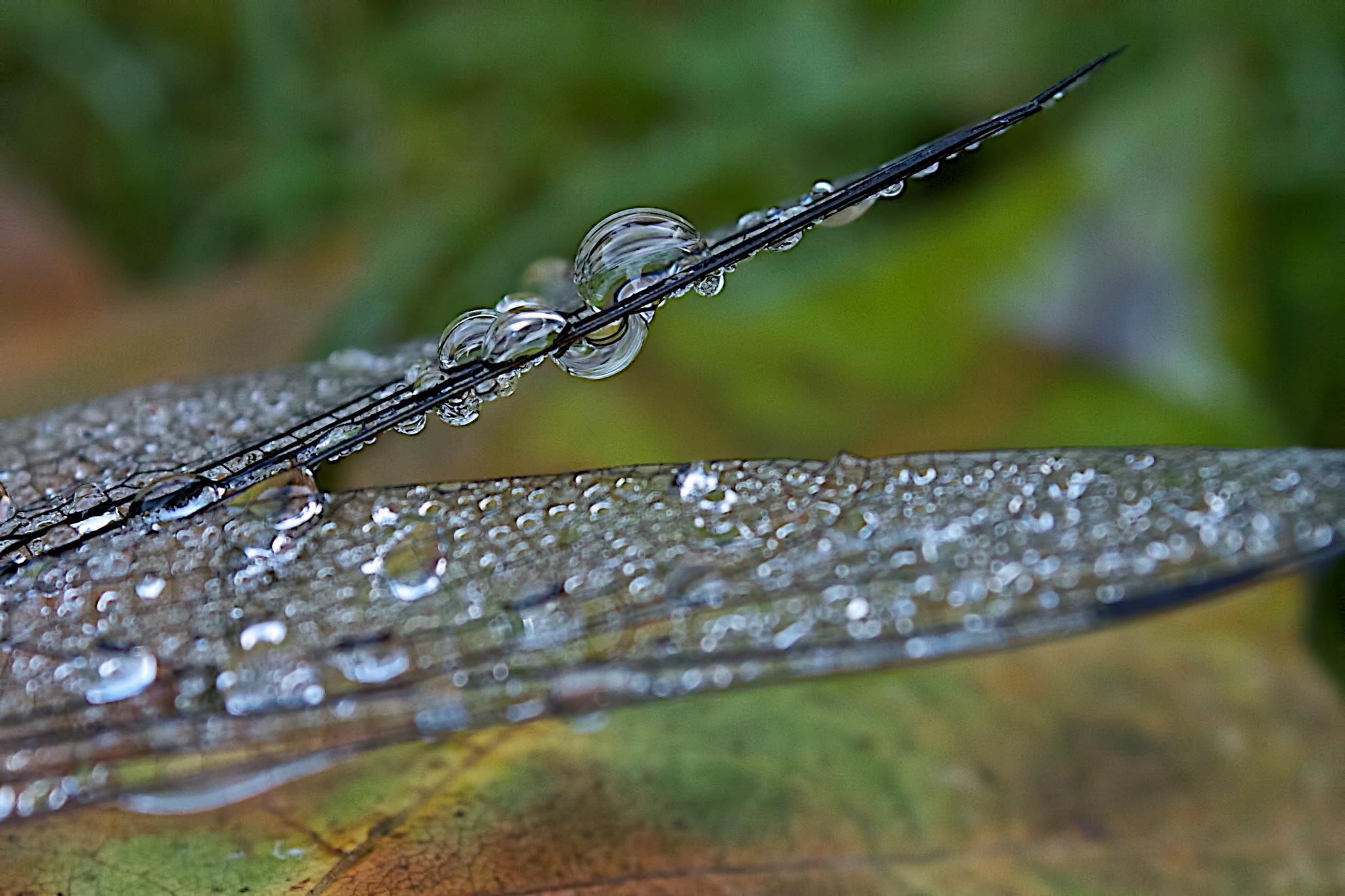
dragonfly wings photo by Josh Scholten
from The Reason for God by Tim Keller

We do not want merely to see beauty…
we want something else which can hardly be put into words-
to be united with the beauty we see,
to pass into it,
to receive it into ourselves,
to bathe in it,
to become part of it.

We discern the freshness and purity of morning,
but they do not make us fresh and pure.
We cannot mingle with the splendours we see.


But all the leaves of the New Testament
are rustling with the rumour
that it will not always be so.


Someday, God willing, we shall get in.

~C.S. Lewis from The Weight of Glory

Part of the joy of beauty
is the realization that it is part of a larger whole,
most of which appears to be just out of sight. 
We are drawn forward toward something…
and left waiting, wondering.
~N.T. Wright from Life, God and Other Small Topics

Each day brings headlines that tear at us, pull us down and rub us with mud.  We are grimy by association, sullied and smeared.

Still, in our state of disgrace, Beauty is offered up to us, sometimes out of the blue, unexpected but so welcome.

In His last act with those He loved, Jesus shared Himself through a communal meal,
then washed and toweled their dirty feet clean, immersing them, despite their protests,  in all that is beautiful and clean. He made the ugly beautiful.

He took on and wore their grime on a towel around His waist.

It is now our turn to help wash away the dirt from whoever is in need.  He showed us how to help others look for the good parts.

This year’s Lenten theme:
So we fix our eyes not on what is seen, but on what is unseen, since what is seen is temporary, but what is unseen is eternal.
2 Corinthians 4: 18

Fixing Eyes on the Unseen: Remember My Chains

Colossians 4:18

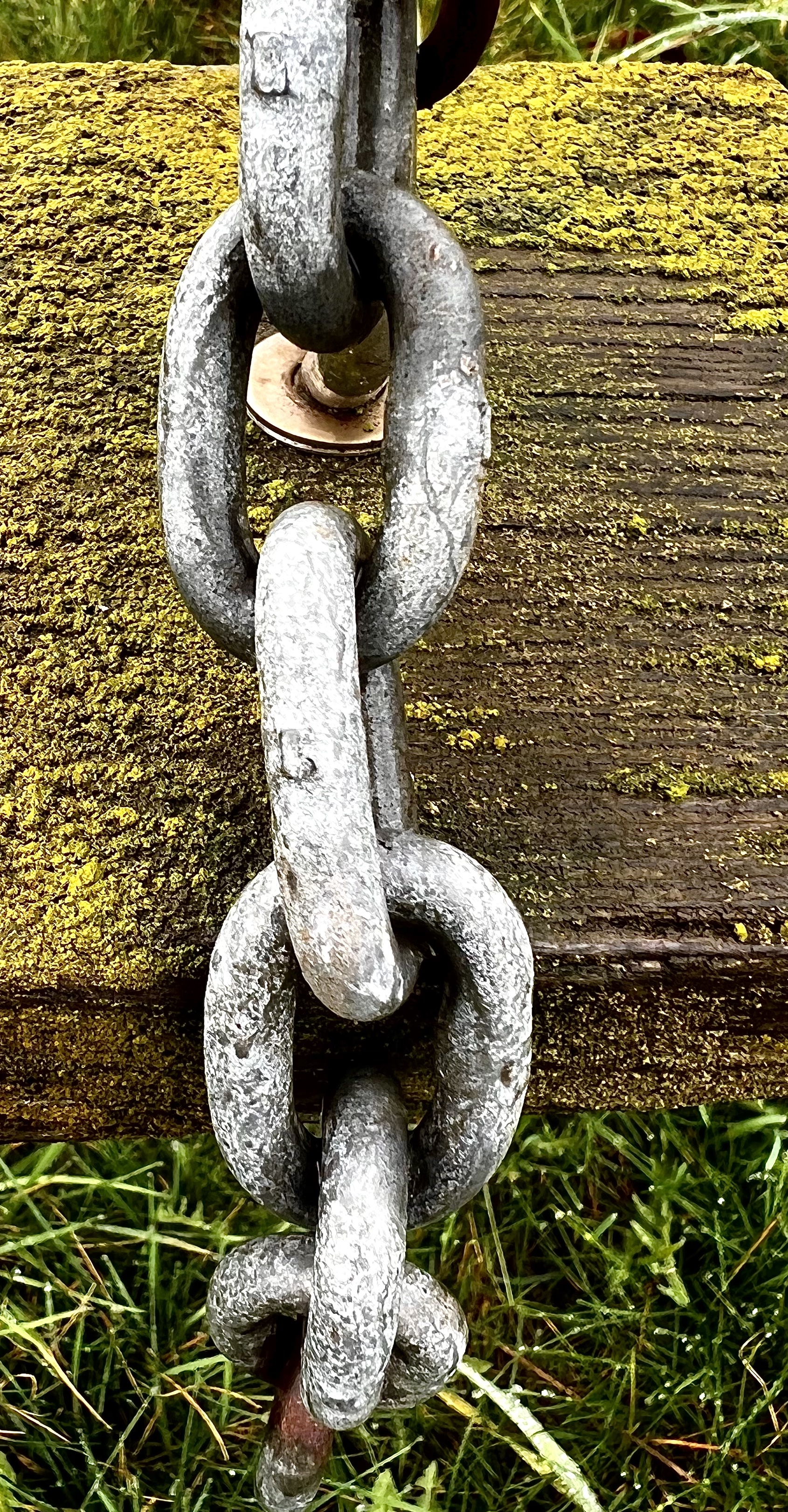
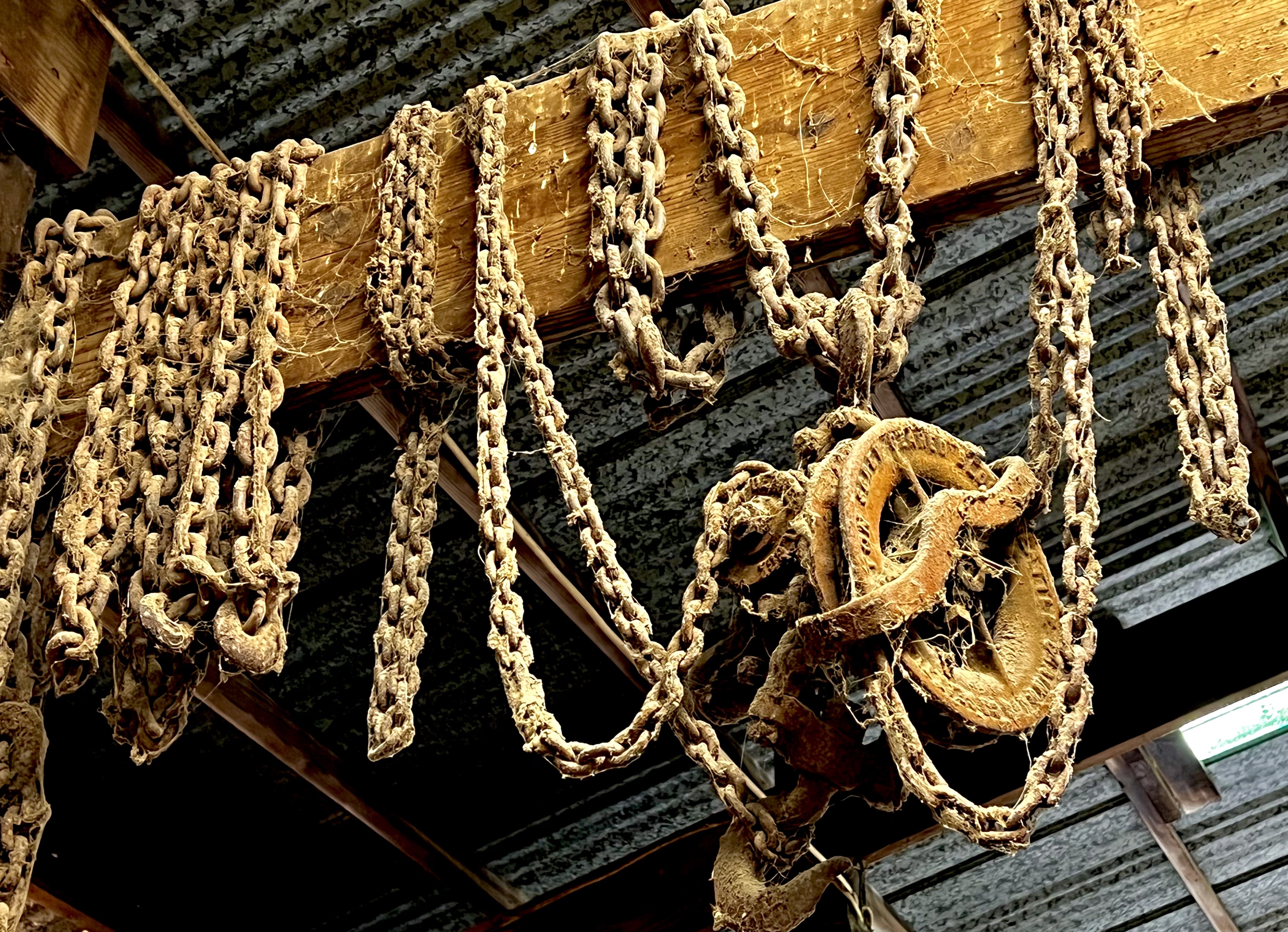
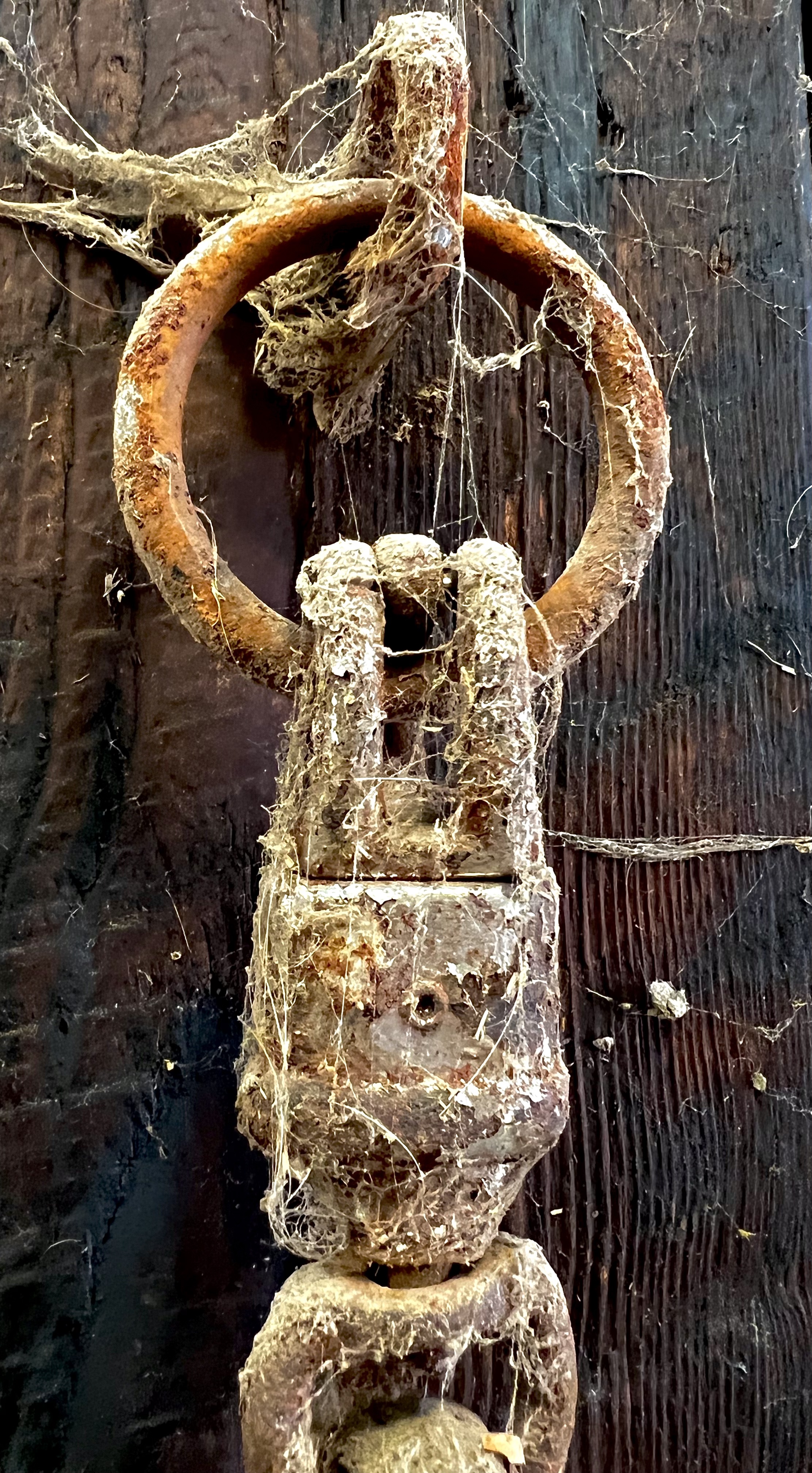
I, Paul, write this greeting in my own hand. Remember my chains.
Colossians 4:18

Paul reminds us in his letter to the Colossian church that he is still a prisoner, shackled by chains, limited in his ability to write in his own hand but certainly not helpless.  Despite such hardship, he remains a faithful and encouraging witness for God.

He really is asking that we remember our own chains, ones that are invisible but just as restrictive to our freedom. We are bound to sin as if by chains, locked with the key thrown away, pitiful in our imprisonment. The gospel is now the only key that will spring the lock, unclasp the chains, unbind our hands and feet, free our souls.

Remember my chains?  I have just been handed the key.

This year’s Lenten theme:
So we fix our eyes not on what is seen, but on what is unseen, since what is seen is temporary, but what is unseen is eternal.
2 Corinthians 4: 18

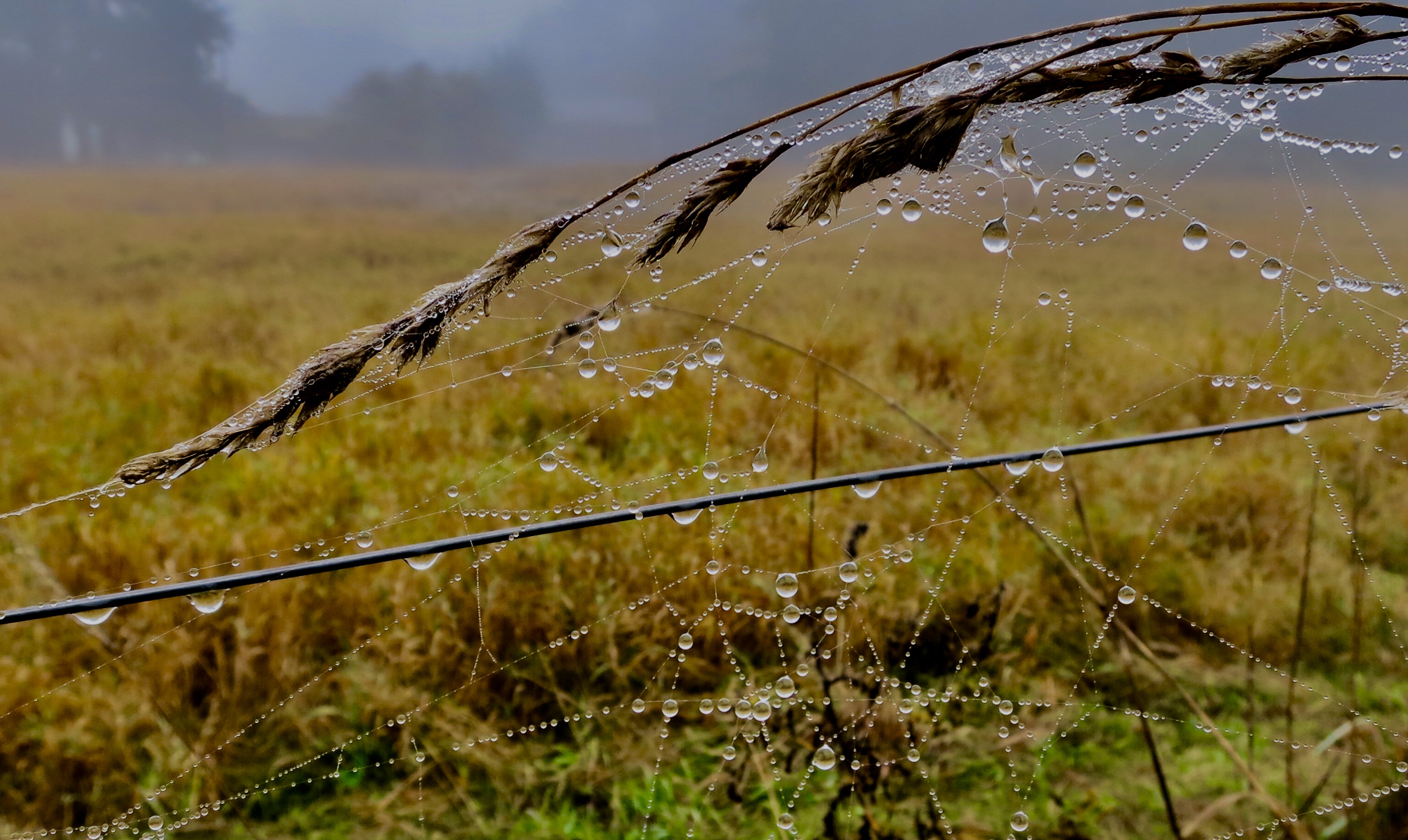
Fixing Eyes on the Unseen: Like a Cloud of Dew

This is what the Lord says to me:
    “I will remain quiet and will look on from my dwelling place,
like shimmering heat in the sunshine,
    like a cloud of dew in the heat of harvest.”
Isaiah 4:18

When all nature is at rest, not a leaf moving,
then at evening the dew comes down —
no eye to see the pearly drops descending,
no ear to hear them falling on the verdant grass —
so does the Spirit come to you who believe.
When the heart is at rest in Jesus —
unseen, unheard by the world —
the Spirit comes, and softly fills the believing soul,
quickening all, renewing all within.
~Robert Murray McCheyne
from The Love of Christ

Amid daily hubbub, there comes a time when I must be quiet myself, devoid of selfish desires and hushing pointless ambitions. I need rest and renewal with a refreshing of purpose.

Only when I am thus silent and still – receptive and emptied of self, I am ready.

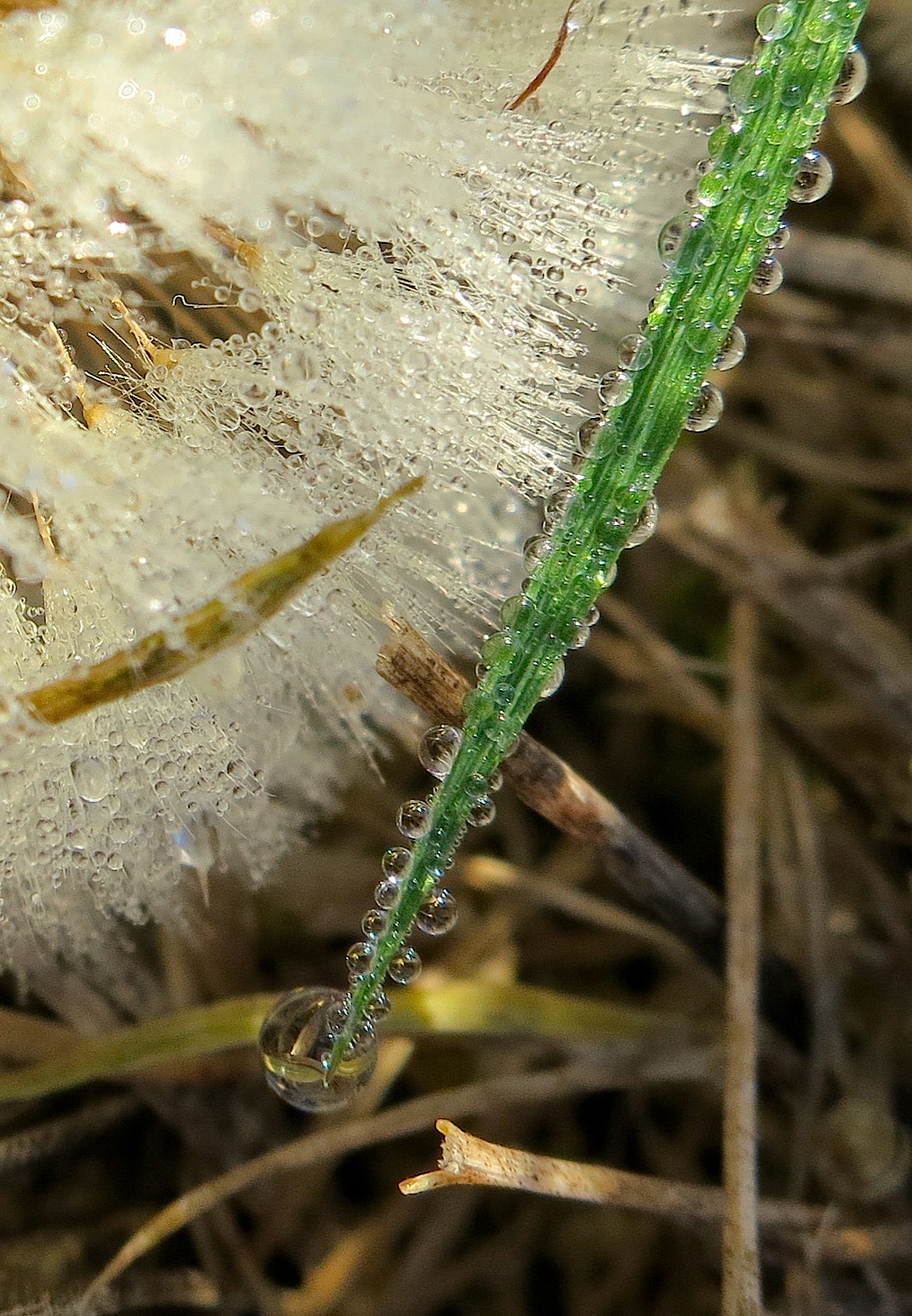
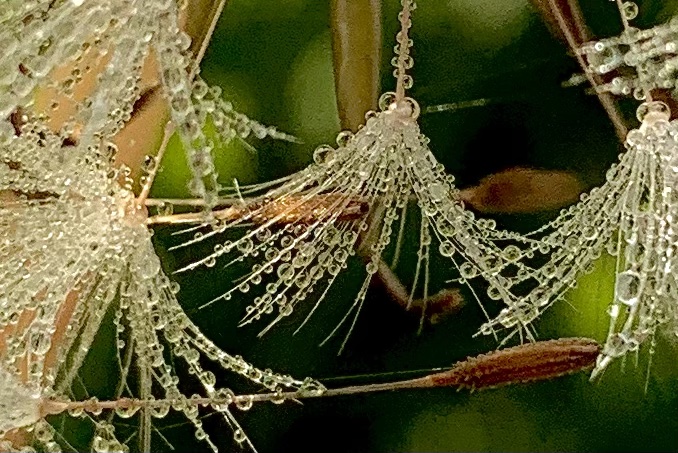
It is then I am touched, filled oh so softly, without fireworks or thunderclap, or dramatic collapse. The Spirit descends like silent dew onto my longing heart.

I wake restored, a new life quickened within me.

It is that simple. And so gentle.

This year’s Barnstorming Lenten theme is taken from 2 Corinthians 4: 18:
So we fix our eyes not on what is seen, but on what is unseen, since what is seen is temporary, but what is unseen is eternal.

Fixing Eyes on the Unseen – Free to Move in Darkness

Holding the arms of his helper, the blind
Piano tuner comes to our piano.
He hesitates at first, but once he finds
The keyboard, his hands glide over the slow
Keys, ringing changes finer than the eye
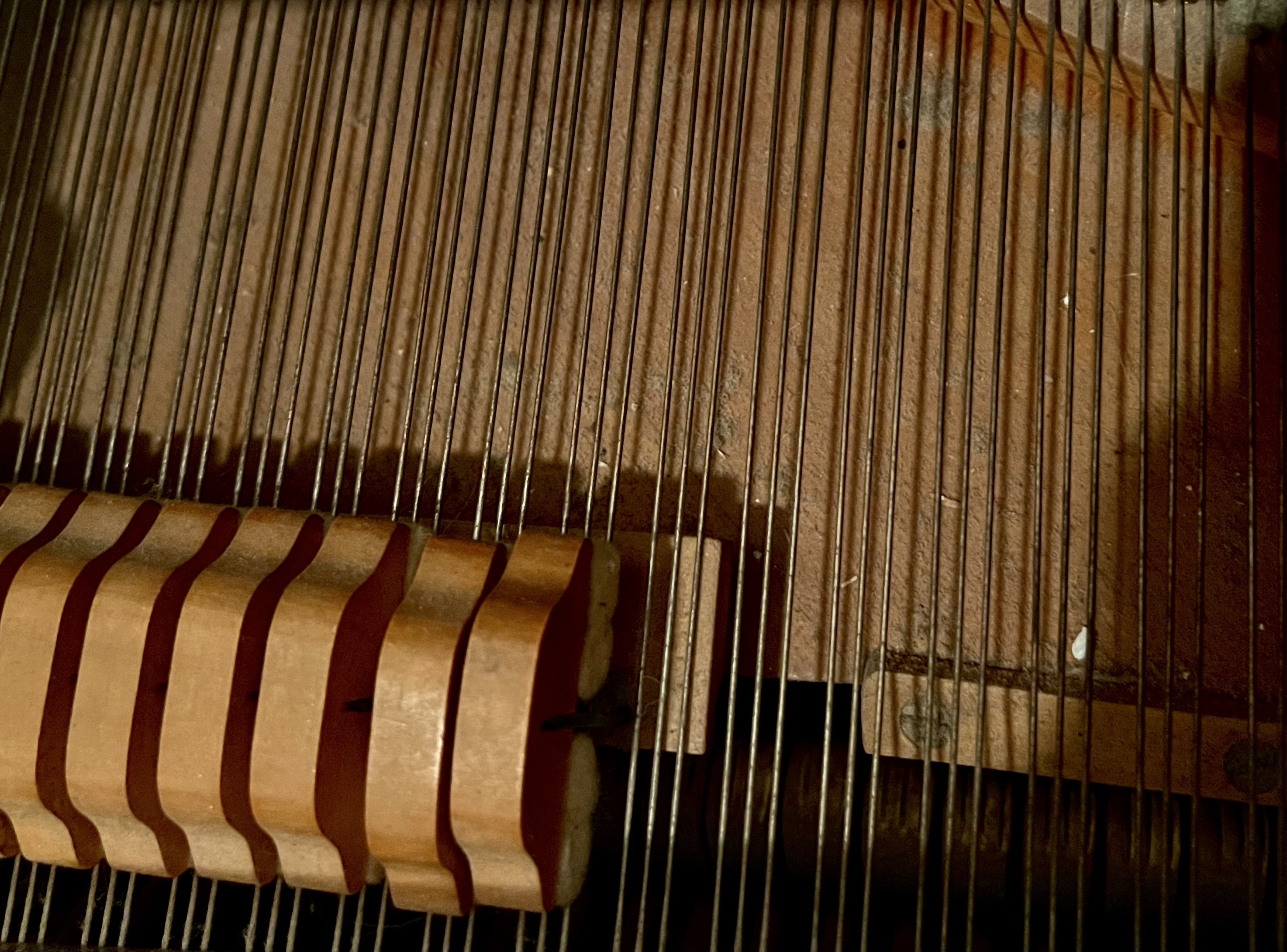
Can see. The dusty wires he touches, row
On row, quiver like bowstrings as he
Twists them one notch tighter. He runs his
Finger along a wire, touches the dry
Rust to his tongue, breaks into a pure bliss
And tells us, “One year more of damp weather
Would have done you in, but I’ve saved it this
Time. Would one of you play now, please? I hear
It better at a distance.” My wife plays
Stardust. The blind man stands and smiles in her
Direction, then disappears into the blaze
Of new October. Now the afternoon,
The long afternoon that blurs in a haze
Of music…Chopin nocturnes, Clair de lune,
All the old familiar, unfamiliar
Music-lesson pieces, Papa’s Haydn’s
Dead and gone, gently down the stream
…Hours later,
After the last car has doused its beams,
Has cooled down and stopped its ticking, I hear
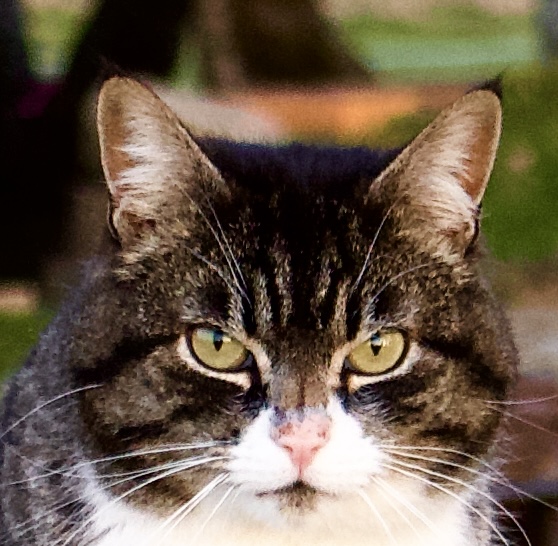
Our cat, with the grace of animals free
To move in darkness, strike one key only,
And a single lucid drop of water stars my dream.

~Gibbons Ruark “The Visitor”

When I was a child
I once sat sobbing on the floor
Beside my mother’s piano
As she played and sang
For there was in her singing
A shy yet solemn glory
My smallness could not hold

And when I was asked
Why I was crying
I had no words for it
I only shook my head
And went on crying

Why is it that music
At its most beautiful
Opens a wound in us
An ache a desolation
Deep as a homesickness
For some far-off
And half-forgotten country

I’ve never understood
Why this is so

But there’s an ancient legend
From the other side of the world
That gives away the secret
Of this mysterious sorrow

For centuries on centuries
We have been wandering
But we were made for Paradise
As deer for the forest

And when music comes to us
With its heavenly beauty
It brings us desolation
For when we hear it
We half remember
That lost native country

We dimly remember the fields
Their fragrant windswept clover
The birdsongs in the orchards
The wild white violets in the moss
By the transparent streams

And shining at the heart of it
Is the longed-for beauty
Of the One who waits for us
Who will always wait for us
In those radiant meadows

Yet also came to live with us
And wanders where we wander.
~Anne Porter “Music” from Living Things

photo by Lea Gibson
photo from The Olympian

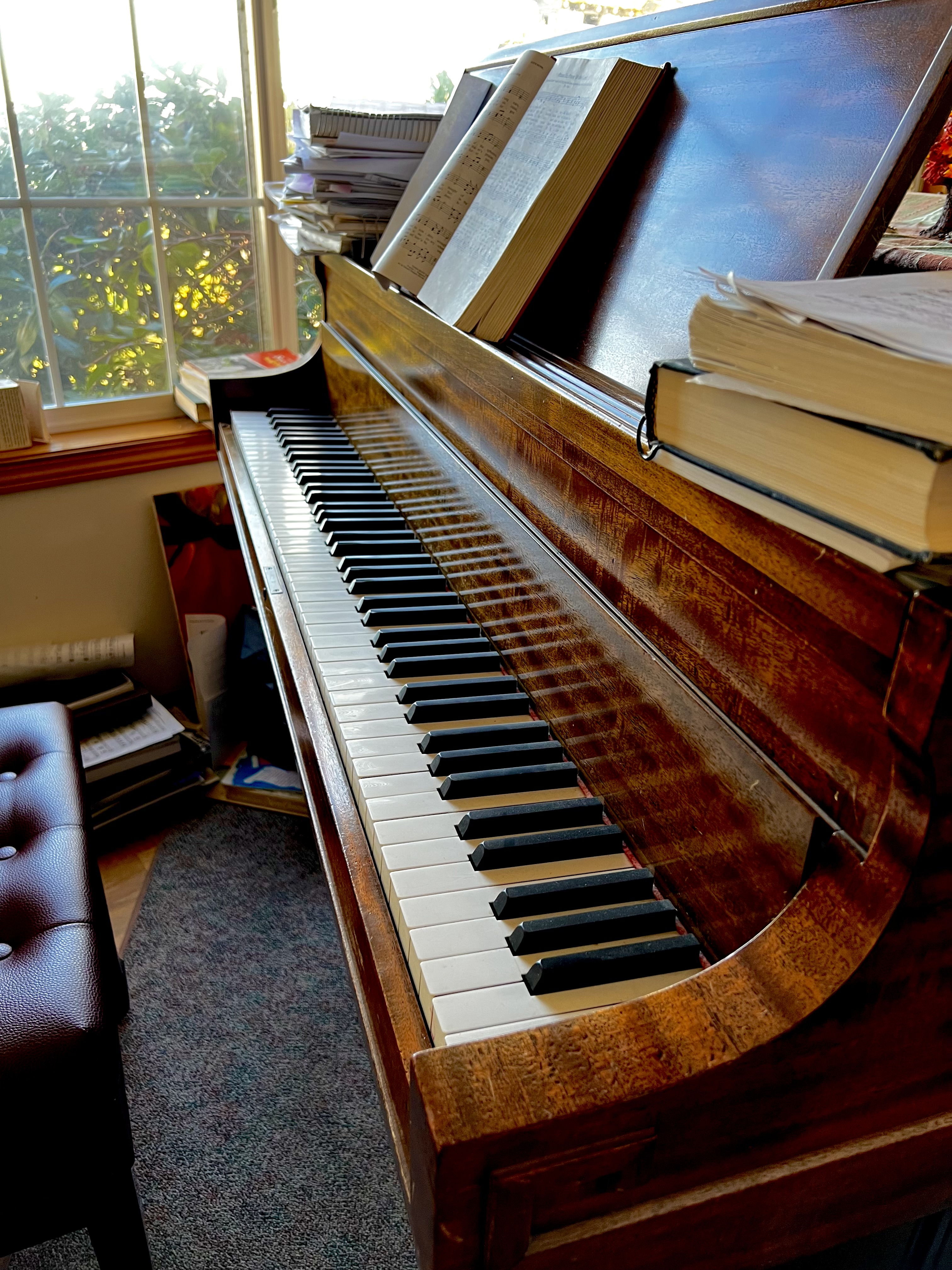
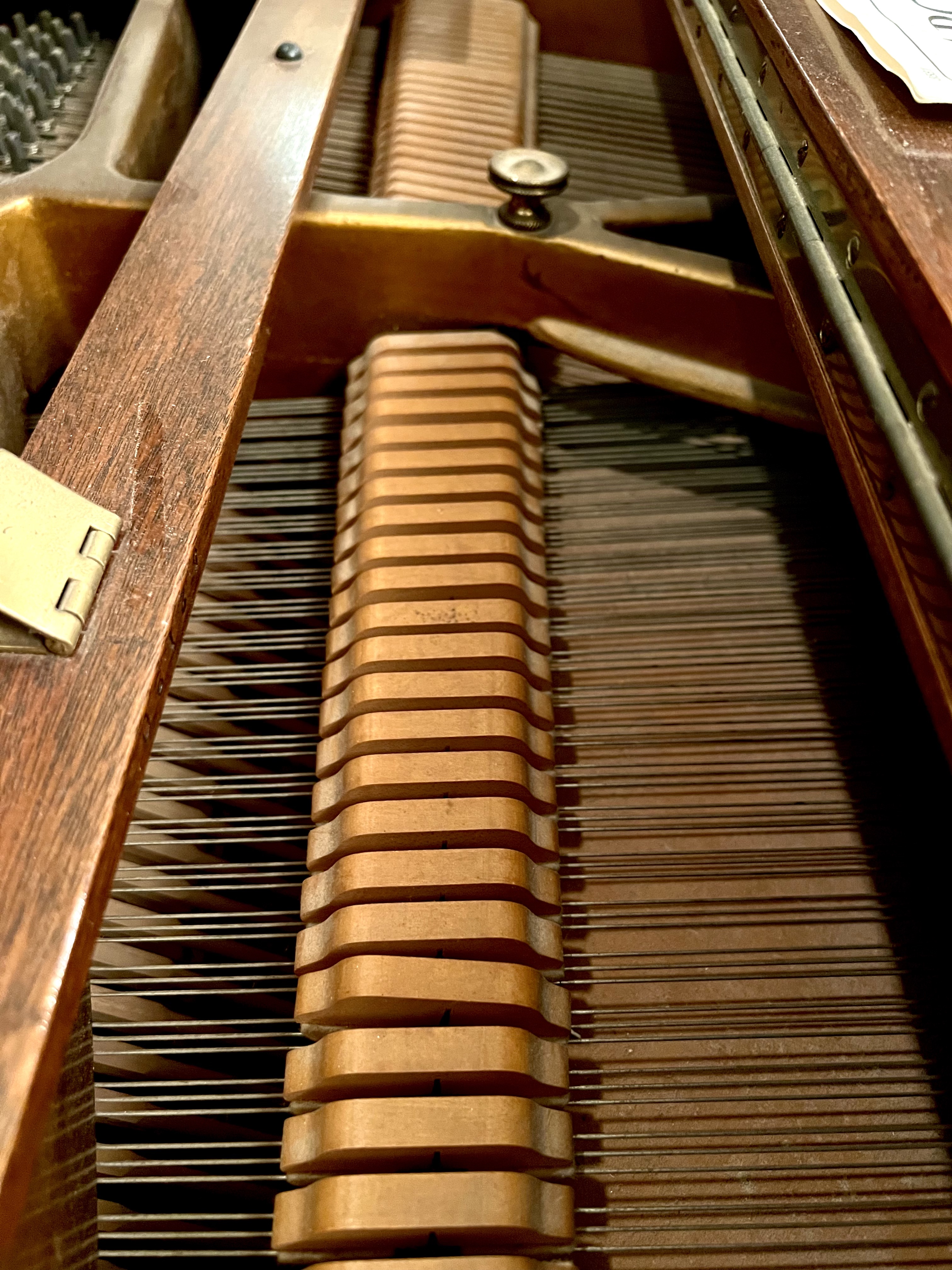
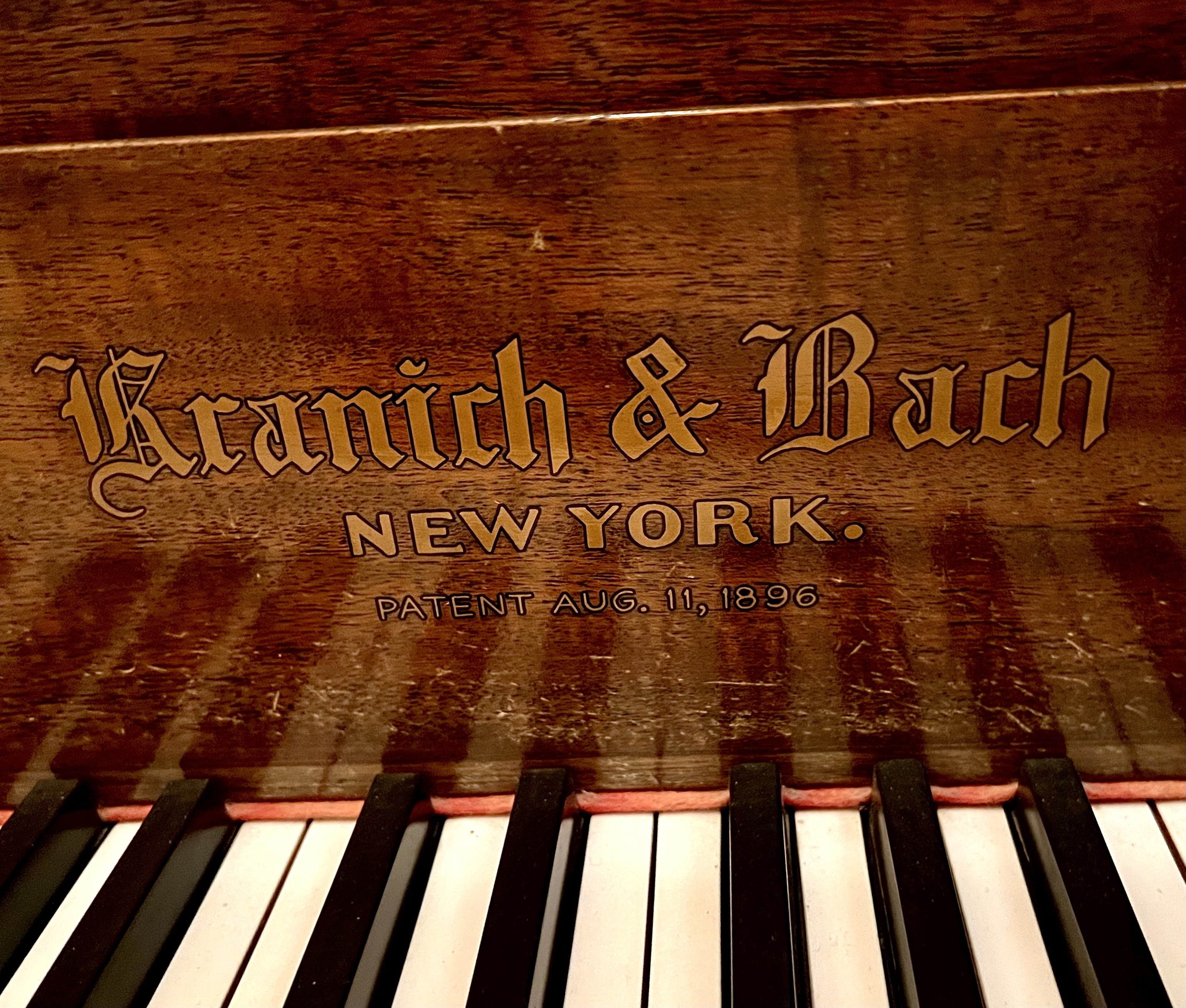
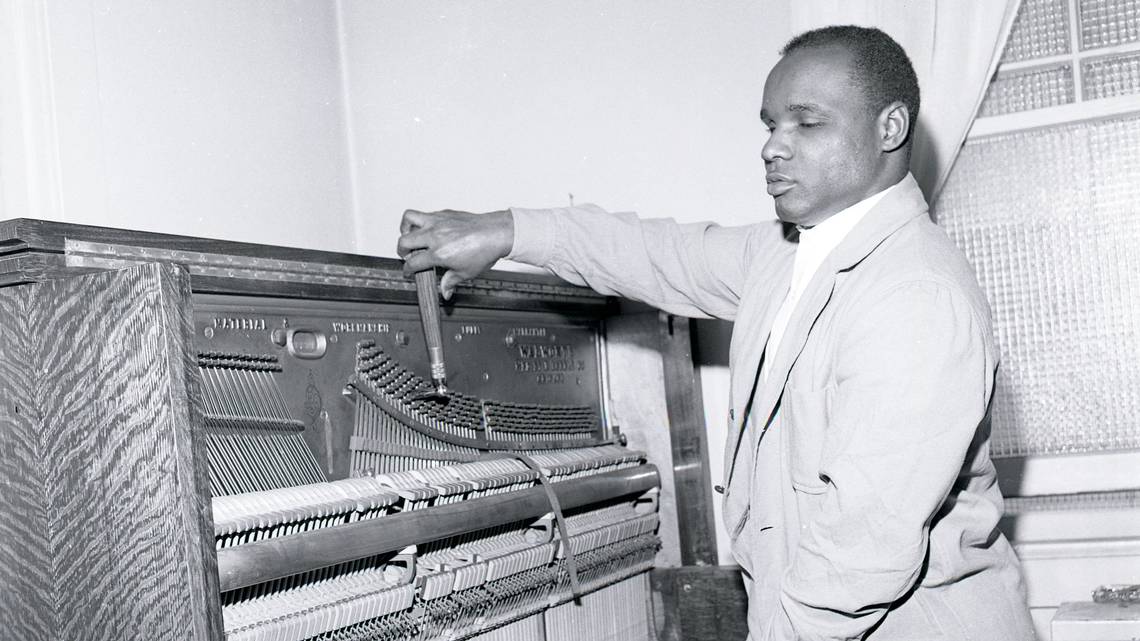
I learned today that John Grace recently died at age 92; John was the blind piano tuner who tended and tuned our family’s old Kranich & Bach baby grand through the 60’s and 70’s until it moved with me to Seattle. When I saw his photo online in The Olympian newspaper, it took me back sixty years to his annual visits to our home, accompanied by a friend who drove him to his jobs, who guided him up the sidewalk to our front door and then waited for him to finish his work.

I was the 8 year old reason my great Aunt Marian had given us her beloved piano when she downsized from her huge Bellingham house into an apartment. I was fascinated watching John make the old strings sing harmonically again. He seemed right at home working on the innards of our piano, but appeared to truly enjoy ours, always ending his tuning session by sitting down on the bench and playing a familiar old hymn, smiling a broad smile.

There was no doubt his unseeing eyes made him a great piano tuner. He was fixed on the unseen, undistracted by what was unimportant to his job. He could “feel” the right pitch, not just hear it. He could sense the wire tension without seeing it. He touched the keys and wood with reverence, not distracted by the blemishes and bleaching in the mahogany, or the chips in the ivory.

I learned something about music from John, without him saying much of anything. He built a successful business in our town during a time you could count the black citizens on one hand. He spoke very little while he worked so I never asked him questions although I wish I had. It was as if he somehow transcended our troubled world through his art and skill. Though blind, when he was with a piano, he could move freely in the darkness, hearing and feeling what I could not. Perhaps it was because he was visited by a beauty and peacefulness we all long for, seen and unseen.

It occurs to me now, sixty years after observing him work, John Grace was just a step ahead in recognizing the voice of Jesus in our midst through the music he made possible.

Though he was blind, there is no doubt in my mind – he could see.

Yea when this flesh and heart shall fail
And mortal life shall cease.
I shall possess within the veil,
A life of joy and peace.

articles about John Grace:

https://www.thurstontalk.com/2014/08/27/olympia-piano-tuner-john-grace/

https://amp.theolympian.com/news/local/article272572635.html

photo by Josh Scholten

This year’s Barnstorming Lenten theme is taken from 2 Corinthians 4: 18:
So we fix our eyes not on what is seen, but on what is unseen, since what is seen is temporary, but what is unseen is eternal.

Fixing Eyes on the Unseen – From Earth and Ashes

This is the liturgy of rain,
falling on mountain, field, and ocean—
indifferent, anonymous, complete—
of water infinitesimally slow,
sifting through rock, pooling in darkness,
gathering in springs, then rising without our agency,
only to dissolve in mist or cloud or dew.

This is a litany to earth and ashes,
to the dust of roads and vacant rooms,
to the fine silt circling in a shaft of sun,
settling indifferently on books and beds.
This is a prayer to praise what we become,
“Dust thou art, to dust thou shalt return.”
Savor its taste—the bitterness of earth and ashes.

Until at last it is our litany, mon vieux,
my reader, my voyeur, as if the mist
steaming from the gorge, this pure paradox,
the shattered river rising as it falls—
splintering the light, swirling it skyward,
neither transparent nor opaque but luminous,
even as it vanishes—were not our life.

~Dana Gioia from “The Litany”

Heaven knows we need never be ashamed of our tears,
for they are rain upon the blinding dust of earth, overlying our hard hearts.
I was better after I had cried, than before–
more sorry, more aware of my own ingratitude, more gentle.
~Charles Dickens as “Pip” in Great Expectations

God’s people are reminded today, Ash Wednesday, that our stay here is temporary. That reality always makes me weep. I tend to fix my eyes on what I see around me as part of my daily life, like breathing in and out. The world lures me with its beauty, yet when it quakes and burns and shatters as it surely does at times, I am devastated to acknowledge my own eventual return to dust and ashes.

Even so, the rain falls, gathers into rivers and oceans, but rises again as mist back to the heavens. Light splinters and spills into colors and hues in that misty veil — God’s people become the unseen, no longer bitter ash, not transparent nor opaque but at once luminous and eternal and glorious.

Over the next few weeks of Lenten preparation, I hope to better understand what I cannot yet see, trusting that what comes next far surpasses any glory my eyes have witnessed here.

This year’s Barnstorming Lenten theme is taken from 2 Corinthians 4: 18:
So we fix our eyes not on what is seen, but on what is unseen, since what is seen is temporary, but what is unseen is eternal.

Waiting in Wilderness: Heaven and I Wept Together

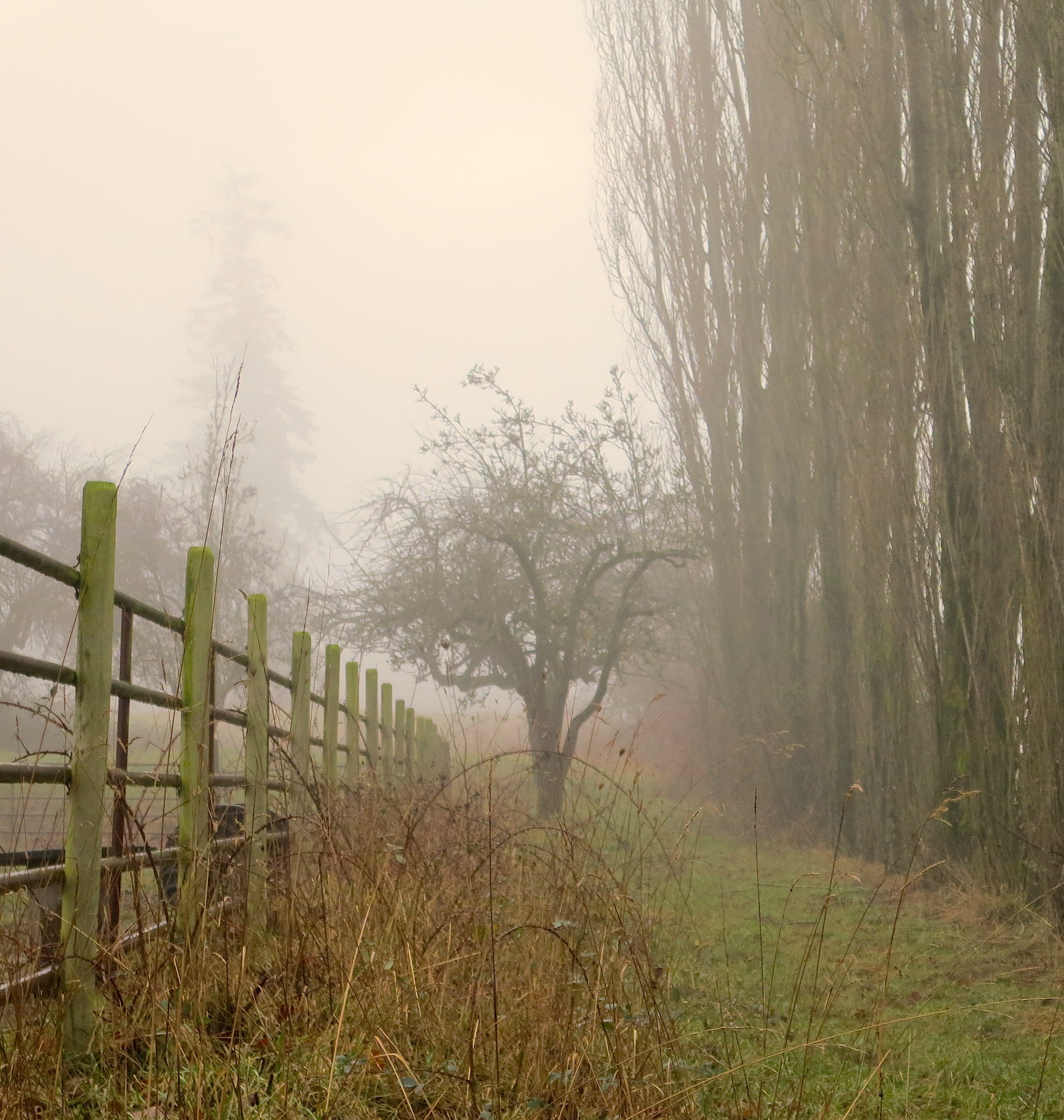
fog101926

And so you have a life that you are living only now,
now and now and now,
gone before you can speak of it,
and you must be thankful for living day by day,
moment by moment …
a life in the breath and pulse and living light of the present…

~Wendell Berry from Hannah Coulter

fog1228141

~Lustravit lampade terras~
(He has illumined the world with a lamp)
The weather and my mood have little connection.
I have my foggy and my fine days within me;
my prosperity or misfortune has little to do with the matter.
– Blaise Pascal from “Miscellaneous Writings”

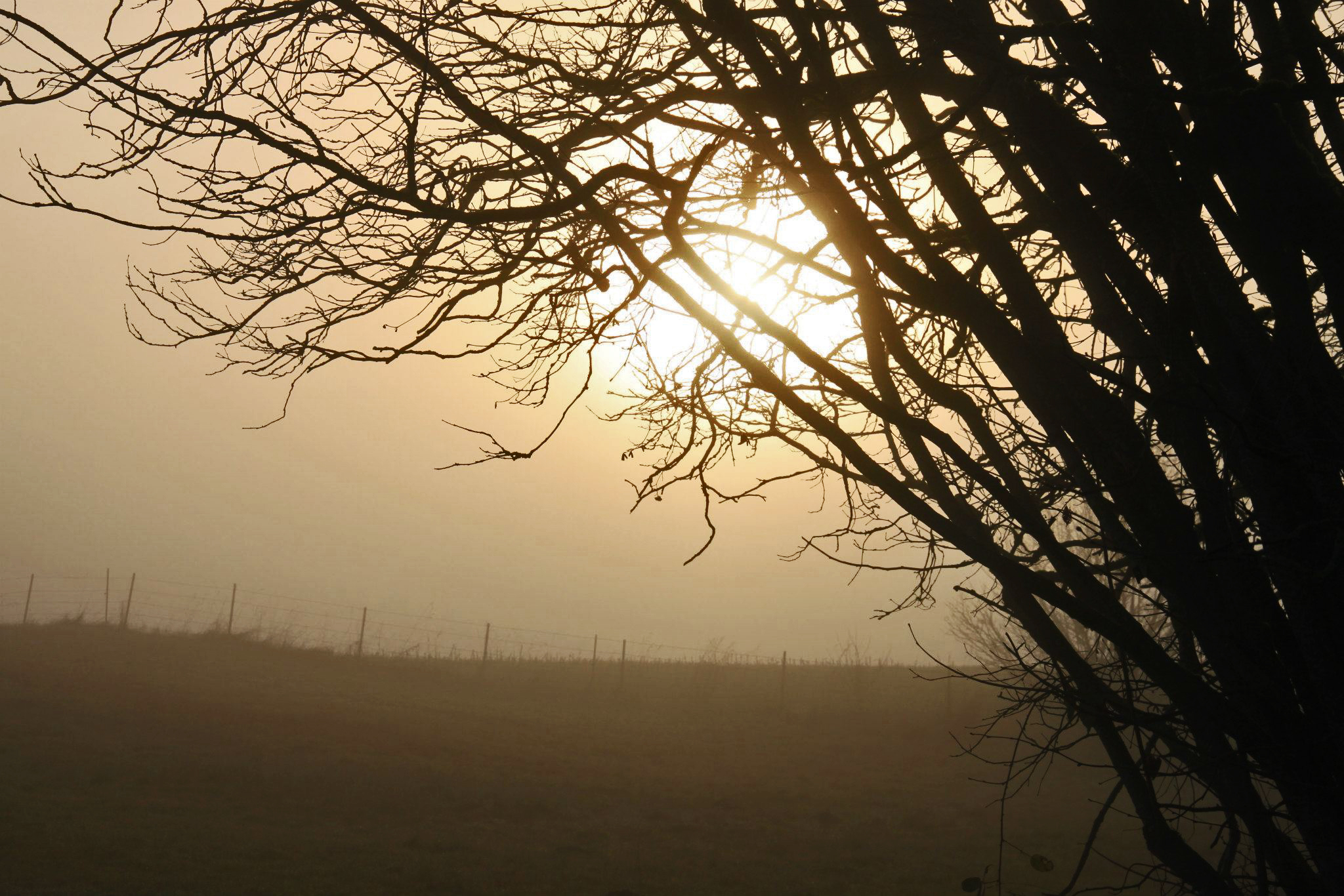
foggyfield
photo by Nate Gibson

I laughed in the morning’s eyes.
I triumphed and I saddened with all weather,
Heaven and I wept together,
and its sweet tears were salt with mortal mine.
Against the red throb of its sunset heart,
I laid my own to beat
And share commingling heat.

Rise, clasp my hand, and come.
Halts by me that Footfall.
Is my gloom, after all,
Shade of His hand, outstretched caressingly?
Ah, Fondest, Blindest, Weakest,
I am He whom thou seekest.
Thou dravest Love from thee who dravest Me.

~Francis Thompson from “The Hound of Heaven”

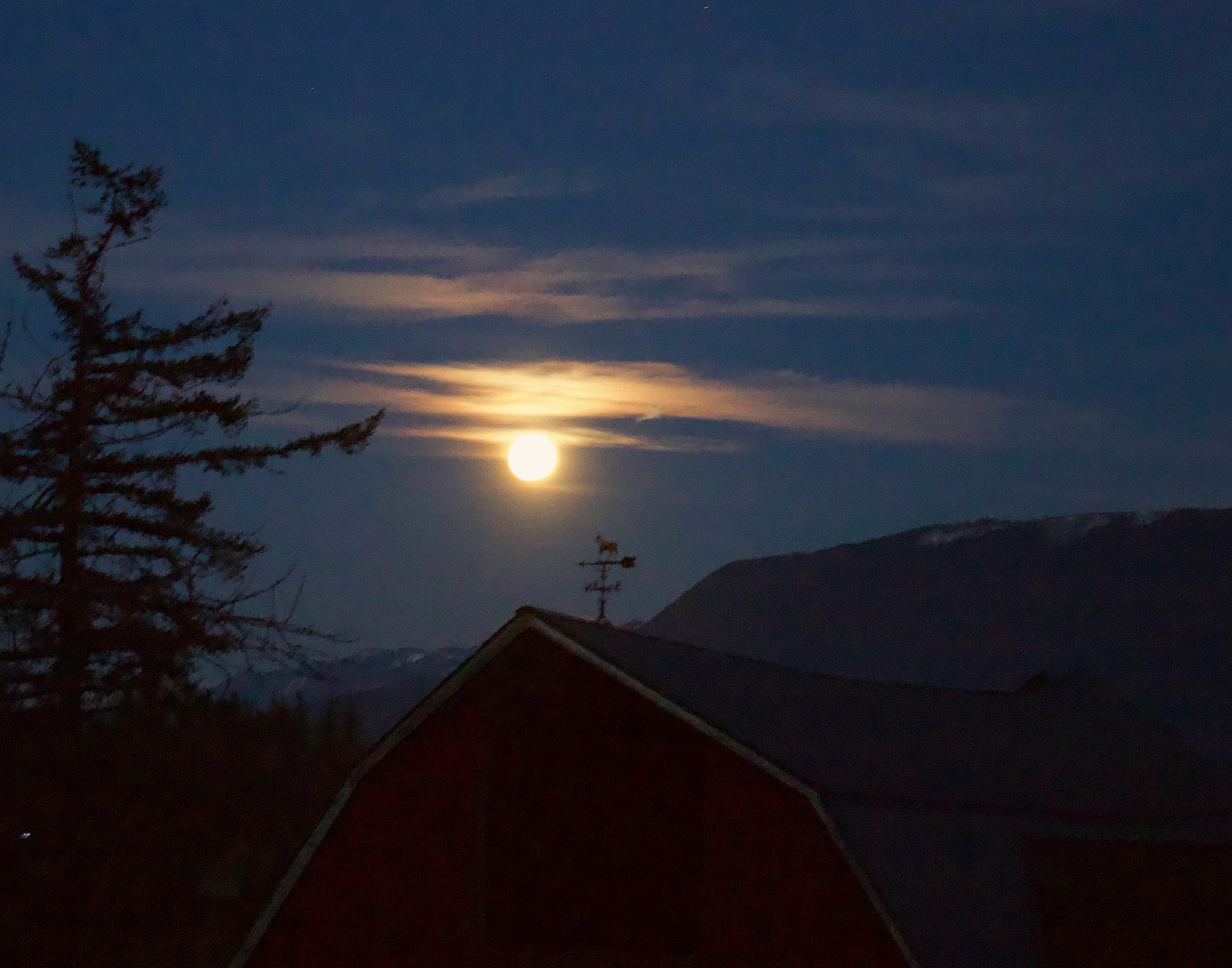
supermoonbarn

My days are filled with anxious and sad patients,
one after another after another. 
They sit in front of their screen
and I in front of mine,
so close yet so far from each another –
a wilderness of unexpressed emotions.

They struggle to hold back the flood from brimming eyes.  
Each moment, each breath, each heart beat overwhelmed by questions: 
How to take yet another painful breath of this sad life?  must there be another breath?  
Must things go on like this in fear of what the next moment will bring?

The only thing more frightening than the unknown is the knowledge
that the next moment will be just like the last or perhaps worse. 
There is no recognition of a moment just passed
that can never be retrieved and relived.  
There is only fear of the next and the next
so that now and now and now is lost forever.

Worry and sorrow and angst are more contagious than any viral pandemic.
I mask up and wash my hands of it throughout the day.
I wish there was a vaccine to protect us all from our unnamed fears in the wilderness.

I want to say to them and myself:
Stop this moment in time.
Stop and stop and stop.
Stop expecting this feeling must be “fixed.”
Stop wanting to be numb to all discomfort.
Stop resenting the gift of each breath.
Just stop.
Instead, simply be
in the now and now and now.

I want to say:
this moment, foggy or fine, is yours alone,
this moment of weeping and sharing
and breath and pulse and light.
Shout for joy in it.
Celebrate it.
Be thankful for tears that can flow over grateful lips
and stop holding them back.

Stop me before I write,
out of my own anxiety over you,
yet another prescription
you don’t really need.

Just be–
and be blessed–
in the now and now and now.

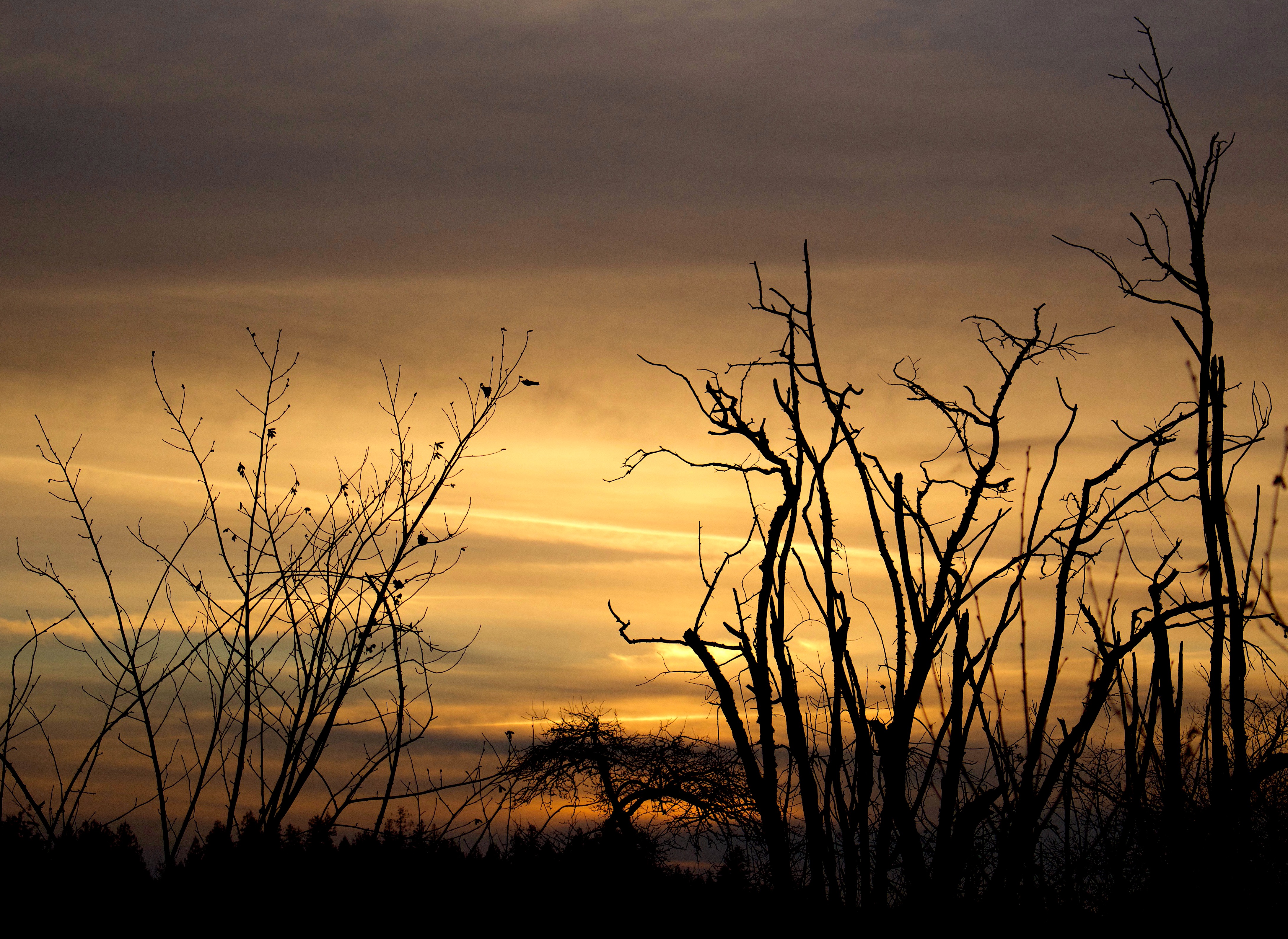
sunset15183

You Shall Be a Peculiar Treasure

3B5BC7A2-5E58-4D79-8D37-9322235F23C1


Imagine yourself in a big city in a crowd of people.  What it would be like to see all the people in the crowd like Jesus does — an anonymous crowd with old ones and young one, fat ones and thin ones, attractive ones and ugly ones—think what it would be like to love them.  If our faith is true, if there is a God, and if God loves, he loves each one of those.  Try to see them as loved.  And then try to see them, these faces, as loved by you.  What would it be like to love these people, to love these faces — the lovable faces, the kind faces, gentle compassionate faces?  That’s not so hard.  But there are lots of other faces — disagreeable faces, frightening faces, frightened faces, cruel faces, closed faces. …they are all peculiar treasures.  In Exodus, God said to Israel, “You shall be a peculiar treasure unto me above all people.”  God meant it for all of us.
~Frederick Buechner from The Remarkable Ordinary


12D508F1-7975-4753-9C06-0C545E012C84


E852F198-4188-4A20-8CDC-9CE3C15DEEC4


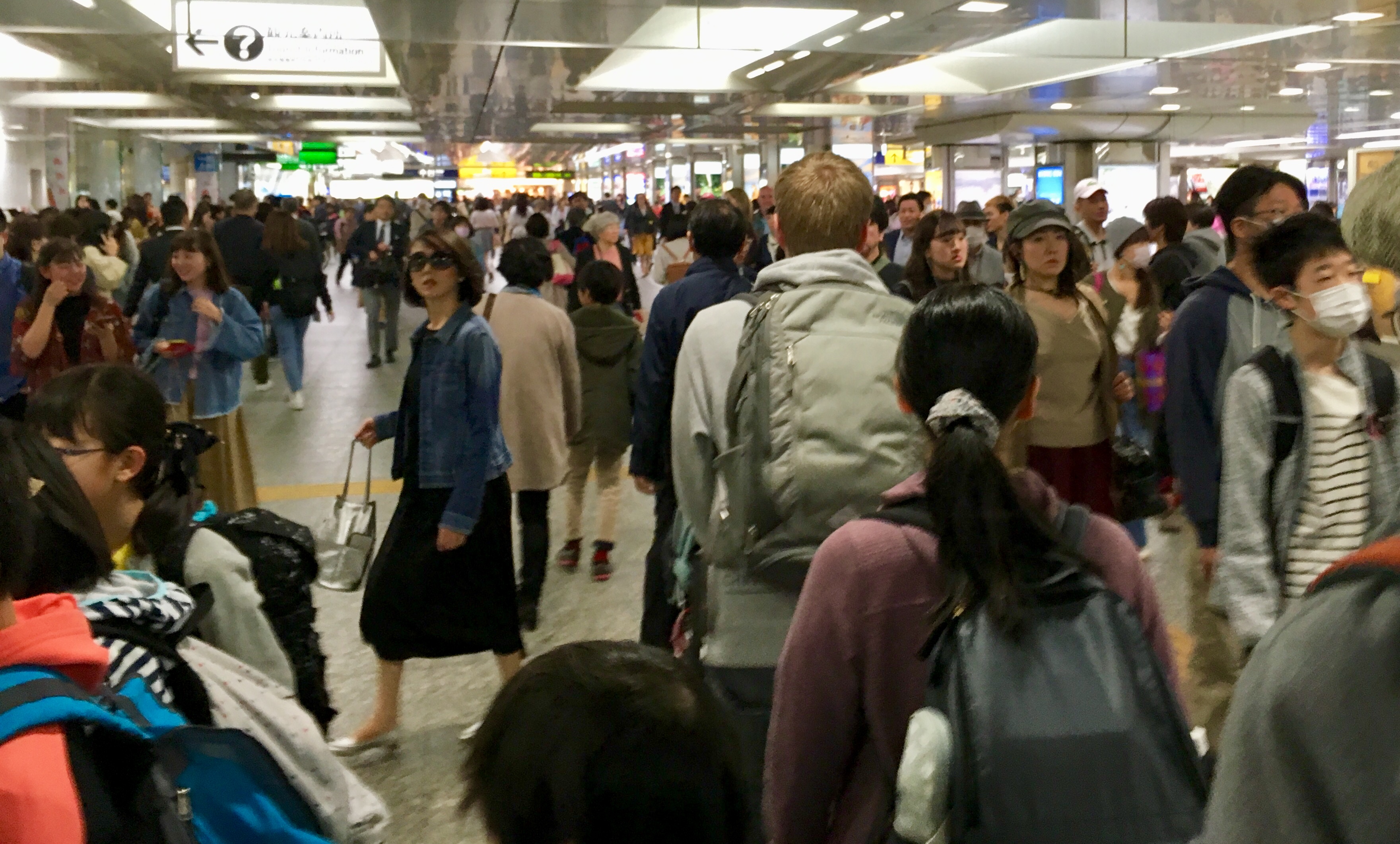
It doesn’t take long for us to be overwhelmed by humanity when we visit our family in Tokyo.  The airport is a shock of weaving lines of weary people and crying children, the trains are packed with people standing like sardines for an hour or more on their commute, the stations are a sea of bobbing heads flowing out onto the streets where the cross walks become a mass hive of activity whenever the light changes.

Yet we’ve been struck by the effort some locals make to help us foreigners who look lost, or who simply look different.  There is outreach at times that is spontaneous, genuine and completely unexpected.  Those are easy faces to love and we do.  What is much much harder to is love those hundreds of thousands who pass by us on their way to work, to shop, to return home.  How can I even begin to have the capacity?

What greeted Jesus as he entered the city in that final week was not friendly faces.  He loved them all any way, every single one of them peculiar treasures to him, forgiven and redeemed.

I realize I’m not very friendly too much of the time.  Yet he still loves me too, flaws and all, as his redeeming grace is meant for one such as me.  Because of his love, I can become the real thing, not just a reflection of what I think I should be.


96FA8FEE-F5A7-4DFF-8064-73211591068A


F18EC6DB-F629-4B0D-80A2-DDA6451DD95B

Preparing Through Parable: To Change Your Mind

FAD0C2CA-89E5-486D-A5DB-DBF7CE983F1C


28 “What do you think? There was a man who had two sons. He went to the first and said, ‘Son, go and work today in the vineyard.’

29 “‘I will not,’ he answered, but later he changed his mind and went.

30 “Then the father went to the other son and said the same thing. He answered, ‘I will, sir,’ but he did not go.

31 “Which of the two did what his father wanted?”

“The first,” they answered.

Jesus said to them, “Truly I tell you, the tax collectors and the prostitutes are entering the kingdom of God ahead of you. 32 For John came to you to show you the way of righteousness, and you did not believe him, but the tax collectors and the prostitutes did. And even after you saw this, you did not repent and believe him.
Matthew 21:28-32


165AEEF2-2954-42A9-A1EA-CC2F9CF19C7C


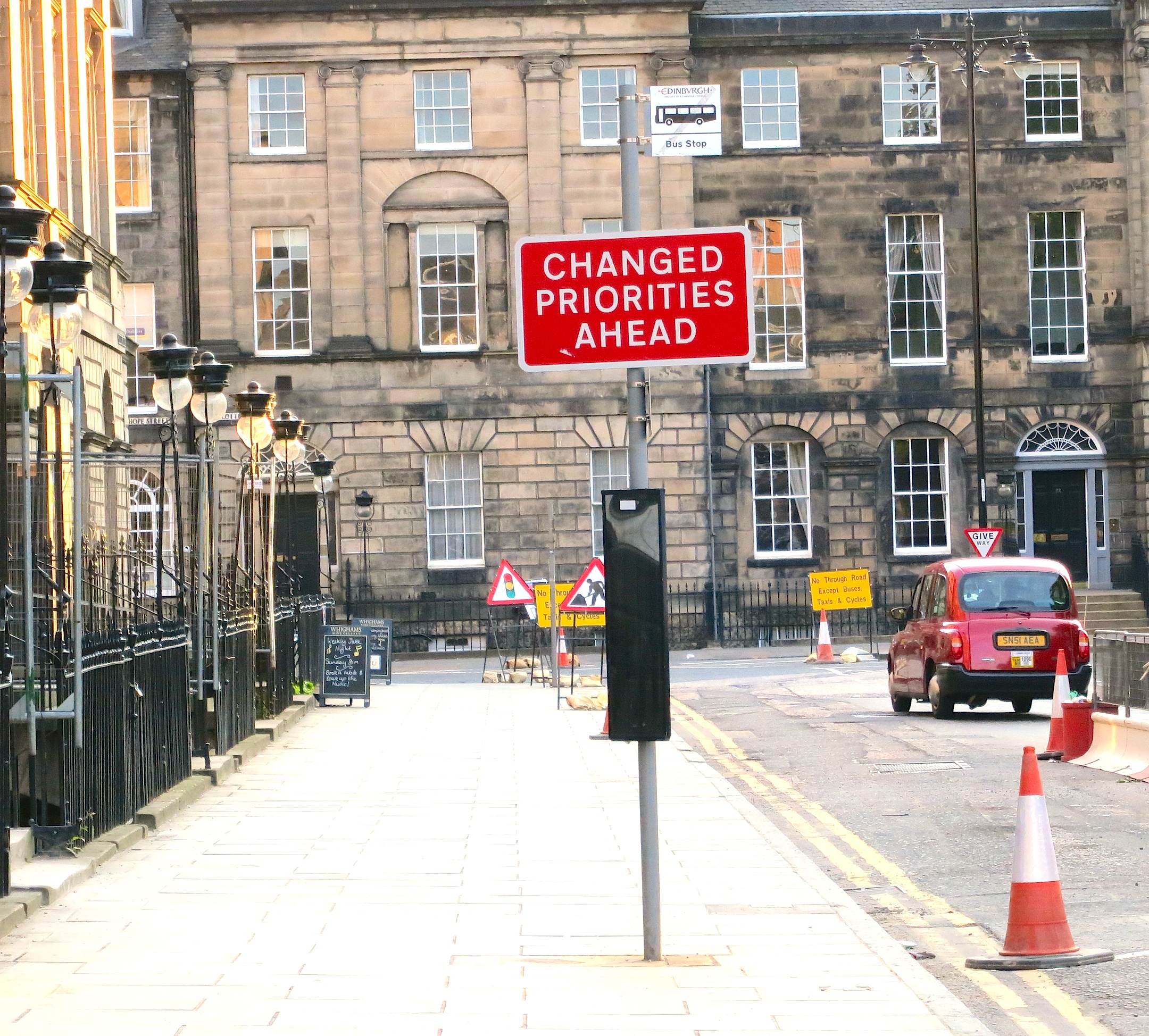
changedpriorities


We are given a chance to change the direction we are heading.  When we are going head-long into the biggest potholes of life, especially those we have created ourselves, then time has come to turn around.  If we ignore all the signs that make clear the dangers ahead, we’ll end up bruised and bashed instead of blooming.

May my eyes see, my ears hear, my heart understand. He prepares me with parable.

2A438796-D08C-4940-9471-F6FCFB275425


92C4CC4D-E9E7-4A68-B357-130ABB3C228B


Preparing Through Parable: Commending the Prudent

morning315184


sunrise313189


“There was a rich man whose manager was accused of wasting his possessions. So he called him in and asked him, ‘What is this I hear about you? Give an account of your management, because you cannot be manager any longer.’

“The manager said to himself, ‘What shall I do now? My master is taking away my job. I’m not strong enough to dig, and I’m ashamed to beg— I know what I’ll do so that, when I lose my job here, people will welcome me into their houses.’

“So he called in each one of his master’s debtors. He asked the first, ‘How much do you owe my master?’

“‘Nine hundred gallons of olive oil,’ he replied.

“The manager told him, ‘Take your bill, sit down quickly, and make it four hundred and fifty.’

“Then he asked the second, ‘And how much do you owe?’

“‘A thousand bushels of wheat,’ he replied.

“He told him, ‘Take your bill and make it eight hundred.’

“The master commended the dishonest manager because he had acted shrewdly. For the people of this world are more shrewd in dealing with their own kind than are the people of the light.
Luke 16:1-8


sunrise313185


sunrise313184


I don’t easily understand how this parable is teaching better Christian living.  It describes a calculating and opportunistic manager who, being booted out the door when his dishonest practices are discovered, nevertheless manipulates his rich employer to ensure his future security.  Prudent?  apparently.  Shrewd? yes.  Unethical?  absolutely.

Yet the employer commends his former manager for his forward-thinking actions, as self-serving as they are.  And no, he doesn’t get his job back.  He is part of the world and its darkness.

But “people of the light” should be even more plan-full and prudent with the resources we are given so richly.  As we are illuminated by the Spirit, so shall we illuminate.

The Light is turned on.


May my eyes see, my ears hear, my heart understand.  He prepares me with parable.

sunset113187


IMG_2257