~Wendell Berry from “A Timbered Choir”
One Mind Between Them
~Wendell Berry from “A Timbered Choir”
Carpentry…. embodies the emotional: celebration, contemplation, mystery, and grief.
It is an art that is solitary and communal, one that transcends time and outlives us.
~Yusuf Komunyakaa from “Honor Thy Hands”
Wes Meyer learned how to build new things and repair old things from his carpenter dad, Pete, working side by side for many years. Although Wes was a magician with hammer and nails, taking raw materials and creating something beautiful and functional, his true artistry was when he was able to take something broken or failing and make it new. By never giving up on finding a solution to a problem, no matter how hard it was to fix, he transcended the limits and boundaries of others saying something was “too old to bother.”
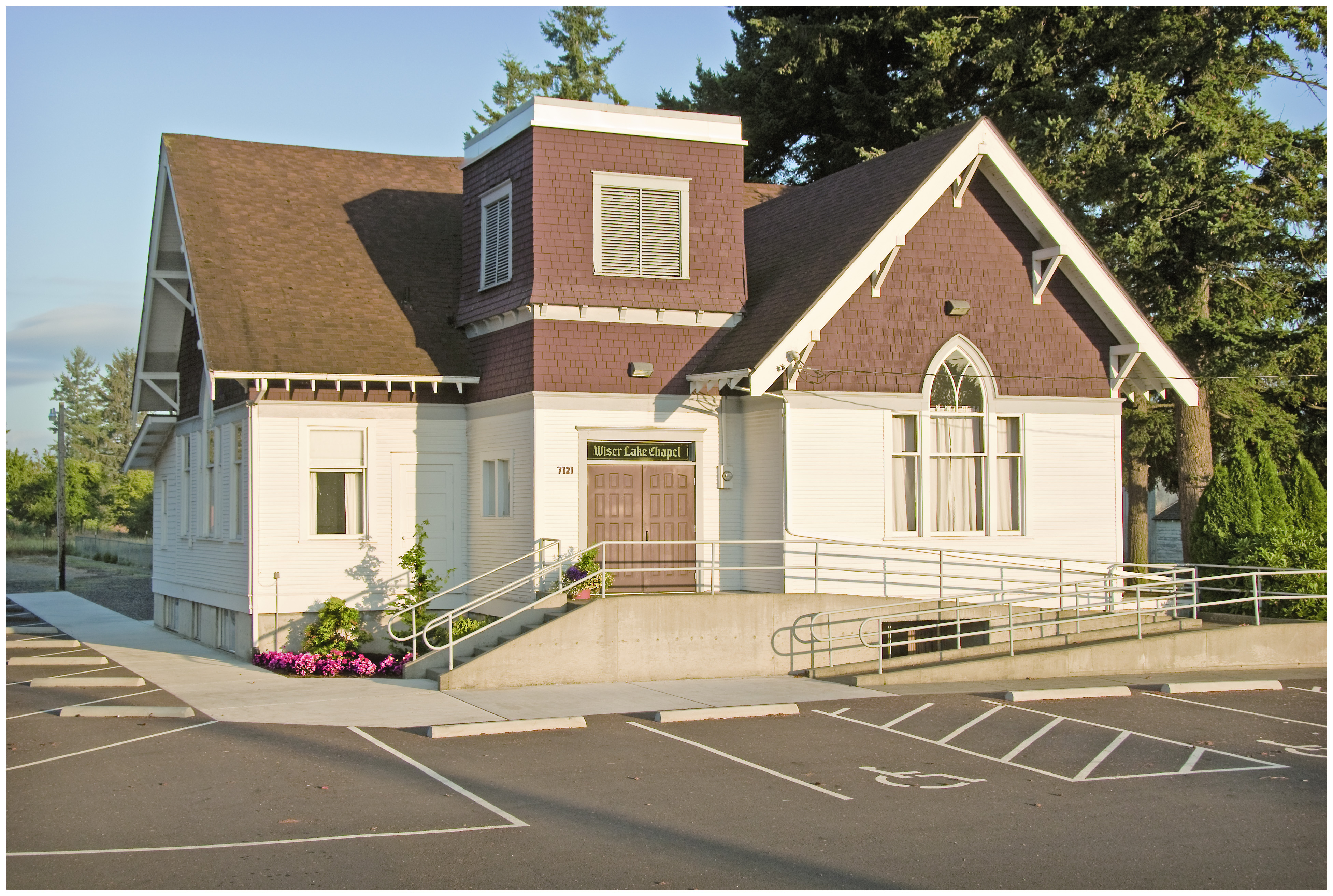
Our almost 100 year old church building presented perpetual challenges to enhance Wes’ often solitary restoration skills, whether it was a leaking roof that required scaling the steep slopes, spraying a hornets’ nest in the belfry, replacing missing siding after a windstorm, sweeping up the glass from a window broken by vandals or a broken tree branch, or mopping up after the annual basement flooding when the rains fell too long and hard. He became our unofficial ambassador to the often wary county Planning Department, diplomatically negotiating permits for various repair projects and a fellowship hall expansion. At the annual congregational meeting, when it came his turn to report on the volunteer Buildings and Grounds Committee activities for the year, he would take off his ball cap, lean over the podium, look out at the rest of us non-carpenters, and say, “this building is really old!” and wearily shake his head. But rather than suggest a tear-down and start-over, he would outline a list of projects he had tackled in the previous year and what he figured would need doing the coming year and how much the materials would likely cost. He made it “our” communal duty to keep our church building glued together for the next generation and the next. The building needs to outlive us.
Wes, like any excellent craftsman, made sure it outlived him.
When he was diagnosed with acute leukemia 30 months ago, he had no problem turning his failing bone marrow over to the oncologists to fix and make new. He understood the process of patching up something that was broken, and that sometimes in the middle of a repair, things can look and feel worse than they were before, but you have to keep your eyes on the goal. With the support of his loving wife and daughter and an almost-man star athlete son who had grown far taller and stronger than his dad, and a remarkable extended family, Wes took on the cancer like yet another major remodel. He and his medical team gutted the leukemia cells with chemotherapy and rebuilt anew with his brother’s stem cells. It was a difficult repair and his body, like a customer demanding too many change orders, wasn’t all that keen on accepting the new cells. Wes and his doctors worked hard trying to address the new demands. It felt like a job that would never be done — all he wanted was to move on to other projects.
Sometimes even the best remodel has problems; sometimes the fissure in the foundation is just too wide, or the weight-supporting beams have hidden dry rot. Wes’ bone marrow harbored cancer cells that eventually reemerged and the next chemotherapy step was like falling into an old well hole with no ladder. He couldn’t climb out, his body too damaged, the burden too heavy, his time running out. A few days ago he was brought out of that deep pit to be home near his family and friends. Unlike his thriving church building, Wes was not nearly old enough to die last night, but he did. Sometimes the tear-down is necessary to build something even more beautiful and glorious. We all await that moment with trembling.
Those hands of his must be needed elsewhere, working on projects that last for eternity. No more repairs needed.
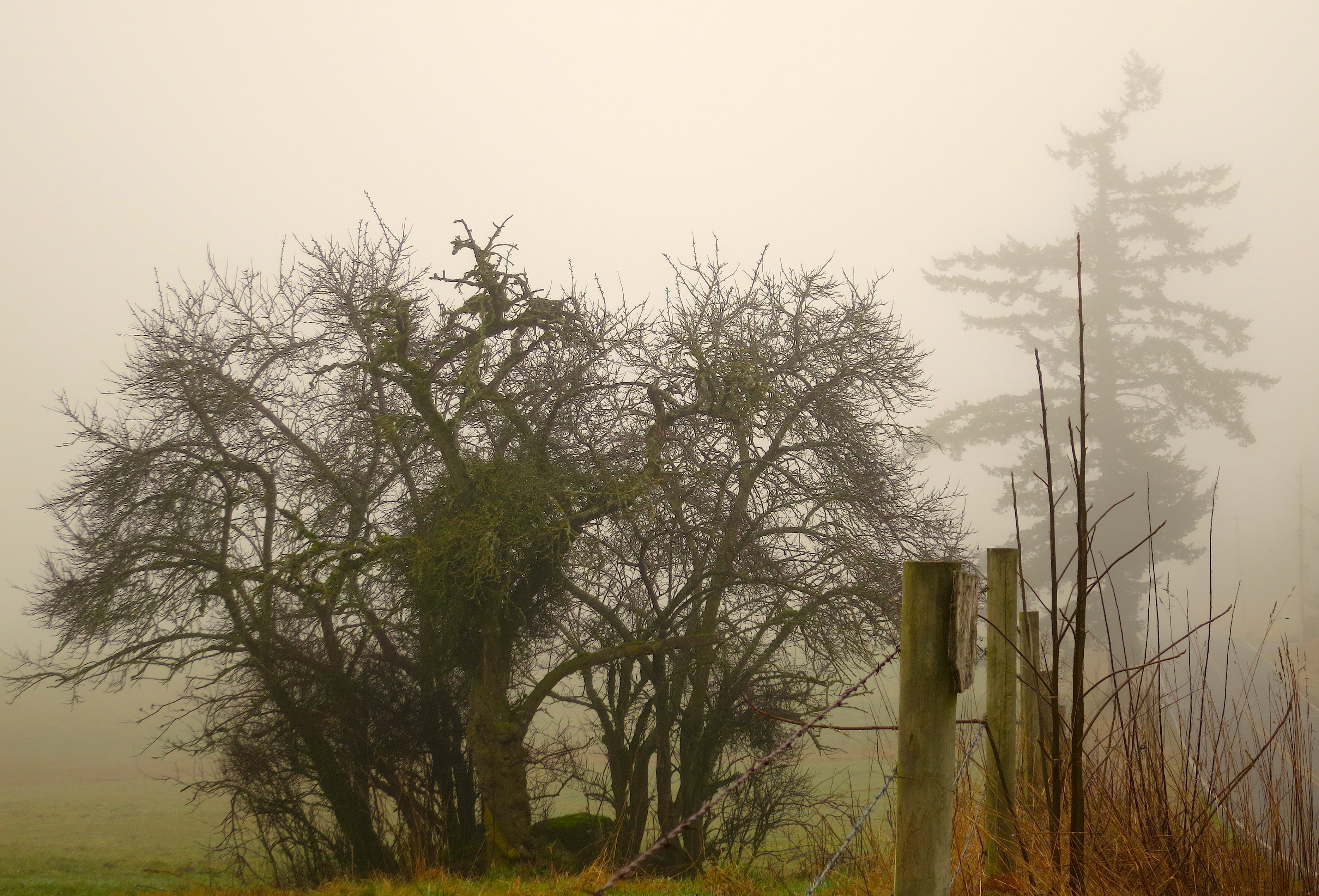
Let us go in; the fog is rising…
~Emily Dickinson, her last words
I have watched the dying
in their last hours:
often they see what I cannot,
listen to what is beyond my hearing,
stretch their arms overhead
as fingers touch what is beyond my reach.
I watch and wonder what it will be like
to reverse the steps that brought me here
from the fog of amnion.
The mist of living lifts
as we enter a place
unsurpassed in brilliance and clarity;
the mystery of what lies beyond solved
simply by going in.
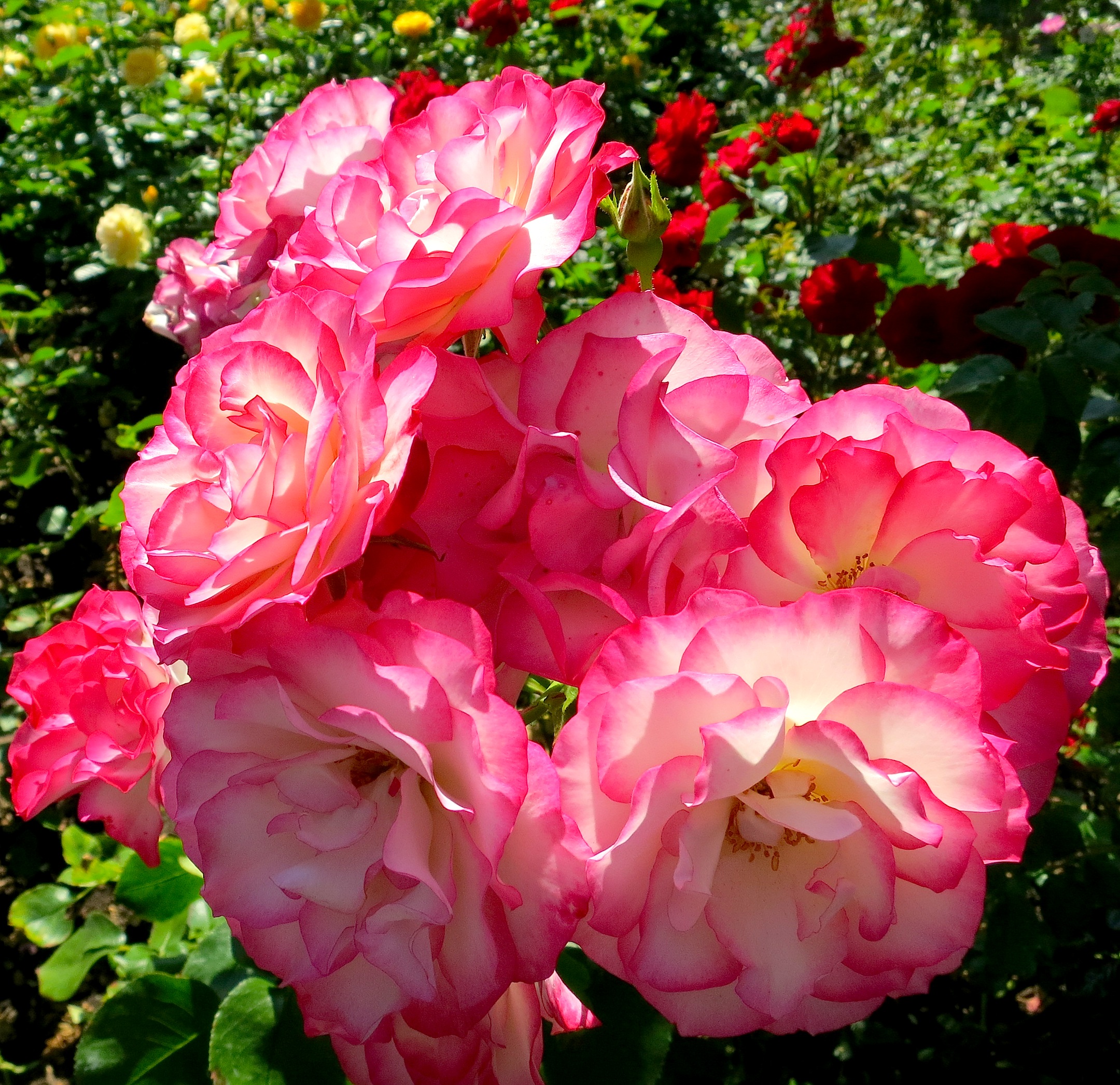
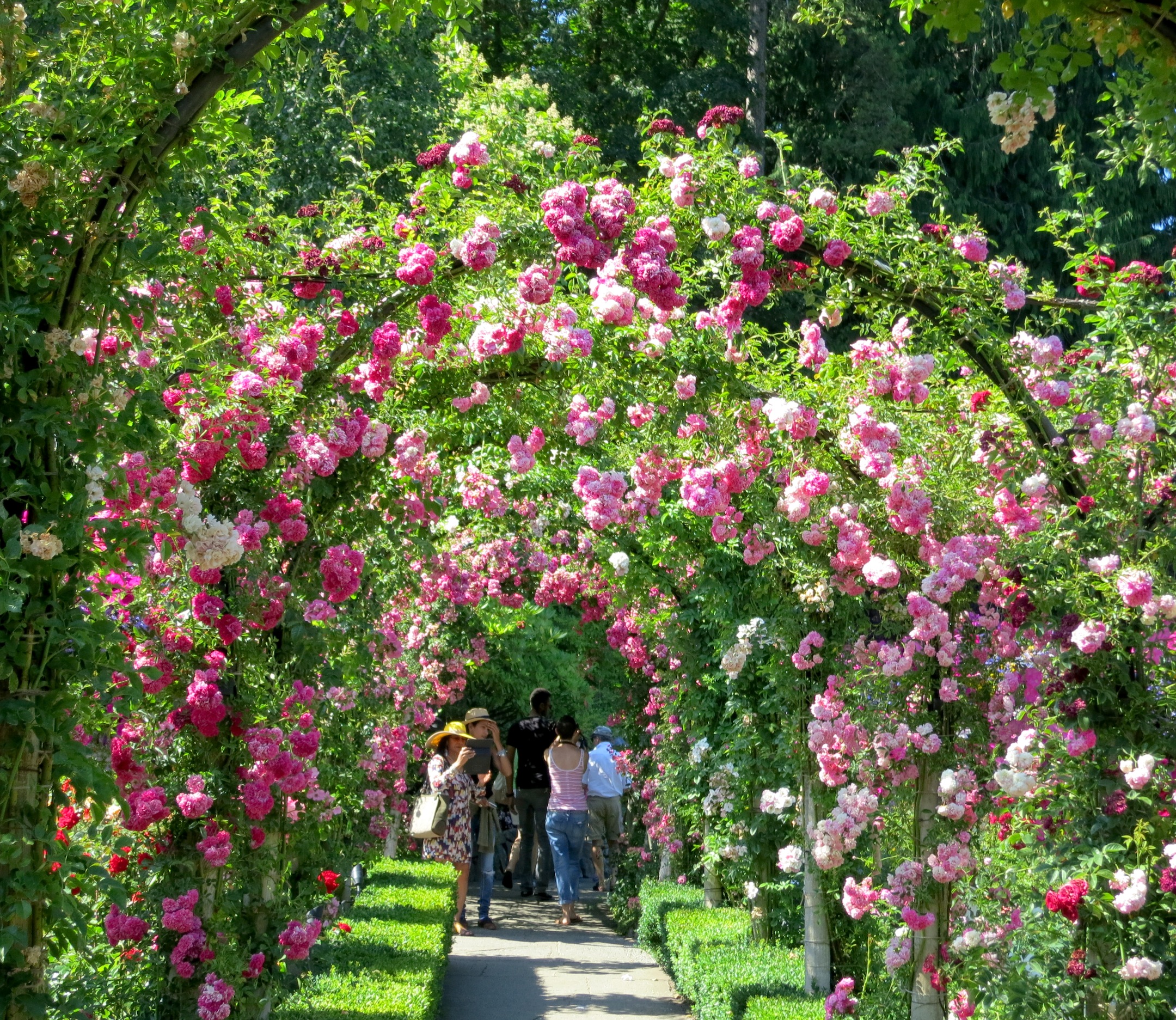
The serene philosophy of the pink rose is steadying. It fragrant, delicate petals open fully and are ready to fall, without regret or disillusion, after only a day in the sun. It is so every summer. One can almost hear their pink, fragrant murmur as they settle down upon the grass: “Summer, summer, it will always be summer.”
~ Rachel Peden
And so it always will be summer when one lets go in the midst of brightness when all is glorious. No cold winds, no unending days of rain, no mildew, no iced walkways, no 18 hours of night every day, no turning brown with rot.
Serene and steadying — with so much brevity.
Let me be strong and serene through all seasons rather than letting go at the height of delicate beauty. Let me thrive steady through the hard times rather than withering at my peak. Let me age, let me turn gray, let me wrinkle.
It may always be summer — someday — but not yet. Not here. Not now.


They put up hay loose there, the old way,
forking it into the loft from the wagon rack
while the sweaty horses snorted and switched off flies
and the littlest kids were commanded to trample it flat
in between loads until the entire bay
was alight with its radiant sun-dried manna….
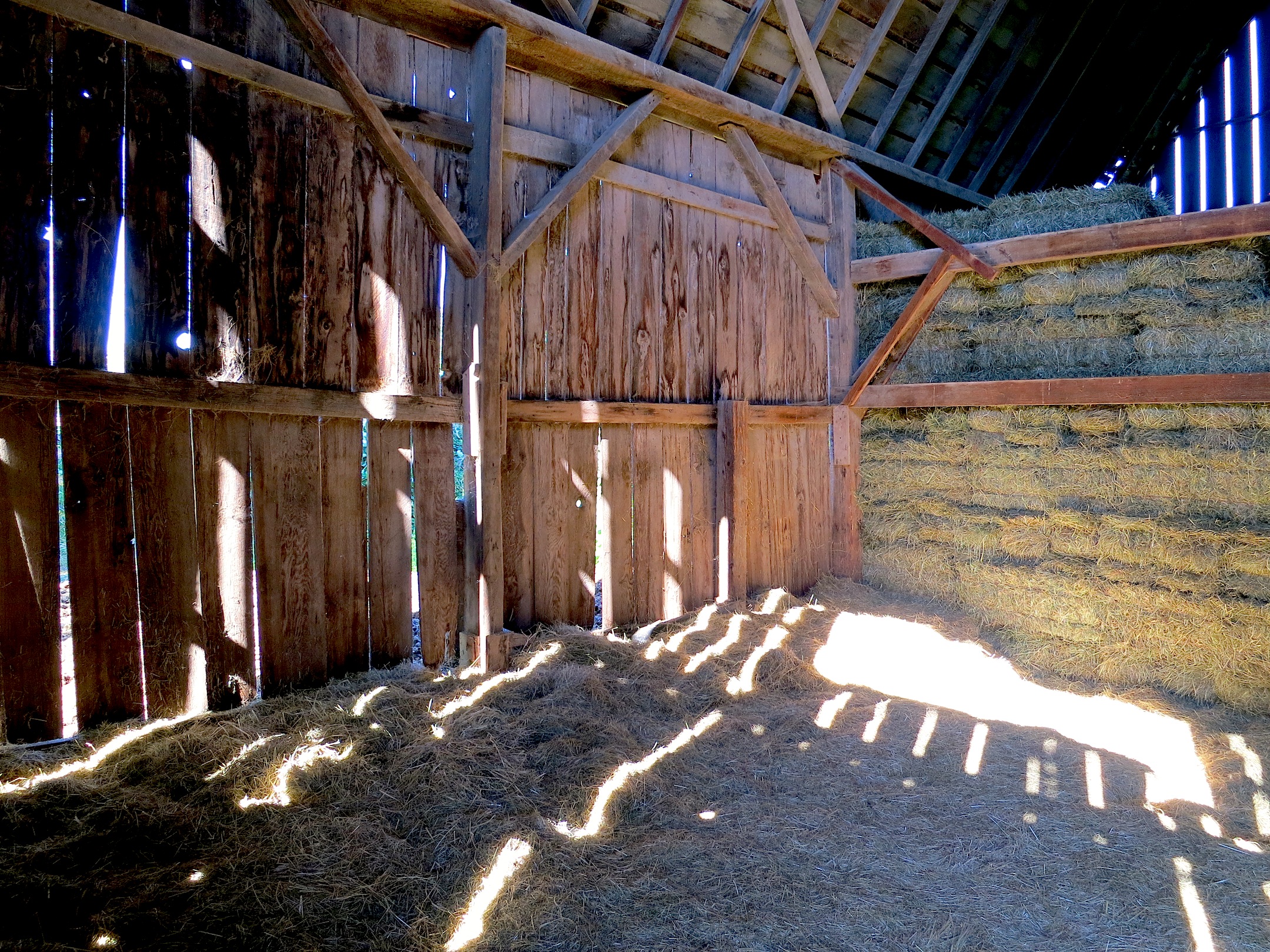
It was paradise up there with dusty sun motes
you could write your name in as they skirled and drifted down.
There were ropes we swung on and dropped from and shinnied up
and the smell of the place was heaven, hurling me back
to some unknown plateau, tears standing up in my eyes
and an ancient hunger in my throat, a hunger….
~Maxine Kumin from “Hay”
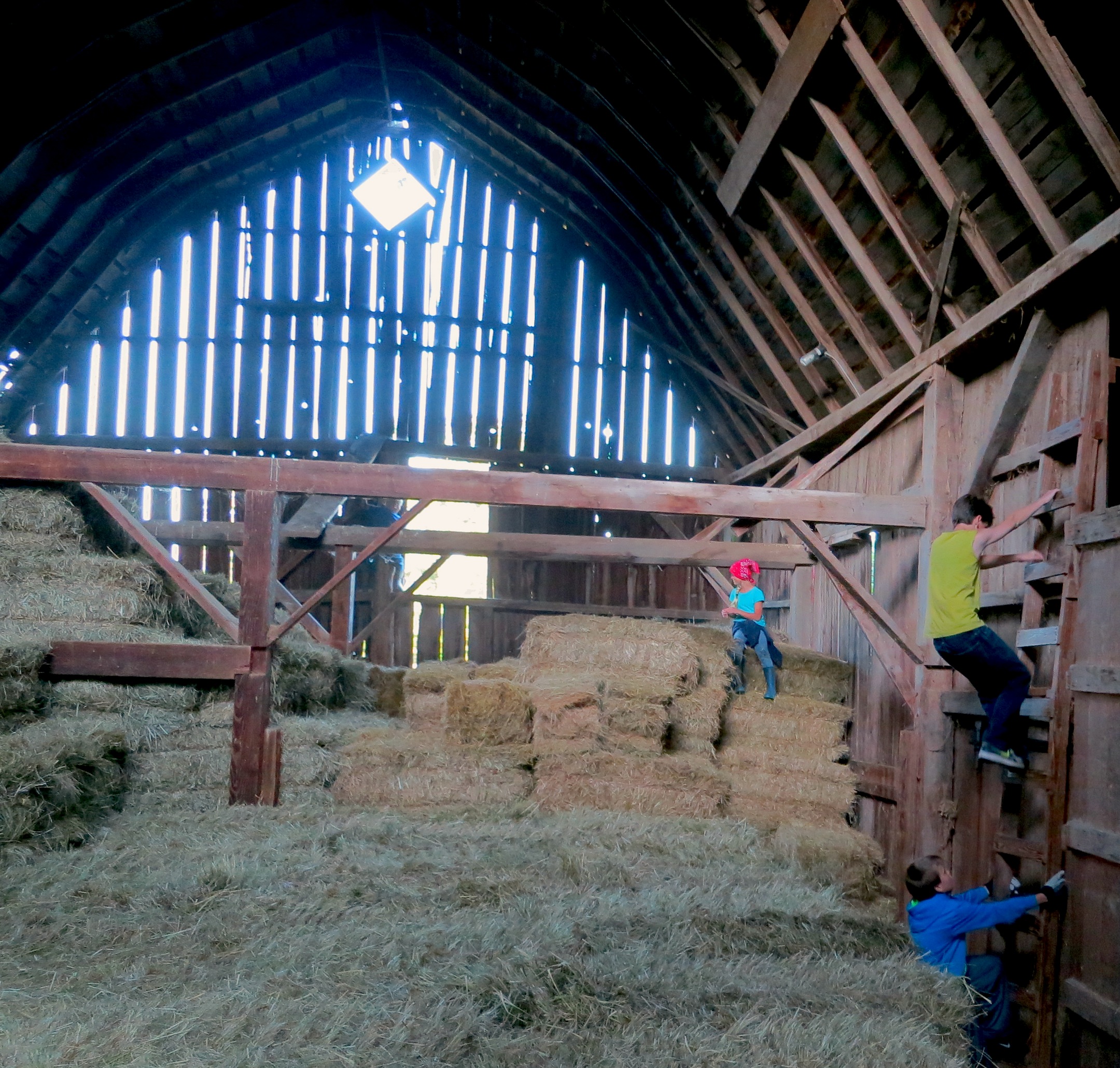
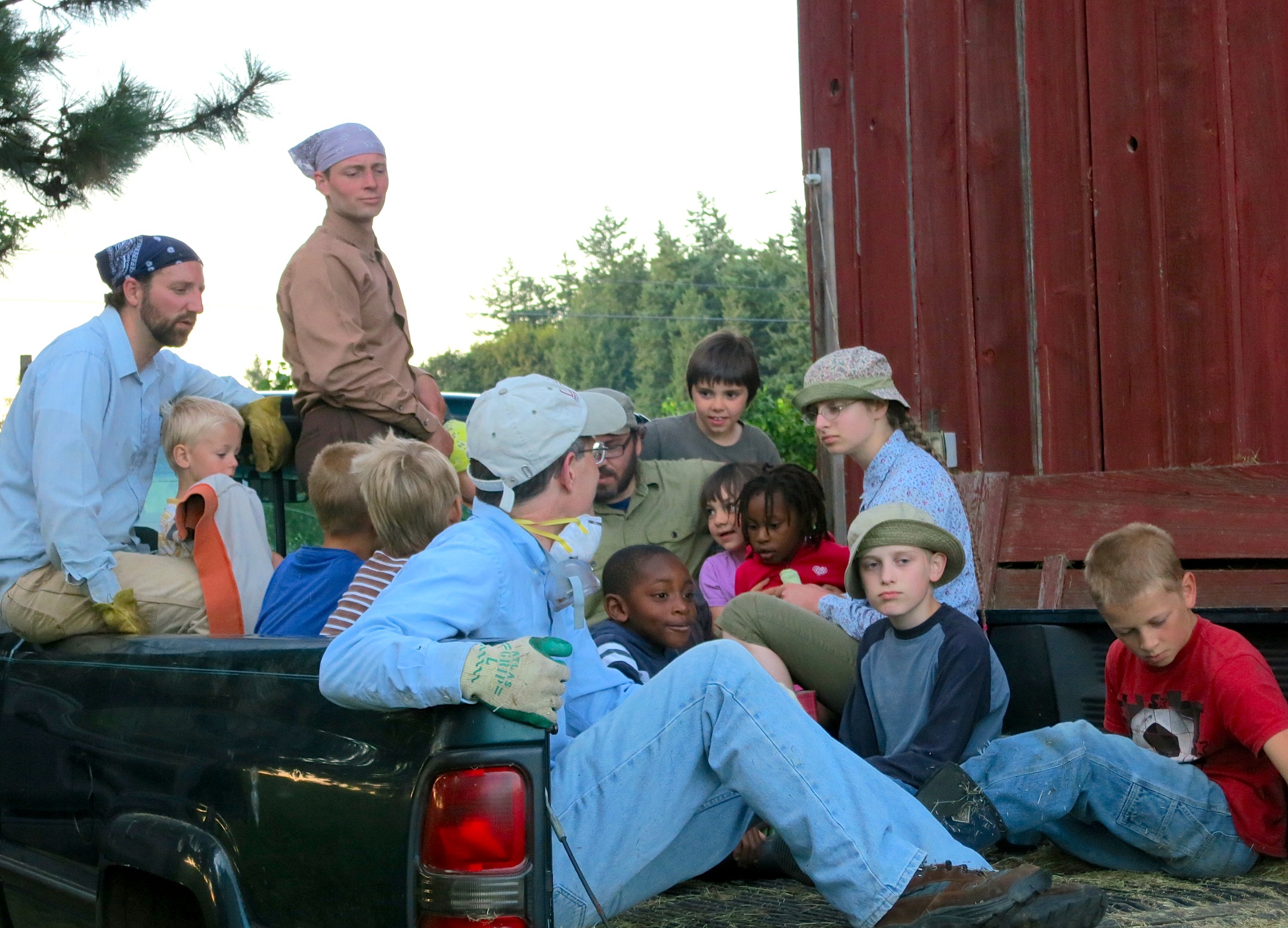
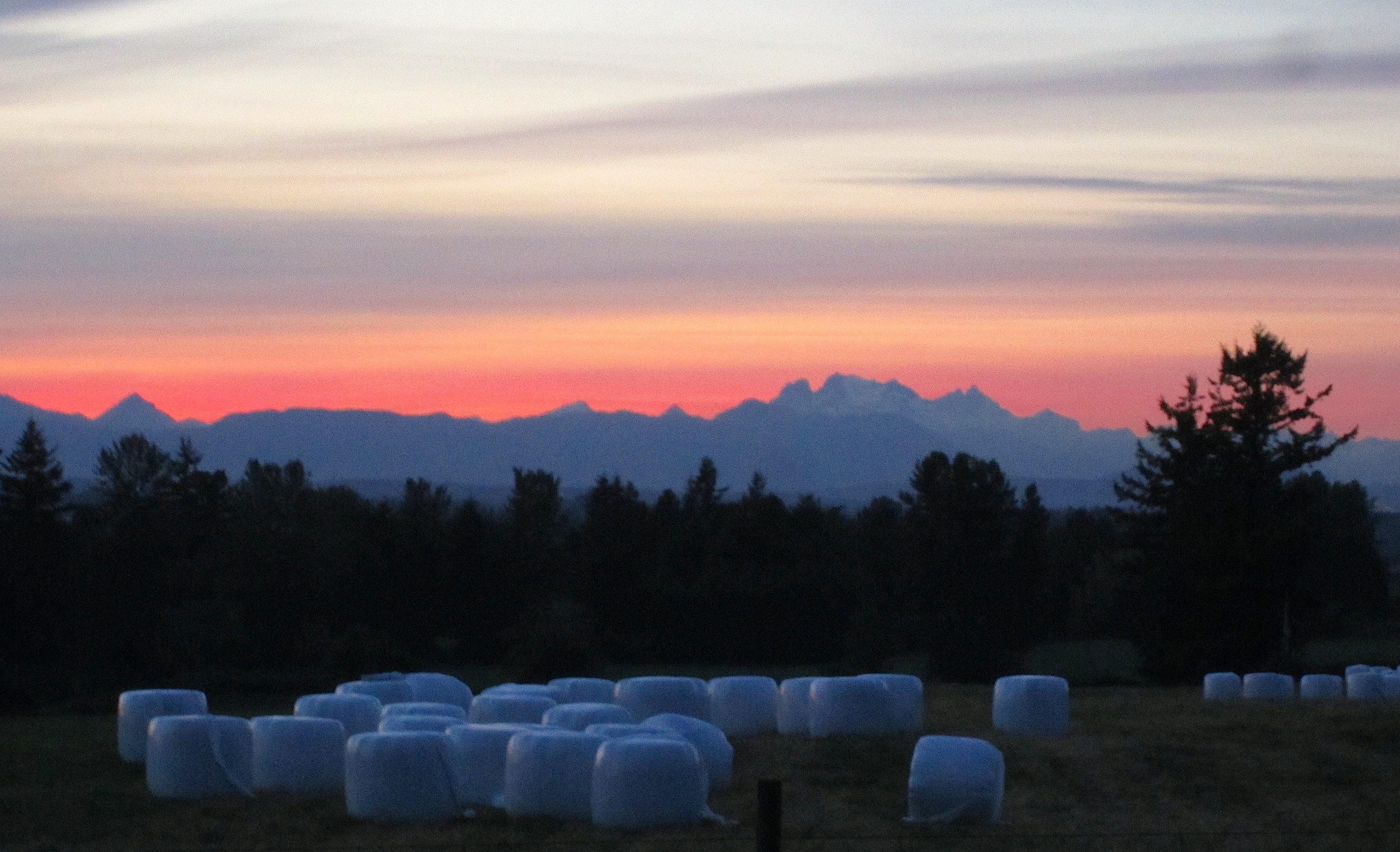
My parents knew that ancient hunger, both born on farms with teams of horses that brought in hay the old way while the children tramped and stamped the loose piles firm.
I’ve known that ancient hunger, having grown up on a farm that brought in to the barn loose hay the old way by tractor and wagon, having danced in the dusty sun motes on the top of the hay on a bright afternoon, the light cut in stripes over the sweet smelling grass.
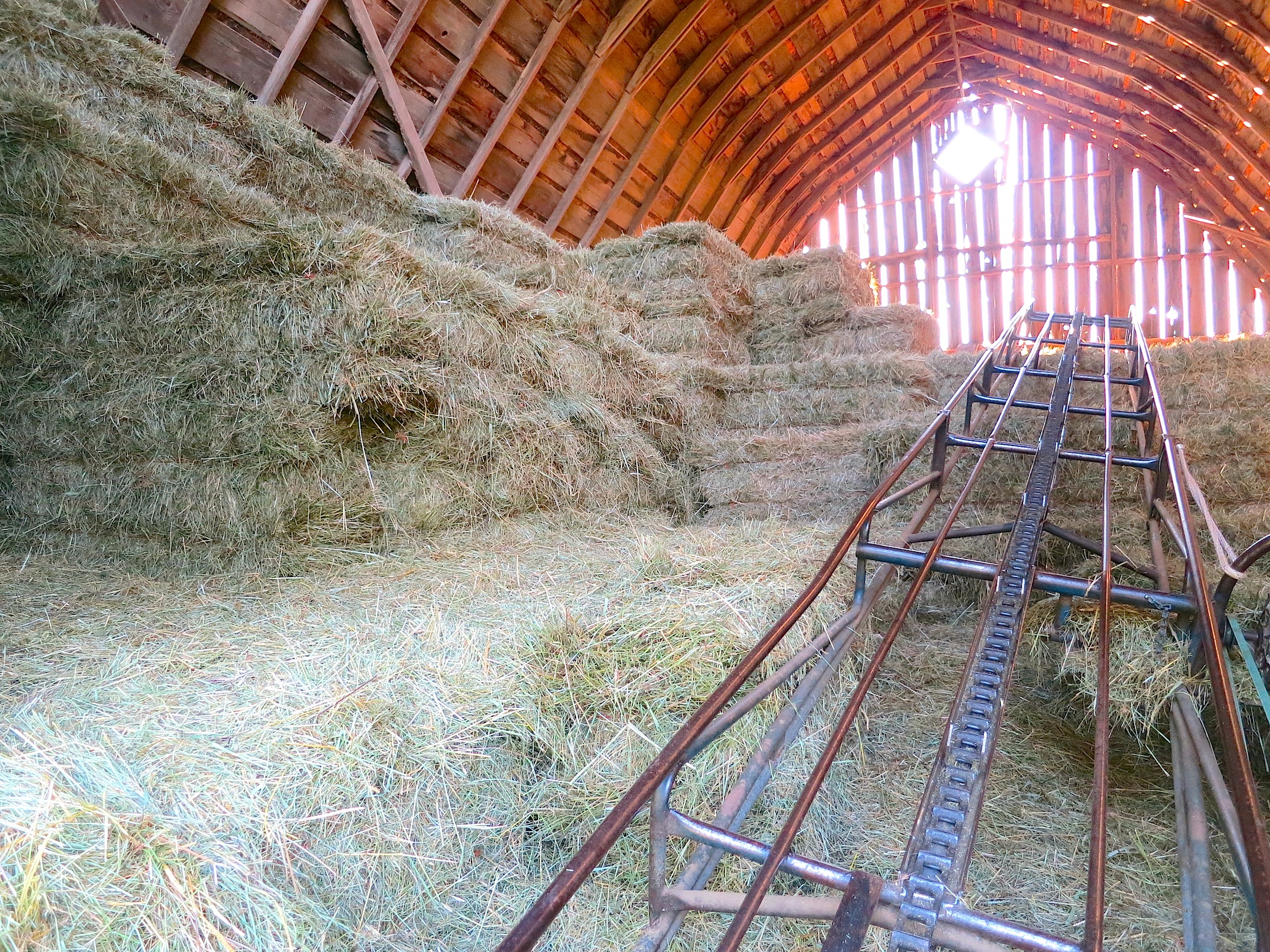
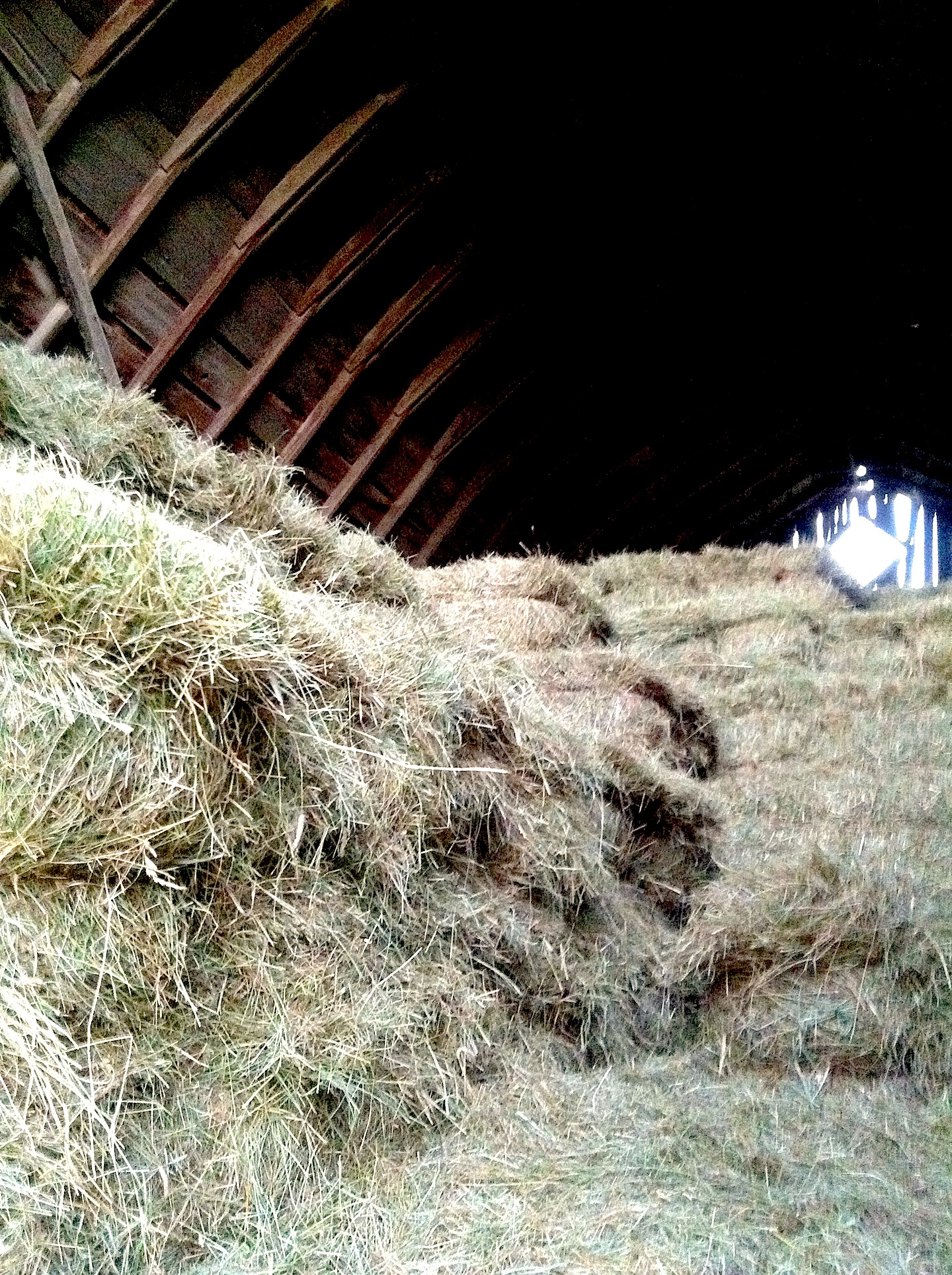
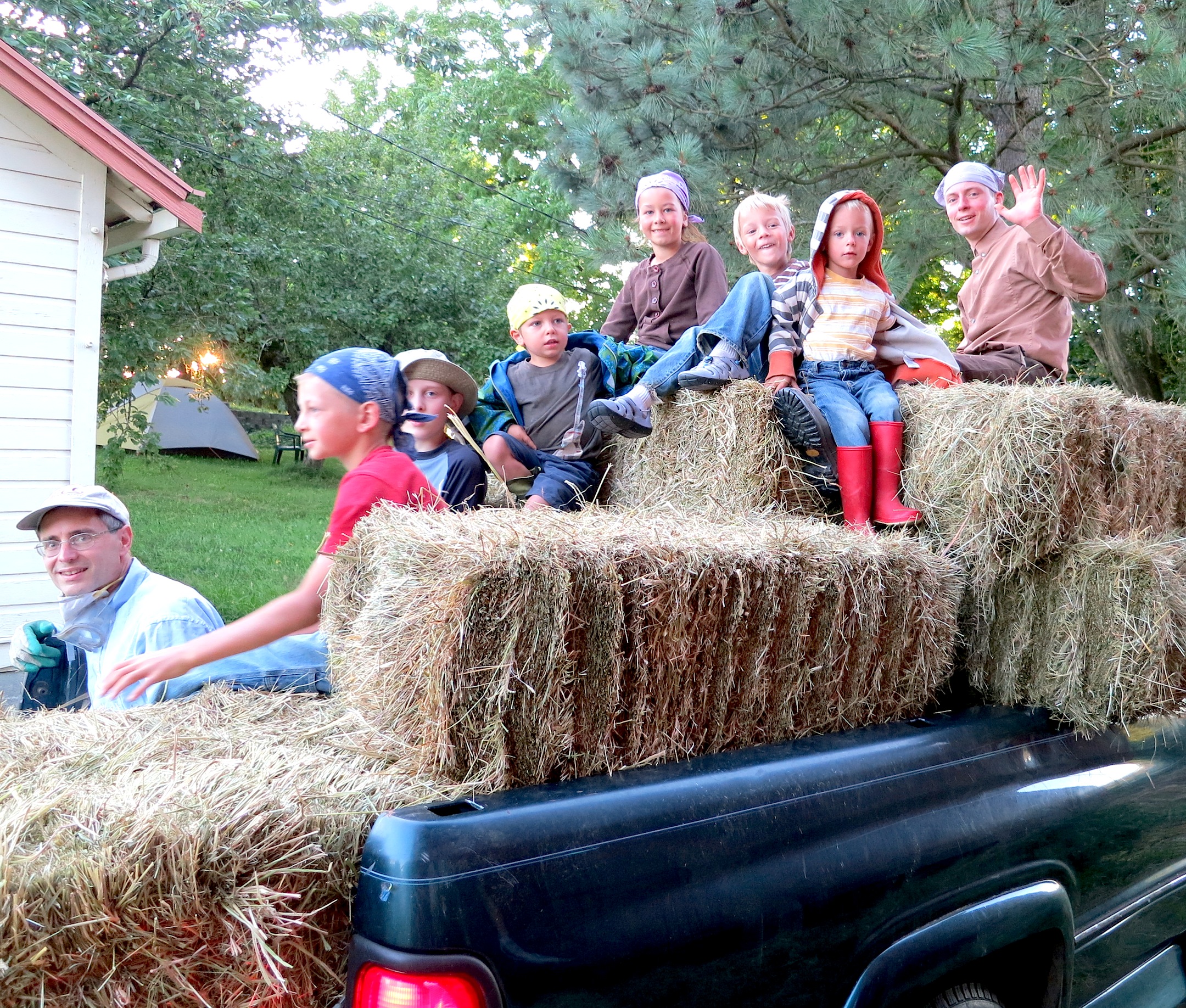
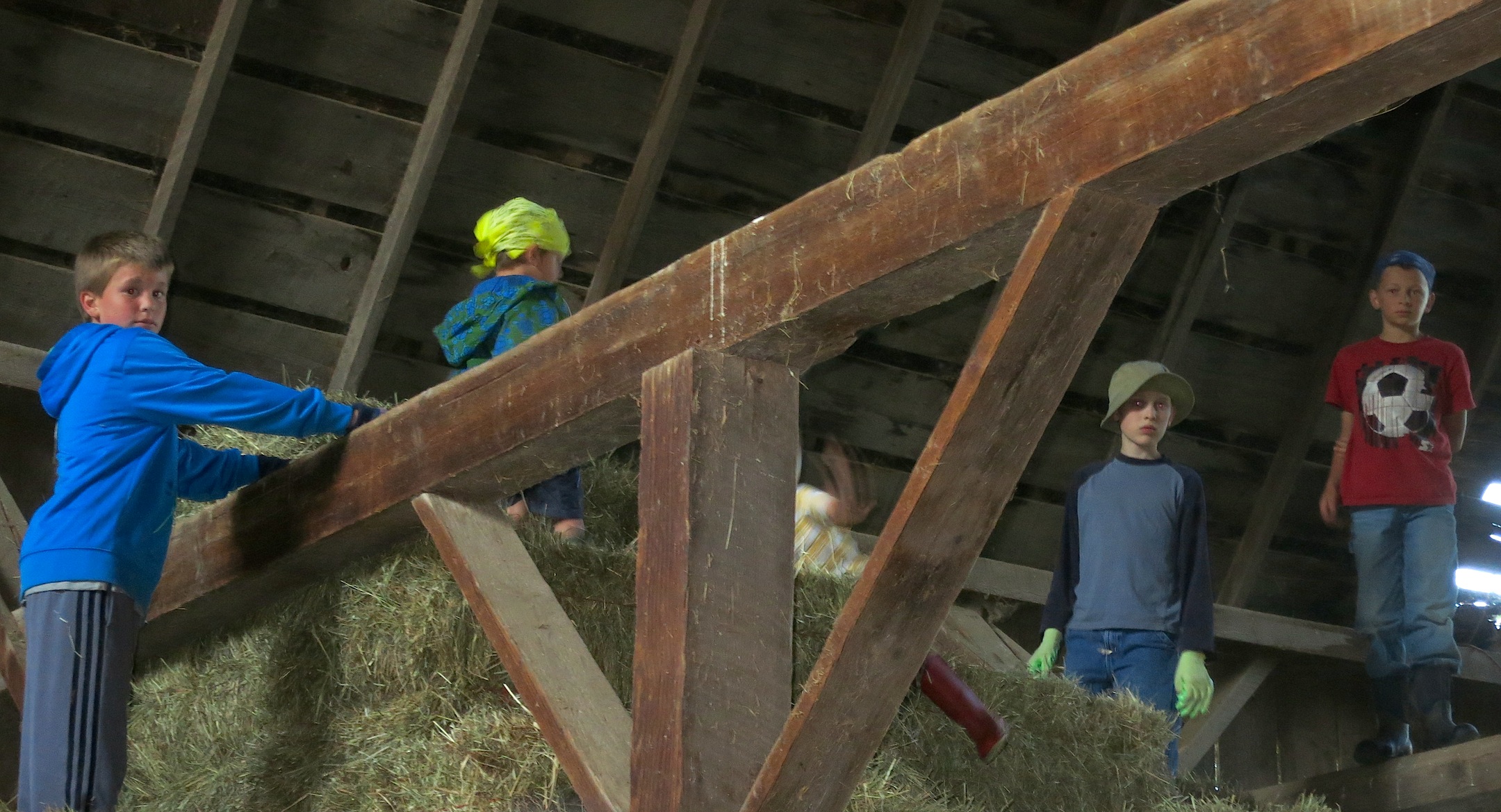
We’ve made sure our three children knew that ancient hunger, born to a farm that brought in hay bales stacked to the rafters through community effort, those same dusty sun motes swirling about their heads as they learned their jobs, from bale rolling to lifting to tossing and stacking.
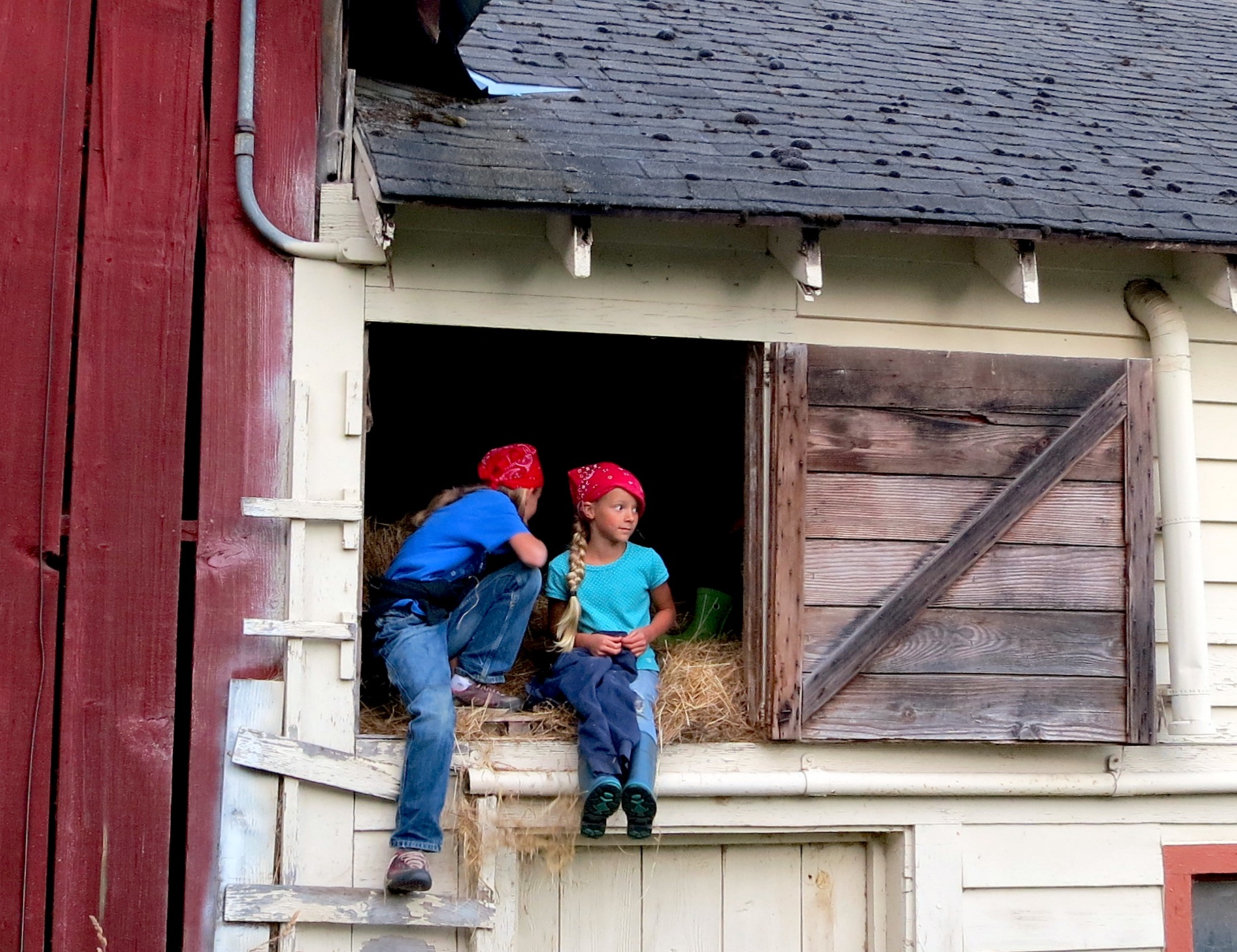
And now the next generation of neighborhood children arrive with shouts on haying days to clamor up and down the bale mountains, answering to the same hunger, blowing the same dusty snot and thrilling to the adventure of tractors, wagons and trucks, celebrating the gathering in of sun-dried manna together.
Surely this is what heaven will be like: we are all together, dancing in the light of the sun motes, our hunger filled to the brim by manna provided from above.

The cradle rocks above an abyss, and common sense tells us that our existence is but a brief crack of light between two eternities of darkness. Although the two are identical twins, man, as a rule, views the prenatal abyss with more calm than the one he is heading for.
~Vladimir Nabokov from Speak Memory
I think Nabokov had it wrong. This is the abyss. That's why babies howl at birth, and why the dying so often reach for something only they can apprehend. At the end they don't want their hands to be under the covers, and if you should put your hand on theirs in a tentative gesture of solidarity, they'll pull the hand free; and you must honor that desire, and let them pull it free. ~Jane Kenyon from "Reading Aloud to My Father"
We too often mistake this world, this existence, as the only light there is, a mere beam of illumination in the surrounding night of eternity, the only relief from overwhelming darkness. If we stand looking up from the bottom, we might erroneously assume we are the source of the light, we are all there is.
Yet looking at this world from a different perspective, gazing down into the abyss from above, it is clear the light does not come from below –it is from beyond us.
The newborn and the dying know this. They signal their transition into and out of this world with their hands. An infant holds tightly to whatever their fist finds, grasping and clinging so as not be lost to this darkness they have entered. The dying instead loosen their grip on this world, reaching up and picking the air on their climb back to heaven.
We hold babies tightly so they won’t lose their way in the dark. We loosen our grip on the dying to honor their reach out to the light that leads to something greater.
In the intervening years, we struggle in our blindness to climb out of the abyss to a vista of great beauty and grace. Only then we can see, with great calm and serenity, where we are headed.
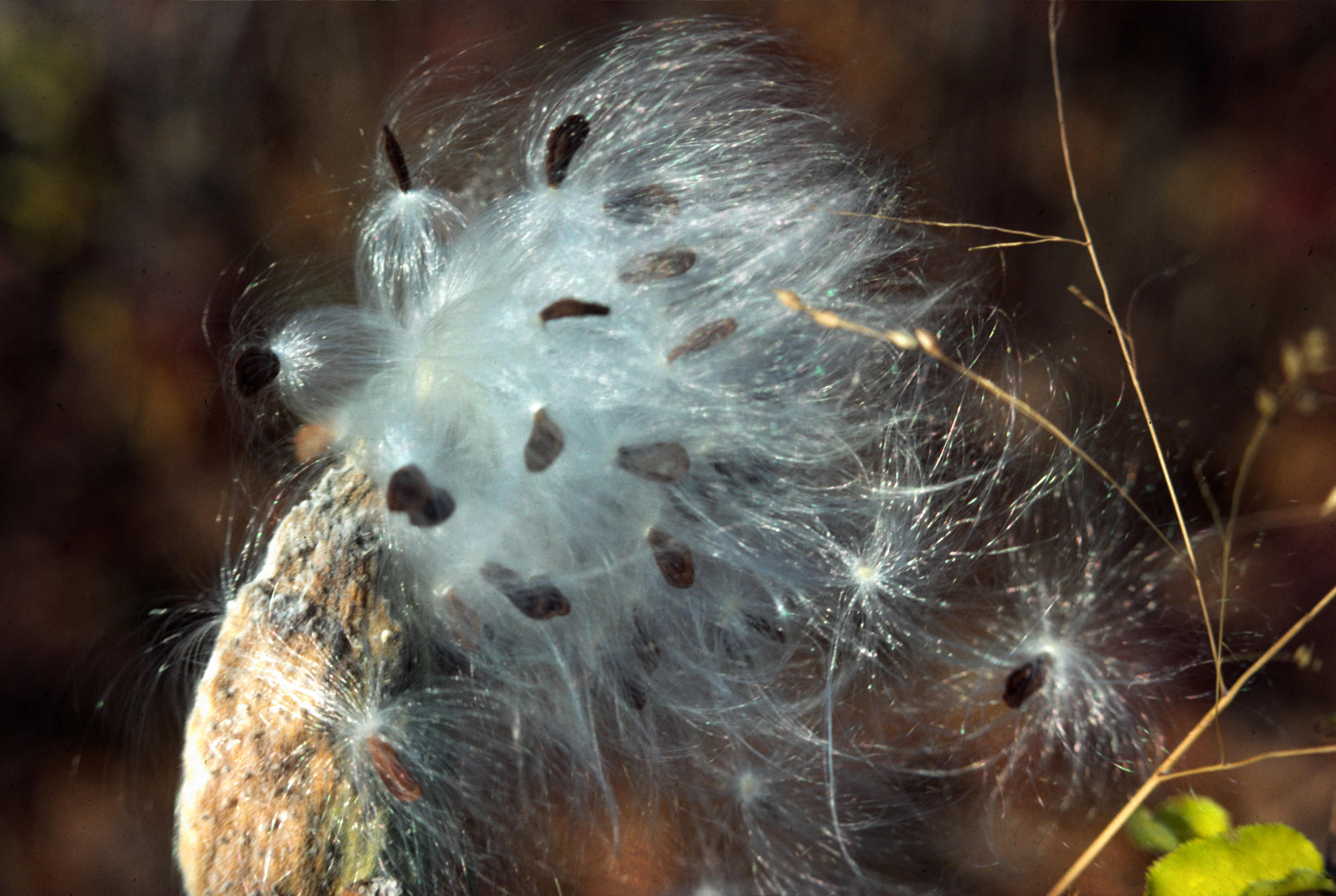
1. A MILKWEED