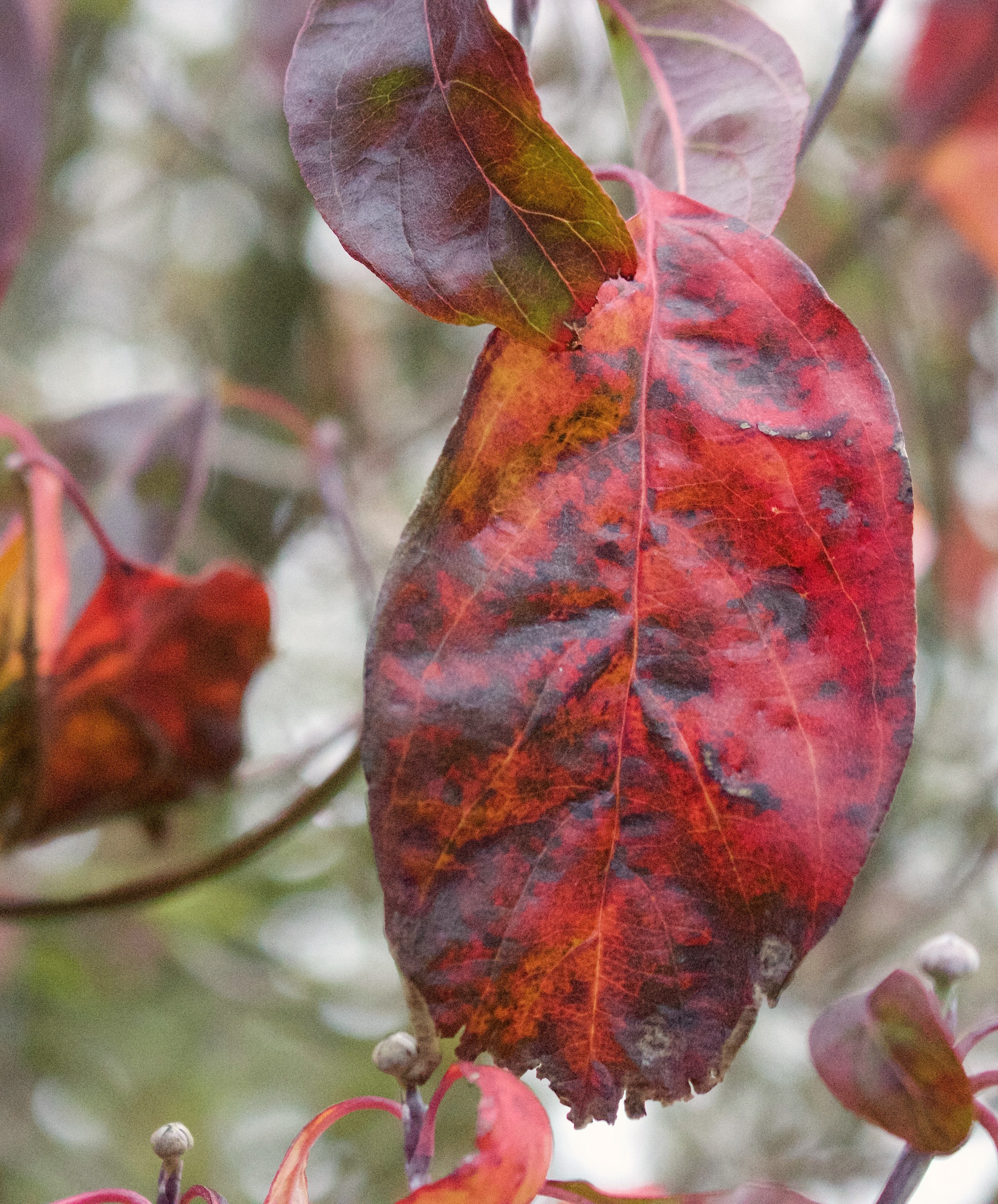
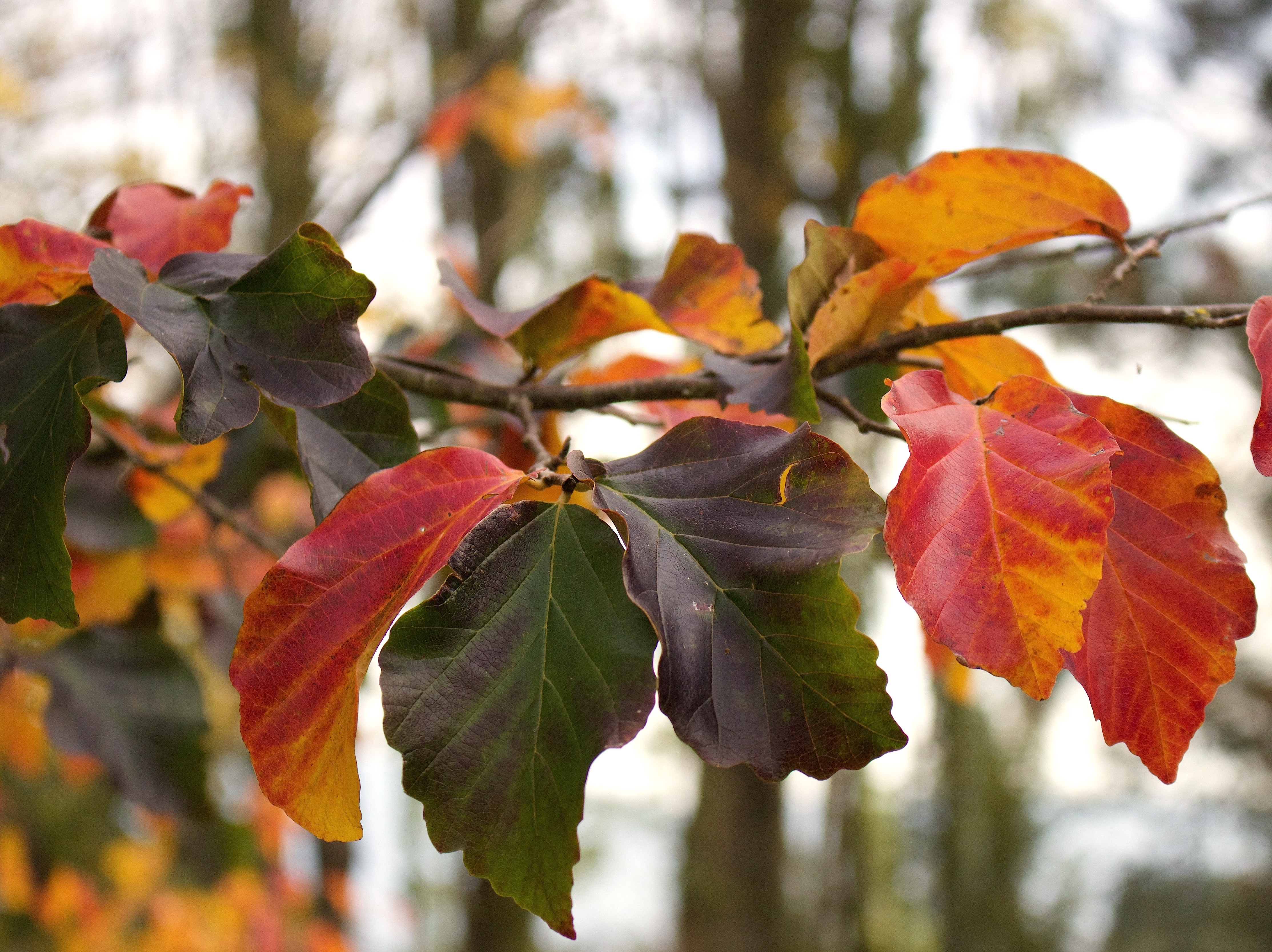
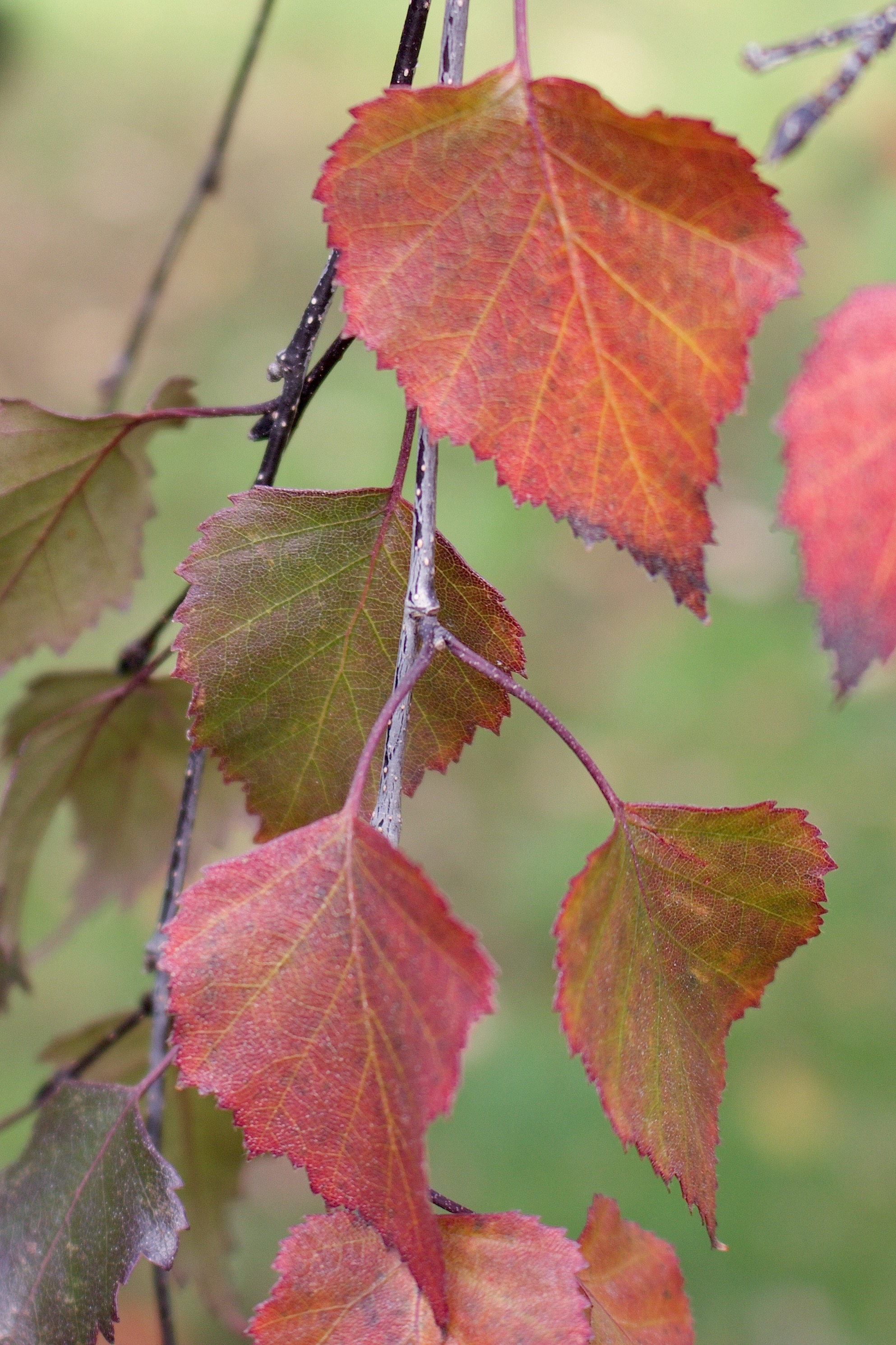
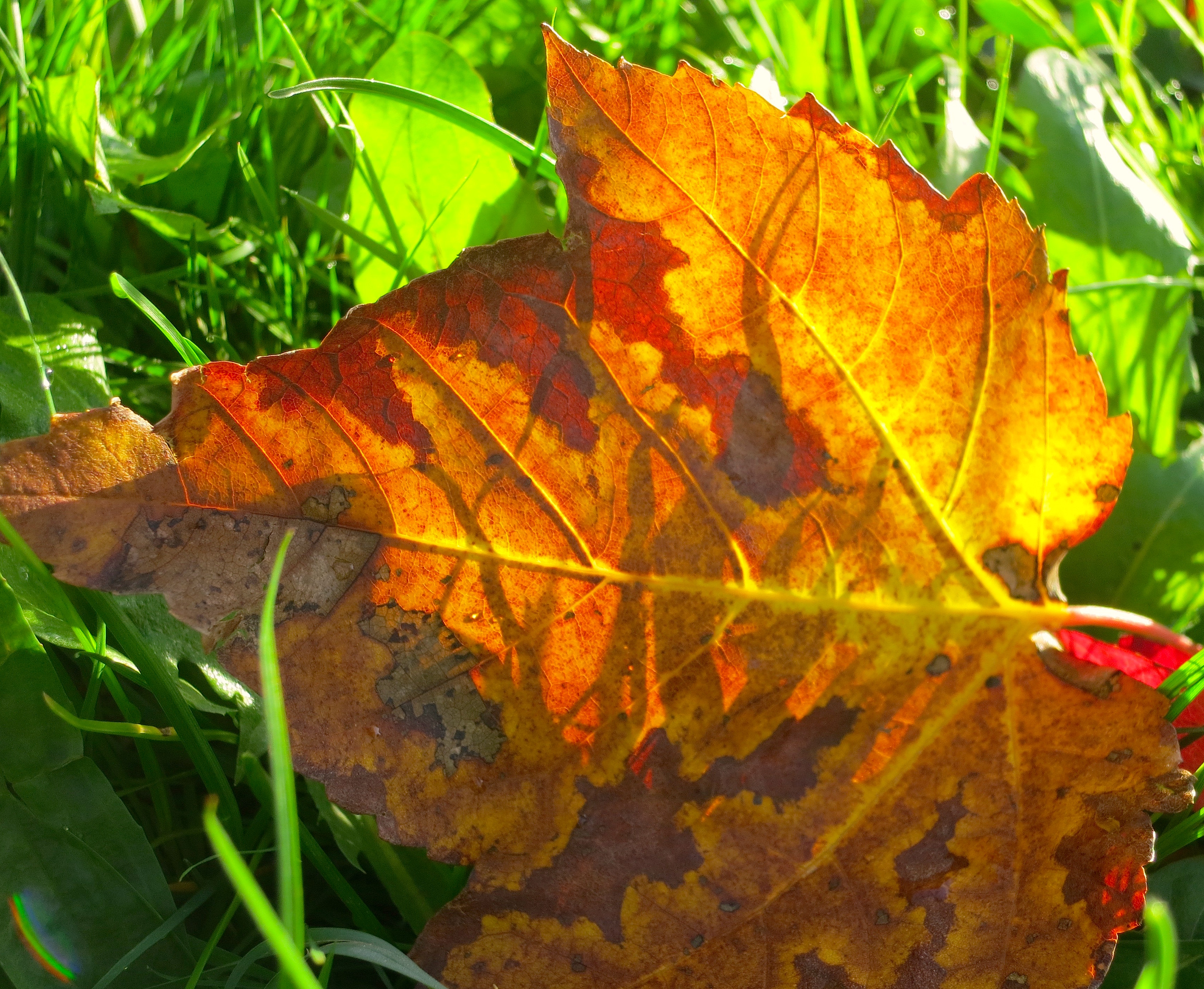
Trees Are Undressing

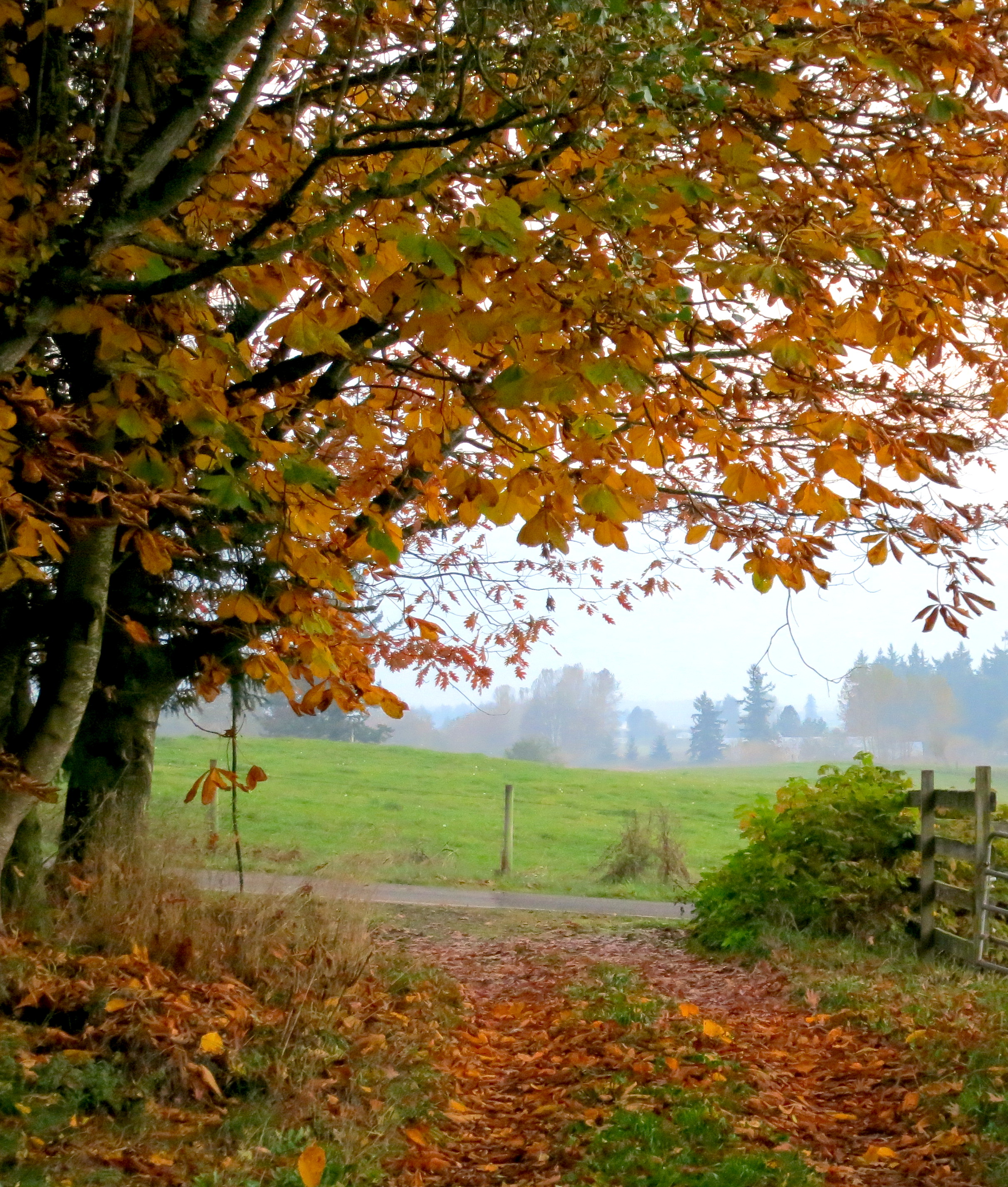
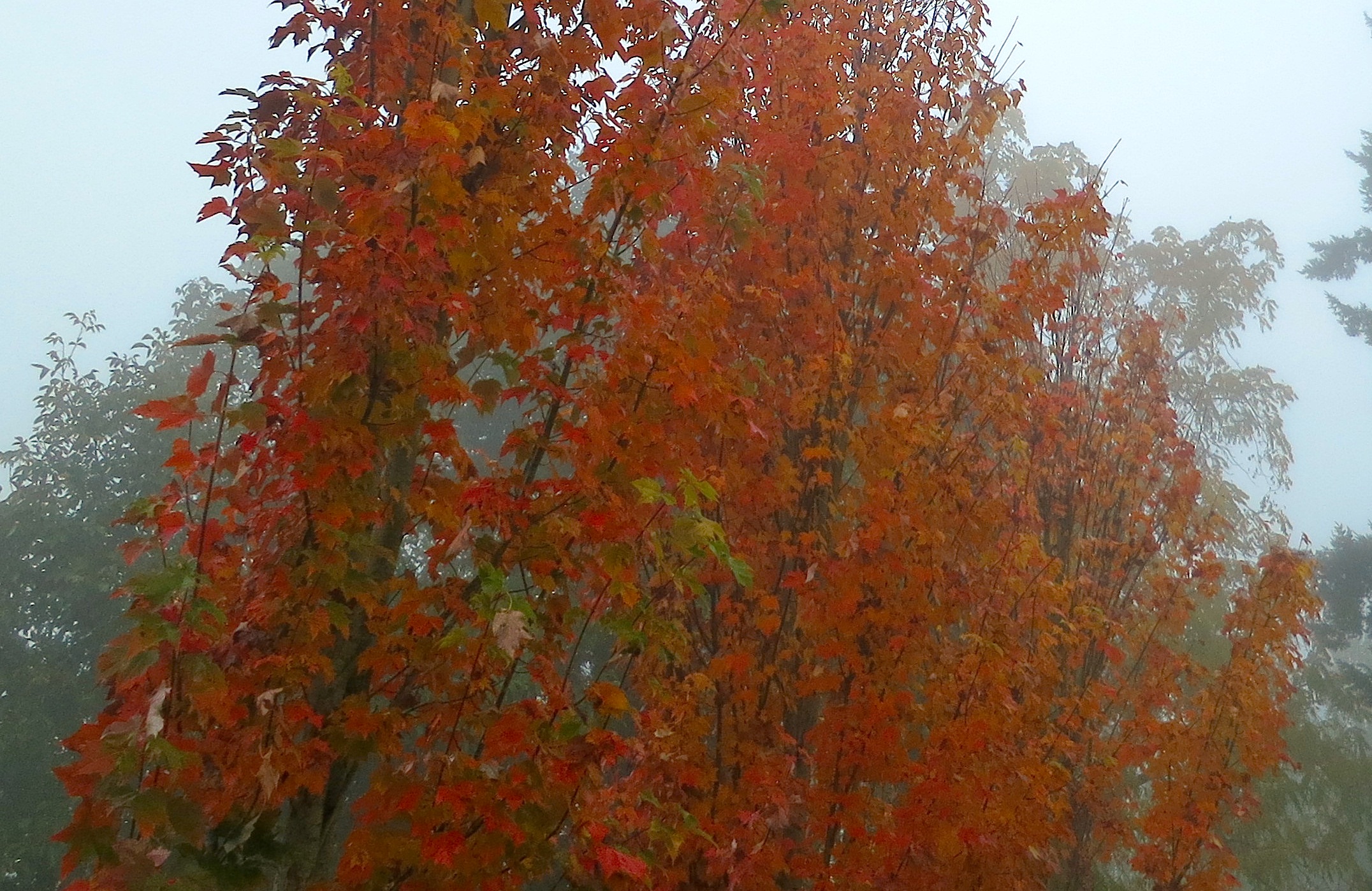
chestnutmaple

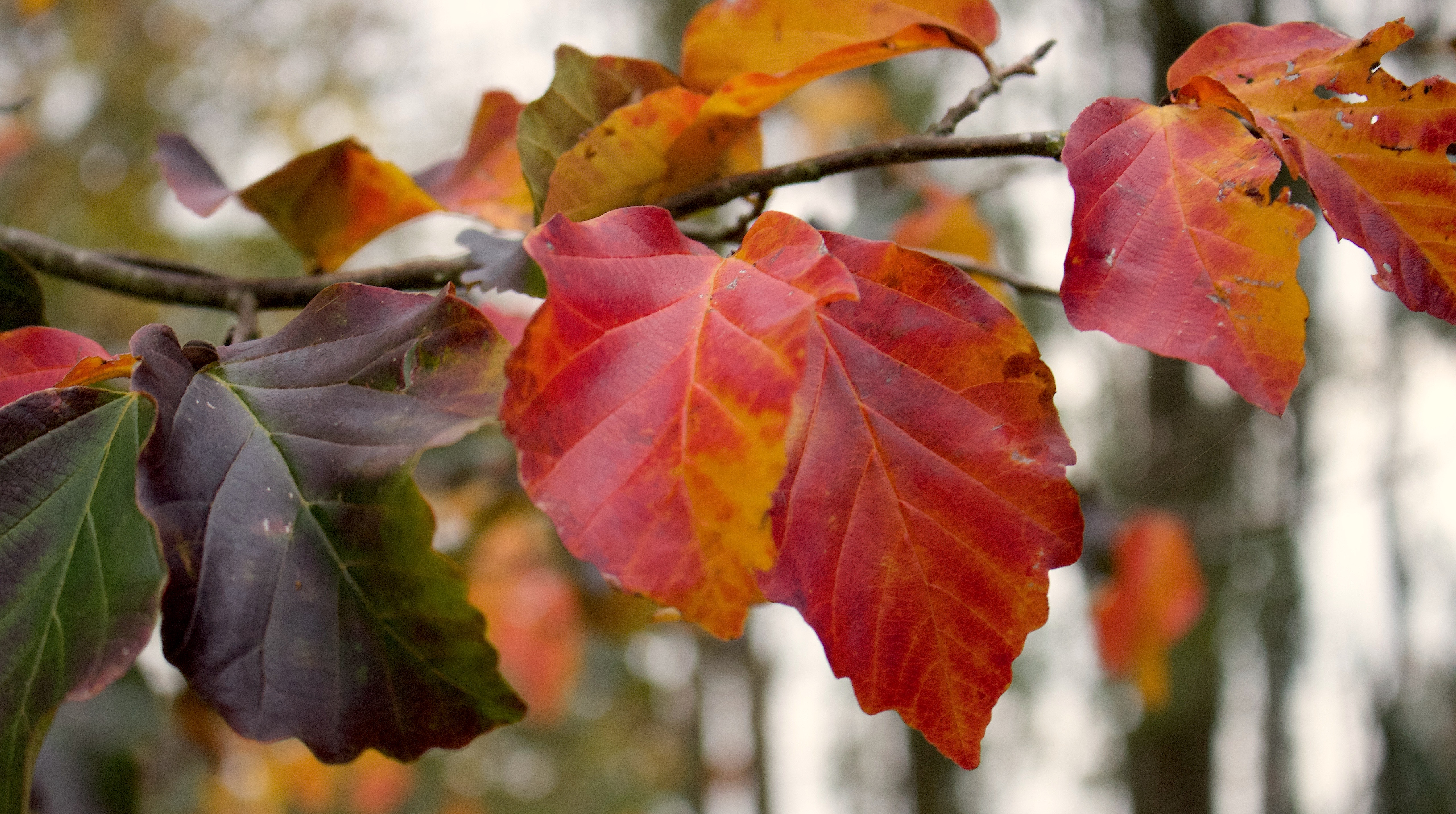
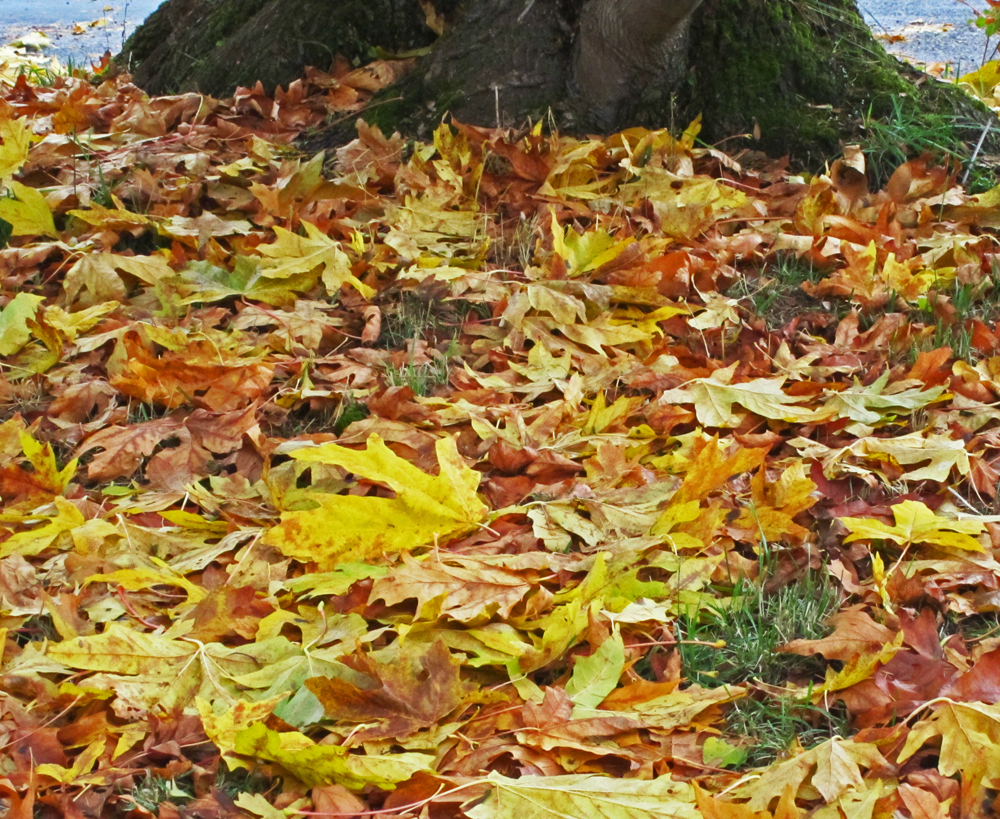
octleaves8

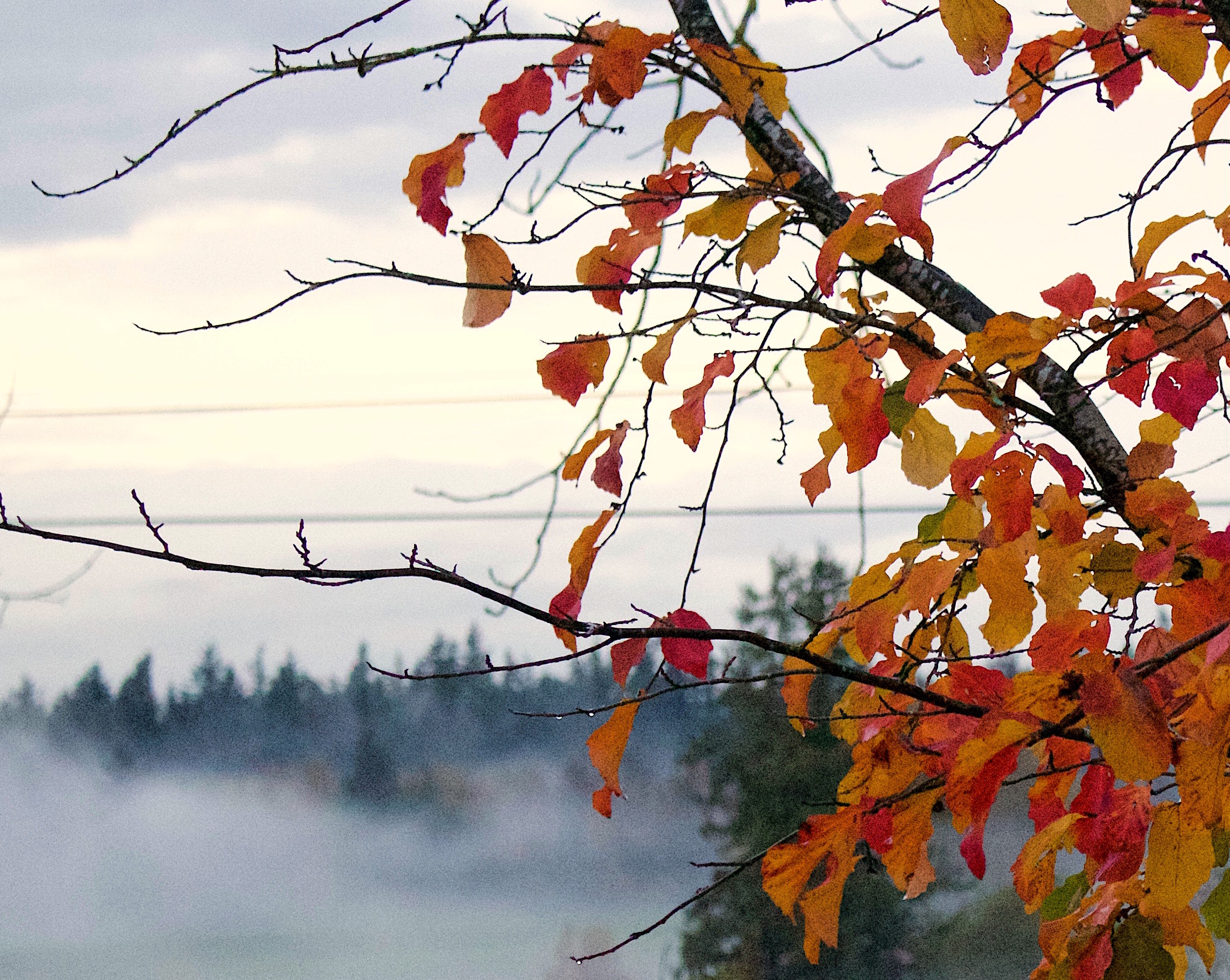
eveningfog3cottonwoodrain

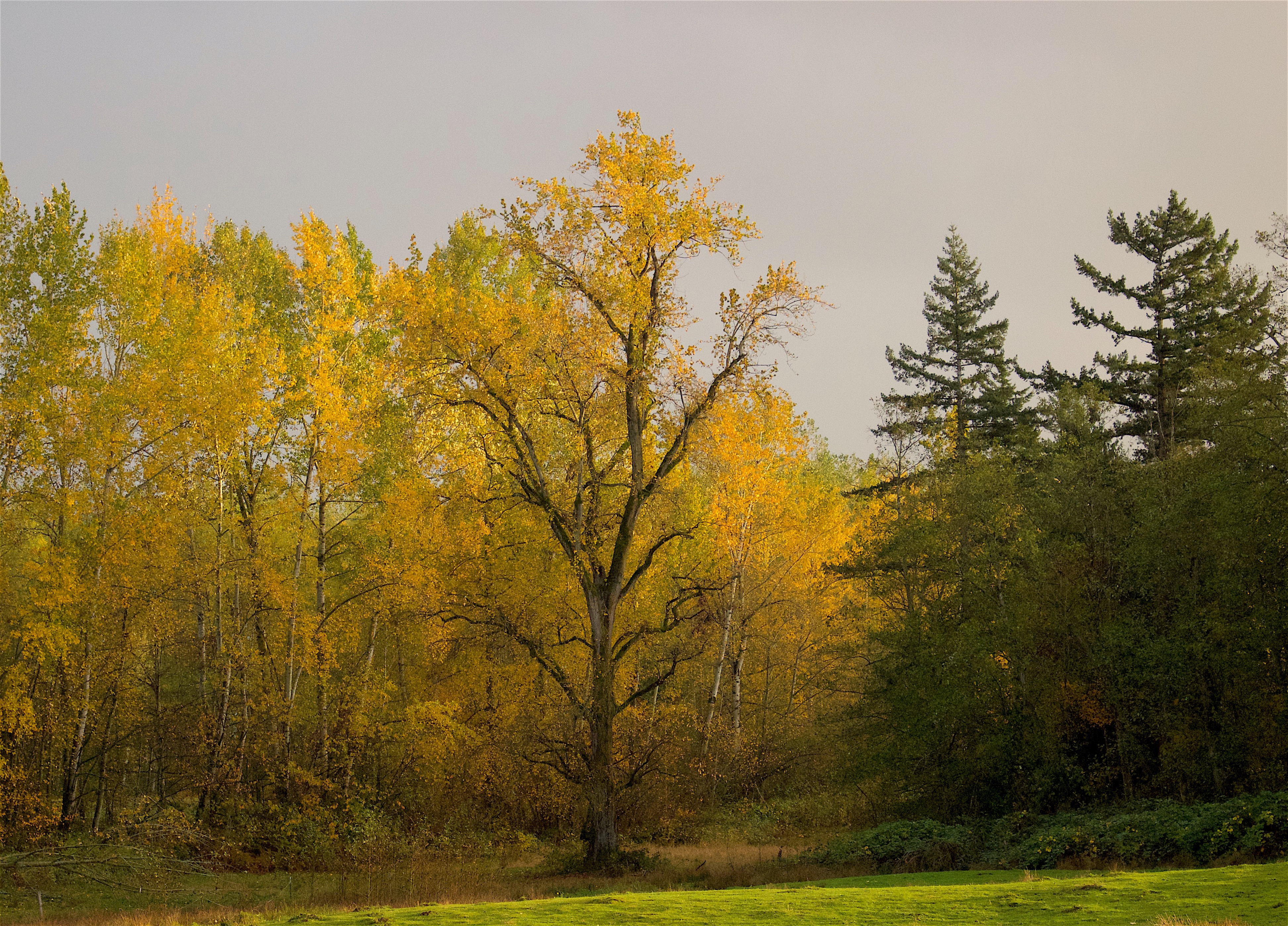
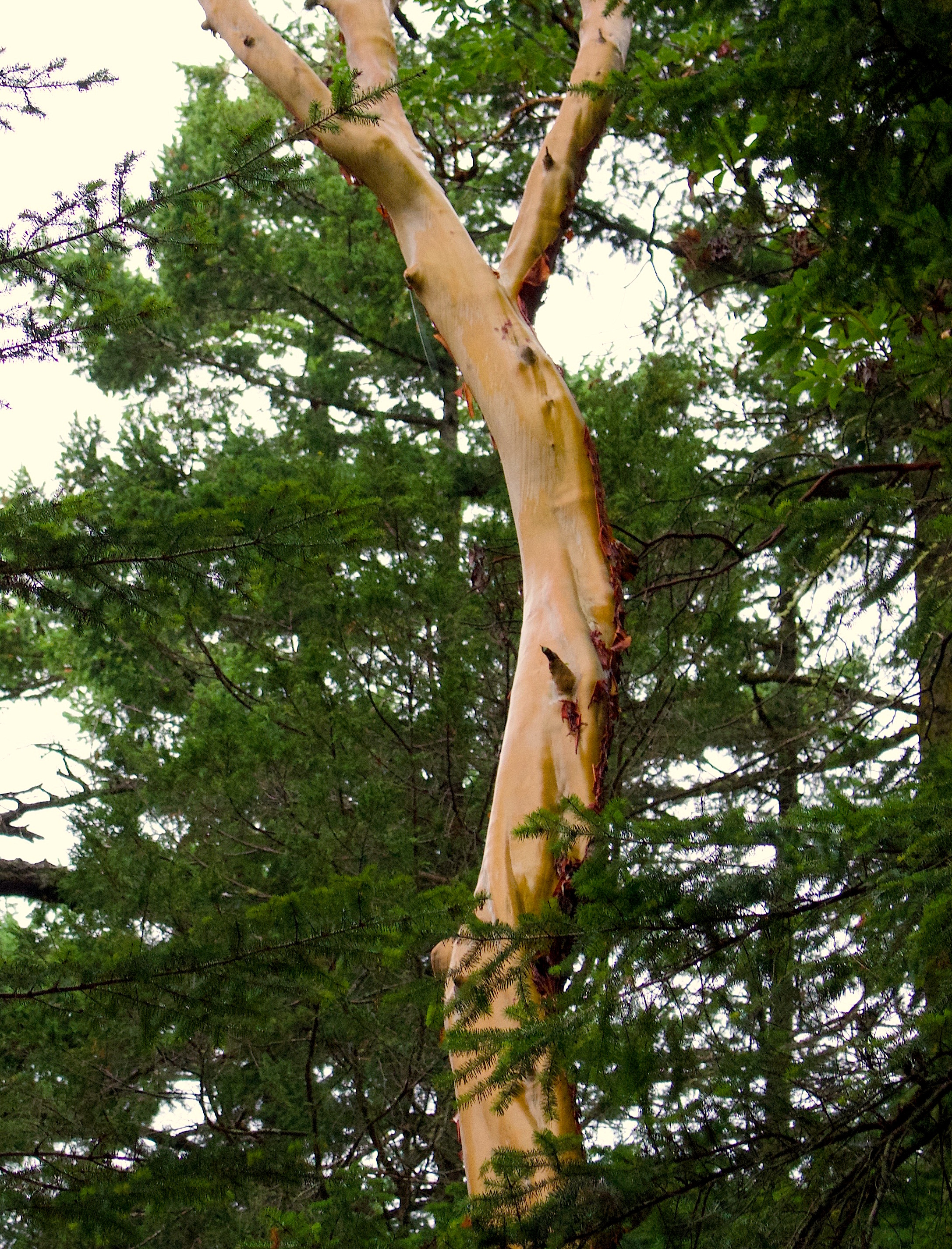
madronanaked

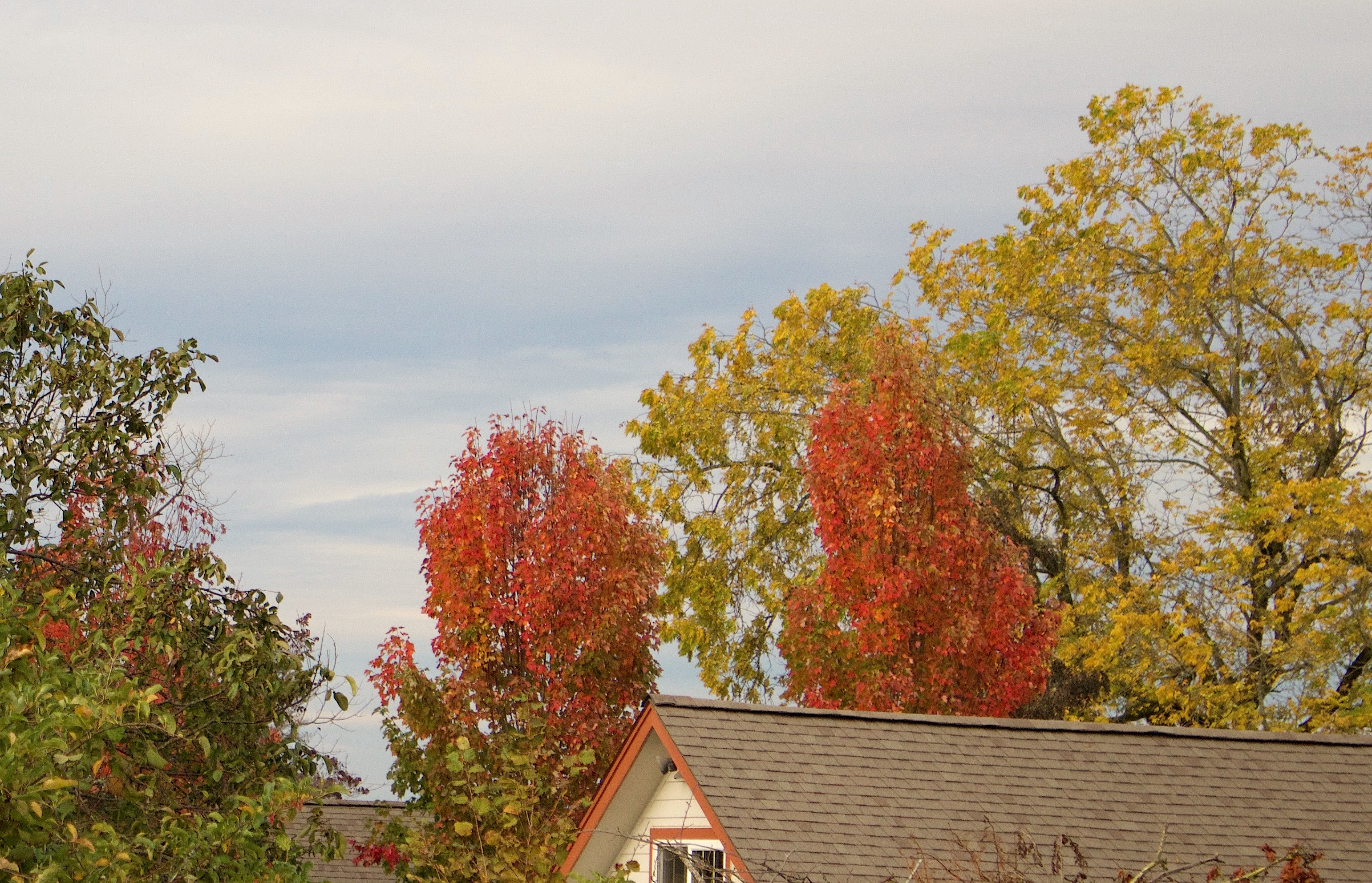
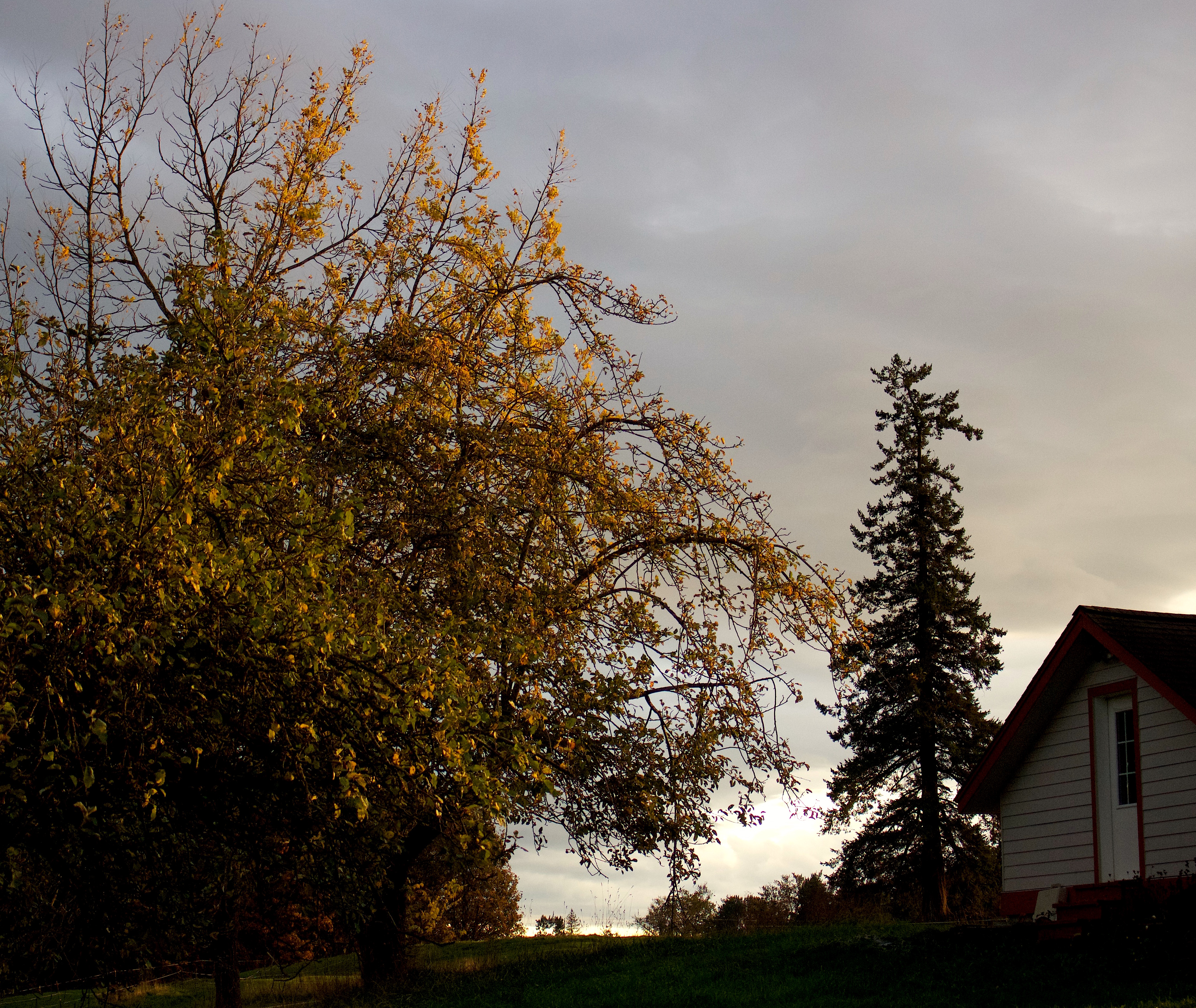
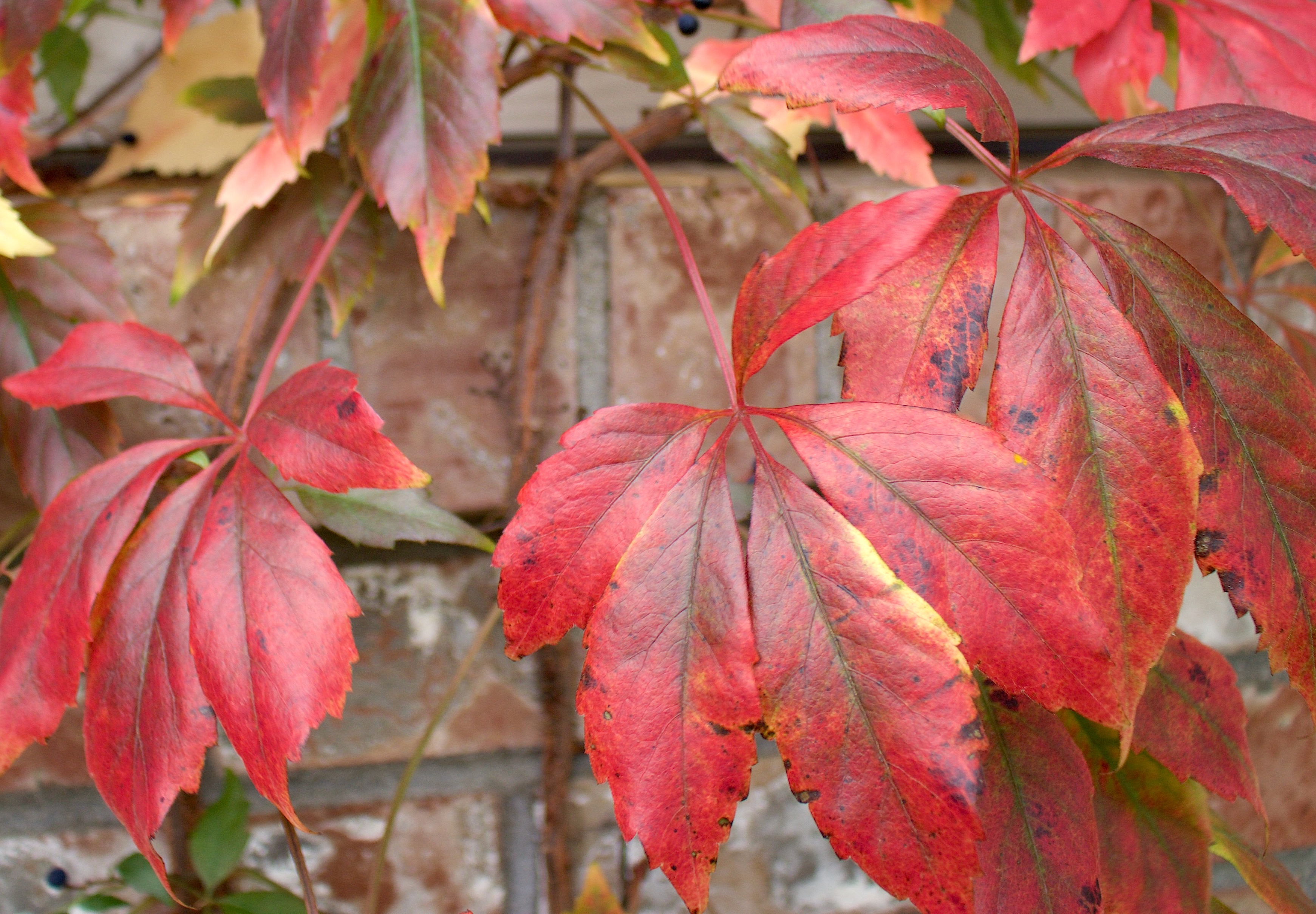
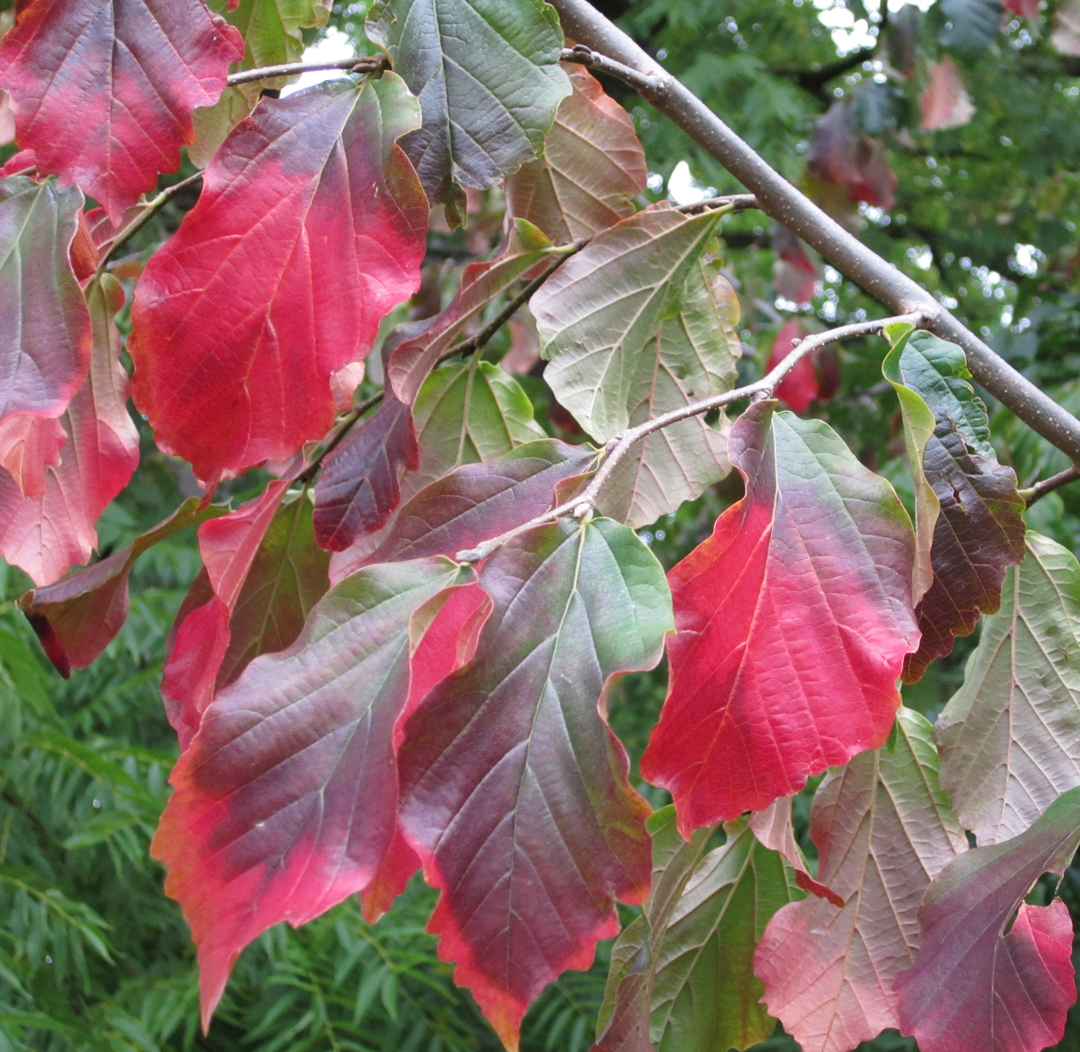
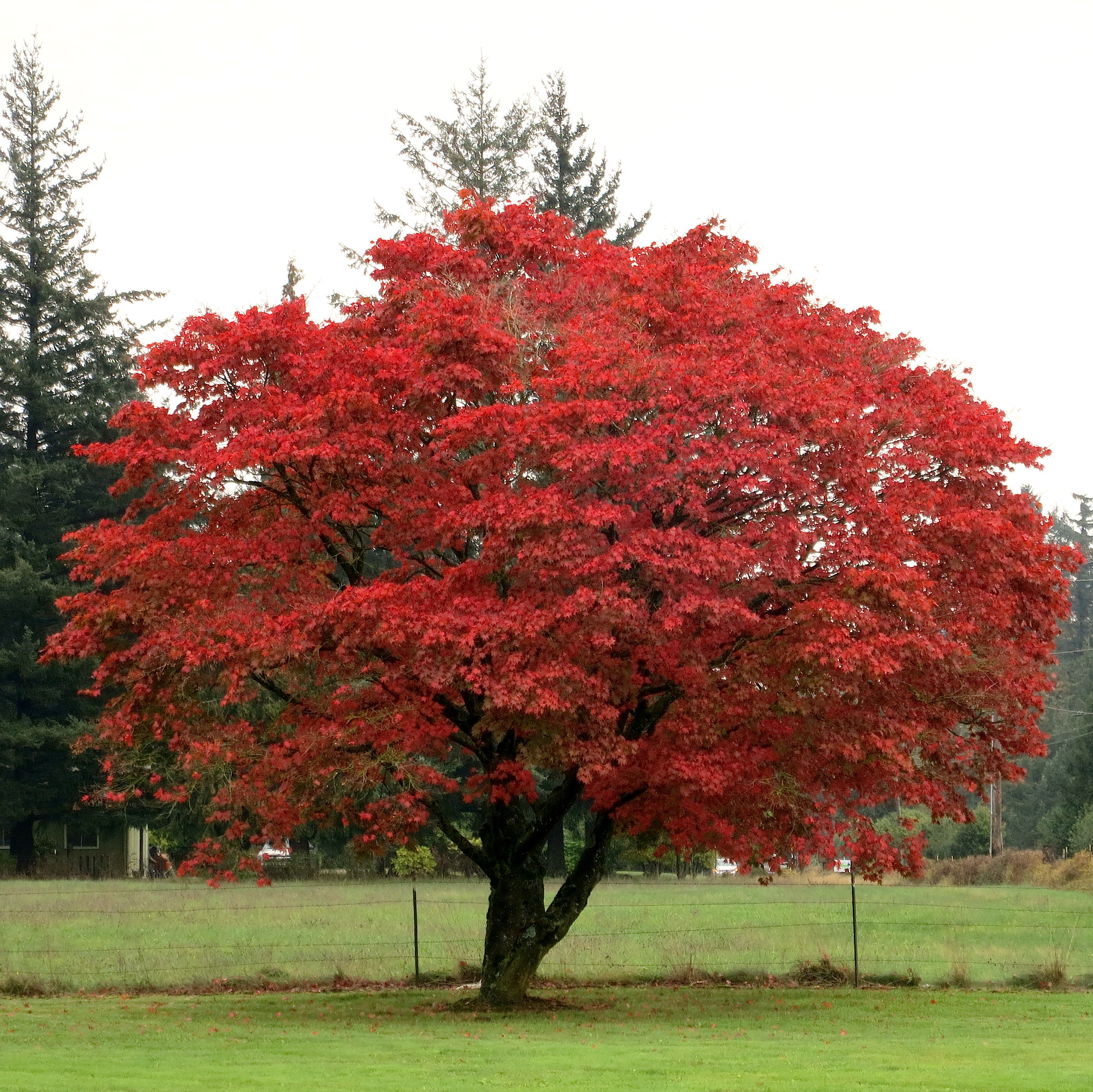
The trees are undressing, and fling in many places—
On the gray road, the roof, the window-sill—
Their radiant robes and ribbons and yellow laces;
A leaf each second so is flung at will,
Here, there, another and another, still and still.

A spider’s web has caught one while downcoming,
That stays there dangling when the rest pass on;
Like a suspended criminal hangs he, mumming
In golden garb, while one yet green, high yon,
Trembles, as fearing such a fate for himself anon.
~Thomas Hardy “Last Week in October”

So we too will be flung into the unknown,
trembling in the chill wind,
unready to let go of what sustains us,
fated to land wherever the storm blows.

If caught up by a silken thread,
left to dangle suspended by faith
to await the hope of rescue, alone and together,
another and another, still and still.

danglingleaf1

maplecolor

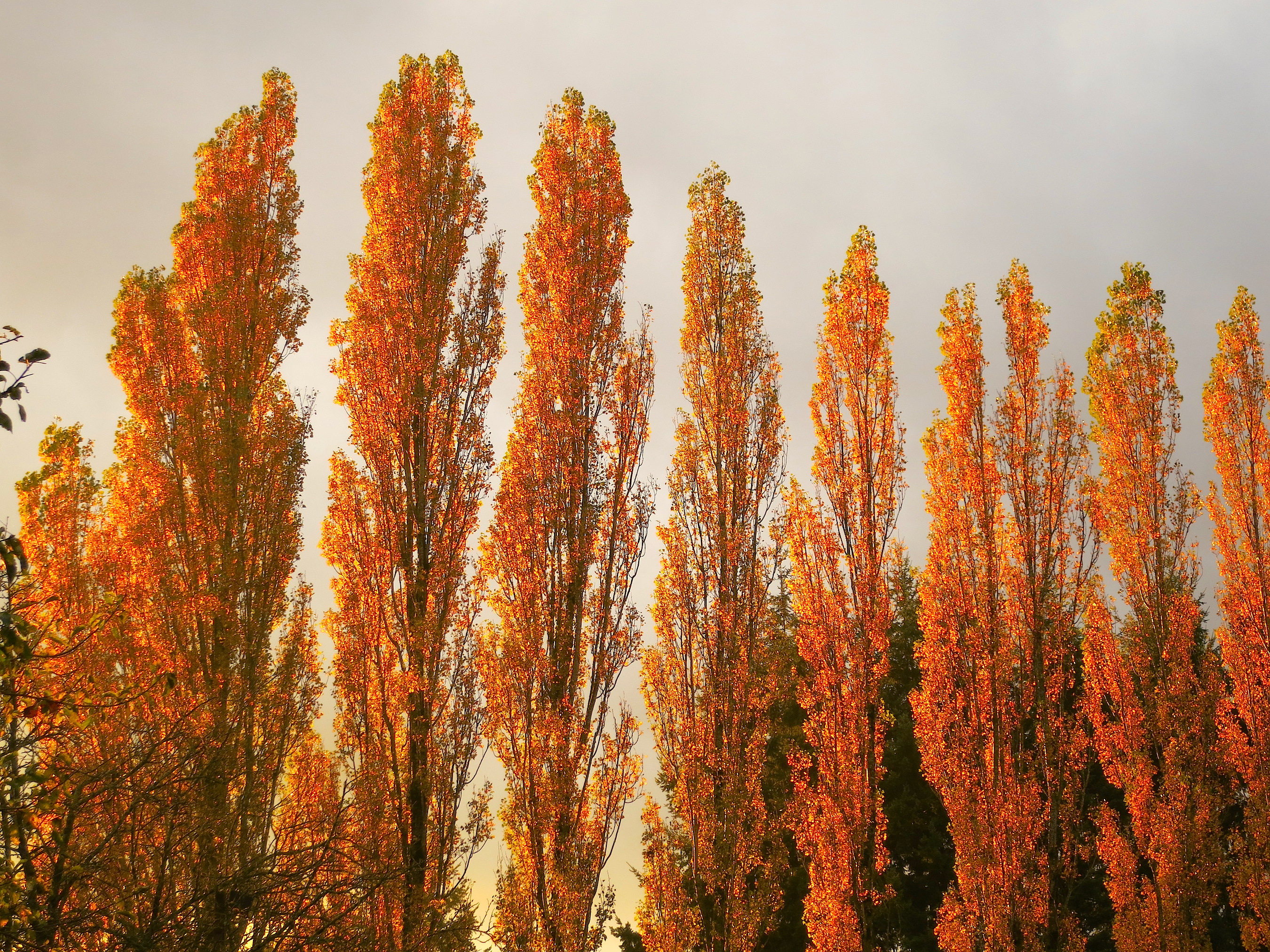
poplargold

maple3

maple10141

scanlon4

Stay Gold, Ponyboy

tonypony

homertony

dawn102415

brothers

36412_10150212209130462_4895558_n

Nature’s first green is gold,
Her hardest hue to hold.
Her early leaf’s a flower;
But only so an hour.
Then leaf subsides to leaf,
So Eden sank to grief,
So dawn goes down to day
Nothing gold can stay.
~Robert Frost “Nothing Gold Can Stay”

“Stay gold, Ponyboy, stay gold.”
~S.E. Hinton from The Outsiders
Man’s innocence was lost
the moment we chose
knowledge over obedience.
The gold in our creation
sinks to grief as
we make the same mistakes
again and again;
each dawn reenacts our beginnings
and each winter our endings.
Our only salvage is a rescue
borne of selflessness,
an obedience beyond imagining.
He stays gold for us
so we are illuminated.
sasha1015
sunrise1021152
sunrise1016153
1936697_1234422659847_4467192_n

Making the Cosmos New

sunrise1017151
octleaves7
octleaves5
Grace does not remain outside
or above
or beside nature
but rather permeates
and wholly renews it.
And thus nature,
reborn by grace,
will be brought to its highest revelation.
That situation will again return in which
we serve God freely and happily,
without compulsion or fear,
simply out of love,
and in harmony with our true nature.
Christianity does not introduce
a single substantial foreign element
into the creation.
It creates no new cosmos
but rather makes the cosmos new.
It restores what was corrupted by sin.
It atones the guilty
and cures what is sick;
the wounded it heals.
~Herman Bavinck from “Common Grace”
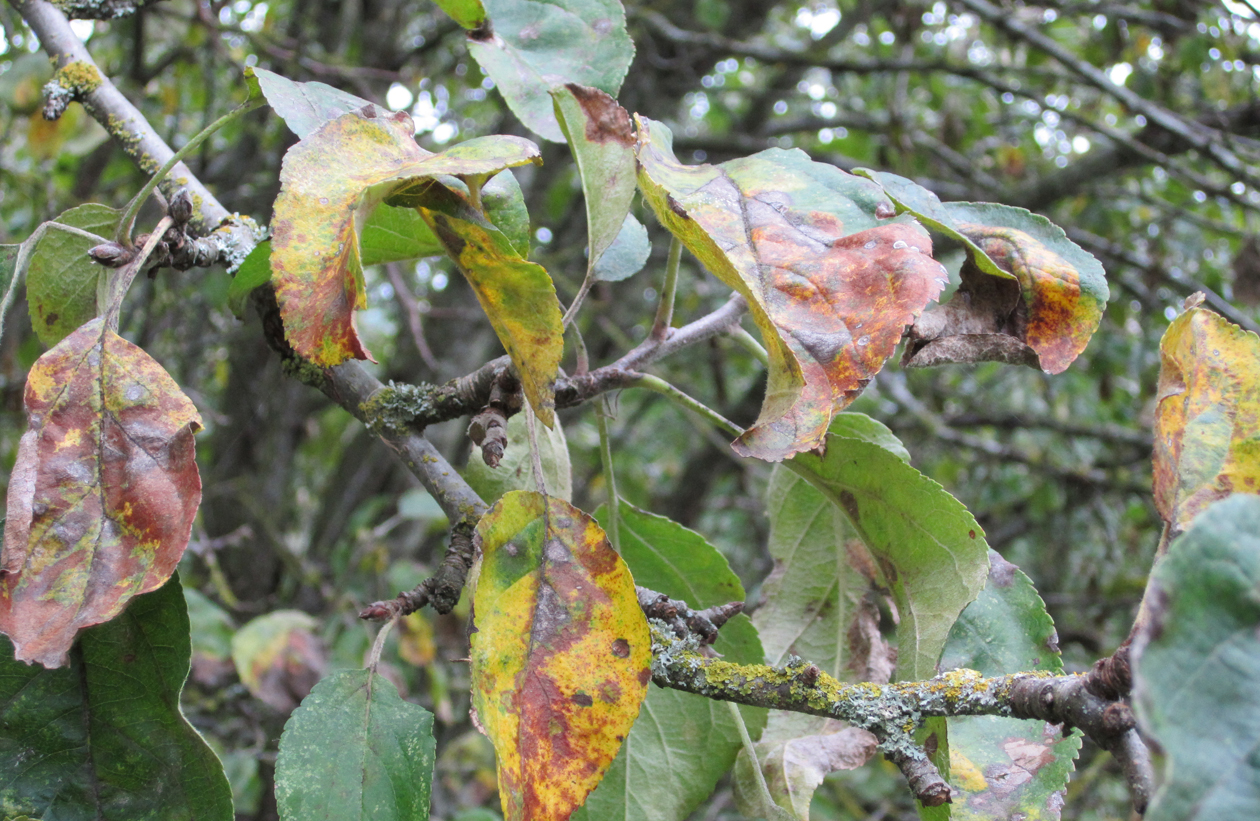
As we wither, our colors changing
as we die,
we are cured,
our nature reborn
by transforming amazing grace.
Renewed,
we respond
in love.
Let it be with me
as You have said.
octleaves3
morningleaf
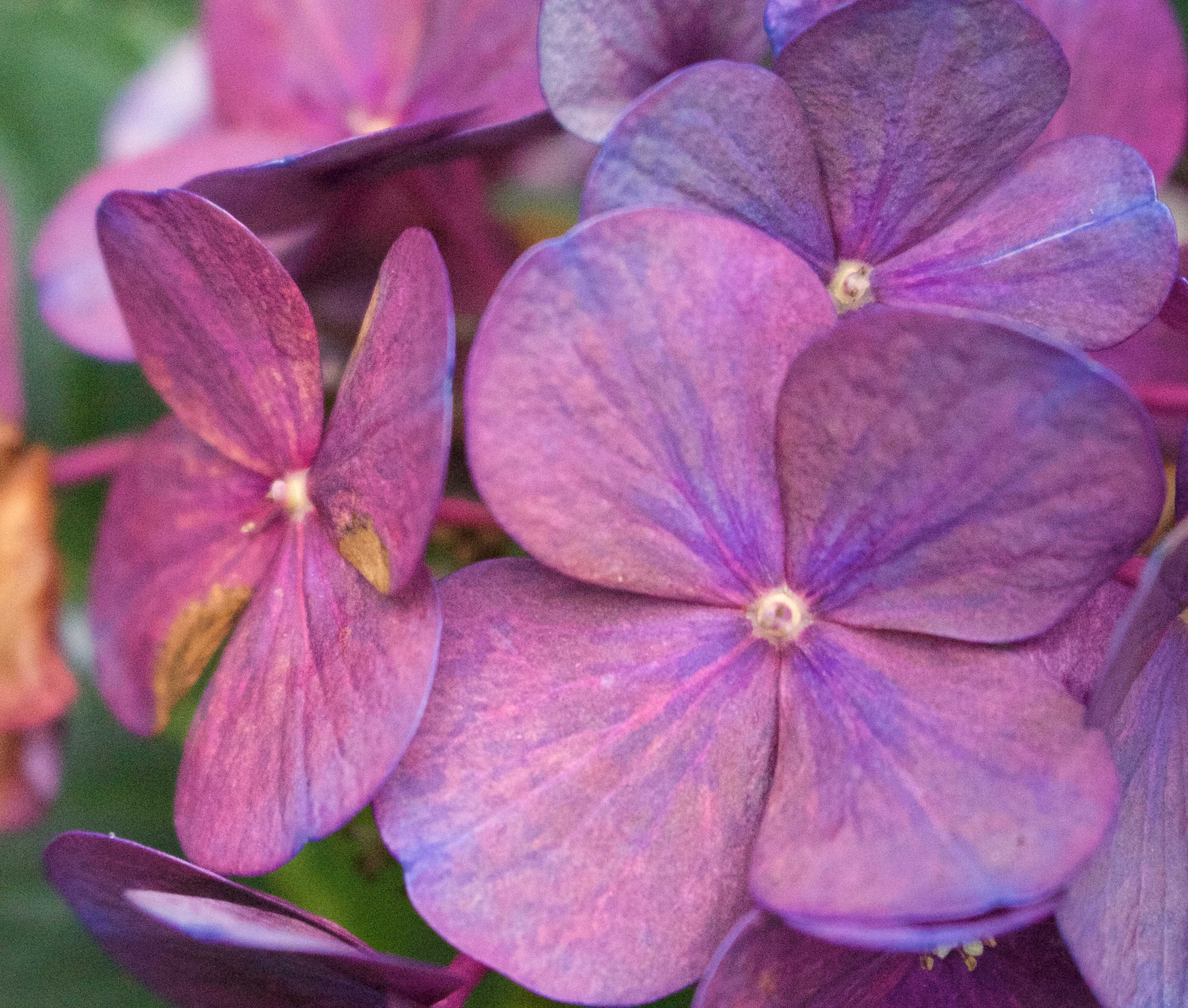
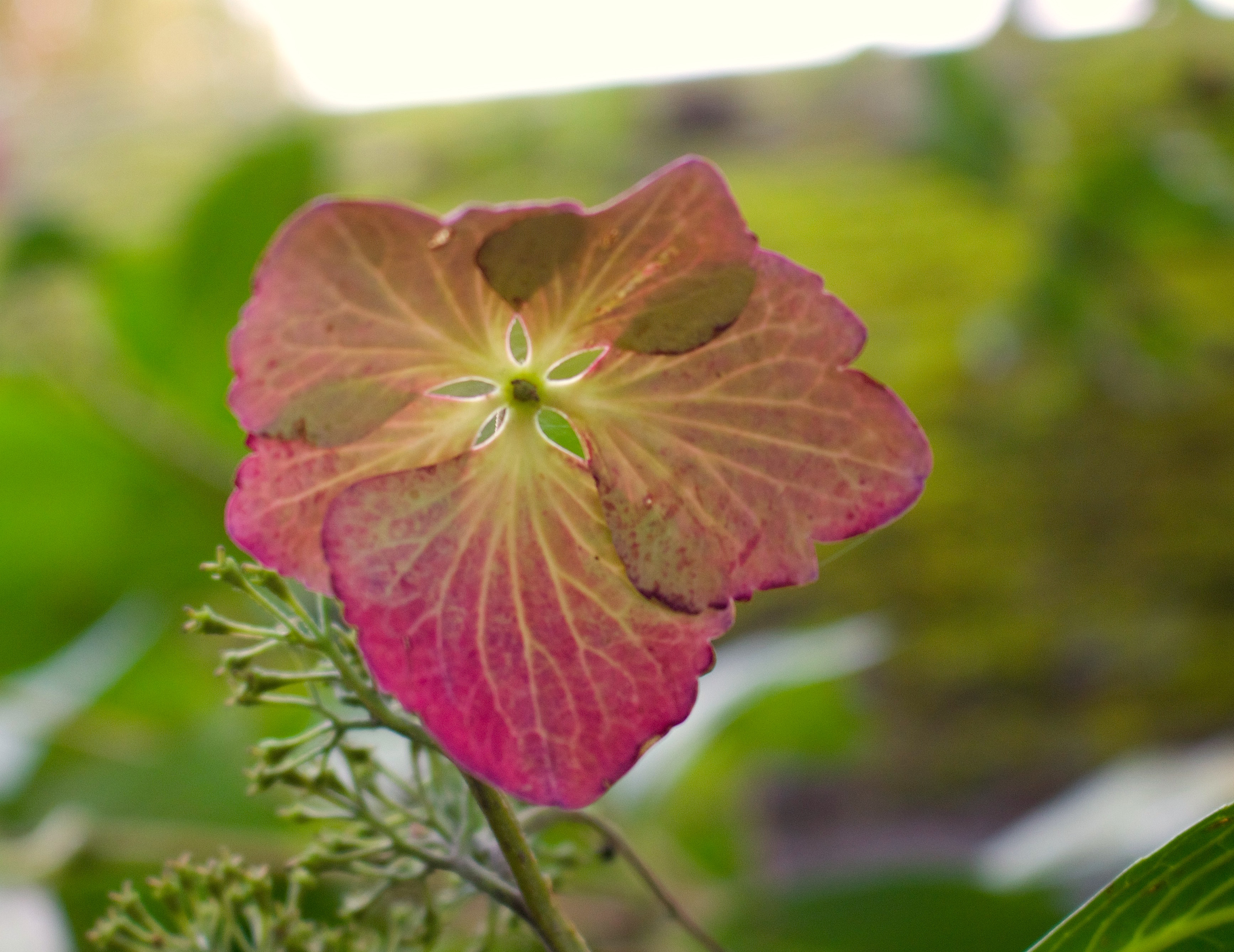
octhydrangea
sunset827151

Known Before We Know

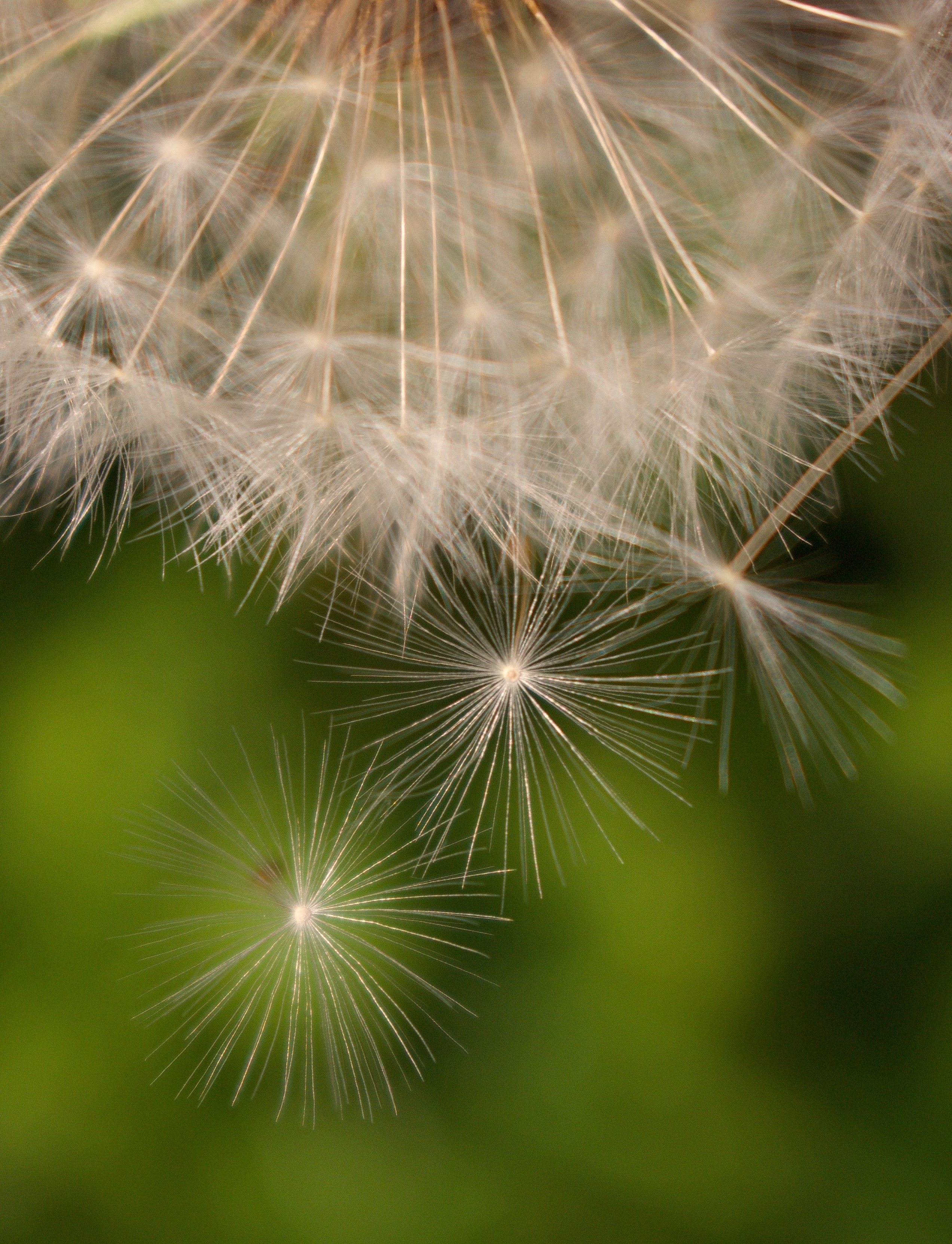
dandyseeds

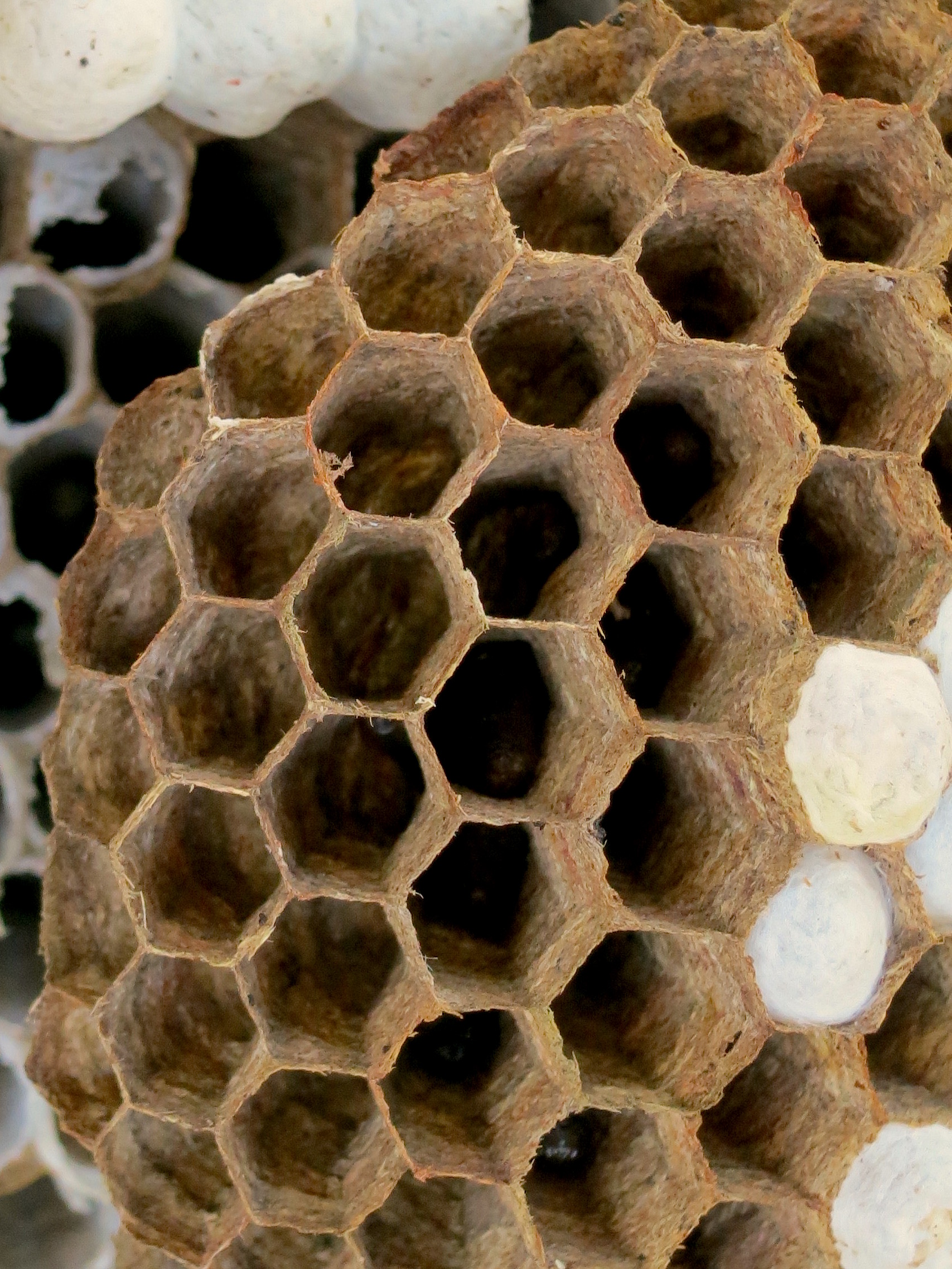
hivecells

octleaves2

Before Jeremiah knew God, God knew Jeremiah:
“Before I shaped you in the womb, I knew all about you.”
This turns everything we ever thought about God around.
We think that God is an object about which we have questions.
We are curious about God.
We make inquiries about God.
We read books about God.
We get into late-night bull sessions about God.
We drop into church from time to time to see what is going on with God.
We indulge in an occasional sunset or symphony
to cultivate a feeling of reverence about God.

But that is not the reality of our lives with God.
Long before we ever got around to asking questions about God,
God had been questioning us.
Long before we got interested in the subject of God,
God subjected us to the most intensive and searching knowledge.
Before it ever crossed our minds that God might be important,
God singled us out as important.
Before we were formed in the womb,
God knew us.
We are known before we know.

This realization has a practical result:
no longer do we run here and there,
panicked and anxious,
searching for the answers to life.
Our lives are not puzzles to be figured out.
Rather, we come to God,
who knows us and reveals to us the truth of our lives.
The fundamental mistake
is to begin with ourselves
and not God.
God is the center from which all life develops.

~Eugene Peterson from Run With the Horses

My clinic days are full of people panicked and anxious,
too unsure to know themselves,
too unsure to know those around them,
too unsure of knowing which road to choose,
too unsure of whether to take a next breath.

I want to say:
this isn’t about you.
This isn’t about what you know
and what you don’t know or
whether you are sure of where you are headed
or hopelessly lost.
This is about being known
far before you came to be.

This is all you have to know:
You are known.
And the road to choose
is the one that leads
straight to Him who knows you
and the next breath you take
has come straight from Him.

dandy910157

dandy9111

roseleaf1

Every Small Fold

backyard

wlcmums

eveninglight101015

lantern1

It is not enough to offer a silent thank you,
looking down at dark mums and the garden’s final offerings
of autumn—late-planted greens, their small leaves
fragile and pale. And bright orange peppers,
the odd liveliness of their color signaling an end.
It is not enough to welcome God
into every small fold of the day’s passing.
To call upon some unknown force
to let the meat be fresh, the house not burn,
the evening to find us all here again. Yet,
we are here again. And we have witnessed
the miracle of nothing. A slight turning of empty time,
bare of grief and illness and pain. We have lived
nondescript this season, this day, these sixty-minutes.
But it is not enough. To bow our heads in silence.
To close our eyes and see in each moment
of each second the uneventful wonder
of none.
~Pamela Steed Hill “The Miracle of Nothing”


As I ponder the tragic commonness of a loved one lost
in the midst of a routine day:
in a classroom
in a church
in a crosswalkon a downed airplane
or sinking boat
taken suddenly without goodbyes,
I realize the miracle of a day of nothing much happening
makes it very special indeed.
God dwells in the folds of our existence;
we dare to risk its unfolding
to set Him free.

mumfaces

evening10815

creepernorth

sunrise109155

The Original Self

sunrise106154

The original shimmering self gets buried so deep
that most of us end up hardly living out of it at all.
Instead we live out of all our other selves,
which we are constantly putting on and taking off
like coats and hats against the world’s weather.

~Frederick Buechner from Telling Secrets

scratching

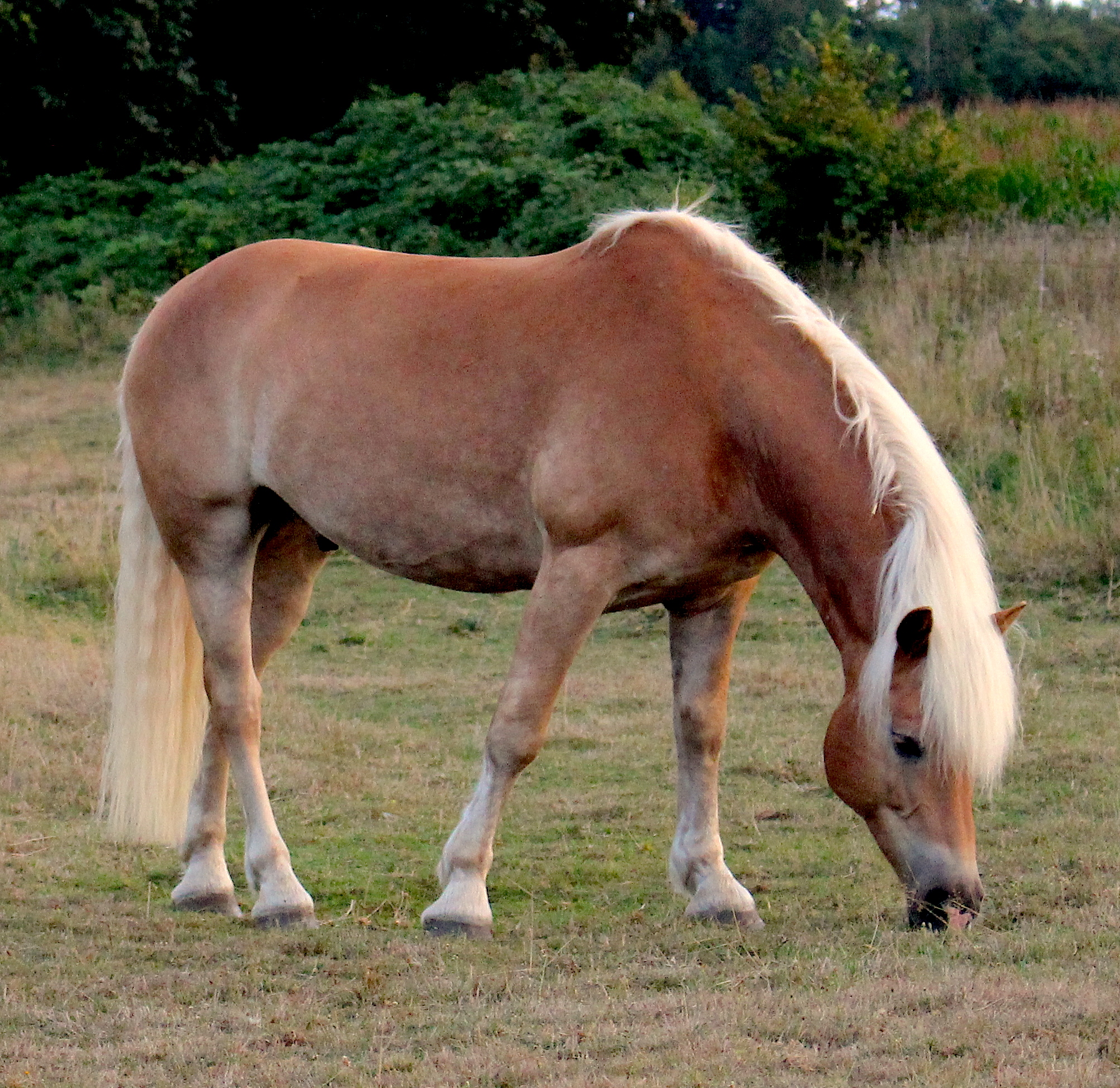
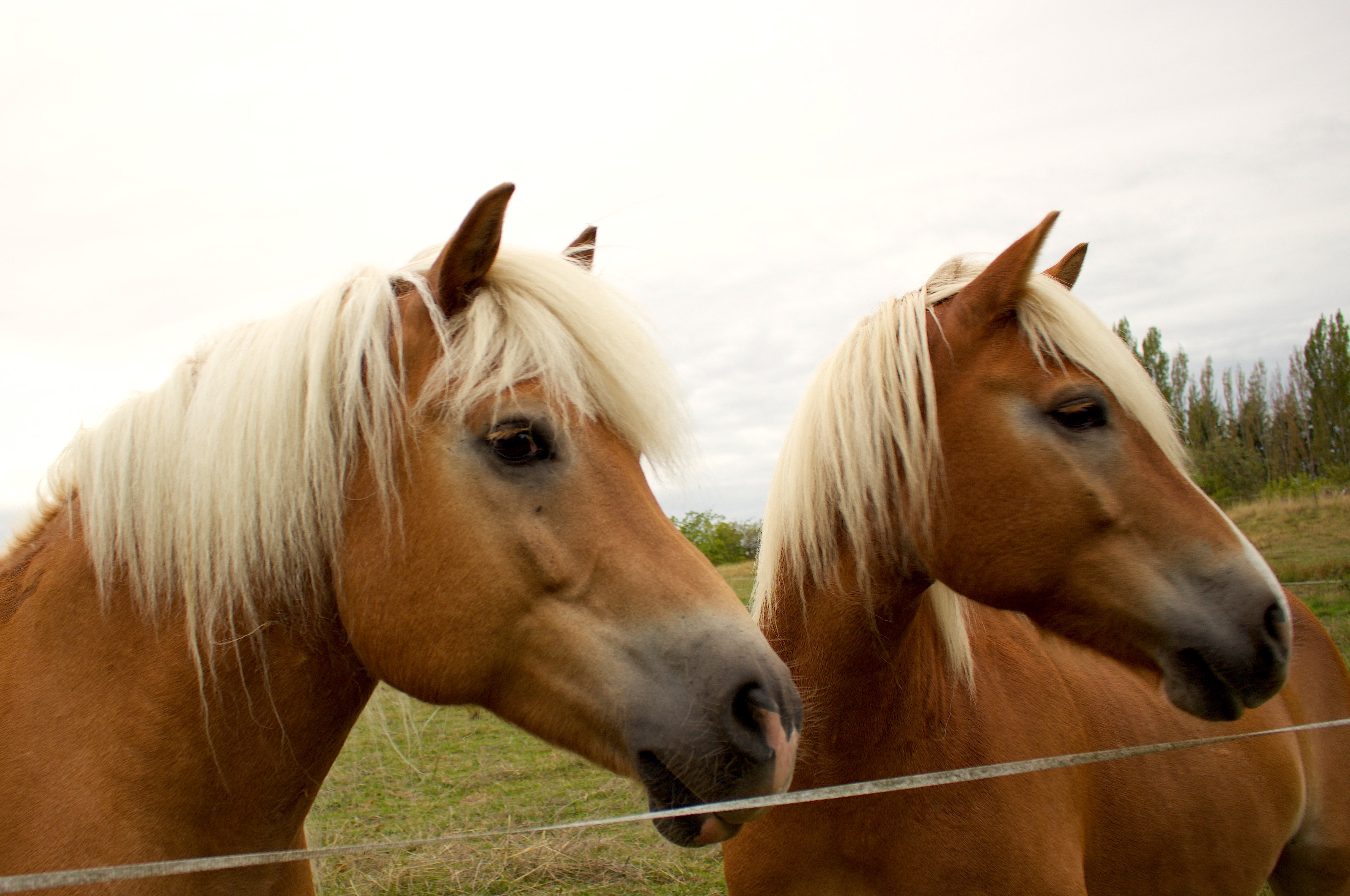
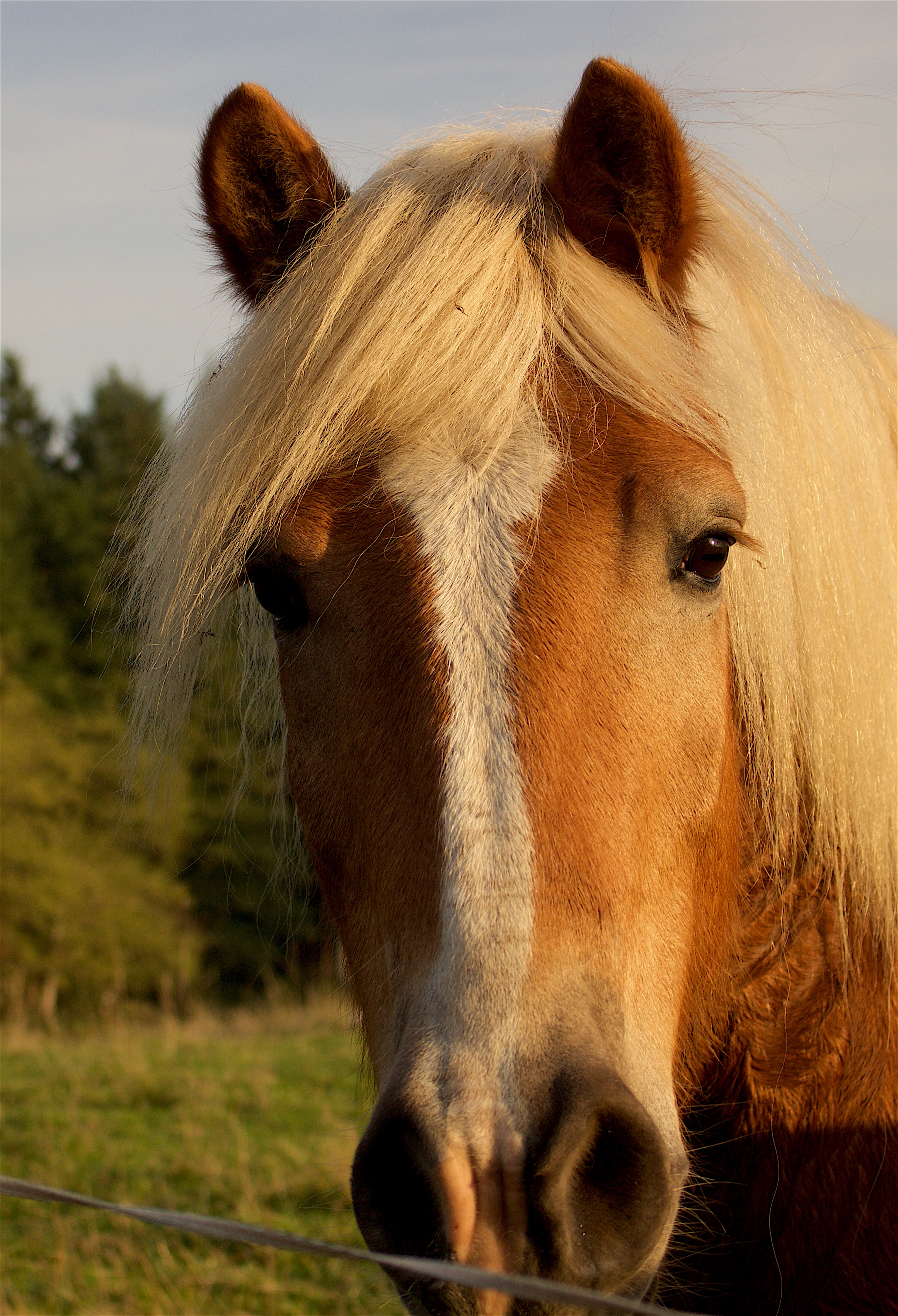
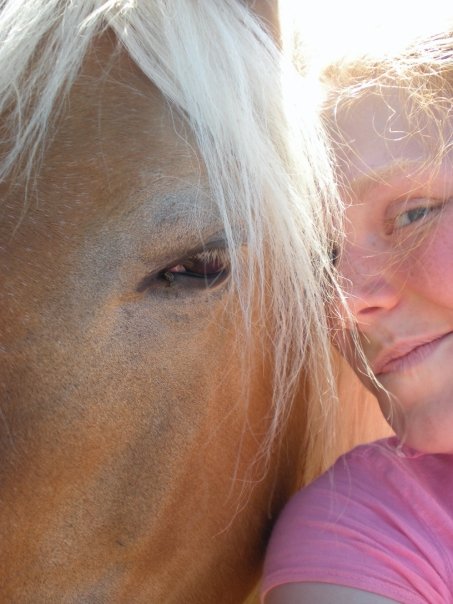
Generally late September is when we start to see our Haflinger horses growing in their longer coat for winter. Their color starts to deepen with the new hair as the sun bleached summer coat loosens and flies with the late summer breezes. The nights here, when the skies are cloudless, can get perilously close to freezing this time of year, though our first frost is generally not until well into October. The Haflingers, outside during the day, and inside their snug stalls at night, don’t worry too much about needing their extra hair quite yet, especially when the day time temperatures are still comfortably in the 70s. So they are not in a hurry to be furrier. Neither am I. But I enjoy watching this daily change in their coats, as if they were ripening at harvest time. Their copper colors are so rich against the green fields and trees, especially at sunset when the orange hue of their coat is enhanced by the sunlit color palette of fall leaves undergoing their own transformation in their dying.

In another six months, it will be a reverse process once again. This heavy hair will have served its purpose, dulled by the harsh weather it has been exposed to, and coming out in clumps and tufts, revealing that iridescent short hair summer coat that shines and shimmers metallic in comparison, although several shades lighter, sometimes with nuances of dapples peeking through. Metamorphosis from fur ball to shimmering copper penny.

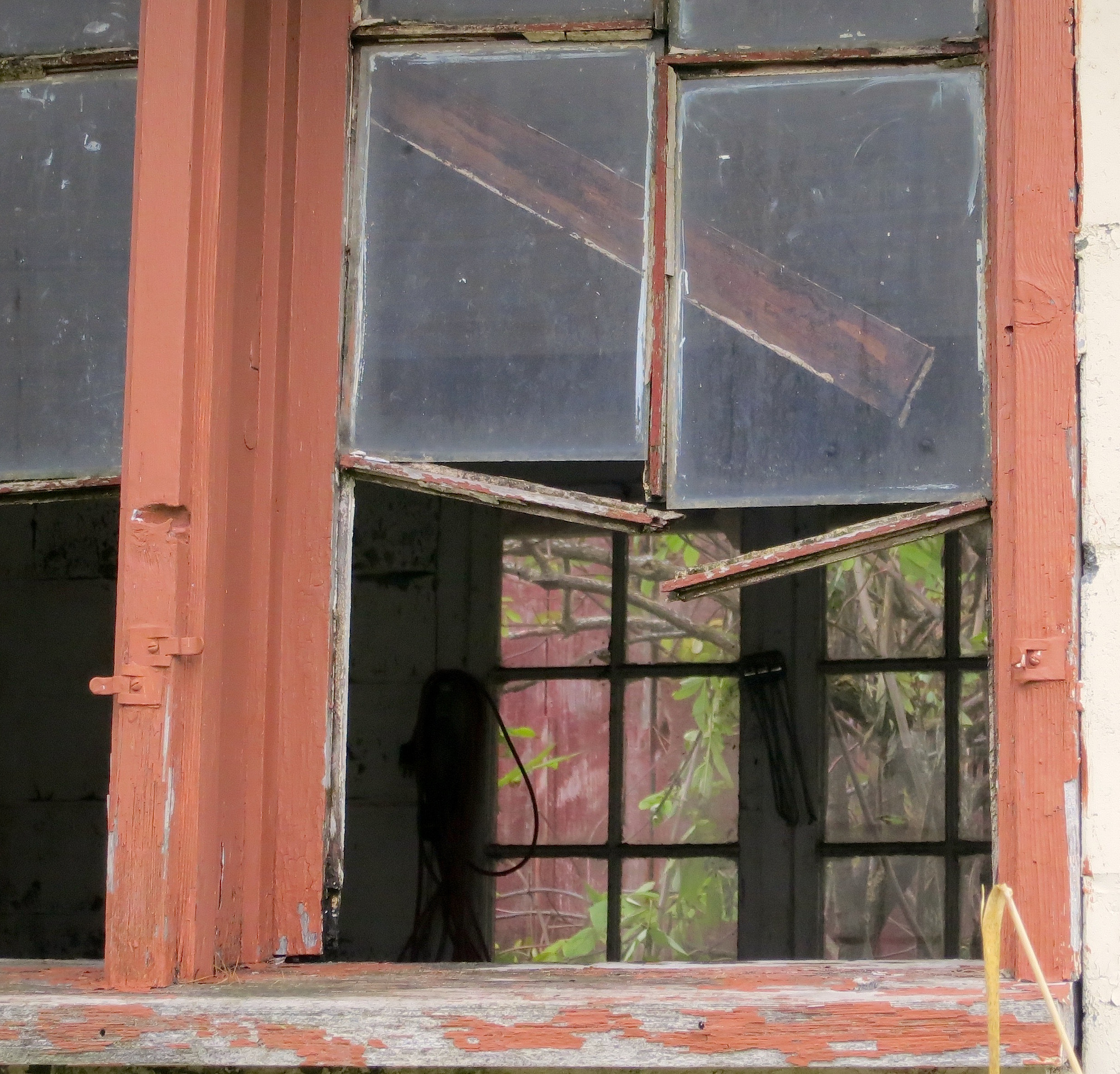
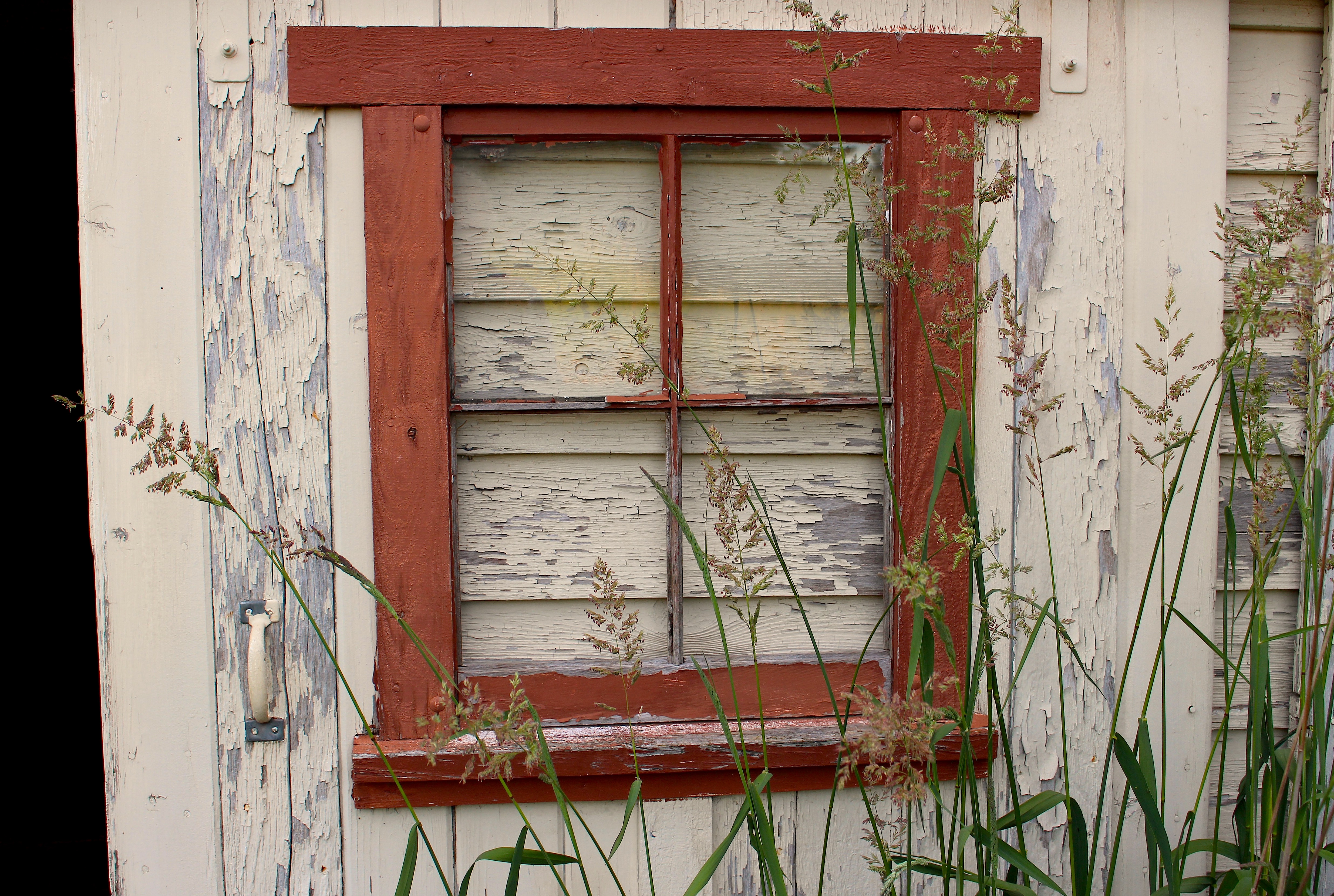
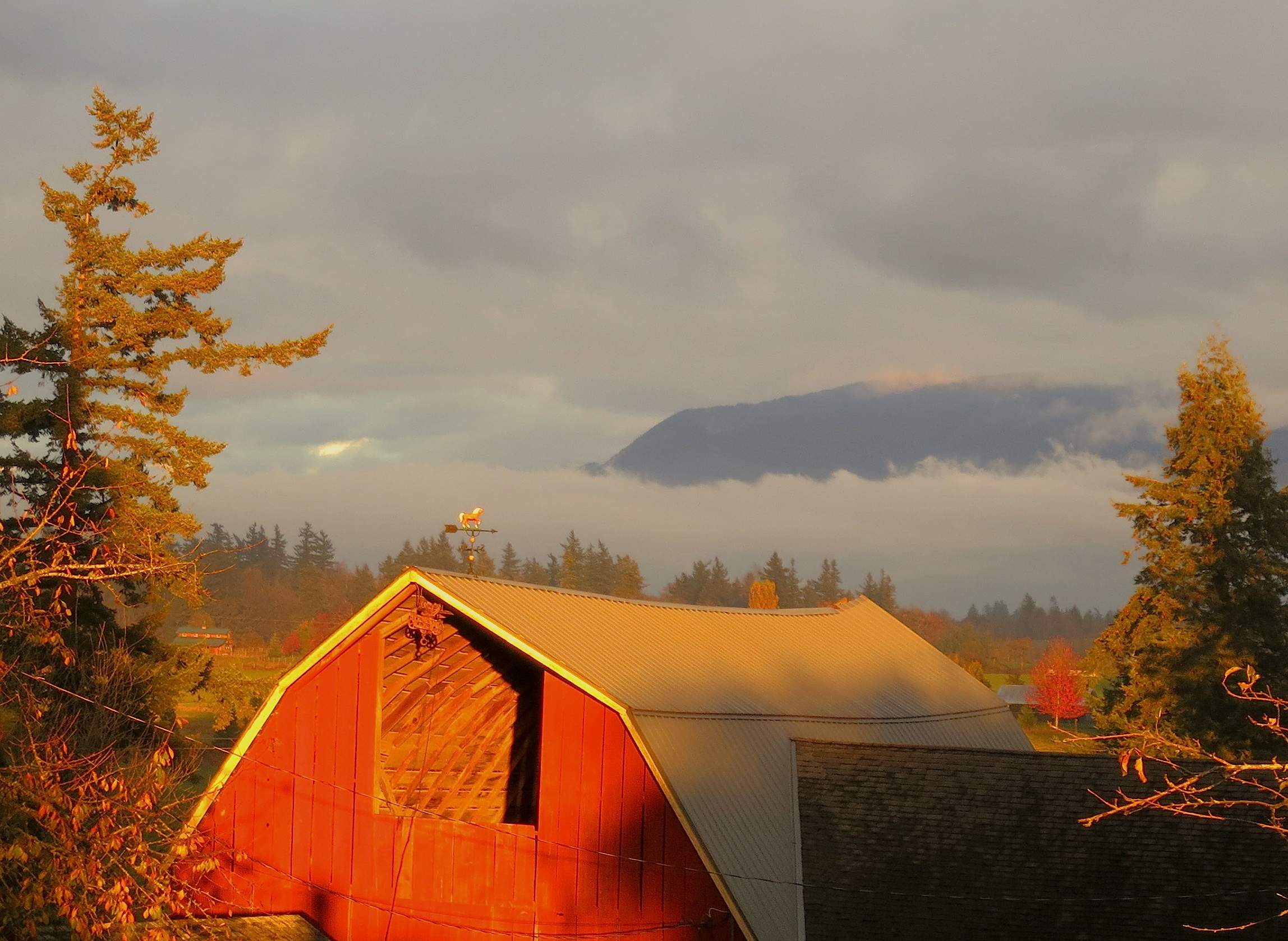
It occurs to me our old barn buildings on our farm are in need of a similar transformation, having received a new coat of paint over ten years ago and overdue for another.  As a dairy farm for its previous owners starting in the early 1900s until a few years before we purchased it in the late 80s, it has accumulated more than its share of sheds and buildings constructed over the years to serve one purpose or another: the big hay barn with mighty old growth beams and timbers in its framework (still hay storage), the attached milking parlor (converted by us to individual box stalls for our weanlings and yearlings) and milk house where the bulk tank once stood, the older separate milk house where the milk used to be stored in cans waiting for pick up by the milk truck (now garden shed and harness storage), the old smoke house for smoking meats (was our chicken coop, but now the dogs claim it), the old bunk house and root cellar (more storage), the old large chicken coop (now parking for our carts and carriage), and the garage (a Methodist church in its former life and moved 1/4 mile up the road to our farm some 70 years ago when the little community of Forest Grove that had formed around a saw mill, store, school and church disbanded after 30 years of prosperity when there were no more trees to cut down in the area). When we bought this farm, these buildings had not seen a coat of paint in many many years. They were weathering badly–we set to work right away in an effort to save them if we could, and got them repainted–“barn red” for the barn and cream white for the other buildings with red trim around the windows and roof lines.

That was over 25 years ago now and we’ve been trying to hold off on another round of painting. With a fresh coat of paint, these old buildings would appear to have new life again, though it is only on the surface. We know there are roofs that need patching, wiring that needs to be redone, plumbing that needs repair, foundations that need shoring up, broken windows that are drafty and need replacing, doors that don’t shut properly anymore–the list goes on. That superficial coat of paint does not solve all those problems–it will help prolong the life of the buildings, to be sure, but in many ways, all we’ve done is cosmetic surgery. What we really need is a full time carpenter –which neither of us is and at this point can’t afford.

In my late middle age, there are times when I wish fervently for that “new coat” for myself–i.e. fewer gray hairs, fewer pounds, fewer wrinkles and one less chin, less achy stronger muscles. I buy a new fall jacket and realize that all my deficiencies are simply covered for the time being. I may be warmer but I’m not one bit younger. That jacket will, I hope, protect me from the brisk northeast winds and the incessant drizzle of the region, but it will not stop the inevitable underneath. It will not change my original self and what I will become.
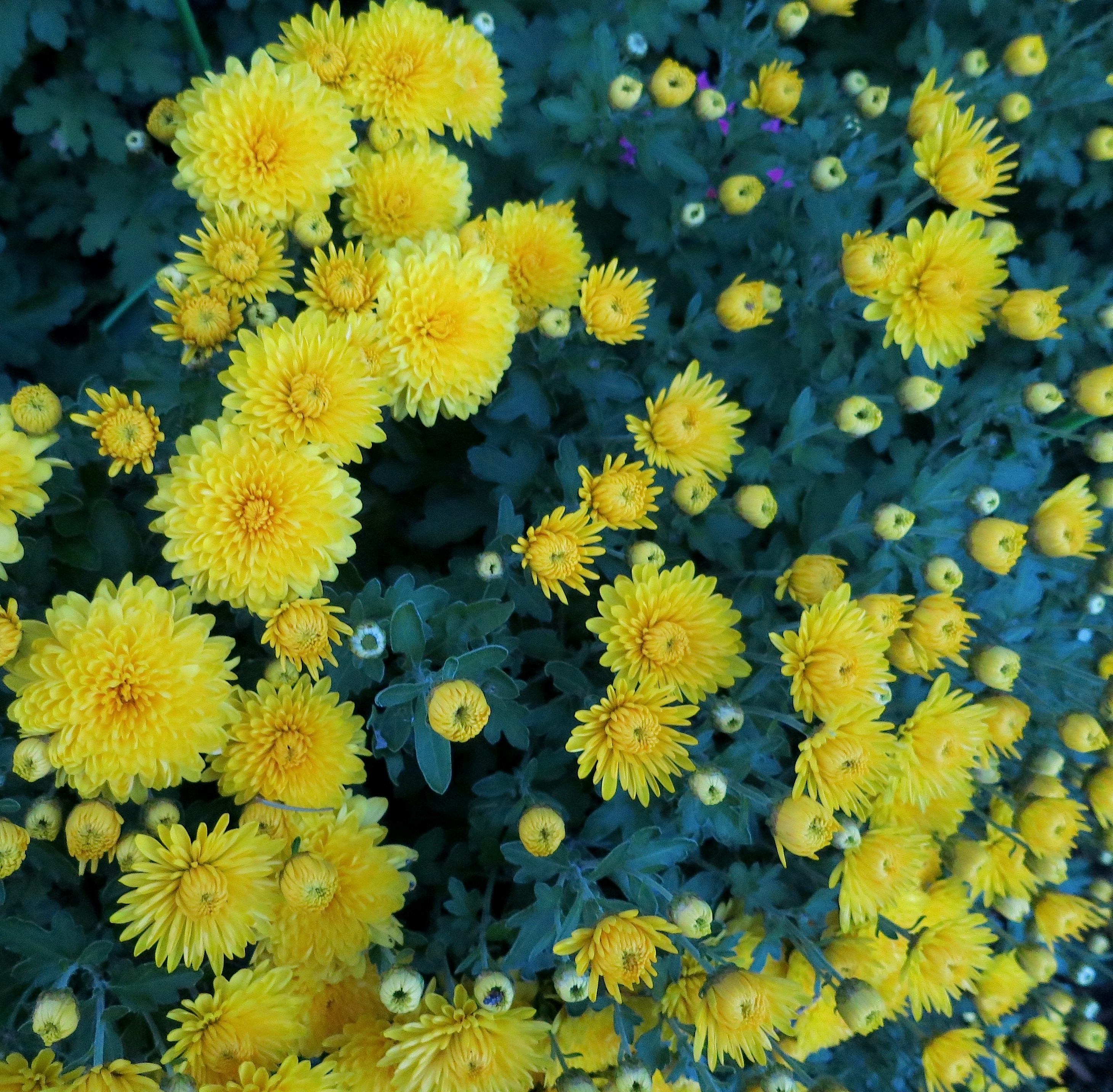
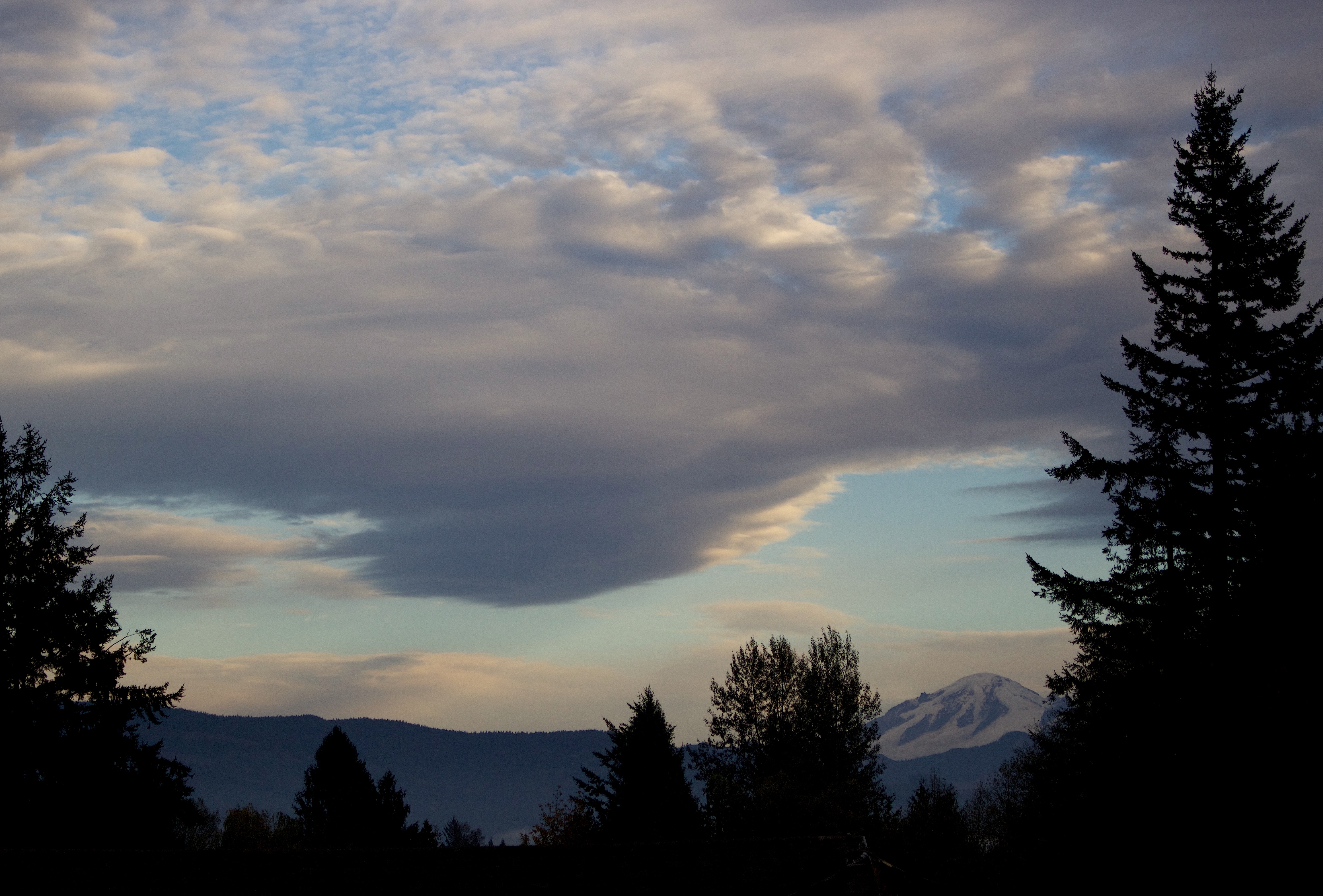
True shimmering change can only come from within, from deep inside our very foundations, requiring a transforming influence that comes from outside. For the Haflingers, it is the diminishing light and lower temperatures. For the buildings, it is the hammer and nail, and the capable hands that wield them. For me, it is knowing there is salvage for people too, not just for old barns and sheds. Our foundations are hoisted up and reinforced, and we’re cleaned, patched and saved despite who we have become. And unlike new paint, or a winter coat, it lasts forever.

brokenwindow1

barndoor15

sunset10313

When It Doesn’t Matter a Hill of Beans

Fall begins again even though I’m unprepared.  No matter which way I turn,  autumn’s kaleidoscope displays new patterns, new colors, new empty spaces as I watch the world die into itself once again.

Some dying blazes out in fury — a calling out for attention.  Then there is the dying that happens without anyone taking much notice: a plain, tired, rusting away letting go.

I spent the morning adjusting to this change in season by occupying myself with the familiar task of moving manure.  Cleaning barn is a comforting chore, allowing me to transform tangible benefit from something objectionable and just plain stinky to the nurturing fertilizer of the future. It feels like I’ve actually accomplished something.

As I scooped and pushed the wheelbarrow, I remembered another barn cleaning fifteen years ago, when I was one of a few friends left cleaning over ninety stalls after a Haflinger horse event that I had organized at our local fairgrounds. Some people had brought their horses from over 1000 miles away to participate for several days.  There had been personality clashes and harsh words among some participants along with criticism directed at me that I had taken very personally.  As I struggled with the umpteenth wheelbarrow load of manure, tears stung my eyes and my heart.  I was miserable with regrets.   After going without sleep and making personal sacrifices over many months planning and preparing for the benefit of our group,  my work felt like it had not been acknowledged or appreciated.

A friend had stayed behind with her family to help clean up the large facility and she could see I was struggling to keep my composure.  Jenny put herself right in front of my wheelbarrow and looked me in the eye, insisting I stop working for a moment and listen.

“You know,  none of these troubles and conflicts will amount to a hill of beans years from now.  People will remember a fun event in a beautiful part of the country,  a wonderful time with their horses, their friends and family, and they’ll be all nostalgic about it, not giving a thought to the infighting or the sour attitudes or who said what to whom.   We are horse people and human beings, for Pete’s sake, prone to complain and grouse about life.  So don’t make this about you and whether you did or didn’t make everyone happy.  You loved us all enough to make it possible to meet here and the rest was up to us.  So quit being upset about what you can’t change.  There’s too much you can still do for us.”

During tough times, Jenny’s advice replays, reminding me to stop expecting or seeking appreciation from others, or feeling hurt when harsh words come my way.   She was right about the balm found in the tincture of time and she was right about giving up the upset in order to die to self and self absorption, and keep focusing outward.

I have remembered.

Subsequently, unknown to both of us at the time,  Jenny herself spent over six years dying from breast cancer, while living her life sacrificially and sacramentally every day, fighting a relentless disease that was, for a time, immobilized in the face of her faith and intense drive to live. She became a rusting leaf, fading imperceptibly over time, crumbling at the edges until the day when she finally let go.   Her dying did not flash brilliance, nor draw attention at the end.  Her intense focus during the years of her illness had always been outward to others, to her young family and friends, to the healers she spent so much time with in medical offices, to her belief in the plan God had written for her and others.

So four years ago she let go her hold on life here. And we reluctantly have let her go.   Brilliance now cloaks her as her focus is on things eternal.

You were so right, Jenny.  Nothing from fifteen years ago amounts to a hill of beans; it simply doesn’t matter any more.

Except the words you spoke to me.

And I won’t be upset that I can’t change the fact that you have left us.

We’ll catch up later.

photo of Jenny Rausch in her last year on earth, by sister Ginger-Kathleen Coombs

novpoleroadtree

Not One Blade of Grass


rain8

blueberryleaf

buttercup915

feverfew

gloryunfurl

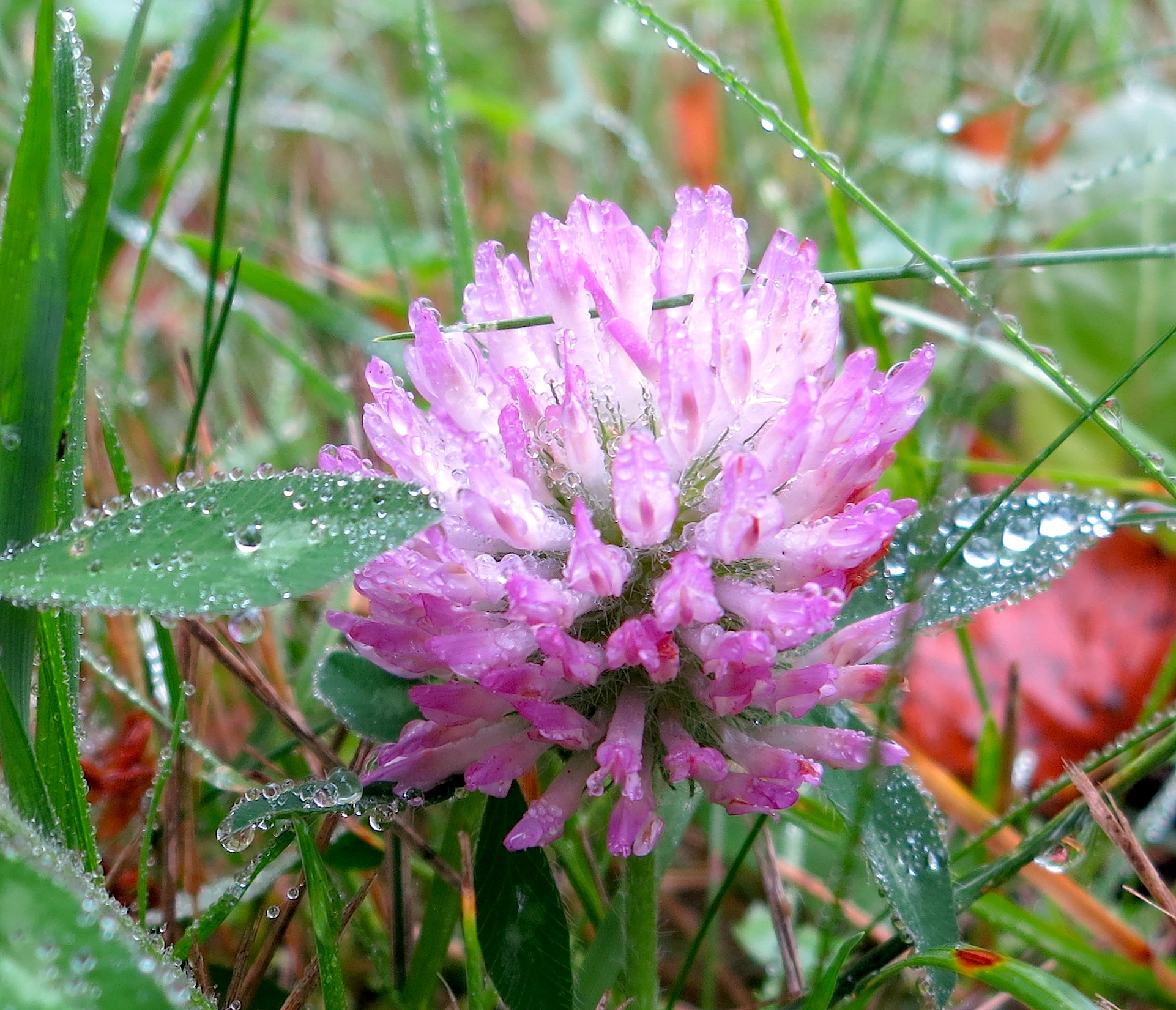
cloverdrizzle

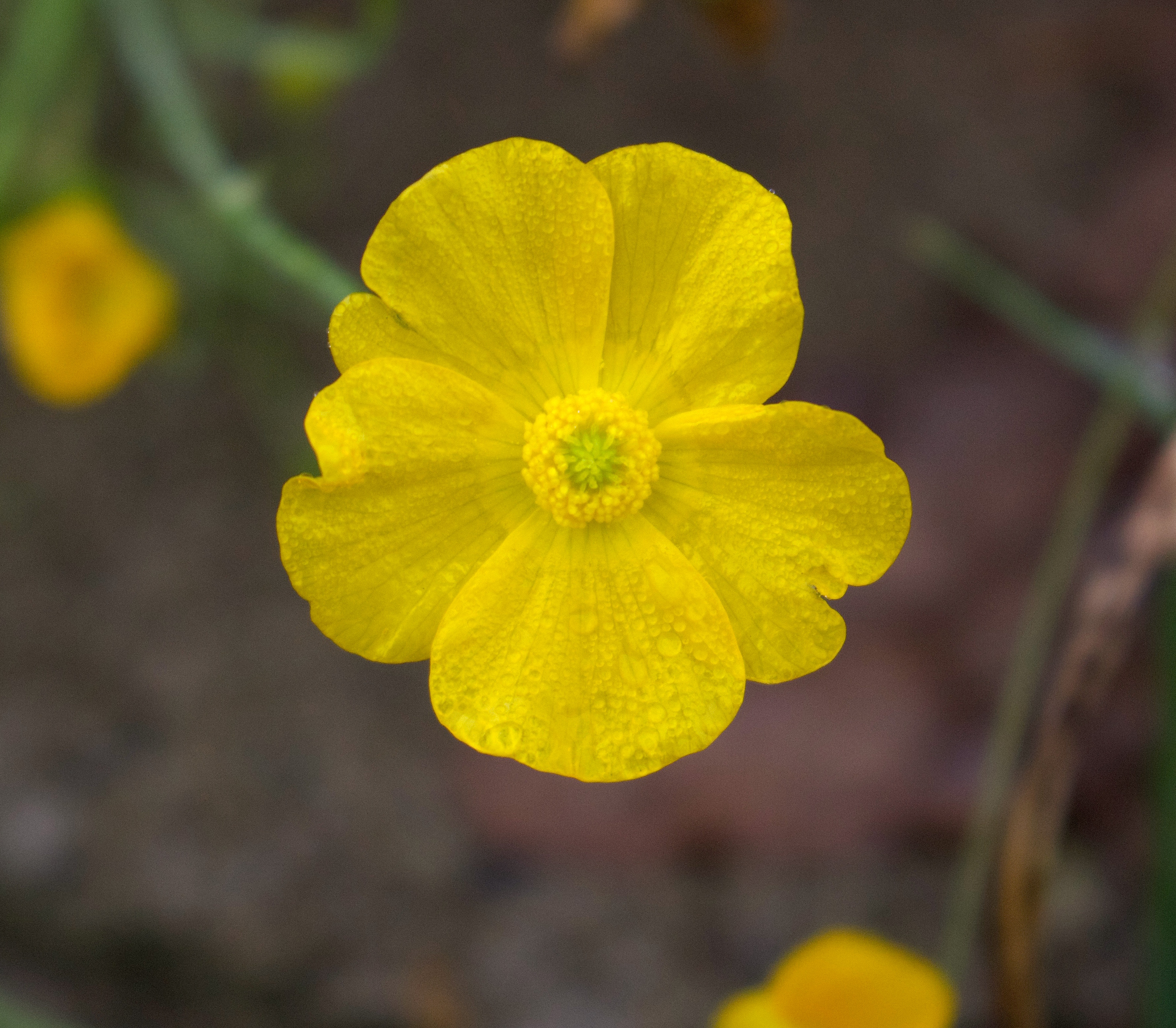
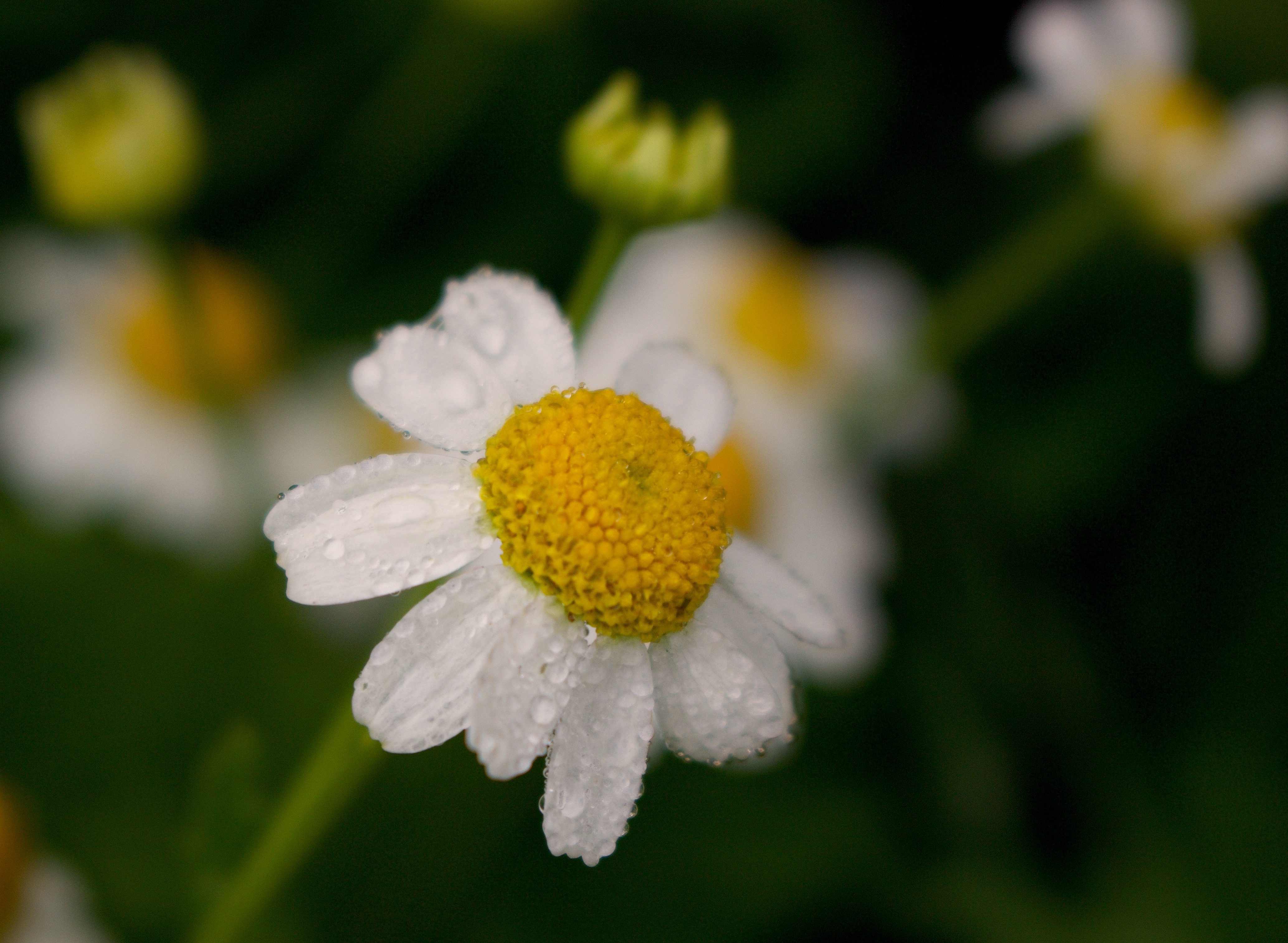
There is not one blade of grass, there is no color in this world that is not intended to make us rejoice.
~John Calvin


We are given the option to notice
or not
We are given reason to rejoice
or not
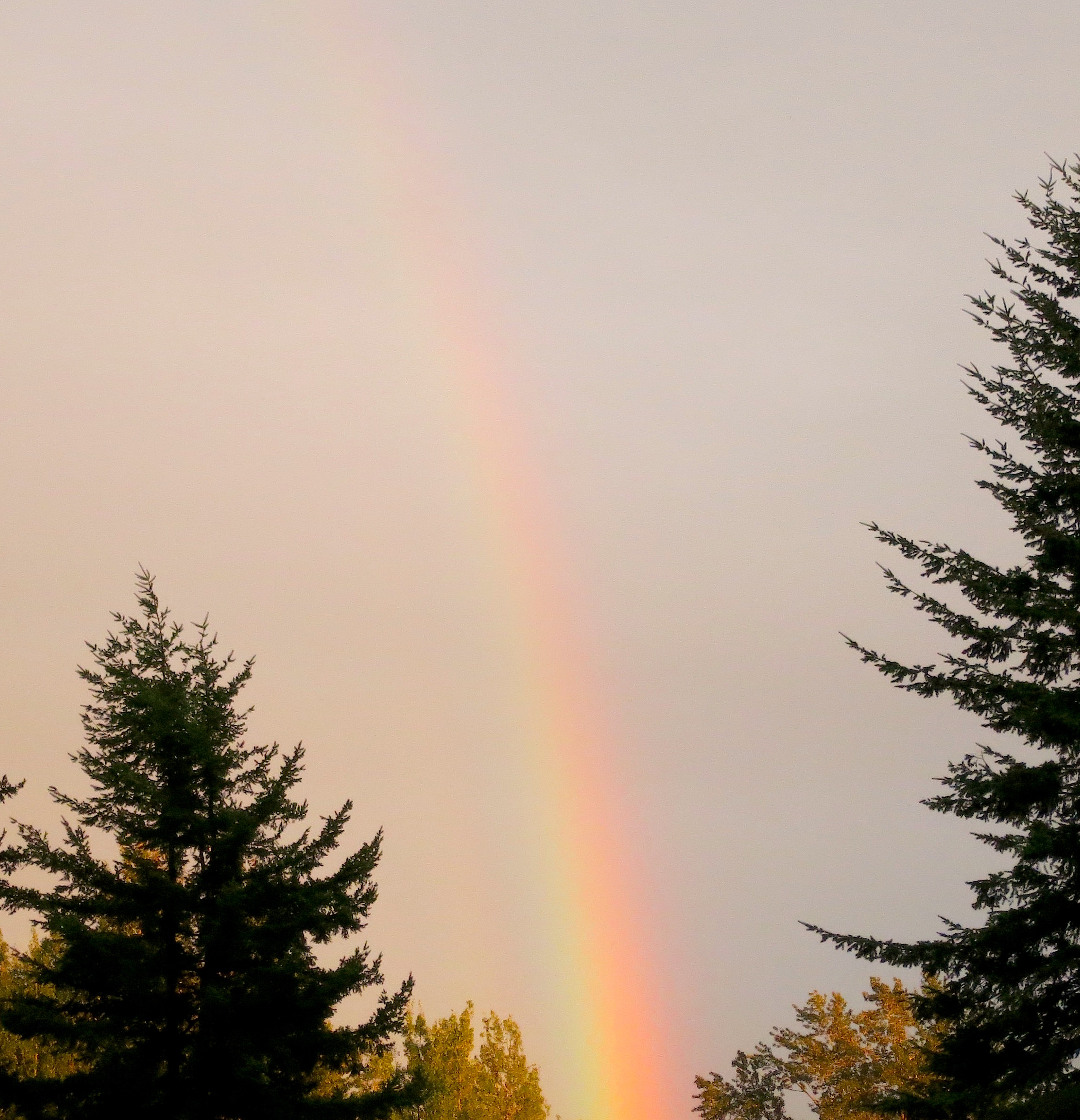
We are given a rain-bowed promise to witness
or not.
So why ever not?

creeperbranch2015


grasses51815

hydrangea92615

field92615

webnet2

rainbow92015

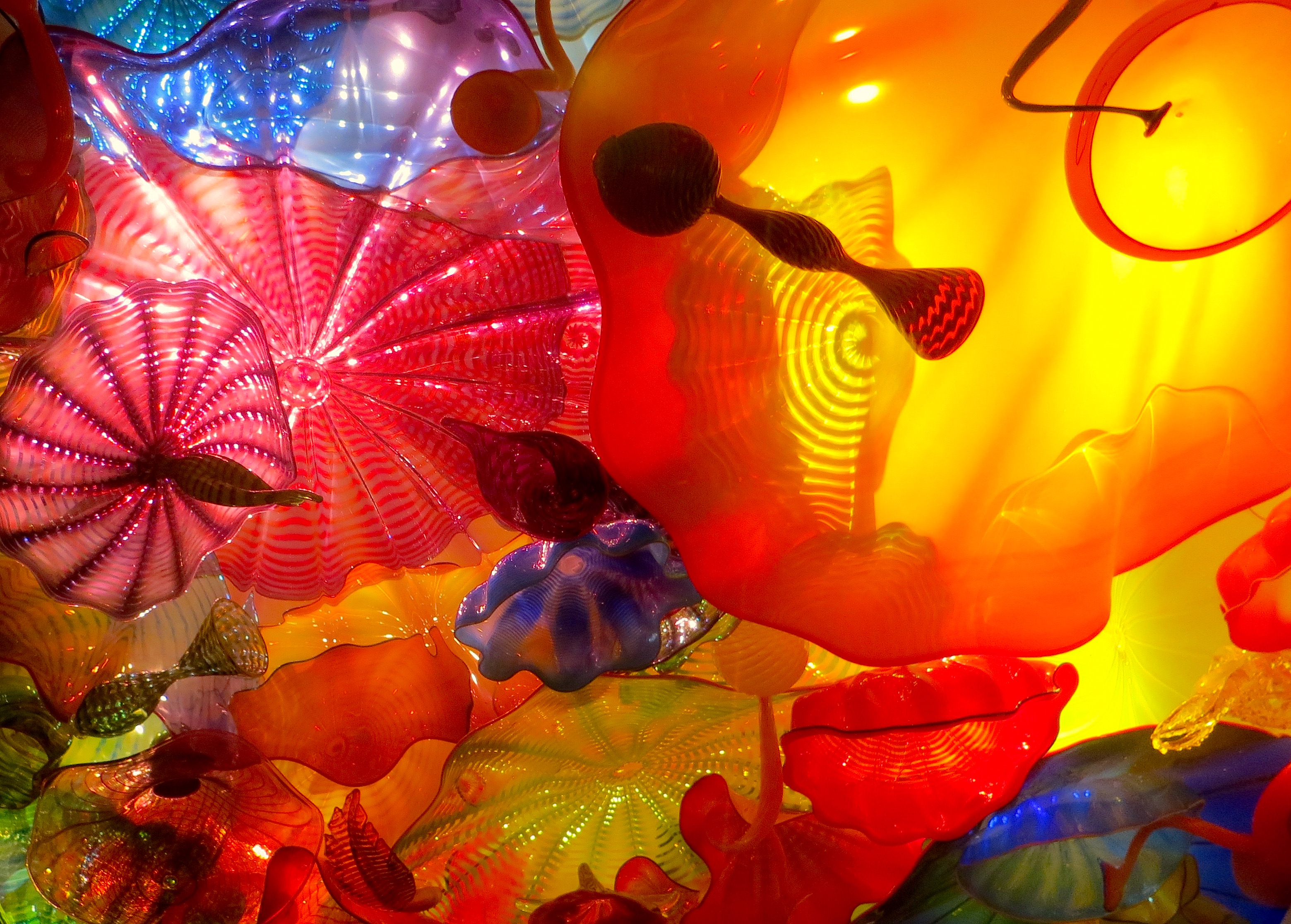
Congeries of Colored Things

marketstars2

marketflowers

chihuly1

wlczinnia

It is a fault of infinity to be too small to find.
It is a fault of eternity to be crowded out by time.
Before our eyes we see an unbroken sheath of colors.
We walk amid a congeries of colored things that part before our steps
to reveal more colored things.
Above us hurtle more things, which fill the universe.
There is no crack.
Where, then, is the gap through which eternity streams?

It is our lives we love, our times, our generation, our pursuits.
And are we called to forsake these vivid and palpable goods
for an idea of which we experience not one trace?
Am I to believe eternity outranks my child’s finger?

Annie Dillard from Teaching a Stone to Talk

If we look closely enough
we see farthest
with eyes closed
to the distraction of life’s colored things,
real and imagined.

Eternity — beyond what we can know
Infinity — beyond what we can conjure

We reach for it
because we are told
it is within our grasp.

fallcrocus4

marketstars1

chihuly15

homerose2

chihuly16

marketstars4

At the Still Point

halfstaff

frontyard915

sunset910151

At the still point of the turning world. Neither flesh nor fleshless;
Neither from nor towards; at the still point, there the dance is,
But neither arrest nor movement. And do not call it fixity,
Where past and future are gathered. Neither movement from nor towards,
Neither ascent nor decline. Except for the point, the still point,
There would be no dance, and there is only the dance.

I can only say, there we have been: but I cannot say where.
And I cannot say, how long, for that is to place it in time.
The inner freedom from the practical desire,
The release from action and suffering, release from the inner
And the outer compulsion, yet surrounded
By a grace of sense, a white light still and moving…
{Burnt Norton}

Than that of summer, neither budding nor fading,
Not in the scheme of generation.
Where is the summer, the unimaginable
Zero summer?
{Little Gidding}

~T.S. Eliot, from Four Quartets

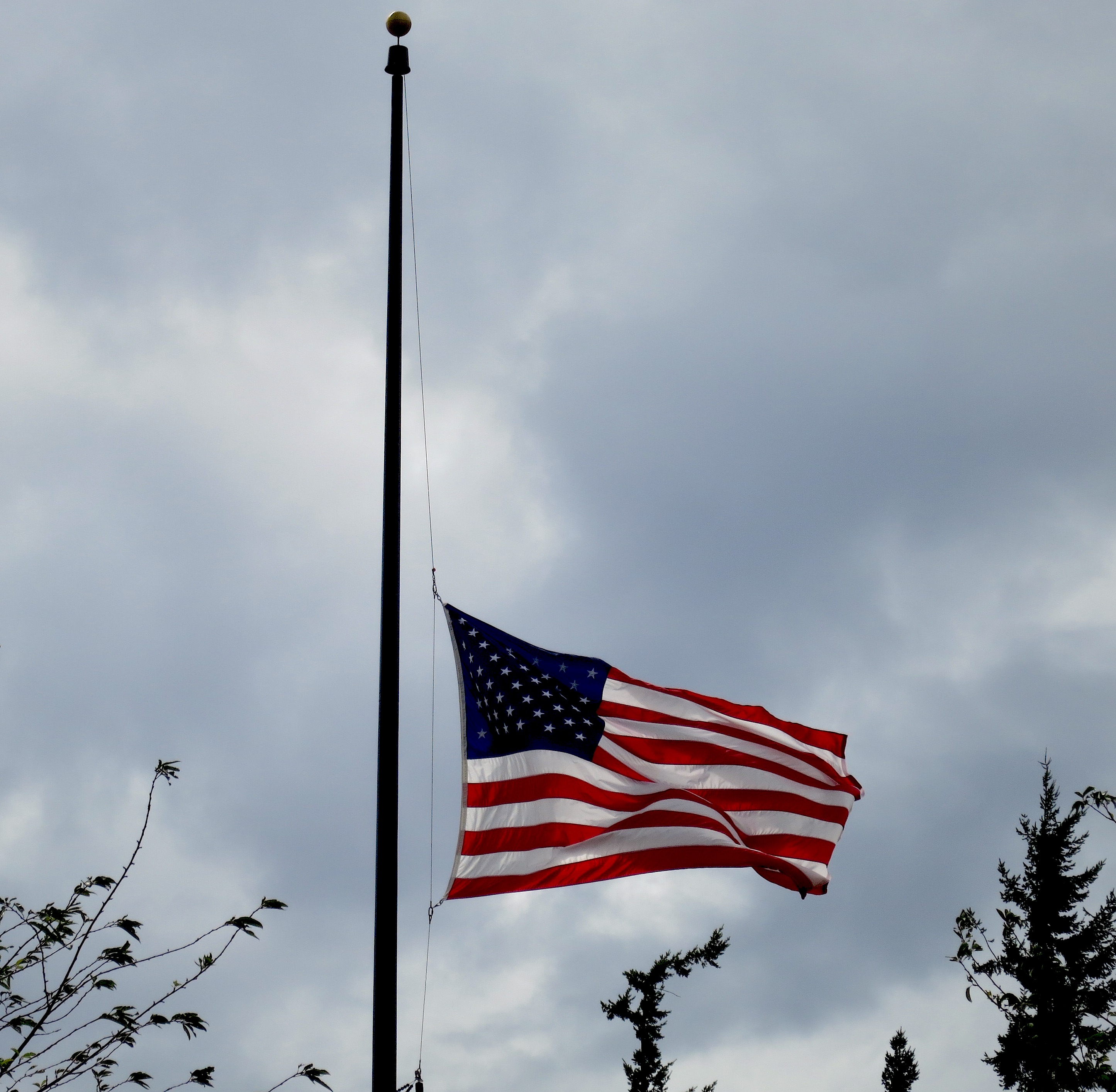
As a grade school child in November 1963, I learned the import of the U.S. flag being lowered to half mast in response to the shocking and violent death of our President. The lowering of the flag was so rare when I was growing up, it had dramatic effect on all who passed by — something very sad had happened to our country, warranting our silence and our stillness.

Since 9/11/01, our flag has spent significant time at half mast, so much so that I’m befuddled instead of contemplative, puzzling over what the latest loss might be as there are so many, sometimes all happening in the same time frame.  We no longer are silenced by this gesture of honor and respect and we certainly are not stilled, personally and corporately instigating and suffering the same mistakes against humanity over and over again.

Eliot wrote the prescient words of the Four Quartets in the midst of the WWII German bombing raids that destroyed people and neighborhoods. Perhaps he sensed the destruction he witnessed would not be the last time in history that evil visits the innocent, leaving them in ashes. There would be so many more losses to come, so much more sadness to be borne, such abundance of grief that our world has become overwhelmed and stricken.

He was right: we have yet to live in a Zero summer of endless hope and fruitfulness, of spiritual awakening and understanding.  Where is it indeed?

We must return, as people of faith, as Eliot did, to that still point to which we are called on a day such as today.  We must be stilled; we must be silenced. We must grieve the losses of this turning world, as did Eliot, and pray for release from the suffering we cause and we endure.  Only in the asking, only in the kneeling down and pleading, are we surrounded by grace.   A flag half lowered may have lost its power to punch our gut, but we are illuminated by the Light on the move in our lives.

sunset95153

septembermapleleaves

dandy910159

sunset813151