A Silken Ladder

morningweb2

morningweb7

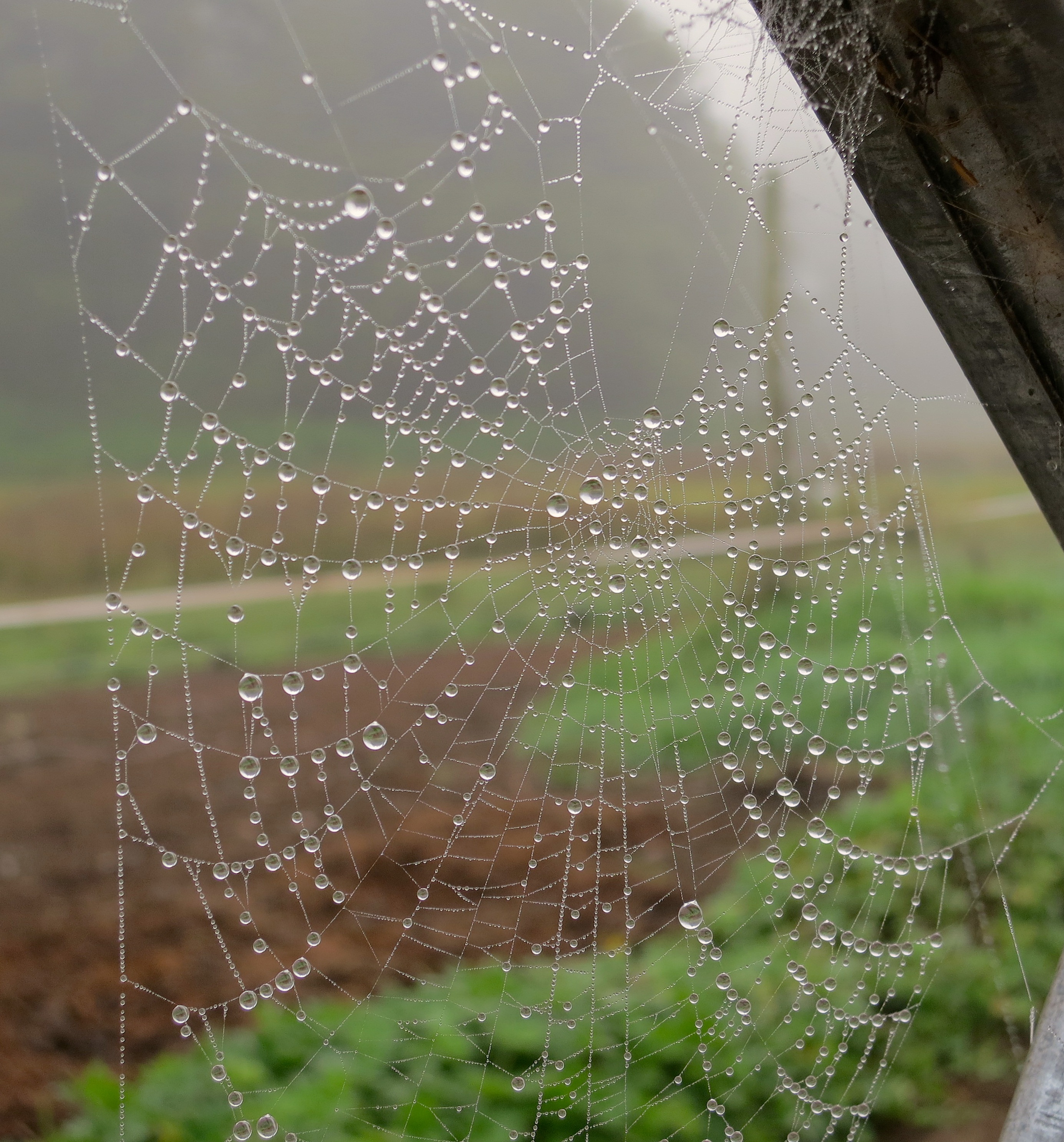
The spider, dropping down from twig,
Unfolds a plan of her devising,
A thin premeditated rig
To use in rising.

And all that journey down through space,
In cool descent and loyal hearted,
She spins a ladder to the place
From where she started.

Thus I, gone forth as spiders do
In spider’s web a truth discerning,
Attach one silken thread to you
For my returning.
~E.B. White “Natural History”

webhole4

wetweb2

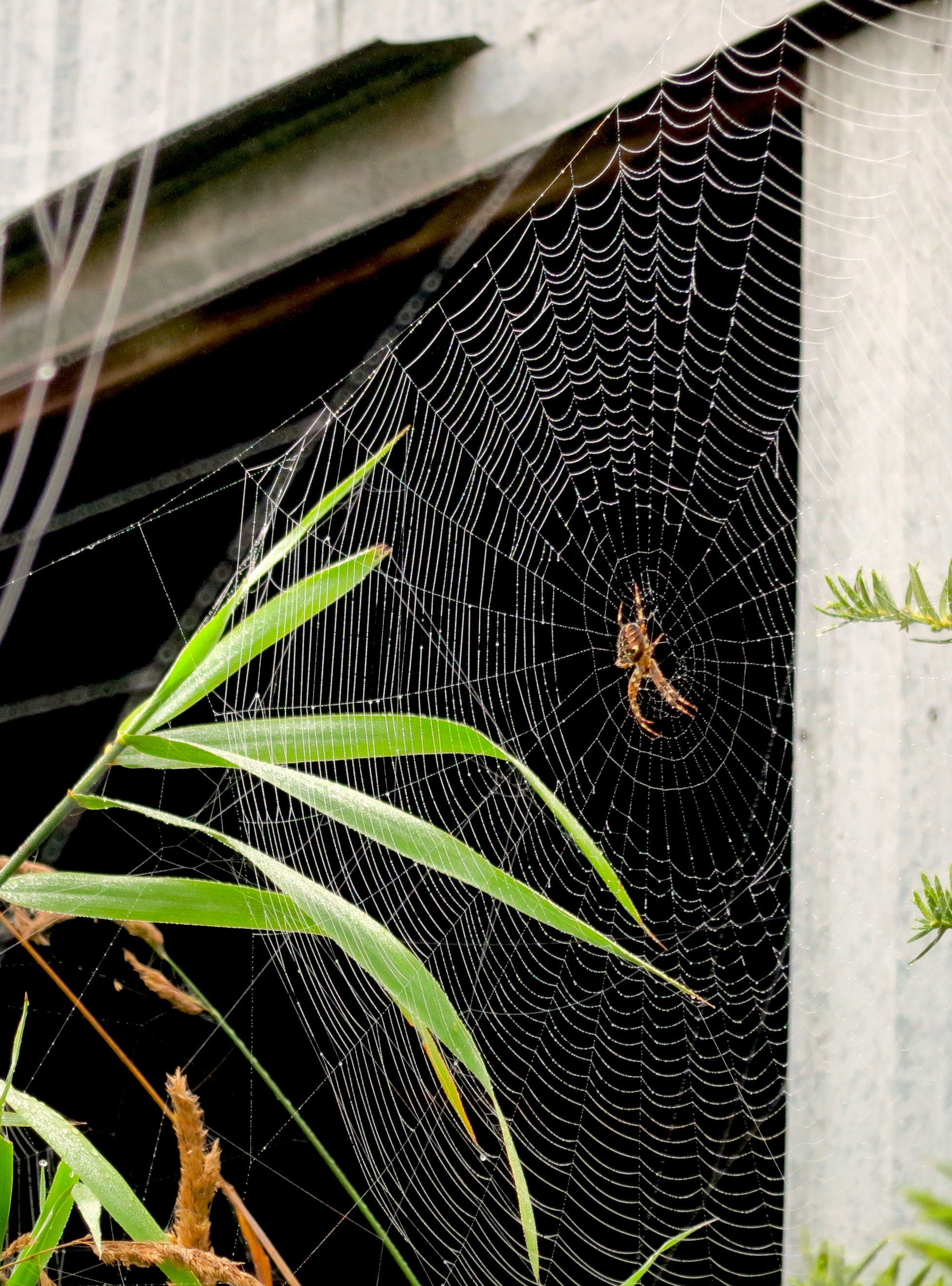
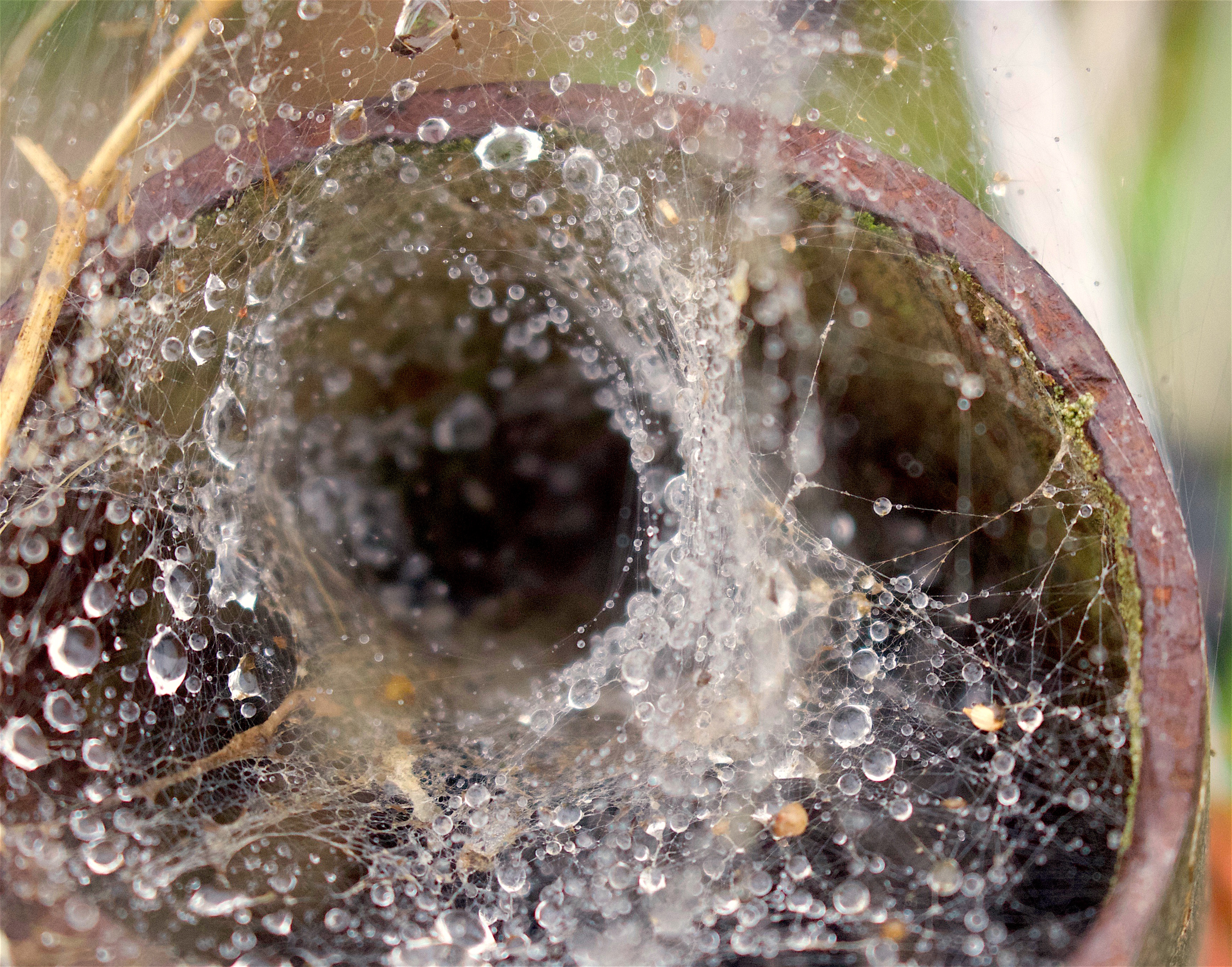
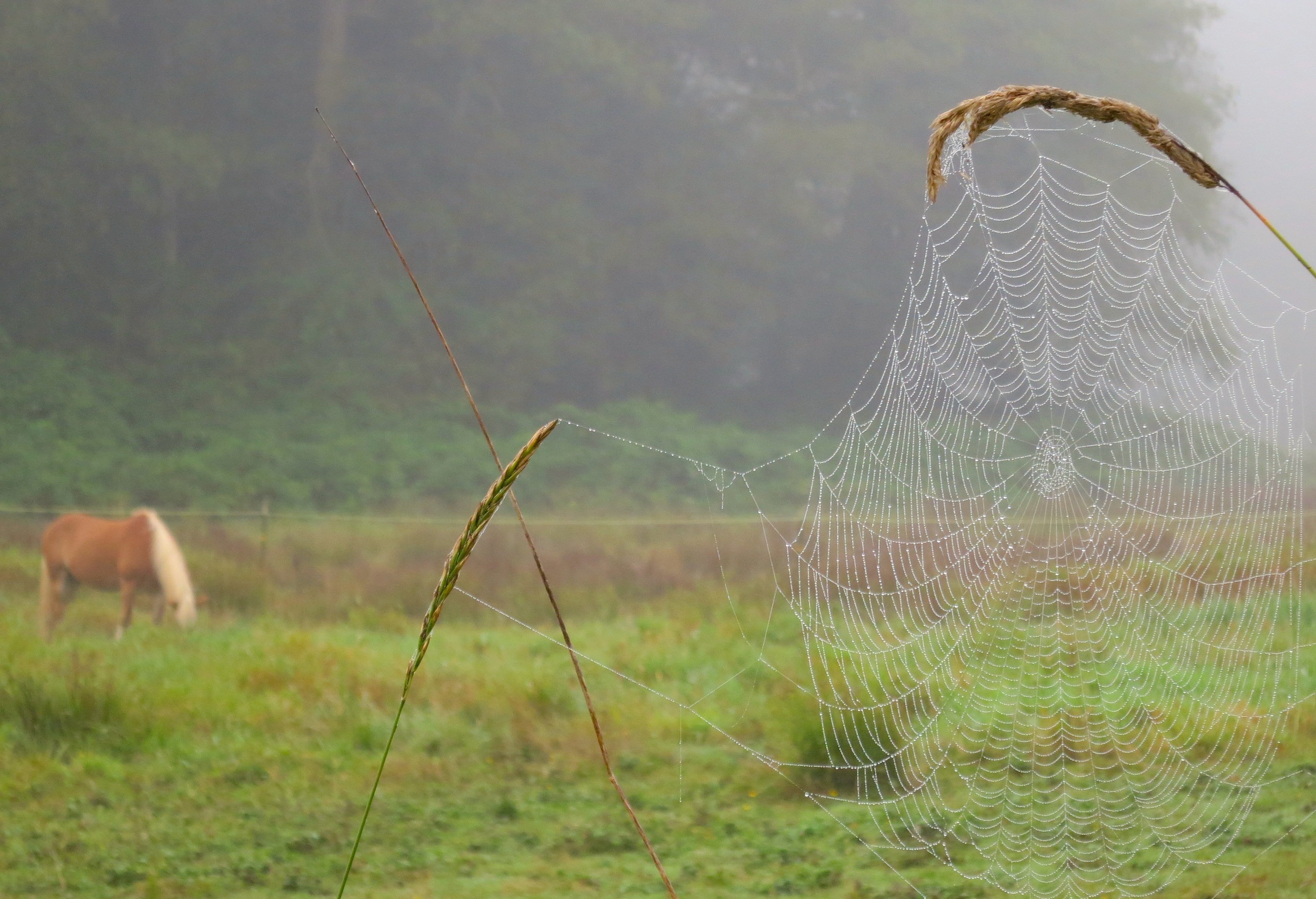
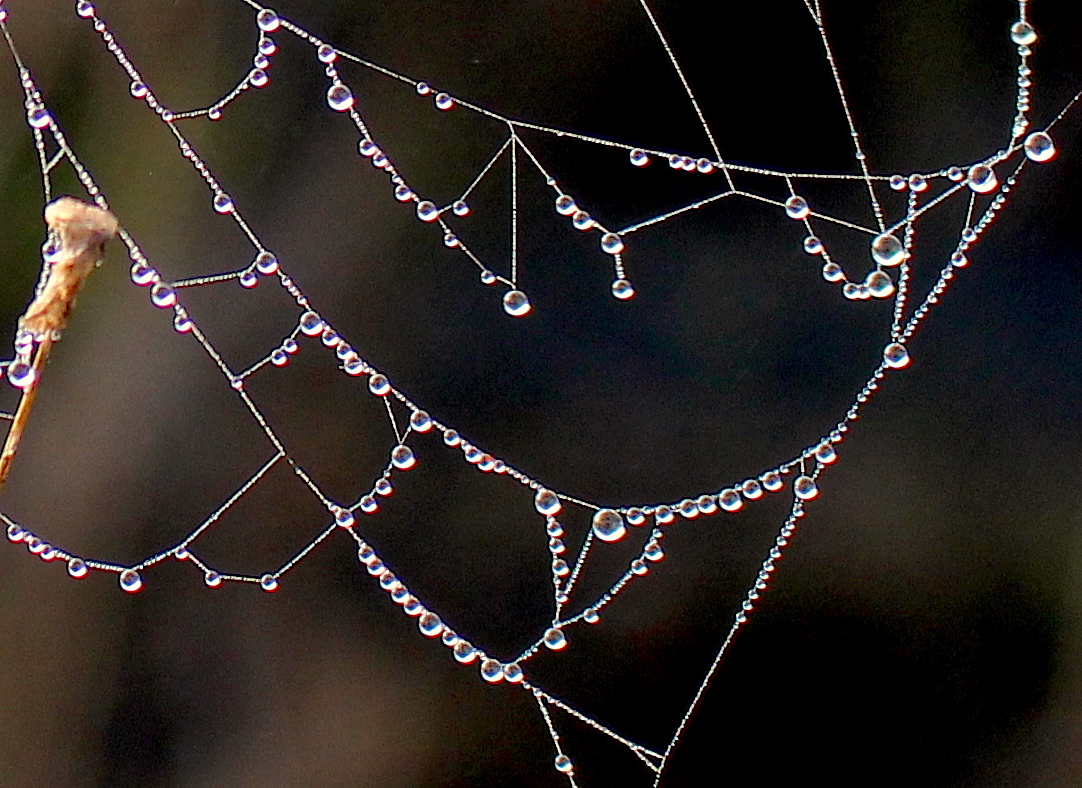
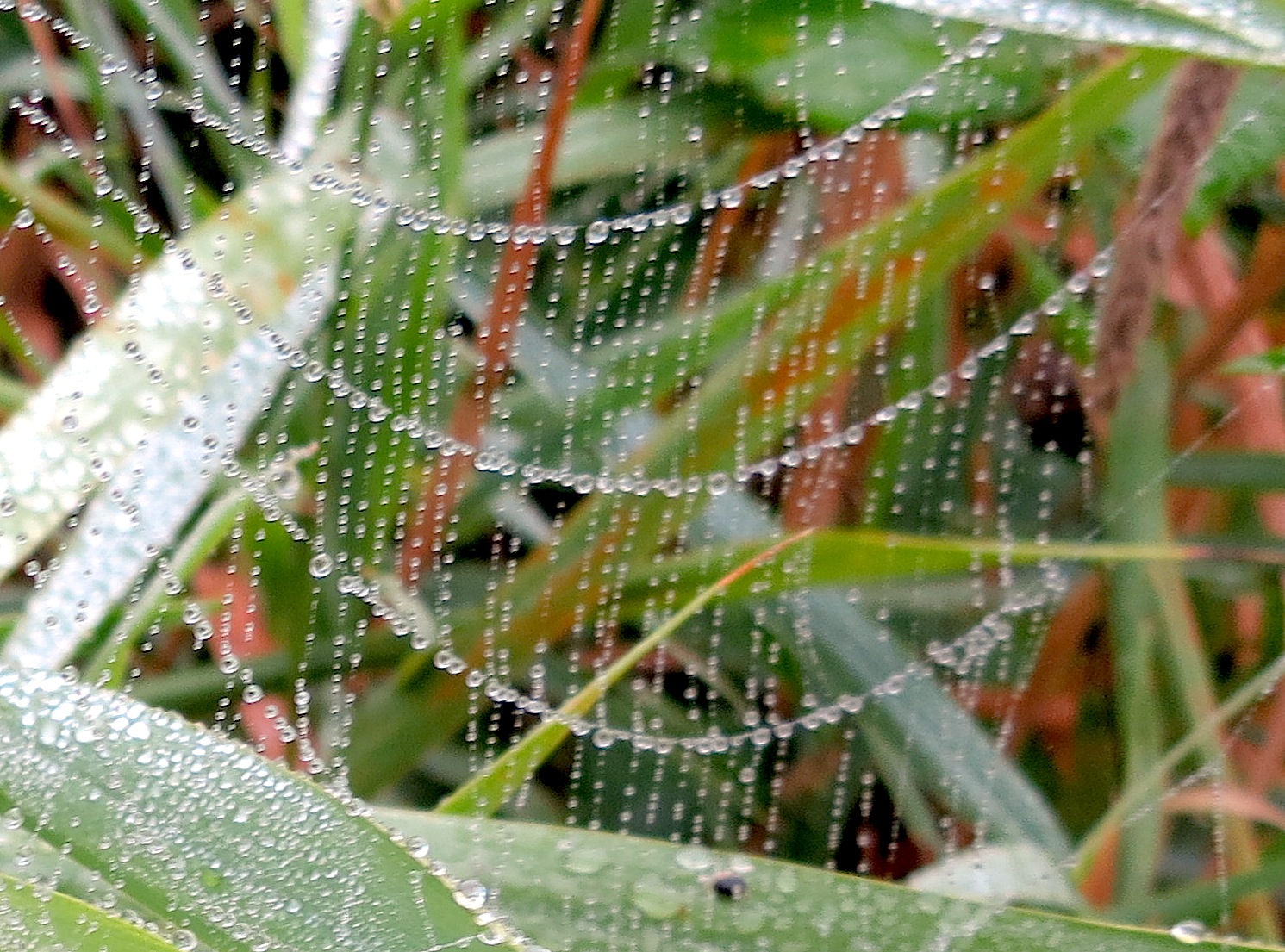
No matter where I go to complete farm chores this time of year, I’m getting a face full of spider web and often a spider or two or three in my hair.  The spinners are very busy in the night dropping from rafters and branches, leaping courageously into uncharted territory with only their thread as rescue cable.

I am not so brave as they, nor as diligent.  Instead, I’m lollygagging in the art gallery of their fine work,  simply appreciating the abundant crop of silken ladders and hammocks, while trying not to destroy them.

I’m drawn back morning after morning to see what they’ve caught and how well they endure.  As long as I keep my face out of their masterpiece, all is well.

All is well.

morningweb9

webdew2

webdesign11

webdrizzle2

Bound to the Earth

sunset76161

sistersmoon

My grandparents owned the land,
worked the land, bound
to the earth by seasons of planting
and harvest.

They watched the sky, the habits
of birds, hues of sunset,
the moods of moon and clouds,
the disposition of air.
They inhaled the coming season,
let it brighten their blood
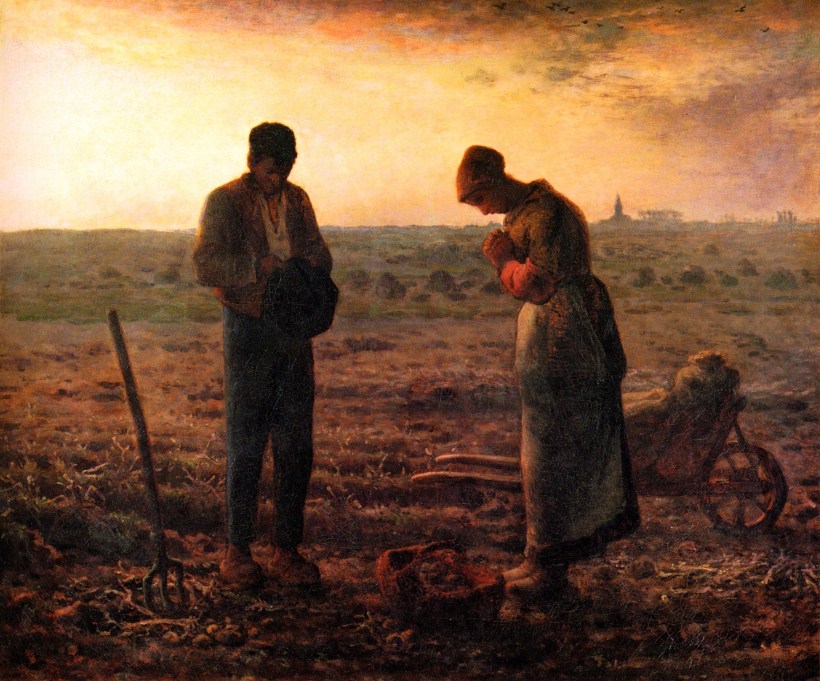
for the work ahead.

Soil sifted through their fingers
imbedded beneath their nails
and this is what they knew;
this rhythm circling the years.
They never left their land;
each in their own time
settled deeper.
~Lois Parker Edstrom “Almanac” from Night Beyond Black. © MoonPath Press, 2016.

morningswans

396747_496652663682556_1002398142_n
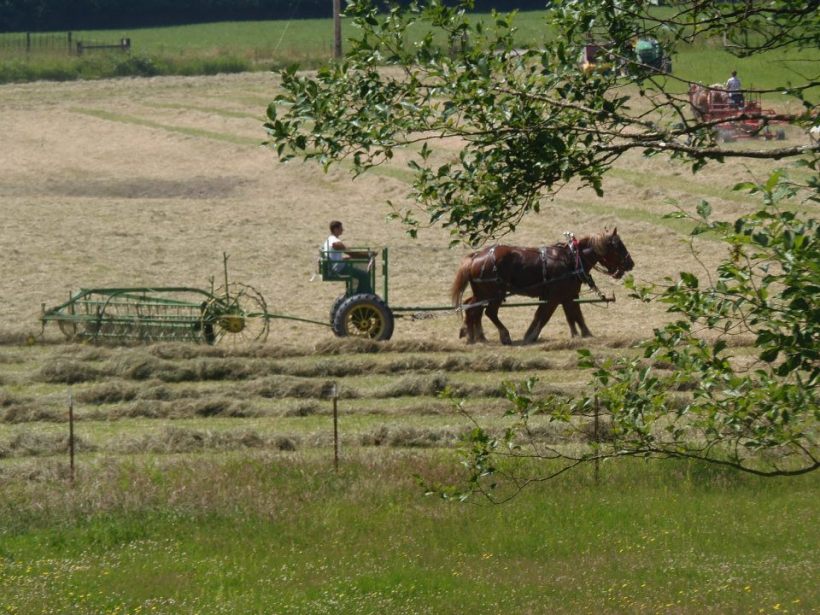
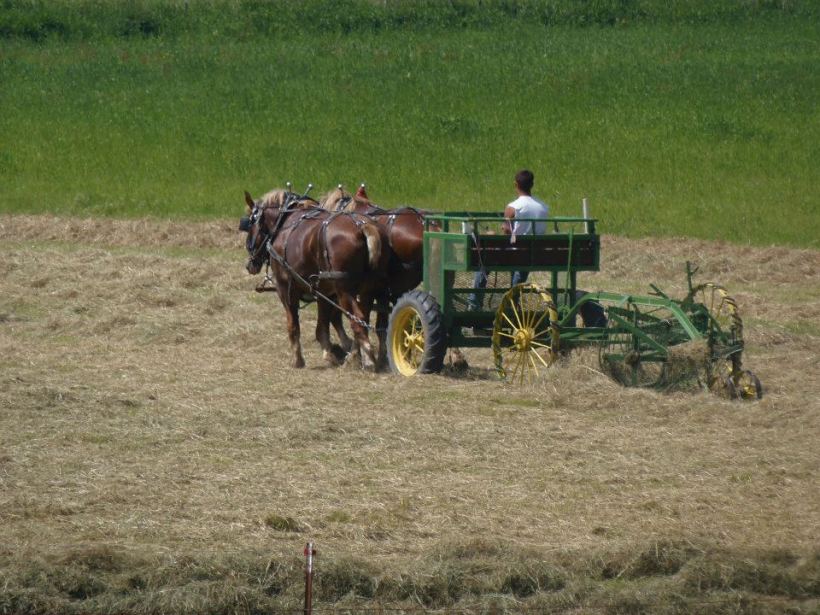
Photo of Aaron Janicki haying with his Oberlander team in Skagit County courtesy of Tayler Rae

I am old enough to have parents who grew up on farms worked by horses, one raising wheat and lentils in the Palouse country of eastern Washington and the other logging in the woodlands of Fidalgo Island of western Washington.  The horses were crucial to my grandparents’ success in caring for and tilling the land, seeding and harvesting the crops and bringing supplies from town miles away.  Theirs was a hardscrabble life in the early 20th century with few conveniences.  Work was year round from dawn to dusk; caring for the animals came before any human comforts.  Once night fell, work ceased and sleep was welcome respite for man and beast.

In the rural countryside where we live now, we’ve been fortunate enough to know people who still dabble in horse farming, whose draft teams are hitched to plows and mowers and manure spreaders as they head out to the fields to recapture the past.  Watching a good team work with no diesel motor running means hearing bird calls from the field, the steady footfall of the horses, the harness chains jingling, the leather straps creaking, the machinery shushing quietly as gears turn and grass lays over in submission.  No ear protection is needed.  There is no clock needed to pace the day.   There is a rhythm of nurture when animals instead of engines are part of the work day.   The gauge for taking a break is the amount of foamy sweat on the horses and how fast they are breathing. It is time to stop and take a breather, it is time to start back up and do a few more rows, it is time to water, it is time for a meal, it is time for a nap, it is time for a rest in a shady spot.  This is gentle use of the land with four footed stewards who deposit right back to the soil the digested forage they have eaten only hours before.

Our modern agribusiness megafarm fossil-fuel-powered approach to food production has bypassed the small family farm which was so dependent on the muscle power of humans and animals.    In our move away from horses worked by skilled teamsters,  what has been gained in high production values has meant loss of self-sufficiency and dedicated stewardship of a particular plot of ground.  Draft breeds, including the Haflinger horses we own, now are bred for higher energy with lighter refined bone structure meant more for eye appeal and floating movement,  rather than the sturdy conformation and unflappable low maintenance mindset needed for pulling work.   Modern children are bred for a different purpose as well, no longer raised to work together with other family members for a common purpose of daily survival.   Their focus at school is waning as they have no morning farm chores when they get up, too little physical work to do before they arrive at their desks in the morning.   Their physical energy, if directed at all,  is directed to competitive sports, engaged in fantasy combat rather than winning a very real victory over hunger.

I am encouraged when young people still reach for horse collars and bridles, hitch up their horses and do the work as it used to be done.   All is not lost if we can still make incremental daily progress,  harnessed together as a team with our horses, tilling for truth and harvesting hope.

pinkbaker4
I like farming. I like the work. I like the livestock and the pastures and the woods.  It’s not necessarily a good living, but it’s a good life.  I now suspect that if we work with machines the world will seem to us to be a machine, but if we work with living creatures the world will appear to us as a living creature.  That’s what I’ve spent my life doing, trying to create an authentic grounds for hope. –Wendell Berry, horse farmer, essayist, poet, professor

sunrise9714

314753_496651617015994_783180103_n
photo by Tayler Rae


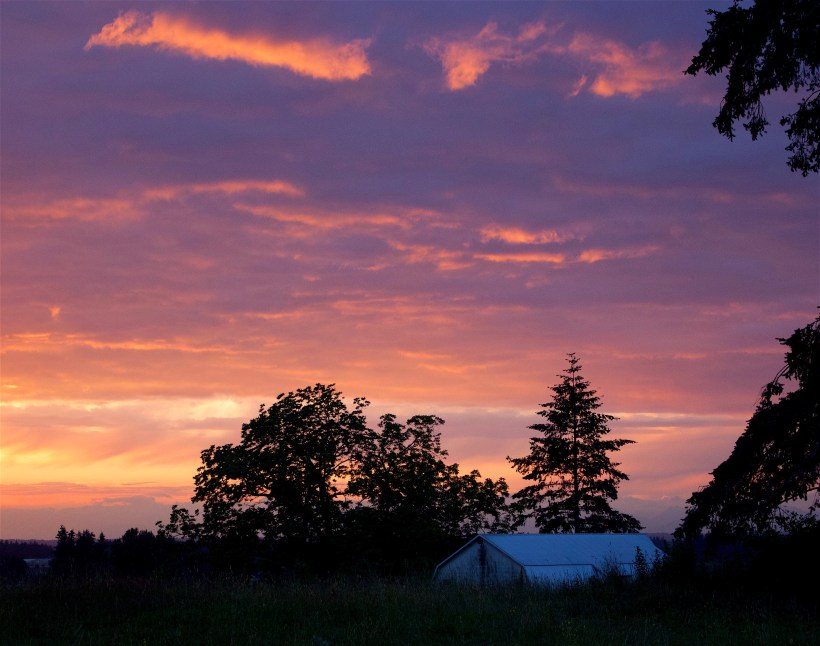
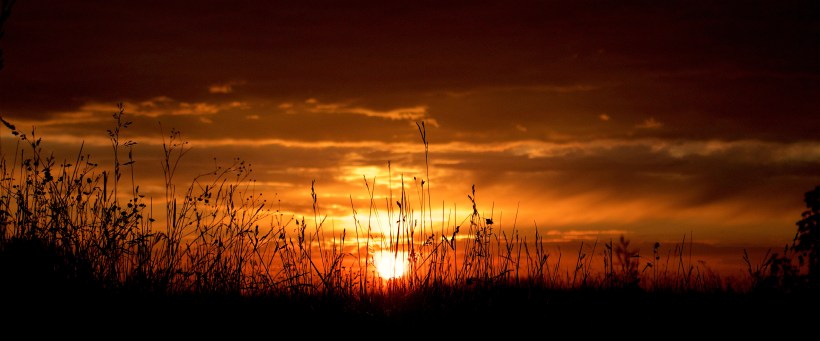
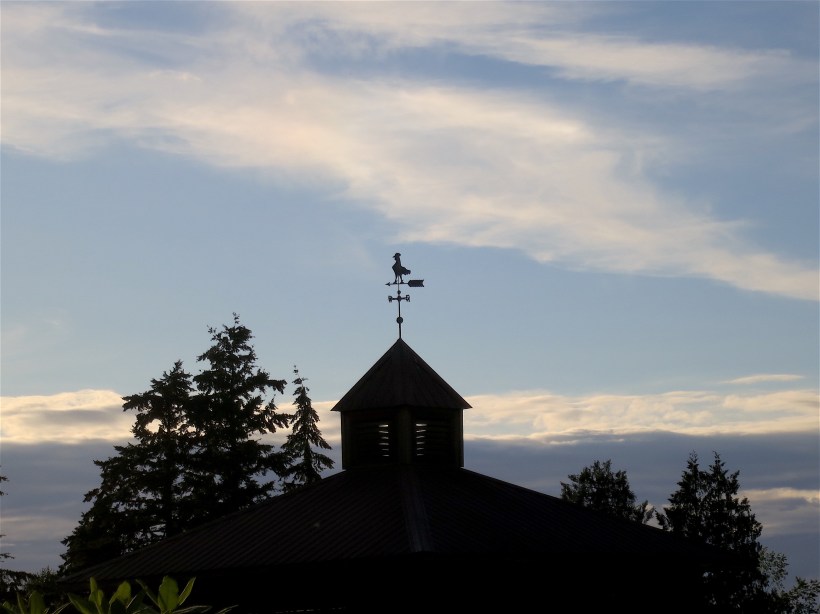
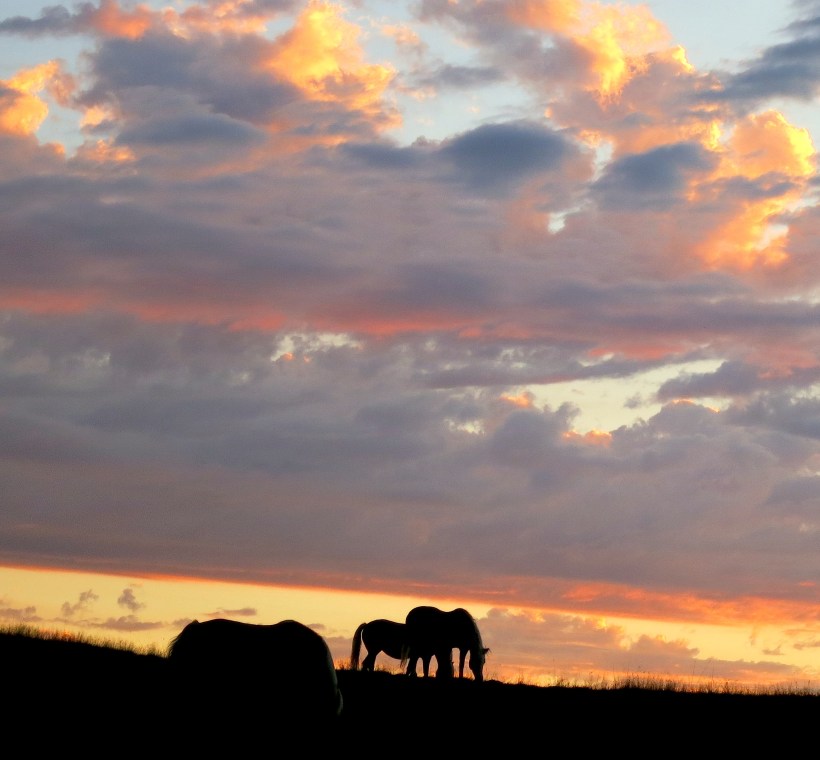
To Catch the Sunset

sunset69166

sunset69162

cupolawatson

sunset92horses

…he says
let’s walk up to the field and catch the sunset
and off we go, a couple of aging fools.

I hope, he says, on the other side there’s a lot
less work, but just in case I’m bringing tools.
~Maxine Kumin from “Chores”

sunset92horses4

sunset329164

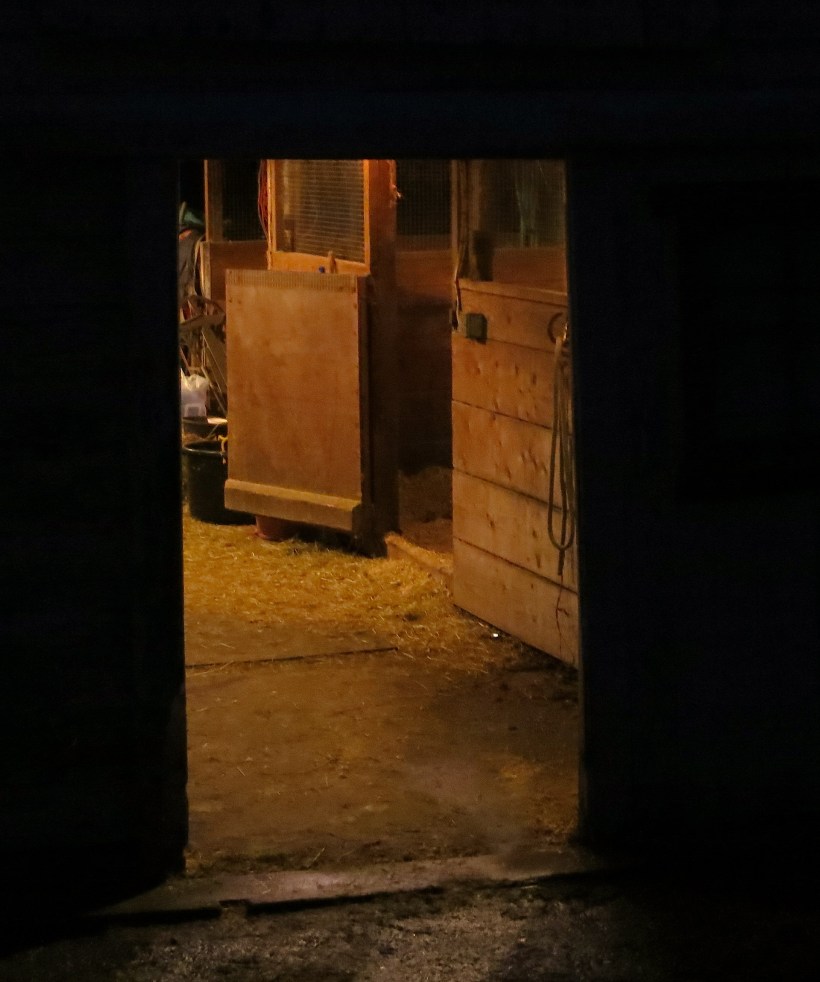
When I pull open the barn doors
every morning
and close them again each evening,
as our grandparents did
one hundred years ago,
six rumbling voices
rise in greeting.
We exchange scents,
nuzzle each others’ ears,
rumble grumble back a response.

We do our chores faithfully
as our grandparents once did–
draw fresh water
into buckets,
wheel away
the pungent mess underfoot,
release an armful of summer
from the bale,
reach under heavy manes
to stroke silken necks.

We don’t depend
on our horses’ strength
and willingness to
don harness
to carry us to town
or move the logs
or till the soil
as our grandparents did.

Instead,
these soft eyed souls,
born on this farm
two long decades ago,
are simply grateful
for our constancy
morning and night
to serve their needs
until the day comes
they need no more.

And we depend on them
to depend on us
to be there
to open and close the doors;
their low whispering welcome
gives voice
to the blessings of
living on a farm
ripe with rhythms and seasons,
sunrises and sunsets,
as if yesterday, today and tomorrow are
just like one hundred years ago.

sunset611164

sunset42116

sunset52216

A Surprise No Longer

paths

sunset43016


About living in the country?
…peace can deafen one, beauty surprise
No longer.  There is only the thud
Of the slow foot up the long lane
At morning and back at night.
~R.S. Thomas “The Country”

morning32116


I must not forget my
astonishment
at the beauty around me
even on the grayest of days,
trudging the barnyard path
on dark nights to exhausted chores.
If ever I fail to see
what is right in front of me,
this grace-given gift
to my eyes and ears,
I do not deserve to put on boots
or hold a pitchfork.

thesisters1

sunrise4316

The Path Taken

1956811_10152312295906119_2025339310_o

paths

Twice each day I walk the same downhill path to the barn for chores.  Sometimes I’m half asleep, sometimes weary from working a long day at the clinic, most often in the dark,  sometimes sliding on icy snow, sometimes slipping in mud from unending rain, sometimes wading through a sea of overgrown grass.   The constant in this twice daily journey is the path itself and where it always takes me– no matter what time of year, the state of the weather, or how temporarily difficult to discern. My feet have learned the way by feel as much as by sight–the twist here, the dip there, the curve around the septic tank lid, the aromatic stretch through the stand of wild mint, all while trying to avoid stepping on the playful farm dogs or the swerving barn cat perpetually underfoot.

I prefer to take the demarcated path to the barn as it keeps me focused on the task ahead of me.  If I happen to deviate, I will surely find weeds to pull, a woodpecker to admire, a cluster of cherries to eat, or a sweet pea blossom to smell.  The distraction may bring me momentary pleasure but so much work remains yet to be done. I must find my way back to the path and stick to it.

As a teenager, I was a trailblazer, bushwhacking my way through brambles to see what might be on the other side, or to discover a new favorite place in the woods, or simply to prove I was stronger than the brush that yielded to me.  In my middle age, I tend to stick to the familiar.   I like knowing where my feet will land, what work my hands will touch, and where my head will rest.  The adventure of the unknown, so attractive in my youth that it took me to remote Tanzania, is less appealing now.  The visible path, even when difficult to follow due to cover of snow, sea of mud, or abundance of overgrowth, is reassurance that I have a purpose and a destination.   I can see where I am going and I know where I’ve been.

We tread many paths during our time on this soil–some routine and mundane, leading to the barns and chores in our life, and others a matter of faith, trust, heart and spirit.  As tempting as it is to deviate, the path is there for good reason.  It doesn’t have to be a super highway, or lined with gold or even paved with good intentions. It is rarely straight. But it must be true, steadfastly leading us to where we are called and back again to where we belong.

It’s time to pull on my boots.

mowedyard

canadabarnpath

Between Midnight and Dawn: Dungfork and Slop Pail

barnrooflines

lowerbarndoors

IMG_4901

To lift up the hands in prayer gives God glory,
but a man with a dungfork in his hand,
a woman with a slop pail,
give Him glory, too.
God is so great
that all things give Him glory
if you mean that they should.
~Gerard Manley Hopkins

Thanks in large part to how messy we humans are, this world is a grimy place.   As an act of worship, we must keep cleaning up after ourselves.  The hands that clean the toilets, scrub the floors, carry the bedpans, pick up the garbage might as well be clasped in prayer–it is in such mundane tasks God is glorified.

I spend over an hour every day carrying dirty buckets and wielding a pitchfork because it is my way of restoring order to the disorder inherent in human life.  It is with gratitude that I’m able to pick up one little corner of my world, making stall beds tidier for our farm animals by mucking up their messes and in so doing, I’m cleaning up a piece of me at the same time.

I never want to forget the mess I’m in and the mess I am.  I never want to forget to clean up after myself.  I never want to feel it is a mere and mundane chore to worship with dungfork and slop pail.

It is my privilege.  It is His gift to me.

It is Grace that comes alongside me, to keep pitching the muck and carrying the slop when I get weary.

watsonvane

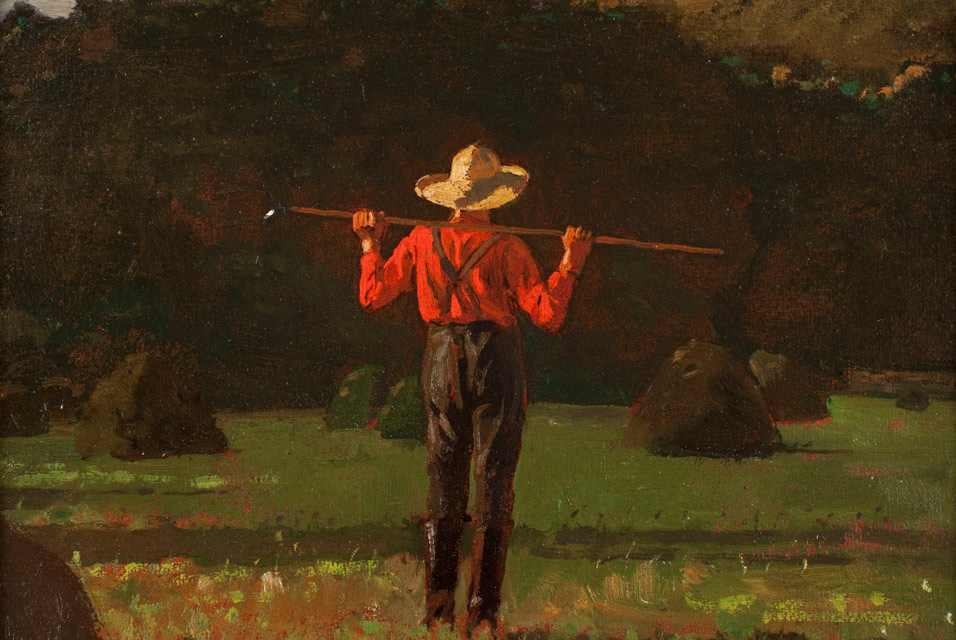
Farmer with a pitchfork by Winslow HomerFarmer with a pitchfork by Winslow Homer

millet-pic0043_4

During this Lenten season, I will be drawing inspiration from the new devotional collection edited by Sarah Arthur —Between Midnight and Dawn

A Daily Rhythm

sashaeye

tonyeye

When I pull open the barn doors,
every morning
and each evening,
as my grandparents did
one hundred years ago,
six rumbling voices
rise in greeting.
We exchange scents,
nuzzle each others’ ears.

I do my chores faithfully
as my grandparents once did–
draw fresh water
into buckets,
wheel away
the pungent mess underfoot,
release an armful of summer
from the bale,
reach under heavy manes
to stroke silken necks.

I don’t depend
on our horses’ strength
and willingness to
don harness
to carry me to town
or move the logs
or till the soil
as my grandparents did.

Instead,
these soft eyed souls,
born on this farm
two long decades ago,
are simply grateful
for my constancy
morning and night
to serve their needs
until the day comes
they need no more.

I depend on them
to depend on me
to be there
to open the doors;
their low whispering welcome
gives voice
to the blessings of
living on a farm
ripe with rhythms and seasons,
as if today and tomorrow are
just like one hundred years ago.
~EPG


barnlight

eveningbarnsept1

Our Eyes Locked…

tonyeye

joseeye

homer1052

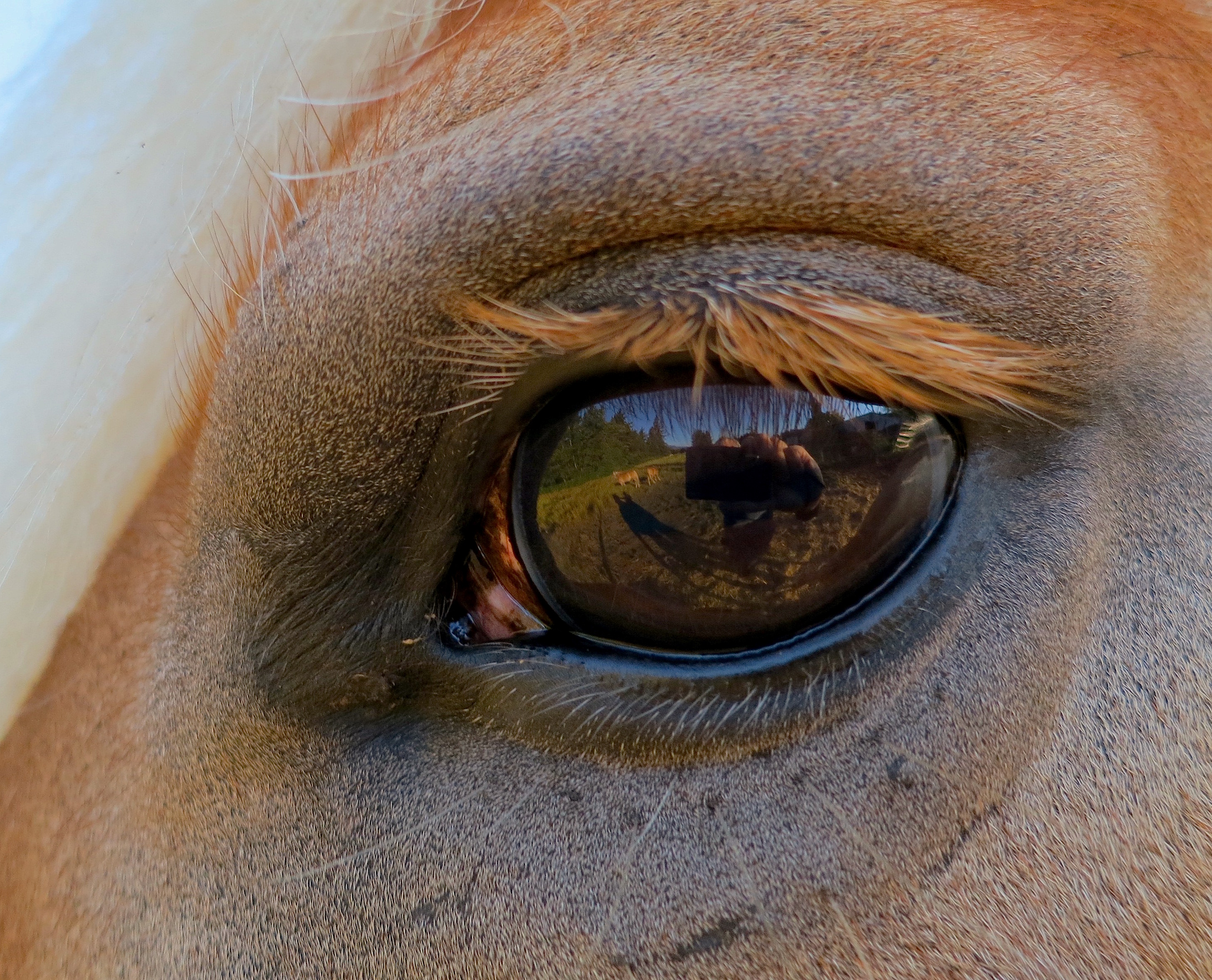
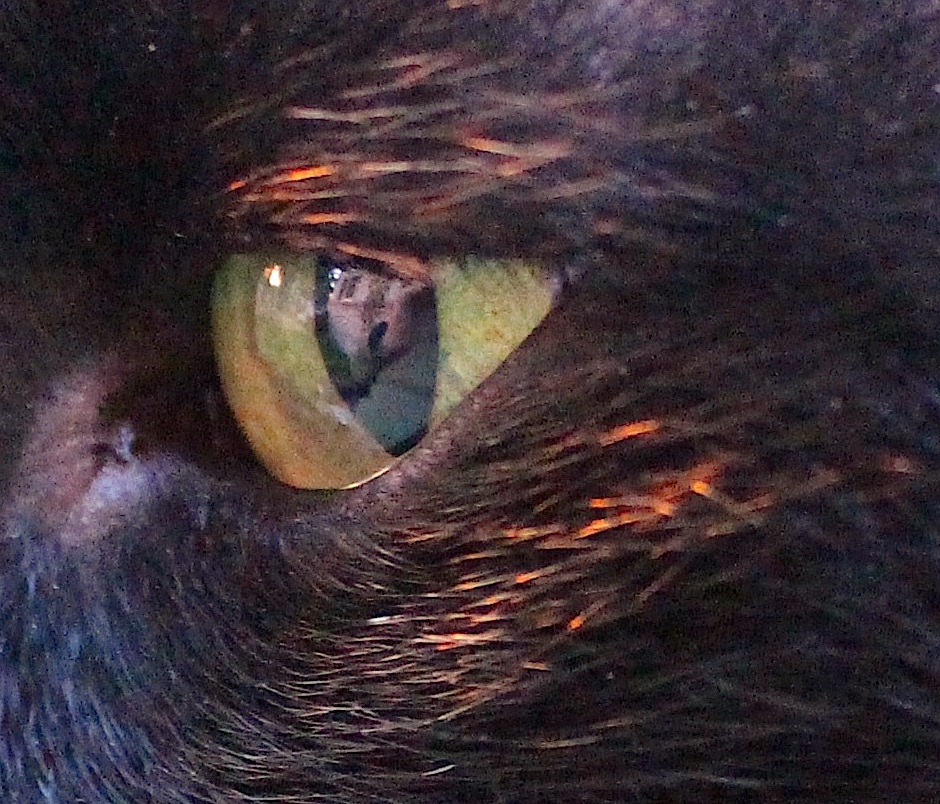
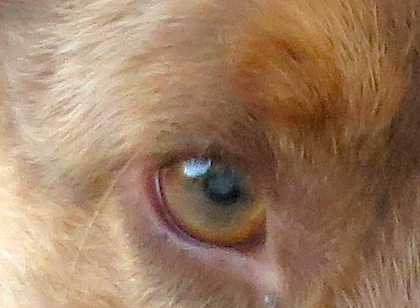
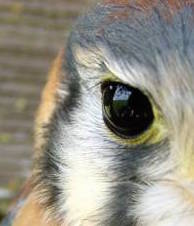
The weasel was stunned into stillness as he was emerging from beneath an enormous shaggy wild rose bush four feet away. I was stunned into stillness twisted backward on the tree trunk. Our eyes locked, and someone threw away the key.

Our look was as if two lovers, or deadly enemies, met unexpectedly on an overgrown path when each had been thinking of something else: a clearing blow to the gut. It was also a bright blow to the brain, or a sudden beating of brains, with all the charge and intimate grate of rubbed balloons. It emptied our lungs. It felled the forest, moved the fields, and drained the pond; the world dismantled and tumbled into that black hole of eyes. If you and I looked at each other that way, our skulls would split and drop to our shoulders. But we don’t. We keep our skulls. So.
~Annie Dillard from “Living Like Weasels”

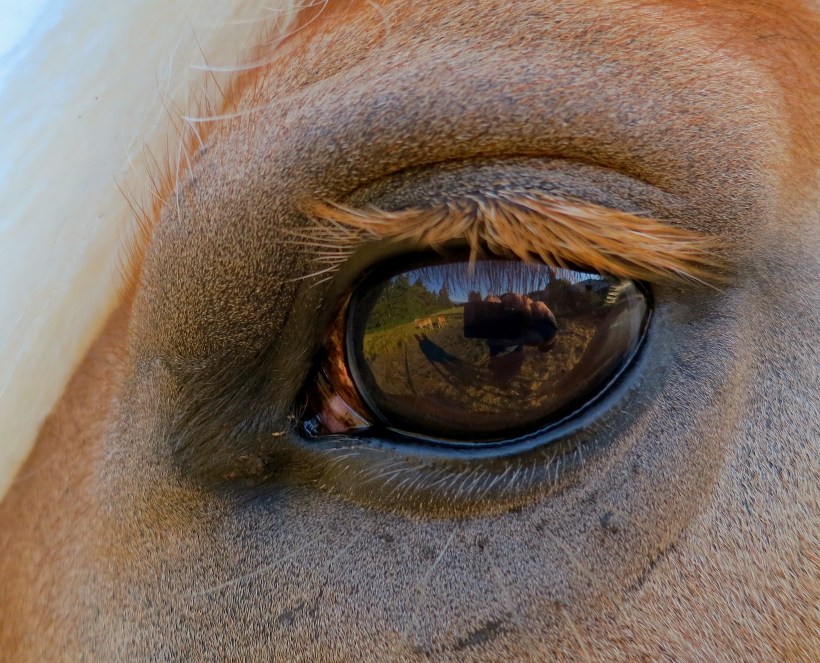
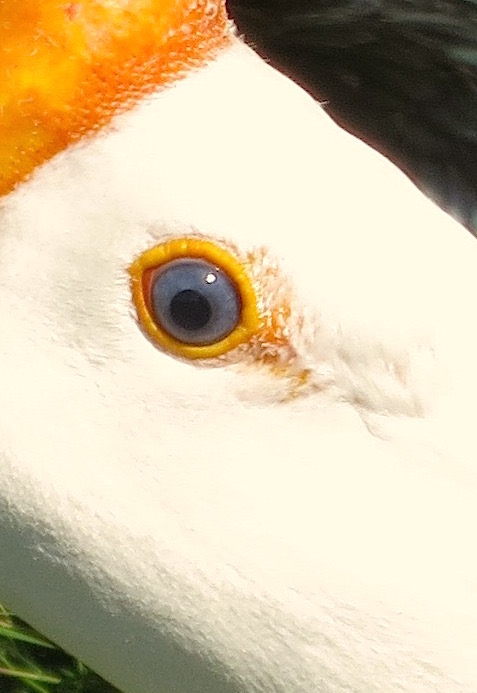
I watch you.  And you me.  Our eyes locked and someone threw away the key.

gooseeye

bobbieeye

sashaeye

homerlook

207535_9141220461_3263_n

samlooksteensmakestrel

A Haystack of Light

baker1182

dawn117

Everyday
I see or hear
something
that more or less

kills me
with delight,
that leaves me
like a needle

in the haystack
of light.
It was what I was born for —
to look, to listen,

to lose myself
inside this soft world —
~Mary Oliver from “Mindful”

Some days I’m the needle
and other days I’m the pin cushion

This day was some of both
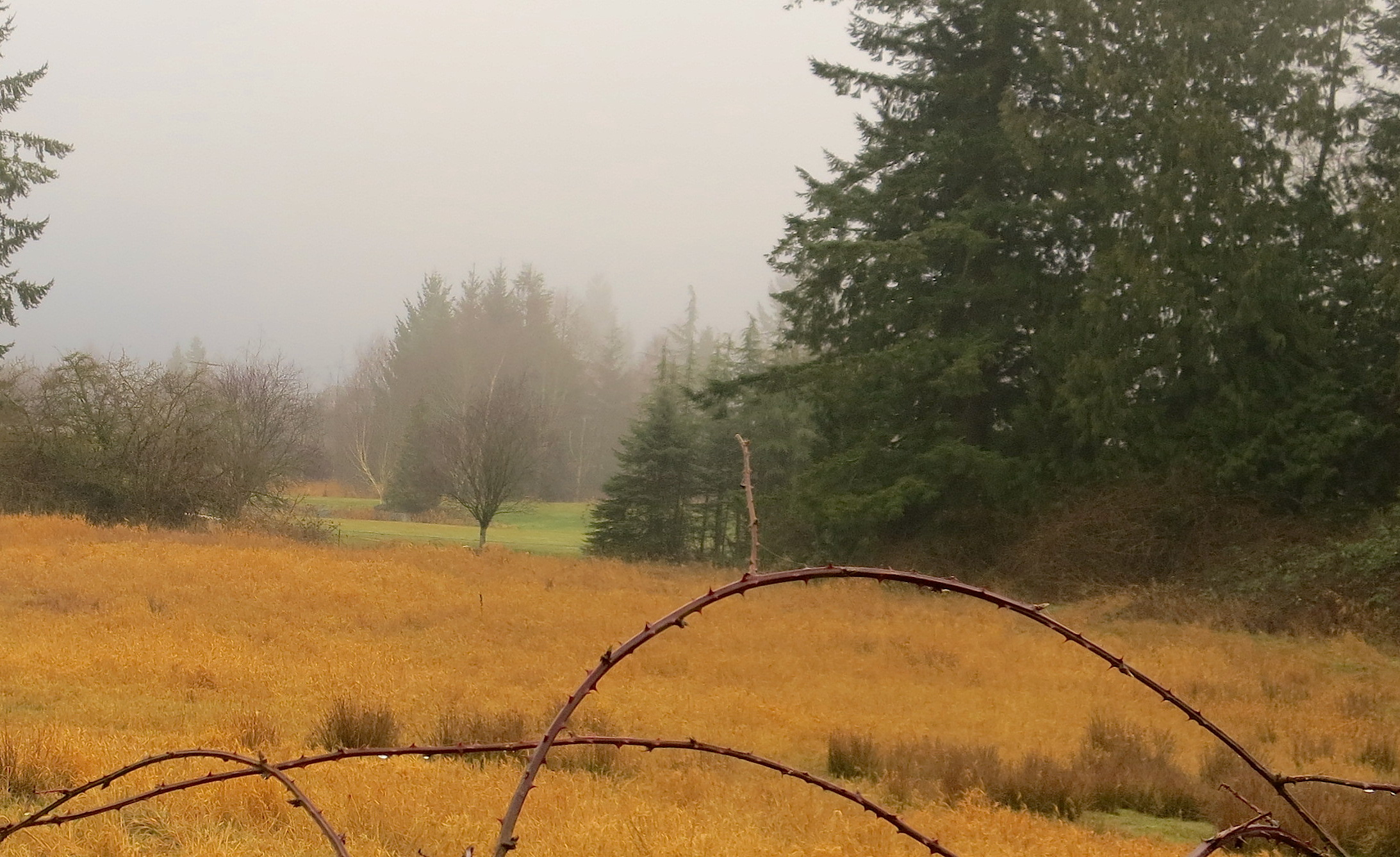
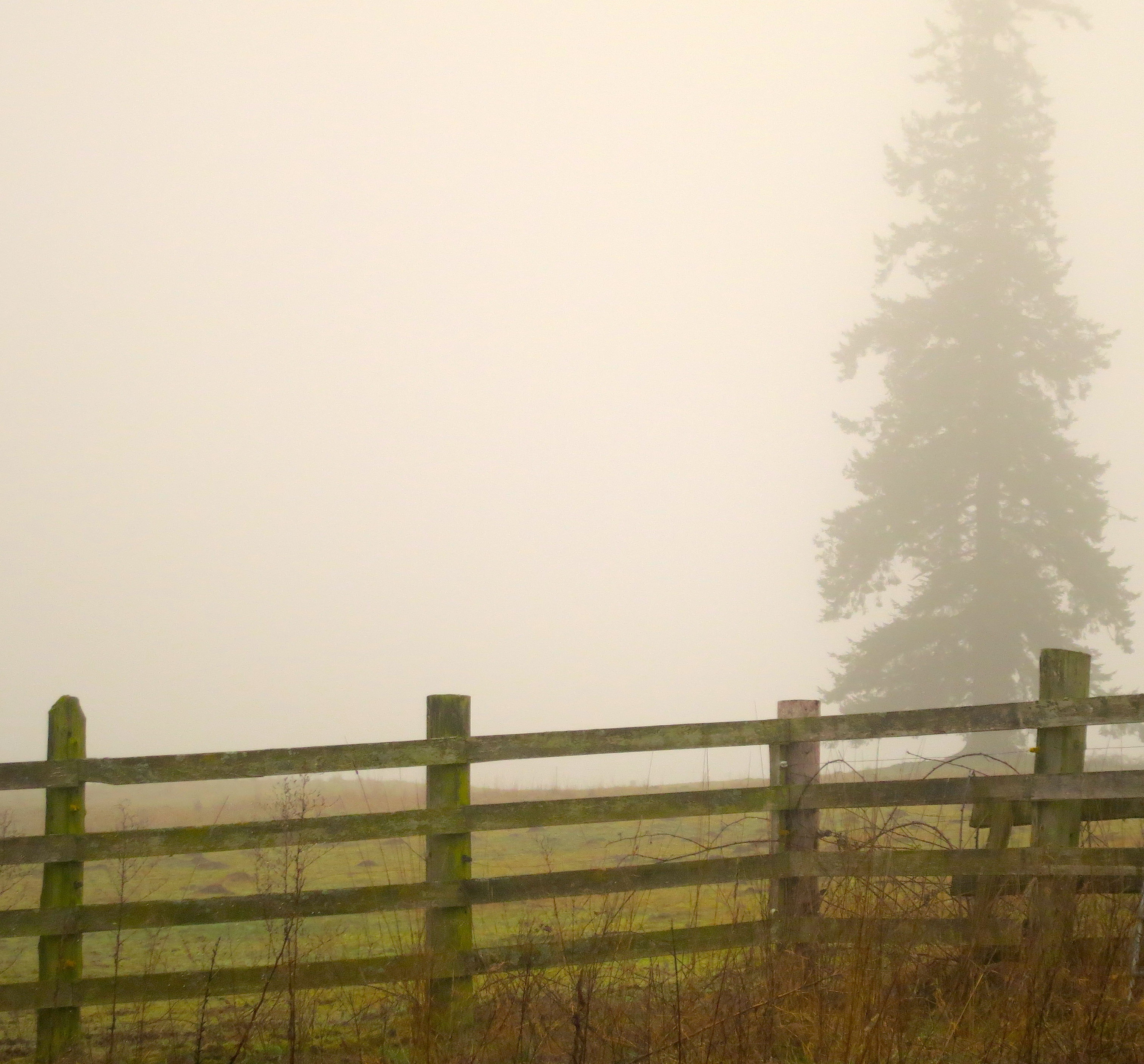
of soft lit floating fog,
doing chores with my neighbor kids,
saying a final goodbye to an old farmer from down the road,
missing a favorite poet’s reading
to deal with a patient’s suicidal crisis.

I long to rest in the softness of the light
that floats close to the ground,
reaching with cloudy fingers
to hold me close, sharp edges and all,
a reminder of what I was born for.

sharp

fieldfog

fog118

A Wider Horizon

mapleleafcolor

leafcarpet

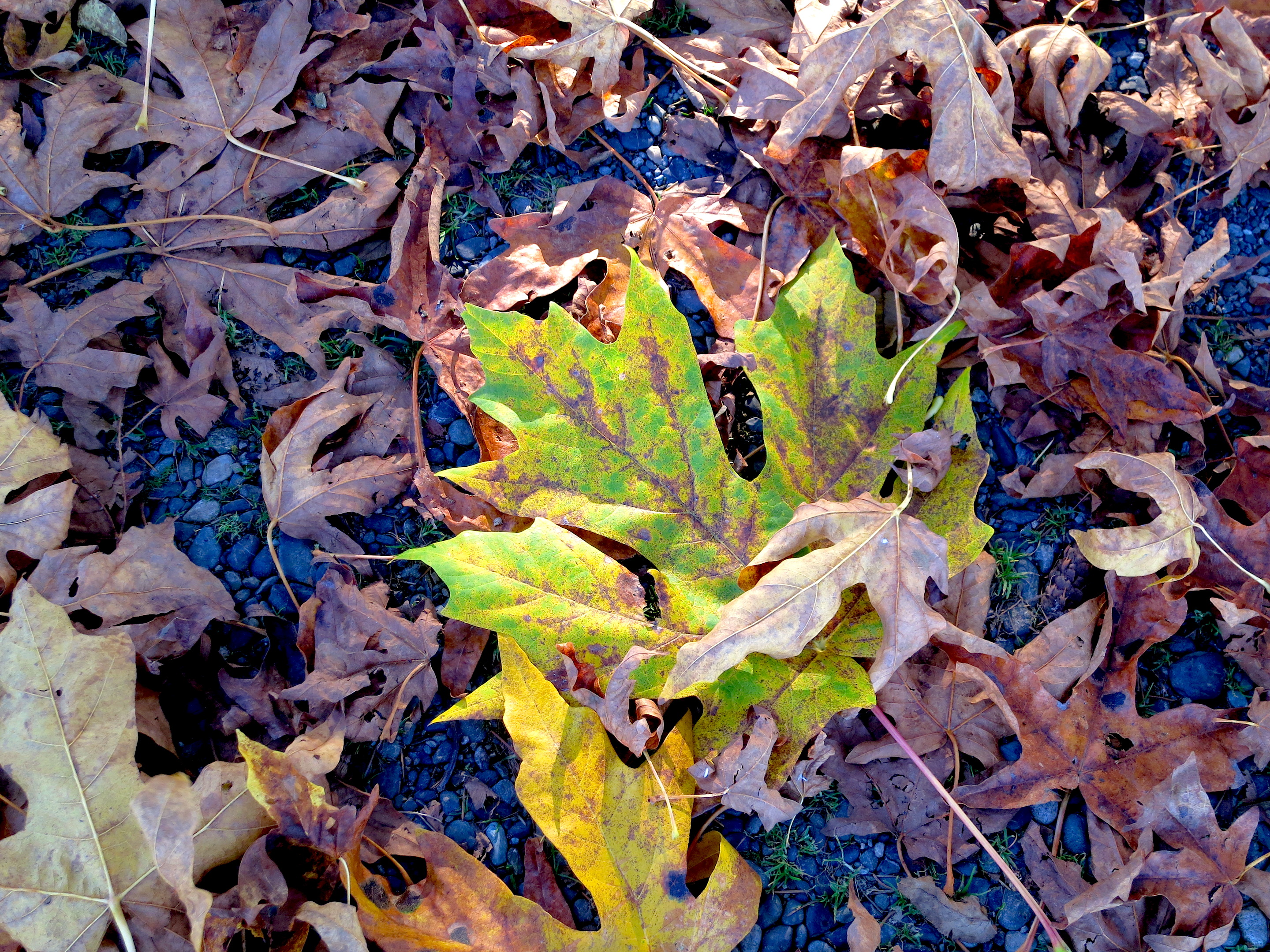
October is the fallen leaf,
but it is also a wider horizon more clearly seen.
It is the distant hills once more in sight,
and the enduring constellations above them once again.
~ Hal Borland

I bid October good-bye reluctantly
to face forward into the November darkening .
Morning and evening chores with flashlight in hand,
I follow its bouncing beam down slick farm paths,
merging with surrounding shadow.

Summer is mere memory now;
all color drained from
leaves fallen, dissolving
in frost and rain.

When the light rises on the hills,
I feel a veil lift enough
that I am able to see
so far beyond my reach.
The horizon extends on and on forever
and I will endure another winter.

morningonthefarm

poplargold

sunset10313