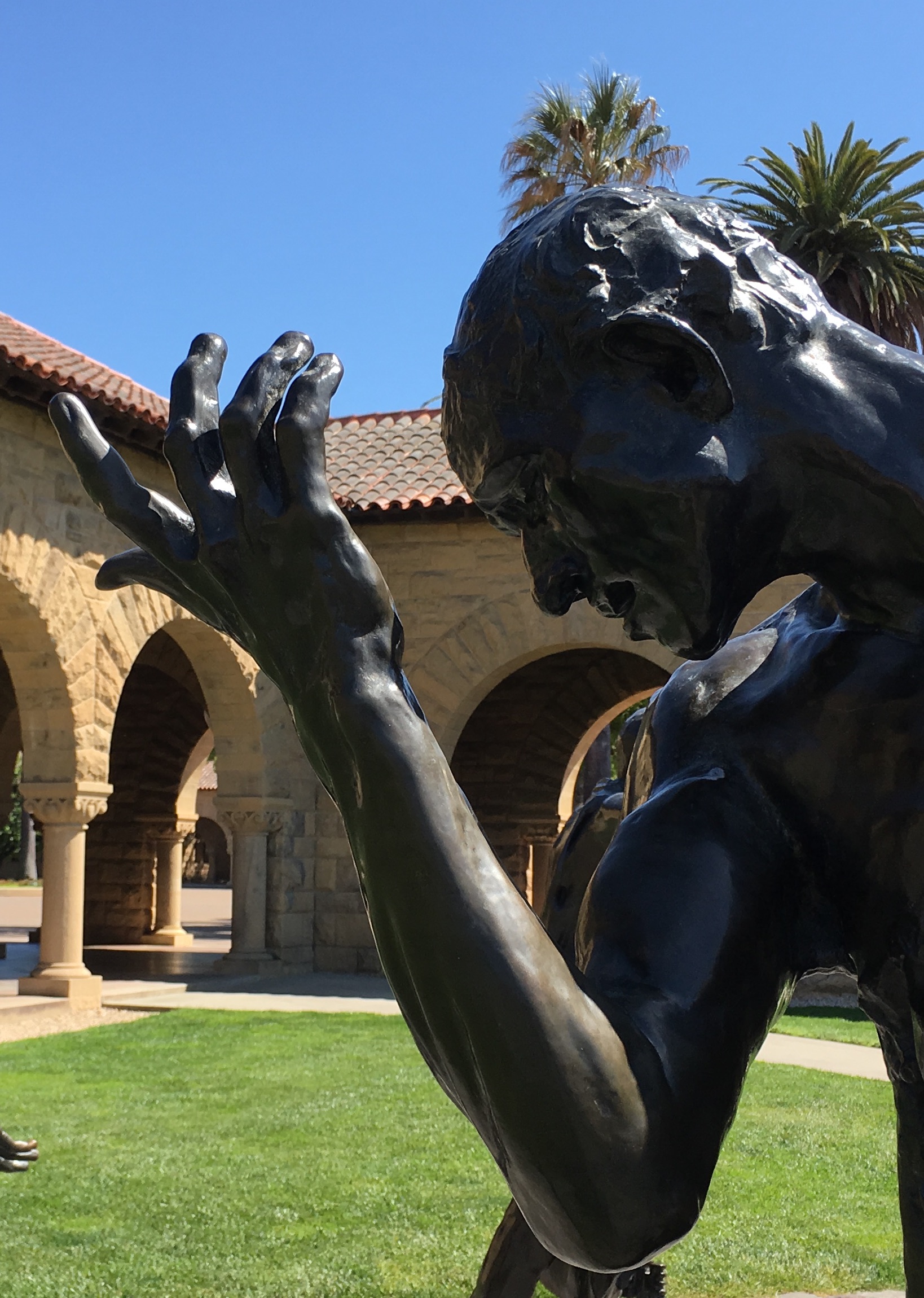
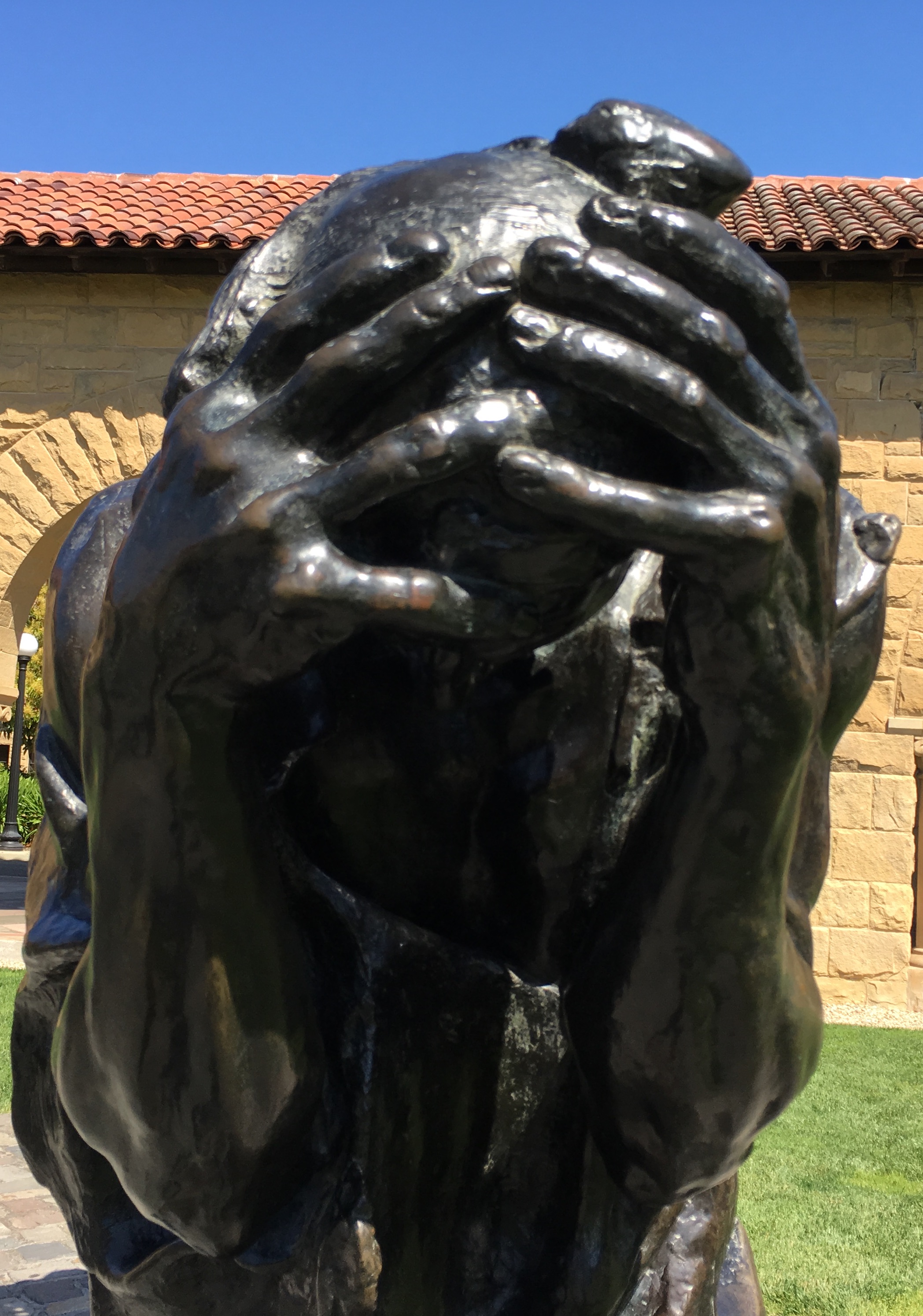
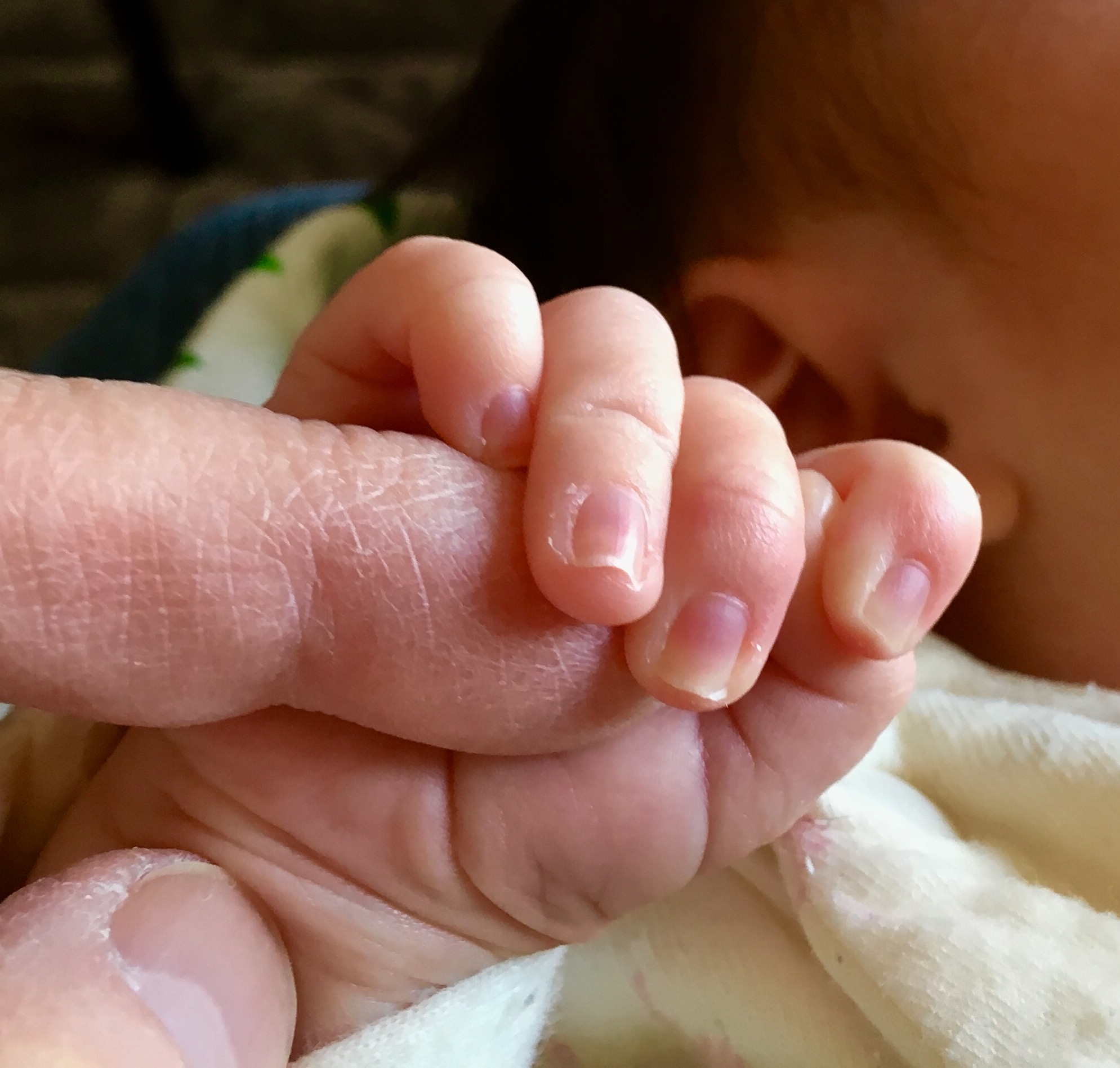
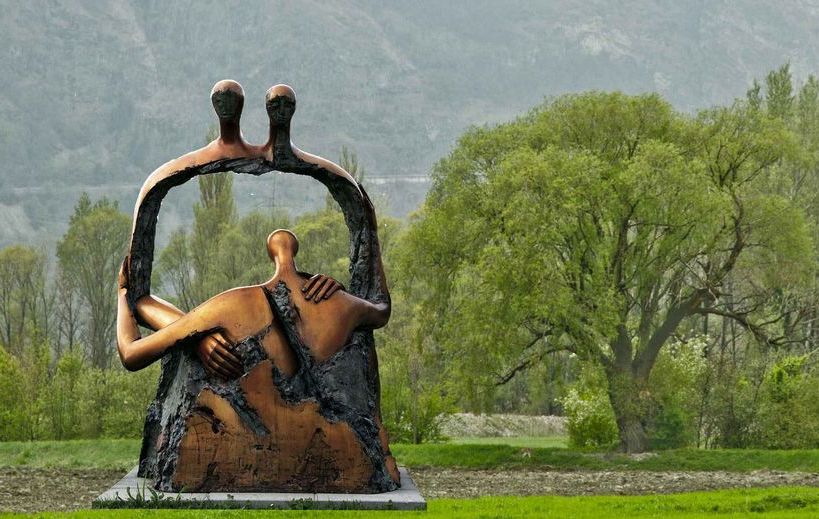
And They Are No More

The snow is melting
and the village is flooded
     with children.
~Kobayashi Issa (translated by Robert Haas)
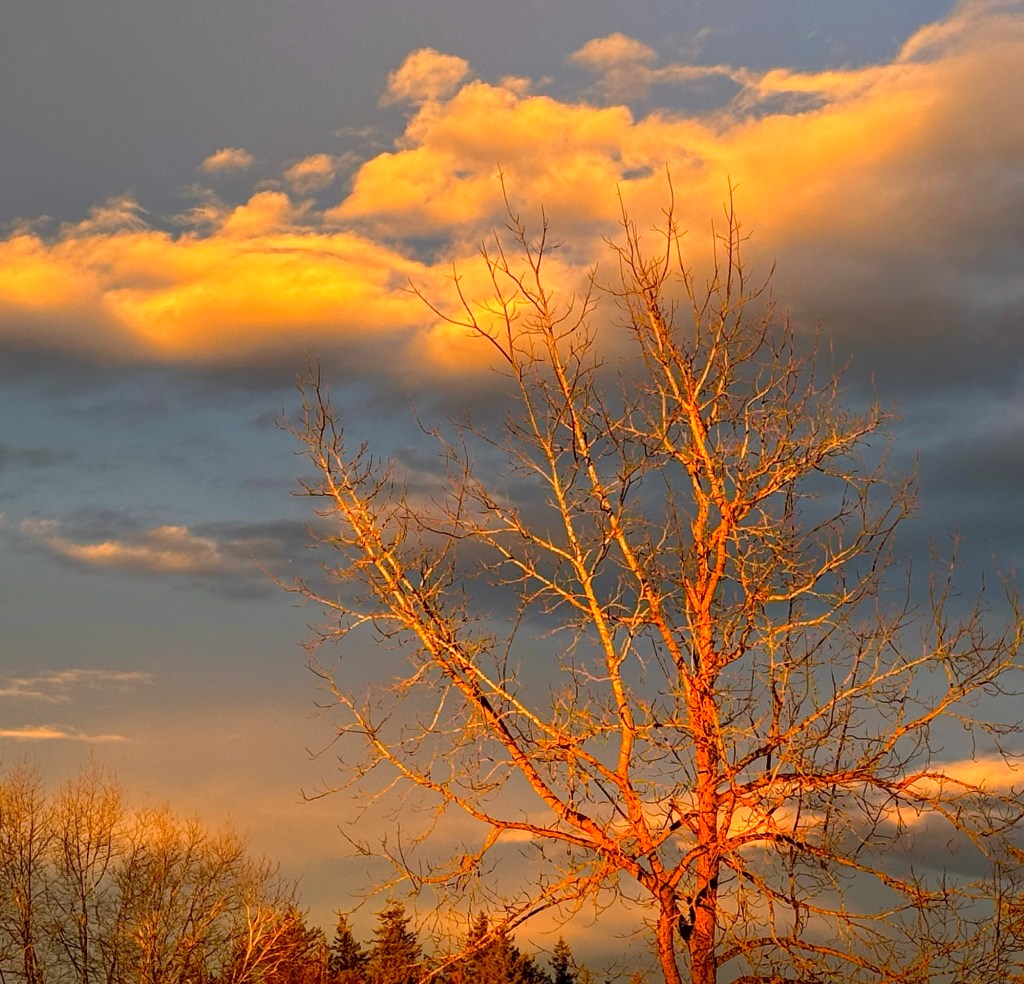
A voice is heard in Ramah,
mourning and great weeping,
Rachel weeping for her children
and refusing to be comforted,
because they are no more.
Matthew 2:18 and Jeremiah 31:15
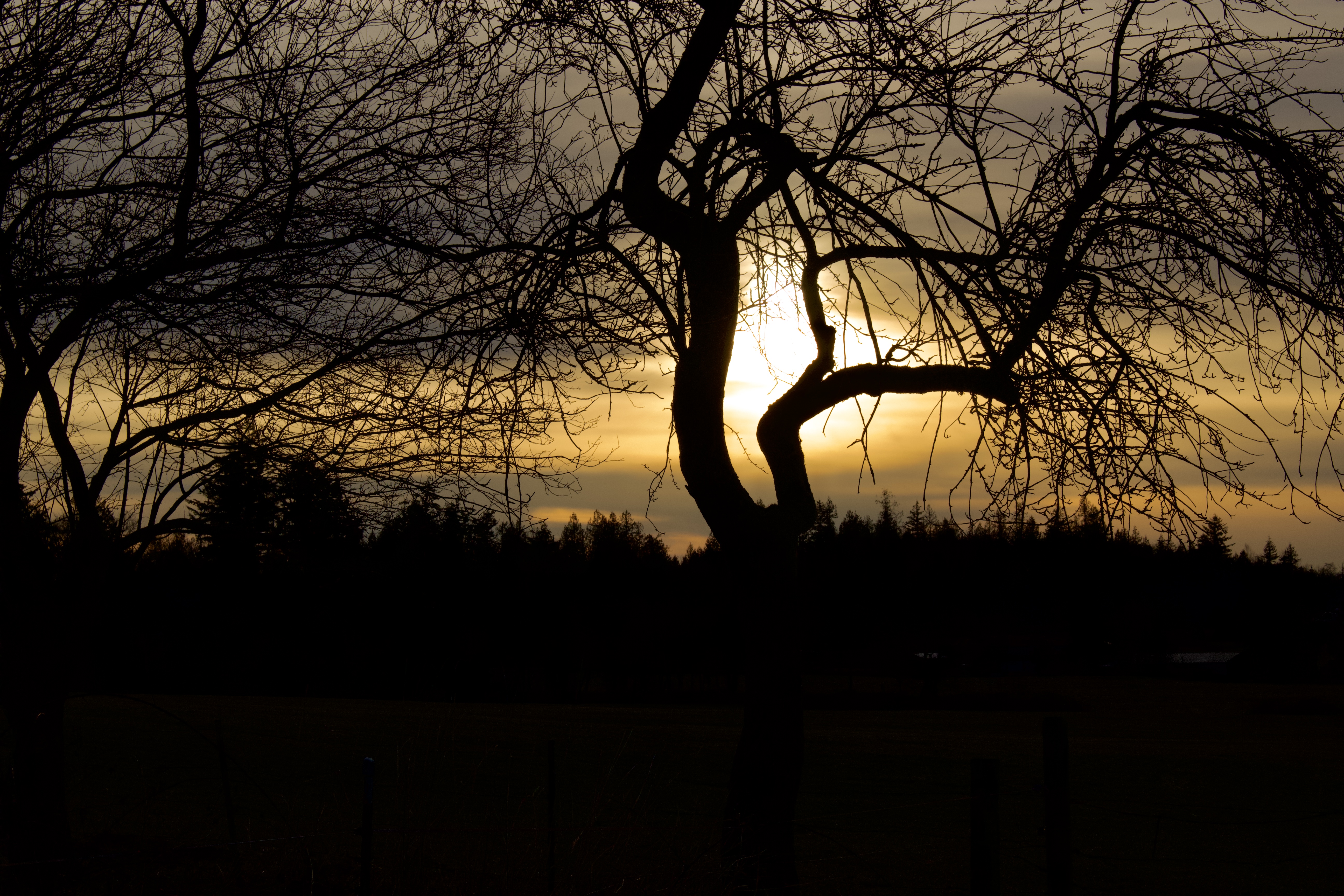
We think of him as safe beneath the steeple,
Or cosy in a crib beside the font,
But he is with a million displaced people
On the long road of weariness and want.

For even as we sing our final carol
His family is up and on that road,
Fleeing the wrath of someone else’s quarrel,
Glancing behind and shouldering their load.

Whilst Herod rages still from his dark tower
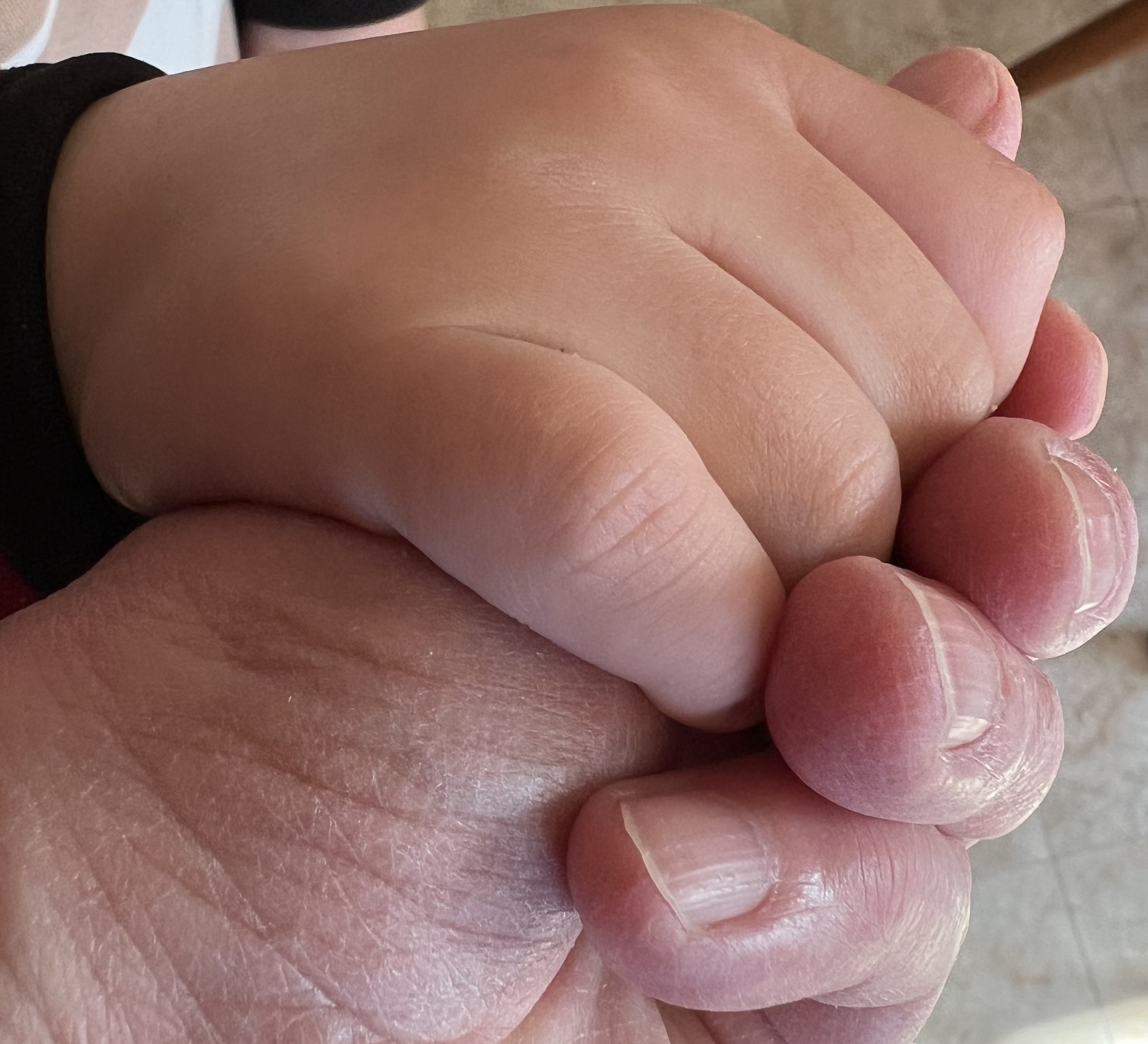
Christ clings to Mary, fingers tightly curled,
The lambs are slaughtered by the men of power,
And death squads spread their curse across the world.

But every Herod dies, and comes alone
To stand before the Lamb upon the throne.

~Malcolm Guite “Refugee”
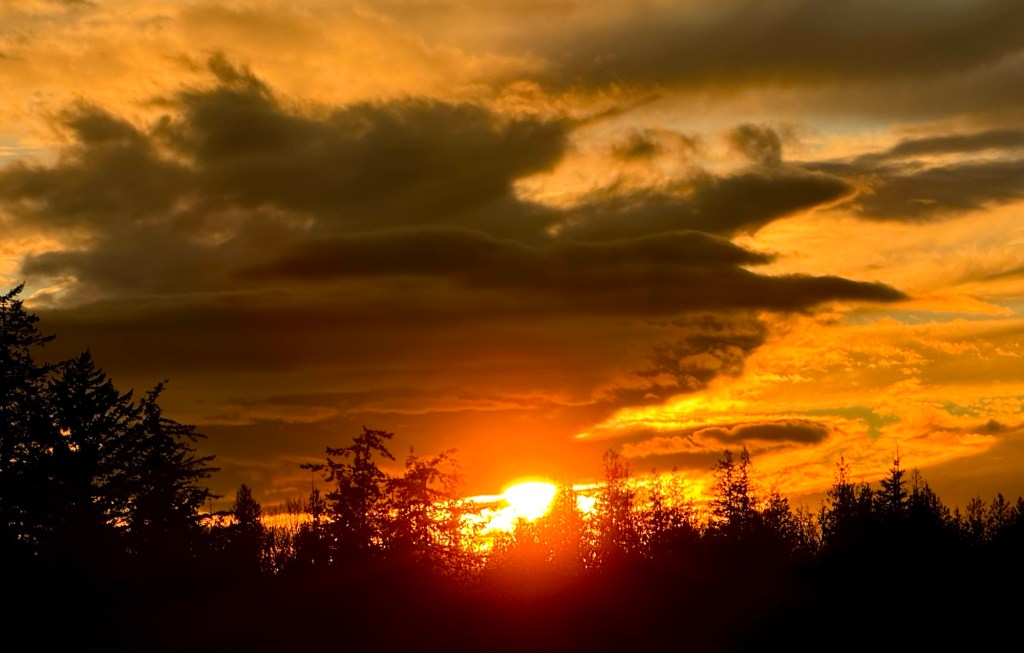
When Christ was born in Bethlehem,
Fair peace on earth to bring,
In lowly state of love He came
To be the children’s King.

And round Him, then, a holy band
Of children blest was born,
Fair guardians of His throne to stand
Attendant night and morn.

And unto them this grace was giv’n
A Saviour’s name to own,
And die for Him Who out of Heav’n
Had found on earth a throne.

O blessèd babes of Bethlehem,
Who died to save our King,
Ye share the martyrs’ diadem,
And in their anthem sing!

Your lips, on earth that never spake,
Now sound th’eternal word;
And in the courts of love ye make
Your children’s voices heard.

Lord Jesus Christ, eternal Child,
Make Thou our childhood Thine;
That we with Thee the meek and mild
May share the love divine.

~Laurence Houseman “The Holy Innocents”
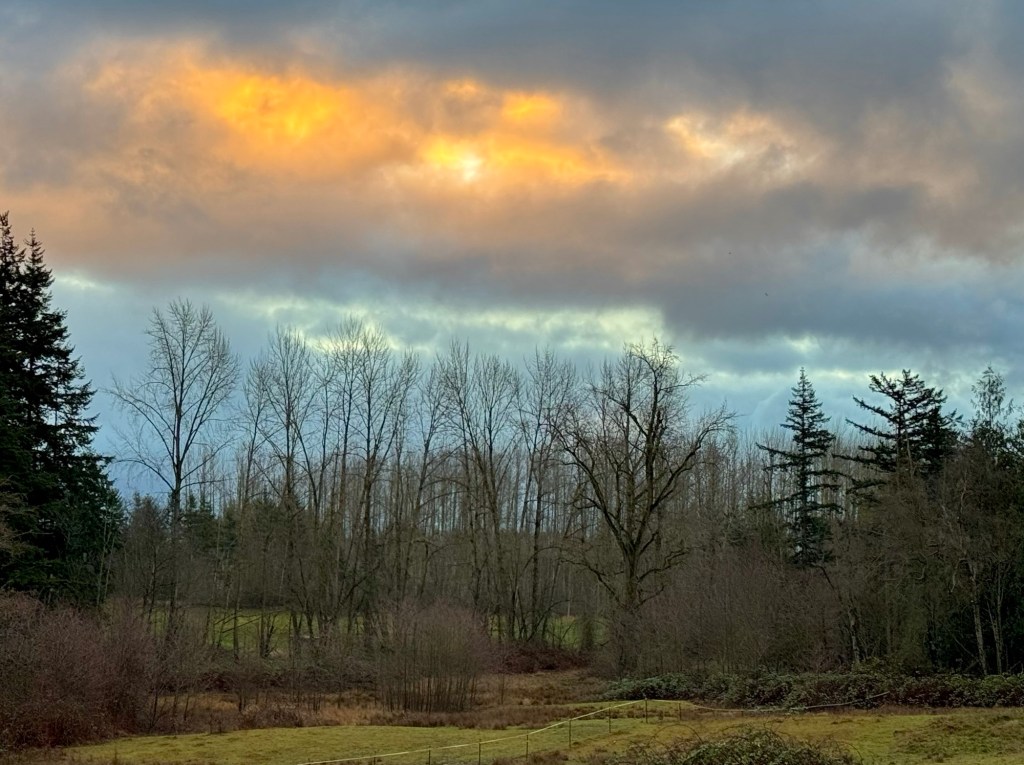
There is no consolation for families
of those children lost to death too soon:
a rogue king’s slaughter of innocents.

And still today – so much needless death of the young,
on the same ground, flooded with blood,
across disputed borders and faith.

Arms ache with the emptiness of grief,
beds and pillows lie cold and unused,
hugs never to come again.

There is no consolation for loss then or now;
only mourning and great weeping,
sobbing that wrings dry every human cell,

leaving only dust behind:
our beginning
and our end.
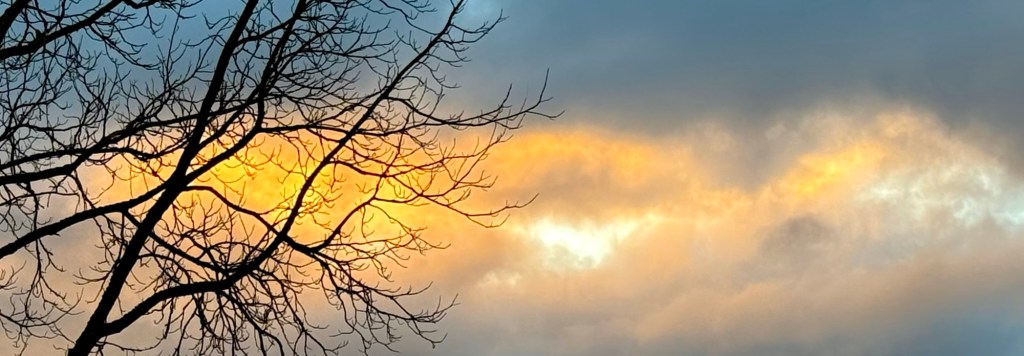
One-Time
Monthly
Yearly

Make a one-time or recurring donation to support daily Barnstorming posts

Make a monthly donation

Make a yearly donation

Choose an amount

$10.00
$25.00
$50.00
$5.00
$15.00
$100.00
$5.00
$15.00
$100.00

Or enter a custom amount

$

Your contribution is deeply appreciated.

Your contribution is appreciated.

Your contribution is appreciated.

DonateDonate monthlyDonate yearly
Waiting for the Letters

I love you forever
my father’s letter tells her
for forty-nine pages,
from the troopship crossing the Atlantic
before they’d ever heard of Anzio.

He misses her, the letter says,
counting out days of boredom, seasickness,
and changing weather,
poker games played for matches
when cash and cigarettes ran out,
a Red Cross package—soap,
cards, a mystery book he traded away
for The Rubaiyyat a bunkmate didn’t want.
He stood night watch and thought
of her. Don’t forget the payment
for insurance, he says.

My mother waits at home with me,
waits for the letter he writes day by day
moving farther across the ravenous ocean.
She will get it in three months and
her fingers will smooth the Army stationery
to suede.

He will come home, stand
beside her in the photograph, leaning
on crutches, holding
me against the rough wool
of his jacket. He will sit
alone and listen to Aïda

and they will pick up their
interrupted lives. Years later,
she will show her grandchildren
a yellow envelope with
forty-nine wilted pages telling her

of shimmering sequins on the water,
the moonlight catching sudden phosphorescence,
the churned wake that stretched a silver trail.
~Ellen Steinbaum, “Letter Home” from Container Gardening

The dead say little in their letters
they haven’t said before.
We find no secrets, and yet
how different every sentence sounds
heard across the years.

My father breaks my heart
simply by being so young and handsome.
He’s half my age, with jet-black hair.
Look at him in his navy uniform
grinning beside his dive-bomber.

It’s silly to get sentimental.
The dead have moved on. So should we.
But isn’t it equally simple-minded to miss
the special expertise of the departed
in clarifying our long-term plans?

They never let us forget that the line
between them and us is only temporary.
Get out there and dance! the letters shout
adding, Love always. Can’t wait to get home!
And soon we will be. See you there.
~Dana Gioia from “Finding a Box of Family Letters

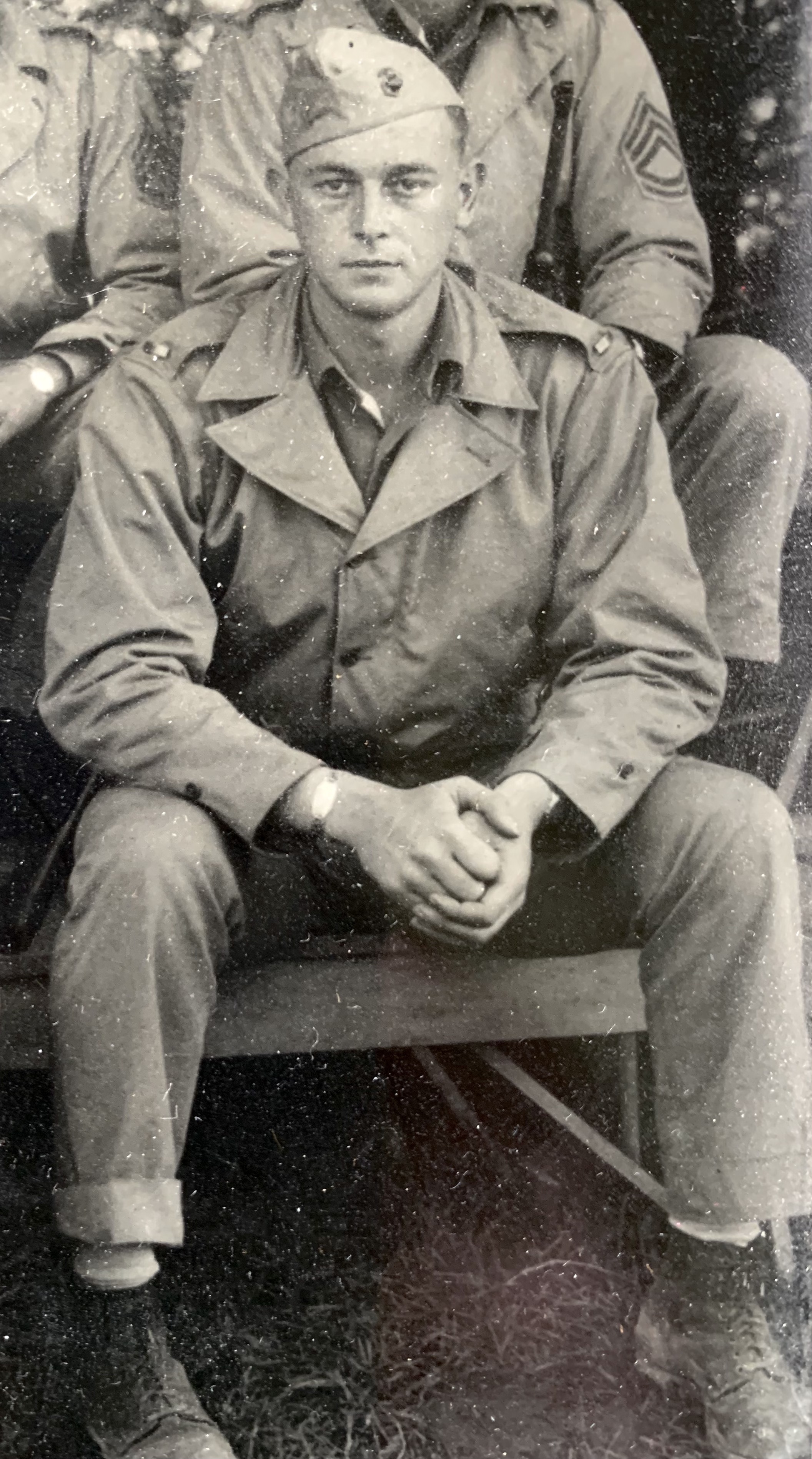
Marine Captain Henry Polis

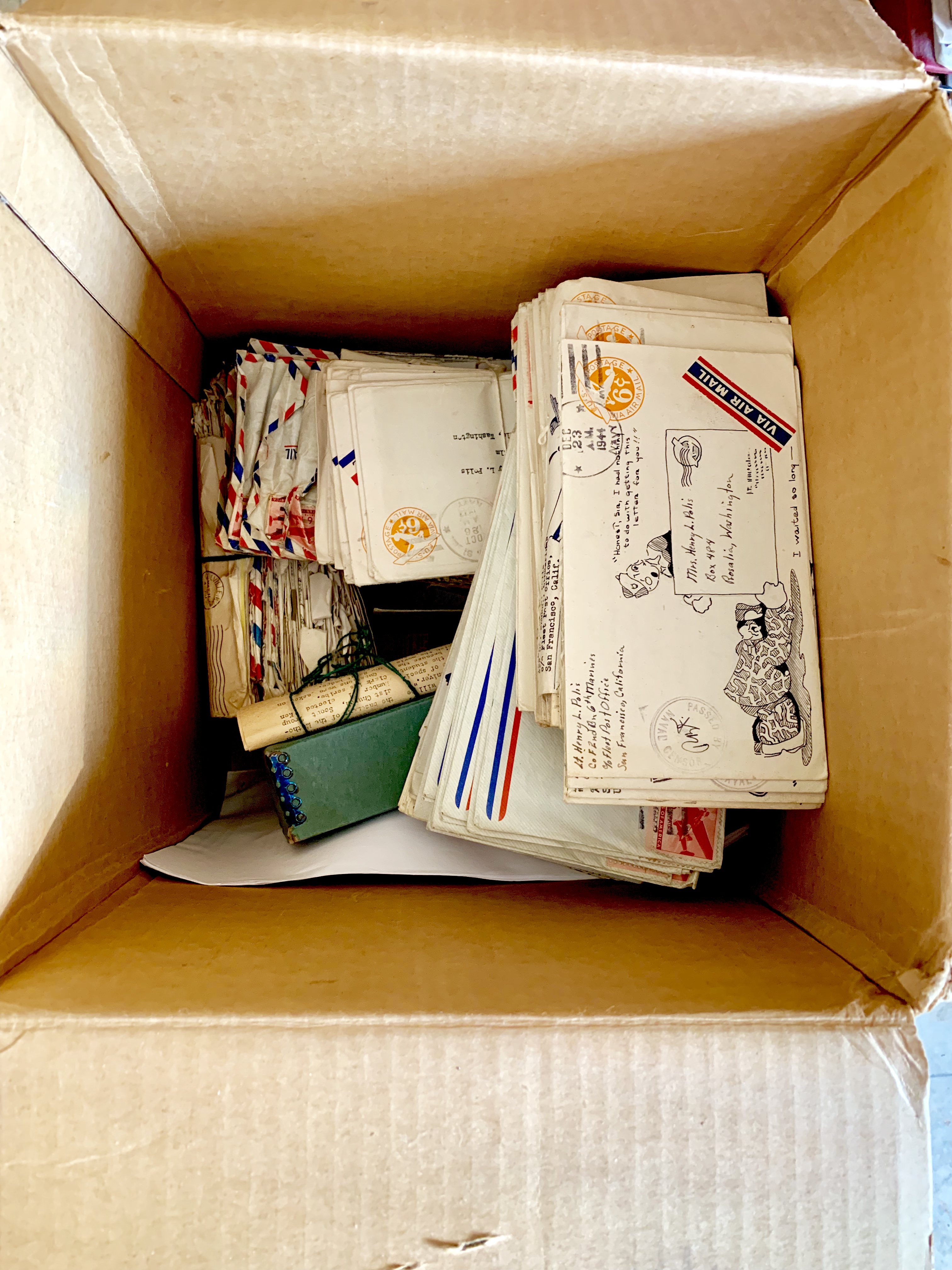
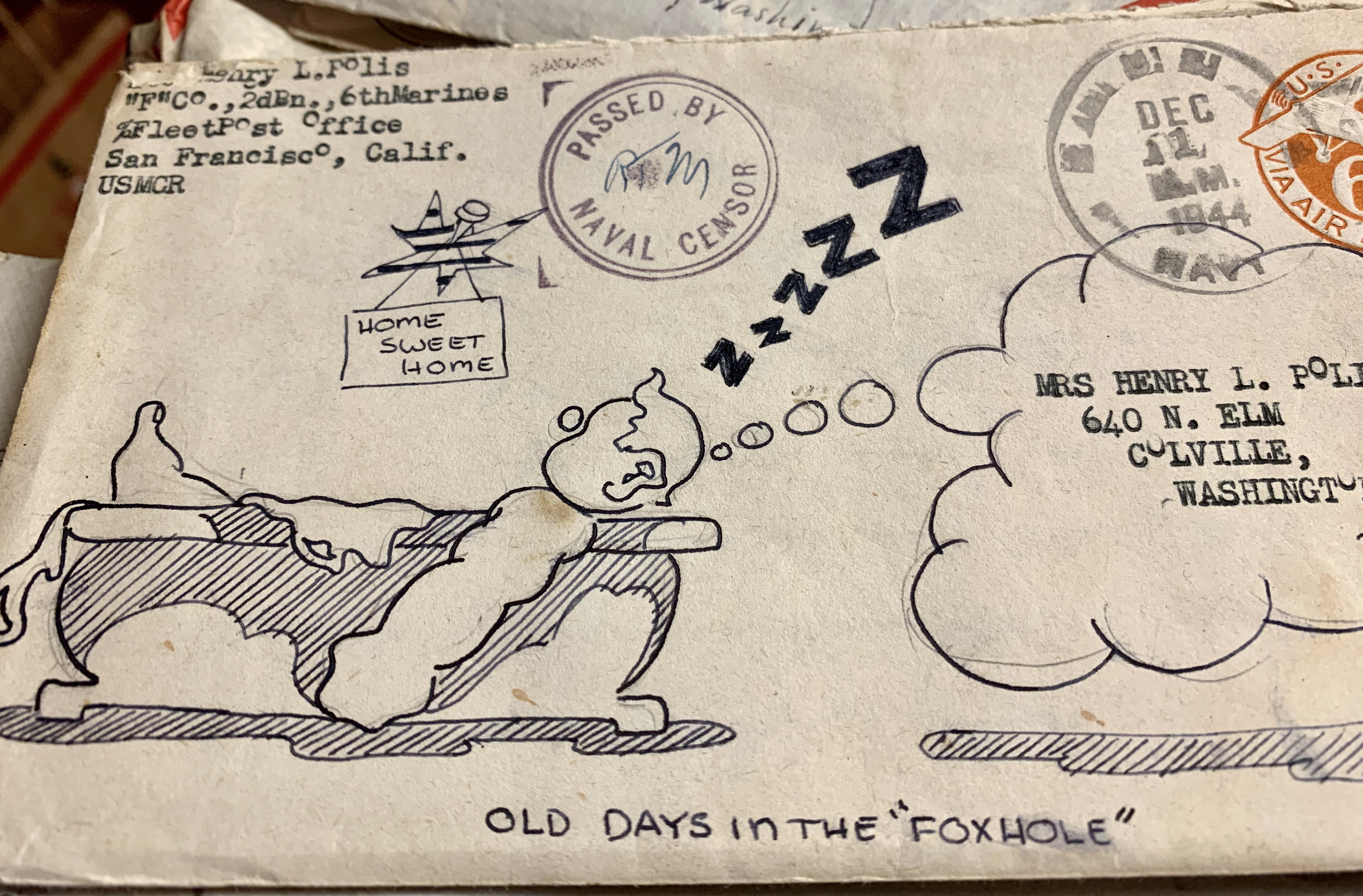
Today is the 80th anniversary of the Battle of Tarawa, one of the bloodiest Marine Corps island victories in World War II. My 21 year old father was there, leading a company of over 100 men into battle on the “second wave.”

Below is a portion of a 1944 letter he sent home to my mother about approaching the island on November 21, 1943. When he was not in active battle, he wrote to her nearly daily. He returned home in late 1945, physically uninjured. He never spoke about his 36 months in combat, except in the most general terms.

I had never seen him with a gun in his hands, and wasn’t aware he even had kept a gun after leaving the Marines. One day, in the early 1970’s, one of our farm’s beef animals was injured so my father, for the first time in thirty years, pulled out a gun from its hiding place to put down the suffering animal. I never saw the gun again and believe my father disposed of it soon after – firing that gun after so many years was too much for him.

I have no idea what all my father witnessed and had to experience while under orders during those months in the South Pacific. I do know he would have done whatever his superiors asked him to do, just as the men under his command trusted him to lead them, even into their dying hour. These young men, some as teenagers at the time, guaranteed us the freedoms we blithely take for granted now.

His letter, which made it past the Marine censors:

“You mentioned a story of Navy landing craft taking the Marines into Tarawa.  It reminded me of something which impressed me a great deal and something I’m sure I’ll never forget. 

So you’ll understand what I mean I’ll try to start with an explanation.  In training – close order drill- etc.  there is a command that is given always when the men form in the morning – various times during the day– after firing– and always before a formation is dismissed.  The command is INSPECTION – ARMS.  On the command of EXECUTION- ARMS each man opens the bolt of his rifle.  It is supposed to be done in unison so you hear just one sound as the bolts are opened.  Usually it is pretty good and sounds O.K.

Just to show you how the morale of the men going to the <Tarawa> beach was – and how much it impressed me — we were on our way in – I was forward, watching the beach thru a little slit in the ramp – the men were crouched in the bottom of the boat, just waiting.  You see- we enter the landing boats with unloaded rifles and wait till it’s advisable before loading.  When we got about to the right distance in my estimation I turned around and said – LOAD and LOCK – I didn’t realize it, but every man had been crouching with his hand on the operating handle and when I said that — SLAM! — every bolt was open at once – I’ve never heard it done better – and those men meant business when they loaded those rifles. 

A man couldn’t be afraid with men like that behind him.
~ Marine Captain Henry Polis in a 1944 letter home about the Battle of Tarawa November 20-23, 1943

For photos of the battle:

National WWII Museum: The Battle of Tarawa

The History Channel: Battle of Tarawa

The Battle of Tarawa

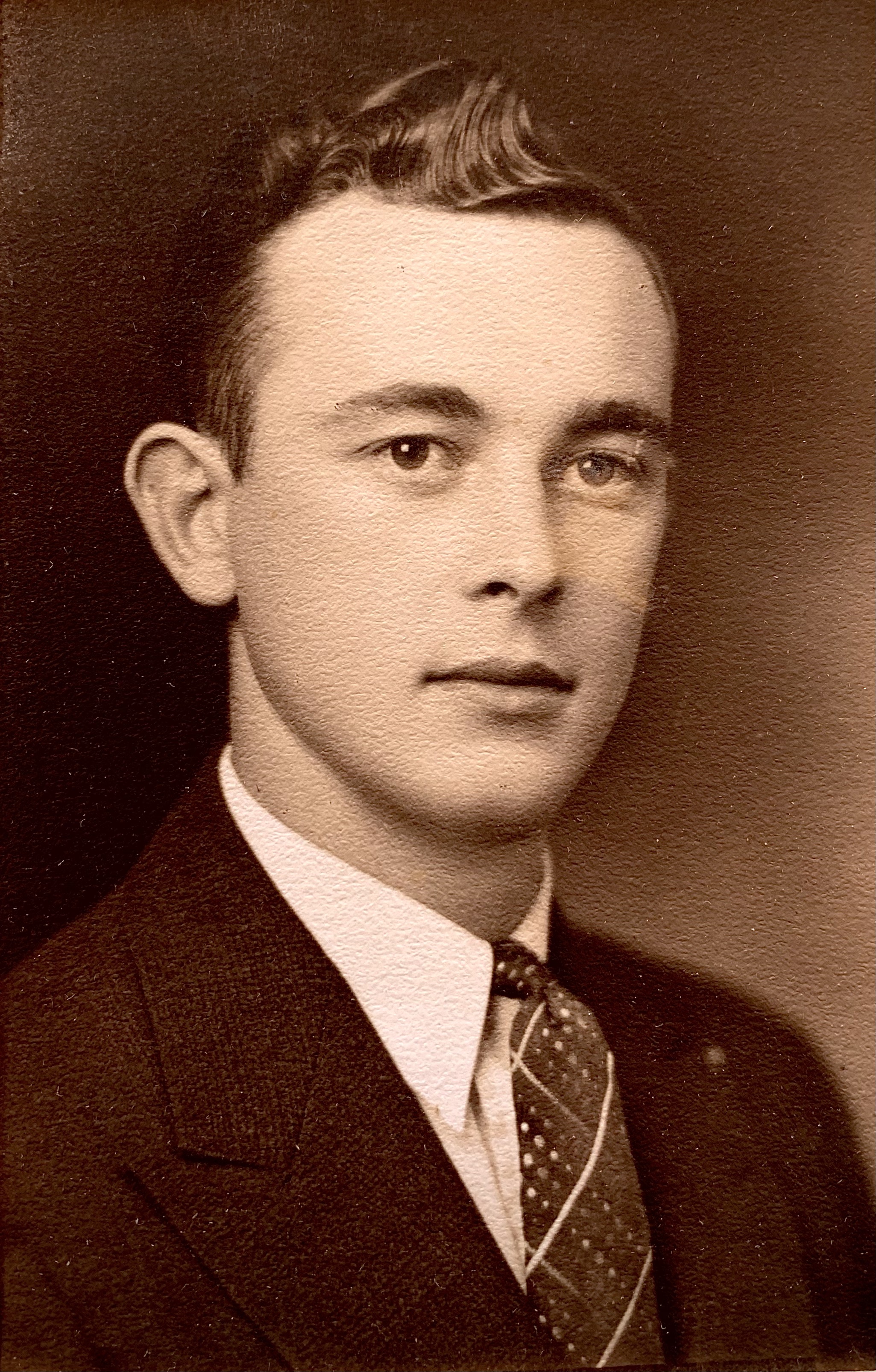
Henry Polis, Washington State College 1941 (age 20, before enlisting in the Marine Corps)
One-Time
Monthly
Yearly

Make a one-time or recurring donation to support daily ad-free Barnstorming posts

Make a monthly donation

Make a yearly donation

Choose an amount

$10.00
$25.00
$50.00
$5.00
$15.00
$100.00
$5.00
$15.00
$100.00

Or enter a custom amount

$

Your contribution is deeply appreciated.

Your contribution is appreciated.

Your contribution is appreciated.

DonateDonate monthlyDonate yearly

What was Bound to Happen

Outside the house the wind is howling
and the trees are creaking horribly.
This is an old story
with its old beginning,
as I lay me down to sleep.
But when I wake up, sunlight
has taken over the room.
You have already made the coffee
and the radio brings us music
from a confident age. In the paper
bad news is set in distant places.
Whatever was bound to happen
in my story did not happen.
But I know there are rules that cannot be broken.
Perhaps a name was changed.
A small mistake. Perhaps
a woman I do not know
is facing the day with the heavy heart
that, by all rights, should have been mine.
~Lisel Mueller “In November” from Alive Together

It does not escape me~
(I awake every day knowing this)
a disastrous earthquake happened somewhere else,
a war ravages families on both sides of a border,
a windstorm leveled a town,
a drunk driver devastated two families,
a fire left a house in ashes,
a mother nearly died giving birth,
a flood ravaged a village,
a grim diagnosis darkened
someone’s remaining days.

No mistake has been made,
yet I awake knowing this part of my story
has yet to visit me –
I hear of so much suffering,
knowing the heavy heart
that could have been mine
still beats,
still breaks,
still aches,
still believes in grace, mercy, and miracles.

One-Time
Monthly
Yearly

Make a one-time or recurring donation to support daily Barnstorming posts

Make a monthly donation

Make a yearly donation

Choose an amount

$10.00
$25.00
$50.00
$5.00
$15.00
$100.00
$5.00
$15.00
$100.00

Or enter a custom amount

$

Your contribution is deeply appreciated.

Your contribution is appreciated.

Your contribution is appreciated.

DonateDonate monthlyDonate yearly
The Bitterness and Waste of War

When you go home tell them of us and say –
“For your tomorrow we gave our today”
~John Maxwell Edmonds from “The Kohima Epitaph” 

They shall grow not old, as we that are left grow old:
Age shall not weary them, nor the years condemn.
At the going down of the sun and in the morning
We will remember them.
~Lawrence Binyon from “For the Fallen” (1914)

We are the Dead. Short days ago
We lived, felt dawn, saw sunset glow,
Loved and were loved, and now we lie
In Flanders fields.
~LtCol (Dr.) John McCrae from “In Flanders Fields”

November pierces with its bleak remembrance
Of all the bitterness and waste of war.
Our silence tries but fails to make a semblance
Of that lost peace they thought worth fighting for.
Our silence seethes instead with wraiths and whispers,
And all the restless rumour of new wars,
The shells are falling all around our vespers,
No moment is unscarred, there is no pause,
In every instant bloodied innocence
Falls to the weary earth ,and whilst we stand
Quiescence ends again in acquiescence,
And Abel’s blood still cries in every land
One silence only might redeem that blood
Only the silence of a dying God.
~Malcolm Guite “Silence: a Sonnet for Remembrance Day”

To our military veterans here and abroad –
in deep appreciation and gratitude–
for the freedoms you have defended on behalf of us all:

No one is left untouched and unscarred in the bitterness of war.

My father was one of the fortunate ones who came home, returning to a quiet farm life after three years serving in the Pacific with the Marines Corp from 1942 to 1945.  Hundreds of thousands of his colleagues didn’t come home, dying on beaches and battlefields.  Tens of thousands more came home forever marked, through physical or psychological injury, by the experience of war and witness of death and mayhem all around them.

No matter how one views wars our nation has fought and may be obligated to fight in the future, we must support and care for the men and women who have made, on our behalf, the commitment and sacrifice to be on the front line for freedom’s sake.

Even our God died so we could stop fighting each other (and Him). What a waste we have not stopped to listen and understand His sacrifice enough to finally lay down our weapons against one another forever.

Support for wounded veterans:

Disabled American Veterans

Disabled Veterans National Foundation

Wounded Warrior Project

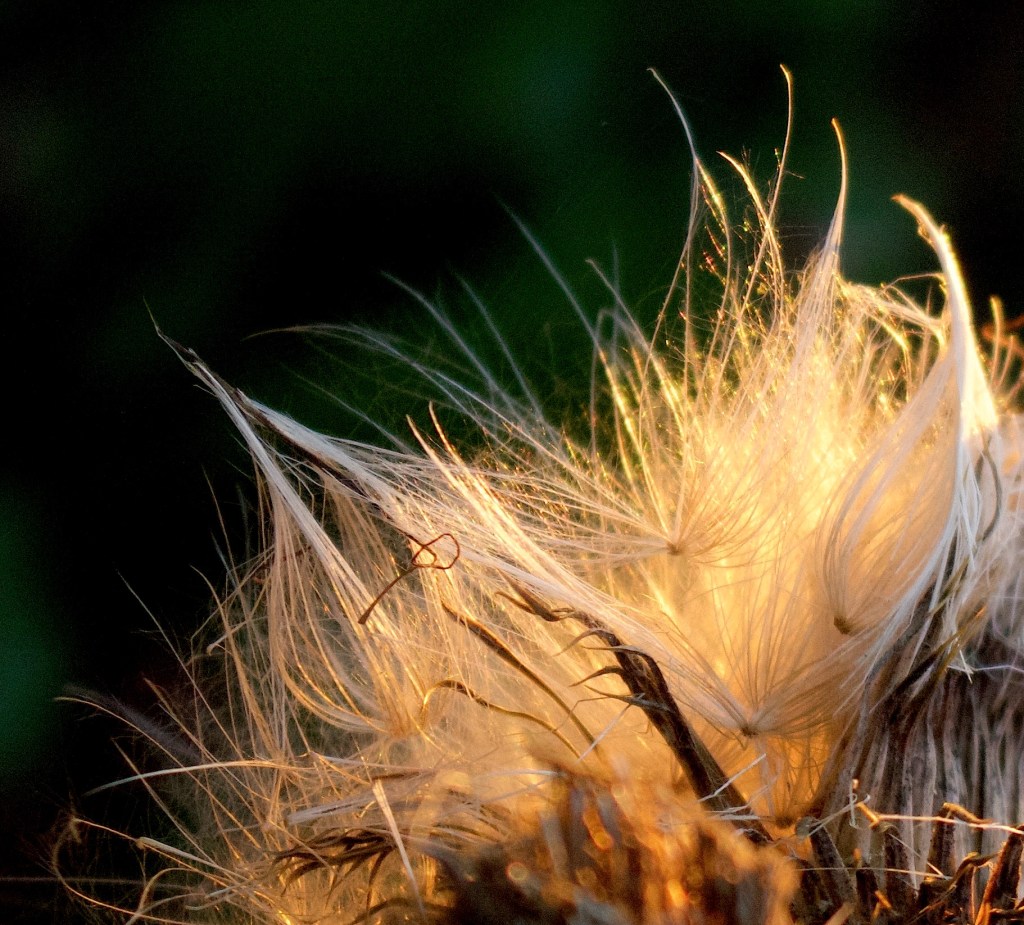
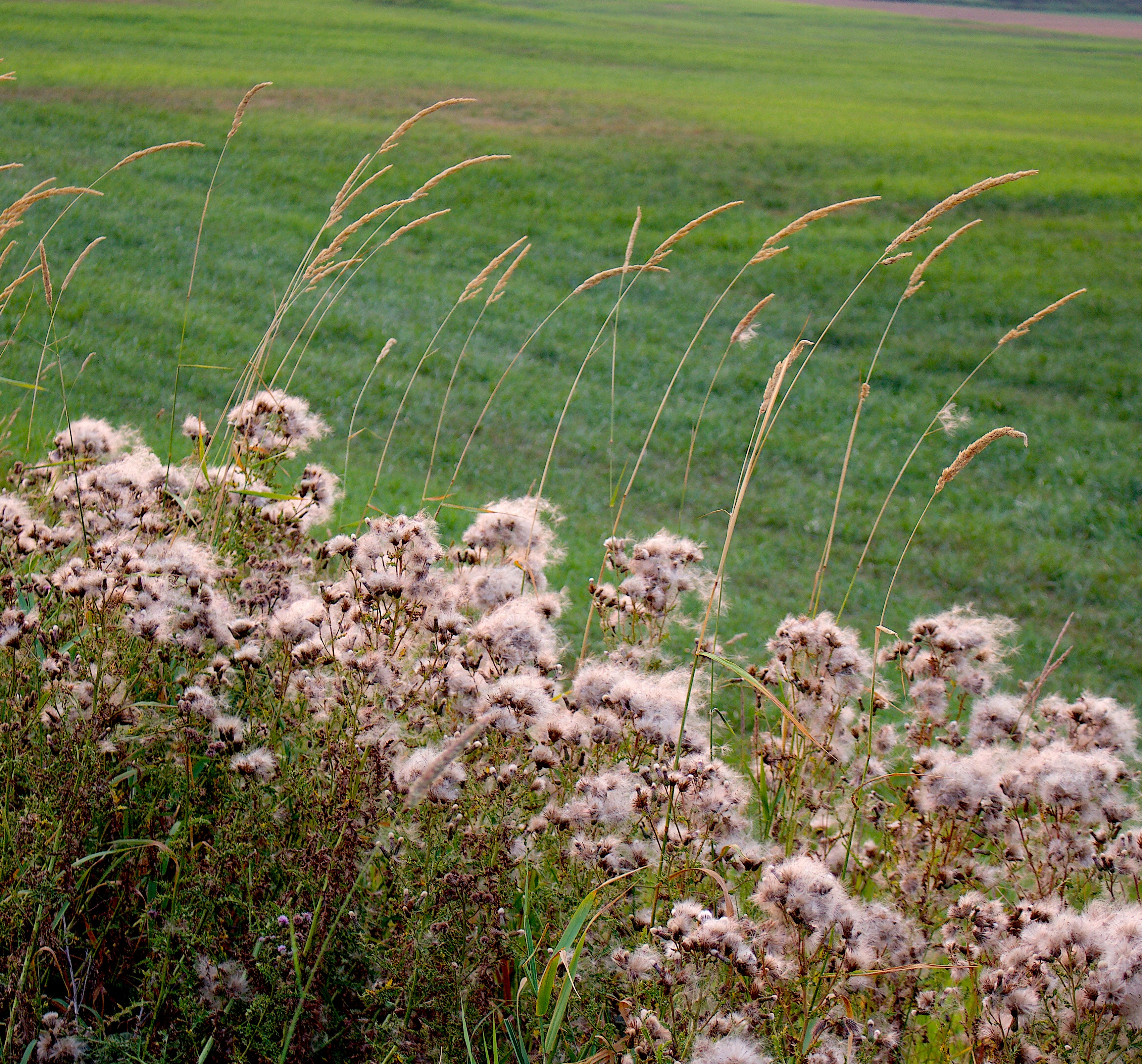
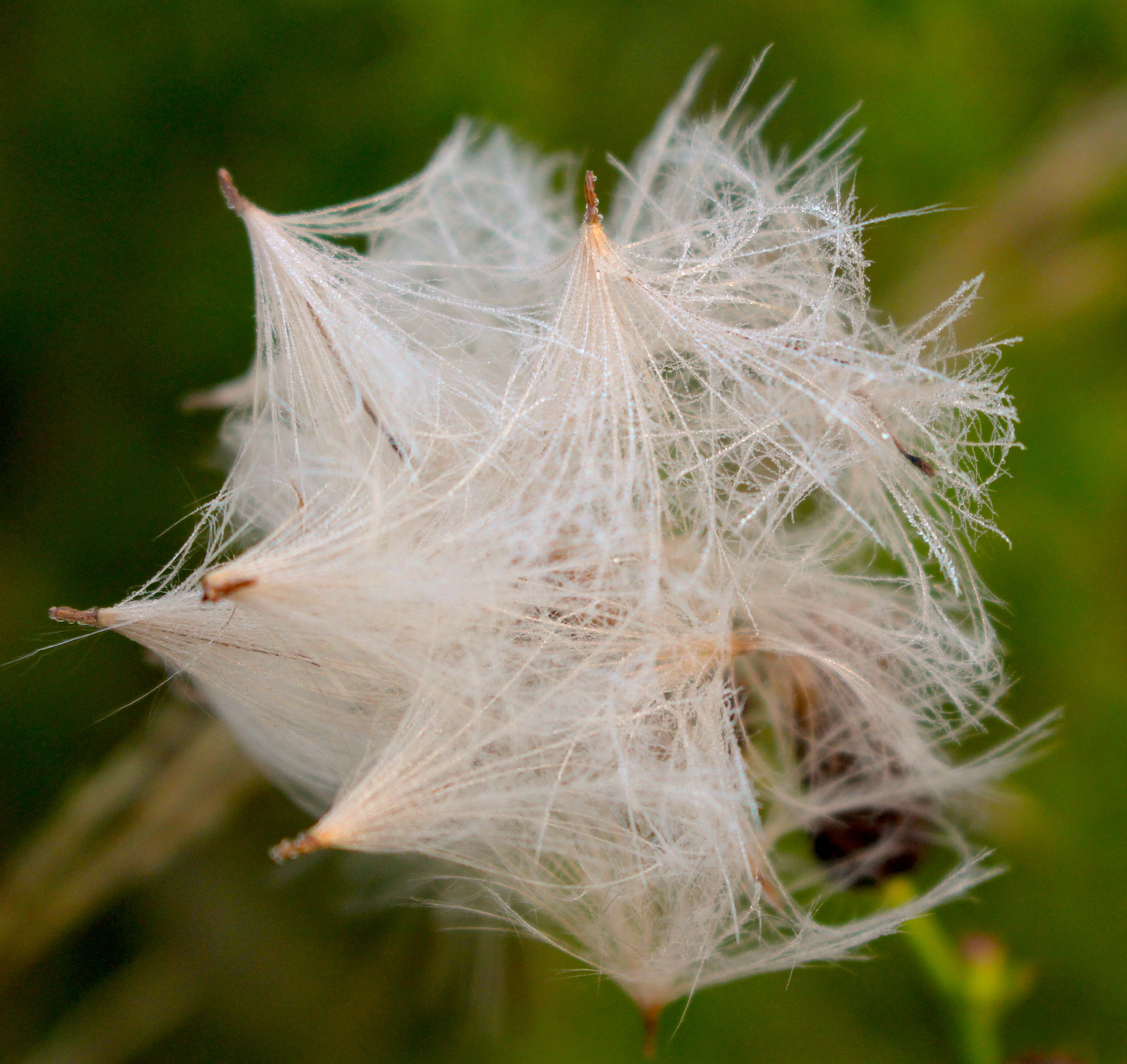
There Will Always Be Thistle

Against the rubber tongues of cows and the hoeing hands of men
Thistles spike the summer air
And crackle open under a blue-black pressure.

Every one a revengeful burst
Of resurrection, a grasped fistful
Of splintered weapons and Icelandic frost thrust up

From the underground stain of a decayed Viking.
They are like pale hair and the gutturals of dialects.
Every one manages a plume of blood.

Then they grow grey, like men.
Mown down, it is a feud. Their sons appear,
Stiff with weapons, fighting back over the same ground.

~Ted Hughes “Thistles”

Sheep will not eat it
nor horses nor cattle
unless they are starving.
Unchecked, it will sprawl over
pasture and meadow
choking the sweet grass
defeating the clover
until you are driven
to take arms against it
but if unthinking
you grasp it barehanded
you will need tweezers
to pick out the stickers.

Outlawed in most Northern
states of the Union
still it jumps borders.
Its taproot runs deeper
than underground rivers
and once it’s been severed
by breadknife or shovel
—two popular methods
employed by the desperate—
the bits that remain will
spring up like dragons’ teeth
a field full of soldiers
their spines at the ready.

Bright little bursts of
chrome yellow explode from
the thistle in autumn
when goldfinches gorge on
the seeds of its flower.
The ones left uneaten
dry up and pop open
and parachutes carry
their procreant power
to disparate venues
in each hemisphere
which is why there will always
be thistle next year.

~Maxine Kumin “Why There Will Always Be Thistle Next Year” from The Long Marriage

This upstart thistle
Is young and touchy; it is
All barb and bristle,

Threatening to wield
Its green, jagged armament
Against the whole field.

Butterflies will dare
Nonetheless to lay their eggs
In that angle where

The leaf meets the stem,
So that ants or browsing cows
Cannot trouble them.

Summer will grow old
As will the thistle, letting
A clenched bloom unfold

To which the small hum
Of bee wings and the flash of
Goldfinch wings will come,

Till its purple crown
Blanches, and the breezes strew
The whole field with down.
~Richard Wilbur “A Pasture Poem” from Anterooms

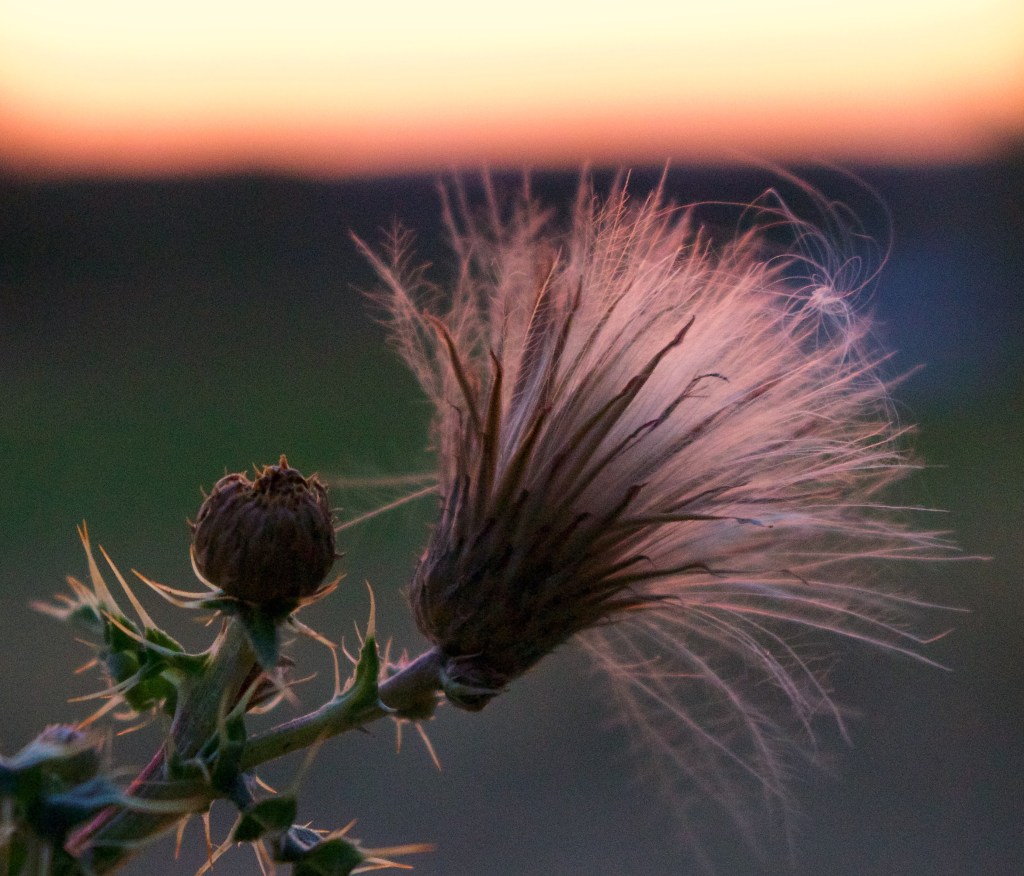
Like the thistle that dots our pastures, I have a tendency at times to be bristly, barbed and sharp. Perhaps it is only my desire for self-protection in a threatening world. Having spiky thorns may keep me from being “eaten”, but they won’t deter the approach of the hungry goldfinch, butterfly or bee. 

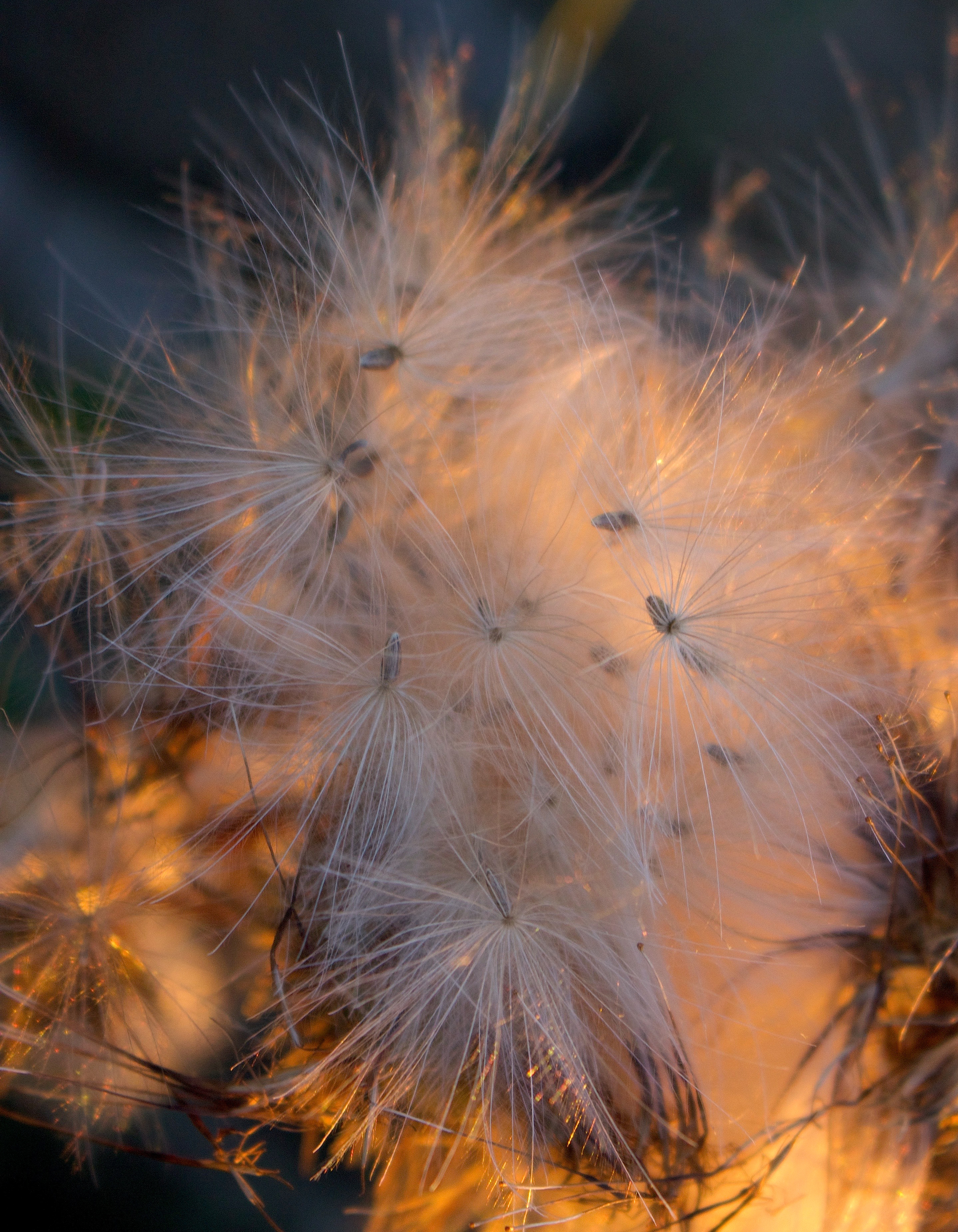
I’ve softened over time (in more ways than one!) by forces outside of myself. The autumn thistle may bristle but its thistledown envelops the pasture as surely as God’s grace envelops me.

With the breezes, the softest thistle seed spreads afar rather than remaining stock-still in self-defense. I find as I wrap up my seventh decade, I too am adrift, seeking out previously unexplored nooks and crannies in which to land.

“For a time I rest in the grace of the world, and am free.”
~Wendell Berry from The Peace of Wild Things

That is how grace and redemption works, both on thistles and bristly people: our self-protective sharp edges shine with a delicate downiness, spreading beauty instead of bristles. 

Everyone is in need of such a transformation. The worldly dilemma with thistle and people is that downy seeds grow up to wield yet more barbs and thorny weapons. The entire pasture becomes a battlefield.

Lord, please make me an instrument of your peace…

One-Time
Monthly
Yearly

Make a one-time or recurring donation to support daily Barnstorming posts

Make a monthly donation

Make a yearly donation

Choose an amount

$10.00
$25.00
$50.00
$5.00
$15.00
$100.00
$5.00
$15.00
$100.00

Or enter a custom amount

$

Your contribution is deeply appreciated.

Your contribution is appreciated.

Your contribution is appreciated.

DonateDonate monthlyDonate yearly
A Common Hand

Because what’s the alternative?
Because of courage.
Because of loved ones lost.
Because no more.
Because it’s a small thing; shaking hands; it happens every day.
Because I heard of one man whose hands

haven’t stopped shaking since a market day in Omagh.
Because it takes a second to say hate, but it takes longer,

much longer, to be a great leader.
Much, much longer.

Because shared space without human touching
doesn’t amount to much.
Because it’s easier to speak to your own

than to hold the hand of someone whose side
has been previously described, proscribed, denied.
Because it is tough.
Because it is meant to be tough, and this is the stuff of memory,

the stuff of hope, the stuff of gesture, and meaning and leading.
Because it has taken so, so long.
Because it has taken land and money and languages

and barrels and barrels of blood.

Because lives have been lost.
Because lives have been taken.

Because to be bereaved is to be troubled by grief.
Because more than two troubled peoples live here.
Because I know a woman whose hand hasn’t been shaken

since she was a man.
Because shaking a hand is only a part of the start.
Because I know a woman whose touch calmed a man

whose heart was breaking.
Because privilege is not to be taken lightly.

Because this just might be good.
Because who said that this would be easy?
Because some people love what you stand for,

and for some, if you can, they can.
Because solidarity means a common hand.
Because a hand is only a hand; so hang onto it.

So join your much discussed hands.
We need this; for one small second.
So touch.
So lead.

~Pádraig Ó Tuama “Shaking Hands”

Nothing is new about conflicts over borders and religion and politics. What is new is the ability of an individual to share the terror and hatred to the rest of the world in mere seconds. We all become unwitting witnesses to human pain and suffering, eager to take sides if we can bear to watch.

We each share a common hand. We need leaders who reach out to touch one another with more than words. They represent the human beings who lost limbs and lives in the battle for supremacy.

Historic handshakes are never meaningless, but even more vital is a connection between humans steeped in historical hatreds. We need to reach out and help lift each other’s burdens.

Take my hand. Look in my eyes. Even for one small second.

Sculpture by Artist Albert Gyorgy

One-Time
Monthly
Yearly

Make a one-time or recurring donation to support daily Barnstorming posts

Make a monthly donation

Make a yearly donation

Choose an amount

$10.00
$25.00
$50.00
$5.00
$15.00
$100.00
$5.00
$15.00
$100.00

Or enter a custom amount

$

Your contribution is deeply appreciated.

Your contribution is appreciated.

Your contribution is appreciated.

DonateDonate monthlyDonate yearly
Making a Comment

And that is just the point…
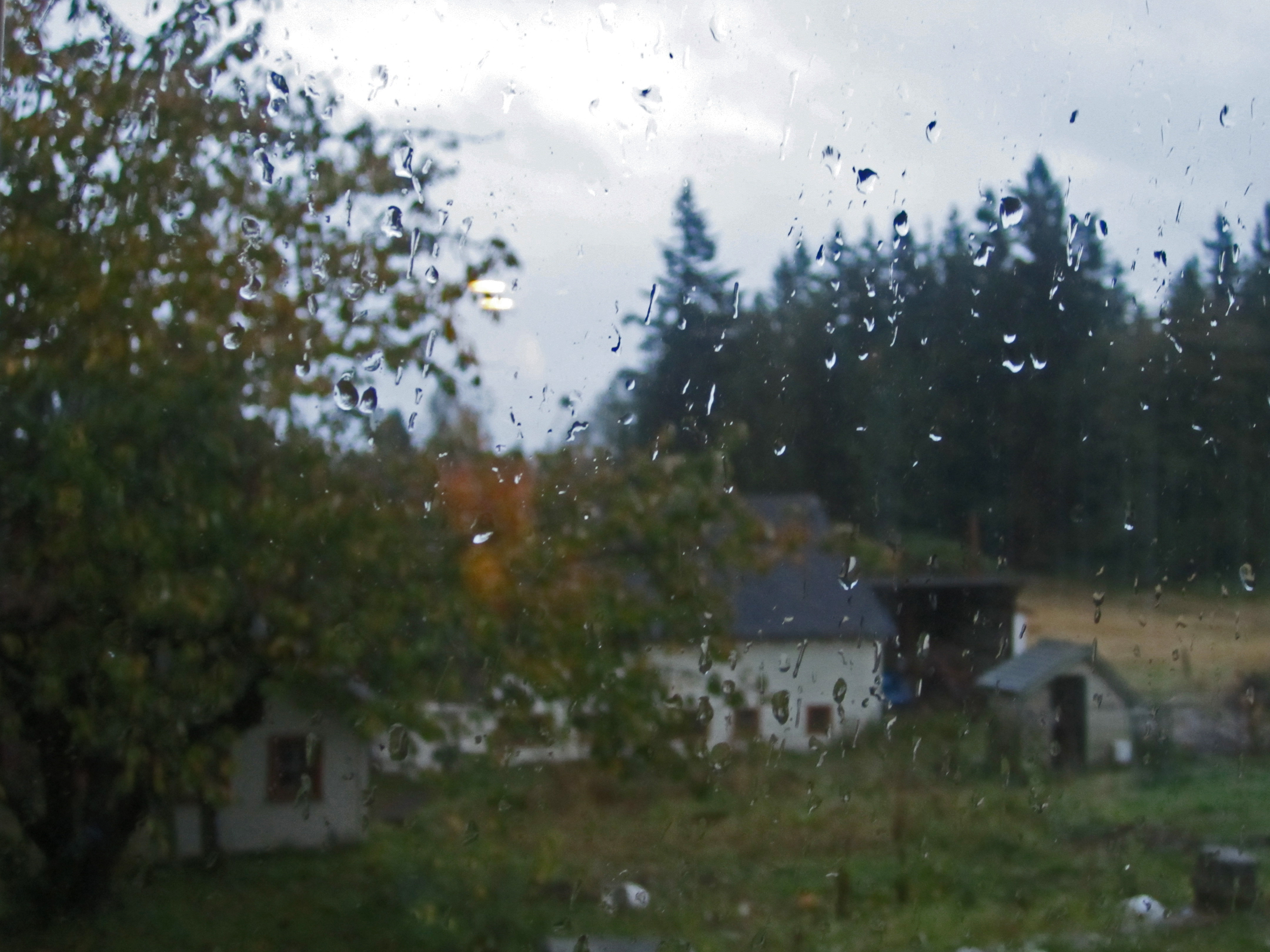
how the world, moist and beautiful,
calls to each of us to make a new and serious response.

That’s the big question,
the one the world throws at you every morning.
“Here you are, alive.
Would you like to make a comment?”
~Mary Oliver

The last few days, it has been impossible to stay
a silent observer of the world when one awakes,
still alive on a morning moist and beautiful,
while on the other side of the earth,
innocents have been brutally butchered in their beds,
whole families murdered,
bodies desecrated and dragged into the street.

It demands a response.

I cannot remain speechless in the face of evil.
Such violence, fed by generations of hatred,
begets more hatred and violence, on and on.
It festers, blusters, rips apart, tortures, buries.
And so it goes, an ongoing human history
of wars and more wars.

And here I am,
alive on a brilliant autumn morning,
while others immeasurably suffer.

Called to make a new and serious response.
Called to comment, as I do every day.
Knowing my voice is only one
in a vast wilderness of voices,
crying out in lament over the dead and dying.

Lord, have mercy, have mercy, have mercy on us.

Consider donations to assist humanitarian aid
to Save the Children or Doctors without Borders

Do Not Look Back

He loved to ask his mother questions. It was the pleasantest thing for him to ask a question and then to hear what answer his mother would give. Bambi was never surprised that question after question should come into his mind continually and without effort. 

Sometimes he felt very sure that his mother was not giving him a complete answer, was intentionally not telling him all she knew.  For then there would remain in him such a lively curiosity, such suspicion, mysteriously and joyously flashing through him, such anticipation, that he would become anxious and happy at the same time, and grow silent.
~Felix Salten from Bambi

A Wounded Deer—leaps highest—
I’ve heard the Hunter tell—
‘Tis but the Ecstasy of death—
And then the Brake is still!
~Emily Dickinson “165″

As the house of a person
in age sometimes grows cluttered
with what is
too loved or too heavy to part with,
the heart may grow cluttered.
And still the house will be emptied,
and still the heart.

Empty and filled,
like the curling half-light of morning,
in which everything is still possible and so why not.

Filled and empty,
like the curling half-light of evening,
in which everything now is finished and so why not.

Beloved, what can be, what was,
will be taken from us.
I have disappointed.
I am sorry. I knew no better.

A root seeks water.
Tenderness only breaks open the earth.
This morning, out the window,
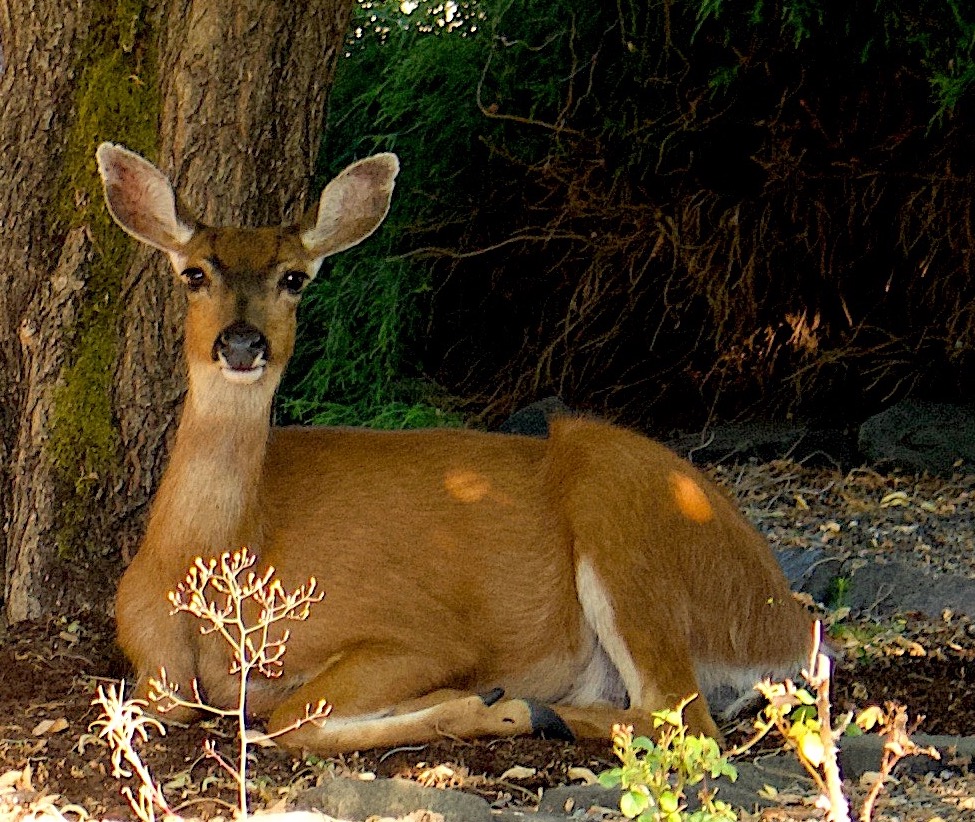
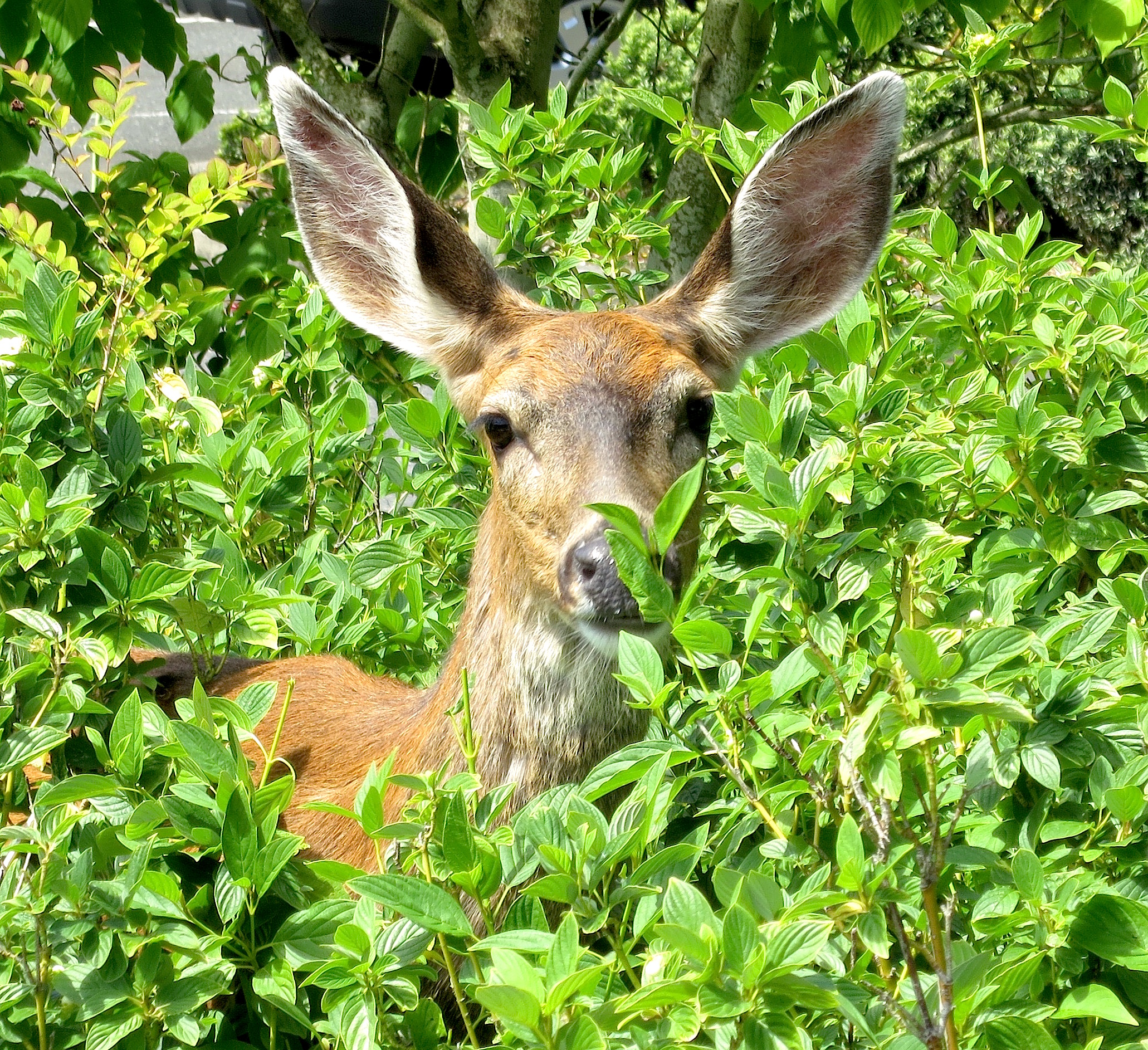
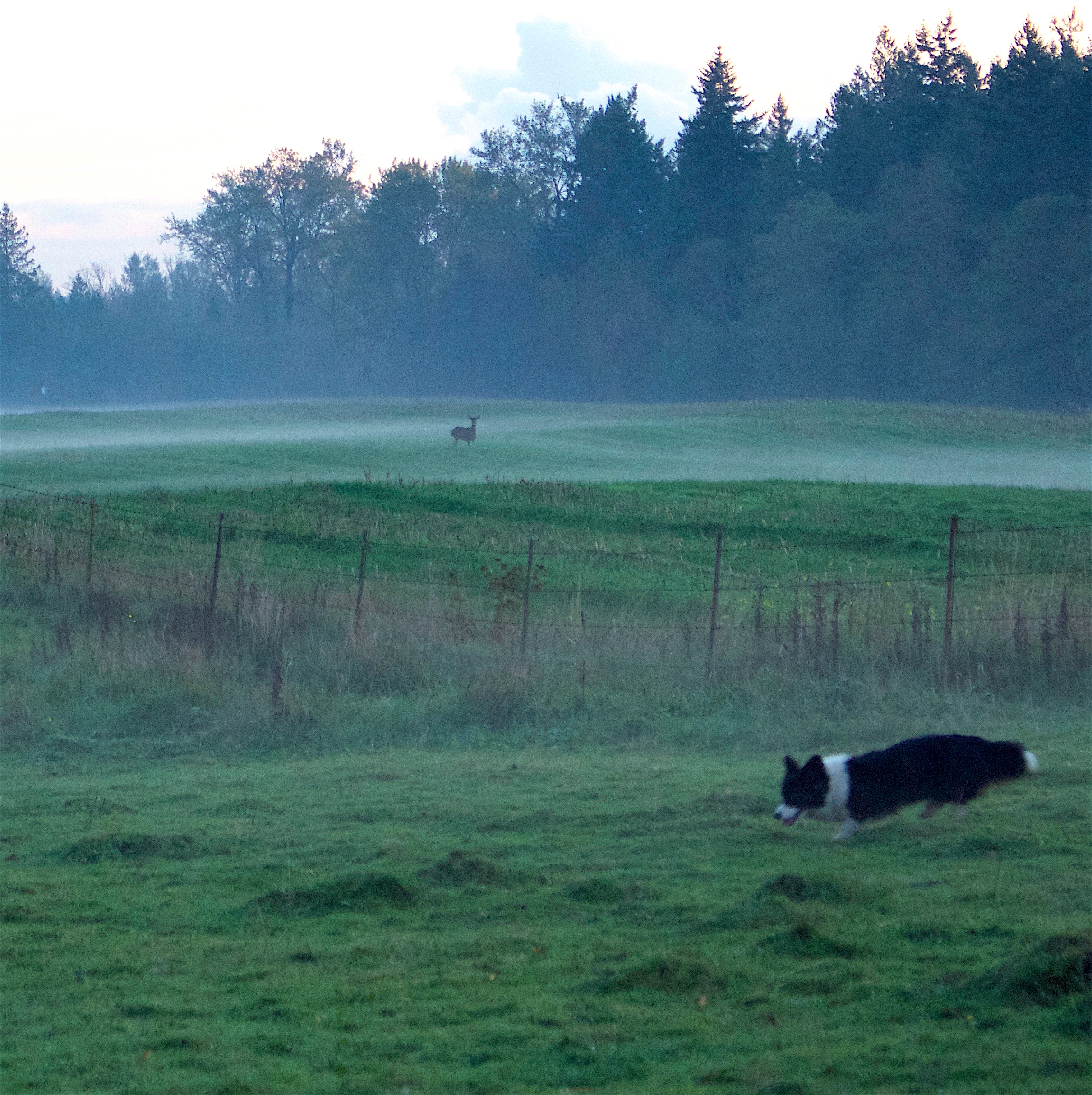
the deer stood like a blessing, then vanished.

~Jane Hirschfield from “The Standing Deer”


My first time ever
seated next to my mother
in a movie theater, just
a skinny four year old girl
practically folded in half
by a large padded chair
whose seat won’t stay down,
bursting with anticipation
to see Disney’s Bambi.

Enthralled with so much color,
motion,  music, songs and fun
characters, I am wholly lost
in this new world of animated
reality when suddenly
Bambi’s mother looks up,
alarmed, from eating
a new clump of spring grass
growing in the snow.

My heart leaps
with worry.
She tells him
to run quickly
for the thicket –
find the safest place where
she has always
kept him warm
next to her.

She follows behind,
urges him to run faster,
not to look back,
don’t ever look back.

Then the gun shot
hits my belly too.

My stomach twists
as he cries out
for his mother,
pleading for her.
I know in my heart
she is lost forever,
sacrificed to save him.

I sob as my mother
reaches out to me,
telling me not to look.
I bury my face
inside her hug,
knowing Bambi
is cold and alone
with no mother
any more.

My mama took me home
before the end.
I could not bear to watch
the rest of the movie 
for years.

Those cries
still echo
in my ears
any time someone hunts and shoots
to kill the innocent.

Now, my own three children are grown,
they have babies of their own,
my mom is gone from this earth.
I can even keep the seat from folding
me in half in a movie theater.

I am nearing my eighth decade, and
there are still places in this world where
mothers and fathers
sons and daughters
grandmothers and grandfathers
sisters and brothers
and babies are hunted down
despite the supposed safety of the thicket~
the sanctuary, the school, the grocery store, the home,
places where we believe we are shielded from violence.

There can be no innocence when any of us may be hunted.

One-Time
Monthly
Yearly

Make a one-time or recurring donation to support daily Barnstorming posts

Make a monthly donation

Make a yearly donation

Choose an amount

$10.00
$25.00
$50.00
$5.00
$15.00
$100.00
$5.00
$15.00
$100.00

Or enter a custom amount

$

Your contribution is deeply appreciated.

Your contribution is appreciated.

Your contribution is appreciated.

DonateDonate monthlyDonate yearly

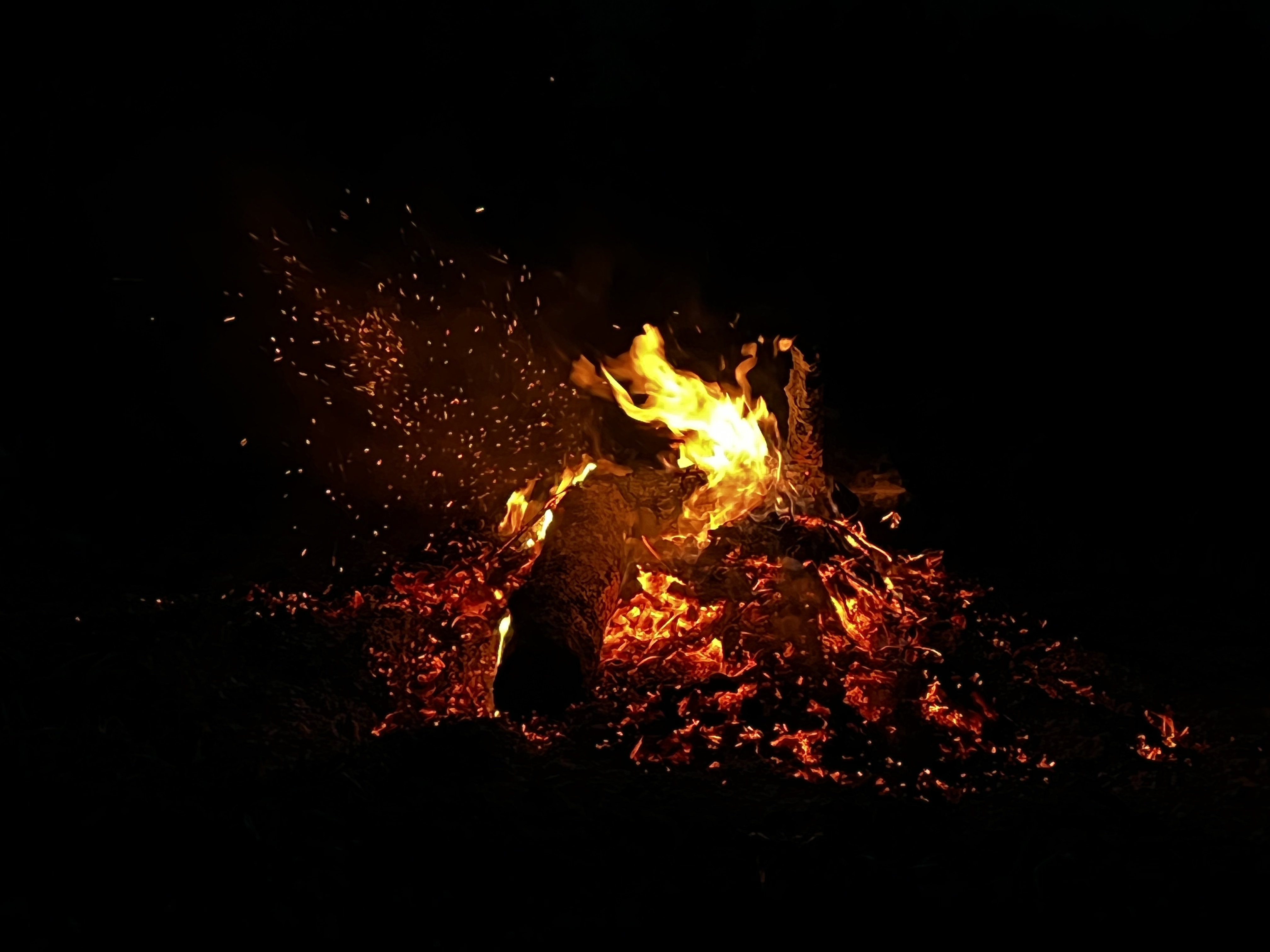
The Fire and Rose Are One

The soul’s sap quivers. There is no earth smell
Or smell of living thing. This is the spring time
But not in time’s covenant. Now the hedgerow
Is blanched for an hour with transitory blossom
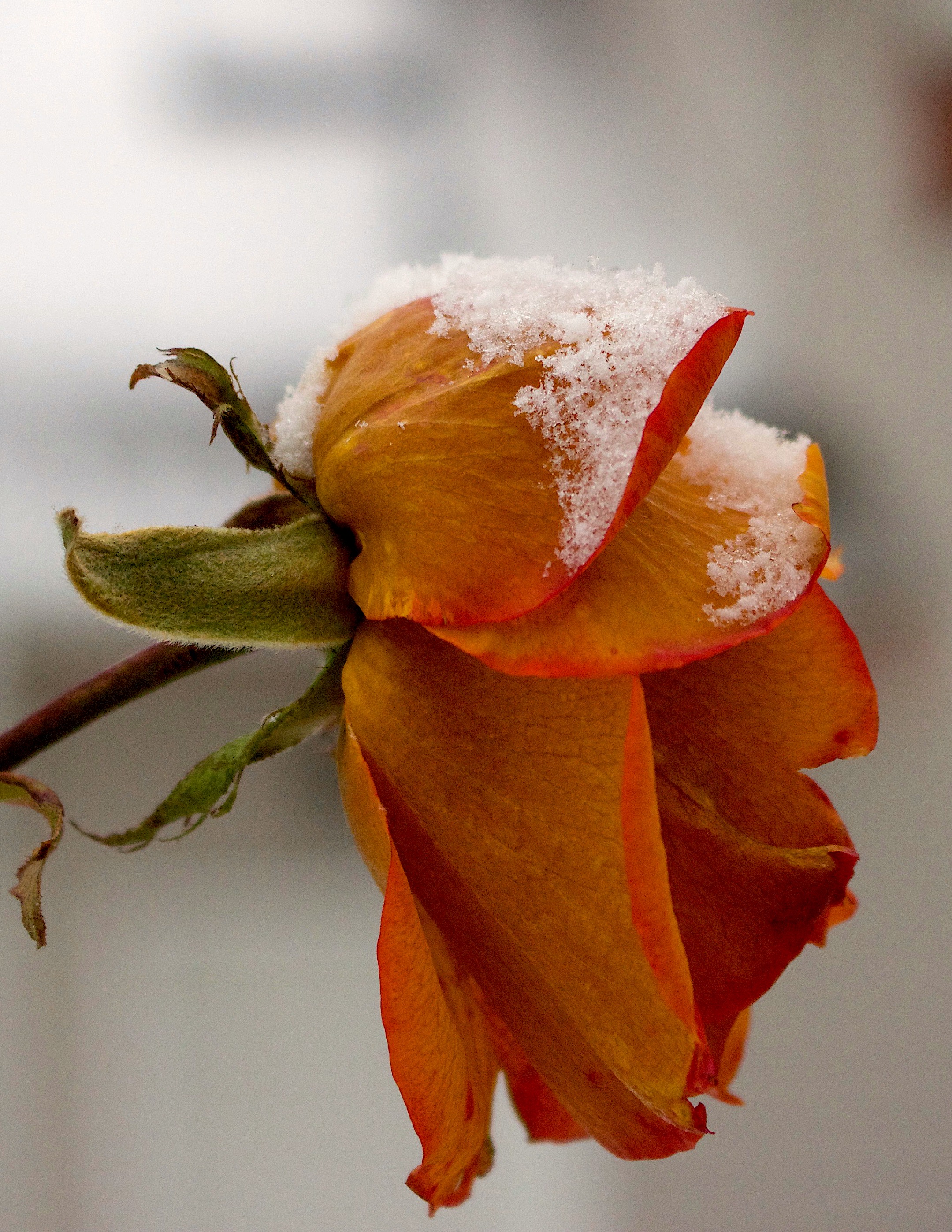
Of snow, a bloom more sudden
Than that of summer, neither budding nor fading,
Not in the scheme of generation.
Where is the summer, the unimaginable Zero summer?

We shall not cease from exploration
And the end of all our exploring
Will be to arrive where we started
And know the place for the first time.
Through the unknown, unremembered gate
When the last of earth left to discover
Is that which was the beginning;


And all shall be well and
All manner of thing shall be well
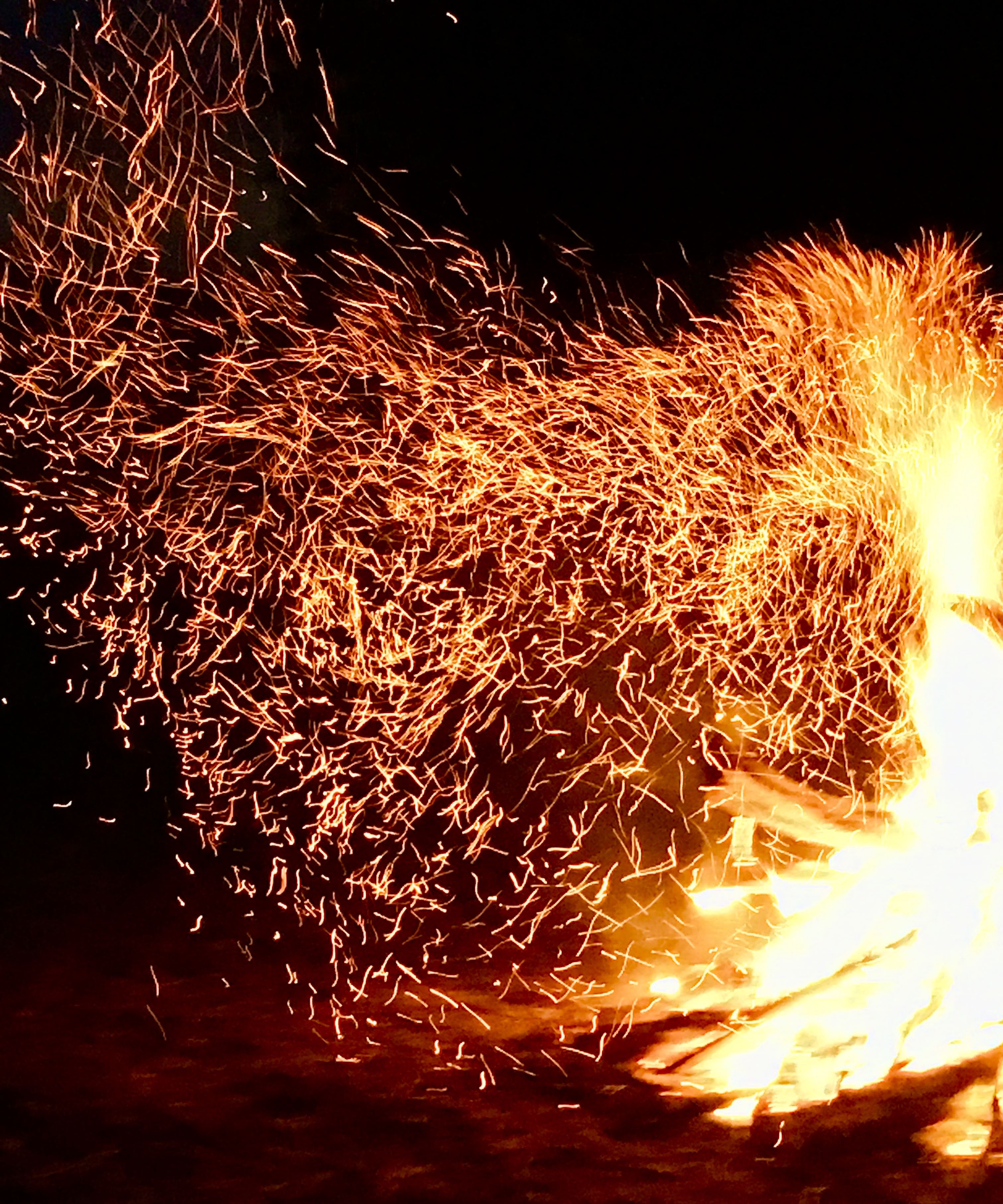
When the tongues of flames are in-folded
Into the crowned knot of fire
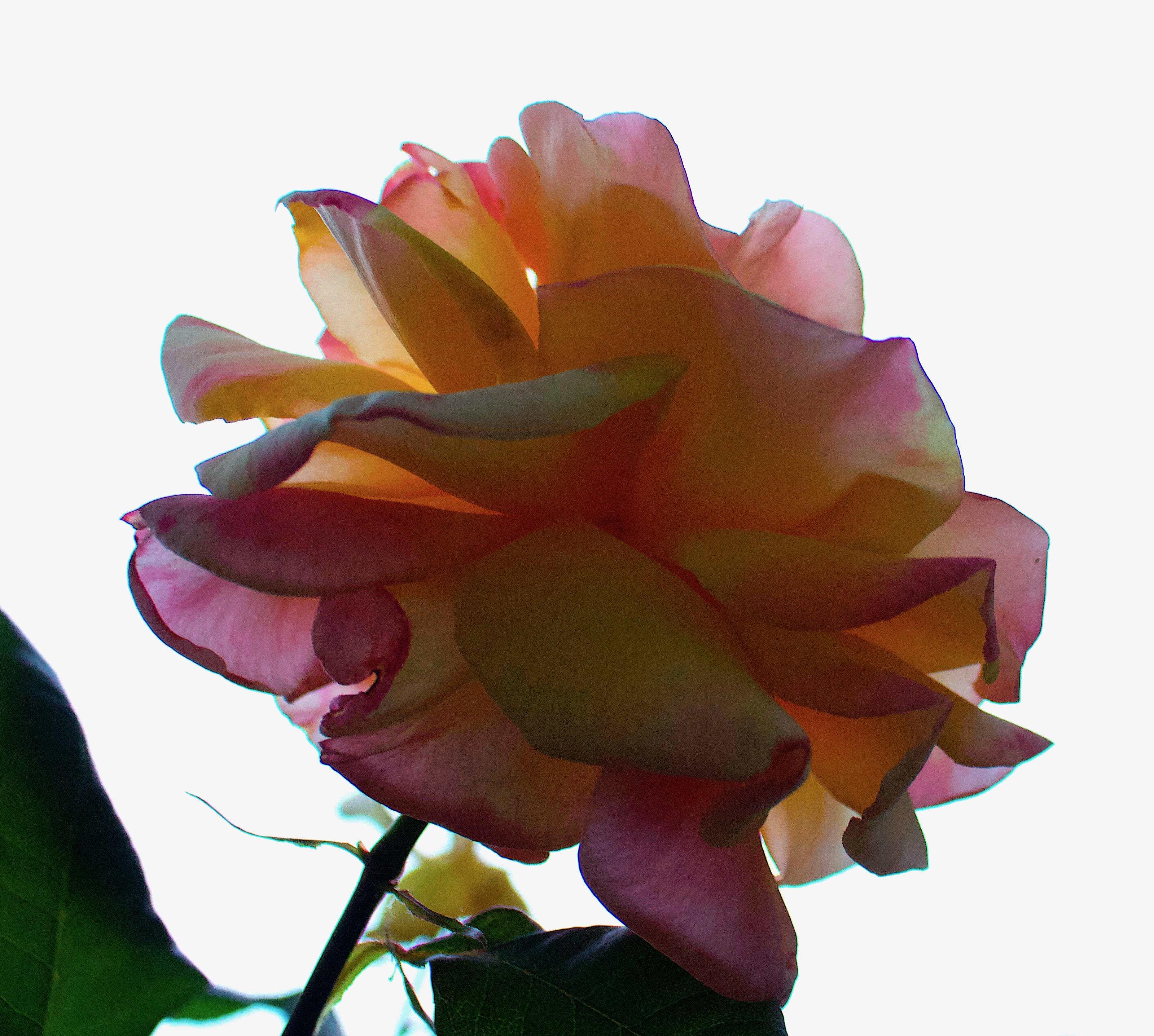
And the fire and the rose are one.

~T.S. Eliot – from “Little Gidding” from the Four Quartets

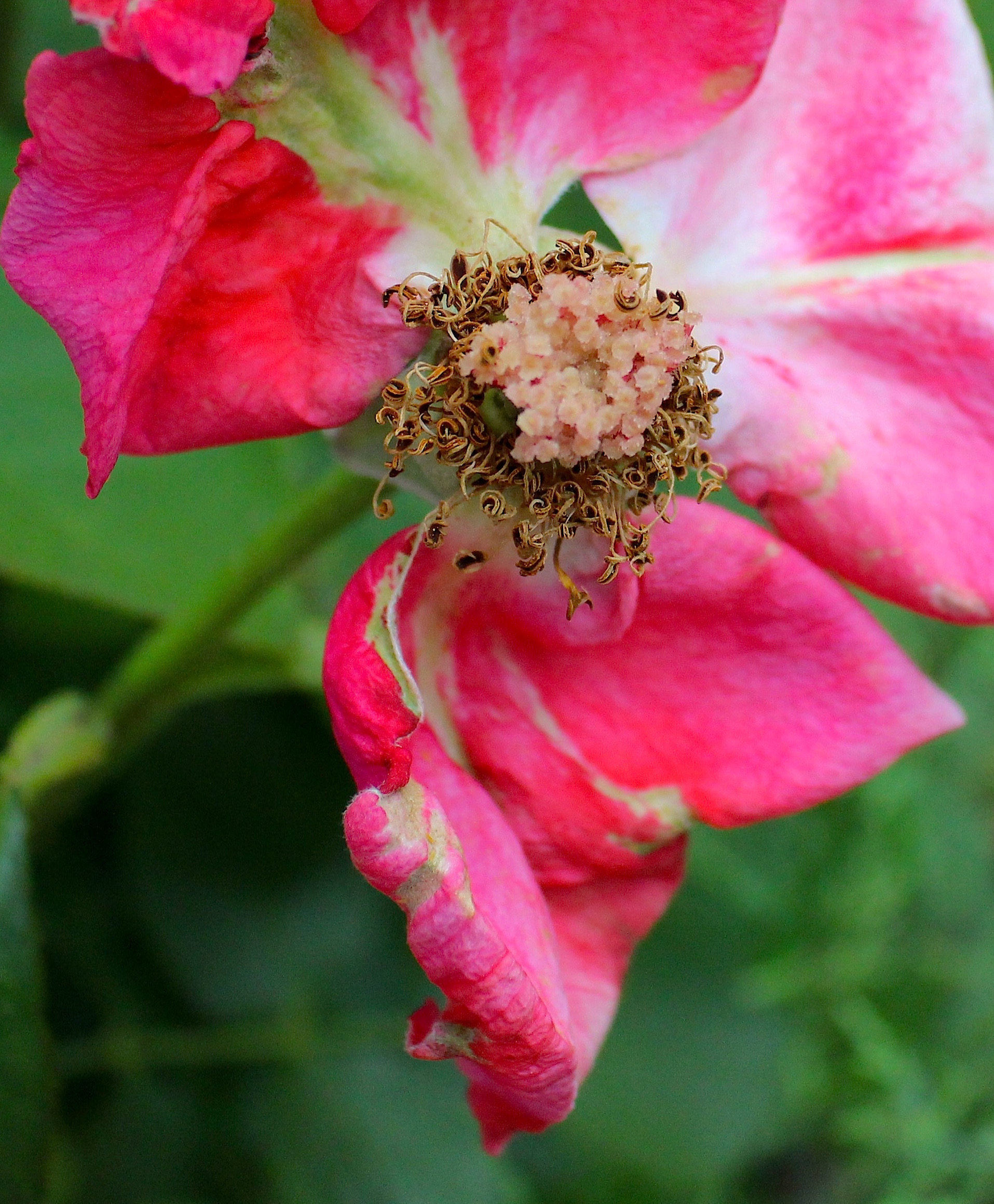
To think that this meaningless thing was ever a rose,
Scentless, colourless, this!
Will it ever be thus (who knows?)
Thus with our bliss,
If we wait till the close?


Though we care not to wait for the end, there comes the end
Sooner, later, at last,
Which nothing can mar, nothing mend:

An end locked fast,
Bent we cannot re-bend.

~Christina Rossetti “Summer is Ended”

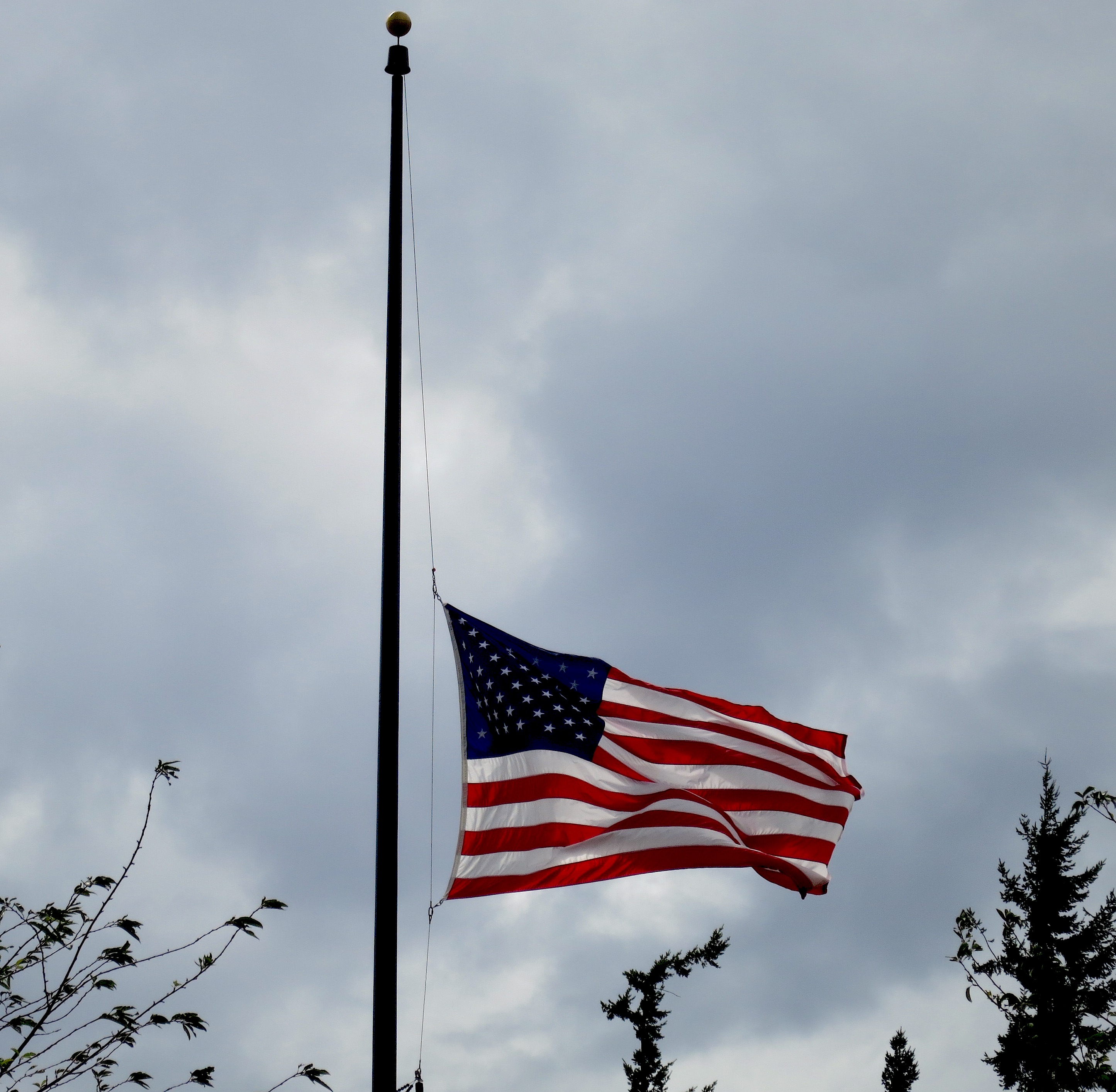
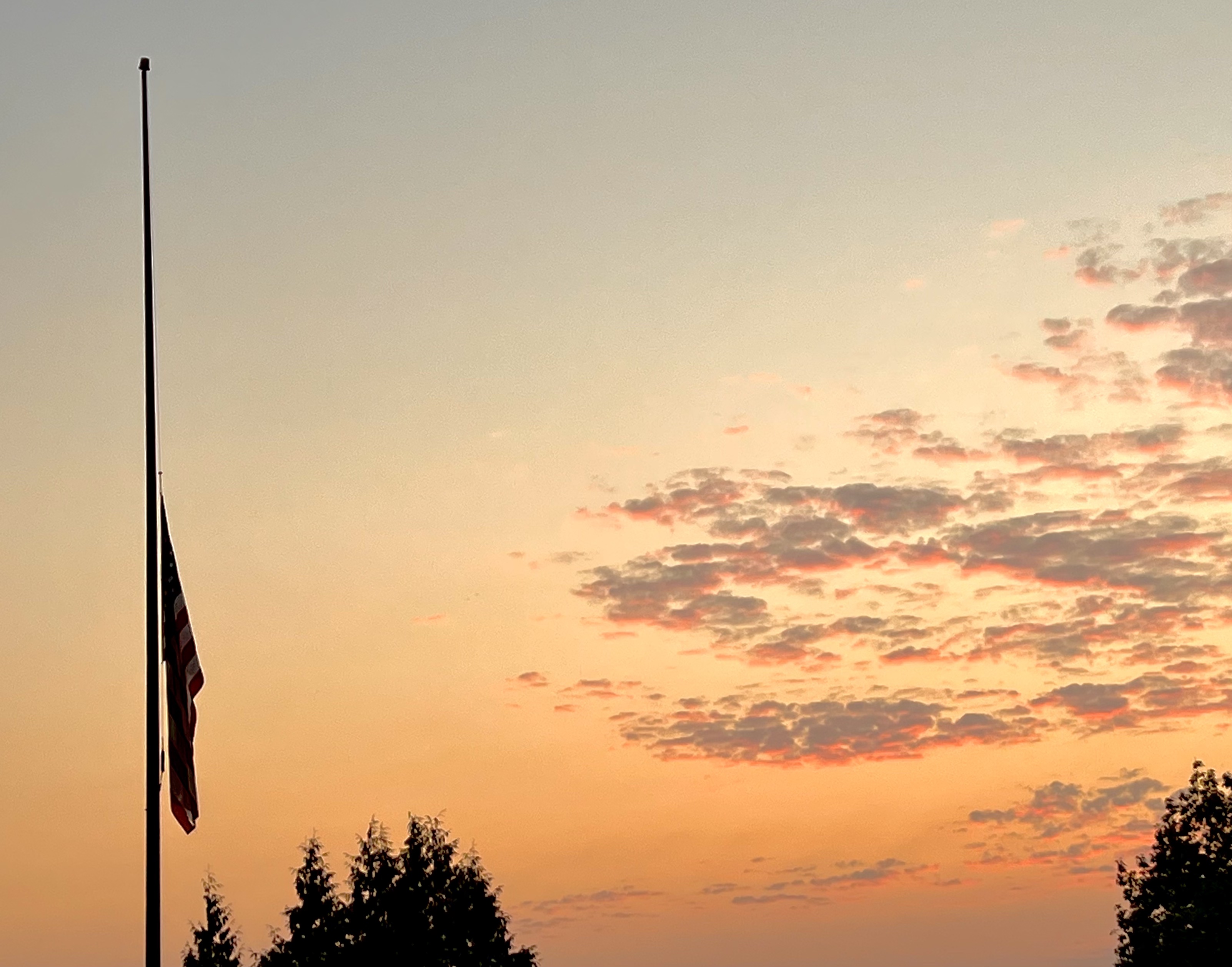
As a 3rd grader in November 1963, I learned the import of the U.S. flag being lowered to half mast in response to the shocking and violent death of our President. The lowering of the flag was so rare when I was growing up, it had dramatic effect on all who passed by — 

our soul’s sap quivers

— something very sad had happened to our country, something or someone had tragically ended, warranting our silence, our stillness, and our grief.

For the twenty-two years since 9/11/01, our flag has spent significant time at half mast, most often due to our own home-grown mass shooting terrorism. When I see it flying low, I’m befuddled instead of contemplative, puzzling over what the latest loss might be as there are so many, sometimes all happening in the same time frame. We no longer are silenced by this gesture of honor and respect; we certainly are not stilled when personally and corporately instigating and suffering the same mistakes against humanity over and over again.

We are so bent. Will we ever be mended again?

Eliot wrote these prescient words of the Four Quartets in the midst of the WWII German bombing raids that destroyed so many people and neighborhoods. Perhaps he sensed the destruction he witnessed would not be the last time in history that evil visits the innocent, leaving them in ashes. There would be so many more losses to come, not least being the horror of 9/11/01.

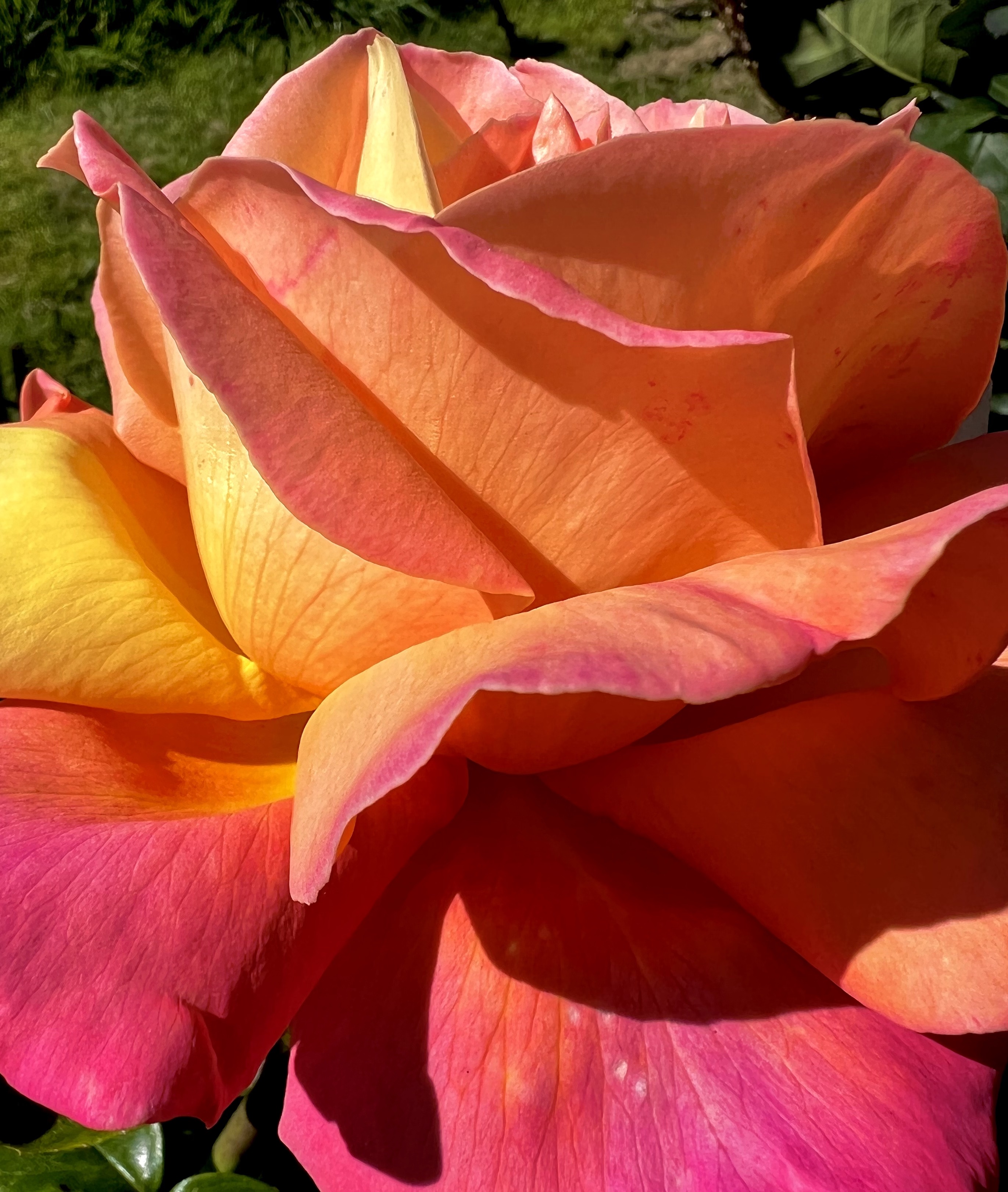
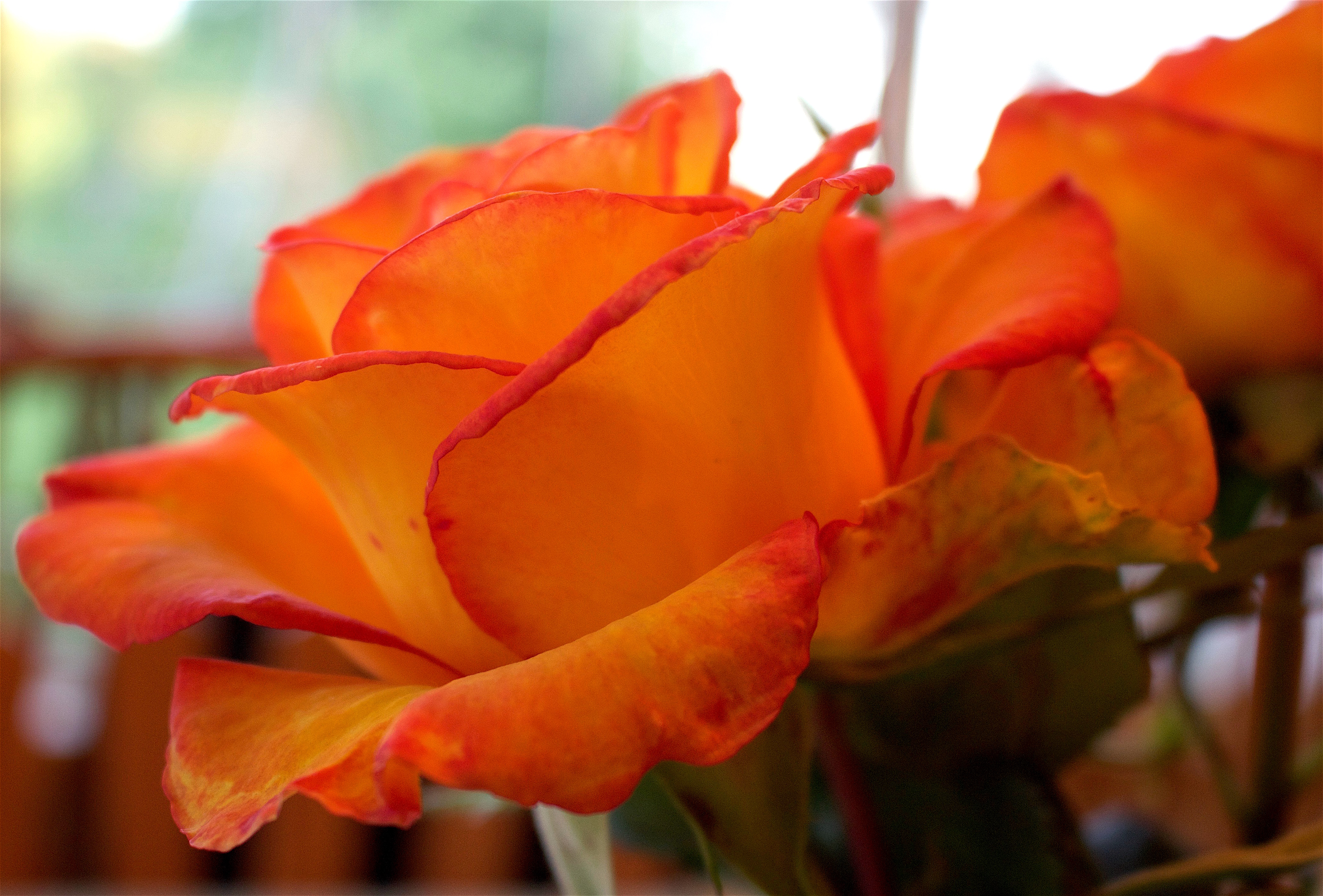
There remains so much more sadness to be borne, such abundance of grief. Our world has become overwhelmed and stricken. Yet Eliot was right: we have yet to live in a Zero summer of endless hope and fruitfulness, of spiritual awakening and understanding. Where is it indeed? When will the summer Rose of beauty and fragrance rise again?

We must return, as people of faith to Eliot’s still point to which we are called on a remembrance day such as today. We must be stilled; we must be silenced. We must grieve the losses of this turning world and pray for release from the suffering we cause and we endure. Only in the asking, only in the kneeling down and pleading, are we surrounded by God’s unbounded grace.

Only then will His Rose bloom, once again recognizable.  

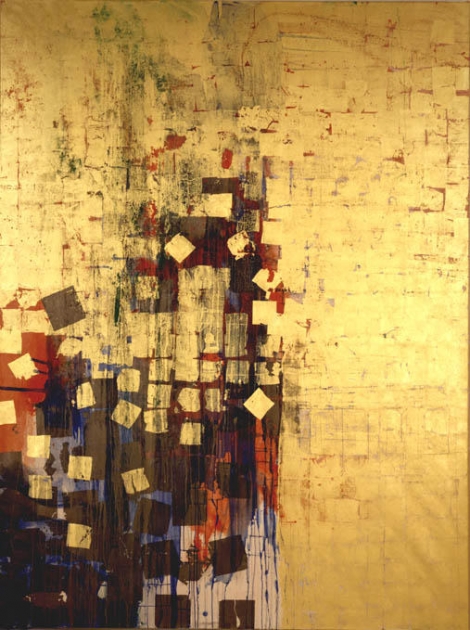
“Zero Summer” imagines the unimaginable horror of Hiroshima and Nagasaki, and yet points to epiphanic awakening that transcend human imagination at the same time. T.S. Eliot, who coined this term in his “Four Quartets,” longed for that eternal summer, birthed out of the “still point,” where imagination is met with grace and truth.
~Makoto Fujimura

“There Are No Words” written on 9/11/2001
by Kitty Donohoe

there are no words there is no song
is there a balm that can heal these wounds

that will last a lifetime long
and when the stars have burned to dust
hand in hand we still will stand because we must

in one single hour in one single day
we were changed forever something taken away
and there is no fire that can melt this heavy stone
that can bring back the voices and the spirits of our own

all the brothers, sisters and lovers all the friends that are gone
all the chairs that will be empty in the lives that will go on
can we ever forgive though we never will forget
can we believe in the milk of human goodness yet

we were forged in freedom we were born in liberty
we came here to stop the twisted arrows cast by tyranny
and we won’t bow down we are strong of heart
we are a chain together that won’t be pulled apart

One-Time
Monthly
Yearly

Make a one-time or recurring donation to support daily Barnstorming posts

Make a monthly donation

Make a yearly donation

Choose an amount

$10.00
$25.00
$50.00
$5.00
$15.00
$100.00
$5.00
$15.00
$100.00

Or enter a custom amount

$

Your contribution is deeply appreciated.

Your contribution is appreciated.

Your contribution is appreciated.

DonateDonate monthlyDonate yearly
Scars That Cry

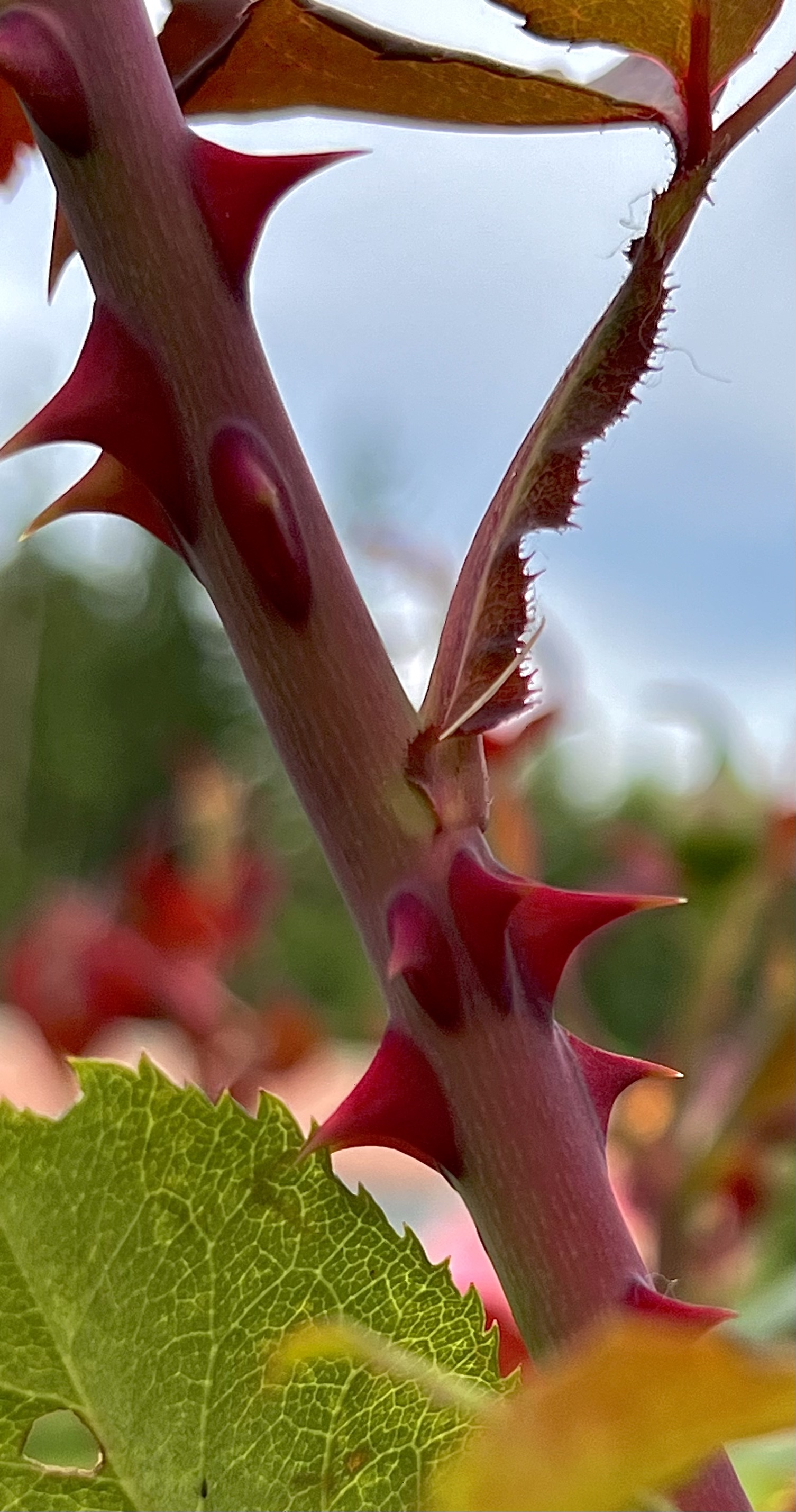
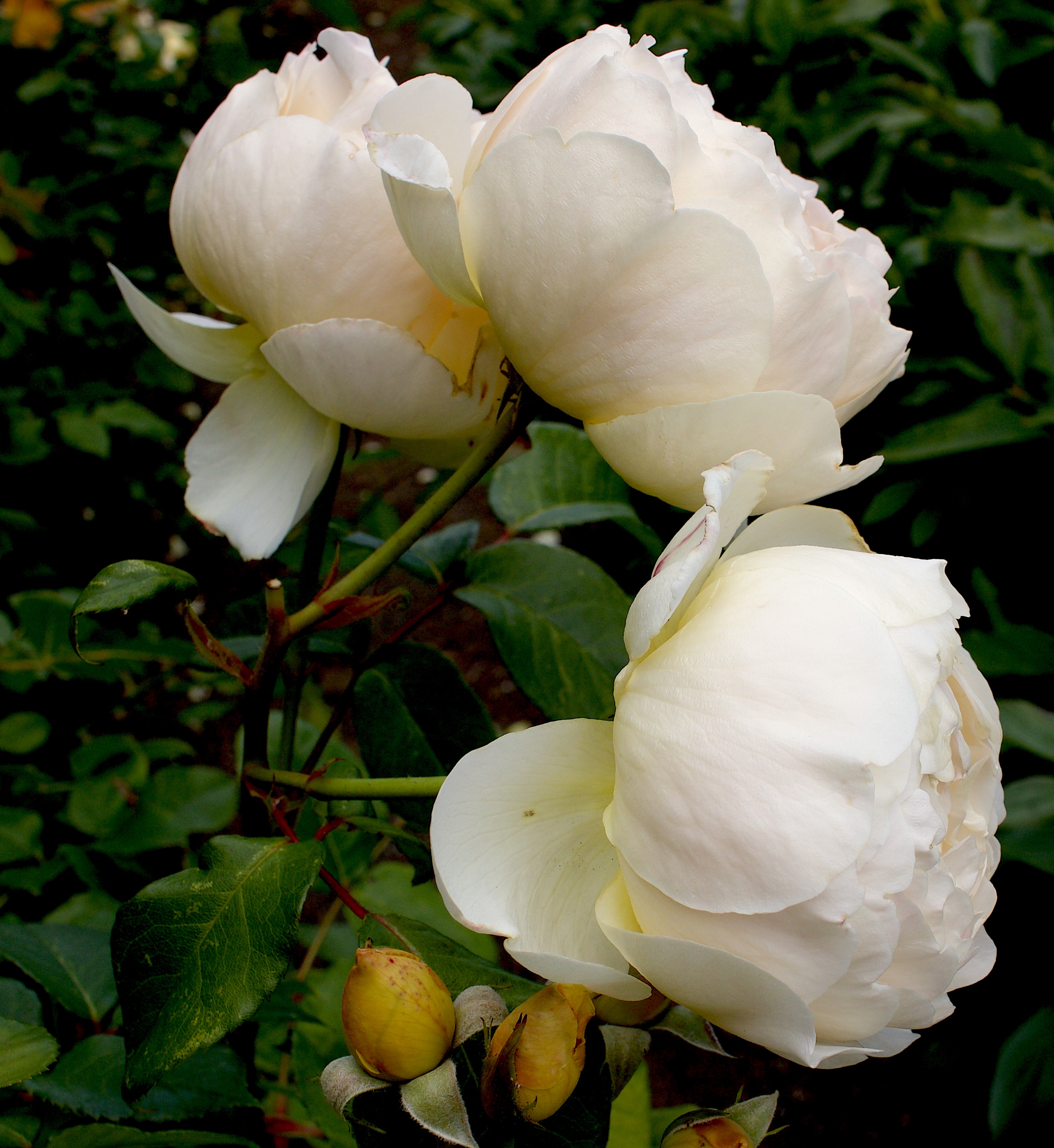
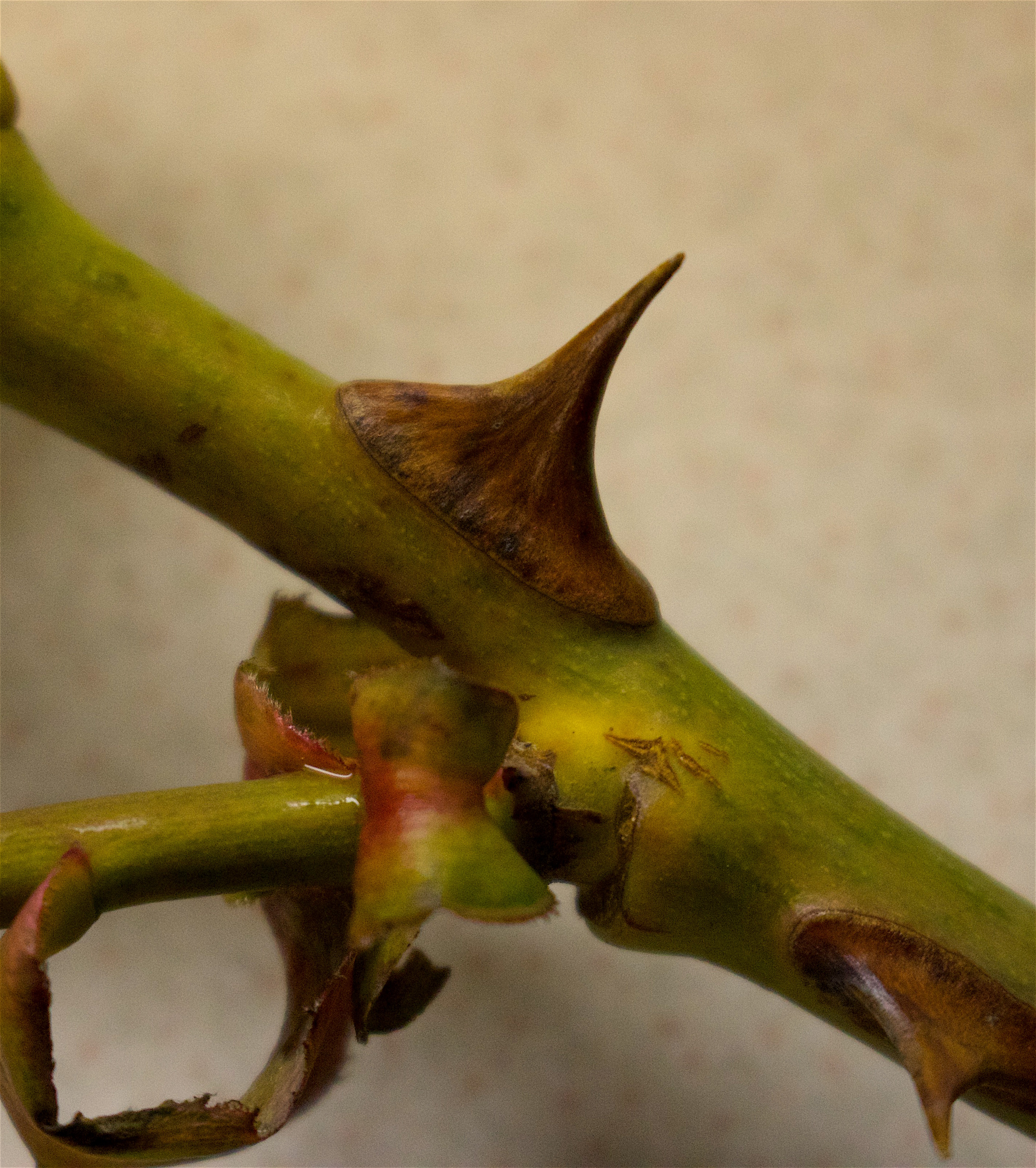
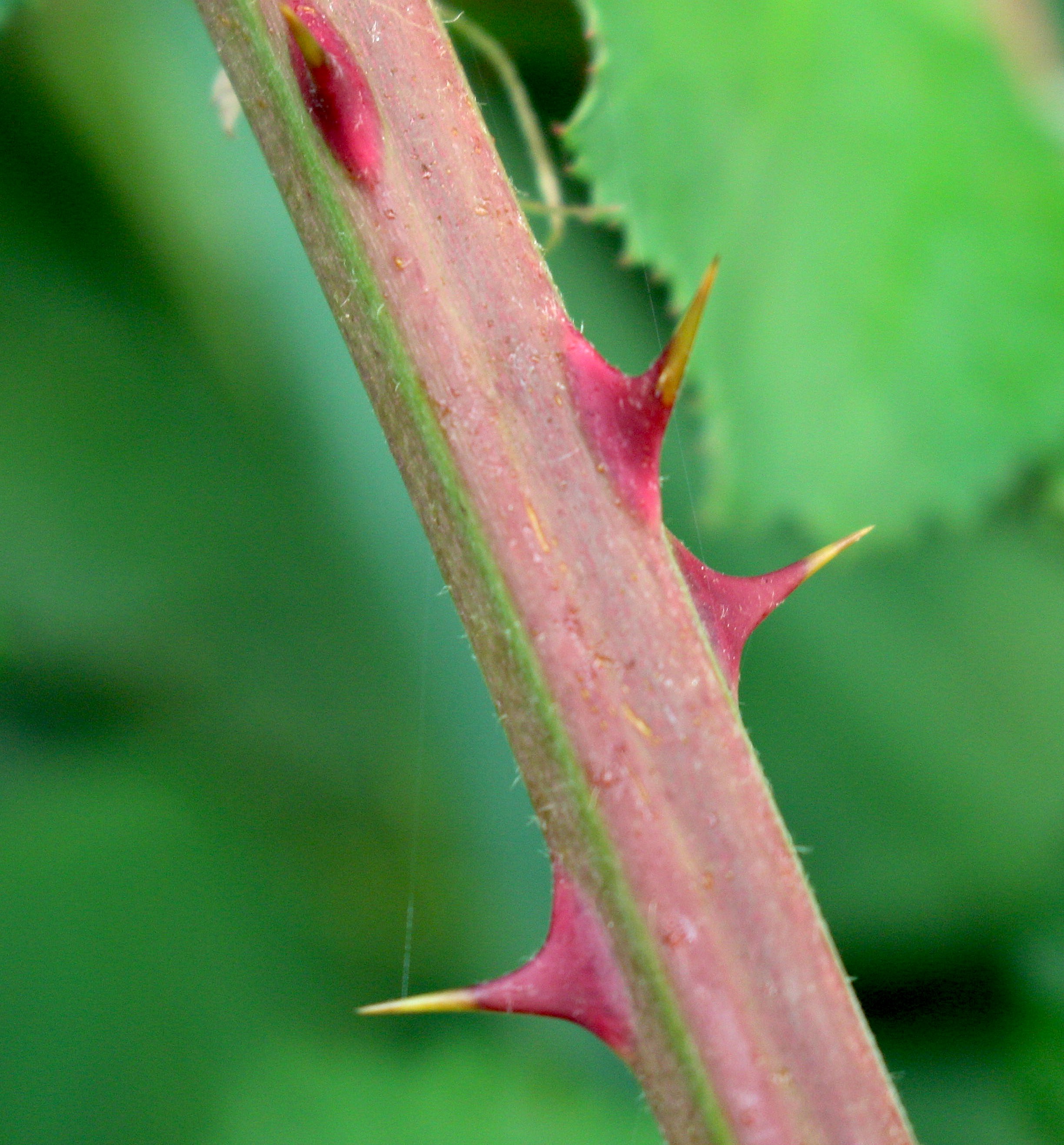
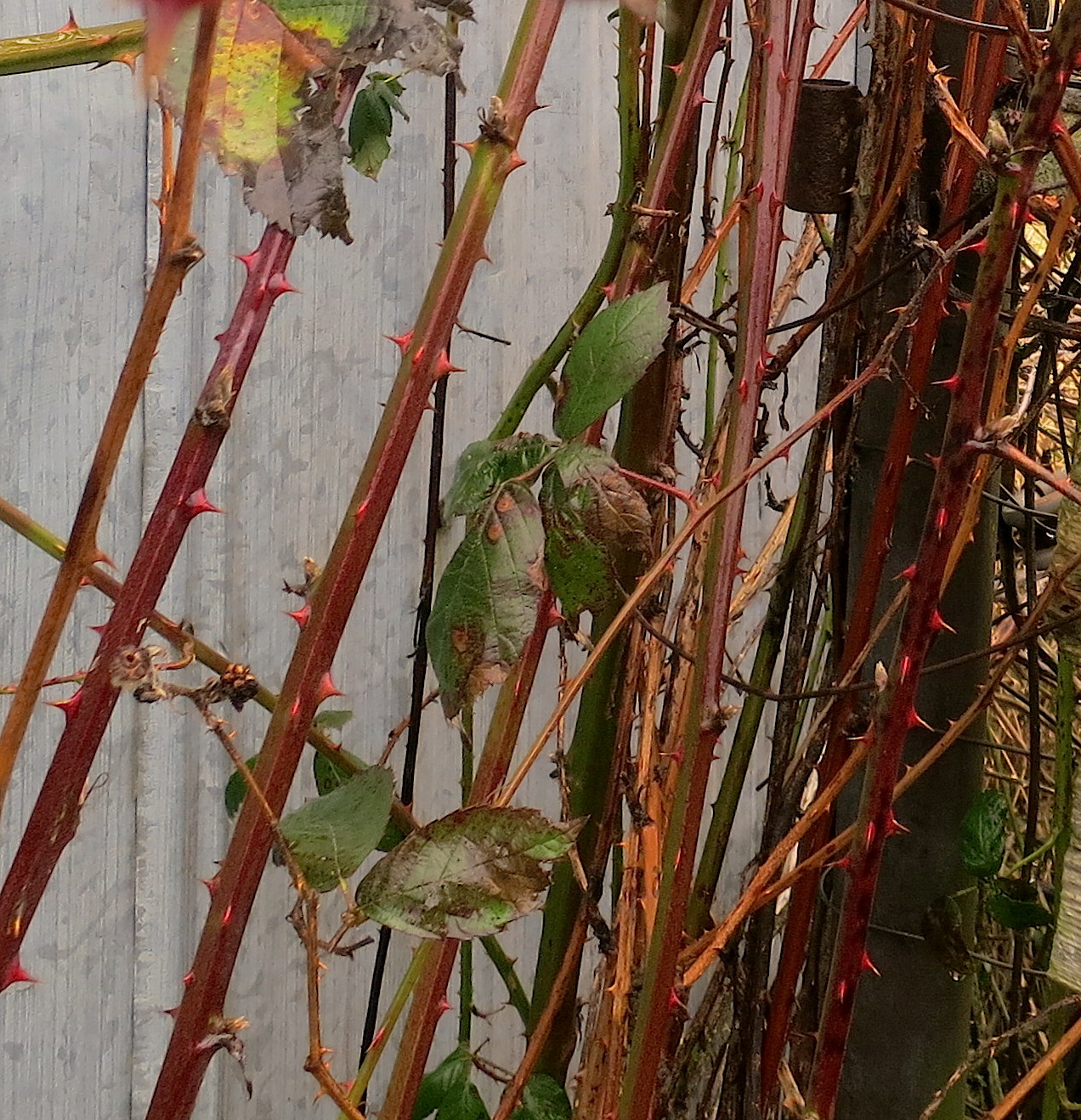
between the rosebuds
and the thorns
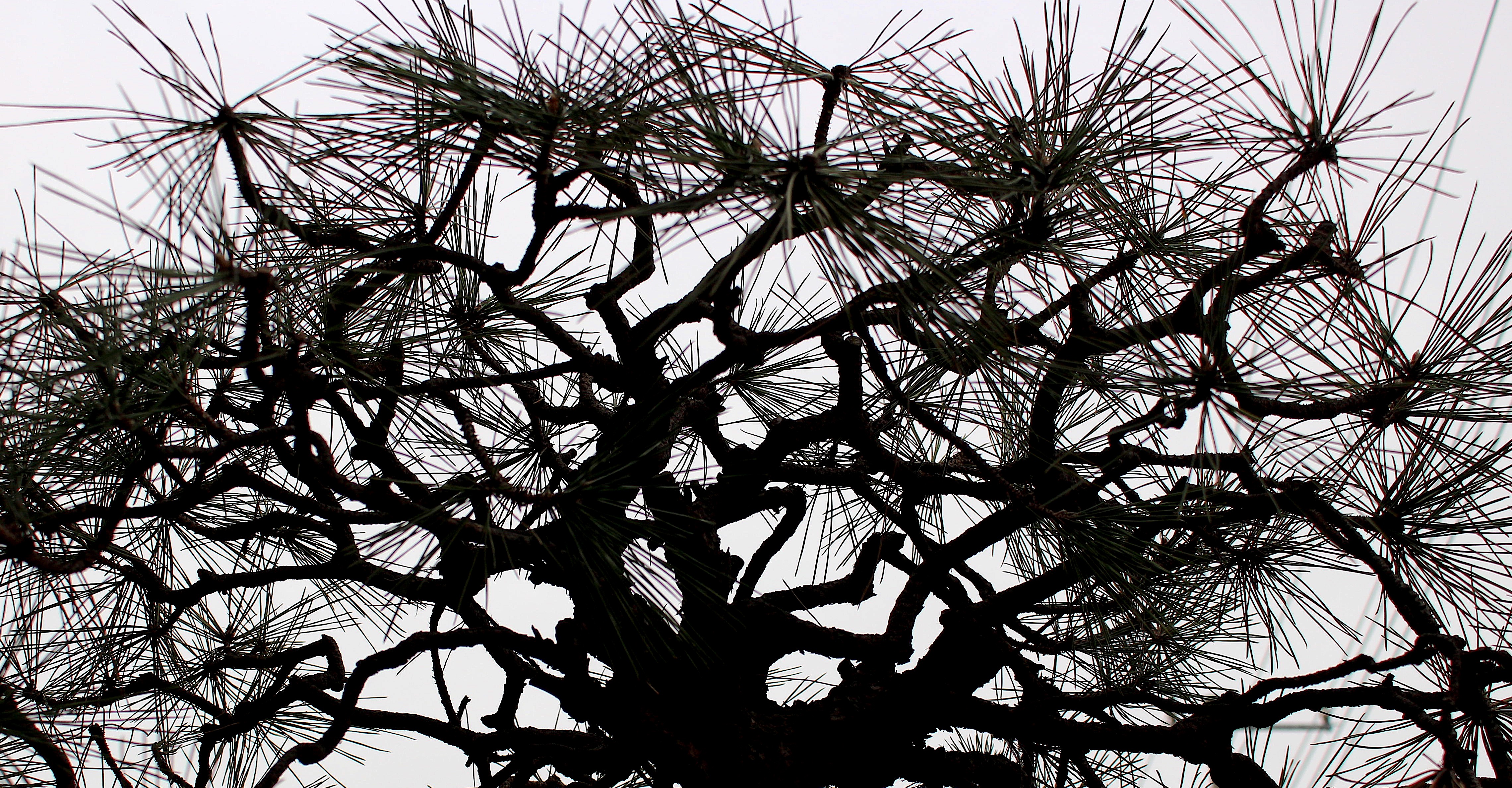
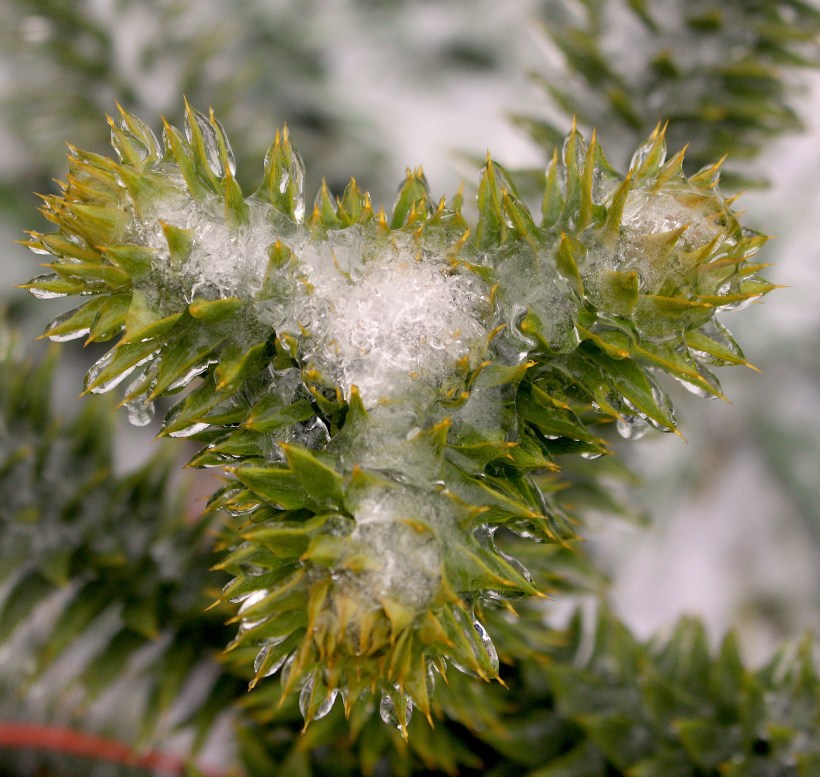
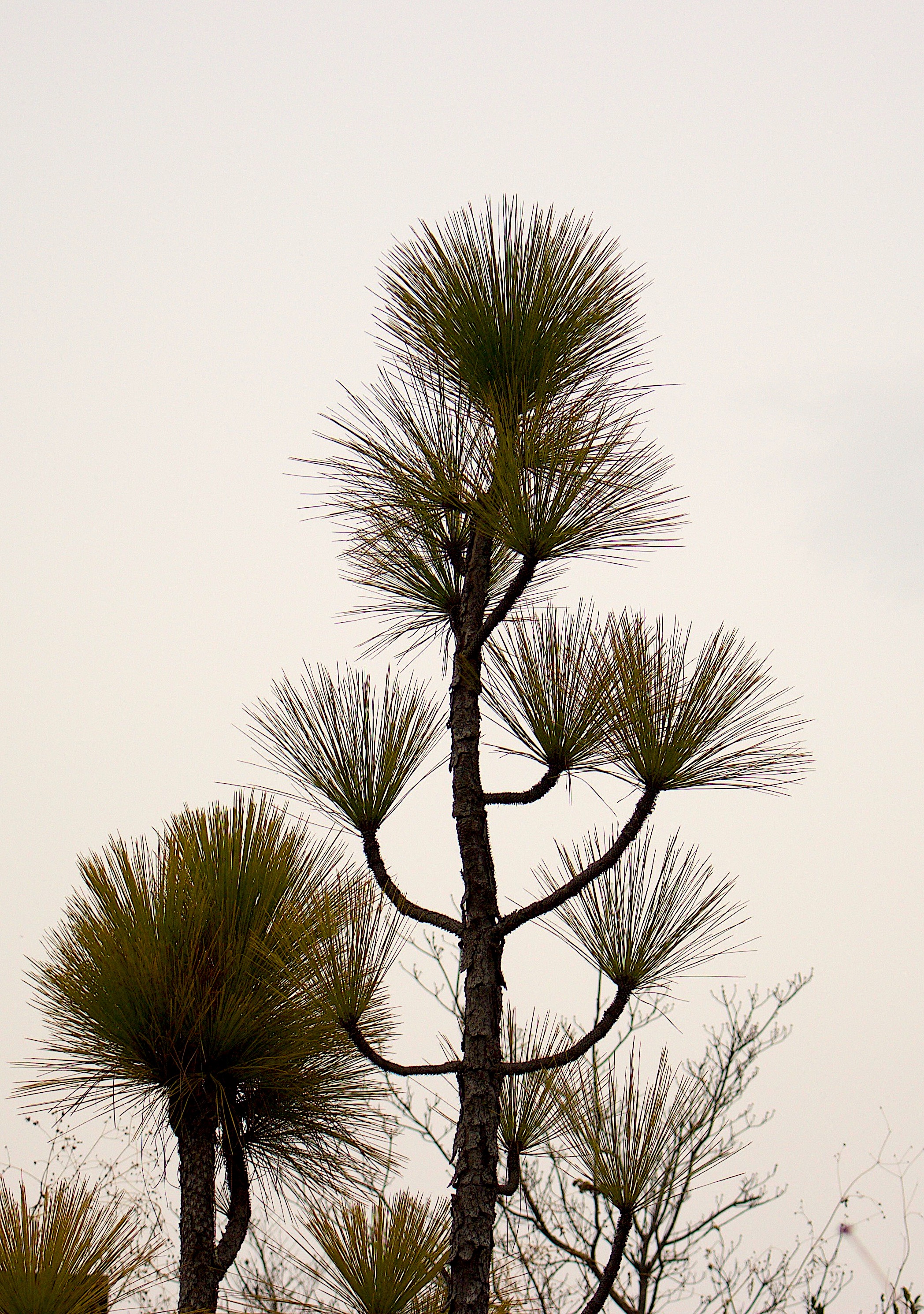
the pine tree branches
with their needles
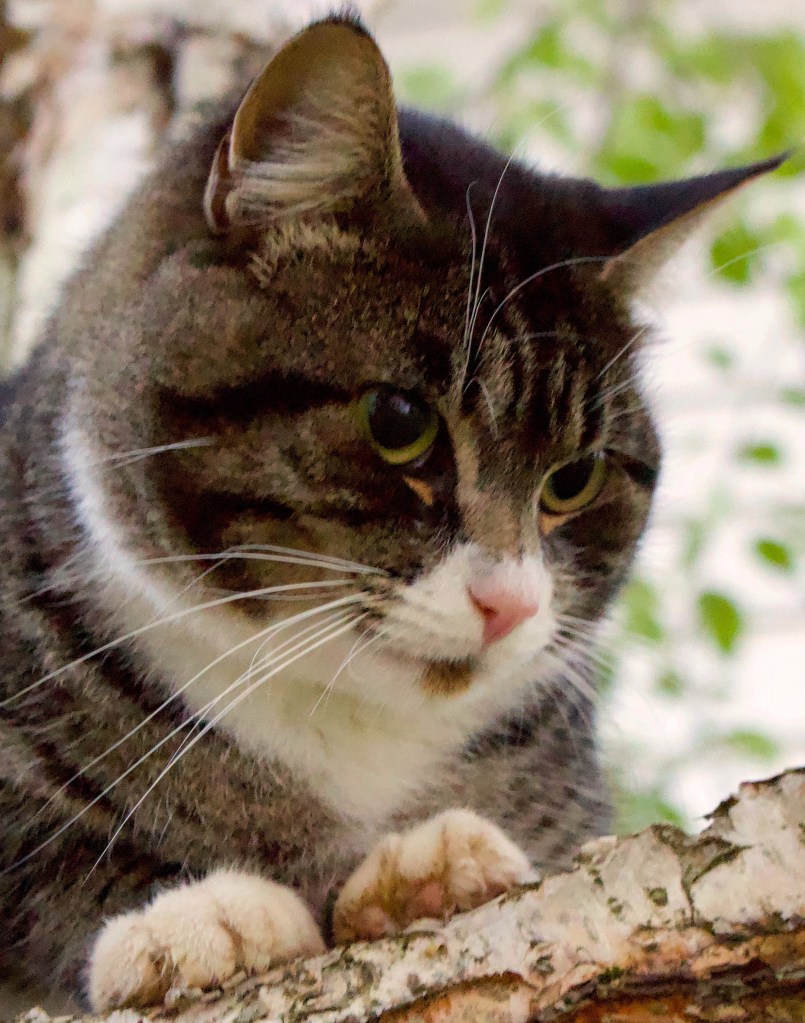
and kitty claws

my hands are
always bleeding

and turning up
scars that cry, “I’m alive,
I feel it. I feel it all”
and then falling
back into whispers
while my body
heals itself
one more time

~Juniper Klatt, I was raised in a house of water

Thorns, needles and claws are indeed part of everyday life. They often are a barrier to that which is sweet and good and precious.

They can tear us up, bloody us, make us weep, make us beg for mercy.

Yet thorns did not stop our search for Salvation, did not stop Goodness, did not stop the Promise of sweetness to come.

Our scars prove we’re alive and even having been hurt, our ability to heal will never give up.

photo by Nate Gibson
One-Time
Monthly
Yearly

Make a one-time or recurring donation to support daily Barnstorming posts

Make a monthly donation

Make a yearly donation

Choose an amount

¤10.00
¤25.00
¤50.00
¤5.00
¤15.00
¤100.00
¤5.00
¤15.00
¤100.00

Or enter a custom amount

¤

Your contribution is deeply appreciated.

Your contribution is appreciated.

Your contribution is appreciated.

DonateDonate monthlyDonate yearly