The Way the Wind Blows

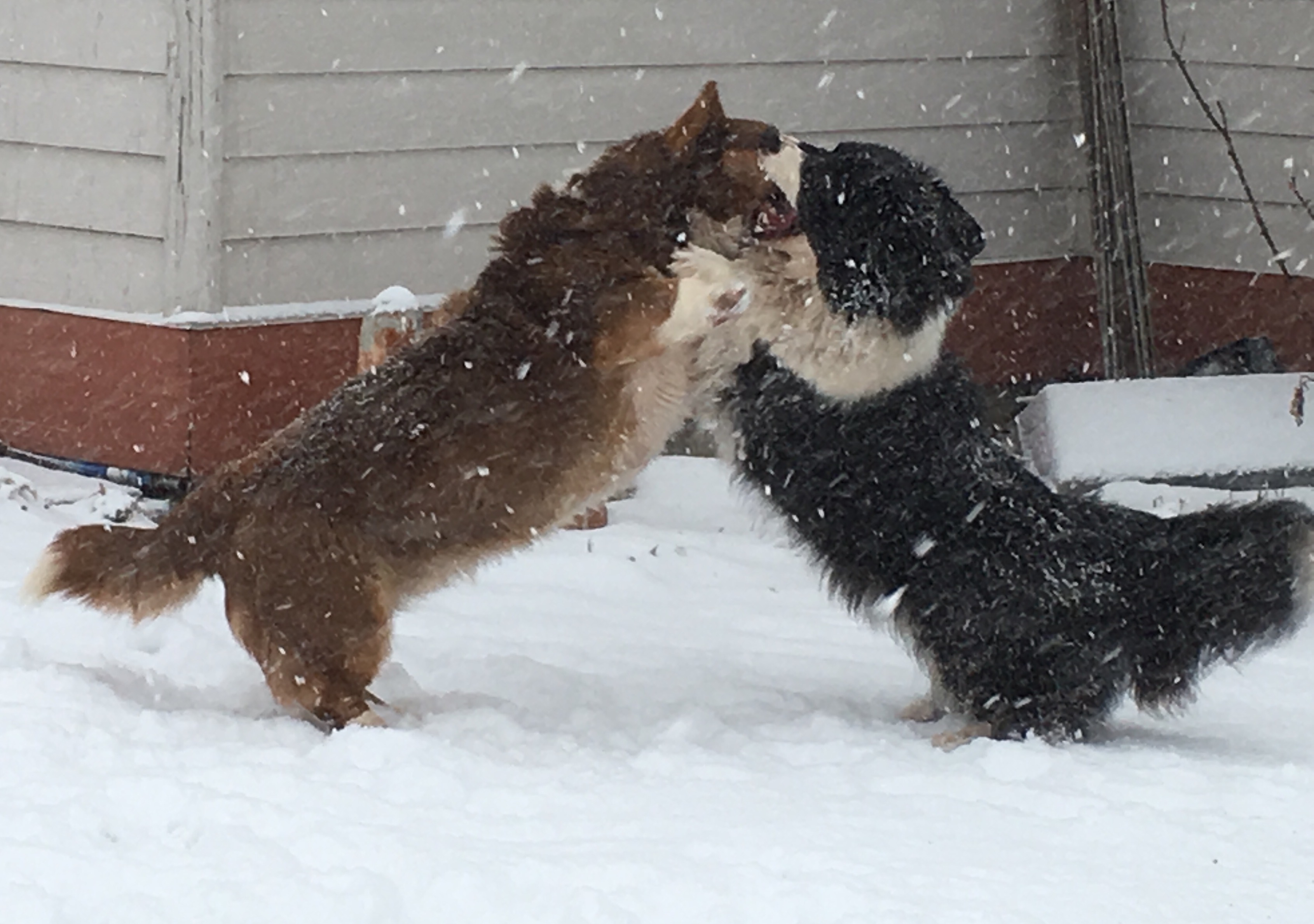
Snow is falling today and more wind is forecast tomorrow.

It is a cold wind, whether coming from the north, chilling our bones as various weather fronts meet and clash overhead and we feel dumped on.

Another cold wind of reality is blowing through America right now as well, and not just on our farm.

There is considerable turmoil as Americans struggle with the increased need to “pay as you go” rather than “borrow for what you desire”.  The debt load for young adults is climbing, especially student loans and mortgages. Fewer older people have any significant savings for retirement.

Our parents were Great-Depression era children, so my husband and I heard plenty of stories convincing us never to reach beyond our means.  My grandmother moved her three young children 20 miles away from home in order to cook morning, noon and night in a large boarding house, grateful for the work that allowed her to feed her family. It also meant separation from their jobless, depressed and often intoxicated father for weeks at a time.  She told stories of making sandwiches to feed hobos who knocked on the kitchen door, hoping for a hand out, and after sitting briefly on the back steps eating what she could offer from left over scraps, they would be on their way again, walking on down the muddy road, hoping somewhere farther along there may be another handout or perhaps a day’s work.   Even in her time of trouble, my grandmother could find blessing in the fact she and her children had a roof over their heads, beds to sleep in (all in one room) and food to fill their stomachs.  There were always people worse off and she wasn’t one of them.

My grandmother never lived comfortably, by her own choice, after that experience.  She could never trust that tomorrow things would be as plentiful as today, so she rarely rested, never borrowed, always saved even the tiniest scrap of food, of cloth, of wood, as it could always prove useful someday.   My father learned from those uncertain days of his childhood and never borrowed to buy a car or a piece of furniture or an appliance.   It had to be cash, or it was simply not his to purchase, so he never coveted what he did not have money to buy outright.

So we, the next generation, were raised that way.  Even so, borrowing began with loans for college but still working three jobs while maintaining good grades.  But then there was borrowing for that first care and to buy a house. 

But with grandma’s and dad’s stories fresh in our minds, we knew we couldn’t start that slippery slope of borrowing to take vacations or buy  the latest and greatest stuff or build the bigger house.   So we didn’t.

We have lived simply, driving our vehicles past 200,000 miles, continuing to harvest and preserve from the garden, using our appliances past the 25 year mark. And we’ve been content and happy.

Happiness isn’t stuff.  It isn’t big houses.  It isn’t brand new cars or the latest gadgets.

It’s being under the same roof as a family, striving together and loving each other.  It is taking care of friends when they need help.  It is reaching out to the stranger in our midst who has less than we have.

The wind is pointing us back to the values we had long forgotten as we got much too comfortable.   It takes a storm to find that true contentment can rest only within our hearts.
A February Face

“Why, what’s the matter, 
That you have such a February face, 
So full of frost, of storm and cloudiness?” 
–  William Shakespeare,  Much Ado About Nothing

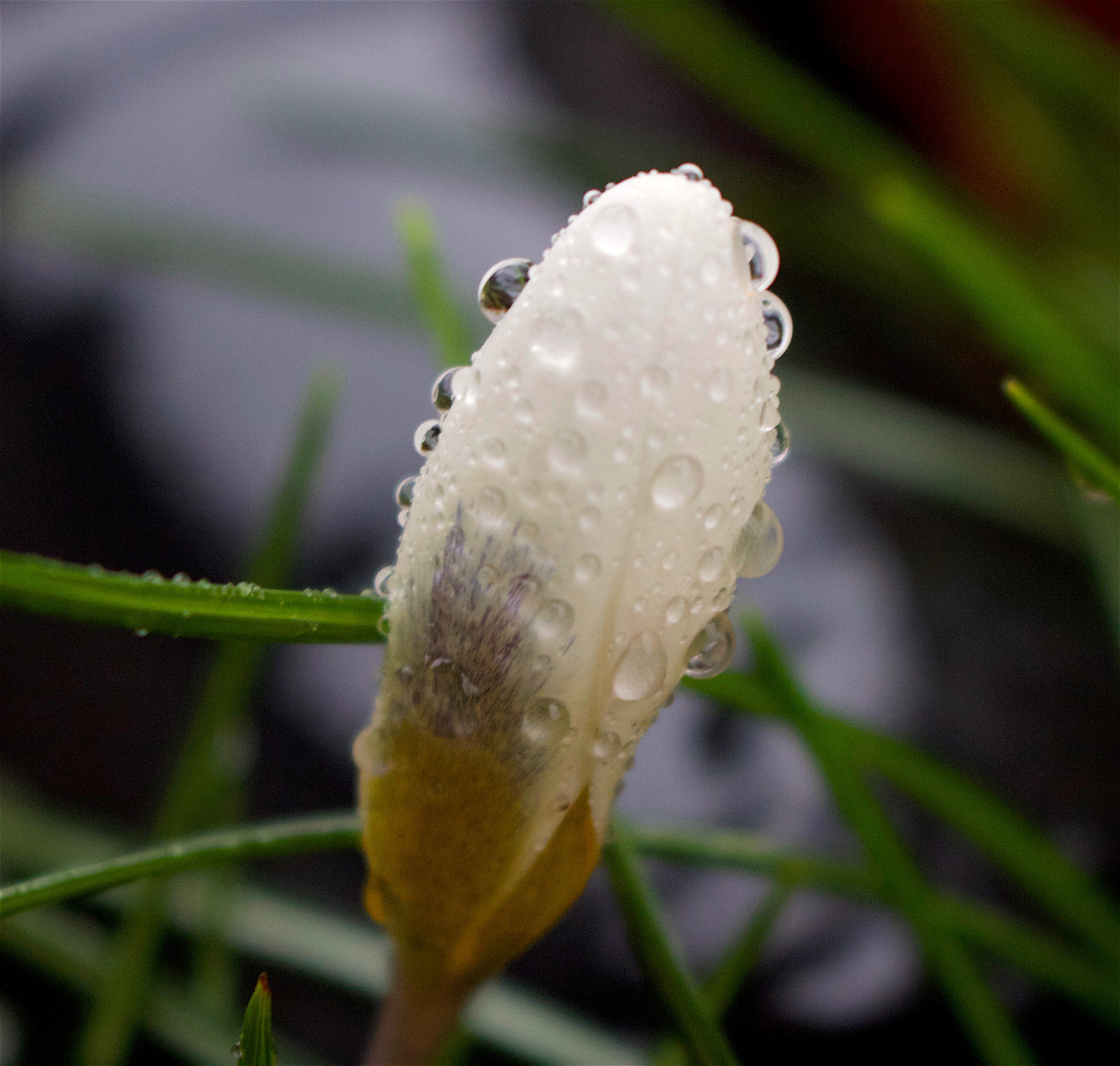
February never fails to be seductive,  teasing of spring on a bright sunny day and the next day all hope is dashed by a frosty wind cutting through layers of clothing.  There is a hint of green in the pastures but the deepening mud is sucking at our boots.  The snowdrops and crocus are up and blooming, but the brown leaves from last summer still cling tenaciously to oak branches, appearing as if they will never ever let go to make room for a new leaf crop.
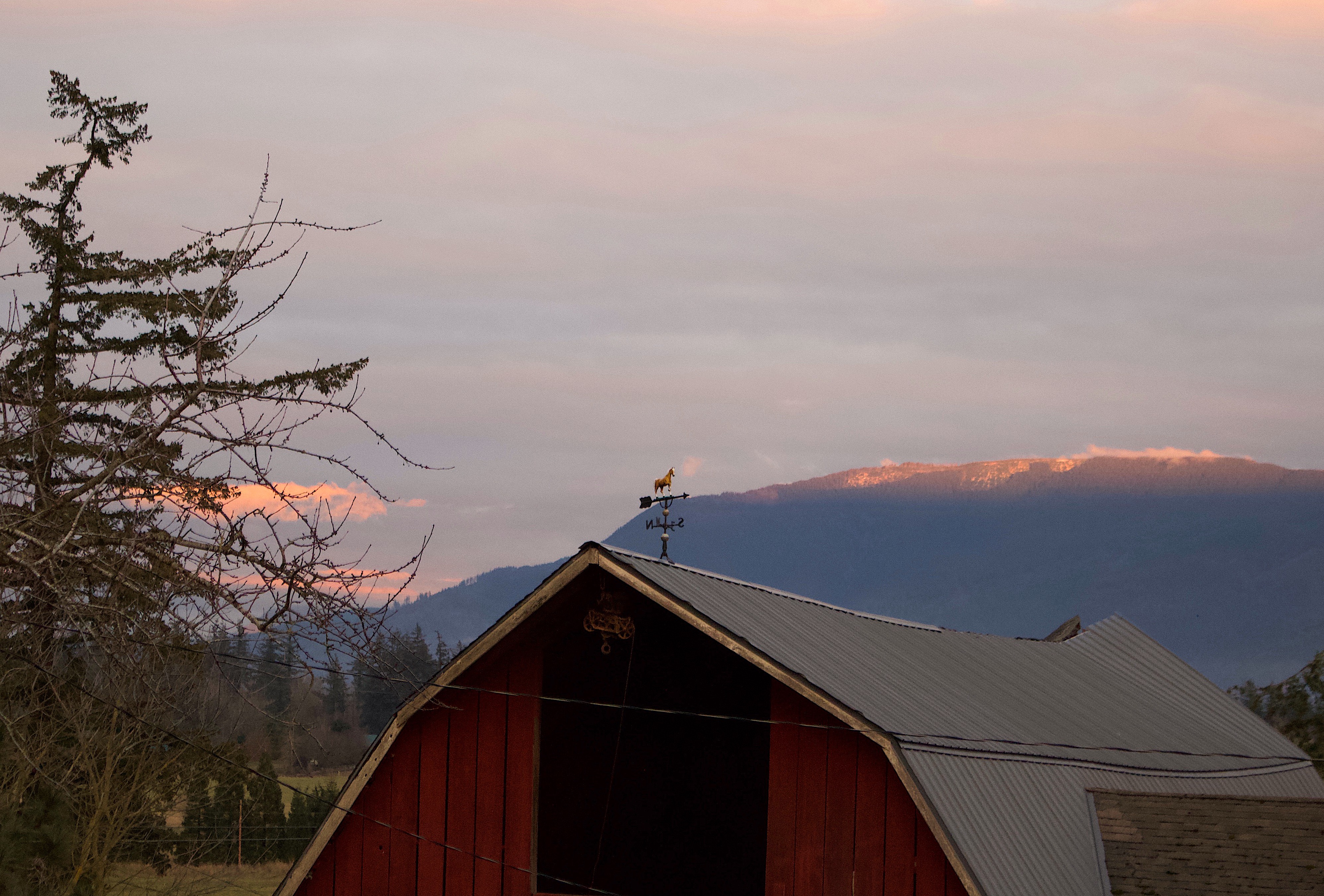
A February face is tear-streaked and weepy, winter weary and spring hungry.  Thank goodness it is a short month or we’d never survive the glumminess of a month that can’t quite decide whether it is done with us or not.

So much ado.
So much nothing.
So much anything that becomes everything.

So Very Sublime

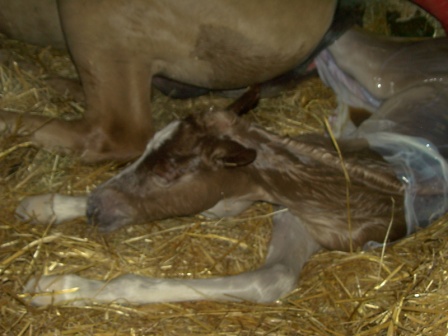
In a dry wind like this, snow and ice can pass directly into the air as a gas without having first melted to water.  This process is called sublimation; tonight the snow in the yard and the ice in the creek sublime.  A breeze buffets my palm held a foot from the wall.  A wind like this does my breathing for me: it engenders something quick and kicking in my lungs.  Pliny believed the mares of the Portuguese used to raise their tails to the wind, ‘and turn them full against it, and so conceive that genital air instead of natural seed; in such sort, as they become great withal, and quicken in their time, and bring forth foals as swift as the wind…’.
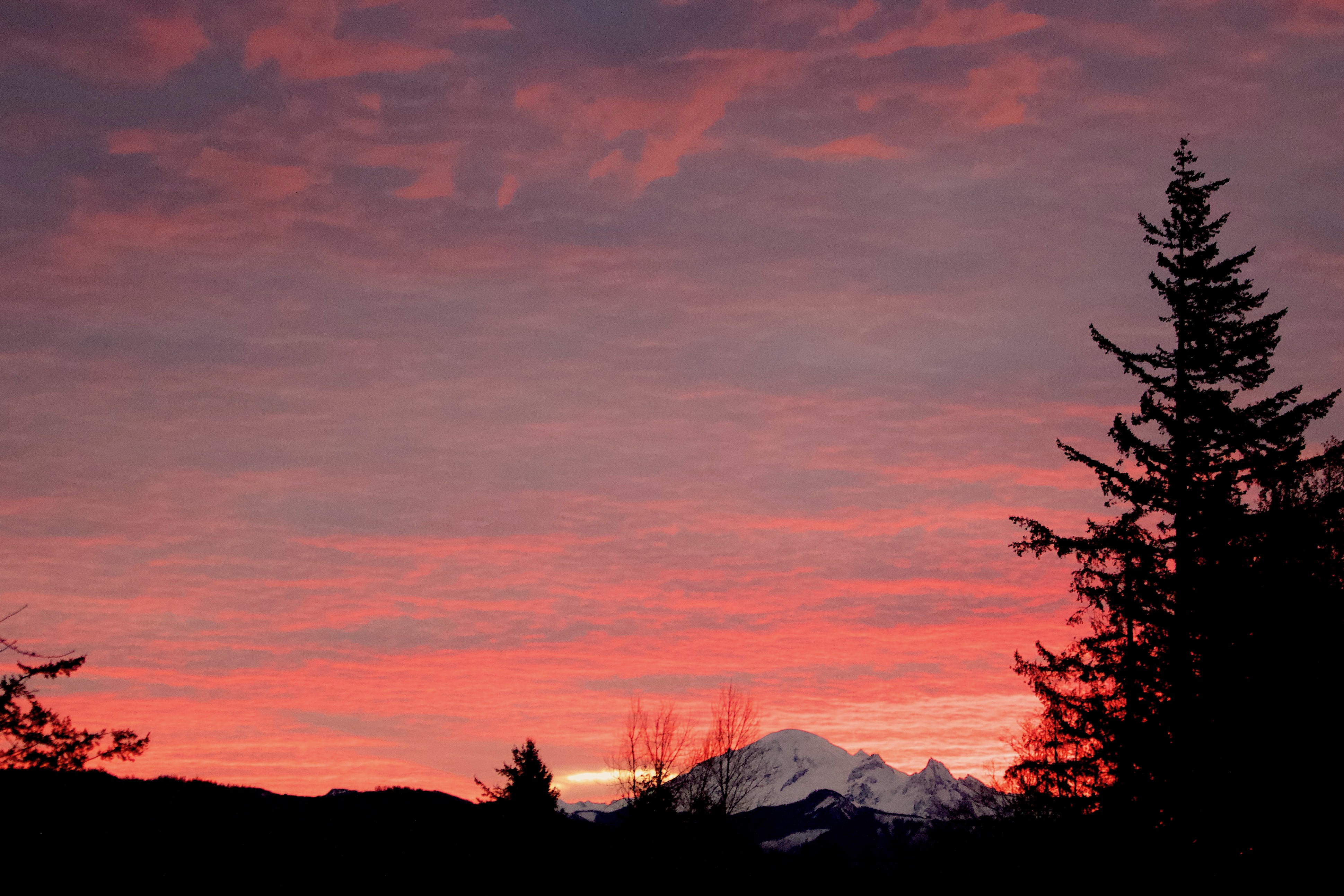
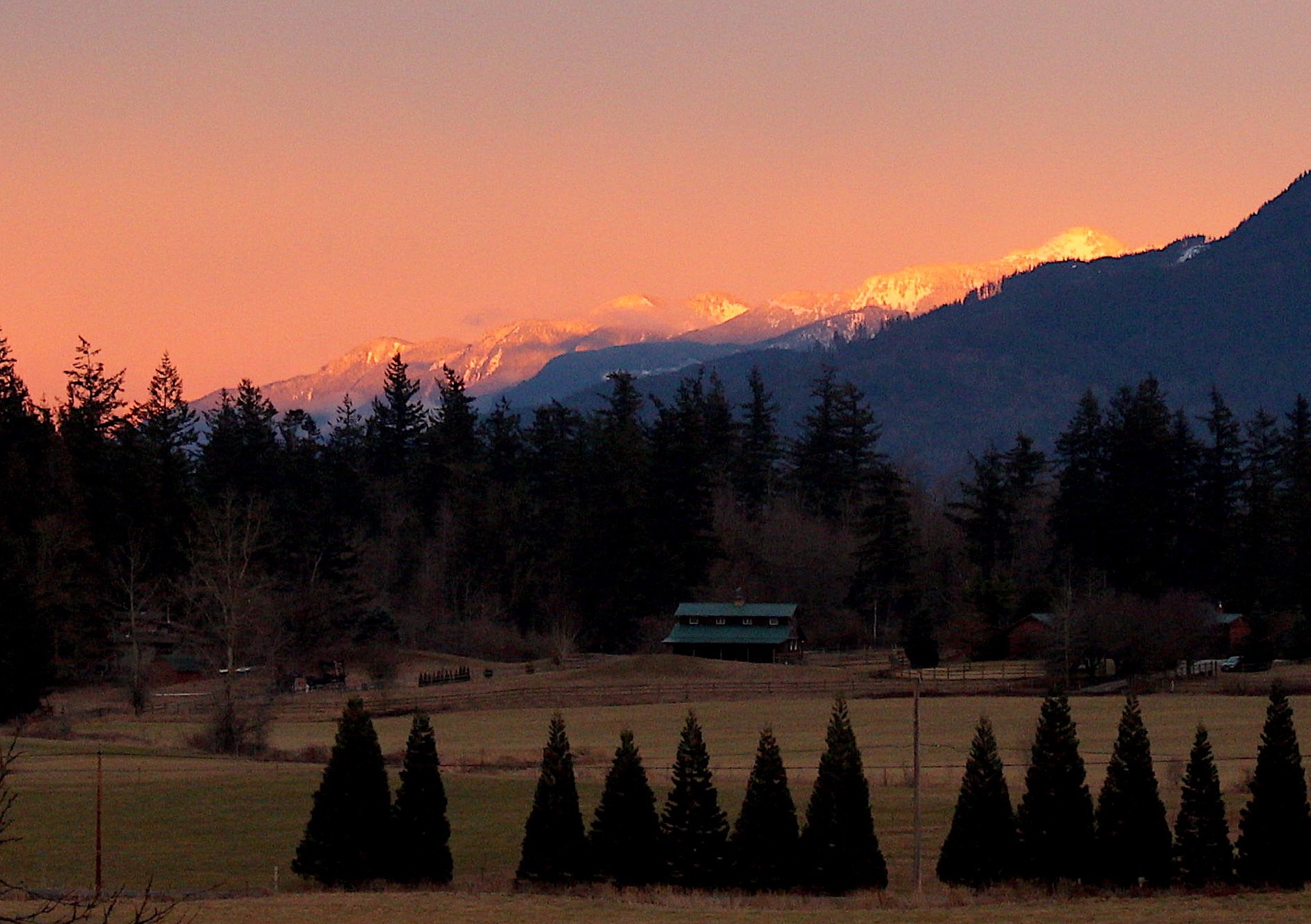
A single cell quivers at a windy embrace; it swells and splits, it bubbles into a raspberry; a dark clot starts to throb.  Soon something perfect is born. Something wholly new rides the wind, something fleet and fleeting I’m likely to miss.
~Annie Dillard from Pilgrim at Tinker Creek

Whenever we have a blowing northeaster, I assumed that our snow simply blew southwest and we were left with nothing but a skiff of white here. But I was wrong. The snow and ice are sublimated, disappearing into the air as vapor.

I wish I could be so transformed, blown into something wholly new and free, not tethered and earth-bound.

Our Creator God does just that: we are so very sublime through the power of His breath.

The Bitter Cold

The cold has the philosophical value of reminding men that the universe does not love us…cold is our ancient companion. To return back indoors after exposure to the bitter, inimical, implacable cold is to experience gratitude for the shelters of civilization, for the islands of warmth that life creates.
~John Updike from an essay on the cold of winter in
Winter: A Spiritual Biography of the Season


We’re in the midst of a string of sub-freezing temperature nights and days with crystal clear skies while a nor’easter sends the windchill plummeting. 

Even though it is often called the “Arctic Express” it is not nearly the cold of the midwest plains or the Alaskan frontier.  This is civilized, “kill the bugs and the allergens” cold that helps balance out the ecosystem as well as our internal thermostats.  It is just not seemly to live at 70 degrees year round, toasted by the stove in the winter, soothed by conditioned air in the summer.

The cold that descends from the Arctic can blast through the strongest Carhartt clothing, sneak through drafty doors and windows, pull down power lines and freeze pipes not left dripping.  It leaves no one untouched and unbitten with universal freezer burn.

A bitter cold snap ensures even independent fair-weather individualists must become companionable when the going gets rugged, mandating shelter with others for survival.  It can even mean forced companionship with those we ordinarily avoid, with whom we have little in common, with whom we disagree and even quarrel, with whom sharing a hug or snuggling for warmth would be unimaginable.

Our nation is in such a cold snap today, terribly and bitterly divided.  If we all together don’t come in out of the deep freeze, we each will perish alone.  

It is time to be thankful we have each other, such as we are.  At least we  generate heat, even if we can’t seem to lighten up.

The Tormenting Wind

photo of a windy day at Manna Farm — Nate Lovegren

Now wind torments the field,
turning the white surface back
on itself, back and back on itself,
like an animal licking a wound.

A single green sprouting thing
would restore me . . .

Then think of the tall delphinium,
swaying, or the bee when it comes
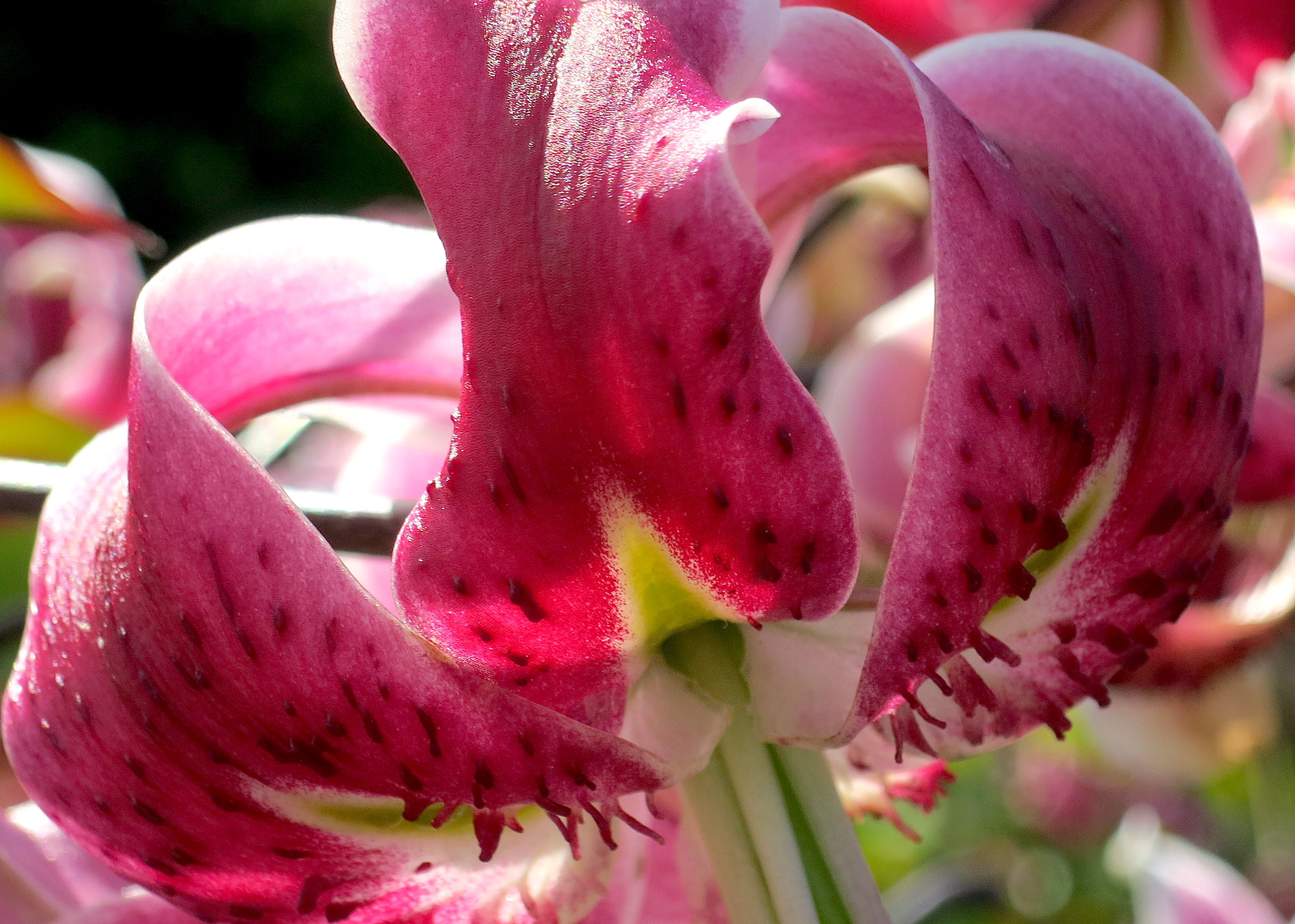
to the tongue of the burgundy lily.
~Jane Kenyon from “February: Thinking of Flowers”

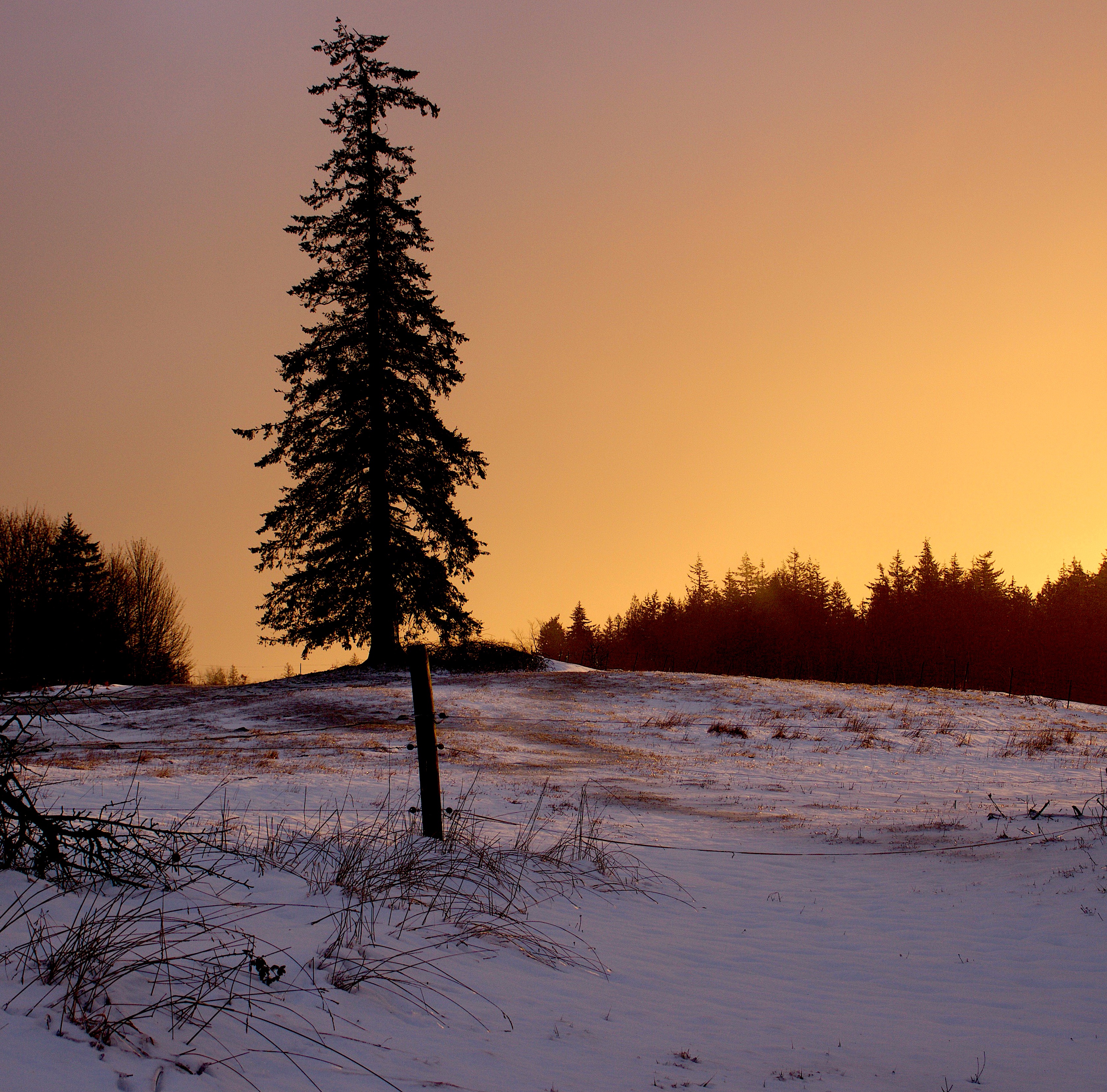
We thought we had skated past winter this time: only a few sub-freezing days since October, no northeasters, no snow.

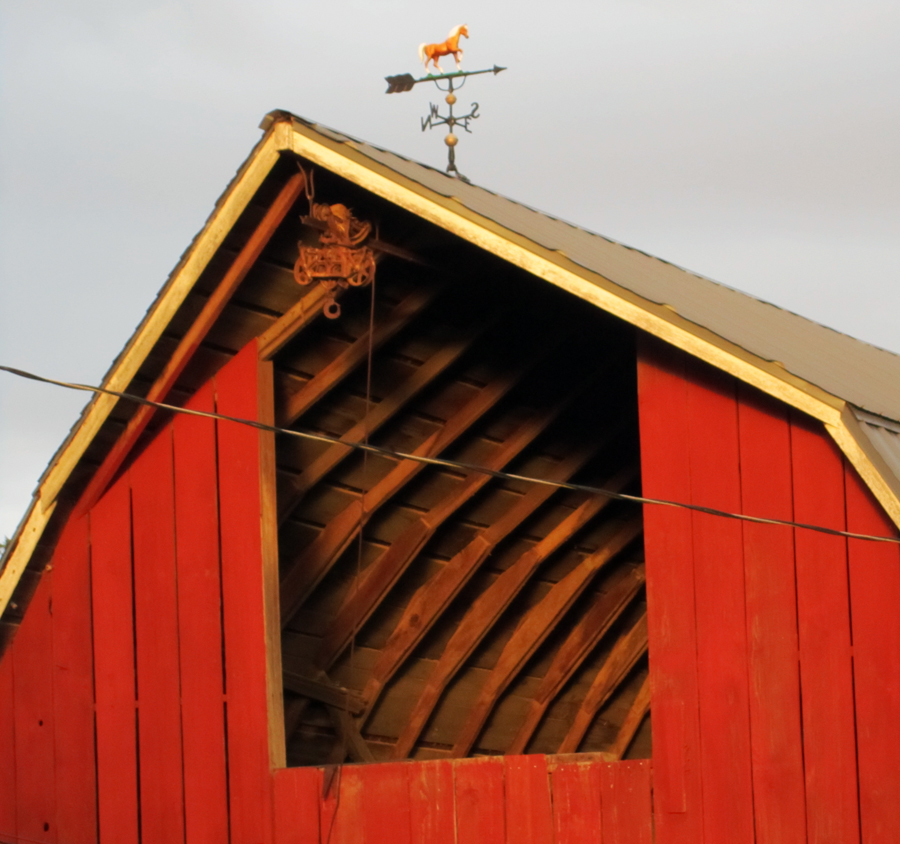
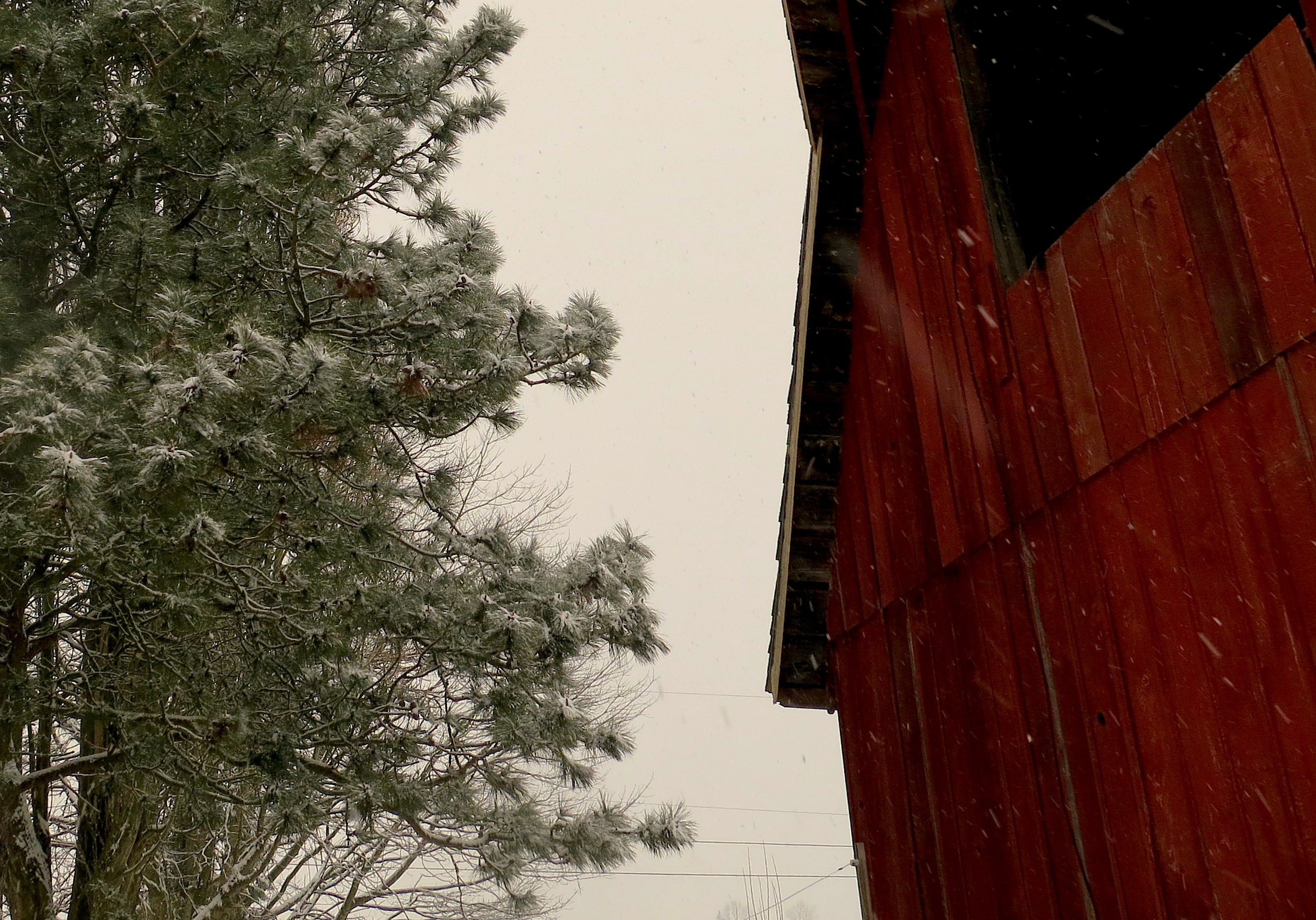
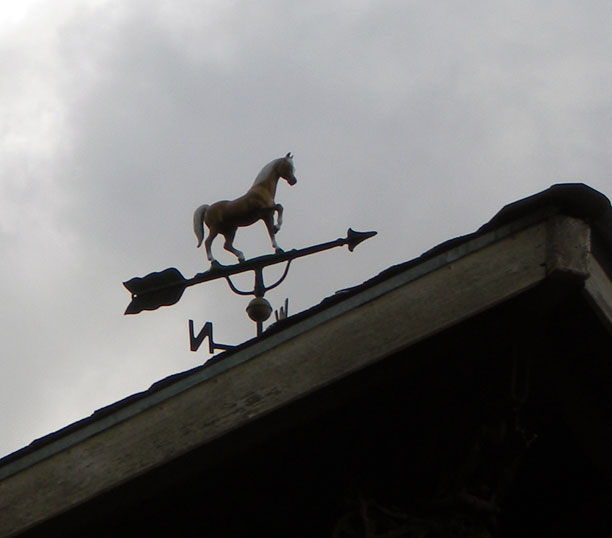
Then February comes and the ground hog lied two days ago. Winter came in a big fell swoop yesterday with blowing snow, collapsing trees onto wires, lifting off roofs and pushing hard at old barn walls. It is still pounding us from the northeast today with windchills in the subzero digits.

A hunker down day.

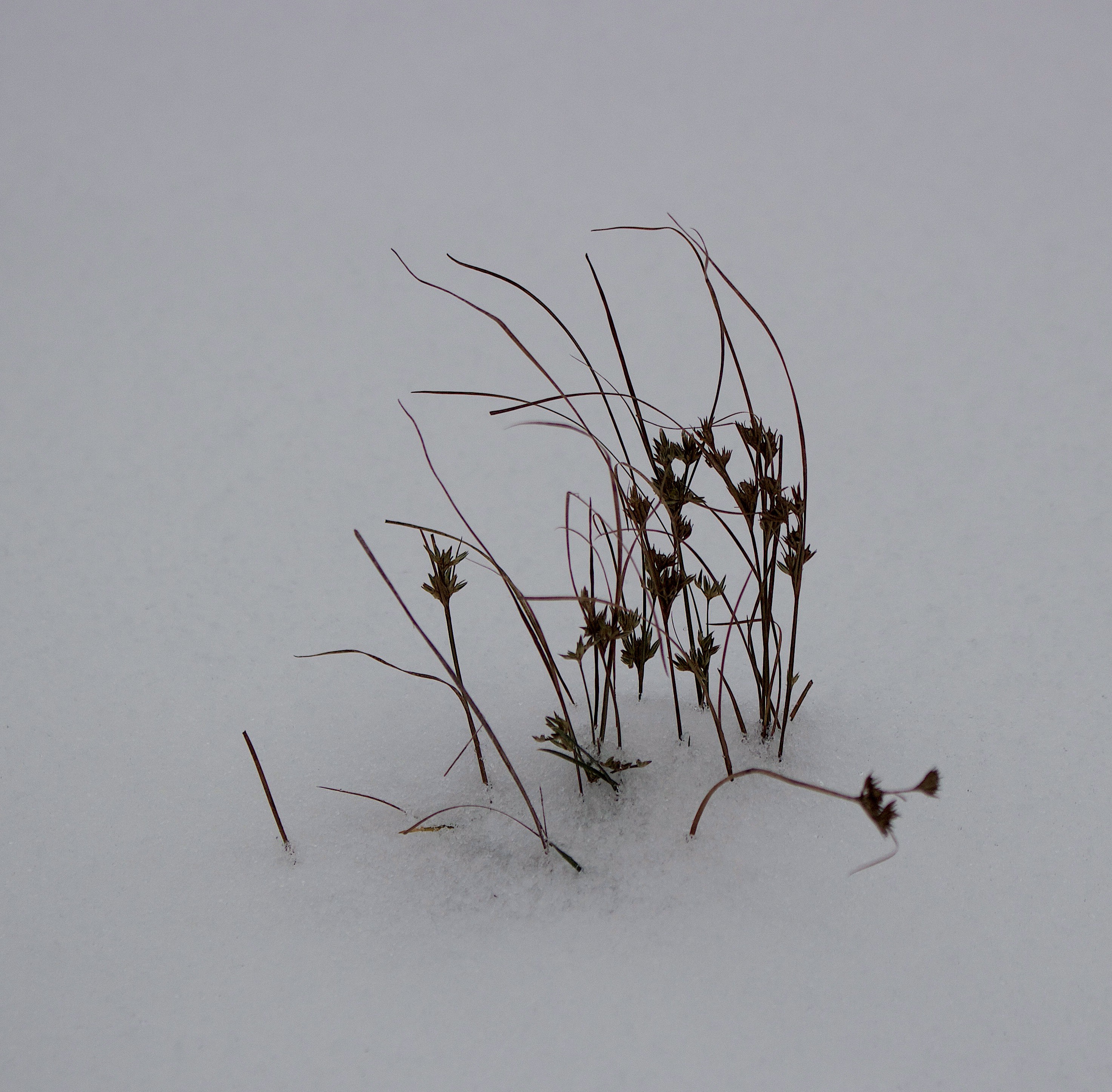
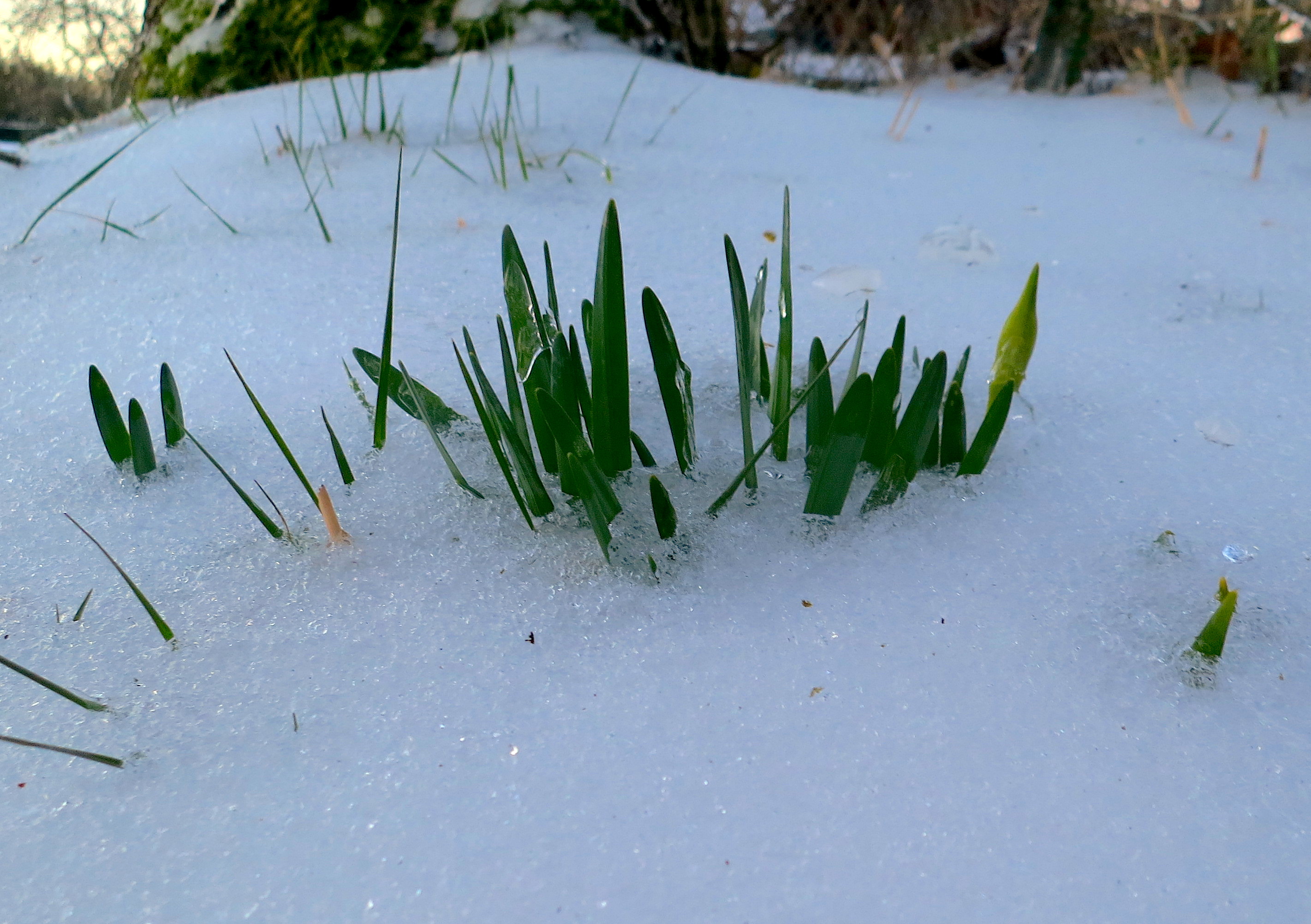
How hard is it to think of summer flowers in February when all is ice and bluster and chill? I barely recall them when I’m trying to warm my frozen fingers. Yet the bulbs are poking through the ground, with some measure of hope fueling them to keep coming, and that sight alone warms me.

This wind too shall pass… at about 50 mph with gusts to 70. It would be just fine if it kept going and didn’t look back.

A Certain Slant

There’s a certain Slant of light
On winter afternoons —
That oppresses, like the Heft
of cathedral tunes.
When it comes, the Landscape listens —
Shadows hold their breath —
When it goes, ’tis like the Distance
On the look of Death.
~Emily Dickinson

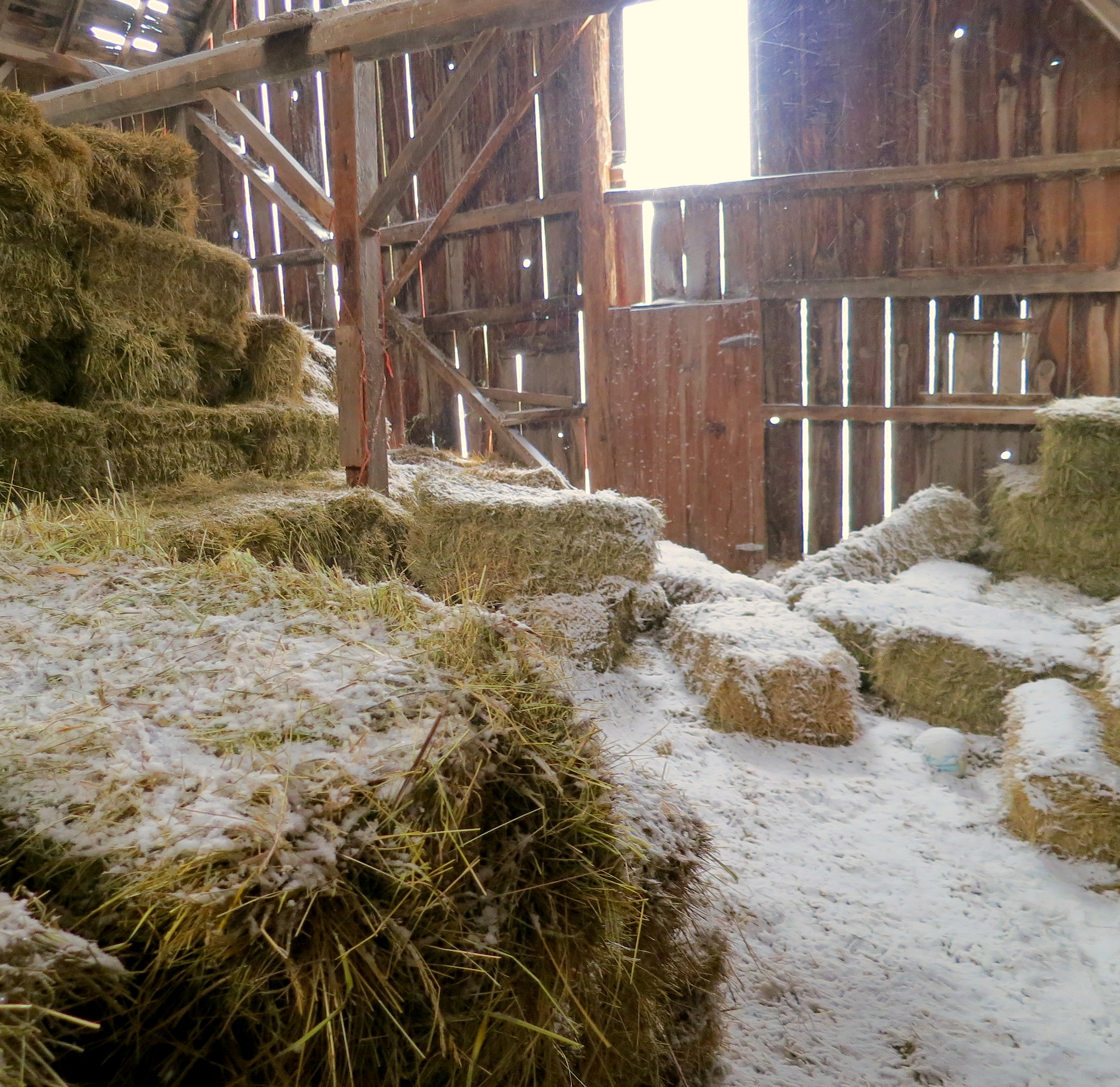
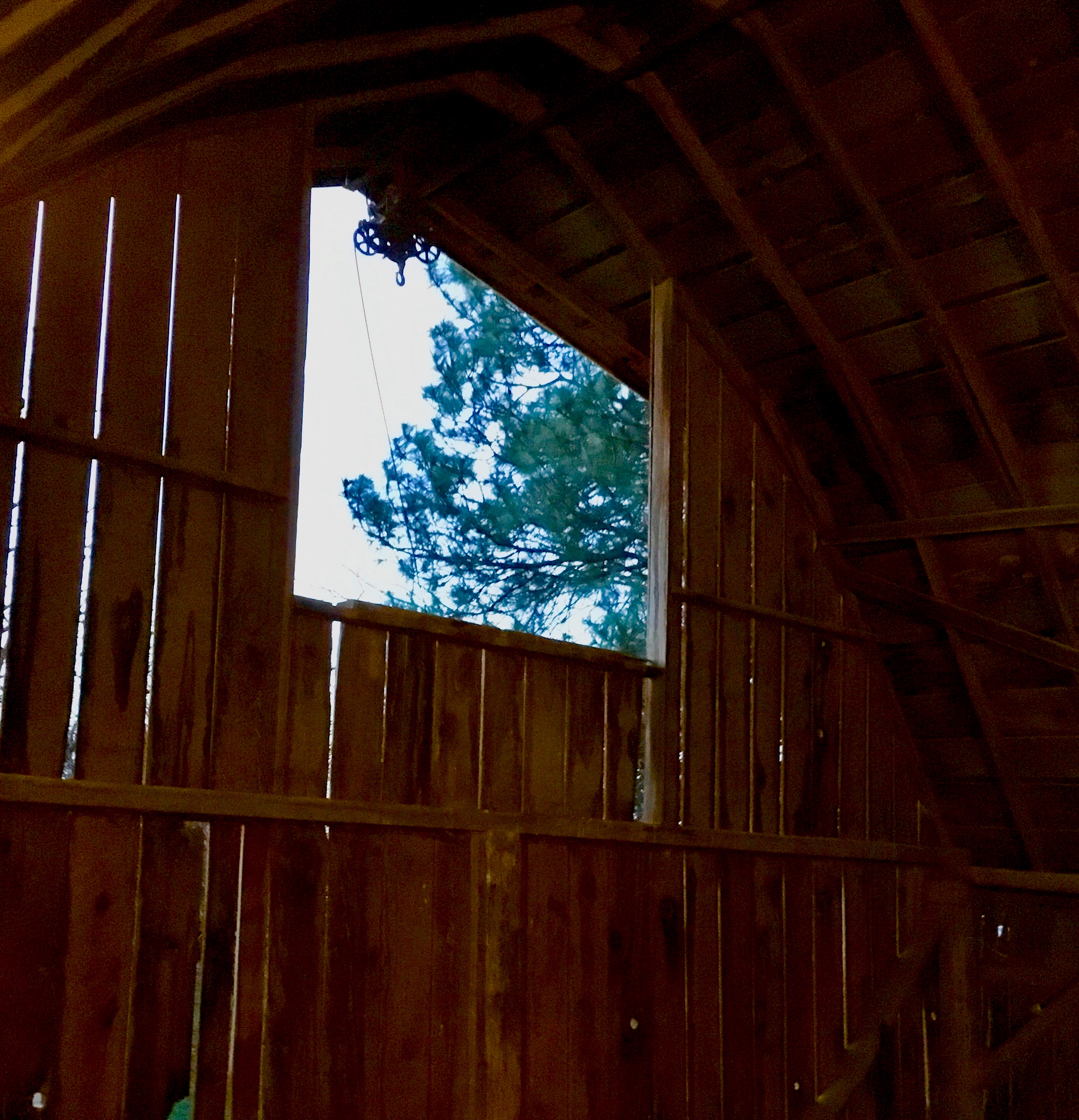
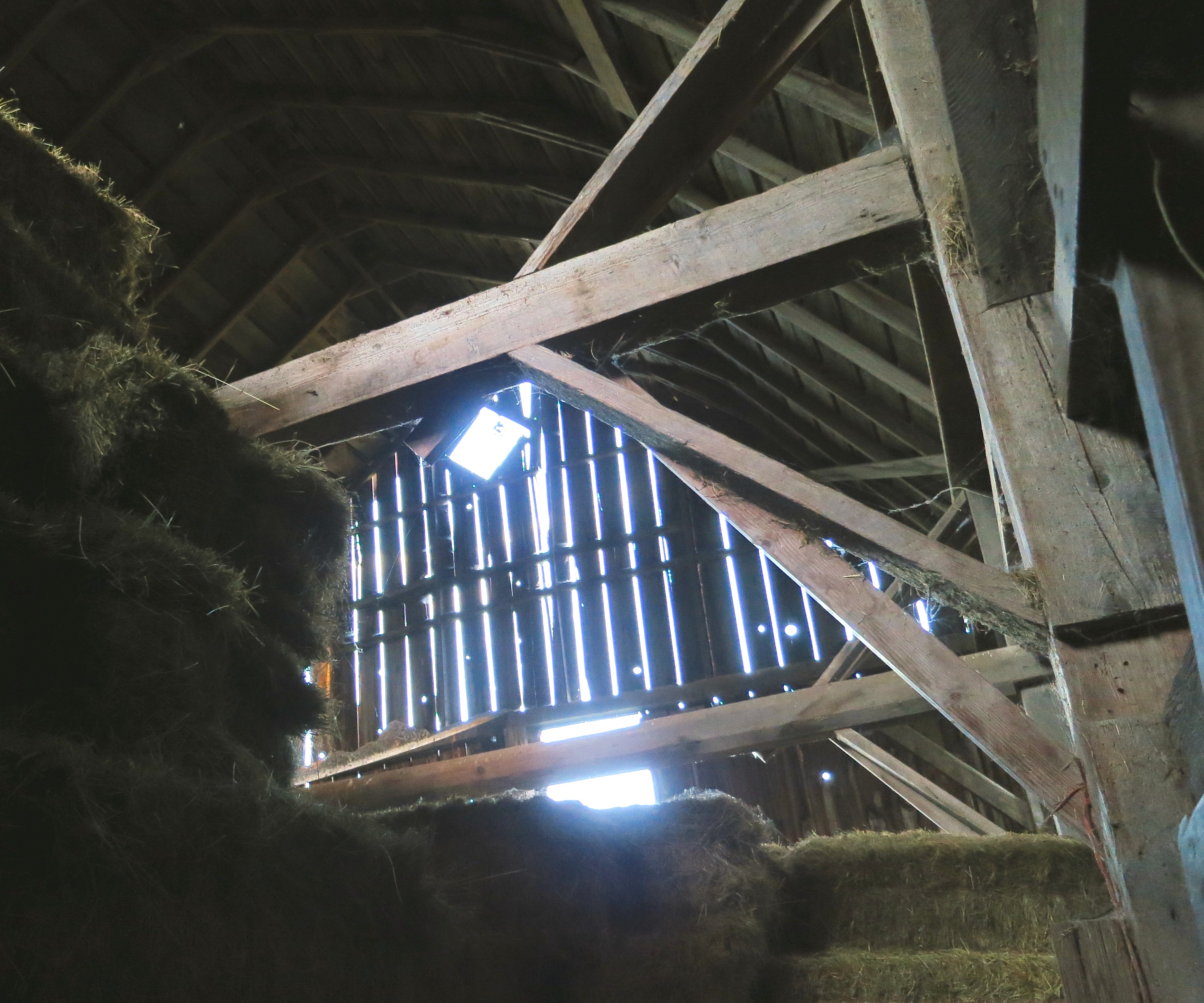
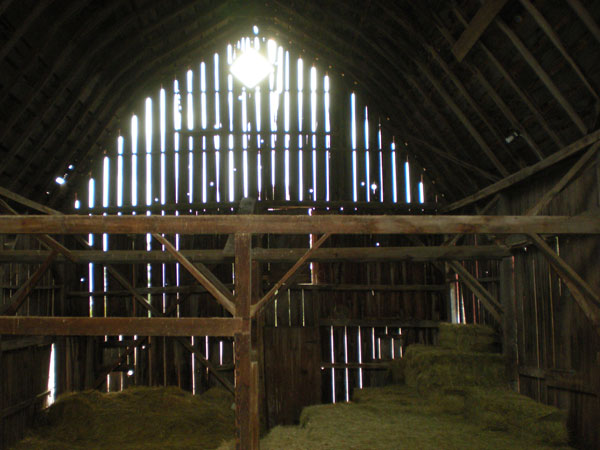
During our northwest winters, there is usually so little sunlight on gray cloudy days that I routinely turn on the two light bulbs in the big hay barn any time I need to fetch hay bales for the horses. This is so I avoid falling into the holes that inevitably develop in the hay stack between bales. Winter murky lighting tends to hide the dark shadows of the leg-swallowing pits among the bales, something that is particularly hazardous when carrying a 60 pound hay bale.

Yesterday when I went to grab hay bales for the horses at sunset, before I flipped the light switch, I could see light already blazing in the big barn. The last of the day’s sun rays were at a precise winter slant, streaming through the barn slat openings, ricocheting off the roof timbers onto the bales, casting an almost fiery glow onto the hay. The barn was ignited and ablaze without fire and smoke — the last things one would even want in a hay barn.

I scrambled among the bales without worry.

In my life outside the barn I’ve been falling into more than my share of dark holes lately. Even when I know where they lie and how deep they are, some days I will manage to step right in anyway. Each time it knocks the breath out of me, makes me cry out, makes me want to quit trying to lift the heavy loads. It leaves me fearful to even venture out.

Then, on the darkest of days, light comes from the most unexpected of places, blazing a trail to help me see where to step, what to avoid, how to navigate the hazards to avoid collapsing on my face. I’m redirected, inspired anew, granted grace, gratefully calmed and comforted amid my fears. Even though the light fades, and the darkness descends again, it is only until tomorrow. Then it reignites again.

The Light returns and so will I.

Like an Unexpected Gift

…this has been a day of grace
in the dead of winter,
the hard knuckle of the year,
a day that unwrapped itself
like an unexpected gift,
and the stars turn on,
order themselves
into the winter night.
~Barbara Crooker from 
Barbara Crooker: Selected Poems

…it’s easy to forget that the ordinary is just the extraordinary that’s happened over and over again. Sometimes the beauty of your life is apparent. Sometimes you have to go looking for it. And just because you have to look for it doesn’t mean it’s not there.
God, grant me the grace of a normal day.

~Billy Coffey

…there is no such thing as a charmed life, not for any of us, no matter where we live or how mindfully we attend to the tasks at hand. But there are charmed moments, all the time, in every life and in every day, if we are only awake enough to experience them when they come and wise enough to appreciate them.
~Katrina Kenison from The Gift of an Ordinary Day

These dead of winter days are lengthening, slowly and surely, but I still leave the farm in darkness to head to my work in town, and I return in darkness at the end of the workday.  Barn chores at either end of the day happen under moonlight and starlight.

Each day, so extraordinary in its ordinariness, is full of grace if I awake to really see it, even under cover of darkness.

The bones of the trees, and the bones of me, illuminated.

Inexhaustible

As a bird cannot exhaust the air in the sky nor a fish exhaust the
water in the sea, neither can we exhaust the grace of the God.

~Charles Spurgeon

photo by Nate Gibson

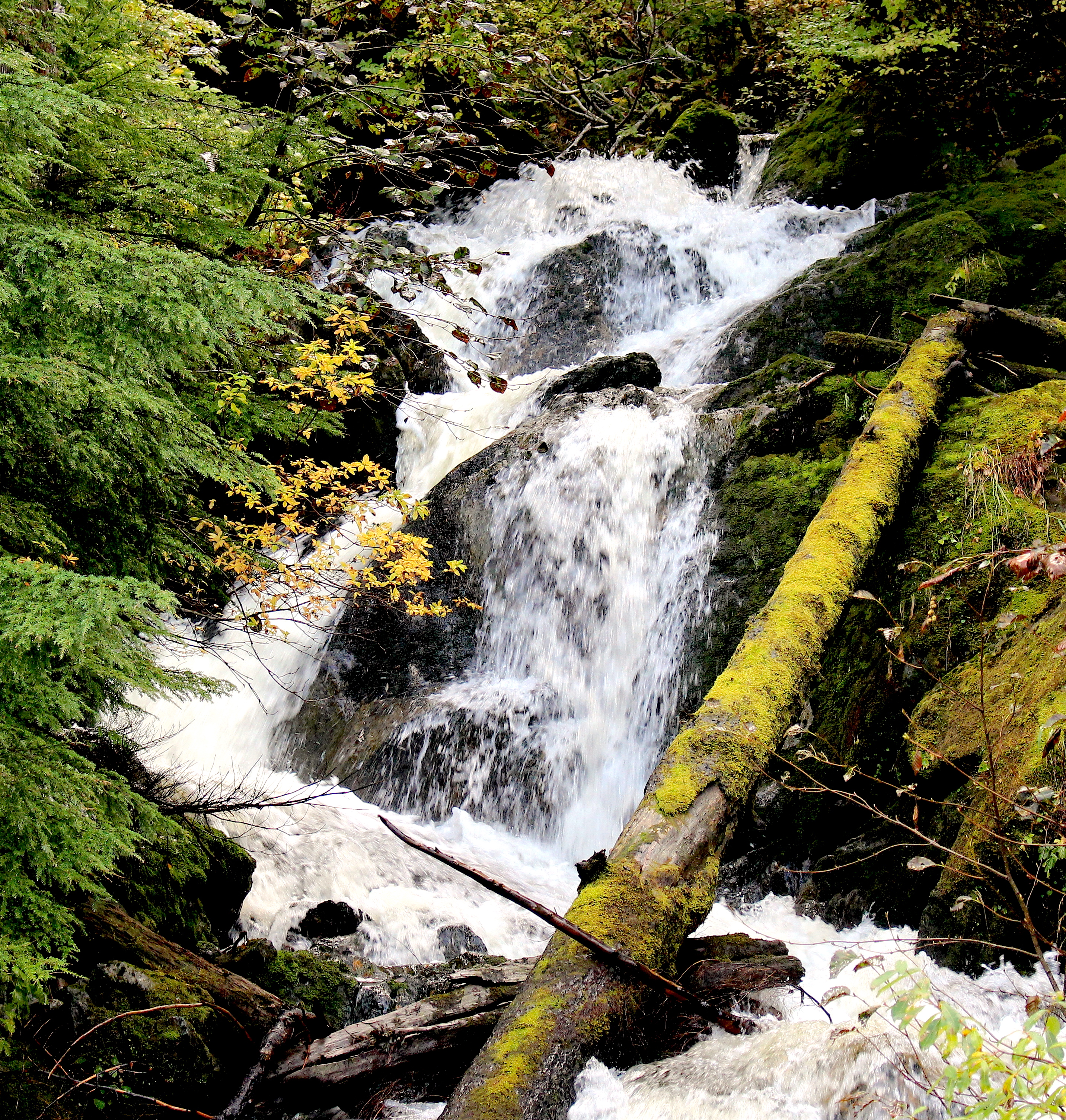
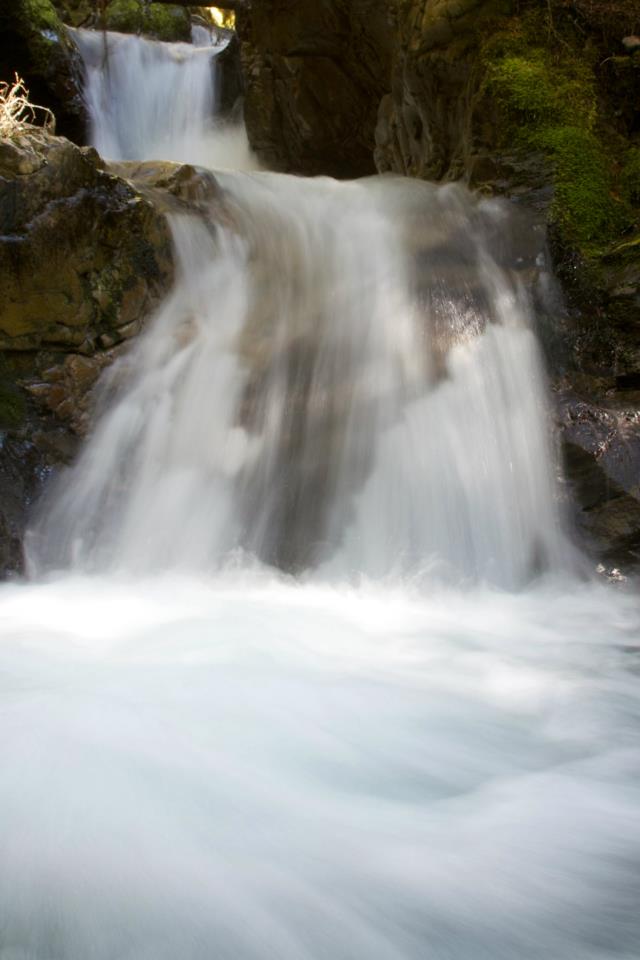
It has always been a happy thought to me that the creek runs on all night, new every minute, whether I wish it or know it or care, as a closed book on a shelf continues to whisper to itself its own inexhaustible tale. So many things have been shown so to me on these banks, so much light has illumined me by reflection here where the water comes down, that I can hardly believe that this grace never flags, that the pouring from ever-renewable sources is endless, impartial, and free. 
Annie Dillard in Pilgrim at Tinker Creek

photo by Chris Lovegren

This grace never flags, never exhausts itself, flows free and endlessly.
And that is so– yet free comes at great cost.  Freedom can never be free.
Snow and ice melt, clouds deplete, emptying out their weight,
transfigured into something other.
There is sacrifice upstream and from the heavens.
It could and has run red, it is so costly.
Quenching our every thirst,  we no longer lie panting and parched.
Revived, renewed, transformed, grateful,
Forever changed.
Amazed and amazing, we are purchased and paid in full.

photo by Josh Scholten