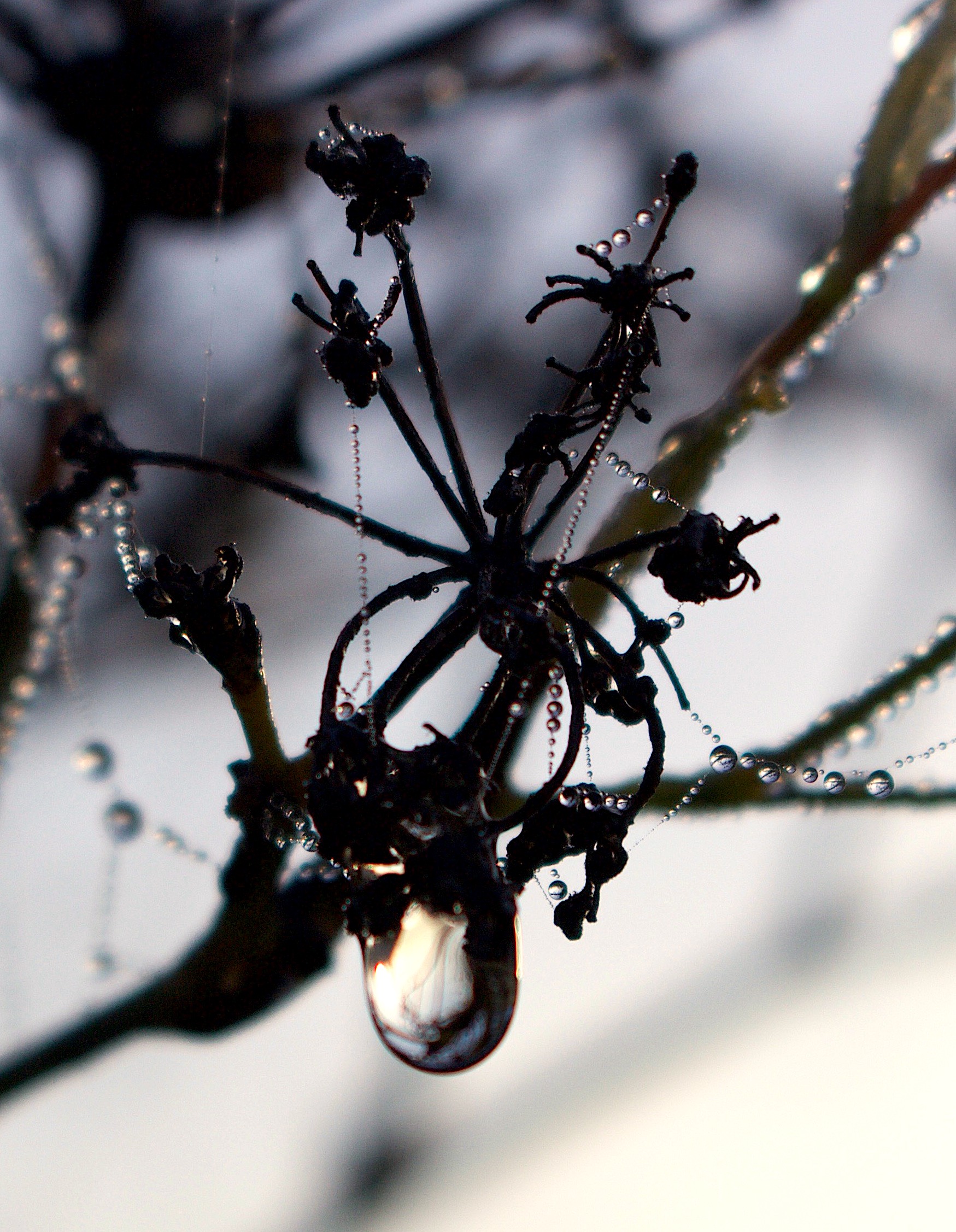
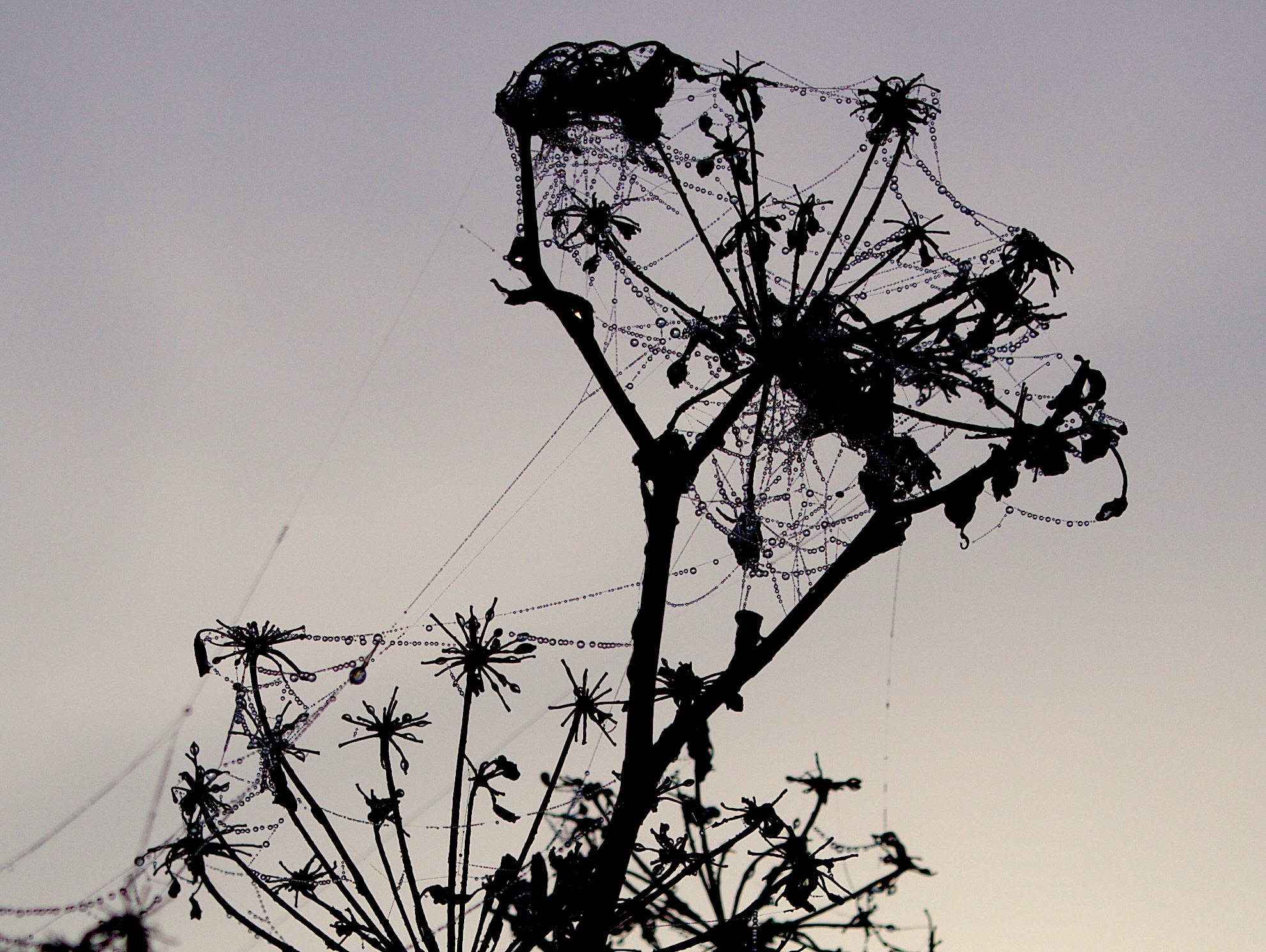
Not Forgotten

Our memories are, at best, so limited, so finite, that it is impossible for us to envisage an unlimited, infinite memory, the memory of God. It is something I want to believe in: that no atom of creation is ever forgotten by him; always is; cared for; developing; loved. 
~Madeleine L’Engle from The Summer of the Great-Grandmother

…a friend told me a story about a little girl who wanted time alone with her infant brother. Her parents were suspicious of her motives. What if she did something to harm the baby? The big sister was so persistent that her mom and dad finally decided to allow her ten minutes alone with him in his room. After they closed the door, they listened quietly. They felt chills when they heard their daughter say,
“Baby tell me what heaven is like. I’m starting to forget.”
~Sue Shanahan from “Fresh from Heaven”

He of strength and hope,
of infinite memory and everlasting love:
He knows us down to our very atoms ~~
even we who are weak, broken, and undeserving.
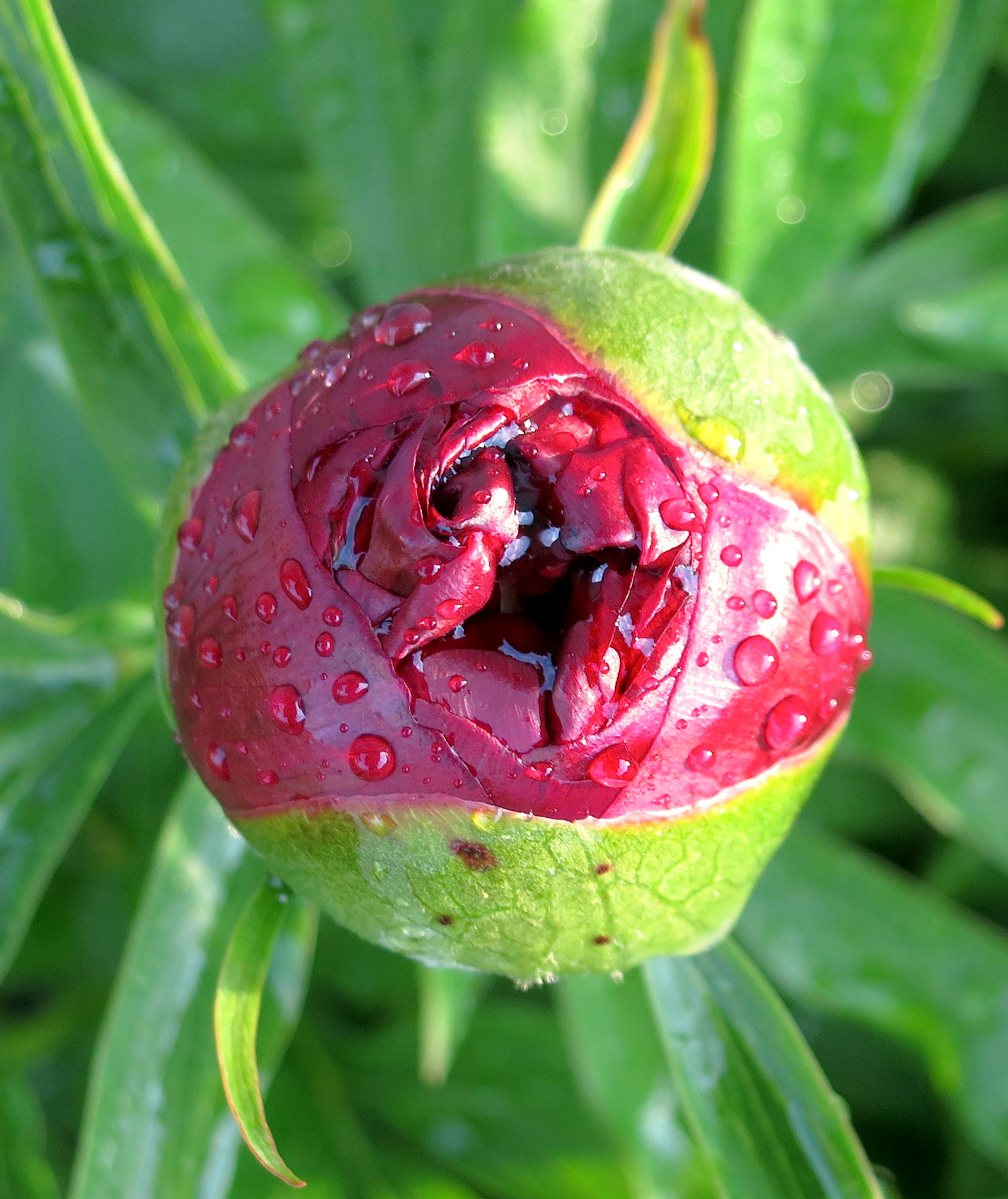
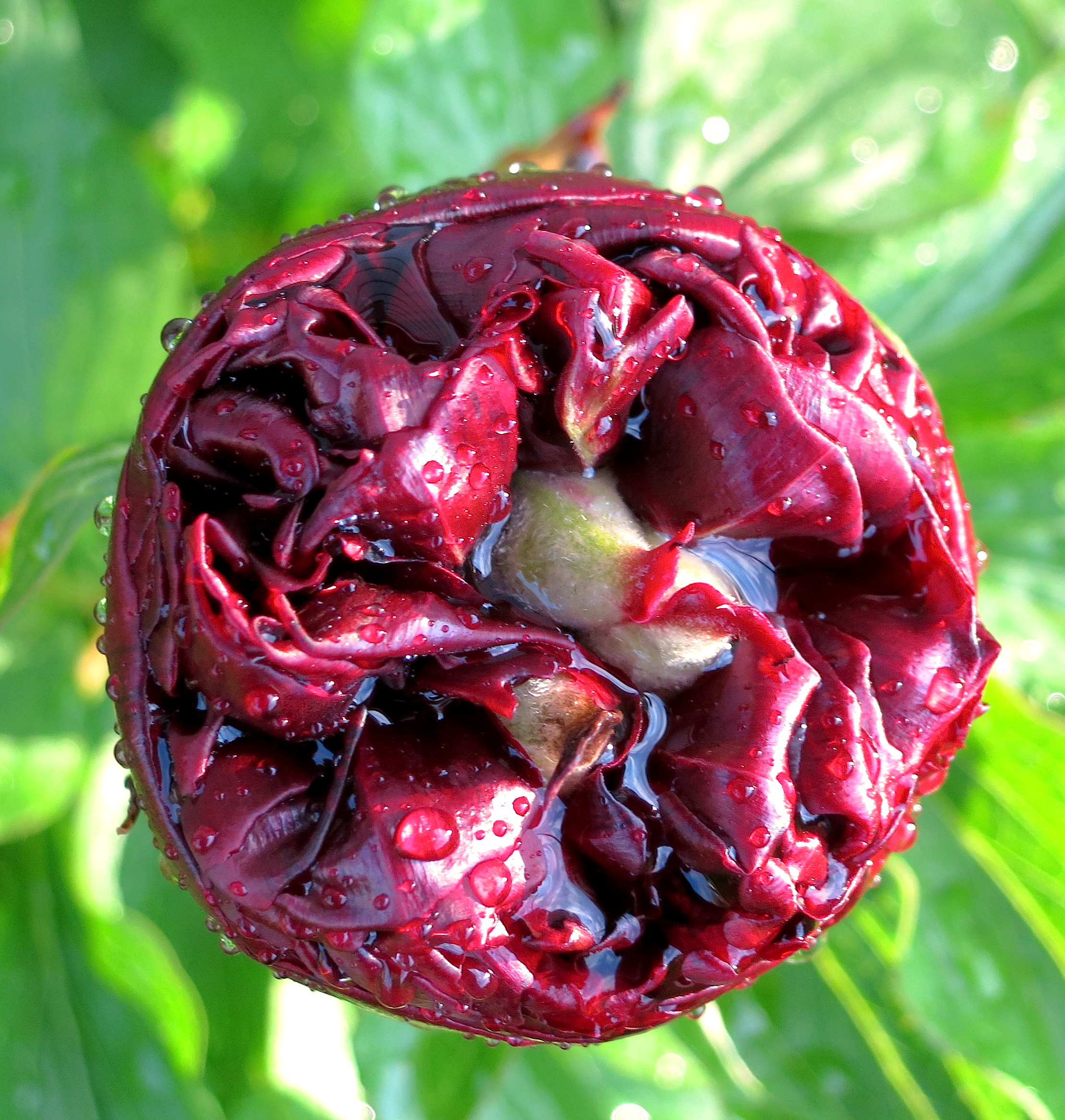
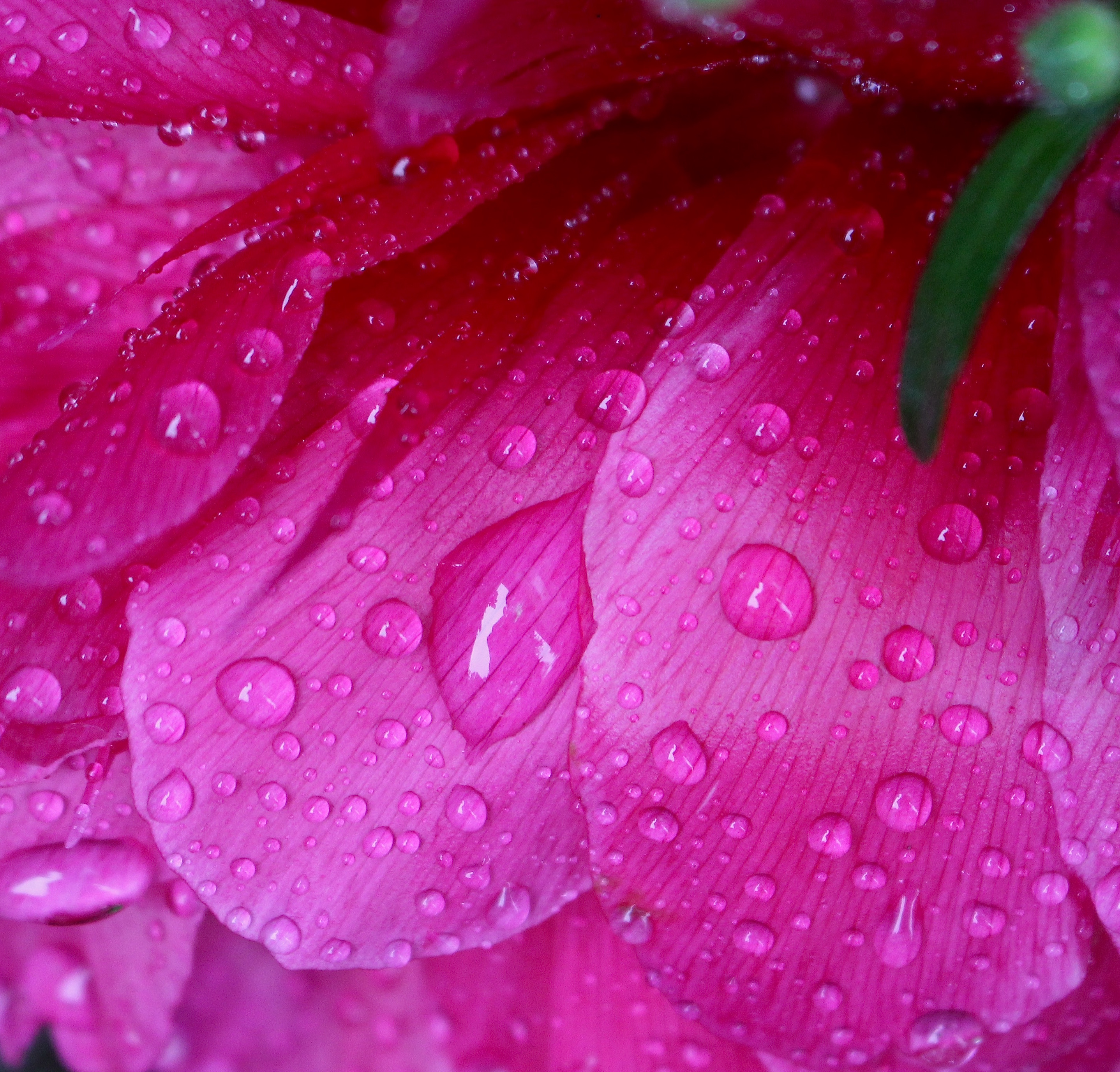
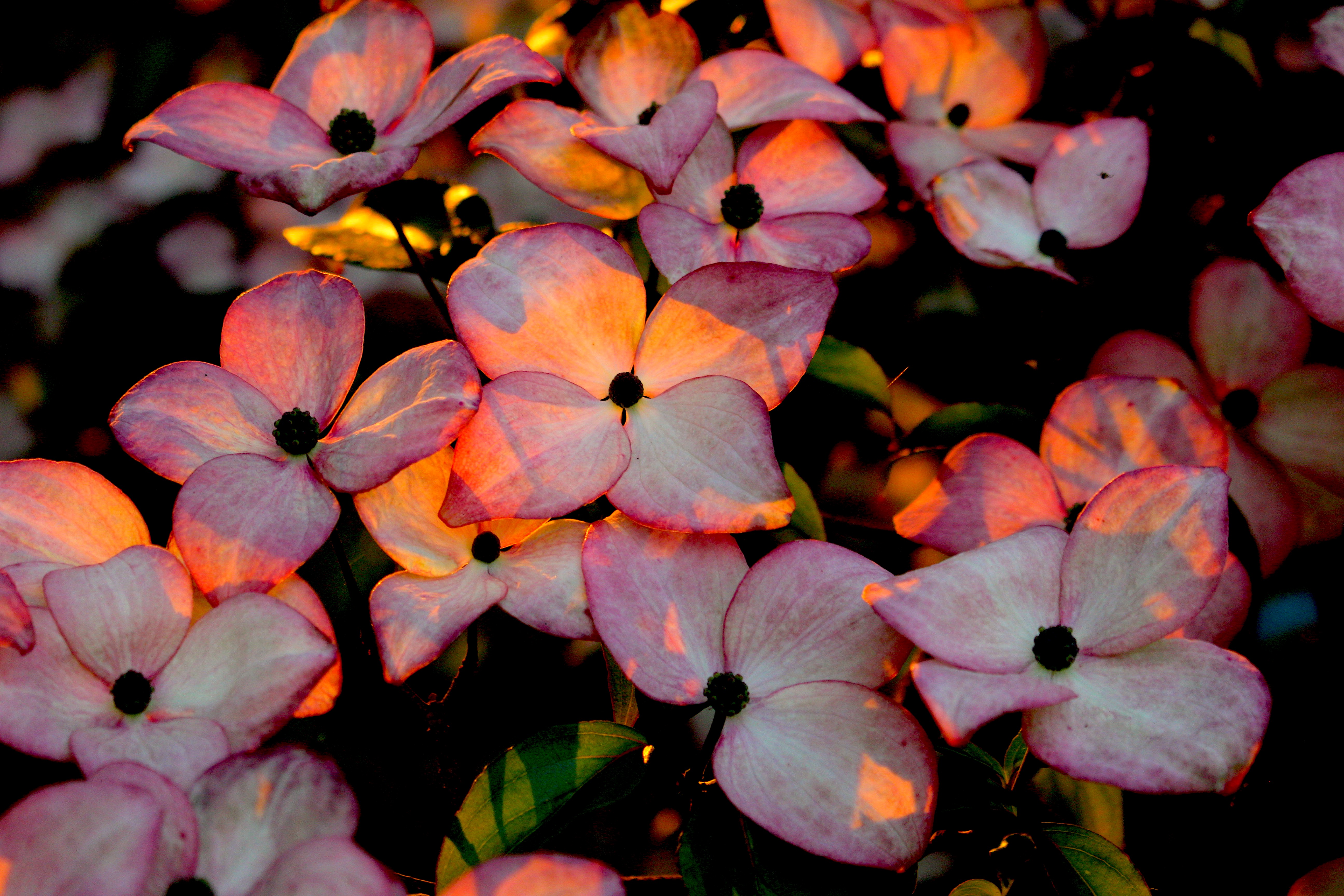
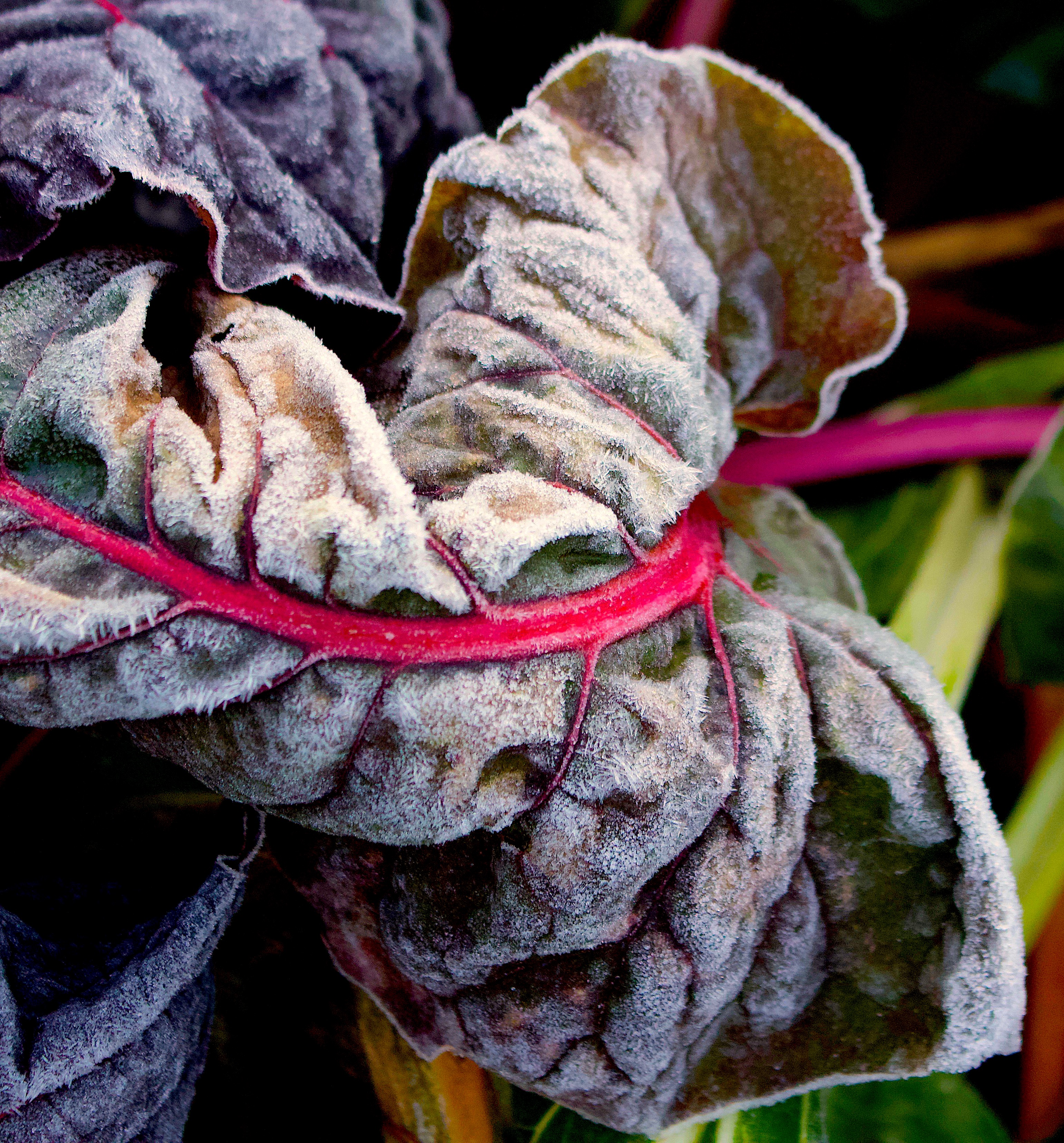
He causes us to burst into bloom
in remembrance of having been in His presence.

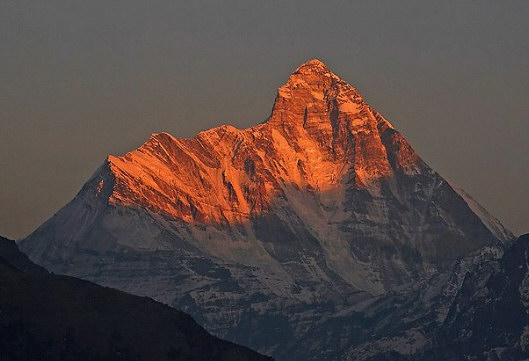
Death on Nanda Devi

Nanda Devi courtesy of Stanford Alpine Club

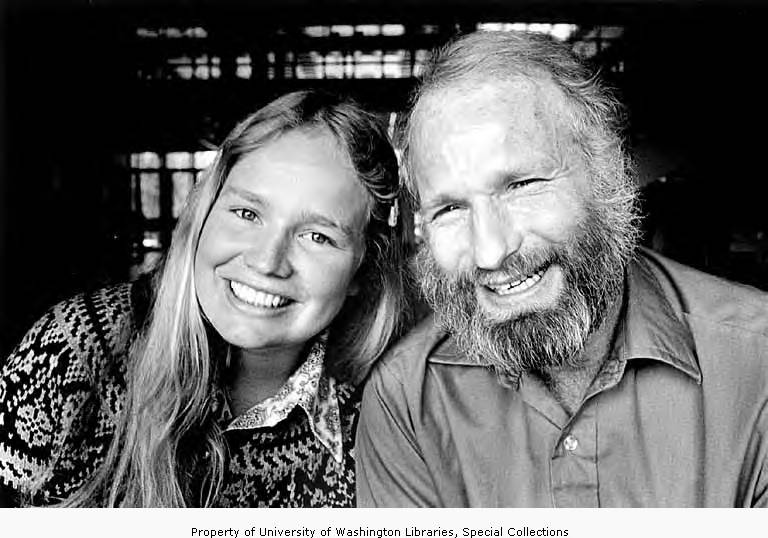
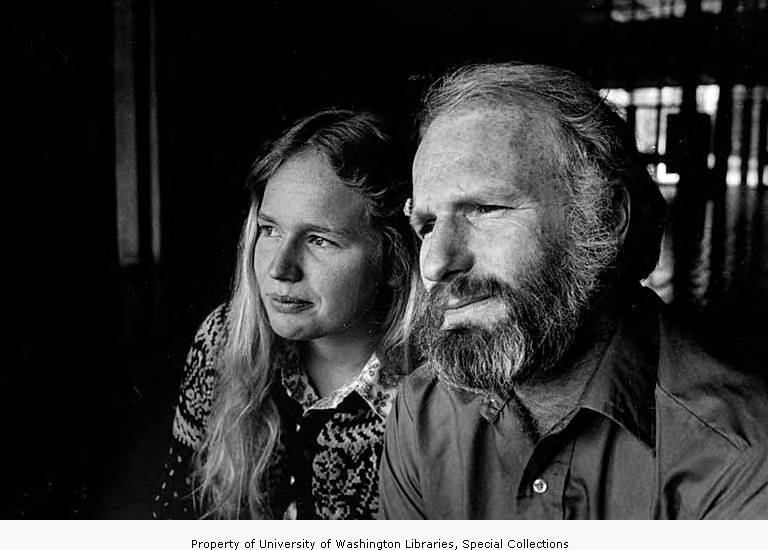
The news this week of the deaths of climbers on Nanda Devi peak in Nepal recalls the story of my high school classmate, Nanda Devi Unsoeld, whose body still rests on that mountain for which she was named.

The ripple effect from Nanda Devi’s arrival as a new junior in Olympia High School in 1970 reached me within minutes, as I felt the impact of her presence on campus immediately.  One of my friends elbowed me, pointing out a new girl being escorted down the hall by the assistant principal.  Students stared at the wake she left behind: Devi had wildly flowing wavy long blonde hair, a friendly smile and bold curious eyes greeting everyone she met.

From the neck up, she fit right in with the standard appearance at the time:  as the younger sisters of the 60’s generation of free thinking flower children, we tried to emulate them in our dress and style, going braless and choosing bright colors and usually skirts that were too short and tight.   There was the pretense we didn’t really care how we looked, but of course we did care very much, with hours spent daily preparing the “casual carefree” look that would perfectly express our freedom from fashion trends amid our feminist longings. Practicing careful nonconformity perfectly fit our peers’ expectations and aggravated our parents.

But Devi never looked like she cared what anyone else thought of her.  The high school girls honestly weren’t sure what to make of her, speculating together whether she was “for real” and viewed her somewhat suspiciously, as if she was putting on an act.

The boys were mesmerized.

She preferred baggy torn khaki shorts or peasant skirts with uneven hems, loose fitting faded T shirts and ripped tennis shoes without shoelaces.  Her legs were covered with long blonde hair, as were her armpits which she showed off while wearing tank tops.   She pulled whole cucumbers from her backpack in class and ate them like cobs of corn, rind and all.  She smelled like she had been camping without a shower for three days, but then riding her bike to school from her home 8 miles away in all kinds of weather accounted for that.   One memorable day she arrived a bit late to school, pushing her bike through 6 inches of snow in soaking tennis shoes, wearing her usual broad smile of satisfaction.
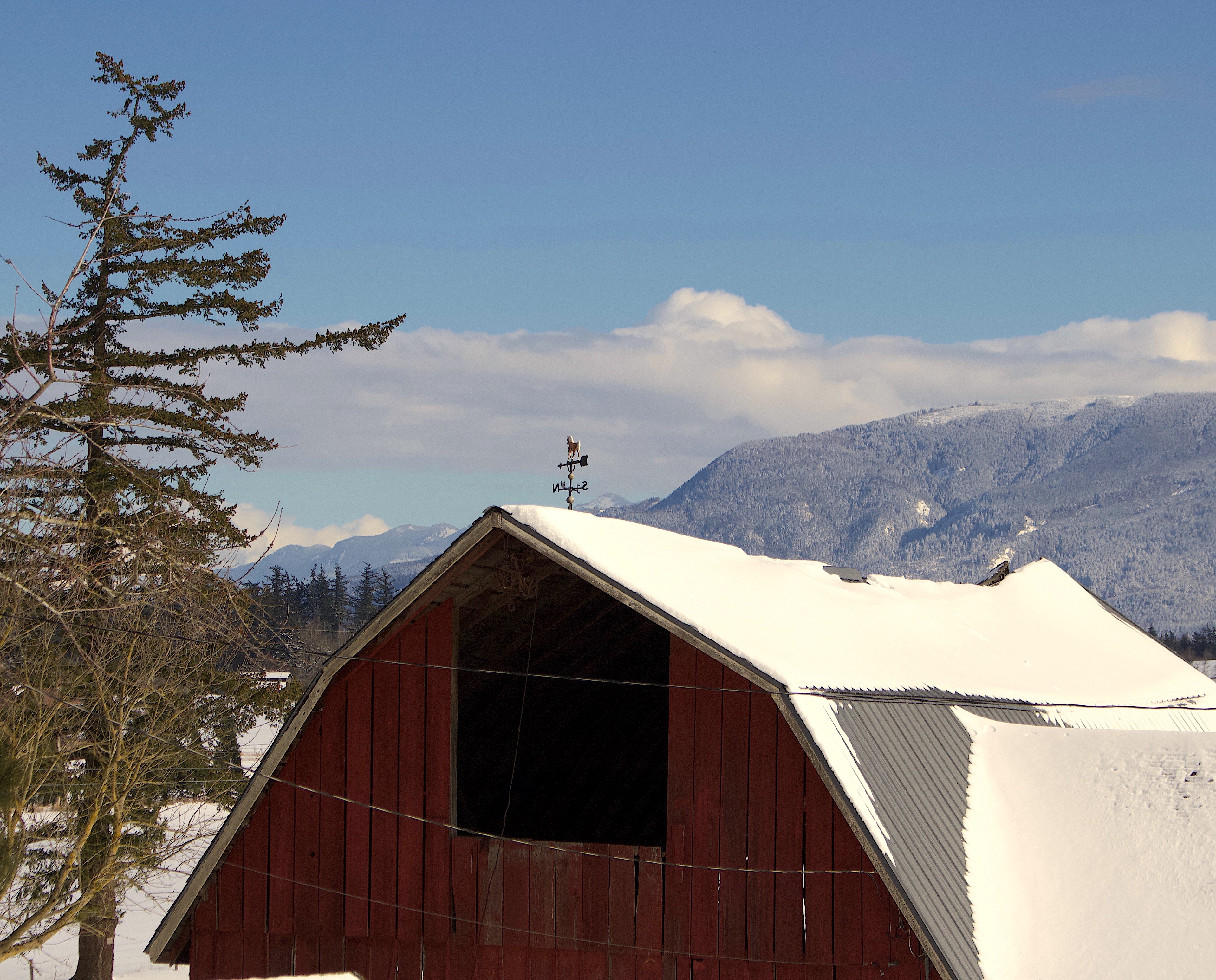
As a daughter of two Peace Corps workers who had just moved back to the U.S. after years of service in Nepal, Devi had lived very little of her life in the United States.  Her father Willi Unsoeld, one of the first American climbers to reach the summit of Mt. Everest up the difficult west face, had recently accepted a professorship in comparative religion at a local college.  He moved his wife and family back to the northwest to be near his beloved snowy peaks,  suddenly immersing four children in an affluent culture that seemed foreign and wasteful.
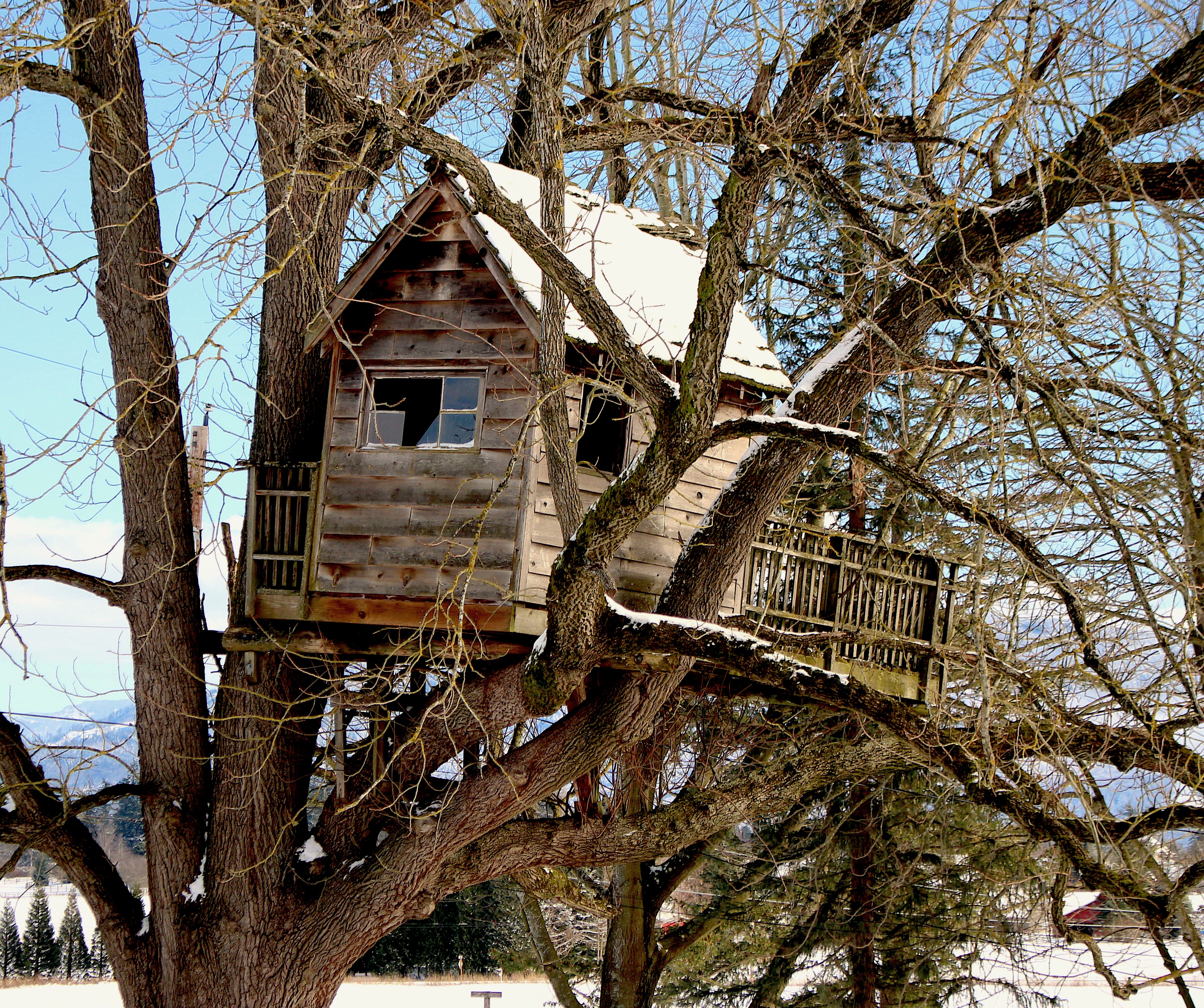
Devi recycled before there was a word for it simply by never buying anything new and never throwing anything useful away, involved herself in social justice issues before anyone had coined the phrase, and was an activist behind the scenes more often than a leader, facilitating and encouraging others to speak out at anti-war rallies, organizing sit-ins for world hunger and volunteering in the local soup kitchen.  She mentored adolescent peers to get beyond their self-consciousness and self-absorption to explore the world beyond the security of high school walls.

Regretfully, few of us followed her lead.  We preferred the relative security and camaraderie of hanging out at the local drive-in to taking a shift at the local 24 hour crisis line.  We showed up for our graduation ceremony in caps and gowns while the rumor was that Devi stood at the top of Mt. Rainier with her father that day.

I never saw Devi after high school but heard of her plans in 1976 to climb with an expedition to the summit of Nanda Devi,  the peak in India for which she was named.  She never returned, dying in her father’s arms as she suffered severe abdominal pain and irreversible high altitude sickness just below the summit.  She lies forever buried in the ice on that faraway peak in India.  Her father died in an avalanche only a few years later, as he led an expedition of college students on a climb on Mt. Rainier, only 60 miles from home.

Had Devi lived these last 40 years, I have no doubt she would have led our generation with her combination of charismatic boldness and excitement about each day’s new adventure.  She lived without pretense, without hiding behind a mask of fad and fashion and conformity and without the desire for wealth or comfort.

I wish I had learned what she had to teach me when she sat beside me in class, encouraging me by her example to become someone more than the dictates of societal expectations. I secretly admired the freedom she embodied in not being concerned in the least about fitting in.   Instead, I still mourn her loss all these years later, having to be content with the legacy she has now left behind on a snowy mountain peak that called her by name.

To Be Wild and Perfect

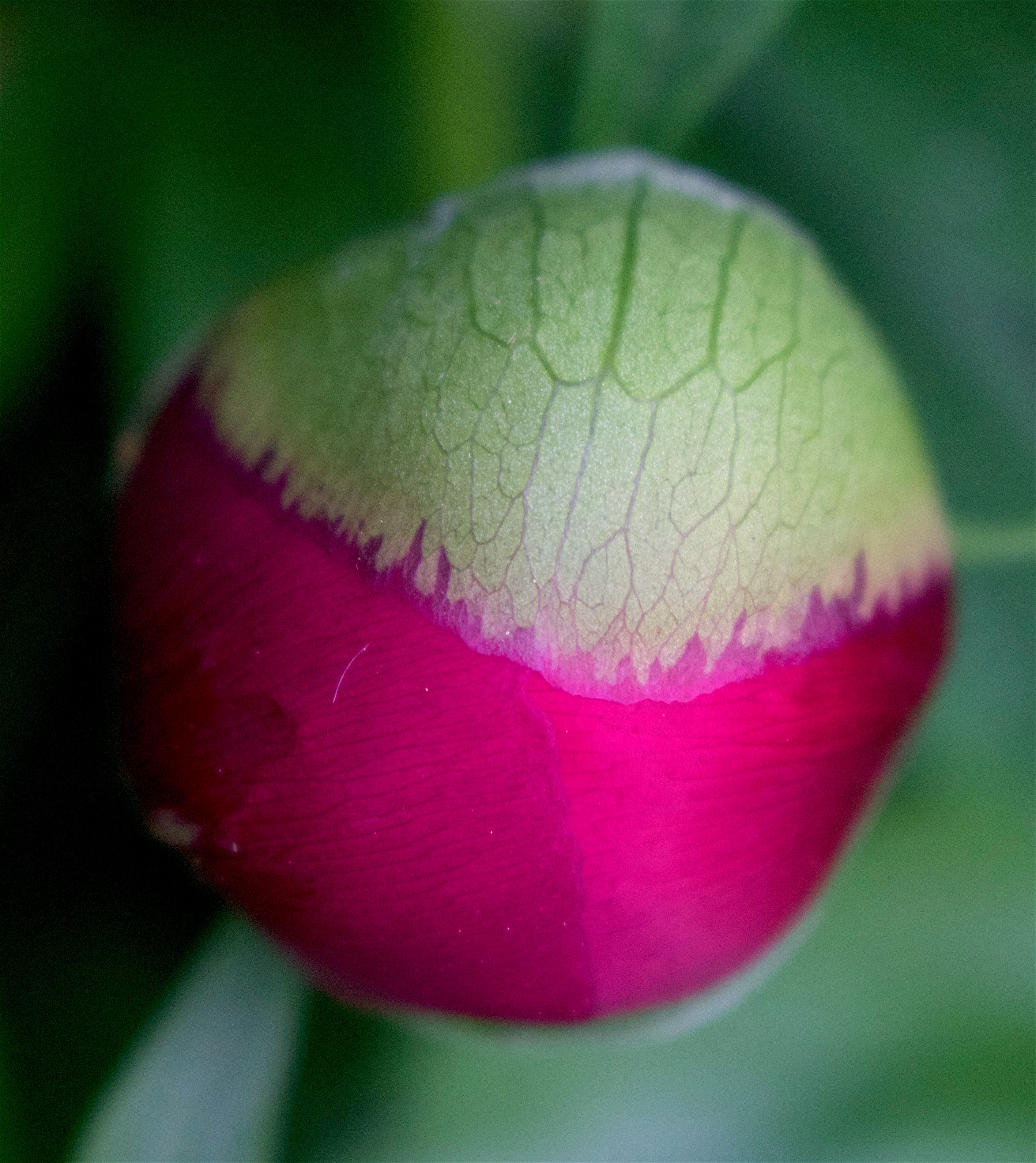
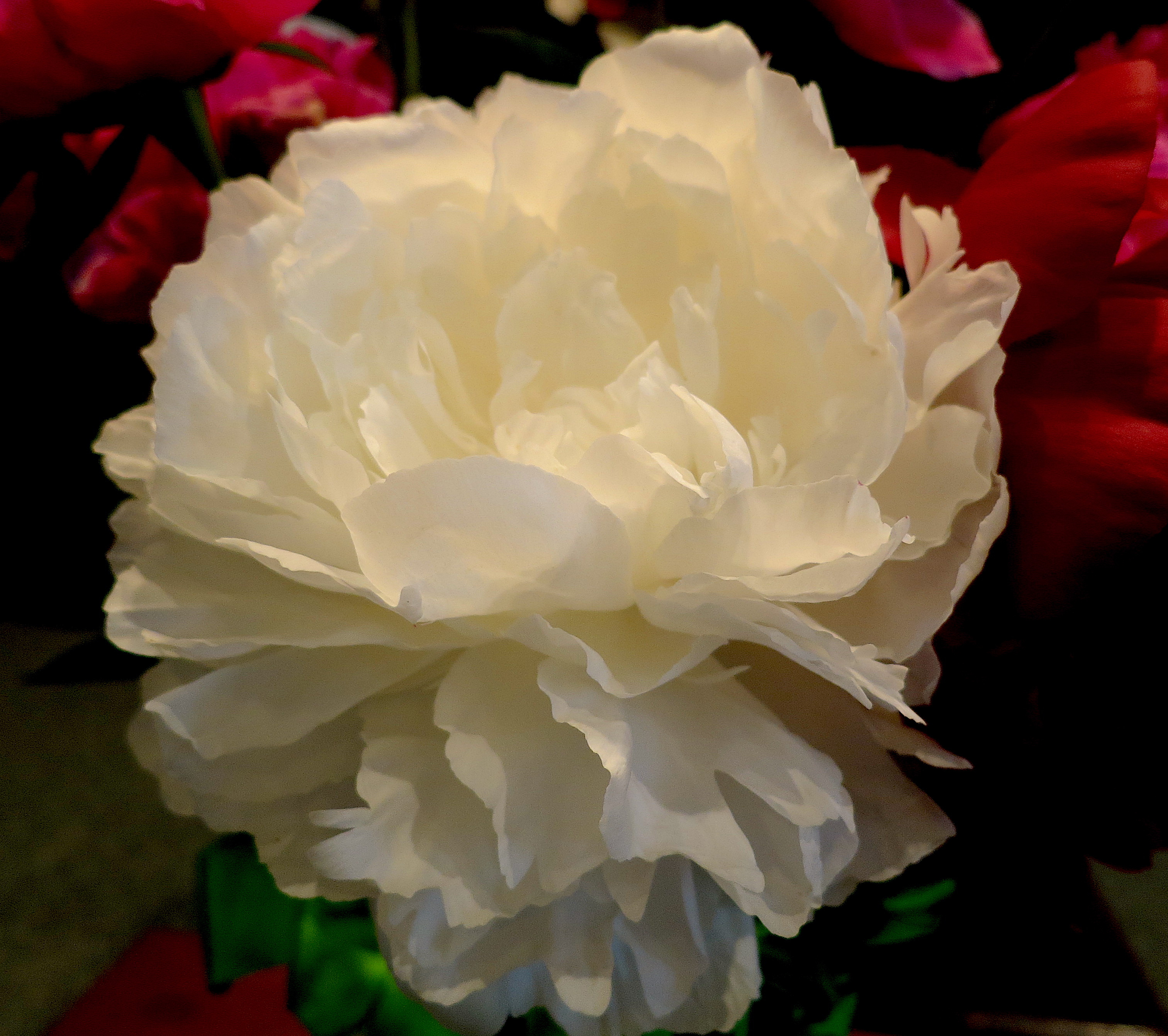
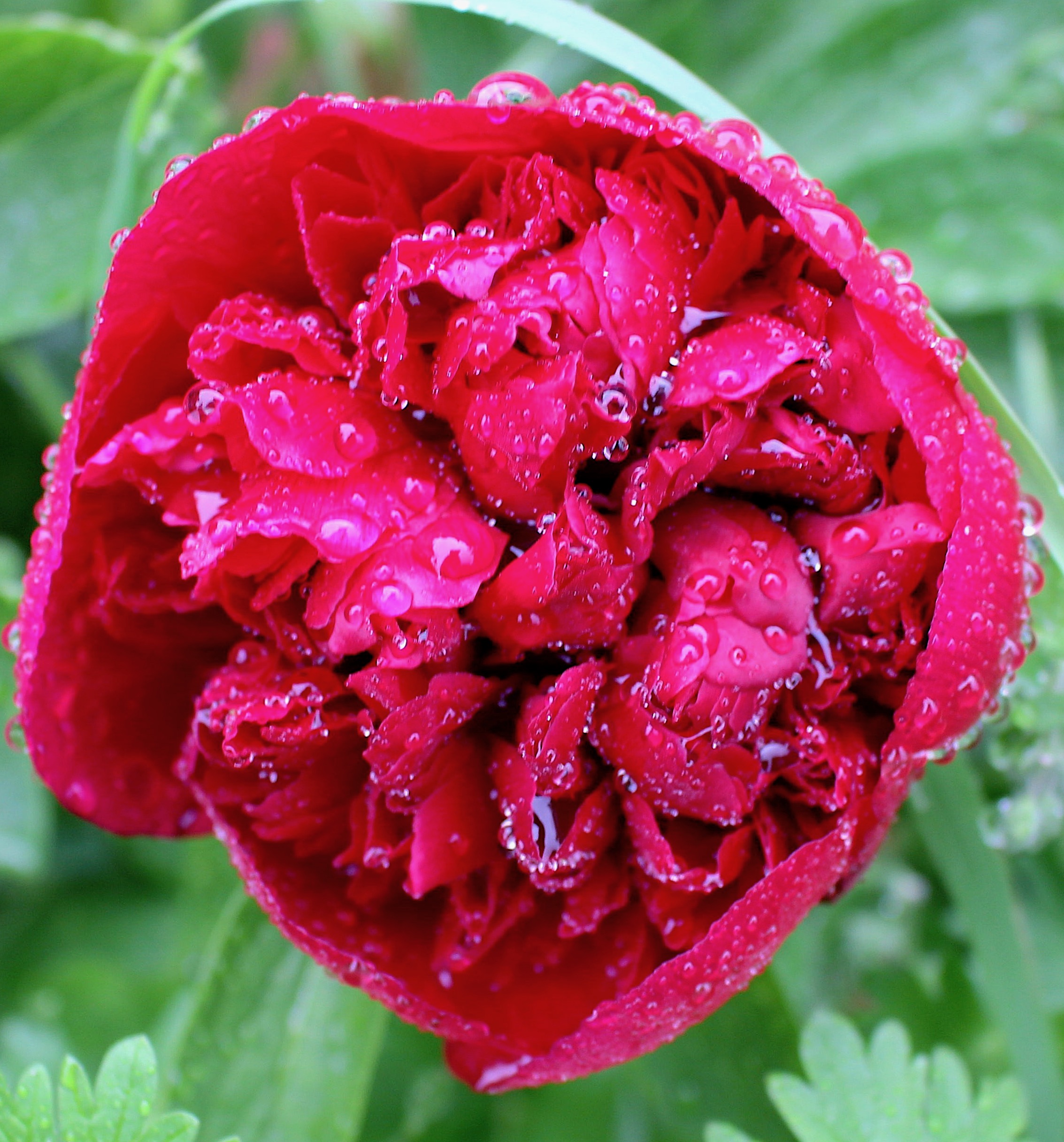
This morning the green fists of the peonies are getting ready
to break my heart
as the sun rises, 
as the sun strokes them with his old, buttery fingers

and they open —
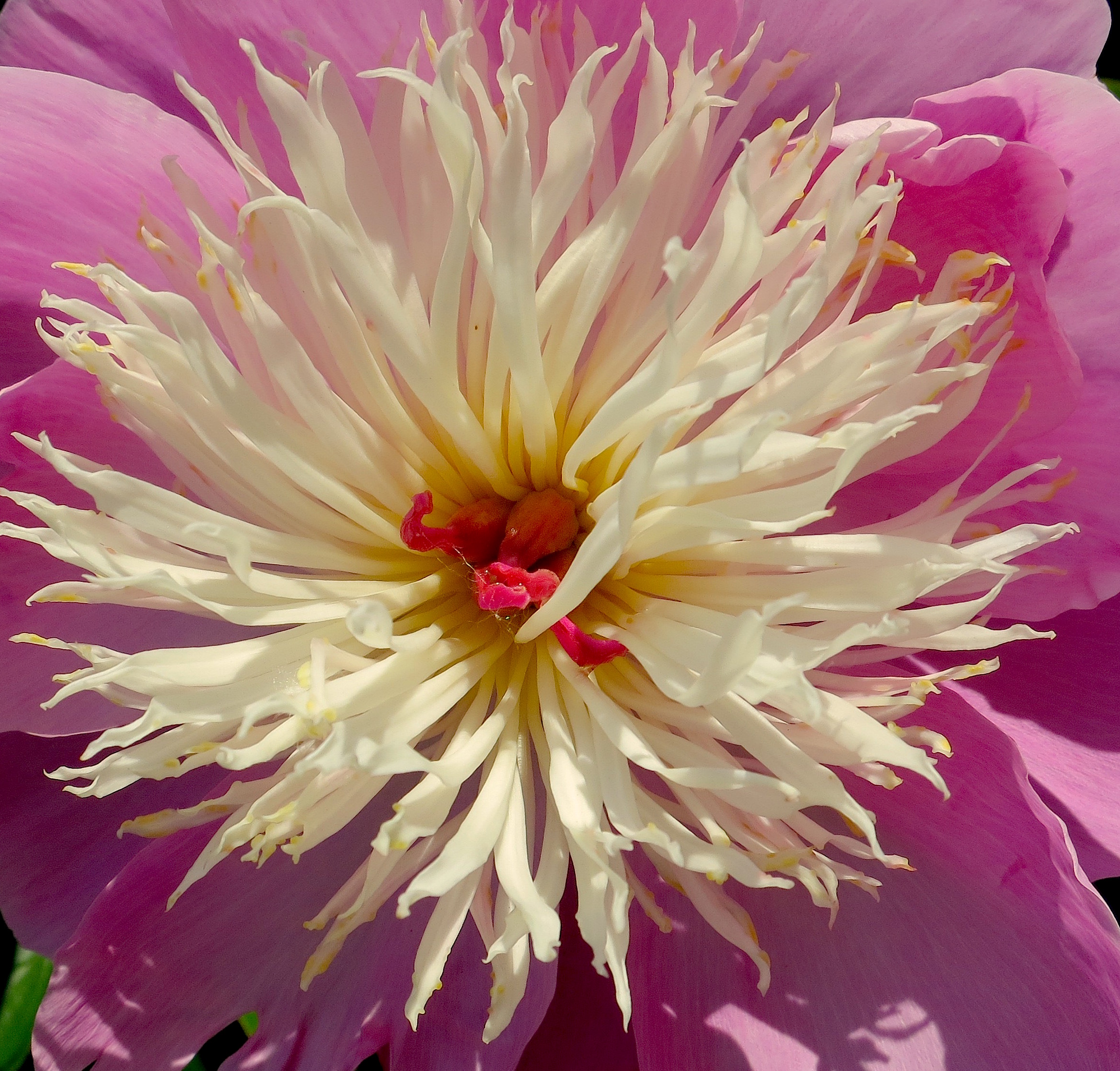
pools of lace, 
white and pink —

and all day
under the shifty wind, 
as in a dance to the great wedding,

the flowers bend their bright bodies, 
and tip their fragrance to the air, 
and rise, 
their red stems holding

all that dampness and recklessness 
gladly and lightly, 
and there it is again — 
beauty the brave, the exemplary,

blazing open. 
Do you love this world? 
Do you cherish your humble and silky life? 
Do you adore the green grass, with its terror beneath?

Do you also hurry, half-dressed and barefoot, into the garden, 
and softly, 
and exclaiming of their dearness, 
fill your arms with the white and pink flowers,

with their honeyed heaviness, their lush trembling, 
their eagerness
to be wild and perfect for a moment, before they are
nothing, forever?
~Mary Oliver 
from New And Selected Poems 

It is not about love or sacrifice,
nothing vestal or sacred. The light
comes from an open window,
and perhaps a breeze too that
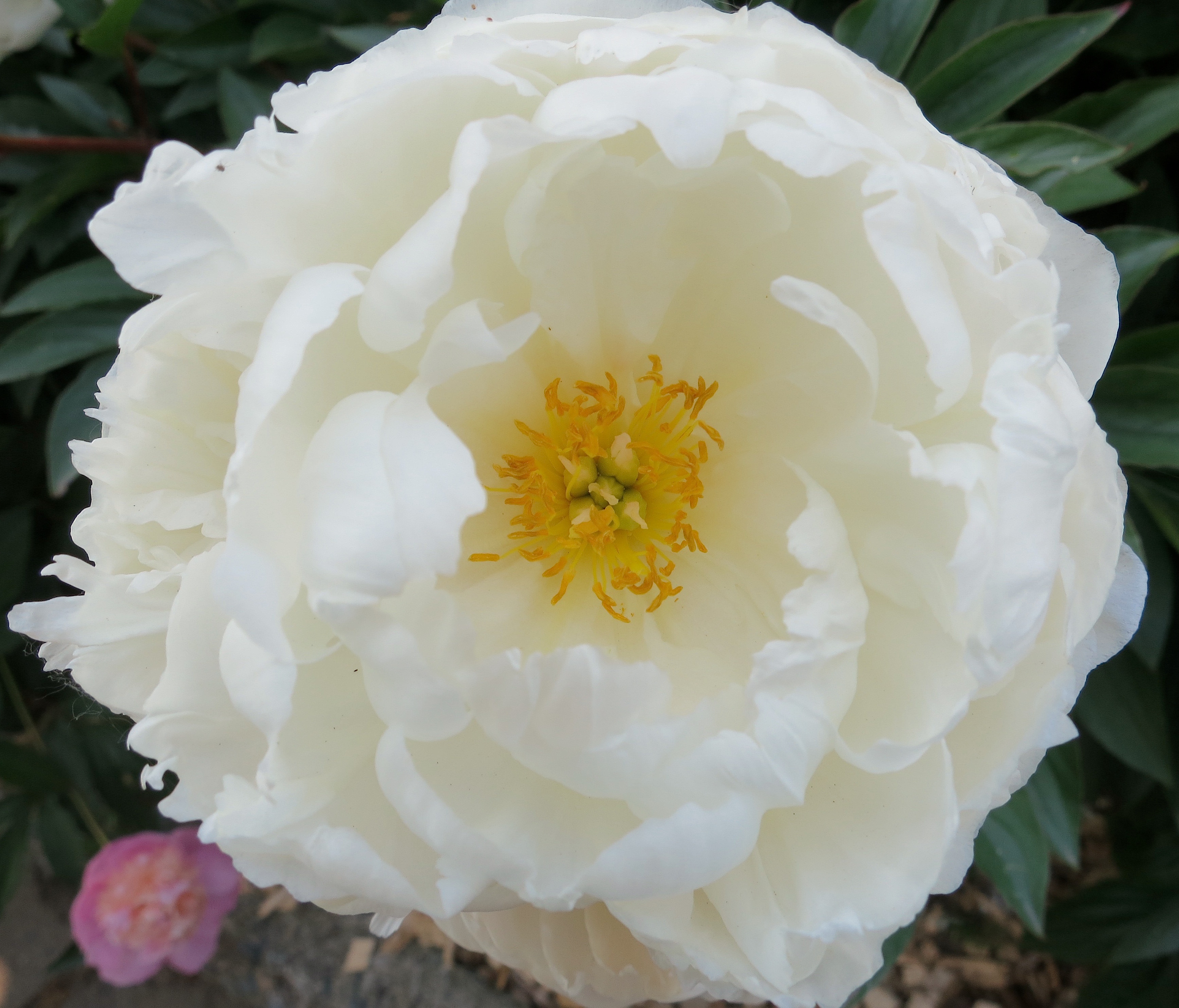
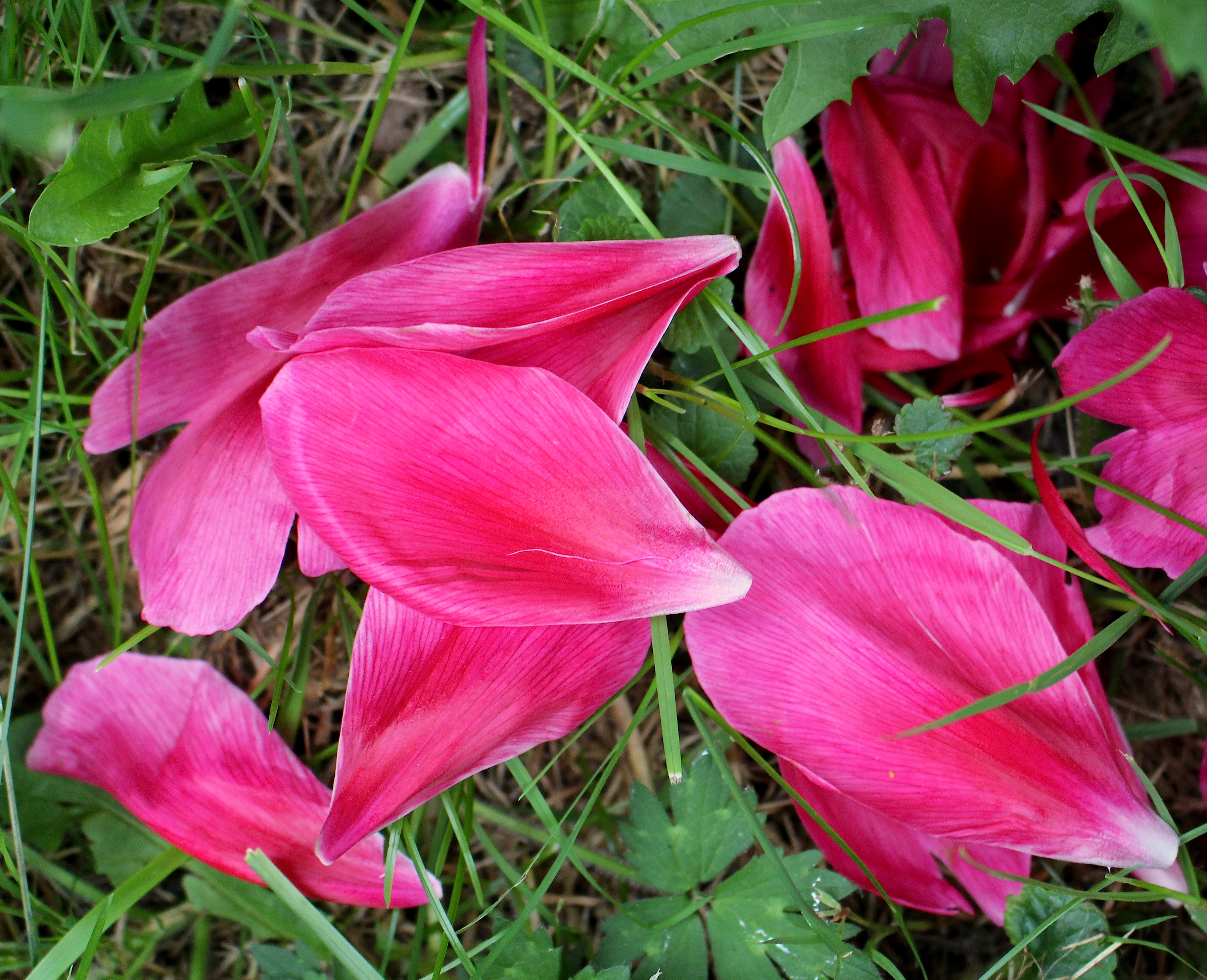
has caused the white peony to
drop three delicately curved
petals on the red jacquard.
They cast purple shadows. The
eye must seek them out, must
avert itself from the ceaseless
action in the midst of other
objects: a runcible spoon, a
quill, a tankard, two ripe quince.
Athena Kildegaard, “Still Life with Beating Heart” from Ventriloquy

White peonies blooming along the porch
send out light
while the rest of the yard grows dim.
Outrageous flowers as big as human

heads! They’re staggered
by their own luxuriance: I had
to prop them up with stakes and twine.
The moist air intensifies their scent,

and the moon moves around the barn
to find out what it’s coming from.
In the darkening June evening

I draw a blossom near, and bending close
search it as a woman searches
a loved one’s face.
~Jane Kenyon “Peonies at Dusk”

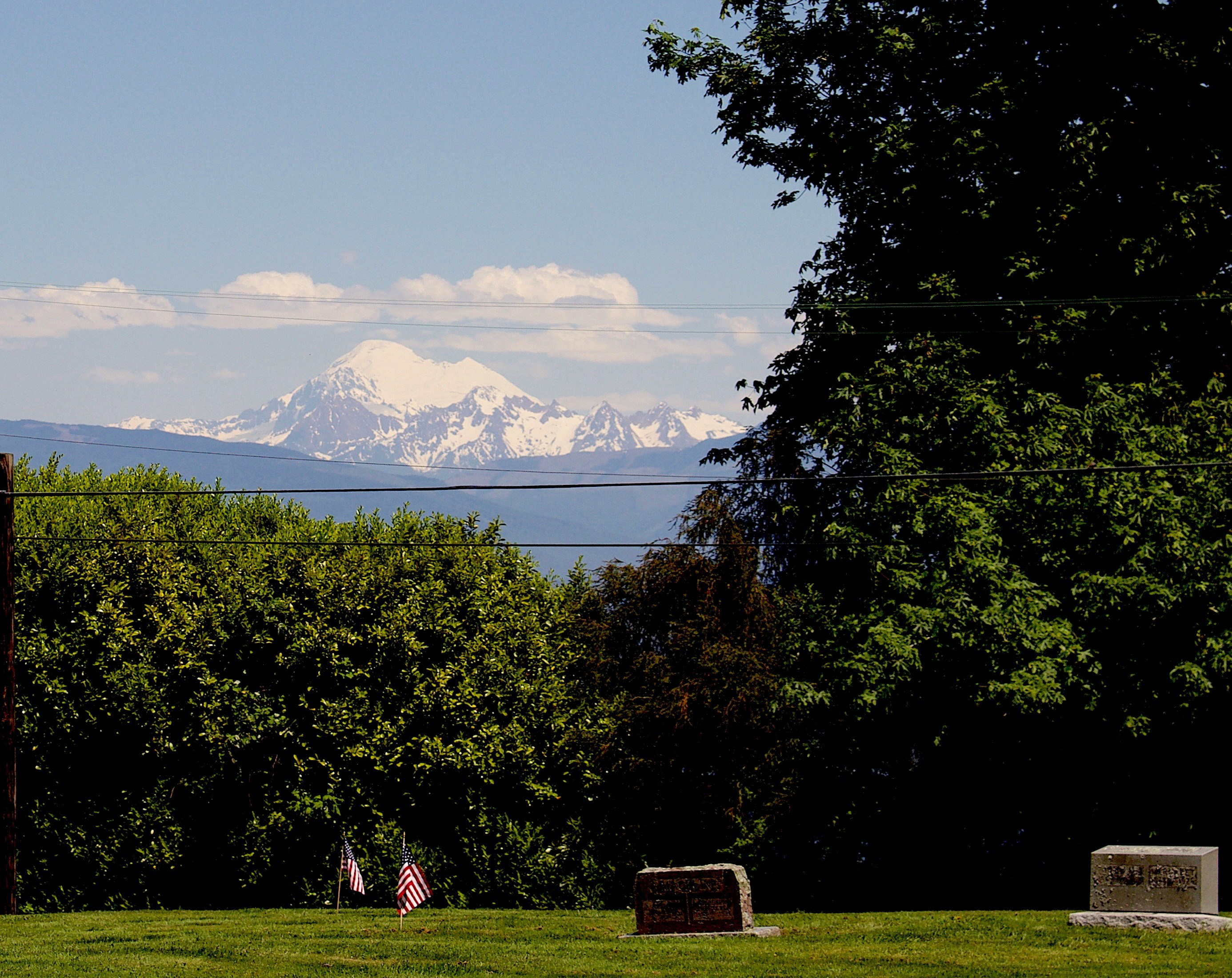
At the end of May, I bring our peonies to the graves
of those from whom I came,
to lay one after another exuberant head
upon each headstone,
a moment of connection between those in the ground
and me standing above, acknowledging its thin space before one more humble and silky life shatters
and becomes nothing,
its petals perfectly
scattered, lush and trembling,
to the wind.

The Great Reward of Service

In great deeds, something abides. 
On great fields, something stays. 
Forms change and pass; 
bodies disappear; 
but spirits linger, to consecrate ground for the vision-place of souls. 
And reverent men and women from afar, 
and generations that know us not and that we know not of, 
heart-drawn to see where and by whom great things were suffered and done for them, 
shall come to this deathless field, 
to ponder and dream; 
and lo! the shadow of a mighty presence shall wrap them in its bosom, 
and the power of the vision pass into their souls. 
This is the great reward of service. 
To live, far out and on, in the life of others;
this is the mystery of the Christ,

–to give life’s best for such high sake
that it shall be found again unto life eternal.

~Major-General Joshua Chamberlain at Gettysburg, Pennsylvania 1889

For Memorial Day 2019~

~standing in gratitude and reverence for the few
who have suffered great loneliness and loss
to secure the future and well-being of many,
including unknown generations to come…

I hear the mountain birds
The sound of rivers singing
A song I’ve often heard
It flows through me now
So clear and so loud
I stand where I am
And forever I’m dreaming of home
I feel so alone, I’m dreaming of home

It’s carried in the air
The breeze of early morning
I see the land so fair
My heart opens wide
There’s sadness inside
I stand where I am
And forever I’m dreaming of home
I feel so alone, I’m dreaming of home

This is no foreign sky
I see no foreign light
But far away am I
From some peaceful land
I’m longing to stand
A hand in my hand
…forever I’m dreaming of home
I feel so alone, I’m dreaming of home
~Lori Barth and Philippe Rombi “I’m Dreaming of Home”

To Muck and Shovel and Sing

“He (the professor) asked what I made of the other students (at Oxford) so I told him.
They were okay, but they were all very similar…
they’d never failed at anything or been nobodies,
and they thought they would always win.
But this isn’t most people’s experience of life.

He asked me what could be done about it.
I told him the answer was to send them all out for a year
to do some dead-end job
like working in a chicken processing plant
or spreading muck with a tractor.
It would do more good than a gap year in Peru. 

He laughed and thought this was tremendously witty.
It wasn’t meant to be funny.

~James Rebanks from The Shepherd’s Life
(how a sheep farmer succeeds at Oxford and then goes back to the farm)


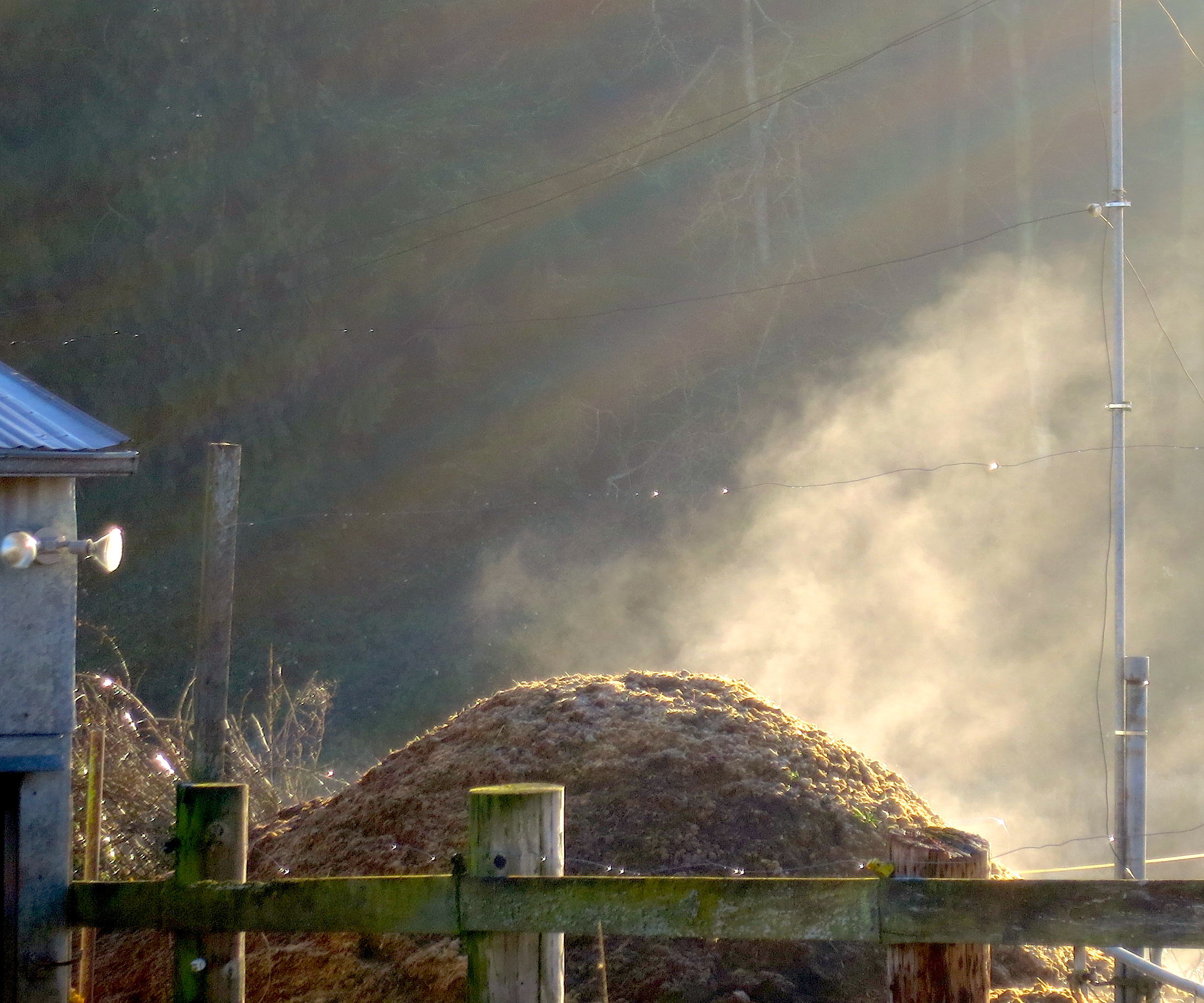
In our barn we have a very beat up old AM/FM radio that sits on a shelf next to the horse stalls and serves as company to the horses during the rainy stormy days they stay inside, and serves as distraction to me as we clean stalls of manure and wet spots in the evening.  We live about 10 miles south of the Canadian border, so most stations that come in well on this radio’s broken antenna are from the lower mainland of British Columbia.  This includes a panoply of stations spoken in every imaginable language– a Babel of sorts that I can tune into: Spanish, Japanese, Chinese, Hindi, Russian, French and of course, proper British accent English.  But standard issue American melting pot genetic mix that I am, I prefer to tune into the “Oldies” Station and reminisce.

There is a strange comfort in listening to songs that I enjoyed 40-50+ years ago, and I’m somewhat miffed and perplexed that they should be called “oldies”.  Oldies always referred to music from the 20’s, 30’s and 40’s, not the 50’s, 60’s, and 70’s!   I listen and sing along with a mixture of feeling ancient and yet transported back to my teens.  I can think of faces and names I haven’t thought of in decades, remember special summer days picking berries and hear long lost voices from school days. I can smell and taste and feel things all because of the trigger of a familiar song.   There is something primordial –deep in my synapses– that is stirred by this music. In fact, I shoveled manure to these same songs 50 years ago, and somehow, it seems not much as changed. 

Or has it? One  (very quick) glance in the mirror tells me it has and I have.

YesterdayI Got You, Babe and you were a Bridge Over Troubled Waters for this Natural Woman who just wants to be Close to You so You’ve Got a Friend.  There’s Something in the way I Cherish The Way We Were and of course Love Will Keep Us Together. If You Leave Me Now,  You’re So VainI’ve always wanted it My Way but How Sweet It Is when I Want To Hold Your Hand.  Come Saturday Morning we’re Born to Be Wild.

Help! Do You Know Where You’re Going To?  Me and You and A Dog Named Boo will travel Country Roads and Rock Around the Clock even though God Didn’t Make the Little Green Apples.  Fire and Rain will make things All Right Now once Morning is Broken, I’ll Say a Little Prayer For You.

I Can’t Get No Satisfaction from the Sounds of Silence — If— Those Raindrops Keep Fallin’ on My HeadStand By Me as It’s Just My Imagination that I am a Rock,when really I only want Time in a Bottle and to just Sing, Sing a Song.

They just don’t write songs like they used to.  I seem to remember my parents saying that about the songs I loved so well.  Somehow in the midst of decades of change, there are some constants.  Music still touches our souls, no matter how young or old we are.

And there will always be manure that needs shoveling.

A Wedding of Lace

…Then how his muffled armies move in all night
And we wake and every road is blockaded
Every hill taken and every farm occupied
And the white glare of his tents is on the ceiling.
And all that dull blue day and on into the gloaming
We have to watch more coming.

Then everything in the rubbish-heaped world
Is a bridesmaid at her miracle.
Dunghills and crumbly dark old barns are bowed in the chapel of her sparkle.
The gruesome boggy cellars of the wood
Are a wedding of lace
Now taking place.
~Ted Hughes from “Snow and Snow”

I wish one 
could press snowflakes 
in a book
like flowers.
~James Schuyler from “February 13, 1975”

It’s true that three snow days in a row is unprecedented in our part of the world. Being snowbound by driveway-blocking drifts has its advantages until it isn’t fun any longer and means even more work to be done both on and off the farm, especially for a physician stranded from her closed clinic.

I’ve been doing my best taking care of our clinic’s patients via messaging, text and other media, but there is a limit to my virtual reach: I can’t palpate a tender belly, or feel swollen lymph nodes or listen to someone’s palpitations, though it is a little easier to discern despair, anticipate anxiety and work out someone’s worries from afar.

But I do have a view of the wedding lace of our woods and the sparkling chapels made of our tired old barns and buildings on the farm. I’m reminded that even I can be dressed up with a covering as white as snow. So lovely to look at, if only to be preserved for the long summer days that lie ahead — a wilting snowflake pressed into a book like a flower remembered, its fragrance still attached.

These Soft Eyed Souls

When I pull open the barn doors,
every morning
and each evening,
as my grandparents did
one hundred years ago,
six rumbling voices
rise in greeting.
We exchange scents,
nuzzle each others’ ears.

I do my chores faithfully
as my grandparents once did–
draw fresh water
into buckets,
wheel away
the pungent mess underfoot,
release an armful of summer
from the bale,
reach under heavy manes
to stroke silken necks.

I don’t depend
on our horses’ strength
and willingness to
don harness
to carry me to town
or move the logs
or till the soil
as my grandparents did.

Instead,
these soft eyed souls,
born on this farm
almost three long decades ago,
are simply grateful
for my constancy
morning and night
to serve their needs
until the day comes
they need no more.

I depend on them
to depend on me
to be there
to open the doors;
their low whispering welcome
gives voice
to the blessings of
living on a farm
ripe with rhythms and seasons,
as if today and tomorrow are
just like one hundred years ago.

So Pressed for Time

Now a decade after her death, I’m still slowly sorting through my mother’s packed up possessions stored in one of our farm outbuildings. Some boxes I am not ready to open, such as the 30 months of letters written by my newlywed father and mother while he fought in several bloody island battles as a Marine in the South Pacific during WWII. Other boxes contain items from too distant an era to be practical in my kitchen, such as the ones labeled “decorative teacups” or “assorted tupperware bowls without lids”.

But I do open the boxes of books. My mother was a high school speech teacher during those war years, and she had a good sense of a classic book, so there are always treasures in those boxes.

Recently I found the 1956 Webster’s New Dictionary of the Twentieth Century that I grew up with. This book was massive, easily weighing 10 pounds, and served as a booster seat for haircuts, a step stool for trying to reach the cookie jar on the kitchen cupboard, and of course, for looking up any obscure word that ever existed in all of history. Or so it seemed.

It was an amazing tome. And as I flipped through the pages, I found some old familiar friends that were neither black nor white nor read all over.

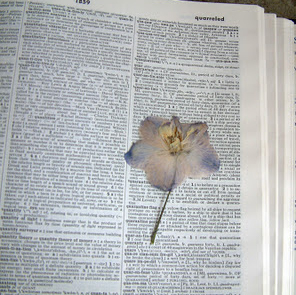
Wildflowers had been carefully pressed between the pages–over two dozen specimens paper thin themselves, their existence squeezed into two dimensions–still showing faint pink or blue, or purple color, almost exuding a long ago fragrance from a summer over fifty years ago. As a child I regularly wandered out to our fields and woods to gather crimson clover blossoms, buttercup, dandelions, daisies, wild violets, wild ginger, calypso lady slippers for bouquets for my mother, and she would select the most perfect to slide between the pages of the dictionary. Occasionally she would pull out one to gently paste on a hand written card she sent to a friend.

Here were my perfect flowers, preserved and pressed for time, just waiting for the fifty-five-years-older me to rediscover them lying between wonderful words that I love to roll in my mouth and type on a page. They are too fragile to paste to a greeting card, or even to handle due to their brittleness. They need to stay right where they are, for another generation or two or three to discover.

I am so pressed for time, becoming more fragile, perhaps more brittle than I care to admit. My mother and father have blown away like the puff ball seeds of the dandelion, on to other horizons, but the sturdy old dictionary is going nowhere. It will be passed down, its delicate passengers preserved inside, a long ago far away summer afternoon of flower gathering to be shared as a great grandchild opens the book to look up a favorite word sometime in the not so far off future.

Best of Barnstorming Photos Summer/Fall 2018

morninglane1224182

lane112918

morninglight101918

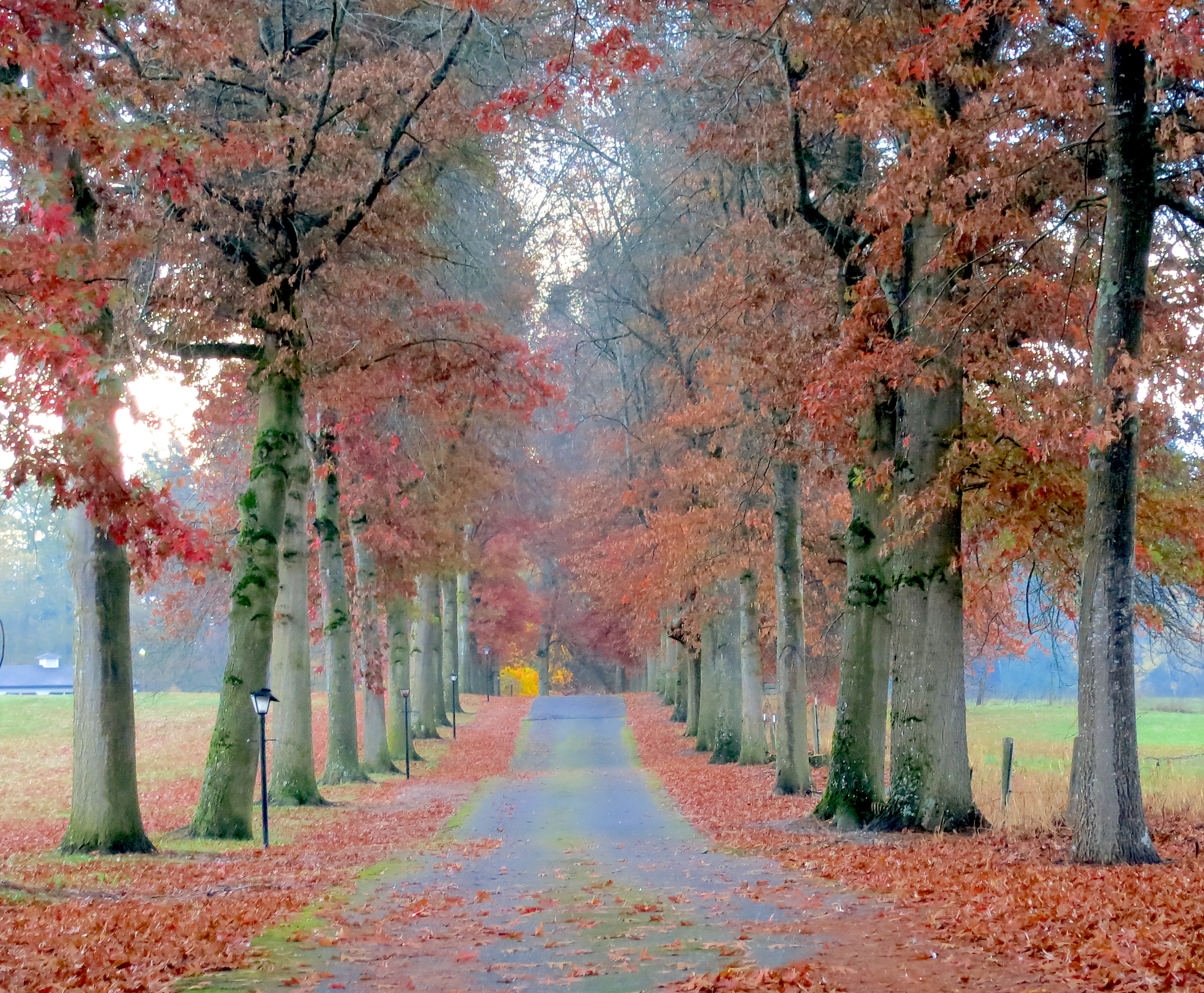
oaklane6

I walked

on New Year’s Day

beside the trees

my father now gone planted

evenly following

the road

Each

            spoke

~Lorine Niedecker (1967)

variegatedmaple5

hohpath

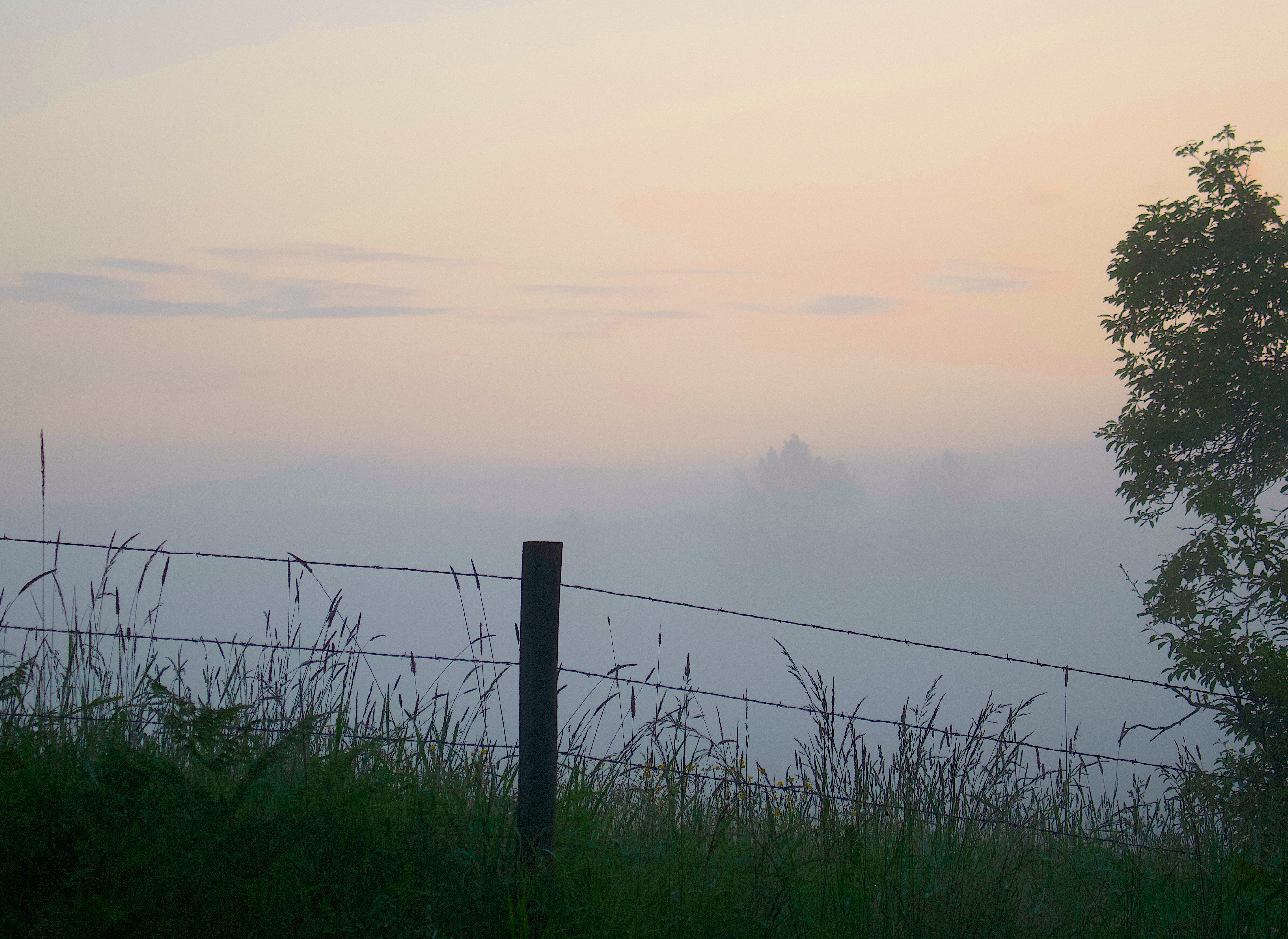
foggy827182

IMG_0447

oaklane103018

emmatree
With what stillness at last
you appear in the valley
your first sunlight reaching down
to touch the tips of a few
high leaves that do not stir
as though they had not noticed
and did not know you at all
then the voice of a dove calls
from far away in itself
to the hush of the morning
so this is the sound of you
here and now whether or not
anyone hears it this is
where we have come with our age
our knowledge such as it is
and our hopes such as they are
invisible before us
untouched and still possible

~W.S. Merwin “To the New Year”

shuksan927181
clouds912189
shuksan927184
heathermeadowfoliage3
The object of a new year is not that we should have a new year. It is that we should have a new soul.
~G.K. Chesterton
barbsrooster
feather172018
feather52018
sunsettree830182
sunset88187
avalanchelily1
shuksan77180

No one ever regarded the First of January with indifference.
It is that from which all date their time, and count upon what is left.
It is the nativity of our common Adam.

~Charles Lamb 

treesun

rainstrawberryleaf

chardfreeze

We come to this new year
naked as dormant branches
in the freezing night.

Mere potential barely budded,
nothing covered up,
no hiding in shame.

A shared and common birthday of renewal,
a still life nativity in a winter garden,
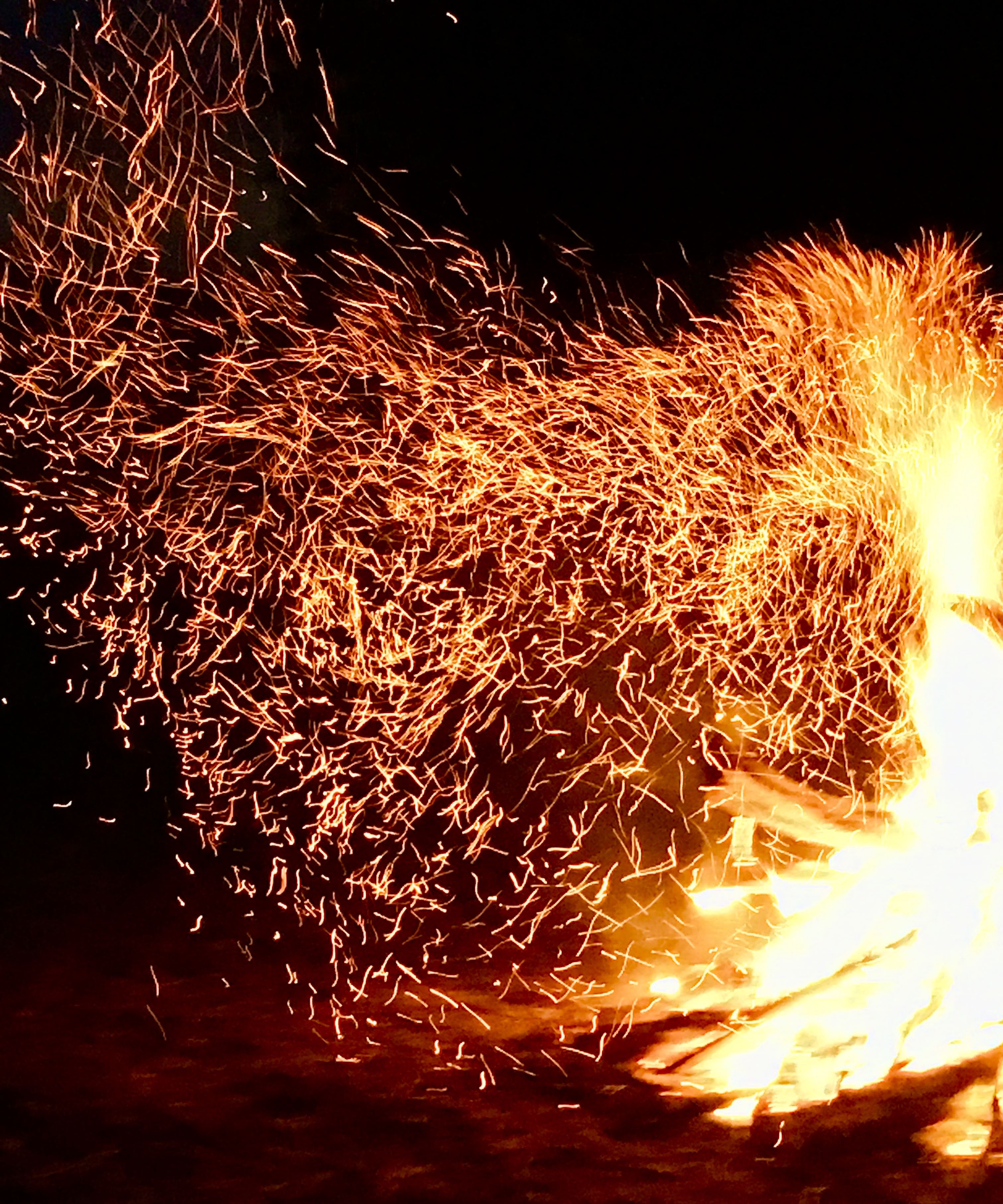
a roaring fire refining what is no longer of use,
another chance to make it right.

sparks

homersunset101818

pnpbench1218

fogweb1021181

moonset122418

Grant, O Lord,
that as the years change,
I may find rest in Your eternal changelessness.

May I meet this new year bravely,
secure in the faith that,
while we come and go,
and life changes around us,

You are always the same,
guiding us with Your wisdom,
and protecting us with Your love.
Amen.

~William Temple (1881–1944)

highnoon


goldenmorning1013184


littles


halos


straitrainbow


oaklane2

Fray into the Future

cherrydrops


These sudden ends of time must give us pause.
We fray into the future, rarely wrought
Save in the tapestries of afterthought.
More time, more time.
~Richard Wilbur from “Year’s End”


grassdrops


For some time I thought there was time
and that there would always be time
for what I had a mind to do
and what I could imagine
going back to and finding it
as I had found it the first time
but by this time I do not know
what I thought when I thought back then

there is no time yet it grows less
there is the sound of rain at night
arriving unknown in the leaves
once without before or after
then I hear the thrush waking
at daybreak singing the new song
~W.S.Merwin “The New Song”


fogdrops2


Time sweeps me along,
takes me where it wishes,
even gets the better of me
until I clutch it for a moment
to see and hear and hold it close
to never forget~~

the multi-faceted tapestry of the past
fraying into the future

forever restless, time escapes my grasp
and so it shall ever be.


foggydrops17