~Mary Oliver from “Rain”
Harvesting
~Mary Oliver from “Rain”

…still it’s not death that spends
So tenderly this treasure
To leaf-rich golden winds,
But life in lavish measure.
No, it’s not death this year
Since then and all the pain.
It’s life we harvest here
(Sun on the crimson vine).
The garden speaks your name.
We drink your joys like wine.
~May Sarton, from “The First Autumn”


Is there something finished? And some new beginning on the way?
I cried over beautiful things, knowing no beautiful thing lasts…
~Carl Sandburg, from “Falltime” and “Autumn Movement”


I praise the fall:
It is the human season. On this sterile air
Do words outcarry breath: the sound goes on and on.
I hear a dead man’s cry from autumn long since gone.
I cry to you beyond upon this bitter air.
~Archiblad MacLeish from “Immortal Autumn”

That country where it is always turning late in the year.
That country where the hills are fog and the rivers are mist;
where noons go quickly,
dusks and twilights linger,
and midnights stay.
That country composed in the main of cellars,
sub-cellars, coal-bins, closets, attics,
and pantries faced away from the sun.
That country whose people are autumn people,
thinking only autumn thoughts.
Whose people passing at night on the empty walks sound like rain.
~Ray Bradbury from “October Country”
Just as a painter needs light in order to put the finishing touches to his picture,
so I need an inner light,
which I feel I never have enough of in the autumn.
~Leo Tolstoy


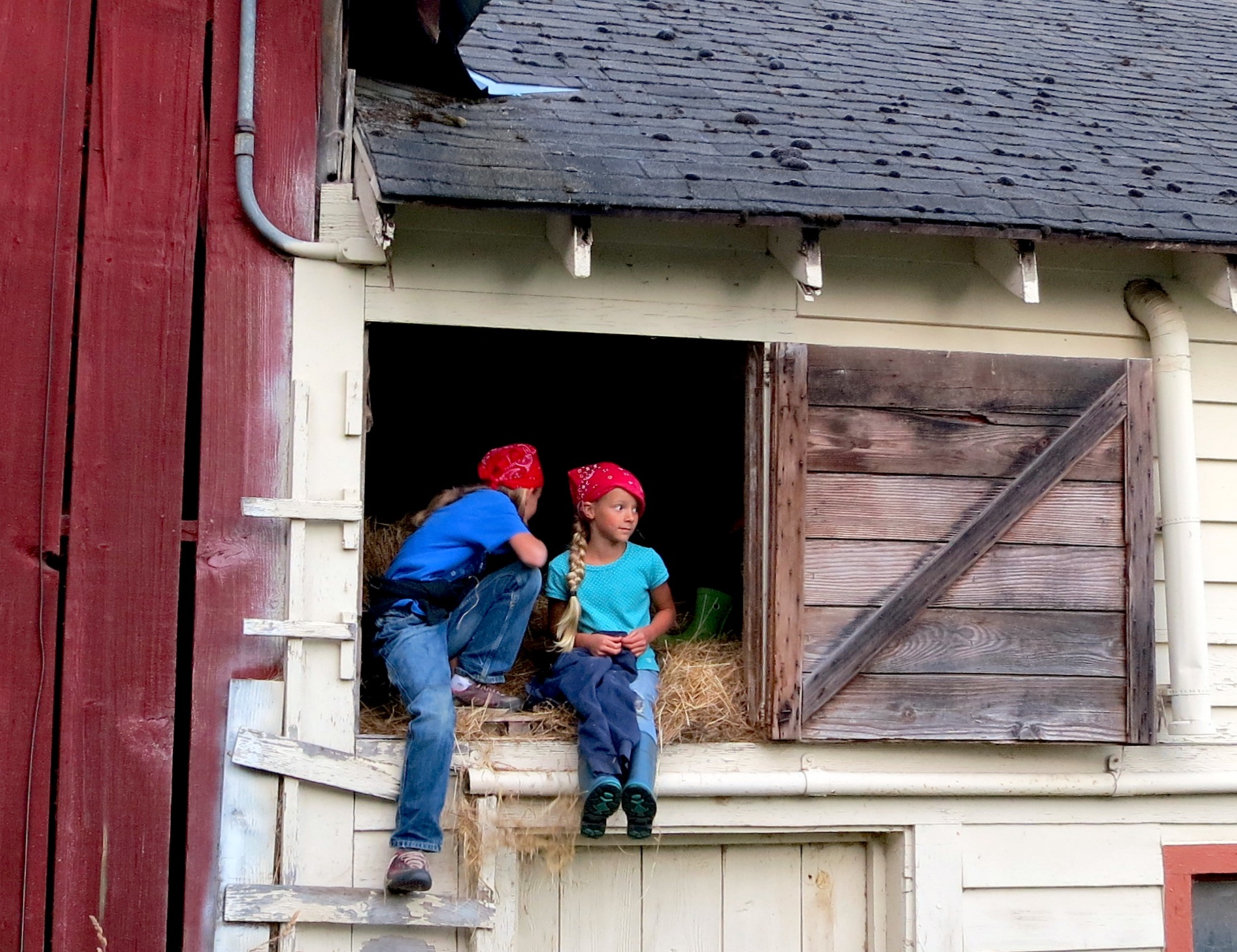
They put up hay loose there, the old way,
forking it into the loft from the wagon rack
while the sweaty horses snorted and switched off flies
and the littlest kids were commanded to trample it flat
in between loads until the entire bay
was alight with its radiant sun-dried manna….
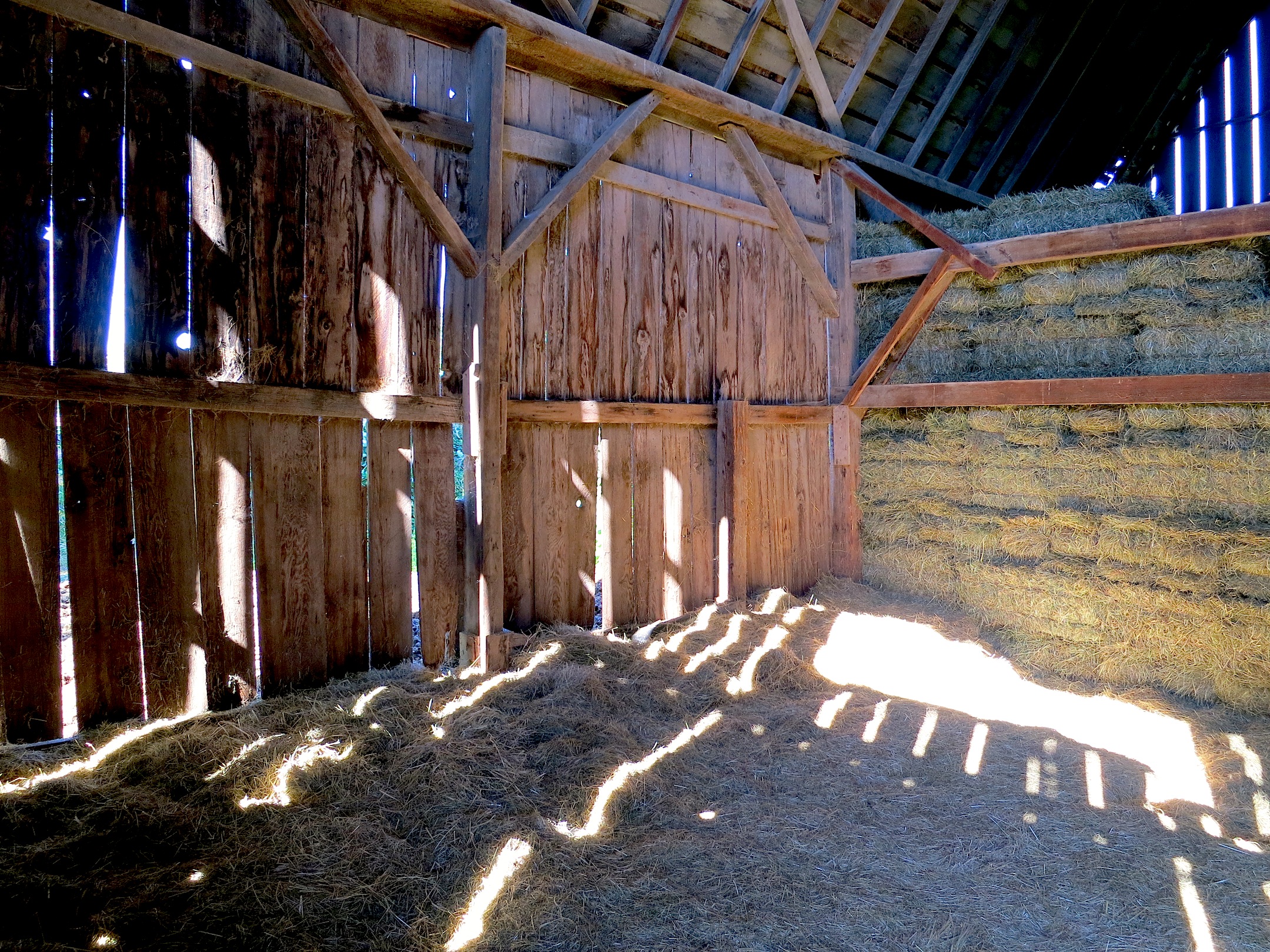
It was paradise up there with dusty sun motes
you could write your name in as they skirled and drifted down.
There were ropes we swung on and dropped from and shinnied up
and the smell of the place was heaven, hurling me back
to some unknown plateau, tears standing up in my eyes
and an ancient hunger in my throat, a hunger….
~Maxine Kumin from “Hay”
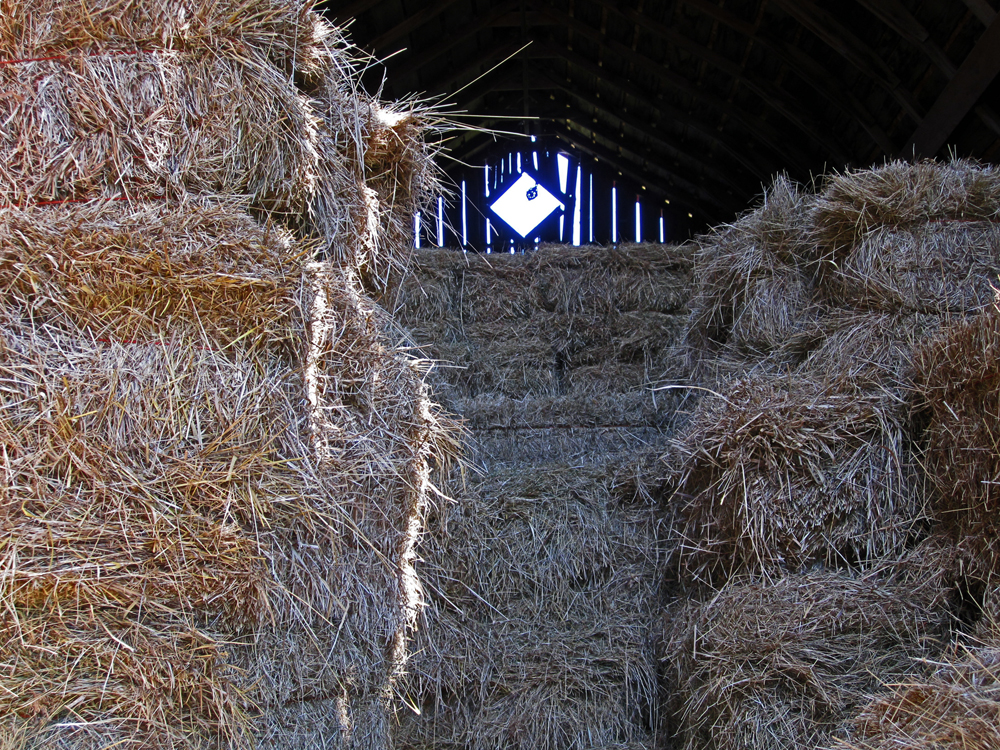
My parents knew that ancient hunger, both born on farms with teams of horses that brought in hay the old way while the children tramped and stamped the loose piles firm.
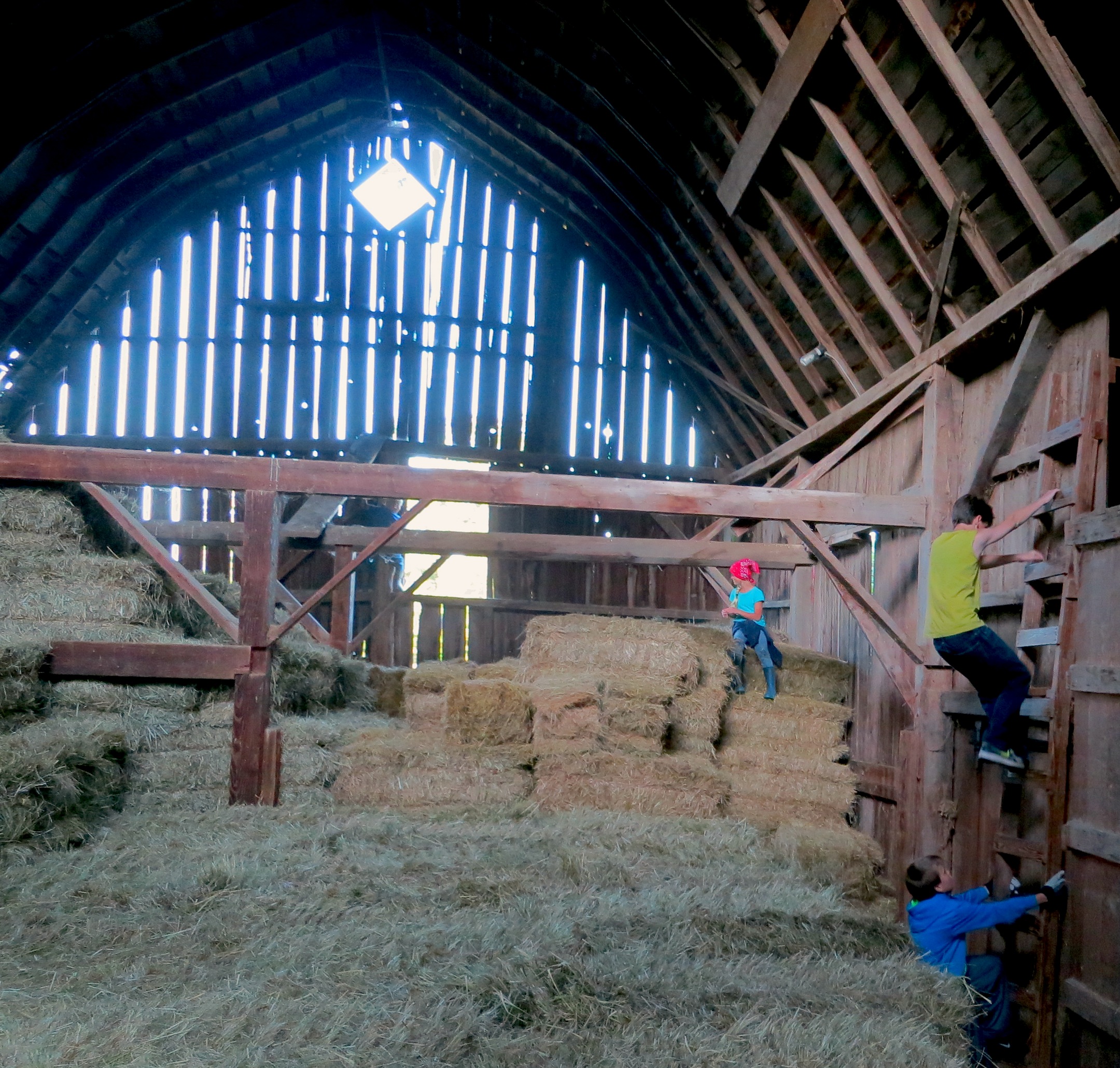
I’ve known that ancient hunger, having grown up on a farm that brought in to the barn loose hay the old way by tractor and wagon, having danced in the dusty sun motes on the top of the hay on a bright afternoon, the light cut in stripes over the sweet smelling grass.
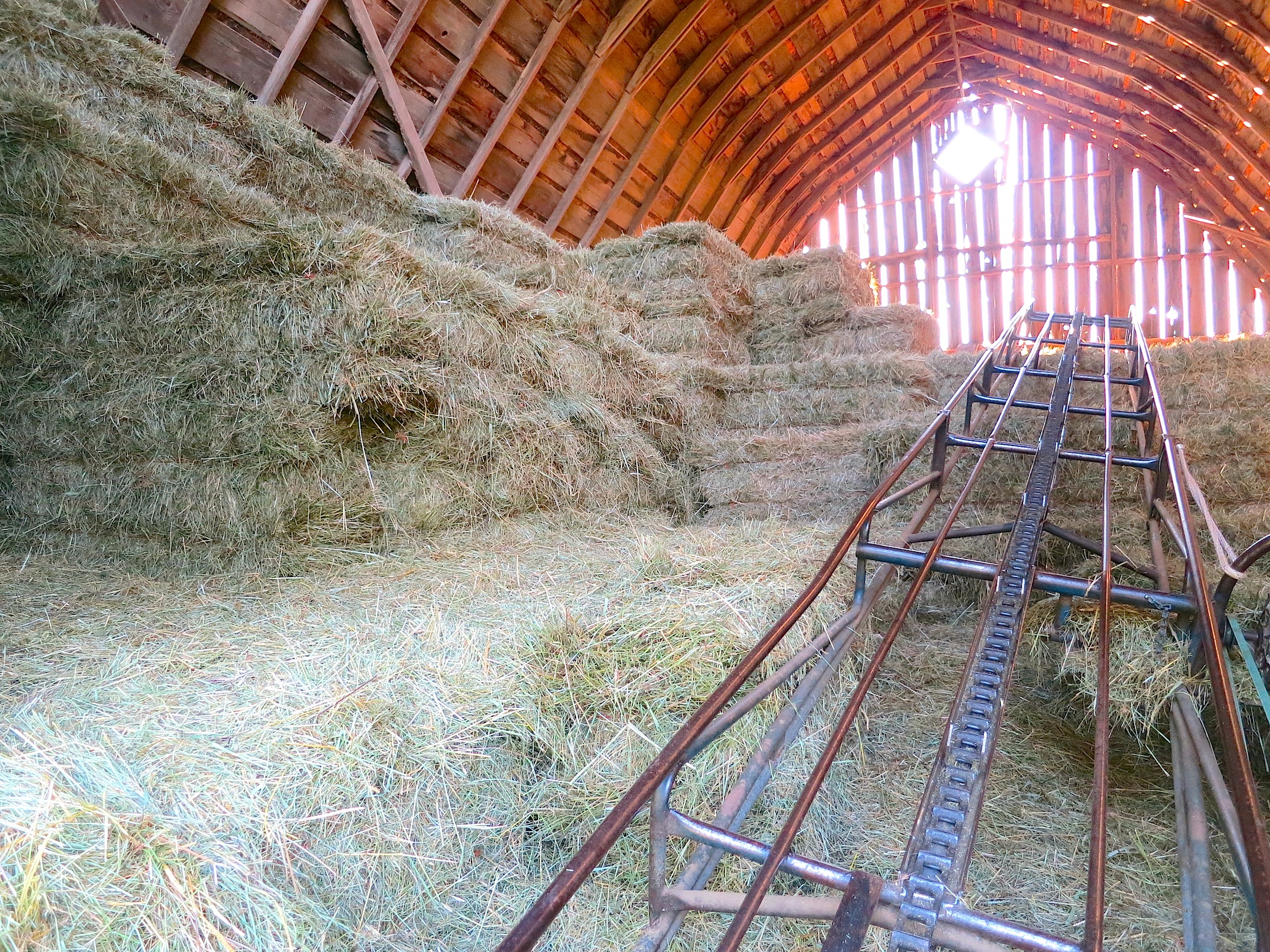
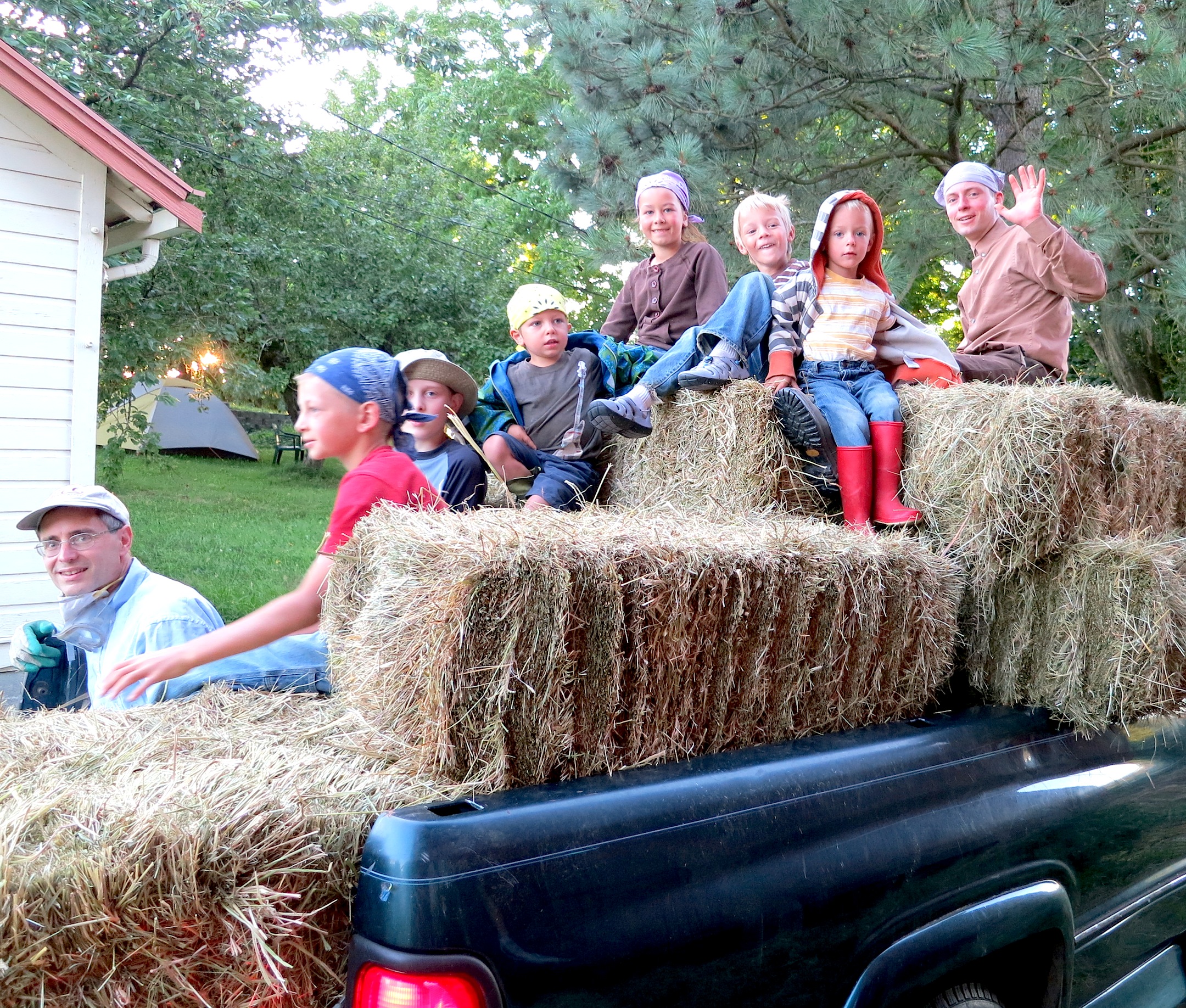
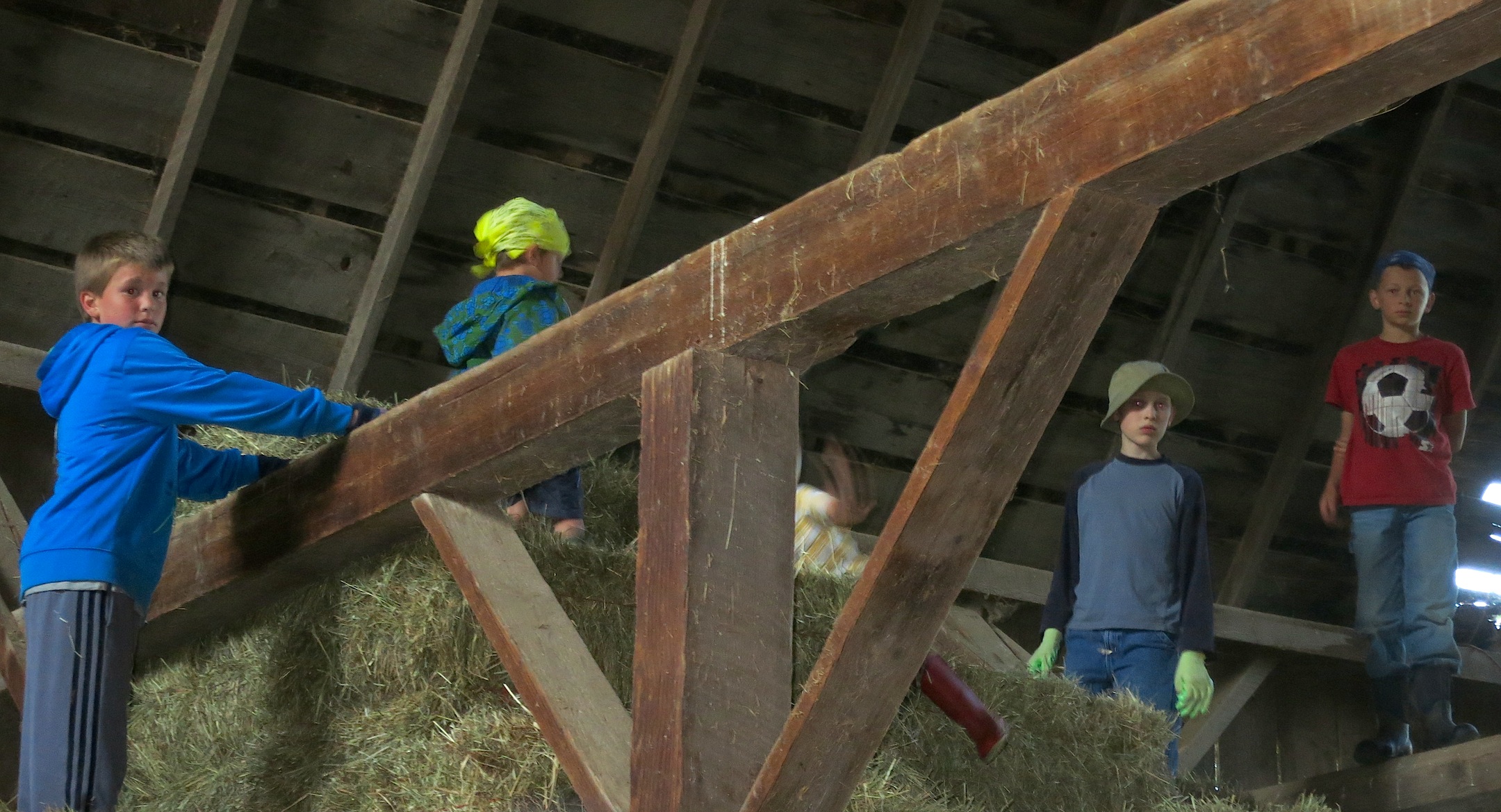
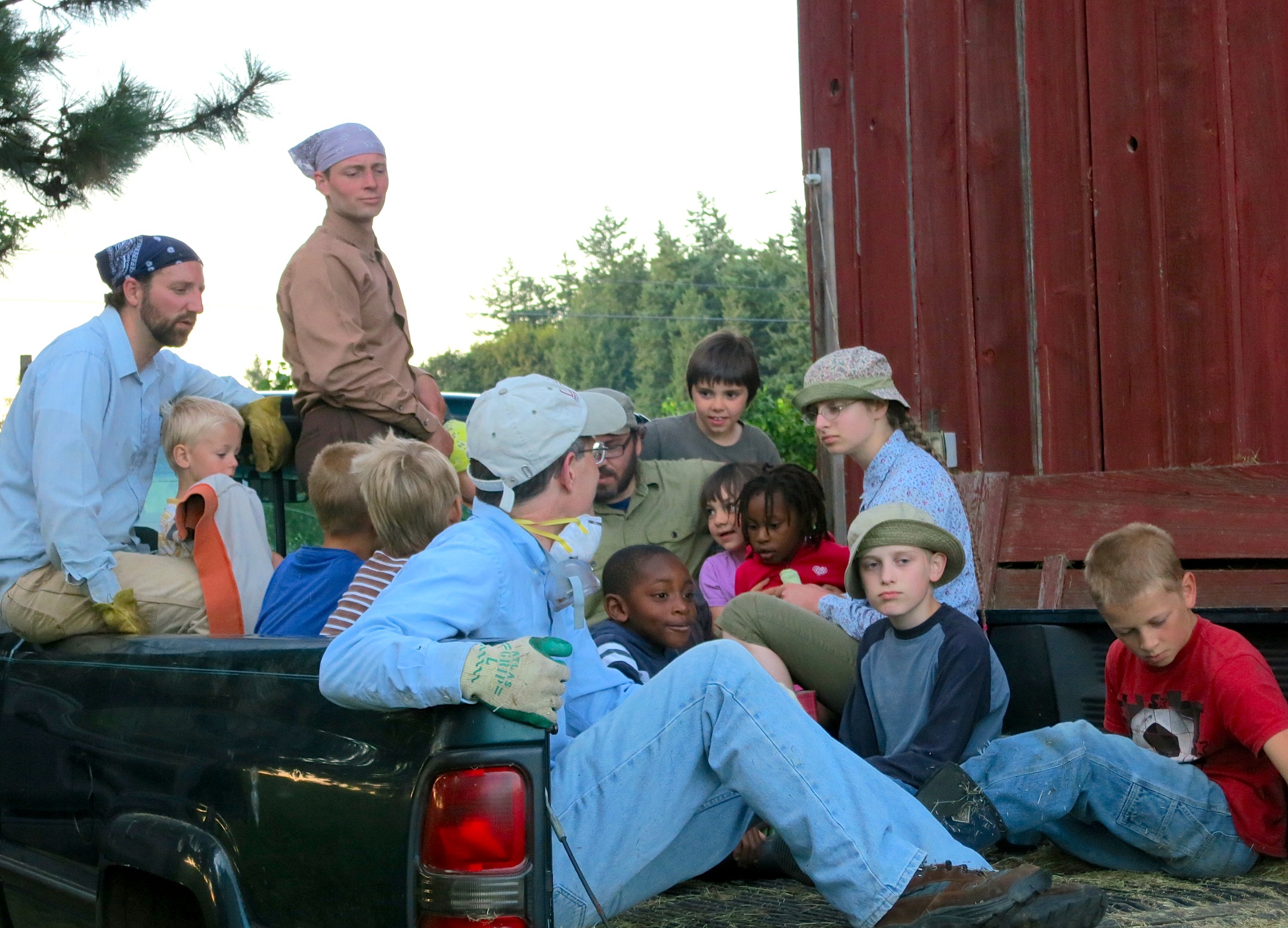
We’ve made sure our three children knew that ancient hunger, born to a farm that brought in hay bales stacked to the rafters through community effort, those same dusty sun motes swirling about their heads as they learned their jobs, from bale rolling to lifting to tossing and stacking.
And now the next generation of neighborhood children arrive with shouts on haying days to clamor up and down the bale mountains, answering to the same hunger, blowing the same dusty snot and thrilling to the adventure of tractors, wagons and trucks, celebrating the gathering in of sun-dried manna together.
Surely this is what heaven will be like: we are all together, dancing in the light of the sun motes, our hunger filled to the brim by manna provided from above.

In spite of all the farmer’s work and worry, he can’t reach down to where the seed is slowly transmuted into summer. The earth bestows.
~Rainer Maria Rilke
Indeed, we can only plant the seed.
The rest is up to soil, sun and rain. Weeding and worrying may give us something to do while we wait, but summer and harvest depends on grace, not on us.
Next week, all three of our adult children will be together again for a short summer stay at home, along with an anticipated visit of two women very special in our sons’ lives.  The seeds we planted over two decades ago, nurtured by light and living water and the Word, are slowly transmuting to summer, to be savored rich and sweet in a blessing of abundance.
The Creator bestows and we are so very grateful.


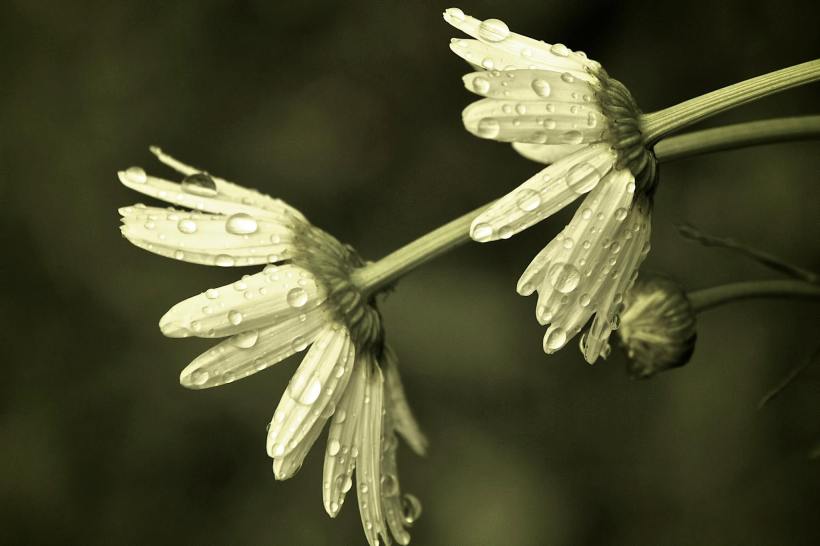
There is not a flower that opens, not a seed that falls into the ground, and not an ear of wheat that nods on the end of its stalk in the wind that does not preach and proclaim the greatness and the mercy of God to the whole world.
~Thomas Merton
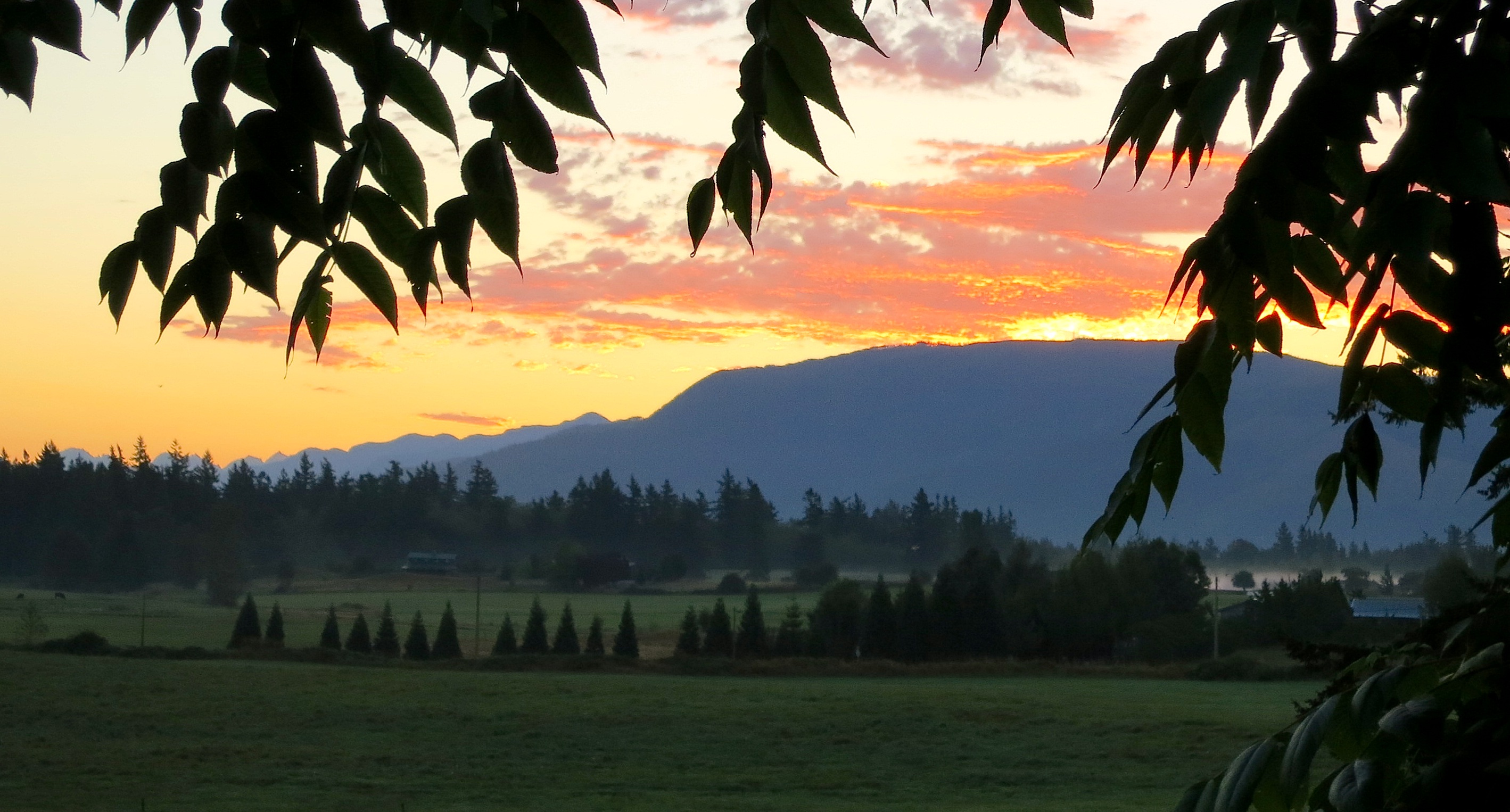
This coming Thanksgiving week is a time of reflection about the gifts given freely to us, even when we are undeserving and ungrateful. I am struck every day by how much I routinely take for granted as something I have somehow “earned” by my existence, whether it is my ability to get up out of bed and walk to wherever I need to go, or opening up cupboards and a freezer full of food, or taking in the view outside my window of the mighty Cascade mountains and Canadian Rockies. Even my next breath is not a given yet I assume it will happen without interruption.
A lesson I’ve learned from my botanical mentors just outside my back door — nothing is earned by simply being alive. Instead, being alive allows us to proclaim our unending gratitude. Whether it is a seed rising from the ground, a bud opening its face to the sun, or the gathering harvest of grain and seed to start the process over again, we gladly sing of His greatness by showing up, growing and being alive as we are meant to be. Grateful, always grateful.
Mercy follows us through the hours of our days and nights, even as we wither to frail and someday die, still thankful for His Hand on us, ready to lift us when we are about to fail and fall. We are as fragile as the grasses with bending and broken stems, yet our voices sing praise beyond our roots.
May our gratitude reseed, grow, bloom and continue to be harvested forever.


Harvest will fill the barn; for that
The hand must ache, the face must sweat.
And yet no leaf or grain is filled
By work of ours; the field is tilled
And left to grace. That we may reap,
Great work is done while we’re asleep.
~Wendell Berry
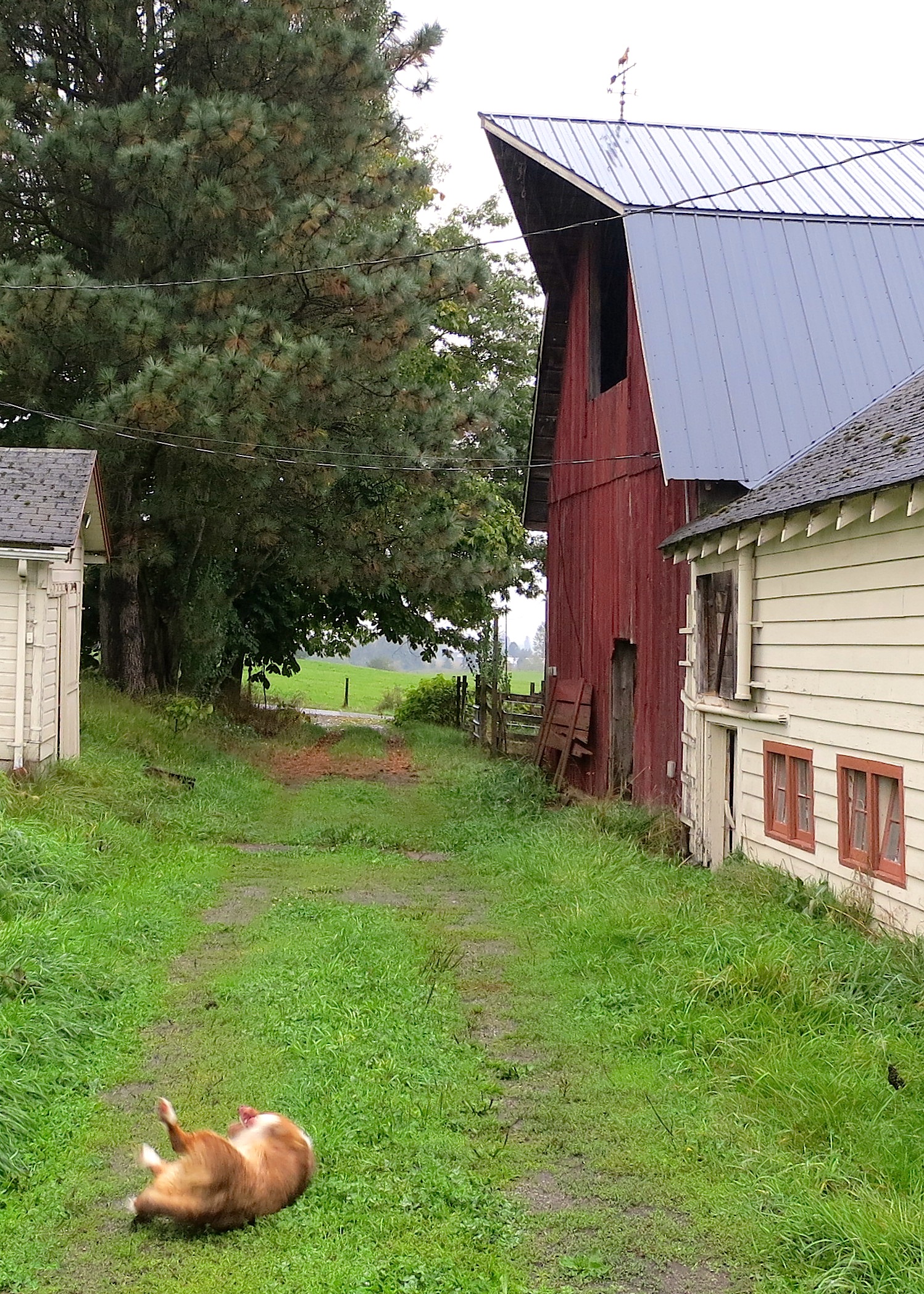
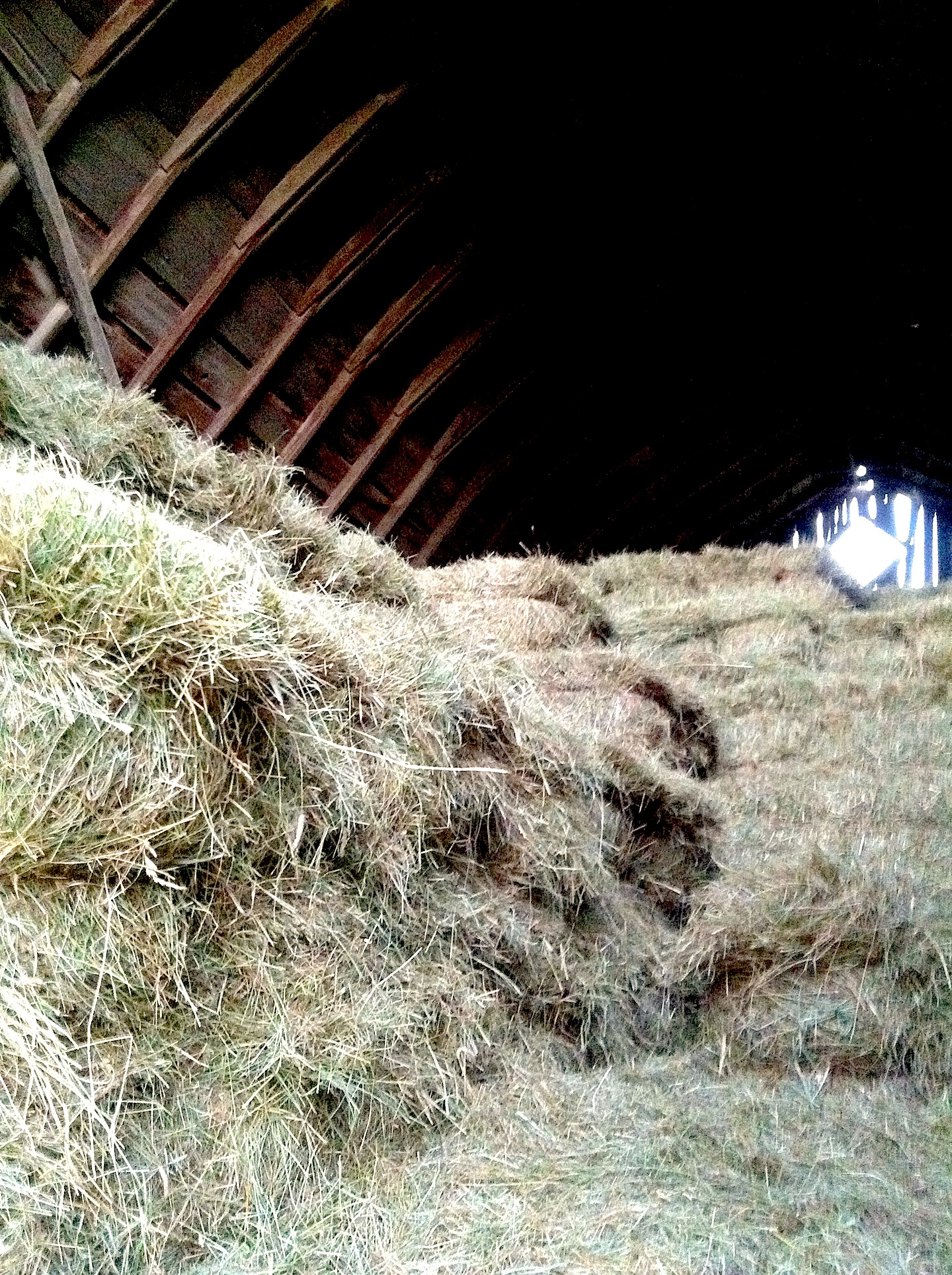
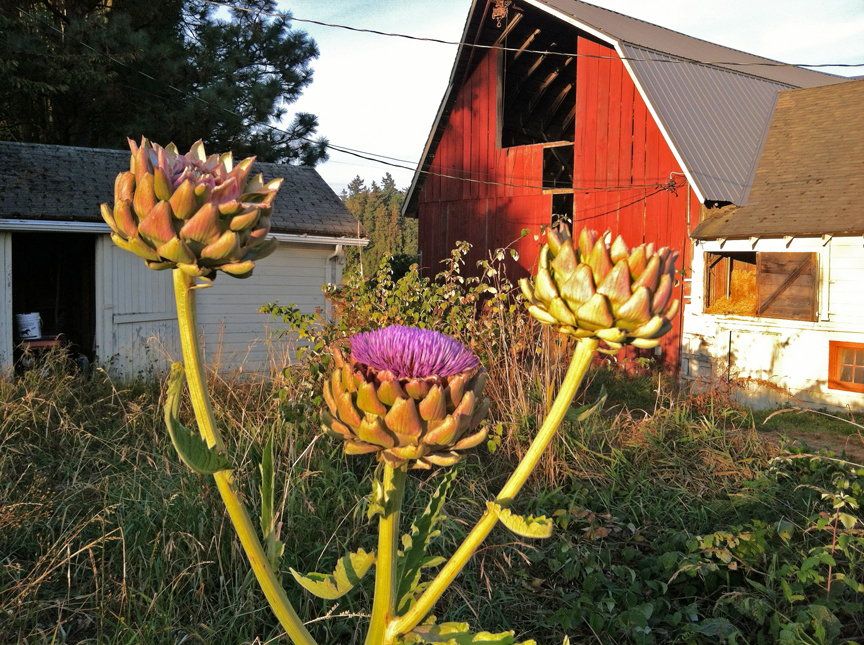
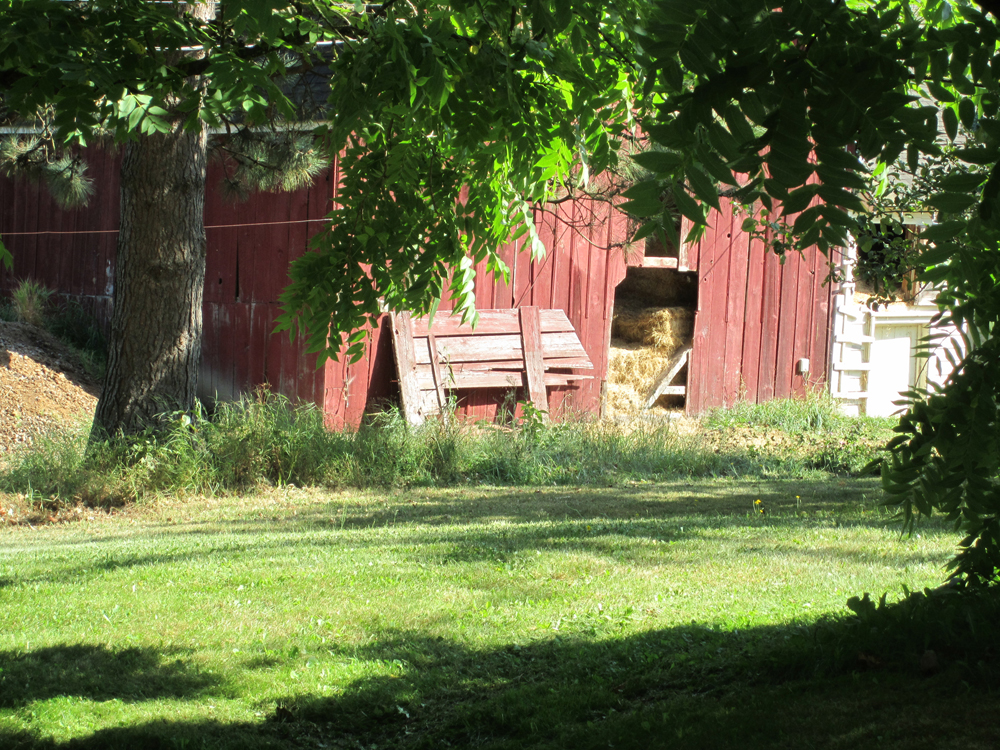
Every day this time of year I scramble to the top of the hay pile in the barn to push down two bales to feed to our horses, now that the pastures are resting and “left to grace” for the winter. My husband has been busy spreading our composted manure out on the fields to give them an extra fertilizer boost for next spring’s growth, only a little more than four months away.
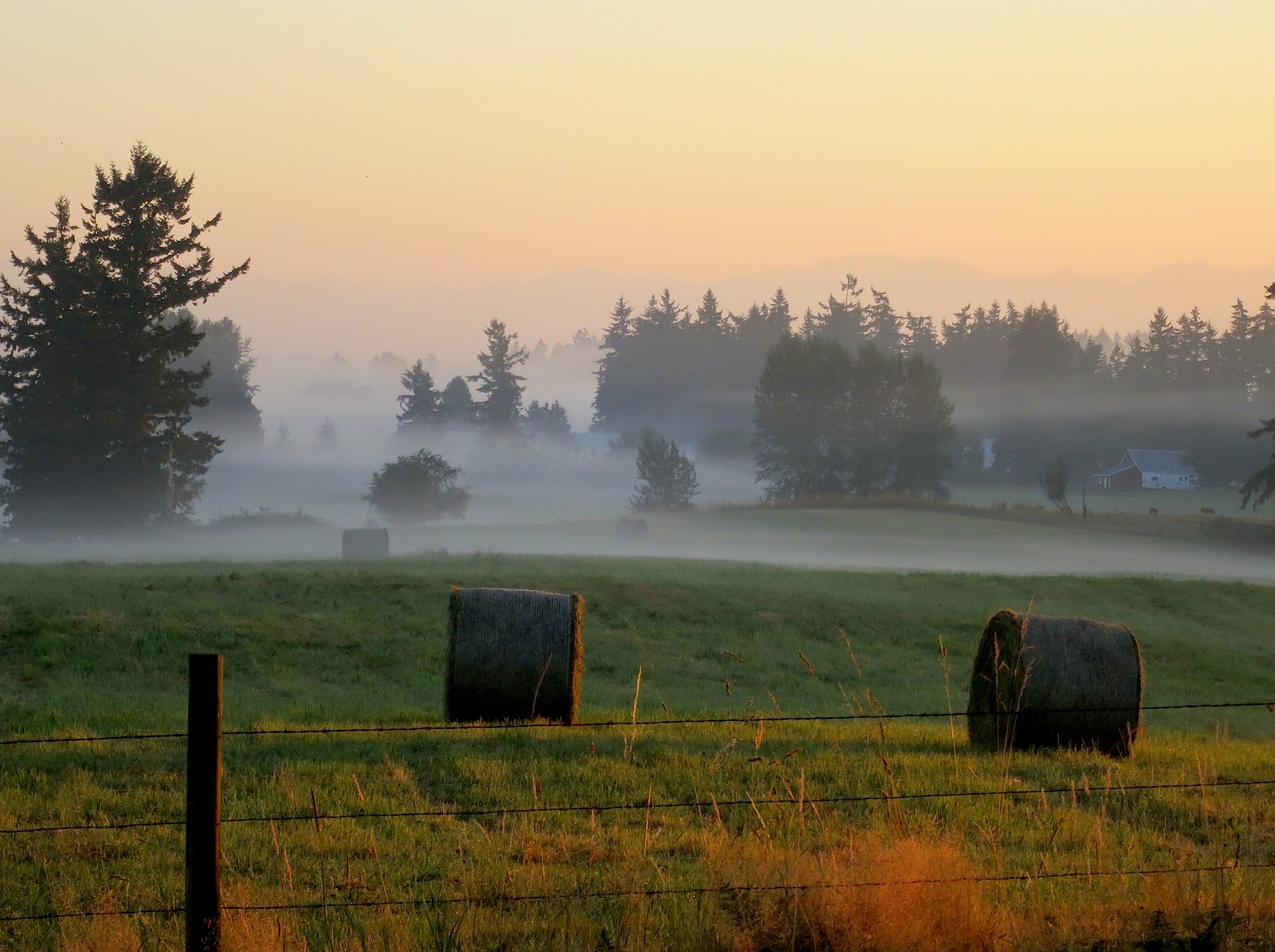
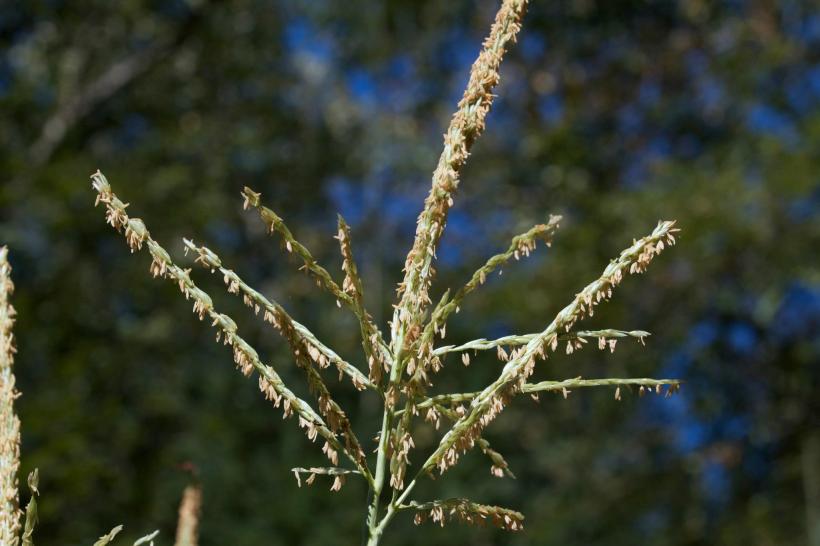
As farmers, we have to always be thinking one or two seasons ahead: the hay brought into the barn in June or July does not leave the barn until late-autumn. The manure piled up in winter gets spread on pastures the following fall. The tilled cornfields surrounding us are seeded in May and not harvested until October after several months of rain and sun and rain again.
More than practicing forethought, as farmers we know our meager efforts, as tangible as they are, are dependent solely on grace: that there will be enough rain, that there will not be too much rain, that there will be enough days of sunlight, that the seed will sprout, that the machinery will work when needed, that there will be no blight or pests, and that the hay crew will materialize when needed for harvest.  So much of this is not due to the labor of our hands, no matter how much we sweat and ache, but due to the great work of the Creator in His Creation.
Every hay bale I open spills forth His mercy, a reminder of how grateful I am for seed and sun and rain and a barn full of promises. 

My friend, you have led me farther than I have ever been.
To a garden in autumn. To a heaven of impermanence
where the final falling off is slow, a slow and radiant happening.
The light is gold. And while we’re here, I think it must
    be heaven.
~Elizabeth Spires from “In Heaven it is Always Autumn”
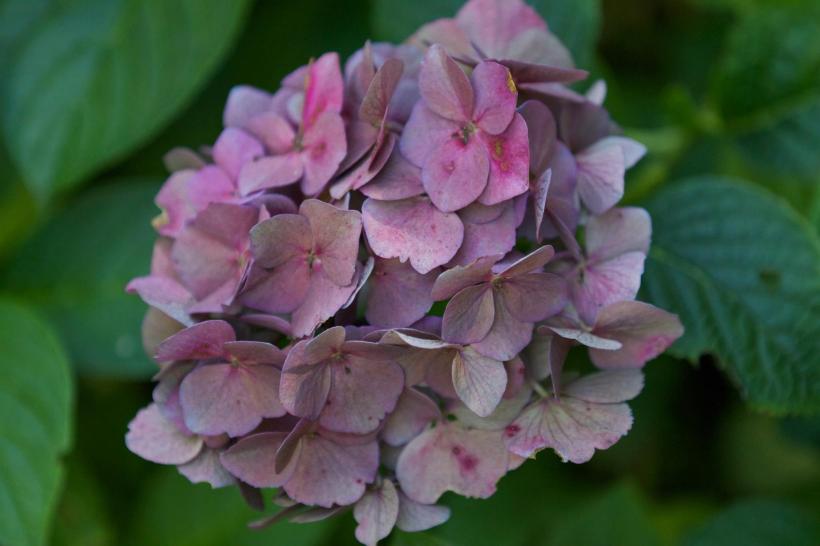
I wander the autumn garden mystified at the passing of the weeks since seed was first sown, weeds pulled, peapods picked. It could not possibly be done so soon–this patch of productivity and beauty, now wilted and brown, vines crushed to the ground, no longer fruitful.
The root cellar is filling up, the freezer packed. The work of putting away is almost done.
So why do I go back to the now barren soil I so carefully worked, numb in the knowledge I will pick no more this season, feel the burst of a cherry tomato exploding in my mouth or the green freshness of a bean straight off the vine?
Because for a few fertile weeks, only a few weeks, the garden was a bit of heaven on earth, impermanent but a real taste nonetheless.  We may have mistaken Him for the gardener when He appeared to us radiant, suddenly unfamiliar, but He offered the care of the garden, to bring in the sheaves, to share the forever mercies in the form of daily bread grown right here and now.
When He says my name, then I will know Him. He will lead me farther than I have ever been.

…in heaven it is always autumn, his mercies are ever in their maturity. God comes to thee, not as in the dawning of the day, not as in the bud of the spring, but as the sun at noon, to illustrate all shadows, as the sheaves in harvest…
~John Donne in Christmas Day Sermon 1624

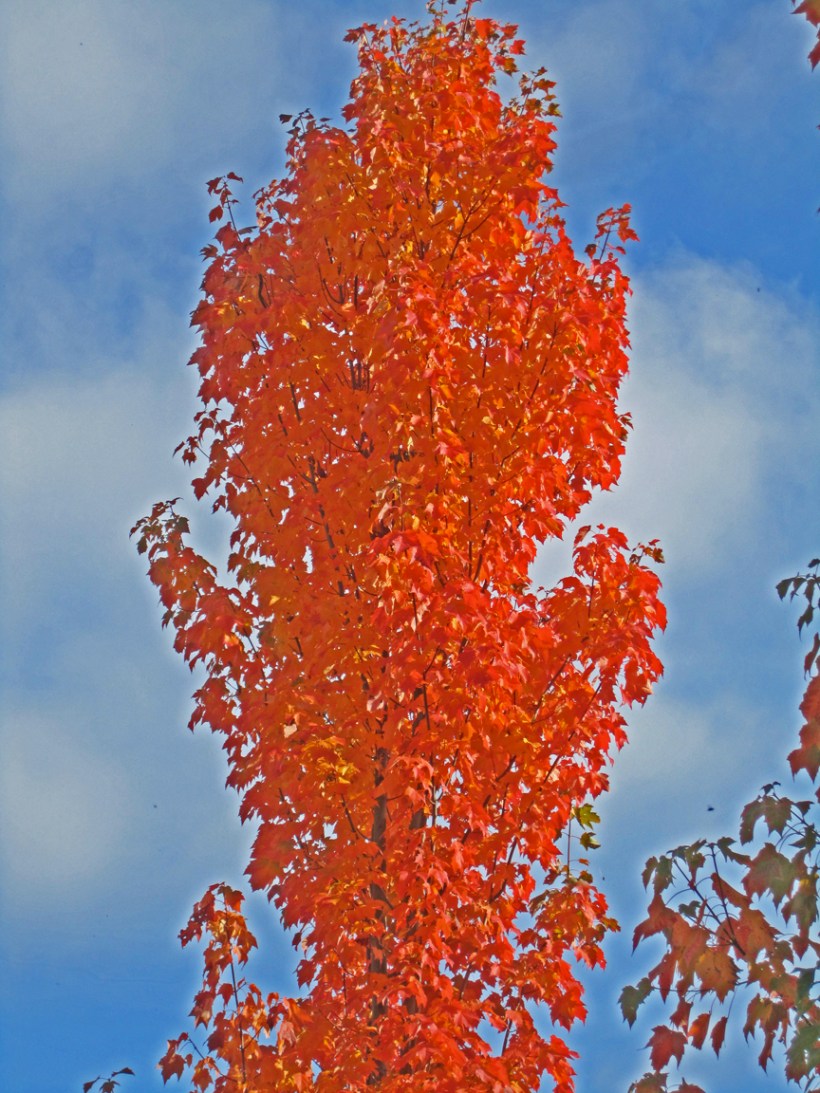
The scarlet of maples can shake me like a cry
Of bugles going by.
And my lonely spirit thrills
to see the frosty asters like smoke
upon the hills.
~ William Bliss Carman
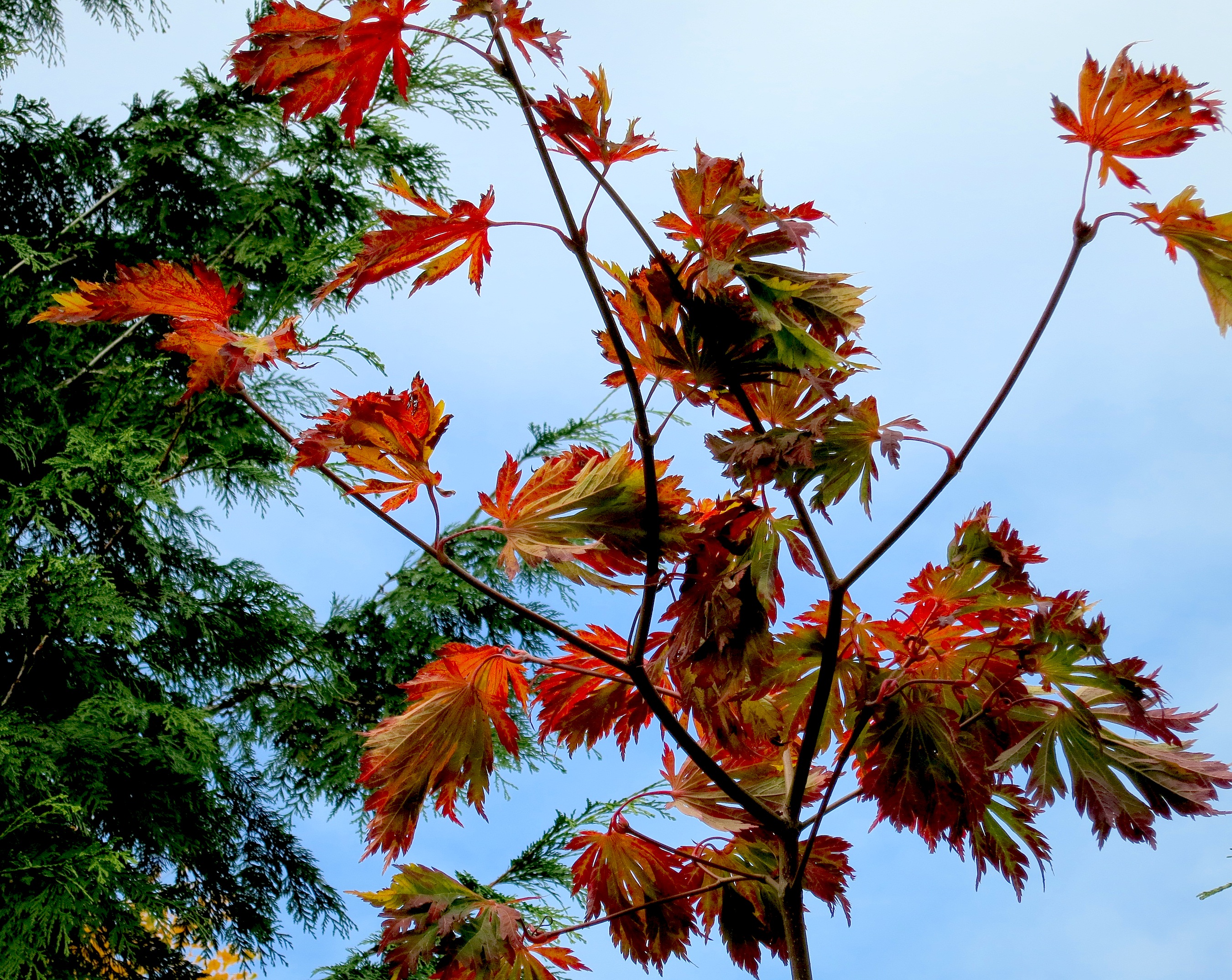
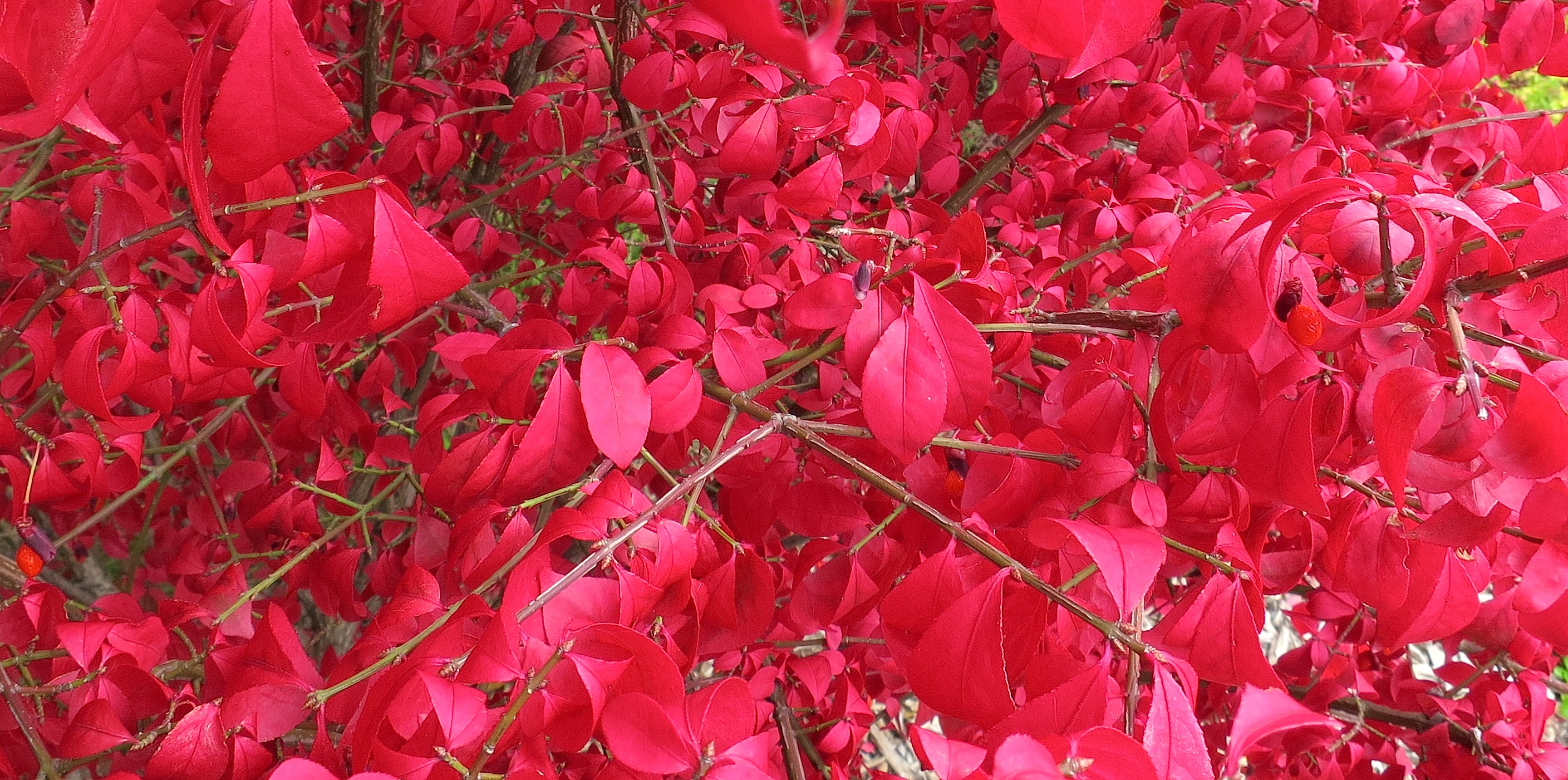
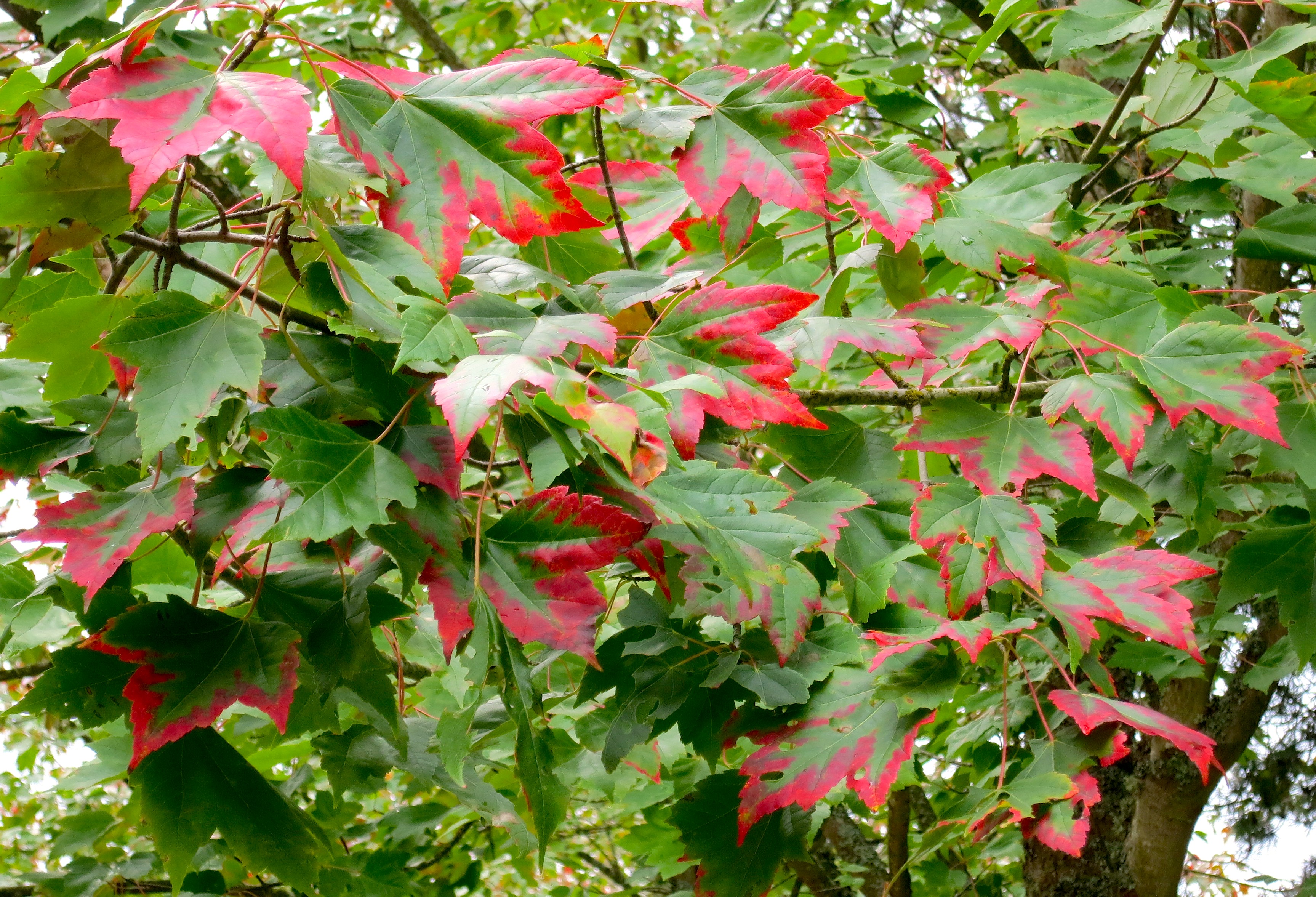
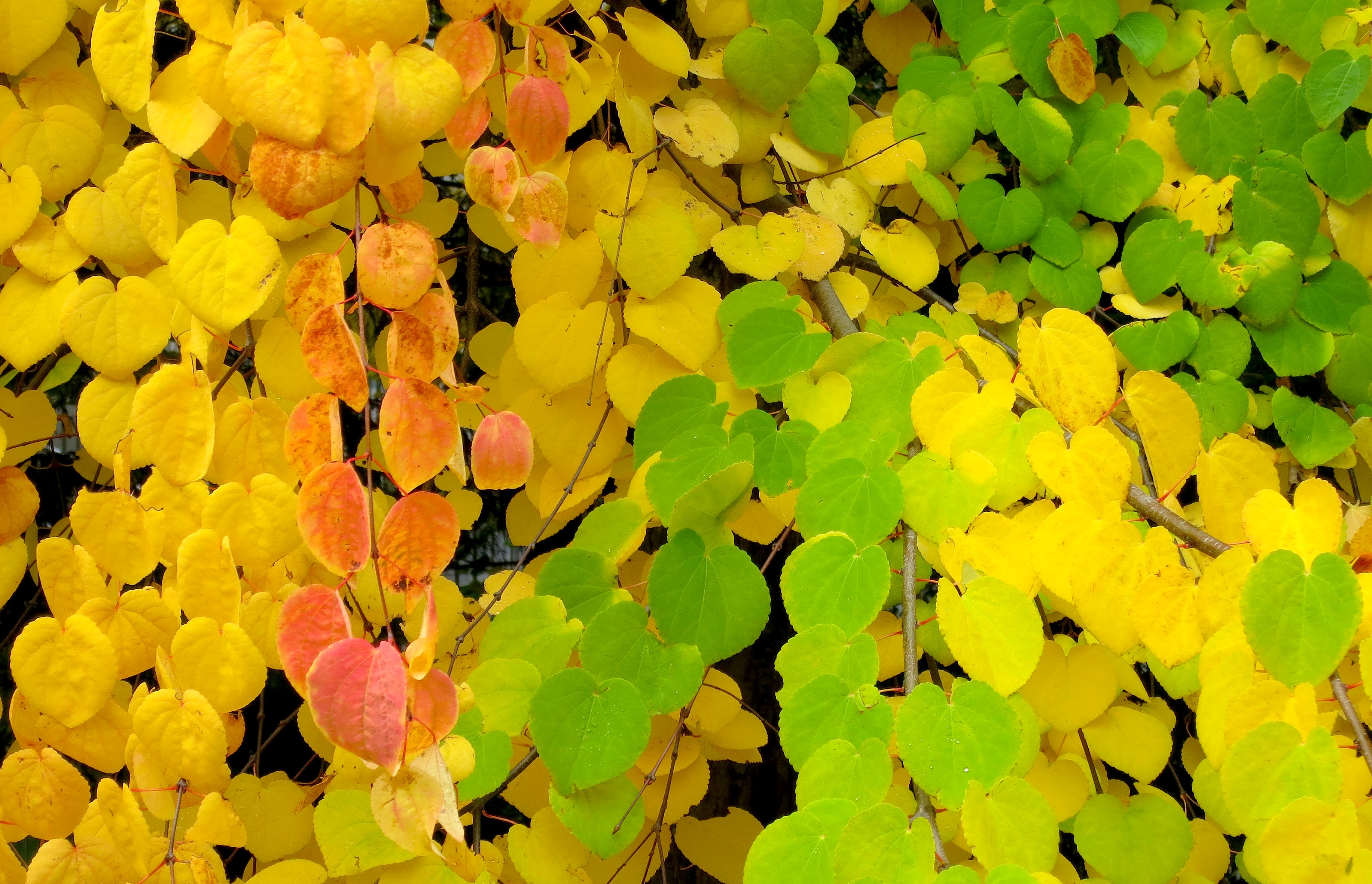
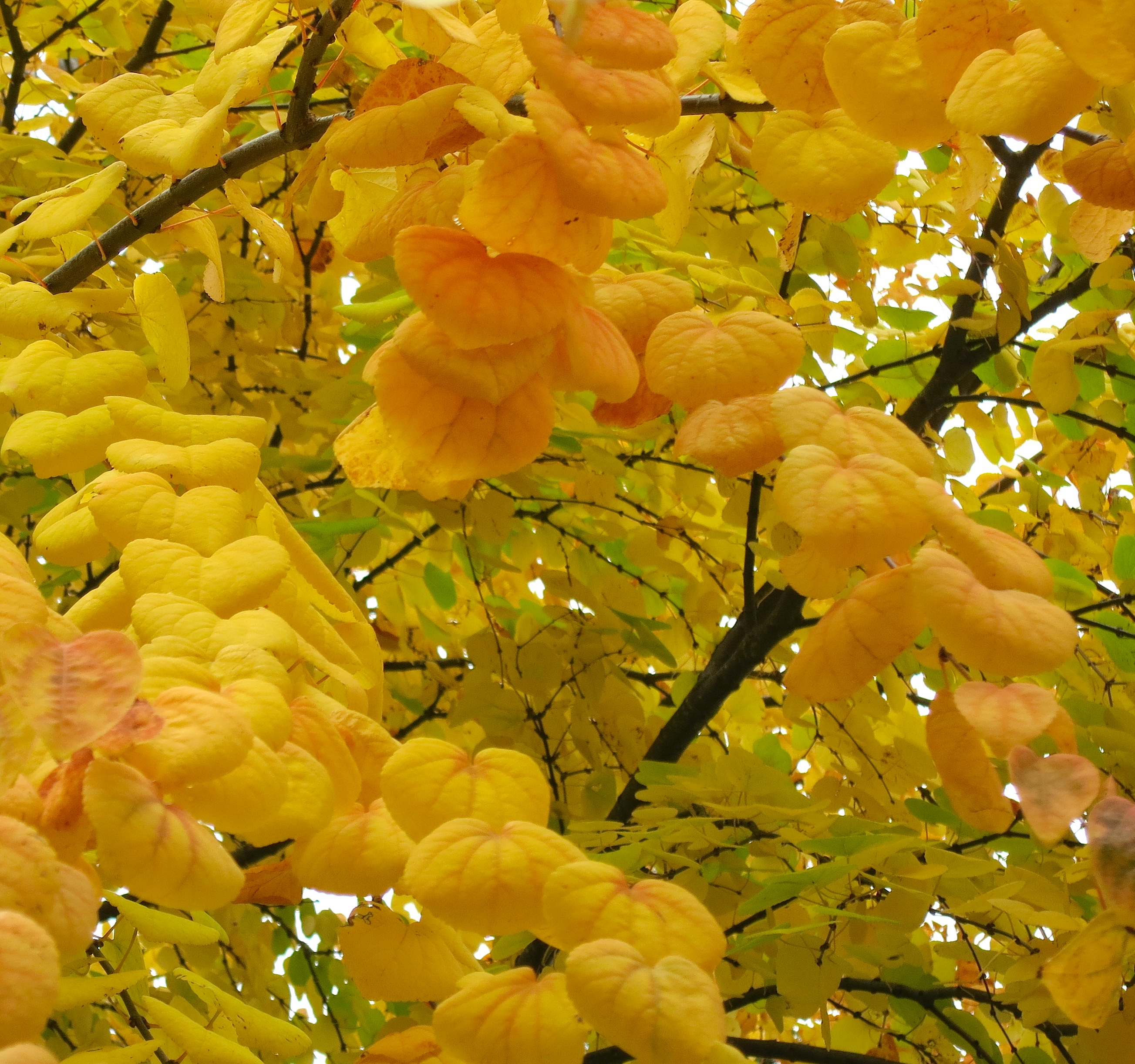
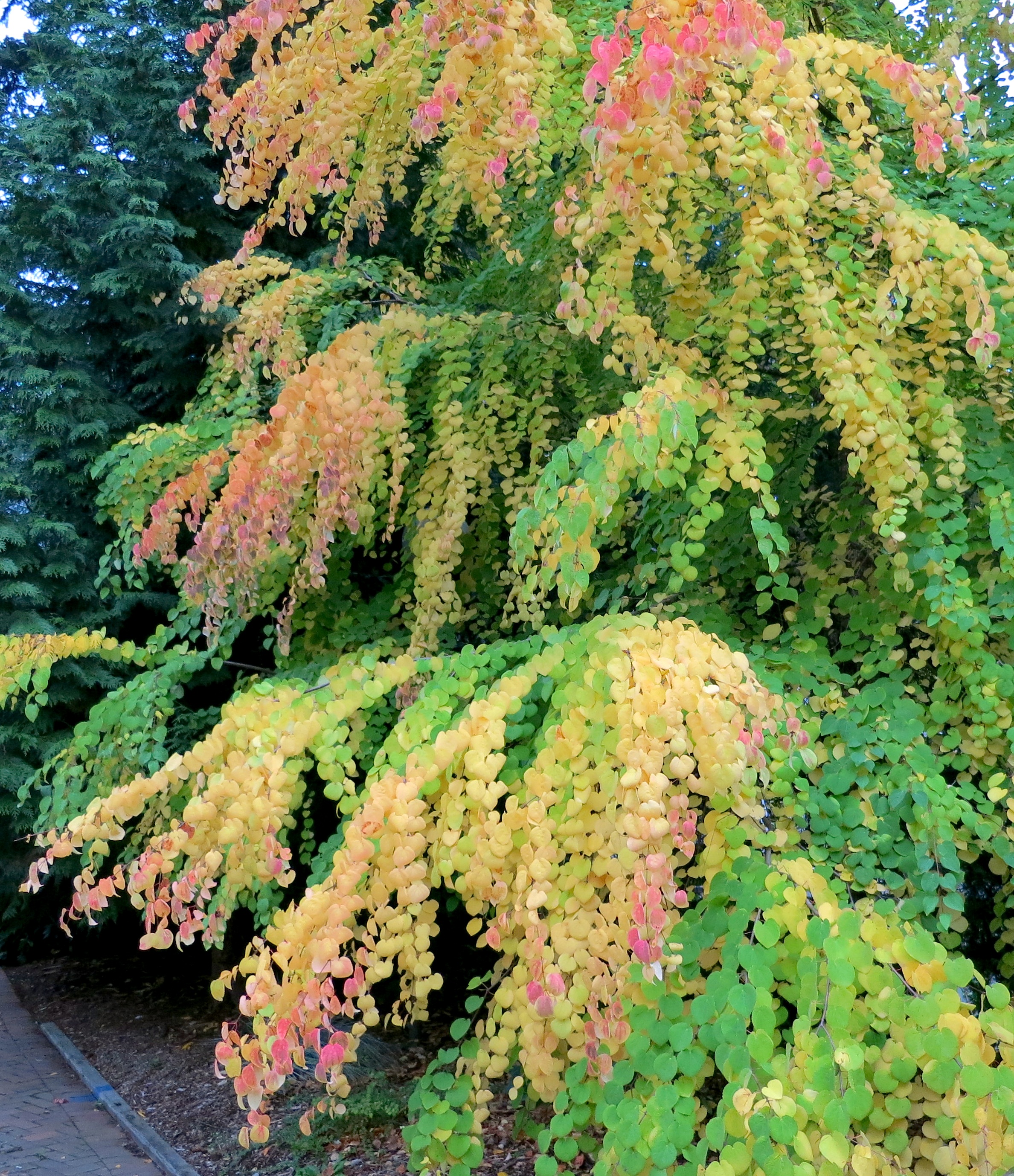
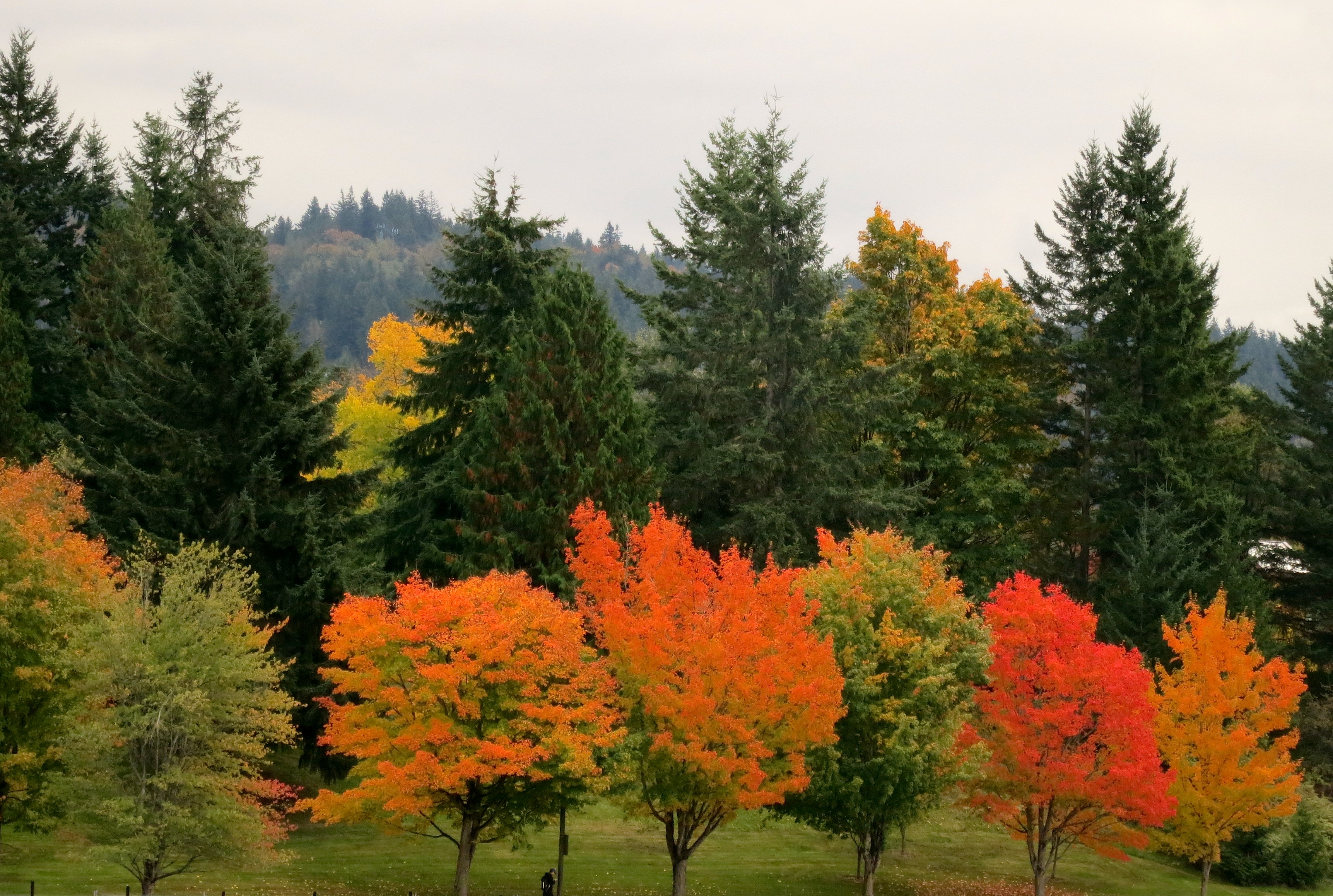
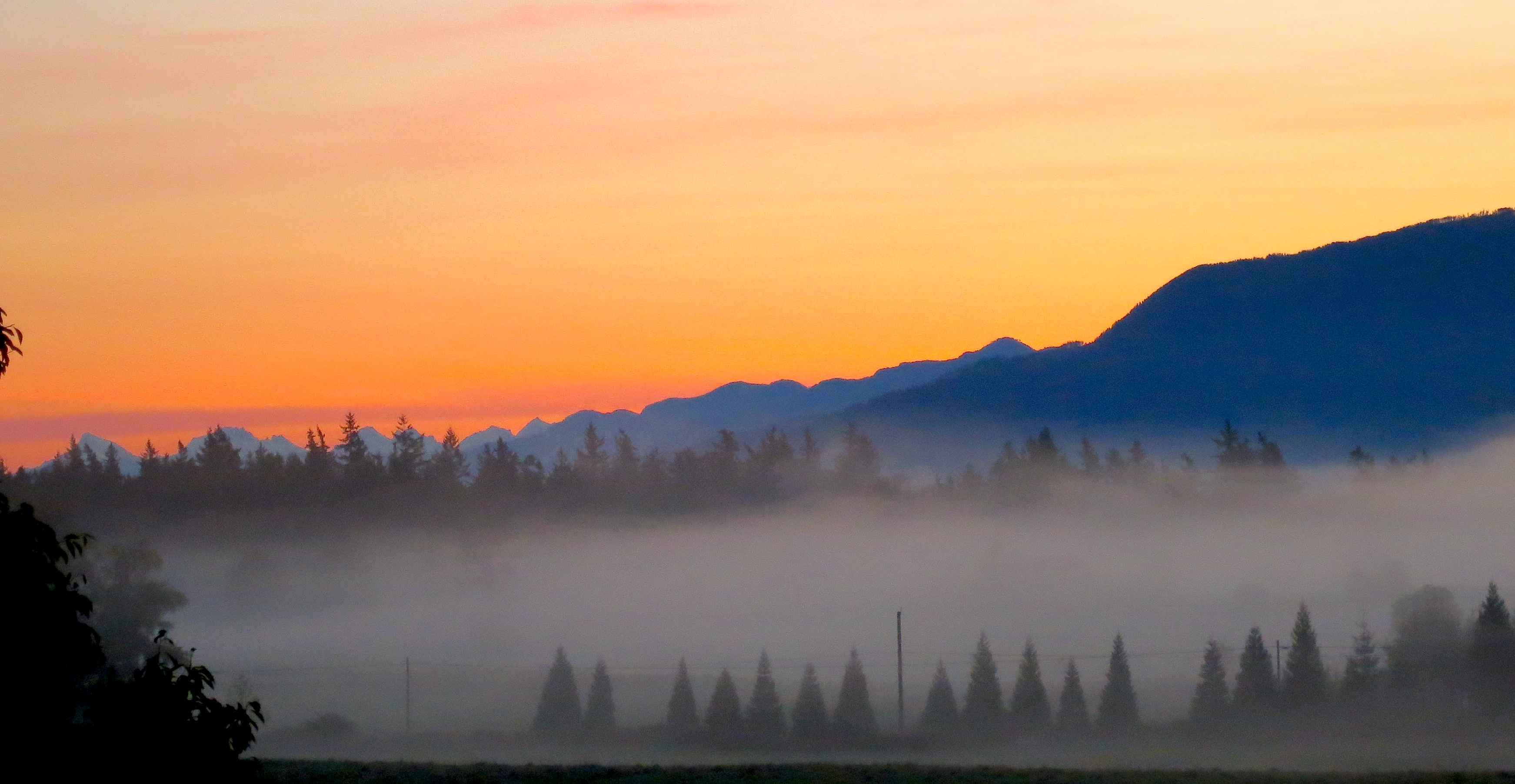
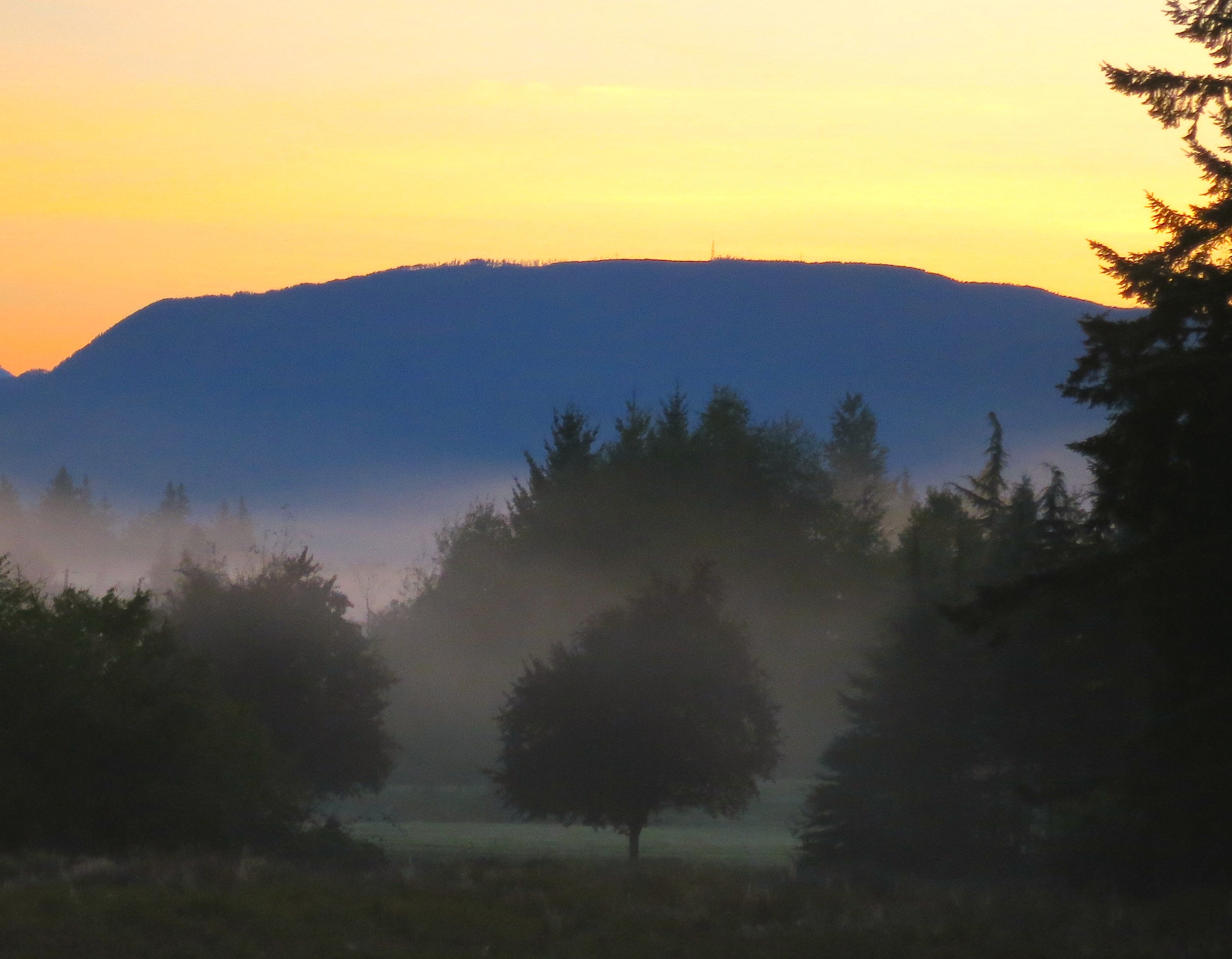
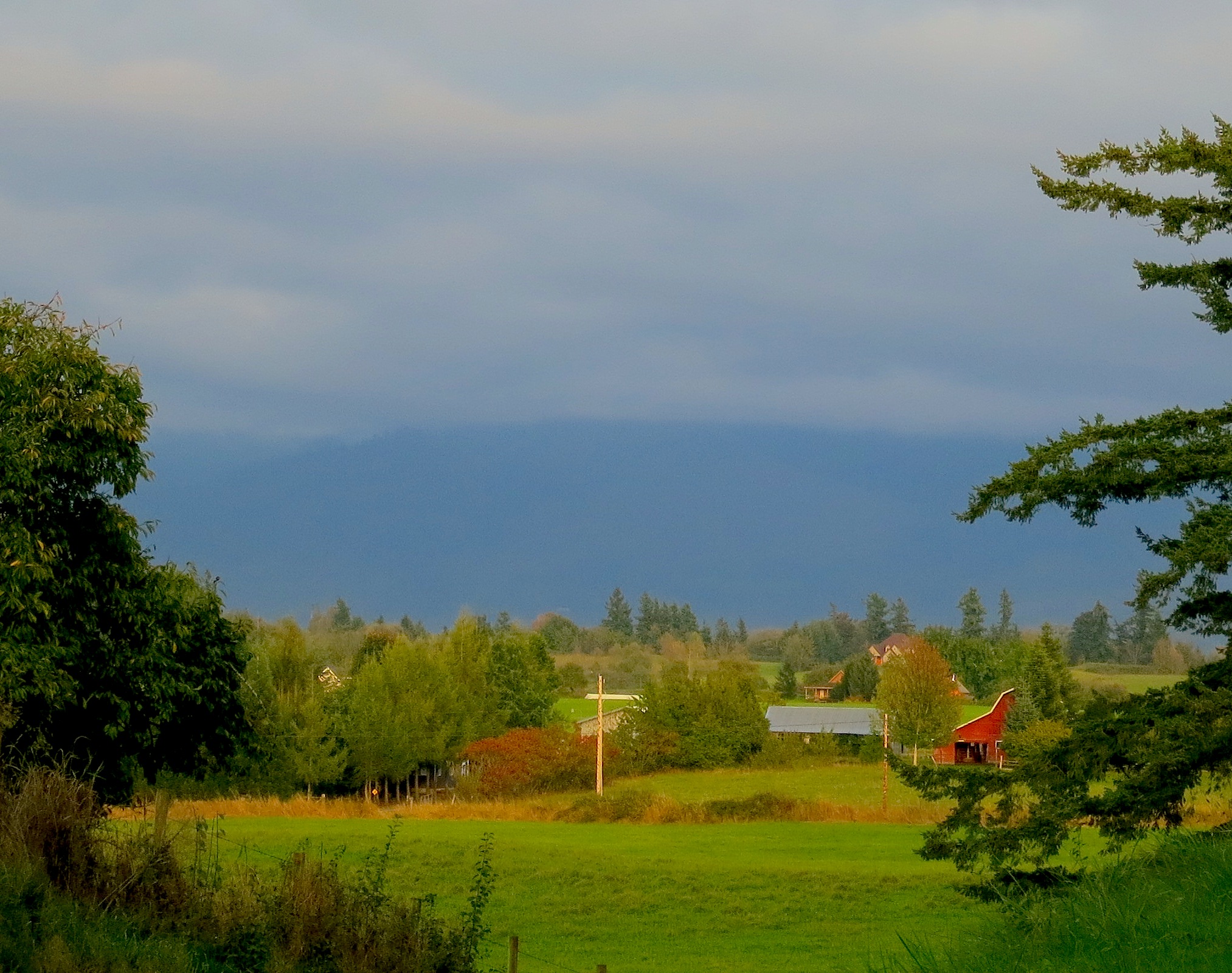
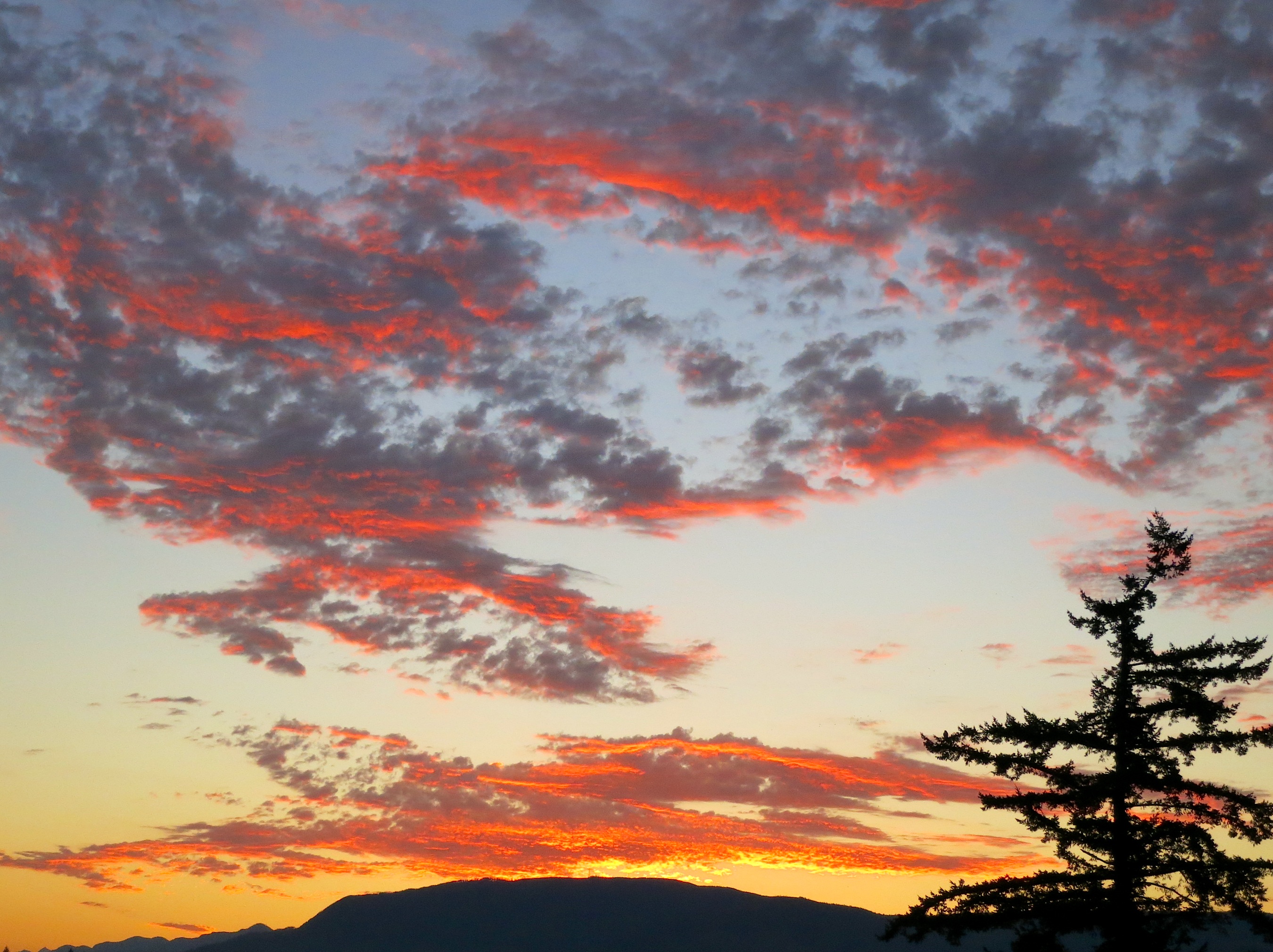
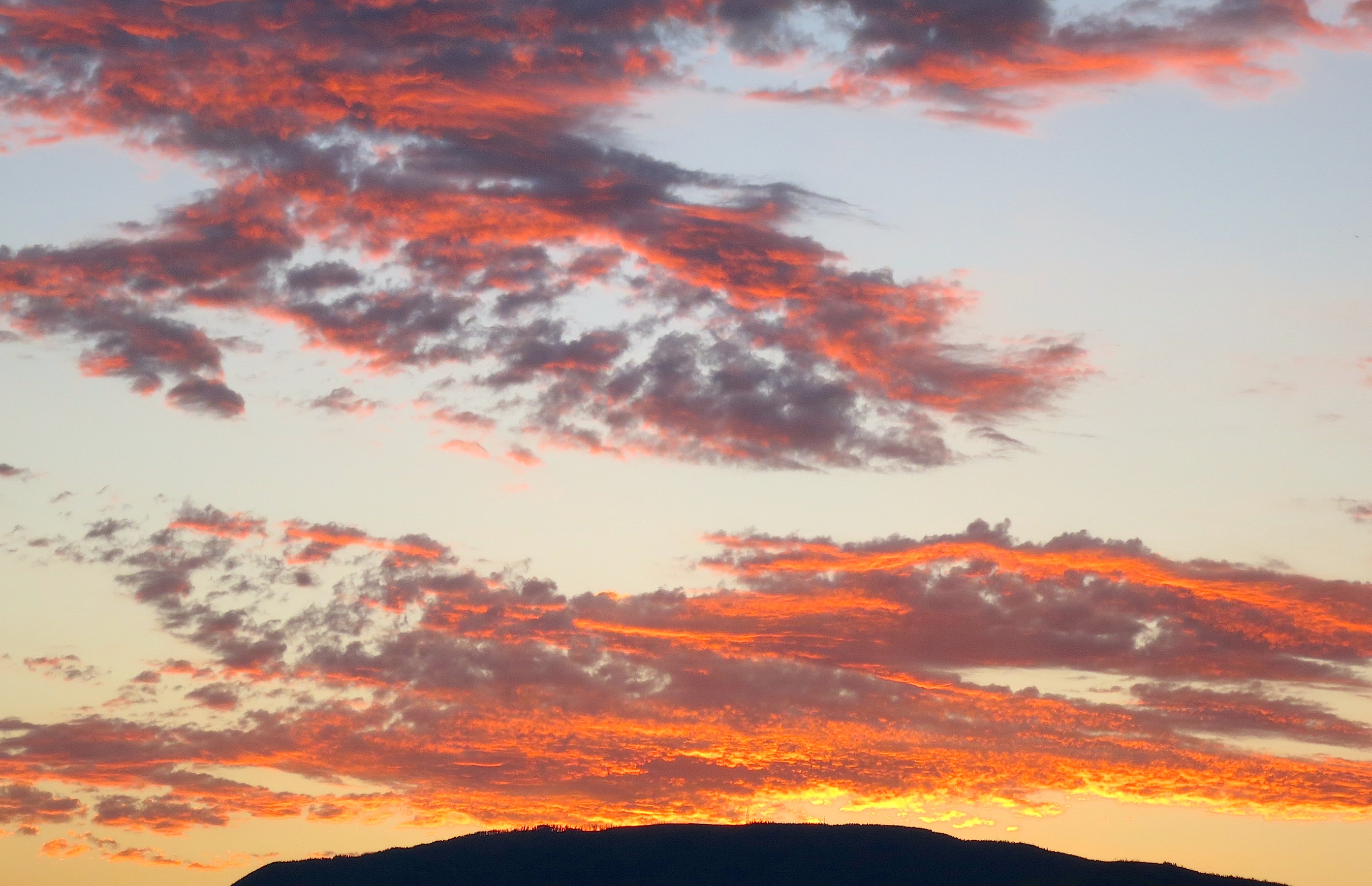
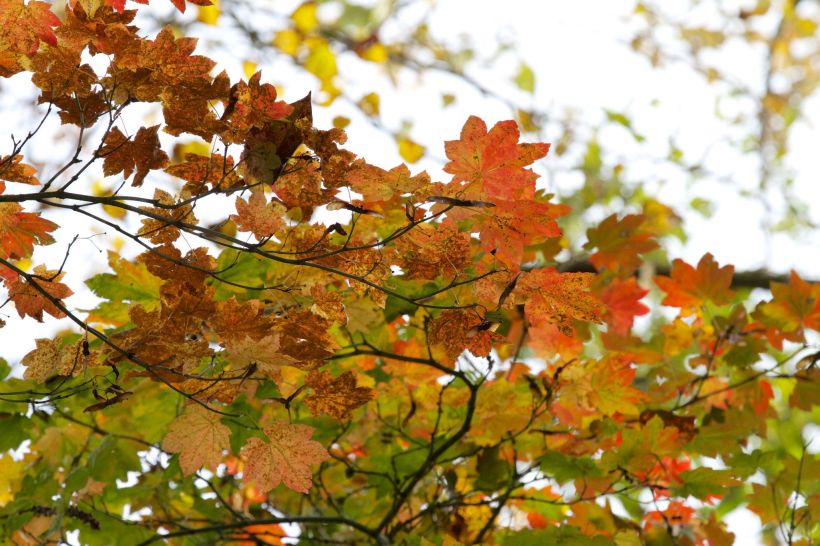
It is like the blowing of taps, this last blast of color before the rains and winter. There is quickened heartbeat and choking back tears at seeing the vividness outlined by robins egg-blue sky, each maple a torch aflame about to burn down to ash and smoke.
The bright palette is too much to take in all at once. If only it could spread out through the year and not last only for a week or two when I’m relegated indoors in long work hours and weekend harvest preservation of fruits and vegetables. I so wish to be two places at once, to be two people, to be more than I am.
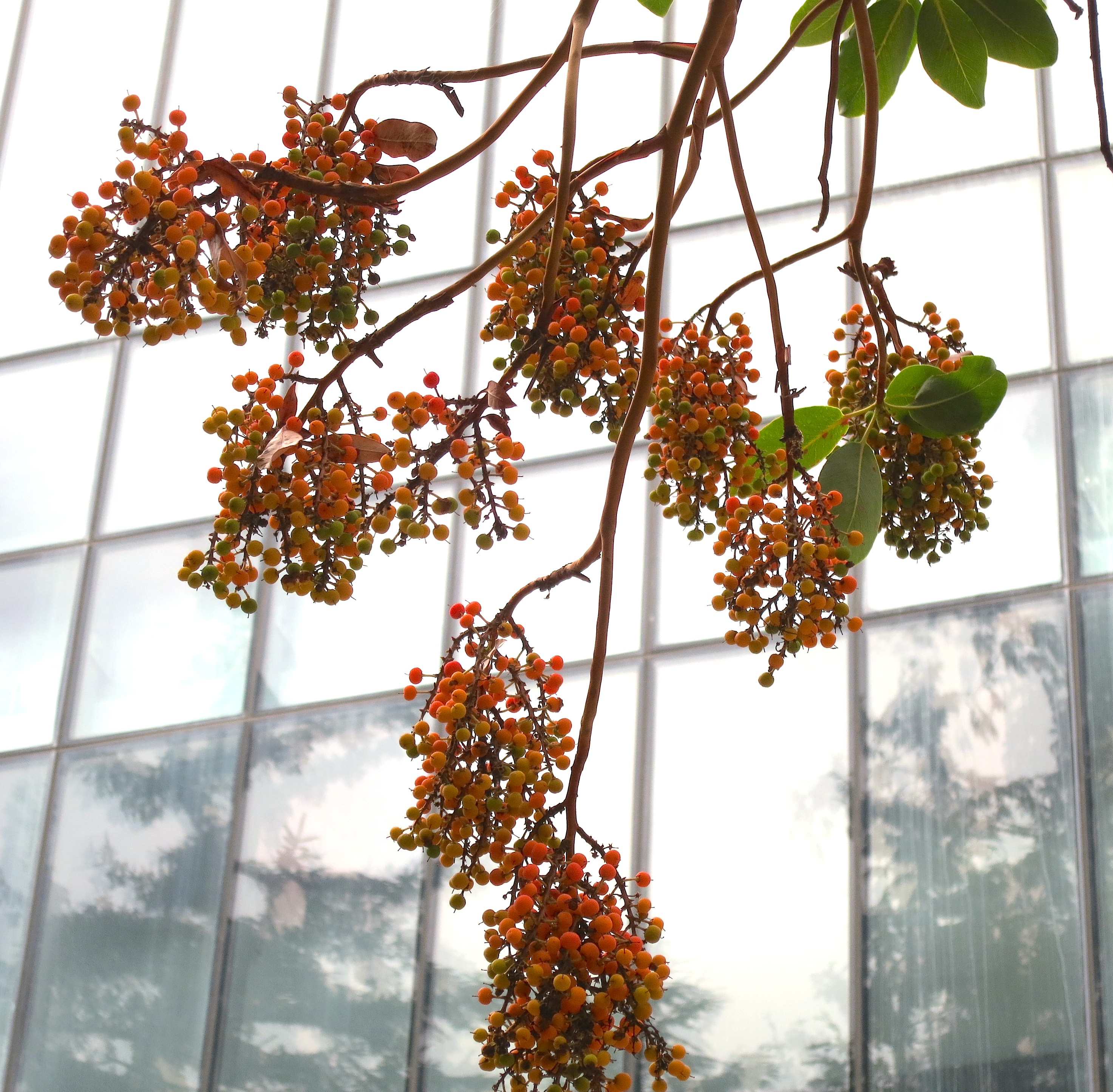
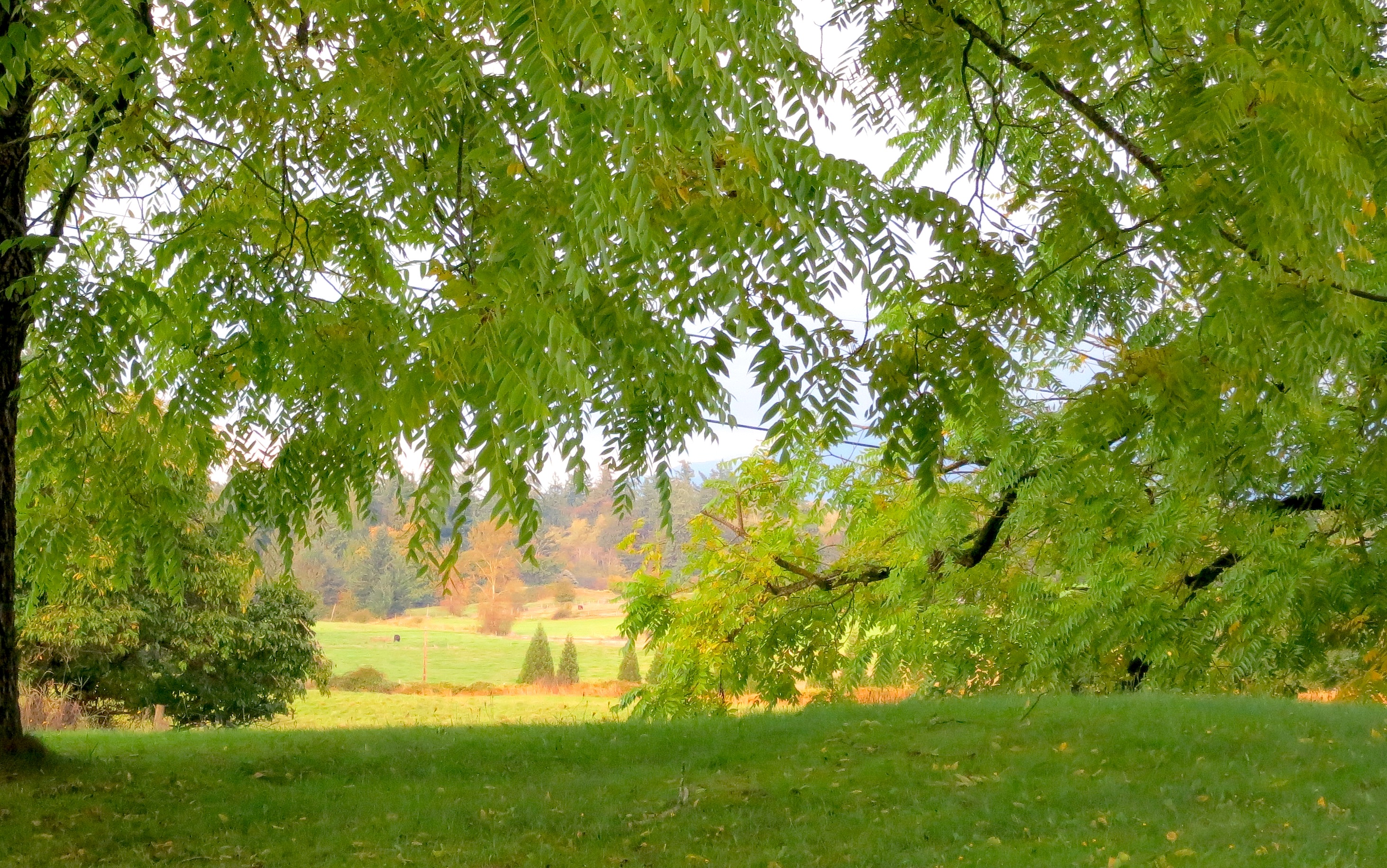
So I must harvest autumn in words and pictures, just like preserving the garden and orchard in jars and bags, someday to refresh and restore when gray pervades and mildew threatens to overpower, when hunger for fall shakes me wholly, like a sob.
Like a cry for how it used to be and how it one day will be again.
There is no season when such pleasant and sunny spots may be lighted on, and produce so pleasant an effect on the feelings, as now in October.
~Nathaniel Hawthorne