When From Death I’m Free: Made Happy By Simple Things

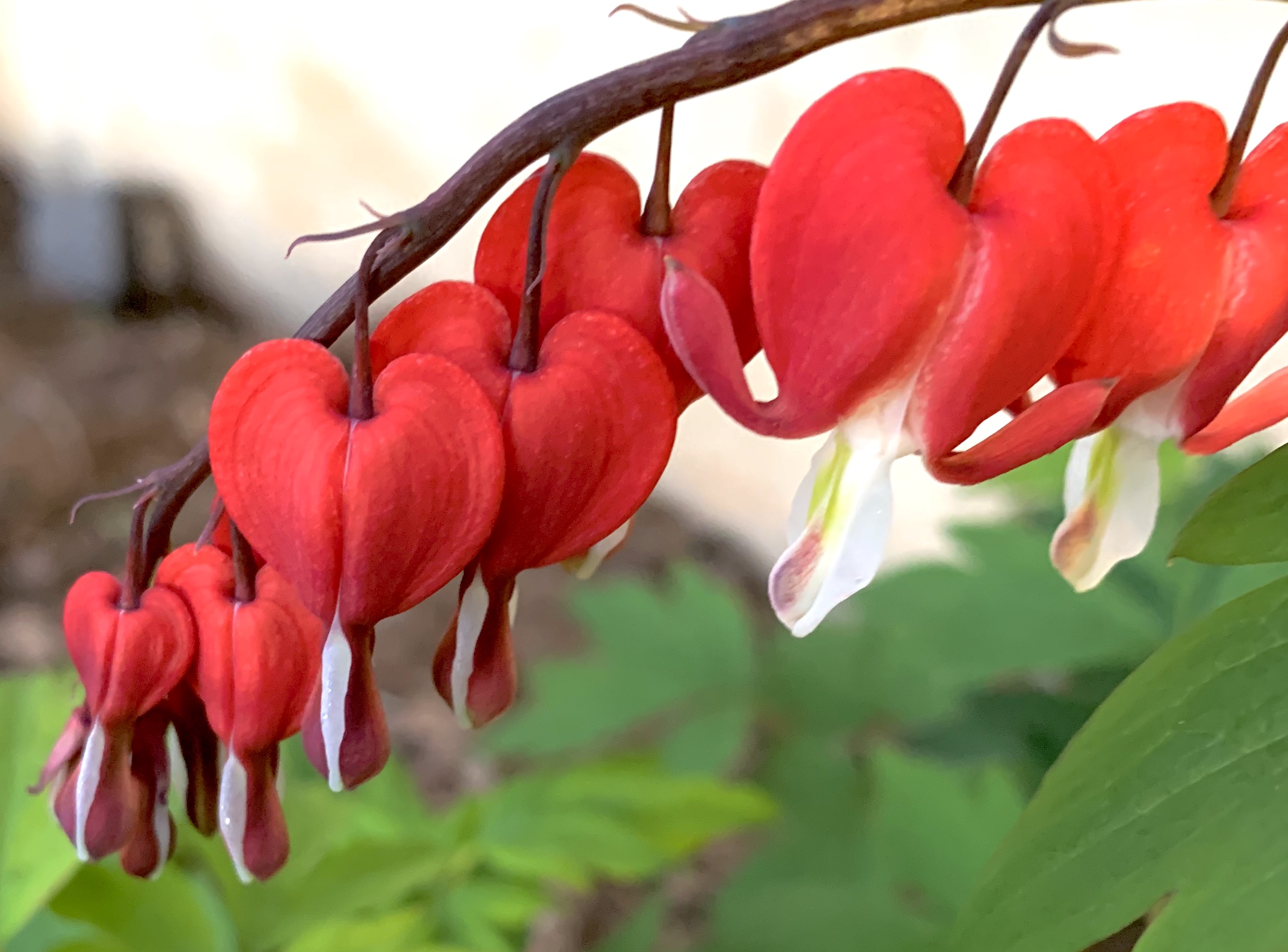
I know a bleeding-heart plant that has thrived
for sixty years if not more, and has never
missed a spring without rising and spreading
itself into a glossy bush, with many small red
hearts dangling. Don’t you think that deserves
a little thought? The woman who planted it
has been gone for a long time, and everyone
who saw it in that time has also died or moved
away and so, like so many stories, this one can’t
get finished properly. Most things that are
important, have you noticed, lack a certain
neatness. More delicious, anyway, is to
remember my grandmother’s pleasure when
the dissolve of winter was over and the green
knobs appeared and began to rise, and to cre-
ate their many hearts. One would say she was
a simple woman, made happy by simple
things. I think this was true. And more than
once, in my long life, I have wished to be her.

~Mary Oliver “The Bleeding-Heart” from New and Selected Poems
Volume Two

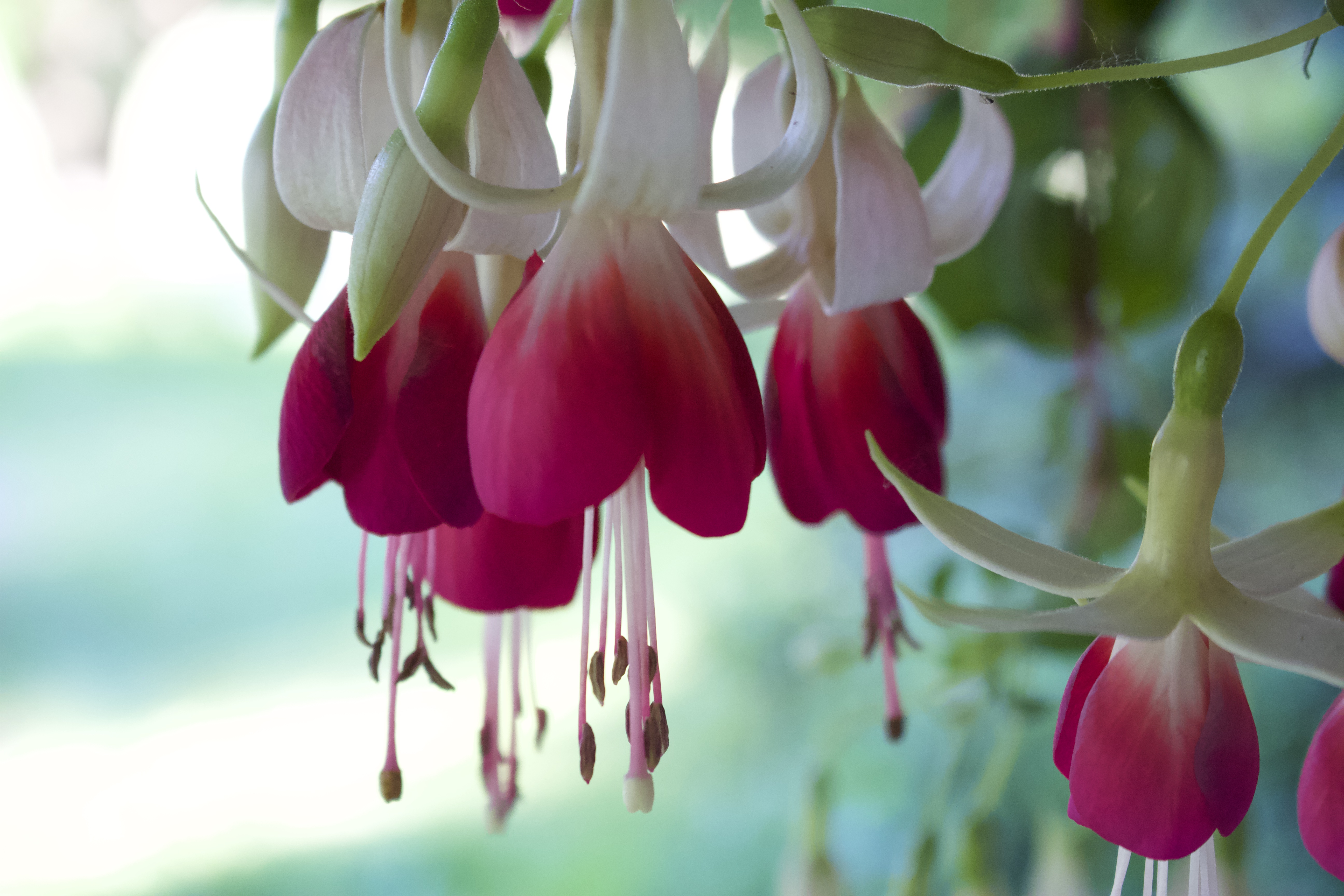
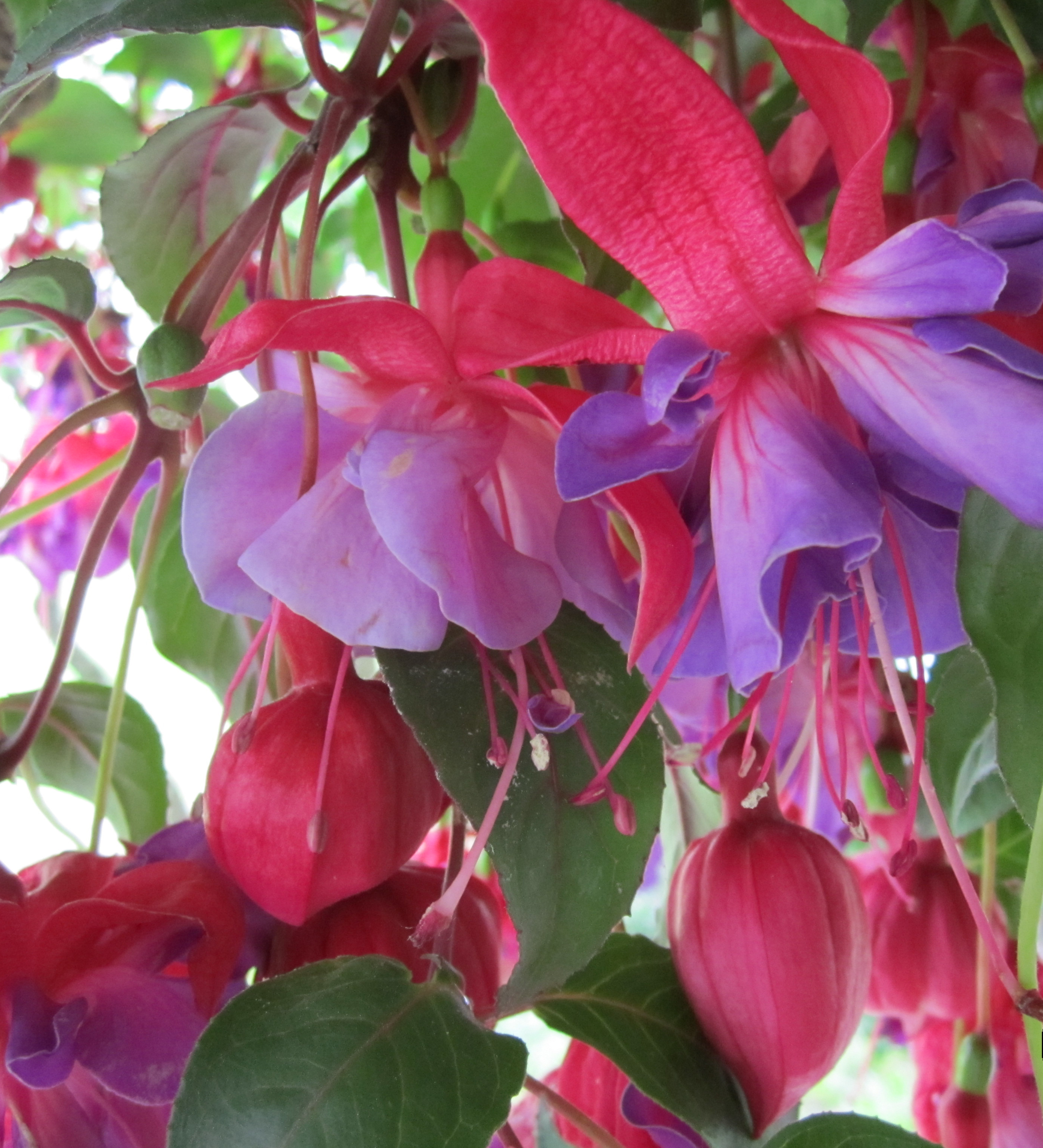
My Grandma Kittie grew flowers–lots of them. Her garden stretched along both sides of the sidewalk to her old two story farm house, in window boxes and beds around the perimeter, in little islands scattered about the yard anchored by a tree, or a piece of driftwood, a gold fish pond or a large rock. Wisteria hung like a thick curtain of purple braids from the roof of her chicken coop, and her greenhouse, far bigger than her home, smelled moist and mossy with hanging fuschia baskets. For her it was full time joy disguised as a job: she sold seedlings, and ready-to-display baskets, and fresh flower arrangements. 

She often said she was sure heaven would be full of flowers needing tending, and she was just practicing for the day when she could make herself useful as a gardener for God.

Visiting Grandma meant spending summer evenings in her yard heavy with wafting flower perfume. She especially loved her bleeding hearts bushes that returned every spring, dripping their red blossoms over her unruly lawn.

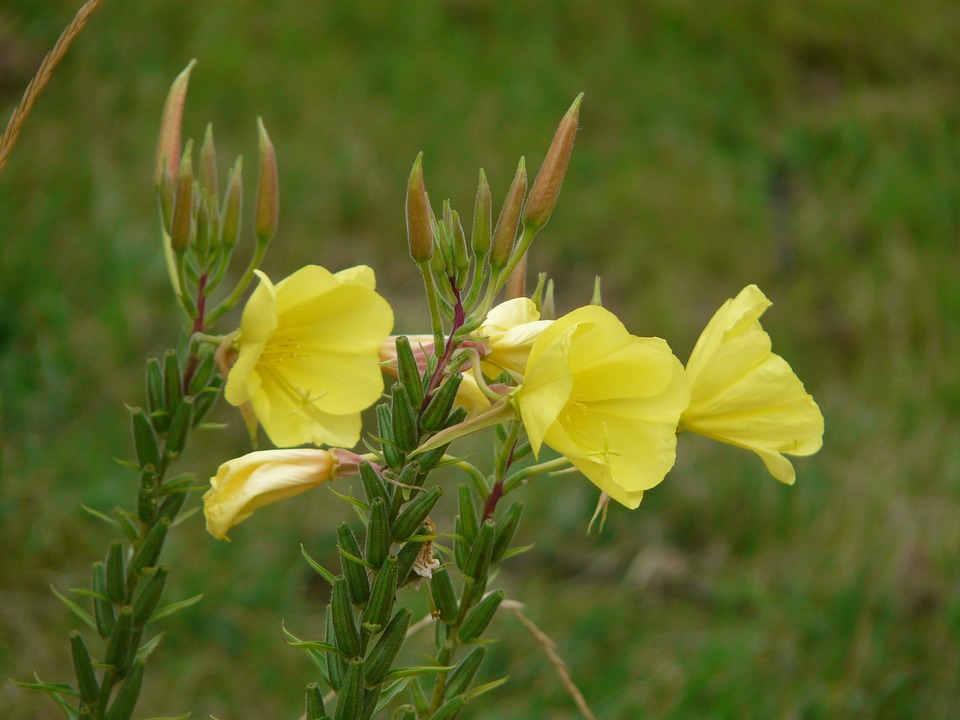
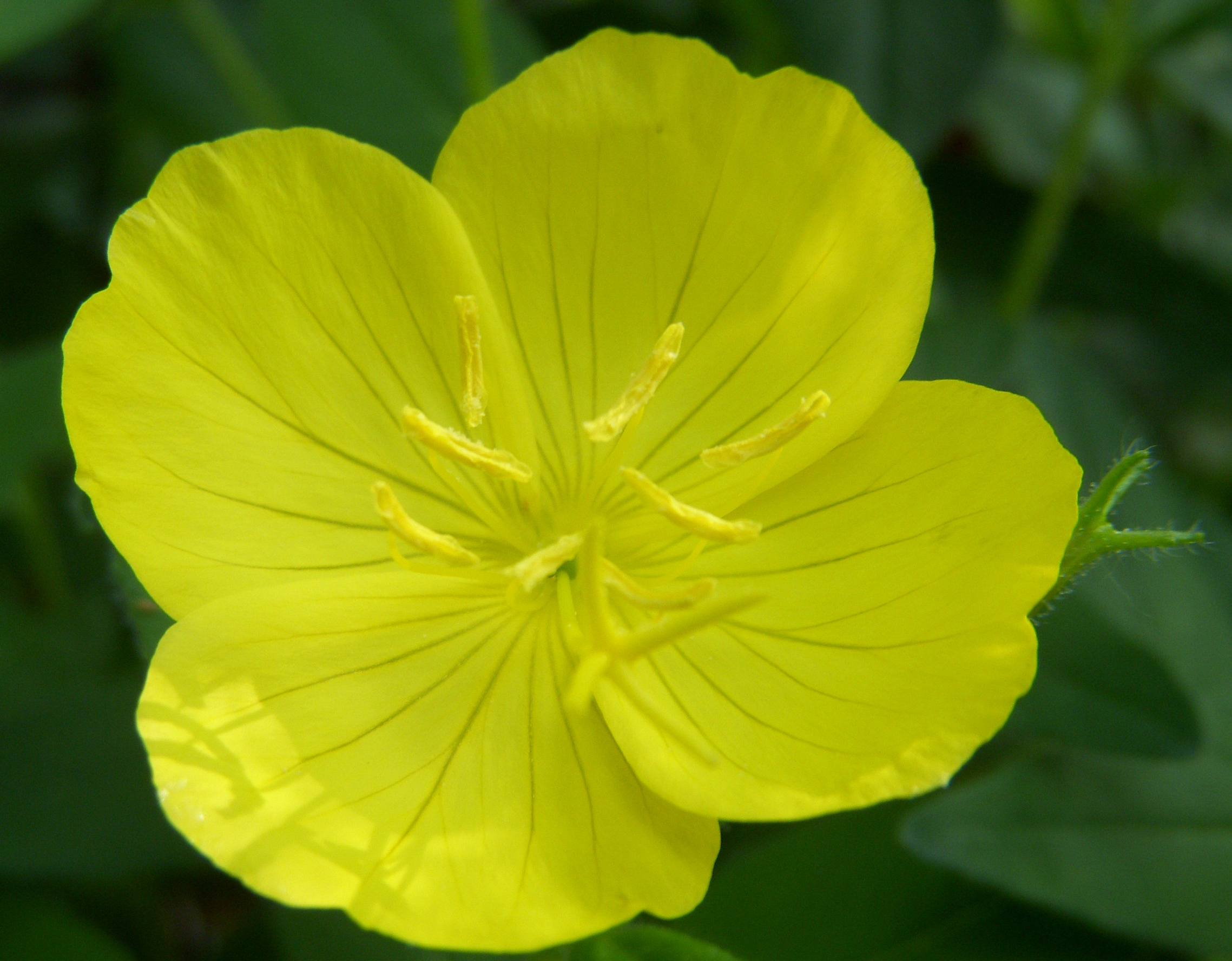
Another of her favorite flowers was the evening primrose.  It was one of a few night blooming plants meant to attract pollinating moths. Its tall stems were adorned by lance shaped leaves, with multiple buds and blooms per stem.  Each evening, and it was possible to set one’s watch by its punctuality, only one green wrapped bud per stem would open, revealing a bright yellow blossom with four delicate veined petals, a rosette of stamens and a cross-shaped stigma in the center, rising far above the blossom.  The yellow was so vivid and lively, it seemed almost like a drop of sun had been left on earth to light the night.  By morning, the bloom would begin to wither and wilt under the real sunlight, somehow overcome with the brightness, and would blush a pinkish orange as it folded upon itself, ready to die and drop from the plant in only a day or two, leaving a bulging seed pod behind.

I would settle down on the damp lawn at twilight, usually right before dusk fell, to watch the choreography of opening of blossoms on stem after stem of evening primrose. Whatever the trigger was for the process of unfolding, there would be a sudden loosening of the protective green calyces, in an almost audible release. Then over the course of about a minute, the overlapping yellow petals would unfurl, slowly, gently, purposefully, revealing their pollen treasure trove inside.  It was like watching time lapse cinematography, only this was an accelerated, real time flourish of beauty, happening right before my eyes. I always felt privileged to witness each unveiling as Grandma liked to remind me that few flowers ever allowed us to behold both their birth and death. The evening primrose was not at all shy about sharing itself and it would enhance the show with a sweet lingering fragrance.

Grandma knew how much I enjoyed the evening primrose display, so she saved seeds from the seed pods for me, and helped me plant them at our house during one of her spring time visits. I remember scattering the seeds with her in a specially chosen spot, in anticipation of the “drops of sun” that would grace our yard come summertime.  However, Grandma was more tired than usual on this particular visit, taking naps and not as eager to go for walks or eat the special meals cooked in honor of her visit. Her usually resonant laughing brown eyes appeared dull, almost muddy.

The day she was to return to her home, she came into the kitchen at breakfast time, wearily setting down her packed bags.  She gave me a hug and I looked at her.  Something was dreadfully wrong.  Grandma’s eyes were turning yellow.

Instead of returning home that day, she went to the hospital. Within a day, she had surgery and within two days, was told she had terminal pancreatic cancer.  She did not last long, her skin becoming more jaundiced by the day, her eyes more icteric and far away.  She soon left her earthly gardens to cultivate those in heaven.

I’ve kept bleeding hearts and evening primrose in my garden ever since. Grandma’s heart dangles from the bushes and she is released from each primrose bloom as it unfolds precipitously in the evening. She wafts across the yard in its perfume. Her spirit, a drop of sun coming to rest, luminous, for a brief stay upon the earth, only to fall before we’re ready to let it go. But as the wilted bloom lets go, its seeds have already begun to form.

I’m sure Grandma is still growing flowers. And my soil-covered hands look more like hers every day.
The grass withers and the flowers fall,
    because the breath of the Lord blows on them.
    Surely the people are grass.
 The grass withers and the flowers fall,
    but the word of our God endures forever.

Isaiah 40: 7-8
This Lenten season I reflect on the words of the 19th century southern spiritual hymn “What Wondrous Love is This”

One-Time
Monthly
Yearly

Make a one-time or recurring donation to support daily Barnstorming posts

Make a monthly donation

Make a yearly donation

Choose an amount

$10.00
$25.00
$50.00
$5.00
$15.00
$100.00
$5.00
$15.00
$100.00

Or enter a custom amount

$

Your contribution is deeply appreciated.

Your contribution is appreciated.

Your contribution is appreciated.

DonateDonate monthlyDonate yearly
Let’s Go Look Together

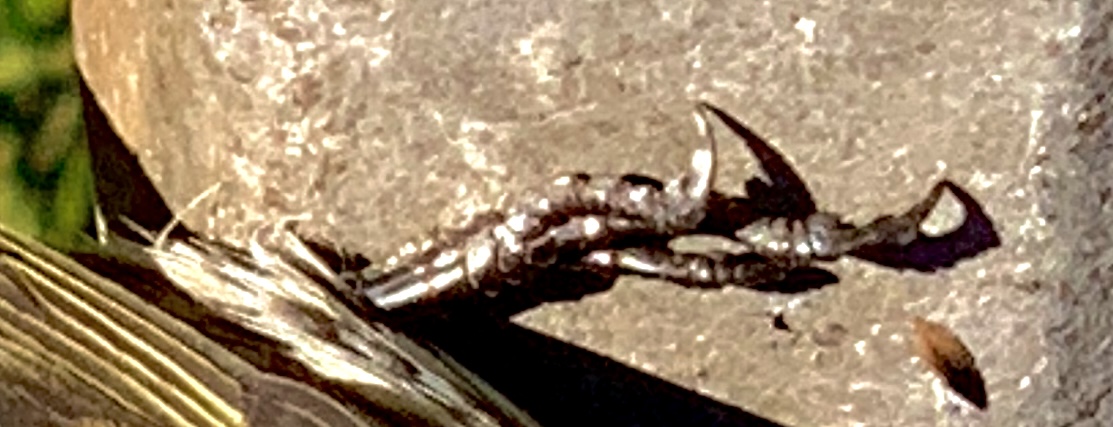
She sees a starling legs-up in the gutter.
She finds an earthworm limp and pale in a puddle.
What’s wrong with them? she says. I tell her they’re dead.

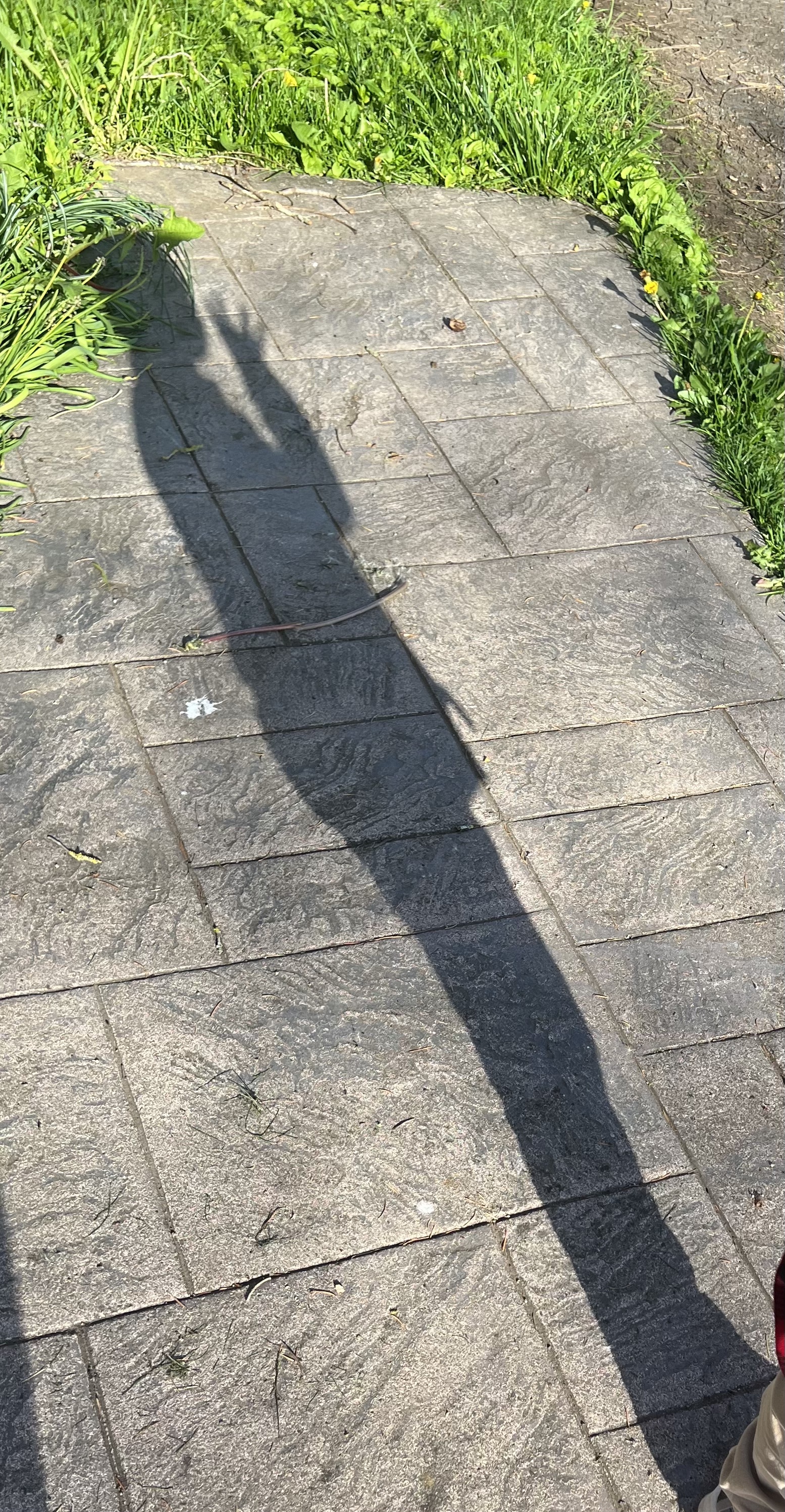
She scowls at me. She stares at her short shadow
And makes it dance in the road. She shakes its head.
Daddy, you don’t look pretty, she says. I agree.

She stomps on a sewer grid where the slow rain
Is vanishing. Do you want to go down there?
I tell her no. Neither do I she says.

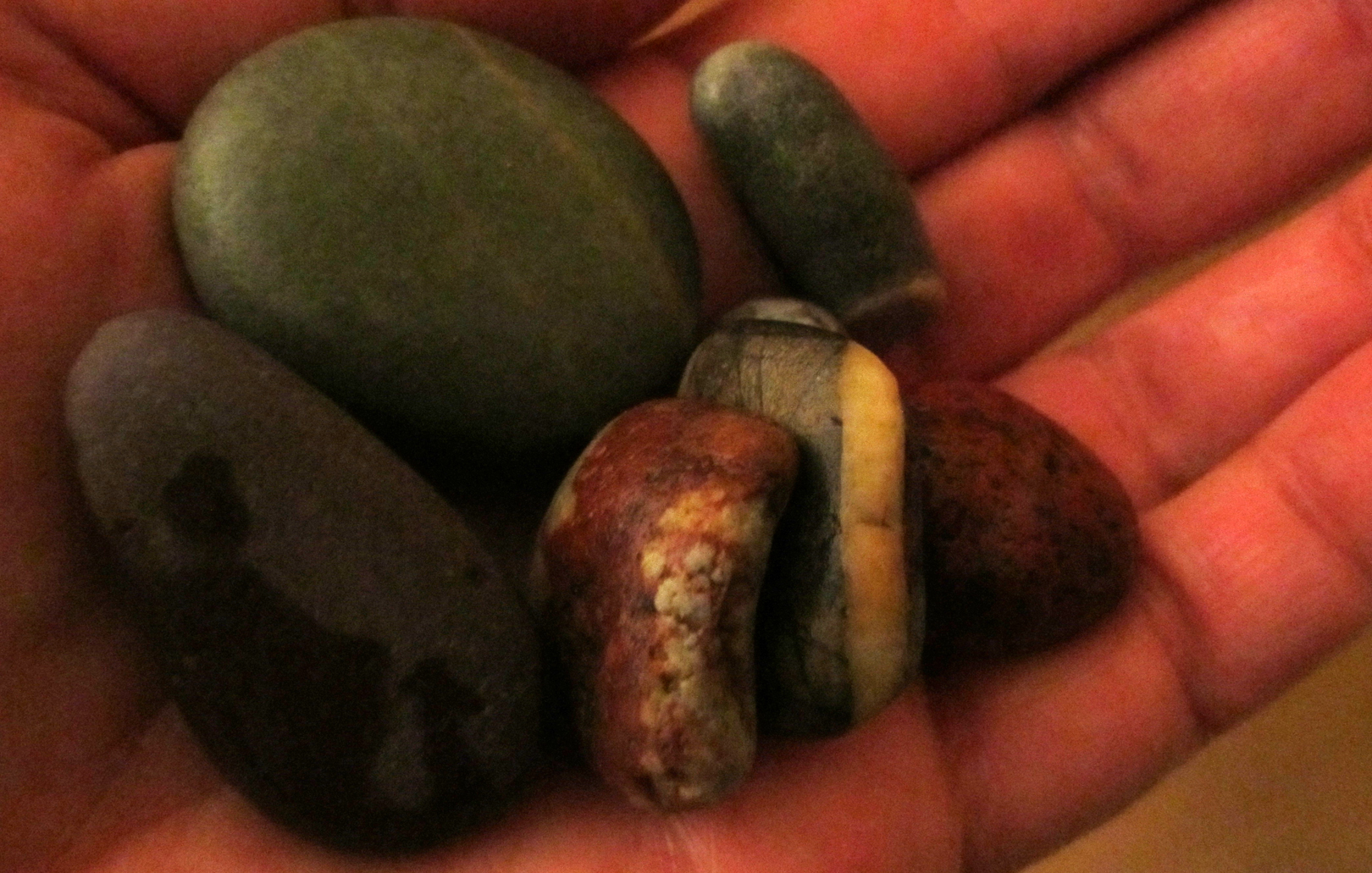
She picks up a stone. This is an elephant.
Because it’s heavy, smooth, slate gray, and hers,
I tell her it’s very like an elephant.

We’re back. The starling is gone. Where did it go?
She says. I tell her I don’t know, maybe
A cat took it away. I think it’s lost.

I tell her I think so too. But can’t you find it?
I tell her I don’t think so. Let’s go look.
I show her my empty hands, and she takes one.

~David Wagoner “Walking around the Block with a Three-Year Old” from Traveling Light

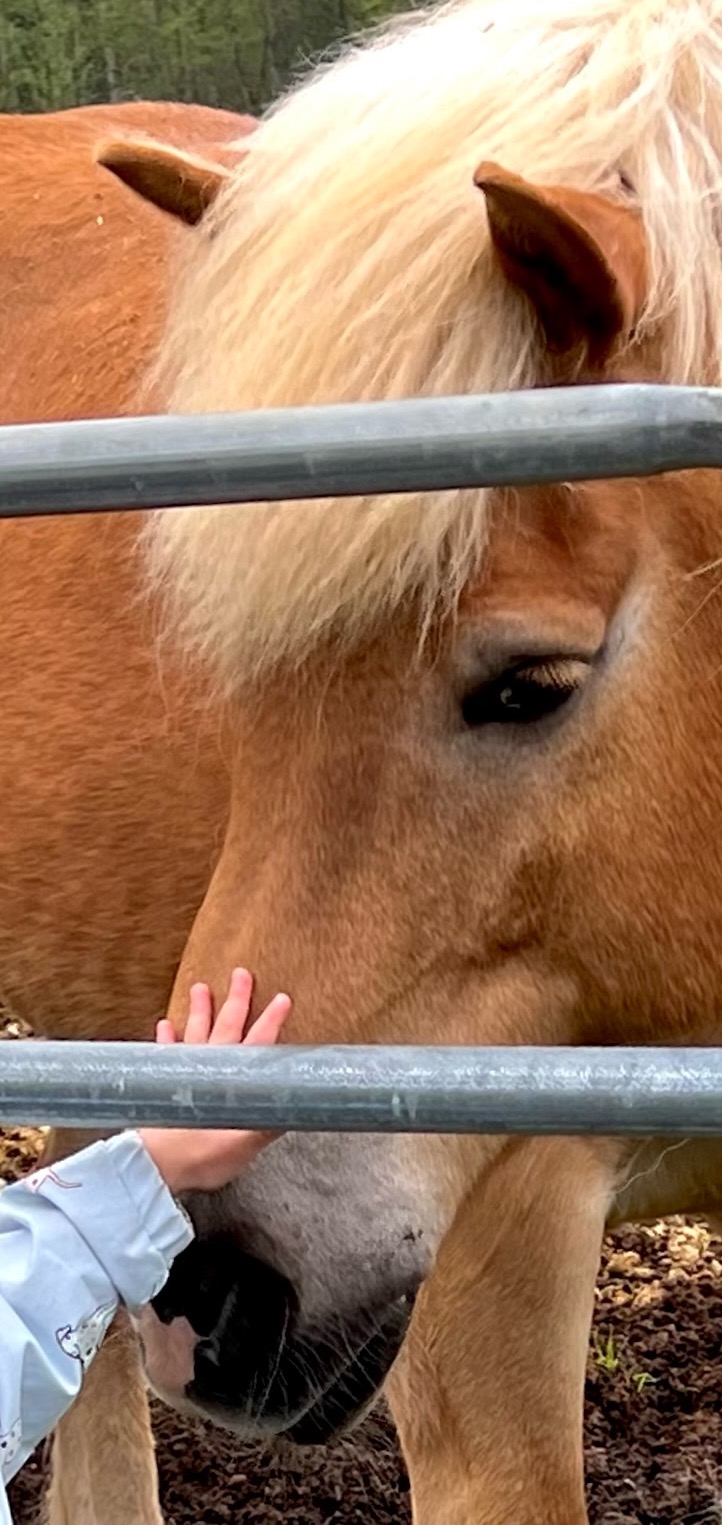
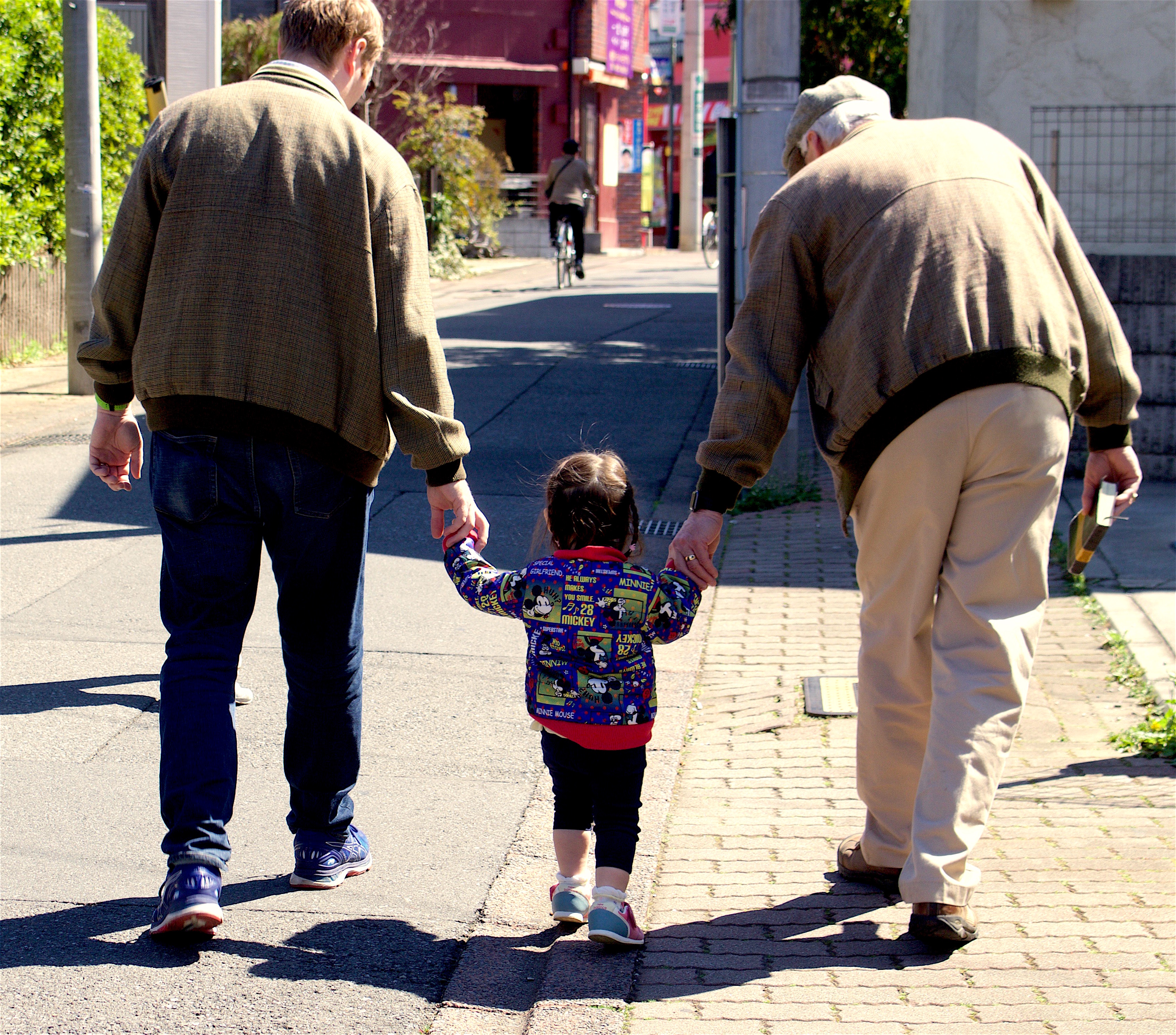
These days, I spend most of my waking time walking and talking with a very special three year old. As he works in the barn with me, or just exploring the farm, he is helping me readjust how I look at the world, to see it the way he does and to try to figure out why things are the way they are. What seems logical to me doesn’t always make sense to him, so I need to put into words what I tend to take for granted.

Sometimes I just have to say I don’t know the answer to his question, because I really don’t know and I want him to believe in my truthfulness.

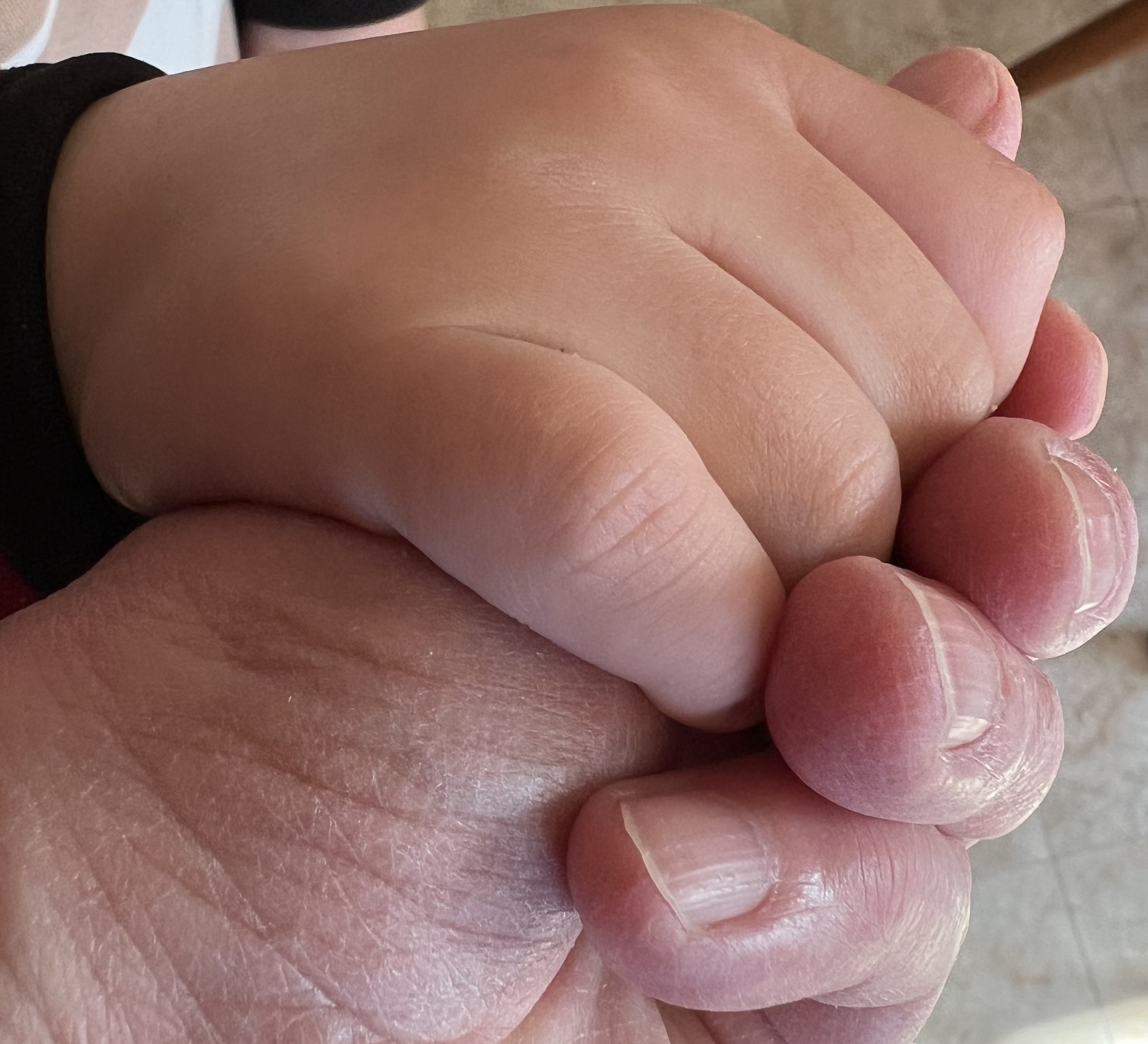
Whatever I say to him will get filed away in his memory banks for a lifetime, so I use careful words and respect his justifiable skepticism. I want to teach him to think through life’s puzzles without relying too much on outside opinions. What I hope is that even when I am empty of answers, he will always want to explore his questions while alongside me, trusting me as I hold his hand while we walk and talk together. I’m never empty when I am holding his hand.

I want him to remember that most of all.

One-Time
Monthly
Yearly

Make a one-time or recurring donation to support daily Barnstorming posts

Make a monthly donation

Make a yearly donation

Choose an amount

¤10.00
¤25.00
¤50.00
¤5.00
¤15.00
¤100.00
¤5.00
¤15.00
¤100.00

Or enter a custom amount

¤

Your contribution is deeply appreciated.

Your contribution is appreciated.

Your contribution is appreciated.

DonateDonate monthlyDonate yearly
In Long Straight Rows

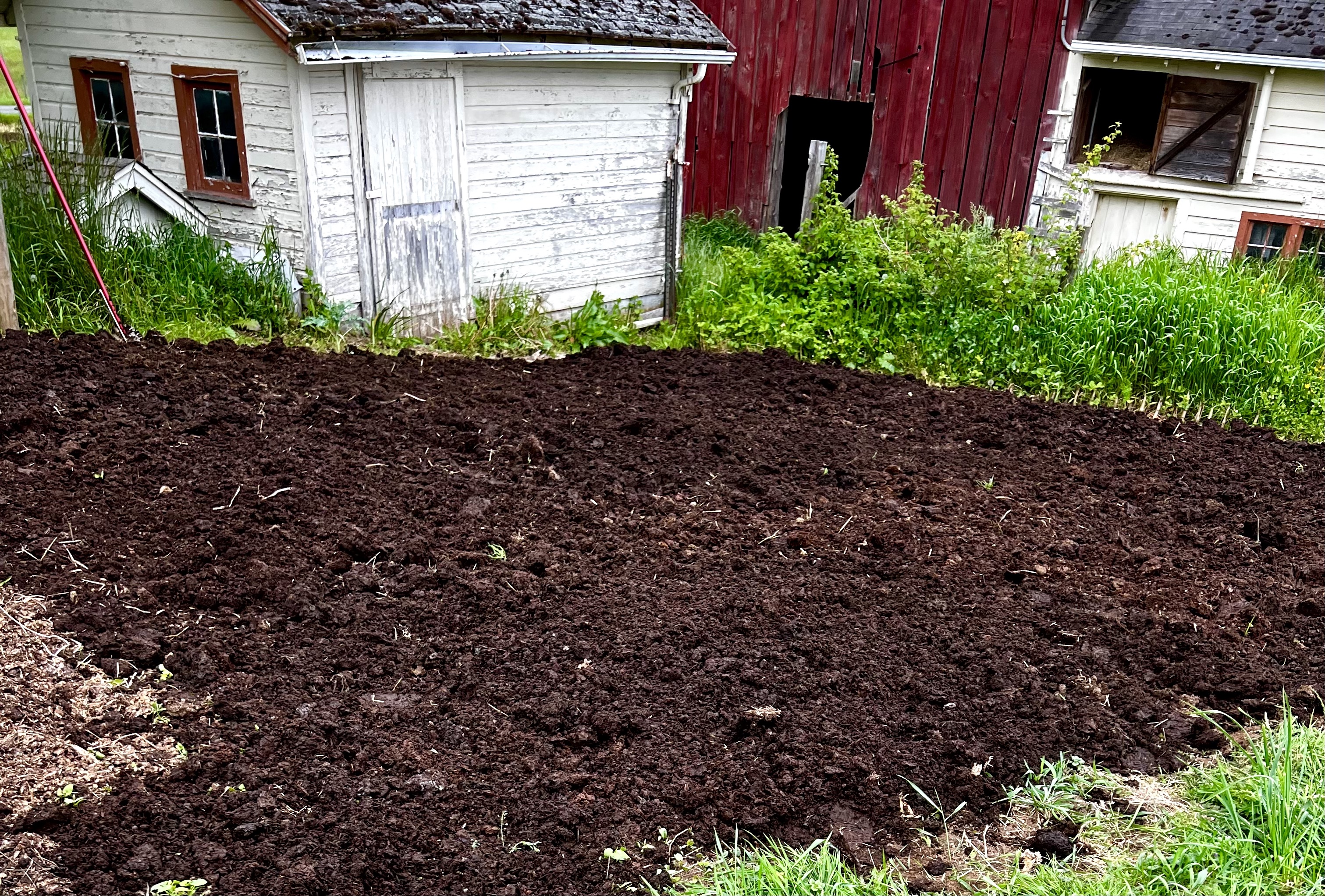
It’s not spring yet, but I can’t
wait anymore. I get the hoe,
pull back the snow from the old
furrows, expose the rich dark earth.
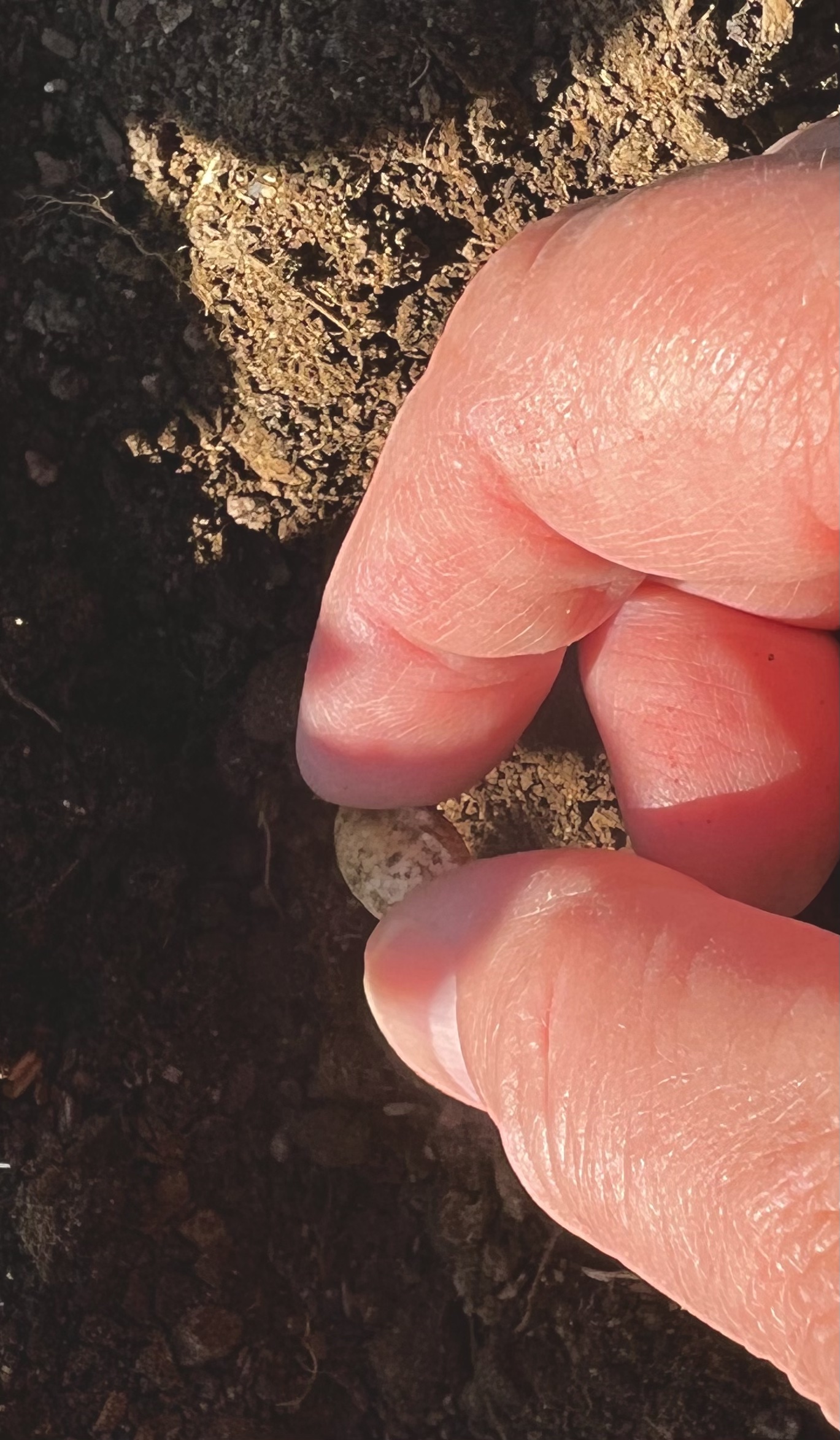
I bare my hand and dole out shriveled peas,
one by one.
I see my grandmother’s hand,
doing just this, dropping peas
into gray gumbo that clings like clay.
This moist earth is rich and dark
as chocolate cake.
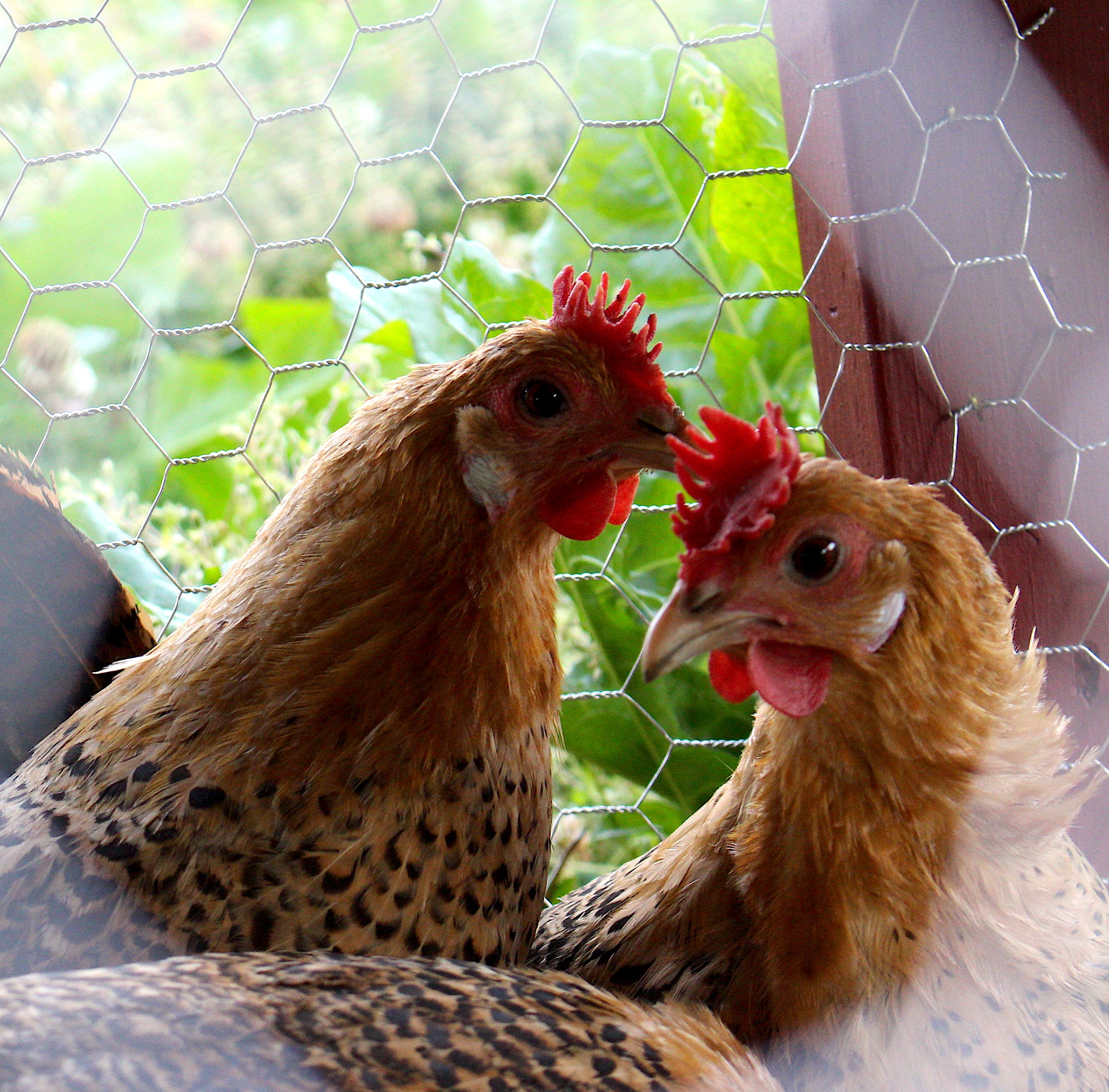
Her hands cradle
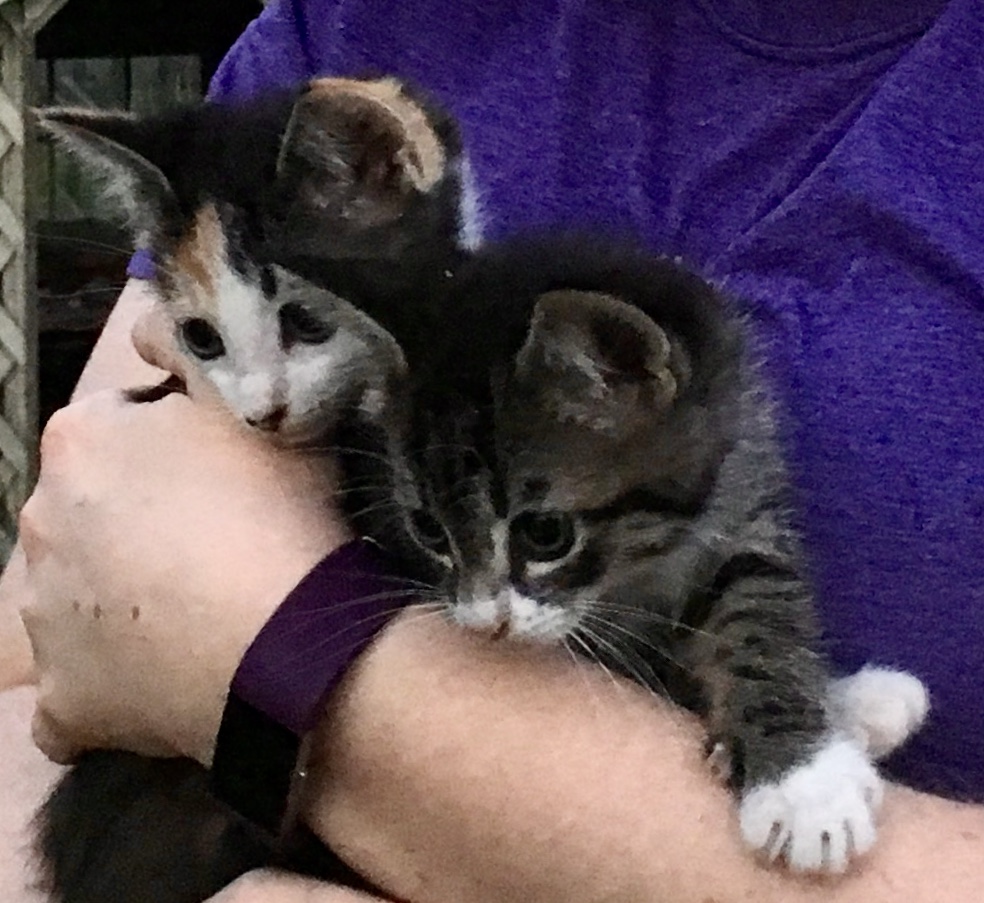
baby chicks; she finds kittens in the loft
and hands them down to me, safe beside
the ladder leading up to darkness.
I miss
her smile, her blue eyes, her biscuits and gravy,
but mostly her hands.
I push a pea into the earth,
feel her hands pushing me back. She’ll come in May,
she says, in long straight rows,
dancing in light green dresses.
~Linda Hasselstrom “Planting Peas”

My earliest childhood memories include the taste and smell of fresh peas.  We lived in farming country north of Seattle where 50 years ago hundreds of acres of peas were grown for canning and freezing.  During the harvest, large pea harvesting machines would arrive for several days and travel down the road in caravans of 10 or 12, going from farm to farm to farm. They worked 24 hours a day to harvest as quickly as possible and traveled the roads late at night because they were so huge, they would take up both lanes of the country roads.  Inevitably a string of cars would form behind the pea harvesters, unable to pass, so it became a grand annual parade celebrating the humble pea.

The smell in the air when the fields were harvested was indescribable except to say it was most definitely a “green” and deliciously fresh smell.  The vines and pods would end up as silage for cattle and the peas would be separated to go to the cannery.  I figured those peas were destined for the city dwellers because in our back yard garden, we grew plenty of our own.

Pea seeds, wrinkled and frankly a little boring, could be planted even before the last frost was done with us in March, or even sometimes on Washington’s birthday in February.  The soil needed to not be frozen and not be sopping.  True, the seeds might sit still for a few weeks, unwilling to risk germination until the coast was clear and soil warmed a bit, but once they were up out of the ground, there was no stopping them.  We would generally have several rotations growing, in the hope of a 6 week pea eating season if we were fortunate, before the heat and worms claimed the vines and the pods.

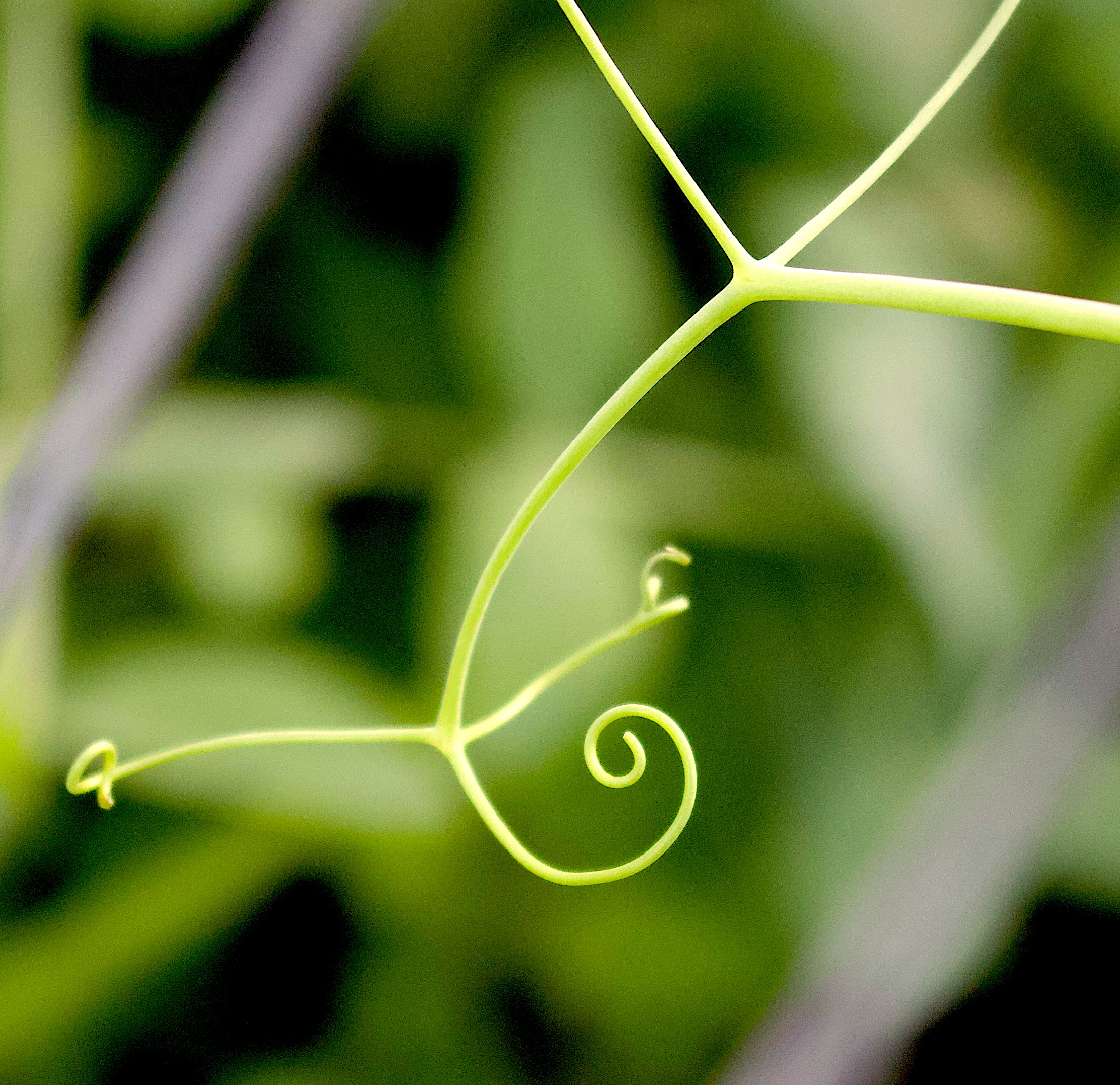
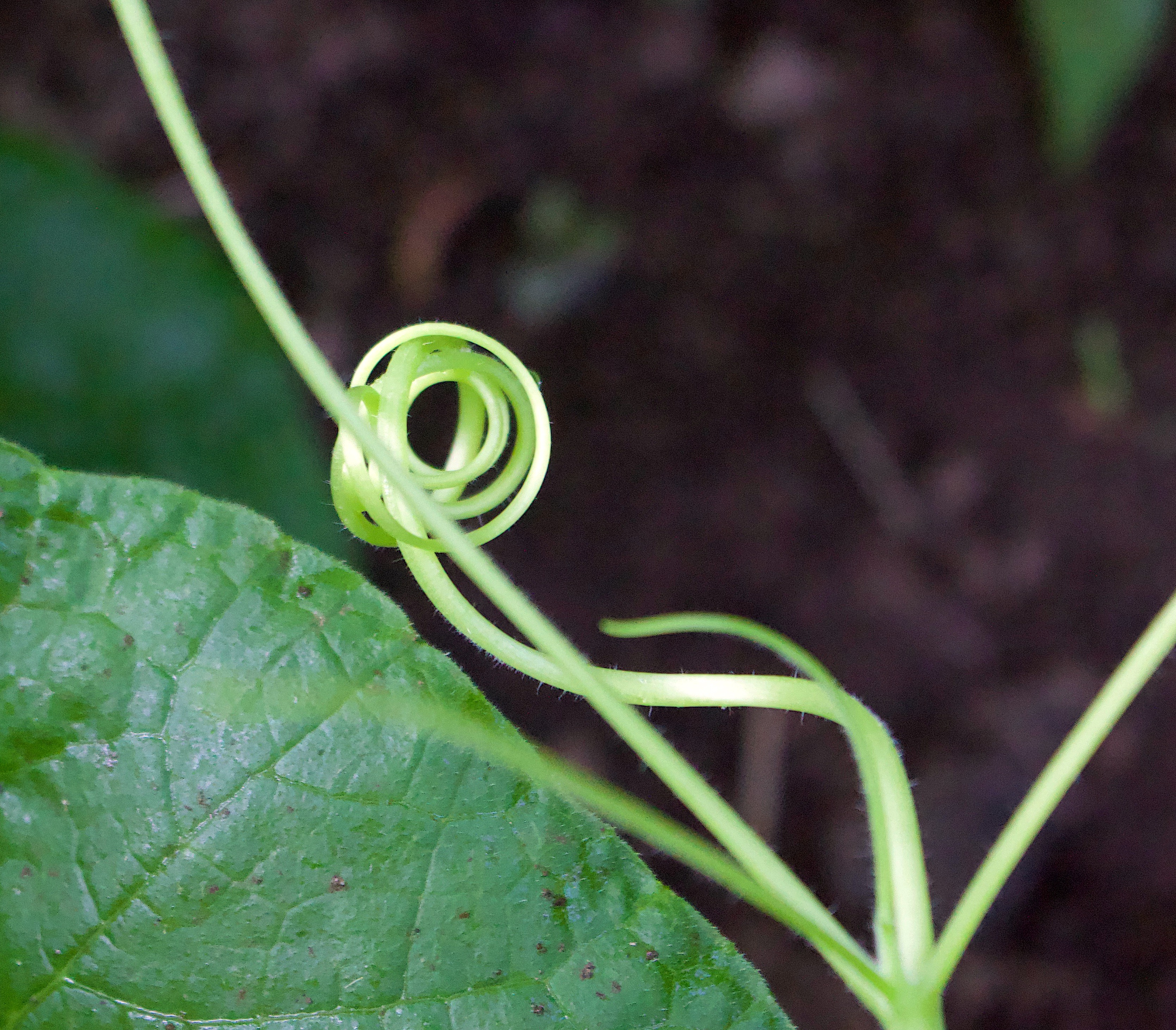
We always planted telephone peas, so the support of the vines was crucial–we used hay twine run up and down between two taut smooth wires attached high and low between two wooden posts.  The vines could climb 6 feet tall or better and it was fascinating to almost literally watch the pea tendrils wind their way around the strings (and each other), erotically clinging and wrapping themselves in their enthusiasm.

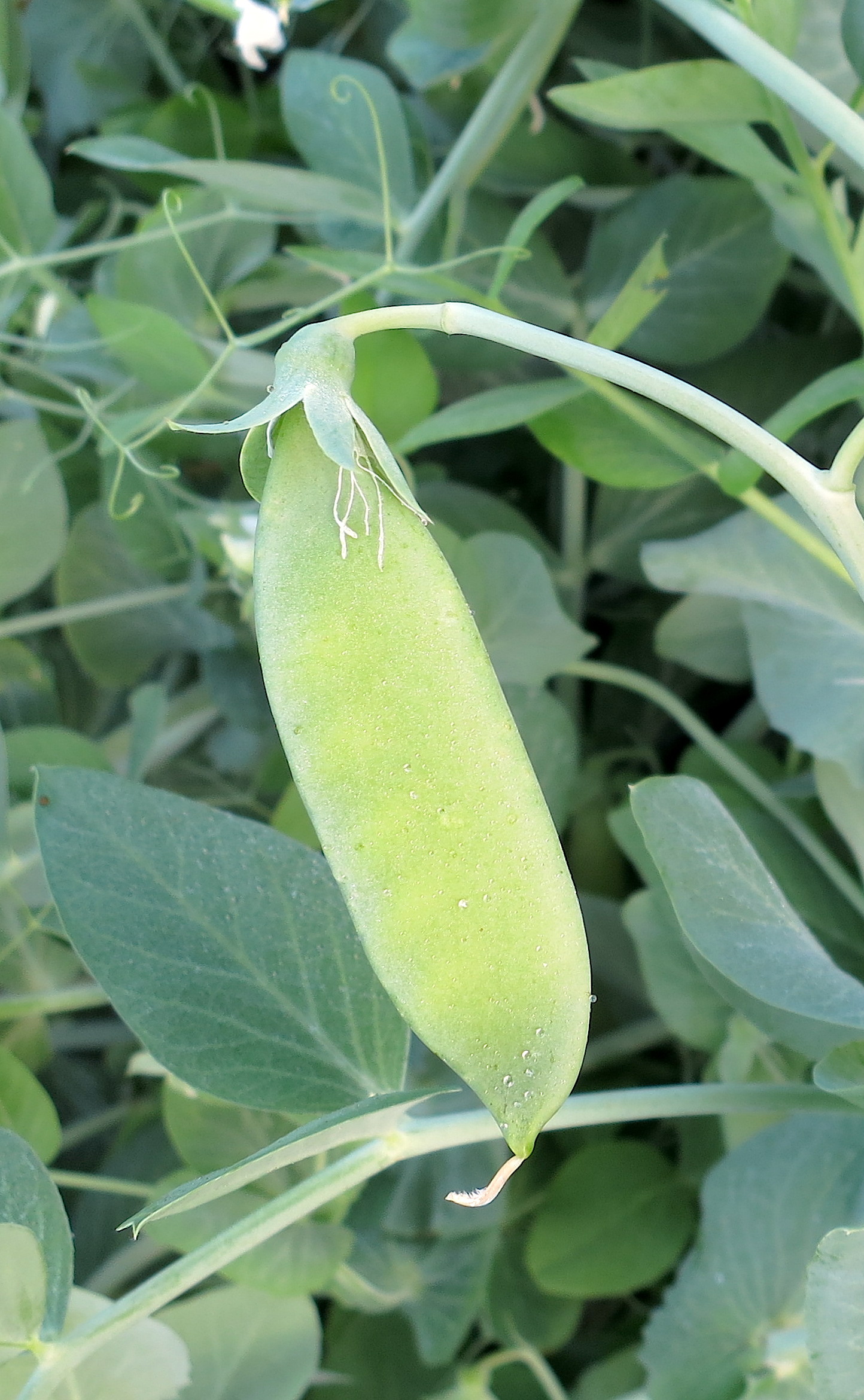
Once the pods start to form,  impatience begins.  I’d be out in the garden every day copping feels, looking for that first plump pod to pick and pop open.  It never failed that I would pick too soon, and open a pod to find only weenie little peas, barely with enough substance to taste.  Within a day or two, however, the harvest would be overwhelming, so we’d have to pick early in the morning while the peas were still cool from the night dew.

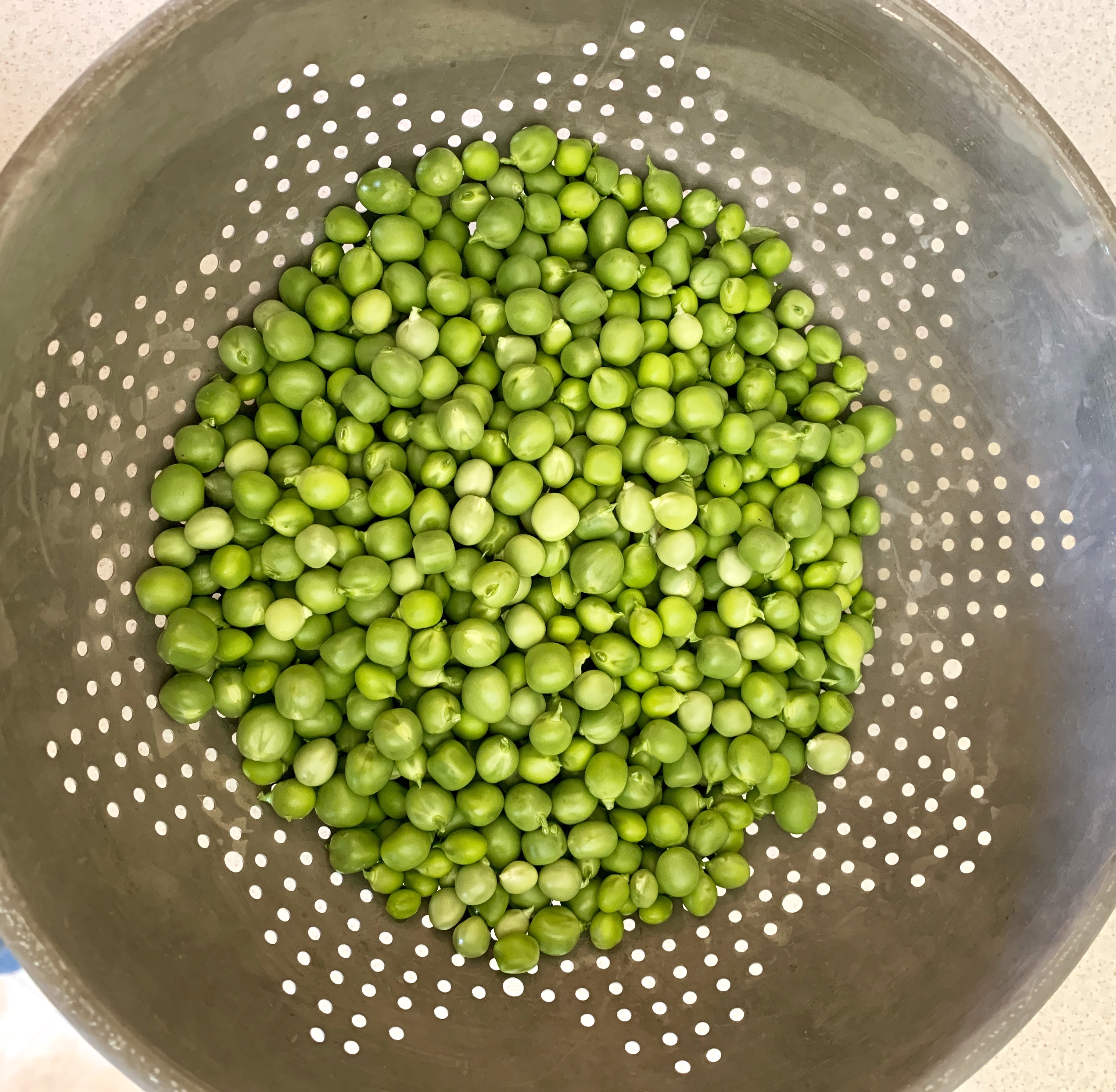
Then it was shelling time, which involved several siblings on a back porch, one mother supervising from a distance to make sure there weren’t too many peas being pelted in pique at an annoying little brother, and lots of bowls to catch the peas and the pods.  A big paper sack of intact pods would yield only a few cups of peas, so this was great labor for small yield.   Opening a pod of peas is extremely satisfying though;  there is a tiny audible “pop” when the pod is pressed at the bottom, and then as your thumb runs down the inner seam of the pod loosening all the peas, they make a dozen little “pings” in the bowl when they fall.  A symphony of pea shelling often accompanied by the Beach Boys and the Beatles.

Once the weather got hot, the pea worms would be at work in the pods, so then one encountered wiggly white larvae with little black heads and their webs inside the pods.  We actually had a “Wormie” song we sung when we found one, even in the 60’s recognizing that our organic garden meant sharing the harvest with crawling protein critters. The peas would be bored through, like a hollowed out jack o’lantern, so those got dumped in the discard bowl.

The dull green coat of the raw pea turns bright green during the several minutes of blanching in boiling water, then they are plunged into ice water until cool and packed in ziplock bags.  Those peas are welcomed to the table during the other 11 months out of the year, sometimes mixed with carrots, sometimes with mushrooms, sometimes chased with a little fresh garlic.  They are simply the most lovely food there is other than chocolate.

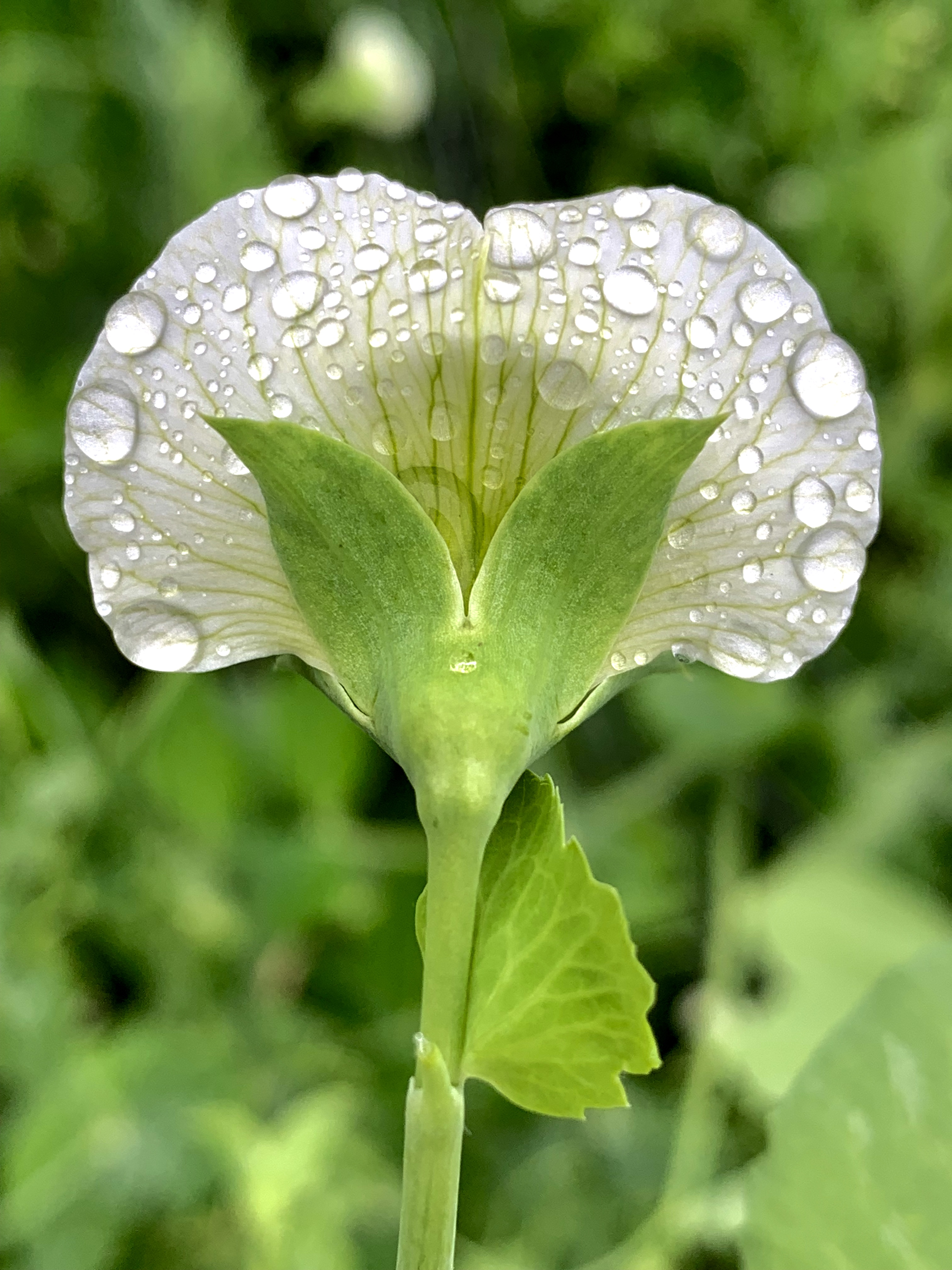
From an undistinguished pea seed to intricate vines and coiling tendrils–from pregnant pods bursting at the seams to a bounty at meals: the humble pea does indeed deserve a grand parade in the middle of the night and the close attention of only the best grandmas.

One-Time
Monthly
Yearly

Make a one-time or recurring donation to support daily Barnstorming posts

Make a monthly donation

Make a yearly donation

Choose an amount

¤5.00
¤10.00
¤20.00
¤5.00
¤15.00
¤100.00
¤5.00
¤15.00
¤100.00

Or enter a custom amount

¤

Your contribution is appreciated.

Your contribution is appreciated.

Your contribution is appreciated.

DonateDonate monthlyDonate yearly
Too Full of Blossom

She skimmed the yellow water like a moth,
Trailing her feet across the shallow stream;
She saw the berries, paused and sampled them
Where a slight spider cleaned his narrow tooth.
Light in the air, she fluttered up the path,
So delicate to shun the leaves and damp,
Like some young wife, holding a slender lamp
To find her stray child, or the moon, or both.
Even before she reached the empty house,
She beat her wings ever so lightly, rose,
Followed a bee where apples blew like snow;
And then, forgetting what she wanted there,
Too full of blossom and green light to care,
She hurried to the ground, and slipped below.
~James Wright “My Grandmother’s Ghost from Above the River: The Complete Poems 

I saw my grandma’s ghost once.

She was my only grandparent I actually knew and who actually knew me — the others were lost before I was born or too young to realize what I had lost.

She had lived a hard life: losing her mother when she was 12, taking over the household duties for her father and younger brother while leaving school forever, too young marrying an abusive alcoholic, losing her first child to lymphoma at age 8, taking her three remaining children to safety away from their father for a year to live above a seedy restaurant where she cooked seven days a week to make ends meet.

But there was grace too. A marriage that somehow got patched together after Grandpa found God and sobriety, her faith that never wavered, their soil that yielded beautiful flowers she planted and nurtured and picked to sell, children and grandchildren who welcomed her many open armed visits and hugs.

She was busy planning her first trip of a lifetime at age 72 when we noticed her eyes looked yellow. Only two weeks later she was bed-bound in unrelenting pain due to pancreatic cancer, gazing heaven-ward instead of Europe-bound. Her dreams had been dashed so quickly, she barely realized her itinerary and destination had changed.

I was 16 at the time, too absorbed in my own teenage cares and concerns to really notice how quickly she was fading and failing like a wilted flower. Instead I was picking fights with my stressed parents, worrying over taking my driver’s license driving test, distracted by all the typical social pressures of high school life.

Her funeral was unbearable as I never really said goodbye – only one brief hospital visit when she was hardly recognizable in her anguish and jaundice. I didn’t even get to hold her hand.

Soon after she had been lowered into the ground next to her husband and young daughter, she came back to me in a dream.

I was asleep when my bedroom door opened into the dark, wakening me as the bright hallway light pushed its way via a shimmering beam to my bed. Grandma Kittie stood in my bedroom doorway, backlit by the light surrounding her silhouette. She silently stood there, just looking at me.

Startled, I sat up in my bed and said to her, “Grandma, why are you here? You died and we buried you!”

She nodded and smiled. And then she said to me:

“I wanted you to know I’m okay and always will be. You will be too.”

She gave a little wave, turned and left, closing the door behind her. I woke suddenly with a gasp in my darkened bedroom and knew I had just been visited.

She hadn’t come to say goodbye or to tell me she loved me — that I knew already.

She had come to shine with her light blossoming around her, mending my broken heart by planting it with peace.

A Glimmering Landscape

Now fades the glimm’ring landscape on the sight, 
         And all the air a solemn stillness holds…
~Thomas Wolfe from “Elegy Written in a Country Churchyard” 

Some moments are glimmering stillness and overwhelming joy.

A Gardener for God

Grandma grew flowers–lots of them.  Her garden stretched along both sides of the sidewalk to her old two story farm house, in window boxes and beds around the perimeter, in little islands scattered about the yard anchored by a tree, or a piece of driftwood, a gold fish pond or a large rock.  Wisteria hung like a thick curtain of purple braids from the roof of her chicken coop, and her greenhouse, far bigger than her home, smelled moist and mossy with hanging fuschia baskets.  For her it was full time joy disguised as a job: she sold seedlings, and ready-to-display baskets, and fresh flower arrangements.  She often said she was sure heaven would be full of flowers needing tending, and she was just practicing for the day when she could make herself useful as a gardener for God.

Visiting Grandma was often an overnight stay, and summer evenings in her yard were heavy with wafting flower perfume.  She would also allow entry into her “fuschia house” to walk among hundreds of delicate dangling multi-colored blossoms.  There was overwhelming temptation to audibly pop the bulbous unopened blossoms but she had a “no touch, just look” policy, reminding her grandchildren that each plant knew the precise instant when a flower should open, and it should not happen a moment sooner or nature’s rhythm would be disturbed.

One of her favorite rhythmic flowers –indeed it was so hardy and vigorous it really could be considered a weed–was the evening primrose.  It was one of a few night blooming plants meant to attract pollinating moths.   Its tall stems were adorned by lance shaped leaves, with multiple buds and blooms per stem.  Each evening, and it was possible to set one’s watch by its punctual cycles, only one green wrapped bud per stem would open, revealing a bright yellow blossom with four delicate veined petals, a rosette of stamens and a cross-shaped stigma in the center, rising far above the blossom.  The yellow was so vivid and lively, it seemed almost like a drop of sun had been left on earth to light the night.  By morning, the bloom would begin to wither and wilt under the real sunlight, somehow overcome with the brightness, and would blush a pinkish orange as it folded upon itself, ready to die and drop from the plant in only a day or two, leaving a bulging seed pod behind.

I would settle down on the damp lawn at twilight, usually right before dusk fell, to watch the choreography of opening of blossoms on stem after stem of evening primrose.  Whatever the trigger was for the process of unfolding, there would be a sudden loosening of the protective green calyces, in an almost audible pop.  Then over the course of about a minute, the overlapping yellow petals would unfurl, slowly, gently, purposefully, revealing their pollen treasure trove inside.   It was like watching time lapse cinematography, only this was an accelerated, real time flourish of beauty, happening right before my eyes.  I always felt privileged to witness each unveiling as Grandma liked to remind me that few flowers actually allowed us to behold their birthing process.  The evening primrose was not at all shy about sharing itself and it would enhance the show with a sweet lingering fragrance.

Grandma knew how much I enjoyed the evening primrose display, so she saved seeds from the seed pods for me, and helped me plant them at our house during one of her spring time visits.   I remember scattering the seeds with her in a specially chosen spot, in anticipation of the “drops of sun” that would grace our yard come summertime.  However, Grandma was more tired than usual on this particular visit, taking naps and not as eager to go for walks or eat the special meals cooked in honor of her visit.  Her usually resonant laughing brown eyes appeared dull, almost muddy.

The day she was to return home she came into the kitchen at breakfast time, wearily setting down her packed bags.  She gave me a hug and I looked at her, suddenly understanding what I had feared to believe.  Something was dreadfully wrong.  Grandma’s eyes were turning yellow.

Instead of returning home that day, she went to the hospital.  Within a day, she had surgery and within two days, was told she had terminal pancreatic cancer.  She did not last long, her skin becoming more jaundiced by the day, her eyes more icteric and far away.  She soon left her earthly gardens to cultivate those in heaven.

I’ve kept hanging fuschia baskets on my porch and evening primrose has been in my garden ever since.  Grandma is inside each bloom as it opens on its own schedule, according to its own rhythm,  unfolding precipitously in the evening.  She wafts across the yard in its perfume.  Her spirit is a drop of sun coming to rest,  luminous,  for a brief stay upon the earth, only to die before we’re ready to let it go.  But as the wilted bloom lets go,  the seeds have already begun to form.

Surely Grandma is still growing flowers, lots of them.  They blossom under her loving care, each bud opening on schedule,  not a moment sooner than it should.

photo by Troy Mullens from blog ICU Nature

Evening Primrose by John Clare

When once the sun sinks in the west,
And dewdrops pearl the evening’s breast;
Almost as pale as moonbeams are,
Or its companionable star,
The evening primrose opes anew
Its delicate blossoms to the dew;
And, hermit-like, shunning the light,
Wastes its fair bloom upon the night,
Who, blindfold to its fond caresses,
Knows not the beauty it possesses;
Thus it blooms on while night is by;
When day looks out with open eye,
Bashed at the gaze it cannot shun,
It faints and withers and is gone.

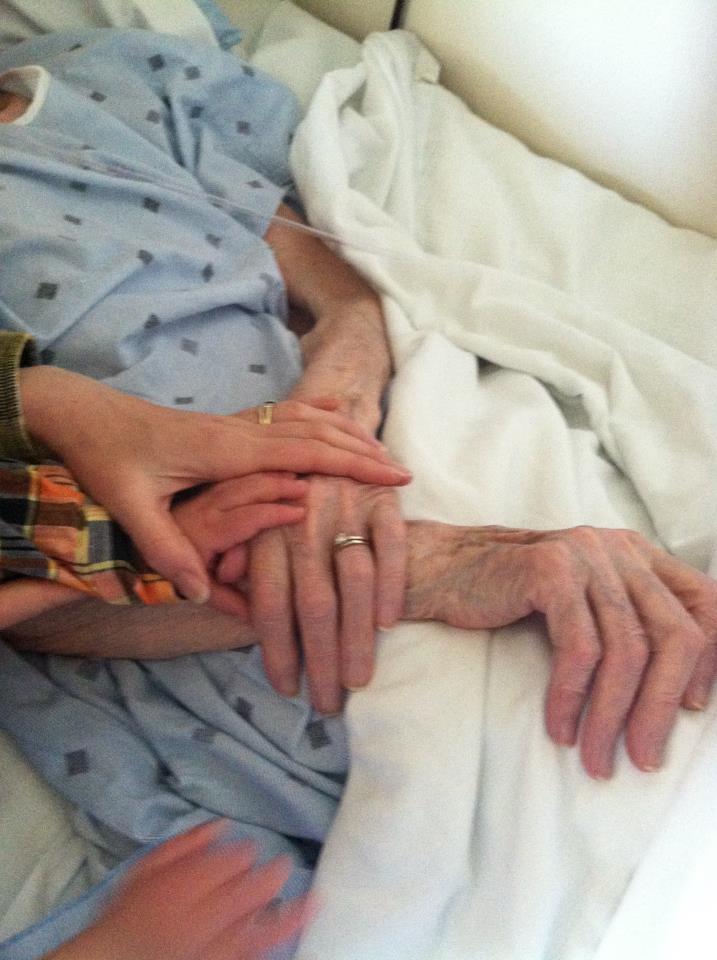
Waiting With Great Grandma

Waiting Together–Great Grandma Emma, granddaughter Andrea, great-grandson Zealand

Emma Gibson–December 28, 1927- May 20,2012

Consolation

All are not taken; there are left behind
Living Belovèds, tender looks to bring
And make the daylight still a happy thing,
And tender voices, to make soft the wind:
But if it were not so—if I could find
No love in all this world for comforting,
Nor any path but hollowly did ring
Where ‘dust to dust’ the love from life disjoin’d;
And if, before those sepulchres unmoving
I stood alone (as some forsaken lamb
Goes bleating up the moors in weary dearth)
Crying ‘Where are ye, O my loved and loving?’—
I know a voice would sound, ‘Daughter, I AM.
Can I suffice for Heaven and not for earth?’

Elizabeth Barrett Browning

***********************************************

At last the entire family stood, like people seeing someone off at the rail station, waiting in the room…

…”So don’t you worry over me. Now, all of you go, and let me find my sleep….”

Somewhere a door closed quietly…

…Deeper in the warm snow hill she turned her head upon her pillow. That was better.  Now, yes, now she saw it shaping in her mind quietly, and with serenity like a sea moving along an endless and self-refreshing shore.  Now she let the old dream touch and lift her from the snow and drift her above the scarce-remembered bed…

Downstairs, she thought, they are polishing the silver, and rummaging the cellar, and dusting in the halls. She could hear them living all through the house.

“It’s all right.” Whispered Great-grandma, as the dream floated her. “Like everything else in this life, it’s fitting.”

And the sea moved her back down the shore.

~excerpts from Ray Bradbury’s “Death of Great-Grandma” in “Dandelion Wine”

What Will Be Required

photo by Josh Scholten

“He will wipe the tears from all faces.” It takes nothing from the loveliness of the verse to say that is exactly what will be required.
Marilynne Robinson

Someone precious to our family is dying, after living a long and faithful life of loving devotion and service to God and the people she cared for and about.  There are tears being shed by those of us watching her grow weaker and drift farther from the shore of the living, hour by hour.  Her hands are still warm as we hold her firmly, asking her to open her eyes, acknowledge we are near, not depart from us quite yet.

But her goodbye will come soon and more tears will be shed.  We will have lost our anchor of over eight decades and will be adrift in the flood of our weeping.

He knows this is what is required of the living, so is prepared, shoulder and sleeve and hanky at the ready, to stem our flow and wipe away our every tear.  Death shall be no more, nor shall there be mourning, nor crying, nor pain.

As we watch her gathered into His arms and carried away, we know it is lovely and it is good.

And for that we weep tears of joy.