But where sin increased, grace increased all the more, so that, just as sin reigned in death, so also grace might reign through righteousness to bring eternal life through Jesus Christ our Lord. Romans 5:20-21
Lord Jesus, You are my righteousness, I am your sin.
You took on you what was mine; yet set on me what was yours.
You became what you were not, that I might become what I was not. ~Martin Luther
The issue is now clear. It is between light and darkness and everyone must choose his side.
G.K. Chesterton
This is not like choosing sides on teams in grade school, numbering off one-two-one-two until everyone knows where they stand, the weak and the strong all thrown together by random chance.
This is not like an explosive election year where choosing sides means being aligned with a political candidate with whom I vehemently disagree, simply to avoid supporting an even worse option.
This is not like a Lincoln-Douglas debate tournament where I might represent one viewpoint for the first round, and then be asked to represent the opposite viewpoint in the second half.
This is more like being chosen for one side or the other, even if, klutz that I am, it means always being the last to be chosen for any sports team with all my limitations, my poor coordination, my weakness and my flaws.
This choice is not for an hour or a day or a year, but for eternity; whether to stand in the light as it shines on my dark, glum, sullen head or to stay unexposed and hidden in the shadows.
It isn’t just about choosing,
but being chosen, my flaws being taken on by Christ,
just as I am,
so that I might become what I was not before.
Though the light shines on things unclean, yet it is not thereby defiled.
Augustine
During this Lenten season, I will be drawing inspiration from the new devotional collection edited by Sarah Arthur —Between Midnight and Dawn
The winds were scornful, Passing by; And gathering Angels Wondered why
A burdened Mother Did not mind That only animals Were kind.
For who in all the world Could guess That God would search out Loneliness. ~Sr. M. Chrysostom, O.S.B. “The Stable” from Mary Immaculate: God’s Mother and Mine Marist Press, 1946.
A Child in a foul stable, Where the beasts feed and foam; Only where He was homeless Are you and I at home; We have hands that fashion and heads that know, But our hearts we lost – how long ago! In a place no chart nor ship can show Under the sky’s dome.
This world is wild as an old wives’ tale, And strange the plain things are, The earth is enough and the air is enough For our wonder and our war; But our rest is as far as the fire-drake swings And our peace is put in impossible things Where clashed and thundered unthinkable wings Round an incredible star. ~G. K. Chesterton from “The House of Christmas”
Beholding his glory is only half our job. In our souls too the mysteries must be brought forth; we are not really Christians till that has been done. A mystic says human nature is like a stable inhabited by the ox of passion and the ass of prejudice— animals which take up a lot of room and which I suppose most of us are feeding on the quiet. And it is there between them, pushing them out, that Christ must be born and in their very manger he must be laid— and they will be the first to fall on their knees before him. Sometimes Christians seem far nearer to those animals than to Christ in his simple poverty, self-abandoned to God. ~Evelyn Underhill
…as the night of this world folds you in its brutal frost (the barnyard smell strong as sin), and as Joseph, weary with unwelcome and relief, His hands bloody from your birth, spreads his thin cloak around you both, we doubly bless you. Baby, as you are acquainted, for the first time, with our grief. ~Luci Shaw from “A Blessing for a New Baby”
If I recall correctly, the first catalog with holiday theme items arrived in our mailbox in late July. The “BEST CHRISTMAS ISSUE EVER!” magazines hit the racks in September. Then, with the chill in the air in October and Halloween past, the stores put out the Santa decorations and red and white candy, instead of the orange and black candy of the previous 6 weeks. I have been inundated with commercial “Christmas” for months now and finally, it is about to arrive, after considerable fanfare and folderol. I don’t know about you, but I’m exhausted, beat to a “best ever holiday” pulp.
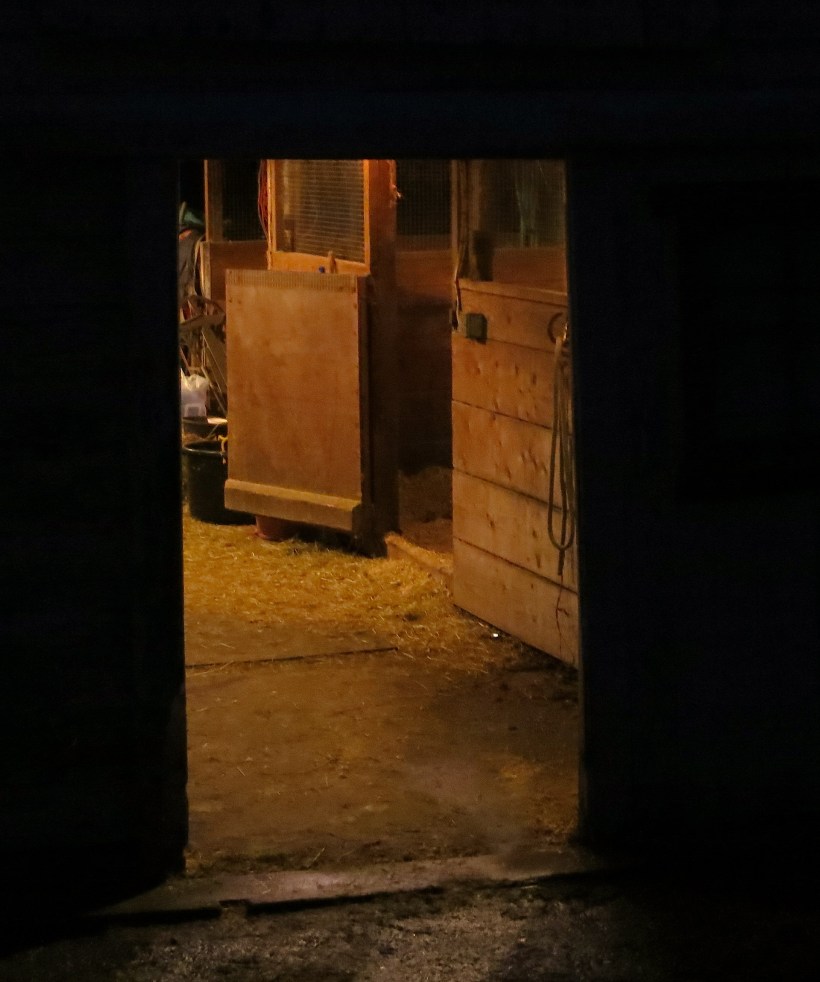
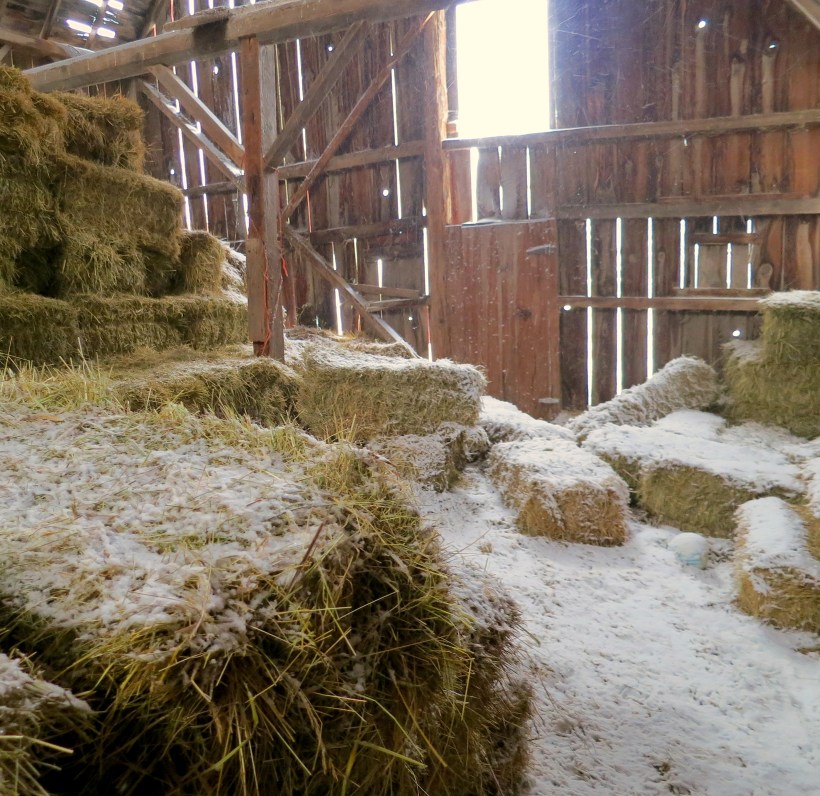
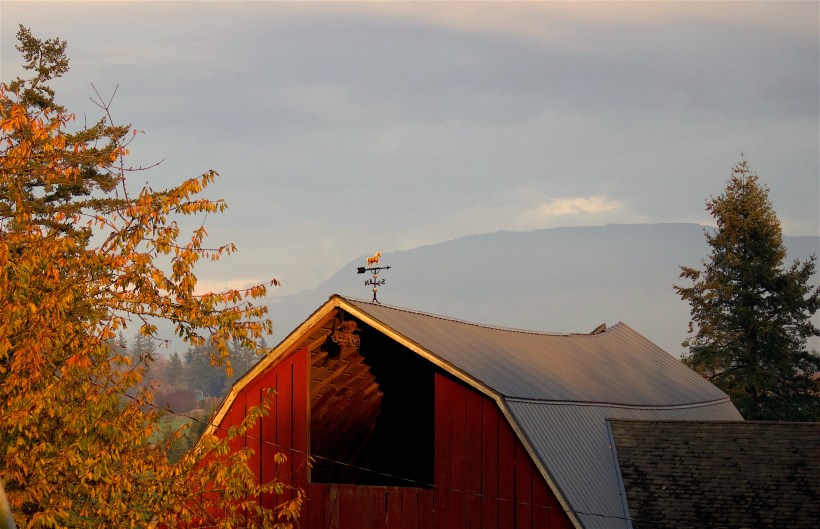
All of this has little to do with the original gift given that first Christmas night, lying small and helpless in a barn feed trough. I know a fair amount about feed troughs, having daily encounters with them in our barn, and there is no fanfare there and no grandiosity. Just basic sustenance– every day needs fulfilled in the most simple and plain way. Our wooden troughs are so old, they have been filled with fodder thousands of times over the decades. The wood has been worn smooth and shiny from years of being sanded by cows’ rough tongues, and over the last two decades, our horses’ smoother tongues, as they lick up every last morsel, extracting every bit of flavor and nourishment from what has been offered there. No matter how tired, how hungry, there is comfort offered at those troughs. The horses know it, anticipate it, depend on it, thrive because of it.
The shepherds in the hills that night were starving too. They had so little, yet became the first invited to the feast at the trough. They must have been overwhelmed, having never known such plenty before. Overcome with the immensity of what was laid before them, they certainly could not contain themselves, and told everyone they could about what they had seen.
His mother listened to the excitement of the visiting shepherds and that she “treasured up all these things and pondered them in her heart”. Whenever I’m getting caught up in the frenetic overblown commercialism of modern Christmas, I go out to the barn and look at our rough hewn feed troughs and think about what courage it took to entrust an infant to such a bed. She knew in her heart, indeed she had been told, that her son was to feed the hungry souls of human kind and He became fodder Himself.
Now I am at the trough, starving, sometimes stamping in impatience, often anxious and weary, at times hopeless and helpless. He was placed there for good reason: a treasure to be shared plain and simple, nurture without end for all.
Who needs Christmas cookies, pumpkin pies and the candy canes to fill the empty spot deep inside?
Just kneel at the manger.
~EPG
O magnum mysterium
et admirabile sacramentum,
ut animalia viderent Dominum natum,
jacentem in præsepio.
Ask any Christian you know that has spent time dwelling upon it: the Incarnation is magical as a fairy-tale… It is the wondrous event at the heart of everything, and yes, we mean everything. It is a thing wonderful to behold and to ponder. I get all misty-eyed when I think about it, and for good reason, for in it, we glimpse the mysterious ways of God Himself, saving and surprising us despite ourselves, drawing us ever closer to the deepness of a love vast as the cosmos. ~John Caswell from “Concerning Tolkien’s Faith –Incarnation as Eucastastrophe”
The point is not that this world is too sad to love or too glad not to love; the point is that when you do love a thing, its gladness is a reason for loving it, and its sadness a reason for loving it more. ~G.K. Chesterton from Orthodoxy
He came to us, not because of the gladness of our earthly existence, then or now. We are falling apart, and only He is the glue.
He came to us then, He comes to us now because of our unquenchable need and our unbearable sadness. We are loved that much.
When we are done with earthly things, there will be nothing but gladness — no longer will clouds obscure His glory.
~EPG
I enjoyed watching these boys sing this old hymn
As with gladness men of old Did the guiding star behold As with joy they hailed its light Leading onward, beaming bright So most gracious God may we Evermore be led by Thee
As with joyful steps they sped To that lowly manger bed There to bend the knee before Him whom heav’n and earth adore So may we with willing feet Ever seek Thy mercy seat
As they offered gifts most rare At that manger rude and bare So may we with holy joy Pure and free from sin’s alloy All our costliest treasures bring Christ to Thee, our heav’nly King
Holy Jesus ev’ry day Keep us in the narrow way And when earthly things are past Bring our ransomed souls at last Where they need no star to guide Where no clouds Thy glory hide ~As With Gladness Men of Old
Courage is almost a contradiction in terms. It means a strong desire to live taking the form of a readiness to die. ~ G.K. Chesterton
To our U.S. veterans–with deep appreciation and gratitude–for the freedoms you have defended on behalf of us all:
My father was one of the fortunate ones who came home, returning to a quiet farm life after three years serving in the Marines Corp from 1942 to 1945 on Tarawa, Saipan and Tinian. Hundreds of thousands of his colleagues didn’t come home, dying on beaches and battlefields. Tens of thousands more came home forever marked, through physical or psychological injury, by the experience of war.
No matter how one views WWII, or the subsequent wars that our nation has fought and currently is fighting, we must support and care for the men and women who have made the commitment to be on the front line for freedom’s sake and for our sake.
I’m unsure why the United States does not call November 11 Remembrance Day as the Commonwealth nations did after WWI. This is a day that demands much more than the more passive name Veterans’ Day represents.
This day calls all citizens who appreciate their freedoms to stop what they are doing and disrupt the routine rhythm of their lives. We are to remember in humble thankfulness the generations of military veterans who sacrificed time, resources, sometimes health and well being, and too often their lives in answering the call to defend their countries.
Remembrance means never forgetting what it costs to defend freedom. It means acknowledging the millions who have given of themselves and continue to do so on our behalf. It means never ceasing to care. It means a commitment to provide resources needed for the military to remain strong. It means unending prayers for safe return home to family. It means we hold these men and women close in our hearts, always teaching the next generation about the sacrifices they made.
Most of all, it means being willing to become the sacrifice if called.
We are the Dead. Short days ago We lived, felt dawn, saw sunset glow, Loved and were loved, and now we lie In Flanders fields.~Lieutenant-Colonel (Dr.) John McCrae from “In Flanders Fields”
It is…the refusal to take the oath of loyalty to life…
The man who kills a man kills a man. The man who kills himself kills all men. As far as he is concerned, he wipes out the world. ~ G.K. Chesterton
Suicide rates globally have climbed 60% in the past forty five years,
particularly in developed countries where most folks are sheltered and fed,
where daily survival is entirely in our own hands.
Based on the distress and anguish of the patients I see every day,
there will be no slowing of this trend:
this temptation, this contemplation, this resignation of dying, only a passive
“I wish I were dead” or
“the world is better off without me”~
wipes out the worth of the world.
~where there is no oath of loyalty to live, our own or others’,
as stressful, painful and messy as life can be,
~where there is no honoring of the holiness of the created being,
whether unborn, or breathing heavy through daily struggles, or suffering or dying,
~when there is no longer resistance to standing up to the buffeting winds of life,
only a toppling over, taking out everything and everyone in the way,
~then with each suicide, the world also is wiped out,
the value of all people killed in one act of self-murder.
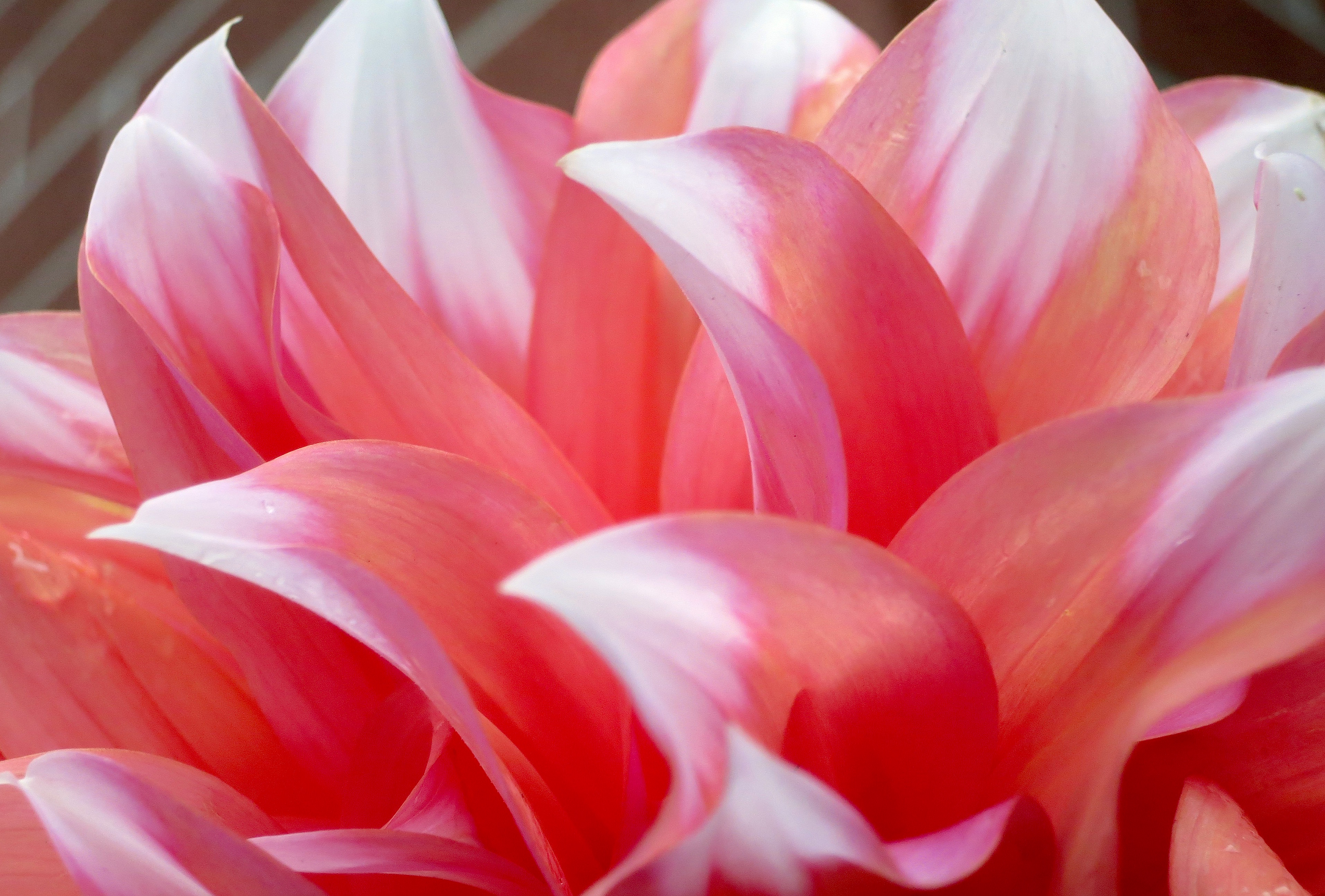
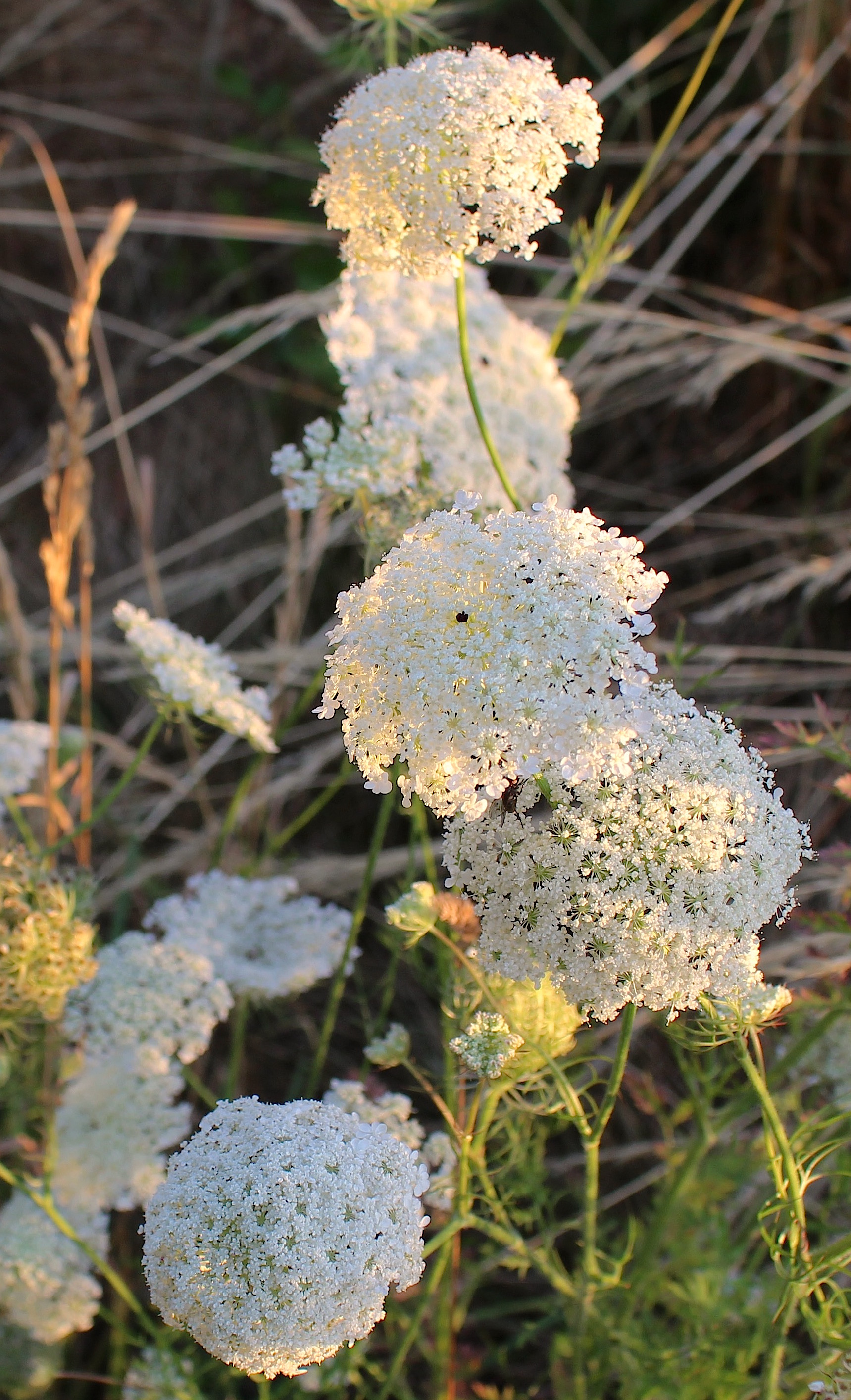
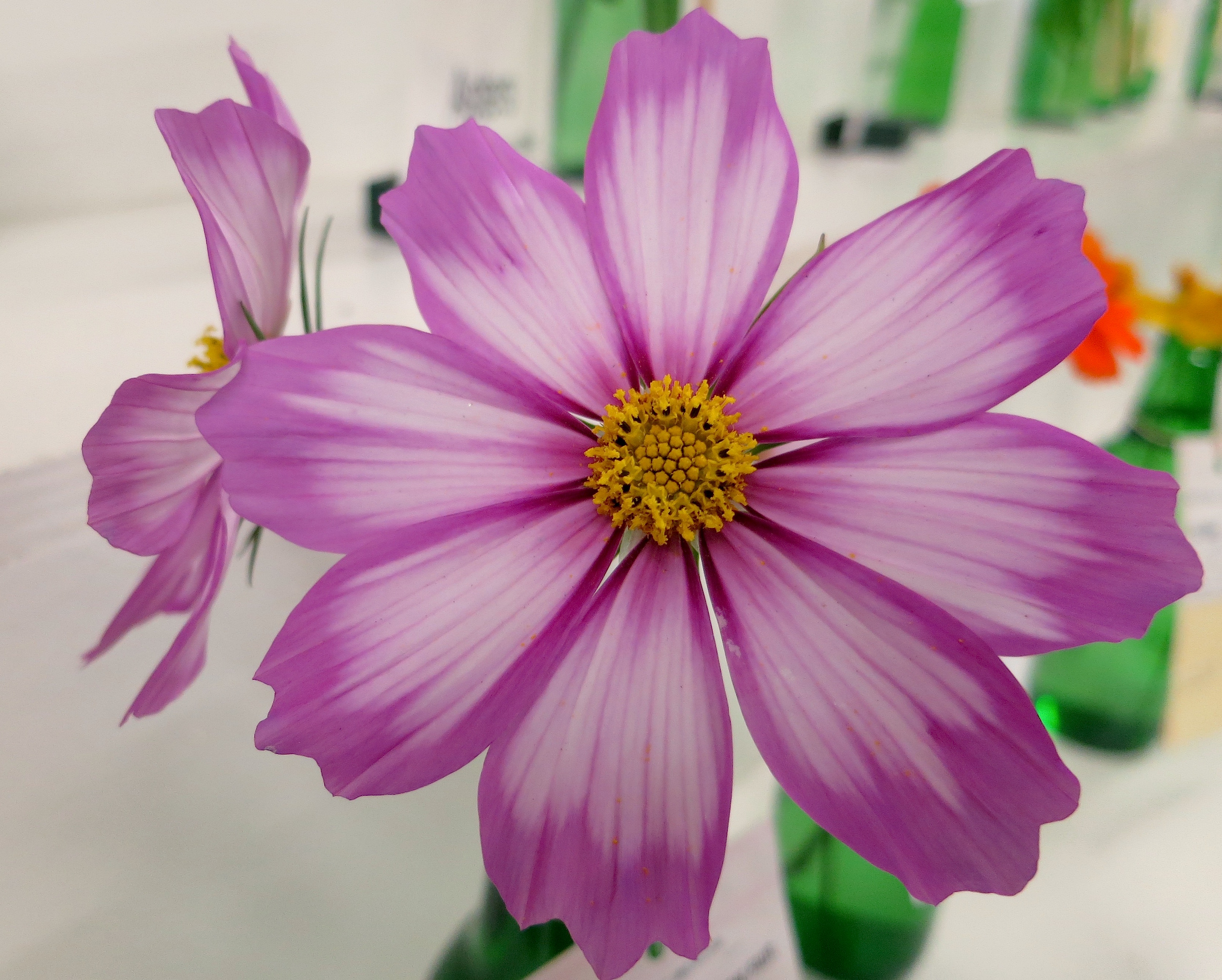
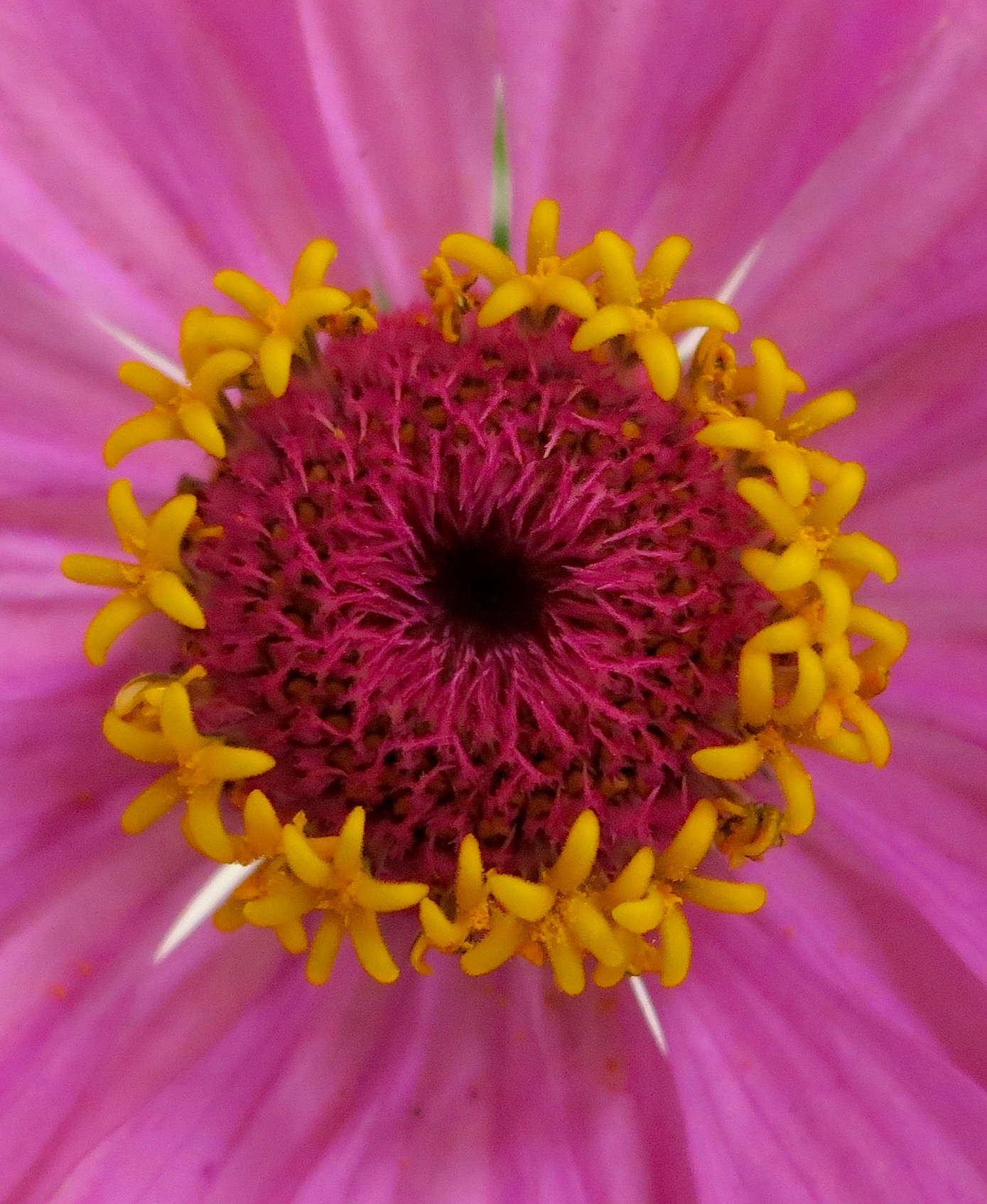
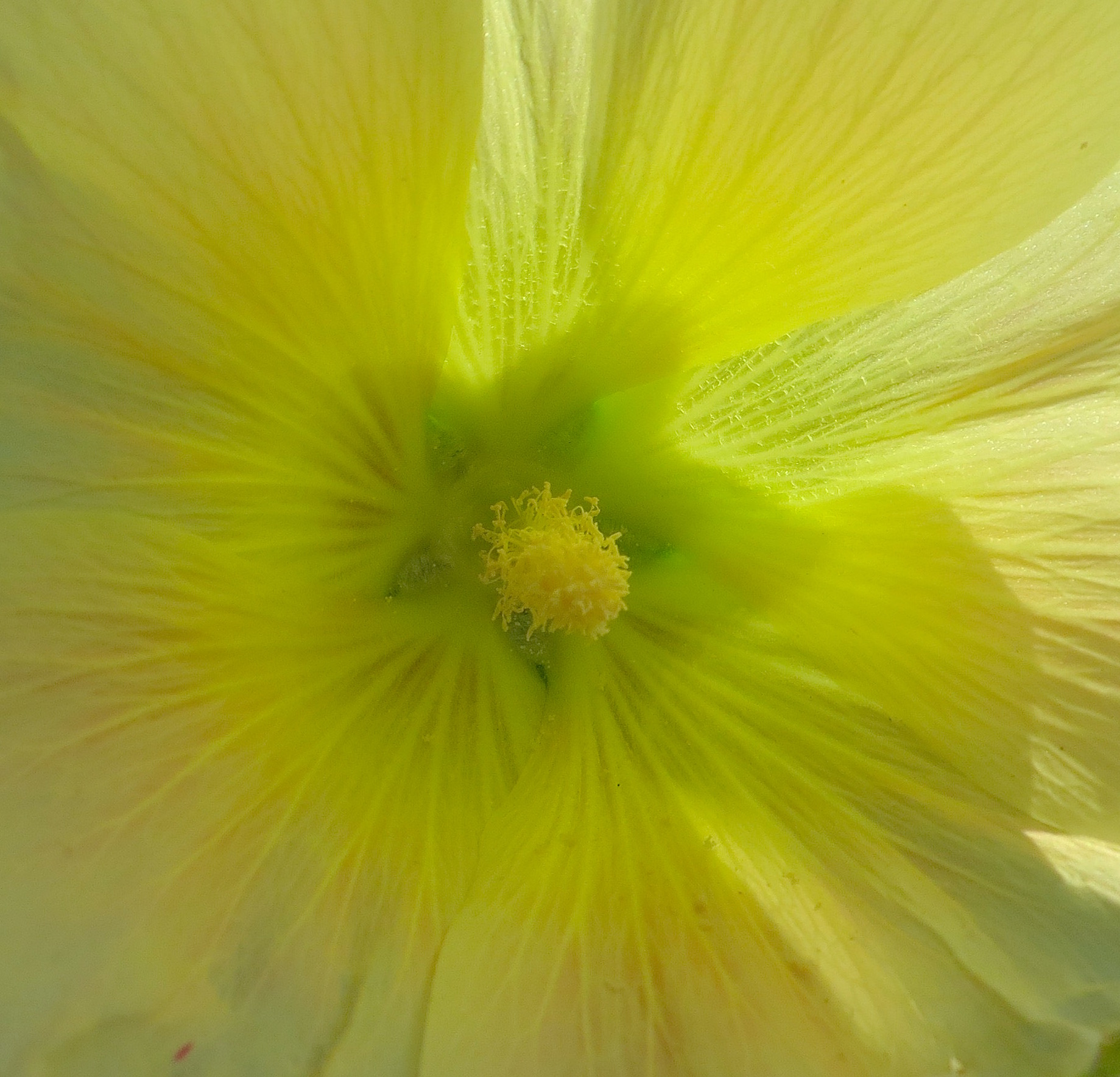
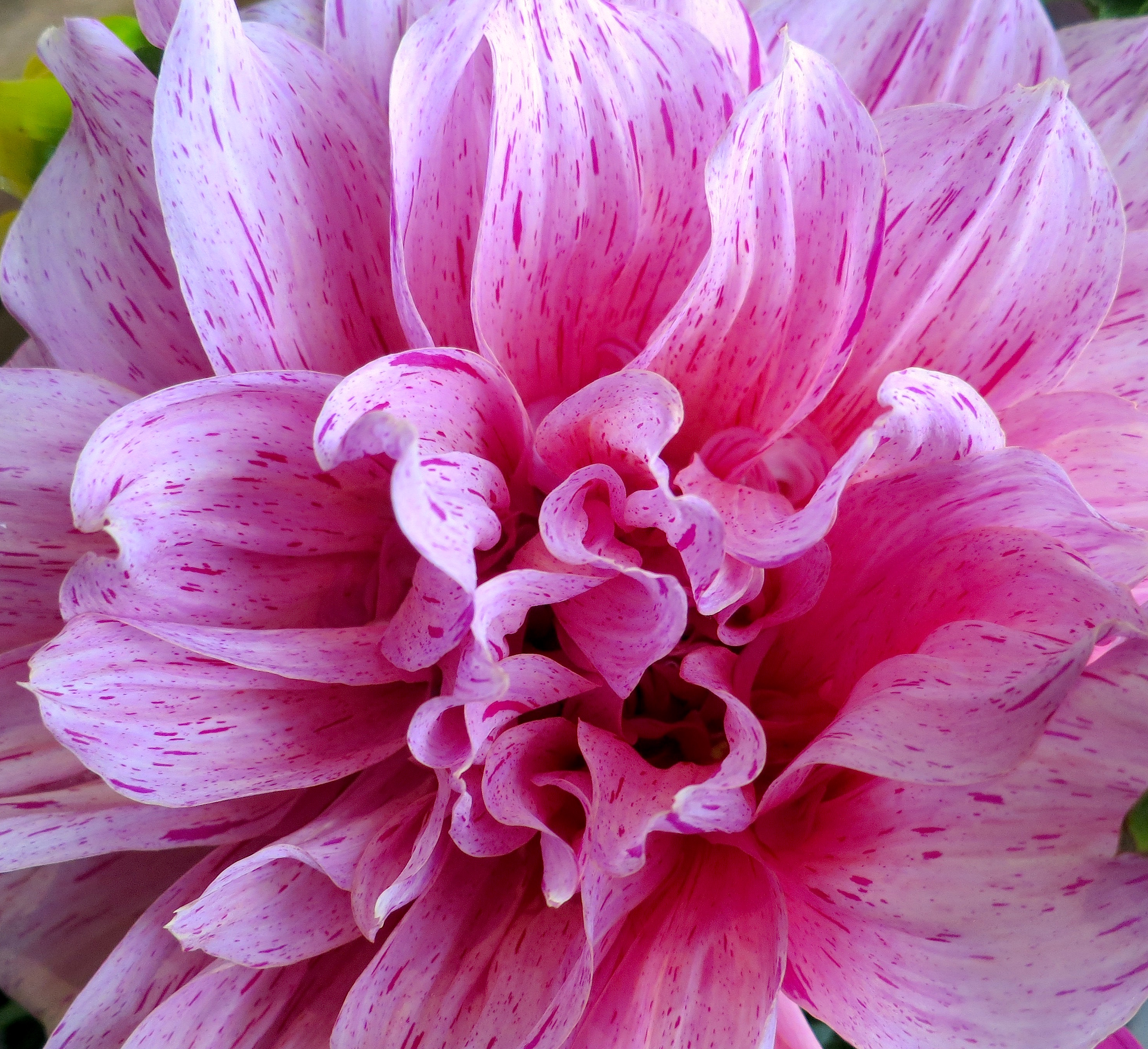
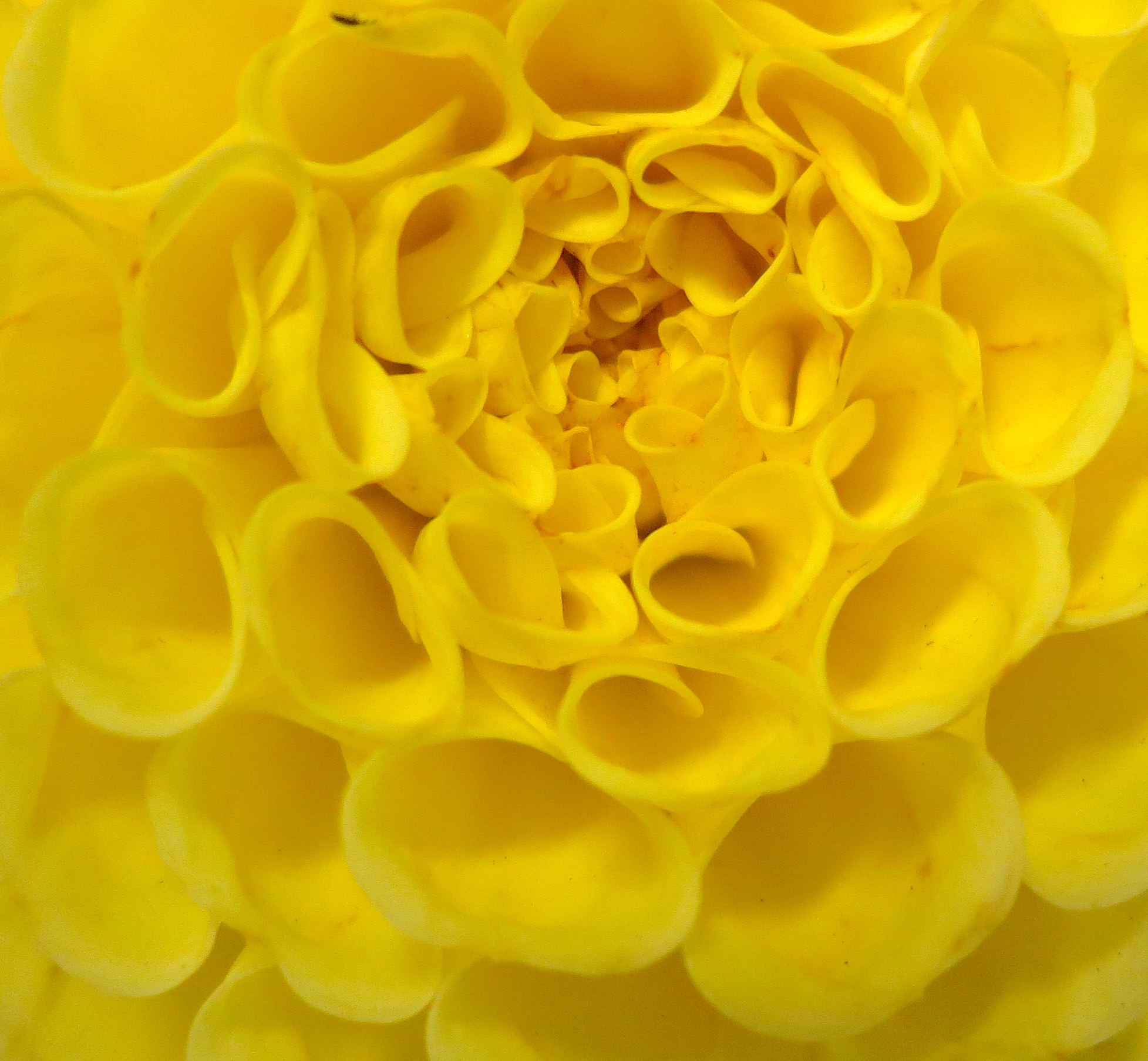
There are philosophies as varied as the flowers of the field,
and some of them weeds and a few of them poisonous weeds.
But they none of them create the psychological conditions
in which I first saw,
or desired to see,
the flower. ~G.K.Chesterton
The news is filled with poisonous weeds,
disguised as something palatable,
but one taste, one look
and I am toast.
I seek a beauty that is more than petal thin,
weed or not,
where roots reach deep
and colors so vibrant
it renews my heart
and fills my retinas full.
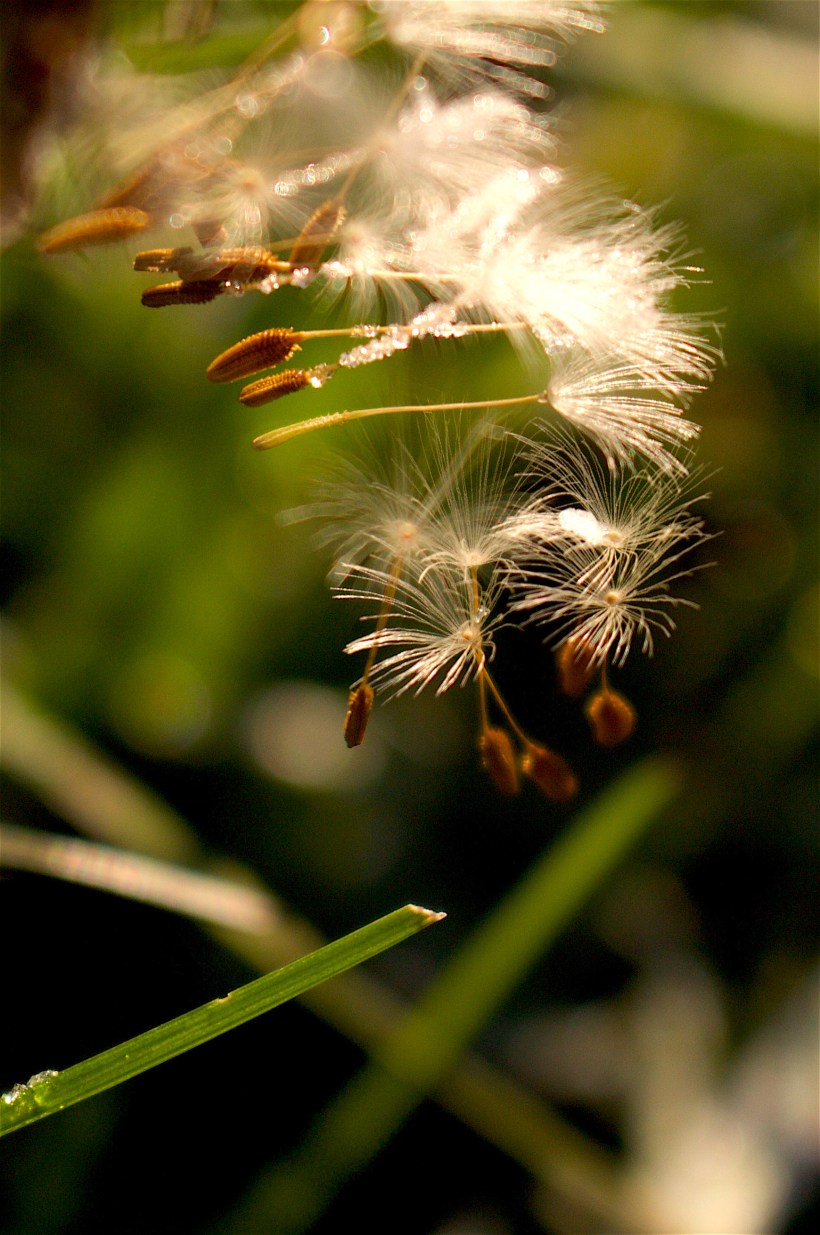
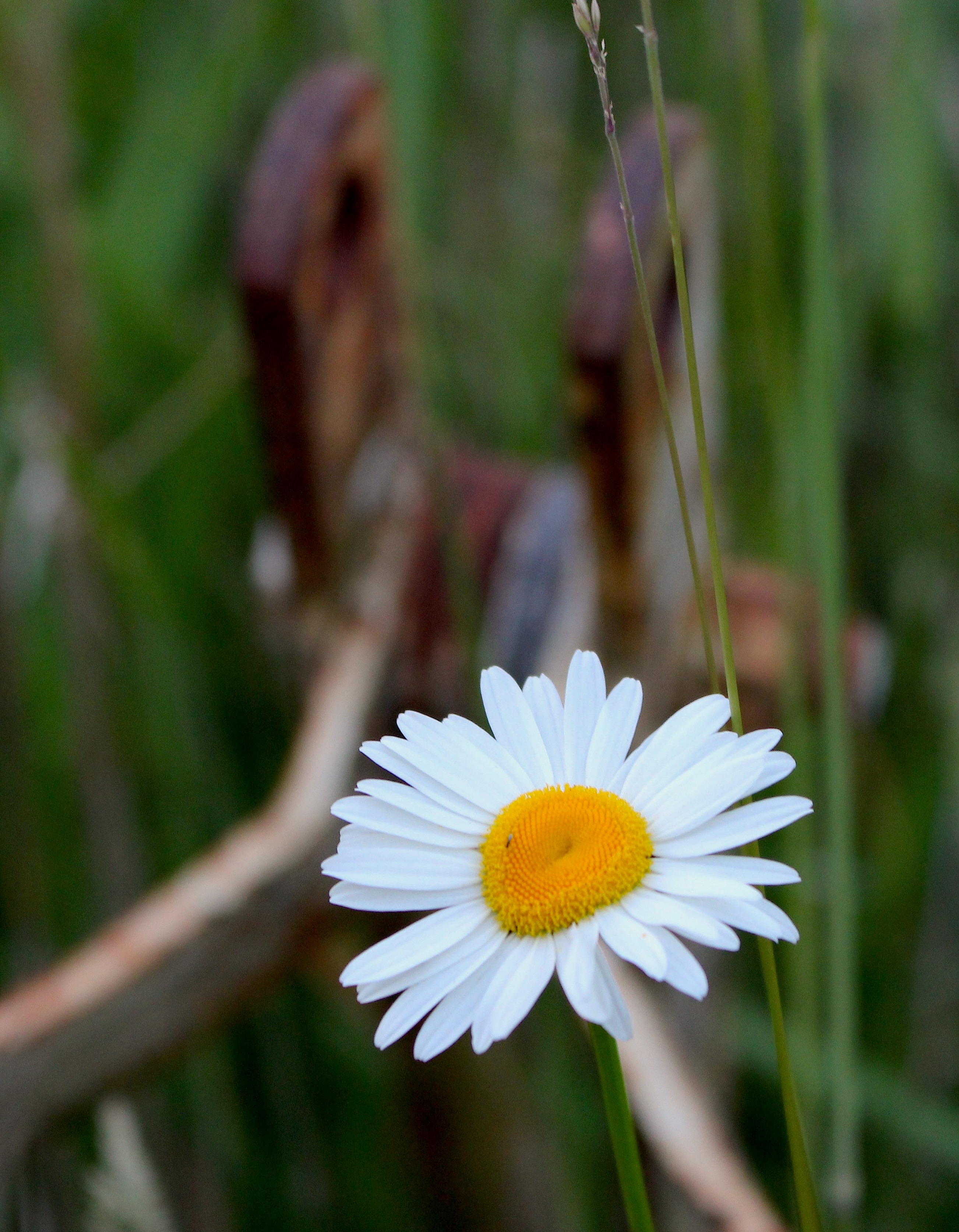
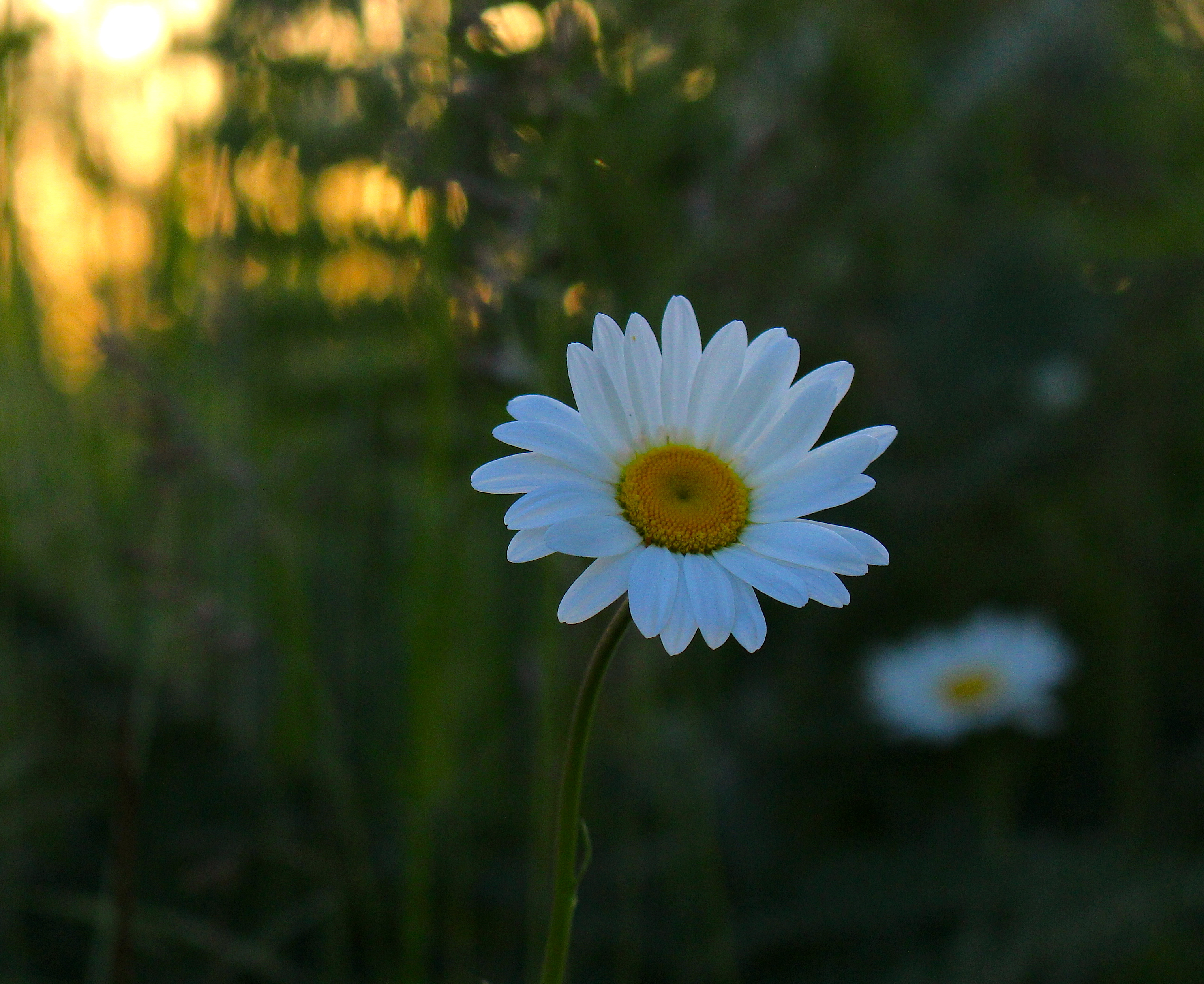
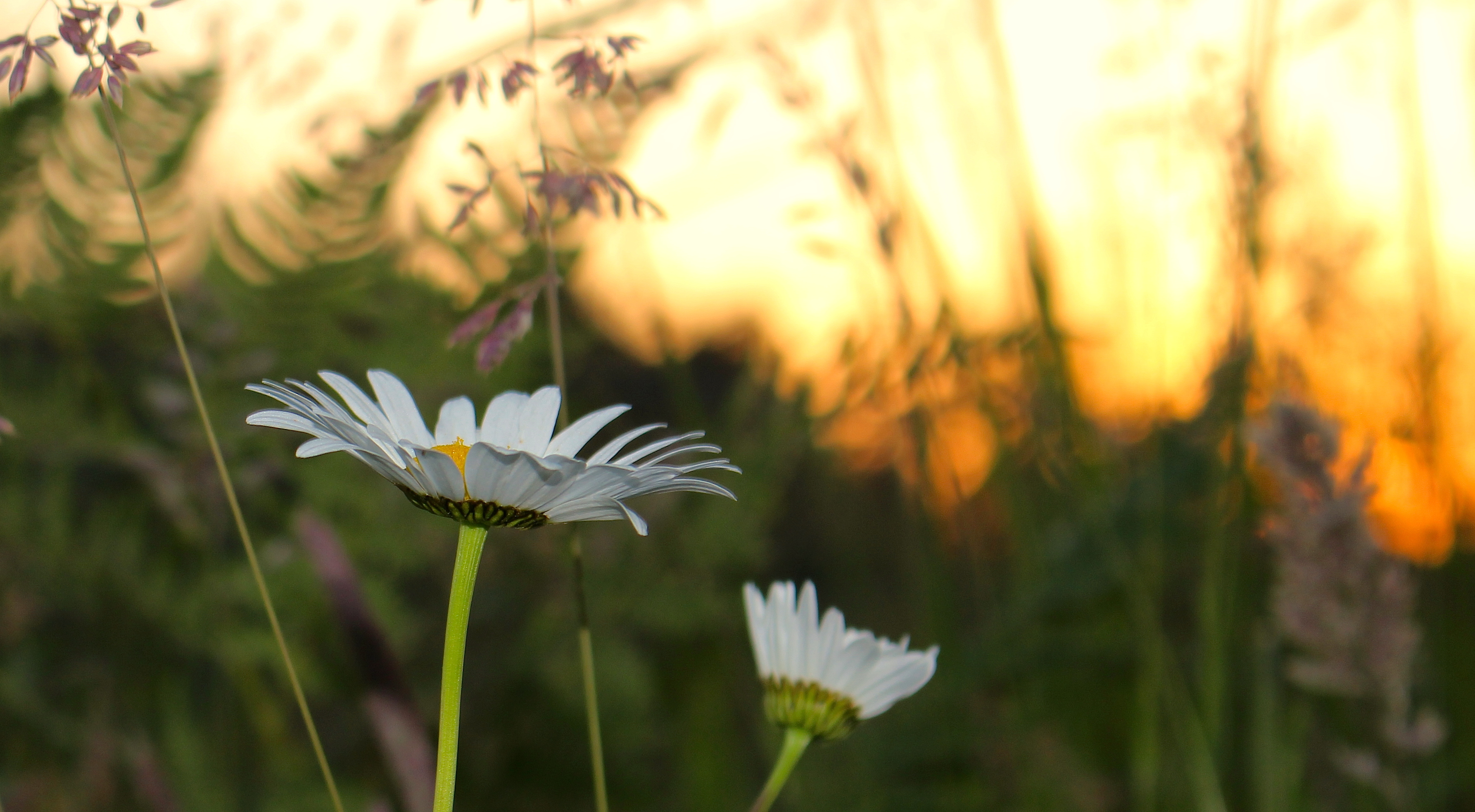
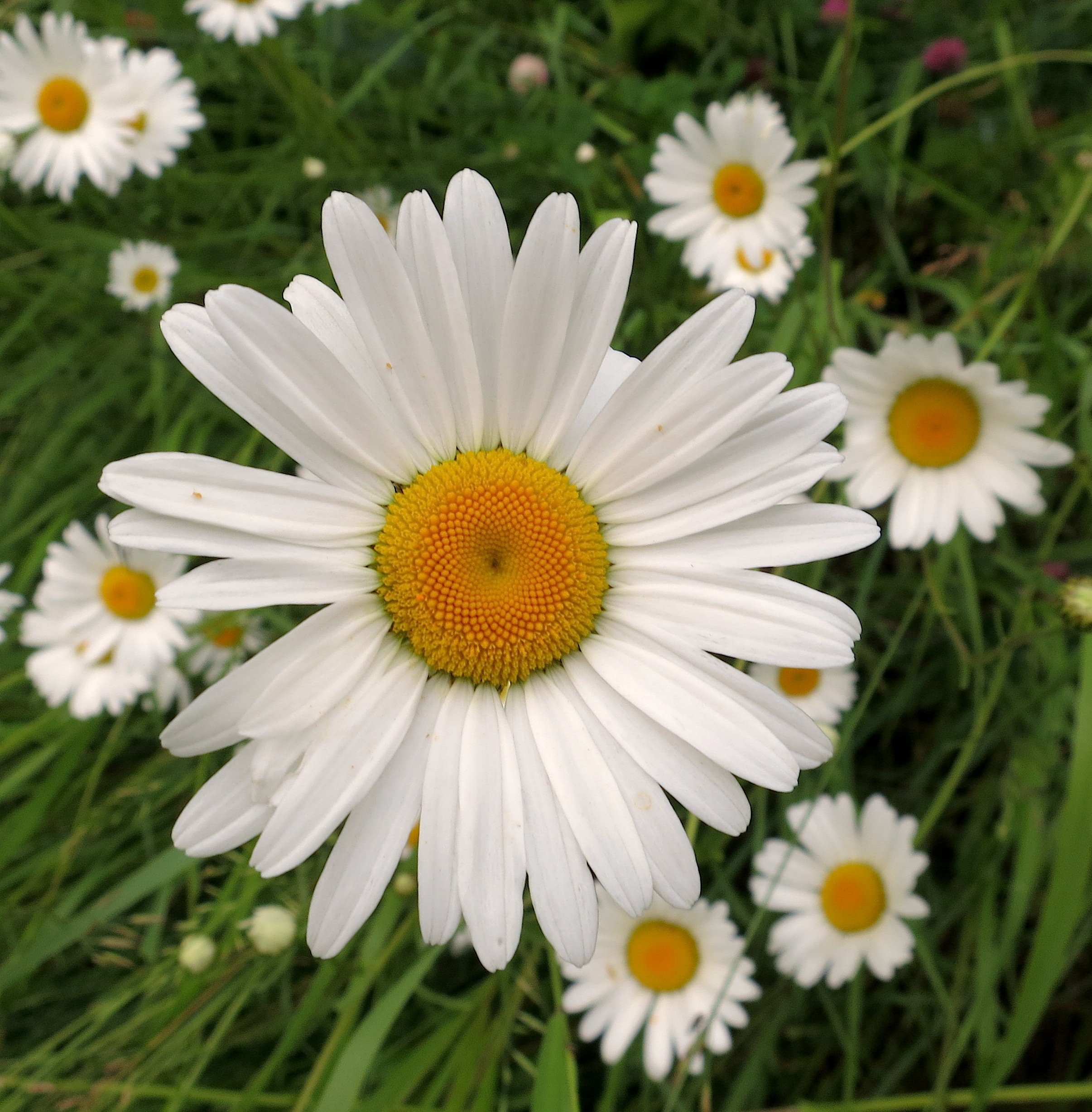
Because children have abounding vitality, because they are in spirit fierce and free, therefore they want things repeated and unchanged. They always say, “Do it again”; and the grown-up person does it again until he is nearly dead. For grown-up people are not strong enough to exult in monotony. But perhaps God is strong enough to exult in monotony. It is possible that God says every morning, “Do it again” to the sun; and every evening, “Do it again” to the moon. It may not be automatic necessity that makes all daisies alike; it may be that God makes every daisy separately, but has never got tired of making them. It may be that he has the eternal appetite of infancy; for we have sinned and grown old, and our Father is younger than we. ~G.K. Chesterton from Orthodoxy
The idea of sin making us older than our Maker catches me by surprise, but it makes sense. Weary as we may become with routine, our continual search for the next new thing costs us in time and energy. We age every time we sigh with boredom or turn away from the mundane, becoming less and less like our younger selves.
Who among us exults in monotony and celebrates predictability and enjoys repetition?
God does on our behalf. He is consistent, persistent and insistent because we are no longer are.
Thank you, Pastor Bert, for your sermon yesterday at Wiser Lake Chapel on this Advent passage:
The Lord your God is with you, the Mighty Warrior who saves. He will take great delight in you; in his love he will no longer rebuke you, but will rejoice over you with singing. I will rescue the lame; I will gather the exiles. I will give them praise and honor in every land where they have suffered shame. At that time I will gather you; at that time I will bring you home. Zephaniah 3: 17, 19-20
There fared a mother driven forth Out of an inn to roam; In the place where she was homeless All men are at home.
For men are homesick in their homes, And strangers under the sun, And they lay on their heads in a foreign land Whenever the day is done.
A Child in a foul stable, Where the beasts feed and foam; Only where He was homeless Are you and I at home;
To the end of the way of the wandering star, To the things that cannot be and that are, To the place where God was homeless And all men are at home. ~G.K. Chesterton from “The House of Christmas”
Though you are homeless Though you’re alone I will be your home Whatever’s the matter Whatever’s been done I will be your home
In this fearful fallen place I will be your home When time reaches fullness When I move my hand I will bring you home Home to your own place In a beautiful land
From this fearful fallen place I will bring you home I will bring you home ~Michael Card “I Will Bring You Home”
We are about to celebrate the marriage of these two precious people this coming weekend
May they always share the poetry in their pockets.
Once I planned to write a book of poems entirely about the things in my pocket. But I found it would be too long; and the age of the great epics is past. ~G.K. Chesterton from “A Piece of Chalk”
The waves haven’t come for my smooth glass yet (polished from the sea). In the meantime, it is right here in the front pocket of the jeans I am wearing now. I reach into my pocket for it a lot; it helps me write in some mysterious way… ~Anne Lamott from Traveling Mercies
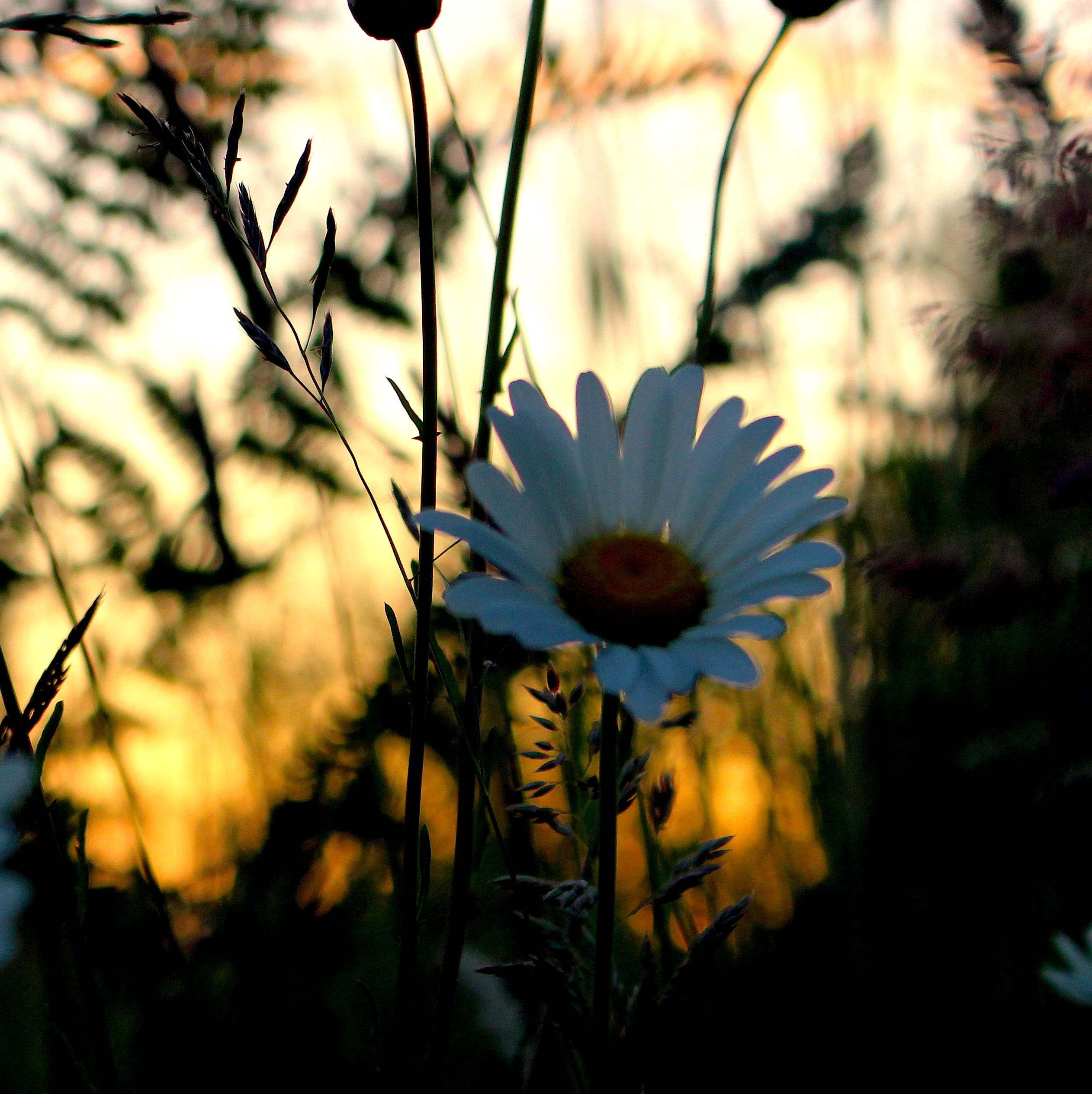
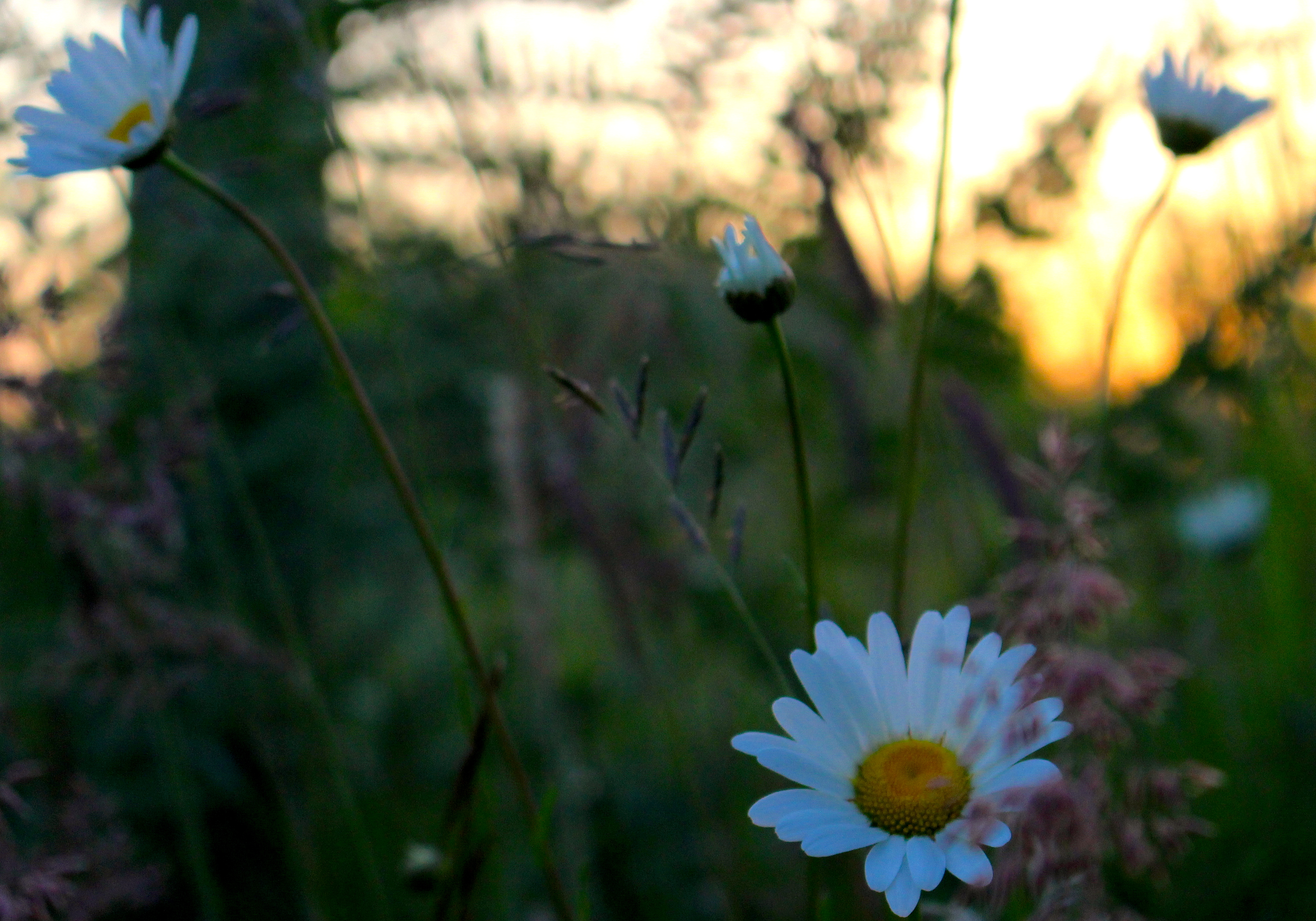
…perhaps God is strong enough to exult in monotony. It is possible that God says every morning, “Do it again” to the sun; and every evening, “Do it again” to the moon. It may not be automatic necessity that makes all daisies alike; it may be that God makes every daisy separately, but has never got tired of making them. ~G.K. Chesterton
There is a flower, a little flower With silver crest and golden eye, That welcomes every changing hour, And weathers every sky. ~James Montgomery
Over the shoulders and slopes of the dune I saw the white daisies go down to the sea, A host in the sunshine, an army in June, The people God sends us to set our heart free. ~William Bliss Carman





 Barnstorming