‘Tis Hay Time

haybarnfull

haywagon

Tis haytime & the red complexioned sun
Was scarcely up ere blackbirds had begun
Along the meadow hedges here & there
To sing loud songs to the sweet smelling air
Where breath of flowers & grass & happy cow
Fling oer ones senses streams of fragrance now
While in some pleasant nook the swain & maid
Lean oer their rakes & loiter in the shade
Or bend a minute oer the bridge & throw
Crumbs in their leisure to the fish below
—Hark at that happy shout—& song between
Tis pleasures birthday in her meadow scene
What joy seems half so rich from pleasure won
As the loud laugh of maidens in the sun.
~John Clare “Hay Making”

farmcrew3

haymaking5

haying2012

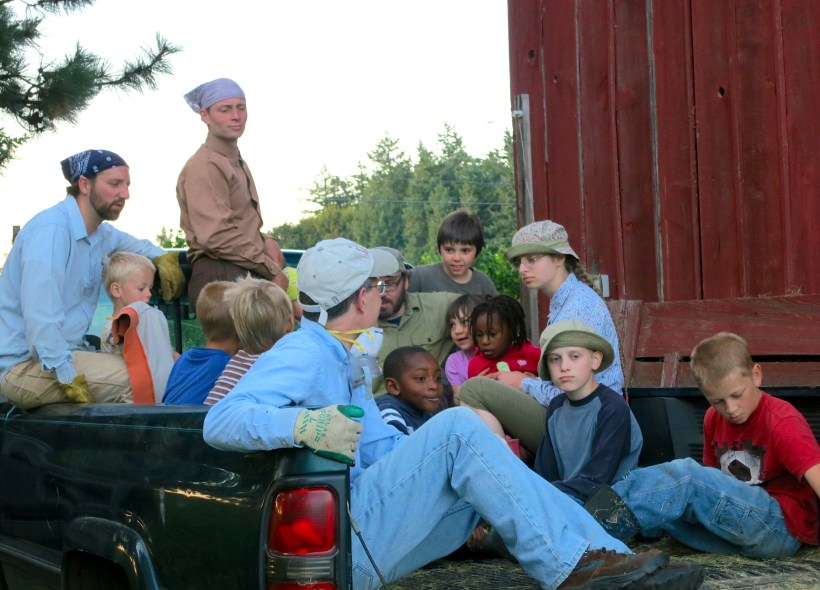
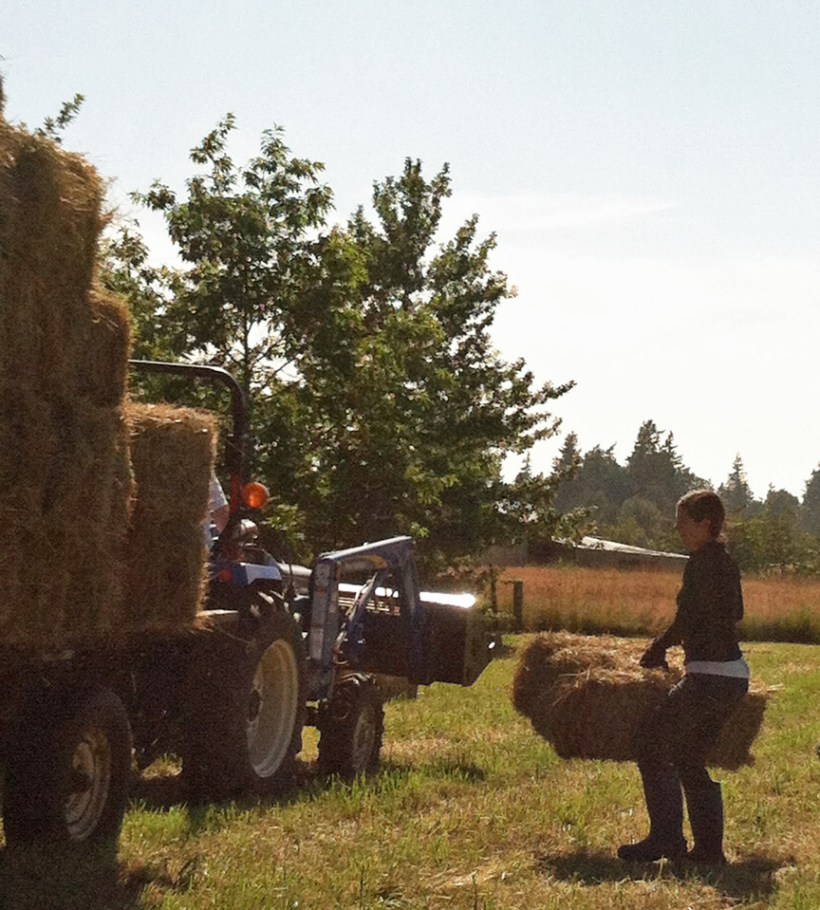
Every hay crew is the same
Though the names change;
Young men flexing their muscles,
A seasoned farmer defying his age
Tossing four bales high,
Determined girls bucking up on the wagon,
Young children rolling bales closer,
Add a school teacher, pastor,
Professor, lawyer and doctor
Getting sweaty and dusty
United in being farmers
If only for an evening.

Stacking
Basket weave
Interlocking
Cut side up
Steadying the load
Riding over hills
Through valleys
In slow motion
Eagles over head
Searching the bare fields
Evening alpen glow
Of snowbound
Eastern peaks

Friends and neighbors
Walking the dotted pastures,
Piling on the wagons,
Driving the truck,
Riding the top of hay stack
In the evening breeze,
Filling empty barn space to the rafters,
Making gallons of lemonade in the kitchen.
A hearty meal consumed
In celebration
Of summer baled, stored, preserved
For another year.

Hay crew
Remembered on
Frosty autumn mornings before dawn
When bales are broken for feed
And fragrant summer spills forth.
In the dead of winter

sunset81115

sunset811153

puffsunset2

Between Midnight and Dawn: All Things at the End and Beginning

Candle3
photo by Julie Garrett

photo 1-2


This mystery is that through the gospel the Gentiles are heirs together with Israel, members together of one body, and sharers together in the promise in Christ Jesus.
Ephesians 3:6


The journey begins when Christians leave their homes and beds. They leave, indeed, their life in this present and concrete world, and whether they have to drive 15 miles or walk a few blocks, a sacramental act is already taking place…

For they are now on their way to constitute the Church, or to be more exact, to be transformed into the Church of God. They have been individuals, some white, some black, some poor, some rich, they have been the ‘natural’ world and a natural community. And now they have been called to “come together in one place,” to bring their lives, their very world with them and to be more than what they were: a new community with a new life.

We are already far beyond the categories of common worship and prayer. The purpose of this ‘coming together’ is not simply to add a religious dimension to the natural community, to make it ‘better’ – more responsible, more Christian. The purpose is to fulfill the Church, and that means to make present the One in whom all things are at their end, and all things are at their beginning.
~ Father Alexander Schmemann from For the Life of the World


Human beings by their very nature are worshipers. Worship is not something we do; it defines who we are.
You cannot divide human beings into those who worship and those who don’t.
Everybody worships; it’s just a matter of what, or whom, we serve.

~Paul Tripp

************************************

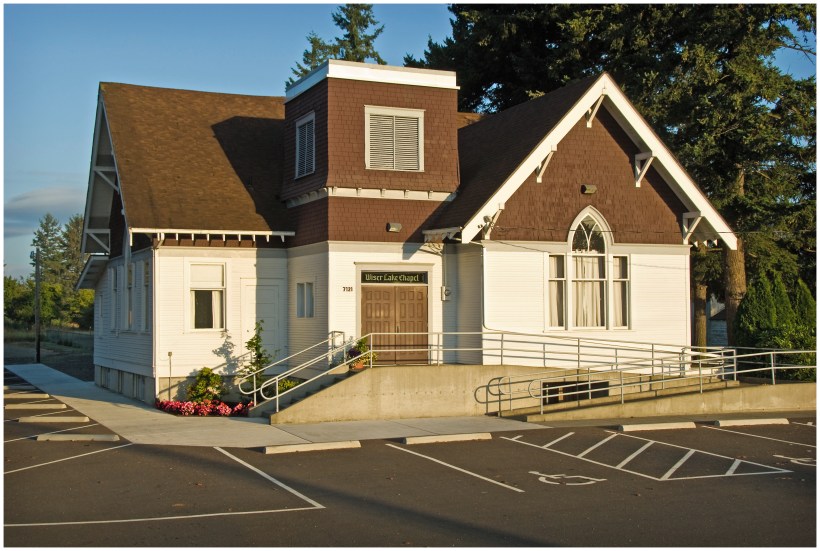
Back in the early days of Whatcom County,  the little church on Wiser Lake had been constructed through “contributions of the people” in a rural neighborhood only a few miles from where we now live.  $600 in lumber was provided by a local farmer whose trees were cut and milled and brought by horse drawn wagon to a building site adjacent to a one room school house along a corrugated plank road. The total property was “valued at $1800, but of even more value to the community.” The dedication ceremony was held on Sunday, August 27, 1916 followed by “a basket dinner—come with well filled baskets for a common table, under the direction of the Ladies Aid”. This was to be followed by a “Fellowship Meeting, special music and fraternal addresses” and the day ended at 8 PM with a Young People’s Meeting.  So began the long history of the “Wiser Lake Church”.

For reasons unrecorded in the history of the church, the original denomination closed the doors thirty years later, and for awhile the building was empty and in need of a congregation. By the fifties, it became a mission church of the local Christian Reformed Churches and launched a Sunday School program for migrant farm and Native American children in the surrounding rural neighborhood.  No formal church services started until the sixties. By the time the building was sixty years old, so many children were arriving for Sunday School, there was not enough room so the building was hoisted up on jacks to allow a hole to be dug underneath for a basement full of classrooms. Over the course of a summer, the floor space doubled, and the church settled back into place, allowed to rest again on its foundation.

Over seventy years after its dedication ceremony, our family drove past the boxy building countless times hurrying on our way to other places, barely giving it a second glance. It had a classic design, but showed its age with peeling paint,  a few missing shingles, an old fashioned square flat roofed belfry, and arched windows. The hand lettered sign spelling out “Wiser Lake Chapel” by the road constituted a humble invitation of sorts, simply by listing the times of the services.

On a blustery December Sunday evening, we had no place else to be for a change.  Instead of driving past, we stopped, welcomed by the yellow glow pouring from the windows and an almost full parking lot. Our young family climbed the steps to the big double doors, and inside were immediately greeted by a large balding man with a huge grin and encompassing handshake. He asked our names and pointed us to one of the few open spots still available in the old wooden pews.

The sanctuary was a warm and open space with a high lofted ceiling, dark wood trim accents matching the ancient pews, and a plain wooden cross above the pulpit in front. There was a pungent smell from fir bough garlands strung along high wainscoting, and a circle of candles standing lit on a small altar table. Apple pie was baking in the kitchen oven, blending with the aroma of good coffee and hot cocoa.

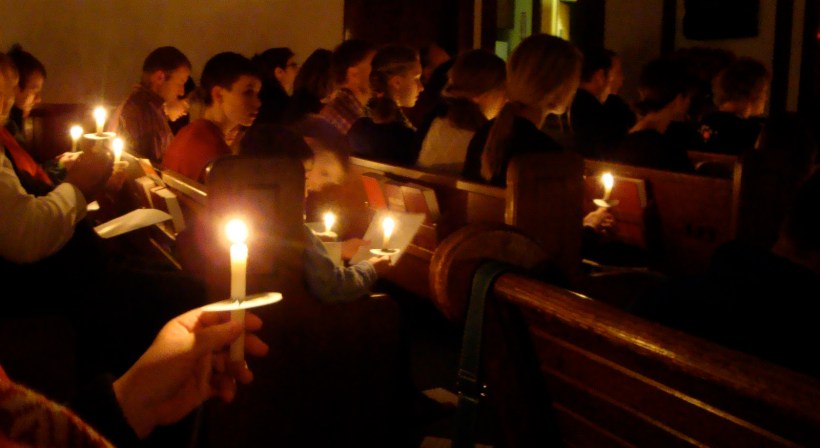
The service was a Sunday School Christmas program, with thirty some children of all ages and skin colors standing up front in bathrobes and white sheet angel gowns, wearing gold foil halos, tinfoil crowns and dish towels wrapped with string around their heads. They were prompted by their teachers through carols and readings of the Christmas story. The final song was Silent Night, sung by candle light, with each child and member of the congregation holding a lit candle. There was a moment of excitement when one girl’s long hair briefly caught fire, but after that was quickly extinguished, the evening ended in darkness, with the soft glow of candlelight illuminating faces of the young and old, some in tears streaming over their smiles.

It felt like home. We had found our church. We’ve never left. Over 25 years it has had peeling paint and missing shingles, a basement that floods when the rain comes down hard, toilets that don’t always flush, and though it smells heavenly on potluck days, there are times when it can be just a bit out of sorts and musty. It also has a warmth and character and uniqueness that is unforgettable.

It’s really not so different from the folks who gather there.  We know we belong.


WiserLakeChapel4Star

Wiser Lake Chapel in Whatcom County will celebrate a century of worship within its walls this summer

Fair Thee Well

11880421_10153502722171119_3662914864273360712_n


11887997_10153502721681119_411922729831800007_n


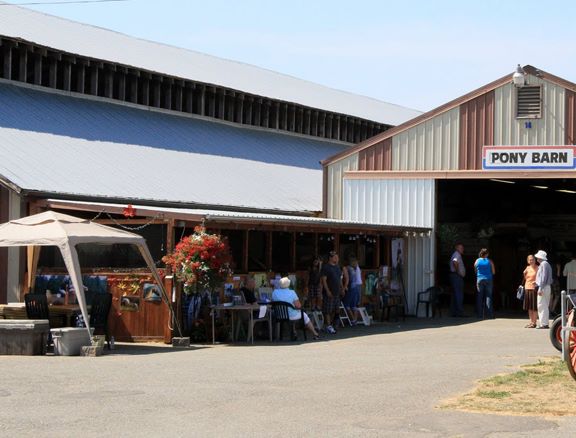
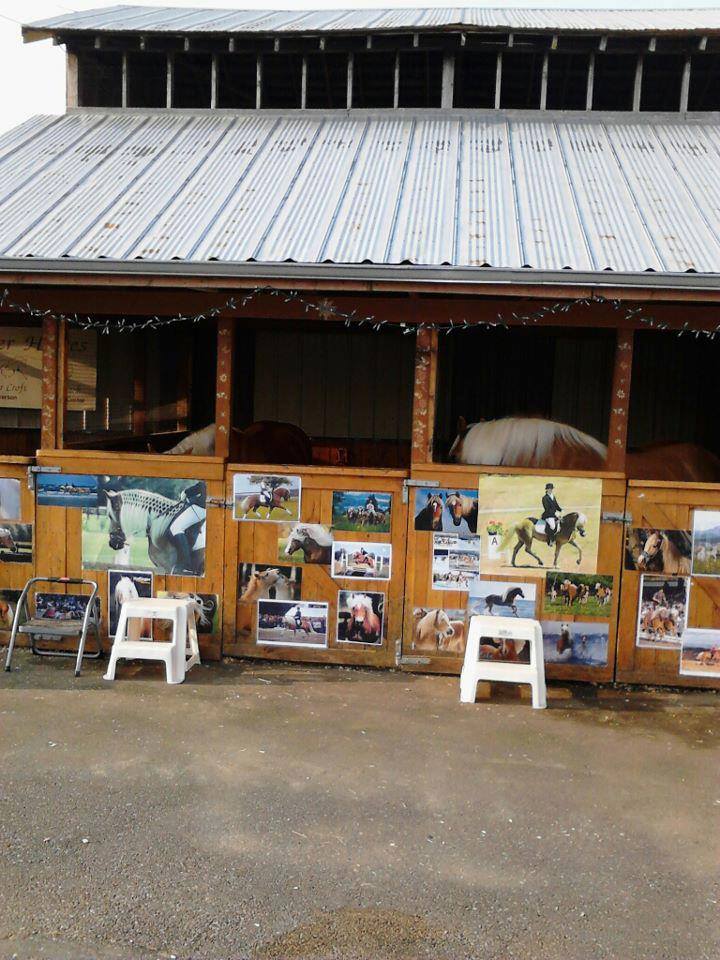
The Northwest Washington Fair in Lynden wrapped up last night and our farm and Haflingers weren’t there waiting in our stalls for a ride home after a week of display.  I can imagine it in my mind: the many smells of fried food in the smoky dark filled with carnival bright flashing lights in a cacophony surreal to humans and horses.  We are no long “doing” the fair as a farm, a fact with which I’m reconciled…finally.

BriarCroft had been a consistent presence at this fair for nearly two decades, promoting the Haflinger breed in a well  decorated display, providing 24 hour a day coverage for the horses for the 6 days of the fair. We petitioned the Fair Board for 5 years in the late eighties to allow us to display at the fair, and they finally said “okay, here’s the space, build it yourself” and we did! We were not there for classes, competition, or ribbons. We were there because people enjoyed our Haflingers and we enjoyed the people.

But our children Nate, Ben and Lea have grown up and moved away so are no longer available to help “man” the horse stalls.  Our other long term helpers like Emily, Chris and David are now adults with “real” jobs and obligations, and our faithful trick riders Kelsy and Chesna who performed daring feats on their Haflingers in front of the grandstand crowds have gone on to other careers.   I miss spending that intense one week time with all of the several dozen “kid” helpers from over the years, many of them now with children of their own.

Every year since 1992, we evaluated whether we had the energy and resources to do it  again–for the initial 6 years when Dan and I were the sole Haflinger farm doing the display, it meant a week of vacation from work, and very very long days, juggling our small children as well as several horses. Then, with the help of the Rodenbergers of 3R Farms and McKees of Teaglach Farm, we were able to rotate shifts, still work at our “real” jobs part days, share duties and expenses together. The older kids watched the younger kids, the inbetween kids did most of the horse stall cleaning duty, and the adults sat and shot the breeze.

Did this sell horses for us? Not really. But it sure did create good will for the fair visitors who depended on us every year to be there with horses that they and their children could actually pet (and sit on ) without fear, who enjoyed our braiding demonstrations, and our various Haflinger trivia contests with prizes.

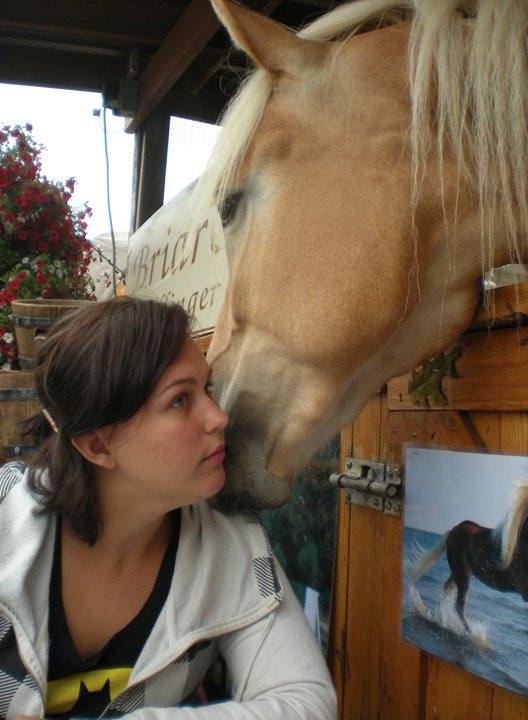
Most of all, why we continued to do this so long, was that we provided what dreams are made of. I’m not sure how many times a day there would be a bright eyed child who approached our stalls, climbed up on the step stools and reached up to pet a Haflinger nose or neck and looked deep into those big brown Haflinger eyes, and lost their heart forever to the breed. They will not forget that moment when a horse they had never met before loved them back. Haflingers are magic with children and we saw that over and over again.

Our first year, in 1992, a mom and her 6 year old son came up to our stalls, as do some  10,000 people a day, and spent a long time petting the horses and talking to them, and enjoying them. They walked off, with the little boy looking over his shoulder at the Haflingers until they turned a corner and went out of sight. An hour later they were back and spent more time with the Haflingers. I offered the little boy a chance to sit on a Haflinger, and he agreed readily, and sat and sat and sat, playing with the mane and petting the shoulder and neck and was simply in heaven, quietly dreaming his own dreams on the back of a horse. His mom told me that they lived in a suburb near Seattle, but always spent this particular week in August at a local beach cabin, and the fair was one of their favorite activities each year. Her son Gary had never had an opportunity to sit on a horse before.

Next year, they were back, and Gary was a little taller, but still a quiet boy, and he kept dragging his mom back to the Haflingers, and she’d sit and visit as he’d sit on the Haflingers. He watched as we watered the horses, or fed them hay, or cleaned their stalls, and pretty soon he was asking if he could do the scooping, or dump the buckets or brush the horses. So he became, out of his own initiative, a helper.

By the time he was 8, he was spending several hours at a time with us at the stalls, taking his turn at the chores, and his mom, trusting that he was in good hands, and that he certainly wasn’t going to wander away from the Haflingers, would check back with him now and then to see if he wanted to go on rides, or see a performance, and his response was always “no, I can do that anytime, but I don’t get to see Haflingers very often!” He would talk a little about his hope someday to have a farm where he could raise Haflingers, and one year even said that his folks were looking at property to buy with acreage, but apparently a job for his dad didn’t materialize, so he remained a city kid in reality, even if he was a future farm kid in his heart.

He was one of our regular kid helpers every year until he was 12 when he started turning out for junior high football, and the football summer camp coincided with our fair week, so we’d only see him briefly on Saturdays as he got into his teens. He’d stop by to say hi, pet the horses, catch up on the Haflinger news, and because he only had a few hours to spend at the fair, he’d head off to other things. I really missed him and his happy smile around the stalls.

When he was 15, I missed seeing him because I was working when he stopped by. When he stopped by at age 16, he strolled up to me and I found I was looking up at this young man who I had to study to recognize. I’m a tall woman of 5’10”–he was at least 4 inches taller than me! He told me he wanted to come by because some of his best summer memories were of spending time with the Haflingers at the fair and he wanted me to know that. He thanked me for welcoming him and allowing him to “hang out” with the Haflingers. He told me his hope and dream someday was to live somewhere where he could raise Haflingers, and he was working hard in school so he could make that happen. He was a  4.0 student and the first string quarterback on his high school football team. I was as proud as if he was my own son.

This young man received a full scholarship to play football at a major university, and over four years waited his turn to be the starting quarterback.  Once he had his chance, after only a few games of being the starter, he was tackled hard, sustaining a neck fracture which thankfully resulted in no permanent damage, but his college football career was suddenly over.

I hope someday to see Gary again–it would be great to see this tall accomplished young man who so recently was a shy quiet little city boy of 6, draped across the broad back of a Haflinger, and lost in his dreams of a “someday” Haflinger of his own. This is why we’ve done what we have at the fair all these years. It was for people like Gary who made a connection with a horse and never ever forget it. I’d like to think that a little bit of who Gary is and what he is becoming is because he had a dream of a horse farm that he held onto all these years.

We do hope the fair-goers miss the friendly golden horses with the big brown eyes that help make dreams come true.

Waving Gold

butte9

butte4

Now that summer’s ripen’d bloom
Frolics where the winter frow n’d,
Stretch’d upon these banks of broom,
We command the landscape round.

Nature in the prospect yields
Humble dales and mountains bold,
Meadows, woodlands, heaths-and fields
Yellow’d o’er with waving gold.

On the uplands ev’ry glade
Brightens in the blaze of day;
O’er the vales the sober shade
Softens to an ev’ning gray.
~John Cunningham from “The Landscape”

image

A certain day became a presence to me;
there it was, confronting me—a sky, air, light:
a being. And before it started to descend
from the height of noon, it leaned over
and struck my shoulder as if with
the flat of a sword, granting me
honor and a task. The day’s blow

rang out, metallic—or it was I, a bell awakened,
and what I heard was my whole self
saying and singing what it knew: I can.

~Denise Levertov “Variations on a Theme of Rilke”

image image image

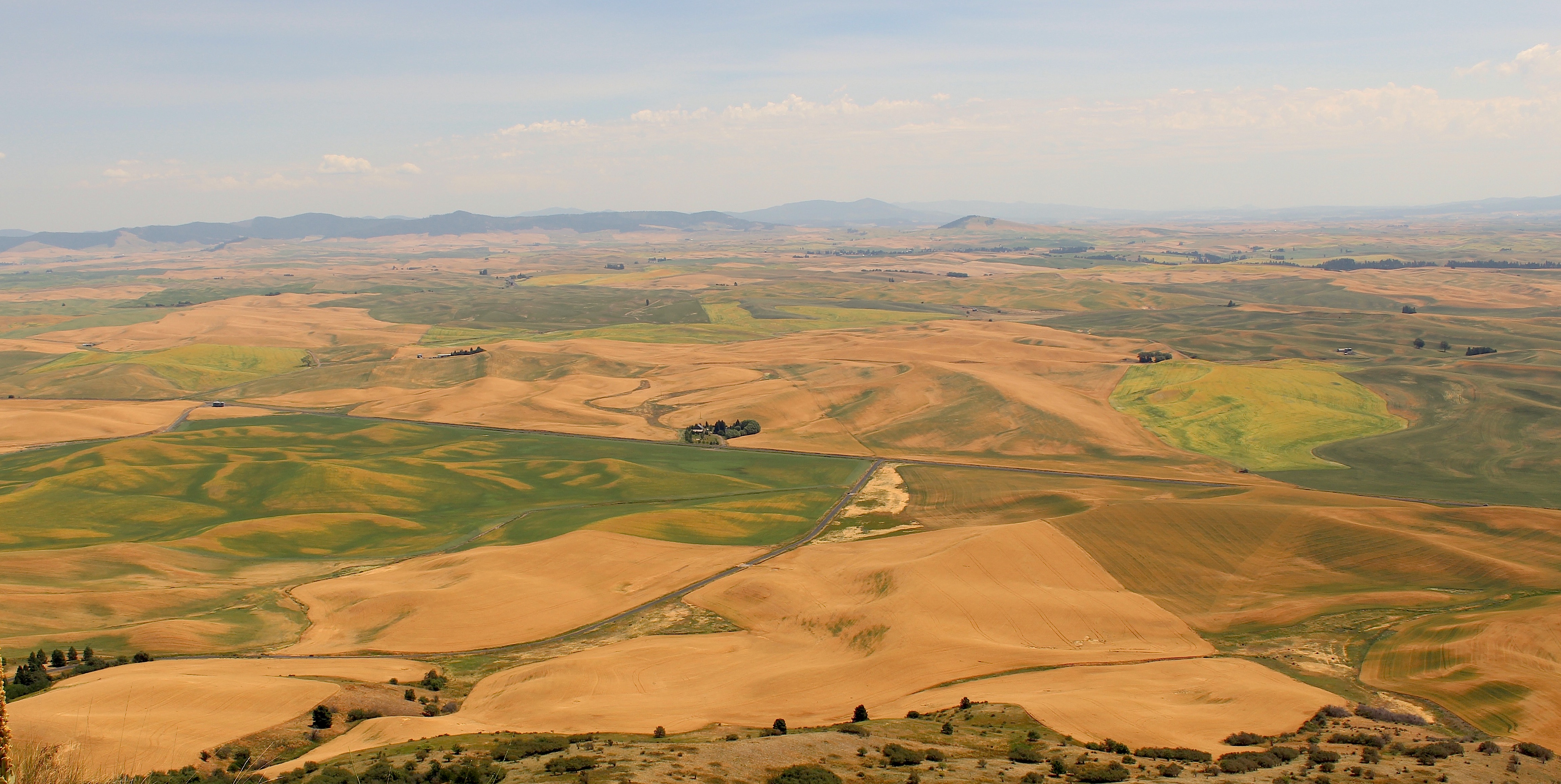
Yesterday we visited my mother’s childhood home in Spring Valley, Washington in Palouse country, where at the turn of the century a thriving small village sat at a crossroads in the rolling wheat fields.  Where the grain elevators now stand tall against the horizon, a train depot for the electric powered train running north-south once drew Teddy Roosevelt on his whistle-stop tour. The foundation still exists, broken in pieces, of the one room schoolhouse where my mother and uncle attended school until age 13.  My aunt is still vital and strong in her mid-nineties and my cousins still steward the land, training up the next generation to take over.

Walking the old poplar-lined driveway again, seeing the willows where moose come to graze, walking through the old farmhouse where my mother and uncle were born and I spent summer visits,  I was a bell rung.  If the people I come from could do this, this hard life, I can do my calling too.  I can wave gold, like the grain of these fields, readying for harvest.

image image

Hope Borne on Wings

geeseoctober

geeseoctober2

geeseflying

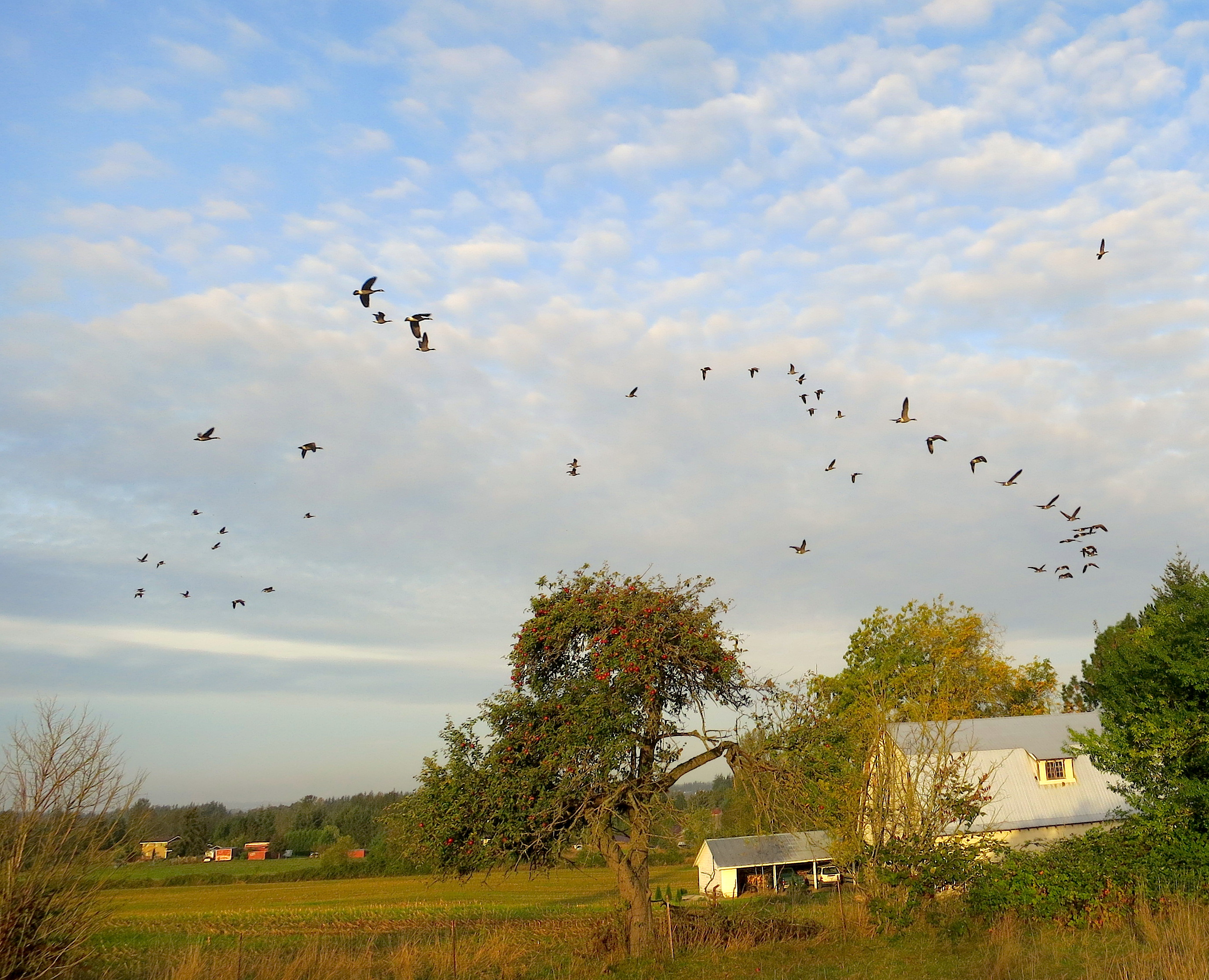
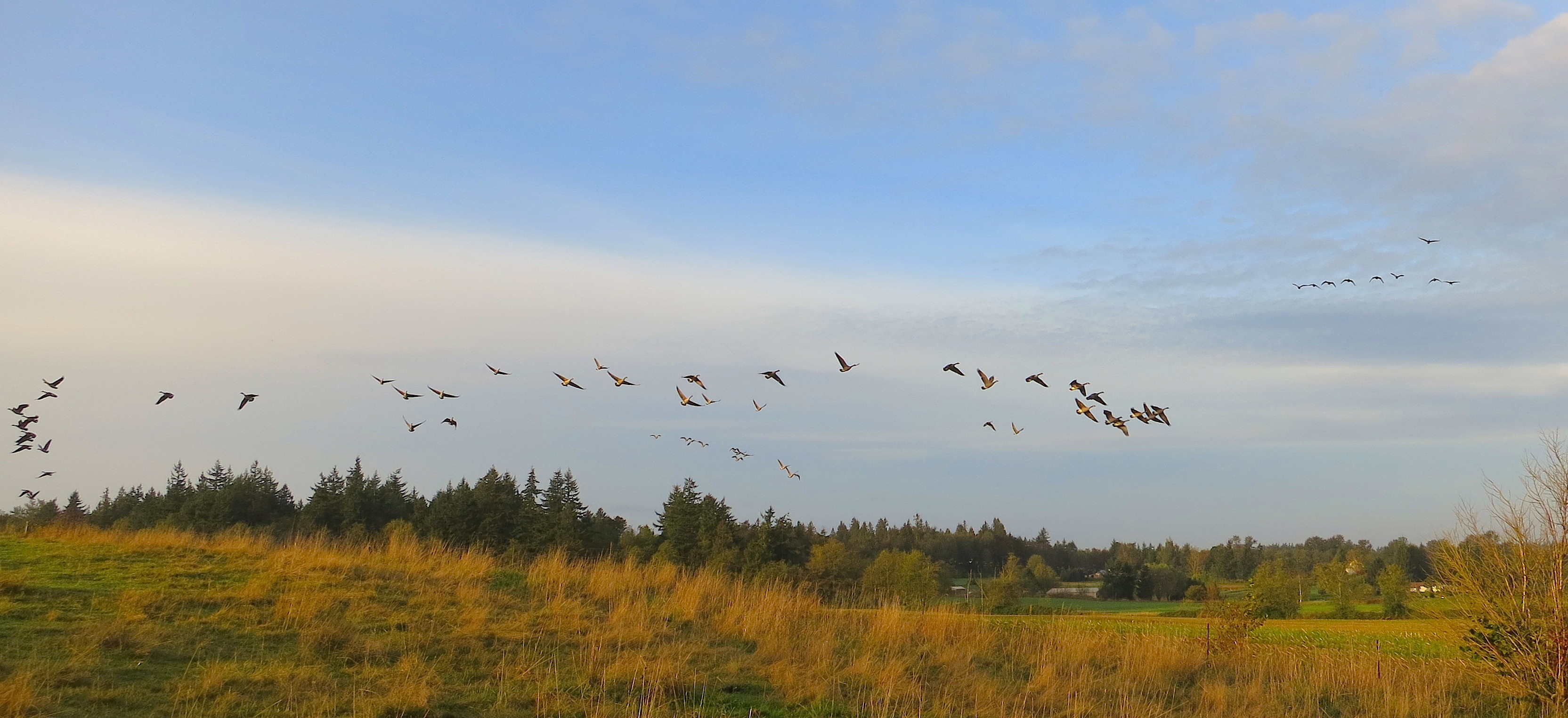
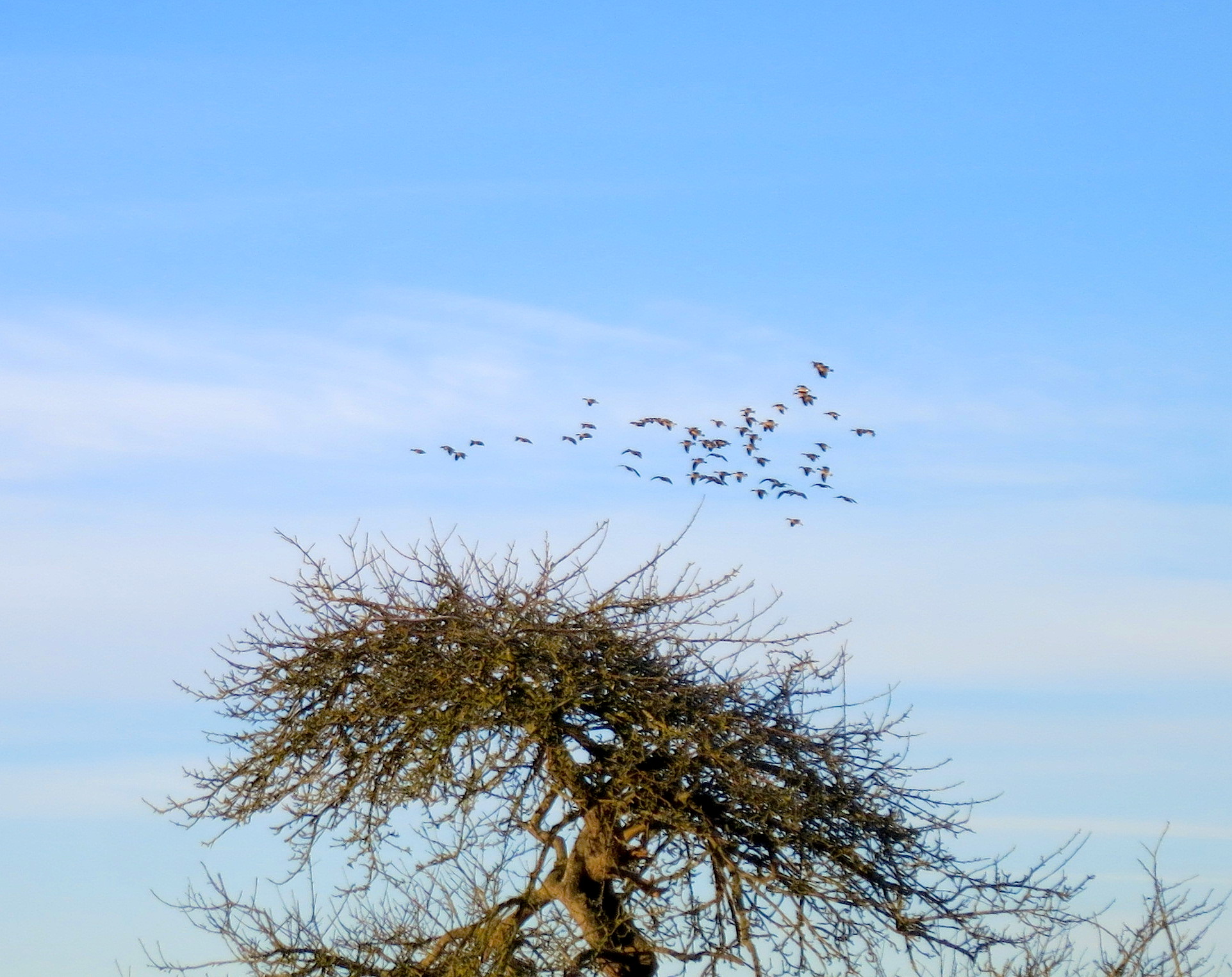
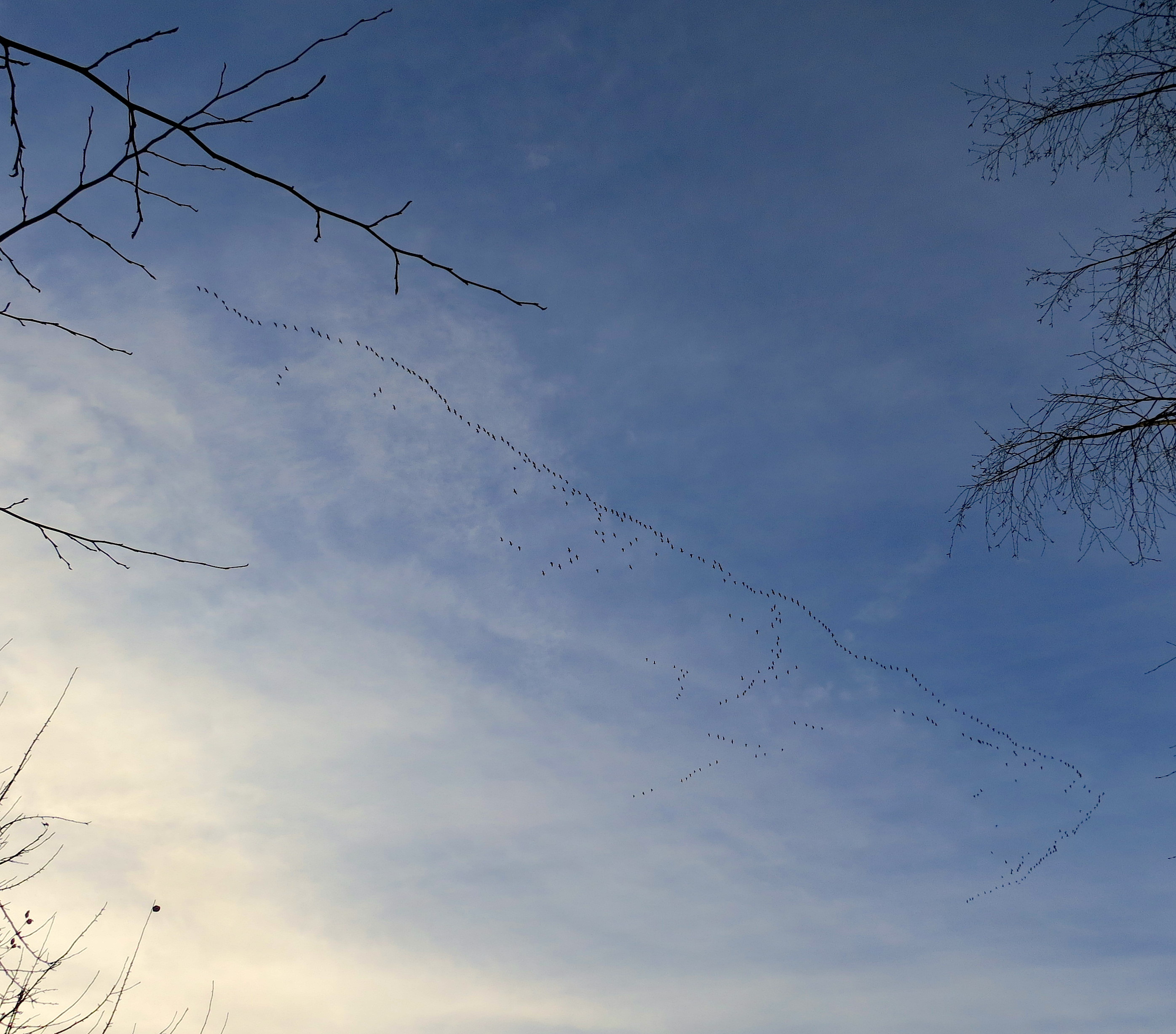
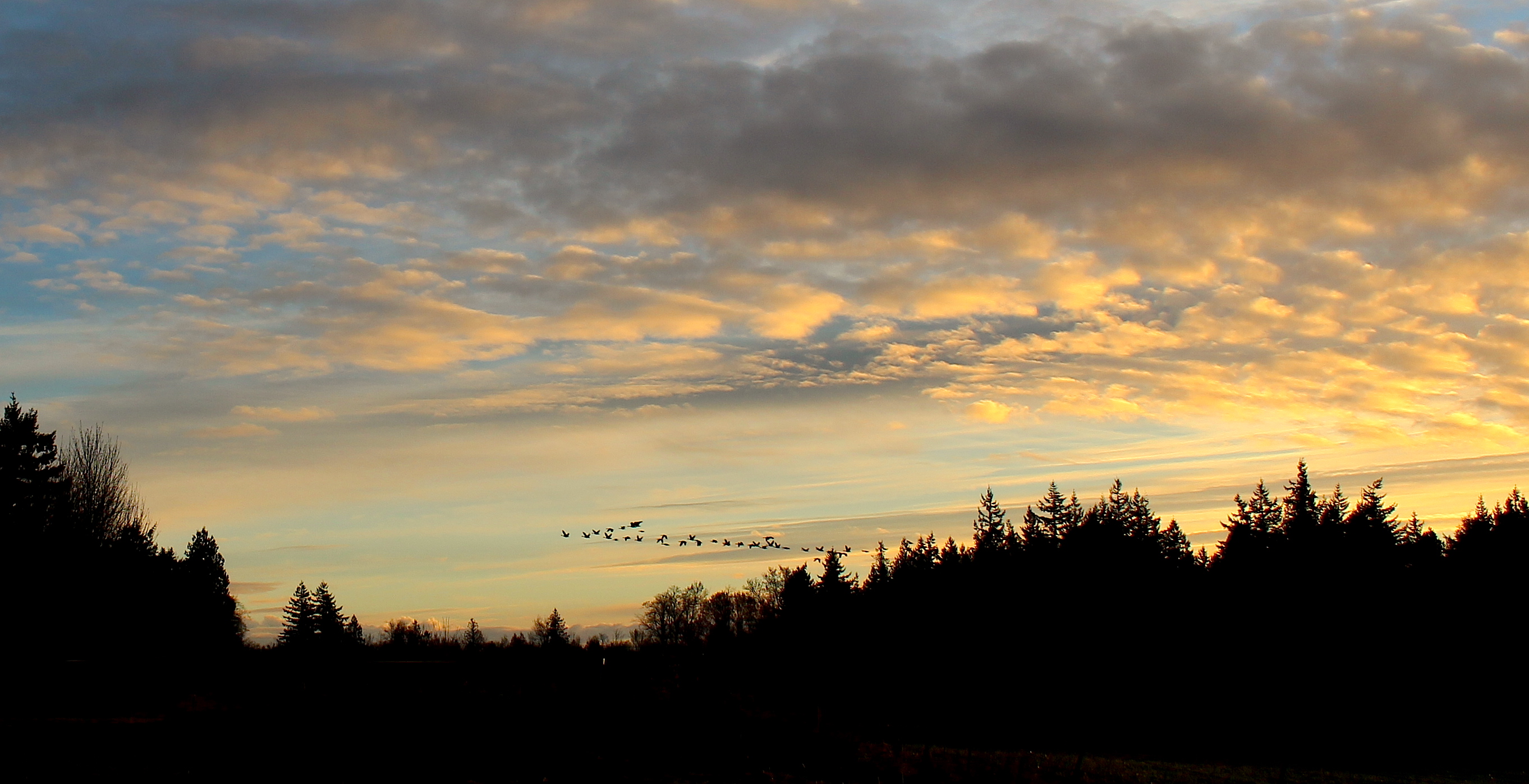
Sometimes I am startled out of myself,
like this morning, when the wild geese came squawking,
flapping their rusty hinges, and something about their trek
across the sky made me think about my life, the places
of brokenness, the places of sorrow, the places where grief
has strung me out to dry. And then the geese come calling,
the leader falling back when tired, another taking her place.

Hope is borne on wings. Look at the trees. They turn to gold
for a brief while, then lose it all each November.
Through the cold months, they stand, take the worst
weather has to offer. And still, they put out shy green leaves
come April, come May. The geese glide over the cornfields,
land on the pond with its sedges and reeds.
You do not have to be wise. Even a goose knows how to find
shelter, where the corn still lies in the stubble and dried stalks.
All we do is pass through here, the best way we can.
They stitch up the sky, and it is whole again.
~Barbara Crooker from “Sometimes I am Startled Out of Myself” from Radiance. © Word Press, 2005.

When it feels like the world is rent in two,
and the gulf into which I topple
too wide and dark to climb without help,
I can look to the sky
and see the stitching there
the careful caring line of connection
drawing me out of my hole, startled and grateful
to be made whole.
Hope is borne on wings:
may I fly threaded to others.

geesesouth

sunset11221415

Harvest Hurrah

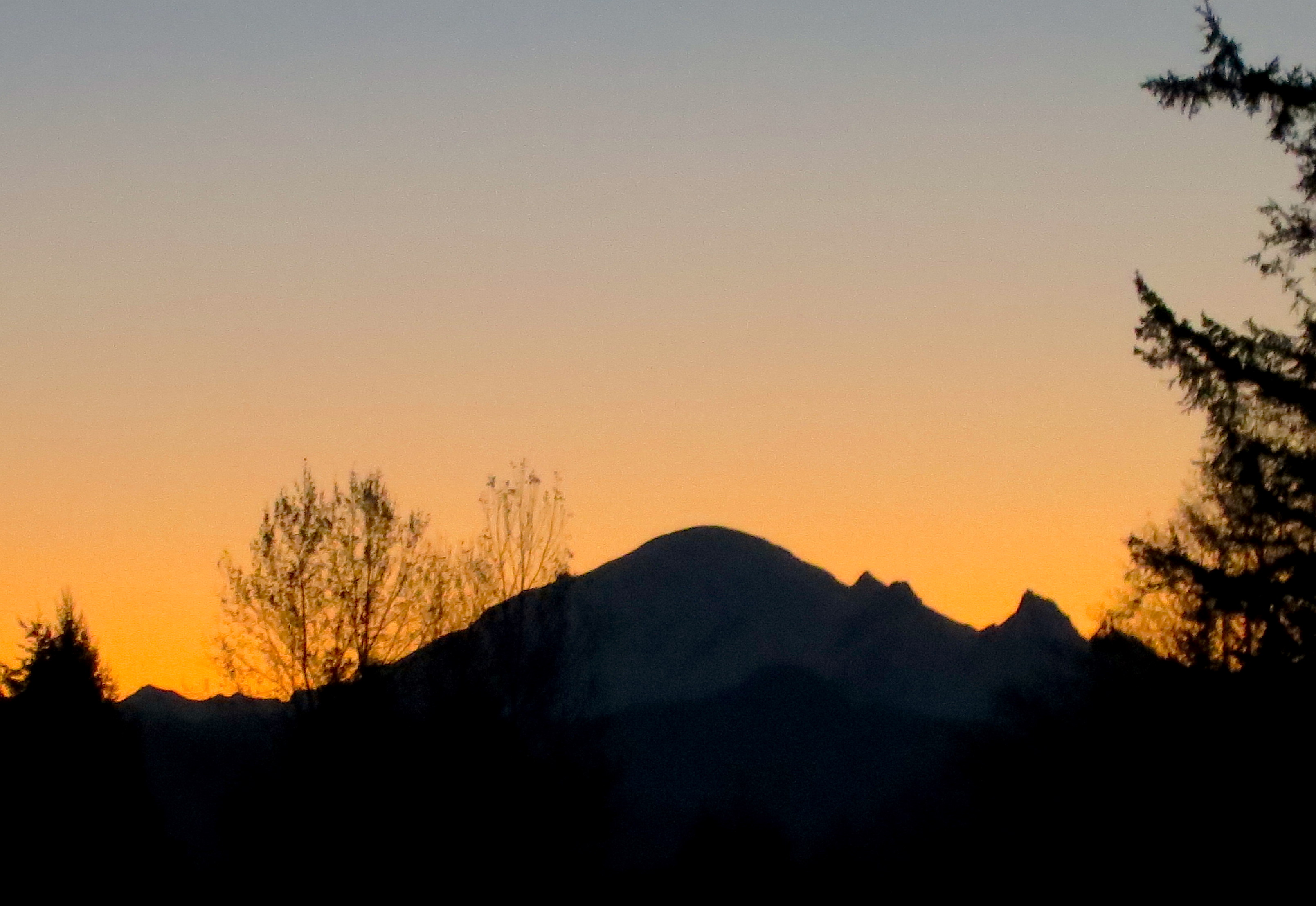
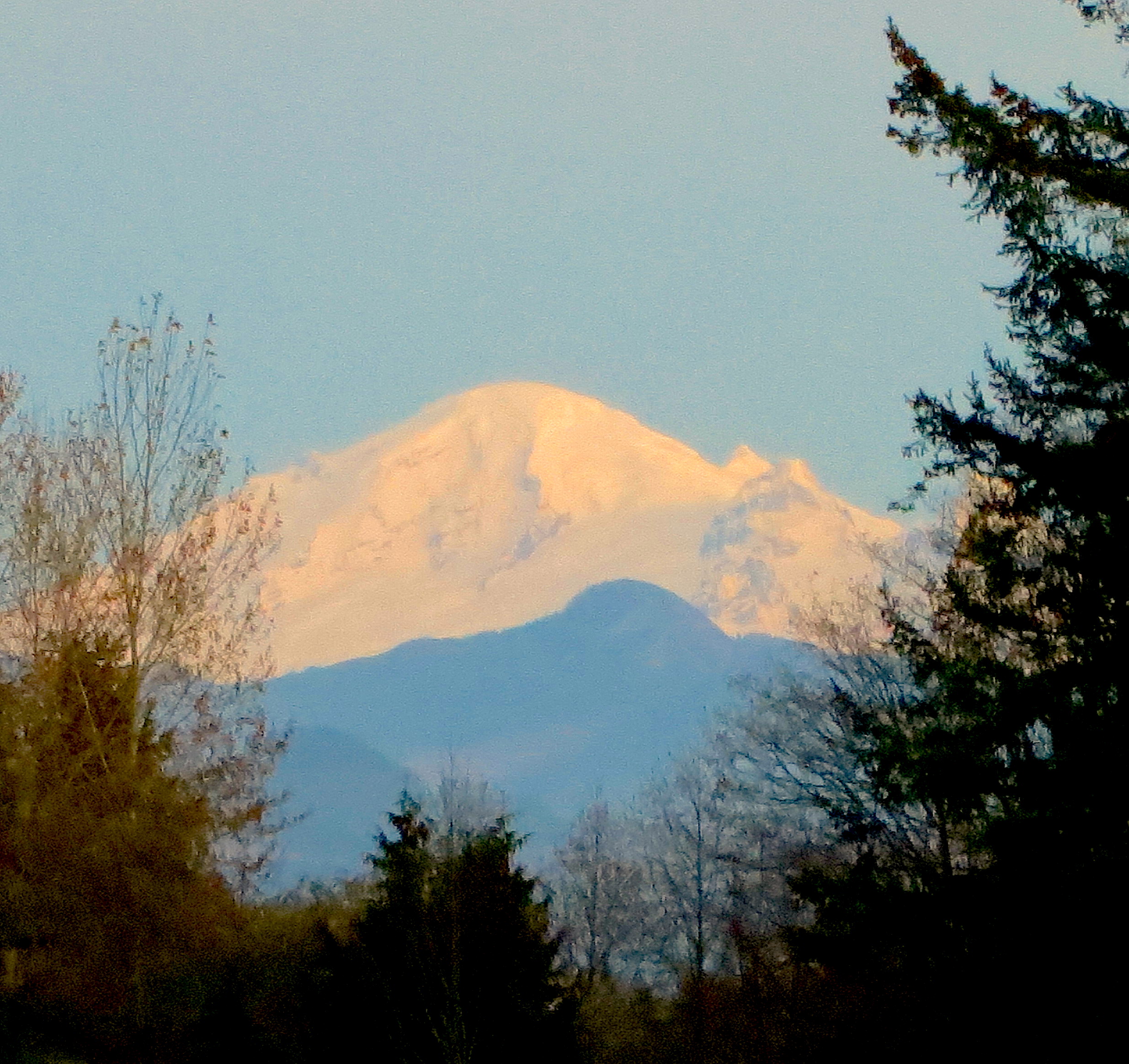
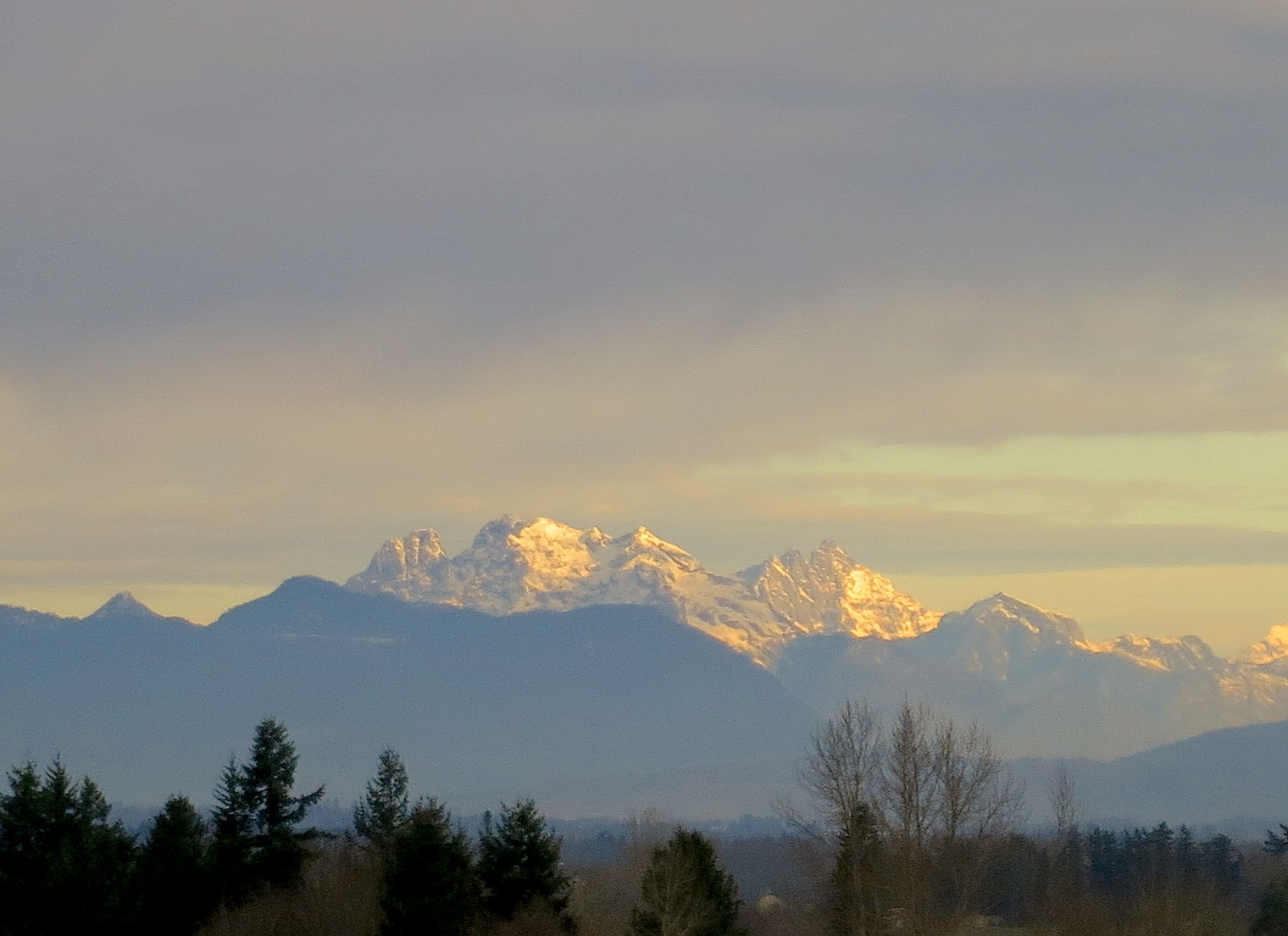
Mt. Baker at dawn today
Mt. Baker last night with fresh snow

As a celebration of harvest time, our church shared a harvest meal together this weekend, and this beautiful Hopkins poem came to mind.  Hopkins himself wrote, “The Hurrahing sonnet was the outcome of half an hour of extreme enthusiasm as I walked home alone one day from fishing in the Elwy.”    And how else can we approach the gift of harvest than with “extreme enthusiasm”?

Summer ends now; now, barbarous in beauty, the stooks rise
Around; up above, what wind-walks! what lovely behaviour
Of silk-sack clouds! has wilder, wilful-wavier
Meal-drift moulded ever and melted across skies?

I walk, I lift up, I lift up heart, eyes,
Down all that glory in the heavens to glean our Saviour;
And eyes, heart, what looks, what lips yet give you a
Rapturous love’s greeting of realer, of rounder replies?

And the azurous hung hills are his world-wielding shoulder
Majestic – as a stallion stalwart, very-violet-sweet! –
These things, these things were here and but the beholder
Wanting; which two when they once meet,
The heart rears wings bold and bolder
And hurls for him, O half hurls earth for him off under his feet.
~Gerard Manley Hopkins “Hurrahing in Harvest”

harvestpotluck2
a specially laid table at the Harvest potluck
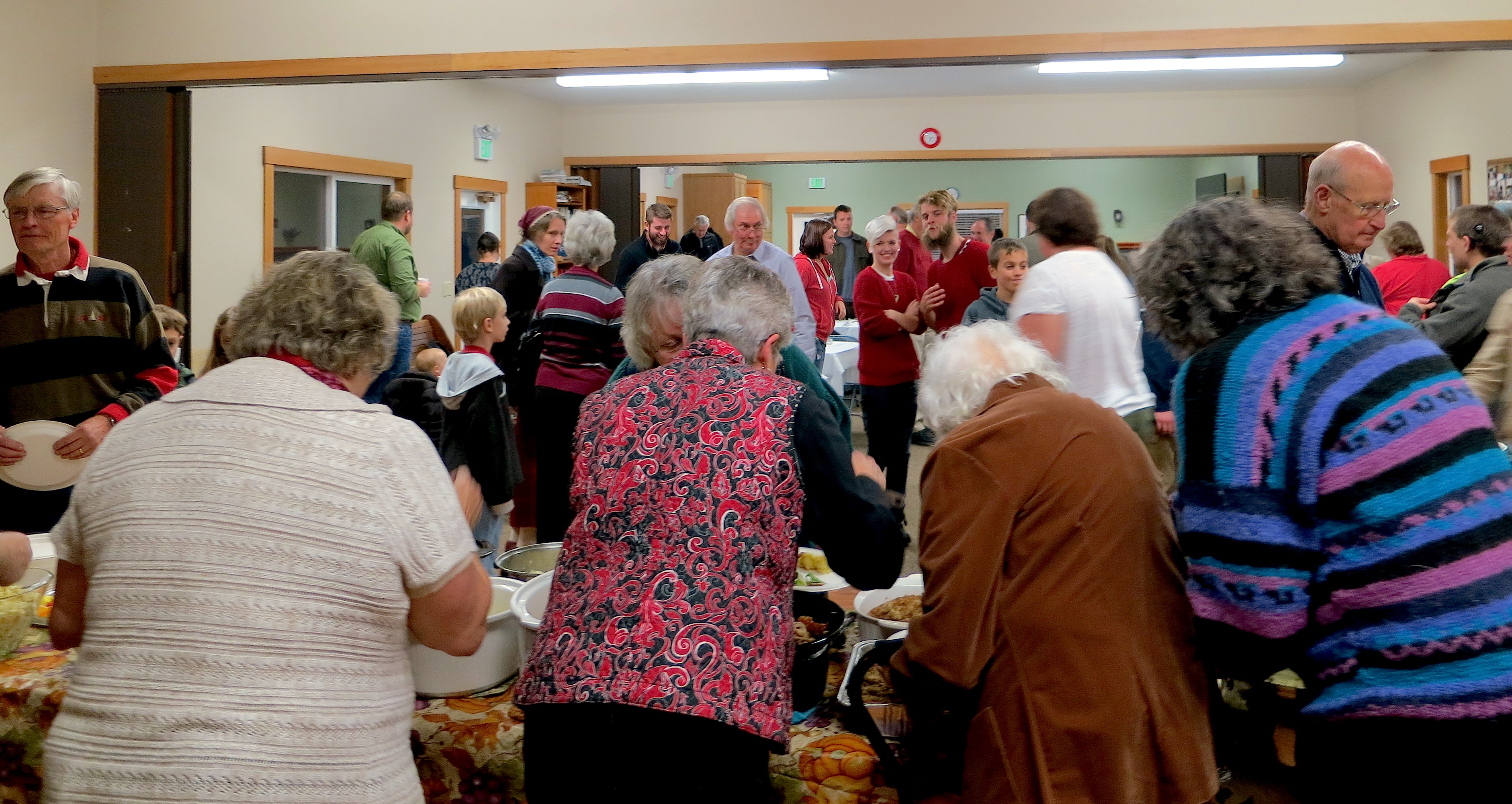
A gathering of over 90 church family and friends, including two special people over 90 years of age!

Twenty Nine Halloweens

bobbieclose

punkinhallow

On Halloween day in 1985, I packed up my clothes, a roll up mattress,  grabbed one lonely pumpkin from our small garden, locked our rental house door for the last time, climbed in my car and headed north out of Seattle. I don’t recall looking back in the rear view mirror at the skyline after nine years living in the city. My husband had moved to Whatcom County two months before to start his new job. I had stayed behind to wrap up my Group Health practice in the Rainier Valley of Seattle. I was leaving the city for a new rural home and an uncertain professional future.

I knew two things for sure: I was finally several months pregnant after a miscarriage and two years of infertility, so our family was on its way, and we were going to live in our own house, not just a rental, complete with five acres and a barn. A real (sort of) farm. Since no farm can be complete without animals, I stopped at the first pet store I drove past and found two little sister tortoise shell calico kittens peering up at me,  just waiting for new adventures in farmland. Their box was packed into the one spot left beside me in my little Mazda. With that simple commitment to raise and nurture those kittens, life seemed very complete.

I will never forget the freedom I felt on that drive north. The highway seemed more open, the fall colors more vibrant, the wind more brisk, our baby happily kicking my belly, the kittens plaintively mewing from their box. There seemed to be so much potential though I had just left behind the greatest job that could be found in any urban setting: the ideal family practice with a delightfully diverse patient population of African Americans, Cambodians, Laotians, Vietnamese, Muslims and Orthodox Jews. I would never know so much variety of background and perspective again and if I could have packed them all with me into the Mazda, I would have.

We started our farm with those kittens dubbed Nutmeg and Oregano, soon adding a dog Tango, then a Haflinger horse Greta, then Toggenburg goats Tamsen and her kids, a few Toulouse geese, Araucana chickens, Fiona the Highland cow, then another Haflinger Hans and another, Tamara. I worked as a fill in locums doctor in four different clinics before our first baby, Nate, was born. Again, new commitments and life felt complete– but not for long, as we soon added another baby, Ben and then another, Lea. Then it really was complete. Or so I thought.

Twenty nine years later our children have long ago grown and gone, off to their own adventures beyond the farm.  Our sons each married in the last year, our daughter becoming more independent as she finishes her college career in another year, each child to a different big city spread out in three different time zones from us. A few cats, two corgi dogs, and a hand full of ponies remain at the farm with us. We are now gray and move a bit more slowly, enjoy our naps and the quiet of the nights and weekends. Our second larger farm seems more than we can realistically manage by ourselves in our spare time. My work has evolved from four small jobs to two decades of two part time jobs to one more than full time job that fits me like a well worn sweater 24 hours a day.

My husband is talking retirement in a little over three years. I’m not so sure for myself. I have never not worked and don’t know how I can stop when the need in health care is greater than ever.

The freedom I felt that rainy Halloween day three decades ago, watching Seattle disappear in the rear view mirror,  meant I no longer sat captive in freeway rush hour bumper to bumper traffic jams for an hour, but now commute through farm fields, watching eagles fly, and new calves licked by their mamas. I am part of a community in a way I never could manage in the city, stopping to visit with friends at the grocery store, playing piano at church and serving on various community boards. I love how our home sits in the midst of woods and corn fields, with deer strolling through the fields at dawn,  coyotes howling at night, Canadian geese and trumpeter swans calling from overhead and salmon more prolific every year in nearby streams. The snowy Cascades greet me in the morning and the sunset over Puget Sound bids me good night.

It all started October 31, 1985 with two orange and black kittens and a pumpkin beside me in a little Mazda and a husband waiting for my homecoming 100 miles north. Now, twenty nine years and three grown children later,  I celebrate my Halloween transition anniversary once more.  We find ourselves on our own yet again, still pregnant with possibility for our future together.


bobbiewindow

sunrise11272

10678689_10203978385994832_8935345657400768224_n

Advent Sings: Waiting and Watching

photo by Josh Scholten

I wait for the Lord, my soul waits,
    and in his word I put my hope.
 My soul waits for the Lord
    more than watchmen wait for the morning,
    more than watchmen wait for the morning.
Psalm 130: 5-6 from a Song of Ascents

 To wait is a hard sweet paradox in the Christian life.  It is hard not yet having what we know will be coming.  But it is sweet to have certainty it is coming because of what we have already been given.  Like the labor of childbirth, we groan knowing what it will take to get there, and we are full to brimming already.

The waiting won’t be easy; it will often be painful to be patient, staying alert to possibility and hope when we are exhausted, barely able to function.  Others won’t understand why we wait, nor do they comprehend what we could possibly be waiting for.  We must not wait like Herod waits, with dread and suspicion, willing to destroy what he cannot control.

Yet we persevere together, with patience, watching and hoping, like Mary and Joseph, like Elizabeth and Zechariah, like the shepherds, like the Magi of the east, like Simeon and Anna in the temple.

This is the meaning of Advent: we are a community groaning together in sweet expectation of the morning.

For in this hope we were saved. But hope that is seen is no hope at all. Who hopes for what they already have? But if we hope for what we do not yet have, we wait for it patiently.
Romans 8:24-25

photo by Josh Scholten

Lenten Reflection–The Best Work Of All

photo by Josh Scholten

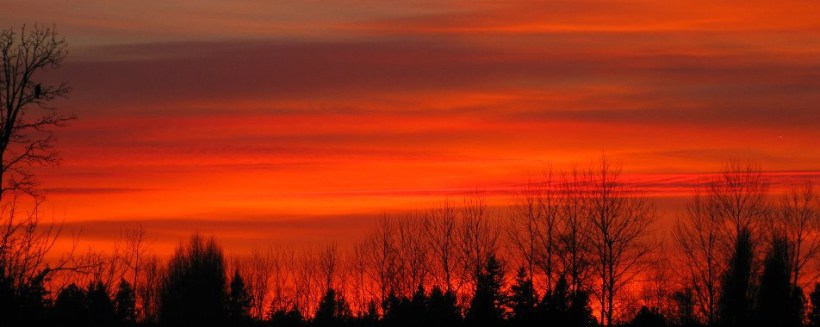
If I can put one touch of rosy sunset into the life of any man or woman, I shall feel that I have worked with God.
G.K. Chesterton

This short video about a young man with Down’s Syndrome who changes a work place illustrates such a simple point: anyone can make a memorable difference in the lives of others by bringing a touch of beauty and meaning into their otherwise routine work. I found it inspiring as it was shared by one of my co-workers and now each of us is searching for our own special way to touch others with that daily “rosy sunset.”

The point is the unexpected gift, whether it is a palette of color in the sky at the end of the day, a thoughtful gesture that pays forward inspiring others to do the same, or the sacrifice that pays for all debts forever. It is doing the work of God in other’s lives–the best work of all.

thanks to our near neighbors Bellewood Acres for this beautiful sunset photo from 3/6/12

Party Line

party

Two longs and a short is for the Williams farm,
Two shorts and a long is for Abner and Sara, retired down the road,
A short and a long is for Aunt Bessie who lives nearby with her cat,
One long is for the Mitchell family of ten next door,
One short means it’s for me, alone since my son got married.

Most of the rings are for the Mitchells as four of their girls are over thirteen,
But when I pick up the receiver, it is Aunt Bessie’s voice I hear most,
As she likes to call the ladies from church and find out who’s sick,
Who’s not, and who’s maybe not going to make it through the week
To be sitting in their pew come Sunday.

Sara is usually listening on the line real quiet-like and I know that
Because I can hear her sniff every once in awhile
Due to her allergies, kind of a little snort which she tries to cover up
But it does no good as we know she’s there and everything we say
Will be spread to town by tomorrow anyways.

Which reminds me the Williams’ are having money troubles
Because the bank is calling them about their overdue loan payments
And the crops are poor this year so there is worry about foreclosure.
And if that wasn’t enough, the Mrs. has made a doctor’s appointment in the city
Because of a new lump she found just yesterday.

Wouldn’t you know one of the Mitchell girls was talking about running off
With that Howard boy but I can’t imagine how word got back to her daddy
Who has put the phone and the boy off-limits for the time being
Until summer is over and she can be sent to the city to be a nanny to a wealthy family
And maybe meet a rich city boy who will keep her occupied.

Of course we’ve all offered solutions for Abner’s hemorrhoids
And his itchy scalp, even when we aren’t asked for our opinion.
Then when the youngest Mitchell was refusing to sleep through the night
Aunt Bessie suggested a little blackberry cordial might help but
Mrs. Mitchell was properly horrified and hung up then and there.

Last night the phone rang one short ring, sometime after 1 AM,
I woke with my nerves all a-jangle, wondering what bad news I would hear,
Four other people were on the line listening for my bad news too.
When I heard my oldest boy back east shout  “Mama, it’s a girl, you’re a granny!”
My heart swelled and my tears flowed for this answer to my prayers.

In the morning, when I went to walk down the driveway to get the mail
There was a bright bouquet of pink dahlias from the Williams’ on my front porch,
A drawing colored up real nice from the Mitchell kids “to our favorite new granny”
And a still warm fresh loaf of bread from Sara waiting in the mailbox
Which made for a real fine party for Bessie and me sipping on her blackberry cordial.