Care and Feeding of a Writer

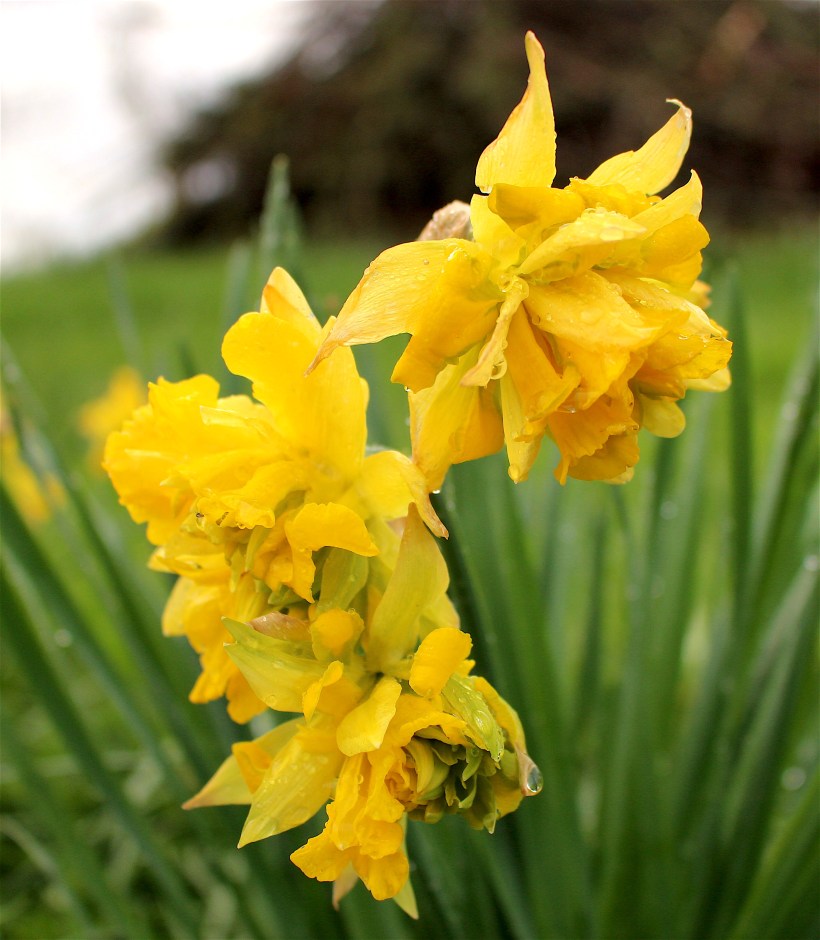
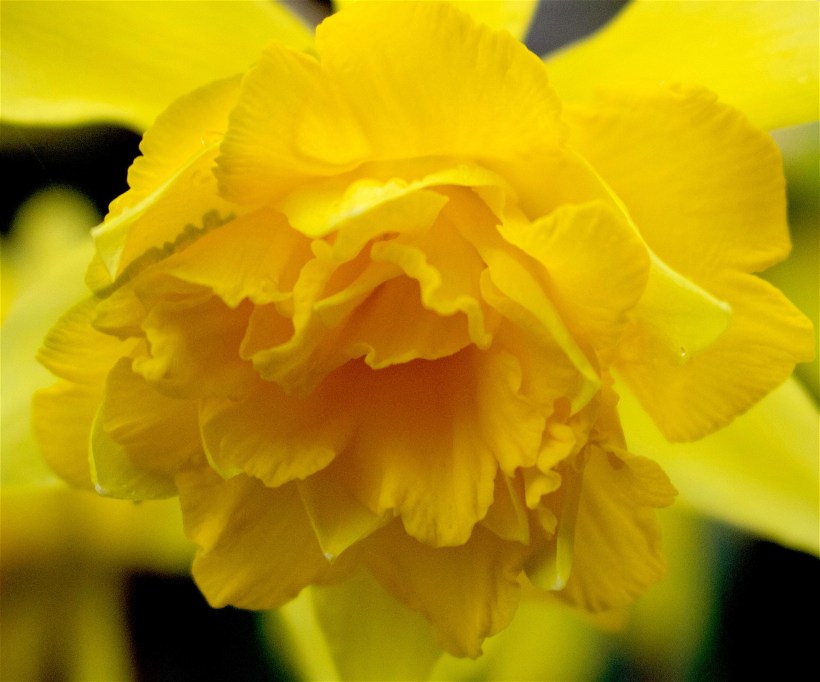
driffledils

dilly5

Be a good steward of your gifts.
Protect your time.
Feed your inner life.
Avoid too much noise.
Read good books,
have good sentences in your ears.
Be by yourself as often as you can.
Walk.
Take the phone off the hook.
Work regular hours.

~Jane Kenyon from A Hundred White Daffodils

daffodil21316

dilly10

There’s nothing “regular” about the hours I work and I’m my own worst enemy when it comes to obsessive commitment of my time.  My phone is attached to me day and night for good reason.  I don’t read enough, don’t particularly enjoy being alone, don’t spend enough time walking nowhere in particular and am immersed in the noise of life.

Since I have flunked care and feeding of a writer, I am taking a remedial course this week at the Festival of Faith and Writing @Calvin.   Maybe I’ll see you there.

In the meantime,  I cleave to good sentences in my heart and the cadence of good phrases in my ears.  It’s what a good steward of words must do.

dilly3

dilly1

Hang on to Hope

staircase2


aleaf2

As long as there is one upright man, as long as there is one compassionate woman, the contagion may spread and the scene is not desolate. Hope is the thing that is left to us, in a bad time. I shall get up Sunday morning and wind the clock, as a contribution to order and steadfastness.

Sailors have an expression about the weather: they say, the weather is a great bluffer. I guess the same is true of our human society — things can look dark, then a break shows in the clouds, and all is changed, sometimes rather suddenly. It is quite obvious that the human race has made a queer mess of life on this planet. But as a people we probably harbor seeds of goodness that have lain for a long time waiting to sprout when the conditions are right. Man’s curiosity, his relentlessness, his inventiveness, his ingenuity have led him into deep trouble. We can only hope that these same traits will enable him to claw his way out.

Hang on to your hat. Hang on to your hope. And wind the clock, for tomorrow is another day.

Sincerely,

E. B. White ~from Letters of Note: Correspondence Deserving of a Wider Audience compiled by Shaun Usher


We can’t claw our way out of
the mess we’ve made of things;
it takes Someone
to dig us out of the hole,
brush us off,
clean us up,
and breathe fresh breath into our nostrils.
We can only hope
hope will be contagious.
We can only hope
and grab hold when His hand reaches down
to pick us up out of the dirt.
Classes are suspended at my University today

blueberryleaf13

sunrise1123151

aleaf4

Each Minute the Last

11951312_1198925466800331_3990099488883249004_nphoto of Watson Lakes in the North Cascades by Benjamin Janicki

The fire in leaf and grass
so green it seems
each summer the last summer.

The wind blowing, the leaves
shivering in the sun,
each day the last day.

A red salamander
so cold and so
easy to catch, dreamily

moves his delicate feet
and long tail. I hold
my hand open for him to go.

Each minute the last minute.
~Denise Levertov

creeper29145

To think that this meaningless thing was ever a rose,
Scentless, colourless, this!
Will it ever be thus (who knows?)
Thus with our bliss,
If we wait till the close?

Though we care not to wait for the end, there comes the end
Sooner, later, at last,
Which nothing can mar, nothing mend:
An end locked fast,
Bent we cannot re-bend.
~Christina Rossetti “Summer is Ended”

homerose

As now school buses drone past the farm,
no longer bearing our children away to greater knowledge,
as they each have caught rides far beyond my reach.
I recall each first day of school feels like a day of mourning
each “last” of summer a loss, each ending so bent
I find no strength to bend it back carefree,
and I must learn, once more, with each “last”,
how fleeting the bliss of this life.

backsidebriarcroft

And I Weary Wept…

tireddogwood

tiredrose

The wind, one brilliant day, called
to my soul with an odor of jasmine.

“In return for the odor of my jasmine,
I’d like all the odor of your roses.”

“I have no roses; all the flowers
in my garden are dead.”

“Well then, I’ll take the withered petals
and the yellowed leaves and the waters of the fountain.”

The wind left.  And I wept. And I said to myself:
“What have you done with the garden that was entrusted to you?”
~Antonio Machado translated by Robert Bly

This garden blooming with potential,
entrusted to me, now 26 years:
the health and care of 15,000 students,
most thriving and flourishing,
some withering, their petals falling,
a few lost altogether.
As winds of time sweep away
another cohort from my care,
to be blown to places unknown,
I weary weep for losses,
wondering if I’ve failed to water enough
or is it only I with thirst unceasing,
my roots drying out, hidden away deep beneath me?

tiredrose2

tireddogwood2

…one by one, the memories you used to harbor
decided to retire to the southern hemisphere of the brain,
to a little fishing village where there are no phones.
~Billy Collins from “Forgetfulness”

hydrangeaskeleton2

tiredrose4

A Crippled Heart

sunsetappletree

All of us come to the study and practice of medicine through different pathways: some because of family members who were doctors or patients, some out of our own illness or wounded brokenness, some out of intense drive to achieve and serve.

I came to medicine because of my grade school classmate Michael.

My grade school represented a grand social experiment of the early 1960’s.  It was one of the first schools to mainstream special needs children into “regular” classrooms.   At that time, the usual approach was to warehouse kids with disabilities (i.e. “handicaps” in 60′s parlance)  in separate rooms, if not whole separate schools.

During those years, the average class size for a grade school teacher was 32-35 kids, with no teacher’s aides, rare parent volunteers (except for field trips and room mothers who threw the holiday parties) and no medications or special accommodations for ADHD or learning disabilities.  I’m not sure how teachers coped with a room full of too-often noisy unruly kids,  but somehow they managed to teach in spite of the obstacles.  Adding in children with mental and physical challenges without additional adult help must have added immeasurable challenges and lots of gray hair.

So the more capable kids got recruited to mentor the kids with disabilities.  It was a way to keep some kids busy who out of boredom might otherwise find themselves engaging in disruptive entertainment. It helped the teacher by creating a buddy system for the special needs kids who might need help with class work or who might have difficulty getting around.

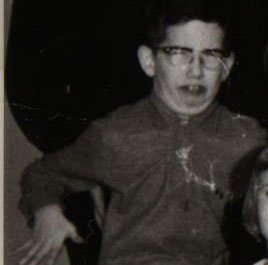
In fifth grade I was assigned to be a buddy to Michael.  He was a spindly boy with cerebral palsy and hearing aids, thick glasses hooked with a wide band around the back of his head,  and spastic muscles that never seemed to go where he wanted them to go.  He walked independently with some difficulty, mostly on his tiptoes because of his shortened leg muscles, falling when he got going too quickly as his thick orthopedic shoes with braces would trip him up.   His hands were intermittently in a crab like grip of contracted muscles, and his face always contorting and grimacing.  He drooled continuously so perpetually carried a soppy Kleenex in his hand to catch the drips of spit that ran out of his mouth and dropped on his desk, threatening to spoil his coloring and writing papers. I would deliver him to the bathroom on a schedule, pushing the heavy door open for him to get inside, and waiting outside until he knocked on the door so I could open it back up for him.

His speech consisted of all vowels, as his tongue couldn’t quite connect with his teeth or palate to sound out the consonants, so it took some time and patience to understand what he said.  He could write with great effort, gripping the pencil awkwardly in his tight palm and found he could communicate better at times on paper than by talking. I made sure he had help to finish assignments if his muscles were too tight to write, and I learned his language so I could interpret for the teacher. I quickly discovered he was brave and bright, with a finer mind than most of the kids in our class.    He loved a good joke and his little body would shudder as he roared his appreciation.   I was impressed at how he expressed himself and how little bitterness he had about his limitations.

He was the most articulate inarticulate person I knew.  As a peer-opinion-driven preadolescent girl, I’m amazed I could even recognize that about Michael.  It was so tempting to stay oblivious to the person that Michael was inside his broken shell of a body.

Sometimes I wanted to hide as Michael appeared around the corner of the grade school building every morning. He would be walking too quickly in his tightly wound tip-toe cadence, arms flailing, shoes scuffing, raising up dust with each step. He would wave at me and call out my name in his indecipherable voice, a voice I knew too well.

There were many times when I resented being Michael’s buddy though I was determined not to let him know it.  I was myself stuck fast in my 5th-grade-need to be popular and acceptable to my peers.  I didn’t want to be constantly responsible for him and other kids teased me about him being my boyfriend.

And in many ways, he was.

As he would approach while I stood in my clump of friends on the playground, a group of boys playing tag would swoop past him, purposely a little too close, spinning him off his feet like a top and onto the ground. Glasses askew, he would lay momentarily still, and realizing I was needed, I would run to his side. Despite all he endured, I never saw Michael cry, not even once, not even when he fell down hard.  When he got angry or frustrated, he’d get very quiet, but his muscles would tense up so much he would go into even greater spasms.

I would help him up,  brush off the playground dirt from his sweatshirt and pants and look at his grimacing face. Although he would give me a huge toothy smile of thanks, his eyes, as usual, said what his mouth could not. He looked right past my hardened pretense, into my softening heart. Michael knew I needed him as much as he needed me. I was a lifesaver that had been thrown to him as he struggled to stay afloat in the sea of playground hostility.  And he was the first boy who loved me despite of who he saw inside my own inner broken shell.

After two years, when parents complained that the educational process was suffering for all the students, the social experiment was over and the school segregated the special needs kids back to therapeutic educational classrooms.  Though I never saw Michael again, I heard him on the radio six years later, reading an essay he’d written for the local Voice of Democracy contest on what it meant to be a free citizen.  His speech was one of the top three award winners that year.  I was so proud of how he’d done and how understandable his speaking voice had become.

I’ve thought of him frequently over the years as I went on to medical school, knowing that my initial training in compassionate caring came as I sat by his side for hours, even when I didn’t want to be there, learning to understand another person’s  voice and heart.  I didn’t appreciate it then as I do now, but he taught me far more than I ever taught him:  patience, perseverance and respect for the journey rather than the destination. He taught me life isn’t always fair: you make the best of what you are given and pay no attention to what others think and say.

Michael, wherever you are, you did that for me.  You helped me put someone else’s needs above my own.  You set me on the road to practice medicine. Your kindness reached deep into my own special needs heart, helping heal the crippled part of me that no one else could see, but you could feel.

Thank you, Michael, for being a buddy to someone whose pre-teen emotional handicaps ran far deeper than your life-time physical disabilities.

In my own imperfect way,  I loved you too.
michael

An Olfactory Journey

topofthestack

“The smell of that buttered toast simply spoke to Toad, and with no uncertain voice; talked of warm kitchens, of breakfasts on bright frosty mornings, of cozy parlour firesides on winter evenings, when one’s ramble was over and slippered feet were propped on the fender; of the purring of contented cats, and the twitter of sleepy canaries.”
~Kenneth Grahame, The Wind in the Willows

I’m not a practitioner of the ancient art of aromatherapy for medicinal purposes but I do know how effectively smells can transport me than any other mode of travel.  One whiff of a familiar scent can instantly take me back years to another decade and place, almost in time traveling mode.  I am so suspended in the moment, both present and past, my brain sees, hears, tastes, feels everything as it was before.

The most vivid are kitchen smells, to be sure.  Cinnamon takes me back to my Grandma’s farm house, roasting turkey to my mother’s early morning labors on Thanksgiving Day, fresh baked bread to the years I needed to knead as tactile therapy during medical school training.

Today it is the smell of oatmeal on the stove that reminds me of those frosty winter mornings rushing to get out the door in time to catch the bus for the long ride to school.

It’s not just food smells.  When I have the privilege of babysitting infants, I drink in their smell of baby shampoo and powder, so like the soft velvety smell of my own children a quarter century ago.   Out in the barn, the newly born wet fur of my foals carries the sweet and sour amnion that was part of every birth I’ve been part of: delivering others and delivering my own.  My heart races at the memory of the drama of those first breaths.
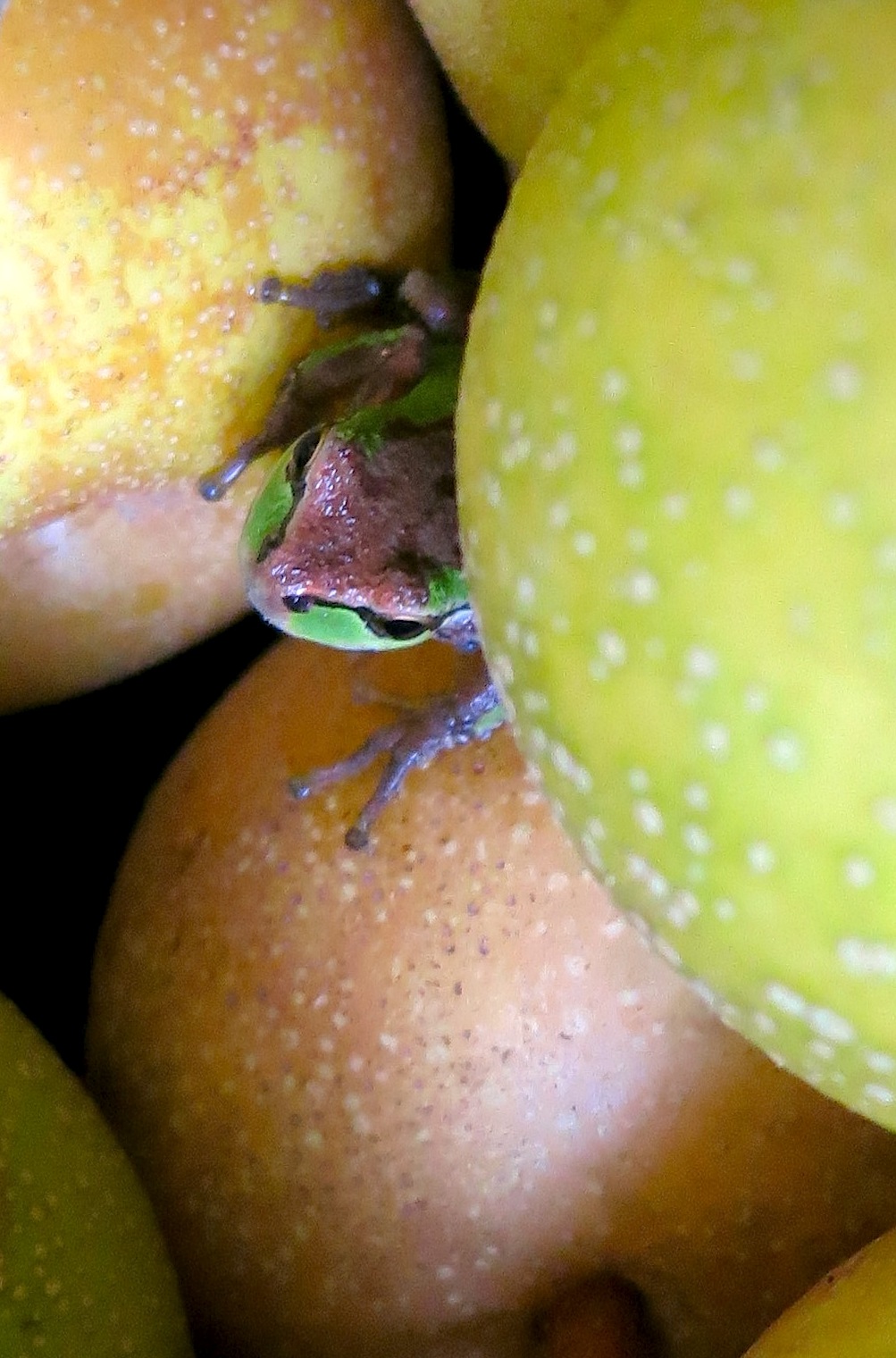
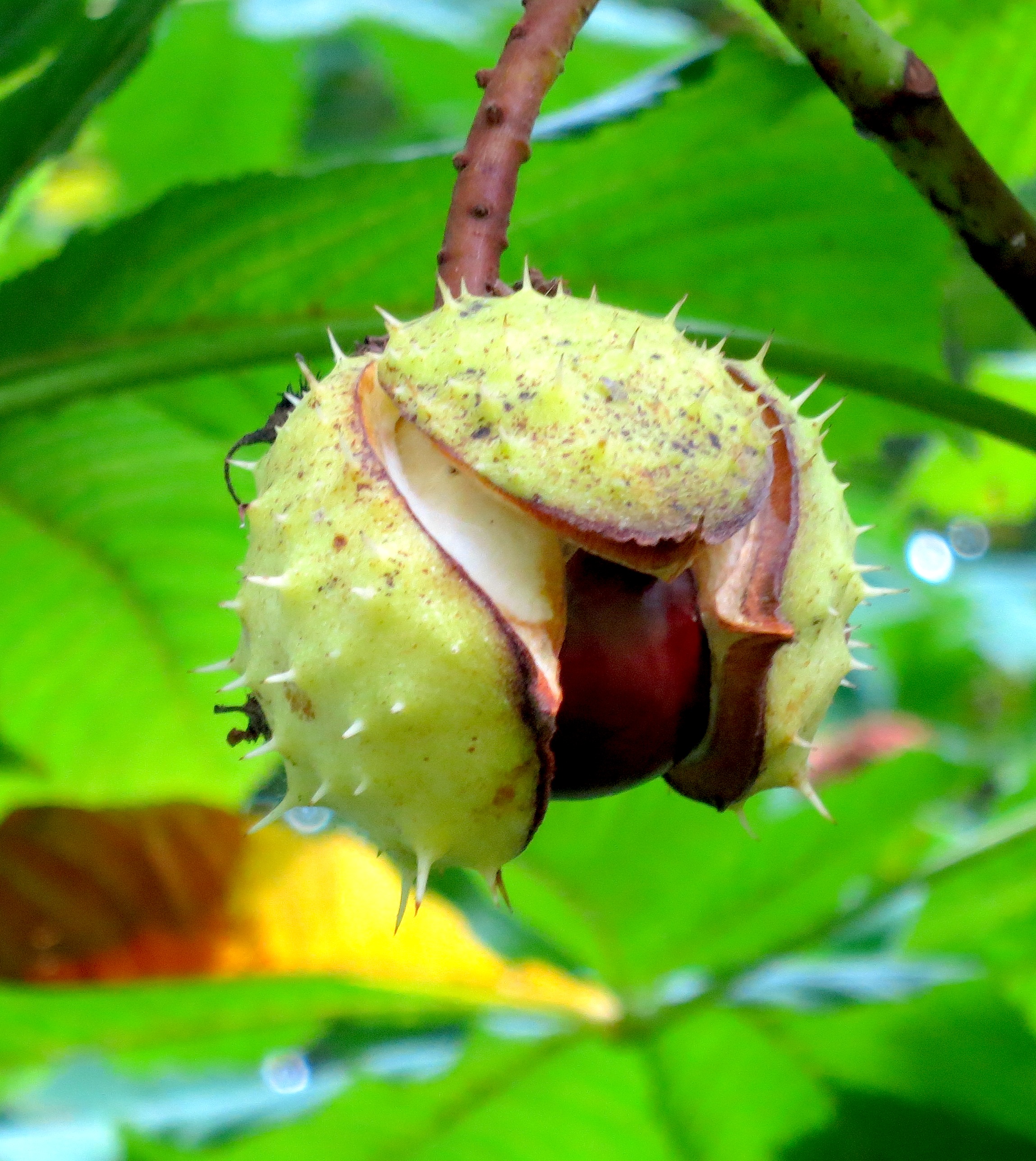
My garden yields its own treasures: tea roses, sweet peas, heliotrope, lemon blossom take me back to lazy breezes past blossoms planted along the house, wafting through open bedroom windows.  The fragrance of the earth after a long awaited rain– petrichor — reminds me of dusty dry summers crying for relief.

I doubt any aromatherapy kit would include my most favorite–the farm smells: newly mown hay, fresh fir shavings for stall bedding,  the mustiness of the manure pile, the green sweetness of a horses’ breath.

Someday I’ll figure out how to bottle all these up to keep on hand forever.   Years from now my rambles will be over, when I’m too feeble to walk to the barn or be part of the hay harvest crew any longer,  I can sit by my fireplace with a purring contented cat, listening to the soft rolling twitter of my sleepy canary, then close my eyes, open this bottle of memories and take a whiff now and then.

What a journey I will take, back to a day like today, a day that speaks to me with no uncertain voice.

raindrops1315

rosemountain

hayfield

A Desolate Reflection

redsquare

morningdew95142

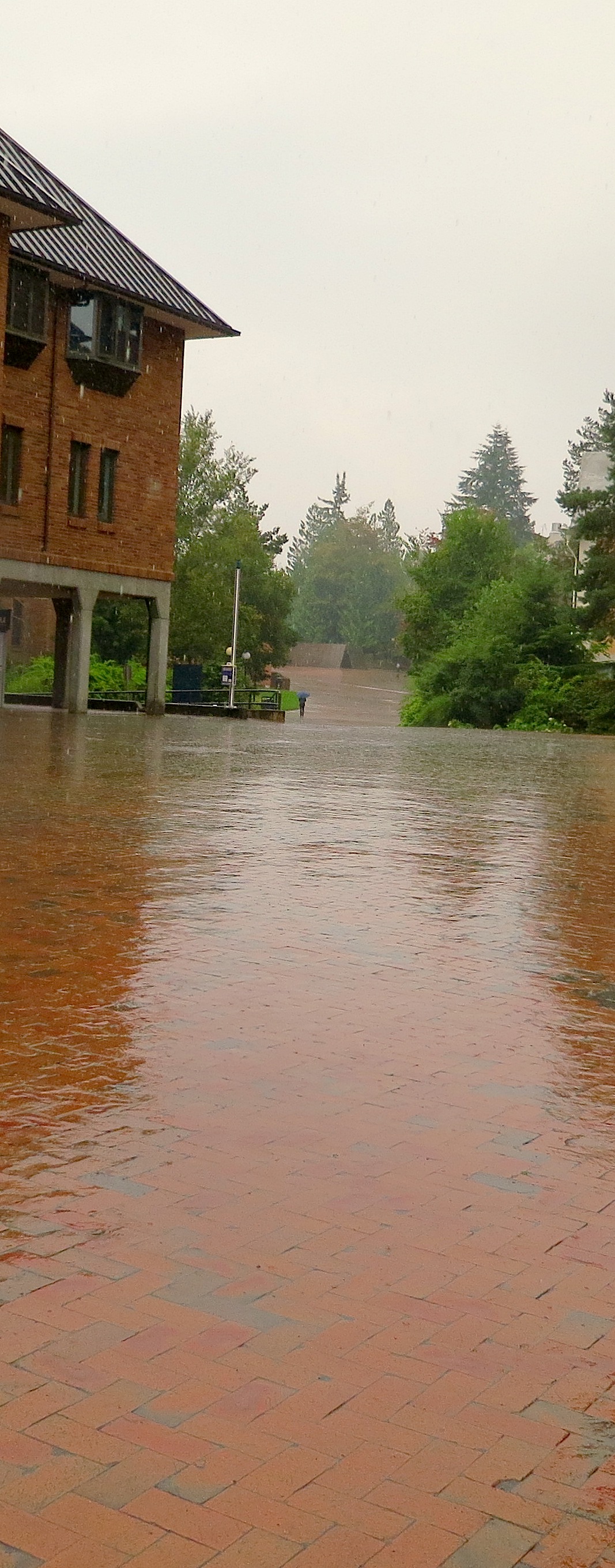
It is a blustery and soaking start to the University’s academic year:  we enter autumn with no little trepidation…


Enter autumn as you would
a closing door.  Quickly,
cautiously.  Look for something inside
that promises color, but be wary
of its cast–a desolate reflection,
an indelible tint.
~Pamela Steed Hill from “September Pitch”

weedybaker

weedysisters

bakersisters14

The Best Education Of All

striders2

felix

raspberryripen

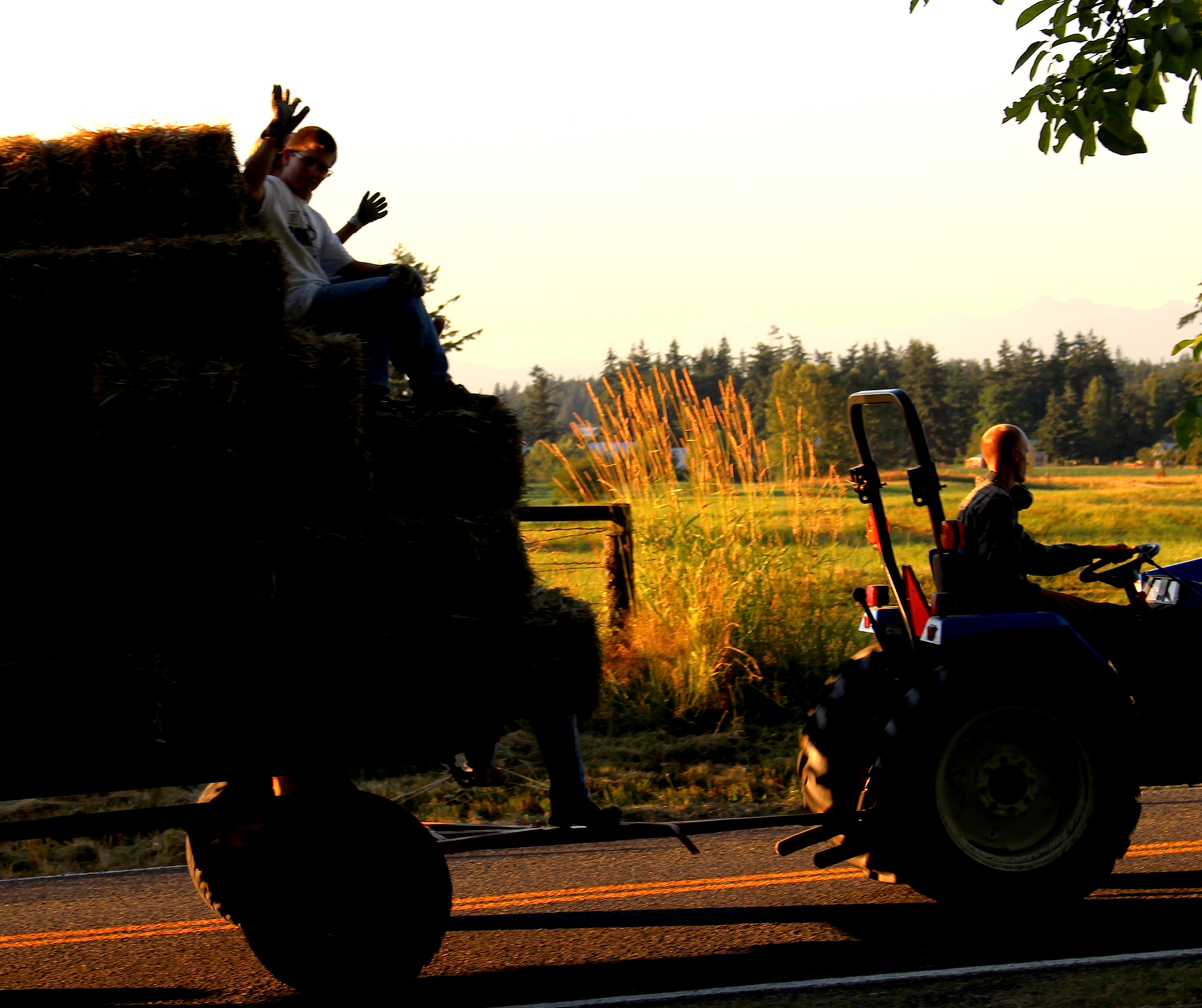
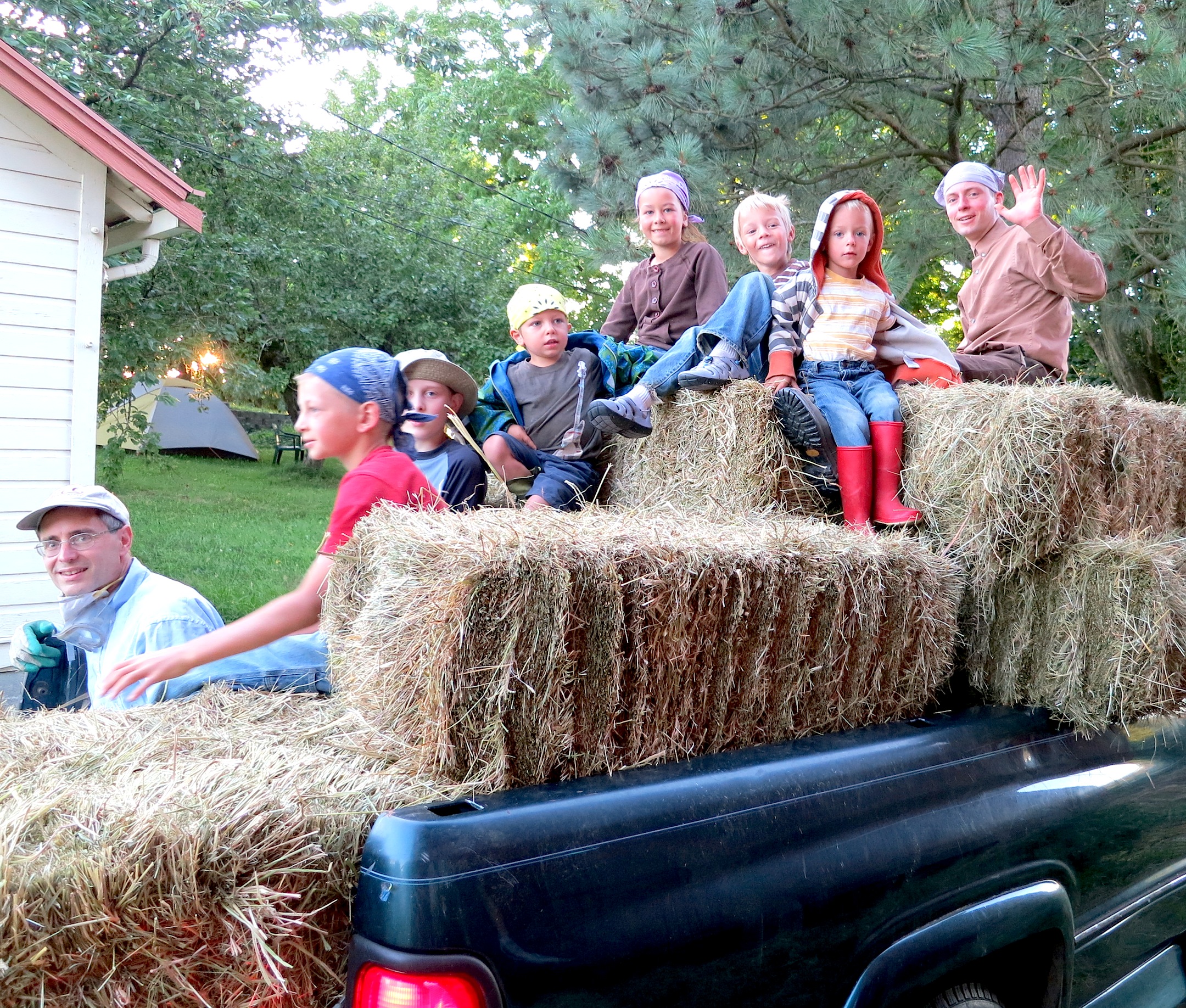
haywagon

hidingout

abouttoburst

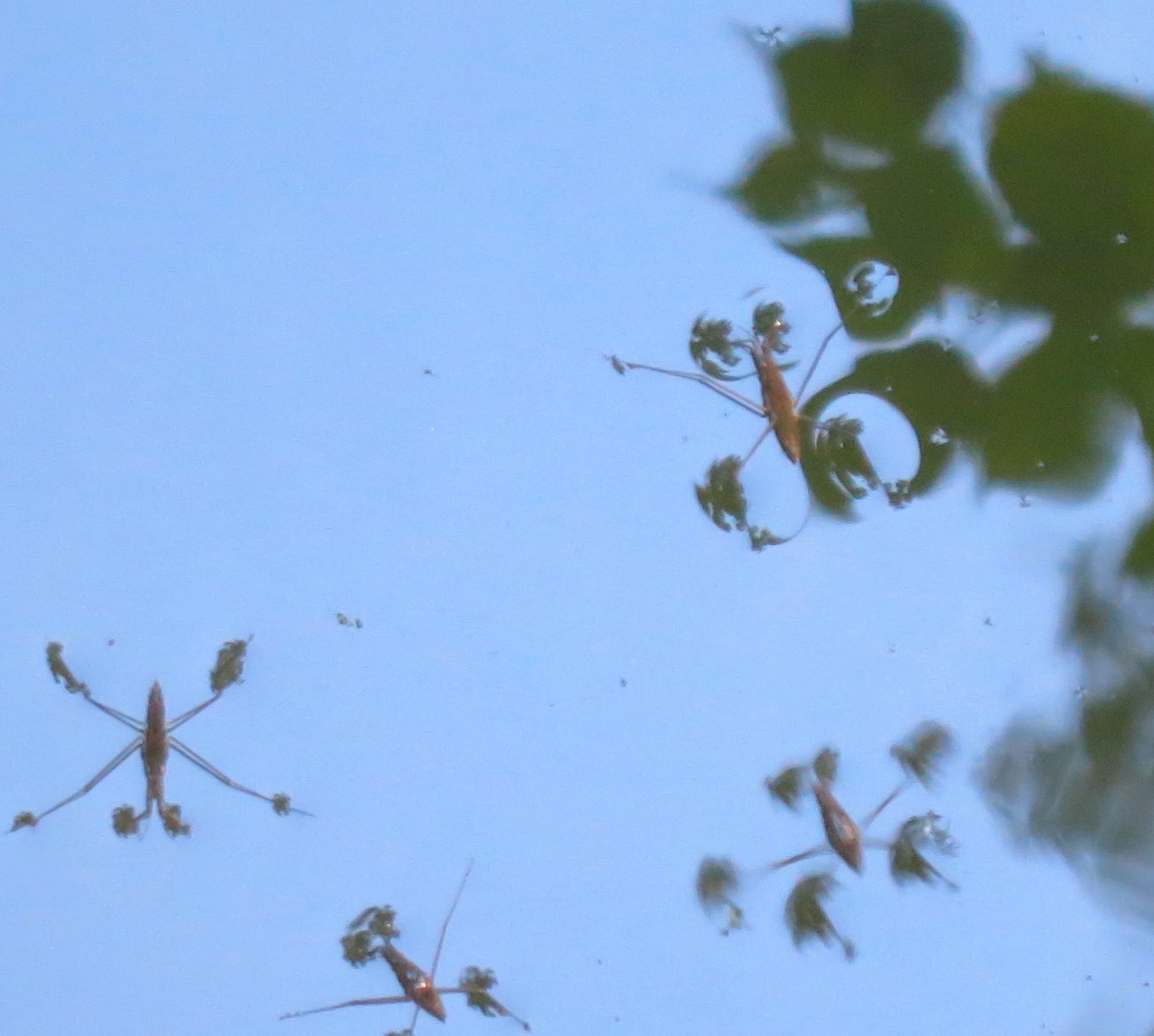
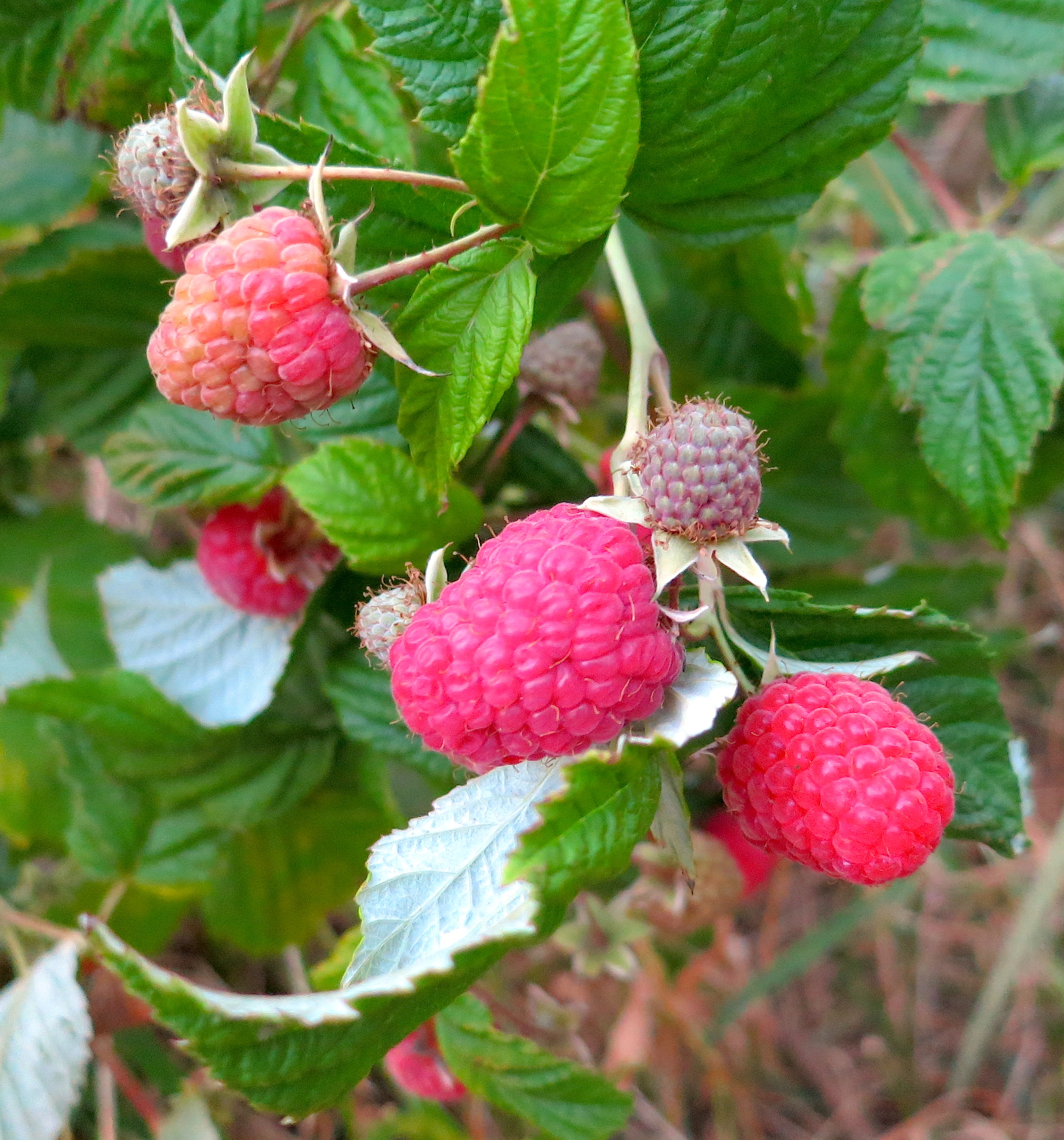
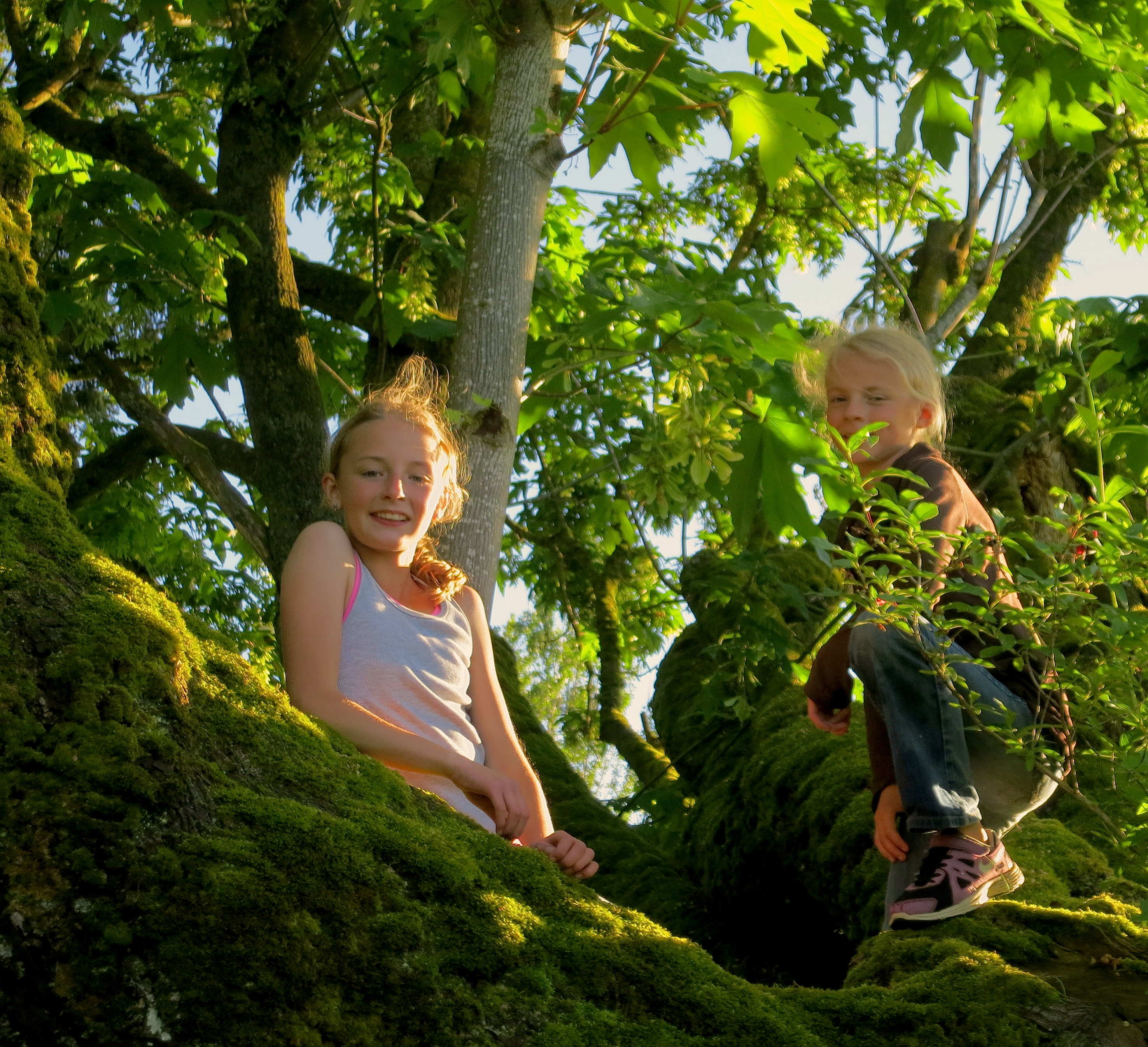
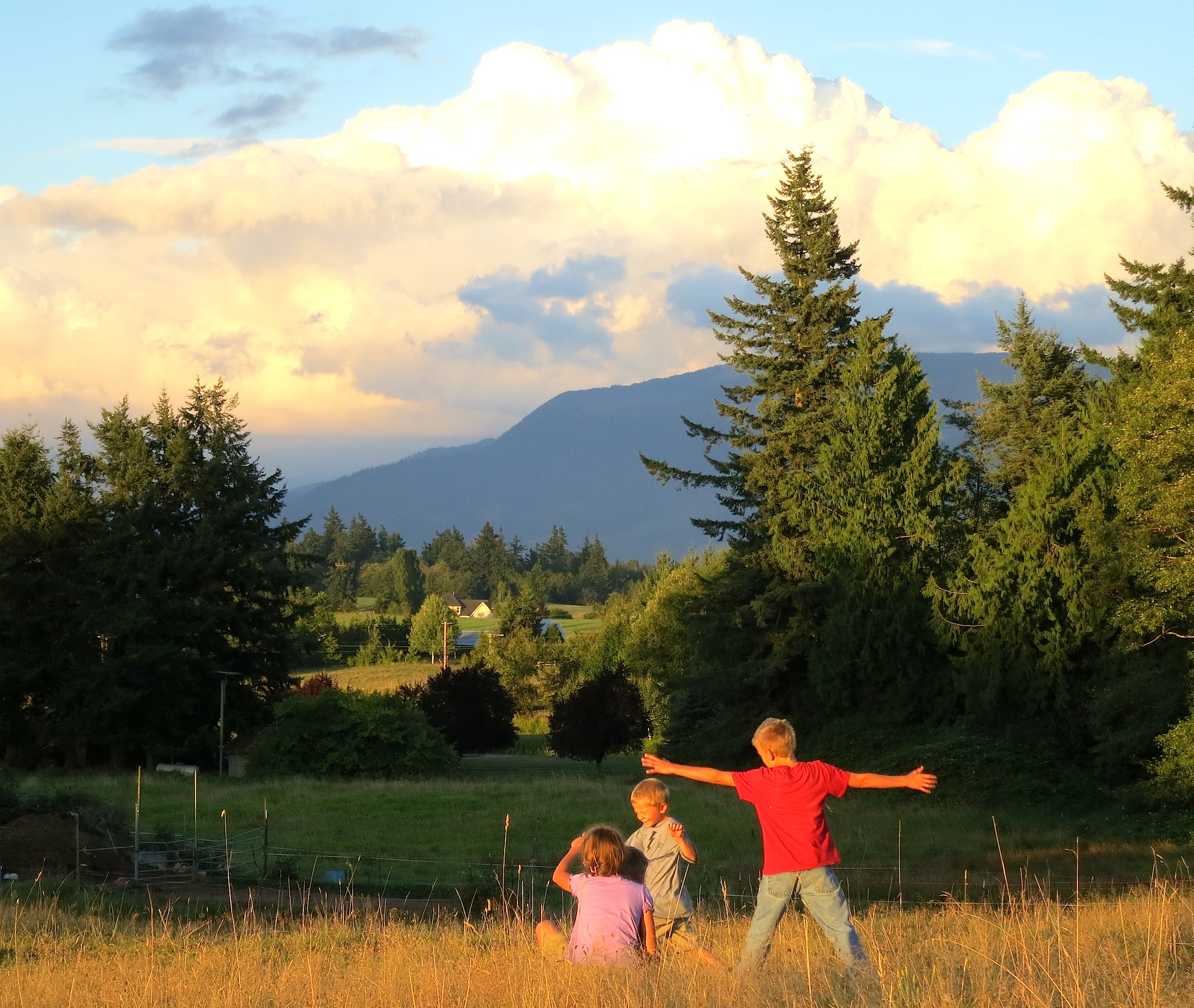
Every child should have mud pies, grasshoppers, water bugs, tadpoles, frogs, mud turtles, elderberries, wild strawberries, acorns, chestnuts, trees to climb.  Brooks to wade, water lilies, woodchucks, bats, bees, butterflies, various animals to pet, hayfields, pine-cones, rocks to roll, sand, snakes, huckleberries and hornets;  and any child who has been deprived of these has been deprived of the best part of education.  By being well acquainted with all these they come into most intimate harmony with nature, whose lessons are, of course, natural and wholesome.
~Luther Burbank from “Training of the Human Plant”

noaanya

sunset817

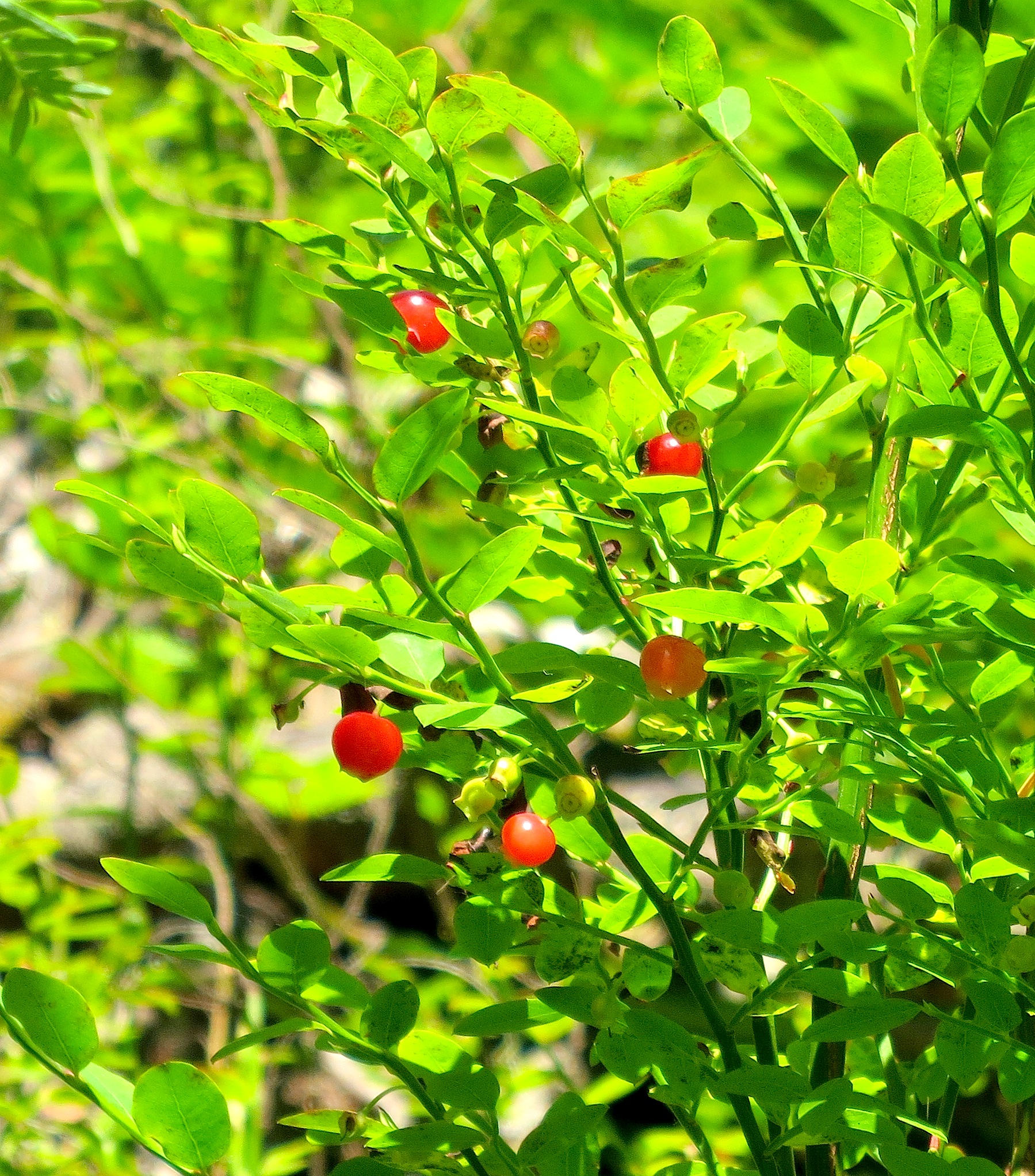
huckleberry

bee

elderberrypost

cone2

babbling

farmcrew


All the World is Leafy Green

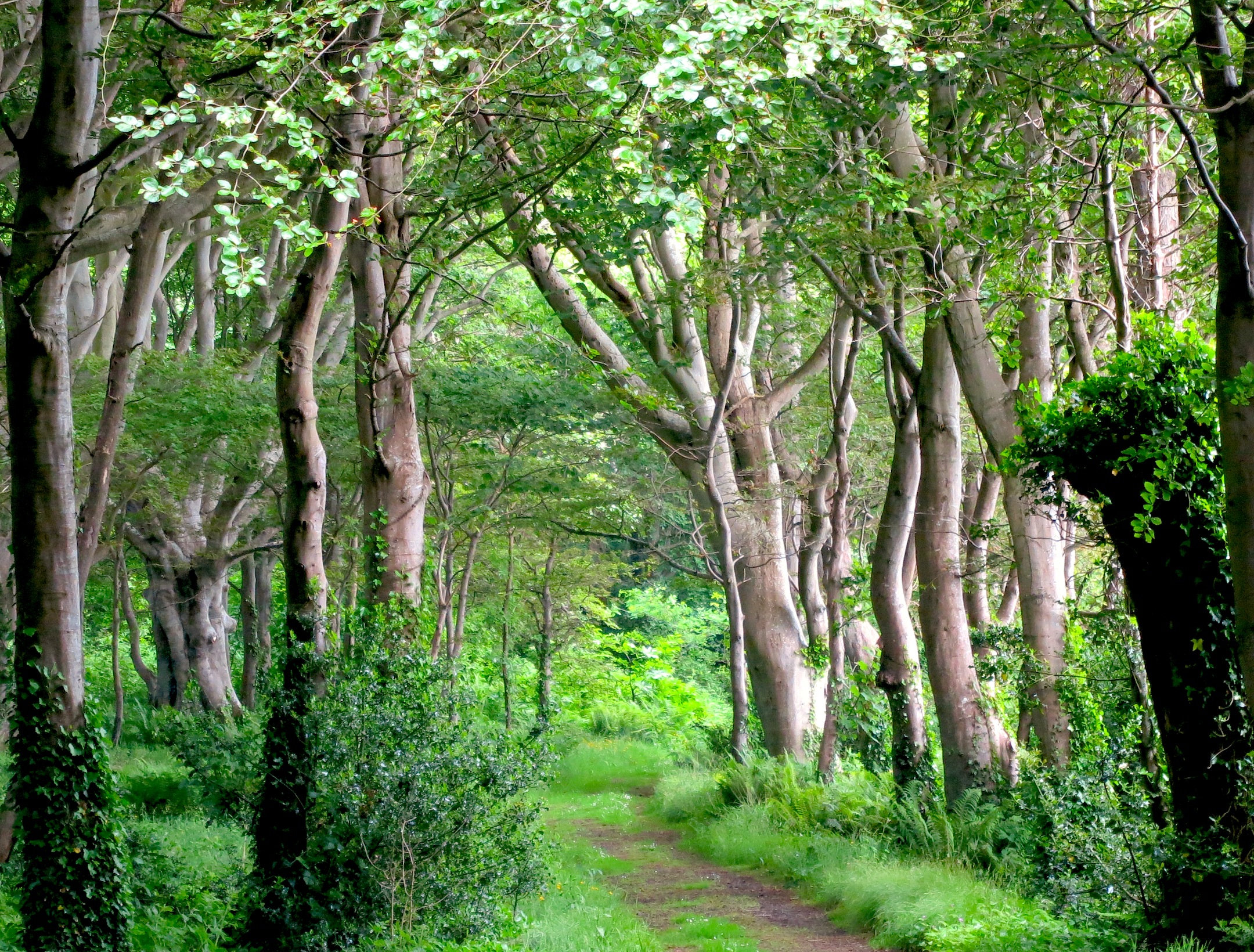
beechtrail

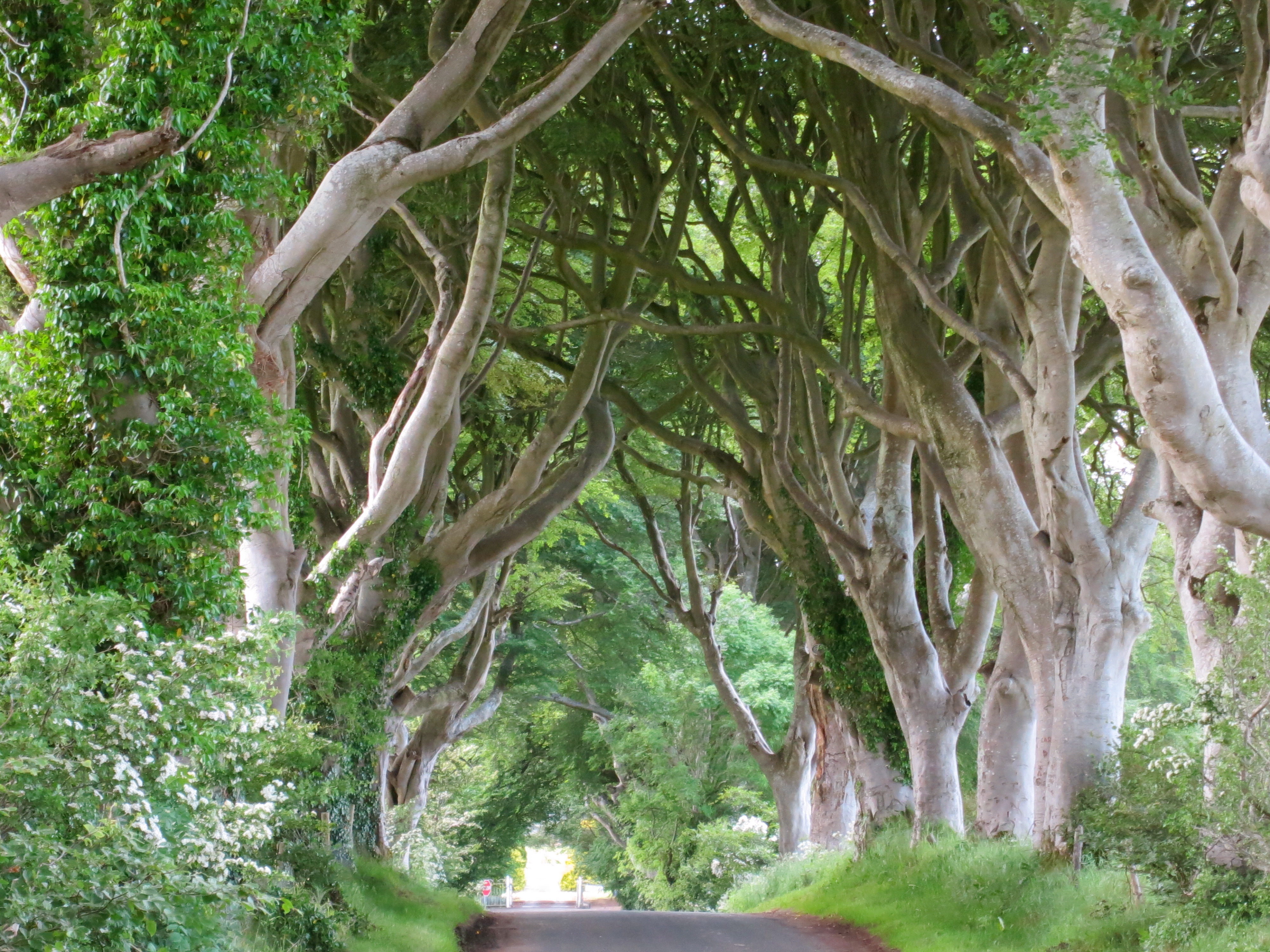
darkhedges2boost

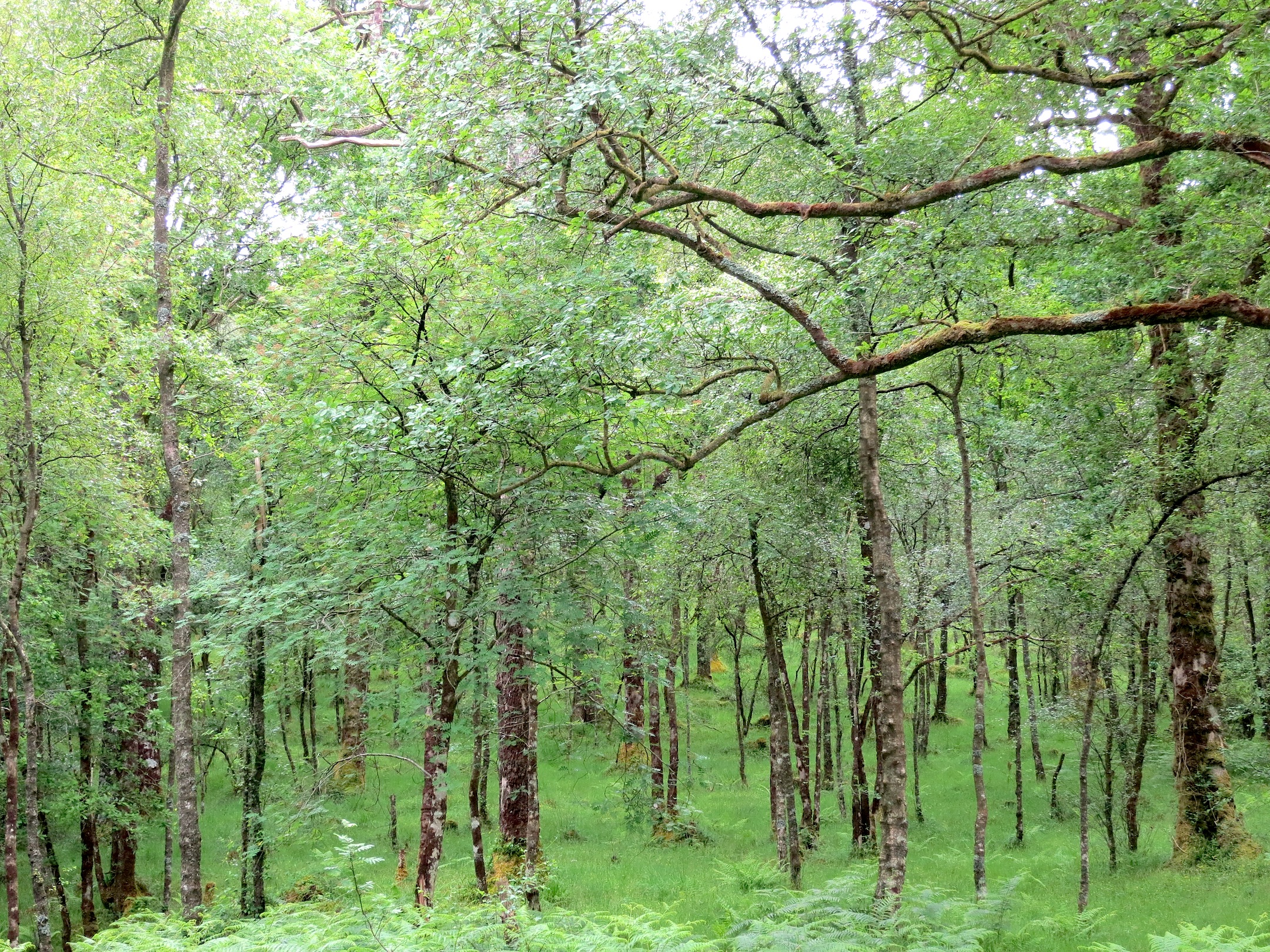
Some of the most powerful memories of summer come out of our childhood when we wake up on a June morning and suddenly remember that school is out and that summer stretches in front of us as endlessly as the infinities of space. Everything is different. The old routines are gone. The relentless school bus isn’t coming. The bells will be silent in silent hallways. And all the world is leafy green, and will be green, forever and ever.
~Ray Bradbury

lochlomond5

mournemountainmeadow


Stored in the Heart

photo by Josh Scholten

Whatever he needs, he has or doesn’t
have by now.
Whatever the world is going to do to him
it has started to do… 

…Whatever is
stored in his heart, he can use, now.
Whatever he has laid up in his mind
he can call on.  What he does not have
he can lack…

…Whatever his exuberant soul
can do for him, it is doing right now…

…Everything that’s been placed in him will come out, now, the contents of a trunk
unpacked and lined up on a bunk in the underpine light.
~Sharon Olds from “The Summer-Camp Bus Pulls Away from the Curb”

This is the season for graduations, when children move into the adult world and don’t look back.

As a parent, as an educator, as a mentor, as a college health physician witnessing this transition, I can’t help but be wistful about what I left undone and unsaid.   In their moments of vulnerability, did I pack enough love into that bleeding heart so he or she can pull it out when it is most needed?

With our three children traveling all over the world over the last few weeks, stretching way beyond the fenced perimeter of our little farm, I have trusted they prepared themselves well.

I know what is stored in their hearts because I helped them pack.   It is where they can still find me if need be.