Dripping Sleep

rain2

webrain1I went to bed and woke in the middle of the night thinking I heard someone cry, thinking I myself was weeping, and I felt my face and it was dry.
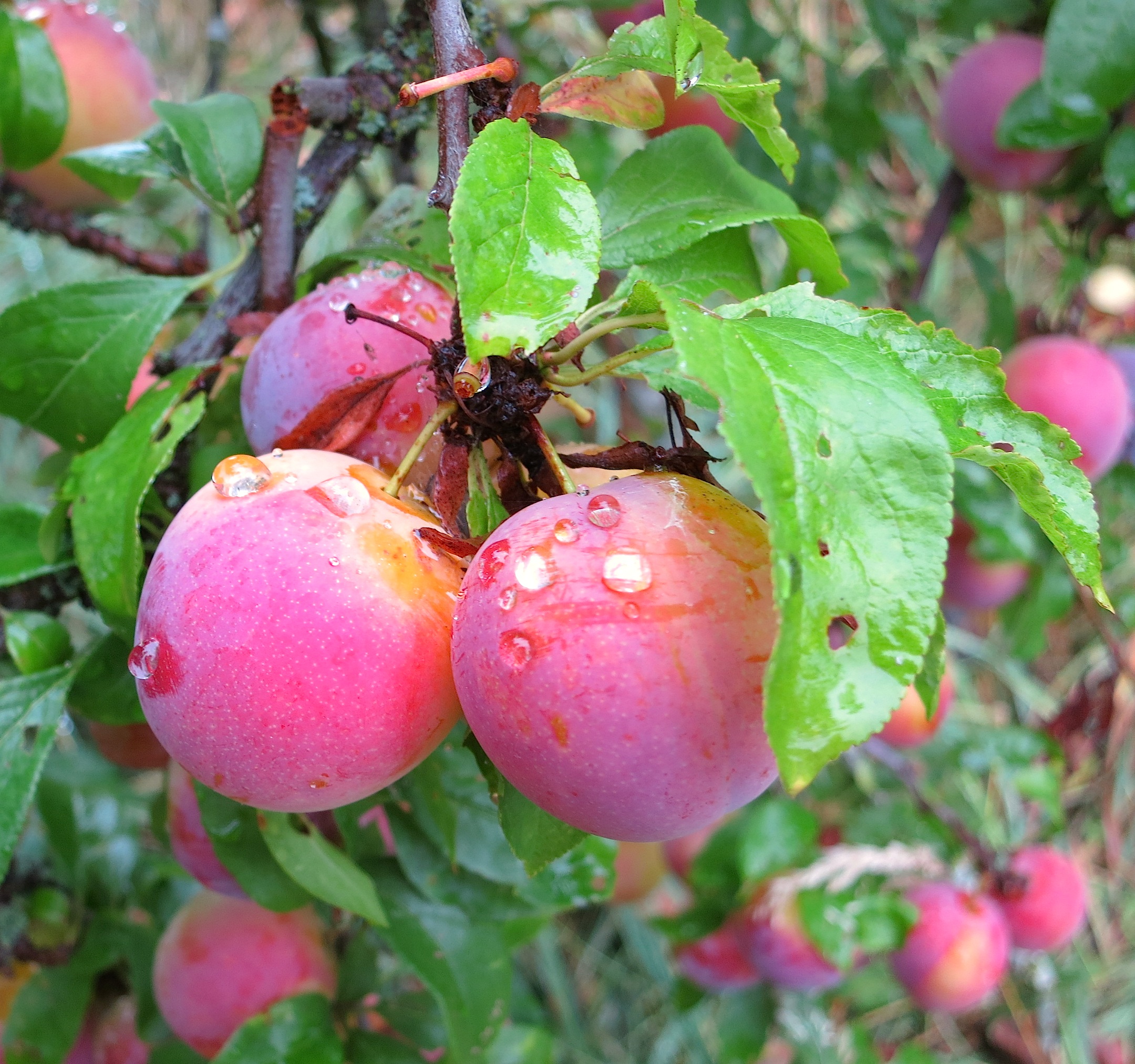
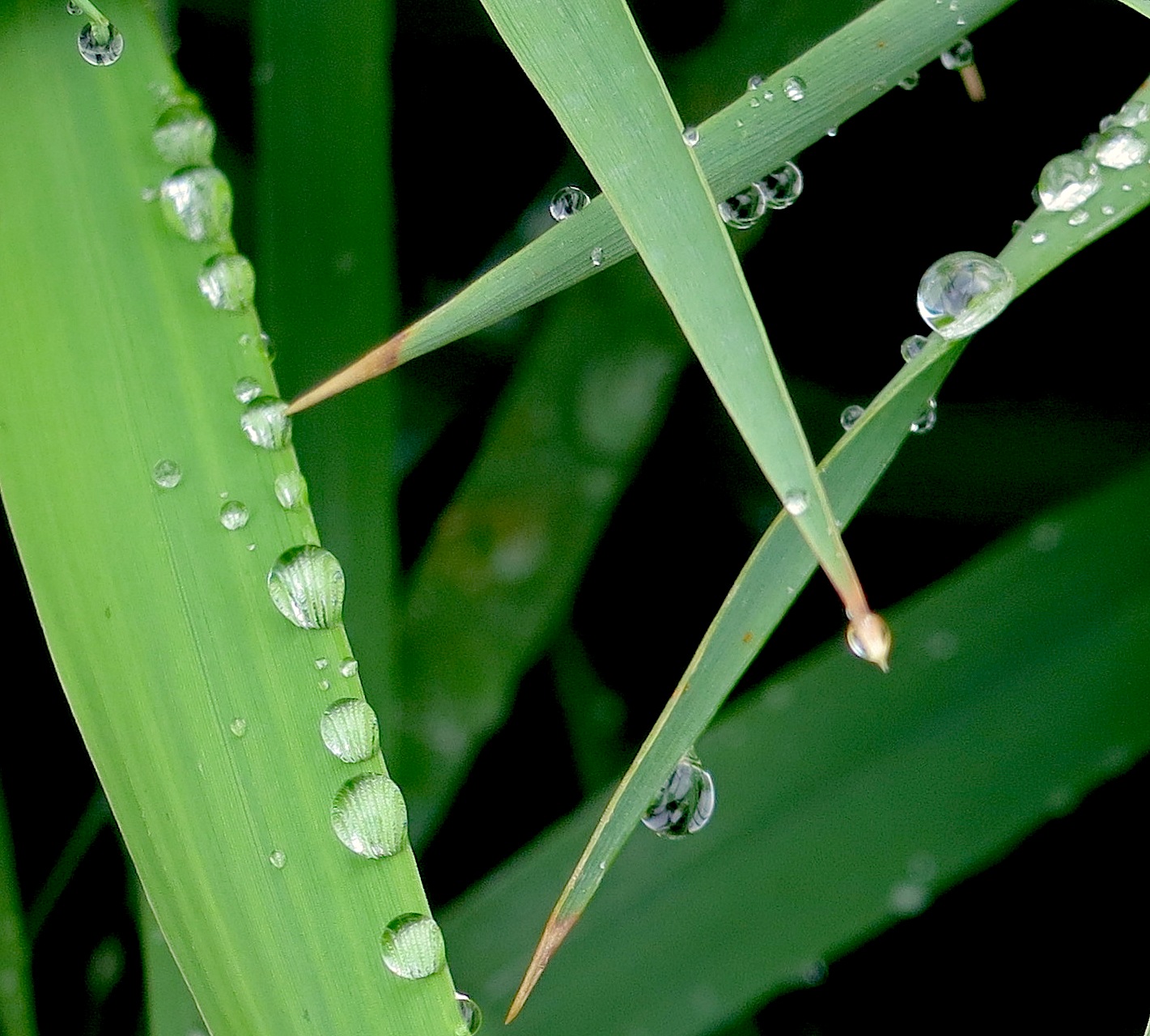
Then I looked at the window and thought: Why, yes, it’s just the rain, the rain, always the rain, and turned over, sadder still, and fumbled about for my dripping sleep and tried to slip it back on.
~Ray Bradbury

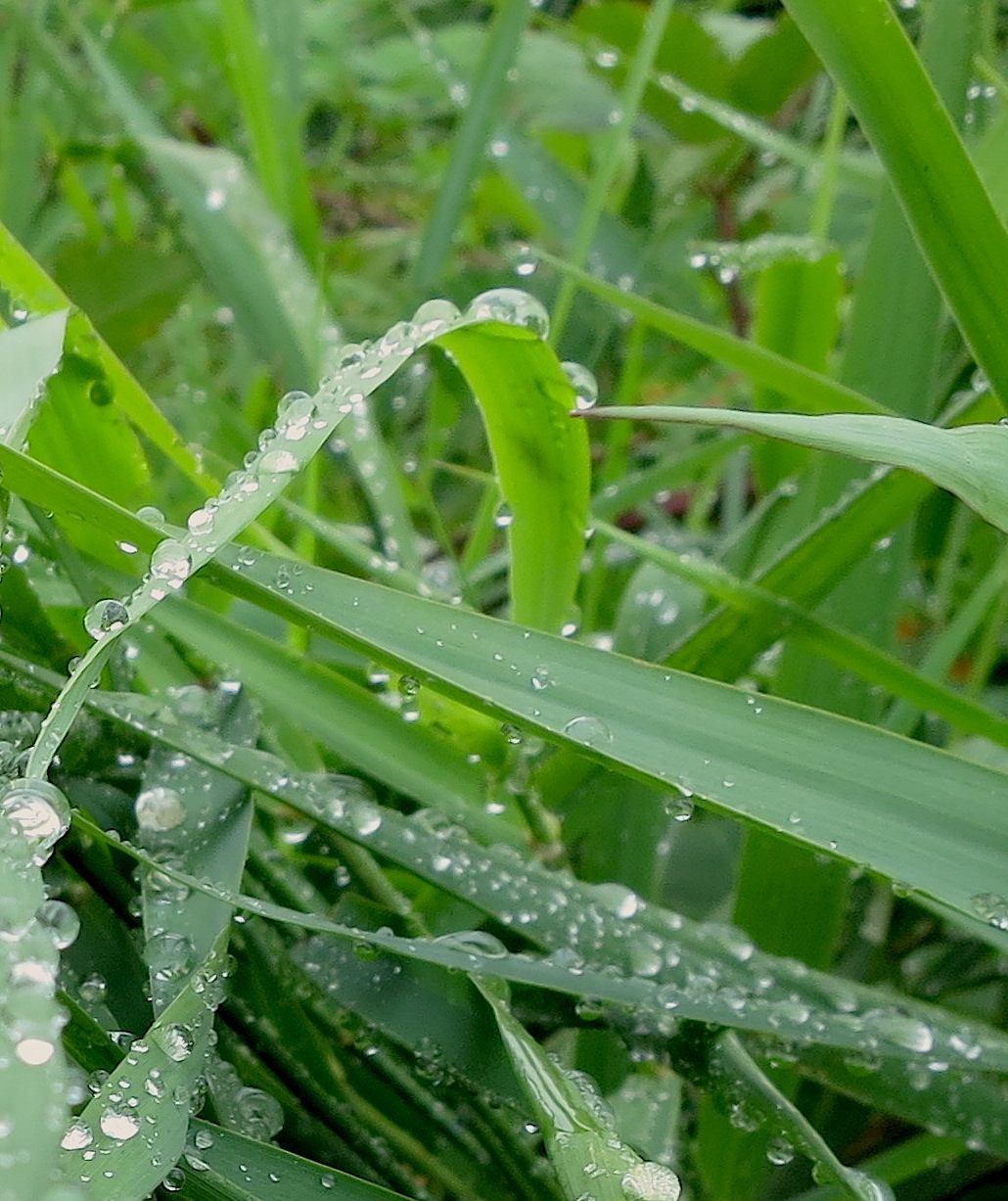
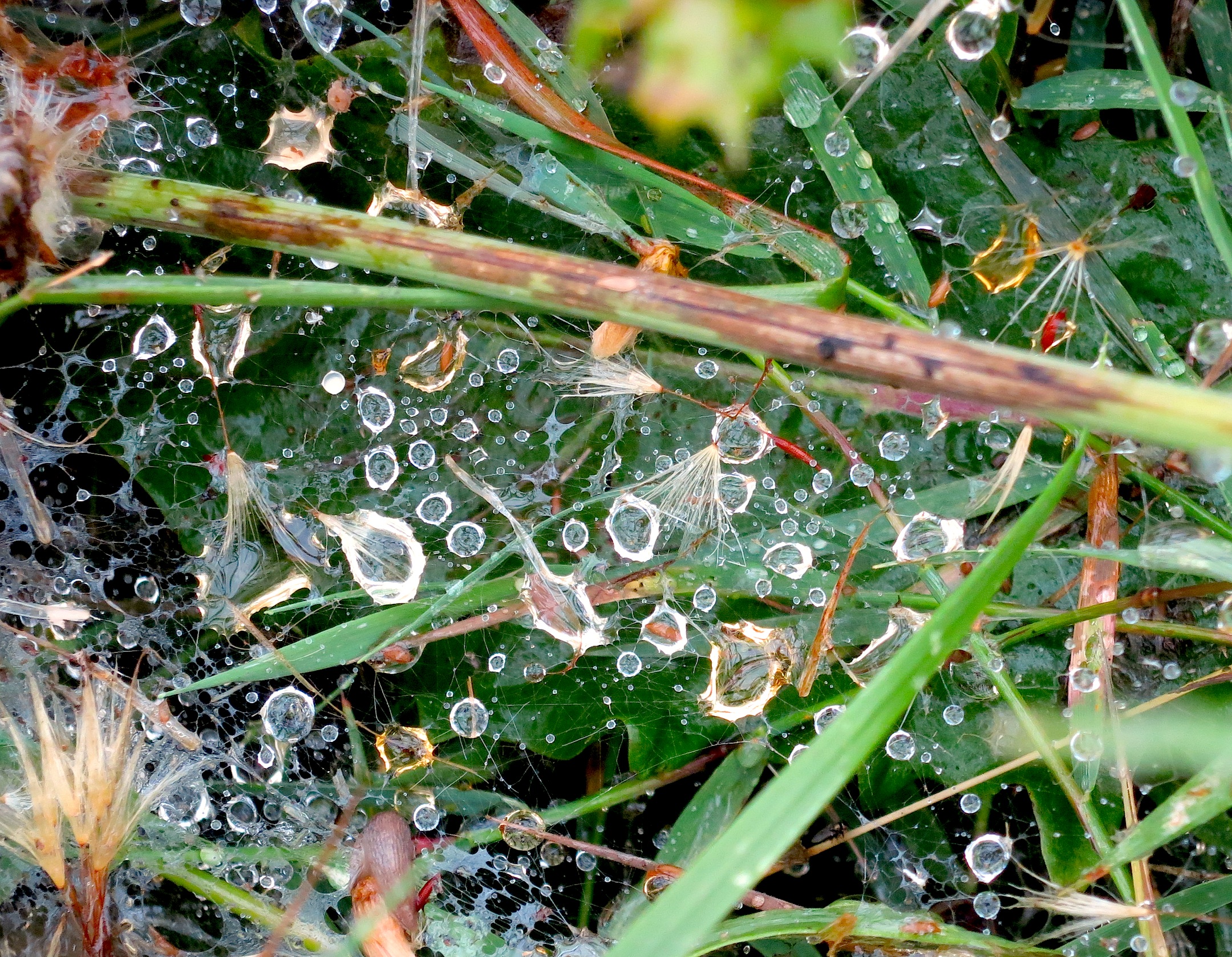
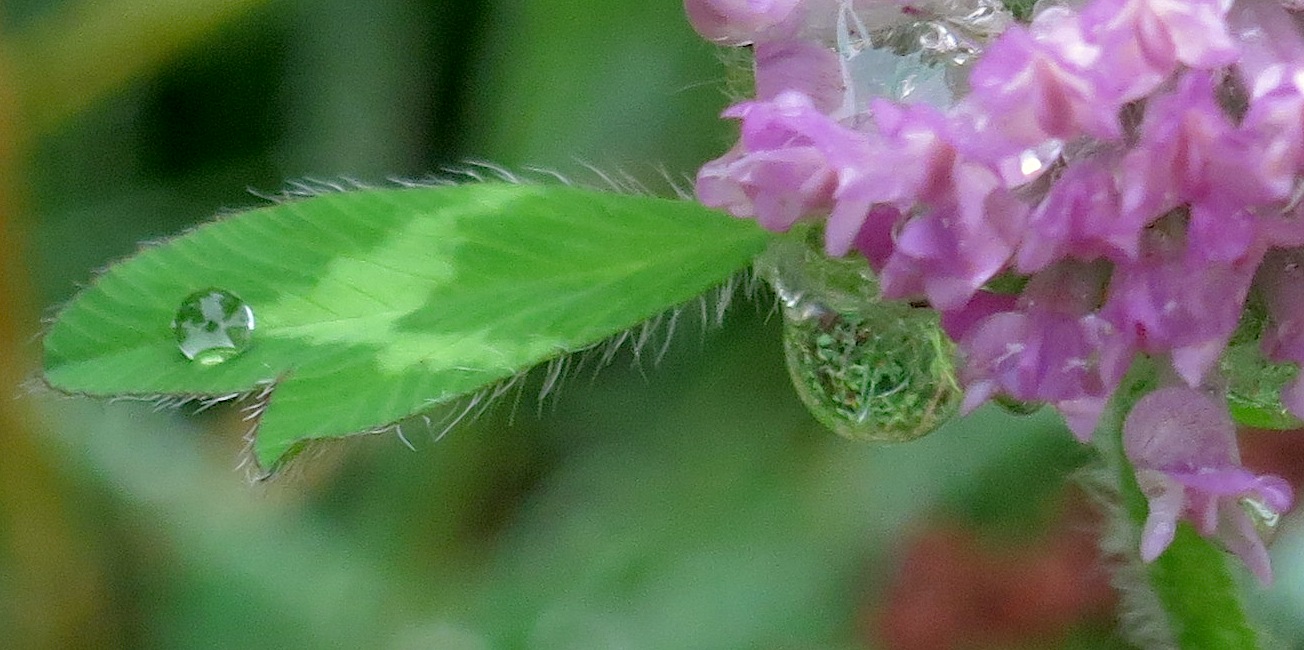
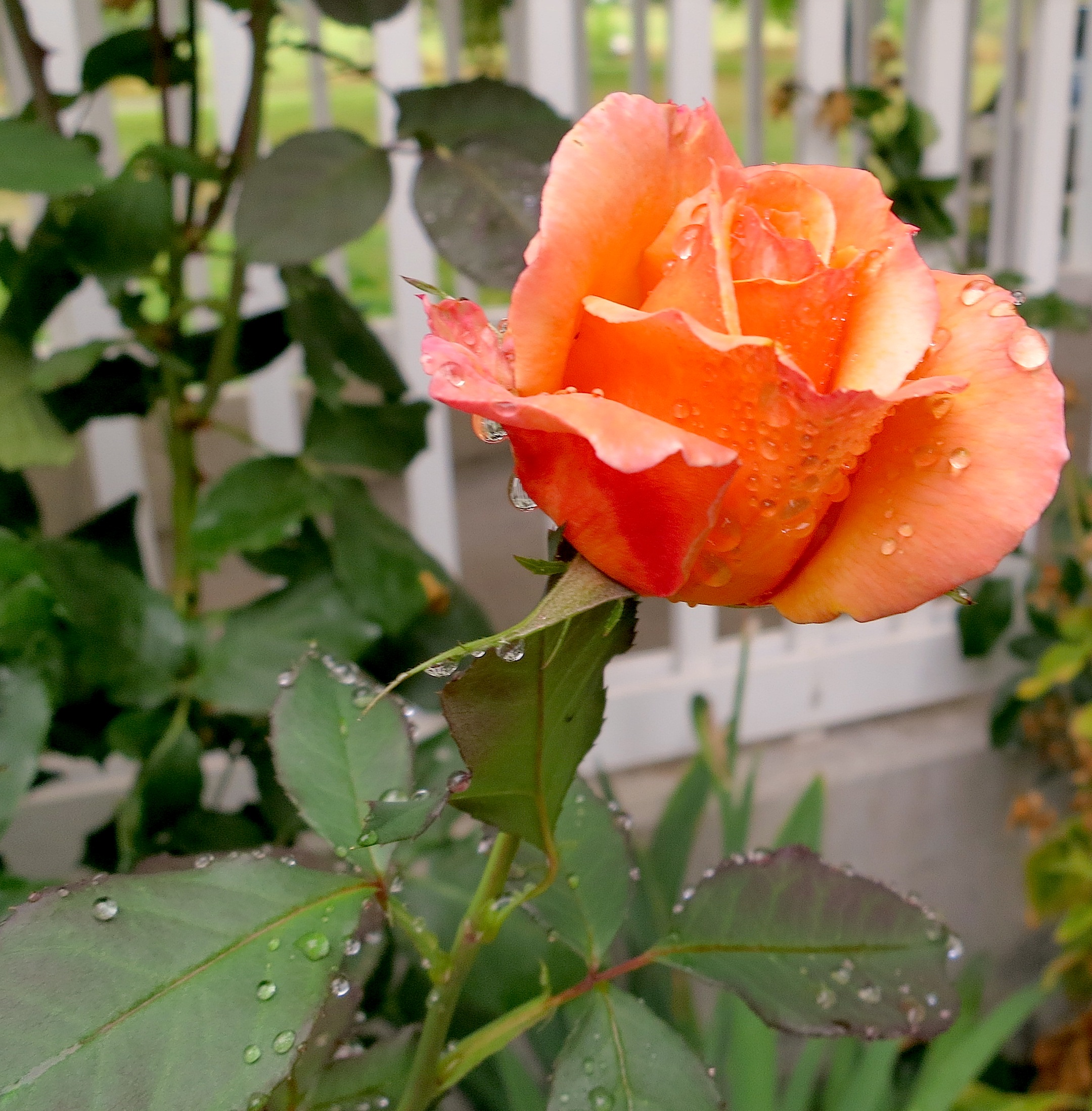
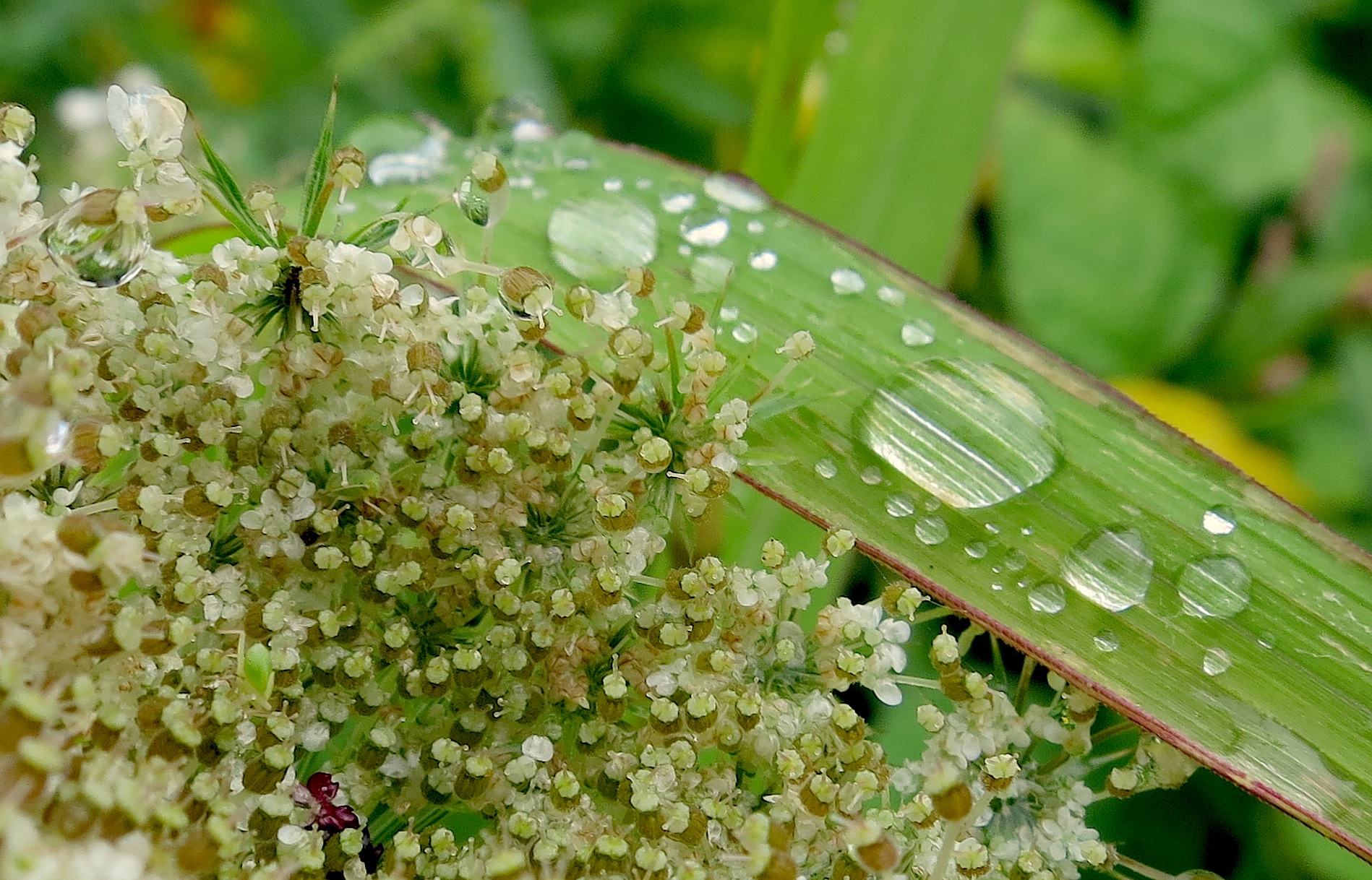
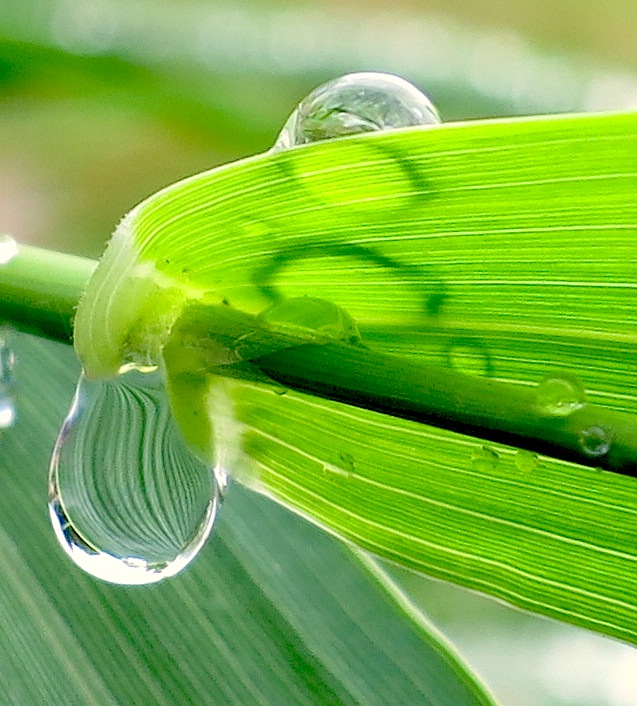
After weeks of dry weather and only an occasional shower, it was relief to wake to the pattering and dripping, an old familiar friend returned in the dark of night.

Weeping clouds and misty eyes are not always from sadness.  They can shed sweet tears, wistful wondrous full-to-the-brim tears.
This is how it was as I slipped a dripping sleep back on, lulled by the rhythm of the drops.  This is how it is this morning capturing each one where it landed before it disappears forever.

My face will remain damp with the memory.

plumrain

rain4

cloverrain2

roserain2

rain6

rain8

The Sun Behind You

sunsetpeter

sunsethill

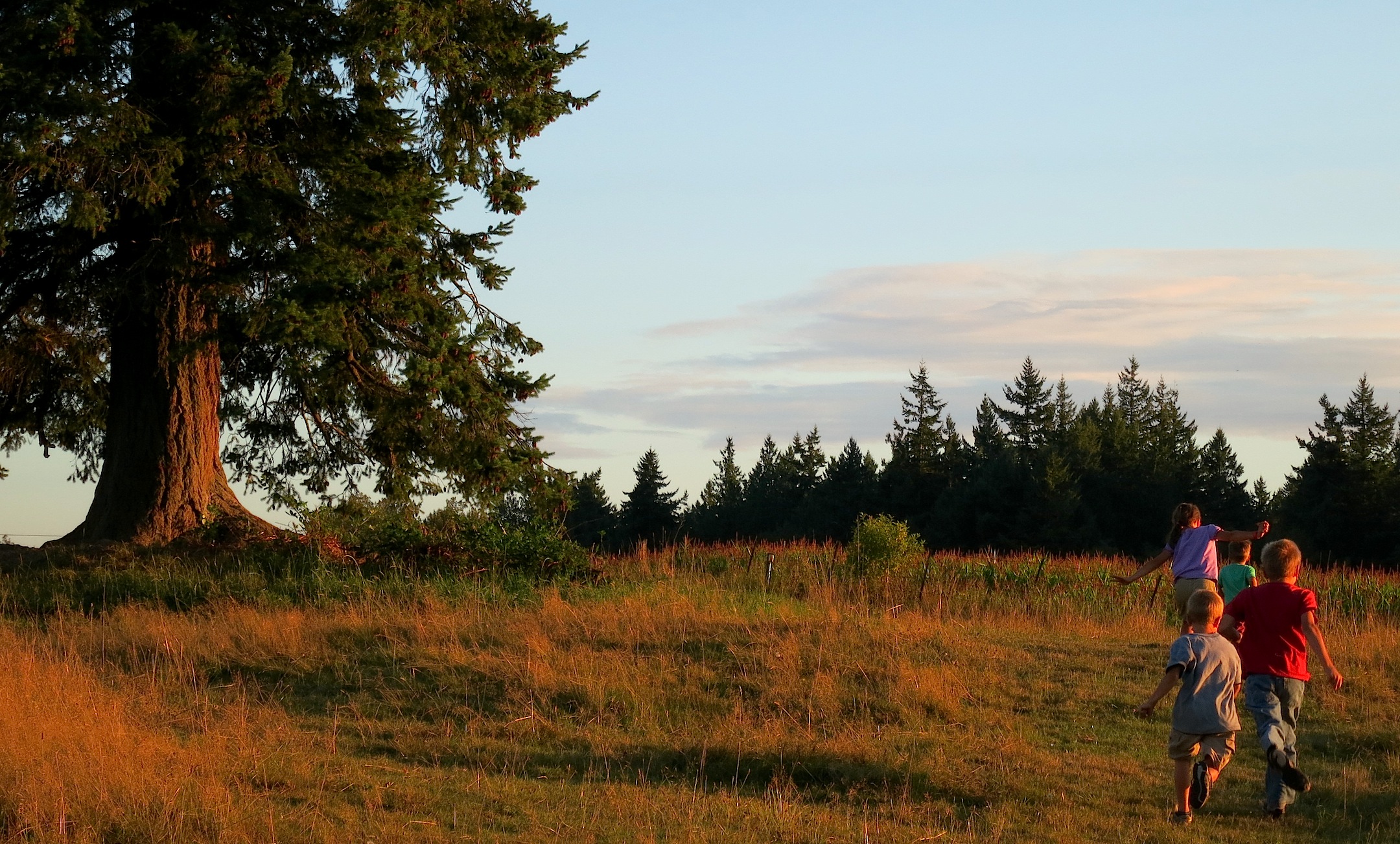
… if you ran, time ran. You yelled and screamed and raced and rolled and tumbled and all of a sudden the sun was gone and the whistle was blowing and you were on your long way home to supper. When you weren’t looking, the sun got around behind you! The only way to keep things slow was to watch everything and do nothing! You could stretch a day to three days, sure, just by watching!
~Ray Bradbury from Dandelion Wine

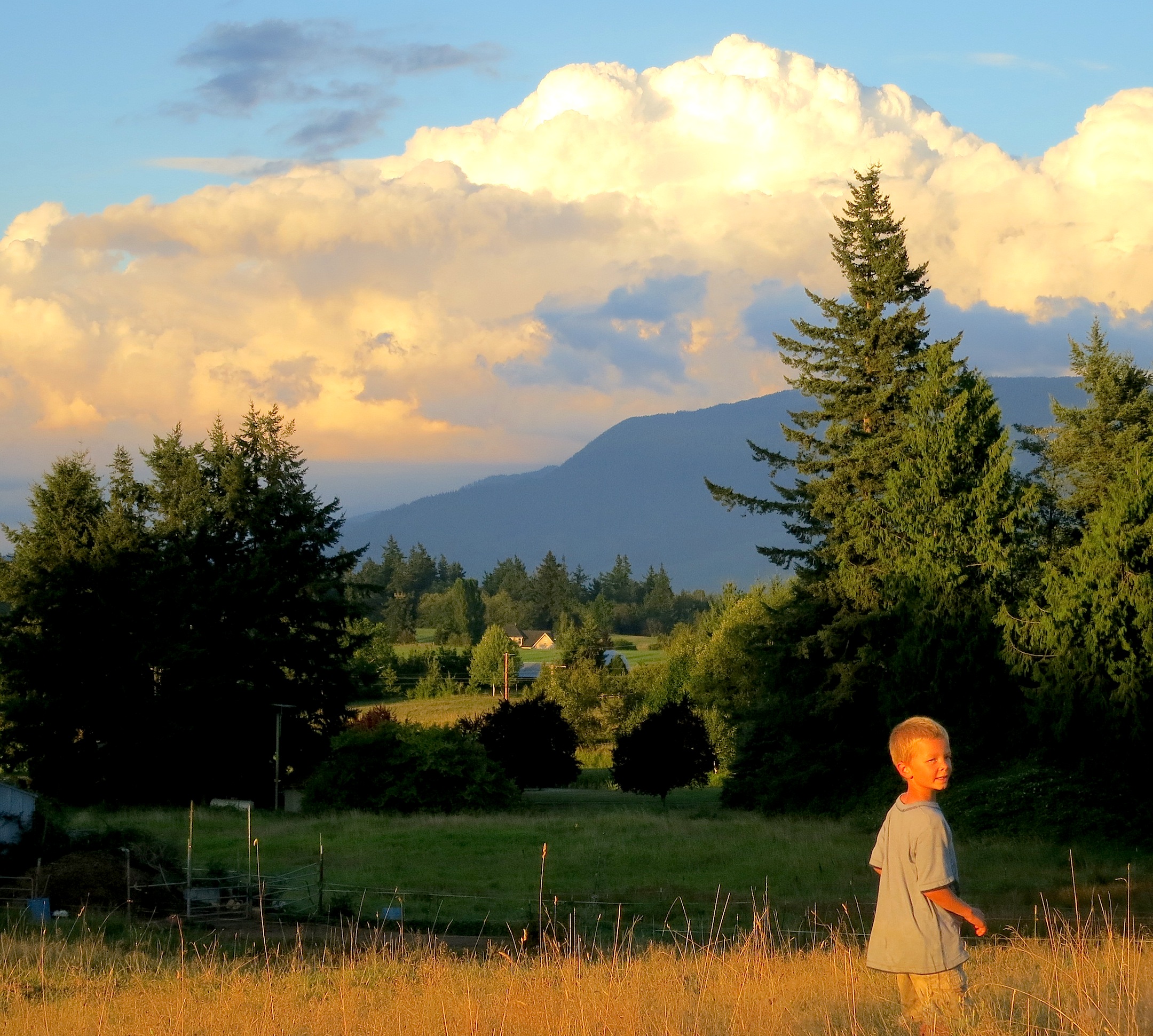
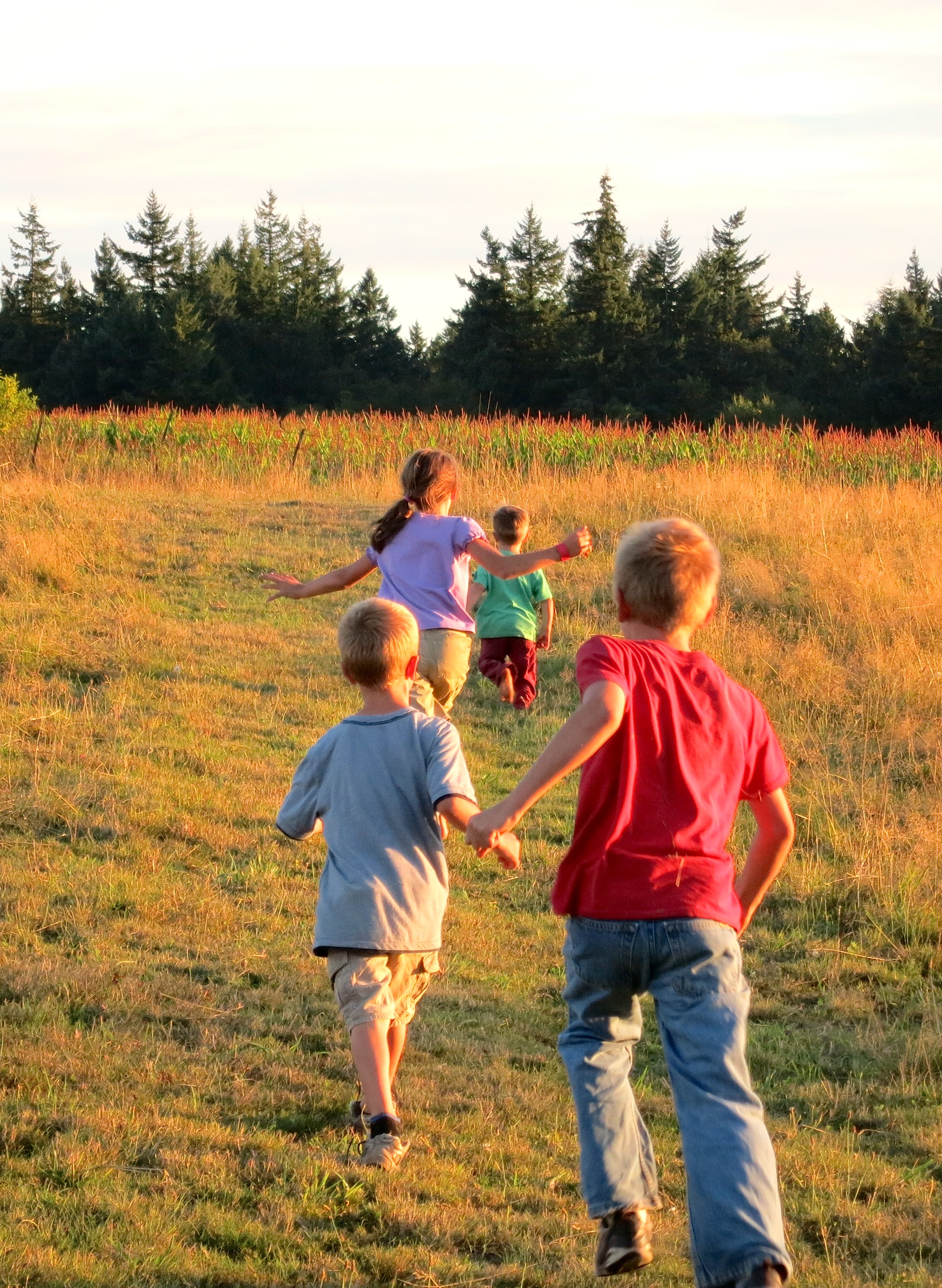
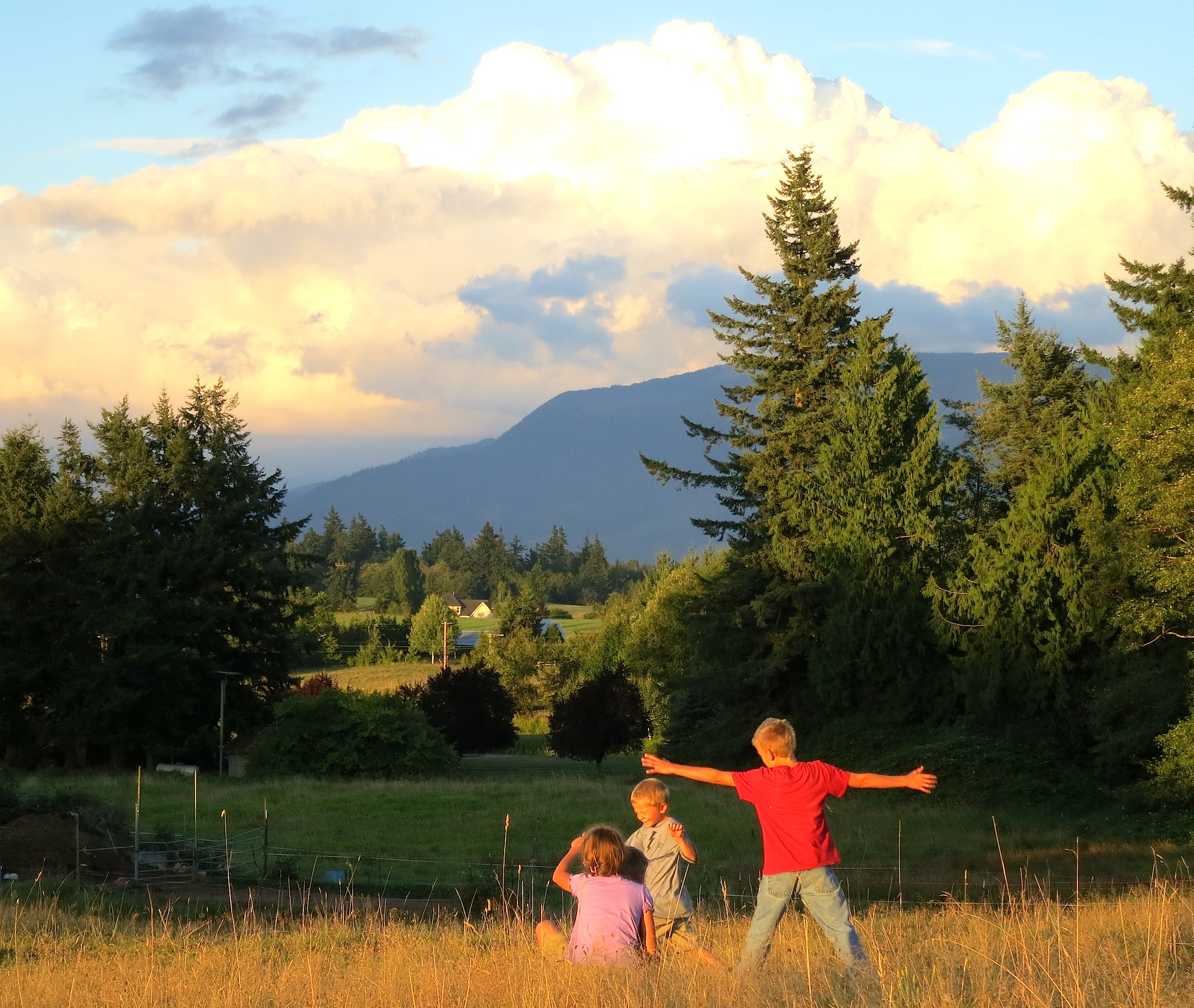
This is a time to slow down and just watch, in order to stretch the days out as long as possible.  I have a tendency to race through the hours given to me, heedless of the sun settling low behind me surrendering the day to the advancing march of darkness.

So I choose for now to be observer and recorder rather than runner and racer, each moment preserved like so many jars of sweet jam on a pantry shelf.   The sun may be setting, but it is taking its time.

tammingasunset

sunsetkids

sunset817

Slumber Interrupted

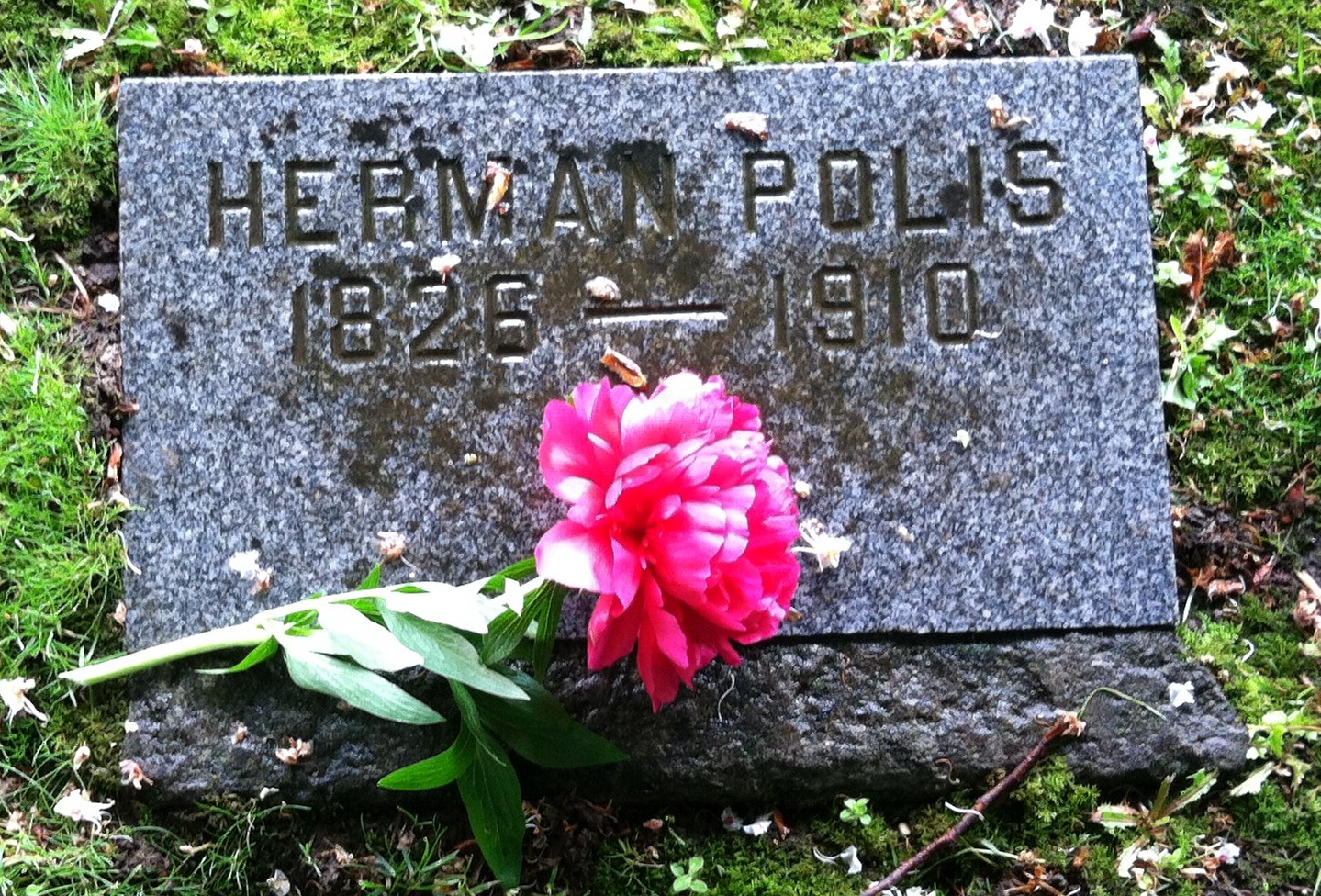
herman
my great great grandfather

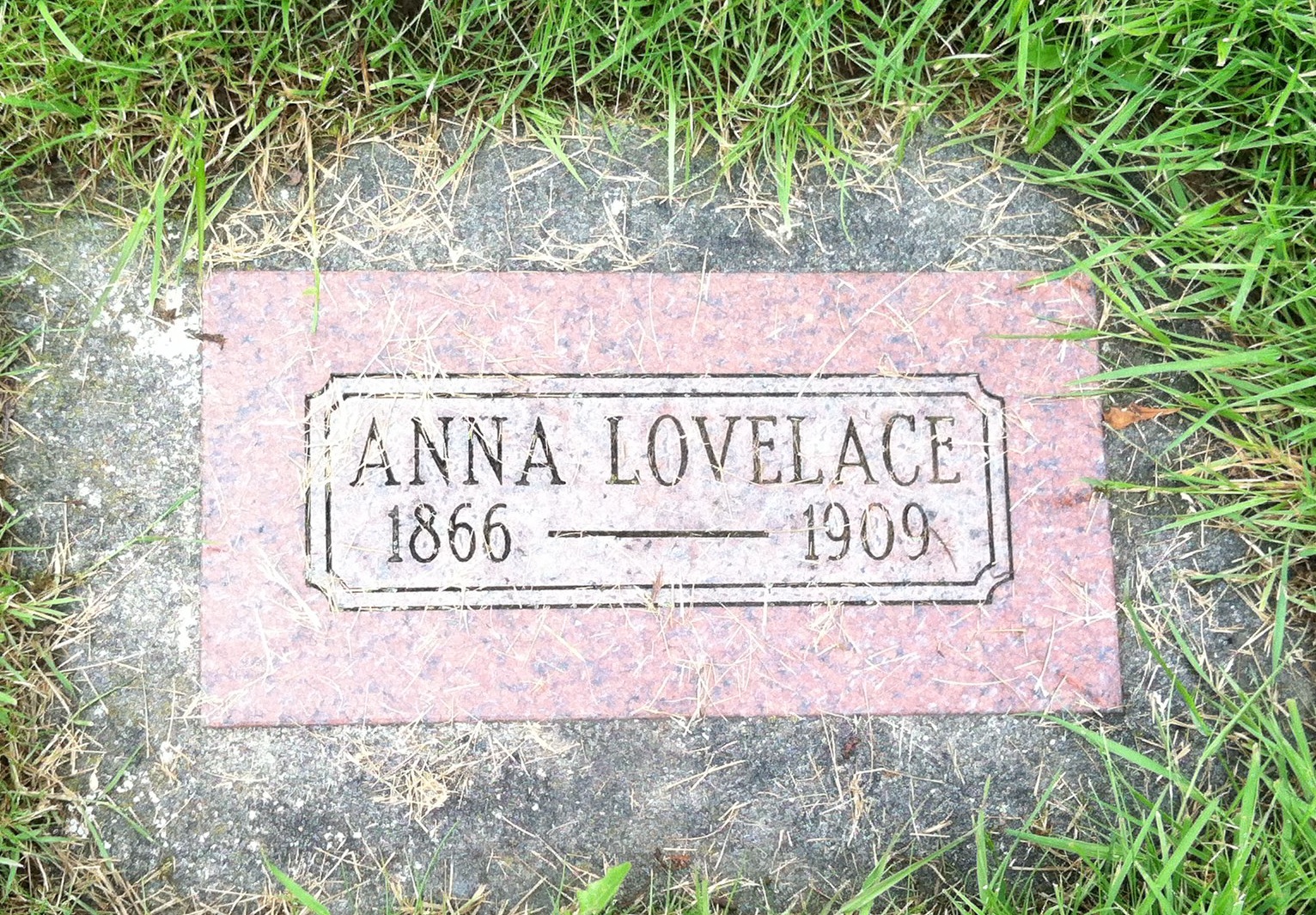
an updated poem from Memorial Day 2010

Blazing sun bakes a lichen crust
atop a stone so feverish
it is hearth without fire,
reaching down deep
into soil holding a box
that knows no warmth.

Autumn windstorms rage,
lightning crack and thunder clap,
trembling the filled-hole grounds
as dying leaves spin and swirl
through arced cascade among tidy rows
till settled and spent.

Then crisp hoarfrost clings
in glittering crystalline coverlet
gracefully fallen from graying sky,
soft cotton batting fluffs
to pillow gentle slumber
uninterrupted.

When vernal raindrops quench
the thirst of dry bones
suspended between
welkin expanse
and earth’s darkest pit,

these silent stones will shout out~

still no more, reticent no longer,
waking to resonant reveille,
ready to blossom forth
in the fullness of time
and everlasting promise.

anna
my great grandmother

A Presence of Absence

photo by Gary Jarvis of Dutch Reformed Cemetery

“The sunlight now lay over the valley perfectly still. I went over to the graveyard beside the church and found them under the old cedars… I am finding it a little hard to say that I felt them resting there, but I did… I saw that, for me, this country would always be populated with presences and absences, presences of absences, the living and the dead. The world as it is would always be a reminder of the world that was, and of the world that is to come.”
Wendell Berry in Jayber Crow

Today, as always over the last weekend of May, we have a family reunion where most turn up missing.  A handful of the living come together for lunch and then a slew of the no-longer-living, some of whom have been caught napping for a century or more, are no-shows.

It is always on this day of cemetery visiting that I feel keenly the presence of their absence: the great greats I never knew, a great aunt who kept so many secrets, an alcoholic grandfather I barely remember, my grandmother whose inherent messiness I inherited, my parents who separated for ten years late in life, yet reunited long enough for their ashes to rest together for eternity.

It is good, as one of the still-for-now living, to approach these plots of grass with a wary weariness of the aging.  But for the grace of God, there will I be sooner than I wish to be.  There, thanks to the grace of God, will I one day be an absent presence for my children and hoped-for grandchildren to ponder.

The world as it is remembers the world that was.  The world to come calls us home in its time, where we all will be present and accounted for — our reunion celebration.

All in good time.

May 19, 1975 Remembered

May 19, 1975

photo by Larry Goldman

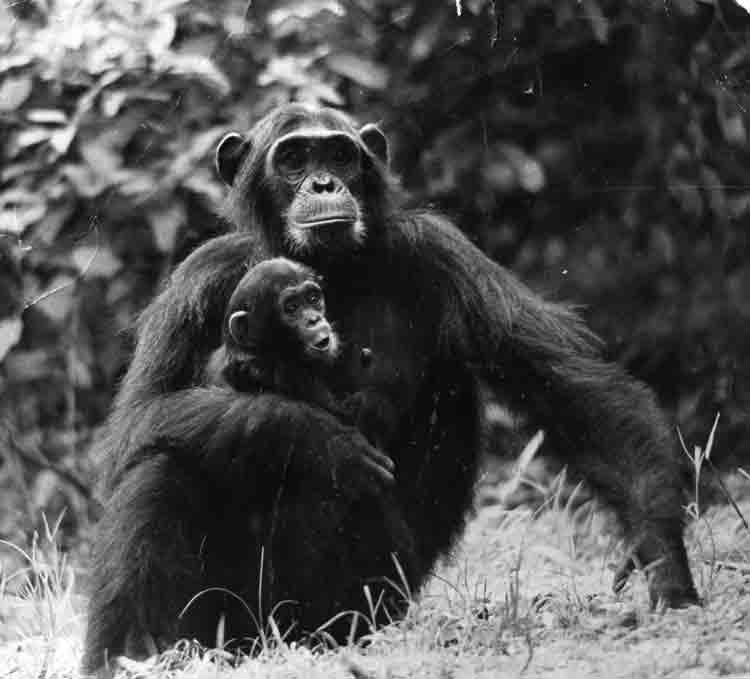
In recognition of this day 38 years ago, I’m reprinting this part of my Gombe saga, working as a student research assistant for Jane Goodall in western Tanzania in 1975.

At first glance,  Gombe National Park in Tanzania felt like paradise—a serene piece of the earth filled with exotic and fascinating wildlife, an abundance of fish and fruit to eat, and the rich unfamiliar sounds and smells of the tropical jungle.  It was a façade.  It was surrounded by the turmoil and upheaval of political rebellion and insurgencies in its neighboring countries, inflamed even more by the fall of Saigon in Vietnam a month previously due to the earlier pull out of the Americans from that long and tragic war.

Only a few miles north of our research station in Gombe National Park in western Tanzania, there had been years of civil war in the small land locked country of Burundi.  When the wind was just right, we could hear gunfire and explosions echoing over the valleys that separated us.  Escaping refugees would sometimes stop for food on their way to villages in Tanzania to the south, seeking safe haven in one of the poorest countries in the world, only a decade into its own experiment with socialism, Ujamaa.

There was also word of ongoing military rebellion against the dictatorship of President Mobutu in the mountainous country of Zaire twelve miles west across Lake Tanganyika.

Morning comes early for field studies of wildlife, as the research day must start before the chimpanzee and baboon subjects wake up and begin to stir. Before midnight, while we slept soundly in our metal huts scattered up the mountainside, a group of armed soldiers arrived by boats to the shore of Gombe National Park.

Storming the beach huts housing two unarmed Gombe park rangers and their families, the soldiers seized one and demanded to be told where the researchers were. The ranger refused to provide information and was severely beaten about the head and face by the butts of the rifles carried by the invaders.  The armed soldiers then divided into smaller groups and headed up the trails leading to the huts, coming upon four sleeping student researchers, tying them up, taking them hostage, forcing them into boats and taking them across the lake back to Zaire.

Asleep farther up the mountain, we were wakened by some students who were fleeing, hearing the commotion.  No one really understood what was happening down lower on the mountain. There were shouts and screams, and gun shots had been heard.  Had someone been injured or killed?   There was no choice but to run and hide deep in the bush at a predetermined gathering spot until an “all clear” signal was given by the rangers.

We hurried along barely familiar  trails in the black of the jungle night, using no flashlights, our hearts beating hard, knowing we had no defense available to us other than the cover of darkness.

That was the longest wait for morning of my life, sitting alongside Jane holding her son Grub.  A hand full of other students had also made their way to the hiding spot, none of us knowing what to think, say or do.  We could only barely see each other’s faces in the darkness and were too frightened to make any sounds.  We carried no weapons, and there was no way to communicate with the outside world.   We had no idea how many of us may be missing, or possibly dead.

Jane held Grub in her arms, trying to keep him quiet, but his eight year old imagination was ignited by the events that had just unfolded.

“Will they kidnap me, Jane?  Will they come for me?  Where will they take us?  Will they shoot us dead?”

Jane, her face hidden by her blonde hair loose about her shoulders,  sat rocking him, cradling him. “Shhh, shhh, we don’t want them to find us.  We’re safe staying right here.  Everything will be fine in the morning.  No one will take you from me.”

She concluded: “They would have to shoot me first…”  and at that, Grub began to sob silently into her shoulder.  He knew that was how baby chimpanzees were captured by bounty hunters, by shooting the mother dead and snatching the infant from her protective embrace.

When the morning of May 20 dawned, the park rangers located us, and pieced together the events as best they could–the soldiers were Zairean rebels living in remote mountains, fighting  an insurgency against the Zaire government. Seeking funds for their cause, they saw a kidnapping of Americans and Europeans as a way to raise quick funds and world publicity and sympathy.  Four of our friends/coworkers were missing, the camp was ransacked and the rangers hurt but with no life threatening injuries.   There was no way to remain safe at the Park, and our colleagues needed whatever help we could offer for their rescue.

We were able to send a messenger to a nearby fishing village, and a radio call was sent out to the small town of Kigoma, then relayed to Dar Es Salaam and Nairobi.  Help arrived within a few hours, when a United Nations boat monitoring the civil war activities in Burundi pulled off shore near our camp.  We were told we needed to evacuate Gombe that day, and would be taken to Kigoma, and then flown by bush pilot to Nairobi, Kenya to cooperate in the investigation of the kidnapping.

In Nairobi, at the US Embassy, I met CIA agents who viewed our wild primate studies with some suspicion.  Each of us were grilled individually as to our political beliefs, our activities at the camp and whether we may be somehow involved in subversive actions against the Zaire or Tanzanian governments.  We were dumbfounded that our own countrymen would be so skeptical about our motives for being in Africa.  It became clear our own government would be no help in resolving the kidnapping and bringing our friends home to safety.  The agents did not shed any light on whether our friends were alive or dead.

We were then hustled into a press conference where we were interviewed for television and print media by the worldwide news agencies, and my parents saw me on the CBS evening news before they actually heard my voice over the phone.

It took over three months, private negotiations and ransom money to free all four of our friends back to safety.

The Name of the Room

photo by Josh Scholten

“The time is ripe for looking back over the day, the week, the year, and trying to figure out where we have come from and where we are going to, for sifting through the things we have done and the things we have left undone for a clue to who we are and who, for better or worse, we are becoming. We cling to the present out of wariness of the past. But there is a deeper need yet, I think, and that is the need—not all the time, surely, but from time to time—to enter that still room within us all where the past lives on as a part of the present, where the dead are alive again, where we are most alive ourselves to turnings and to where our journeys have brought us. The name of the room is Remember—the room where with patience, with charity, with quietness of heart, we remember consciously to remember the lives we have lived.” 
~Frederick Buechner 

photo by Josh Scholten

Drawing Nigh

photo by Josh Scholten

“Night is drawing nigh.  How long the road is.  But, for all the time the journey has taken, how you have needed every second of it.”
~Dag Hammarskjöld

It is easy to be grateful for the pretty times of life: those picture-perfect moments that end up on Christmas photo-cards and in detailed descriptions in holiday newsletters.  What we want others to see and what we wish to remember does not always reflect the experiences of the whole journey.  We are naturally programmed to concentrate on “The Best of…” rather than surveying the whole shebang, warts and all.

It isn’t all glorious sunsets and happy endings.  We don’t usually take pictures of the potholes, or celebrate the obstacles and flat tires along the way. It is rare to acknowledge and honor the failing grade, the chronic illness, the mortifying mistake, the tragic accident.

Yet it is all a part of the journey, every second of it, even the moments we try hard to forget are worthy of our appreciation.  Even the difficult times move us a little closer to our destination, perhaps looking bruised and scraped, still making our way slowly, shakily yet surely.

How long the road is.  How fortunate we are to be heading home.

photo by Josh Scholten

The Smell of Buttered Toast

Great Harvest Bread Company Chocolate Babka

“The smell of that buttered toast simply spoke to Toad, and with no uncertain voice; talked of warm kitchens, of breakfasts on bright frosty mornings, of cozy parlour firesides on winter evenings, when one’s ramble was over and slippered feet were propped on the fender; of the purring of contented cats, and the twitter of sleepy canaries.”
~Kenneth Grahame, The Wind in the Willows

I’m not a practitioner of the ancient art of aromatherapy for medicinal purposes but I do know certain smells can transport me more effectively than any other mode of travel.  One whiff of a familiar scent can take me back years to another decade and place, almost in time traveling mode.  I am so in the moment, both present and past, my brain sees, hears, feels everything as it was before.

The most vivid are kitchen smells, to be sure.  Cinnamon becomes my Grandma’s farm kitchen, roasting turkey is my mother’s kitchen on Thanksgiving Day, fresh baked bread is my own kitchen during the years I needed to knead as therapy during medical training. Today it is the warmth of a slice of chocolate babka bread for breakfast.

Occasionally I have the privilege of babysitting infants whose skin smells of baby shampoo and powder, so like the soft velvet of my own childrens’.   The newly born wet fur of my foals carries the sweet and sour amnion that was part of every birth I’ve been part of: delivering others and delivering my own.  My heart races at the memory of the drama of those first breaths.

The garden yields its own treasure: tea roses, sweet peas, heliotrope, lemon blossom take me back to lazy breezes past blossoms planted along the house, wafting through open bedroom windows.  The fragrance of the earth after a long awaited rain will remind me of how things smell outside this morning.

I doubt any aromatherapy kit would include my most favorite–the farm smells: newly mown hay, fresh fir shavings for stall bedding,  the mustiness of the manure pile, the green sweetness of a horses’ breath.

Someday I’ll figure out how to bottle all these up to keep forever.   Years from now my rambles will be over, when I’m too feeble to walk to the barn or be part of the hay harvest crew any longer,  I can sit by my fireplace, close my eyes, open it up and take a whiff now and then.  It’ll take me back to a day like today with the best smells on earth in my own backyard.

They will simply speak to me with no uncertain voice.

Jose, lord of the manor and farm

Birth of a Poem

“A poem begins as a lump in the throat, a sense of wrong, a homesickness, a lovesickness.”
~Robert Frost

We left the interstate behind
discovering back roads
yielding intimacy
of hidden farms
and small towns,
seeing nameless neighbors
who wave as
we drive by.

Some don’t wave,
their memories stamped
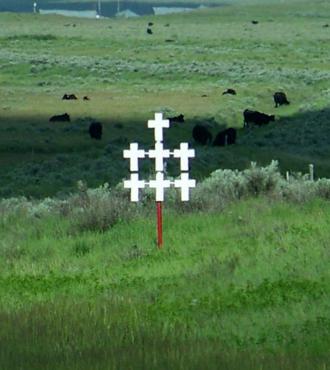
on roadside crosses
marking the spot where
last they drew breath
after a turn taken too fast
or one drink too many.

The impact is far beyond
a friendly wave
when one stretch of road
reaches two dozen crosses,
some clustered together
in a fatal meeting
lasting forever.

These somber reminders
of fragile existence
swiftly ended in
bad weather,
poor judgment
or ill fate.
Cement cemeteries
winding over miles
lead us home.

Please God,
we pray.
Guide us safely
back to our country home
to wave at strangers
driving by.