Everyone in the Wrong Places

On a table in the living room
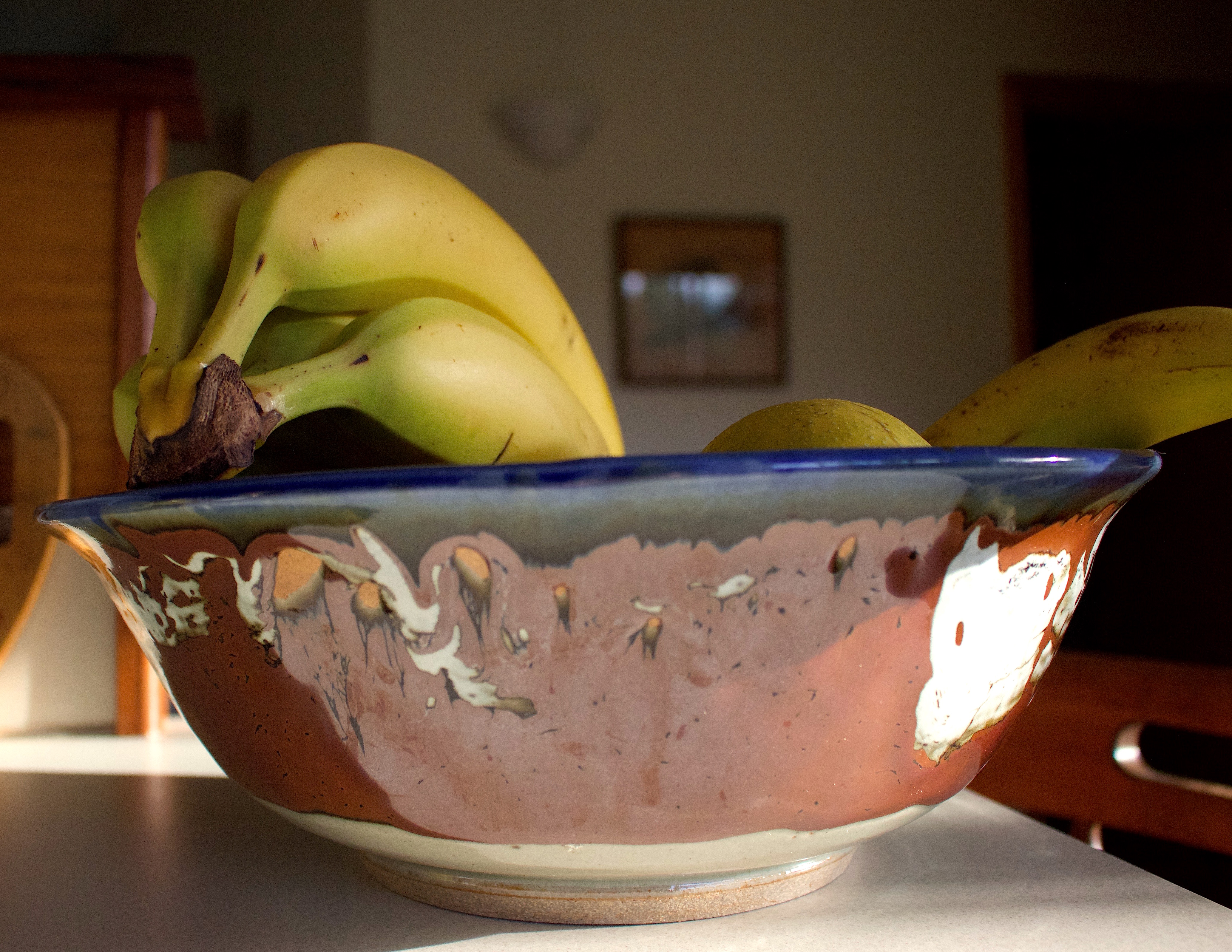
there is a gray ceramic bowl that catches
the light each afternoon, contains it.
This is the room we turned into
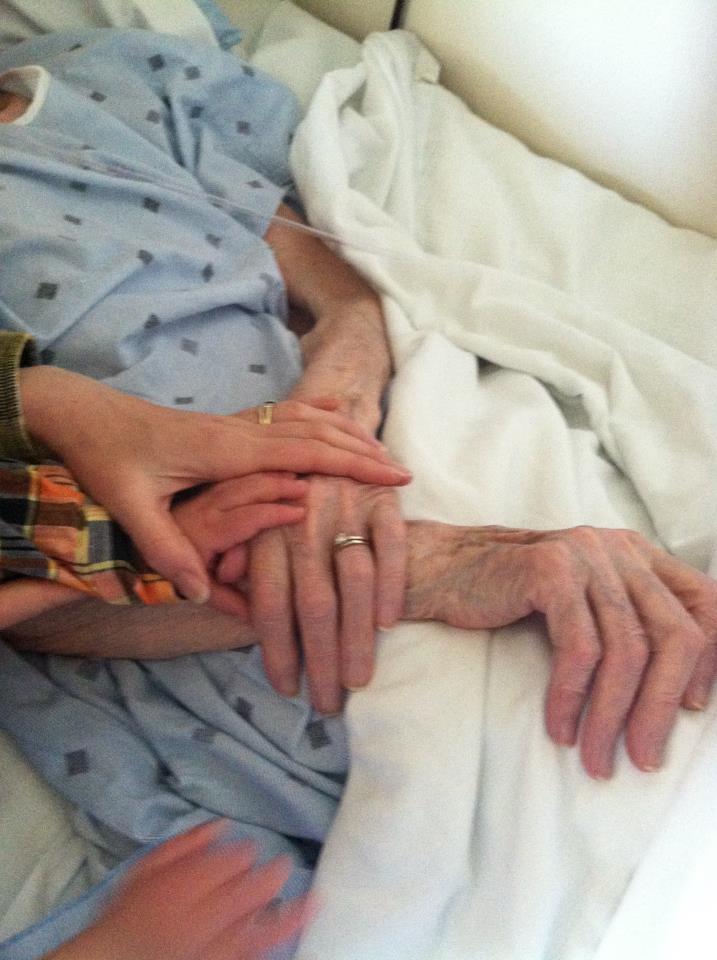
the room of her dying, the hospital bed
in the center, the medical equipment
against the walls like personnel.
In Maine, once, I rented a house hundreds
of years old. One room had been
the birthing room, I was told, and I sat
in that room writing towards the bright
new world I am always trying
to write into. And while I could stop
there, with those two recognitions
of endings and beginnings, I’m thinking

of yesterday’s afternoon of errands.
My father and mother were in the backseat,
my sister in the passenger seat,
and I driving. It was like decades ago
but everyone in the wrong places,
as though time was simply about
different arrangements of proximity.
Sometimes someone is in front of you.
Or they are beside. At other times
they are behind you, or just elsewhere,
inconsolably, as though time was
about how well or badly you attended
to the bodies around you. First, we went
to the bakery. Then the hardware.
The pharmacy, the grocery. Then the bank.

~Rick Barot “Of Errands”

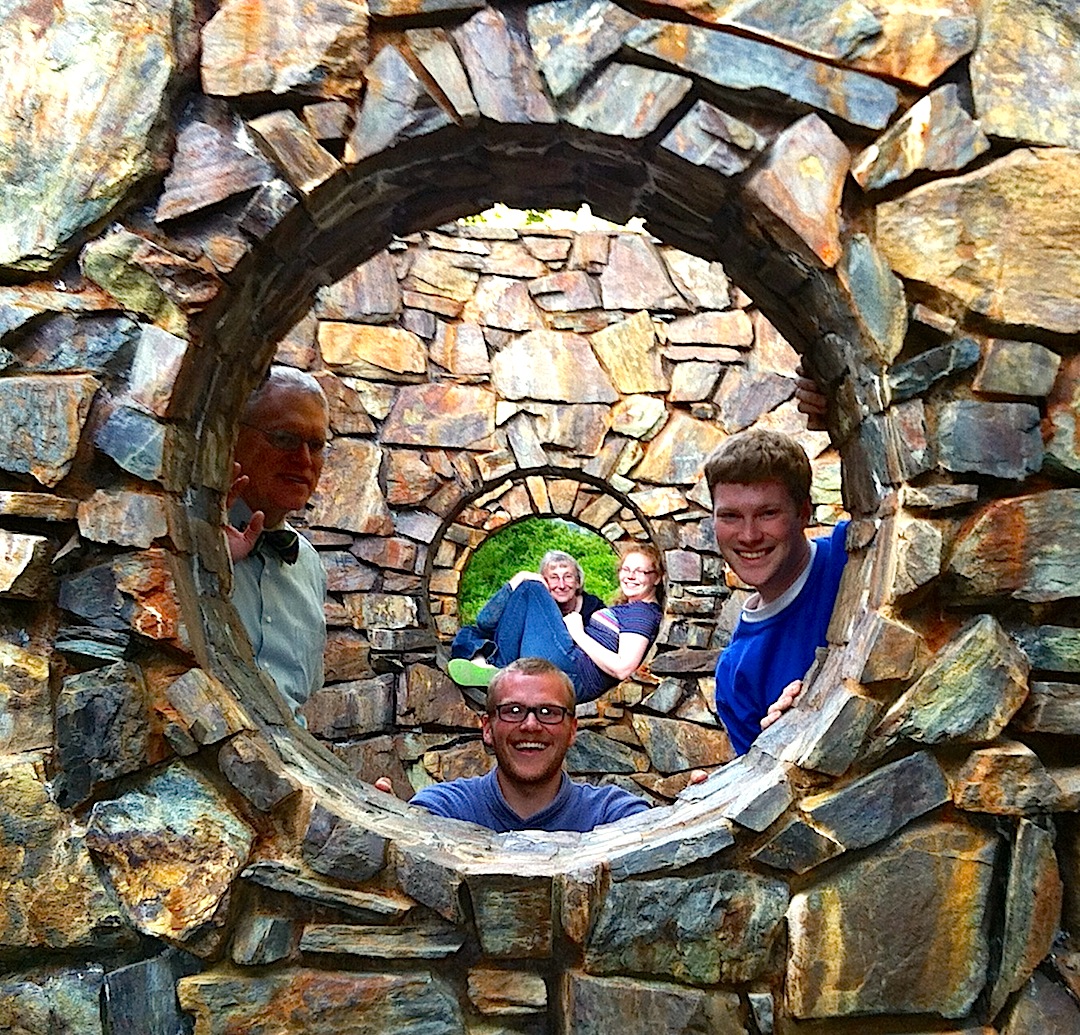
For a time, my husband and I were the middle of the proverbial family sandwich – the meat and cheese with condiments while our aging parents were one slice of bread and our young children the other slice. It was such a full time of always being needed by someone somewhere somehow in some way that I barely can recall details of what those years were like.

Mothers with daughters sometimes note the irony of being in the throes of menopause while their pre-teen is adjusting to menarche – we pass on the fertility torch.

As I sort through boxes that have been stored away for over a decade from my mother and mother-in-law’s belongings to find things to help our son’s family get settled in their house, I realize that time could be measured in bowls and vases and casserole baking dishes. They are passed to the next generation for another lifetime of use. We start out being fed, then we become the provider, and wind up being fed ourselves in the end.

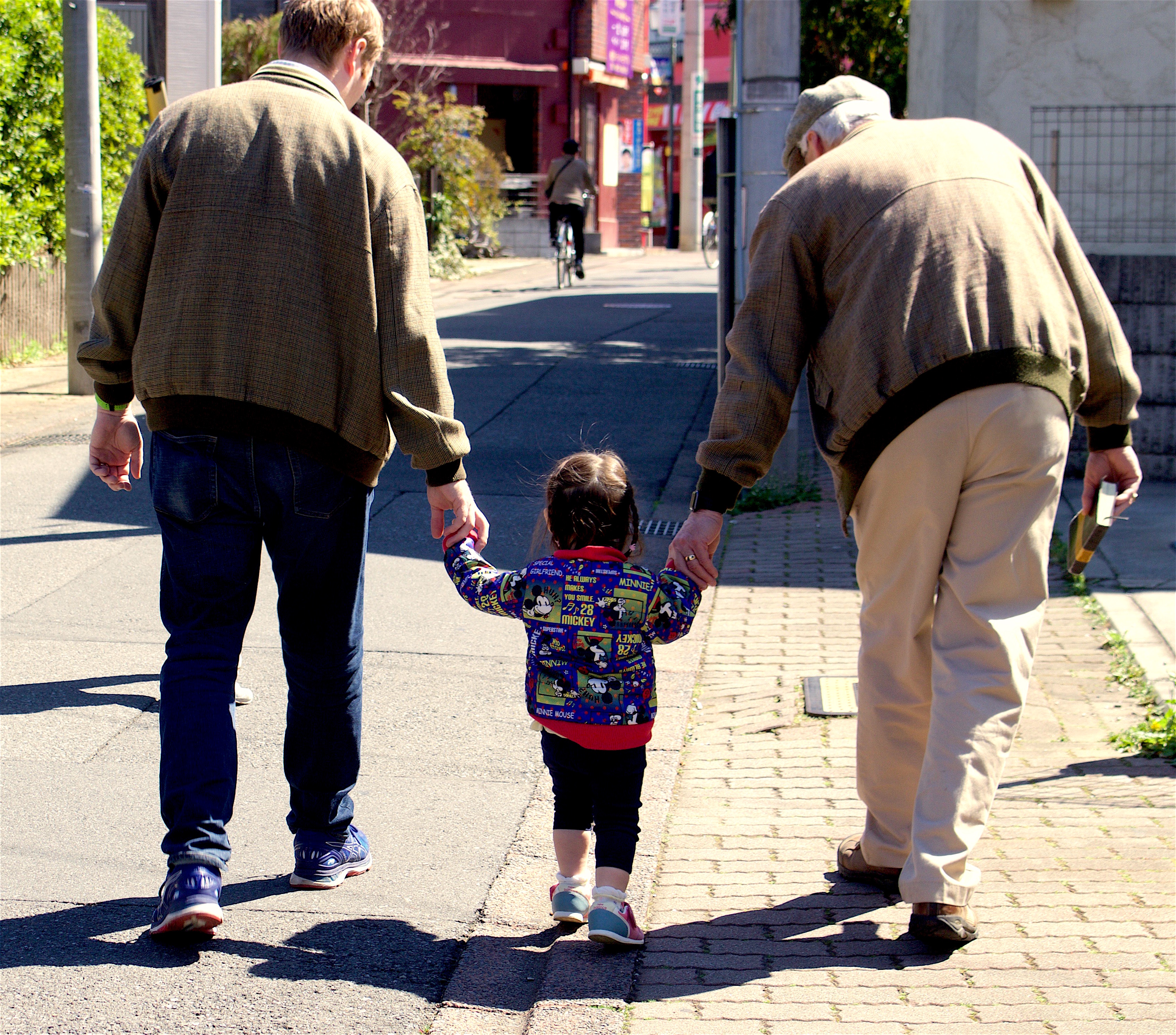
I want to forestall that time of becoming dependent again as long as possible. For now, I want to hold my grandchildren’s hands as I try to keep them safe in an unpredictable world. Someday, I may need them to help hold my hand once I lack the strength to walk unaided.

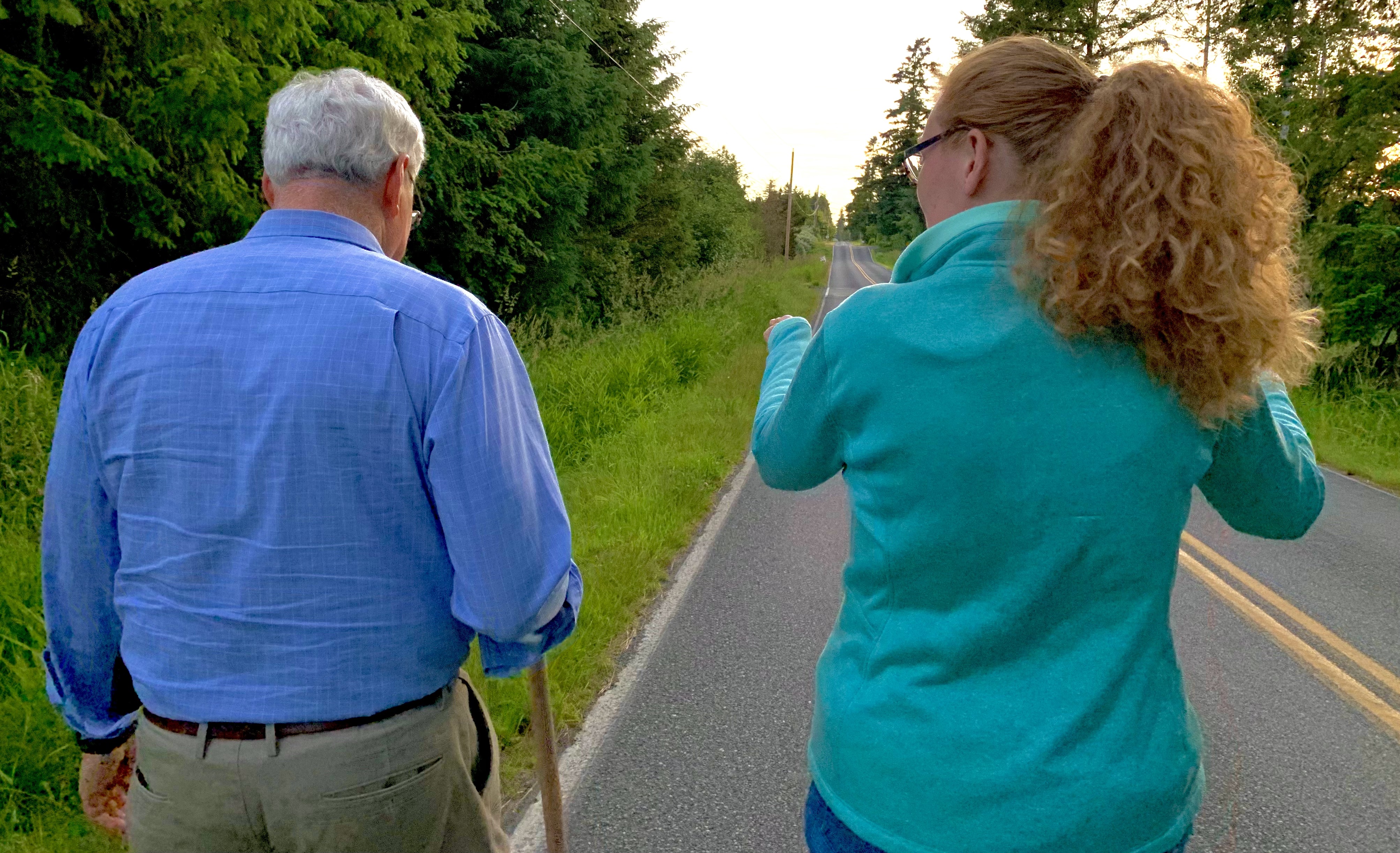
Turn turn turn – there is a season. Turn around and everyone has changed places, blessed to still walk alongside one another for as long as possible.

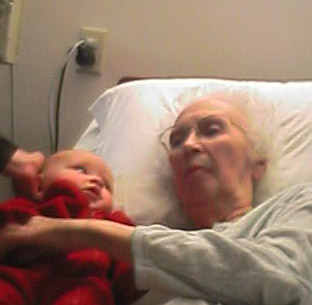
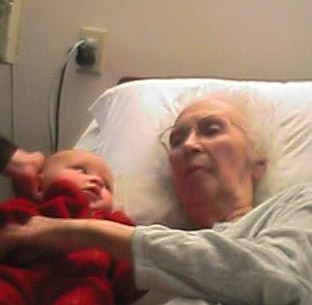
Great Grandma Emma, granddaughter Andrea, great-grandson Zealand, photo by Andrea Nipges

To every thing there is a season, and a time to every purpose under the heaven…
Ecclesiastes 3:1

One-Time
Monthly
Yearly

Make a one-time or recurring donation to support daily Barnstorming posts

Make a monthly donation

Make a yearly donation

Choose an amount

¤10.00
¤20.00
¤50.00
¤5.00
¤15.00
¤100.00
¤5.00
¤15.00
¤100.00

Or enter a custom amount

¤

Your contribution is deeply appreciated.

Your contribution is appreciated.

Your contribution is appreciated.

DonateDonate monthlyDonate yearly

Spark of Consciousness

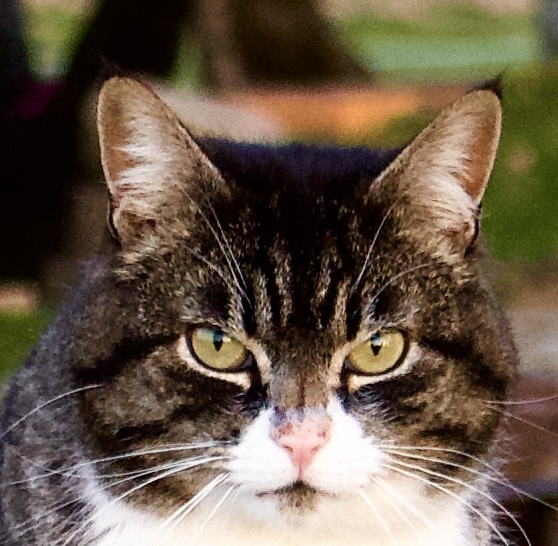
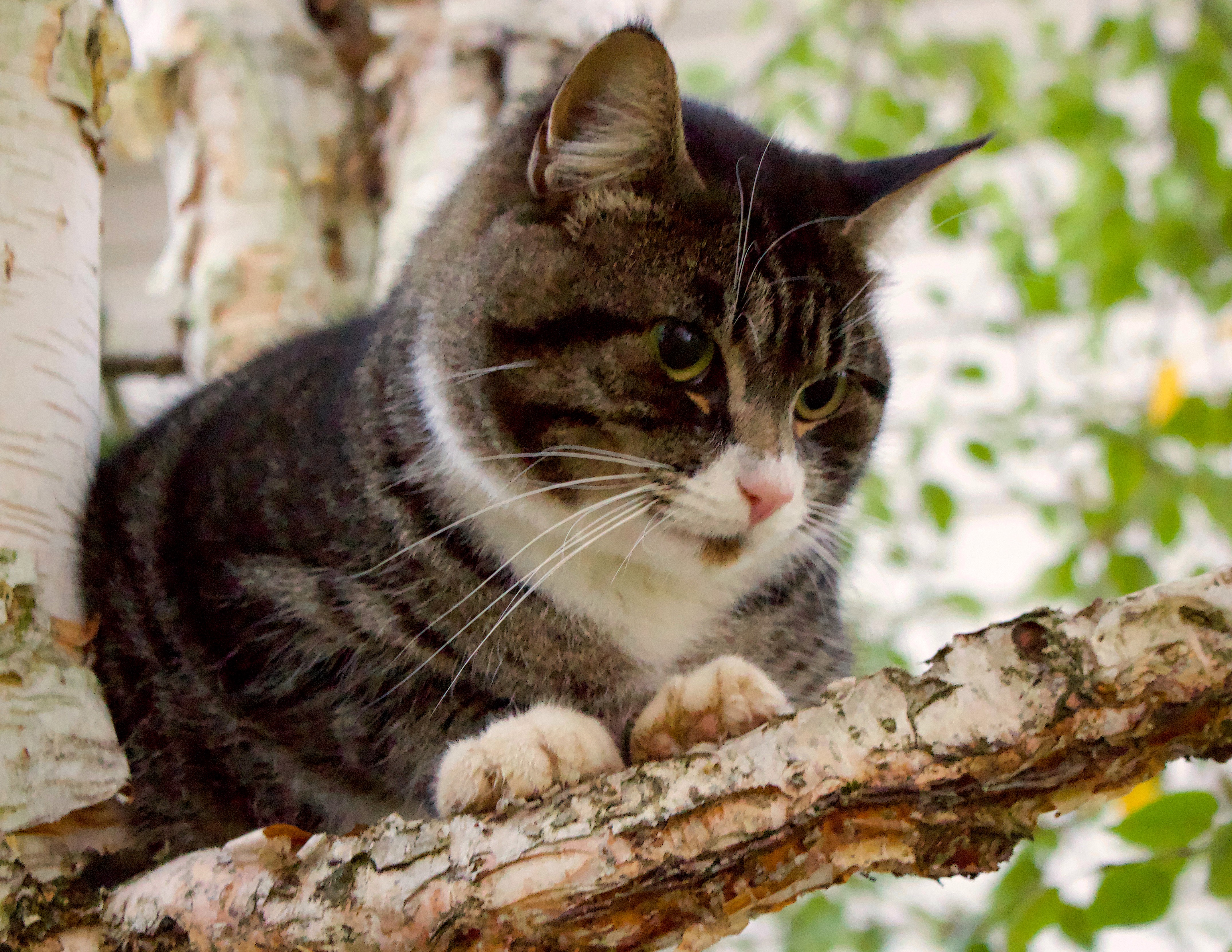
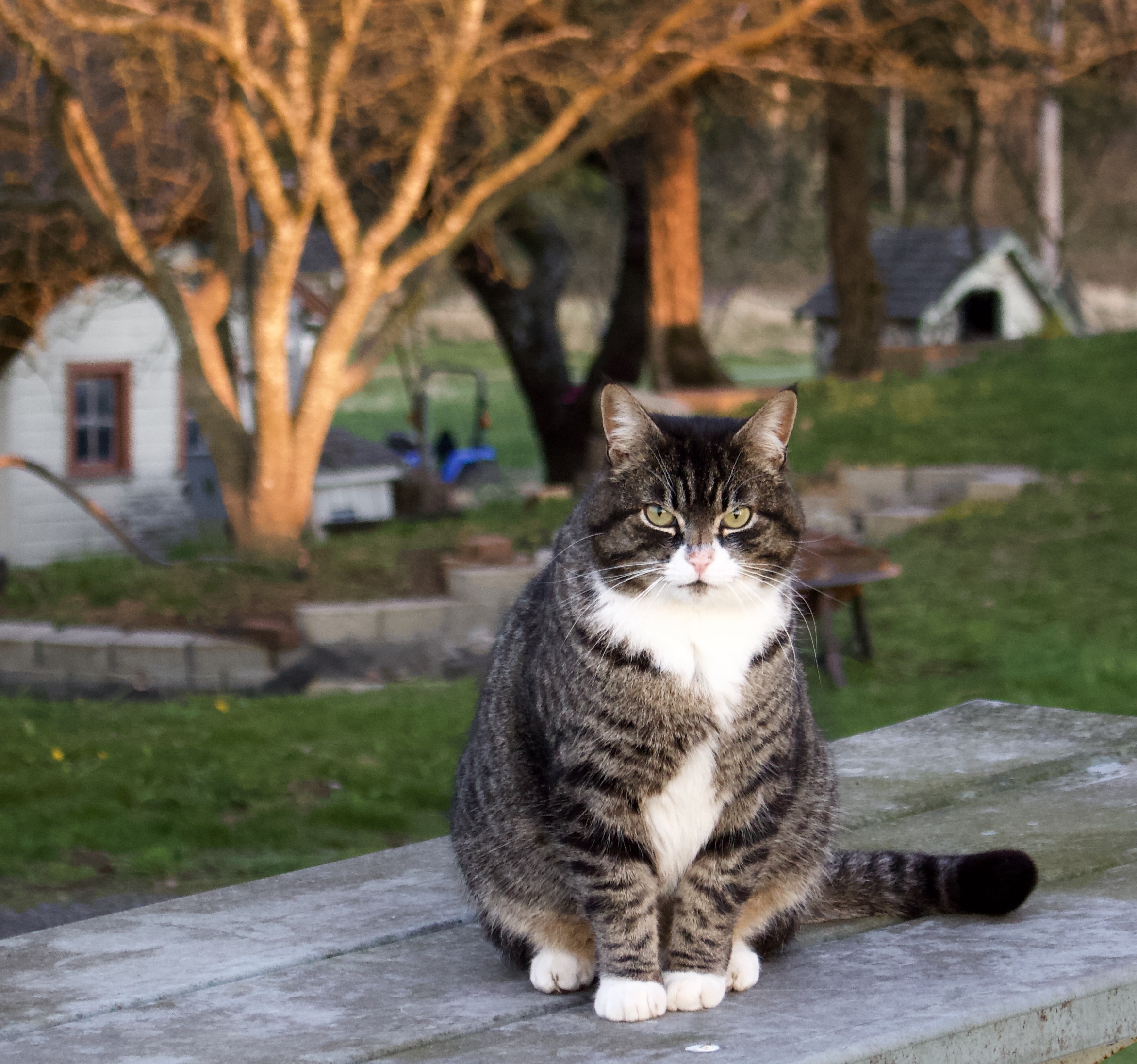
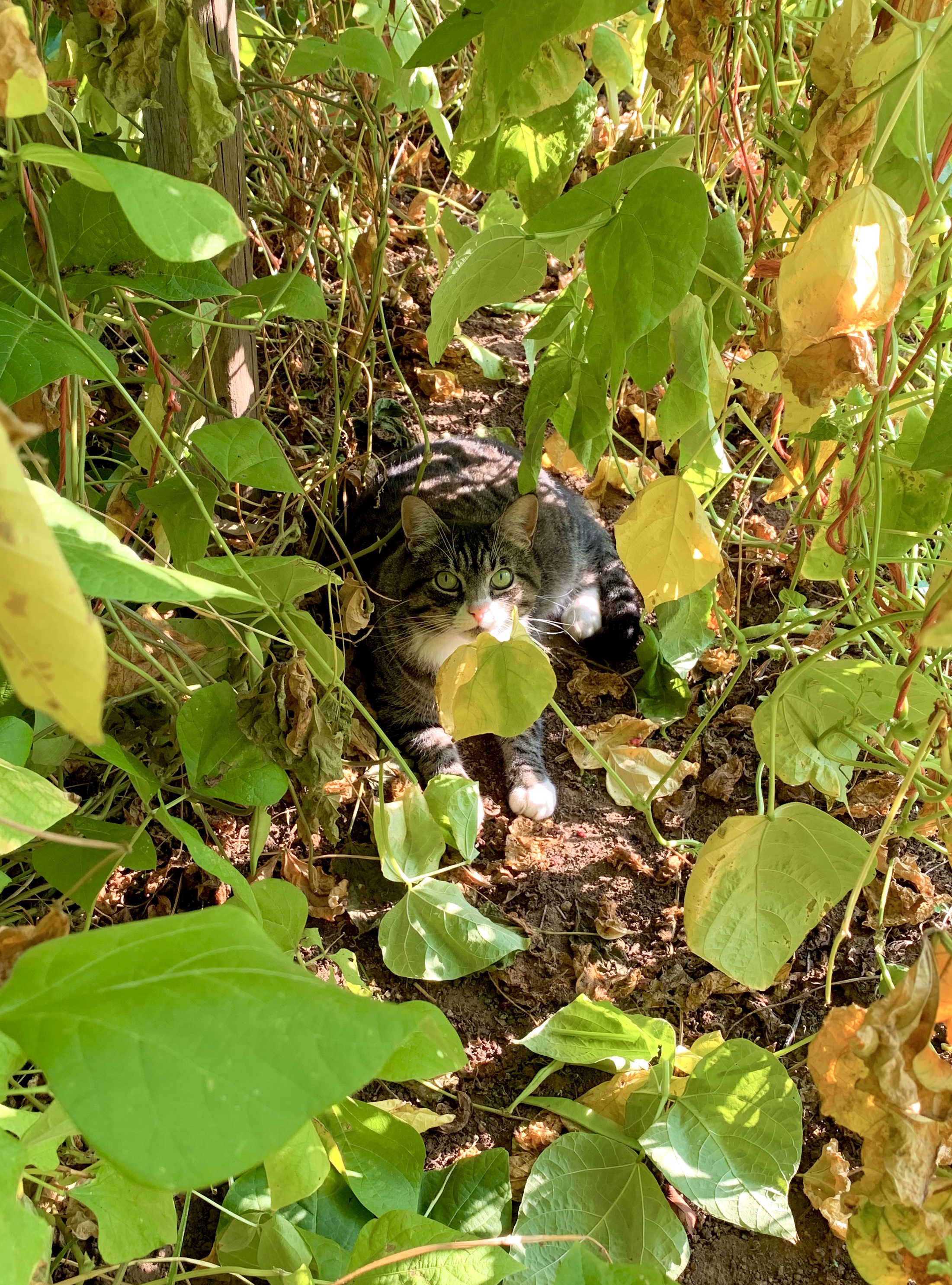
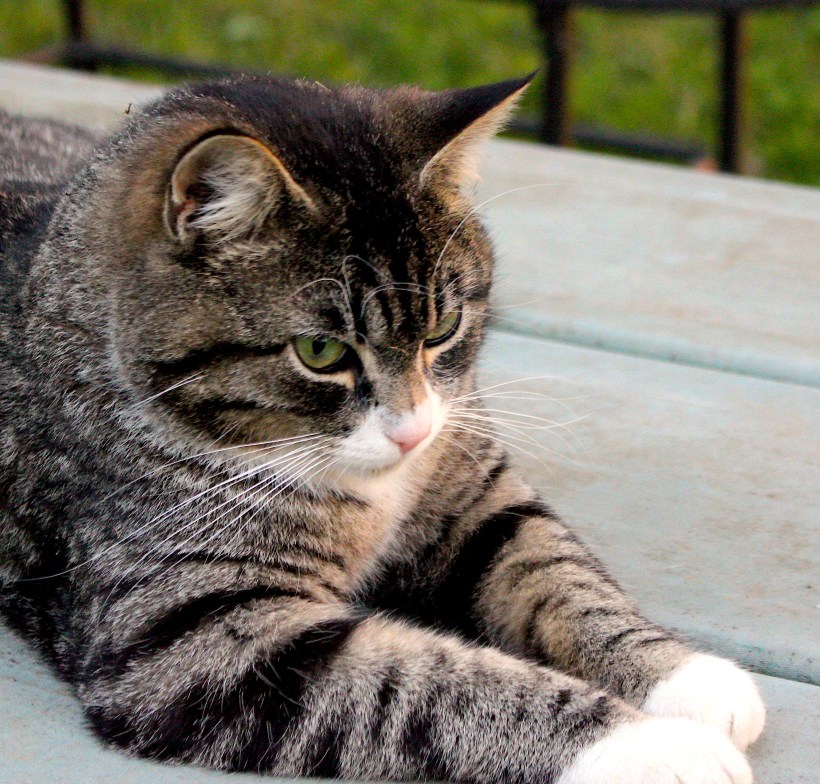
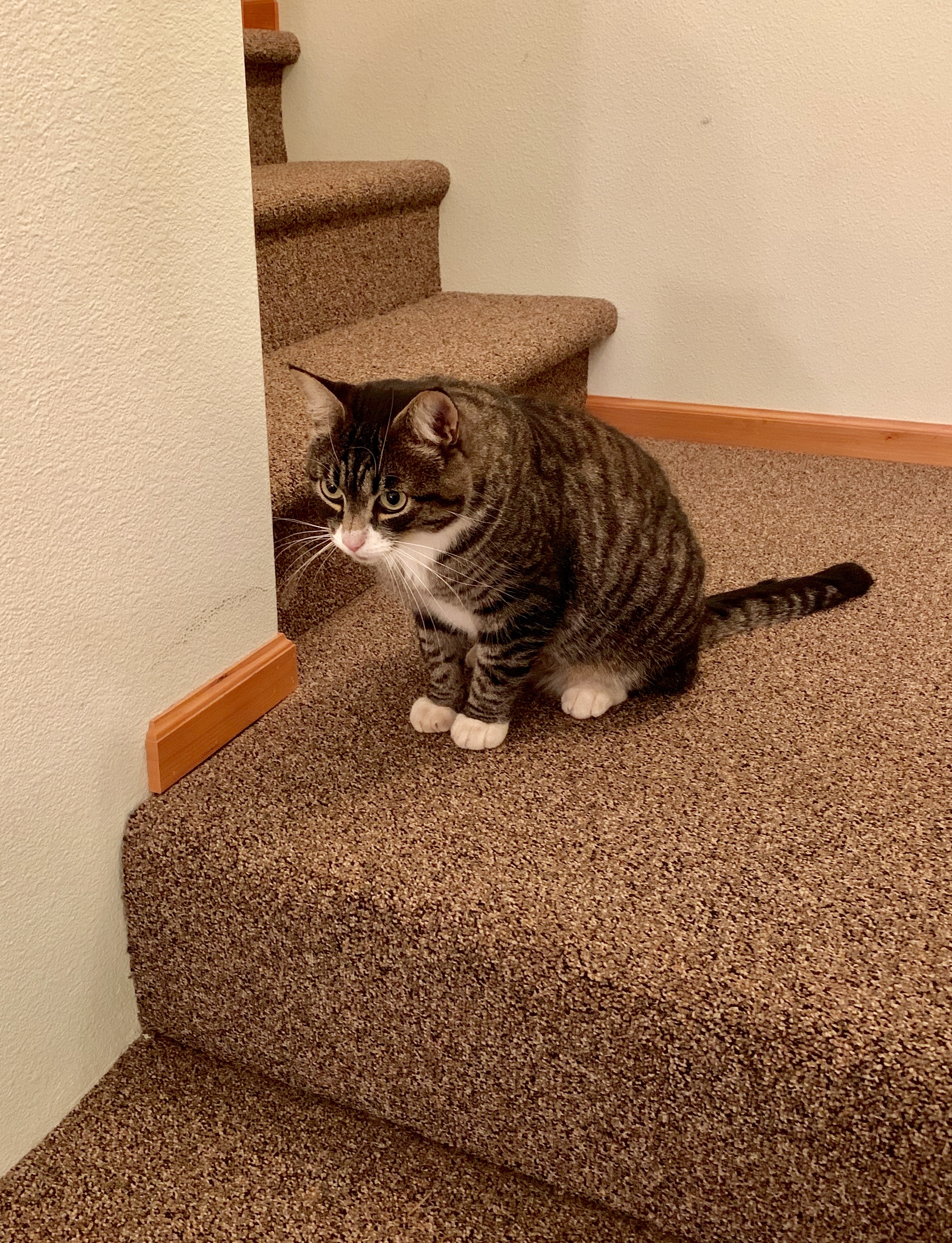
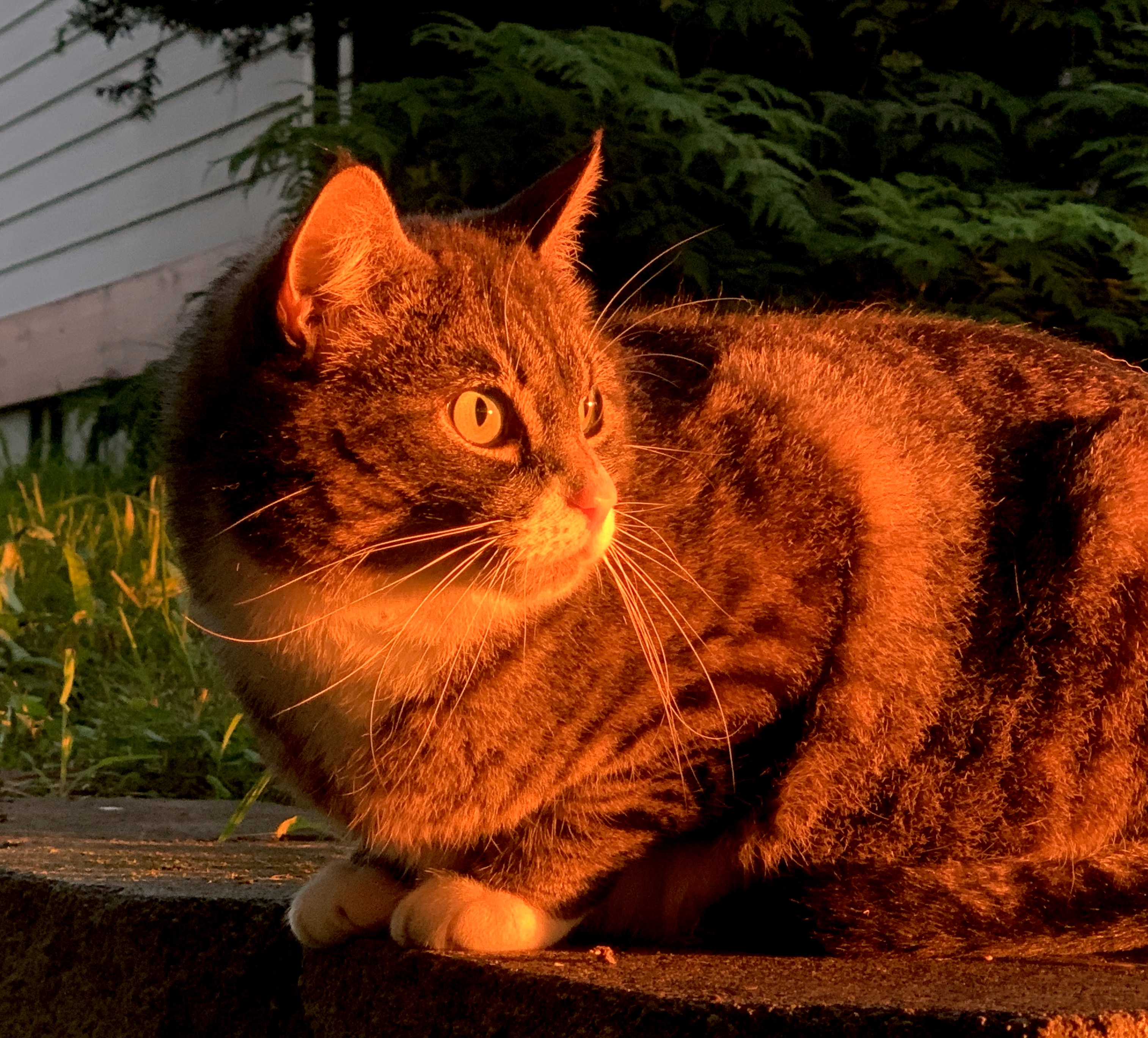
This was our pretty gray kitten,
hence her name; who was born
in our garage and stayed nearby
her whole life. There were allergies;
so she was, as they say,
an outside cat.
But she loved us. For years,
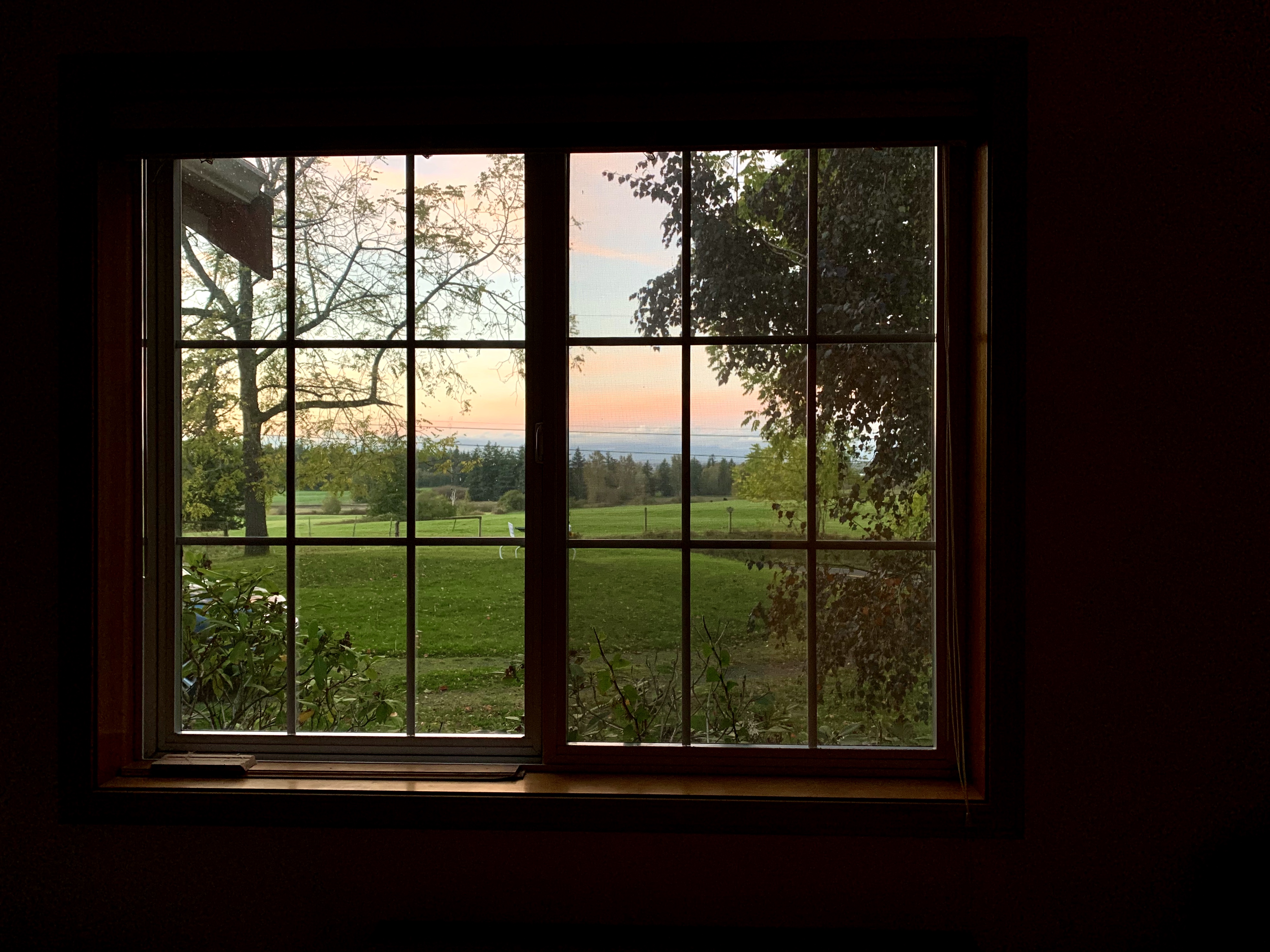
she was at our window.
Sometimes, a paw on the screen
as if to want in, as if
to be with us
the best she could.
She would be on the deck,
at the sliding door.
She would be on the small
sill of the window in the bathroom.
She would be at the kitchen
window above the sink.
We’d go to the living room;
anticipating that she’d be there, too,
hop up, look in.
She’d be on the roof,
she’d be in a nearby tree.
She’d be listening
through the wall to our family life.
She knew where we were,
and she knew where we were going
and would meet us there.
Little spark of consciousness,
calm kitty eyes staring
through the window.

After the family broke,
and when the house was about to sell,
I walked around it for a last look.
Under the eaves, on the ground,
there was a path worn in the dirt,
tight against the foundation —
small padded feet, year after year,
window to window.

When we moved, we left her
to be fed by the people next door.
Months after we were gone,
they found her in the bushes
and buried her by the fence.
So many years after,
I can’t get her out of my mind.

~Philip F. Deaver, “Gray” from How Men Pray

Our pets witness the routine of our lives. They know when the food bowl remains empty too long, or when no one offers their lap to stroke their fur.

They sit silently waiting and wondering, a little spark of consciousness, aware of our family life. They know when things aren’t right at home. They hear the raised voices and they hear the strained silences.

Sometimes a farm cat moves on, looking for a place with more consistency and better feeding grounds. Most often they stick close to what they know, even if it isn’t entirely a happy or welcoming place. After all, it’s home; that’s where they stay, through thick and thin.

When my family broke as my parents split, after the furniture was removed and the dust of over thirty five years of marriage swept up, I wondered if our cat and dog had seen it coming before we did. They had been peering through the window at our lives, gauging what amount of spilled-out love might be left over for them.

I still can’t get them out of my mind – they, like me, became children of divorce. We all knew when we left behind the only home we had ever known, we could never truly feel at home again.

One-Time
Monthly
Yearly

Make a one-time or recurring donation to support daily Barnstorming posts

Make a monthly donation

Make a yearly donation

Choose an amount

¤10.00
¤20.00
¤50.00
¤5.00
¤15.00
¤100.00
¤5.00
¤15.00
¤100.00

Or enter a custom amount

¤

Your contribution is deeply appreciated.

Your contribution is appreciated.

Your contribution is appreciated.

DonateDonate monthlyDonate yearly

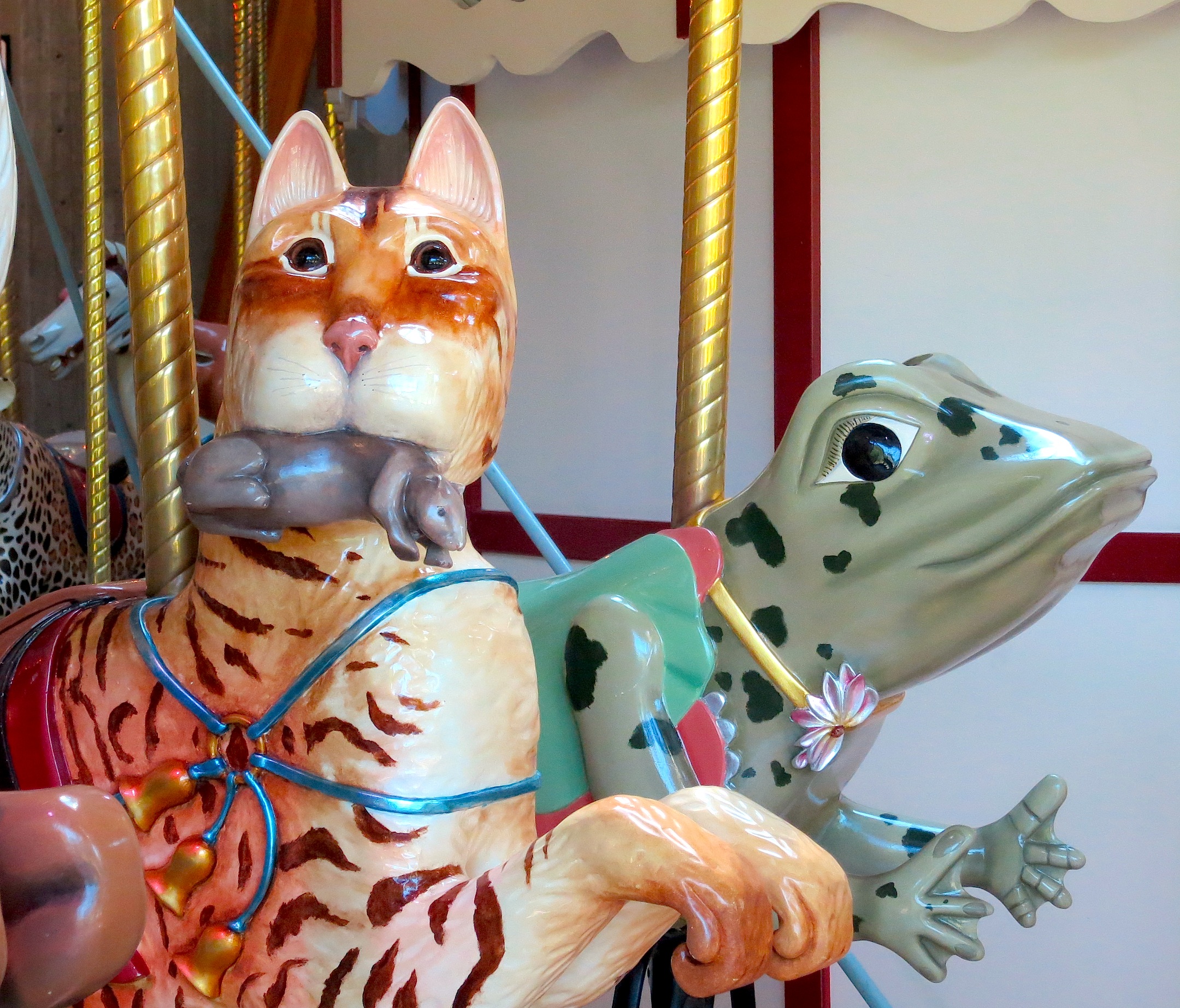
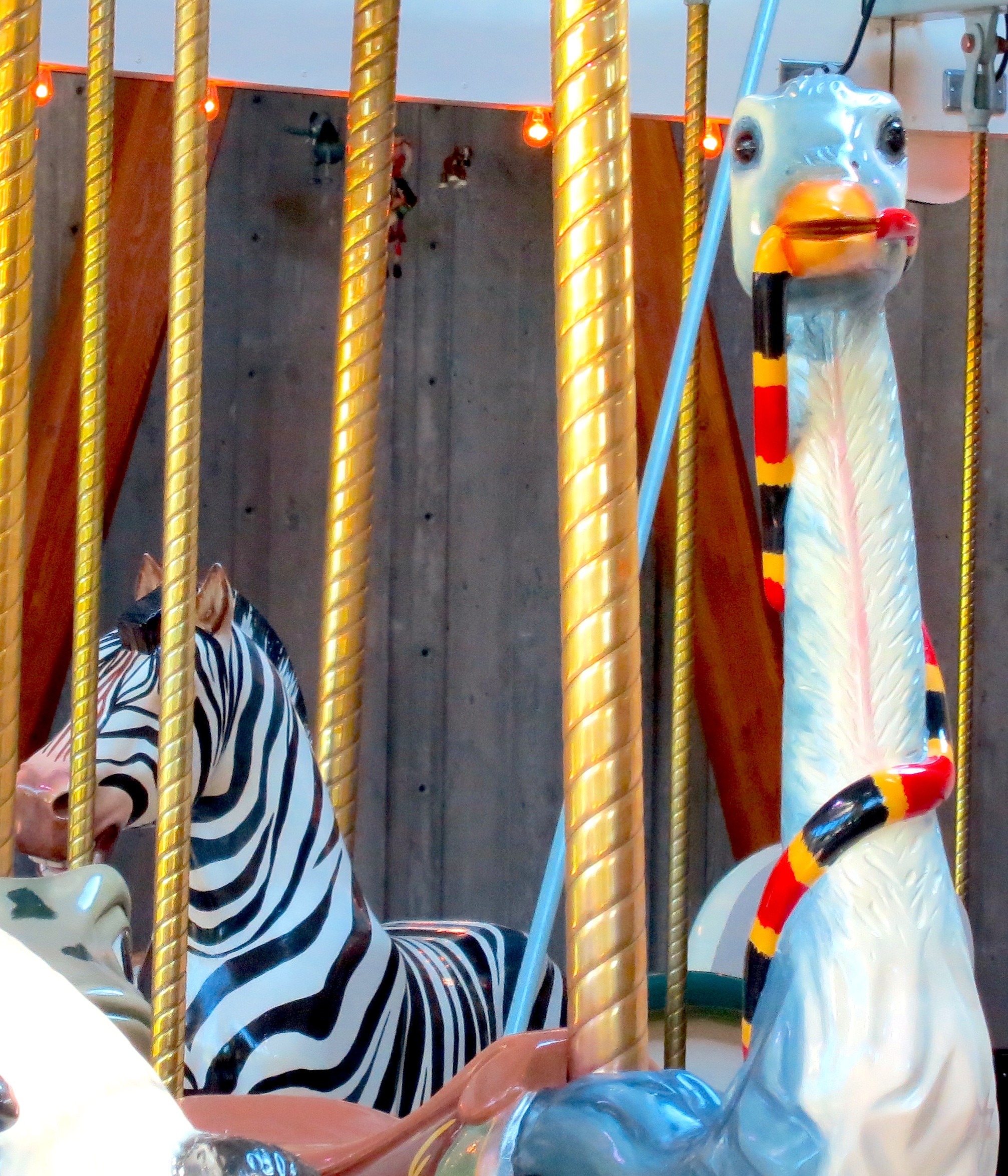
A Calliope Cadence

those lovely horses,
that galloped me,


moving the world,
piston push and pull,


into the past—dream to
where? there, when


the clouds swayed by
then trees, as a tire


swing swung
me under—rope groan.


now, the brass beam,
holds my bent face,


calliope cadence—O
where have I been?
~Richard Maxson “Carousel at Seventy”

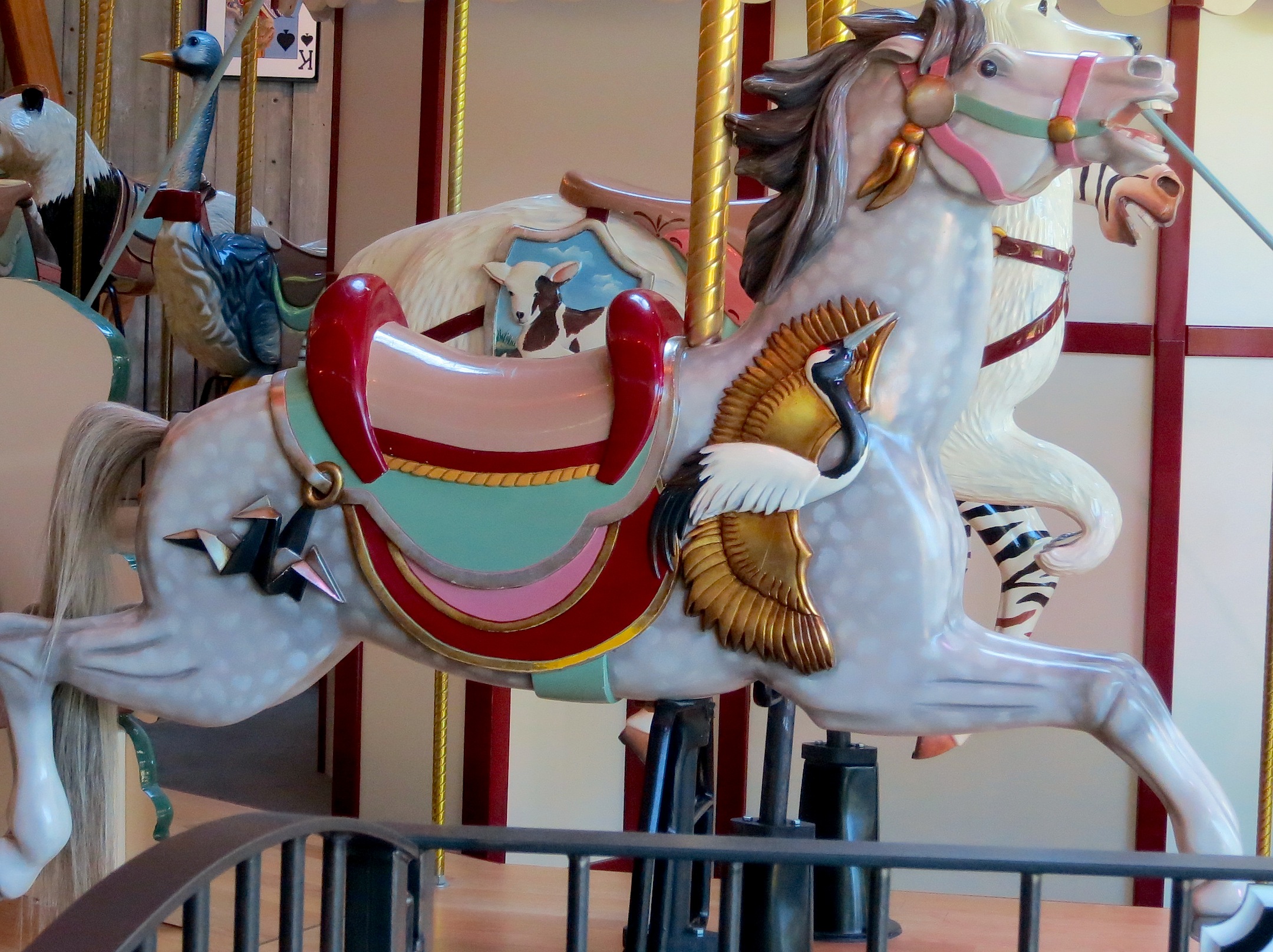
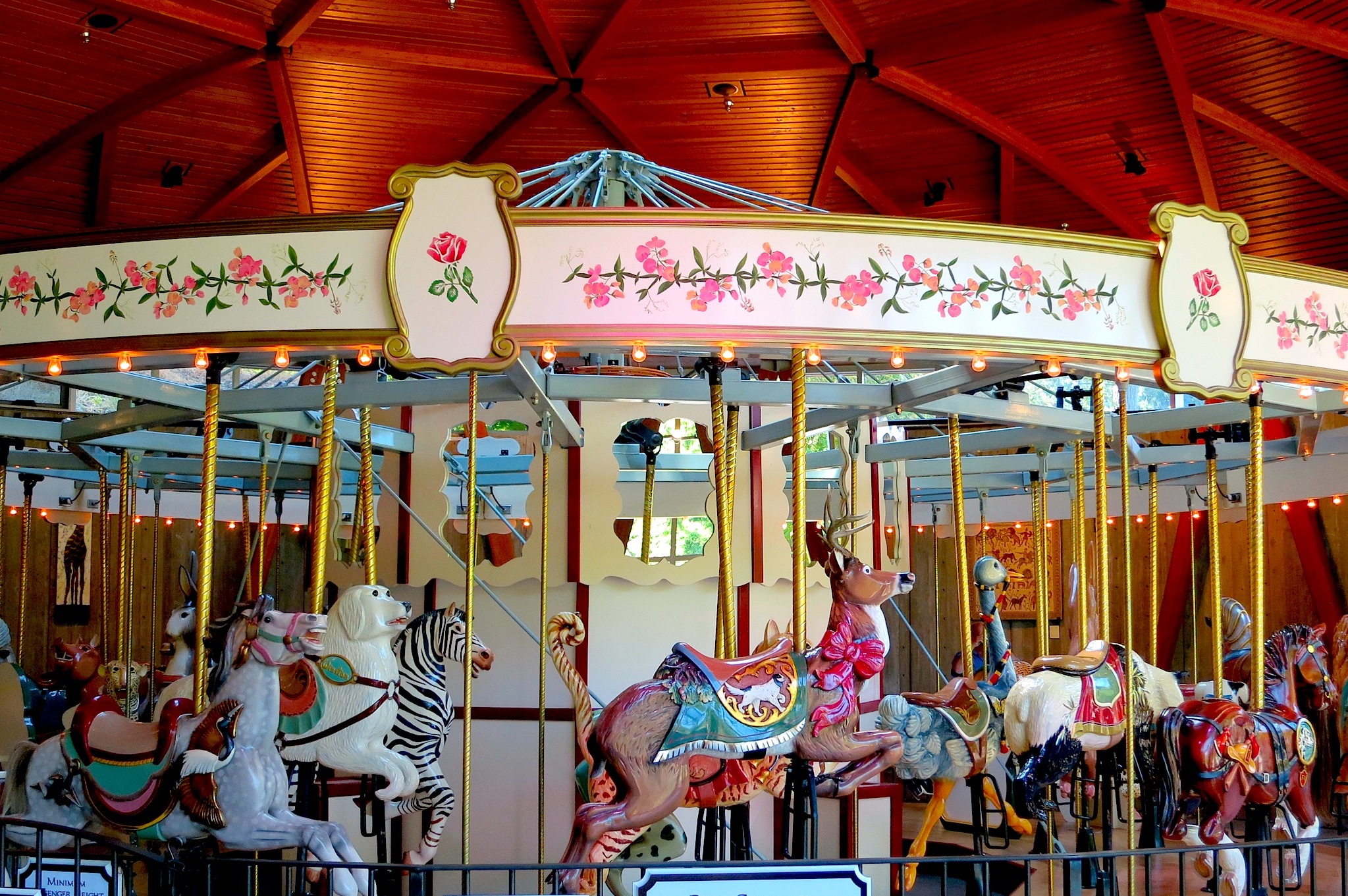
Under its canopy, in the shade it casts,
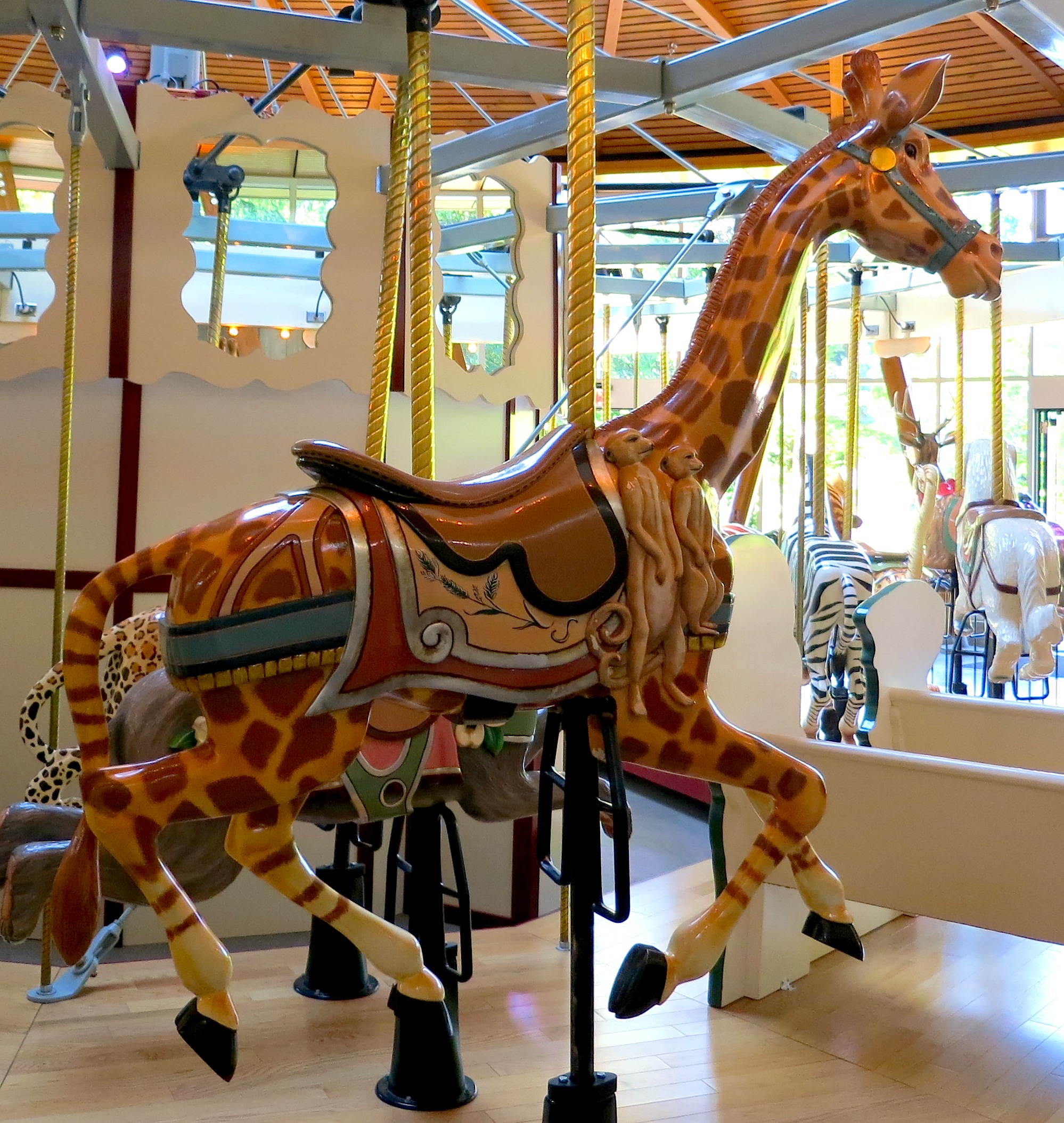
turns a world with painted horses,
all from a land that lingers a while
before it disappears.
Some, it’s true, are harnessed to a wagon,
but all have valor in their eyes.
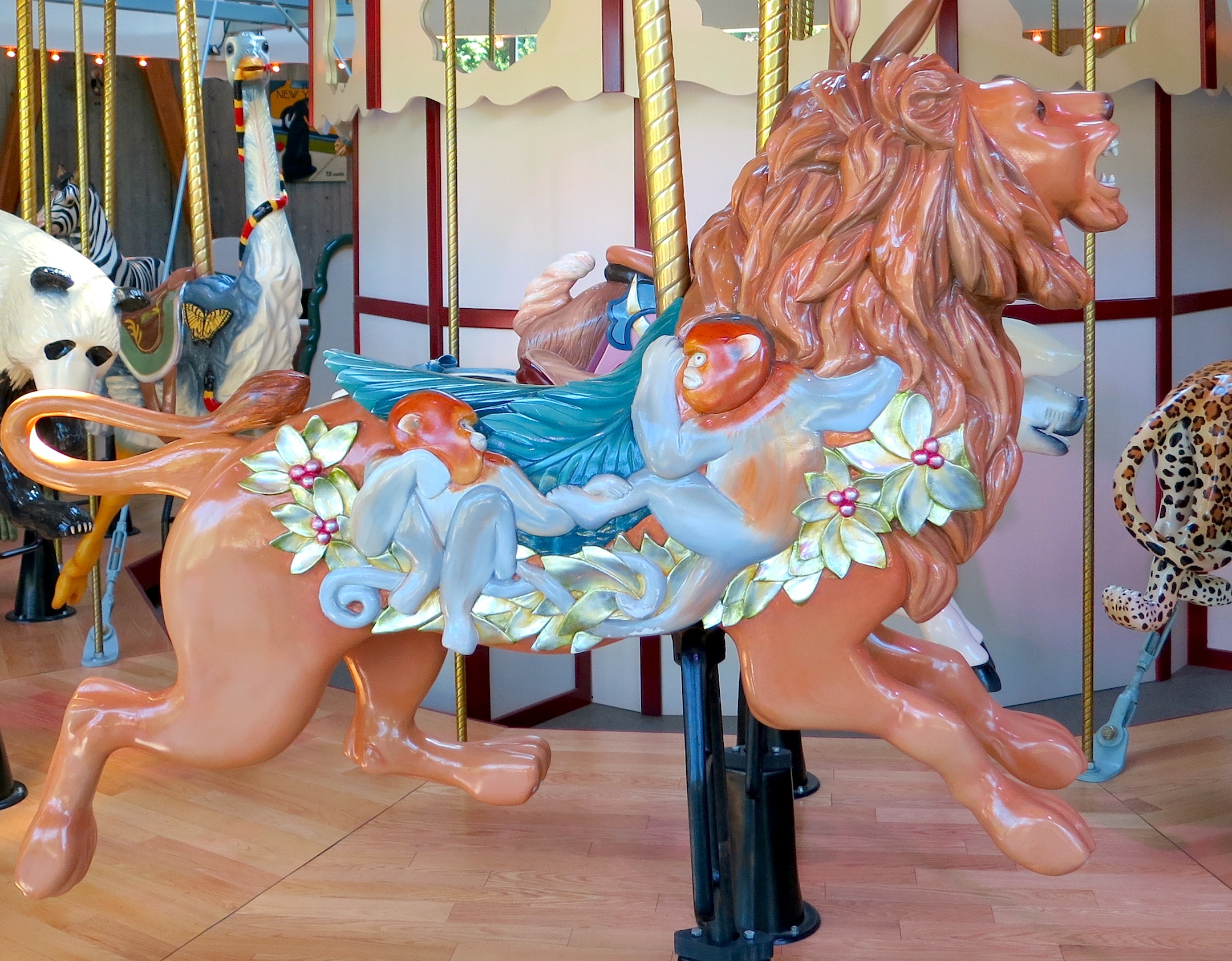
A fierce red lion leaps among them,
and here comes ’round a snow-white elephant.

Even a stag appears, straight from the forest,
except for the saddle he wears, and,
buckled on it, a small boy in blue.

And a boy in white rides the lion,
gripping it with small clenched hands,
while the lion flashes teeth and tongue.

And here comes ’round a snow-white elephant.

And riding past on charging horses come girls,
bright-eyed, almost too old now for this children’s play.
With the horses rising under them,
they are looking up and off to what awaits.
~Rainer Maria Rilke from “Jardin de Luxembourg”

You don’t really understand human nature unless you know why a child on a merry-go-round will wave at his parents every time around – and why his parents will always wave back.
~William D. Tammeus

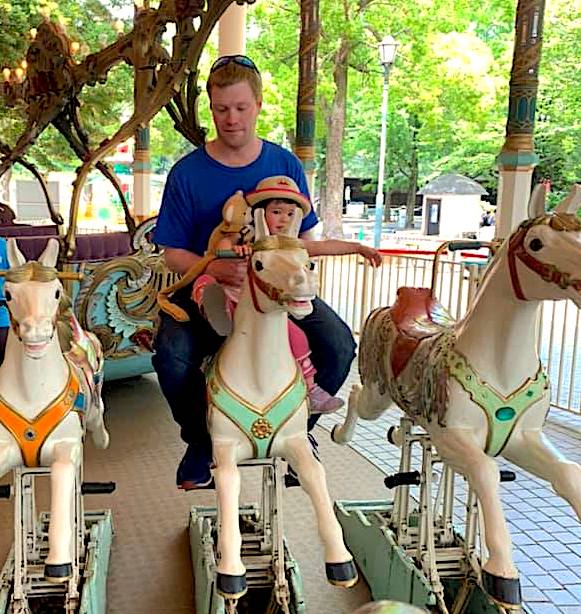
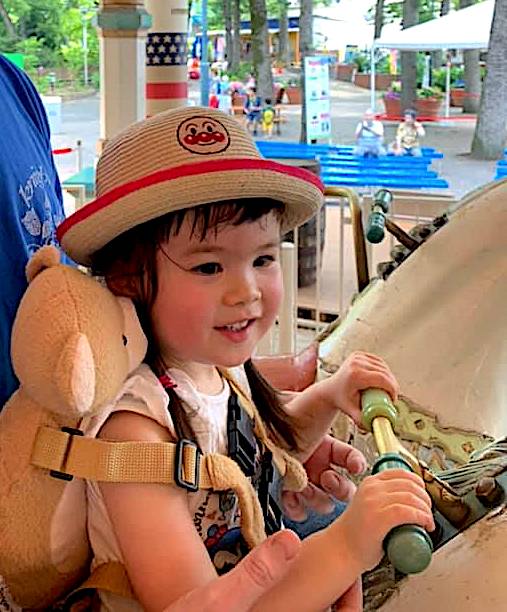
As a child, I could not resist a ride on a carousel, waving each time I came round.  Decades later, I can not resist standing and watching a carousel, waving back at whoever waves at me.

It is a world that turns and turns without going anywhere, except in the imaginations of the riders who fly higher, leap farther, jump huge gaps, race fastest. For them, it becomes a world that goes anywhere and everywhere. 

The swirl of surroundings and magic of music raises each child up, up, speeding faster and faster to catch whatever may await them. Then the world slows, settling and settling until each waving child becomes the stationary waving adult who stands their ground faithfully waiting — remembering how going round and round without going anywhere was the most wonderful feeling in the ever turning world.

Yesterday a child came out to wonder
Caught a dragonfly inside a jar
Fearful when the sky was full of thunder
And tearful at the falling of a star

And the seasons they go round and round
And the painted ponies go up and down
We’re captive on the carousel of time
We can’t return we can only look behind
From where we came
And go round and round and round In the circle game

Then the child moved ten times round the seasons
Skated over ten clear frozen streams
Words like, when you’re older, must appease him
And promises of someday make his dreams

Sixteen springs and sixteen summers gone now
Cartwheels turn to car wheels thru the town
And they tell him, Take your time, it won’t be long now
Till you drag your feet just to slow the circles down

So the years spin by and now the boy is twenty
Though his dreams have lost some grandeur coming true
There’ll be new dreams, maybe better dreams and plenty
Before the last revolving year is through
~Joni Mitchell “The Circle Game”

One-Time
Monthly
Yearly

Make a one-time or recurring donation to support daily Barnstorming posts

Make a monthly donation

Make a yearly donation

Choose an amount

¤5.00
¤10.00
¤20.00
¤5.00
¤15.00
¤100.00
¤5.00
¤15.00
¤100.00

Or enter a custom amount

¤

Your contribution is deeply appreciated.

Your contribution is appreciated.

Your contribution is appreciated.

DonateDonate monthlyDonate yearly

Days Continuing Hot

In the ordinary weather of summer
with storms rumbling from west to east
like so many freight trains hauling
their cargo of heat and rain,
the dogs sprawl on the back steps, panting,
insects assemble at every window,
and we quarrel again, bombarding
each other with small grievances,
our tempers flashing on and off
in bursts of heat lightning.
In the cooler air of morning,
we drink our coffee amicably enough
and walk down to the sea
which seems to tremble with meaning
and into which we plunge again and again.
The days continue hot.
At dusk the shadows are as blue
as the lips of the children stained
with berries or with the chill
of too much swimming.
So we move another summer closer
to our last summer together—
a time as real and implacable as the sea
out of which we come walking
on wobbly legs as if for the first time,
drying ourselves with rough towels,
shaking the water out of our blinded eyes.

~Linda Pastan, “The Ordinary Weather of Summer” from Carnival Evening: New and Select Poems 1968-1998

I grew up near Puget Sound and only a couple hours from the Washington Pacific Ocean coastline. Our annual trips to the ocean were early morning clamming harvests, usually returning home by noon to process the bounty we had dug up at the shore. Vacations at the beach were a few days spent in a rented cabin at Birch Bay on Puget Sound (now Salish Sea) or on Camano Island. These were short stays, usually no more than two or three nights but it gave our family a chance to live together in a different way.

It wasn’t easy for a family of five to sleep in a tiny two bedroom cabin with very little privacy – we siblings easily got on each other’s nerves as we teased each other or played hyper-competitive card or board games or futilely tried to distance ourselves from one another. We didn’t understand that these few summers in the 60’s were the last opportunities we would spend time together simply to “play”. Storms were on the horizon, our tempers flared when the weather was hot and humid. We had no awareness time was slipping through our fingers.

How this family time at the beach affected my parents is something I can only guess. Their marriage was on shaky ground ten years prior to their separation and divorce, even though we children were oblivious to it at the time. Whether being forced out of their routine was helpful or made their tensions worse, I don’t know. I do know quarreling children, small living quarters and sweaty temperatures can be a challenging combination.

Something about our current heat wave this week places me back to those hot nights in the beach cabins, unable to fall asleep due to a combination of itchy sweat and the world pressing down on me. The crankiness of those family vacations tends to infect my words and attitudes all these decades later.

Although the literal and figurative storms of those years have long since blown over, I still remember the musty smell of those beach cabins that had seen so many different families come and go over the decades, some thriving while others were wobbly and struggling to stay glued together. To the cabins that housed them, they looked all alike. But they weren’t. Only time would tell how well they weathered the storm.

One-Time
Monthly
Yearly

Make a one-time or recurring donation to support daily Barnstorming posts

Make a monthly donation

Make a yearly donation

Choose an amount

¤5.00
¤10.00
¤20.00
¤5.00
¤15.00
¤100.00
¤5.00
¤15.00
¤100.00

Or enter a custom amount

¤

Your contribution is deeply appreciated.

Your contribution is appreciated.

Your contribution is appreciated.

DonateDonate monthlyDonate yearly

I Know Why I’m Here

my mother wants me to
go to college

the closest she has ever been
is this
the dorm

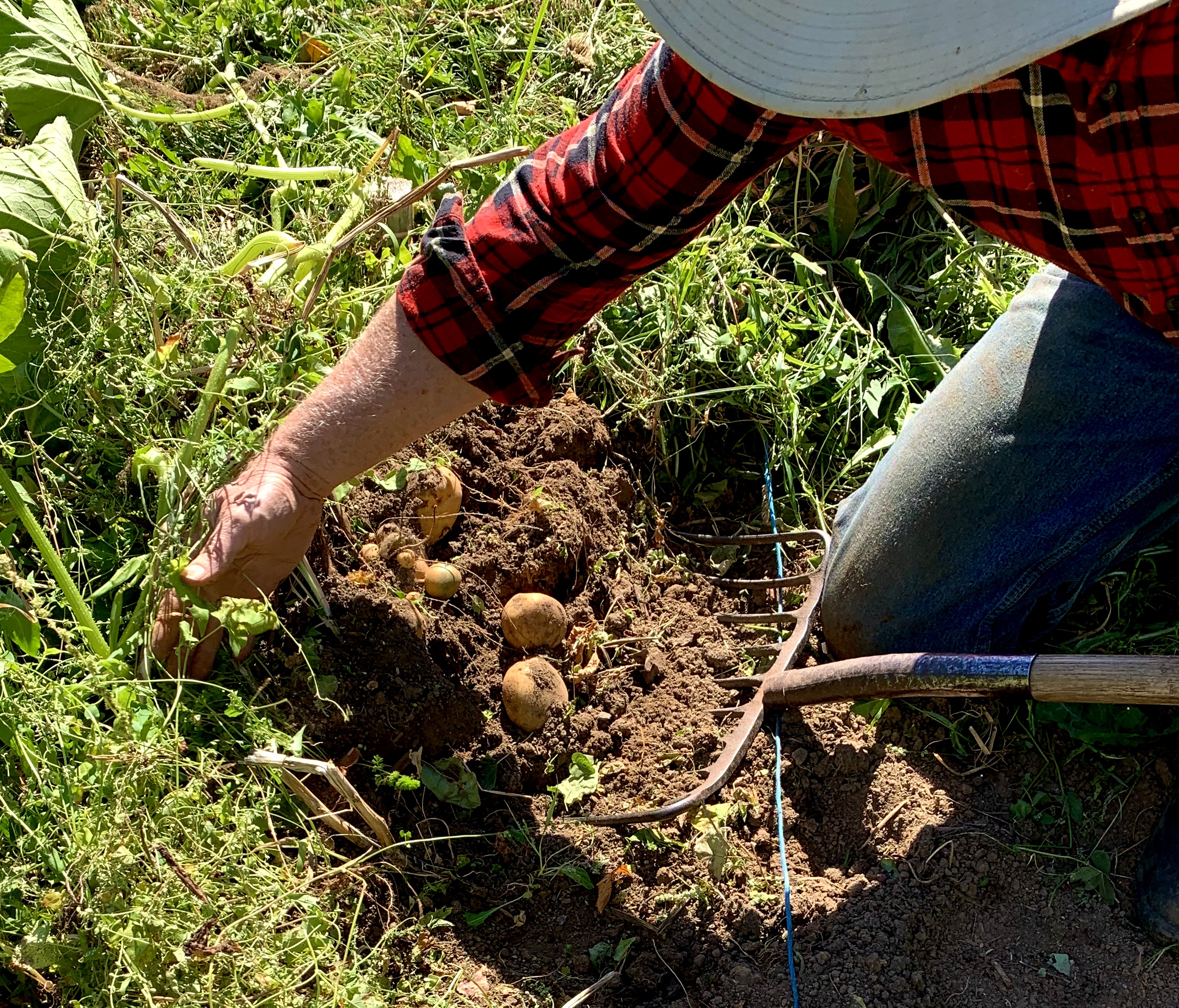
her father had needed her
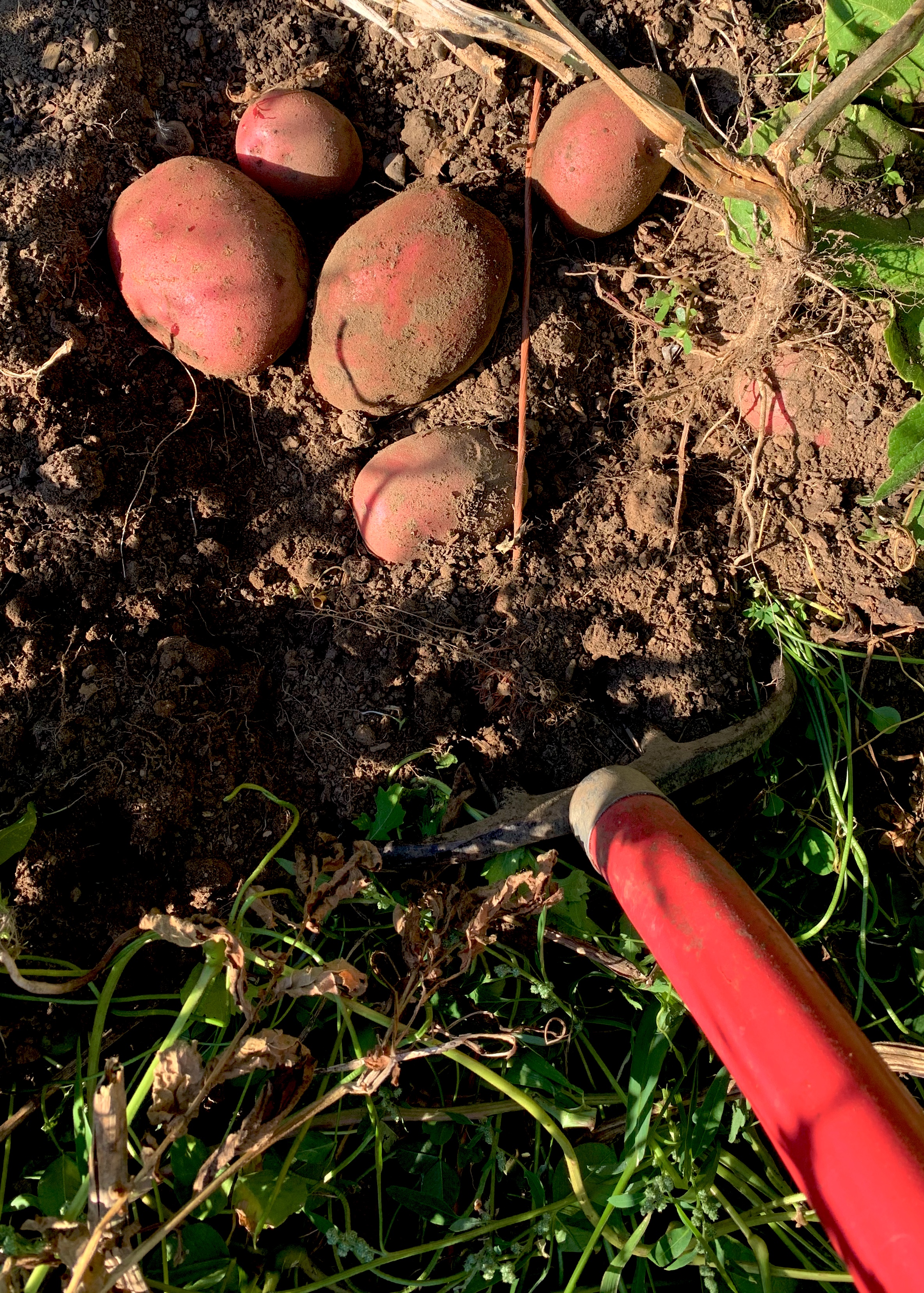
to dig the potatoes
and load them into burlap bags

but here she is
leaving her daughter

on the campus in the city time to go

we go to the parking lot

old glasses thick graying hair
she is wearing a man’s shirt
has to get back to the job

we stand beside her Ford and it is
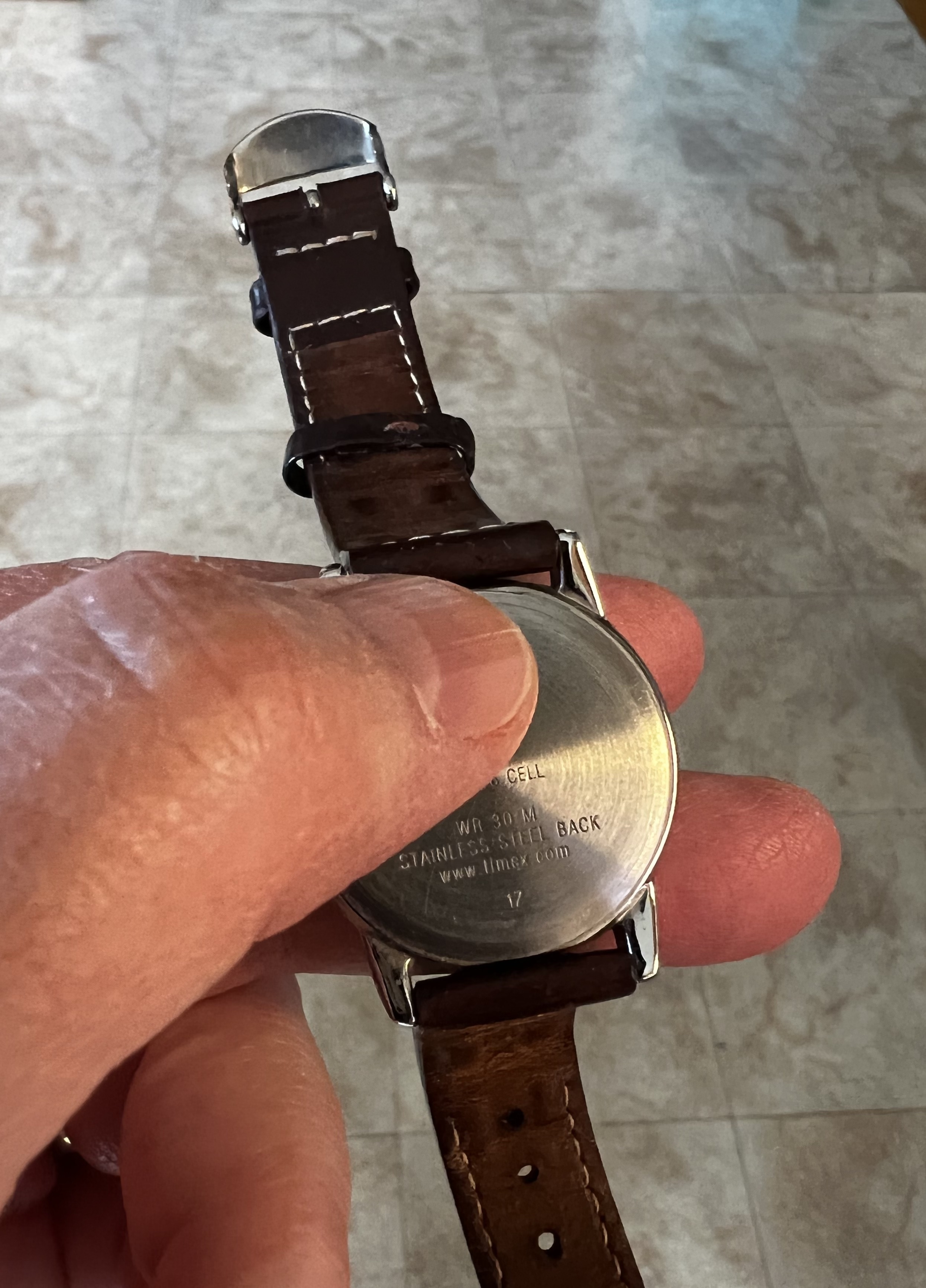
here she undoes the buckle of the watch
and holds it out to me

my father’s watch
keeping good time for him
and then for her

she says she knows I will
need a watch to get to class
we hug and she gets in

starts the car
eases into traffic
no wave

the metal of the back of the watch

is smooth to my thumb
and it keeps for a moment
a warmth from her skin.
~Marjorie Saiser from “She Gives Me the Watch off Her Arm” from 

I Have Nothing To Say About Fire

When I decided to attend college out of state, to a campus I had never seen before, my mother decided she couldn’t handle the goodbye in a strange place, so sent me on a two day drive with my dad. She was a very emotional person and he wasn’t, so he got the job of dropping me off.

It was a quiet car ride with only my dad and myself together. I think we both dreaded the upcoming parting moments.

When the moment came – my things scattered chaotically about my dorm room, marijuana smoke haze filling the dorm hallway and noise everywhere with loud music and the partings of students and parents – I looked at him with foreboding and desperation at this foreign environment to which I must learn to adapt. His eyes filled with tears — the first time in 18 years I had seen him cry — and he said “you know what you are here for,” hugged me tight and turned around and left.

My father didn’t give me anything but those parting words, but they still ring in my ears every day whenever I am feeling somewhat desperate, even now fifty years later.

It was a rough start at college for me, homesick as I was, in an unsupportive unstructured dorm environment. I came home at Thanksgiving that quarter and didn’t return until the following fall. But I finished strong and never looked back. You can’t go home again, not really.

Now I know what I am here for.

One-Time
Monthly
Yearly

Make a one-time and recurring donation to support daily Barnstorming posts

Make a monthly donation

Make a yearly donation

Choose an amount

¤5.00
¤10.00
¤20.00
¤5.00
¤15.00
¤100.00
¤5.00
¤15.00
¤100.00

Or enter a custom amount

¤

Your contribution is deeply appreciated.

Your contribution is appreciated.

Your contribution is appreciated.

DonateDonate monthlyDonate yearly

Go Help Your Dad

It was hard work, dying, harder
than anything he’d ever done.

Whatever brutal, bruising, back-
Breaking chore he’d forced himself

to endure—it was nothing
compared to this. And it took

so long. When would the job
be over? Who would call him

home for supper? And it was
hard for us (his children)—

all of our lives we’d heard
my mother telling us to go out,

help your father, but this
was work we could not do.

He was way out beyond us,
in a field we could not reach.

~Joyce Sutphen, “My Father, Dying” from Carrying Water to the Field: New and Selected Poems.

We will grieve not, rather find                     
Strength in what remains behind;                     
In the primal sympathy                     
Which having been must ever be;  
                   

Thanks to the human heart by which we live,
Thanks to its tenderness, its joys, and fears,
To me the meanest flower that blows can give
Thoughts that do often lie too deep for tears.
~William Wordsworth from “Ode: Intimations of Immortality from Recollections of Early Childhood”

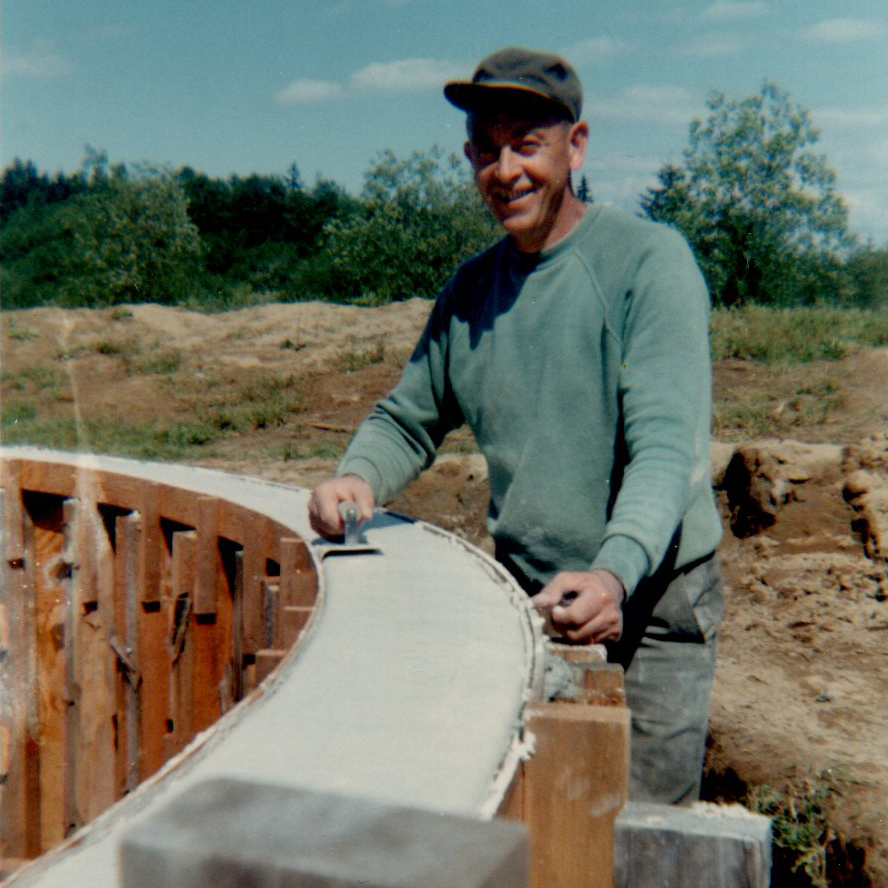
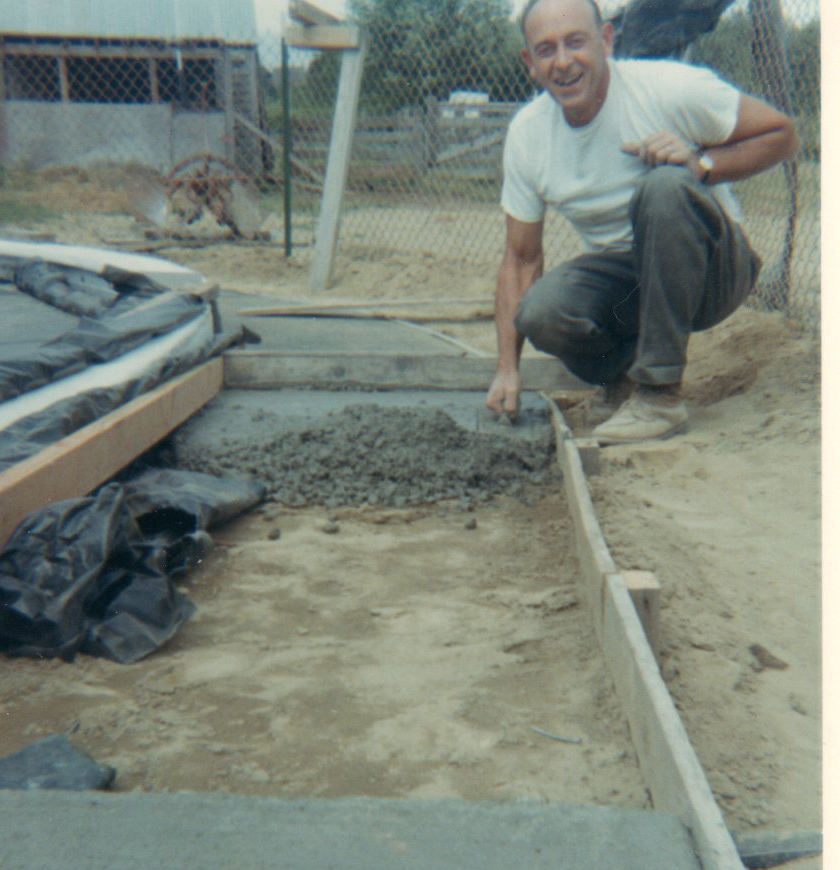
Pouring the sidewalk by hand
Grouting the tile perimeter
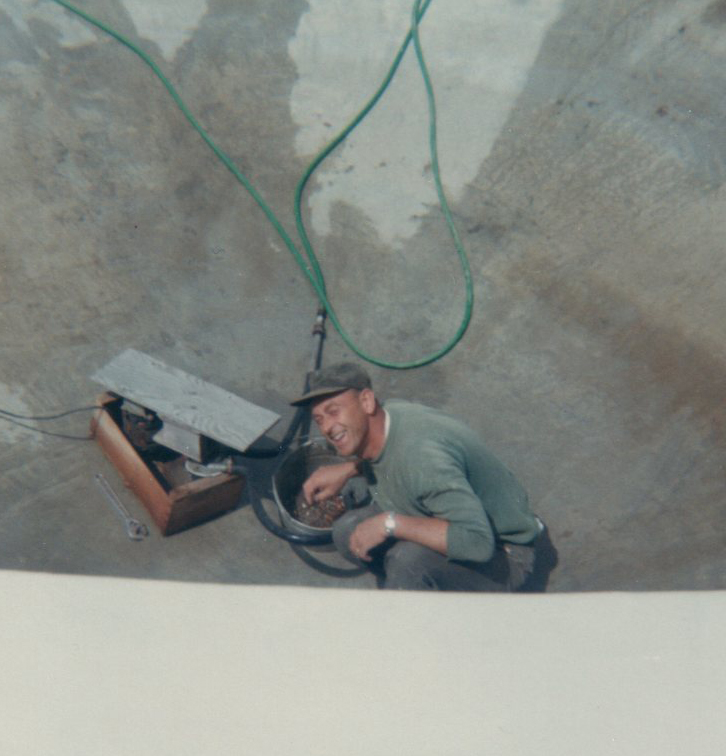
In the very bottom, installing a drain
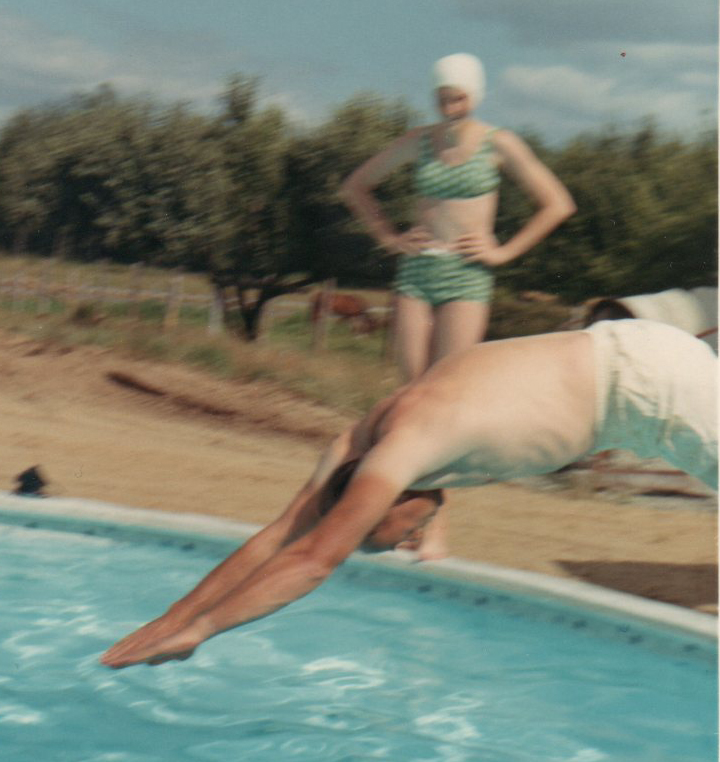
The best dive ever…

Nearly twenty-seven years ago
we watched at your bedside as you labored,
readying yourself to die and we could not help
except to be there while we watched you
move farther away from us.

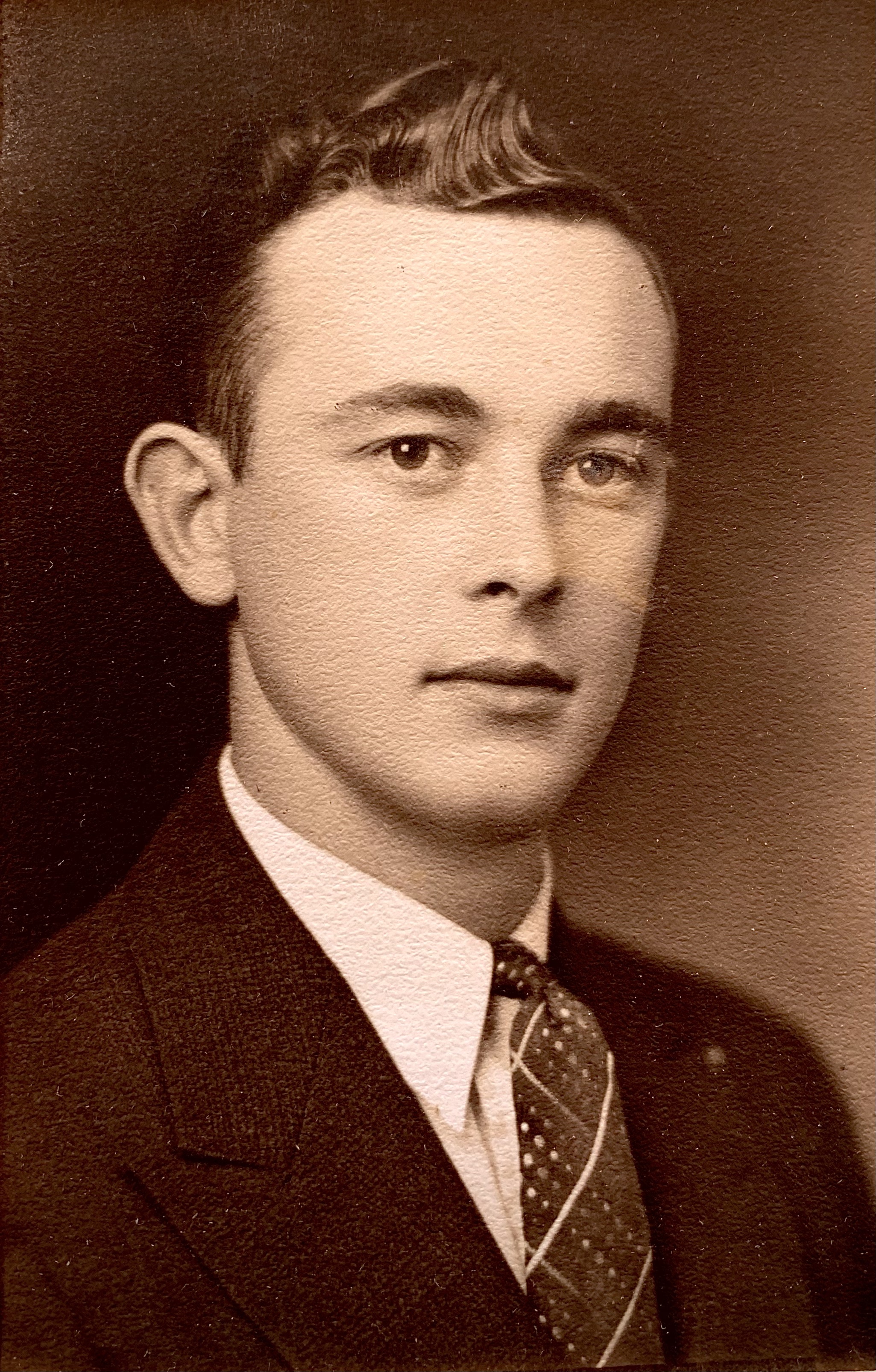
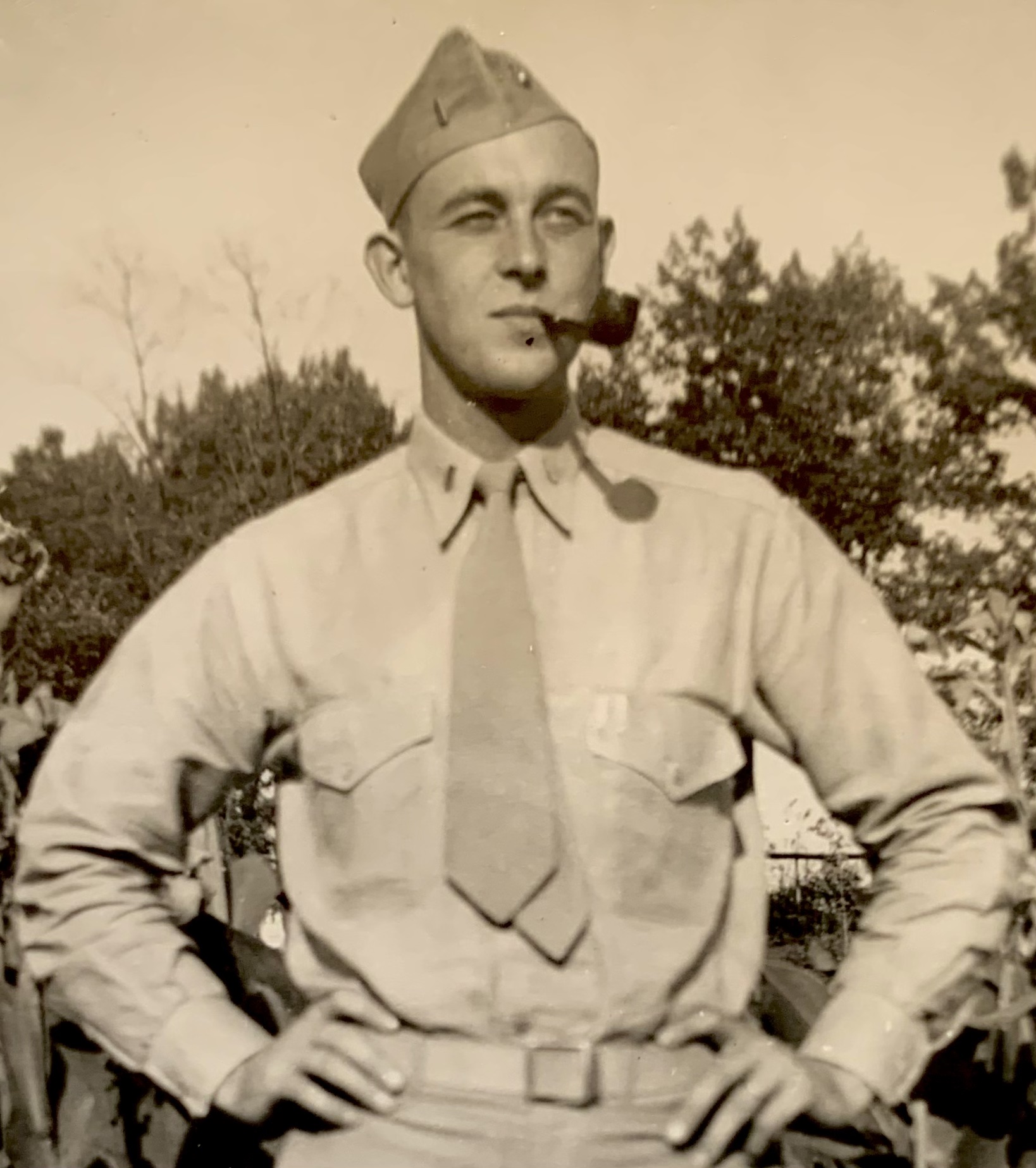
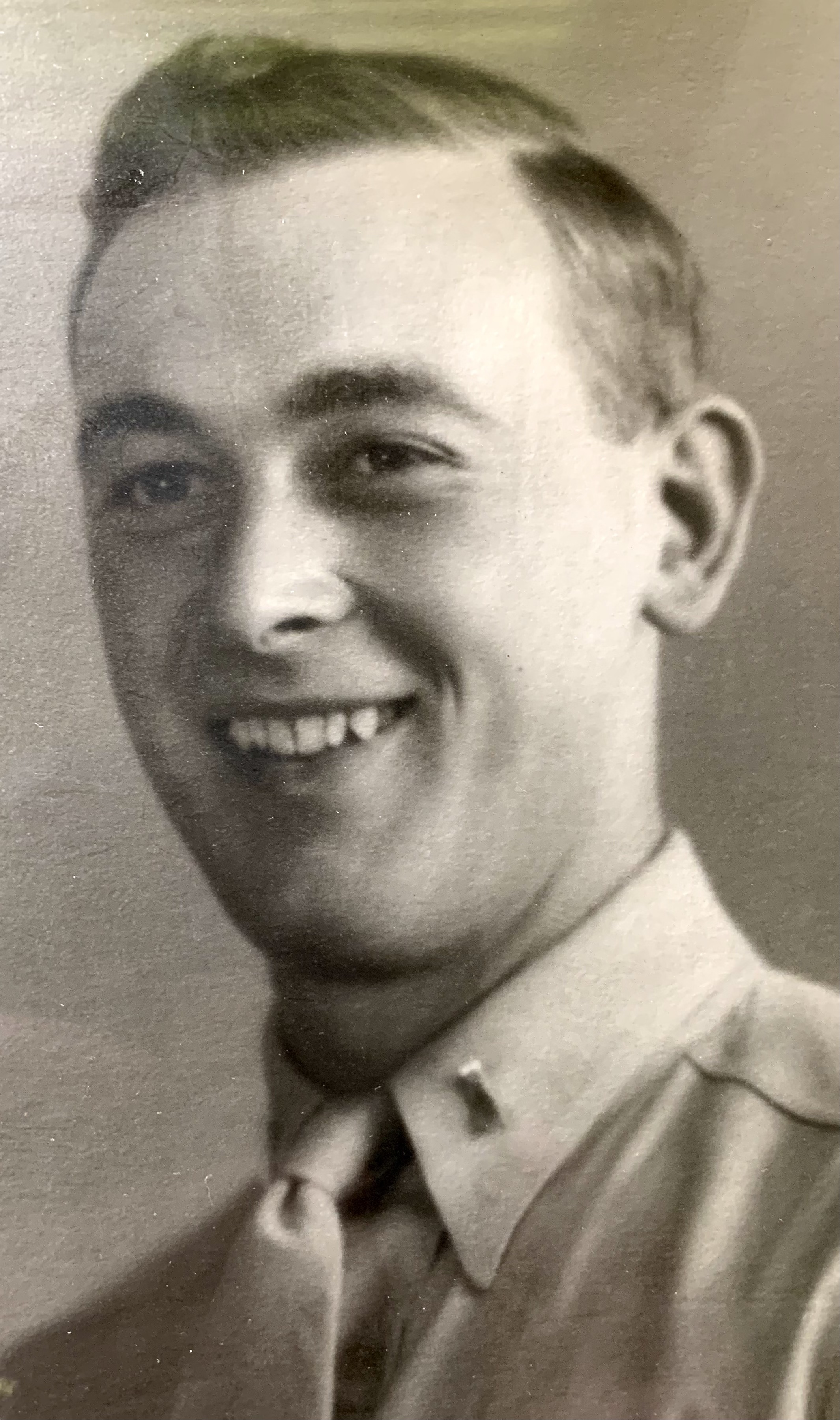
This dying, the hardest work you had ever done:

harder than handling the plow behind a team of draft horses,
harder than confronting a broken, alcoholic and abusive father,
harder than slashing brambles and branches to clear the woods,
harder than digging out stumps, cementing foundations, building roofs,
harder than shipping out, leaving behind a new wife after only a week of marriage,
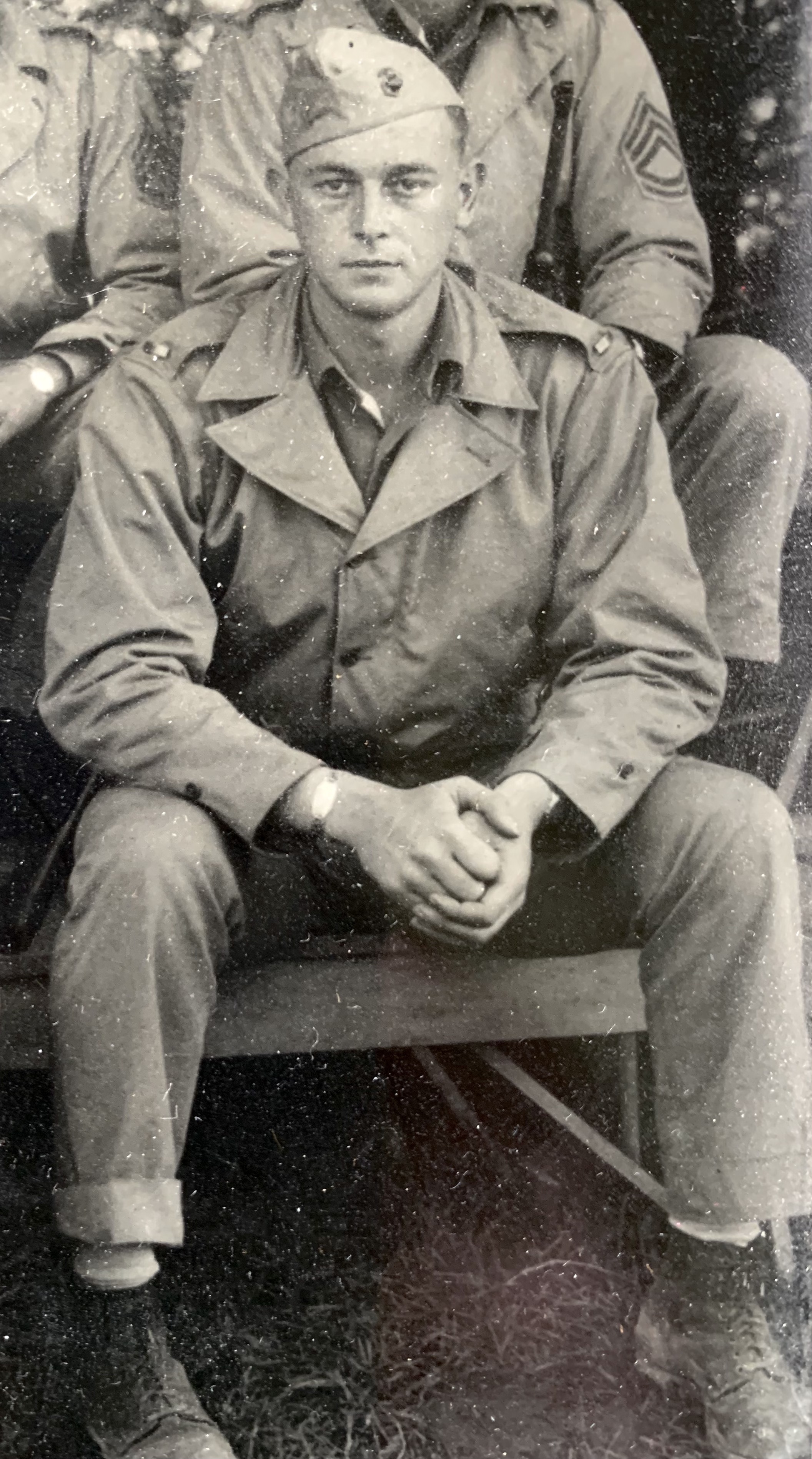
harder than leading a battalion of men to battle on Saipan, Tinian and Tarawa,
harder than returning home so changed there were no words,
harder than returning to school, working long hours to support family,
harder than running a farm with only muscle and will power,
harder than coping with an ill wife, infertility, job conflict, discontent,
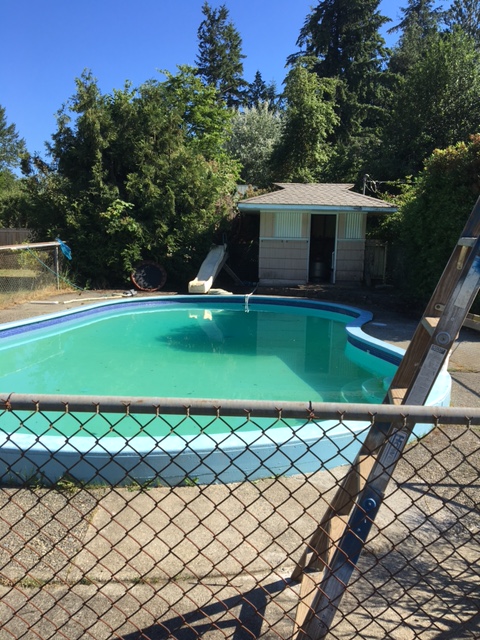
harder than building your own pool, your own garage, your own house,
harder than your marriage ending, a second wife dying of cancer,
and returning home asking for forgiveness.

Dying was the hardest of all
as no amount of muscle or smarts or determination
could stop it crushing you,
taking away the strength you relied on for 73 years.

So as you lay helpless, moaning, struggling to breathe,
we knew your hard work was complete
and what you left undone was up to us
to finish for you.

Ben packaged in a paper bag by Grandpa Hank
One-Time
Monthly
Yearly

Make a one-time or recurring donation to support daily Barnstorming posts

Make a monthly donation

Make a yearly donation

Choose an amount

¤5.00
¤10.00
¤20.00
¤5.00
¤15.00
¤100.00
¤5.00
¤15.00
¤100.00

Or enter a custom amount

¤

Your contribution is deeply appreciated.

Your contribution is appreciated.

Your contribution is appreciated.

DonateDonate monthlyDonate yearly

The Presence of Absence

The sunlight now lay over the valley perfectly still. I went over to the graveyard beside the church and found them under the old cedars… I am finding it a little hard to say that I felt them resting there, but I did… I saw that, for me, this country would always be populated with presences and absences, presences of absences, the living and the dead. The world as it is would always be a reminder of the world that was, and of the world that is to come.
Wendell Berry in Jayber Crow

When it’s over, I don’t want to wonder
if I have made of my life something particular, and real.
I don’t want to find myself sighing and frightened
or full of argument.

I don’t want to end up simply having visited this world.
~Mary Oliver from “When Death Comes”

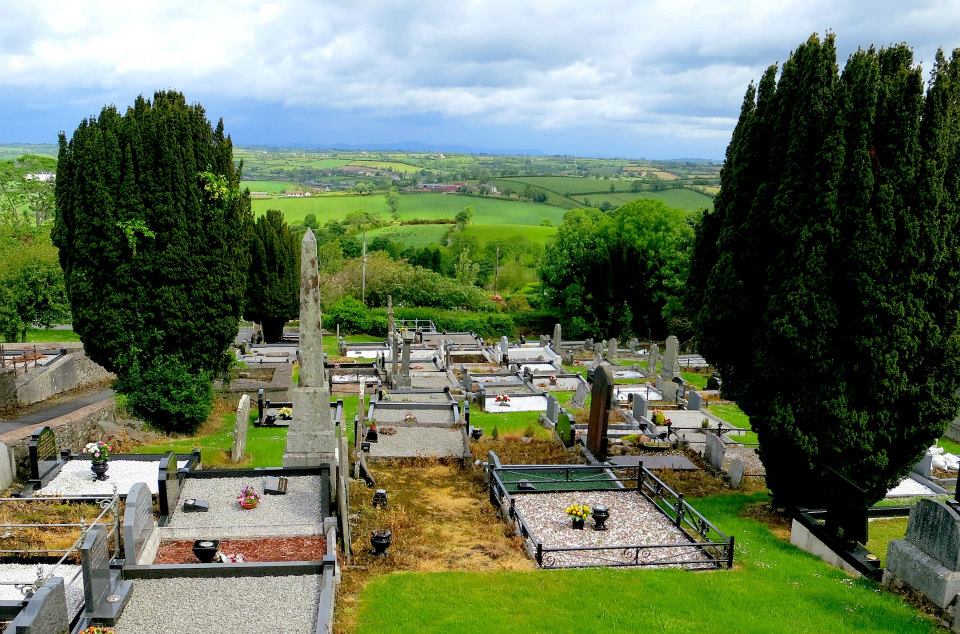
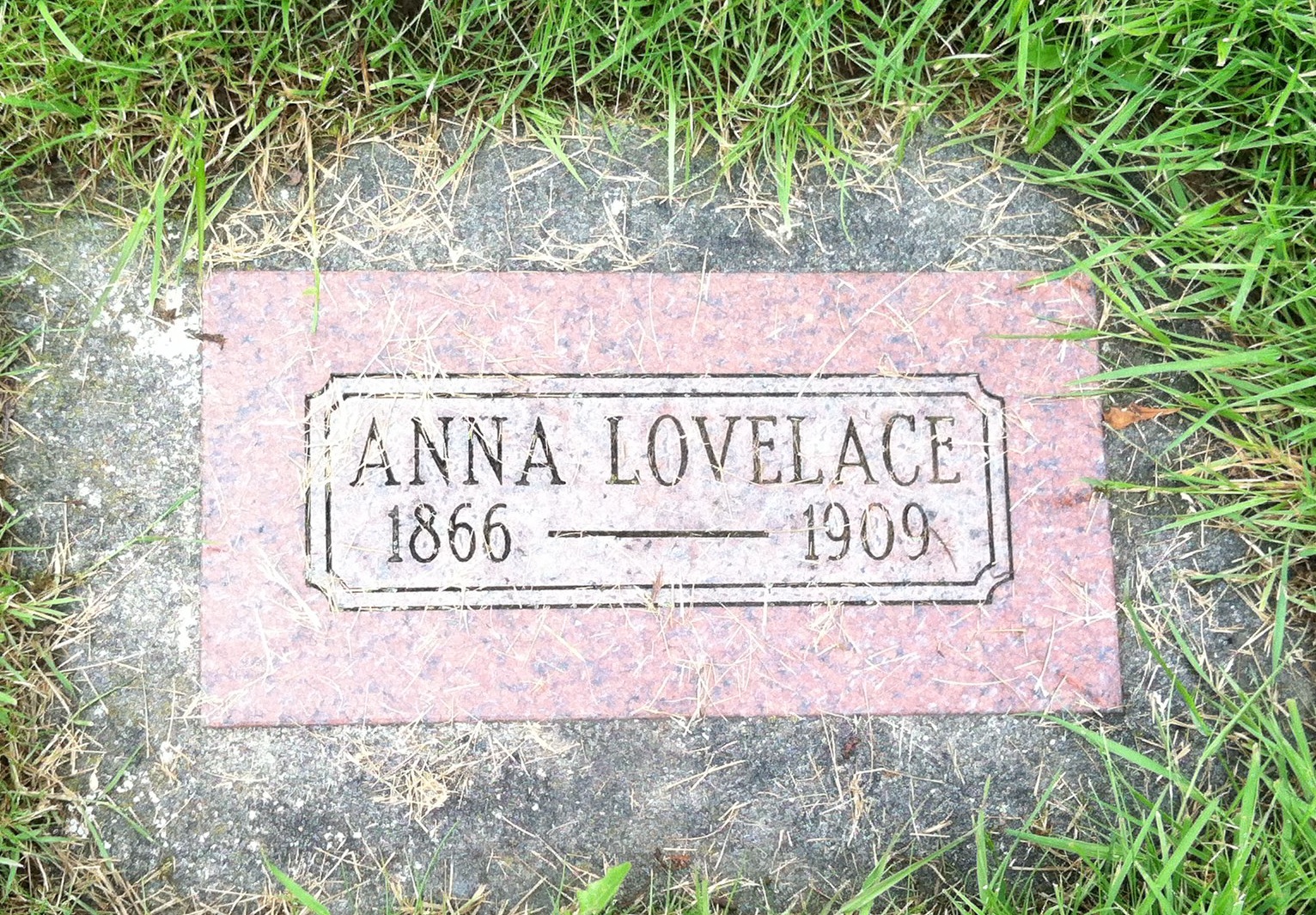
Today, as always over the last weekend of May, we have a family reunion where most turn up missing.  A handful of the living come together for lunch and then a slew of the no-longer-living, some of whom have been caught napping for a century or more, are no-shows.

It is always on this day of cemetery visiting that I feel keenly the presence of their absence: the great greats I never knew, a great aunt who kept so many secrets, an alcoholic grandfather I barely remember, my grandmother whose inherent messiness I inherited, an aunt who died of lymphoma as a young child, my parents who separated and divorced for ten years late in life, yet reunited long enough for their ashes to rest together for eternity.

It is good, as one of the still-for-now living, to approach these plots of grass with a wary weariness of the aging.  But for the grace of God, there will I be sooner than I wish to be.  There, thanks to the grace of God, will I one day be an absent presence for my children and grandchildren to ponder.

The world as it is remembers the world that was.  The world to come calls us home in its time, where we all will be present and accounted for — our reunion celebration.

All in good time.

One-Time
Monthly
Yearly

Make a one-time or recurring donation to support daily Barnstorming posts

Make a monthly donation

Make a yearly donation

Choose an amount

¤5.00
¤10.00
¤20.00
¤5.00
¤15.00
¤100.00
¤5.00
¤15.00
¤100.00

Or enter a custom amount

¤

Your contribution is deeply appreciated.

Your contribution is appreciated.

Your contribution is appreciated.

DonateDonate monthlyDonate yearly

Wondering How She Came to Be There

She wasn’t looking
when they took this picture:
sitting on the grass
in her bare feet
wearing a cotton dress,
she stares off to the side
watching something on the lawn
the camera didn’t catch.
What was it?
A ladybug? A flower?
Judging from her expression,
possibly nothing at all,
or else
the lawn was like a mirror,
and she sat watching herself,
wondering who she was
and how she came to be there
sitting in this backyard,
wearing a cheap, white dress,
imagining that tomorrow
would be like all her yesterdays,
while her parents chatted
and watched, as I do
years later,
too distantly to interfere.
~Dana Gioia, “Photograph of My Mother as a Young Girl” from Daily Horoscope

Yesterday was my mother Elna Schmitz Polis’ 102nd birthday though she left us behind nearly 14 years ago. I wrote the poem below while she was fading from this life.

Vigil at my mother’s bedside

Lying still, your mouth gapes open as
I wonder if you breathe your last.
Your hair a white cloud
Your skin baby soft
No washing, digging, planting gardens
Or raising children
Anymore.

Where do your dreams take you?
At times you wake in your childhood home of
Rolling wheat fields, boundless days of freedom.
Other naps take you to your student and teaching days
Grammar and drama, speech and essays.
Yesterday you were a young mother again
Juggling babies, farm and your wistful dreams.

Today you looked about your empty nest
Disguised as hospital bed,
Wondering aloud about
Children grown, flown.
You still control through worry
and tell me:
Travel safely
Get a good night’s sleep
Take time to eat
Call me when you get there

I dress you as you dressed me
I clean you as you cleaned me
I love you as you loved me
You try my patience as I tried yours.
I wonder if I have the strength to
Mother my mother
For as long as she needs.

When I tell you the truth
Your brow furrows as it used to do
When I disappointed you~
This cannot be
A bed in a room in a sterile place
Waiting for death
Waiting for heaven
Waiting

And I tell you:
Travel safely
Eat, please eat
Sleep well
Call me when you get there.

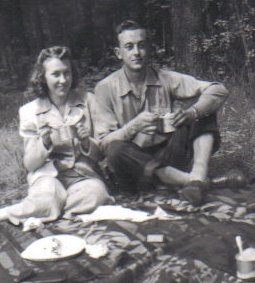
Dad and Mom in their early thirties
Mom’s favorite song to sing
One-Time
Monthly
Yearly

Make a one-time or recurring donation to support daily Barnstorming posts

Make a monthly donation

Make a yearly donation

Choose an amount

¤5.00
¤10.00
¤20.00
¤5.00
¤15.00
¤100.00
¤5.00
¤15.00
¤100.00

Or enter a custom amount

¤

Your contribution is deeply appreciated.

Your contribution is appreciated.

Your contribution is appreciated.

DonateDonate monthlyDonate yearly

They Are No More…


    …mourning and great weeping,
weeping for her children
    and refusing to be comforted,
    because they are no more.
from Matthew 2:18 and Jeremiah 31:15

Newtown, CT December 2012
There are the fields we’ll walk across
In the snow lightly falling.
In the snow lightly falling,
There are the fields we’ll walk across.

There are the houses we’ll walk toward
In the snow lightly falling.
In the snow lightly falling,
There are the houses we’ll walk toward.

There are the faces we once kissed
In the snow lightly falling.
In the snow lightly falling,
There are the faces we once kissed.

Incredible how we laughed and cried
In the snow lightly falling.
In the snow lightly falling,
Incredible how we laughed and cried.

Incredible how we’ll meet again
In the snow lightly falling.
In the snow lightly falling,
Incredible how we’ll meet again.

No small hand will go unheld
In the snow lightly falling.
In the snow lightly falling,
No small hand will go unheld.

No voice once heard is ever lost
In the snow lightly falling.
In the snow lightly falling,
No voice once heard is ever lost.

~Dick Allen “Solace”

In mourning for the families of Uvalde, Texas

There is no comfort for these families.
Their arms ache with emptiness,
their childrens’ beds and pillows cold tonight,
dolls and stuffed animals awaiting all night hugs
that will never come again.

There is no earthly consolation;
only mourning and great weeping,
sobbing that wrings dry
every human cell,
leaving only dust behind,
which is our beginning
and our end.

Christ came to us
for times such as this,
born of the dust of woman and
the breath of Spirit.
God bent down to
be cradled in barn dust,
walk on roads of dust,
die and be laid to rest as dust
to conquer such evil as this –
the slaughter and massacre of innocents.

He became dust to be
like us
He began a mere speck in a womb
like us
His heart beat
like ours
breathing each breath
like ours
until a fearful fallen world
took His
and our breath
away.

He shines His Light through
the darkness of tragic deaths
to guide our stumbling uncertain feet.
His tender mercies flow freely
when there is no consolation,
when there is no comfort.

He hears our cries
as He cried too.
He knows our tears
as He wept too.
He knows our mourning
as He mourned too.
He knows our dying
as He died too.

God wept as this happened yesterday.
Evil comes not from God
yet humankind embraces it.
Sin is our ongoing choice,
a decision made from our beginning,
but we can choose to end it now.

Only God can glue together
what evil has shattered.
He asks us to hand Him
the pieces of our broken hearts,
abandon our evil ways
and sin no more.

We will know His peace
when He comes
to bring us home,
our tears finally dried,
our cells no longer just dust,
as we are glued together
by the word and breath and voice
of God forevermore.

the tender mercy of our God,
    by which the rising sun will come to us from heaven
to shine on those living in darkness
    and in the shadow of death,
to guide our feet into the path of peace.
Luke 1: 78-79

The World’s Most Sensitive Cargo

Go north a dozen years
on a road overgrown with vines
to find the days after you were born.
Flowers remembered their colors and trees
were frothy and the hospital was


behind us now, its brick indifference
forgotten by our car mirrors. You were
revealed to me: tiny, delicate,
your head smelling of some other world.
Turn right after the circular room


where I kept my books and right again
past the crib where you did not sleep
and you will find the window where
I held you that morning
when you opened your eyes. They were


blue, tentative, not the deep chocolate
they would later become. You were gazing
into the world: at our walls,
my red cup, my sleepless hair and though
I’m told you could not focus, and you


no longer remember, we were seeing
one another after seasons of darkness.

~Faith Shearin, “Sight” from Orpheus, Turning

A man crosses the street in rain,
stepping gently, looking two times north and south,
because his son is asleep on his shoulder.

No car must splash him.
No car drive too near to his shadow.

This man carries the world’s most sensitive cargo
but he’s not marked.
Nowhere does his jacket say FRAGILE,
HANDLE WITH CARE.

His ear fills up with breathing.
He hears the hum of a boy’s dream
deep inside him.

We’re not going to be able
to live in this world
if we’re not willing to do what he’s doing
with one another.

The road will only be wide.
The rain will never stop falling.

~Naomi Shihab Nye “Shoulders”

Recent headlines reflect a touchy cultural debate about child bearing and rearing in our post-modern society:

who has control over whose body and for what justifiable reasons,

when life begins and when its loss is a death to be mourned
or if intentional, could be considered equivalent to murder,

babies without access to adequate nutrition due to a formula shortage while some shame mothers for not breast-feeding,

who determines what schools can teach at what stage of development, whether vaccines should be mandatory to attend,
and what books children can have access to in the library.

There are controversies about our country not guaranteeing paid parental leave and automatic free day care, along with government subsidized health care, and whether we coddle our kids too much or too little.

Some are convinced we should avoid child-bearing since people are destroying the earth and adding more people will only hasten our demise.

The judgement and harshness of the debate is enough to discourage parenting at all for those who are ambivalent to begin with. For those who long to be parents but still have empty arms, the debate seems heartless and selfish, as they wonder if and when a chance to love their own child will ever come.

Having waited long years ourselves with empty arms, and then were blessed with three of our own, I can say with assurance children are the most sensitive cargo we’ll ever bear and carry and love – there is no future without children cherished above one’s own wants and needs.

After seasons of darkness, we must look each other in the eyes and find each other worthy to exist and do whatever it takes to guarantee it. We must be willing to sacrifice, carrying one another like precious cargo. We were created for no less than this.

Just checking to see if she is real…

One-Time
Monthly
Yearly

Make a one-time or recurring donation to support daily Barnstorming posts

Make a monthly donation

Make a yearly donation

Choose an amount

¤5.00
¤10.00
¤20.00
¤5.00
¤15.00
¤100.00
¤5.00
¤15.00
¤100.00

Or enter a custom amount

¤

Your contribution is deeply appreciated.

Your contribution is appreciated.

Your contribution is appreciated.

DonateDonate monthlyDonate yearly