Silence and darkness grow apace, broken only by the crack of a hunter’s gun in the woods. Songbirds abandon us so gradually that, until the day when we hear no birdsong at all but the scolding of the jay, we haven’t fully realized that we are bereft — as after a death. Even the sun has gone off somewhere… Now we all come in, having put the garden to bed, and we wait for winter to pull a chilly sheet over its head. ~Jane Kenyon from “Good-by and Keep Cold”
Every day now we hear hunters firing in the woods and the wetlands around our farm, most likely aiming for the few ducks that have stayed in the marshes through the winter, or possibly a Canadian goose or a deer to bring home for the freezer. The usual day-long symphony of birdsong is replaced by shotguns popping, hawks and eagle screams and chittering, the occasional dog barking, with the bluejays and squirrels arguing over the last of the filbert nuts.
In the clear cold evenings, when coyotes aren’t howling in the moonlight, the owls hoot to each other across the fields from one patch of woods to another, their gentle resonant conversation echoing back and forth. The horses confined to their stalls in the barns snort and blow as they bury their noses in flakes of summer-bound hay.
But there are no birdsong arias now, leaving me bereft of their blending musical tapestry that wake me at 4 AM in the spring. No peeper orchestra from the swamps in the evenings, rising and falling on the breeze.
It is too too quiet.
The chilly silence of the darkened days is now interrupted by all percussion, no melody at all. I listen intently for early morning and evening serenades returning.
It won’t be long.
To-day I shall be strong, No more shall yield to wrong, Shall squander life no more; Days lost, I know not how, I shall retrieve them now; Now I shall keep the vow I never kept before.Ensanguining the skies How heavily it dies Into the west away; Past touch and sight and sound Not further to be found, How hopeless under ground Falls the remorseful day. ~A.E. Houseman from “How Clear, How Lovely Bright”
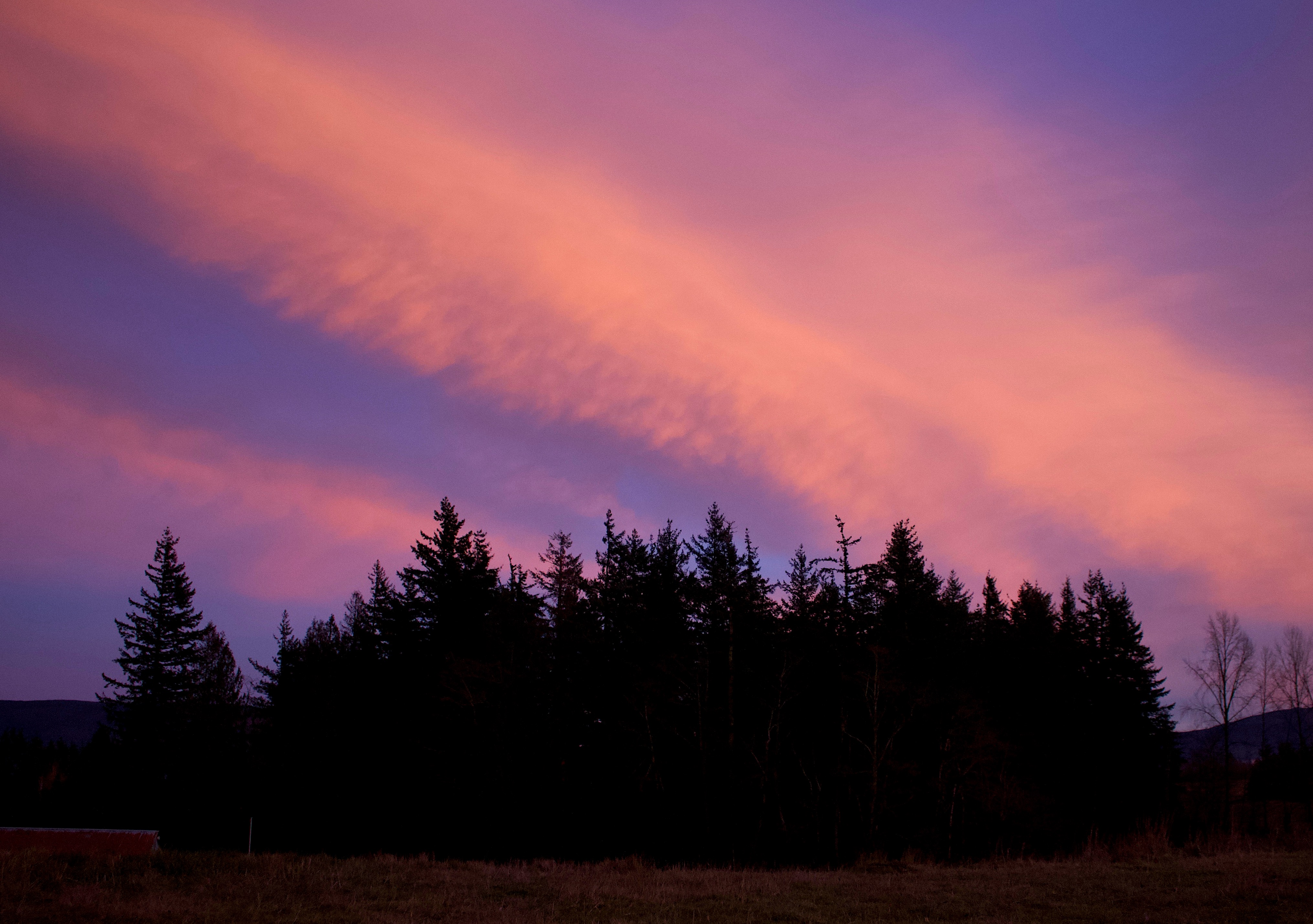
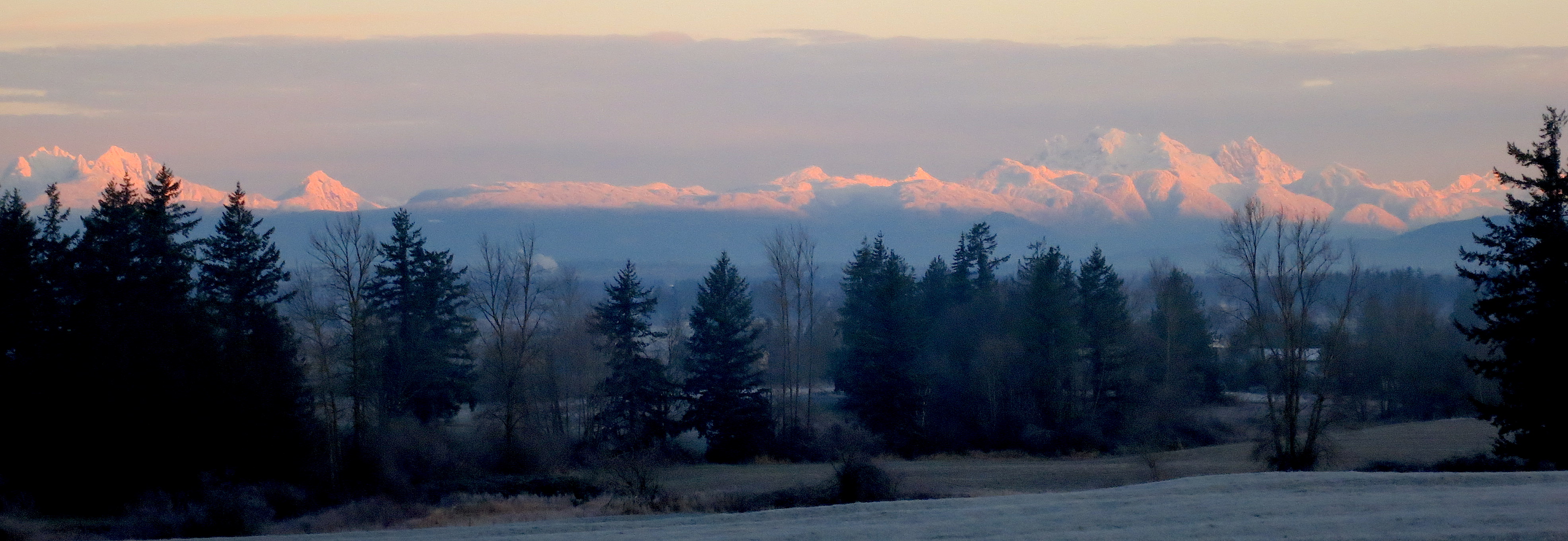
to the northeast
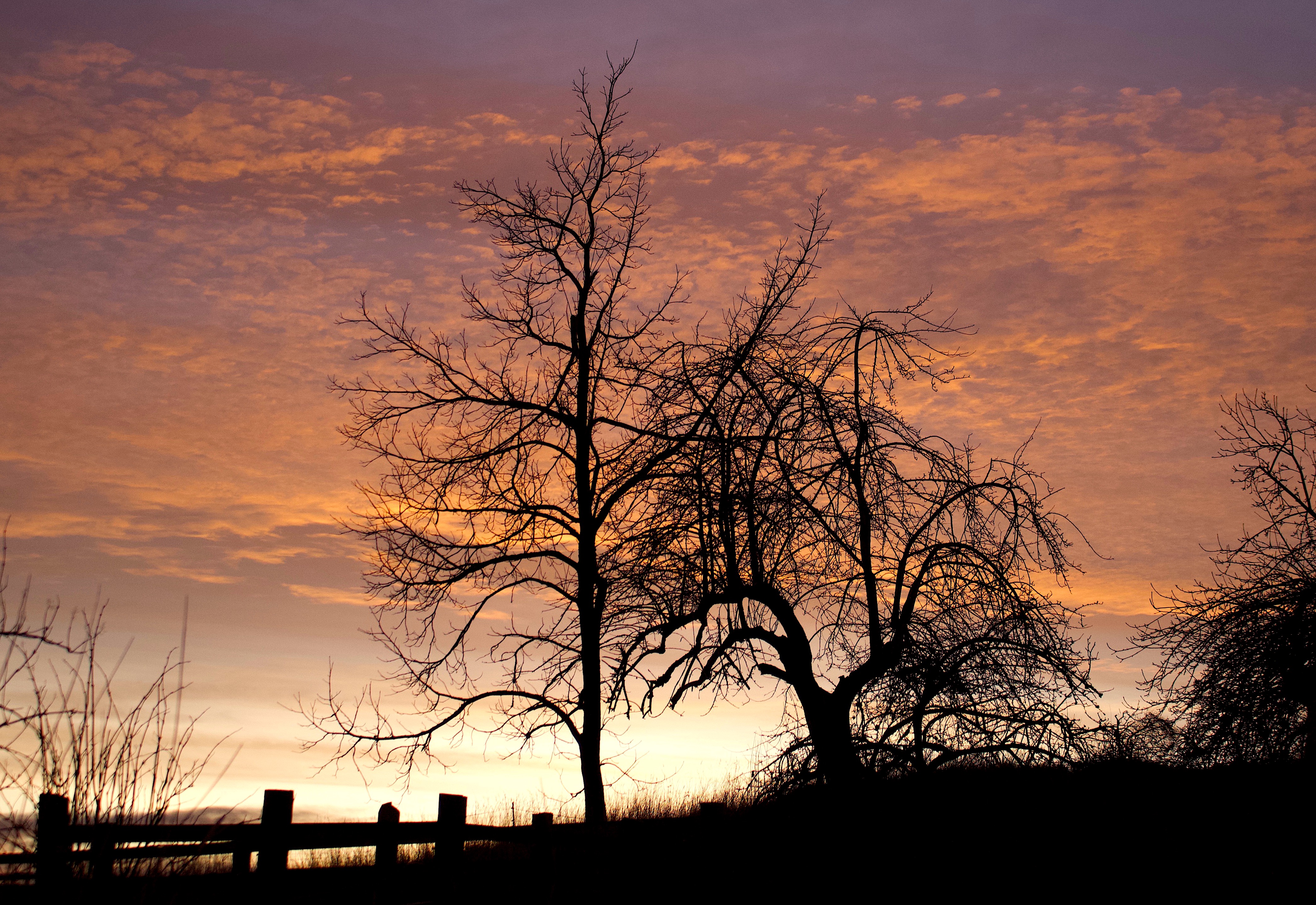
to the east
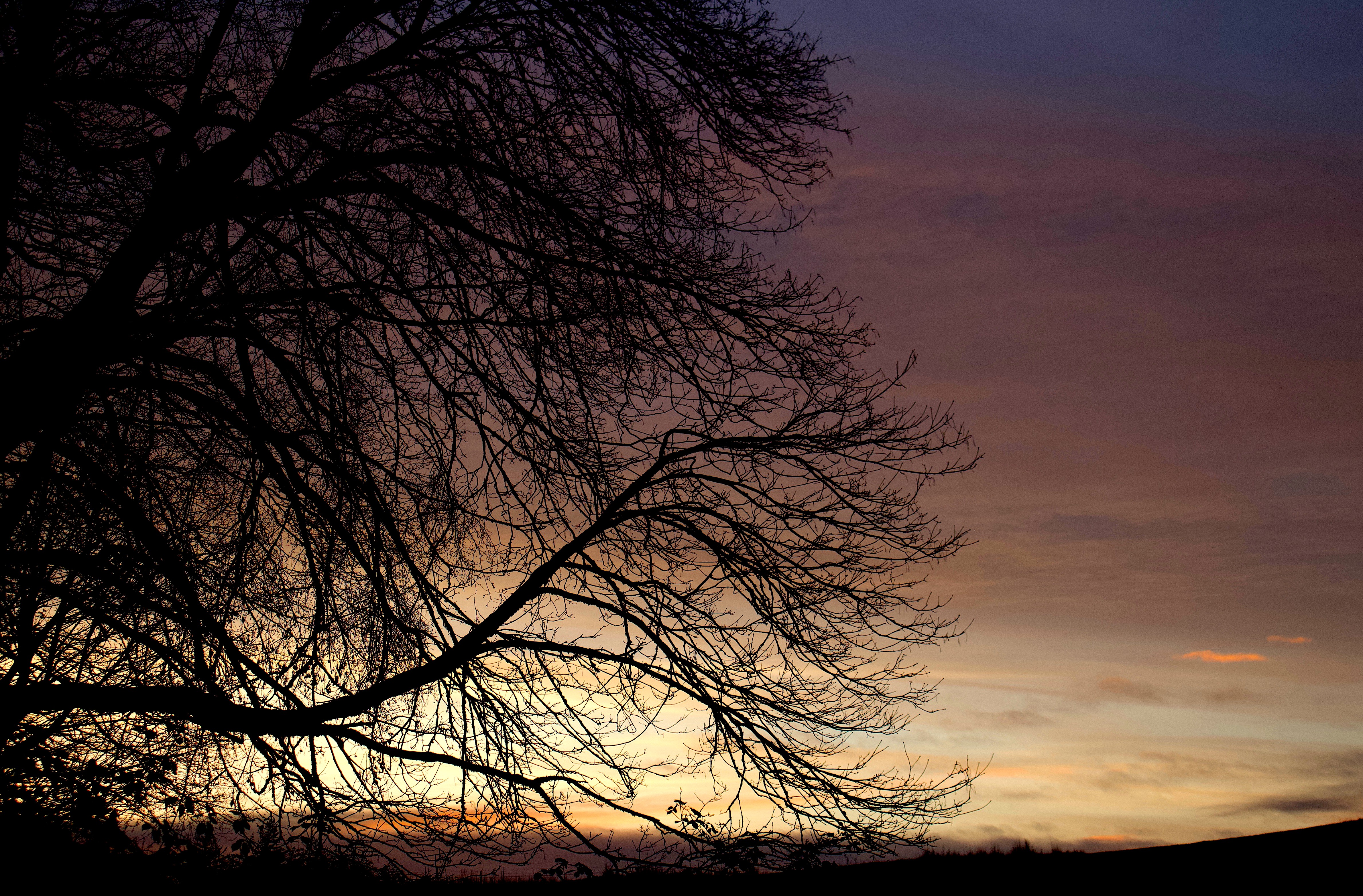
to the southeast
It was like a church to me. I entered it on soft foot, Breath held like a cap in the hand. It was quiet. What God there was made himself felt, Not listened to, in clean colours That brought a moistening of the eye, In a movement of the wind over grass. There were no prayers said. But stillness Of the heart’s passions — that was praise Enough; and the mind’s cession Of its kingdom. I walked on, Simple and poor, while the air crumbled And broke on me generously as bread.
~ R.S. Thomas “The Moor”
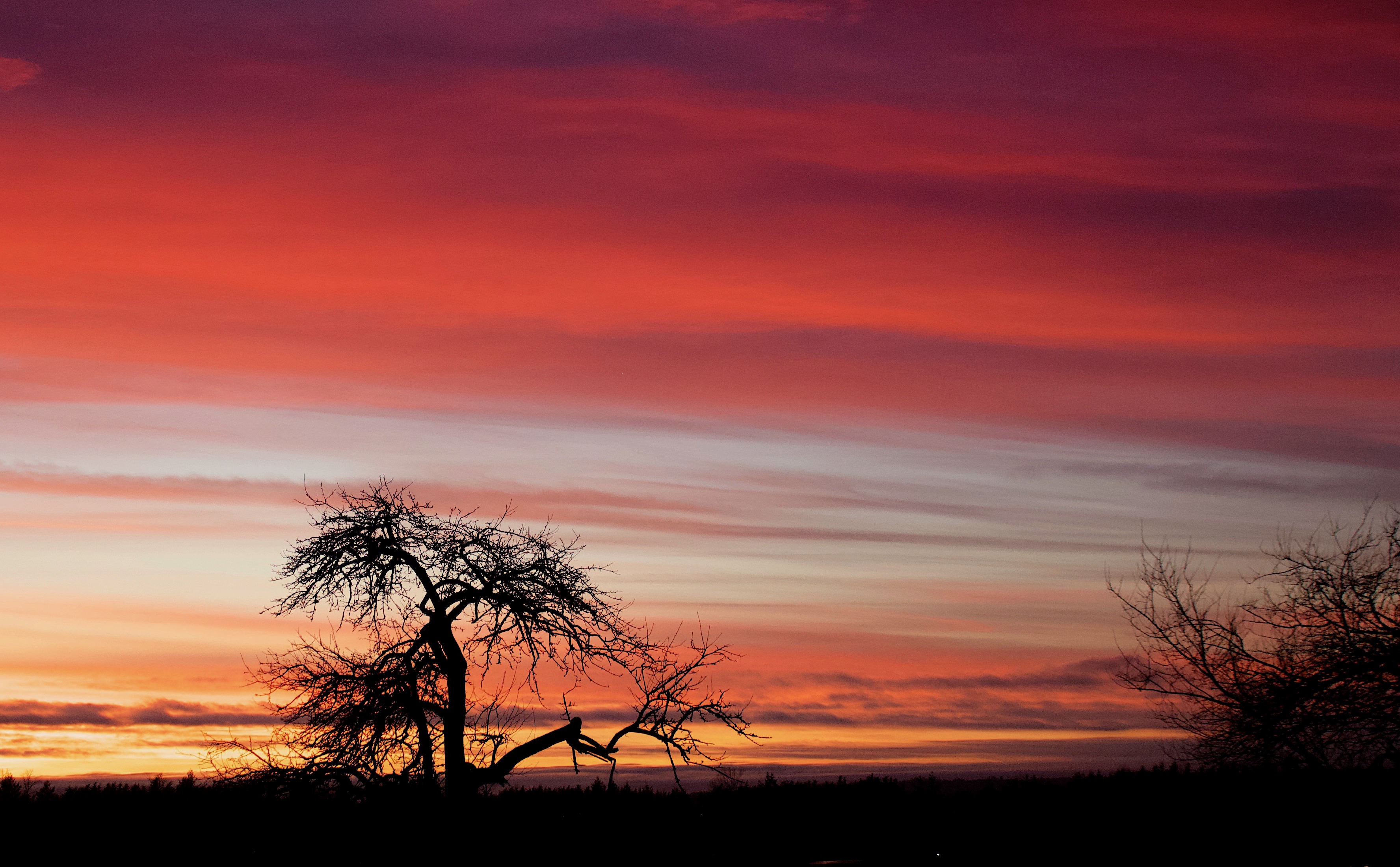
to the south
to the southwest
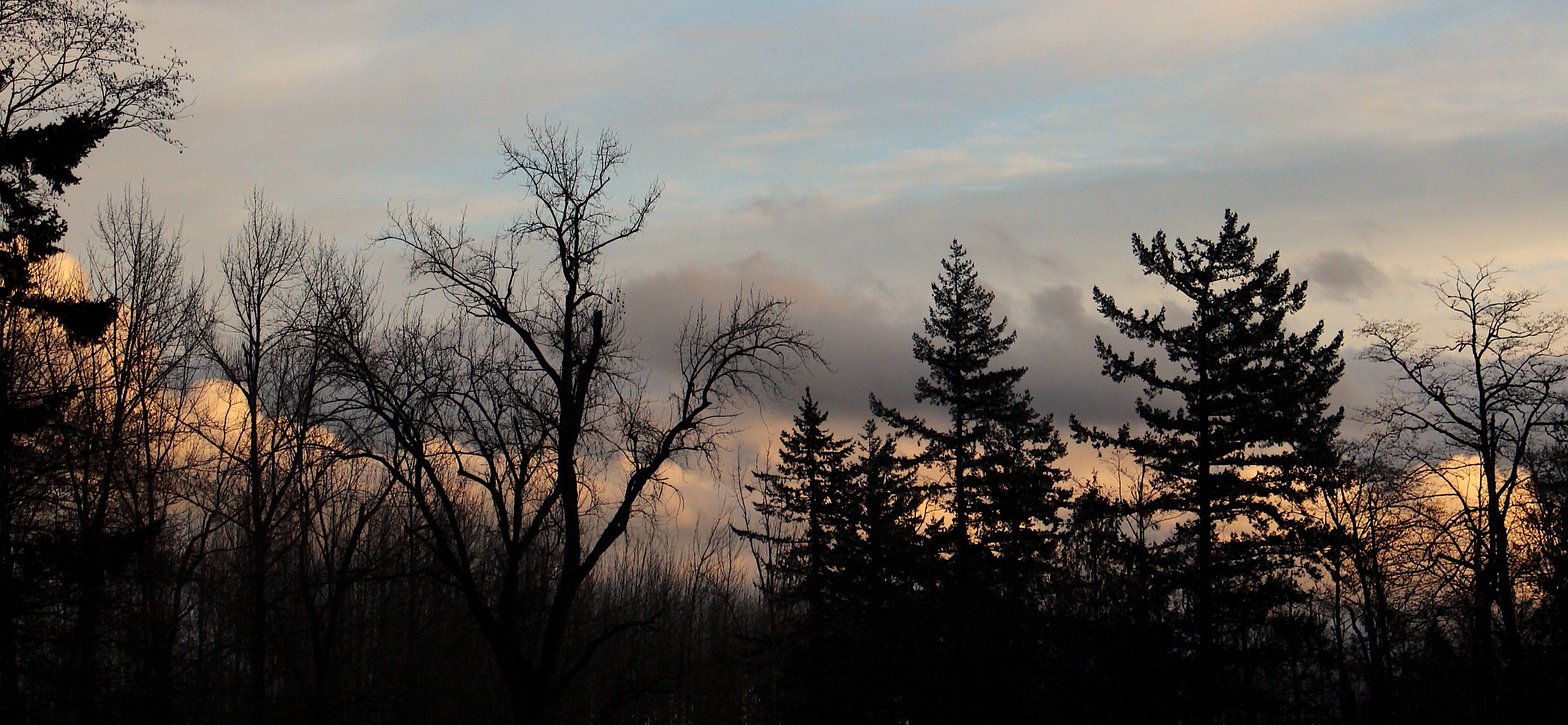
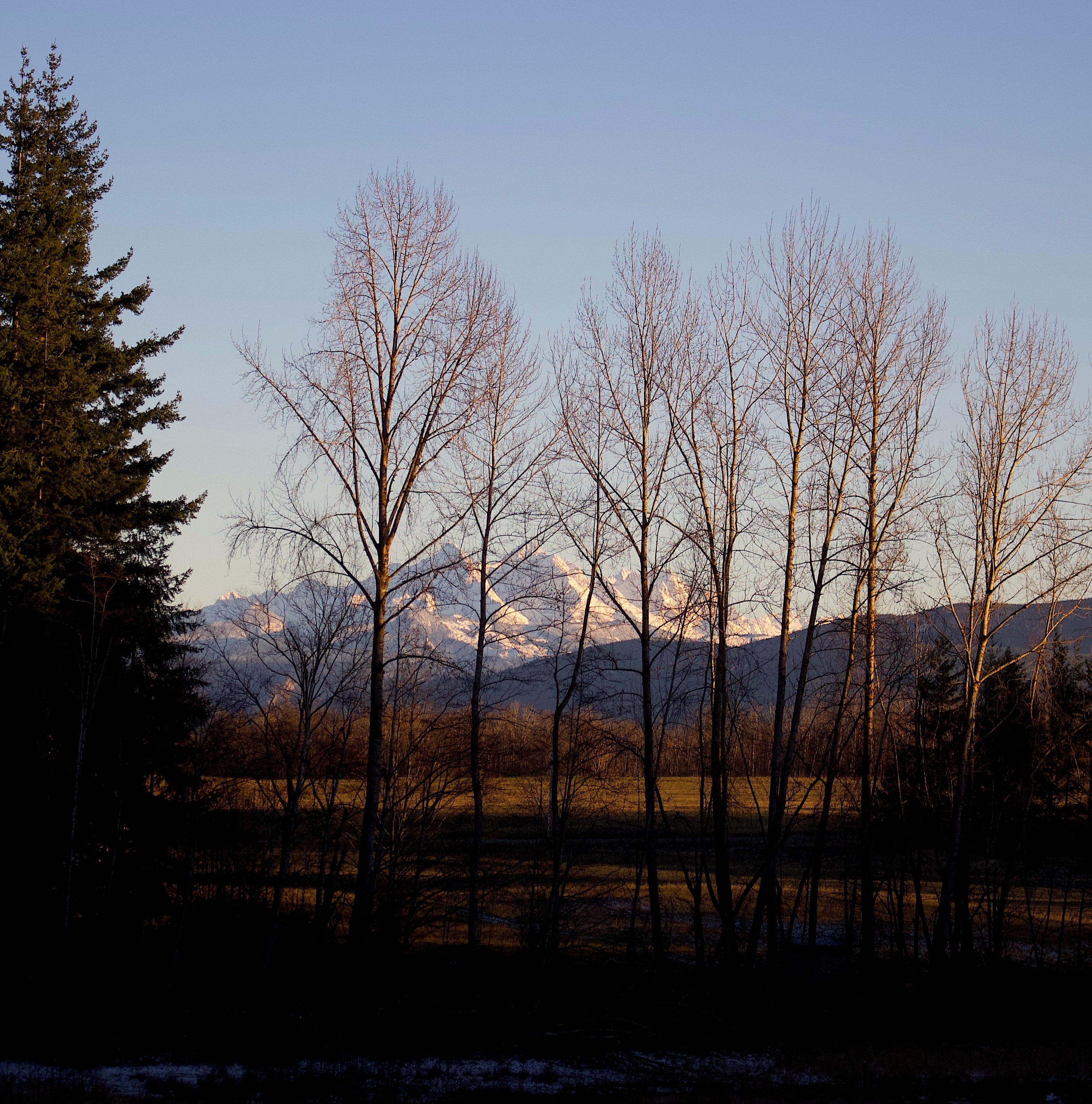
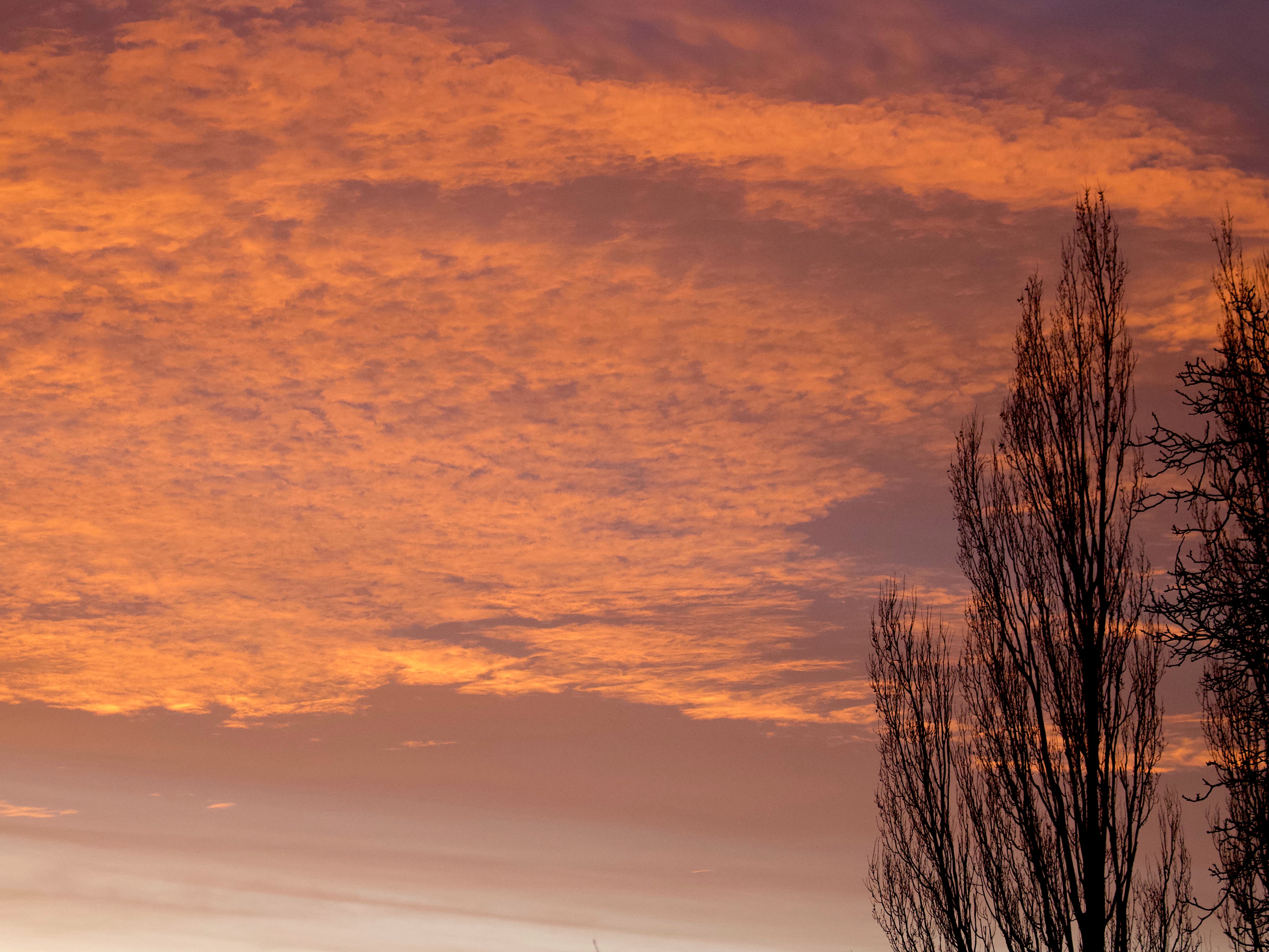
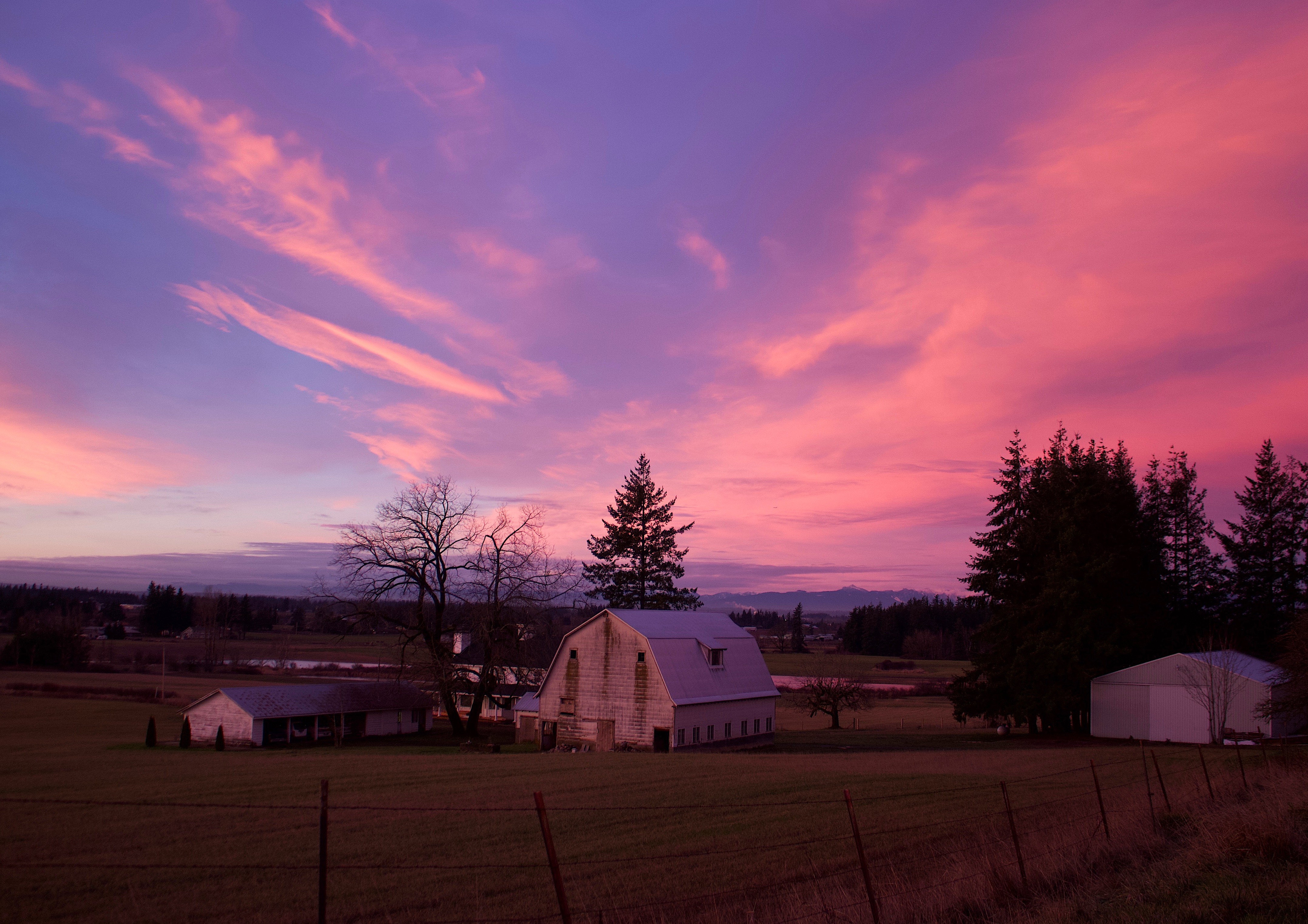
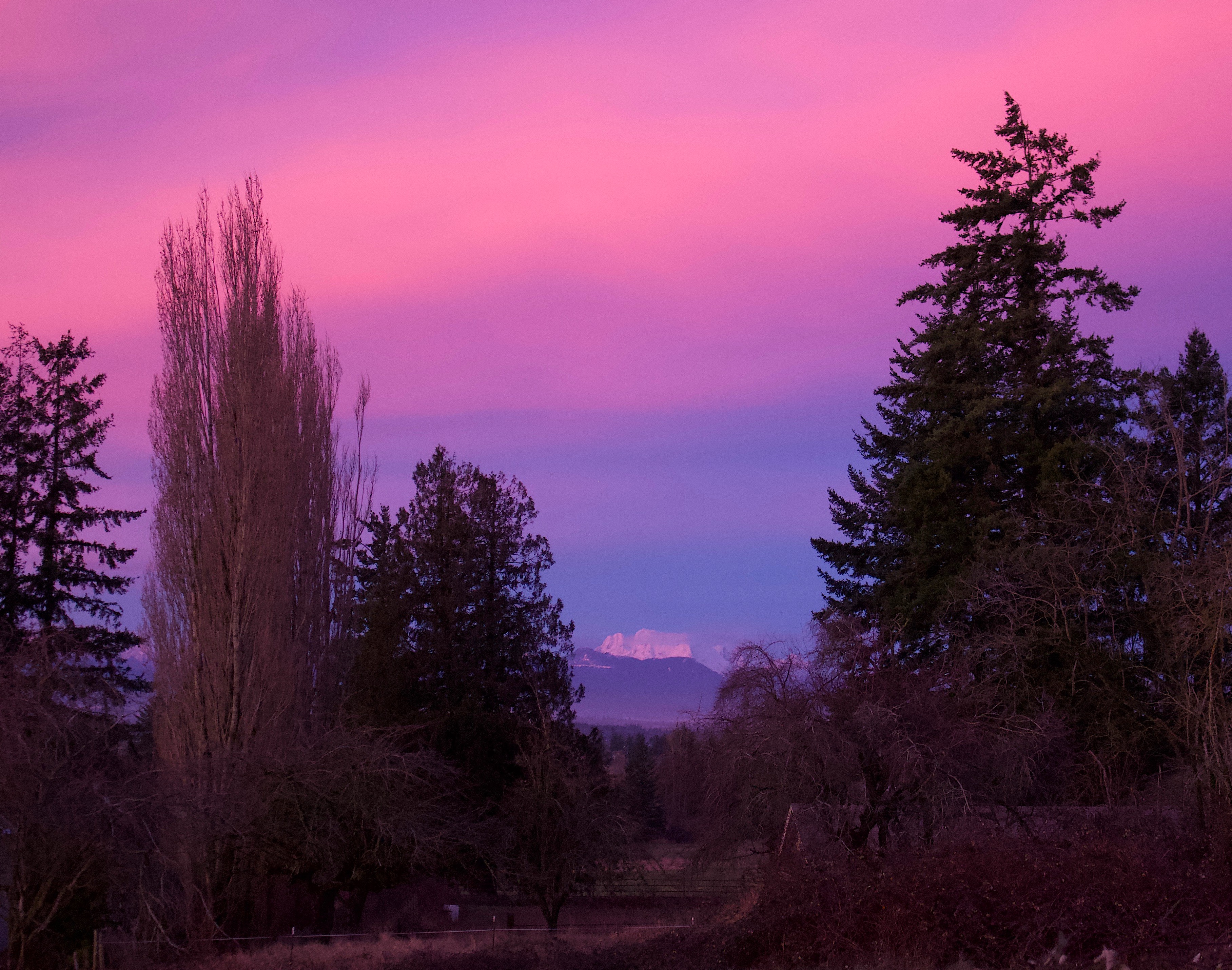
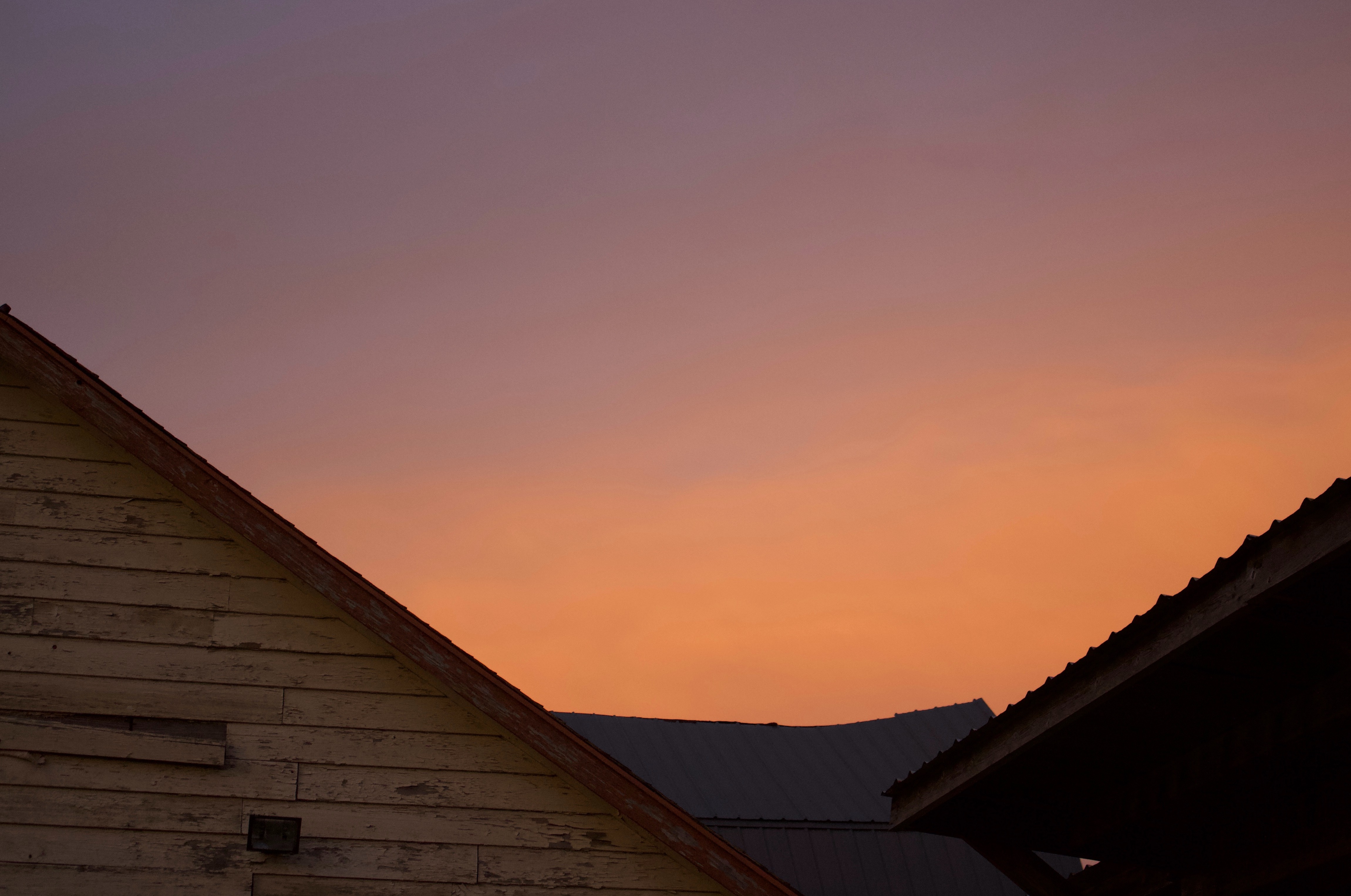
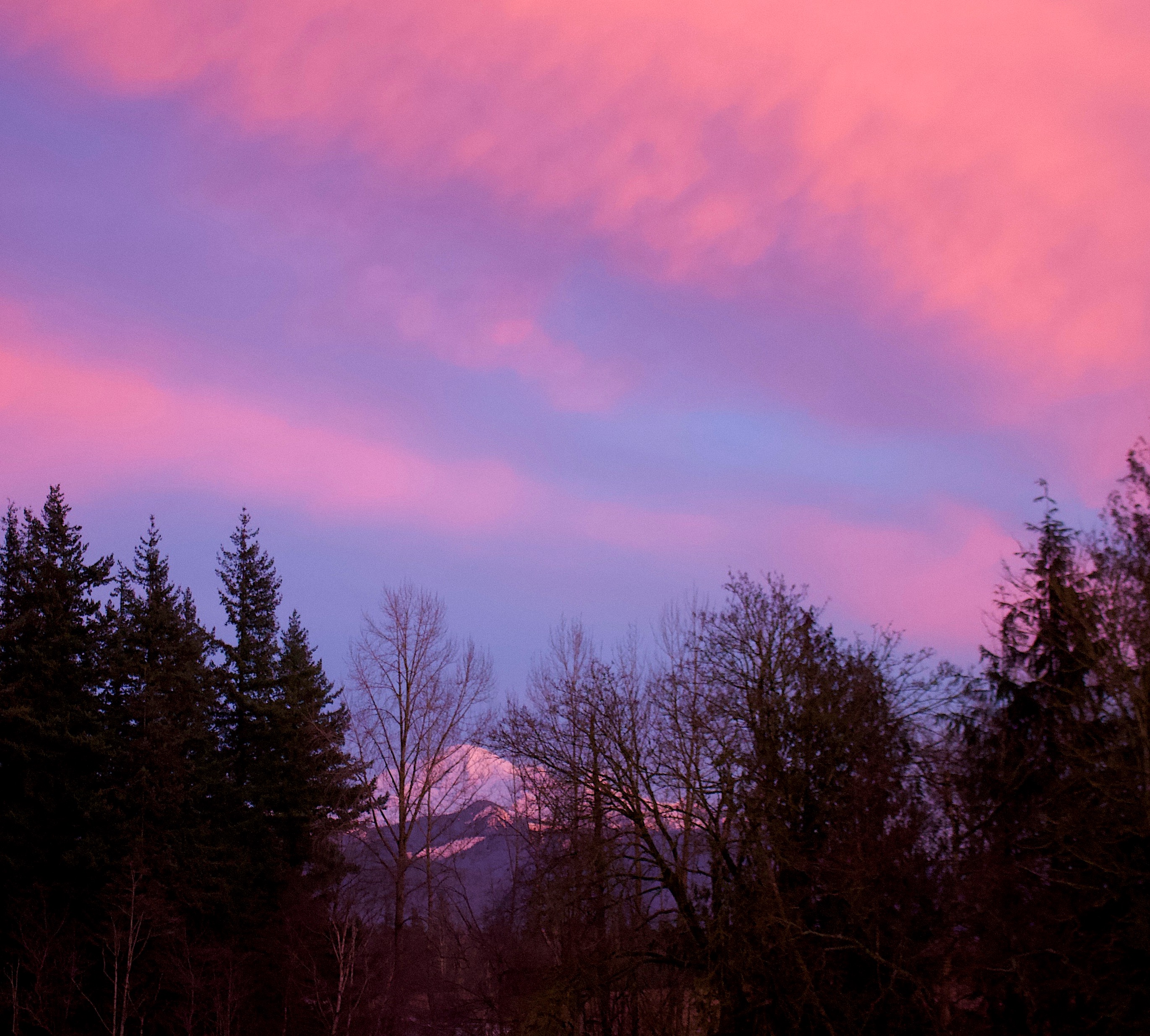
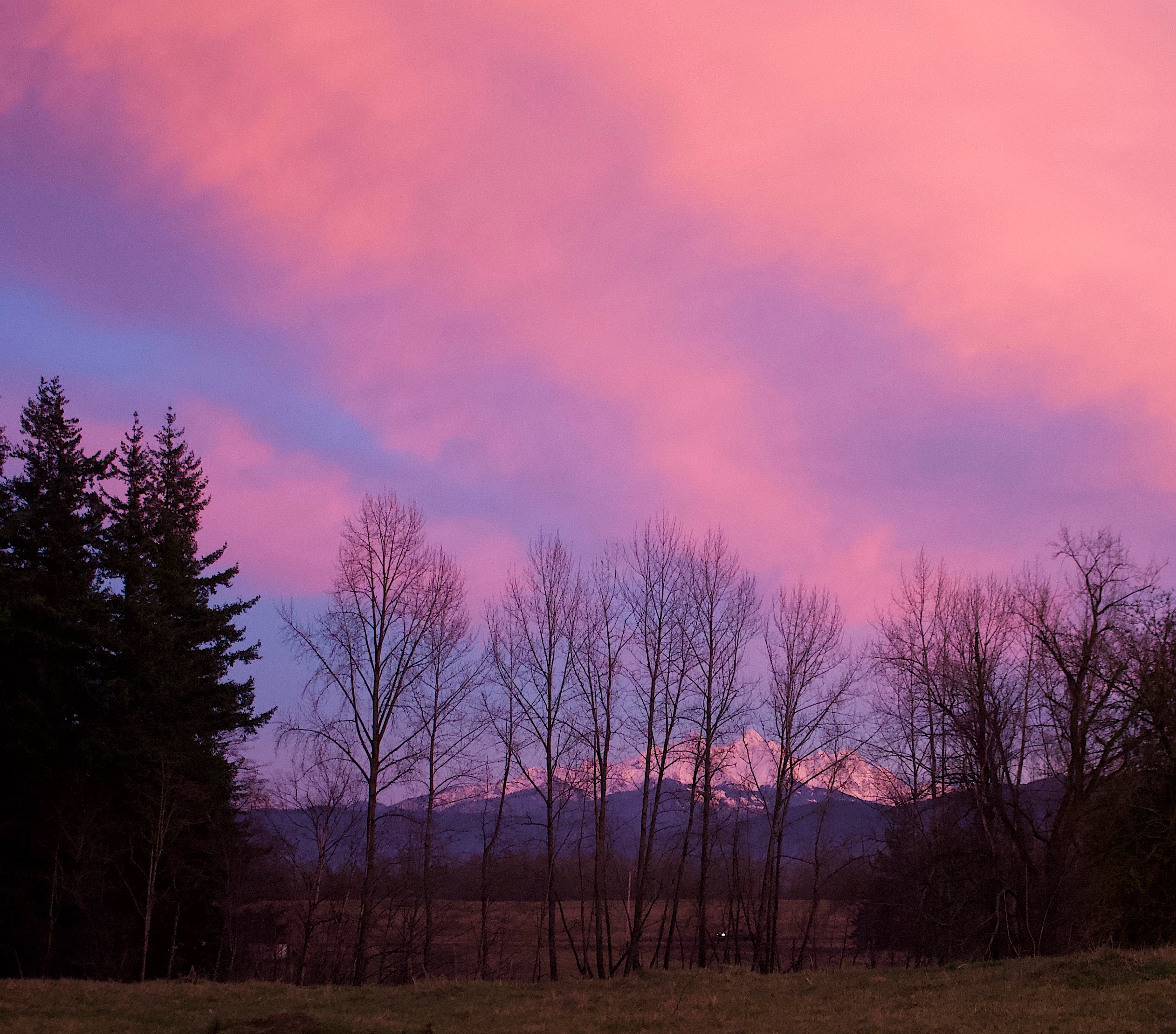
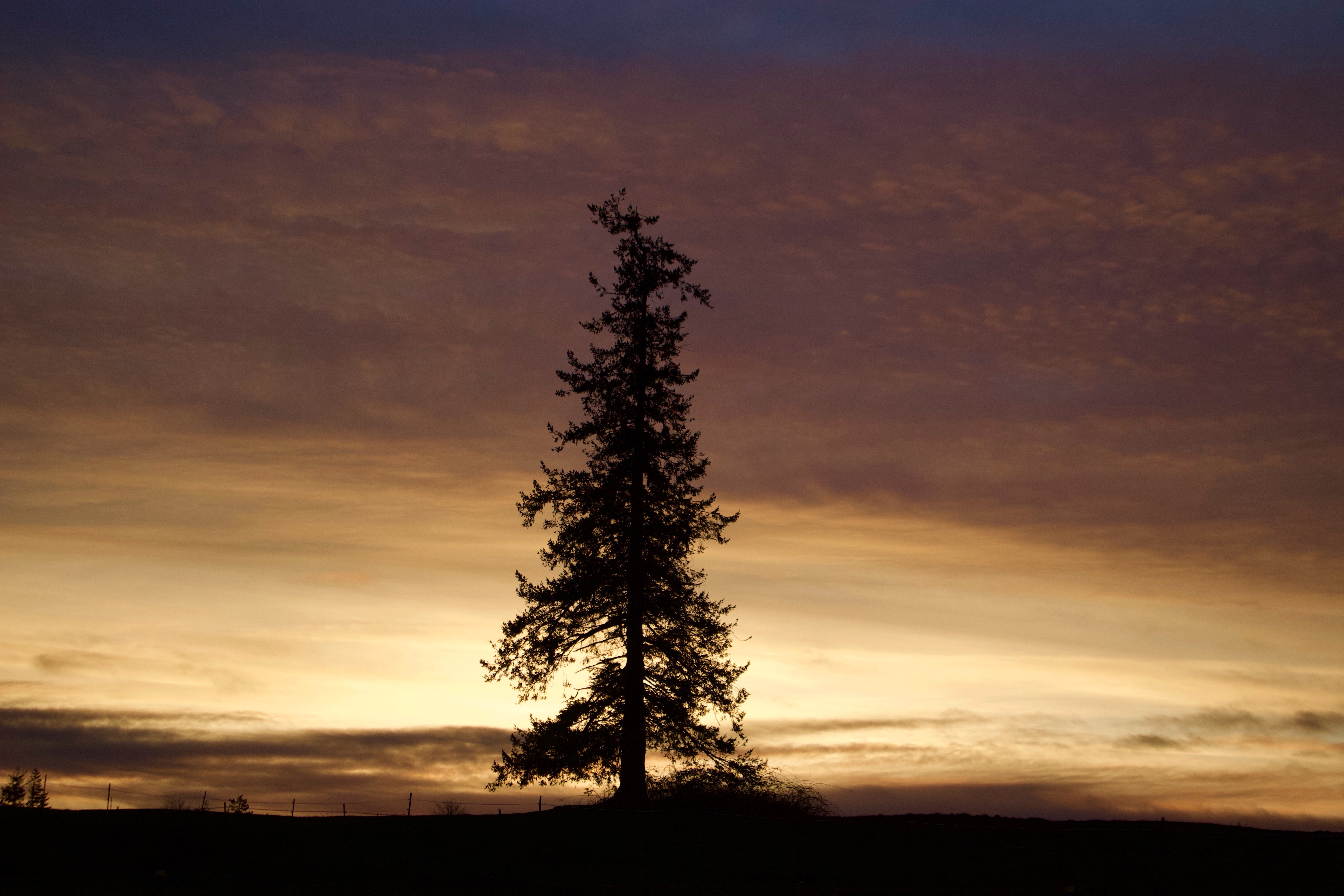
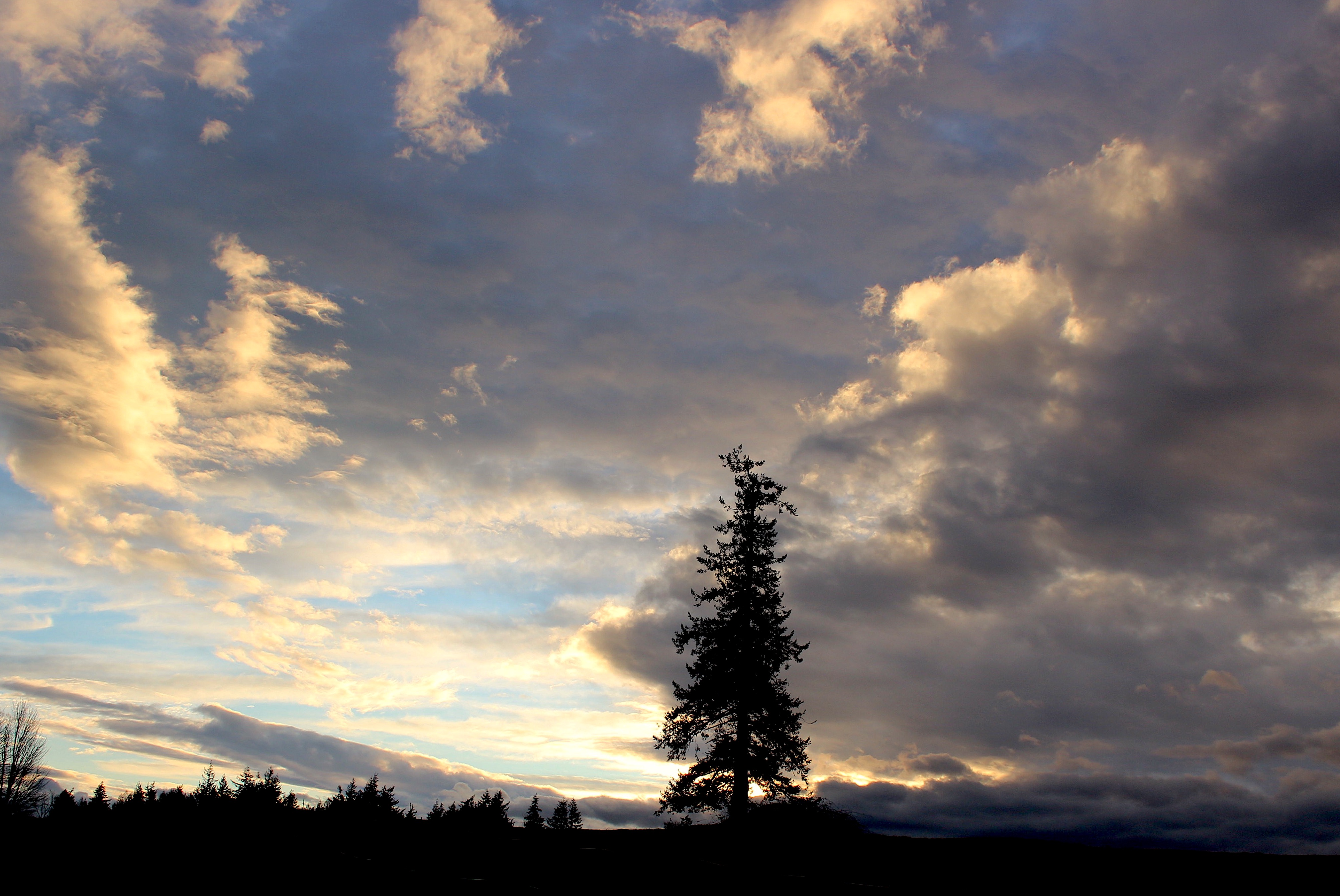
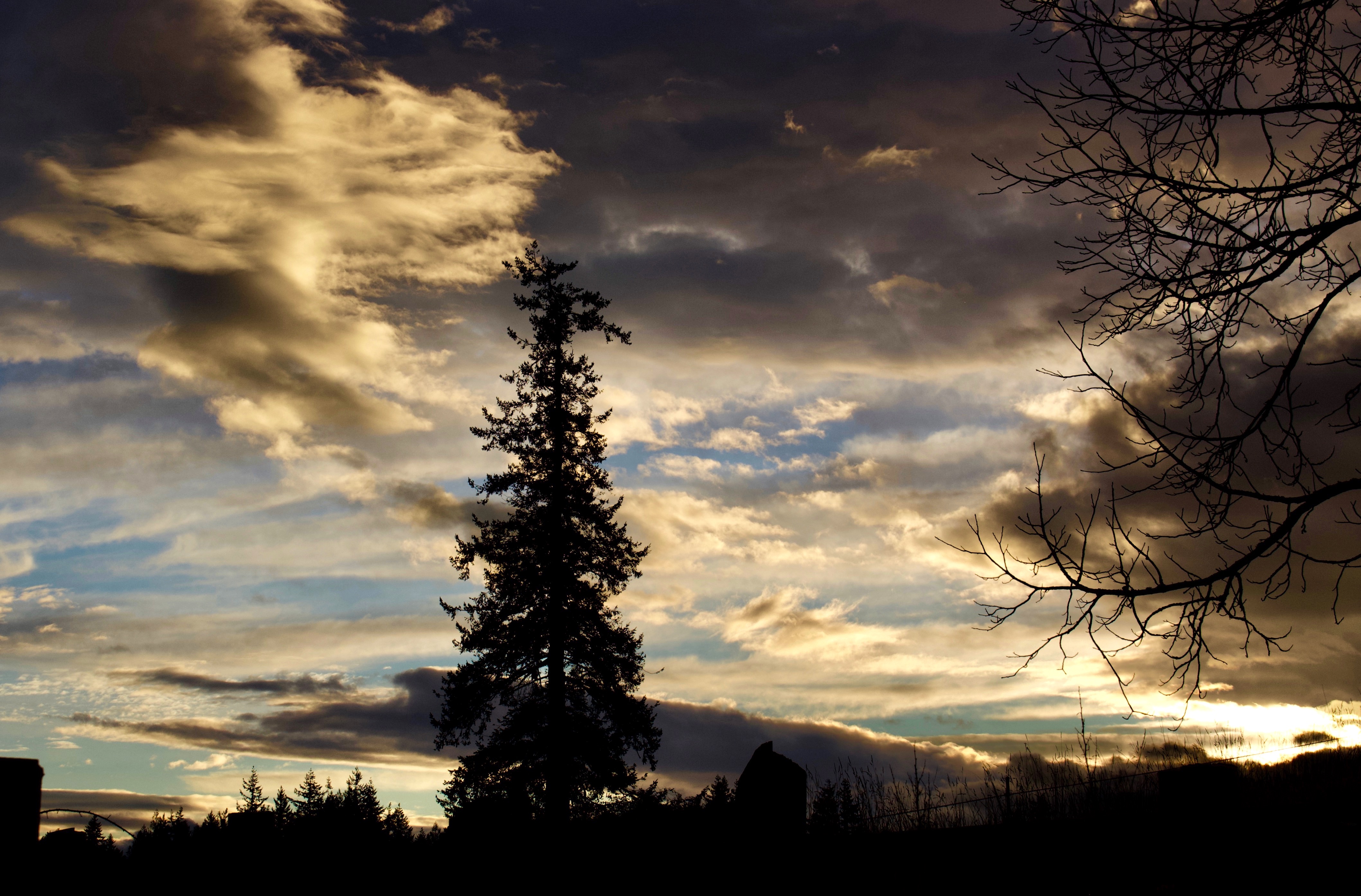
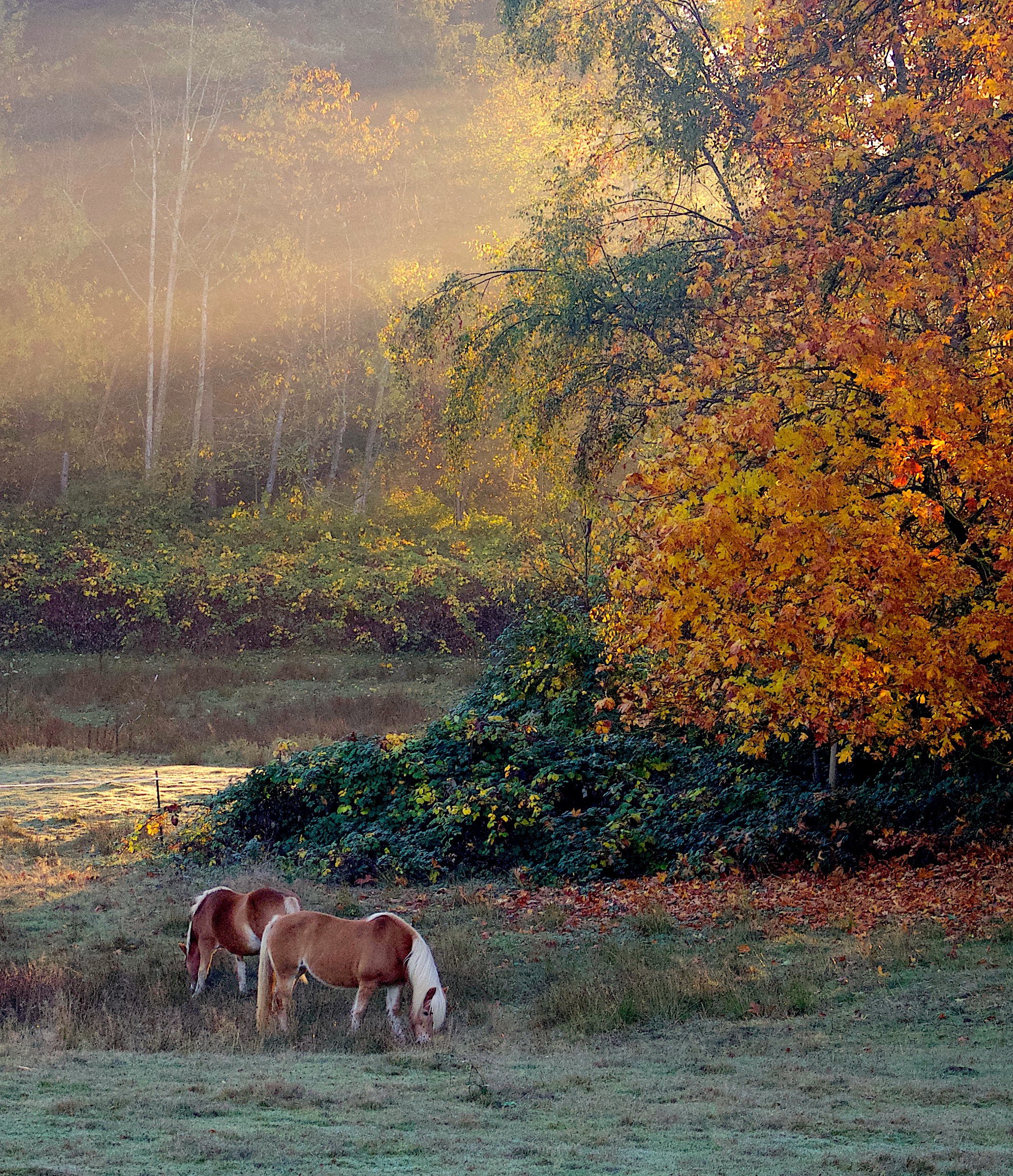
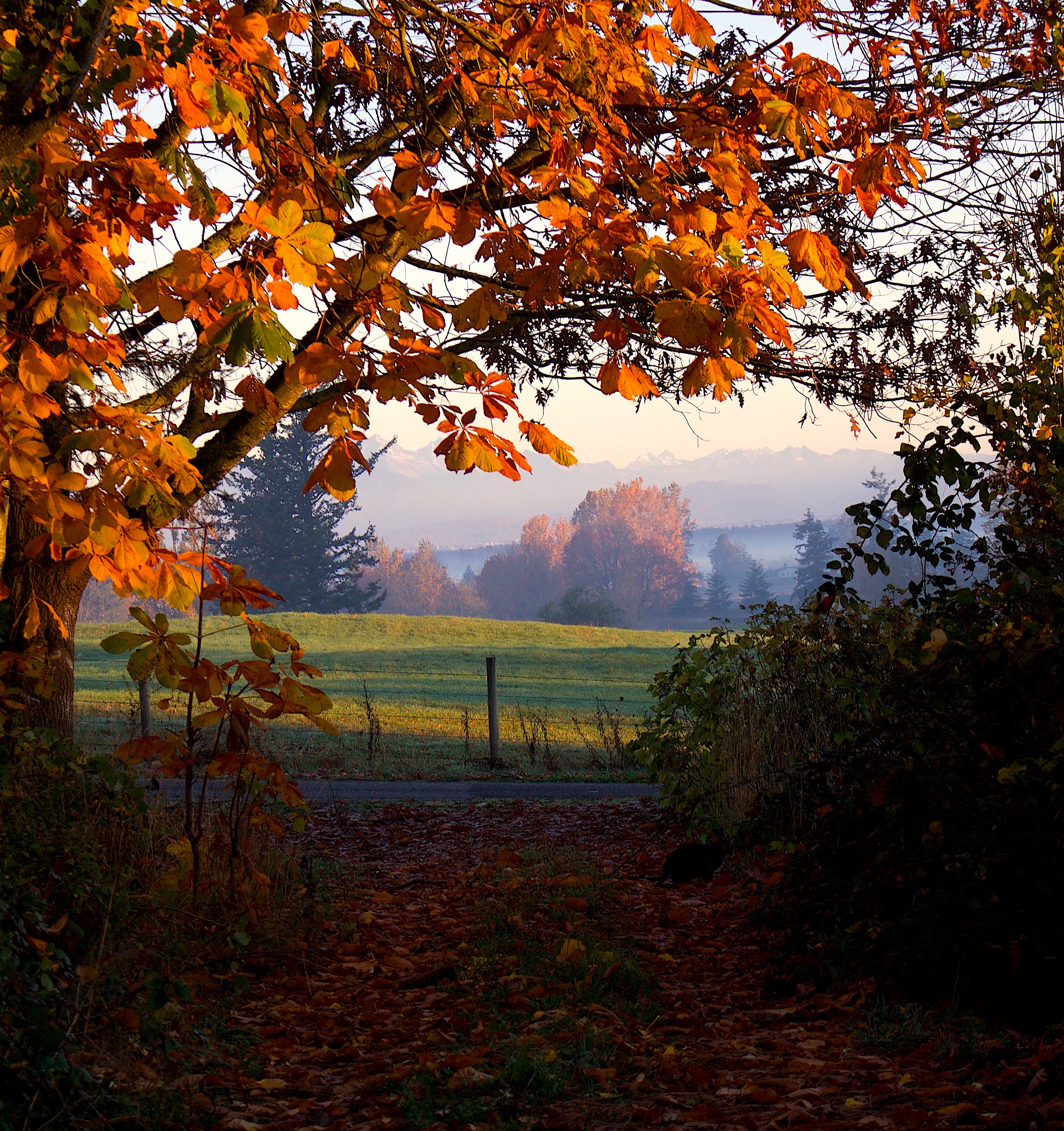
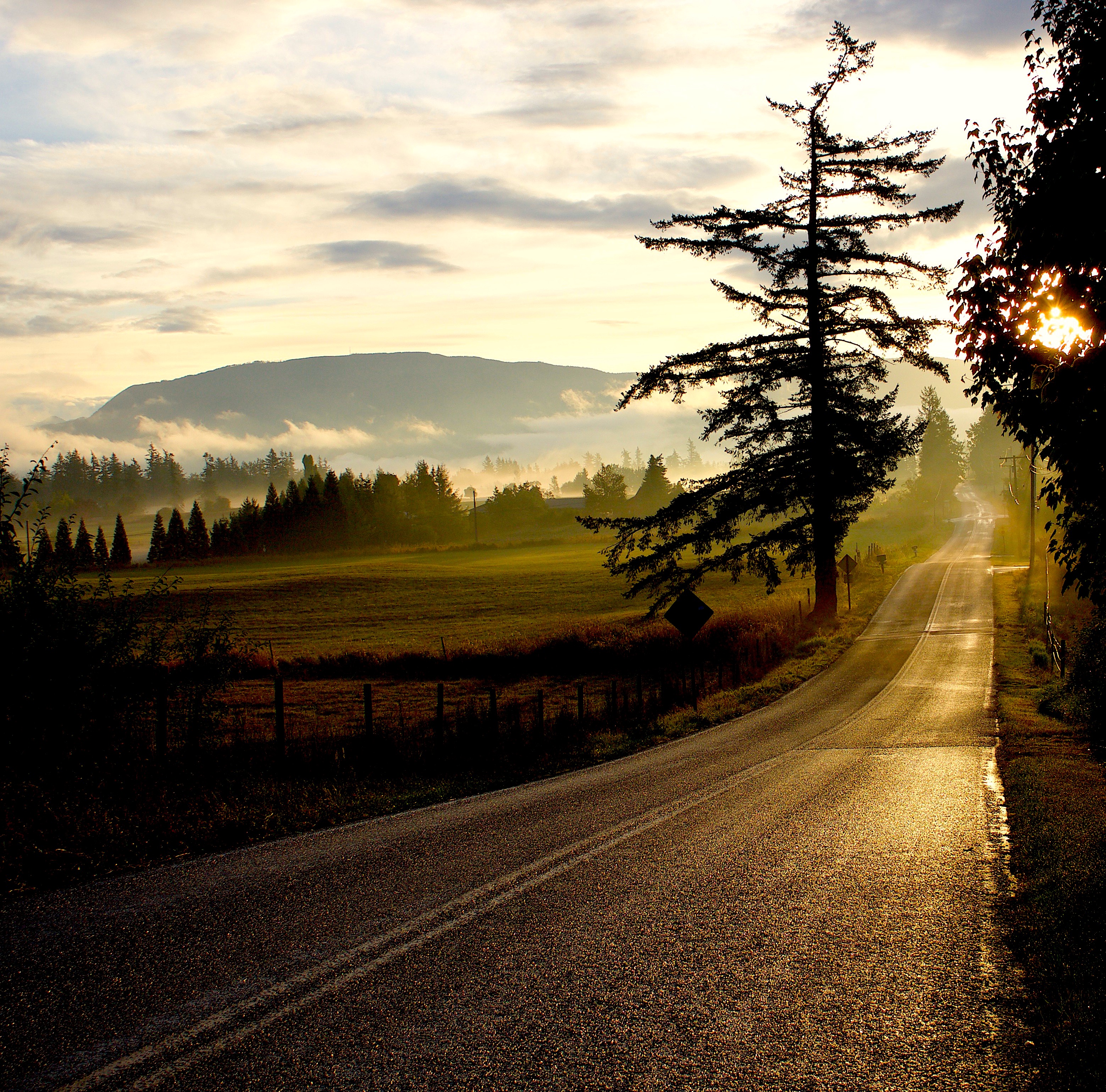
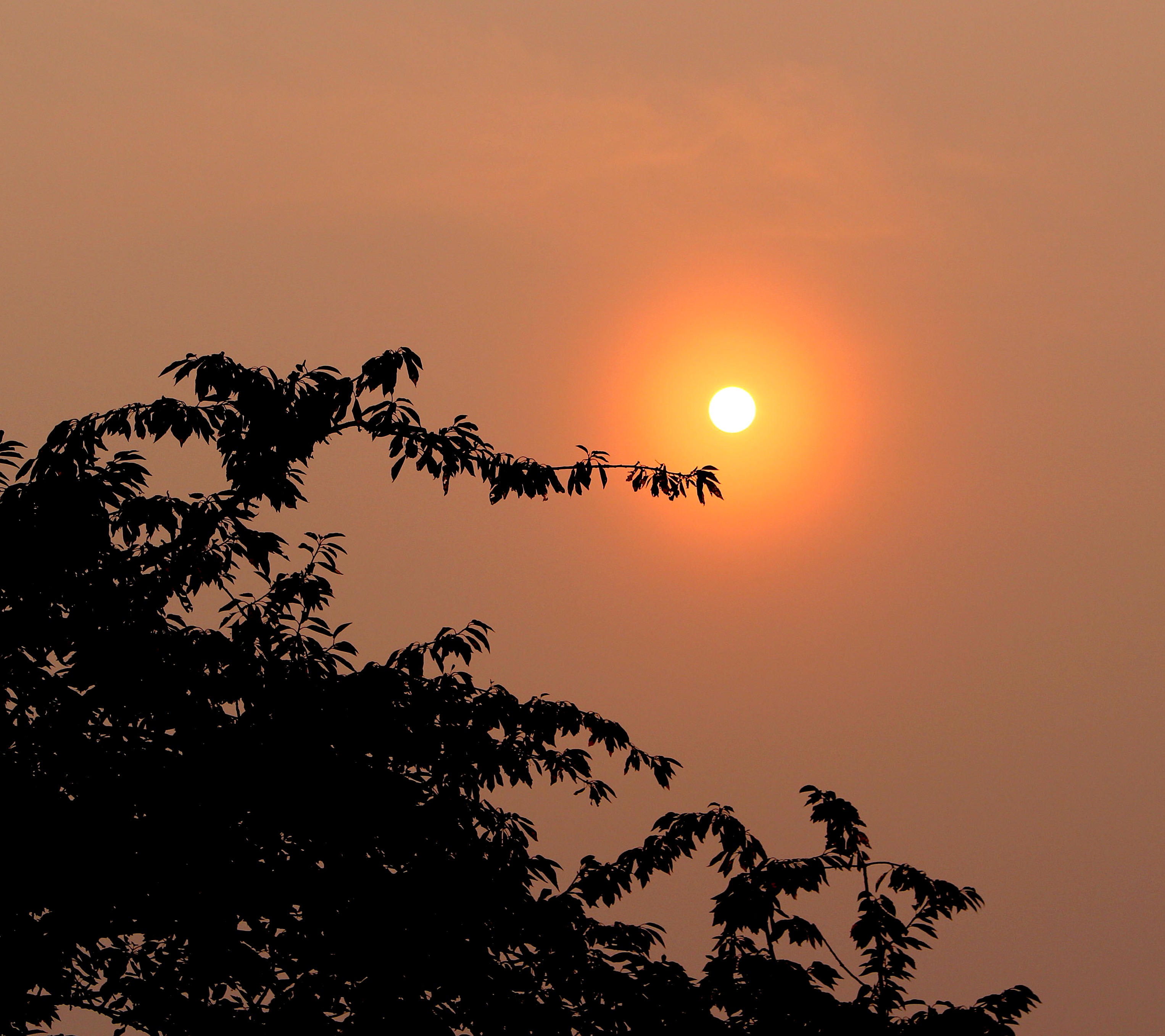
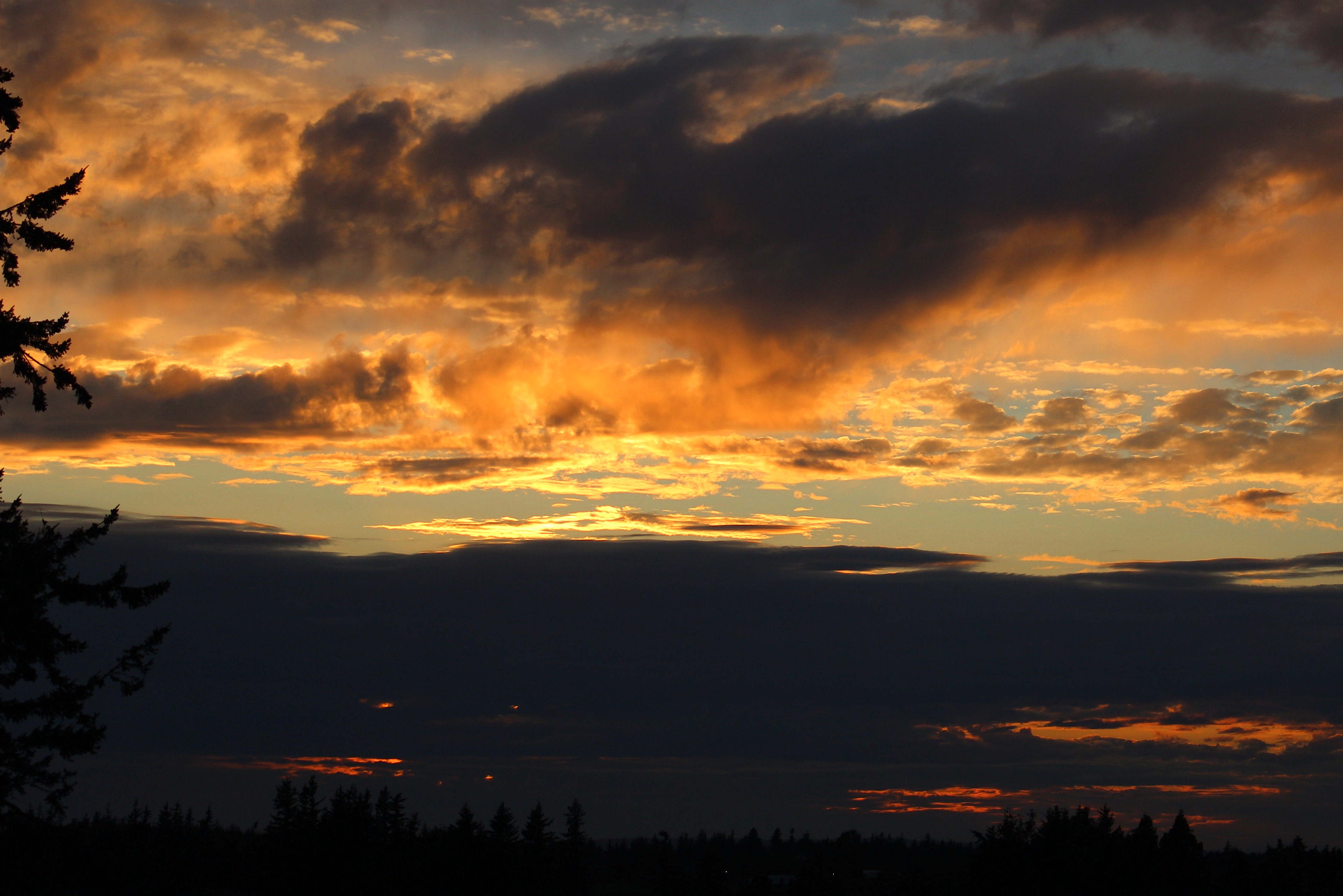
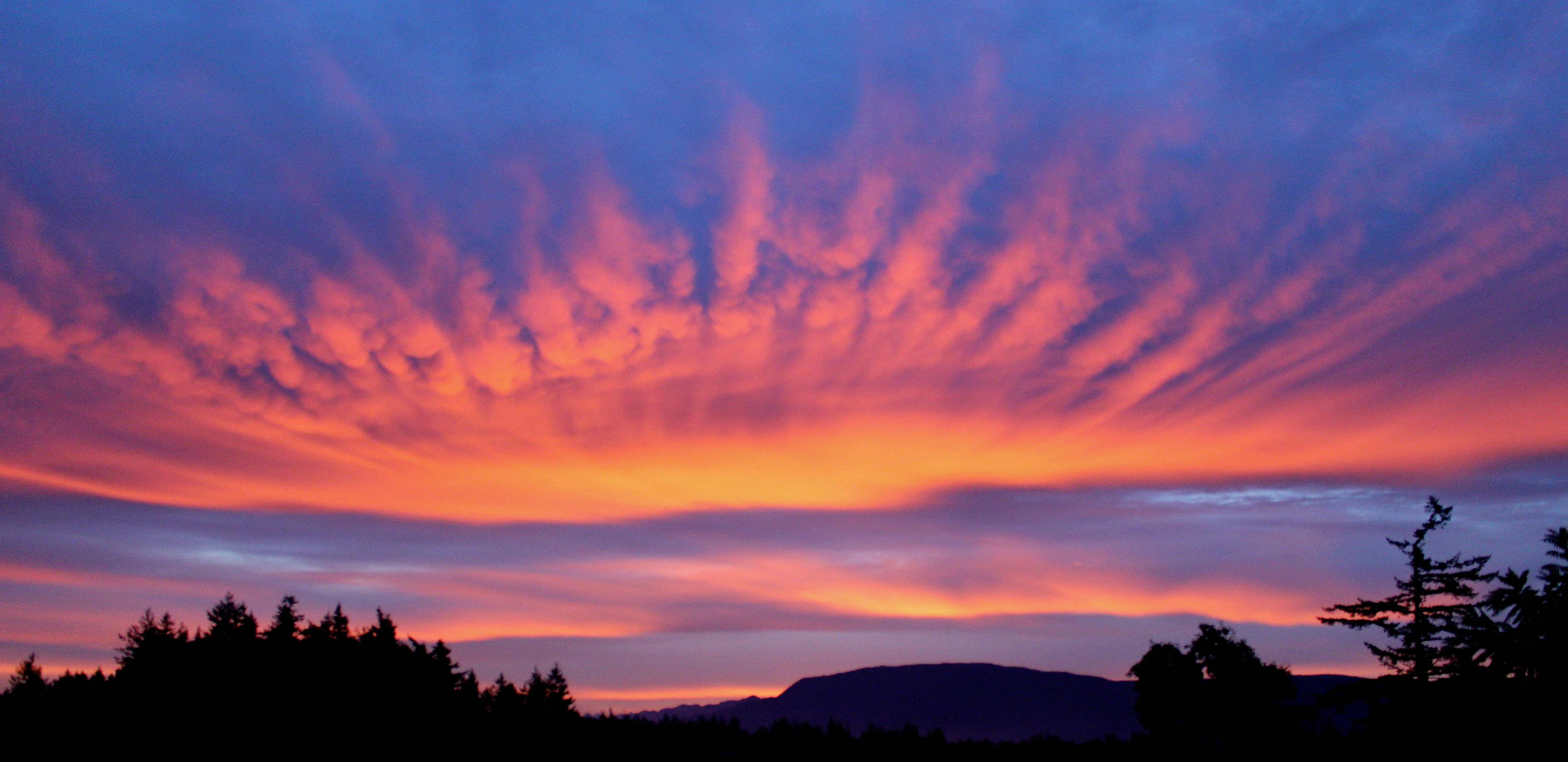
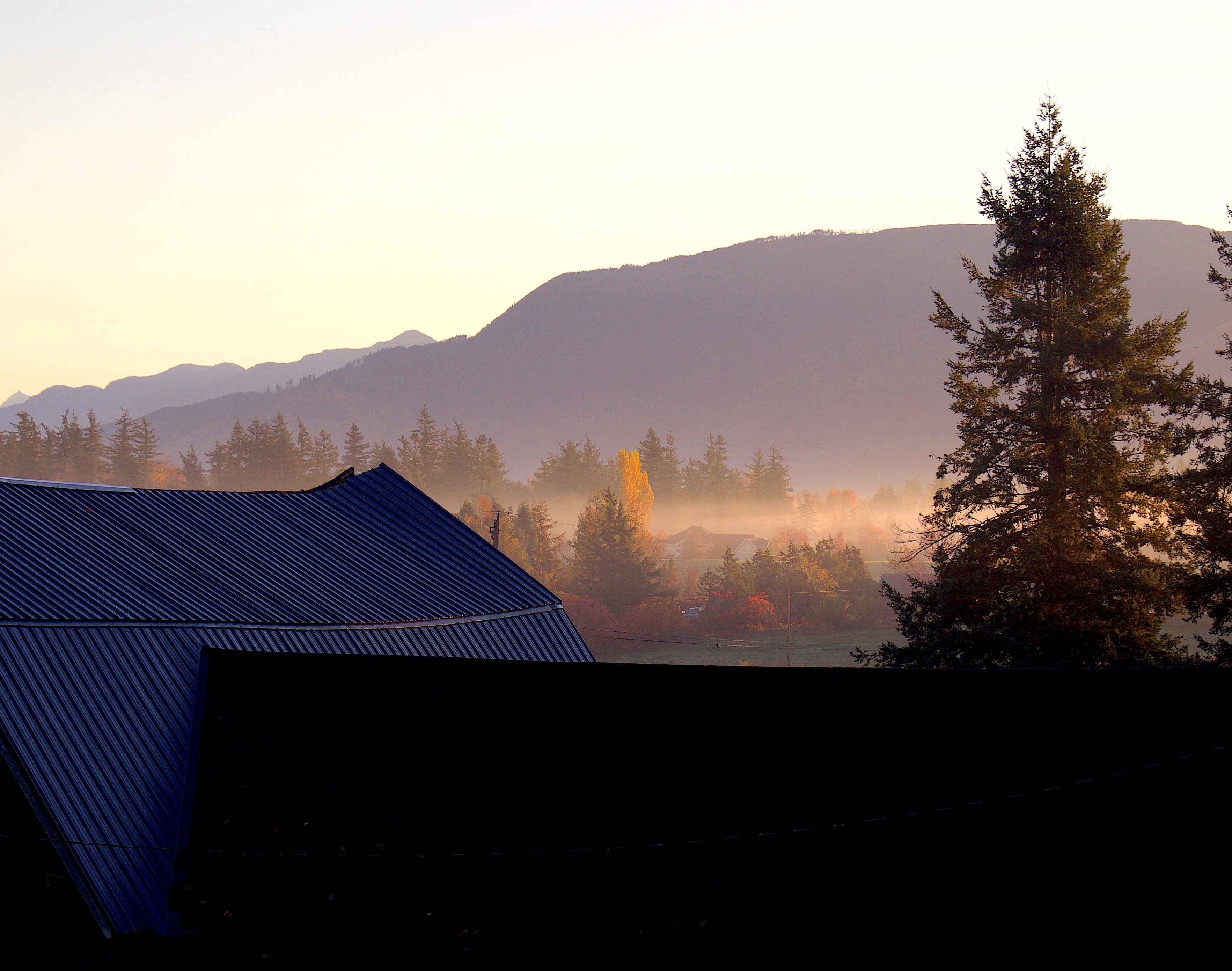
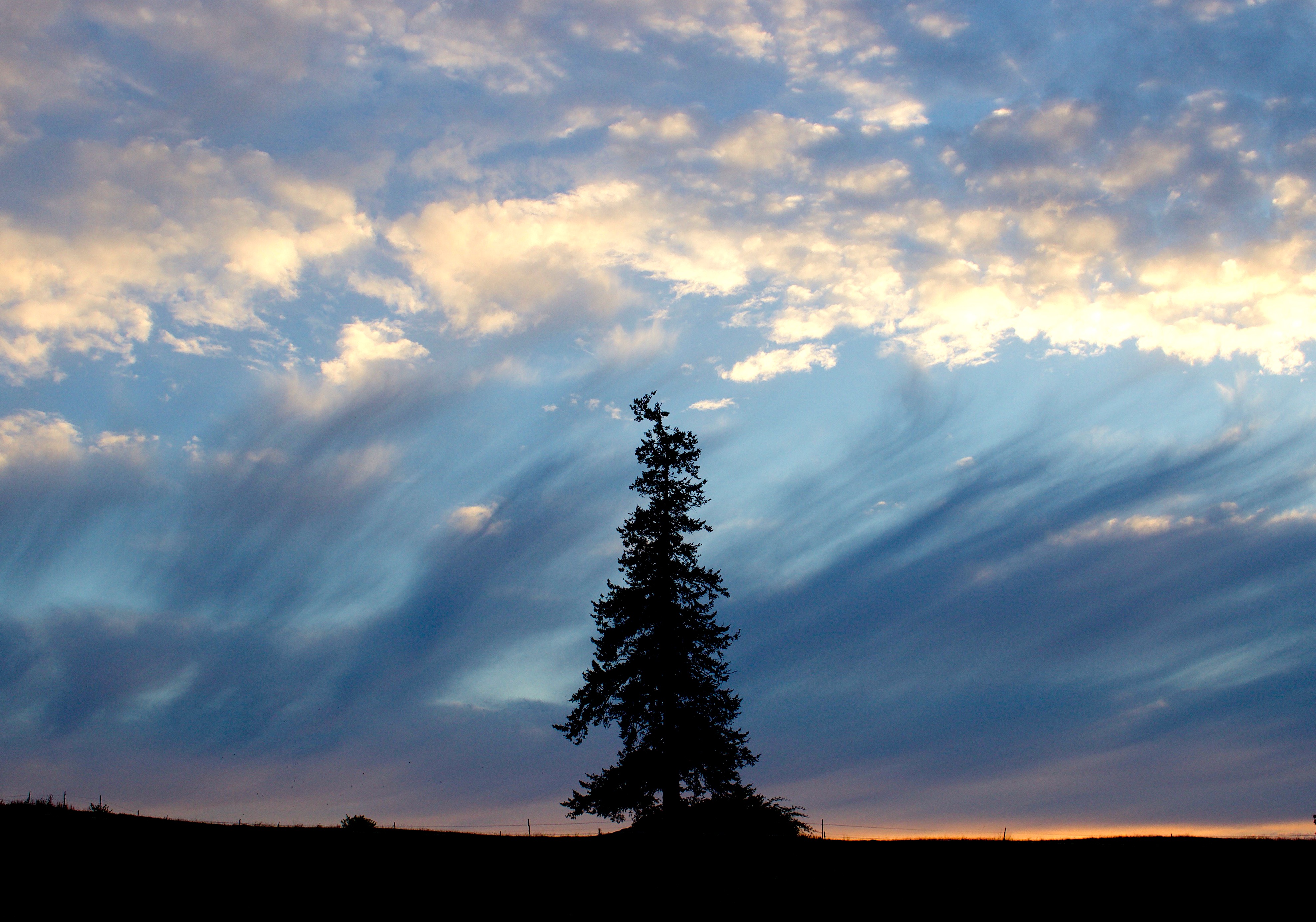
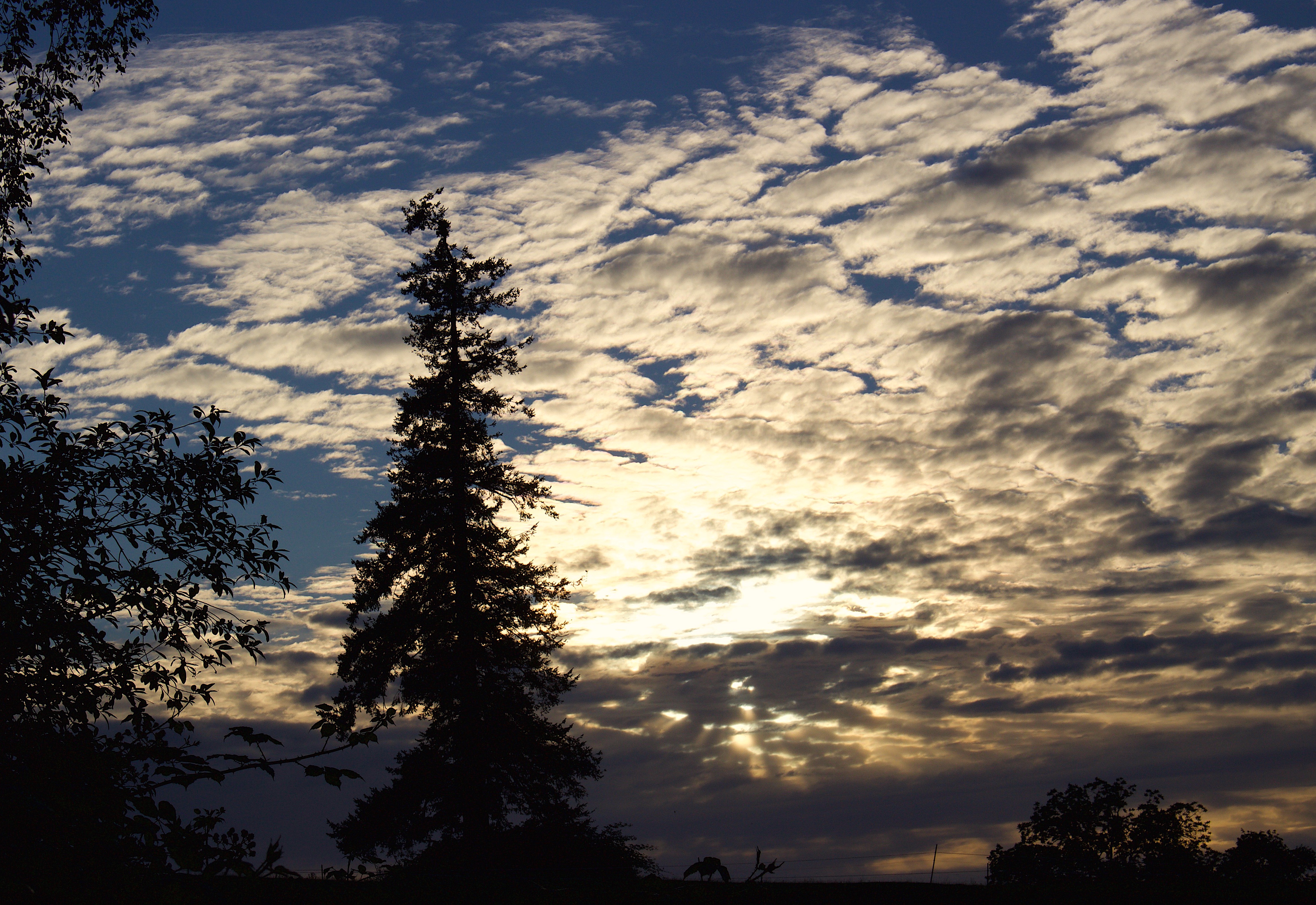
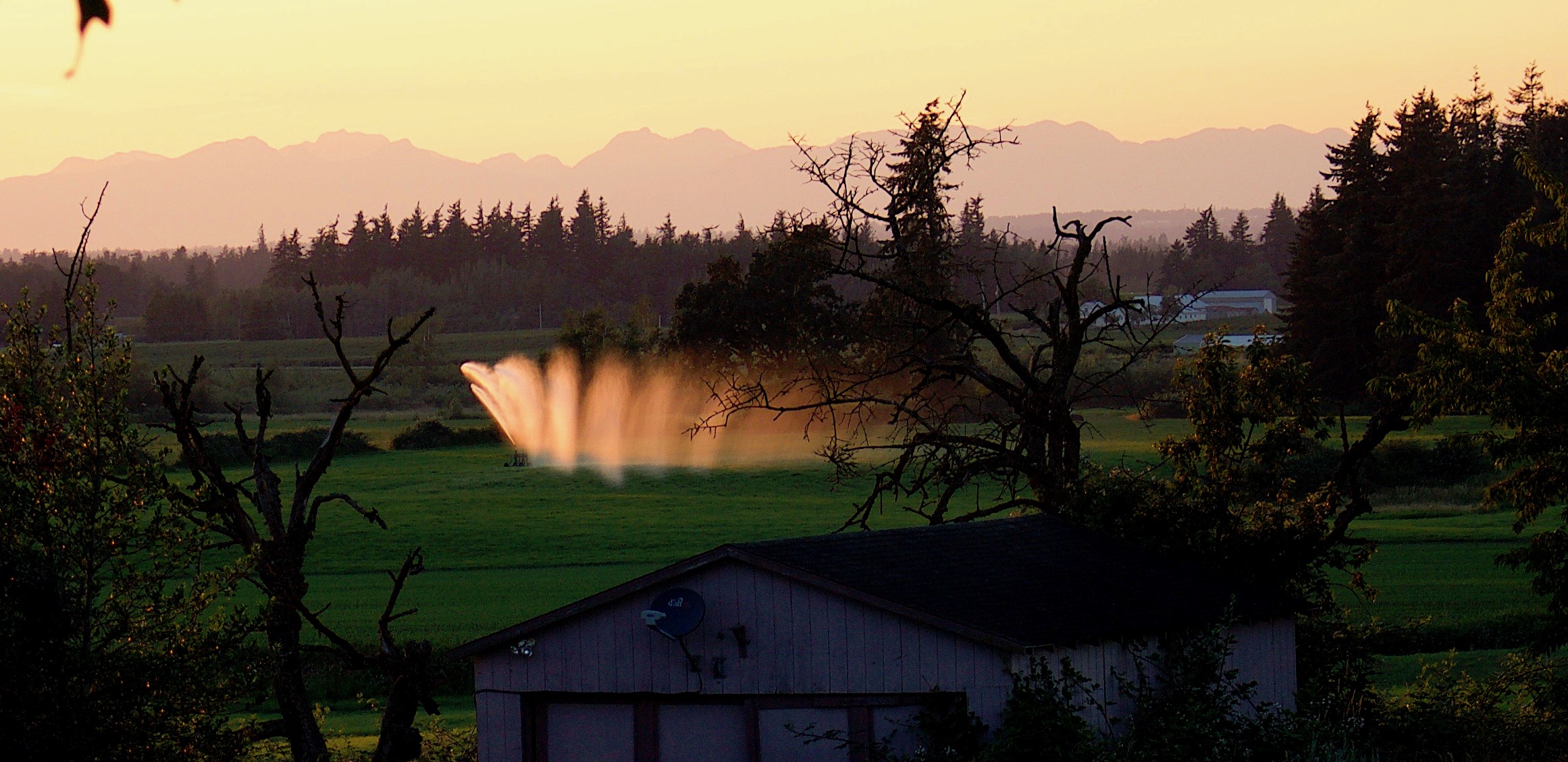
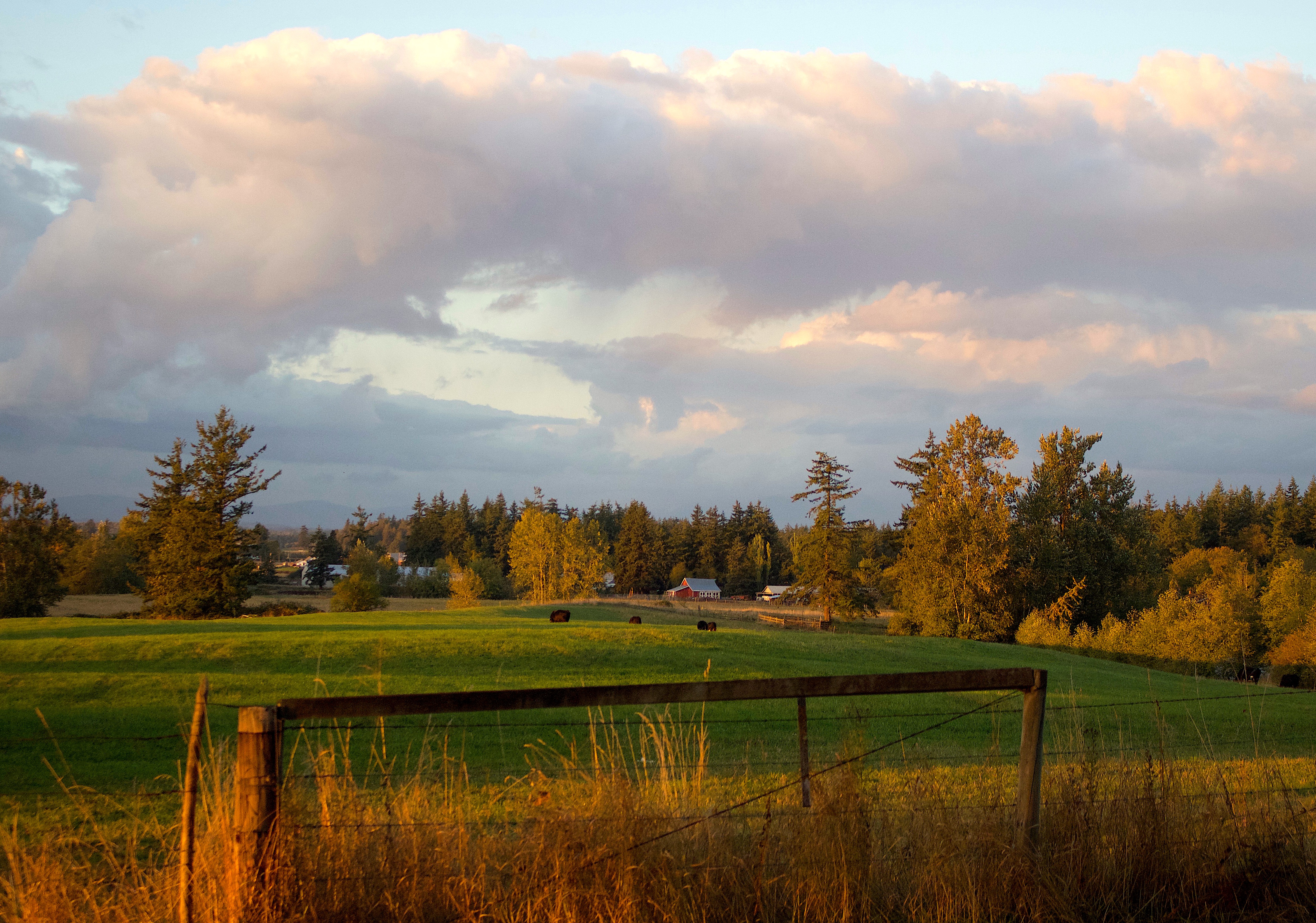
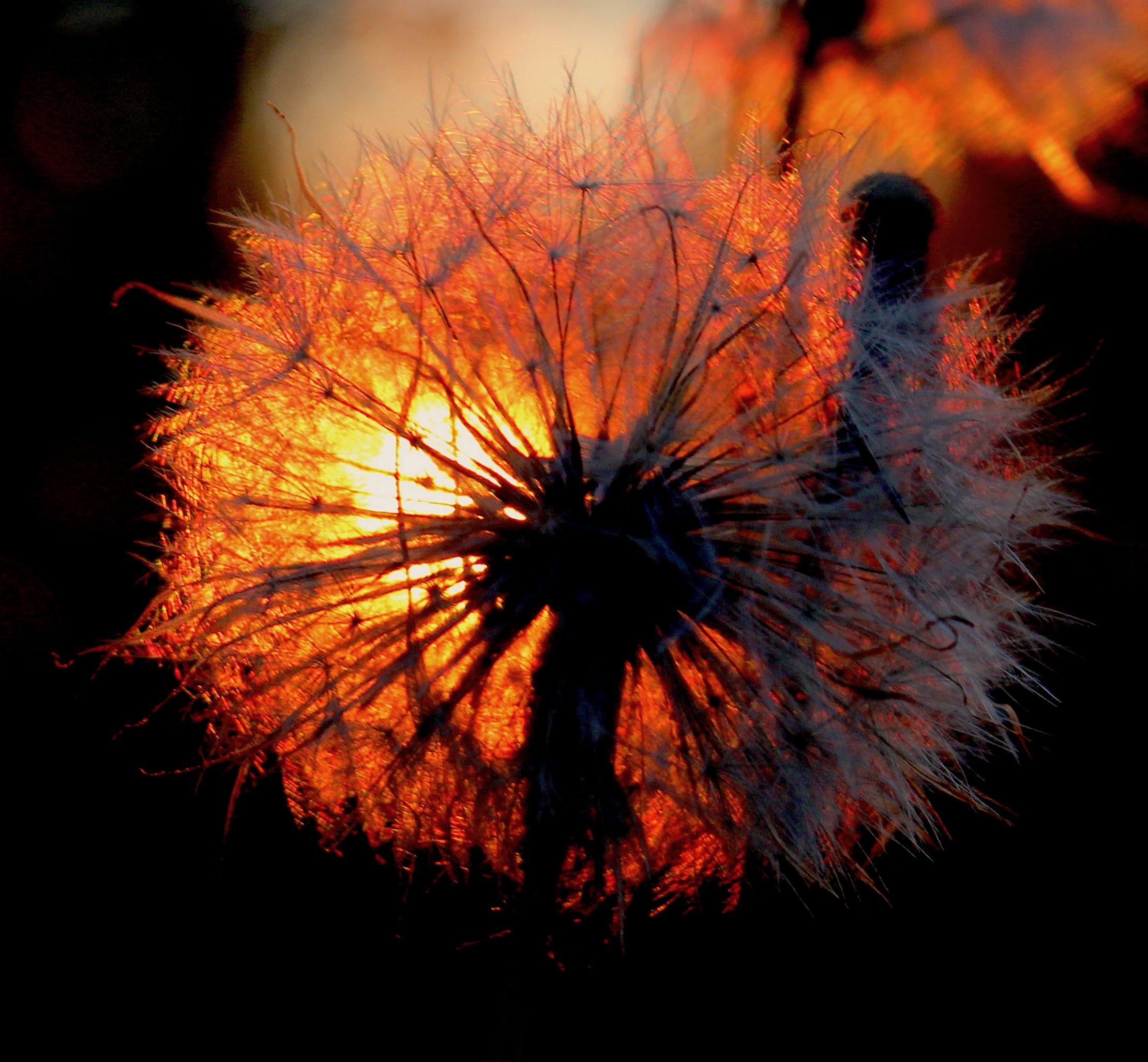
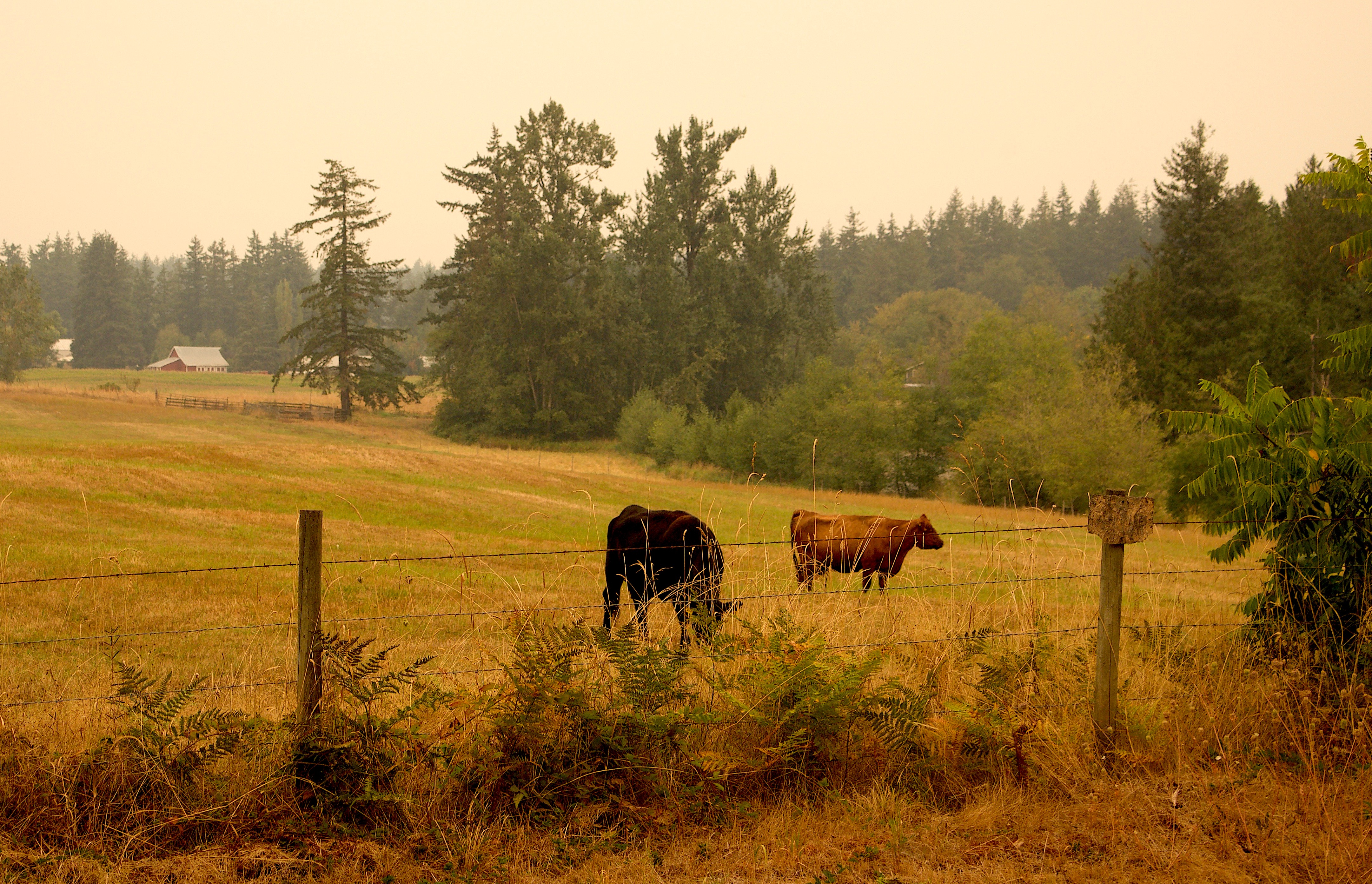
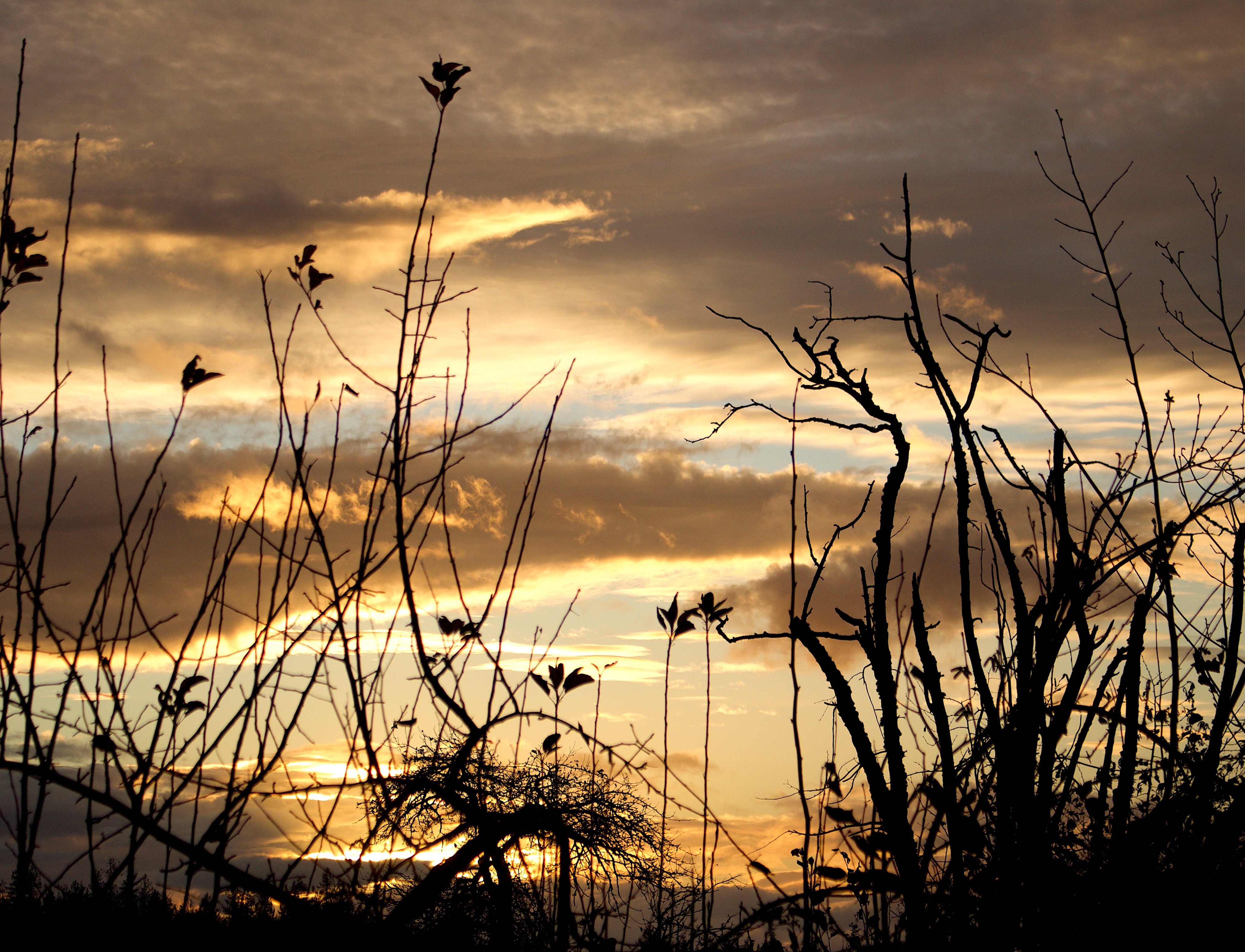
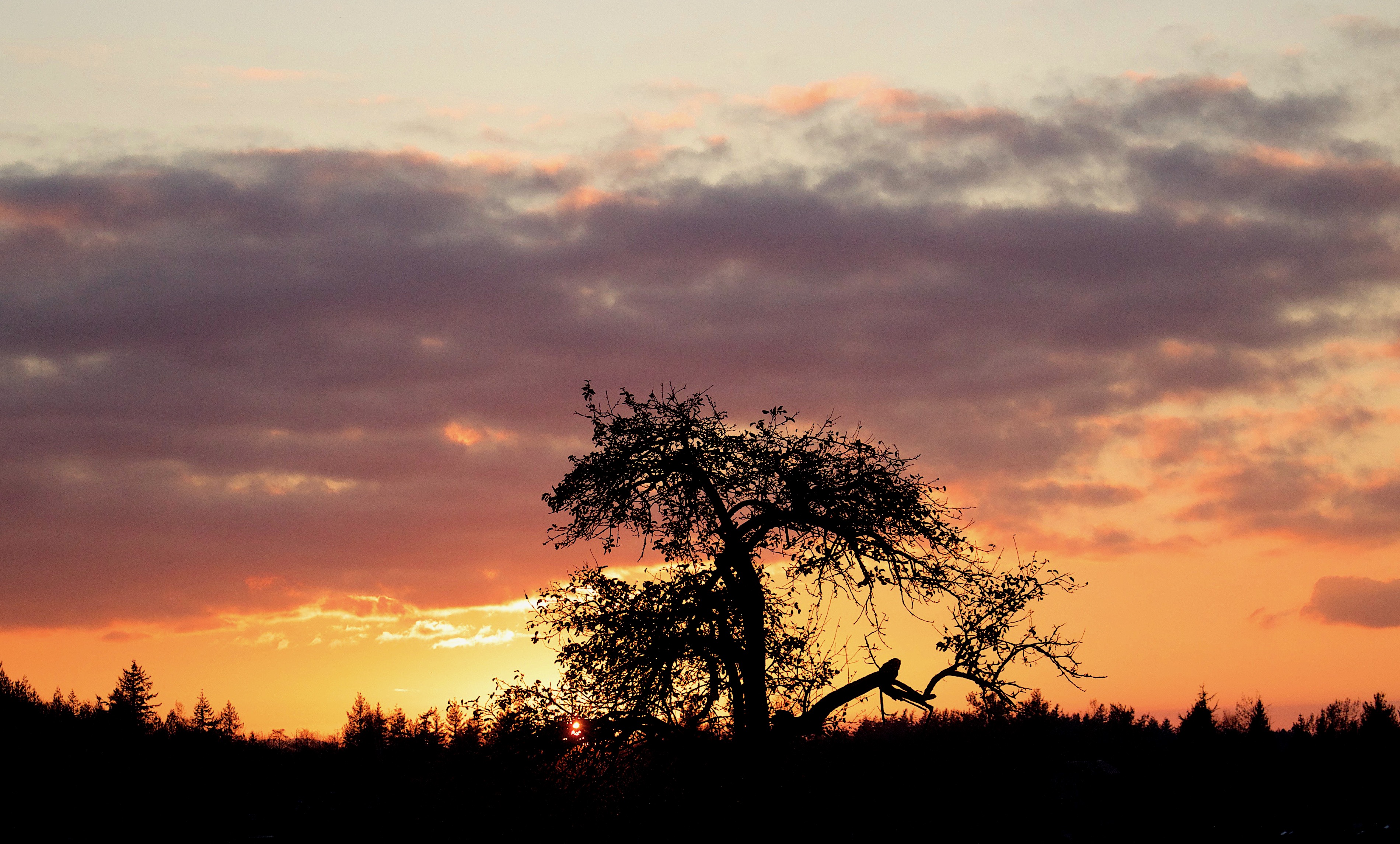
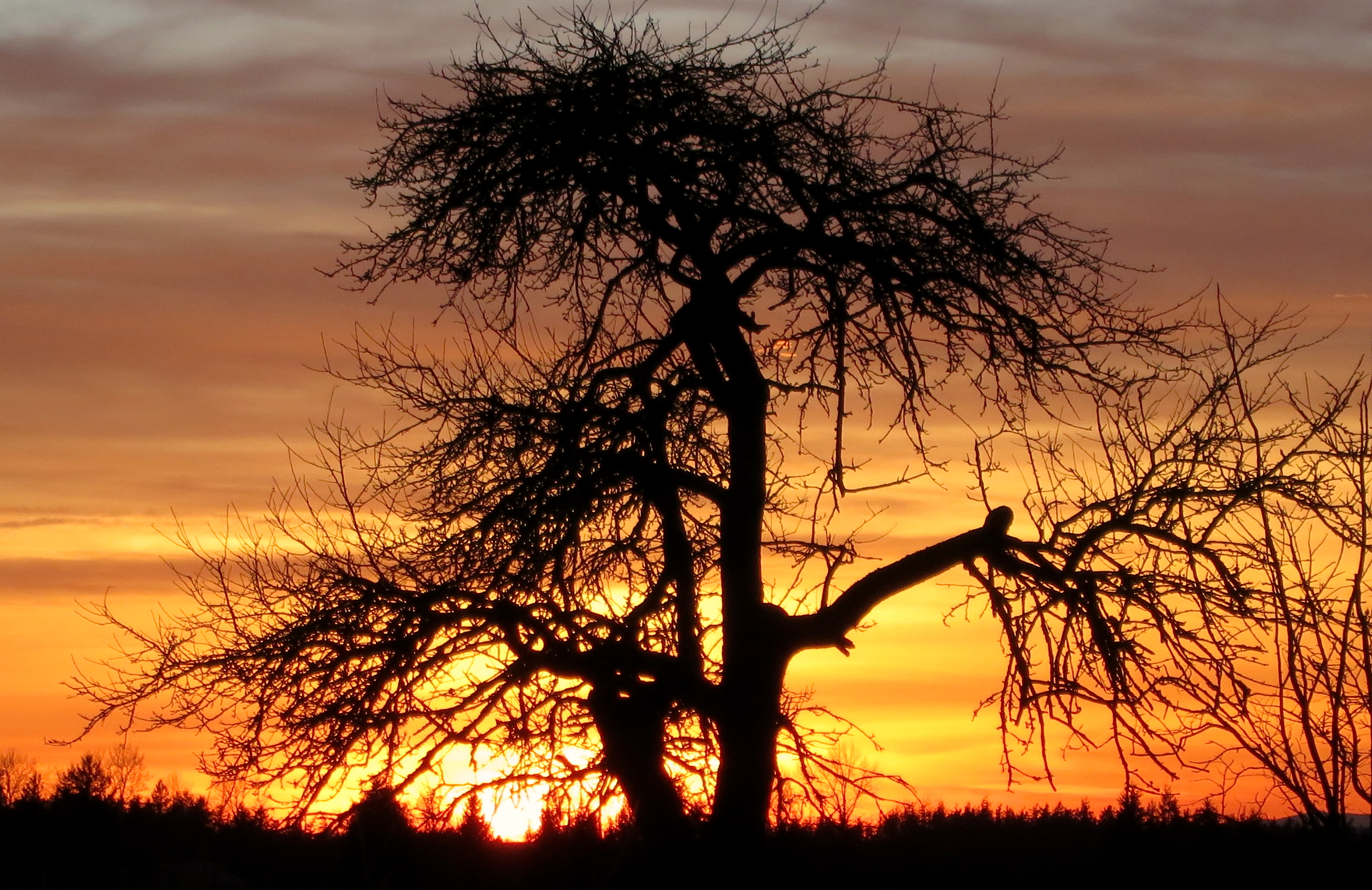
Last night, as you can see, was a surrounding sunset experience – 360 degrees of evolving color and patterns, streaks and swirls, gradation and gradual decline.
It was all in silence. No bird song, no wind, no spoken prayer.
Yet communion took place with the air breaking and feeding me like manna from heaven.
May I squander life no more and treasure each day.
May I keep my vows to God, church, family, friends, and patients.
May I be warmed on a chill winter day by the witness of such bleeding of last light of day.
My bird, my darling, Calling through the cold of afternoon— Those round, bright notes, Each one so perfect Shaken from the other and yet Hanging together in flashing clusters! The small soft flowers and the ripe fruit All are gathered. It is the season now of nuts and berries And round, bright, flashing drops In the frozen grass. ~Katherine Mansfield “Winter Bird”
Your great mistake is to act the drama as if you were alone…
Put down the weight of your aloneness and ease into the conversation. The kettle is singing even as it pours you a drink, the cooking pots have left their arrogant aloofness and seen the good in you at last. All the birds and creatures of the world are unutterably themselves. Everything is waiting for you.
~David Whyte from “Everything is Waiting for You”
This time of year we sit in silence, waiting for the conversation to resume.
There are hunters firing in the woods and the wetlands around our farm, most likely aiming for the few ducks that have stayed in the marshes through the winter, or possibly a Canadian goose or a deer to bring home for the freezer. The typical day-long serenade of birdsong is now replaced by shotguns popping, hawks and eagle’s mating chitters from the treetops, with the bluejays arguing over the last of the filbert nuts.
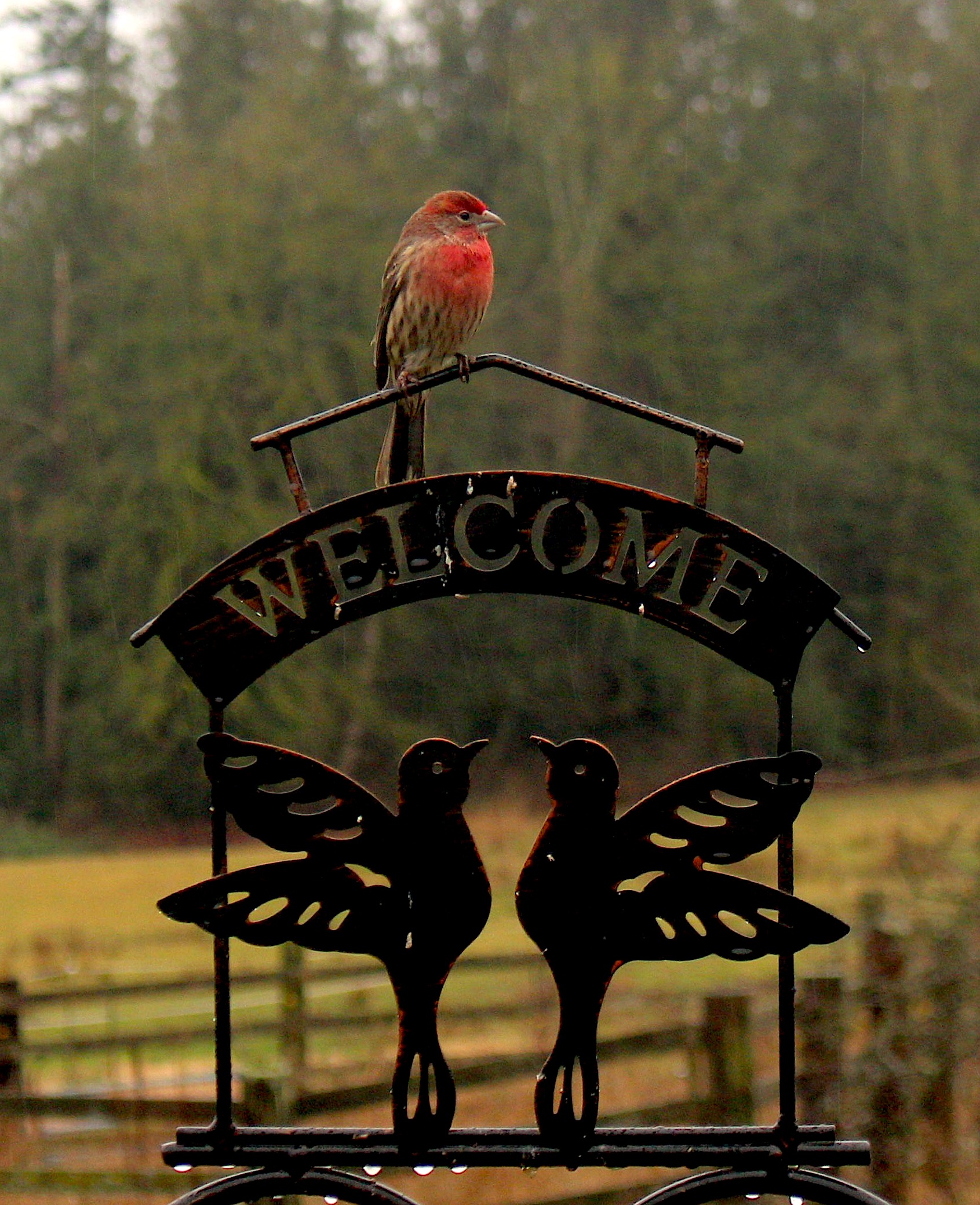
The song birds have ceased their usual constant conversation. They swoop in and out to the feeders, intent on survival, less worried about mating rituals and territorial establishment.
On the clear cold evenings, when coyotes aren’t howling in the moonlight, owls hoot to each other across the fields from one patch of woods to another, their gentle resonant dialogue echoing back and forth.
But no birdsong arias; I’m left bereft of their blending musical tapestry that wakes me at 4 AM in the spring and summer. And the rising and falling of the annual evening peeper orchestra tuning up in the swamps is still two months away.
It is much too quiet now, this time of winter bereavement, this feeling of being alone in a cold and hostile world. The chilly silence of the darkened days, interrupted by gunshot percussion, feels like a baton raised in anticipation after rapping the podium to bring us all to attention. I wait and listen for the downbeat — the return of birds and frogs tuning their throats, preparing their symphony to ease themselves back into the conversation, to express joy and wonder and exuberance at the return of spring.
I want to stick around for the whole concert, hoping always for an encore.
On Epiphany day, we are still the people walking. We are still people in the dark, and the darkness looms large around us, beset as we are by fear, anxiety, brutality, violence, loss — a dozen alienations that we cannot manage.
We are — we could be — people of your light. So we pray for the light of your glorious presence as we wait for your appearing; we pray for the light of your wondrous grace as we exhaust our coping capacity; we pray for your gift of newness that will override our weariness; we pray that we may see and know and hear and trust in your good rule.
That we may have energy, courage, and freedom to enact your rule through the demands of this day. We submit our day to you and to your rule, with deep joy and high hope. ~Walter Brueggemann from Prayers for a Privileged People
Unclench your fists Hold out your hands. Take mine. Let us hold each other. Thus is his Glory Manifest. ~Madeleine L’Engle “Epiphany”
Today is celebrated the Feast of Epiphany (His Glory revealed and made manifest in all lives).
Even as weak and crumbling vessels, God is made manifest within us. It is not the easy path to say yes to God: it means sacrifice, abandoning our will for His will so His glory is illuminated by His Light, not ours.
And so, we, like Mary, shall say yes.
His Seed shall take root in our hearts.
“Like Mary, we have no way of knowing… We can ask for courage, however,
and trust that God has not led us into this new land
only to abandon us there.” ~Kathleen Norrisfrom God With Us
In trees still dripping night some nameless birds Woke, shook out their arrowy wings, and sang, Slowly, like finches sifting through a dream.
The pink sun fell, like glass, into the fields.
Two chestnuts, and a dapple gray,
Their shoulders wet with light, their dark hair streaming,
Climbed the hill. The last mist fell away,
And under the trees, beyond time’s brittle drift, I stood like Adam in his lonely garden On that first morning, shaken out of sleep, Rubbing his eyes, listening, parting the leaves, Like tissue on some vast, incredible gift. ~Mary Oliver (New Year’s Day Poem shared today on Facebook)
All days are sacred days to wake New gladness in the sunny air. Only a night from old to new; Only a sleep from night to morn. The new is but the old come true; Each sunrise sees a new year born. ~Helen Hunt Jackson from “New Year’s Morning”
We awake glad,
breathe deeply of the sacred around us
glistening in the light of a soft sunrise.
Each day is a fresh start,
a gift from beyond,
content to renew covenant
with God and one another.
~EPG
No one ever regarded the First of January with indifference. ~Charles Lamb, from the January 1821 London Magazine
The object of a new year is not that we should have a new year. It is that we should have a new soul. – G.K. Chesterton
so this is the sound of you
here and now whether or not
anyone hears it this is
where we have come with our age
our knowledge such as it is
and our hopes such as they are
invisible before us
untouched and still possible ~W.S. Merwin from “To the New Year”
There is nothing like looking, if you want to find something.
You certainly usually find something, if you look,
but it is not always quite the something you were after. — J.R.R. Tolkien
And to you, the many faithful readers of the Barnstorming blog,
may you open to the extraordinary in the ordinary right outside your back door~
Financial Support for the Barnstorming Blog from our Readers
Your financial support helps to keep this blog an ad-free daily offering. Your contribution of any amount is encouragement to me and deeply appreciated.
The New-year bells are wrangling with the snow.
~Richard Wilbur from “Year’s End”
The melancholy days are come, the saddest of the year, Of wailing winds, and naked woods, and meadows brown and sear. Heaped in the hollows of the grove, the autumn leaves lie dead; They rustle to the eddying gust, and to the rabbit’s tread. The robin and the wren are flown, and from the shrubs the jay, And from the wood-top calls the crow through all the gloomy day. ~William Cullen Bryant from “The Death of the Flowers”
These dark, icy, and sodden days are scarcely recalled while basking in the lightness of June when the sun shines 19 hours a day.
There is no way to cope with such overwhelming darkness except by adding in a few minutes more a day over six months, otherwise the shock of leaving behind the light would be too great. Howling wind knocks and batters, freezing rain beats mercilessly at the window panes to coat everything with a 1/4 inch of ice, puddles stand deeper than they appear, mud sucks off boots, leaves are thoroughly shaken from embarrassed branches.
We have no remnant of summer civility and frivolity left; we must adapt or cry trying, only adding to a pervasive sogginess.
Nevertheless, these melancholy days have their usefulness — there are times of joyful respite from frenetic activity while reading, snuggled deep under quilts, safe and warm. Without such stark contrast, the light and bright time of year would become merely routine, yet just another sunny day.
That never happens here in the Pacific northwest.
We celebrate the emerging light with real thanksgiving and acknowledge this encompassing darkness makes our gratitude more genuine.
We are privileged to live within such a paradox: there is, after all, a certain gladness in our sadness.
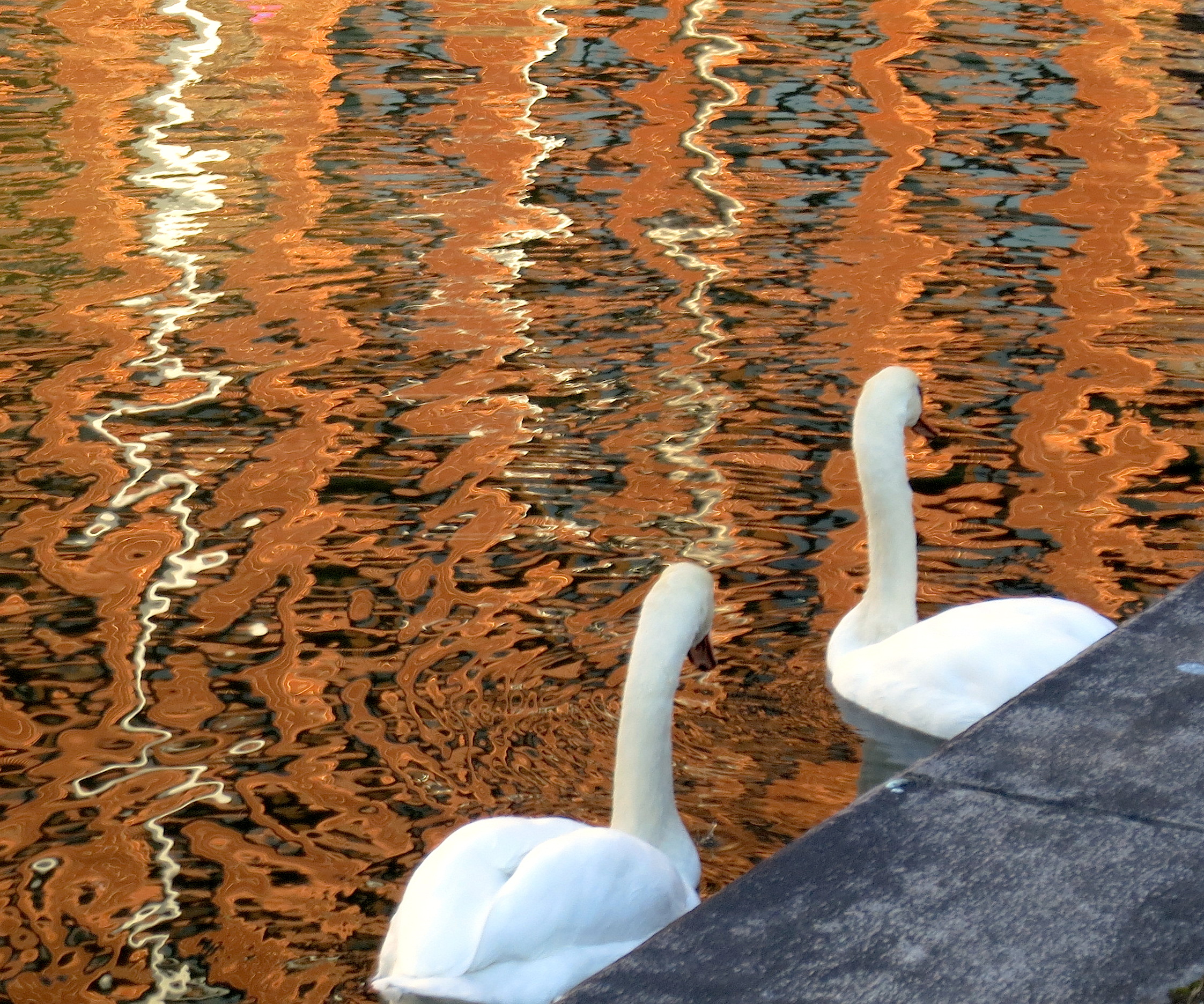
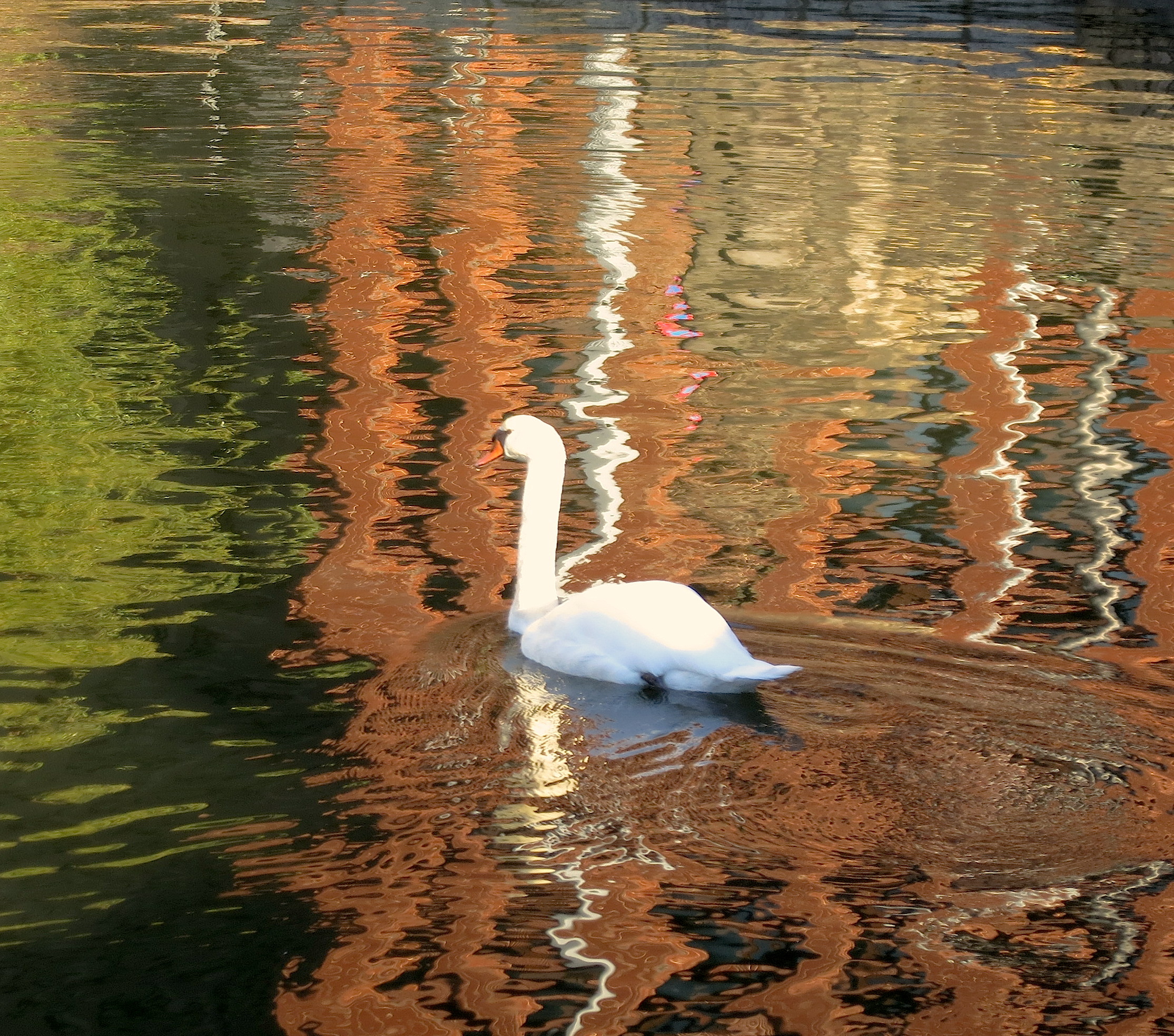
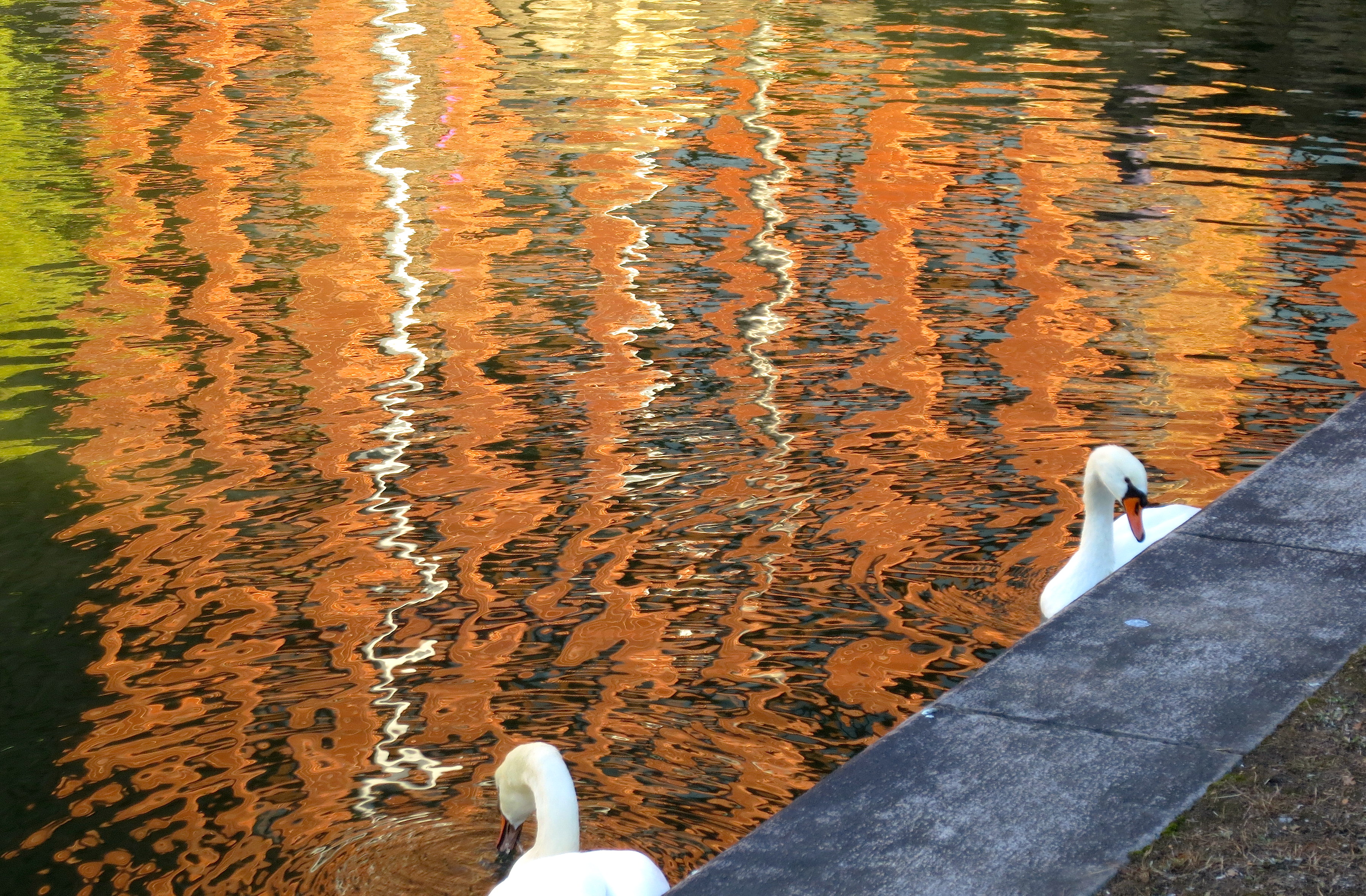
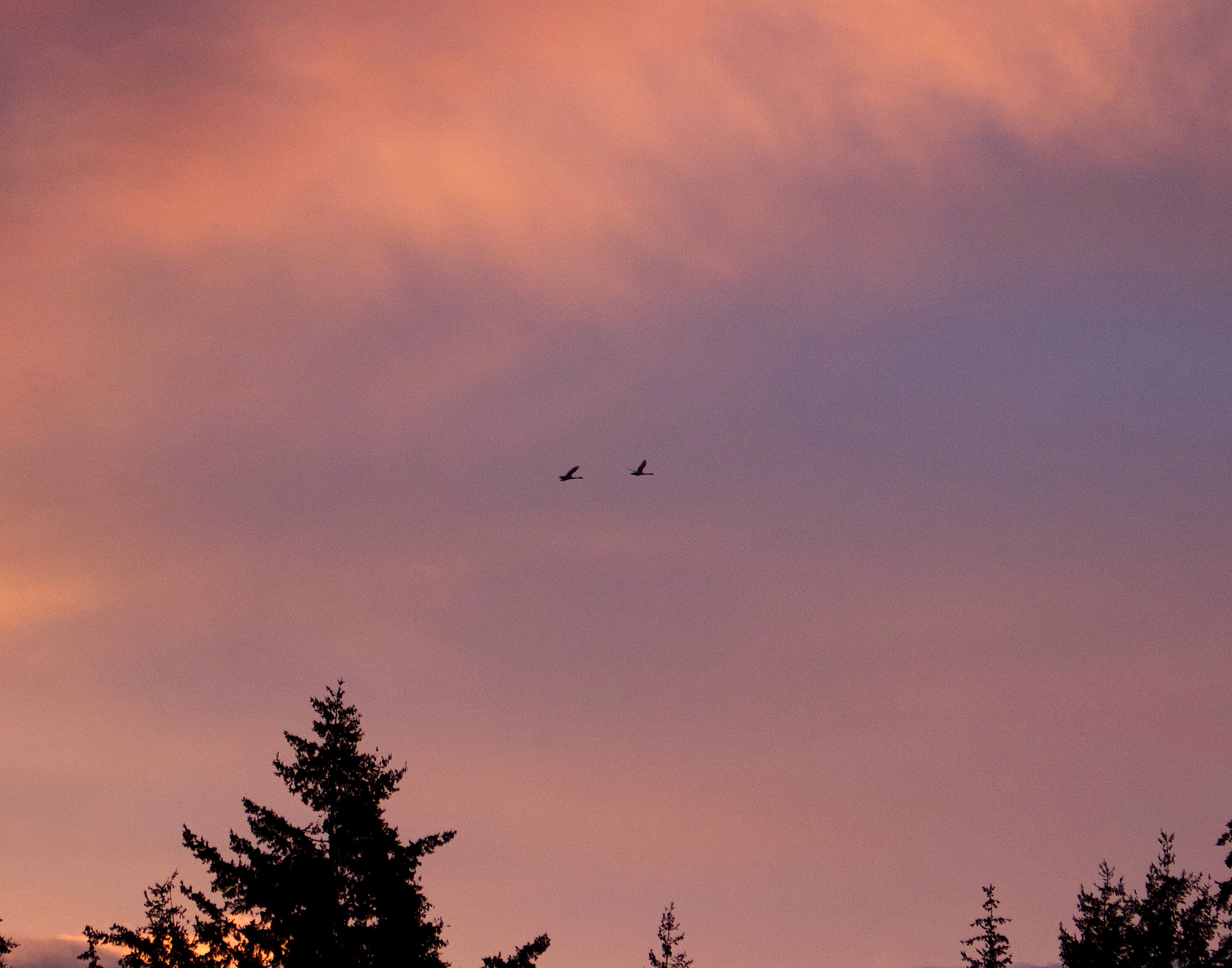
Did you too see it, drifting, all night, on the black river? Did you see it in the morning, rising into the silvery air – An armful of white blossoms, A perfect commotion of silk and linen as it leaned into the bondage of its wings; a snowbank, a bank of lilies, Biting the air with its black beak? Did you hear it, fluting and whistling A shrill dark music – like the rain pelting the trees – like a waterfall Knifing down the black ledges? And did you see it, finally, just under the clouds – A white cross Streaming across the sky, its feet Like black leaves, its wings Like the stretching light of the river? And did you feel it, in your heart, how it pertained to everything? And have you too finally figured out what beauty is for? And have you changed your life? ~Mary Oliver from “Swan”
This laboring of ours with all that remains undone, as if still bound to it, is like the lumbering gait of the swan.
And then our dying—releasing ourselves from the very ground on which we stood— is like the way he hesitantly lowers himself
into the water. It gently receives him, and, gladly yielding, flows back beneath him, as wave follows wave, while he, now wholly serene and sure, with regal composure, allows himself to glide. ~Rainer Maria Rilke, “The Swan”
And could it be that I too,
awkward and lumbering through my days
may glide and soar when afloat or aloft.Could it be there is beauty hidden away and within
until I change how I look at life,
how I move in the air that I’m given to breathe
and how I am stretched by the Light that illuminates me?
But now they drift on the still water,
Mysterious, beautiful;
Among what rushes will they build,
By what lake’s edge or pool
Delight men’s eyes when I awake some day
To find they have flown away? ~William Butler Years from “The Wild Swans at Coole”
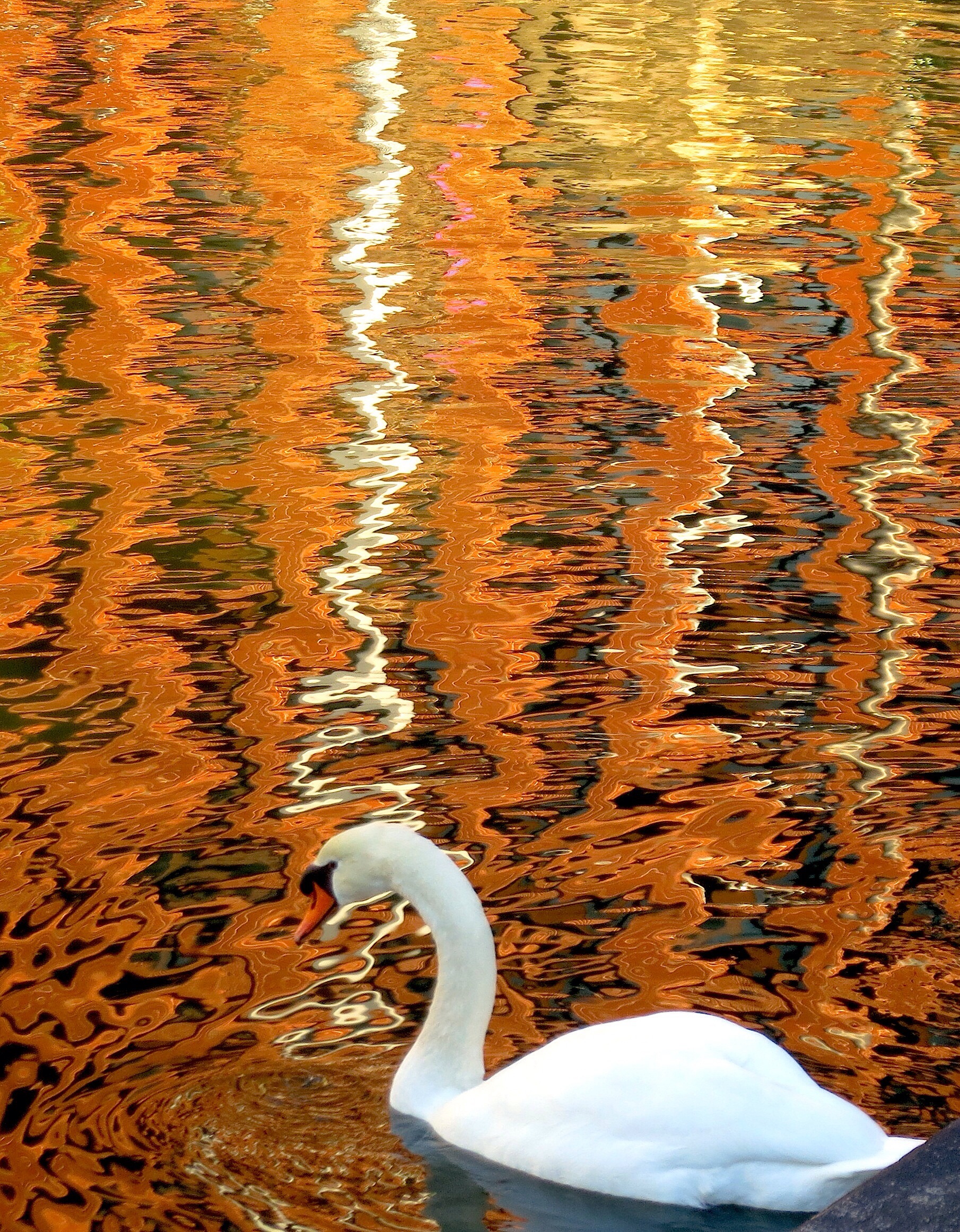
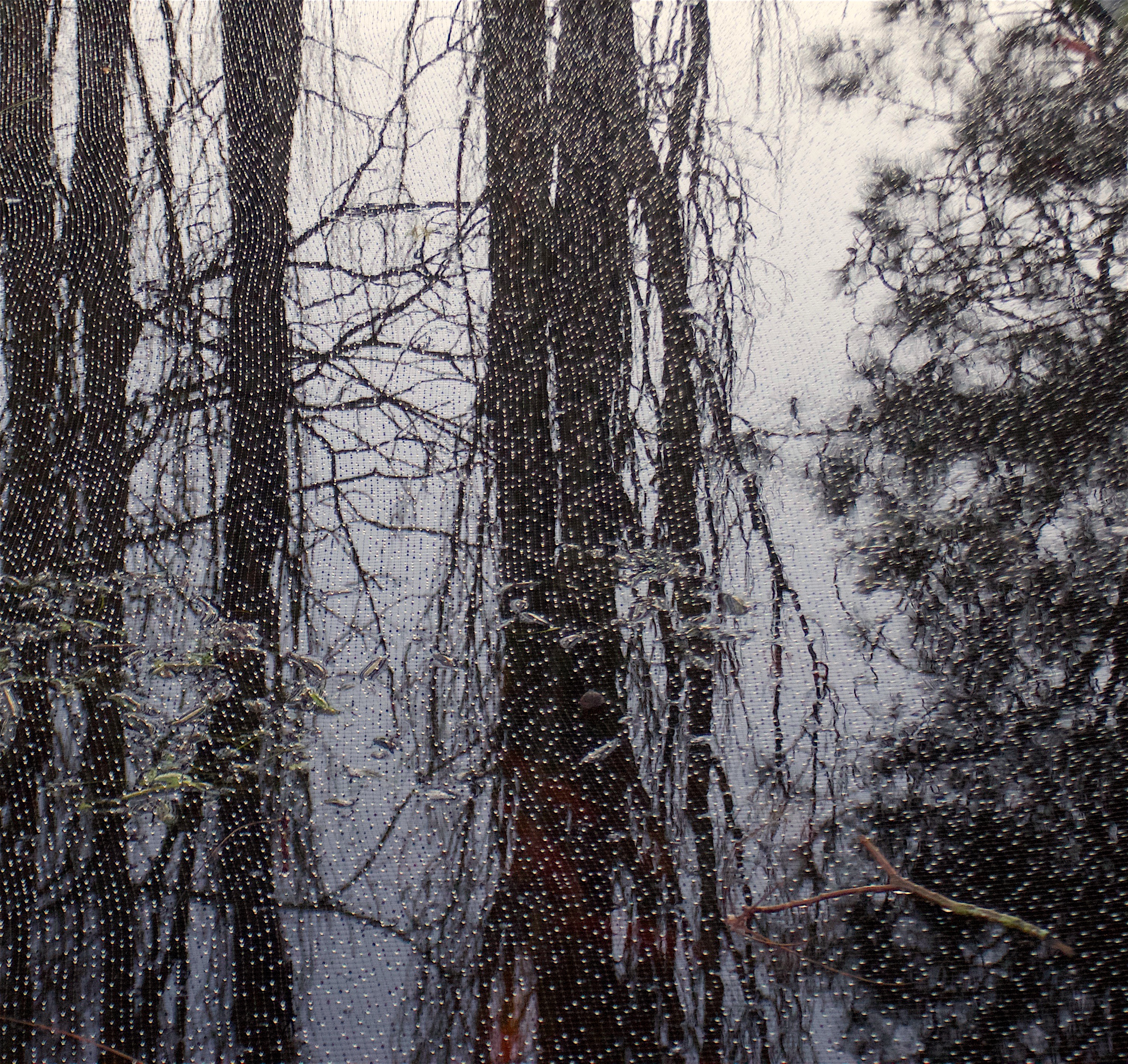
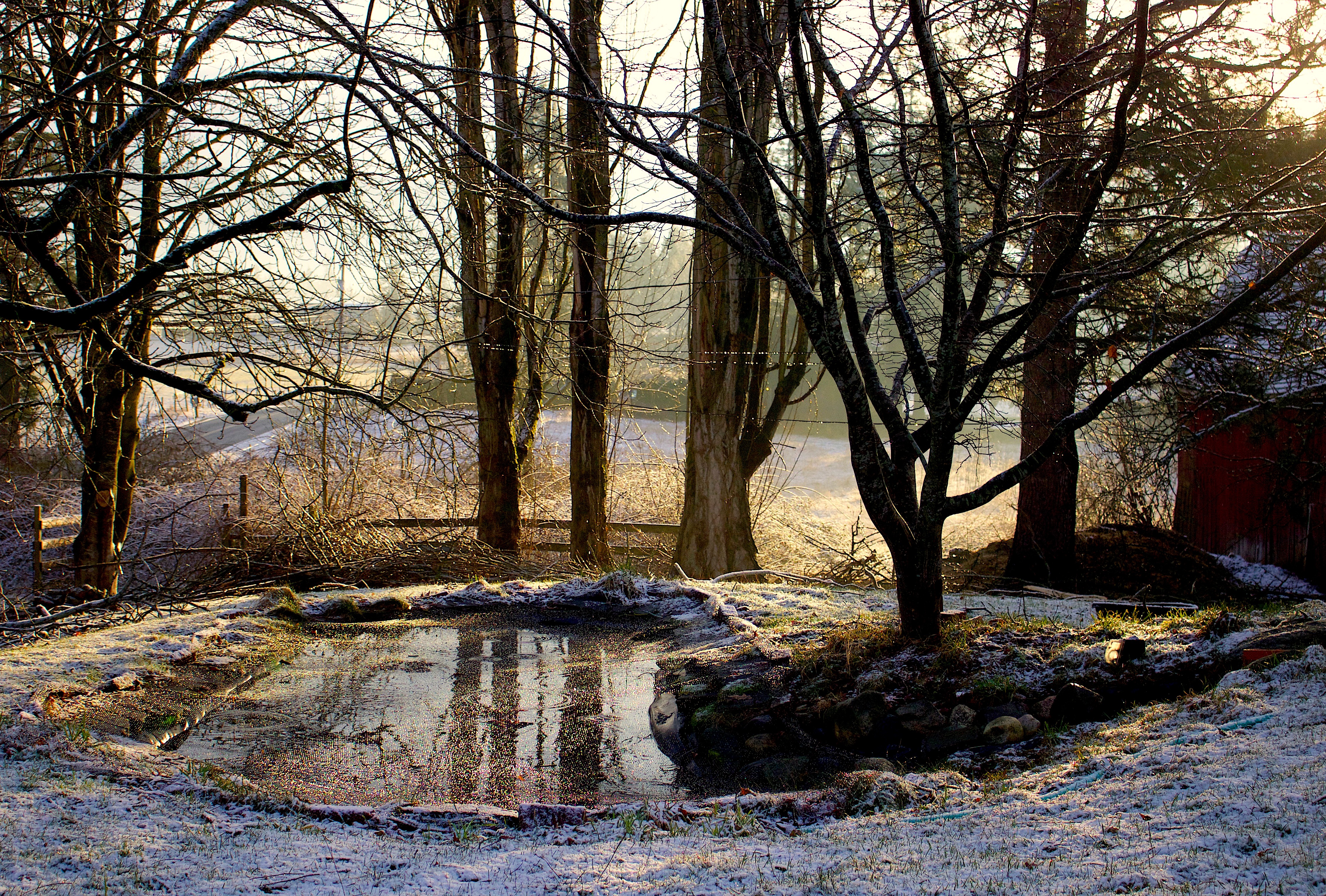
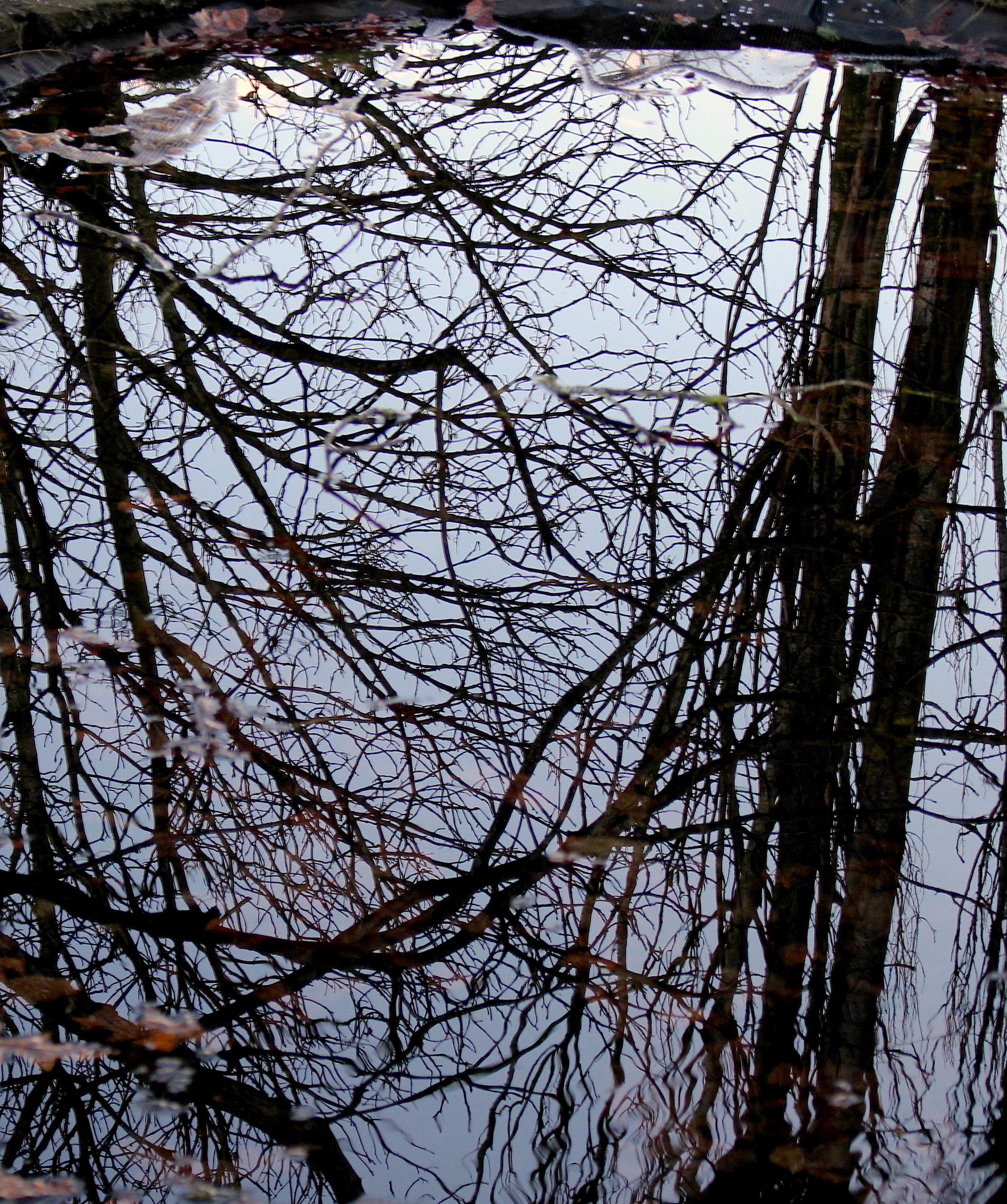
The winter woods beside a solemn river are twice seen– once as they pierce the brittle air, once as they dance in grace beneath the stream.
In air these trees stand rough and raw, branch angular in stark design– in water shimmer constantly, disconnect as in a dream, shadowy but more alive than what stands stiff and cold before our eyes.
Our eyes at peace are solemn streams and twice the world itself is seen– once as it is outside our heads, hard frozen now and winter-dead, once as it undulates and shine beneath the silent waters of our minds.
When rivers churn or cloud with ice the world is not seen twice– yet still is there beneath the blinded surface of the stream, livelier and lovelier than we can comprehend and waiting, always waiting, to be seen. ~Parker Palmer “The Winter Woods”
May today there be peace within. May I trust God that I am exactly where I am meant to be. May I not forget the infinite possibilities that are born of faith. May I use those gifts that I have received, and pass on the love that has been given to me. May I be content knowing I am a child of God. Let this presence settle into my bones, and allow my soul the freedom to sing, dance, praise and love. It is there for each and every one of us. ― adapted from Thérèse de Lisieux
And which am I today?
…the naked bones of trunk and branches reaching stark into the gray winter sky
or a shimmering reflection, soft and variable, in the water-mirror at my feet?
…do I change with the wind or the surfacing of a fish, one moment still and quiet and another moment churned and churning?
…or do I remain steadfast and predictable, unchanging in the storm?
Knowing there are infinite possibilities, I am content to be both, knowing as reflection, I’m still called to be an image of God, sometimes clear and unquestioning, and other times cloudy and barely discernible.
Yet I know, without seeing or reflecting Him perfectly, He is there.
“Be patient and without bitterness, and realize that the least we can do is to make coming into existence no more difficult for Him than the earth does for spring when it wants to come.” ~Rainier Marie Rilke
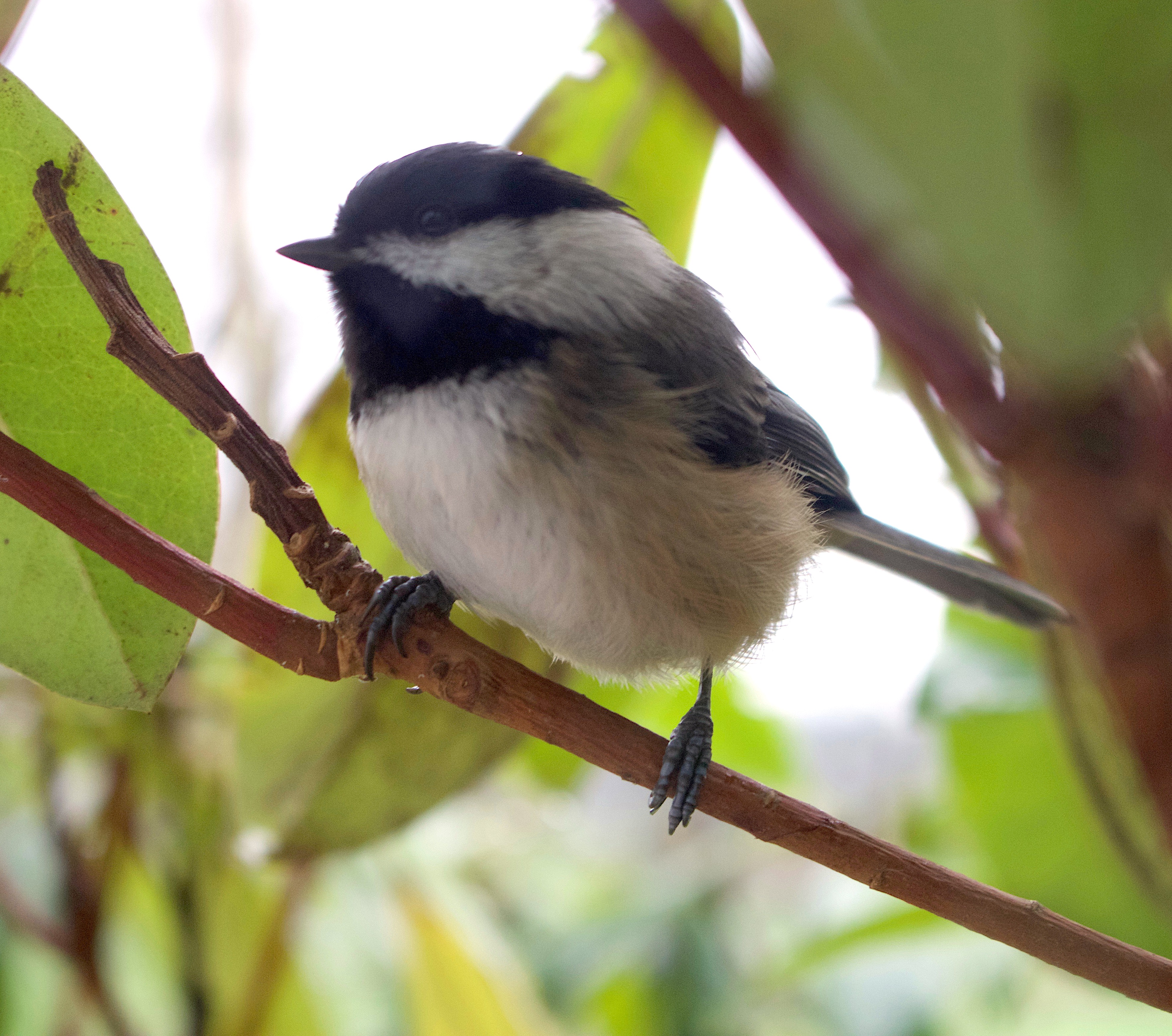
Like the birds of the air flying free, we too were created to sing. Yet too often we choose to be grounded — grousing and grumbling.
Many of us know nothing of anticipation of the coming of Christ, some of us might care if we knew, but plenty of us are ready for the whole Christmas thing to be over yesterday.
Whether we care or not does not alter that Christ dwells with us, just as the coming of spring is not stopped by a slumbering disinterested earth.
Like Mary, we say: “Let it be”, not “no, not me, not now.”
We are set free to fly and sing!
He has come on our behalf: a simple, but oh so difficult faith, like the shoot that must break through the crust of frozen earth to reach the sun, in order to bloom.
A star rose in the sky and glory from on high did fill the night with splendor. Came birds with joyful voice to carol and rejoice with songs so sweet and tender.
The eagle then did rise, went flying through the skies, to tell the wondrous story, sang: Jesus, born is he, who comes to set us free, he brings us joy and glory.
The sparrow with delight said: This is Christmas night, our happiness revealing. The sky with praises rang, as finch and robin sang their songs of glad rejoicing.
The lark upon the wing said: Now it seems like spring, no more is winter pressing; for now a flower is born whose fragrance on this morn to earth brings heaven’s blessing.
Sang magpie, thrush, and jay, It seems the month of May in answer to our yearning. The trees again are green and blossoms now are seen, it is the spring returning!
The cuckoo sang: Come, come, And celebrate the dawn this glorious aurora. The raven from his throat then trilled a festive note to the unexcelled Señora.
The partridge then confessed, I want to build my nest beneath that very gable where I may see the Child and watch whene’er he smiles with Mary in that stable. ~translation from Catalonian of “Carol of the Birds”
Whence comes this rush of wings afar Following straight the Noel star Birds from the woods in wondrous flight Bethlehem seek this holy night
Tell us, ye birds, why come ye here? Into this stable, poor and drear? Hasting to see the new born King And all our sweetest musics bring
Hark! How the winged finch bears his part Philomel, too with tender heart: Chants from her leafy dark retreat, “Re, me, fa, sol” in accents sweet
Angels, and shepherds, birds of the sky Come where the Son of God doth lie Christ from the earth and man doth dwell Come join in the shout, “Noel, Noel, Noel.” ~Carol of the Birds (traditional Catalonian carol)
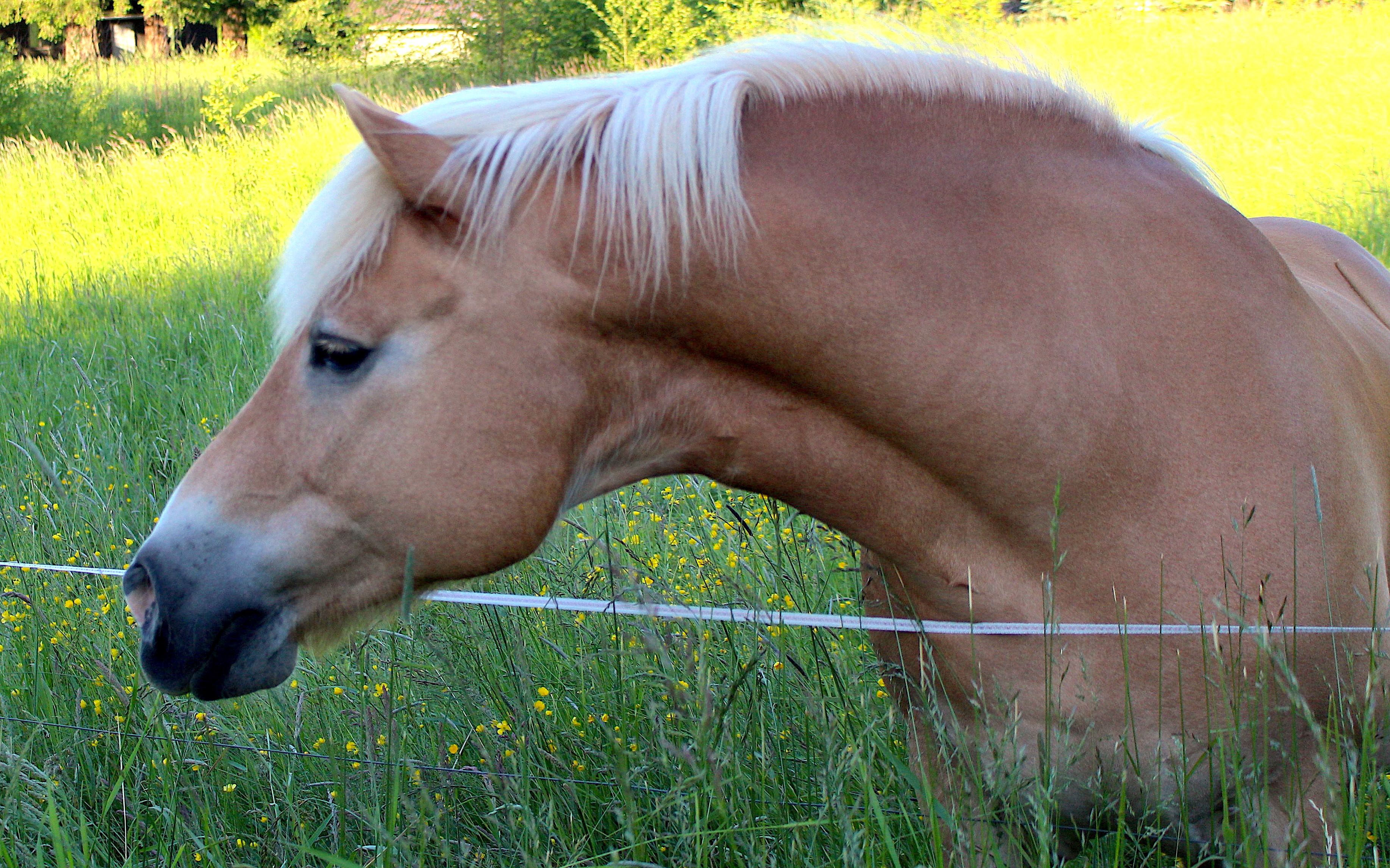
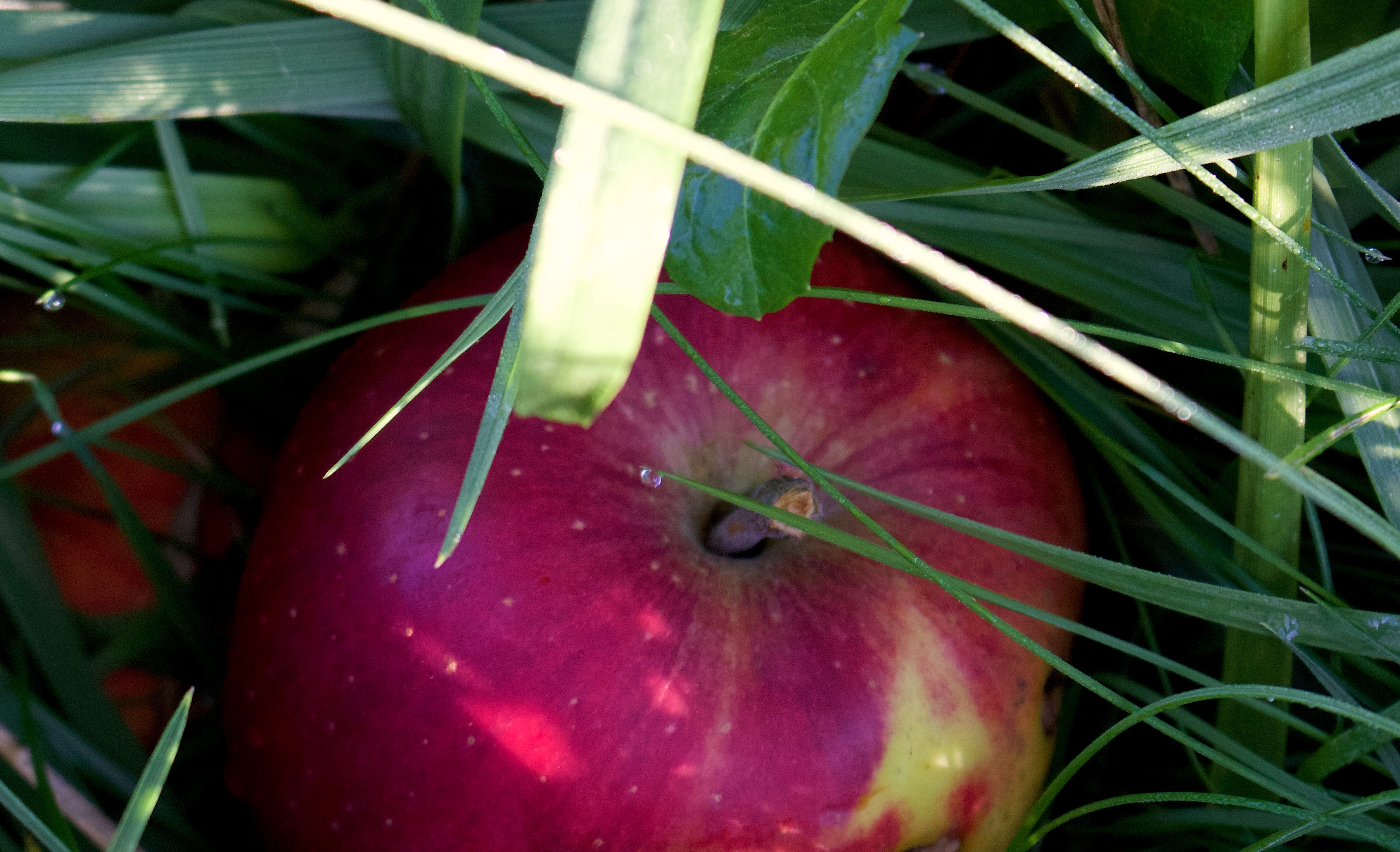
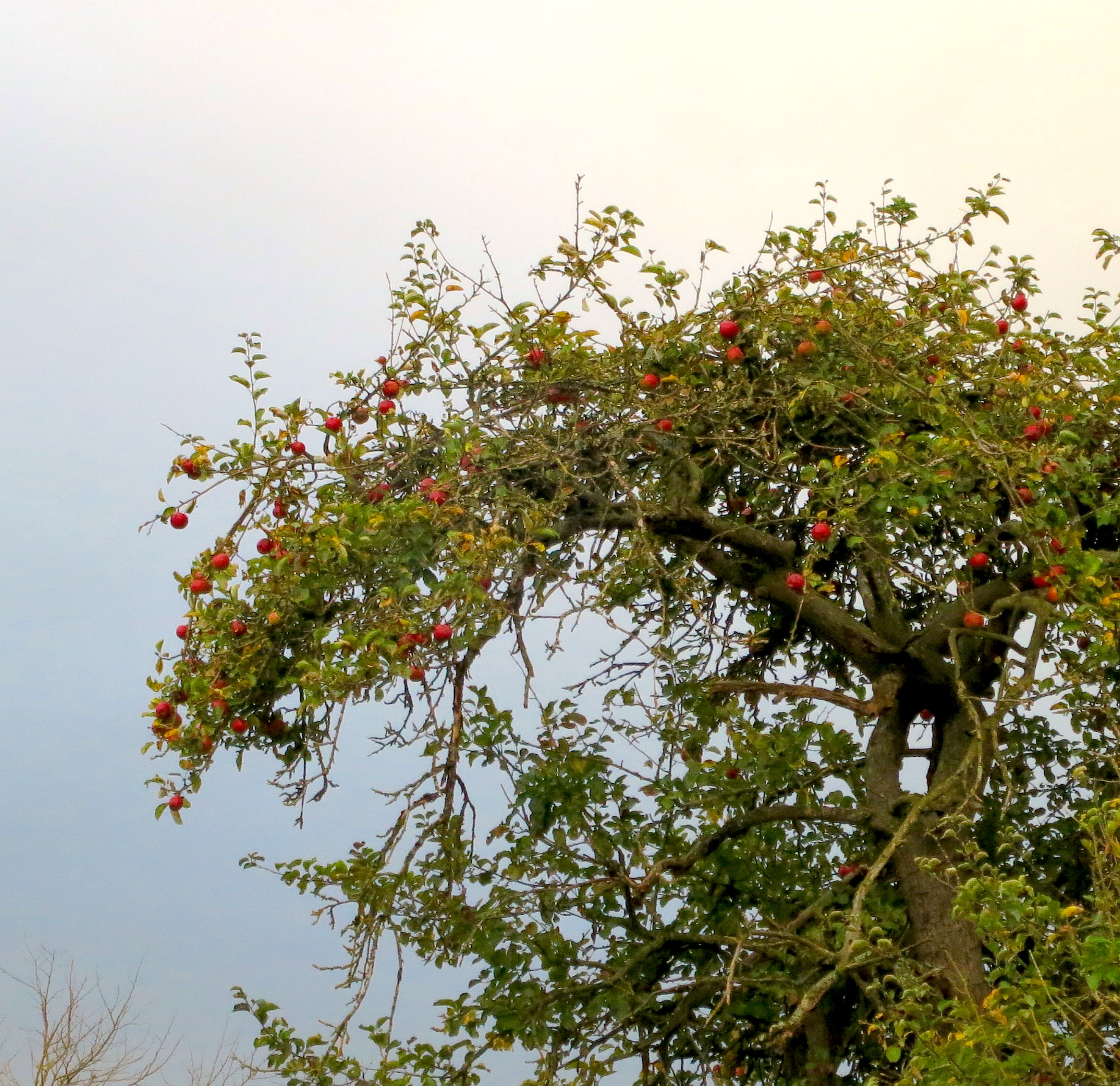
This fall I picked up windfall apples to haul down to the barn for a special treat each night for the Haflingers. These are apples that we humans wouldn’t take a second glance at in all our satiety and fussiness, but the Haflingers certainly don’t mind a bruise, or a worm hole or slug trails over apple skin.
I’ve found over the years that our horses must be taught to eat apples–if they have no experience with them, they will bypass them lying in the field and not give them a second look. There simply is not enough odor to make them interesting or appealing–until they are cut in slices that is. Then they become irresistible and no apple is left alone from that point forward.
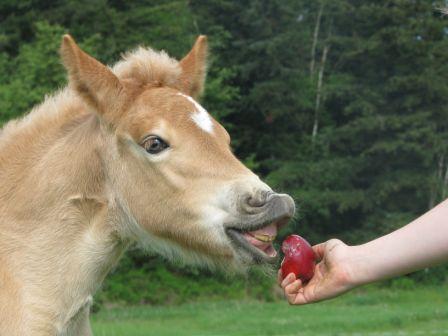
When I offer a whole apple to a young Haflinger who has never tasted one before, they will sniff it, perhaps roll it on my hand a bit with their lips, but I’ve yet to have one simply bite in and try. If I take the time to cut the apple up, they’ll pick up a section very gingerly, kind of hold it on their tongue and nod their head up and down trying to decide as they taste and test it if they should drop it or chew it, and finally, as they really bite in and the sweetness pours over their tongue, they get this look in their eye that is at once surprised and supremely pleased. The only parallel experience I’ve seen in humans is when you offer a five month old baby his first taste of ice cream on a spoon and at first he tightens his lips against its coldness, but once you slip a little into his mouth, his face screws up a bit and then his eyes get big and sparkly and his mouth rolls the taste around his tongue, savoring that sweet cold creaminess. His mouth immediately pops open for more.
It is the same with apples and horses. Once they have that first taste, they are our slaves forever in search of the next apple.
The Haflinger veteran apple eaters can see me coming with my sweat shirt front pocket stuffed with apples, a “pregnant” belly of fruit, as it were. They offer low nickers when I come up to their stalls and each horse has a different approach to their apple offering.
There is the “bite a little bit at a time” approach, which makes the apple last longer, and tends to be less messy in the long run. There is the “bite it in half” technique which leaves half the apple in your hand as they navigate the other half around their teeth, dripping and frothing sweet apple slobber. Lastly there is the greedy “take the whole thing at once” horse, which is the most challenging way to eat an apple, as it has to be moved back to the molars, and crunched, and then moved around the mouth to chew up the large pieces, and usually half the apple ends up falling to the ground, with all the foam that the juice and saliva create. No matter the technique used, the smell of an apple as it is being chewed by a horse is one of the best smells in the world. I can almost taste the sweetness too when I smell that smell.
What do we do when offered such a sublime gift from Someone’s hand? If it is something we have never experienced before, we possibly walk right by, not recognizing that it is a gift at all, missing the whole point and joy of experiencing what is being offered. How many wonderful opportunities are right under our noses, but we fail to notice, and bypass them because they are unfamiliar?
Perhaps if the Giver really cares enough to “teach” us to accept this gift of sweetness, by preparing it and making it irresistible to us, then we are overwhelmed with the magnitude of the generosity and are transformed by the simple act of receiving.
We must learn to take little bites, savoring each piece one at a time, making it last rather than greedily grab hold of the whole thing, struggling to control it, thereby losing some in the process. Either way, it is a gracious gift, and how we receive it makes all the difference.
1. The tree of life my soul hath seen, Laden with fruit and always green: The trees of nature fruitless be Compared with Christ the apple tree.
2. His beauty doth all things excel: By faith I know, but ne’er can tell The glory which I now can see In Jesus Christ the apple tree.
3. For happiness I long have sought, And pleasure dearly I have bought: I missed of all; but now I see ‘Tis found in Christ the apple tree.
4. I’m weary with my former toil, Here I will sit and rest awhile: Under the shadow I will be, Of Jesus Christ the apple tree.
5. This fruit doth make my soul to thrive, It keeps my dying faith alive; Which makes my soul in haste to be With Jesus Christ the apple tree. ~Elizabeth Poston From Divine Hymns or Spiritual Songs, compiled by Joshua Smith, New Hampshire, 1784











 Barnstorming