Green and Glorious

buggedtrillium

trilliumheart


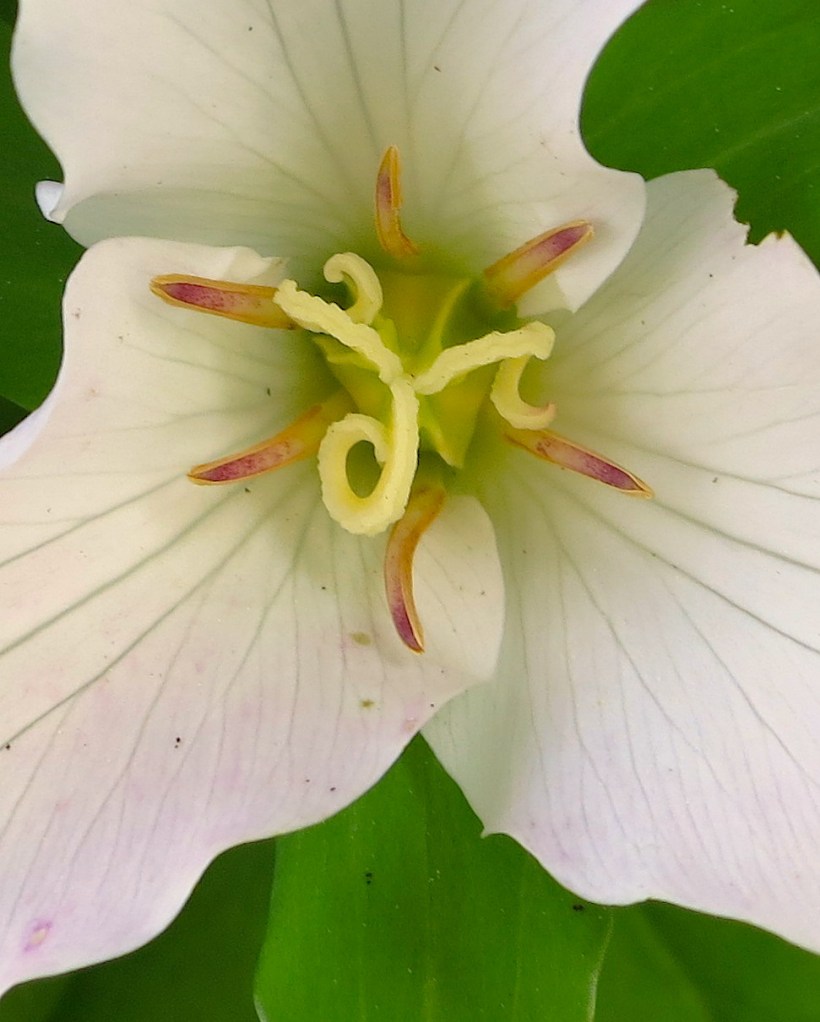
I wished to wade in the trillium
and be warmed near the white flames.
I imagined the arch of my foot
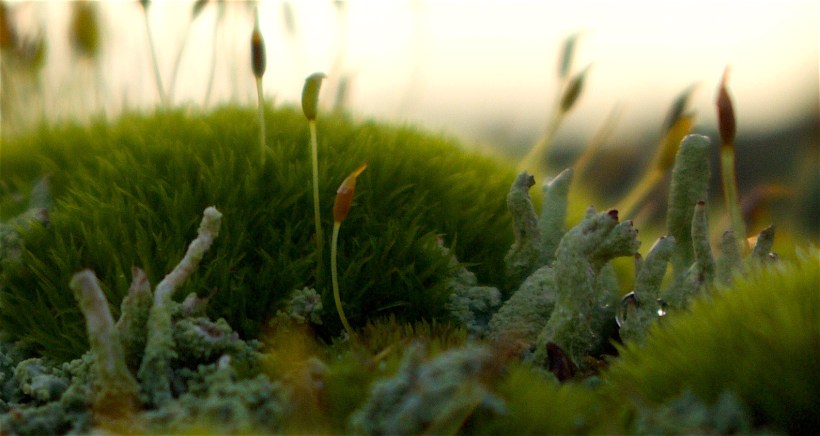
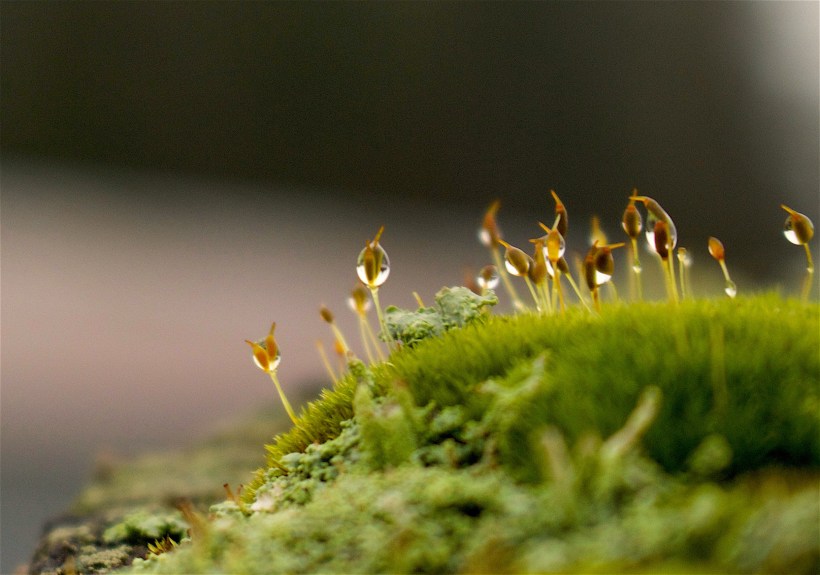
massaged by the mosses.
This field immersed in gravity
defying growth.  Green and glorious.
It let me know that out of the
soil came I, and green I shall be.
Whether an unnamed weed or a
wild strawberry I will join in
the hymn.
~Luci Shaw from “Spring Song, Very Early Morning”

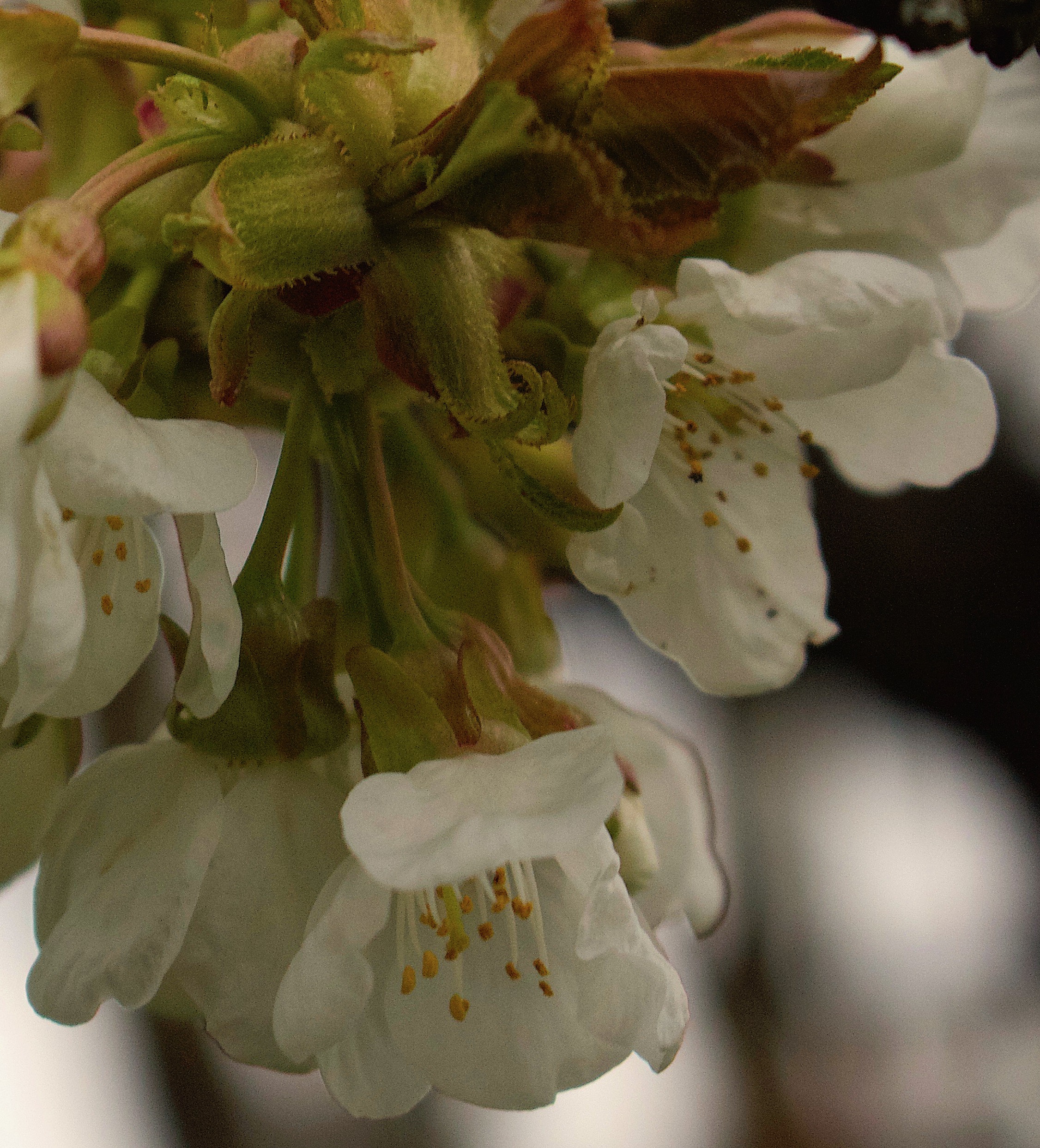
 

drizzlemoss

gnomie

Spring is finally in full swing here on the farm.  Grass grows so fast that mowing could be a twice a week activity,  dandelions are dotting the fields in a yellow carpet, the flowering plums and cherries are peaking, the daffodils are spent and the tulips are bursting forth.


The koi and goldfish in our pond have decided to surface from underneath all the winter debris and have grown to another 6 inches over the winter and now are busy feasting on mosquito larvae as the insects have awakened as well.   At times I feel so overwhelmed by the accelerated pace of growth and activity that I sheepishly long for the dark quiet gray days of winter, if just for the respite of a nap.

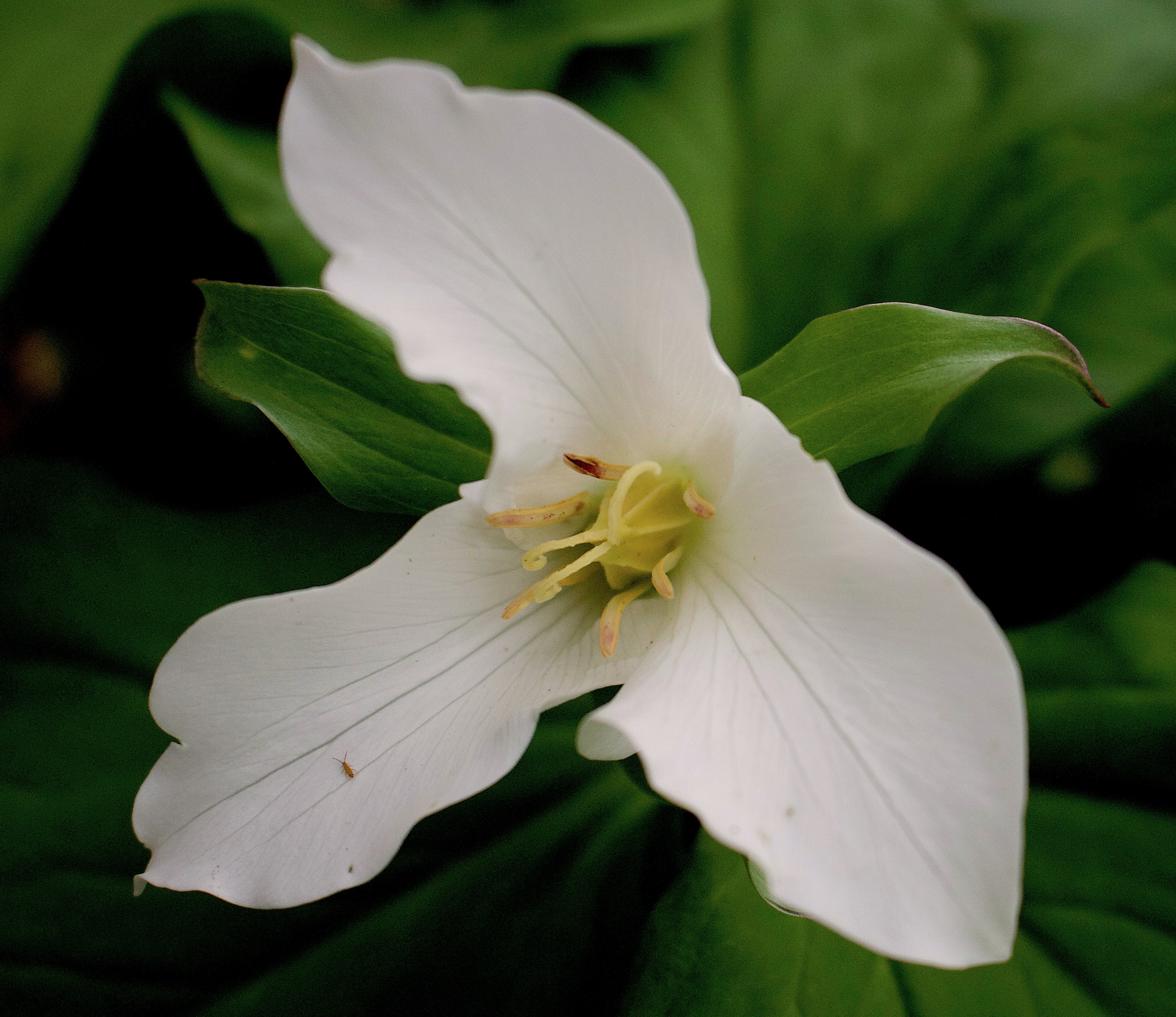
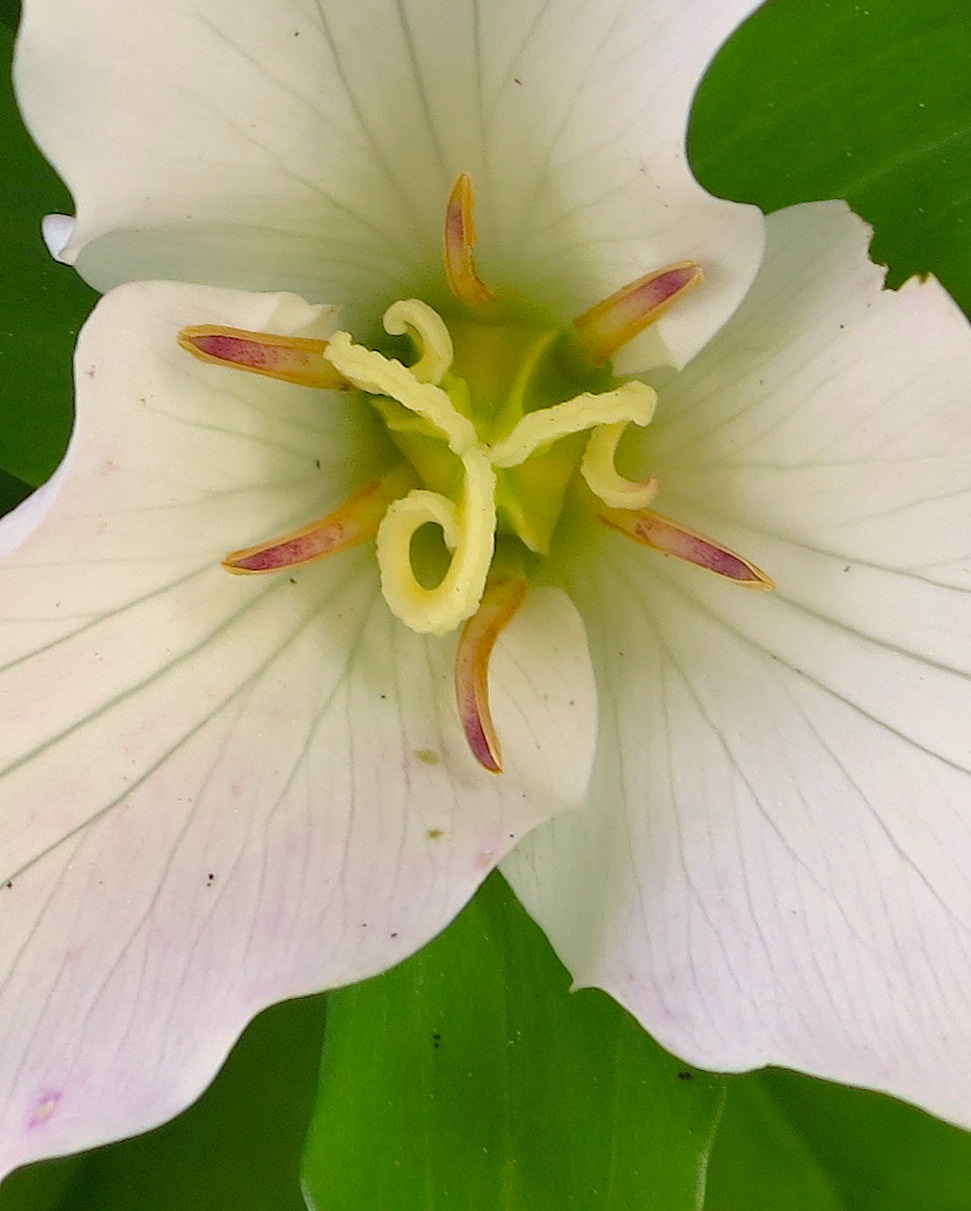
Instead of a nap, I hunt for trillium.  They are the traditional harbinger of spring and without them, it all seems like just so much pretending.  These are somber plants that will only grow in certain conditions of woods and shade, with leafy mulched soil.  Once established, they reliably spring up from their bulbs every spring with their rich green trio of leaves on each stem that are at once soft and slightly shimmery, and at the top the purest of three white petals, one per leaf cluster.  The blossoms last a week or two, then turn purplish and fade away, followed weeks later by the fading of the foliage, not to arise again from the soil until the following year. 


Picking a trillium blossom necessitates picking the leaf foliage beneath it, and that in turn destroys the bulb’s ability to nourish and regenerate, and the plant never forms again.  I think I have known this from my earliest childhood days as I was a compulsive wildflower gatherer as a little kid, having devastated more than my share of trillium bulbs until I learned the awful truth of the damage I had done.  I have since treated them as sacrosanct and untouchable.

There are trillium blossoms to be found on our farm, a few steadfast survivors, yet completely vulnerable to someone’s impulse to bring the beauty indoors for a few days in a vase.  What a tenuous grip on life when people are desiring to pluck them, with their resulting oblivion. How unknowingly destructive we are in our blind selfish pursuit of beauty for our own pleasure and purposes.  These pure triad blossoms and leaves, representing all that is preciously drawn from the earth and enriched and nourished by sunlight, can be obliterated, never to return, never to bloom, never to rise again from the dust to be green and glorious.

How much more precious is that which rises again to bloom and flourish forever despite our senseless destructiveness?  And He is here, among us, waiting for us, forgiving us for our thoughtless actions.

I look at the trillium longingly, wanting to touch them, wanting to own them and hold them, and knowing I never will.  They are meant to stay where they are, as I hope to remain, rooted and thriving, yet still fragile in the everlasting soil of life.

winterfish

porchscenenorth

tulip20174

Sprout Boldly

snowdrops212316

baker11317

Some of us . . . are darkness-lovers.
We do not dislike the early and late daylight of June,
but we cherish the gradually increasing dark of November,
which we wrap around ourselves in the prosperous warmth
of woodstove, oil, electric blanket, storm window, and insulation.

We are partly tuber, partly bear.
Inside our warmth we fold ourselves
in the dark and its cold –
around us, outside us,
safely away from us;
we tuck ourselves up
in the long sleep
and comfort of cold’s opposite,
warming ourselves
by thought of the cold,
lighting ourselves by darkness’s idea.
~Donald Hall from “Season at Eagle Pond”

shadesofgray

crociwinter

I confess
loving the dark as much as light.
Drawn without alarm clock
away from my pillow,
I awake early
covered in inky blackness
of unlit January mornings.

An uncharted day
before sunrise,
so raw with ripening,
belongs to no one else
until the light comes
to force me forth.
Only from darkness do I
sprout so boldly.

stormynight

rootcellarsunset


As the Worm Turneth

butte9

Giant_Palouse_earthworm
Photo by Yaniria Sanchez-de Leon–University of Idaho 2005


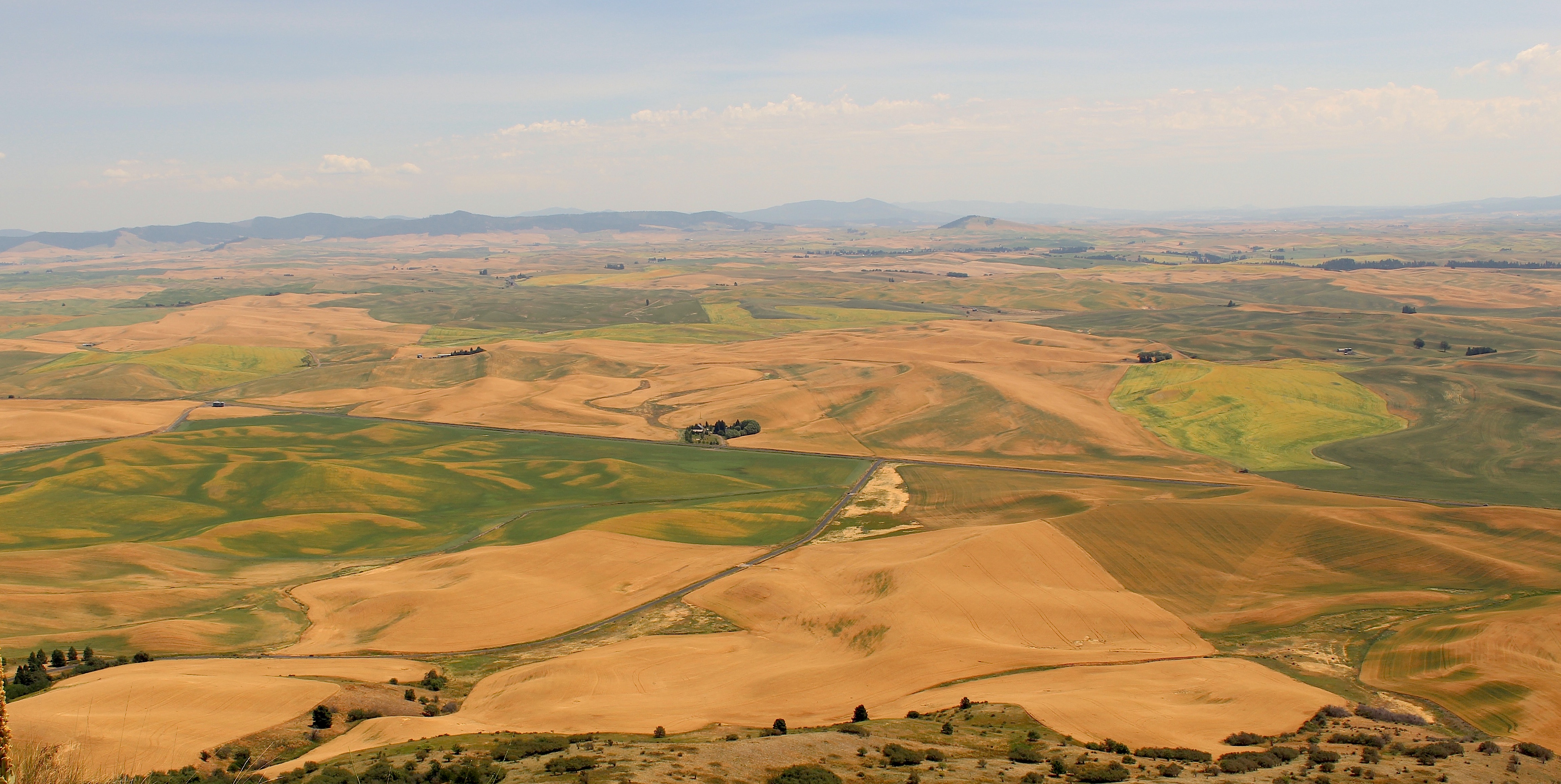
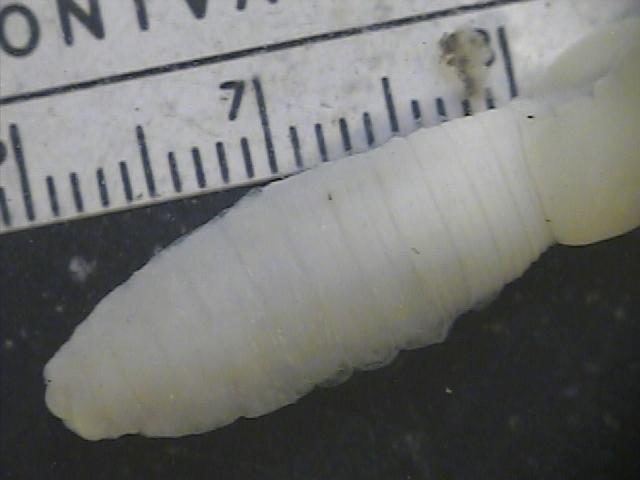
My mother told many stories about growing up on a wheat farm in the rolling fertile Palouse hills of eastern Washington state during the Great Depression years.  One was about the fabled Giant Palouse Earthworm, said to inhabit the deep soil of those lonely farms, and occasionally surfacing during cultivation with the horse drawn equipment.

This was no ordinary worm;  this cream colored invertebrate, first described by a zoologist in 1897, could grow up to 3 feet long.  It could move quickly through the loose topsoil, burrowing deep when threatened.  When it was turned up to the sunlight by the plowshare,  all work would cease in the marvel of  such a hidden creature.  This worm smelled like the essence of lilies but when handled, it defended itself through a release of fluid from its jawless mouth–the old farmers said it could “spit” a yard away.

I believed this was yet another of my mother’s “mythical” stories of life on the wheat farm and considered the “Giant Worm” a  fairy tale sharing shelf space with Pegasus,  dragons and centaurs, the stuff of Gary Larsen and “The Far Side”.

However, the Worm turneth “real”.  It actually does exist…we think.

The last time a scientist (University of Idaho) found a Giant Palouse Worm was in 2010.  There have only been a few sightings because the worm can move faster than a shovel, easily detecting the vibrations of humans disturbing the soil. So it has remained elusive, or more likely, adversely impacted due to intensive agricultural practices of the last century.  Environmental conservationists asked the U.S. Fish and Wildlife Service to institute protections for the Worm by declaring it an endangered species but it was denied such status.   Somehow the Federal Government is not eager to put resources into a Worm that prefers to stay 15 feet under. Perhaps the Worm shall one day have its day in court.

Actually this modern fable is only partially about saving a fantastical Worm that no one can find; it is also about ever-present environmental battling for preservation of land in its natural state versus development–even modern agricultural development in some of the most fertile soil in the world.  Scientists have put electric shock waves into the ground in an effort to drive the Worms to the surface so we have actual specimens to study and admire and then to call truly endangered.   If I was being shocked out of my comfy little dirt home, I think I’d dig deeper, rather than rise to the surface for poking, prodding,  and photo ops.   And I’d certainly feel like spitting.

I want to believe there must be a whole vital civilization of Giant Worms way down deep, dancing the night away in lily perfume and laughing at all the antics up under the sun.    Some day they’ll rise to make their grand appearance, and like a cross between protected prairie dog towns and a child’s bedroom ant farm, humans in all our wisdom and protective instincts might create Giant Palouse Worm colonies in the soil with underground viewing chambers.

Then we can stare at the underground cream colored marvels, and they can stare… and spit… back at us.

image

image


The Uneventful Wonder

fallyard1

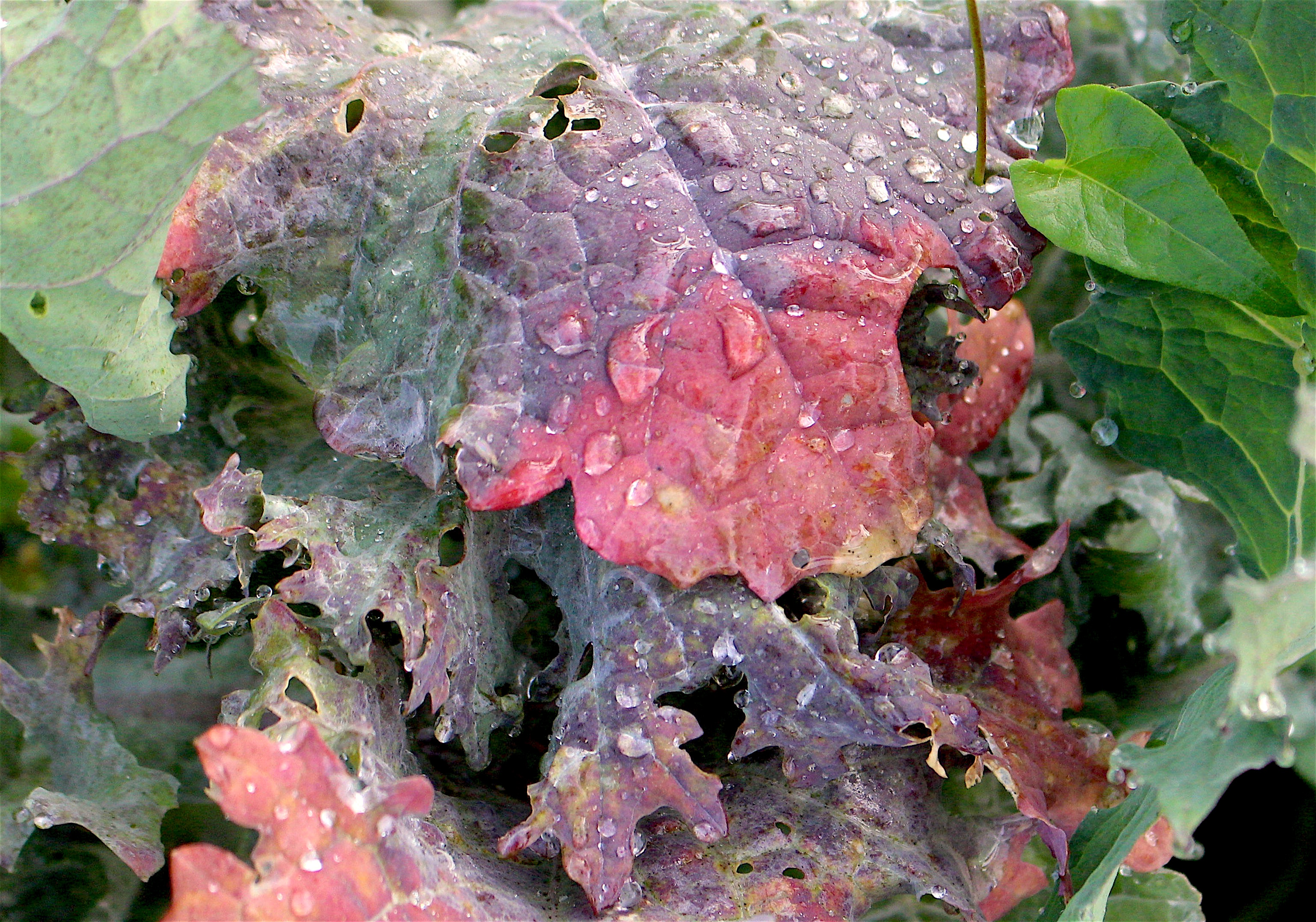
rainykale8

It is not enough to offer a silent thank you,
looking down at dark mums and the garden’s final offerings
of autumn—late-planted greens, their small leaves
fragile and pale. And bright orange peppers,
the odd liveliness of their color signaling an end.
To see the dense clouds drop into its depths and know
who placed them there. It is not enough to welcome God
into every small fold of the day’s passing.
To call upon some unknown force
to let the meat be fresh, the house not burn,
the evening to find us all here again. Yet,
we are here again. And we have witnessed
the miracle of nothing. A slight turning of empty time,
bare of grief and illness and pain. We have lived
nondescript this season, this day, these sixty-minutes.
But it is not enough. To bow our heads in silence.
To close our eyes and see in each moment
of each second the uneventful wonder
of none.
~Pamela Steed Hill from “The Miracle of Nothing”

itsawrap

Sometimes I have loved the peacefulness of an ordinary Sunday.
It is like standing in a newly planted garden after a warm rain.
You can feel the silent and invisible life.
~Marilynne Robinson from Gilead

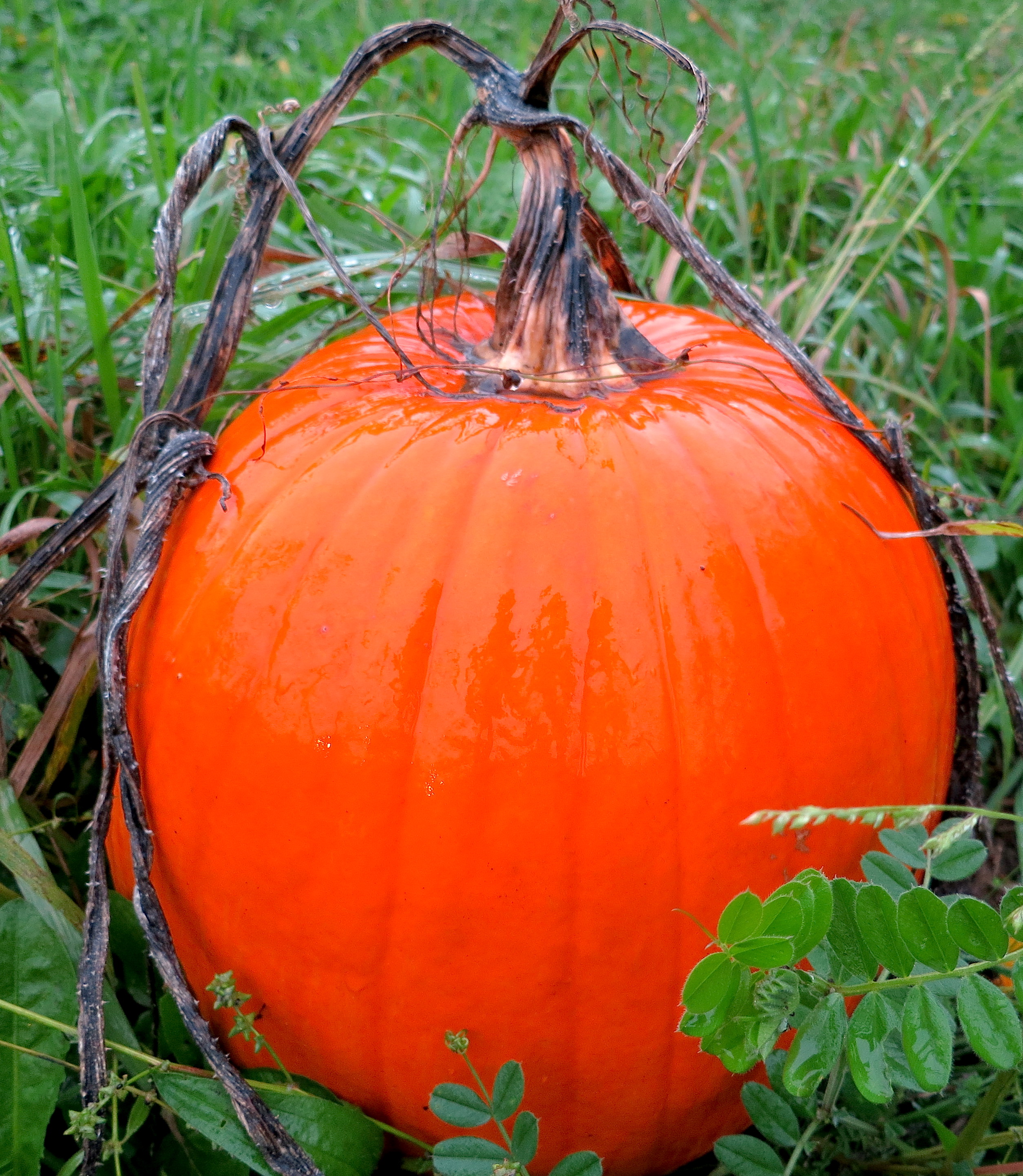
punkinhallow

I am covered with Sabbath rest
quiet and deep~
planted, grown, and harvested in soil
warmed from a too long winter,
now readying for sleep again.

I know there is nothing ordinary
in this uneventful wonder of none.

I am called by such Light
to push out against darkness,
to be witness to the miracle of nothing
and everything.

Can there be nothing more eventful
than the wonder of an ordinary Sunday?

sunrise10216

fallyard2

Bound to the Earth

sunset76161

sistersmoon

My grandparents owned the land,
worked the land, bound
to the earth by seasons of planting
and harvest.

They watched the sky, the habits
of birds, hues of sunset,
the moods of moon and clouds,
the disposition of air.
They inhaled the coming season,
let it brighten their blood
for the work ahead.

Soil sifted through their fingers
imbedded beneath their nails
and this is what they knew;
this rhythm circling the years.
They never left their land;
each in their own time
settled deeper.
~Lois Parker Edstrom “Almanac” from Night Beyond Black. © MoonPath Press, 2016.

morningswans

396747_496652663682556_1002398142_n
Photo of Aaron Janicki haying with his Oberlander team in Skagit County courtesy of Tayler Rae

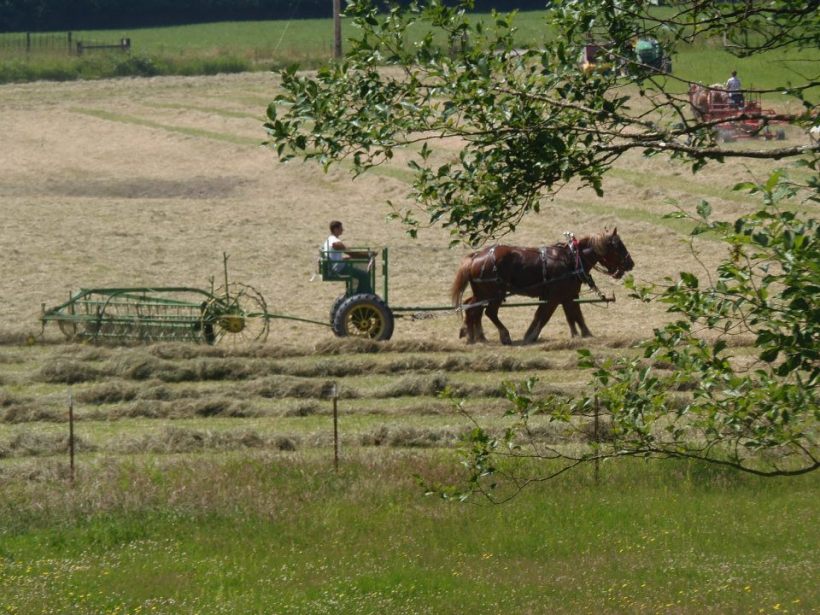
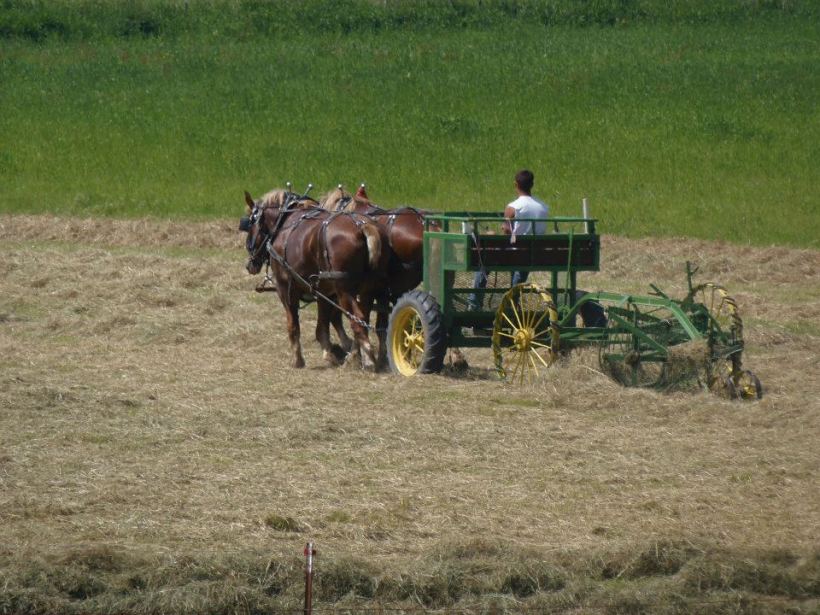
I am old enough to have parents who grew up on farms worked by horses, one raising wheat and lentils in the Palouse country of eastern Washington and the other logging in the woodlands of Fidalgo Island of western Washington.  The horses were crucial to my grandparents’ success in caring for and tilling the land, seeding and harvesting the crops and bringing supplies from town miles away.  Theirs was a hardscrabble life in the early 20th century with few conveniences.  Work was year round from dawn to dusk; caring for the animals came before any human comforts.  Once night fell, work ceased and sleep was welcome respite for man and beast.

In the rural countryside where we live now, we’ve been fortunate enough to know people who still dabble in horse farming, whose draft teams are hitched to plows and mowers and manure spreaders as they head out to the fields to recapture the past.  Watching a good team work with no diesel motor running means hearing bird calls from the field, the steady footfall of the horses, the harness chains jingling, the leather straps creaking, the machinery shushing quietly as gears turn and grass lays over in submission.  No ear protection is needed.  There is no clock needed to pace the day.   There is a rhythm of nurture when animals instead of engines are part of the work day.   The gauge for taking a break is the amount of foamy sweat on the horses and how fast they are breathing. It is time to stop and take a breather, it is time to start back up and do a few more rows, it is time to water, it is time for a meal, it is time for a nap, it is time for a rest in a shady spot.  This is gentle use of the land with four footed stewards who deposit right back to the soil the digested forage they have eaten only hours before.

Our modern agribusiness megafarm fossil-fuel-powered approach to food production has bypassed the small family farm which was so dependent on the muscle power of humans and animals.    In our move away from horses worked by skilled teamsters,  what has been gained in high production values has meant loss of self-sufficiency and dedicated stewardship of a particular plot of ground.  Draft breeds, including the Haflinger horses we own, now are bred for higher energy with lighter refined bone structure meant more for eye appeal and floating movement,  rather than the sturdy conformation and unflappable low maintenance mindset needed for pulling work.   Modern children are bred for a different purpose as well, no longer raised to work together with other family members for a common purpose of daily survival.   Their focus at school is waning as they have no morning farm chores when they get up, too little physical work to do before they arrive at their desks in the morning.   Their physical energy, if directed at all,  is directed to competitive sports, engaged in fantasy combat rather than winning a very real victory over hunger.

I am encouraged when young people still reach for horse collars and bridles, hitch up their horses and do the work as it used to be done.   All is not lost if we can still make incremental daily progress,  harnessed together as a team with our horses, tilling for truth and harvesting hope.

pinkbaker4
I like farming. I like the work. I like the livestock and the pastures and the woods.  It’s not necessarily a good living, but it’s a good life.  I now suspect that if we work with machines the world will seem to us to be a machine, but if we work with living creatures the world will appear to us as a living creature.  That’s what I’ve spent my life doing, trying to create an authentic grounds for hope. –Wendell Berry, horse farmer, essayist, poet, professor

sunrise9714

314753_496651617015994_783180103_n
photo by Tayler Rae


Turn the Earth Upside Down

dewyblue
dewyflowers
 There is a treasure in the earth
that is a food tasty and pleasing
to the Lord.
Be a gardener.
Dig and ditch,
toil and sweat,
and turn the earth upside down
and seek the deepness
and water the plants in time.
Continue this labor
and make sweet floods to run
and noble and abundant fruits
to spring.
Take this food and drink
and carry it to God
as your true worship.
~Julian of Norwich
radish
peasprout

In Summer, in a burst of summertime
Following falls and falls of rain,
When the air was sweet-and-sour of the flown fineflower of
Those goldnails and their gaylinks that hang along a lime;
~Gerard Manley Hopkins from “Cheery Beggar”

Sweet and sour extends far beyond a Chinese menu; it is the daily air we breathe.  Dichotomy is so much of our life and times,  more distinct than the bittersweet of simple pleasures laced with twinges and tears.

We are but cheery beggars in this world, desiring to hang tight to the overwhelming sweetness of each glorious moment — the startling sunrise, the lush green and golden blooms following spring showers, the warm hug of a compassionate word, the house filled with love and laughter.  But as beggars aren’t choosers, we can’t only have sweet alone;  we must endure the sour that comes as part of the package — the deepening dark of a sleepless night, the muddy muck of endless rain, the sting of a biting critique, the loneliness of an home emptying and much too quiet.

So we slog through sour to revel some day, even more so, in sweet.  Months of manure-permeated air is overcome one miraculous morning by the unexpected and undeserved fragrance of apple and pear blossoms, so sweet, so pure, so full of promise of the fruit to come.  The manure makes the sweet sweeter and once again the earth turns upside down.

And we breathe in deeply, content and grateful for a moment of grace and bliss, wanting to hold it in the depths of our lungs forever.

wwupinks

herboctober
summertable2

White Flames of Trillium

trilliumweeping

moss118162

I wished to wade in the trillium
and be warmed near the white flames.
I imagined the arch of my foot
massaged by the mosses.
This field immersed in gravity
defying growth.  Green and glorious.
It let me know that out of the
soil came I, and green I shall be.
Whether an unnamed weed or a
wild strawberry I will join in
the hymn.
~Luci Shaw from “Spring Song, Very Early Morning”
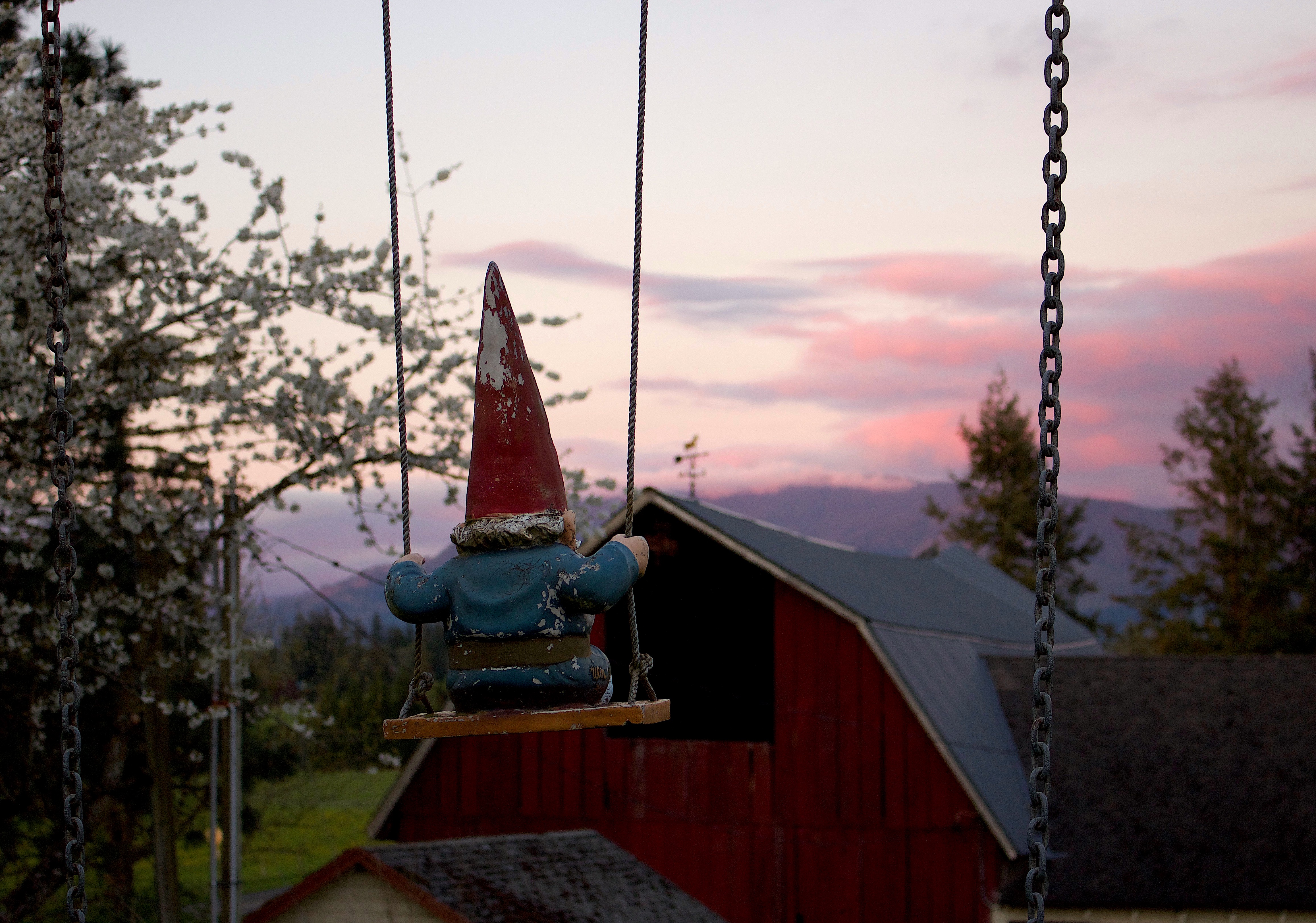
 

After a few days away from the farm, enriched by the contact with like-minded people of faith and words, I am longing to return to the land of moss and trillium, of green grass that overwhelms.

I am of the soil, dust to dust am I.   Created, celebrated, centered on the joy of returning where I belong.

trilliumheart


drizzlemoss

Call for the Soil

plowing match photo by www.ninalintonphotography.com
Dundas, Prince Edward Island plowing match by http://www.ninalintonphotography.com

“When the April wind wakes the call for the soil,
I hold the plough as my only hold upon the earth,
and, as I follow through the fresh and fragrant furrow,
I am planted with every foot-step,
growing, budding, blooming into a spirit of spring.”
–  Dallas Lore Sharp, 1870-1929

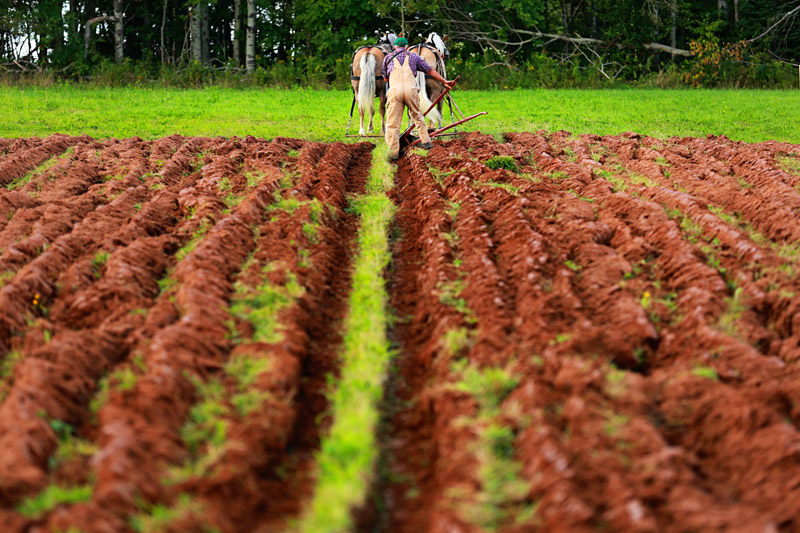
To watch the soil turn over in the spring, whether by horse power with mane and tail or horse power with tires and engine, is to know my own inner soil needs turning upside down as well.  A grip on the handles of the plow connects the dirt and the soul.

The fresh earth ploughed, its face once hidden, surfaces, teeming with life.  There is the glisten of moist dirt, the wiggle of worms slithering quickly back into the depths, the roots of the old giving way to the nurture of new planting.
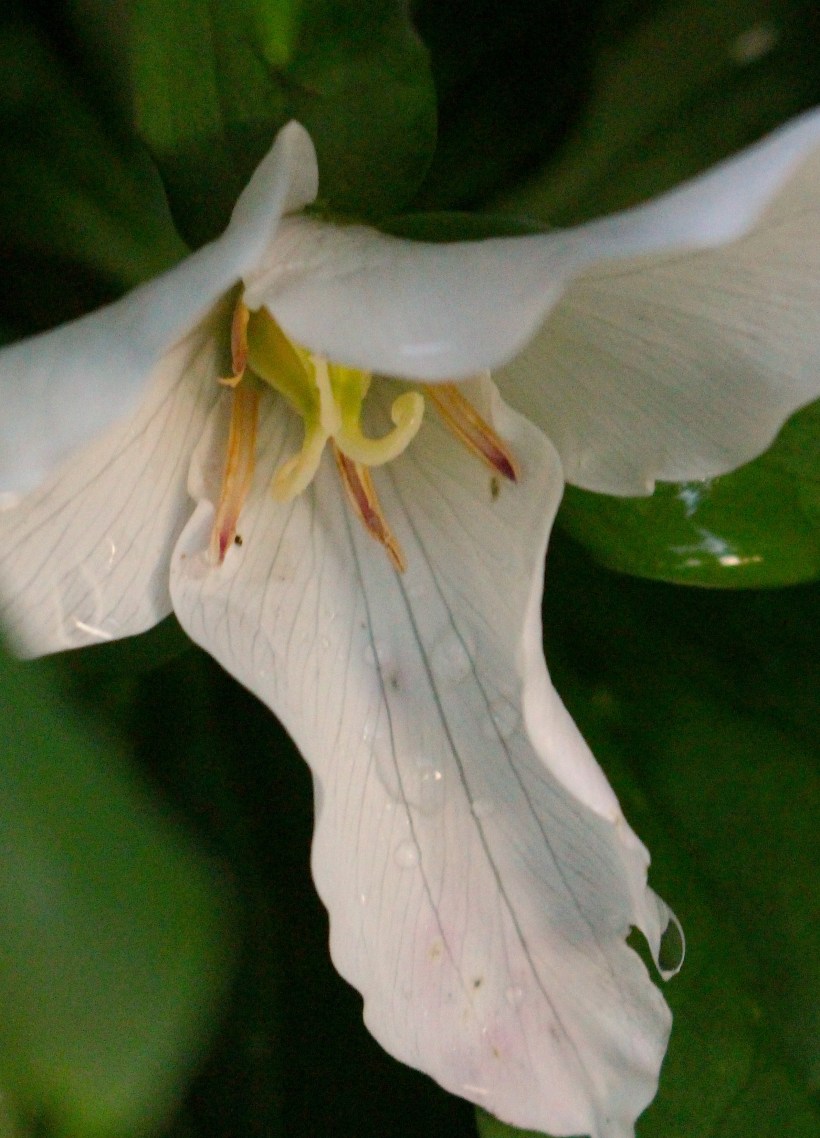
The spirit buds and blossoms once the soil is turned and smoothed into its new position, ready for seeds that will be fed from the heavens.  As the worm forgives the plow,  so we are forgiven for turning things upside down.  We must start over to bloom.  We are ready to get our hands and feet dirty in order to be fruitful.

Joining in the Hymn

photo by Josh Scholten

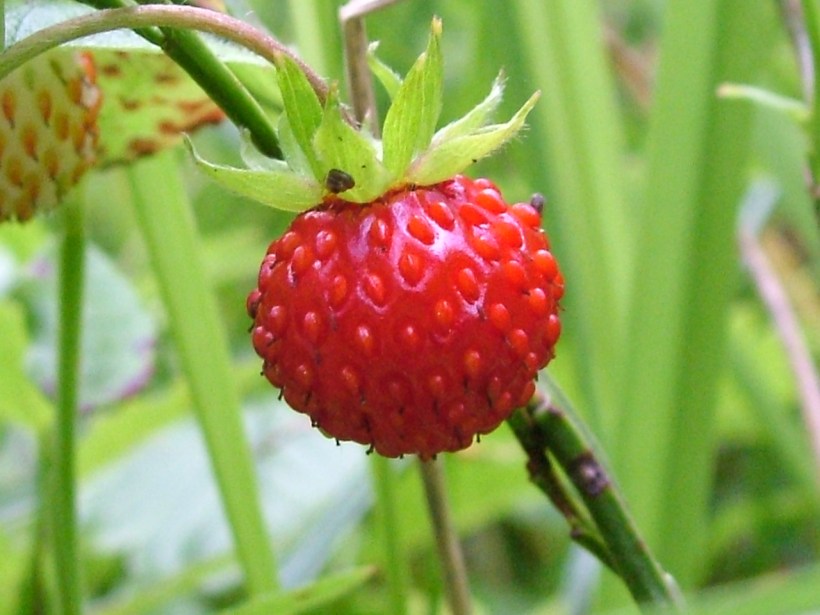
I wished to wade in the trillium
and be warmed near the white flames.
I imagined the arch of my foot
massaged by the mosses.
This field immersed in gravity
defying growth.  Green and glorious.
It let me know that out of the
soil came I, and green I shall be.
Whether an unnamed weed or a
wild strawberry I will join in
the hymn.
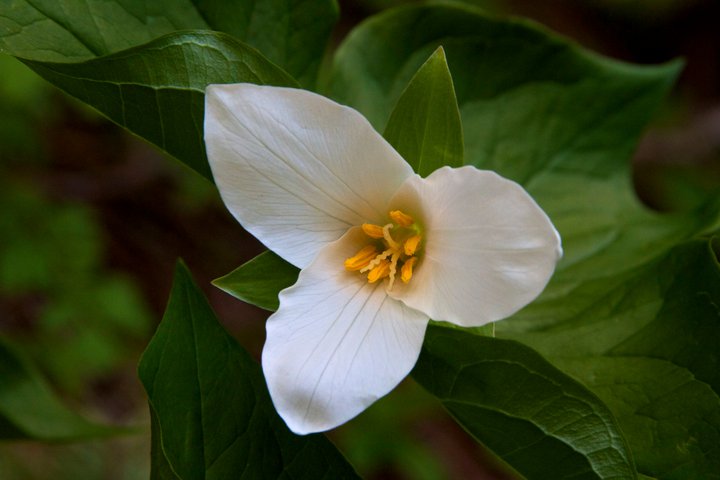
~Luci Shaw from “Spring Song, Very Early Morning”

wild-strawberry

Inherited Specks

photo by Josh Scholten

Skin was earth; it was soil. I could see, even on my own skin, the joined trapezoids of dust specks God had wetted and stuck with his spit the morning he made Adam from dirt. Now, all these generations later, we people could still see on our skin the inherited prints of the dust specks of Eden.
~Annie Dillard from An American Childhood

A goodly portion of every clinic day is spent looking at my patients’ skin.  Most of the time, it is a quick assessment of color, moisture and texture before I go on to concentrate on the chief complaint that brought the patient in.  However, skin concerns frequently are the chief complaint — perhaps as straight forward as an abrasion or laceration, or a puzzling bump, an oozing sore, a total body itch, or an ominous pigmented lesion.

I feel like Sherlock Holmes when I focus on a patient’s outer covering in magnified detail.  I assume the identity of detective, inspector and archeologist all at once, trying to discern what is taking place on or beneath a piece of dermatologic geography.

No matter what the diagnosis or the treatment plan, I’m continually awestruck by the topography of skin.  This supple landscape is made up of trapezoidal specks connected one to another, just like the soil upon which I tread.   Skin cells are in a state of constant renewal, the dead and discarded falling off to rejoin the dust from which it came.

This elaborate matrix of collagen and keratin is the foundation for our scaffolding and our shroud.

His spit provides the superglue: the rivets, the bolts and the nails that bind us together for a lifetime.

We are created to be far more than a mere pile of random dust specks.