Waiting in Hope: Brought to our Senses

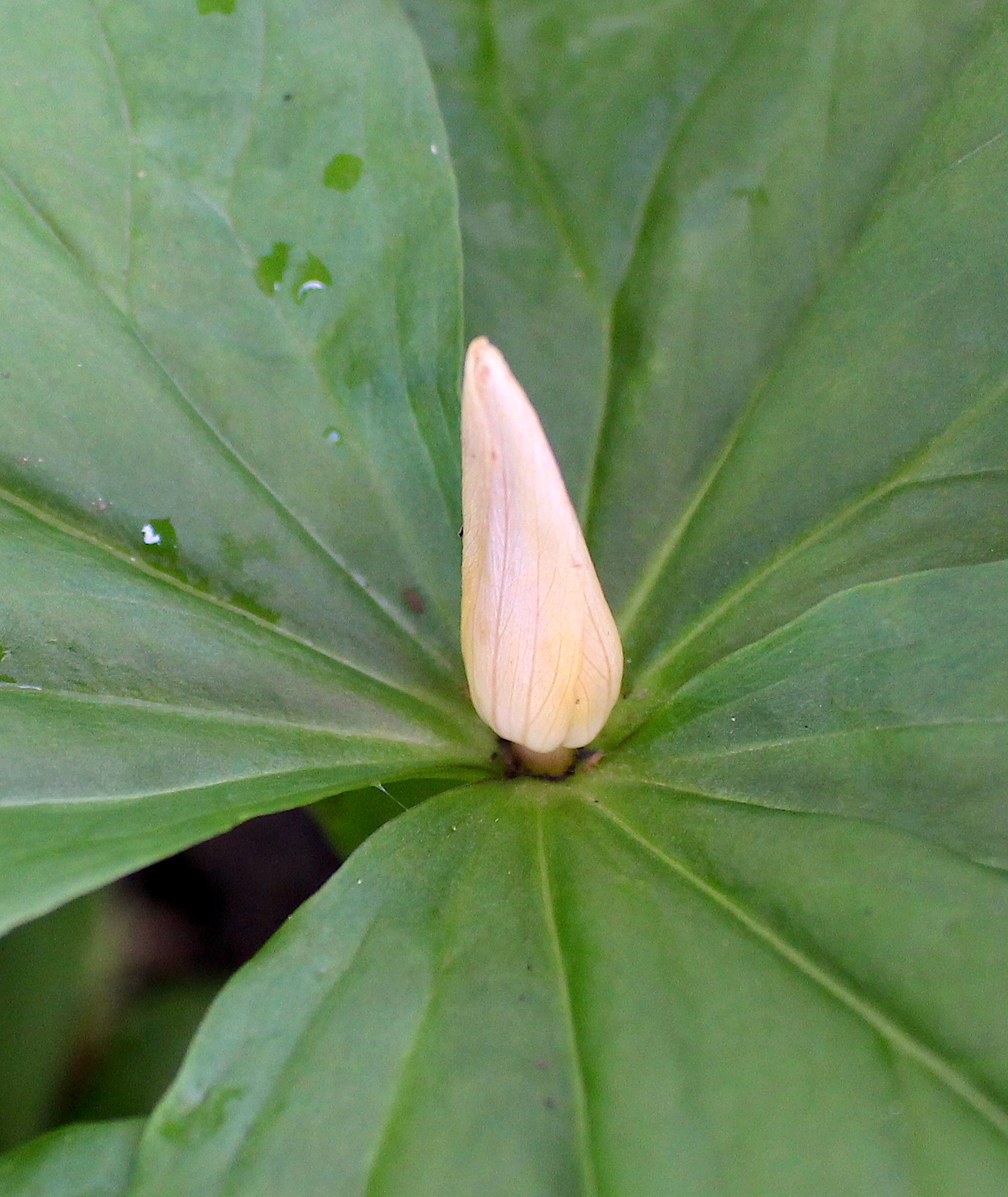
trilliumbud

By these three days all the world is called to attention.
Everything that is and ever was and ever will be,
the macro and the micro,
the galaxies beyond number and the microbes beyond notice –
everything is mysteriously entangled with what happened,
with what happens, in these days.…
Every human life,
conceived from eternity and destined to eternity,
here finds its story truly told.
In this killing that some call senseless
we are brought to our senses.
Here we find out who we most truly are because
here is the One who is what we are called to be.
The derelict cries, “Come, follow me.”
Follow him there?
We recoil.
We close our ears.
We hurry on to Easter.
But we will not know what to do with Easter’s light
if we shun the friendship of the darkness that is wisdom’s way to light.
~Richard Neuhaus from Death on a Friday Afternoon
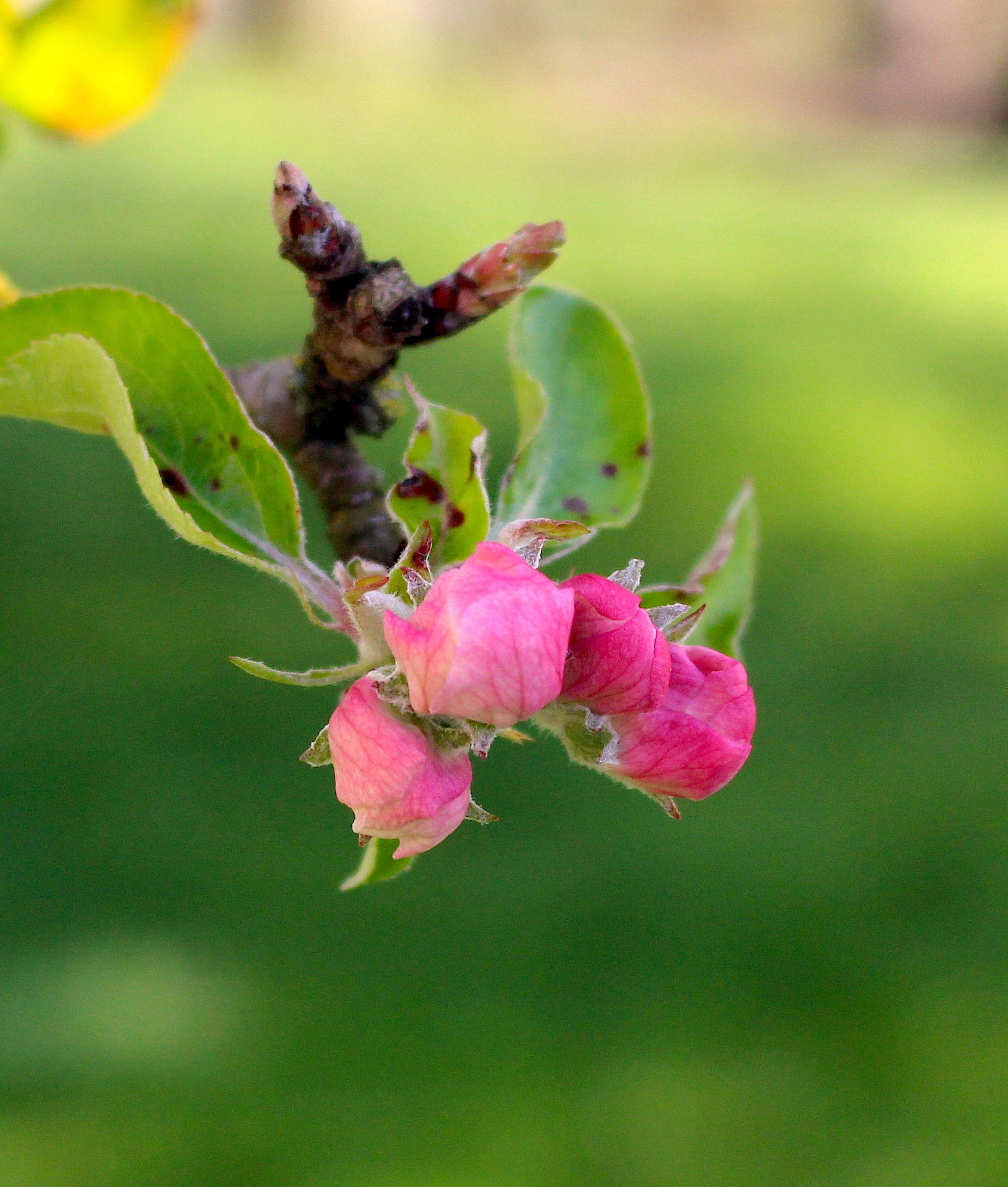


applebuds

So many killings in the last two weeks — needless, heartbreaking death at the hands of others — people abruptly wrenched from their routine lives, their families left with empty arms and filling eyes spilling endlessly with tears.

Such senseless tragedies, we say, recoiling and withdrawing as if we can close our ears to more bad news.  How to make sense of deaths that arise from the darkness found in every soul?

This is the day in between when nothing makes sense;  we are lost, hopeless, grieving.

Yet we are brought to our senses by this one Death, this premeditated killing, this senseless act that darkened the skies, shook the earth and tore down the curtained barriers to the Living Eternal God.
The worst has already happened, no matter how horrific are the events that fill the headlines.

Today we are in between, stumbling in the darkness but aware of hints of light, of buds, of life, of promised fruit to come.

The best has already happened.  Happening now even when we are oblivious.

We move through this day, doing what is possible even when it feels senseless.  Tomorrow it will all make sense: our hope brings us face to face with our God who only does the impossible.
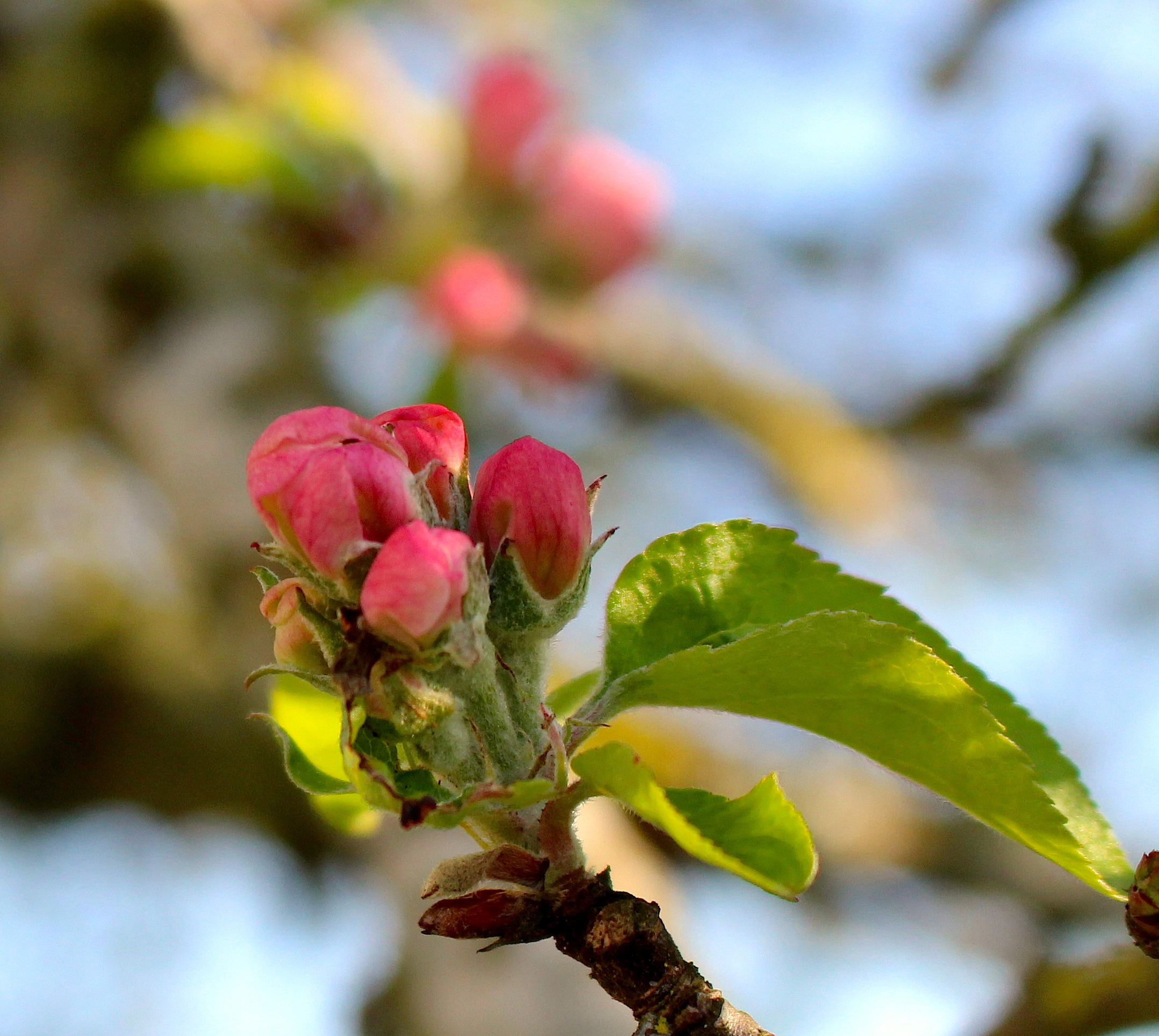
 

applebuds1

The Holy Saturday of our life must be the preparation for Easter,
the persistent hope for the final glory of God.

The virtue of our daily life is the hope which does what is possible
and expects God to do the impossible.

To express it somewhat paradoxically, but nevertheless seriously:
the worst has actually already happened;
we exist,
and even death cannot deprive us of this.

Now is the Holy Saturday of our ordinary life,
but there will also be Easter, our true and eternal life.
~Karl Rahner “Holy Saturday” in The Great Church Year
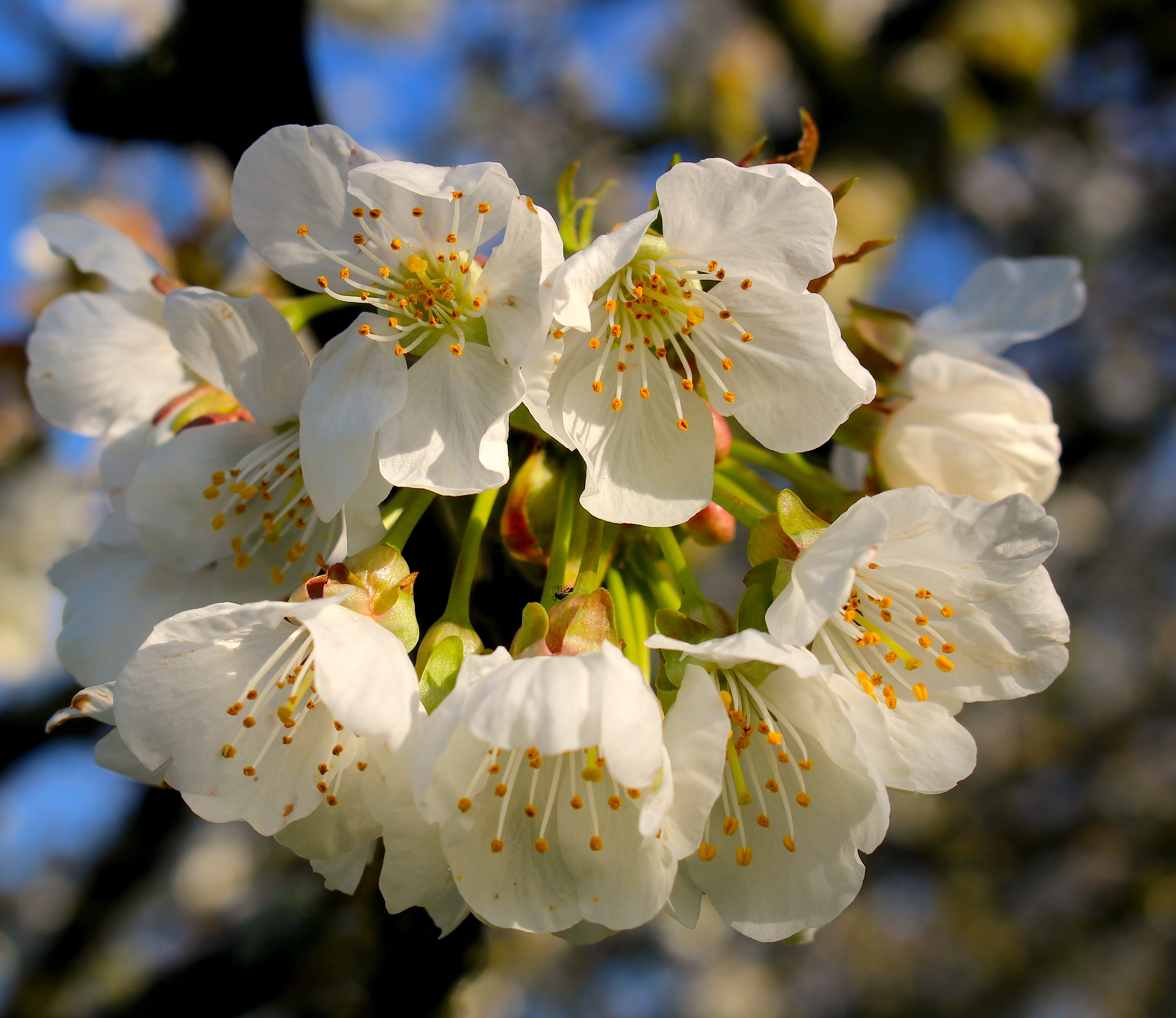

cherryblossoms2015

trillium2

Prepare for Sorrow: Pounding on the Door of the Soul

cellardoor

This morning when I awoke,  I first read the essay below by Morton Kelsey from the Lenten devotional book Bread and Wine.

Only afterward did I read the news about the possible intentional crashing of a German airliner by an apparently rogue co-pilot, killing all 150 individuals on board while the captain was locked outside the cockpit, pounding on the door trying in vain to open it to prevent the destruction.   Imagining the fear and panic of all on board in their final minutes sits heavily on us all;  here is yet another reason to contemplate the darkness of the human condition as we move toward the reality of Good Friday next week.

May the souls of the tragic and innocent victims find rest in God; may we who are yet living answer the pounding on the door of the cellar of our darkened souls:


Scratch the surface of a human being and the demons of hate and revenge … and sheer destructiveness break forth.

    The cross stands before us to remind us of this depth of ourselves so that we can never forget. These forces continue to break forth in many parts of the world now, and many of us would like to forget how in some places in the United States we treat a person whose skin is black.

    Again and again we read the stories of violence in our daily papers, of the mass murders and ethnic wars still occurring in numerous parts of our world. But how often do we say to ourselves: “What seizes people like that, even young people, to make them forget family and friends, and suddenly kill other human beings?” We don’t always ask the question in that manner. Sometimes we are likely to think, almost smugly: “How different those horrible creatures are from the rest of us. How fortunate I am that I could never kill or hurt other people like they did.”

    I do not like to stop and, in the silence, look within, but when I do I hear a pounding on the floor of my soul. When I open the trap door into the deep darkness I see the monsters emerge for me to deal with. How painful it is to bear all this, but it is there to bear in all of us. Freud called it the death wish, Jung the demonic darkness. If I do not deal with it, it deals with me. The cross reminds me of all this.

    This inhumanity of human to human is tamed most of the time by law and order in most of our communities, but there are not laws strong enough to make men and women simply cease their cruelty and bitterness. This destructiveness within us can seldom be transformed until we squarely face it in ourselves. This confrontation often leads us into the pit. The empty cross is planted there to remind us that suffering is real but not the end, that victory still is possible…
~Morton Kelsey from “The Cross and the Cellar”


barnlatch

Prepare for Joy: Sit Beside Me

bench…we all suffer.
For we all prize and love;
and in this present existence of ours,
prizing and loving yield suffering.
Love in our world is suffering love.
Some do not suffer much, though,
for they do not love much.
Suffering is for the loving.
This, said Jesus, is the command of the Holy One:
“You shall love your neighbor as yourself.”
In commanding us to love, God invites us to suffer.

Over there, you are of no help.
What I need to hear from you is that you recognize how painful it is.
I need to hear from you that you are with me in my desperation.
To comfort me, you have to come close.
Come sit beside me on my mourning bench.
~Nicholas Wolterstorff from Lament for a Son

I wondered if 7:30 AM was too early to call Margy. As a sleep-deprived fourth year medical student, I selfishly needed to hear her voice.   I wanted to know how she was doing; she was not sleeping well either these days. She was wearing a new halo brace—a metal contraption that wrapped around her head like a scaffolding to secure her degenerating cervical spine from collapsing from tumor growths. When she was fitted into the brace, she named the two large screw-like fasteners anchored into her frontal skull her “Frankenstein bolts”.   I had reassured her that with a proper white veil draped around the metal halo, she would be more suited to be Frankenstein’s bride.

Each patient I had seen the previous 24 hours while working in the Emergency Room benefited from the interviewing skills Margy had taught each medical student in our class. She reminded us that each patient had an important story to tell, and no matter how pressured our time, we needed to ask questions that gave permission for that story to be told. As a former nun now married with two teenage children, Margy had become our de facto counselor, and insisted physicians-in-training remember the soul thriving inside the broken body.

“Just let the patient know with certainty, through your eyes, your body language, your words, that you want to hear what they have to say. You can heal so much hurt simply by sitting beside them and caring enough to listen…”

Now with a recent diagnosis of metastatic breast cancer, Margy herself had become the broken vessel who needed the glue of a good listener.   She continued to teach, often from her bed at home. I felt compelled to visit her that day, maybe help out by cleaning her house, or take her for a drive as a diversion.

Her phone rang only once after I dialed her number. There was a long pause; I could hear a clearing of her throat. A deep dam of tears welled behind a muffled “Hello?”

“Margy?”

“Yes? Emily? ”

“Margy? What is it? What’s wrong?”

Her voice shattered like glass into fragments, strangling on words that struggled to form.

“It’s Gordy, Emily. He’s gone. He’s lost forever…”

“What? What are you saying?”

“A policeman just left. He told us our boy is dead.”

I sat in stunned silence, listening to her sobs, completely unequipped to know how to respond. None of this made sense. I knew her son was on college spring break, heading to Mexico for a missions trip.

“I’m here, Margy, I’m listening.”

“The doorbell rang about an hour ago. Larry got up to answer it. I heard him talking to someone downstairs, so I decided to try to get up and go see what was going on. There was a policeman sitting with Larry on the couch. I knew it had to be about Gordy.”

She paused and took in a shuddering breath.

“Gordy died last night as they were driving to Mexico. They think he was sleepwalking and walked right out of the back of the moving camper and was hit by another car. “

Silence.  Strangling choking silence.

“They’ll bring him home to me, won’t they?   I need to know I can see him again. I need to tell him how much I love him.”

“They’ll bring him home to you, Margy. He’ll come home.  And we will go see him together. ”


bench3

What We Can Do

snow22314

There is so very little we can do,
Friends, for these beautiful children of ours,
They will come to grief and suffer and you
And I bow to darkness and evil powers.

The gentle boy who wrote poems goes
For a walk in January and does not return.
His mother and father search the woods. The snow
Is deep. All night their hearts burn

For him. He is found, hanging from a limb,
And the father carries the body of his son
Into the yard and tenderly lays him
On the step. Stephen, O darling one,

See how your parents’ hearts break for you.
There is so very little we can do.
~Gary Johnson


Our woodlot lies quiet this time of year.  There have been numerous wind storms that have snapped trees or uprooted them completely and they rest where they have fallen, a crisscross graveyard of trunks that block paths and thwart us on the trails.  Years of leaves have fallen undisturbed, settling into a cushiony duff that is spongy underfoot, almost mattress-like in its softness, yet rich and life-giving to the next generation of trees.

We’ve intentionally left this woods alone for over twenty years.  When we purchased this farm, cows had the run of the woods, resulting in damage to the trees and to the undergrowth.  We fenced off the woods from the fields, not allowing our horses access. It has been the home for raccoon, deer and coyotes, slowly rediscovering its natural rhythms and seasons.

It feels like time to open the trails again.  We’ve cut through the brush that has grown up, and are cutting through the fallen trunks to allow our passage.

We bought this farm from a remarkable 82 year old man who loved every tree here. After spending 79 years on this farm, he treasured each one for its history, its fruit, its particular place in the ground, and would only use the wood if God had felled the tree Himself.  The old farmer directed us to revere the trees as he had, and so we have.  When he first took us on a tour of the farm, it was in actuality a tour of the trees, from the large walnuts in the front yard, to the poplars along the perimeter, to the antique apples, cherries and pear, the filbert grove, the silver plum thicket, as well as the mighty seventy plus year old Douglas fir, Western hemlock and Red cedar trees reestablished after the original logging in the early twentieth century.   The huge old stumps still bore the carved out eight inch notches for the springboards on which the lumbermen balanced to cut away with their axes at the massive diameter of the trees.

He led us to a corner of the woods and stood beneath a particular tree, tears streaming down his face.  He explained this was where his boy had hung himself, taking his life at age fifteen in 1968.   The old farmer still loved this tree, as devastating as it was to lose his son so unexpectedly from one of its branches.  He stood shaking his head, his tears dropping to the ground.  I knew his tears had watered this spot often over the years.  He looked at our boys—one a two year old in a pack on my back, and the other a four year old gripping his daddy’s hand—and told us he wished he’d known,  wished there could have been something he could have done, wished he could have understood his son’s despair, wished daily there was a way to turn back the clock and make it all turn out differently.  He wanted us to know about this if we were to own this woods, this tree, this ground, with children to raise here so there would be something we could do to prevent this from happening again to one of our own.

I was shaken by such raw sharing and the obvious sacredness of the spot.   Though the boy lay buried in a nearby cemetery, a too-young almost-man lost forever for reasons he never found to express to others, it was as if this spot, now hallowed by his father’s tears, was his grave.  This tree witnessed his last act and last breath on earth.

We have left the woods untouched in our effort to let it restore and heal, and to allow that tree to blend into the forest again, surrounded by new growth and life.  We have told this young man’s story to our children and are reminded of the precious gift of life we all have been given, and that it must be treasured and clung to, even in our darkest moments.  This father’s tears watering this woods are testimony enough of his own clinging to life, through his faith in God and in respect to the memory of his beloved boy.

The old farmer and his wife now share the ground with their son, reunited again a only few miles away from our home that was theirs for decades.  Their woods is reopening to our feet, allowing us passage again, and despite the darkness that overwhelms it each winter, the woods bear life amidst the dying as a forever reminder.

And we will not forget.  It is so very little, but the very least we can do.


snow12201313

We Will Remember

poppypink

They shall grow not old, as we that are left grow old:
Age shall not weary them, nor the years condemn.
At the going down of the sun and in the morning
We will remember them.
~Lawrence Binyon from “For the Fallen” (1914)

sunset111142

When you go home tell them of us and say –
“For your tomorrow we gave our today”
from “The Kohima Epitaph

poppy

We are the dead; short days ago
We lived, felt dawn, saw sunset glow,
Loved and were loved, and now we lie
In Flanders fields.
~John McCrae from “In Flanders Fields”


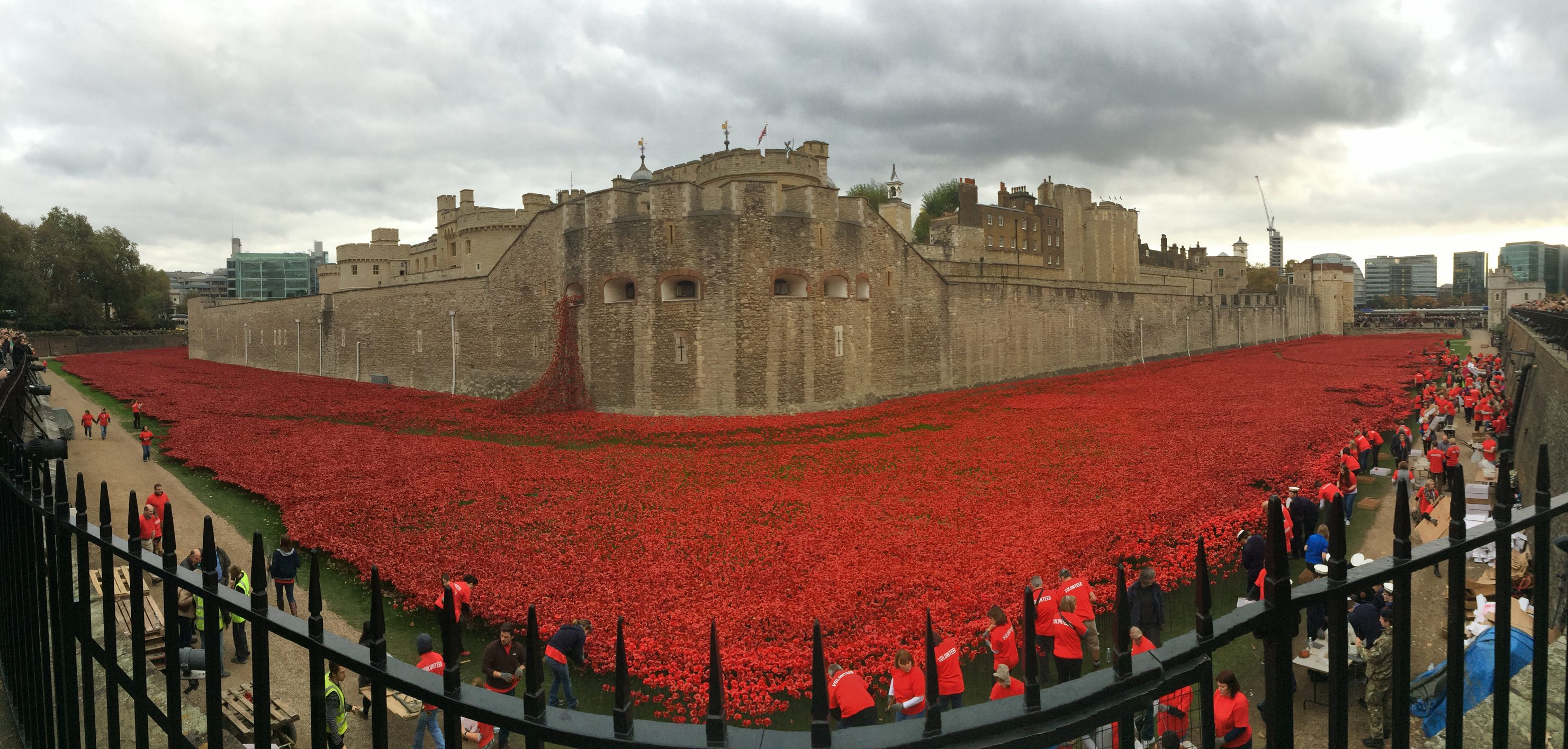
Tower of London Poppies representing the fallen soldiers from the UK and colonies in WWI
Tower of London Poppies representing the fallen soldiers from the UK and colonies in WWI from BBC London

 Courage is almost a contradiction in terms.
It means a strong desire to live taking the form of a readiness to die.
~ G.K. Chesterton 

sunset11114


Harrowing Grace

sunset828142

sunset823143
As imperceptibly as Grief
The Summer lapsed away—
Too imperceptible at last
To seem like Perfidy—
A Quietness distilled
As Twilight long begun,
Or Nature spending with herself
Sequestered Afternoon—
The Dusk drew earlier in—
The Morning foreign shone—
A courteous, yet harrowing Grace,
As Guest, that would be gone—
And thus, without a Wing
Or service of a Keel
Our Summer made her light escape
Into the Beautiful.
~Emily Dickinson


sunset828145


Piecemeal

daisysun

thistle816

coneflowercircle

rosebud

Piecemeal the summer dies;
At the field’s edge a daisy lives alone;
A last shawl of burning lies
On a gray field-stone.
~Richard Wilbur from “Exeunt”

barbsflower

wwulily

wwuredfurry

wwufoliage

dahlia1

There is More to Tragedy

sunset713141

sunset5114

My friend, old and passing, said,
“There is more to life than staying alive.
Don’t rescue me too much.”

On his farm, twelve miles out
by rough gravel roads, he is done

with plowing, spraying, harvesting.

But he is not done watching the sun
sink below the windbreak or listening
to the nighthawks above his fields.

Don’t make him move to town.

There is more to tragedy
than dying.

~Kevin Hadduck “A Note to His Doctor”


sunset41414

fullbarn

A Flower Unplucked

rainyroseA flower unplucked is but left to the falling,
And nothing is gained by not gathering roses.
~Robert Frost from “Asking for Roses”


Robin Williams spent his lifetime coaxing us to laugh till we cried,
making us cringe and too often wanting to hide from his manic intensity.

He left no flower unplucked and now he has left us weeping again
too soon,
petals shattered and strewn,
a lingering scent of roses rising.

rainyrose2

rainyrose3

Honoring His Hands

10345843_10203941890577940_1009063984376191467_n

Carpentry…. embodies the emotional: celebration, contemplation, mystery, and grief.
It is an art that is solitary and communal, one that transcends time and outlives us.
~Yusuf Komunyakaa from “Honor Thy Hands”

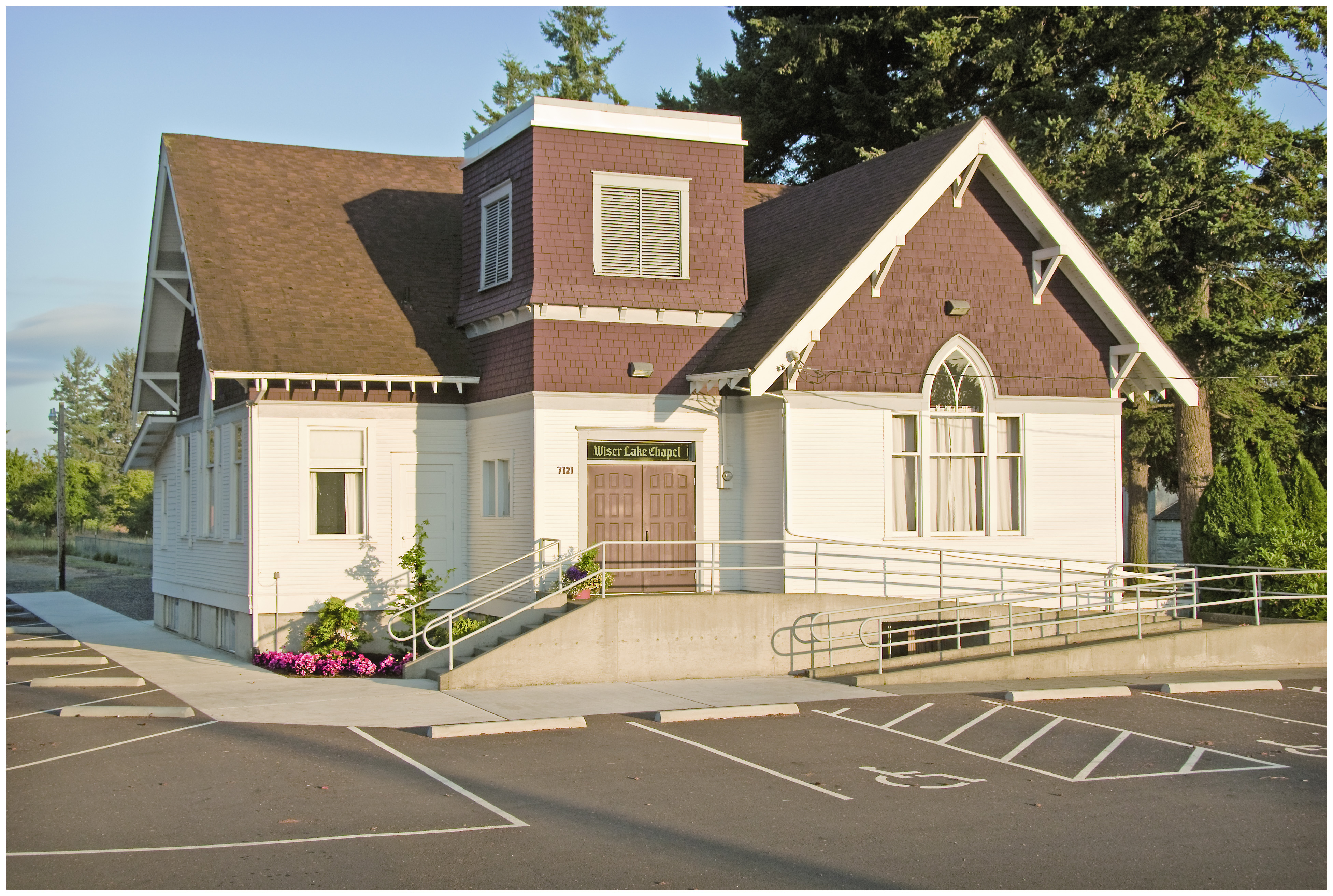
Wes Meyer learned how to build new things and repair old things from his carpenter dad, Pete, working side by side for many years.  Although Wes was a magician with hammer and nails, taking raw materials and creating something beautiful and functional, his true artistry was when he was able to take something broken or failing and make it new.   By never giving up on finding a solution to a problem, no matter how hard it was to fix, he transcended the limits and boundaries of others saying something was  “too old to bother.”

Our almost 100 year old church building  presented perpetual challenges to enhance Wes’ often solitary restoration skills, whether it was a leaking roof that required scaling the steep slopes, spraying a hornets’ nest in the belfry, replacing missing siding after a windstorm, sweeping up the glass from a window broken by vandals or a broken tree branch, or mopping up after the annual basement flooding when the rains fell too long and hard.   He became our unofficial ambassador to the often wary county Planning Department, diplomatically negotiating permits for various repair projects and a fellowship hall expansion.   At the annual congregational meeting, when it came his turn to report on the volunteer Buildings and Grounds Committee activities for the year, he would take off his ball cap, lean over the podium, look out at the rest of us non-carpenters, and say, “this building is really old!” and wearily shake his head.  But rather than suggest a tear-down and start-over, he would outline a list of projects he had tackled in the previous year and what he figured would need doing the coming year and how much the materials would likely cost.   He made it “our” communal duty to keep our church building glued together for the next generation and the next.  The building needs to outlive us.

Wes, like any excellent craftsman,  made sure it outlived him.

When he was diagnosed with acute leukemia 30 months ago, he had no problem turning his failing bone marrow over to the oncologists to fix and make new.  He understood the process of patching up something that was broken, and that sometimes in the middle of a repair, things can look and feel worse than they were before, but you have to keep your eyes on the goal.  With the support of his loving wife and daughter and an almost-man star athlete son who had grown far taller and stronger than his dad,  and a remarkable extended family, Wes took on the cancer like yet another major remodel.  He and his medical team gutted the leukemia cells with chemotherapy and rebuilt anew with his brother’s stem cells.  It was a difficult repair and his body, like a customer demanding too many change orders,  wasn’t all that keen on accepting the new cells.  Wes and his doctors worked hard trying to address the new demands.  It felt like a job that would never be done — all he wanted was to move on to other projects.

Sometimes even the best remodel has problems; sometimes the fissure in the foundation is just too wide, or the weight-supporting beams have hidden dry rot.  Wes’ bone marrow harbored cancer cells that eventually reemerged and the next chemotherapy step was like falling into an old well hole with no ladder.    He couldn’t climb out, his body too damaged, the burden too heavy, his time running out.   A few days ago he was brought out of that deep pit to be home near his family and friends. Unlike his thriving church building, Wes was not nearly old enough to die last night, but he did.   Sometimes the tear-down is necessary to build something even more beautiful and glorious.  We all await that moment with trembling.

Those hands of his must be needed elsewhere, working on projects that last for eternity.  No more repairs needed.


WiserLakeChapel4Star